

I’ve been critical of PlayStation and Nintendo in recent months for unnecessarily jacking up the prices of their consoles and games – and now it’s Xbox’s turn. If you haven’t heard, the prices of Xbox consoles, Xbox games, and most Xbox accessories are rising, coming hot on the heels of a significant price hike in Xbox’s Game Pass subscription service.
Don’t believe the lies: this isn’t because of “tariffs” or “inflation” – if anything, these price hikes are a cause of, not a reaction to, inflation. Xbox, like Nintendo and PlayStation before them, planned to jack up their prices months or even years ago. The latest economic turmoil may be a convenient excuse and shield – just like covid, “supply chain issues,” and inflation were a few years ago – but they aren’t the real reasons. The real reason is simple: greed.
Not even two days ago, at the end of April, Microsoft bragged to investors on an earnings call about how well their Xbox brand and gaming division were performing. Where PlayStation, Nintendo, and other big players in the industry have been mostly stagnant for a couple of years, Xbox enjoyed significant growth – leading to higher than expected profits. Microsoft attributes this to the successes of Game Pass, the Call of Duty series, and Minecraft – the latter of which is probably connected to the release of A Minecraft Movie in cinemas.
The news caused Microsoft’s share price to rise, dragging up other related tech companies at a time when the stock market has been on a downward trend. Partly thanks to the continued success and growth of Xbox, Microsoft is now worth well over $3 trillion – that’s trillion, with a T. In spite of making record profits and enjoying growth that other gaming companies are struggling to maintain, less than two days later Microsoft has turned around and told customers and families that we’re going to have to pay significantly more for their products. They’re too expensive to make in these “challenging economic times.”
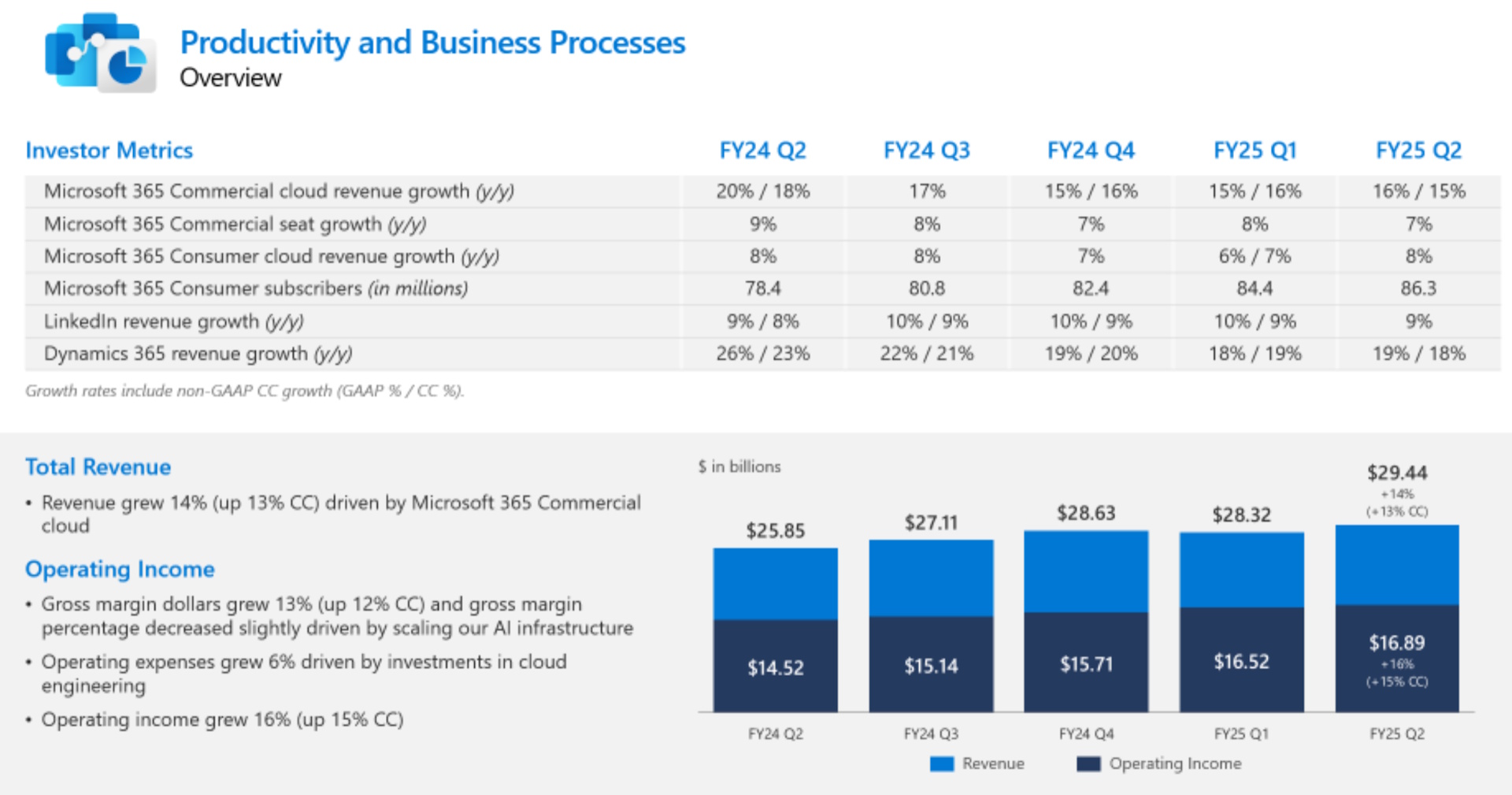
Image: Microsoft Investor Relations
Although these price hikes will have been planned months or years in advance, the timing of this announcement is – at least in my opinion – connected to the Nintendo Switch 2 situation that we talked about last month. Nintendo may have been roundly criticised for its announcement that games like Mario Kart World will cost $80/£75… but that doesn’t seem to have impacted pre-orders all that much at this stage. In fact, Nintendo announced record pre-order numbers at least in Japan, and as I suggested would happen, the vocal backlash to Nintendo’s announcement hasn’t been met with a comparable “boycott” or even a noticeable decrease in sales.
The same must be true of Sony and PlayStation. PlayStation consoles rose in price not that long ago, and the PlayStation 5 Pro became one of the most expensive pieces of hardware ever when it launched last year. But despite generating online protests, Sony’s devices and games have continued to sell – leading to the company making record profits in 2024. In that environment, Microsoft might as well join in, right? From a business and financial perspective, they’d be silly not to – it’s like leaving money on the table.
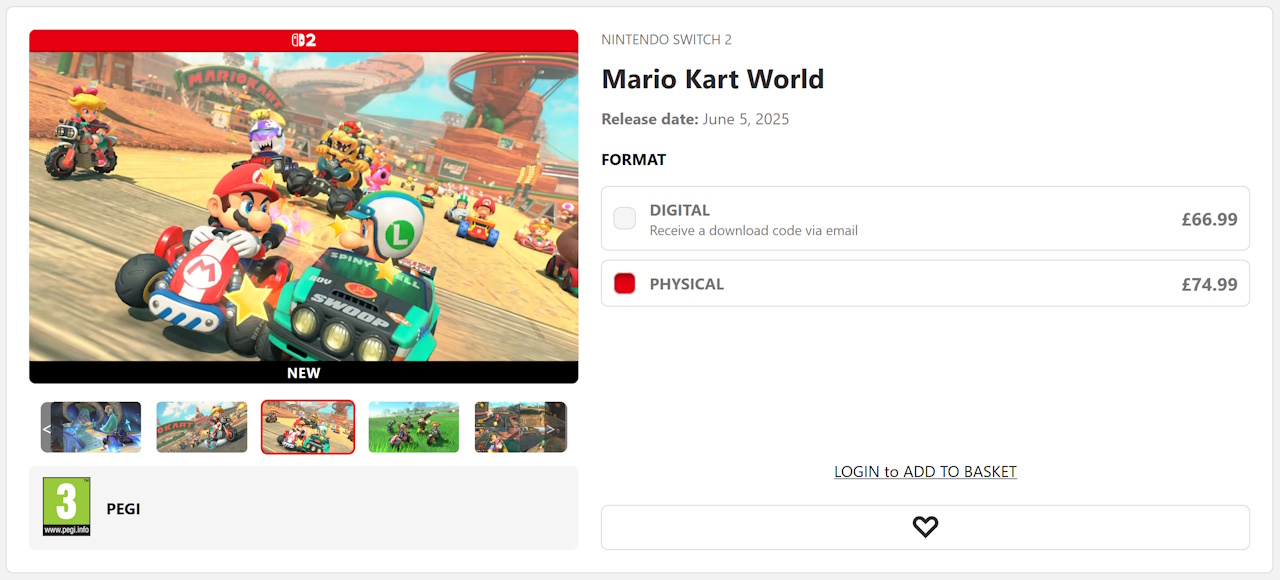
But for those of us who live in the real world, where incomes haven’t risen in line with inflation and where government help is harder to come by than ever, it’s a pretty tough pill to swallow. Nintendo and Xbox may claim at this stage that only “some” games will be priced at $80/£75 going forward, but that’s unlikely to hold for very long. Less than five years after the base price of games already went up by $10, another permanent price hike is happening. And if speculation about Grand Theft Auto VI turns out to be true, this might not be 2025’s only price rise. As I said when discussing the Nintendo Switch 2 situation just a couple of weeks ago: by this time next year, $90 or even $100 could be the asking price for AAA games across the board.
“But game development is expensive!” Or so goes the whiny retort from corporate sell-outs. Here’s my problem with that: if your corporation has literally never made more profit before in its existence, as is the case for Sony, Nintendo, and Microsoft… that argument is dog shit. The same corporate suits can’t brag to investors and shareholders about how much money they’re making, then in the very next breath plead poverty to consumers and players. It doesn’t work like that – you gotta choose one or the other. If these companies were genuinely struggling to keep the lights on, I guess I’d be more receptive to that kind of argument. But when you see the financial reports and hear how eagerly the vacuous suits boast of their financial success, it’s pretty grating to be told that selling games for an already-inflated price is somehow “unaffordable.”
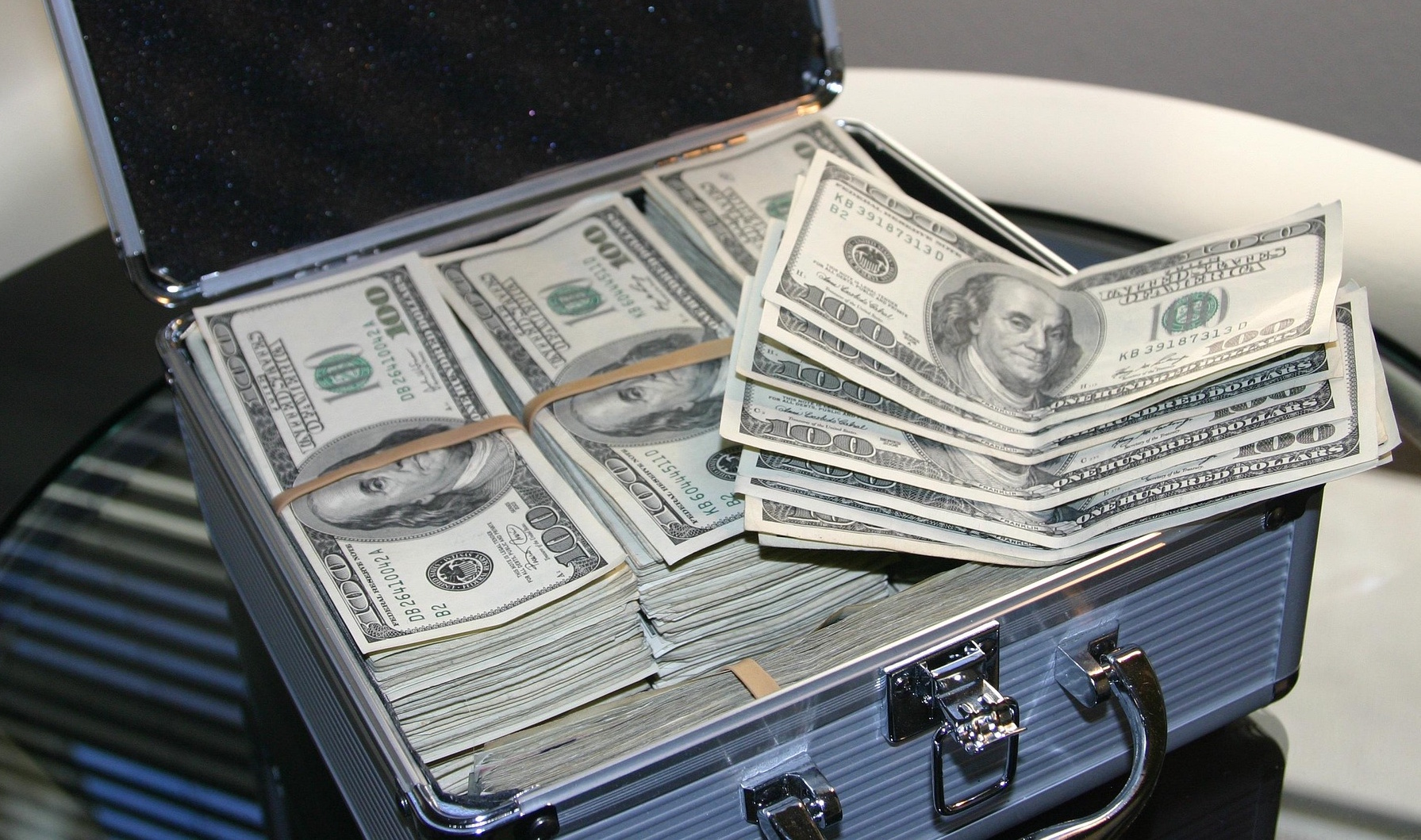
I said this several years ago, but here we go again: there really shouldn’t be a “cost of living crisis.” What we have is a “cost of greed crisis,” where almost every major corporation is making more money than ever, but they continue to jack up their prices to squeeze even more profit out of overstretched and overburdened people. It’s not because of “tariffs,” it’s not because of some nebulous concept of “inflation,” it’s pure and simple greed. And it’s disgusting.
That’s the lens through which I see Xbox’s price hike – and Nintendo’s and PlayStation’s, too.
The problem is that those three companies have an effective monopoly on the console gaming space. And while I’d never want to libel anyone by suggesting the executives at all three corporations are colluding to rig the market and raise prices… I wouldn’t put it past them. And if Xbox follows Nintendo’s lead and raises its prices to match – with Sony presumably set to do the same thing soon, too – what’s the difference? The end result is the same for those of us who just want to play a game or two.

The reality is that, even with disruption to the stock market and a potential recession looming, Microsoft and Xbox could’ve easily absorbed any financial impacts and still turned a very healthy profit. Nintendo could’ve done the same – even if it meant making a net loss on individual Switch 2 consoles in North America, the company would remain profitable. These price rises are a choice, one driven by corporate greed.
The main reason why I criticised PlayStation for hiking up the price of its consoles was because of how unusual a mid-generation price hike is. And Xbox is now firmly in the same camp. The trend for decades has been that consoles and games get less expensive as time goes on, not more. This console generation may have had some great games, but in many ways it’s been underwhelming. There’s been far less innovation, with corporations largely choosing to play it safe. There hasn’t been much by way of graphical improvement, thanks to companies choosing to launch many of their biggest titles on last-gen hardware. And there are fewer and fewer console exclusives – especially on Xbox’s side.

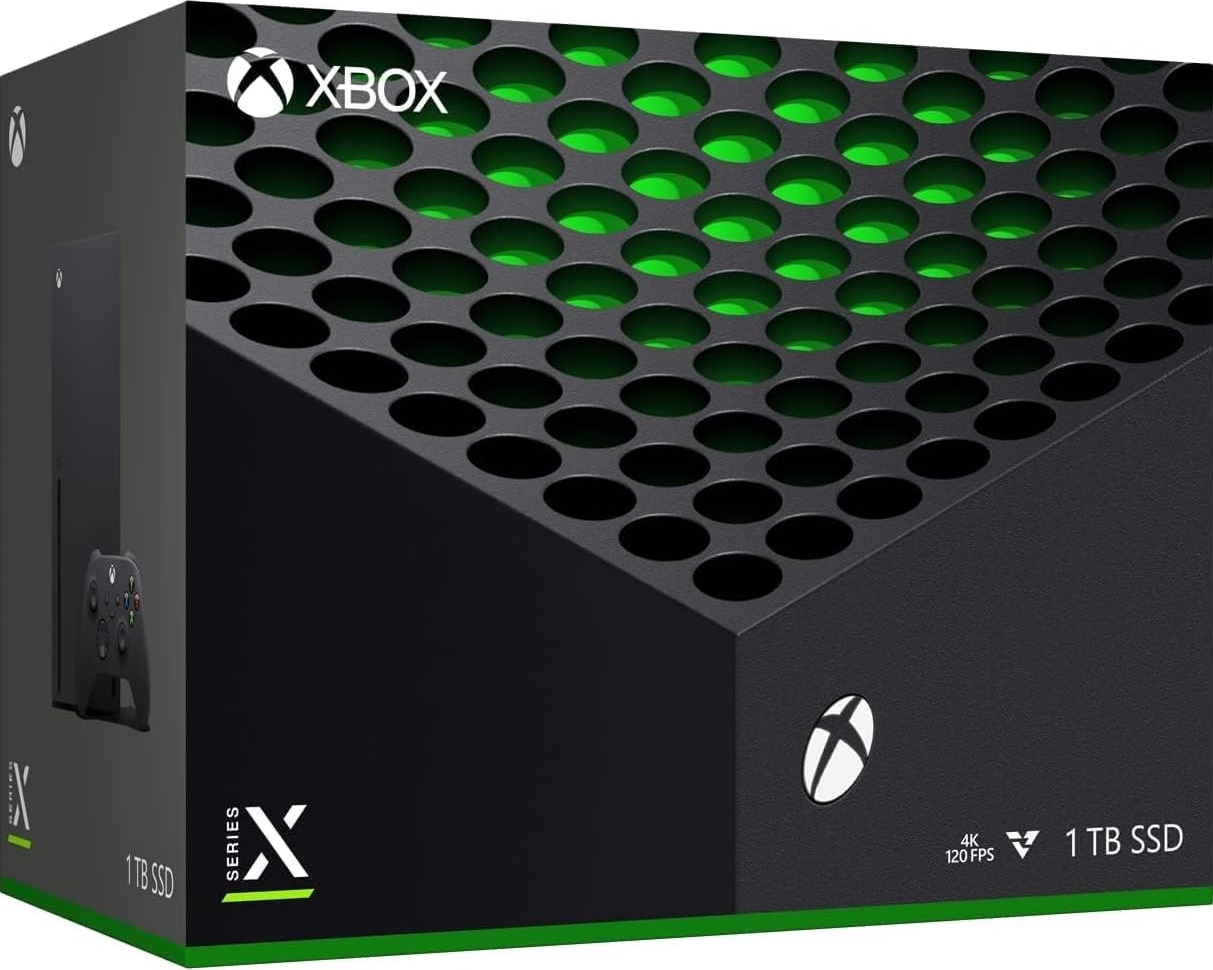
With all of that in mind, is an Xbox Series S worth the new price of $400/£300? And is a Series X worth $600/£500? When the majority of the consoles’ price hikes are going directly into the pockets of investors, shareholders, and executives – and not to the people who are actually developing games – I’d say no. Absolutely not.
At the end of the day, as consumers we’re pretty stuck. If you want a home console, there are only three names in town – and they’re all jacking up their prices. If you want a brand-new game, from here on out they’re gonna cost $80/£75 at a minimum. Gaming just got a whole lot more expensive for no good reason.
All brands mentioned above are the copyright of their respective corporation/owner. This article contains the thoughts and opinions of one person only and is not intended to cause any offence.
 Trekking with Dennis