

Spoiler Warning: There are no major story spoilers for Dynasty Warriors: Origins, but minor spoilers may be present. All screenshots and images are from the first couple of hours of the story.
I usually go for games with deep worlds, rich character development, and engaging stories. But once in a while, it’s nice to step back from that and just button-mash my way through wave upon wave of enemies – and that’s precisely what I’ve been doing with Dynasty Warriors: Origins!
My relationship with this long-running series is… sparse, to say the least! Back in the PlayStation 2 era, I had a blast playing Dynasty Warriors 2 at a friend’s house, but until now, that was the only game in the series I’d ever played. I remember being impressed by the number of enemies on screen; twenty-five years ago, there really wasn’t anything quite like it! In fact, Shenmue’s climactic battle at the end of the game was the only thing that I can remember coming close at the time.
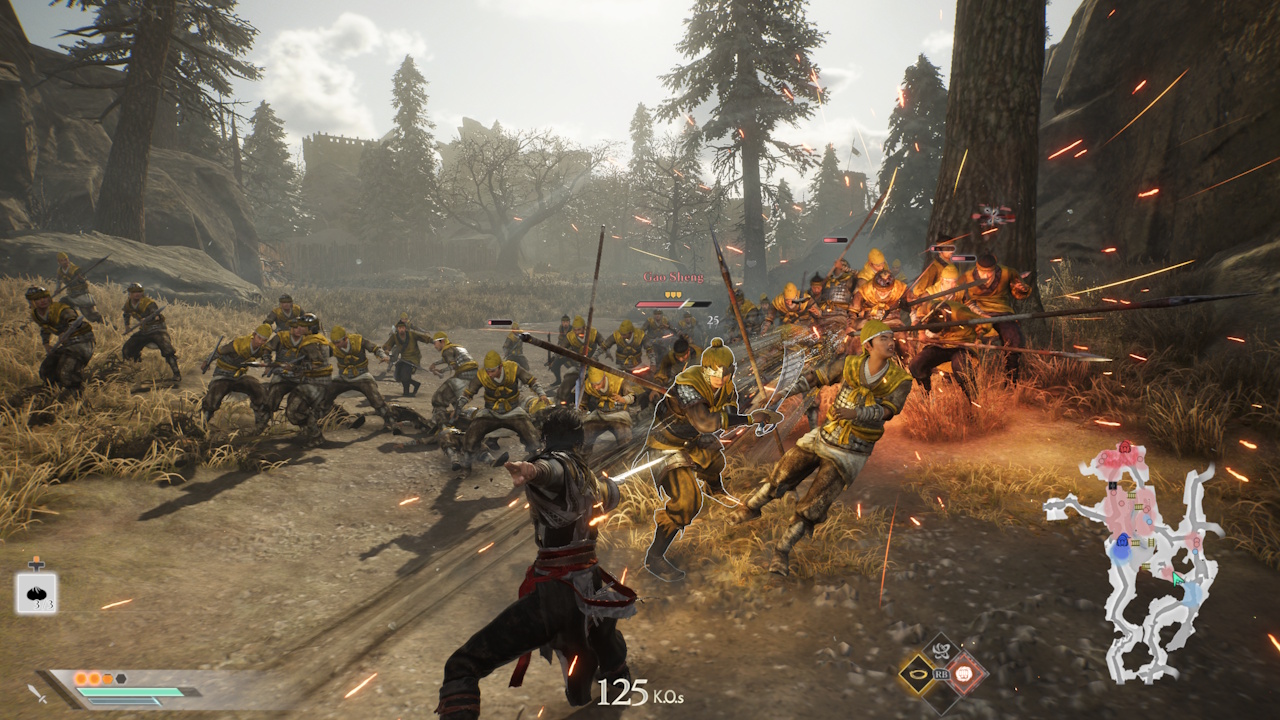
A few years ago, Dynasty Warriors 9 got torn to shreds by reviewers for its poorly-implemented and sparse open world design, one which left fans of the series and casual players alike severely disappointed. Origins appears to be Omega Force’s response to those criticisms, bringing the game closer to earlier entries in the series – while retaining a sense of scale thanks to a navigable map screen. If you know me, you’ll know I loathe publishers and developers forcing the open world model onto games that are completely unsuited to it… so for my money, I think it’s great that the Dynasty Warriors series has learned its lesson!
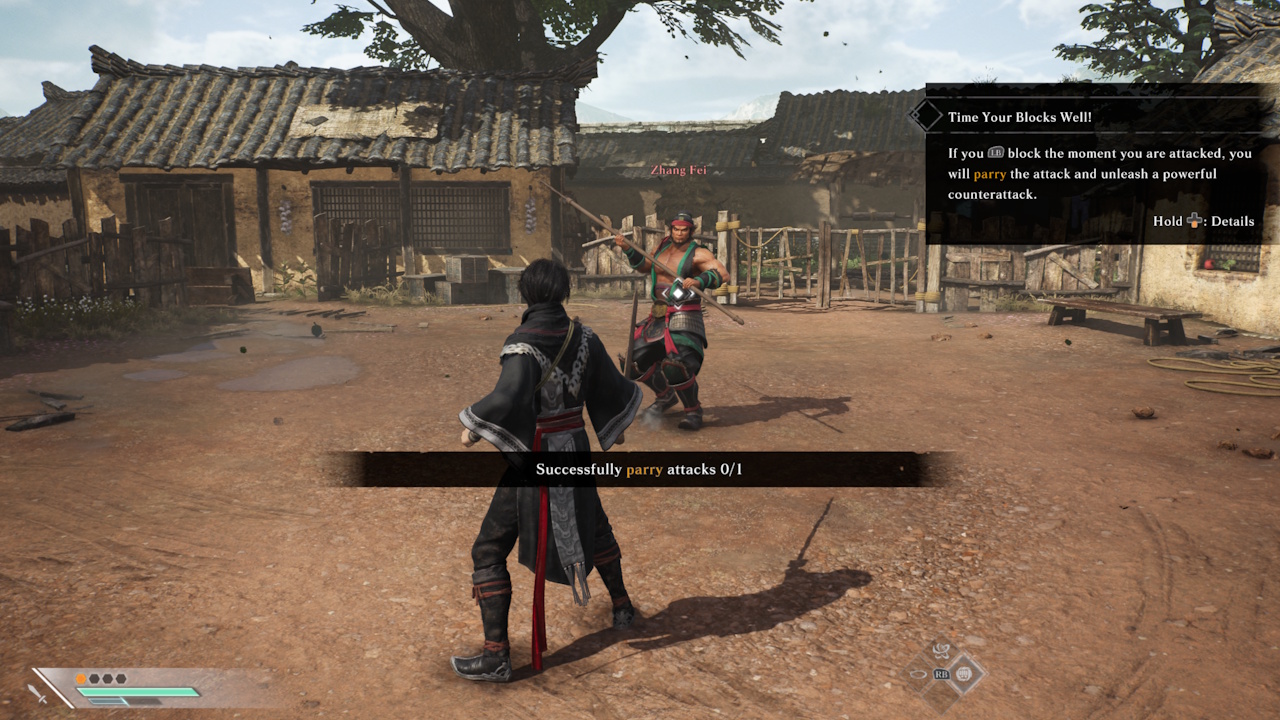
At the start of this year, and even as the game launched, Dynasty Warriors: Origins just wasn’t on my radar. It’s not the kind of game I’d usually go for, especially nowadays with arthritis in my hands making it more difficult than ever to play games with complicated button combos and parrying. Ugh – parrying. But thankfully, Origins has a solid easy mode, which meant I could play through the game at my own pace. I’m glad to see this kind of accessibility feature in a game like this; other developers could learn a thing or two from Omega Force in that regard!
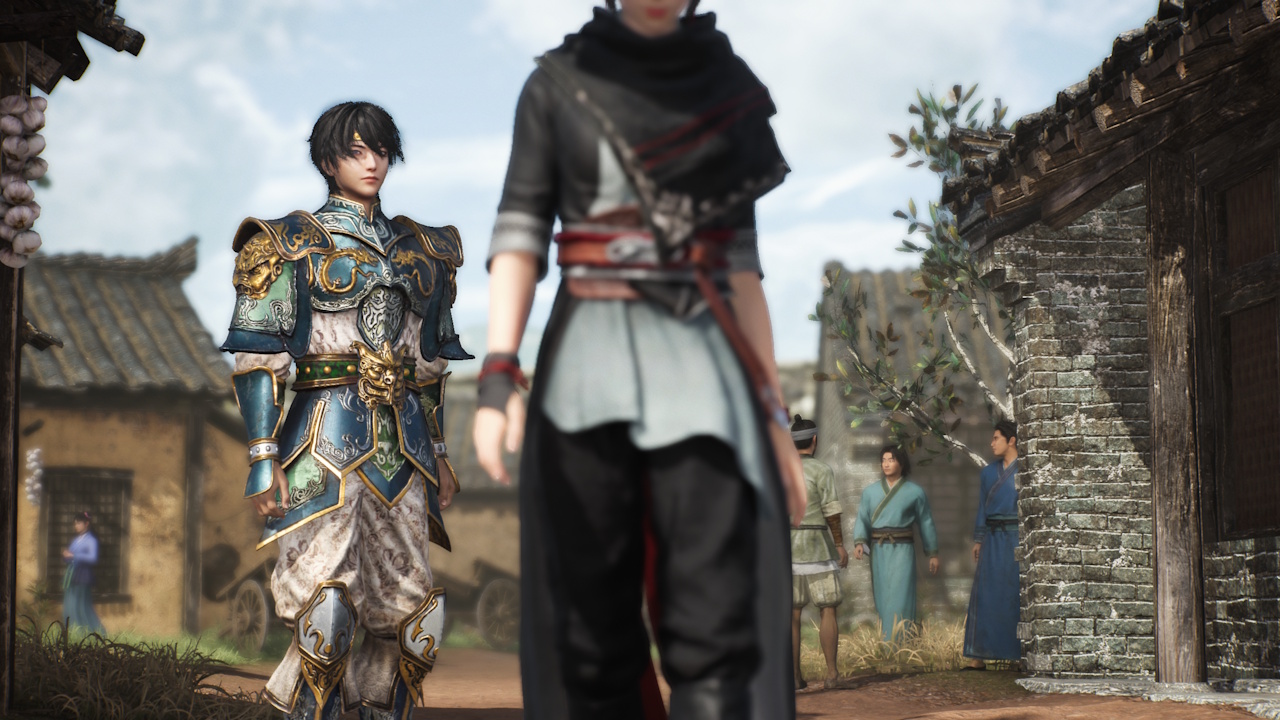
Despite my flippant remarks at the beginning, Dynasty Warriors: Origins has a story. It’s just that, for me at least, it came secondary to the gameplay and fun battle sequences, and it wasn’t something I felt particularly engaged with. In one sense, I’d argue the game’s story – and the way it’s performed – feels like a throwback to games of the PlayStation 2 era; dodgy voice acting and pretty basic cut-scenes made it feel like I’d stepped back in time to the turn of the millennium! Despite how that might sound, I actually mean it in a positive sense. Dynasty Warriors: Origins is a video game that puts gameplay front-and-centre, and the story scenes add to its old-school charm.
Not only that, but I found it to be a game I could dip in and out of with ease. While waiting for a delivery, I could jump into a battle. During an afternoon break, I could skirmish with some bandits. While my sausages were roasting in the oven, I had time to beat a Yellow Turban general. Being able to jump into the game for a few minutes and play through a short battle, or just scour the map-overworld for hidden collectables, turned out to be a ton of fun. There was no real commitment; the game didn’t demand hours of my time with cut-scenes, sparse checkpoints, or overly long, convoluted level design. I found myself appreciating that side of things way more than I expected.
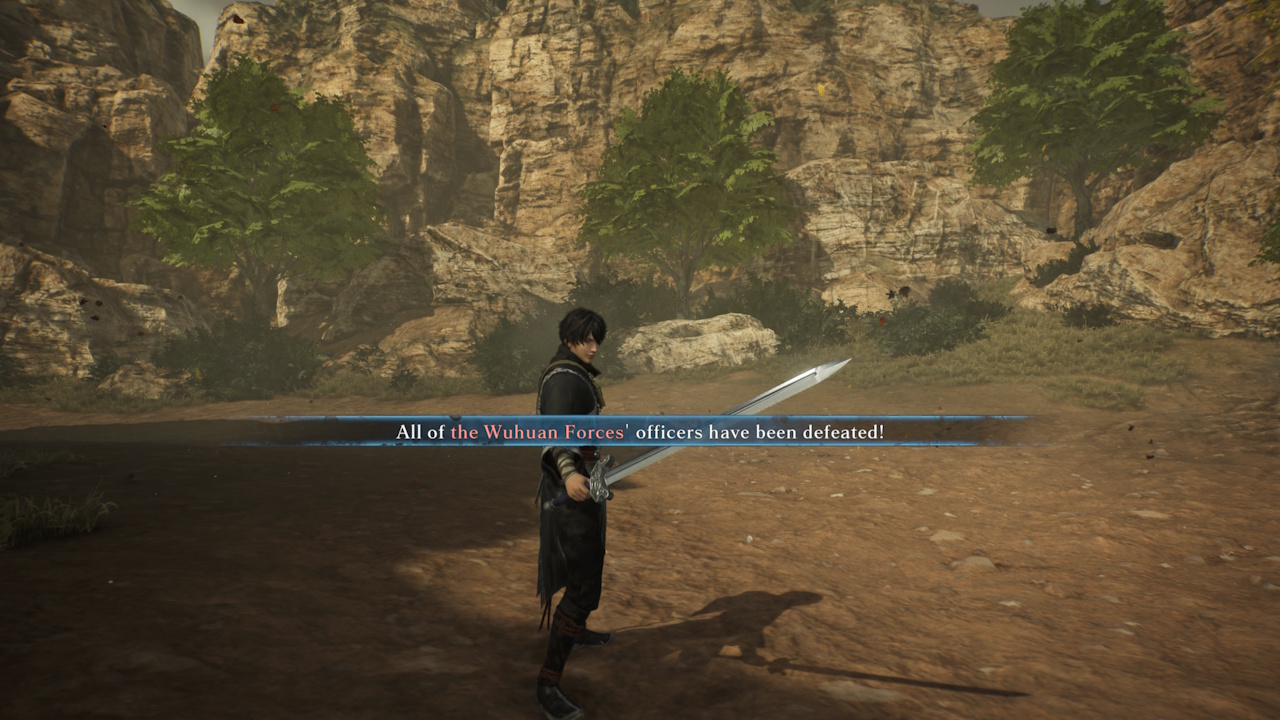
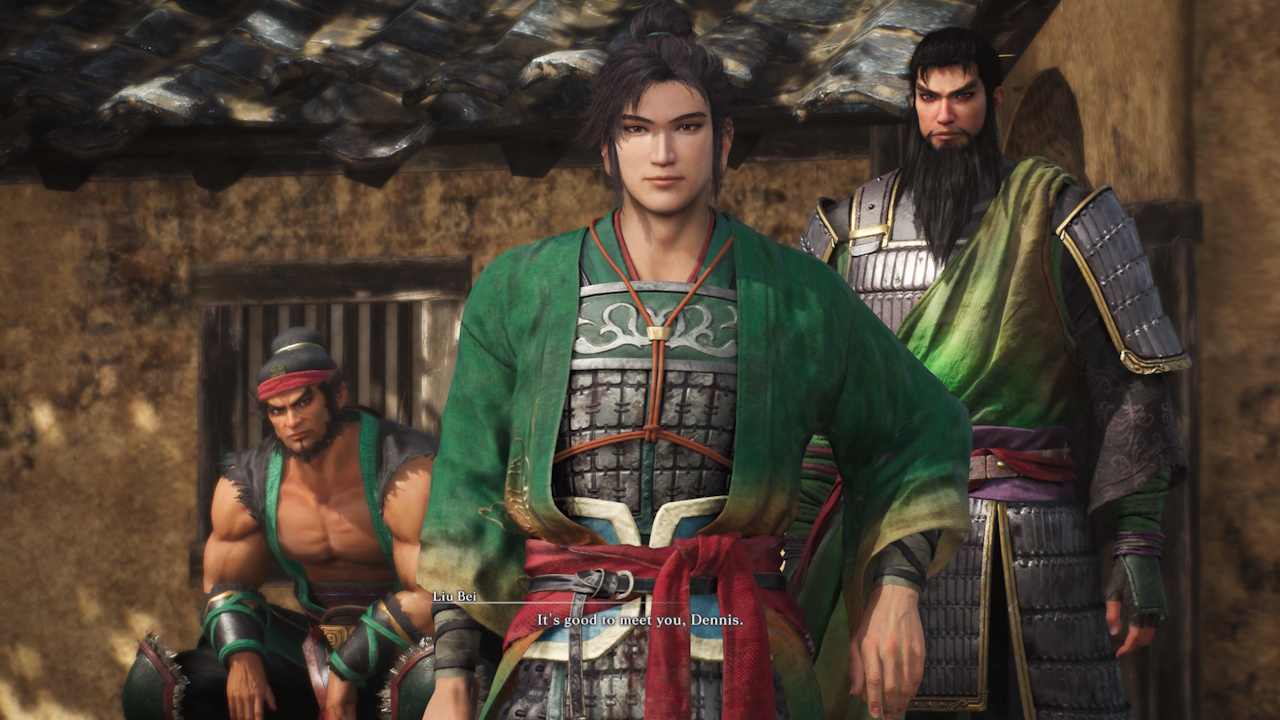
So far, it sounds like I’m shitting all over Dynasty Warriors: Origins’ story by saying it was unimportant, uninteresting, or just secondary to gameplay. While the latter is certainly true, both the overarching story of the Yellow Turban revolt and the personal story of the nameless Wanderer weren’t just fluff, and the game was definitely better for weaving its battles and skirmishes into one cohesive narrative. But this isn’t a story-laden game, in my opinion, and as someone unfamiliar with more than a quarter of a century of series lore, I found the game’s light touch on the narrative side of things to be great. I could follow what was going on, there were elements of mystery as the Wanderer suffered from a bout of “protagonist’s amnesia,” and the secondary characters were compelling enough – even though the voice acting felt, I’m sorry to say, rather amateurish!
But far from being a distraction, I just found that to be part of the game’s old-school charm. In the early days of voice-acted games, vocal performances could be quite poor. The technical side of things is usually great, but at least in the Anglosphere, we haven’t really had a plethora of top-notch voice actors. Other languages, where dubbing of films and TV shows are commonplace, might not find this to be the case! But in English, at least, it took a while for video games to really land decent voice actors. While no one in Dynasty Warriors: Origins was out-and-out bad… there was definitely a distinctly retro charm to some of the voice acting. Maybe if you come to the game from a masterpiece like Red Dead Redemption II you’d be turned off… but for me, I just took it in my stride, I guess!
Sticking with audio, the game’s soundtrack was absolutely fantastic – a “bop,” to use some Gen Z slang. I don’t know the name for this style of music – fast-tempo guitar and synthesiser music that’s totally anachronistic to the setting, but fits perfectly with the hectic, fast-paced hack-and-slash gameplay. The music really amps things up and brings these battlefields to life in a really fun way. It reminds me of certain other Japanese games in different genres: F-Zero, for instance, or Space Harrier. It’s definitely “video game music,” but with a fast tempo and really fun, upbeat style.
My usual red line is that music in any piece of media – film, TV, game, or anything else – should first and foremost “do no harm;” it mustn’t take the viewer or player out of the scene. In many cases, a good soundtrack or score blends into the work, going unnoticed but subconsciously elevating scenes, setting the mood, and so on. In Dynasty Warriors: Origins… the music punched me in the face, grabbed me by the ears, and didn’t let go! I might’ve objected to that; the anachronistic soundtrack could’ve felt too heavy and too dominant – but I ended up having a really great time with it. The music and battles just blend together so incredibly well, and far from being a problem, the domineering score actually made those battles feel so much more… epic.
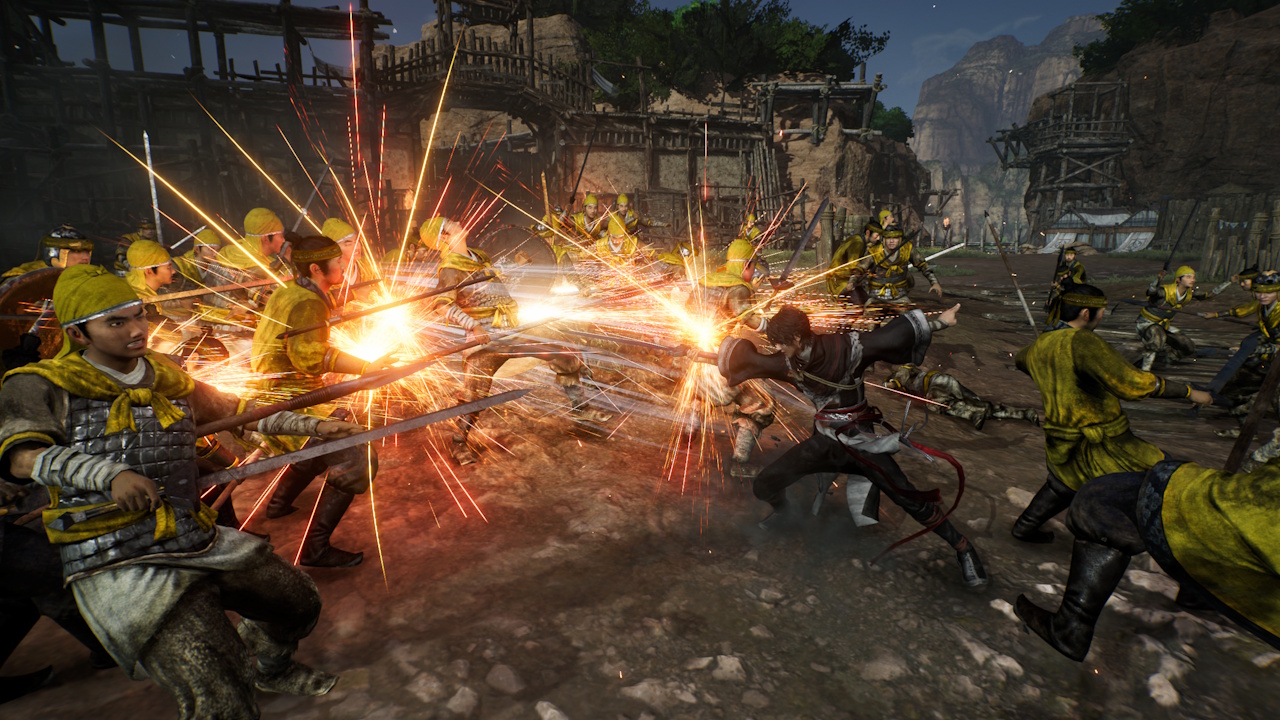
It’s been close to a quarter of a century since I played Dynasty Warriors 2 at my friend’s place, but I was amazed at how familiar Origins felt compared to those memories and recollections. I might’ve played Dynasty Warriors 2 a dozen or so times, at the very most, but it left an impression thanks to its large-scale battles and seemingly vast numbers of enemies. Origins brought back those memories for me, and I could feel myself being transported back in time to shortly after the turn of the millennium – when I had hair long enough to tie back in a ponytail, and I was saving up money from my Saturday job to afford a Dreamcast!
Memory is a fascinating thing. And I’m sure if I went back to Dynasty Warriors 2 today – especially now, after having just played Origins – it wouldn’t feel the same; the graphics would seem outdated, the controls clunky, and the world would undoubtedly feel smaller than I remember! But Origins… it managed to feel exactly like those memories of playing Dynasty Warriors 2, memories that I hadn’t really thought about or dwelt on for a long time.
Last year, I wrote about EA Sports PGA Tour – a golf game from Electronic Arts. I talked about how golf is something I really don’t give a toss about in real life, but I’ve enjoyed a few golf games over the years, going back to Actua Golf 2 on the PC in the 1990s. Playing PGA Tour last year brought back those old memories of playing Actua Golf 2, as well as recollections of messing about with the golf game in Wii Sports a few years later! Dynasty Warriors: Origins has kind of done the same thing by bringing up those old memories of playing Dynasty Warriors 2 in my friend’s tiny bedroom.
I’m glad that I picked up this game. I saw a couple of reviews of it earlier in the year, and something about it just jumped out at me. Those old memories resurfaced for the first time in, well, decades, I guess, and Dynasty Warriors: Origins just felt like something I needed to play for myself. There’s always a danger that returning to something so long after the fact will be anticlimactic… but if there’s one thing I can say about Origins it’s that I’d never use that word to describe it! It’s fast-paced, hectic, and a ton of fun… as well as being a blast of nostalgia.
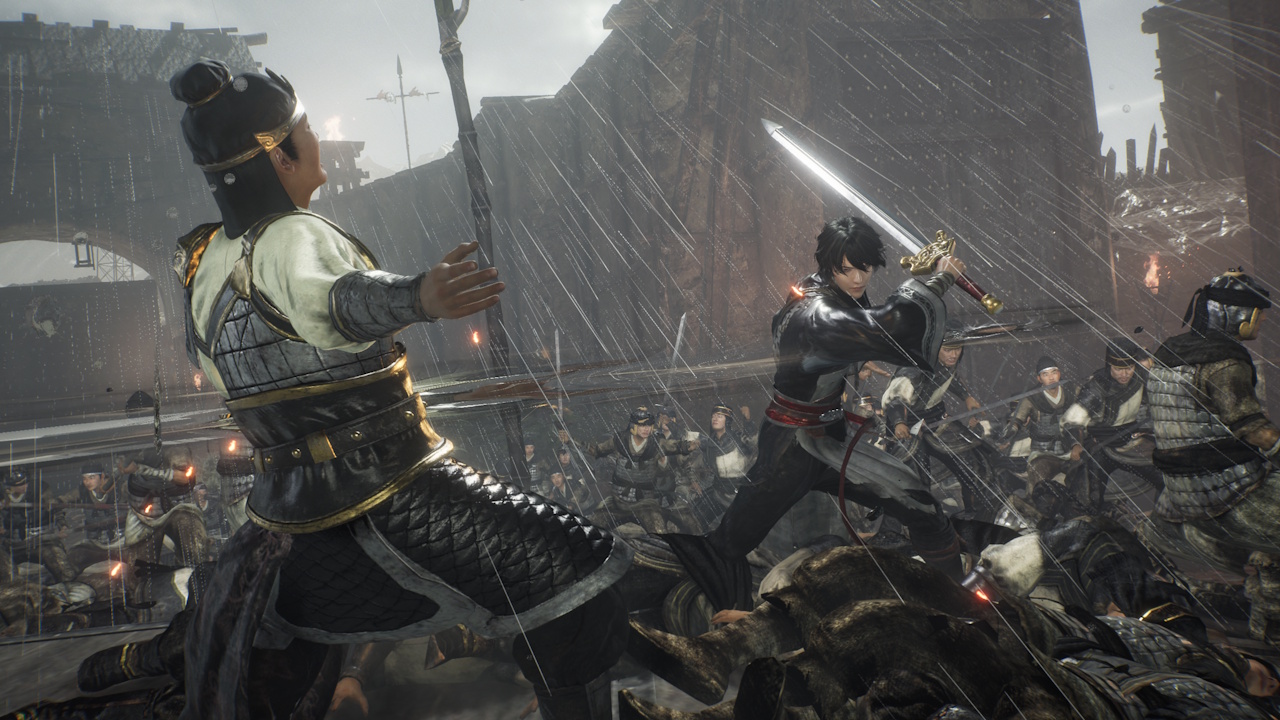
I’m reasonably confident in saying that in Dynasty Warriors 2 – and, I assume, most of the other games in the series – you’d choose from one of several unique, pre-made characters for battles and story missions. Origins presents you with a main protagonist, though there are a handful of other “companions” who you can switch to during some battles. The protagonist – the Wanderer – has pretty limited options for customisation. I’m someone who generally likes customisation options, so I’d have happily included a bit more on that front. There are a couple of different character outfits – and a few others locked behind the game’s pre-order versions.
Customisation is pretty limited, then! But I’ve said more than once that not every game needs complicated options, so for what Dynasty Warriors: Origins is, I guess it’s okay that there aren’t things like hairstyles or individual costume pieces to choose from. I still think those could’ve been fun additions, but their absence wasn’t some kind of “fatal flaw” that ruined the game for me. I just think it’s worth noting that, although you get a single playable character and can choose their name, your options for customising their appearance are severely limited. That’s a bit of a shame, because Origins has a pretty fun photo mode, and not being able to customise your character limits the usefulness of photo mode, to a degree.
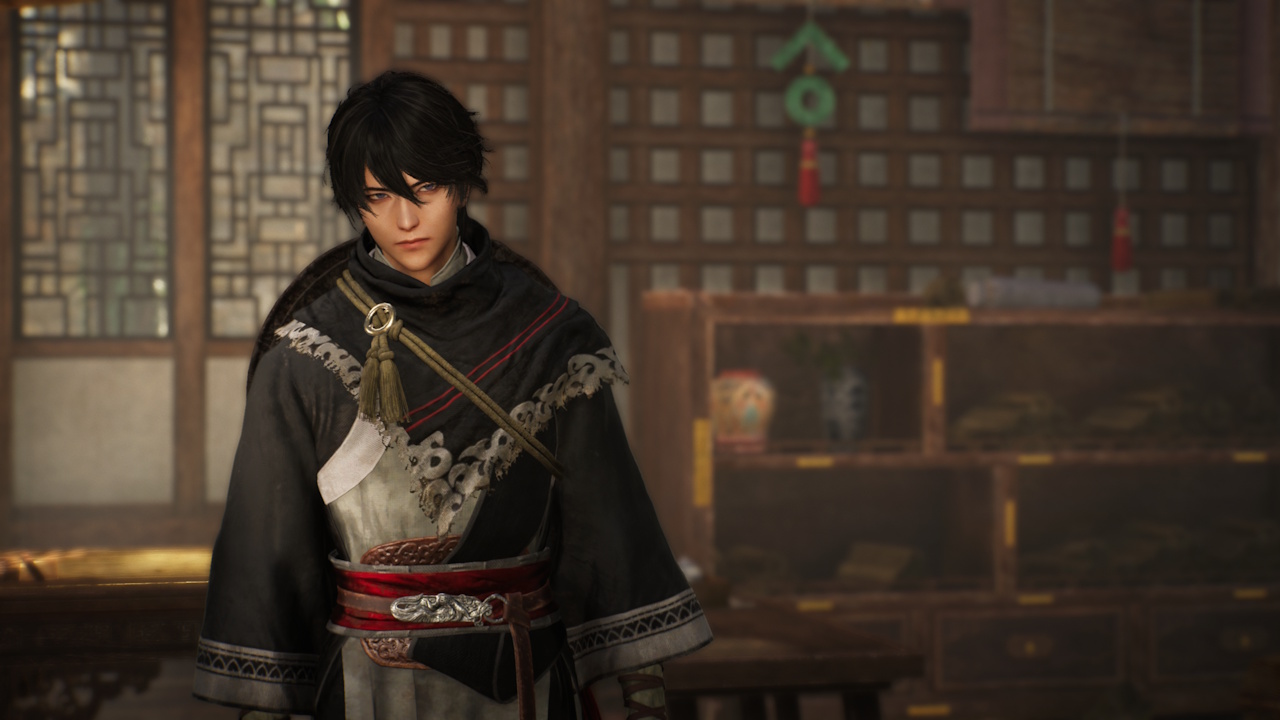
Levelling up was interesting. Origins is quite generous with its skill points – but then, a lot of the options to unlock require huge amounts of points! So you’re still having to save up, even if you level up regularly. There are choices during the levelling up process, but a lot of these came down to priorities; do you want more health first, or a better attack? You’re gonna get both anyway – you kind of have to, unless you choose not to spend your skill points. But you can choose, at least, in what order to level up. This does get a bit more in-depth as the game progresses.
As above, I don’t think every game needs a complex RPG-inspired levelling system, and to be honest Origins would probably have been fine without this being included at all. However, it did add a bit of interest beyond simply choosing different weapons, and I didn’t feel it was overcomplicated on its face. I usually choose to level up health and stamina first, then weapons and damage – but players who want to go the other way, or who want to unlock specific moves, have those options.
Because of the way the story progresses, there are battles and missions that can’t be completed. Without getting into spoiler territory, Origins presents you with a choice of factions partway through, and when you’ve made your choice, missions and battles tied to the factions you didn’t pick are locked. This adds replayability to the game, of course – and you can create a save point right before the moment of choice if you know it’s coming, so it’s possible to go back and just replay that portion of the game without all of the preamble.
Given how I wasn’t all that invested in the characters and story… I don’t think I’m gonna go back and do that! At least not right now. I had fun with Origins, but I don’t need to see every possible faction, boss, battle, and ending all at once. If and when I go back to the game, though, it’s nice to know that there are differences that will change the experience. Origins isn’t a linear game in that sense.
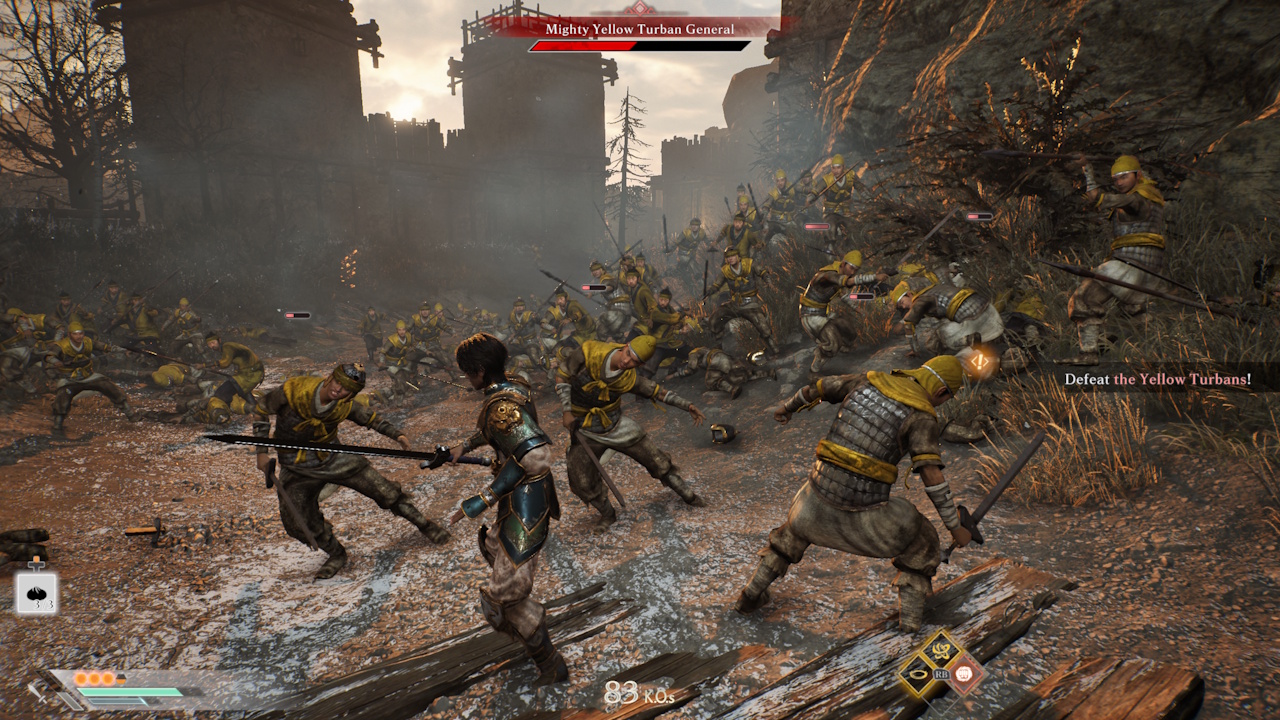
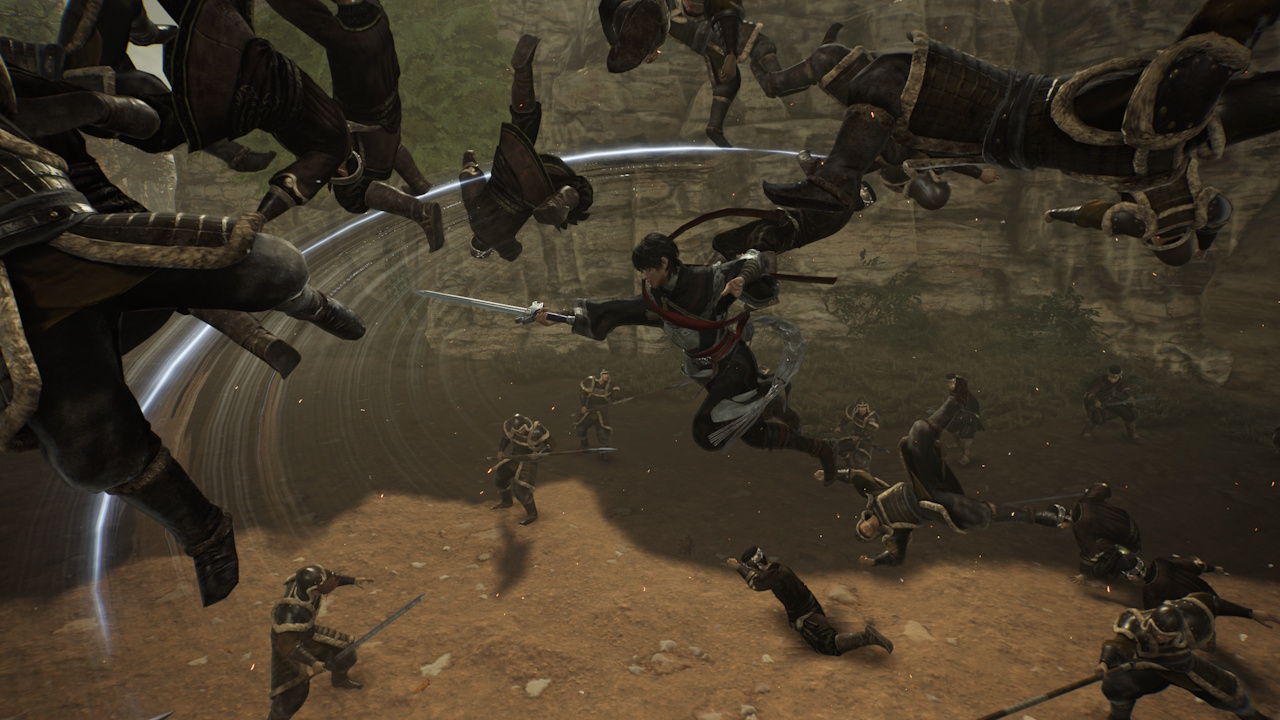
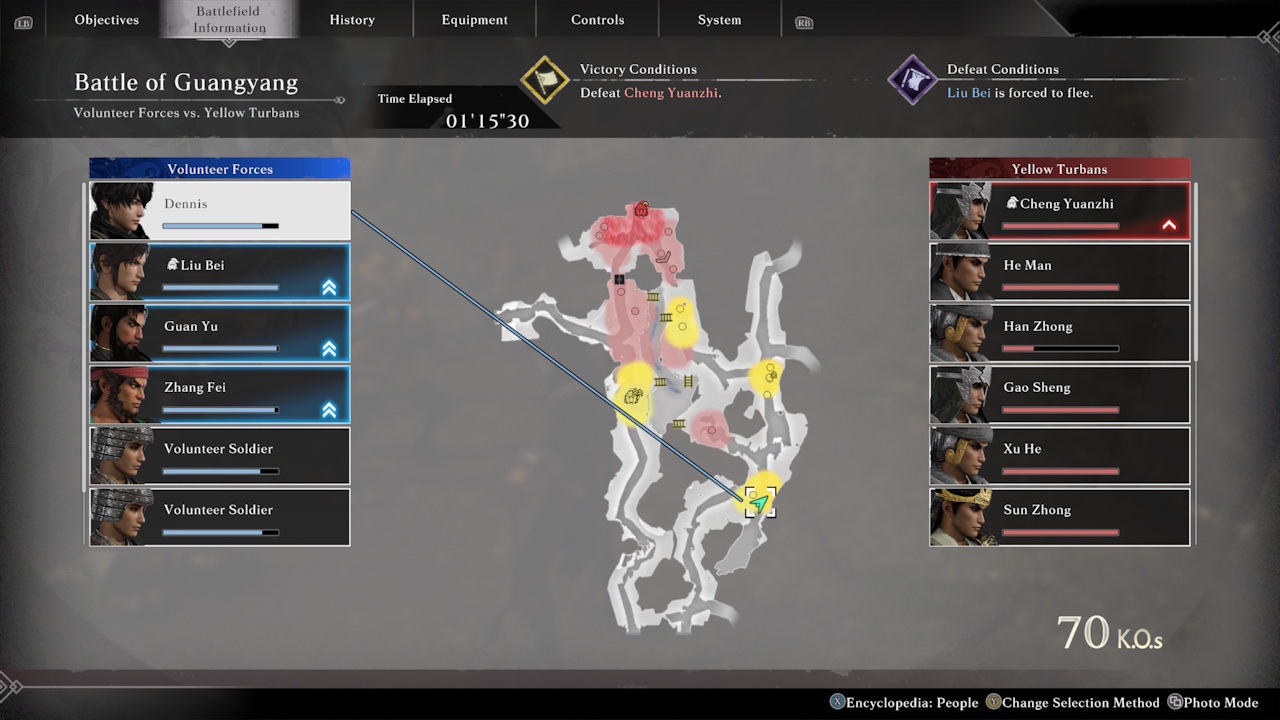
I generally liked the way levels and battlefields were laid out. There was a good mix of narrower paths and wider, expansive areas. The narrow pathways funnel enemies at you in larger, denser waves – which could be a ton of fun! – and they also keep you on the right track; in the chaos of a massive battle, it could be easy to wander off and get lost. The more open, expansive areas tended to be where bosses entered the battlefield, but these also allowed for waves of enemies to come at you from different angles in flanking manoeuvres.
One thing you find pretty quickly is that, for skirmishes and smaller, optional battles, these battlefields are reused. For smaller-scale skirmishes, different areas can be sectioned off so you aren’t always playing on the exact same area every time – and I think I’m right in saying that there are also different times of day and weather conditions that can trigger. But you soon come to see the same layouts and landmarks, even if you’re fighting different factions or enemy types. I didn’t find this to be immersion-breaking, or anything, largely because of the frenetic pace of these engagements! But I thought it worth noting that these levels are repeated throughout the game.
So I think we’d better wrap things up; I’ve rambled on for long enough!
Dynasty Warriors: Origins was a ton of fun, and a game I’m happy to recommend to fans of action, hack-and-slash, and the kinds of “double-A” video games that used to be commonplace in years gone by. For me, it was an unexpected blast of nostalgia, taking me back to memories of playing Dynasty Warriors 2 on my friend’s PlayStation 2 a quarter of a century ago. The core gameplay of this series doesn’t feel like it’s changed very much since then – which I mean in a positive way.
However, if what you want from your games are complex role-playing or simulation elements, or a realistic, immersive story… I don’t think that’s what you get from Dynasty Warriors: Origins. It’s not a cinematic experience… it’s a hack-and-slash video game. A lot of the time, I want those intense, detailed worlds, believable characters, and gripping storylines. But every once in a while, it’s nice to kick back and cut my way through a legion of unnamed baddies while listening to an epic soundtrack! I had a great time with the game – and maybe you will, too.
Dynasty Warriors: Origins is out now for PlayStation 5, Xbox Series S/X, and PC. Dynasty Warriors: Origins is the copyright of Omega Force and/or Koei Tecmo. This review contains the thoughts and opinions of one person only and is not intended to cause any offence.
 Trekking with Dennis