


Spoiler Warning: There are spoilers ahead for Star Trek: Picard Seasons 1, 2, and 3 – including the endings of key storylines and the final scenes and sequences of the series. Spoilers are also present for the following Star Trek productions: The Next Generation and Voyager.
Although the series only ran to a total of thirty episodes, it’s going to take a long time to properly deconstruct and assess Star Trek: Picard. It’s now been a couple of years since the series finale aired, and although there have been pitches for both a successor show and a potential movie, it seems at this stage that neither of those are moving ahead. It’ll take a while to fully dissect Picard and the show’s place in the Star Trek franchise – and I originally planned to write this piece shortly after the show’s finale – but what we’re going to do today is take a tentative step in that direction.
I’ve put together a list of the significant storylines that Picard either abandoned outright or left unfinished, and I thought it could be interesting to take a look at them. Each of the show’s three seasons was a relatively self-contained story, but as we know, serialised storytelling like this has its drawbacks. Seasons 1 and 2 in particular both ran out of road and failed to wrap up key storylines and character arcs by the time the credits rolled. Subsequent seasons also failed to pick up the baton and do anything with these incomplete narratives – something that feels particularly odd when considering that Seasons 2 and 3 went into production back-to-back.
There are a surprising number of abandoned and unfinished storylines to look at, and there’s almost certainly more to say about most of them than can fit on a list like this – so stay tuned in the future for longer looks at some of these subjects!
My usual caveats apply: everything we’re going to discuss today is entirely subjective! If you didn’t care for a particular story and see no need for it to be continued, that’s okay. Likewise, if you feel that the writers and producers did a great job with these stories, that’s okay too. There’s room for differences of opinion within the Star Trek fan community! I’m not even necessarily saying that the decision to abandon some of these storylines was the worst possible thing that could’ve happened; there are characters that weren’t popular and stories that were less interesting than others, and there are defences, justifications, or at least excuses we can make in some cases for why a storyline wasn’t continued.
But there are also stories that I would’ve very much liked to see concluded – one way or another! Some of these could have been wrapped up by way of a line or two of dialogue, and the abandonment of certain characters and narrative threads feels inexcusably poor – especially from a flagship, high-budget television series.
There were clearly problems and issues behind-the-scenes on Star Trek: Picard… but that’s something we’ll have to discuss in more detail on another occasion.
Let’s jump into the list – which is in no particular order!
Abandoned Storyline #1:
What happened to the surviving ex-Borg?
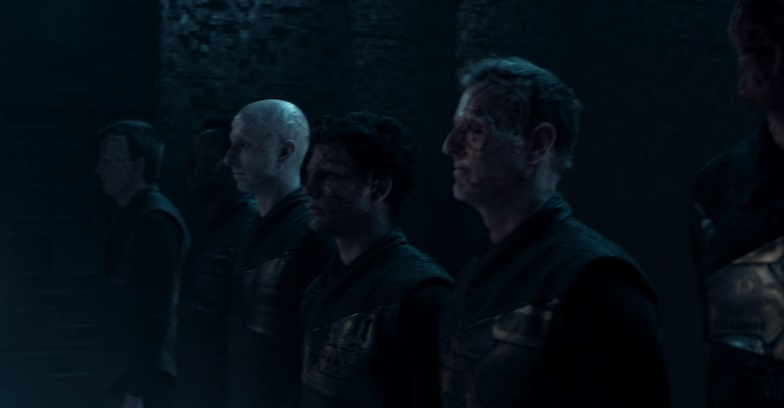
Toward the end of Season 1, the Zhat Vash triggered a failsafe aboard the Artifact that killed hundreds or perhaps even thousands of ex-Borg by blowing them out into space. But as we saw in Et in Arcadia Ego, not all of the ex-Borg were killed. Some survived the journey to Coppelius and the rough landing as the Artifact was dragged to the planet’s surface… but they were dumped from the story shortly thereafter.
Part of Seven’s arc in Season 1 appeared to be setting her up to take on some kind of leadership role with the ex-Borg, possibly working alongside Elnor, who had pledged his sword to their hopeless cause. After the untimely death of Hugh, the remaining ex-Borg were without leadership – and perhaps more importantly, without anyone to advocate on their behalf.
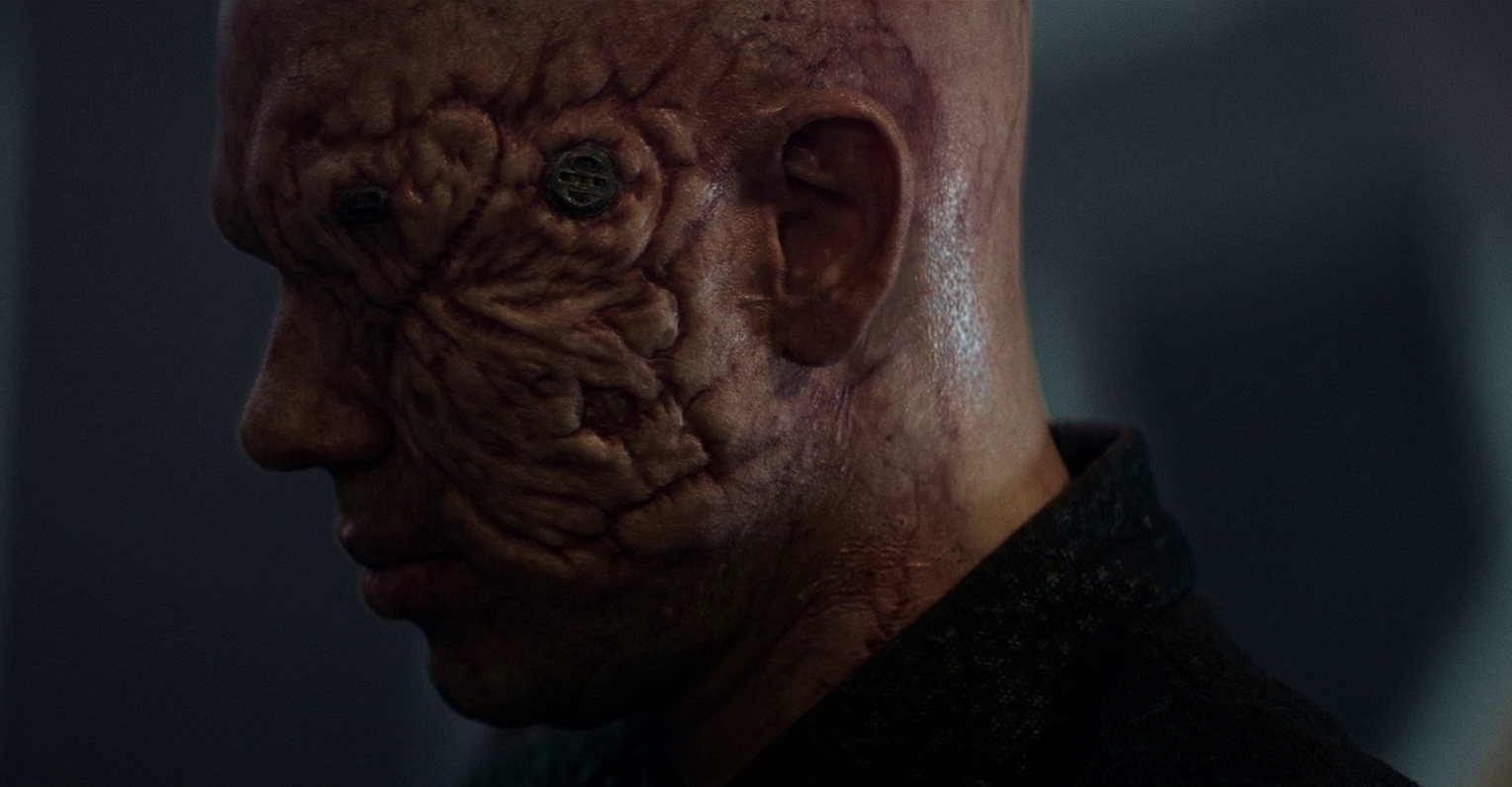
I think it stands to reason that the Federation would have taken in the XBs as a matter of principle – but as we learned from Seven of Nine in Season 2, life wasn’t always fair to former members of the Collective. The ex-Borg aboard the Artifact seemed to be especially vulnerable, with some having only just been reawakened after years in stasis. Many may not know where they are – and some appeared to be from races not native to the Alpha and Beta Quadrants. There would be a lot of work to do to care for the ex-Borg and help them get settled in the Federation.
This was a storyline that Season 2 could have picked up, especially with a focus on Seven’s relationship with the Borg and with the introduction of a new Borg faction. Even a line or two of dialogue confirming that the Artifact and ex-Borg were under Starfleet’s care would have been something! This was a pretty significant storyline that ran throughout the entire season, and it feels incomplete at best.
Abandoned Storyline #2:
Why bother resurrecting Elnor?

Early in Season 2, killing off Elnor felt like a bold move. It wouldn’t have been my first choice, as there was a ton of potential in Elnor not only as a young character who could potentially have carried the Star Trek franchise forward, but as the first Romulan to serve in Starfleet. But when that decision had been taken, as the season wore on it appeared to be working. Despite all of the flaws and issues with Season 2, one of the storylines that was working well was Raffi’s. She had to come to terms with the death of someone she viewed as a surrogate son, and we saw her go through different stages of grief. It was harrowing, riveting, and exceptionally well-performed by Michelle Hurd.
At the last second, though, Elnor was resurrected by Q’s magical powers – massively and catastrophically undermining Raffi’s Season 2 arc, and rendering incredibly powerful sequences impotent and meaningless. As the curtain fell on Season 2 and we heard from actor Evan Evagora that he wouldn’t be returning for Season 3, this resurrection felt incredibly pointless. For the sake of one bad, overdone sight gag (in which Elnor’s disgust at a beverage made him the butt of a joke) an entire season’s worth of emotional storytelling had been undone.

Elnor was a wasted character in Picard. His role in Season 1 was minor, and he appeared to serve as comic relief half of the time. Aside from one spotlight episode, he seemed to be glossed over by the writers and ignored by other characters. The potential he could have had was already being squandered – so his death, while disappointing in more ways than one – at least achieved something insofar as it gave motivation to Raffi and allowed her Season 2 arc to unfold.
But Season 3 could’ve offered Elnor a potential reason to return from the grave. Most of the young characters, aside from Jack Crusher, were fairly bland and forgettable, so when they found themselves assimilated by the Borg toward the end of the season, some of the impact of that was lost. These were kids that we just didn’t know well enough to get truly invested in. But Elnor, after everything he’d been through, could have been different. If he’d been included in Season 3, perhaps replacing one of the La Forge sisters (of which there didn’t need to be two), then the whole Borg storyline could’ve been strengthened, the stakes raised, and a narrative reason found for Elnor’s unexpected resurrection.
As an addendum, it’s worth noting that the USS Excelsior, on which Elnor was serving at the end of Season 2, was destroyed in Season 3. So is he alive? Dead again? Who knows… and who cares? Clearly not the writers…
Abandoned Storyline #3:
Why did Q die? (And is he still dead?)

I have a longer theory post about this, which you can find by clicking or tapping here if you’re interested in some speculative ideas. What I didn’t say then, or at least not as strongly, is this: if you’re going to write a story that hinges on the imminent death of a character, with that character’s entire arc and motivation for their actions being derived from the knowledge of their impending death, then you really ought to explain why that character is dying! Especially, in this case, as we’re dealing with Q: a super-being who has always been presented as being functionally immortal.
But there was no explanation written for Q’s death. It’s possible that Q himself didn’t know, or that he was simply reaching the end of his natural life – a lifespan that may have been finite after all. We can read between the lines, perhaps, or use one of my theories as head-canon to explain that members of the Q Continuum aren’t entirely immortal after all.
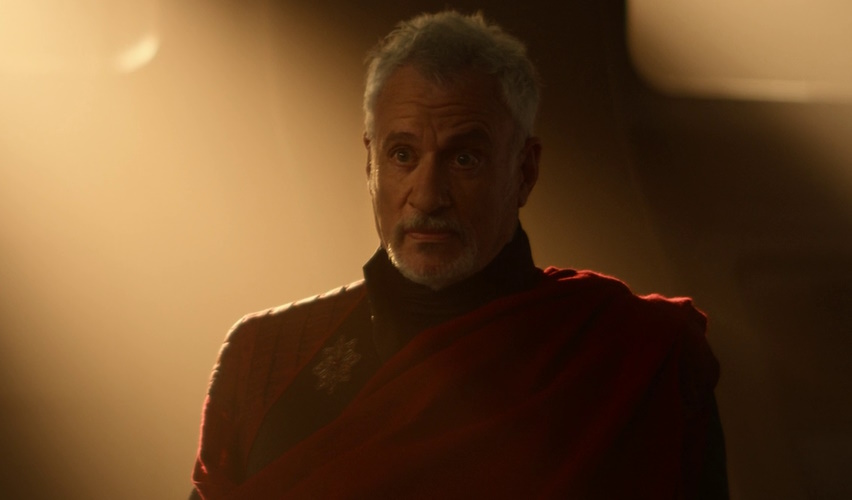
Or we could have done that… if Q had stayed dead. In yet another profoundly odd and contradictory move for two seasons of television that were produced at the same time by the same showrunner and team, Q returned at the end of Season 3 in a post-credits scene. Forget the in-universe explanation. I know Q said that time isn’t linear for him, and if we assume that the Q seen at the end of Season 3 is younger than the Q at the end of Season 2 then it all works out in a mildly paradoxical way. Time travel is like that in fiction.
But from a production point of view… to hinge the entire plot of Season 2 on Q’s impending death, to make that the emotional core of what was an already incredibly weak and convoluted story, and then to undo that death a mere ten episodes later for the sake of a cameo so short it was barely even a clip? It’s mind-boggling how strange some of these narrative decisions are. Is Q dead? Is this the same Q? Why did Q die? Did he stay dead or was he revived? We don’t know – and even if Legacy had gone ahead, I doubt we’d have found out.
Abandoned Storyline #4:
Did the Coppelius synths have to relocate?
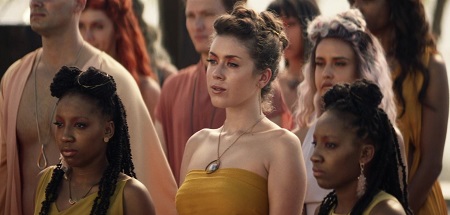
One of the most badly-rushed parts of the Season 1 finale concerned the Romulans’ decision to withdraw from Coppelius when confronted by a Starfleet armada. The culmination of the Zhat Vash plot involved the destruction of the Coppelius synths, and having found out where they were located, Commodore Oh broke cover and led a Romulan fleet to the Ghulion system. But she almost immediately stood down and withdrew her forces.
I was never convinced by this, and I think it’s something that needed a lot more screen time in order to be convincing. As a fanatical zealot, Oh simply didn’t seem like the kind of person who would be convinced to change her plan because of one speech and the presence of a new obstacle. Although she did withdraw, it wasn’t clear why. Had she abandoned her crusade after seeing Soji close the portal? Or was she planning to come back later and blow up Coppelius Station?

The Zhat Vash, and indeed the Coppelius synths, disappeared from the story at this point. We don’t know what became of Oh, of the Romulan fleet, or the Zhat Vash. And we don’t know whether the Coppelius synths were safe now that the Romulans knew of their location. It seemed plausible to me to think that they might have to be relocated for their own safety – but this was never shown on screen.
At the beginning of Season 2, Soji said that she had been “travelling” since the end of the ban on synthetic life, meeting with representatives of other races. But that doesn’t mean that all of the synths were doing the same thing! Despite their importance to the story of Season 1, the synths were dropped without a conclusion to their story being written.
Abandoned Storyline #5:
How did Vadic and the Borg Queen come to work together?
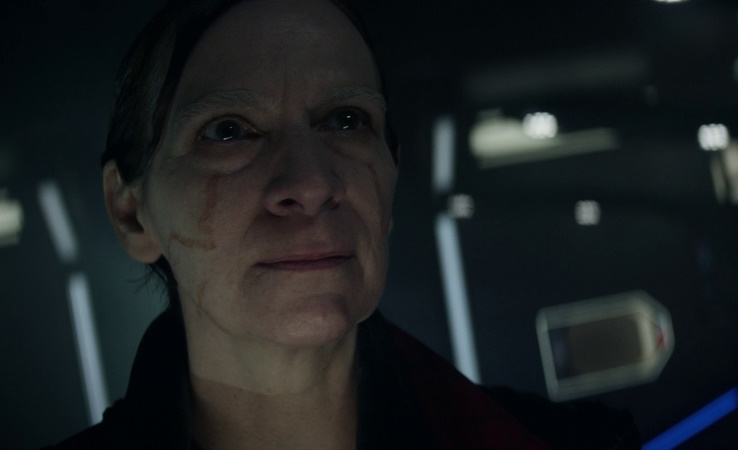
I detest what Picard did with Vadic. It felt like such a thorough and underwhelming waste of a potentially interesting villain – all to bring back the Borg for the third season in a row. But setting that aside, while we learned that the Borg Queen and this splinter group of disaffected Founders were working together… we never learned how that came to happen. It might not be “essential” to the story in the same way as some of the other points on this list, but it would’ve been interesting.
“Just because” or “use your imagination” aren’t particularly good excuses, in my book, and I would’ve liked to see a flashback to the Borg Queen and Vadic meeting for the first time. Which of them devised this scheme? Did the Borg try to assimilate the changelings at first? How quickly did they come to realise they had a common enemy? And how did they even figure out Jack Crusher was Picard’s son, let alone that he could be used for the purpose of activating a “sleeper agent army” of Borg?
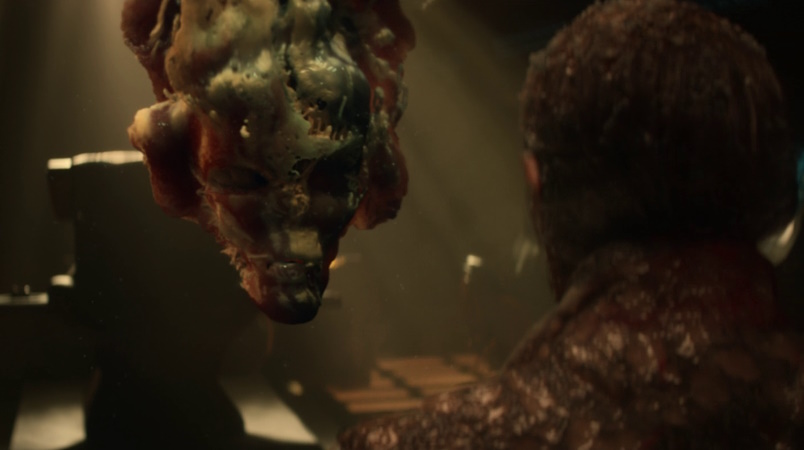
All of those points would’ve added interesting background to the story of Season 3, and while I understand that the writers wanted to keep some of the mysteries going so as not to blow the big reveal, once the Borg’s presence was known, a flashback could’ve filled in a lot of the blanks. I don’t think this would’ve needed to take up an entire episode, and it would’ve been enough to simply show their first contact and the beginnings of their planning.
I like that Picard Season 3 slowed down, in places, to give us moments with the returning characters – but the trade-off for that is that some big narrative beats were left unexplained. Given that Vadic’s performance was over-the-top and could feel quite one-dimensional, seeing her devising this scheme and working with the Borg Queen – even just for a handful of flashback scenes – could’ve improved how I feel about her as a character.
Abandoned Storyline #6:
Where’s Narek?
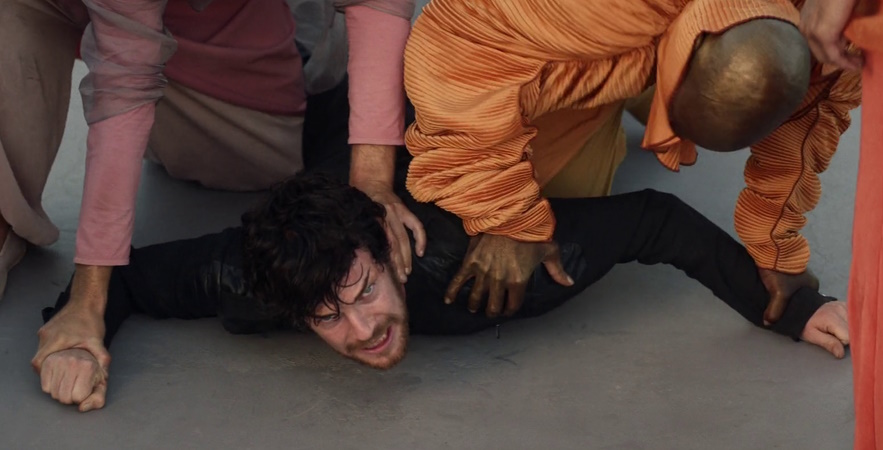
This truly fits the definition of “abandoned.” After the plot to stop Sutra and Soji from contacting the “super-synths” in the Season 1 finale, Narek was captured by the Coppelius synths. We last saw him lying on the ground, being apprehended. Narek then promptly disappeared from the story and the series… never being so much as mentioned again.
Narek’s disappearance is one consequence of Picard’s first season being so poorly-structured. The story simply ran out of time, leaving the final episode with way too much to cram in and nowhere near enough time to pay off everything that had been established. Narek simply ended up as one of several elements on the chopping block – but as a major character, someone whose story we’d been following for the preceding nine episodes, I kind of think we’re owed a conclusion. Apparently a scene involving Narek being taken into custody was scripted, but I don’t think it was even filmed given the narrative constraints placed upon the finale.
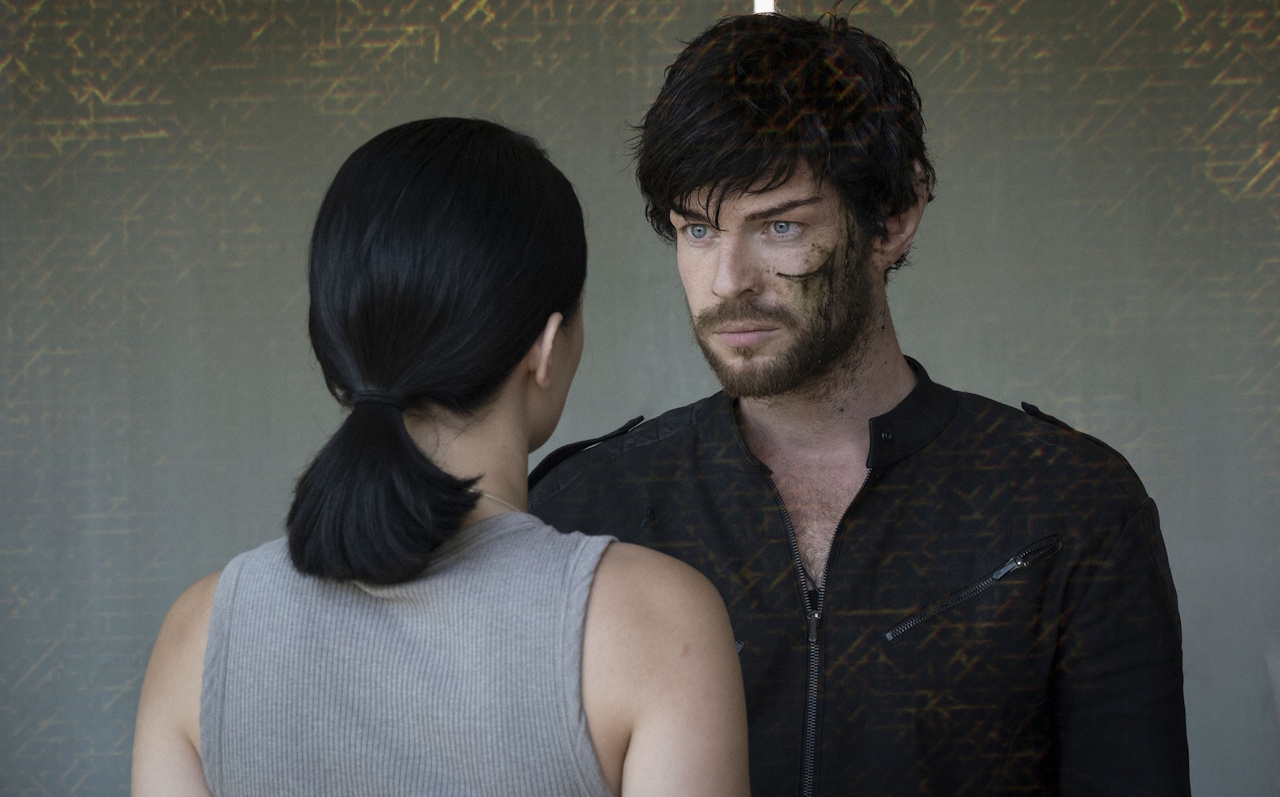
Season 2 could’ve provided this. All it would’ve taken was a single line of dialogue in the premiere: Dr Jurati could say something to Soji along the lines of “how do you feel now that Narek’s been sentenced? I heard he won’t be getting out for years, and the Federation has refused all requests to return him to Romulan space.” It’s as simple as that, and the mystery would’ve been solved. Given how slowly Season 2 plodded along, and how uninteresting most of it was… we could’ve even gotten an entire “Narek on trial” episode right at the beginning!
We simply don’t know what happened to him, though. And while Federation custody is plausible, it’s not impossible that the synths kept him in custody, executed him, turned him over to the ex-Borg, or even that he managed to beam up to one of the Romulan vessels and escape. For a main character to just be dumped in this way… it’s pretty pathetic for a big-budget series supposedly being made by professionals. And even when we take into account that most of the rest of the Season 1 cast were dropped after Season 2, Narek’s disappearance still feels the most egregious.
Abandoned Storyline #7:
What happened to Dr Jurtati’s new Borg faction?
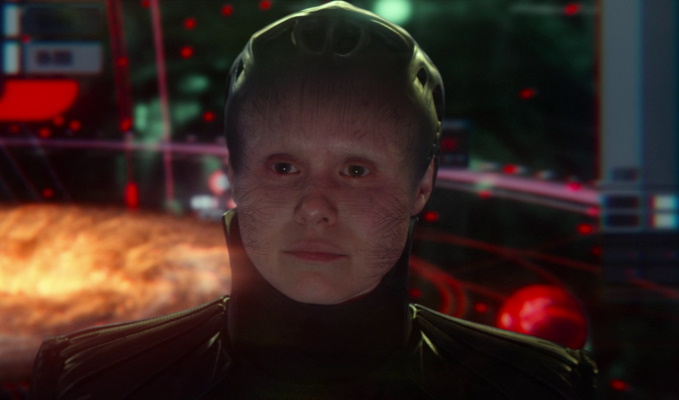
When Starfleet came under attack by the Borg-Changelings, you know who could’ve been a metric fuckton of help? A literal Borg Queen. But even if Dr Jurati and her “Friendship is Magic” Collective were too busy taking care of the mysterious anomaly from the end of Season 2 (more on that in a moment), it would still have been nice to know that. As it is, she and her cuddlier, friendlier Borg Collective seem to have just… fucked off.
The Jurati-Borg represent something new for Star Trek: a different kind of Borg Collective, not based on violent and forced assimilation, but building some kind of community. Or… at least, I think that’s what they represent. Despite a painfully constipated buildup, we didn’t actually get much of a payoff to Jurati and the Borg Queen merging. As a result, this faction feels less like a proper, fully fleshed-out Borg splinter group and more like a hollow plot device: something with which to bookend the story.

If Legacy had managed to get off the ground, I’d have desperately wanted to see the Jurati-Borg back for at least an episode or two. I think she could’ve been a particularly interesting foil for Seven of Nine; a Borg Queen, but a different kind of Queen, sharing some of the traits Seven would remember while being a fundamentally different kind of person.
This also ties in with the abandoned “mysterious anomaly.” After showing up to both kick off the plot of Season 2 and then reveal they were actually there to save the day in the season finale… we just never learned more about this faction or the anomaly. For a franchise all about exploring the unknown… I just think that’s pretty poor. And yes, Dr Jurati wasn’t the main focus of Picard, but she’s still a main character, and she spent close to 400 years off on her own, setting up a different kind of Borg Collective. Learning at least a little about that would have been interesting, and a nice way to conclude her story.
Abandoned Storyline #8:
Who was responsible for the transwarp anomaly?

Bookending Season 2’s story was the mysterious anomaly. It threatened to unleash a huge amount of energy, devastating an entire sector of space and potentially destroying an entire fleet of ships… but we have no idea who caused it, what their aim may have been, or if it was simply a weird naturally-occurring phenomenon.
The Jurati-Borg certainly believed that this transwarp anomaly was a threat, and we can infer that it may have been an exceptionally powerful weapon. There are a few factions within Star Trek that could, in theory, be capable of that kind of attack. I think we can rule out the original Borg Collective for two reasons. Firstly, according to Season 3 of Picard, the Borg are in disarray and on the verge of collapse. And secondly, if it were a Borg attack, you’d think a centuries-old Borg Queen, with knowledge of the Collective and its technologies, would have recognised that.

To me, it feels profoundly odd that Seasons 2 and 3 went into production back-to-back, with mostly the same team at the helm, but this storyline didn’t carry over. It could’ve been set up, without much additional effort, as a prelude to Vadic’s scheme in Season 3; perhaps the transwarp anomaly was supposed to be a distraction, or perhaps it was her first attempt to attack the Federation, before realising she could ally with the Borg. It wouldn’t have taken a lot of effort to write the anomaly into the plot of Season 3.
In practically no other Star Trek story is a plot point like this left unresolved. If there’s an enemy, our heroes stop them. If there’s a mystery, we get answers. If a space phenomenon shows up, we get an explanation – even if it’s pure technobabble. The mysterious anomaly being abandoned like this is not only totally unprecedented… but it’s also incredibly unsatisfying. Everything Picard and the others went through built up to this moment… and we don’t know who’s responsible.
Abandoned Storyline #9:
So… who’s Picard married to these days?
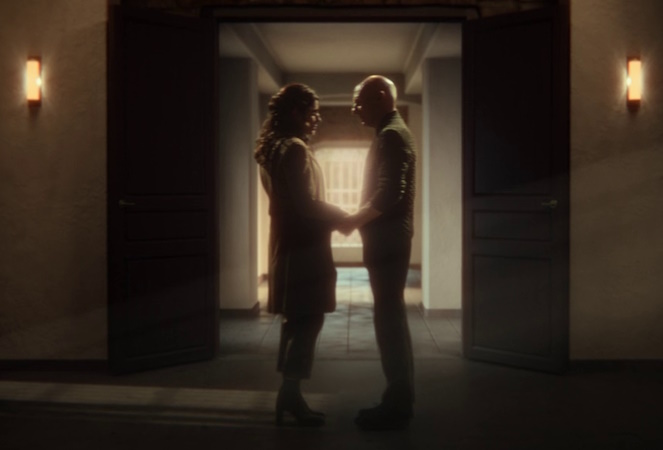
The entire plot of Season 2, according to Q, was that Picard had unresolved trauma from childhood that was keeping him isolated and preventing him from falling in love. Setting aside Picard’s romantic entanglements in The Next Generation, we’ll accept this explanation for now. By the end of Season 2, Picard returned to his vineyard where Laris was waiting for him. And he seemed finally ready to take the next step into a final frontier of his own.
Laris appeared very briefly at the beginning of Season 3, but promptly disappeared after Picard set out to find his ex… Dr Crusher. After that, we learned that Picard and Crusher had conceived a son some years earlier, and Laris was never mentioned again. After the Borg-Changeling scheme was defeated, Picard reunited with Dr Crusher to escort their son to his first Starfleet assignment. So… where’s Laris?
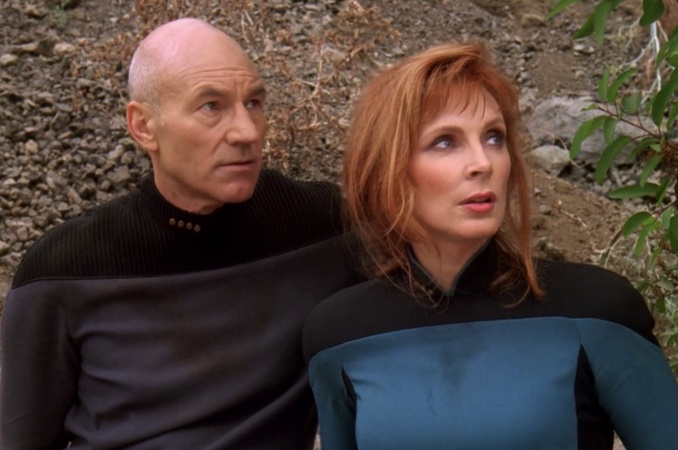
I don’t necessarily think that the end of Season 3 suggests that Picard and Crusher rekindled their relationship. But now that Picard knows about Jack, he’s clearly planning to take more of an active role in his son’s life, meaning he and Dr Crusher will remain on speaking terms. Is Laris okay with that? Does Picard having a son change things for her? Could Picard be the one feeling conflicted, torn between two women, two families, and two potential lives? We didn’t get any exploration of what Picard’s past and Jack’s arrival in his life could mean for his new relationship – and again, to reemphasise a point from earlier, Seasons 2 and 3 were in production at the same time. The writers knew, when giving Picard and Laris their “happy ending” in Season 2, that his past relationship with Dr Crusher was about to be thrust into the spotlight.
There are multiple ways to interpret what we know. One is that, after the events of Season 3, Picard resumed his married life with Laris, even if things may have gotten a tad awkward. But the other is that Picard and Dr Crusher got back together, explaining why they were both with Jack when he arrived aboard the Enterprise.
Abandoned Storyline #10:
Who were the “alliance of synthetic life,” and what were their goals?
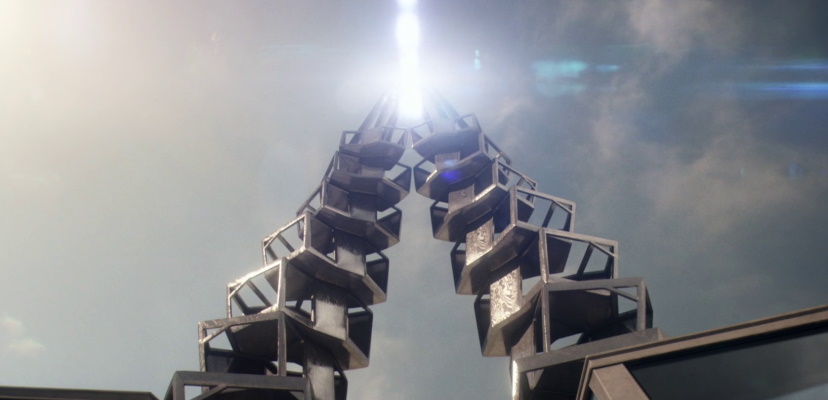
The faction I nicknamed the “Mass Effect Reapers,” for their similarities to that video game antagonist, disappeared after Season 1 and weren’t mentioned again. But because of the aforementioned time crunch as Season 1 wrapped up, we really never learned much about them, who they were, what their objectives might’ve been… or what the consequences would’ve been if they’d shown up.
If Season 1 had been structured differently, an alternative ending could’ve shown the “super-synths” actually making it through the portal over Coppelius – and being confronted by the Federation and Romulans. It would’ve surely fallen to Picard, with his diplomatic talents, to defuse the situation, and we could’ve spent an episode or two with this faction, learning a little about where they came from, why they wanted to save their fellow synthetic life-forms, and perhaps if they’re connected to someone like the Borg.
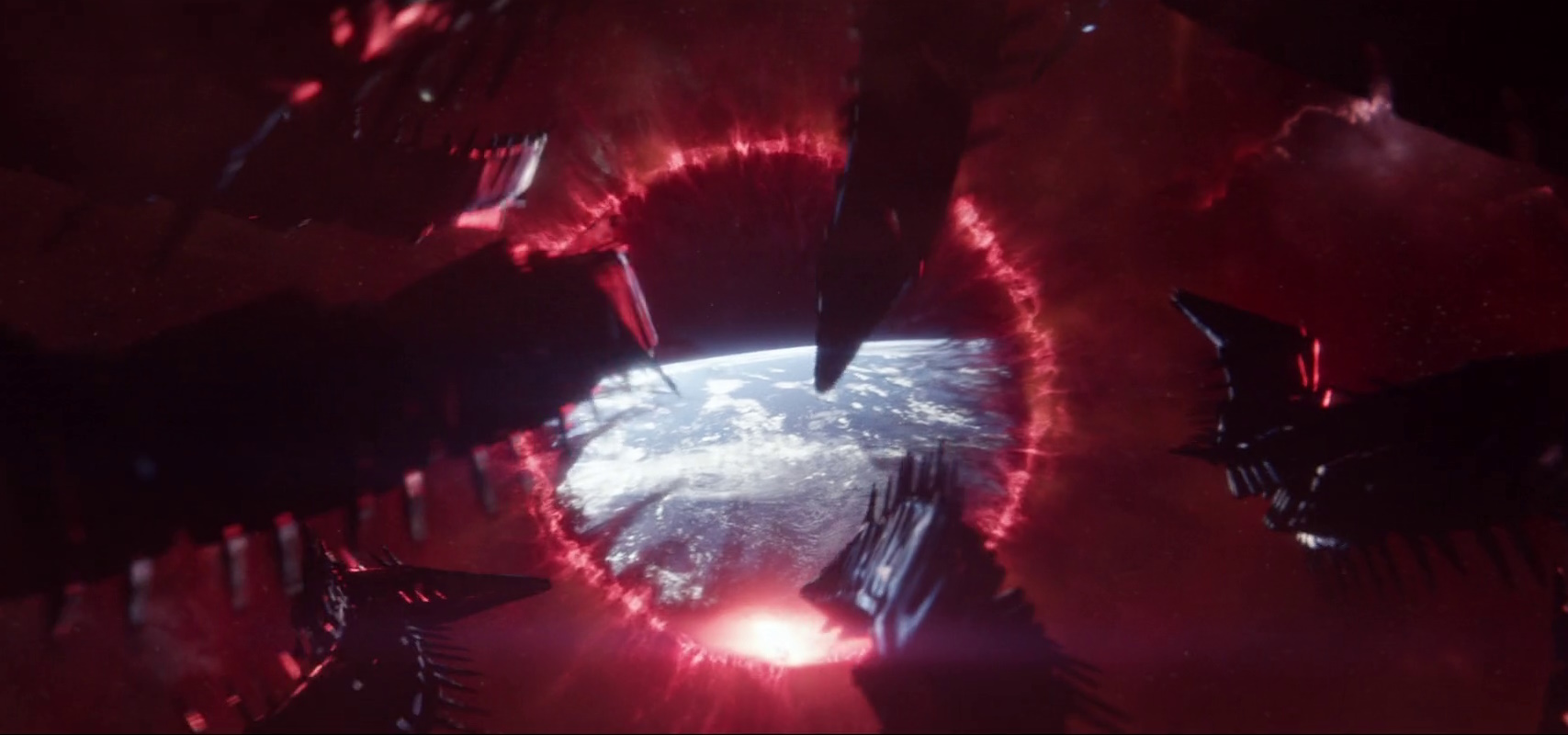
There are two competing theories, as I see it, for what these guys might’ve wanted. The first is that their offer to the synths – as depicted in their beacon on Aia – was genuine, and they truly wanted to help all artificial life-forms survive what they viewed as an inevitable attack by organics. The second, much more sinsiter explanation, is that the beacon was a trap. When a civilisation has advanced sufficiently to develop synths, those synths would trigger the beacon – allowing the “alliance of synthetic life” to show up, kill everyone, and harvest their resources.
Option B would be more interesting, in theory! But it would’ve also dominated at least one season’s worth of storylines, and given the way Season 1 landed for a lot of folks… I think it’s probably okay that we moved on from the super-synths. But it would still be interesting to learn more about them. As it is, they feel pretty one-dimensional; a powerful enemy with no face, no clear goals, and not even a proper name.
So that’s it.
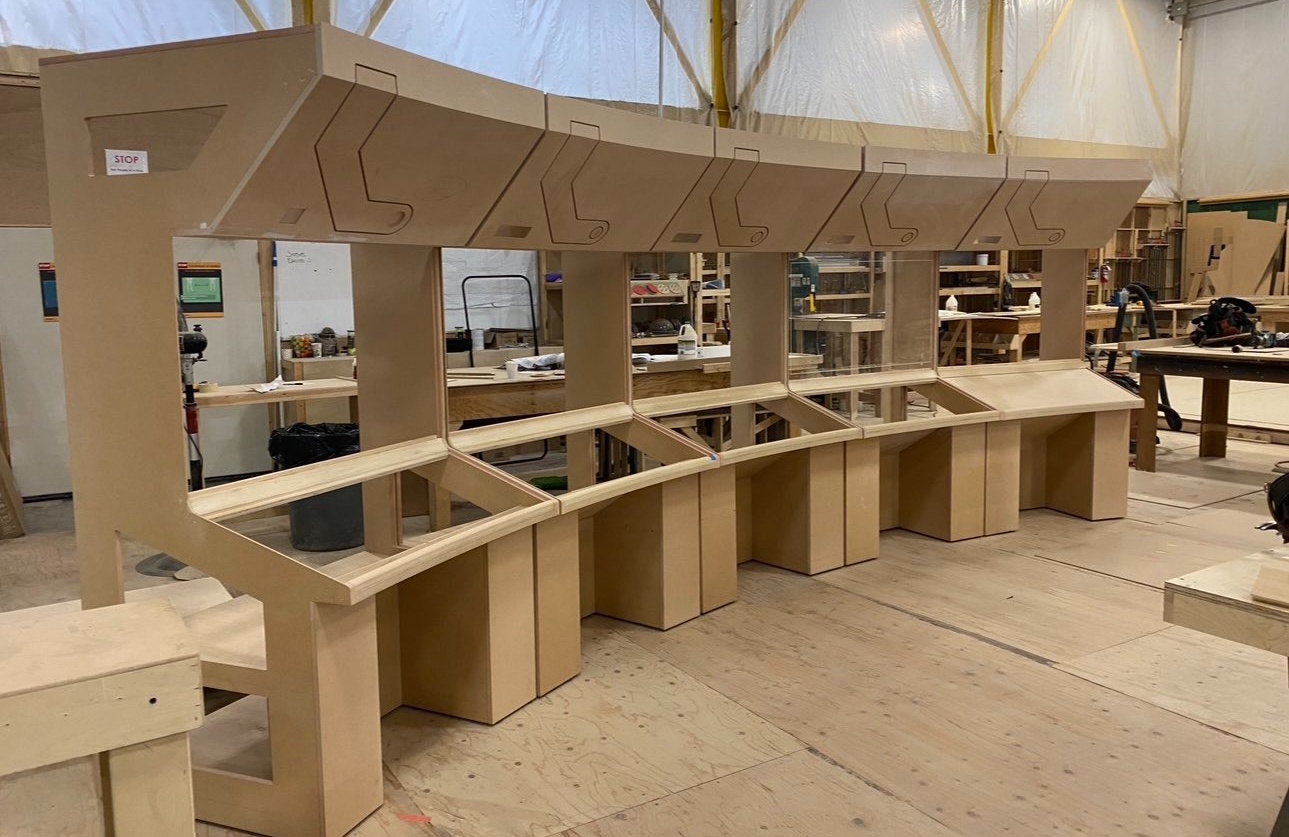
We’ve talked about ten of Picard’s abandoned and unfinished storylines.
With the show over, and Legacy not being greenlit anytime soon, I suspect these narrative threads will be forever orphaned! They’re far from the only storylines in Star Trek to never get a proper resolution; the parasite-aliens from Conspiracy spring to mind, but I’m sure you can think of others. With Starfleet Academy soon to hit our screens, bringing Star Trek back to Discovery’s far future… maybe there’s an outside chance some of these events will be referenced – but I wouldn’t bet on it.
We’ll talk about this in more detail on another occasion, but two years on from Picard’s finale and I think my opinion of the show has worsened. There are some genuinely good episodes in the mix, some creative storytelling, and some wonderful moments of characterisation. But there’s a growing feeling that the show as a whole was a bit of a missed opportunity; that Star Trek’s return to one of its most popular characters and its most successful era should have done more to re-establish the franchise and set the stage for more. Legacy’s failure to get off the ground is, in a way, an indictment of the fact that Picard didn’t live up to Paramount’s expectations – and we have some questionable storytelling decisions to thank for that, in my view.
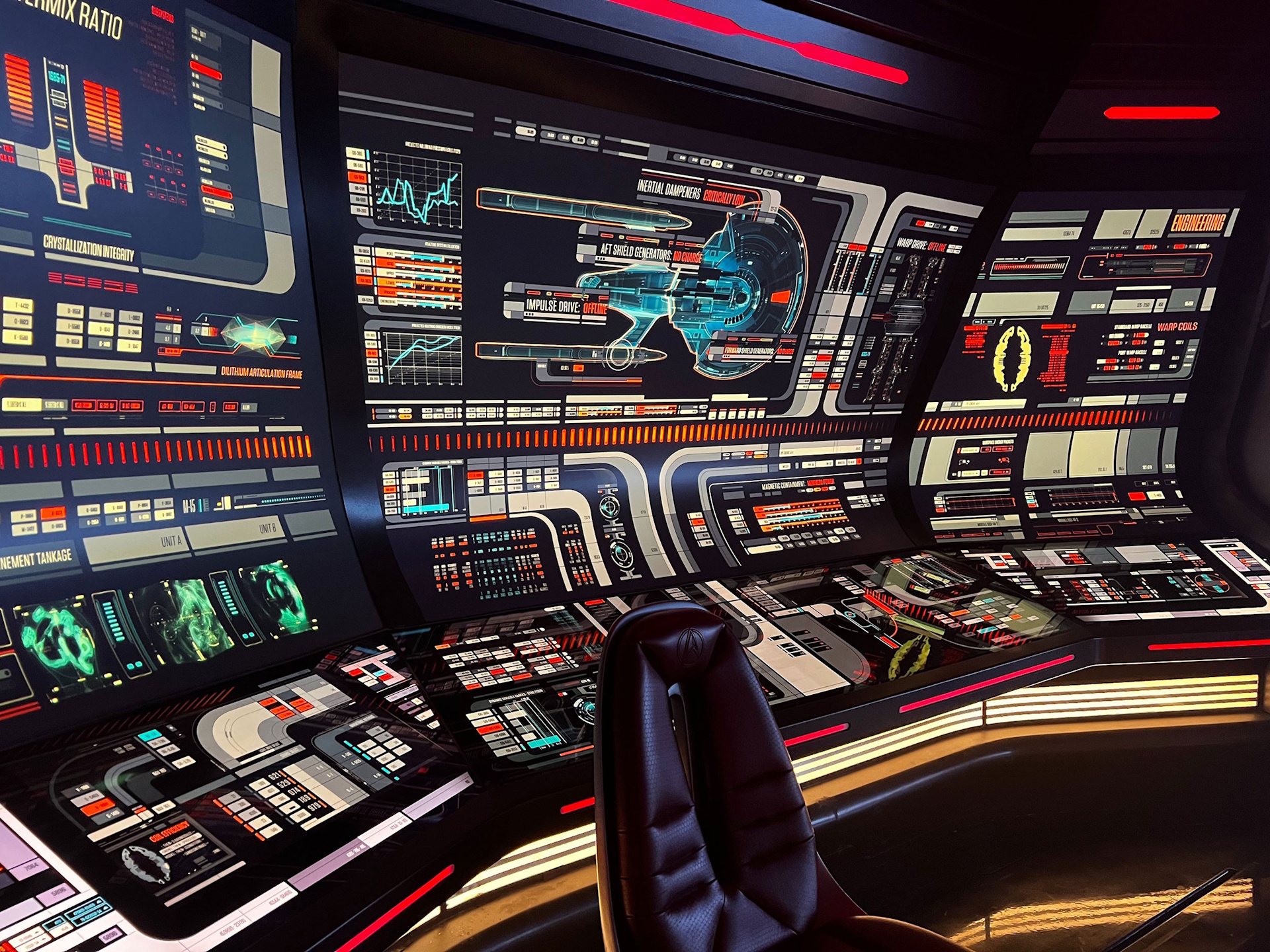
It speaks to Paramount’s lack of care and unprofessionalism that a big-budget flagship series left so many characters and half-finished storylines behind. After running to a scant thirty episodes across three seasons, there really shouldn’t be this much abandoned content to talk about. One day, I’d love to get a Chaos on the Bridge-style documentary about what happened behind-the-scenes, because I bet there’s a lot we don’t know.
Although Picard has finished its run, there are still going to be things to say about the show from time to time! I’d love to do a longer retrospective piece about the series one day, because while I followed along and wrote reviews of all thirty episodes, I haven’t really been able to sit back and assess the series as a whole. With the benefit of hindsight – and with Picard potentially being the only 25th Century series we’re ever gonna see – I think there’s more to say that I may not have considered during the show’s original run.
So I hope you’ll stay tuned. There will be more Picard content to come in the months and years ahead.
Star Trek: Picard Seasons 1-3 are available to stream now on Paramount+ in the United States and other countries and territories where the service is available. The Star Trek franchise – including Picard and all other properties discussed above – is the copyright of Paramount Global. This article contains the thoughts and opinions of one person only and is not intended to cause any offence.
 Trekking with Dennis