


Spoiler Warning: Beware of minor spoilers for the Kelvine timeline films and Strange New Worlds.
In a little over six months from now, it’ll be ten years – an entire decade – since Star Trek Beyond hit cinemas. Beyond is the most recent film in the Kelvin timeline – the Star Trek spin-off films set in an alternate reality. There have been multiple attempts in the nine-plus years since its release to get a sequel off the ground, including a couple of years ago when Paramount announced – and then had to rapidly un-announce – a film that wasn’t ready. That was a clusterfuck, eh?
Every so often, if you follow some of the big Star Trek fansites and social media pages, an interview will pop up with a member of the Kelvin cast, and they always make the right noises, sounding positive and hopeful about one day returning and making another film. But if recent reports are to be believed, the newly-merged Skydance/Paramount corporation is ready to “move on” from the Kelvin timeline. While a new Star Trek film is supposedly being planned, it won’t involve the Kelvin timeline or the cast of the rebooted series. I thought we could discuss that today.
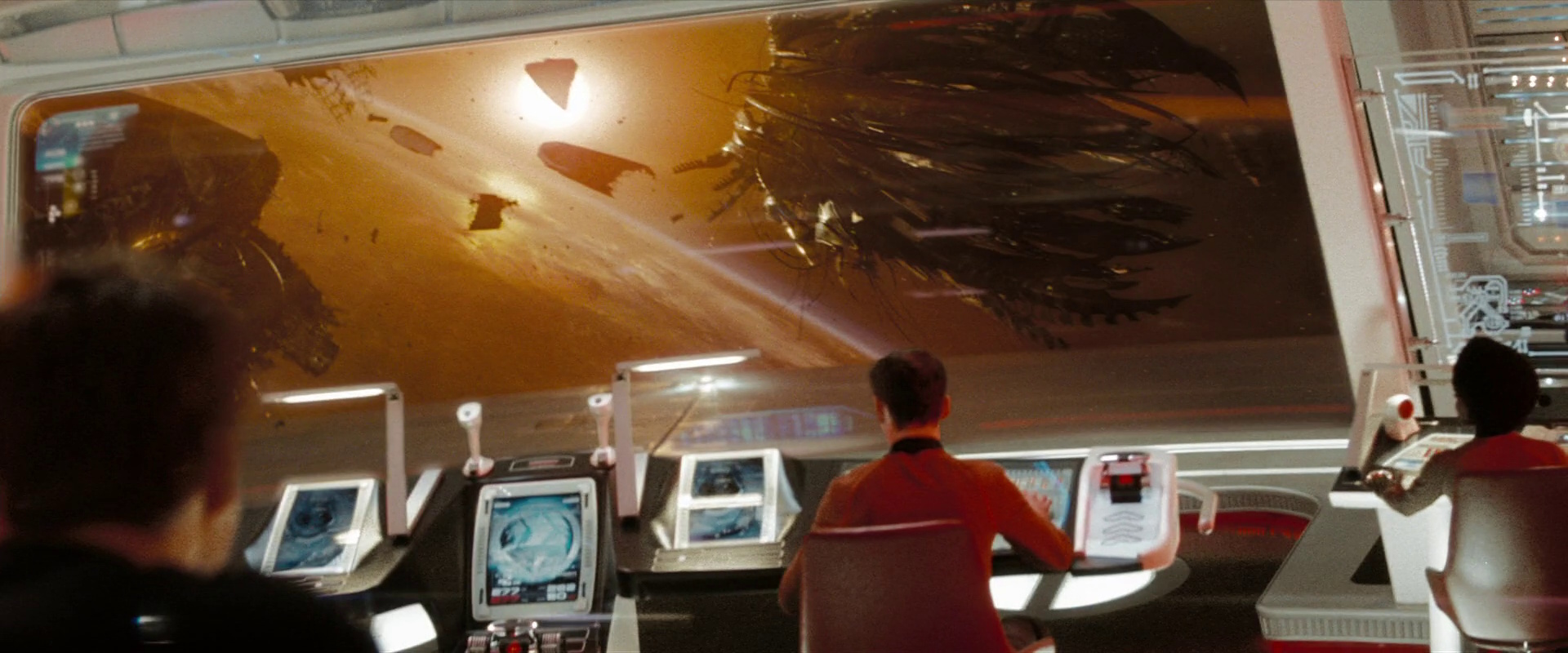
I know the Kelvin films weren’t every Trekkie’s favourite part of the franchise – to put it mildly! Heck, I *still* know people who refuse to even watch them because of how upset they were at both the recasting of classic characters and the more action-heavy storytelling. But we should all be able to acknowledge what the films – and the 2009 reboot in particular – did for Star Trek at a time when the franchise had been cancelled after more than fifteen years on the small screen.
We wouldn’t have seen Discovery, Picard, Lower Decks, Strange New Worlds or really any of the Star Trek productions we’ve enjoyed over the last decade were it not for the success of the Kelvin timeline films. Star Trek ’09 demonstrated to investors that, despite declining viewership on TV in the 2000s, there was still life in the Star Trek franchise, and still new stories to be told. These films carried the torch for Star Trek during what could’ve been its darkest hour, and they set the stage for the franchise’s revival.
With all that being said, regular readers will undoubtedly remember me saying that I don’t believe there’s a place for a new Kelvin timeline film. I wrote about this in 2020 and 2021, and while my original reasons for saying that have now shifted in light of the spate of cancellations this year… I stand by the original point. I know Beyond seemed to tease a sequel in its closing moments, and there will always be a part of me that wants to see reboot Kirk’s adventures aboard the Enterprise-A. But given the changes not just to Star Trek over the past ten years, but the entertainment landscape as a whole… I’m not sure a 2009-style film is the right fit any more. After almost a decade, audiences have moved on and expectations have changed.
Then there’s Strange New Worlds. What was the original idea behind Star Trek ’09? It was to show “young Kirk” and “young Spock” at Starfleet Academy, then undertaking their first missions together. Well… we’ve seen that. And thanks to Strange New Worlds, we’ve also seen the prime timeline version of that, too. Strange New Worlds has introduced several other legacy characters, and thanks to being able to develop those characters a lot more because of the extended runtime a television show permits, I’d argue it’s done a lot more with some of those characters than the entire Kelvin trilogy did.
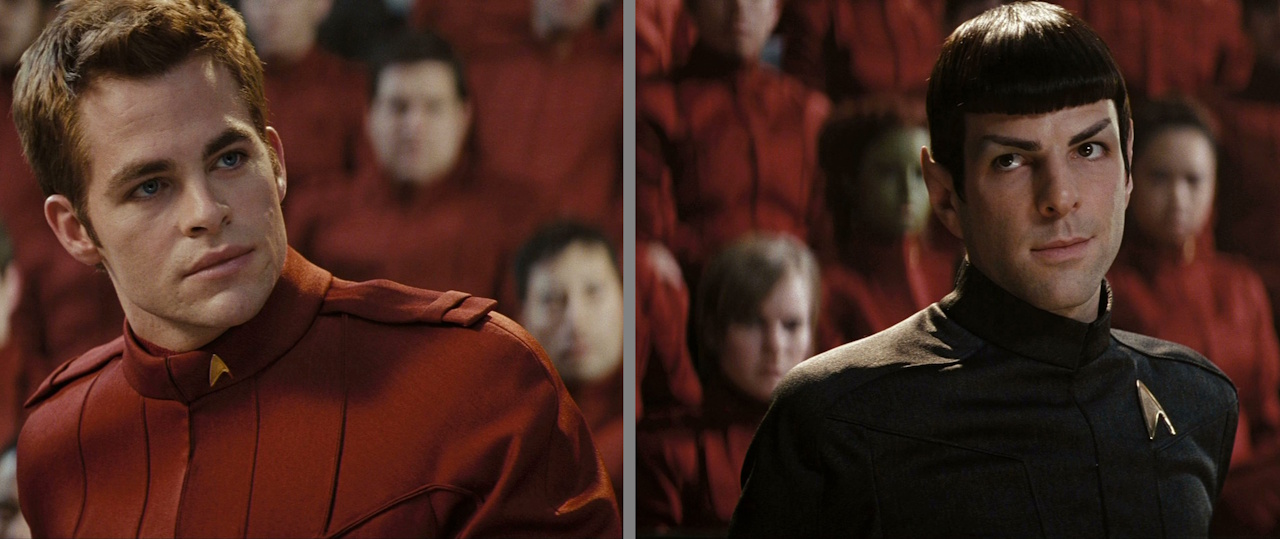
At this point, if we returned to the Kelvin timeline a decade after Beyond, we wouldn’t be seeing “young Kirk” and “young Spock” on one of their first missions. We’d be seeing Kirk and Spock on their five-year mission – or perhaps even *after* that, in the latter part of the 23rd Century. There are things that the Kelvin timeline could do with that idea, sure… but we’ve already seen plenty of Kirk and Spock at this point, haven’t we? Between TOS, the Kelvin films, Strange New Worlds, and the rest of Star Trek, we’ve spent a lot of time with these characters already. So… what could a new Kelvin film do that we haven’t already seen?
This leads me to my most fundamental point: Star Trek needs to move on. Not just from the Kelvin timeline, but from the 23rd and 24th Centuries in general. Since the turn of the millennium, we’ve had Enterprise, Discovery, Strange New Worlds, and the Kelvin timeline – all of which were prequels. Then we had Prodigy and Picard, which were direct sequels to Voyager and The Next Generation. The closest Star Trek came to originality was Lower Decks, ironically enough! And that show called back to The Next Generation era over and over again, and brought in numerous guest-stars.

A new film at this point should have the freedom to go in a totally different direction, and shouldn’t be too tied up with what came before. That doesn’t mean it can go breaking all of the rules of canon, of course, but after so many sequels, prequels, and spin-offs, it’ll be nice to get something truly original for once. Won’t it?
If Star Trek continues to look backwards at its own history, and keeps trying to bring back characters from the past, that limits the franchise’s potential to grow and expand. I became a Trekkie in the early 1990s not because of Kirk, Spock, and Dr McCoy, but because of Picard, Riker, and Data. If Star Trek, in the ’80s, had doubled-down on The Original Series and those classic characters, we’d have missed out on so much – not only The Next Generation, but Deep Space Nine, Voyager, and more. After such a long time, and with so much having happened since Beyond was in cinemas… a new film taking a new approach just feels like the best option.
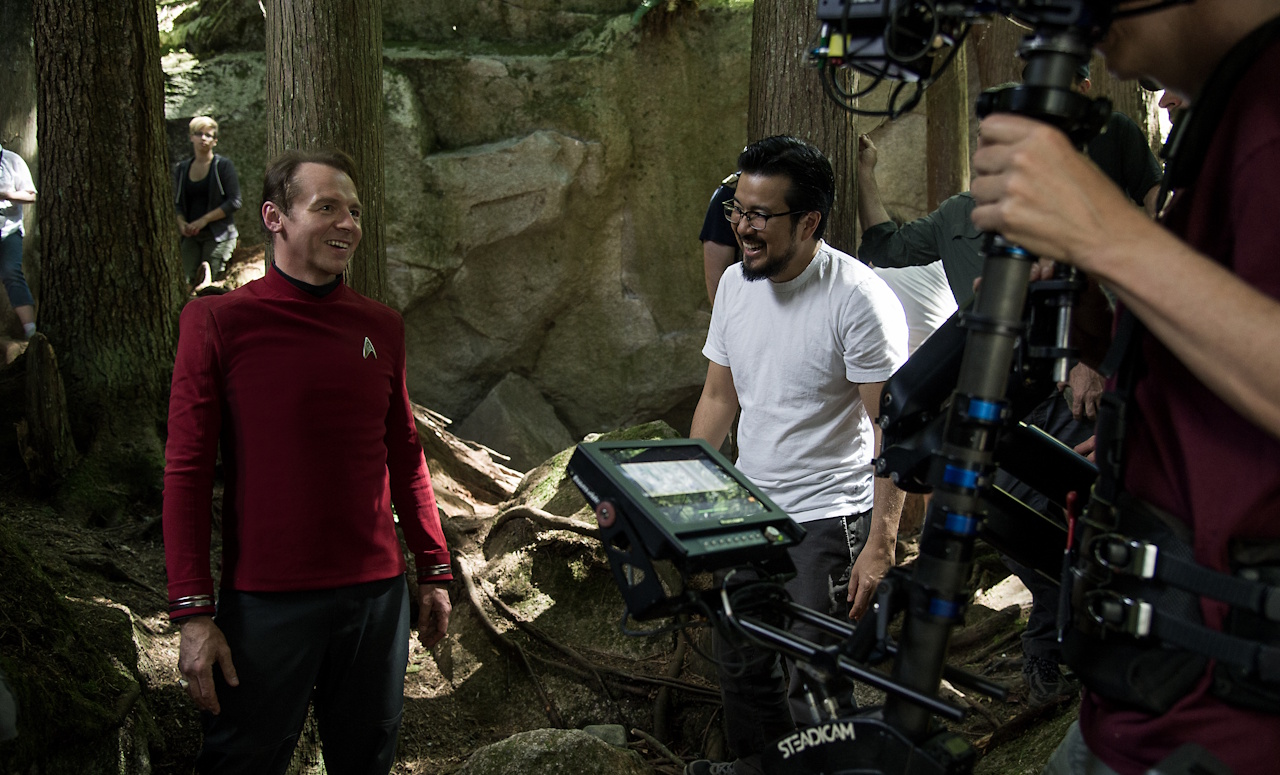
There are risks, of course. Into Darkness remains the cinematic Star Trek franchise’s high-water mark in terms of financial success, and all three of the Kelvin films turned a profit. Creating something brand-new, with a new director and a new cast of characters, might not achieve the same level of success as a Beyond sequel. Figuring out how to attract audiences who turned out for Into Darkness – but who may have skipped *everything* Star Trek has done since – will be the biggest challenge Skydance faces when it comes to pitching the new film.
And there’s kind of limited room for manoeuvre here. In 2009, a lot of people who hadn’t watched the likes of DS9 and Enterprise showed up specifically because Star Trek was billed as a reboot. The universe was going to be reset, you didn’t have to have followed any of the increasingly convoluted storylines from the previous fifteen-plus years… this film was its own thing. But can you re-reboot a franchise and achieve the same level of success a couple of decades later? Does the name “Star Trek” carry the same weight it did in 2009, after not really managing to reach out to a big new audience on streaming? I think those are valid questions as this new film may be getting underway.

I don’t lament the demise of the Kelvin timeline. It laid the groundwork for Star Trek’s return to its small screen home in 2017, which I truly appreciate, but then it kind of lost its place – at least for me as a Trekkie. By the time Pike and Spock joined Discovery a couple of years later, and we were getting news of new projects featuring Picard, Section 31, and a new animated series, it really seemed like Star Trek was back. Strange New Worlds, with its focus on many of the same characters as those in the Kelvin films, occupies a very similar space, and I’m just struggling to see what a new Kelvin film could really have to say after five seasons of Strange New Worlds and everything else Star Trek has done over the past nine-plus years.
At the same time, there’s a sense that Star Trek’s executives never took *full* advantage of the alternate reality that the Kelvin films presented. We could’ve seen, just as one example, Captain Kirk taking on the Borg – something that would be impossible to do in the prime timeline. Or we could’ve done more with the idea of a crossover from the prime timeline, bringing in William Shatner and George Takei alongside Leonard Nimoy. That can’t happen now.
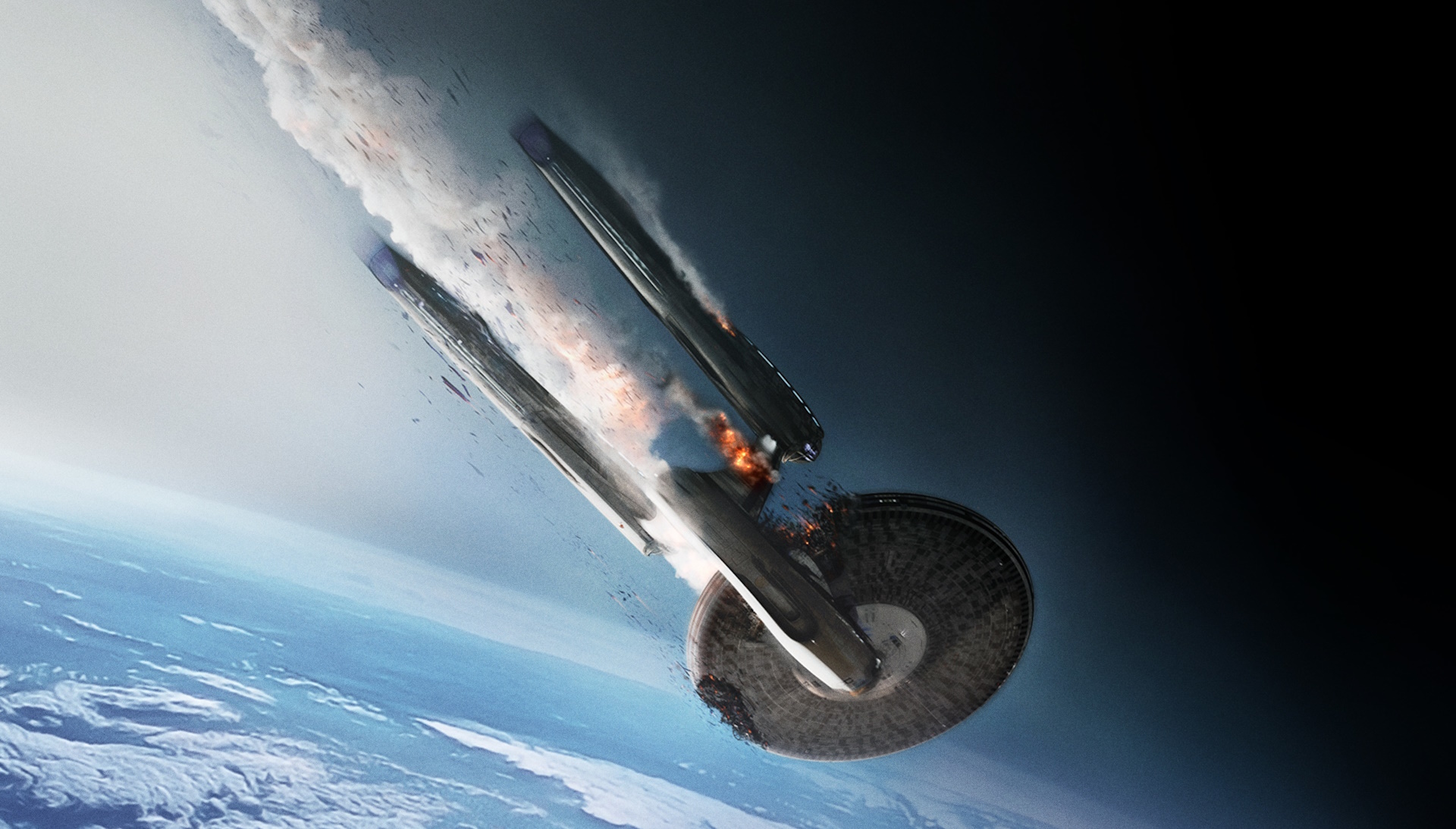
But the Kelvin films – or perhaps we should start saying “the Kelvin trilogy” – have a place in the history of Star Trek. They carried a torch for the franchise at a time when total cancellation and annihilation seemed not only likely, but were actively happening, and they set the stage for several great streaming shows that expanded the franchise in new ways. That isn’t a bad legacy by any means.
And as we look to the future? Star Trek seems set to enter a fallow period as the 2020s come to a close. After Strange New Worlds finishes its run, all we know for sure is that Starfleet Academy is getting a second season – and then there’s this potential new film. Star Trek XV – or whatever we’re going to end up calling it – has a lot to live up to in some ways, as it may have to pick up the mantle from the Kelvin timeline and keep Star Trek alive at a time when there might not be anything else going on. But this new film, thanks to being its own thing, has almost limitless storytelling possibilities, and won’t be constrained by what came before. That worked well in 2009, and it set the stage for bigger and better things. I’m going to keep my fingers crossed that this new film, in whatever form it ultimately takes, will be much more like Star Trek ’09 and less like the unfortunate Section 31.
So I hope this has been interesting. Part of me wonders if, in another ten or fifteen years, we may yet get a belated Kelvin timeline revival. Who knows! But nostalgia can be a big deal in entertainment, and if there are enough Kelvin fans clamouring for it… never say never, right? I will keep my ear to the ground and if there’s any news about a new Star Trek film in the weeks and months ahead, I daresay I’ll have more to add, so be sure to check back from time to time. And if you want to see what else I’ve had to say about the Kelvin timeline over the years, you can check out my dedicated Kelvin timeline page by clicking or tapping here. Until next time, friends!
Star Trek ’09, Star Trek Into Darkness, and Star Trek Beyond are available to stream now on Paramount+ in countries and territories where the platform is available. All three films are also available on DVD and Blu-ray. The Star Trek franchise – including all films and other properties discussed above – is the copyright of Skydance/Paramount. This article contains the thoughts and opinions of one person only and is not intended to cause any offence.
 Trekking with Dennis