

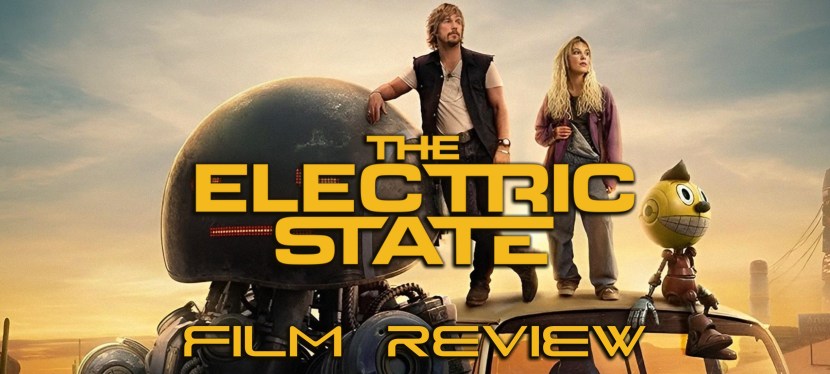
The first part of this review is free from story spoilers. The end of the spoiler-free section is clearly marked.
Well this is a bit of a rarity for yours truly: reviewing a film while it’s actually new and still relevant! I recently sat down to watch Netflix’s The Electric State, a film that had been on my radar for a little while. If you know me, you’ll know that I always like to give new sci-fi and fantasy adaptations a chance… and while The Electric State was imperfect and took a while to find its feet, the film managed to hit at least some of the right notes for me.
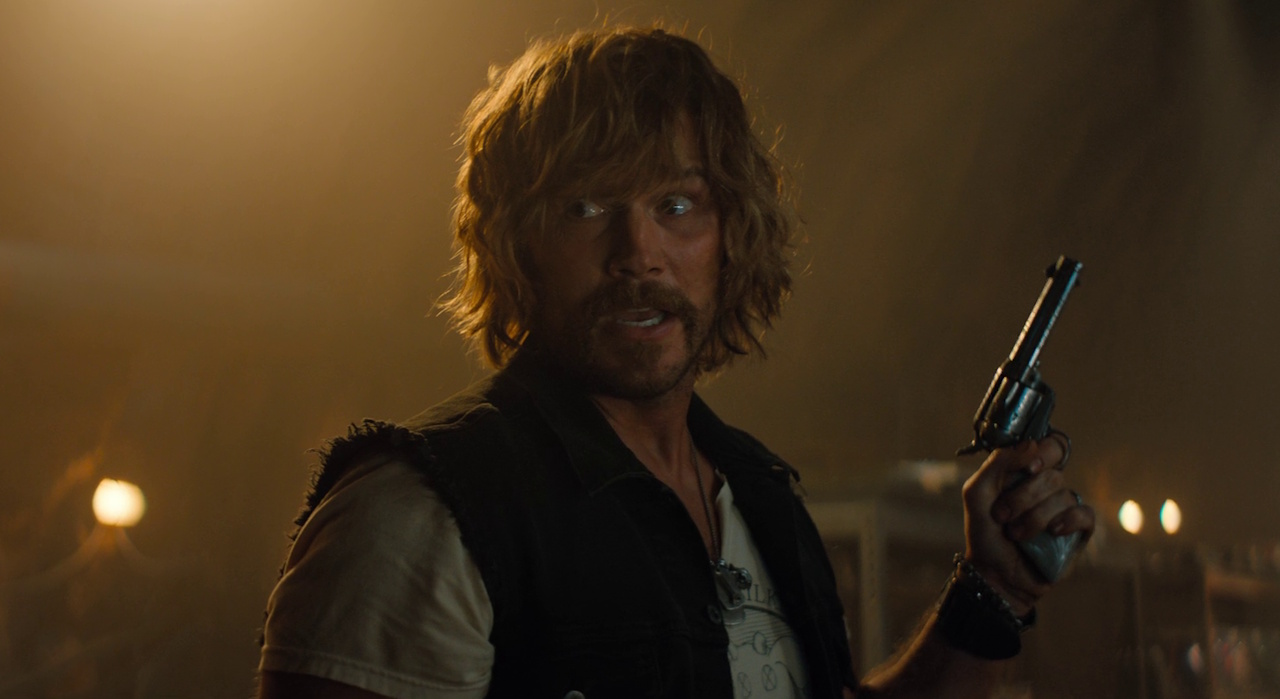
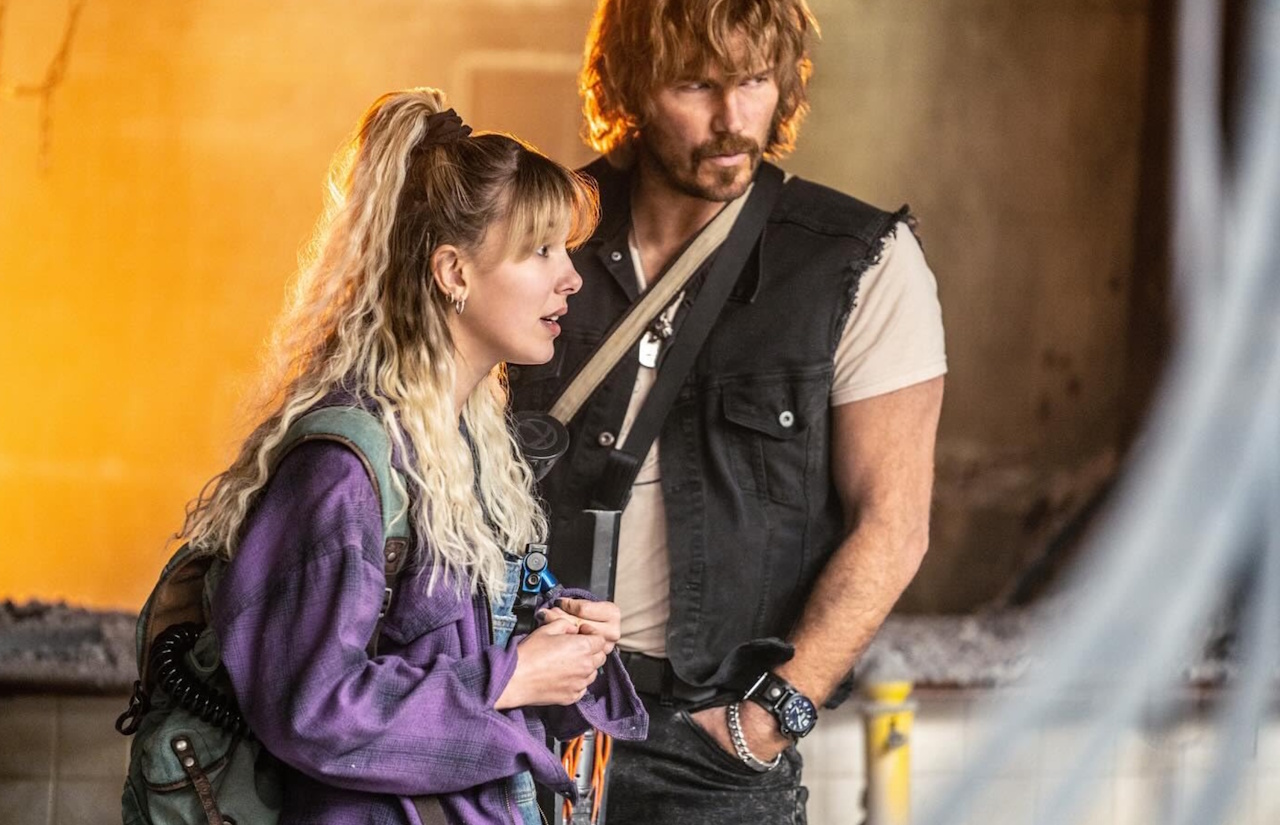
Let’s start with what I didn’t like. We’ll get into a bit more detail if you stick around for the spoilery portion of the review, but in brief… the two main acting performances weren’t spectacular. Chris Pratt seems to have become omnipresent in what’s occasionally termed “genre” cinema, and the best thing I could really say about him in The Electric State is that his performance was workmanlike. He turned up, churned out a passable performance, cashed his cheque, and that was it. I didn’t see much passion from him, or really any indication that he cared much about the role or the story. It was fine. But for the benefit of Netflix and other studios: you guys know other actors exist, right? Try someone else sometime… they might do a better job.
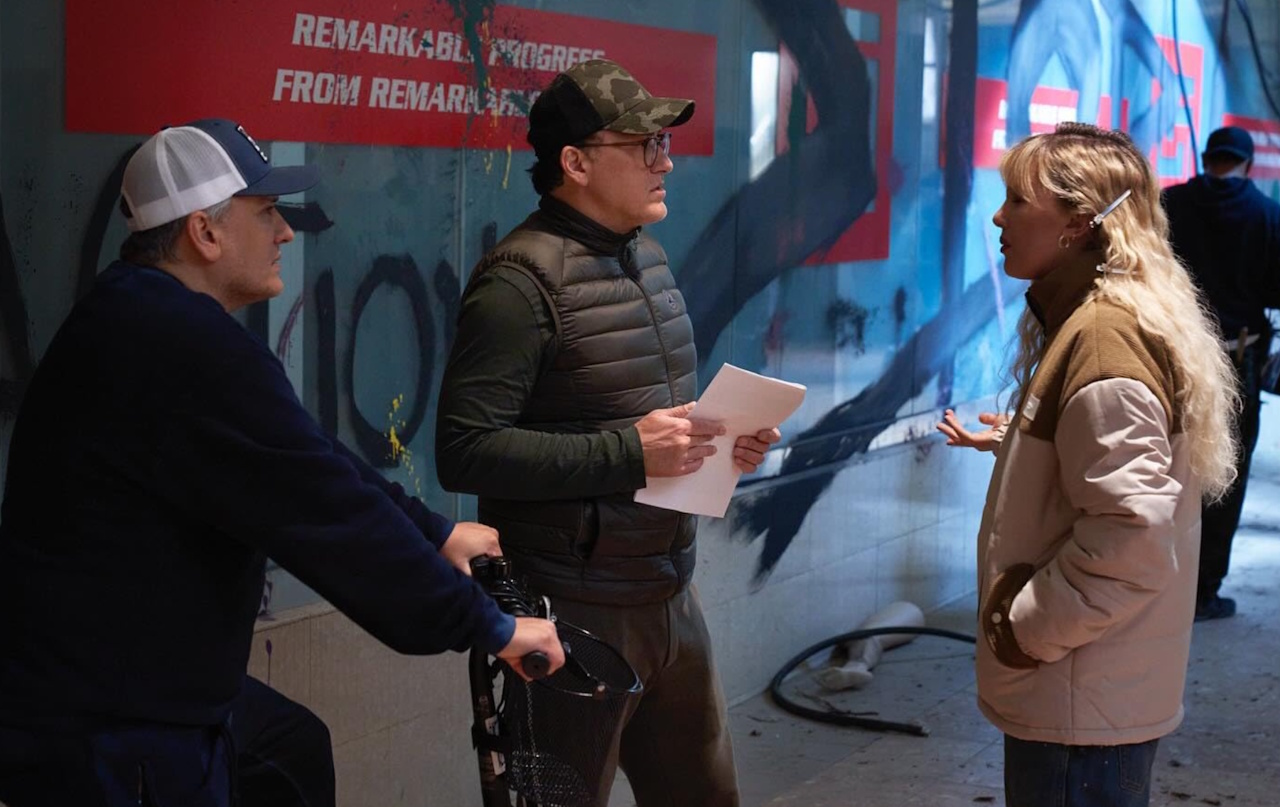
I don’t like to pick on younger performers too much, so I’ll say this: Millie Bobby Brown was the lesser of The Electric State’s two leads. There were moments in her performance that captured some of the feelings and emotions that the Russo brothers wanted the film to convey… but there weren’t as many of them as the role really needed. Some of Michelle’s biggest scenes – moments where I should’ve been on the edge of my seat or bawling my eyes out – just didn’t stick the landing, and unfortunately that’s due more to the performer than the writing or direction. I don’t doubt that Brown was genuinely invested in the role, but I think it took her to the edge of her capabilities… at least for now. She’s definitely got room to grow in the years ahead, and I hope The Electric State will be a film to look back on in a few years’ time to see how far she’s come.
The Electric State was juggling quite a few characters, meaning there was no shortage of storylines to cram in – along with some of the film’s loftier concepts and ideas that we’ll talk about later. As a result, I felt several critically-important moments were rushed, with not enough development given to key characters nor enough time for events to unfold naturally. It takes time for people – humans and robots – to warm up to one another, to share ideas, and to commit to working together… but The Electric State, on too many occasions, didn’t have enough time to do the work. This left some scenes feeling blitzed through, while in others, characters seemed to act out of turn or without detectable motivations.
I’ve said this more than once in other reviews, but perhaps for a younger audience – raised on short-form videos – that kind of hectic pacing might work. You’ll have to check out other reviews from younger folks to see if that’s the case! But for this old critic, I’m afraid that I needed to spend a little more time with some of the characters at those moments; going from “we’ve just met” to “let’s team up and save the world” needs more than just lip-service if I’m going to really buy into it.
On a more positive note, the film’s core story was great – and if the worst thing I can say about the main narrative is that I wish I could’ve seen it play out at a more reasonable pace, that isn’t the worst thing in the world. It just means that, for me, some scenes and characters needed a bit more work. The bare bones of the story were there – and it was a strong, solid, and potentially quite emotional narrative. I could feel, hiding just beneath the surface, some of those character moments and narrative threads… and it’s a tad frustrating, more than anything else, that they didn’t get the deeper, fuller exploration that they deserved.
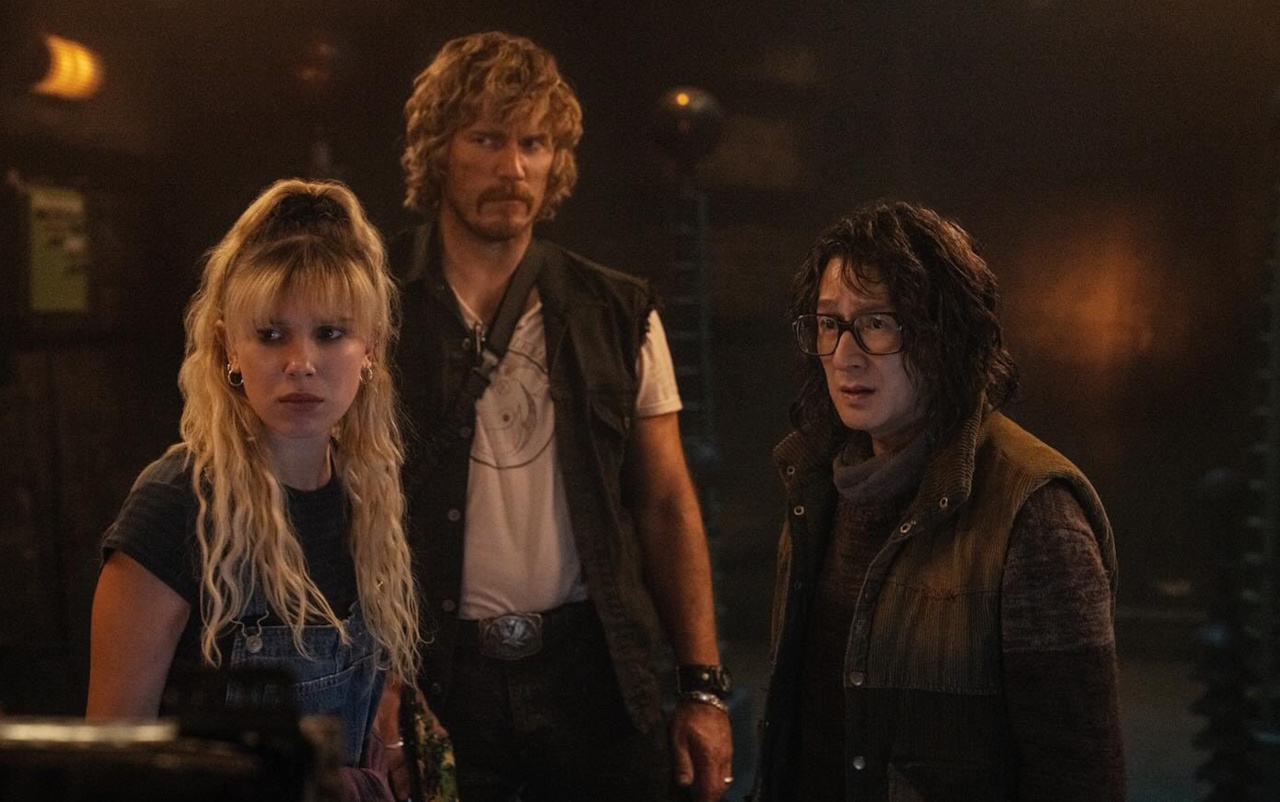
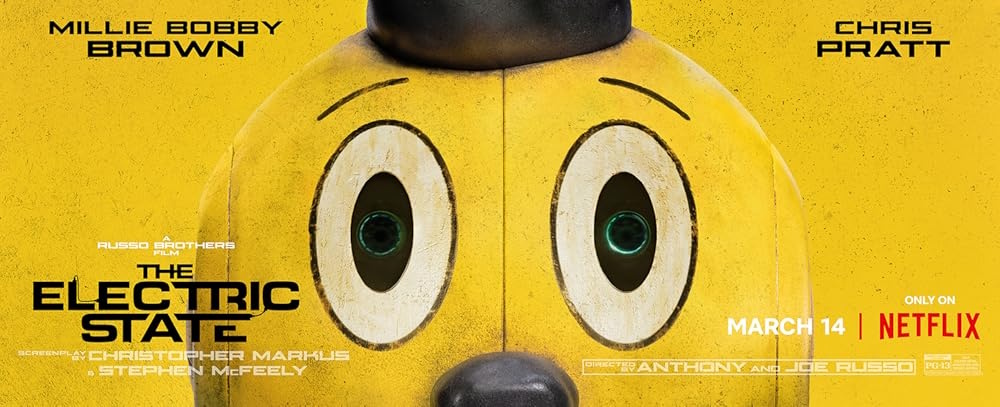
And perhaps that’s The Electric State in a nutshell – if Mr Peanut will excuse the pun. It was a film that had a genuinely good story… but it fell short of being great for the reasons outlined above. That doesn’t make it a bad film by any stretch, and I could see myself watching it again one day. But it’s a little disappointing that some of these ideas, characters, and storylines were held back or cut short. Perhaps The Electric State would’ve worked better as a miniseries – say, five or six hour-ish episodes – instead of a two-hour film.
The film’s soundtrack was fantastic, and I enjoyed some classic hits like Judas Priest’s Breakin’ The Law and Gloria Gaynor’s I Will Survive, as well as reinterpretations of Don’t Stop Believin’ by Journey and Wonderwall by Oasis. There were some truly great songs in the mix, and they were paired well with different moments in the film. The score was also fantastic – composer Alan Silvestri, who has also worked on titles like The Polar Express and Ready Player One – did a great job.
I don’t like to put a number on my reviews. One person’s idea of a seven out of ten might not be the same as another’s, and I think too many people skip over the actual review and just want to see numbers! But if you want to know if The Electric State is right for you, here’s what I’ll say: if you already have a Netflix subscription and you want to check out a different sci-fi title, you’ve got nothing to lose by firing it up. I would caution that it took me a while to fully get invested in The Electric State due to some of the issues outlined above, but once the film found its footing I was content to watch until the end. Would I be happy if I’d bought an entire month of Netflix purely to watch The Electric State, though? I think that’s a harder sell, to be honest with you.
Up next we’re going to talk about the plot in a little more detail. If you want to go into The Electric State un-spoiled, this is your warning to jump ship! If you’re still reading, let’s jump headfirst into the spoiler section of the review!

This is the end of the spoiler-free section. There will be story spoilers for The Electric State from here on out.
There are a couple of interesting real-world analogies that The Electric State was playing with – but I don’t think the pace of the film really managed to do justice to either. As I said above, a miniseries might’ve been a better fit for this story, because some of these potentially-interesting ideas about technological dependence, escapism, and abusive corporations deserved more time in the spotlight. In a stronger film, these ideas could’ve been key parts of the story; in The Electric State, they were basically just a backdrop for the adventure to play out in front of.
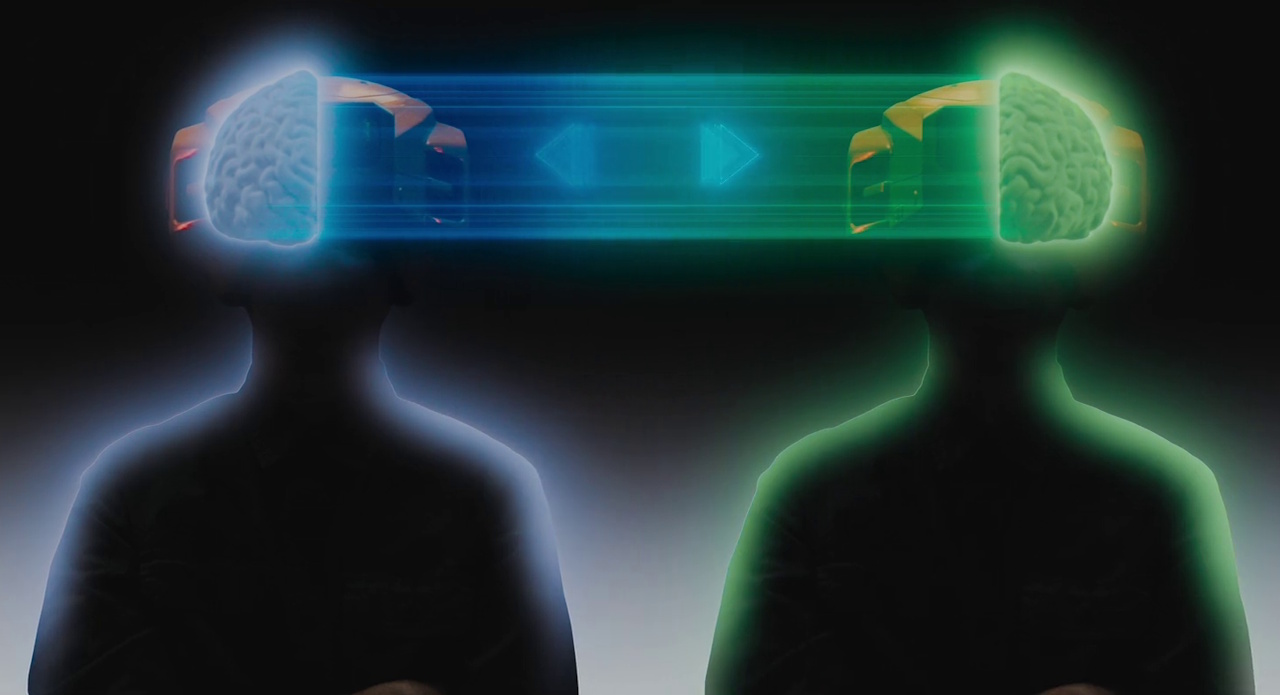
The neurocasters are a perfect metaphor for today’s smartphones, and the depiction of neurocaster addicts in The Electric State felt, in a couple of places at least, hauntingly accurate. How often do we hear about so-called “smartphone zombies” walking off bridges or into traffic, or even just bumping into people while lost in their own little worlds? The film’s message about putting down our devices, connecting with one another in real life, or even just – to borrow a Gen Z term – going outside to touch grass had potency. Unfortunately, this aspect wasn’t in focus for long enough to be as impactful as it should’ve been, and other storylines quickly overtook it.
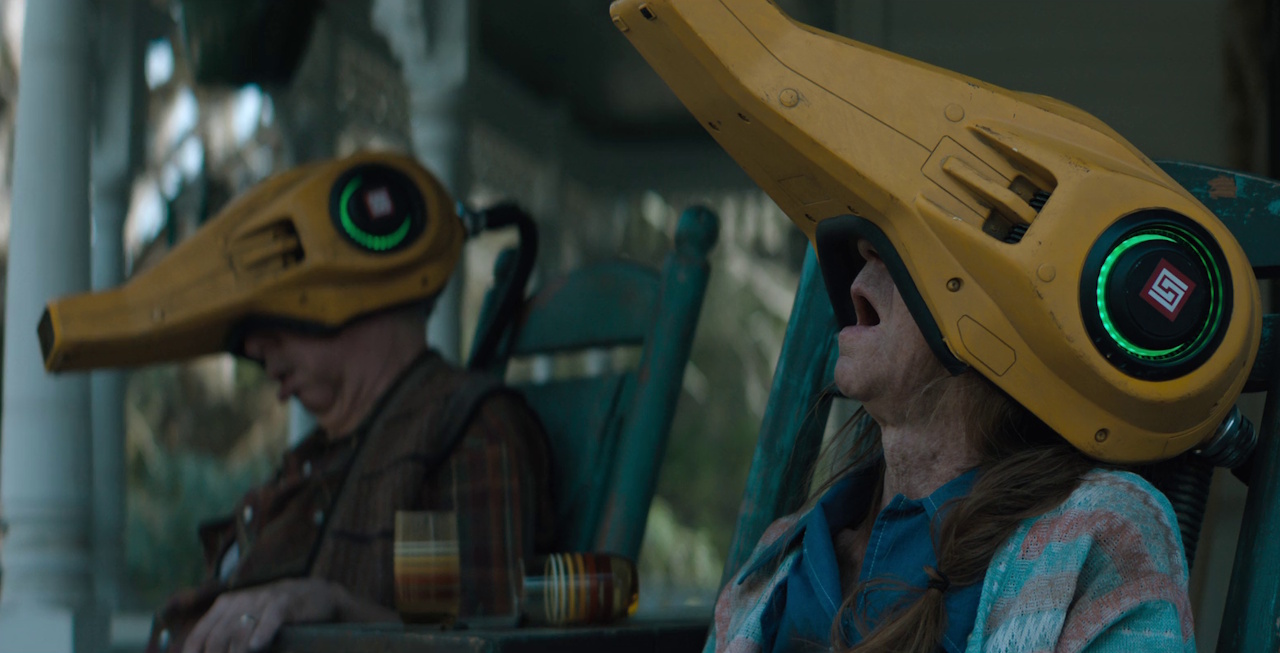
And it’s a shame, because the time is right for a metaphor like this. There is value in a story that touches on themes of technological dependence and escapism – and I know from my own life that I spend too much time staring at a screen. The Electric State wanted to hold up a mirror to today’s society and say “look!” But it didn’t have enough time to really make this idea stick.
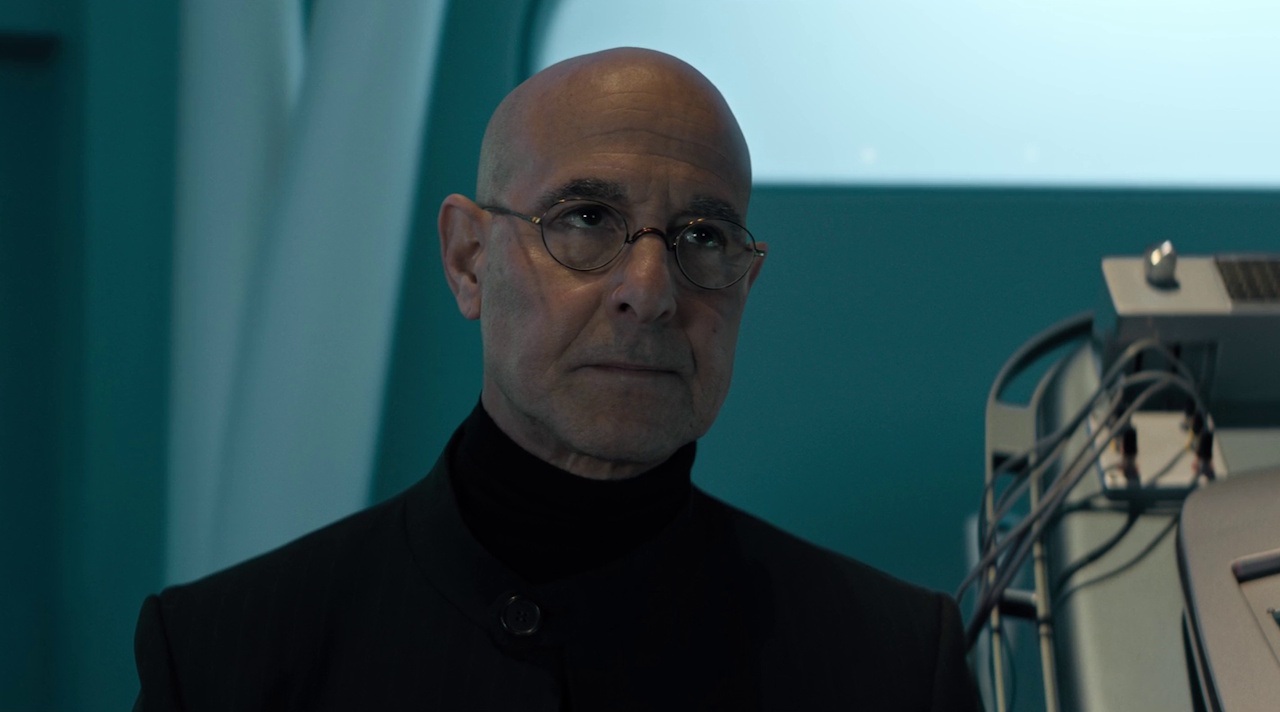
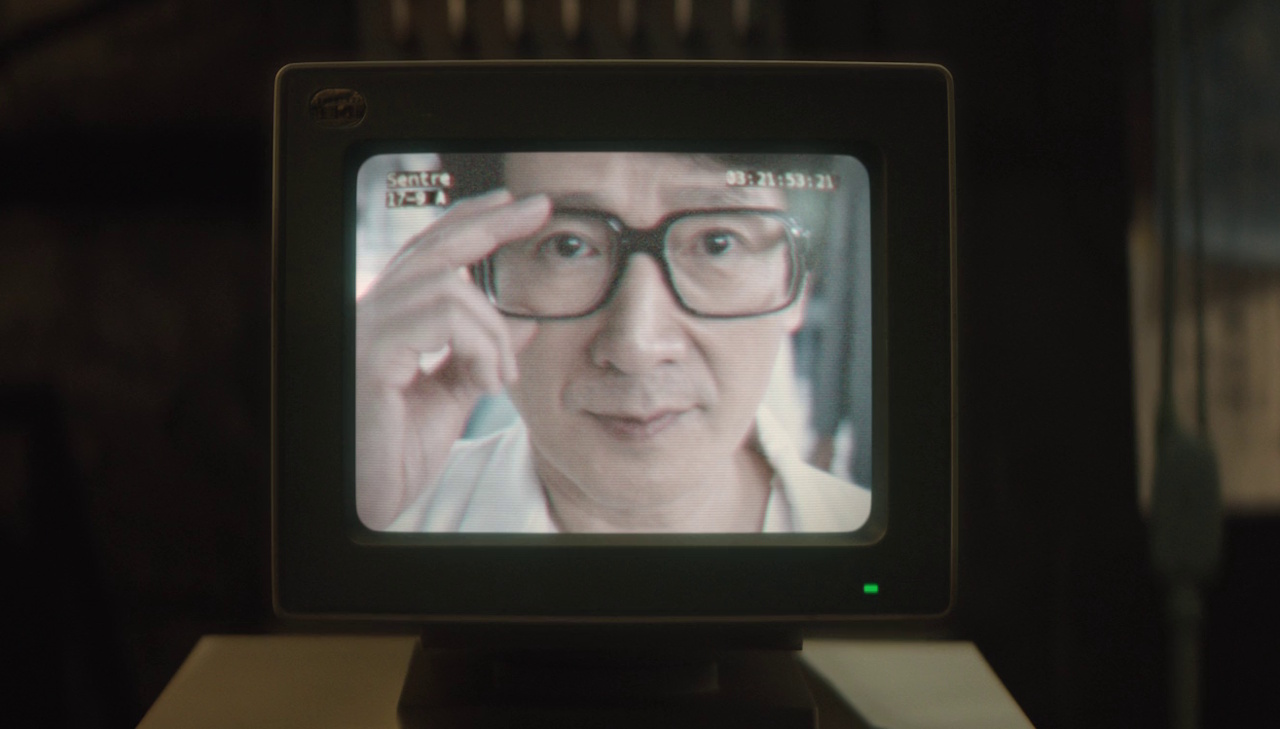
The same was true of the film’s corporate angle. Maybe I’m allowing current events to colour my reading of Sentre and Ethan Skate… but there was something in the presentation of this corporation and its shady leader that felt timely. A “big tech” company doing unethical things while putting on a friendly face in public… I mean, that hits close to home, right? Stanley Tucci was pitch-perfect in the role of Skate, by the way; he really made my skin crawl. And in this case, I mean that as a compliment!
I mentioned pacing earlier, and there were too many scenes in The Electric State that felt cut down or that I would’ve wanted to see expanded. Michelle’s encounter with the Cosmo robot, their first meeting with Keats and Herm, Mr Peanut’s colony of robots… all of these seemed to race by, and unfortunately, there was a lot left on the table (or the cutting-room floor). As a result, too many characters seemed to act unnaturally, being willing to team up when two seconds ago they’d been adversarial, or leaving their motivations unexplained. There was no clear explanation for why the Butcher’s drone – which had been crushed in a cave-in – could somehow be remotely re-activated without any kind of mechanical maintenance, no real explanation for why Keats didn’t abandon Michelle after he cost her his entire business, and so on.
Some characters felt less like real people than bare archetypes. Michelle’s foster father seemed to be “evil for no reason,” in line with some depictions of step-parents in old children’s stories. The doctor – the one who aided in Chris’ escape – also didn’t really have a lot of personality, though at least his motivation of wanting to do something to help a child in danger was understandable. I know I keep coming back to this idea, but a miniseries (or even just two films instead of one) could’ve lingered on some of these characters a bit longer, fleshing them out – and by extension, giving some more depth to what could feel like a pretty shallow world.
The idea of an artificial intelligence going rogue isn’t new, and we’ve seen it countless times in sci-fi. But because of The Electric State’s depiction of brightly-coloured robots based, at least in part, on fictional characters we’re familiar with, there was a bit more to it. The film also released at a moment where AI has been in the spotlight, with more and more folks using and becoming dependent on AI tools to do everything from homework to the business of government! Fears of rogue AI are nothing new, but The Electric State had at least a visually different – and occasionally striking – take on this idea.
Something we don’t always get in stories about robots turning against humanity is a peaceful outcome – and The Electric State offered a glimpse of what that could look like. Both sides started to see that there could be good in the other; that there might be a way to work together to achieve a lasting peace. Again, in the context of our troubled world, that isn’t a bad story to tell. However, this storyline also wasn’t all it needed to be to really bring that message home.
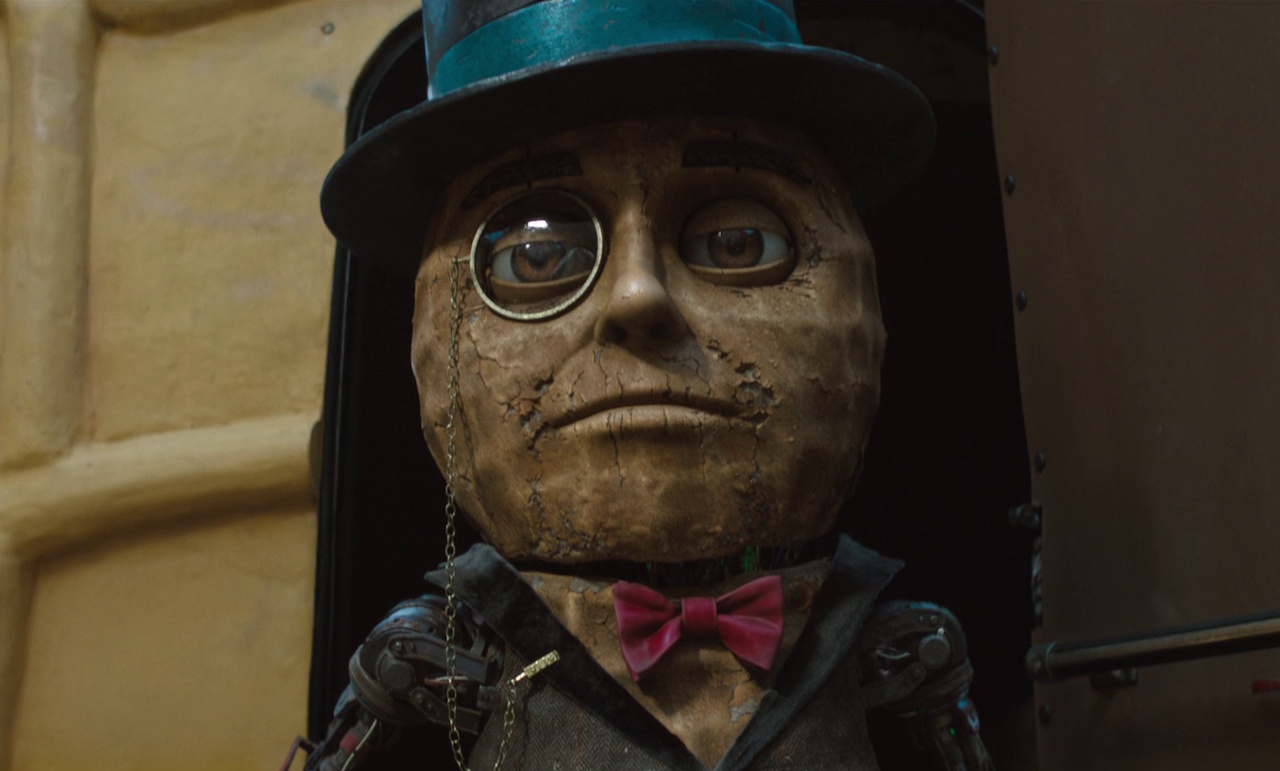
At the core of the story were two character pairs: Keats and Herm and Michelle and Chris. Keats and Herm’s story of being on opposing sides of the war, only to end up together was a cute idea – but one I wish we could’ve seen more of. The Electric State wasn’t shy with its flashbacks, so why not flash back to the battlefield and show us, rather than just tell us, what happened to the two of them? Seeing it rather than just hearing about it would’ve been more impactful.
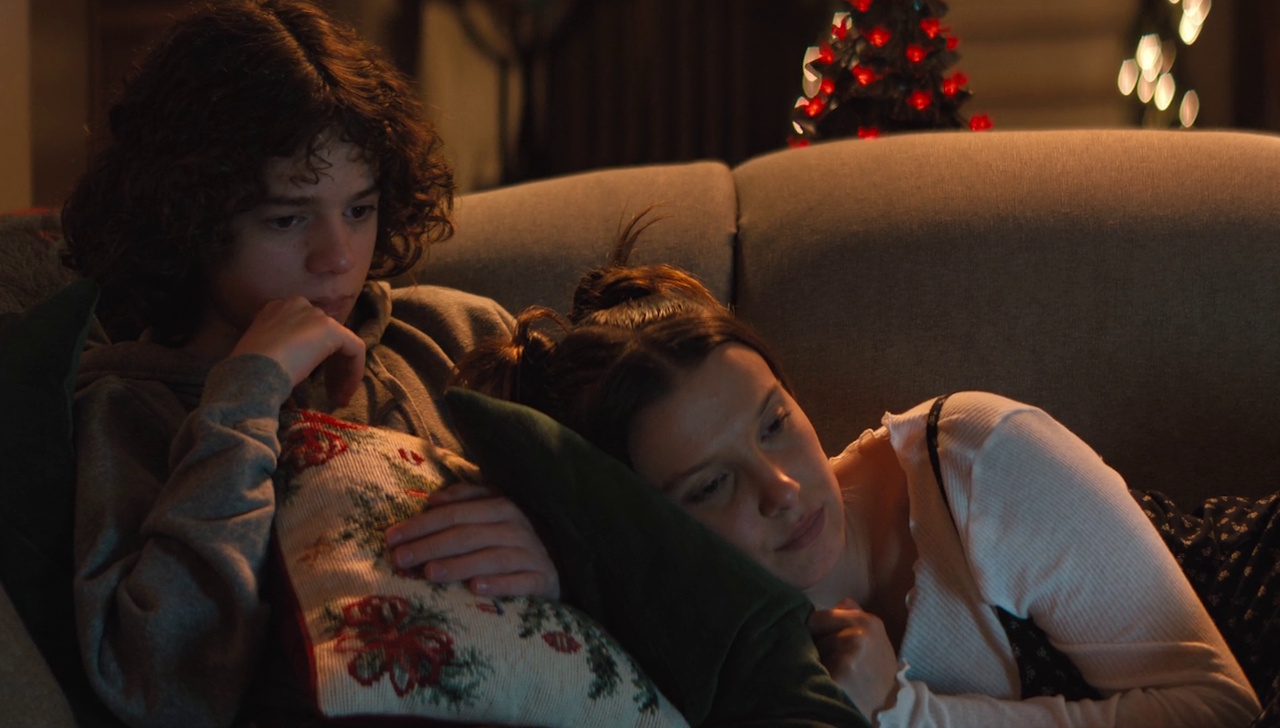
As for Michelle and Chris, there was a sweetness to a sister doing everything she could to help her brother. With this storyline being the film’s core – both narratively and emotionally – it was the most important one for The Electric State to get right. As above, I don’t think Millie Bobby Brown was outstanding in the role of Michelle; her best scene was probably the one at the mall where she, Cosmo, and several other robots were wordlessly watching the old cartoon. The young performers did their best, I have no doubt, and criticising the on-screen chemistry between them would feel a bit harsh. What I’ll say instead is that there were some good moments and some less-good moments on this side of the story. At times, it could feel like heavy lifting to remain fully invested in Michelle’s story.
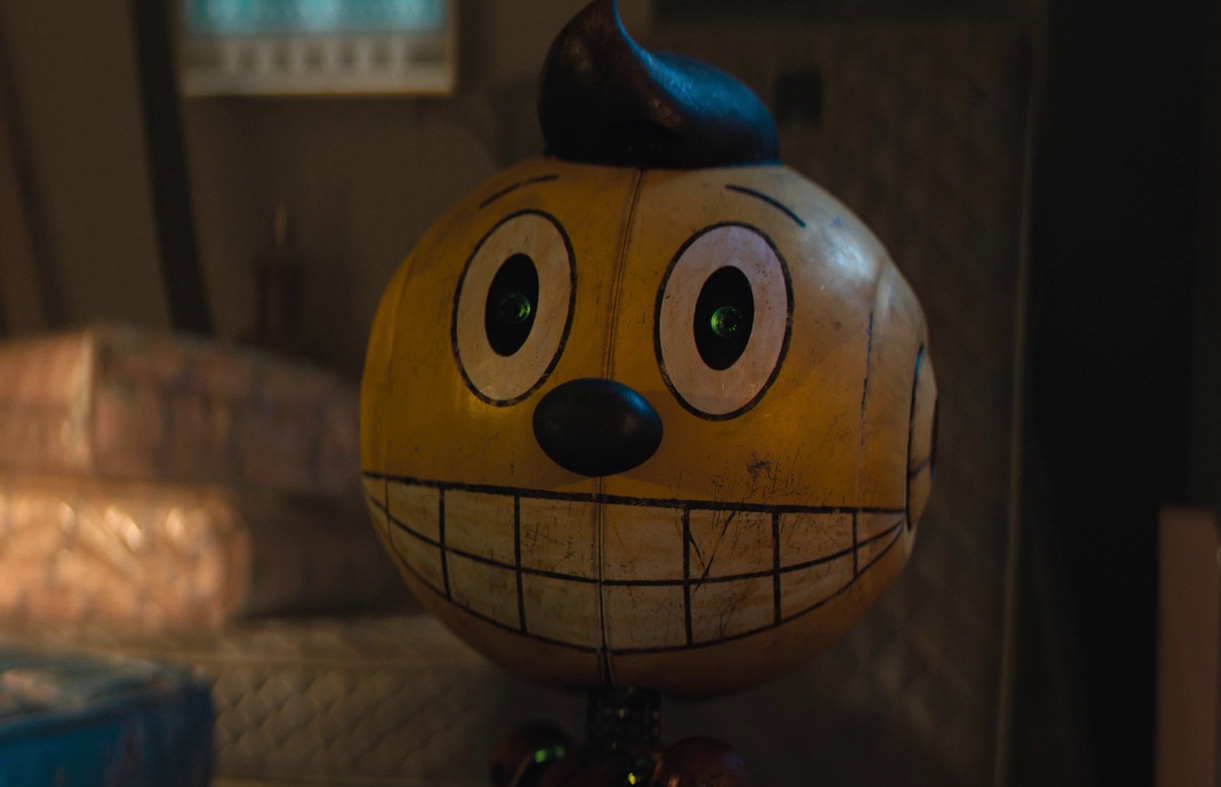
I touched on this above, but the designs of some of the robots were really interesting and made for a fun visual presentation. Inspired in part by the animatronics at Disney World and other theme parks, there were some genuinely neat designs in the mix. Cosmo – the robot inhabited by Chris – was perhaps the most important one to get right, and I think the animators and designers did a good job. A lot of the robots also looked dirty and decaying after years without maintenance, and that definitely came across.
One important point that I think The Electric State would’ve benefitted from explaining is why Cosmo couldn’t talk but every other robot we met could. I guess there was supposed to be some limitation – that Cosmo only had a handful of pre-programmed phrases – but this wasn’t really explained, and when we met a whole community of robots who could all talk much more freely… it felt a bit odd. The idea was interesting, and limiting Chris’ ability to communicate with Michelle served a purpose. But… it also meant that this pairing relied even more on Michelle to talk and emote, which wasn’t always the film’s strongest suit as we’ve already covered.
The Elecrtic State is supposedly set in 1994, and I guess Netflix was hoping that there’d be a lot of nineties nostalgia floating around to entice viewers. As someone who grew up in the ’90s… I didn’t really get much of a nostalgia blast from the film. There were some moments, sure: Sentre’s video presentation with ’90s-inspired graphics, some of the cars and vehicles on the road, the mall setting that would likely be half-closed today, and old PCs sporting CRT monitors and Windows 3.1 all spring to mind. But for a film that seemed to be pitching itself on its ’90s setting… I really didn’t feel all that much of it in the finished product.
Oh, and speaking of the nineties: that clip at the beginning of Bill Clinton? The voice was fine, but the ex-president’s face seemed to be very amateurishly pasted into the scene, and it didn’t look great. Visuals in The Electric State were generally good, but that moment wasn’t!
So that was The Electric State. It’s unlikely to win any awards, but it was okay for what it was. There’s plenty of room for new adaptations in a sci-fi genre that’s drowning in established franchises, reboots, and sequels, and I’m genuinely happy that Netflix gave the green light to a project like this. For my money, I’d be content to re-watch The Electric State in the future. I don’t think the film hit all of the high notes its directors were hoping for, and there are some limitations to the story and a couple of the key performances. But The Electric State wasn’t a terrible film.
I’ll be curious to take a look at the visual novel that the film is based on and see how different it is and how many changes were made. I stand by what I said earlier: this story, the one presented in the film, would’ve worked better if it had longer to play out. Netflix is well-known for its big-budget series… and perhaps expanding this story to five or six episodes instead of a single film would’ve been to The Electric State’s benefit.
Oh well!
The Electric State is available to stream now on Netflix. The Electric State is the copyright of Netflix and/or AGBO and Skybound Entertainment. This review contains the thoughts and opinions of one person only and is not intended to cause any offence.

 Trekking with Dennis