

One year ago today, I published my first impressions of a game I’d been incredibly excited to play: Civilization VII. This was a title that I violated two of my game-buying rules for – no pre-ordering, and no paying for expensive special editions. But Civilization VI had been one of my favourite games of the past decade, not to mention a title I’d sunk well over a thousand hours into, so I was content to pay a bit of a premium to get my foot in the door early with the next game in this long-running series.
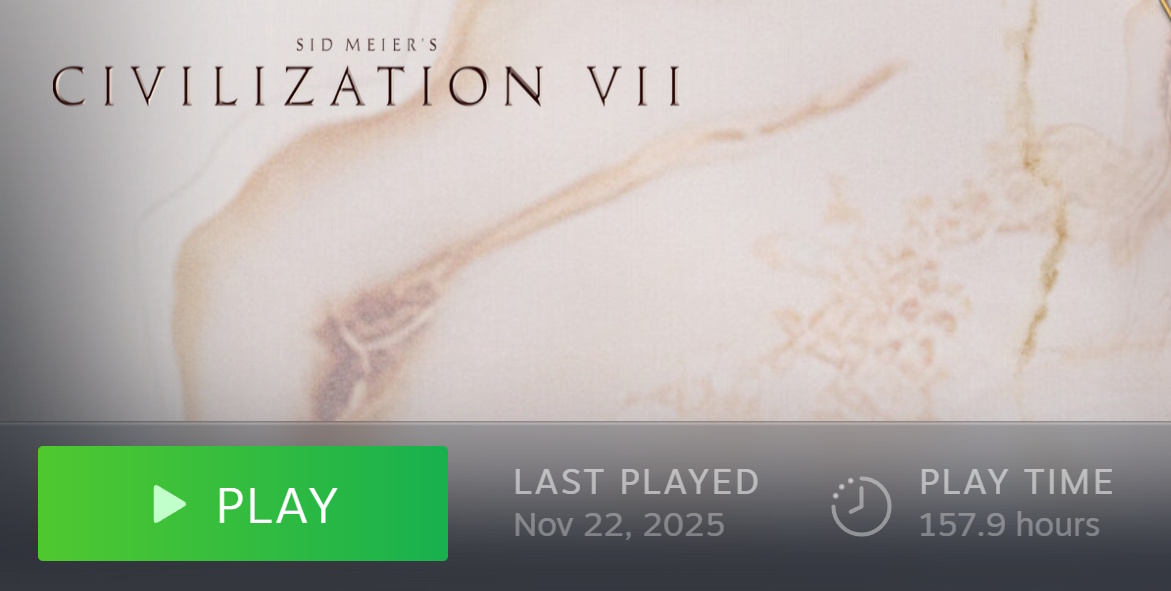
Civilization VII ended 2025 as my most-played game, with just under 160 hours of playtime across the year. And I rewarded the game – somewhat reluctantly – with the award for “Best Strategy Game” at my annual End-of-Year Awards in December as a result. So… I must be pretty pleased with my purchase, right? This is surely a game that I’m happy with and content to recommend to all of you.
Right?
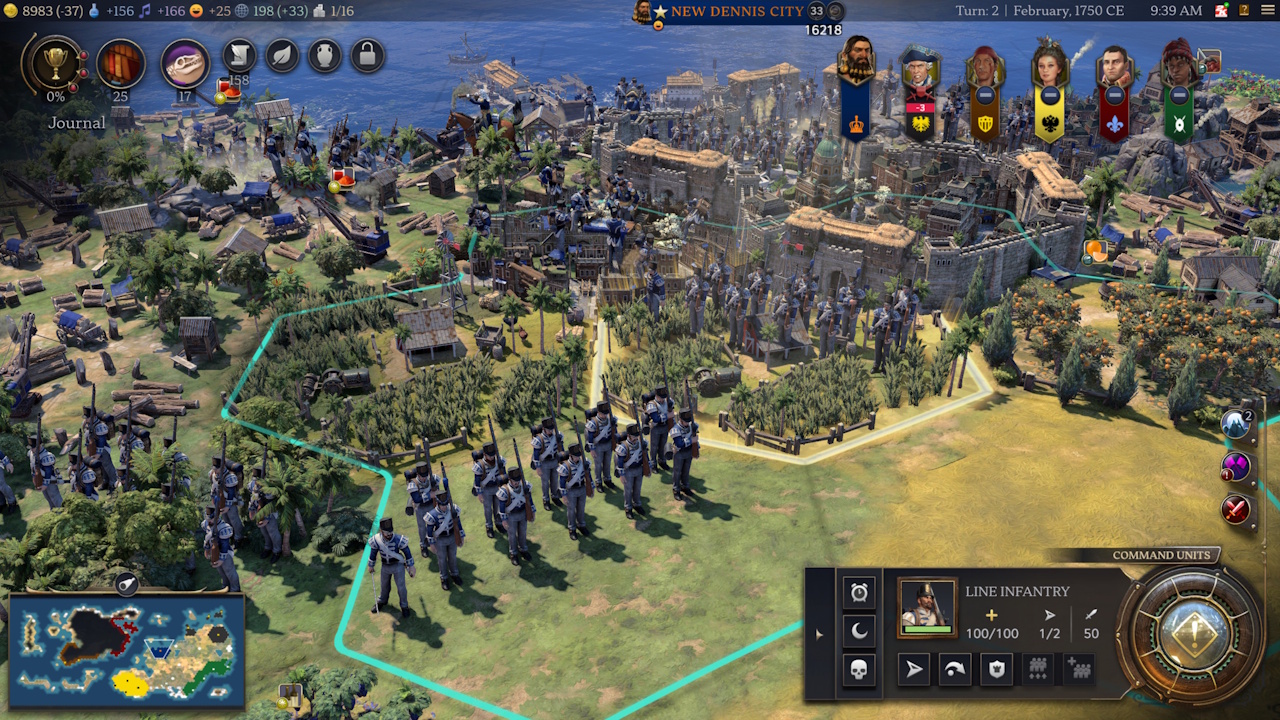
The truth is that I put Civ VII down a while ago, and while I’ve periodically fired it up and played a round or two to check out new leaders or new factions, I’m not as enamoured with the game as I want to be. One year on from the game’s “early access” days, Civ VII still feels like a work in progress, with both highly-requested changes and basic bug fixes still not having been implemented. I can still see the *potential* in Civ VII, but the truth is… I kinda hoped that the game would be closer to realising that potential by now.
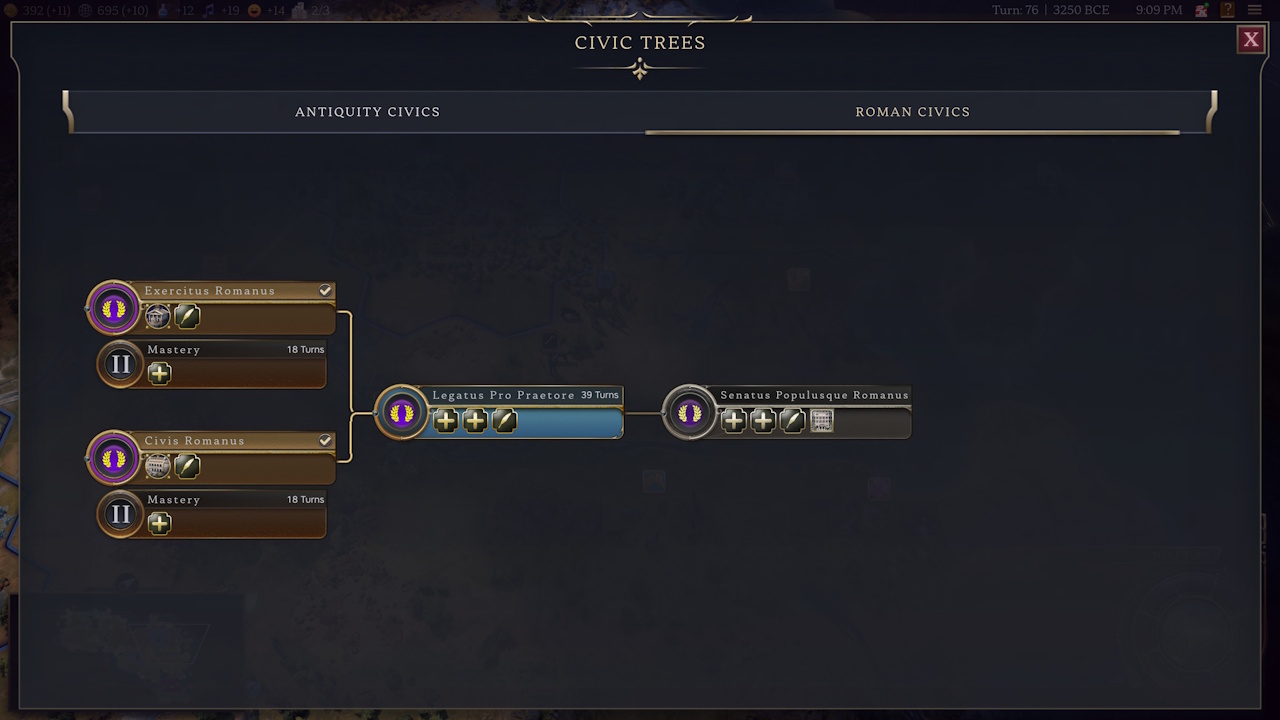
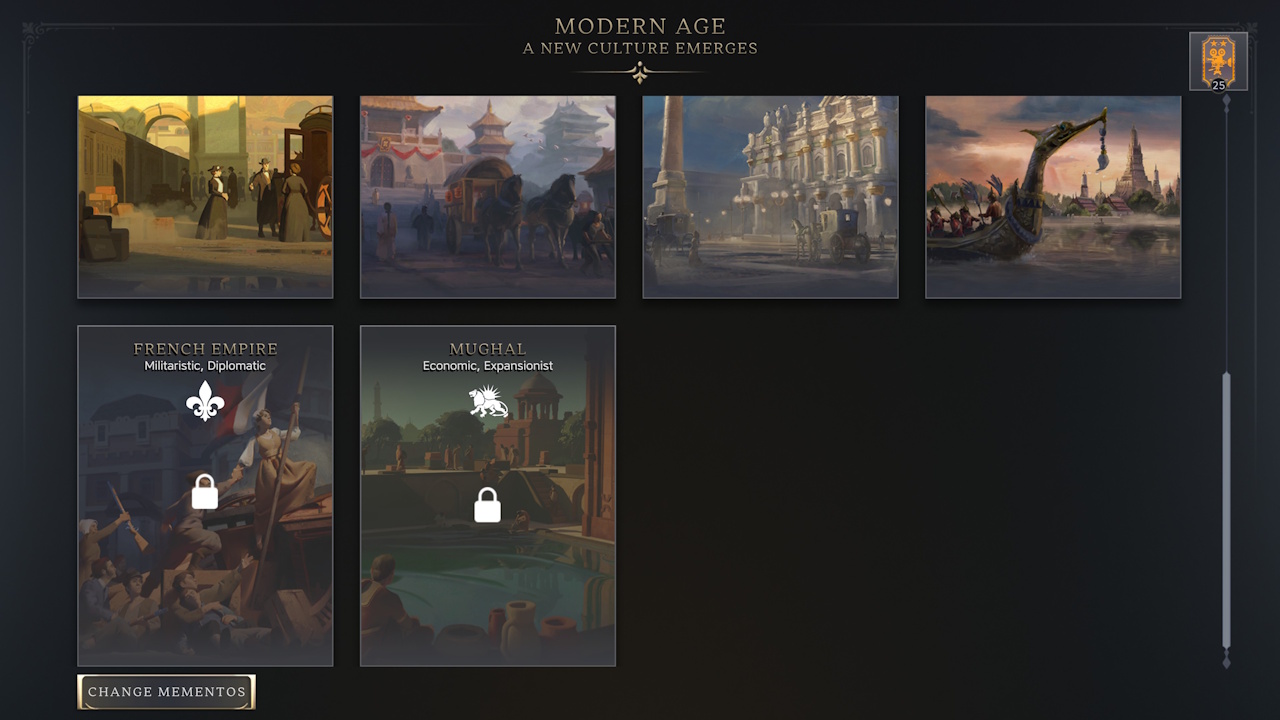
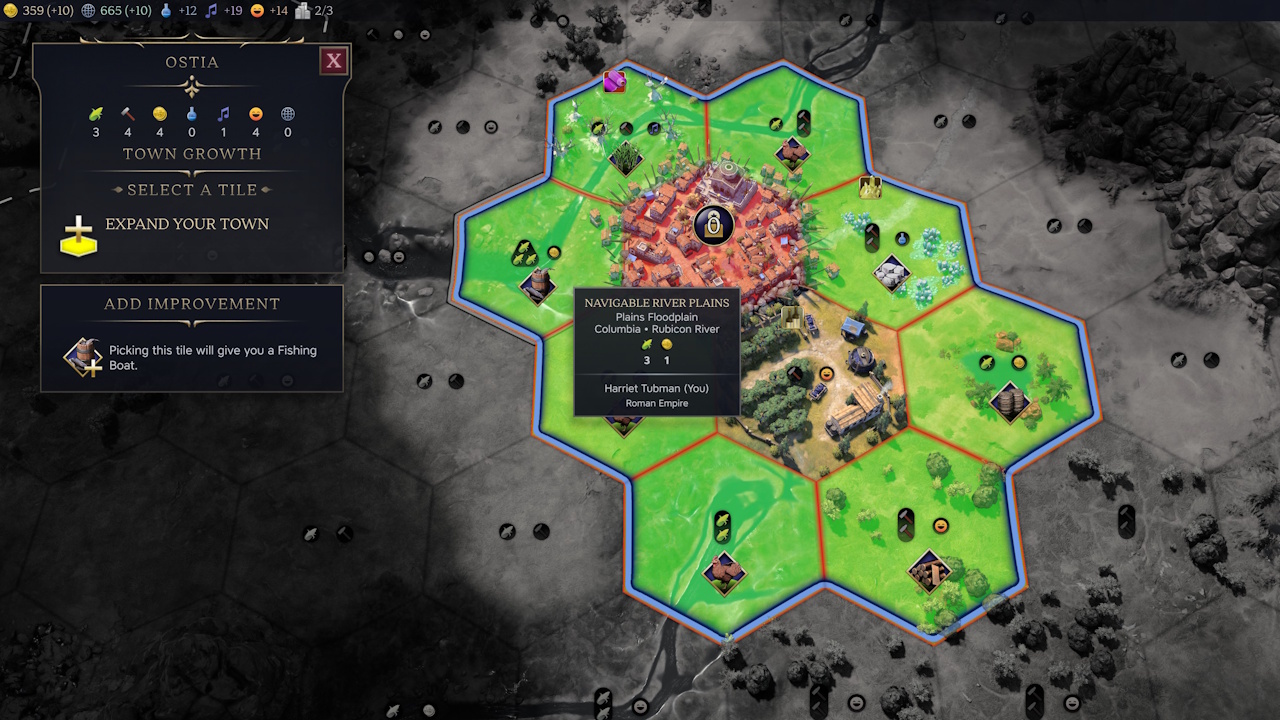
Cool new ideas – like a pirate leader, or a faction that can explore across the oceans in the Aniquity Age – can only take Civ VII so far when the core gameplay still feels like it’s missing things. The game’s launch saw some genuinely fun additions to the Civilization series’ turn-based gameplay: navigable rivers, faction-specific civic trees, and crises as eras wind down. But these have felt limited; there are only a handful of crises, for instance, and I seemed to be getting the same one over and over again, so I ended up turning the mechanic off in most games. Faction-specific civics are a neat idea, but there are only a handful of these per era, so their impacts are limited. And usually, they’ve led to things like unique units or buildings – which don’t feel all that special, as they’re things past games have had.
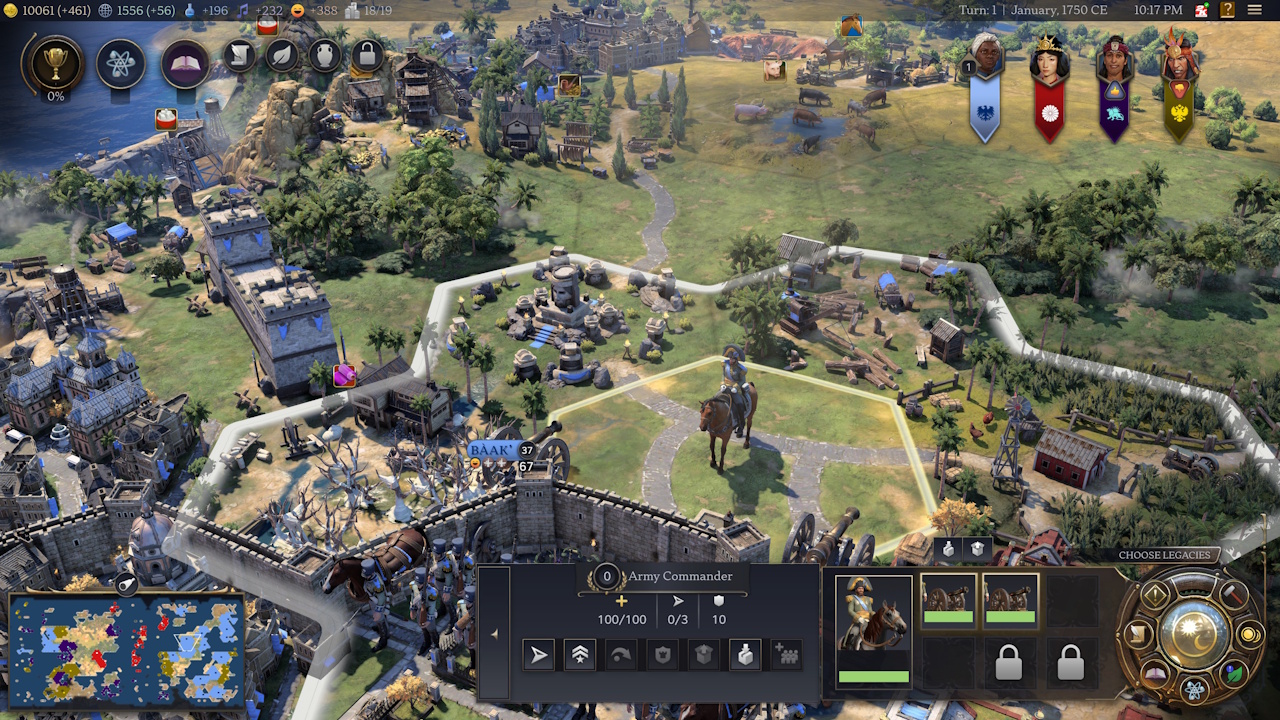
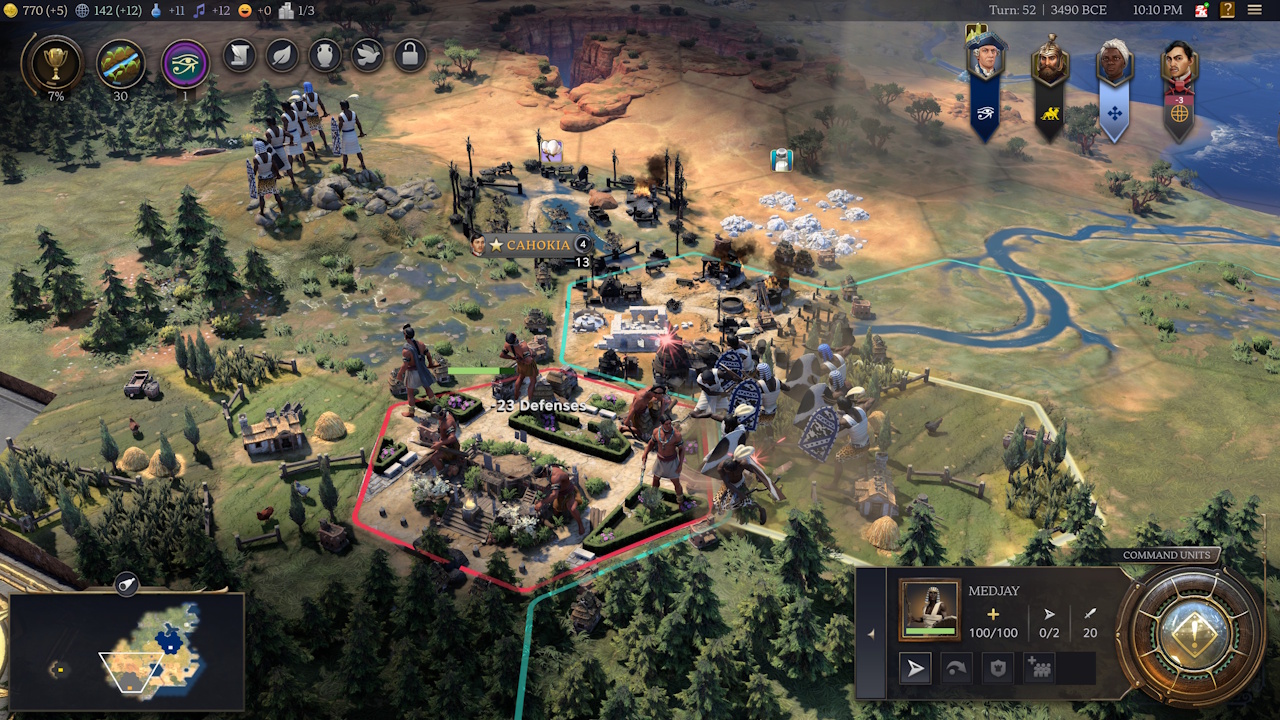
I’m not a “hater” of Civ VII’s main new gameplay mechanics: switching factions mid-game and eras. But I would be lying if I said that the way these have been implemented is perfect. Or even, y’know… good. When literally *everything* changes at the end of an era, it feels more like a restriction or a limitation on gameplay rather than something new and fun. To use the example I picked on last time we talked about the game, wars are automatically ended when an era draws to a close. This has meant, in practical terms, that there’s a time limit on preparing for and launching a war, with there being almost no point in declaring war as an era winds down. And if you’re on the defensive, all you have to do is hold out until the era ends and peace is enforced. An idea that should have been new and creative has ended up encouraging either rushed play or very defensive play in a lot of games… and whether you like those styles of play or not, the restriction is the point.
In some games, I might be playing a more militaristic faction and leader and be happy to rush into an early war. Others, I might be playing a diplomatic-scientific civ, working my way towards a scientific victory. If the way I play the game is narrowed and restricted by the way these new era and faction-swapping mechanics are implemented… then they aren’t being implemented very well. And likewise, if some new features – like the crises – are so repetitive that I end up turning them off? That’s another indication that Civ VII isn’t well-balanced and didn’t spend enough time in development.
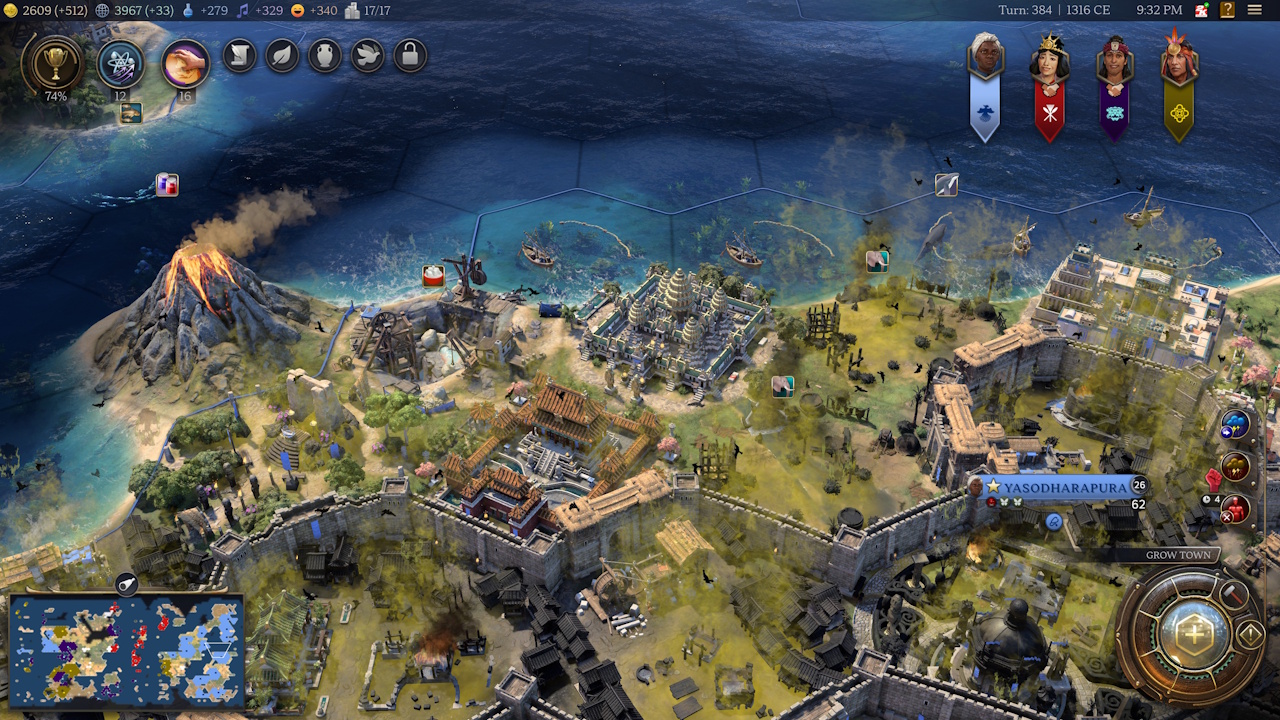
For me, I think that’s the key takeaway after one year of Civilization VII: this game was rushed to release and launched too early. Many of the issues with the game would’ve been flagged up in testing, and refinements, changes, or additions could’ve been made. I still think that Firaxis would’ve been committed to the eras mechanic, and probably was caught off-guard by the scale of the backlash to it, but many other features that have either been patched or still need to be patched would have been fixed had the game been afforded another twelve months of development time.
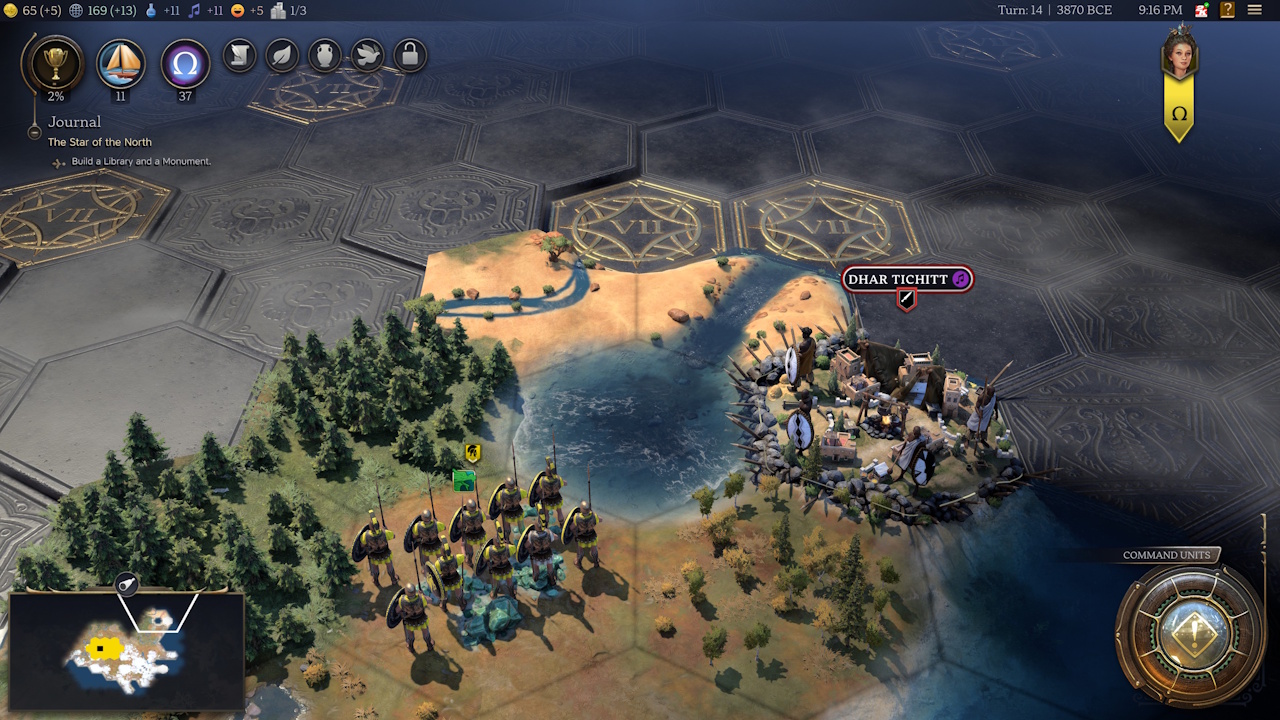
Some of the issues that I flagged up *have* been corrected. I no longer encounter, for instance, barbarian city-states killing NPC factions early in the Ancient Age, which had been a noticeable issue for me in a number of games that I attempted to play. And an update to the way era transitions play out has removed some of the limitations and restrictions that the mechanic introduced to the game. I think it’s commendable that Firaxis is willing to listen to player feedback and work on these things – but to be blunt about it, it should’ve been obvious, even to the folks who were the most committed to this new system, that these would be unpopular. *Forcing* players to end wars and rearranging (or even deleting) military units midway through a game… no one thought there’d be objections to that?
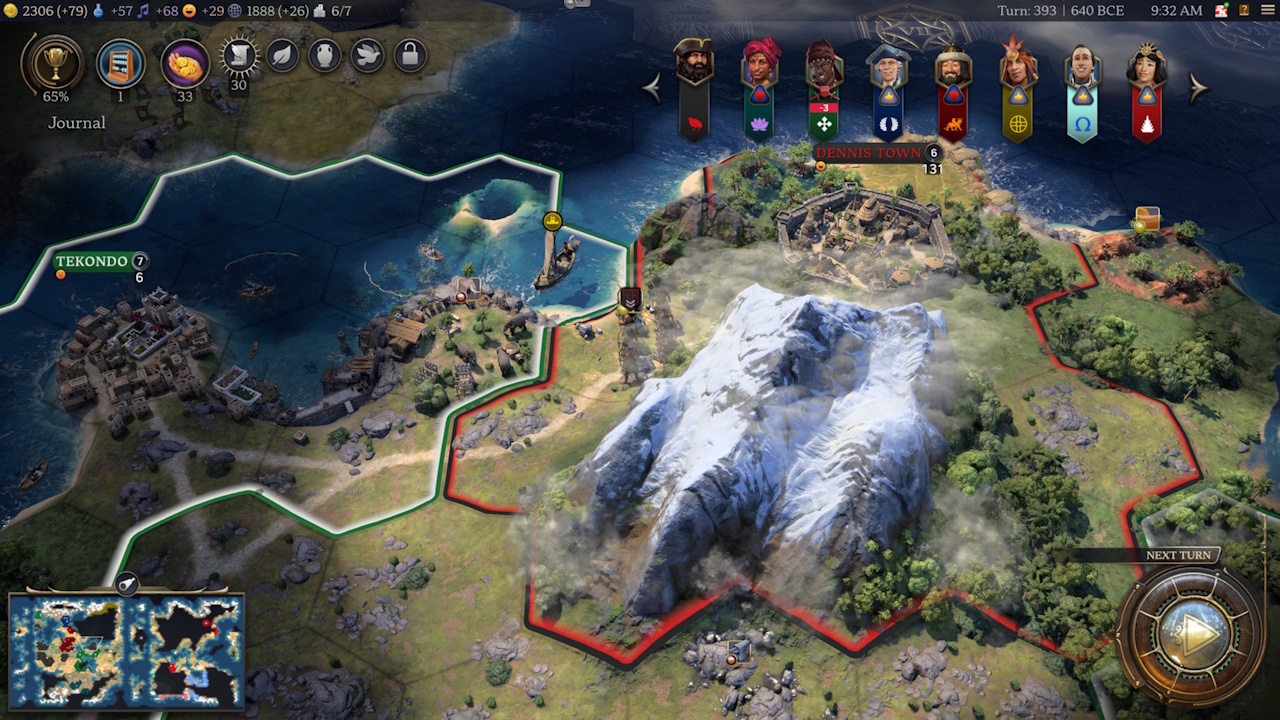
There are still problems, though. And some of the planned changes that Firaxis has been teasing for months – most significantly, the ability to play as a single faction through all three eras without being forced to switch – are bound to introduce new ones. One thing that works reasonably well, when compared to other Civ games and a lot of other 4X strategy titles, is that most factions feel balanced. As an example: if I’m playing in the Exploration Age, I have faction bonuses and possibly unique units and buildings that are specific to that era of the game. In Civ VI, if I’m playing as the Egyptians, my unique units only exist in the early game, and any benefits I might’ve gotten from them are gone after a few turns. If I make it to the late game and I’m facing off against someone like the Americans, they have era-specific bonuses that I lack. Civ VII got around this pretty well.
But by introducing the ability to play as one faction through all three eras – which the developers *clearly* never intended to bring into the game and arguably didn’t want to have to include – there’s a real risk that things will become a lot less balanced. If I’m playing as the Romans, and we reach the Exploration Age, am I going to be at a disadvantage if everyone else is playing a faction with era-specific unique units and bonuses? And most importantly: will Firaxis take enough time to properly test the way this feature is implemented? The studio quite obviously didn’t do that in the run-up to the game’s launch a year ago, or we wouldn’t be having this conversation, so I’m not confident about this addition. It feels like it’s being rushed to meet player demand – and while I absolutely appreciate the team listening and reacting to feedback, such a large overhaul to something fundamental to Civ VII desperately needs to be tested, tested, and tested again.
Civilization VII received mixed reviews, and it’s no exaggeration to say that a lot of players who tried it out have since drifted back to Civ VI or even Civ V; both games routinely beat Civ VII in player counts, at least on PC – according to tracking website SteamDB. At time of writing, for instance, there are three times as many players in Civ VI as there are in Civ VII, and even Civ V has almost twice as many players in-game. It’s not existential yet, but there are real causes for concern.
The reason I bring up player counts is simple: if this update rolls out and is either not what players asked for or introduces a number of new issues to the game – like the aforementioned potential balancing problems – that could be the final straw for a lot of folks. Players who’ve gone back to earlier games in the franchise while waiting for this exact update could easily decide that it’s no longer worth it, and Civ VII could simply… fade away. Firaxis and 2K have killed off Civ games before – Beyond Earth, for instance. Realistically, to reach the heights of Civ VI and even Civ V, this new game needs years’ worth of updates and DLC… but I’m not convinced it’ll stick around long enough to get them. It’s easy to see 2K pulling the plug if sales, review scores, and player counts don’t improve. Are we in the last-chance saloon? Not yet. But… it could be closer than you think.
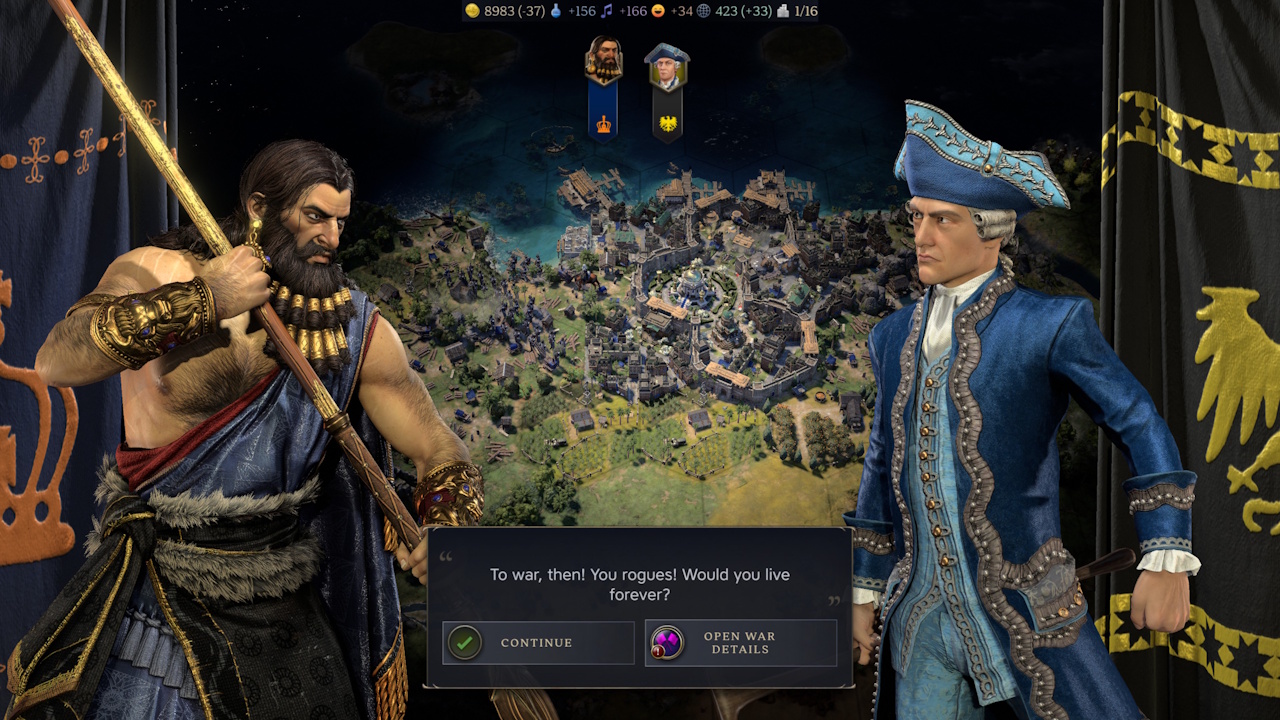
The frustrating thing about Civilization VII (beyond the amount of money I spent on it, I guess) is how I can sense there’s a genuinely good game hiding beneath the surface. But for a plethora of reasons – some big, some small – it’s being held back. And when many of these could and should have been figured out before last year’s launch… the inescapable conclusion is that the game was rushed. Games can recover from an underwhelming launch, but time’s running out for Civ VII, and if the promised update to faction-swapping and eras underdelivers… I struggle to see the game getting another chance to recapture wayward players.
So that’s where we are, one year on from Civ VII’s early access launch.
I’ve played some entertaining games in my 160-odd hours with Civilization VII. But I’ve also had some frustrating experiences as the game’s biggest new features feel more like limitations and restrictions than an expansion of the formula I so greatly enjoyed in the previous instalment. However, I’m glad that Firaxis and 2K are listening to feedback and have shown a willingness to change unpopular mechanics – even if I would argue that some of those things should have been so blindingly obvious that they should never have been present at launch to begin with.
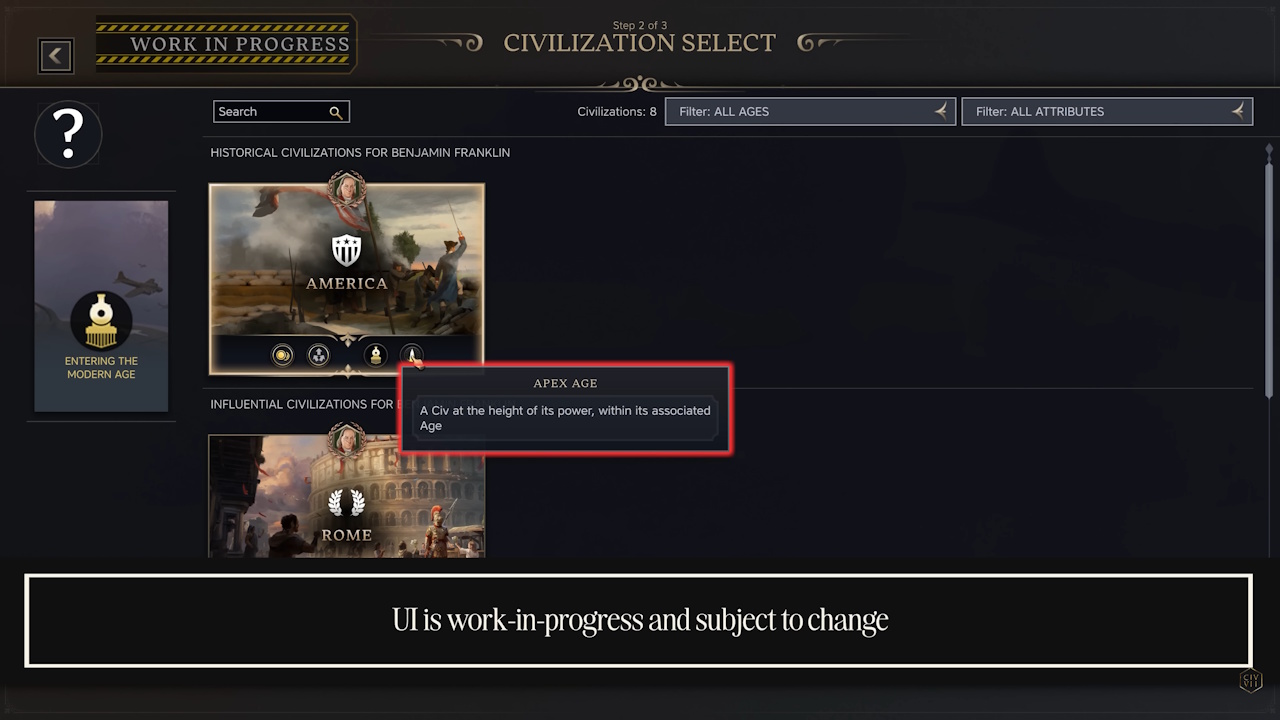
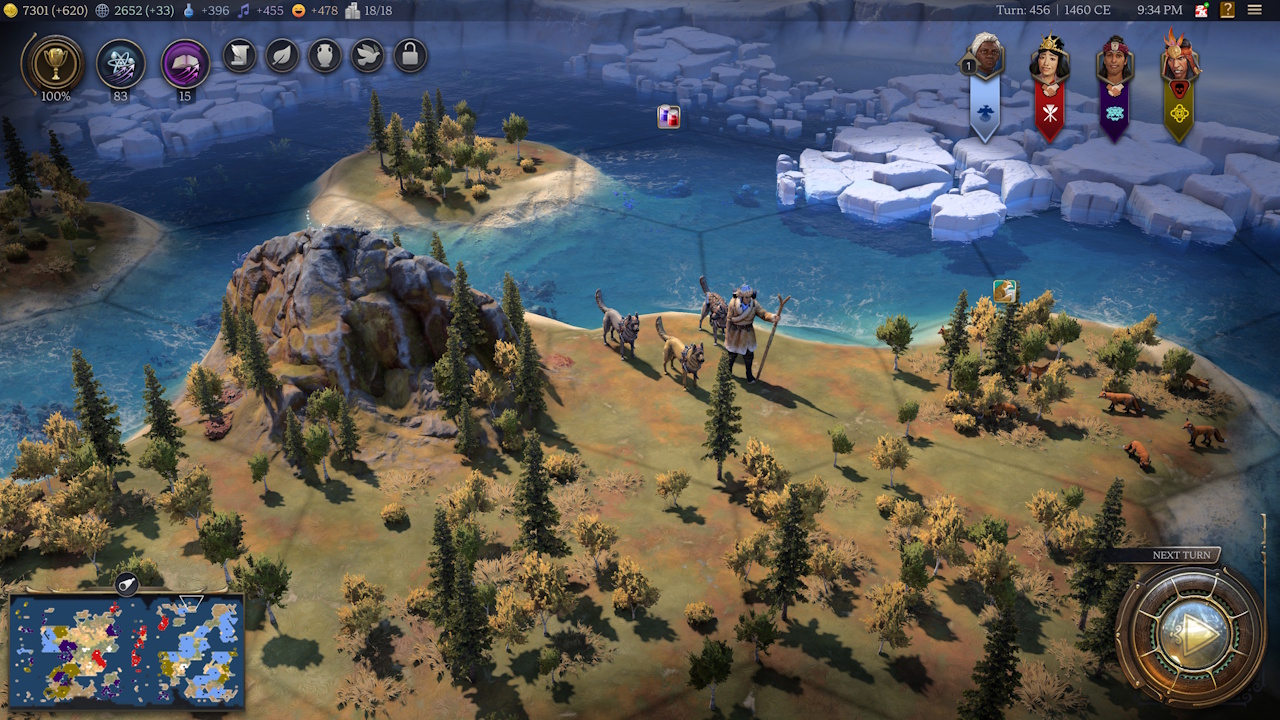
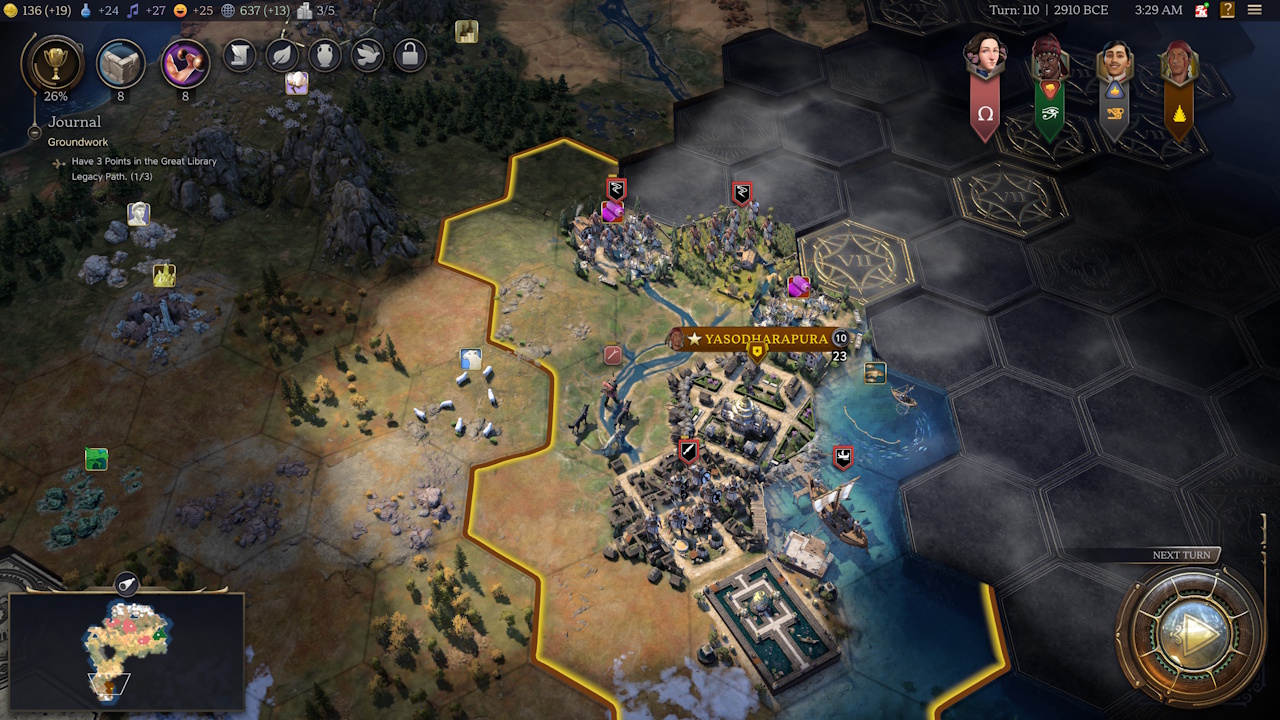
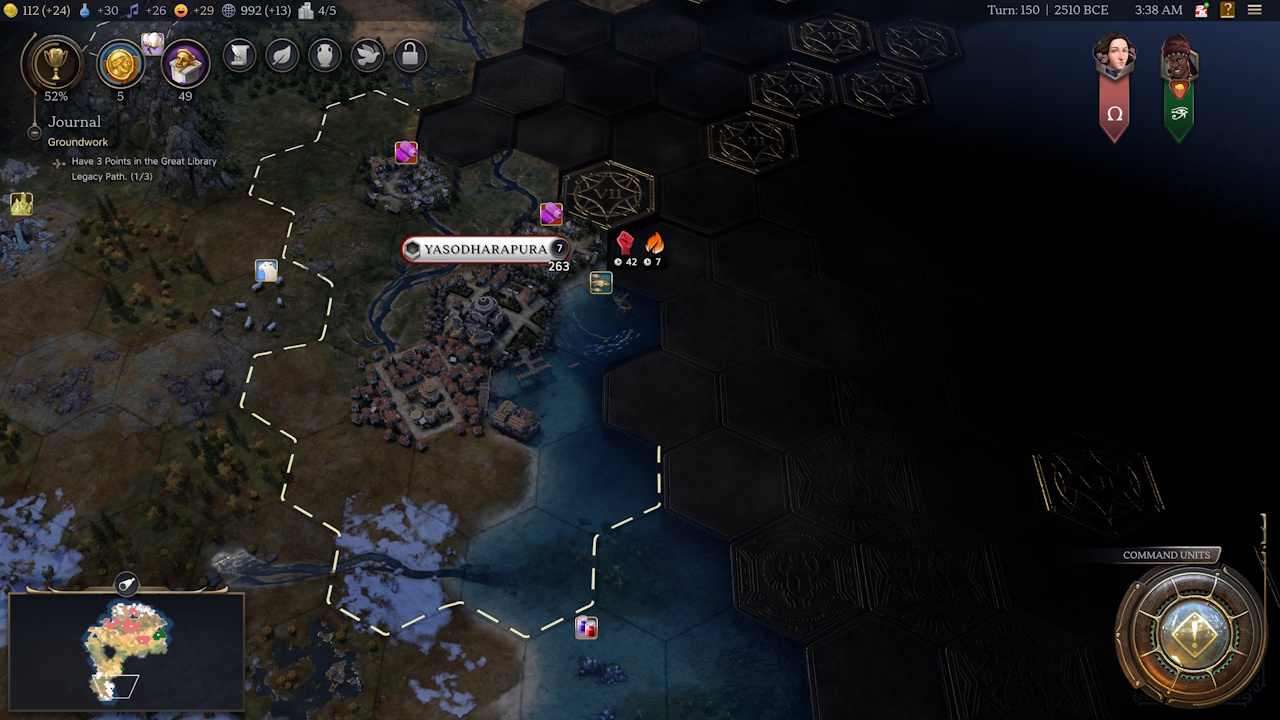
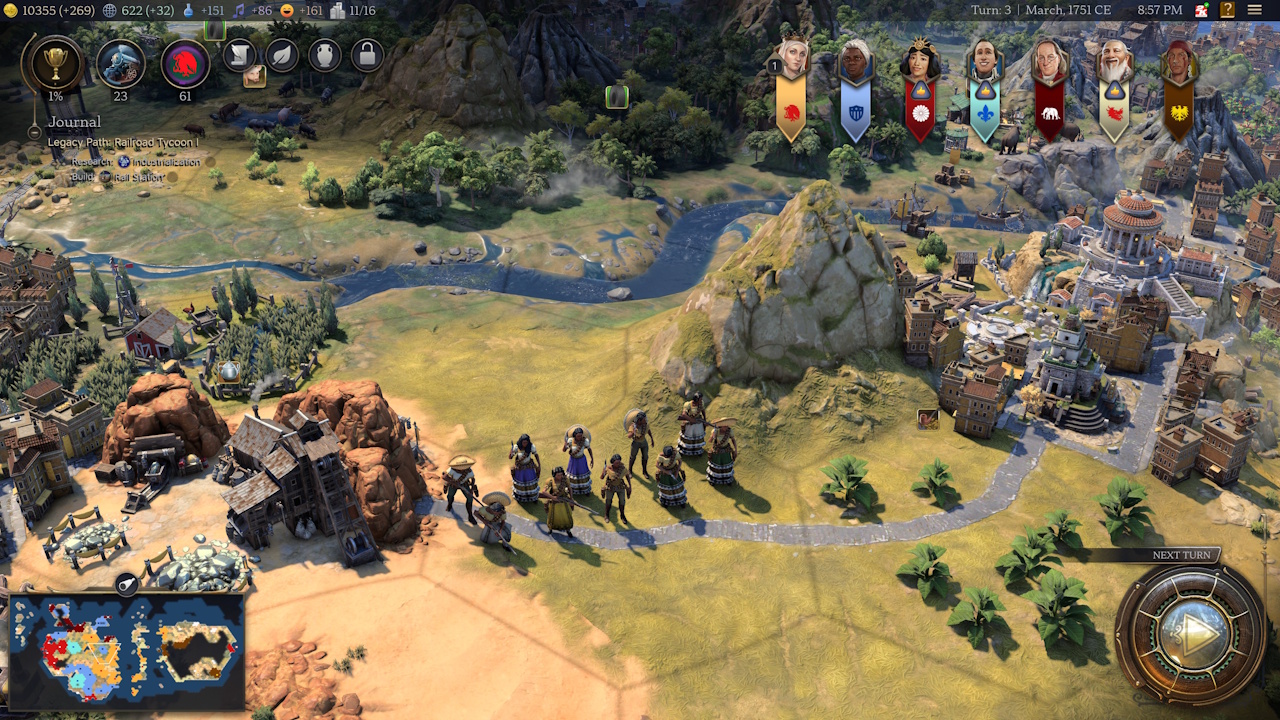
I’m trying to remain hopeful for Civilization VII’s future, but to be blunt… I have no real desire to jump back in right now. I fired up the game and played a couple of matches to take screenshots for this piece and to try out Gilgamesh – the returning leader who’s been added as a freebie. But I don’t feel compelled to play “just one more turn” in the way I did with Civ VI, so until the big update is ready… I expect I’ll put Civilization VII back on the shelf. If the new update is as major and transformative as has been promised, I can see myself getting back into the game, and possibly playing it for many more hours. But as things stand… I stand by what I said last year: Civilization VII was released too early.
I hope this has been interesting. I tried to be fair to Civilization VII and its development team, but when I paid £120 for the deluxe edition… that’s a lot of money, and there are higher expectations as a result. Speaking for myself, Civ VII has yet to fully meet those expectations, and the updates and additions that have launched over the past twelve months have felt incremental at best, and far from the genuine expansion or transformation that the game really needs.
I’m keeping my fingers crossed for better things from Civilization VII. But I’m also contemplating the possibility that this game won’t stand the test of time. So… roll on Civ VIII?
Civilization VII is out now for Linux, MacOS, Windows, PlayStation 4/5, Xbox One/Series consoles, and Nintendo Switch/Switch 2. Civilization VII is the copyright of Firaxis and 2K. This article contains the thoughts and opinions of one person only and is not intended to cause any offence.
 Trekking with Dennis