One year ago today, I published my first impressions of a game I’d been incredibly excited to play: Civilization VII. This was a title that I violated two of my game-buying rules for – no pre-ordering, and no paying for expensive special editions. But Civilization VI had been one of my favourite games of the past decade, not to mention a title I’d sunk well over a thousand hours into, so I was content to pay a bit of a premium to get my foot in the door early with the next game in this long-running series.
Civilization VII ended 2025 as my most-played game, with just under 160 hours of playtime across the year. And I rewarded the game – somewhat reluctantly – with the award for “Best Strategy Game” at my annual End-of-Year Awards in December as a result. So… I must be pretty pleased with my purchase, right? This is surely a game that I’m happy with and content to recommend to all of you.
Right?
Civilization VII is one year old.
The truth is that I put Civ VII down a while ago, and while I’ve periodically fired it up and played a round or two to check out new leaders or new factions, I’m not as enamoured with the game as I want to be. One year on from the game’s “early access” days, Civ VII still feels like a work in progress, with both highly-requested changes and basic bug fixes still not having been implemented. I can still see the *potential* in Civ VII, but the truth is… I kinda hoped that the game would be closer to realising that potential by now.
Cool new ideas – like a pirate leader, or a faction that can explore across the oceans in the Aniquity Age – can only take Civ VII so far when the core gameplay still feels like it’s missing things. The game’s launch saw some genuinely fun additions to the Civilization series’ turn-based gameplay: navigable rivers, faction-specific civic trees, and crises as eras wind down. But these have felt limited; there are only a handful of crises, for instance, and I seemed to be getting the same one over and over again, so I ended up turning the mechanic off in most games. Faction-specific civics are a neat idea, but there are only a handful of these per era, so their impacts are limited. And usually, they’ve led to things like unique units or buildings – which don’t feel all that special, as they’re things past games have had.
I hadn’t played Civ VII in a couple of months before writing this piece.
I’m not a “hater” of Civ VII’s main new gameplay mechanics: switching factions mid-game and eras. But I would be lying if I said that the way these have been implemented is perfect. Or even, y’know… good. When literally *everything* changes at the end of an era, it feels more like a restriction or a limitation on gameplay rather than something new and fun. To use the example I picked on last time we talked about the game, wars are automatically ended when an era draws to a close. This has meant, in practical terms, that there’s a time limit on preparing for and launching a war, with there being almost no point in declaring war as an era winds down. And if you’re on the defensive, all you have to do is hold out until the era ends and peace is enforced. An idea that should have been new and creative has ended up encouraging either rushed play or very defensive play in a lot of games… and whether you like those styles of play or not, the restriction is the point.
In some games, I might be playing a more militaristic faction and leader and be happy to rush into an early war. Others, I might be playing a diplomatic-scientific civ, working my way towards a scientific victory. If the way I play the game is narrowed and restricted by the way these new era and faction-swapping mechanics are implemented… then they aren’t being implemented very well. And likewise, if some new features – like the crises – are so repetitive that I end up turning them off? That’s another indication that Civ VII isn’t well-balanced and didn’t spend enough time in development.
I kept getting hit with the same crisis game after game.
For me, I think that’s the key takeaway after one year of Civilization VII: this game was rushed to release and launched too early. Many of the issues with the game would’ve been flagged up in testing, and refinements, changes, or additions could’ve been made. I still think that Firaxis would’ve been committed to the eras mechanic, and probably was caught off-guard by the scale of the backlash to it, but many other features that have either been patched or still need to be patched would have been fixed had the game been afforded another twelve months of development time.
Some of the issues that I flagged up *have* been corrected. I no longer encounter, for instance, barbarian city-states killing NPC factions early in the Ancient Age, which had been a noticeable issue for me in a number of games that I attempted to play. And an update to the way era transitions play out has removed some of the limitations and restrictions that the mechanic introduced to the game. I think it’s commendable that Firaxis is willing to listen to player feedback and work on these things – but to be blunt about it, it should’ve been obvious, even to the folks who were the most committed to this new system, that these would be unpopular. *Forcing* players to end wars and rearranging (or even deleting) military units midway through a game… no one thought there’d be objections to that?
It feels like there’s no point starting a war as an era winds down.
There are still problems, though. And some of the planned changes that Firaxis has been teasing for months – most significantly, the ability to play as a single faction through all three eras without being forced to switch – are bound to introduce new ones. One thing that works reasonably well, when compared to other Civ games and a lot of other 4X strategy titles, is that most factions feel balanced. As an example: if I’m playing in the Exploration Age, I have faction bonuses and possibly unique units and buildings that are specific to that era of the game. In Civ VI, if I’m playing as the Egyptians, my unique units only exist in the early game, and any benefits I might’ve gotten from them are gone after a few turns. If I make it to the late game and I’m facing off against someone like the Americans, they have era-specific bonuses that I lack. Civ VII got around this pretty well.
But by introducing the ability to play as one faction through all three eras – which the developers *clearly* never intended to bring into the game and arguably didn’t want to have to include – there’s a real risk that things will become a lot less balanced. If I’m playing as the Romans, and we reach the Exploration Age, am I going to be at a disadvantage if everyone else is playing a faction with era-specific unique units and bonuses? And most importantly: will Firaxis take enough time to properly test the way this feature is implemented? The studio quite obviously didn’t do that in the run-up to the game’s launch a year ago, or we wouldn’t be having this conversation, so I’m not confident about this addition. It feels like it’s being rushed to meet player demand – and while I absolutely appreciate the team listening and reacting to feedback, such a large overhaul to something fundamental to Civ VII desperately needs to be tested, tested, and tested again.
Promotional artwork celebrating the game’s first anniversary.
Civilization VII received mixed reviews, and it’s no exaggeration to say that a lot of players who tried it out have since drifted back to Civ VI or even Civ V; both games routinely beat Civ VII in player counts, at least on PC – according to tracking website SteamDB. At time of writing, for instance, there are three times as many players in Civ VI as there are in Civ VII, and even Civ V has almost twice as many players in-game. It’s not existential yet, but there are real causes for concern.
The reason I bring up player counts is simple: if this update rolls out and is either not what players asked for or introduces a number of new issues to the game – like the aforementioned potential balancing problems – that could be the final straw for a lot of folks. Players who’ve gone back to earlier games in the franchise while waiting for this exact update could easily decide that it’s no longer worth it, and Civ VII could simply… fade away. Firaxis and 2K have killed off Civ games before – Beyond Earth, for instance. Realistically, to reach the heights of Civ VI and even Civ V, this new game needs years’ worth of updates and DLC… but I’m not convinced it’ll stick around long enough to get them. It’s easy to see 2K pulling the plug if sales, review scores, and player counts don’t improve. Are we in the last-chance saloon? Not yet. But… it could be closer than you think.
Gilgamesh declares war on Friedrich.
The frustrating thing about Civilization VII (beyond the amount of money I spent on it, I guess) is how I can sense there’s a genuinely good game hiding beneath the surface. But for a plethora of reasons – some big, some small – it’s being held back. And when many of these could and should have been figured out before last year’s launch… the inescapable conclusion is that the game was rushed. Games can recover from an underwhelming launch, but time’s running out for Civ VII, and if the promised update to faction-swapping and eras underdelivers… I struggle to see the game getting another chance to recapture wayward players.
So that’s where we are, one year on from Civ VII’s early access launch.
I’ve played some entertaining games in my 160-odd hours with Civilization VII. But I’ve also had some frustrating experiences as the game’s biggest new features feel more like limitations and restrictions than an expansion of the formula I so greatly enjoyed in the previous instalment. However, I’m glad that Firaxis and 2K are listening to feedback and have shown a willingness to change unpopular mechanics – even if I would argue that some of those things should have been so blindingly obvious that they should never have been present at launch to begin with.
Changes are belatedly coming to Civilization VII.
I’m trying to remain hopeful for Civilization VII’s future, but to be blunt… I have no real desire to jump back in right now. I fired up the game and played a couple of matches to take screenshots for this piece and to try out Gilgamesh – the returning leader who’s been added as a freebie. But I don’t feel compelled to play “just one more turn” in the way I did with Civ VI, so until the big update is ready… I expect I’ll put Civilization VII back on the shelf. If the new update is as major and transformative as has been promised, I can see myself getting back into the game, and possibly playing it for many more hours. But as things stand… I stand by what I said last year: Civilization VII was released too early.
I hope this has been interesting. I tried to be fair to Civilization VII and its development team, but when I paid £120 for the deluxe edition… that’s a lot of money, and there are higher expectations as a result. Speaking for myself, Civ VII has yet to fully meet those expectations, and the updates and additions that have launched over the past twelve months have felt incremental at best, and far from the genuine expansion or transformation that the game really needs.
I’m keeping my fingers crossed for better things from Civilization VII. But I’m also contemplating the possibility that this game won’t stand the test of time. So… roll on Civ VIII?
Civilization VII is out now for Linux, MacOS, Windows, PlayStation 4/5, Xbox One/Series consoles, and Nintendo Switch/Switch 2. Civilization VII is the copyright of Firaxis and 2K. This article contains the thoughts and opinions of one person only and is not intended to cause any offence.
Spoiler Warning: Beware minor spoilers for some of the productions discussed below.
You know what I find silly? When magazines, websites, and media outlets publish their “best of the year” articles and awards in early December or even November! I mean, at that stage there’s still a month or more of the year left! That’s why, here at Trekking with Dennis, I always publish my End-of-Year Awards at… the end of the year! What a novel concept, eh?
In 2025, I reviewed more films here on the website than in any prior year. But, to tell you the truth, I didn’t watch as many TV programmes or play as many games this year as I think I’ve done in years gone by. There are still more than enough to win some made-up trophies, don’t worry, but there are a few that I originally planned to get around to this year that I just… didn’t. Partly that’s because it’s been a pretty busy year for me, on the whole – you can see more on that by clicking or tapping here! And partly that’s just because I’ve been feeling pretty tired, sometimes, or I just haven’t felt up to starting a brand-new story.
Who will win the ultimate honour of a Trekking with Dennis End-of-Year Award?
As always, a few important caveats.
Firstly, and most importantly, all of this is *subjective, not objective.* If I give an award to a film, game, or TV show that you despise, or if I skip over one of your favourites that’s already won all of the other big awards… that’s okay. There will always be a broad spectrum of opinions on works of media and entertainment, and these are mine – and mine alone. We don’t need to get into a shouting match over a made-up statuette!
Secondly, there are a bunch of popular movies, games, and TV programmes that I didn’t get around to in 2025. For reasons that I hope are obvious, they won’t be entered into consideration for an award. Finally, I might include one or two titles from the tail end of 2024 as well, as I may have only got around to them in 2025.
Alright then! With all of that out of the way, let’s hand out some awards.
Best Web Series:
🥈 Runner-Up🥈 Mugthief
I don’t watch a lot of “gaming content” online, but there are a few content creators I still regularly tune in for. One of those is Mugthief, a YouTube-based video game reviewer and video essayist. I occasionally disagree with his takes, but I like the way he presents his coverage, and he always comes across as fair, even-handed, and not like someone seeking out games to “hate on.” I also appreciate the distinct lack of clickbait in videos, titles, and thumbnails!
There isn’t always a lot to be positive about in gaming, and Mugthief isn’t shy about criticising games and gaming companies when they deserve it. But he can also be passionate and positive about titles he enjoys, which is always great to see. I’ve had fun and learned about a few titles from Mugthief in 2025, and I just wanted to celebrate his channel and his content as the year comes to an end.
🏆 Winner 🏆 Quiet Nerd
I’m not someone who’s very good at engineering, electricals, or really doing anything hands-on! But I like to live vicariously through others, and YouTuber Quiet Nerd has taken me on some wild adventures with his self-made drivable camper, boat, and more. I’ve really come to enjoy videos about people building things like this – camper vans and caravans have always felt cute and cozy to me, and the idea of building one from scratch just seems like it must be a huge amount of fun. Quiet Nerd is one of the best in the business for that kind of content, in my opinion.
Some of the vehicles Quiet Nerd has built are incredible. Using electric batteries, tracks, steel beams, and a whole lot of knowledge that I do not possess, he’s constructed sturdy, drivable, livable camping vehicles that he then takes on adventures in the wilderness. It’s just a lot of fun. And as someone who doesn’t get out a lot due to my health – let alone go camping – it’s been hugely entertaining to be taken on those adventures with him.
Most-Improved Web Series:
🏆 Winner 🏆 Binging With Babish
I’d unsubscribed from Binging with Babish at least a year ago. The show seemed to have descended into – for want of a better term – slop, with videos like “I tried eating 100 different kinds of ramen!!” replacing the recipes that I’d originally tuned in for. By the end of my time as a subscriber, only Babish collaborator Alvin’s videos were of any interest to me at all, and they were so outnumbered by low-quality, low-effort nonsense that I felt sure I was done.
But in 2025, I was pleasantly surprised to see Binging With Babish make somewhat of a comeback. There’s still slop, but there are once again genuine recipes in the mould of Babish’s earlier content, and I’m glad to see the show’s pivot. Many creative folks get burned out doing the same thing over and over again, and I can empathise with the desire to branch out and try different things. But I’m very pleased to see what I consider to be a return to form from what had been a fairly unique and well-produced web series.
The “Too Early For Early Access” Award:
🏆 “Winner” 🏆 inZOI
After the disappointing cancellation of Life By You about a year ago, I was still hopeful that a genuine competitor or “spiritual successor” to The Sims series might be in the offing. The Sims 4 is catastrophically over-monetised, and Electronic Arts has shown no signs of developing a new entry in the series, either. And all of that was before the EA buyout situation that we discussed earlier in the year. So I had hopes that a game like inZOI might be the challenger that The Sims has needed for a long time – as well as a fantastic game in its own right.
But, as you may know by now, inZOI launched into early access far too early, in a near-unplayable state. Basic game features were missing, and I just got the impression that publisher Krafton was pushing the game’s developers too hard before inZOI was even close to being ready. Early access is hit-and-miss, and you have to understand that when you jump in. And I get that, believe me! But even for an early access title, inZOI felt horribly unready, and needed at least another year-plus of development time. I hope that the game’s difficult early access release hasn’t damaged its reputation too much ahead of its full launch.
Worst DLC:
🏆 “Winner” 🏆 The Oblivion Remaster’s “Deluxe Edition”
Remember Bethesda’s infamous “horse armour” debacle in 2006? Well, how would you like to pay extra money to Bethesda, again, for *more* horse armour in the remastered version of Oblivion? Because that’s what the shitty “Deluxe” version of the Oblivion remaster gets you. Paid horse armour. In Oblivion. In 2025. As I said back in June: piss off, Bethesda.
If this was meant to be a joke, I didn’t find it funny. If it was a freebie, a little nod-and-wink to longtime fans to say “hey, wasn’t this silly back in the day?” then sure. Add it in as a free DLC and we can all chuckle to ourselves about how Bethesda’s greed led directly to paid skins and other crappy DLC in single-player games. But as a *paid* feature in the Oblivion remaster? I was shocked at how brazenly Todd Howard and Bethesda were just taking the piss.
Best DLC:
🏆 Winner 🏆 No Man’s Sky: Voyagers
I didn’t play very much No Man’s Sky this year, but I loved what I saw of Voyagers. Hello Games has added almost a decade’s worth of content to No Man’s Sky completely for free – making a mockery of companies like Bethesda who want to charge for every weapon skin, outfit, and even individual quests in games like Starfield. And Voyagers is the biggest and most expansive No Man’s Sky DLC to date, introducing ship-building, among other features.
At this stage, No Man’s Sky is basically what I hoped Starfield could have been back in 2023. The seamless exploration, the ship- and base-building, and the sheer sense of *scale* that Starfield lacked are all present here. Maybe in 2026 I’ll jump back in and really get stuck into it! I know it’s a bit of a “hot take,” but I felt the launch version of No Man’s Sky was decent for what it was. But comparing that version to this one? It’s literally an entirely new game. If you missed it, or you wrote off No Man’s Sky after launch… fire it up again. I really don’t think you’ll regret it.
The “Stupidest Own Goal” Award:
🏆 “Winner” 🏆 Microsoft and Xbox
In 2025, Microsoft and Xbox hiked the prices of their consoles. Twice. But even then, I’d still have said that an Xbox Series S and a Game Pass subscription were a good-value way to get started with current-gen gaming. And then what did Microsoft do? Hiked up the price of Game Pass by a massive amount. On PC, Game Pass went up by 70% in the span of thirteen months. And on console, the price of the top tier of Game Pass – which is now the only way to get same-day releases of big titles – has basically doubled in just over a year.
As I said at the time, the subscription model is *a perfect fit* for gaming. And Microsoft, until now, has had the best service in town. But no one should accept price hikes of 50%, 70%, or more – and that’s why so many people went to cancel their Game Pass subscriptions that the website crashed. I cancelled Game Pass this year, and I doubt I’ll pick it up again. At these prices, it ain’t worth it. And with Microsoft’s consoles failing… Game Pass was all they had.
The “Most Unfriendly Company” Award:
🏆 “Winner” 🏆 Nintendo
For what it is, and considering which games are available for it, Nintendo’s Switch 2 console is overpriced. Nintendo Switch 2 games, at £75 or $80, are also overpriced – and worse, this threatens to normalise the second rise in the standard price of video games in less than five years, with other publishers now starting to follow suit. Nintendo is still embroiled in a frivolous lawsuit against Pokémon competitor Palworld and its developers. And, on top of all of that, Nintendo has tried to patent vaguely-defined in-game systems and mechanics, including the ability to have summonable allies fight alongside you in battles.
Nintendo’s well-trained legion of super-fans may not like to hear it, but Nintendo is an ugly, greedy, predatory corporation that behaves no differently from Ubisoft, Electronic Arts, Microsoft, and others in the industry. In fact, in some ways, Nintendo is *worse* than all of them, suing competitors when it feels a game is doing well, failing to innovate and move with the times, and just behaving in a horribly anti-consumer manner. I had hopes for both the Switch 2 and Mario Kart World… but Nintendo was just awful in 2025, and left me very disappointed.
Best Hack-and-Slash Game:
🏆 Winner 🏆 Dynasty Warriors: Origins
I had a blast playing Dynasty Warriors 2 with a friend a long time ago, but that had been my only real exposure to this long-running series. Origins hadn’t been on my radar at the start of the year, but something in the game’s marketing material just… called out to me, I guess. And I felt I needed to give the game a shot. I’m so very glad I did, because I had a blast with this game and its fantastic soundtrack!
I’m someone who usually plays games for their stories, with gameplay being a secondary consideration much of the time. But Dynasty Warriors: Origins was just plain *fun* to get stuck into, with hordes of enemies to slice through and bosses to whittle down. The game’s incredible soundtrack also feels like a throwback, with up-tempo rock and electronic-inspired music that’s obviously totally anachronistic to its ancient China-inspired setting. But I adored it, and I just had a wonderful time playing this game.
Best Mario Kart Game:
🏆 Winner 🏆 Sonic Racing: CrossWorlds
Sonic Racing: CrossWorlds is a fantastic kart-racer. It was ballsy of Sega to release it just a few weeks after Mario Kart World… but I think it’s fair to say that the risk paid off spectacularly, because this is genuinely one of the best arcade racing games I’ve played in the last few years. Its signature “CrossWorlds” mechanic guarantees that every race is going to be different – and gives you a reason to keep pushing to stay in the lead. Obviously I can’t compare it directly to a game I haven’t played, but I believe CrossWorlds would’ve given Mario Kart World a real run for its money if I’d picked up a Switch 2 this year.
There are some fun additions to CrossWorlds, bringing characters and settings from Minecraft and SpongeBob to the racetrack, and there’s more to come from the game in 2026, with new inclusions planned. The racing is fast-paced and fun, items add a lot of chaos to the game, and the CrossWorlds idea shakes up every single race and keeps things from feeling boring. All in all, a fantastic kart racer.
Best Strategy Game:
🏆 Winner 🏆 Civilization VII
This is somewhat of a reluctant award, to tell you the truth. Civilization VII is good, and it’s getting better now that we’re almost eleven months post-launch. But Civ VII is not as good as I wanted it to be or hoped it would be, and it takes this award basically by default. I want to see many more improvements to the game in 2026, and I hope I won’t come to regret giving the game this award by this time next year if they don’t come.
That being said, Civilization VII is my most-played game of 2025, and it would feel wrong not to at least acknowledge that achievement with an award. There are things that I enjoy about this game, and I don’t think it’s the total failure or dumpster fire that some reviewers have tried to claim. There are interesting ideas in the mix, some really fantastic graphics, and a good mix of new civilisations and leaders to play with. But the game is in need of a lot more work, and was arguably released too early. Perhaps in six or twelve months, it will truly live up to its potential.
Worst Game:
🏆 “Winner” 🏆 Nintendo Switch 2: Welcome Tour
Let’s get something straight: if Welcome Tour had been the *free* pack-in that it was clearly supposed to be, it wouldn’t be anywhere near this award. But by choosing to sell this non-game, this overblown manual, for $10/£8, Nintendo invited it to compete with actual, bona fide *games*. See, I don’t hate Welcome Tour for what it is. As a concept, a basic programme that explains some of the features of a brand-new console is not a bad idea. The Switch 2 – being so derivative and similar to the original Switch – arguably didn’t need this kind of software, but that’s somewhat beside the point. An interactive manual is a fun concept.
But something like that *needs* to be included with the console for free. Welcome Tour isn’t a game. It isn’t even a tech demo – it’s an interactive manual which goes over, in brief, what the console can do and how its controls operate. Nintendo used to be the company that gave away free copies of Tetris with the Game Boy, and that created Wii Sports as a free pack-in title to show off the Wii’s motion controls. And now? They’re the greedy, predatory company that tries to trick their own fans into buying a glorified manual. I don’t hate Welcome Tour – I hate what it stands for and what it says about how far Nintendo has fallen.
Video Game – Honourable Mention:
🏆 Winner 🏆 Indika
Indika was released in 2024, but I missed it when it was new. It can’t be entered into contention for “game of the year” because it didn’t come out this year, but I was gripped by Indika when I played it. The game has an intense story set in Tsarist Russia, following the story of a nun as she undertakes a harrowing journey. For an indie title made by a small team, the game was absolutely fantastic, and I went on an intense and emotional journey with Indika that really hit close to home.
Mechanically, Indika brought a lot to the table, too. In addition to being a “walking simulator,” there were quick-time events, and several beautiful pixel art sections, including a 2D platformer, a racing mini-game, and even a rhythm game of sorts (that I was terrible at!) Indika also had some beautiful and bleak landscapes that really captured the look and feel of the era and place in which it was set. Just a thoroughly fantastic indie game, well worth playing.
Game of the Year:
🥈 Runner-Up🥈 Mafia: The Old Country
Someone online said that Mafia: The Old Country “could’ve been a movie,” intending for that to be a criticism. I agree… only, I mean it in the best way possible! For decades, I’ve sought out games with fantastic stories, great world-building, and engaging characters, and that’s exactly what this prequel to the long-running Mafia series delivers. So yeah, it could have been a movie!
Mafia: The Old Country was recently given a free update which opens up its beautiful and detailed world quite a bit, making it feel less linear and closer to the open-world adventure that I think some folks were hoping for. Gameplay isn’t ground-breaking, but it’s fun, competent, and tightly-managed, keeping Enzo’s story on the rails. I had a good time with the game, and I thoroughly enjoyed stepping back in time to The Old Country’s neat recreation of Sicily.
🏆 Winner 🏆 South of Midnight
South of Midnight is a truly wonderful game. An adventure title with some difficult boss fights and fun platforming, South of Midnight also had a truly engaging story as protagonist Hazel sets off on a quest to find her missing mother. The world has a dark “Southern Gothic” style, and draws inspiration from the mythology of the Mississippi Delta region and African American folklore. The story was emotional, and Hazel made for a fun and relatable protagonist.
South of Midnight weaved its gameplay and story together with practised ease, ensuring that Hazel’s growing powers never felt out-of-place, and every level or fight was perfectly attuned to her new skills. Crouton, her sidekick, was adorable, and though the story was dark in places, I had a whale of a time with it. The game’s art style was beautiful, too, with its much-hyped stop-motion effect being especially notable in cut-scenes. A thoroughly fantastic adventure that I’m happy to crown my “game of the year.”
Best Film Soundtrack:
🏆 Winner 🏆 KPop Demon Hunters
I cannot stop listening to Golden and This Is What It Sounds Like! Those two songs have been living rent-free in my head for *months,* and I’m not even mad about it. KPop Demon Hunters was a fantastic film, and its soundtrack was exceptional. I’ve never considered myself a fan of K-pop, nor had I listened to any Korean songs since Gangnam Style a few years ago… but these songs absolutely stunned me with how good they were. I’m admittedly not a music critic, but I know what I like when I hear it!
I bought the KPop Demon Hunters soundtrack, and I’m pretty sure I’m single-handedly responsible for Golden topping the charts here in the UK, as I was streaming the track so often! I know the film’s meant for kids, but come on! These songs are outstanding, and I really can’t find a bad one amongst them. The sooner we get a sequel to this fantastic film, the better!
Best Film:
🏆 Winner 🏆 KPop Demon Hunters
A very rare two-for-two this year, as KPop Demon Hunters also nabs the award for best film! As I was saying, the film and its soundtrack are both absolutely fantastic, with Sony Pictures Animation and Netflix absolutely wiping the floor with Disney’s sequels and live-action adaptations. Who knew that making a good, original film with a fun cast of characters, a unique setting, and a great soundtrack would be… a really good idea? Not Disney, obviously.
KPop Demon Hunters had an easy-to-follow story that was surprisingly deep and emotional. Its central characters kept things grounded, even amidst a story about popstars saving the world from demons, which is no mean feat. I found myself getting thoroughly invested in the story and its great cast of characters, and KPop Demon Hunters is the first film in a long time that I’ve voluntarily watched more than once – and not just to take notes for my review! I returned to the film several times this autumn and winter, and I daresay I’ll watch it again in 2026, too.
Worst TV Series/Miniseries:
🥈 ”Runner-Up”🥈 Earth Abides
I saw some ads for Earth Abides on social media earlier in the year, and the post-apocalyptic miniseries seemed like it would be worth a look. But I bounced off it hard after about three episodes. Earth Abides just couldn’t decide what kind of show it wanted to be: a post-apocalyptic tale of survival and mystery, or a dense philosophical take on the structure of civilisation. It ended up being neither, overladen with tired tropes of the post-apocalypse, and just… boring.
The protagonist (whose name I’ve already forgotten) wakes up from a coma to find the world has collapsed. He runs to a supermarket – where the lights are still on and cars are still in the parking lot – to stock up on supplies. He goes to Vegas, where he meets a couple of other survivors who are debauching themselves before the last of the power runs out. And… I’ve seen this all before, done way better, in other shows. Earth Abides was based on a novel, and maybe the novel is better than the show turned out to be.
🏆 “Winner” 🏆 King and Conqueror
I don’t necessarily think that King & Conqueror was significantly worse than Earth Abides. I mean, I actually made it to the end of this one! But in terms of raw, unbridled disappointment… this is by far the worst I experienced in 2025. I had really high hopes for this big-budget retelling of a story all British kids learn about in school: the Norman Conquest of 1066. But what I got instead was a Game of Thrones-ified, over-dramatised, totally fictitious let-down.
If you don’t care about historical accuracy, maybe King & Conqueror works. But when you have such blatant silliness as William and Harold wrestling half-nude in the mud, and total transformations of major historical figures like Harold’s brother Tostig, Edward the Confessor, and Edward’s wife… I can’t forgive it. King & Conqueror should have kept closer to the real story, because there’s more than enough excitement and drama there. This fictional account may as well have been called something else, and dropped the pretence of “real history” entirely. What a disappointment.
Best Animated TV Series:
🏆 Winner 🏆 Phineas and Ferb Season 5
I was eagerly awaiting Phineas and Ferb’s revival this year, and in true summer vacation style, it arrived in June! I felt that the season – which isn’t totally complete, as there are still three or four episodes remaining – was pretty good, on the whole. Perhaps it was closer in quality, much of the time, to Season 4 of the original run than to Seasons 1-3, but there were a good mix of classic adventures and new stories.
A revival of any long-running show after a long break has to do more than just be “more of the same,” and Phineas and Ferb’s writers found some great justifications for bringing the series back. New character groupings and new storylines went a long way to keeping things feeling fresh, but there were also plenty of classic adventures, inventions, and evil schemes which harkened back to the show’s original run. All in all, a solid revival.
Best TV Miniseries:
🏆 Winner 🏆 Zero Day
Zero Day was good fun for what it was. I think it leaned a bit more on the political side of things than I’d been expecting at first, and there was a lot of “post-9/11” security stuff that, arguably, feels a bit outdated in 2025. But Robert De Niro put in a spectacular performance as the conflicted ex-President, and the series shone a light on the vulnerability of society in general to this kind of cyber attack. I think the show’s focus was a bit split, in places: it wanted to be a kind of “dark mirror,” warning America about the dangers of giving unchecked power to agencies and political figures. But parts of it, with a focus on a “good man doing bad things for virtuous reasons,” felt a bit… flag-wavey.
That being said, I binge-watched the show in a couple of days, and I had a good time with it. The main character was complex and believable, the threats it depicts seem totally plausible out here in the real world, and I’m always a sucker for a good political thriller.
Best TV Series:
🥈 Runner-Up🥈 Alien: Earth
Alien: Earth feels like a great foundation to build on. It took the Alien franchise in a bit of a different direction while remaining true to the original film’s themes of out-of-control corporate greed and the very alien nature of extraterrestrial life. The show’s best episode by far was In Space, No One… which managed to recapture much of the tension and fear factor of 1979’s Alien in a way that practically none of the sequels, with their more action-heavy tone, managed to.
Alien: Earth also did something that the Alien franchise has desperately needed to do for a long time: introduced new and different extraterrestrial creatures. The eyeball alien in particular could be a massive part of the series going forward, and with the Xenomorph kind of being a one-trick pony, there was a sense that Alien as a whole might be beginning to run out of steam before Alien: Earth came along. As I said in my review, I’d rank Alien: Earth only just behind the original film, and well ahead of any of the sequels and spin-offs.
🏆 Winner 🏆 Star Trek: Strange New Worlds Season 3
Season 3 is arguably not Strange New Worlds’ best. But there are some fantastic episodes in the mix, some great standalone and semi-standalone stories, and some wonderful moments of characterisation, too. Strange New Worlds has been, for me, the absolute high-water mark of modern Star Trek, and I was so disappointed earlier in 2025 when we learned – prematurely – that the series will end after a truncated fifth season. There should still be so many stories to tell with Captain Pike and the crew… ending it so soon feels positively criminal!
But I had a fantastic time with the season as a whole. Not every episode was perfect, but the good ones outnumbered the bad, and even the “worst” of the season still had a lot to offer. Strange New Worlds remains a largely episodic project, with the Enterprise able to warp away to a new destination – and a new kind of adventure – every week. That format suits Star Trek so perfectly, and it feels like the very best kind of throwback to the franchise’s heyday.
Best Star Trek Episode:
🏆 Winner 🏆 Terrarium
Terrarium was the “Ortegas episode” that fans had been clamouring for for three seasons! And the Enterprise’s pilot got a genuinely fantastic and emotional outing that really made the wait more than worth it. After taking on a solo mission aboard a shuttlecraft, Ortegas finds herself crash-landing on a desolate world, and is forced to survive alongside someone she couldn’t communicate with – and might’ve considered an enemy. There were echoes of stories like The Enemy from The Next Generation, and the episode isn’t just one of Strange New Worlds’ best – it’s one of Star Trek’s best.
Terrarium also packs an emotional punch! There was a callback to The Original Series that, while potentially interesting, didn’t actually add a lot, and felt a little unnecessary. But all things considered, this was absolutely one of the best things I watched in all of 2025. It’s an episode that I’d show to even the most aggressive haters of “nu-Trek,” to prove the point that modern Star Trek can, and does, still get it right.
So That’s It… Till 2026!
We’ve handed out some imaginary statuettes!
So there you have it! The End-of-Year Awards have been distributed for another year, and now there are just a few hours left to go until we’ll be ringing in 2026. Whatever you’re up to tonight, I hope you have a great time! And I hope my silly little awards show has been a bit of fun, too. It’s always nice, at this time of year, to take a step back and think about some of the highlights of the year as we prepare to turn over the calendar.
The website isn’t going anywhere in 2026. And in the next couple of days, I’ll be sharing some of my predictions for the new year, as well as looking ahead to some of the TV programmes, video games, and films that I’m most looking forward to. So please join me here on the website for some of that!
So all that’s left to say, really, is this: Happy New Year! Thanks for showing up this year, and I hope to see you again in 2026, where I’ll still be geeking out about gaming, Star Trek, and so much more!
All titles discussed above are the copyrights of their respective developers, studios, broadcasters, distributors, etc. This article contains the thoughts and opinions of one person only and is not intended to cause any offence.
You can find individual reviews, articles, and essays about some of these award-winning titles by following the links below:
Since writing up my first impressions of Civilization VII a few weeks ago, I’ve continued to play the game. Today, I wanted to cover a few points that I didn’t make in that original piece – which I wrote after about six hours of gameplay – as well as make one amendment to something I feel was unclear last time.
For the record, I still think Civilization VII has a lot of potential. But right now, there are things holding it back – as well as a few bugs and issues that I didn’t notice at first that really need to be patched out as quickly as possible. I’ve kind of hit the wall with Civ VII after about 40 hours of gameplay, and I probably won’t jump back in until the next update. There’s a reason for that, and we’ll begin there.
A scout near the edge of the map.
At time of writing, there’s a bug – or at least a major imbalance – that has totally ruined several games for me. In short, either AI civs are underpowered or barbarian city-states are overpowered. In several recent games I’ve played – or rather, attempted to play – this has led to barbarians conquering and defeating AI players before the game can really get going. There’s no way to increase the number of AI players in the game to try to counteract this, and it isn’t something that’s only happening on lower difficulty settings or certain maps, either.
Having barbarians and hostile city-states is great, it adds a whole extra dynamic to gameplay and it makes the very early game feel more tense and dangerous. But these mini-factions have to be balanced better, because they shouldn’t be able to knock out AI civilisations except under rare and unusual circumstances. Making them an obstacle for human players is great – but making them so overpowered that they can kill one, two, or even three civs in the ancient era before the game has a chance to get going… that ruins the game for me. And I’m sure it has for other players, too.
An AI city facing a barbarian raid…
…and the same city a few turns later after being captured.
I’m mostly familiar with Civilization VI. That was the first game in the series I played extensively, so it’s my point of comparison. Barbarian tribes in that game could be aggressive, particularly in the early game. And while I can’t call to mind any specific examples, it must’ve happened at least once that an AI civ was knocked out of the game by a particularly strong barbarian attack. If that did happen, though, it was a rare occurrence no matter what the settings were, and it simply isn’t something that should be happening so often in Civilization VII.
Because of the way Civ VII’s eras work, knocking out an AI player cuts down the amount of time an age lasts. In one recent game, the ancient age seemed to be over in a flash after not one but two AI players were defeated off-screen – presumably by barbarians. The game only has three eras to begin with… so speed-running one of them in this fashion isn’t great.
A hostile city-state/barbarian village.
That leads into my next point. This is much bigger for Civilization VII and much less easy to fix… but there really aren’t enough ages in the game, and the way they operate as effectively three mini-games in one feels limiting.
I’m an adaptable person, and Civilization VII’s new rules and new gameplay mechanics should be surmountable for me. I’m not lashing out at the game because I “don’t like change,” or I want to keep playing Civ VI. Having played quite a few games now, with different leaders and factions, I’m beginning to get used to most of the changes and differences – but the way eras function is something I’m still struggling with.
I mentioned in my first impressions that war doesn’t carry over from one era to another – nor do most units. Even units that survive an era transition don’t remain where they had been placed on the map; they’re either grouped together in an army or dropped one by one into cities and towns – which also don’t survive the era transition in their previous form. All cities except for the capital revert to being towns, losing all of the bonuses cities get and forcing you to re-convert them later.
The beginning of a new era removes some units entirely, relocates others, and changes most cities back into towns.
This really limits the way Civilization VII plays. To give one example: if I want to wage war in the ancient era, I basically have to build up my military from turn one and choose the first civ I meet as my target for conquest. There just isn’t enough time – even in a game with the maximum number of turns and eras that are as long as the game allows with its current, very limited options – to do things any other way. However you look at it, this is a limitation on play styles, because I’m forced to do one of two things. Either I have to write off the idea of an early war and conquest of a neighbour – which can be limiting and annoying, as AI civs have a tendency to forward-settle, placing cities right next to mine or even in the middle of my burgeoning empire. Or I have to prepare for war from turn one.
War can be time-consuming in a game like Civilization VII, and if you’re coming up on the end of an era, there’s basically no point in even starting one. The end of an era forces you to make peace with anyone you’re fighting, and it also removes units from the board and repositions others, meaning it isn’t possible to instantly re-start a conflict after the transition. This makes war in the early game much more limited – either you launch an attack as early as possible against whichever unlucky civ you’re right next to, or you’re stuck on the defensive, lacking enough time to build up a sufficiently-sized army to launch a full-scale conquest.
War in the ancient era.
The one thing a 4X strategy game like Civilization VII mustn’t do is limit your options. War, diplomacy, exploration, peace… everything should be on the table, and as the player I should feel in control. Sure, there are gonna be times where I’m under attack and on the defensive. And there should be unpredictable elements in there. But if I know for a fact that there’s basically no point starting a war once the era clock reaches a certain point, or that all I have to do is hold on for a few more turns because a mandatory peace treaty is coming as soon as the era ends… that puts real limits on even defensive wars.
Beyond just war, though, I find the way eras are handled to be pretty limiting. Each faction has unique civics to unlock, for example, but these come at the expense of the regular civics tree, and with one civics tree per era your choice is either fall behind the AI or sacrifice those unique policies and bonuses. In a longer game with one civics tree, it might be easier to catch up – or to race ahead in order to dedicate time later on to unlocking those dedicated civilisation civics. But the eras limit this mechanic in a pretty disappointing way.
Each faction gets its own unique civics tree.
Eras also limit exploration, and by extension what kinds of maps are available. Because the middle exploration era is entirely focused on colonisation, it’s impossible to speed-run a tech like celestial navigation in order to settle islands or continents that are separated from your starting area by ocean tiles. There are also resources – like cocoa, for instance – that are locked until the exploration era. It isn’t even possible to explore islands and continents elsewhere on the map before the game deems it acceptable.
Again… this is really limiting. I can’t build a ship or a scout and send them off to the far corners of the map; I’m stuck on my starting continent or island until one-third of the game has passed. This, in turn, limits what kind of maps are available – there are no Mediterranean maps, for example, with land surrounding a body of water, or single-continent maps with outlying islands. There are fewer map types and less map variety in order to accommodate this eras system… and for me, the trade-off isn’t close to being worth it.
All six of the available map types.
Then we come to era transitions, and choosing new factions. In my first impressions, I noted that most factions are locked until certain gameplay requirements are met to unlock them – and I should clarify that I was referring to this transition between eras. In one case, I had been playing as Isabella and chose Spain for the exploration age. But when the era ended, I literally only had one option for the modern age: Mexico. All of the other modern era civs were locked because I hadn’t, for instance, settled a city on tundra or dug three oil wells. Because these requirements were not communicated well – and were not communicated at all in the preceding era – I had no choice but to finish that game as Mexico.
Obviously I’ve got nothing against playing as Mexico, and I would’ve picked that civ eventually. But why should Civ VII be so restrictive with its faction choices? Even in more recent games where I’m more aware of these limitations and I’ve tried to overcome them, there are always some civs locked when the ancient age transitions to the exploration age, or when the exploration age gives way to the modern age.
Mexico’s unique unit: the Soldaderas.
I can understand the developers wanting to make sure players don’t accidentally shoot themselves in the foot by choosing a civ with bonuses that aren’t applicable or with unique abilities that they’d struggle to take advantage of because of the way earlier era(s) have unfolded. But these restrictions feel way too limiting as they’re currently implemented, and with the whole “choose one civ per era” mechanic being Civilization VII’s biggest new feature, it shouldn’t be so difficult and finicky to work with. This is basically the entire selling-point of the game – so why make it so limited and restrictive?
Part of the appeal of Civilization VII is the idea that I can chart my own unique route through history. I can start as Egypt, then become the Inca, before ending the game as Prussia. If I play as Spain and find I can only transition to become Mexico… that completely robs this aspect of the game of its one unique selling-point, and is yet another limitation on gameplay styles in a game that already has no shortage of those.
In this example, two modern age civs are locked.
I want to be able to choose in what order I move units or set policies. Sometimes, Civilization VII will arbitrarily limit this, forcing me to choose the benefits of a celebration before I can move units. If I’m in the middle of a war or trying to lay siege to a city, I want to focus on that first and foremost! If I select a unit, I shouldn’t be forced to do something else before I can order it to move or attack.
There also seems to be a bug where, after building the Dogo Onsen wonder, every city in my empire gains population (meaning I have to manually grow each city by adding a tile or specialist). This is pretty annoying, especially when you have twenty-plus cities; having to manually click through all of them, adding a tile or specialist, before the game will let you do anything else takes up a lot of time. Hopefully this bug can be fixed in the next update.
Growing a town is fun… growing twenty in a single turn? Less so.
Speaking of bugs, I’m concerned that natural wonders are glitched. In short, every single game I’ve played has had the same three natural wonders: the Grand Canyon, the Redwood Forest, and Zhangjiajie. I’ve seen the Great Barrier Reef once in one other game – and that’s it. There are, according to the Civ Wiki, fourteen others… but I’ve never seen any of them even once, not in any of the games I’ve played. And this isn’t because I always pick the same civ or the same map type: I’ve played most leaders and most civs at least once, and I’ve tried out all of the map types (but not every size of map, to be fair).
So… is this a bug? Or in forty-some hours of gameplay, have I just been randomly unlucky to continually encounter the same three natural wonders every time? There’s something to be said for that level of random chance… so maybe I should buy a lottery ticket this week! Seriously, though, there are already a pretty sparse amount of these natural wonders – way more need to be added. To keep encountering the exact same ones is just boring and repetitive. If this is a bug I hope it’s patched out. If not… what the heck’s going on?
There are more natural wonders… right?
I like the idea of crises. But unfortunately, this is another area where I fear a bug is causing games to feel repetitive and less-interesting – to the point where I’ve started turning off the crisis option when starting a new game. Crisis events throw up a challenge for your civilisation and force you to implement certain policies which have to be accommodated and worked around. But as above, in every single game I’ve played so far, I’ve encountered the exact same crisis in every age every time.
In the ancient age, I’ve only ever gotten the “revolt” crisis, which sees my empire tested by towns and cities losing happiness due to a variety of factors. There’s some potentially-interesting storytelling here, which is neat… but it gets boring game after game. In the exploration era, every game saw my cities laid waste by plagues. Again, this was potentially interesting, but it wore off after the fourth or fifth time I saw it in successive games. Then, when it came to the modern era, I don’t know if there even are any crises to be had – I haven’t encountered any.
A city afflicted by plague in the exploration age.
Adding in these kinds of events should be interesting. But if the same ones trigger every single time… is that a bug? I don’t play the game the same way every time, and with different leaders, different civs, and the game set up in totally different ways on different maps, why should I constantly encounter the same crisis events? It’s just another thing that feels, well, limiting. And it got to the point where I decided to just turn off crisis events altogether rather than have yet another instance of the same thing making my game feel repetitive and dull.
Finally, I’d like to talk about Civ VII’s art style – and particularly the way cities look.
I love Civilization VII’s graphics, and going for a more “realistic” look after the stylised and cartoonish Civ VI is a choice that I personally appreciated. It might not be to everyone’s taste, but I felt it was a step up, and I really like the way the game represents water and ships at sea in particular.
A battleship on the ocean.
However, there’s a problem – and I didn’t really notice it at first. In Civilization VI, it was really easy to tell at a glance which buildings you’d constructed in a city. Campuses and science buildings were blue, for example, and military buildings had red detailing. But in Civ VII, most buildings look very similar to one another, and with no districts or zones that are specific to certain types of building, they can be literally anywhere in a city. This makes it really hard to tell, without zooming in closely or digging through a menu, whether you’ve built all of the libraries and science buildings you wanted to, or whether a city has an important building like a railway station or a market.
This isn’t insurmountable, as it just takes a bit of checking. But when you have a sprawling empire of twenty-plus cities in the late game, it can be hard to keep track of every building. In order to ensure you’re getting the most out of your settlements and maximising your available yields, you need to be on top of what buildings you have and which ones you need. Being able to see, at a glance, which ones are present in which settlement is useful – and stripping this away to leave very generic-looking buildings and urban districts just gets in the way of that. It might make cities look “more realistic,” but it’s less useful and feels like a bit of a hurdle to smooth gameplay.
Can you tell at a glance which buildings this city has and where they are?
So after playing a bit more Civ VII (okay, quite a lot more) those are some additional points that I wanted to make. Later in the year, after the game has received more updates, patches, and its first pieces of DLC, I’ll definitely jump back in and see if I want to write an updated review or some additional notes.
I still believe Civ VII is fun – I wouldn’t have played multiple games over forty-plus hours if I wasn’t having a good time most of the time. But there are more limitations than there were in Civilization VI, and the core eras mechanic is one that I feel is doing more to hold the game back than it is to improve it, at least as things sit in March 2025. I’d love to see some bug fixes, changes to the way menus and tech trees are displayed, and perhaps some visual or graphical changes to make certain key buildings more obvious. Those things feel achievable in the short-term, and perhaps updates or expansions could address some of the bigger issues I’ve found.
I hope this has been interesting. I paid a lot of money for Civilization VII, so I definitely want to see the game succeed. I raise these points not out of spite but because I want to see Civ VII improved. There’s a lot of potential in this game… but some of it is being denied or restricted by creative decisions that have limited key aspects of gameplay. There’s plenty of time to make changes and improvements, though, and it’s still early days. I’m hopeful that, in the next few months, things will get noticeably better for Civ VII.
Civilization VII is out now for PC, Mac, Linux, PlayStation 4, PlayStation 5, Nintendo Switch, Xbox One, and Xbox Series S/X consoles. Civilization VII is the copyright of Firaxis and/or Take-Two Interactive. This article contains the thoughts and opinions of one person only and is not intended to cause any offence.
I did something I never usually do: I pre-ordered a game. Violating yet another of my own game-buying rules, I paid extra for the “founder’s edition,” which – among other things – granted me access to Civilization VII on its actual release date instead of five days later. Do I detest myself for succumbing to that? Just a little. Was it worth the £120 (that I put on the credit card and plan to spread over a few months)? Well… read on to find out, I guess.
This piece is my “first impressions” of Civilization VII, and I suppose I should first define that term so we’re all on the same page! A game as massive and varied as Civilization VII will take days – weeks, even – to fully get a handle on. Having only played the game for around six hours (split into two sessions) and completed a single game, I can’t in good conscience call this a “review.” I’ve had an opportunity to jump in, played around with some of the settings, and completed what was basically a tutorial game. That’s enough to give me a taste of a game this massive, but not enough for an article that I could reasonably title a “review.” So in this piece I’m going to share my immediate thoughts and feelings about the game – and later in the year, perhaps when there have been one or two updates, patches, and pieces of additional content, I’ll return and share some further thoughts.
A solider in the opening cinematic.
If that’s not what you’re looking for, that’s totally okay. I won’t be offended if you jump out and read someone else’s review instead! But if you like the sound of what I’m doing today, I hope you’ll read on.
For some context, I came late to the Civilization series. I think I played either the first game in the series or Civilization II in the mid-1990s, but only briefly on a friend’s computer. When I started getting into strategy games around that time, it was real-time strategy titles like Command and Conquer, Red Alert, and Age of Empires that I enjoyed the most. Turn-based strategy didn’t hold much appeal to me… not until Civilization VI came along twenty years later!
It’s time for the dawn of Civilization VII!
I’ve sunk well over 1,000 hours into Civilization VI since it launched in 2016, and it quickly became one of my favourite strategy titles of all-time. I’ve bought every single piece of DLC for it, played a bunch of scenarios and special campaigns, and I’ve had an absolute blast. When Civilization VII was announced last year, it shot right to the top of my “must-play” list, leading to me pre-ordering it so I could pre-install it and play it as soon as it was available! There are very, very few games for which I’d break my “never pre-order or pay for expensive premium editions” rules – so I hope Sid Meier, Firaxis, and Take-Two are especially grateful today!
If you just want the headline, I’ll say this: Civilization VII is already a lot of fun, and I only encountered one bug in my first six hours of playing. However, there are missing features that have been part of the series going all the way back, paywalling content at launch – including entire civilizations and leaders – is pretty scummy, and while the base game feels solid… it’s incomplete. There will undoubtedly be DLC packs over the next few months and years that add in a lot of the missing content and features, but all that will do is push up the price of a game that I’ve already paid a lot of money for. If you’re a Civilization VI fan ready to move on to a new challenge, Civilization VII feels like a no-brainer, and just getting started with the game and understanding all of the changes will take time. But if you’re brand-new to the series and looking to get started with a game that’s already complete… pick up the complete edition of Civilization VI when it’s on sale!
Mississippian archers (their unique unit) next to a city.
Visually, Civilization VII is stunning. I was surprised to see just how graphically impressive the game is considering its relatively small install size (Civilization VII takes up about 15GB of disc space) and that it’s a game that also has to function on the Nintendo Switch. I played the PC version, just so you’re aware of that. Units all have smooth animations for movement and combat, and there’s a ton of variety in the way units and buildings look depending on what era you’re in and which faction you’re playing as. There also seem to be more unique military units – each of the three civs I played as had at least one, which is noticeable coming from Civilization VI.
Environments look stunning, too. Mountains, deserts, and grassland all looked great – but where I was most impressed was in looking at coastal waters, rivers, and forests. These places feel genuinely alive in a way that they just didn’t in Civilization VI, and sending a unit marching into dense jungle or forest had a different feel to it as a result. Water looks great in the game, too, which is something some titles can struggle with. And the addition of navigable rivers adds a whole new challenge to exploration and combat.
There are some beautiful environments in Civilization VII.
Let’s talk about Civilization VII’s biggest and most-discussed new feature: choosing leaders and factions separately from one another. This was a big part of the game’s marketing and one of the main ways Civilization VII stands apart not only from Civ VI but from other entries in the series, too. This isn’t a totally unique thing to Civilization VII, as choosing a new faction in each era was also a big part of the turn-based strategy game Humankind a couple of years ago – and I think that’s worth keeping in mind. But as to how it works in Civilization VII… I have to admit that I’m still on the fence.
On the surface, picking one leader and then being able to choose up to three different factions (one per age) as the game progresses is interesting. Not only that, but it means the number of potential combinations of leaders + civs is huge! Someone smarter than me will have to crunch the numbers on that, but if we assume new leaders and factions will be added periodically, the sheer variety on offer should mean that games never get old or feel repetitive. But is that really how it’s going to work?
Choosing a faction one-third of the way through the game!
Two things. Firstly, it seems to me that, in order to make sure every combination of leader + faction is competitive or at least functionally playable, some of the most different – and outstanding – unique features have to be toned down. A faction like Civilization VI’s Polynesians – whose unique traits were that they started with a ship at sea and could navigate ocean tiles from the start of the game – could never work with Civ VII’s random leaders and heavy focus on the middle age being one of maritime exploration.
It’s also clear that the developers want to prevent players from accidentally screwing themselves over by picking a leader whose traits make them somehow incompatible with a particular civilisation, or whose bonuses would be completely useless. As another example from Civilization VI, Canadian leader Wilfrid Laurier is granted bonuses for building on snow and tundra, while the Brazilian civ gets bonuses from rainforest tiles – which don’t spawn anywhere near snow and tundra. In order to avoid these problems and counteract them, Civilization VII’s leader bonuses and civilisation-specific bonuses feel a little bit more restricted. That isn’t to say they’re bad, it’s just they’re arguably toned-down from what they might’ve been if leaders and civs were joined at the hip as in past titles.
Choosing a leader and civ separately is a first for the Civilization series.
This isn’t always a comfortable topic, but the Civilization series – and many other historical and strategy games, too – come in for criticism sometimes for being historically inaccurate or insensitive. Because of the way it breaks leaders and factions apart, it’s possible in Civilization VII for Napoleon to take charge of Egypt or Harriet Tubman to lead Prussia. While Civilization VII veers away from any truly controversial picks (there’s no Hitler or Chairman Mao, for example) some of the combinations are odd at best. The AI, for its part, doesn’t seem to really care which leaders and civs it chooses, so expect some truly random ones if, like me, you mostly play against the computer.
For all the criticism of past Civilization games for being western-centric, not reflecting real history, and so on… at least they could claim to attempt to fictionalise real-world empires and historical factions. This disconnect between leader and civ is going to take some getting used to on my end – which is to be expected, I admit – but something about it also feels a bit… I don’t know. Uncomfortable in a sense, perhaps. Maybe it’s because I was a student of history (it’s the subject I studied at university) but something about breaking leaders and their civs apart is something I don’t feel thrilled about.
I’m not sold on the separate leaders and civs… not yet, anyway.
Mechanically, this separation also leads to one of Civilization VII’s biggest weaknesses: there are only three eras. In Civ VI, there were eight at launch, with a ninth added later. Not only that, but eras in that game were expanded to add “golden” and “dark” ages, giving new policies and other effects. There are a few “golden” and “dark” age elements in Civilization VII, but they don’t seem anywhere near as impactful. And to be fair, how could they be? If there are only three eras, who wants to spend at least one-third of the game in a dark age with all of the drawbacks that could bring? But to me, that highlights the difference between the two titles… and I’m not sure it’s an improvement.
What arguably is an improvement, though, is that every player in every age should be playing a civ with era-specific advantages. In Civilization VI, if you were playing a faction like Egypt, the majority of your bonuses and your only unique units were only any use in the early game. And if you played Germany or the United States, you’d have to wait until the late game to take advantage of your bonuses and unique advantages… if you could last that long. Civilization VII feels more balanced in that respect, with each civ having bonuses and advantages – based on real history – that make sense and work in their eras.
There are fewer eras, but more civs that have relevant bonuses and unique abilities in those eras.
I was a little disappointed to see so few options when starting a new game. There are only a handful of map types – and they’re all pretty basic. As someone who prefers longer, slower games over short, fast-paced ones, there don’t seem to be a lot of options to play on a “massive” map over a longer time frame, which is also a bit of a letdown. Most leaders and factions are also locked until certain gameplay requirements are met to unlock them… which might be fun for you if you like the challenge that comes with unlocking things. For me, I’d usually rather everyone was available to play straight away, with those challenges and unlocks saved for things like achievements.
I’m also disappointed that, for some reason, it isn’t possible to re-name cities and towns. This is something I always like doing in any strategy game, and it was possible in Civ VI so I have no idea why it hasn’t been implemented here. There’s a petition on the Civilization forums to add city re-naming to Civilization VII, so I have to imagine it will be implemented sooner or later, but why couldn’t it be part of the game at launch? That doesn’t make a lot of sense to me.
Why can’t I rename my cities?!
While we’re nitpicking and talking about relatively small things: why can’t I quit to the desktop from the in-game pause menu? That was possible in Civilization VI, and it’s silly to force me to go back to the menu only to have to quit to the desktop from there. A minor annoyance, sure, but a pretty basic thing to resolve that someone should’ve picked up on before Civilization VII launched!
In terms of gameplay, I found some AI units seemed to occasionally take a very circuitous route before attacking, which didn’t really make a lot of sense to me. While standing one tile away, you’d think they’d move to the next tile and attack. Instead, some AI units seemed to walk the longest route around before starting their attacks – and there wasn’t an obvious reason why. As far as I could tell they weren’t doing this to avoid terrain disadvantages or to link up with allied units; it was just a quirk of the game’s pathfinding or AI.
AI pathfinding feels imperfect right now.
Diplomacy leaves something to be desired, unfortunately. Making friends and alliances with another faction works well enough, and while the system is different from Civilization VI it’s something I daresay I’ll get used to in time! But when a war comes to an end, it’s very odd – and very limiting – that there are so few options for making peace. In Civ VI, to end a war you could offer or demand money, great works, rare resources, and so on. In Civ VII, the only options on the table when trying to end a war are cities – and in some cases, it seems like an enemy won’t accept a peace offer if you refuse to give up a city – even if they haven’t conquered any of your cities or even killed a single unit in combat.
This really limits the way war works, and unless it’s addressed it’s going to be a weight around the game’s neck. There are occasions where, after capturing a city, I’ll want to keep it or sell it back as part of a peace treaty. But that’s far and away not the only way I want to make peace – in fact, in Civ VI cities were usually the bottom of my list when negotiating. The fact that some war-hungry powers won’t make peace very easily makes the game feel unbalanced, and it means war and combat – two of the most important features in a 4X strategy game – are less useful. Starting a war is always going to be a risk, but if I know that making peace is painfully difficult in some cases, it makes me far less interested in even attempting to play the game that way. Again, this is limiting.
The peace treaty system needs some work.
Weirdly, declarations of war don’t seem to survive the transition from one era to another. In short, if you’re at war with someone when the age ends, you won’t be when the new age begins. Since we were speaking of things that limit the warfare and combat system… that’s another.
Think about it: if you’re running out of time in the ancient or exploration ages, why would you start a war that you’d be unlikely to finish in time? I’m kind of hoping this is a bug or something that will be changed, because automatically ending a war just because the clock rolled over feels like something that really puts the brakes on that side of the game. Eras can be long, sure, but by the time you’ve got research and unit upgrades done, there might not always be time for a full-blown conquest. Now, the flip side is that this adds another level of strategic planning to the game, which some folks might appreciate. But in Civilization VI, if you were at war in one age you’d remain at war when the next one rolled around.
The exploration age ended while I was at war with three civs…
…but we were at peace when the modern age began in the very next turn.
I struggled with cities and towns rebelling – but not in the way you might think! Relatively early in my game, one nearby city rebelled from its founder and asked to join my empire (who wouldn’t want to be part of the great Empire of Dennis, after all?) This city then spent the rest of the game threatening to rebel against me… but without ever doing so. I don’t know why it never went into full-blown revolt; I had a military unit stationed there, but that was all. It became annoying to keep seeing these pop-ups warning me of an imminent rebellion, when no rebellion ever came.
It’s great, though, that cities can revolt if certain conditions are met. I just wish I knew what the conditions were so I could either trigger them in enemies or avoid them in my own settlements! This feels like an evolution of the way it worked in Civ VI, and it’s definitely something I want to dig into more in my next game.
I kept getting this message warning me that a revolt was imminent… but it never came.
Gwendoline Christie has taken over the role of narrator for Civilization VII. She has a wonderful voice, and particularly in the opening cinematic I think she did a good job. But… there… are… some… sentences… that… she… reads… with… a… lot… of… unnecessary… pauses… in… between… words… and… clauses. It’s almost like she’s doing a William Shatner impression – which, unfortunately, I don’t mean as a compliment. She also seems to have a tendency toward over-enunciating certain words, which I definitely picked up on. It’s not the worst thing in the world, sure, and I’ll get used to it. These lines can be skipped, too, with a simple click of the mouse. But I thought it was worth noting.
As in any new game, there are changes to the rules that can feel a little arbitrary. But given enough time, I’ll get used to all of them. I didn’t do spectacularly well in my first game, but I feel like I learned a lot and I’m starting to understand how some of the changes work. Civilization VII feels like a solid start, with plenty to build on in the months and years ahead.
Charlemagne and Hatshepsut are going to war!
One of the biggest changes for me was the lack of a builder unit. Builders in past Civilization games have played different roles, but I think I’m right in saying they’ve always been present in some form. Civilization VII doesn’t use builders, with buildings and occupied tiles being handled from the city menu. That’s definitely gonna take some getting used to!
Cities being different from towns is also a big change. Towns can’t construct wonders and can only purchase buildings and units with gold, but can also specialise and focus on one thing – food, happiness, gold, etc. – adding more of the chosen resource to your civilisation’s total. Again, this is something I’ll need to spend more time with to really get the hang of, but I think it’s at least an interesting change.
A large city in the modern age.
Civilization VI introduced several gameplay mechanics revolving around climate change – and these have been removed from Civ VII. I will concede that the implementation of sea level rise and climate mitigation in the previous game was imperfect, but it added a lot to the late game in particular – as well as forcing players to consider how they use resources earlier in the game, too. It made for a lot of calculations like whether I could risk waiting for the technology to do nuclear power and renewables or whether I’d have to industrialise and use coal and oil, then try to clean up the mess later! It was a creative inclusion, and one that I’m sure could’ve been adapted this time.
I wonder if things like climate change and sea levels will be added as DLC somewhere down the line. These mechanics weren’t part of the launch version of Civilization VI, so maybe the plan is to see how they could be implemented once Civ VII gets going. If so, I guess I can get on board with that.
Discovering a natural wonder!
One element from Civ VI that its sequel retains, though, is natural disasters. In my first game I encountered a storm at sea, a blizzard, tornado outbreaks… and so many river floods. Seriously, there’s gotta be a way to tone down the frequency of some of these natural disasters, because when the same river has flooded for the twelfth time in a single playthrough… it starts to get annoying!
There also didn’t seem to be an easy way to ask for aid – in Civ VI, after suffering a natural disaster, players could request help in the form of gold. This added another layer to the game’s diplomacy, but it seems to be absent here. If natural disasters (floods especially) were less frequent, maybe I wouldn’t have even noticed!
I genuinely lost count of how many times the rivers flooded in just one game.
So I think that’s everything I had in my notes.
Civilization VII has a lot of potential to be a fantastic strategy game, one I can already see myself playing for hour after hour. There are a lot of changes from Civ VI – some of which feel rather arbitrary – and some weaknesses compared to that game, too. For me, I think the biggest weakness right now is that there are only three ages (or eras) to play through. While these are different, and arguably bigger and better than they have been in the past, it makes Civilization VII feel… smaller.
I’m also not fully sold on the separate leader and civ mechanic – at least, not yet. I like that different factions in different eras all feel tailored to those eras, avoiding the problems that could come from playing a civ with bonuses that only worked in one part of a longer game. But in order to keep things relatively fair, I can’t help but feel some of the most unique and interesting leader and civ bonuses and abilities have had to be toned down.
Archers preparing a ranged attack.
All that being said, my six hours flew by and I had a lot of fun getting into my first Civilization VII game. I tried my hand at exploration, diplomacy, war, combat, trading, and I even founded my own religion. There are a lot of fun-sounding civs to try out, including plenty that aren’t western or European, which is great to see. And as always, Civilization VII has a fantastic soundtrack!
Visually, the game shines. Animations look great, the landscape looks beautiful, and there are plenty of unique features in every civ in terms of the way units and buildings look. This definitely keeps things interesting and gives the game a ton of variety. I would say that, compared to Civ VI, Civilization VII is leaning more toward “realism” and going for a less cartoonish or board game-inspired look. Whether that’s your preference or not is going to be subject to personal taste!
A walled town.
I hope this has been interesting and informative. I tried to hit all of the big points from my first Civilization VII game so I could share my first impressions fairly, but there’s a lot more to this game that I need to explore. Later in the year, perhaps after some of the first patches, updates, and pieces of DLC have been released, I’ll definitely have more to say.
Now that I’m done writing this… I’m gonna jump back into Civilization VII, pick a new leader, and go around again. And if that isn’t a ringing endorsement (or a desperate cope from someone who spent £120 on this game) then I don’t know what is!
Seriously, though, unless you’re some kind of super-fan… just get the base game. I was silly to reward Firaxis and Take-Two for their shitty business practices, and I’m not pleased with myself for wasting extra money on in-game silliness that I didn’t need.
Civilization VII is out now for PC, Mac, Linux, PlayStation 4, PlayStation 5, Nintendo Switch, Xbox One, and Xbox Series S/X consoles. Civilization VII is the copyright of Firaxis and/or Take-Two Interactive. This article contains the thoughts and opinions of one person only and is not intended to cause any offence.
Spoiler Warning: Beware of minor spoilers for some of the titles below.
Happy New Year!
I hope you had a wonderful time last night ringing in 2025 – and that you’ve recovered by now! As the year begins, it’s the perfect time to look ahead to some of the entertainment experiences we’ll hopefully be enjoying between now and next New Year’s Eve!
So today, I’ve picked out seven films, television programmes, and video games that are on my radar in 2025. I’ll share my thoughts on each of them – including what I’m most interested in or excited about. I like to do this every year; it’s a fun way to start things off, and it also gives me something to look forward to! I hope you can take a break from packing away the Christmas decorations and join me!
The holidays are over for another year…
As always, a couple of caveats. This list is the subjective opinion of just one person – so if I don’t mention your favourite upcoming title, or I get excited about something that sounds like shit to you… that’s okay! There should be enough room for polite disagreements and differences of opinion. It’s also possible that some of these titles will be delayed and may not be available in 2025.
I think 2025 looks like a solid year. There are plenty of entertainment experiences on the horizon that have, at the very least, piqued my interest. So without any further ado, let’s jump into the list and talk about them!
Film #1: 28 Years Later
Horror really isn’t my thing – and after the 2010s were dominated by zombies and post-apocalyptic media in general, there are reasons to feel burned out on 28 Years Later’s premise! But I really loved 28 Days Later when it was released back in 2002; it’s a genre-redefining zombie film that genuinely frightened me. The “infected” zombies that debuted in 28 Days Later are terrifying – and it’s no coincidence that many of the best zombie films and games of the past twenty-plus years have drawn inspiration from the way Danny Boyle presented them.
28 Years Later recently premiered a fantastically haunting trailer, and I can really feel myself getting hyped up. The new film looks like it’s retained what made the original so special, while potentially expanding on the story to see what became of the UK and the rest of the world in the aftermath of 28 Weeks Later and the revelation that the rage virus may have escaped the confines of Great Britain. There’s one annoying thing for a pedant like me, though: it’s only been 23 years since the first film was released!
Film #2: Lilo & Stitch
I wouldn’t say I’m “excited” about this live-action adaptation. It’s more a case of morbid curiosity – I’m interested to see whether Disney will be able to recreate even 1% of the charm of the original Lilo & Stitch when it moves to live-action. For me, Disney’s recent live-action adaptations have been more hit than miss, but even the best of them haven’t been as impactful (or as good) as the original animated films they were based on.
I can kind of understand the desire to remake a film like Snow White or Cinderella – both of which are decades old. But Lilo & Stitch was only released in 2002, making it the most recent Disney film to get the live-action treatment so far. I’m not convinced that it needed a remake, nor that the remake will be particularly good… but I’m going to tune in anyway to find out!
Film #3: Star Trek: Section 31
Do we count Section 31 as a “film?” I mean, it’s really a TV movie… but it’s my list, so I’m sticking it in this category! As you may know if you’ve read my article about the Section 31 trailers, the film doesn’t feel like it’ll be “my thing.” I’d love to be proven wrong, and I always give the Star Trek franchise a chance to impress me… but something about the “Star Trek does Suicide Squad” presentation from the trailers, and the potential for disappointing backsliding from the film’s main character have definitely left me feeling underwhelmed.
That being said, Section 31 has the potential to bring new eyes to Star Trek in a way that no other project has done since the 2009 reboot. Starring Oscar-winner Michelle Yeoh and with a tone and presentation clearly inspired by popular superhero flicks, I feel optimistic about Section 31′s prospects. I still don’t think I’m gonna love it… but we’ll know for sure in about three weeks’ time!
Film #4: A Minecraft Movie
I can’t tell whether A Minecraft Movie is going to be good, or whether it’s gonna end up being one of those “so bad it’s ironically good” films… but I’m keen to find out! Popular video game Minecraft wouldn’t have been my choice to adapt for the big screen, simply because it isn’t really a narrative adventure. Certainly my experiences of playing Minecraft – including back in 2011 while it was still in beta – were about creativity and “making your own fun” rather than following any kind of story.
I’m not convinced that Minecraft’s gameplay lends itself to a narrative adaptation. But I’ve been wrong before, and the tongue-in-cheek, silly fun vibe that I got from the trailer left a positive impression. There have been other expansions to the world of Minecraft that I haven’t played, so there’s definitely lore for the film to build upon. And any film featuring Jack Black will have, at the very least, one solid and entertaining performance to make me smile!
Film #5: The Electric State
The Electric State looks… interesting. A film set in a world where rebellious robots have been defeated and consigned to their own patch of land has, at the very least, a unique premise. I’m definitely getting a “more than meets the eye” feel from the trailer, and I expect the film to unravel the reason behind the aforementioned robot revolt – while the protagonists search the robots’ territory for a missing boy.
In a cinematic landscape dominated by sequels, franchises, and spin-offs, hopefully The Electric State can be something a little different. Chris Pratt and Stranger Things’ Millie Bobby Brown are in the lead roles, and the film will also star Woody Harrelson, Stanley Tucci, and Brian Cox, among others.
Film #6: Train Dreams
Based on a book from 2002, Train Dreams is going to be a particularly bleak drama film. Starring William H Macy, Felicity Jones, and Joel Edgerton, the story takes place in the first years of the 20th Century and focuses on a man who works on building the railroad across the western United States. The book won several awards in 2002/03, and this film adaptation seems genuinely interesting.
I’m not familiar with director Clint Bentley, but the main performers in Train Dreams all have pedigree. I think this picture has potential, and I’ll be interested to see how it’s received by audiences when it premieres.
Film #7: Superman
I’m not the biggest fan of comic book/superhero movies. And Superman in particular can feel overpowered! But there have been some good Superman adaptations over the years, and this latest one, from director James Gunn, at least has potential. Superman is supposed to kick off a rebooted “Universe” of DC Comics films, which will also include a film based on Supergirl, among others.
DC has struggled to keep up with rival Marvel, whose MCU has been a driving force in cinema for fifteen years at this point. With Marvel seemingly faltering, however, perhaps the time is right for DC to strike – and with Superman, the company is at least trying to put its best foot forward. Whether this version of the character, and this film, can live up to fan expectations… we’ll have to wait and see!
TV Show #1: Phineas and Ferb
2025 is set to be the year that Phineas and Ferb returns to our screens! It’s been almost five years since Candace Against the Universe, and a full decade since the series finale, but I really can’t wait to go on some new adventures with the brothers and their friends. There are always concerns when a beloved property is brought back after such a long absence, but Candace Against the Universe demonstrated that co-creators Dan Povenmire and Jeff “Swampy” Marsh haven’t run out of ideas.
Phineas and Ferb has become one of my “comfort shows;” something I drift back to when I’m feeling low and need a pick-me-up. I’m optimistic about its revival, which has brought back most of the original voice actors, and I will be eagerly tuning in for every new episode.
TV Show #2: King and Conqueror
Co-produced by the BBC here in the UK and American broadcaster CBS, King and Conqueror will tell the story of William the Conqueror and his fight to become King of England in 1066. Having cast Game of Thrones’ Nikolaj Coster-Waldau in the role of William, and with several other well-known names amidst the cast, I have pretty high expectations for this one!
There have been some great historical dramas over the years – but this is the first that I can recall that will look at the conflict between Harold and William in 1066. I first studied the Battle of Hastings years ago at school, and it’s one of those seminal moments in history that, at least in England, we give a lot of importance to. I’m quite eager to see a big-budget recreation of those events.
TV Show #3: Star Trek: Strange New Worlds
I still have to catch up on a couple of episodes from Season 2, but Strange New Worlds’ third season is on the schedule for this year. For me, Strange New Worlds has become the high-water mark of modern Star Trek; an excellent mix of episodic and serialised storytelling that I wish other parts of the franchise would try to emulate. Anson Mount is perfectly cast as Captain Christopher Pike, and I look forward to seeing what adventures the crew of the Enterprise will get caught up in this time!
There are several new secondary characters who will join the series this time, and perhaps we’ll begin to see Strange New Worlds bridging the gap between the Discovery era and The Original Series a bit more. I don’t want the show to go overboard with TOS characters and storylines, though! If Section 31 is what I’m kind of expecting it to be, then Strange New Worlds will undoubtedly be the highlight of the year for this old Trekkie!
TV Show #4: The Rig
I enjoyed the first season of The Rig a couple of years ago, and it ended on a cliffhanger! It seemed for a moment as if Amazon wouldn’t greenlight a second season – but they belatedly did, and Season 2 will premiere literally tomorrow! So I guess we won’t have to wait long to see if The Rig’s second season will be as good as its first.
I noted elements of films like The Thing and The Abyss in the show’s first season, and I’m genuinely curious to see the next part of its sci-fi/fantasy storyline unfold. Some parts of The Rig could be a little heavy-handed with its environmentalist messaging – which is ironic, as the show is produced by Amazon, one of the biggest emitters on the planet! – so I hope that can be toned down a little this time. Still, I’m pleased that a second season has been made, and I shall be tuning in tomorrow!
TV Show #5: Spider-Noir
Nicolas Cage starring as Spider-Man in a film noir-inspired story? That sounds great… doesn’t it? Spider-Noir is set in an alternate timeline, one in which Spider-Man is semi-retired and down on his luck. It’s set in the 1930s, and I think we can expect a lot of references to old detective movies and black-and-white crime dramas!
I like Nicolas Cage’s work, and to be honest I think he’s well-cast here. Spider-Noir also sounds like something a bit different in a superhero genre that can be repetitive and stale, which is something I definitely appreciate. At time of writing I don’t think filming has wrapped, so Spider-Noir most likely won’t premiere until later in the year. Still, one to keep an eye on!
TV Show #6: Zero Day
Zero Day has an interesting premise: a devastating cyber-attack takes place. The series is billed as a “political thriller” looking at the aftermath of this attack, the conspiracy around it, and the government’s response to it. I feel echoes of British thriller Cobra, from a few years ago, which looked at the UK government and Prime Minister in the aftermath of a natural disaster.
Starring Robert de Niro, Joan Allen, and Angela Bassett, and with Eric Newman of Narcos serving as showrunner, I think there’s a huge amount of potential in Zero Day. I love a good political thriller, and Zero Day could be a timely and modern examination of the government at a moment of crisis.
TV Show #7: The Terror: Devil in Silver
The Terror has had two wonderful seasons under its belt – but with lower viewership for Season 2, it seemed for a time as if AMC had killed off the nascent anthology series. But The Terror is back in 2025, this time based on the novel The Devil in Silver, and set at a suitably creepy asylum!
The novel (which I admit I haven’t read) sees a man committed to an asylum, where he discovers that one of the other patients may be demonic – or even the devil. Stories about demons and supernatural things usually scare me, so I think The Terror: Devil in Silver might be perfect Halloween viewing later this year!
Video Game #1: Civilization VII
Civilization VI is my most-played game of the last few years. I picked it up in 2016 and I’ve sunk hundreds of hours into it since then. So the next entry in this long-running series is definitely on my radar! I admit that I’m not fully sold on the game’s “change civilisation and leader” mechanic – not yet, anyway. It feels like a bit of a rip-off from 2021’s Humankind rather than something that the Civilization series developed on its own. But I’d love to be proven wrong about that!
There will be other changes and improvements, and it will probably take a while for me to adjust! Civilization VII might be the kind of game that’s best picked up a year or more after its launch, as there will have been time for rebalancing and fixing problems… but I daresay I’ll be ready to jump in on day one!
Video Game #2: Tokyo Xtreme Racer
I did not have a revival of the Dreamcast-era racing game Tokyo Xtreme Racer on my bingo card… but here we are! Apparently Tokyo Xtreme Racer will be returning, and I’m not sure what to expect, to be honest! This feels like a game that could go either way; I was excited for Test Drive Unlimited’s return in 2024 but it turned out to be a bust… so this is definitely a “wait and see” rather than a “buy on day one” kind of game.
That being said, if Tokyo Xtreme Racer is the kind of old-school throwback that its name suggests, it could be a really fun experience – and something a little different. I’ll be following its progress and hopefully checking it out for myself later in the year.
Video Game #3: Locomoto
A game that brings together the kind of cozy gameplay that I’ve come to love with… a train? That sounds perfect! Locomoto bills itself as a “cozy life-sim adventure set on a train,” and I’m intrigued by the idea. Customising and decking out my very own train, meeting the passengers, and setting off on a journey just sounds whimsical and magical!
The art style and use of animal characters is giving Locomoto an Animal Crossing kind of vibe, and I’m definitely okay with that! I love the idea of having that kind of gameplay set on a moving train, and I’m hopeful that Locomoto will be a gentle but fun adventure.
Video Game #4: Atomfall
Atomfall is “British Fallout,” or at least that’s the idea! An open nuclear-ravaged wasteland to explore with post-apocalyptic monsters to battle… but this time it’s set in England’s Lake District! I love the idea, and while I think the Fallout comparison may end up setting expectations a little too high for some folks, I’m still hopeful that Atomfall will be able to deliver an engaging adventure.
Being able to explore a virtual world based on places I remember actually visiting will be a lot of fun; there aren’t that many games set in the UK, when you think about it, so Atomfall will stand out from the pack in that sense. The first trailer for the game looked solid, and there’s plenty of time to give Atomfall some polish if needed.
Video Game #5: Winter Burrow
Another self-described “cozy game,” Winter Burrow sees players take on the role of a mouse restoring their family’s burrow. The game promises baking, knitting, decorating, and all of the things you’d expect – while also having some “survival” elements. I really love the animated art style that I’ve seen in promotional material – it reminds me of cartoons like The Animals of Farthing Wood.
Combining a hand-drawn style with some potentially complex crafting, and hopefully with a lot of aesthetic and decorative options… I really think that Winter Burrow could be a ton of fun this year. I’m trying not to get overly excited… but this really does look like it’s gonna be a time-sink for me!
Video Game #6: Avowed
Avowed is an action RPG in a fantasy setting, crafted by Obsidian Entertainment. Aside from the excellent Knights of the Old Republic II, Obsidian has also made The Outer Worlds and Fallout: New Vegas, both of which got rave reviews. Avowed will be set in the same universe as the Pillars of Eternity series, so there’s established lore to work with.
I gotta say that all things considered, Avowed looks like it’s shaping up to be a fun time. There’s a studio with pedigree behind it, and the teasers and trailers have looked fantastic. A lot of players have been comparing the way the game looks to Bethesda’s Elder Scrolls series – but hopefully Avowed will bring some improvements to the table!
Video Game #7: Crimson Desert
I feel a little sceptical about any game that seems to be promising the moon… so time will tell whether Crimson Desert can really live up to the hype it’s already beginning to generate. I’m also not entirely sure that a game that has already been delayed by over a year will actually launch in “late 2025” as currently planned, but again time will tell!
According to a lot of players, Black Desert Online – the game upon which Crimson Desert was originally based – has one of the best character creators ever, so I’d love to see that in Crimson Desert, too. The scale of the game’s open world has also been talked up, and as long as there’s enough content relative to the size of the map, that’s a mark in its favour. I’ll definitely take a look at the reviews before I jump in… but there are reasons to be hopeful!
So that’s it!
We’ll look like this in 2025!
We’ve picked seven games, seven TV shows, and seven films that I think will be worth checking out between now and Christmas. Some are arriving this month, others not until later in the year.
Usually I’d say my most-anticipated film or show would be anything Star Trek – and Strange New Worlds’ new season should be great, for sure. I’m less sold on Section 31, though, and I think there are some other upcoming projects that look great. If I had to pick just one – which is nigh-on impossible – I guess I’d say Phineas and Ferb’s revival is at the top of my list.
Phineas and Ferb is coming back this year.
Once again, let me wish you a happy new year! I hope that 2025 has some fun entertainment experiences in store for all of us, and moreover that it’ll be a great year. Whatever your goal might be for the year or your new year’s resolution, I hope you achieve it. And I hope that this list has given you something to think about and maybe even look forward to!
As for me, I’ve got some tidying up to do! And I’ve got to finish taking down the Christmas lights and pack them away for another year. January can feel like a bare month, sometimes, with empty spaces left over when all the decorations come down. But at least we have some films, games, and TV shows to look forward to, eh?
I hope you have a great start to 2025, and please join me as the year rolls on for more reviews, commentary, and geeking out!
All titles mentioned above are the copyright of their respective studio, publisher, distributor, broadcaster, etc. Some photos and promotional art courtesy of IMDB. This article contains the thoughts and opinions of one person only and is not intended to cause any offence.
Civilization VI was released for PC in 2016, and was subsequently ported to home consoles. The game quickly became one of my favourite strategy titles, despite not having played many turn-based strategy games beforehand. There have been new games in the Civilization series every five or six years on average, so with the current title approaching its fifth anniversary, now seems like as good a time as any to consider a few historical factions (and their leaders) that the next game in the series could include.
In the 1990s, when the first couple of Civilization games were around, I was more of a fan of real-time strategy offered by the likes of Command and Conquer, Red Alert, and Age of Empires. It wasn’t until 2016 that I gave the series a fair shake and came to realise just what I’d been missing! Civilization VI became my most-played game of the late 2010s, and at this point I’ve sunk hundreds of hours into playing it.
Civilization VI (2016)
Civilization VI has a roster of almost 50 factions, some of whom have two leaders to choose from. These factions come from all over the world and represent a huge span of history, from the distant past to contemporary times. I’ve tried to pick a similar range for my list, including factions from different continents and who flourished at different points in history.
Some strategy games can feel European-centric, partly because of the unconscious bias of their developers, perhaps, but also because European history is generally subject to more detailed study and has more archaeological and documentary evidence preserved. Civilization VI – and the whole franchise, really – has done well to avoid this particular pitfall, and I hope to do the same!
For the sake of clarity: I don’t have any “insider information.” I’m not claiming any of these factions will appear in Civilization VII or any future entry in the series. I don’t even know for sure that such a game is in development! So please keep in mind that this is a wishlist from a fan of the series. Nothing more. With that out of the way, let’s take a look at the list!
Number 1: Faction: Wales Leader: Llywelyn the Great (13th Century)
The flag of Wales.
Starting close to home, the Civilization series has previously featured the English and Scottish, but never the Welsh! Though England and/or the British Empire are mainstays of this series – and of strategy games in general – it would be great to see an independent Wales featured for a change.
Wales still exists today as a constituent country of the United Kingdom, and recent decades have seen a degree of self-government, with powers delegated from the British parliament in London to the Welsh Assembly. But Wales existed as an independent realm for centuries before falling to English conquest in the 13th Century.
Modern statue of Llywelyn the Great.
There are many historical and legendary figures from Welsh history to choose from, but few are as successful as Llywelyn the Great. He came to dominate Wales in the early 13th Century through a series of conflicts, annexations, and wars. He successfully defended Wales against the English, sided with the Barons against King John in 1215, and after starting his reign as a minor noble, came to be recognised as the ruler of practically the entire country.
In terms of a unique tech, unit or building, Wales could have the Millennium Stadium – home to the Welsh football and rugby teams. Wales is a strong sporting nation, with a rugby team that punches above their weight, frequently appearing at the pinnacle of the game despite the country’s small population.
Number 2: Faction: Inuit Leader: Nerkingoak (18th Century)
Territorial flag of Nunavut, Canada, a territory with a large proportion of Inuit peoples.
The Inuit peoples (also known historically as Eskimo) inhabit the northernmost reaches of North America. Related populations also exist in northern Russia, Greenland, and Europe. Though Civilization VI introduced several Native American factions – and Canada – the Inuit were not amongst them, and it would be great to see them included in future.
Bringing indigenous peoples into works of fiction like this can be controversial, but developers Firaxis have managed to work with representatives of different groups during the development of past games and expansions to ensure their perspectives are listened to. In short, the controversy boils down to two things: these games involve war and conquest, something native groups argue their ancestors did not participate in, and the fact that indigenous peoples have to be “westernised” in order to be competitive factions, developing technologies they didn’t historically use. Those are understandable objections.
Mikak, daughter of Nerkingoak. Painting by English artist John Russell c. 1769.
Little is known about the life of Nerkingoak, who was a tribal leader in the mid-18th Century. His daugther, Mikak, visited England in 1768 as part of a plan by the English to broker better trading agreements with Inuit leaders. Because of the harsh environment of the Arctic Circle, many Inuit peoples lived traditional lives with little interference from European powers well into the 19th Century.
The natural fit for the Inuit in a Civilization game would be to give them the ability to live and settle in the coldest parts of the map! Perhaps by ensuring Inuit settlements could thrive on snow and ice tiles they’d get a unique gameplay advantage, being able to settle areas of the map that most other factions would consider to be out-of-bounds.
Number 3: Faction: Madagascar Leader: Queen Ranavalona I (19th Century)
Modern-day flag of Madagascar.
Though Madagascar’s capital city, Antananarivo, appears in Civilization VI as an independent AI-controlled city-state, Madagascar itself – or its Malagasy people – have not been a playable faction. Madagascar’s location as an island off the African coast has led to its society being a blend of African, Asian, Arabic, and European, and while still considered “off the beaten track” in the 21st Century, tourism has become a big part of the Madagascan economy.
Madagascar was one of the last parts of Africa to be colonised by Europeans, spending 63 years as a French colony. The island was invaded during World War II by the Allies to take control away from Vichy France, and would be important later in the war for Allied shipping around Africa.
An engraving of Queen Ranavalona I.
In the early 19th Century, with European powers intent on colonising all of Africa, Queen Ranavalona I stood in opposition, successfully maintaining Madagascar’s independence for her entire reign. At a time when women were not generally in positions of power anywhere in the world, her powerful and successful policy of isolation – while marred by other domestic problems – can certainly be considered a success.
In terms of unique technologies, perhaps Madagascar could take advantage of its incredibly diverse wildlife, with some kind of animal park or national park. Alternatively, Queen Ranavalona I’s policy of strict isolationism could see opponents’ units or religions deteriorate inside Madagascan borders.
Number 4: Faction: Xia China Leader: Yu the Great (2nd millennium BC)
No known flag or banner of the Xia dynasty exists. This jade axe head is believed to date from the period of the Xia dynasty.
Chinese history falls into many distinct dynastic periods, the earliest of which is the Xia dynasty. Though the Xia did not govern all of modern-day China, their influence on successive Chinese rulers was significant, as the Xia established the concept of dynastic rule by Emperors.
As we head this far back in time, history, legend, and myth all blend together, and although there are extant relics and artefacts from the Xia period, little can be reliably known about the Xia period or its leaders; practically everything we know comes from later sources.
Han dynasty depiction of Yu the Great.
Yu the Great was the legendary emperor who was said to have “controlled the waters,” reducing flooding in the Xia heartlands. Rather than damming rivers directly, or building dykes and levees, Yu dug canals and irrigation channels to mitigate the worst floods, keeping Xia farms safe from unpredictable flooding.
Surely one of the unique properties of Xia China would have to be connected to that! Perhaps Yu would be able to build farms further away from water sources due to his irrigation prowess, or if natural disasters are part of the game, Xia China could be immune to flooding.
Number 5: Faction: The Confederate States of America Leader: Jefferson Davis (19th Century)
The flag of the Confederate States of America c. 1864.
A controversial choice, perhaps, but the Confederate States of America (a.k.a. the Confederacy) is seldom depicted outside of titles specifically about the American Civil War, and could be an interesting inclusion in the next Civilization game. The CSA was founded by political leaders from the American Southeast in 1860-61, and it was their intention to break away from the United States of America following the election of Abraham Lincoln, a known abolitionist. On a personal note, the American Civil War has long fascinated me, and is a subject I studied at length while at university.
To this day some neo-Confederates defend the CSA as pushing for “states’ rights,” but there can be no separating the attempted creation of the country from the issue of slavery. The Confederacy would formally exist for a mere four years before defeat in the American Civil War in 1865 saw the USA re-occupy all of its territory. The breakaway states were slowly given full readmission to the Union in the second half of the 1860s, and the country tried to move on – not always successfully.
Jefferson Davis.
Jefferson Davis was the Confederacy’s first and only president, and by his own account didn’t want the job when it was first offered to him. Regardless, he accepted, and though unsuccessful during the war, in the 1870s and 1880s he wrote a significant work detailing the events from his point of view, becoming a leading proponent of the “lost cause” mythology that defined southern thinking for decades.
Perhaps the Confederacy could be given a unique unit – General Robert E. Lee. Historical analysis generally ranks Lee as one of the finest military tacticians of his generation, and his leadership of Confederate forces in the latter part of the war arguably postponed the Confederacy’s defeat.
Number 6: Faction: Knights Hospitaller (a.k.a. Order of St. John) Leader: Jean Parisot de la Valette (16th Century)
Shield of the Knights Hospitaller.
The Knights Hospitaller were a Catholic religious order, created during the crusades. They were initially headquartered in Jerusalem, following the city’s conquest by crusaders, but subsequently lived on Rhodes and finally Malta. The Knights’ defence of Malta is legendary, defeating a massively superior Ottoman force at the height of the Ottoman Empire’s expansion into Christian Europe.
The Sovereign Military Order of Malta still exists today, albeit in a very different form. Finally driven from Malta by Napoleon in 1798, the Order is now headquartered in the Vatican along with other Catholic religious orders. They have recently returned to Malta in a limited capacity, however, leasing Fort St. Angelo – an important fortification during the defence of Malta – from the Maltese government.
Jean Parisot de la Valette was a French nobleman who was Grand Master of the Order during the 1550s and 1560s. He commanded the defence of Malta against Ottoman forces led by Dragut on behalf of Suleiman the Magnificent. The Knights’ victory after a brutal siege was the first reversal the Ottomans suffered, and marked the beginning of the end of Ottoman expansion into Europe. The Maltese capital Valetta is named in his honour. I cannot recommend the book The Great Siege by Ernle Bradford highly enough if you want to learn more about this fascinating event!
The Knights could draw on either their defensive strategy at Malta or their inhabitation of islands for unique techs and bonuses in Civilization VII, perhaps with a unique defensive fortification that could restore a portion of its strength at the end of each round, mimicking how the Knights resupplied Fort St. Elmo during the siege of Malta.
Number 7: Faction: South Sudan Leader: TBD
The flag of South Sudan.
South Sudan has been a country for less than a decade, officially becoming independent from Sudan in July 2011. It’s the world’s newest country! Despite the joy many South Sudanese felt at independence, however, economic issues combined with a bloody civil war have made the country a difficult and dangerous place to live.
African nations and civilisations tend to be under-represented in strategy games – and in western media in general – so South Sudan would be an interesting inclusion in any future game. With other independence movements around the world, South Sudan won’t remain the world’s newest country forever, but the fact that it’s in that position now would make it a first for a game like this!
South Sudan’s location in Africa. Picture Credit: Wikimedia Commons.
Because of the South Sudanese civil war and ongoing problems within the country, it’s difficult to choose a real-life figure for the game. It would feel wrong to encourage players to take on the role of one of South Sudan’s real-life political or military figures given things like restrictions on freedom of the press and accusations of criminal acts during the civil war. Perhaps that rules out a country like South Sudan for a game like this – but there are positives too, including the mere act of representation.
As a new nation born in the 21st Century, South Sudan could have a unique characteristic based on that. Its status as a nation on the upper reaches of the River Nile could also be the source of a unique technology or ability.
Number 8: Faction: Nepal Leader: Prithvi Narayan Shah (18th Century)
Nepal has a unique flag!
Despite being sandwiched between China to the north and British-controlled India to the south, Nepal managed to remain independent. That’s no mean feat considering much of the region came under the control of European powers in the 18th and 19th Centuries, and perhaps Nepal – which was for a long time the world’s only Hindu monarchy – was helped by its location in the Himalayas.
Nepal coalesced in the mid-1700s following a series of annexations and conflicts, and has remained unified ever since. Its terrain helped keep it relatively isolated, and though there were contacts and trading going on with India and China, Nepali society and culture developed separately from its larger neighbours.
A painting of Prithvi Narayan Shah.
Prithvi Narayan Shah is considered the “Father of the Nation.” He was the first King of Nepal, and he was the leader who first unified (and conquered) the smaller kingdoms present in the region, coalescing them into a single nation. The Shah dynasty he founded would rule Nepal until 2008 when the country became a republic.
In a game like Civilization VII, Nepal’s bonuses would surely be derived from mountains. Nepali units could be able to traverse mountains, they could found cities and build other improvements on mountain tiles too. In the late game, perhaps Nepal could see a tourism boost, reflecting the increase in the number of tourists in the 21st Century who flock to the country to visit and climb Mount Everest.
Number 9: Faction: Khoisan Peoples Leader: ǂKá̦gára (mythological)
There is no Khoisan flag that I could find. This piece of Khoisan cave art may be over 20,000 years old.
The Khoisan peoples are not one single homogenous group. They are, in fact, a collection of related peoples who inhabit southern Africa. The Khoisan peoples were South Africa’s first inhabitants, arriving millennia before the Bantu-speaking peoples and white colonists.
Anthropologists consider Khoisan peoples to be the descendants of the first humans to leave the “cradle of humanity” in Africa, and thus they may very well be the longest-established groups of people anywhere on Earth, having inhabited southern Africa for more than 150,000 years. Though they suffered greatly under South Africa’s apartheid regime, many Khoisan peoples retained their traditional hunter-gather nomadic lifestyle well into the 20th Century.
Khoisan people depicted in colonial-era art.
Khoisan languages were never written down, and are still being studied by linguists and anthropologists. There is a mixture of history, legend, and myth in their oral traditions, making it hard to choose a distinct historical figure. ǂKá̦gára, the one I’ve proposed here, is almost certainly mythological, perhaps closer to a demi-god than a human!
The Khoisan peoples in Civilization VII could benefit from staying in their starting region, reflecting the Khoisan peoples’ real-world history of continuous inhabitation of southern Africa. Additional bonuses could be added for each era the Khoisan stay put, granting defensive bonuses or economic ones.
Number 10: Faction: Wessex Leader: Alfred the Great (9th Century AD)
A modern flag of Wessex.
We come full-circle and end where we began: the British Isles! As mentioned, England and Scotland have been included in past Civilization games, but none of their predecessors have been. Wessex was an independent kingdom from the end of Roman rule in Britain until the formation of England itself – which was done under the rule of the royal house of Wessex.
Wessex was initially one of many smaller Anglo-Saxon kingdoms during England’s dark ages. The end of Roman rule left a power vacuum, and sub-Roman Britain collapsed into a number of independent realms, one of which was Wessex in the south-east. After fighting against other Anglo-Saxon kingdoms and against the Vikings, Wessex would eventually succeed at unifying England into a single country.
18th or 19th Century depiction of Alfred the Great.
Alfred the Great is an historical figure with legendary status in England. His rule saw conflict at first, but eventually he was able to make peace with the Vikings, leading to a period of stability for his kingdom. Alfred also paid great attention to education, insisting that schools switch from using scholarly Latin to vernacular English as their language of instruction.
Any bonuses previously assigned to England could in theory be assigned to Wessex in a future Civilization game, but there could also be bonuses based on Alfred’s reputation as a learned man with a passion for education. For example, schools and universities could generate additional science and/or tech points.
So that’s it. Ten factions and leaders who could potentially be part of the next game in the Civilization series… whenever that may come!
The Civilization series has come a long way since its debut in 1991!
I’ve tried very hard to be respectful to the diverse peoples and nations on the list above, and I hope that comes across. There’s always a debate about how to include different civilisations and peoples in games like this. I’m a big advocate of representation in all forms of media, especially for peoples who have been historically under-represented, but I understand the argument that has been made by different peoples and their representatives in the past about their inclusion in games about warfare and conquest, as well as the “westernising” of their cultures. Developers have to walk a delicate line between making a game that’s fun to play and in which factions are balanced while avoiding “whitewashing” or excessive historical revisionism. I hope developers Firaxis and publisher 2K Games can manage to get the balance right.
This could be an entire essay in itself, and perhaps one day I will write on this subject in more detail. For now, suffice to say I’ve tried to pick some different factions and leaders that I haven’t seen depicted in many games or in the Civilization series. Whether any of those above will be included in future is anyone’s guess, but I think it would be neat if they could be.
Though I don’t know for sure whether a new Civilization game is in development, it feels like an inevitability that a new game will eventually be made. The popularity of Civilization VI shows that there is a market for this kind of turn-based strategy or digital board game, and while there are other titles in the genre on the horizon – such as the upcoming Humankind – I’ll be really interested to give Civilization VII a try whenever it’s ready!
Civilization VI is out now for PC, PlayStation 5, Nintendo Switch, and Xbox One. The Civilization series – including all titles mentioned above – is the copyright of Firaxis and 2K Games. Some images courtesy of Wikimedia Commons. This article contains the thoughts and opinions of one person only and is not intended to cause any offence.


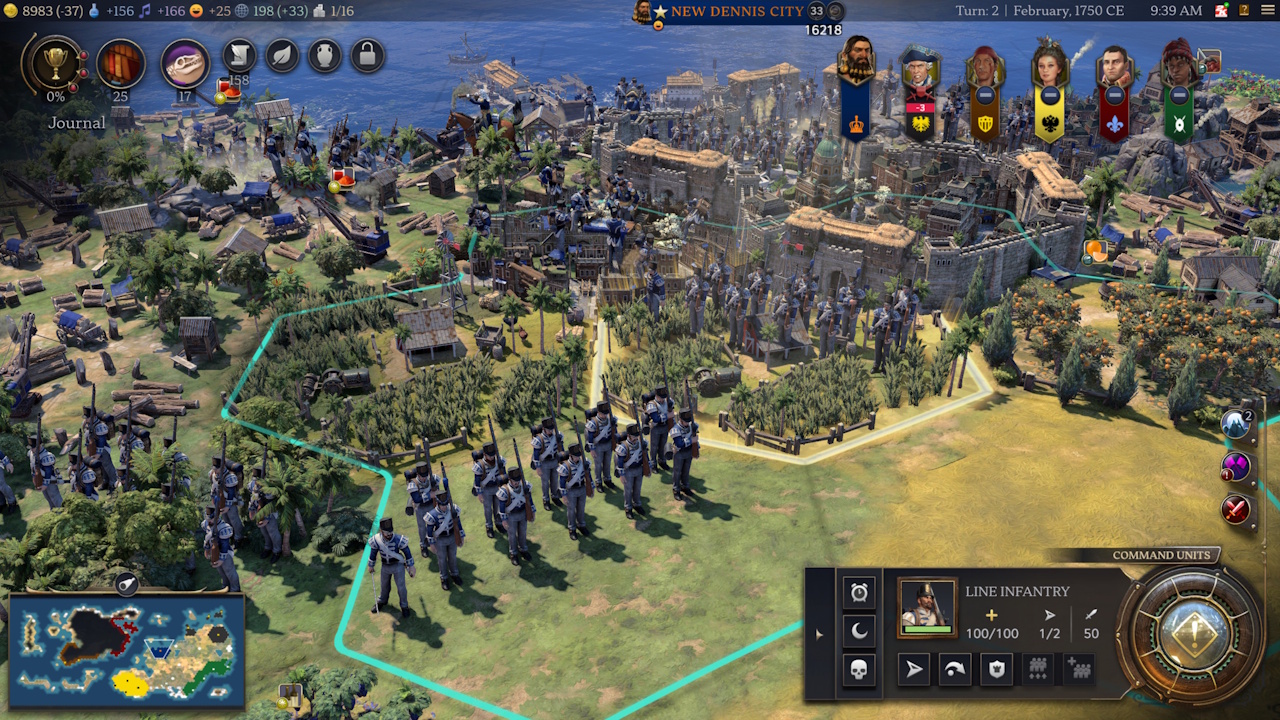
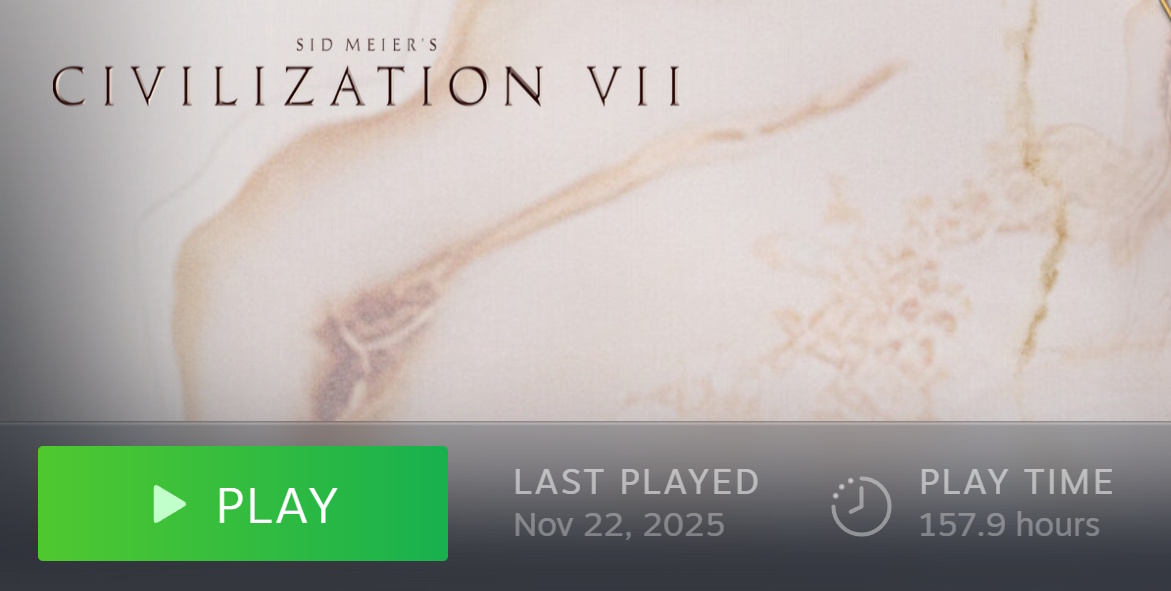
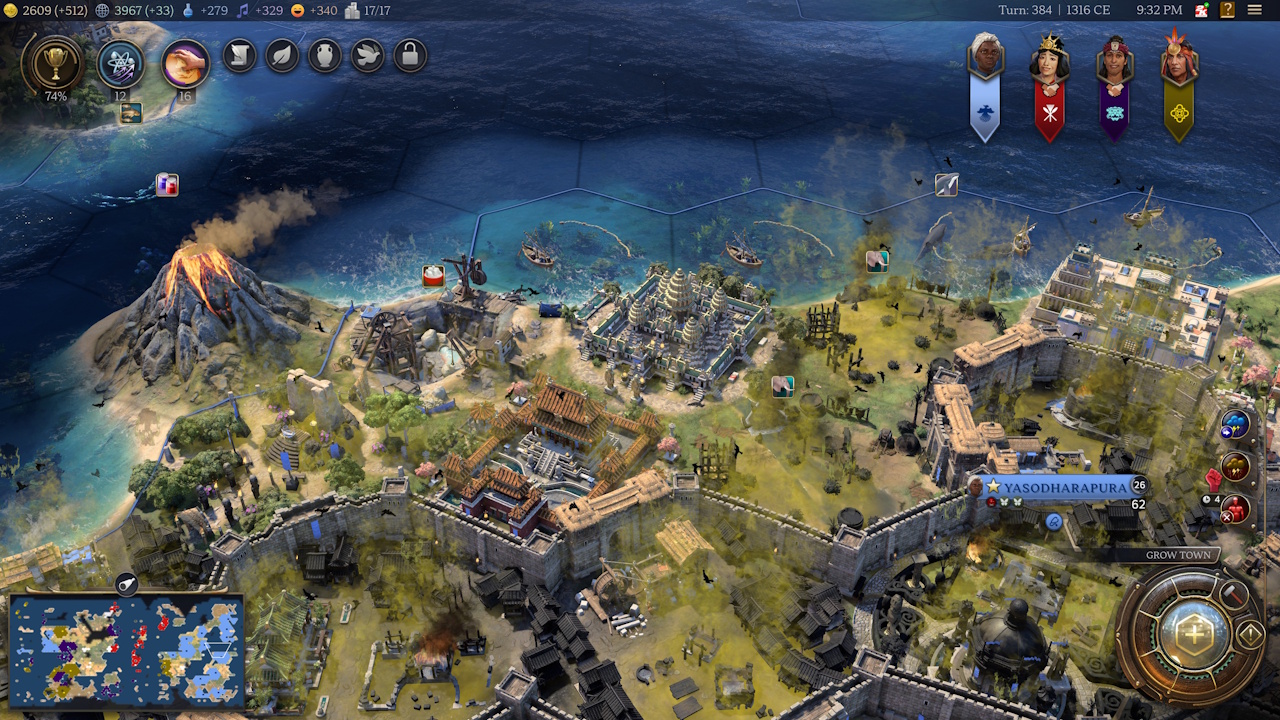
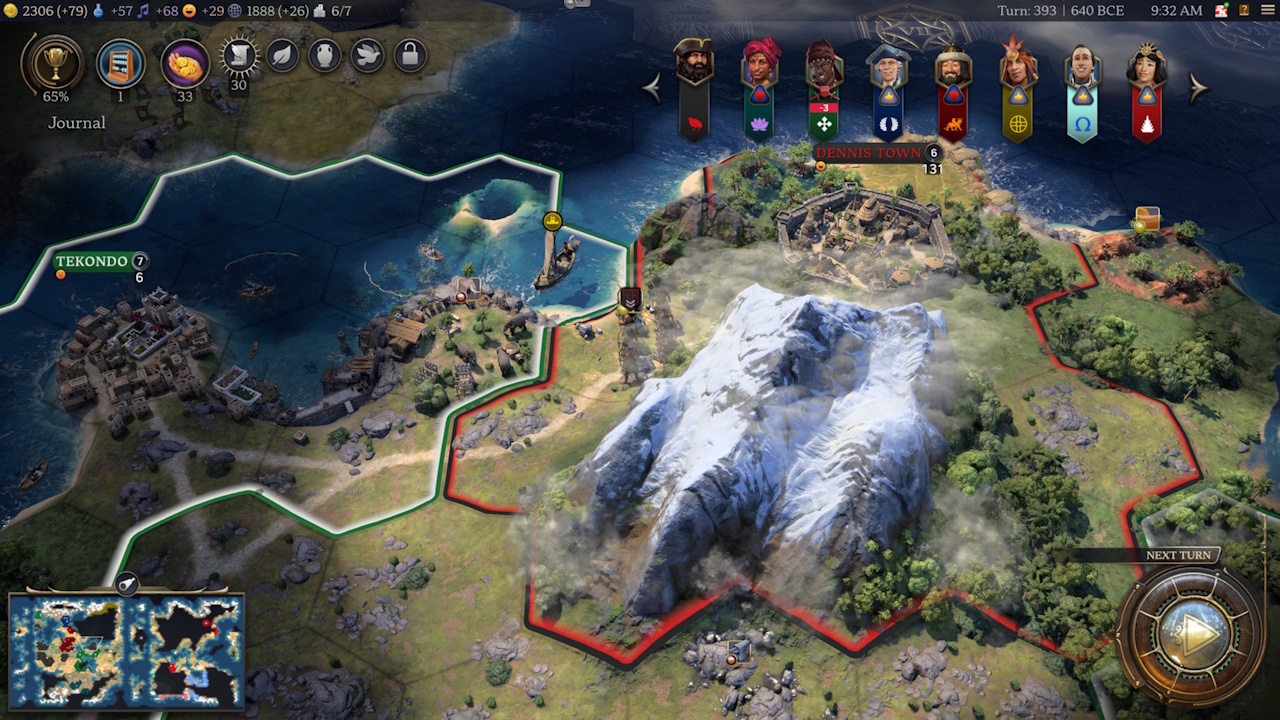
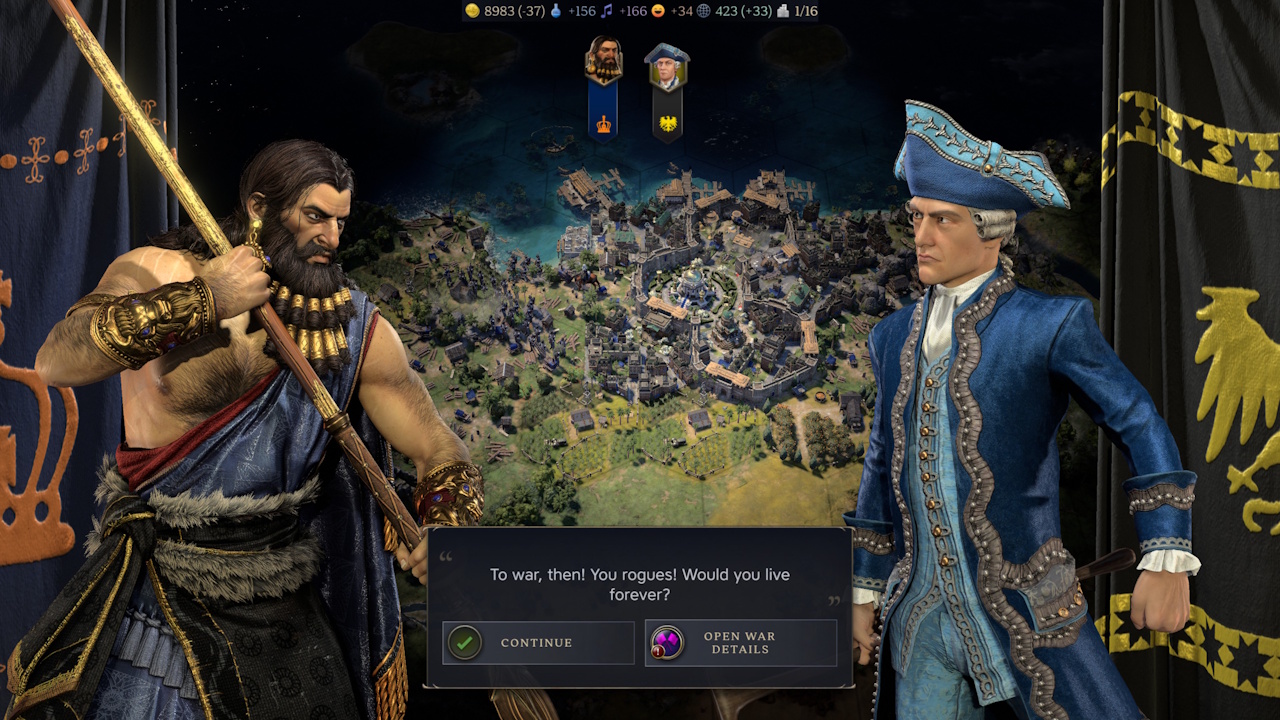
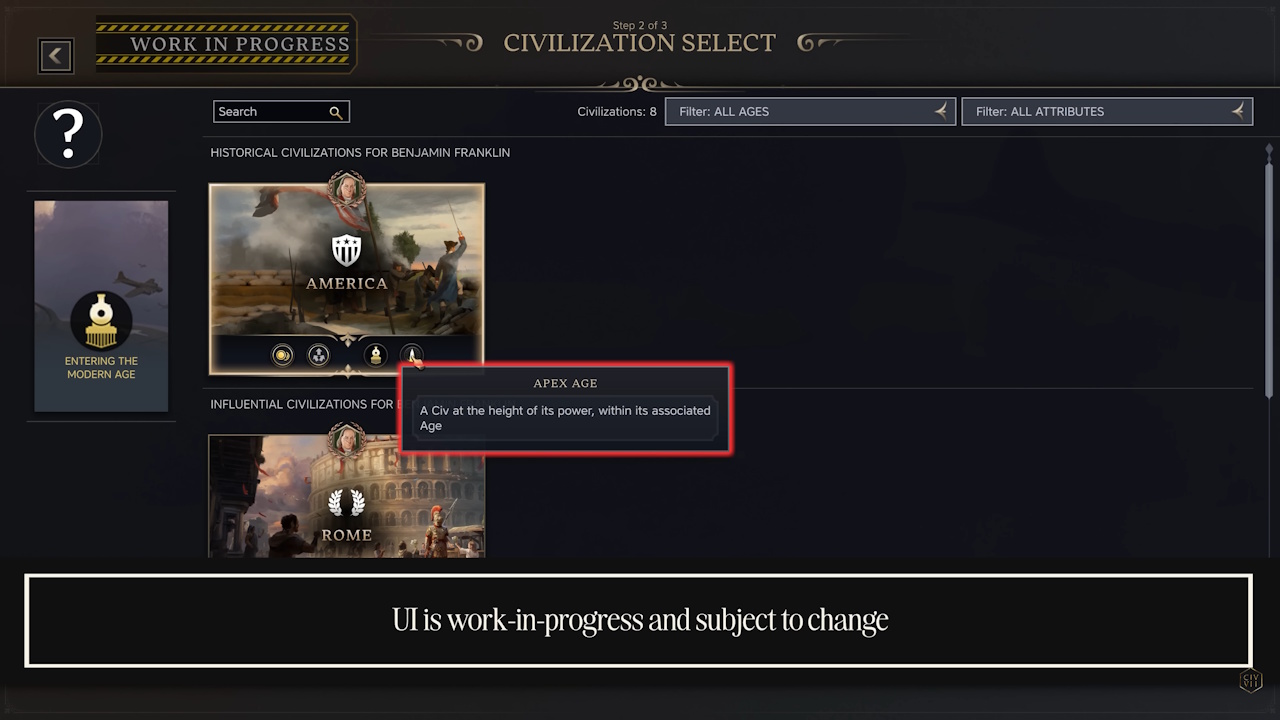







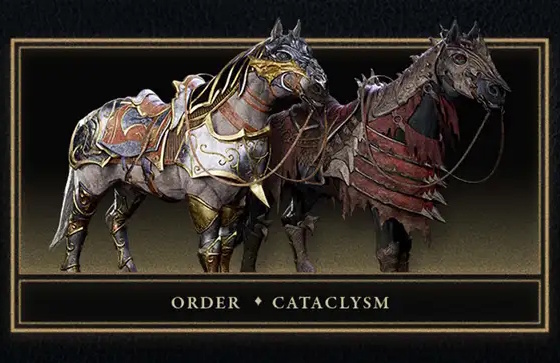
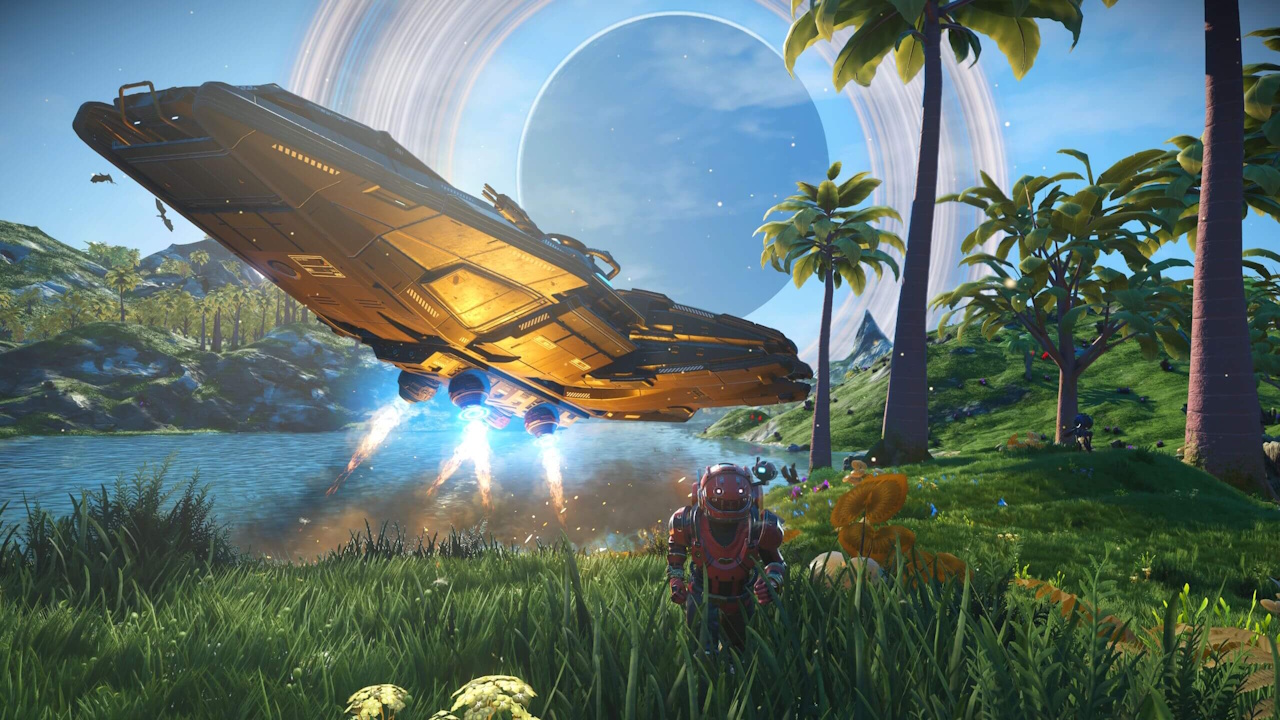
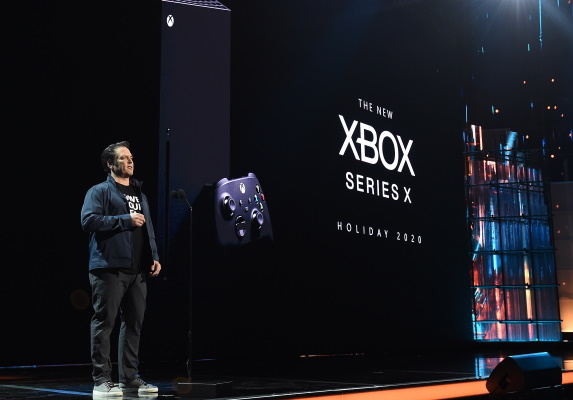

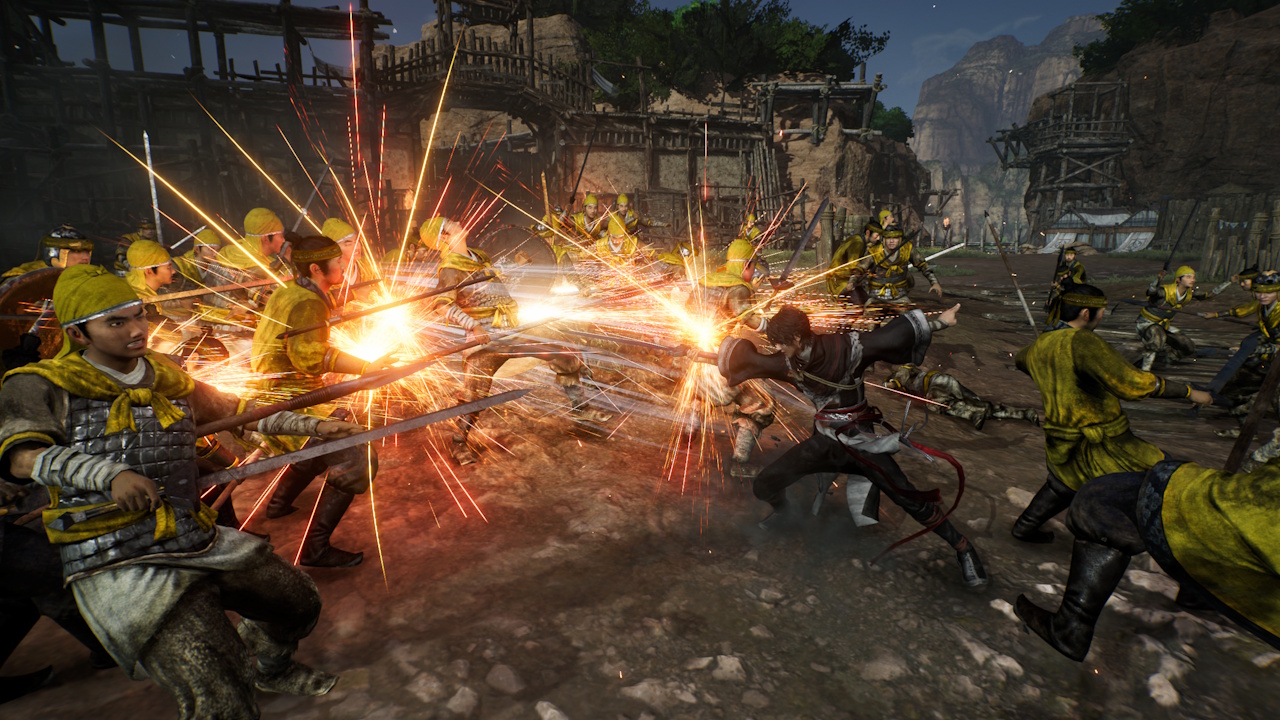

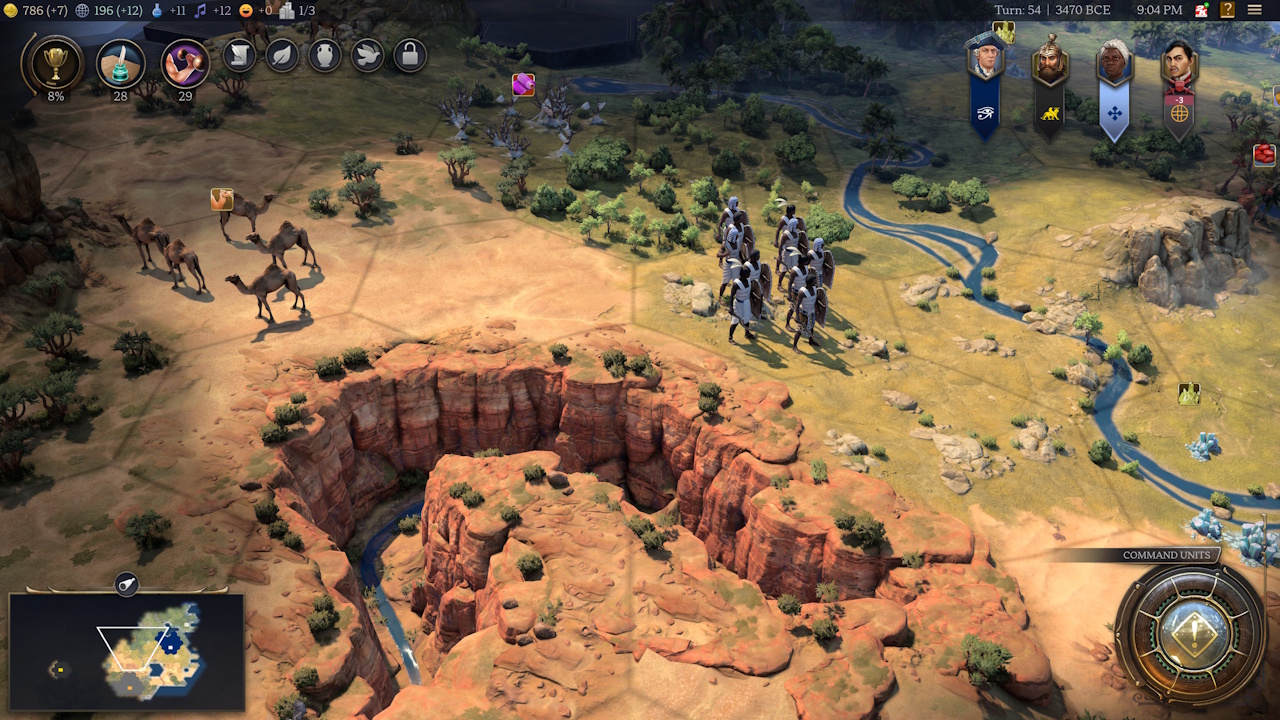
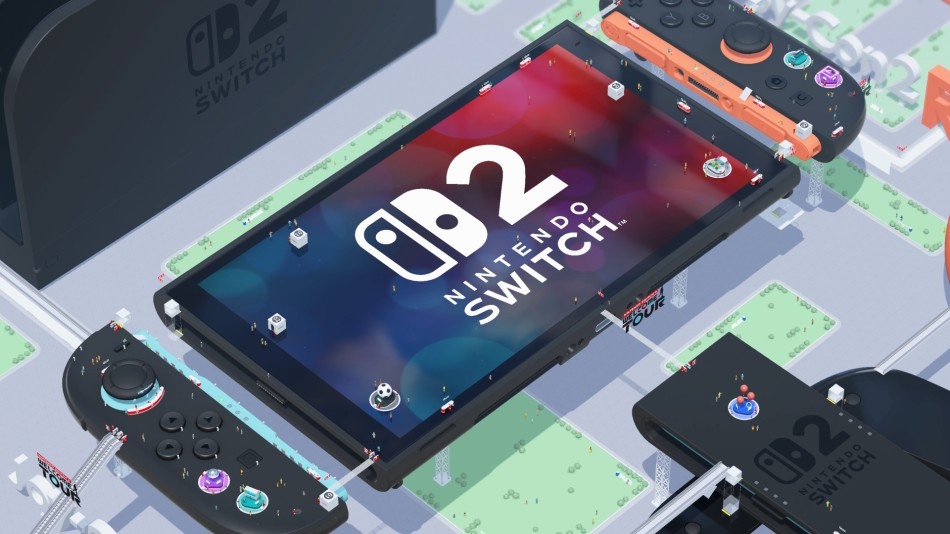
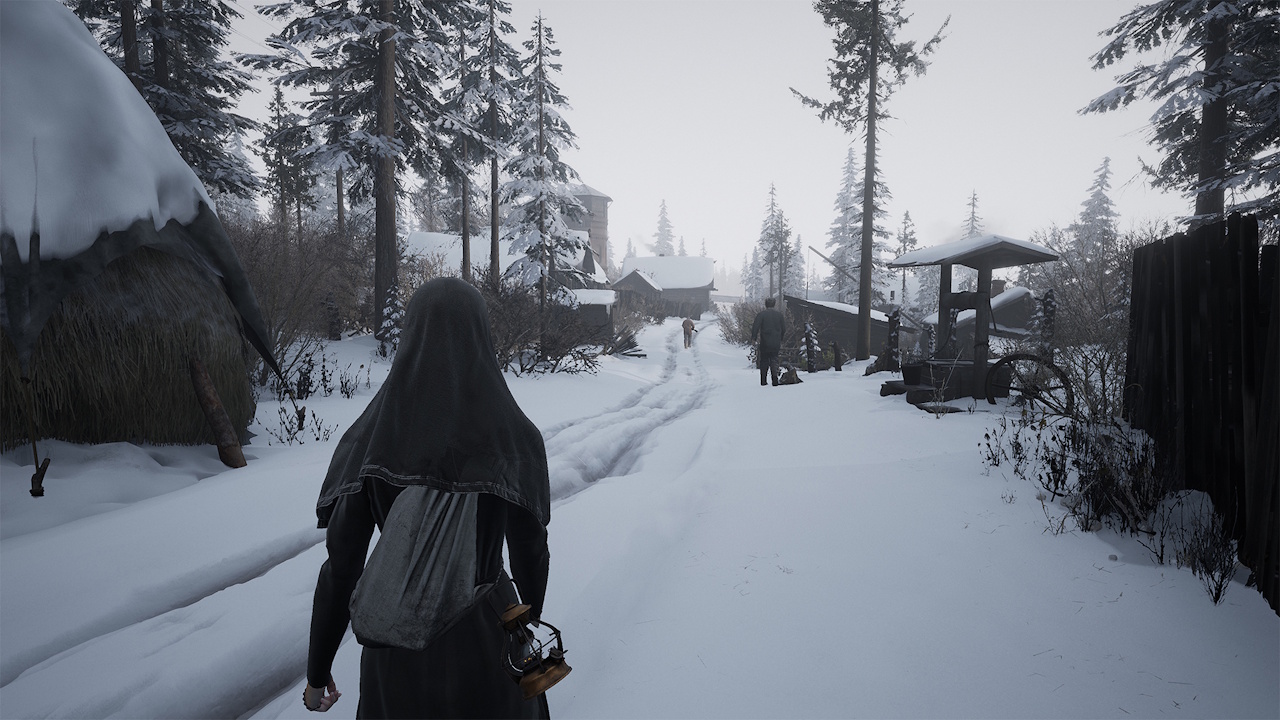
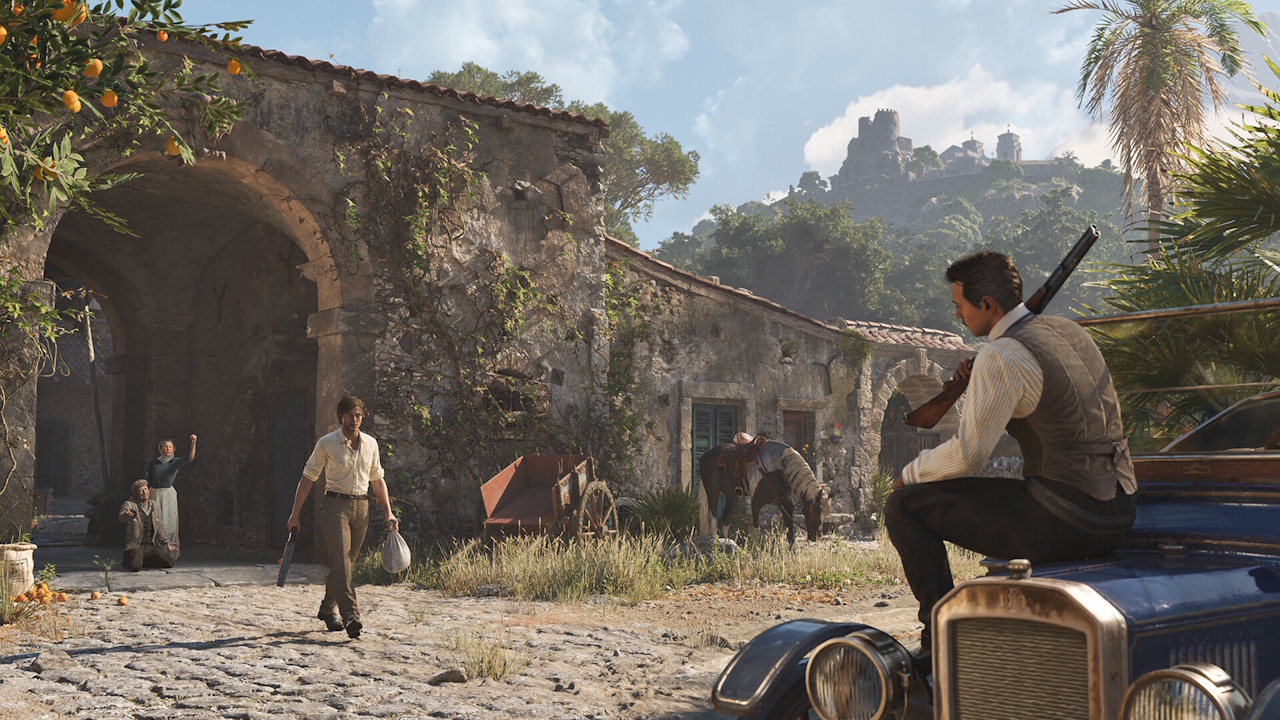
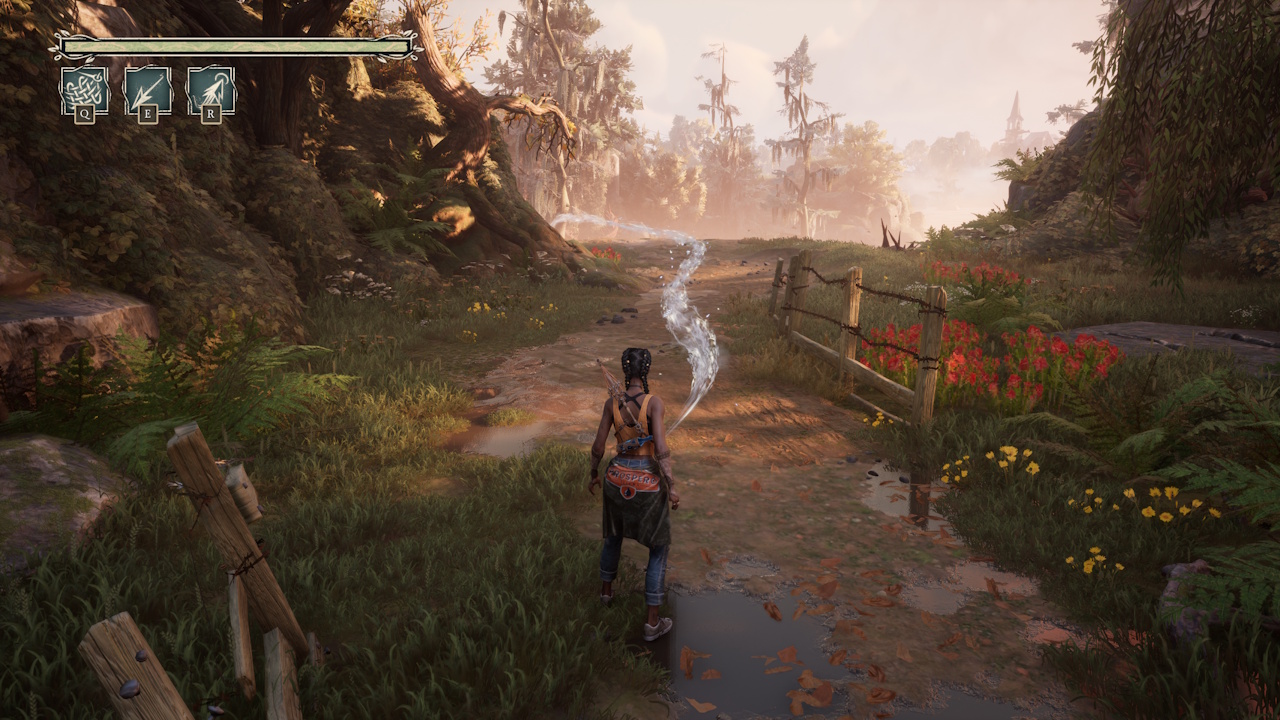



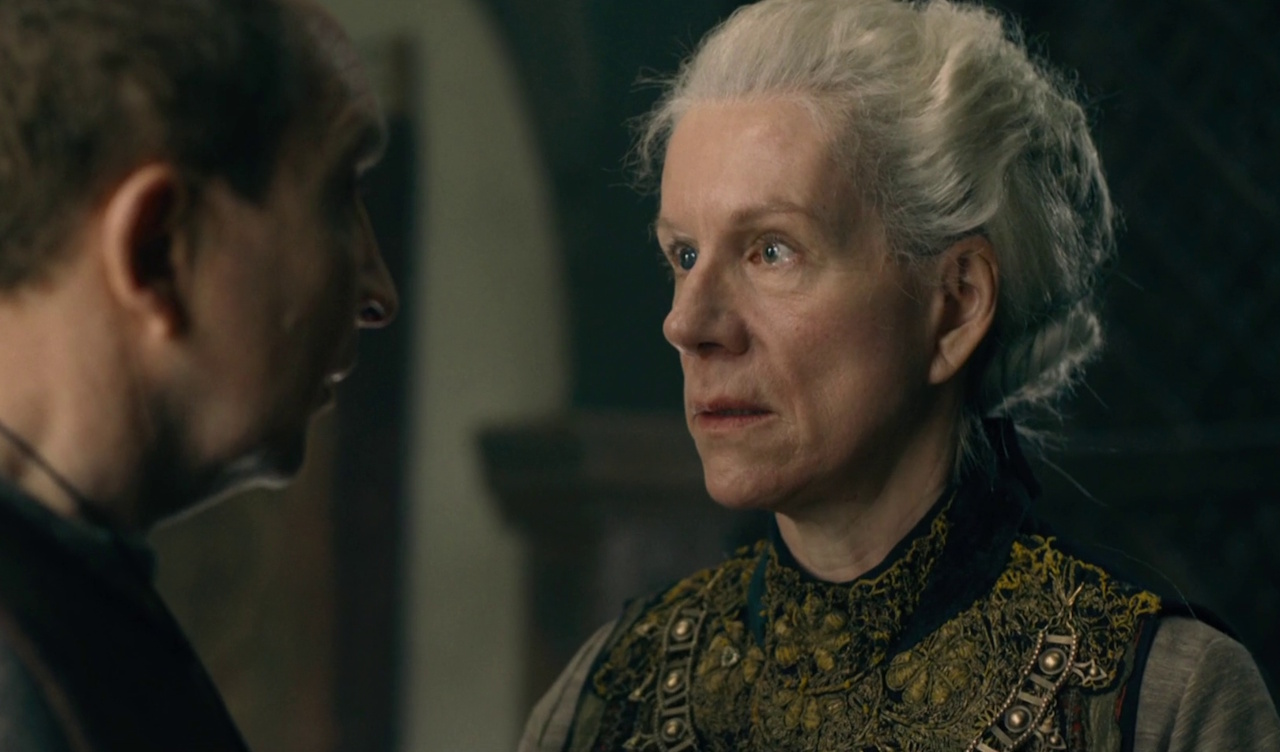


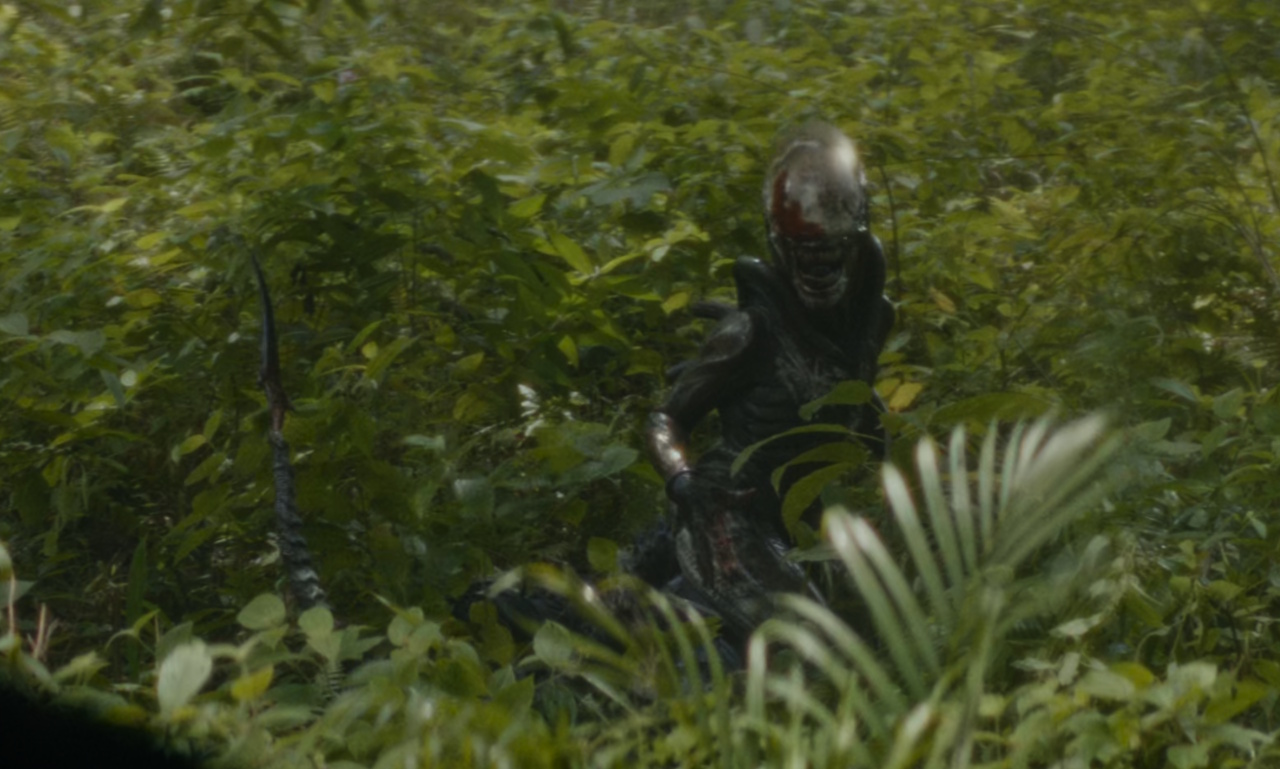
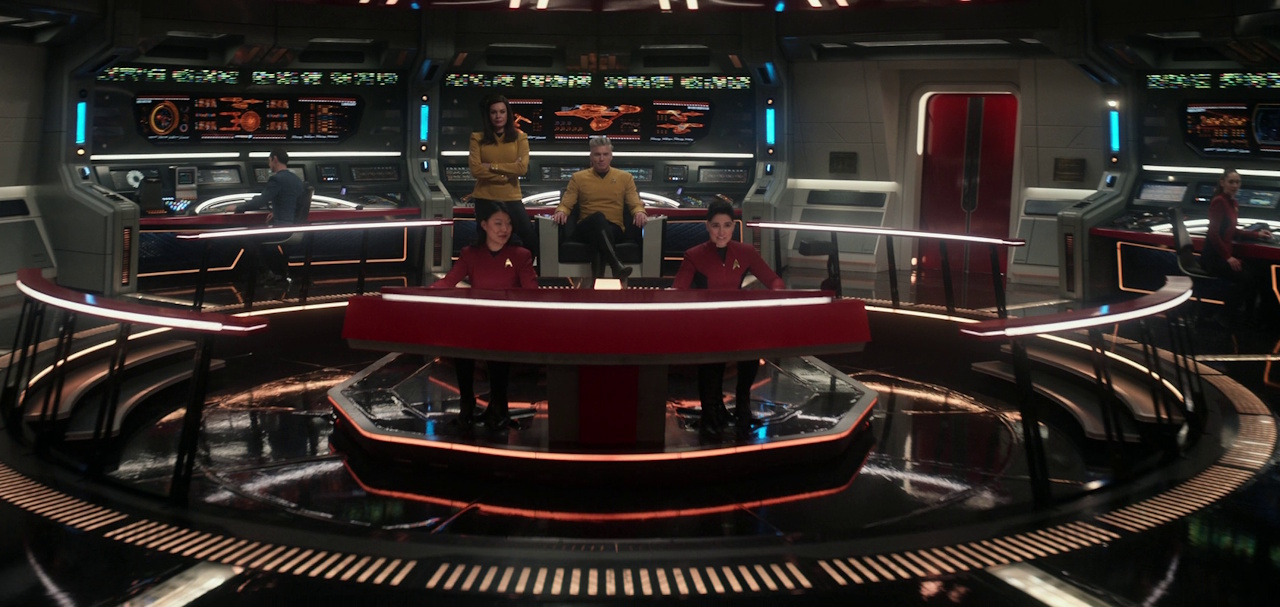


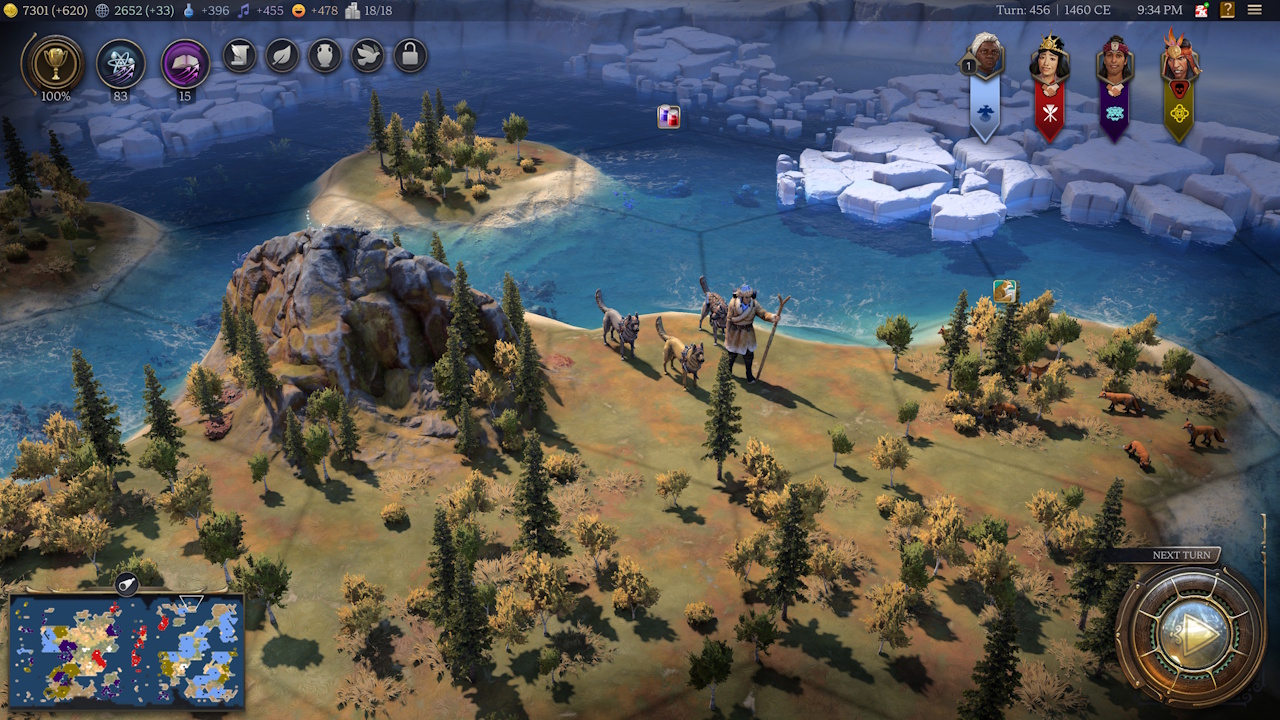
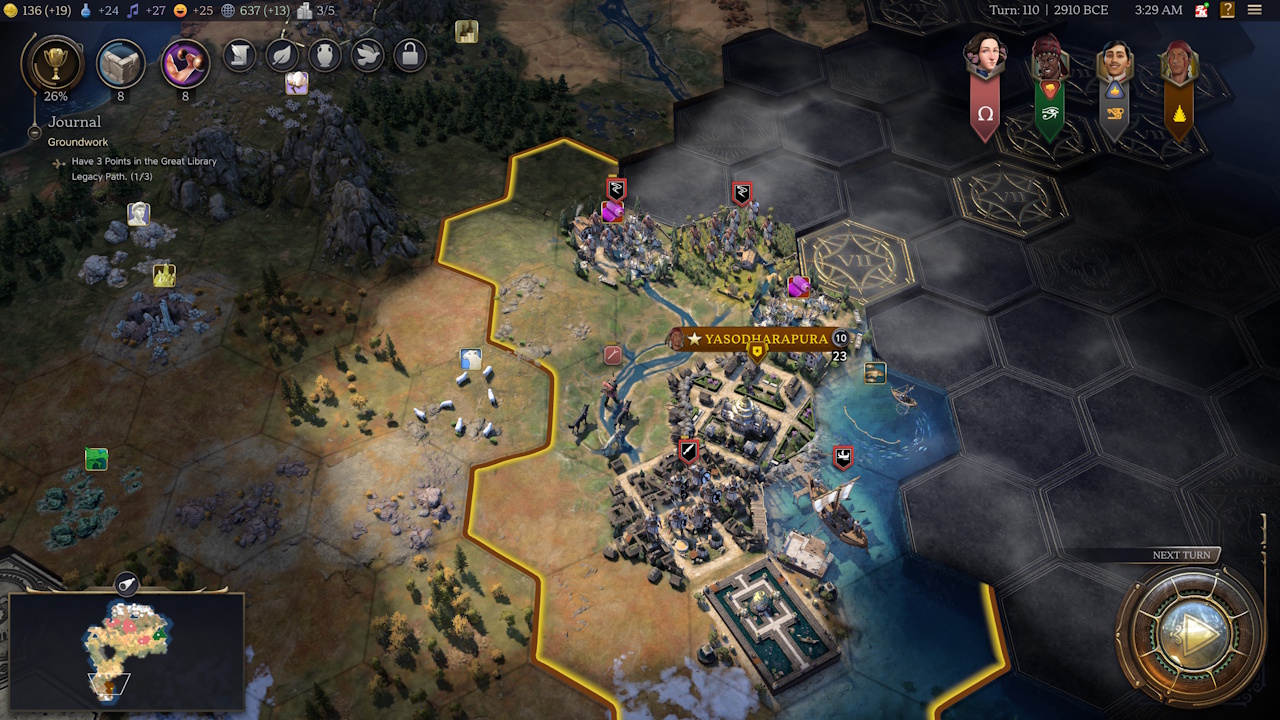
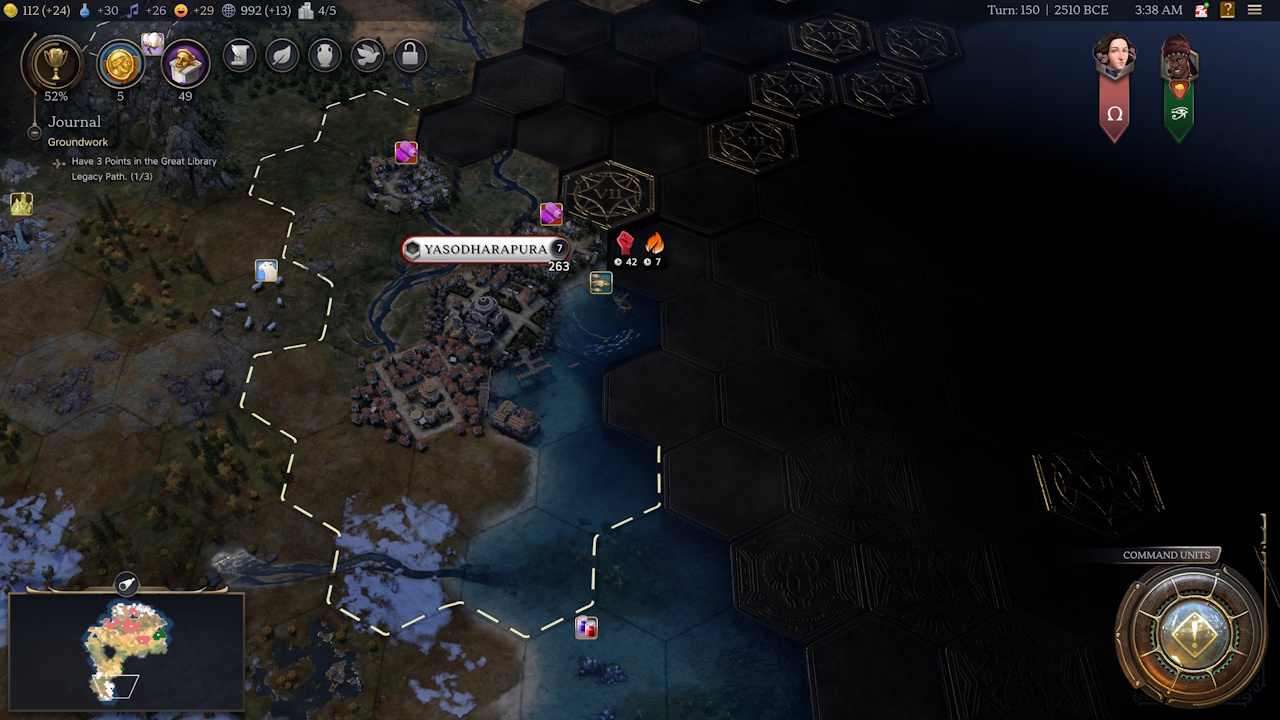
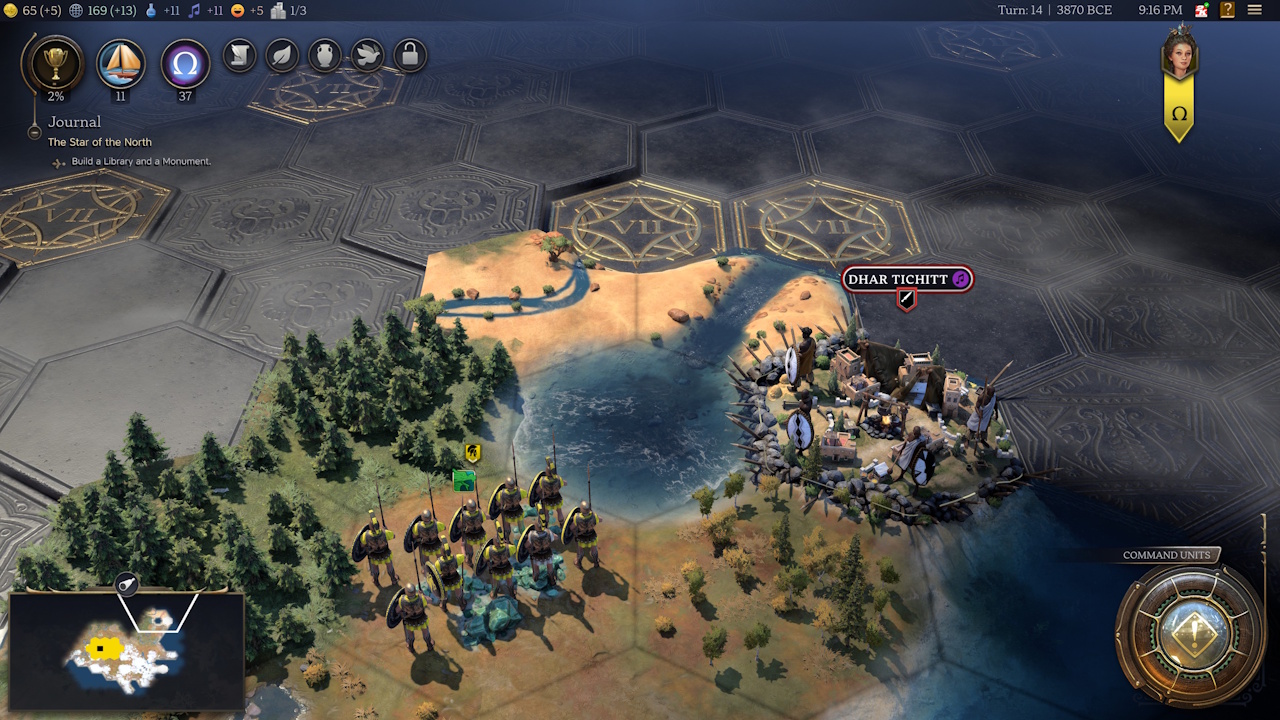
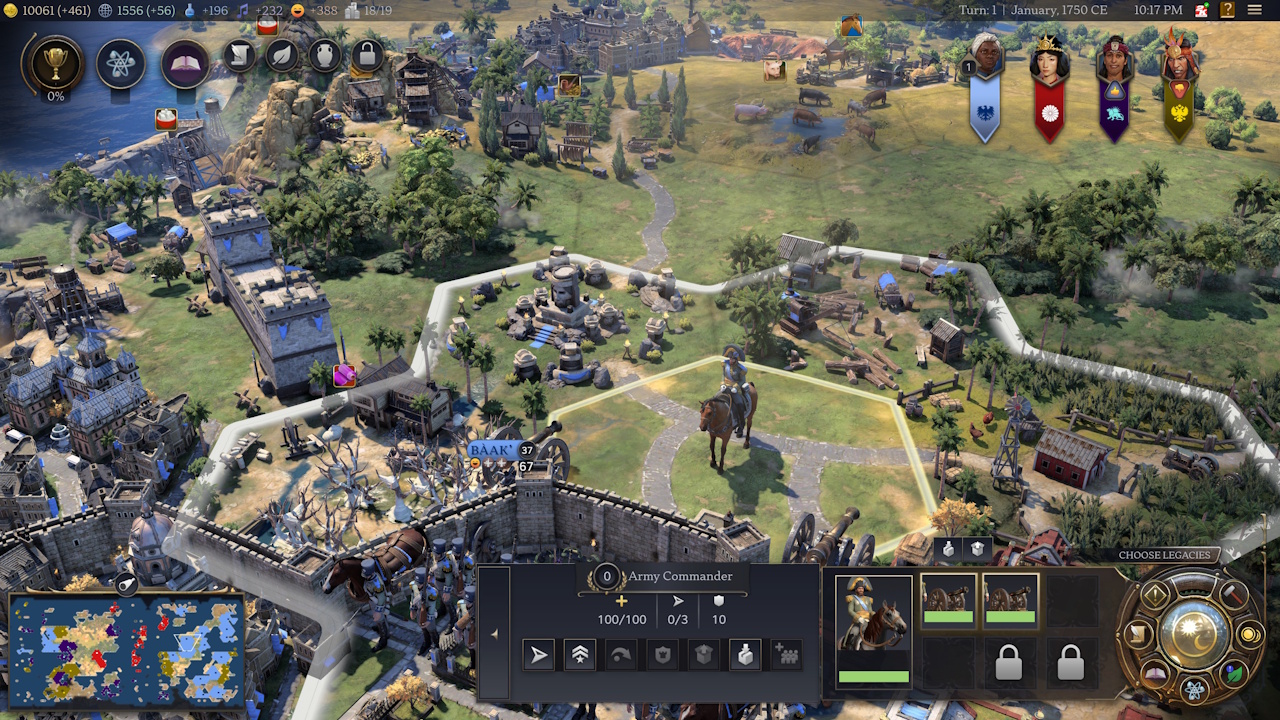
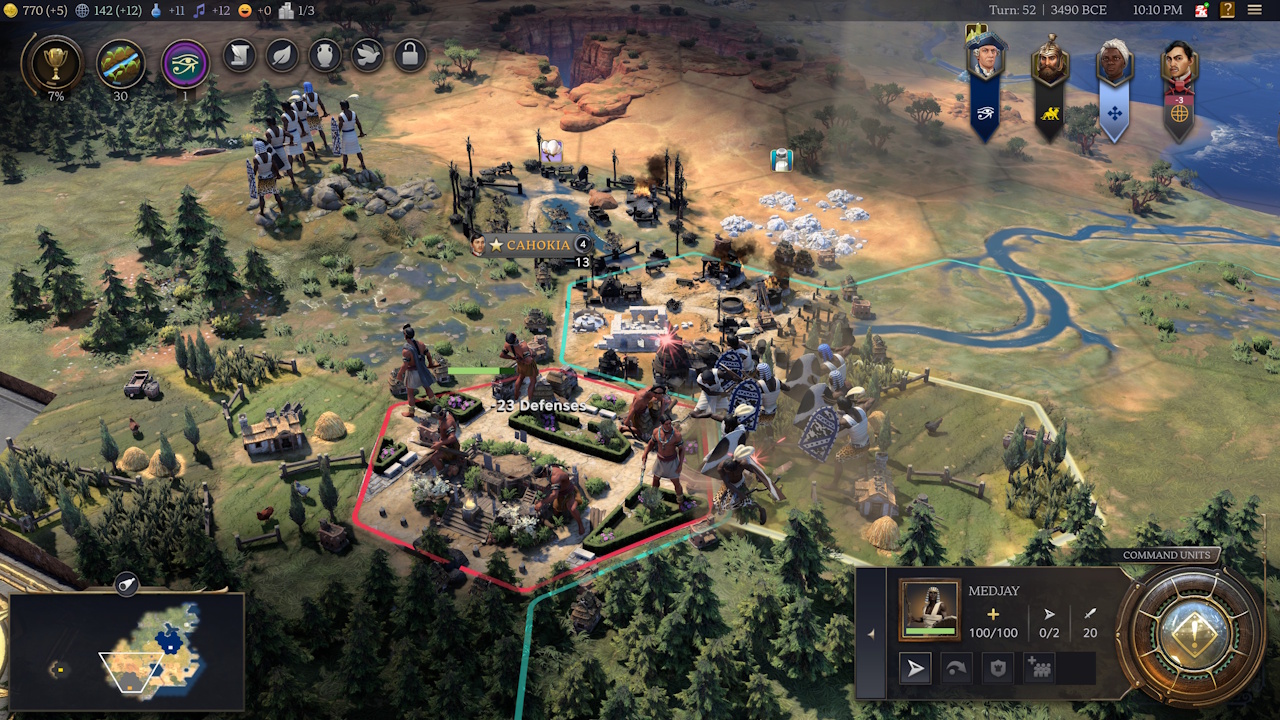
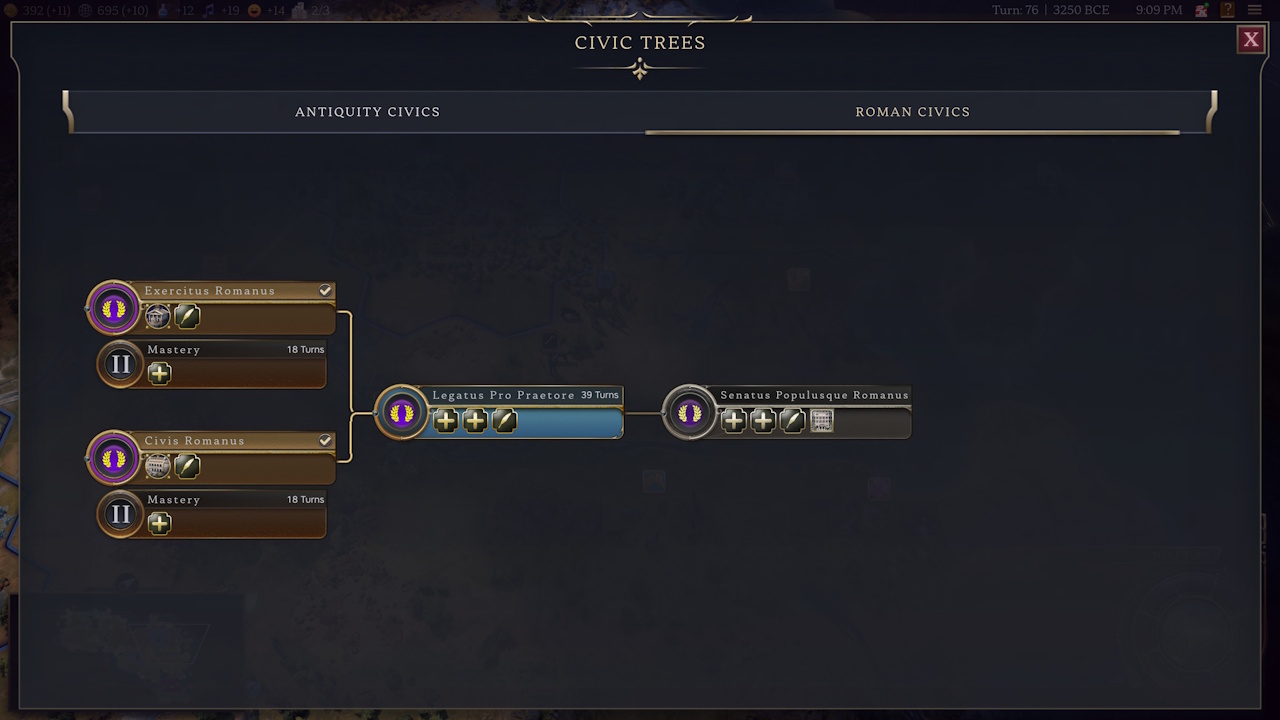
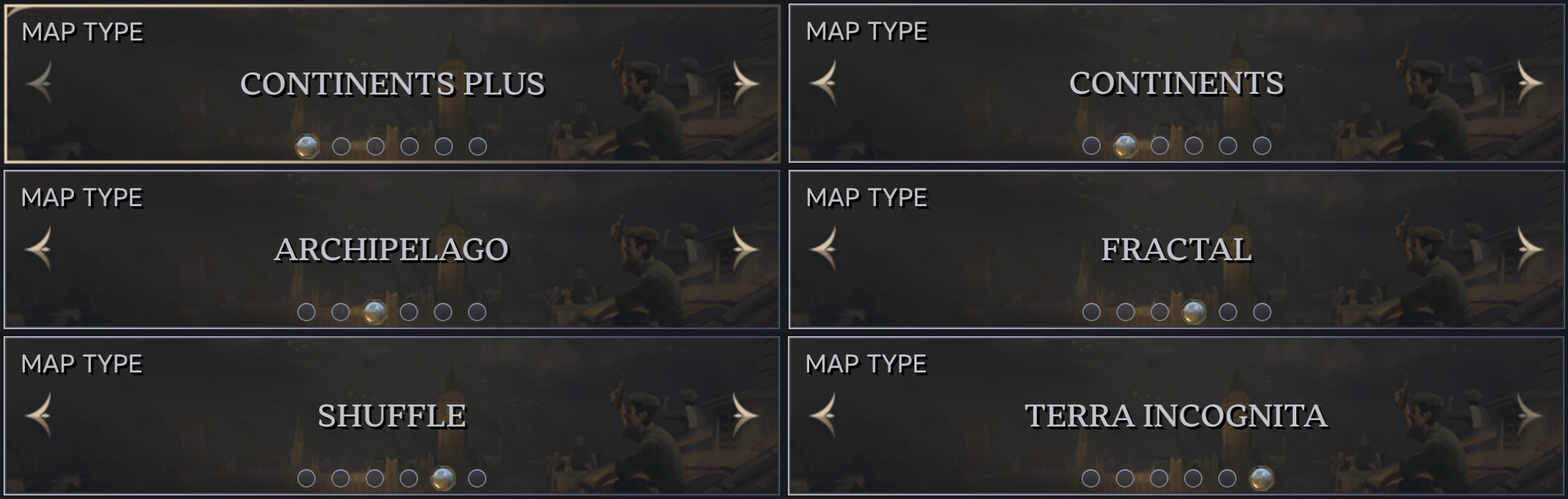
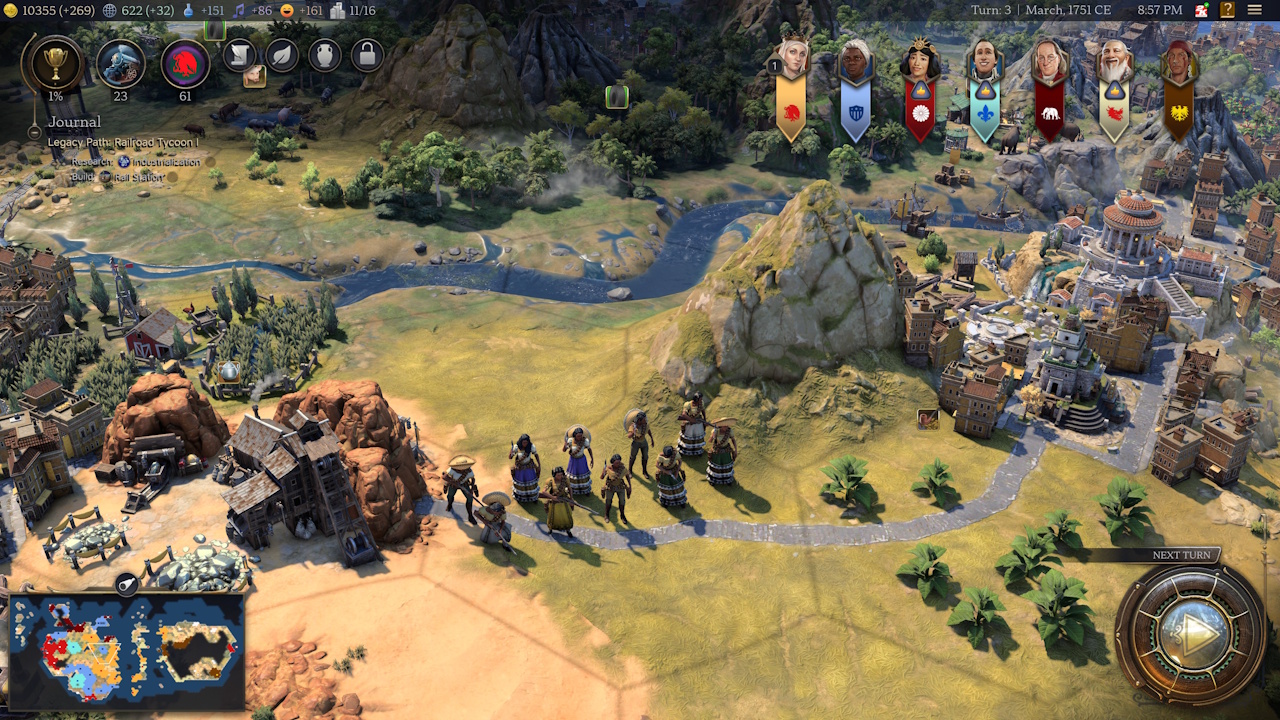
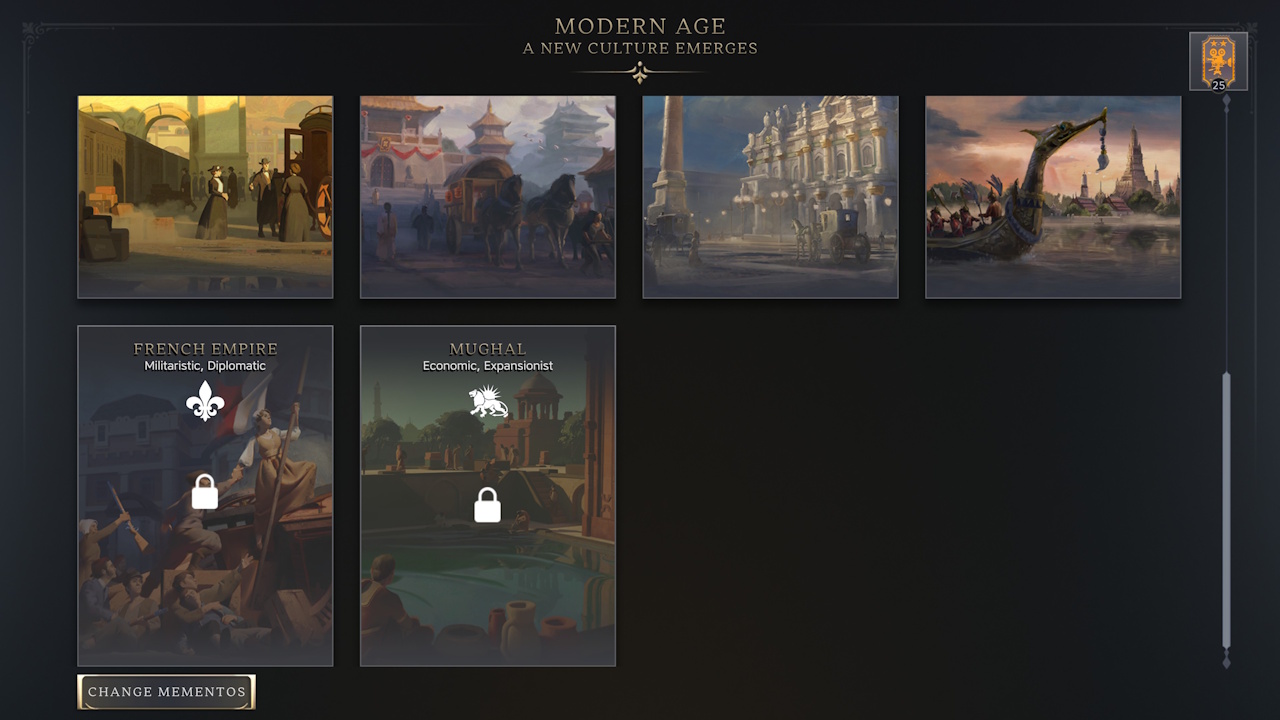
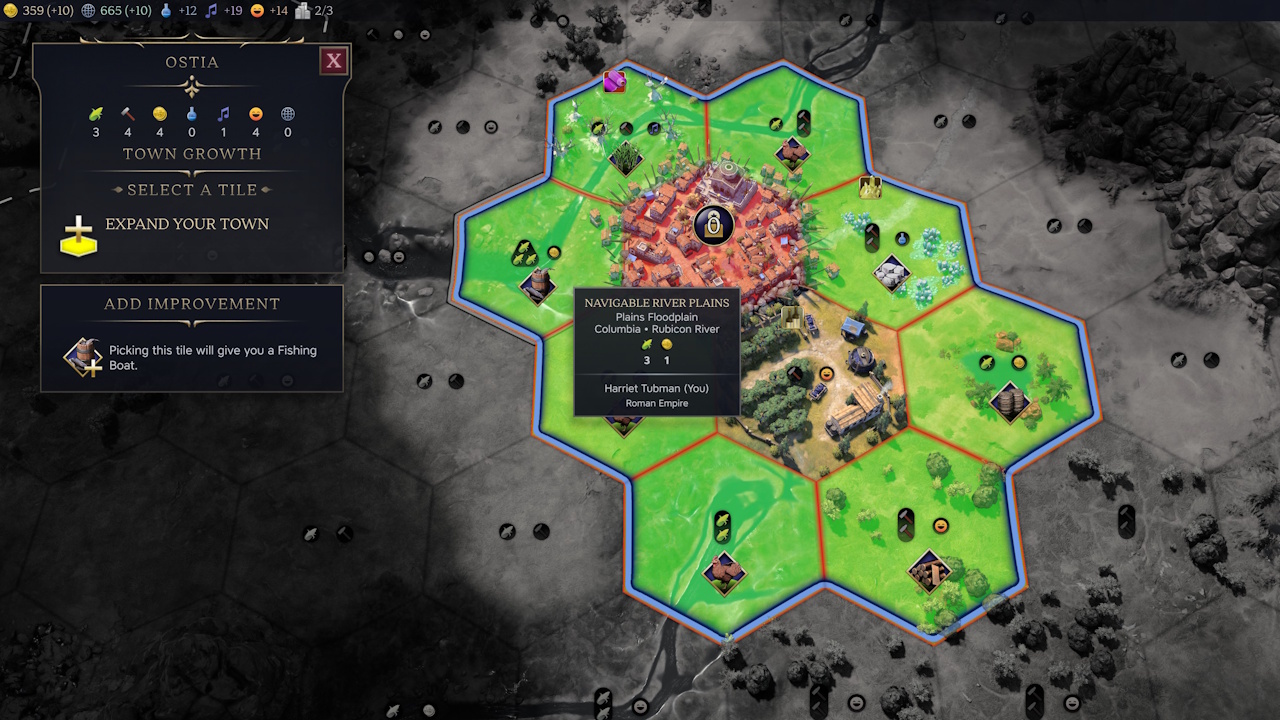
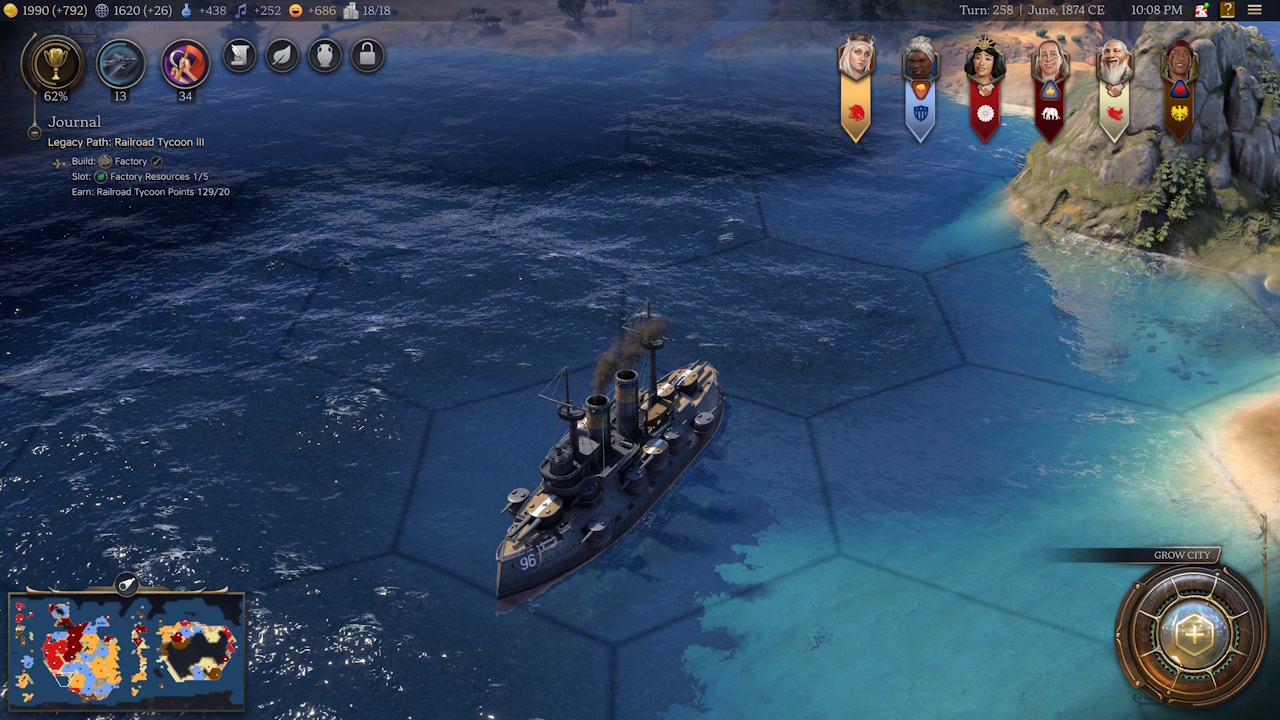
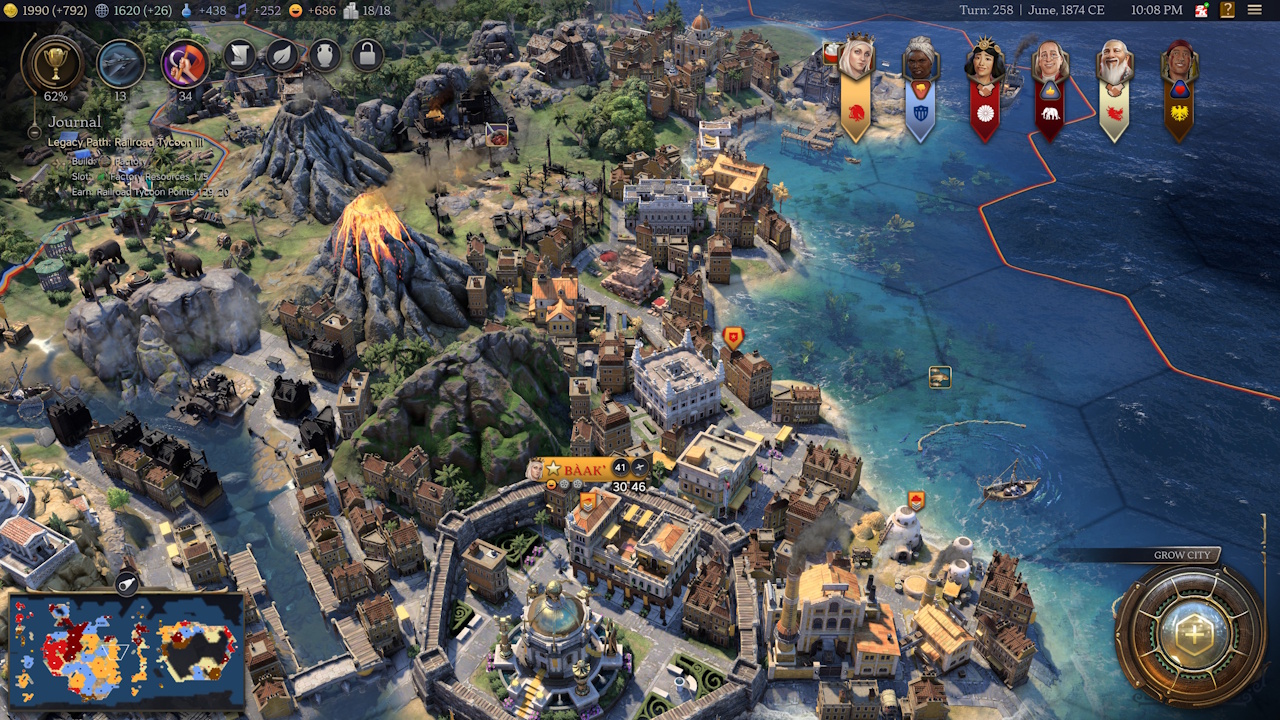
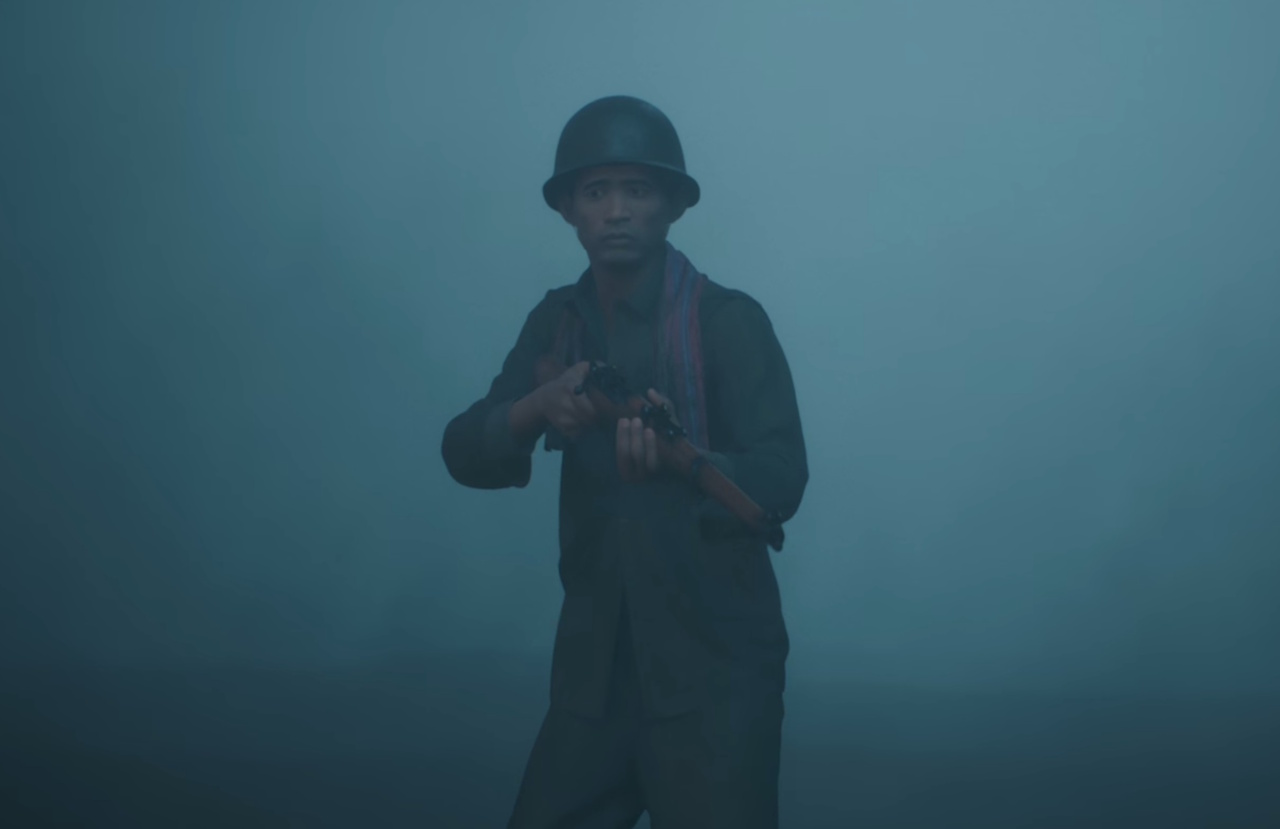
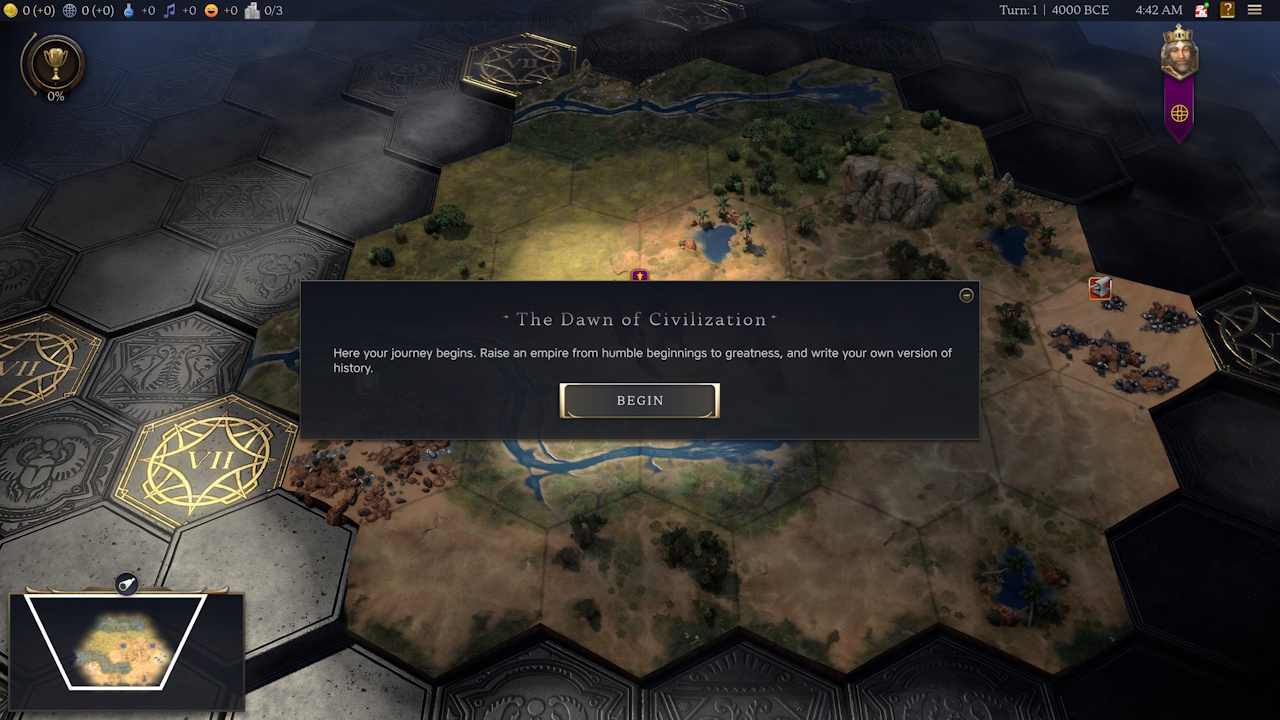
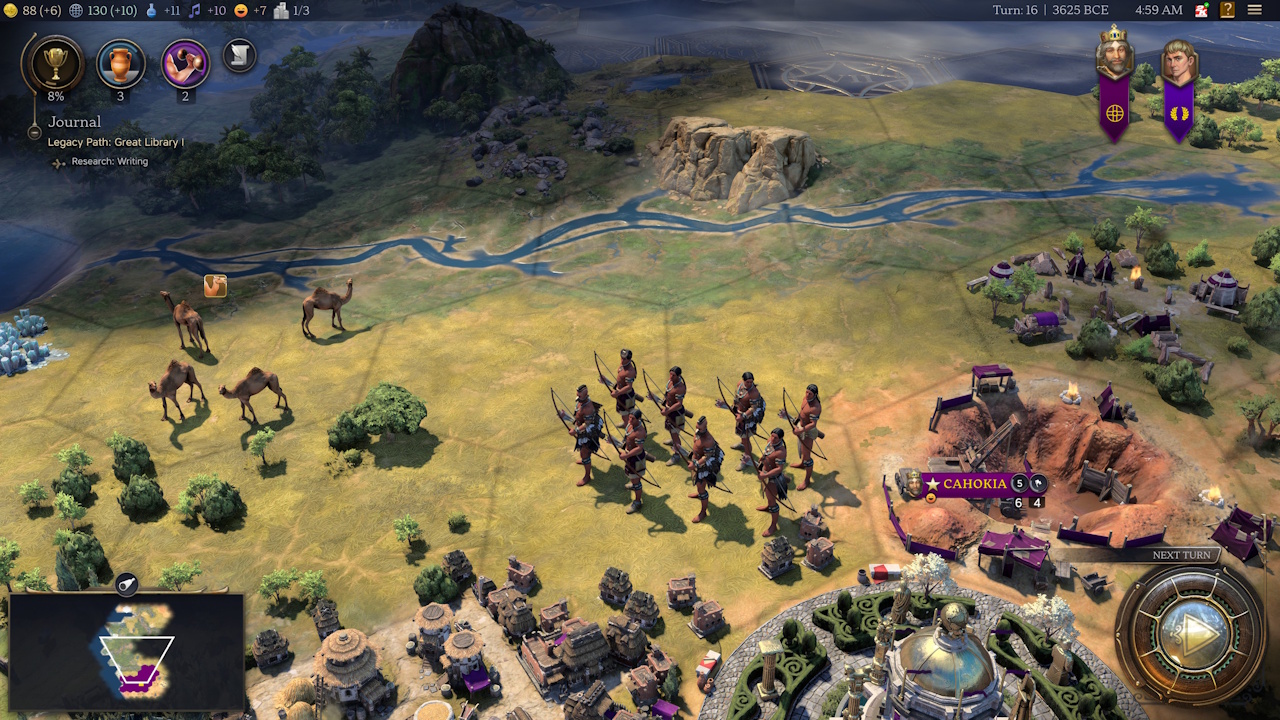
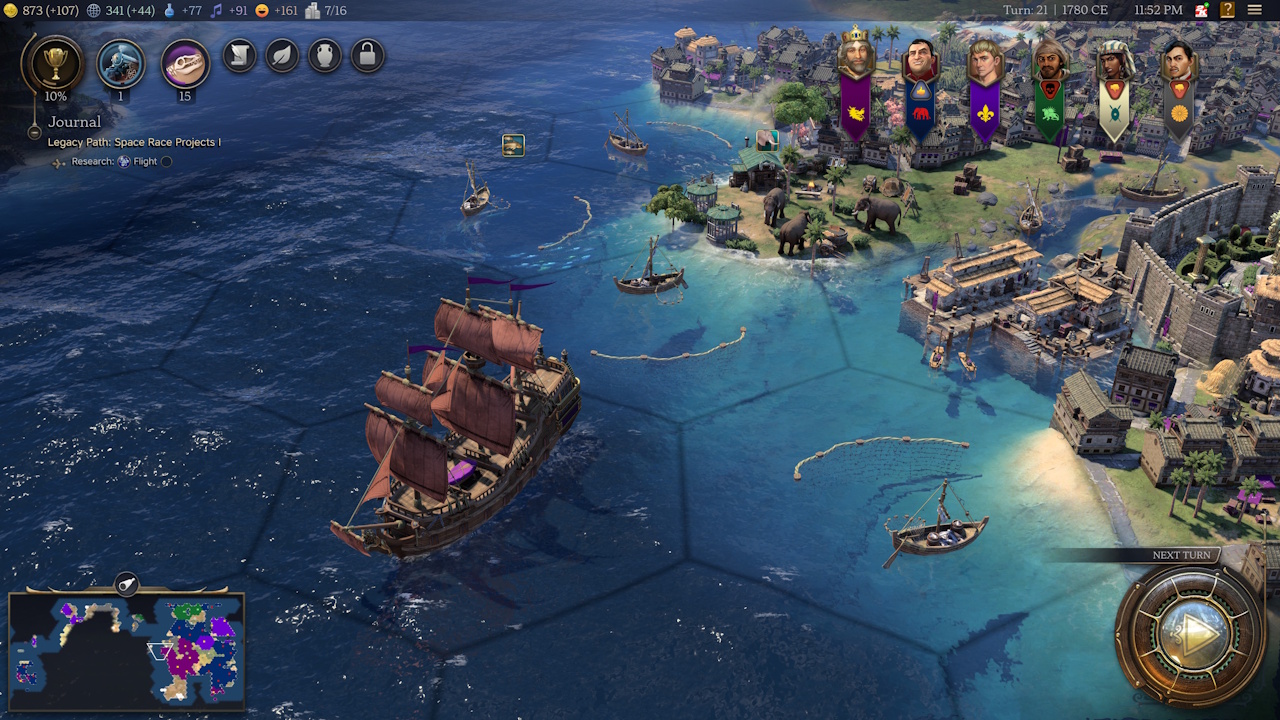
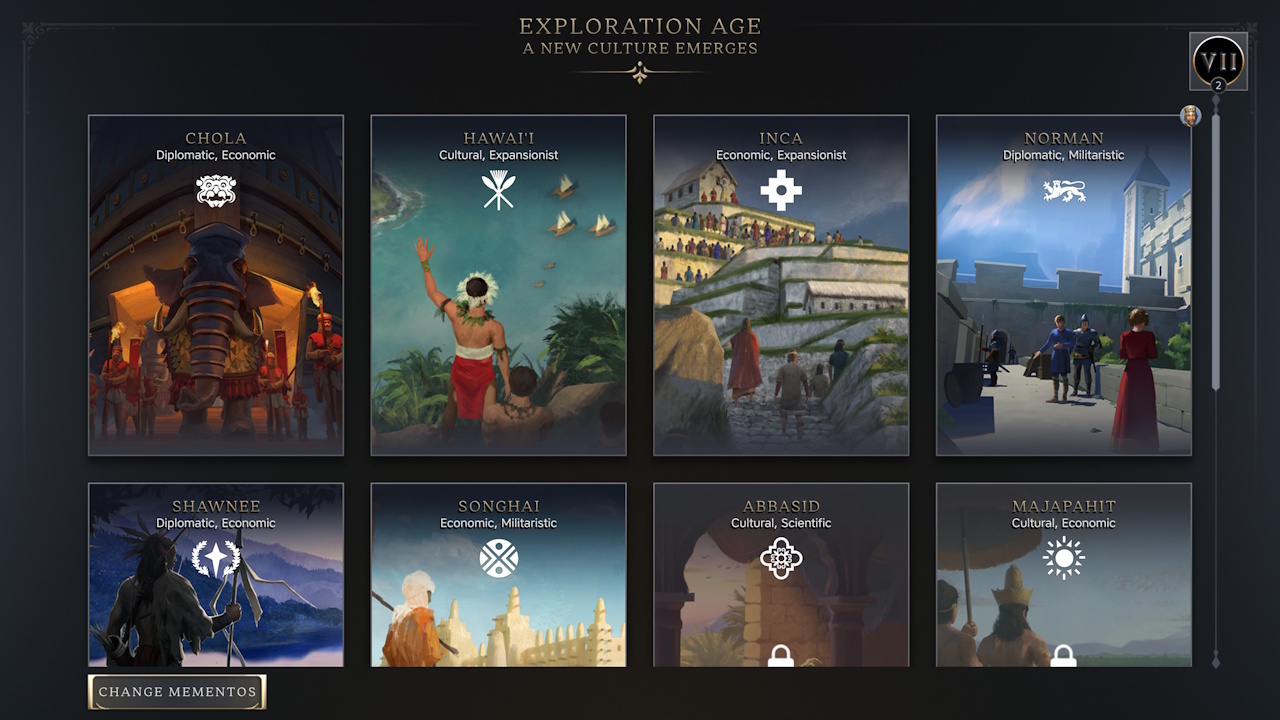
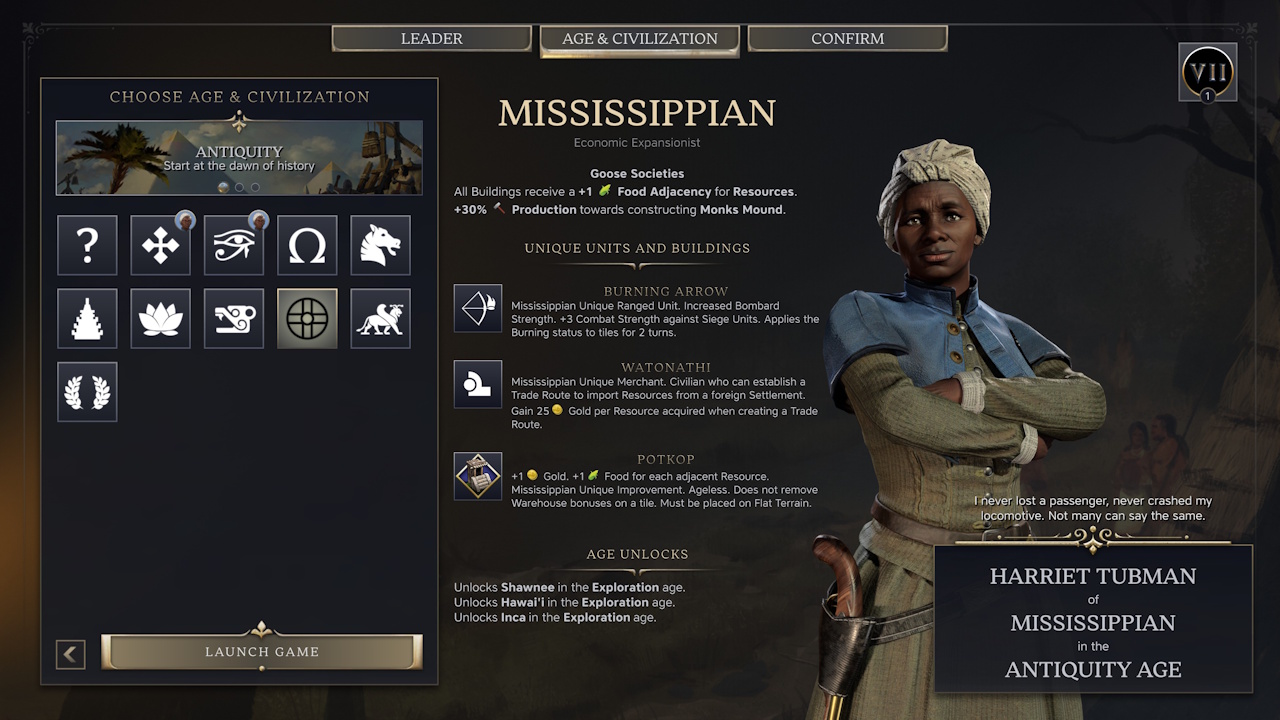
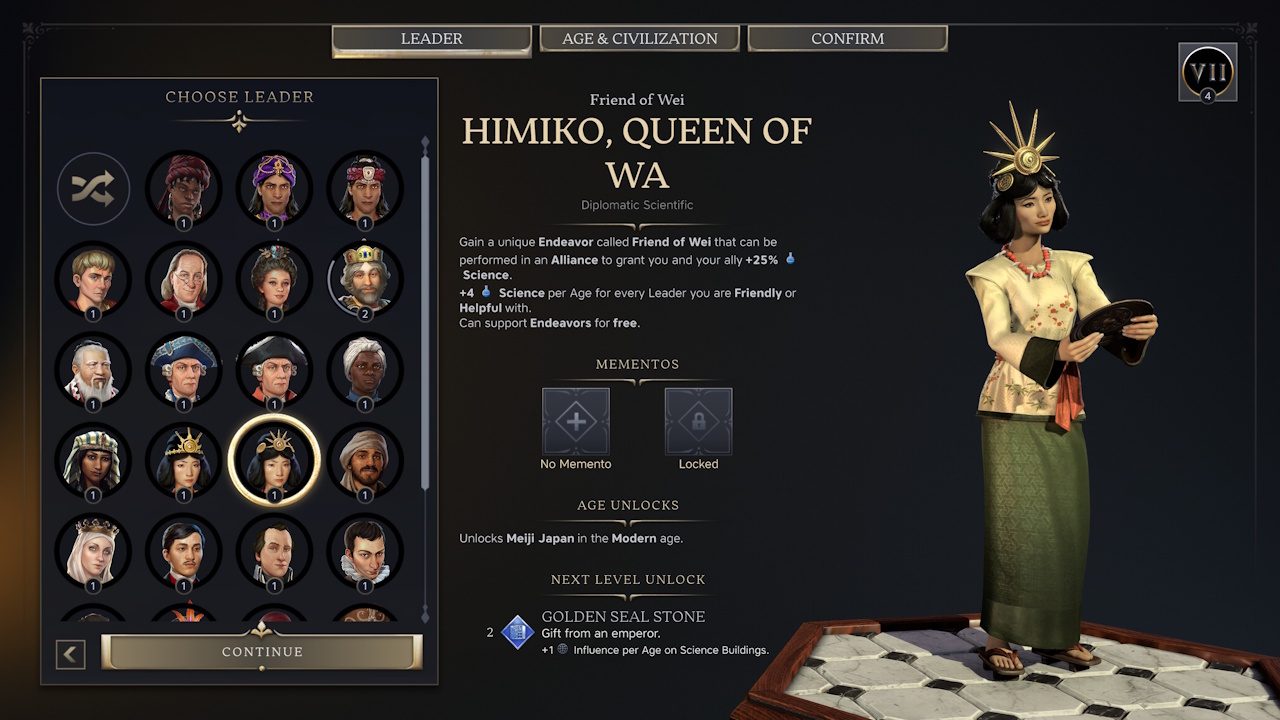
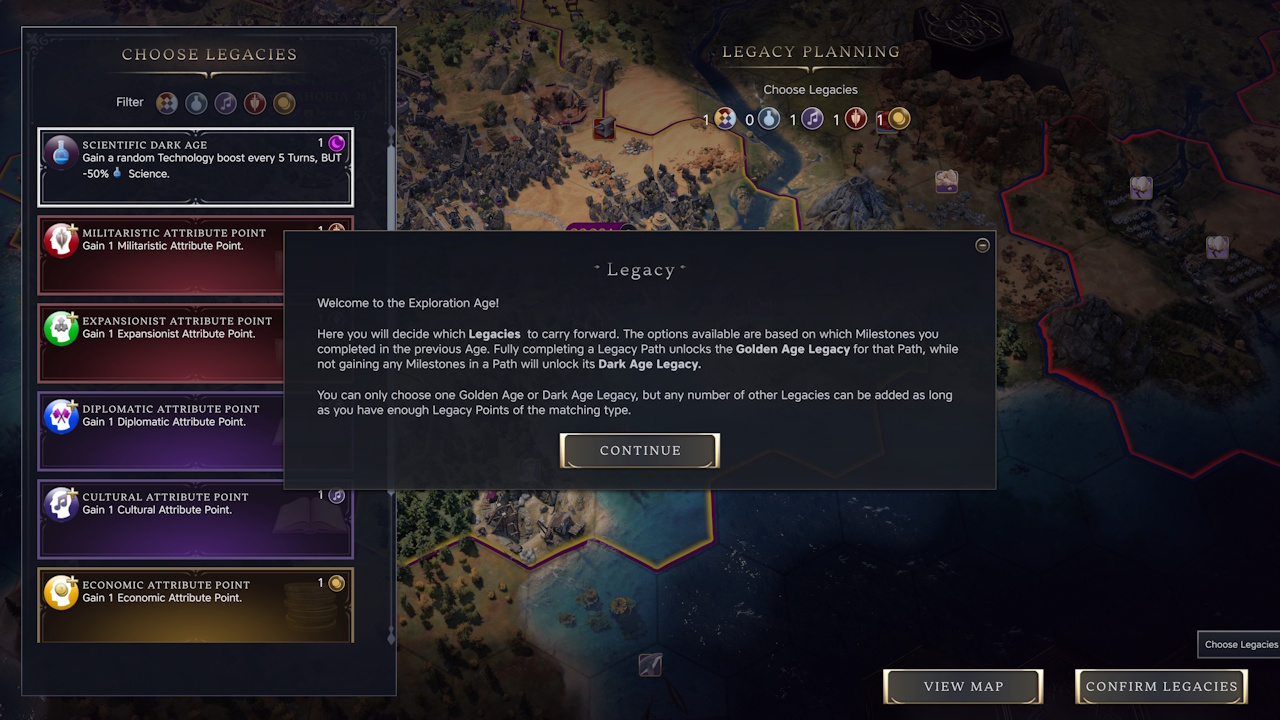
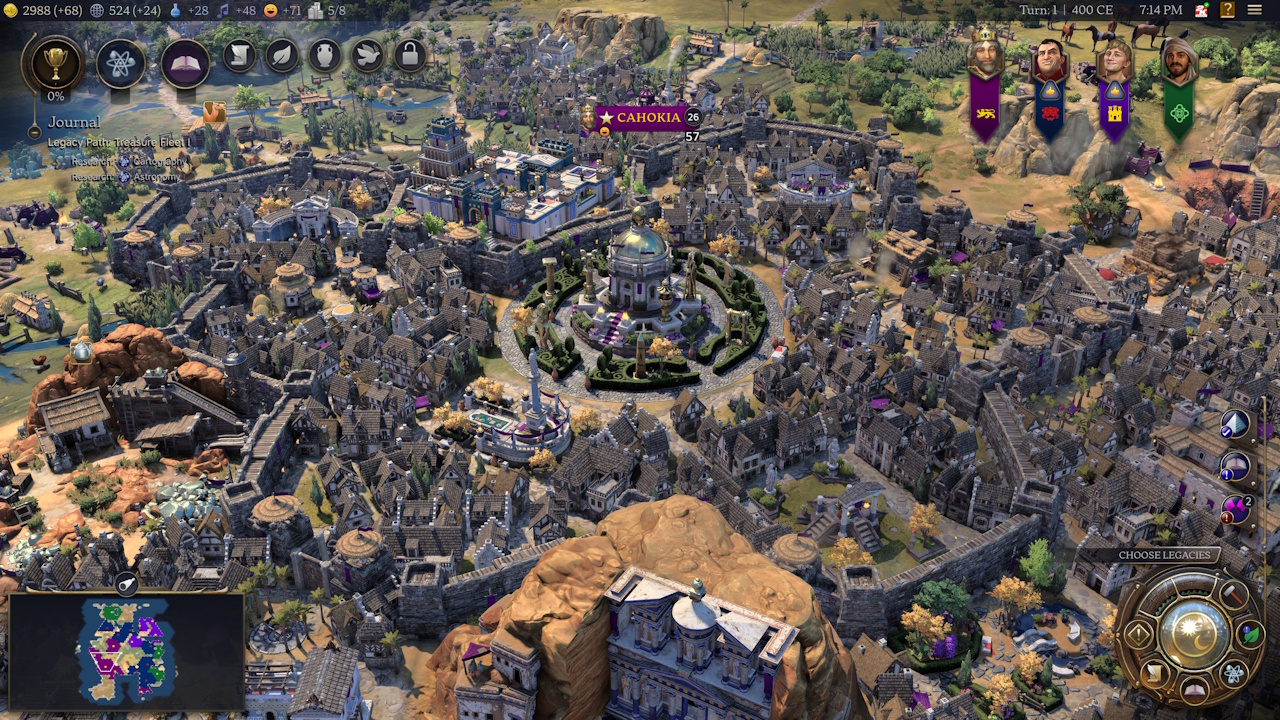
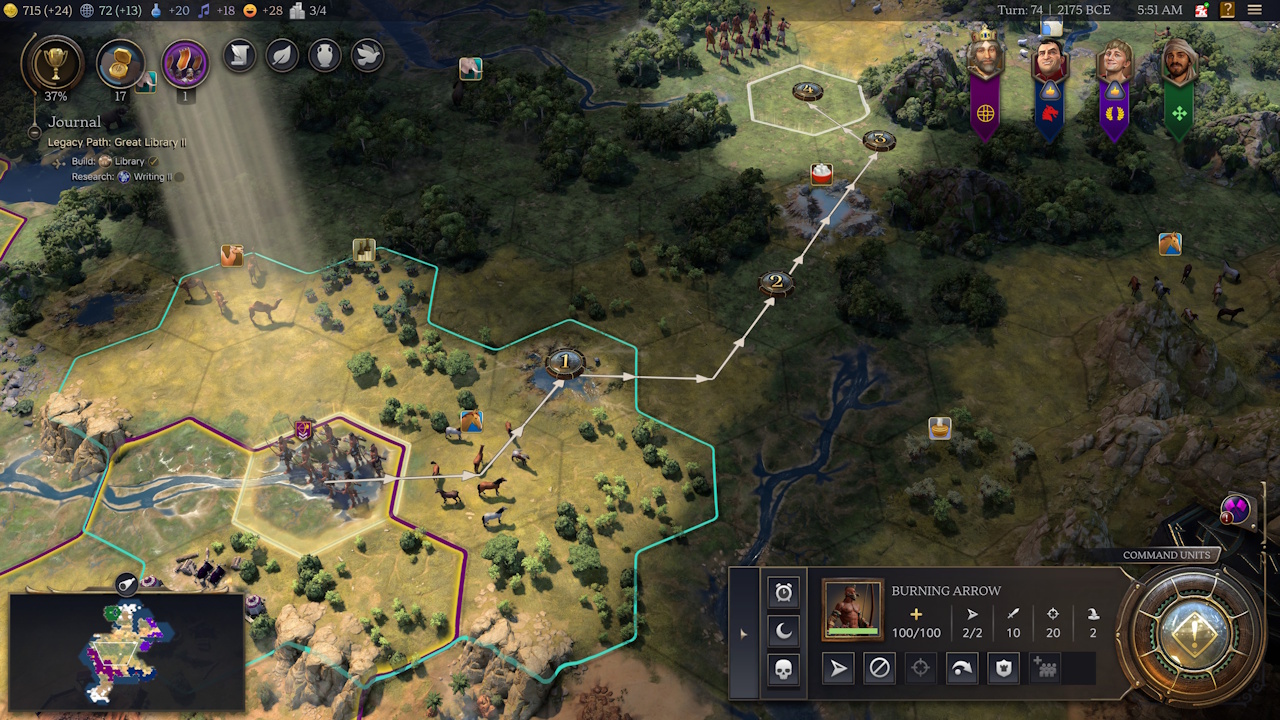
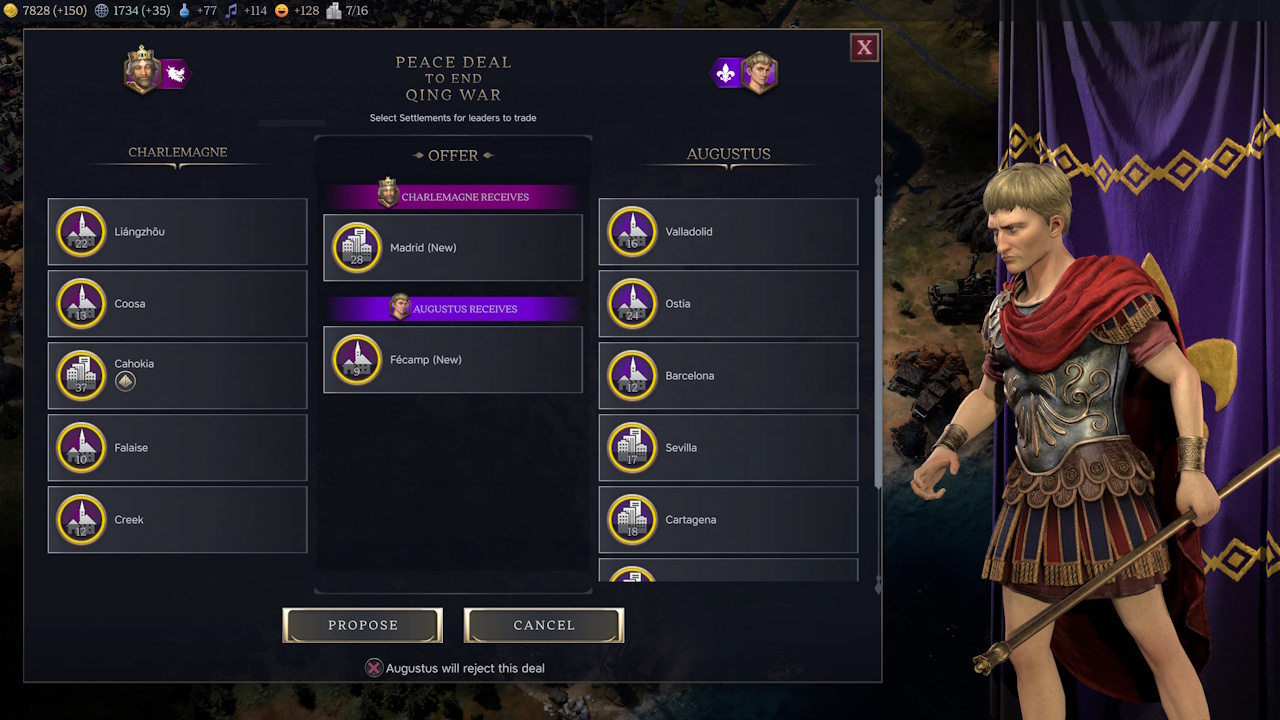
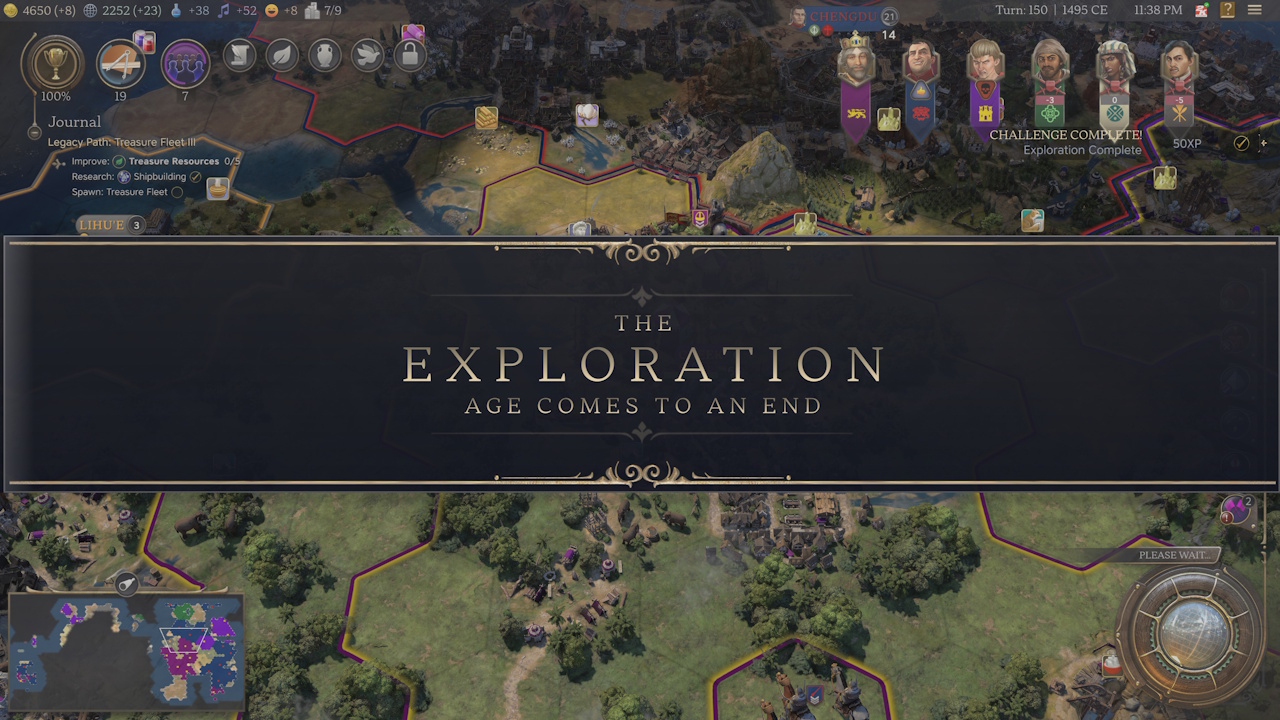
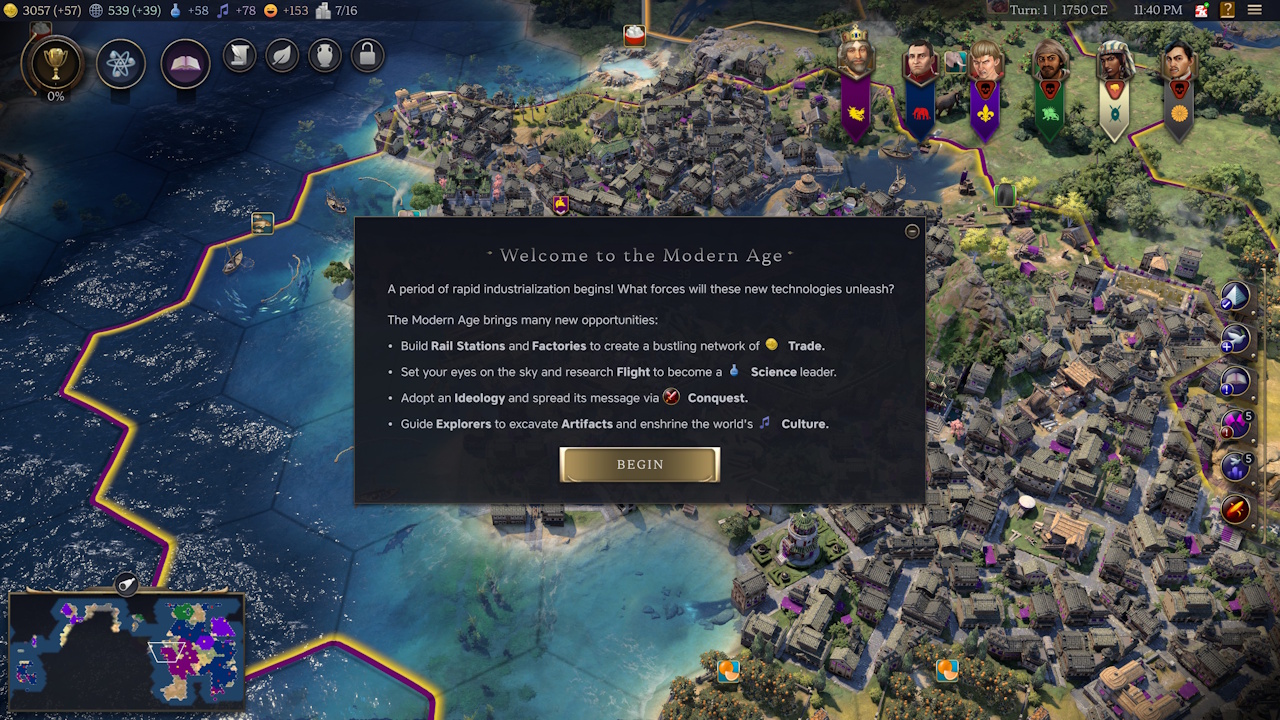
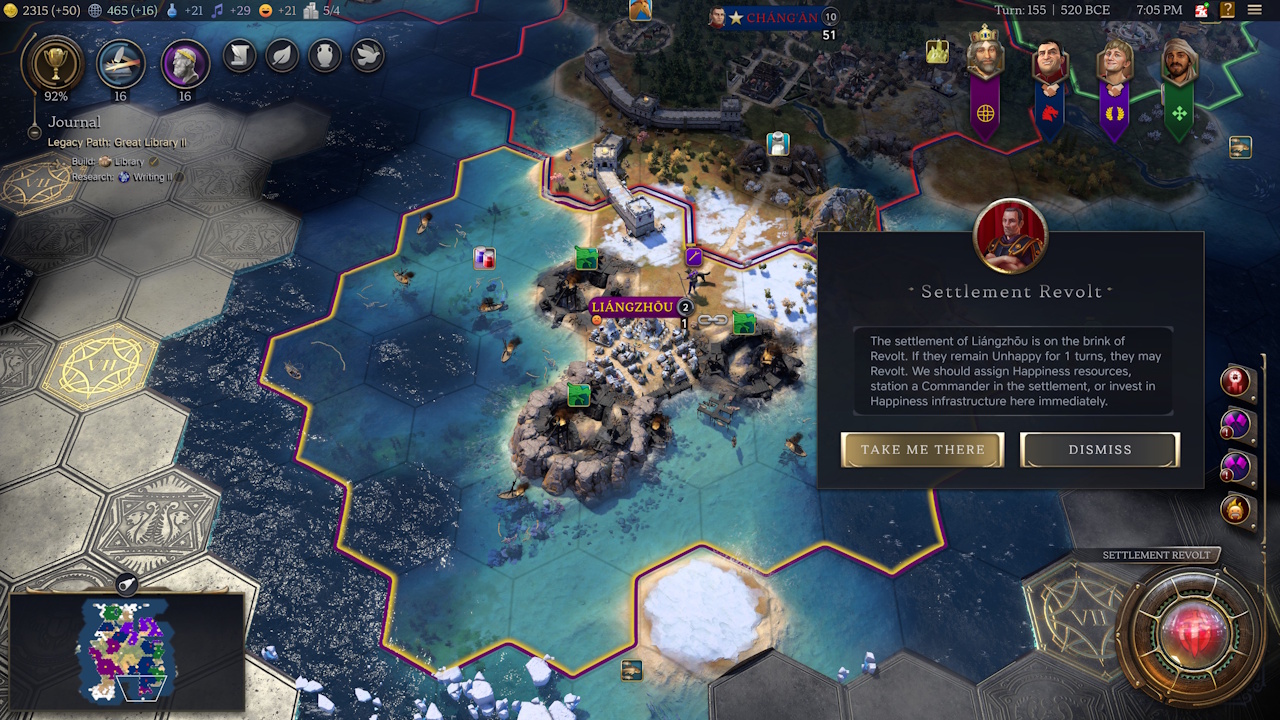
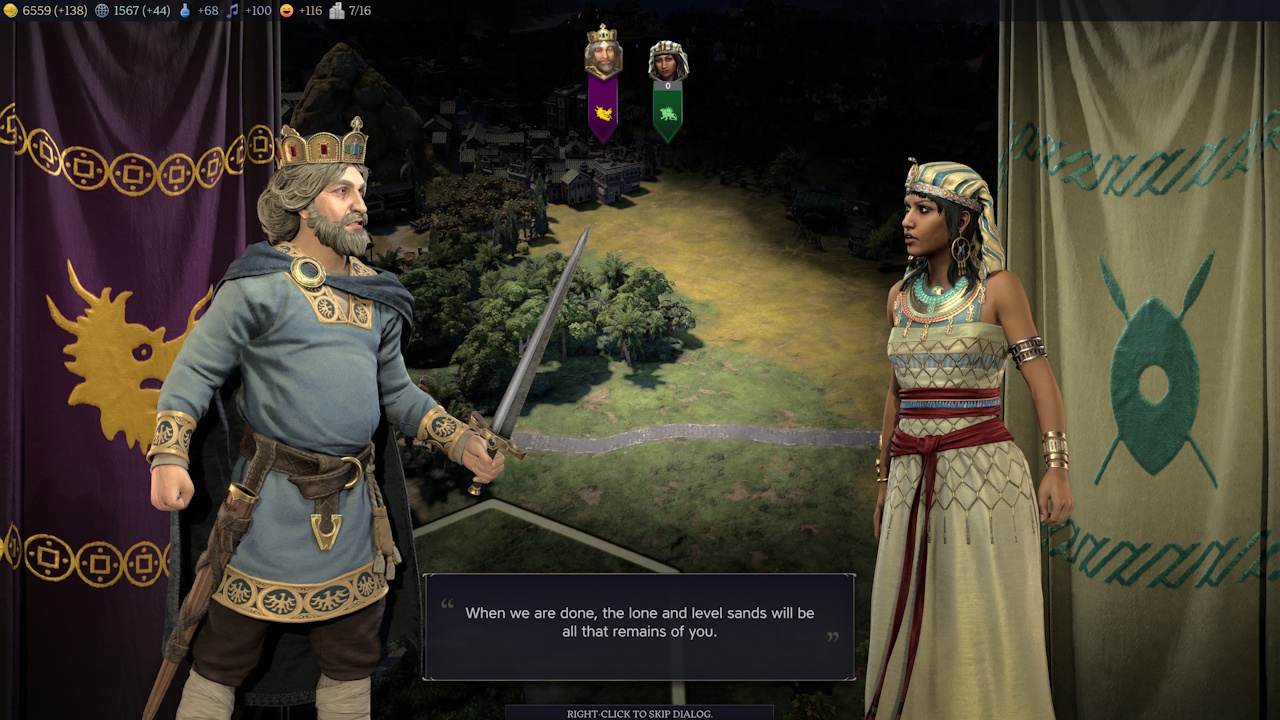
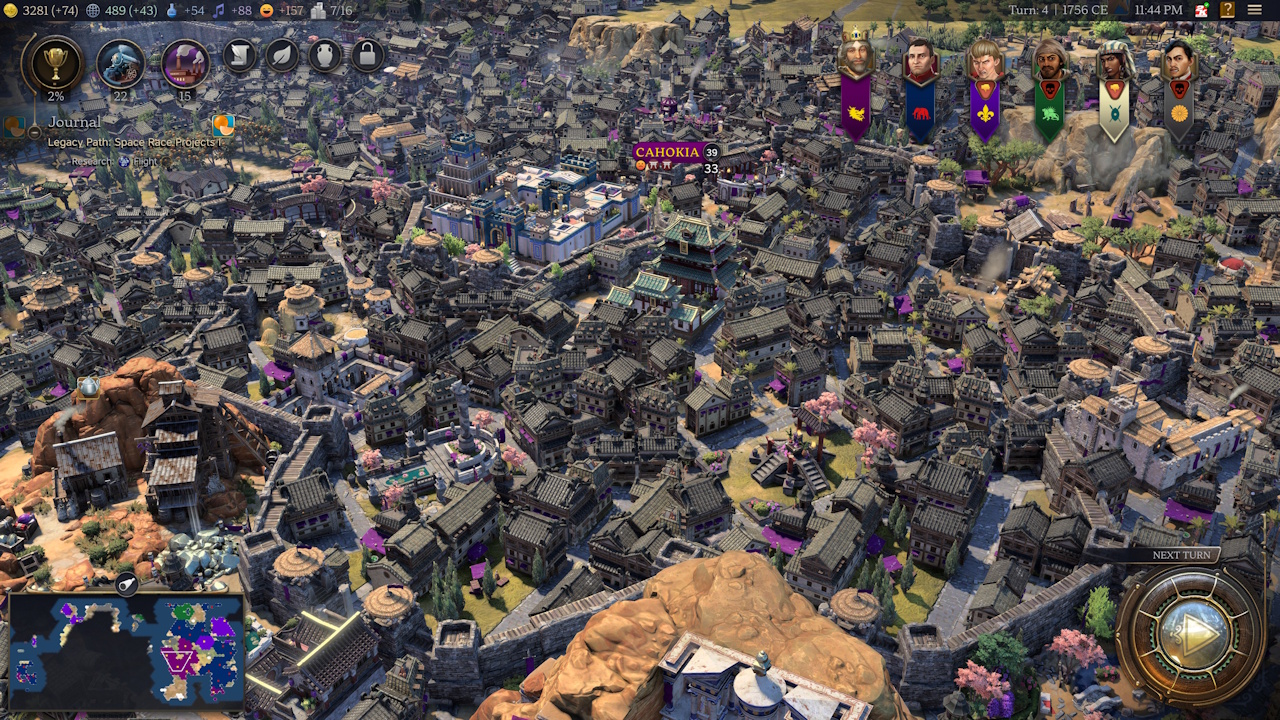
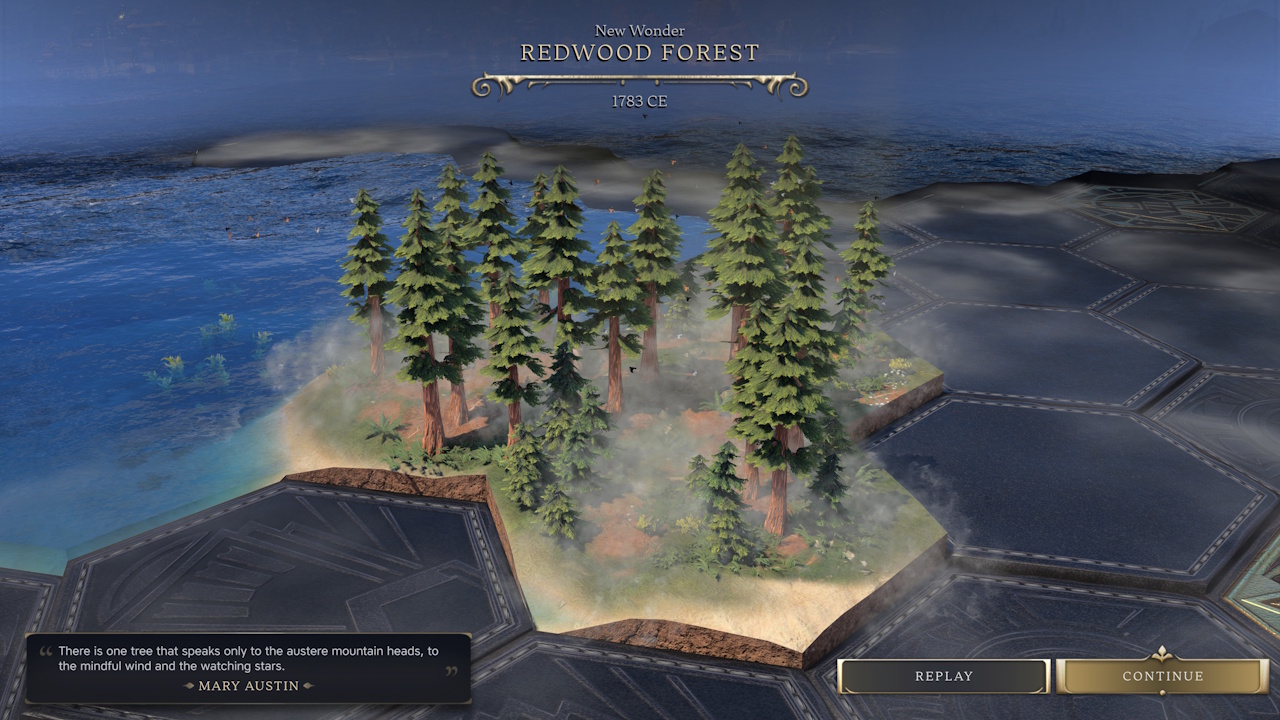
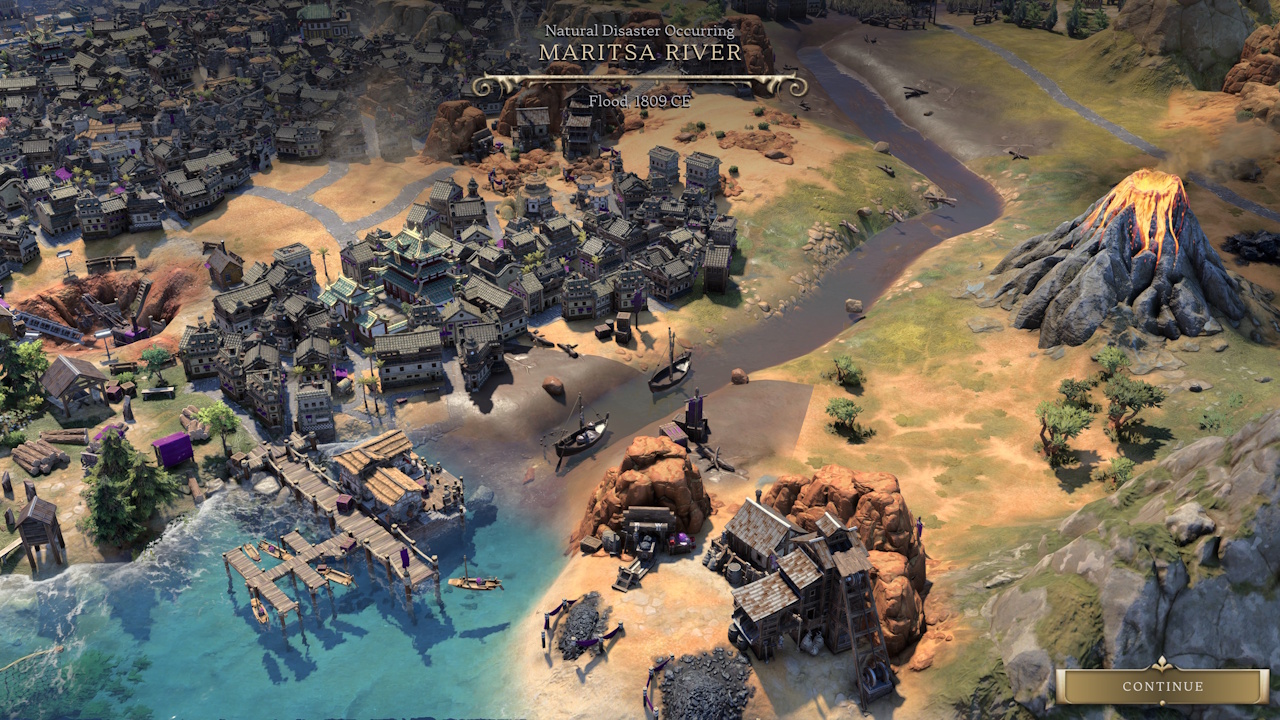
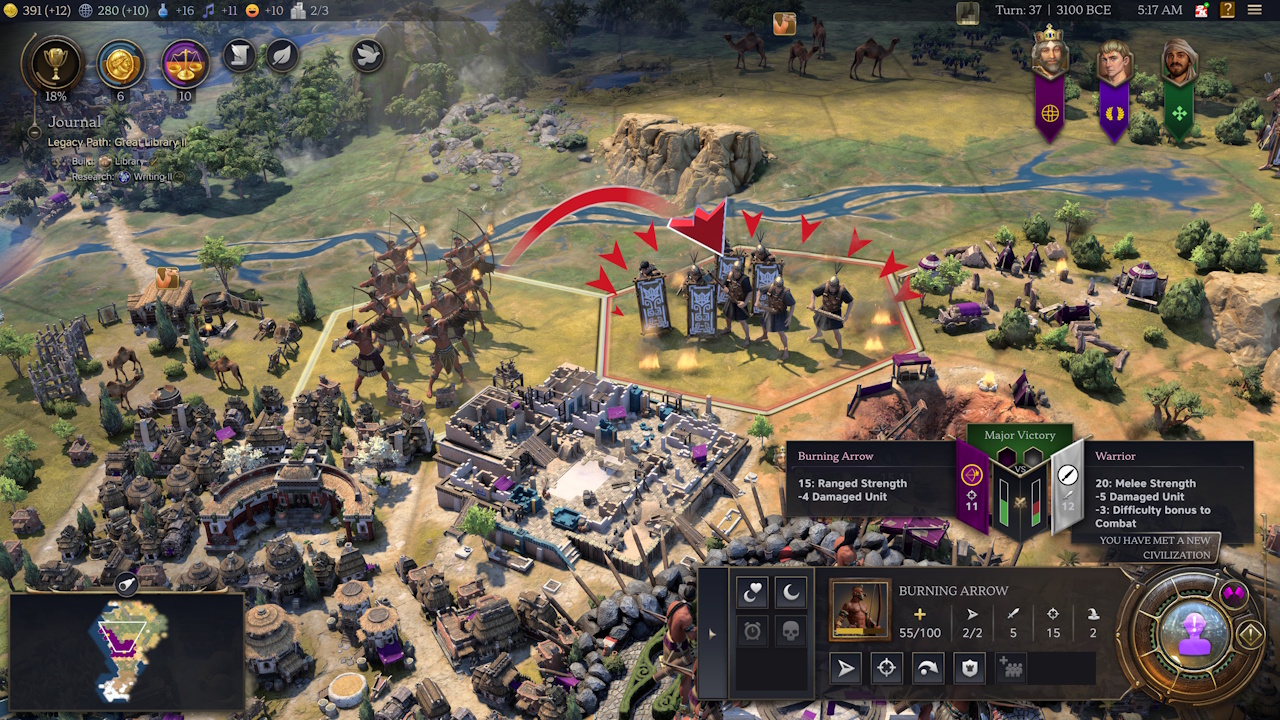
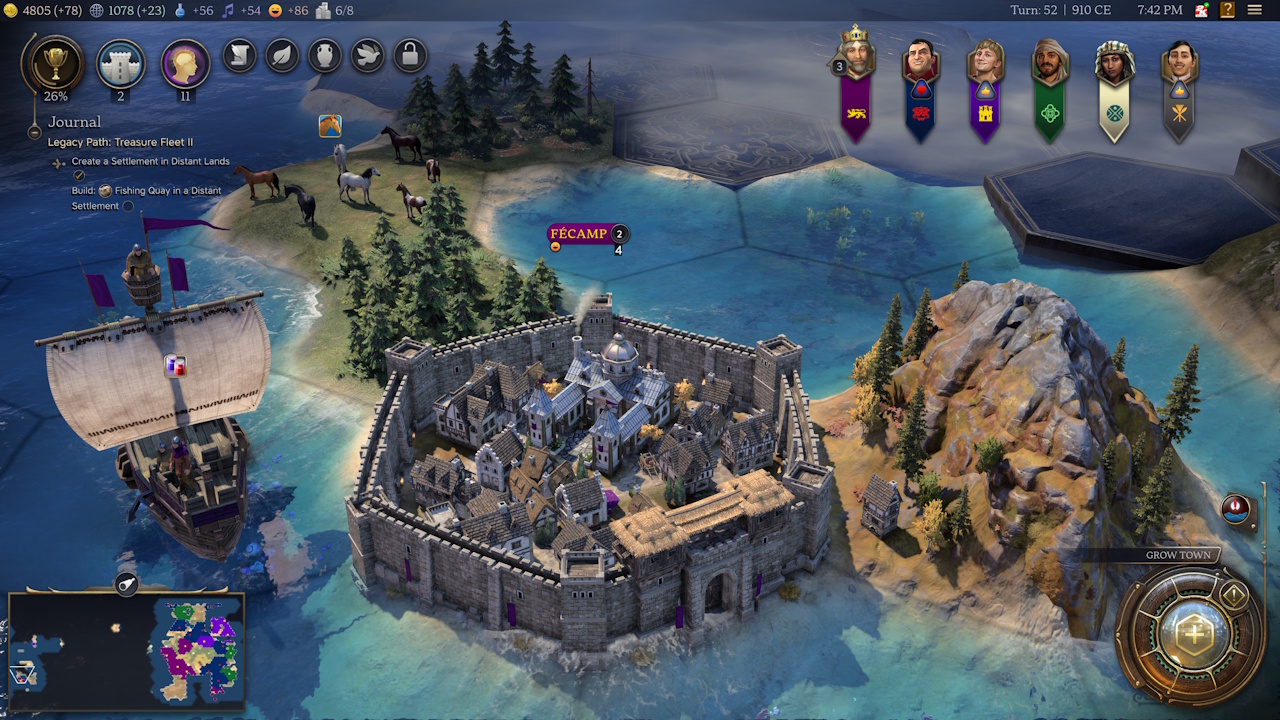






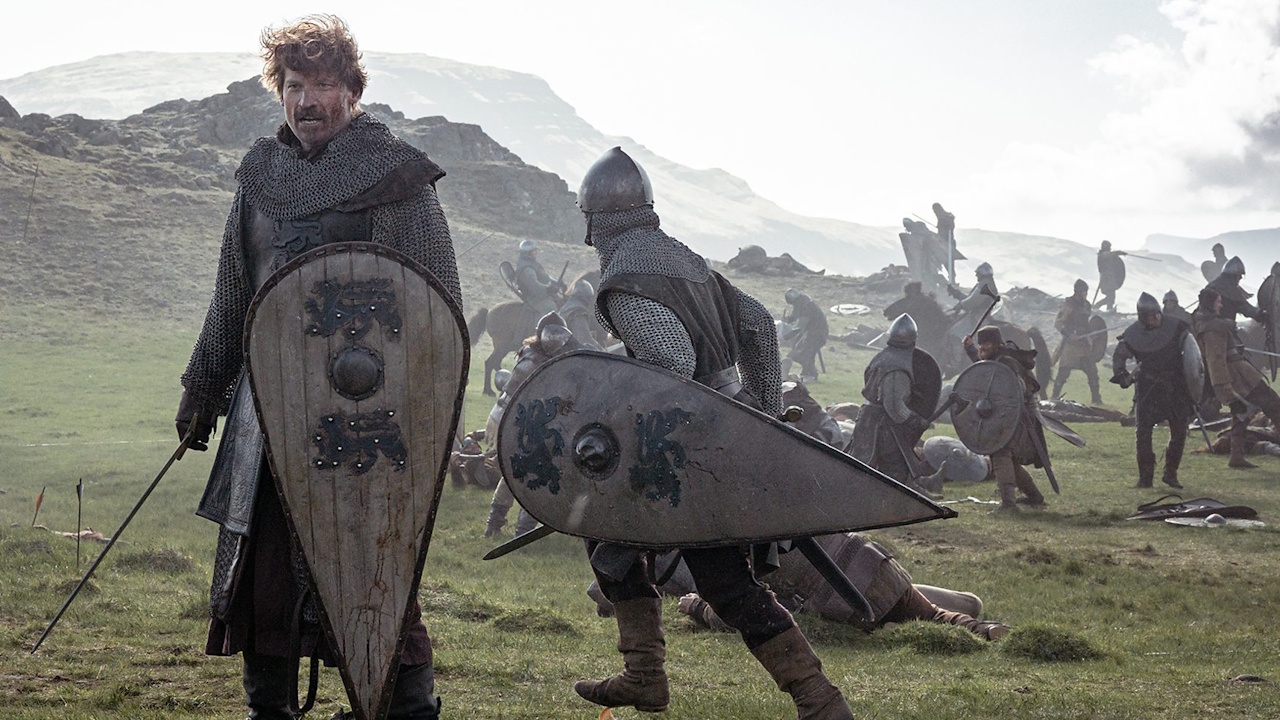
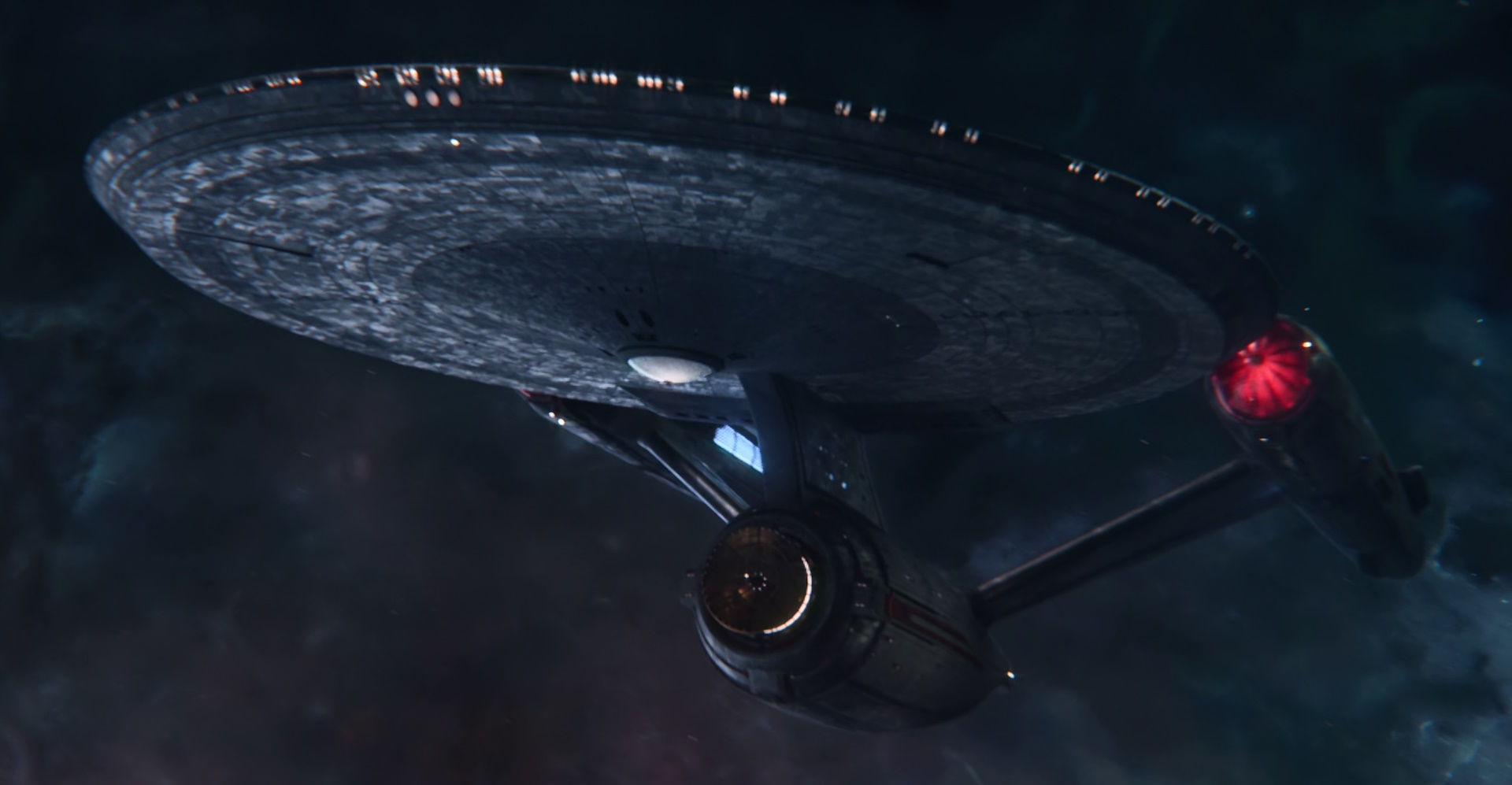
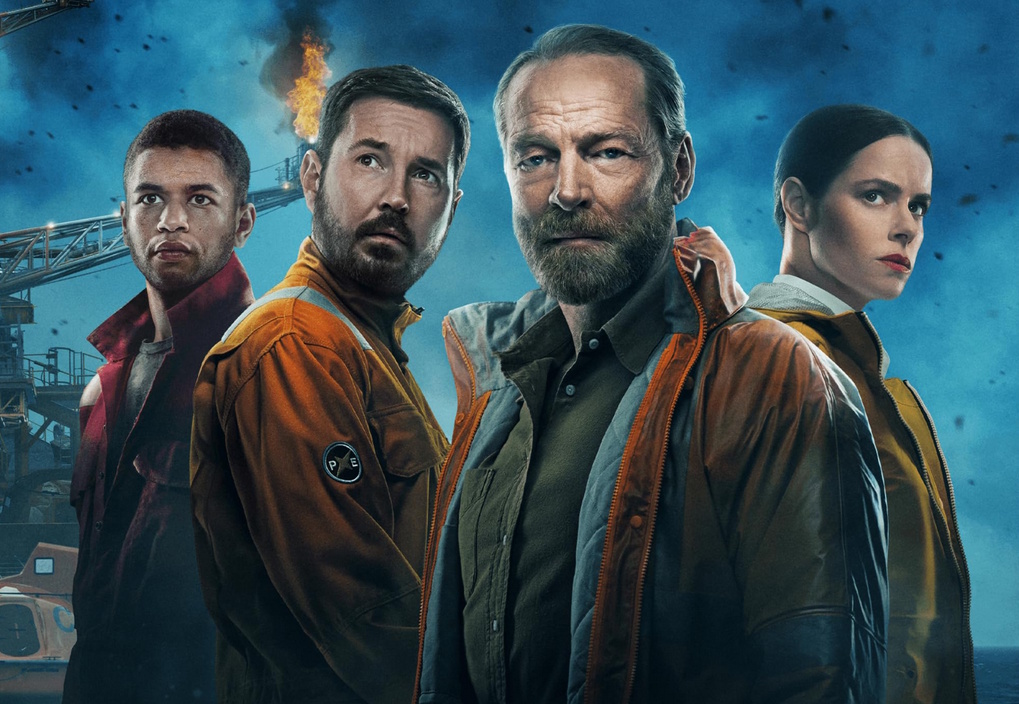
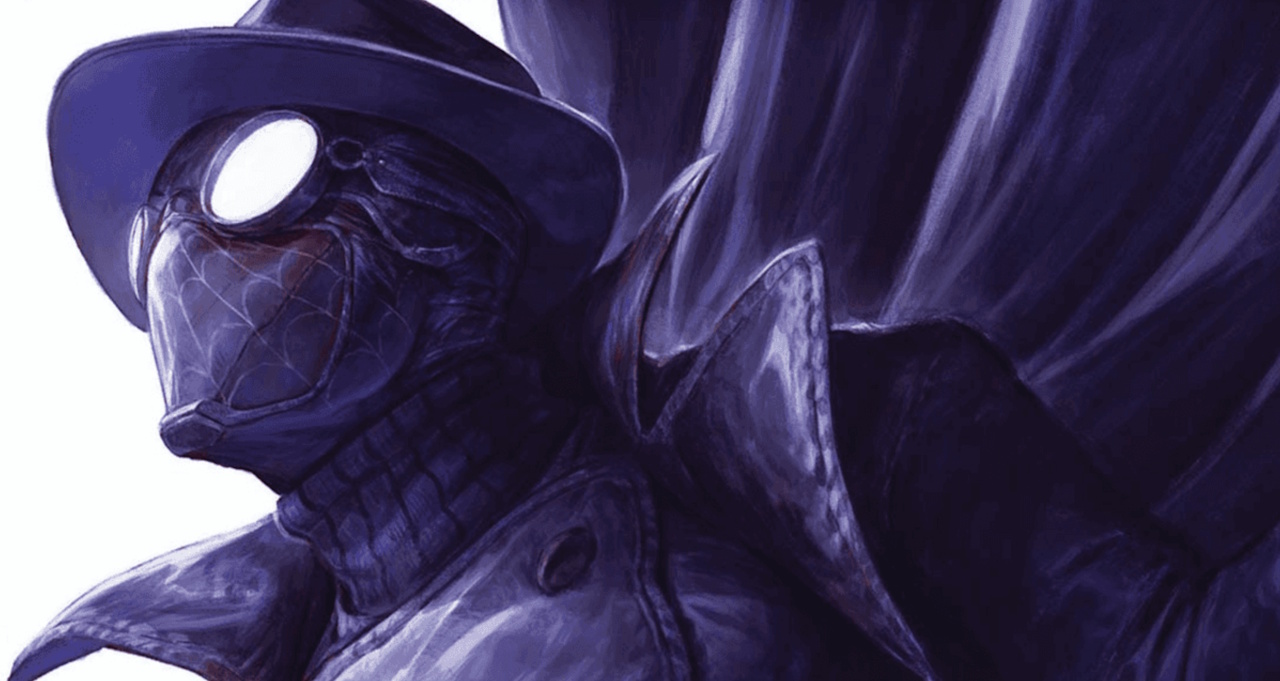

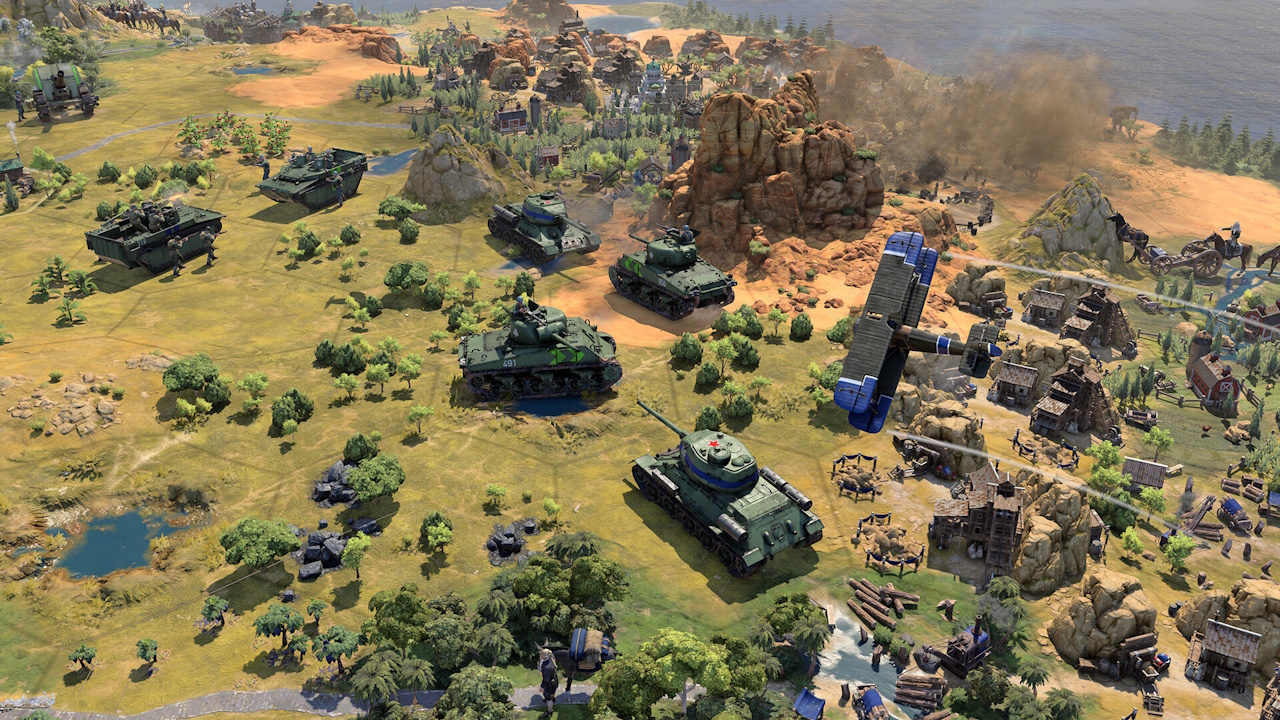

















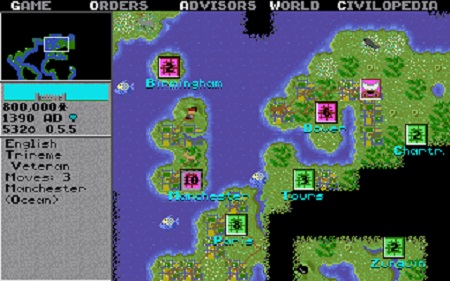
 Trekking with Dennis