

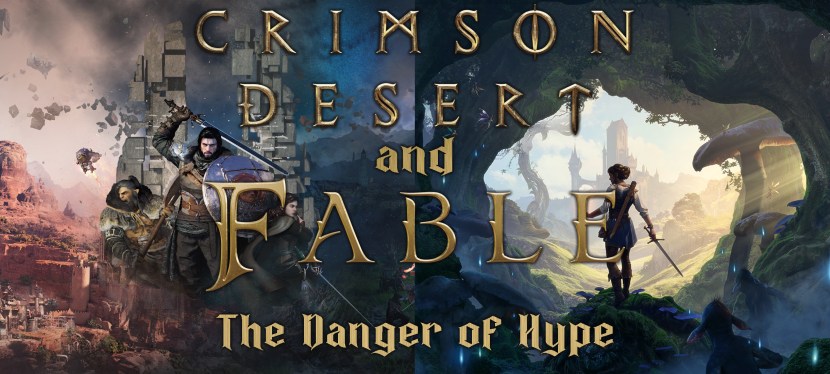
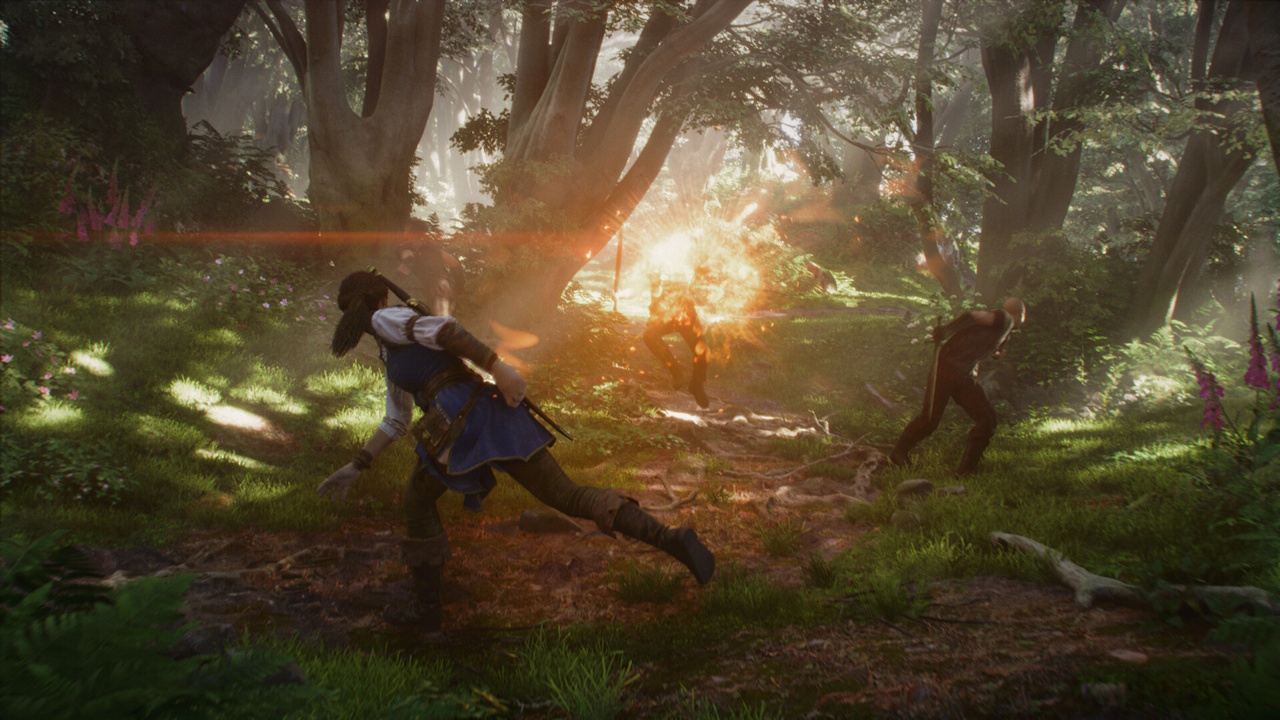
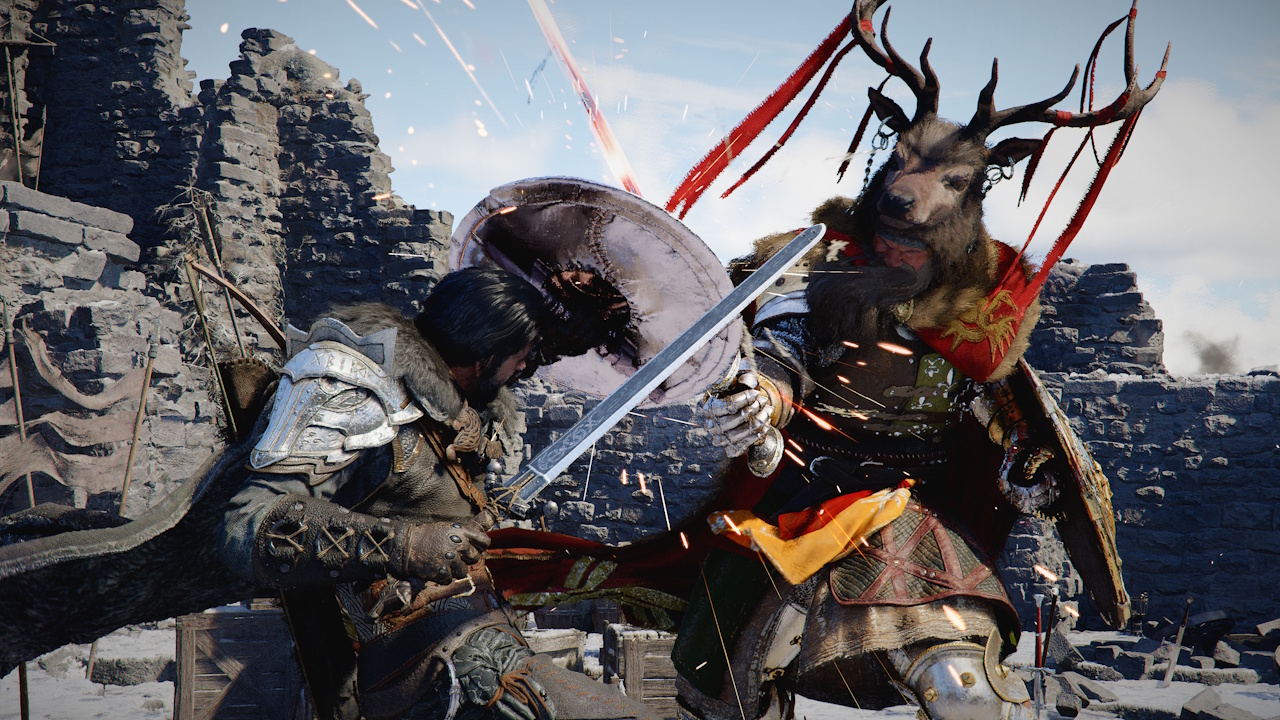
If you’re a fan of action/role-playing games, chances are that Crimson Desert and Fable are on your watchlist for 2026. Both games are due out this year, and after recent glimpses at gameplay, interviews with the developers, and new trailers, I think it’s fair to say that the hype trains are boarding – if they haven’t already left the station! And it’s great to get excited about an upcoming title, especially given the state of the world and how important gaming can be as an escape from that. I don’t write pieces like this to rain on someone’s parade, so if you’re excited and want to stay excited… well, you do you, friend.
But hype isn’t always a positive thing, especially when it gets out-of-control. And uncontrolled hype for a new title can often lead to disappointment. Sometimes that disappointment is well-deserved and inevitable; I doubt anyone would’ve enjoyed games like MindsEye or Fallout 76 at launch, even if they hadn’t been hyped up beforehand. But in some cases, excessive hype – and the inability of marketing teams to know how to use it appropriately and when to rein it in – can mean a game fails to find its niche, or that audiences end up crashing down to earth hard when the “once-in-a-lifetime, genre-busting experience” they’d built up in their heads doesn’t pan out on screen.
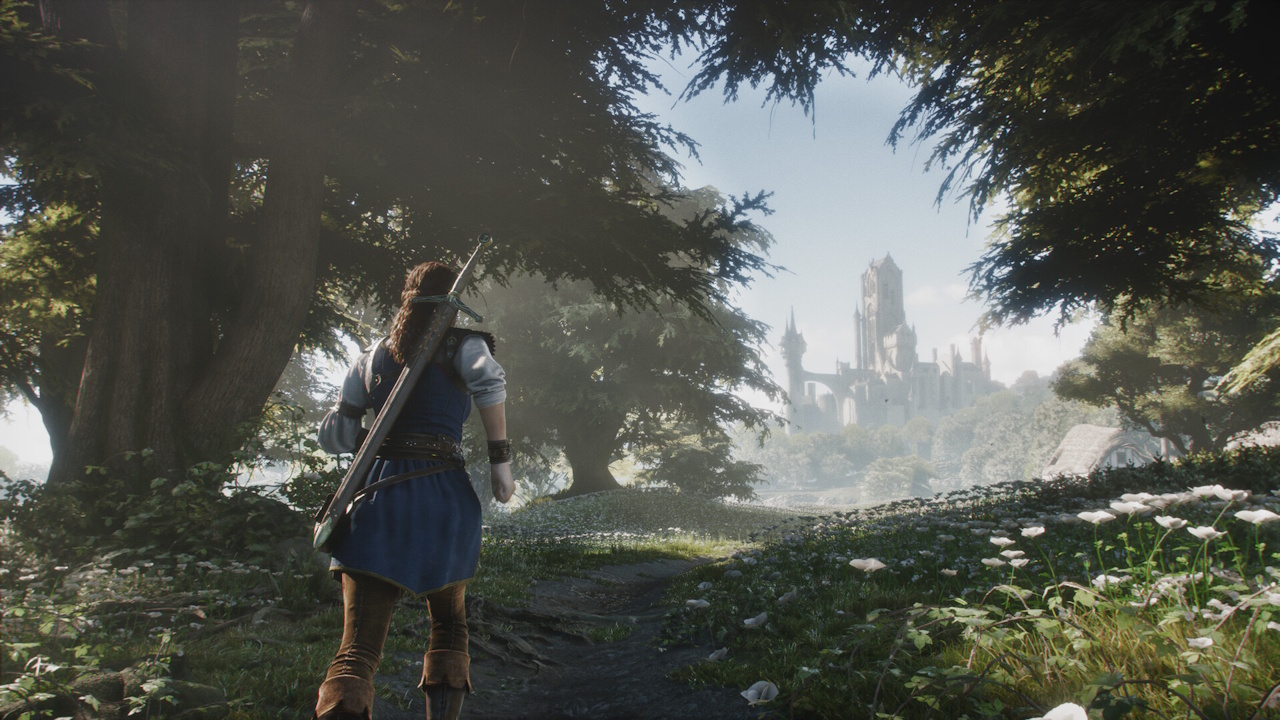
Two of the biggest examples of this, from my own experience, would be No Man’s Sky and – ironically, considering one of the games we’re discussing today – the original Fable from 2004.
This is a profoundly “hot take,” and I appreciate that, but for me, No Man’s Sky in 2016 was a perfectly fun little game. You had a spaceship to fly around in, you could mine for resources, explore the galaxy, meet some weird-looking alien critters… and that was that. The disappointment players felt didn’t come because the game was broken or *bad* in its own right – it came because it was over-hyped. The game had been marketed dishonestly, with promised features not being as advertised, and players had built up impossible expectations for the title based on that. There was no way No Man’s Sky at launch could’ve been anything other than a disappointment.
And I felt the same way in 2004 when I got my hands on Fable. I’d enjoyed Morrowind a couple of years earlier, and the marketing material for Fable seemed to be promising an even more in-depth and personalised adventure. The idea of growing your character from childhood to adulthood, and moulding them through the weapons you used, the decisions you took, and so on… it sounded too good to be true. And it was. Fable turned out to be far more basic and linear than its pre-release hype would’ve had me believe.
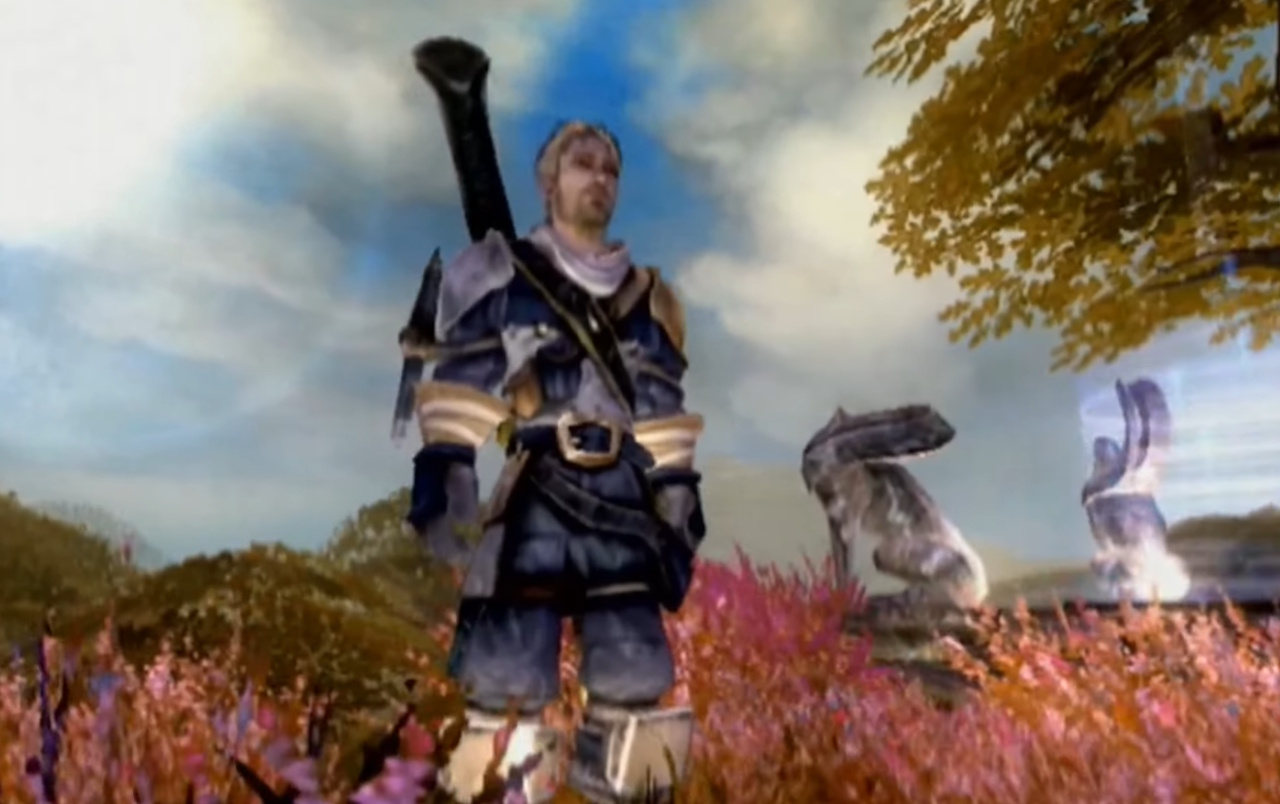
It’s funny, in a strange kind of way, to be observing the hype as it builds for the new Fable, some twenty-two years later, and wondering if a new generation of players is about to make the same mistake as I did! The way I felt about the original Fable is definitely a big reason for my remaining sceptical about its reboot all these years on, but I’ve also been burned more recently by out-of-control hype and dishonest promises. Fable is being published by Xbox, and you know what other big Xbox-owned action/RPG was overhyped just a couple of years ago? Starfield. Remember “walk on, brave explorer,” and all of the other nonsense that came out of that game’s marketing push? I feel echoes of that with Fable, I’m afraid.
And then there’s Crimson Desert. Unlike Fable, which has a strange kind of double track record when it comes to excessive hype and dishonest marketing, publishers and developers Pearl Abyss have a pretty solid reputation thanks to their title Black Desert Online. But I can definitely feel the hype train for Crimson Desert picking up steam, and again, it isn’t difficult to find reasons to be sceptical based on what I’ve seen so far.
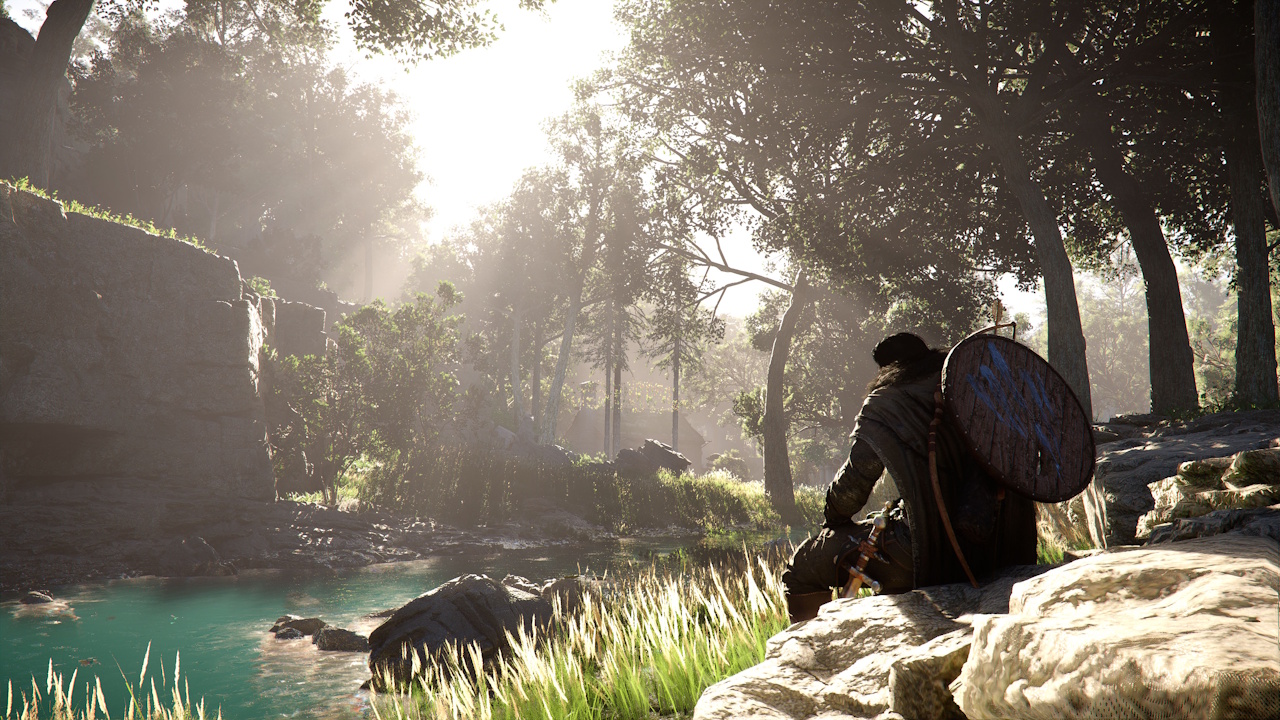
Any game that promises to be bigger, more detailed, and with more systems and mechanics than previous titles deserves to be looked at with a critical eye. And Crimson Desert is firmly in that space. The game promises hundreds of NPCs on screen at once, a combat system which will include complex multi-button combos, immersive medieval cities, mini-games like fishing and hunting, some kind of crafting mechanic, ridable mounts, including horses and dragons, and a bigger open world than Skyrim and Red Dead Redemption II. That’s *a lot* for a single game to cram in – and it’s all built on a new, proprietary engine that we’ve never seen before.
If Fable reminded me of the likes of Starfield or MindsEye, Crimson Desert is giving me a Cyberpunk 2077 or No Man’s Sky kind of vibe. No Man’s Sky simply couldn’t deliver on all of its promised systems and mechanics at launch – with some being almost entirely absent when compared to claims made about the game before release. And Cyberpunk 2077, at launch, was broken, sure – but a more egregious issue was hiding under the surface: it may have had a fun and immersive world, but gameplay was really nothing special. Both titles promised to be genre-redefining epics… but both took literal *years* of additional work and updates before they came close to reaching that bar.

I guess what I’m saying is simply this: try not to get over-excited. Do both of these games look like fun? Sure. And do I hope that they’ll live up to – or even exceed – the high bar that’s being set? Of course! I’m always going to want to play incredible games. But at the same time, if I can resist getting swept along by the hype, I stand less chance of being disappointed if one or both of these games doesn’t turn out to be as exceptional as promised.
When I think back to my experiences of Starfield and No Man’s Sky, they couldn’t be more different. I was dimly aware of No Man’s Sky, but I hadn’t been following along with the online conversation or much of the marketing, so when I tried the game for myself, I felt it was fine for what it was. I had fun hopping between planets in my spaceship, mining for a few resources, and exploring. But when Starfield launched, I felt myself hit the wall. The game felt… small. The world-building didn’t keep me engaged. And so much of it just felt outdated, even when compared to titles from several years earlier.
For me, this encapsulates the danger of hype. If I’d gone into No Man’s Sky expecting it to break boundaries and redefine what a video game could even be… I’d have been disappointed. Because it wasn’t that – and it still isn’t, really. It’s a space game. A fun space game, especially now after receiving years’ worth of free updates. But it’s still just a space game. In contrast, if I’d deliberately shut out the hype for Starfield and tried to approach the game without expectations… maybe I’d have had a better time with it. Maybe Todd Howard and his marketing department managed to talk their way out of a successful launch and better reviews.
I used to work in video games marketing, and it was my job to paint even the worst games in the best possible light. It isn’t hard to spin even the most mundane and boring features as “revolutionary,” or to present a bland, uninspired title as the next big thing. And nowadays, with A.I. tools worming their way into marketing departments? It’s easier than ever to put together something completely unrepresentative of the finished product, feeding into the hype around a title.
There’s a line that publishers have to walk between leaning into hype and reining it in. It’s great when people are talking about your game organically; when there’s a natural level of excitement that you don’t even have to pay for! But the risk can be extreme; if you don’t find a way to talk players down from building a game up to be something it’s not… that’s going to translate into lower review scores and perhaps even refunds when the game inevitably can’t be what players expected and believed. Learning how and when to say “no” is one of the most important skills in games marketing – and it’s a lesson that even big studios, like Xbox and Bethesda, have repeatedly failed to learn.
I genuinely hope that Crimson Desert and Fable will be great games. I’m not sure if I’ll get around to playing either this year; I have other games in my backlog, and now that I no longer subscribe to Game Pass, I definitely won’t be trying Fable on day one. This isn’t meant to be negative – I’m not rooting for these games to fail! But when I see a hype train building like this, I think it’s important to say something. I can be guilty of getting over-hyped, too; I’m not perfect. Just check out my pre-launch Starfield coverage for proof of that! But it’s necessary, sometimes, to offer a reality check, especially when games seem to be promising things that seem borderline impossible.
It’s great to have something to feel excited about. Just… be careful. It’s possible that both of these games will be fantastic. But it’s still possible, I’m afraid, that they won’t live up to expectations for one reason or another.
Crimson Desert will launch in March 2026 for PC, PlayStation 5, and Xbox Series consoles. Fable will launch in Autumn 2026 for PC, PlayStation 5, and Xbox Series consoles. Crimson Desert is the copyright of Pearl Abyss. Fable is the copyright of Xbox Game Studios and Playground Games. This article contains the thoughts and opinions of one person only and is not intended to cause any offence.
 Trekking with Dennis