Disney Dreamlight Valley: Buyer Beware?

Although it’s been playable for well over a year, Disney Dreamlight Valley still hasn’t been officially “released.” We should talk more one day about big corporations and publishers abusing the early access model, but that will have to wait. I want to ask an unfortunate question today: has Disney Dreamlight Valley been ruined even before its release day?

For some context, I played and adored Disney Dreamlight Valley last year. The game was my surprise pick for “game of the year” when I dished out my annual awards, it was my most-played game of 2022, and I’ve continued to play it this year as well. So I’m not approaching this subject as any kind of dyed-in-the-wool “hater;” I genuinely wanted to see Disney Dreamlight Valley succeed.
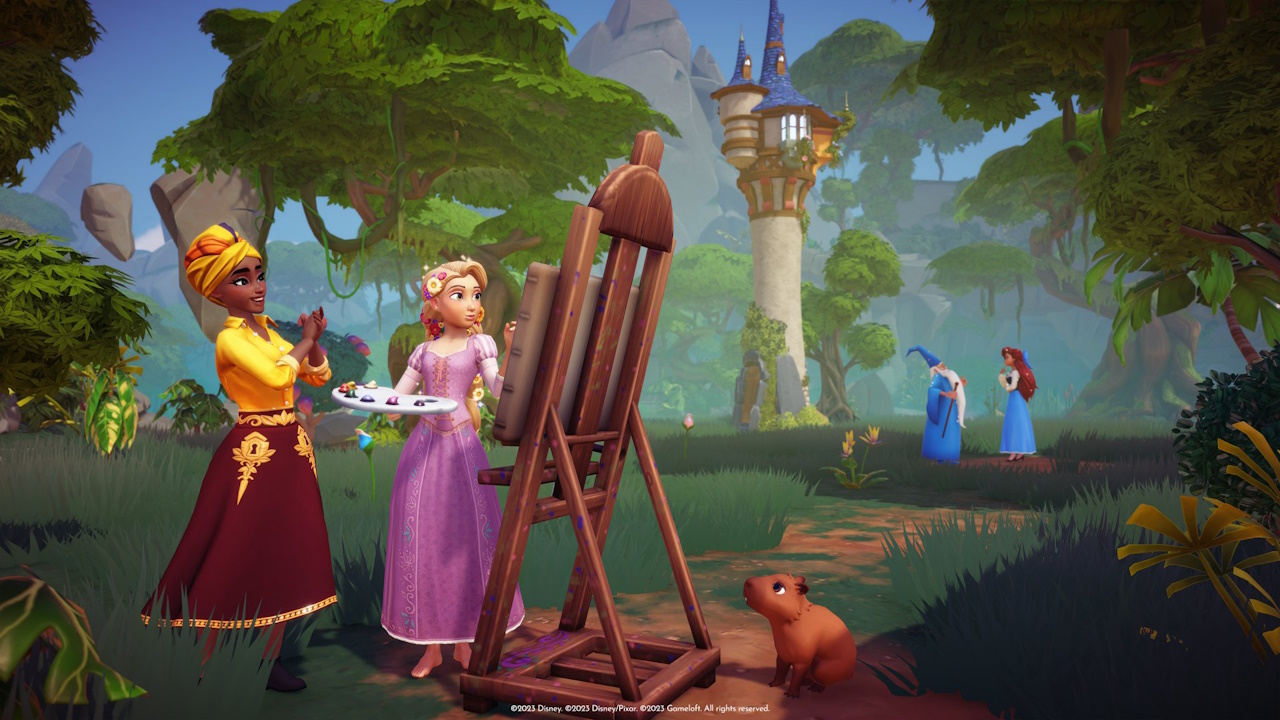
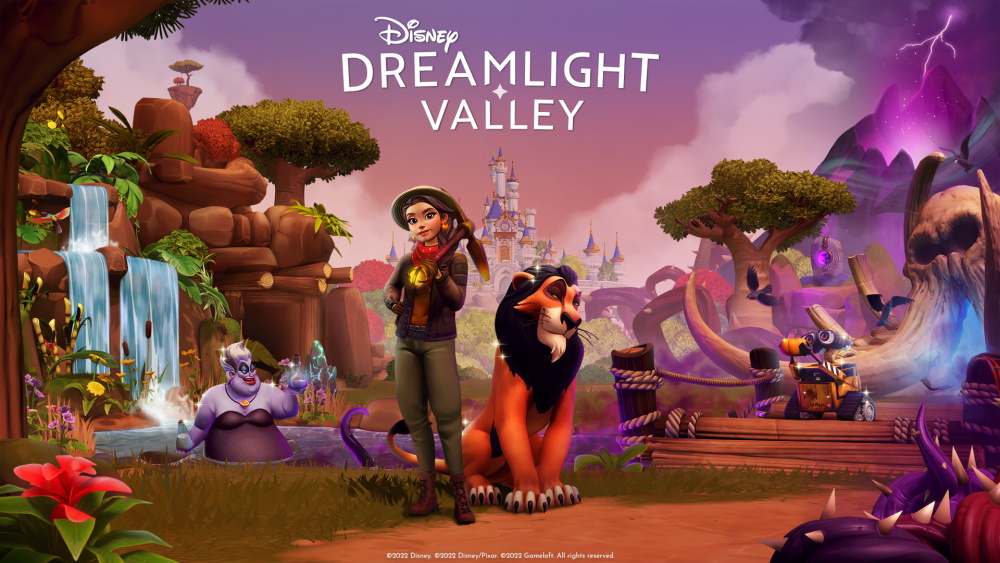
Promotional screenshot of Disney Dreamlight Valley.

I can summarise the fundamental problem with Disney Dreamlight Valley in a single word: greed. Between developer/publisher Gameloft and the Walt Disney Corporation itself, greed has quickly crept into what seemed to be a fun game with a lot of potential. I praised Disney Dreamlight Valley last year for being “Animal Crossing without the downsides;” an adorable life-sim game with many of the Disney characters that long-time fans know and love. It felt as if Gameloft had taken the Animal Crossing formula and honed it to near perfection, adding much-needed features and quality-of-life improvements, and updating that style of gameplay for a new generation of players.

That was the game I sunk over 150 hours into in 2022 – and have continued to play on and off through 2023 as well – and that was the game that gave me some genuinely fun and sweet experiences. As an early adopter of the game, I knew that Disney Dreamlight Valley was going to change as development continued and its official launch approached – but I hoped that those changes would be more positive than negative.
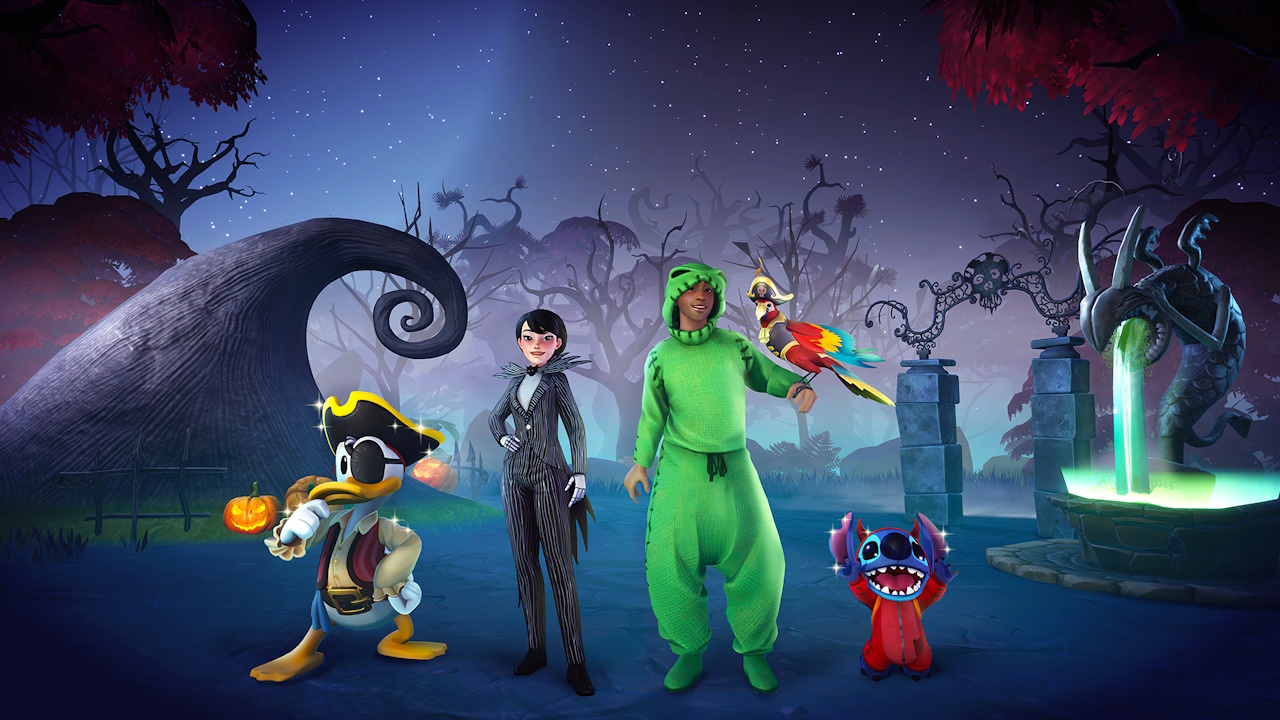
A recent update to Disney Dreamlight Valley added Halloween-themed content.

The original plan for Disney Dreamlight Valley was that the game would be free-to-play when it officially launched. Knowing that that was the plan, the fact that the game sold microtransactions and a “season pass” didn’t seem too bad, although I felt it was questionable to sell Moonstones – Disney Dreamlight Valley’s in-game currency – during its paid early access period. But I could at least understand why it was happening, and I even gave credit to Gameloft early on for rebalancing the rate at which Moonstones were generated in-game to be more generous.

However, Gameloft recently announced that Disney Dreamlight Valley will not be free-to-play, as had been the original intention. The timing of this announcement feels a bit sketchy in and of itself; it seems that Gameloft and Disney came to this decision a long time ago and deliberately kept fans and players in the dark until the last possible moment. But that’s almost beside the point, because what’s far worse – and will be far more noticeable to players – is the free-to-play economy that remains in the game. An in-game currency, a “season pass” for cosmetic items, and microtransactions are all part of Disney Dreamlight Valley, even though the game will no longer be free-to-play.
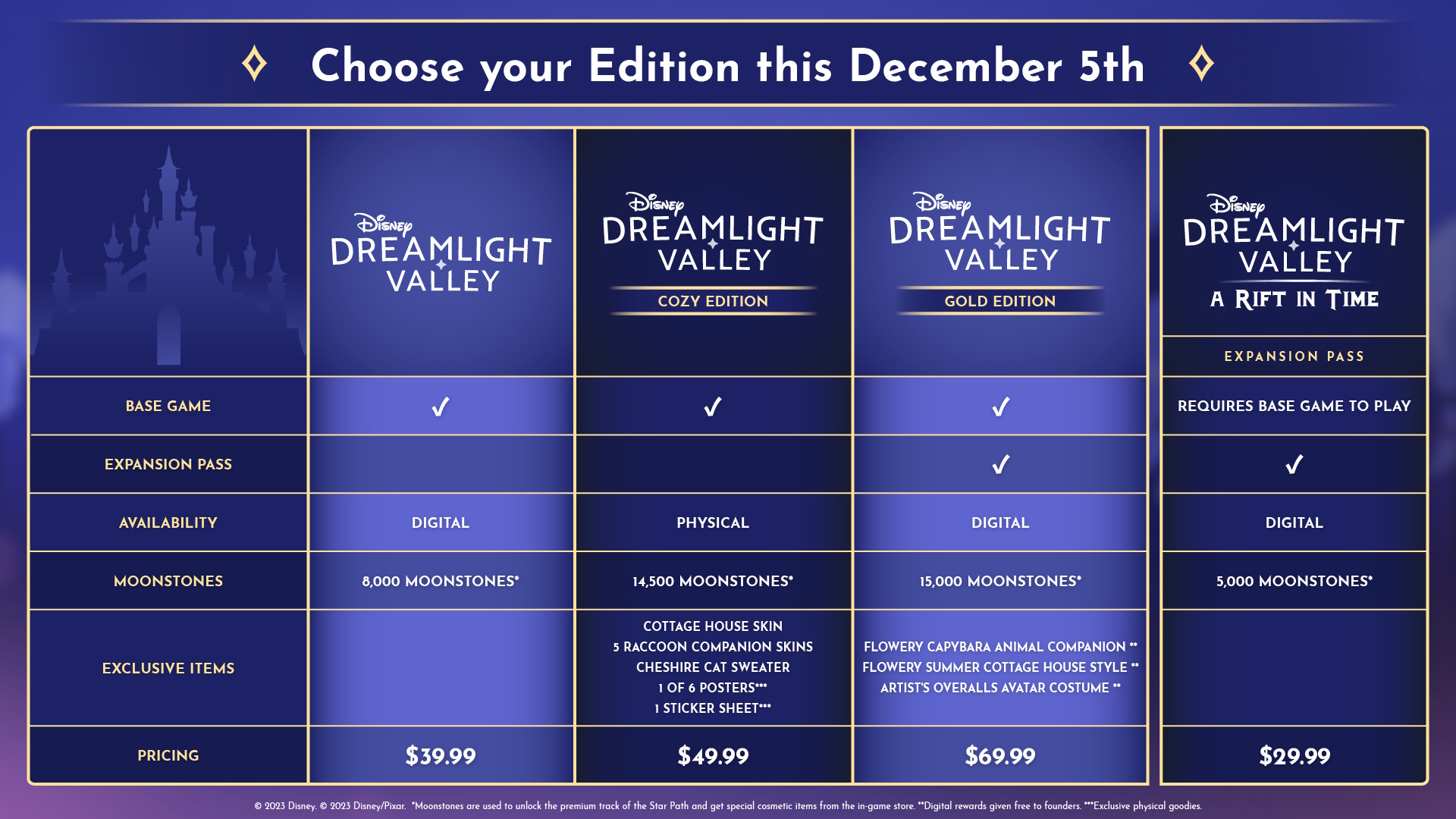
Different versions of Disney Dreamlight Valley – and their associated price tags.

It seems as if Disney and Gameloft want to have all of the money-making tools that modern games employ. They want to sell the game up-front, they want to sell large DLC packs, and they want the in-game currency and “season pass” that are the hallmarks of free-to-play titles. Most games pick one of those, or two at the very most, but Disney Dreamlight Valley is going all-in on monetisation, taking the total cost of the game easily above £100 – and that’s just to get started.

I guess we shouldn’t be shocked. I mean, this is Disney we’re talking about – a corporation that charges guests to park their cars at its hotels and sells bags of popcorn at Walt Disney World for like $15. And I know that modern games are almost never intended to be complete experiences when they launch, but rather ongoing projects with updates being rolled out over the span of months or years – with a steady stream of income all the while. But even with those caveats and that knowledge… this still feels hugely disappointing, and Disney Dreamlight Valley feels like a particularly egregious example of a greedy corporation trying to wring as much money as possible out of players.
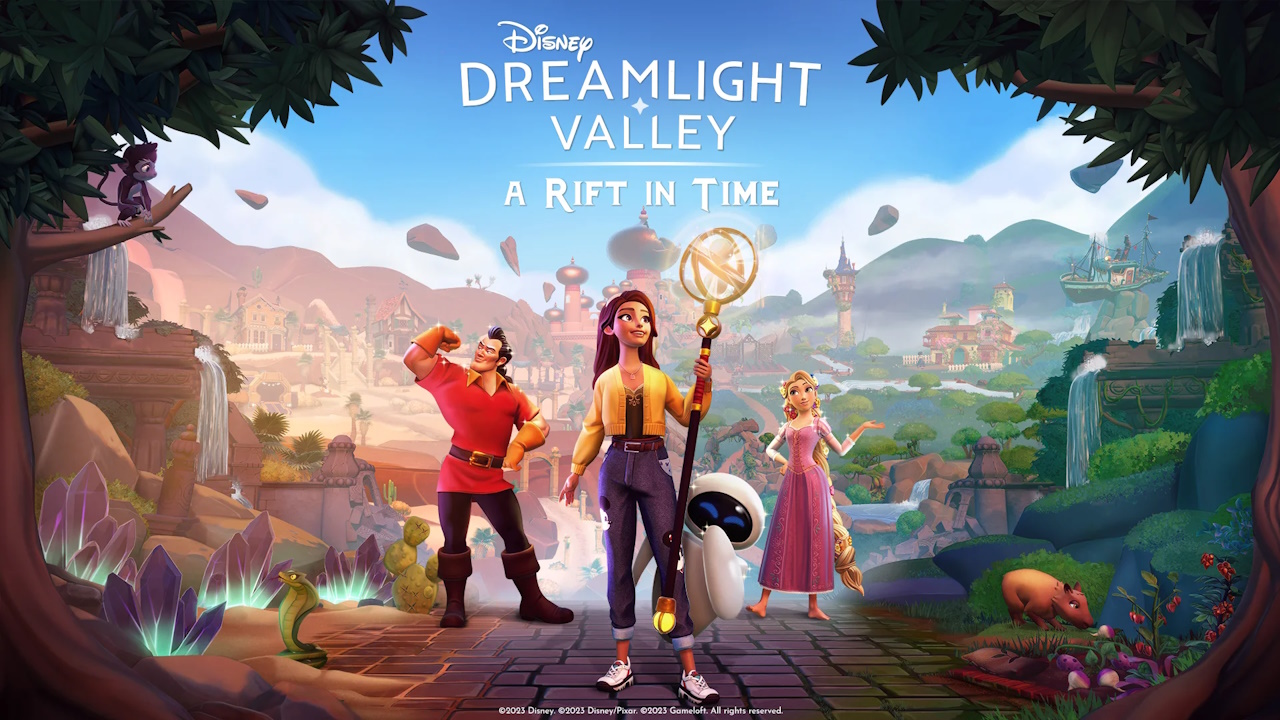
Promo art for the first DLC pack – featuring at least one character who was originally implied to be part of the base game.

If Disney Dreamlight Valley isn’t going to go free-to-play – which is an understandable decision in some ways – then the in-game currency and microtransactions have to be stripped out. It isn’t fair to charge players up-front, charge more for expensive DLC add-ons, and still expect to get away with including all of the microtransactions that come with a free-to-play experience. That just shouldn’t be acceptable to anyone. It’s one business model or the other – not both.

I have no doubt that the content Gameloft and Disney plan to roll out in the months ahead will be enjoyable. Practically every update to the game thus far has added new characters and content that I’ve enjoyed… but the updates so far have come at no additional charge. It already seems as if Gameloft plans to paywall new areas of the map and new characters, and that’s before we get into paywalled “season pass” content and cosmetics. When all’s said and done, the full cost of the Disney Dreamlight Valley experience – to get all of the characters, levels, missions, and cosmetic content – will be massive.
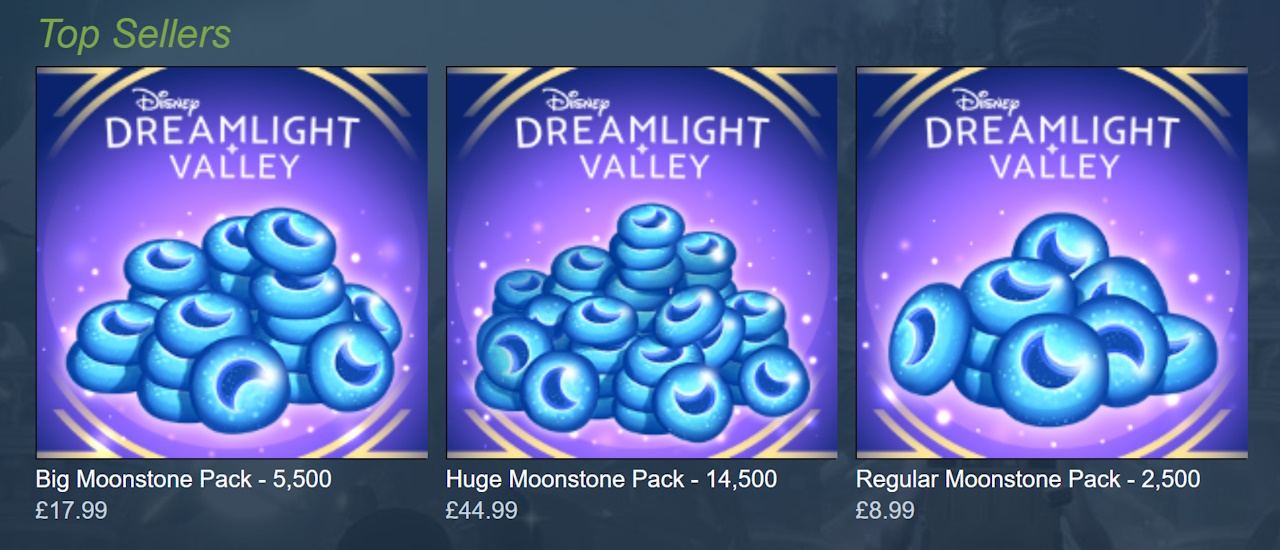
The cost of Moonstones (Disney Dreamlight Valley’s in-game currency) on Steam in November 2023.

When Disney Dreamlight Valley was an early access title with a free-to-play future, I thought I knew what I was getting into. The microtransactions were still irritating in the early access phase, but at least I felt like I understood why they existed and what the plan was. Although it was hard to get enough Moonstones through general play, it was at least possible to acquire a certain amount; enough to get some of the cosmetics on offer. But now? Knowing the game will charge up-front, charge more for DLC, keep its in-game currency, keep its “season pass,” and continue to sell other microtransactions and cosmetic content? It feels excessive.

Gone are the days when a corporation like Disney would develop and release a complete game. Disney Dreamlight Valley has that live service component; it’s intended to be an ongoing experience with content being developed post-launch. But there has got to be a way to balance the cost of that development with an enjoyable and reasonably-priced player experience, and right now, the pendulum has swung way too far in the monetisation direction.
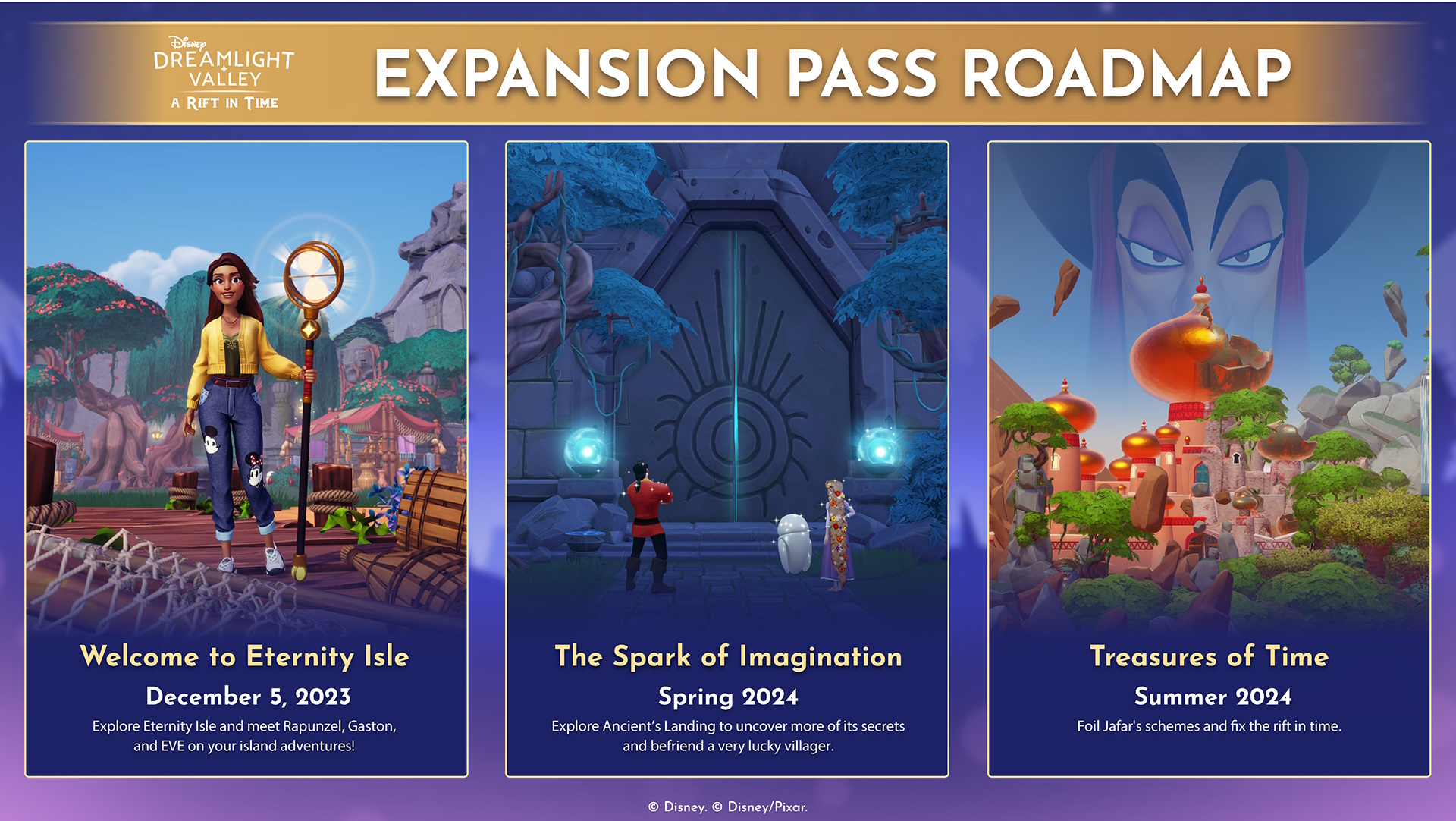
Oh god, there’s even a “roadmap”…

If you’ve been awaiting the release of Disney Dreamlight Valley – and especially if you saw my review last year and are still considering picking it up – it’s worth being aware of this change to how the game will operate. Last year, shortly after launch, the level of in-game monetisation felt acceptable. But with the game’s official launch approaching, it no longer does. That definitely affects my ability to recommend the game – especially to parents considering picking it up for younger kids. At the very least you need to be aware of this in-game currency issue and make sure you have some kind of parental control on in-app purchases on whatever system you’re using.

I still enjoy what Disney Dreamlight Valley has to offer… but that enjoyment is now tainted. It feels as if Disney and Gameloft haven’t been up-front with the game’s biggest supporters about these changes. And the game now feels like it’s going to be overly-monetised when it launches. That’s a real shame, and it takes a lot of the shine off of what has been a fun experience.

My recommendation of Disney Dreamlight Valley now comes with a huge caveat: beware of in-game monetisation and Gameloft’s shifting priorities.

Disney Dreamlight Valley is out now – in early access – for PC, Mac, Xbox One, Xbox Series S/X, PlayStation 4, PlayStation 5, and Nintendo Switch, and will be officially released on the 5th of December 2023. Disney Dreamlight Valley is the copyright of Gameloft and the Walt Disney Company. Some screenshots used above are courtesy of Gameloft. This article contains the thoughts and opinions of one person only and is not intended to cause any offence.
Disney Dreamlight Valley: early access review

Spoiler Warning: There are minor spoilers ahead for Disney Dreamlight Valley.

I don’t usually go for “early access” titles. Some developers and publishers really take advantage of early access, pushing out incomplete games and getting players to effectively pay full price to do the work of a quality assurance team, and just in general, I’d rather wait until a game is ready for prime-time before sinking my energy and money into it. A title has to be something truly exceptional to attract my attention while it’s still in early access. Enter Disney Dreamlight Valley.

At time of writing in November 2022, Disney Dreamlight Valley still has some of the issues that make early access titles so offputting – major missing features, an incomplete story, and some bugs, glitches, and areas where more development time is needed to give the game some polish. But despite that, I’ve sunk more than 100 hours into the game since it launched in early access back in August, and I’ve been having a whale of a time!

The title screen as of the most recent update.

Disney Dreamlight Valley blends the customisation and design gameplay of titles like The Sims with the casual life-sim gameplay of the likes of Animal Crossing, combines those with some simple but fun nonviolent puzzle-solving gameplay, and then also throws in character-focused storytelling that can absolutely compete with any narrative game on the market – at least if you’re a Disney fan! The game’s characters, all of whom are lifted directly from Disney’s extensive back catalogue of blockbuster films, feel real and feel fun to engage with, and the game has so much to offer to kids and adults alike as a result.

As expected, recent titles like Frozen and Moana feature in a big way, but Disney Dreamlight Valley also happily incorporates characters from titles that are almost certainly less well-known nowadays (especially among younger players) like The Sword in the Stone. In fact, the very first character that players will meet upon starting a new game is Merlin – a storytelling decision that I find incredibly bold.

Mickey Mouse, a player character, and Merlin.

Unlike in games like Animal Crossing, where villagers can feel flat and repetitive after a while, the characters in Disney Dreamlight Valley feel much more complete. Partly, it must be said, that’s because they’re all familiar characters from films that most players will be familiar with, but a big part of the way they come across in the game is down to some creative quest design and some pretty good writing. Characters will also interact with one another, stopping for a casual chat that players can overhear while wandering around the valley or participating in other quests, and this small detail goes a long way to making Dreamlight Valley feel like a real place and its inhabitants like real people.

As an early access title, there are of course areas with room for improvement. But I have confidence that developers Gameloft will take player feedback on board and implement changes and fixes as they have done already. Improvements have already been made, for example, to the in-game photo mode, to the impact weather can have on the game world, to certain character interactions that players generally weren’t happy with, and much more besides. One of the advantages of early access is that developers have an opportunity to get feedback from real players – and Gameloft has certainly shown a willingness to change, adapt, and tone down different elements of the game in response.

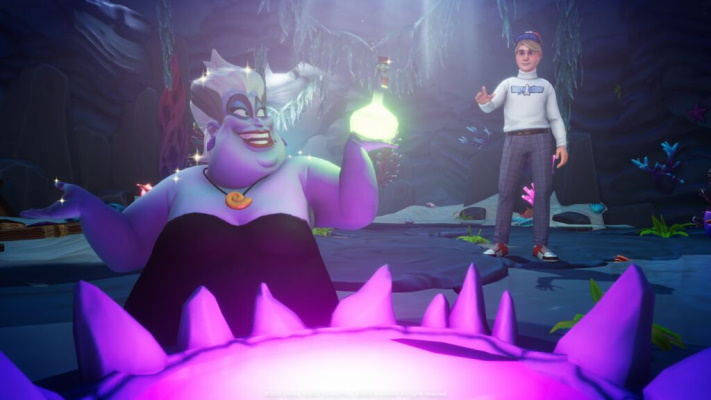
Promo screenshot featuring Ursula.

Disney Dreamlight Valley feels like it’s also taken on board feedback and criticism of other titles in the casual life-sim genre, particularly 2020’s Animal Crossing: New Horizons. Complaints and criticisms about that game and how difficult it was to play long-term when compared to other Animal Crossing titles abounded, and while Disney Dreamlight Valley is still very much incomplete – multiplayer and cross-platform play have yet to be added, for example – other criticisms that I and others levelled at New Horizons simply don’t apply here. Crafting, for example, is so much easier and smoother in Disney Dreamlight Valley, and the simple fact that tools don’t need to be replaced every five minutes is fantastic!

Characters feel dynamic and respond in real-time to events in the game, and each character has their own series of quests to play through in addition to the main storyline. While there’s a case to be made that exhausting all of the quests should bring the game to an end, there are still “daily duties” – mini-quests that can involve some or all of the game’s roster of Disney characters. Moreover, when the main quests and character quests have all been completed, Disney Dreamlight Valley remains fun to play as an Animal Crossing-esque casual life-sim game; there’s still fun to be had. Racing through certain questlines is not how the game is intended to be played, and several quests have natural timers – plants that take time to grow, or objectives that can only be performed at certain times of day, for instance.

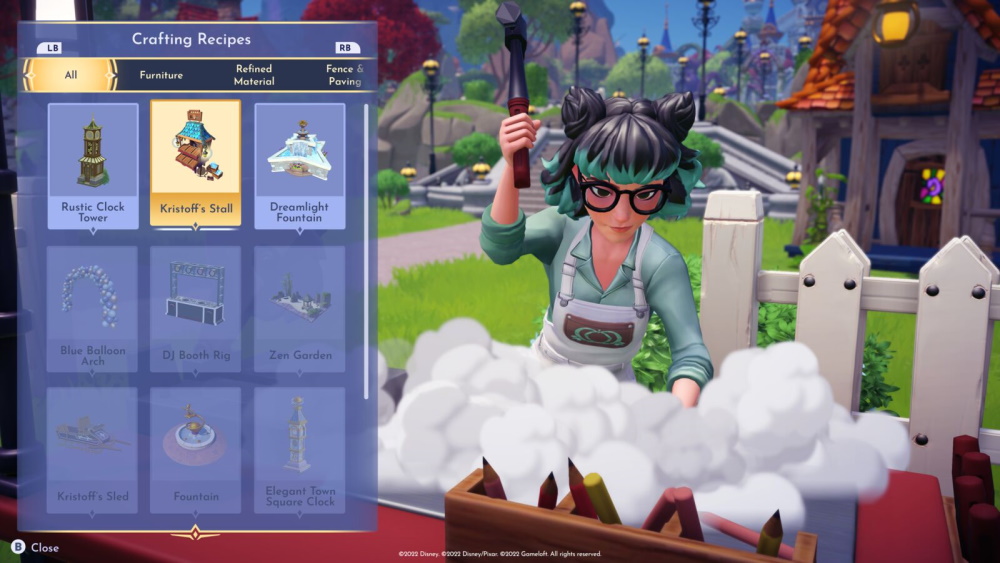
Crafting in Disney Dreamlight Valley.

Although the in-game economy works relatively well at the moment, there are potentially things that could be reworked or rebalanced in future. The titular “dreamlight,” for example, that players accumulate as a reward for accomplishing tasks and finishing quests has a limited number of uses – and when all of the different areas of the map have been unlocked, I found myself simply accumulating dreamlight by the boatload with no way to use it or spend it.

Likewise, the in-game “coins”, while slow to acquire at first, soon build up, and I found that getting a moderately decent crop farm going soon racked me up over 2 million coins – and although there are things to spend those coins on, I’ve hardly made a dent in a money vault that even Scrooge McDuck would be envious of!

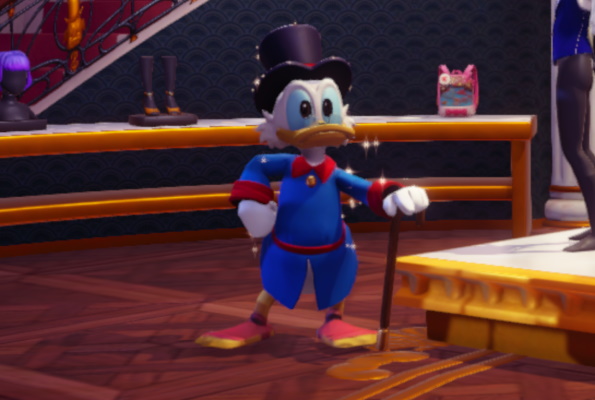
Scrooge McDuck in Disney Dreamlight Valley.

While we’re on the subject of currencies, it’s clear that when Disney Dreamlight Valley exits its early access phase and goes free-to-play that a significant focus for the game will be on recurring monetisation and in-game microtransactions. Gameloft and Disney have not promised that all characters and story content will take the form of free updates, either, so there’s a risk in the longer-term that Disney Dreamlight Valley will turn into one of those titles that can be quite a money-sink. For parents of younger kids, that can absolutely be an issue, and it’s worth being aware of at this stage. While Disney Dreamlight Valley is currently quite generous with its various in-game currencies, one in particular – “moonstones” – is clearly being readied to be sold.

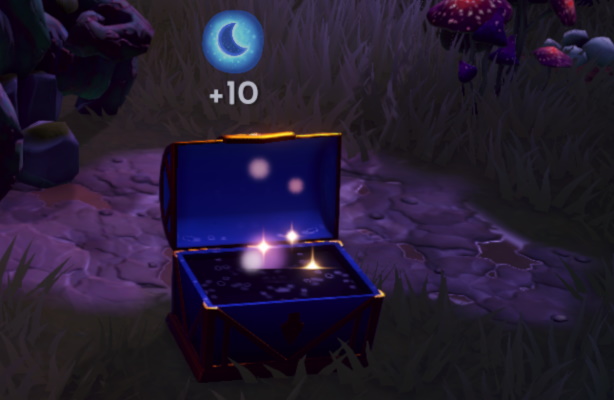
Moonstones can be earned in-game at time of writing, and are used to purchase cosmetic items like furniture, clothing, and motifs that can be added to custom designs. Players are also required to spend a large cache of moonstones in order to unlock more items for purchase via a kind of “season pass” that, once again, feels like it will be the target for future monetisation. Free-to-play games and ongoing “live services” require a source of income, but again it’s worth being aware even at this early stage that this is the model Disney Dreamlight Valley plans to adopt.

In-game monetisation is planned in future.

Character customisation is fun in Disney Dreamlight Valley, and I feel that there are a decent range of options including different body types, hairstyles, and so on – with some extras that can be unlocked in-game that weren’t available right at the start. There’s also a huge range of different types of furniture – many pieces of which are lifted from or inspired by modern and classic Disney films. And while there are plenty of clothes to choose from, I think I’d like to see a few more outfits and costumes that allow players to dress up as their favourite Disney characters. Some of the clothes feel a little too “generic” to me, and some of the costumes and outfits are more “inspired by” the films rather than directly taken from them. So that’s an area that I’d like to see improved upon! To give one example that may be more relevant to some fans than others, while Disney Dreamlight Valley includes a decent approximation of Princess Anna’s dress from Frozen, there really isn’t a good facsimile of Elsa’s dress from the same film, despite it being one of the most iconic of modern Disney Princess costumes.

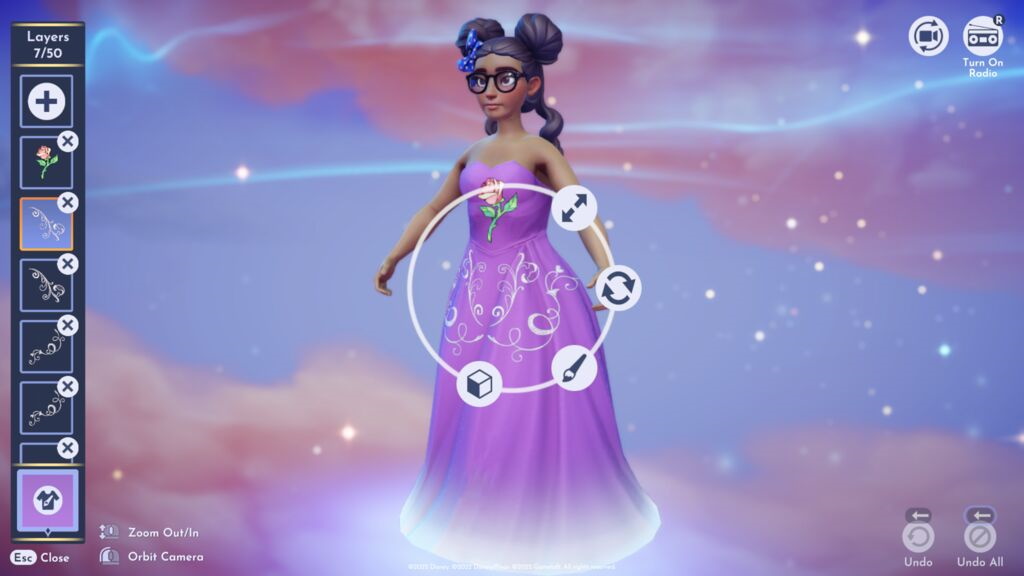
But for the creatives among you, Disney Dreamlight Valley offers a pretty extensive customiser, allowing budding designers to create their own Disney-inspired outfits. The game includes a range of blank clothes – tops, dresses, hoodies, and even Mickey Mouse ears – that can be customised with patterns, designs, and much more. These designs are unlockable through gameplay, so the more time players invest in Disney Dreamlight Valley, the more options there will be when it comes to making fun outfits. Although I have the imagination and creativity of a colour-blind slug, even I managed to create a few fun designs with an intuitive and easy-to-use customiser.

Customising a dress in Disney Dreamlight Valley.

So that’s all there is to say for now! I may take another look at Disney Dreamlight Valley in the months ahead, perhaps when it’s ready to leave early access and go free-to-play. If you have Game Pass either for PC or Xbox, Disney Dreamlight Valley is incredibly easy to recommend. At £35/$30, there’s more than enough content to justify the price in my view – and coming in at less than “full price” is fair for a game that is still in early access and has a few issues as a result. However, despite being in early access, I found my 100+ hours with Disney Dreamlight Valley to be remarkably smooth and free from major bugs; there have only been a couple of occasions on which the game crashed, and thanks to a frequent auto-save, I didn’t even lose any progress.

There are anecdotal reports from folks who play on Nintendo Switch having a worse time with more frequent crashes and finding the game to be a less stable experience, but as I’ve played it on PC I can’t speak to that – however, it’s worth being aware of that and checking out other reviews if you plan to play on Switch.

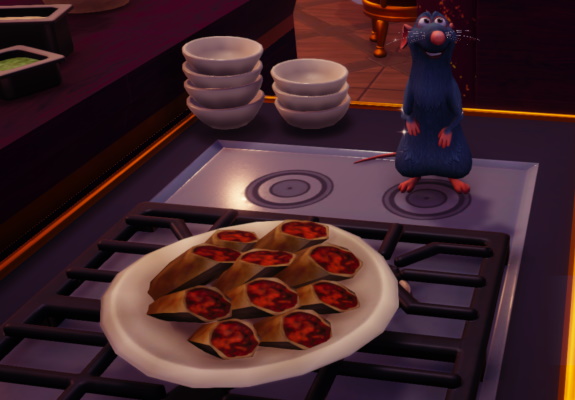
Remy from the film Ratatouille.

For my two cents, Disney Dreamlight Valley is probably the most fun gaming experience I’ve had in 2022. For anyone who’s a Disney fan there’s a lot to love – familiar and new friends to meet and hang out with in a game that blends both narrative storytelling and casual life-simulation. I haven’t seen some of the newer films from which some characters were taken (Remy from Ratatouille and the titular Wall-E were both new to me) but even with that limitation, I had a whale of a time.

Disney Dreamlight Valley is also one of the best early access games that I’ve played – speaking for the PC version, at least. Despite a persistent issue with cloud saving (which I’ve been repeatedly assured is being worked on) the game is largely bug-free on PC, runs smoothly and plays exceptionally well. Were it not for the incomplete story and some impassable doors, you’d hardly realise that the game was in fact still in early access!

So there we go. I’m happy to recommend Disney Dreamlight Valley at this time. Check back when the game leaves early access and I’ll try to share my updated thoughts!

Disney Dreamlight Valley is out now – in early access – for PC, Mac, Xbox One, Xbox Series S/X, PlayStation 4, PlayStation 5, and Nintendo Switch. Disney Dreamlight Valley is the copyright of Gameloft and the Walt Disney Company. Some screenshots used above are courtesy of Gameloft. This article contains the thoughts and opinions of one person only and is not intended to cause any offence.