

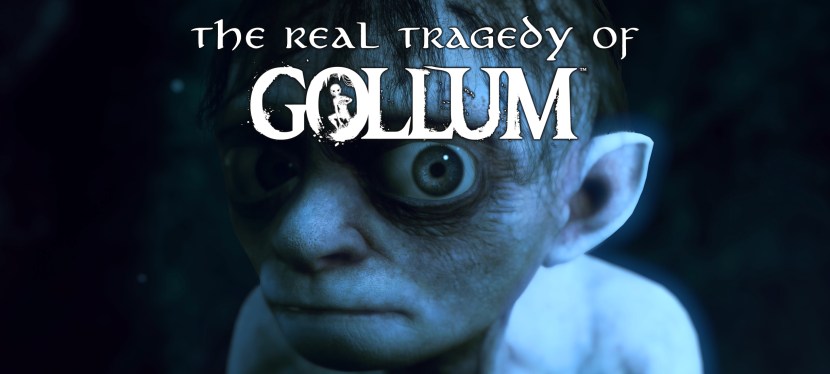
The Lord of the Rings: Gollum has become the latest game in 2023 to be launched in a buggy, broken state. Some outlets have gone so far as to call it “the worst game of the year,” and in a year where titles like Hogwarts Legacy, Jedi: Survivor, Redfall, and The Last Of Us Part 1 have been sharted out in unfinished states by major publishers, there’s a lot of competition for that title!
I want to try to treat The Lord of the Rings: Gollum as fairly as possible. Developer and publisher Daedalic Entertainment isn’t one of the games industry’s biggest corporations, with relatively few titles having been developed across its fifteen-year history – and even fewer that I’d heard of. A company with around 100 employees made Gollum, whereas corporations like Activision Blizzard or Microsoft have far more resources at their disposal when it comes to game development.
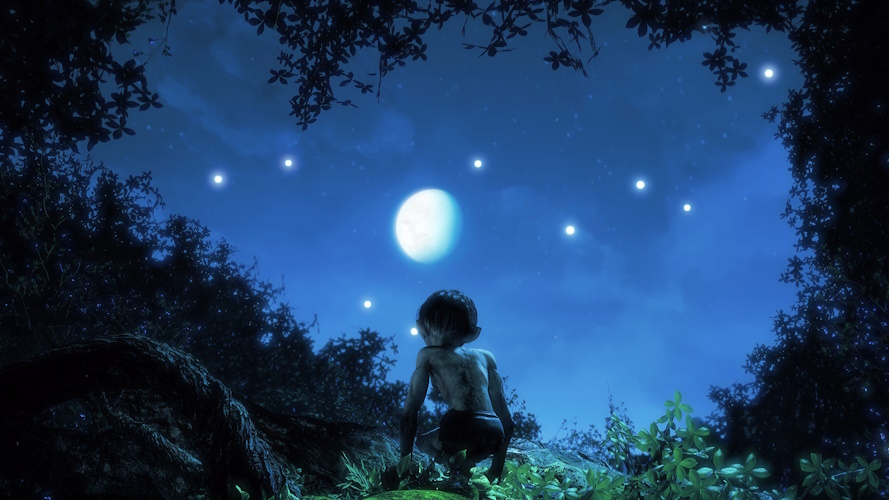
As much as I detest the “release now, fix later” business model that too many games corporations have adopted over the past couple of console generations, smaller studios working on passion projects have always been in somewhat of a different category. I’m far more willing to be sympathetic to an independent game developer than I am to one of the industry’s major publishers, simply because the realities of game development and working to a deadline or with a limited budget can go some way to explaining why a game may be released in a worse-than-expected state.
With Gollum having already suffered several lengthy delays, and with Daedalic Entertainment being a relatively small studio, I could forgive a degree of jankiness. That being said, I could forgive quite a bit more jankiness if Gollum had been more appropriately-priced, say around the £30 mark instead of greedily pushing for £50. And of course, a “special edition” will set you back an extra £10.

Some adverts and marketing material for Gollum have tried to paint the game as the kind of expansive adventure title that you’d get from a major publisher, and combined with the high price, I fear that unrealistic expectations were set. Even if the game had been released in a fully-complete, bug-free state, I daresay a lot of folks would still have found Gollum’s core gameplay and story to be underwhelming.
To me, there are two lessons from Gollum that the games industry – and smaller studios in particular – need to pay attention to. The first, of course, is that the accursed “release now, fix later” business model never works. No matter how good your game could have been, if you try to launch it before it’s ready, you’re going to have a bad time! The second lesson is that games need to be targeted, marketed, and priced appropriately. Gollum isn’t a AAA action-adventure that could go toe-to-toe with the likes of Shadow of Mordor or the earlier Lord of the Rings movie tie-in games. So why present it as that kind of experience? Marketing the game like that was only ever going to lead to disappointment.
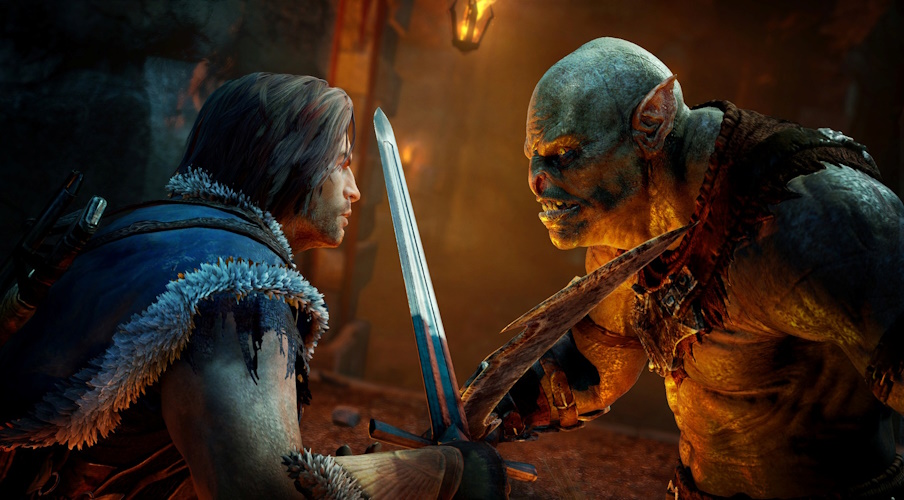
I don’t know what may have transpired behind the scenes at Daedalic Entertainment that led to Gollum’s disappointing release. I don’t think it’s an unfair assumption, though, that the game had a difficult and troubled development – perhaps with a degree of “feature creep” as the original vision for a small-scale title comparable to Daedalic’s past offerings may have been expanded. Either way, delays clearly added to the game’s cost, and eventually Daedalic decided that they couldn’t wait any longer and needed to push the game out. The result was Gollum’s troubled launch.
On a personal note, The Lord of the Rings: Gollum is one of the titles I’d been looking forward to in 2023. Not simply because a return to the world of Middle-earth is always welcome in the gaming realm, but because it seemed like something genuinely different. A game in which the protagonist is an anti-hero or even a contemptible villain was already enough to pique my curiosity, but there was also the kind of gameplay that Gollum seemed to be promising: puzzle-heavy, stealthy, and with a degree of platforming.
For me, the real tragedy of Gollum’s release isn’t just that a game I was looking forward to was pushed out too early in a broken, unfinished state. It isn’t even that Gollum is unlikely to ever be completely fixed and brought up to the level that it should be able to reach. No, the real tragedy of this whole situation is that it will almost certainly dissuade other developers – and especially other publishers – from taking risks like this in future.
However you look at it, the decision to create a stealth-puzzle-platformer based on a character like Gollum was a huge risk. This is the kind of game that just doesn’t get made any more, with the games industry retreating to the safest, most overtrodden ground for the most part. Fewer studios are willing to take on risky projects like Gollum, with publishers doubling-down on well-known franchises, popular genres, and looking for any kind of online experience that can generate “recurring revenue streams.”
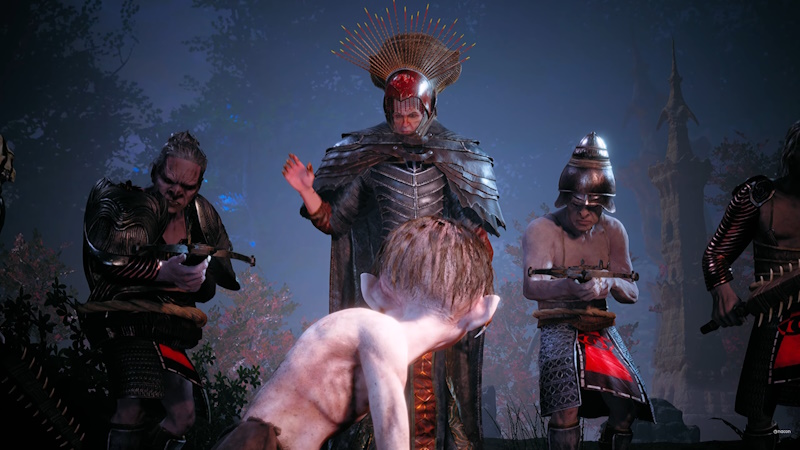
With the undeniable failure of Gollum – a failure that seems impossible to overcome, even if Daedalic continues to work on the game for years to come like Hello Games has done with No Man’s Sky – there’s a real danger that the lesson the games industry as a whole will take from this mess will be to continue its retreat from any project that falls outside of the mainstream. Gollum was always going to be a game with limited appeal; a niche product at best. It was also a game that felt innovative in both its premise and the kind of gameplay that it offered – and I truly fear that fewer games that meet those kinds of descriptors will be greenlit in future.
The games industry is already dominated by a handful of genres, most of which haven’t offered much by way of genuine innovation in years. Corporations are quick to chase the next “big” trend, with a focus on whatever looks likely to rake in the largest amount of cash possible. What was appealing about a game like Gollum, at least to me, was that it was a title that didn’t seem to care about those things; it knew what it wanted to be, what kind of gameplay it wanted to employ and what kind of story it aimed to tell, and wasn’t about chasing trends. The games industry needs more of that – because that’s where innovation almost always comes from.
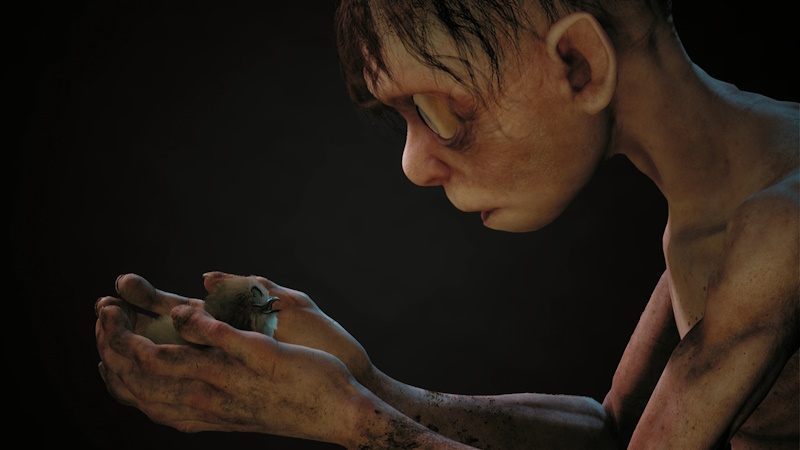
Even on a good day, Gollum was never going to be a genre-busting epic. If it had launched in a better state, I daresay I’d have had fun with it for the twelve or so hours that it would’ve lasted, then I’d have put it down and moved on. But the games industry needs these kind of experiences. It needs the diversity that smaller games bring. And it needs at least some of those titles to exist outside of the self-published, independent space. Gollum could have been precisely the kind of “double-A” release that used to exist in between the big franchises and the small independent titles. Once upon a time, there were a fair few games in that category.
My fear is that the spectacular failure of Gollum, which has been one of the main gaming news headlines over the past week or so, will have a chilling effect that will extend far beyond Daedalic Entertainment. Projects that aim to create a game that might be a bit more of a niche product, outside of the mainstream and perhaps not in one of the biggest genres, will become suspect. Smaller-scale games in that “double-A” space will be less likely to be backed. And innovative, potentially-interesting stories and ideas will be passed over in favour of projects that feel “safer” to publishers.
I hope that I’m wrong, and that smaller studios won’t be impacted by Gollum’s very public failure. But I really do fear for the repercussions that this debacle could have on an industry that needs titles like Gollum. Not every game is going to be Call of Duty or Fortnite, and especially for players who long for single-player experiences, games like Gollum that offer something a little different will continue to appeal. Let’s just hope that this broken, borderline-unplayable mess doesn’t ruin that for everyone else.
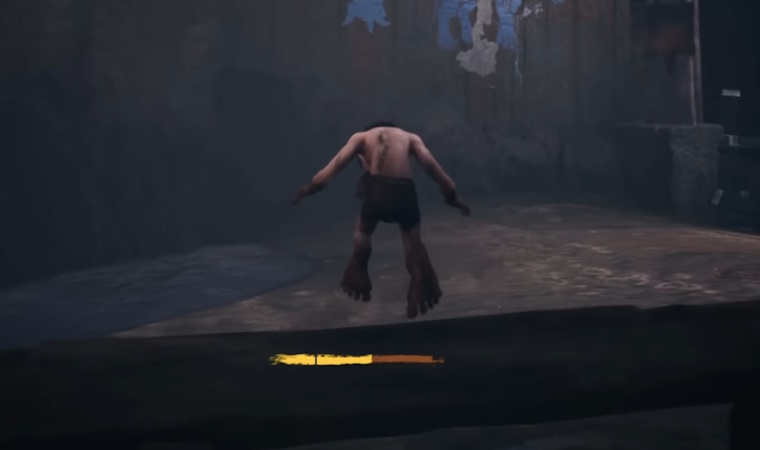
The Lord of the Rings: Gollum is out now for PC, PlayStation 5, and Xbox Series S/X. The Lord of the Rings: Gollum is the copyright of Daedalic Entertainment. The Lord of the Rings and Middle-earth are the copyright of the Tolkien Estate. Some images and promotional art used above are courtesy of Daedalic Entertainment. Images of bugs and glitches via Digital Foundry on YouTube. This article contains the thoughts and opinions of one person only and is not intended to cause any offence.
 Trekking with Dennis