Xbox Game Pass: The DLC Problem

If you’re a regular reader, you might know that I’m an Xbox Game Pass subscriber. I play on PC, not on an Xbox console, but Microsoft’s “Netflix of games” has felt like a good value proposition to me over the past couple of years. I’ve been able to play several big games without having to buy them outright, and in addition Game Pass has introduced me to several titles that I’d never have thought to try for myself. Even though I’m not someone who plays video games every day, I still feel that I get good value for money from Game Pass.

You know there’s a “but” coming, though.

But Game Pass has a problem, and it’s one that might prove tricky to unstick. Although the service includes a good range of titles across different genres, and many brand-new ones join the Game Pass lineup on release day, a lot of these games are incomplete. To use a games industry euphemism: these versions are the “base game” – without any DLC being included.

Game Pass includes a lot of games – but many are incomplete.

There are exceptions to this, such as “game of the year” bundles of titles like Skyrim and Fallout 3 that come packaged with their DLC – but these games, when they exist, tend to be older titles, not brand-new ones. And in the case of Skyrim, while the Game Pass version does include DLC, it’s not the most recent “anniversary edition” that comes with additional content and visual improvements. Figuring out which version of a game is which and what add-ons and DLC come with which one can feel like navigating a maze at times!

This recently came up for me with two games: Starfield and Age of Empires II. I was a huge Age of Empires II fan around the turn of the millennium, and I’ve been thrilled with the Definitive Edition remake that was released a couple of years ago. When developers Forgotten Empires and Xbox Game Studios announced that there was going to be a new piece of DLC for Age of Empires II – one that would bring the original civilisations from the first Age of Empires into the new game – I thought it was something worth checking out.
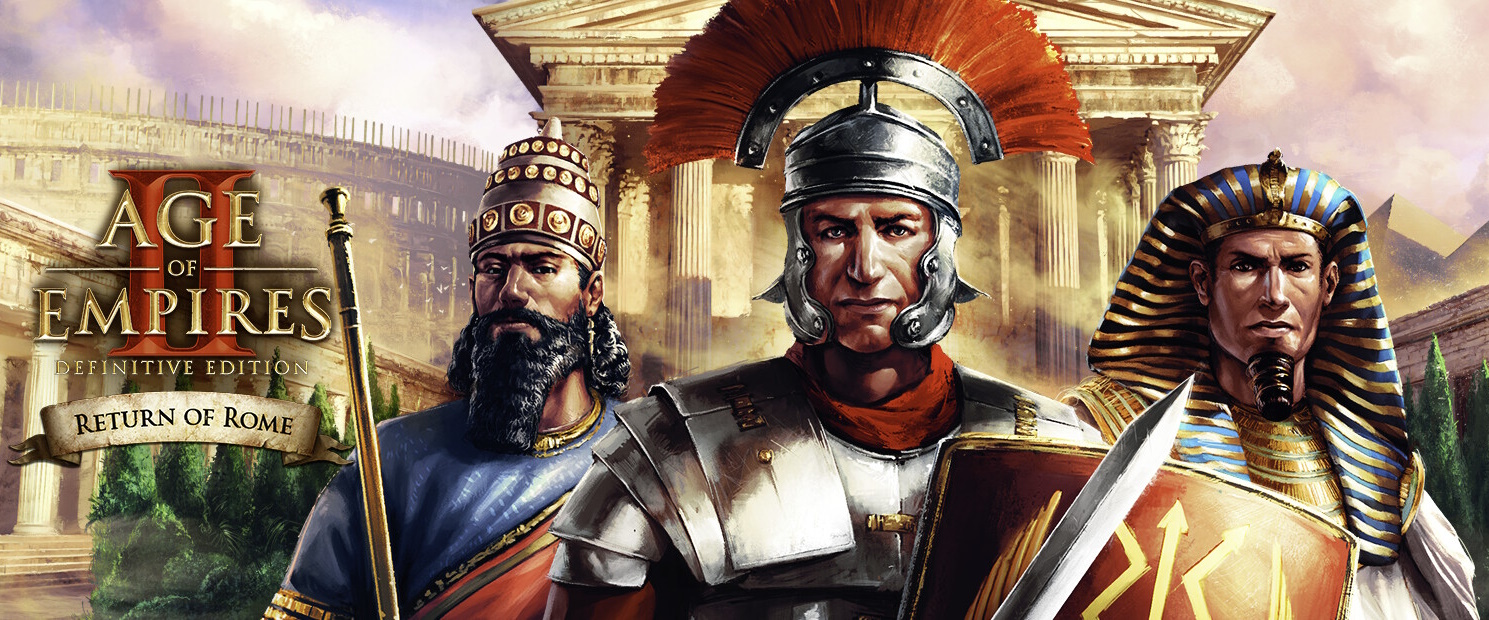
Promo banner for the Return of Rome DLC.

But on Game Pass, the Return of Rome DLC isn’t included along with Age of Empires II. The only way to play it is to buy it – for the not-so-low price of £10. Even with a Game Pass subscription, it would cost a whopping £80 to buy the Age of Empires Collection – a bundle that includes all four games plus their various DLC packs. If I’m paying a subscription fee every month to access this service and these first-party games, that seems ridiculous and excessive.

Starfield, too, has irked me when it comes to DLC on Game Pass. Bethesda’s space-RPG launched on Game Pass not on “day one,” as was promised, but five days later – with those first five days gated off behind a paywall. Five days of so-called “early” access was only available to players who forked over an additional £35 – and I don’t think that should be acceptable. Too many companies have started charging extra to play their games as soon as they become available, using shady manipulative tricks to convince folks to cough up even more money. But paid “early” access will have to be the subject of a longer article in future.
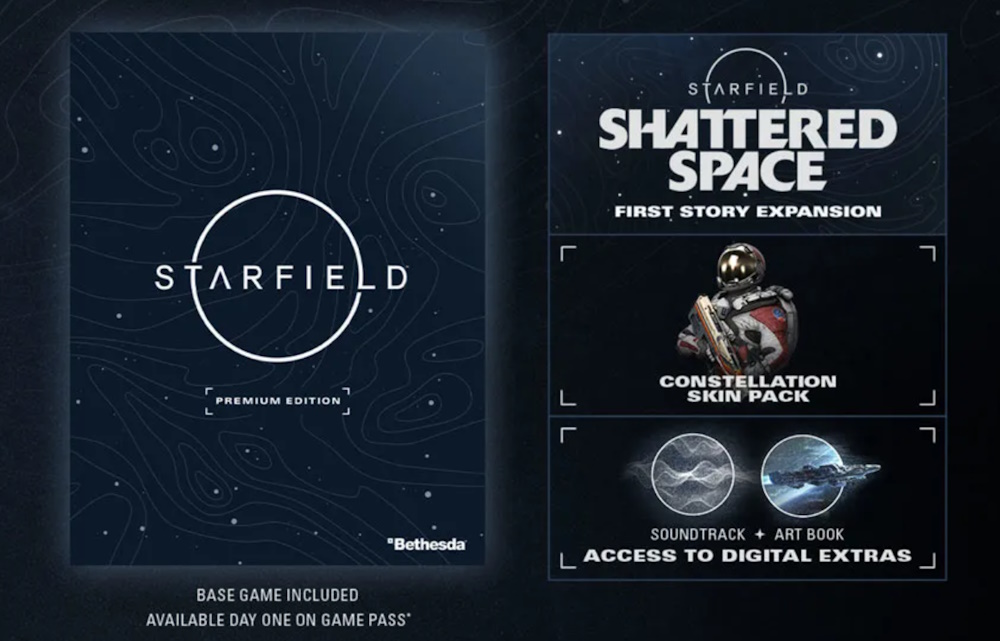
The only way to get access to Starfield’s “story expansion” on Game Pass is to pay extra.

Also included in Starfield’s expensive £35 add-on on Game Pass was the first piece of planned DLC: Shattered Space. This DLC pack isn’t out yet and most likely won’t arrive until sometime next year, but even for Game Pass subscribers, the only way to get it will be to pay up. Shattered Space is described as a “story expansion” for Starfield; a piece of DLC that will add to the story present in the “base” version of the game. I’m beginning to get tired of this – being charged extra on top of a subscription.

The basic problem is this: we all know that most games in 2023 aren’t complete experiences. With a few exceptions, like Baldur’s Gate 3, most games nowadays are deliberately constructed to be incomplete, and to require DLC and “content packs” to make up for these inbuilt, deliberate deficiencies. When Game Pass only allows players access to the “base game,” what that really means is that it’s a service made up entirely of incomplete experiences.

Baldur’s Gate 3 feels like a rare gem in 2023: a game that’s actually complete without expensive add-ons.

Baldur’s Gate 3 is a great game, and I firmly believe it would still be lauded and held in high esteem even if the games industry wasn’t plagued with these problems. But one factor among many in its success, and one of the reasons why it’s being celebrated by players, is that it’s so rare nowadays to see a fully-complete game that doesn’t require expensive DLC or that doesn’t come bundled with an in-game shop and microtransactions. In a broken, greedy, money-grubbing marketplace, games like that stand out.

Incomplete games have become normalised, and that’s been the case for at least a decade. In 2012, Mass Effect 3 was released – and the “base game” had a whole chunk carved out that was sold as day-one DLC: From Ashes. This content, which was developed alongside the “base game” and perfectly integrated into it, was sold separately by EA for an additional fee. Although it remains a particularly egregious example of this phenomenon, it’s far from the only one. Day-one DLC and cut content are everywhere nowadays.
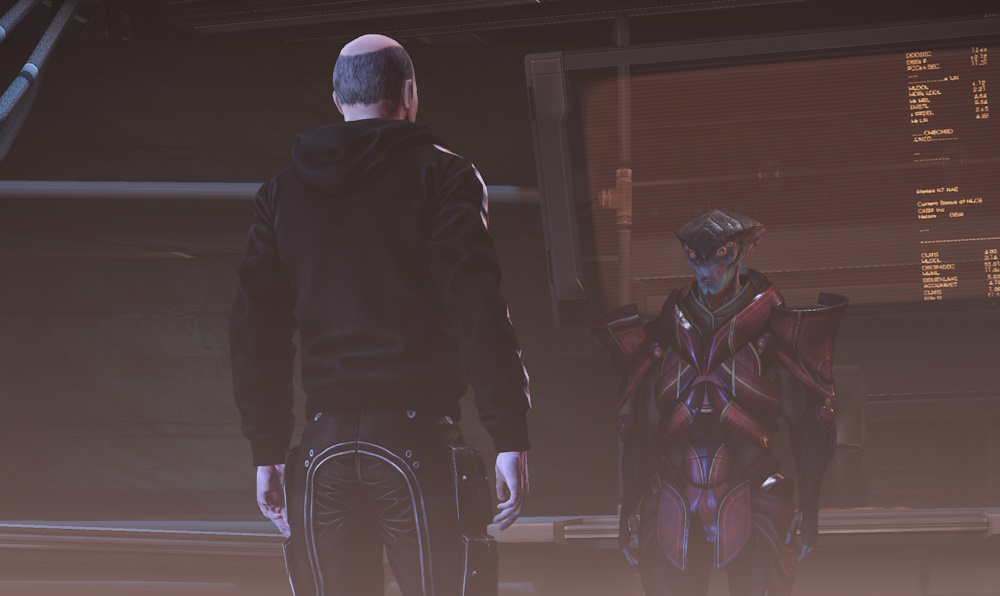
Mass Effect 3 was a pioneer of cutting out content to sell as DLC.

So if it’s increasingly rare that a “base game” can be considered anywhere close to a complete, well-rounded experience, what does that say about a service like Game Pass? To me, Game Pass feels increasingly like those demo discs that used to come stuck to the front of magazines or in cereal boxes in the ’90s. There’s some great stuff there – but if you want to play more than just the “base” version, you’d better be prepared to fork over some additional cash. Maybe £10 for Age of Empires II DLC seems reasonable to you, but £35 for Starfield DLC that might not be released for another twelve months feels like highway robbery.

Microsoft wants Game Pass to be “the Netflix of games,” and to transform the way players engage with playing games on its platforms. So let’s take the Netflix analogy as a starting point and consider this question: does Netflix charge extra for additional content?
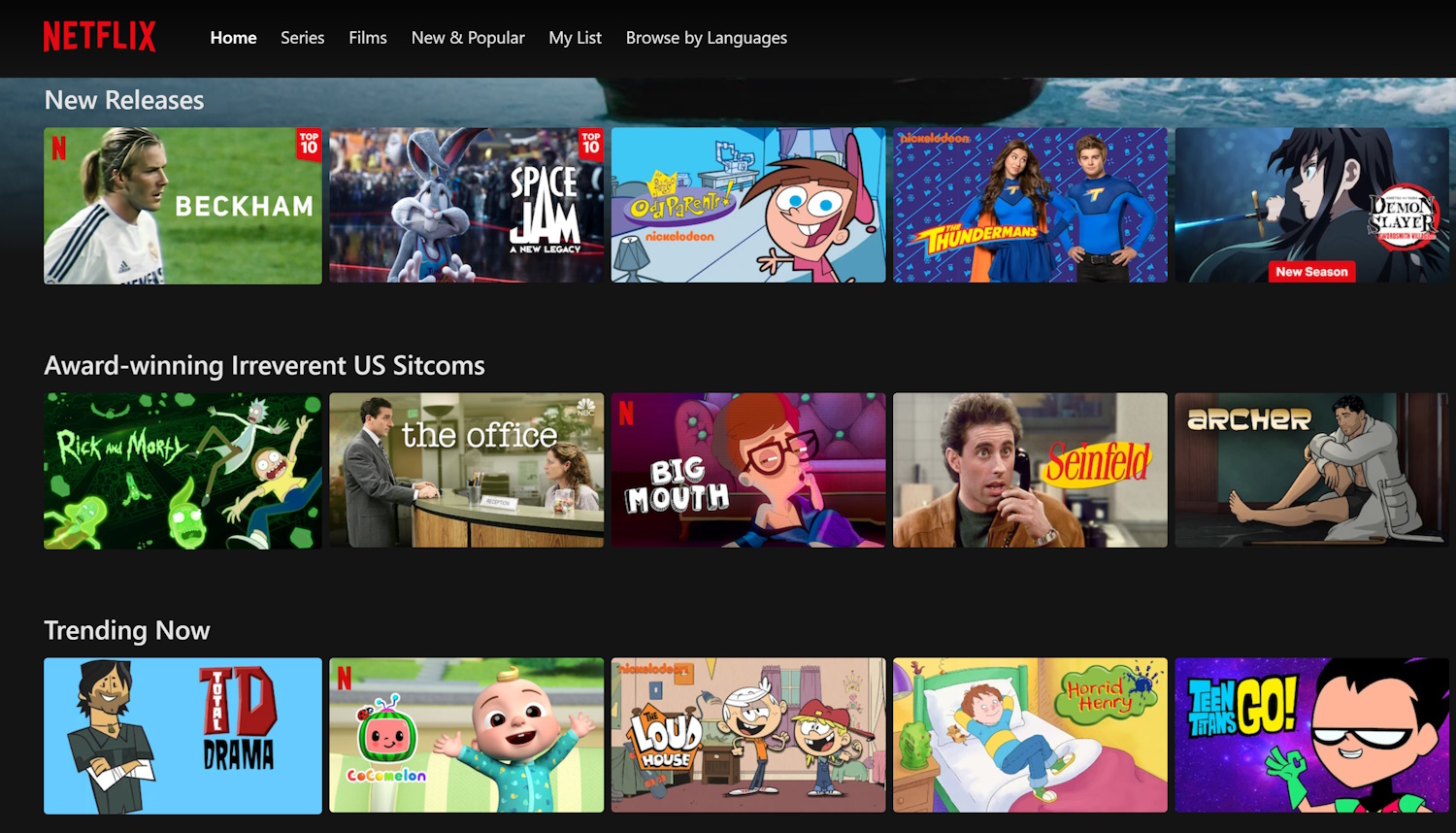
Microsoft wants to make Game Pass the “Netflix of video games.”

Can you imagine logging into Netflix, excited to watch the second season of your favourite show, only to be told that you need to pay an additional fee? For many games, DLC is the equivalent of “Season 2,” continuing the story, rounding out the experience, and even patching out issues with the game in some cases. No video streaming service could get away with only making Season 1 of a TV series or the first film in a trilogy available to watch, with the rest only accessible for an extra fee. That would be ridiculous.

Having said that, I hope I haven’t given the penny-pinchers at Netflix any ideas!

But you see my point, right? It wouldn’t be possible for a video streaming service to only include some films and episodes in its “base version” and expect to get away with charging extra fees to watch the rest. Customers wouldn’t stand for that – so why does Microsoft think it can get away with doing that on Game Pass?
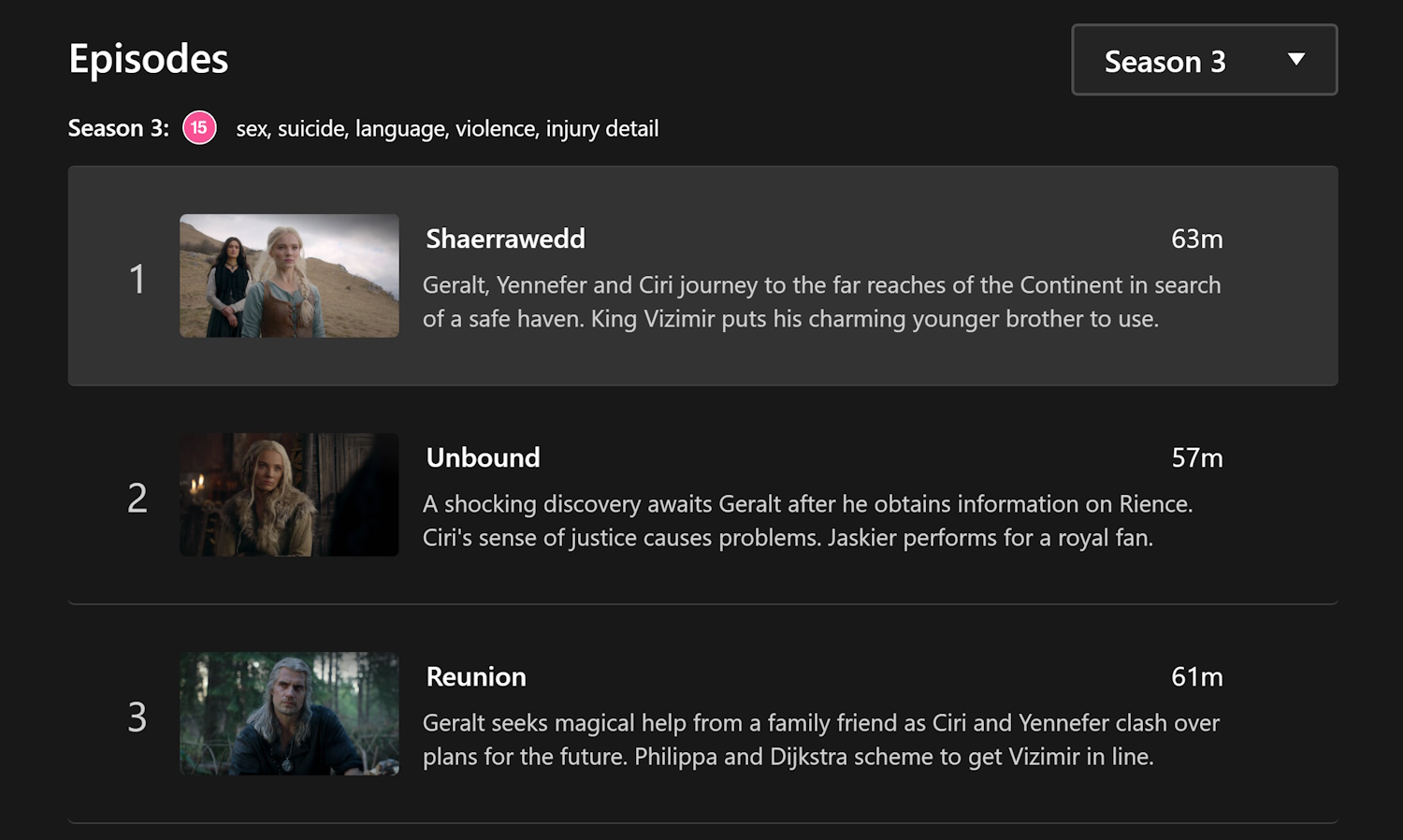
Imagine if Netflix tried to get away with charging extra to watch the second or third season of a series.

I suppose we should make a distinction between different kinds of DLC, in the interest of fairness. Single-use items in online games, in-game currencies, and maybe even some cosmetic items are the kind of things that could still be charged for separately. I’m not suggesting that Game Pass players should get infinite amounts of these things, especially in competitive online multiplayer games.

But for titles like Starfield with its single-player DLC, and even for Age of Empires II with its new story campaign and factions, I really do believe that these should be included in the cost of Game Pass. What are we paying Microsoft for if all we’re getting are incomplete experiences; games that will become less and less complete over time? The price of Game Pass should go toward the cost of developing DLC for these titles, especially since it’s taken as a monthly charge. There’s no better definition of a “recurring revenue stream” than that.

This is all about money, at the end of the day.

So this was a bit of a rant, but it’s something I’ve been meaning to bring up for some time now. While I don’t think it’s fair to ask for every single title to include all purchasable items as part of Game Pass, I absolutely believe that single-player titles and big expansion packs should be covered. The “base game” hasn’t felt like a full or complete experience for a long time, so when Game Pass only offers that, it feels less like a subscription service and more like an expensive demo disc.

At the very least, I’d like to see Microsoft’s first-party releases bring their major expansion packs and DLC to Game Pass. If I were to fantasize, I’d say that cosmetic items in single-player games, small content packs like cars in racing games or new guns in shooters should also be included as well.

This is something Microsoft will have to deal with sooner or later, because players aren’t going to be pleased if they have to keep forking over additional fees on top of their Game Pass subscription. If I have to pay £35 to get Starfield’s unreleased DLC, why even bother subscribing at that point? I might as well buy the “base game” right now and wait for the DLC to go on sale.

The Game Pass subscription service is available now for players on PC and Xbox game consoles. All titles discussed above are the copyright of their respective developer, publisher, and/or studio. This article contains the thoughts and opinions of one person only and is not intended to cause any offence.
Game Pass means fewer sales? Well, duh.

Microsoft recently talked about the success of its Xbox Game Pass and PC Game Pass subscription services – which between them have somewhere in the region of 30 million subscribers. However, this was accompanied by news from Microsoft that sales on its Xbox platform are down, with some big games not selling as many copies as they might’ve been expected to in years past.

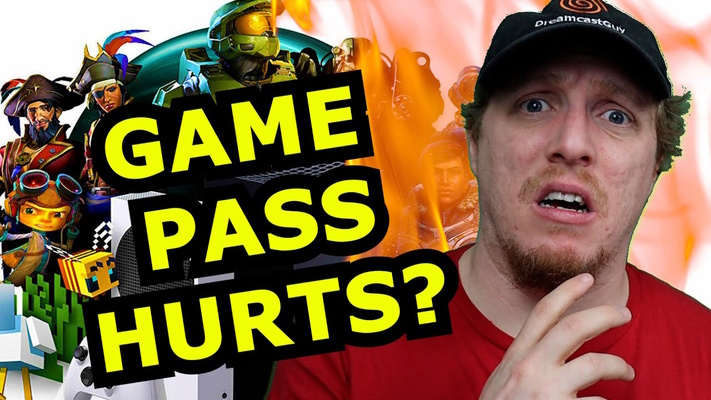
Some outlets and commentators have seized upon this news in a pretty bizarre way, trying to present Game Pass as some kind of “problem” for Xbox and Microsoft, even going so far as to say that Game Pass is “harming” the company. But… Game Pass was designed to lead to fewer sales. It’s something that’s baked into the subscription model. To use a bit of game dev lingo: it’s a feature, not a bug.

An example of the kind of reactions we’re talking about.
Image: DreamcastGuy via YouTube

Saying that Game Pass is “harming” sales of games on PC and Xbox is like saying Netflix is harmful to sales of films on VHS, or that Spotify has led to fewer cassettes being sold. The entire point of creating a subscription is to sign people up for the long-term. There are legitimate questions about the viability of the subscription model in the video gaming space, because it’s new and relatively untested. But to say that it’s “harmful” to game sales is, in my view anyway, entirely missing the point.

Consider what Microsoft’s objective is with Game Pass. They hope to create a “Netflix of video games,” where players sign up and remain subscribed for the long haul, playing the games they want as they become available. It’s intended to work in a similar way to the way subscription services work with other forms of media. By definition, that means fewer physical and digital sales. Microsoft will have known this going in, and fully expected it.

Game Pass is shaking up the industry.

Microsoft sees an opportunity to make the Game Pass model the future of gaming. Rather than buying individual titles, players will pay one monthly fee and have access to a range of titles on either PC, Xbox, or both. With a linked Xbox account also tracking achievements, adding friends, and playing online, the corporation hopes that this will keep players “loyal” to their brand for console generation upon console generation.

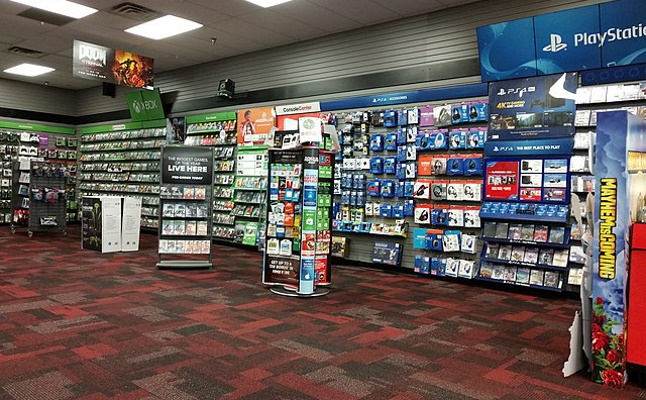
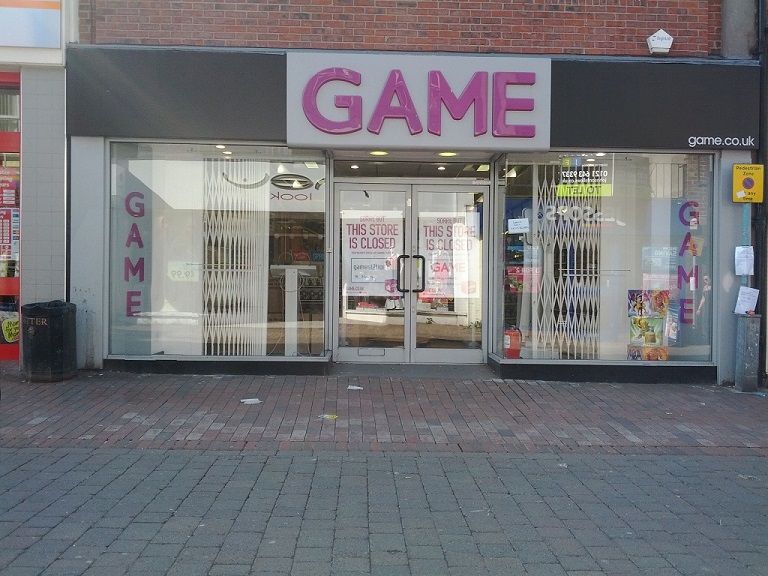
There’s a subset of self-professed “hardcore gamers” who vocally lament the decline of physical media in gaming, and it seems to me that it’s predominantly these folks who are upset by Game Pass as a concept – and they always have been. If I may be so bold: they’re dinosaurs, and the way they like to purchase and own games is on the way out. We’ve talked about this before, but there will come a time – perhaps within just a few years – when there will no longer be anywhere to buy physical copies of games. Certainly in the area where I live, most dedicated gaming shops have already closed their doors.

There are fewer and fewer retailers like this these days.

The industry is moving on because players are moving on. The convenience of digital downloads is, for a clear majority of players, something to be celebrated. It began on PC with the likes of Steam, but now it also includes Game Pass as well as other digital shops. The way most players choose to engage with games companies is changing – and that trend shows no signs of slowing down, let alone reversing.

Maybe Game Pass won’t end up being the subscription service that takes the gaming world by storm. Perhaps some other platform will come along to dethrone it, a service that offers more games at a lower price, or one that can – somehow – be available on multiple platforms. But Game Pass is, at the very least, the canary in the coal mine: a harbinger of what’s to come.

An example of some of the titles available on Game Pass for PC.

When I see folks criticising Game Pass or trying to manufacture stories about how difficult and problematic it is for Microsoft, I feel they’re rather like the old guard of the music industry railing against people taping their favourite songs off the radio, or a DVD retailer trying to fend off the likes of Netflix and Disney+. The way people consume media – all forms of media, gaming included – is changing, and subscriptions are the current direction of travel. That’s not to say it won’t change in the future, but right now, subscriptions are where the entertainment industry is headed.

With the convenience of digital distribution, it’s hard to see a way back. Having tried Game Pass for myself, it already feels like a big ask to go back to paying £50-60 – or more, in some cases – for a single title when there are dozens available on subscription. Even just playing a couple of new games a year is still cheaper on Game Pass than buying them outright. And the more people who sign up, the more that feeling will grow. Rather than whining about Game Pass, other companies need to be taking note.

Game Pass feels like good value right now.

In the television and film space, we’re firmly in the grip of the “streaming wars,” and that has been a double-edged sword for sure. On the one hand, there’s been a glut of amazing, big-budget content as streaming platforms and the corporations backing them up continue to slog it out, competing for every subscriber. But on the other, the industry feels quite anti-consumer, with too many services charging too much money. Not all of the current streaming services will survive the decade, I am as certain of that as I can be!

But gaming has the potential to be different. Unless Microsoft gives its explicit consent, no other streaming service could set up shop on Xbox consoles, nor could anyone but Sony run a subscription for PlayStation titles. The titans of the gaming industry will continue to compete with one another, but the issue of oversaturation of the kind we’re seeing in the film and television space should be avoidable.

Sony is (belatedly) getting started with the subscription model too.

Games companies will have to adapt. Raw sales numbers are already less relevant now that Game Pass is up and running, and they’re going to be of decreasing relevance as time goes on. The way in which developers and publishers measure the success of their titles will have to change as the industry continues this shift – and the companies that get this right will reap the rewards. Those who don’t – or who try to bury their heads in the sand and pretend it’s not happening – will fall by the wayside.

The way I see it, Game Pass is just getting started. 30 million subscribers may seem like a huge number – but it’s a minuscule percentage of the total number of gamers worldwide, so there’s huge potential for growth. There will be competitors that will rise to meet it – but all that will mean is that more players, not fewer, will get roped into long-term subscriptions. We’ve already seen the beginnings of this with Nintendo Switch Online, PlayStation Plus, and even the likes of Apple Arcade on mobile.

Subscriptions like Game Pass could reach huge numbers of people.

It’s mobile phones, more than anything, that I’d argue kicked off this trend. The biggest, fastest-growing gaming platform of the last decade is entirely digital and has been since day one. Players have always accepted digital distribution on their smartphones – because it’s always been the only option. Subscription services are the natural next step – and the only surprising thing, really, is that it’s taken as long as it has for a gaming subscription to become as successful as Game Pass.

The success of Game Pass is not without pitfalls, and as I said the last time we talked about the decline of dedicated gaming shops, it will impact some people more than others. Younger people, people on low incomes (as I am myself), and others will all find that their relationships with gaming as a hobby will change as a result. Not all of these changes will be for the better for everyone, and people who aren’t able to commit to a monthly expense, or who don’t have the means to do so, risk being left behind. But many of those folks are already priced out of the gaming market, especially as companies jack up their prices to unjustifiable levels.

A closed-down games retailer in the UK.

Some of the “hot takes” on Game Pass over the past week or so have taken me by surprise – but in some cases at least, we can look to the “usual suspects” of Sony supporters and die-hard believers in the supremacy of physical media. Stirring up trouble for Game Pass and Microsoft is a hobby for some outlets!

I’m not a defender of Microsoft by any means, and the corporation has made a lot of mistakes. But Game Pass, at least at time of writing in early 2023, feels like a good deal. It has a mix of new games, older titles, and some big releases – like Halo Infinite and Starfield – come to the platform on release day. I’ve discovered games I’d never have thought to try and been able to play games I’d never have purchased entirely because of Game Pass. That undoubtedly means I’m buying fewer brand-new games… but from Microsoft’s perspective, that’s entirely the point.

Microsoft operates the Game Pass subscription service.

We should all be vigilant and not simply accept what these big corporations want to do. They’re trying to corner the market and rope players into long-term subscriptions, and they’re doing so not because they think it’s particularly beneficial to players – that’s merely a coincidence. They’re doing it to maximise profits. Not having to split the proceeds with shops or storefronts is a big part of it, and Microsoft would rather take £7.99 a month, every month, than take a cut of the profits on a single sale that it has to share with other companies.

But if this corporate skullduggery is beneficial to players, why shouldn’t we participate? An Xbox Series S or a pre-owned Xbox One combined with a Game Pass subscription is an easy and relatively affordable way into the gaming hobby – offering players a huge library of titles that would be impossibly expensive for practically all of us if we had to buy each game individually. The disadvantages are the ongoing nature of the subscription and the inevitability of titles disappearing from the service either temporarily or permanently. But them’s the breaks – that’s the nature of subscriptions across the board. And with Microsoft doing all it can to buy up companies, more and more titles will be locked into Game Pass for the long-term.

There are reasons for scepticism, sure. But trying to spin this particular issue as a negative one for Xbox and Microsoft is disingenuous. Game Pass was always going to lead to fewer game sales in the long-run. Far from worrying about this, Microsoft’s executives will be rubbing their hands together gleefully… because right now, their plan is working.

Game Pass is available now for PC, Xbox One, and Xbox Series S/X. Xbox, Game Pass, and other titles discussed above are the copyright of Microsoft; other games and titles may be the copyright of their respective studio, developer, and/or publisher. This article contains the thoughts and opinions of one person only and is not intended to cause any offence.