The Future of A.I. Entertainment?

I have a longer piece in the pipeline about a document titled A.I. 2027, which you may have seen doing the rounds. I’ll save most of my thoughts on A.I. and its future disruptive potential for that, so be sure to check back. But today, I wanted to tackle a more specific use for artificial intelligence, and how we could see a change in the way we engage with and consume entertainment in the not-so-distant future.

This was prompted, in part, by a conversation I was having with a friend about A.I. 2027. Spoiler alert for my longer piece, but I compared the possibility of a “do-everything” general A.I. system to things like 3D televisions, Google Glass, and the Concorde supersonic jet. All three are examples of technologies that seemed to be on the cusp of revolutionising various aspects of our lives… but didn’t. I can’t help but feel that future predictions of general or super-intelligent A.I. – either as a horseman of the apocalypse or as a revolutionary technology about to deliver some kind of utopia – are, at best, far-fetched! But generative A.I. models, which are more limited in scope, do have the potential to play a huge role in the future of entertainment.

And that’s what I want to address today.

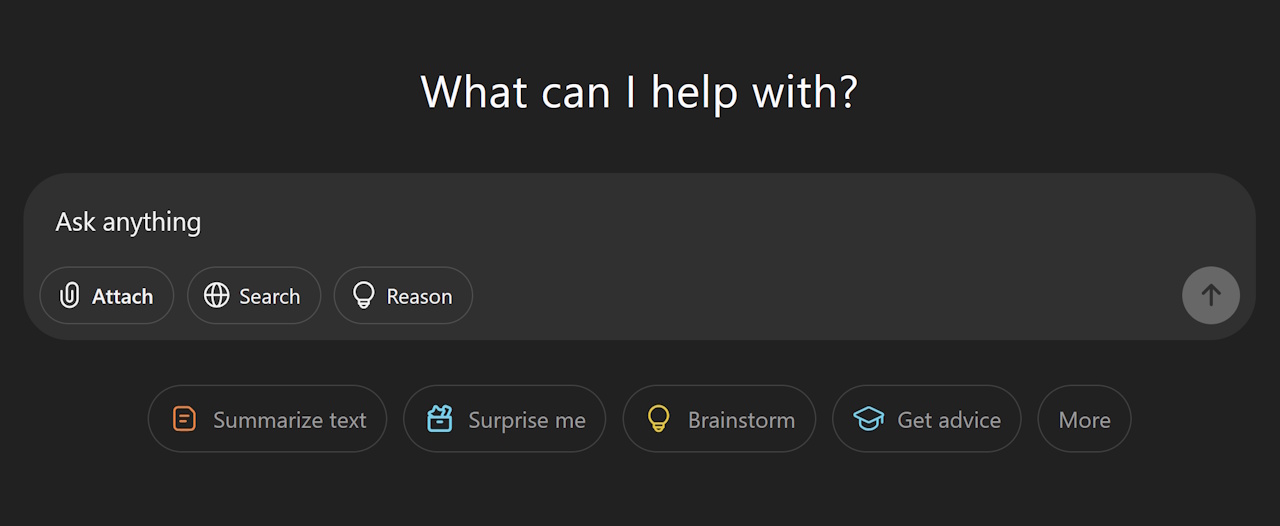
ChatGPT's text box with the words "Ask anything" prominently displayed.
Is A.I. about to revolutionise entertainment?

If you’d asked me in 2005 what the future of entertainment would look like, I would not have been able to predict user-generated content on platforms like YouTube and TikTok becoming massive, popular, and hugely profitable. But in 2025, barely 24 hours go by for me without watching at least one video on YouTube or spending a little time scrolling TikTok. The widespread adoption of broadband internet, social media, and smartphones with built-in connectivity and cameras facilitated this transformation in the way literally billions of people engage with entertainment.

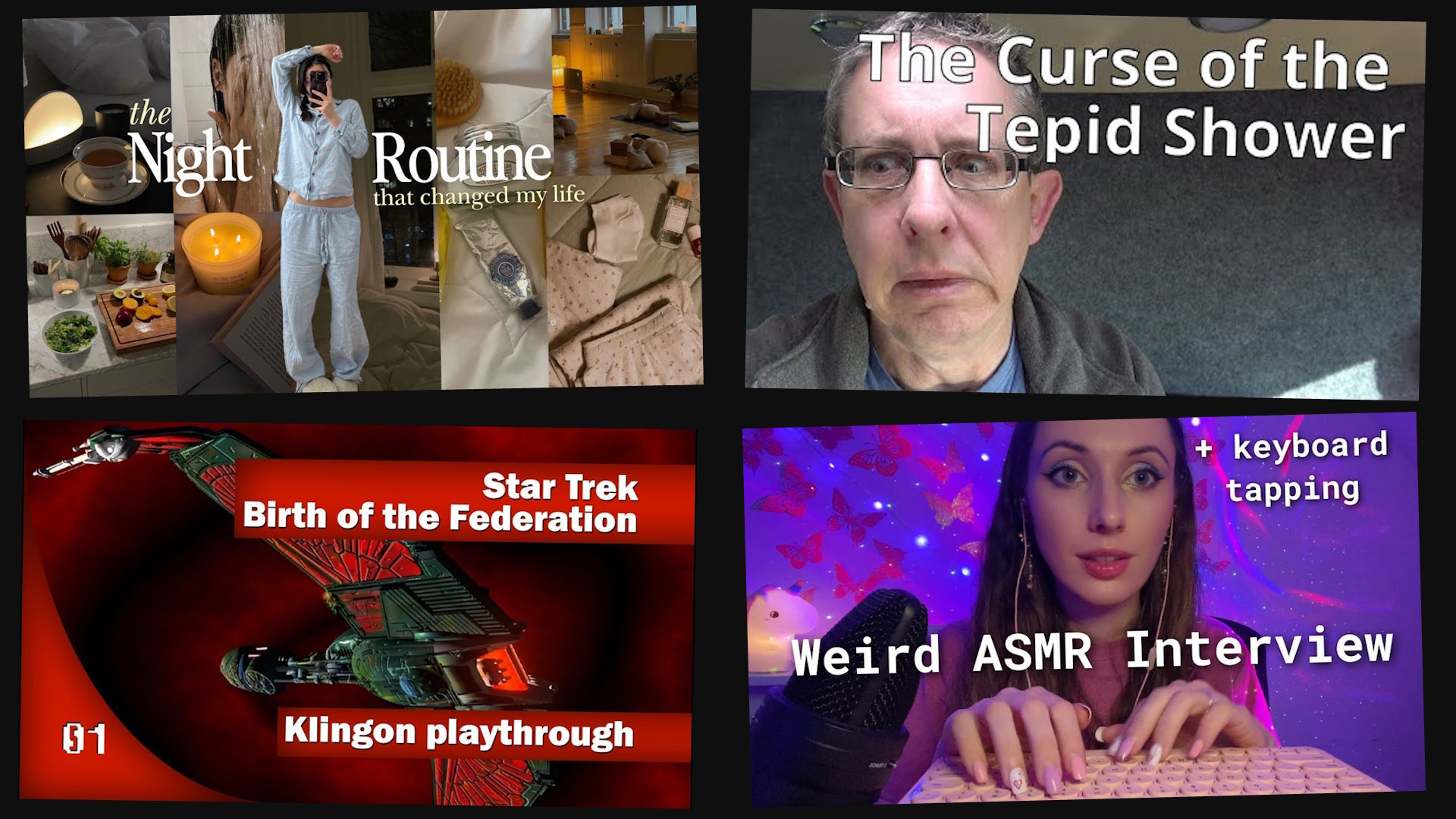
It’s not a stretch to say that there are people today – adults as well as kids – who don’t care much for television, films, or even video games. Their primary sources of entertainment come from social media – and from user-generated content specifically. It turns out that a lot of people enjoy watching things no media executive could’ve ever dreamed of: vlogs, workout routines, makeup tutorials, video game “let’s plays,” and even ASMR. If you’d told me in 2005 what some of the most popular YouTube and TikTok pages would look like twenty years later, I’d have struggled to believe it!

Four YouTube thumbnails from different genres of video.
These kinds of videos didn’t seem like they’d be the future of entertainment just a few short years ago!

All of this is to say that a revolution in how we engage with media is nothing new. It’s already happened over the past fifteen to twenty years – and that came after a century of changes as we went from live music and theatre productions to the cinema, television, video recording, video games, and so on. Nothing in the entertainment sector stays still for very long, so there are definitely changes coming. Whether my prediction is right… well, if I’m still here in a decade or two, we can revisit this piece and see!

So what is my prediction, exactly? What is this big, revolutionary, A.I.-driven change that I foresee?

In short: user-controlled movies, TV shows, and perhaps even video games. All monetised by big corporations, all licensed and based on subscription models, and all generated by A.I.

Artwork of a traditional cinema film reel on a gold-coloured background.
Are A.I.-generated films and TV shows going to be part of the future of entertainment?

Imagine Star Trek’s holodeck, where you can tell the computer what you want to see, but on a flat screen. The biggest names in entertainment at the time will have either developed or bought out A.I. systems to power this content, and you’ll see celebrities, actors, and anyone famous copyrighting or trademarking their likeness and voice, ready to be licensed out. Some performers will be contracted solely to one big entertainment powerhouse, others might be “jobbing it” wherever they can make a buck. “Traditional” – i.e. human-created – films, TV shows, and games will still be made, and social media likely won’t go away, either. But A.I.-generated, customisable, tailored entertainment is going to be a big deal very soon.

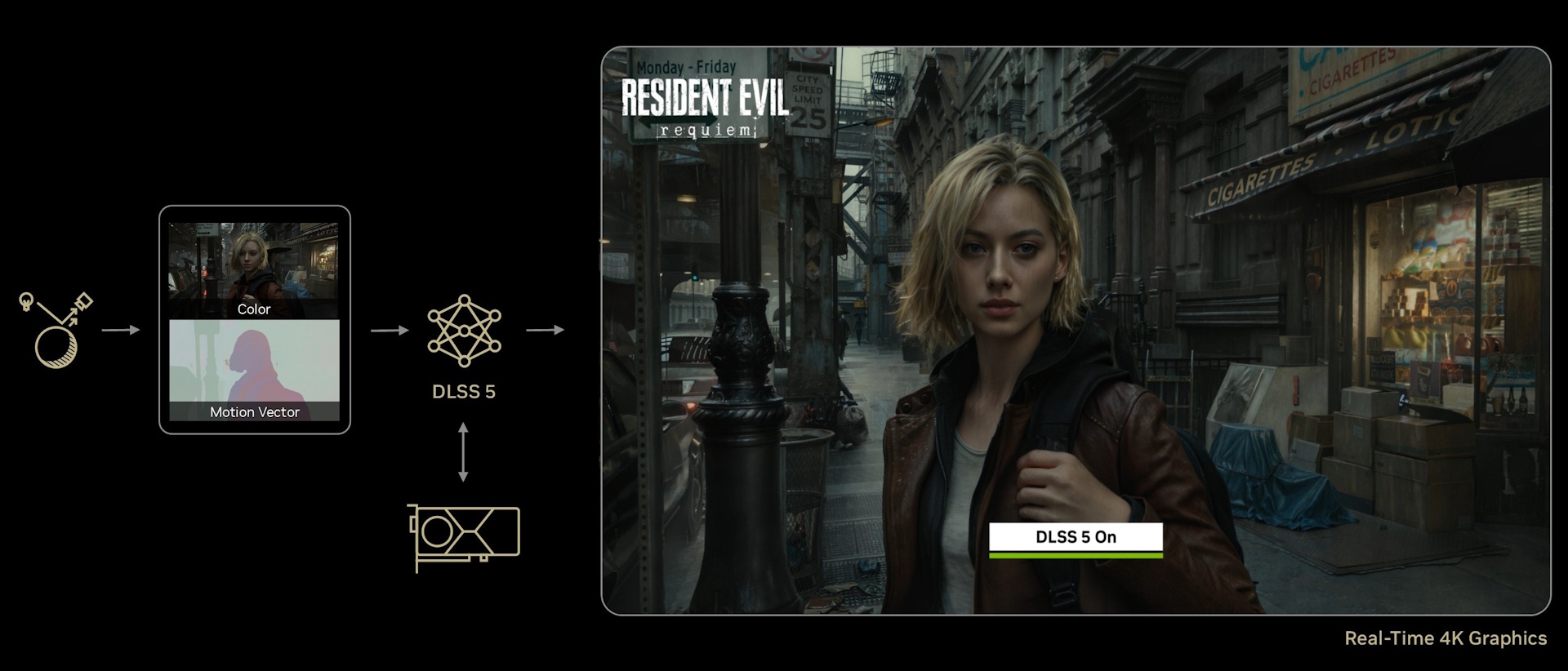
You can already see the beginnings of this. Google’s Veo software is just one example of text-to-video A.I., and people are already using it to make their own videos of all kinds of things. The real revolution in the implementation of this technology won’t actually be its development, but its monetisation; how big companies can extract the most money possible for their service will determine how it’s used going forward. Right now, if I ask one of these programmes to generate me a video of Darth Vader in a hot tub, it’ll do it without question – but LucasFilm and Disney won’t be happy about that. As soon as there’s a viable method for monetising these things, we’ll see A.I. models go the way of film and TV streamers – walling off their own intellectual property, and licensing it out for a fee.

Screenshot of Google's Veo 2 software generating a video from a text prompt.
Google’s Veo video generator is one of several that already exist.

Maybe one of the big names in entertainment today – Netflix, for example – will buy out one of the big A.I. companies, using their software exclusively on their platform. Or conversely, maybe one of the big A.I. companies will buy out someone like Disney or Netflix, in a not dissimilar way to how Amazon was able to purchase the venerable MGM Studios a few years ago. Both of those seem possible – but the end result will be the same: content and IP locked behind a paywall, available only to those willing and able to pay.

But for those lucky folks, a world of possibilities opens up.

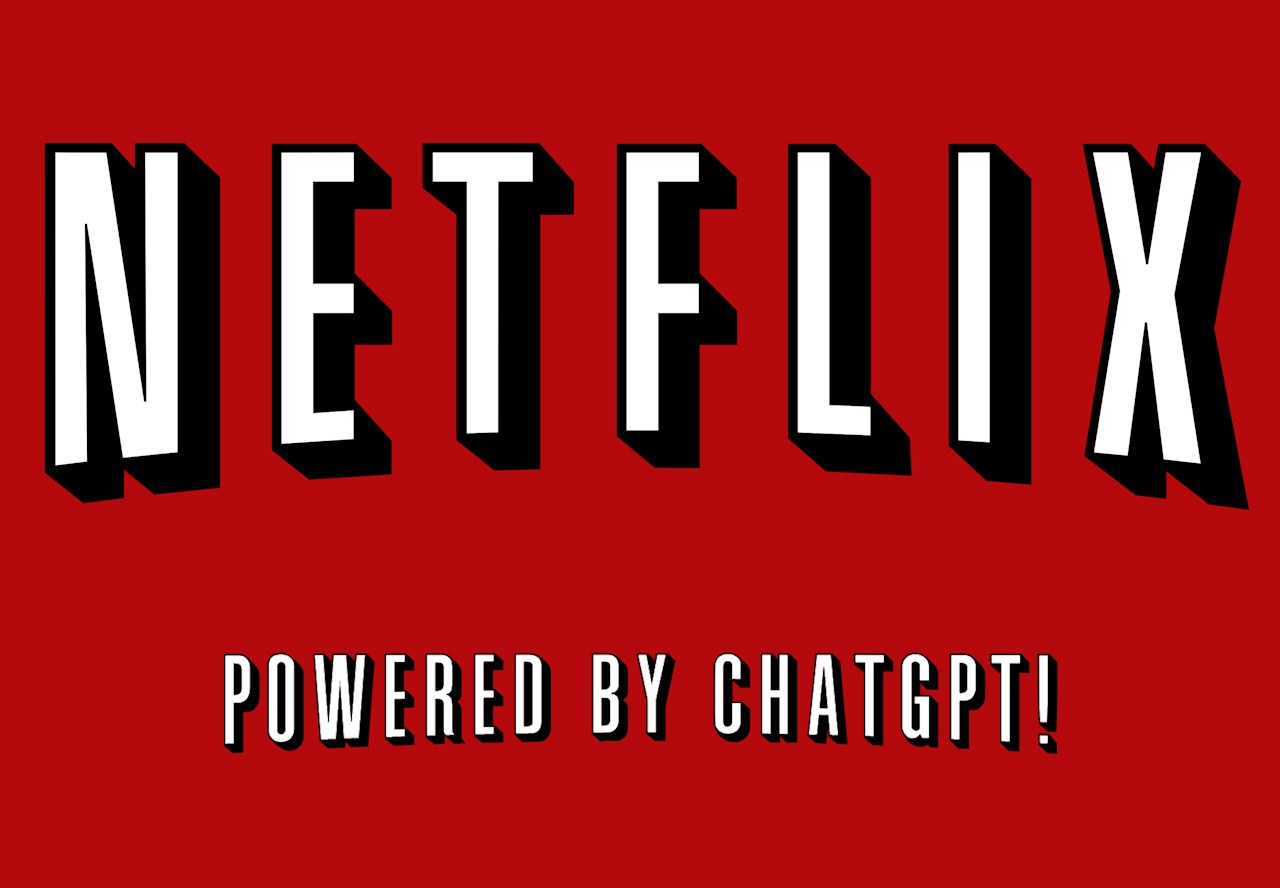
You’ll sign into your new A.I.-Netflix hybrid, and along with the pre-made programmes and perhaps other user-generated content, there’ll be a simple prompt: “What would you like to watch today?”

A mock-up of Netflix's logo with the subtitle "Powered by ChatGPT" in the same font.
Big entertainment corporations – like Netflix – surely see the potential in A.I.-generated content already.

From there, your only limit will be your imagination. “I want to see a film that’s about two hours long, starring John Wayne as a mercenary in outer space, with Kate Mara as his love interest, and a pink robot voiced by Brent Spiner as the villain. They should pilot a spaceship called the R.M.S. Wombat, there should be a soundtrack by Bon Jovi, and the entire story should be a metaphor for the dangers of secondhand smoking.” A split-second later… and bang! You’re watching your fantasy film with whatever parameters you’ve given the A.I. It’ll be capable of pulling off shocking twists, bringing long-dead actors back to life, and even generating brand-new stories in established fictional universes.

Imagine being able to fire up Paramount’s A.I. (or, let’s be realistic, the A.I. company that owns whatever remains of Paramount by that point) and generate brand-new Star Trek stories. Maybe you’ve always wanted to know what would’ve happened if Captain Picard died after his assimilation by the Borg, or what might’ve happened if the USS Voyager was destroyed, with a handful of survivors being taken in by Chakotay and his Maquis crew. Or perhaps you want to see an expanded look at an existing story, potentially filling in some of the blanks in between established events. You could even look at a story from the other side, like seeing the Dominion War from the Cardassian perspective. All of those things feel plausible with A.I. integration.

Still frame from Star Trek VI: The Undiscovered Country showing the USS Enterprise-A.
We might be able to make our own Star Trek stories one day…

As A.I. technology gets better, its ability to retain information will improve. This means that, the more you use an A.I. programme, the more it gets to “know” you – or at least it gets better at predicting your reactions, your likes, and your dislikes. This means that our hypothetical A.I.-Netflix hybrid will very quickly get to know what kinds of stories you like, what generates the best responses from you, and will be able to use that information to fine-tune and personalise the content it generates for you.

It’ll be kind of like having your own personal film studio. As the A.I. retains all of the information and storylines it’s generated, it’ll be able to make sequels, prequels, and expand on certain story points. If you really liked a character in an A.I.-generated film, it’ll be able to make a spin-off, just for you, tailored to what you liked about the character and the kinds of stories it knows you responded well to elsewhere. Heck, it could even generate a casual vlog-style series based on your favourite celebrity or character, kind of like how we see A.I. chat bots based on fictional characters today.

Photo of a Hollywood film studio.
Imagine having your own film studio in your TV or phone, ready to turn your ideas and thoughts into real, ready-to-watch content.

By now, you’ve heard the criticisms of A.I. Its supercomputers use more energy than entire countries. It’s stealing people’s art, writing, and more. It’s capable of “lying” or “hallucinating” falsehoods, spreading misinformation. It’s going to put millions of people out of work. And I don’t dispute any of those things, nor am I “championing” the use of A.I. in the entertainment space. This prediction is based on what I’ve seen from my limited engagement with the world of A.I. so far. I don’t actively use A.I. myself; I don’t really have a place in my life for an A.I. chat bot, and I’ve never needed to use A.I. to generate anything. But I see people using it more and more, and to me, the scenario outlined above feels like a plausible next step for the technology as it currently exists.

The big things from the corporate side are how to lock down their A.I. models and monetise them, as well as how to prevent competing A.I. systems from “trawling” their content and using intellectual property that they claim ownership of. After all, it’d be no good to offer your service for sale if a free competitor could do the exact same thing without the price tag! But if there’s one thing I can say with certainty after more than forty years of existing in this capitalist economy, it’s that you should never underestimate the ability of corporations to find a way to monetise… everything.

Photo of a briefcase overflowing with $100 bills.
Whichever corporation figures this out first is gonna make a lot of money…

Twenty years ago, I wouldn’t have been able to predict the rise of social media, user-generated content, and subscription services. All of those things seemed to come out of nowhere, catching me off-guard. The idea that people would spend hours each day watching what are basically other people’s home videos… that would’ve seemed positively ludicrous, even in 2005. But some people did see that potential, and more importantly, were able to get in early and monetise the heck out of it.

With generative A.I. being the current trend, it’s easy to write it off as a flash in the pan; another 3D television or MiniDisc. And maybe that’s still going to be the case; I haven’t watched a 3D movie in years, and my MiniDisc player has been gathering dust in the attic since the mid-2000s. But right now, with the amount of money being thrown at generative A.I. software, it feels at least plausible to me that, a few years from now, we could all be generating our own high-quality films, TV programmes, and perhaps even video games from simple prompts, with the only limitations being our imagination… and our wallets.

Stock photo of a Sony MiniDisc.
Remember MiniDisc?

I don’t know if that’s the kind of future I want… but I gotta be honest: part of me feels intrigued by the possibilities A.I. could offer. Being able to get tailor-made, fully customisable movies… there’s genuine appeal there, and whoever gets it right first stands to make a ton of money. I don’t think such a marketplace means that films, TV shows, and video games created by human beings will disappear; there will still be a place for creativity, imagination, and innovation. But there could be far, far fewer of those types of films, TV shows, and games being created if the big corporations go all-in on generative A.I. in the way I’ve outlined above. As with all things A.I., that basically means a ton of people are gonna be out of work. That undeniably taints the finished product; A.I. will come with an obvious, and pretty devastating, cost.

But for a lot of people… well, we already know that the cost to human lives doesn’t matter if they enjoy the finished product. Video games are still frequently created under “crunch” conditions, an exploitative practice I saw firsthand when I worked in the video games industry. Batteries rely on cobalt and lithium, mined by underpaid or even enslaved workers in horrible conditions. People pay for cheap clothes and shoes made in sweatshops. The list goes on… and my point is simple: don’t expect some kind of moral crusade against A.I. to change a lot of minds if it hasn’t in the cases we just mentioned.

Whether A.I. is here to stay, and whether I’m even close to being right about its potential future role in entertainment remains to be seen. I don’t know how much time I’ve got left, but if I’m still here in a decade or two, let’s revisit this piece together. Perhaps we’ll share a chuckle about how wrong I was, and how I exaggerated a flash in the pan technological fad way beyond its capabilities. Or not.


All brands and properties mentioned above are the copyright or trademark of their respective studio, distributor, broadcaster, etc. This article contains the thoughts and opinions of one person only and is not intended to cause any offence.
Ten Gaming “Hot Takes” (Part 1)

Today I thought we could have a bit of fun and talk about some of my more controversial gaming opinions! This is the first part of a two-part list, so be sure to stay tuned in the days ahead for five more gaming “hot takes.” There were too many to fit into a single piece this time around!

Although this is intended to be lighthearted and somewhat tongue-in-cheek, these are opinions that I genuinely hold; I’m not making things up for the sake of clickbait. I’ll always give the caveat that I’m a fan of video games and an advocate for gaming as a hobby… but that doesn’t mean that there aren’t things to criticise from time to time!

A Sega Mega Drive console.
Let’s share some controversial gaming opinions!

Gaming has changed a lot since I first picked up a joystick at a kids’ club in the ’80s, and I’ve seen the games industry and games themselves evolve dramatically! Most of those changes have been for the better… but perhaps not every last one.

As I always say when we talk about potentially controversial topics: these are my wholly subjective opinions! I’m not trying to claim that I’m right and that’s the end of the affair – on the contrary: I’m acutely aware that I’m in the minority here! I share these “hot takes” in the spirit of thought-provoking fun, and you are free to disagree wholeheartedly.

With all of that out of the way, let’s take a look at some “hot takes!”

“Hot Take” #1:
An open world isn’t the right choice for a lot of games.

A screenshot of Jedi: Survivor showing protagonist Cal Kestis outside of a saloon.
Jedi: Survivor is a recent game that employed an open world style.

Open worlds became a gaming trend sometime in the early 2010s, and too many publishers nowadays insist on forcing the formula onto titles that are entirely unsuited to it. Some open worlds are great… but I’d argue that relatively few manage to hit the golden combo of being both a well-constructed open world and one that suits the game in question. There have been some fantastic open worlds in which stories were told that didn’t fit, and some games that could’ve been wonderful that were undone by the fetishisation of the open world formula in some corporate boardrooms.

In many, many cases, having distinct levels or separate sections of a larger map just… works. It allows for the game’s narrative to create an often-necessary sense of physical distance in between locations – something that even the best open world maps are usually unable to manage. And for an awful lot of stories – even in games that we might consider to be masterpieces – that can be important to the immersion.

Ryo Hazuki, protagonist of Shenmue, encounters a man dressed as Santa Claus.
An early open world pioneer was Shenmue on the Dreamcast.

Take Red Dead Redemption II as an example. That game is one of the very best that I’ve ever played… but there were several points in its single-player story where the open world formula came close to being a problem. After escaping the town of Blackwater by the skin of their teeth in the game’s prologue, Arthur Morgan and the gang roam around in the mountains for a while, before eventually finding a new place to make camp… literally five minutes away from Blackwater. And this would happen again later in the game, when the gang would escape the town of Valentine only to settle at a new campsite just up the road.

The game’s narrative presented these locations as if they were far apart, but the open world of Red Dead Redemption II, for all of the content that it was filled with, didn’t always gel with that. It’s a scaled-down representation of part of the United States, and I get that. But narratively, it might’ve worked even better if the game’s main acts took place in separate, smaller open maps instead of merging them all into one larger open world.

Arthur Morgan, the protagonist of Red Dead Redemption II.
Red Dead Redemption II is a masterpiece.

Red Dead Redemption II is, without a doubt, one of the best games that I’ve ever played. So if the open world could be a problem there… well, you don’t need to think too hard to find examples of the open world formula tripping up worse and far less enjoyable titles! There’s absolutely nothing wrong with creating separate levels for a game – as has been done really since the beginning of narrative video games. Doing so often allows for more diversity in locations, environments, and terrain – and it’s something more titles need to consider taking advantage of.

I could probably count on my fingers the number of games that have genuinely made good use of an open world formula, and that have used that style of map properly. And when I think about modern games that I’ve really enjoyed such as The Last of Us, Jedi: Fallen Order, or the Mass Effect trilogy, they don’t use open worlds – and they’re much better for it.

“Hot Take” #2:
Every game should have a robust easy mode – it’s an accessibility feature.

The Skyrim options menu with difficulty settings highlighted.
Difficulty options in Skyrim.

I’m a big believer in making games accessible to as many players as possible. That can mean including accessibility features like colourblindness settings, disabling quick-time events, or ensuring that subtitles are available. But it also means that players need to be able to tone down the difficulty – yes, even in your precious Dark Souls!

I suffer from arthritis, including in my hands and fingers. I don’t have the ability to pull off complicated multi-button combos any more – if I ever possessed such an ability! And as with any skill or set of skills, gaming abilities vary from person to person; even someone who isn’t suffering from a health condition may simply not be blessed with the reflexes or hand-eye coordination necessary to progress through some of the industry’s more punishing titles. Not to mention that many folks don’t have the free time to dedicate to learning precise button combos or the intricate details of specific boss battles.

A promotional screenshot of Kingdom Come: Deliverance.
Kingdom Come: Deliverance was a title I found too difficult to play, despite wanting to enjoy it.

And that’s a real shame – because there are some outstanding games that everyone should be able to experience. Stories in some games are truly awe-inspiring, and can be better in some cases than films or television shows. For those stories to be denied to people with disabilities or people who may not have the time to repeat the same boss fight or level over and over again is just… sad.

I absolutely detest the expression “not every game is made for every player” when this debate rolls around. It’s absolutely true that people like different things, so if I’m not into online multiplayer shooters then I’m probably not going to enjoy the next Call of Duty title. But that doesn’t apply to difficulty, or to making a game that millions of potential players are locked out of because of a skill mismatch or health condition. That kind of gatekeeping is honestly just pathetic.

A toddler or young child playing a racing game.
Gaming should be accessible to as many people as possible.

I’d also add that the reverse is true here: certain games can be too easy for some players, and including the option to increase the difficulty in that case is likewise a good thing and something that developers should seek to include.

Difficulty settings have been a part of games going back decades, and they aren’t all that difficult to implement. At the very least, giving players the option to skip a level or boss battle after failing it multiple times should be achievable for every developer – and I can’t think of a good reason why a studio that cares about its audience wouldn’t want to implement something so incredibly basic. It doesn’t “hurt” the game to include an easy mode, nor does it damage the developers’ “artistic vision.” An easy mode only impacts players who choose to turn it on – and in a single-player game, why should anyone be judgemental about that?

“Hot Take” #3:
Artificial intelligence isn’t “coming soon,” it’s already here – and the games industry will have to adapt.

Still frame from the film Terminator (1984).
Are you ready for the “rise of the machines?”

One of the hottest topics of 2023 has been the arrival of easily-accessible generative AI software. It seems that anyone can now create an article like this one, a photorealistic image of just about anything, an audio recording of a celebrity… or even code for a video game. This technology has well and truly landed, and I don’t see any practical way to prohibit or ban it – so the games industry is going to have to adapt to that reality.

I can see a lot of potential positives to AI. Modding, for instance, can now get a lot more creative, and we’ve seen already mods featuring AI voices that are basically seamless and can add a lot to a character or story. For smaller developers and indie studios, too, AI has the potential to be a massively useful tool – doing things that a single developer or small team wouldn’t be able to achieve.

"Matrix code" from the 2021 film The Matrix: Resurrections.
AI is already here – and could prove incredibly useful to game developers.

But there are unquestionably massive downsides. The games industry has seen significant layoffs this year – despite most of the big corporations making record profits. Corporations in all kinds of industries are looking to replace as many real humans as possible with AI software… and for an all-digital product like a video game, the potential for divisions or even entire studios being shut down is firmly on the table.

The arrival of generative AI is going to shake things up, and because of the way it works, I can absolutely see there being less creativity in the games industry if too many big corporations go down that road. Because of the way these AI programmes work, they aren’t capable of truly creating – only reworking things that already exist and generating something with the same parameters. If major video games start using AI in a big way, you can say goodbye to innovation and creativity.

An example of AI-generated art.
An example of AI-generated art that was created (in less than ten seconds) from a prompt I entered.
Image Credit: Hotpot Art Generator

Whichever company cracks AI first is, in all likelihood, going to be rewarded – so there may even be a kind of “AI arms race” within the games industry, as some of the biggest corporations duke it out to be the first one to strike the right balance between AI and human-created content. What that might mean for games in the short-to-medium term… I can’t really say.

Generative AI is here to stay, though, and I don’t see a way around that. Some folks have suggested boycotting AI-heavy titles, but these consumer boycotts seldom succeed. If a new game that relied on AI during its creation ends up being fun to play, I daresay it’ll get played. Most players don’t follow the ins and outs of the industry, and may never even know the extent to which their favourite game was created using AI. I hope you’re ready for AI… because I’m not sure that I am!

“Hot Take” #4:
Sonic the Hedgehog doesn’t work in 3D.

Promotional screenshot from 2014's Sonic Boom: Rise of Lyric.
3D Sonic.

We’re going franchise-specific for this one! I adored the first Sonic the Hedgehog games on the Sega Mega Drive. I didn’t have a Mega Drive at the time, but a friend of mine did and we played a lot of Sonic in the early ’90s! Along with Super Mario, Sonic was one of the characters who scaled the mountain and was at the absolute peak of gaming… for a time.

But Sonic’s sole gimmick meant that the character struggled to successfully make the transition from 2D side-scrolling games to fully 3D titles. Extreme speed is something that works well in a 2D title, but it’s hard to code and even harder to play in a 3D environment.

Cropped box art for the re-release of Sonic the Hedgehog.
Sonic’s “gotta go fast” gimmick works in 2D games… but not in 3D.

The most successful Sonic game this side of the millennium has been Sonic Mania… a 2017 title that was originally created by fans of the series before Sega got involved. Sonic Mania is an old-school 2D platformer in the style of the original Mega Drive games. It’s great fun, and a real return to form for Sega’s mascot after years of mediocrity.

Sonic’s fundamental problem begins with his sole superpower: speed. Extreme speed was something that felt wonderful in 2D… and not to mention incredibly innovative! But in 3D, it’s just so much more difficult to build worlds suited to moving so quickly – not to mention that it’s tricky for players to control a character moving at such speed.

Promotional screenshot for 2017's Sonic Mania.
Sonic Mania has been the most successful Sonic game in decades.

There have been 3D Sonic games that tried to innovate, but even the best of them feel like they’re missing something. I remember playing Sonic Adventure on the Dreamcast and barely having to push any buttons; in order to make Sonic work in 3D, much of the interactivity had to be stripped out. That made for a far less enjoyable gaming experience.

When Sonic shows up in other titles – such as alongside Mario for an arcadey sports game, or in Sega’s Mario Kart competitor – then the character can be made to work. But those games almost always rob Sonic of his one defining trait: his speed. I’ve never played a 3D Sonic game that felt anywhere near as good as those original 2D titles.

“Hot Take” #5:
Google Stadia was a good idea (in more ways than one).

Promo image featuring the Stadia control pad.
Promo image of the Stadia control pad (right) next to a laptop.

The history of video gaming is littered with failed consoles and devices; machines that didn’t quite make it for one reason or another. 2019’s Stadia – Google’s attempt to break into the games industry – has become the latest example, being fully shut down after only a couple of years. There were myriad problems with Stadia, and Google has a track record of not backing up its projects and investments nor giving them enough time to deliver. So in that sense its failure is understandable. But I think I’m out on a limb when I say that it’s disappointing – and potentially even bad for the games industry as a whole.

Stadia offered a relatively inexpensive way to get started with gaming by relying on streaming. Gone was the need for an expensive console or PC; players could jump in using only their existing screen and a Stadia controller. Lowering the cost of entry to gaming is a good thing, and we should be looking around for more ways to do that!

Promo screenshot of Stadia-exclusive title Gylt.
Gylt was one of the only Stadia-exclusive games.

Secondly, Stadia represented the first potential shake-up of a pretty stagnant industry in nigh-on twenty years. Since Microsoft entered the video game market and Sega dropped out, there have been three major hardware manufacturers and three main gaming platforms. Disrupting that status quo is, again, not a bad thing in theory. Stadia, with Google’s support and financial resources, seemed well-positioned to be the kind of disruptive force that often leads to positive change.

Stadia won’t be remembered – except as the answer to an obscure pub quiz question in a few years’ time, perhaps. But it had potential when it was announced, both in terms of the way it could have brought console-quality games to people who couldn’t necessarily pay for a current-generation machine up-front, and in the way Google could’ve disrupted the industry, leading to competition and innovation.

A Google Chromecast device.
Stadia was designed to be compatible with Google’s Chromecast devices – as well as other platforms.

I didn’t buy into Stadia on day one. As someone who has a gaming PC, I didn’t really feel it was necessary. And there were limitations to Stadia: a lack of exclusive games, no subscription option, and Google’s well-known history of prematurely shutting down underperforming products and services. All of these things put me off – and undoubtedly put off a lot of other folks, too.

But in a way, I regret the demise of Stadia. Its short, unsuccessful life will surely be a warning to any other company that might’ve considered launching a new console or a comparable streaming device, and if there’s one thing I think we can all agree on it’s this: the games industry needs a shake-up from time to time! Stadia couldn’t do it, unfortunately… but I hope that another device will.

So that’s it… for now!

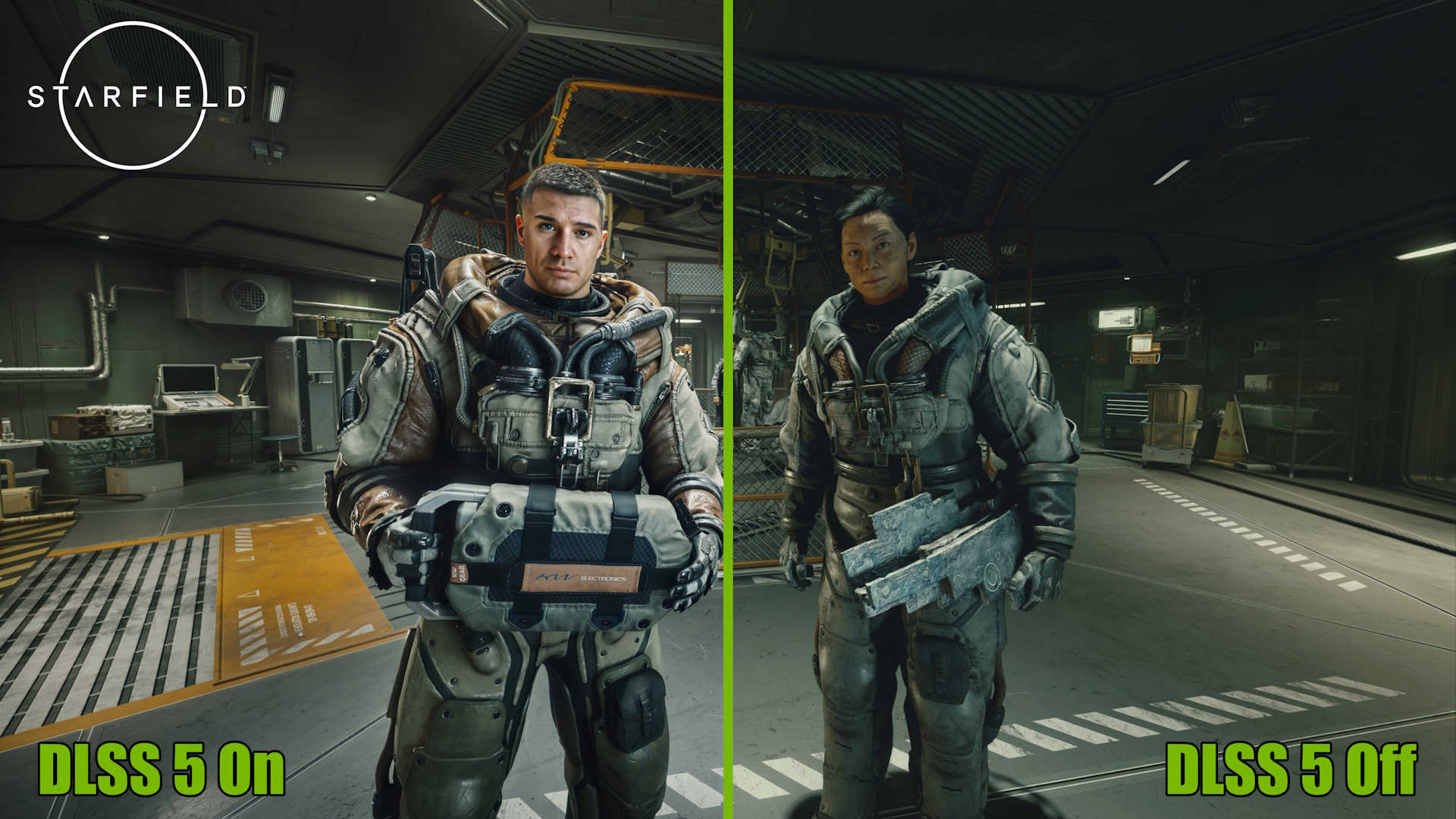
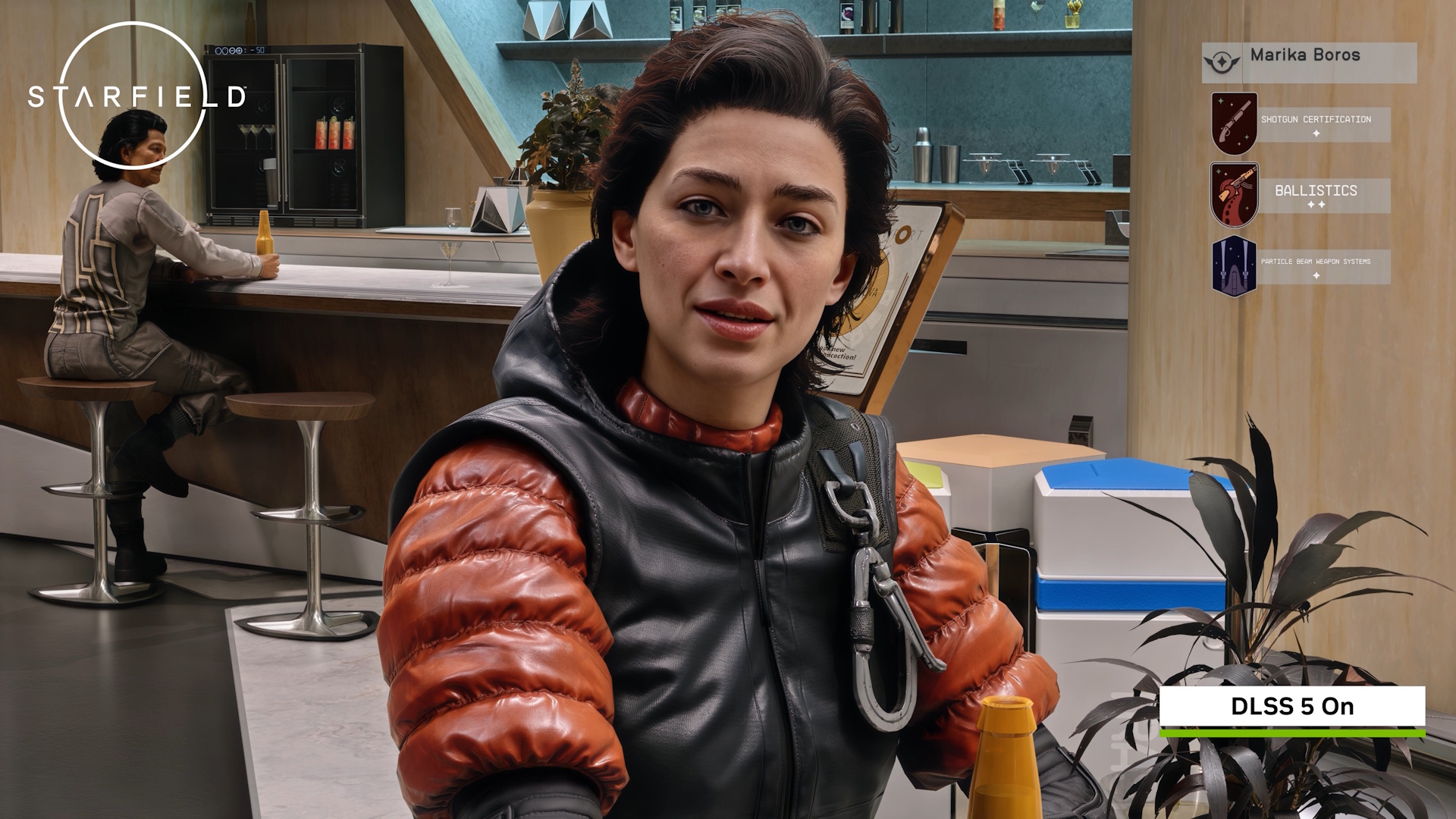
Screenshot of Starfield.
Starfield (2023).

Stay tuned, because I have five more “hot takes” that I’m currently in the process of writing up.

As I said at the beginning, none of these things should be taken too seriously – this is just intended to be a bit of thought-provoking fun, at the end of the day.

There’s a lot to love about gaming as a hobby, and the quality of video games in general is way higher today than I could’ve imagined even just a few years ago. There are some incredible games out there; masterpieces in every sense of the word that have given me some of the best entertainment experiences I’ve ever had. And there are some games that I didn’t enjoy, too! I hope this look at a few of my “hot takes” hasn’t gotten anyone too upset!

All titles discussed above are the copyright of their respective studio, developer, and/or publisher. Some images used above courtesy of IGDB and Unsplash. This article contains the thoughts and opinions of one person only and is not intended to cause any offence.