Thoughts on The Winds of Winter

A spoiler warning graphic.

Spoiler Warning: Beware of spoilers for A Song of Ice and Fire and Game of Thrones.

Remember Game of Thrones? Well the series of novels that it was based on – George R R Martin’s A Song of Ice and Fire – remains conspicuously incomplete more than five years after the show finished its run. Recent comments by Martin – and his evident lack of progress on the next book in the series, The Winds of Winter – have left some fans of the books feeling quite worried and even angry. I thought we could get into that today and consider whether A Song of Ice and Fire will ever be complete – and if not, why not?

For context, here’s what George R R Martin had to say about writing The Winds of Winter in an interview in December 2024. In his own words: “That’s still a priority. A lot of people are already writing obituaries for me. ‘Oh, he’ll never be finished.’ Maybe they’re right. I don’t know. I’m alive right now! I seem pretty vital!”
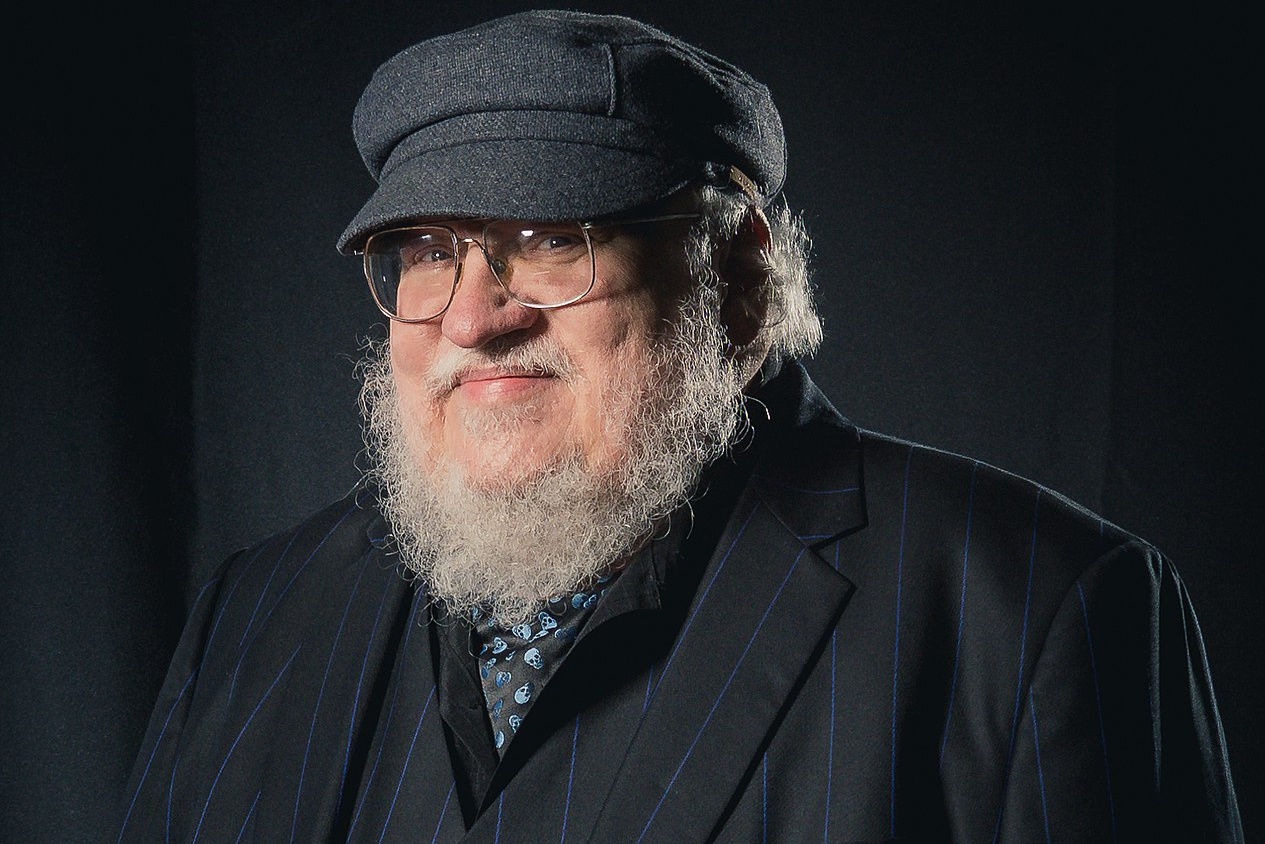
Photo of George R R Martin at an event in 2017.
George R R Martin in 2017.
Photo Credit: Henry Söderlund; CC BY 4.0 https://creativecommons.org/licenses/by/4.0, via Wikimedia Commons

Firstly, I think some people have seized on this idea of Martin “admitting” that he might never finish A Song of Ice and Fire based on that statement. But for me, there’s a world of difference between saying “maybe those people are right” and something like an admission of defeat. Martin is clearly still dedicating at least some of his time to The Winds of Winter, and in my view, headlines proclaiming that “George R R Martin says A Song of Ice and Fire might never be finished!!1!” are overstating things in a pretty clickbaity way.

But that isn’t all there is to say, obviously.

A Dance With Dragons, the most recent novel in the series, was published in 2011. For context, the television adaptation of Game of Thrones had only just finished airing its first season at the time of the book’s arrival in shops, and there was an expectation from fans, from broadcaster HBO, and everyone involved that The Winds of Winter would take at most three or four years – putting its publication in 2014 or 2015, in time for Game of Thrones’ fourth or fifth season. That did not happen!
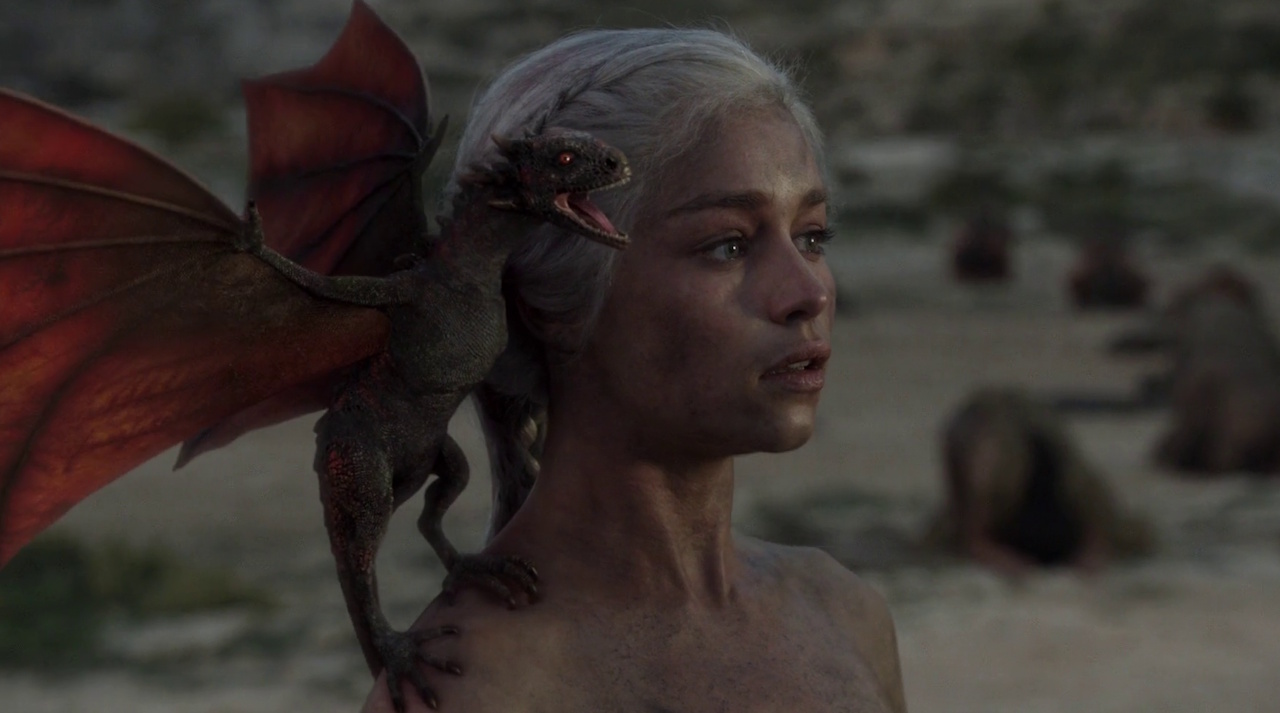
Still frame from Game of Thrones Season 1 showing Daenerys and a baby dragon emerging from the fire.
A Dance With Dragons was published a few weeks after the first season of Game of Thrones aired.

Game of Thrones was not a totally faithful adaptation of A Song of Ice and Fire, and the show diverged from the books more and more as it went along. There are whole characters and storylines that are absent from the series, a couple of characters were amalgamated or changed entirely, and there were other alterations made as the story was adapted for a new format and a new audience. But Game of Thrones still followed the basic outline of Martin’s story, and showrunners David Benioff and D B Weiss have said on the record that Martin gave them an outline of where the story was headed and where most of the characters were supposed to end up.

It was this story treatment that formed the basis for Game of Thrones’ latter seasons once the material available in the books had been used up. And if you’re familiar with the timeline of criticism and reaction to Game of Thrones, you might notice something! Around the show’s fifth season, more and more fans started voicing concerns about the quality of the writing, and particularly the direction of character arcs and major storylines. When the show reached Season 7, this had escalated a lot, and by the time it ended its run a year later… a lot of people were disappointed, upset, and even downright angry at the direction the story ultimately took.
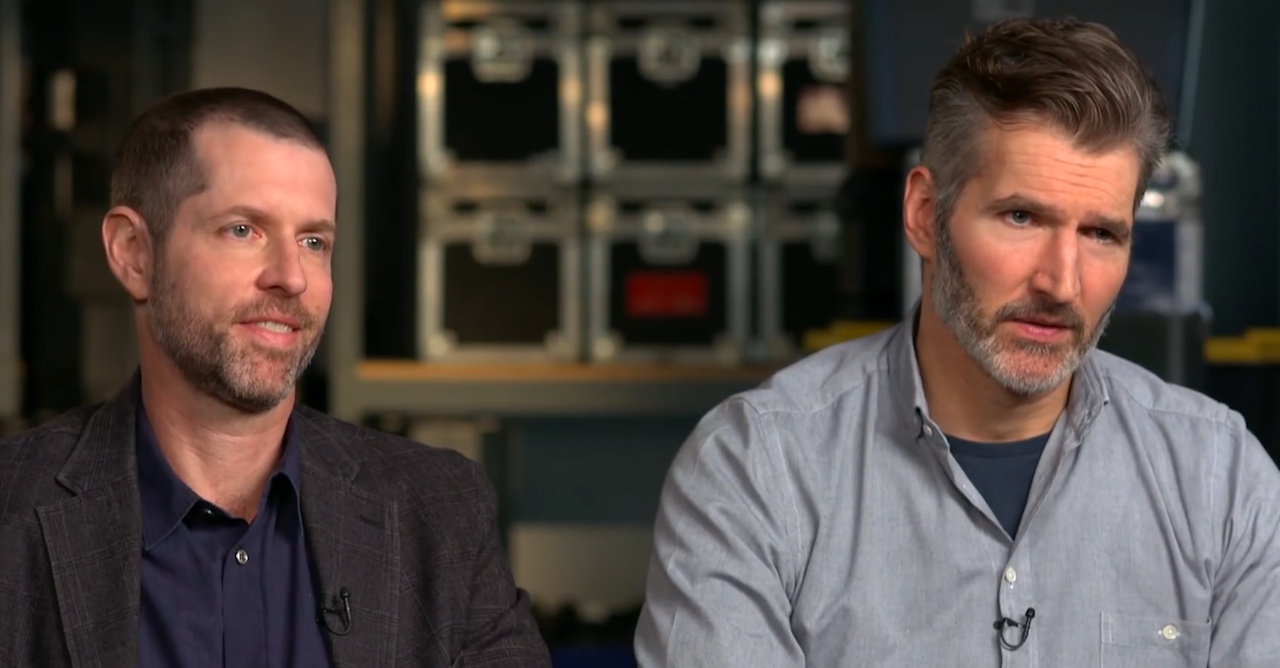
David Benioff and DB Weiss during an interview with 60 Minutes.
Game of Thrones showrunners David Benioff and D B Weiss.

For George R R Martin, I can only imagine that this was pretty devastating. Martin continued to work on Game of Thrones for all eight seasons, being credited as an executive producer. He’d written the books upon which the show was based, and he’d given the writing team his story treatment or outline for where it was going to go after the show overtook his novels. And fans hated it. Game of Thrones went from being the most popular show of the decade to something that seemed to have pissed off basically its entire audience.

And then, as I’ve noted before, Game of Thrones disappeared. The show, which had been at the forefront of our collective cultural conversation for close to a decade, vanished almost without a trace. No one wanted to go back and re-watch it; the ending was so universally panned – for a wide range of reasons – that it tainted the entire series. I don’t think I’ve ever seen a television series collapse and lose its fanbase as quickly and as spectacularly as Game of Thrones did in 2019. And for George R R Martin, the man who created the world, the characters, and the story… that’s bound to sting.
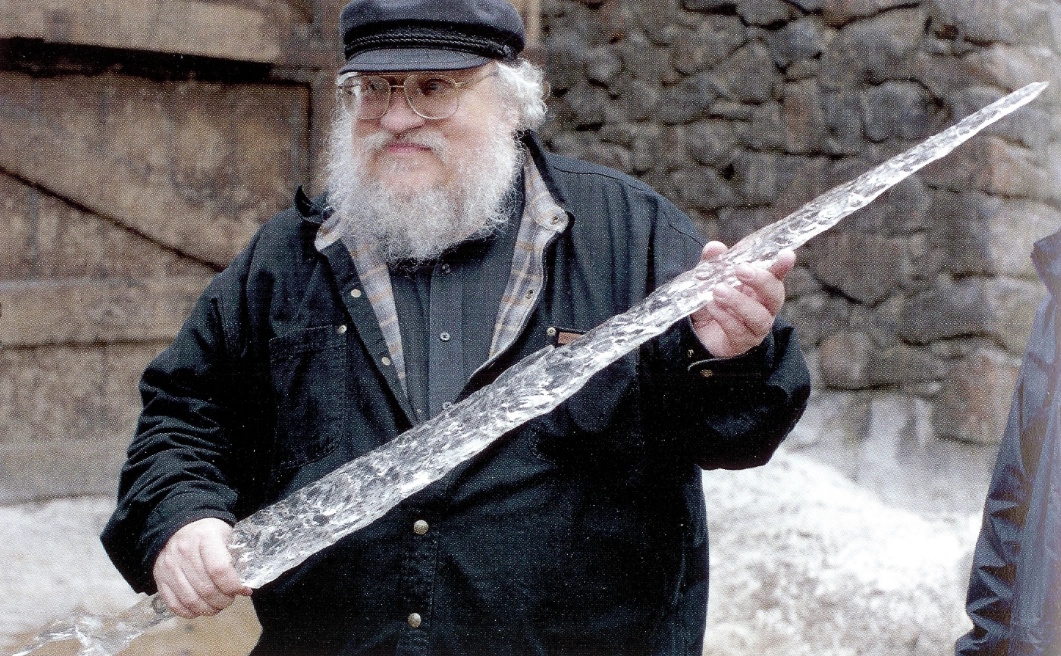
Photo of George R R Martin holding a large ice sword prop on the set of Game of Thrones.
George R R Martin with an ice blade prop on the set of Game of Thrones.

I’m not pretending to analyse George R R Martin’s mental state from thousands of miles away. But I know that, speaking for myself, if something I’d written or created had been received so universally poorly… I’d be pretty upset about that. It might even cause me to reevaluate what I’m working on. And because The Winds of Winter was unpublished at the time of Game of Thrones Season 8 and all of the backlash… part of me wonders if that’s exactly what George R R Martin has done.

More than five years ago, Martin claimed that he was “three-quarters” of the way to completing The Winds of Winter, but later seemed to suggest he was revising or re-working some of what he’d already written. Could that be in response to the backlash? And if so, how much of the story would he really be willing to change? If he was genuinely upset by what happened with Game of Thrones, he might almost have to start from scratch, re-doing entire character arcs and storylines to change the outcome.
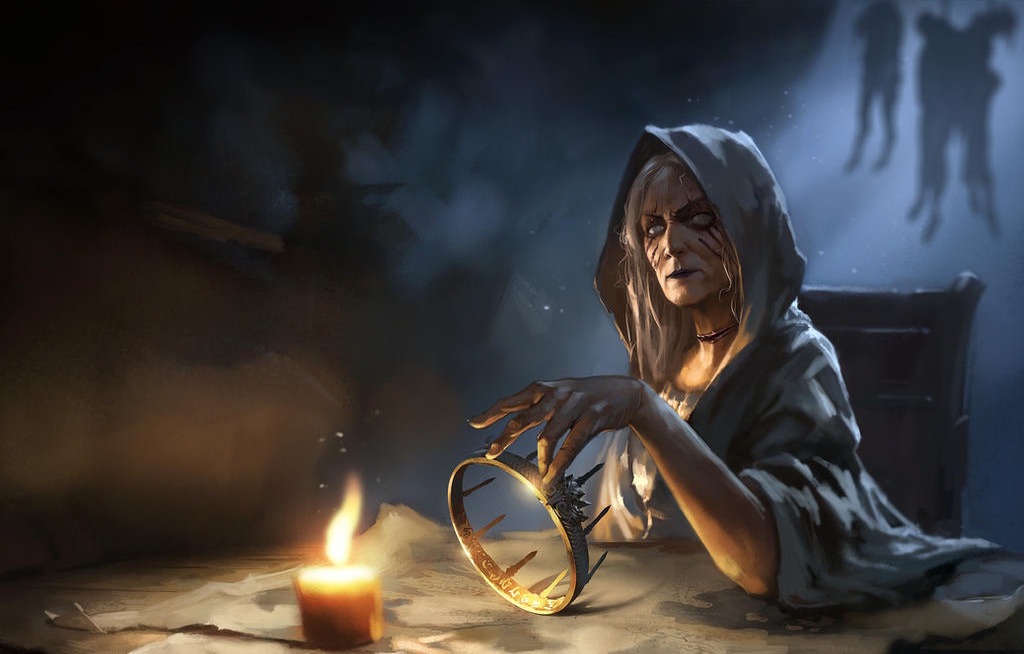
Digital painting of Lady Stoneheart from A Song of Ice and Fire by zippo514 on DeviantArt.
Game of Thrones diverged significantly from the books.
Image Credit: zippo514 on DeviantArt.

Beyond the end of A Dance With Dragons, it’s hard to say to what extent Game of Thrones may have continued to diverge from Martin’s original story. So he could reasonably make the case that the “book ending” is the true way the story was supposed to go, even if that wasn’t even close to the story treatment he gave to the Game of Thrones production team! I think we are gonna see significant differences if The Winds of Winter and A Dream of Spring are ever published – partially because the books were already on a different trajectory. But also, at least in part, because of the reaction to Game of Thrones.

Whenever this conversation crops up in fan communities online, it isn’t long before you’ll hear some variation of the following expression “well, George R R Martin doesn’t owe you a finished book!” And I gotta be honest with you: I find that to be an incredibly petty and asinine argument. Sure, technically there’s no binding legal contract. But Martin started writing a series of novels and hasn’t finished them; there’s an unsaid expectation on the part of readers and fans that the story will, one day, be complete. That doesn’t mean The Winds of Winter needs to be published next Thursday… but fans want – and reasonably expect – to see Martin continuing to work on it.
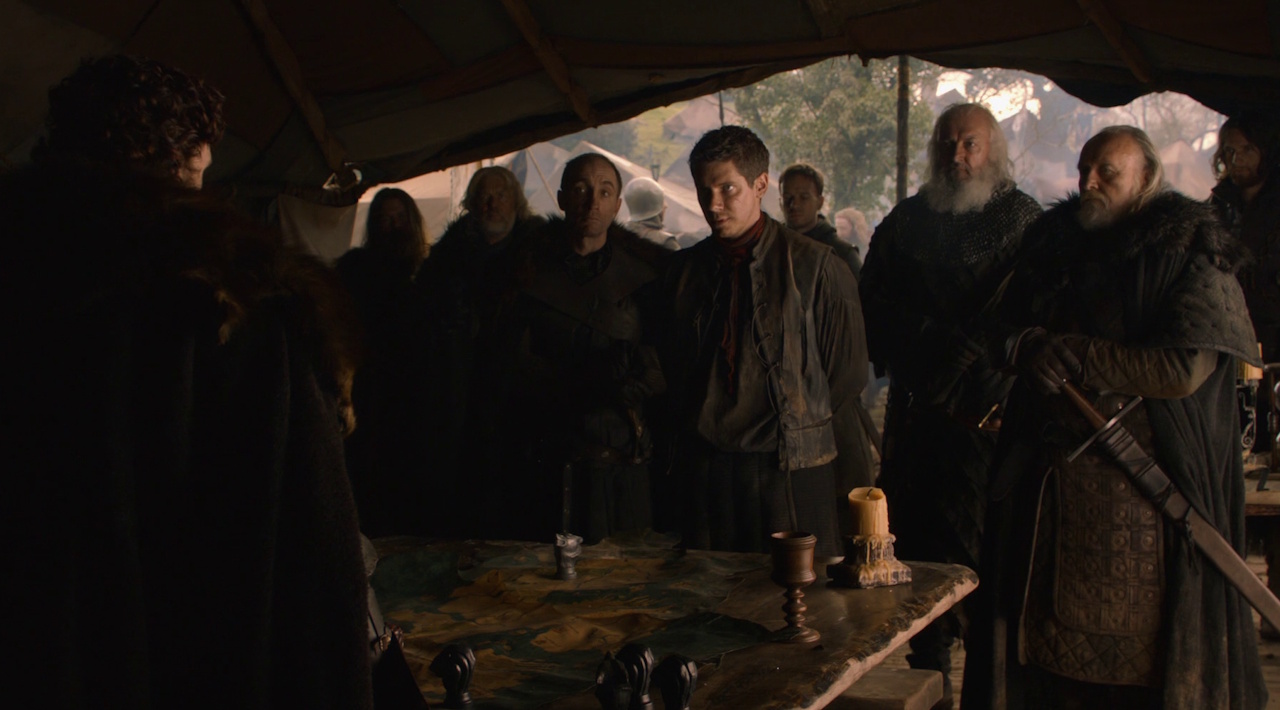
Still frame from Game of Thrones Season 2 showing several characters addressing Robb Stark.
Are fans being too demanding?

And that brings me to the next issue: George R R Martin is, apparently, quite easily distracted. Since A Dance With Dragons in 2011, Martin has published ten books, worked on at least four potential and ongoing television shows, and even found time to contribute to the development of the video game Elden Ring. It’s great to be busy, and no one is really demanding that Martin lock himself away and do nothing except work on The Winds of Winter. But it does raise eyebrows when he’s clearly procrastinating and doing other stuff – especially when a lot of what he’s doing seems to be, to put it bluntly, pretty unimportant fluff.

Imagine if J R R Tolkien had published The Hobbit, The Fellowship of the Ring, and The Two Towers… then spent the next fifteen years working on side-stories with titles like The Baggins Family Tree, Gandalf: The Man, The Myth, The Legend, or 101 Hilarious Quotes From Grima Wormtongue. As time wore on, fans would begin to wonder whether The Return of the King was even still being written, or whether Tolkien planned to publish it at all. That’s basically where we’re at with A Song of Ice and Fire, if you’ll forgive the rather crude analogy.
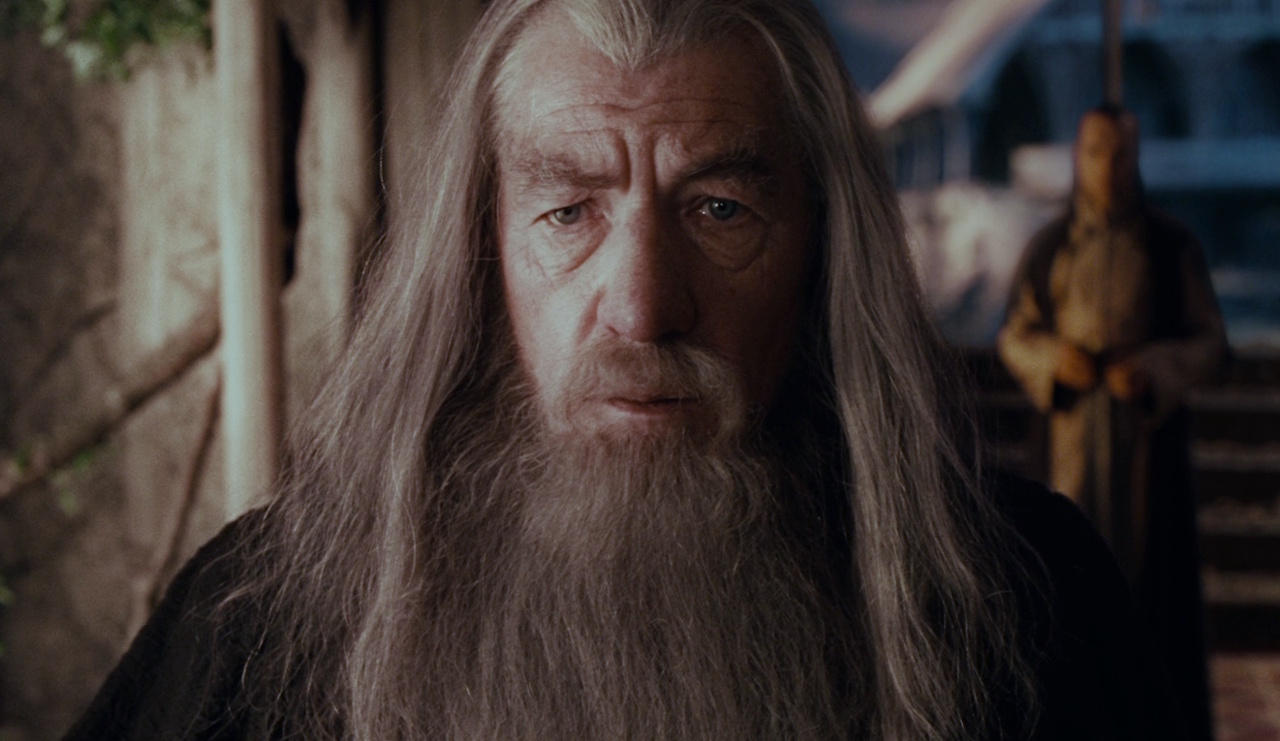
Still frame from The Lord of the Rings: The Fellowship of the Ring, showing Gandalf with Elrond in the background.
Imagine if Tolkien wrote a book about Gandalf’s backstory instead of Return of the King

With his interviews, photoshoots, and public appearances, it’s clear that Martin likes being in the public eye; a “celebrity,” for want of a better word. And there’s nothing wrong with that at all – after a lifetime of toiling behind the scenes, it must be cathartic to have the level of recognition that the TV adaptation of Game of Thrones won him. But could his celebrity status and public image also be a contributing factor to his writing slowing down? It seems an odd coincidence that 2011 – the year Game of Thrones premiered – is the last time Martin published a book in the main series.

Martin strived for a long time to work in Hollywood, moving to California in the ’80s with the hope of working in film or television. And he’s finally able to do that now, thanks to the success of Game of Thrones. Perhaps the appeal of writing a complex multi-novel saga has diminished for him in light of belatedly achieving that career objective. It would certainly explain why Martin has spent so much time over the last decade-plus working on television pitches, serving as an executive producer, and even contributing to unrelated projects like Elden Ring.
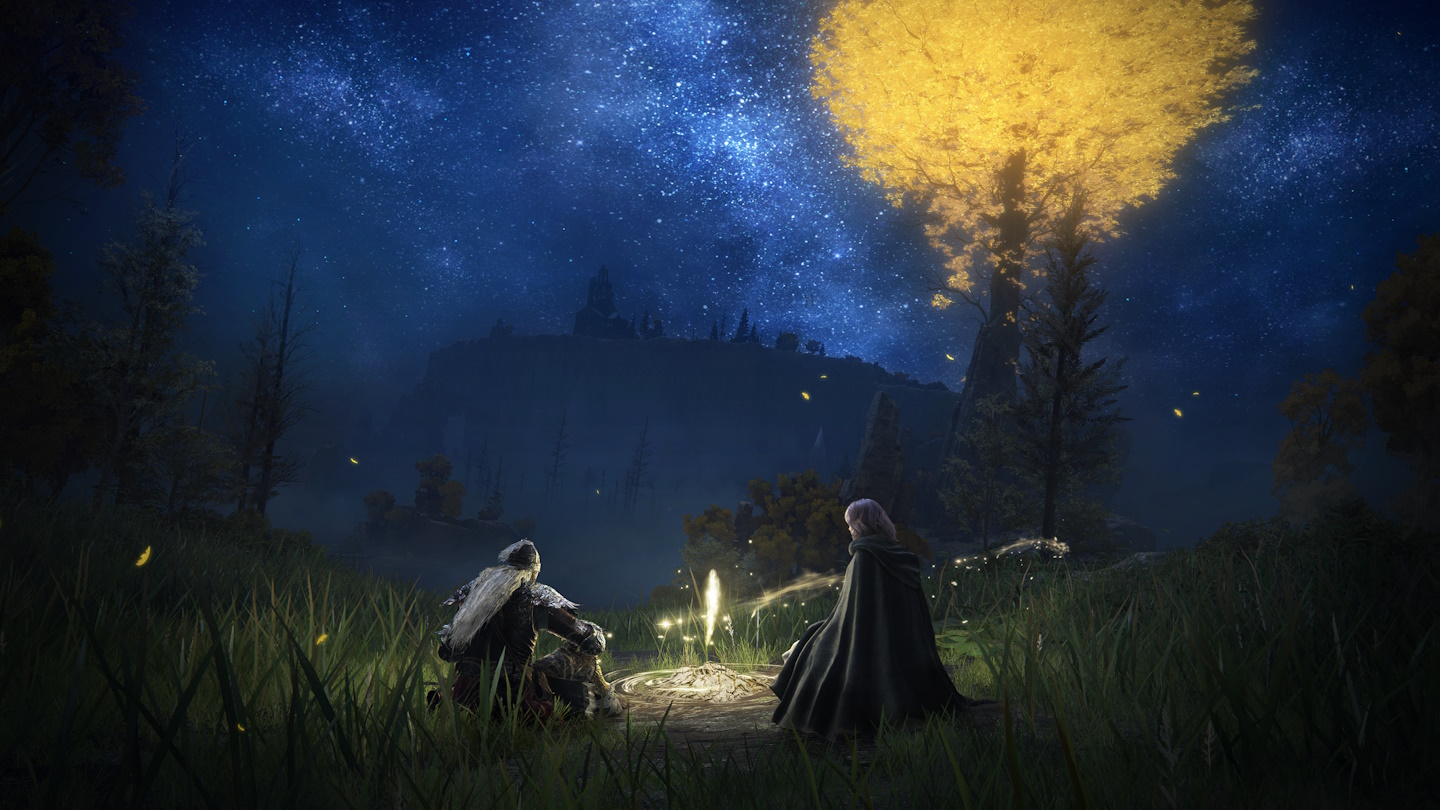
Concept art for the game Elden Ring, showing two characters by a campfire and a glowing tree.
George R R Martin found the time to work on the video game Elden Ring.

I think fans have every right to be upset with George R R Martin. He started writing a saga; his magnum opus. But for a variety of reasons, he now seems pretty uninterested in finishing it. Having built up an audience and seen huge numbers of people get invested in his characters and his world, to then spend years procrastinating and putting it on the back burner was always going to lead to a lot of people feeling disappointed.

I don’t want to be seen as “attacking” George R R Martin personally. He’s a great writer in many ways, and he’s created a world that will outlive him – something very few people can really say. But he also hasn’t been totally up-front and honest with his fans and readers since Game of Thrones premiered – and especially since it ended. While it’s totally understandable to think he’d feel upset or disappointed at the reaction audiences had to the show’s final season, there’s been a lot of time since then to re-work The Winds of Winter and make changes. But Martin still seems distracted by other projects.
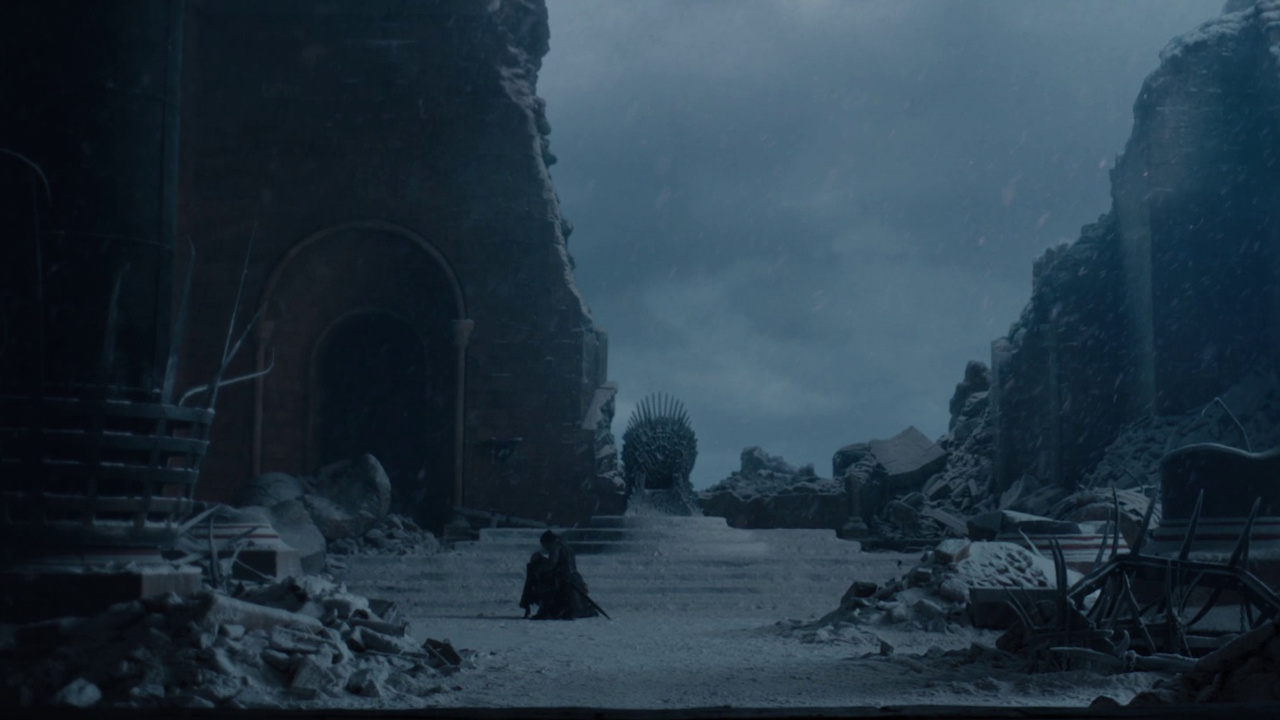
Still frame from the Game of Thrones series finale showing the damaged throne room, the Iron Throne, Jon Snow, and Daenerys Targaryen.
The end of Game of Thrones upset a lot of viewers and fans.

I think my little Tolkien analogy above is an interesting one. But you could also make the same argument using any number of popular series and stories. Imagine if Lucasfilm took a fifteen-year break after The Empire Strikes Back, working on the prequel trilogy, the Clone Wars TV series, and other such things instead of getting to work on Return of the Jedi. Martin has left his fans on a cliffhanger for more than a decade – and part of that cliffhanger has already been spoiled for a lot of people by what was seen on screen in the final seasons of Game of Thrones.

Writer’s block is awful – trust me, I know! And it can’t be nice to feel an ever-growing amount of pressure from a fan community that’s clearly losing patience and losing trust. In some ways, that makes working on The Winds of Winter even harder, I expect. But Martin does himself no favours with his public appearances and by working on so many other projects, books, films, TV shows, and video games. He invites that criticism by those actions, unfortunately.
Stock photo of a mechanical typewriter.
George R R Martin is under a lot of pressure to finish A Song of Ice and Fire.

My personal read on the situation is that Martin has been working to re-write either huge chunks of The Winds of Winter or possibly the entire book. In large part that’s because of the overwhelmingly negative reaction to the way Game of Thrones ended – an ending that will have contained at least some ideas and storylines that Martin intended to use in his remaining books. That’s why a book that was allegedly three-quarters of the way to being finished almost a decade ago is still unpublished in 2025.

But Martin is also enjoying his life in Hollywood and working in television, and his newfound fame and status basically gives him carte blanche to ignore deadlines and do what he wants, when he wants. No publisher or editor is able to make demands of him anymore or set deadlines – and that means he’s been freed up to write other things and dedicate his time to other pursuits. On an individual level, you can’t begrudge a seventy-six-year-old man for that!
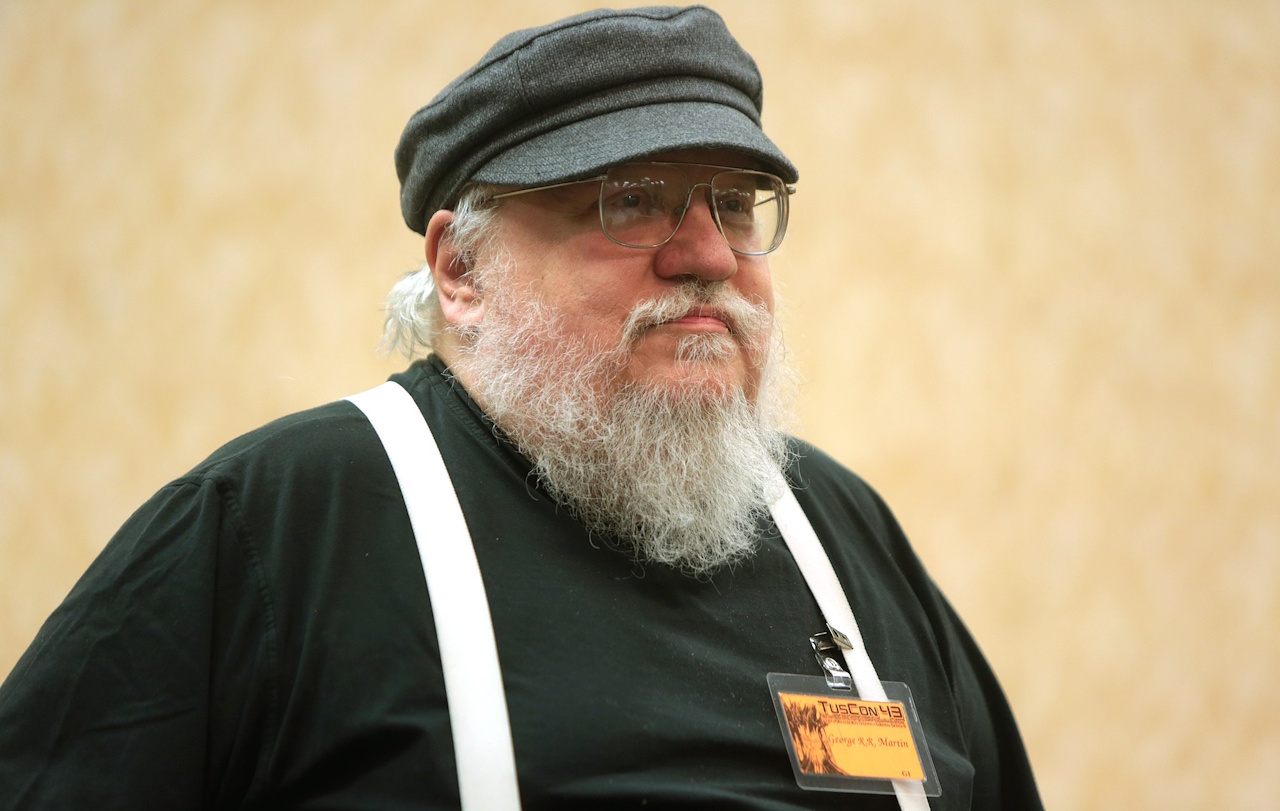
Photo of author George R R Martin at an event in Arizona in 2016.
George R R Martin.
Photo Credit: Gage Skidmore; CC BY-SA 2.0 https://creativecommons.org/licenses/by-sa/2.0, via Wikimedia Commons

But as a fan, I get where the dissatisfaction is coming from. I’m not getting any younger, and with my health issues, I don’t know for sure whether I’ll be around by the time The Winds of Winter is ready – let alone A Dream of Spring! If it takes another fifteen years to get that book ready, well… I’ll probably have checked out by then. I don’t think it’s wrong for fans to feel the way they feel and to ask questions about The Winds of Winter. I also think, to be realistic, fans of A Song of Ice and Fire should begin preparing for the eventuality of the saga never being completed.

At least Game of Thrones Season 8 told the final chapter of the story, right?!

I hope this wasn’t too depressing and didn’t come across as a personal attack. I’ve seen a lot of discussion of The Winds of Winter over the last few weeks since George R R Martin was quoted in that interview, and I wanted to share my two cents on why I think the book is taking so long. I hope he’s still working on it and I hope that, one day, A Song of Ice and Fire will be complete. But at this point… I wouldn’t bet on it.


A Song of Ice and Fire and all other books and novels mentioned above are the copyright of George R R Martin, HarperCollins, and/or Bantam Books. Game of Thrones is the copyright of HBO/HBO Entertainment. This article contains the thoughts and opinions of one person only and is not intended to cause any offence.
The Last Of Us (TV Series): first impressions

Spoiler Warning: There are minor spoilers ahead for The Last Of Us, both the TV series and the video game.

The Last Of Us is finally here! One of the television shows that I’ve been most keen to see over the past couple of years made its debut last week, and with two episodes under its belt, I think it’s a good time to share my first impressions of the show.

First of all, the narrative of The Last Of Us is just perfect for an adaptation like this. Video games have been notoriously difficult to successfully bring to the screen – but in my view, that’s because most previous attempts have been feature films, not television shows. A modern, serialised TV show is a far better option for almost all video game stories for one simple reason: length.

Concept art for The Last Of Us.

The Last Of Us was released on the PlayStation 3 back in 2013, and its main storyline took players anywhere from 16-20 hours, on average, to complete. There’s no way to condense a story like that into a film; even the longest works of cinema clock in around the three-hour mark. By choosing the small screen instead, Sony and developers Naughty Dog have played a masterstroke.

So before the show had even got started, it felt like there was a strong chance for success. If I’d have heard that The Last Of Us was going to be adapted as a film, I’d have been far less interested – because its complex, dark, and deeply emotional story needs more time to play out. And based on the first two episodes, it seems as though we’re in for a solid adaptation that doesn’t rush past or skip over key story points.

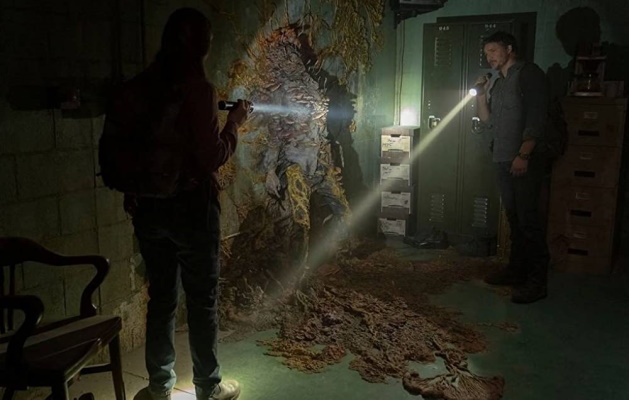
Pre-release still frame of Tess and Joel with a victim of the cordyceps infection.

I was worried that I’d find Pedro Pascal miscast as Joel, if I’m being honest. Although Pascal was solid in Game of Thrones, and I’ve enjoyed his performances in other titles, like last year’s The Unbearable Weight of Massive Talent – which you should really check out, by the way, as it’s a solid action-comedy – I wasn’t convinced that he was the right fit for this part. Pascal underwhelms me in The Mandalorian, his other big made-for-streaming series, but that’s more to do with the writing rather than the performance; The Mandalorian doesn’t give Pascal a chance to show his emotional range (nor any range at all, come to that) which is where he shines in The Last Of Us.

So I’m glad to have been proven wrong about that! The central pairing of Joel and Ellie is both the driving force of the plot of The Last Of Us and also its emotional core, and I think we’ve seen the beginnings of that in the show’s first couple of episodes. Again, this is something that builds up slowly, and the initial part of the story – the part that we’ve seen so far – put Ellie with other characters at first. But there’s a hint of good things to come in the pairing of Pedro Pascal and fellow Game of Thrones alum Bella Ramsey.

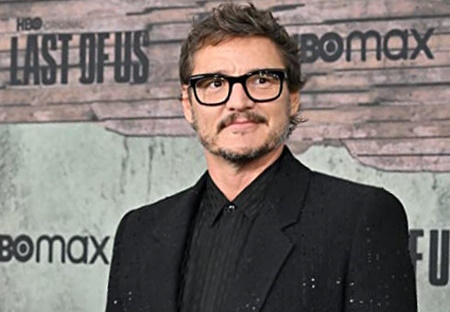
Pedro Pascal at the premiere of The Last Of Us.
Image Credit: IMDB

It’s not a stretch to say that The Last Of Us is one of the best video games I’ve ever played. Mechanically the game is solid, and its stealth-action gameplay is decent – but that was hardly innovative in 2013. What made the game special was its narrative; the game’s story was one I’d long felt was worthy of an adaptation like this. Bringing it to a new audience, as well as providing fans of the game with an adaptation worthy of such a remarkable story, was the challenge that befell HBO – and so far, it seems that they’ve risen to meet it.

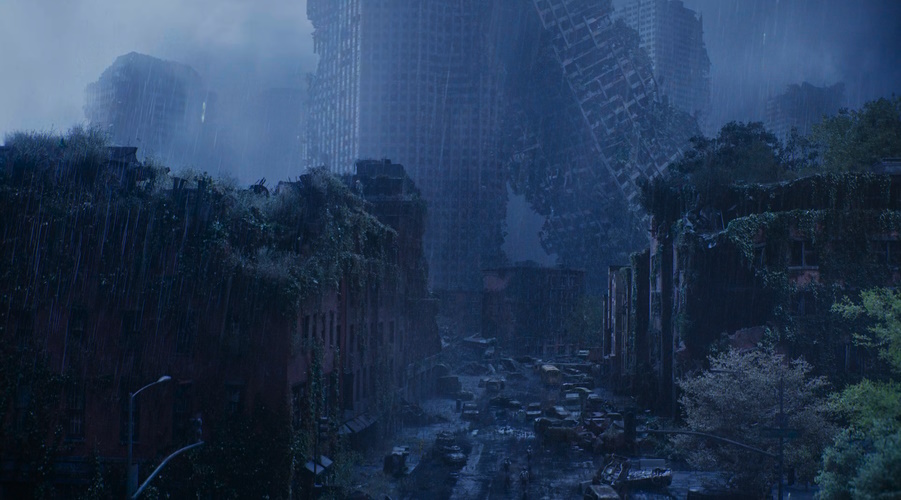
Bringing the post-apocalyptic world of The Last Of Us to screen successfully required a huge financial investment – not only to secure big-name stars like Pedro Pascal, but to create intricate sets that reflect twenty years’ worth of decay, and to craft animation work that provides a sense of scale. HBO backed up the show’s creators with a decent budget, and as a result The Last Of Us recreates the game’s hauntingly beautiful world – with a few changes along the way!

The post-apocalyptic world of The Last Of Us is stunning.

I don’t know whether there will be a reason for the decision to change the time period in which the story is set other than perhaps an attempt to play on some kind of hidden early 2000s nostalgia… but maybe there will be more to it than that, we’ll have to see. In the original game, the infection broke out circa 2013 (the year the game was released) with the main story taking place in 2033-34. Perhaps the creators of the show hoped to use a kind of “look at what life could be like right now in an alternate timeline” thing, but if that’s all there is to it I don’t think it adds anything.

In a way, the show might be more relatable, not less, if it were set in the 2030s or 2040s, amidst the decaying remnants of today’s culture, rather than reflecting the way things were twenty years ago. There were what I interpreted as subtle digs at the George W Bush administration and the general post-9/11 culture of the United States in some of The Last Of Us’ scenes and dialogue, but this is something that, to be honest, has been explored in far more depth – and far better – in numerous other works, and again I don’t think it added anything of substance. However, I’m content to wait and see if the time period and other setting changes are going to be paid off later.

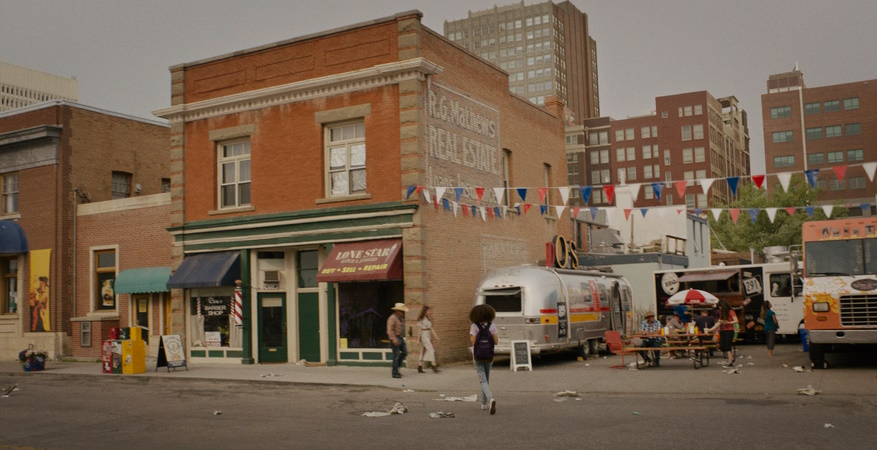
In the show, the outbreak occurred in 2003.

One thing that the show absolutely nails is its post-apocalyptic look. The faces of the characters are grimy and dirty from years of living in difficult conditions, the sets all show attention to detail with moss and mould, and every last element has been carefully crafted to simulate a world that is, for the most part, abandoned. CGI and animation work combine with practical effects and some very gruesome makeup to really sell the effect.

Two episodes in and I’ve already noticed multiple locations that look incredibly similar to the video game upon which the show was based. The flooded hotel in particular felt eerily familiar, and doubtless it would to anyone who played through The Last Of Us. There must be a temptation with an adaptation like this to shake things up and put the characters into different-looking spaces, but so far I’ve been struck by just how similar the locations have all felt.

The flooded hotel felt eerily familiar.

The series has made some changes, though, and one of the biggest ones that’s become apparent so far is the relationship between Tommy and Joel. In the video game, Joel was estranged from Tommy by the time of the main story, with Tommy having left to join the Fireflies – an anti-government group whose objective is to both end the military government and find a cure for the cordyceps infection. In the show, however, a big part of Joel’s motivation is to reunite with Tommy, who seems to be a resident of the Boston quarantine zone along with Joel and Tess. It remains to be seen how this change will impact the story, and whether there’s a deeper reason for it.

Another notable change came toward the end of the second episode, with the events that unfolded at the State Capitol also being quite different when compared to the video game – though this one was less impactful as it took the main characters to more or less the same place.

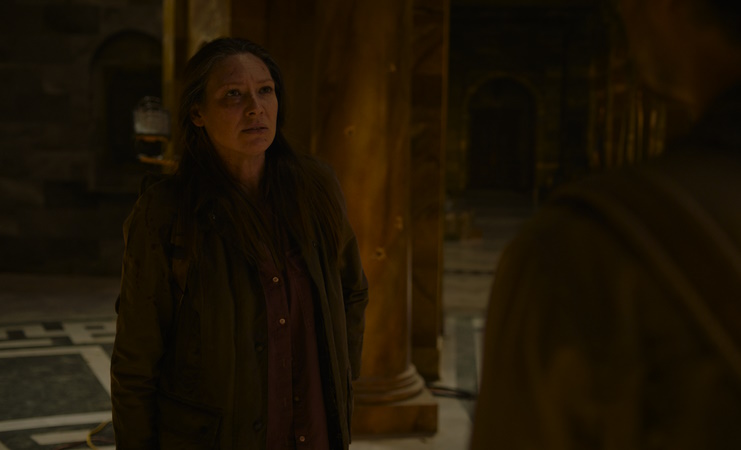
Tess and Joel at the Capitol.

I’m not any kind of “purist” opposed to changes like this, and if they serve the story well and create an engaging narrative, it should be fine. But I do think it’s noteworthy in any kind of adaptation – be that of a book, film, or video game – when narrative beats and characterisations are altered. The Last Of Us worked so well because it’s such a strong character-driven story… and I guess all I can say is that I hope that making changes to that story and its characters won’t have any ill effects or unintended consequences!

There are advantages to changing things up, though. While fans of the game should be confident that they’re familiar with the broad strokes of the plot, smaller changes and additions keep The Last Of Us fresh even for folks who may have played through its story multiple times. That’s a net positive, in my view, and never being quite sure what will happen next is almost always a good thing for a television show like this as it seeks to keep the tension and excitement levels high!

A new creation for the series.

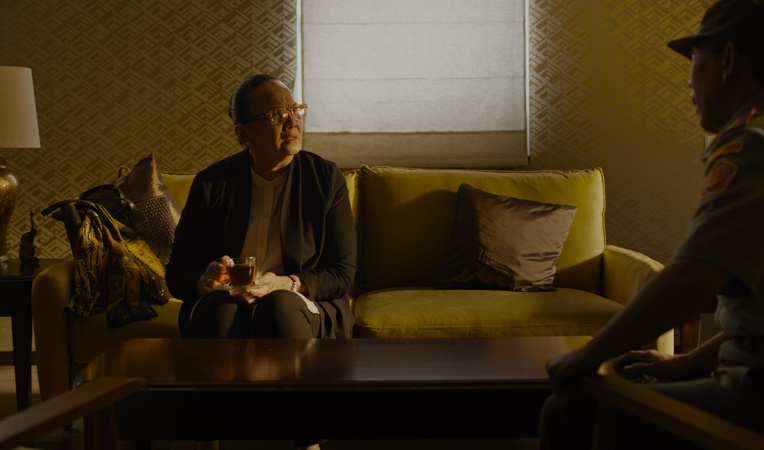
The addition of a sequence set at the very beginning of the outbreak, following a scientist and military officers in Indonesia, was interesting, and the show seems to be making a bit more of an attempt than the game did to explain the origin of its cordyceps infection. Even if that sequence is all we’re going to see, I still think it was a good idea to include it. Changing the disease’s origin from “South America” to Indonesia is certainly an interesting choice, though, and again I wonder if this is something that will be paid off down the line.

The Last Of Us has a beautiful and understated piece of music as its main theme. The Americana-inspired tune is pitch-perfect for the series, and the short, modern title sequence is in line with a lot of other shows in the serialised space; shows from Star Trek: Picard to Game of Thrones have all used CGI sequences like this. I don’t think that The Last Of Us’ theme will become quite so recognisable and iconic as some others, but it’s a great piece in its own right.

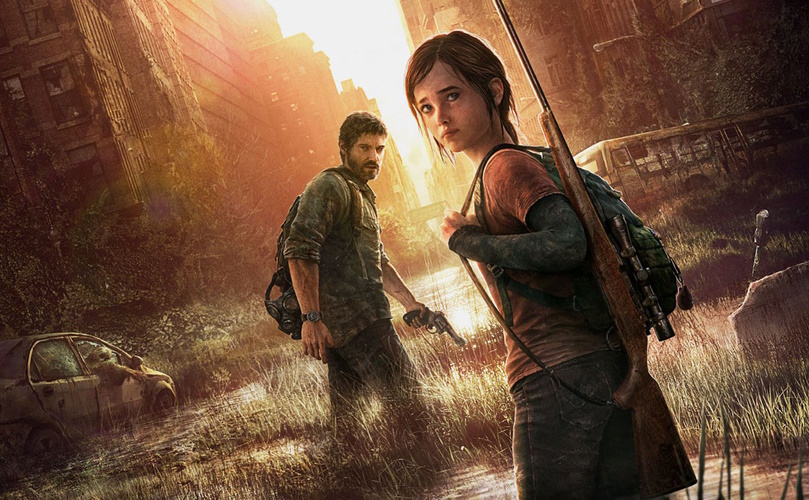
Cover art for the original video game.

So let’s wrap things up! The Last Of Us is off to a great start. There are a couple of open questions; elements unique to the series or that have been changed from the source material, and I’m curious to see how that will play out as the story progresses. But overall, the show feels like a great adaptation. It’s easily one of the best video game adaptations that have been created so far, and certainly gives the Halo series on Paramount+ a run for its money!

For someone who isn’t a big horror fan, there were jumpscares and tense moments in The Last Of Us that were definitely pushing me out of my comfort zone as a viewer, but they were relatively few and far between in a complex, nuanced story that has plenty of other things to focus on. At no point did I feel I needed to switch off or skip ahead to get past a difficult or frightening sequence, and I think that’s to the show’s credit.

Above all, The Last Of Us is one of the most incredible and emotional stories that I’ve ever played through in a video game. Bringing that story to a wider audience and making it more accessible is a fantastic thing, and I hope that this series will succeed, bring in huge numbers of viewers, and introduce this wonderful story to a whole new group of folks – while still finding ways to keep it exciting and engaging for people who’ve already experienced it. Based on the first couple of episodes, there are plenty of reasons to think it’s up to the task!

The Last Of Us is broadcast on HBO and streams on HBO Max in the United States and is broadcast on Sky Atlantic in the United Kingdom. The Last Of Us is the copyright of Naughty Dog, Sony Interactive Entertainment, and HBO. This article contains the thoughts and opinions of one person only and is not intended to cause any offence.

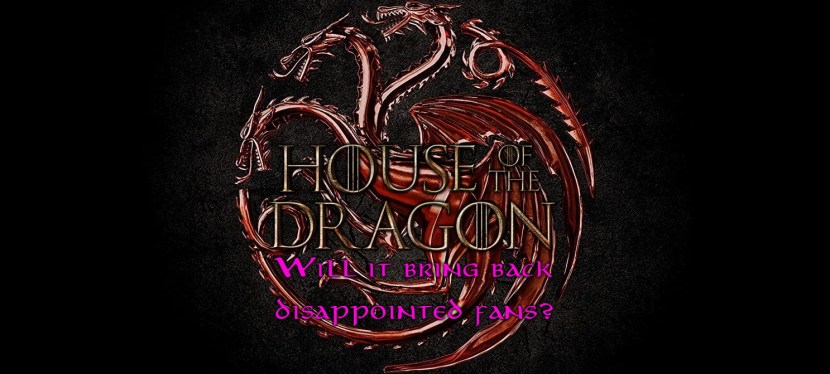
Will House of the Dragon bring back disappointed Game of Thrones fans?

Spoiler Warning: There are spoilers ahead for Game of Thrones Seasons 1-8 and the teaser trailer for House of the Dragon.

Practically everyone I’ve spoken to, from hardcore fans to casual viewers, felt that Game of Thrones ended in a way that was rushed and disappointing. Individual reasons for disappointment may vary, but the broad consensus is that Game of Thrones Season 8 – and to a degree parts of Seasons 6 and 7 too – didn’t provide fans with a satisfying ending to a well-established, decade-long story. Now that we’ve seen the first teaser for House of the Dragon, and gotten a release window of 2022, the question I want to ask is simple: can the new series successfully bring back fans who were disappointed with the way that Game of Thrones ended?

I haven’t gone back to re-watch Game of Thrones since it went off the air in mid-2019, and I’m not alone. As I wrote last year, at the height of the pandemic when folks were stuck at home looking for films and shows to binge-watch, Game of Thrones didn’t even enter the conversation. The way the ending landed for fans was so bad that it made going back and starting over an unappealing prospect. Despite the first few seasons being some of the best serialised television ever brought to screen, even those fantastic scenes and episodes are now tainted for many fans with the knowledge that the story they set up went off the rails.

The way Game of Thrones Season 8 ended has left many fans with a bitter aftertaste.

This article isn’t a re-hash of my Game of Thrones Season 8 arguments. If you want to get my full thoughts on what happened with Game of Thrones, I have a two-part essay which you can find by clicking or tapping here. Instead I want to use Game of Thrones Season 8 as a starting point for the conversation about House of the Dragon, because whatever HBO and George R R Martin might want people to focus on as the new show’s marketing campaign kicks off, there can be no denying that it exists in its predecessor’s shadow – for better or for worse.

One thing that struck me about the House of the Dragon teaser was how heavily the new series is borrowing from Game of Thrones in terms of aesthetic. It’s a prequel set in the same universe, so similarities are to be expected, but if I didn’t know any better or I’d been out of the loop for a couple of years, you could’ve shown me the teaser and told me it was Game of Thrones Season 9 and I’d have believed it. We aren’t just talking about obvious things either, like the Hand of the King badge or the throne room set. The way the teaser used camera shots, the lighting for scenes and characters, and even the music all leaned very heavily on Game of Thrones.

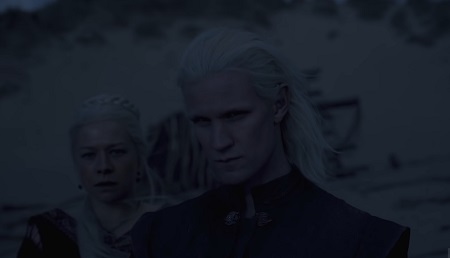
Everything about this shot, from the lighting to the position of the camera, feels like it has been lifted directly from Game of Thrones.

It’s hard to see House of the Dragon as its own thing right now, and that could become an issue for HBO. Any prequel or spin-off naturally relies on what came before, but when you compare House of the Dragon to similar projects, there are key differences. Star Trek: Enterprise created an entirely new look for its 22nd Century setting, one which aimed to blend the modern world with Star Trek’s futuristic technology in a way that felt like a half-step between the world of 2001 and Captain Kirk’s 23rd Century. It didn’t always succeed at that, but it made the effort to distinguish itself from other parts of the Star Trek franchise.

Even the Star Wars prequels changed up significant visual elements. Some of the starships and armour designs shown off in the prequel trilogy managed to feel like a natural ancestor of the familiar Star Destroyers and Stormtrooper helmets we knew and loved from the original films. Other prequels and spin-offs likewise make an effort to appear new, different, or to have at least some distinctive elements that make the project unique. I didn’t see any of that in the House of the Dragon teaser.

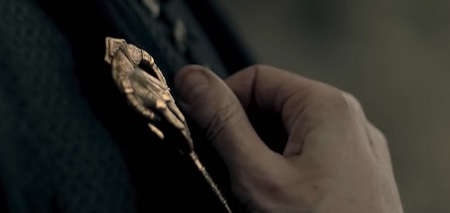
The familiar emblem of the Hand of the King.

When HBO greenlit House of the Dragon and considered scripts and story treatments for at least four other Game of Thrones spin-offs, the original show was riding high. Maybe Seasons 6 and 7 had started the process of tarnishing its halo a little, but there was hope and optimism that Season 8 would see the series end on an explosive high note – setting the stage for prequels and spin-offs and getting fans incredibly hyped for what was to come. The ending of Season 8 killed much of that hype stone-dead, and in the intervening couple of years it really does feel like Game of Thrones has completely dropped out of our collective cultural conversation.

In that environment, House of the Dragon needed to do more in this first look to reassure wayward fans that lessons have been learned and that there won’t be a repeat of Game of Thrones Season 8. The teaser needed to demonstrate that House of the Dragon will be worth fans’ time and investment because it’s something different, a series with a planned story that won’t go off the rails. By showing us something that felt very familiar and very samey, this first teaser hasn’t achieved any of those objectives. Instead it seemed explicitly designed to offer fans more of the same – more Game of Thrones. It’s as if the overwhelmingly negative reaction to Season 8 fell entirely on deaf ears at HBO.

The lighting in this shot feels just like the lighting in the Game of Thrones episode The Long Night… and that isn’t a compliment.

Imagine being a huge Star Wars fan, then absolutely hating Return of the Jedi. It’s hard to remember now, but that film was once considered the weakest part of the Star Wars trilogy, with fans deriding things like the Ewoks and the Death Star redux storyline. But imagine being a Star Wars fan who’d absolutely detested the way Return of the Jedi ended – and then a few years later being offered the Star Wars prequels and The Phantom Menace. Would you want to go back and get invested in that world all over again? Or would you be cautious, unwilling to make a commitment to a new story when the last one just plain sucked? That’s the position many Game of Thrones fans – or ex-fans – are in at the moment. HBO is offering more Game of Thrones to a fanbase embittered by the way Season 8 was handled.

None of this addresses the merits of House of the Dragon. The series may very well be good – as the first five-plus seasons of Game of Thrones were. But the task that lies before it is a difficult one, and I don’t think that the way it’s being marketed – at least based on this first teaser – has helped.

Promo poster for House of the Dragon.

House of the Dragon has to demonstrate that there’s more to Westeros than Daenerys, Jon Snow, and the Night King. It has to take a familiar setting and make us care about new characters and new factions all over again, to reset the lands of A Song of Ice and Fire and potentially tee up even more shows and films down the line. It has the task that Star Trek: The Next Generation had in 1987 – to demonstrate that a successful series can become a successful franchise.

For all of the lore and detailed history of Westeros that George R R Martin has written over the years, only one part of that has thus far made it to the screen. Many fans, even those deeply invested in the television show during its run, were only aware of events like Robert’s Rebellion, Aegon’s Conquest, or the Dance of Dragons from throwaway lines spoken by characters in dialogue. The lore of Game of Thrones was backstory for the events happening in that show – and whether any of it will translate to standalone projects and stories is now up for debate.

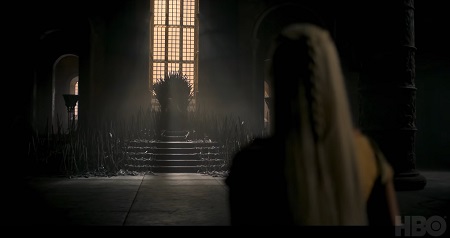
A return to the throne room in King’s Landing seems to be on the agenda.

Where Game of Thrones excelled in its earlier seasons was its sense of scale. The world-building beyond the characters we got to know was exquisitely handled, and it was only in the latter part of Season 7 and through Season 8, as the number of characters and locales shrunk, that that sense of scale diminished. In short, the world of Westeros does feel lived-in, as though there are more stories out there to be told. That’s a huge point in favour of House of the Dragon – and other potential spin-offs that may be coming in future.

House of the Dragon also has the task of trying to appeal to new fans. Perhaps those who tried Game of Thrones but found its large number of characters confusing in those first few episodes, or fans of the books who didn’t give Game of Thrones a chance, as well as a broader television audience. The show can’t just rely on fans of the original series to flock back – it has to have more to offer beyond the existing fanbase.

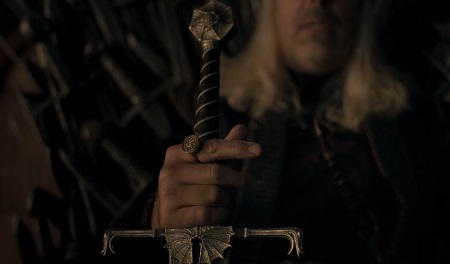
King Viserys I in the teaser for House of the Dragon.

With The Witcher Season 2 coming soon, Amazon’s Lord of the Rings prequel, The Wheel of Time, and now House of the Dragon, there’s a lot for fans of fantasy to look forward to. That’s also a potential pitfall for House of the Dragon, though, as Game of Thrones blazed a trail in the big-budget fantasy television genre that others are now scrambling to follow. House of the Dragon won’t have the genre all to itself, and Amazon’s Lord of the Rings series in particular will be a major competitor.

Although I have gripes with the way Game of Thrones ended, I’m interested to see more of Westeros. But “interested” is as much as I can muster right now. I’m not hyped, I’m not excited. I’m interested… cautiously so. HBO has work to do to rebuild trust between its creative team and the fanbase, and the number one objective has to be convincing lapsed fans to get back aboard the hype train. I don’t believe that the right way to go about that is simply to say “here’s more of the same,” because that’s what fans got burned by last time. House of the Dragon has to balance its place in the expanded franchise with offering something at least slightly different, and from this first teaser I saw nothing even superficially so.

I’d love to see House of the Dragon be successful. Heck, I’d like to see it surpass Game of Thrones and reinvigorate interest in Westeros and A Song of Ice and Fire after the disastrous ending to Game of Thrones tainted the brand. Maybe then George R R Martin might actually finish the novels! A fan can dream, eh?

House of the Dragon will stream on HBO Max in 2022. All properties mentioned above – including Game of Thrones and House of the Dragon – are the copyright of HBO and/or Warner Bros. Television. This article contains the thoughts and opinions of one person only and is not intended to cause any offence.