


Spoiler Warning: Beware minor spoilers for some of the productions discussed below.
You know what I find silly? When magazines, websites, and media outlets publish their “best of the year” articles and awards in early December or even November! I mean, at that stage there’s still a month or more of the year left! That’s why, here at Trekking with Dennis, I always publish my End-of-Year Awards at… the end of the year! What a novel concept, eh?
In 2025, I reviewed more films here on the website than in any prior year. But, to tell you the truth, I didn’t watch as many TV programmes or play as many games this year as I think I’ve done in years gone by. There are still more than enough to win some made-up trophies, don’t worry, but there are a few that I originally planned to get around to this year that I just… didn’t. Partly that’s because it’s been a pretty busy year for me, on the whole – you can see more on that by clicking or tapping here! And partly that’s just because I’ve been feeling pretty tired, sometimes, or I just haven’t felt up to starting a brand-new story.

As always, a few important caveats.
Firstly, and most importantly, all of this is *subjective, not objective.* If I give an award to a film, game, or TV show that you despise, or if I skip over one of your favourites that’s already won all of the other big awards… that’s okay. There will always be a broad spectrum of opinions on works of media and entertainment, and these are mine – and mine alone. We don’t need to get into a shouting match over a made-up statuette!
Secondly, there are a bunch of popular movies, games, and TV programmes that I didn’t get around to in 2025. For reasons that I hope are obvious, they won’t be entered into consideration for an award. Finally, I might include one or two titles from the tail end of 2024 as well, as I may have only got around to them in 2025.
Alright then! With all of that out of the way, let’s hand out some awards.
Best Web Series:
🥈 Runner-Up🥈
Mugthief
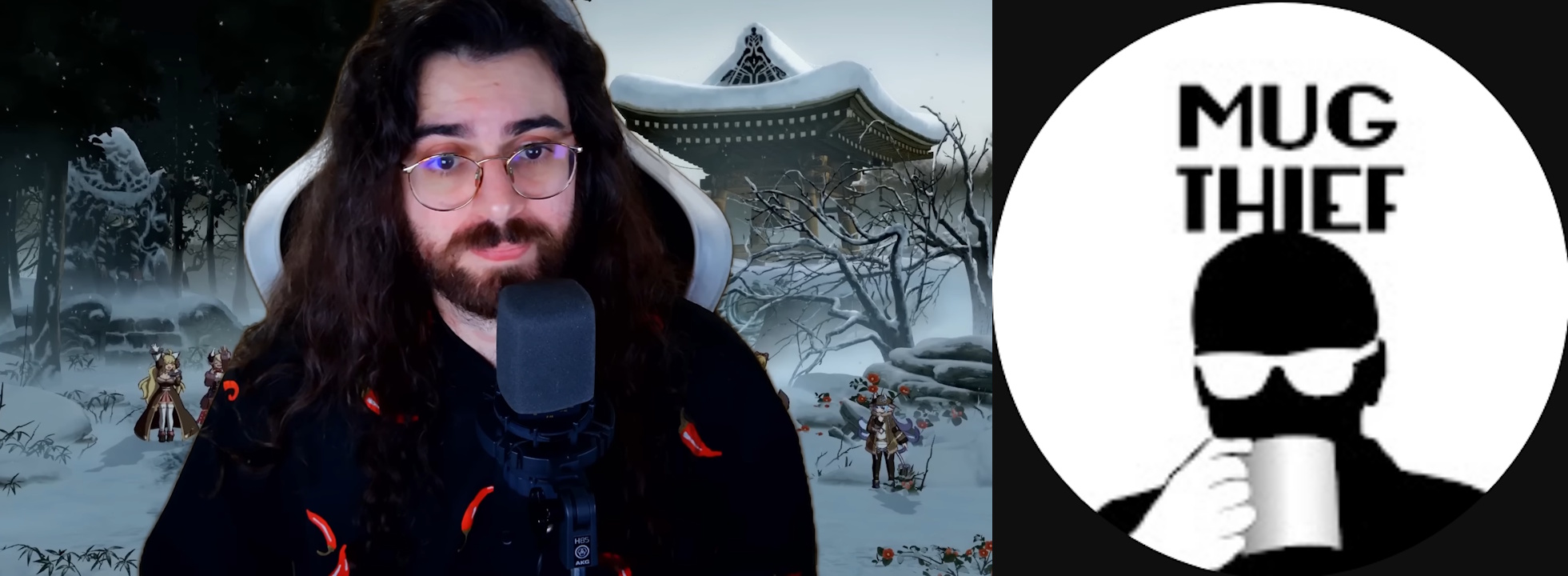
I don’t watch a lot of “gaming content” online, but there are a few content creators I still regularly tune in for. One of those is Mugthief, a YouTube-based video game reviewer and video essayist. I occasionally disagree with his takes, but I like the way he presents his coverage, and he always comes across as fair, even-handed, and not like someone seeking out games to “hate on.” I also appreciate the distinct lack of clickbait in videos, titles, and thumbnails!
There isn’t always a lot to be positive about in gaming, and Mugthief isn’t shy about criticising games and gaming companies when they deserve it. But he can also be passionate and positive about titles he enjoys, which is always great to see. I’ve had fun and learned about a few titles from Mugthief in 2025, and I just wanted to celebrate his channel and his content as the year comes to an end.
🏆 Winner 🏆
Quiet Nerd
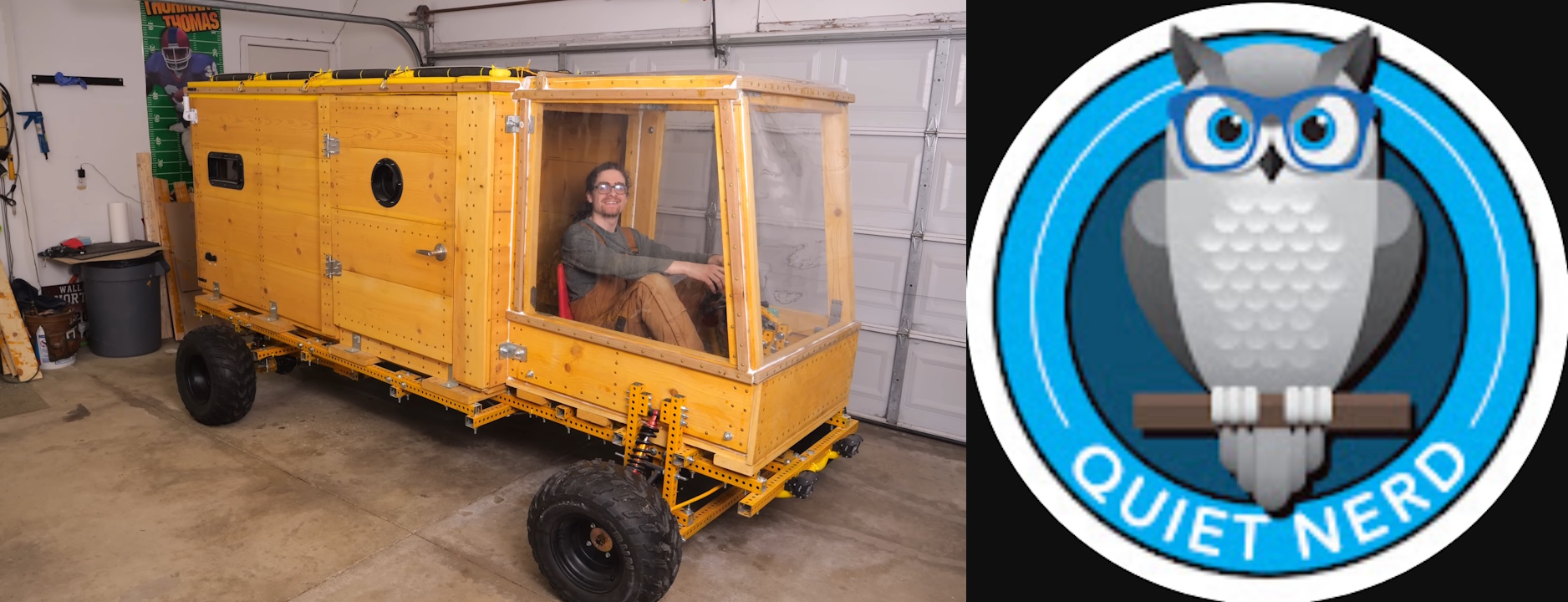
I’m not someone who’s very good at engineering, electricals, or really doing anything hands-on! But I like to live vicariously through others, and YouTuber Quiet Nerd has taken me on some wild adventures with his self-made drivable camper, boat, and more. I’ve really come to enjoy videos about people building things like this – camper vans and caravans have always felt cute and cozy to me, and the idea of building one from scratch just seems like it must be a huge amount of fun. Quiet Nerd is one of the best in the business for that kind of content, in my opinion.
Some of the vehicles Quiet Nerd has built are incredible. Using electric batteries, tracks, steel beams, and a whole lot of knowledge that I do not possess, he’s constructed sturdy, drivable, livable camping vehicles that he then takes on adventures in the wilderness. It’s just a lot of fun. And as someone who doesn’t get out a lot due to my health – let alone go camping – it’s been hugely entertaining to be taken on those adventures with him.
Most-Improved Web Series:
🏆 Winner 🏆
Binging With Babish

I’d unsubscribed from Binging with Babish at least a year ago. The show seemed to have descended into – for want of a better term – slop, with videos like “I tried eating 100 different kinds of ramen!!” replacing the recipes that I’d originally tuned in for. By the end of my time as a subscriber, only Babish collaborator Alvin’s videos were of any interest to me at all, and they were so outnumbered by low-quality, low-effort nonsense that I felt sure I was done.
But in 2025, I was pleasantly surprised to see Binging With Babish make somewhat of a comeback. There’s still slop, but there are once again genuine recipes in the mould of Babish’s earlier content, and I’m glad to see the show’s pivot. Many creative folks get burned out doing the same thing over and over again, and I can empathise with the desire to branch out and try different things. But I’m very pleased to see what I consider to be a return to form from what had been a fairly unique and well-produced web series.
The “Too Early For Early Access” Award:
🏆 “Winner” 🏆
inZOI

After the disappointing cancellation of Life By You about a year ago, I was still hopeful that a genuine competitor or “spiritual successor” to The Sims series might be in the offing. The Sims 4 is catastrophically over-monetised, and Electronic Arts has shown no signs of developing a new entry in the series, either. And all of that was before the EA buyout situation that we discussed earlier in the year. So I had hopes that a game like inZOI might be the challenger that The Sims has needed for a long time – as well as a fantastic game in its own right.
But, as you may know by now, inZOI launched into early access far too early, in a near-unplayable state. Basic game features were missing, and I just got the impression that publisher Krafton was pushing the game’s developers too hard before inZOI was even close to being ready. Early access is hit-and-miss, and you have to understand that when you jump in. And I get that, believe me! But even for an early access title, inZOI felt horribly unready, and needed at least another year-plus of development time. I hope that the game’s difficult early access release hasn’t damaged its reputation too much ahead of its full launch.
Worst DLC:
🏆 “Winner” 🏆
The Oblivion Remaster’s “Deluxe Edition”
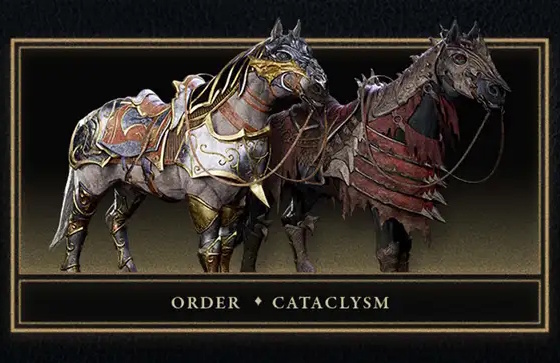
Remember Bethesda’s infamous “horse armour” debacle in 2006? Well, how would you like to pay extra money to Bethesda, again, for *more* horse armour in the remastered version of Oblivion? Because that’s what the shitty “Deluxe” version of the Oblivion remaster gets you. Paid horse armour. In Oblivion. In 2025. As I said back in June: piss off, Bethesda.
If this was meant to be a joke, I didn’t find it funny. If it was a freebie, a little nod-and-wink to longtime fans to say “hey, wasn’t this silly back in the day?” then sure. Add it in as a free DLC and we can all chuckle to ourselves about how Bethesda’s greed led directly to paid skins and other crappy DLC in single-player games. But as a *paid* feature in the Oblivion remaster? I was shocked at how brazenly Todd Howard and Bethesda were just taking the piss.
Best DLC:
🏆 Winner 🏆
No Man’s Sky: Voyagers
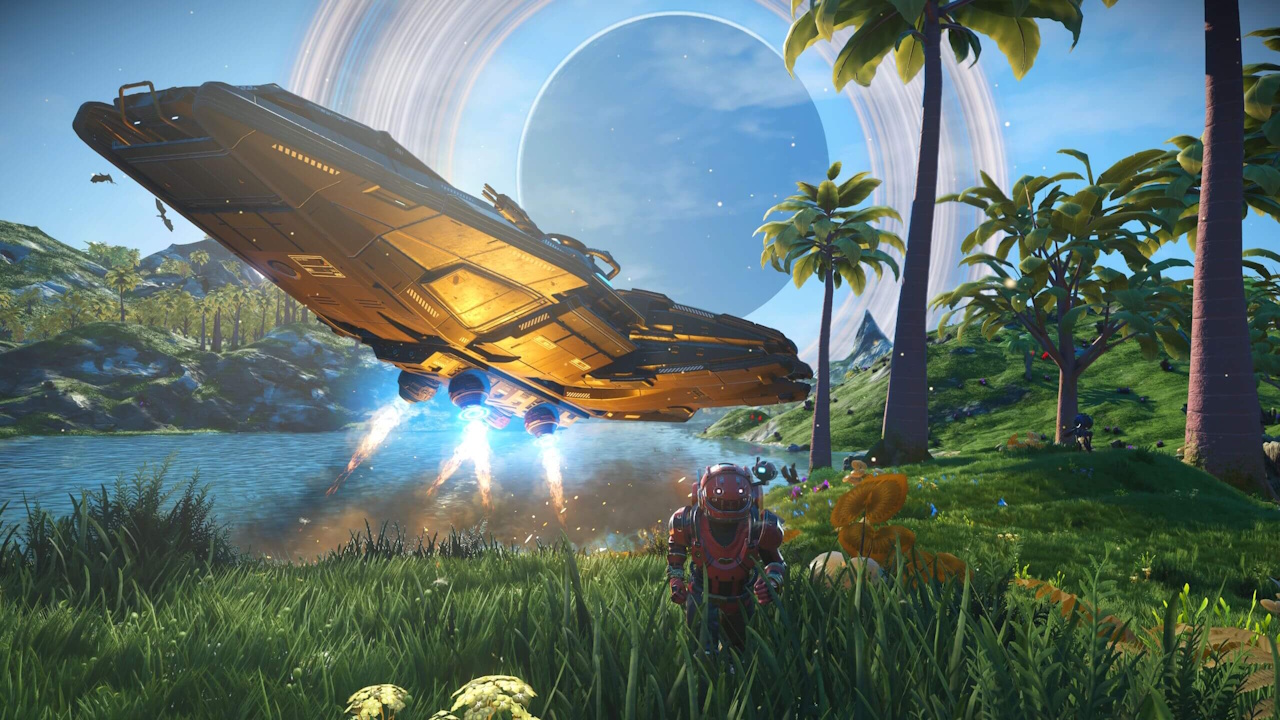
I didn’t play very much No Man’s Sky this year, but I loved what I saw of Voyagers. Hello Games has added almost a decade’s worth of content to No Man’s Sky completely for free – making a mockery of companies like Bethesda who want to charge for every weapon skin, outfit, and even individual quests in games like Starfield. And Voyagers is the biggest and most expansive No Man’s Sky DLC to date, introducing ship-building, among other features.
At this stage, No Man’s Sky is basically what I hoped Starfield could have been back in 2023. The seamless exploration, the ship- and base-building, and the sheer sense of *scale* that Starfield lacked are all present here. Maybe in 2026 I’ll jump back in and really get stuck into it! I know it’s a bit of a “hot take,” but I felt the launch version of No Man’s Sky was decent for what it was. But comparing that version to this one? It’s literally an entirely new game. If you missed it, or you wrote off No Man’s Sky after launch… fire it up again. I really don’t think you’ll regret it.
The “Stupidest Own Goal” Award:
🏆 “Winner” 🏆
Microsoft and Xbox
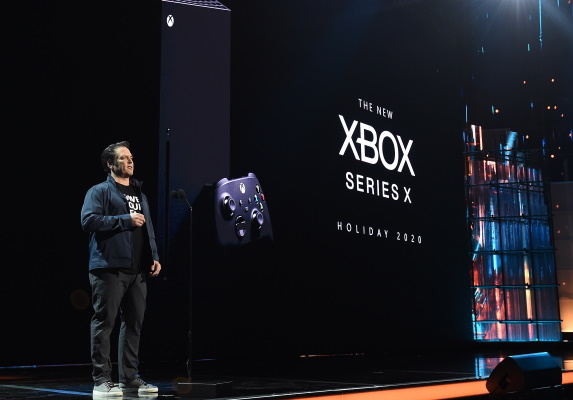
In 2025, Microsoft and Xbox hiked the prices of their consoles. Twice. But even then, I’d still have said that an Xbox Series S and a Game Pass subscription were a good-value way to get started with current-gen gaming. And then what did Microsoft do? Hiked up the price of Game Pass by a massive amount. On PC, Game Pass went up by 70% in the span of thirteen months. And on console, the price of the top tier of Game Pass – which is now the only way to get same-day releases of big titles – has basically doubled in just over a year.
As I said at the time, the subscription model is *a perfect fit* for gaming. And Microsoft, until now, has had the best service in town. But no one should accept price hikes of 50%, 70%, or more – and that’s why so many people went to cancel their Game Pass subscriptions that the website crashed. I cancelled Game Pass this year, and I doubt I’ll pick it up again. At these prices, it ain’t worth it. And with Microsoft’s consoles failing… Game Pass was all they had.
The “Most Unfriendly Company” Award:
🏆 “Winner” 🏆
Nintendo
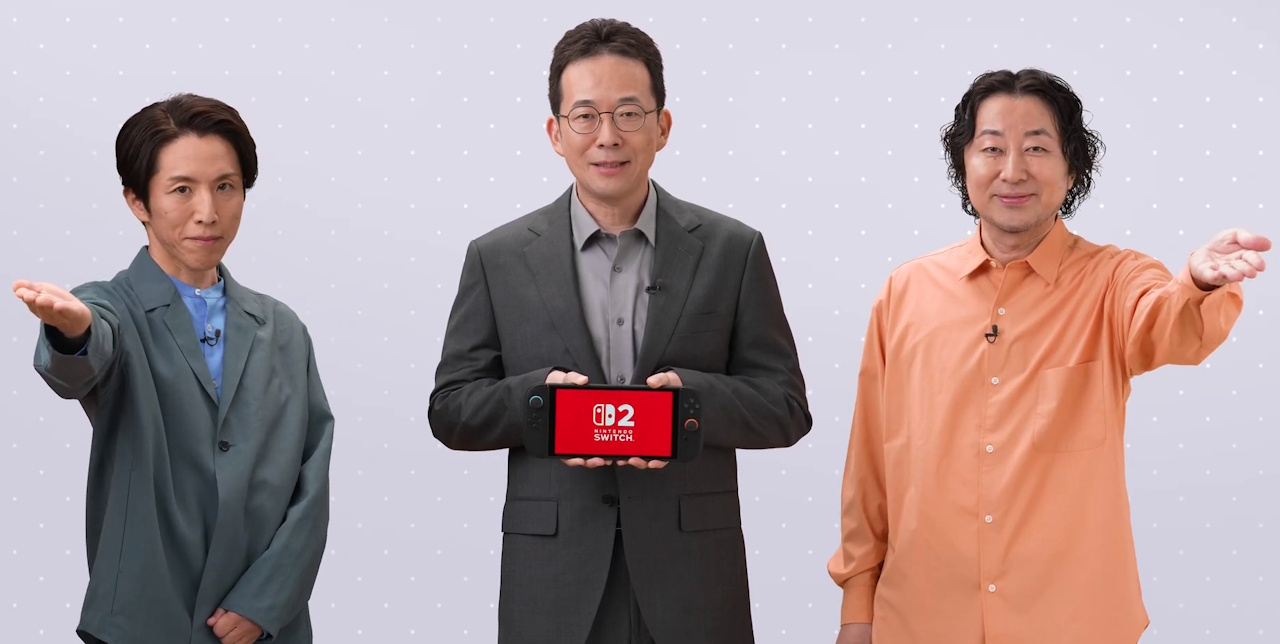
For what it is, and considering which games are available for it, Nintendo’s Switch 2 console is overpriced. Nintendo Switch 2 games, at £75 or $80, are also overpriced – and worse, this threatens to normalise the second rise in the standard price of video games in less than five years, with other publishers now starting to follow suit. Nintendo is still embroiled in a frivolous lawsuit against Pokémon competitor Palworld and its developers. And, on top of all of that, Nintendo has tried to patent vaguely-defined in-game systems and mechanics, including the ability to have summonable allies fight alongside you in battles.
Nintendo’s well-trained legion of super-fans may not like to hear it, but Nintendo is an ugly, greedy, predatory corporation that behaves no differently from Ubisoft, Electronic Arts, Microsoft, and others in the industry. In fact, in some ways, Nintendo is *worse* than all of them, suing competitors when it feels a game is doing well, failing to innovate and move with the times, and just behaving in a horribly anti-consumer manner. I had hopes for both the Switch 2 and Mario Kart World… but Nintendo was just awful in 2025, and left me very disappointed.
Best Hack-and-Slash Game:
🏆 Winner 🏆
Dynasty Warriors: Origins
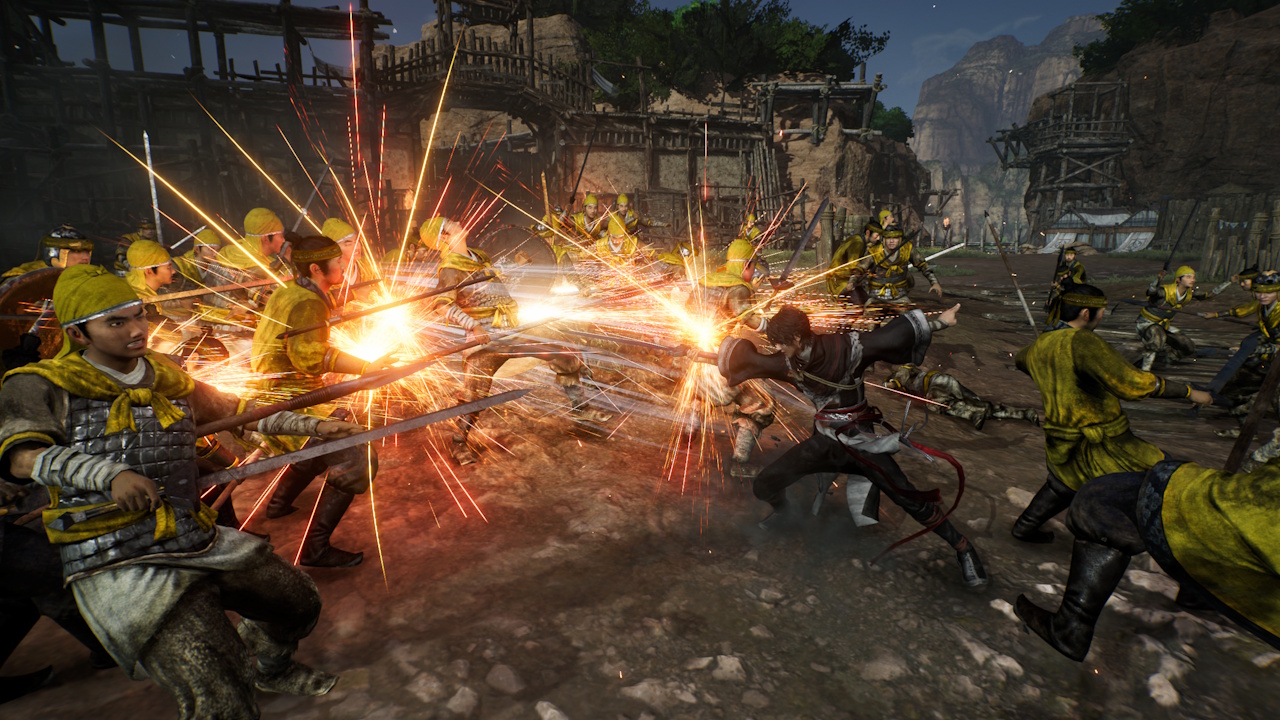
I had a blast playing Dynasty Warriors 2 with a friend a long time ago, but that had been my only real exposure to this long-running series. Origins hadn’t been on my radar at the start of the year, but something in the game’s marketing material just… called out to me, I guess. And I felt I needed to give the game a shot. I’m so very glad I did, because I had a blast with this game and its fantastic soundtrack!
I’m someone who usually plays games for their stories, with gameplay being a secondary consideration much of the time. But Dynasty Warriors: Origins was just plain *fun* to get stuck into, with hordes of enemies to slice through and bosses to whittle down. The game’s incredible soundtrack also feels like a throwback, with up-tempo rock and electronic-inspired music that’s obviously totally anachronistic to its ancient China-inspired setting. But I adored it, and I just had a wonderful time playing this game.
Best Mario Kart Game:
🏆 Winner 🏆
Sonic Racing: CrossWorlds
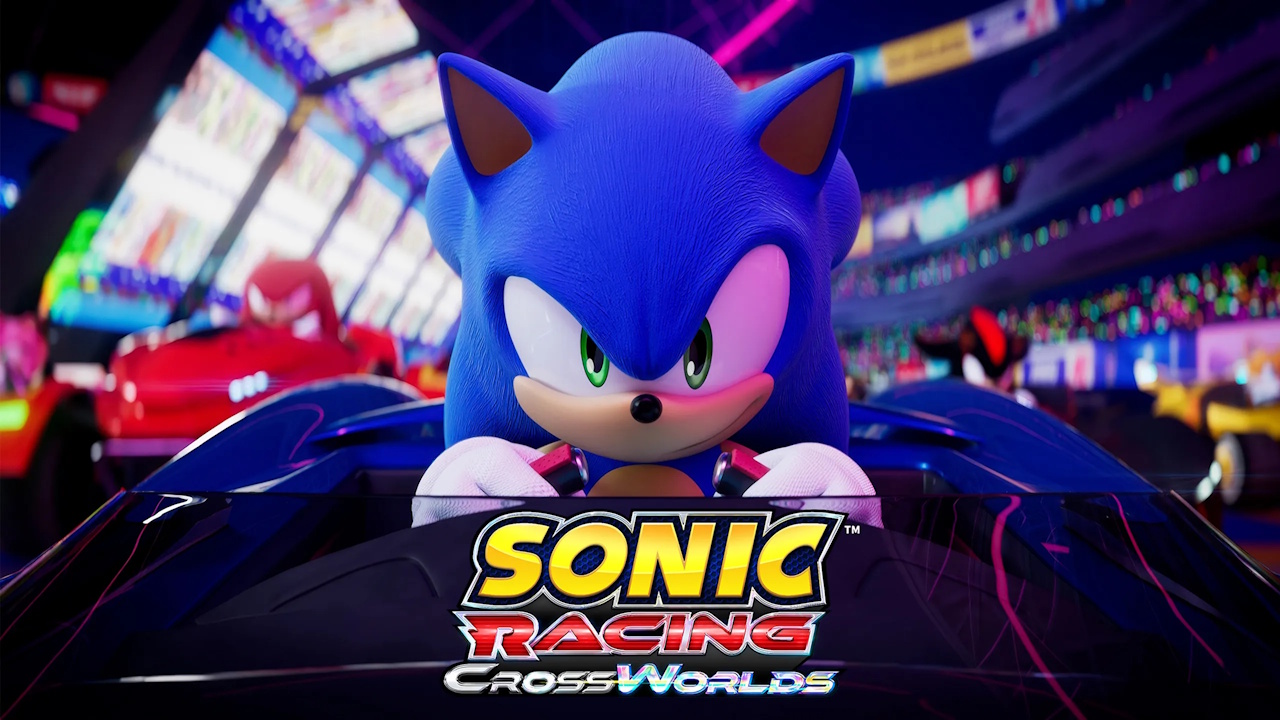
Sonic Racing: CrossWorlds is a fantastic kart-racer. It was ballsy of Sega to release it just a few weeks after Mario Kart World… but I think it’s fair to say that the risk paid off spectacularly, because this is genuinely one of the best arcade racing games I’ve played in the last few years. Its signature “CrossWorlds” mechanic guarantees that every race is going to be different – and gives you a reason to keep pushing to stay in the lead. Obviously I can’t compare it directly to a game I haven’t played, but I believe CrossWorlds would’ve given Mario Kart World a real run for its money if I’d picked up a Switch 2 this year.
There are some fun additions to CrossWorlds, bringing characters and settings from Minecraft and SpongeBob to the racetrack, and there’s more to come from the game in 2026, with new inclusions planned. The racing is fast-paced and fun, items add a lot of chaos to the game, and the CrossWorlds idea shakes up every single race and keeps things from feeling boring. All in all, a fantastic kart racer.
Best Strategy Game:
🏆 Winner 🏆
Civilization VII
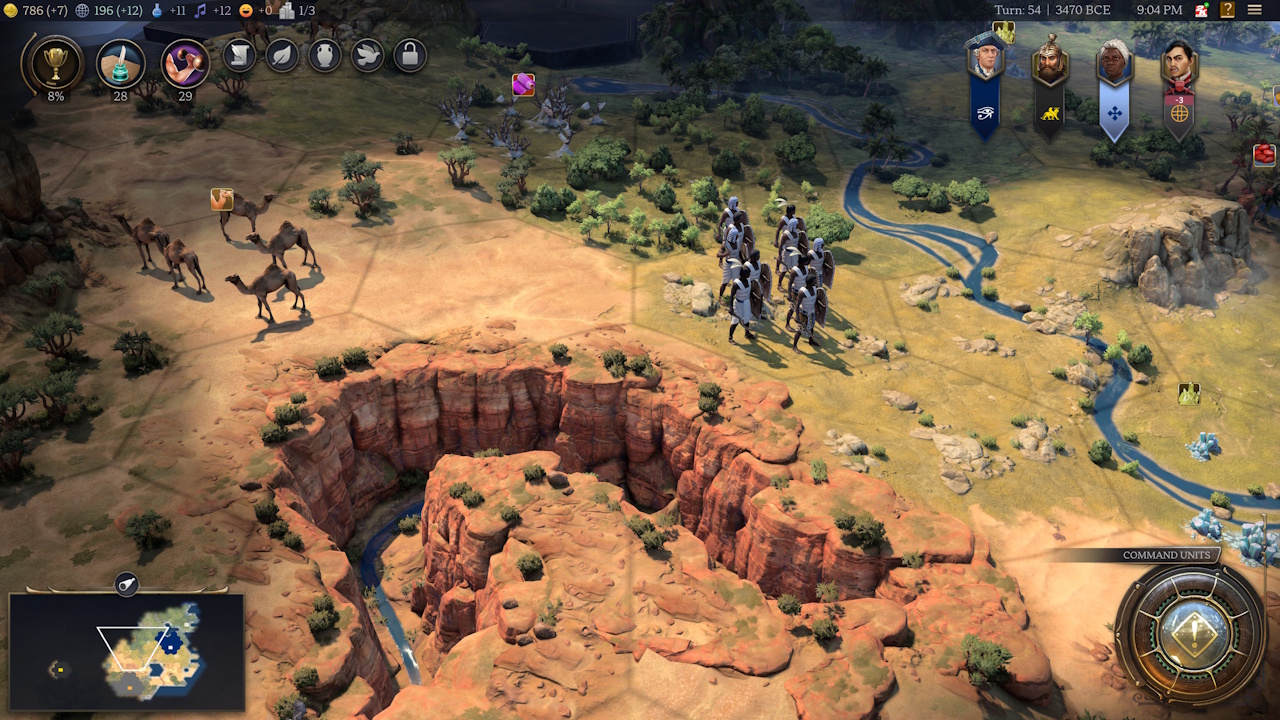
This is somewhat of a reluctant award, to tell you the truth. Civilization VII is good, and it’s getting better now that we’re almost eleven months post-launch. But Civ VII is not as good as I wanted it to be or hoped it would be, and it takes this award basically by default. I want to see many more improvements to the game in 2026, and I hope I won’t come to regret giving the game this award by this time next year if they don’t come.
That being said, Civilization VII is my most-played game of 2025, and it would feel wrong not to at least acknowledge that achievement with an award. There are things that I enjoy about this game, and I don’t think it’s the total failure or dumpster fire that some reviewers have tried to claim. There are interesting ideas in the mix, some really fantastic graphics, and a good mix of new civilisations and leaders to play with. But the game is in need of a lot more work, and was arguably released too early. Perhaps in six or twelve months, it will truly live up to its potential.
Worst Game:
🏆 “Winner” 🏆
Nintendo Switch 2: Welcome Tour
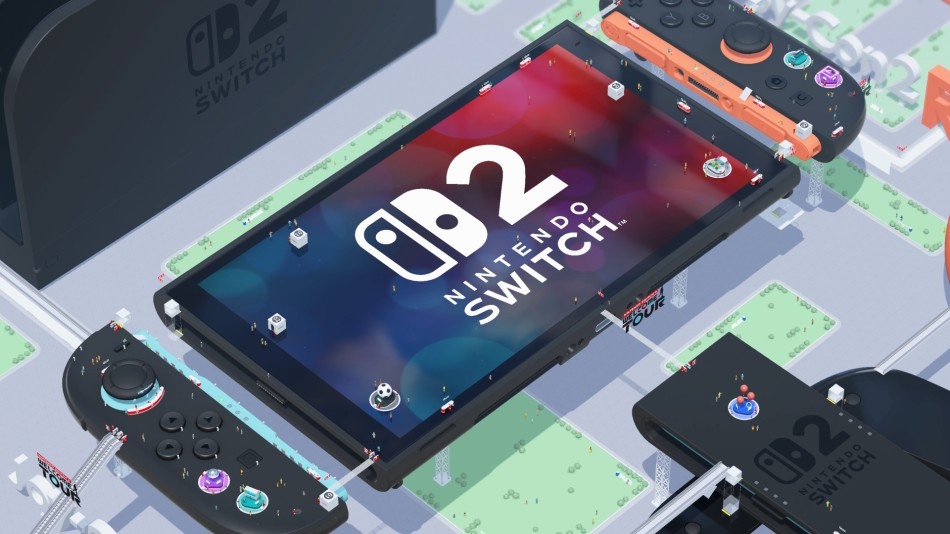
Let’s get something straight: if Welcome Tour had been the *free* pack-in that it was clearly supposed to be, it wouldn’t be anywhere near this award. But by choosing to sell this non-game, this overblown manual, for $10/£8, Nintendo invited it to compete with actual, bona fide *games*. See, I don’t hate Welcome Tour for what it is. As a concept, a basic programme that explains some of the features of a brand-new console is not a bad idea. The Switch 2 – being so derivative and similar to the original Switch – arguably didn’t need this kind of software, but that’s somewhat beside the point. An interactive manual is a fun concept.
But something like that *needs* to be included with the console for free. Welcome Tour isn’t a game. It isn’t even a tech demo – it’s an interactive manual which goes over, in brief, what the console can do and how its controls operate. Nintendo used to be the company that gave away free copies of Tetris with the Game Boy, and that created Wii Sports as a free pack-in title to show off the Wii’s motion controls. And now? They’re the greedy, predatory company that tries to trick their own fans into buying a glorified manual. I don’t hate Welcome Tour – I hate what it stands for and what it says about how far Nintendo has fallen.
Video Game – Honourable Mention:
🏆 Winner 🏆
Indika
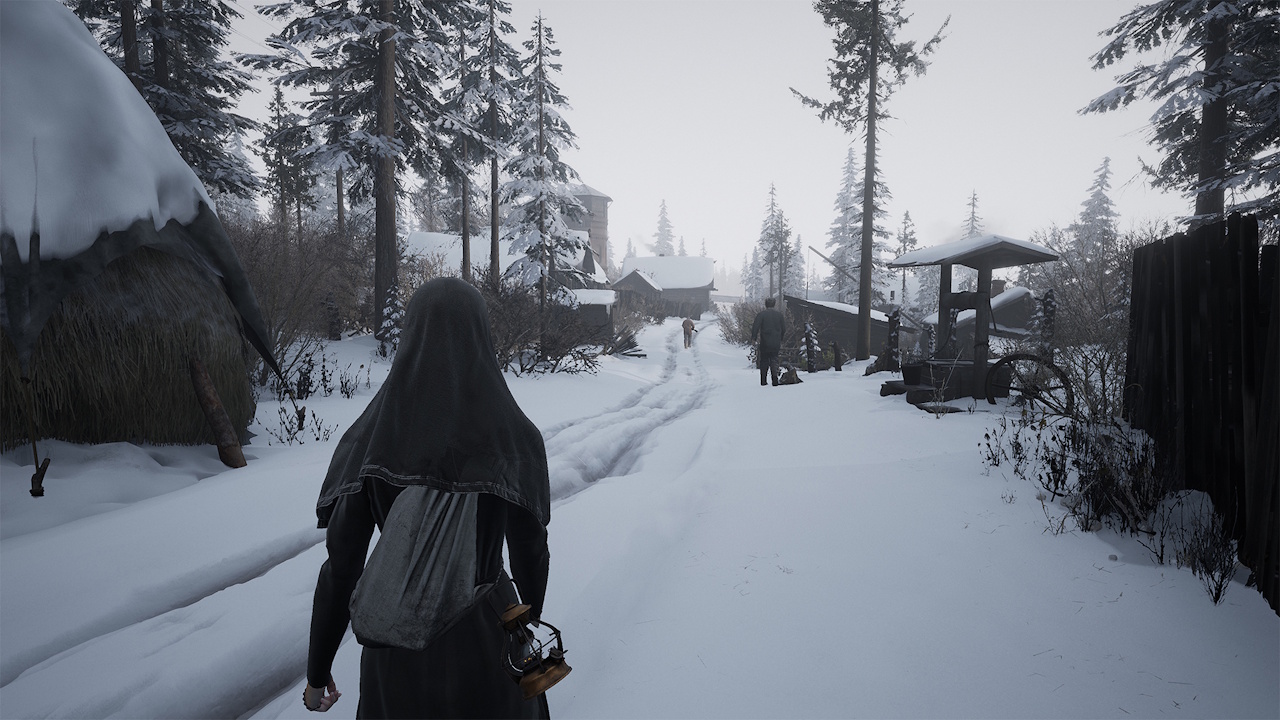
Indika was released in 2024, but I missed it when it was new. It can’t be entered into contention for “game of the year” because it didn’t come out this year, but I was gripped by Indika when I played it. The game has an intense story set in Tsarist Russia, following the story of a nun as she undertakes a harrowing journey. For an indie title made by a small team, the game was absolutely fantastic, and I went on an intense and emotional journey with Indika that really hit close to home.
Mechanically, Indika brought a lot to the table, too. In addition to being a “walking simulator,” there were quick-time events, and several beautiful pixel art sections, including a 2D platformer, a racing mini-game, and even a rhythm game of sorts (that I was terrible at!) Indika also had some beautiful and bleak landscapes that really captured the look and feel of the era and place in which it was set. Just a thoroughly fantastic indie game, well worth playing.
Game of the Year:
🥈 Runner-Up🥈
Mafia: The Old Country
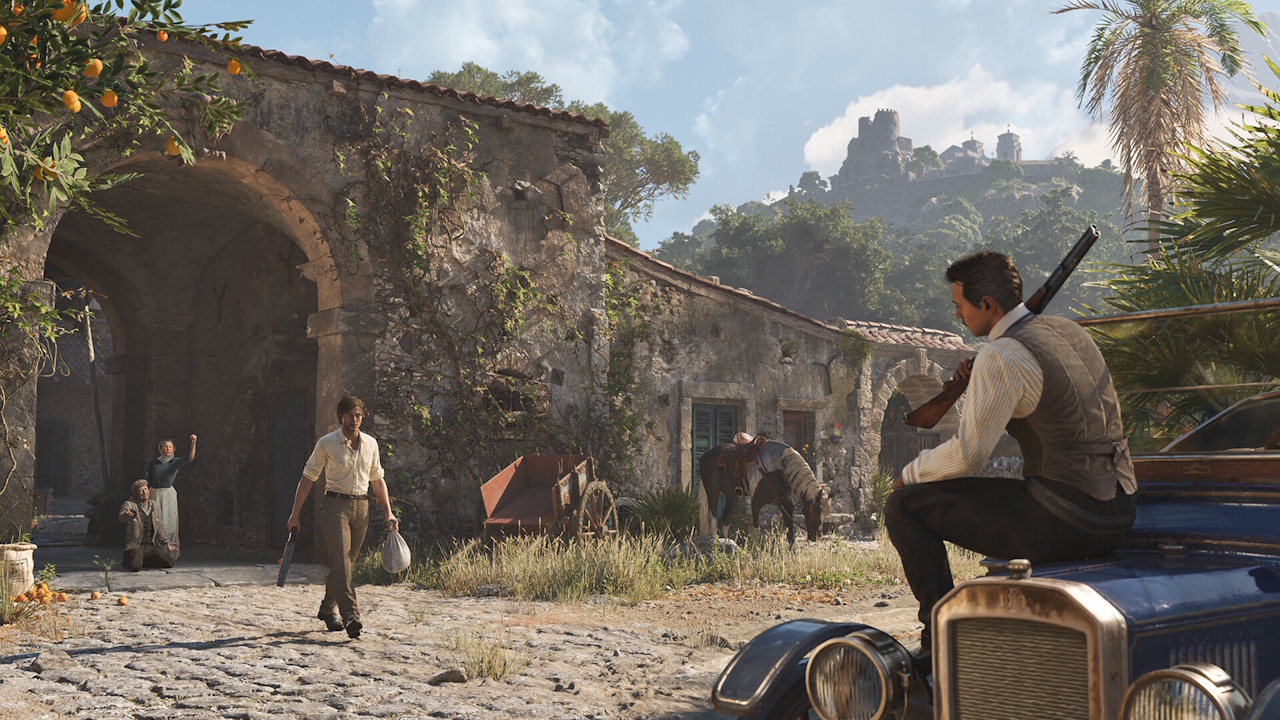
Someone online said that Mafia: The Old Country “could’ve been a movie,” intending for that to be a criticism. I agree… only, I mean it in the best way possible! For decades, I’ve sought out games with fantastic stories, great world-building, and engaging characters, and that’s exactly what this prequel to the long-running Mafia series delivers. So yeah, it could have been a movie!
Mafia: The Old Country was recently given a free update which opens up its beautiful and detailed world quite a bit, making it feel less linear and closer to the open-world adventure that I think some folks were hoping for. Gameplay isn’t ground-breaking, but it’s fun, competent, and tightly-managed, keeping Enzo’s story on the rails. I had a good time with the game, and I thoroughly enjoyed stepping back in time to The Old Country’s neat recreation of Sicily.
🏆 Winner 🏆
South of Midnight
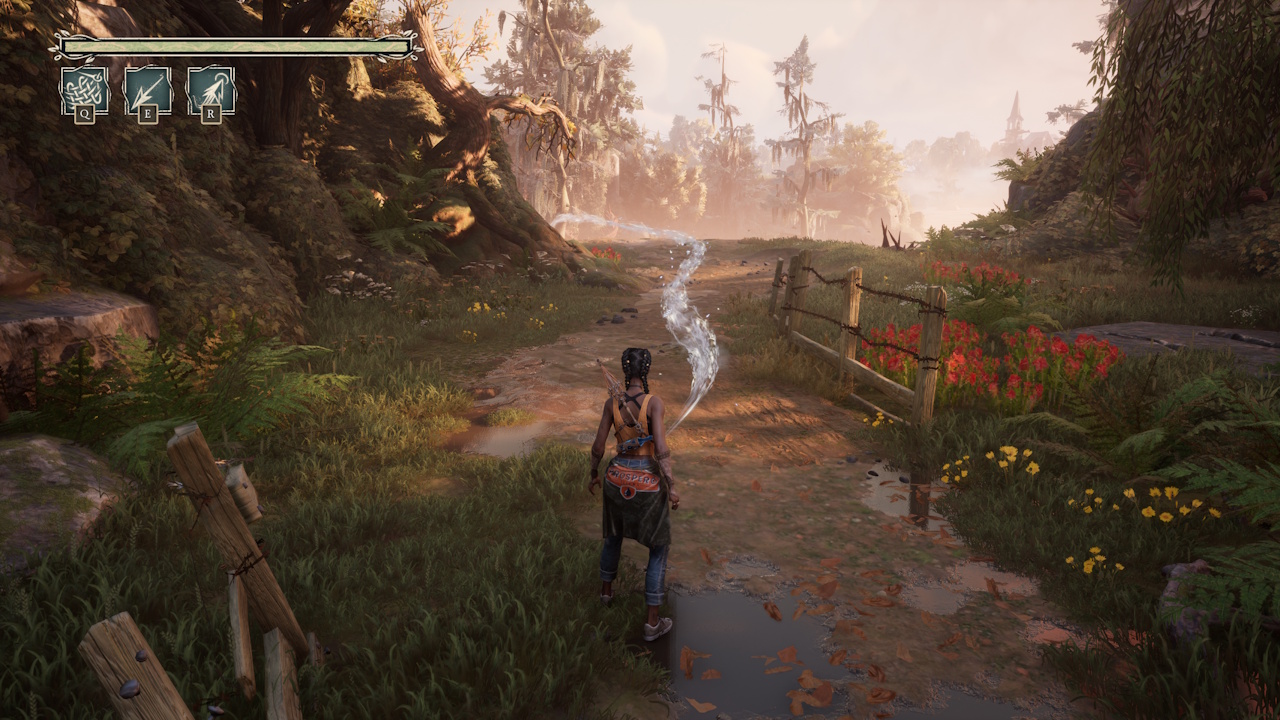
South of Midnight is a truly wonderful game. An adventure title with some difficult boss fights and fun platforming, South of Midnight also had a truly engaging story as protagonist Hazel sets off on a quest to find her missing mother. The world has a dark “Southern Gothic” style, and draws inspiration from the mythology of the Mississippi Delta region and African American folklore. The story was emotional, and Hazel made for a fun and relatable protagonist.
South of Midnight weaved its gameplay and story together with practised ease, ensuring that Hazel’s growing powers never felt out-of-place, and every level or fight was perfectly attuned to her new skills. Crouton, her sidekick, was adorable, and though the story was dark in places, I had a whale of a time with it. The game’s art style was beautiful, too, with its much-hyped stop-motion effect being especially notable in cut-scenes. A thoroughly fantastic adventure that I’m happy to crown my “game of the year.”
Best Film Soundtrack:
🏆 Winner 🏆
KPop Demon Hunters
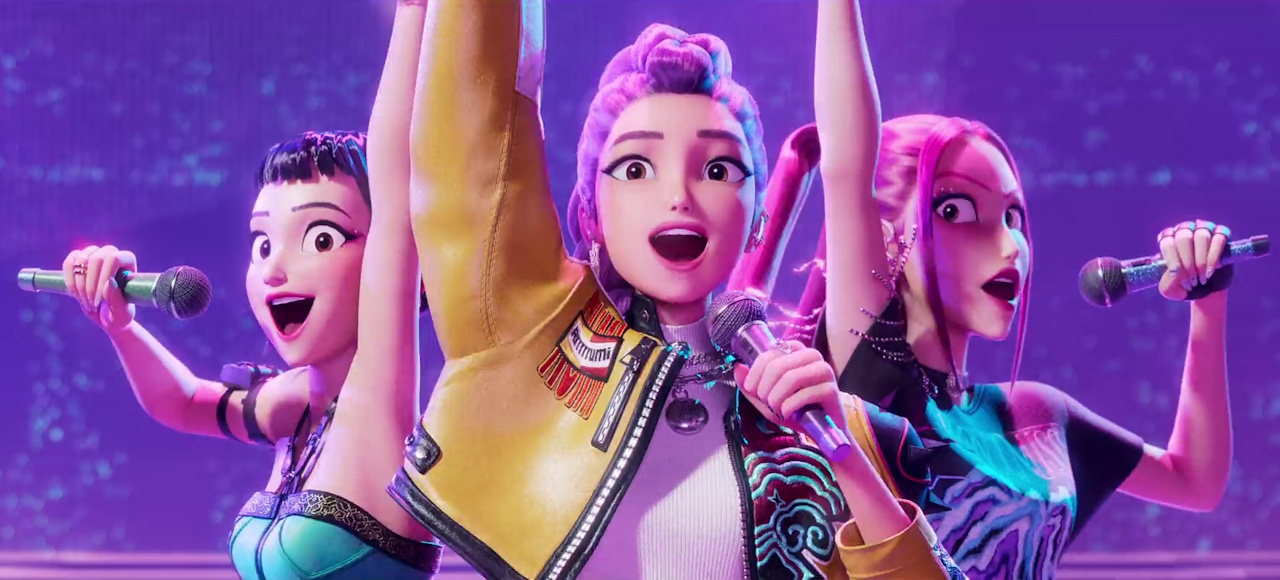
I cannot stop listening to Golden and This Is What It Sounds Like! Those two songs have been living rent-free in my head for *months,* and I’m not even mad about it. KPop Demon Hunters was a fantastic film, and its soundtrack was exceptional. I’ve never considered myself a fan of K-pop, nor had I listened to any Korean songs since Gangnam Style a few years ago… but these songs absolutely stunned me with how good they were. I’m admittedly not a music critic, but I know what I like when I hear it!
I bought the KPop Demon Hunters soundtrack, and I’m pretty sure I’m single-handedly responsible for Golden topping the charts here in the UK, as I was streaming the track so often! I know the film’s meant for kids, but come on! These songs are outstanding, and I really can’t find a bad one amongst them. The sooner we get a sequel to this fantastic film, the better!
Best Film:
🏆 Winner 🏆
KPop Demon Hunters
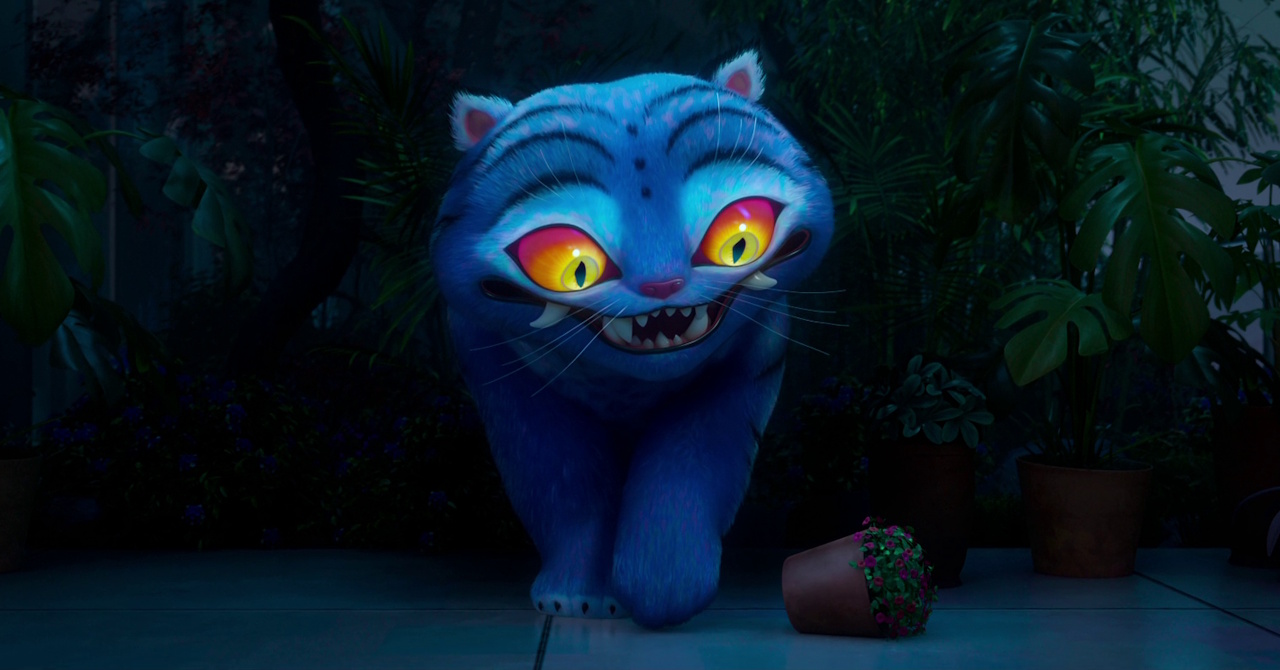
A very rare two-for-two this year, as KPop Demon Hunters also nabs the award for best film! As I was saying, the film and its soundtrack are both absolutely fantastic, with Sony Pictures Animation and Netflix absolutely wiping the floor with Disney’s sequels and live-action adaptations. Who knew that making a good, original film with a fun cast of characters, a unique setting, and a great soundtrack would be… a really good idea? Not Disney, obviously.
KPop Demon Hunters had an easy-to-follow story that was surprisingly deep and emotional. Its central characters kept things grounded, even amidst a story about popstars saving the world from demons, which is no mean feat. I found myself getting thoroughly invested in the story and its great cast of characters, and KPop Demon Hunters is the first film in a long time that I’ve voluntarily watched more than once – and not just to take notes for my review! I returned to the film several times this autumn and winter, and I daresay I’ll watch it again in 2026, too.
Worst TV Series/Miniseries:
🥈 ”Runner-Up”🥈
Earth Abides
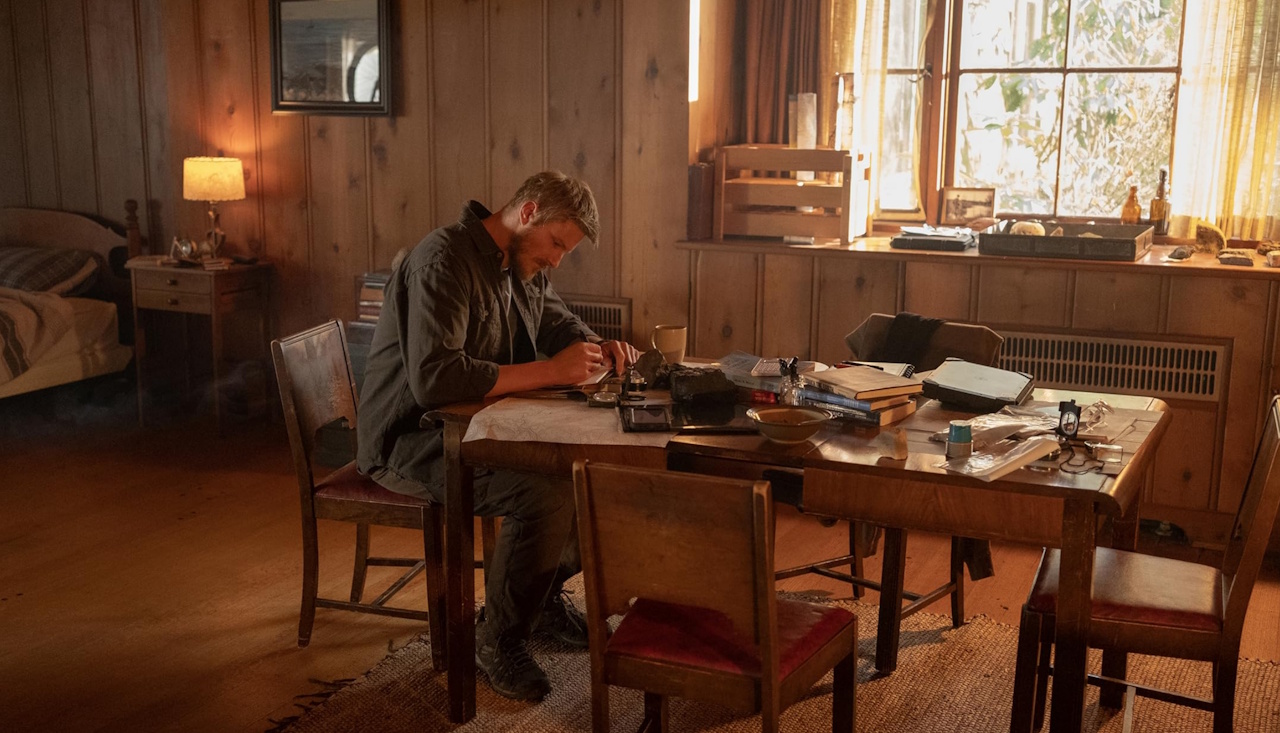
I saw some ads for Earth Abides on social media earlier in the year, and the post-apocalyptic miniseries seemed like it would be worth a look. But I bounced off it hard after about three episodes. Earth Abides just couldn’t decide what kind of show it wanted to be: a post-apocalyptic tale of survival and mystery, or a dense philosophical take on the structure of civilisation. It ended up being neither, overladen with tired tropes of the post-apocalypse, and just… boring.
The protagonist (whose name I’ve already forgotten) wakes up from a coma to find the world has collapsed. He runs to a supermarket – where the lights are still on and cars are still in the parking lot – to stock up on supplies. He goes to Vegas, where he meets a couple of other survivors who are debauching themselves before the last of the power runs out. And… I’ve seen this all before, done way better, in other shows. Earth Abides was based on a novel, and maybe the novel is better than the show turned out to be.
🏆 “Winner” 🏆
King and Conqueror
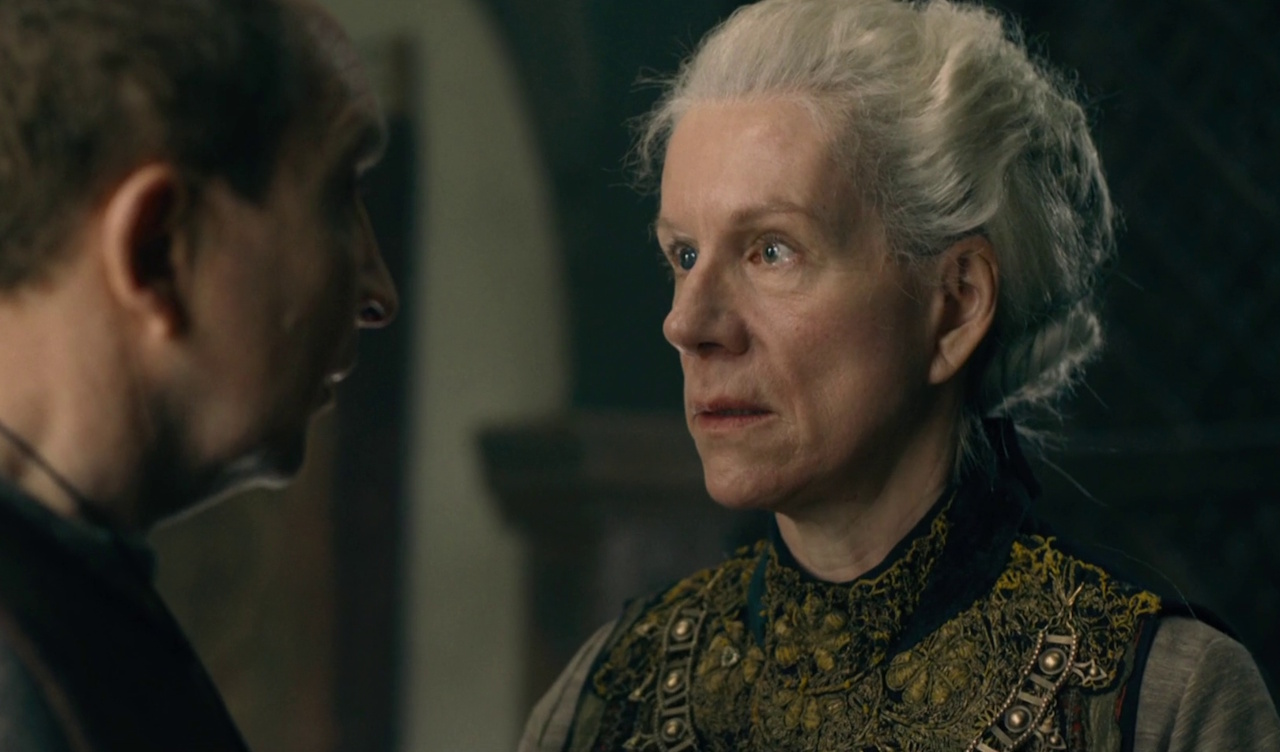
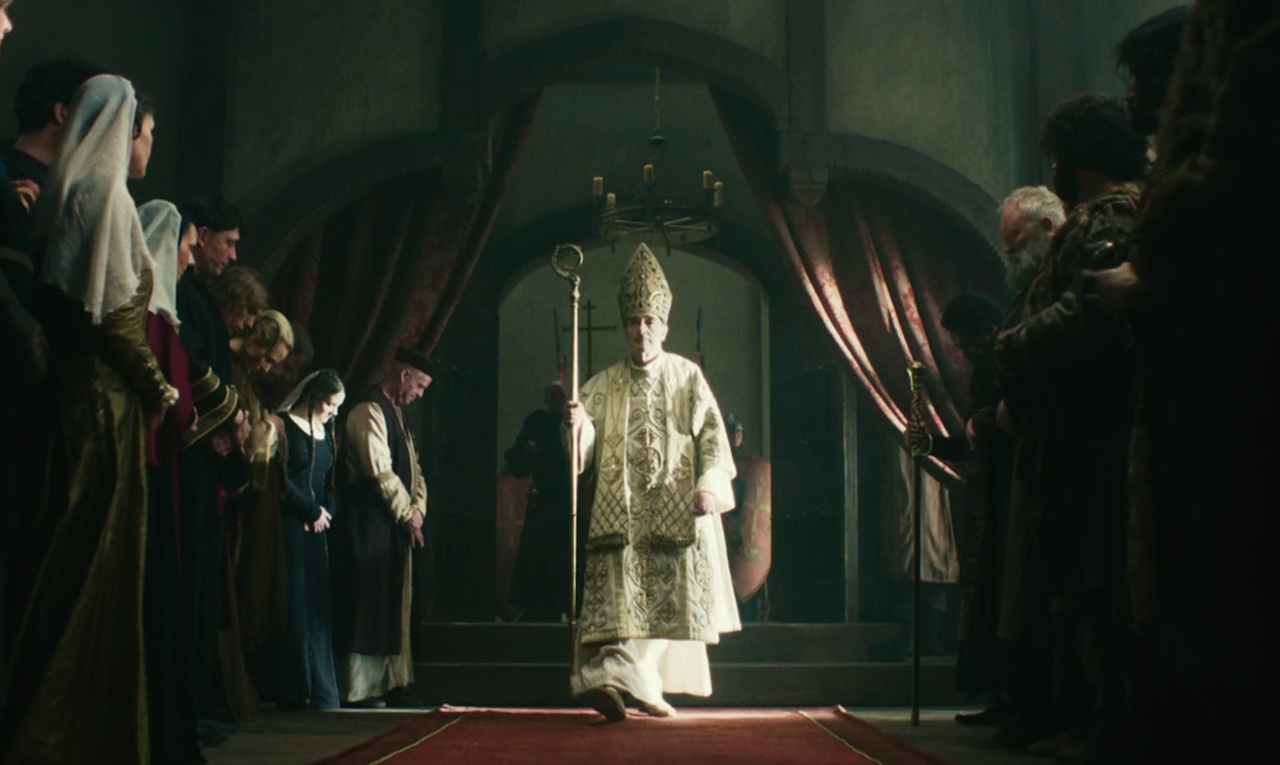
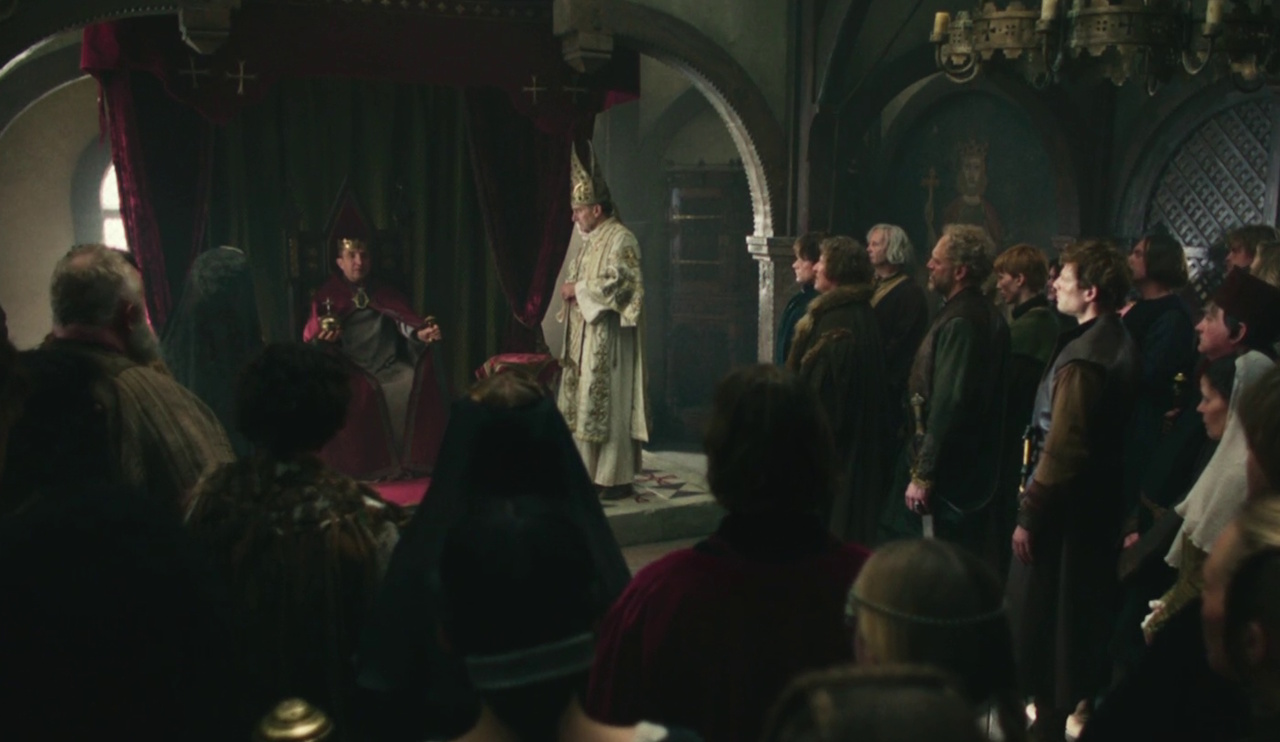
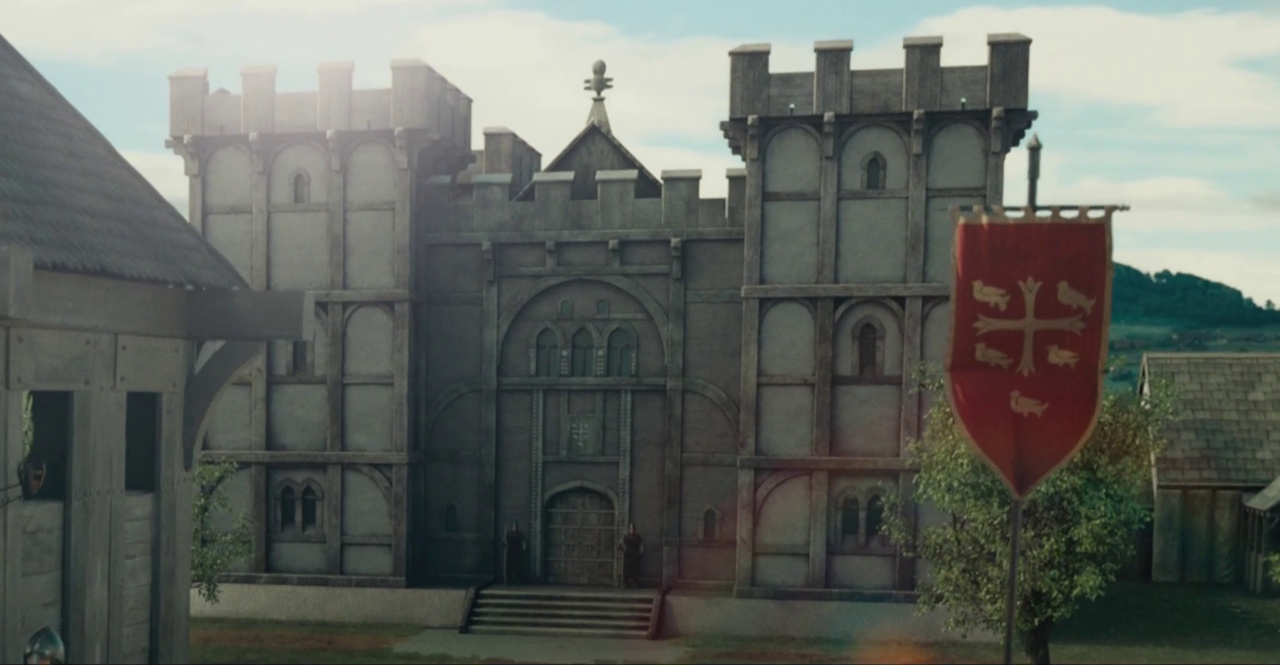
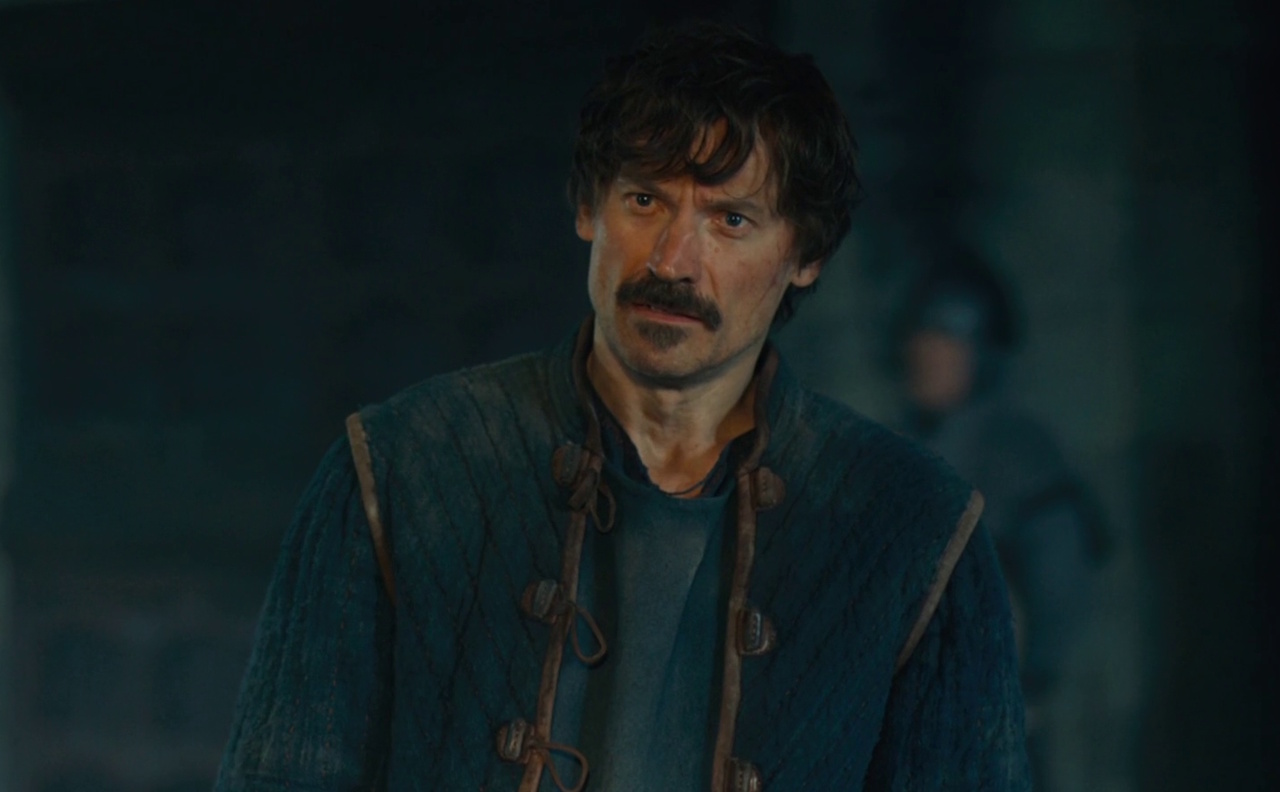
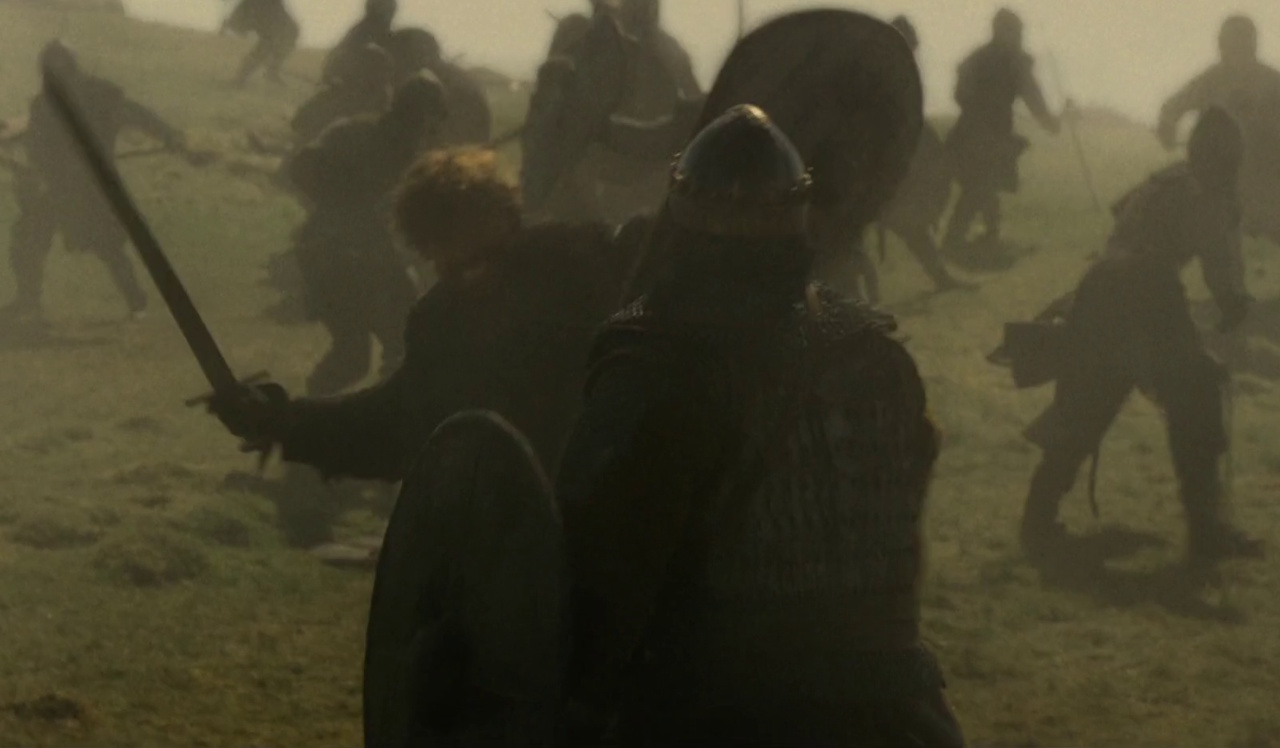
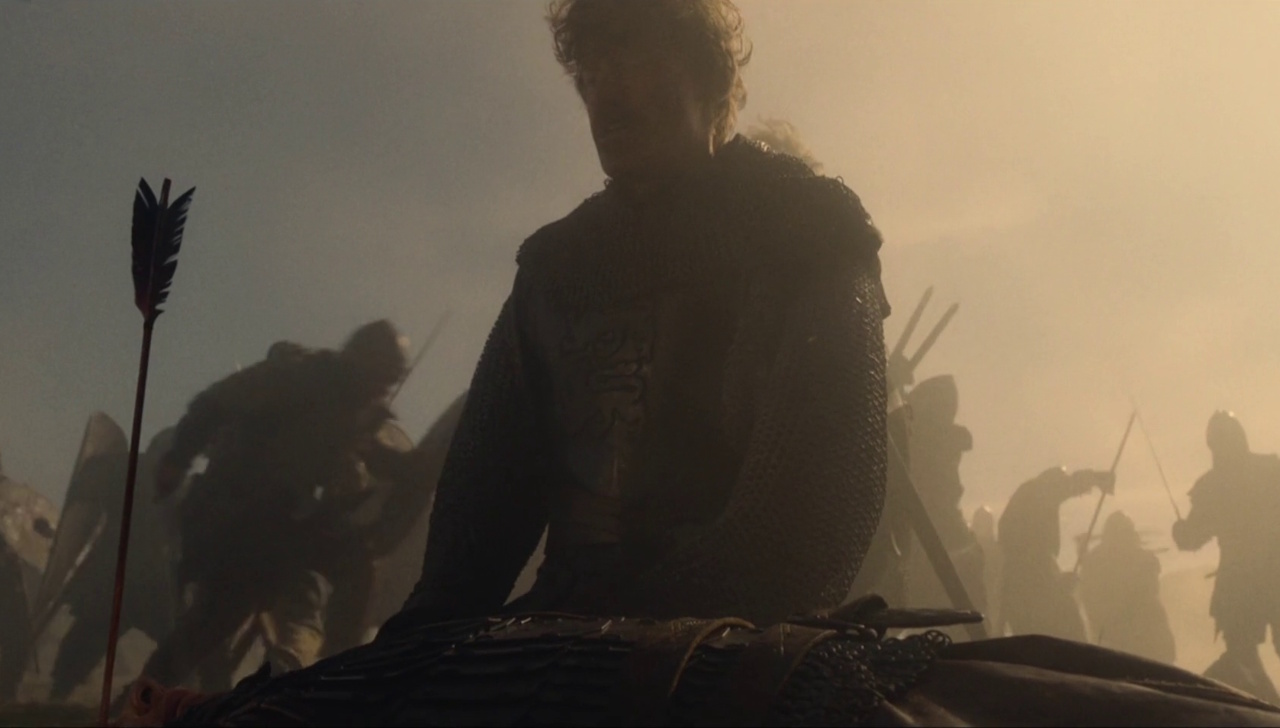
I don’t necessarily think that King & Conqueror was significantly worse than Earth Abides. I mean, I actually made it to the end of this one! But in terms of raw, unbridled disappointment… this is by far the worst I experienced in 2025. I had really high hopes for this big-budget retelling of a story all British kids learn about in school: the Norman Conquest of 1066. But what I got instead was a Game of Thrones-ified, over-dramatised, totally fictitious let-down.
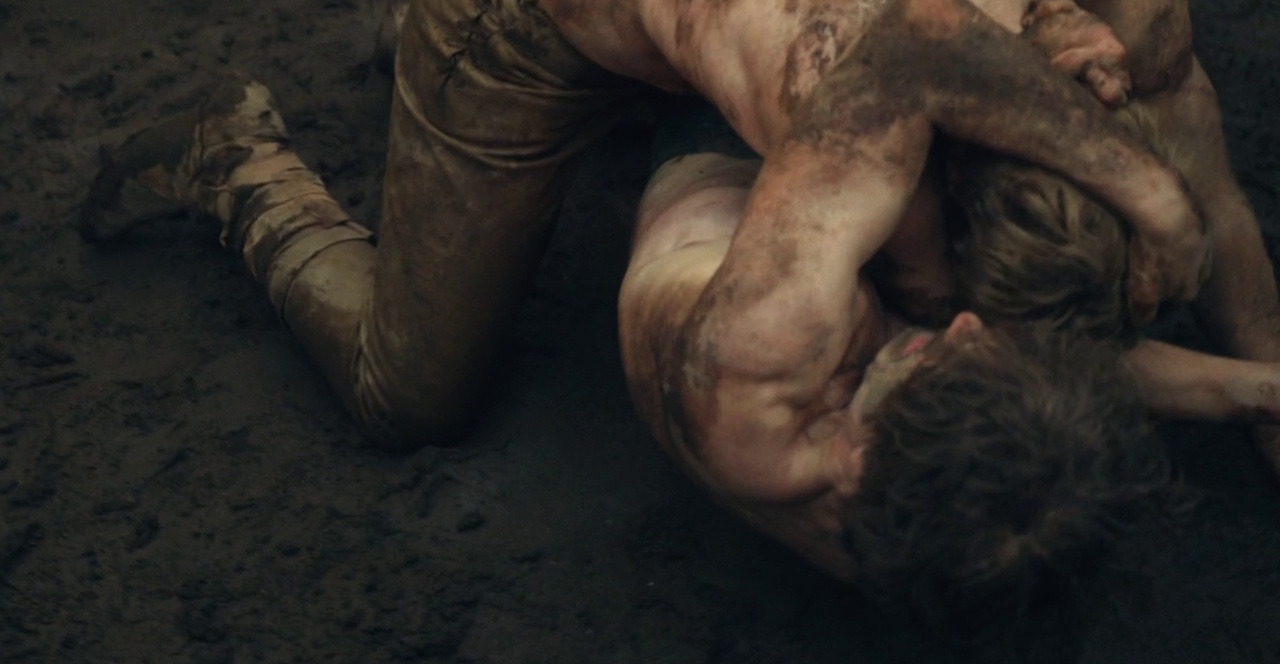
If you don’t care about historical accuracy, maybe King & Conqueror works. But when you have such blatant silliness as William and Harold wrestling half-nude in the mud, and total transformations of major historical figures like Harold’s brother Tostig, Edward the Confessor, and Edward’s wife… I can’t forgive it. King & Conqueror should have kept closer to the real story, because there’s more than enough excitement and drama there. This fictional account may as well have been called something else, and dropped the pretence of “real history” entirely. What a disappointment.
Best Animated TV Series:
🏆 Winner 🏆
Phineas and Ferb
Season 5
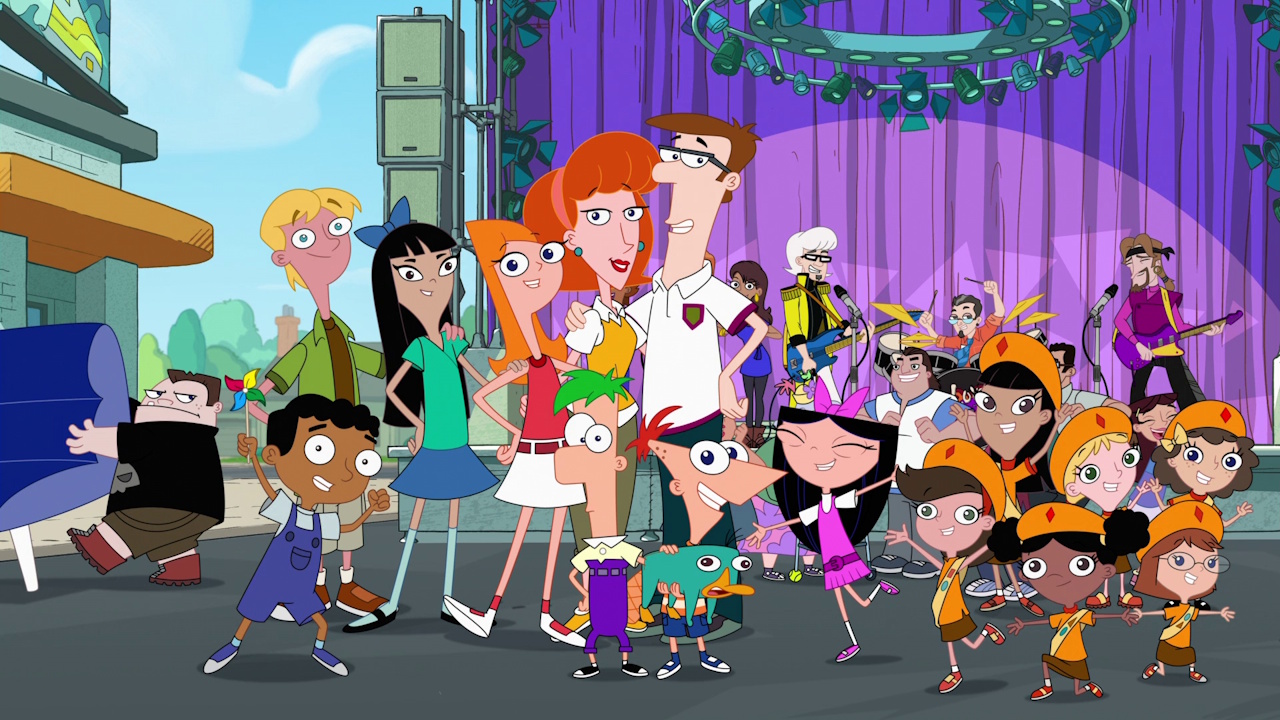
I was eagerly awaiting Phineas and Ferb’s revival this year, and in true summer vacation style, it arrived in June! I felt that the season – which isn’t totally complete, as there are still three or four episodes remaining – was pretty good, on the whole. Perhaps it was closer in quality, much of the time, to Season 4 of the original run than to Seasons 1-3, but there were a good mix of classic adventures and new stories.
A revival of any long-running show after a long break has to do more than just be “more of the same,” and Phineas and Ferb’s writers found some great justifications for bringing the series back. New character groupings and new storylines went a long way to keeping things feeling fresh, but there were also plenty of classic adventures, inventions, and evil schemes which harkened back to the show’s original run. All in all, a solid revival.
Best TV Miniseries:
🏆 Winner 🏆
Zero Day
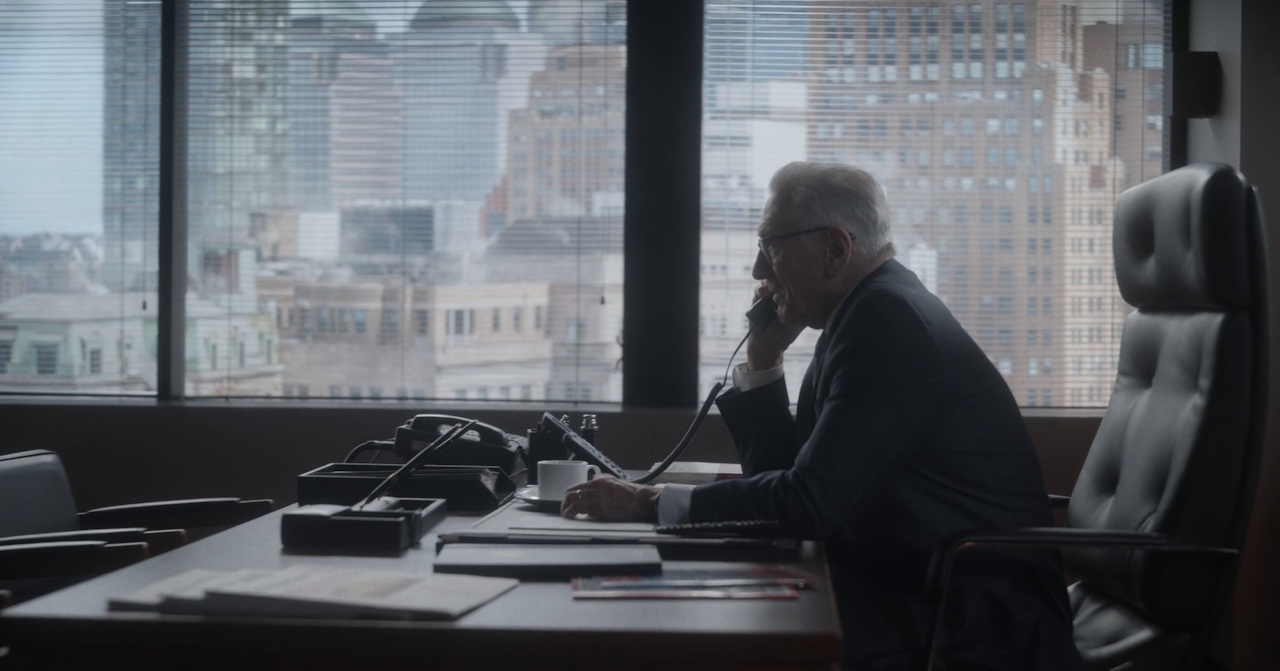
Zero Day was good fun for what it was. I think it leaned a bit more on the political side of things than I’d been expecting at first, and there was a lot of “post-9/11” security stuff that, arguably, feels a bit outdated in 2025. But Robert De Niro put in a spectacular performance as the conflicted ex-President, and the series shone a light on the vulnerability of society in general to this kind of cyber attack. I think the show’s focus was a bit split, in places: it wanted to be a kind of “dark mirror,” warning America about the dangers of giving unchecked power to agencies and political figures. But parts of it, with a focus on a “good man doing bad things for virtuous reasons,” felt a bit… flag-wavey.
That being said, I binge-watched the show in a couple of days, and I had a good time with it. The main character was complex and believable, the threats it depicts seem totally plausible out here in the real world, and I’m always a sucker for a good political thriller.
Best TV Series:
🥈 Runner-Up🥈
Alien: Earth
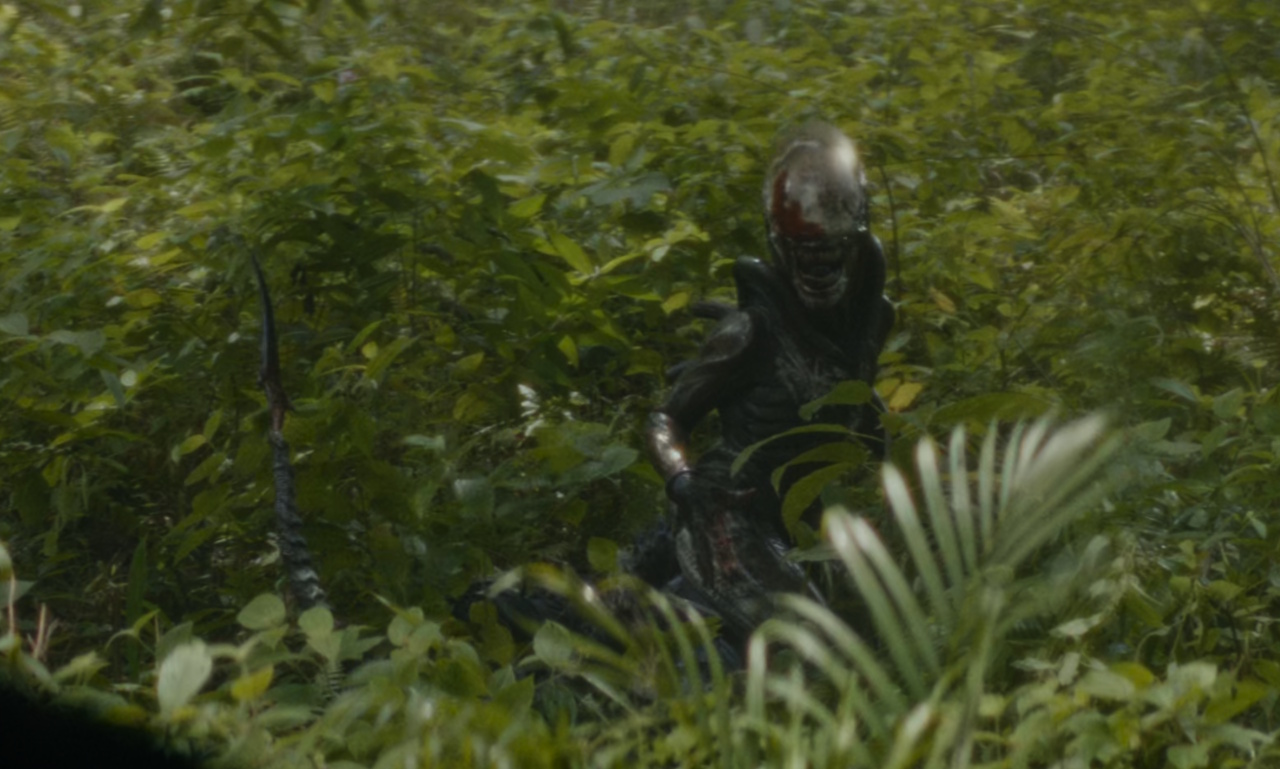
Alien: Earth feels like a great foundation to build on. It took the Alien franchise in a bit of a different direction while remaining true to the original film’s themes of out-of-control corporate greed and the very alien nature of extraterrestrial life. The show’s best episode by far was In Space, No One… which managed to recapture much of the tension and fear factor of 1979’s Alien in a way that practically none of the sequels, with their more action-heavy tone, managed to.
Alien: Earth also did something that the Alien franchise has desperately needed to do for a long time: introduced new and different extraterrestrial creatures. The eyeball alien in particular could be a massive part of the series going forward, and with the Xenomorph kind of being a one-trick pony, there was a sense that Alien as a whole might be beginning to run out of steam before Alien: Earth came along. As I said in my review, I’d rank Alien: Earth only just behind the original film, and well ahead of any of the sequels and spin-offs.
🏆 Winner 🏆
Star Trek: Strange New Worlds
Season 3
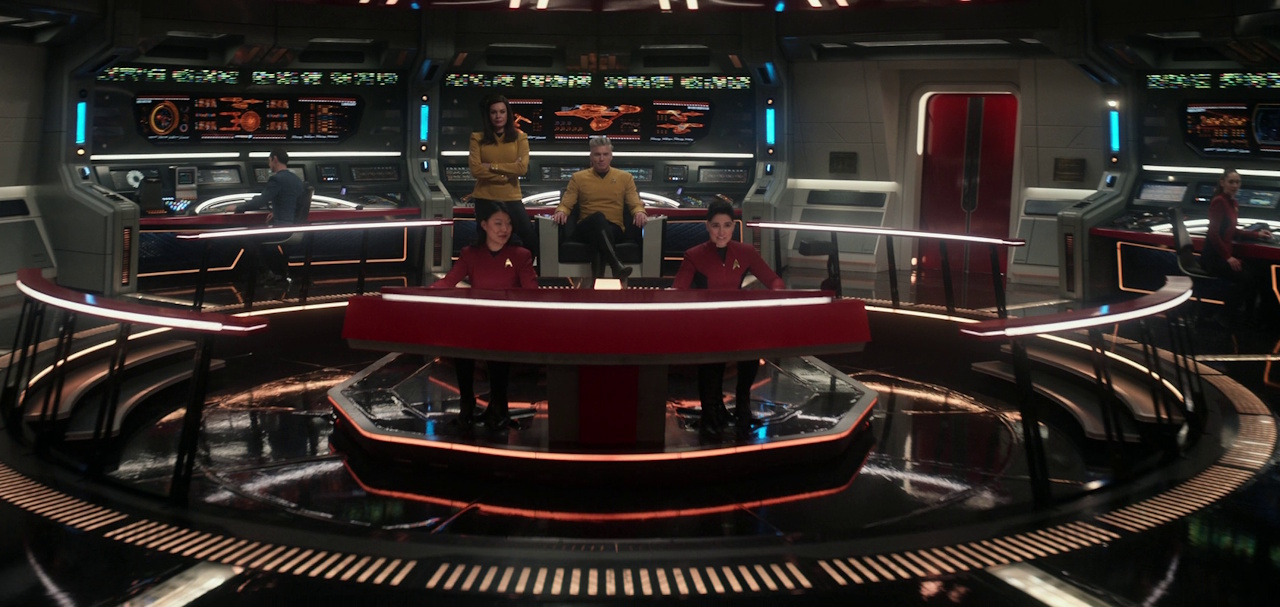
Season 3 is arguably not Strange New Worlds’ best. But there are some fantastic episodes in the mix, some great standalone and semi-standalone stories, and some wonderful moments of characterisation, too. Strange New Worlds has been, for me, the absolute high-water mark of modern Star Trek, and I was so disappointed earlier in 2025 when we learned – prematurely – that the series will end after a truncated fifth season. There should still be so many stories to tell with Captain Pike and the crew… ending it so soon feels positively criminal!
But I had a fantastic time with the season as a whole. Not every episode was perfect, but the good ones outnumbered the bad, and even the “worst” of the season still had a lot to offer. Strange New Worlds remains a largely episodic project, with the Enterprise able to warp away to a new destination – and a new kind of adventure – every week. That format suits Star Trek so perfectly, and it feels like the very best kind of throwback to the franchise’s heyday.
Best Star Trek Episode:
🏆 Winner 🏆
Terrarium
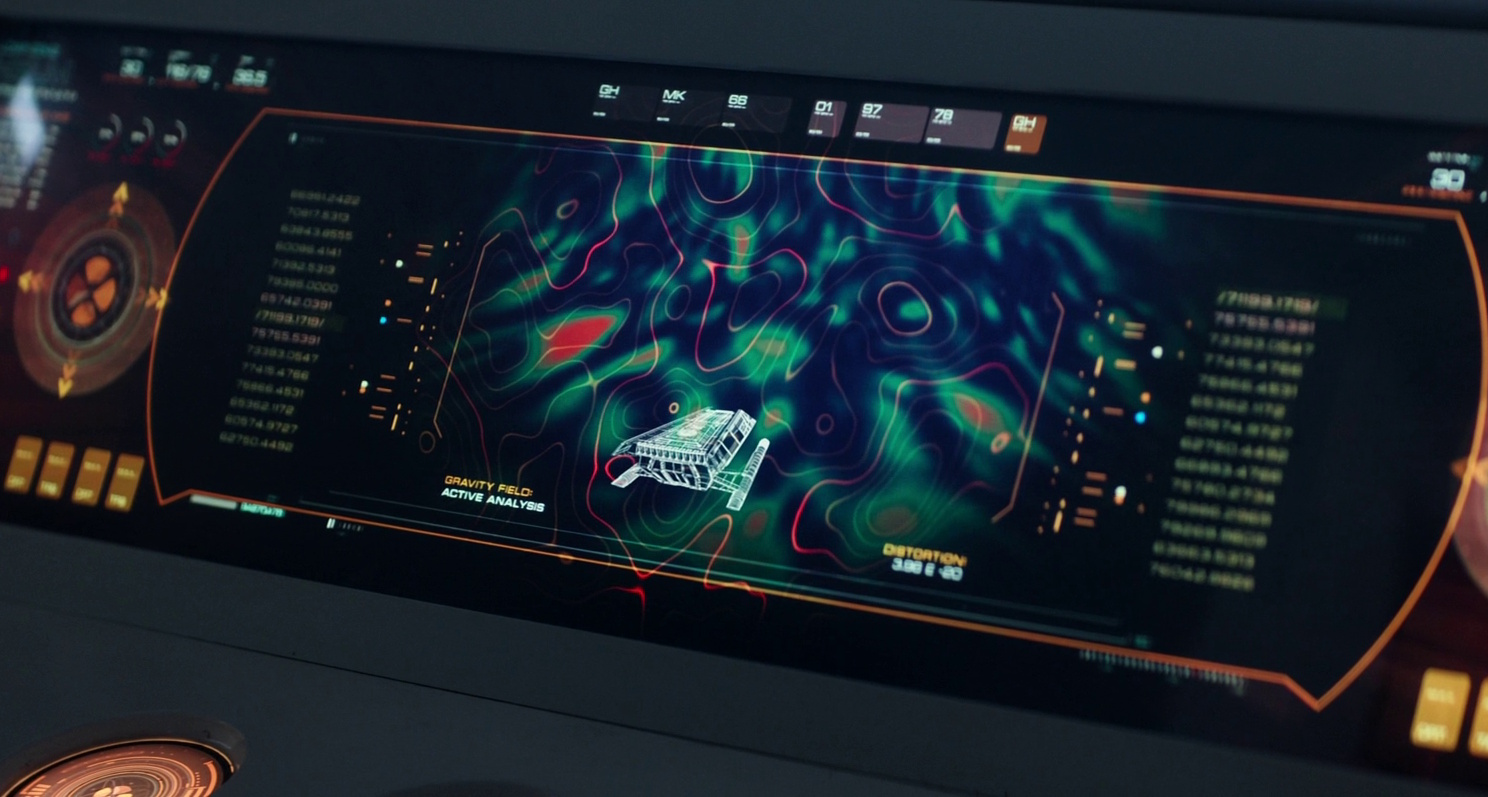
Terrarium was the “Ortegas episode” that fans had been clamouring for for three seasons! And the Enterprise’s pilot got a genuinely fantastic and emotional outing that really made the wait more than worth it. After taking on a solo mission aboard a shuttlecraft, Ortegas finds herself crash-landing on a desolate world, and is forced to survive alongside someone she couldn’t communicate with – and might’ve considered an enemy. There were echoes of stories like The Enemy from The Next Generation, and the episode isn’t just one of Strange New Worlds’ best – it’s one of Star Trek’s best.
Terrarium also packs an emotional punch! There was a callback to The Original Series that, while potentially interesting, didn’t actually add a lot, and felt a little unnecessary. But all things considered, this was absolutely one of the best things I watched in all of 2025. It’s an episode that I’d show to even the most aggressive haters of “nu-Trek,” to prove the point that modern Star Trek can, and does, still get it right.
So That’s It… Till 2026!

So there you have it! The End-of-Year Awards have been distributed for another year, and now there are just a few hours left to go until we’ll be ringing in 2026. Whatever you’re up to tonight, I hope you have a great time! And I hope my silly little awards show has been a bit of fun, too. It’s always nice, at this time of year, to take a step back and think about some of the highlights of the year as we prepare to turn over the calendar.
The website isn’t going anywhere in 2026. And in the next couple of days, I’ll be sharing some of my predictions for the new year, as well as looking ahead to some of the TV programmes, video games, and films that I’m most looking forward to. So please join me here on the website for some of that!
So all that’s left to say, really, is this: Happy New Year! Thanks for showing up this year, and I hope to see you again in 2026, where I’ll still be geeking out about gaming, Star Trek, and so much more!
All titles discussed above are the copyrights of their respective developers, studios, broadcasters, distributors, etc. This article contains the thoughts and opinions of one person only and is not intended to cause any offence.
You can find individual reviews, articles, and essays about some of these award-winning titles by following the links below:




 Trekking with Dennis