The Mass Effect TV Series Has Been Announced (Again)

A spoiler warning graphic.

Spoiler Warning: Beware of spoilers for the Mass Effect trilogy.

I think it was back in 2020 or 2021 when I first covered the news that Amazon’s television studio had picked up the rights to Mass Effect. Since then we’ve heard next to nothing about the project, even as the triolgy’s Legendary Edition came and went, and I kind of assumed that it was either stuck in development hell or that Amazon’s executives had passed on whatever had been pitched. Not so, it seems!

Although details are still pretty sparse, we’ve recently heard from Amazon and game developer BioWare that the Mass Effect TV series is still happening, so today I wanted to talk a little about it and consider what the show might eventually look like. We’re going to talk spoilers for all three mainline Mass Effect games, so if you haven’t played the trilogy and want to go into it un-spoiled, this is your last chance to jump ship!
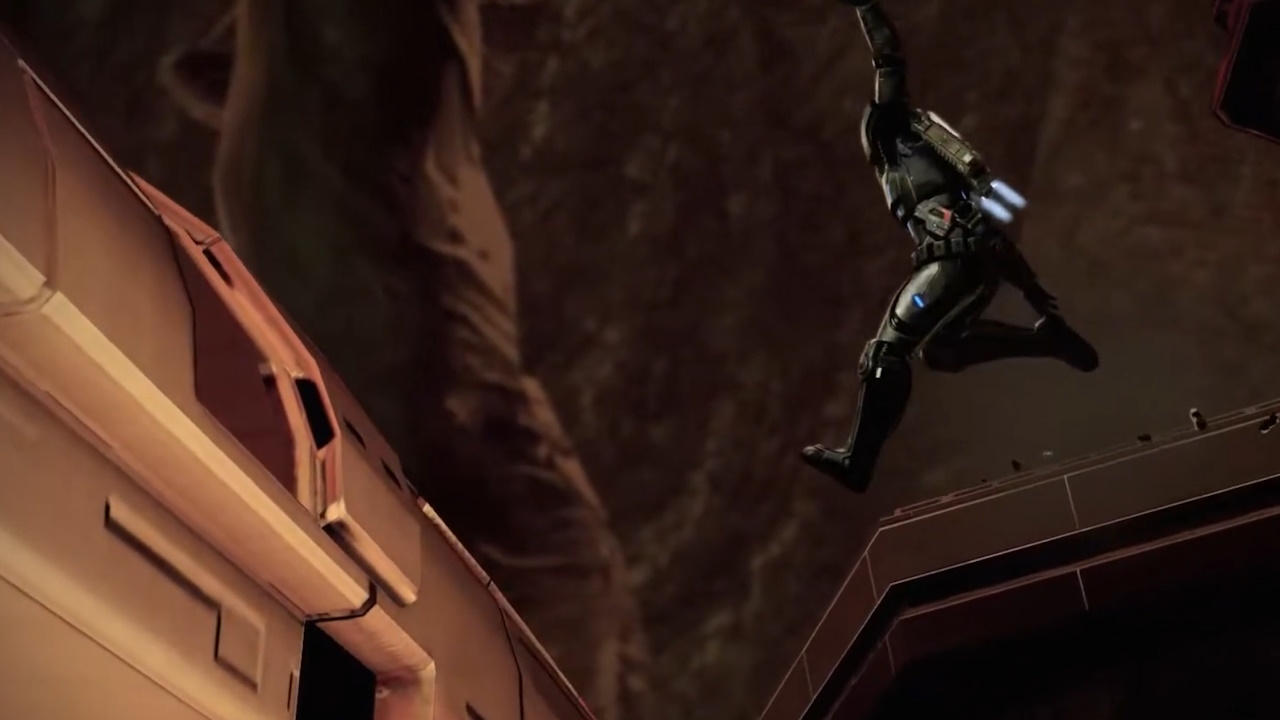
Screenshot of Mass Effect 2 showing Commander Shepard jumping aboard the Normandy.
Jumping ship… get it?

A couple of caveats before we get started. Firstly, I have no “insider information” from BioWare, Amazon, or any of the other studios that may or may not be attached to this project. I’m speculating based on publicly available information and sharing my own thoughts and opinions on the potential series – which may never even see the light of day given how early in its pre-production it seems to be!

Secondly, this is just the subjective opinion of one Mass Effect fan. If you don’t agree with my take on where the TV series could or might go, or if I ignore some aspect of the games that seems important to you… that’s okay! There ought to be enough room in the Mass Effect fan community for differences of opinion and polite discussion. Nothing we’re going to talk about today is in any way official or confirmed in any case.

With all of that out of the way, let’s talk about what a Mass Effect television series could look like.
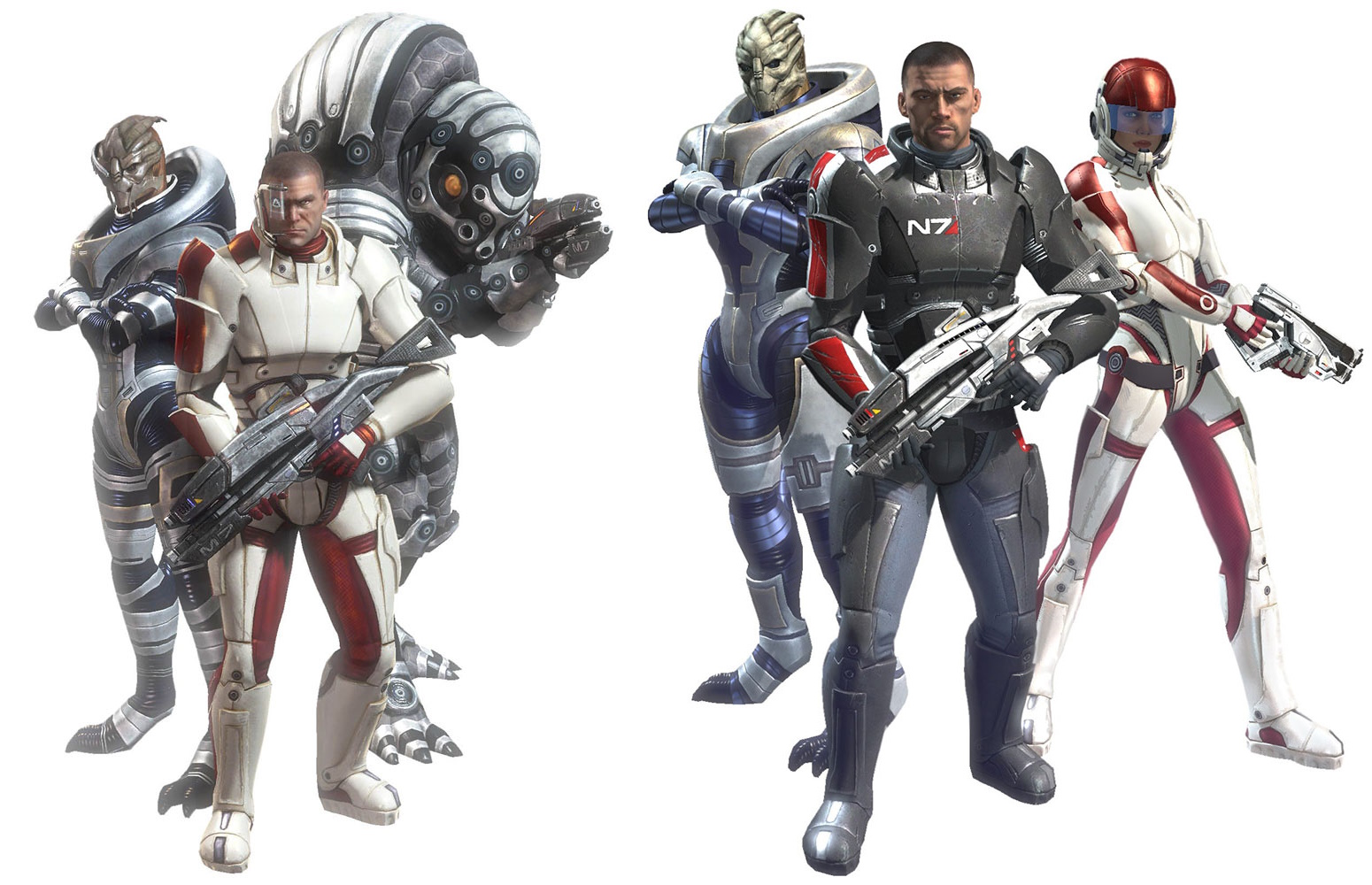
Concept art from Mass Effect 1.
Concept art of the main characters from Mass Effect 1.

The first thing to say is this: Amazon has a crap ton of money! And as we’ve seen from the corporation’s investment in titles like The Expanse, Fallout, The Boys, and The Rings of Power… Amazon doesn’t mind splashing the cash when it comes to making scripted TV shows. On the surface, this bodes well for a Mass Effect series, as Amazon has the resources to give the show a decently high budget.

This matters because creating a sci-fi galaxy from scratch is going to be expensive. Sets will have to be built for spaceships, location shoots will be necessary to capture the look and feel of visiting wildly different planets, and the combination of practical and digital effects necessary to create some of Mass Effect’s non-humanoid aliens will take a lot of time and money.
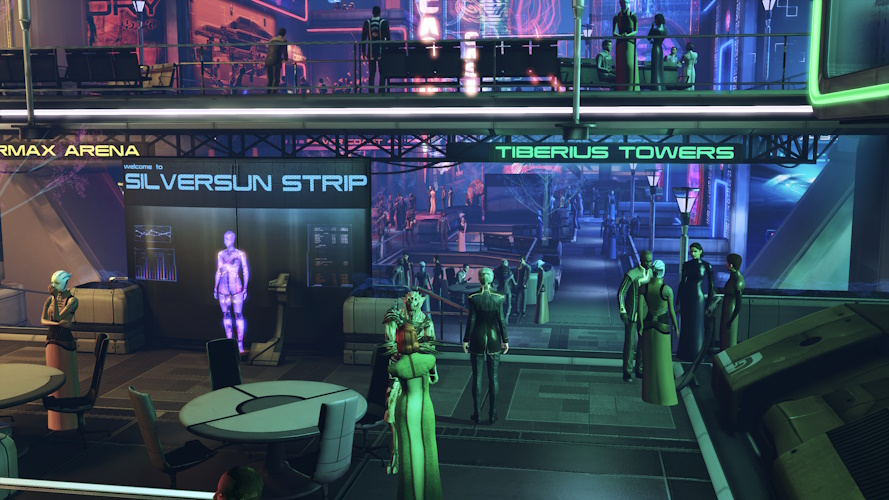
Screenshot of Mass Effect 3 showing the Silversun Strip from the Citadel DLC.
Part of the Citadel – the capital of the Mass Effect galaxy.

On that last point, one of the things I like about the Mass Effect games is how they introduce several very “alien-feeling” alien races. The likes of the Krogan, Hanar, and Volus all feel much less human and much more extraterrestrial than many races from comparable sci-fi stories. BioWare was initially able to create these non-humanoid aliens because the world of Mass Effect was created for a video game; there were no constraints in terms of prosthetics or make-up that have forced the likes of Star Trek and Star Wars to rely primarily on humanoid life-forms.

Transitioning some of these races to the small screen will be a challenge, but it’s one that should be surmountable. I’d love to see a combination of practical special effects and prosthetic makeup with CGI, instead of relying entirely on animation to breathe life into the likes of the Krogan and Turians. In recent years we’ve seen this from other sci-fi franchises like Star Trek, so I really think it’s achievable to use a combination of puppets, prosthetics, and practical special effects alongside CGI.
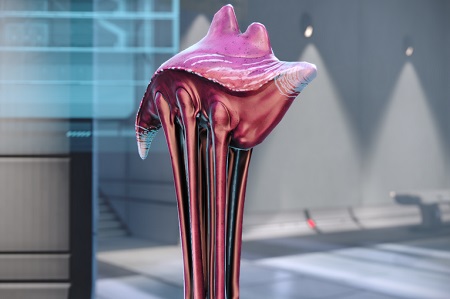
Screenshot of Mass Effect 1 showing a Hanar character.
Bringing non-humanoid races like the Hanar to the small screen may prove challenging!

I don’t want to get into the minutia of things like filming locations or casting; there’s plenty of time to think about who should play some of the franchise’s iconic roles! It would be great if the likes of Jennifer Hale and Mark Meer could be involved in some way – the duo voiced the female and male versions of Commander Shepard respectively, and could at the very least be offered cameo roles in the show.

But that leads into my next point: is this (and should this be) a direct adaptation of the story of the Mass Effect games?
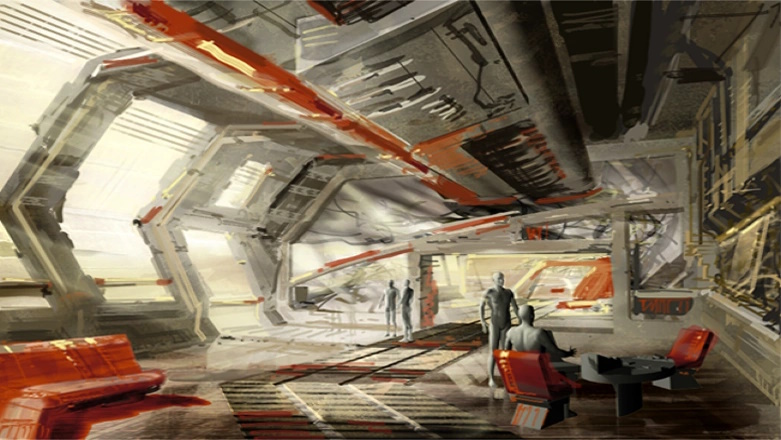
Concept art for Mass Effect 1 showing several characters in a sci-fi city.
Concept art for Mass Effect 1.

My inclination at this stage is that re-telling the Mass Effect story in a new format is a great idea, so I’d be happy to see the trilogy’s story adapted as a TV show. I think it’s a strong story with a great cast of characters, and while it would be an adjustment to get used to some different portrayals in those key roles… I think the story of the Mass Effect trilogy offers the show the best chance of success when compared to trying to tell a brand-new story set in the same world.

We have a couple of examples to point to. The TV adaptation of The Last of Us was a more or less straight adaptation of the video game it was based on. The Halo TV series took the barest bones of the Halo story but made significant changes. One was critically and commercially successful, the other was recently cancelled after just two seasons. There are counter-examples: Amazon’s own Fallout adaptation is a new story set in the same world, for example. But for my money, the story of the Mass Effect trilogy was so strong, so powerful, and such a singular event in its setting that trying to re-make it from the ground up or stepping away from it to do something completely different just doesn’t seem like a good idea. Why go to all the trouble of licensing a successful story if you aren’t going to adapt that story, after all?
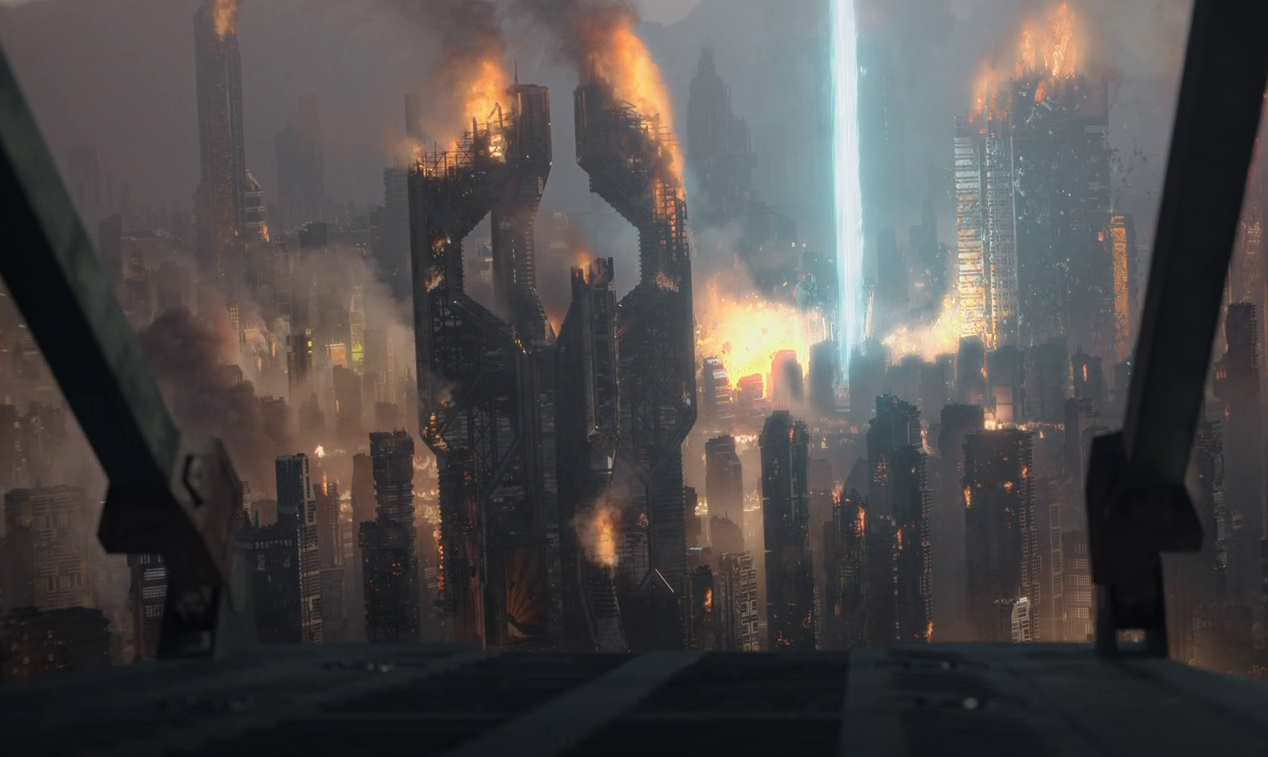
Still frame from Halo Season 2 showing the Fall of Reach.
The Fall of Reach played out very differently in the Halo TV series compared to the games.

Is it possible that a Mass Effect TV show will start somewhere else, like humanity’s first encounter with a Mass Relay or the war between humans and Turians? Sure. It’s possible. But would that be the strongest foundation to take this rich and wonderful sci-fi universe to a new audience and a new medium? I’m not convinced – and I think the struggles of the likes of not only the Halo series but also Amazon’s The Rings of Power (which has diverged from its source material in a way that has upset some fans of Tolkien’s Middle-earth) show the pitfalls in that approach.

Every writer and producer wants to put their own unique stamp on the projects they work on – and I get that. But when you’re taking a successful, much-loved story and adapting it, fans have certain expectations for what they want to see. I’m sure there are some Mass Effect fans who’d love to see a story about humanity’s first forays into space or how humans came to be accepted by the other Citadel races. But I’m not sure that such a story would be strong enough to carry Mass Effect to a wider audience – and when there’s a fantastic, deep, and emotional story populated by a stellar cast of characters just sitting there, it almost seems like malpractice to ignore it or make radical changes to it.
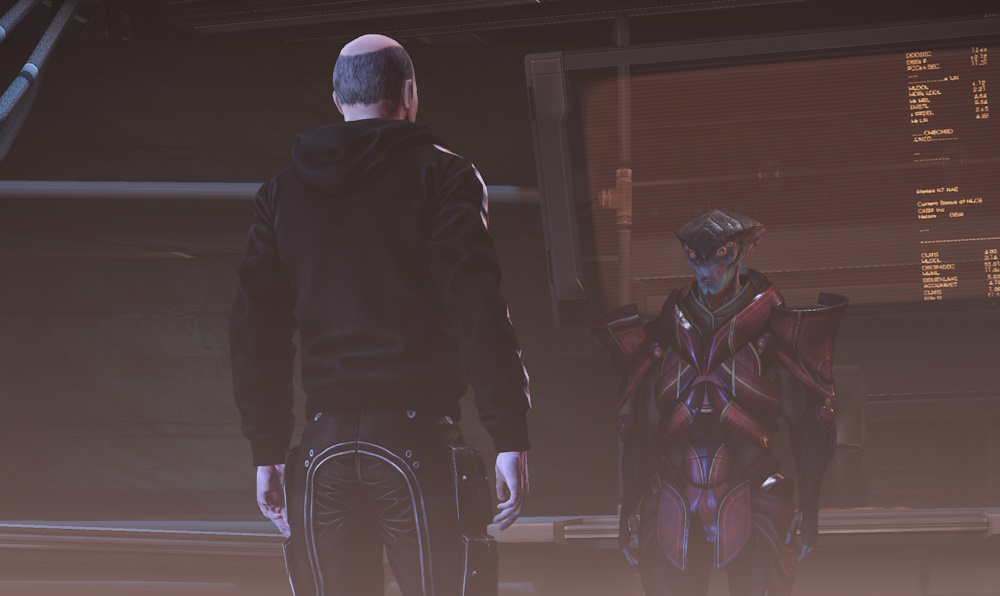
Screenshot of Mass Effect 3 showing Shepard and Javik.
Commander Shepard with Javik in Mass Effect 3.

If we assume, then, that the Mass Effect TV series will be a straight adaptation of the original Mass Effect trilogy, that raises some questions of its own! Firstly, a big part of the Mass Effect games – the first two, anyway – was that players had a lot of freedom to make narrative-altering choices. In the first game, for example, whole companions could be ignored and never recruited, and in Mass Effect 2 practically everyone on Shepard’s squad could die in the game’s climactic final act. Mass Effect 3 arguably failed to do enough to give many of these choices the impact they should’ve had, but even in that game there were hugely consequential choices that players could make.

So if the Mass Effect TV show is going to adapt the story of the Mass Effect trilogy, here’s my question: which story, exactly? There are dozens of inflection points in the games, places where the story can branch in different directions. Helping one character could lead to conflict with another, main characters can die, new characters can appear to take over their roles, and even Shepard can be a radically different person depending on the choices players make. No TV show could reasonably take into account all of these choices – producers would have to pick one route through the story and follow it to its conclusion.
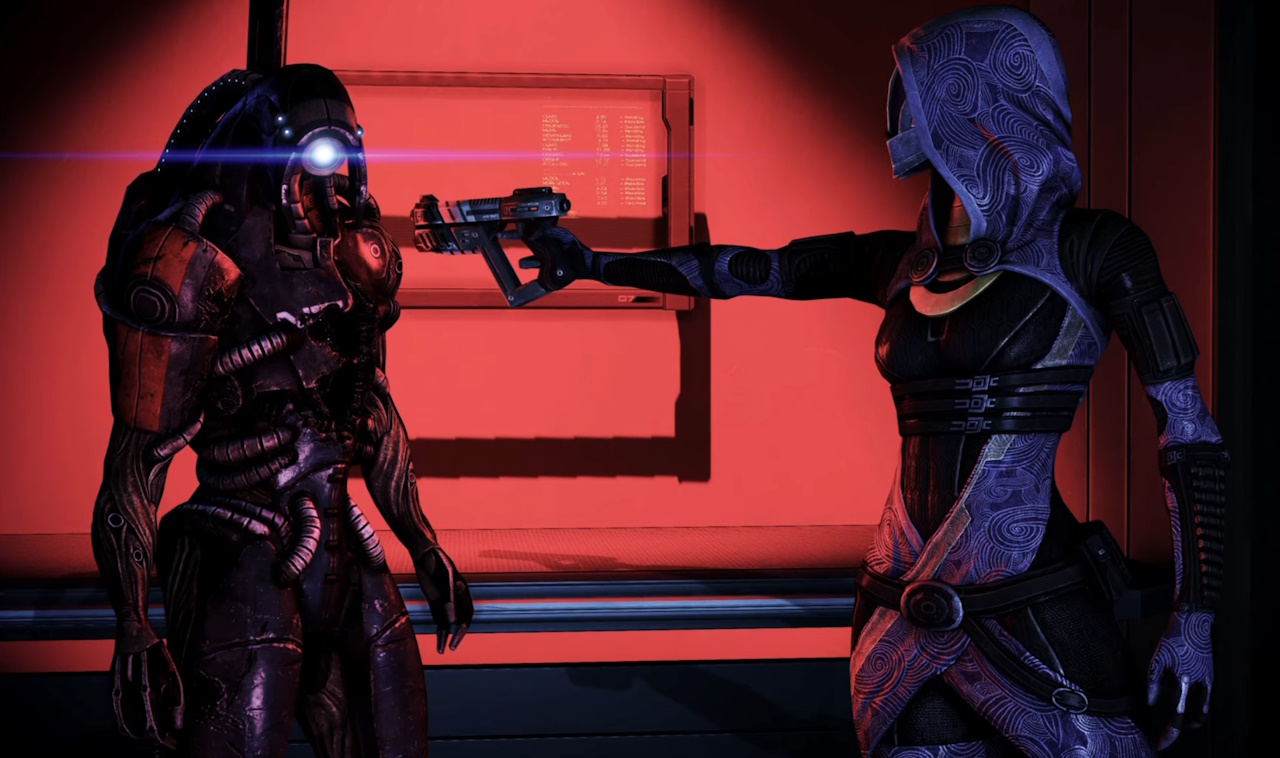
Screenshot of Mass Effect 2 showing Tali pointing a weapon at Legion.
All three games have moments where players have to make decisions.

It seems pretty obvious to me that for the TV series to be entertaining, Shepard will have to mostly fall on the paragon side of things. Nuanced and complex characters are great, and there’s still scope for a paragon Shepard to make renegade-leaning decisions from time to time. But setting up the character to be quick to anger, rude, and excessively violent… it would make Shepard into a difficult protagonist to root for. So a paragon Shepard who occasionally makes renegade decisions seems like the least-bad option here.

But would Commander Shepard be a man or woman? When writing about Mass Effect I usually use “they/them” when referring to Shepard; the character can be male or female depending on the player’s choice. Given that a Mass Effect TV series would only have room for one Commander Shepard, a decision will have to be taken as to which option to go with. And no, I don’t think a non-binary or genderfluid Shepard is on the cards… as much as some people might want that!
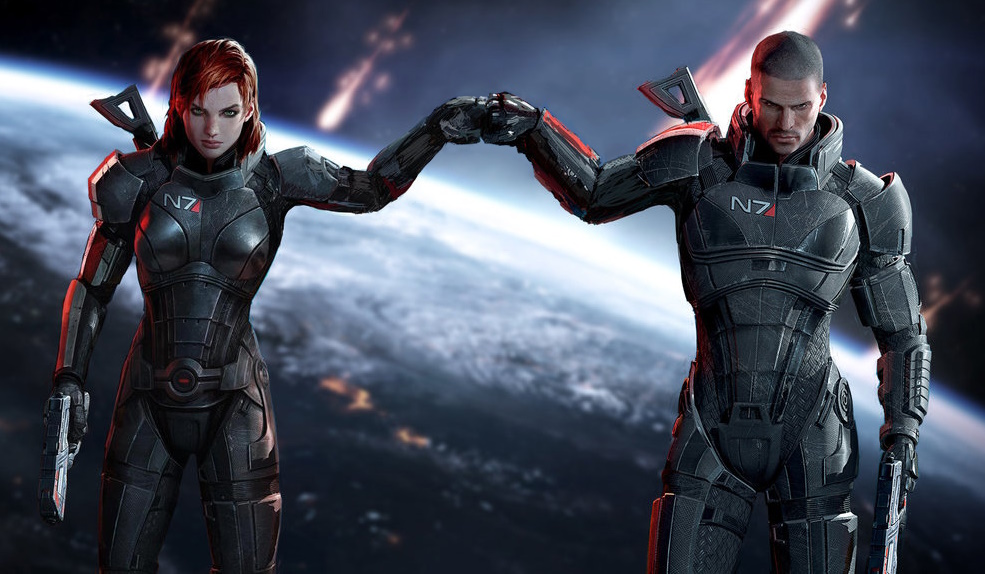
Concept art for Mass Effect 3 showing two different versions of Commander Shepard.
Should the Mass Effect TV show cast a male or female performer as Commander Shepard?

I genuinely don’t know which way the show’s writers and producers would go. There are pros and cons whichever way you look at it, and I can see the casting choice for Commander Shepard being controversial no matter how it’s handled. I don’t think it would really be possible to split the role in two, either – having twin Shepards (like the Ryder twins from Andromeda) or even giving Shepard a second-in-command. A huge part of what made Mass Effect work was Commander Shepard, so if the TV show adapts this story, getting the right performer in the lead role will be incredibly important.

Unfortunately, I see this as a likely point of contention. If Commander Shepard is cast as a woman or person of colour, I can see the “anti-woke” crowd attacking the series and trying to get it cancelled before a single episode has aired. Look at the reaction to “black dwarves” in The Rings of Power or the triggering power the mere presence of a non-binary character had in Dragon Age: The Veilguard. It’s a shame that discussion of media and entertainment online so quickly descends into these dark places… but it’s something that the producers of the Mass Effect TV show will have to contend with one way or another. The original games featured a pretty diverse cast, but cries of race- or gender-bending will be hurled at the series if any of these characters’ fundamentals are altered.
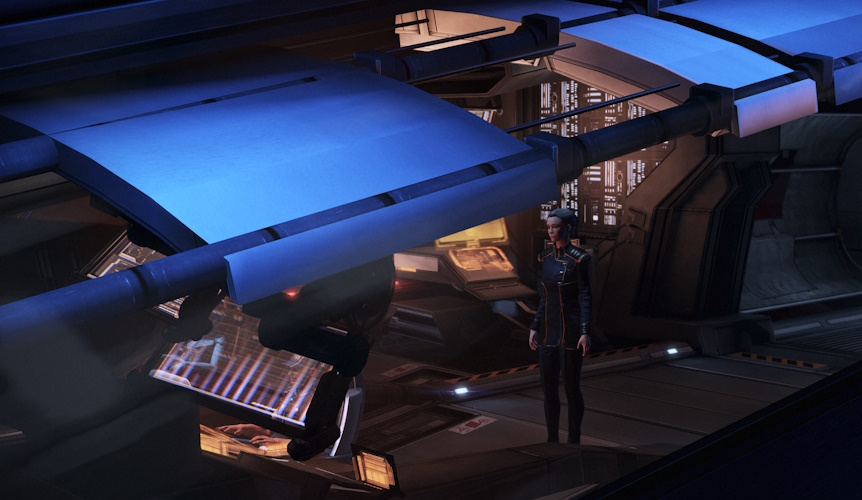
Screenshot of Mass Effect 3 showing Shepard in the Normandy's cockpit.
Commander Shepard on the bridge of her ship.

I think most fans would accept a female Commander Shepard. Female-led shows and films from Alien and Star Trek: Voyager to Fallout and Everything Everywhere All At Once have been well-received, and with “femShep” having been a part of Mass Effect since the beginning, critics would really have very little to complain about. Adding a new female-led sci-fi show to the lineup would, in my view, be a positive thing. The casting needs to be right first and foremost, and I’m not saying Mass Effect needs a woman in its lead role. But why not? It could be great to see a female Commander Shepard taking the fight to the Reapers!

Let’s try to set that aside for now! I hope that whoever is cast in the lead role will do a great job, and will end up making any criticisms from the “anti-woke” crowd seem even sillier than usual.
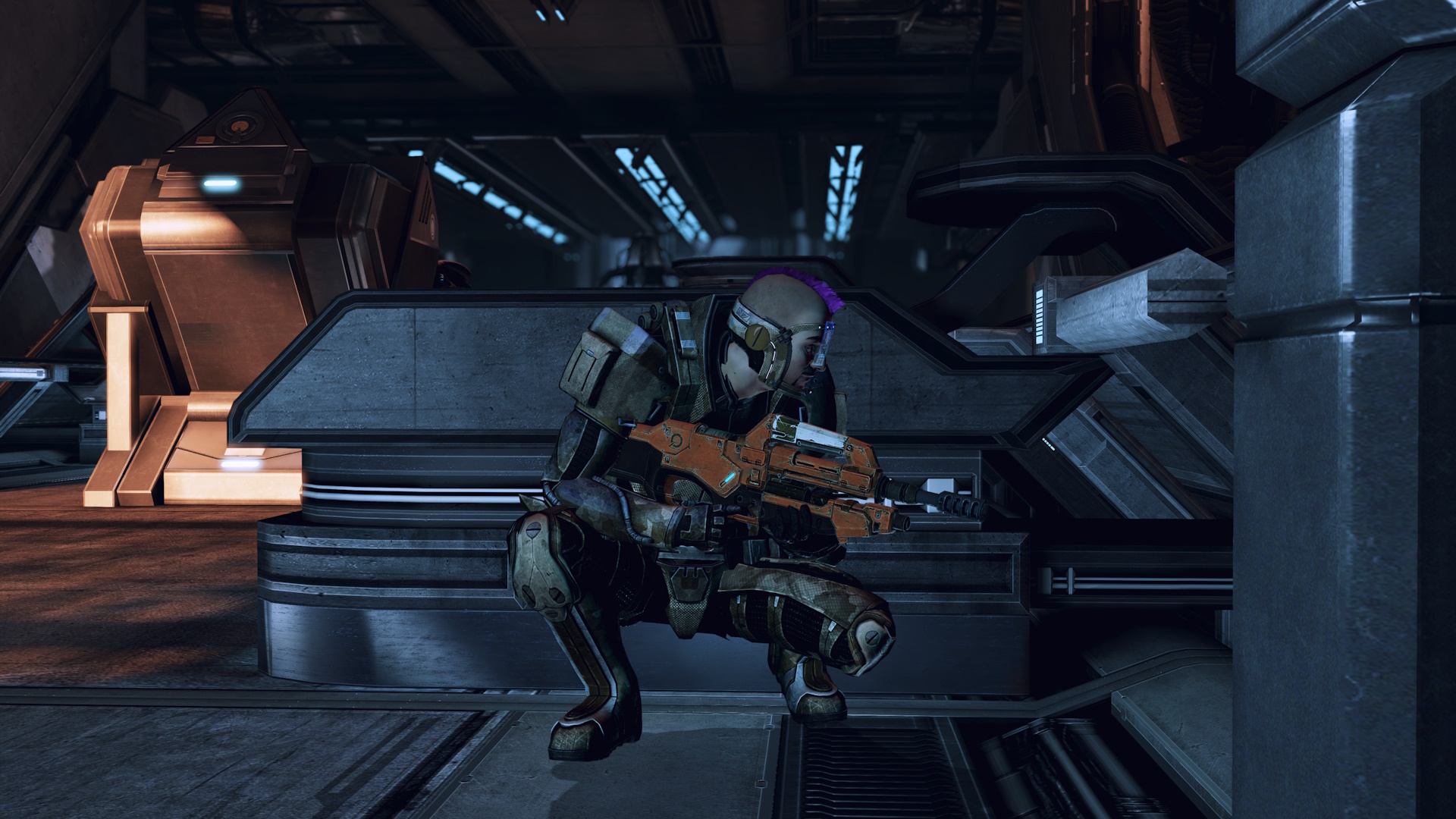
Screenshot of Mass Effect 3 showing Shepard crouching behind a wall.
A male Commander Shepard taking cover.

I’d like to talk next about the potential structure of a Mass Effect television series – because there really are interesting ways to adapt the games’ side-missions and secondary storylines.

One thing I love about television compared to film is how much more time there is to spend with characters, and how much richer and deeper their stories can be as a result. The same is true of video games, and the Mass Effect trilogy is a fantastic example of interactive storytelling. Characters grow and change over the course of their adventures, and the bonds between them strengthen as they get to know and trust each other. There are themes of bridging racial and social divides that could be incredibly relevant, and character arcs and pairings that are just beautiful to watch unfold. All of these things could – and should – be part of a Mass Effect TV series, as its the characters that make the story into something special.
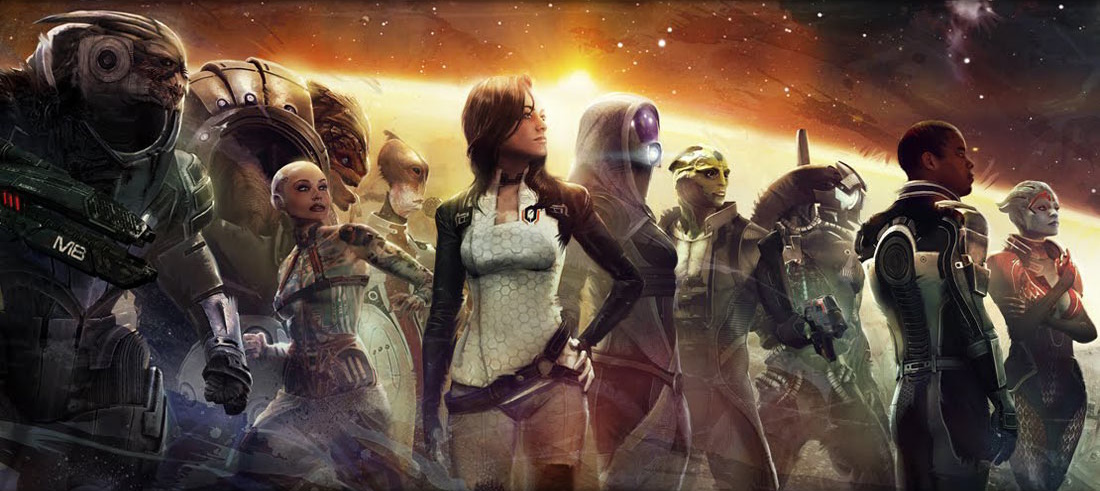
Concept art for Mass Effect 2 showing the main companions.
Most of the main companions from Mass Effect 2.

As someone who loved shows like Star Trek: The Next Generation, Space Precinct, and Buffy the Vampire Slayer in the ’90s, believe me when I say that I love episodic storytelling. Any Mass Effect TV series would be a wholly serialised affair, in the mold of recent hits like Game of Thrones. But that doesn’t mean there isn’t room for some degree of episodic storytelling – and that’s where the aforementioned side-missions and quests come in.

Again, for the purposes of this argument we’re assuming that the TV show will be based on the original Mass Effect trilogy. Those games all had side-quests, lower-priority missions, and storylines focusing on individual companion characters. It would be tempting for a serialised show to skip all of that and focus on Shepard and the Reapers… but I think that would be a mistake. Not only do these missions have some of the best storytelling and most emotional moments in the entire series, but they add so much to the world of Mass Effect and to Shepard as a leader.
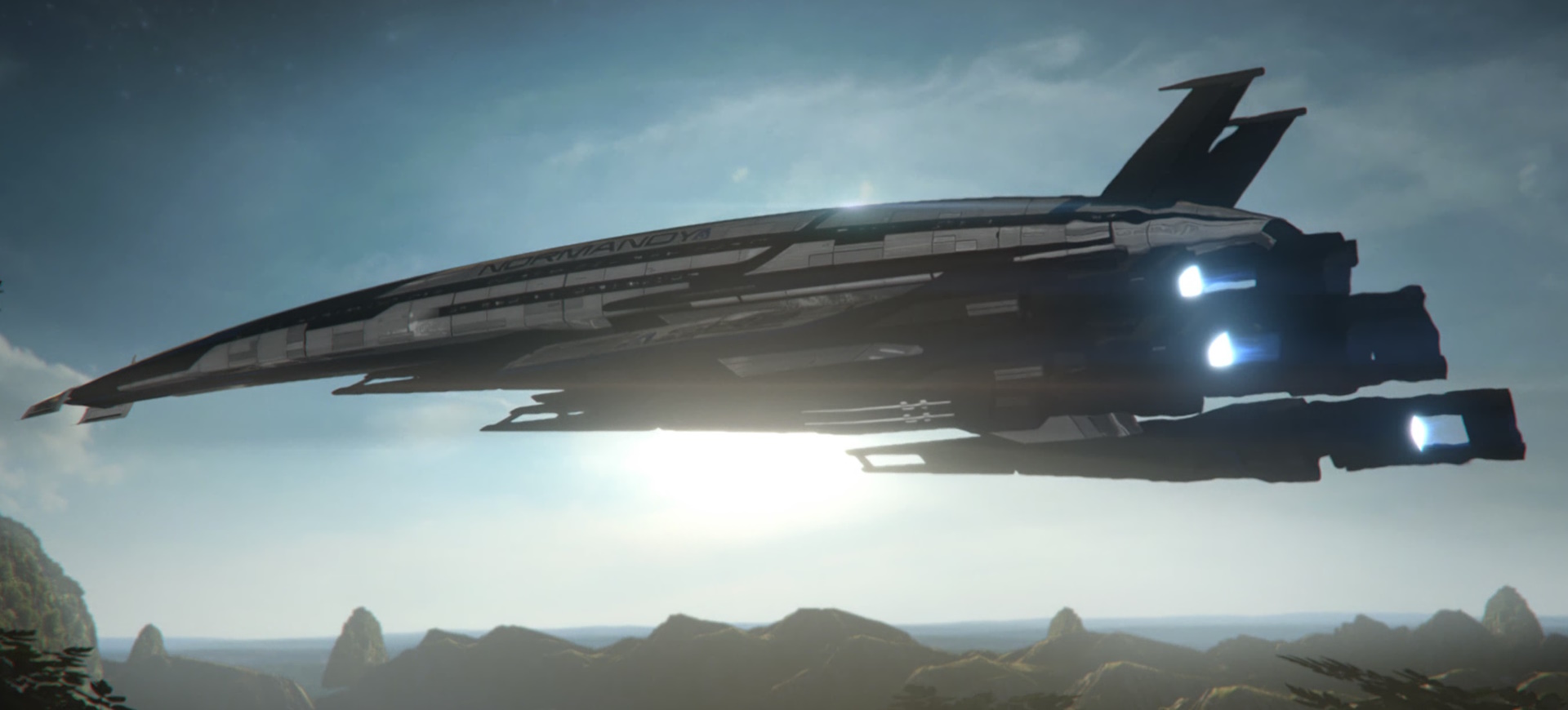
Screenshot of Mass Effect 3 showing the SSV Normandy taking off from a planet.
The Normandy.

There are ways to mix episodic storytelling with multi-season narrative arcs. Look at Star Trek: Strange New Worlds as a great example of this; the show follows its characters as they take part in a wide range of missions and stories, but they retain their growth and development from one episode to the next, even when those episodes are completely different in story, structure, and tone. There are season-long storylines running in the background, too, even when the focus of one episode is mostly elsewhere.

In short, a Mass Effect TV show wouldn’t need to skip over the likes of the Rogue VI mission from Mass Effect 1, or the character loyalty missions from Mass Effect 2 – these could be integral parts of the show, while also breaking up the main plot to take Shepard and their companions to different places. Some of the side-missions cement Shepard’s relationships with characters who will be among their closest friends for the entire story, and without including missions like “Find Dr Saleon” or “Family Armor” from Mass Effect 1 Shepard’s relationships with Garrus and Wrex might feel… less impactful.
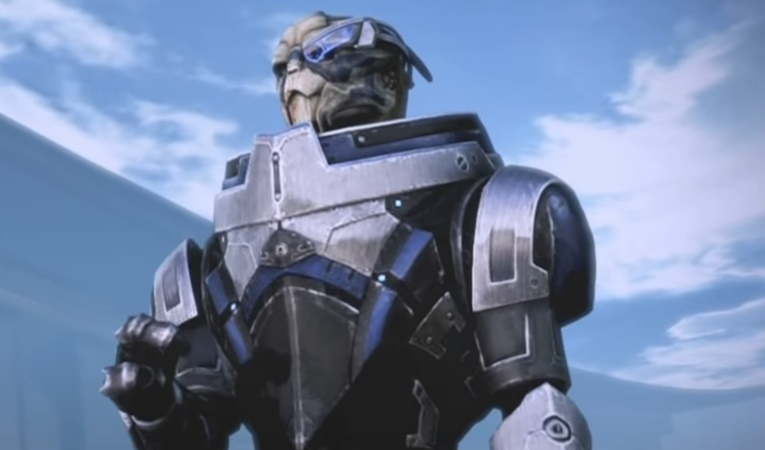
Screenshot of Mass Effect 3 showing Garrus on the Citadel.
Garrus Vakarian: Shepard’s BFF.

I’m not saying that the Mass Effect TV show should recreate every single side-mission. But there’s something to be said for a series that doesn’t always do the same thing, and changes in style, tone, and which characters are in focus can break things up and make for a more interesting presentation. Not only that, but some of the missions that are nominally optional in the games can have a big impact on other storylines.

Take the “Rogue VI” mission from Mass Effect 1 as an example. I hated playing through this; it’s a boring slog of a mission which involves using the Mako (barf) to visit four identical outposts at which Shepard and co. have to fight through generic enemies and push a button to shut down an advanced computer that’s gotten out of control. But you later learn, in Mass Effect 3, that the out-of-control VI was the source of EDI’s programming and personality – completely reframing the mission and tying it into one of the game’s main characters. It was a great bit of storytelling that made re-playing an otherwise bland side-mission feel a lot better on repeat playthroughs.
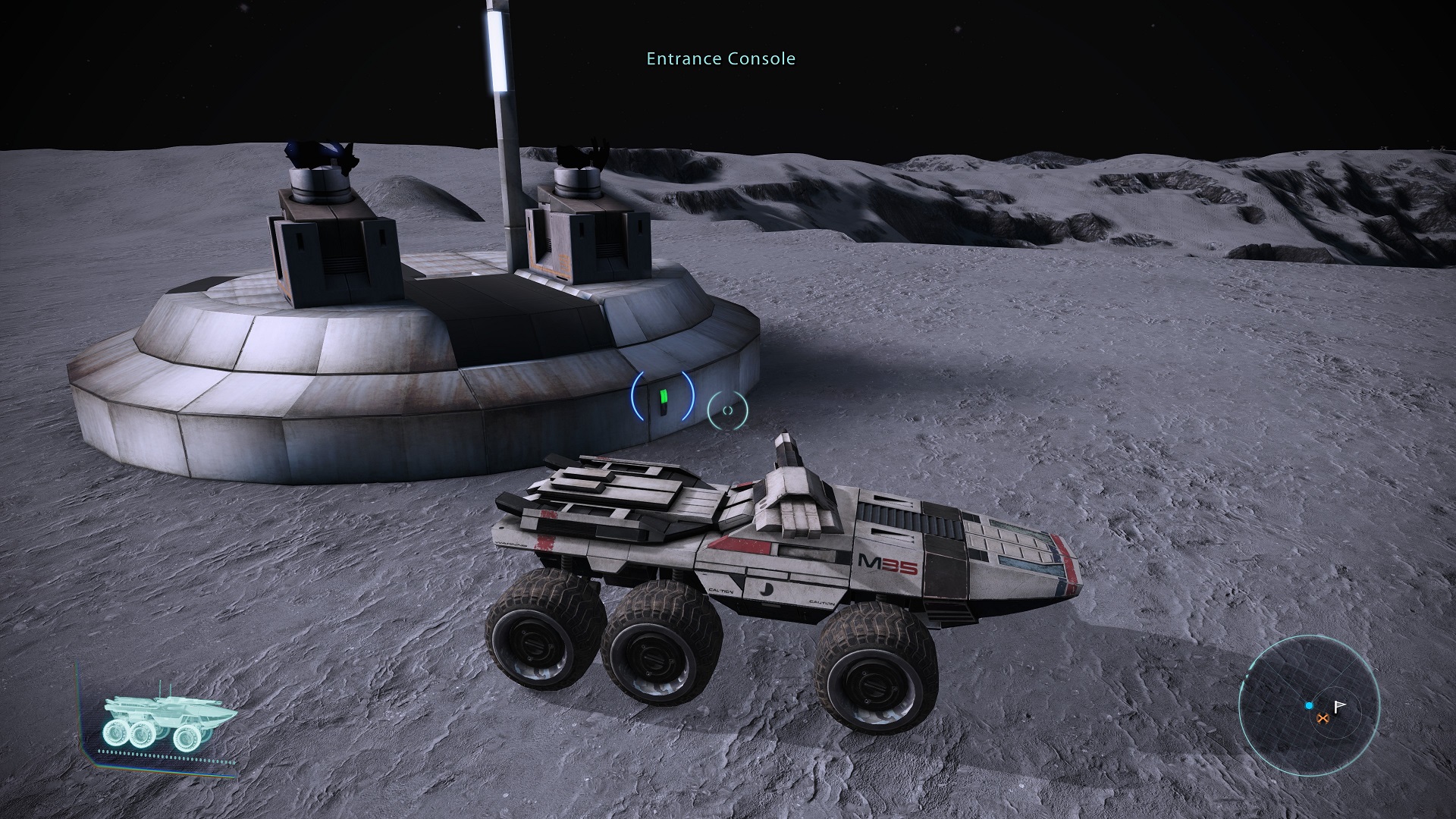
Screenshot of Mass Effect 1 showing the Mako on Luna.
The “Rogue VI” mission.

There are also some great moments of characterisation in the Mass Effect 2 loyalty missions. Jack uncovers the truth behind her shocking childhood at the facility she escaped from. Jacob reunites with his estranged father – but in the worst possible way. And Shepard ends up in serious danger while helping Samara track down her daugher… who’s a serial killer. These missions vary in terms of location, but they also vary wildly in tone, with some being light-hearted and even fun while others are intense and violent. There’s a lot to be said for finding ways to include as many as possible.

According to the website HowLongToBeat, playthroughs of the Mass Effect trilogy can take anywhere from 60-140 hours. This varies a lot depending on things like the difficulty setting and how much of the side-content players engage with. My own estimate would be somewhere around 90 hours; that’s how long my most recent playthrough of the trilogy took. So this is a long story – and one that’s going to take multiple seasons of television in order to tell.
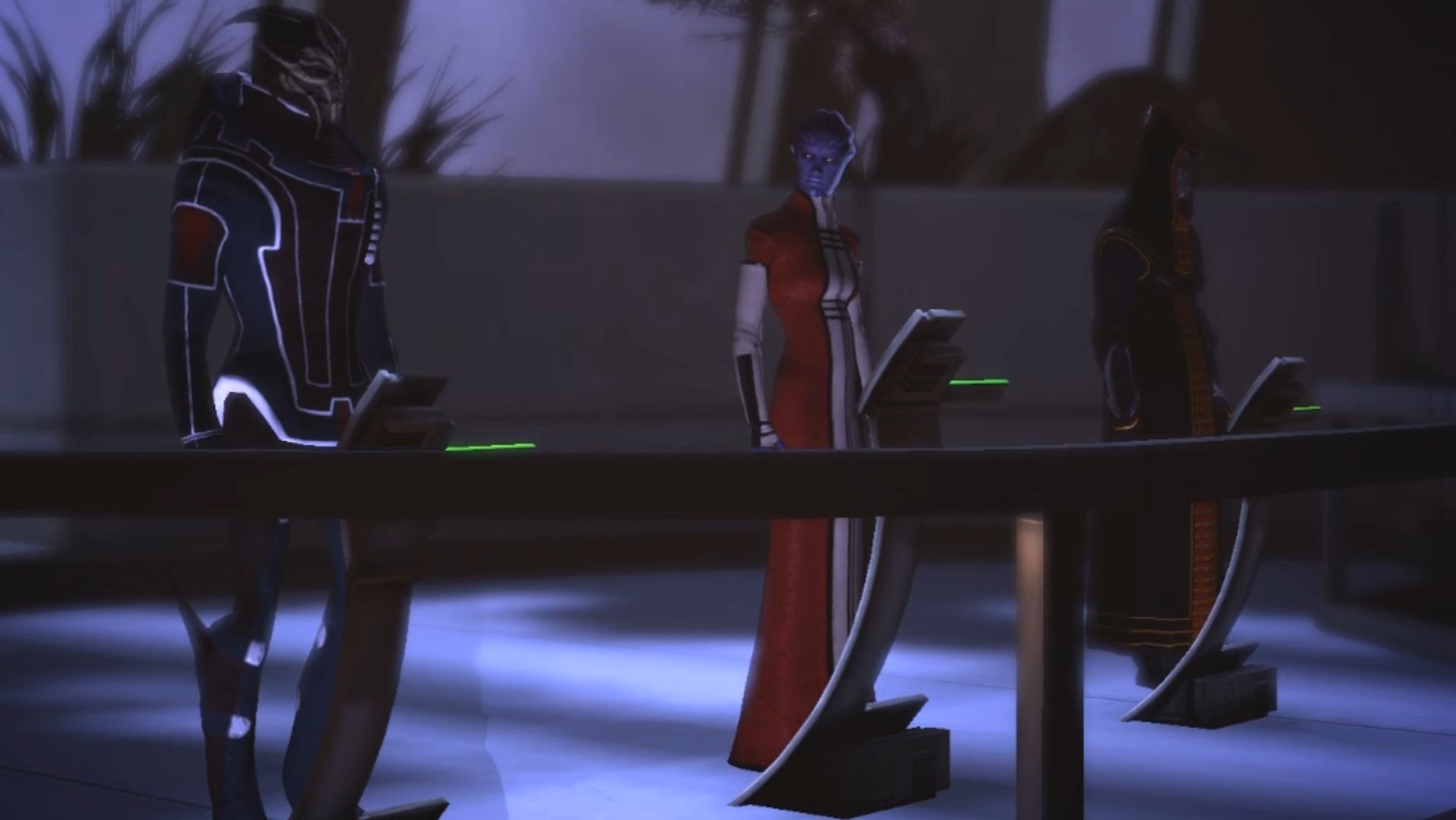
Screenshot of Mass Effect 1 showing the Council.
The Citadel Council.

There are things from the games that can be cut out. Some levels are deliberately padded out with generic enemies to stomp just to give the player something to do; a mission that might’ve taken an hour to play doesn’t necessarily need to be an entire episode of TV on its own. But we’re still talking about a show that would need to be at least five seasons – assuming eight to ten episodes per season, as is common nowadays. I don’t think three seasons (one per game) would be enough to really get to grips with how deep the world of Mass Effect really is, especially when you consider that a new audience is going to need an introduction to this brand-new universe.

In 2012, Mass Effect 3 came in for a lot of criticism, particularly of its ending. I wasn’t wild about the “pick a colour” ending, but I felt that wasn’t actually the worst part. Where I felt most let down by the game was how different choices – or combinations of multiple choices across the trilogy – just didn’t seem to matter and weren’t even mentioned as the story reached its crescendo. The example I’ve given before is this: through careful choices across all three games, it’s possible at a crucial moment in Mass Effect 3 to save the Quarians and Geth when it looks like it should only be possible to save one. This is not easy to pull off… but after the mission is over, there’s basically no impact at all apart from a few static images in the war assets menu.
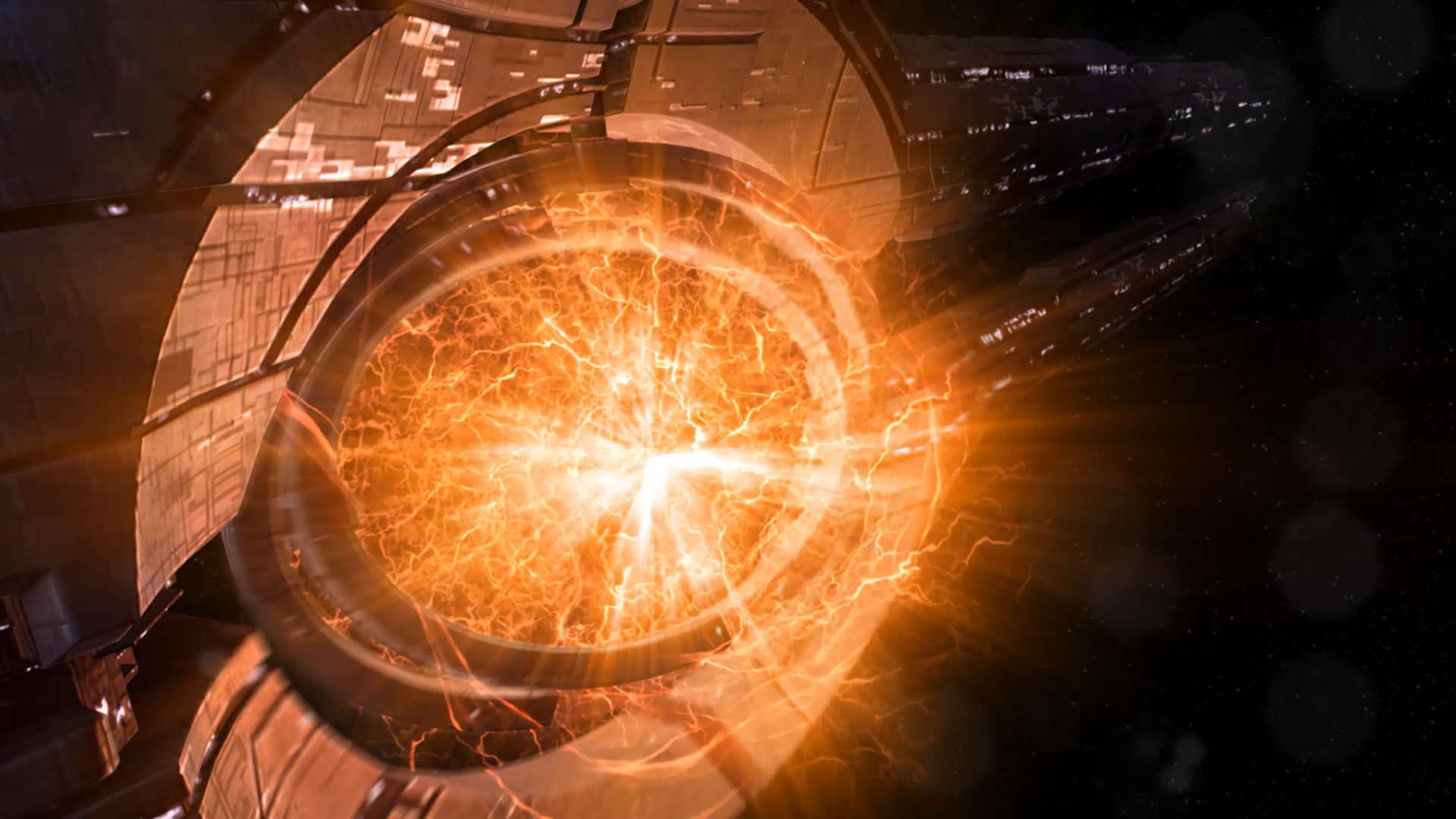
Screenshot of Mass Effect 3 showing a Mass Relay detonating.
The final third of Mass Effect 3 needed work.

Long story short, I think a Mass Effect television series could do more with some of these storylines than the games did – and by choosing a single outcome to include in the series, there’d be more freedom to tailor the story to fit. If the TV show kills off Wrex, for instance, there’d be no need to have Urdnot Wreav behave quite the same as he does in the games where he’s basically a stand-in for the missing Wrex; he could be his own character. And much more could be made of the Quarians and Geth coming together to achieve peace. By cutting out different narrative outcomes, we could get a much more detailed look at some of the choices that I felt weren’t properly acknowledged in the original games.

Finally, there’s the elephant in the room: Mass Effect 4… or whatever we’re calling the next game in the series. At time of writing, BioWare is working on a new Mass Effect game, and based on the very brief tease that was shown off a couple of years ago, it will feature at least one main character from the original trilogy. Would BioWare, EA, and Amazon want to create a TV show that’s based on or directly connected to the new game? Given how early in development both projects are, could there be an attempt to get them to release at more or less the same time?
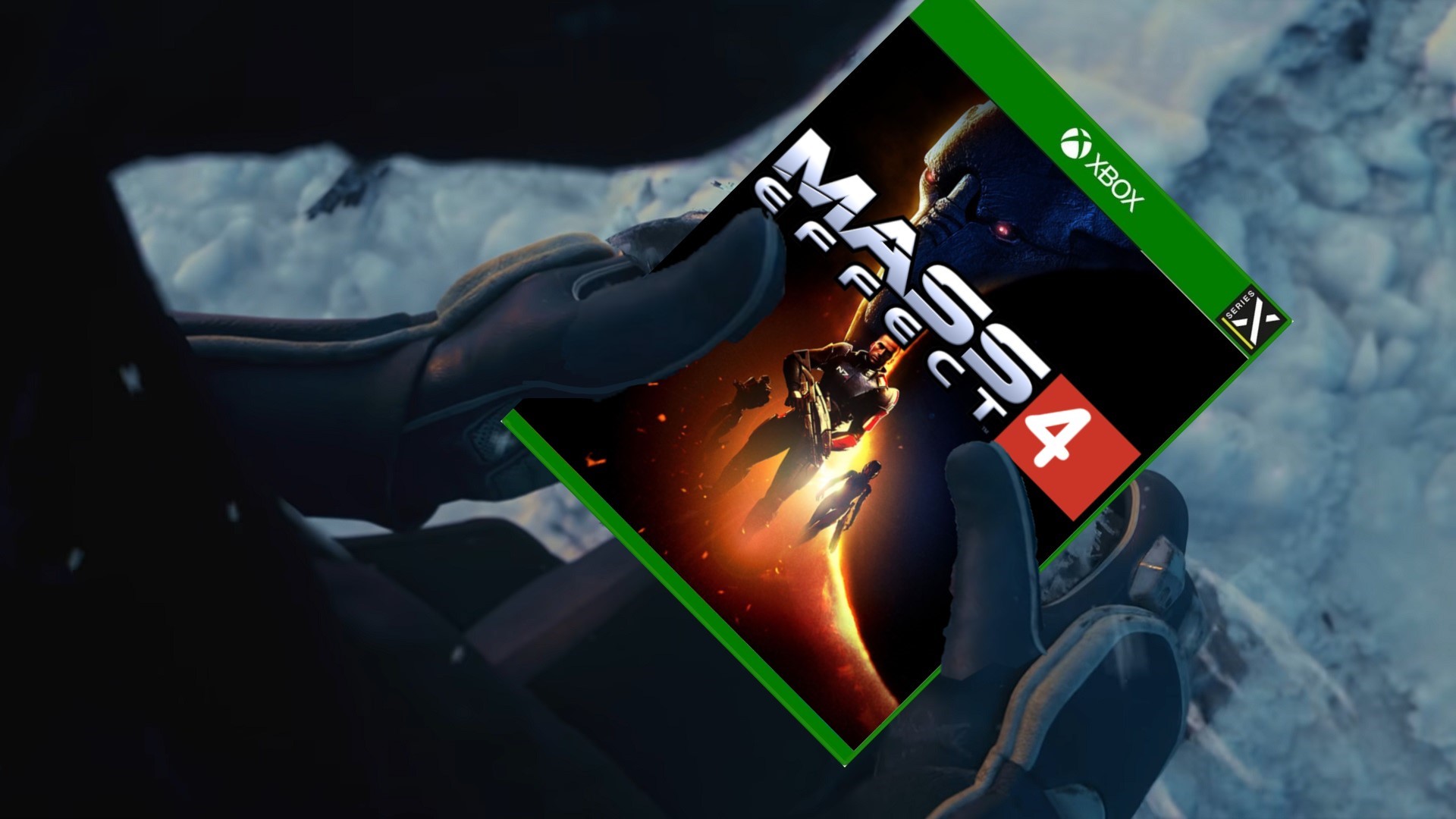
Graphic based on the Mass Effect teaser trailer showing a mock-up of a Mass Effect 4 box.
Will the TV show tie in with Mass Effect 4 in some way?

If so, does that mean that a re-telling of the original trilogy is off the cards? While I can understand the temptation of making a game and TV show that are connected, I wonder if that’s the right approach. If Mass Effect 4 is going to be a direct sequel to the original trilogy, not a spin-off or prequel, having the TV show re-tell that story could actually work really well. It could give fans who might be turned off by playing older games an easy route into the story just in time to pick up the newest entry in the series.

Of course, that might not be the route BioWare and Amazon want to go down. And there are points in favour of setting the TV series in the same timeline as the new game. Doing so could draw a line under the original Mass Effect story, setting the stage for something brand-new. The concern I’ll have, if that’s the way things go, is whether the new story will be as good as the original one, or whether this iteration of Mass Effect can live up to what came before.
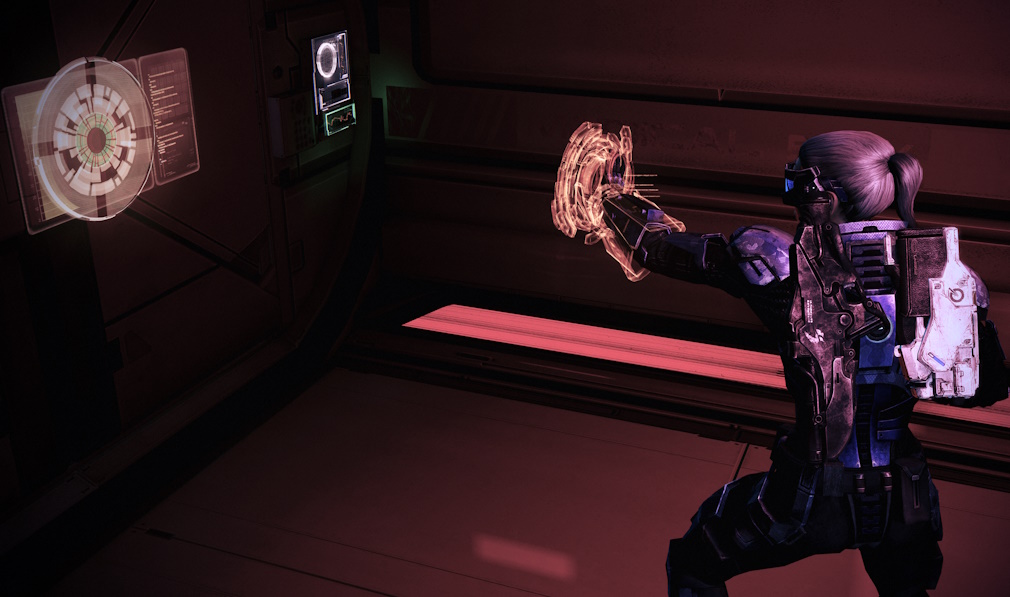
Screenshot of Mass Effect 3 showing Shepard opening a door.
Hacking a locked door.

So I think that’s everything I had in my notes. It goes without saying that the Mass Effect television series is several years away at least – and that it could be delayed again or even cancelled outright. The show seems to be in a very early stage of development, and while I welcome Amazon’s re-commitment to it, until we get more concrete information, part of me will remain sceptical about whether I’ll ever get to see it! I’m not getting any younger (or healthier) after all!

The Mass Effect games built up a rich, detailed, lived-in world that feels ripe for exploration in a different way. As much fun as it was to play through those games, I’m genuinely thrilled at the prospect of being able to enjoy the story all over again in a different way. It won’t be the same – and it will be an adjustment getting used to different performers in key roles and perhaps slightly different designs and aesthetic choices. But I don’t think it’s an exaggeration to call Mass Effect one of my favourite sci-fi stories… ever. If and when it makes it to the small screen, I’m really hopeful that it will be an exciting and enjoyable ride.
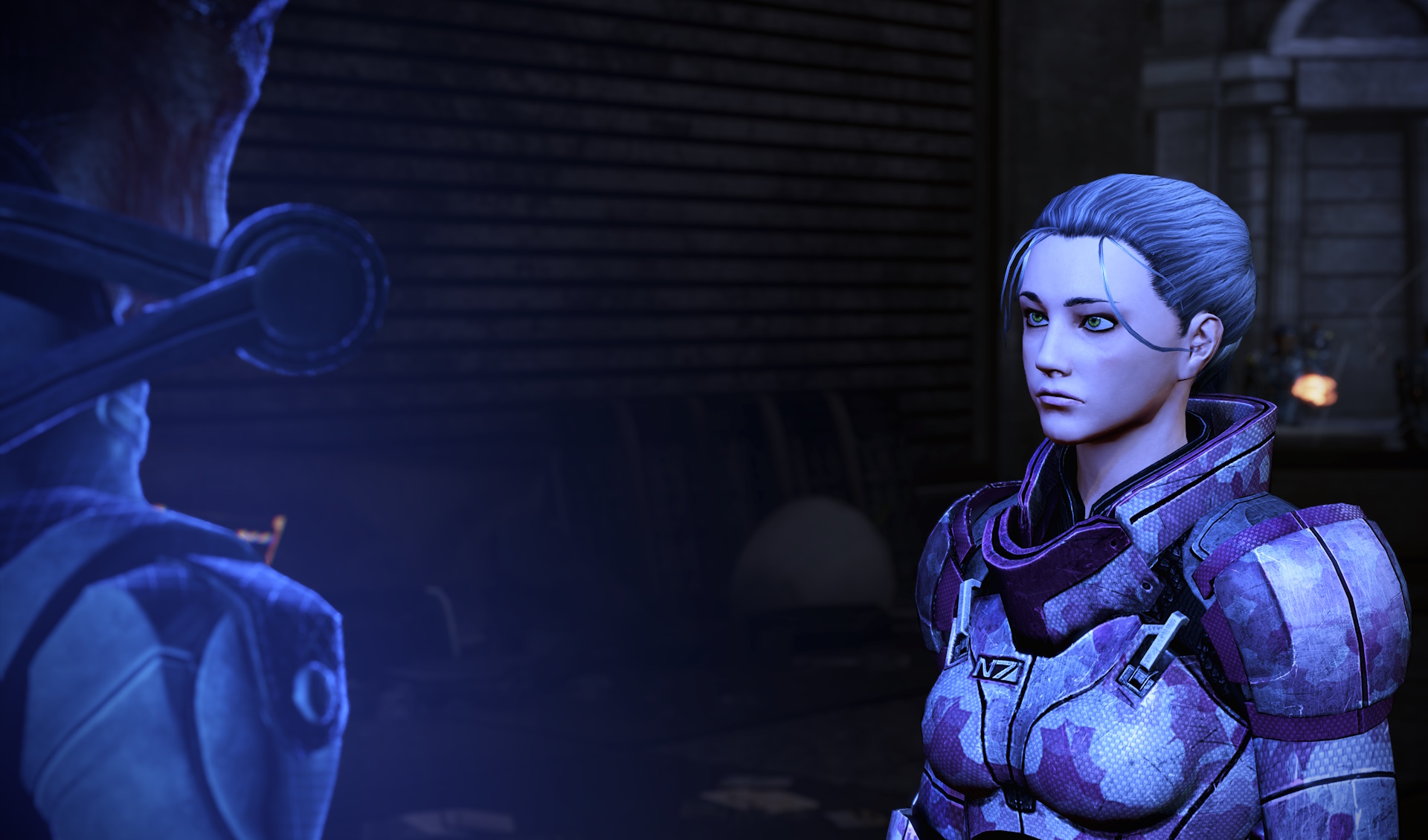
Screenshot of Mass Effect 3 showing Shepard speaking with Mordin via a holo-communicator.
Here’s hoping we’ll get an excellent adaptaion!

I hope this has been interesting. I know we got into wildly speculative territory, but there was a surprising amount to say about a TV series that’s still in early production! I could be wrong about re-telling the story of the original games, and I’ll try not to be too disappointed if the show ultimately tells a story that ties in with Mass Effect 4 or shoots off to the Andromeda galaxy!

I haven’t played Mass Effect in a while, so maybe it’s time to re-install Legendary Edition and go round again!


The Mass Effect video games – including Legendary Edition – are the copyright of BioWare and Electronic Arts. The Mass Effect television series (currently untitled) may be the copyright of Amazon Studios, Amazon Prime Video, and/or Electronic Arts. This article contains the thoughts and opinions of one person only and is not intended to cause any offence.
Questions that Mass Effect 4 will almost certainly need to answer

Spoiler Warning: There are spoilers ahead for the Mass Effect trilogy (including Legendary Edition).

It’s been a while since we last talked about the next entry in the Mass Effect series, but to celebrate my dedicated Mass Effect webpage finally going live here on the website, I thought it could be interesting to consider a handful of big questions that the team at BioWare will need to answer before a new story can be written. If you missed it, I now have a brand-new webpage dedicated to the Mass Effect series, and you can find all of my Mass Effect commentary, theories, and articles there. You can find this page by using the drop-down menu at the top of every page or post here on the website – or you can click or tap here to head there directly!

There hasn’t been much by way of news about the next Mass Effect game for a couple of years. BioWare released a brief CGI teaser all the way back in December 2020 confirming that the game is in pre-production, but since then, updates have been few and far between. BioWare provided a brief update in November 2022, saying that pre-production is “proceeding very well,” which sounded positive. In August 2023, however, BioWare announced that there were going to be job losses at the company. With production currently focused on Dragon Age: Dreadwolf, and with these cuts taking place, the next Mass Effect game is unlikely to see the light of day before 2026 or 2027 at the earliest.

Commander Shepard in the Normandy’s cockpit.

But that doesn’t mean there aren’t things to talk about! We may not see the game I’m tentatively calling Mass Effect 4 for a long time, but the studio will have already taken a number of big decisions about the game, its setting, its characters, and its key storylines. Today, I’m giving my two cents on what some of those decisions may be – and there are some absolutely massive ones that have serious implications for the state of the Mass Effect galaxy.

As I’ve said before, there are questions about the Mass Effect galaxy that BioWare simply can’t ignore forever. Maybe a single game with a focused story could sidestep one or two of these questions, but if Mass Effect is to survive long-term with new games (and perhaps even a TV series) being produced… sooner or later answers will have to come. What that means is that some of the biggest decisions open to players in the original Mass Effect trilogy will need to be given a canon outcome, one that Mass Effect 4 can build upon. To players who were adamantly opposed to playing the game a certain way, that could lead to hurt feelings and disappointment – but I see no way around it. Some of these points are too big, and the implications too diverse, for a new story to be written that could take so many different outcomes into account.

Bypassing a locked door in Mass Effect 3.

Some Commander Shepards died at the end of Mass Effect 2. That game’s suicide mission could, under the right (or should that be wrong?) circumstances lead to Shepard’s death, and that meant that players had to either restart from an earlier save or start a new campaign in order to play Mass Effect 3. The third entry in the trilogy was able to take into account a lot of decisions from earlier games – but Shepard’s death was a bridge too far.

I bring this up because the Mass Effect series has taken big decisions like this in the past. Mass Effect 3 couldn’t happen without Shepard being alive, meaning players whose characters died at the end of Mass Effect 2 didn’t get to see their decisions carried forward. The same will have to happen in Mass Effect 4 – albeit on a grander scale.

So let’s try to look ahead to Mass Effect 4, and – assuming the game will be the sequel we’re all hoping for – pick out some of the biggest questions that will need to be answered.

Question #1:
What colour were the explosions?

An exploding Mass Relay.

This is a deliberately facetious way of asking the biggest question that any sequel to Mass Effect 3 cannot ignore: which ending was chosen? It simply isn’t going to be possible for the game to try to account for all three possibilities; the differences between them are too vast for a single story to encompass wildly divergent states of the galaxy. So one ending will have to be declared “official” – and if I had to place a bet, I’d say that the “destroy” ending is going to be the one that’s picked.

All of the endings of Mass Effect 3 have points in their favour from a narrative standpoint, but “destroy” was the one that Shepard had been working towards across the entire trilogy. Not only that, but it’s the only ending in which it’s even remotely possible – based on what we saw on screen – that Shepard could have survived. “Destroy” is, according to stats about Mass Effect: Legendary Edition that were released by BioWare, also the most popular choice that players made. So there are a lot of points in favour of making “destroy” the canonical ending to Mass Effect 3.

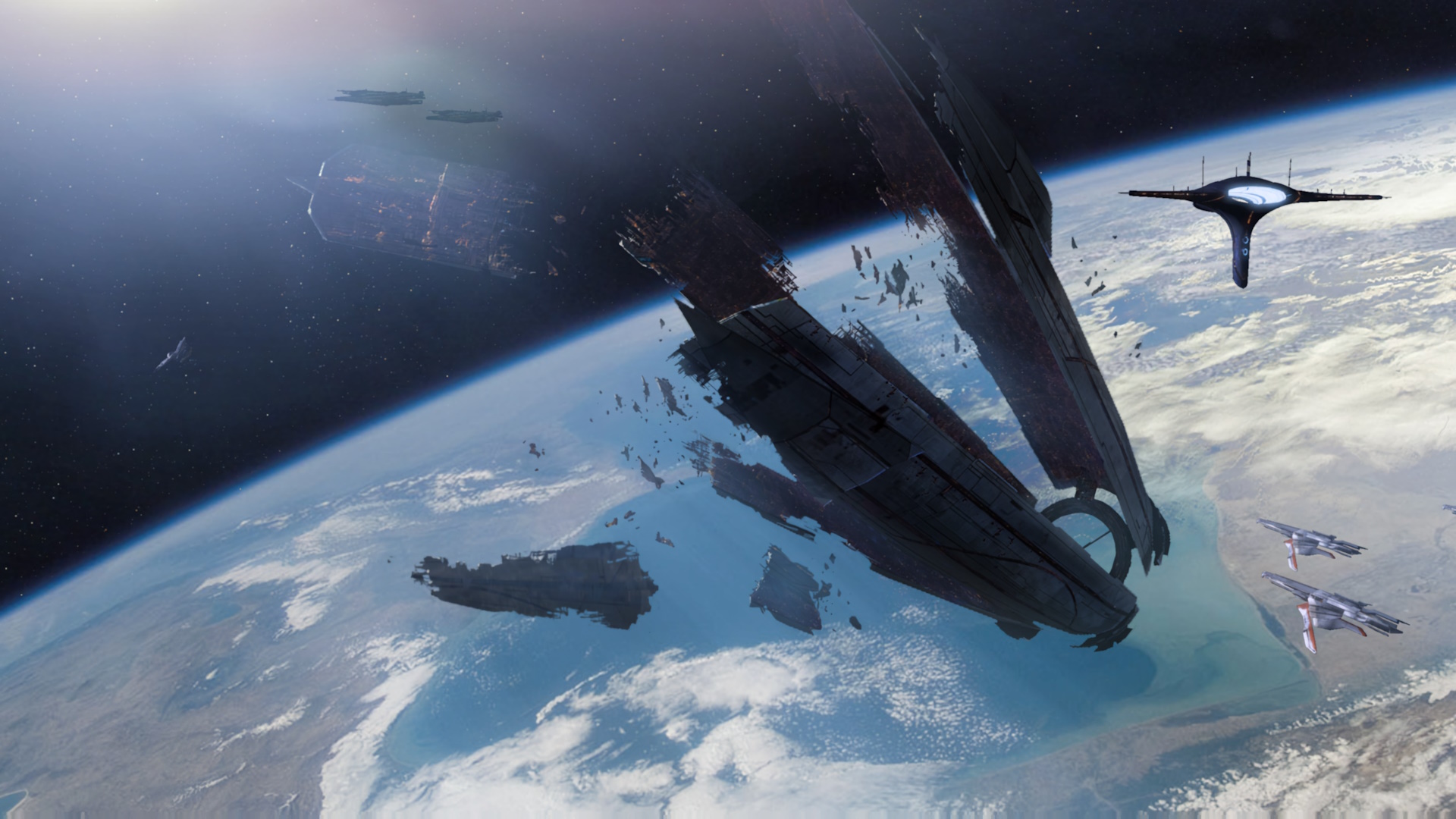
The damaged Citadel in orbit of Earth.

The state of the galaxy is going to be profoundly altered by whichever ending to Mass Effect 3 was chosen, and I just don’t see how a new game could possibly take that diversity and variety into account. Mass Effect 4 would essentially need to be three games in one in order to accomplish that – and that just doesn’t seem likely. If Mass Effect 4 is to continue the series, perhaps laying the groundwork for a new trilogy or series of games, that divergence will only grow over the course of its story. So there has to be a single starting point chosen – even if that means disappointing some players who were particularly attached to one of the other ending variants.

I felt that Mass Effect 3′s final chapter was trying to present “synthesis” as the better option. That was the one that was hardest to unlock, and in the epilogue, EDI seems to suggest that “synthesis” led to a kind of technological paradise, with the galaxy’s races living in harmony… but I always took umbrage with that idea. Not only was it literally the goal of the Reapers as stated by the AI that controls them, it was a completely different outcome to what Shepard had been fighting for. It was also not Shepard’s place to inflict such a radical change on the entire galaxy without anyone’s consent – and without even listening to a single other opinion on the matter! But more than that, “synthesis” doesn’t seem like it would lead to an interesting or relatable narrative. With human characters merged with AI, and with everyone living in a utopia… how could we as the audience get invested in the people or the world?

Question #2:
Did Shepard side with the Geth or the Quarians – or find a route to make peace?

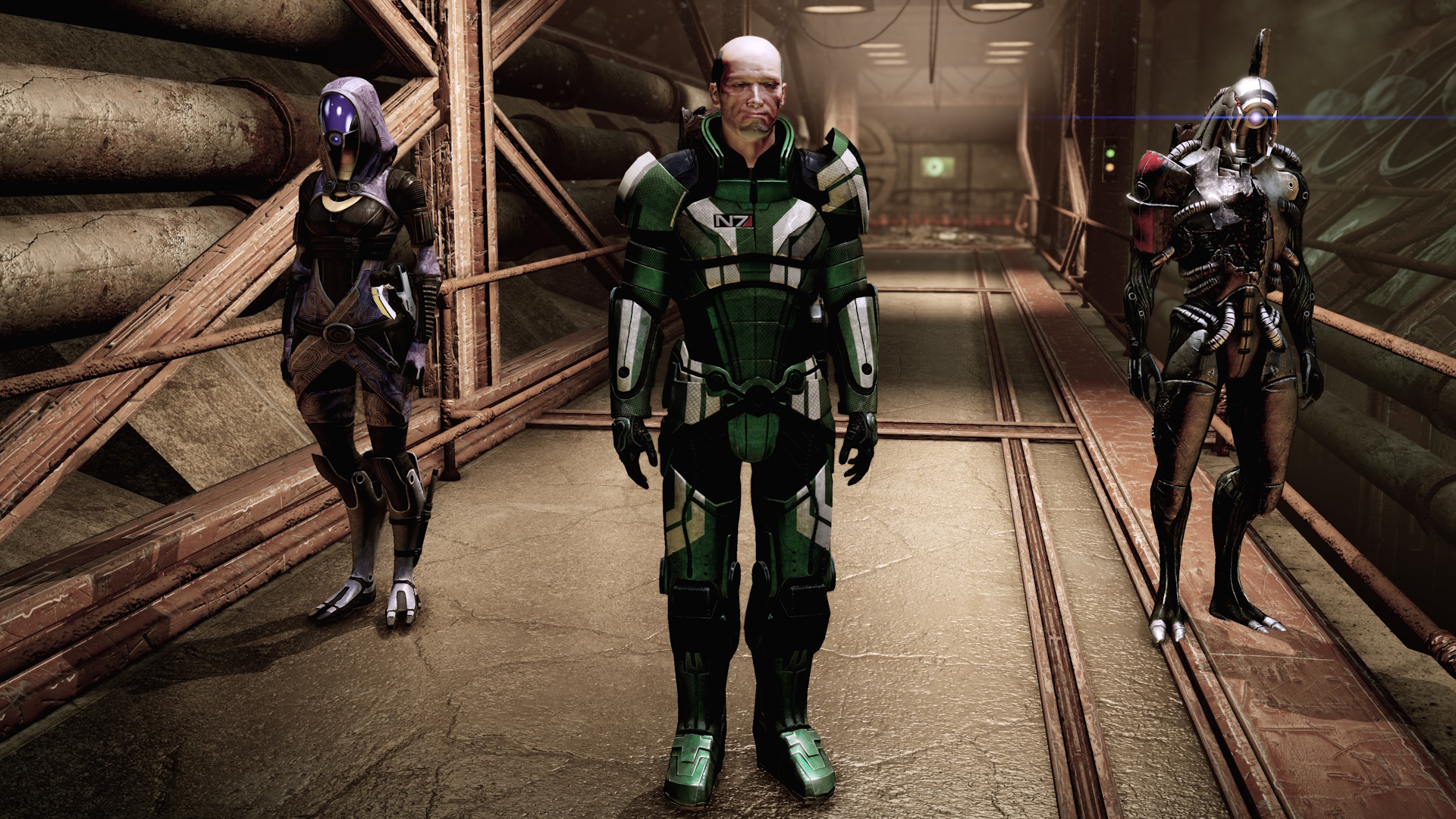
Tali, Shepard, and Legion in Mass Effect 2.

The Geth-Quarian conflict was one of the most interesting in Mass Effect, and the way in which it came to a head in the final chapter was incredible. It was disappointing, however, that after the mission to Rannoch, the Geth and Quarians weren’t really mentioned much, and that all of the hard work involved in getting one or both of them to join the war effort was relegated to a couple of JPEG images in the war assets menu! But enough about the rushed end to Mass Effect 3!

There are galactic repercussions that will reverberate from the Geth-Quarian conflict, and how it was resolved will have a huge impact on the state of the galaxy in Mass Effect 4. If Shepard chose to side with the Geth, then chose the “destroy” ending… both races could be extinct. Or if Shepard found the pathway to peace and then chose either “synthesis” or “control,” both races could still be around and working together. Whichever outcome it is, whether the Geth, Quarians, or both are present in the galaxy is going to be a big deal.

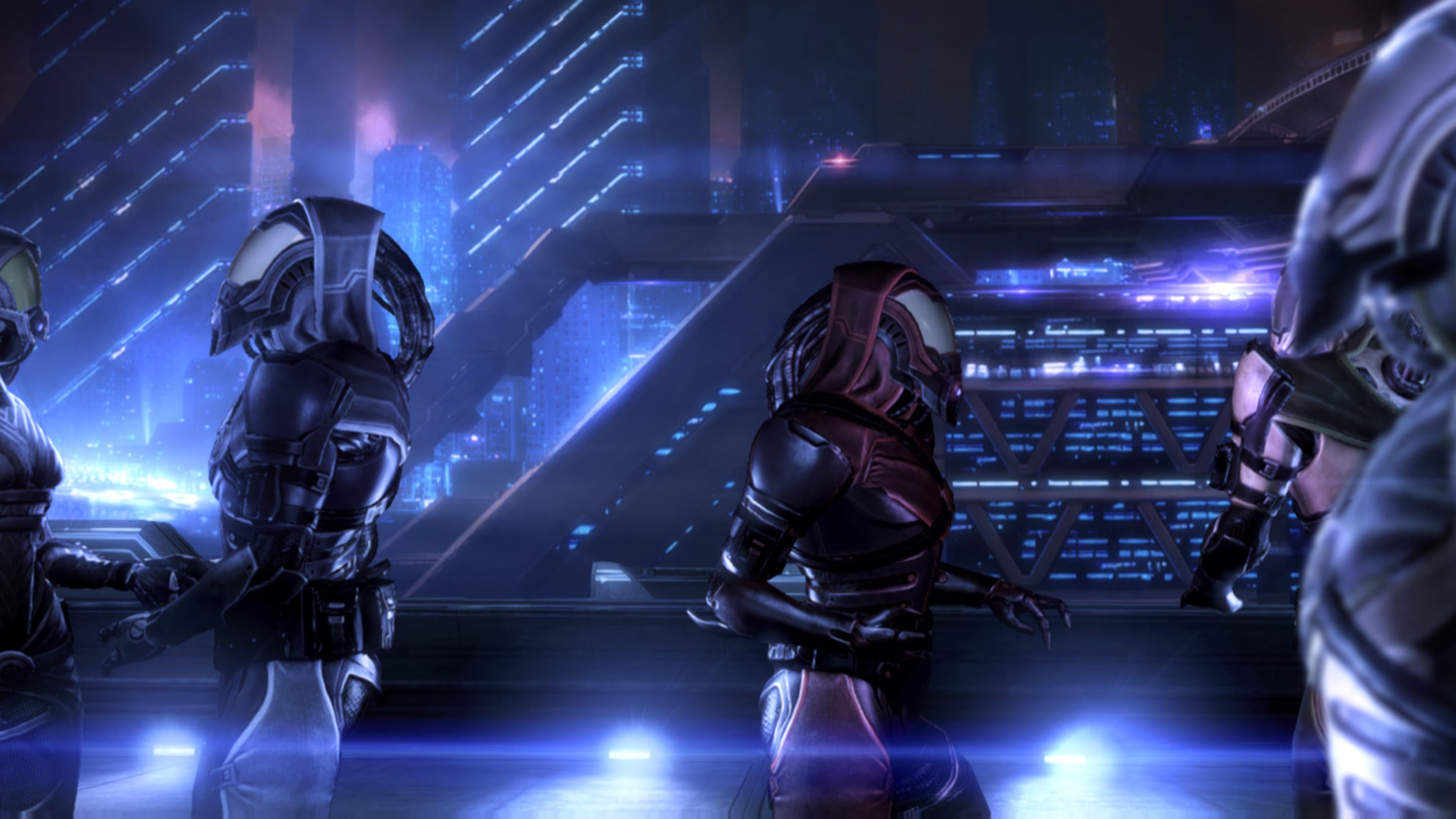
Quarians in the Mass Effect 3 epilogue.

Here’s my pet theory: one way or another, BioWare will include both the Geth and Quarians in Mass Effect 4 – even if that means ignoring one of the consequences of the “destroy” ending. Depending on how much time may have passed in-universe, the new game could claim that the Quarians rebuilt the Geth after they were destroyed – or perhaps the Catalyst either lied about the Crucible destroying all synthetic life or simply got it wrong.

I think that given the popularity of both the Quarians and Geth – thanks in large part to their squadmate representatives, Tali and Legion – BioWare won’t want to throw either away. If we stick to a literal interpretation of the Catalyst’s warning in Mass Effect 3 and assume that “destroy” will be chosen as the canon ending, then perhaps the Geth will be absent. But I wouldn’t bet on that, and I think a technobabble explanation for their survival or resurrection is plausible and could be made to fit.

Question #3:
Did Shepard survive?

Does this moment represent Shepard’s survival?

This is the big one! While not as galaxy-altering as the way in which the Crucible was used or the literal survival of entire races… from a character point of view, Commander Shepard is the player’s avatar in the Mass Effect world. If there’s even a slim chance that they might’ve survived, at the very least we should find out!

I can’t decide right now whether Mass Effect 4 will go down the route of making Shepard the player character once again. After the disappointment of Andromeda, there will surely be a temptation to “stick with what works” in the Mass Effect universe – and Shepard is clearly a big part of that. That being said, I think there’s absolutely scope to create a new player character and to expand Mass Effect beyond Shepard and the crew of the Normandy. If the franchise is to continue long-term, that will have to happen sooner or later.

A male Commander Shepard aboard the Normandy.

But regardless, news of Shepard’s fate should reach us at some point during the game – even if it’s only to confirm that they died centuries earlier. One thing that a lot of folks found frustrating about Andromeda was that the outcome of the Reaper War was left entirely unresolved, and I don’t think that the next Mass Effect game could get away with repeating that mistake.

After everything Shepard went through to defeat the Reapers, they have definitely earned their retirement! But if the galaxy is in danger once more – and surely, somehow, it will be – they could be the person that has to step up once again and lead a new fight.

Question #4:
What became of the Rachni?

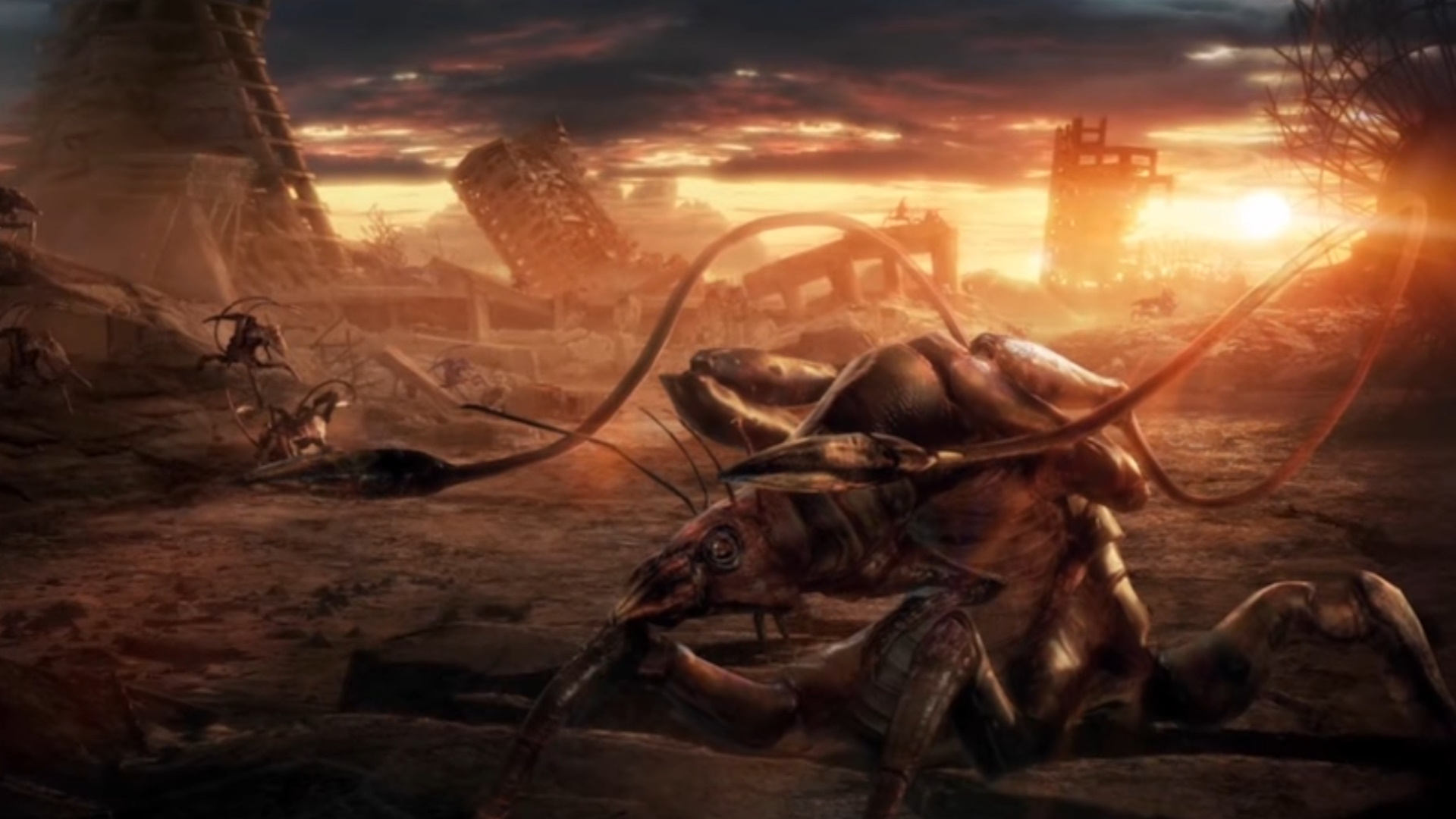
The Rachni in one possible epilogue scene.

Depending on choices made in both Mass Effect 1 and Mass Effect 3, it’s possible that the Rachni may have survived. The Rachni were an insectoid race that threatened to overwhelm the galaxy centuries before the events of the games – and were believed to be extinct. Shepard was given the option to save the last known Rachni queen on two occasions – and the presence or absence of the Rachni could have wider implications for the state of the galaxy.

If the Rachni queen was saved, Rachni workers join up with Admiral Hackett’s fleet and contribute to the Crucible project. Given the scale of the Crucible, I don’t think the Rachni’s survival could be hidden in the aftermath of the war, so any hope for a return to hiding away on an obscure planet seems to be out of the question.

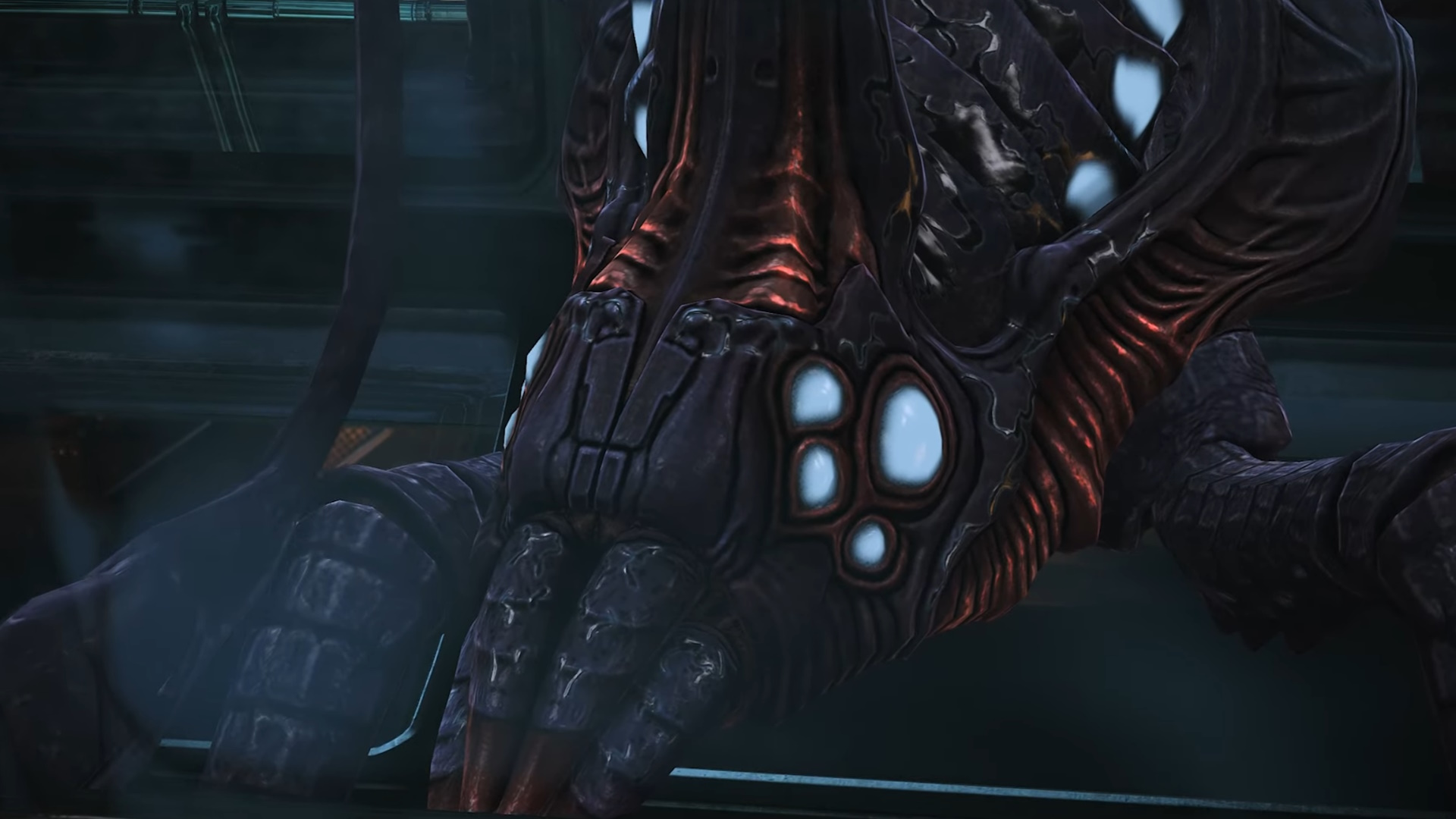
The last surviving Rachni queen.

But not everyone would be thrilled about the Rachni’s return. The Krogan still view the Rachni as a kind of ancient ancestral enemy, and there may be Krogan and Asari who still remember the aftermath of the Rachni Wars. Even if the Rachni’s contribution to the success of the Crucible was public knowledge, there are many in the galaxy who would be wary – and some who might view them as a threat. Could an attack on the Rachni be the first sign of the Reaper War alliances breaking down?

Alternatively, it’s possible that the Rachni were never saved by Shepard and thus went extinct with the defeat of the Reapers. This would preclude their presence in the story as either a friend or foe – unless they could be revived, once again, by technobabble!

Question #5:
Did the Leviathans join the war effort?

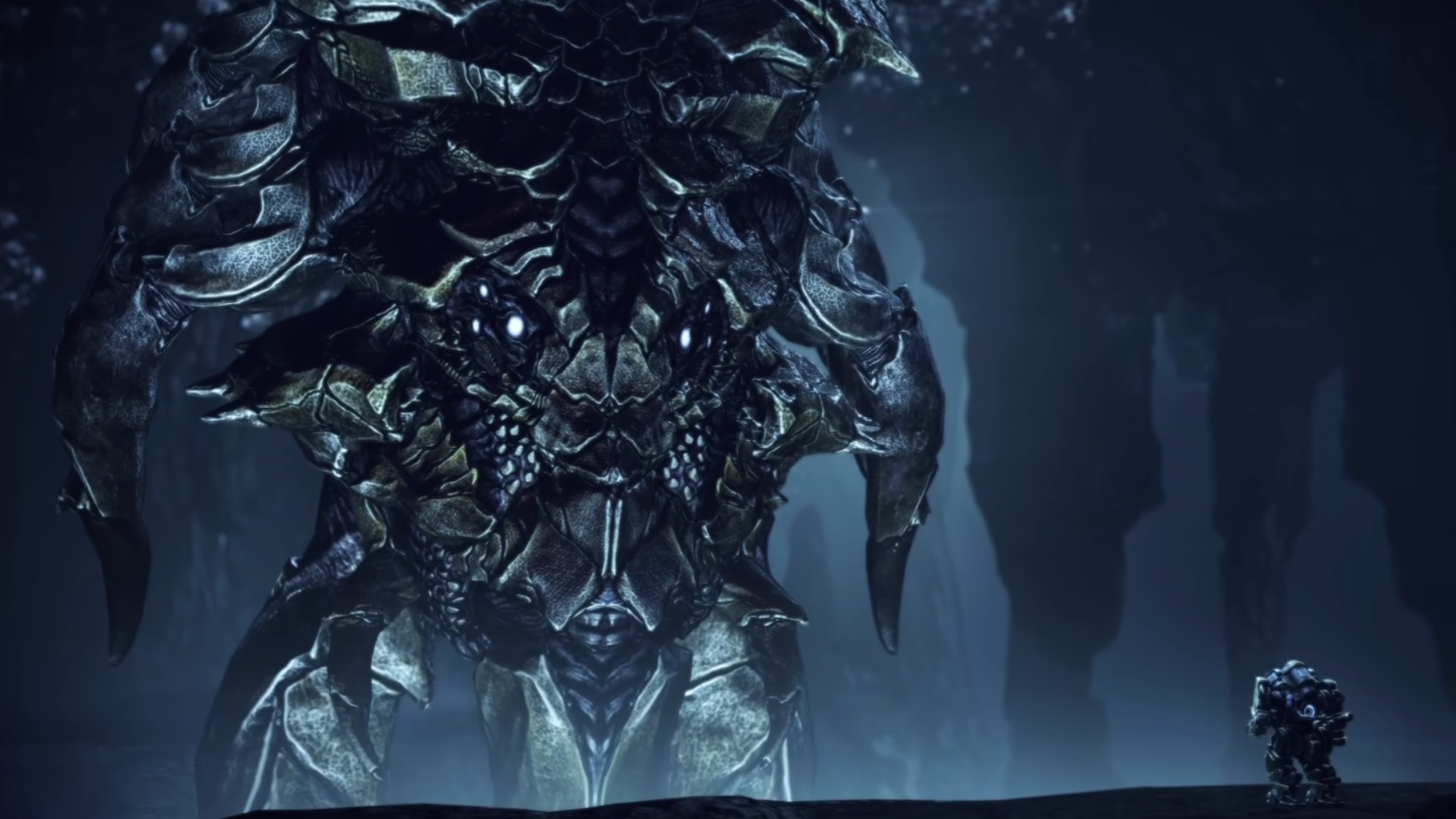
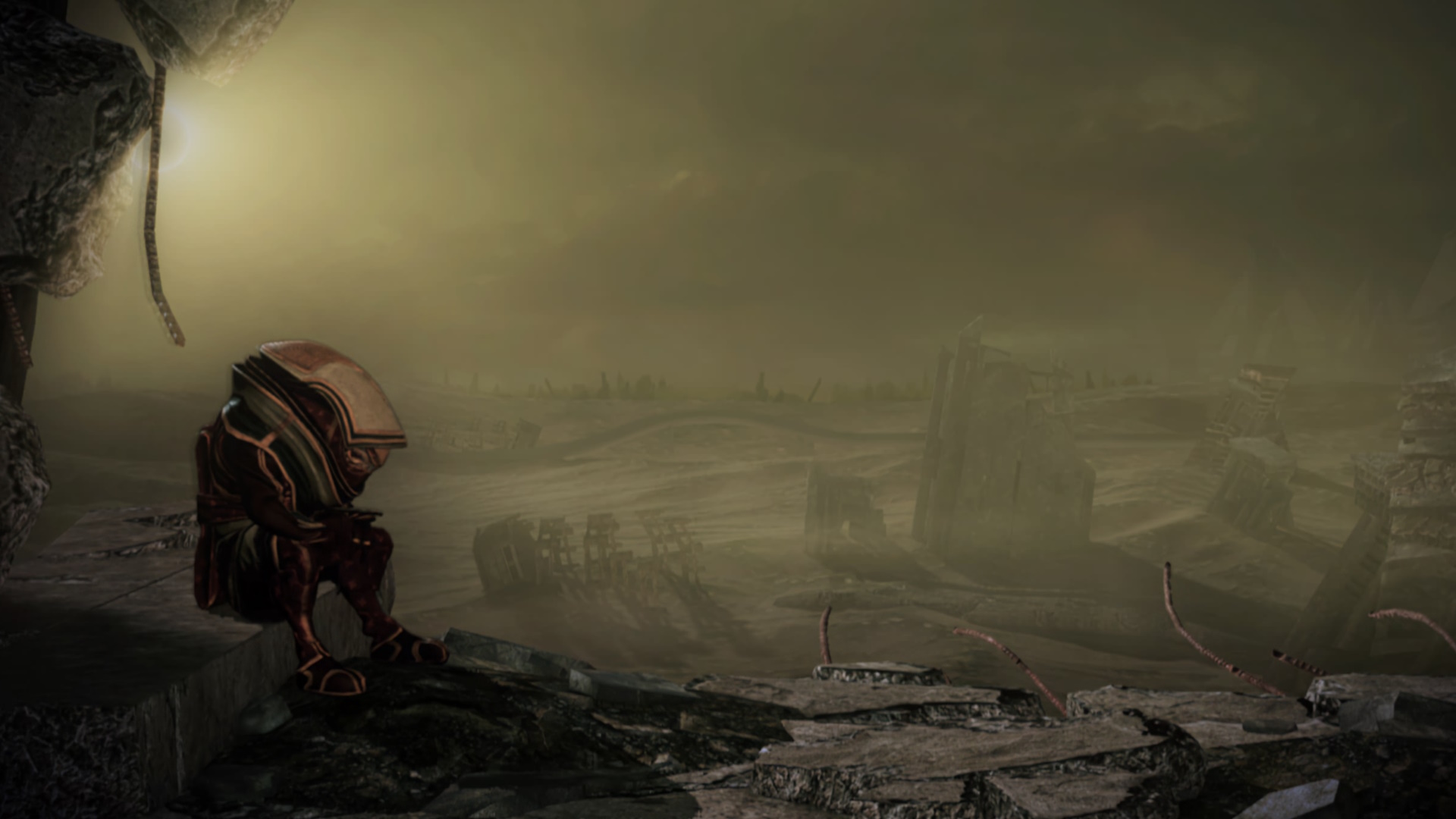
The Leviathans were eventually tracked to their base.

Another pet theory of mine is that the Leviathans – who were originally DLC for Mass Effect 3 – will return as the “big bad” in a new story, seeking to reclaim a galaxy that they view as “theirs.” You can read more on that by clicking or tapping here, by the way. But for our purposes today, the question is whether they joined the war at all – or whether they were able to remain hidden.

Following the Leviathan story to its conclusion is not an essential part of Mass Effect 3, but it’s one that has far-reaching implications. The discovery of the Leviathans explains the origin of the Reapers, but it also introduces us to a very alien race – one that ruled the galaxy and enthralled other races aeons ago. Despite their defeat at the hands of the Reapers and the passage of tens of millions of years, the Leviathans seem to have lost none of their arrogant sense of superiority – so how they could possibly be integrated into a multi-racial galaxy is an open question.

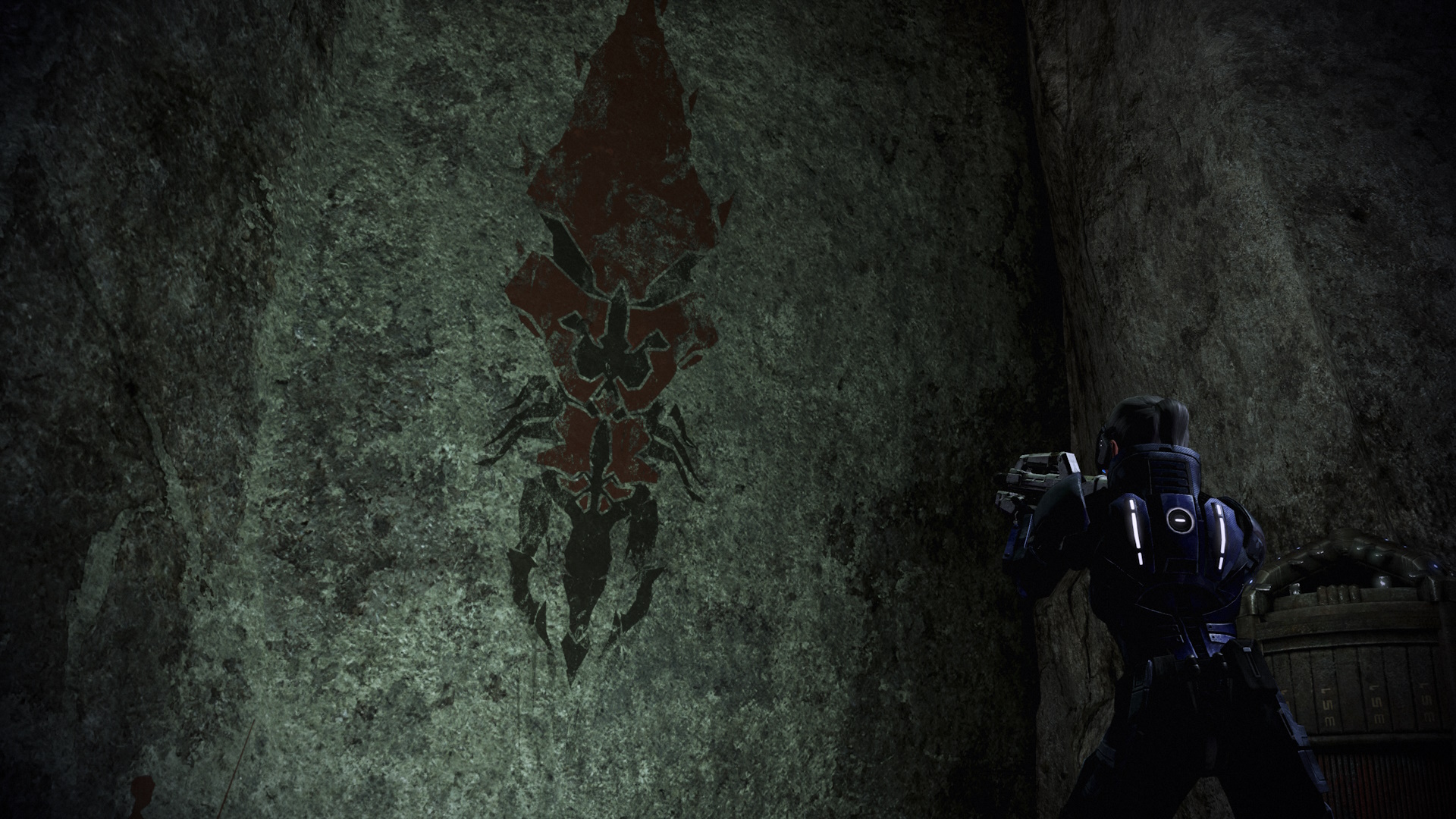
Commander Shepard inspecting a Leviathan cave painting.

Regardless of whether they end up as the new game’s villains, though, I don’t think Mass Effect 4 could just ignore the Leviathans. Their numbers may be small, but with the Reaper threat gone it’s not inconceivable that the Leviathans would want to expand, leaving behind their watery planet. The consequences of this for the rest of the galaxy could be extreme – or not! But either way, the Leviathans will be a presence.

Players will want to know what happened after the Reaper War – and realistically Mass Effect 4 will have to at least pay lip service to all of the races and factions that were involved, telling us what became of them… or where they were last spotted. The Leviathans also have a lot to answer for, in a way, as the original creators of the Reapers!

Question #6:
Which of Shepard’s companions survived?

Concept art featuring Shepard’s crew from Mass Effect 2.

Across the Mass Effect trilogy, Shepard teamed up with nineteen main crewmates – and there were also a handful of others who served in that role on a temporary basis. Even if Mass Effect 4 doesn’t feature all of them, it would still be nice to get news of their fates. During the final battle of the Reaper War, it’s possible that not all of them would have survived, and Shepard had the opportunity to say goodbye to many of them before the final act of Mass Effect 3 got underway.

As of right now, we can safely assume that Liara survived! She was shown in the CGI teaser for Mass Effect 4 back in 2020, so it seems all but certain that she’ll make an appearance – somehow – in the new game. That doesn’t mean she’ll be a squadmate or playable character, but she could play a significant role. She could even be a kind of narrator for the game.

Liara as glimpsed in the 2020 teaser trailer.

Characters who were aboard the Normandy at the end of Mass Effect 3 seem to survive the end of the game – or at least most of them do, depending on the choices players made and how strong their war assets were going into the final clash. We can safely assume that the likes of Joker, Garrus, and Javik survived the immediate aftermath of the war, at least.

But that still leaves us with most of the folks from Mass Effect 2 – characters like Miranda, Samara, and Jack. All of them could have died before the endgame, but assuming they were alive going into the final fight… we don’t know what happened to them. If Mass Effect 4 is set many years later, discovering their fates could be spread across the game, and players could learn what happened to them without necessarily having them all make an appearance.

Question #7:
Was the Genophage cured?

A vision of Tuchanka if the Genophage cure was sabotaged.

Commander Shepard has the opportunity in Mass Effect 3 to cure the Genophage – or sabotage the cure. The Genophage was an artificial sterility plague that had been inflicted upon the Krogan by the Turians and Salarians, and there will be galactic-scale consequences depending on Shepard’s actions here.

One day we’ll have to talk about this storyline in more detail – because I find it one of the most interesting and morally dubious storylines in the entire Mass Effect trilogy! But for today, suffice to say that curing the Genophage, or refusing to cure it, will have major ramifications for the whole galaxy.

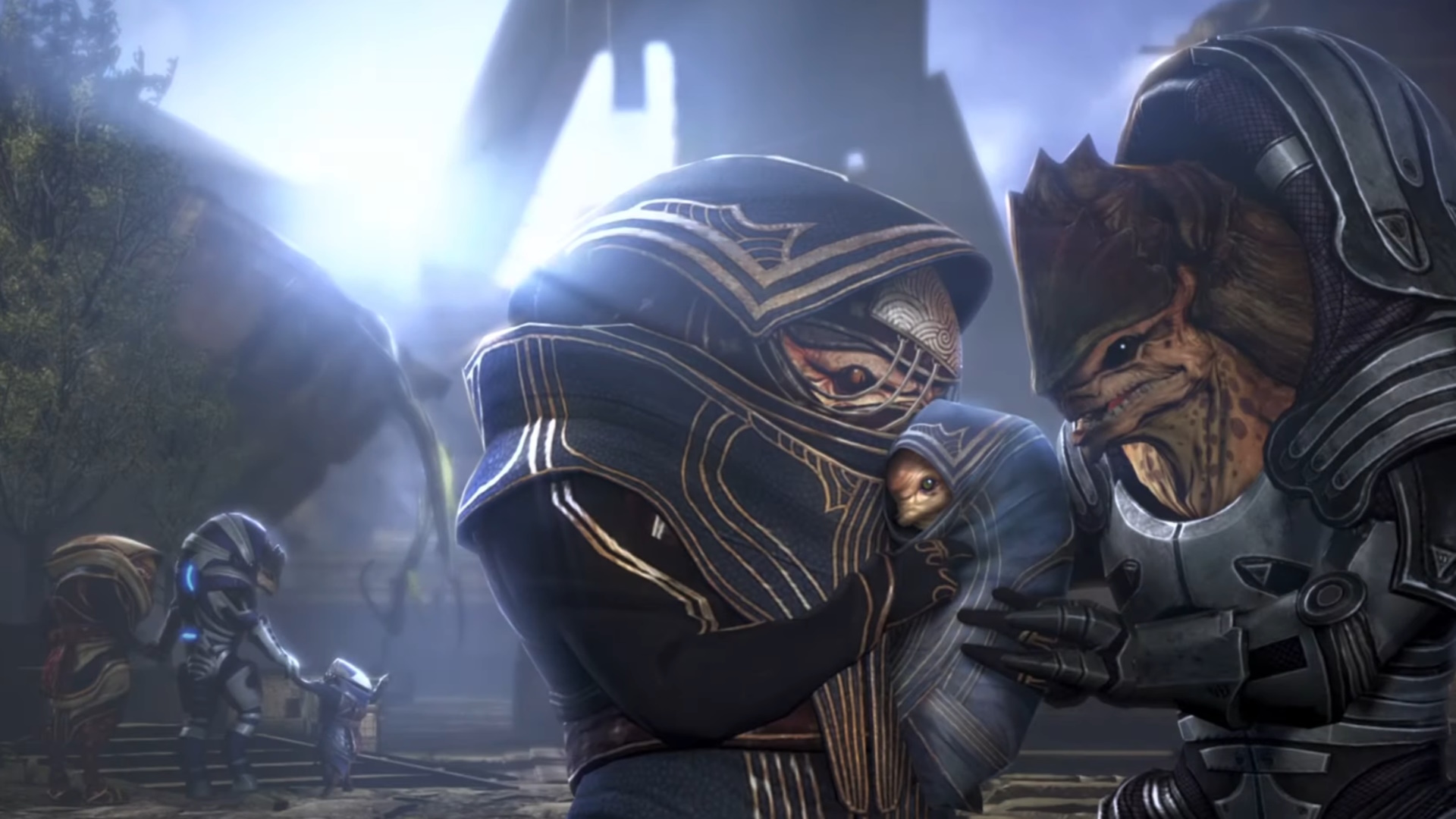
Happy Krogan families – if the Genophage was cured.

If the Genophage was cured, there will be a lot more Krogan around – but they should be friendly, right? I mean, Shepard cured the Krogan people, and if Wrex and Eve survived to lead the Krogan, that knowledge will be passed down and celebrated. But there are some potential issues here! Even Wrex seemed to suggest that Krogan expansion was on the agenda – and centuries ago, Krogan expansionism led to war.

On the other hand, if the Genophage cure was sabotaged, the remaining Krogan will likely feel betrayed and could launch a new rebellion. At the very least, Krogan will be hostile and unfriendly if the Genophage wasn’t cured. Having spent a lot of time with Krogan characters across the trilogy, I think it would be hard to pull off turning them into villains next time around, even if there’s a narrative pathway that makes sense in-universe. But a story could be crafted in which, no matter what decision Shepard made, the cure was ultimately sabotaged and doomed to failure.

Question #8:
Who gets to be on the Council?

The Council in Mass Effect 1.

More broadly, we can even ask whether there’s a Council at all in the aftermath of the Reaper War – but somehow, I suspect there will be. In the Mass Effect trilogy, humanity’s rapid ascent from newly-encountered species to full Council membership was a contentious issue with some of the other races, and after everything that happened with the Reapers, a shake-up of the galactic order could be on the agenda.

From our own history, we can point to how World War II led to the creation of the United Nations, and how the pre-war order was transformed in the aftermath of the conflict. Something similar could happen in the Mass Effect galaxy, with races like the Krogan, Quarians, Batarians, or even the Rachni and Geth all being potential members of a broader, more diverse and democratic Council.

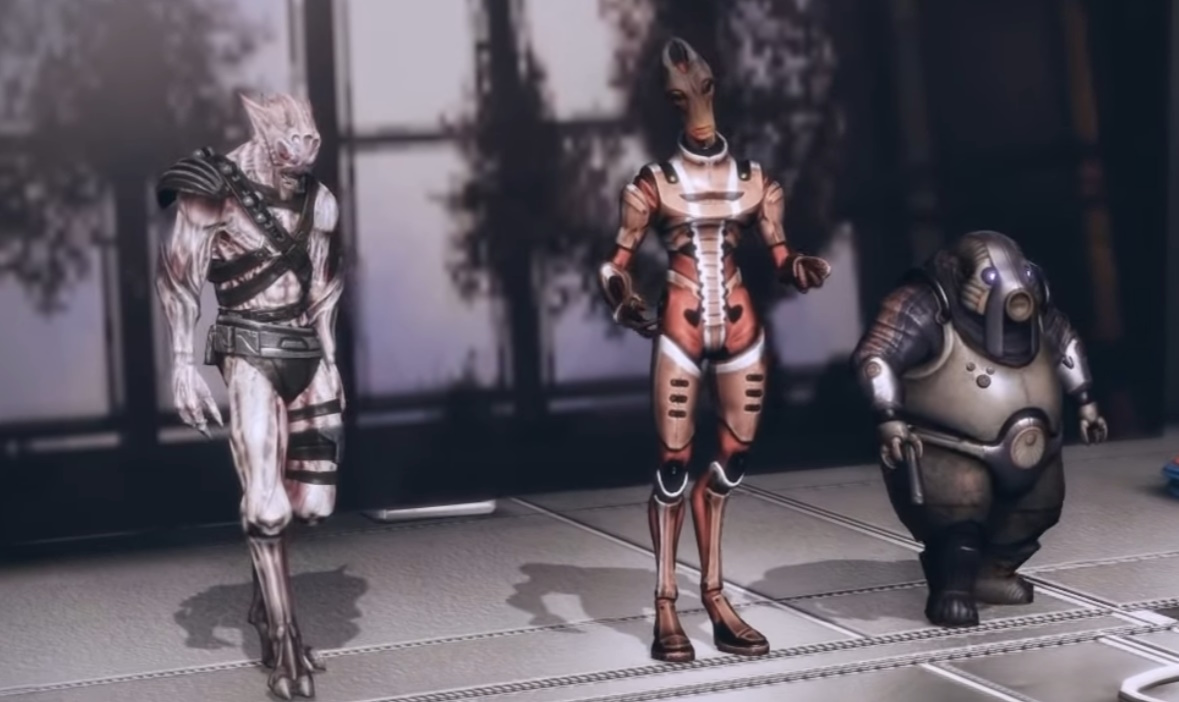
A Vorcha, Salarian, and Volus served on the Council… in the movie Blasto!

If several races were invited to join, those who were snubbed might feel particularly stung! And others, like the Leviathans, for example, may not wish to join a power-sharing arrangement – they might prefer to seek conquest and total power for themselves. But there are many who’d happily join the Council.

The pre-war order of the Salarians, Turians, and Asari being the dominant forces in galactic politics could be at an end – but will they be okay with that? Will the Salarians genuinely listen to Krogan input, and will the Asari really be willing to see the Quarians as equals? Will there be arguments about how to direct the resources necessary to rebuild? There could be a lot of points of tension!

So that’s it!

Shepard, Javik, and Tali.

We’ve looked at a few questions that the next Mass Effect game – or a future sequel to Mass Effect 3 if that game turns out to be something different – will have to address. Some of these points could be bigger and more important than others depending on what kind of story the new game aims to tell, but sooner or later there are big questions about the state of the galaxy that will have to be tackled.

Andromeda tried to sidestep these questions and do its own thing – which was probably not a bad idea in 2017, coming so soon after the trilogy had wrapped up. But there were other problems with Andromeda that meant the game didn’t stick the landing – and when it was already feeling like an overblown side-quest, some fans were left disappointed when it didn’t address any of the big questions facing the Mass Effect galaxy.

Take cover!

There’s an opportunity for the next game in the series to not only answer some of these big questions, but to use the answers to set the stage for a brand-new adventure. Taking what happened with the Leviathans, for example, and expanding on that story to create a new villain is one possibility that I think is worth keeping an eye on!

So I hope this has been a bit of fun, or at least interesting. There are definitely other story points that a new game could address that I didn’t include here; it’s by no means an exhaustive list. And we may return to some of these questions and ideas in the future to talk more about them or give them a longer write-up. I had fun thinking about where the next Mass Effect game could go, at any rate!

Earlier this summer I replayed the Mass Effect trilogy, and that was part of what prompted me to create a proper webpage for the franchise here on the website. Although I don’t talk about Mass Effect all the time, it’s a series I’ve enjoyed and I am certainly looking forward to seeing what comes next.

Don’t forget to swing by my new Mass Effect webpage. You can find it by clicking or tapping here.

The next Mass Effect game is in early development and most likely won’t be released for several years. Mass Effect: Legendary Edition is out now for PC, PlayStation 4, PlayStation 5, Xbox One, and Xbox Series S/X. The Mass Effect series – including all properties mentioned above – is the copyright of BioWare and Electronic Arts. This article contains the thoughts and opinions of one person only and is not intended to cause any offence.