Questions that Mass Effect 4 will almost certainly need to answer

Spoiler Warning: There are spoilers ahead for the Mass Effect trilogy (including Legendary Edition).

It’s been a while since we last talked about the next entry in the Mass Effect series, but to celebrate my dedicated Mass Effect webpage finally going live here on the website, I thought it could be interesting to consider a handful of big questions that the team at BioWare will need to answer before a new story can be written. If you missed it, I now have a brand-new webpage dedicated to the Mass Effect series, and you can find all of my Mass Effect commentary, theories, and articles there. You can find this page by using the drop-down menu at the top of every page or post here on the website – or you can click or tap here to head there directly!

There hasn’t been much by way of news about the next Mass Effect game for a couple of years. BioWare released a brief CGI teaser all the way back in December 2020 confirming that the game is in pre-production, but since then, updates have been few and far between. BioWare provided a brief update in November 2022, saying that pre-production is “proceeding very well,” which sounded positive. In August 2023, however, BioWare announced that there were going to be job losses at the company. With production currently focused on Dragon Age: Dreadwolf, and with these cuts taking place, the next Mass Effect game is unlikely to see the light of day before 2026 or 2027 at the earliest.
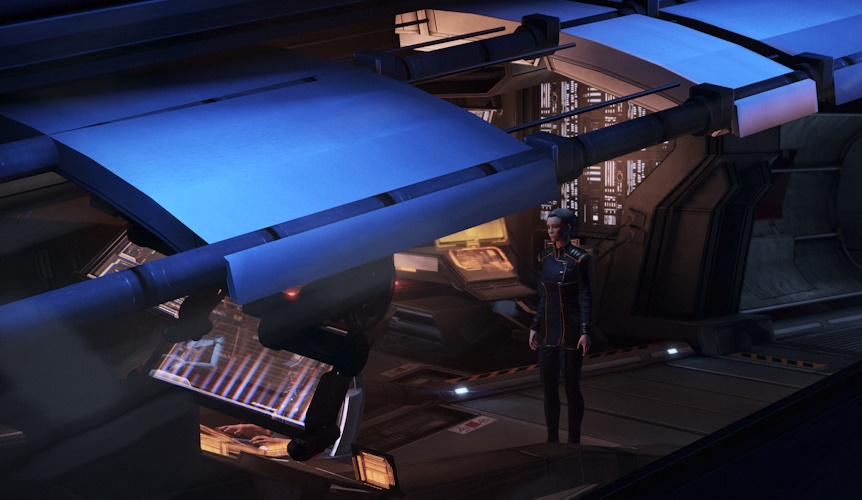
Commander Shepard in the Normandy’s cockpit.

But that doesn’t mean there aren’t things to talk about! We may not see the game I’m tentatively calling Mass Effect 4 for a long time, but the studio will have already taken a number of big decisions about the game, its setting, its characters, and its key storylines. Today, I’m giving my two cents on what some of those decisions may be – and there are some absolutely massive ones that have serious implications for the state of the Mass Effect galaxy.

As I’ve said before, there are questions about the Mass Effect galaxy that BioWare simply can’t ignore forever. Maybe a single game with a focused story could sidestep one or two of these questions, but if Mass Effect is to survive long-term with new games (and perhaps even a TV series) being produced… sooner or later answers will have to come. What that means is that some of the biggest decisions open to players in the original Mass Effect trilogy will need to be given a canon outcome, one that Mass Effect 4 can build upon. To players who were adamantly opposed to playing the game a certain way, that could lead to hurt feelings and disappointment – but I see no way around it. Some of these points are too big, and the implications too diverse, for a new story to be written that could take so many different outcomes into account.
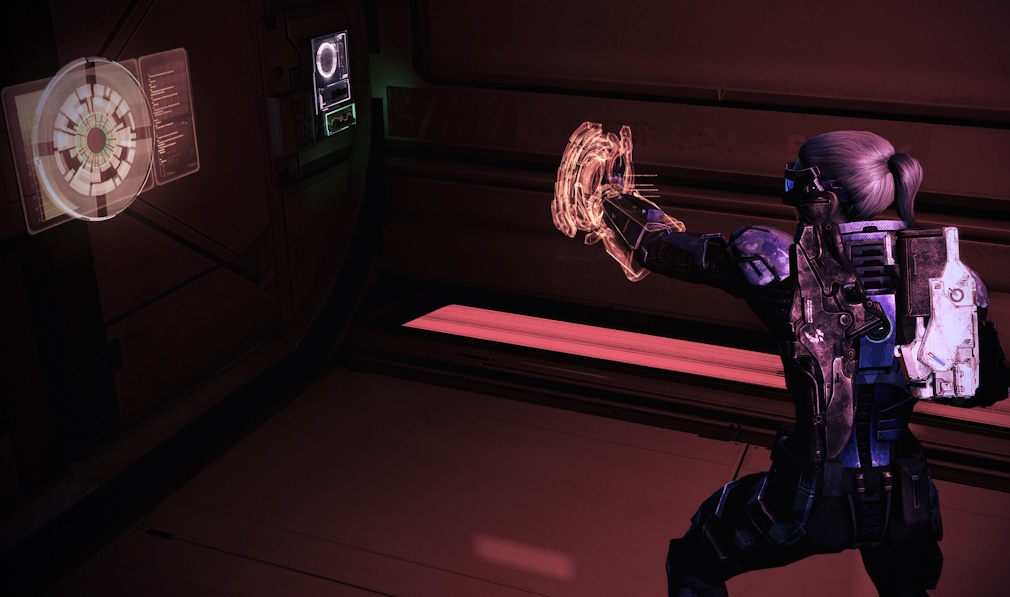
Bypassing a locked door in Mass Effect 3.

Some Commander Shepards died at the end of Mass Effect 2. That game’s suicide mission could, under the right (or should that be wrong?) circumstances lead to Shepard’s death, and that meant that players had to either restart from an earlier save or start a new campaign in order to play Mass Effect 3. The third entry in the trilogy was able to take into account a lot of decisions from earlier games – but Shepard’s death was a bridge too far.

I bring this up because the Mass Effect series has taken big decisions like this in the past. Mass Effect 3 couldn’t happen without Shepard being alive, meaning players whose characters died at the end of Mass Effect 2 didn’t get to see their decisions carried forward. The same will have to happen in Mass Effect 4 – albeit on a grander scale.

So let’s try to look ahead to Mass Effect 4, and – assuming the game will be the sequel we’re all hoping for – pick out some of the biggest questions that will need to be answered.

Question #1:
What colour were the explosions?
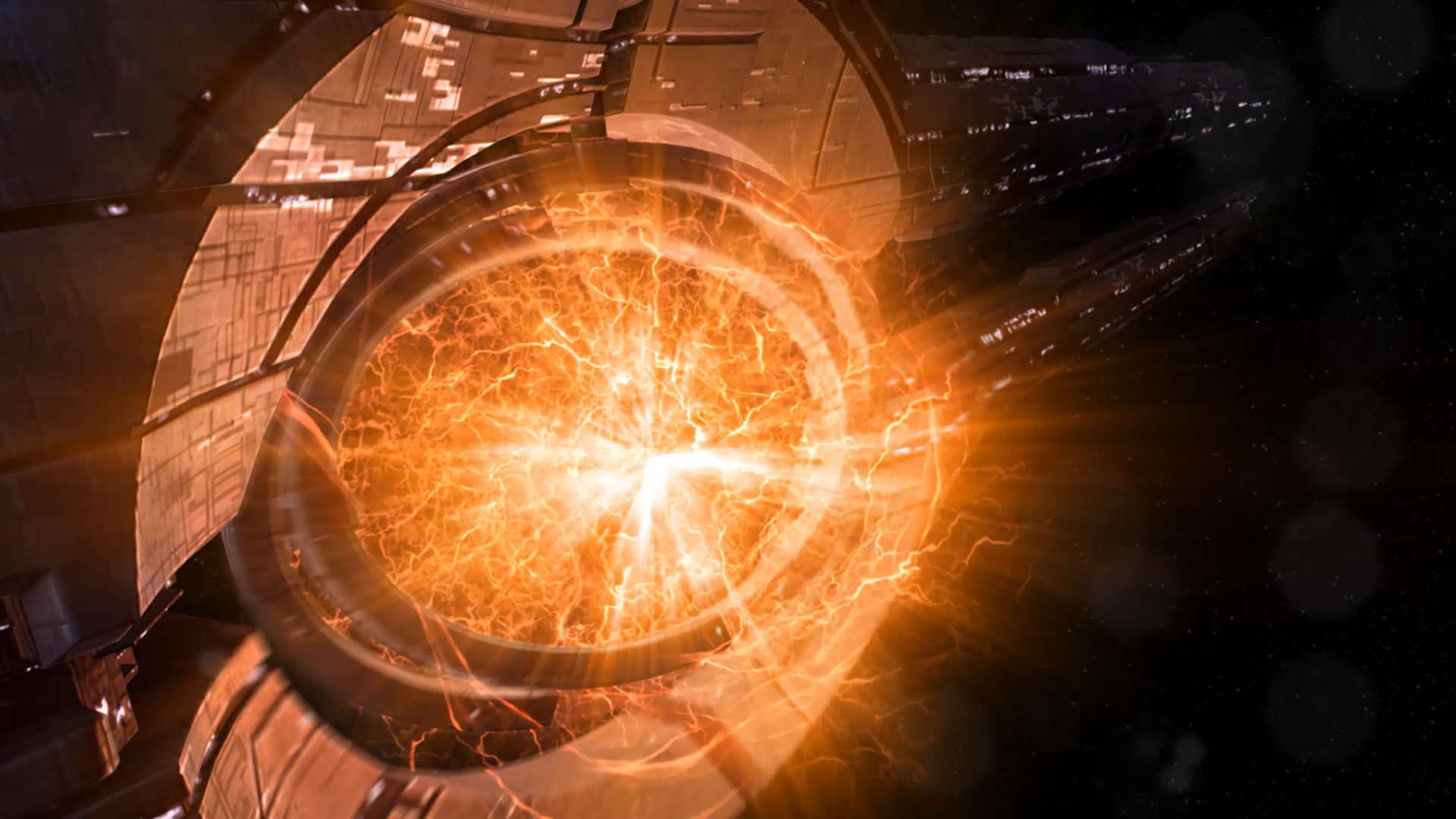
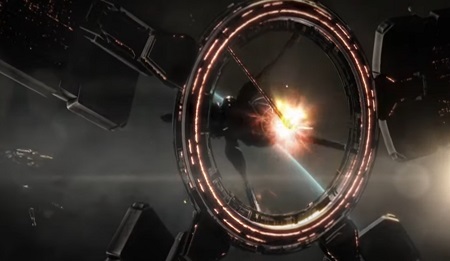
An exploding Mass Relay.

This is a deliberately facetious way of asking the biggest question that any sequel to Mass Effect 3 cannot ignore: which ending was chosen? It simply isn’t going to be possible for the game to try to account for all three possibilities; the differences between them are too vast for a single story to encompass wildly divergent states of the galaxy. So one ending will have to be declared “official” – and if I had to place a bet, I’d say that the “destroy” ending is going to be the one that’s picked.

All of the endings of Mass Effect 3 have points in their favour from a narrative standpoint, but “destroy” was the one that Shepard had been working towards across the entire trilogy. Not only that, but it’s the only ending in which it’s even remotely possible – based on what we saw on screen – that Shepard could have survived. “Destroy” is, according to stats about Mass Effect: Legendary Edition that were released by BioWare, also the most popular choice that players made. So there are a lot of points in favour of making “destroy” the canonical ending to Mass Effect 3.
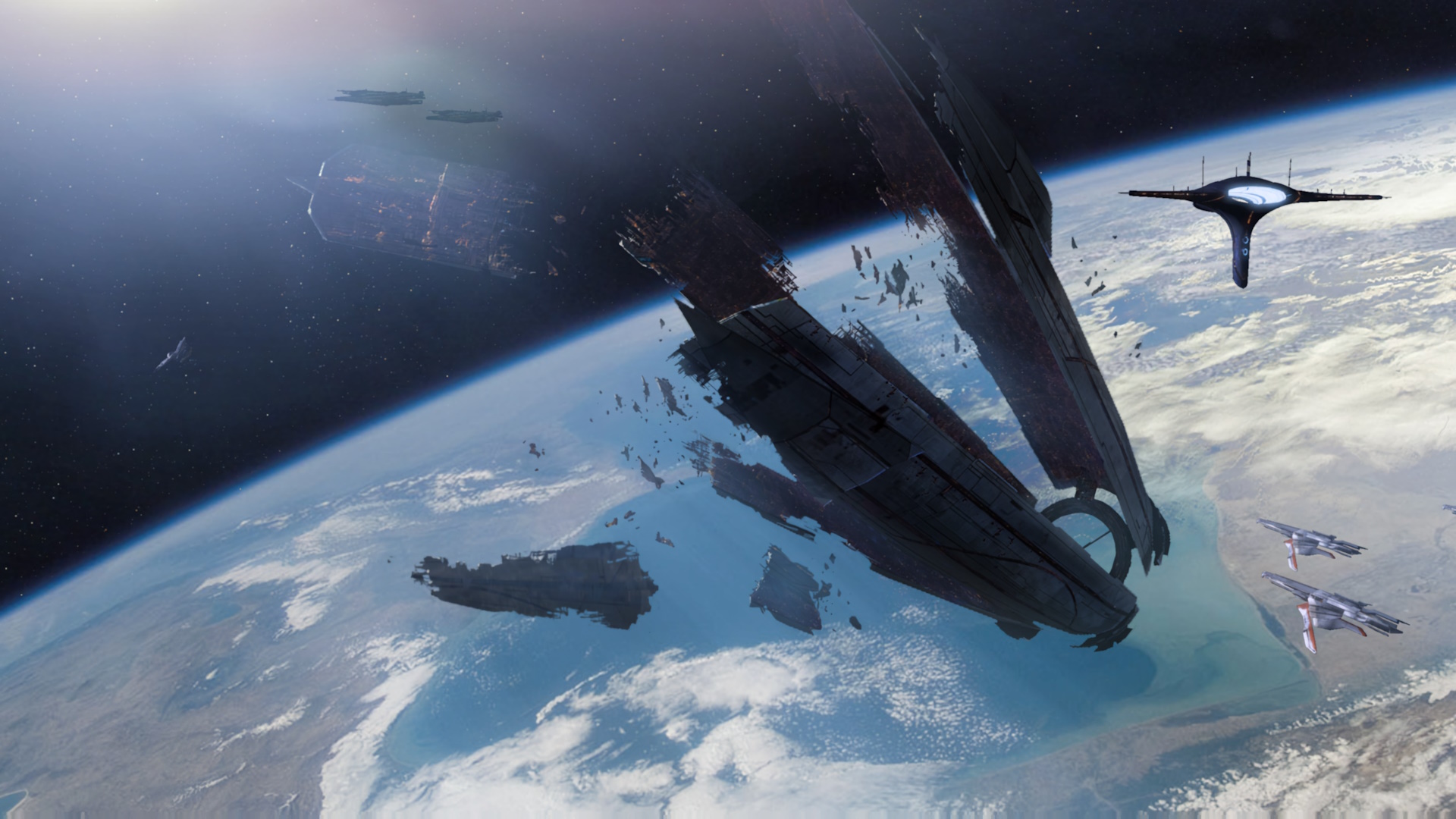
The damaged Citadel in orbit of Earth.

The state of the galaxy is going to be profoundly altered by whichever ending to Mass Effect 3 was chosen, and I just don’t see how a new game could possibly take that diversity and variety into account. Mass Effect 4 would essentially need to be three games in one in order to accomplish that – and that just doesn’t seem likely. If Mass Effect 4 is to continue the series, perhaps laying the groundwork for a new trilogy or series of games, that divergence will only grow over the course of its story. So there has to be a single starting point chosen – even if that means disappointing some players who were particularly attached to one of the other ending variants.

I felt that Mass Effect 3′s final chapter was trying to present “synthesis” as the better option. That was the one that was hardest to unlock, and in the epilogue, EDI seems to suggest that “synthesis” led to a kind of technological paradise, with the galaxy’s races living in harmony… but I always took umbrage with that idea. Not only was it literally the goal of the Reapers as stated by the AI that controls them, it was a completely different outcome to what Shepard had been fighting for. It was also not Shepard’s place to inflict such a radical change on the entire galaxy without anyone’s consent – and without even listening to a single other opinion on the matter! But more than that, “synthesis” doesn’t seem like it would lead to an interesting or relatable narrative. With human characters merged with AI, and with everyone living in a utopia… how could we as the audience get invested in the people or the world?

Question #2:
Did Shepard side with the Geth or the Quarians – or find a route to make peace?
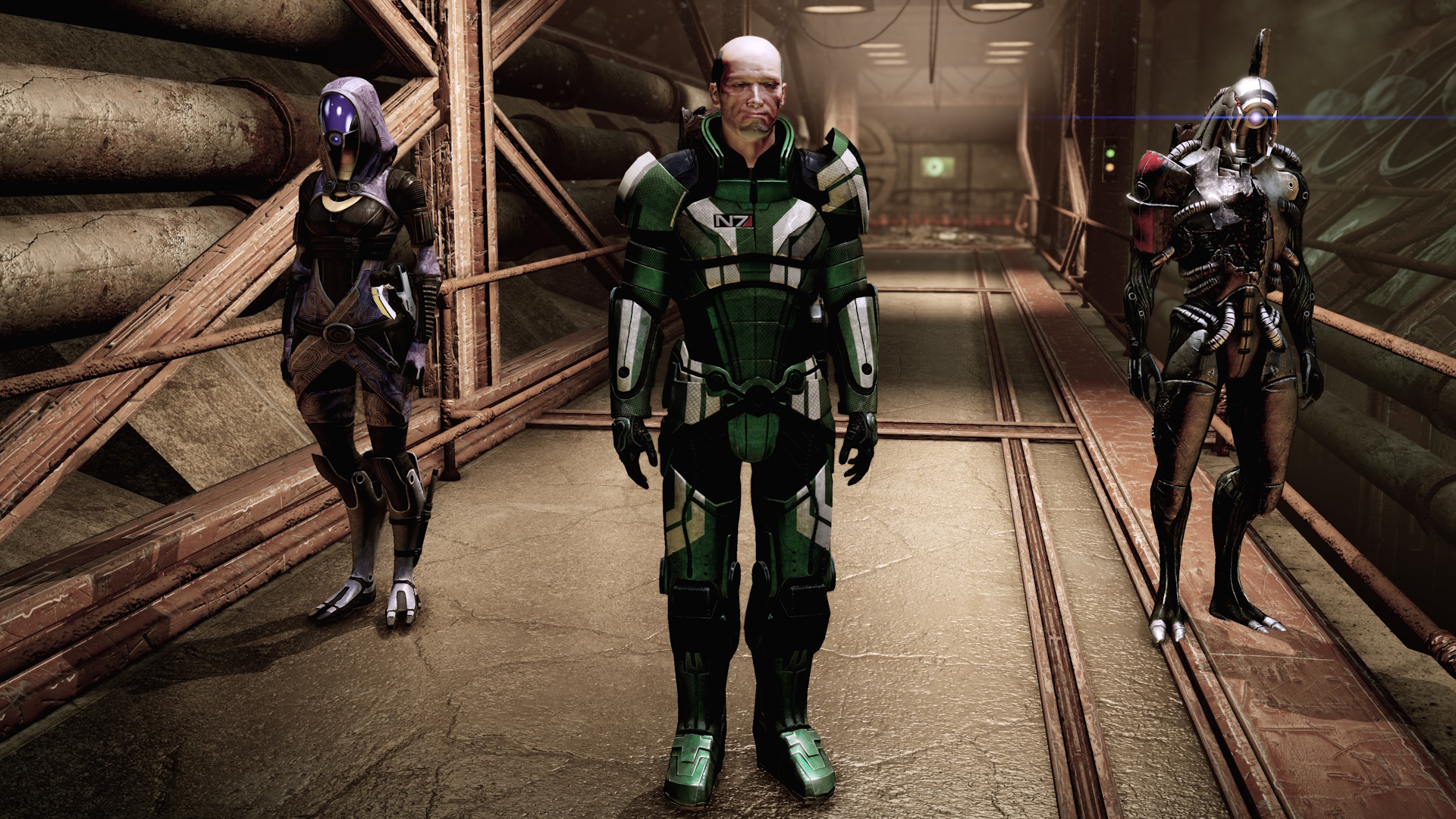
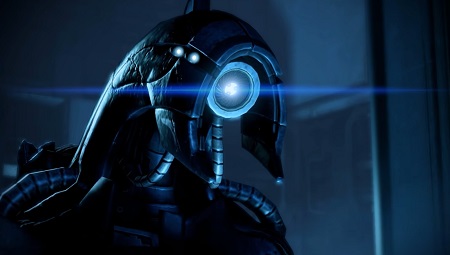
Tali, Shepard, and Legion in Mass Effect 2.

The Geth-Quarian conflict was one of the most interesting in Mass Effect, and the way in which it came to a head in the final chapter was incredible. It was disappointing, however, that after the mission to Rannoch, the Geth and Quarians weren’t really mentioned much, and that all of the hard work involved in getting one or both of them to join the war effort was relegated to a couple of JPEG images in the war assets menu! But enough about the rushed end to Mass Effect 3!

There are galactic repercussions that will reverberate from the Geth-Quarian conflict, and how it was resolved will have a huge impact on the state of the galaxy in Mass Effect 4. If Shepard chose to side with the Geth, then chose the “destroy” ending… both races could be extinct. Or if Shepard found the pathway to peace and then chose either “synthesis” or “control,” both races could still be around and working together. Whichever outcome it is, whether the Geth, Quarians, or both are present in the galaxy is going to be a big deal.
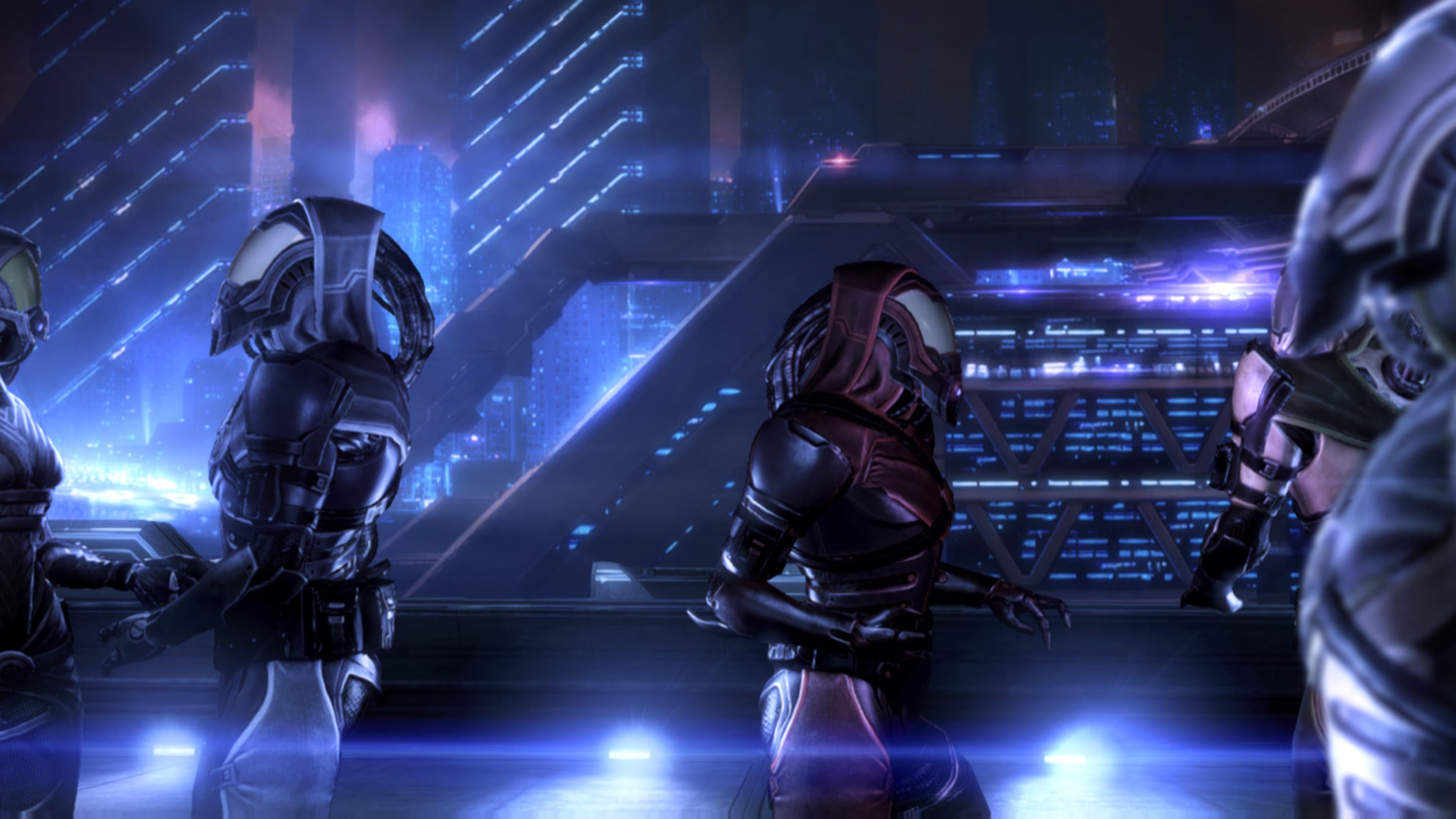
Quarians in the Mass Effect 3 epilogue.

Here’s my pet theory: one way or another, BioWare will include both the Geth and Quarians in Mass Effect 4 – even if that means ignoring one of the consequences of the “destroy” ending. Depending on how much time may have passed in-universe, the new game could claim that the Quarians rebuilt the Geth after they were destroyed – or perhaps the Catalyst either lied about the Crucible destroying all synthetic life or simply got it wrong.

I think that given the popularity of both the Quarians and Geth – thanks in large part to their squadmate representatives, Tali and Legion – BioWare won’t want to throw either away. If we stick to a literal interpretation of the Catalyst’s warning in Mass Effect 3 and assume that “destroy” will be chosen as the canon ending, then perhaps the Geth will be absent. But I wouldn’t bet on that, and I think a technobabble explanation for their survival or resurrection is plausible and could be made to fit.

Question #3:
Did Shepard survive?
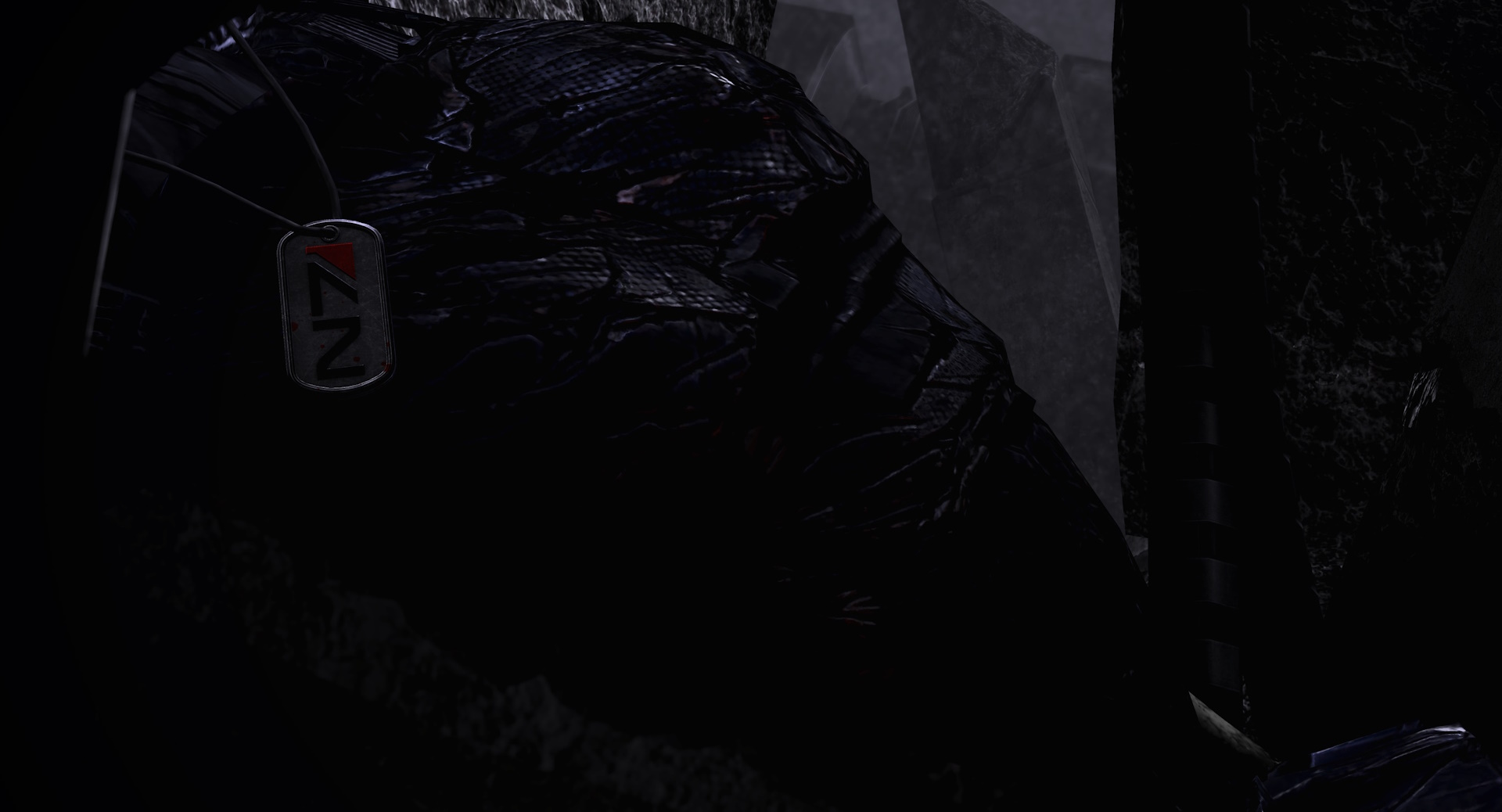
Does this moment represent Shepard’s survival?

This is the big one! While not as galaxy-altering as the way in which the Crucible was used or the literal survival of entire races… from a character point of view, Commander Shepard is the player’s avatar in the Mass Effect world. If there’s even a slim chance that they might’ve survived, at the very least we should find out!

I can’t decide right now whether Mass Effect 4 will go down the route of making Shepard the player character once again. After the disappointment of Andromeda, there will surely be a temptation to “stick with what works” in the Mass Effect universe – and Shepard is clearly a big part of that. That being said, I think there’s absolutely scope to create a new player character and to expand Mass Effect beyond Shepard and the crew of the Normandy. If the franchise is to continue long-term, that will have to happen sooner or later.
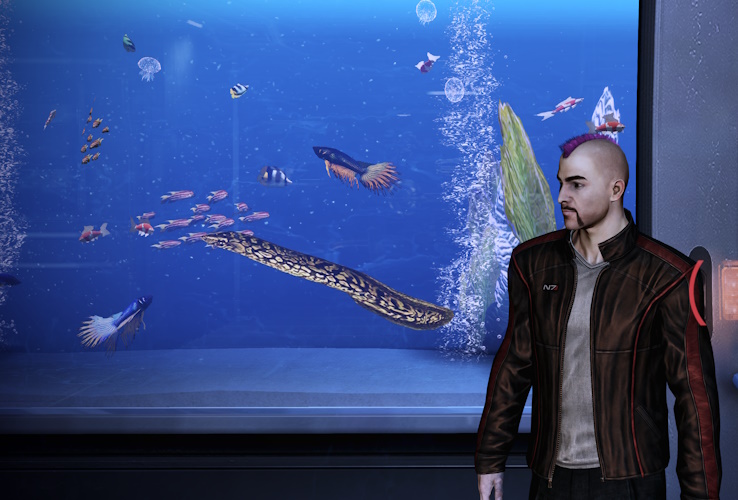
A male Commander Shepard aboard the Normandy.

But regardless, news of Shepard’s fate should reach us at some point during the game – even if it’s only to confirm that they died centuries earlier. One thing that a lot of folks found frustrating about Andromeda was that the outcome of the Reaper War was left entirely unresolved, and I don’t think that the next Mass Effect game could get away with repeating that mistake.

After everything Shepard went through to defeat the Reapers, they have definitely earned their retirement! But if the galaxy is in danger once more – and surely, somehow, it will be – they could be the person that has to step up once again and lead a new fight.

Question #4:
What became of the Rachni?
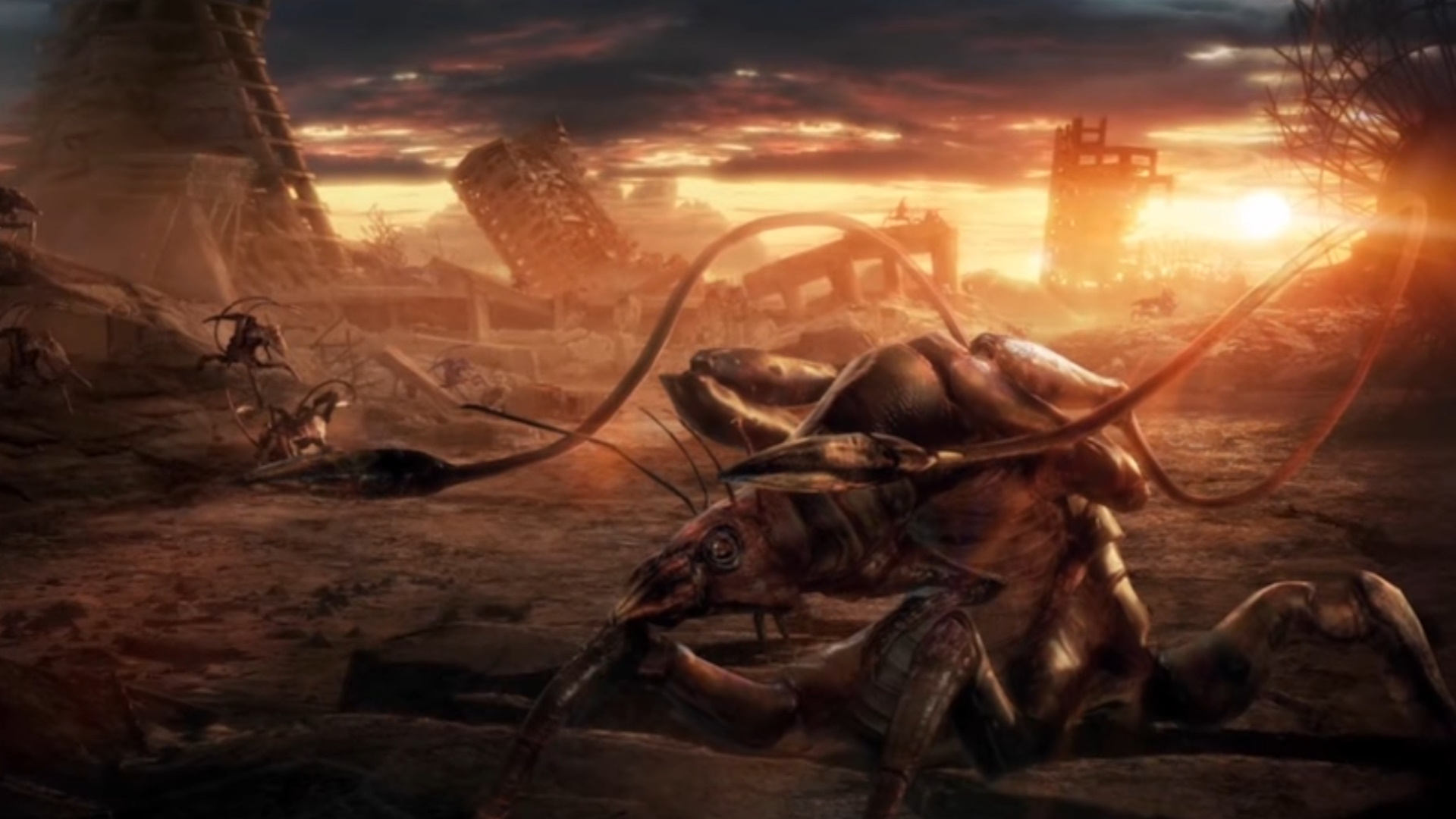
The Rachni in one possible epilogue scene.

Depending on choices made in both Mass Effect 1 and Mass Effect 3, it’s possible that the Rachni may have survived. The Rachni were an insectoid race that threatened to overwhelm the galaxy centuries before the events of the games – and were believed to be extinct. Shepard was given the option to save the last known Rachni queen on two occasions – and the presence or absence of the Rachni could have wider implications for the state of the galaxy.

If the Rachni queen was saved, Rachni workers join up with Admiral Hackett’s fleet and contribute to the Crucible project. Given the scale of the Crucible, I don’t think the Rachni’s survival could be hidden in the aftermath of the war, so any hope for a return to hiding away on an obscure planet seems to be out of the question.
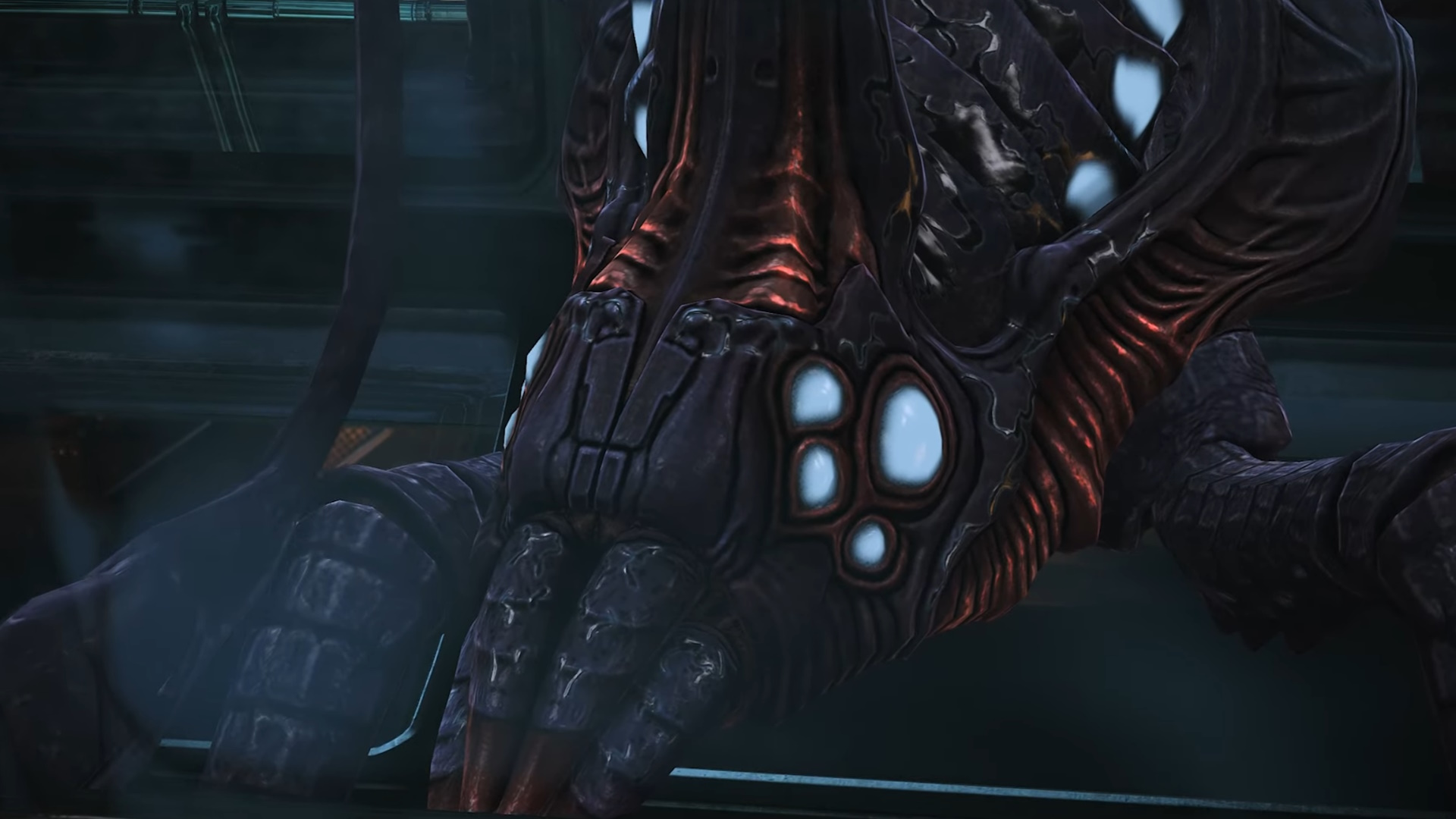
The last surviving Rachni queen.

But not everyone would be thrilled about the Rachni’s return. The Krogan still view the Rachni as a kind of ancient ancestral enemy, and there may be Krogan and Asari who still remember the aftermath of the Rachni Wars. Even if the Rachni’s contribution to the success of the Crucible was public knowledge, there are many in the galaxy who would be wary – and some who might view them as a threat. Could an attack on the Rachni be the first sign of the Reaper War alliances breaking down?

Alternatively, it’s possible that the Rachni were never saved by Shepard and thus went extinct with the defeat of the Reapers. This would preclude their presence in the story as either a friend or foe – unless they could be revived, once again, by technobabble!

Question #5:
Did the Leviathans join the war effort?
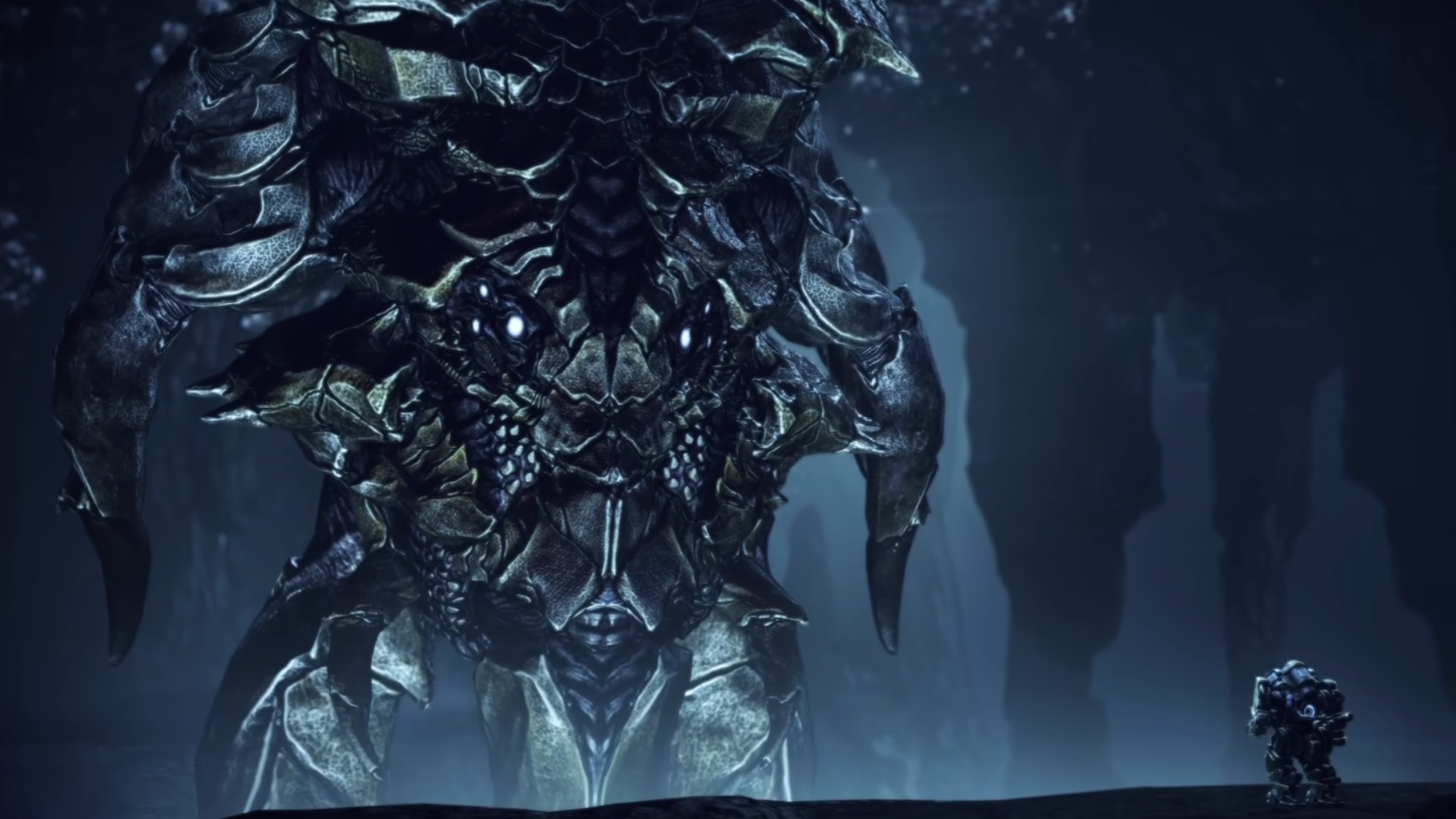
The Leviathans were eventually tracked to their base.

Another pet theory of mine is that the Leviathans – who were originally DLC for Mass Effect 3 – will return as the “big bad” in a new story, seeking to reclaim a galaxy that they view as “theirs.” You can read more on that by clicking or tapping here, by the way. But for our purposes today, the question is whether they joined the war at all – or whether they were able to remain hidden.

Following the Leviathan story to its conclusion is not an essential part of Mass Effect 3, but it’s one that has far-reaching implications. The discovery of the Leviathans explains the origin of the Reapers, but it also introduces us to a very alien race – one that ruled the galaxy and enthralled other races aeons ago. Despite their defeat at the hands of the Reapers and the passage of tens of millions of years, the Leviathans seem to have lost none of their arrogant sense of superiority – so how they could possibly be integrated into a multi-racial galaxy is an open question.
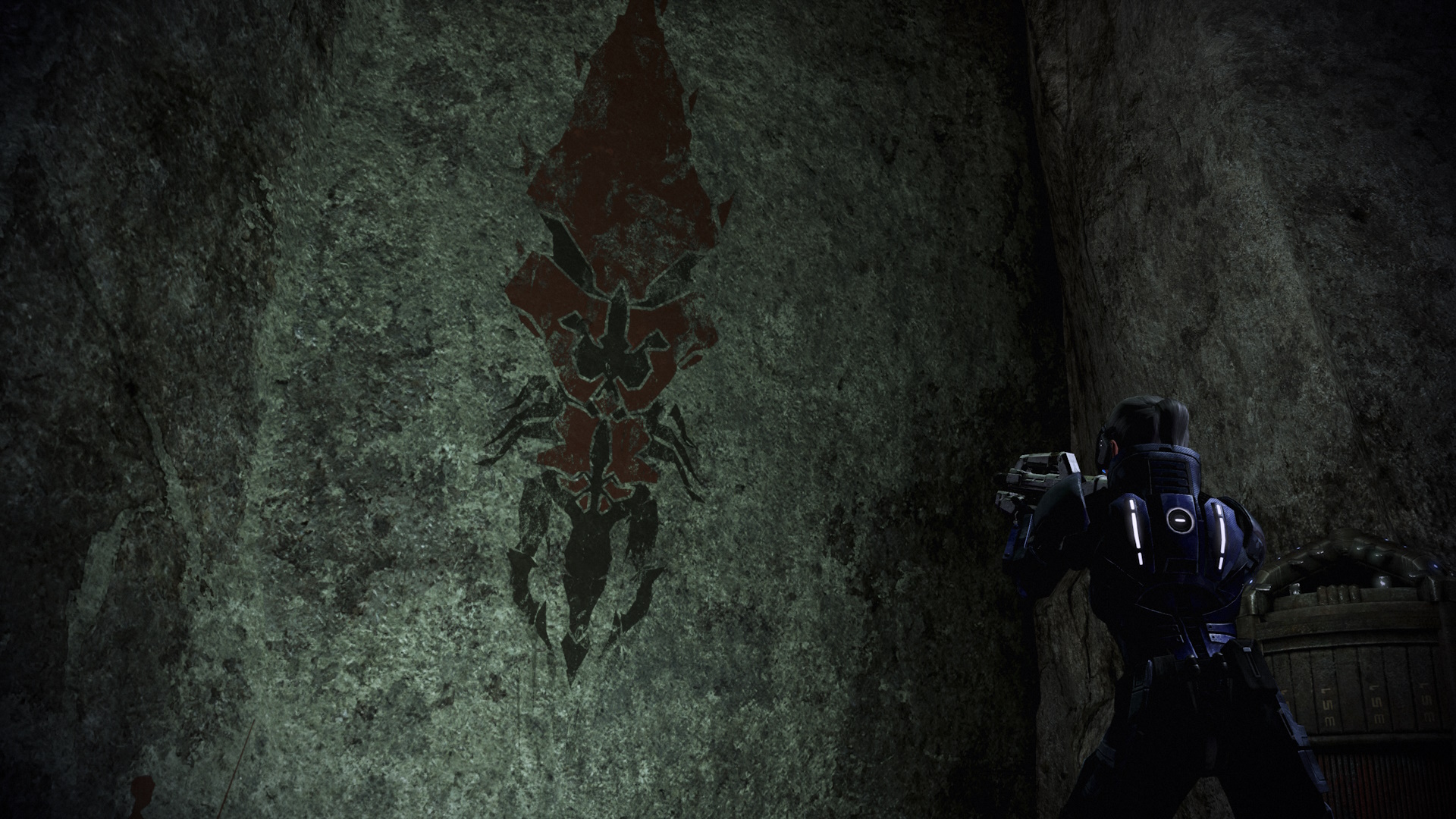
Commander Shepard inspecting a Leviathan cave painting.

Regardless of whether they end up as the new game’s villains, though, I don’t think Mass Effect 4 could just ignore the Leviathans. Their numbers may be small, but with the Reaper threat gone it’s not inconceivable that the Leviathans would want to expand, leaving behind their watery planet. The consequences of this for the rest of the galaxy could be extreme – or not! But either way, the Leviathans will be a presence.

Players will want to know what happened after the Reaper War – and realistically Mass Effect 4 will have to at least pay lip service to all of the races and factions that were involved, telling us what became of them… or where they were last spotted. The Leviathans also have a lot to answer for, in a way, as the original creators of the Reapers!

Question #6:
Which of Shepard’s companions survived?
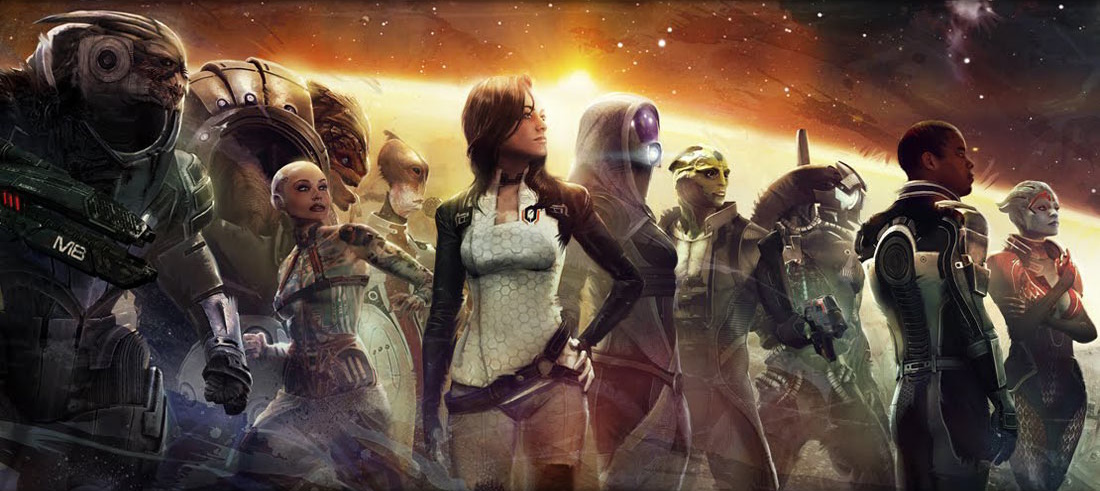
Concept art featuring Shepard’s crew from Mass Effect 2.

Across the Mass Effect trilogy, Shepard teamed up with nineteen main crewmates – and there were also a handful of others who served in that role on a temporary basis. Even if Mass Effect 4 doesn’t feature all of them, it would still be nice to get news of their fates. During the final battle of the Reaper War, it’s possible that not all of them would have survived, and Shepard had the opportunity to say goodbye to many of them before the final act of Mass Effect 3 got underway.

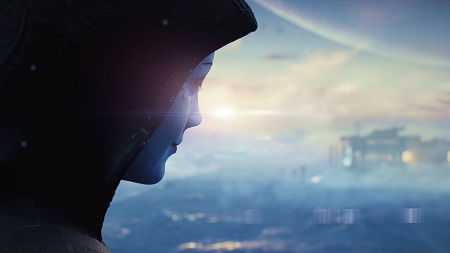
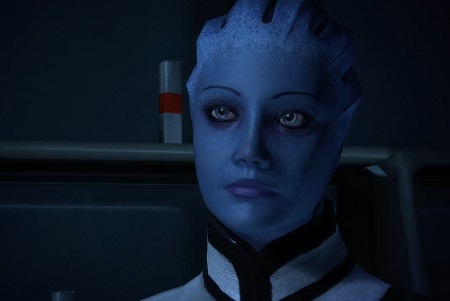
As of right now, we can safely assume that Liara survived! She was shown in the CGI teaser for Mass Effect 4 back in 2020, so it seems all but certain that she’ll make an appearance – somehow – in the new game. That doesn’t mean she’ll be a squadmate or playable character, but she could play a significant role. She could even be a kind of narrator for the game.

Liara as glimpsed in the 2020 teaser trailer.

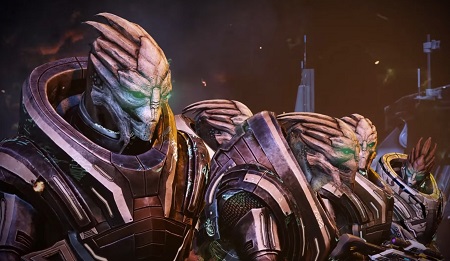
Characters who were aboard the Normandy at the end of Mass Effect 3 seem to survive the end of the game – or at least most of them do, depending on the choices players made and how strong their war assets were going into the final clash. We can safely assume that the likes of Joker, Garrus, and Javik survived the immediate aftermath of the war, at least.

But that still leaves us with most of the folks from Mass Effect 2 – characters like Miranda, Samara, and Jack. All of them could have died before the endgame, but assuming they were alive going into the final fight… we don’t know what happened to them. If Mass Effect 4 is set many years later, discovering their fates could be spread across the game, and players could learn what happened to them without necessarily having them all make an appearance.

Question #7:
Was the Genophage cured?
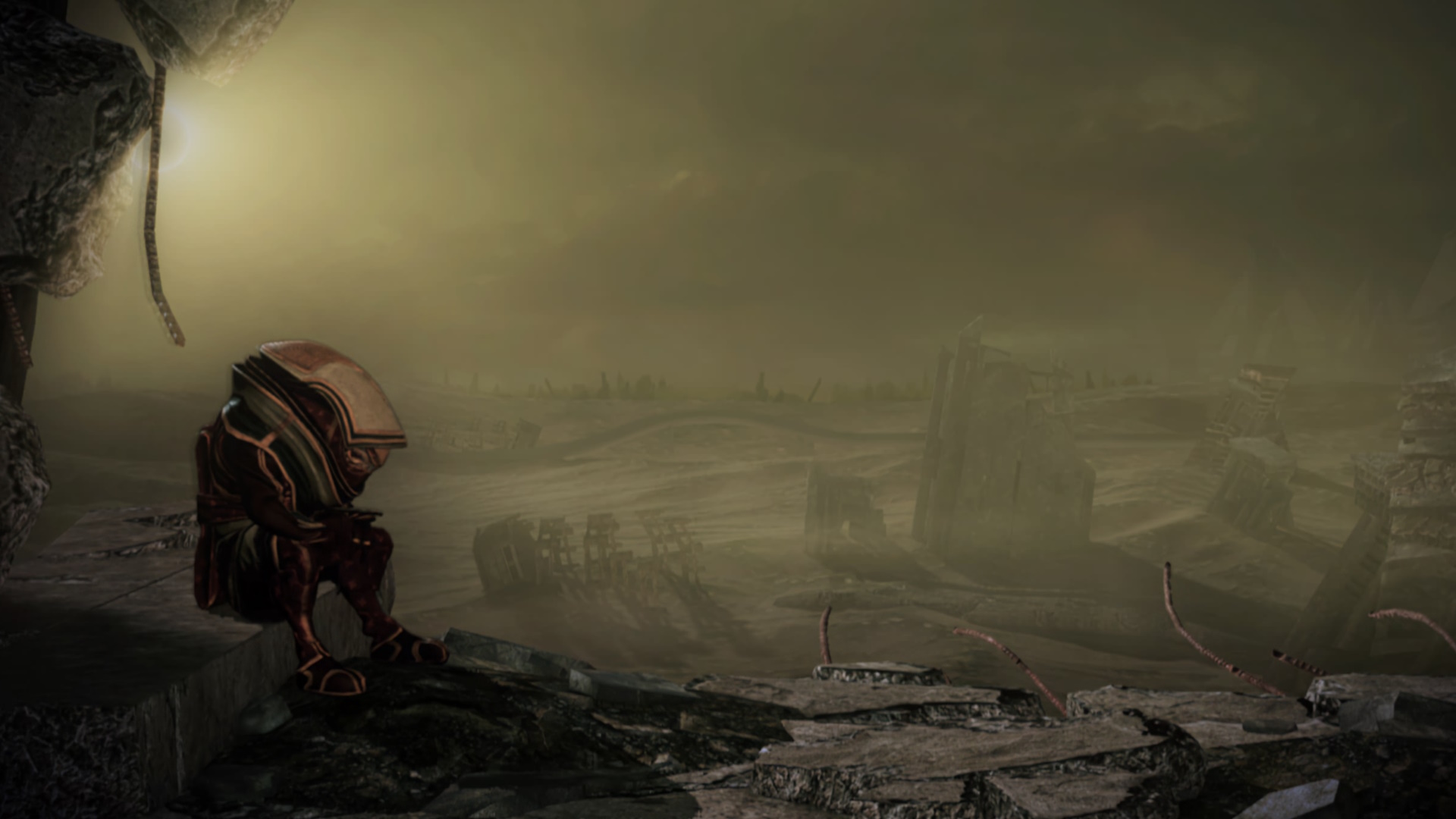
A vision of Tuchanka if the Genophage cure was sabotaged.

Commander Shepard has the opportunity in Mass Effect 3 to cure the Genophage – or sabotage the cure. The Genophage was an artificial sterility plague that had been inflicted upon the Krogan by the Turians and Salarians, and there will be galactic-scale consequences depending on Shepard’s actions here.

One day we’ll have to talk about this storyline in more detail – because I find it one of the most interesting and morally dubious storylines in the entire Mass Effect trilogy! But for today, suffice to say that curing the Genophage, or refusing to cure it, will have major ramifications for the whole galaxy.
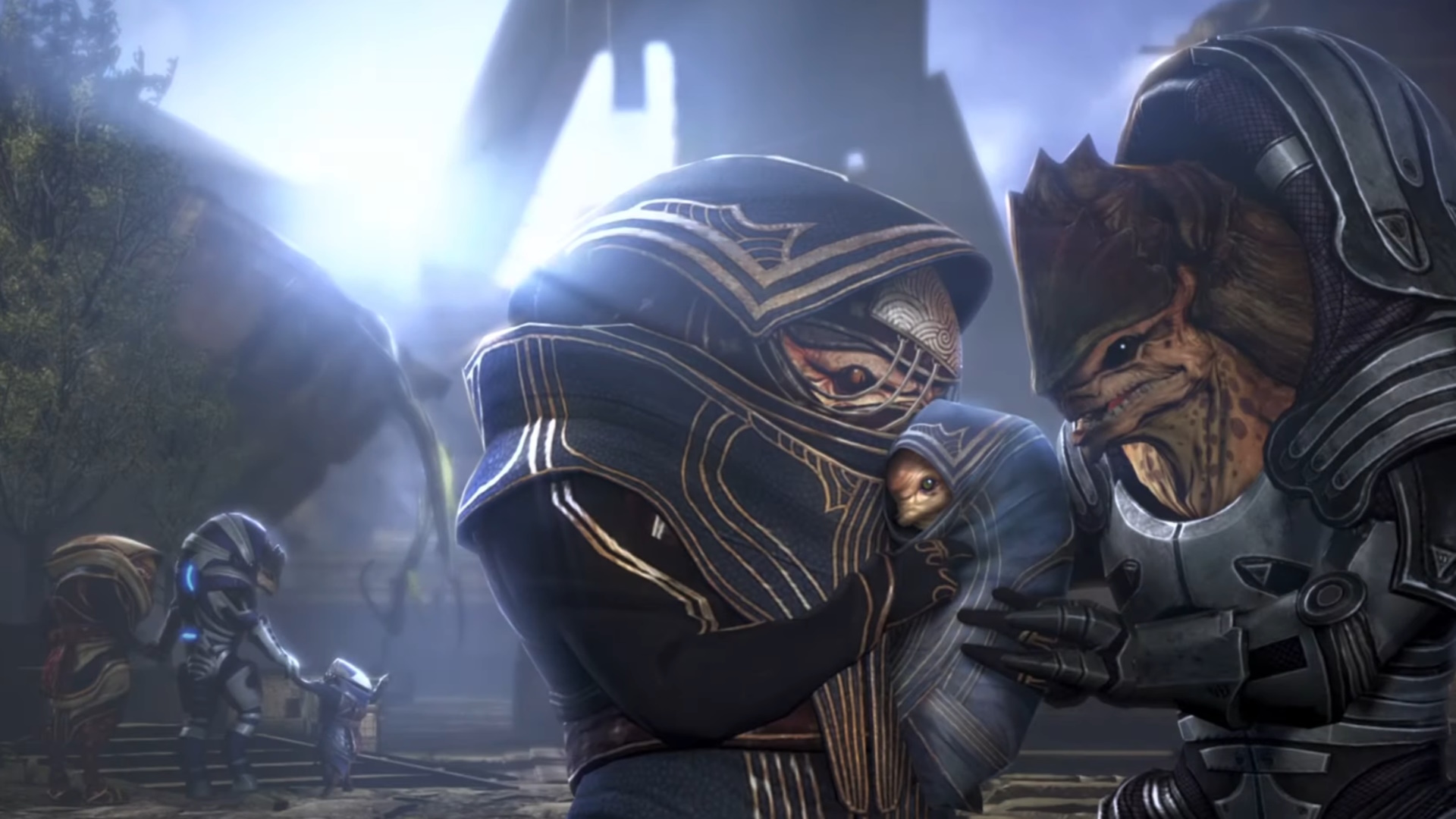
Happy Krogan families – if the Genophage was cured.

If the Genophage was cured, there will be a lot more Krogan around – but they should be friendly, right? I mean, Shepard cured the Krogan people, and if Wrex and Eve survived to lead the Krogan, that knowledge will be passed down and celebrated. But there are some potential issues here! Even Wrex seemed to suggest that Krogan expansion was on the agenda – and centuries ago, Krogan expansionism led to war.

On the other hand, if the Genophage cure was sabotaged, the remaining Krogan will likely feel betrayed and could launch a new rebellion. At the very least, Krogan will be hostile and unfriendly if the Genophage wasn’t cured. Having spent a lot of time with Krogan characters across the trilogy, I think it would be hard to pull off turning them into villains next time around, even if there’s a narrative pathway that makes sense in-universe. But a story could be crafted in which, no matter what decision Shepard made, the cure was ultimately sabotaged and doomed to failure.

Question #8:
Who gets to be on the Council?
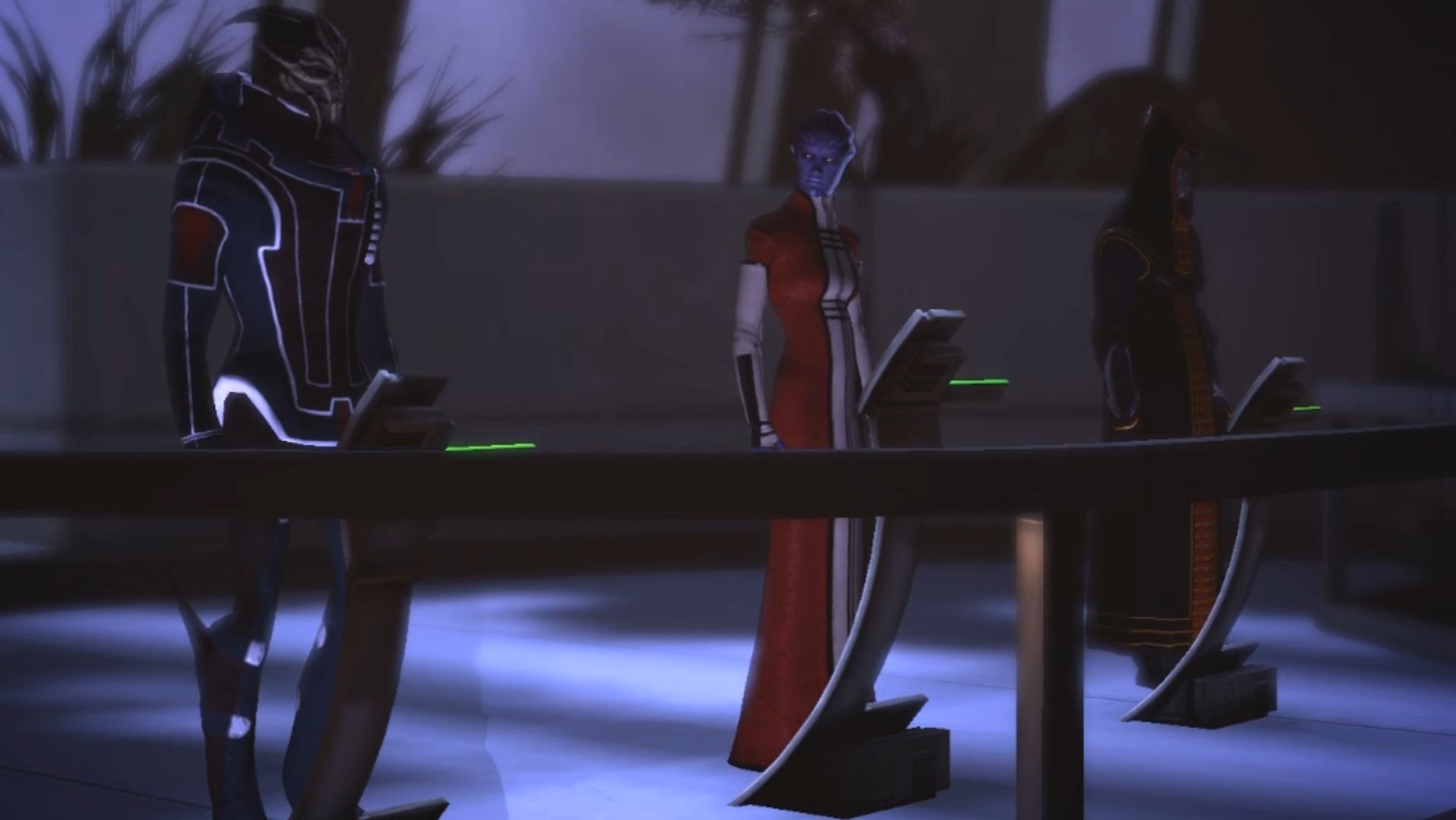
The Council in Mass Effect 1.

More broadly, we can even ask whether there’s a Council at all in the aftermath of the Reaper War – but somehow, I suspect there will be. In the Mass Effect trilogy, humanity’s rapid ascent from newly-encountered species to full Council membership was a contentious issue with some of the other races, and after everything that happened with the Reapers, a shake-up of the galactic order could be on the agenda.

From our own history, we can point to how World War II led to the creation of the United Nations, and how the pre-war order was transformed in the aftermath of the conflict. Something similar could happen in the Mass Effect galaxy, with races like the Krogan, Quarians, Batarians, or even the Rachni and Geth all being potential members of a broader, more diverse and democratic Council.
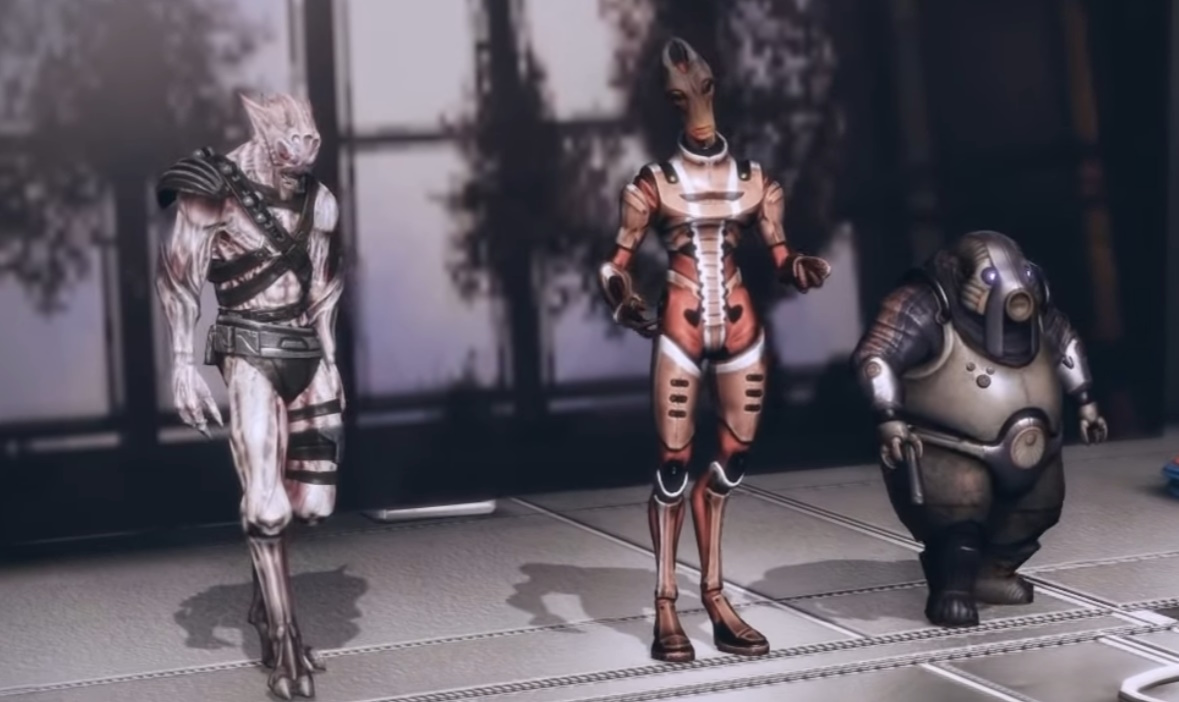
A Vorcha, Salarian, and Volus served on the Council… in the movie Blasto!

If several races were invited to join, those who were snubbed might feel particularly stung! And others, like the Leviathans, for example, may not wish to join a power-sharing arrangement – they might prefer to seek conquest and total power for themselves. But there are many who’d happily join the Council.

The pre-war order of the Salarians, Turians, and Asari being the dominant forces in galactic politics could be at an end – but will they be okay with that? Will the Salarians genuinely listen to Krogan input, and will the Asari really be willing to see the Quarians as equals? Will there be arguments about how to direct the resources necessary to rebuild? There could be a lot of points of tension!

So that’s it!
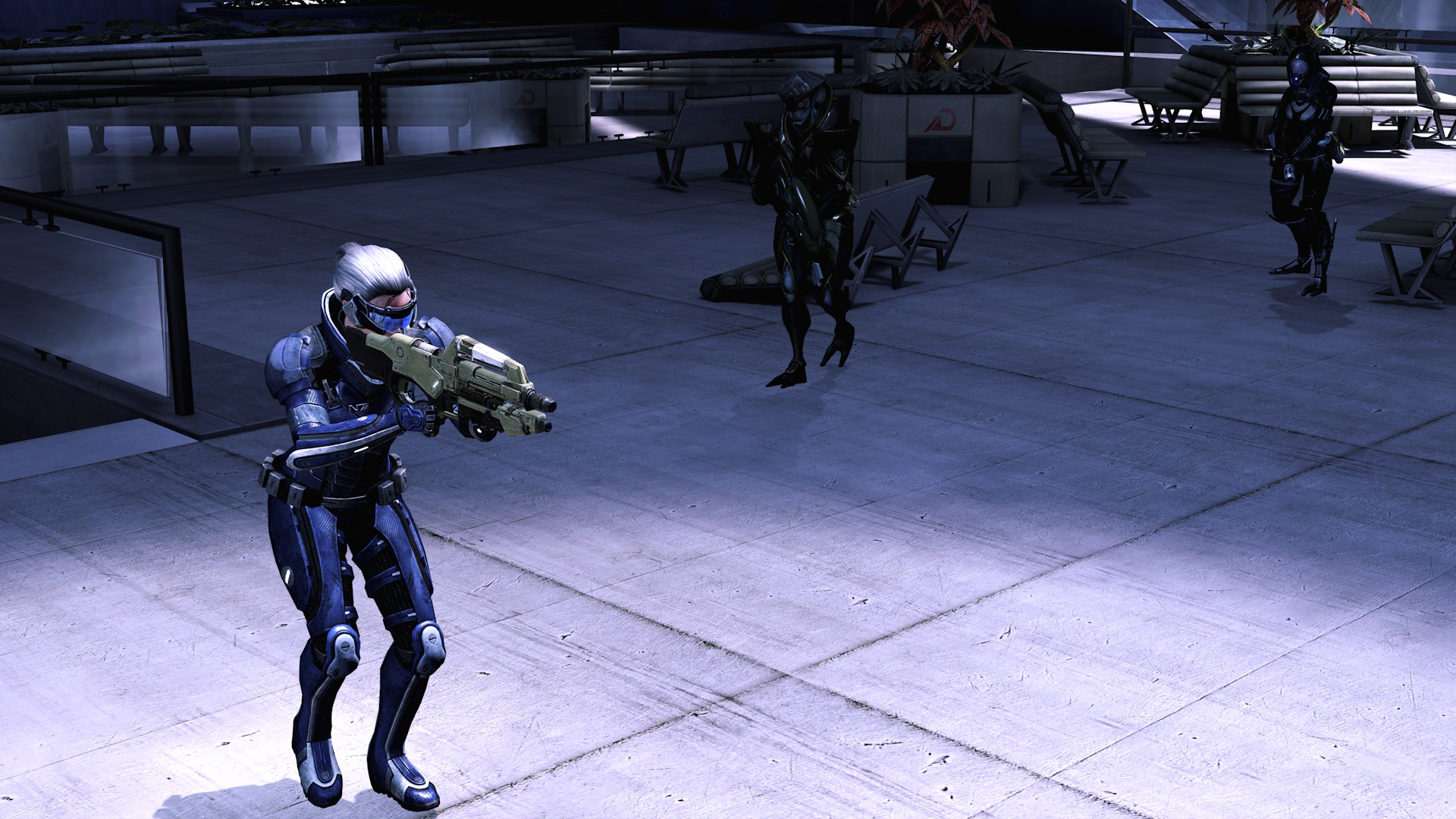
Shepard, Javik, and Tali.

We’ve looked at a few questions that the next Mass Effect game – or a future sequel to Mass Effect 3 if that game turns out to be something different – will have to address. Some of these points could be bigger and more important than others depending on what kind of story the new game aims to tell, but sooner or later there are big questions about the state of the galaxy that will have to be tackled.

Andromeda tried to sidestep these questions and do its own thing – which was probably not a bad idea in 2017, coming so soon after the trilogy had wrapped up. But there were other problems with Andromeda that meant the game didn’t stick the landing – and when it was already feeling like an overblown side-quest, some fans were left disappointed when it didn’t address any of the big questions facing the Mass Effect galaxy.
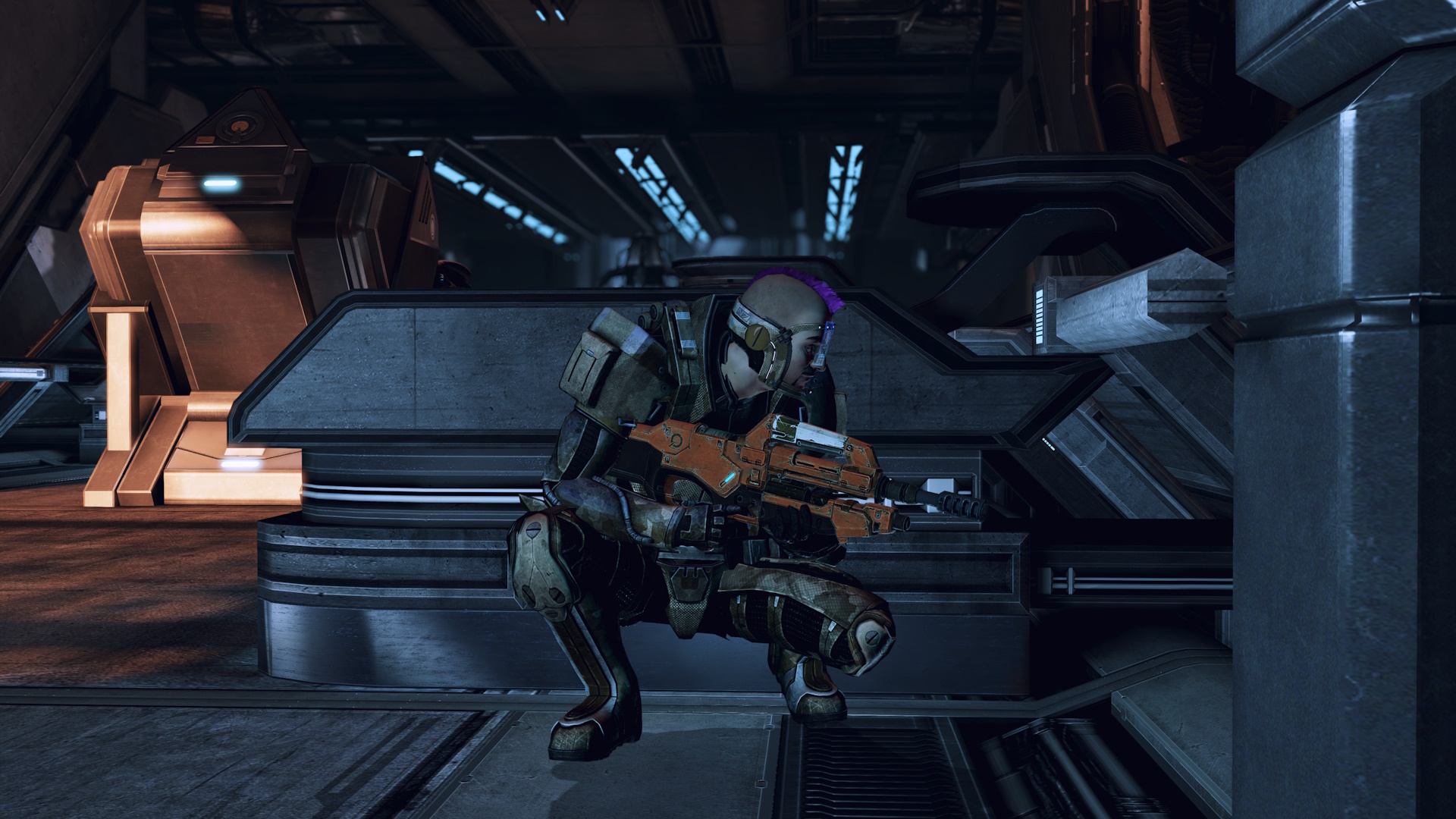
Take cover!

There’s an opportunity for the next game in the series to not only answer some of these big questions, but to use the answers to set the stage for a brand-new adventure. Taking what happened with the Leviathans, for example, and expanding on that story to create a new villain is one possibility that I think is worth keeping an eye on!

So I hope this has been a bit of fun, or at least interesting. There are definitely other story points that a new game could address that I didn’t include here; it’s by no means an exhaustive list. And we may return to some of these questions and ideas in the future to talk more about them or give them a longer write-up. I had fun thinking about where the next Mass Effect game could go, at any rate!

Earlier this summer I replayed the Mass Effect trilogy, and that was part of what prompted me to create a proper webpage for the franchise here on the website. Although I don’t talk about Mass Effect all the time, it’s a series I’ve enjoyed and I am certainly looking forward to seeing what comes next.

Don’t forget to swing by my new Mass Effect webpage. You can find it by clicking or tapping here.

The next Mass Effect game is in early development and most likely won’t be released for several years. Mass Effect: Legendary Edition is out now for PC, PlayStation 4, PlayStation 5, Xbox One, and Xbox Series S/X. The Mass Effect series – including all properties mentioned above – is the copyright of BioWare and Electronic Arts. This article contains the thoughts and opinions of one person only and is not intended to cause any offence.
The big narrative question facing Mass Effect 4

Spoiler Warning: There are spoilers ahead for the ending of the Mass Effect trilogy, including Mass Effect: Legendary Edition.

Mass Effect 4 has a choice to make – at least it does if, as we’re all assuming, the game is planned as a sequel to the Mass Effect trilogy. The choice the developers will have to make will have knock-on effects for the entire plot of the game, and unfortunately will impact some players more than others. In short, BioWare will need to choose one of Mass Effect 3′s ending options as the foundation on which to build their new story.

We talked a little while ago about the ending options from a narrative point of view, and I came to the cop-out conclusion that all three have points in their favour as well as drawbacks. Though the “destroy” ending is seemingly favoured by a majority of players, there are still sizeable minorities who chose either “synthesis” or “control” at the climax of the story.

Which ending did you choose?

Each of the three endings are very different from one another, and each would leave the Mass Effect galaxy in a very different place. I don’t see how it would be possible for BioWare to make one game that allowed players to choose which ending to canonise; the narrative consequences are simply too different in each case to allow a single story, even a very adaptable one, to be created. Unless BioWare is prepared to essentially make three games, trying to incorporate all three endings seems like a non-starter.

There’s also the question of Commander Shepard’s fate. The teaser trailer for the next Mass Effect game that was shown off earlier in the year appeared to show Liara on a quest to either find Shepard or find their remains, and if we can infer from that that Commander Shepard will have some role to play in the game’s story – whether that’s as a playable character or not – then there needs to be some realistic way that Shepard could’ve survived the events of Mass Effect 3. As far as we know based on what we saw in the game, the only way Shepard even possibly survives is to choose the “destroy” ending.

Shepard’s possible survival was teased in Mass Effect 3.

Mass Effect 3′s ending – and really the final third of the game – was undeniably rushed, and as a result we only got a very brief epilogue showing off some of the possible consequences for each scenario. But even just in those few minutes of voiceover atop static images, we can tell that the Mass Effect galaxy ends up in a very different place depending on Shepard’s choice.

I’ve always felt that Mass Effect 3 wanted to push players toward the “synthesis” ending. That’s the one that was most difficult to unlock, and if EDI’s epilogue is to be believed it seems to lead to a technological utopia of sorts, with the rebuilding of the galaxy happening much more quickly and easily, and with the possibility of life extension for organic beings.

Turians in the aftermath of the “synthesis” ending.

But paradise doesn’t really make for an interesting story! Not only that, but synthesis was never Shepard’s goal; it was only introduced as an option right at the very end of the game with limited explanation courtesy of the Catalyst. The Catalyst would claim that synthesis – i.e. fusion of organic and synthetic life – had been its end goal since the beginning, which in effect makes it the Reapers’ objective too, as the Catalyst was the force controlling the Reapers. Shepard didn’t get the opportunity to hear anyone else’s perspective on synthesis before making their choice.

Setting aside that making such a monumental decision for every living being is not Shepard’s choice to make, “synthesis” also has some pretty disturbing implications. The way in which newly-synthesised denizens of the galaxy appear to go along with everything that’s happened, combined with the Reapers’ survival and the Catalyst’s comments about this being its own endgame, could be taken to mean that this isn’t really a victory at all for Shepard and their allies.

Did the Reapers win if Shepard chose “synthesis?”

“Control” is likewise not a strong basis for building a new story. With Shepard seizing control of the Reapers and simply directing them to leave the galaxy, the Reaper threat has not ended. Shepard may be in control for now – but how long will that control last? Can Shepard keep the Reapers under their sway indefinitely, or will millennia of isolation drive them mad?

In order for Mass Effect 4 to put the Reaper War in the rear-view mirror and move on to a new story, a decision has to be taken as to which ending is the “official” one. The popularity of “destroy”, combined with the negative consequences present in the “synthesis” and “control” options, seem to make it the only practical choice.

What will the state of the galaxy be by the time of Mass Effect 4?

My concern is that Mass Effect 4 might try to tell the same story in all three settings with a few cosmetic differences to pay lip-service to the ending choices but without really exploring in any detail what the consequences of those endings might be. Take, for example, my theory regarding the Leviathans. If BioWare wanted to make the Leviathans the main villain for Mass Effect 4, that only really works with the “destroy” ending. Consider that the Leviathans have remained hidden for millions of years following the Reapers’ first harvest. If a new force (Shepard) seized the Reapers in the “control” ending, from their point of view the Reaper threat still exists. Would they emerge from hiding? And in the case of “synthesis,” the Leviathans would be affected too. It was strongly implied in the “synthesis” epilogue that every species was now working together, so in such a case they couldn’t be villains.

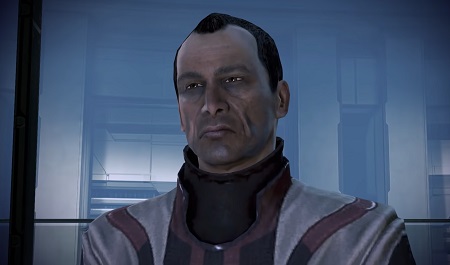
That’s just one hypothetical example of how one story couldn’t be forced into three very different moulds for a new game in the series. We’ve seen smaller-scale examples of this within the Mass Effect trilogy itself, and Mass Effect 3 in particular seemed to have difficulty respecting players’ choices in previous games. To give two examples: regardless of what players did in Mass Effect 1 and Mass Effect 2, Liara will always be the Shadow Broker in Mass Effect 3, and Udina will always be Earth’s Councillor.

Udina is always the Councillor by Mass Effect 3, no matter what players choose.

These stories were relatively minor, though, at least in comparison to the things we’re considering today! Mass Effect 2 and Mass Effect 3 did respect players’ choices and the consequences of those choices in some ways, though, making each playthrough unique. In fact it’s this aspect of the trilogy that makes it so appealing to me and to many other players – Commander Shepard feels like a different person on each playthrough and the story is tweaked to recognise that.

But the differences in Mass Effect 2 and Mass Effect 3 were minor. Certain characters would be missing if they’d died in previous games, for example, but there was usually someone else to take their place. Urdnot Wreav (voiced by Star Trek: The Next Generation’s Michael Dorn) would take Wrex’s place as the clan leader if Wrex died. Ashley and Kaidan were basically interchangeable in Mass Effect 2 and Mass Effect 3. And even characters like Thane, who played an important role in Mass Effect 3 when it came to the Cerberus attack on the Citadel, were replaced by a like-for-like stand-in if they’d died during the suicide mission.

If Wrex died, Wreav takes his place and the story proceeds in a very similar way.

It would be impossible, though, for BioWare to successfully repeat this on a larger scale. The three ending options for Mass Effect 3 simply can’t lead to the same story because of how radically different everything about the galaxy necessarily must be in each scenario. Add into the mix that Mass Effect 4 may be picking up a story some years or even decades after the end of Mass Effect 3 and there’s been time for those changes to multiply. In short: one single story cannot be made to work in all three scenarios, and trying to do so will all but guarantee a disappointing experience for players.

Mass Effect 4 has a difficult task. Whatever BioWare chooses to do with the game’s story, some players who were very attached to the way they played the original trilogy are bound to be left upset. Because those games offered players different routes leading to different endings, there really isn’t any escaping that. The only glimmer of hope is that one ending choice is substantially more popular than others – and BioWare has been keeping tabs on that! The fact that the “synthesis” ending was not a big part of the game at all, only appearing right at the very end, and that “control” had been the preference of Mass Effect 3′s villains also seems to set up a situation in which the choice should be acceptable to a majority of fans of the Mass Effect trilogy. I’d wager that most players chose “destroy” on at least one of their playthroughs anyway.

So that’s it for today. Mass Effect 4 has a choice to make – and it’s a big one. As I see it, any sequel has to choose one ending over the others simply because the state of the galaxy is so radically different in each case that one single story couldn’t possibly fit all three scenarios. Despite my feelings about Mass Effect: Legendary Edition, I’m curious to see what BioWare has in store for the next part of the franchise – even though it’s still a few years away!

The next Mass Effect game is in early development and most likely won’t be released for several years. Mass Effect: Legendary Edition is out now for PC, PlayStation 4, PlayStation 5, Xbox One, and Xbox Series S/X. The Mass Effect series – including all properties mentioned above – is the copyright of BioWare and Electronic Arts. This article contains the thoughts and opinions of one person only and is not intended to cause any offence.
Mass Effect 4 – a wishlist

Spoiler Warning: There are spoilers present for the Mass Effect games, including Legendary Edition and Andromeda.

When rumours of a Mass Effect trilogy remaster were swirling last year, I felt sure that one of the big reasons for working on an updated version of those games would be in anticipation of a sequel. We’ve had the tiniest of teases from EA and BioWare that a new Mass Effect project is in the works, and I’m tentatively calling the game Mass Effect 4.

There’s certainly an argument to be made that the original Mass Effect trilogy was unique, and we can point to the failure of the overblown side-mission Mass Effect: Andromeda to say that other projects set in this fictional world haven’t succeeded. Perhaps the Mass Effect trilogy doesn’t need a sequel; it’s very hard to top saving the entire galaxy from a narrative standpoint, after all, so any sequel risks feeling anticlimactic.

A new Mass Effect game is coming!

Regardless of any misgivings we may have, a sequel is coming. And while it may yet be several years away – the next Dragon Age game seems likely to be BioWare’s next project – barring any major problems we will eventually see it. So this is a preliminary wishlist from a Mass Effect fan, detailing a few things that I think the next entry should and shouldn’t include.

As always, please keep in mind that I have no “insider information.” This isn’t a list of things that definitely will be part of Mass Effect 4 or any future game in the series. It’s just a fan’s wishlist, nothing more. If I include something you don’t want to see, or exclude something you think the next game needs, please keep in mind that this is just one person’s subjective opinion! With all that out of the way, let’s jump into the list.

Number 1: A sequel not a prequel.

It’s Mass Effect 4, not Mass Effect 1¾.

I’ve heard some suggestions that the next Mass Effect title could be a prequel, perhaps focusing on humanity’s first contact with the turians. Over the course of the first three Mass Effect titles we’d learn that first contact did not go smoothly and led to a brief conflict. While that could be an interesting story to see, at least in theory, I don’t think now is the right moment for a backwards look.

After the disappointment of Mass Effect 3′s ending and the failure of Andromeda, the franchise needs to re-establish itself. There is absolutely scope for a Mass Effect prequel at some point in the future, but every fan I’ve spoken to would rather see the story move forward than look backwards, at least right now.

The ending of Mass Effect 3 didn’t sit right with many fans.

It took the Star Trek franchise decades before the idea of a prequel was taken seriously, and it feels to me like Mass Effect could do more to build on what the trilogy accomplished in terms of setting, characters, and story. If Mass Effect 4 can guide the wayward franchise back to solid ground, maybe then we can reconsider the idea of making another attempt to expand beyond Commander Shepard and other familiar characters.

Though Mass Effect 3 did provide a definitive ending to Shepard’s story, and to the story of the Reaper War, all three variant endings teased that there was more to come for the denizens of the Mass Effect galaxy. Fans want to see that; we want to know what happens next.

Number 2: Bring back Commander Shepard.

*Inhales*

Some stories feel very narrow, as though the world they’re set in doesn’t exist much beyond their protagonist. Mass Effect is not one of those, and the world-building done across the trilogy has created a setting that feels truly lived-in, inhabited by billions or perhaps trillions of unique individuals. So it may seem odd to return the series’ focus to its original protagonist, but in light of the failure of Andromeda, I think that’s what needs to happen.

Although the story of the war against the Reapers was decisively concluded – one way or another – by the end of Mass Effect 3, the story of the Mass Effect galaxy and of most of our crewmates and familiar characters was not. In that sense, the trilogy ended on a cliffhanger; we got a tease of what might come next, but nothing conclusive.

Mass Effect 4 should bring back Commander Shepard.

That’s part of the reason why Andromeda was unsuccessful. It was a good idea – in theory – to try to expand Mass Effect beyond Commander Shepard, and I think that’s something we need to see more of in future. But because of the way the trilogy ended, fans wanted to know what came next for their favourite characters and races. Andromeda made absolutely no attempt to address any of that, instead trying to ignore the potential consequences of the Reaper War and tell its own story.

What BioWare and EA should have learned from the underwhelmed reaction fans had to Andromeda – aside from the need to actually finish their games before releasing them – is that sidestepping the Reaper War and its repercussions is not an option. We want to see familiar characters return, and follow the next chapter of their story.

Number 3: Significant visual and gameplay improvements over Legendary Edition.

Many textures and visual elements of Legendary Edition had not been noticeably improved and look outdated in 2021.

Legendary Edition was a disappointment. The three games themselves were fine, but they hadn’t been upgraded or worked on anywhere near as much as they could’ve been, and overall I felt that the so-called “remaster” was not worth the price. Mass Effect 4 can’t repeat that mistake. The new game needs a brand-new game engine, one suitable for a third-person role-playing shooter in the Xbox Series X and PlayStation 5 era.

The Mass Effect trilogy as presented in Legendary Edition was in a weird place both visually and in terms of gameplay. Some aspects aged well and felt good in 2021 – the basic cover-based shooting being a good example. But many other parts of the trilogy felt really outdated when compared to genuinely modern titles. Lip-synching is a good example – characters’ mouths in Legendary Edition seemed to flap open with the scantest connection to the dialogue supposedly being spoken. There are dozens more examples of things like that; areas where the gameplay was fine in 2007 but not 2021.

Improving things like lip-synching will make the next game feel more immersive than Legendary Edition.

Mass Effect 4 needs to address those issues and make sure they aren’t present. Nobody wants the visuals of Mass Effect 3 again – not even the Legendary Edition version. Games in 2021 can look significantly better as well as feel more expansive – look at games like Jedi: Fallen Order or Control as just a couple of examples, or even how titles like Subnautica and No Man’s Sky pushed for different gameplay mechanics and visuals.

The cinematic teaser that BioWare showed off a few months ago looked good, but any idiot can make a pretty CGI trailer. The actual game engine is where the real work needs to be done, and the adapted engine used for Legendary Edition is out of date and won’t cut it.

Number 4: Don’t re-use the same basic narrative.

Let’s not bring back the Reapers… or a stand-in for them!

Narrative is difficult to get right in any project, not least one which is taking place after a story has already been completed. Mass Effect 3 was a definitive end to the trilogy, and that leaves Mass Effect 4 with a problem. What comes next after the end of the Reaper War? Not only that, but how will players interact with a post-Reaper galaxy?

There will be a huge temptation to basically recreate the original trilogy, substituting the Reapers for some other nefarious, galaxy-threatening faction. But that would be far too derivative, and as the Star Wars franchise has learned to its cost, there is a line between paying homage to what came before and outright copying – and fans can tell the difference.

There’s a line between respectful homage and overreliance on the past. Star Wars crossed it – hopefully Mass Effect won’t.

At the same time as avoiding a simple retelling of the Reaper War, Mass Effect 4 has to manage not to feel anticlimactic. That will be very difficult, because if Commander Shepard comes back from the dead and is tasked with apprehending a minor criminal or helping Aria keep the peace on Omega, the story will feel too small in comparison to what came before.

Once again, there’s a balance to be struck. The new game needs a new story – one that doesn’t rip off the original games or try to retell the same basic “galactic threat” narrative. It also needs to have a story that can match the epic feel of the original without leaving players feeling underwhelmed. It’s a difficult path to navigate – and as we know from Star Wars, even highly accomplished storytellers can get it utterly wrong.

Number 5: Pick one ending from Mass Effect 3 and stick with it.

Whether it’s “synthesis,” “destroy,” or “control,” Mass Effect 4 needs to stick with one ending from the trilogy instead of trying to incorporate all three.

It isn’t going to be possible for one game to incorporate three totally different narratives based on the three endings of Mass Effect 3. The ending options are too different from one another for each to be the jumping-off point for the same basic story. The “destroy” ending killed off all synthetic life; “control” saw Shepard seize control of the Reapers and simply make them fly away; and “synthesis” fused synthetics and organics together. Even if the basic storyline of the game is based around something that would impact the galaxy no matter which ending were chosen, the galaxy is going to be a very different place when that narrative kicks off.

I’m all for ambitious games, but trying to incorporate all three ending choices into Mass Effect 4 would either mean BioWare would have to make three very different games in one package, or it would mean that one story would have to be forced to fit three very different settings – and that almost certainly wouldn’t work in two out of three cases.

The “control” ending is the one I feel works least well.

If Mass Effect 4 intends to bring back Commander Shepard, there’s only one option based on what we’ve seen on screen: the “destroy” ending. That ending is, according to information I could find, at any rate, the most popular among players – and I would argue that it probably best represents Shepard achieving their goal!

But Mass Effect 3 appeared to present “synthesis” in the most positive light, both during Shepard’s conversation with the Catalyst and based on EDI’s epilogue. Choosing “synthesis” as a starting point for a new game would be incredibly controversial, I think, and the changes made to everyone in the galaxy by that ending may make it hard to craft a story. It’s also an ending in which Shepard is unequivocally dead. Regardless, I think those are the two most likely choices.

Number 6: Resolve dangling story threads from Andromeda.

My face is tired… of waiting for a proper ending to Mass Effect: Andromeda.

This doesn’t need to be a big part of the game. It could literally be a collection of codex entries or other random bits of information picked up over the course of the game. In short, Andromeda’s story was left unresolved due to the decision to cancel its planned story DLC. All Mass Effect 4 would need to do is somehow acknowledge what happened with the final arks that were heading to Andromeda.

The quarian ark was the main one that I can recall being missing, and if Commander Shepard were to pick up a datapad in Mass Effect 4 that showed the quarian ark departing for Andromeda a few weeks behind schedule, we could consider the mystery resolved. The characters from Andromeda could thus continue to exist and we could assume that they all lived happily ever after.

What happened next?

There will never be a sequel to Andromeda, I think. The game was memed to death due to its bugs and glitches when it launched, and its reputation never recovered. EA’s decision to abandon the failing game meant that there was no chance of a No Man’s Sky-style rehabilitation, and the game is an overlooked part of the franchise. If people remember it at all, they remember the bugs and the memes.

Even I can’t remember every detail of Andromeda’s story. I just know that there was a sense that it ended somewhat abruptly, and if Mass Effect 4 could do something to mitigate that, even just by way of an “easter egg” for longstanding fans of the series, I think that would be great. It really wouldn’t take a lot of effort.

Number 7: A story that genuinely reflects player choices.

There are many different ways that the story could go. The game should reflect those choices properly.

The worst part of Mass Effect 3 wasn’t the “pick a colour” ending. It was the fact that, across at least the final third of the game, myriad choices that players made across the entire trilogy received no meaningful payoff. Even the War Assets that Shepard collected on the path to defeating the Reapers were only ever shown as text on a screen, and many War Assets even reused the same stock image.

Things like saving both the quarians and geth, which required players to navigate a specific path across all three games and multiple optional missions, should have been more impactful in the final push to defeat the Reapers. The fact is that Mass Effect 3 was rushed, and whatever intentions BioWare may have had ended up being cut or curtailed as a result.

The recycled War Asset image.

Mass Effect 4 simply cannot repeat this failing. The game will almost certainly follow a non-linear narrative – as is the Mass Effect tradition – with paragon and renegade options, a branching storyline, and optional side-missions. Those choices have to feel like they matter to players; if everyone gets the same basic ending regardless of how they played the game, Mass Effect 4 will receive one heck of a backlash.

It’s possible that Mass Effect 4 will be the jumping-off point for a new trilogy of games, and if that’s the case its ending may need to be simplified in order to ensure the next game in the series works as intended. But if that is the plan, the story still needs to offer a good degree of choice – and reflect those choices properly while the game is progressing.

Number 8: The return of all surviving squadmates.

Garrus needs to come back!

Mass Effect 3 picked up some criticism at the time of its release for cutting back on the number of squadmates, with very few members of Shepard’s team from the Suicide Mission in Mass Effect 2 returning in squadmate form. Practically everyone had something to do in the game – but many fan-favourite squadmates were no longer part of the team, with their appearances relegated to a mission or two at most.

Depending on many different choices across the trilogy, it’s possible for a number of squadmates from all three games to have survived – or at least to have still been alive as of the final act of the game. I would love to see Mass Effect 4 bring them all back as proper squadmates. It would take some creative writing in certain cases – Wrex, for example, appears to have a leadership role on Tuchanka in one possible version of the story – but it would absolutely be worth doing. In the Star Trek franchise, Worf, who was a character on Deep Space Nine, was able to be included in three films with the crew of The Next Generation despite having a different posting. If Star Trek can do it, Mass Effect can do it!

Wrex could be a problem, but I think it’s possible to get around that and bring him back anyway.

Not every squadmate resonated with every player, and giving fans the freedom to pick and choose from every past member of Shepard’s crew instead of being constrained to a few hand-picked ones would make the roleplaying experience so much better and more immersive. I mentioned this during my review of Legendary Edition, but “my” Commander Shepard is a different character to other Shepards. They had different friendships, different relationships, and the game is a different experience as a result. Mass Effect 4 will do its best to reflect that, no doubt, and one way to do so is to bring back every surviving squadmate.

This doesn’t mean that there can’t be one or two new characters, and indeed I’d welcome a new couple of squadmates in addition to returning favourites. The franchise needs to grow, after all!

Number 9: Allow players to carry over characters from Legendary Edition.

Players should be able to import their Legendary Edition characters to Mass Effect 4.

Mass Effect 2 and Mass Effect 3 allowed players to take their Commander Shepard from the previous game and import them. This worked really well, and meant that players could complete the entire story without having to begin from scratch with each new game. Though Legendary Edition has some problems and inconsistencies with the way this save importer works, I think it’s absolutely worth allowing players to take their version of Commander Shepard into the next game.

There are a couple of roadblocks that I can see – the first being the ending choices. If Mass Effect 4 does what I suggest and picks one ending, players who made a different choice would have to either reload their save and re-do the ending, or the importer would have to simply ignore this choice.

All decisions and all surviving squadmates should be imported as well.

However, if Mass Effect 4 is to reflect other choices, like which characters survived, which factions players chose to help and ignore, etc. then an import facility is really the only way that could happen. Mass Effect 2 and Mass Effect 3 originally came with an “interactive comic” to allow new players to make certain key decisions, but that really isn’t a great option.

Part of the reason Legendary Edition was made was to bring the Mass Effect series back into contention so that Mass Effect 4 will generate hype, excitement, and sales. It succeeded in that regard, bringing back old players, picking up many new ones, and wiping away most of the stink left over from Andromeda and, to a lesser extent, Anthem. People are looking forward to Mass Effect 4. Having played through the trilogy with our own custom characters, though, and made many decisions which impacted the Mass Effect galaxy, those characters and choices need to carry over to the next game in the series. Even if Commander Shepard isn’t coming back, Mass Effect 4 needs to have the facility for players to import their choices from the original trilogy.

So that’s it.

What happened after the Reaper War? I can’t wait to find out!

Mass Effect 4 is several years away from release, and we’re unlikely to get any more details any time soon. I don’t even want to guess at when we could see the game – it could be 2023, 2024, or even later still depending on all manner of development-side factors.

Despite that, it was a bit of fun to look ahead and consider what I’d like to see from the title. Although I felt Legendary Edition was underwhelming and not all it could’ve been for a remaster, the Mass Effect games are great fun, and the world-building is exquisite. The Mass Effect galaxy feels genuinely lived-in in a way few sci-fi or fantasy worlds ever really achieve, and I’m not alone in looking forward to finding out what happens next!

If we get any significant Mass Effect 4 news, such as casting information, a new trailer, or anything else, be sure to check back as I’ll do my best to analyse it all here on the website.

Mass Effect: Legendary Edition is out now for PC, PlayStation 4, PlayStation 5, Xbox One, and Xbox Series S/X. The Mass Effect series – including Legendary Edition and all other titles mentioned above – is the copyright of Electronic Arts and BioWare. This article contains the thoughts and opinions of one person only and is not intended to cause any offence.
Mass Effect: Legendary Edition – what’s the best ending?

Spoiler Warning: There are spoilers ahead for the Mass Effect trilogy – including Mass Effect: Legendary Edition – and its ending.

Like it or hate it (and my god do some people hate it) Mass Effect: Legendary Edition retains the three-and-a-half possible endings present in the Mass Effect 3 Extended Edition DLC from 2012. In this article I’m not going to spend too much time critiquing the ending of the games from a narrative perspective, but rather try to answer a question I haven’t really seen many fans asking: which is the “best” ending? And no, this isn’t a guide as to how to achieve a specific ending or outcome; it’s a consideration of the pros and cons of the various ending options.

Just to recap if it’s been a while since you played Mass Effect 3, Commander Shepard and their crew spend much of the game putting together fleets and forces to defeat the Reapers. The key to victory in the Reaper War seems to be the Crucible – an ancient superweapon that the races of the galaxy come together to build across the game. After an intense battle in space and on Earth, the Crucible docks at the Citadel, ready to be armed and fired, bringing the war to an end.

How should Commander Shepard bring about an end to the Reaper War?

After arriving at the control room for the Crucible, Shepard is able to interact with the Catalyst – an artificial intelligence in control of the Reapers. The Catalyst tells Shepard that the reason for all of this death and destruction is to “preserve” organic life by harvesting it; otherwise organic life would inevitably be exterminated by synthetic life. The Catalyst then presents Shepard with three very different ways to use the Crucible, and it’s these three options we’re going to look at in a bit more detail today.

I’m going to exclude the option to not use the Crucible. Continuing to fight a doomed conventional war when the superweapon was available seems like a bad option, and players who go down this route ultimately learn that the Reapers were successful in their harvest of humanity and everyone else – duh, right? So that option is clearly not a good one in terms of outcome, though I guess you could argue that there’s a certain satisfaction in saying “I choose not to choose” and continuing to fight.

It’s possible to “fight back” against the Catalyst – but doing so dooms every race in the galaxy.

Assuming players have accrued enough war assets and done as much as possible to get ready for the final confrontation, the Catalyst will present Shepard with three options for using the Crucible: destroy the Reapers, control the Reapers, or fuse all organic and synthetic life together by rewriting everyone’s DNA. These options are substantially different from one another, and while many players have a gut reaction as to which is the “right” decision, each has points in its favour as well as major drawbacks.

Let’s begin with the most popular choice by far: using the Crucible to destroy the Reapers. I can’t remember where or when I read this, I think it must’ve been circa 2012-13 when Mass Effect 3 was new, but a survey was conducted asking players which ending they chose, and “destroy” received almost 75% of the votes. That’s what I’m basing my claim that it’s the “most popular” ending on, at any rate!

The “destroy” ending may be the most popular with fans and players.

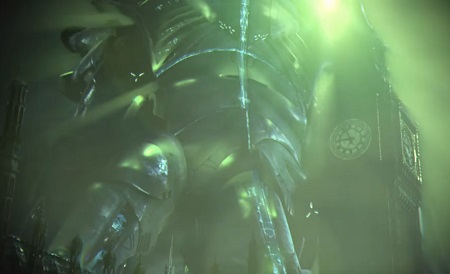
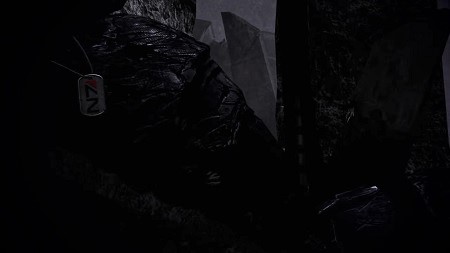
The biggest point in favour of this ending is that, if you have a high enough war score, it’s at least implied that Shepard might’ve survived. In a very brief scene lasting only a few seconds, amidst the ruins of what could be either the Citadel or London, a figure wearing burnt armour with an N7 dog tag sharply inhales right before the credits roll. Though Shepard’s survival has never been officially confirmed, many players – myself included! – subscribe to the notion that this figure simply must be Shepard. If there is to be a continuation of their story in Mass Effect 4, this is the only way it could happen based on what we see on screen.

Though on some level we all want our hero to survive, in many ways Shepard’s survival could be argued not to fit with the tone of the story. Both with the Citadel DLC (which is now incorporated into Legendary Edition) and with the sequence immediately prior to the assault on the Citadel beam, Shepard said their goodbyes to their friends and crewmates. There was a finality to Shepard’s story; the person who saved the galaxy. Having them survive might feel great, but it doesn’t necessarily make a fitting end to their story. Some narratives are destined to end with the death of the protagonist, and I’d argue that the Mass Effect trilogy probably fits that mould.

This moment appears to show Shepard surviving.

Setting aside their possible survival, the “destroy” ending best represents Shepard achieving what they set out to do. Destroying the Reapers has been Shepard’s mission since they first learned of their existence in the first game, and though there were hints at possibly being able to co-opt or control the Reapers, especially during later missions in Mass Effect 3, Shepard and their allies had argued against this at every opportunity. Destroying the Reapers, or defeating them militarily, appeared to be the only option; Shepard’s only goal.

But the “destroy” ending comes at a price, especially for players who’ve managed to navigate the tricky path across all three games to achieving peace between the geth and quarians or who have befriended EDI. Using the Crucible to destroy the Reapers also results in the destruction of other synthetic life forms, including EDI and the geth. This makes the price paid for destroying the Reapers very high indeed, as it’s possible to befriend the geth and EDI – and of course Legion was a big part of Mass Effect 2 in particular.

The “destroy” ending condemns Legion’s entire race to death.

I really like Legion, both as a squadmate and as a character. Doing the mission Rannoch: Geth Fighter Squadrons also lets Shepard find out a great deal about the geth’s initial war against the quarians, and to say that they were wronged would be an understatement! Destroying EDI could be argued to be a sacrifice worth making; she is, after all, a single individual. But destroying every geth, especially if peace has been achieved and the geth have begun to adopt individual personalities, is tantamount to genocide.

So is exterminating the Reapers. Though in that case it’s arguably “kill or be killed,” the Reapers are nevertheless a sentient race, one far older than any other in the galaxy and with motivations and goals that humanity simply does not understand. The Reapers’ ruthless and relentless war may condemn them to death, especially since diplomacy and negotiation are not options, but the decision to wipe out the entire race, even for the sake of survival, should not be taken lightly. The Catalyst doesn’t give Shepard an option of talking the Reapers down, though.

The Reapers need to be stopped or defeated, but eradicating all of them is ethically problematic!

So Shepard has the option to go ahead with their plan and destroy the Reapers, perhaps on the understanding that the loss of the geth and EDI is a price worth paying for the survival of humans, turians, asari, and all the other galactic races. This is an extreme example of the calculus of war – sacrificing some so that others can survive. But despite Shepard’s initial goal of destroying the Reapers being in sight, the Catalyst offers alternatives – alternatives that Shepard (and us as players) are right to consider.

Throughout Mass Effect 3, a frequently-heard line from many characters is that nobody is sure precisely what the Crucible will do when activated. It’s only Shepard who learns what options are available, and although their intention was to defeat the Reapers, if a better option is available then it makes sense for Shepard to take advantage of that – especially considering the drawbacks of using the Crucible to destroy the Reapers.

Liara is one of many characters who tells Shepard that she isn’t sure what the Crucible will do when activated.

The first of the two other options presented – assuming players have a high enough war score – is to control the Reapers. This was the Illusive Man’s goal, though he was indoctrinated and thus unable to take advantage of the Reapers as he hoped. By choosing the “control” ending, Shepard will replace the Catalyst as the force in command of the Reapers – sacrificing their own body in the process. Shepard is thus able to make the Reapers leave, ending the war without further loss of life.

On the surface that seems like a reasonable option – it would save the lives of EDI and the geth while ending the war. But I have concerns! The Reapers, despite being coordinated by the Catalyst, appear to be sentient beings. Seizing control of them may be possible, but how long would Shepard remain in control? Is their personality forceful enough to permanently overcome the likes of Harbinger? By taking control of the Reapers and directing them to leave the galaxy, the Reapers aren’t defeated or destroyed and will continue to exist – meaning the threat hasn’t gone away.

Shepard has the option to take control of the Reapers, but will that be a good long-term solution?

Even if Shepard were able to remain in control of the Reapers in the short term, we’re potentially talking about an indefinite amount of time, at which point all bets are off. Perhaps Harbinger or other Reapers are able to change Shepard’s mind, convincing them that a new harvest is necessary after all. Perhaps Shepard goes crazy after millennia of isolation from their own people, or loses control of the Reapers. There appear to be too many variables and unknowns to make this feel like a safe and permanent end to the Reaper threat.

So that brings us to option number 3: synthesis. Shepard is given the option to add their energy to the Crucible, forcibly changing all organic and synthetic DNA at a molecular level, creating a galaxy full of organic-synthetic hybrids. All races, whether krogan, salarian, human, or geth would be altered, presumably being augmented with a combination of synthetic and organic components.

Is the “synthesis” ending the right choice, or even a choice Shepard has the right to make?

The Catalyst seems to present this outcome as not only the best option, but as something inevitable; an end goal it has been trying to reach. By fusing organic and synthetic life together, it argues, both will benefit and come to fully understand and appreciate each other. This is obviously a monumental decision for Shepard, with a lot of information – and opinion – being thrown at them mere moments before the decision has to be made.

My issue with the “synthesis” ending is that it shouldn’t be Shepard’s decision alone. A decision of this magnitude, even if it’s “correct” according to some, can’t be made for every sentient being in the galaxy by one individual; doing so is a grotesque over-reach of power, something no leader should ever be able to do. Not only that, but Shepard only hears a single opinion on this subject – the opinion of the Catalyst. Even if the Catalyst has been studying the idea of organic-synthetic synthesis for millions of years, can Shepard really trust it?

Is “synthesis” really the best outcome? The Catalyst argues it is…

We’re dealing with the force behind the Reapers. All of the death and destruction that Shepard has seen, from Sovereign’s rise and the war against the Collectors through to the Reaper invasion itself is all caused by the Catalyst; an artificial intelligence which, according to its creators, the Leviathans, betrayed them and rebelled. Even if the Catalyst is 100% sincere in its belief that synthesis is the best possible outcome for everyone, can Shepard trust its judgement?

This is a being which decided that the best way to “save” organic civilisations is mass murder, co-opting and indoctrinating the few survivors into working for its purposes and goals. Its judgement has to be questionable at best; perhaps it’s simply a very sophisticated computer with a programming error! The fact that the quarian-geth conflict can be peacefully resolved, and that EDI is accepted by members of the Normandy’s crew suggest that peace between organics and synthetics is not as impossible as the Catalyst believes, and rather than simply accepting its judgement and view of the galaxy, surely it’s worth Shepard considering the possibility that the Catalyst is wrong. Machines, even very clever ones, can malfunction, and perhaps the Catalyst is experiencing something like that.

“Synthesis” comes along as an option right at the last moment, and hasn’t really been explained or built up across the trilogy.

If Shepard does accept the Catalyst’s version of events, and accepts that synthesis is the best – and perhaps only – way to prevent future conflict, it means fundamental change for every sentient being in the galaxy. The consequences of this decision are almost unfathomable; it’s very difficult to wrap one’s head around the scale of the change Shepard is being asked to make. The positives – assuming the Catalyst can be trusted – are monumental: an end to conflict and war, unlimited knowledge, and perhaps even immortality are all on the table.

The game seems like it wants to present “synthesis” as the best ending, the one with the most upsides. But even if we take the Catalyst at its word and trust EDI’s epilogue seeming to show the galaxy on course for a new golden age, the question remains: was this Shepard’s decision to make? By changing everyone at a fundamental level, is that not similar to the Reapers’ own goals of harvesting organics and forcing survivors to become synthetic? In the short epilogue scene, everyone involved seems to just go along with what’s happened, perhaps suggesting their ways of thinking and even personalities have been altered. Is this truly a win, then, or just a galaxy-wide case of indoctrination?

“Synthesis” would allow synthetics like EDI to fully understand organics – according to the Catalyst – and prevent future wars.

I’m not sure that there is a “best” ending to the game! Despite the justifiable criticisms of Mass Effect 3′s ending in 2012, the options on the table are varied and nuanced, with each presenting pros and cons. On my first playthrough of Mass Effect 3 I chose the “destroy” ending, because it seemed in keeping with what Shepard had been fighting for. But it comes at a high price, and the options to control the Reapers or go for synthesis both hold appeal, especially because it means saving the geth and EDI.

To answer the question I posed at the beginning: I don’t know. Each ending has points in its favour and each has drawbacks. “Control” seems to offer the greatest potential for something to go wrong, “destroy” means killing friends and allies, as well as condemning two races to extinction, and “synthesis” not only means Shepard deciding something monumental for everyone in the galaxy, but is also questionable at best because of who advocates for it, and the fact that it only appears as an option right at the very end of the game.

Which ending should you choose? I don’t know!

I don’t blame anyone who has a difficult time deciding which option to choose! The fact that there are three complex choices may not be to every player’s taste, especially considering the myriad choices and options available across the trilogy, but the fact that each ending represents a radically different vision of the future of the galaxy is, at the very least, interesting.

One of the great things about a series like Mass Effect is replayability. It’s possible, then, for different versions of Commander Shepard to make different choices, choices which best fit their personality and the way that individual would handle this moment. Shepards who weren’t able to make peace between the geth and quarians might have no qualms about destroying the Reapers and other synthetics, whereas those who were very attached to Legion and his people may desperately look for another option – and that’s just one example. So maybe the true answer to the question I asked at the beginning is: “whichever one you think is best.”

Was that a cop-out? Maybe! But I stand by it. I have a hard time making this choice – it’s by far the most difficult in the entire trio of games, even though the short epilogue that follows is anticlimactic at best. The fact that the writers of the Mass Effect series succeeded at getting players so invested in the world they created that the choices posed at the very end feel like they matter is testament to how amazing these stories are. Because of how different the endings are, though, it does raise an interesting question: which one will BioWare choose as “canon” when they come to make Mass Effect 4?

Mass Effect: Legendary Edition is out now for PC, PlayStation 4, PlayStation 5, Xbox One, and Xbox Series S/X. The Mass Effect series – including all titles and properties mentioned above – is the copyright of Electronic Arts and BioWare. This article contains the thoughts and opinions of one person only and is not intended to cause any offence.