

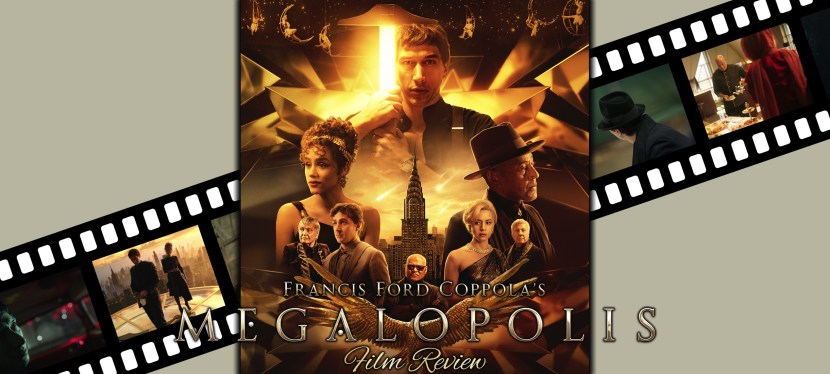

Spoiler Warning: Beware of minor spoilers ahead for Megalopolis.
One of the first films I ever owned on VHS was Apocalypse Now, which was directed by Francis Ford Coppola. It’s still one of my favourite films; a clever, chaotic, and occasionally subversive cinematic masterpiece that set an almost impossibly high bar for other epics and war films. Coppola is also famed for writing and directing The Conversation, the Godfather trilogy, and Bram Stoker’s Dracula, among others in a career spanning over sixty years.
Megalopolis was supposed to land somewhere among those greats – perhaps, in Francis Ford Coppola’s imagination, even eclipsing the best of them to be regarded as his magnum opus. The film spent decades in development hell, with Coppola originally beginning work on the idea during production on Apocalypse Now in the late 1970s. By 1983, the idea to transpose the Catilinarian conspiracy to modern-day New York – using the analogy of Ancient Rome to comment on the rise and potential fall of democracy in the United States – was fully-formed… but for some reason, no studio would agree to bankroll the picture. I wonder why?
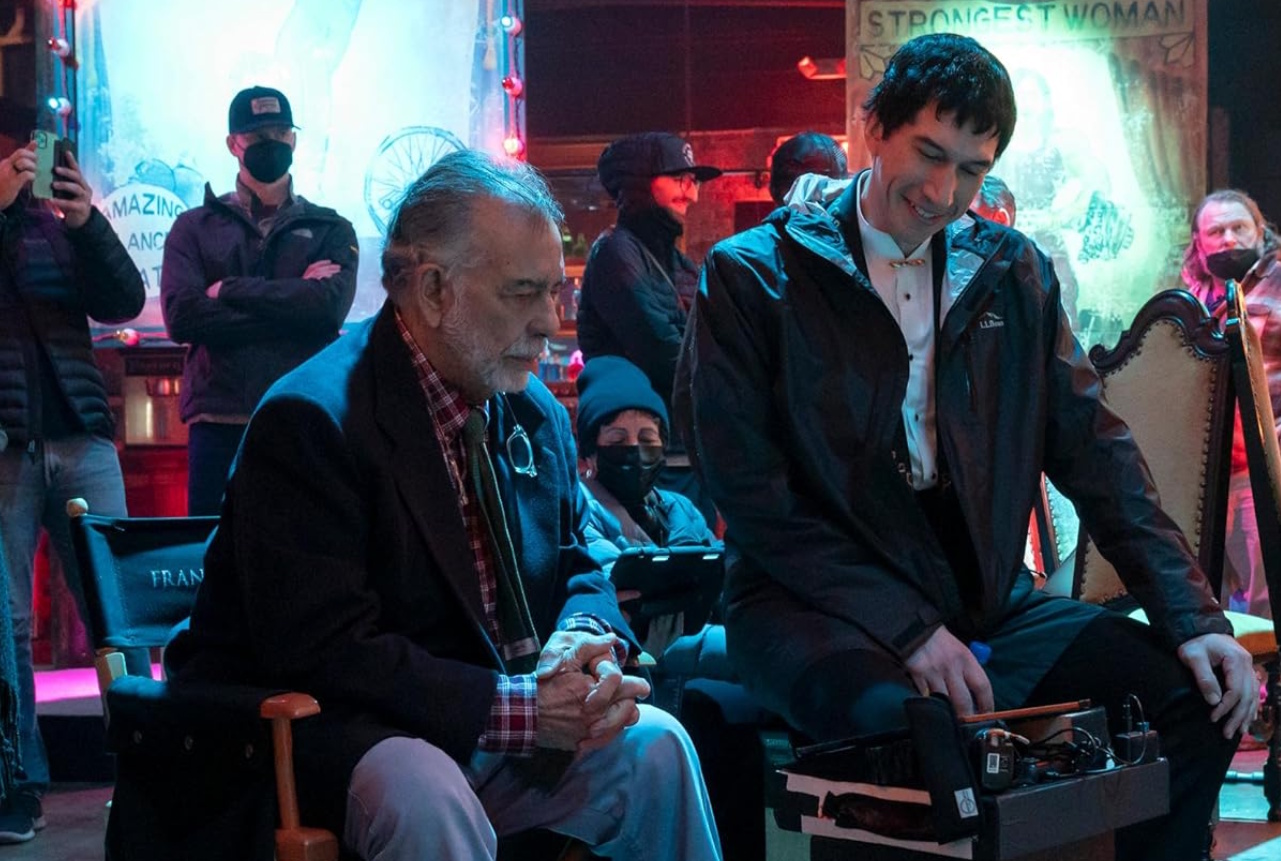
Because no one in Hollywood would give Francis Ford Coppola the money to make Megalopolis, he funded the project entirely by himself. He had full control over the film; without a studio to kowtow to, the decision-making process about everything from the script to the cinematography to the marketing campaign ultimately fell to him. There’s no escape from the fact that this is Francis Ford Coppola’s vision – this is the film he wanted to make and waited decades to make.
So that begs the obvious question: is Megalopolis any good?
I am – to use some Ancient Roman-inspired language – a pleb. That word, if you’re unfamiliar, is derived from the Latin “plebian,” which was used in Ancient Rome to refer to all of the non-aristocratic classes. Commoners, if you will. And my cinematic tastes are definitely common! So for me, parts of Megalopolis went completely over my head and others were so bad they were quite literally laugh-out-loud funny. But maybe, just maybe, I also caught a tiny glimpse of the genius that Francis Ford Coppola has brought to several of his other films.
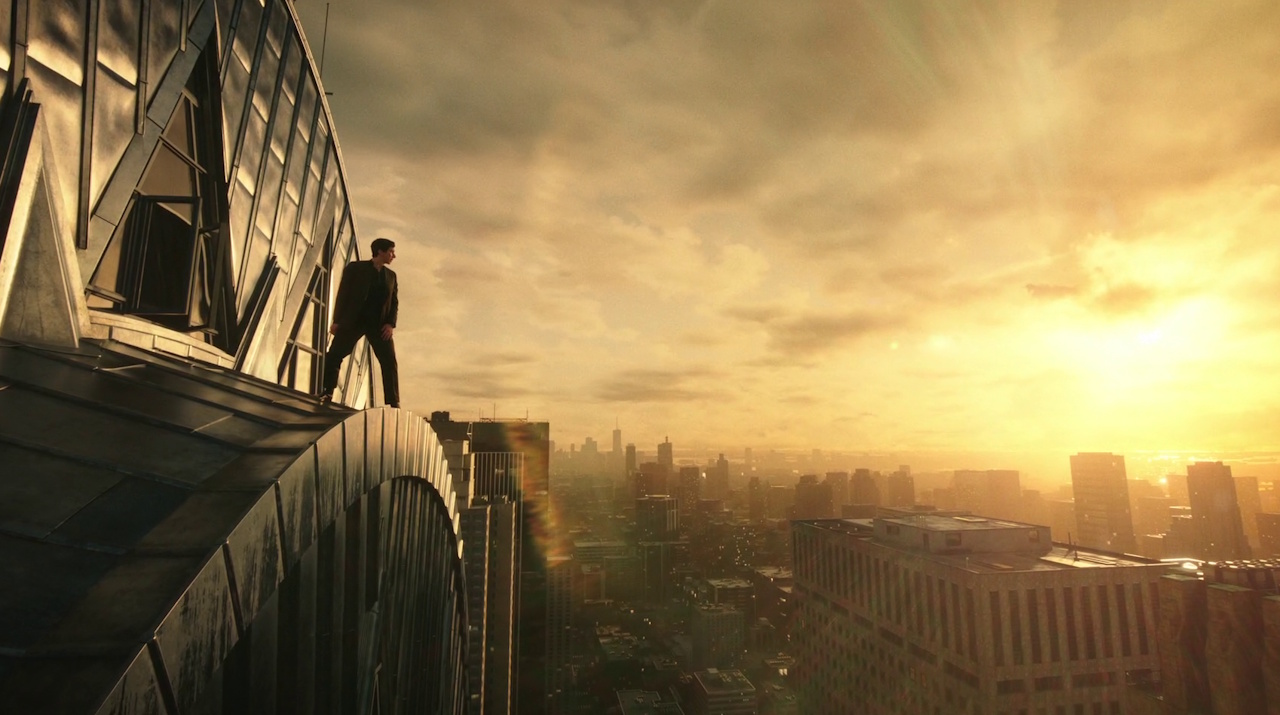
Parts of Megalopolis were so experimental that they almost felt mad. Some scenes were akin to watching a fever dream, with imagery, language, and ideas all rolling around together in incredibly complex ways. It’s also the only film I’ve seen in years that felt like a stage play, with incredibly intense dialogue that mirrored its historical setting – and often quoted from it. I had to sit with Megalopolis for a while after I’d watched it to get my thoughts in order and let the film kind of drip through me… it was a strange experience.
And perhaps that word – “experience” – is how I’d best describe Megalopolis. I wasn’t just watching the film: I was experiencing it. It took me on a wild and sometimes incomprehensible ride through a re-imagined New York – or a twisted modern Roman Empire. It shook me up in more ways than one with its intensity… but then it also made me laugh because of how wooden and feeble other parts of it could be. It felt like I was watching two films at the same time: a stupidly over-the-top family melodrama and an experimental film about philosophy and politics.
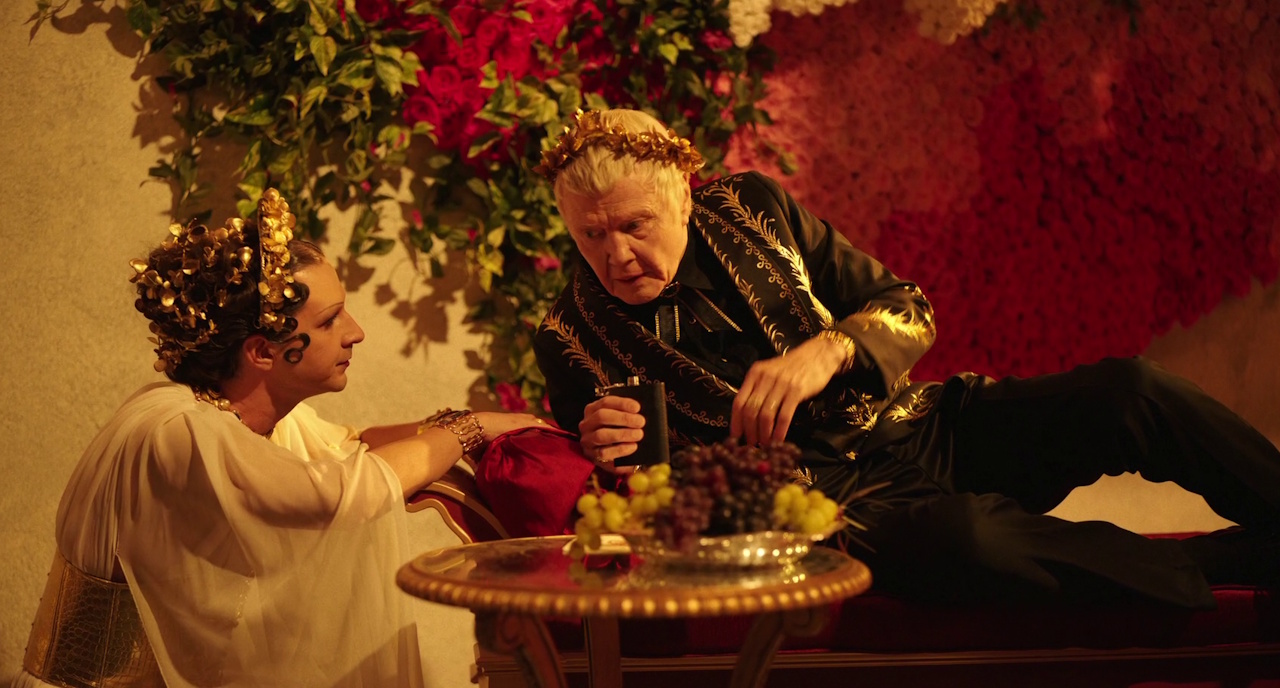
I want to focus on the film’s subtitle for a moment. Although marketed as Megalopolis or Francis Ford Coppola’s Megalopolis, the title card shows us a subtitle that I think perfectly encapsulates why the film is the way it is: A Fable. Megalopolis isn’t intended to be a strictly realistic depiction of fully fleshed-out characters living their lives – it’s meant to be a fable. Cinema has moved in the direction of realism over the course of decades, such that a film like Megalopolis feels weird and even unpleasant to an audience no longer used to its style. But I think it reflects a conscious choice on the part of the director – as well as several of its key performers – to deliberately lean into this kind of storytelling.
Before we can judge Megalopolis, I think we need to understand what it is – or at least what it aims to be. And to me, the subtitle is the best evidence of that. In a cinematic landscape dominated by films that use realism in everything from scriptwriting and dialogue to set designs and visual effects, Megalopolis stands out. It deliberately doesn’t do that – and for me, that was pretty jarring at first. If I’d been watching a comparable production on the stage, I’d have factored it all in ahead of time. But going into the film basically blind, not really knowing what to expect, this kind of experimental, almost “art film” presentation completely threw me.
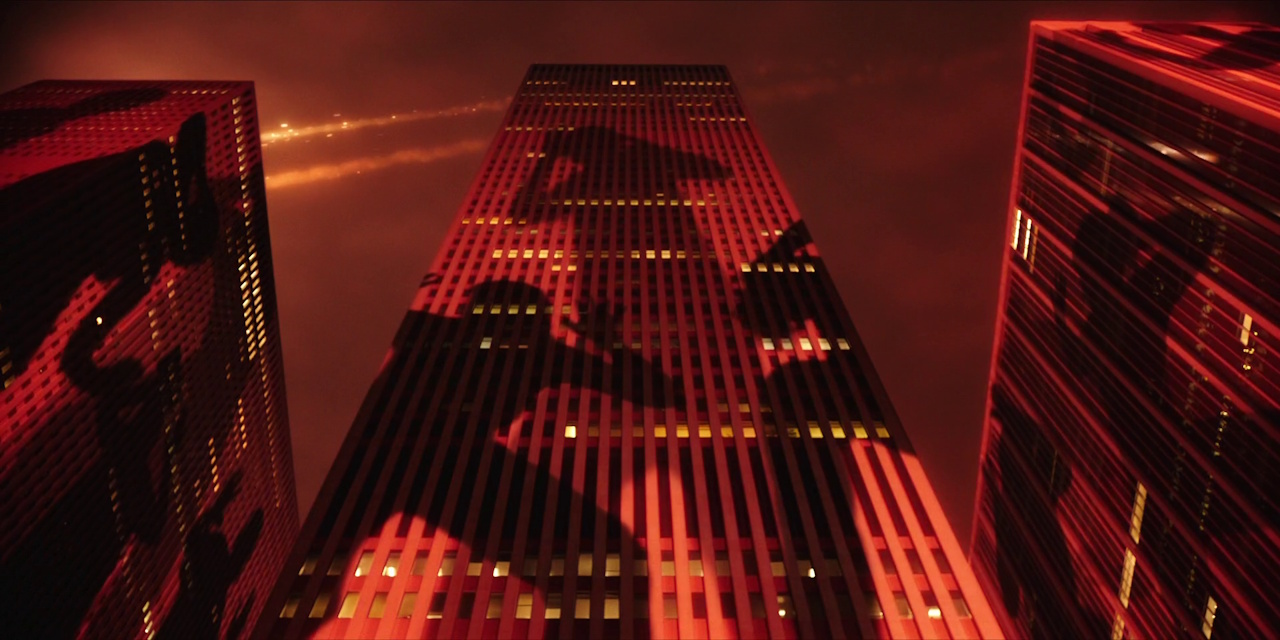
And that’s what made Megalopolis so difficult to wrap my head around. I was watching some pretty heavy, stilted, and just plain unrealistic dialogue and thinking to myself “what the heck is this?” Characters mostly had names inspired by figures from Ancient Rome, and Roman themes and aesthetics permeated all aspects of the film. Some sets looked incredibly artificial – like something you’d have seen in a film from the 1950s, with hand-painted backdrops, cheap plastic props, or incredibly basic green-screen effects. Maybe I’m reaching and maybe Megalopolis’ philosophical tone is getting to me… but I feel like the artificiality is part of the point. Megalopolis wants its audience to be aware that it’s a film – that it’s artificial.
More than once, I’ve said that a film needs more than just a message or a point. You can make the best or most obvious point in the world – but if you wrap it up in a crap story, it won’t connect with its audience. Megalopolis has messages and points to make – it has them in spades. Coppola wants to use the challenges Roman democracy faced to highlight what he clearly sees as comparable challenges to democracy in the United States today. Megalopolis also has things to say about the role of art in our lives, the importance of family, human progress, rabble-rousing and demagoguery, the goals of civilisation itself… and more. But does it communicate any of these in clear and effective ways?
Erm… no. No, it does not.
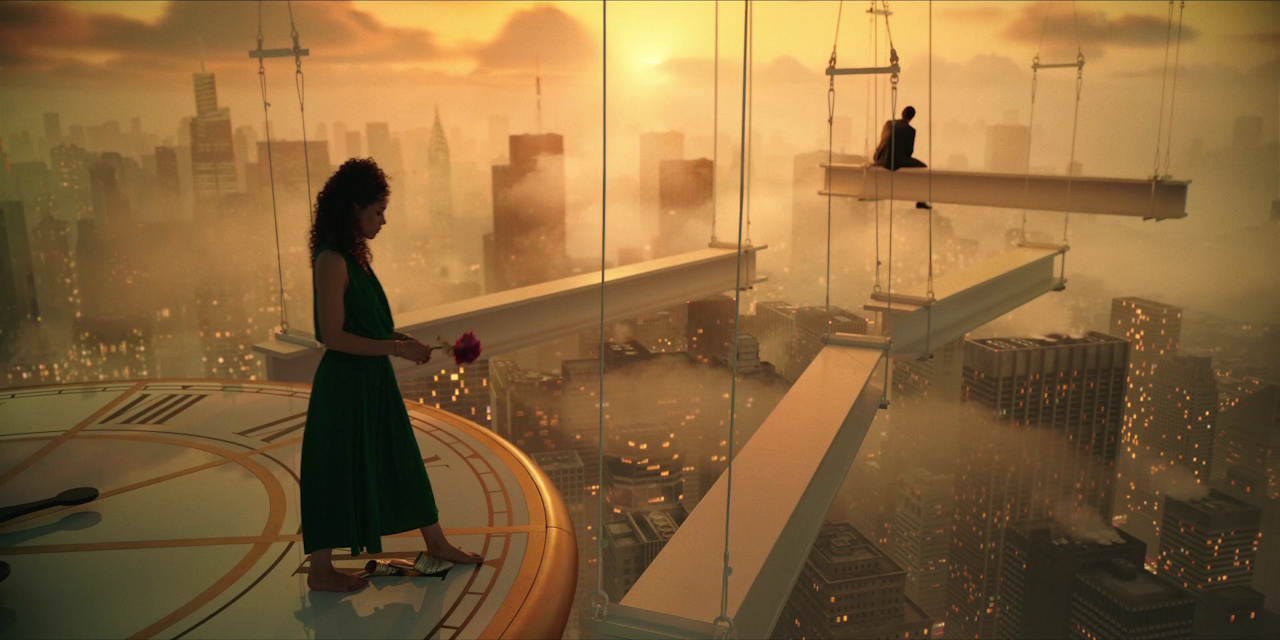
Megalopolis’ experimental, arty tone – with long sequences where the camera spins and Coppola applies every kaleidoscopic filter and effect he can find – can be hard to watch. Further, a script which is already dense and heavy is delivered, in places, with laughably stilted and wooden performances. I wrote the following in my notes about halfway through the film: “how on earth does a fantastic director get these dire performances out of such an excellent group of actors?” Even keeping in mind what I was saying about the film’s deliberately unusual style, its desire to come across as unreal, and its intent to be a modern-day fable, most of the performances are shocking.
The standout performer is, as you might expect, Adam Driver. Driver hasn’t ever been bad in anything I’ve seen; his performance in Marriage Story was Oscar-worthy, in my view, and he was one of the highlights of the Star Wars sequels, too. But the rest?
Nathalie Emmanuel’s accent was inconsistent, varying from passable generic North American to atrocious New Yorker. That aside, she was solid but unconvincing. Giancarlo Esposito seemed to have no clue what was going on or what he was reading, and I got the sense that he was as lost making the film as I was watching it. Jon Voight (fun fact: I met his brother once) was just plain terrible, and again seemed to have no idea what was going on. Aubrey Plaza was totally miscast and inadequate for the role she was tasked with playing. And Laurence Fishburne – a regular collaborator with Francis Ford Coppola – read almost all of his lines in what I’d call an “I don’t give a shit” monotone. He was supposed to be the film’s narrator, introducing the various chapters and reading aloud various quotations.
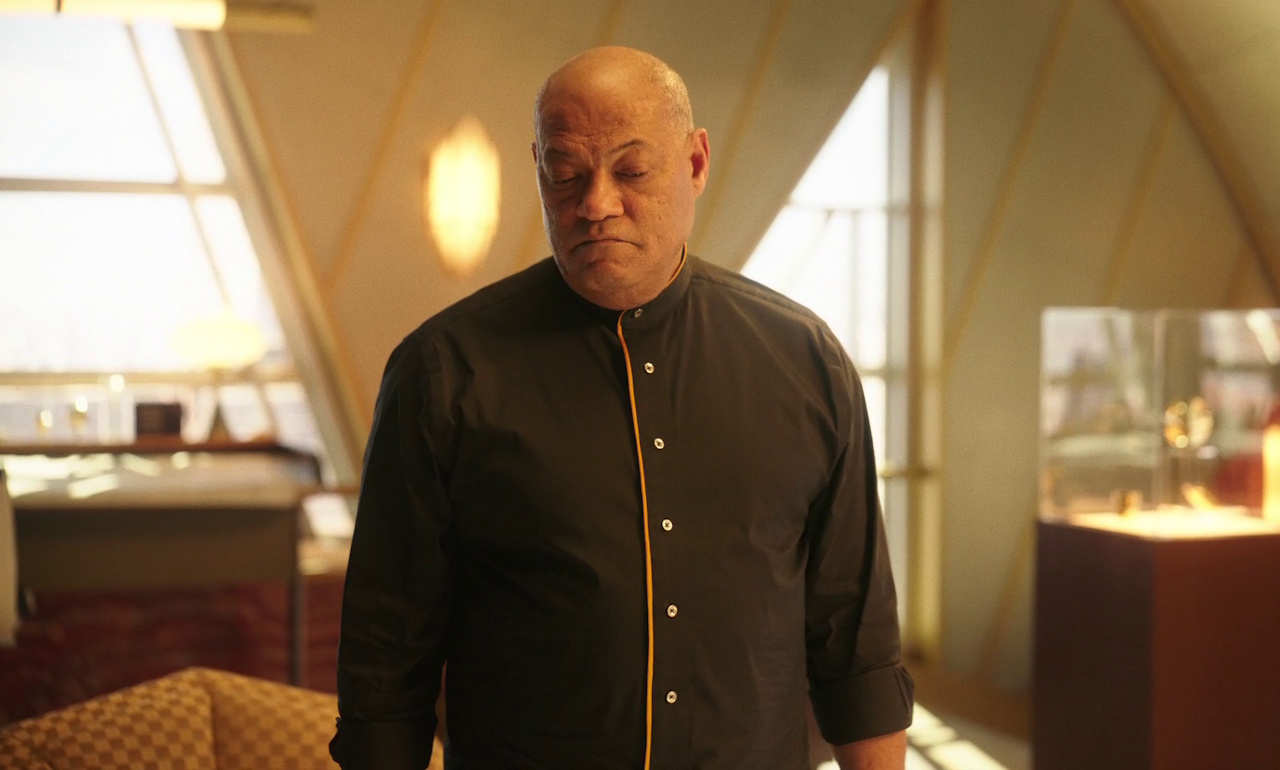
It takes a twisted kind of skill as a writer, director, producer, and cinematographer to get this group of actors – who have all been outstanding in other productions – to churn out such atrocious performances. According to Coppola, he encouraged improvisation on set, and even re-wrote lines and whole scenes while Megalopolis was in production. And yeah… I think we noticed. It must be difficult for performers to stay in character and engaged when everything’s in flux or when co-stars ad lib and completely change a scene they’d been preparing for. With other reported challenges on set, I’m sure Megalopolis was a difficult environment for some of the folks involved both on camera and behind the scenes. That could account for some of the sub-par performances, perhaps.
I’m not joking when I say that I literally laughed out loud at how bad some scenes in Megalopolis were. Stilted, wooden, hammy performances of a script written to be deliberately meandering and convoluted, shot on obviously fake, plastic sets with weird lighting… yeah. That’s not doing it for me. Quite a few scenes also ended very abruptly, as if midway through a conversation. The intention seemed to be a “mic drop;” the character said what the director thought should be an explosive or thought-provoking statement, so the scene could end. But more often than not, it just felt like a poor editing choice rather than anything even halfway profound.
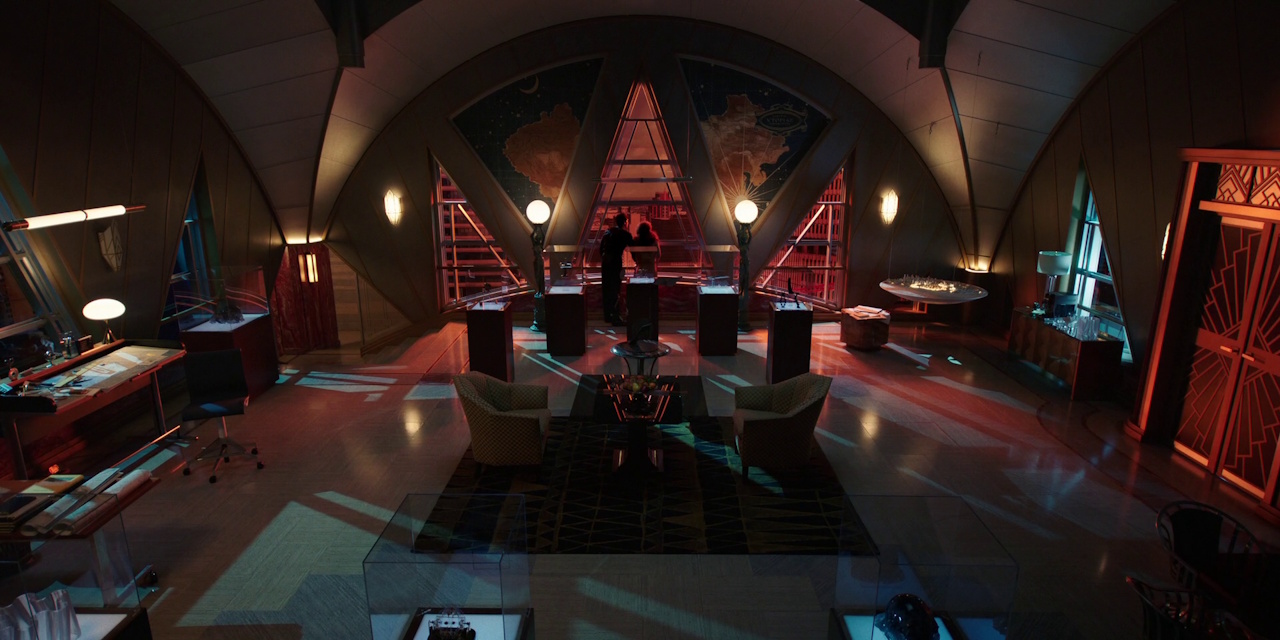
I was not the intended audience for Megalopolis, I guess. But I’ve said that before about other films or television shows that I genuinely enjoyed, that surprised me, or that I at least found redeeming qualities in. Maybe Francis Ford Coppola is content to ignore the opinion of such a common plebian and will insist that this film is art. Maybe he’s right – maybe it is art. But it’s also weird, hard to follow, unnecessarily dense, and populated by a cast of cardboard cut-outs rather than characters. There was a point to be made about the vulnerabilities of the American political system and how it could be hijacked by a charismatic snake-oil salesman – something which is arguably a more timely message now than it was when Coppola came up with the idea some forty years ago. But all of that was lost thanks to a wordy, philosophical script and offputting cinematography. Megalopolis is a film that just… thinks too much of itself. It’s snooty and stuck up.
At least, that’s how it feels to me.
What I can admire about Megalopolis is its experimentation – even when the result didn’t really stick the landing for me. At a time when far too many films play it safe, leading to a pretty stagnant environment in which cinema doesn’t seem to be pushing the boundaries and innovating any more, Megalopolis wasn’t afraid to genuinely try different things. Many of those things aren’t actually brand-new – they’re throwbacks to an earlier era of filmmaking and storytelling. But at the same time, there’s clearly a reason why studio after studio and distributor upon distributor passed on Megalopolis. It’s too “out there” for most audiences, and they recognised that when Coppola couldn’t. I don’t usually give entertainment industry executives any praise whatsoever, but the people who looked at Megalopolis and said “no thanks” got it right.
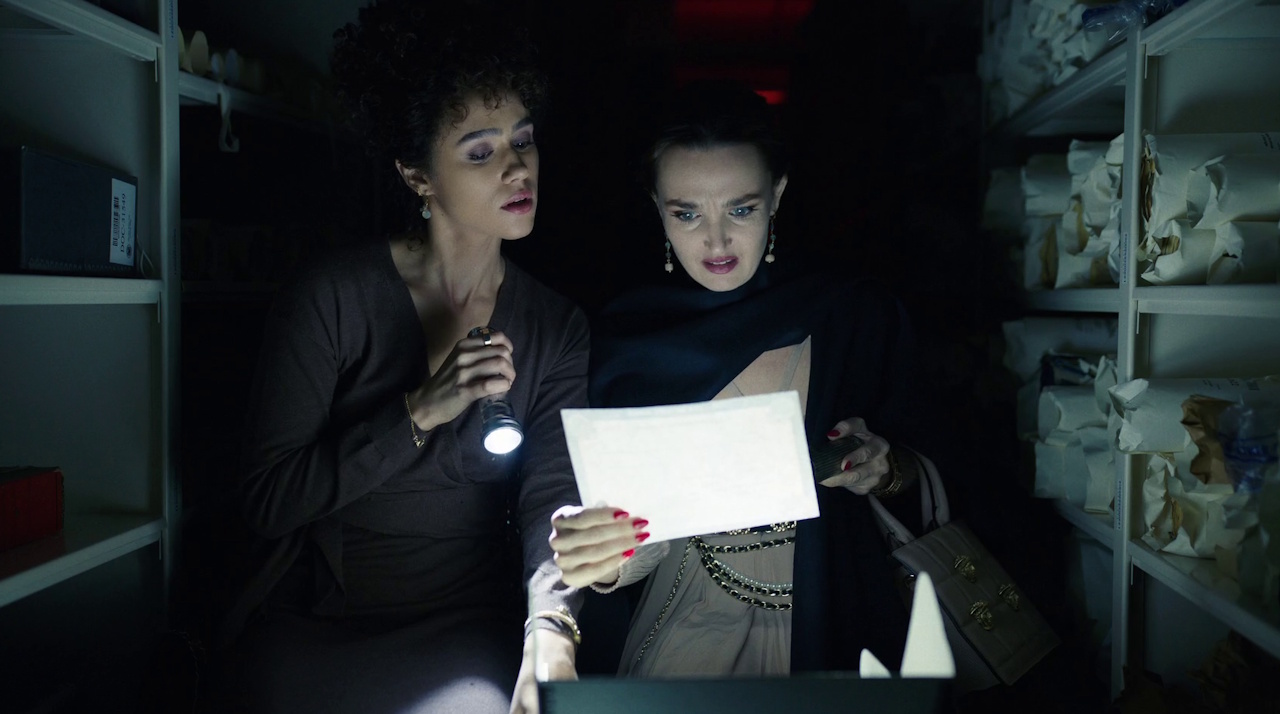
Weirdly, I’m glad to have watched Megalopolis. Cinema should be challenging, sometimes, and I think it’s worth taking a detour to a film like this from time to time. It’s not one of those “so bad it’s good” films, and I honestly don’t know whether I’d want to watch it again. But it feels like a film that’s worth watching once, if that makes sense. Maybe because it’s so different to most of what’s streaming or in theatres, or maybe because it’s a legendary director’s passion project… I don’t know. And this shouldn’t be taken as a recommendation! I couldn’t realistically say that you should watch Megalopolis; I think it’s confusing, poorly-acted, and disappointing in more ways than one. But I also can’t shake the feeling that, for a very specific type of film buff or deep thinker, it could be the best thing they’ve ever seen.
So that was Megalopolis. I’m glad I watched it, and if nothing else, it’s prompted me to learn more about the Catilinarian conspiracy! But I’m thinking I need a palate-cleanser before I watch anything else… something like an episode of Tom and Jerry or SpongeBob SquarePants just to switch gears and turn my brain off. All this philosophy and Ancient Roman history is giving me a headache.
Megalopolis is available to stream now on several video-on-demand platforms and is also out on DVD and Blu-ray. Megalopolis is the copyright of American Zoetrope, Caesar Film LLC, and/or Lionsgate Films. This review contains the thoughts and opinions of one person only and is not intended to cause any offence.
 Trekking with Dennis