I’m Not Sure What Xbox Is Doing Any More…

I don’t usually like to cover rumours here on the website, but the growing controversy swirling around Microsoft and Xbox is proving difficult to ignore. If you haven’t heard, a number of reputable outlets have been reporting that Microsoft is planning to make some of its biggest current and upcoming console-exclusive titles available on PlayStation 5 consoles – including the likes of Indiana Jones, Starfield, and the Gears of War series.

This feels like a potentially massive shift in the gaming landscape, perhaps on a scale we haven’t seen for a long time. And I have to admit that it leaves me with pretty big questions about Microsoft’s strategy. What does the company hope to achieve in the longer-term with a move like this… especially after having spent so much money buying up companies like ZeniMax and Activision-Blizzard?
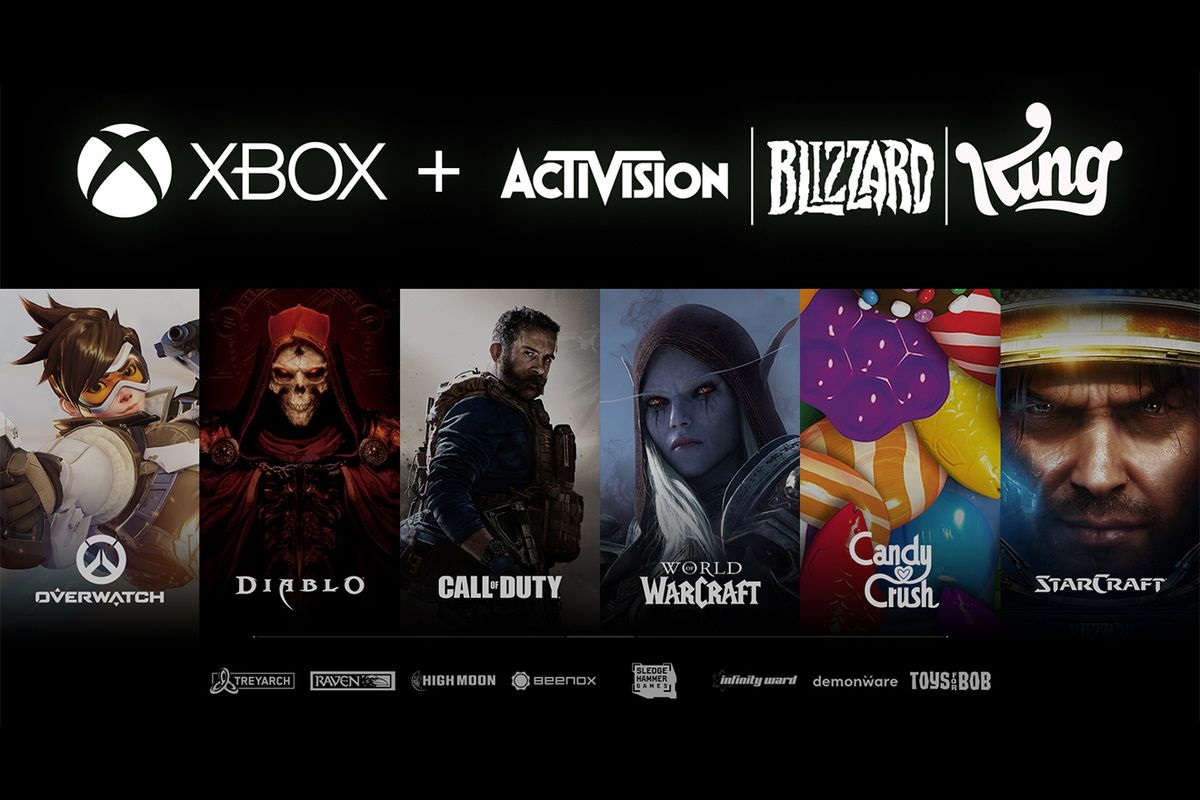
A graphic promoting Microsoft's acquisition of Activision-Blizzard.
Microsoft spent a lot of money to purchase Activision-Blizzard recently.

Console exclusives suck. Let’s make that clear right off the bat. It would be better for players if every game could be available on every current-gen system with no limits… but that isn’t the world we live in. Nintendo games are exclusive to the Switch, and that’s gone a long way to helping the company shift well over 100 million consoles. PlayStation exclusives have likewise helped Sony dominate two console generations in a row. And Microsoft has been lagging behind since the end of the Xbox 360 era in that department.

But the company has seemed determined to course-correct. Microsoft has spent lavishly over the last few years, buying up the likes of Obsidian, Bethesda, and of course Activision, and using those long-established companies to create new exclusive titles. After launching Game Pass and bringing in tens of millions of subscribers in a few short years, Xbox’s plans seemed pretty clear: develop more and more exclusive games for consoles and PC, and turn the brand back into the powerhouse it was in the 2000s.
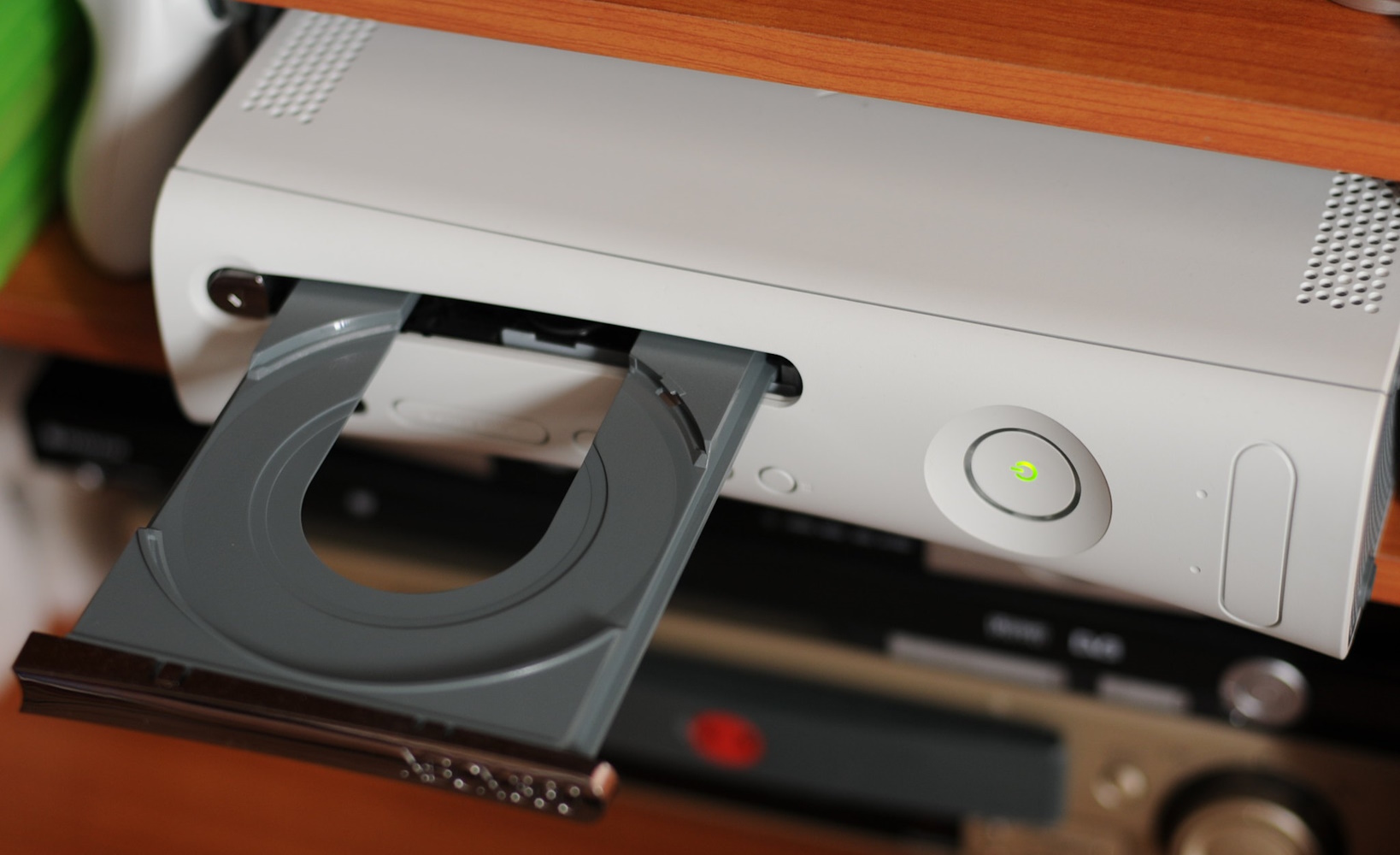
An Xbox 360 console with an open disc tray.
Xbox dominated the console market in the mid/late 2000s with the Xbox 360.
Image Credit: Mario A.P. via Flickr, CC BY-SA 2.0

If these rumours of exclusive games going to PlayStation are even close to being true, that corporate strategy is no longer one that Microsoft is pursuing. And to me, it feels short-sighted almost to the point of desperation. Putting a game like Starfield on PlayStation might bring in some cash in the short-term as players who had previously been locked out will be able to pick it up. But in the longer-term… why would anyone buy an Xbox or even consider subscribing to Game Pass?

If Microsoft is willing to put games that it owns on a competing platform, but that competitor isn’t reciprocating, that’s tantamount to admitting defeat and throwing in the towel. Players will quickly realise that PlayStation is the place to be, because it allows them to play almost every title going – whereas Xbox doesn’t. PlayStation exclusives like God of War, Horizon: Zero Dawn, and The Last Of Us have been hugely influential in Sony’s success over the past decade or so, and if games that had previously been only available on Xbox also join the PlayStation lineup… that’s a great deal for PlayStation gamers.

A graphic promoting Xbox Game Pass.
Will we soon see Game Pass available on PlayStation consoles?

So what’s Microsoft’s move here? Are Xbox consoles to be discontinued, going the way of the Atari Jaguar and Sega Dreamcast? Have sales of the Xbox Series S and X been so poor over the past three years that Microsoft is considering getting out of the hardware market? If so… where would that leave the gaming landscape? If PlayStation and Nintendo are the only ones left, that might not be good for gaming and competition in the marketplace.

Sony learned a lot of harsh lessons during the PlayStation 3 era when the Xbox 360 sold more than 80 million units and gave the PS3 a real run for its money. That competition spurred Sony on and led to better things a few years later. With Nintendo effectively off to one side doing its own thing, Xbox has been PlayStation’s main competitor for the past twenty years – and having competition is necessary for a healthy marketplace. I don’t want to jump the gun and write Xbox’s eulogy, but if previously exclusive games start appearing on PlayStation… it feels like a harbinger of worse news to come.
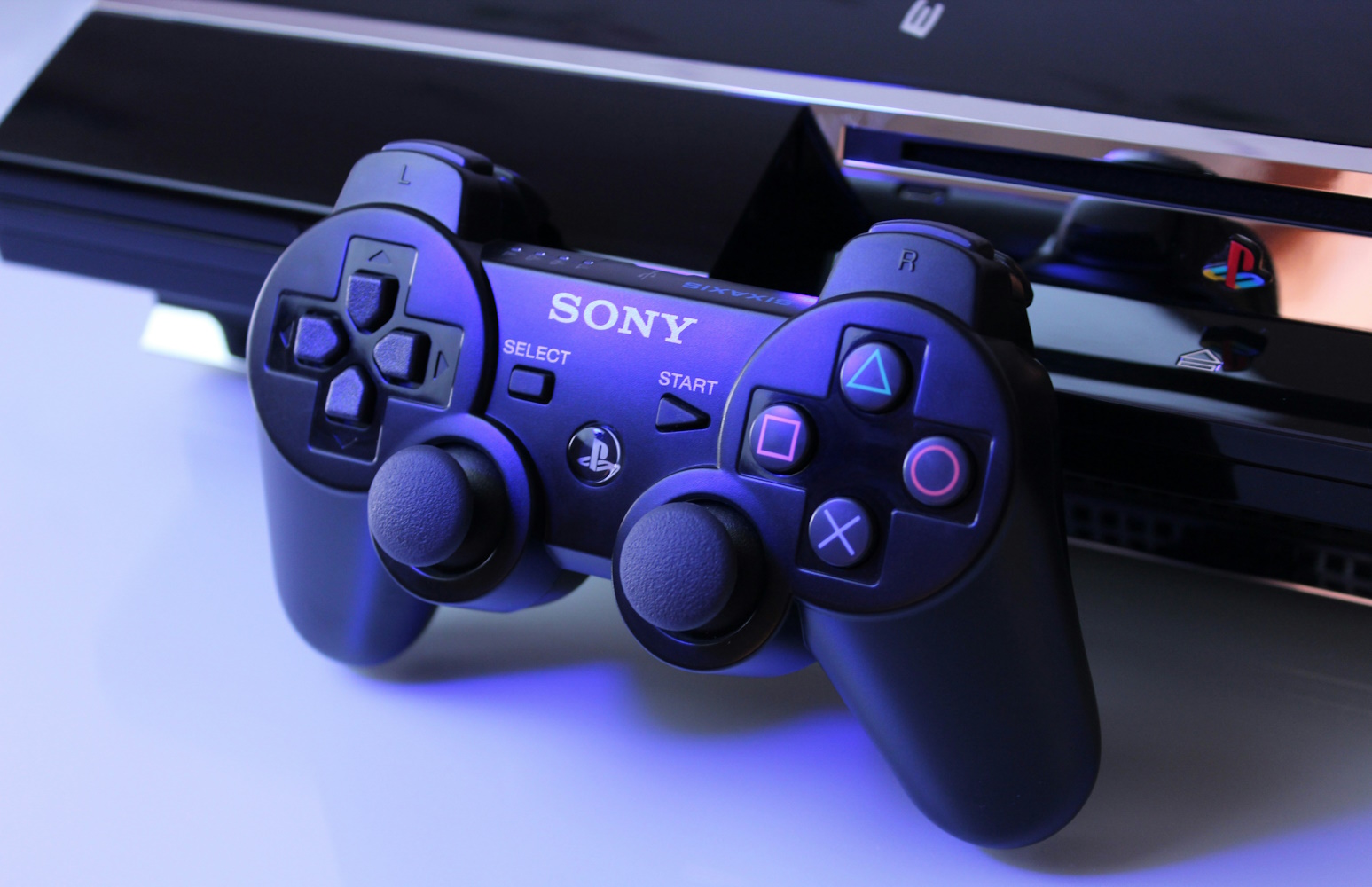
A PlayStation 3 controller.
PlayStation had to play catch-up during the PS3 era.

If Microsoft is finding that their current-gen machines aren’t selling as well as they’d hoped, there are other options besides a total surrender or abandoning hardware production. Nintendo ditched the Wii U well ahead of schedule, launching a brand-new machine less than five years later. That could be one route for Xbox to follow. If the Xbox Series S is proving troublesome from a development perspective, retiring that console in favour of the Series X could also be possible. Even just waiting, treading water in anticipation of bigger exclusives in the next few years might be better than abandoning exclusivity altogether for the sake of some short-term cash.

Microsoft has some upcoming games that have the potential to be console-movers. Indiana Jones is one – albeit one that I personally wasn’t taken with when it was shown off a few weeks ago! The sequel to Skyrim is also bound to be a big deal when it’s ready in a few years’ time, and that’s before we’ve looked at some of the franchises and games that Microsoft owns the rights to after its recent acquisition of Activision.
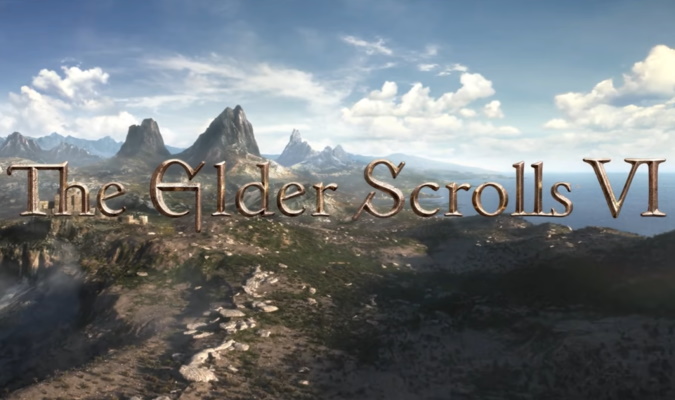
CGI render of The Elder Scrolls VI from Bethesda's E3 announcement.
The Elder Scrolls VI could be a console-seller if it’s an Xbox exclusive.

With so many studios coming “in-house,” Microsoft’s future in the gaming marketplace looked to be getting brighter. Game Pass continues to add subscribers, and with subscriptions being the current direction of travel across various forms of media, Microsoft is actually ahead of the curve in the gaming realm; Game Pass is streets ahead of any comparable offering from any other company. Game Pass’ current success could pave the way for a subscription-based future for the Xbox brand. But Game Pass – and Xbox consoles in general – need exclusive titles to make it work.

I don’t really have a dog in this fight; the only current-gen console I own is a Nintendo Switch. But even as PC player, what happens on console has an impact. Microsoft’s seemingly abrupt change in strategy could have implications down the line for Game Pass, for ongoing and upcoming titles, and more.
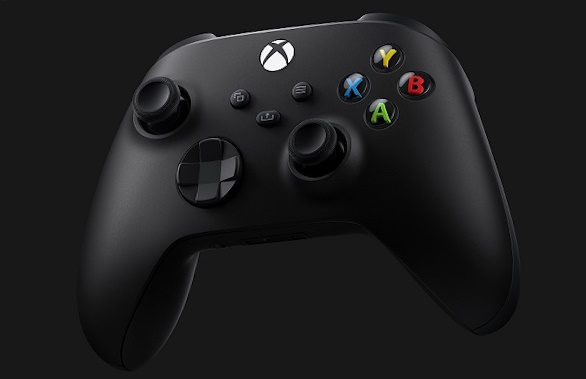
An Xbox Series X control pad.
What will this mean for Xbox?

I’m all in favour of shaking things up in the games industry, but Xbox seemingly surrendering its already mediocre lineup of exclusive games isn’t how I’d have expected – or wanted – things to go in the first part of 2024! And as I said at the beginning, I really don’t understand what it’s supposed to achieve beyond a short-term injection of cash. If Microsoft’s gaming division is so short of money that it needs a few hundred thousand sales of Starfield on PlayStation 5… then something’s gone very wrong indeed.

This is great news for PlayStation owners – assuming that these rumours turn out to be correct, that is. For people who’ve invested into the Xbox brand, though, I can understand why there will be some degree of upset. There’s tribalism, of course, with some Xbox die-hards determined to cheer for “their” console, but that isn’t really what I mean. Stepping back and trying to look at things as reasonably and objectively as possible… PlayStation is looking like a way better deal. If Microsoft’s biggest exclusives join its already impressive lineup, I can absolutely understand why players who shelled out for an Xbox Series X would feel hard done by.
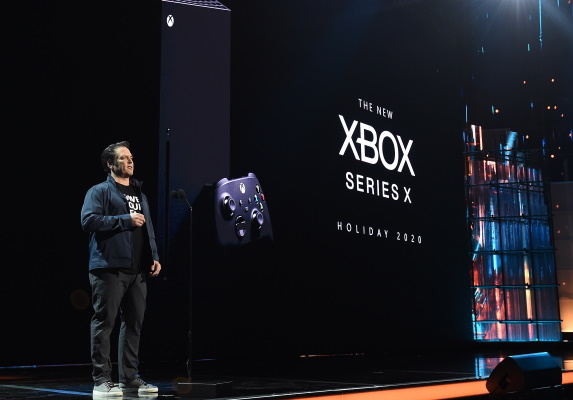
Still frame of Phil Spencer at the Xbox Series X announcement event.
The Xbox Series S and X consoles are still relatively new.

It’s that sense of regret, of having made the wrong decision. By sending their games to PlayStation, Microsoft will be giving that platform a boost and making it the better deal for players – leaving current Xbox gamers and supporters feeling understandably upset. If they’d known this was going to happen when purchasing a new console, PlayStation 5 would have been the logical choice.

We’ve all experienced that kind of regret or envy, even if just on a small scale. How many times have you chosen the wrong line at the supermarket, only to see the other lines moving faster? Or ordered a dish at a restaurant only to see your friend or partner’s plate look way better? It’s those kinds of feelings that I think we can all relate to; this is something that goes beyond merely “Team Green versus Team Blue.”
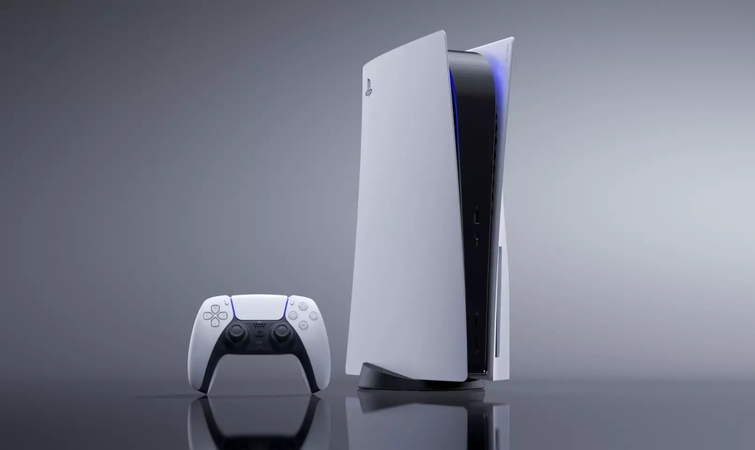
Promo artwork of the PlayStation 5 console.
It could be a good time to consider buying a PlayStation 5…

So we’ll have to watch and wait for official news from Microsoft – as well as an explanation, if this does end up going ahead. I wanted to share my two cents on the subject, at any rate. Console exclusivity isn’t great, but what’s worse is seemingly promising players exclusive titles, using exclusivity as a major selling-point, and then U-turning on it midway through a console generation. Some players will feel that they’ve been left high and dry by Microsoft and Xbox… and the damage that could do to the brand, with some of its biggest fans and supporters potentially souring and turning away, should not be underestimated.

Is a bigger shake-up of the gaming landscape imminent? Will Xbox drop out of the hardware market altogether? Will a reciprocal deal be struck to bring titles like Spider-Man 2 and God of War Ragnarök to Xbox and PC? Is this the end of console exclusivity?

There are some big questions floating around… and all we can do is watch this space. Be sure to check back in the days and weeks ahead, though, because if there really is massive news from Xbox, I’m sure I’ll have more to say.

Xbox Series S/X and PlayStation 5 consoles are available for purchase now. All titles discussed above are the copyright of their respective developer, publisher, and/or studio. This article contains the thoughts and opinions of one person only and is not intended to cause any offence.
Xbox turns 20!

On the 15th of November 2001, the original Xbox launched in the United States. That makes today the 20th anniversary of the console and Microsoft’s gaming brand, so I thought we should mark the occasion with a look back! I haven’t yet had the chance to play on an Xbox Series S or X, but I’ve owned an original Xbox, an Xbox 360, and an Xbox One at different points over the past couple of decades so I like to think I’m qualified to comment on the brand!

It’s hard to remember now, especially for younger folks who’ve quite literally grown up with the games industry looking the way it does, but the Xbox was a massive risk for Microsoft in 2001. The games industry at the turn of the millennium felt settled – Nintendo and Sega were the “big boys” and PlayStation had been the new kid on the block, shaking things up as the world of gaming moved from 2D to 3D titles.

Xbox turns 20 today!

For practically all of the 1990s, it had been Japanese games companies – Sega, Nintendo, and Sony – that had dominated the video game hardware market. Challengers from the ’80s like Atari and Commodore represented American manufacturers, but they’d fallen away by the end of the decade leaving the worldwide video game hardware market the sole domain of the Japanese.

I remember reading more than one article in 2001 promising that the Xbox would be an expensive failure for Microsoft, arguing that “no one” was looking for a new console manufacturer at that time. It would be impossible to enter a market where things were already stable, and even with Microsoft’s money, challenging the mighty Sega, Nintendo, and PlayStation was just going to be a waste of time. How wrong is it possible to be, eh? We should all remember articles like those before making big predictions!

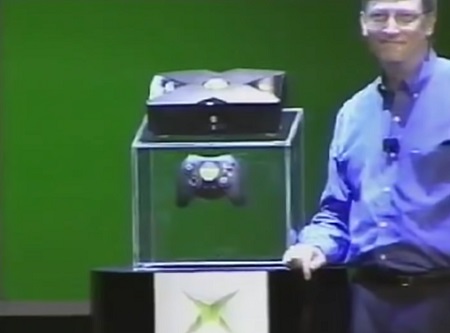
Bill Gates unveiled the Xbox and showed the console to the world for the first time in 2001.

The video games industry was far less settled in 2001 than anyone seemed to realise, of course. Sega’s Dreamcast would prove to be such a significant flop that the company ended up shutting down their hardware business altogether, and Nintendo’s GameCube – which also launched in November 2001 – would struggle to compete with the PlayStation 2 and Xbox in terms of sales.

So the market was definitely more receptive to a new entrant than a lot of folks at the time were predicting! But that isn’t why the Xbox succeeded. It helped, of course, that the console was created at a time when Sega was getting out of the way and Nintendo had uncharacteristically faltered. But those external factors weren’t key to the success of the Xbox, and anyone who claims otherwise is doing the console a disservice.

The original Xbox logo.

The Xbox was a great machine. Microsoft had decades of experience in software and plenty of money to boot – they were one of the world’s richest companies even then. Bringing their considerable experience and financial resources to bear led to the creation of a truly world-class machine, one that massively outperformed two of its three competitors in terms of raw processing power and graphical fidelity.

All of those stats would have been meaningless, though, had the console not had a killer lineup of games – and Microsoft delivered there too. Though Microsoft had made some games of their own before 2001, like Age of Empires for example, they didn’t have as much game development experience as the likes of Nintendo and Sony. While development of the Xbox was ongoing, Microsoft worked with a number of third-party developers, signing exclusive contracts and having games built for their new machine from the ground up.

The Xbox was Microsoft’s first video game console.

We can’t talk about the Xbox without talking about its “killer app” – Halo: Combat Evolved. After GoldenEye on the Nintendo 64 had proven that first-person shooters could work well on home consoles, Halo honed the console shooter genre to near-perfection. It was the must-have game of 2001 and 2002, one of the most talked-about and debated titles of the day. Nintendo and PlayStation simply didn’t have anything in reply, and Halo absolutely dominated the conversation going into 2002.

It wasn’t only the first-person shooter genre where Microsoft invested heavily. They contracted a studio called Bizarre Creations – who’d developed a racing game called Metropolis Street Racer for the Dreamcast – to work on an Xbox-exclusive racer: Project Gotham Racing. The game played differently to other racing games at the time – with an emphasis on “kudos” points rather than just winning the race. Project Gotham Racing didn’t quite succeed at eclipsing the likes of the Gran Turismo series on the PlayStation 2, but it was a fun romp nevertheless.

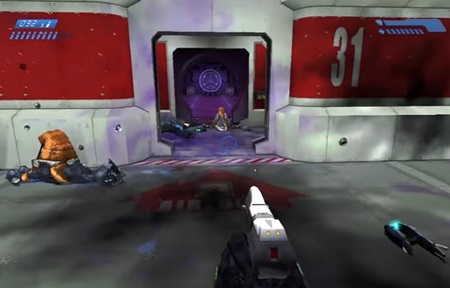
Halo: Combat Evolved was the console’s big launch title.

My personal experience with the original Xbox came in the wake of the Dreamcast’s demise. I’d invested in a Dreamcast as a replacement for my Nintendo 64, but when Sega announced in early 2001 – scarcely a year after its launch – that the Dreamcast would be discontinued and development would cease I knew I’d have to find a new machine again! The Dreamcast was a great console in its own way, but it felt iterative rather than transformative. When I was finally able to upgrade to an Xbox in early 2002 I was blown away by how modern-feeling the machine was.

The control pad – affectionately known as the “Duke” – was the first thing I noticed that was so much better. The addition of a second analogue stick made controlling all kinds of games so much easier and smoother, whether they were racers, shooters, or third-person adventure titles. The black and white buttons were a solid addition too, giving games more options than older control pads on other hardware. The Duke wasn’t wildly popular, though, due to its large size making it heavy and unwieldy for a lot of players. Within a matter of months, Xbox had released the S-controller as an alternative, and that design has stuck. The popular Xbox 360 control pad was based on the S-controller, and the design has remained more or less unchanged since.

The S-controller replaced the Duke – and its design has been honed and refined in the years since.

Some of my favourite gaming experiences of all time took place on the Xbox. I played my first true open-world games on the platform, with titles like Grand Theft Auto: Vice City and The Elder Scrolls III: Morrowind showing off the console’s power through the size, scale, and density of their worlds – something completely unprecedented at the time. Knights of the Old Republic completely blew me away with its story, and at one point I can vividly remember sitting with the control pad in my hand, mouth open in shock at the way that game’s story unfolded. That’s a moment in gaming – and a moment as a Star Wars fan – that I will never forget!

The Dreamcast had shown me the first game that I felt was genuinely cinematic; a title that would’ve felt at home on the big screen: Shenmue. But that console still had its limitations, and relatively few Dreamcast titles came close to reaching the high bar set by Shenmue. The Xbox feels – at least to me – like the first modern video games console; the first machine to bring together all of the foundational elements of 21st Century gaming.

Knights of the Old Republic was a fantastic Xbox exclusive.

The launch of the Xbox marked a sea change in the video games industry. Sega was getting out of the market, and Microsoft jumped in. Sony’s PlayStation and Microsoft’s Xbox would go on to be the two big powerhouses of gaming in the 2000s, settling their status as the decade wore on. It was also around this time that Nintendo stopped focusing on trying to compete with PlayStation and Xbox in terms of raw power and began looking at different ways to play – culminating in the launch of the Wii a few years later.

Twenty years ago the Xbox was seen as a risk. Now, as we look back on two decades of Microsoft’s gaming hardware, it’s patently obvious that it’s a risk that paid off – and then some! As we stumble into another new console generation, Xbox feels like a safe, solid bet. And the brand is, in many ways, just getting started. Xbox Game Pass offers fantastic value as a subscription service right now, and as Microsoft looks to harmonise their console and PC players in a single conjoined system, things are definitely changing for the better for Xbox as a brand. There have been some bumps in the road over the past couple of decades – the rocky launch of the Xbox One and the failure of Kinect being a couple of big ones – but overall, it’s been a success for Microsoft. I knew a lot of people in 2001 who would never have expected to see Xbox as one of the top two gaming platforms twenty years later.

All titles mentioned above are the copyright of their respective developer, studio, and/or publisher. Xbox and all associated properties are the copyright of Microsoft. This article contains the thoughts and opinions of one person only and is not intended to cause any offence.