In March of 2006, I distinctly remember rushing out of the office as soon as the workday ended to meet a friend. I didn’t yet own an Xbox 360, but my friend did – and he’d pre-ordered the sequel to one of my favourite games of all-time! I darted from the city centre down a side road to my friend’s place, which was a tiny attic apartment with one minuscule window and a sloping ceiling. As soon as I got there, we fired up The Elder Scrolls IV: Oblivion, and I spent the rest of the night hanging out with him as he created his character, played through the game’s iconic opening sequence, and stepped out into the world of Tamriel.
It wouldn’t be until 2008 or 2009 that I got to play Oblivion for myself, but when I did I had a whale of a time. I remember thinking that, while the game was more limited in some respects than Morrowind had been, other elements and mechanics more than made up for that deficit – and gave Oblivion a truly immersive world. All of the characters were fully voice-acted, facial animations and lip syncing looked great, and your character could mount and ride a horse! And the main storyline of Oblivion – the quest to find the Emperor’s heir and stop an invasion from another realm – was riveting stuff. I genuinely enjoyed my playthrough of Oblivion and its Shivering Isles DLC, and although I haven’t returned to the game since then, I still consider it to be a fantastic experience.
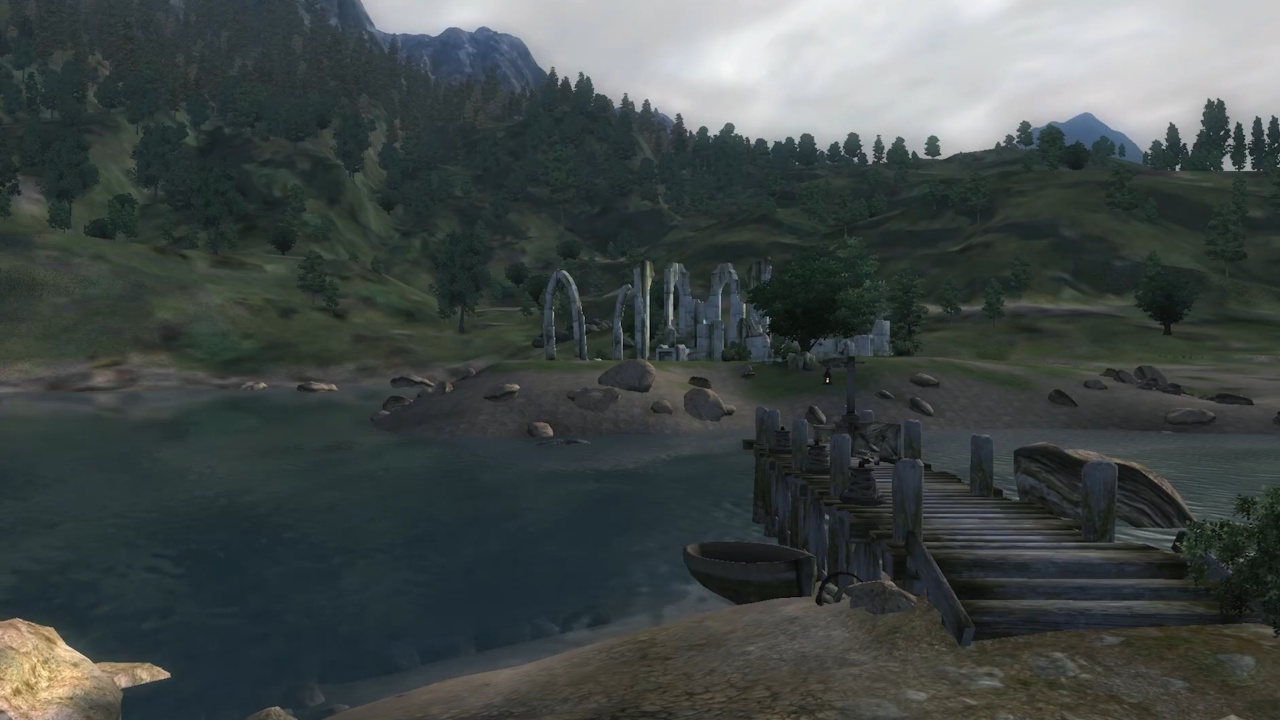
Stepping out into Oblivion’s open world for the first time is an iconic scene in gaming for everyone who played through it.
I’d been hearing rumours of a remaster or remake of Oblivion for at least a year. But as you may know, I don’t like to cover hearsay here on the website, so I was content to wait until we heard from developers Bethesda and Virtuos in an official capacity before talking about the game. Earlier today, the Oblivion remaster was shown off – and I gotta say, it looks great. It won’t be a totally modern game, as it’s still built on the same bones of the original, but it’s been updated with all new graphics, additional voice acting, and some gameplay tweaks to bring things like combat and exploration closer to modern standards. As I write this, I’m actually downloading the Oblivion remaster and I plan to play it as soon as it’s ready!
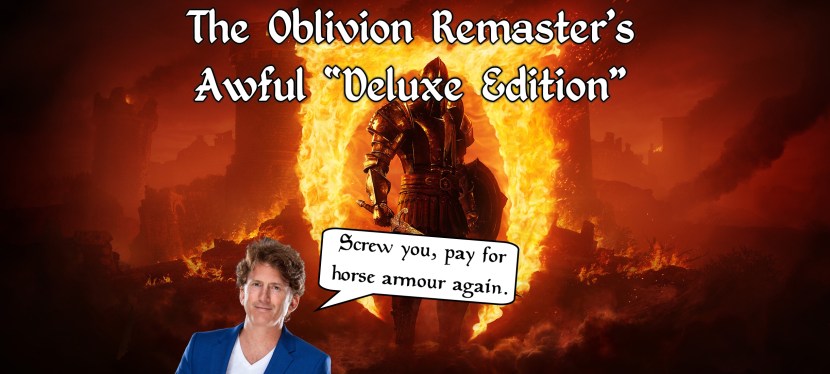
But – and you knew there had to be a “but” coming after all of that – I feel pretty sickened by Oblivion’s £10 “Deluxe Edition.”
I’ll give Xbox and Bethesda a lot of credit for bundling Oblivion’s main pieces of DLC in with this remaster. Oblivion is almost twenty years old, and it’s retailing for £50 here in the UK, so trying to charge extra for Shivering Isles or Knights of the Nine would’ve been just plain wrong. But Bethesda is a greedy company, so there’s still something extra that players can purchase separately – and it’s connected to one of the most notorious episodes in the company’s history.
The Oblivion remaster is launching with a £10 “deluxe edition.”
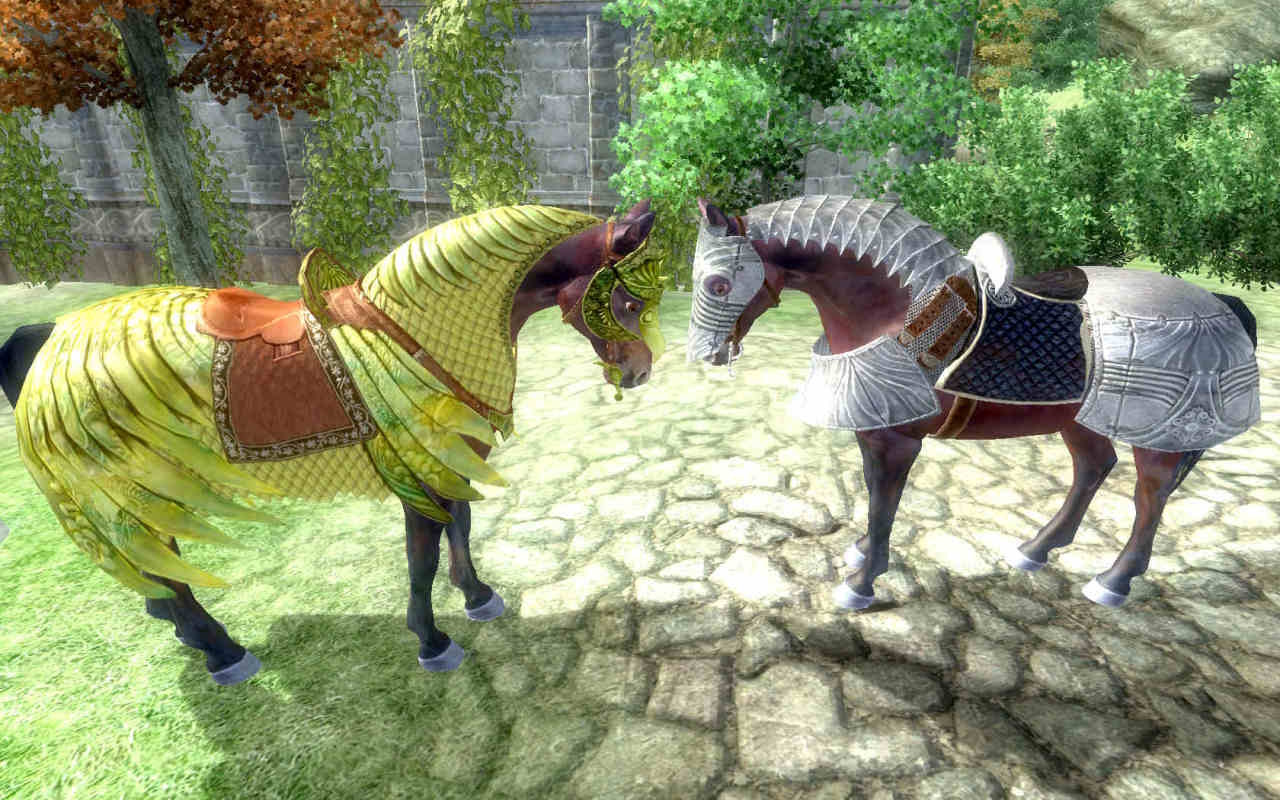
In April 2006, Bethesda released Oblivion’s horse armour DLC – one of the first pieces of small-scale cosmetic DLC for a single-player game. And the company was roundly criticised for trying to sell such a tiny and meaningless piece of content. Unfortunately for us all, and despite the relentless attacks from critics, the horse armour DLC sold reasonably well – well enough for Bethesda to keep going down this DLC road. Look at Starfield’s utterly disgusting in-game marketplace – which resembles something out of a free-to-play mobile game – to see where this approach ultimately led the company.
Other corporations in the games industry took note of both the backlash to, and the financial success of, Bethesda’s horse armour DLC… and it’s not unfair to say it was a harbinger of things to come. Many games now launch with little pieces of content hacked off to be sold separately, and it’s gotten so bad that I daresay most people won’t even bat an eye at the Oblivion remaster coming with a “deluxe edition.” But I’m afraid I do – I didn’t like it in 2006 and I like it even less now. Bethesda is, I would argue, one of the guiltiest parties in the games industry when it comes to pushing for and normalising the idea of single-player microtransactions – and that’s something which can quite literally ruin a game for me.
The original Oblivion’s horse armour DLC was incredibly controversial in 2006.
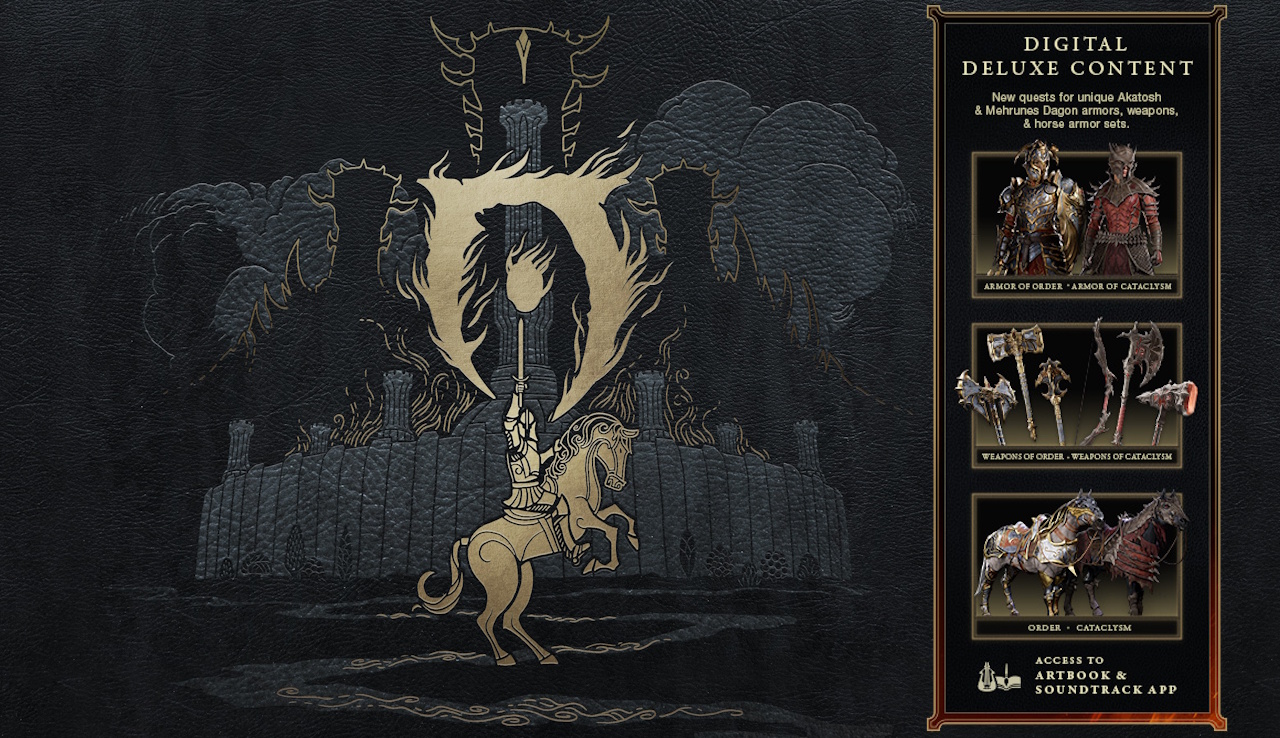
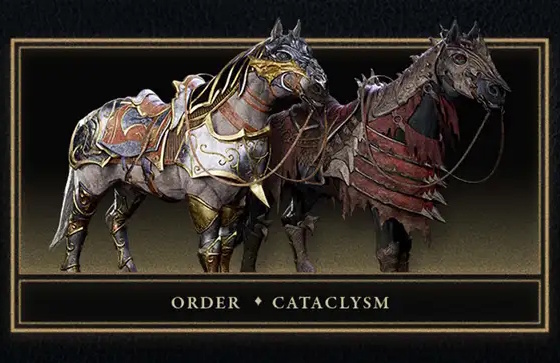
So the Oblivion remaster is launching with an expensive £10 “deluxe edition.” Contained within that is the typical bullshit you might expect: a collection of JPEGs that self-importantly claims to be an “art book,” the game’s soundtrack, and… wait, what’s that? Surely it can’t be… horse armour? Bethesda wouldn’t do that again, surely? But it is. It’s horse armour.
Oh piss off, Bethesda.
Seriously? After all of the controversy in 2006, with horse armour becoming the quintessential example of bad-value DLC, you’re really going to do this again? It must be a joke, right? A self-aware nod and wink to fans and players. But Bethesda is still earnestly asking you to cough up an additional £10 to access this “deluxe edition” content, complete with horse armour.
We’re really doing this again, huh?
I could be wrong, because I haven’t played Oblivion in more than fifteen years at this point, but the “deluxe edition” horse armour in this remastered version doesn’t look the same as the original 2006 version. But is that because it’s brand-new content or is that just the way it looks in the remastered version? Visuals have changed across the board, so I genuinely can’t tell at a glance. If it’s brand-new, I guess that’s at least marginally better. But if this is the original horse armour updated for the remaster, still being sold separately… I mean. I’m at a loss for words.
Super Extra-Special Platinum Premium Deluxe Editions of most games are usually poor value. Worse, they carve out content that was developed alongside the main game and fully-integrated into it to be sold separately for extra cash. I really do miss the days when games came feature-complete out of the box, and when expansion packs added a meaningful amount of content. But to sell a “deluxe edition” for a twenty-year-old game which is already retailing for £50 is piss-poor from Bethesda. And that’s not even mentioning that this “deluxe edition” contains the poster child for bad-value DLC; horse armour was received so universally poorly that it became a meme and remains the textbook example of this kind of single-player microtransaction to this day. Heck, I’ve used horse armour as an example of a shitty microtransaction on several occasions here on the website.
Staff at Virtuos working on the Oblivion remaster.
I thought it was a joke when I first saw the leaked image of Oblivion’s “deluxe edition.” I could believe that Bethesda and Xbox would be greedy enough to create a poor-value “deluxe edition” of a twenty-year-old game, but when I saw the horse armour bit… I genuinely thought it must’ve been a joke. It looked like something a troll had mocked up to poke fun at Bethesda and the old controversy. But no, this is real. It’s 2025 and Bethesda is asking you to pay extra for horse armour in Oblivion all over again.
I think the Oblivion remaster looks good. The presentation that Bethesda and Virtuos put together was genuinely entertaining, and the people involved all seem to be passionate Elder Scrolls players and fans. That leads me to believe the game is in good hands. I’m a Game Pass subscriber, and the Oblivion remaster is available there, so it felt like a no-brainer to fire it up and step back into that world for the first time in more than fifteen years. But this “deluxe edition” has really taken the shine off the game for me. I don’t know if anyone else cares as much as I do; this doesn’t feel like a Nintendo Switch 2 type of situation, where the price is overshadowing everything else. But would it really have been such a financial hardship for Bethesda to offer the “art book,” soundtrack, and fucking horse armour as freebies? Is that content worth £10 to anyone?
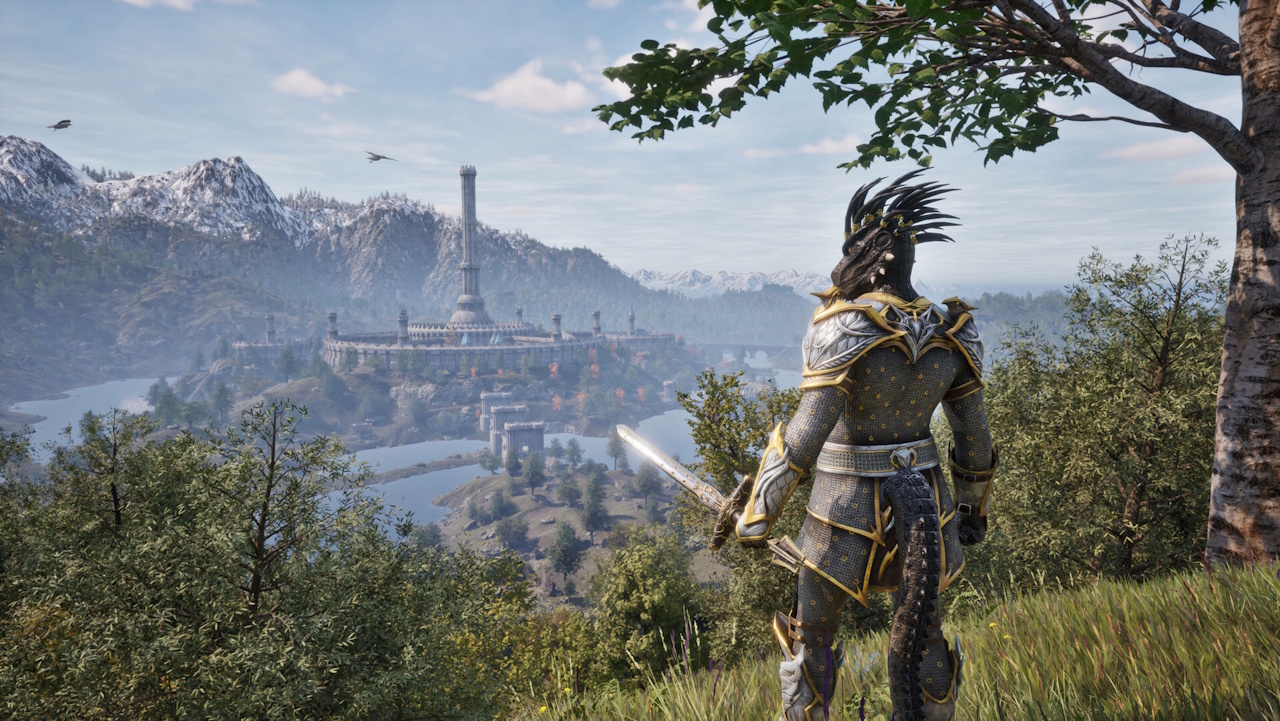
A promotional screenshot of the Oblivion remaster.
Bethesda could really use a win right now. The company has endured basically a decade of controversy, with Fallout 4, Fallout 76, Starfield, and even some of its mobile games all having issues and being criticised. With The Elder Scrolls VI still years away, this launch of the Oblivion remaster was a chance to get people talking about the company and its games more positively for a change. It was an opportunity to remind players why they liked Bethesda’s games to begin with, as well as to keep the series in our minds as production on The Elder Scrolls VI continues. I can’t help but feel this “deluxe edition” greed is getting in the way of that, at least somewhat.
And I have to ask: was it worth it? This article could’ve been titled something like “Bethesda stuns everyone by shadow-dropping a remastered version of Oblivion!” and I could’ve spent this time talking about my memories of the game, what I like best about the remaster, and how cool it is in 2025 to see a big game being released immediately after its announcement. Instead, we’re talking about horse armour again, and how Bethesda is a greedy, money-grubbing company. We could’ve been reminded of what Bethesda games were when they were close to their best, but instead we’re reminded more of Starfield’s microtransactions than Oblivion’s storytelling.
I’m gonna play the Oblivion remaster, I’m gonna try to push the stupid “deluxe edition” out of my thoughts, and if I’m lucky (and if Virtuos hasn’t screwed things up) I daresay I’ll have a fun time getting lost in the world of Tamriel all over again. But I’m disappointed that the game launched like this, and I really don’t think it would’ve been too much to ask to include those tiny pieces of content in the already-expensive price of the remaster.
The Elder Scrolls IV: Oblivion Remastered is out now for PC, PlayStation 5, and Xbox Series S & X. The game is also available on PC Game Pass and Xbox Game Pass. The Elder Scrolls IV: Oblivion Remastered is the copyright of Bethesda Game Studios, Virtuos Games, Xbox Game Studios, and/or Microsoft. This article contains the thoughts and opinions of one person only and is not intended to cause any offence.
A few months ago, I put together a list of “hot takes” about video games. As much as I enjoy gaming as a hobby, there are things that annoy me and things to criticise! There were a few other things that I considered including, but they didn’t really fit with that list. These “hot takes” have less to do with games themselves and more to do with the games industry, development, and gaming as a whole – so that’s what we’re going to discuss today!
Whenever I use the term “hot take” it’s because I’m acutely aware that we’re talking about something contentious! So before we get started, let’s re-emphasise that: these are all topics of debate among players and critics, and mine may well be the minority position. I don’t pretend to be 100% right, and I welcome disagreements and differences of opinion.
Let’s not throw a tantrum if we disagree, okay?
I worked in the games industry for close to a decade, and I worked with large and small games companies in that time. I’ve got a bit of a feel for how development works from the time I spent “on the inside,” and I know that developers are passionate people who care deeply about their art. But that doesn’t mean games get a free pass; a bad game is a bad game, no matter how well-intentioned it may have been!
As I always like to say: all of this is just the subjective opinion of one player, and I believe that there should be enough room in the community for differences of opinion and respectful disagreement. The topics we’re going to get into today are the subject of discussion and debate, and there isn’t a right answer – just opinions.
If you aren’t in the right headspace to see some potentially controversial games industry opinions, this is your final chance to nope out – because we’re about to jump into the list!
“Hot Take” #1: “Game development is hard” isn’t an excuse for selling a sub-par title.
A lot of people work really hard on some absolutely shite games…
Speaking as both a player and as someone who used to work in the industry, believe me when I say that I get it. Game development is undeniably difficult, it isn’t straightforward, and there are many, many reasons why a game may not be as good, enjoyable, or polished as we’d like it to be. There can be problems getting an engine to work, fixing one bug might cause ten more to pop up elsewhere, and the more complex and in-depth a title is, the greater the chance of these kinds of issues occurring. Publishers and corporations also meddle, moving the goalposts and pushing developers to hit unreasonable deadlines. So I get it. But that doesn’t make “development is hard” a good enough excuse.
Here’s a helpful analogy: suppose I buy a house, move in, and every time I turn on the washing machine, the electric goes off. Then when I ring the electrician, he basically says “wiring a house is really hard. You wouldn’t get it because you aren’t an electrician.” That’s not an excuse. If I go to a bakery and the bread is stale and mouldy, I likewise wouldn’t accept the excuses that “baking is really difficult,” or “running a business and keeping track of sell-by dates is hard.” The same basic principle applies to video games.
You wouldn’t accept sub-par bread from a baker, so why should you accept a sub-par game from a developer?
I will acknowledge and agree that game development is hard, and that bigger games are harder to make; it’s an almost exponential scale of difficulty. But trying your best and failing is still failing, and in a competitive marketplace where most games aren’t free, if you release a sub-par, broken, uninspired, or inferior game, you’re gonna get called out for it. Media criticism exists for this purpose, and just because a critic has never worked in the games industry or has no experience with development doesn’t invalidate their criticism.
When a game is listed for sale, even if it’s discounted or at a low price, players still have expectations – and those expectations aren’t “wrong” just because they didn’t see how hard the game was to create. If you’re a brand-new developer releasing your first-ever game for free and asking for feedback, then maybe some of the harshest words should be held back. But this asinine argument is too often made by publishers and executives who work for massive companies. When a game underperforms, they trot out the trusty old “game development is hard” argument as a rebuttal to critics.
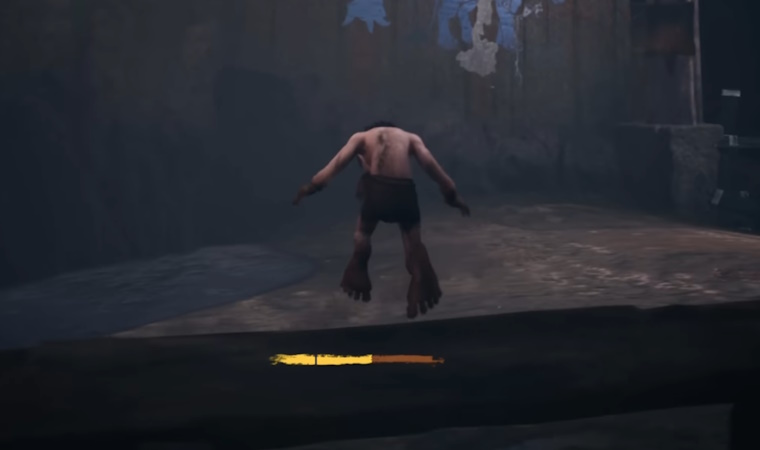
The Lord of the Rings: Gollum was widely criticised upon its release for being riddled with bugs and glitches.
In no other business or industry would customers be told that “my job is hard, you should be grateful for what you got” as a response to genuine criticism. Selling a game that’s outdated, riddled with glitches, or just not fun can’t be excused in this way, and developers – no matter how hard they may have worked and no matter what programming hurdles they may have had to overcome – have to accept that. Criticism is inevitable in entertainment and media, and even if a developer had created an impossibly perfect game, there’d still be players who didn’t like it in whole or in part, or who just weren’t interested in its narrative or its gameplay. That’s unavoidable.
Some developers and studios actively make things worse for themselves by trying to respond to criticism in this way. It never works, it never succeeds at garnering sympathy, and practically zero players come away from this conversation having more positive thoughts about the game. It’s an argument that needs to go away, and developers and publishers should think long and hard before reacting to genuine criticism with this irritating whine.
“Hot Take” #2: Subscriptions are happening and physical discs and cartridges are dying out.
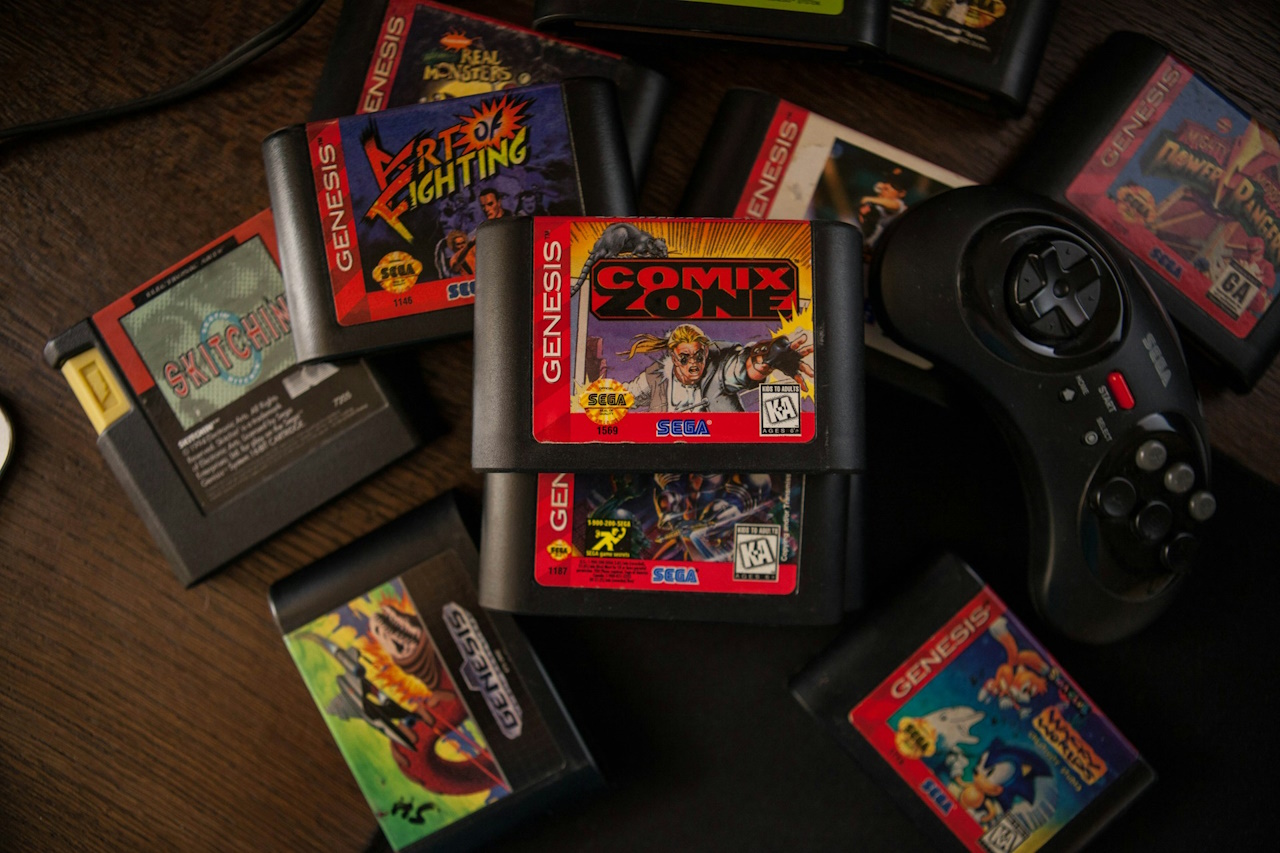
A selection of Sega Mega Drive game cartridges.
This is a subject I’ve tackled before in a longer column here on the website. In that piece I took a look at the media landscape in general, talking about how the move away from physical media started with music, then moved to film and TV, and is now belatedly arriving in gaming, too. You can find that piece by clicking or tapping here, if you’re interested! But for the games industry specifically, a move away from discs and cartridges has been happening for a long time – and the rise of subscriptions could well be the final nail in the coffin.
In the very early days, no one owned a video game outright. If you wanted to play a game, you had to go to where the games were: an arcade. It was only with the growth of home consoles in the ’80s that physically owning a video game became possible for a mainstream audience, and even then, renting games or even whole systems was still a big deal. Many of the SNES, Nintendo 64, and Dreamcast games that I played in through the ’90s and into the new millennium were rented, not purchased outright. The idea of owning a massive media library is, when you think about it, a relatively new phenomenon that was kicked into a higher gear when DVD box sets became a thing in the mid-2000s.
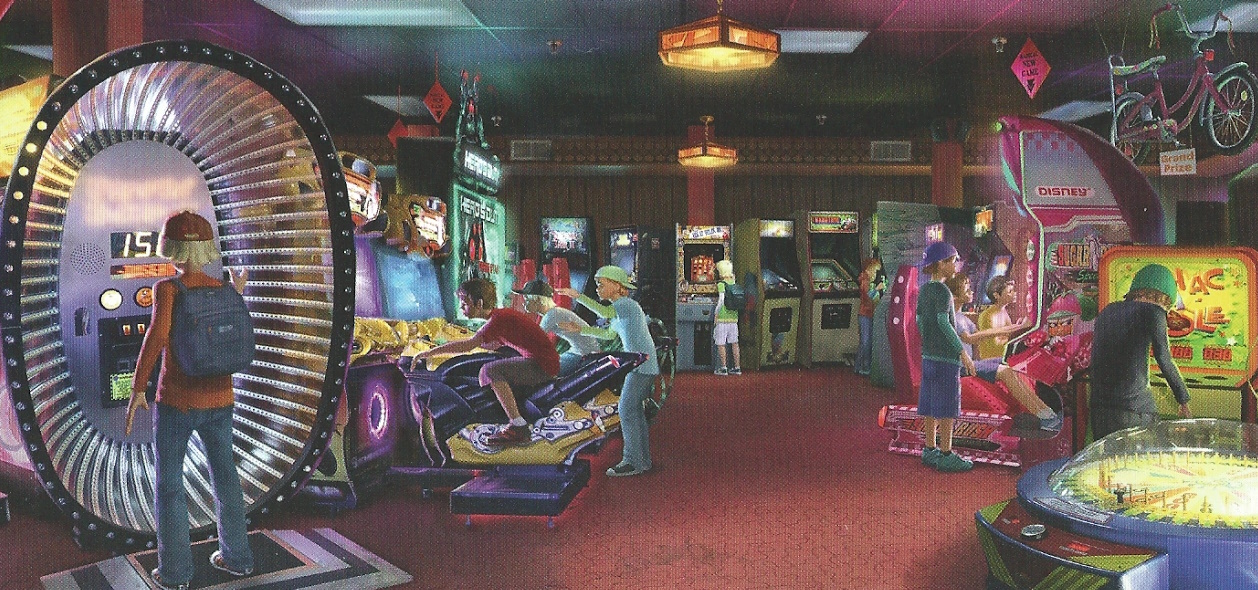
Arcades (like this one from Wreck-It Ralph) used to be the only place to play video games.
In that sense, we could argue that subscriptions aren’t “changing” the way people engage with media, they’re just a return to the 20th Century status quo. For much of the history of film, television, music, and gaming, audiences have had a temporary or impermanent relationship with media… and to me, that’s absolutely fine. It’s a trade-off I and many other players are happy to make.
I could probably count on my fingers the number of games I’d want a permanent hard copy of… because most games aren’t gonna be played on a loop forever nor returned to every few months. Just like when I used to rent SNES and N64 games in the ’90s, I’m totally okay with not having a huge library of titles gathering dust on a shelf (or metaphorical dust in a digital library), because once I’ve beaten a title like Donkey Kong 64 or Bioshock, I’m in no rush to play them again.
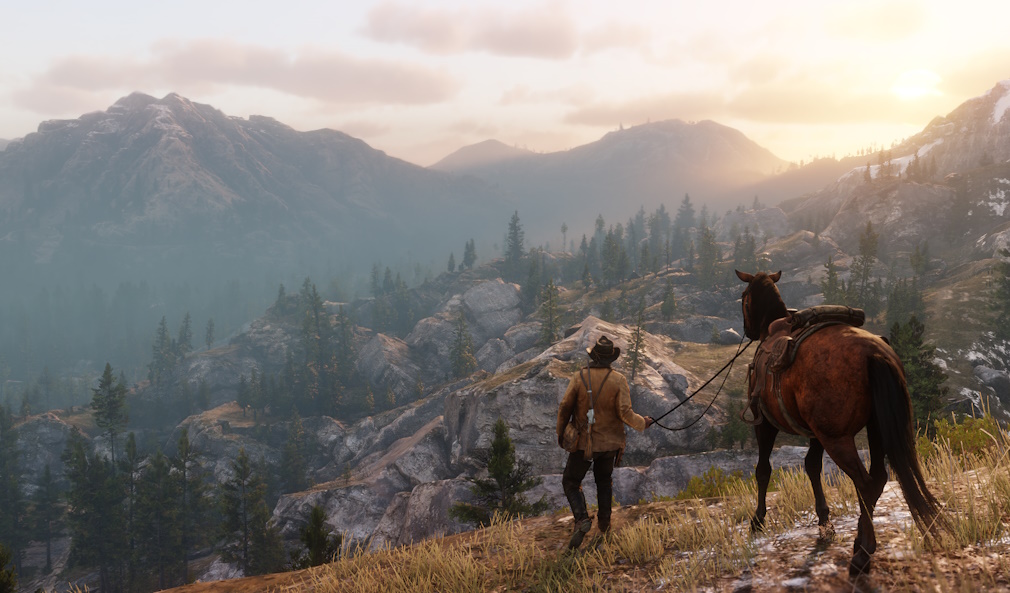
Red Dead Redemption II is one of just a handful of games I might conceivably want a hard copy of.
Speaking as someone on a low income, subscription services like Netflix and Xbox Game Pass open up a huge library of titles to me – allowing me to play more games than I’d ever be able to afford if I had to buy or even rent them individually. I’ve played dozens of games over the past couple of years that I’d never have bought for myself, and some of them have become personal favourites. Subscriptions like Game Pass are a great way into gaming for players on a budget – because for a single monthly fee a huge library of titles become available.
If the trade-off for that is that titles are occasionally removed from the platform and become unplayable… well, I’m okay with that. And for one-in-a-generation masterpieces like Red Dead Redemption II or Baldur’s Gate 3, I’m happy to splash out. When you consider that an annual subscription to Game Pass is more or less the same price as buying one or two games… you start to see why people are choosing to sign up. I wouldn’t be surprised at all if Xbox, PlayStation, or both choose to go all-digital later in the decade when their next-generation machines are ready.
“Hot Take” #3: Microtransactions have no place in single-player games.
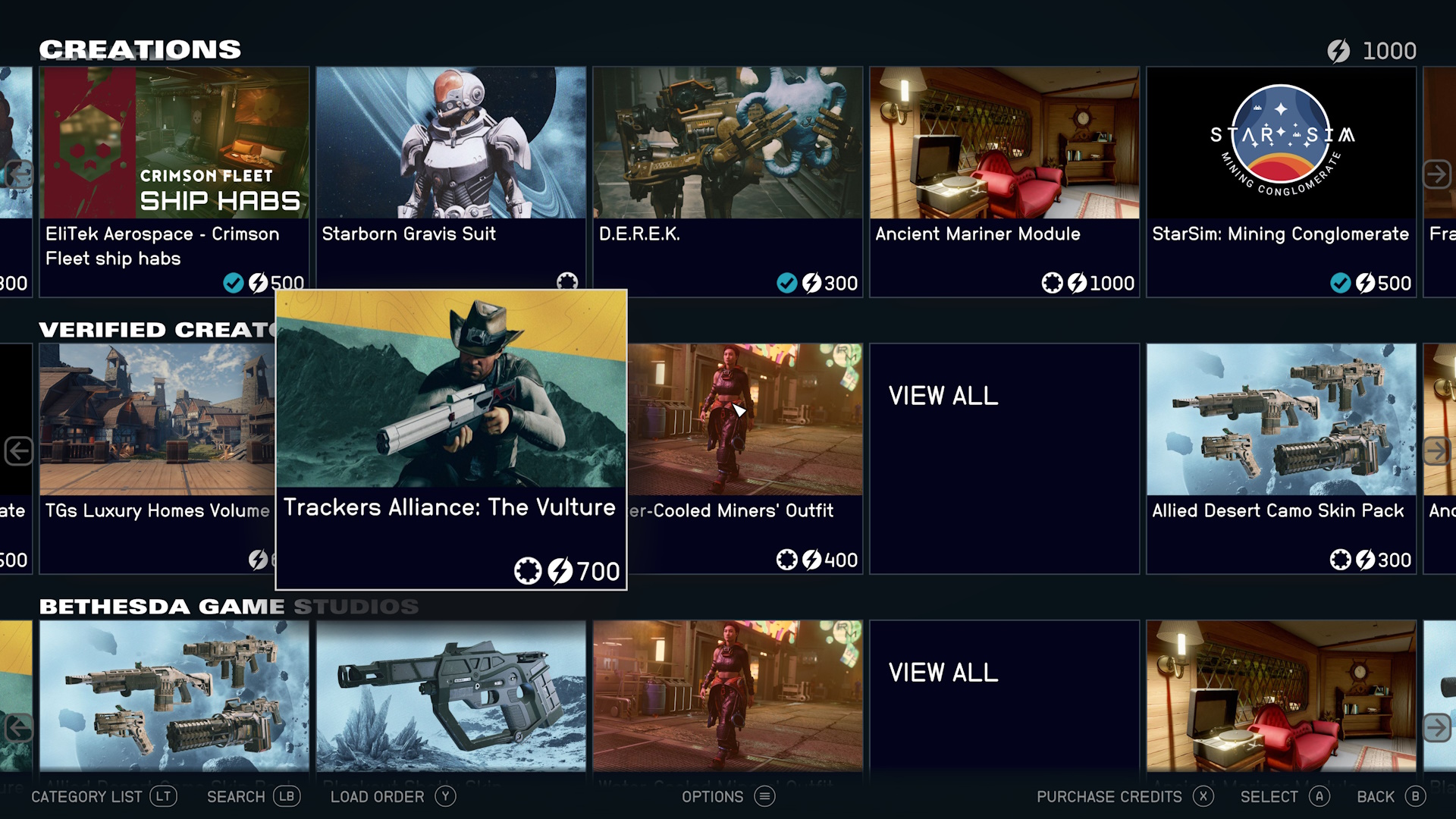
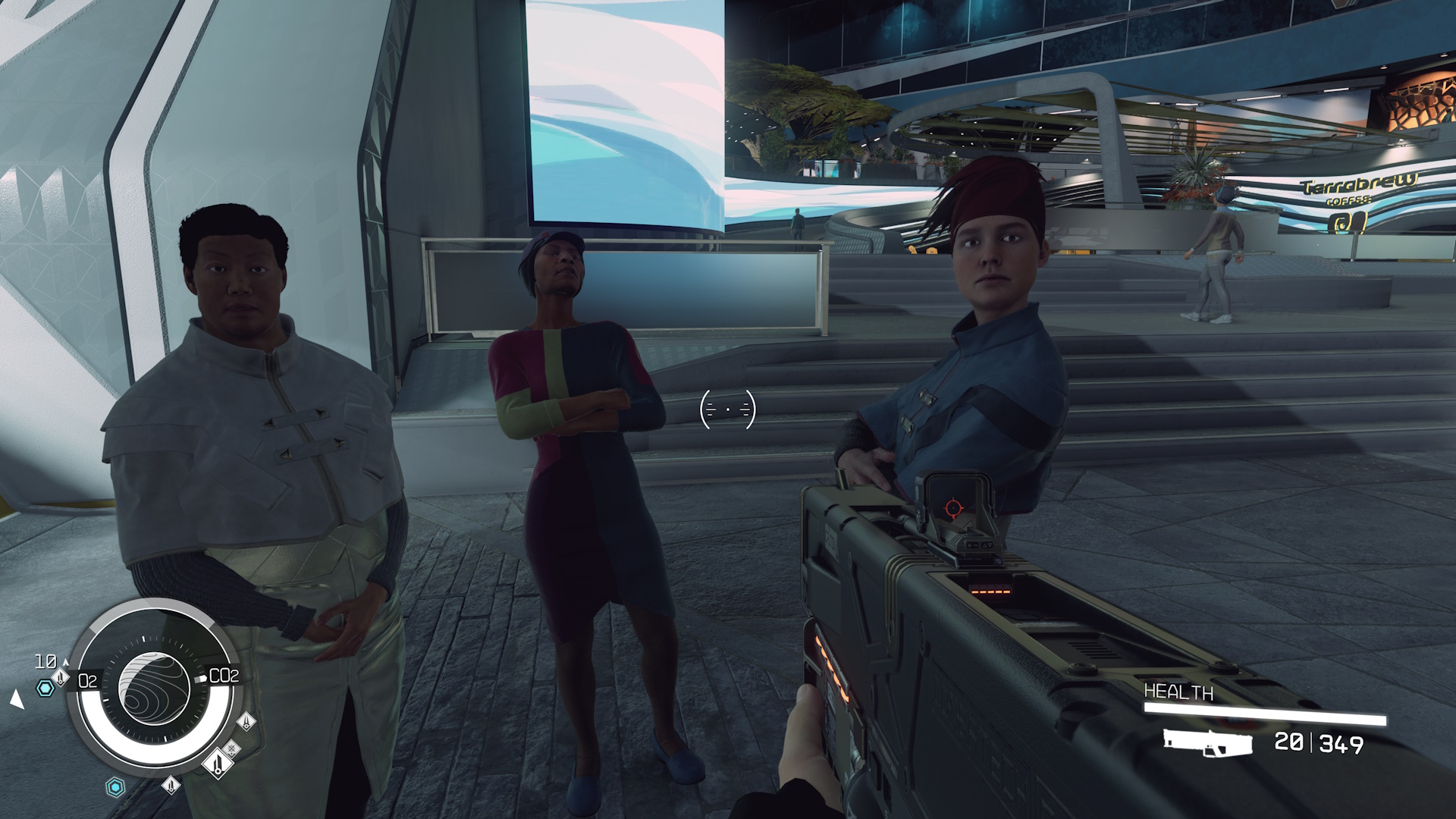
*cough* Starfield *cough*
I’m not wild about microtransactions in general – but in online multiplayer games and especially free-to-play titles, I accept that they’re an established funding model. They should still be regulated and prevented from being exploitative, but in those genres the microtransaction model seems to work well enough. But in a single-player game? Microtransactions need to GTFO.
Going back decades, games have released expansion packs – and large pieces of content that add new maps, quests, characters, and so on are usually okay. Look at something like Morrowind’s expansion Bloodmoon, or a more recent example like Phantom Liberty for Cyberpunk 2077. These are the kinds of expansion packs that have always been okay. Some are better than others, sure, and some expansions offer much more in terms of value. But as a general rule, I’m okay with expansion packs.
Phantom Liberty is a great example of an expansion pack that offers good value.
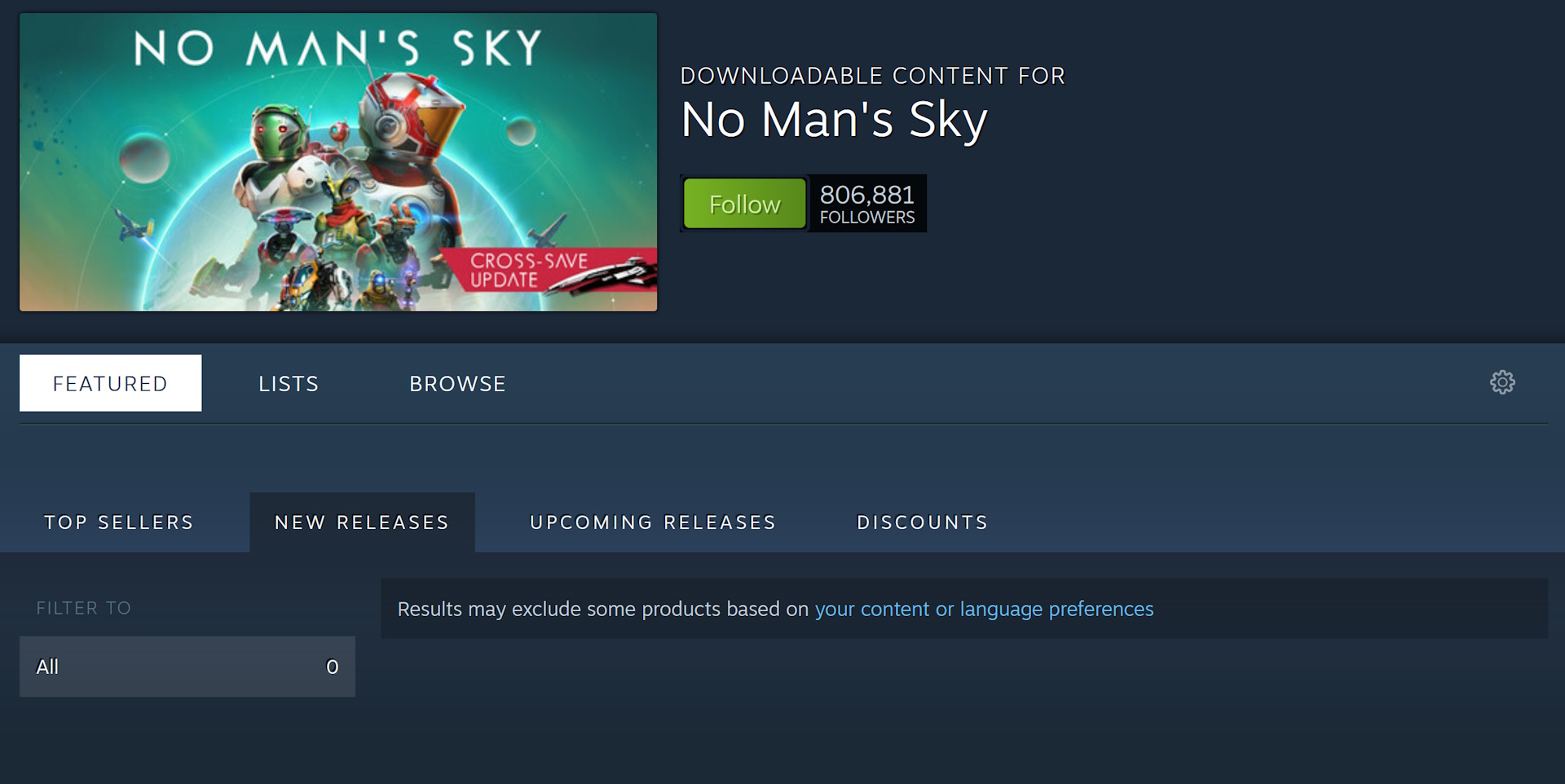
But in a single-player game, I shouldn’t be asked to purchase a “premium currency,” weapon skins, cosmetic items, and so forth. These microtransactions have no place in a single-player title, and there’s no excuse for adding them in other than pure, unadulterated greed. If a game like No Man’s Sky can remain profitable for Hello Games for close to a decade without charging for a single additional piece of content, there’s no excuse for the disgusting in-game marketplace in a title like Starfield.
I love a game with cosmetic customisation. Making my character feel personal to me goes a long way to enhancing the experience and making my playthrough feel like “mine,” so I enjoy having the option to change a hairstyle, outfit, or do things like re-paint a vehicle. But these things are an integral part of the game experience – not something to charge extra for. Exploiting players by locking basic items behind a paywall is despicable – and that’s before we say anything about “XP boosters,” damage multipliers, and other pay-to-win or pay-to-skip-the-grind items.
Oh look, it’s all of the DLC available for No Man’s Sky…
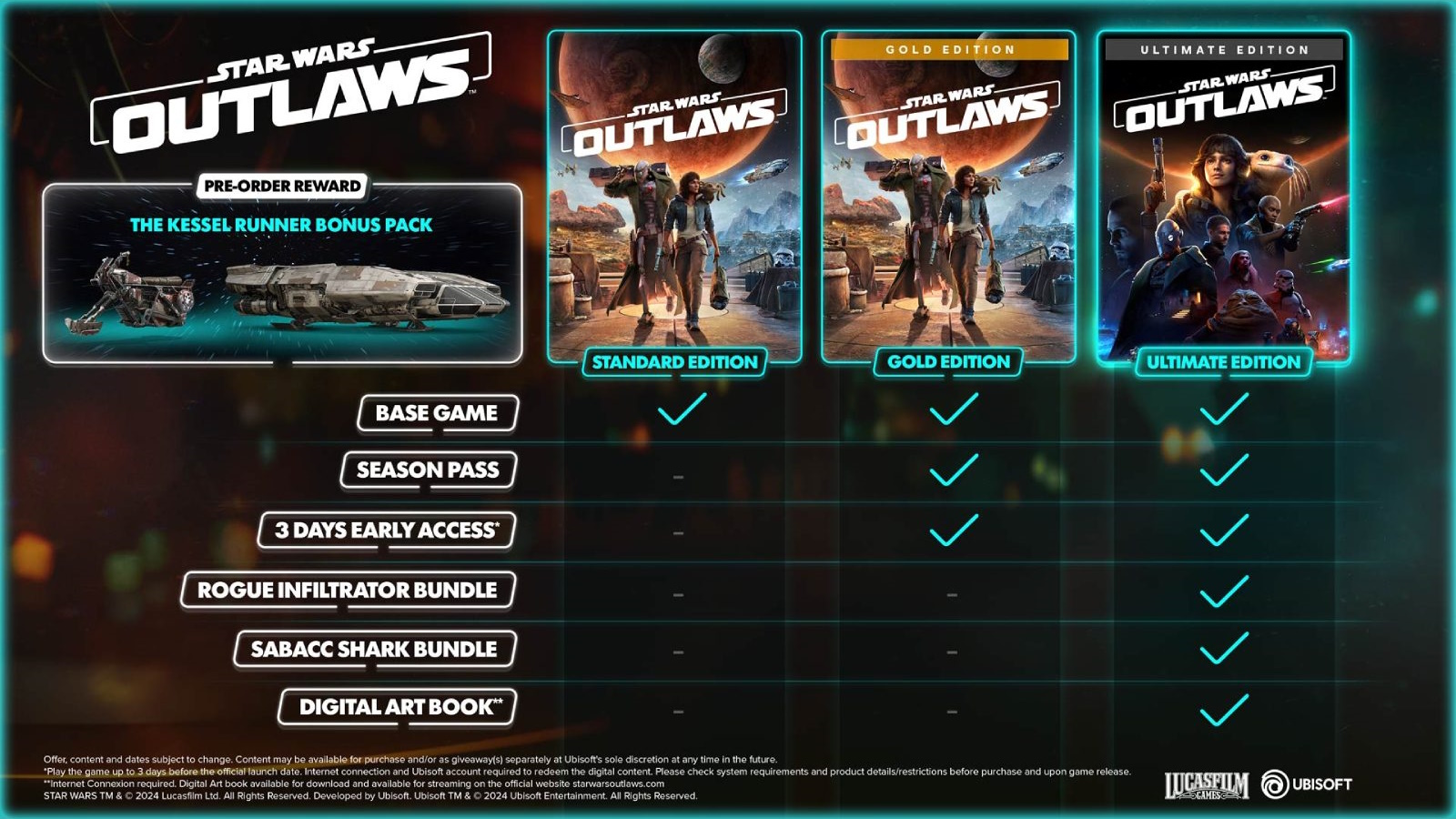
I’ll also include in this category “super premium deluxe editions” of games that come with exclusive content. You might think that Han Solo’s vest in Star Wars Outlaws is okay to lock behind a paywall, but some games do this with whole quests. Hogwarts Legacy infamously locked an entire mission behind a paywall, and it’s far from the only game to have done so in recent years. Offering an in-game item as a pre-order bonus is one thing, locking a whole chest full of items and even pieces of gameplay behind an expensive “luxury edition” that can easily run to $100 or more is just scummy.
If I’m paying full price for a game, I don’t expect that game to reach into my wallet and try to grab even more cash every time I want to use a consumable item or change my character’s appearance. I tend to avoid online multiplayer games, where this phenomenon primarily exists, but inserting a microtransaction marketplace into a single-player game where it has absolutely no business being is enough to make me uninstall that title and never return to it. I’ll even refund it if I can. Some studios have even taken to concealing in-game marketplaces at launch, hoping to garner better reviews and more sales, before adding them in a few weeks or months later. Truly disgusting stuff.
“Hot Take” #4: You aren’t paying for “early access,” you’re being charged an additional fee to play the game on its real release date.
An example of what I’m talking about.
“Early access” is controversial in general, but let me just say before we start that I’m generally supportive of smaller studios and indie developers using early access as a way to get feedback and even to keep the lights on during what can be a difficult process. I very rarely touch an early access title, but independent devs should always feel free to use whatever tools are available to them, including launching an early access version of their game. But that’s where my patience with early access ends.
Recently we’ve seen two pretty shitty trends in the games industry: firstly, massive studios backed up by big publishers have been abusing early access, sometimes leaving a game officially unreleased for four, five, or six years, charging almost full price for it all the while. And secondly, the issue we’re looking at today: “early” access for an extra charge.
Ubisoft wanted to charge players an extortionate amount of money to play Star Wars Outlaws on its real release date.
This kind of “early” access usually grants players access to a game a few days or maybe a week ahead of its official release date, but by that point the game is finished and should be ready to go. The “early” version that players get is usually no different from the launch version, and there’s no time for a studio to act on player feedback or patch bugs. This is a scam, plain and simple, and an excuse for wringing even more money out of players.
If a game launches on the 1st of September for players who pay £100, and the 6th of September for players who “only” pay £65, then the release date is the 1st of September. They’ve just charged more to players who want to play on release day – or, if you flip things around, deliberately penalised players who didn’t splash the extra cash. These versions of games – which I think we should call “real release date” versions – are often $20, $30, or $40 more expensive than their delayed counterparts.
And who has that kind of money to waste these days?
Buying a game on day one is a risk nowadays. So many games – even those that go on to be hailed as masterpieces – arrive on launch day with bugs, glitches, and other problems. So paying extra to play what is almost always a demonstrably shittier version of a game just feels… stupid. I’ve been burned by this before, and just as with pre-orders, I’ve sworn to never again pay for so-called “early” access.
I’d like to see digital stores like Steam, Epic Games, and ideally Xbox and PlayStation too clamp down on this practice. Early access should be reserved for studios that need it, and charging players extra to play a game on release day is something that should be banned outright.
There have been some fantastic games released over the last few years. Red Dead Redemption II, Baldur’s Gate 3, and Kena: Bridge of Spirits all come to mind in the single-player space, but I’m sure you have your own favourite. These games are, in a word, masterpieces; titles that did everything right and are rightly considered to be at the very pinnacle of not only their genres but video games as an art form in general. So… if your game doesn’t get that kind of glowing reception, whose fault is it?
Some developers think it’s the fault of players, and that we’ve had our expectations set “too high.” They argue that it was unrealistic to expect their game to be as engaging or entertaining as others in the genre, and we should be grateful for what we got. They worked hard on it, after all.
I wonder which game might’ve prompted this “hot take.”
The tl;dr is this: it isn’t the fault of players if they don’t like your game – it’s yours. Complaining about high expectations makes no sense when other titles have demonstrably been able to meet and even exceed those expectations, so if you learned nothing from your competition, once again that isn’t anyone else’s fault but yours! That’s to say nothing of the out-of-control and frequently dishonest marketing that promises players way more than the game can deliver. Studios and publishers are responsible for reining in hype and keeping their marketing honest. That, more than anything else, will help players set appropriate expectations.
I get it: it isn’t fun to be criticised or see your work picked apart. It’s even less fun to see a game you worked hard on for a long time compared negatively to another title in the same space. But to lash out at players – the people who are supposed to be your customers and the people it’s your job to entertain – just doesn’t make any sense to me. Not only is it wrong, but it also risks building up resentment and ill-will, so the next time you work on a game and get it ready for launch, players will be even more sceptical and perhaps even quicker to criticise.
This is a problem exacerbated by social media.
Thankfully, it isn’t all developers who say this – at least not in public! I heard complaints like this from time to time when I worked in the industry, but most developers I worked with were smart enough to keep such thoughts to themselves if they had them. So we’re fortunate that it’s only a minority of developers who take this argument into the public square.
Some developers need to get off social media. Social media is a great tool, don’t get me wrong, and being able to communicate directly with players can be useful in some situations. But if a developer is so thin-skinned that they feel the need to react in real-time and respond to every armchair critic and Twitter troll… that can’t be good for them, and it certainly isn’t good for the company they work for. For their own good, some developers need to shut down their social media profiles!
So that’s it… for now!
I hope this wasn’t too controversial!
I’m always finding more “hot takes” and things to criticise in the games industry, so I daresay this won’t be the last time I put together a piece like this one! Despite what I’ve said today, I still really enjoy gaming as a hobby and I find there are far more positives than negatives. And if you hated all of my points, just remember that all of this is the entirely subjective opinion of a single old gamer.
So I hope this has been a bit of fun… and maybe a little thought-provoking in places, too. If you don’t agree with any of my points that’s totally okay! I tried my best to present my arguments as articulately as possible, but these are “hot takes” so I’m sure plenty of people can and will disagree with all of them. If I gave you a chuckle or you found this discussion interesting in some way, then I reckon I’ve done my job!
Until next time… and happy gaming!
All titles discussed above are the copyright of their respective publisher, studio, and/or developer. This article contains the thoughts and opinions of one person only and is not intended to cause any offence.
Spoiler Warning: Minor spoilers may be present for Baldur’s Gate 3 and Starfield.
I’ll get into this in more detail in my review of Baldur’s Gate 3 – which is currently a work in progress – but I came to Larian’s Dungeons and Dragons CRPG with basically no expectations at all. The game wasn’t one that had been on my radar, I don’t know the first thing about Dungeons and Dragons, and the primary reason I picked it up is because it happened to be well-timed, releasing just as the hype train for Starfield has been building. I was looking for a new game to play, and Baldur’s Gate 3 reared its head, backed up by plenty of positive reviews. It felt like the right game at the right time – but little more than a way to kill some time while waiting for the real prize: Starfield.
Suffice to say, I undervalued Baldur’s Gate 3 in a pretty big way! The game is fantastic, as you’ve no doubt heard from other reviewers, and although I can’t call it “perfect,” it’s certainly the best game I’ve played in 2023 so far. It will absolutely rival Starfield for the coveted “Trekking with Dennis Award” come December, and if Starfield should falter… well, maybe it’ll even pip it to the post and scoop the prize. I wouldn’t have expected that even just a couple of weeks ago.
A promo screenshot of Baldur’s Gate 3.
There are two things that Baldur’s Gate 3 has done well that Bethesda needs to consider when it comes to Starfield. The first is microtransactions. There aren’t any in Baldur’s Gate 3, and that’s in spite of comparable titles like Diablo IV positively drowning in them. As I’ve noted more than once, we haven’t yet had confirmation from Bethesda that Starfield will be free from microtransactions, season passes, lootboxes, premium currencies, and other shit-smeared trappings of the modern video games industry.
Secondly, while I have encountered a few glitches and bugs in my thirty-plus hours with Baldur’s Gate 3, the game is complete and pretty polished. The main quest is complete, side missions and character quests are all unique and interesting, and the state of the game overall is pretty darn good. The main mechanics and systems it employs, from magic and spellcasting to combat and exploration, all work well, and there are plenty of choices that genuinely have an impact on the game world.
A relatively minor visual bug that I encountered in Baldur’s Gate 3.
Bethesda has acquired a reputation over the years, and it’s well-deserved. Major Bethesda releases, from Oblivion to Fallout 76, have all arrived with bugs and glitches to varying degrees. Bethesda’s publishing arm is also responsible for the likes of Redfall, a title ridiculed for its broken state earlier this year. While Baldur’s Gate 3 isn’t entirely bug-free, it’s on a completely different scale from any of Bethesda’s launches.
The microtransaction issue is already one that I’ve been sceptical about when it comes to Starfield. Well before the game has even launched, Bethesda has already been touting the first piece of story DLC, an expensive £25 add-on. Expansion packs are no bad thing, don’t get me wrong, but it’s disappointing to see Bethesda leaning into add-ons and DLC so early in Starfield’s life. In contrast, Baldur’s Gate 3 may not have any DLC at all, with Larian potentially moving on to their next project instead, regarding the game and its story as complete.
Diablo IV has an awful and aggressive in-game monetisation scheme. Let’s hope Starfield follows the Baldur’s Gate 3 model…
The games are very different from one another. Baldur’s Gate 3 is a CRPG – a throwback, in many ways, to a style of game that has fallen out of fashion over the past twenty years or so. It employs turn-based combat, a third-person or isometric camera, and a game world broken up into several large regions (or levels) to accompany its three-act narrative.
Starfield, in contrast, is very much an action-RPG or even an RPG/shooter, with real-time combat inspired by the likes of id Software’s recent Doom and Doom Eternal titles. Although a third-person view is available, Bethesda has stated that the game is intended to primarily be played from a first-person perspective, and the game’s “open galaxy” map, while broken up into star systems and planets, isn’t split into sections or levels in the way that the map is in Baldur’s Gate 3. Starfield is also a sci-fi title to Baldur’s Gate 3′s fantasy setting.
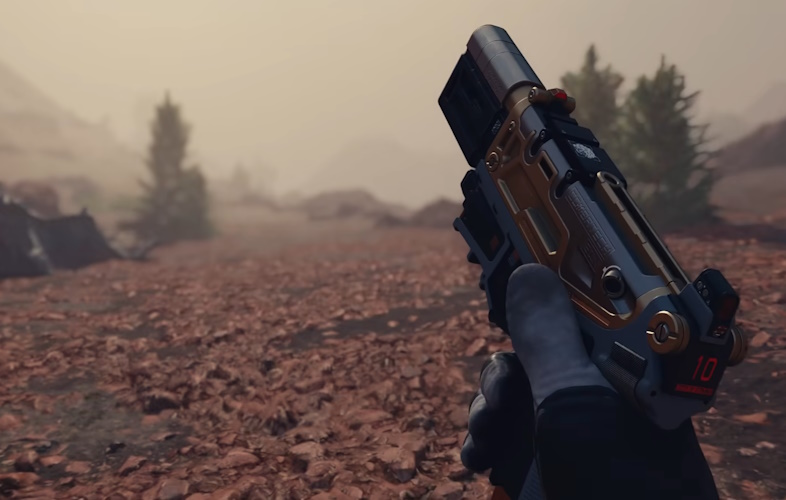
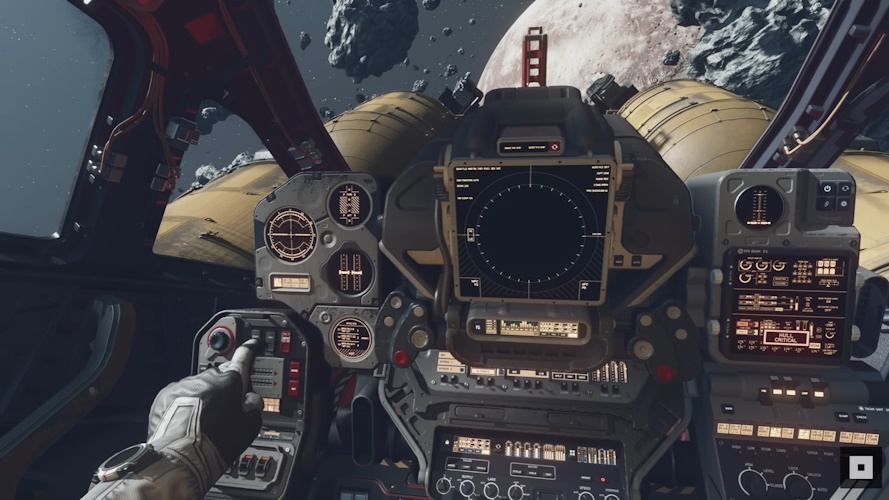
Starfield will be a different kind of game – but with comparable features.
But there are plenty of similarities, too. Both games are role-playing experiences, both have skills to unlock, character progression, and both aim to tell expansive single-player stories complete with engaging characters, main and secondary quests to follow, and more. Though the comparison is not a direct one between two games with identical styles… it’s close enough that many Baldur’s Gate 3 players may be intending to play Starfield. In fact, Larian Studios deliberately moved up the release date of Baldur’s Gate 3 by more than a month to avoid a clash with Starfield.
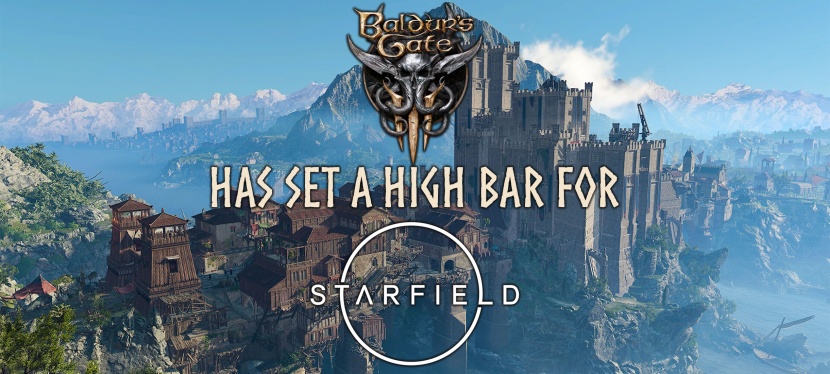
So when I say that Baldur’s Gate 3 has set a high bar, I mean it. Coming just a few weeks apart, comparisons between the two games will be inevitable – and if Starfield should suffer a bumpy launch for any reason, those comparisons may not be favourable. Baldur’s Gate 3 will also be launching on PlayStation 5 the same week as Starfield arrives on PC and Xbox, so there’ll be a flood of new players joining the party. PlayStation fans may feel less bad at missing out on Starfield if Baldur’s Gate 3 is being heralded as the “better” title.
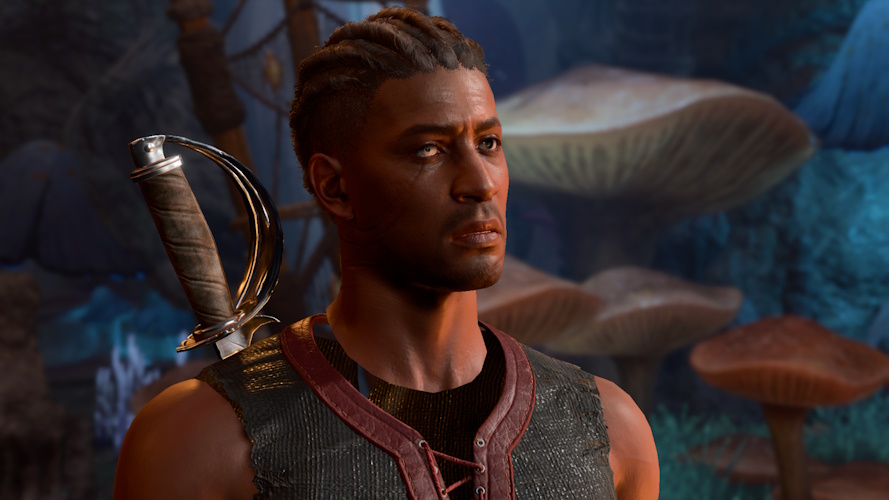
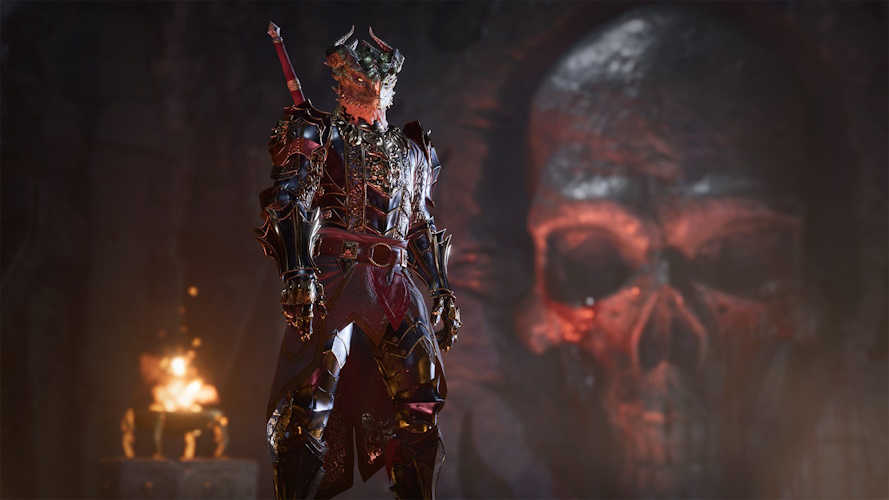
Baldur’s Gate 3 promo screenshot featuring a dragonborn warrior.
But we mustn’t get too far ahead of ourselves! It’s perfectly reasonable to suggest that players can enjoy one or both games on their own merit, without needing to “pick a side” or say which one is somehow “objectively better.” I want Starfield to be a fun experience – at least as much fun as Baldur’s Gate 3 has been for me over the past couple of weeks. But I recognise that, with the games releasing so close to one another, my impressions of Starfield – particularly insofar as how complete and polished it feels – will be coloured by my experience of Baldur’s Gate 3.
So… here’s the difficult part. In 2022, I praised Xbox and Bethesda for delaying Starfield. If the game needed more attention, more work, and more time to squash bugs and polish the experience, then a delay was unquestionably the right call. With a scant two weeks to go before Starfield’s pre-order exclusive early release, and with reviewers and publications eagerly awaiting their review copies… well, this is basically the last possible opportunity to delay the game. If Starfield should release with a level of bugs and glitches comparable in any way to the likes of Redfall or Fallout 76, not only will we lament this missed opportunity, but we’ll have those comparisons with Baldur’s Gate 3 to chew on.
Starfield was originally targeting a November 2022 release.
Whether you’ve played and enjoyed Baldur’s Gate 3 or not, and regardless of whether it’s “your thing” or not, it’s undeniable that the game has raised the stakes for Starfield, and has set a high bar indeed for other single-player role-playing games to strive for. I hope Starfield can hit it. Heck, I hope Starfield smashes through it and sets a new, even higher bar! It’s rare to get a title as fun and as consumer-friendly as Baldur’s Gate 3, so to get two in a row would be beyond fantastic. You know what they say: you wait ages for something and then two come along at once!
Where I see the biggest potential comparison is with one of my biggest concerns about Starfield: monetisation. We’re so close to Starfield’s launch, and yet Bethesda and Xbox have still failed to clarify what kind of monetisation we can expect to see in the game. Unless the answer is “none at all,” as Larian repeatedly assured players in the run-up to the launch of Baldur’s Gate 3, that will already be a disappointment. Should that monetisation extend beyond large-scale expansion packs to include things like premium currencies or lootboxes… that could spell disaster.
Bethesda and Xbox have yet to comment on microtransactions in Starfield.
What Larian has done with Baldur’s Gate 3 is something that other AAA studios should strive for. Of course it’s true that not every game can be as expansive and feature-rich as Baldur’s Gate 3… but every game should be able to take inspiration from it in different areas. Single-player games shouldn’t need in-game monetisation to turn a profit. AAA studios should be launching complete games, not broken, “release now, fix later” messes, nor games with incomplete stories and promises of “roadmaps” to more content. Larian has also shown a willingness to listen to feedback from players through an extensive early access period, and while I’m generally sceptical about big studios using early access, and of long early access periods in general, in this case it seems to have worked as intended for once.
The fact is that Baldur’s Gate 3 isn’t anything new, nor even particularly innovative. In many ways it’s actually a throwback to an older style of game that was prominent in the 1990s and early 2000s. As that kind of gameplay has fallen by the wayside in the push to open worlds, always-online experiences, and microtransactions… it feels different in 2023.
But that’s just a really sad commentary on the sorry state of the video games industry. A consumer-friendly game, one that doesn’t chase every trend going nor try to extort its players for extra cash, finds itself becoming headline news.
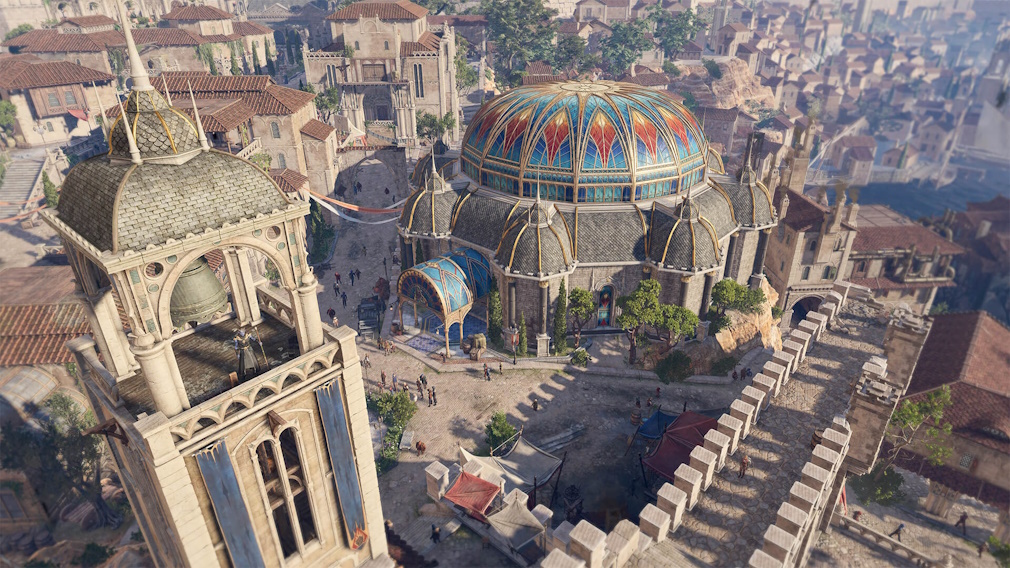
The titular city of Baldur’s Gate.
When I looked ahead to the games I was most interested to play in 2023, titles like Star Wars Jedi: Survivor, Lord of the Rings: Gollum, Redfall, Forspoken, and of course Starfield were all contenders. After several of those proved to be disappointing or underwhelming, it’s been a genuinely cathartic experience to pick up a new game and just… really enjoy playing it. That Baldur’s Gate 3 wasn’t on my radar and was thus an unexpected surprise just adds to that.
There has been chatter online and on social media about Baldur’s Gate 3 being a unique project that shouldn’t become the “industry standard” that players expect to see going forward. And there’s an element of truth to that: most games won’t be old-school CRPGs with hundreds of hours of content. But in terms of adopting consumer-friendly practices, abandoning trends when they don’t fit with the story a game is telling, and focusing on delivering a quality product… those are things that players can and should expect. Some of us never stopped asking the video games industry and its biggest corporations to deliver those things. Maybe the success of Baldur’s Gate 3 – coupled with some spectacular failures over the past few years – will finally be the catalyst that makes these corporations sit up and listen.
And as for Starfield… the bar has been well and truly raised. I can only hope that Xbox and Bethesda have done enough to reach it.
Baldur’s Gate 3 is out now for PC, will be released on PlayStation 5 on the 6th of September, and will be released on Xbox Series consoles in 2024. Starfield will be released on PC and Xbox Series consoles on the 6th of September. Baldur’s Gate 3 is the copyright of Larian Studios, and is based on Dungeons and Dragons which is owned by Wizards of the Coast and Hasbro. Starfield is the copyright of Bethesda Softworks, Xbox Game Studios, and/or Microsoft. This article contains the thoughts and opinions of one person only and is not intended to cause any offence.
A couple of years ago, I put together two lists of things I really dislike about modern video games – but somehow I’ve managed to find even more! Although there’s lots to enjoy when it comes to the hobby of gaming, there are still plenty of annoyances and dislikes that can detract from even the most pleasant of gaming experiences. So today, I thought it could be a bit of fun to take a look at ten of them!
Several of these points could (and perhaps one day will) be full articles or essays all on their own. Big corporations in the video games industry all too often try to get away with egregiously wrong and even malicious business practices – and we should all do our best to call out misbehaviour. While today’s list is somewhat tongue-in-cheek, there are major issues with the way big corporations in the gaming realm behave… as indeed there are with billion-dollar corporations in every other industry, too.
Gaming is great fun… but it has its annoyances!
That being said, this is supposed to be a bit of fun. And as always, I like to caveat any piece like this by saying that everything we’re going to be talking about is nothing more than one person’s subjective take on the topic! If you disagree with everything I have to say, if you like, enjoy, or don’t care about these issues, or if I miss something that seems like an obvious inclusion to you, please just keep in mind that all of this is just the opinion of one single person! There’s always room for differences of opinion; as gamers we all have different preferences and tolerance levels.
If you’d like to check out my earlier lists of gaming annoyances, you can find the first one by clicking or tapping here, and the follow-up by clicking or tapping here. In some ways, this list is “part three,” so if you like what you see, you might also enjoy those older lists as well!
With all of that out of the way, let’s jump into the list – which is in no particular order.
Number 1: Motion blur and film grain.
Film grain and motion blur options in Ghostwire Tokyo.
Whenever I boot up a new game, I jump straight into the options menu and disable both motion blur and film grain – settings that are almost always inexplicably enabled by default. Film grain is nothing more than a crappy Snapchat filter; something twelve-year-olds love to play with to make their photos look “retro.” It adds nothing to a game and actively detracts from the graphical fidelity of modern titles.
Motion blur is in the same category. Why would anyone want this motion sickness-inducing setting enabled? It smears and smudges even the best-looking titles for basically no reason at all. Maybe on particularly underpowered systems these settings might hide some graphical jankiness, but on new consoles and even moderately good PCs, they’re unnecessary. They make games look significantly worse – and I can’t understand why anyone would choose to play a title with them enabled.
Number 2: In-game currencies that have deliberately awkward exchange rates.
Show-Bucks bundles in Fall Guys.
In-game currencies are already pretty shady; a psychological manipulation to trick players into spending more real money. But what’s far worse is when in-game currencies are deliberately awkward with their exchange rates. For example, if most items on the storefront cost 200 in-game dollars, but I can only buy in-game dollars in bundles of 250 or 500. If I buy 250 in-game dollars I’ll have a few left over that I can’t spend, and if I buy 500 then I’ll have spent more than I need to.
This is something publishers do deliberately. They know that if you have 50 in-game dollars left over there’ll be a temptation to buy even more to make up the difference, and they know players will be forced to over-spend on currencies that they have no need for. Some of these verge on being scams – but all of them are annoying.
Number 3: Fully-priced games with microtransactions.
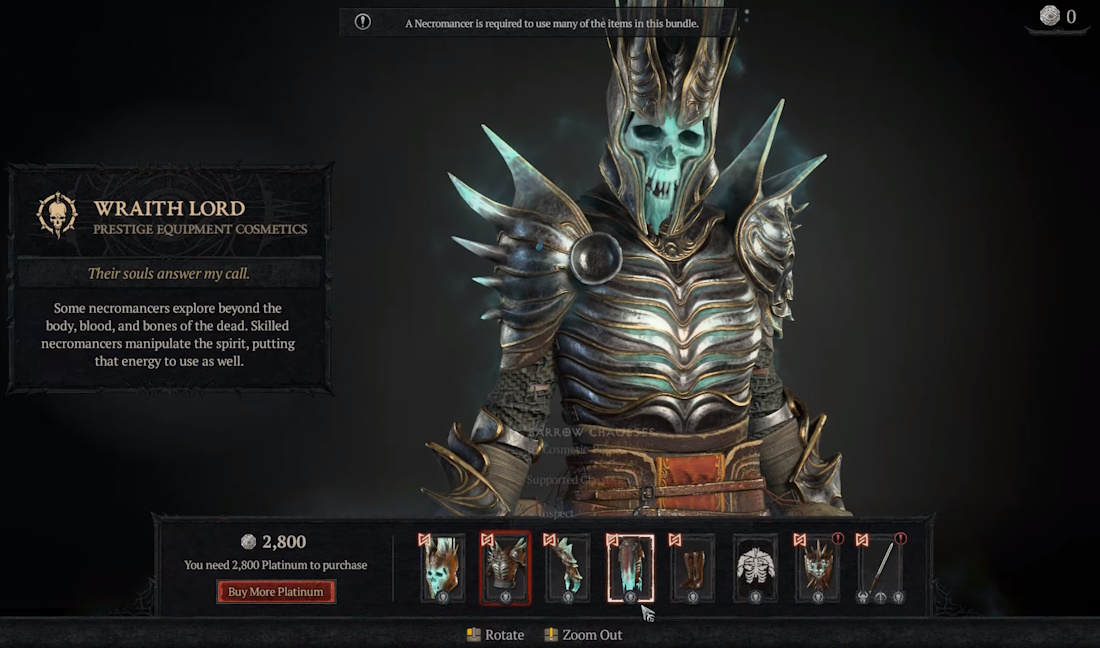
The in-game shop in Diablo IV.
If a game is free – like Fortnite or Fall Guys – then microtransactions feel a lot more reasonable. Offering a game for free to fund it through in-game purchases is a viable business model, and while it needs to be monitored to make sure the in-game prices aren’t unreasonable, it can be an acceptable way for a game to make money. But if a game costs me £65 up-front, there’s no way it should include microtransactions.
We need to differentiate expansion packs from microtransactions, because DLC that massively expands a game and adds new missions and the like is usually acceptable. But if I’ve paid full price for a game, I shouldn’t find an in-game shop offering me new costumes, weapon upgrades, and things like that. Some titles absolutely take the piss with this, too, even including microtransactions in single-player campaigns, or having so many individual items for sale that the true cost of the game – including purchasing all in-game items – can run into four or even five figures.
Number 4: Patches as big as (or bigger than) the actual game.
No patch should ever need to be this large.
This one kills me because of my slow internet! And it’s come to the fore recently as a number of big releases have been buggy and broken at launch. Jedi: Survivor, for example, has had patches that were as big as the game’s original 120GB download size – meaning a single patch would take me more than a day to download. Surely it must be possible to patch or fix individual files without requiring players to download the entire game all over again – in some cases more than once.
I’m not a developer or technical expert, and I concede that I don’t know enough about this topic on a technical level to be able to say with certainty that it’s something that should never happen. But as a player, I know how damnably annoying it is to press “play” only to be told I need to wait hours and hours for a massive, unwieldy patch. Especially if that patch, when fully downloaded, doesn’t appear to have actually done anything!
Number 5: Broken PC ports.
This is supposed to be Joel from The Last Of Us Part 1.
As I said when I took a longer look at this topic, I had hoped that broken PC ports were becoming a thing of the past. Not so, however! A number of recent releases – including massive AAA titles – have landed on PC in broken or even outright unplayable states, plagued by issues that are not present on PlayStation or Xbox.
PC is a massive platform, one that shouldn’t be neglected in this way. At the very least, publishers should have the decency to delay a PC port if it’s clearly lagging behind the console versions – but given the resources that many of the games industry’s biggest corporations have at their disposal, I don’t see why we should accept even that. Develop your game properly and don’t try to launch it before it’s ready! I’m not willing to pay for the “privilege” of doing the job of a QA tester.
Number 6: Recent price hikes.
It must be some kind of visual metaphor…
Inflation and a cost-of-living crisis are really punching all of us in the face right now – so the last thing we need are price hikes from massive corporations. Sony really pissed me off last year when they bragged to their investors about record profits before turning around literally a matter of weeks later and announcing that the price of PlayStation 5 consoles was going to go up. This is unprecedented, as the cost of consoles usually falls as a console generation progresses.
But Sony is far from the only culprit. Nintendo, Xbox, Activision Blizzard, TakeTwo, Electronic Arts and practically every major corporation in the games industry have jacked up their prices over the last few years, raising the basic price of a new game – and that’s before we look at DLC, special editions, and the like. These companies are making record-breaking profits, and yet they use the excuse of “inflation” to rip us off even more. Profiteering wankers.
Number 7: The “release now, fix later” business model is still here.
The player character falling through the map in Star Wars Jedi: Survivor.
I had hoped that some recent catastrophic game launches would have been the death knell for the “release now, fix later” business model – but alas. Cyberpunk 2077 failed so hard that it got pulled from sale and tanked the share price of CD Projekt Red… but even so, this appalling way of making and launching games has persisted. Just in the first half of 2023 we’ve had titles like Hogwarts Legacy, Redfall, Jedi: Survivor, Forspoken, and The Lord of the Rings: Gollum that arrived broken, buggy, and unplayable.
With every disaster that causes trouble for a corporation, I cross my fingers and hope that lessons will be learned. But it seems as if the “release now, fix later” approach is here to stay. Or at least it will be as long as players keep putting up with it – and even defending it in some cases.
Number 8: Day-one DLC/paywalled day-one content.
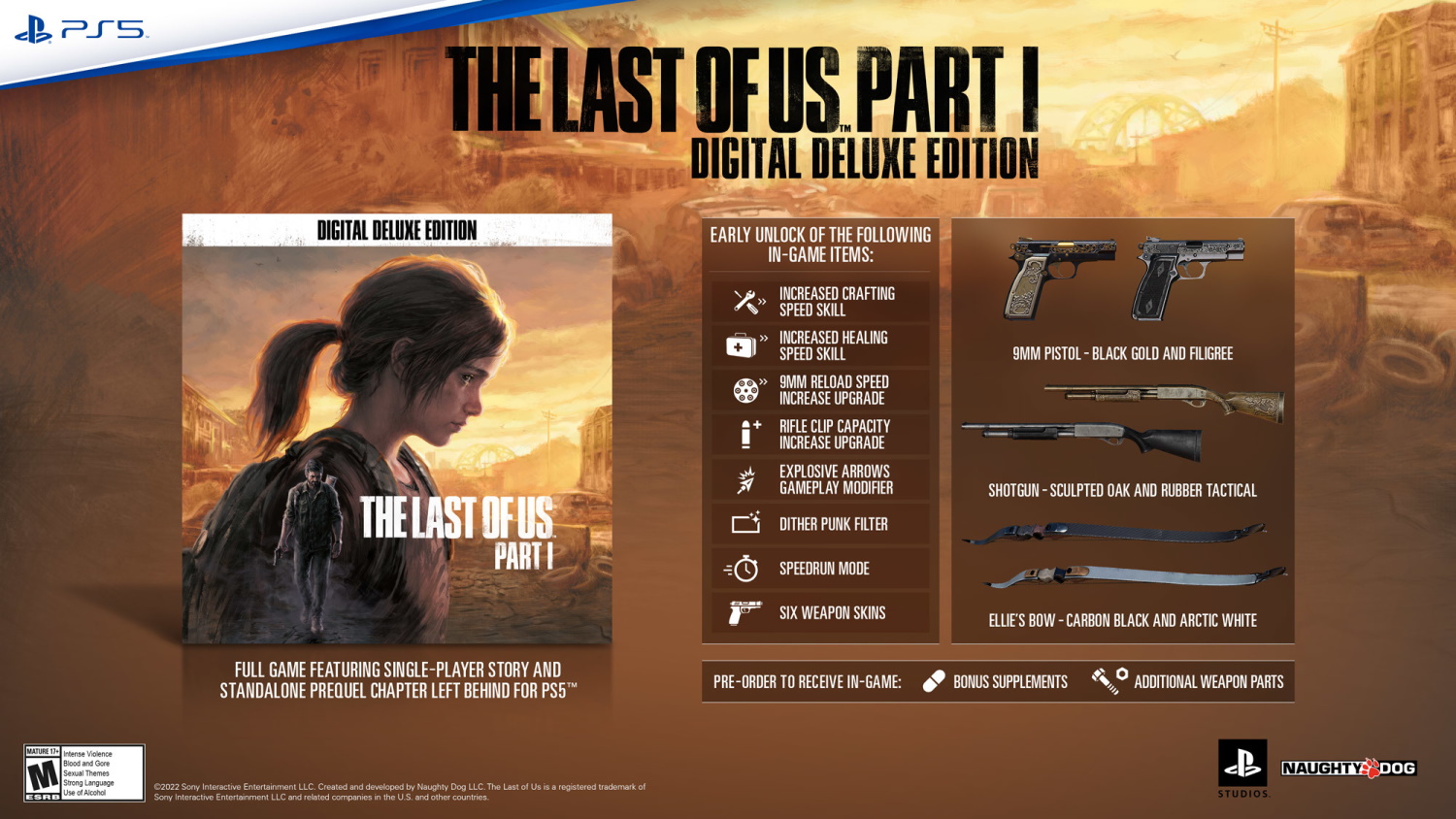
An example of a “digital deluxe edition” and its paywalled content.
It irks me no end when content that was clearly developed at the same time as the “base version” of a game is paywalled off and sold separately for an additional fee. The most egregious example of this that comes to mind is Mass Effect 3′s From Ashes DLC, which was launched alongside the game. This DLC included a character and missions that were completely integrated into the game – yet had been carved out to be sold separately.
This practice continues, unfortunately, and many modern titles release with content paywalled off, even if that content was developed right along with the rest of the game. Sometimes these things are designed to be sold as part of a “special edition,” but that doesn’t excuse it either. Even if all we’re talking about are character skins and cosmetic content, it still feels like those things should be included in the price – especially in single-player titles. Some of this content can be massively overpriced, too, with packs of two or three character skins often retailing for £10 or more.
Number 9: Platform-exclusive content and missions.
Spider-Man was a PlayStation-only character in Marvel’s Avengers.
Some titles are released with content locked to a single platform. Hogwarts Legacy and Marvel’s Avengers are two examples that come to mind – and in both cases, missions and characters that should have been part of the main game were unavailable to players on PC and Xbox thanks to deals with Sony. While I can understand the incentive to do this… it’s a pretty shit way of making money for a publisher, and a pretty scummy way for a platform to try to attract sales.
Again, this leaves games incomplete, and players who’ve paid full price end up getting a worse experience or an experience with less to do depending on their platform of choice. That’s unfair – and it’s something that shouldn’t be happening.
Number 10: Pre-orders.
Cartman from South Park said it best: “You know what you get for pre-ordering a game? A big dick in your mouth.”
Pre-ordering made sense – when games were sold in brick-and-mortar shops on cartridges or discs. You wanted to guarantee your copy of the latest big release, and one way to make sure you’d get the game before it sold out was to pre-order it. But that doesn’t apply any more; not only are more and more games being sold digitally, but even if you’re a console player who wants to get a game on disc, there isn’t the same danger of scarcity that there once was.
With so many games being released broken – or else failing to live up to expectations – pre-ordering in 2023 is nothing short of stupidity, and any player who still does it is an idiot. It actively harms the industry and other players by letting corporations get away with more misbehaviour and nonsense. If we could all be patient and wait a day or two for reviews, fewer games would be able to be launched in unplayable states. Games companies bank on a significant number of players pre-ordering and not cancelling or refunding if things go wrong. It’s free money for them – and utterly unnecessary in an age of digital downloads.
So that’s it!
A PlayStation 5 console.
We’ve gone through ten of my pet peeves when it comes to gaming. I hope this was a bit of fun – and not something to get too upset over!
The gaming landscape has changed massively since I first started playing. Among the earliest titles I can remember trying my hand at is the Commodore 64 title International Soccer, and the first home console I was able to get was a Super Nintendo. Gaming has grown massively since those days, and the kinds of games that can be created with modern technology, game engines, and artificial intelligence can be truly breathtaking.
But it isn’t all good, and we’ve talked about a few things today that I find irritating or annoying. The continued push from publishers to release games too early and promise patches and fixes is particularly disappointing, and too many publishers and corporations take their greed to unnecessary extremes. But that’s the way the games industry is… and as cathartic as it was to get it off my chest, I don’t see those things disappearing any time soon!
All titles mentioned above are the copyright of their respective developer, studio, and/or publisher. This article contains the thoughts and opinions of one person only and is not intended to cause any offence.
The video games industry is home to a growing number of incredibly shady and dodgy business practices. Microtransactions themselves qualify – especially things like in-game currencies, randomised loot boxes, and any microtransactions in games aimed at kids. But of all the corporate fuckery seen this side of the Star Wars: Battlefront II disaster, Sony and Polyphony Digital have to take the crown with Gran Turismo 7.
In case you haven’t followed the story, a quick recap. Gran Turismo 7 is the most recent game in Sony and Polyphony Digital’s long-running racing series. It was released on the 4th of March 2022, and in the weeks prior to launch, copies of the game were sent to many outlets for review. This is pretty standard – just like film critics get to see films ahead of time, video game journalists and commentators are often able to play games ahead of their launch. That’s how publications – and even some YouTubers nowadays – are able to get their reviews out before or just after a game launches.
Promo image for Gran Turismo 7.
But reviewers didn’t realise that the version of Gran Turismo 7 that they’d been playing was deceptive. And yes, “deceptive” is the right word – because there’s absolutely no way that this was anything other than intentional from Sony and Polyphony Digital. If you believe this was all an innocent mistake then I’ve got a bridge to sell you! Sony and Polyphony Digital essentially created a different version of the game for reviewers to play – a version of the game that hid the extent of Gran Turismo 7′s egregious microtransactions.
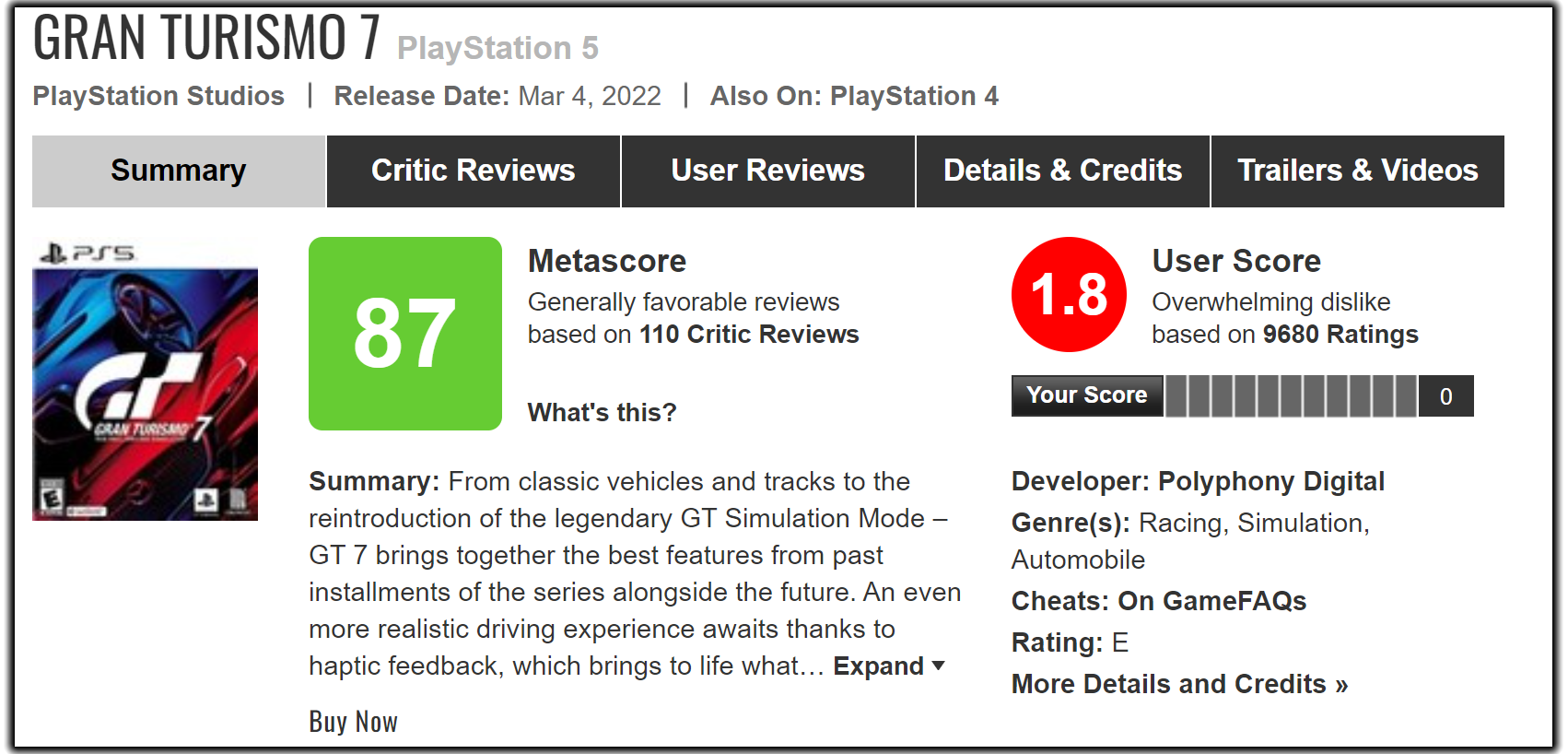
By doing this, Sony and Polyphony Digital hoped to score rave reviews for the game – a racing sim which, by all accounts, has thoroughly enjoyable gameplay. They fully intended to conceal just how heavily-monetised Gran Turismo 7 actually is, lest the microtransactions drag down the game’s review scores during its crucial release window. And do you know what? Their shady plot worked.
Logo for Sony’s PlayStation 5 console – home of Gran Turismo 7.
Gran Turismo 7 raked in rave reviews, including from a number of publications and websites that I read and would generally trust. It didn’t really occur to me that they’d all had the wool pulled over their eyes by a dishonest corporation and its equally despicable subsidiary. But that’s the reality of the situation: Sony and Polyphony Digital lied to reviewers, showed them a willfully dishonest misrepresentation of Gran Turismo 7, and hoped that they could get away with it.
Within hours of the game’s release on PlayStation 5 earlier this month, the microtransactions were switched on. An update a few days later then “rebalanced” the microtransactions to make them even worse – providing far fewer in-game rewards, making vehicles more expensive, and generally turning the game into a monetised mess that would give other microtransaction-riddled titles a run for their money. And all of this came in a game that Sony has the audacity to ask players to pay a minimum of £65 ($70) for.
Promotional art for Gran Turismo 7.
When the Battlefront II debacle exploded in late 2017, it felt like a turning point. Electronic Arts had pushed too hard and too far, and the result was a backlash that seemed, for a time anyway, to genuinely frighten some of the biggest corporations in the industry. Governments began looking at lootboxes and microtransactions in a serious way for the first time, and legislation was passed in some jurisdictions that has meant some games have had to be adjusted or even pulled from sale entirely.
There was a chance, back then, for the campaign against microtransactions and these kinds of awful, anti-consumer business practices to really have an impact, and for players to fight back and demonstrate to corporations that there are limits to how far we can be pushed around. Sadly, though, with other news stories taking up airtime, the issue fell away almost as quickly as it burst onto the scene. In the months and years since, corporations like Sony have slowly ramped up their microtransactions and other in-game monetisation plans, leading us right back to a very familiar situation.
What Sony and Polyphony Digital did with Gran Turismo 7 is worse than what Electronic Arts did with Battlefront II. Yes, really.
It should go without saying that what Sony and Polyphony Digital did is wrong. Categorically and unequivocally wrong. They lied, misrepresented their game, and arguably mis-sold a product in such an egregious and disingenuous way that it could very well fall under the legal definition of “false advertising.” Sony has never been a consumer-friendly company, make no mistake about that, but even by their standards, this is a new low.
There’s also egg on the face of a lot of reviewers, commentators, and publications – many of whom should know better than to take a company like Sony at its word. Pre-release review copies of Gran Turismo 7 still contained things like in-game currencies and the in-game microtransaction marketplace, and some reviews even made note of these things, with some particularly pro-Sony publications optimistically suggesting that the microtransactions wouldn’t be all that bad or would be “totally optional.”
Great reviews from critics, but players are making their voices heard. Source: Metacritic, 31.03.2022
Too many publications, websites, and even social media channels and YouTubers now work hand-in-glove with corporations like Sony. Their refusal to think too critically about the obvious microtransactions and willingness to give Gran Turismo 7 excellent reviews in spite of that is testament to that. There’s a twofold fear that many professional journalists and the outlets that employ them have – on the one hand, they fear that being late with their reviews will lead to fewer clicks and thus less money, and on the other they fear that being too critical of a company’s latest title will cost them in the long run, whether that be in terms of access to review copies in future, or just in terms of what can be a profitable business relationship.
So while I’m happy to place the blame for this on Sony and Polyphony Digital, because they are the ones who lied and misrepresented Gran Turismo 7, there are quite a few reviewers and gaming publications that need to take a long look in the mirror. They are not completely innocent parties to this either, and clearly something has got to change in terms of the working relationship between the games industry, the people who cover it, and the players themselves.
More promotional art for Gran Turismo 7.
To deliberately conceal the extent of Gran Turismo 7′s microtransactions is disgusting behaviour from Sony and Polyphony Digital – but it’s more than that. It’s an admission from the corporation that they understand how unpopular and unwarranted microtransactions are in a game of this nature. At a minimum of £65 ($70) for the price of admission, many players would quite rightly expect to be able to play the full game and unlock all of the vehicles on offer.
I can’t help make a comparison to last year’s Forza Horizon 5, a game I got via Game Pass and thoroughly enjoyed. Simply by playing Forza Horizon 5 and completing races and missions, I unlocked new vehicles and in-game currency to buy other vehicles. After around 45 hours, I’d unlocked almost 100 different vehicles from trucks and four-wheel-drive cars all the way to supercars and hypercars. In Gran Turismo 7, you’d be lucky to have acquired enough in-game currency for one single vehicle after that length of play time – and the obvious reason for that is to essentially force players to pay for microtransactions.
Forza Horizon 5– last year’s big racing title – didn’t have this problem.
For me, this is beyond the pale. Sony and Polyphony Digital owe their players an apology. Moreover, they need to strip as much of the microtransaction marketplace from Gran Turismo 7 as possible – just as Electronic Arts did when the Battlefront II debacle threatened to overwhelm them. The only way to make this right in the long-term is to abandon this microtransaction model. If the game was free-to-play, it would be a different conversation – though hiding aspects of the monetisation or the prices would still be wrong. But in a game asking £65 ($70) up front from players, there was no justification for any microtransactions to begin with, let alone ones as egregious and interfering as those present in Gran Turismo 7.
Lying to reviewers and commentators will have consequences. Many publications have been burned by this, with angry players turning up to leave comments on reviews pointing out that there are particularly aggressive microtransactions in the game that they should’ve been warned about. Hopefully that will mean some of these journalists will think more carefully about how they review games like Gran Turismo 7 in future – but the reality is that it will probably just mean that players will have an even harder time knowing which reviews can be trusted.
Box art for some of the editions of Gran Turismo 7.
There was no need for Gran Turismo 7 to spend its first few weeks embroiled in controversy. This was an own goal from Sony and Polyphony Digital; a PR calamity that did not need to happen. Microtransactions shouldn’t have been present in the game to begin with, but if they were the corporation needed to be honest and up-front about that – doing whatever possible to provide a justification for their existence. Lying and covering up the microtransactions is something I regard as a tacit admission that Sony and Polyphony Digital understand that they shouldn’t have put them in the game to begin with.
This is the worst example of microtransaction misbehaviour in several years, probably since Battlefront II. I hope that lessons are learned from it. It would be great to see some collaboration between reviewers and publications in future – refusing to review a title or award it a score until the full extent of its microtransactions are known would be one way to shut this down and prevent another corporation from trying to get away with this despicable misbehaviour.
Sony Interactive Entertainment is the publisher of Gran Turismo 7.
So that’s where we’re at. If you bought Gran Turismo 7, you have my sympathies. We’ve all bought games over the years that were disappointing for one reason or another, but it can be particularly frustrating to look at a game that had so much potential to be great, but which was ruined by some corporate-mandated nonsense that really just spoilt things.
That’s really how I see Gran Turismo 7 – it’s a game that had potential, a title with seemingly excellent racing gameplay, but one that has been soiled by the truly awful way that Sony and Polyphony Digital chose to treat players. Don’t despair, though, because there are plenty of other racing games out there!
Gran Turismo 7 is out now for PlayStation 5. Gran Turismo 7 is the copyright of Sony Interactive Entertainment and Polyphony Digital. Some images used above courtesy of IGDB. This article contains the thoughts and opinions of one person only and is not intended to cause any offence.


























 Trekking with Dennis