

Despite trying hard to project a “family-friendly” image, Nintendo is no less of a greedy, aggressive, predatory, and money-grubbing corporation than the worst of the worst in the games industry. The company would, were it not for a legion of well-trained apologists, rightly be held up along with the likes of Electronic Arts, Tencent, Blizzard, and Ubisoft as a shining example of a gaming mega-corporation that is, for want of a better word… evil.
Nintendo, if you weren’t aware, has recently tried to patent in-game systems, which would prevent anyone else from using those mechanics in their games – or would mean those companies would have to pay a license or fee to Nintendo. This is tied to the Palworld situation that I talked about last year, as Nintendo is embroiled in a frivolous lawsuit against Palworld’s creators, Pocketpair. But I think it says a lot about how Nintendo behaves, how far the company has fallen, and why it’s past time for the current crop of increasingly elderly executives and game directors to be retired.
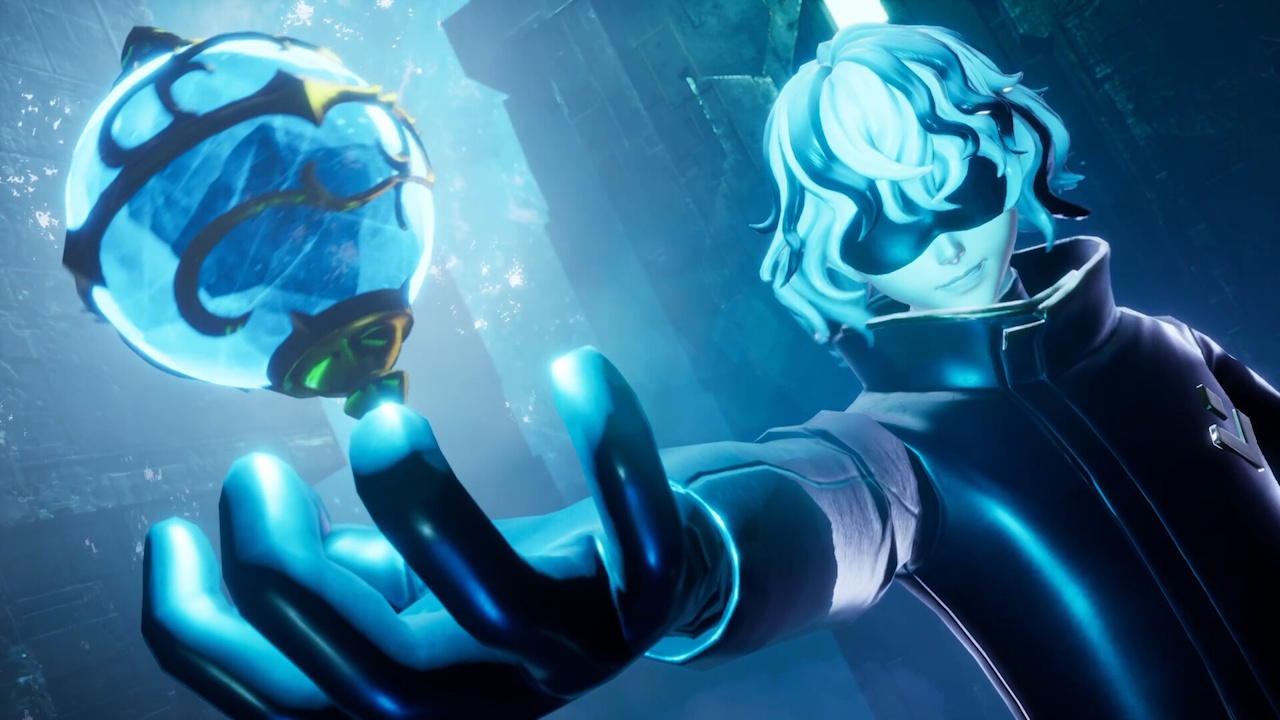
Here’s the bottom line when it comes to patents: if other companies had treated Nintendo the way that Nintendo treats other companies, Nintendo would’ve gone bankrupt making playing cards in 1980. That’s not an exaggeration: literally none of the games Nintendo became known for would’ve been possible if other companies had taken out patents like the ones Nintendo is trying to use in the Palworld lawsuit. And where would Nintendo be today without video games? Just another failed Japanese toy company that didn’t make the cut.
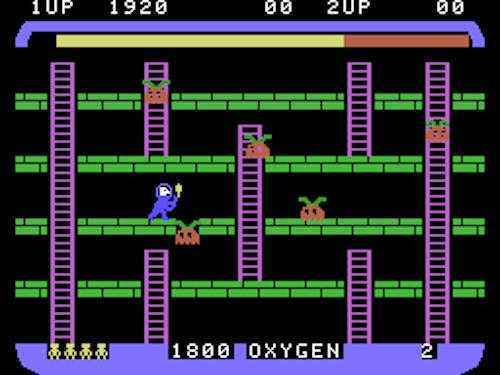
If Universal and CBS, developers of the 1980 arcade game Space Panic, had patented the idea of the 2D platformer, Nintendo’s Donkey Kong wouldn’t have been able to exist. Nintendo would never have been able to develop Super Mario Kart – or any of its other racing games – if someone like Sega had gotten a patent for the concept of a racing video game after their successful Road Race arcade game in 1976. If Sony had patented the 3D platformer after 1995’s Jumping Flash, then Nintendo couldn’t have made Super Mario 64. Should I continue, or have I made my point?
The entire history of video games is one of piecemeal innovation. A new creation comes along, gains traction – or doesn’t in some cases, but the concept still seems appealing – and then other companies take the idea in new directions. Nintendo has never actually made anything original. What they’ve done for decades – very successfully, to their credit – is build on other people’s creativity and other people’s ideas, taking concepts that other games have tried and honing them, often to near-perfection. If other companies had locked their efforts away, as Nintendo is attempting to do to Palworld and others, not only would the entire games industry be smaller, less creative, and just worse overall, but Nintendo itself as we know it today could never have come to exist.
There are some massively-popular games which went on to quickly spawn entire genres. I’m old enough to remember when first-person shooters were literally called “Doom clones,” but id Software, in 1993, didn’t try to patent the concept. If they had, there’d never have been GoldenEye, Metroid Prime, or literally any other FPS title. Games companies don’t exactly like sharing their ideas, but it’s been accepted as part of the games industry for decades. You can’t claim ownership of a broad concept, idea, or genre.

There are some things that can and should be trademarked, copyrighted, or patented. I’d never try to argue, for instance, that anyone other than Nintendo should be allowed to create a 2D platformer featuring a red-hatted, overall-wearing, turtle-stomping plumber named Mario. That concept is a specific one, and it uses original characters, designs, creations, and storylines. But the basic mechanics of how video games work should be – and historically, have always been – open to everyone. Trying to claim ownership over a sub-genre or in-game mechanic simply should not be allowed – and we need to clamp down on this kind of misbehaviour now, lest it get out of hand.
There are many other games companies who’d surely love nothing more than to get a patent for something broad and vague, stifling competition or forcing their competitors to pay them. Imagine if Bethesda managed to get a patent for something like mana points in a video game. Or if Ubisoft got a patent for concealing the player character in tall grass. What about if Atari patented flying in a spaceship? After all, they pioneered that idea in video game form with 1979’s Asteroids. Would the video games industry be better off if every company could patent everything it could claim to have invented? Or would video games as a whole be smaller, less interesting and less innovative? I think we all know the answer.
Pokémon is, itself, a great example of the evolution of video games. It didn’t spring into existence overnight, fully-formed and utterly unique. It built on existing battle games, turn-based games, card games, and role-playing games, which had been developed through the 1980s and early 1990s, and also drew inspiration from films, manga, and even collectables like baseball cards and capsule toys. Many role-playing games – especially JRPGs – use very similar in-game mechanics for things like combat and overworld exploration, and plenty of titles outside of the monster-battling sub-genre also use things like summonable allies, temporary companions, and friendly monsters. Why should any of that be patentable? How does Nintendo have the sheer nerve to say they invented any of it?
Because that’s what Nintendo’s patent claims: that they own, invented, and have the exclusive rights to the in-game mechanic of summoning an object or ally to engage in battle.
To be clear: this patent should never have been granted in the first place. Anyone with a cursory knowledge of video games could have easily found the flaws in this patent and thrown it out. But Nintendo having the cheek, the sheer brass neck, to ask for this patent… it’s absolutely disgusting.

Nintendo’s leadership needs a good clear-out. The people who’ve been there since the ’80s and ’90s are growing old, and in lieu of actually innovating and inventing, they’re desperately trying to use lawfare to drive away the competition. Terrified of losing their position – and perhaps recognising that the overpriced Switch 2 isn’t going to sell as well as its predecessor – they’re trying to use illegitimate and, frankly, dishonourable means of shutting down competition. When you can no longer compete on merit… trying to use legal loopholes and dodgy rulings to shut out the competition must seem tempting.
That’s what Nintendo is doing, at the end of the day. They’ve realised that Palworld is the canary in the coal mine: a shining example of a new company coming in, creating something better and more appealing, and hoovering up eager customers who’ve burned out on the stale, repetitive, and boring Pokémon series. And because the elderly senior developers and executives don’t know how to make a game like Palworld, the only thing they can think to do is try to get it shut down.
And that’s pretty fucking shameful.
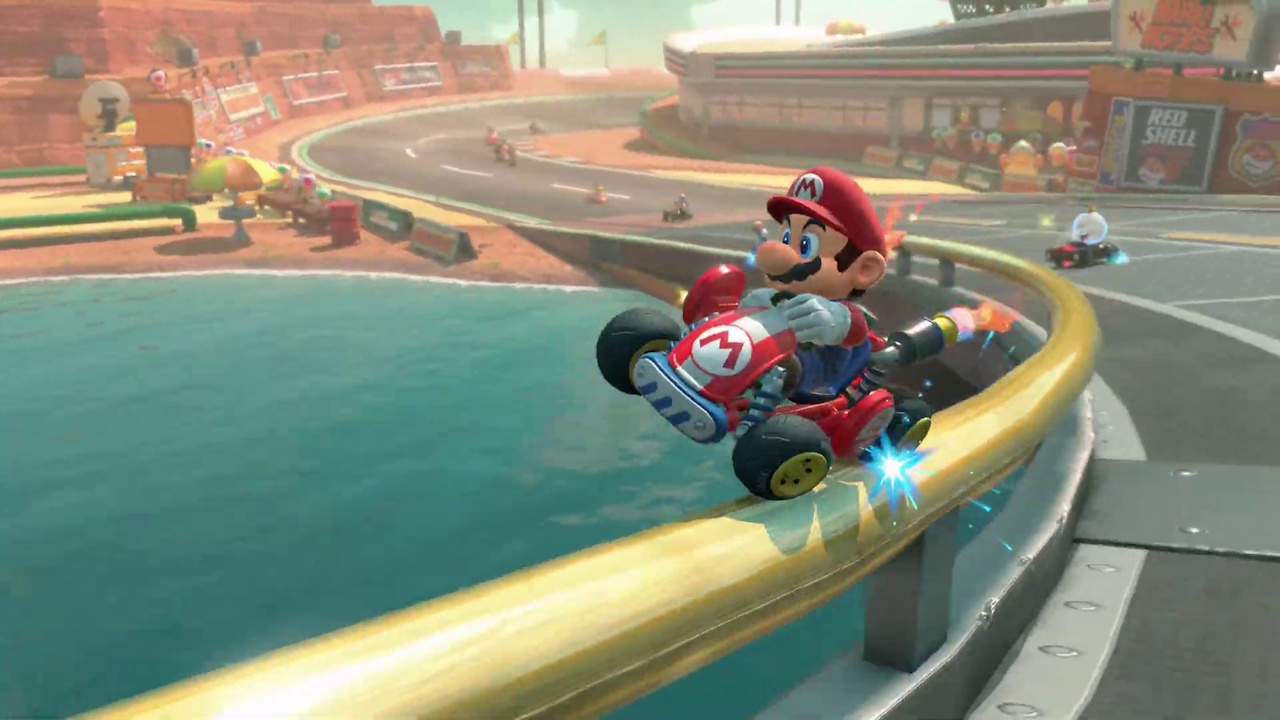
Nintendo’s recent output, in my opinion, hammers home why the senior people at the corporation feel a need to do this. Even the top-selling Nintendo games of the last generation – Super Mario Odyssey, Animal Crossing: New Horizons, Tears of the Kingdom, Smash Bros. Ultimate, and Mario Kart 8 Deluxe – were sequels at best, derivative and repetitive at worst. The Switch 2, with its samey design, is the first Nintendo console in decades not to offer something new or innovative. And the company seems to be doubling-down on wringing as much money as possible out of its fans and players with increasingly unfriendly decisions around pricing. With limited room for growth, a lack of new ideas, and an elderly and outdated crop of senior developers and leaders, Nintendo is trying to shut down genuine competitors instead of learning, growing, and improving – the way video games companies have done for decades.
It’s embarrassing, quite frankly, that Nintendo felt the need to stoop so low, and that they have such a lack of confidence in their ability to compete fairly if the playing field were level.
But that’s Nintendo for you… and Nintendo is just awful.
All titles discussed above are the copyright of their respective developer, publisher, and/or studio. Some screenshots and promo art courtesy of IGDB. This article contains the thoughts and opinions of one person only and is not intended to cause any offence.
 Trekking with Dennis