


Spoiler Warning: There are spoilers ahead for Star Trek: Starfleet Academy Season 1. Spoilers are also present for the following Star Trek productions: The Original Series, Deep Space Nine, Voyager, and Discovery.
Welcome to an addendum to my review of Star Trek: Starfleet Academy’s first season. Because the review was longer than I originally intended it to be, I didn’t get a chance to delve into every storyline in as much detail as I wanted. So in this “Part Two,” we’ll be taking a look at episodes three through ten of Starfleet Academy Season 1. If you want to get my thoughts on the first two episodes of the season, I already have that review published. You can find it by clicking or tapping here. And please don’t miss my full Season 1 review. I go into detail about characters, season-long story arcs, VFX, and a whole lot more. You can find it all by clicking or tapping here.
If you really just want the brief, too-short version, here it comes: Starfleet Academy was more episodic and less serialised than I feared it would be, with individual episodes focusing on different characters. It explored more of the post-Burn 32nd Century in ten episodes than Discovery did in thirty-six. And there were individual moments in every episode that I enjoyed, that won a chuckle, or that “felt like Star Trek.”
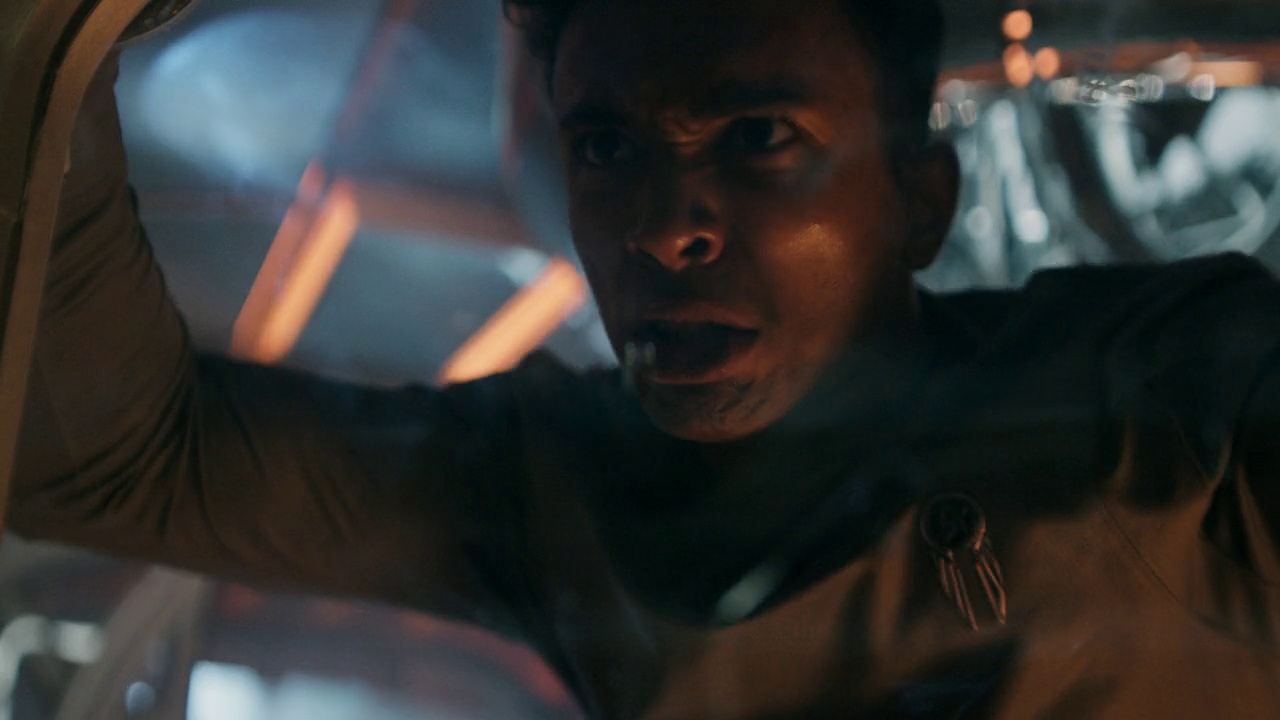
However, the series very clearly exists in the “teen/young adult drama” space, drawing on university and high-school drama series for inspiration at least as much as on Star Trek. The tone of the show overall, and the way most of the main cadet characters were handled, just wasn’t “my thing.” And I was pretty sure it wouldn’t be before I switched it on! I tried to go into Starfleet Academy with an open mind, and I can say that I gave the series a chance to win me over. But it would be fair to say that, as someone the wrong side of forty, I’m not the target demographic here. For all of its enjoyable moments, Starfleet Academy just… isn’t for me. And I’m okay with that.
The show also recycled several of modern Star Trek’s least-interesting tropes: an over-the-top villain who’s connected to two of the main characters, a magical macguffin of ridiculous destructive power, and a nefarious scheme that threatens billions of lives across the Federation. A protagonist who was a little too perfect was an odd choice for a show set at a school – where characters need room to learn and grow – and while some of these things are not necessarily Starfleet Academy’s fault on their own, the show has come along after Star Trek has been in production for nine-plus years, and after we’ve had more than 200 new episodes across this streaming era. That context, unfortunately, weighs against Starfleet Academy, making some of its story points – which wouldn’t have been *phenomenal* on their own – even less appealing.
I said in my longer review that Starfleet Academy just doesn’t strike me as being an especially unique or memorable addition to the franchise. And I fear its second season – which is already in post-production – will be its last.

I hope that’s enough context for today as we jump into the individual episodes! If it’s not, be sure to check out my longer Season 1 review.
The episodes below are listed in the order they were first broadcast, beginning with the third episode of the season. If an important character moment or plot point seems missing, that may be because I’ve already covered it in the longer Season 1 review. I’ve tried to hit all of the main points from each of these eight episodes in a more condensed format, because I didn’t have enough energy in the tank to write individual episode reviews week-to-week! I hope this format is an adequate substitute for those longer reviews.
So without any further ado… let’s jump into the episodes.
Vitus Reflux:
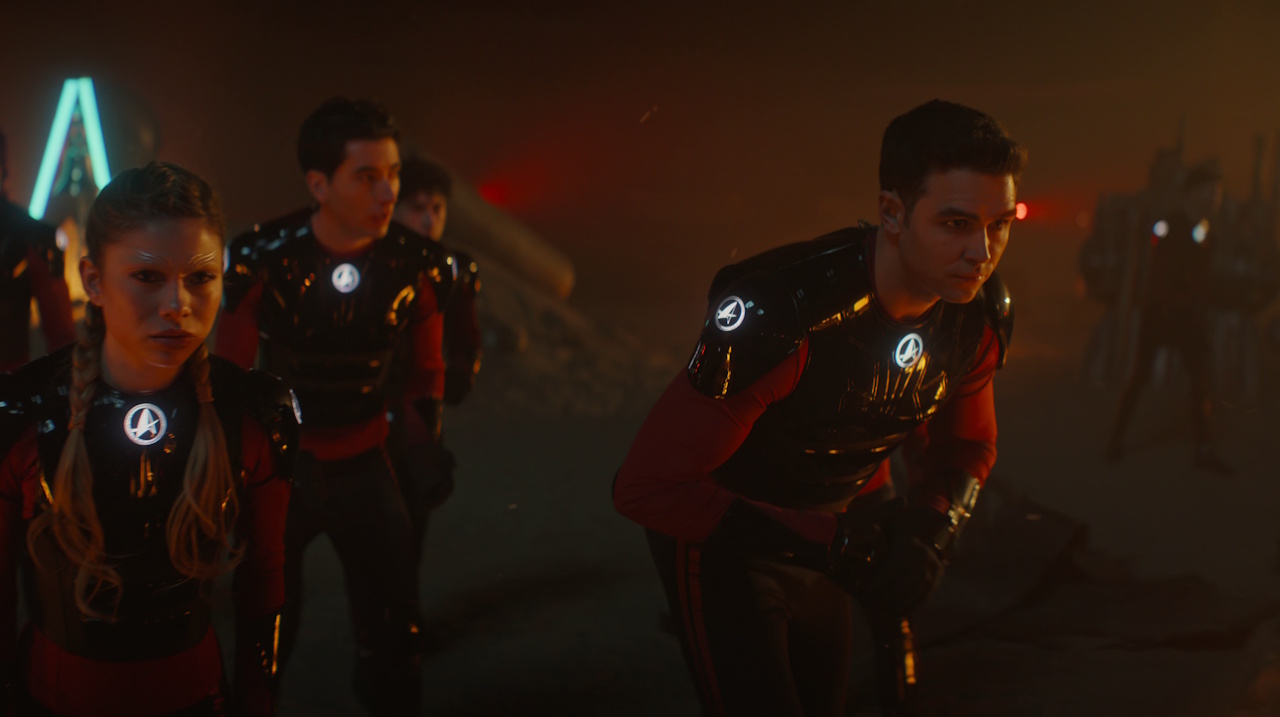
This was an absolutely catastrophic cringe-fest from almost the first moment. When Starfleet Academy was first announced, and fans began to speculate on whether it would be a teen/young adult-oriented show, episodes like Vitus Reflux were what I feared the most! Caleb’s romantic pursuit of Tarima was so bad that I had to physically stop myself from fast-forwarding through their scenes, Jay-Den’s cringeworthy moment with the War College cadets was also toe-curlingly awful to sit through… and this American style of cringe humour just isn’t my thing and never has been.
This was the first episode to attempt to humanise Darem after a pretty rough “rich kid who’s also a bully” start. However, I felt his conflict with Genesis was incredibly poorly-written, coming across feeling scripted and fake. This led to a resolution that felt thoroughly un-earned for both of them, with Daren’s “arrogant dickhead who secretly cared all along” storyline just… falling flat for me. The phaser game was fine, and I appreciated the diversion from massively high-stakes storylines involving pirate warlords and interstellar diplomacy to something a bit better-suited to a class of cadets. However, even this didn’t escape the clutches of American cringe humour, with the two teams each getting a ludicruous mascot.
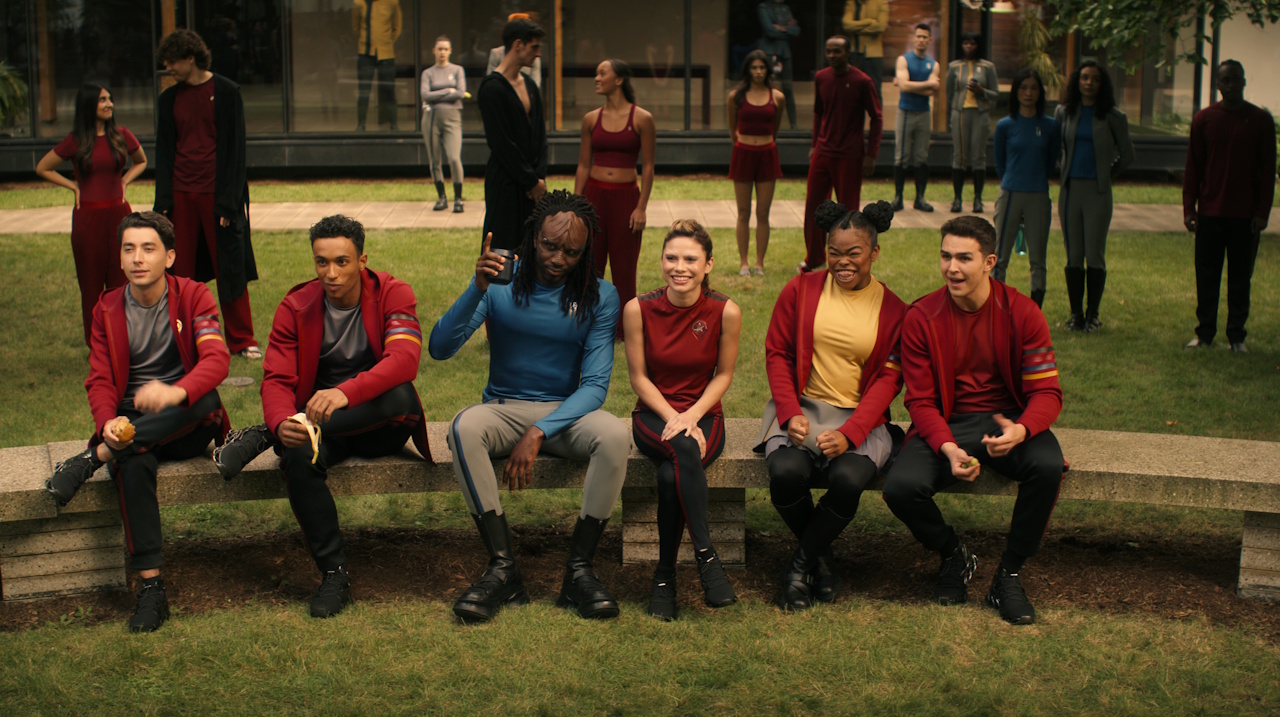
A story about two groups of kids getting into a prank war is… I mean, it’s something that’s never going to appeal to me. I will say that Vitus Reflux handled that premise about as well as it could have under the circumstances, though. And the War College cadets were set up as suitably antagonistic to “our” Academy heroes such that the conflict worked in context. Captain Ake joining in – in her own, very subtle way – was also a bit of fun, and I think that kind of thing softens and humanises her as both a leader and an educator.
I think I’m right in saying that this was the first episode in which the War College’s Chancellor Kelrec played a significant role. Kelrec is a character I wish we’d spent a bit more time with; he (and the War College in general) seemed to disappear from the series after the halfway point. Overall, this episode was probably the closest that Starfleet Academy came to feeling like a show set at a real school or university. For better or for worse.
Vox in Excelso:
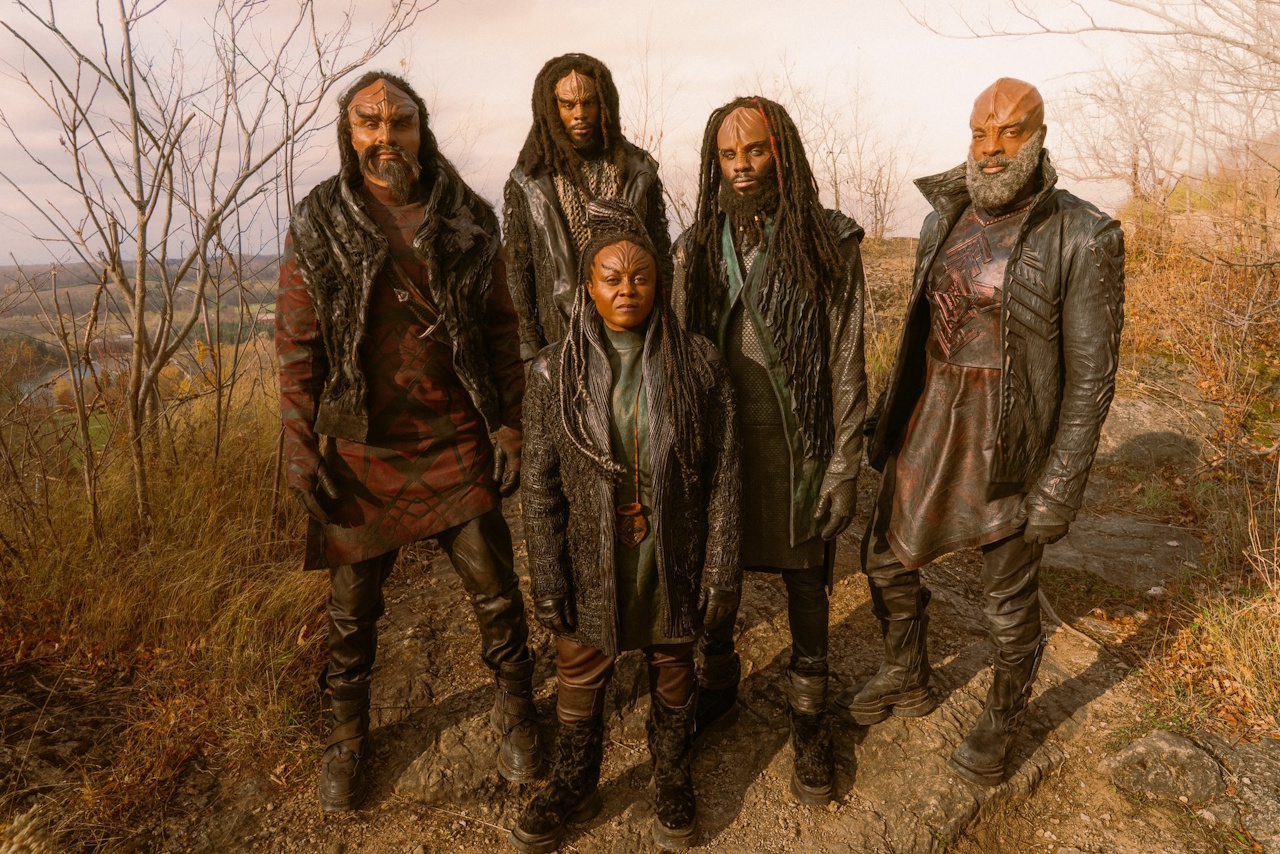
If you’re a regular around here, you may remember me saying on multiple occasions that I wished Discovery had shown us what happened to the rest of the galaxy – and the Klingon Empire in particular – in the aftermath of the Burn. Well… we can finally check that one off the bucket list, eh? I’m not sure I buy the whole “on the verge of total extinction” storyline; the Klingon people seem too resilient, and too vastly spread across space, for that to happen, and I chalk that up to Discovery-inspired “turn all the drama up to eleven all the time” kind of storytelling.
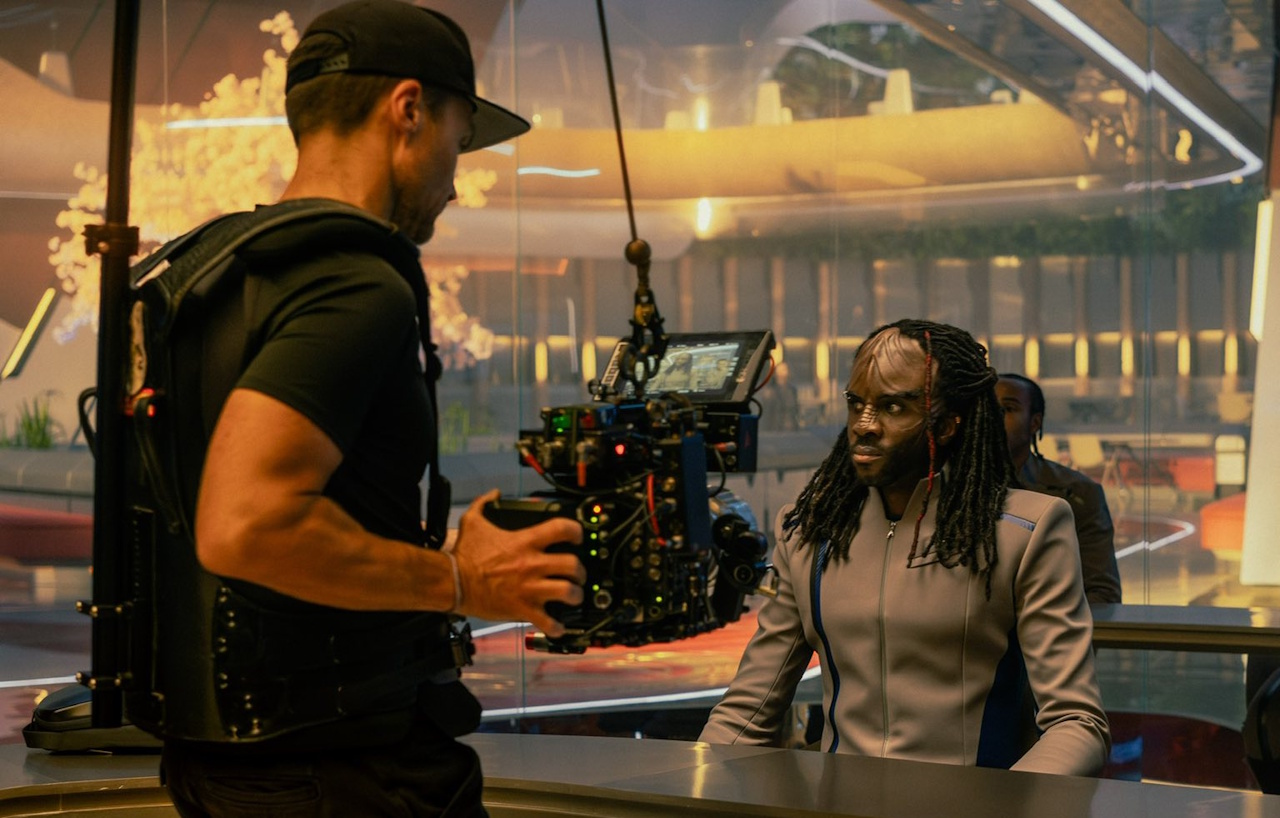
The main thing I have in my notes for this episode, aside from the fact that it was nice to get Jay-Den’s backstory to inform his characterisation, is that this fell into one of the most clichéd traps that many stories intended for kids and young people can stumble into. In short, this was a “the kids figure out something incredibly basic that their teachers and the adults around them can’t” kind of story. It fell to Jay-Den to recognise what even the ancient and wise Captain Ake could not: that the Klingons would not accept a handout, and needed to feel like they’d “won” and annexed their new homeworld on their own.
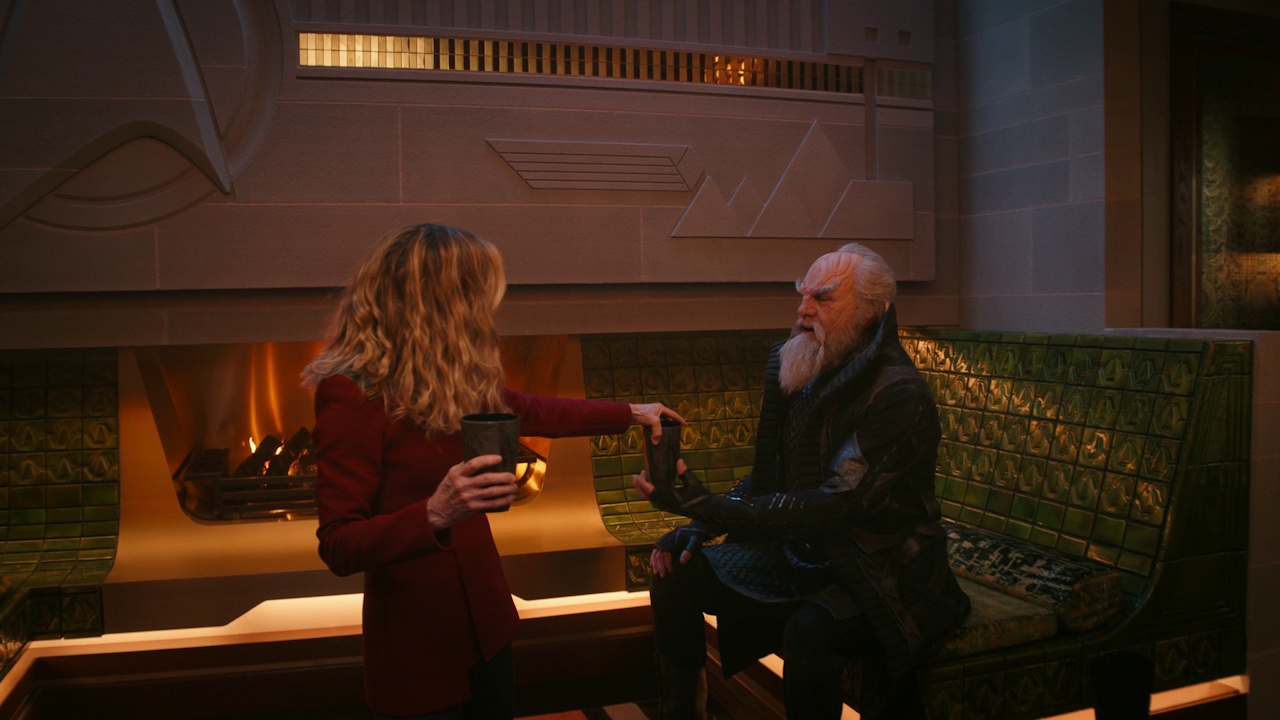
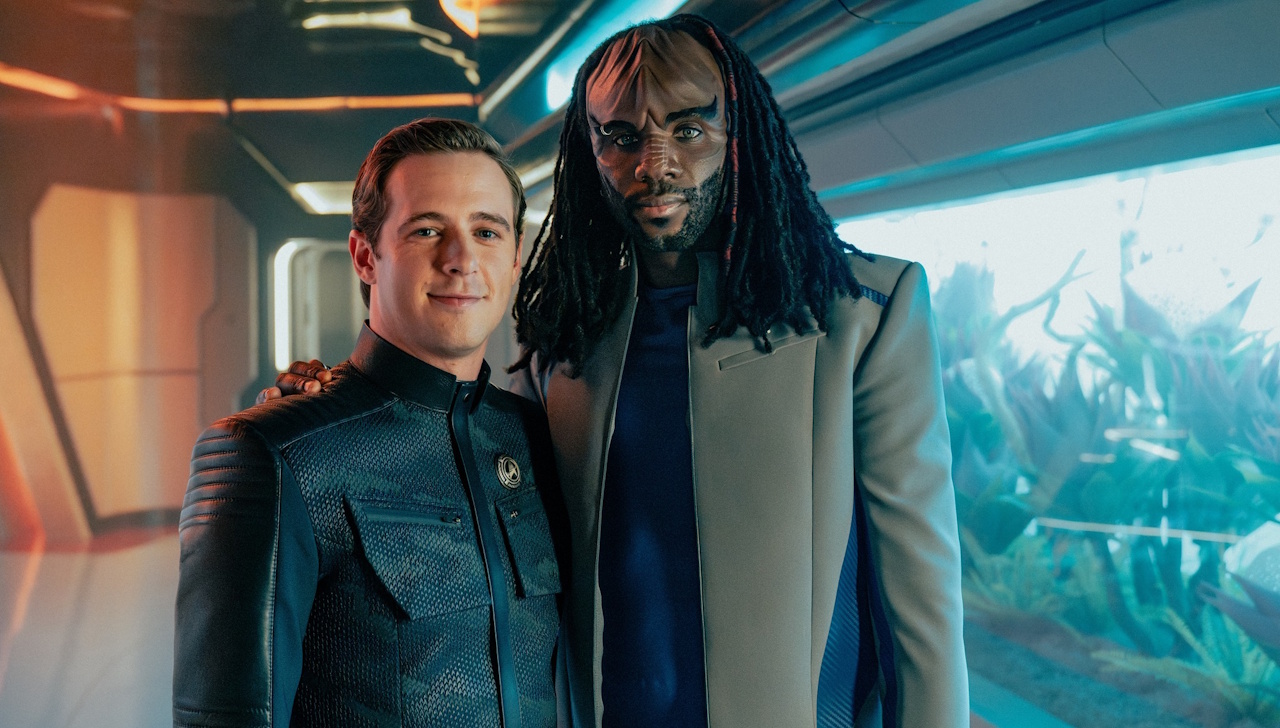
This was the first episode where I felt Darem was somewhat likeable, and his moment with Jay-Den as they prepped for the debate was understated and sweet, setting the stage for more to come between them. Jay-Den was strangely relatable, too, as someone who doesn’t enjoy public speaking or having all eyes on him; I felt that, and I’m sure a lot of the show’s younger viewers will have, too. Jay-Den, as a softer and less violent Klingon with other interests besides a “glorious death in battle,” makes for a fun and different kind of Klingon character – completely distinct from the likes of Worf, B’Elanna, and others.
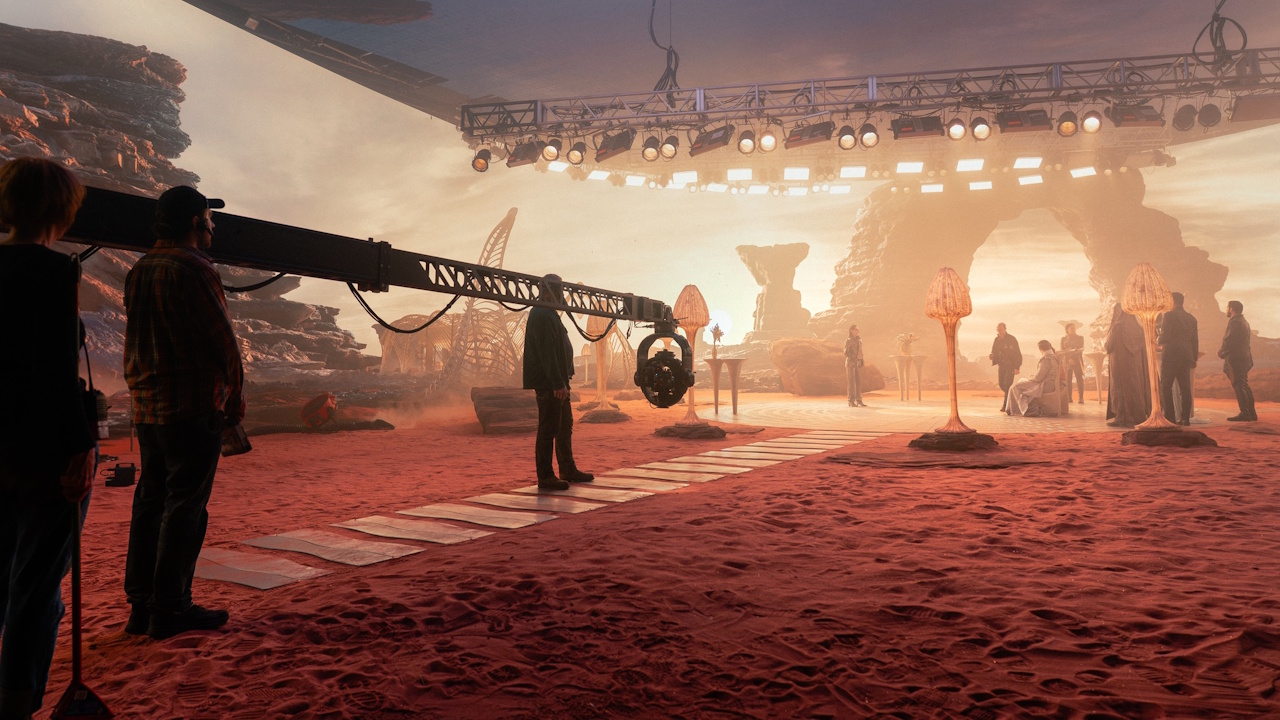
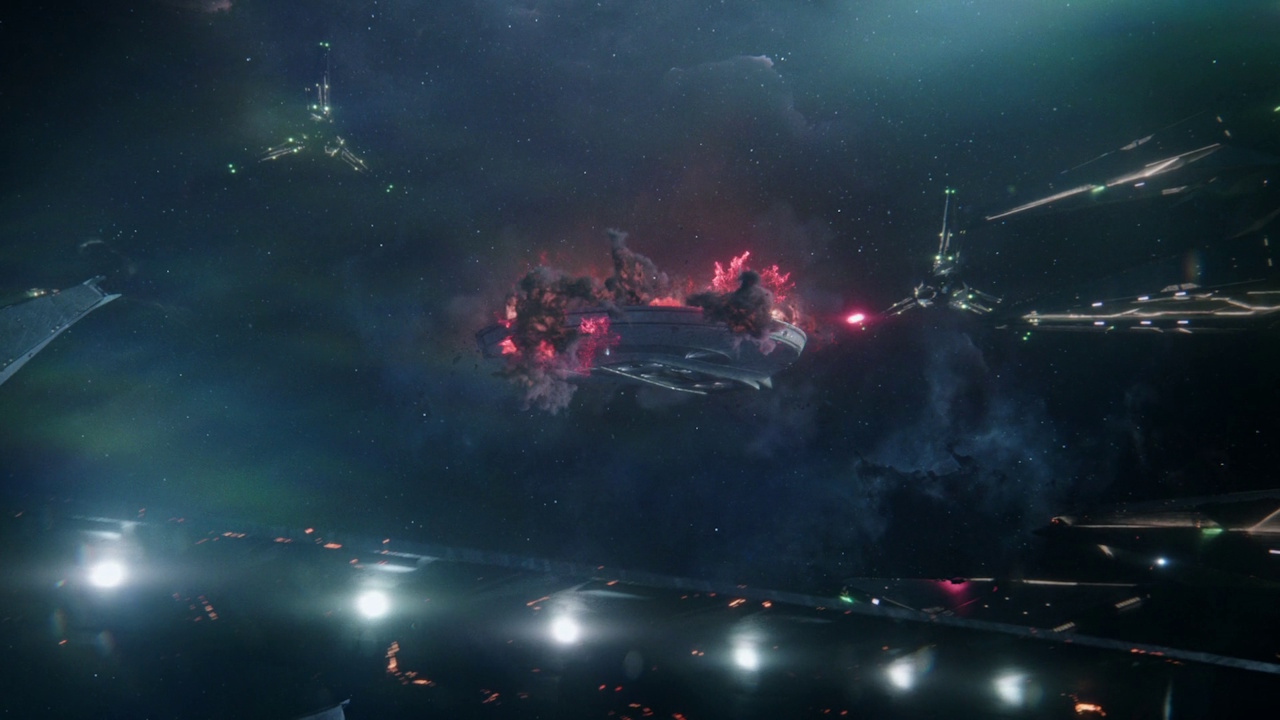
I felt the outdoor filming location used for the Klingon encampment wasn’t very interesting, and I would’ve liked to have seen an environment that looked a bit more “alien” or otherworldly, not just a generic North American forest. It wasn’t the worst thing in the world, sure, but I think Starfleet Academy can do better than that. And if there are no good locations near Toronto… use the AR wall and make something up! We got a fun look at some Starfleet and Klingon vessels in the climactic fight, and Captain Ake’s scenes with both Lura Thok and the Klingon leader were cute. It wouldn’t be Star Trek unless *someone* drinks bloodwine with the Klingons, eh?
Series Acclimation Mil:
I have a longer piece about this episode’s DS9 and Sisko storyline. Click or tap here to check it out.
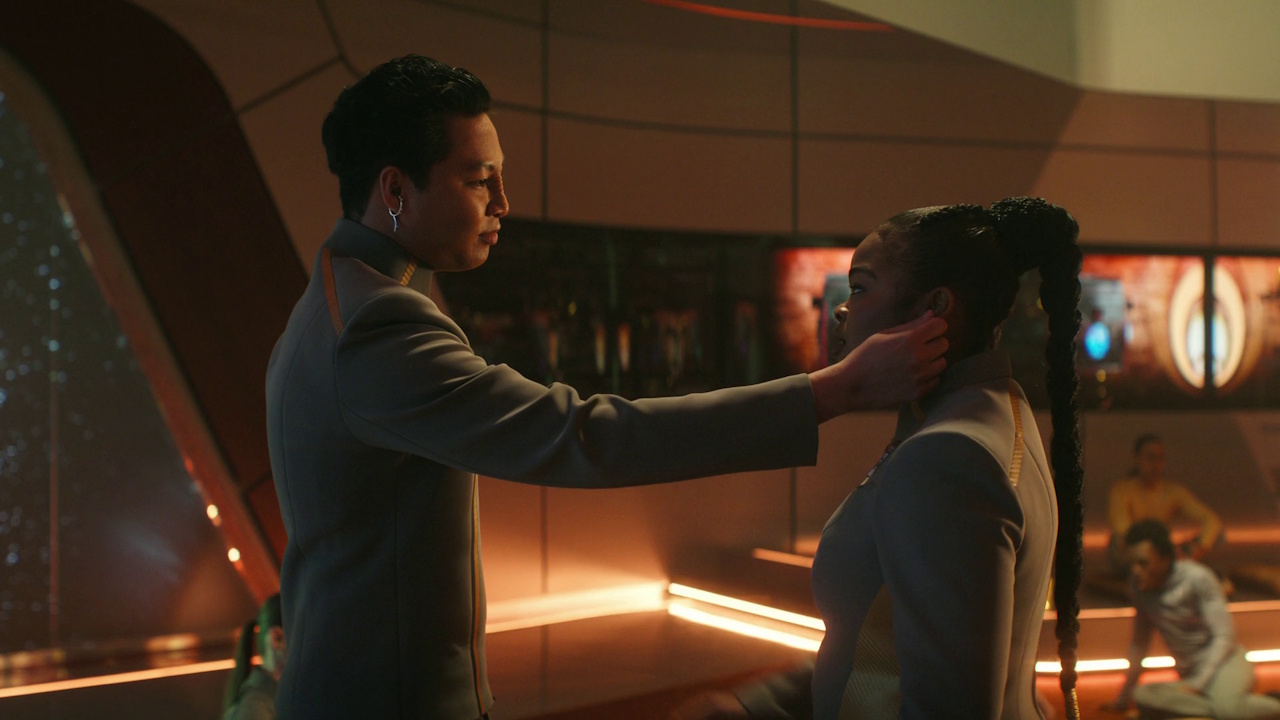
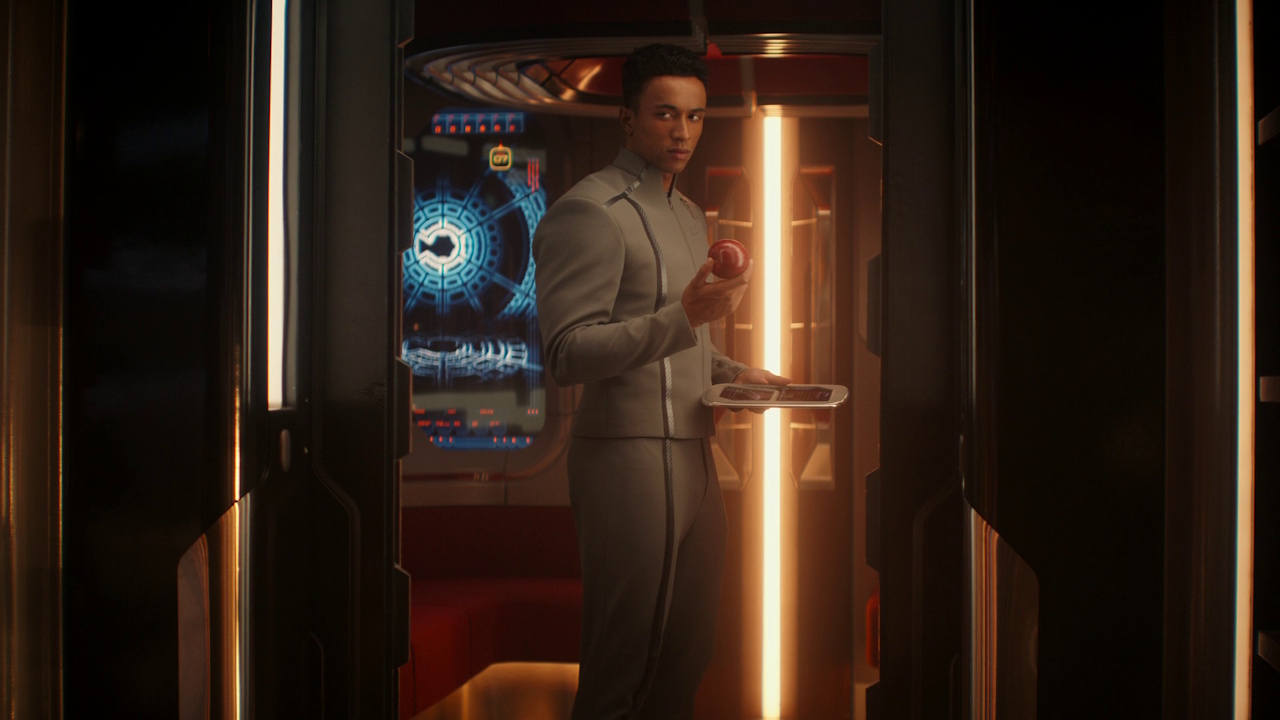
I loved Cirroc Lofton’s role in Series Acclimation Mil. Despite truly hating the storyline he was part of, seeing Jake again after all this time, and seeing his scenes with Sam, was a genuinely emotional experience, and especially toward the end, I felt myself getting teary-eyed. Lofton put in a great performance, and made a welcome return to the franchise in an attempt to celebrate the life and legacy of Star Trek’s first African American captain.
This episode also solved one of the biggest mysteries behind Sam: why her holographic race wanted to create a child and send her to the Academy. Kasq and the “makers” were interesting, and their distrust of organic races seemed to make sense in context. Sam’s wide-eyed enthusiasm was genuinely one of the best parts of Starfleet Academy, and this episode went into detail about how she came to be and what her intended purpose was for her people.
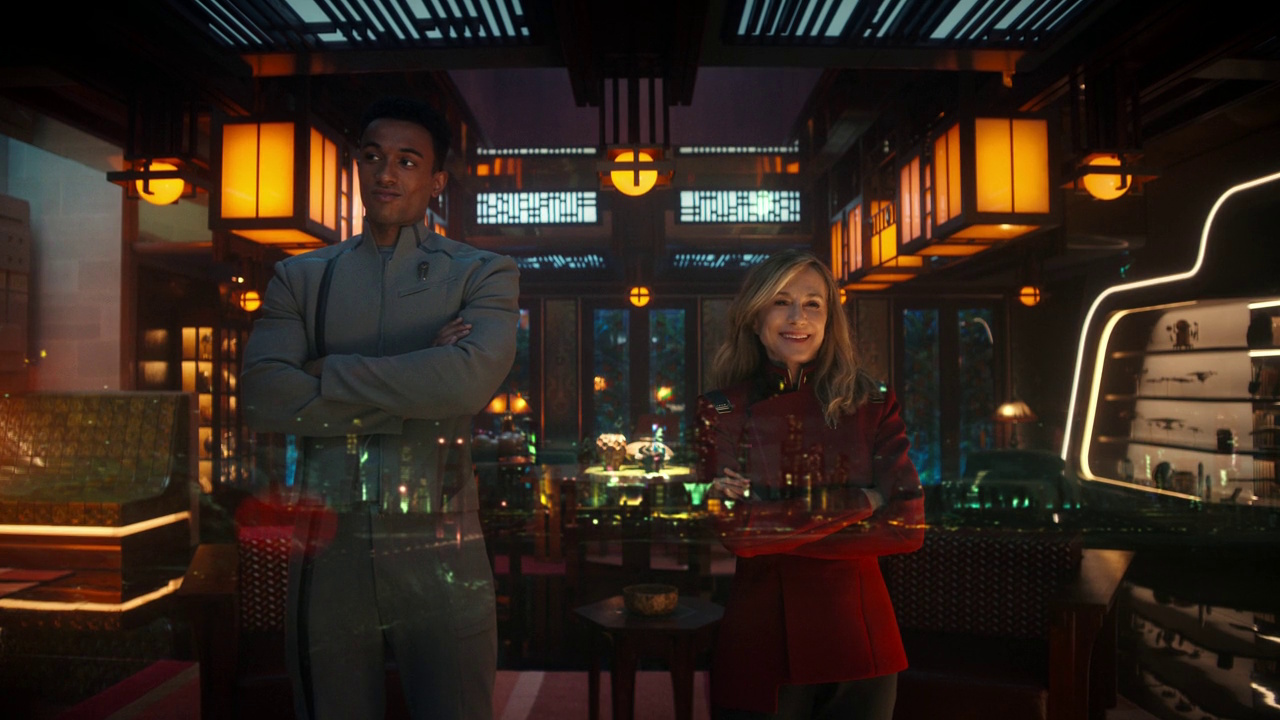
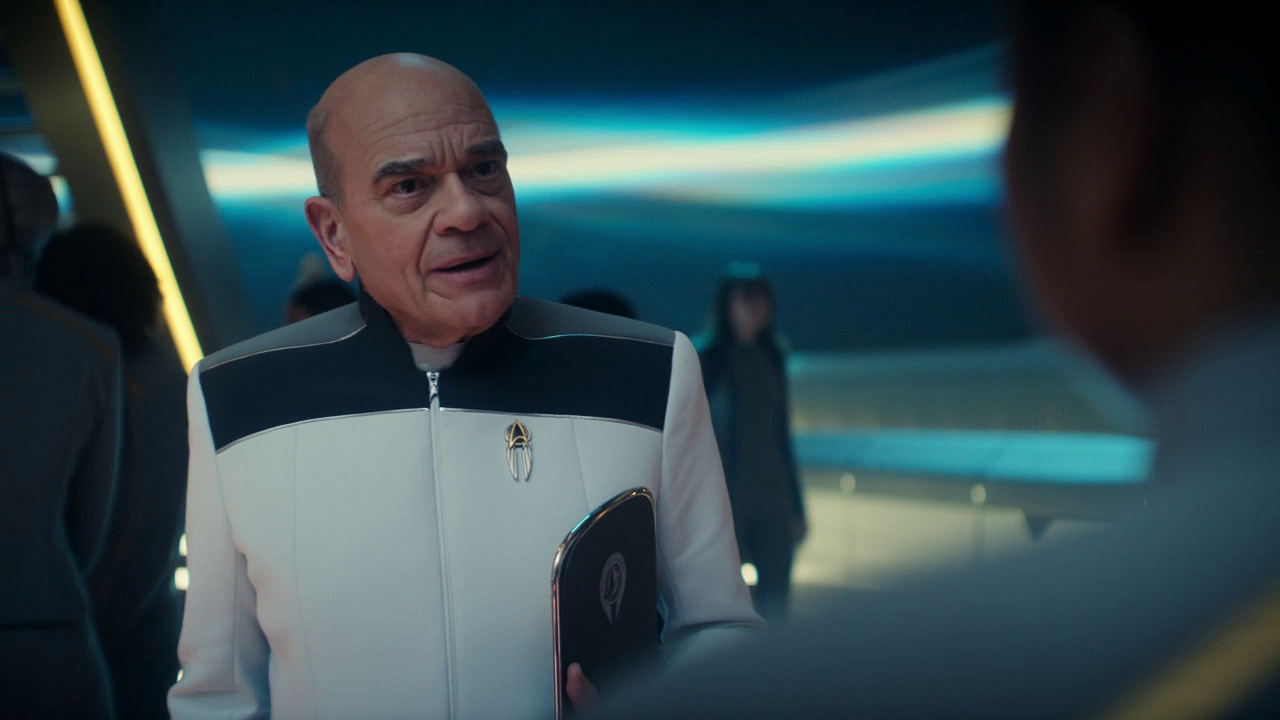
There were some fun moments, too, with Caleb reprogramming Sam, the cadets getting drunk and getting into a bar fight with their rivals from the War College, and the off-campus bar just being an interesting and well-designed space in general. The Doctor’s look of disappointment when Sam was recovering from her drunken state was pretty funny, too.
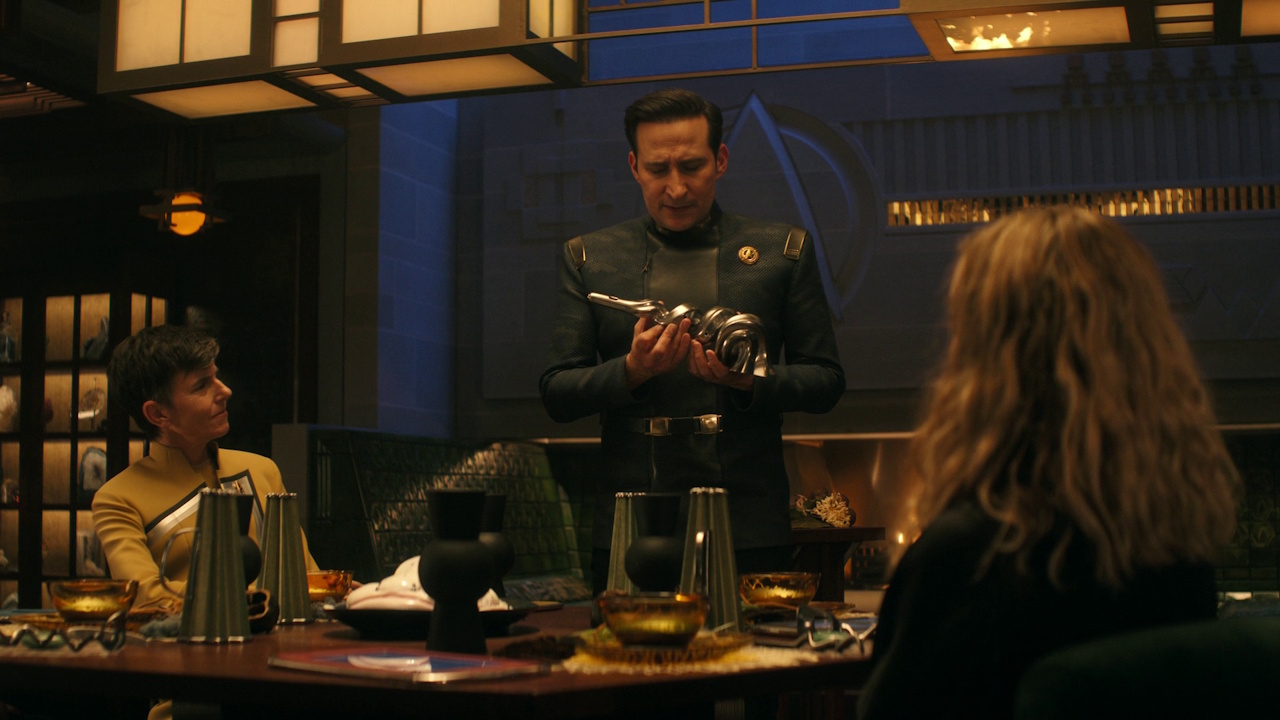
The episode’s B-plot seemed to go nowhere. Actually, scratch that: it *literally* went nowhere. We began with Chancellor Kelrec stressing about a diplomatic visit from an alien race, and going to all the trouble to practice a very precise diplomatic dinner he planned to host – with Ake, Reno, and the Doctor as stand-ins for the aliens. But then… we never saw the upshot of that, never met the aliens, and never even learned if Kelrec’s diplomatic overtures were successful or not. It just felt like a weird waste of time.
Come, Let’s Away:
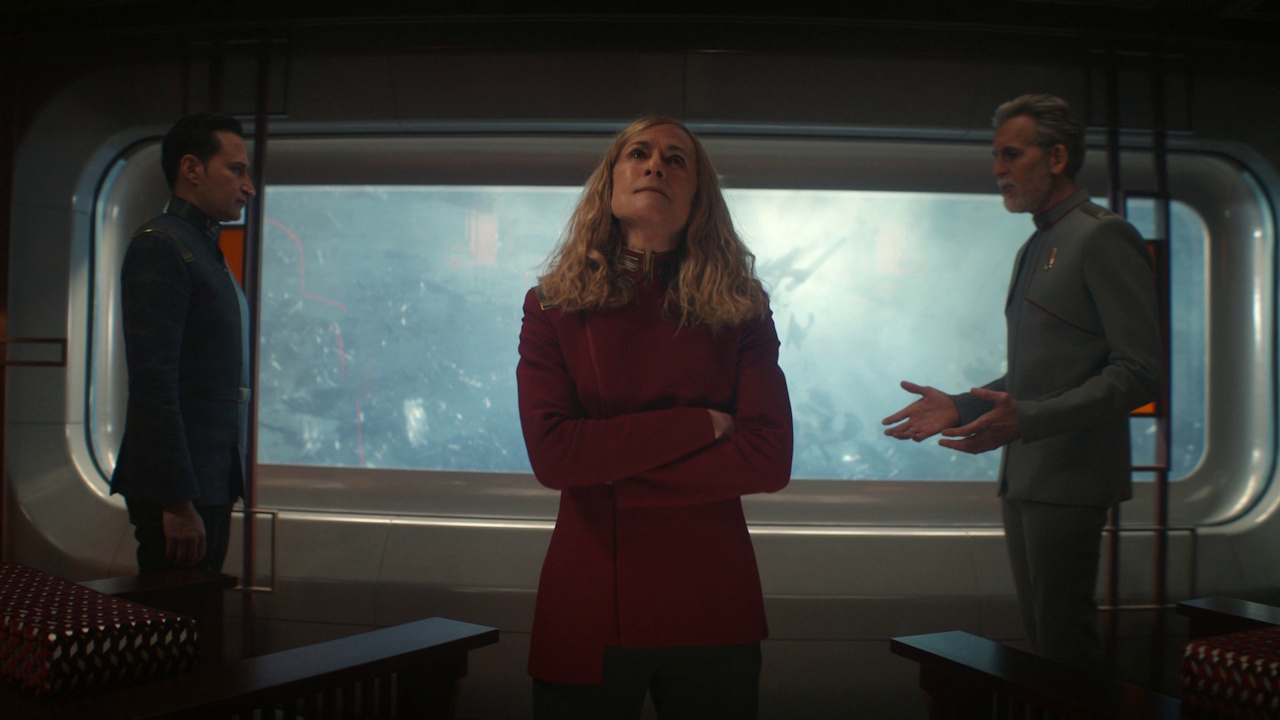
My favourite episode of the season, on balance.
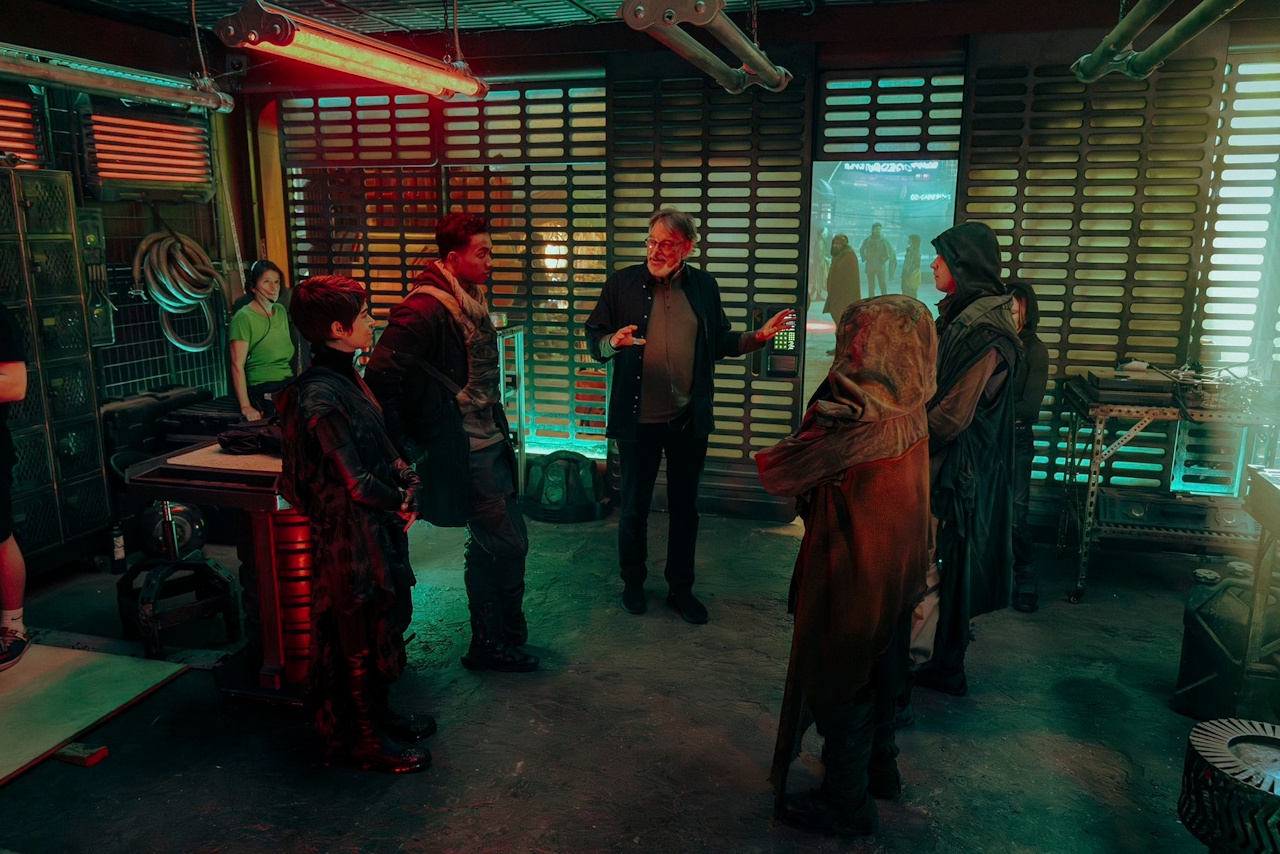
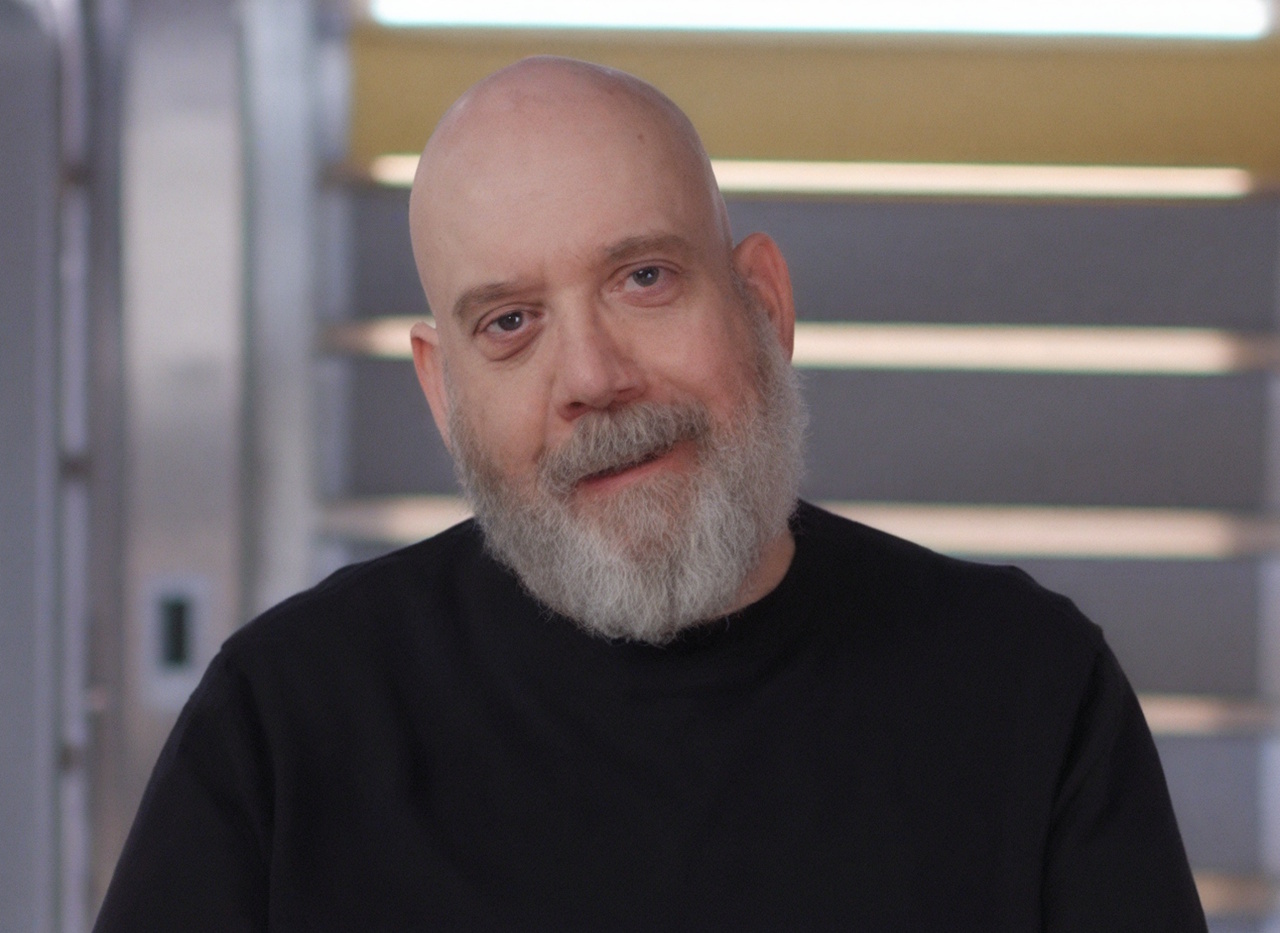
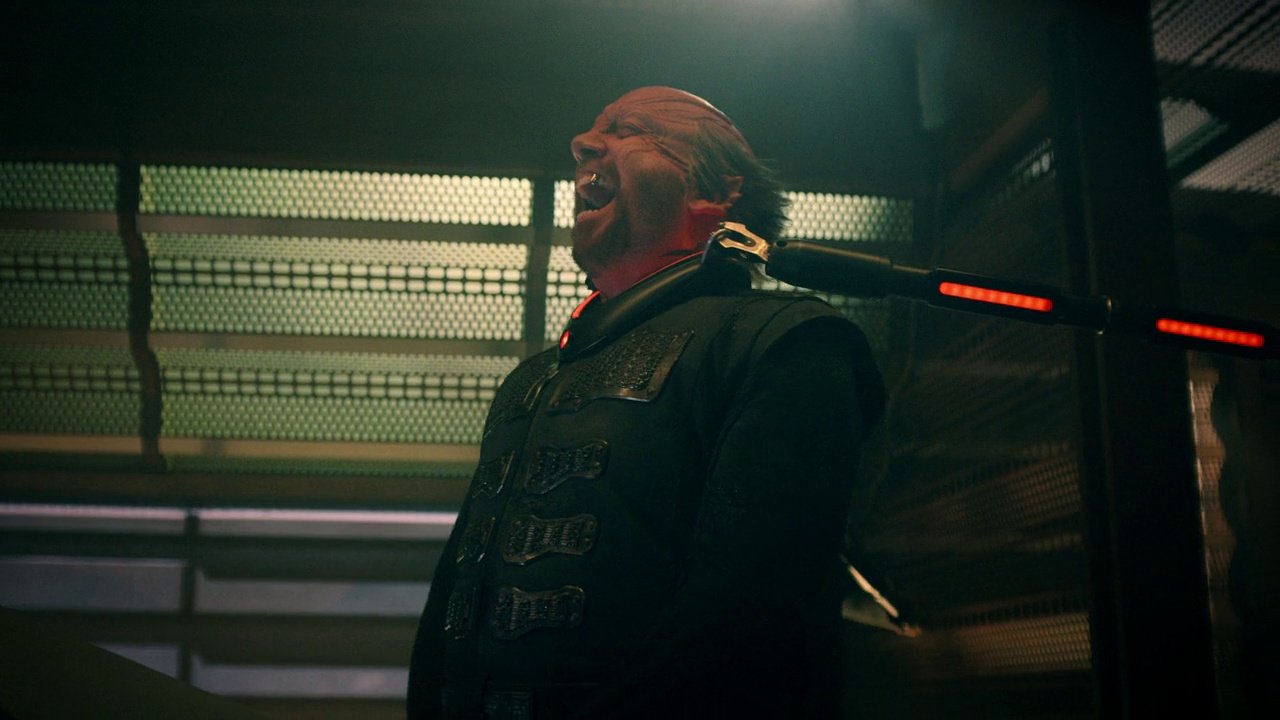
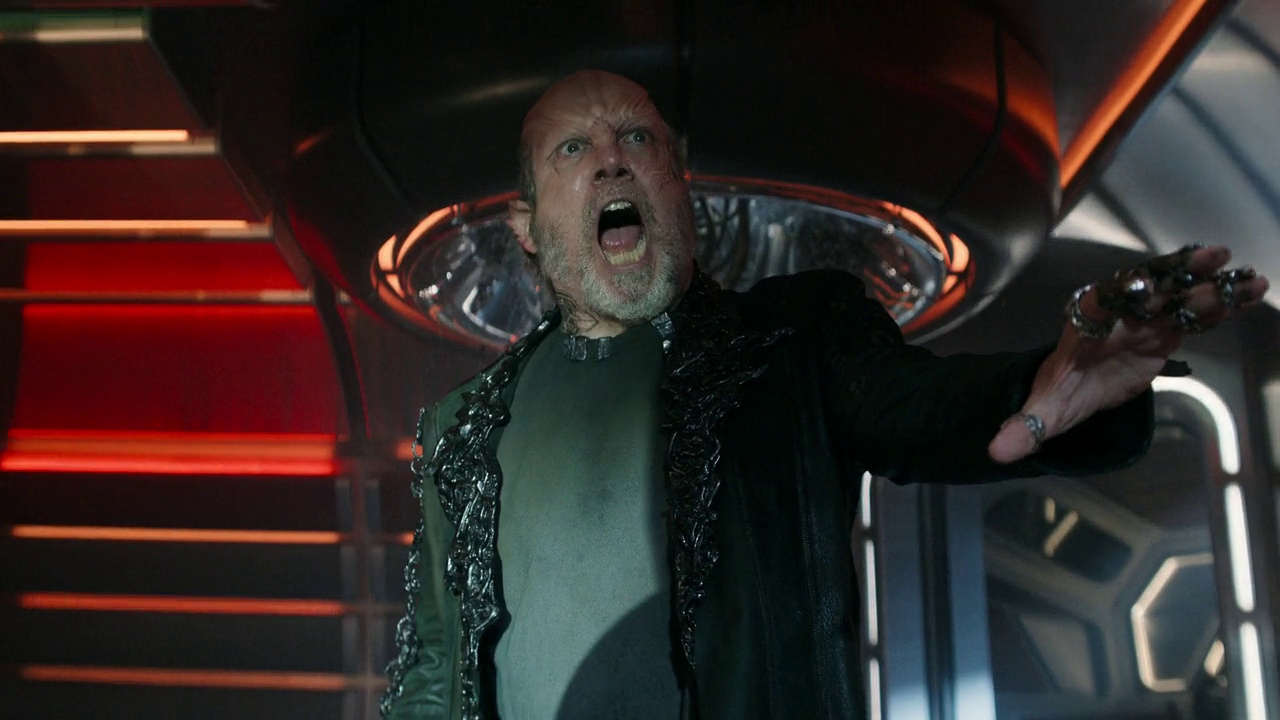
This *kind* of story – where the villain gets a win and outsmarts the kids – should have come sooner, though, as it would’ve gone some way to helping make up for Braka’s other deficiencies. Speaking of Braka, this was the only time in the season where I felt he was even *slightly* respectable as a villain, with the over-the-top elements of Paul Giamatti’s performance being toned down just enough to make him feel less like a one-dimensional cardboard cut-out and more like a real person. I think that speaks to having someone different in the director’s chair: Larry Teng helmed this outing, whereas Star Trek regulars Alex Kurtzman and Olatunde Osunsanmi were in charge for Braka’s other big appearances.
That being said, the set for the USS Miyazaki was… well, it was just atrocious, to be blunt. Star Trek often redresses sets from one series to another, but not since Discovery’s transporter room pretended to be a Ba’ul prison cell in Season 2 have I seen such an *awful* and pathetic set redress. Apparently hanging a bunch of bin liners (trash bags) over parts of Strange New Worlds’ Enterprise set was meant to make the ship look “futuristic” and “experimental.”
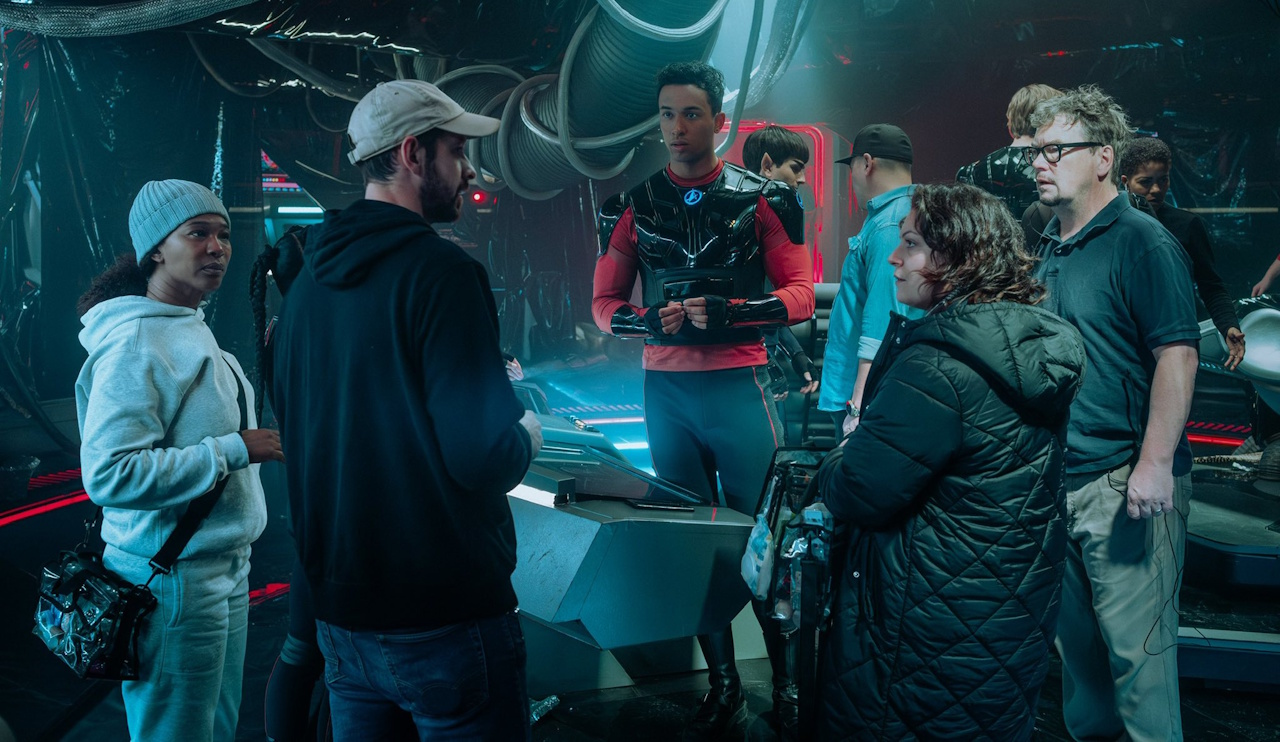
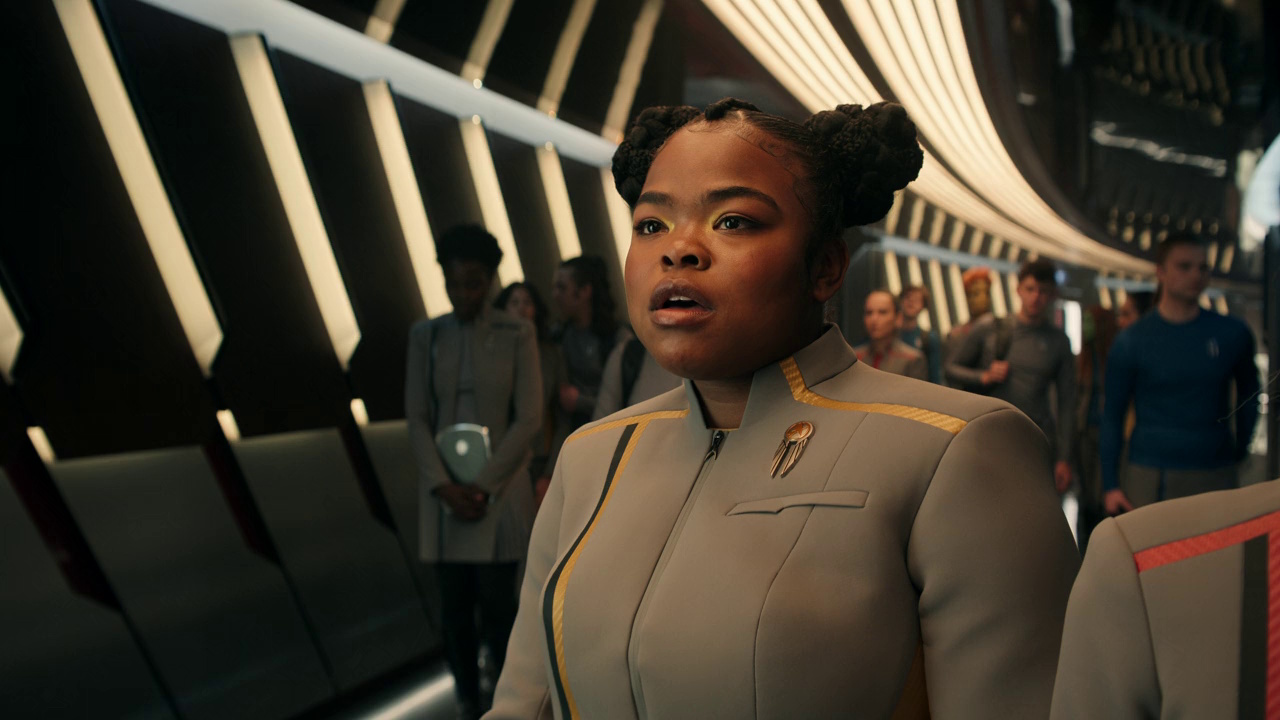
Despite that, this was an intense episode – and an episode where the level of intensity felt about right. Braka’s scheme unfolded carefully, the Furies – while pretty flat – were at least a frightening villain to face off against, and the cadets genuinely felt like they were in danger much of the time. Even though I predicted Tarima’s “superpower” from almost her first second on screen, the way she used it, and the way it connected back to her original appearance along with her father, made sense in context, and worked well enough as a “get out of jail free card” to aid the cadets’ escape.
The Furies, despite their somewhat boring and OTT presentation, feel like the kind of post-Burn faction we didn’t see enough of. People who resorted to cannibalism – but later realised they liked it and wanted to keep doing it… I mean, that’s kind of intimidating. And their costumes and weapons certainly added to that feeling. I wish we’d got a story like this to kick off Braka’s story and set him up as a genuinely imposing villain.
Ko’Zeine:

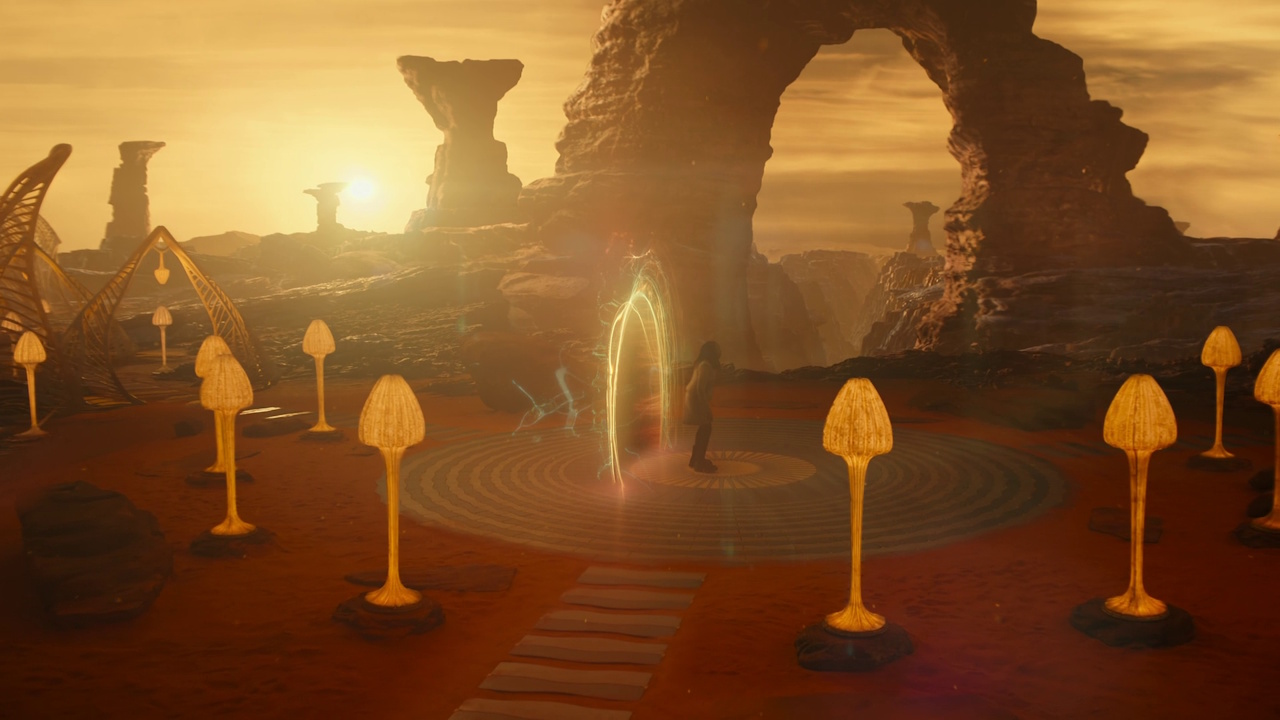
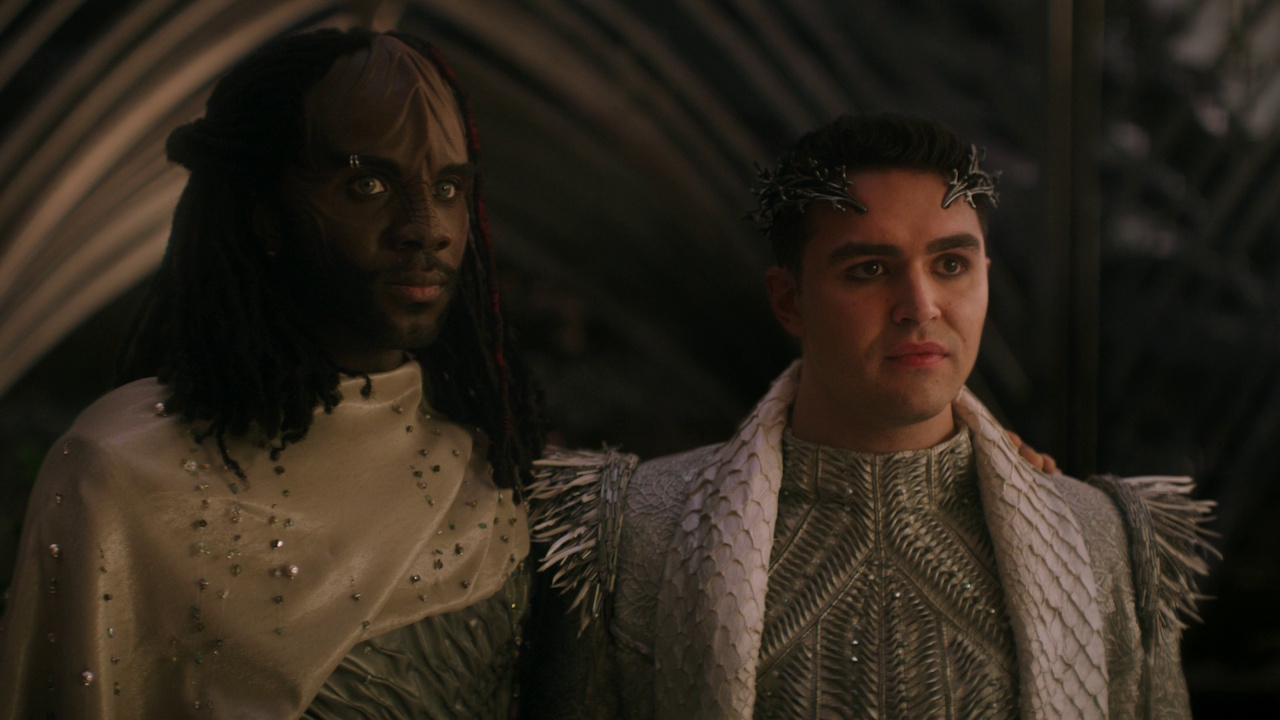
Parts of this episode felt like an homage to the classic TOS story Amok Time, with Jay-Den following Darem to his arranged marriage on a desert moon. There was no climactic fight to end things, though! The wedding story was… not my favourite, unfortunately. There were interesting ideas in the mix, but I felt Darem’s new wife went from “yay, I can’t wait to marry you” to “divorce me and abdicate” in a heartbeat, and solely because of one short speech she heard from Jay-Den.
It was a bit of forced drama in a series that, let’s be honest, doesn’t need that kind of thing. Darem’s position at the Academy looked to be in jeopardy because he’s secretly the prince of his homeworld, and now has to be its co-ruler. The setup for that entire thing felt like one big cliché, and while I think Darem ended the episode in a way better place than he had been at the start, really capping off his “redemption arc” from the premiere… it wasn’t a solid outing in its own right.
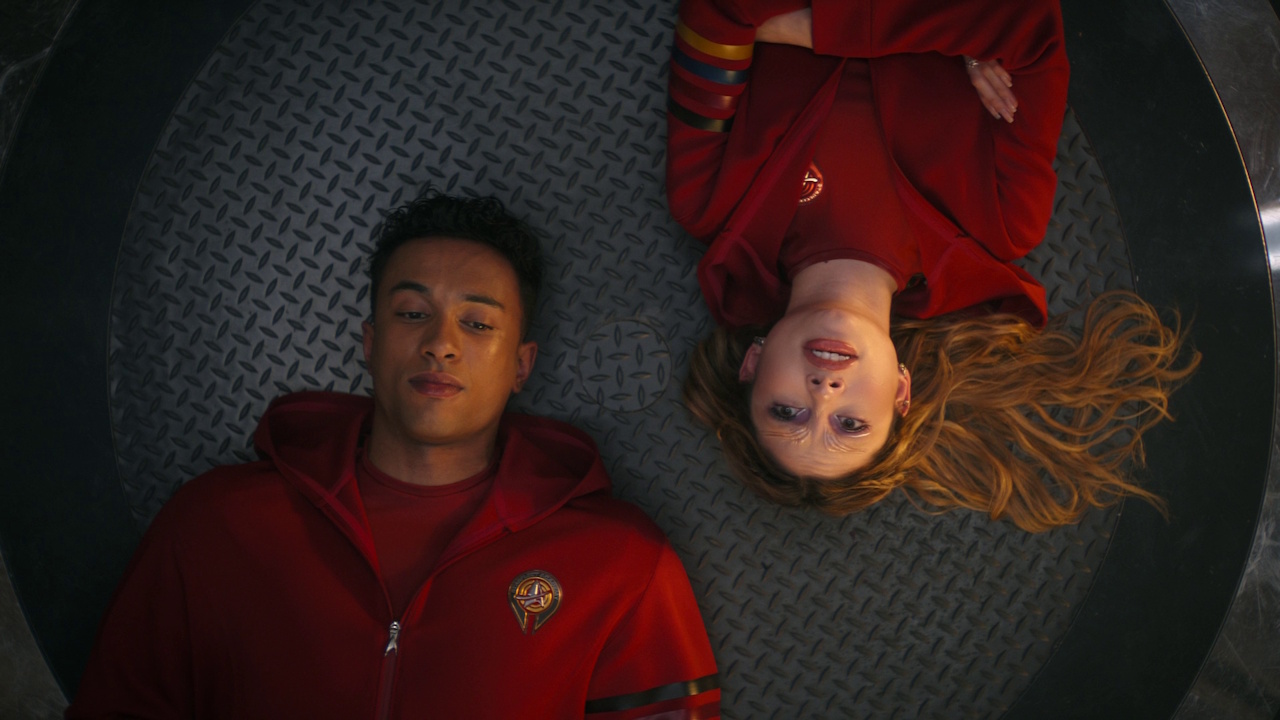
Back on campus, Caleb and Genesis got to spend a bit of time together one-on-one, which had merit. It was certainly the stronger of the two stories, as well as Genesis’ only real spotlight storyline across the season. I think Genesis felt quite relatable, in some ways, in this storyline, as she sought to overcome her anxieties and step out of her illustrious father’s shadow. Seeing the Academy sets deserted was a bit of fun, too.
Genesis and Caleb got their comeuppance from Reno, and later from Captain Ake. Ake’s scenes with Genesis in particular, as she figured out what was going on and why the promising young cadet was on the verge of sabotaging her own career showed her off in her best light as a teacher and a leader, and I think that might be the single best part of Ko’Zeine, on the whole.
The Life of the Stars:
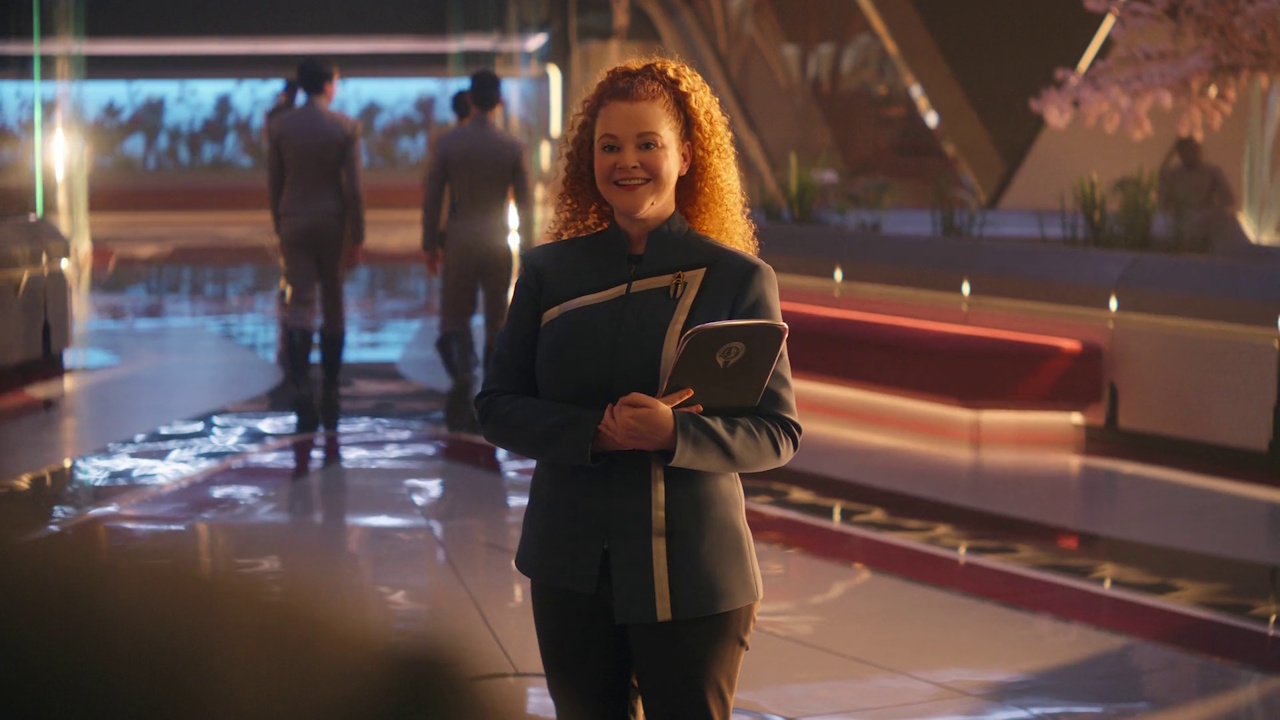
I put in my notes that parts of this episode “felt like an English lesson,” and I think someone more familiar with the (out-of-copyright) play that Tilly and the cadets worked on would’ve gotten a lot more out of it than I did! But, again, this is a show set at a school with an intended audience that skews younger, so perhaps teens and young adults would find the theatre class plot more relatable than I did. In any case, I genuinely felt that my unfamiliarity with Our Town, the play at the centre of the story, hampered my enjoyment of the episode.
Tilly was originally announced as being a main cast member in Starfleet Academy, and back in Discovery’s fourth season, she even got a spotlight episode which felt like a backdoor pilot. For whatever reason, her role was reduced (and none of the cadets from All Is Possible carried over to the main show), but it was still fun to welcome Tilly back to the show here. Her arc, as I think I noted in All Is Possible, basically took her full-circle from the cadet we met at the beginning of Discovery to becoming a teacher. I would love to spend more time with Tilly in Season 2.
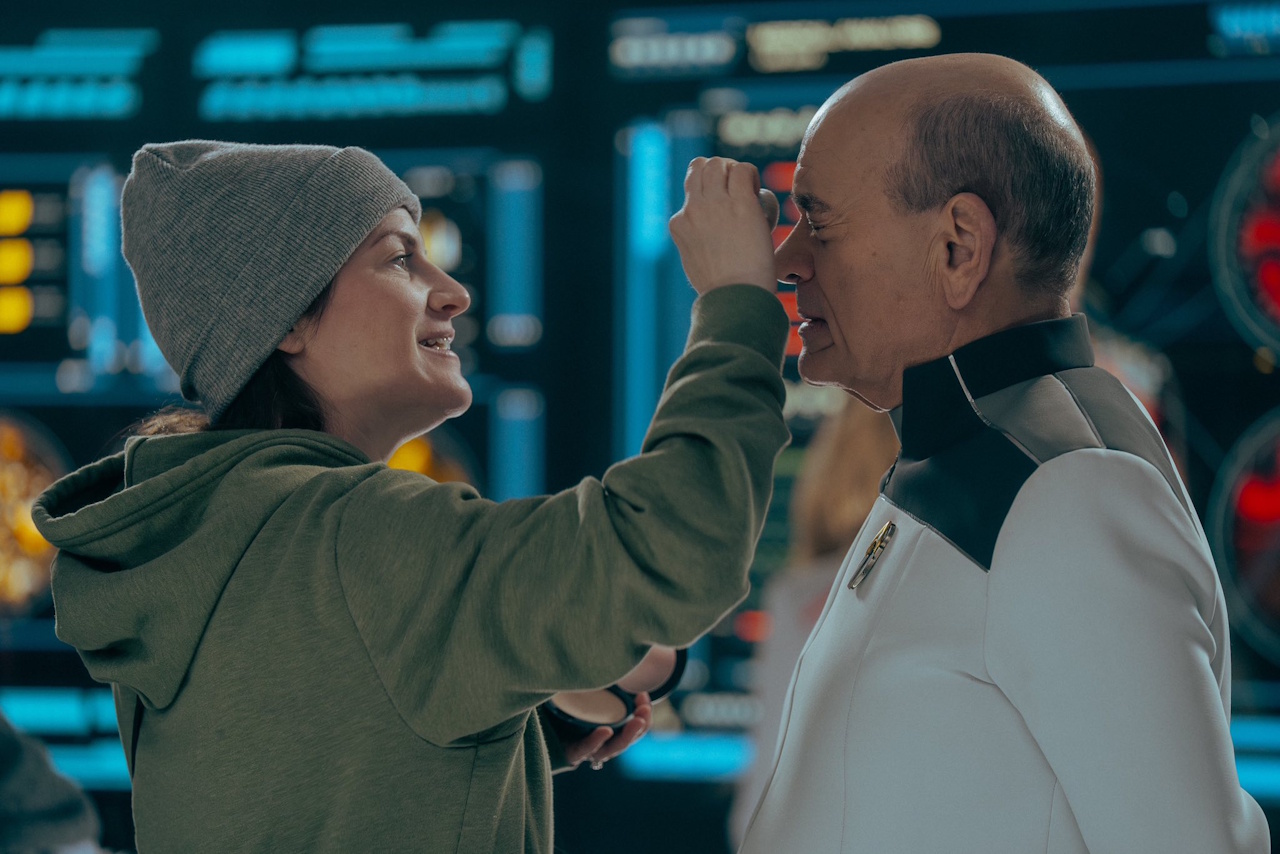
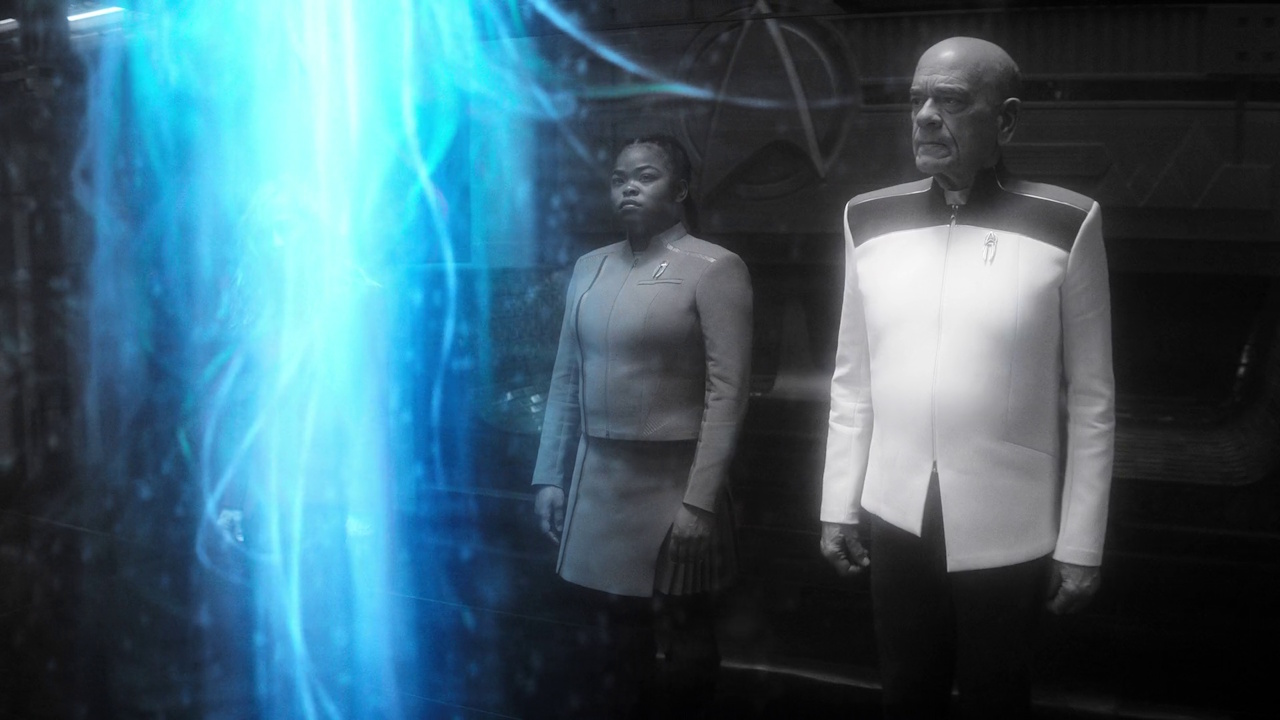
This episode, though, will be remembered for what it says about the Doctor – who escorted Sam back to her homeworld in the hopes of curing her. I felt Sam getting a second main storyline so soon after Series Acclimation Mil was a bit much, and the fact that *both* of her big stories involved connections with a legacy character was a tad repetitive. But for the Doctor… I really didn’t like what The Life of the Stars had to say, I’m afraid.
The Doctor didn’t miss Janeway. He didn’t regret outliving B’Elanna or Harry Kim. He didn’t care about the cadets from Prodigy. No. The Doctor spent almost a millennium pining for the *non-sentient* holograms from his family holoprogramme that we saw in the Voyager Season 3 episode Real Life. That would be akin to you or I reaching old age and not grieving for our friends and families… but for characters from a particularly emotional video game we once played.
I think this’ll have to be the topic of a longer standalone article in the future, so stay tuned.
300th Night:
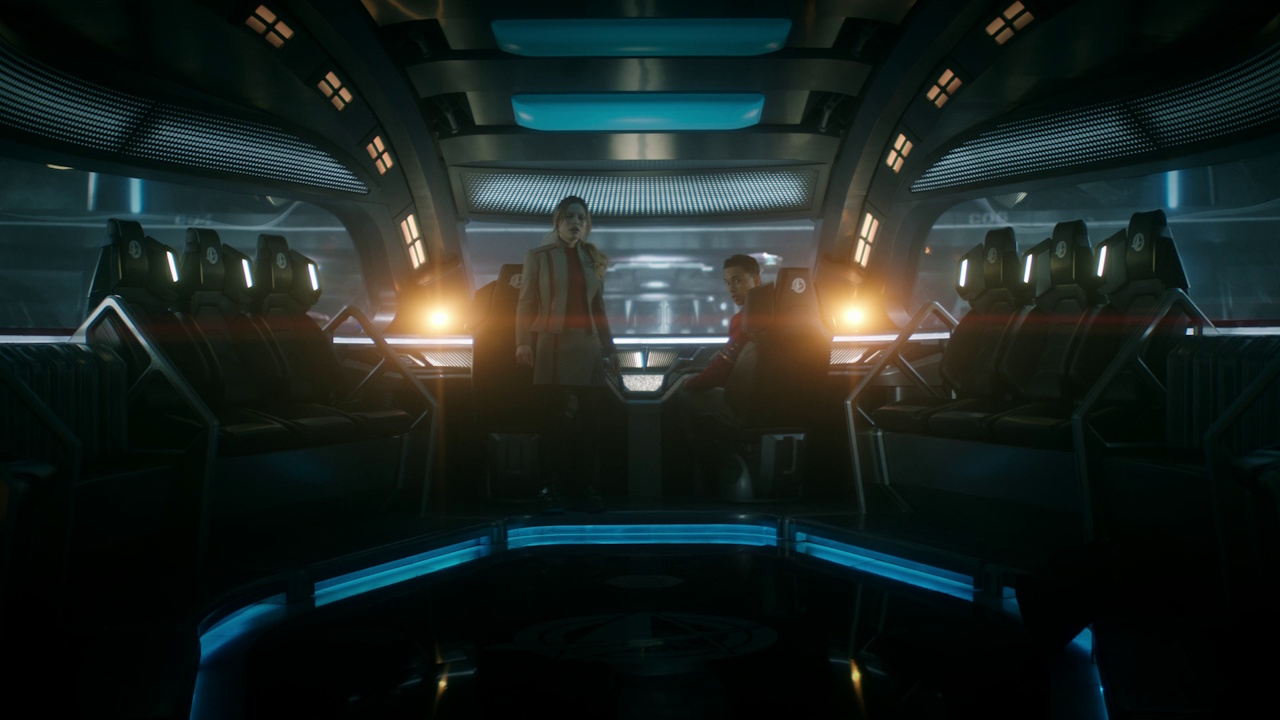
I liked the party atmosphere we got at the beginning of the episode, and how it clashed in such a huge way with what was to come. The Ukeck marketplace was a great post-Burn setting, and one of the best individual off-campus sets that I think we saw across all ten episodes. It felt, in a way, like something out of Star Wars; aliens milling around, scavengers trying to trade for petty cash, and just like a generally run-down, dangerous place that was perfect for this kind of story. A well-designed space.
Some of the ideas here were great, and seeing Caleb achieve his goal of reuniting with his mother was sweet, and it hit some of the right emotional notes. But there was some pretty imperfect execution, too, which dragged things down a notch or two. Caleb was *always* going to choose his mother over his friends and leave the Academy; that was set in stone from episode one. But the way he went about it, being so harsh and so much of a dick to his friends, the people who’d risked a lot to help him… that didn’t feel great. And it didn’t serve a greater narrative purpose, either, making it feel unnecessary and therefore even worse.
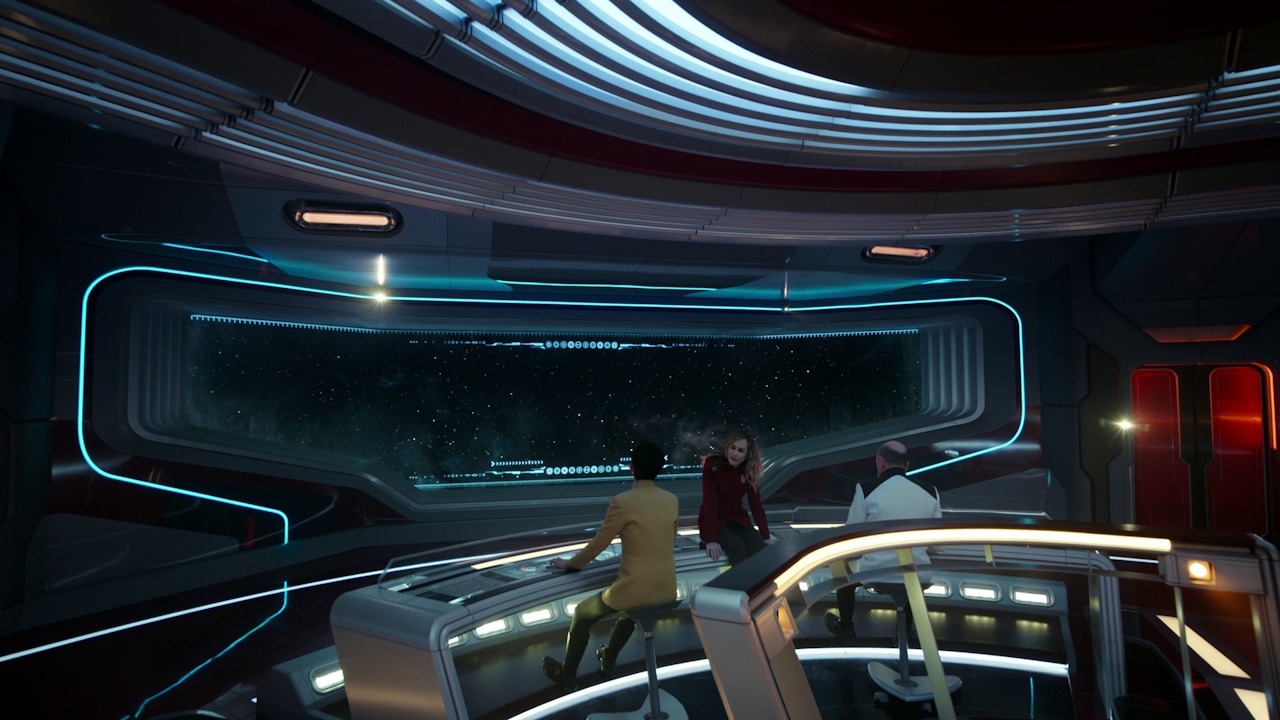
Braka’s “omega mines” were another of modern Star Trek’s typical over-the-top macguffins with stupidly powerful capabilities – and a convenient weakness. But I kind of liked the callback to Voyager, as well as how the Federation might’ve been researching the dangerous omega molecule as a potential source of power generation in the post-Burn era. Weaponising something like that felt right for Nus Braka, and a shady Starfleet programme that might’ve been doing something dangerous also felt right for this incarnation of the Federation.
Caleb choosing not to tell his mother who his friends were or how they’d come to be there made sense, but I think it also said a lot about the extent to which Caleb trusted her and her judgement; he was unwilling to admit he’d used Starfleet to find her, fearing the reaction she might have. The episode did a lot for Caleb, mostly good but a few negatives found their way into the mix, too. As the first half of the season finale, we got a solid if derivative setup, and the story manoeuvred the cadets and the Athena into position as the only ones capable of stopping Braka.
Rubincon:
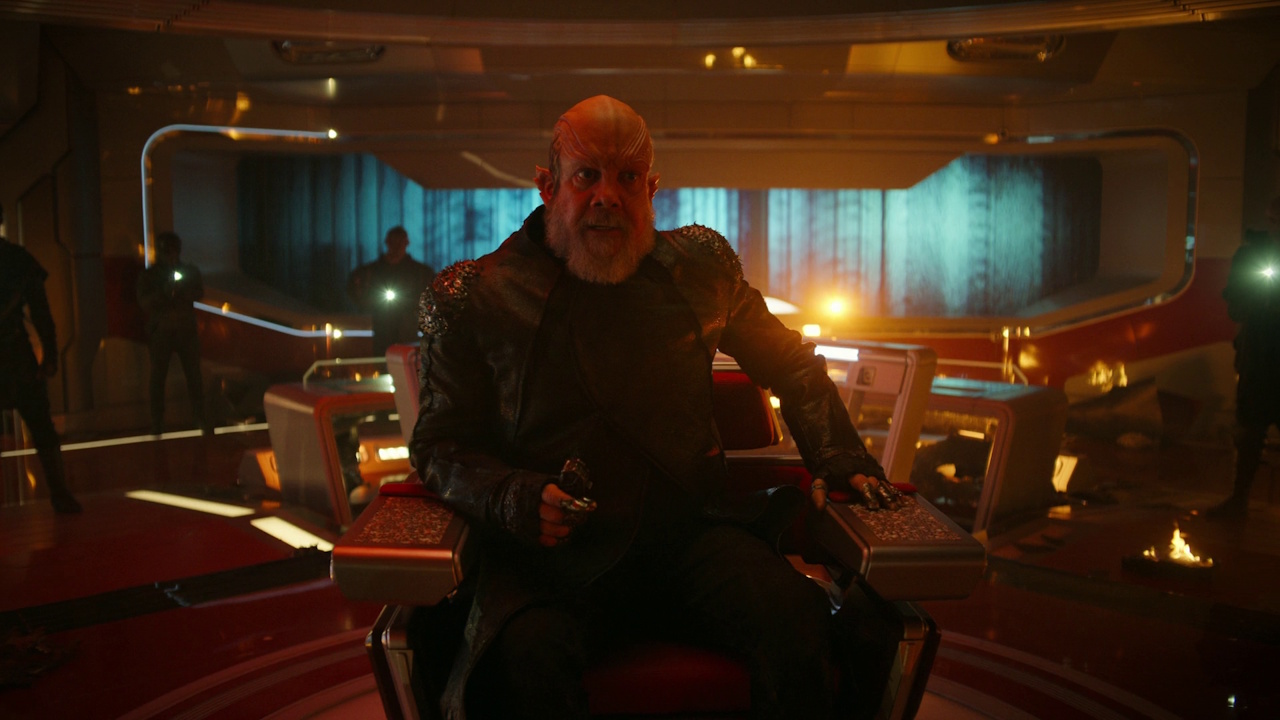
There seemed to be a bit of confusion about the name of this episode; some sources listed it as “Rubicon,” including the venerable IMDB!
My overwhelming feeling about the season finale, unfortunately, is just that it didn’t seem very realistic. I could buy Nus Braka wanting to put the Federation – and Captain Ake – “on trial,” as an attempt at poetic retribution for his own imprisonment. But it felt like an episode where the writers had come up with several very pretty and well-delivered monologues… but no way to connect them together in a framework that made any kind of narrative sense.
The idea that Braka would willingly broadcast unfiltered and uncensored speeches by Ake, Caleb, and his mother to the entire galaxy, right at the moment where he *should* have been on the verge of a huge victory just didn’t track for me, not one bit. And it added to the feeling that Braka was a one-dimensional caricature of a villain; a “32nd Century Heinz Doofenshmirtz,” obsessed with monologuing and being seen rather than actually being in any way effective as a leader.
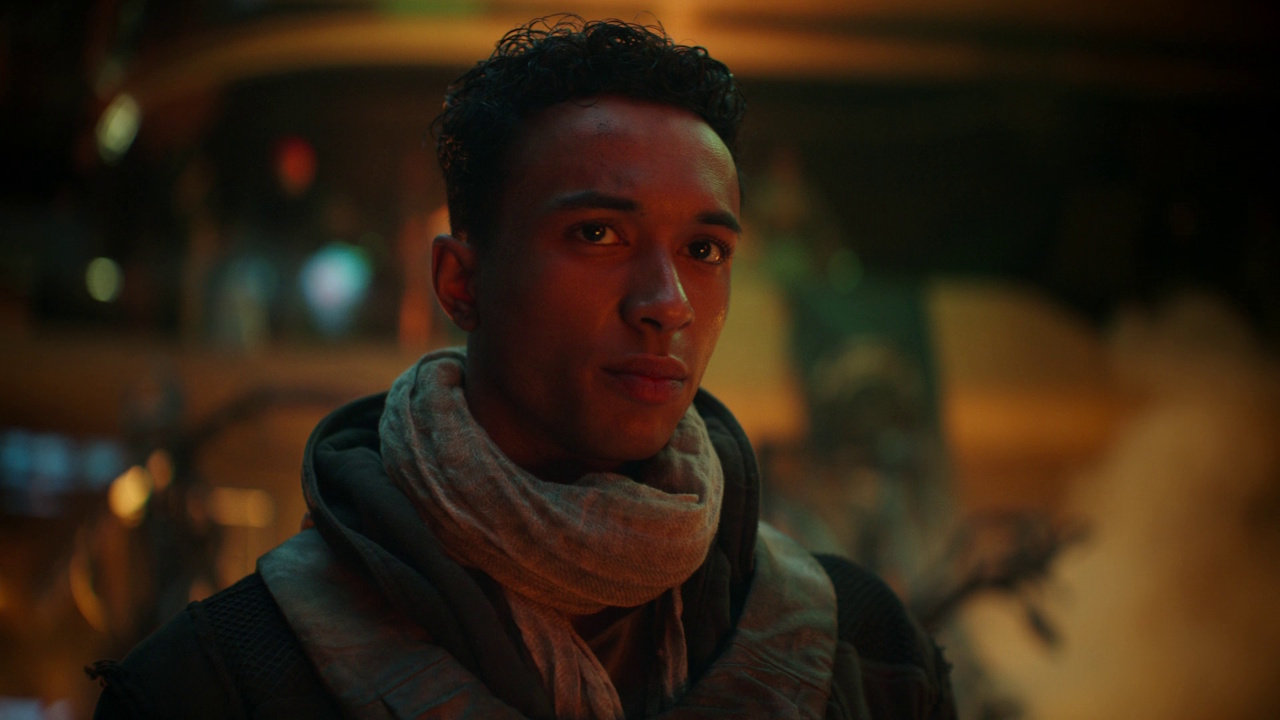
Rubincon was also hampered by Starfleet Academy’s very real failure to convey the size and scale of the Venari Ral. Were they a collection of pirate ships? A warlord’s private militia? Mercenaries hired by Braka? A proto-state on the verge of forming a government? Or a fully-functional interstellar power? Without that context and that background, it was hard to follow Braka and what his plan even *was*; assuming he detonated his mines and locked the Federation inside a bubble of non-traversable space… what would he do next?
I will credit Rubincon for the way it brought the cadets together, culminating the season-long arc of helping (most of them) grow and learn new skills, then putting those skills to the ultimate test. Reno made a fun lead aboard the Athena, too, and some of Captain Ake’s speeches – even when I felt like they were unrealistic on Braka’s part – hit the right emotional notes. Caleb’s mother also got some pointed barbs at Captain Ake, calling her out for the way she’d been treated years earlier. I don’t think it’s a great finale, to be honest, but it wrapped up key storylines and brought the cadets together for a dangerous assignment.
So that’s it.

That’s all from Starfleet Academy Season 1 for now. I may write that follow-up on the Doctor in The Life of the Stars soon, so stay tuned for that. And with Season 2 already in post-production, potentially targeting a 2027 broadcast, I daresay there’ll be more to say about Starfleet Academy in the months ahead. Rest assured that, if we get a trailer, a teaser, or more details about the show’s future, I’ll be covering it here on the website.
Thanks for joining me this time. There wasn’t enough space to cram all of this into my longer review, so I hope splitting things up like this wasn’t a terrible idea! I wanted to touch on each of these episodes and go into a bit more detail about storylines and character moments than I had time for in that piece.

Overall, Starfleet Academy just wasn’t “my thing,” and I doubt it’ll be a show I return to very often… if at all. But that’s somewhat beside the point, and really, a bigger source of disappointment for me is that the show seems to have struggled to attract its target audience. Starfleet Academy failed to break into the top ten most-streamed shows over the nine weeks of its first season, a feat that Discovery, Picard, and Strange New Worlds all managed. And I fear that Season 2 – assuming even that goes ahead – will be the show’s swansong.
But this is Star Trek’s 60th anniversary year, so let’s not end on such a negative note! There’s still Season 4 of Strange New Worlds to come, probably in the late summer or autumn, and I’ve got a few more ideas for re-watches and other pieces to write as the year-long celebration rolls along. If you’re a Trekkie, I hope you’ll swing by to check out at least some of that right here on the website.
Live Long and Prosper, friends!
Star Trek: Starfleet Academy is available to stream now on Paramount+ in countries and territories where the service is available. The Star Trek franchise – including Starfleet Academy and everything else discussed above – remains the copyright of Paramount/Skydance. This review contains the thoughts and opinions of one person only and is not intended to cause any offence.





 Trekking with Dennis