
Ten Games To Play While You Wait For GTA 6

Spoiler Warning: Minor spoilers may be present for some of the games on this list.

The recent trailer for Grand Theft Auto 6 has got a lot of gamers salivating! We really ought to try and avoid boarding the hype train, but with Grand Theft Auto 6 being the long-overdue sequel to the most successful and profitable video game of all-time, a bit of excitement is understandable! However, the game won’t launch until sometime in 2025 – and probably even later for PC players like me, unfortunately – so until then we’re all facing a dilemma: what should we play?

I’ve picked out ten games that I think could be fun substitutes for Grand Theft Auto 6. I’ve tried to avoid the most obvious pick: Grand Theft Auto V! But I’ve selected games in the same open-world space, with comparable driving and third-person action gameplay, or with a focus on crime and criminality. There are bound to be hundreds of “what to play before GTA 6” lists floating around… so you may have seen some of these ideas already. But maybe – just maybe – there’ll be something a bit different in the mix this time!
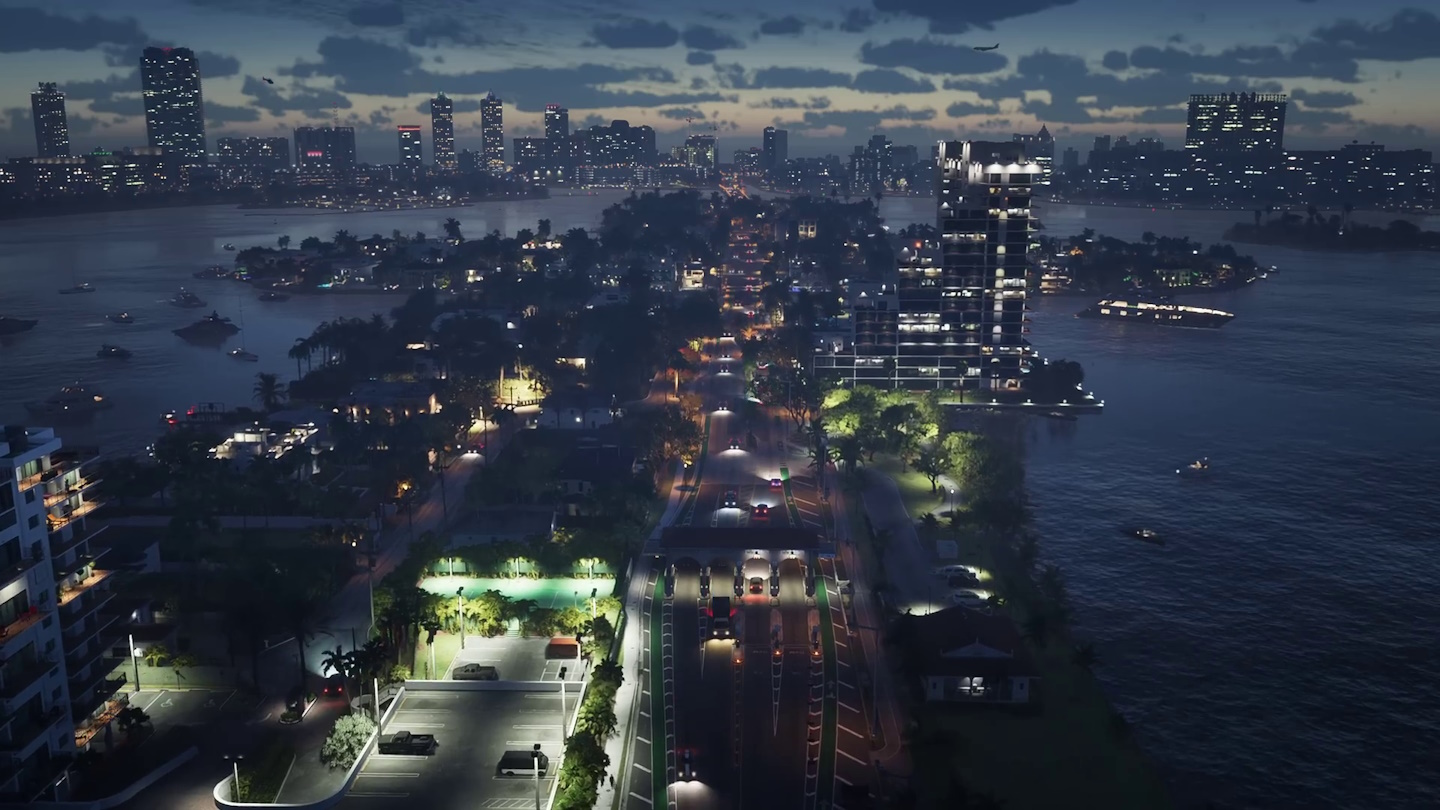
A screenshot from the Grand Theft Auto 6 trailer showing the fictional Vice City from above after sunset.
Vice City after dark.

As always, this list is the entirely subjective opinion of one person only! If you hate all of my ideas, think they’re too obvious, or you’ve seen a far better selection of games elsewhere – that’s okay! There’s no need to take anything too personally or get into an argument.

I’ve already shared my thoughts on the recent trailer for Grand Theft Auto 6, and you can find that article by clicking or tapping here.

With all of that out of the way, let’s get started!

Game #1:
Saints Row 2 (2008)
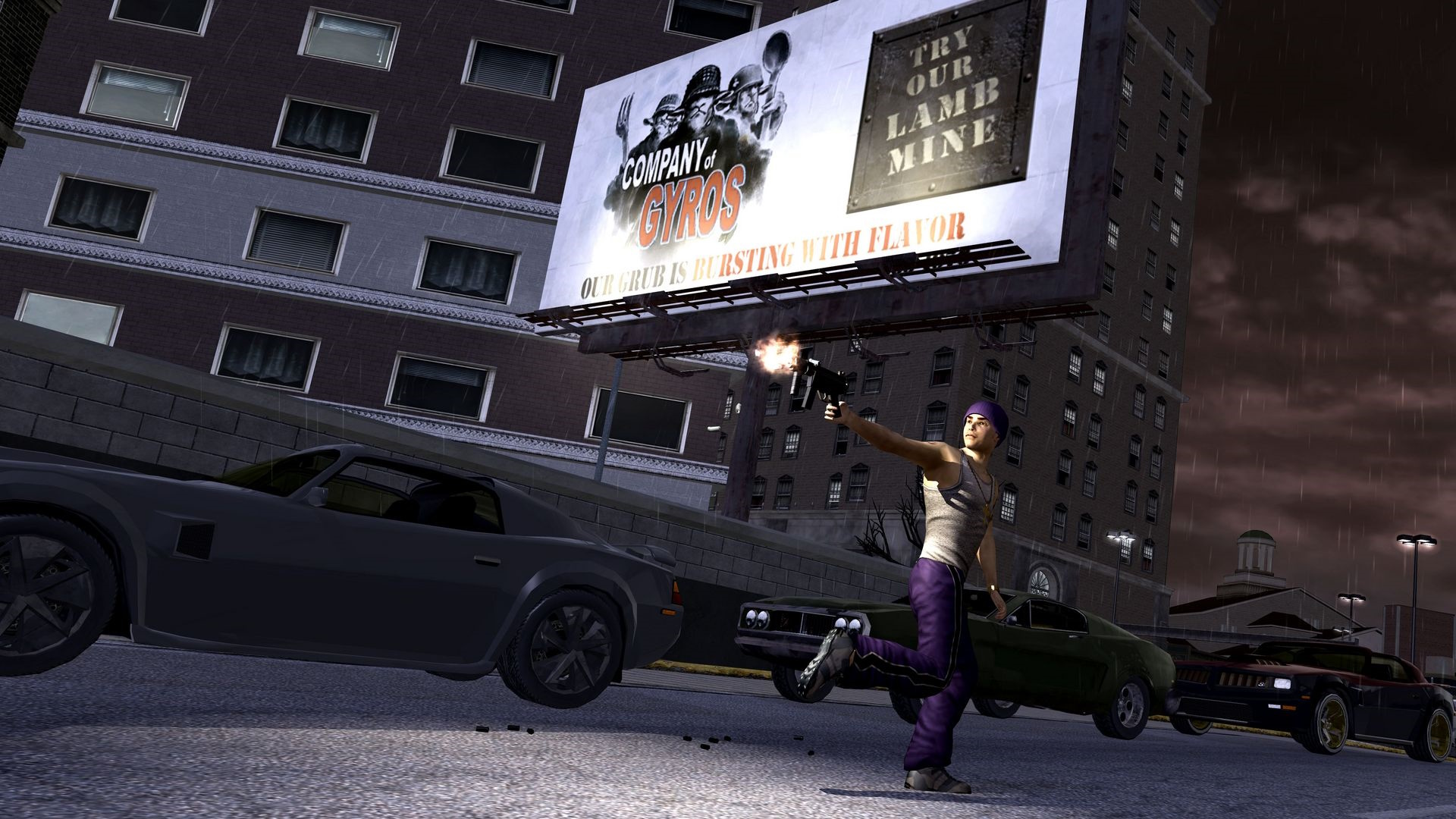
Promotional screenshot of Saints Row 2 featuring a character firing a handgun.
Running and gunning!

For me, Saints Row 2 is where the series managed to strike the right balance between being a pure “GTA-clone” and the utter silliness and wackiness that would come to define its later entries. There was an attempt to reboot the Saints Row series earlier this year, but unfortunately it wasn’t well-received so I can’t recommend it. But if you don’t mind stepping back to the Xbox 360 era, Saints Row 2 could scratch that open-world crime itch!

Saints Row 2 is comparable to Grand Theft Auto 4 in terms of graphics and gameplay – but with a less-realistic physics engine that seemed (to me, anyway) to make driving a bit more arcadey and fun. It also has a bit more of a grounded story when contrasted with later Saints Row games – there’s no visiting Hell or battling aliens from outer space in this one. There’s an open-world city to cruise around, cars to jack, missions to get stuck into, and basically all of the Grand Theft Auto trappings with a less-illustrious name attached. It was great fun in 2008 – and although I haven’t played it in a while, it’s still a game I heartily recommend!

Game #2:
Sleeping Dogs: Definitive Edition (2012; 2014)
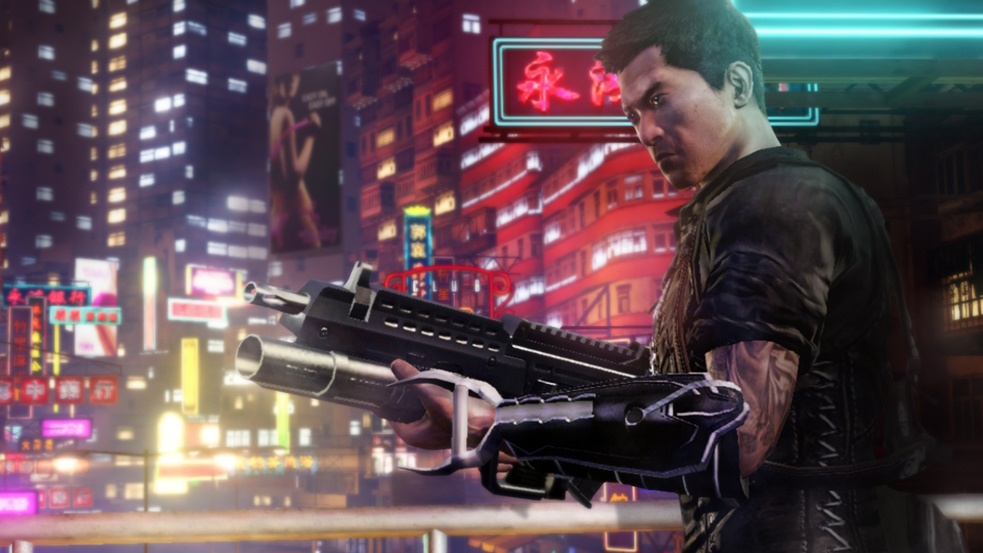
Promotional screenshot of Sleeping Dogs showing protagonist Wei Shen holding a shotgun.
Wei Shen in Hong Kong.

Sleeping Dogs takes the Grand Theft Auto formula but puts two very distinctive spins on it. Firstly, the player character is a cop, not a criminal – albeit an undercover cop who seems to have no qualms about breaking a few laws! And secondly, the game is set in Hong Kong, not the United States. Both of these elements help it stand out from other open-world crime games!

You’ll occasionally hear Sleeping Dogs discussed in conversations about underrated games – and rightly so! It’s a fantastic title that was criminally under-appreciated when it was released. The game’s underwhelming sales at launch led to the cancellation of a potential sequel – but Sleeping Dogs is still a fantastic standalone experience. If you play on PC, the game is frequently available at a steep discount during Steam sales, and with the winter sale coming up soon, you might be able to pick it up for less than the price of a coffee. Surely it’s worth a shot for a few pounds or dollars!

Game #3:
Expeditions: A Mudrunner Game (2024)
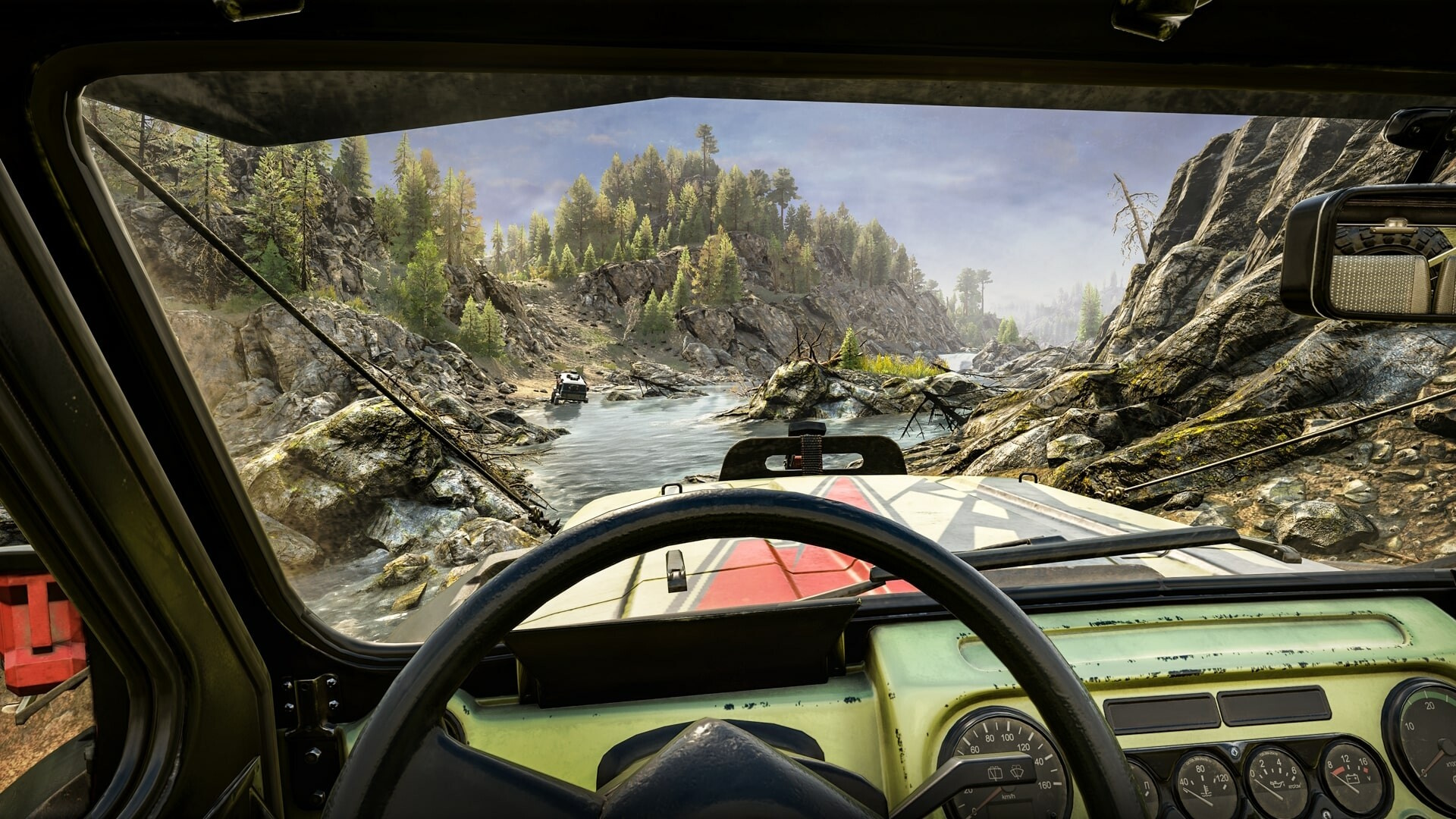
A promotional screenshot of Expeditions: A Mudrunner Game showing first-person driving.
Driving up-river!

You won’t have to wait too long for this sequel to Mudrunner and Snowrunner; it’s due for release in March. I’ve had a surprisingly fun time with Saber Interactive’s off-road vehicle simulation games, so if the driving side of Grand Theft Auto is what you liked the most, I’d happily recommend all three. If you’re sick of racing games and are looking for a different kind of vehicular challenge, Mudrunner, Snowrunner, and the upcoming Expeditions could be just what the doctor ordered!

Snowrunner has several large open maps and plenty of vehicles to choose from – and the off-road part of the driving simulation is really the focus of the game. I expect Expeditions will do something similar – but according to the developers, it’ll also be adding new features like a recon drone, metal detector, and of course, new vehicles!

Game #4:
Red Dead Redemption II (2018)
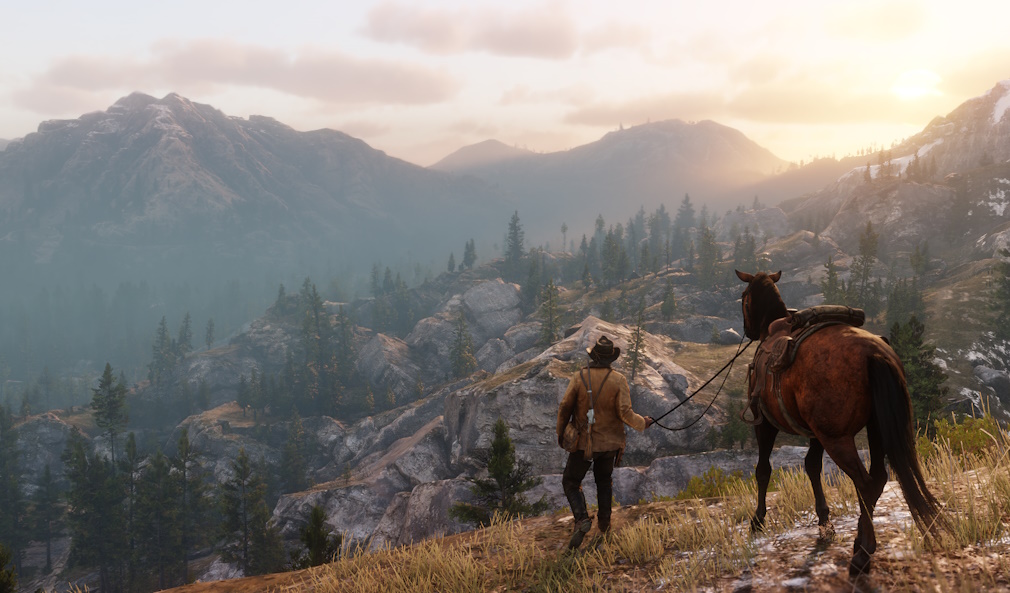
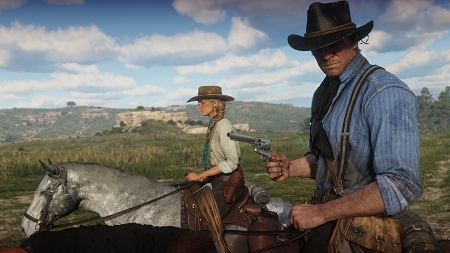
Promo screenshot of Red Dead Redemption II featuring protagonist Arthur Morgan and a horse.
Howdy, partner!

Alright, I suppose we couldn’t put together a list like this without talking about Rockstar’s most recent title! Red Dead Redemption II is, in my humble opinion, Rockstar’s magnum opus – and one of the most incredible video games ever made. If you haven’t played it… what are you waiting for? I’ve only played it once, and I’m seriously considering going around for a second playthrough sometime soon.

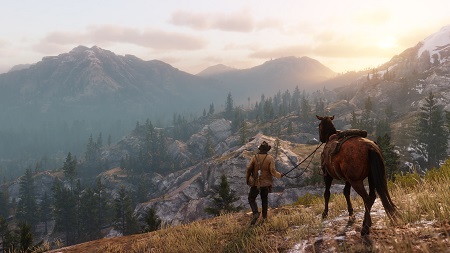
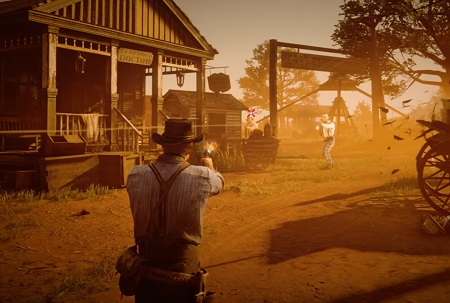
Red Dead Redemption II takes Rockstar’s open-world formula to the 19th Century, with an incredible map based on parts of the American midwest, the Rocky Mountains, the Deep South, and more. The single-player campaign features one of the best stories ever told in a video game, with incredible characters and an intense, deeply emotional narrative. I can understand being put off by the time period if you’re craving a game set in the modern day… but give it a shot, especially if you can find it at a discount. I really don’t think you’ll be disappointed!

Game #5:
Crime Boss: Rockay City (2023)
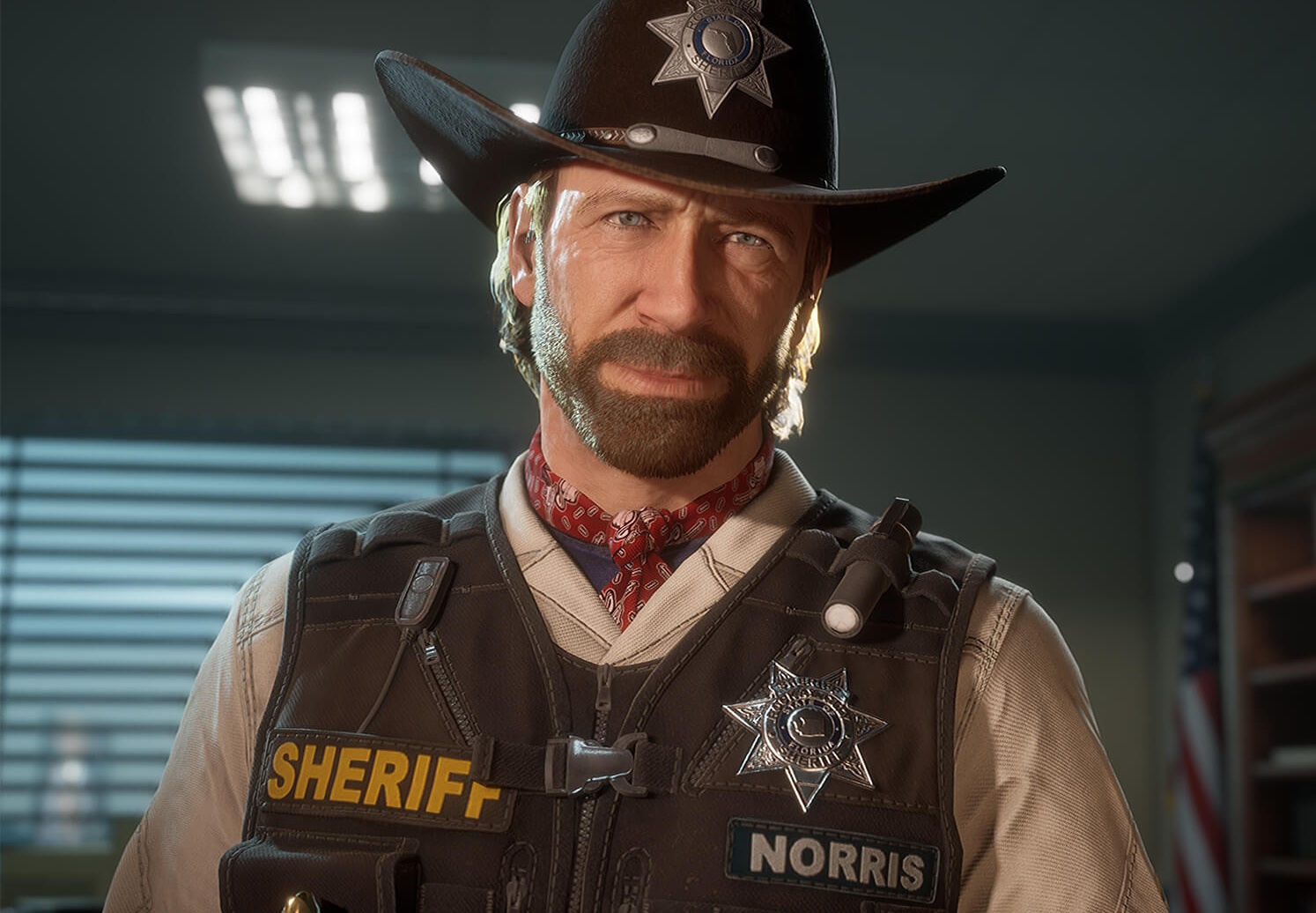
Promotional screenshot of Crime Boss: Rockay City featuring Chuck Norris' character.
Outer space exists because it’s afraid to be on the same planet as Chuck Norris.

I’d argue that Crime Boss: Rockay City was unfairly criticised upon release by folks who’d either over-hyped it or had set the wrong expectations. If you go into it expecting a first-person Grand Theft Auto experience with all of the bells and whistles of a Rockstar game… sure, I guess it’s fair to say it comes up short. But if you look at the game for what it is – a fairly straightforward and linear FPS that’s more comparable, in some respects, to the Payday series – there are more than enough charming features to make it worth playing.

Crime Boss: Rockay City has voice acting from the likes of Chuck Norris and Danny Trejo, and its ’90s setting is something a bit nostalgic. The game is also set in a fictional city based on Miami – just like a certain upcoming crime game that we’re all looking forward to! Crime Boss: Rockay City is reasonably priced, and didn’t try to overcharge. That being said, it could well be available at a discount when holiday sales get going this month – so keep an eye on it!

Game #6:
Cyberpunk 2077 + Phantom Liberty (2020; 2023)
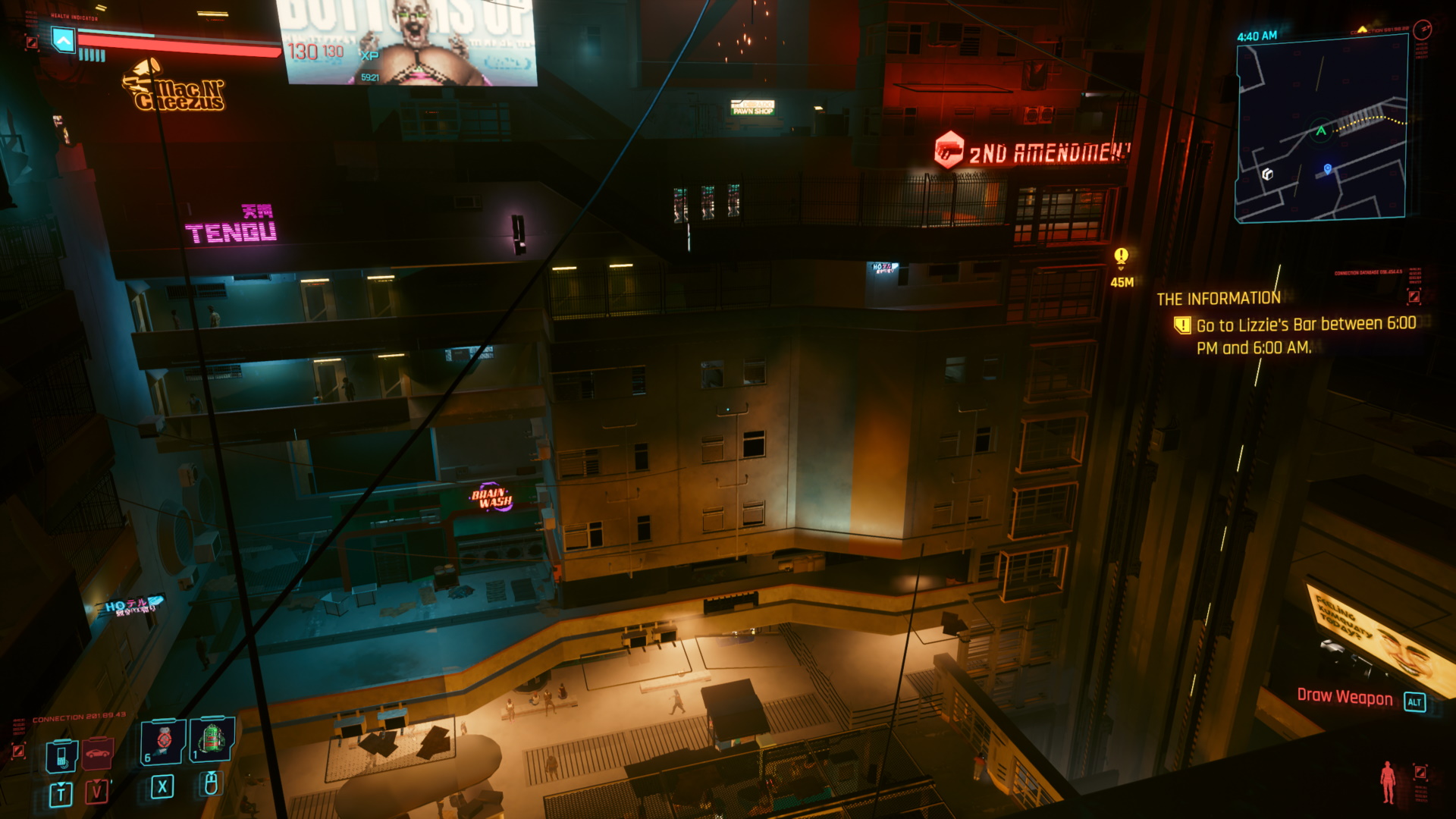
A screenshot of Cyberpunk 2077, looking out over an apartment building.
The view from V’s apartment.

As I said recently, I never thought I’d be in a position where I could recommend Cyberpunk 2077 to anyone in good conscience! However, the addition of the game’s big 2.0 update and the Phantom Liberty DLC has been a game-changer – quite literally! Cyberpunk 2077 had been slowly but surely rebuilding its reputation after a disastrous launch three years ago, and by the time I got around to fully playing through it, the worst and most egregious of the bugs and glitches had been fixed. But the 2.0 update and Phantom Liberty have genuinely transformed the experience.

Many of the complaints that I had about Cyberpunk 2077′s gameplay – from the way clothing and armour worked to how police would randomly spawn in Night City – have been addressed and completely fixed, and the addition of a new story campaign has been fantastic, too. I can understand not wanting to play the game or to support a developer who behaved deceitfully – and we should never forget how CD Projekt Red acted in the run-up to the game’s release. But if you haven’t played Cyberpunk 2077 yet… you are honestly missing out on a great story and a fun experience.

Game #7:
Grand Theft Auto: Vice City (2002)
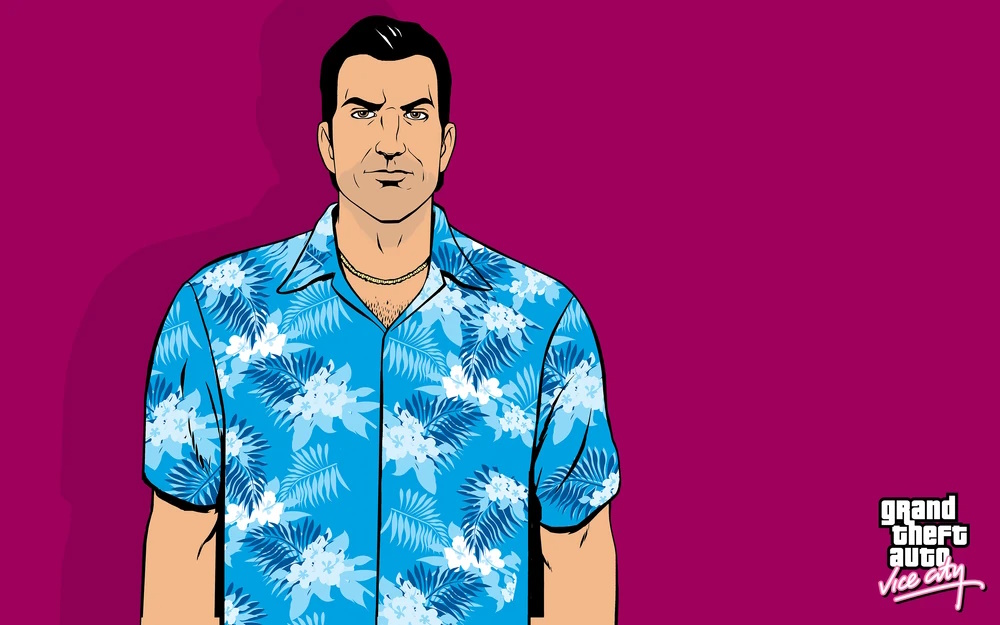
Loading screen art from the game Grand Theft Auto: Vice City featuring protagonist Tommy Vercetti.
Protagonist Tommy Vercetti.

Is this one too obvious? With a return to Vice City on the cards in 2025, it could be fun to step back in time to see its first appearance! I really enjoyed Vice City at the time – it felt like a step up from Grand Theft Auto III with a bigger map, more vehicles, and a fully-voiced protagonist. I’d go so far as to say that Vice City’s homage to the likes of Scarface and Miami Vice has me genuinely questioning how well Grand Theft Auto 6 will work when it takes the iconic Miami-inspired city out of the ’80s and into the modern day.

If you grew up on Grand Theft Auto V and other games of that generation, stepping back to Vice City could feel like a downgrade – and I fully appreciate that. But the game has a fun story, and if you can overlook the admittedly outdated graphics and the technological limitations that come with a two-decade-old game, it’s absolutely worth playing. I had a blast with it in 2002 – and knowing that that was more than twenty years ago makes me feel absolutely fucking ancient!

Game #8:
Shenmue I & II (1999; 2001)
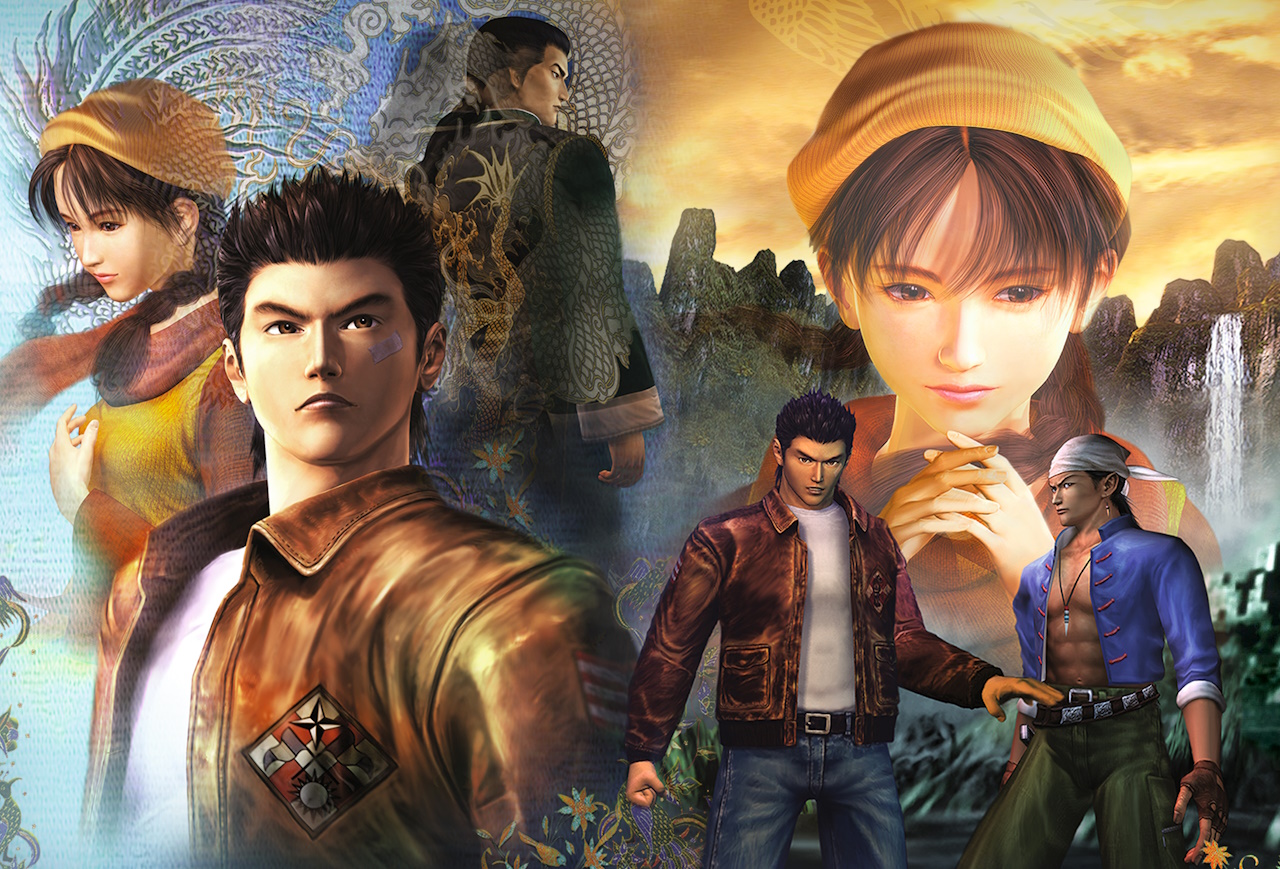
Cropped poster of Shenmue I & II.
A promo poster showing some of the games’ characters.

Before Grand Theft Auto III came along, the original Shenmue on the Dreamcast was an early open-world pioneer. In some ways, its world is more detailed than even Grand Theft Auto V’s, with a day-night cycle that actually matters to characters’ schedules, dynamic weather, mini-games, and more. I absolutely adored Shenmue back when I owned a Dreamcast – and I never miss an opportunity to recommend the game to players who might’ve missed it when it was new.

Shenmue tells a compelling story of revenge. Protagonist Ryo Hazuki must track down the man who murdered his father, and his quest takes him from his home town in Japan across the sea to Hong Kong and beyond. It’s a relatively slow-paced game with a lot of dialogue and investigating, but these sections are broken up by intense hand-to-hand combat battles that use a variety of martial arts moves, as well as quick-time events… which Shenmue can claim to have invented. For better or worse! Both games are available in one package, and this could be another one to add to your wishlist and keep an eye on.

Game #9:
Mafia: Definitive Edition (2002; 2020)

A promotional screenshot of Mafia: Definitive Edition featuring a character holding a gun walking past two cars.
Promo screenshot of Mafia: Definitive Edition.

When I first played Mafia on the original Xbox, I thought it was basically going to be “Grand Theft Auto in the ’30s” – but that hardly does it justice. The game – and its two sequels – have been remade from the ground up in recent years, putting to shame Rockstar’s appalling Grand Theft Auto III Trilogy “remaster” from a couple of years ago. Of the three, the original Mafia is probably the title I’d recommend most highly – but the entire trilogy can be picked up as one set.

All of the elements of a Grand Theft Auto game are present, but the ’30s setting and heavy focus on the titular mob makes for a completely different kind of story. Many of the gameplay elements will be familiar, but different and distinct enough to make this open-world crime title stand out from the crowd. I enjoyed the story of Tommy Angelo, a “made man” in the mob, and Mafia: Definitive Edition is an easy game to recommend to any fan of the GTA series.

Game #10:
Baldur’s Gate 3 (2023)
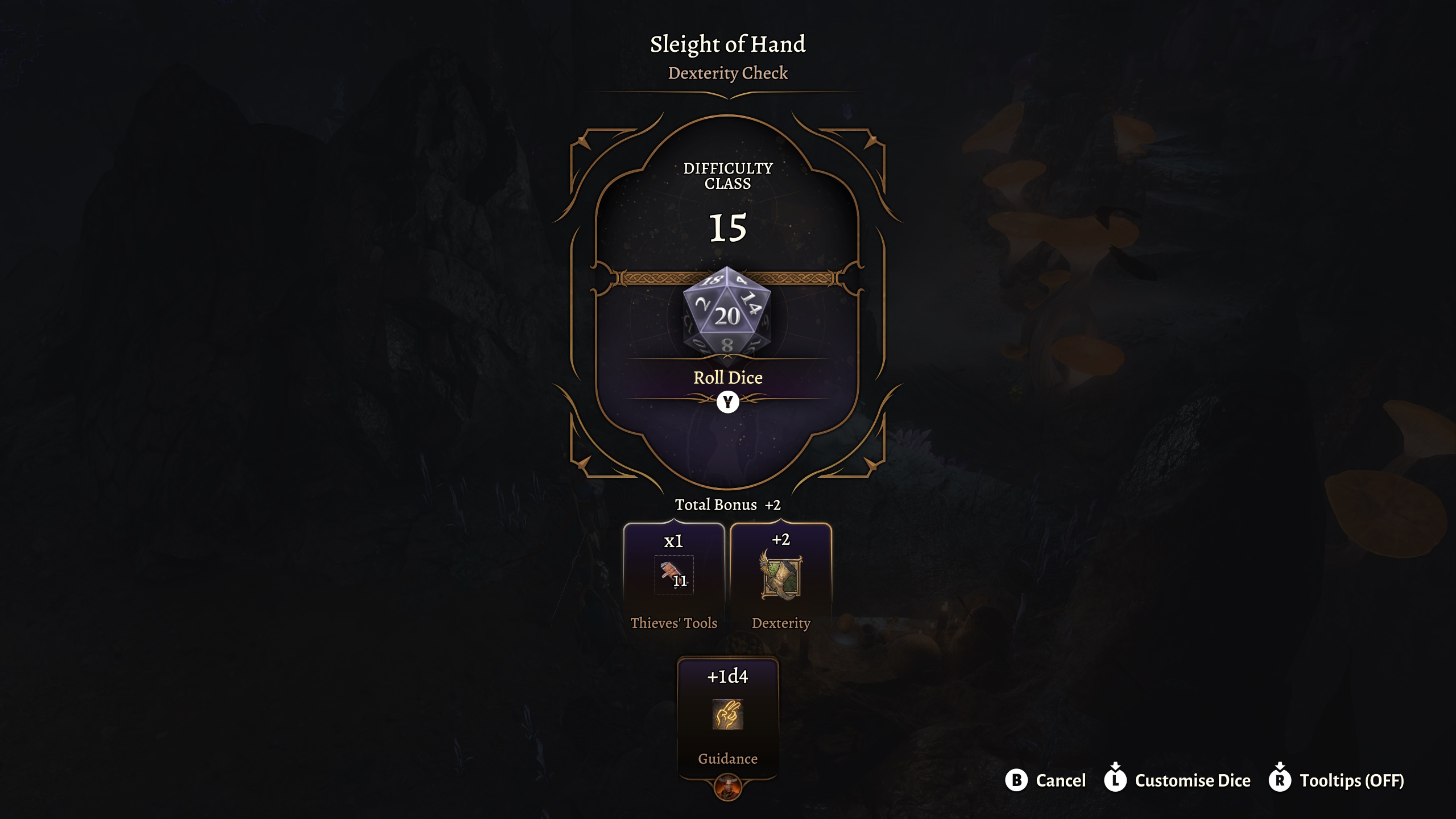
A screenshot of Baldur's Gate 3 showing a dice roll.
Ready to roll some dice?

I know, I know: this one’s a bit “out there,” as Baldur’s Gate 3 seems to have very little in common with the Grand Theft Auto series. It’s a completely different style of game – but as players, we’re willing and able to try out new experiences, right? If you’re at all interested in games with incredibly strong and compelling narratives, give Baldur’s Gate 3 a chance to show you why it’s my “game of the year.”

A turn-based role-playing game with a branching storyline, incredibly fun characters, and one of the best character creators I’ve ever seen, Baldur’s Gate 3 seemed to come out of nowhere this year and completely blew me away. I had an absolute blast playing it this summer and autumn, and even after sinking more than eighty-five hours into a single playthrough, there are characters I haven’t met, whole areas of the map that I missed and didn’t explore, and so much more to try! I really need to start that second playthrough sometime soon!

So that’s it!
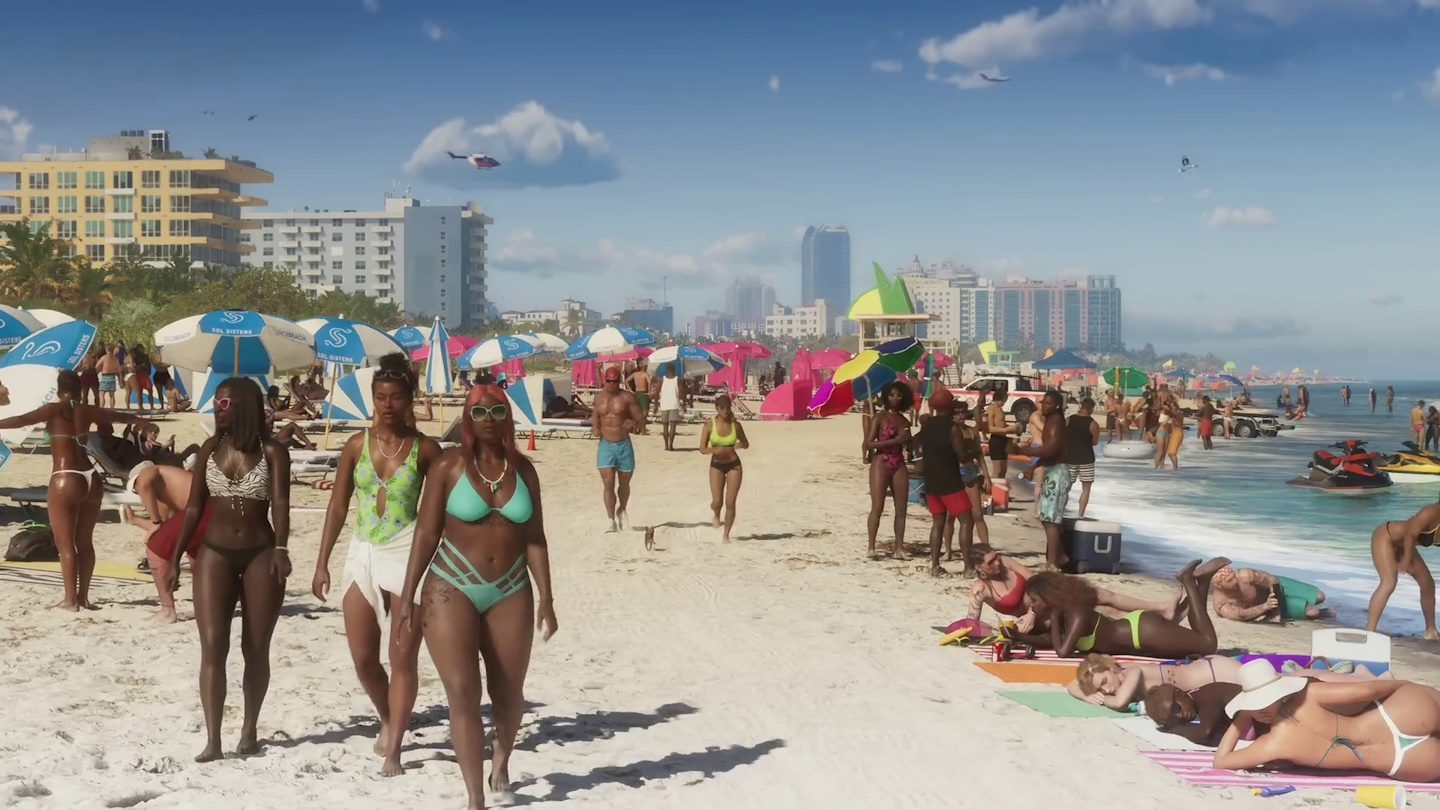
A screenshot from the Grand Theft Auto 6 trailer showing characters on a beach during the day time.
Characters on the beach as seen in the Grand Theft Auto 6 trailer.

We’ve taken a look at ten games to play while you wait for Grand Theft Auto 6. I hope I managed to pick one or two that you might not have been expecting! I’m sure I’m not the only one putting together lists or compilations like this one; there’s a lot of buzz around the next Grand Theft Auto title, and people are definitely going to be looking around for comparable experiences in the meantime. If I helped even one person find one game to try, then I’ve done my job and contributed something positive to the discussion!

Because I play on PC – and because Rockstar, despite its insane financial resources, is cheaping out on Grand Theft Auto 6′s PC release – it might be 2026 or even 2027 before I’ll be able to get my hands on it. I might not live that long… but if I do, I hope you’ll swing by Trekking with Dennis for a review! If there’s significant news about the game between now and then, I’ll do my best to cover it and discuss it here on the website. And if you missed it, you can find everything I had to say about the December 2023 trailer by clicking or tapping here.

Have fun out there – and happy gaming!

Grand Theft Auto 6 is currently in development and will be released on PlayStation 5 and Xbox Series S/X in 2025. No PC release date has been set. All titles discussed above are the copyright of their respective studio, developer, and/or publisher. Some promotional screenshots courtesy of IGDB. This article contains the thoughts and opinions of one person only and is not intended to cause any offence.

Ten Gaming “Hot Takes” (Part 1)

Today I thought we could have a bit of fun and talk about some of my more controversial gaming opinions! This is the first part of a two-part list, so be sure to stay tuned in the days ahead for five more gaming “hot takes.” There were too many to fit into a single piece this time around!

Although this is intended to be lighthearted and somewhat tongue-in-cheek, these are opinions that I genuinely hold; I’m not making things up for the sake of clickbait. I’ll always give the caveat that I’m a fan of video games and an advocate for gaming as a hobby… but that doesn’t mean that there aren’t things to criticise from time to time!

A Sega Mega Drive console.
Let’s share some controversial gaming opinions!

Gaming has changed a lot since I first picked up a joystick at a kids’ club in the ’80s, and I’ve seen the games industry and games themselves evolve dramatically! Most of those changes have been for the better… but perhaps not every last one.

As I always say when we talk about potentially controversial topics: these are my wholly subjective opinions! I’m not trying to claim that I’m right and that’s the end of the affair – on the contrary: I’m acutely aware that I’m in the minority here! I share these “hot takes” in the spirit of thought-provoking fun, and you are free to disagree wholeheartedly.

With all of that out of the way, let’s take a look at some “hot takes!”

“Hot Take” #1:
An open world isn’t the right choice for a lot of games.

A screenshot of Jedi: Survivor showing protagonist Cal Kestis outside of a saloon.
Jedi: Survivor is a recent game that employed an open world style.

Open worlds became a gaming trend sometime in the early 2010s, and too many publishers nowadays insist on forcing the formula onto titles that are entirely unsuited to it. Some open worlds are great… but I’d argue that relatively few manage to hit the golden combo of being both a well-constructed open world and one that suits the game in question. There have been some fantastic open worlds in which stories were told that didn’t fit, and some games that could’ve been wonderful that were undone by the fetishisation of the open world formula in some corporate boardrooms.

In many, many cases, having distinct levels or separate sections of a larger map just… works. It allows for the game’s narrative to create an often-necessary sense of physical distance in between locations – something that even the best open world maps are usually unable to manage. And for an awful lot of stories – even in games that we might consider to be masterpieces – that can be important to the immersion.

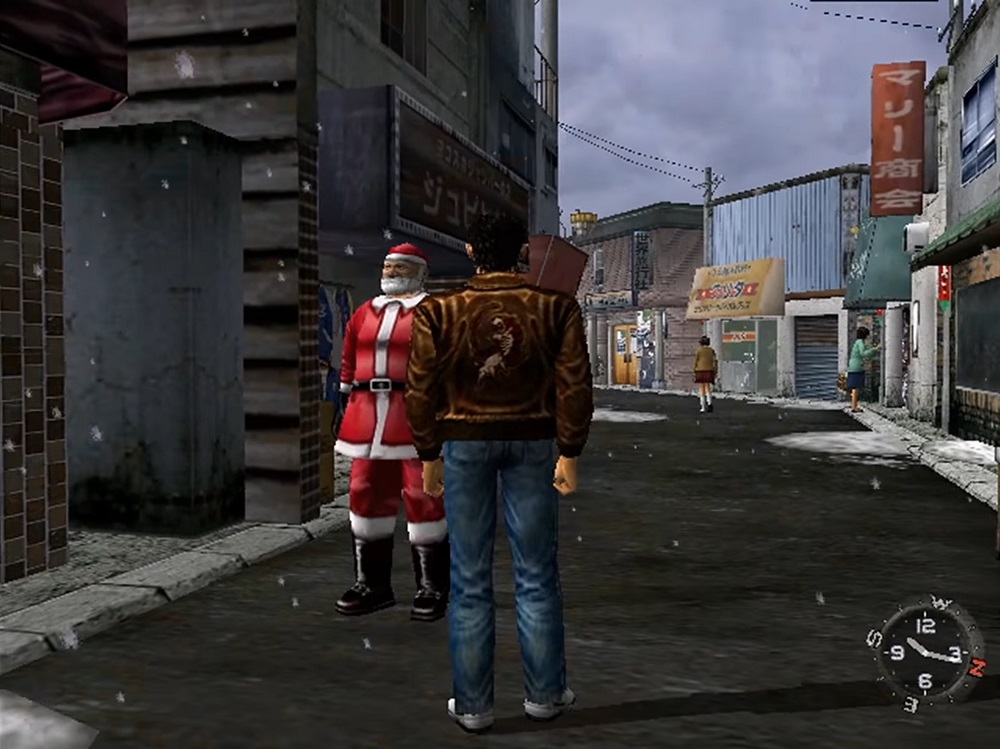
Ryo Hazuki, protagonist of Shenmue, encounters a man dressed as Santa Claus.
An early open world pioneer was Shenmue on the Dreamcast.

Take Red Dead Redemption II as an example. That game is one of the very best that I’ve ever played… but there were several points in its single-player story where the open world formula came close to being a problem. After escaping the town of Blackwater by the skin of their teeth in the game’s prologue, Arthur Morgan and the gang roam around in the mountains for a while, before eventually finding a new place to make camp… literally five minutes away from Blackwater. And this would happen again later in the game, when the gang would escape the town of Valentine only to settle at a new campsite just up the road.

The game’s narrative presented these locations as if they were far apart, but the open world of Red Dead Redemption II, for all of the content that it was filled with, didn’t always gel with that. It’s a scaled-down representation of part of the United States, and I get that. But narratively, it might’ve worked even better if the game’s main acts took place in separate, smaller open maps instead of merging them all into one larger open world.

Arthur Morgan, the protagonist of Red Dead Redemption II.
Red Dead Redemption II is a masterpiece.

Red Dead Redemption II is, without a doubt, one of the best games that I’ve ever played. So if the open world could be a problem there… well, you don’t need to think too hard to find examples of the open world formula tripping up worse and far less enjoyable titles! There’s absolutely nothing wrong with creating separate levels for a game – as has been done really since the beginning of narrative video games. Doing so often allows for more diversity in locations, environments, and terrain – and it’s something more titles need to consider taking advantage of.

I could probably count on my fingers the number of games that have genuinely made good use of an open world formula, and that have used that style of map properly. And when I think about modern games that I’ve really enjoyed such as The Last of Us, Jedi: Fallen Order, or the Mass Effect trilogy, they don’t use open worlds – and they’re much better for it.

“Hot Take” #2:
Every game should have a robust easy mode – it’s an accessibility feature.

The Skyrim options menu with difficulty settings highlighted.
Difficulty options in Skyrim.

I’m a big believer in making games accessible to as many players as possible. That can mean including accessibility features like colourblindness settings, disabling quick-time events, or ensuring that subtitles are available. But it also means that players need to be able to tone down the difficulty – yes, even in your precious Dark Souls!

I suffer from arthritis, including in my hands and fingers. I don’t have the ability to pull off complicated multi-button combos any more – if I ever possessed such an ability! And as with any skill or set of skills, gaming abilities vary from person to person; even someone who isn’t suffering from a health condition may simply not be blessed with the reflexes or hand-eye coordination necessary to progress through some of the industry’s more punishing titles. Not to mention that many folks don’t have the free time to dedicate to learning precise button combos or the intricate details of specific boss battles.

A promotional screenshot of Kingdom Come: Deliverance.
Kingdom Come: Deliverance was a title I found too difficult to play, despite wanting to enjoy it.

And that’s a real shame – because there are some outstanding games that everyone should be able to experience. Stories in some games are truly awe-inspiring, and can be better in some cases than films or television shows. For those stories to be denied to people with disabilities or people who may not have the time to repeat the same boss fight or level over and over again is just… sad.

I absolutely detest the expression “not every game is made for every player” when this debate rolls around. It’s absolutely true that people like different things, so if I’m not into online multiplayer shooters then I’m probably not going to enjoy the next Call of Duty title. But that doesn’t apply to difficulty, or to making a game that millions of potential players are locked out of because of a skill mismatch or health condition. That kind of gatekeeping is honestly just pathetic.

A toddler or young child playing a racing game.
Gaming should be accessible to as many people as possible.

I’d also add that the reverse is true here: certain games can be too easy for some players, and including the option to increase the difficulty in that case is likewise a good thing and something that developers should seek to include.

Difficulty settings have been a part of games going back decades, and they aren’t all that difficult to implement. At the very least, giving players the option to skip a level or boss battle after failing it multiple times should be achievable for every developer – and I can’t think of a good reason why a studio that cares about its audience wouldn’t want to implement something so incredibly basic. It doesn’t “hurt” the game to include an easy mode, nor does it damage the developers’ “artistic vision.” An easy mode only impacts players who choose to turn it on – and in a single-player game, why should anyone be judgemental about that?

“Hot Take” #3:
Artificial intelligence isn’t “coming soon,” it’s already here – and the games industry will have to adapt.

Still frame from the film Terminator (1984).
Are you ready for the “rise of the machines?”

One of the hottest topics of 2023 has been the arrival of easily-accessible generative AI software. It seems that anyone can now create an article like this one, a photorealistic image of just about anything, an audio recording of a celebrity… or even code for a video game. This technology has well and truly landed, and I don’t see any practical way to prohibit or ban it – so the games industry is going to have to adapt to that reality.

I can see a lot of potential positives to AI. Modding, for instance, can now get a lot more creative, and we’ve seen already mods featuring AI voices that are basically seamless and can add a lot to a character or story. For smaller developers and indie studios, too, AI has the potential to be a massively useful tool – doing things that a single developer or small team wouldn’t be able to achieve.

"Matrix code" from the 2021 film The Matrix: Resurrections.
AI is already here – and could prove incredibly useful to game developers.

But there are unquestionably massive downsides. The games industry has seen significant layoffs this year – despite most of the big corporations making record profits. Corporations in all kinds of industries are looking to replace as many real humans as possible with AI software… and for an all-digital product like a video game, the potential for divisions or even entire studios being shut down is firmly on the table.

The arrival of generative AI is going to shake things up, and because of the way it works, I can absolutely see there being less creativity in the games industry if too many big corporations go down that road. Because of the way these AI programmes work, they aren’t capable of truly creating – only reworking things that already exist and generating something with the same parameters. If major video games start using AI in a big way, you can say goodbye to innovation and creativity.

An example of AI-generated art.
An example of AI-generated art that was created (in less than ten seconds) from a prompt I entered.
Image Credit: Hotpot Art Generator

Whichever company cracks AI first is, in all likelihood, going to be rewarded – so there may even be a kind of “AI arms race” within the games industry, as some of the biggest corporations duke it out to be the first one to strike the right balance between AI and human-created content. What that might mean for games in the short-to-medium term… I can’t really say.

Generative AI is here to stay, though, and I don’t see a way around that. Some folks have suggested boycotting AI-heavy titles, but these consumer boycotts seldom succeed. If a new game that relied on AI during its creation ends up being fun to play, I daresay it’ll get played. Most players don’t follow the ins and outs of the industry, and may never even know the extent to which their favourite game was created using AI. I hope you’re ready for AI… because I’m not sure that I am!

“Hot Take” #4:
Sonic the Hedgehog doesn’t work in 3D.

Promotional screenshot from 2014's Sonic Boom: Rise of Lyric.
3D Sonic.

We’re going franchise-specific for this one! I adored the first Sonic the Hedgehog games on the Sega Mega Drive. I didn’t have a Mega Drive at the time, but a friend of mine did and we played a lot of Sonic in the early ’90s! Along with Super Mario, Sonic was one of the characters who scaled the mountain and was at the absolute peak of gaming… for a time.

But Sonic’s sole gimmick meant that the character struggled to successfully make the transition from 2D side-scrolling games to fully 3D titles. Extreme speed is something that works well in a 2D title, but it’s hard to code and even harder to play in a 3D environment.

Cropped box art for the re-release of Sonic the Hedgehog.
Sonic’s “gotta go fast” gimmick works in 2D games… but not in 3D.

The most successful Sonic game this side of the millennium has been Sonic Mania… a 2017 title that was originally created by fans of the series before Sega got involved. Sonic Mania is an old-school 2D platformer in the style of the original Mega Drive games. It’s great fun, and a real return to form for Sega’s mascot after years of mediocrity.

Sonic’s fundamental problem begins with his sole superpower: speed. Extreme speed was something that felt wonderful in 2D… and not to mention incredibly innovative! But in 3D, it’s just so much more difficult to build worlds suited to moving so quickly – not to mention that it’s tricky for players to control a character moving at such speed.

Promotional screenshot for 2017's Sonic Mania.
Sonic Mania has been the most successful Sonic game in decades.

There have been 3D Sonic games that tried to innovate, but even the best of them feel like they’re missing something. I remember playing Sonic Adventure on the Dreamcast and barely having to push any buttons; in order to make Sonic work in 3D, much of the interactivity had to be stripped out. That made for a far less enjoyable gaming experience.

When Sonic shows up in other titles – such as alongside Mario for an arcadey sports game, or in Sega’s Mario Kart competitor – then the character can be made to work. But those games almost always rob Sonic of his one defining trait: his speed. I’ve never played a 3D Sonic game that felt anywhere near as good as those original 2D titles.

“Hot Take” #5:
Google Stadia was a good idea (in more ways than one).

Promo image featuring the Stadia control pad.
Promo image of the Stadia control pad (right) next to a laptop.

The history of video gaming is littered with failed consoles and devices; machines that didn’t quite make it for one reason or another. 2019’s Stadia – Google’s attempt to break into the games industry – has become the latest example, being fully shut down after only a couple of years. There were myriad problems with Stadia, and Google has a track record of not backing up its projects and investments nor giving them enough time to deliver. So in that sense its failure is understandable. But I think I’m out on a limb when I say that it’s disappointing – and potentially even bad for the games industry as a whole.

Stadia offered a relatively inexpensive way to get started with gaming by relying on streaming. Gone was the need for an expensive console or PC; players could jump in using only their existing screen and a Stadia controller. Lowering the cost of entry to gaming is a good thing, and we should be looking around for more ways to do that!

Promo screenshot of Stadia-exclusive title Gylt.
Gylt was one of the only Stadia-exclusive games.

Secondly, Stadia represented the first potential shake-up of a pretty stagnant industry in nigh-on twenty years. Since Microsoft entered the video game market and Sega dropped out, there have been three major hardware manufacturers and three main gaming platforms. Disrupting that status quo is, again, not a bad thing in theory. Stadia, with Google’s support and financial resources, seemed well-positioned to be the kind of disruptive force that often leads to positive change.

Stadia won’t be remembered – except as the answer to an obscure pub quiz question in a few years’ time, perhaps. But it had potential when it was announced, both in terms of the way it could have brought console-quality games to people who couldn’t necessarily pay for a current-generation machine up-front, and in the way Google could’ve disrupted the industry, leading to competition and innovation.

A Google Chromecast device.
Stadia was designed to be compatible with Google’s Chromecast devices – as well as other platforms.

I didn’t buy into Stadia on day one. As someone who has a gaming PC, I didn’t really feel it was necessary. And there were limitations to Stadia: a lack of exclusive games, no subscription option, and Google’s well-known history of prematurely shutting down underperforming products and services. All of these things put me off – and undoubtedly put off a lot of other folks, too.

But in a way, I regret the demise of Stadia. Its short, unsuccessful life will surely be a warning to any other company that might’ve considered launching a new console or a comparable streaming device, and if there’s one thing I think we can all agree on it’s this: the games industry needs a shake-up from time to time! Stadia couldn’t do it, unfortunately… but I hope that another device will.

So that’s it… for now!

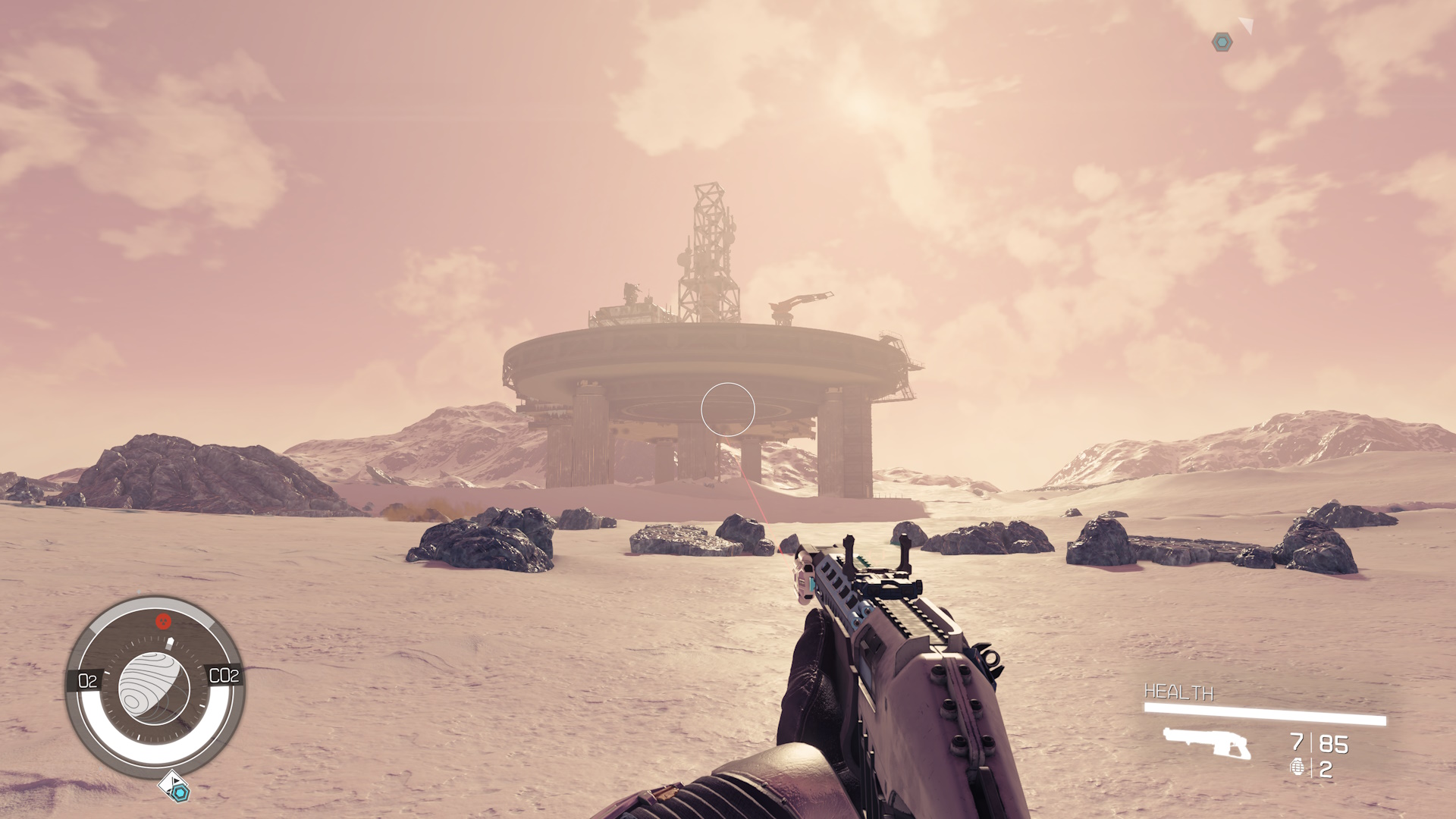
Screenshot of Starfield.
Starfield (2023).

Stay tuned, because I have five more “hot takes” that I’m currently in the process of writing up.

As I said at the beginning, none of these things should be taken too seriously – this is just intended to be a bit of thought-provoking fun, at the end of the day.

There’s a lot to love about gaming as a hobby, and the quality of video games in general is way higher today than I could’ve imagined even just a few years ago. There are some incredible games out there; masterpieces in every sense of the word that have given me some of the best entertainment experiences I’ve ever had. And there are some games that I didn’t enjoy, too! I hope this look at a few of my “hot takes” hasn’t gotten anyone too upset!

All titles discussed above are the copyright of their respective studio, developer, and/or publisher. Some images used above courtesy of IGDB and Unsplash. This article contains the thoughts and opinions of one person only and is not intended to cause any offence.

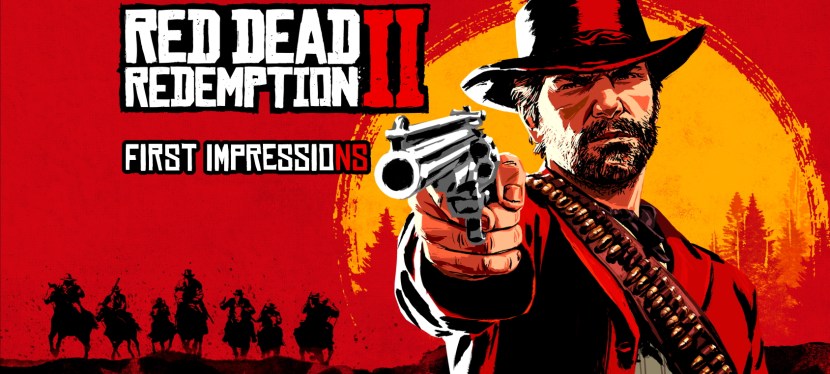
Red Dead Redemption II – First Impressions

Spoiler Warning: There are minor spoilers ahead for the opening act of Red Dead Redemption II.

Red Dead Redemption II has been out for three years now – two years for the PC version – so it’s a bit late to just be getting started with the game! However, if you’re like me and missed it when it was new, maybe you’ll find my first impressions of the game helpful or interesting.

As I said when I included Red Dead Redemption II on my list of some great games I haven’t played, there was nothing about the game that put me off. In fact, Red Dead Redemption II was incredibly appealing to me – I find American history fascinating, particularly in the 19th Century, as it was a field of study while I was at university. Rockstar is also a developer whose titles are usually well-made and fun to play; they basically perfected their open world style with Grand Theft Auto III in 2001 and haven’t looked back. So there was a lot going for Red Dead Redemption II in 2018, but as someone with limited funds for gaming I couldn’t afford it at the time. The game ended up in what I call “the pile” – a long (and growing) list of games that sound great that I just haven’t got around to playing for one reason or another!

I finally got around to playing this game – it’s widely hailed as a masterpiece.

However, Red Dead Redemption II was on sale on Steam at some point in the last few months (I forget exactly when) and I was able to pick it up at a reasonable discount. The game’s massive 119GB file size took an eternity to download on my painfully slow internet connection, but I was able to eventually get the game installed and start playing.

Before we go any further, let’s acknowledge something important that too many fans and players have overlooked: Rockstar’s treatment of some of its employees. Though not at the same level as companies like Activision Blizzard or Ubisoft, both of which have wrangled with major scandals in the past couple of years, Rockstar pushed its staff hard in the run-up to Red Dead Redemption II’s launch. “Crunch” has been a part of game development for years, and when I worked in the video games industry I experienced it firsthand. In Rockstar’s case, “crunch” wasn’t always voluntary and some members of staff and ex-members of staff have gone on record sharing the physical and mental toll it took on them and their colleagues. In short, producing Red Dead Redemption II was difficult and even harmful for some people, and it’s important we acknowledge that and call out Rockstar’s poor working environment.

Is there a visual metaphor here? Surely not…

Setting that aside, let’s talk about Red Dead Redemption II itself. If I were to pick one word to summarise the game from the perspective of a complete newbie it would be “dense.” The game has a huge amount going on, and drops you into a story that’s already ongoing from the very first moment you boot it up. Red Dead Redemption II is a sequel – technically the third entry in its series – so on the surface that seems to make sense. But the game is actually set before the previous entry in the series, despite the confusing numbering!

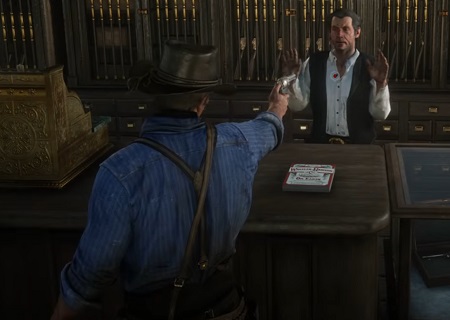
The opening chapter of the game serves partly as a tutorial and partly as an introduction to the story and characters. As mentioned, though, it really did feel like protagonist Arthur Morgan’s story was already in progress. He and the gang are in the process of escaping a city after a job gone wrong, and maybe players of the first two games in the series know a bit more about what happened and why, but I certainly didn’t! I still don’t, in fact!

The game’s opening chapter sets up parts of the story and some of the characters, as well as introducing players to some in-game systems.

The opening sequence also gets you acquainted with some of the game’s systems – but by no means all. The signature “dead-eye” mechanic – which works similarly to the VATS system in the newer Fallout games, allowing Arthur to slow time and lock on to specific enemies prior to shooting – was one important gameplay element that the opening act of the game didn’t go into much detail on at all.

There’s hunting wild animals, combat with guns, unarmed combat, horse riding, horse care, picking plants, doing chores around the camp… and so much more going on in Red Dead Redemption II that it’s difficult to know where to start. The game’s opening act is mostly linear, taking place in a smaller area and with only a handful of missions that Arthur has to undertake in a certain order. But after departing the opening location in the high mountains and making camp, the open world is at Arthur’s feet – and it’s a big one!

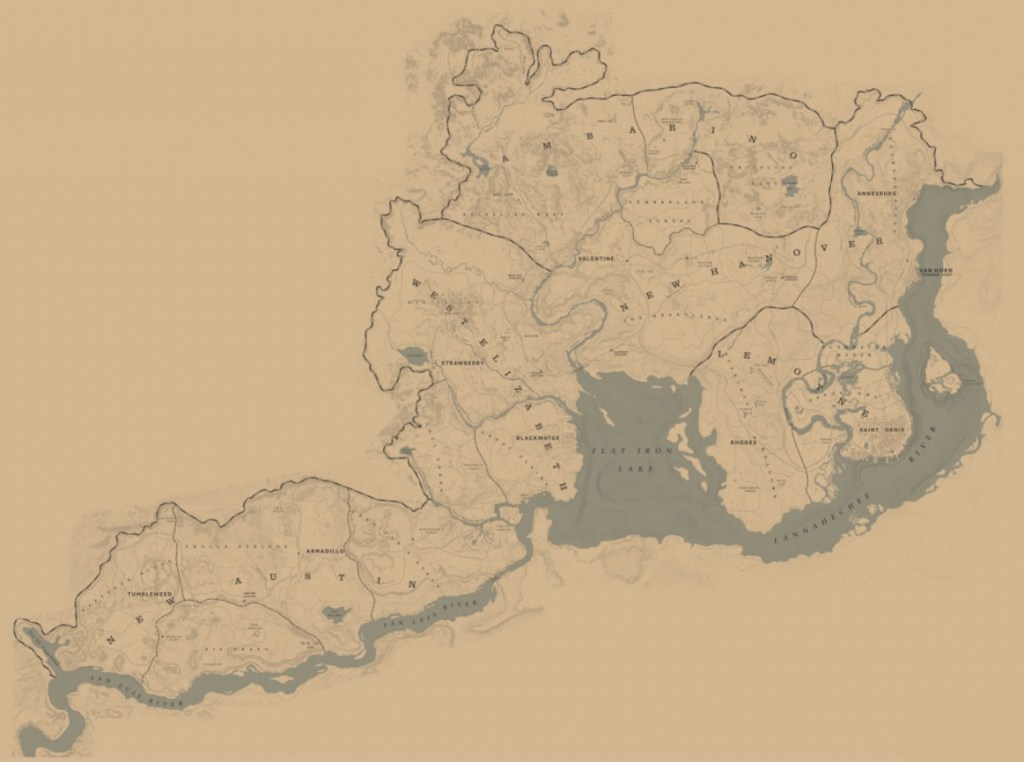
Red Dead Redemption II’s game map.

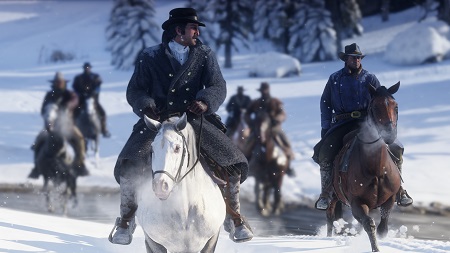
Rockstar has always excelled at world design, but I confess I wasn’t sure how well the open worlds of the Grand Theft Auto series would translate to the 19th Century. The open worlds of games like Grand Theft Auto V were based around large modern cities with roads laid out for traversal by car. The world of the 19th Century was, in many ways, bigger because of how slow travel on foot or by horse and cart was. Red Dead Redemption II’s world captures that feel perfectly, and any doubts I might’ve had about an open world game using this kind of setting melted away faster than the snow in the mountains!

The game’s open world feels authentic. If you’ve ever seen old photographs of America in the late 19th Century, or even modern depictions of the era in television shows like Deadwood, you’ll instantly recognise the look and feel of everything from small farmsteads and frontier towns to the bustling big city with its industrial revolution influence. The visuals and graphics used to bring this world to life are stunning – the game is one of the most realistic-looking I’ve ever played, with moments of genuine beauty as I traversed its open world. I feel Red Dead Redemption II sucking me in because of how impressive its world design is; I want to spend more time in this incredibly real-feeling depiction of a time and place that has long fascinated me.

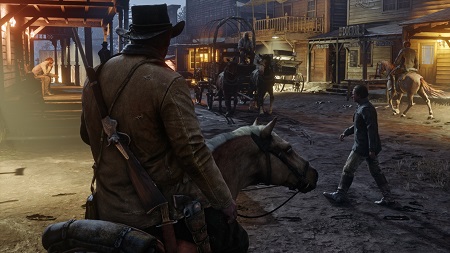
Arthur on horseback in the town of Valentine.

If you’ll forgive a history nerd geeking out about small things for a moment, things like the mud on the main street of the town of Valentine – the first major town Arthur is able to visit – and the wooden boards put down to the side to walk on do so much to capture what it must’ve felt like to actually walk through a town like that. These places were dirty and muddy, just like the game depicts, and even though it might seem like such a small thing it’s actually a huge part of the immersion for me.

The colour palette is likewise exceptionally important when it comes to capturing the look and feel of the time and place that Red Dead Redemption II is set. Most things in this era were made of wood or metal, so seeing Arthur walk over dirty wooden boards or eating stew from a beaten up old metal bowl are again minor details but they add to the immersion. Brighter colours were the preserve of the wealthy, so most townsfolk Arthur encounters are wearing drab colours: browns, tans, creams, and so on.

The game makes excellent use of colour.

Many buildings have a hitching post outside for patrons’ horses – because traveling by horse was the main way folks got around in the 19th Century. Life in those days was very different – and so much worse for practically everyone than it is today! But Red Dead Redemption II gives us a taste of what it might’ve been like thanks to all of these smaller details, and because I’ve had such an interest in the history of America in this era I find it absolutely fascinating.

Countless smaller details come together to present a game world that feels real and lived-in. And that’s before we get into all of the myriad realistic elements that Red Dead Redemption II includes through its gameplay systems. Obviously a lot of games have a day-night cycle, and as far back as Shenmue in 2000 I can remember seeing things like shops closing after dark and NPCs having their own daytime and nighttime routines. But Red Dead Redemption II goes all-in on the realism. Arthur has to eat and sleep. If he gets dirty he has to change his clothes or take a bath. In cold weather he needs appropriate clothing – likewise for hot weather. His horse needs to be cleaned, fed, and taken care of too. So do individual weapons – without proper care they stop working reliably.

Gang leader Dutch van der Linde.

Around the camp Arthur has chores to do. Some of these are basic things like chopping wood – which took me back to my youth as I was often assigned that chore at home in the late summer and autumn months! But it also seems to be largely the responsibility of Arthur to keep the camp supplied and to bring in money – without regular donations of food and other supplies, the camp quickly runs out.

At points I felt like I was playing Barbie Horse Adventures and not an authentic 19th Century outlaw simulator because of how much time I was spending playing with and caring for Arthur’s horse! Brushing the horse, feeding it, giving it pats, calming it if it got scared… horses need a lot of attention in Red Dead Redemption II! Luckily as an animal-lover – both real and virtual – I had a blast doing all of these chores, and even found time for Arthur to befriend several dogs as well!

Arthur with his horse. Horse care is a big part of the game.

On the flip side, Red Dead Redemption II offers a whole lot of animals to hunt. I confess to being squeamish about hunting in person; bird shooting, rabbiting, and even fox hunting all took place in the rural area where I grew up, but even as a kid I was uncomfortable with the idea of killing animals like that. That squeamishness has extended to the virtual world too – I can’t imagine playing a hunting simulator, for example. But Red Dead Redemption II makes hunting feel like a necessary part of Arthur’s life – and there are many in-game reasons to hunt as well, from making money to crafting upgrades.

There’s an in-depth tracking system that the game uses, allowing Arthur to investigate an area using a similar “slow time” animation to the aforementioned “dead-eye” system. After detecting an animal’s track, Arthur can follow it stealthily and then use an appropriate weapon to take the animal down. Some of the animations involved in hunting are very gruesome and gory, particularly when it comes to skinning an animal for its meat and hide. But as we were talking about, these details add realism to the game. Whether you think that’s a good thing in every instance… well, that’s up to you!

An example of the game’s “dead-eye” system.

Gunplay in Red Dead Redemption II is helped immensely by the dead-eye mechanic. However, even without this the game does offer a degree of lock-on targeting – something I find incredibly helpful. The game doesn’t have difficulty options per se, but there are a few ways to make things slightly easier, such as by making the lock-on targeting easier. Proper difficulty options would definitely be an improvement, though. I haven’t been involved in that many big shootouts yet, but so far I’m impressed with the third-person shooting aspect of the game. It stands up well when compared to many other action-adventure titles.

I find the game’s characters to be compelling. The excellent voice acting and beautiful, realistic animation brings them to life in a way many games simply can’t manage. Though Arthur is the main protagonist, the bond he has with the members of the gang makes each of them feel important to the story and worth helping or protecting.

After almost twelve hours of gameplay (including a short section I had to replay after messing it up) I feel like I haven’t even scratched the surface of Red Dead Redemption II. I’m only at chapter two of the game’s story, I’ve barely seen any of the open world, and I know for a fact that there are still in-game systems that I haven’t even unlocked. Red Dead Redemption II is a long game and an incredibly detailed one. I’m having a lot of fun with it right now, and it’s one of those rare titles that I find myself thinking about even hours after I stop playing. I honestly can’t wait to jump back in and play some more. It was definitely worth the wait!

Red Dead Redemption II is out now for PC, PlayStation 4, PlayStation 5, Xbox One, and Xbox Series S/X. Red Dead Redemption II is the copyright of Rockstar Games and Take-Two Interactive. Some screenshots and promotional artwork courtesy of Rockstar Games and/or IGDB. This article contains the thoughts and opinions of one person only and is not intended to cause any offence.