

The first part of this review is free from major spoilers. The end of the spoiler-free section is clearly marked.
I’m late to the party with yet another review! South of Midnight was released back in April, but it somehow eluded me for a while. I noticed it on Game Pass – I’m a subscriber to the PC version – and I thought I’d give it a try based on little more than its art style. And you know what? I’m so glad I did!
South of Midnight is a great advertisement for Game Pass as a concept. This is a game I wouldn’t have bought for myself – and I might never have come to hear about – were it not included as part of the subscription. It’s entirely because of Game Pass that I’ve gotten to enjoy one of the best gaming experiences of 2025 so far; a genuine contender for my highly-coveted “game of the year” award. I continue to believe that Game Pass is a fantastic idea, especially for folks like myself on lower incomes where budgets are tight. And South of Midnight is the latest – and one of the best – examples of a game I discovered thanks to the platform that I wouldn’t have come across otherwise.
But enough about that – this isn’t meant to be a review of Game Pass.
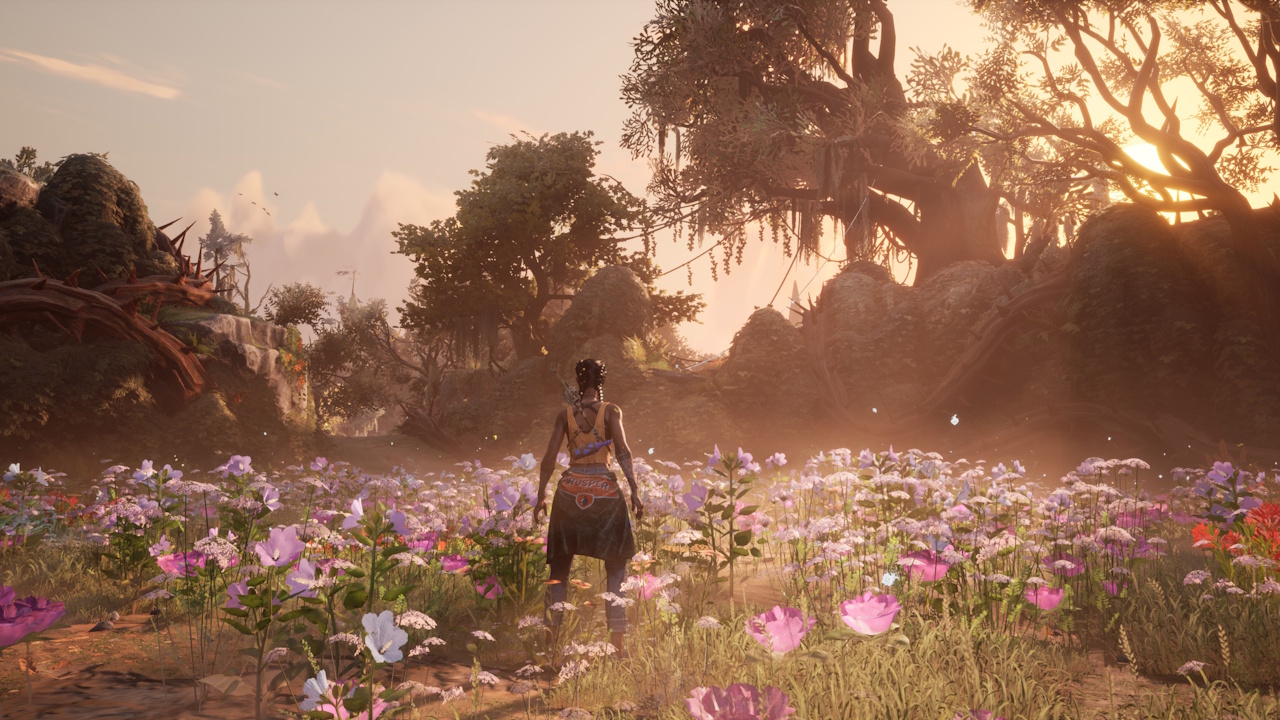
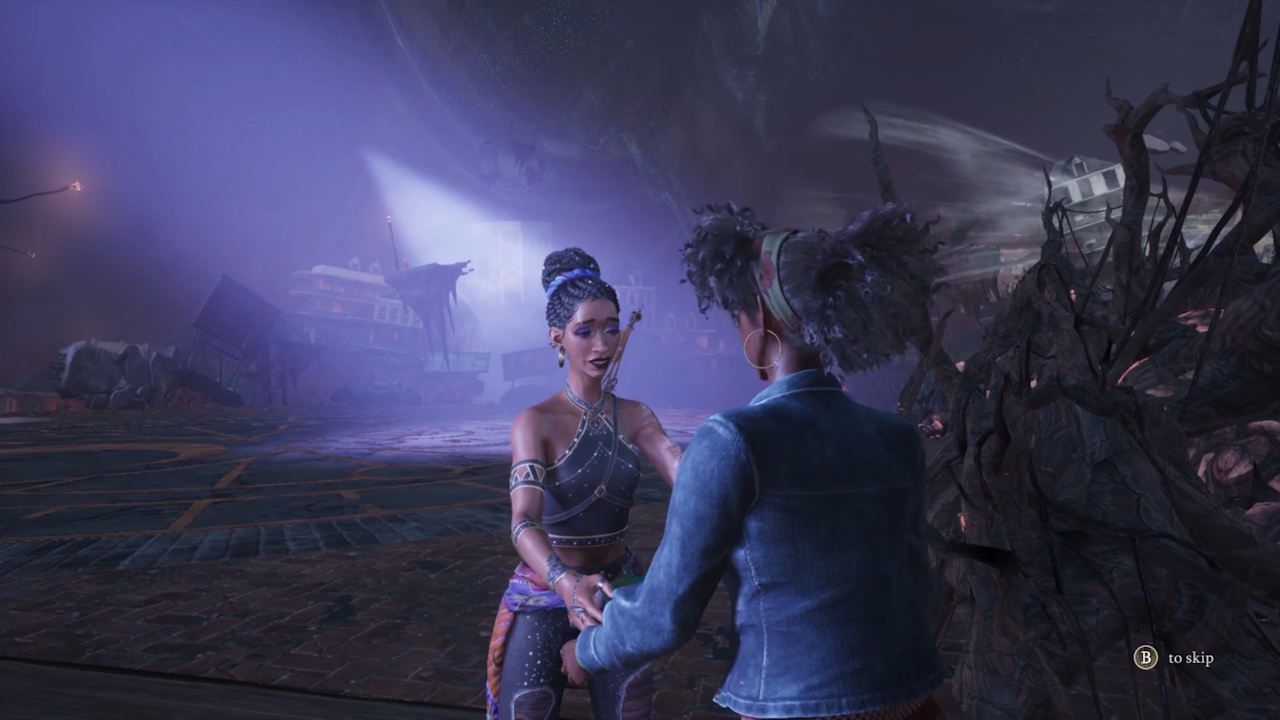
South of Midnight is an absolute delight. Its unique art style – which draws inspiration from cartoons of yesteryear and stop-motion films from the likes of Tim Burton – belies a dark Southern Gothic narrative, full of twists, complex characters, and nightmarish monsters. An engaging, relatable protagonist keeps the entire experience grounded, with a simple, understandable quest – even as things get progressively weirder! There are some incredible voice acting performances bringing a wonderfully diverse cast of characters to life, and a beautiful soundtrack that really leans into the music of the Southern United States and New Orleans in particular.
I found the game’s combat to be tough but fair – even though I had to turn down the difficulty at one point – and there’s enough enemy variety to keep things interesting. Boss battles are outstanding, too, with each boss having something unique to pose a new challenge. And the game rewarded exploring its beautiful and haunting levels with collectibles, points for levelling-up, and things to read which expanded the story and the lore. I had an incredibly fun time with South of Midnight, and it’s a game I’m happy to recommend to any fan of single-player adventure titles, narrative adventures, and really just gaming in general! If you have Game Pass already it’s an absolute no-brainer.
I think I’ve said all I can without touching on the story, so if you haven’t played South of Midnight yet, be aware that there will be some narrative spoilers from here on out.
This is the end of the spoiler-free section. Expect narrative spoilers for South of Midnight from this point.
In 2021, I named Kena: Bridge of Spirits my “game of the year.” And South of Midnight is giving me major Kena vibes in terms of how it plays, how its story is structured, and even the whole “healing the world” or “helping lost spirits” ideas that both games use. I absolutely mean that as a compliment; Kena: Bridge of Spirits is one of the best games of the last few years for me, so any title that can tap into that style or feel in any way reminiscent of it is doing a lot of things right!
3D platforming is something we don’t see enough of nowadays – and I really appreciated this aspect of South of Midnight. It’s a ton of fun to run, jump, climb, and swing through some truly beautiful levels, and there was a distinctively “old-school” feel to some of the game’s 3D platforming. At the same time, protagonist Hazel’s magical powers gave her a variety of ways to navigate these environments. Things like gliding, “rope” swinging, and double-jumping aren’t new by any means, but the way Hazel acquired these abilities felt unique and in keeping with the game’s story.
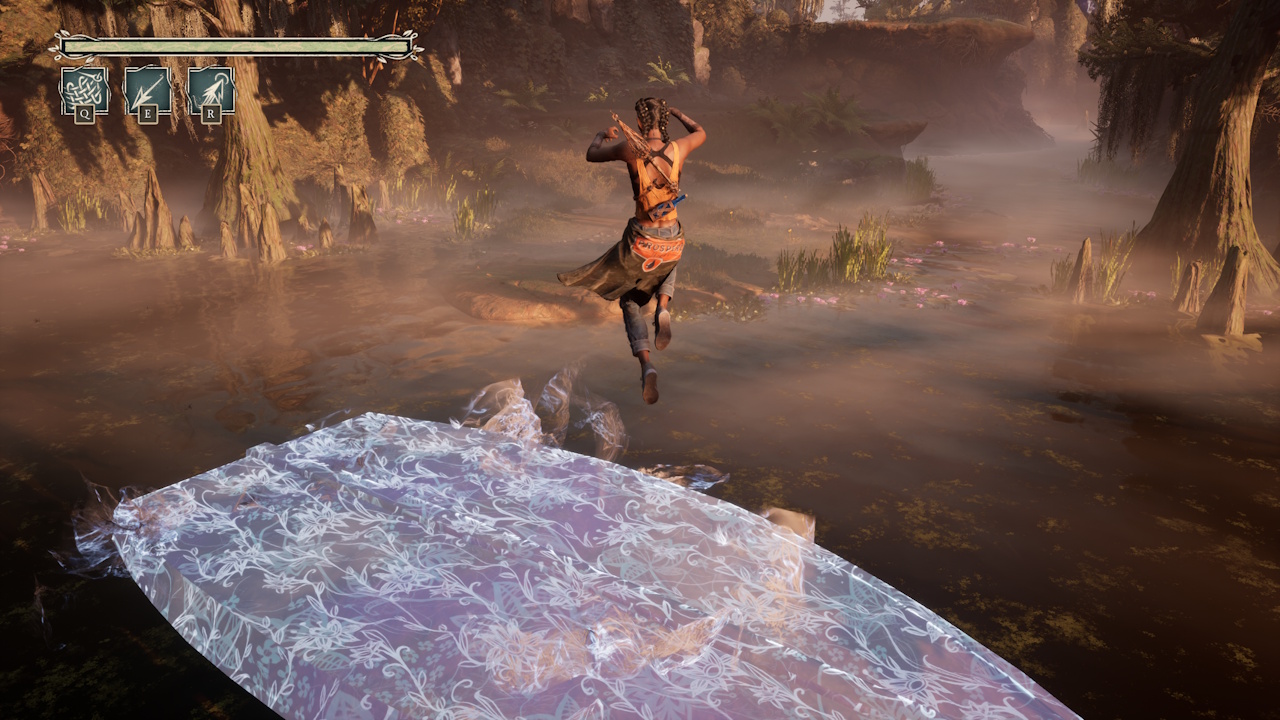
As I indicated above, combat was challenging enough that I had to turn down the difficulty from normal to easy – but I’m usually an easy mode player, so that wasn’t a huge surprise. I liked how South of Midnight keeps combat encounters and exploration separate; combat arenas are pretty clearly marked, so you can’t just stumble into combat totally unprepared. One thing I thought was a bit silly, though, is that health never regenerated out of combat – if you were injured (or you had to respawn, losing a chunk of health in the process) there aren’t any healing potions or items. That meant the only way to heal was to locate a healing coil – which are only found in combat arenas.
The haints – South of Midnight’s enemies – were pretty varied and fun in terms of how they behaved. You got your usual ranged enemy, a couple of different brute variants, a healer, and a couple of others. With combat being quite fast-paced, and every enemy being a similar colour, maybe a little more visual variety wouldn’t have gone amiss! But that’s my only real criticism of the enemies; I liked the way they played.
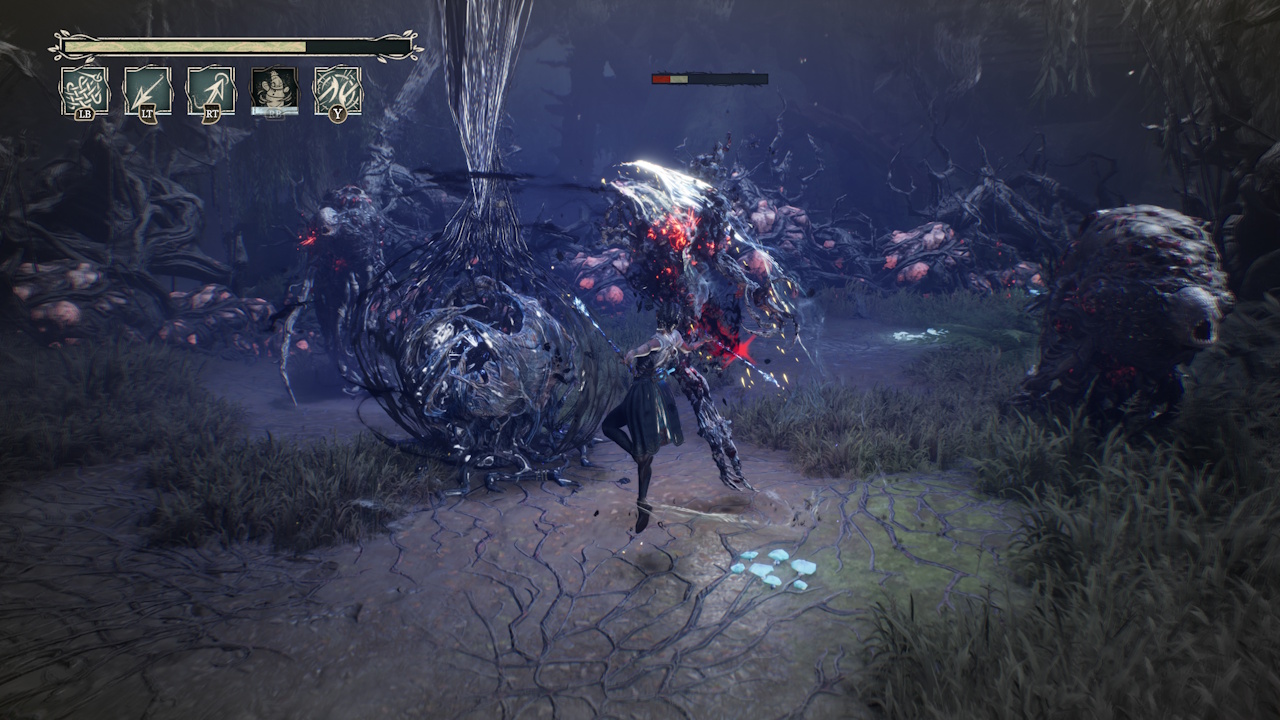
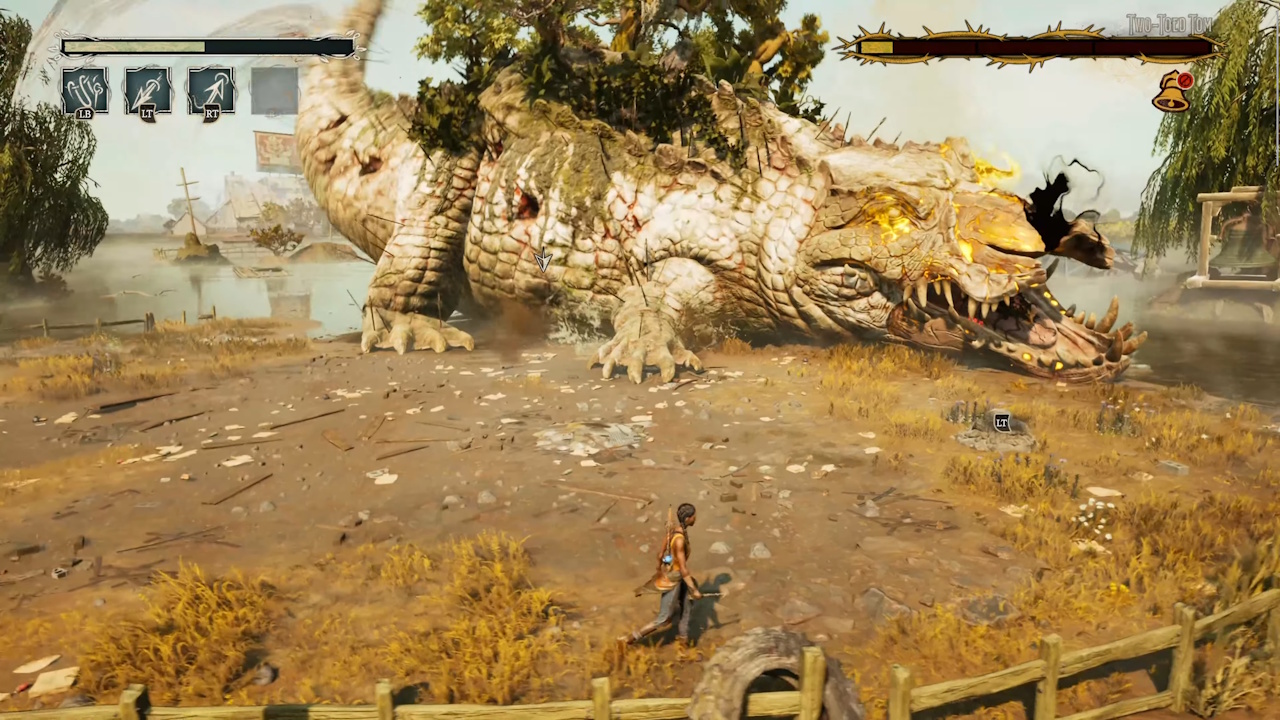
Boss battles were fun – though a couple of them felt just a tad repetitive. This wasn’t because one boss felt the same as another, but rather within a couple of the boss battles – Two-Toed Tom the alligator and Kooshma, the final boss – the boss’ pattern would repeat. You’d be knocked down, you’d have to chase them or return to the arena, then after beating the next part of their health meter, you’d have to do it all over again. It wasn’t annoying per se, but it was a little repetitive to the point where I felt a couple of those boss battles were just a little padded. Either some changes could’ve been made to the way the bosses behaved, or maybe they could’ve been cut down from three rounds to two!
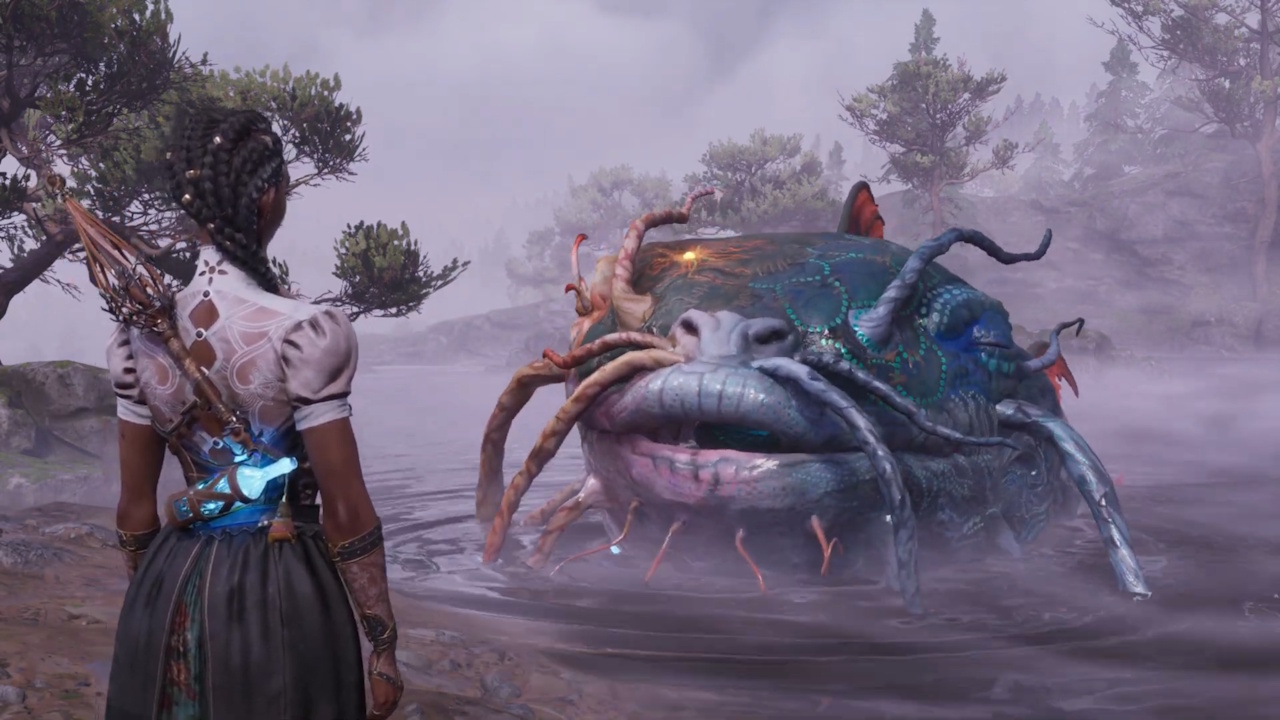
Each boss was, though, completely distinctive both visually and in terms of their battle arena, which was great. And mechanically, there were different ways to fight different bosses – like throwing bottles at Molly, or ringing the bell for Two-Toed Tom – rather than just repeating the same hit-hit-dodge pattern that some action games can fall into.
I felt echoes of Hurricane Katrina in South of Midnight’s opening act. A hurricane coming in, sweeping away homes, floodwaters rising… I know there have been other hurricanes to hit the region both before and since Katrina, but the game’s story, with its Deep South setting, some jazz in the soundtrack, and references to New Orleans, definitely made me think of Katrina before any other hurricanes.
Many of the monsters and creatures in the game are inspired by real-world legends from the Mississippi Delta, Louisiana and the surrounding Southern region. The game weaved these into its narrative, building a world and lore based on the Southern United States – but with a dark twist. Often called “Southern Gothic,” this style of storytelling blends Gothic horror with Southern ideas, characters, and themes – and it’s been a popular subgenre for a while. South of Midnight is the first video game I’ve played to lean into the genre in such an overt and profound way, though.
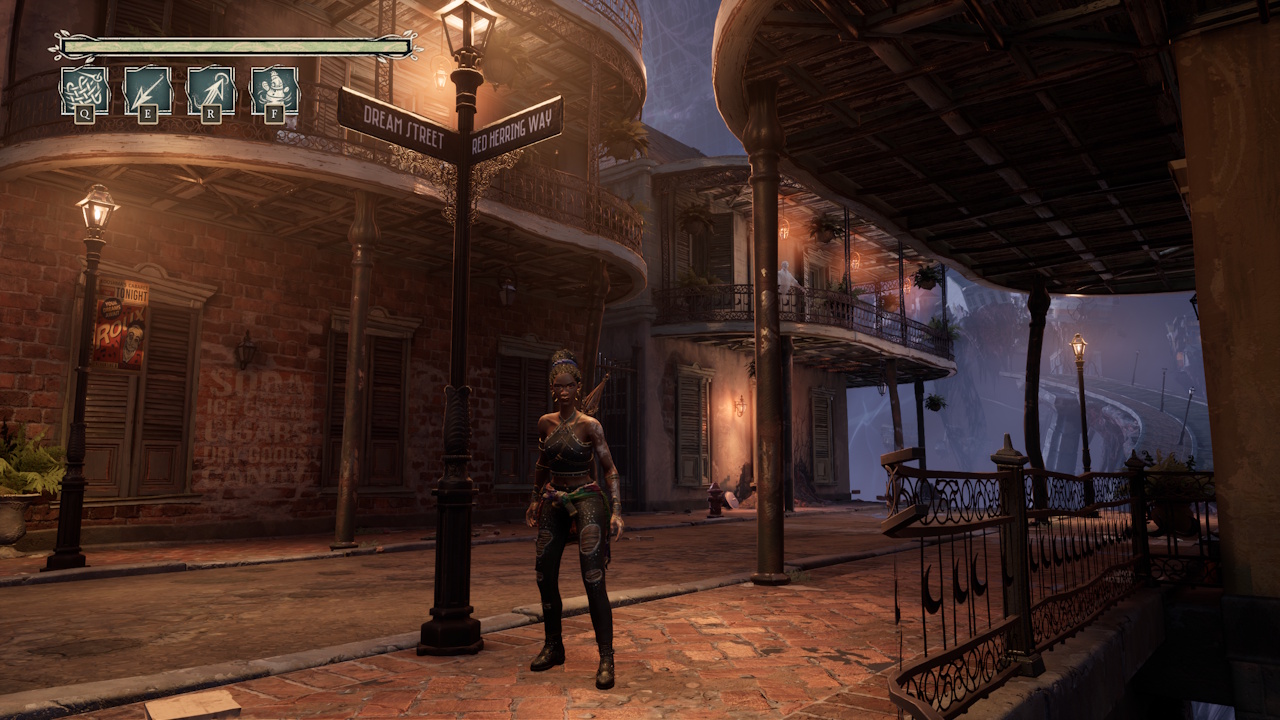
Hazel made for a great protagonist. With so many hares and rabbits running around, though, I can’t be the only one who thought of Watership Down… can I? Gosh, that film is burned into my mind! To get back on topic, Hazel was a wonderfully relatable protagonist, and her core storyline of wanting to find her mother – her sole surviving parent – after the hurricane was intense and emotional. Hazel could occasionally chatter too much, with a handful of lines of dialogue feeling out of place or just weirdly-timed, but for the most part, I really enjoyed her story.
Hazel’s journey saw her grow in power – as her quest to find her mother was repeatedly derailed by her grandmother, various monsters, and deep dives into her family history and the history of the area around her hometown! The way Hazel unlocked her powers and equipment felt natural, and South of Midnight did a great job of building this up and pairing newfound powers with levels and enemies that allowed me as the player to go to town with them. The powers were well-integrated with gameplay, providing a narrative reason for everything from combat to wall-running… and when Hazel was temporarily stripped of most of her powers late in the game, I felt a profound sense of vulnerability after having gotten used to having them!
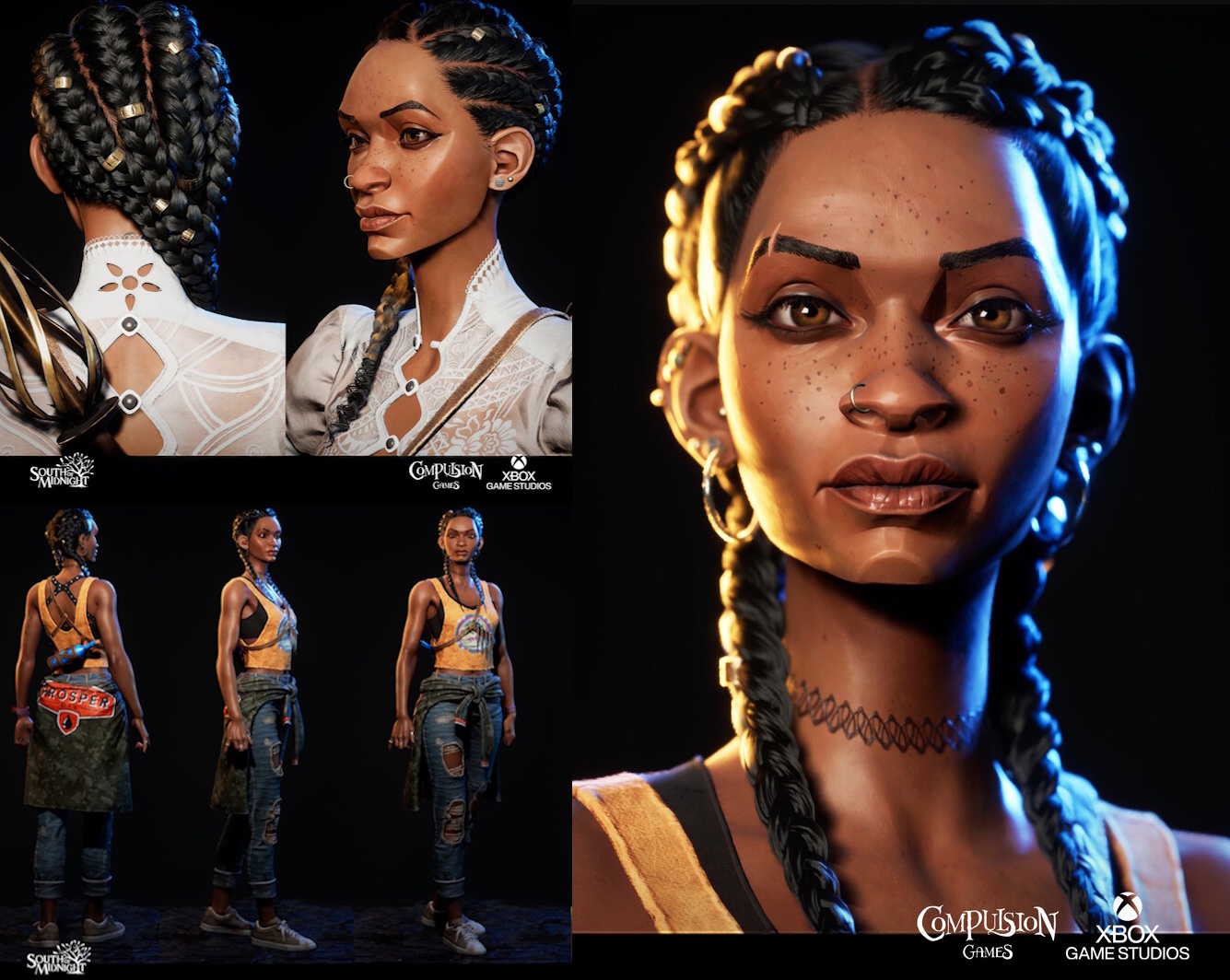
Image: Xbox/Compulsion Games
I thought one of the themes of the story was going to be grief: that Hazel was, ultimately, going to have to come to terms with the loss of both of her parents. Having been in that position myself, I was curious to see how that theme might play out across the story. However, I was pleasantly surprised by a happy ending – with Hazel’s journey to reunite with her mother ending on a positive note. A post-credits scene even implied at Lacey and Laurent had rekindled their relationship, which was doubly sweet.
The narrative leaned on the history of the American South in a big way. Although I’m not from the United States, the American Civil War and its associated issues are an interest of mine, having read history at university. Seeing these very personal tales of how slavery in the antebellum South impacted individual people was gritty, emotional, and incredibly impactful. Hazel, her mother, and many of the people she met on her adventure were African Americans, and the game didn’t try to shy away from the history of slavery or the legacy it still carries on the descendants of enslaved people. Some players might find that uncomfortable – but that’s the point.
There were a couple of points, though, where I felt the narrative wasn’t perfect. This is a story about trauma, right? More specifically, how trauma lingers if we bottle it up, and how that only makes it worse. Compulsion Games specifically describes South of Midnight as a game about healing. So why, then, do we barely see any of the aftermath of Hazel’s healing? I felt this most significantly at two points: after the battle against Huggin’ Molly, when a brief storybook line said that Itchy would care for the lost children, and right at the end when Bunny realised that Hazel had interfered and helped Cherie.
Both of these moments were the culmination of a lifetime for their respective characters, but Itchy and the children weren’t even shown on screen, and Bunny was mildly angry for a moment, then disappeared. We could also say the same about Rhubarb and Jolene – after going through hell to help unweave or unravel their traumatic past, we didn’t see the results of that for either of them. Rhubarb – who murdered his own brother – didn’t get closure, comeuppance, or… anything. Hazel and South of Midnight just left him behind.
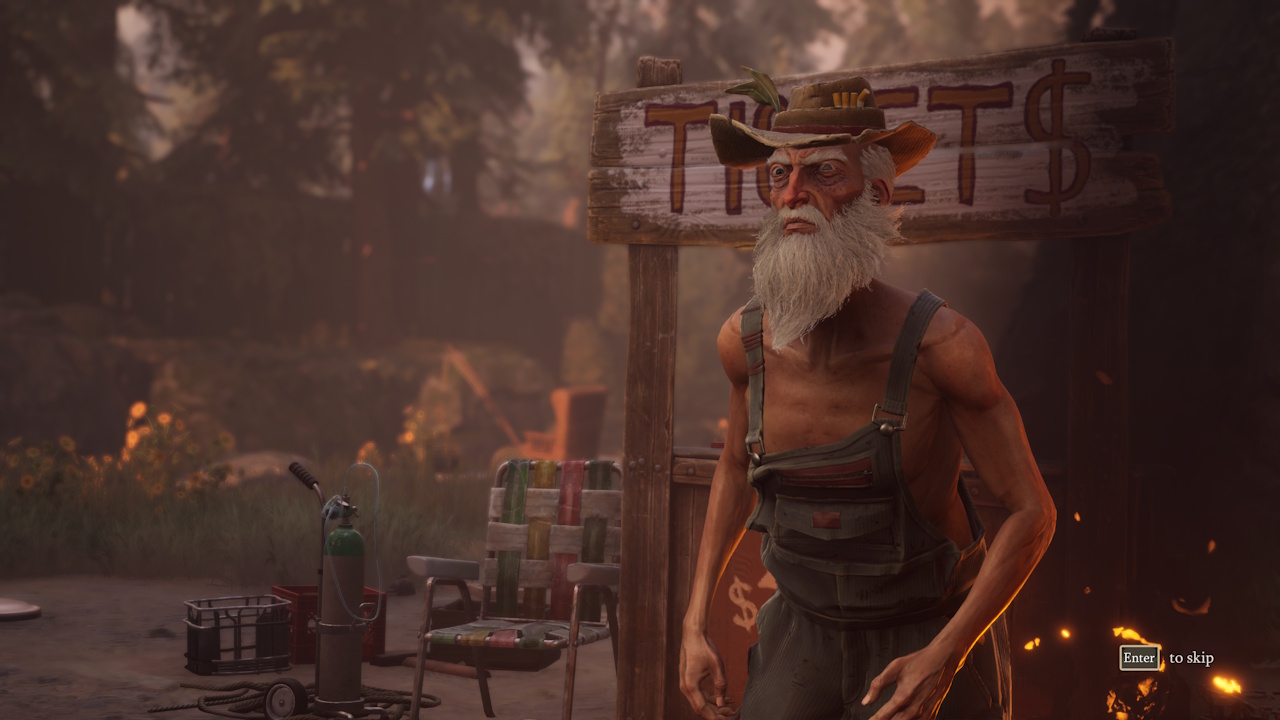
Often when I’m playing a narrative adventure, I want to move the story along and see what’s going to come next. But South of Midnight’s beautiful levels rewarded exploration – and they were tight enough that going off the beaten path didn’t feel like a time-sink or too much of a detour. There were good reasons to explore: both to pad out the story, the world, and the lore by learning more about the history of the region, the characters, and the events, and to upgrade Hazel’s health and skills. I don’t think I found every health upgrade, but I acquired more than enough upgrade points to max out Hazel’s skill tree and upgrade all of her powers.
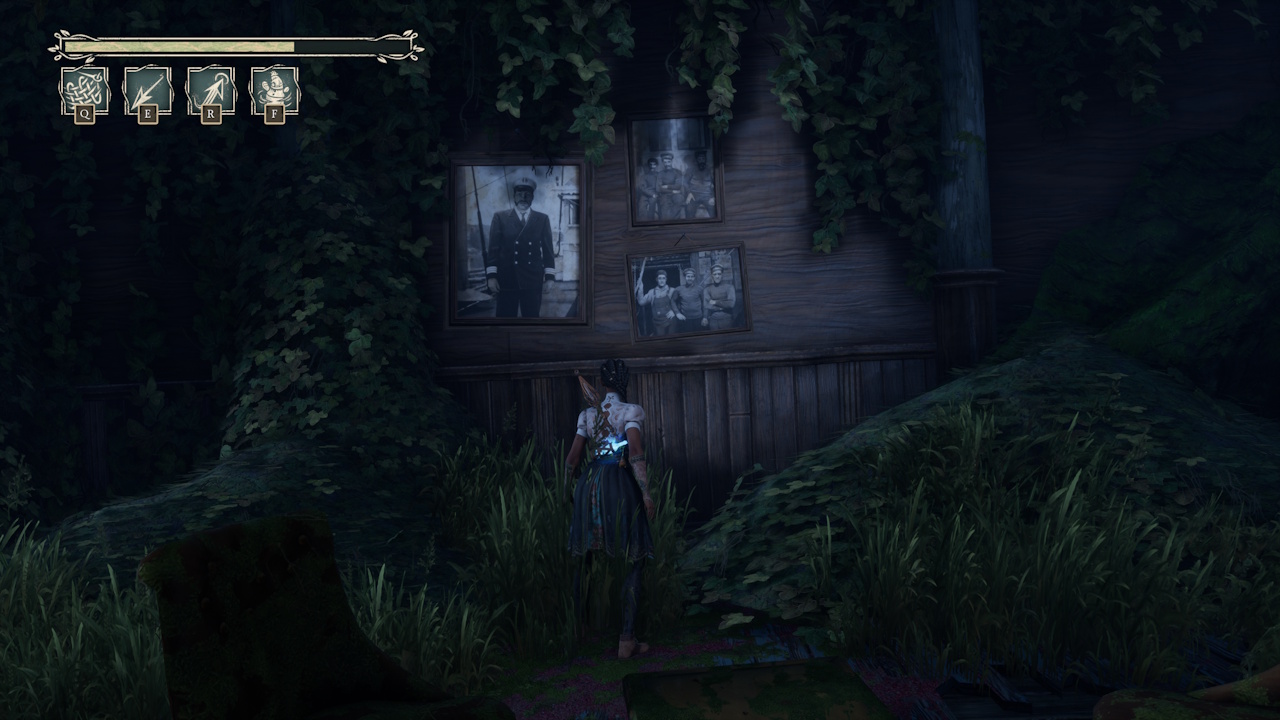
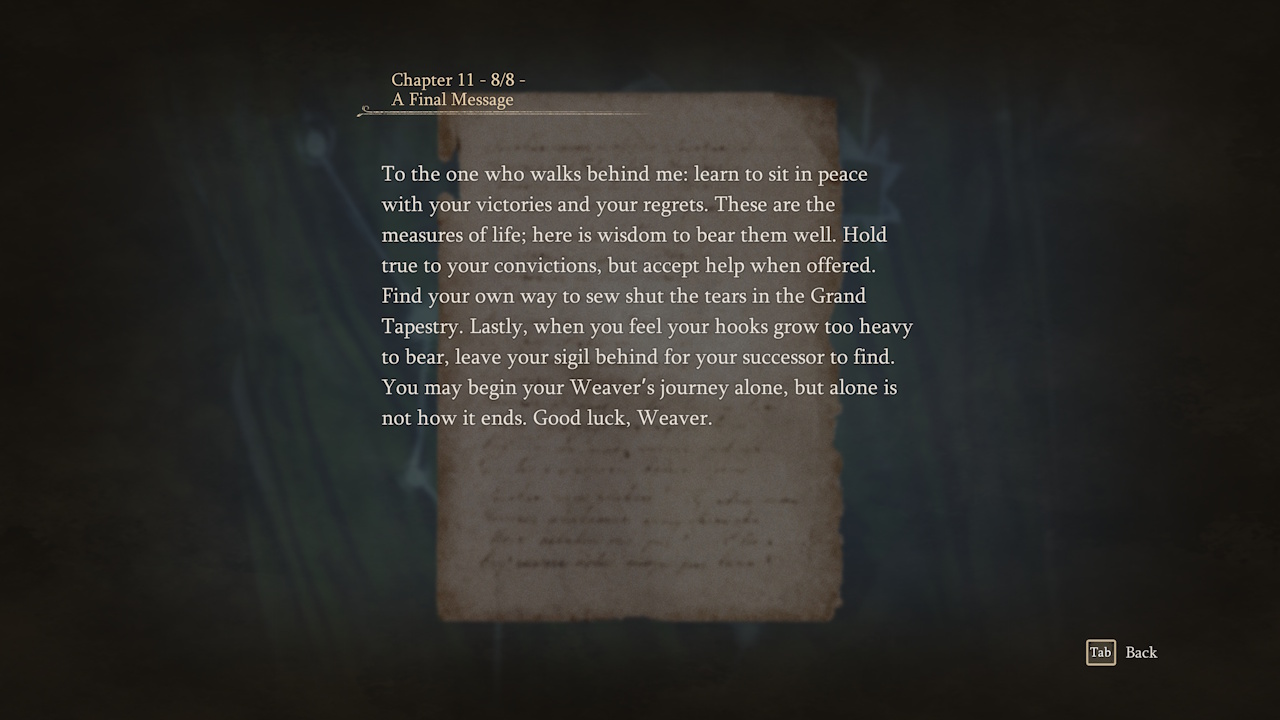
The readables and other bits of lore-building were great, too, and Hazel always had something to say when discovering a new note or inscription. These little things added a lot to the story in all of the levels. There were heartbreaking messages from kids who’d gone hungry, appealing to a spider-demon for sweets and food. There were gut-wrenching messages about escaping slavery. And there were mementos from Hazel and Lacey’s life, too. All of them were interesting, well-written, and helped build up the narrative experience.
I wanted to say more about South of Midnight’s soundtrack in the spoiler-free section, but most of the songs – which are all original compositions for the game – reference events and characters! The soundtrack is an eclectic mix from across the Deep South: there’s New Orleans jazz on tracks like Rougarou and Roux, Americana or folk on Two-Toed Tom and Benjy, blues for Shakin’ Bones, Life is a Fight to be Won is an acoustic ballad… and throughout the game there are pieces inspired by a variety of genres, as well as a capella music common to enslaved peoples. Some of the tracks are truly haunting, others are upbeat and fun – and they all fit the game just right.
My golden rule for any video game soundtrack is “do no wrong;” i.e. the music shouldn’t clash with or get in the way of the adventure. But it’s rare for me to find a soundtrack quite so emotional and enjoyable as South of Midnight. I’d be happy to add several of these tracks to my playlist to listen to again – which, again, is something very rare for me.
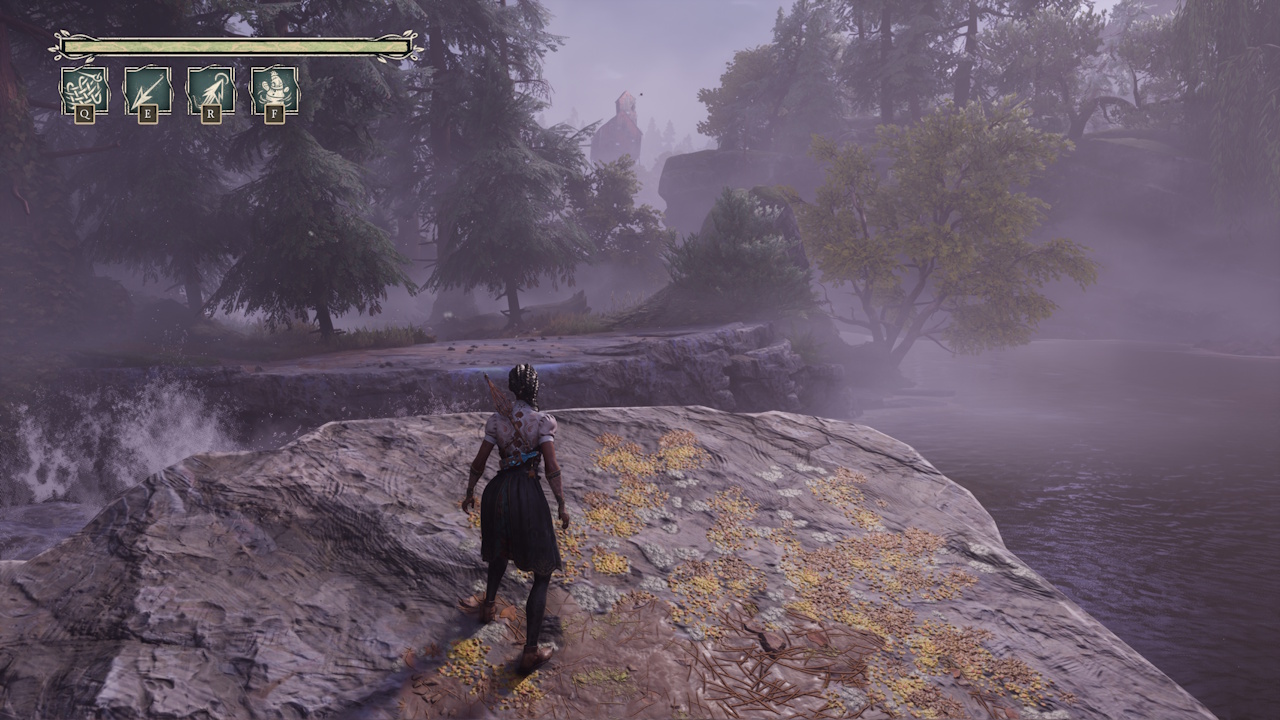
I loved South of Midnight’s art style. But I gotta be honest about something, given its prominence in the game’s marketing material: I didn’t really feel a lot of the “stop-motion” effect. The visuals were clearly drawing on designs and aesthetics from stop-motion films – like those by Tim Burton, for instance – as well as other animated works. But in terms of the way South of Midnight actually looked during gameplay sequences, I didn’t get a ton of “stop-motion” most of the time. Cut-scenes were a different story, with all of them going much more on the stop-motion effects. And there were some moments in the game where I felt the stop-motion effect a bit more strongly; some of Hazel’s idle animations, some of the animals in the environment, and the spiky bramble plants, for instance.
Occasionally, the stop-motion animation could feel a little jittery or jumpy, as if some frames were missing during some sequences. Because it wasn’t a particularly strong visual effect throughout the game, I didn’t mind it. But given how South of Midnight was basically billed as “the stop-motion game,” I must confess that I expected that style to shine through a bit more strongly. Maybe if it had I’d have hated it – and it was a wise decision to include an option to turn it off! But it’s equally plausible that I’d have actually enjoyed seeing South of Midnight really lean into that kind of animation style, and I’m a tad disappointed that there wasn’t a slider or some other option to really dial it up.
Hazel’s cuddly companion – Crouton – made for a fun additional gameplay element. Being able to seize control of an enemy made battles feel a bit more fun and tactical; having to choose when to use that power (which has a slow recharge rate) added a bit of strategic thinking. And it’s always fun to have a companion who can fight by your side!
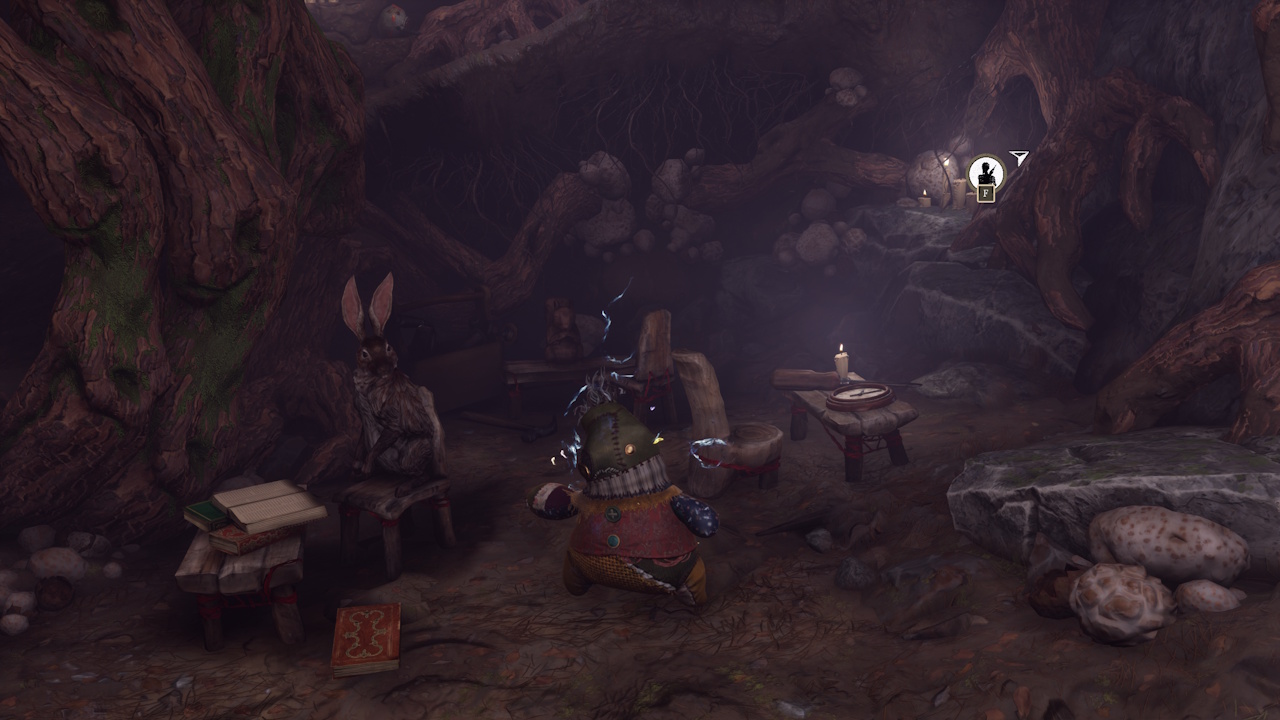
Crouton also dived into burrows, often finding cute animals going about their business. This is another legend: many cultures have tales of “borrowers” living in the walls or underground, taking unwanted things. The burrows were usually fun little places to visit, and reminded me of a bunch of cartoons and kids books – like the aforementioned Watership Down – that featured animals or saw characters visiting these kinds of places. Some of Crouton’s burrows could feel a bit too straightforward – with one clearly-marked route from end to end. That would be my only real criticism.
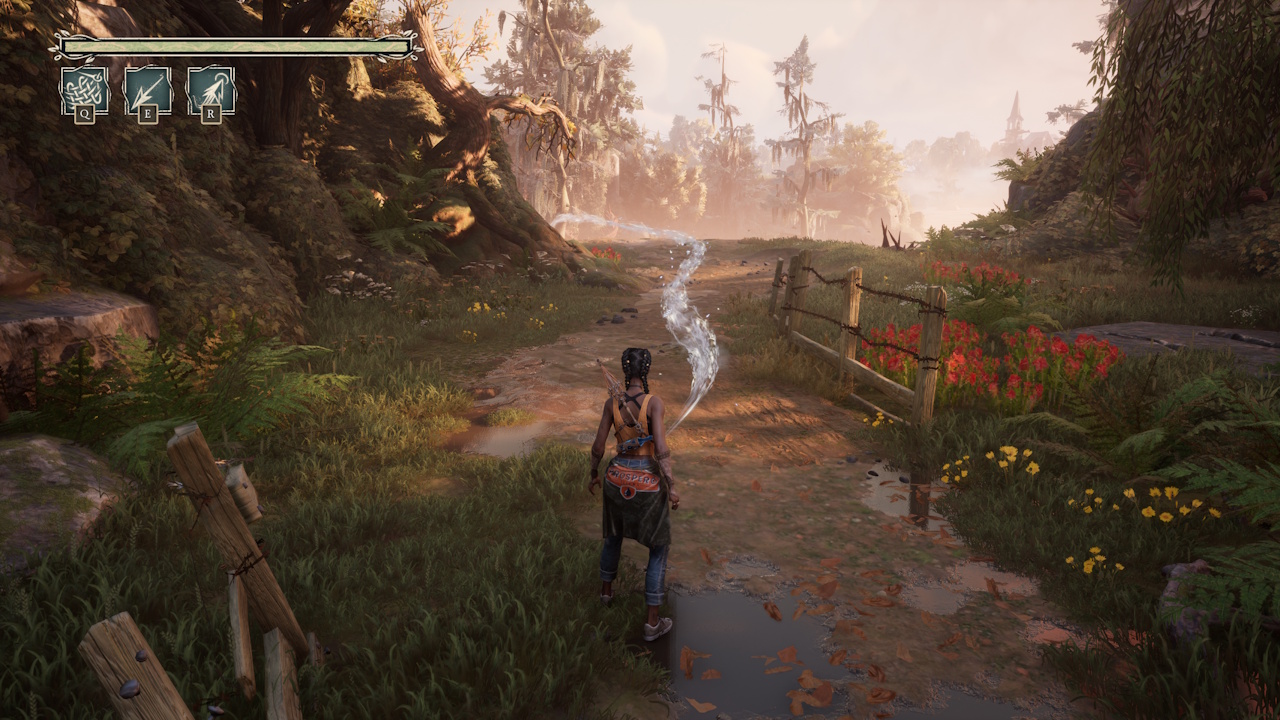
I’m not usually a fan of waypoints or quest markers in games; I like to explore at my own pace, and a giant arrow telling me where to go can get annoying! But I like the way South of Midnight uses directional indicators – they’re temporary and optional, meaning if you never want to see them you never have to, but they’re there if you need to be pointed in the right direction. And narratively, the way this fit with the game’s Weave and Grand Tapestry ideas made a lot of sense.
Some games just give you a waypoint, a quest marker, and so on without explaining how or why you’ve got this magical ability to see exactly where you need to go! But in South of Midnight it blended in perfectly with Hazel’s other magical abilities, which is something I really appreciated.
So I think that’s it.
If it wasn’t clear already, I adored South of Midnight. It’s one of the best games I’ve played so far this year, and it’s absolutely a contender for one of my end-of-year gaming awards – possibly even the “game of the year” title. But you’ll have to swing by in late December to see if it makes the cut; there are still a few months to go!
Sometimes when you put the control pad down after an intense or emotional game, you can feel a little hollow. South of Midnight was one of those games that I didn’t want to end… but at the same time I was keen to follow the story to its conclusion and see what was going to happen to Hazel and the rest of the characters. It was well-written, generally well-paced, beautifully designed, and just a fantastic all-around experience.
If you liked Kena: Bridge of Spirits, or similar titles, I really think you’ll enjoy South of Midnight. And if you have Game Pass either on PC or Xbox, it’s almost a no-brainer to fire it up and at least give it a try. I really had a wonderful time going on this adventure with Hazel.
So what game might I try next? There are still a few interesting titles to come later this year – I’ve got my eye on Mafia: The Old Country and Terminator 2D: No Fate. And I should really try Indiana Jones and the Great Circle, which I’ve installed but haven’t started yet. And now that Firaxis has had a chance to patch and update Civilization VII, maybe I should jump back in and see what’s new! There’s a lot of gaming content still to come here on the website, though, so I hope you’ll stick around.
South of Midnight is out now for PC and Xbox Series S/X. The game is also available via Xbox Game Pass and PC Game Pass. South of Midnight is the copyright of Compulsion Games, Xbox Game Studios, and/or Microsoft. This review contains the thoughts and opinions of one person only and is not intended to cause any offence.
 Trekking with Dennis