Nintendo Is Just Awful

Despite trying hard to project a “family-friendly” image, Nintendo is no less of a greedy, aggressive, predatory, and money-grubbing corporation than the worst of the worst in the games industry. The company would, were it not for a legion of well-trained apologists, rightly be held up along with the likes of Electronic Arts, Tencent, Blizzard, and Ubisoft as a shining example of a gaming mega-corporation that is, for want of a better word… evil.

Nintendo, if you weren’t aware, has recently tried to patent in-game systems, which would prevent anyone else from using those mechanics in their games – or would mean those companies would have to pay a license or fee to Nintendo. This is tied to the Palworld situation that I talked about last year, as Nintendo is embroiled in a frivolous lawsuit against Palworld’s creators, Pocketpair. But I think it says a lot about how Nintendo behaves, how far the company has fallen, and why it’s past time for the current crop of increasingly elderly executives and game directors to be retired.
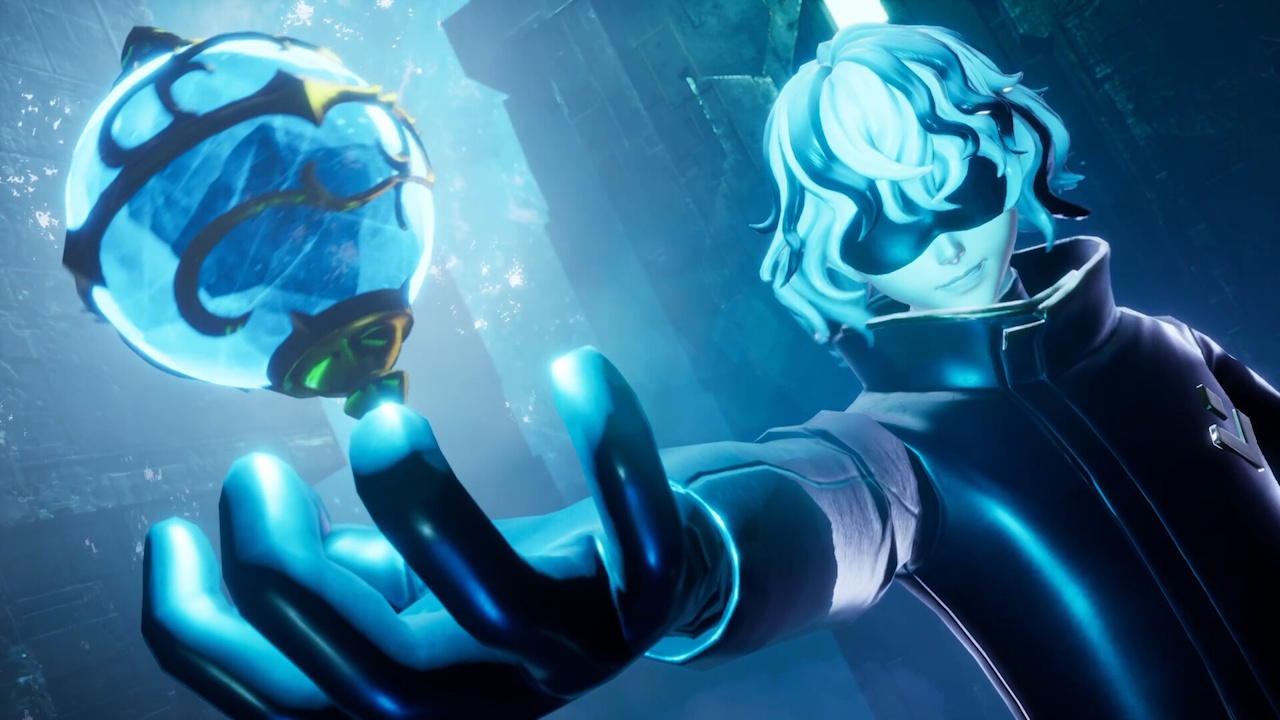
Promo art for Palworld showing a character holding a blue orb.
Palworld is causing a lot of bed-wetting among Nintendo executives…

Here’s the bottom line when it comes to patents: if other companies had treated Nintendo the way that Nintendo treats other companies, Nintendo would’ve gone bankrupt making playing cards in 1980. That’s not an exaggeration: literally none of the games Nintendo became known for would’ve been possible if other companies had taken out patents like the ones Nintendo is trying to use in the Palworld lawsuit. And where would Nintendo be today without video games? Just another failed Japanese toy company that didn’t make the cut.

If Universal and CBS, developers of the 1980 arcade game Space Panic, had patented the idea of the 2D platformer, Nintendo’s Donkey Kong wouldn’t have been able to exist. Nintendo would never have been able to develop Super Mario Kart – or any of its other racing games – if someone like Sega had gotten a patent for the concept of a racing video game after their successful Road Race arcade game in 1976. If Sony had patented the 3D platformer after 1995’s Jumping Flash, then Nintendo couldn’t have made Super Mario 64. Should I continue, or have I made my point?
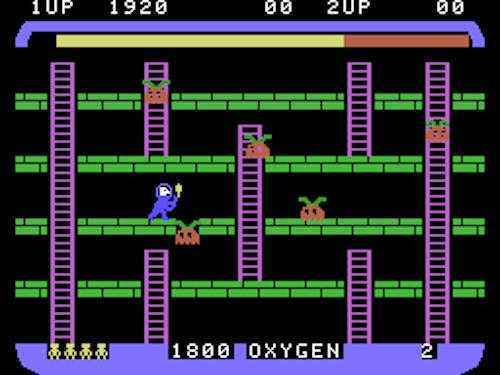
Screenshot of Space Panic.
Doesn’t this look familiar…

The entire history of video games is one of piecemeal innovation. A new creation comes along, gains traction – or doesn’t in some cases, but the concept still seems appealing – and then other companies take the idea in new directions. Nintendo has never actually made anything original. What they’ve done for decades – very successfully, to their credit – is build on other people’s creativity and other people’s ideas, taking concepts that other games have tried and honing them, often to near-perfection. If other companies had locked their efforts away, as Nintendo is attempting to do to Palworld and others, not only would the entire games industry be smaller, less creative, and just worse overall, but Nintendo itself as we know it today could never have come to exist.

There are some massively-popular games which went on to quickly spawn entire genres. I’m old enough to remember when first-person shooters were literally called “Doom clones,” but id Software, in 1993, didn’t try to patent the concept. If they had, there’d never have been GoldenEye, Metroid Prime, or literally any other FPS title. Games companies don’t exactly like sharing their ideas, but it’s been accepted as part of the games industry for decades. You can’t claim ownership of a broad concept, idea, or genre.
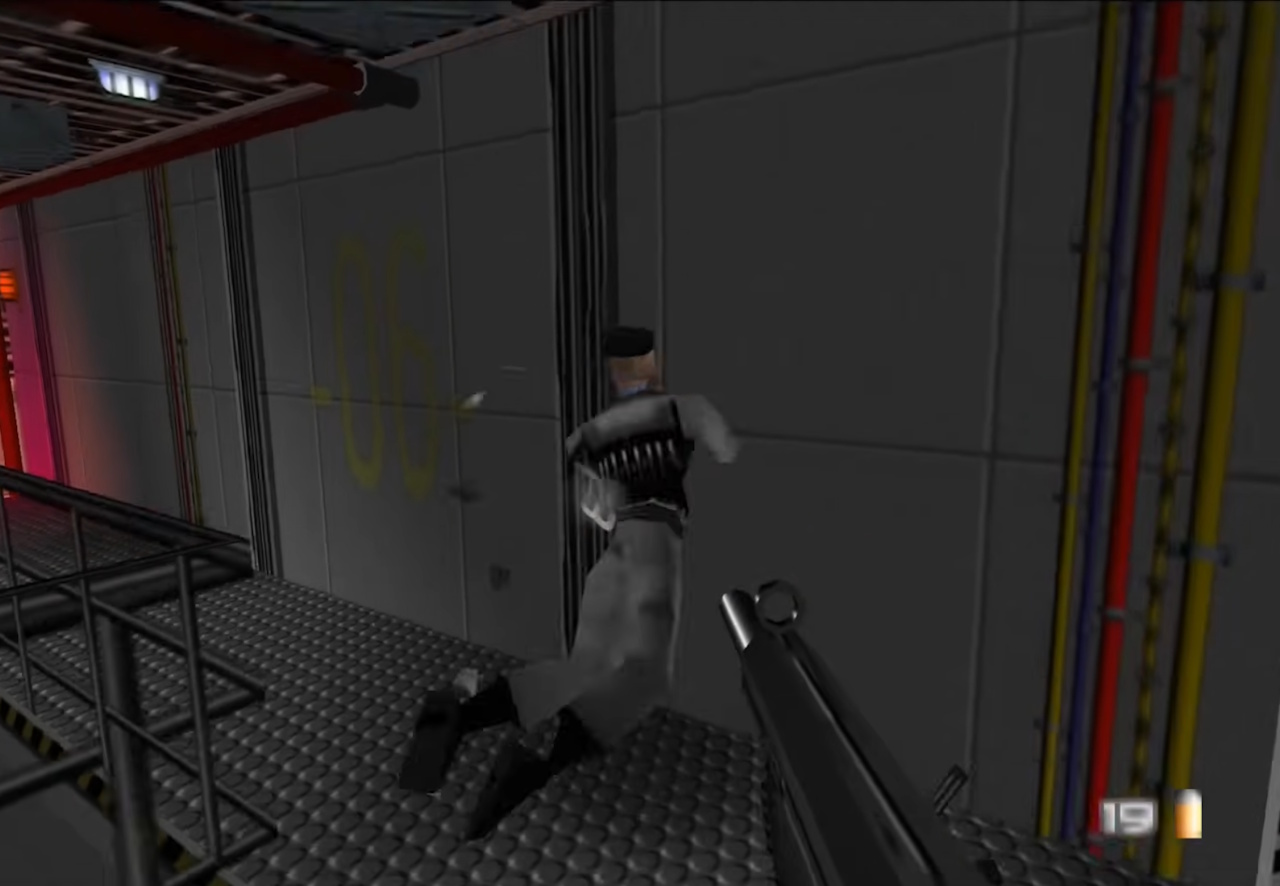
Screenshot of GoldenEye showing the player character shooting an enemy.
GoldenEye wouldn’t have been made if id Software had gotten a patent for first-person shooter mechanics.

There are some things that can and should be trademarked, copyrighted, or patented. I’d never try to argue, for instance, that anyone other than Nintendo should be allowed to create a 2D platformer featuring a red-hatted, overall-wearing, turtle-stomping plumber named Mario. That concept is a specific one, and it uses original characters, designs, creations, and storylines. But the basic mechanics of how video games work should be – and historically, have always been – open to everyone. Trying to claim ownership over a sub-genre or in-game mechanic simply should not be allowed – and we need to clamp down on this kind of misbehaviour now, lest it get out of hand.

There are many other games companies who’d surely love nothing more than to get a patent for something broad and vague, stifling competition or forcing their competitors to pay them. Imagine if Bethesda managed to get a patent for something like mana points in a video game. Or if Ubisoft got a patent for concealing the player character in tall grass. What about if Atari patented flying in a spaceship? After all, they pioneered that idea in video game form with 1979’s Asteroids. Would the video games industry be better off if every company could patent everything it could claim to have invented? Or would video games as a whole be smaller, less interesting and less innovative? I think we all know the answer.
Nintendo's logo (white on a red background).
Nintendo is using the legal system to try to shut down competition.

Pokémon is, itself, a great example of the evolution of video games. It didn’t spring into existence overnight, fully-formed and utterly unique. It built on existing battle games, turn-based games, card games, and role-playing games, which had been developed through the 1980s and early 1990s, and also drew inspiration from films, manga, and even collectables like baseball cards and capsule toys. Many role-playing games – especially JRPGs – use very similar in-game mechanics for things like combat and overworld exploration, and plenty of titles outside of the monster-battling sub-genre also use things like summonable allies, temporary companions, and friendly monsters. Why should any of that be patentable? How does Nintendo have the sheer nerve to say they invented any of it?

Because that’s what Nintendo’s patent claims: that they own, invented, and have the exclusive rights to the in-game mechanic of summoning an object or ally to engage in battle.

To be clear: this patent should never have been granted in the first place. Anyone with a cursory knowledge of video games could have easily found the flaws in this patent and thrown it out. But Nintendo having the cheek, the sheer brass neck, to ask for this patent… it’s absolutely disgusting.

Still frame from the Nintendo Switch 2 Direct showing three executives/producers.
Three senior Nintendo executives/producers during a recent Nintendo Direct broadcast.

Nintendo’s leadership needs a good clear-out. The people who’ve been there since the ’80s and ’90s are growing old, and in lieu of actually innovating and inventing, they’re desperately trying to use lawfare to drive away the competition. Terrified of losing their position – and perhaps recognising that the overpriced Switch 2 isn’t going to sell as well as its predecessor – they’re trying to use illegitimate and, frankly, dishonourable means of shutting down competition. When you can no longer compete on merit… trying to use legal loopholes and dodgy rulings to shut out the competition must seem tempting.

That’s what Nintendo is doing, at the end of the day. They’ve realised that Palworld is the canary in the coal mine: a shining example of a new company coming in, creating something better and more appealing, and hoovering up eager customers who’ve burned out on the stale, repetitive, and boring Pokémon series. And because the elderly senior developers and executives don’t know how to make a game like Palworld, the only thing they can think to do is try to get it shut down.

And that’s pretty fucking shameful.
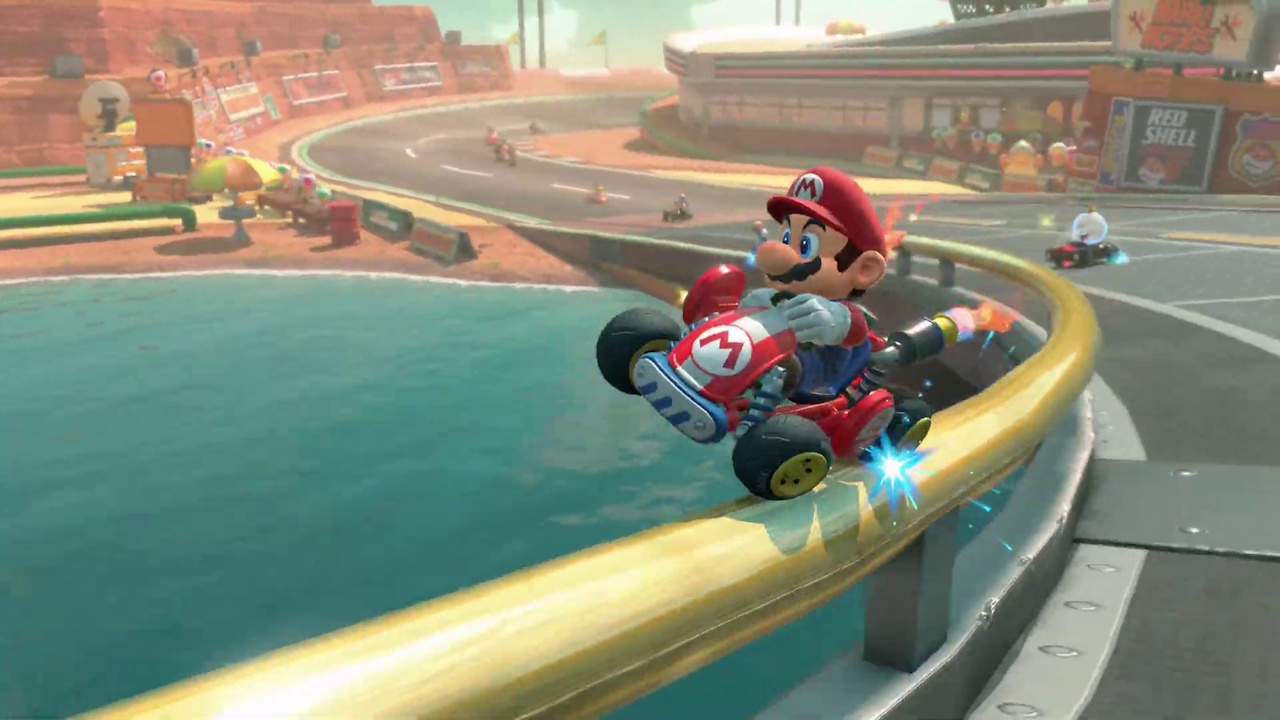
Still frame from the Mario Kart World trailer showing Mario grinding on a rail.
Mario Kart World.

Nintendo’s recent output, in my opinion, hammers home why the senior people at the corporation feel a need to do this. Even the top-selling Nintendo games of the last generation – Super Mario Odyssey, Animal Crossing: New Horizons, Tears of the Kingdom, Smash Bros. Ultimate, and Mario Kart 8 Deluxe – were sequels at best, derivative and repetitive at worst. The Switch 2, with its samey design, is the first Nintendo console in decades not to offer something new or innovative. And the company seems to be doubling-down on wringing as much money as possible out of its fans and players with increasingly unfriendly decisions around pricing. With limited room for growth, a lack of new ideas, and an elderly and outdated crop of senior developers and leaders, Nintendo is trying to shut down genuine competitors instead of learning, growing, and improving – the way video games companies have done for decades.

It’s embarrassing, quite frankly, that Nintendo felt the need to stoop so low, and that they have such a lack of confidence in their ability to compete fairly if the playing field were level.

But that’s Nintendo for you… and Nintendo is just awful.


All titles discussed above are the copyright of their respective developer, publisher, and/or studio. Some screenshots and promo art courtesy of IGDB. This article contains the thoughts and opinions of one person only and is not intended to cause any offence.
Palworld: No One Owns A Genre…

I have very little interest in the new survival/monster game Palworld. I’ve never engaged with titles like Monster Hunter or Pokémon, so the game just wasn’t on my radar. But an issue has come up for Palworld that I think is an important one not only for the games industry, but for entertainment and media as a whole, and I felt compelled to add my two cents to the conversation.

If you haven’t heard, Palworld has been accused of “ripping off” or plagiarising the long-running Pokémon series. The game uses some familiar designs for its monsters, and although I haven’t bought it or played it for myself, I understand that some elements of its gameplay are similar, too, with players being able to “catch” monsters and use them in battles.

Sheep-like critters with machine guns in a promo screenshot for Palworld.

Nintendo and The Pokémon Company, who jointly own and develop the Pokémon series, have even commented on this, with the latter releasing a statement saying that they “intend to investigate” Palworld and “take appropriate measures to address any acts that infringe on intellectual property rights.” I’ve linked to The Pokémon Company’s full statement at the end of this piece so you can read it in full if you’re interested.

Whether you like Palworld or not, the issue this raises is a genuinely interesting one – and it’s one that the games industry hasn’t really wrangled with for a long time, at least not in public. The basic question is this: can any company claim ownership of, and potentially patent, trademark, or copyright, an entire genre, style of game, or gameplay mechanic?

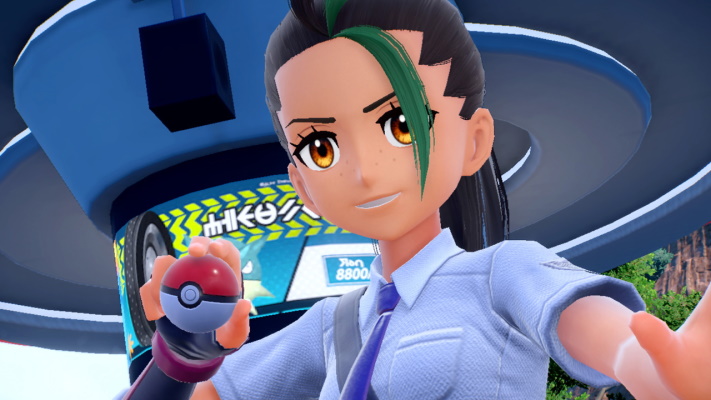
Promo screenshot from Pokemon Violet featuring a character holding a red and white ball.
Do Nintendo and The Pokémon Company have a monopoly on designs and gameplay elements?

The answer should be obvious: no, of course not, don’t be stupid. The Pokémon Company and Nintendo can’t own the concept of a game with battling monsters any more than Rockstar could own the open-world sandbox crime genre, or PlayerUnknown’s BattleGrounds could own battle royale. The developers of PlayerUnknown’s BattleGrounds tried in vain to claim ownership of the battle royale genre, even going so far as to try to sue Epic Games, creators of Fortnite, over the perceived “copying.” That lawsuit went nowhere – and rightly so.

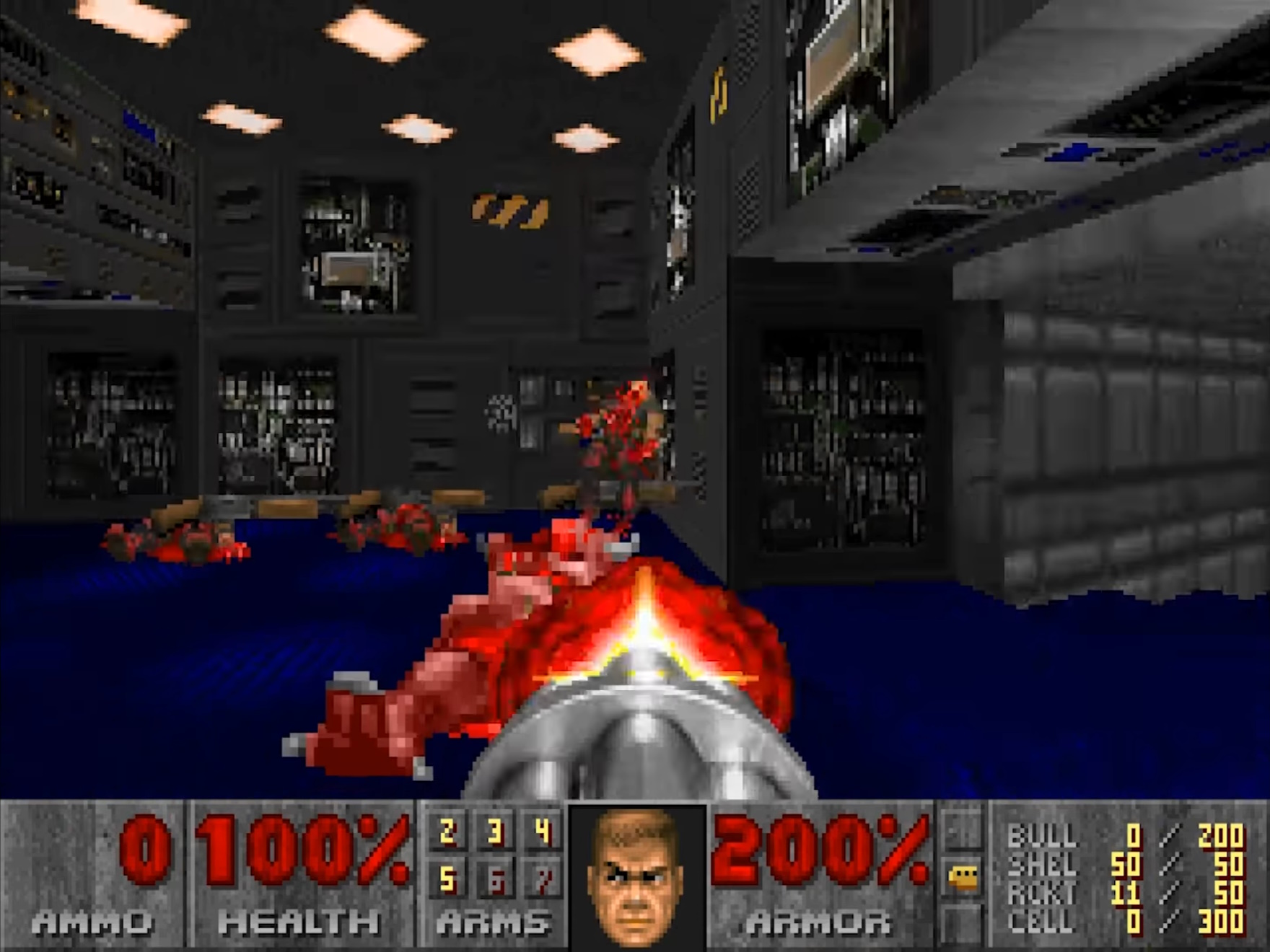
I’m old enough to remember when first-person shooters were literally called “Doom clones.” Doom popularised the first-person shooter in the early 1990s, and on the back of its success, dozens of other FPS titles were developed. But Doom’s creators didn’t lawyer up and try to prevent anyone else from making a first-person shooter at the time, nor did Rockstar go after the likes of the Saints Row series in the mid-2000s.

Screenshot from Doom (1993) showing a gun being fired.
Doom (1993) popularised – but did not invent – the first-person shooter.

Going all the way back to the earliest video games, new titles have come along that used similar styles, designs, and gameplay elements. Some of these games have gone on to innovate, pioneering entire sub-genres and gameplay mechanics, and if they’d been shut down or prevented from existing by excessive copyright lawsuits or patents, gaming today would be in a much worse place. The history of gaming is one of piecemeal innovation, and of companies jumping on popular genres, innovating, and pushing boundaries.

There were first-person titles literally decades before Doom, with 1980’s Battlezone in particular being a noteworthy progenitor. And there were crime games and open-world titles years before Grand Theft Auto III came along. So in neither case can the developer claim to have wholly independently “invented” something, even if their title was the one that popularised it. That was the fundamental flaw in the PlayerUnknown’s BattleGrounds lawsuit.

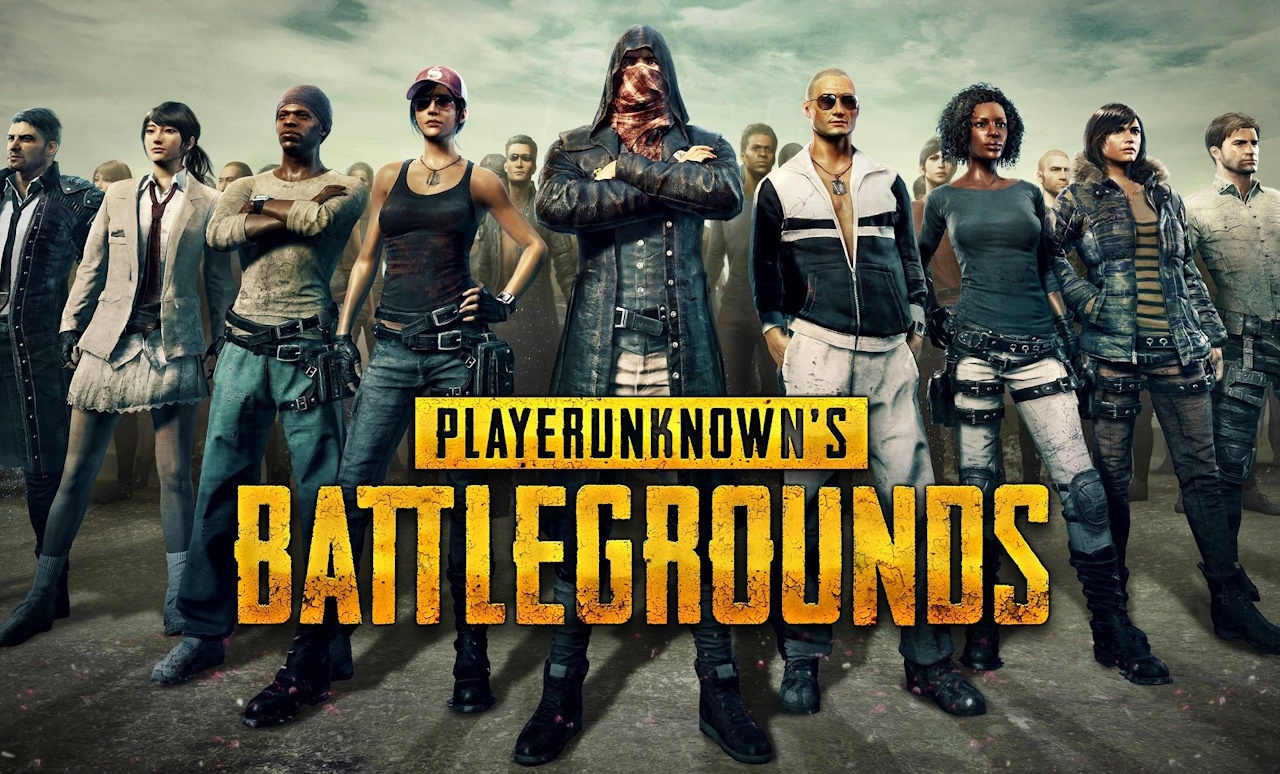
Promo image advertising PlayerUnknown's Battlegrounds (a.k.a. PUBG Battlegrounds).
PlayerUnknown’s BattleGrounds didn’t win its lawsuit against Epic Games.

Stepping away from gaming, we can look to cinema and even literature for other examples. No one would try to make the claim that only Tolkien should be allowed to write fantasy, or that fictional races like elves and orcs are somehow copyrightable. Nor would anyone be able to argue that the owners of 1927’s Metropolis should be able to trademark the entire sci-fi genre. That isn’t how art and media work or have ever worked.

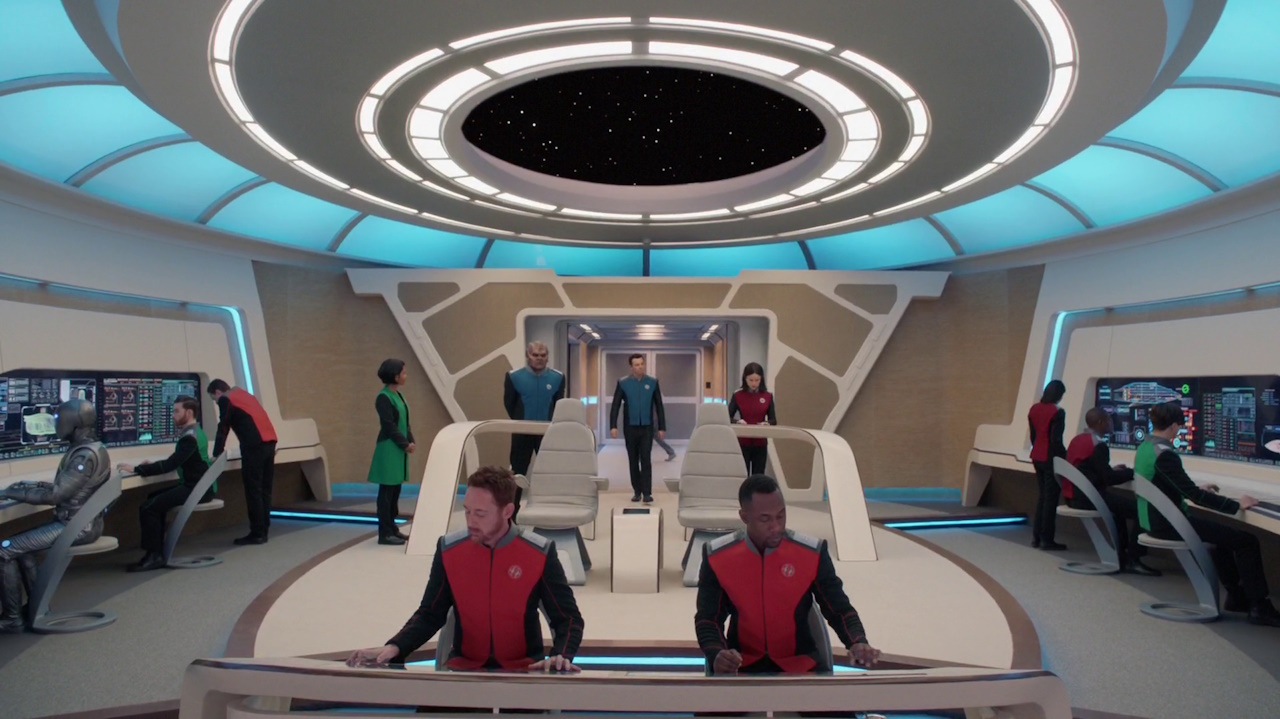
Look at a film like Galaxy Quest, or a TV series like The Orville. Both lean heavily on the Star Trek franchise for inspiration (and parody), but Paramount wouldn’t have a leg to stand on if it tried to take their creators to court. And once again, that’s because Paramount doesn’t own the sci-fi genre, or even the “explorers on a faster-than-light spaceship seeking out new life” sub-genre of sci-fi. Anyone is allowed to tell their own stories – as long as they don’t use trademarked names or characters for profit.

Still frame from Old Wounds, the premiere episode of The Orville, showing the bridge of a spaceship.
The Orville pays homage to the Star Trek series in more ways than one.

If Palworld had its own Pikachu or Charizard, maybe Nintendo and The Pokémon Company would have an argument here. But from what I’ve seen, the game’s monsters all have unique names, and while they may look similar to critters from the Pokémon series… so what? You can’t claim ownership of any and all yellow-haired monsters in every video game. That’s the kind of claim that would be laughed out of court.

Maybe The Pokémon Company and Nintendo have been complacent, because there hasn’t really been a serious challenger to the Pokémon series before. Monster Hunter exists in a similar space, as do games in the Digimon series, but Pokémon has been a force unto itself for a long time. Perhaps the sudden arrival of Palworld struck a nerve, or perhaps Nintendo is worried because recent Pokémon titles haven’t been well-received.

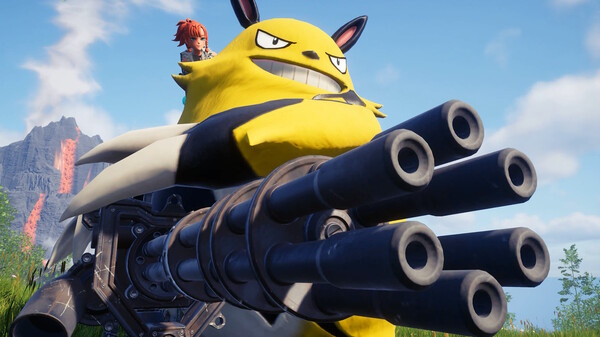
Promo screenshot of Palworld featuring a yellow monster holding a gun.
I can see why Palworld appeals to fans of the Pokémon games.

But none of that actually matters. Palworld has as much right to exist as any of the 873 Pokémon games, and if its better than anything that The Pokémon Company has done in recent years… well, they’ll have to adapt and do better. They’ll have to make better games, actually finish working on them before releasing them, and maybe even look at some of the features included in Palworld that players have enjoyed. Pokémon has arguably been pretty stagnant for a while, at least from what I can see looking in from the outside, so a kick up the backside from a genuine competitor could be just what the series needs. Complacency breeds stagnation and ultimately decline, but competition can revitalise a flagging series.

Rather than seeing Palworld as a problem to be crushed, The Pokémon Company and Nintendo should view its entry into the marketplace as a window of opportunity. After years of having the monster-battling space all to themselves, there’s now the potential to look at how other developers might handle that kind of game – and even opportunities to learn and grow. But that would take the kind of critical thinking that Nintendo doesn’t always have a knack for!

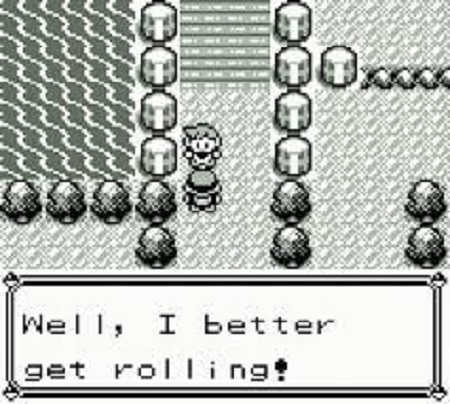
Screenshot from Pokemon Blue (1996).
The Pokémon series has been running for decades, so a challenge and shake-up couldn’t hurt.

Either way, Palworld is here to stay. I can’t imagine that the game will be pulled from sale or forced to be shut down because of a complaint from Nintendo and The Pokémon Company, because any threat of legal action would surely be doomed to failure – as it has been every other time it’s been tried by other publishers and developers. Even if we accept that Nintendo and The Pokémon Company originated the monster-battling sub-genre (which is very much up for debate, as Pokémon itself is a variation on the role-playing game genre), they don’t get to claim ownership of it exclusively. And even if Palworld uses similar designs, visual styles, and gameplay mechanics… none of those things are copyrightable. This argument will go nowhere.

I will concede that, from what I’ve seen, parts of Palworld do look similar to the Pokémon series. And from the point of view of a fan or player, I can absolutely understand wanting to leave it a negative review pointing that out, or even to boycott it and refuse to play it because of its perceived “ripping off” of the Pokémon series. That’s absolutely fine on an individual level – and I can definitely appreciate why some Pokémon fans might see things that way. But that’s very much a personal, individual decision – and one that has no bearing on any copyright law or trademark case!

For my money, Palworld is a title I’m happy to skip. It’s not my thing – just like Pokémon isn’t. But I found this argument to be interesting – particularly when The Pokémon Company itself weighed in. I doubt we’ll hear much more about this; if The Pokémon Company has decent lawyers, they’ll tell them pretty quickly that nothing in Palworld comes close to violating copyright laws. But hey, I’ve been wrong about these things before… and in a way, I’d quite like to see this issue litigated, especially if it ends up embarrassing Nintendo and The Pokémon Company and costing them a lot of money!


You can read the full press release from The Pokémon Company by clicking or tapping here. (Warning: Leads to an external website)


Palworld is out now for PC, Xbox One, and Xbox Series S/X consoles. Palworld is the copyright of Pocket Pair. All other titles discussed above are the copyright of their respective publishers, developers, and/or distributors. This article contains the thoughts and opinions of one person only and is not intended to cause any offence.
Ten of the best games… that I’ve never played!

After Star Trek, gaming and the games industry is probably the subject I write about most here on the website. I used to work in the games industry as regular readers will recall, and I’ve enjoyed the hobby for decades – though I spend less time playing these days for a number of reasons. However, with decades of gaming under my belt, and time spent on the inside, I like to think I can write about the subject from a unique perspective and perhaps even with some degree of authority. So let’s completely ruin that by looking at some of the biggest games and game franchises that I’ve never even played!

The entries on this list are games (and franchises) that I’ve heard almost universal praise for; these titles are undeniably good. However, for a variety of reasons I simply haven’t got around to playing them, or they seemed like “not my thing” so I never gave them a try. I’ll make an attempt to justify myself… but I’m sure you’ll agree that this seriously harms my “gamer” pedigree! There shouldn’t be any major spoilers because these are games I haven’t played, but we will be discussing some details. If there’s a title you want to avoid even the slightest chance of spoilers for, it may be safer to skip that entry and move on to the next.

Here comes the disclaimer: just because I’m not interested in these titles or haven’t played them doesn’t mean I’m saying that they’re bad. Look at the title of this list! These games are generally held in very high regard, so if one of your favourites is here and I’m being negative about it, please try not to take it personally. Our experiences are all subjective; we all enjoy different things. And that’s great!

So without further ado, let’s look at the list!

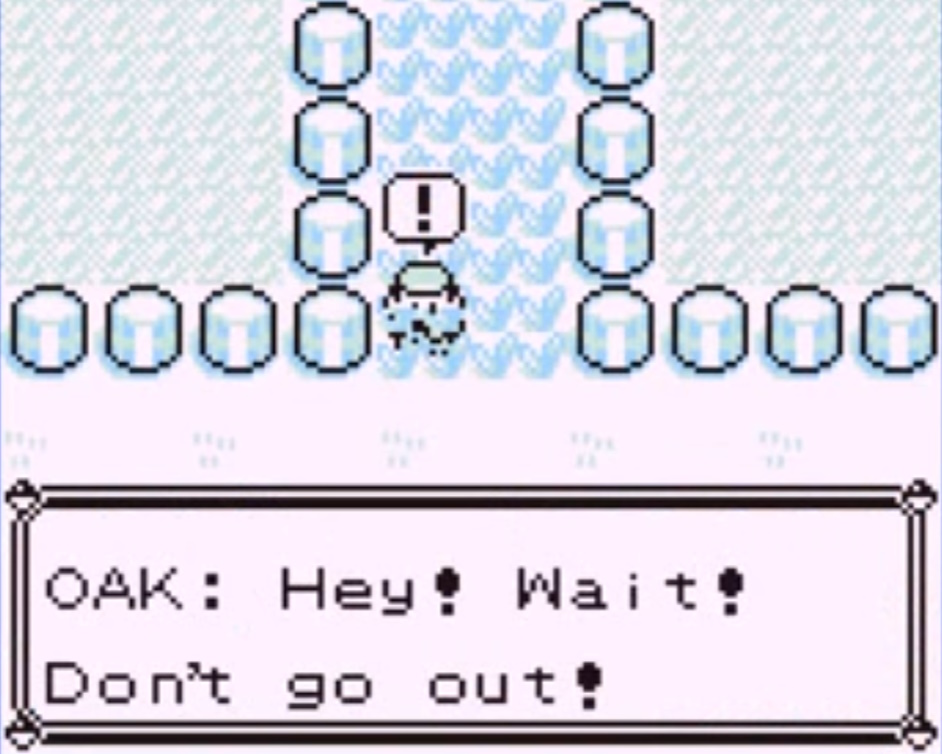
Number 1: The Pokémon series (1996-present)

When I was still at school in the late ’90s, Pokémon cards became a short-lived craze among some of the younger kids. I considered myself “too grown-up” for a silly card game like that, which was a pretty typical attitude among my teenage friends at the time! I did, however, receive a pack of the cards as a gift at one point – and promptly gave them away to someone I knew who was collecting them.

I also didn’t own a Game Boy at the time – though in those days they were available to rent! Do you remember going to a rental shop and literally checking out a whole console? But because I didn’t own a Game Boy – and could afford to rent one so infrequently – I never got around to trying out the first entry in the series. Since then, there have been eighteen mainline Pokémon games across eight “generations” that have come out on six systems, and a number of spin-off titles too, including Pokémon Go, which seemed to take the world by storm in 2016.

And I’ve managed to avoid playing any of them! Japanese-style RPGs aren’t my favourite kind of games usually – particularly due to their style of combat – and combined with Pokémon’s youthful style and seemingly ever-growing list of critters, it’s something that’s never seemed like “my thing”. The increasing number of creatures in particular feels a little daunting at this point, and the series has developed a lore over the course of almost a quarter of a century that spans not only the games but a long-running animated series as well. At this point, even if I were interested in the series, I wouldn’t know where to start!

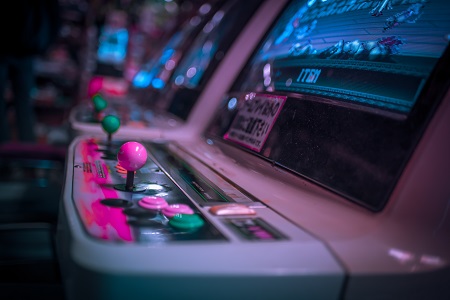
Number 2: Practically every arcade game!

I grew up in a rural community, and none of the small towns in this part of the world had arcades, not even during the height of their popularity in the ’80s. The closest I got was a small “penny arcade” in a seaside town which had a couple of video games alongside claw machines, slot machines, and pool tables. On the odd occasion that I’d get to go to bigger cities in my youth, visiting a video arcade was never a high priority.

As such, I’ve only ever played a handful of arcade games, and even then not many times and not for very long. The one I can remember playing most is 1994’s Sega Rally Championship, which I was fortunate enough to play a few times when I lived overseas. But I missed out on the arcade experience that many gamers of my generation had, and I’ve never played the arcade version of titles like Pac-Man, Space Invaders, Donkey Kong, Out Run, the Star Wars arcade titles, or Space Harrier. The closest I got to playing Space Harrier in an arcade was in Shenmue on the Dreamcast! Though this entry might seem like kind of a cheat for this list since I have technically played many of these games when they were ported to consoles or via emulators, the experience isn’t the same.

Because of my health, I’m no longer in a position where I can travel very far, nor would I be able to really use an arcade machine for any length of time (unless I could do so from a seated position). So unfortunately it looks like I’ll never really be able to have that arcade experience.

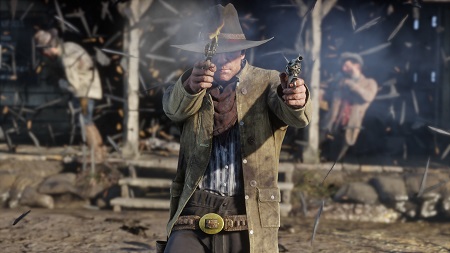
Number 3: Red Dead Redemption 2 (2018)

So far we’ve looked at games I wasn’t interested in and games that were generally unavailable to me. Red Dead Redemption 2 is in neither of these categories. I could have played it upon its 2018 release on PlayStation 4, or after its 2019 PC release on my computer, yet despite being interested in its historical setting, I simply haven’t got around to doing so – at least, not yet.

As a history buff, a game like Red Dead Redemption 2 should be exactly the kind of thing I’m looking for. It ticks almost all of the boxes for things I’d enjoy – a single-player game with a detailed story, an open world with lots to do, and a fun historical setting. American history is one of my favourite fields of study (despite not being American), so there’s really no excuse for not playing this game, right? The only real drawback is that it’s a sequel (technically a prequel, despite the somewhat confusing numbering) and I’m not usually someone who likes to jump into a series that’s already in progress.

I’ve been interested in Red Dead Redemption 2 since it was released, for all of the reasons listed above, yet I just haven’t got around to picking up a copy yet. I think if I’d seen it discounted I might’ve, but on Steam during the recent summer sale event it was only 20% off, which still left it priced at over £40. I don’t have a huge budget for games, so that’s definitely one reason why I haven’t picked it up yet. Unlike some of the other entries on this list, Red Dead Redemption 2 is a game I absolutely plan to get around to playing… one of these days!

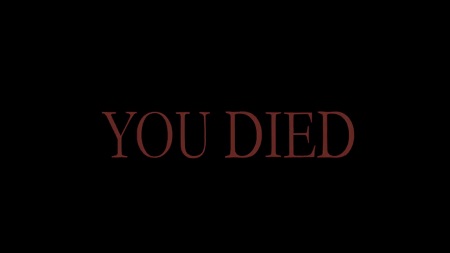
Number 4: The Dark Souls series (2011-2016)

This entry could really be expanded to encompass a number of other titles besides the three main Dark Souls games which fall into that new pseudo-genre inspired by the series. “Souls-like” games are notorious for their high difficulty, and the three Dark Souls games pioneered and epitomise that. I respect people who play games for the challenge, and I’m sure it must be very rewarding to finally overcome a difficult level or boss after numerous attempts. However, I’m not that kind of gamer!

If you read my playthrough of Star Wars Jedi: Fallen Order, you’ll recall I played on the easiest difficulty setting. I usually do this where possible, because in single-player titles I’m more interested in an engaging story than a challenge. The Dark Souls series deliberately doesn’t offer lower difficulty options, which is an artistic decision that I respect; I’m not going to argue that the game should go out of its way to accommodate players like myself. However, it means that it’s a series I have no interest in playing.

I’m not the world’s best gamer. Completing Jedi: Fallen Order and The Last of Us Part II on their lowest difficulty settings have been two of my big gaming accomplishments of 2020, and perhaps the most challenging games I’ve played have been rounds of Fall Guys! But I’m not really someone who seeks out a challenge. I don’t have the skill to be a top-tier gamer, nor the patience to play one game over and over and over again to “git gud”. If Dark Souls seemed like it had a genuinely interesting story underneath the difficulty, perhaps I’d be willing to try. But everything I’ve seen from the series looks like an incredibly generic fantasy world with hack-and-slash gameplay, so I don’t think I’ll be convinced to give it a try any time soon.

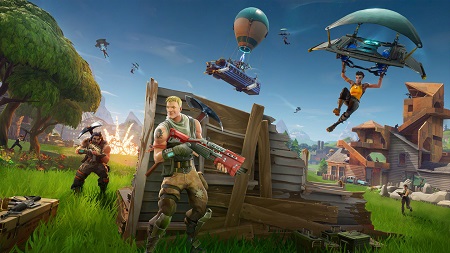
Number 5: PlayerUnknown’s Battlegrounds (2016) and Fortnite Battle Royale (2017)

I’m not really into competitive online gaming, at least not unless a title offers something genuinely different. Fall Guys, which I mentioned above, does fall into that category, but PlayerUnknown’s Battlegrounds and Fortnite really don’t. Both titles are in the action/shooter genre, and if I wanted to play a game like that I could choose from myriad single-player offline titles.

However, in both cases I have a great respect for what the games bring to the table. PlayerUnknown’s Battlegrounds didn’t exactly create the battle royale genre, but it certainly elevated and refined it, and Fortnite is a phenomenon that the gaming world hadn’t seen since Minecraft. Both titles brought millions of new people into gaming as a hobby and helped the medium grow to the point where it’s wholly mainstream. I’ve touched on this topic before, but when I was younger, gaming wasn’t exactly a niche but it was certainly a nerdy, geeky hobby to be associated with, shunned by adults and self-proclaimed cool kids. The rise of titles like PlayerUnknown’s Battlegrounds and Fortnite – and their ubiquity on practically every platform from consoles to phones – has meant the video gaming hobby has expanded far more than I would have ever thought possible a few years ago.

That doesn’t mean, however, that I’ll be tempted to try either of these games any time soon.

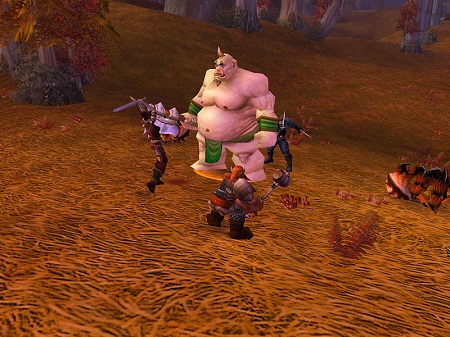
Number 6: World of Warcraft (2004)

Earlier, I criticised the Dark Souls series for feeling very generic and uninteresting in its fantasy setting. The same simply cannot be said of World of Warcraft, the title which arguably defined the massively multiplayer online roleplaying game (MMORPG) genre. It has a rich lore and a deeply detailed, painstakingly crafted world, all of which has been built up over more than fifteen years with updates, patches, and expansions massively improving the game in that time.

From my perspective, World of Warcraft falls down simply because of its online nature. I just don’t enjoy playing with other people in this kind of always-online environment, and I find that interacting with other people is immersion-breaking. In a fantasy world, I need that sense of immersion to enjoy myself and have a good time, and as I said in the previous entry on this list, there are many single-player titles which offer something similar.

The longest I’ve ever stuck with an MMORPG was Star Trek Online, which attracted me for obvious reasons! However, even being set in my favourite fictional galaxy and having some enjoyable story missions couldn’t overcome the issues I have with this kind of game, and after struggling on with it for a while, I eventually stopped playing.

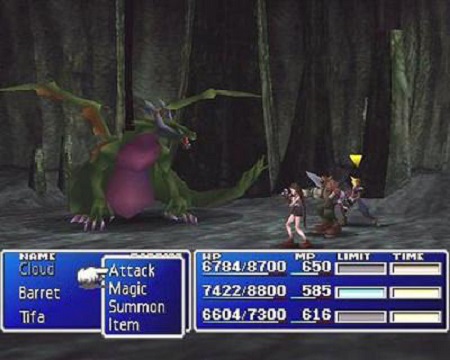
Number 7: The Final Fantasy series (1987-present)

As I mentioned when talking about Pokémon, I’ve never been the biggest fan of Japanese-style roleplaying games. The combat in particular is something I find offputting, not because it’s bad but there’s something about its slower, turn-based nature that I tend to feel doesn’t gel with an action-oriented title. The Final Fantasy games have always had this style of gameplay, which is one reason I’ve never been all that interested.

The second major reason why I’ve never jumped in is that the Final Fantasy series is complicated. There are sixteen “main” games (counting Final Fantasy XIV twice as it has an online and offline version), as well as dozens of other titles (perhaps as many as fifty if you consider mobile games and spin-offs). There are also films and other associated media, making the series quite daunting to get started with. While I gather many of the games are semi-standalone titles, there is a lot of background and lore that connects them and keeps the series intact. Maybe that’s a bad reason not to jump in, but coupled with the style of gameplay being something I generally don’t enjoy, it’s enough to be offputting.

Though I have owned several of the consoles that Final Fantasy titles released on – like the SNES – many of the most well-received entries in the series are or were PlayStation exclusives. As someone who didn’t own a PlayStation until the dying days of the PlayStation 3 (which I bought so I could play The Last of Us) I didn’t have access to most of the games released between the mid-90s and the mid-2000s.

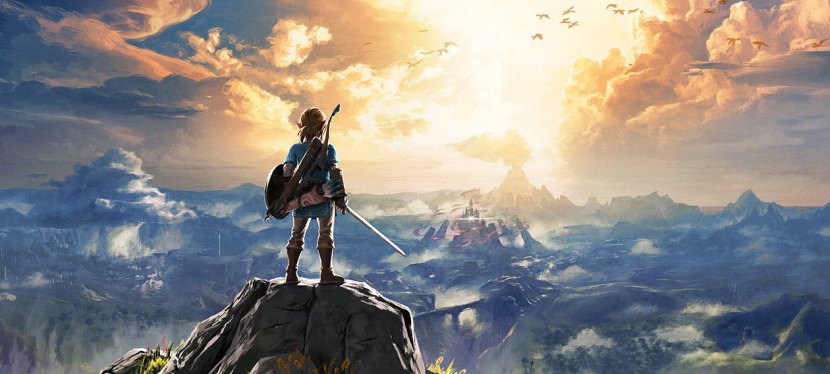
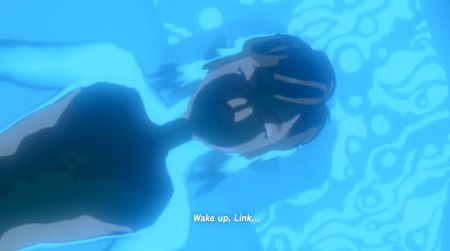
Number 8: The Legend of Zelda: Breath of the Wild (2017)

The SNES was the first home console that I owned, but for many of the same reasons given above regarding my general dislike for Japanese-style RPGs, I didn’t play the only Zelda title released on that system: A Link to the Past. Nor did I play the Zelda titles on the Nintendo 64, Wii, DS, 3DS, or any other Nintendo console I’ve owned in the years since. I wouldn’t say I’ve deliberately shunned the Zelda series; it’s more a case of having other priorities and putting my money elsewhere.

I must be practically the only Nintendo Switch owner to have not played Breath of the Wild, as the game has been one of the system’s best-selling titles since it launched in 2017. Though I have been tempted to pick up a copy, especially if I could find it pre-owned or at a discount, I simply haven’t got around to it yet, as I’ve had other games I’m more interested in playing.

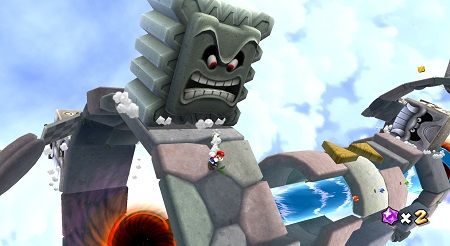
Number 9: Super Mario Galaxy (2007) and Super Mario Galaxy 2 (2010)

Ever since I received Super Mario 64 for Christmas in 1997, I’ve been a huge fan of Mario’s 3D adventures. I was even lucky enough to play through Super Mario Sunshine on a friend’s GameCube as I didn’t own the console for myself. Yet I skipped the two 3D Mario titles that were released on the Wii.

The Wii had one of the best Mario titles ever in New Super Mario Bros. Wii, and I had great fun playing that game. But the two Mario Galaxy titles didn’t hold much appeal, mostly due to the level design, which consists of a number of spherical planets and asteroids to navigate. I found those environments looked incredibly confusing, and the Wii’s motion controls seemed like they would make that worse. With so many other titles to play on the Wii, which was a fantastic console that had a great library of games, I kept putting off playing Super Mario Galaxy. When a sequel came out I put that to the back of the queue as well, and I’ve just not got around to picking up either game.

I think I still have my Wii in the attic, so perhaps one day I need to get it out, dust it off, and finally pick up one or both of these games. In 2018 I had a great time with Super Mario Odyssey, so it’s clear that my enjoyment of 3D Mario titles hasn’t waned at all!

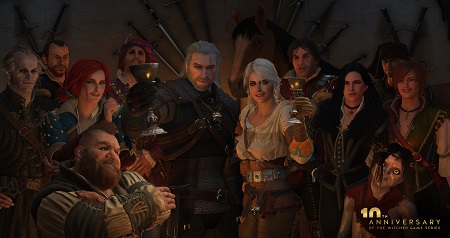
Number 10: The Witcher 3: Wild Hunt (2015)

A couple of years ago I set out to play the famed Witcher series. Not wanting to begin with the third entry, I started with the first game – but I had a hard time getting into it and haven’t picked it up since. It wasn’t the world, the lore, or the story that I found offputting, but rather the mouse-and-keyboard controls. I’m so used to playing most action/adventure titles with a control pad these days that it was a bit of a jolt, and I’m surprised that a game from as recently as 2007 didn’t have any controller support on PC!

As a result, I didn’t get into the series and haven’t got to its incredibly popular and critically-acclaimed third entry yet. The Witcher 3 is many people’s pick for game of the decade or game of the generation, and I’m very interested to try it for myself. I own the game and both its expansions, so I will one day get around to playing it – once I’ve completed the first two titles!

The Witcher and The Witcher 2: Assassins of Kings are supposed to take around 40 hours each to complete, so it may be a while before I finally get to this acclaimed game, but unlike some of the other entries on this list, it’s one I hope to play one day.

So that’s it. Ten great games and franchises that, for a variety of reasons, I’ve never played. Sorry if your favourite made the list, but remember that this is all one person’s opinion, and I’m in no way trying to argue that these games are bad. Some of them just aren’t my thing. If you love them or are passionate about them, great! Diversity takes many forms, including the titles we enjoy in the entertainment space. It would be a very dull world indeed if we all enjoyed the same things!

Hopefully this list has been a little bit of fun. If you’re new to the website, I write lists and articles on gaming and related topics often, so I hope you’ll check back for more in future. Until next time!

All titles listed above are the copyright of their respective studio, developer, and/or publisher. Screenshots and promo artwork courtesy of press kits on IGDB. Arcade machine photo courtesy of Unsplash. This article contains the thoughts and opinions of one person only and is not intended to cause any offence.