Phineas and Ferb: Christmas Vacation – Fifteen Years Later

A spoiler warning graphic (with Doofenshmirtz!)

Spoiler Warning: There are spoilers ahead for Phineas and Ferb.

There aren’t many Christmas TV specials that I watch, without fail, every single festive season. In fact, the only one I can think of in that category is Phineas and Ferb: Christmas Vacation, which premiered fifteen years ago. 2025 looks set to be the year that a revived Phineas and Ferb will be on our screens, so I thought it could be a bit of fun to look back at the special and talk about why I find it to be so… well, special.

For some context, Phineas and Ferb is a series I first encountered in adulthood. I saw a commercial for it on the Disney Channel back when I used to have a satellite TV package, and even though a cartoon aimed at kids should’ve held absolutely no appeal to me… something convinced me that this was a show I needed to take a look at. And I’m so glad that I did! In the years since I watched those first episodes, Phineas and Ferb has become one of my “comfort shows;” a piece of media that I drift back to on days when I’m feeling low, my mental health isn’t great, or I just need to switch off for a few minutes. It’s with that background that we arrive at the Christmas special.
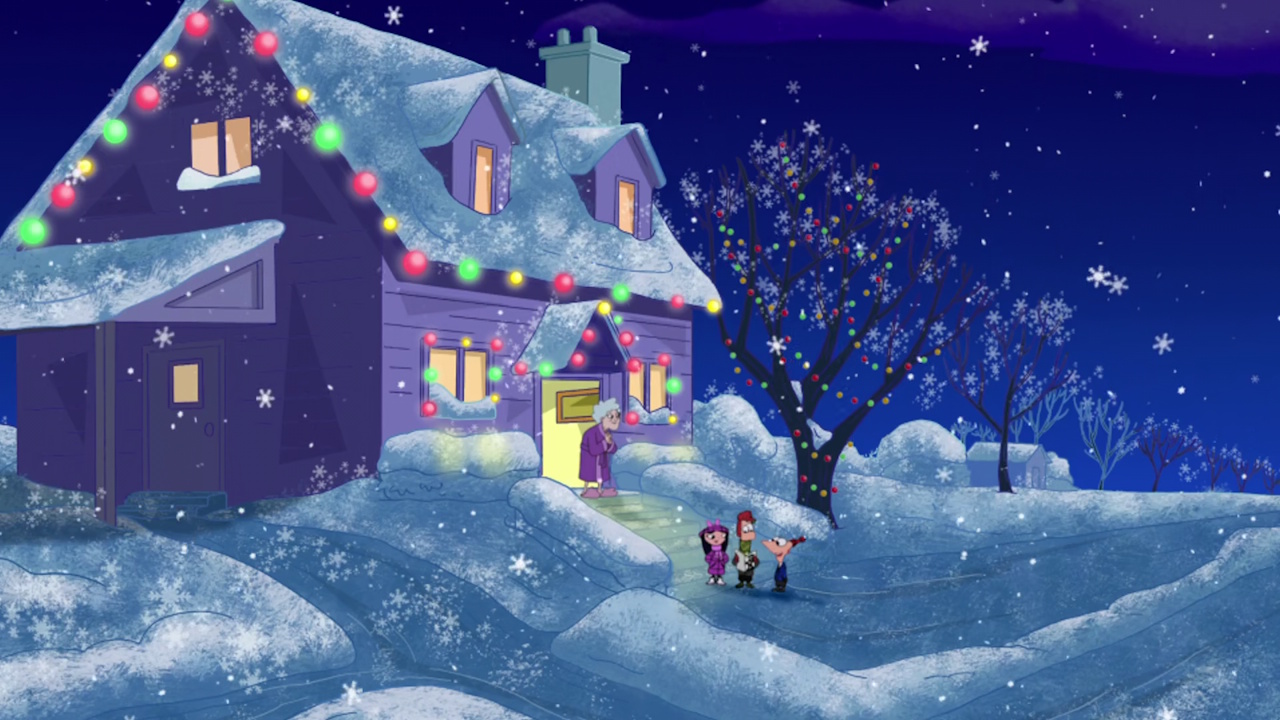
Still frame from Phineas and Ferb: Christmas Vacation showing Phineas, Ferb, and Isabella by a house at night.
One of the clips from the opening titles.

If you’re unfamiliar with Phineas and Ferb, practically every episode in the show takes place in one seemingly endless summer. Christmas Vacation was the first episode to be set outside of that summer break, and that makes it feel pretty special. The warm sunny days of the rest of the show are replaced with cold and snow, and the city of Danville is transformed into a winter wonderland for the kids’ activities to play out in.

I adore Christmas and the winter – and although it can be a pain to navigate, I love the way snow looks. The animators did a great job, in my opinion, at bringing the wintery world of Danville to life. The snow looks fantastic, and there’s one sequence in particular near the end where the town’s Christmas lights break through the clouds that just looks absolutely stunning. Many kids’ cartoons have moved to fully 3D computer animation, but there’s something special about this older 2D style that I think adds to the sense of magic and wonder that Christmas time brings. We’re not quite at the level of the brilliant pastel-drawn Father Christmas (that I talked about last Christmas; click or tap here if you’re interested to read more) but the animation here is fantastic.
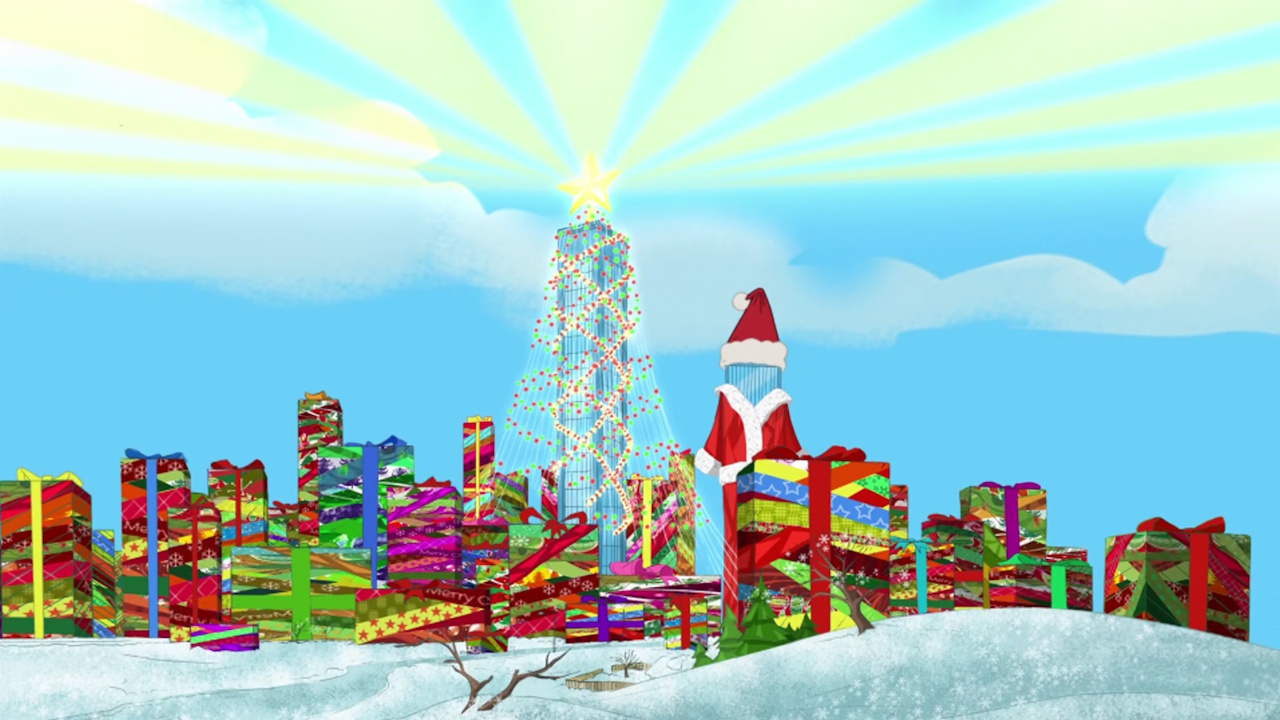
Still frame from Phineas and Ferb: Christmas Vacation showing the town of Danville.
There’s some fantastic animation in Christmas Vacation.

Phineas and Ferb is a very musical series. Almost every episode has its own custom song, and there are jingles and other musical interludes as well. The soundtrack to Christmas Vacation is honestly one of the best parts; there are just so many fantastic songs that it’s hard to know where to start! I’ve talked about two of them already on previous editions of my festive playlist (I put together a list of Christmassy songs every December, in case you’ve missed it), and the fact that so many of the songs from Christmas Vacation are worth listening to in their own rights should tell you all you need to know!

I really don’t know if I could pick a favourite song. Christmas Is Starting Now, which plays at the climax of the story, should be on everyone’s festive playlist, because it’s an absolute cracker. Thank You Santa, from the end credits, is gentle and cute, and even Doofenshmirtz’s I Really Don’t Hate Christmas is a ton of fun. Each song has its own style and fits in with what’s going on for the characters on screen. For a thirty-five-minute special to cram in so many songs basically makes it a musical! And what’s great is how enjoyable all of the tracks are. I bought the CD soundtrack (which came with a few other Phineas and Ferb Christmas songs, too) and I love it.

Still frame from Phineas and Ferb: Christmas Vacation showing Doofenshmirtz and some backing dancers.
There are some great songs in Christmas Vacation… no, really!

There’s not really anything particularly ground-breaking about Christmas Vacation’s plot. You’ve seen the whole “Christmas is in danger and someone needs to step up and save it” story outline before in other productions, but the way in which the special uses Phineas and Ferb characters really makes it stand out. Of course Dr Doofenshmirtz – the self-proclaimed “evil” scientist – would be the one to threaten Christmas with another of his outlandish inventions! And of course it would fall to Phineas, Ferb, and their friends to invent something capable of saving Christmas for everyone! But how the special uses the characters and gets to those moments is what makes the story so fantastic.

Doofenshmirtz is – I would argue – Phineas and Ferb’s real breakout character. And his arc in the Christmas special is a microcosm of why people find this character so fun and even relatable. For all of his proclamations about being “evil” and wanting to rule the Tri-State Area with an iron fist, Doofenshmirtz is actually a complex individual – something we see this time through his relationship with Christmas. He feels he has to hate the holiday, as many of his colleagues do, but without any reason to do so, he struggles. The inner conflict between wanting to be “evil” and his generally alright nature (no, I can’t call him “good!”) comes to the fore, and makes this side of the story far more nuanced and interesting than if he was just a moustache-twirling villain.
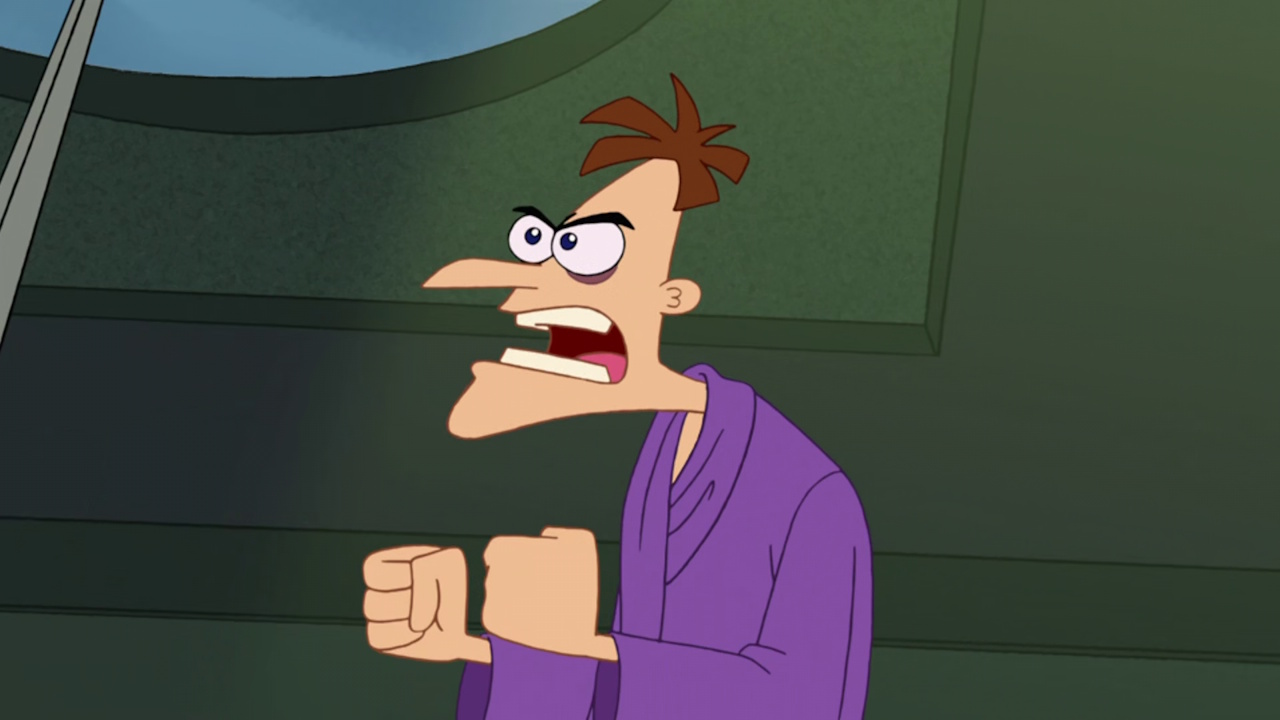
Still frame from Phineas and Ferb: Christmas Vacation showing Dr Doofenshmirtz.
Doofenshmirtz is conflicted about Christmas.

I am a total sucker for the whole “Christmas is in danger, someone has to save it!” story trope – and I’ll confess that up front! These kinds of stories are (almost) always a blast for me, and seeing people come together or work hard to ensure that everyone gets to have a merry Christmas is a narrative cliché at this time of year, but it’s one I’ll honestly never get tired of. Throwing some peril or jeopardy into a Christmas story gives characters a reason to work together – and Phineas and Ferb executes it brilliantly.

In Christmas Vacation, we have the double rug-pull of Phineas believing that Christmas being cancelled and Santa deeming the whole town to be “naughty” could be his fault, and that gives him added motivation for stepping up to bring Christmas back to everyone. This misunderstanding would be resolved at the end for Phineas – and of course, we knew all along that he didn’t have anything to do with it – but it’s a surprisingly clever moment of characterisation that adds to the stakes for Phineas in particular.
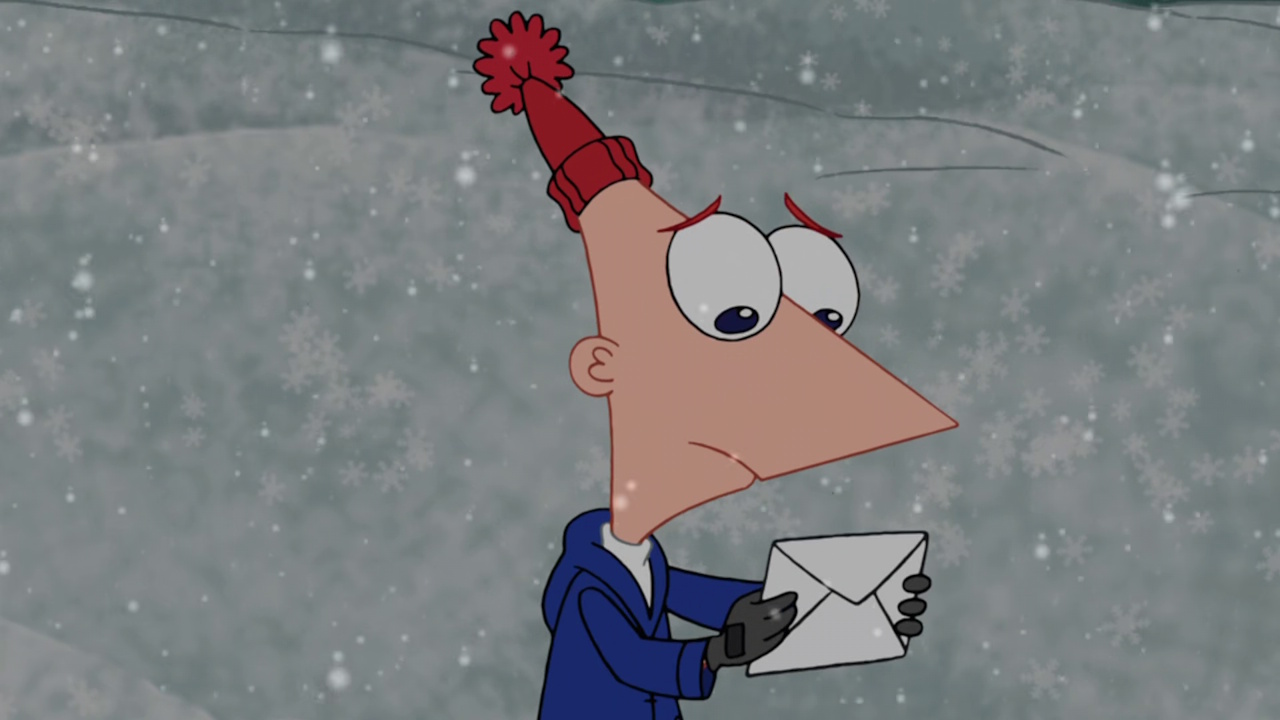
Still frame from Phineas and Ferb: Christmas Vacation showing Phineas holding a letter.
Phineas comes to believe it’s his fault that Christmas has been cancelled.

Phineas and Ferb has always been a series with engineering and technology at its centre. There are plenty of fantastical elements to go along with it (I mean, two kids building a rollercoaster in an afternoon isn’t exactly “realistic”) but within the world of the show itself, these things are depicted as feats of design, engineering, and construction rather than anything magical. And Christmas Vacation continues that trend, even extending it to this version of Santa Claus and his elves. The way the North Pole receives “naughty or nice” information is by satellite, not by some kind of magic process, and while the elves are still, I suppose, magical creatures, the way they’re depicted with handheld scanners and computer equipment is much more down-to-earth than in many comparable productions.

Though Perry the Platypus gets less to do in Christmas Vacation than he does in some other stories, there are some fun moments with him. I particularly liked the OWCA Christmas party at the beginning of the episode, as it’s cute to see Major Monogram, Carl, and some of the other animal agents in a different setting. We very rarely get to see Monogram or really anyone else from the OWCA outside of work, so seeing them let their hair (and fur) down for Christmas was really sweet.
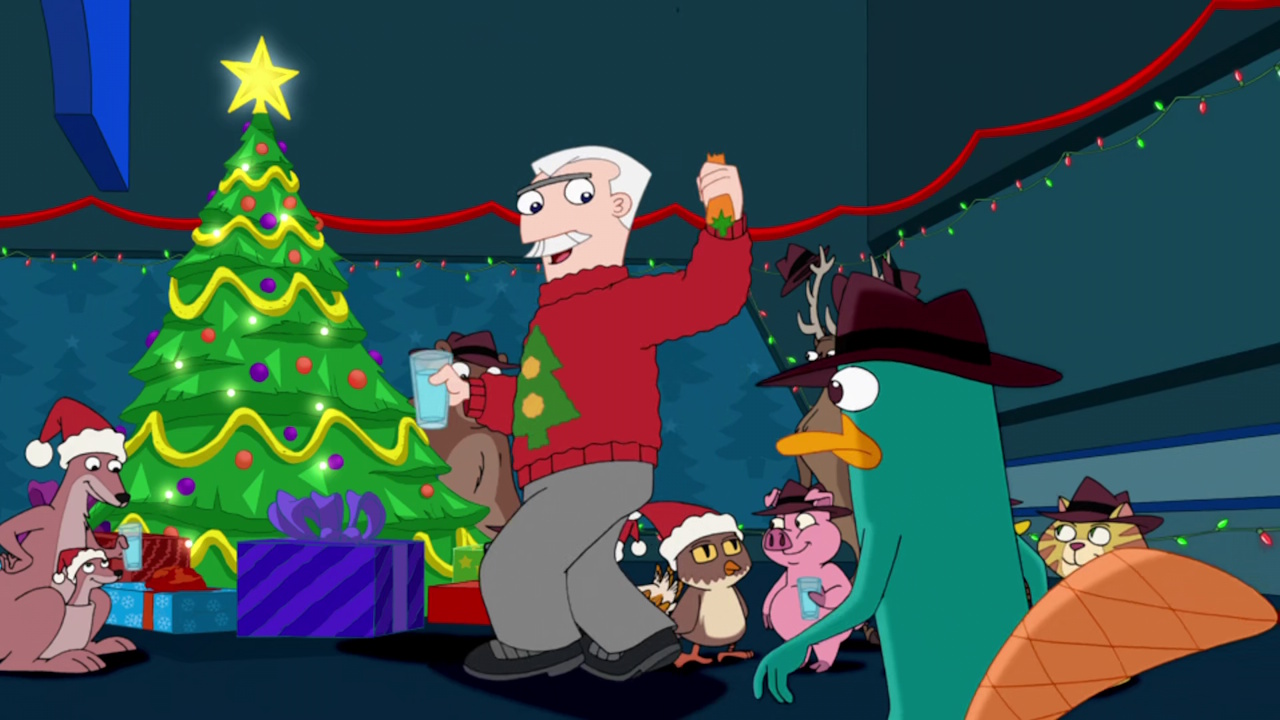
Still frame from Phineas and Ferb: Christmas Vacation showing Major Monogram and Perry at the OWCA party.
Monogram, Perry, and several animal agents at the OWCA Christmas party.

The relationship between Doofenshmirtz and Perry can feel a little one-sided (only one of them can talk, after all), but the end of the episode shows them exchanging Christmas gifts. Perry bought Doofenshmirtz his favourite candy, showing that he knows him quite well and does have some affection for him, even if he can be difficult and stopping some of his schemes can be an annoyance! As an epilogue to their side of the story, the gift-giving scene was particularly cute.

Candace’s storyline intersects with the boys’ after a while, but it starts out with her obsessing over whether she got Jeremy the right present. All of this is in character for her, and when I reviewed Candace Against The Universe a few years ago I talked a bit more about how Candace’s mental health came into focus. While I would never say I dislike this side of the episode, for me it’s perhaps the weakest individual storyline – especially at first. By the time Candace rejoins her brothers on the mission to save Christmas, things definitely improve for her. Sometimes Candace can just feel a little… stuck? Not sure if that’s exactly the right word. But Christmas Vacation does give her a bit of an expanded role, one less focused on “busting,” which is always nice to see.
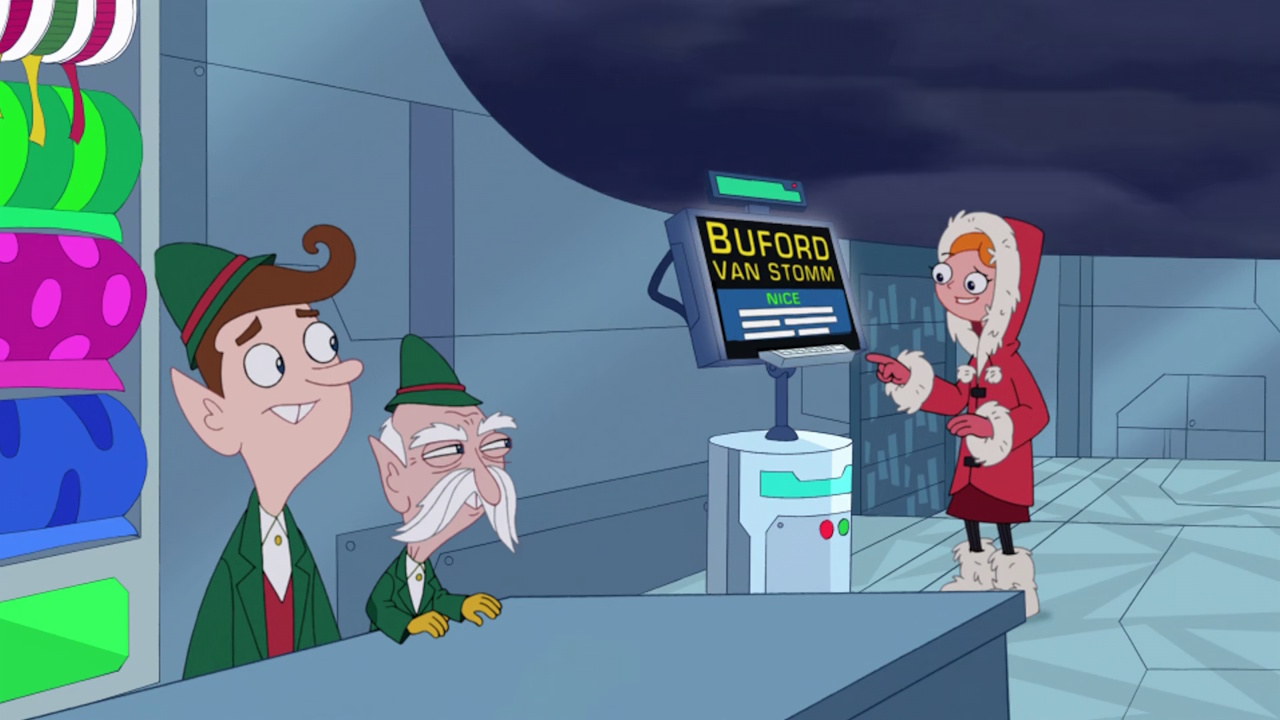
Candace on the robo-sleigh with Santa’s elves.

Santa Claus himself, though only present right at the end of the story, is revealed to have known about everything all along – and I think that was a great way to handle it! In order to grant everyone their Christmas wish, Santa orchestrated the entire plot of the episode – from Doofenshmirtz’s Naughty-Inator to Phineas getting a chance to be just like him for one Christmas. Tying everything together through the omniscient Santa Claus was a creative way to link up the different storylines in the special, and it worked really well.

I love the sequence of the townspeople all coming together to decorate for Christmas and to say a big “thank you” to Santa Claus. The song that accompanies it is fantastic, too, and the whole thing just has a really special Christmassy vibe. Again, the idea of people coming together to do something nice for others at this time of year just gives me the warm, cozy feels!
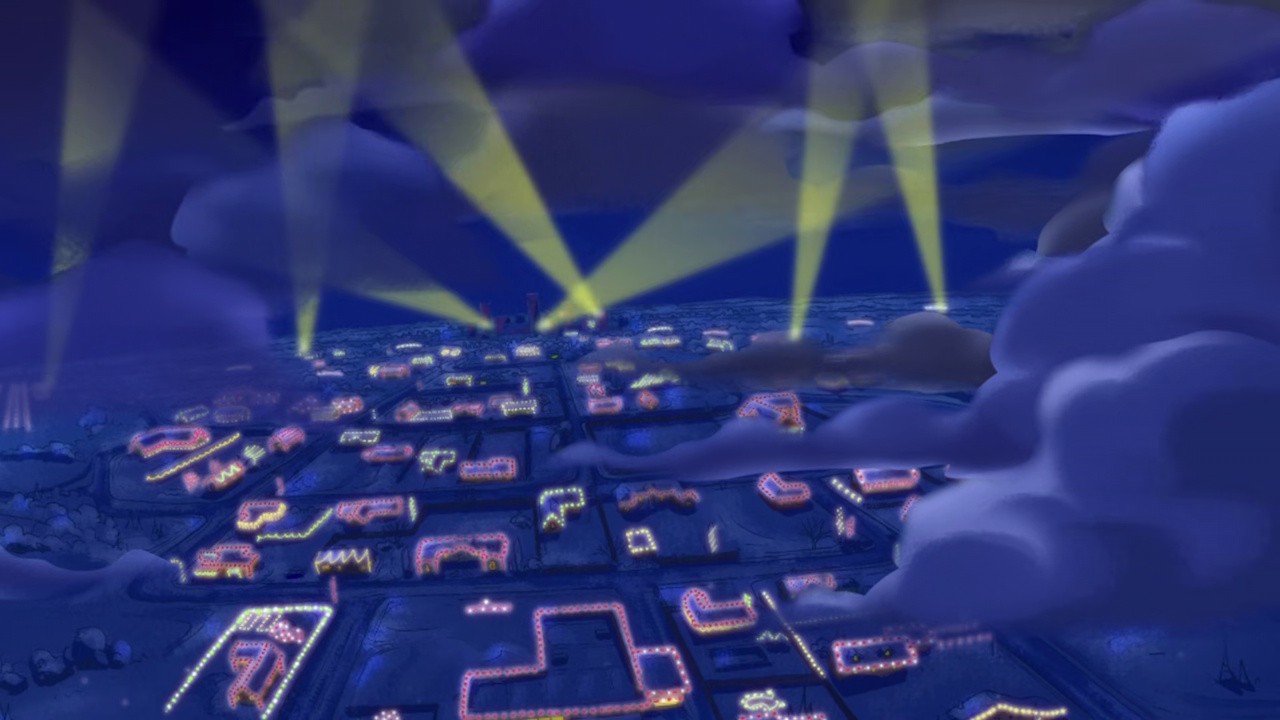
Still frame from Phineas and Ferb: Christmas Vacation showing the Christmas lights at night.
The lights on Christmas Eve.

So I guess that’s all I have to say for now. Phineas and Ferb’s co-creators, Dan Povenmire and Jeff “Swampy” Marsh, said at the time of its release that they want people to come to see Christmas Vacation as a holiday classic – and I think, fifteen years on, we can see that process happening already. The special aired partway through the show’s excellent second season, becoming its most-viewed episode at the time of its original broadcast, and with interest in Phineas and Ferb growing as the 2010s dawned, its Christmas special definitely picked up even more attention.

Speaking for myself, there’s a lot to enjoy in Christmas Vacation. It’s a great special that puts a uniquely Phineas and Ferb spin on a fairly typical “save Christmas” story outline, and it does it in a really fun and musical way. There are some incredible songs that I enjoy listening to at this time of year, and the entire special is just a ton of fun. If you haven’t seen it yet, fire up Disney+ and give it a whirl. I really don’t think you’ll be disappointed!

The fifteenth anniversary of Christmas Vacation was really just an excuse for me to talk about one of my favourite shows and favourite TV holiday specials. With a fifth season of Phineas and Ferb in the offing for 2025, it seems like an especially good time to revisit the show! Who knows, maybe another Christmas-themed episode is on the cards? Until then, I’ll be content to revisit Christmas Vacation… as I do every year.


Phineas and Ferb: Christmas Vacation is available to stream now on Disney+ and may also be available on DVD. Phineas and Ferb is the copyright of The Walt Disney Company and/or Disney Television Animation. This article contains the thoughts and opinions of one person only and is not intended to cause any offence.
The Polar Express: Twenty Years Later

A Christmassy spoiler warning graphic.

Spoiler Warning: Beware of spoilers for The Polar Express and the book upon which it’s based.

It’s astonishing to me that the “brand-new” film The Polar Express – which I feel I’ve only just begun to incorporate into my Christmas celebrations – is turning twenty years old this year! To mark this milestone anniversary, I thought it could be fun to re-watch the film and talk about its successes and its legacy.

I’ll start by telling you up-front that I’m a fan of The Polar Express and I have been since it premiered in 2004. So this isn’t going to be a tear-down of the film; it’s become one of my festive favourites and I’ve returned to it many times during the holiday season. I’d even go so far as to call it a Christmas classic; a film that has understandably become one of the most-replayed at this time of year.

Still frame from The Polar Express showing the conductor and the Hero Boy.
All aboard!

But it didn’t always seem that way. In fact, in 2004 you would’ve found many people who didn’t like The Polar Express. Film critics, fans of animation, parents… it seemed for a time as if The Polar Express was catching flak from several angles. And despite its reputation today as one of the best Christmas animated films… ever, there was a time when I felt it was going to be maligned and forgotten.

Most criticisms of The Polar Express in 2004 centred around the art and animation style. The semi-realistic CGI – particularly characters’ faces – was described as being “creepy,” and I distinctly remember a colleague of mine at the time telling me their young children were in tears and refused to watch the “frightening” film. I don’t remember the term “uncanny valley” being in use at the time, but that’s basically what critics were talking about. Faces used for human characters in the film felt not quite real enough… leading to people calling the whole aesthetic “creepy” or “weird-looking.”

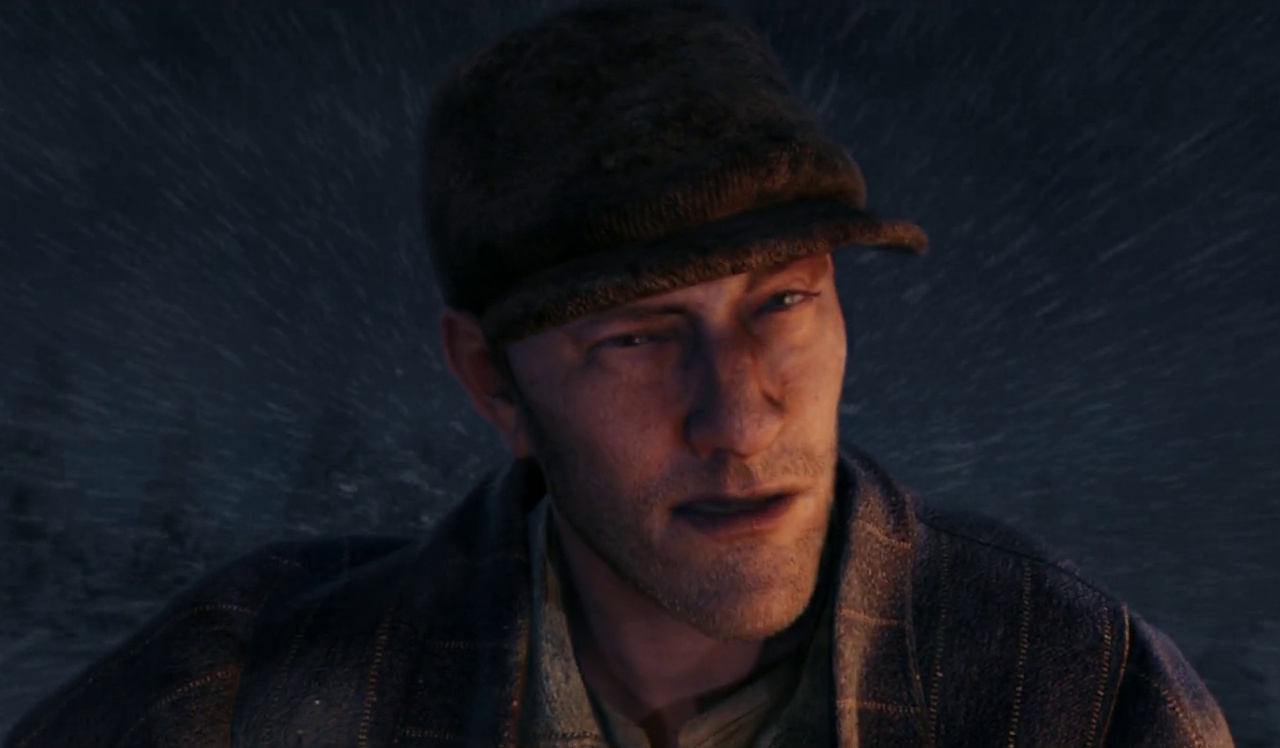
Still frame from The Polar Express showing the hobo.
CGI in The Polar Express was criticised in 2004.

That’s one area where I think the passage of time has been kind to The Polar Express! We’ve gotten more used to 3D computer animation both in films and on TV over the last twenty years, and if the film had been released today I daresay no one would bat an eye at the way its characters and their faces look. In 2004, The Polar Express was the first film to pioneer facial capture technology, but this has become commonplace in animation in the years since.

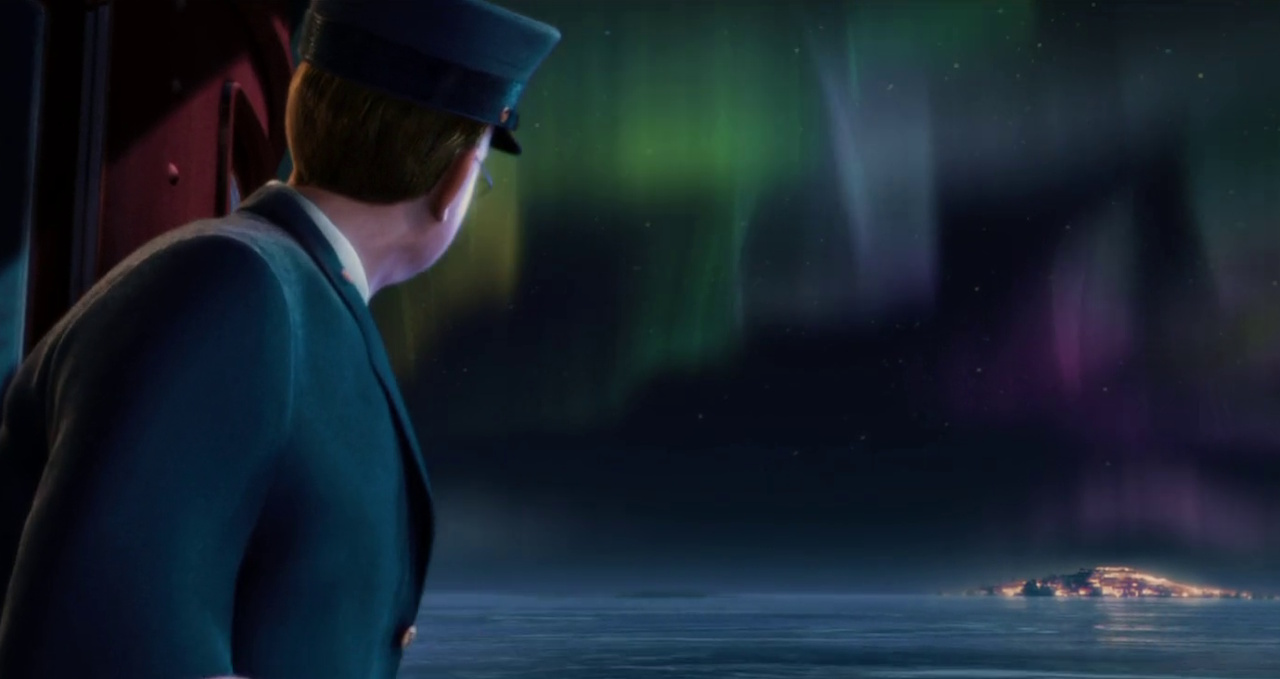
There’s also something a little charming about the look of the world of The Polar Express. There are some undeniably beautiful shots of things like the northern lights or the central square at the North Pole. But twenty years’ worth of hindsight and improvements in animation also show, on a return to the film, where 2004’s CGI wasn’t quite realistic enough. To me at least, these things just add to the personality and unique aesthetic on display.

Still frame from The Polar Express showing the conductor, the northern lights, and the north pole.
The northern lights over the North Pole.

To pick on one example: for a film made twenty years ago, the snow that coats the train and the whole world around it looks fantastic! But when you compare scenes in deep snow to a title like Disney’s Frozen, you can see The Polar Express coming up short. Far from being a problem, though, I find these little weaknesses to be charming. The Polar Express wouldn’t be the same if its animation was “perfect,” after all!

It may have taken a while for some folks in 2004 to get over the film’s art style, but hiding under the surface is an incredibly sweet tale of a young boy re-discovering his belief in Santa Claus and Christmas. The Polar Express is based on a 1985 children’s book of the same name (I had no idea that was the case until researching this article; oops) but it expands on that original story to add more dimension to some of its characters and give them a bit of an extended and exciting adventure. The book is still in print, by the way, and could make a cute Christmas present for a young child (or an adult fan of the film!)

Scan of the original illustration of the sleigh bell from The Polar Express book.
The all-important sleigh bell as it appeared in the original book.

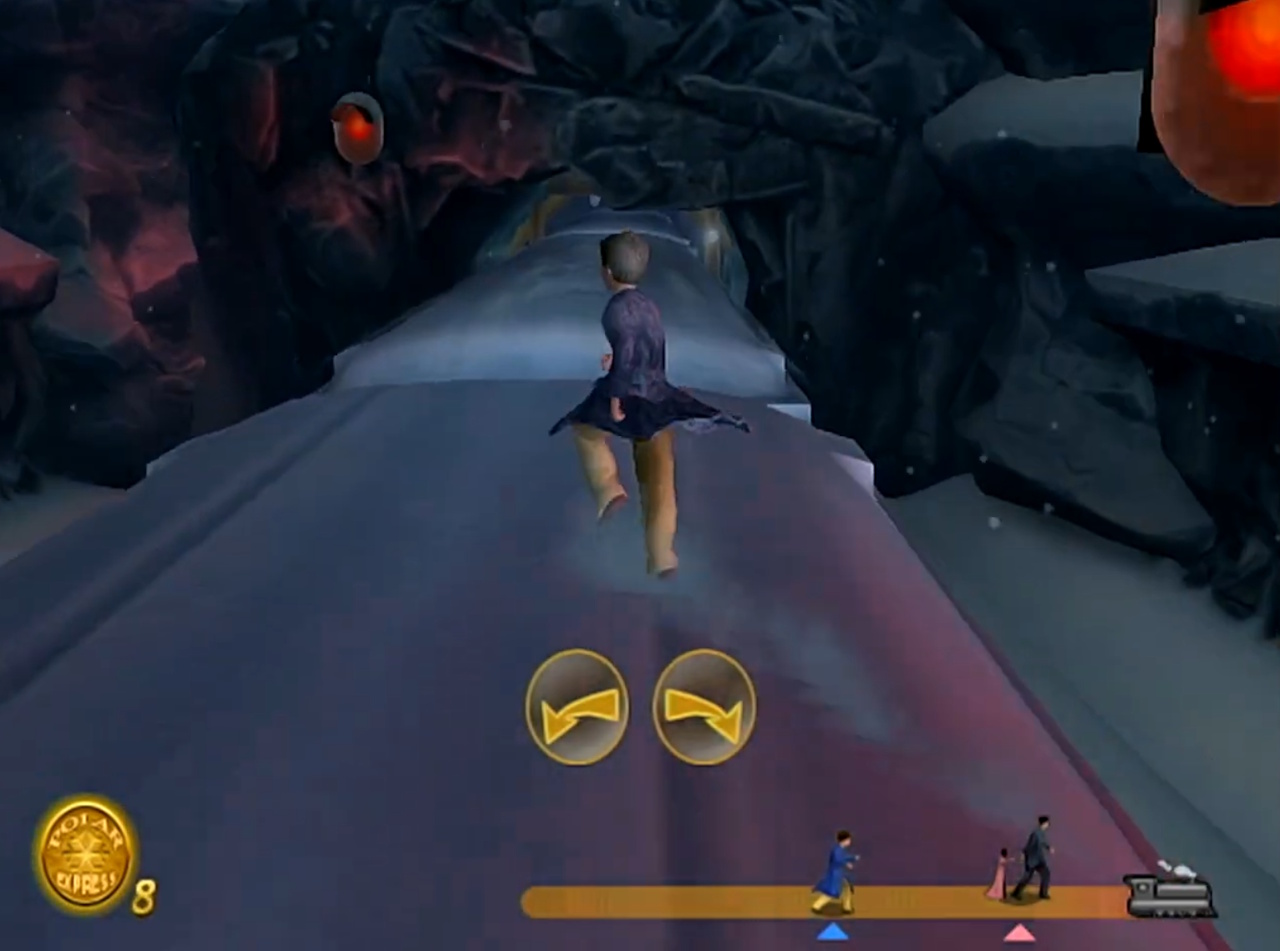
Since we’re talking about other media, it’s worth briefly commenting on the video game adaptation of The Polar Express. This phenomenon has mostly died out in the 2020s, but in 2004 it was pretty common for a big-budget film to get a video game adaptation, and The Polar Express was no exception. The game was released for GameCube, PC, and PlayStation 2 in November 2004, with a GameBoy Advance version also arriving that same month.

I confess that I haven’t played any of these games – I didn’t in 2004 and I haven’t since. But having checked out some gameplay online, I think the console and PC versions look more or less like what you’d expect. 3D adventure games with some platforming and puzzles – not uncommon for 2004. The GameBoy Advance, being a much less powerful system, naturally got the worst version of the game, which is something reflected in reviews at the time. There’s less of a focus on the core story in the game adaptations, which is a bit of a shame in some ways. But I’m sure a lot of kids enjoyed receiving a copy from Santa Claus in 2004!

Screenshot of The Polar Express video game showing the main character on the train roof.
There’s a video game adaptation of The Polar Express from 2004.

When I was a kid, there may have been one or two Christmases when I was very young where I believed in Santa Claus. But my family didn’t do the whole “all of your gifts come from Santa” thing, so I guess in that sense I don’t have the same memory of learning about Santa and coming to terms with that revelation – not in the same way as it’s presented in The Polar Express, in any case. As an aside, one of my earliest Christmas-adjacent memories is being forced by my parents to write thank-you letters to family members for the gifts I’d received!

But this idea of questioning one’s belief in Santa Claus is at the core of The Polar Express, and while it’s a little outside of my own personal experience, I daresay it’s something many people can relate to. For the film’s intended audience, its core theme may resonate particularly strongly.

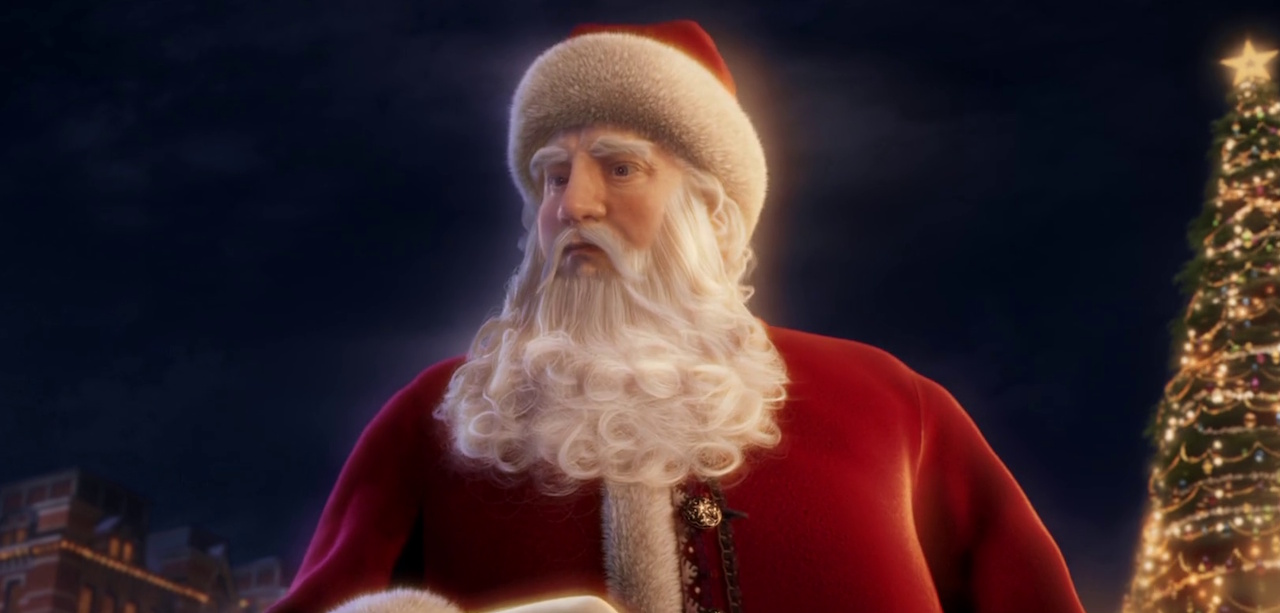
Still frame from The Polar Express showing Santa Claus.
Belief in Santa Claus was a central part of the film’s narrative.

Though The Polar Express isn’t the only festive story or film to deal with this theme of doubt, it’s one of the only big blockbusters aimed at kids to really call into question Santa’s existence. For children of a certain age, where they’re having their own doubts about Santa Claus and what Christmas is really all about, I daresay there’s something relatable. And for adults, doubting one’s beliefs – albeit not a belief in Santa Claus specifically – is also something that many people have experience with. I know I do!

Lots of Christmas films – especially those aimed at younger children – present Santa Claus as a totally real person, with no acknowledgement made of the questions or doubts that kids can have. And that’s a good thing; I think there’s a real sense of “magic” present in the holiday season that would be lost if the legend of Santa Claus were to disappear. But for kids who have their doubts and who feel uncertain, a story like the one told in The Polar Express can be cathartic.

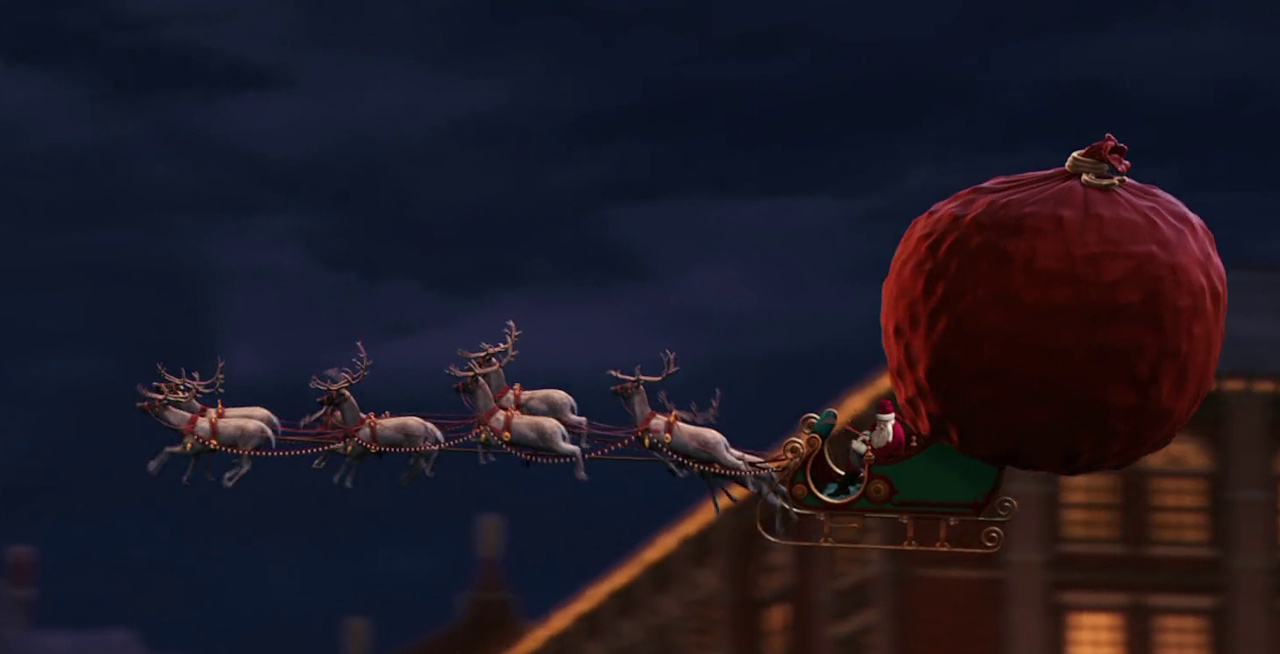
Still frame from The Polar Express showing Santa on his sleigh.
Santa on his sleigh toward the end of the film.

If we take belief in Santa Claus as a marker of childhood, part of the film’s message is about choosing to hang on to one’s youth – or at least to aspects of it. The Polar Express, being told from the perspective of young children, has a sense of mystery and wonder; the protagonist and his friends don’t really know how everything works. And it successfully conveys that sensation even to an adult audience – which isn’t the easiest thing to do! Making me as a viewer see things from a child’s point of view is a real challenge, but it’s one that The Polar Express tackles with ease.

Christmas is a holiday for the little ones first and foremost, so a message or metaphor about retaining at least some part of one’s youth and childhood is incredibly relevant at this time of year. And for older kids who may be wavering in their belief… I guess the film’s final act could go a long way to reinforcing the legend of Santa Claus, at least for one more Christmas!

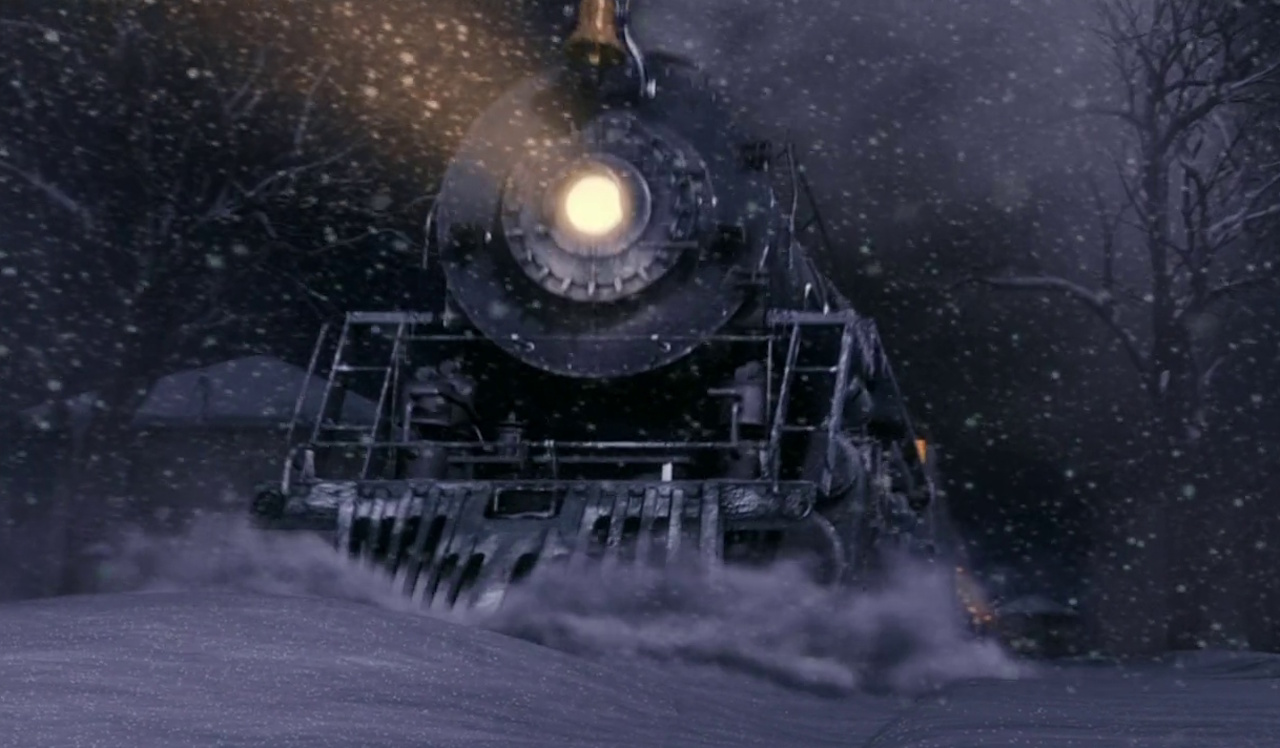
Still frame from The Polar Express showing the train in the snow.
The titular train.

I have a similar story to share, and perhaps that’s why I feel this side of The Polar Express hitting so strongly. When I was in my late teens, I was dating a girl who had a younger sibling. Their sibling was either ten or eleven years old – precisely the age when one’s belief in Santa Claus might start to wane. As Christmas time approached, I was excitedly talking to them about Santa, but I could tell it wasn’t really getting through. So I told them about how Norad (which I explained was the US government and air force) tracks Santa’s flight every Christmas Eve.

Norad’s Santa Tracker had just got its own website, and showing them “proof” of Santa from an official source seemed to delight them and reinforce their belief. I’m sure it only lasted for that Christmas; my girlfriend and I had broken up by the next year, so I never got to see if that had become a part of their family’s festive traditions. But I still remember how it felt a quarter of a century later to bring just a tiny fraction of that Christmas magic to someone… and that’s how The Polar Express makes me feel, too.

Screen grab of the Norad Tracks Santa website from 2000.
The Norad Tracks Santa website as it appeared in the year 2000.

Sorry for the diversion, but I hope you can see why it’s related!

To get back on topic, The Polar Express isn’t just about one kid and their feelings about Santa Claus. It’s also a film that shows how Christmas can be different for different families, and how the magic of Christmas can mean so much to someone who has missed out on it. The character of Billy – the only named child in the whole film – represents the poorer, less well-off kids who, at this time of year, can feel especially left out.

It’s heartbreaking to hear a young child saying that Christmas “never works out” for them, but it’s also incredibly sweet to see how their friends come together to help them have a great Christmas… most likely the first really enjoyable Christmas they’ve ever had. There’s some really heartwarming stuff on this side of the story – tales of friendship between the “hero” characters and Billy intertwine with the more heavy themes of belief and the action-packed adventurous sequences set aboard the train.

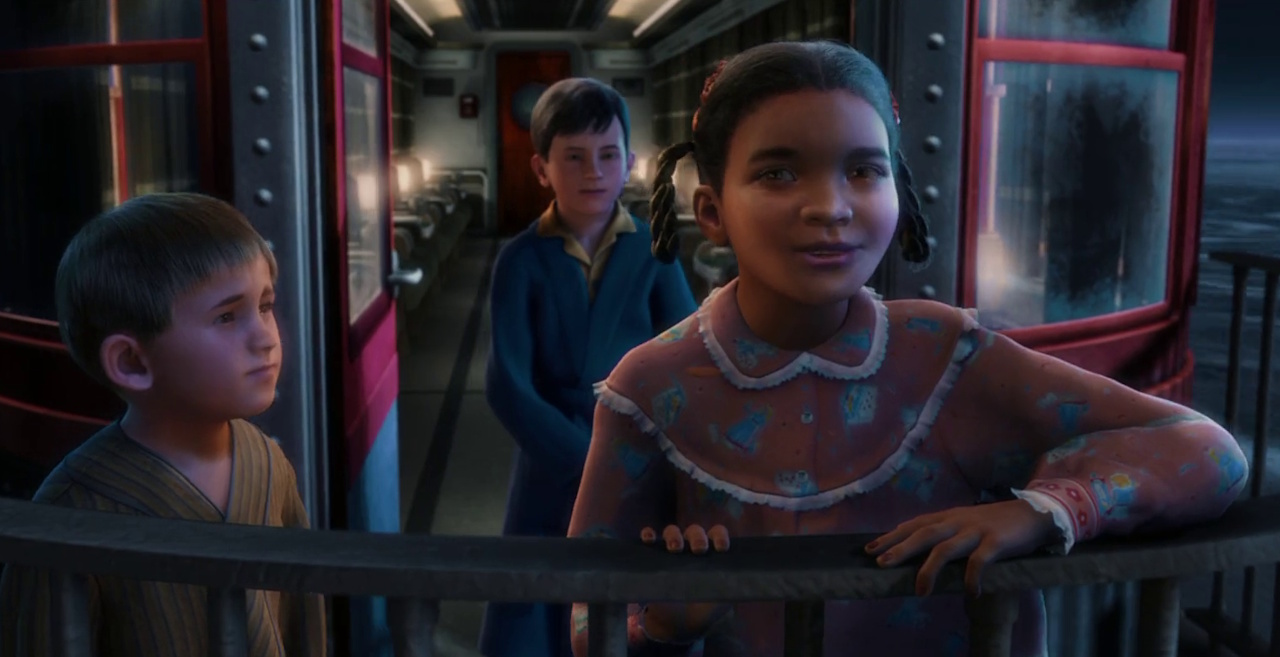
Still frame from The Polar Express showing the three kids singing the song Believe.
Billy with the two unnamed kids.

Speaking of trains, I do so love a good old-fashioned steam locomotive! The one depicted in The Polar Express is actually based on a real engine from the 1920s; one of which still survives as a museum piece. Steam trains have long had an association with Christmas time, so the choice of vehicle doesn’t come out of nowhere! But the titular train is another place where I feel the CGI really works and makes things come alive.

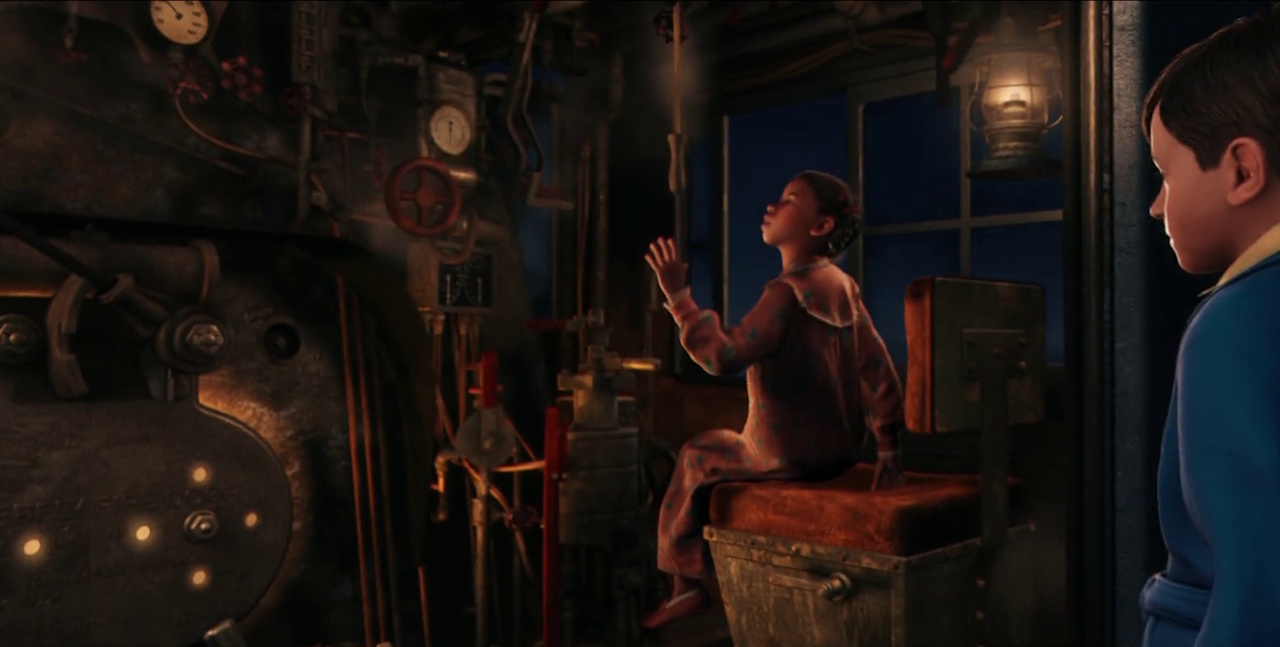
The detail on the train – the locomotive in particular – is fantastic, and if you’ve ever had the good fortune to step up onto the footplate of a steam locomotive, I daresay you’d recognise many of the components. The brake, the throttle, the furnace… all of it’s there and rendered in incredible detail. There was a lot of love put into animating the train, the way its wheels move, and the action taking place at the front. It’s wonderful to see as an old train fanatic!

Still frame from The Polar Express showing the kids in the locomotive cab.
The cab of the locomotive was brought to life in detail.

The soundtrack to The Polar Express is fantastic, and the film’s main theme has become a recognisable piece of Christmas music in its own right. I’ve even seen other arrangements of it cropping up on set-lists around this time of year. The film also brings a couple of solid songs to the table, including the Grammy Award-winning Believe. I also quite enjoy the Hot Chocolate song – though that’s more the overall sequence with dancing and spinning seats rather than just the song on its own.

It’s also worth talking about The Polar Express in terms of the performance of one actor in particular: Tom Hanks. There are some great vocal and mo-cap performances from others, of course. Daryl Sabara (of Spy Kids fame) voiced Hero Boy, and Nona Gaye voiced Hero Girl, and both were exceptional. But The Polar Express is a Tom Hanks project first and foremost; the veteran performer plays six different roles, and manages to make each one feel distinct.

Behind-the-scenes still frame from The Polar Express showing Tom Hanks in motion-capture.
Tom Hanks performing motion-capture for The Polar Express.
Image Credit: IMDB

So that’s all for now, I think. All that’s left to say is this: Happy Anniversary to The Polar Express! I don’t know if I have another twenty Christmases in me, but if I do I’ll be watching this film every time. It’s a sweet, heartwarming, and adventurous tale of a trip to the North Pole. There are messages for kids about keeping the Christmas magic alive and making friends, some fun action-packed scenes aboard an old steam train, and plenty of Christmas spirit! And, of course, some animation that, in my view anyway, has aged exceptionally well.

I always enjoy firing up The Polar Express at this time of year. And I thought it was particularly appropriate this year, on the occasion of its twentieth anniversary, to celebrate the film, its art style, and its place in the top tier of Christmas films.


The Polar Express is out now on DVD, Blu-Ray, and on-demand streaming platforms. The Polar Express is the copyright of Warner Bros. Entertainment, Playtone, Shangri-La Entertainment, and/or Castle Rock entertainment. This article contains the thoughts and opinions of one person only and is not intended to cause any offence.
A Festive Recommendation: Father Christmas (1991)

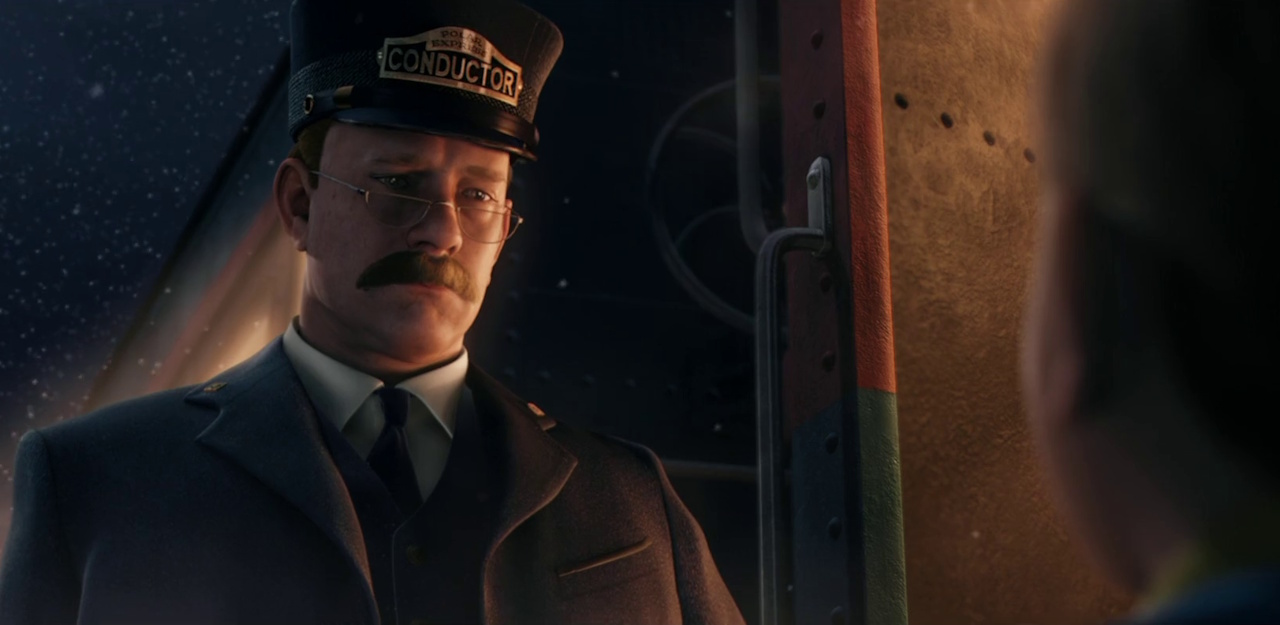
With the big day edging ever closer, I thought it could be a bit of fun to talk about one of my favourite Christmas TV specials. There are a growing number of films and TV programmes set at Christmas time, and a lot of them can be rather repetitive to say the least! If you’re looking for somewhat of a different take on Santa Claus – both visually and narratively – then the 1991 animated TV special Father Christmas might be just what you’re looking for!

I have to confess something before we go any further. Watching this on TV as a kid when it first aired was borderline traumatising thanks to one scene in particular! Seeing Father Christmas getting drunk, hallucinating, and rushing to the toilet was… well, let’s just say it’s something that’s still etched in my mind all these years later! What I’m trying to say is that if you have little ones – or even older kids who are particularly sensitive – there’s at least one sequence in the film that I remember being shocked by when I was a wee bairn.

This sequence might not be the best for sensitive eyes!

That being said, Father Christmas is one of those TV programmes that I’ve found myself drifting back to Christmas after Christmas. I may have missed it one or two times, but it’s a perennial festive favourite in my house – and it has been ever since I first watched it. Christmas is a time for tradition and memory – and this TV special has become one of my personal traditions, even as my memories of that first viewing aren’t entirely positive!

In 1982, Raymond Briggs’ kids’ book The Snowman was adapted for television by the brand-new station Channel 4. It became a smash hit, and is Father Christmas’ better-known cousin; the films even take place in the same “shared universe.” After The Snowman had won a BAFTA TV award and been nominated for an Academy Award, it only makes sense that Channel 4 would’ve wanted to commission another adaptation of Briggs’ work!

Father Christmas and The Snowman share a setting.

Father Christmas is based on two children’s books: Father Christmas and Father Christmas Goes On Holiday, and it amalgamates the plots of both into a single story. It’s charming in its own way, answering a question that few other festive films have really tackled: what does Santa do for the other 364 days of the year? It follows Father Christmas – as he’s known in the UK – around the world, visiting different countries and cities as he takes a break from his busy work.

Father Christmas himself is voiced by the late Mel Smith – a comedian who was a mainstay on British TV in the ’80s and ’90s along with his partner Griff Rhys Jones. Smith also scored an unlikely hit on the music charts in 1987 with a cover of Rockin’ Around the Christmas Tree that he recorded with singer Kim Wilde for charity – so he has some Christmas time pedigree! His vocal performance in Father Christmas is part of what makes this version of the character stand out.

Santa floating in a pool!

Father Christmas, naturally, reaches its narrative climax on Christmas Eve, and after spending much of the year on holiday, it’s back to work for the man in the red suit! There’s a tie-in with The Snowman at this point in the story – and while I’d absolutely recommend The Snowman as well, it’s by no means essential viewing. The story of this TV special is easy to follow, after all.

Hand-drawn animation wasn’t uncommon on British television at the time, but with an abundance of CGI and computer animation nowadays, Father Christmas feels even more special, somehow. The animators, some of whom had also worked on The Snowman years earlier, used a lot of pastels and coloured pencils during the animation process rather than paint – and I think that gives Father Christmas a pretty distinctive look.

With so much computer animation these days, Father Christmas can feel like something a bit different.

Apart from the aforementioned drunken sequence, there are a couple of others that really stand out. The first is seeing Santa living a fairly quiet life in a British town. This version of the character lives not at the North Pole (nor in Lapland) but in the kind of terraced house that you see quite often here in the UK. Catching a glimpse of Santa’s home life is something neat.

A lot of Christmas programmes show Santa on his sleigh on Christmas Eve – and while I’d say that this part of the special is enjoyable and fun, it’s perhaps its least-unique offering at the same time. There are moments of tension as darkness falls and the snowfall gets in his eyes, but by and large it’s nothing you won’t have seen before.

Santa’s on his way!

But the song that accompanies Santa’s flight is hilarious: Another Bloomin’ Christmas is the perfect encapsulation of how this production’s version of the character sees his job and Christmas in general. It’s a pretty fun song in its own right, too!

All in all, this is a particularly British take on Santa Claus and Christmas time – but with the twist of showing Santa’s activities throughout the year in the months before Christmas. After returning from his travels, Santa has to see to the growing mountain of post, take care of his reindeer – and pet cat and dog – as well as prepare for his flight. There’s a fun sequence that shows him racing to Buckingham Palace as dawn nears on Christmas Day, too.

That’s, like, a lot of letters…

The aesthetic of the programme puts it firmly in Britain in the second half of the 20th Century. Many of the things that I remember from my own childhood are present, and I think that’s part of why this TV special in particular triggers a very specific kind of nostalgia: not only for Christmases past, but for the time and place of my childhood in general, and for those things that don’t exist any more. Even on that first viewing in December 1991 – on Christmas Eve, no less – everything about Father Christmas felt, well, like Christmas to me. And it still does thirty-two years later.

As to how you can watch it… well, there are a few options. The special was released on DVD along with The Snowman, and copies seem to still be available on Amazon at least here in the UK. Also in the UK, Father Christmas can be streamed via the Channel 4 website. I think it’s available for purchase via iTunes and possibly via Amazon Video outside of the UK (it’s not on Amazon Video in the UK, curiously). I’ve also seen bootlegs of the special on YouTube and other streaming sites… but be careful of copyright laws if you decide to go down that route!

Father Christmas is a programme I heartily recommend at this time of year. Brits like myself may appreciate the nostalgia factor, but folks from all across the world can take in a different – and distinctly British – take on Santa’s flight and Christmas Eve. I hope you’re able to tune in… and Merry Bloomin’ Christmas!

Father Christmas is out now on DVD and may be purchased digitally via iTunes, Amazon, and other platforms. Father Christmas is the copyright of Channel 4. This article contains the thoughts and opinions of one person only and is not intended to cause any offence.