


A few months ago, I put together a list of “hot takes” about video games. As much as I enjoy gaming as a hobby, there are things that annoy me and things to criticise! There were a few other things that I considered including, but they didn’t really fit with that list. These “hot takes” have less to do with games themselves and more to do with the games industry, development, and gaming as a whole – so that’s what we’re going to discuss today!
If you’re interested in checking out that earlier list, by the way, you can find part one by clicking or tapping here, and part two by clicking or tapping here.
Whenever I use the term “hot take” it’s because I’m acutely aware that we’re talking about something contentious! So before we get started, let’s re-emphasise that: these are all topics of debate among players and critics, and mine may well be the minority position. I don’t pretend to be 100% right, and I welcome disagreements and differences of opinion.

I worked in the games industry for close to a decade, and I worked with large and small games companies in that time. I’ve got a bit of a feel for how development works from the time I spent “on the inside,” and I know that developers are passionate people who care deeply about their art. But that doesn’t mean games get a free pass; a bad game is a bad game, no matter how well-intentioned it may have been!
As I always like to say: all of this is just the subjective opinion of one player, and I believe that there should be enough room in the community for differences of opinion and respectful disagreement. The topics we’re going to get into today are the subject of discussion and debate, and there isn’t a right answer – just opinions.
If you aren’t in the right headspace to see some potentially controversial games industry opinions, this is your final chance to nope out – because we’re about to jump into the list!
“Hot Take” #1:
“Game development is hard” isn’t an excuse for selling a sub-par title.

Speaking as both a player and as someone who used to work in the industry, believe me when I say that I get it. Game development is undeniably difficult, it isn’t straightforward, and there are many, many reasons why a game may not be as good, enjoyable, or polished as we’d like it to be. There can be problems getting an engine to work, fixing one bug might cause ten more to pop up elsewhere, and the more complex and in-depth a title is, the greater the chance of these kinds of issues occurring. Publishers and corporations also meddle, moving the goalposts and pushing developers to hit unreasonable deadlines. So I get it. But that doesn’t make “development is hard” a good enough excuse.
Here’s a helpful analogy: suppose I buy a house, move in, and every time I turn on the washing machine, the electric goes off. Then when I ring the electrician, he basically says “wiring a house is really hard. You wouldn’t get it because you aren’t an electrician.” That’s not an excuse. If I go to a bakery and the bread is stale and mouldy, I likewise wouldn’t accept the excuses that “baking is really difficult,” or “running a business and keeping track of sell-by dates is hard.” The same basic principle applies to video games.

I will acknowledge and agree that game development is hard, and that bigger games are harder to make; it’s an almost exponential scale of difficulty. But trying your best and failing is still failing, and in a competitive marketplace where most games aren’t free, if you release a sub-par, broken, uninspired, or inferior game, you’re gonna get called out for it. Media criticism exists for this purpose, and just because a critic has never worked in the games industry or has no experience with development doesn’t invalidate their criticism.
When a game is listed for sale, even if it’s discounted or at a low price, players still have expectations – and those expectations aren’t “wrong” just because they didn’t see how hard the game was to create. If you’re a brand-new developer releasing your first-ever game for free and asking for feedback, then maybe some of the harshest words should be held back. But this asinine argument is too often made by publishers and executives who work for massive companies. When a game underperforms, they trot out the trusty old “game development is hard” argument as a rebuttal to critics.
In no other business or industry would customers be told that “my job is hard, you should be grateful for what you got” as a response to genuine criticism. Selling a game that’s outdated, riddled with glitches, or just not fun can’t be excused in this way, and developers – no matter how hard they may have worked and no matter what programming hurdles they may have had to overcome – have to accept that. Criticism is inevitable in entertainment and media, and even if a developer had created an impossibly perfect game, there’d still be players who didn’t like it in whole or in part, or who just weren’t interested in its narrative or its gameplay. That’s unavoidable.
Some developers and studios actively make things worse for themselves by trying to respond to criticism in this way. It never works, it never succeeds at garnering sympathy, and practically zero players come away from this conversation having more positive thoughts about the game. It’s an argument that needs to go away, and developers and publishers should think long and hard before reacting to genuine criticism with this irritating whine.
“Hot Take” #2:
Subscriptions are happening and physical discs and cartridges are dying out.
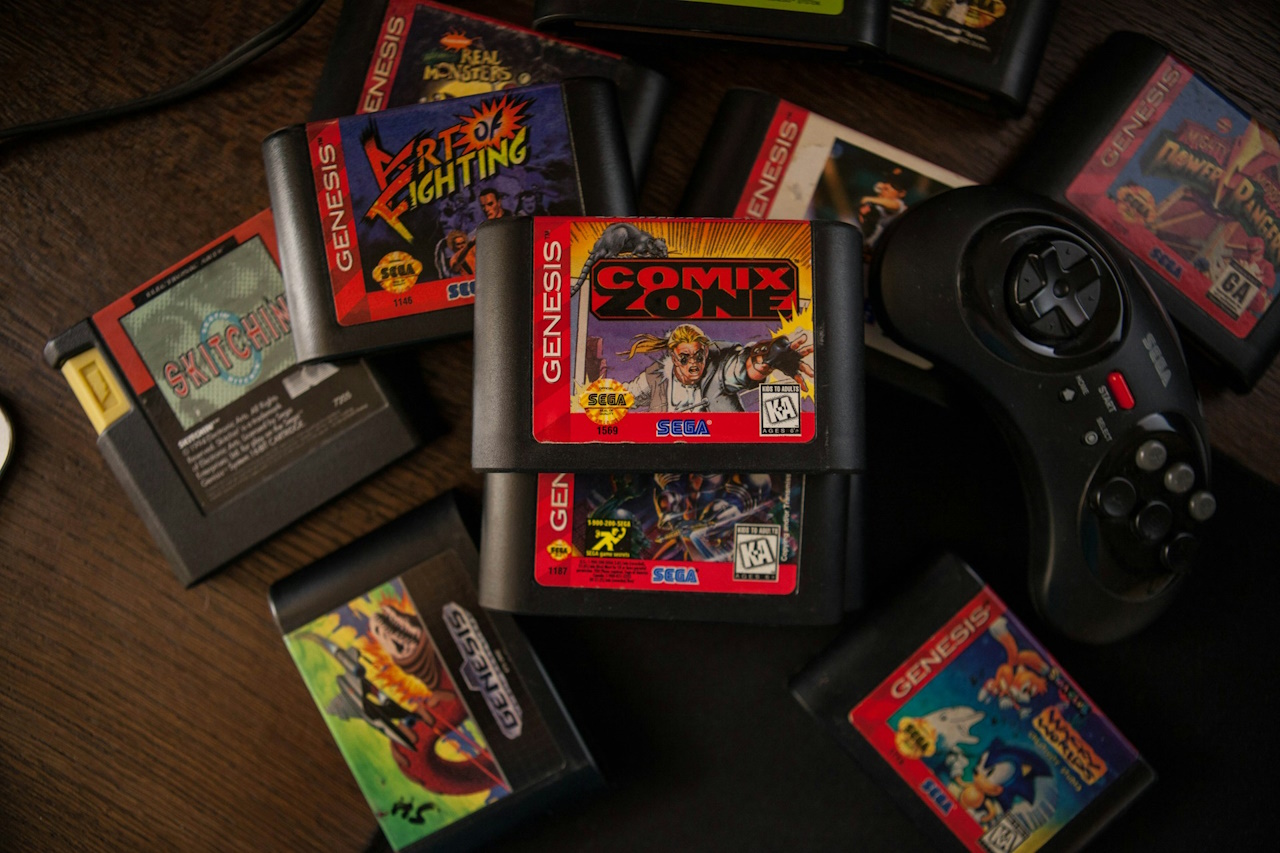
This is a subject I’ve tackled before in a longer column here on the website. In that piece I took a look at the media landscape in general, talking about how the move away from physical media started with music, then moved to film and TV, and is now belatedly arriving in gaming, too. You can find that piece by clicking or tapping here, if you’re interested! But for the games industry specifically, a move away from discs and cartridges has been happening for a long time – and the rise of subscriptions could well be the final nail in the coffin.
In the very early days, no one owned a video game outright. If you wanted to play a game, you had to go to where the games were: an arcade. It was only with the growth of home consoles in the ’80s that physically owning a video game became possible for a mainstream audience, and even then, renting games or even whole systems was still a big deal. Many of the SNES, Nintendo 64, and Dreamcast games that I played in through the ’90s and into the new millennium were rented, not purchased outright. The idea of owning a massive media library is, when you think about it, a relatively new phenomenon that was kicked into a higher gear when DVD box sets became a thing in the mid-2000s.
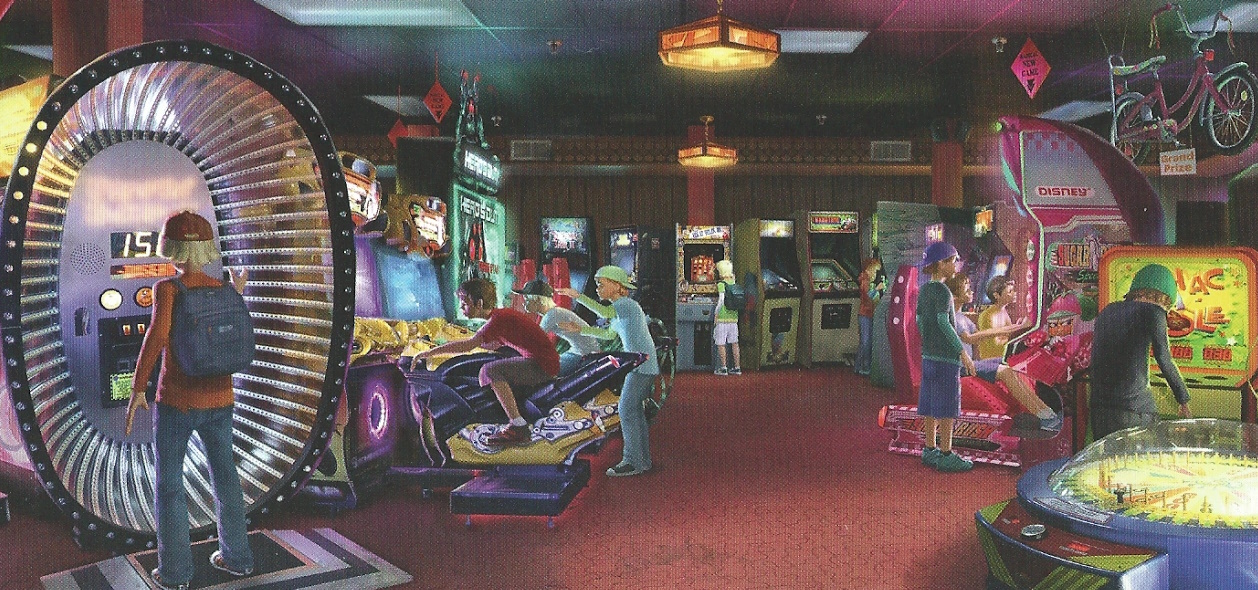
In that sense, we could argue that subscriptions aren’t “changing” the way people engage with media, they’re just a return to the 20th Century status quo. For much of the history of film, television, music, and gaming, audiences have had a temporary or impermanent relationship with media… and to me, that’s absolutely fine. It’s a trade-off I and many other players are happy to make.
I could probably count on my fingers the number of games I’d want a permanent hard copy of… because most games aren’t gonna be played on a loop forever nor returned to every few months. Just like when I used to rent SNES and N64 games in the ’90s, I’m totally okay with not having a huge library of titles gathering dust on a shelf (or metaphorical dust in a digital library), because once I’ve beaten a title like Donkey Kong 64 or Bioshock, I’m in no rush to play them again.
Speaking as someone on a low income, subscription services like Netflix and Xbox Game Pass open up a huge library of titles to me – allowing me to play more games than I’d ever be able to afford if I had to buy or even rent them individually. I’ve played dozens of games over the past couple of years that I’d never have bought for myself, and some of them have become personal favourites. Subscriptions like Game Pass are a great way into gaming for players on a budget – because for a single monthly fee a huge library of titles become available.
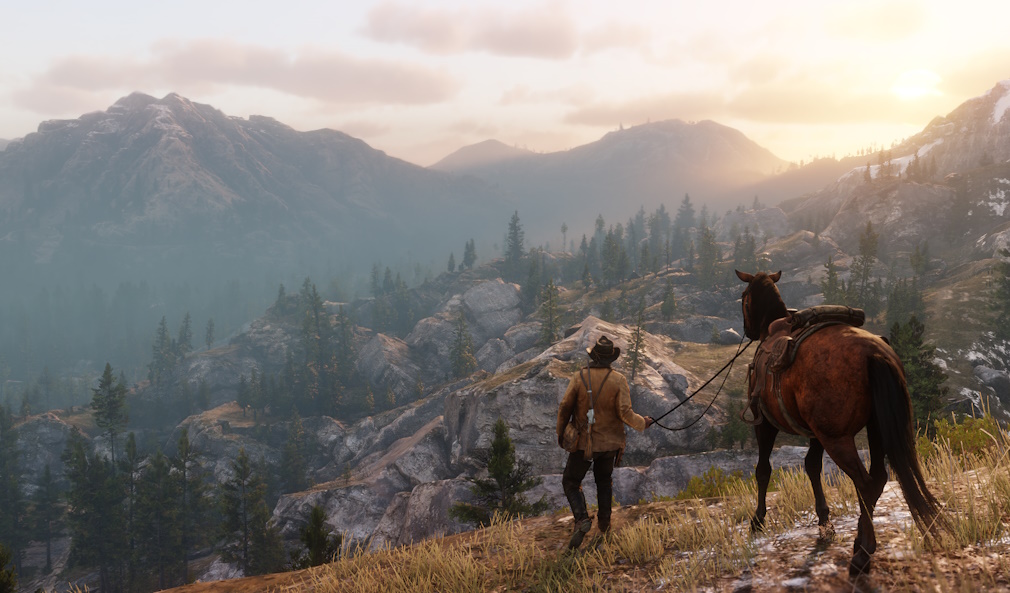
If the trade-off for that is that titles are occasionally removed from the platform and become unplayable… well, I’m okay with that. And for one-in-a-generation masterpieces like Red Dead Redemption II or Baldur’s Gate 3, I’m happy to splash out. When you consider that an annual subscription to Game Pass is more or less the same price as buying one or two games… you start to see why people are choosing to sign up. I wouldn’t be surprised at all if Xbox, PlayStation, or both choose to go all-digital later in the decade when their next-generation machines are ready.
“Hot Take” #3:
Microtransactions have no place in single-player games.
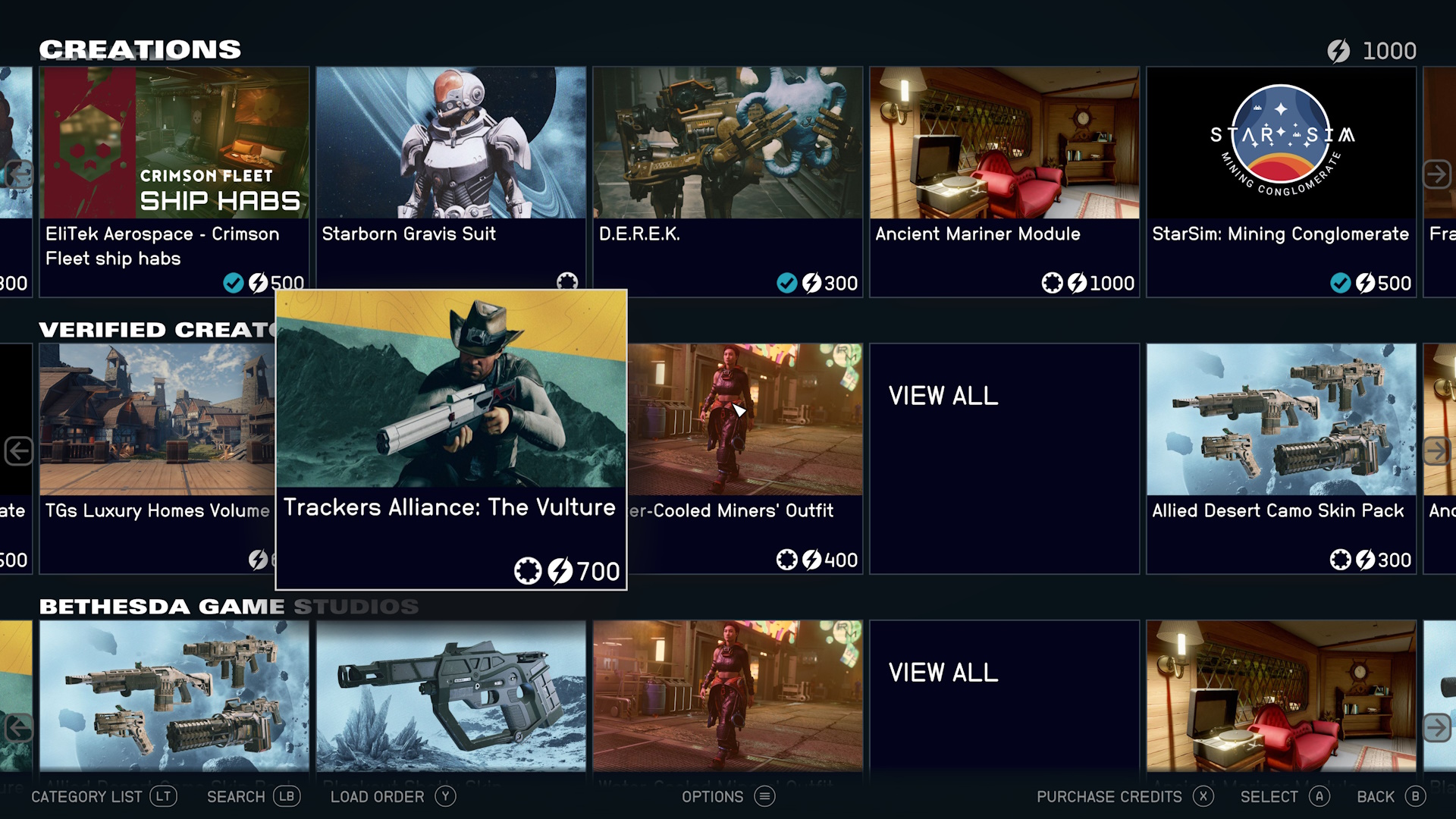
I’m not wild about microtransactions in general – but in online multiplayer games and especially free-to-play titles, I accept that they’re an established funding model. They should still be regulated and prevented from being exploitative, but in those genres the microtransaction model seems to work well enough. But in a single-player game? Microtransactions need to GTFO.
Going back decades, games have released expansion packs – and large pieces of content that add new maps, quests, characters, and so on are usually okay. Look at something like Morrowind’s expansion Bloodmoon, or a more recent example like Phantom Liberty for Cyberpunk 2077. These are the kinds of expansion packs that have always been okay. Some are better than others, sure, and some expansions offer much more in terms of value. But as a general rule, I’m okay with expansion packs.

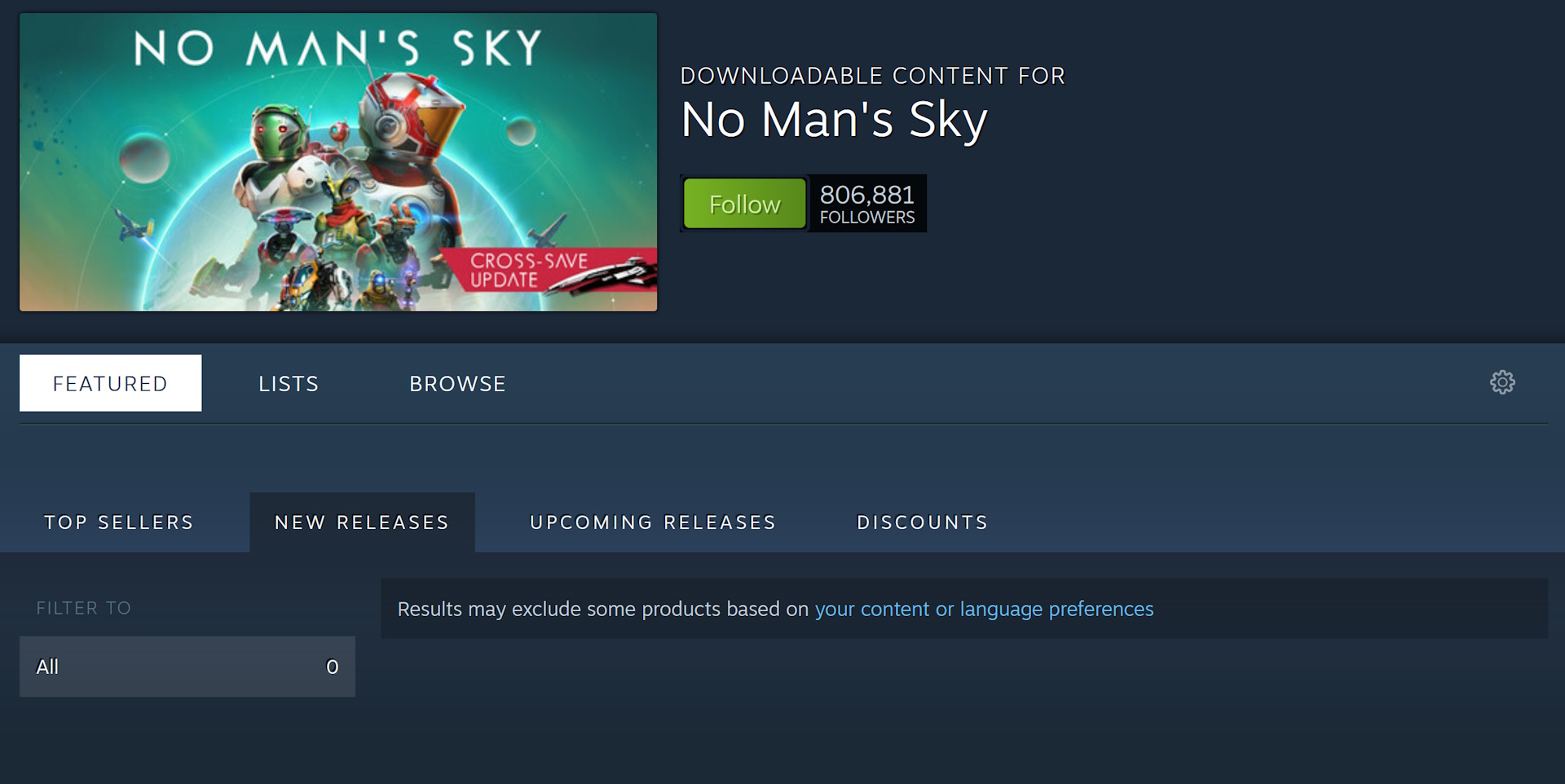
But in a single-player game, I shouldn’t be asked to purchase a “premium currency,” weapon skins, cosmetic items, and so forth. These microtransactions have no place in a single-player title, and there’s no excuse for adding them in other than pure, unadulterated greed. If a game like No Man’s Sky can remain profitable for Hello Games for close to a decade without charging for a single additional piece of content, there’s no excuse for the disgusting in-game marketplace in a title like Starfield.
I love a game with cosmetic customisation. Making my character feel personal to me goes a long way to enhancing the experience and making my playthrough feel like “mine,” so I enjoy having the option to change a hairstyle, outfit, or do things like re-paint a vehicle. But these things are an integral part of the game experience – not something to charge extra for. Exploiting players by locking basic items behind a paywall is despicable – and that’s before we say anything about “XP boosters,” damage multipliers, and other pay-to-win or pay-to-skip-the-grind items.
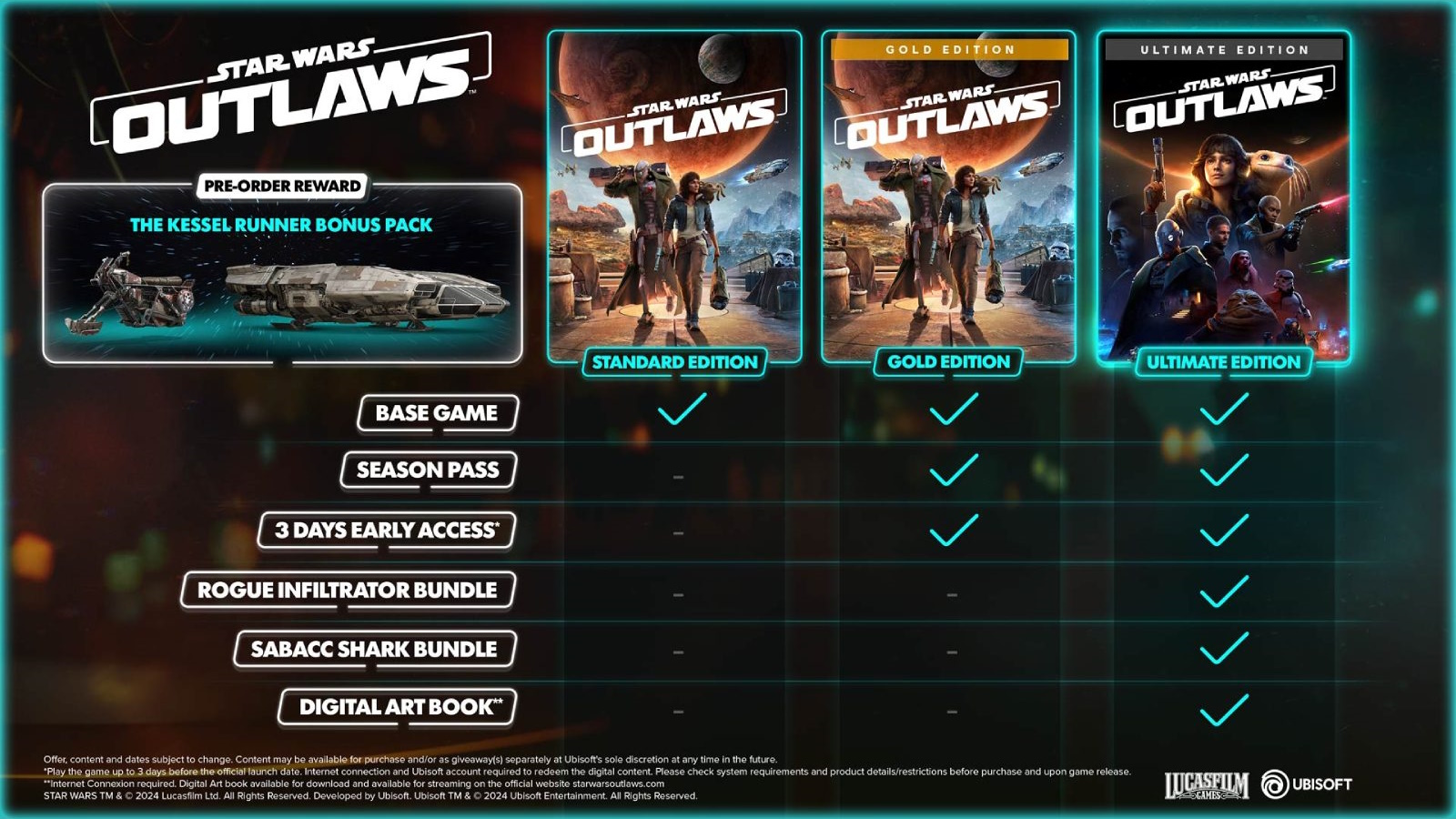
I’ll also include in this category “super premium deluxe editions” of games that come with exclusive content. You might think that Han Solo’s vest in Star Wars Outlaws is okay to lock behind a paywall, but some games do this with whole quests. Hogwarts Legacy infamously locked an entire mission behind a paywall, and it’s far from the only game to have done so in recent years. Offering an in-game item as a pre-order bonus is one thing, locking a whole chest full of items and even pieces of gameplay behind an expensive “luxury edition” that can easily run to $100 or more is just scummy.
If I’m paying full price for a game, I don’t expect that game to reach into my wallet and try to grab even more cash every time I want to use a consumable item or change my character’s appearance. I tend to avoid online multiplayer games, where this phenomenon primarily exists, but inserting a microtransaction marketplace into a single-player game where it has absolutely no business being is enough to make me uninstall that title and never return to it. I’ll even refund it if I can. Some studios have even taken to concealing in-game marketplaces at launch, hoping to garner better reviews and more sales, before adding them in a few weeks or months later. Truly disgusting stuff.
“Hot Take” #4:
You aren’t paying for “early access,” you’re being charged an additional fee to play the game on its real release date.

“Early access” is controversial in general, but let me just say before we start that I’m generally supportive of smaller studios and indie developers using early access as a way to get feedback and even to keep the lights on during what can be a difficult process. I very rarely touch an early access title, but independent devs should always feel free to use whatever tools are available to them, including launching an early access version of their game. But that’s where my patience with early access ends.
Recently we’ve seen two pretty shitty trends in the games industry: firstly, massive studios backed up by big publishers have been abusing early access, sometimes leaving a game officially unreleased for four, five, or six years, charging almost full price for it all the while. And secondly, the issue we’re looking at today: “early” access for an extra charge.
This kind of “early” access usually grants players access to a game a few days or maybe a week ahead of its official release date, but by that point the game is finished and should be ready to go. The “early” version that players get is usually no different from the launch version, and there’s no time for a studio to act on player feedback or patch bugs. This is a scam, plain and simple, and an excuse for wringing even more money out of players.
If a game launches on the 1st of September for players who pay £100, and the 6th of September for players who “only” pay £65, then the release date is the 1st of September. They’ve just charged more to players who want to play on release day – or, if you flip things around, deliberately penalised players who didn’t splash the extra cash. These versions of games – which I think we should call “real release date” versions – are often $20, $30, or $40 more expensive than their delayed counterparts.

Buying a game on day one is a risk nowadays. So many games – even those that go on to be hailed as masterpieces – arrive on launch day with bugs, glitches, and other problems. So paying extra to play what is almost always a demonstrably shittier version of a game just feels… stupid. I’ve been burned by this before, and just as with pre-orders, I’ve sworn to never again pay for so-called “early” access.
I’d like to see digital stores like Steam, Epic Games, and ideally Xbox and PlayStation too clamp down on this practice. Early access should be reserved for studios that need it, and charging players extra to play a game on release day is something that should be banned outright.
“Hot Take” #5:
Players’ expectations aren’t “too high.”

There have been some fantastic games released over the last few years. Red Dead Redemption II, Baldur’s Gate 3, and Kena: Bridge of Spirits all come to mind in the single-player space, but I’m sure you have your own favourite. These games are, in a word, masterpieces; titles that did everything right and are rightly considered to be at the very pinnacle of not only their genres but video games as an art form in general. So… if your game doesn’t get that kind of glowing reception, whose fault is it?
Some developers think it’s the fault of players, and that we’ve had our expectations set “too high.” They argue that it was unrealistic to expect their game to be as engaging or entertaining as others in the genre, and we should be grateful for what we got. They worked hard on it, after all.
The tl;dr is this: it isn’t the fault of players if they don’t like your game – it’s yours. Complaining about high expectations makes no sense when other titles have demonstrably been able to meet and even exceed those expectations, so if you learned nothing from your competition, once again that isn’t anyone else’s fault but yours! That’s to say nothing of the out-of-control and frequently dishonest marketing that promises players way more than the game can deliver. Studios and publishers are responsible for reining in hype and keeping their marketing honest. That, more than anything else, will help players set appropriate expectations.
I get it: it isn’t fun to be criticised or see your work picked apart. It’s even less fun to see a game you worked hard on for a long time compared negatively to another title in the same space. But to lash out at players – the people who are supposed to be your customers and the people it’s your job to entertain – just doesn’t make any sense to me. Not only is it wrong, but it also risks building up resentment and ill-will, so the next time you work on a game and get it ready for launch, players will be even more sceptical and perhaps even quicker to criticise.

Thankfully, it isn’t all developers who say this – at least not in public! I heard complaints like this from time to time when I worked in the industry, but most developers I worked with were smart enough to keep such thoughts to themselves if they had them. So we’re fortunate that it’s only a minority of developers who take this argument into the public square.
Some developers need to get off social media. Social media is a great tool, don’t get me wrong, and being able to communicate directly with players can be useful in some situations. But if a developer is so thin-skinned that they feel the need to react in real-time and respond to every armchair critic and Twitter troll… that can’t be good for them, and it certainly isn’t good for the company they work for. For their own good, some developers need to shut down their social media profiles!
So that’s it… for now!

I’m always finding more “hot takes” and things to criticise in the games industry, so I daresay this won’t be the last time I put together a piece like this one! Despite what I’ve said today, I still really enjoy gaming as a hobby and I find there are far more positives than negatives. And if you hated all of my points, just remember that all of this is the entirely subjective opinion of a single old gamer.
So I hope this has been a bit of fun… and maybe a little thought-provoking in places, too. If you don’t agree with any of my points that’s totally okay! I tried my best to present my arguments as articulately as possible, but these are “hot takes” so I’m sure plenty of people can and will disagree with all of them. If I gave you a chuckle or you found this discussion interesting in some way, then I reckon I’ve done my job!
Until next time… and happy gaming!
All titles discussed above are the copyright of their respective publisher, studio, and/or developer. This article contains the thoughts and opinions of one person only and is not intended to cause any offence.
 Trekking with Dennis