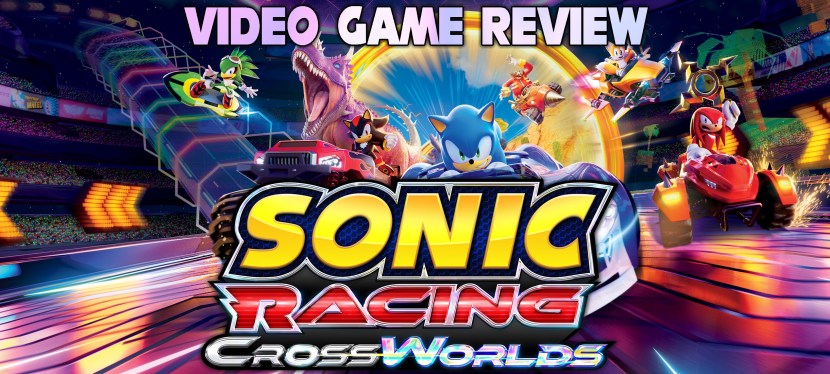
Sonic Racing: CrossWorlds – Video Game Review

Although I played a good amount of Sonic the Hedgehog, Sonic 2, and Sonic 3 with a friend on their Mega Drive back in the 1990s, the only Sega console I ever owned was a Dreamcast. And I’m pretty sure the only Sonic game I owned at that time was Sonic Adventure. But I think it’s fair to say that Sega’s mascot – while not as ubiquitous as his one-time rival Super Mario – is a pop culture icon! With movies, new games, collaborations, and spin-offs under his belt, the speedy blue hedgehog is still keeping the flag flying for Sega almost a quarter of a century after the company got out of the video game hardware business.

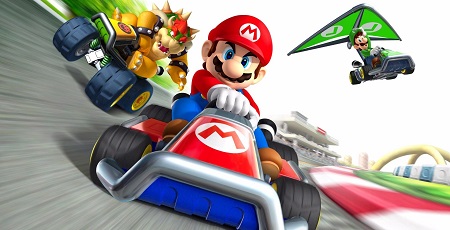
In recent years, I’ve enjoyed Sonic’s trip to the cinema, as well as the delightfully old-school Sonic Mania – a 2D platformer which feels like it came right out of the Mega Drive era. But I haven’t really kept up with Sega’s racing game series. Though I do occasionally dabble in other kart-racing games – like Meow Motors, for example – the simple fact is that there’s really only one name in town for this sub-genre: Mario Kart. I’m a huge Mario Kart fan, having played every title except for Mario Kart World, and even the best kart racers feel like they’re overshadowed by Nintendo’s juggernaut.
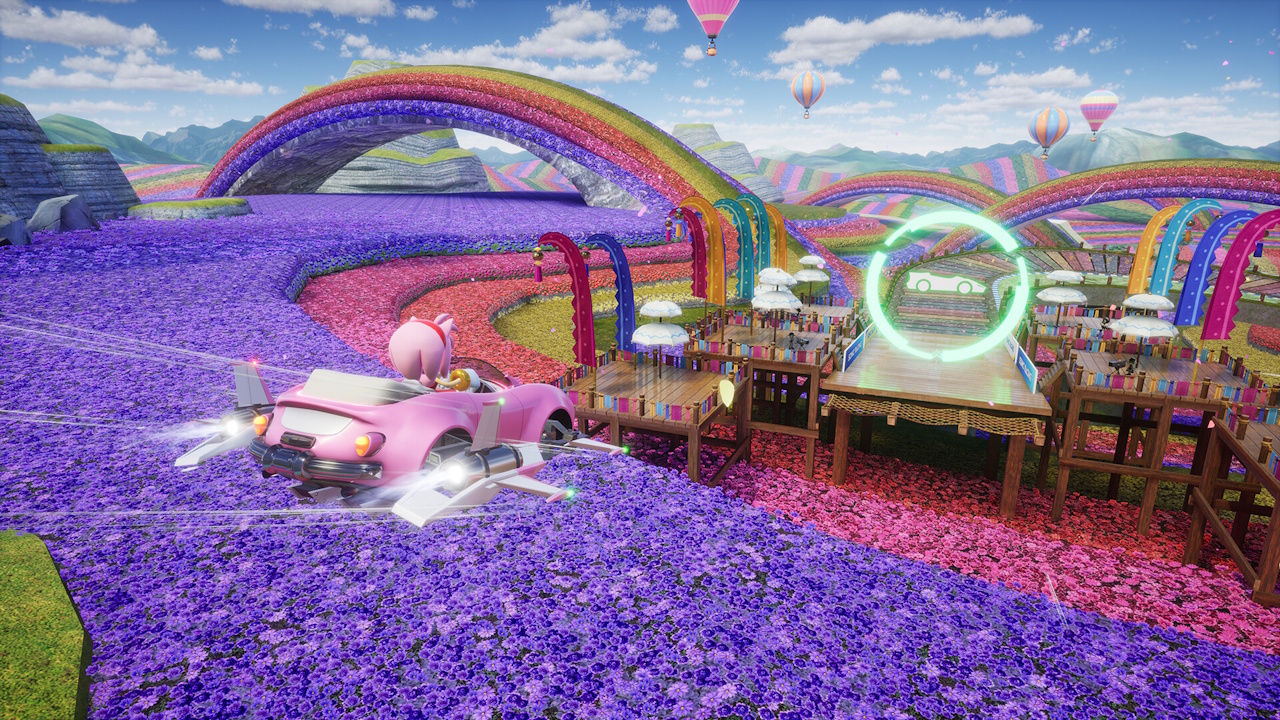
Promo screenshot for Sonic Racing: CrossWorlds showing the racer Amy in flight.
Let’s dive into CrossWorlds!

Releasing Sonic Racing: CrossWorlds just a few months after the first Mario Kart game in over a decade wasn’t just a risk… it was a risk that took balls made of pure titanium. Comparisons would’ve been inevitable, I suspect, no matter when CrossWorlds launched, but releasing the game so close to Mario Kart World shows, in my view, just how much confidence Sega must’ve had in the game. And you know what? They were absolutely right to feel that way, because Sonic Racing: CrossWorlds is an absolute joy to play.

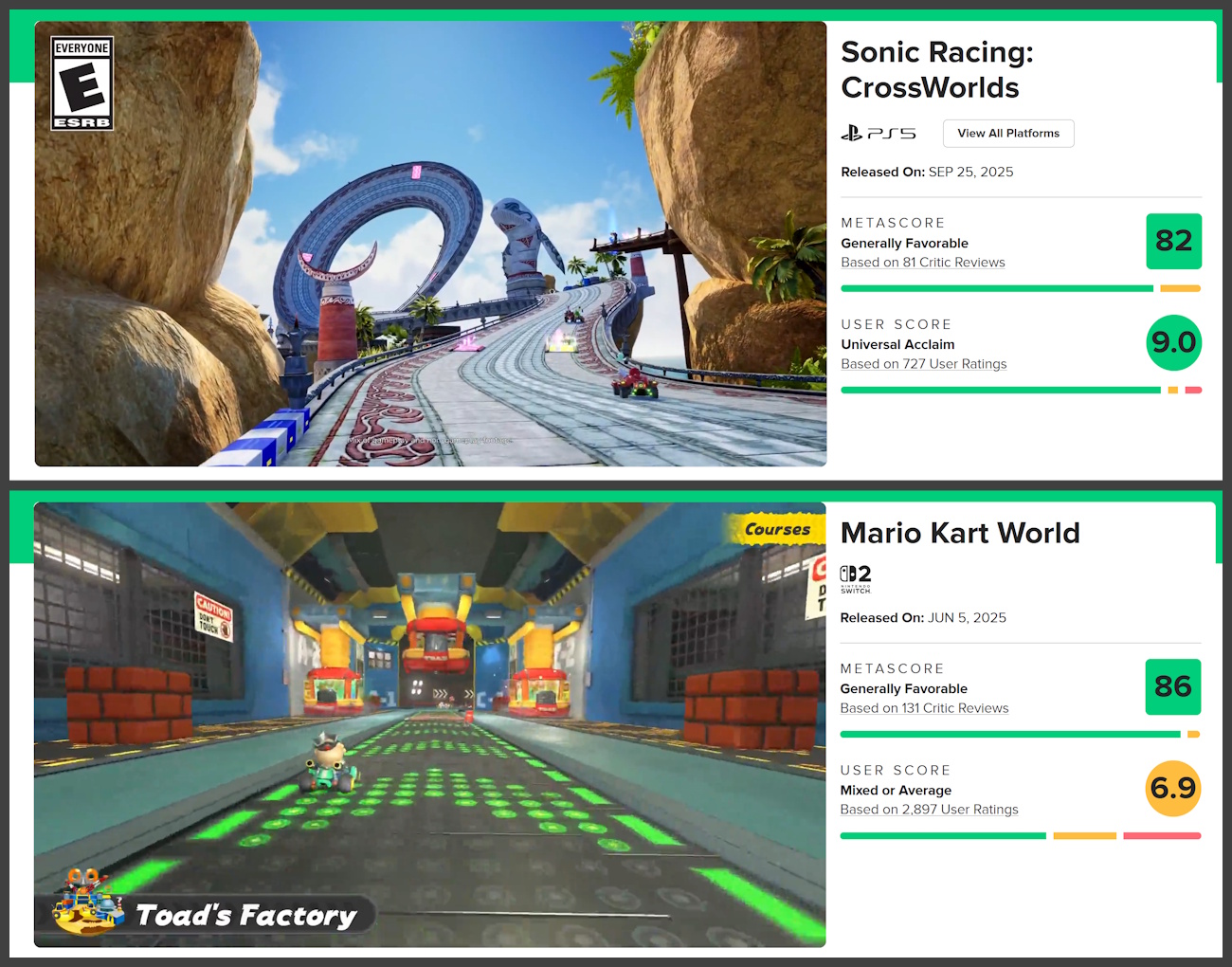
This is the “Mario Kart 9” I’ve wanted for years… and I didn’t even need to buy a Switch 2! That’s the headline, and it seems as if CrossWorlds is actually out-performing Mario Kart World, at least in terms of reviews. On Metacritic, at time of writing in December 2025, Mario Kart World is sitting at a 6.9/10 in terms of user reviews, whereas Sonic Racing: CrossWorlds is utterly dominating it with the “universal acclaim” of a 9.0. With Mario Kart World doing its own thing, focusing more on building up a large open world to drive around, Sonic Racing: CrossWorlds keeps its focus tighter, with well-designed racetracks. But each race brings with it a twist – the titular CrossWorlds mechanic – to keep things interesting and engaging.
Two Metacritic screenshots comparing Sonic Racing: CrossWorlds to Mario Kart World.
CrossWorld’s Metacritic score (top) compared to Mario Kart World’s (bottom).

How many games, these days, still offer free demo versions? Demos used to be everywhere in the late ’90s and into the new millennium, but despite the ease of digital distribution, they aren’t something you see a lot of any more. I think free demos are coming back, at least on PC, but it was great to be able to try Sonic Racing: CrossWorlds before buying. And if there’s *one* thing to take away from this review, it’s that you can try CrossWorlds completely for free on Steam thanks to the demo! I really think it’s worth testing out, at least, to see whether you might have half as much fun with the game as I have.

And the demo is pretty beefy. You get to choose from several of the main Sonic characters, choose and customise your vehicle (more on that in a moment), and even choose which racetracks and CrossWorlds to race through. There’s a lot of locked content, of course, but there’s also a surprising amount to experiment with for free. This isn’t just one of those “one racetrack and one racer for two minutes” type of things!
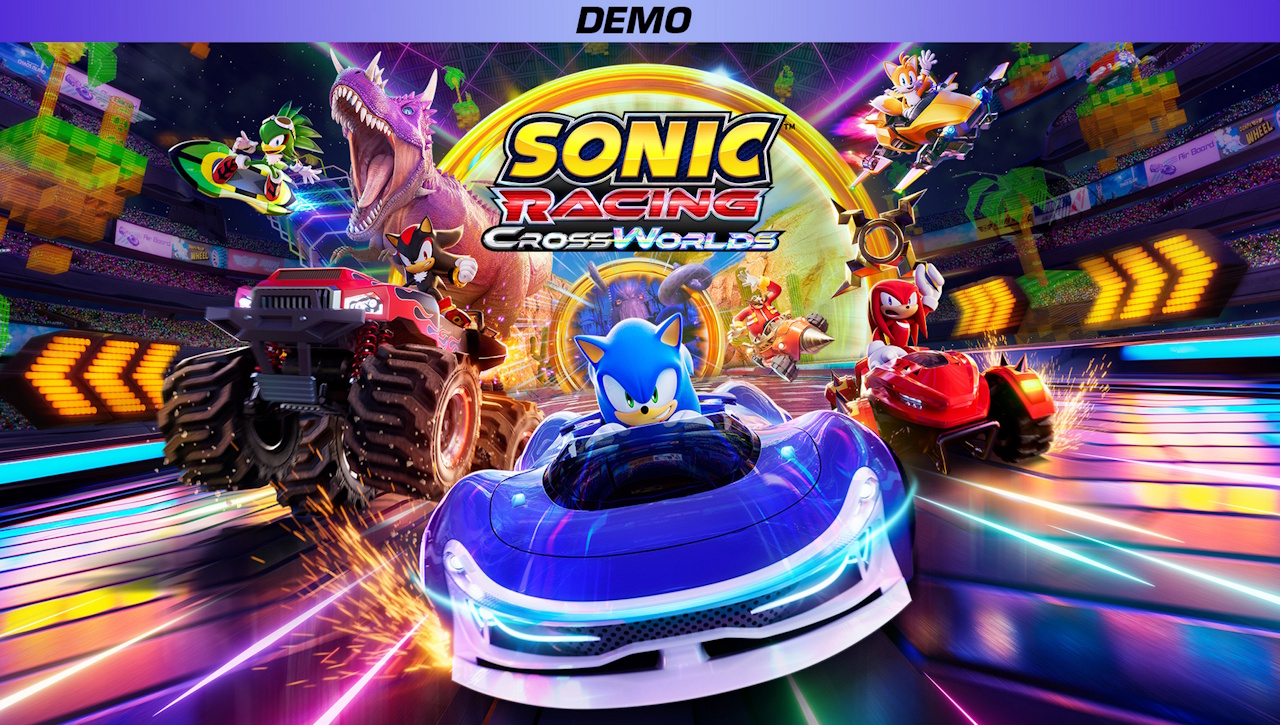
Promo art for Sonic Racing: CrossWorlds showing the demo version.
A demo version is available for free.

Some racing games – especially arcade racers – have vehicles that can feel weightless or “floaty,” but Sonic Racing: CrossWorlds has karts that feel substantial and weighty. I love how they transform from karts to boats or planes depending on the track and the terrain; I think I’m right in saying that’s something the Sonic Racing series has done before, but don’t quote me on that! Regardless, it’s a fun mechanic, and it’s implemented well in the game. Each of the three racing/vehicle types feel different, too; planes can move vertically as well as horizontally, and boats glide on the track in a way karts don’t.

Each kart is customisable, and there are stats to consider. Some vehicles are slower to accelerate but have a higher top speed, some handle better, and so on. None of that’s earth-shattering stuff for a kart racer; Mario Kart has been doing it for decades at this point. But for people who like to tinker, and players who like to work out “the meta” for each track and character, those things are present in CrossWorlds – but they aren’t so overwhelming that you’re going to feel compelled to *only* ever choose the same combination. The stats matter, but they don’t ruin the game or make most combinations non-viable, which I think is important in a title like this. Fun, not detailed stats, should be the name of the game!
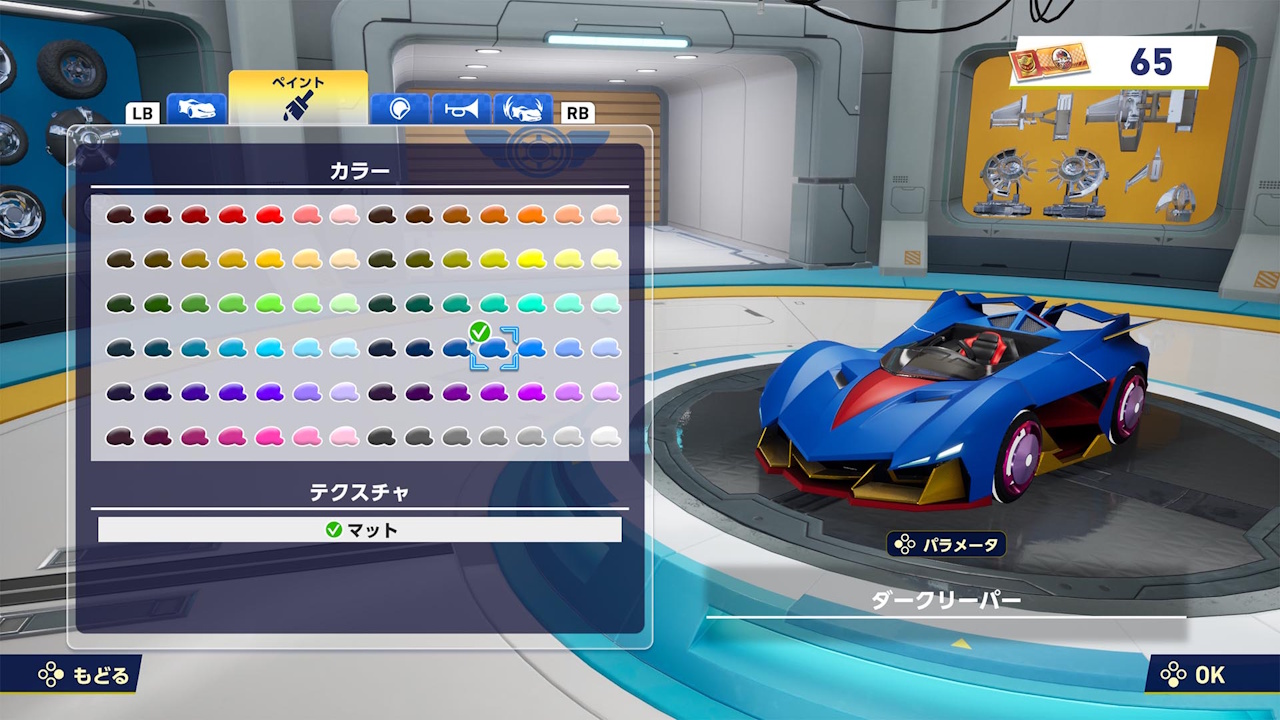
Promo screenshot for Sonic Racing: CrossWorlds showing vehicle customisation.
Customising a kart.

I’m not wild about the whole “season pass” thing in a full-priced title, so I think it’s worth being aware of the DLC situation if you’re interested in Sonic Racing: CrossWorlds. There are two DLC packs, which can be purchased separately – each of which adds a few racers, karts, and racetracks – and a season pass. The price for the game’s “digital deluxe edition,” when not on sale, is £80/$80, which puts it alongside Mario Kart World in terms of how much you’re gonna pay. Given how Mario Kart World was roundly criticised earlier in the year for its price point, that’s something to keep in mind.

And I don’t think it’s unfair to say that fully-priced games shouldn’t be selling DLC, extra characters, skins, and so on *from day one*. When Mario Kart 8 Deluxe added its Booster Course Pass, not only did that double the amount of content in the game, it also came along years after the title’s original release. Sonic Racing: CrossWorlds starts out as an incomplete experience, but Sega is happy to sell you the rest of the game piece by piece. Even when a game is good, as Sonic Racing: CrossWorlds undeniably is for me, I still think this kind of over-monetisation should be called out, or at least flagged up in a review like this one.
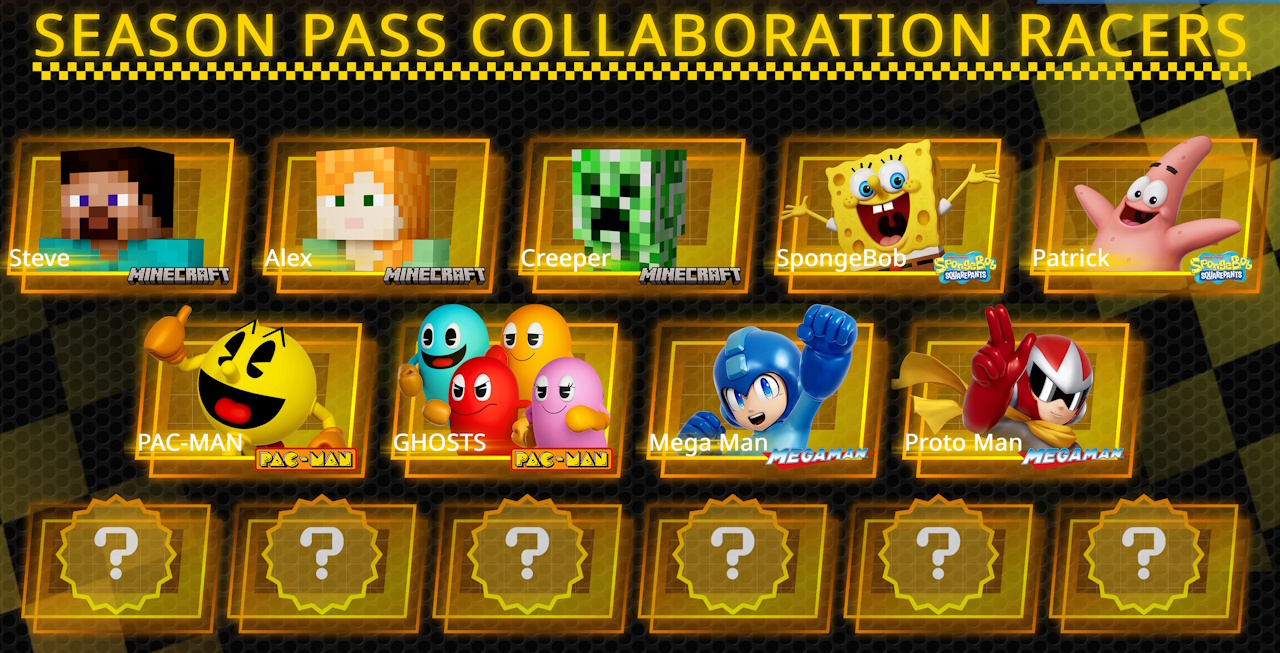
Promo screenshot for Sonic Racing: CrossWorlds showing season pass characters.
Some of the characters from the season pass content.

And look, I’m not pretending that some of the additional content isn’t a ton of fun. You’ve got characters, vehicles, and tracks based on four massively popular entertainment properties: Mega-Man, Minecraft, Pac-Man, and SpongeBob SquarePants. Tearing up a Bikini Bottom-themed track in the Patty Wagon with SpongeBob is… well, it’s just good old-fashioned kart-racing *fun*. But… did it need to be a paid extra? Couldn’t this content have been included in this game – this *fully-priced game* – for no extra charge?

So your mileage may vary on the price front. What I will say, not exactly in defence of CrossWorlds, but rather as a potential mitigating factor, is that the game is – at time of writing – on sale on PC, and the digital deluxe version is 30% off. For a game that’s only been out for less than three months, that’s a pretty generous discount, in my opinion. Similar sales are also taking place on Nintendo Switch, PlayStation 5, and Xbox, so if you act fast, you might be able to pick it up at a discount. If not, stick it on your wishlist and wait for the next sale, as I’m sure this won’t be the last time CrossWorlds gets a discount like this.
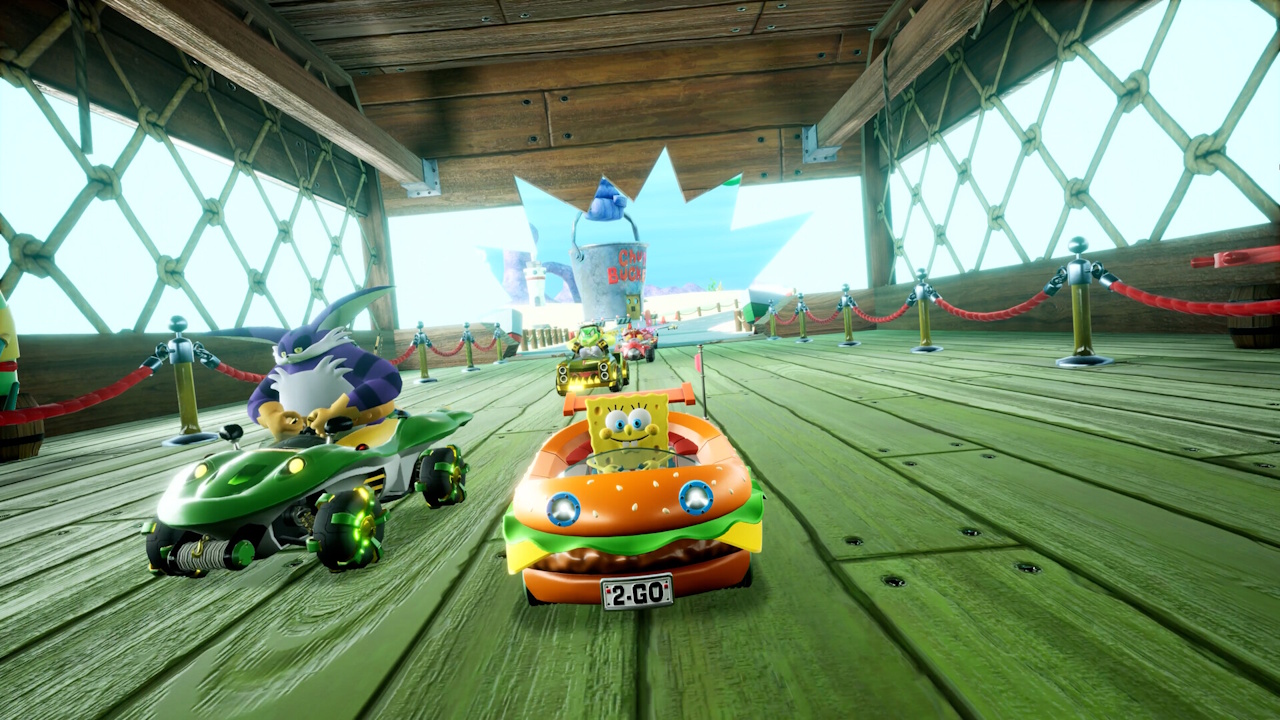
Promo screenshot for Sonic Racing: CrossWorlds showing SpongeBob.
SpongeBob is a playable character… if you pay extra.

CrossWorlds has everything I’d expect from a kart-racing game. Racetracks are fun, well-designed, and full of bright, vibrant colours, karts and characters are cute, with enough differences between them to keep things interesting, and there are items galore which can give you a boost, knock back an opponent, or lay a trap in wait for anyone who’s fallen behind. But, thanks to the titular CrossWorlds idea, there’s a bit more replayability to the game than you might’ve thought.

The CrossWorlds mechanic works like this: the second lap of each racetrack sees everyone drive through a portal, and that middle lap then takes place on a totally different track. The player in first place gets to choose from either a set CrossWorld or a random one – and there must be dozens, if not hundreds, of possible variations as a result. This addition is way more transformative than I think I’m making it sound, because it means that every single race is different, and you can’t rely on pure muscle memory, even if you’ve memorised all of the track layouts. There’s also an additional incentive to push through the pack and nab that first-place spot by the end of lap one, because then you’re in control of the second lap.
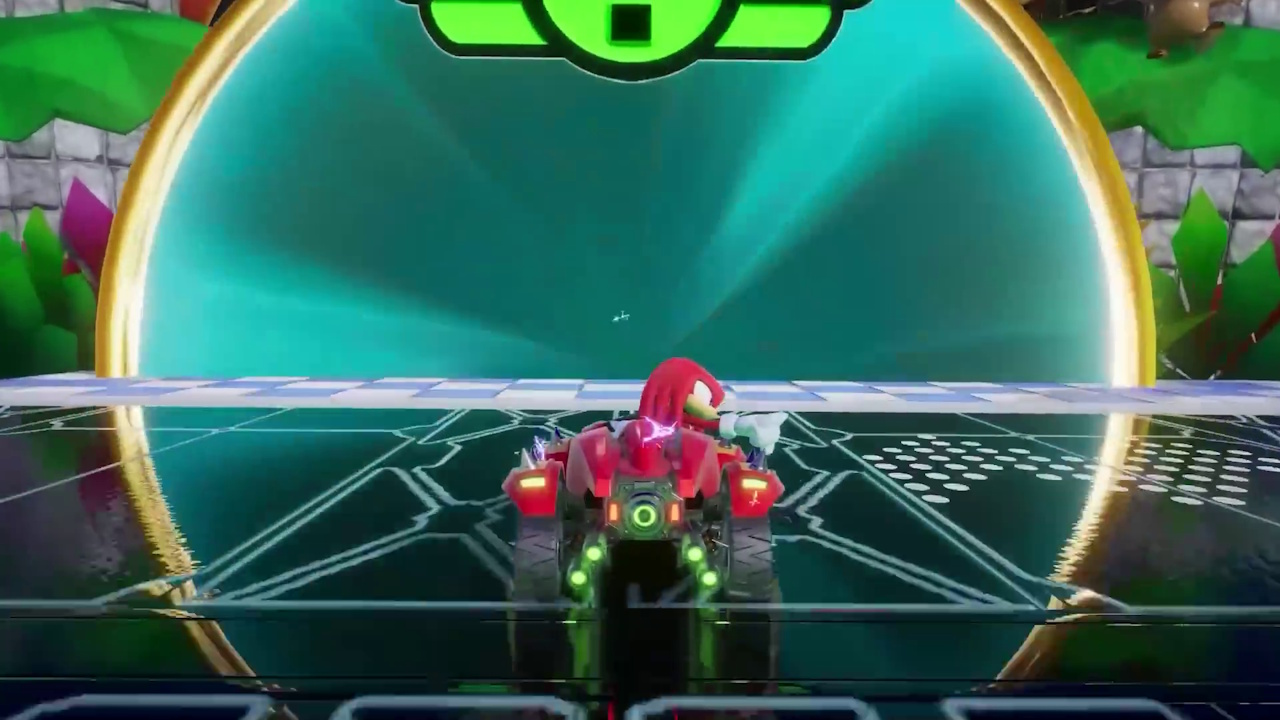
Promo screenshot for Sonic Racing: CrossWorlds showing Knuckles approaching a portal.
Approaching a portal.

Comparisons with Mario Kart are inescapable, and for me, I think CrossWorlds does something that Nintendo have tried to do with Mario Kart World’s intermission tracks and open world: adding variety and replayability to the game. I haven’t played World yet, so I can’t comment on how well those intermissions and the open world feel to play. But in Sonic Racing: CrossWorlds? This variety is an additional factor in keeping races fun, interesting, and engaging. That’s not to say the game would be bad without it – most of the racetracks are great, and I’d be happy to play through all of them over and over again! But adding this additional element works so well.

I also think the CrossWorlds mechanic is a technical marvel. What Sonic Racing: CrossWorlds does, if you think about it, is seamlessly transition from one racetrack to another, then back again – and which racetrack it has to transition to can’t be known until, at most, a few seconds before the first player enters the portal. That’s quite impressive – there are no loading screens, and no disruption at all to what can be a very fast-paced and hectic race.
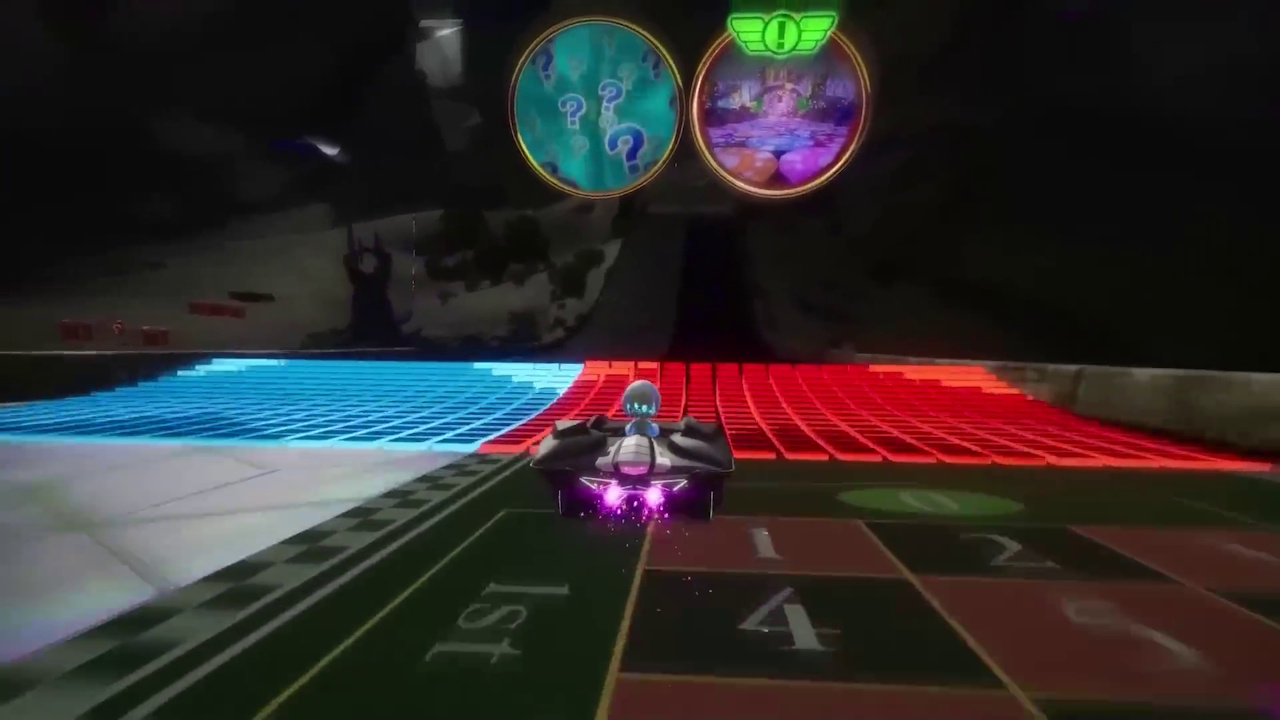
Promo screenshot for Sonic Racing: CrossWorlds showing a racer choosing between two portals.
A seamless transition between racetracks on the fly is creative and well-implemented.

Price issues aside, I’ve been having a whale of a time with Sonic Racing: CrossWorlds, as you can probably tell. I was in the mood for a fun, old-school kart racer, and with no Switch 2 or Mario Kart World to dive into… this has been a surprisingly fun purchase for me. CrossWorlds wasn’t on my list of games for 2025, and it was almost an impulse purchase when I saw it on sale around Black Friday, but I ended up having a great time. I mostly play in single-player mode, because that’s where I have the most fun, but there seems to be a thriving online scene if that kinda thing is more your speed. Who knows… maybe we’ll see each other out on the racetrack! I promise to wave as I overtake you.

Stay tuned, because I have at least one other game from 2025 in my review pile that I’d love to get through before the end of the year. And on or before New Year’s Eve, be sure to tune in for my annual End-of-Year Awards! Who knows, CrossWorlds might just make an appearance.

Until then… see you on the racetrack!


Sonic Racing: CrossWorlds is out now for Nintendo Switch 1 & 2, PC, PlayStation 4 & 5, Xbox One, and Xbox Series S/X. Sonic Racing: CrossWorlds is the copyright of Sonic Team and Sega. Some screenshots and promo art courtesy of Sega and/or IGDB. This review contains the thoughts and opinions of one person only and is not intended to cause any offence.

Ten Gaming “Hot Takes” (Part 1)

Today I thought we could have a bit of fun and talk about some of my more controversial gaming opinions! This is the first part of a two-part list, so be sure to stay tuned in the days ahead for five more gaming “hot takes.” There were too many to fit into a single piece this time around!

Although this is intended to be lighthearted and somewhat tongue-in-cheek, these are opinions that I genuinely hold; I’m not making things up for the sake of clickbait. I’ll always give the caveat that I’m a fan of video games and an advocate for gaming as a hobby… but that doesn’t mean that there aren’t things to criticise from time to time!

A Sega Mega Drive console.
Let’s share some controversial gaming opinions!

Gaming has changed a lot since I first picked up a joystick at a kids’ club in the ’80s, and I’ve seen the games industry and games themselves evolve dramatically! Most of those changes have been for the better… but perhaps not every last one.

As I always say when we talk about potentially controversial topics: these are my wholly subjective opinions! I’m not trying to claim that I’m right and that’s the end of the affair – on the contrary: I’m acutely aware that I’m in the minority here! I share these “hot takes” in the spirit of thought-provoking fun, and you are free to disagree wholeheartedly.

With all of that out of the way, let’s take a look at some “hot takes!”

“Hot Take” #1:
An open world isn’t the right choice for a lot of games.

A screenshot of Jedi: Survivor showing protagonist Cal Kestis outside of a saloon.
Jedi: Survivor is a recent game that employed an open world style.

Open worlds became a gaming trend sometime in the early 2010s, and too many publishers nowadays insist on forcing the formula onto titles that are entirely unsuited to it. Some open worlds are great… but I’d argue that relatively few manage to hit the golden combo of being both a well-constructed open world and one that suits the game in question. There have been some fantastic open worlds in which stories were told that didn’t fit, and some games that could’ve been wonderful that were undone by the fetishisation of the open world formula in some corporate boardrooms.

In many, many cases, having distinct levels or separate sections of a larger map just… works. It allows for the game’s narrative to create an often-necessary sense of physical distance in between locations – something that even the best open world maps are usually unable to manage. And for an awful lot of stories – even in games that we might consider to be masterpieces – that can be important to the immersion.

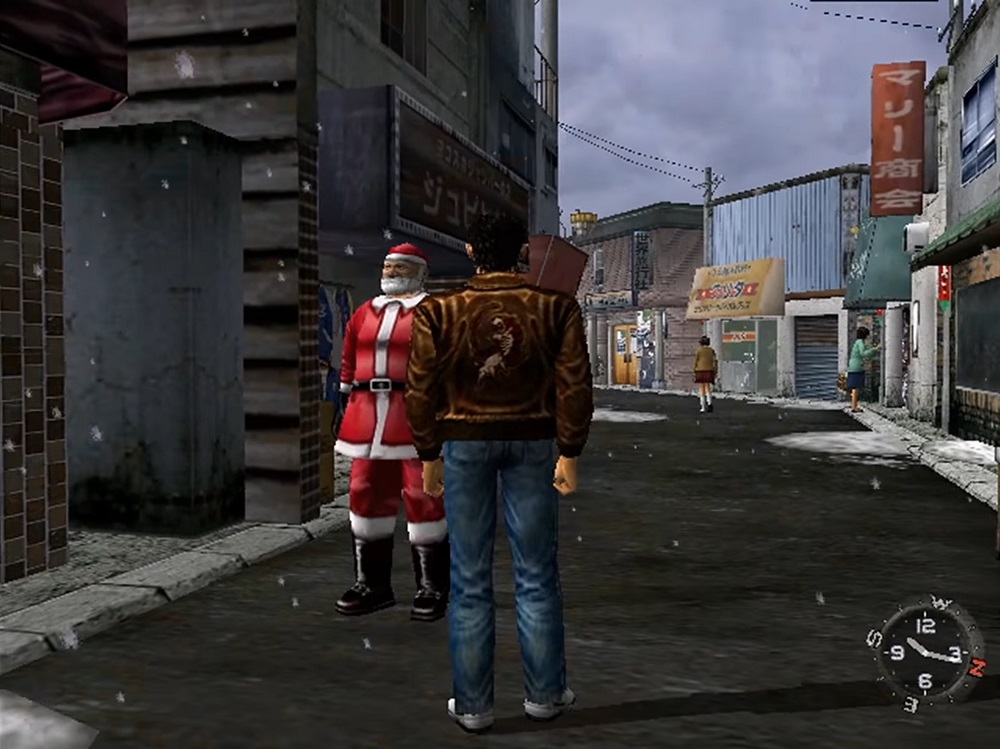
Ryo Hazuki, protagonist of Shenmue, encounters a man dressed as Santa Claus.
An early open world pioneer was Shenmue on the Dreamcast.

Take Red Dead Redemption II as an example. That game is one of the very best that I’ve ever played… but there were several points in its single-player story where the open world formula came close to being a problem. After escaping the town of Blackwater by the skin of their teeth in the game’s prologue, Arthur Morgan and the gang roam around in the mountains for a while, before eventually finding a new place to make camp… literally five minutes away from Blackwater. And this would happen again later in the game, when the gang would escape the town of Valentine only to settle at a new campsite just up the road.

The game’s narrative presented these locations as if they were far apart, but the open world of Red Dead Redemption II, for all of the content that it was filled with, didn’t always gel with that. It’s a scaled-down representation of part of the United States, and I get that. But narratively, it might’ve worked even better if the game’s main acts took place in separate, smaller open maps instead of merging them all into one larger open world.

Arthur Morgan, the protagonist of Red Dead Redemption II.
Red Dead Redemption II is a masterpiece.

Red Dead Redemption II is, without a doubt, one of the best games that I’ve ever played. So if the open world could be a problem there… well, you don’t need to think too hard to find examples of the open world formula tripping up worse and far less enjoyable titles! There’s absolutely nothing wrong with creating separate levels for a game – as has been done really since the beginning of narrative video games. Doing so often allows for more diversity in locations, environments, and terrain – and it’s something more titles need to consider taking advantage of.

I could probably count on my fingers the number of games that have genuinely made good use of an open world formula, and that have used that style of map properly. And when I think about modern games that I’ve really enjoyed such as The Last of Us, Jedi: Fallen Order, or the Mass Effect trilogy, they don’t use open worlds – and they’re much better for it.

“Hot Take” #2:
Every game should have a robust easy mode – it’s an accessibility feature.

The Skyrim options menu with difficulty settings highlighted.
Difficulty options in Skyrim.

I’m a big believer in making games accessible to as many players as possible. That can mean including accessibility features like colourblindness settings, disabling quick-time events, or ensuring that subtitles are available. But it also means that players need to be able to tone down the difficulty – yes, even in your precious Dark Souls!

I suffer from arthritis, including in my hands and fingers. I don’t have the ability to pull off complicated multi-button combos any more – if I ever possessed such an ability! And as with any skill or set of skills, gaming abilities vary from person to person; even someone who isn’t suffering from a health condition may simply not be blessed with the reflexes or hand-eye coordination necessary to progress through some of the industry’s more punishing titles. Not to mention that many folks don’t have the free time to dedicate to learning precise button combos or the intricate details of specific boss battles.

A promotional screenshot of Kingdom Come: Deliverance.
Kingdom Come: Deliverance was a title I found too difficult to play, despite wanting to enjoy it.

And that’s a real shame – because there are some outstanding games that everyone should be able to experience. Stories in some games are truly awe-inspiring, and can be better in some cases than films or television shows. For those stories to be denied to people with disabilities or people who may not have the time to repeat the same boss fight or level over and over again is just… sad.

I absolutely detest the expression “not every game is made for every player” when this debate rolls around. It’s absolutely true that people like different things, so if I’m not into online multiplayer shooters then I’m probably not going to enjoy the next Call of Duty title. But that doesn’t apply to difficulty, or to making a game that millions of potential players are locked out of because of a skill mismatch or health condition. That kind of gatekeeping is honestly just pathetic.

A toddler or young child playing a racing game.
Gaming should be accessible to as many people as possible.

I’d also add that the reverse is true here: certain games can be too easy for some players, and including the option to increase the difficulty in that case is likewise a good thing and something that developers should seek to include.

Difficulty settings have been a part of games going back decades, and they aren’t all that difficult to implement. At the very least, giving players the option to skip a level or boss battle after failing it multiple times should be achievable for every developer – and I can’t think of a good reason why a studio that cares about its audience wouldn’t want to implement something so incredibly basic. It doesn’t “hurt” the game to include an easy mode, nor does it damage the developers’ “artistic vision.” An easy mode only impacts players who choose to turn it on – and in a single-player game, why should anyone be judgemental about that?

“Hot Take” #3:
Artificial intelligence isn’t “coming soon,” it’s already here – and the games industry will have to adapt.

Still frame from the film Terminator (1984).
Are you ready for the “rise of the machines?”

One of the hottest topics of 2023 has been the arrival of easily-accessible generative AI software. It seems that anyone can now create an article like this one, a photorealistic image of just about anything, an audio recording of a celebrity… or even code for a video game. This technology has well and truly landed, and I don’t see any practical way to prohibit or ban it – so the games industry is going to have to adapt to that reality.

I can see a lot of potential positives to AI. Modding, for instance, can now get a lot more creative, and we’ve seen already mods featuring AI voices that are basically seamless and can add a lot to a character or story. For smaller developers and indie studios, too, AI has the potential to be a massively useful tool – doing things that a single developer or small team wouldn’t be able to achieve.

"Matrix code" from the 2021 film The Matrix: Resurrections.
AI is already here – and could prove incredibly useful to game developers.

But there are unquestionably massive downsides. The games industry has seen significant layoffs this year – despite most of the big corporations making record profits. Corporations in all kinds of industries are looking to replace as many real humans as possible with AI software… and for an all-digital product like a video game, the potential for divisions or even entire studios being shut down is firmly on the table.

The arrival of generative AI is going to shake things up, and because of the way it works, I can absolutely see there being less creativity in the games industry if too many big corporations go down that road. Because of the way these AI programmes work, they aren’t capable of truly creating – only reworking things that already exist and generating something with the same parameters. If major video games start using AI in a big way, you can say goodbye to innovation and creativity.

An example of AI-generated art.
An example of AI-generated art that was created (in less than ten seconds) from a prompt I entered.
Image Credit: Hotpot Art Generator

Whichever company cracks AI first is, in all likelihood, going to be rewarded – so there may even be a kind of “AI arms race” within the games industry, as some of the biggest corporations duke it out to be the first one to strike the right balance between AI and human-created content. What that might mean for games in the short-to-medium term… I can’t really say.

Generative AI is here to stay, though, and I don’t see a way around that. Some folks have suggested boycotting AI-heavy titles, but these consumer boycotts seldom succeed. If a new game that relied on AI during its creation ends up being fun to play, I daresay it’ll get played. Most players don’t follow the ins and outs of the industry, and may never even know the extent to which their favourite game was created using AI. I hope you’re ready for AI… because I’m not sure that I am!

“Hot Take” #4:
Sonic the Hedgehog doesn’t work in 3D.

Promotional screenshot from 2014's Sonic Boom: Rise of Lyric.
3D Sonic.

We’re going franchise-specific for this one! I adored the first Sonic the Hedgehog games on the Sega Mega Drive. I didn’t have a Mega Drive at the time, but a friend of mine did and we played a lot of Sonic in the early ’90s! Along with Super Mario, Sonic was one of the characters who scaled the mountain and was at the absolute peak of gaming… for a time.

But Sonic’s sole gimmick meant that the character struggled to successfully make the transition from 2D side-scrolling games to fully 3D titles. Extreme speed is something that works well in a 2D title, but it’s hard to code and even harder to play in a 3D environment.

Cropped box art for the re-release of Sonic the Hedgehog.
Sonic’s “gotta go fast” gimmick works in 2D games… but not in 3D.

The most successful Sonic game this side of the millennium has been Sonic Mania… a 2017 title that was originally created by fans of the series before Sega got involved. Sonic Mania is an old-school 2D platformer in the style of the original Mega Drive games. It’s great fun, and a real return to form for Sega’s mascot after years of mediocrity.

Sonic’s fundamental problem begins with his sole superpower: speed. Extreme speed was something that felt wonderful in 2D… and not to mention incredibly innovative! But in 3D, it’s just so much more difficult to build worlds suited to moving so quickly – not to mention that it’s tricky for players to control a character moving at such speed.

Promotional screenshot for 2017's Sonic Mania.
Sonic Mania has been the most successful Sonic game in decades.

There have been 3D Sonic games that tried to innovate, but even the best of them feel like they’re missing something. I remember playing Sonic Adventure on the Dreamcast and barely having to push any buttons; in order to make Sonic work in 3D, much of the interactivity had to be stripped out. That made for a far less enjoyable gaming experience.

When Sonic shows up in other titles – such as alongside Mario for an arcadey sports game, or in Sega’s Mario Kart competitor – then the character can be made to work. But those games almost always rob Sonic of his one defining trait: his speed. I’ve never played a 3D Sonic game that felt anywhere near as good as those original 2D titles.

“Hot Take” #5:
Google Stadia was a good idea (in more ways than one).

Promo image featuring the Stadia control pad.
Promo image of the Stadia control pad (right) next to a laptop.

The history of video gaming is littered with failed consoles and devices; machines that didn’t quite make it for one reason or another. 2019’s Stadia – Google’s attempt to break into the games industry – has become the latest example, being fully shut down after only a couple of years. There were myriad problems with Stadia, and Google has a track record of not backing up its projects and investments nor giving them enough time to deliver. So in that sense its failure is understandable. But I think I’m out on a limb when I say that it’s disappointing – and potentially even bad for the games industry as a whole.

Stadia offered a relatively inexpensive way to get started with gaming by relying on streaming. Gone was the need for an expensive console or PC; players could jump in using only their existing screen and a Stadia controller. Lowering the cost of entry to gaming is a good thing, and we should be looking around for more ways to do that!

Promo screenshot of Stadia-exclusive title Gylt.
Gylt was one of the only Stadia-exclusive games.

Secondly, Stadia represented the first potential shake-up of a pretty stagnant industry in nigh-on twenty years. Since Microsoft entered the video game market and Sega dropped out, there have been three major hardware manufacturers and three main gaming platforms. Disrupting that status quo is, again, not a bad thing in theory. Stadia, with Google’s support and financial resources, seemed well-positioned to be the kind of disruptive force that often leads to positive change.

Stadia won’t be remembered – except as the answer to an obscure pub quiz question in a few years’ time, perhaps. But it had potential when it was announced, both in terms of the way it could have brought console-quality games to people who couldn’t necessarily pay for a current-generation machine up-front, and in the way Google could’ve disrupted the industry, leading to competition and innovation.

A Google Chromecast device.
Stadia was designed to be compatible with Google’s Chromecast devices – as well as other platforms.

I didn’t buy into Stadia on day one. As someone who has a gaming PC, I didn’t really feel it was necessary. And there were limitations to Stadia: a lack of exclusive games, no subscription option, and Google’s well-known history of prematurely shutting down underperforming products and services. All of these things put me off – and undoubtedly put off a lot of other folks, too.

But in a way, I regret the demise of Stadia. Its short, unsuccessful life will surely be a warning to any other company that might’ve considered launching a new console or a comparable streaming device, and if there’s one thing I think we can all agree on it’s this: the games industry needs a shake-up from time to time! Stadia couldn’t do it, unfortunately… but I hope that another device will.

So that’s it… for now!

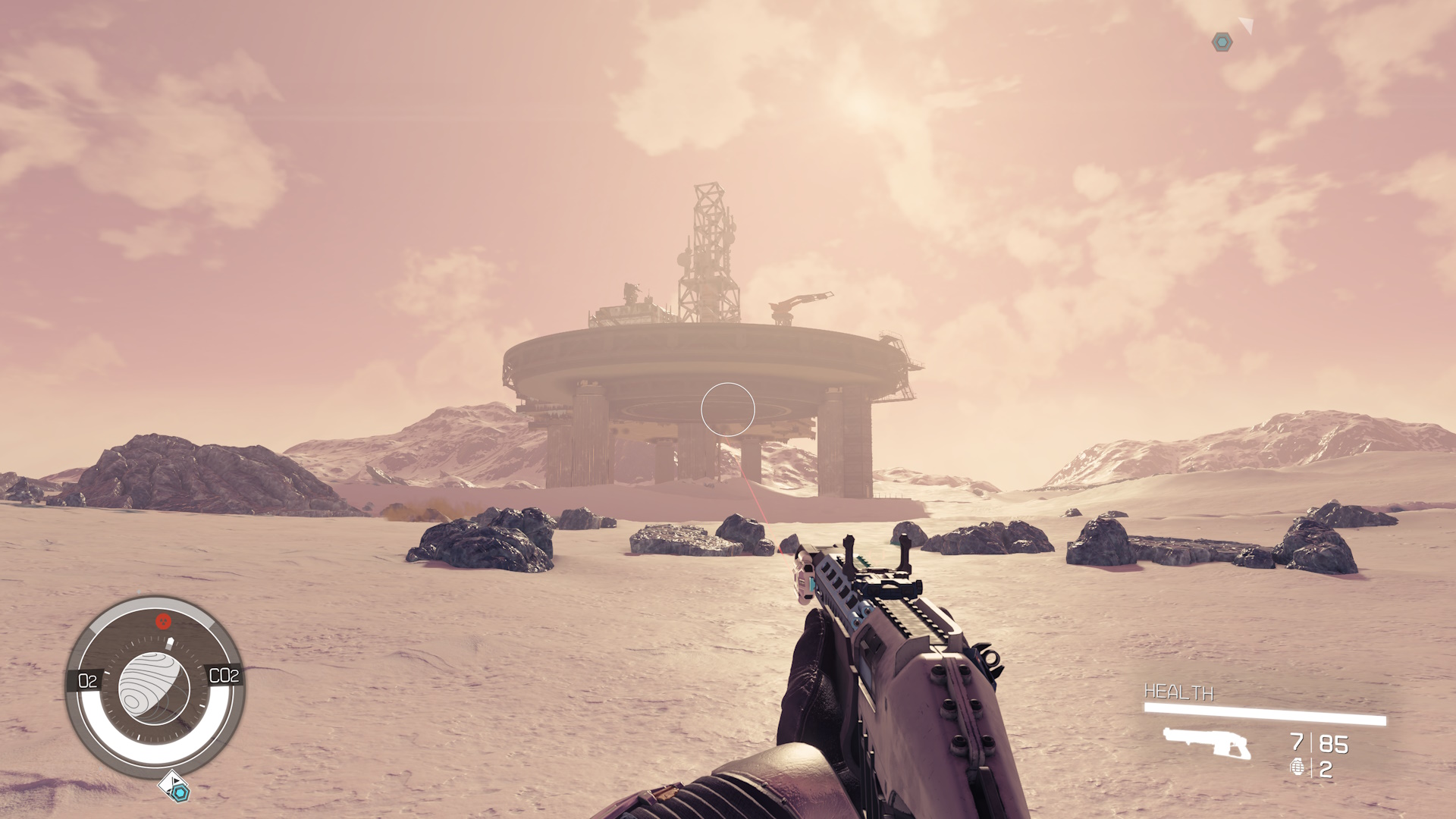
Screenshot of Starfield.
Starfield (2023).

Stay tuned, because I have five more “hot takes” that I’m currently in the process of writing up.

As I said at the beginning, none of these things should be taken too seriously – this is just intended to be a bit of thought-provoking fun, at the end of the day.

There’s a lot to love about gaming as a hobby, and the quality of video games in general is way higher today than I could’ve imagined even just a few years ago. There are some incredible games out there; masterpieces in every sense of the word that have given me some of the best entertainment experiences I’ve ever had. And there are some games that I didn’t enjoy, too! I hope this look at a few of my “hot takes” hasn’t gotten anyone too upset!

All titles discussed above are the copyright of their respective studio, developer, and/or publisher. Some images used above courtesy of IGDB and Unsplash. This article contains the thoughts and opinions of one person only and is not intended to cause any offence.

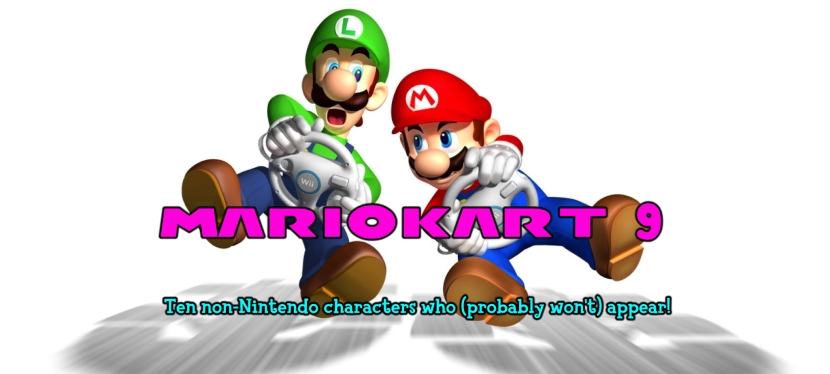
Ten non-Nintendo characters who (probably won’t) appear in Mario Kart 9!

A few days ago I had a lot of fun putting together a short list of (mostly) Nintendo characters who I think should appear in Mario Kart 9 – whenever that game may come! As a follow-up, I thought it could be interesting to consider a few characters from outside of Nintendo’s walled garden who could also join the fun. If you’d like to check out the original list, you can find it by clicking or tapping here.

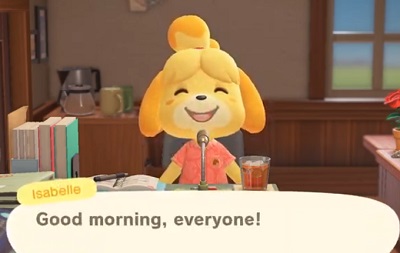
Mario Kart 8 and later Mario Kart 8 Deluxe pushed the boat out as far as the roster of drivers is concerned, including characters from outside of the Super Mario series for the first time, including Link from The Legend of Zelda series, Isabelle from Animal Crossing, and two characters from the Splatoon games. However, it would be a first for the series to include non-Nintendo characters!

Isabelle, from the Animal Crossing series, is a driver in Mario Kart 8 Deluxe.

Although the Mario Kart games haven’t done so yet, Nintendo has proved itself willing to open up to other companies’ franchises and characters in recent years. We’ve seen Minecraft Steve, for example, as well as characters from the Castlevania, Persona, and Dragon Quest series appear in Super Smash Bros. Ultimate on the Switch, so I think that demonstrates a willingness on Nintendo’s part to think outside the box when it comes to characters in popular titles.

Whether it will happen, though, is completely unknown! And to reiterate what I always say: this is pure guesswork and a wishlist from a fan, nothing more. I’m not claiming to know for a fact that any characters listed below will appear in Mario Kart 9 – or even if such a game is currently in development. With the 30th anniversary of the Mario Kart series coming up in 2022 I think it’s possible that we might see a new game, but even that’s just a guess on my part!

With that out of the way, let’s jump into the list!

Number 1: Sonic the Hedgehog (Sega)

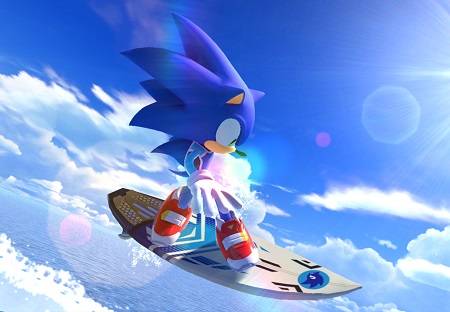
Sonic as he appears in Mario and Sonic at the Olympic Games: Tokyo 2020.

Of all the characters on this list, Sonic is arguably the most likely to crop up in Mario Kart 9. Not only is he a character in Super Smash Bros. Ultimate, but there have been a number of Nintendo games over the last decade or more in which he’s been prominently featured. Mario and Sonic at the Olympic Games in 2007 marked his debut alongside Mario, and since then the duo have appeared together in five more Olympic-themed titles.

It would’ve seemed unthinkable in the ’90s for Mario and Sonic to appear together; they were the mascots of competing companies! It was only when Sega retired from manufacturing their own consoles shortly after the millennium that Sonic appearing on Nintendo hardware was even a possibility, but he’s since become a mainstay. He’d make for a fantastic character, and having already featured in his own kart racer, he definitely knows a thing or two about driving!

Number 2: Pac-Man (Bandai Namco)

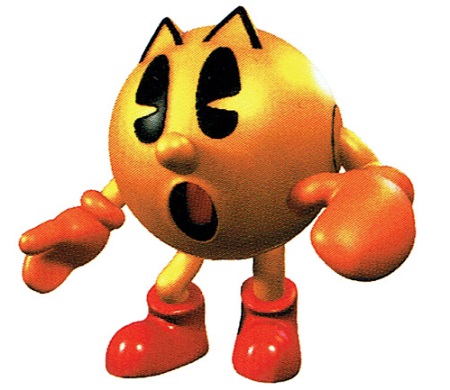
A 3D rendering of Pac-Man from 1999’s Pac-Man World.

Another character who appeared in Super Smash Bros. Ultimate, Pac-Man is a gaming icon from the medium’s early days. Originally an arcade game created in 1980, Pac-Man spawned a whole host of titles in a series that continues to this day. Though the games have no real story or plot, Pac-Man was arguably one of the first video game characters, and was, for a time, symbolic of the games industry as a whole. His simple design became iconic, and even today Pac-Man is instantly recognisable.

As with Sonic above, even a few years ago the idea of a collaboration between Nintendo and Pac-Man (short of licensing one of the games to their consoles) wouldn’t have seemed possible. But as companies continue to pool their resources and work together, it could make a lot of sense for both Nintendo and Bandai Namco (or should that be Bando Namcai?) to bring Pac-Man to Mario Kart 9.

Number 3: Fall Guy (Epic Games/Mediatonic)

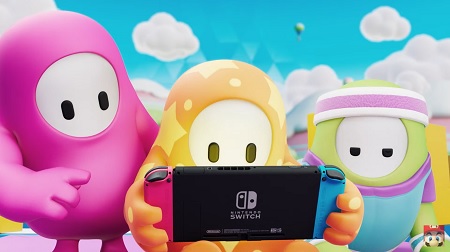
Three Fall Guys seen in a recent Nintendo Direct.

If I’d been in charge of the development of cute obstacle course/battle royale title Fall Guys, I would have prioritised a Nintendo Switch release. Regardless, the title is finally going to be released on Nintendo’s console, months after it’s PC and PlayStation 4 debut. The Fall Guys themselves are adorable little jelly bean characters with a huge variety of costumes, and their cartoon aesthetic would fit perfectly with Nintendo’s long-running kart racing series.

The recent Epic Games buyout may complicate matters, but with Fall Guys coming to Switch I really feel it has a shot at being successful on that platform – especially if Mediatonic can get cross-platform play up and running. If the game is a hit, bringing a Fall Guy to Mario Kart 9 would be fantastic, and something Nintendo could absolutely consider doing. It would arguably benefit Fall Guys more, with the character’s inclusion serving almost as advertising, but that should just be an incentive for Epic Games to allow this crossover to go ahead!

Number 4: Master Chief (Microsoft)

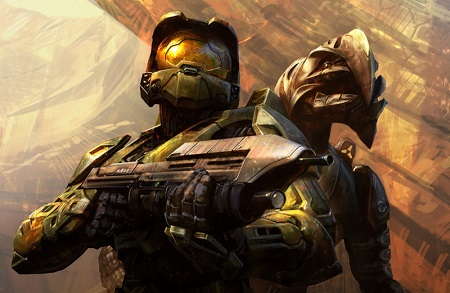
The Master Chief in Halo: The Master Chief Collection concept art.

The inclusion of Minecraft Steve in Super Smash Bros. Ultimate shows that Microsoft is quite happy to work with Nintendo, and a number of their recent moves – like their partnership with EA – have opened up the possibility of further collaborations and crossovers with big games companies. With that in mind, could the Halo series’ iconic protagonist end up as a racer?

Halo games, as first-person shooters, are quite violent, so perhaps Nintendo would opt not to include such characters for the sake of keeping the game family-friendly. But Master Chief’s design isn’t aggressive or scary, and I think he could be made to fit. It would be a fun collaboration between two of modern gaming’s big powerhouses.

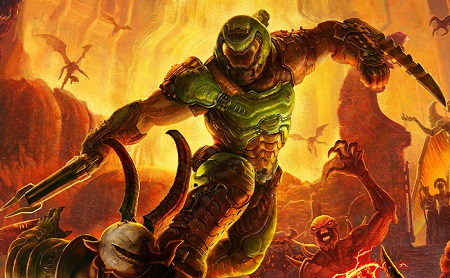
Number 5: Doom Guy (Bethesda/Microsoft)

Doom Eternal promotional artwork featuring the character known as Doom Guy.

Though visually similar in some respects to the Master Chief, Doom Guy has a surprising history with Nintendo. Not only was Doom 64 a Nintendo 64 exclusive in 1997, but last year saw a bizarre yet strangely wholesome internet-inspired team-up with Animal Crossing: New Horizons. In short, Doom Eternal shared a release date with New Horizons, and because of the polar opposite nature of the games, fans began ironically pairing up Doom Guy with Animal Crossing characters – notably Isabelle.

Nintendo could take advantage of the memes and jokes by bringing Doom Guy into Mario Kart 9. On the surface, maybe he isn’t a great fit for the series. But there’s nothing offensive about his character design, and if last year’s fan art showed us one thing, it’s that Doom Guy can be made to look adorable and cartoonified!

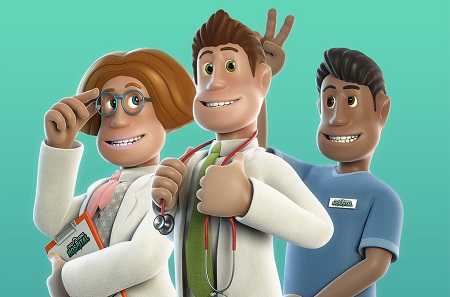
Number 6: Two Point Hospital Doctor or Nurse (Sega)

Two doctors and a nurse.

Two Point Hospital is a spiritual successor to 1997’s Theme Hospital, a classic of the “tycoon” genre. It was ported to the Nintendo Switch last year after releasing for PC in 2018, and has gone on to be a surprising success on the platform. As with many tycoon games there isn’t really one principal character to pick out, but a generic doctor and/or nurse could be a fun addition to Mario Kart 9.

One of the great things about Two Point Hospital is its cartoon aesthetic; a deliberate choice that mimics the title’s origins in tycoon games of the 1990s. That look just happens to be perfect for the Mario Kart series, which means a Two Point Hospital character would be a natural fit.

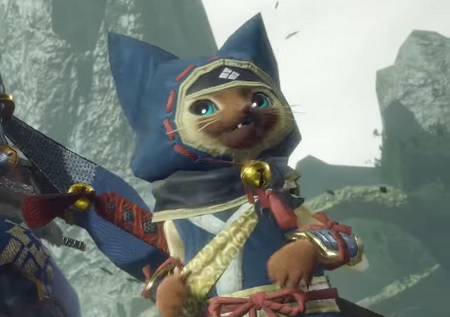
Number 7: A Palico (Capcom)

A Palico as seen in the trailer for Monster Hunter Rise.

I’ll let you in on a secret: the Monster Hunter series has never seemed like my thing. The latest title in the series, Monster Hunter Rise, is available for Nintendo Switch, but despite loving the visual style, the core gameplay of hunting and killing so-called “monsters” – which seem to be docile animals living their own lives not troubling anybody – holds absolutely no appeal to me!

Regardless, the latest title is a big hit on Switch, and Palicoes are cute little felines or cat-like characters that accompany the player character during the game. It seems like this kind of cute critter would be a perfect fit for Mario Kart 9 – even if I don’t personally care for the game they originate from!

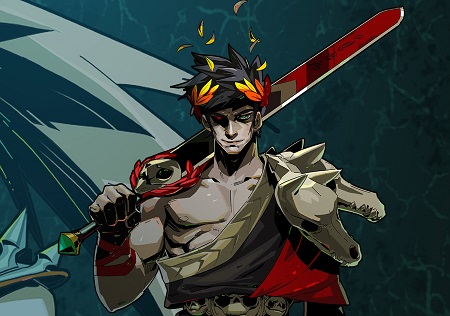
Number 8: Zagreus (Supergiant Games)

Promotional art for Hades featuring Zagreus.

Hades has to be one of the best indie games I’ve played in recent years, and was recently featured in a Nintendo Direct presentation as the game is getting a full physical release (i.e. on a game cartridge) for Switch. It’s an absolute blast, and if you haven’t tried it I can’t recommend it enough – if you’re okay with a game in which you die over and over again!

Zagreus, son of Hades, is the game’s protagonist, adapted from the character present in Ancient Greek mythology. His anime-inspired style is… well let’s just say I’m not an anime fan. But as a character he’s interesting and fun to root for in Hades, and with some minor adaptations I’m sure he could fit in with the rest of the racers!

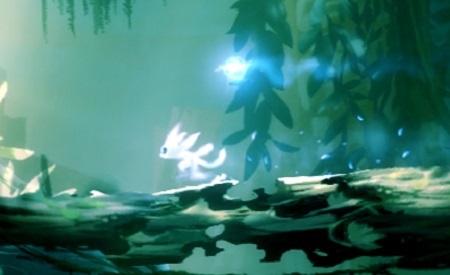
Number 9: Ori and Sein (Microsoft/Moon Studios)

Ori and Sein in Ori and the Blind Forest.

I’d almost forgotten that both Ori and the Blind Forest and Ori and the Will of the Wisps had been ported to the Nintendo Switch, but both games were a good fit for Nintendo’s platform and seem to have sold reasonably well. This entry is technically two characters, but they could be rolled into a single racer as Sein’s design might not lend itself to being an independent driver!

The Ori games are surprisingly sweet but also challenging in places, and Ori would certainly fit right in with the Mario Kart series from an aesthetic point of view. It would be great to see the Ori series, which already has a Switch presence, join up with Nintendo for an additional collaboration!

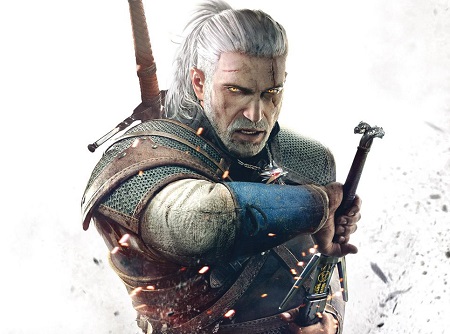
Number 10: Geralt of Rivia (CD Projekt Red)

Geralt as he appears on the box art of The Witcher 3.

Though I still haven’t played The Witcher 3 – or the prior two entries in the series, come to that – it’s held up as one of the best games of the last ten years, and protagonist Geralt of Rivia has since cropped up in a couple of unexpected places! Perhaps his next adventure could be joining Mario and friends for a go-kart race?

The Witcher 3 was one of the most ambitious titles to bring to the Nintendo Switch, considering the size and complexity of the game, but by all accounts it’s a solid port. A lot of folks have been enjoying taking Geralt with them to play on the go, and his recent appearance in Soul Calibur VI shows that CD Projekt Red are clearly amenable to collaborating with other companies. He would be a strange choice, perhaps, but a lot of fun nevertheless!

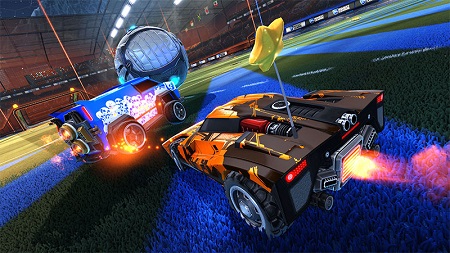
Bonus: Battle-Cars (Epic Games)

Promotional art for Rocket League showing two Battle-Cars.

One of the most surprising things in Mario Kart 8 was the inclusion of Mercedes-Benz car parts, as part of a deal Nintendo struck with the famous car manufacturer! We could absolutely consider other manufacturers or vehicles that would be cute to see in the next Mario Kart game, but for now I thought it could be fun if Nintendo could team up with one of the other top car games out there – Rocket League!

I’m atrocious at Rocket League and have been since the first time I played, but the game is a lot of fun. A buyout by Epic Games saw the title move to a free-to-play model, which has been good in some ways. There are a number of different vehicle styles, and any could be adapted to make a fun kart in Mario Kart 9. Perhaps three or four different styles would be enough so as not to overwhelm the title!

So that’s it. Ten characters – and one bonus set of vehicles – that Mario Kart 9 should – but most likely won’t – include!

Is a new Mario Kart title in the works?

If I’m right that Nintendo plans to do something next year to mark the series’ 30th anniversary, a new game would be top of the list. And in the spirit of celebration, bringing a whole roster of characters from across gaming to join one big Mario Kart party would be a great thing for Nintendo to do. Some characters that Nintendo has worked with in the past, like Sonic the Hedgehog, seem far more likely than others, but it would benefit practically every company involved in the games industry to allow Nintendo to license one or two of their characters. After all, it’s a fantastic advertisement for the game they’re originally from!

I’ve been a huge Mario Kart fan since I first sat down to play Super Mario Kart in 1993 or 1994, back when I owned a SNES. That title only had eight racers to choose from, and the series has come a long way since then – while managing to retain the fun. As games got better and I played the likes of Shenmue and Knights of the Old Republic I began to favour titles with a strong focus on story; there are few titles I considered fun for their gameplay alone. The Mario Kart series has always been one of them! Whatever happens next year, and whenever Mario Kart 9 may come, I hope Nintendo try to bring in some new and different faces.

Mario Kart 8 Deluxe is out now for Nintendo Switch, and is the copyright of Nintendo. All characters mentioned above are the copyright of their respective studio, developer, and/or publisher. Some screenshots and promo art courtesy of IGDB. This article contains the thoughts and opinions of one person only and is not intended to cause any offence.