The PlayStation 5 Pro Is An Omen Of Worse To Come…

By now I’m sure you’ve heard about the PlayStation 5 Pro controversy. Sony’s mid-generation update to its flagship console will come with an outrageous price tag, will be missing basic components, and doesn’t even seem – at first glance, anyway – to offer a significant visual upgrade. With better frame-rates and higher resolutions being basically the only reason to pick up a PS5 Pro for someone who’s already a PlayStation customer… that’s not great.

But I think there’s a lot more to say – and unfortunately, it gets worse! At time of writing, pre-orders for the PlayStation 5 Pro haven’t gone live in the UK, but there’s already a ton of interest in the console, its missing disc drive, and even its ridiculously overpriced stand. The stand is basically just a small ring of metal and plastic, and shouldn’t be worth anywhere close to its purported £25 price tag. But it seems as if eager fans and gamers are queuing around the digital block to pick up the console and its add-ons; pre-orders for the disc drive have sold out in some places in the United States already.

The overpriced stand.

I’ve already criticised Sony here on the website for hiking up the price of the base PlayStation 5 at a time when the corporation is making record profits. To clarify that: Sony has never, in its corporate life, made more money or had a greater profit margin than it has right now – and yet these ridiculous price hikes continue. Microsoft is not immune from this, either – and I’ve been critical of Xbox in recent months too, so please don’t think I’m coming at this issue from a “console war” perspective! If anything, I’m trying to approach this subject from a consumer perspective and a basic fairness perspective. Nintendo… the jury’s out. But I wouldn’t be surprised if the new Nintendo console follows suit and is similarly burdened with a high price tag.

There are two reasons why I find the PlayStation 5 price tag so disturbing, and we’ll look at these issues in turn.

First of all, despite the outrage and dissatisfaction on social media, as mentioned there are plenty of people who seem quite happy to pay the inflated price for the new console – as well as its expensive add-ons. In fact, I wouldn’t be shocked to see the PlayStation 5 Pro become one of this year’s festive bestsellers, with high demand from gamers and parents as Christmas draws nearer. It will almost certainly out-sell anything that Xbox has to offer, and with Nintendo’s new console not due until next year at the earliest, the PS5 Pro could have a fairly open market when it launches this November.
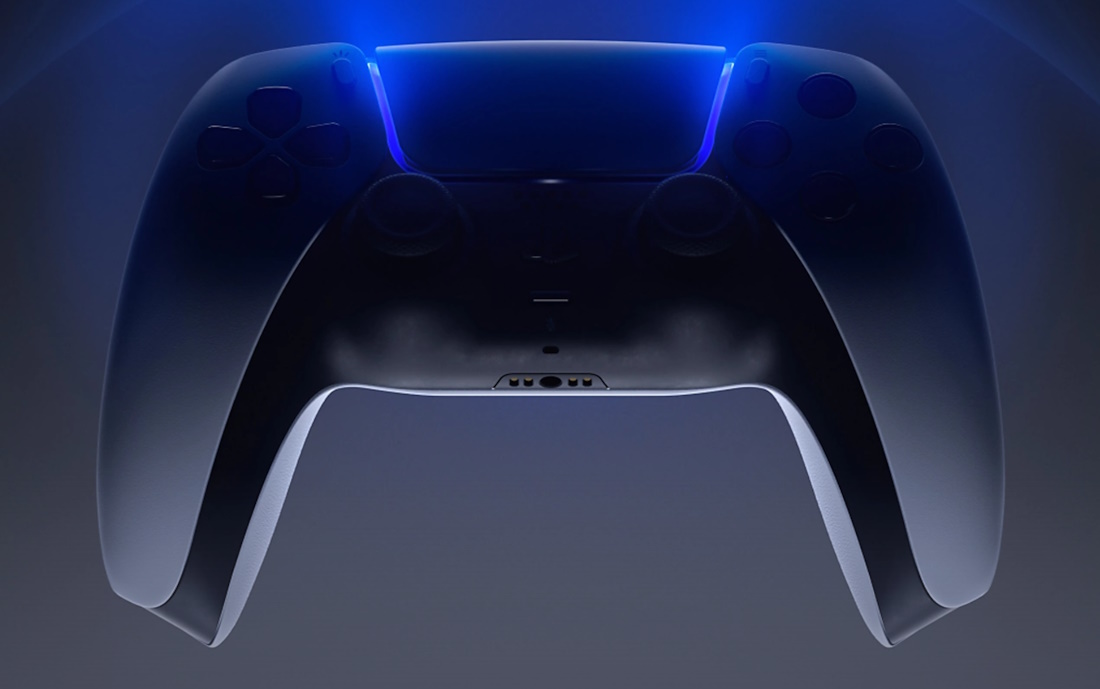
A PS5 Pro DualSense control pad.

Video games are a consumer marketplace – and that means if there are willing buyers, Sony will be able to get away with selling this underpowered, overpriced, incomplete console to all and sundry. We often hear some variant of the expression “social media is not real life,” and for all of the outrage and criticism that has been thrown at Sony since the PlayStation 5 Pro was announced… that won’t actually matter to the company’s bottom line if people still show up and buy the damn thing en masse. And it seems like that’s exactly what’s gonna happen.

Which leads into my second problem with Sony’s price hike: other companies in the games industry are watching, they’ll see Sony succeed, and they’ll follow suit. Maybe Xbox will release an updated console with a disc drive sold separately. Maybe Nintendo will see Sony’s high price point and bump up the price of its next console by £50 or £100. If Sony’s getting away with it, it will encourage everyone else to do the same thing.

Other companies will be watching to see if Sony’s high price point succeeds.

When Sony jacked up the price of the base PlayStation 5 a couple of years ago, Microsoft was quick to jump in and promise that the price of the Xbox Series X would stay the same. And that lasted all of a few months before the price was quietly raised. At the beginning of this generation – less than four years ago – the base price of a standard video game was usually £55 here in the UK – $60 in the United States. 2K Games then announced that their next-gen sports titles would be priced at £65/$70… and what happened next? There was a fuss online… but then those games sold pretty well and every major publisher in the industry followed suit and jacked up the prices of their games, too.

It will happen again with the PlayStation 5 Pro, so I hope you’re prepared to pay £700 or more for a video game console. By the time the next generation of machines are ready in, say, 2028 or 2029… could it be more? Could a PlayStation 6 be £900? Who will be the first to break the £1,000 barrier for new consoles? It now feels like a matter of “when” not “if” that happens.

Gaming is getting more expensive all the time.

In the early days, video game consoles actually were pretty expensive. The Atari 2600, one of the earliest home consoles to sell a significant number of units, was priced at $190 in the United States when it launched in 1977 – the equivalent of more than $900 today when accounting for inflation. Its competitors, like the Magnavox Odyssey 2 and Intellivision, were similarly-priced. But the price of consoles came down with the price of home computers in general, and by the time I was buying my first console – a Super Nintendo – in the early 1990s, prices were similar to where they are today when you account for inflation. My SNES was £150 when I bought it (after saving up my pocket money for ages!) which is close to £400 in today’s money.

So for a long time – several generations at least – consoles have been hovering around that price point. There have been some that were cheaper and some that were more expensive, like the Xbox One, but by and large folks have come to expect that home consoles will be affordable. £700 is really pushing the boat out; that’s approaching the kind of money you could spend on a gaming PC. In fact, after a brief Google search I found several gaming PCs at that exact price point!

At time of writing you can get this gaming PC – and many others – for the same money as a PS5 Pro.

I’m sick of profiteering and price-gouging by these corporations. The so-called “cost of living crisis” that we’ve been going through for several years now is at the very least being exacerbated by greedy corporations that are trying to use it as an excuse to grab as much money as possible and make as much profit as possible. There have been record-breaking profits announced by everyone from supermarkets and tech companies to oil companies and banks… and it all comes at our expense. That’s the lens through which I view the PlayStation 5 Pro’s exorbitant price tag.

The sad thing is that, in lieu of better options, people will shell out for the PS5 Pro this winter. Folks who don’t have a PlayStation 5 yet may wait to get the refreshed model, and some will undoubtedly be tempted by promises of higher frame-rates and more visually stunning games. Even though the comparison between the base PS5 and the PS5 Pro leaves a lot to be desired, in my opinion!

Will the PS5 Pro be worth the upgrade?

And as I said at the beginning, this feels like an omen of more price rises to come. Nintendo, Microsoft, and other big players in the games industry will be watching the PlayStation 5 Pro. They’ve already taken note of the criticism and backlash it received… but if it still sells like hot-cakes, we can surely expect further price rises when other companies follow suit. It’s disappointing, but honestly not unexpected in this late-stage capitalist marketplace that we all have to wade through.

Sony should be riding high at the moment. The PlayStation 5 has been selling really well, recent console exclusives like Astro Bot and Helldivers II have been well-received, and in spite of Concord proving to be a high-profile flop, the company is raking in money and seems to be at the pinnacle of the games industry right now. The company’s reputation will take a hit from this price hike and the ridiculously expensive add-ons for the PS5 Pro… but as I said a few weeks ago when talking about Concord, I doubt it’ll matter in the long run. Sony probably priced in a certain amount of anger and backlash, and from the company’s point of view it won’t matter as long as players turn up and buy the console; even a begrudging sale is still a sale, at the end of the day.

As we pass the midpoint of this console generation, and with Nintendo preparing its new machine for release, I think the PlayStation 5 Pro and its price tag are just the beginning. A harbinger of things to come.


The PlayStation 5 Pro will be release in the UK on the 7th of November 2024. The PlayStation brand and all related properties discussed above are the copyright of Sony Interactive Entertainment. This article contains the thoughts and opinions of one person only and is not intended to cause any offence.
The PlayStation price hike

There’s a phrase that seems to be appearing more and more often these days – at least in the increasingly left-wing social media circles in which I find myself after hours of doomscrolling. The “cost of living crisis” that we’re all feeling biting us in the backside is being reframed as a “cost of greed crisis,” as massive corporations continue to profiteer off the misery of ordinary people. It’s incredibly galling to see a company pleading poverty in public statements, then turning around to its shareholders and boasting of record-setting profits, but it’s something that we see more and more often these days. Corporations will claim they’re “suffering” through this crisis just like the rest of us – but they still seem to find the money to pay massive shareholder dividends and furnish their executives with eye-watering bonuses.

It’s through this lens that I view Sony’s PlayStation price hike. If you’ve missed the news, Sony is jacking up the price of PlayStation 5 consoles around the world from a recommended retail price of £449 to £470 here in the UK, and from €499 to €549 in the European Union. Similar price hikes are taking place in Australia, Canada, China, Japan, and Latin America – although the USA seems to have escaped, at least for now.

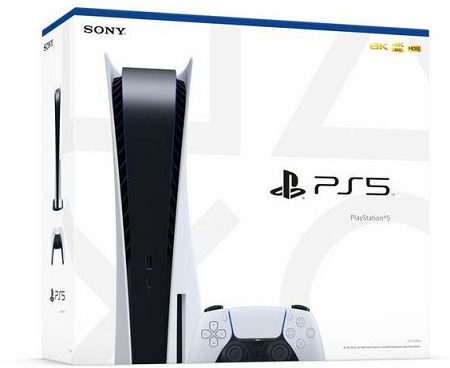
PlayStation 5 consoles are about to get a lot more expensive.

This is unprecedented for a games console. As time goes by, consoles have always seen price reductions, not price increases, and as each generation of home consoles wears on there’s an expectation that manufacturers will lower the price, enabling more and more people to pick up the latest machines. Sony is bucking this trend in the worst way possible and at the worst time possible, throwing into chaos plans many folks will have had to pick up a PlayStation 5 in the run-up to the holidays.

At a time when many of us are suffering as a result of inflation, excessive bills, and other financial pressures, it’s incumbent upon corporations like Sony to try to minimise the damage. Sony doesn’t need to jack up the price of PlayStation 5 consoles now; doing so is pure greed and a desire to make already-excessive profits look positively gluttonous. It’s a reminder, if one were needed, that no corporation is ever a friend. Corporations’ loyalties lie with those who are already wealthy: the 1% who own massive stock portfolios and for whom there will never be a choice between going cold or going hungry. Sony has nailed its colours to the mast with this decision – but it’s hardly the only corporation to be using the current cost of living and inflation crises as a paper-thin excuse for profiteering.

Sony is jacking up the price of PlayStation 5s all over the world.

Sony has already demonstrated how anti-consumer it can be with the piss-poor launch of the PlayStation 5, one of the worst console launches ever. By failing to produce enough machines, Sony played right into the hands of touts and scalpers, ensuring that many players – and many children – were left disappointed and unable to acquire a console. Those who did either had to be exceptionally lucky to find a shop that had a console in stock or pay ridiculously-inflated rates to a scalper. Sony took no action whatsoever to prevent this, and for months after the console launched it wasn’t uncommon to see units on auction sites and private social media sales where prices were more than double the RRP.

In addition, most new PlayStation 5 games have seen a huge increase in price since the beginning of this new console generation. Games that used to cost $60/£55 now regularly go for $70/£65 – and that’s often just for the “base” or “core” version. Complete games, including pre-order bonuses, special editions, and the like can easily be in excess of £100. So players are being hit and hit again by Sony – and by other greedy companies in the gaming realm.

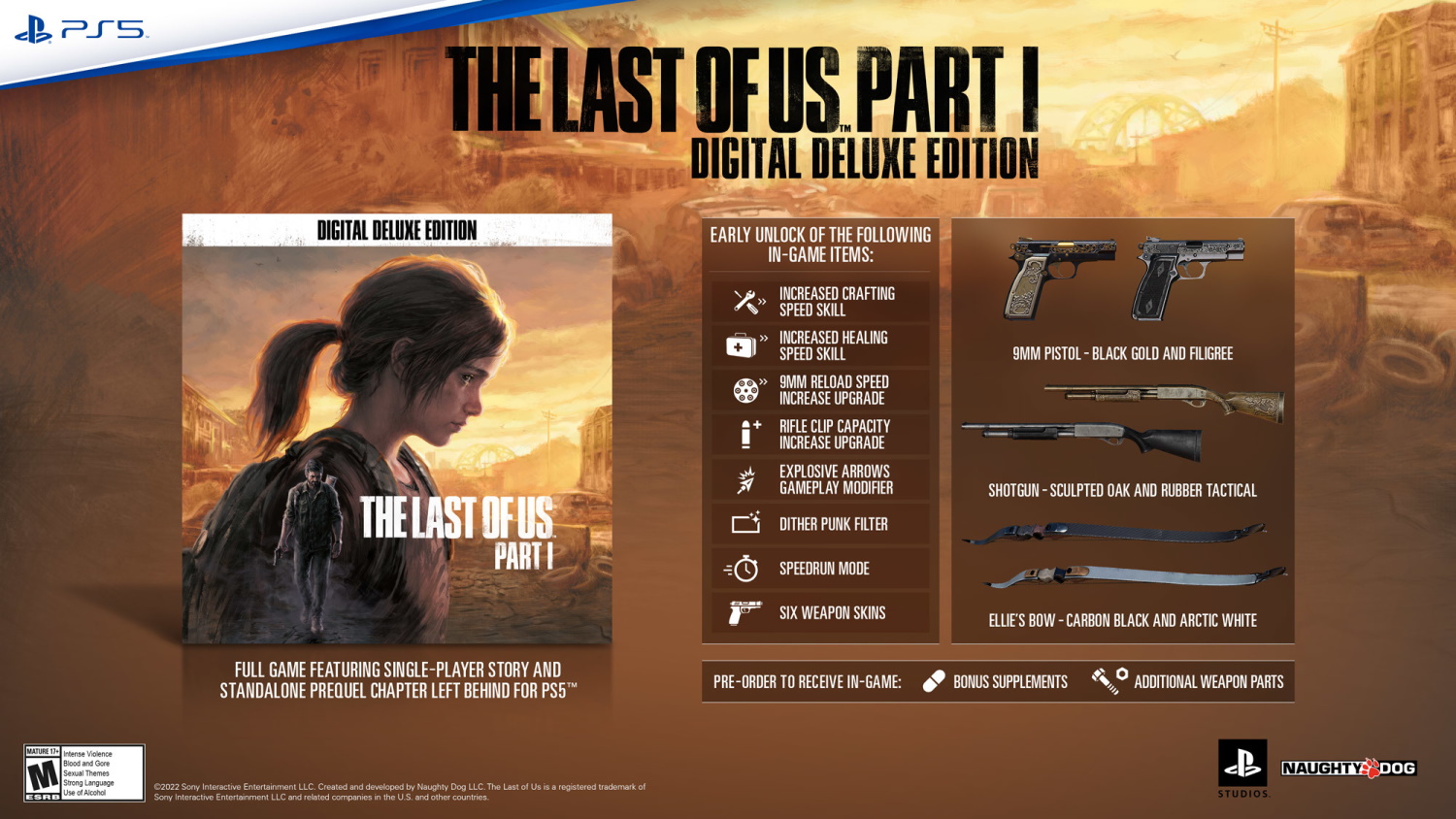
Different special editions are available for upcoming PlayStation title The Last Of Us Part I.

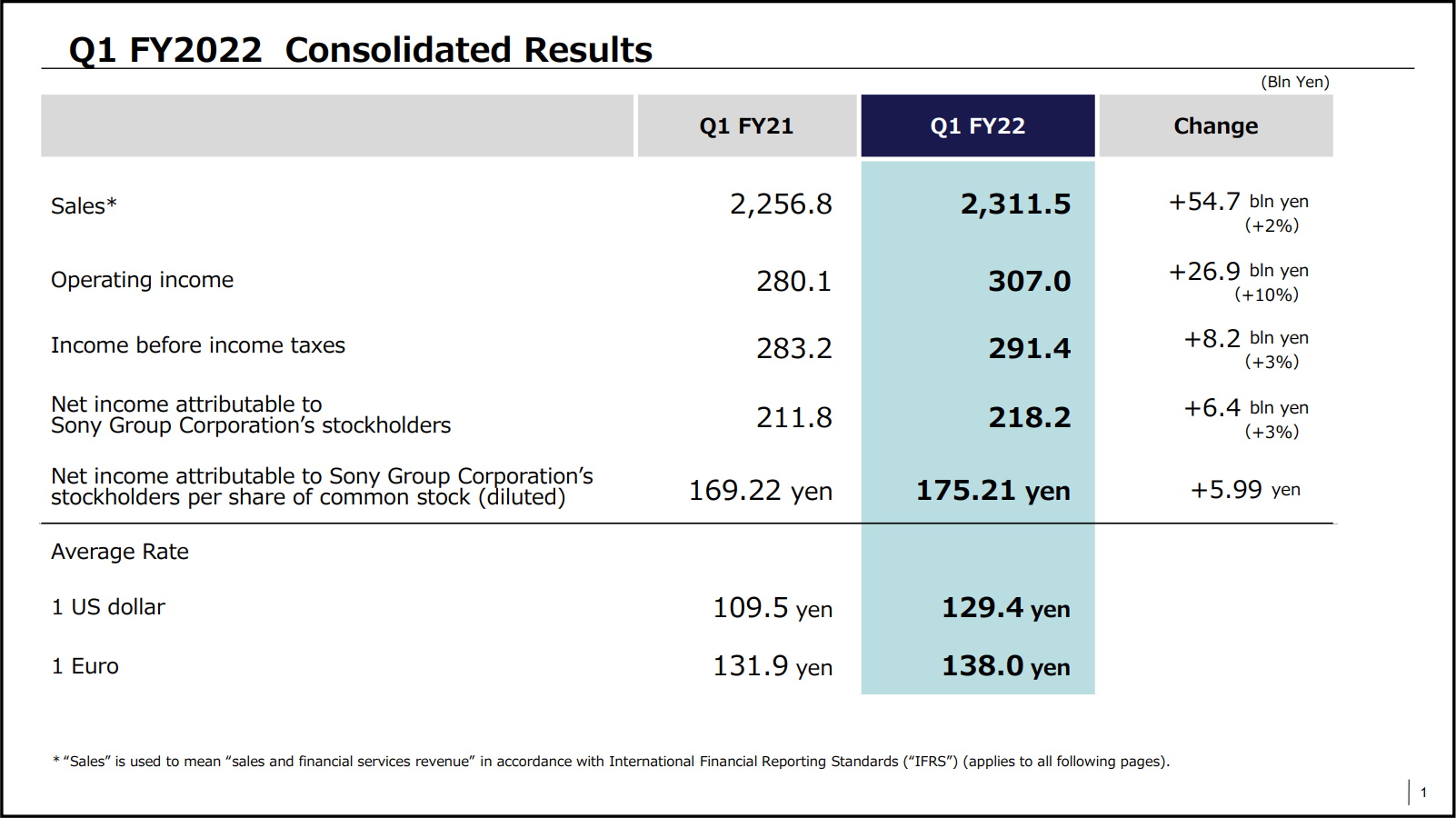
At the end of July, shortly before this PlayStation price hike was announced, Sony made another announcement. The corporation told investors and shareholders that it was predicting profits for the 2022-23 financial year of $8.4 billion. Let’s repeat that: Sony expects to make $8.4 billion of pure profit over the next few months – and they have the sheer fucking audacity to turn around a couple of weeks later and tell players that it’s getting too expensive to make PlayStation 5 consoles so the price has to go up. Two words for you, Sony: fuck off.

Earlier in the year, Sony also announced record-setting profits in both its film and music divisions, with Sony Pictures making a profit of $394 million in just the first quarter of the year and the corporation’s music division surpassing that, posting a quarterly profit of $471 million. This reminds us of something important, too: Sony is a massive corporation whose reach extends far beyond gaming.

A summary of Sony’s increased profits in the first quarter of this year.
Image Credit: Sony Group Corporation.

Even if we accept Sony’s claim at face-value – that manufacturing PlayStation 5 consoles and buying the required components has become more expensive – then Sony, as a massive corporation, can easily offset any increased costs with the record-breaking profits it’s been making in other fields. Music and cinema are just two examples shown above, but Sony also has many other profitable business divisions and subsidiaries, and by taking a tiny fraction of those record profits, Sony could have avoided passing the price increase on to the rest of us at a time when inflation and the cost of living catastrophe is really hurting a lot of people.

This is pure greed, there’s no two ways about it. Sony has demonstrated, in truly callous and uncaring fashion, just how little respect or care it has for practically everyone. And if you’re an American thinking that this isn’t coming your way: I wouldn’t bet on it. Sooner or later Sony – and perhaps other corporations in the gaming space, too – will increase your prices just like they have in the rest of the world.

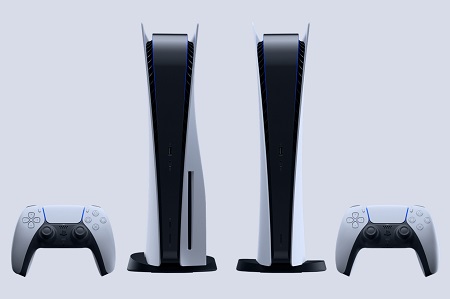
Different PS5 editions.

We could talk at length about where inflation has come from, what’s causing all of these problems (and spoiler alert, it isn’t all Putin’s fault), and maybe one day we should. But for now, I think it’s enough to say that this price hike from Sony is about greed. Sony is a greedy, money-grubbing corporation that has chosen to screw over its own fans and players at a time when it’s already making more money than it’s ever made before. Sony will soon be paying out some of that money – your money – to shareholders in the form of dividends and to executives in the form of massive bonuses, all while the rest of us are barely keeping our heads above water with a huge storm heading our way this winter.

For some folks, a PlayStation 5 was something that, despite shortages, they were still hoping to pick up in the months ahead. For some parents, a PlayStation 5 seemed like a great Christmas gift. Sony is doing everything it can to hurt those people, forcing them to pay more unnecessarily at a time when people simply can’t afford it.

Profiteering is absolutely disgusting and Sony should be ashamed of itself.

PlayStation and PlayStation 5 are the copyright of Sony/Sony Interactive Entertainment. This article contains the thoughts and opinions of one person only and is not intended to cause any offence (except to corporate profiteers).

“My cash-grab is NOT a cash-grab!” exclaims man who’s definitely working on a cash-grab

Since I covered the announcement of The Last Of Us Remastered… Remastered last year, I’ve left the project alone. I’m flat-out not interested in a game that’s been remastered or reworked for the second time in just nine short years, especially when the PlayStation 4 version is perfectly playable. I don’t seek out projects that I don’t like with the intention of crapping all over them; there’s more than enough negativity in gaming communities online that I don’t want to add to it.

But a widely-reported remark from a developer/animator (whose name I won’t share to avoid piling on) really pushed me over the edge. The Last Of Us Remastered… Remastered (or whatever it’s going to be called) is a cash-grab. It’s the second remake of a game that was released in 2013 at the tail end of the PlayStation 3’s life, and it’s being resurrected for the second time entirely as a cheap cash-grab by Sony.

The Last Of Us is being re-remade.

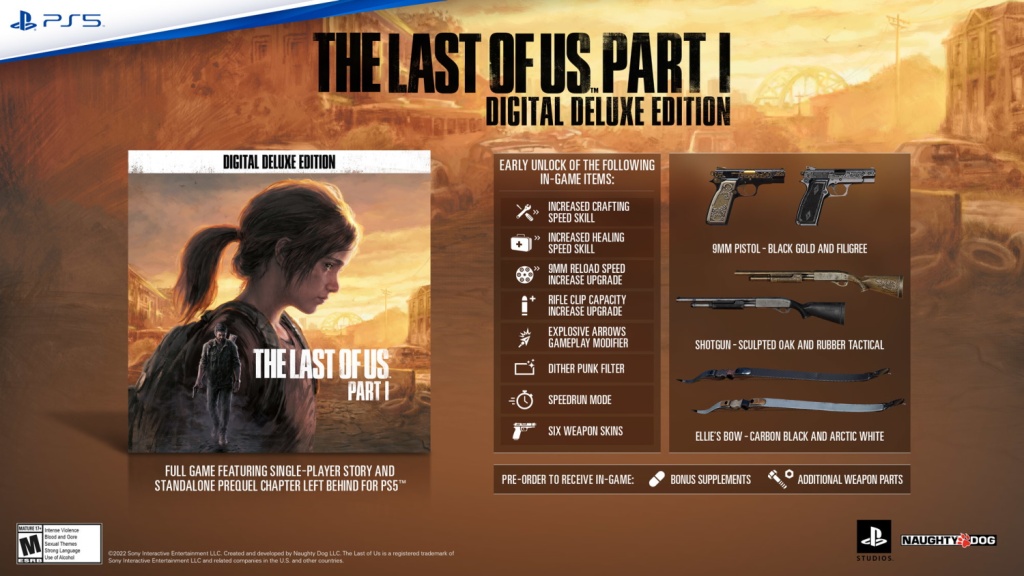
After sharing my initial thoughts back when the announcement was made, I was content to ignore this new remaster. I have no plans to buy it – especially not with a ridiculous £70 price tag (or close to £100 for the deluxe version) – so that was that. Comment made, time to move on. But for one of the senior developers to have the audacity to speak about the game in such a brazen and dishonest way… I just couldn’t let it lie.

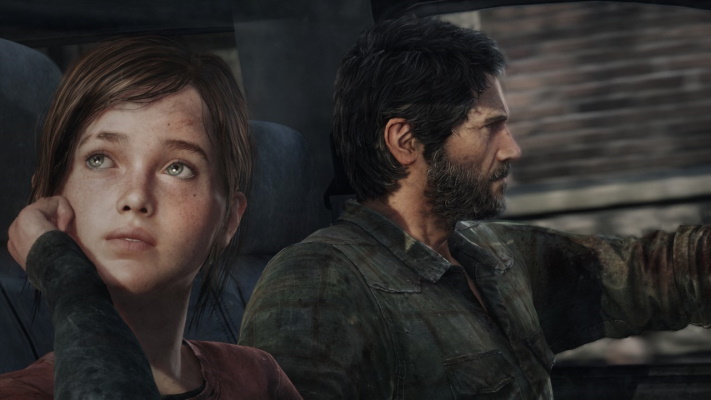
The Last Of Us is a good game. It was a great way to close out the PlayStation 3 era for Sony, and it was the game that convinced me to buy my first ever PlayStation console. I consider it one of the best games of the 2010s, and even though its sequel struggled under the weight of a clumsy narrative that tried to be too smart for its own good, the original game hasn’t been sullied by that controversy and remains one of the best examples of narrative, linear, single-player adventures.

The Last Of Us is undeniably a great narrative experience.

But this second attempt to “update” The Last Of Us for a new console generation is motivated purely by profit. Sony is cheaping out; recycling a game that they already have rather than investing in something new. By reusing things like recorded dialogue and motion-capture performances, and by not having to pay a team of writers to come up with a new story, the project can cut costs compared to making a new game from scratch.

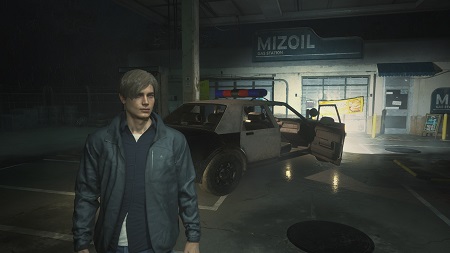
There are remasters and remakes that are absolutely worth your time. Resident Evil 2, for example, was remade a couple of years ago from the ground up, and updating a title from 1998 to bring it into the modern-day with a new engine, new voice acting, and so on was absolutely worth doing. It introduced the title to a crowd of new fans who didn’t play it the first time around – and for whom going back to a clunky PlayStation 1 title would be offputting.

The remake of Resident Evil 2 feels much more worthwhile.

The Last Of Us doesn’t have that excuse. Not only is the PlayStation 3 version still perfectly playable in its own right, the PlayStation 4 remaster is an iterative improvement, bringing sharper graphics and ensuring that the game can be played on both PlayStation 4 and new PlayStation 5 consoles. As I said when the project was announced last year, I can’t imagine it would be worthwhile to resurrect the game for a second time – not so soon after the first two versions were released.

New video game generations have offered diminishing returns over the years. There was a huge difference between games from 1980 to 1990, and from 1990 to 2000. But even by the turn of the millennium, things were slowing down. The difference in graphical fidelity between a game from 2000 and one from 2010 was less noticeable than it had been in previous decades, and the difference between a game from ten years ago compared to a brand-new game released today can be so small that it’s difficult to spot.

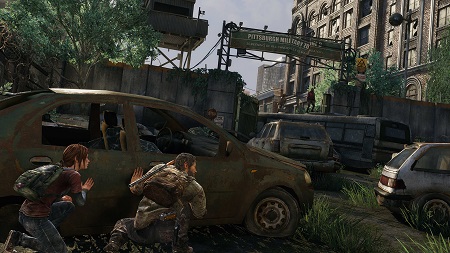
Is this image from the PlayStation 3, 4, or 5?

Grand Theft Auto V is the same game fundamentally as it was when it was released in 2013 – the same year as The Last Of Us – and it’s still going strong. There have been tweaks as the game was brought to new consoles, but those changes have been criticised for being incredibly minor. Skyrim, The Witcher 3, and many other games from the past decade likewise hold up incredibly well and are still a ton of fun to play.

The only reason for a project like The Last Of Us Remastered… Remastered to exist is to be a cash-grab. That’s why it was dreamt up and that’s all it will ever be. It might be a good cash-grab – and with a game as good as The Last Of Us at its core it should be, provided the new team doesn’t screw it up – but it’s still a cash-grab. And I don’t want to claim that the people working on it aren’t working hard – I’m sure that they are. I’m sure a lot of energy and passion has gone into this cash-grab from the developers. As someone who worked in the games industry, I know how passionate developers can be, and even when a game isn’t great, good developers will still give it their all. That’s commendable.

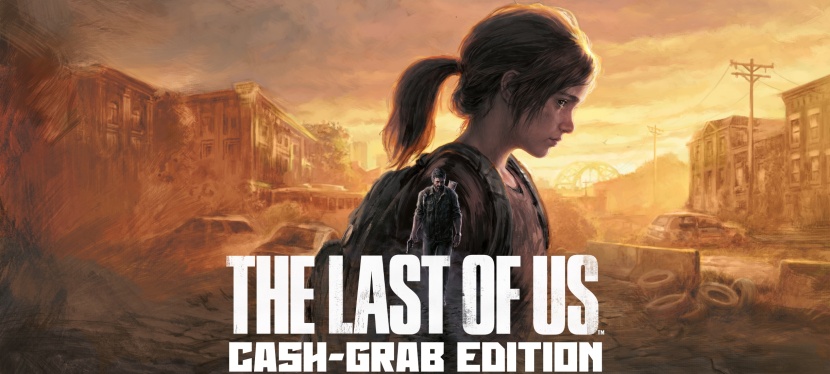
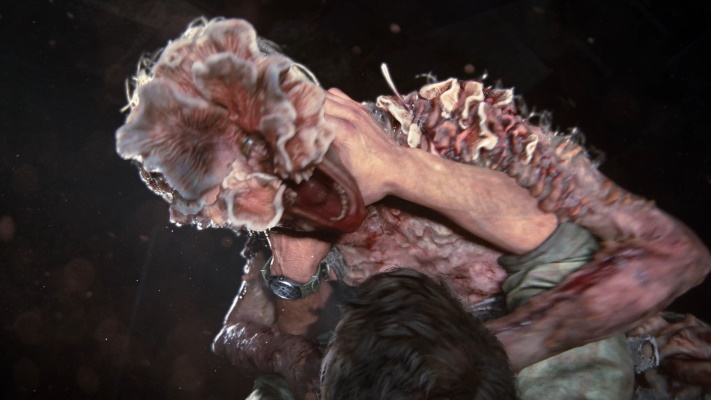
Promotional image for The Last Of Us.

But that doesn’t excuse trying to present a project like this as something it’s not. The Last Of Us Remastered… Remastered may end up being decent with pretty graphics and neat animation work that talented developers put a lot of time, effort, and passion into making. But that doesn’t make it any less of a cash-grab. I genuinely hope that it will be good – because I don’t want the reputation of The Last Of Us tainted by being associated with a sub-par remaster. But this isn’t a fundamentally new or even different experience; anyone who’s played the original game won’t need to play this version.

And that’s what makes it a cash-grab. It’s an attempt by Sony to, well, grab as much cash as possible for as little investment as possible. Without spending the big bucks that would be needed to create The Last Of Us Part 3, or any other brand-new game, Sony hopes to grind out a remaster that will save them some money but still rake in the cash from fans of the original game. And that strategy will probably succeed, if past experience is anything to go by.

For just $100, you can own the “Digital Deluxe Edition!”

Buy The Last Of Us Remastered… Remastered if you want. Or don’t. If you haven’t played the game yet, it might even be worth waiting for the new remaster to get the most up-to-date and visually polished experience. It’s definitely a game worth playing… but I’m not convinced that this version will be, at least not for me – nor for most folks who’ve already played it.

But whether it’s good, bad, or mediocre, and regardless of how hard individual developers have worked on it, The Last Of Us Remastered… Remastered is a cash-grab. Trying to pretend otherwise is either pure and selfish dishonesty or abject self-delusion.

The Last Of Us Part 1 will be released for PlayStation 5 on the 2nd of September 2022, and for PC at an unspecified later date. The Last Of Us is the copyright of Naughty Dog and Sony Interactive Entertainment. This article contains the thoughts and opinions of one person only and is not intended to cause any offence.

Gran Turismo 7: hiding microtransactions is just plain wrong!

The video games industry is home to a growing number of incredibly shady and dodgy business practices. Microtransactions themselves qualify – especially things like in-game currencies, randomised loot boxes, and any microtransactions in games aimed at kids. But of all the corporate fuckery seen this side of the Star Wars: Battlefront II disaster, Sony and Polyphony Digital have to take the crown with Gran Turismo 7.

In case you haven’t followed the story, a quick recap. Gran Turismo 7 is the most recent game in Sony and Polyphony Digital’s long-running racing series. It was released on the 4th of March 2022, and in the weeks prior to launch, copies of the game were sent to many outlets for review. This is pretty standard – just like film critics get to see films ahead of time, video game journalists and commentators are often able to play games ahead of their launch. That’s how publications – and even some YouTubers nowadays – are able to get their reviews out before or just after a game launches.

Promo image for Gran Turismo 7.

But reviewers didn’t realise that the version of Gran Turismo 7 that they’d been playing was deceptive. And yes, “deceptive” is the right word – because there’s absolutely no way that this was anything other than intentional from Sony and Polyphony Digital. If you believe this was all an innocent mistake then I’ve got a bridge to sell you! Sony and Polyphony Digital essentially created a different version of the game for reviewers to play – a version of the game that hid the extent of Gran Turismo 7′s egregious microtransactions.

By doing this, Sony and Polyphony Digital hoped to score rave reviews for the game – a racing sim which, by all accounts, has thoroughly enjoyable gameplay. They fully intended to conceal just how heavily-monetised Gran Turismo 7 actually is, lest the microtransactions drag down the game’s review scores during its crucial release window. And do you know what? Their shady plot worked.

Logo for Sony’s PlayStation 5 console – home of Gran Turismo 7.

Gran Turismo 7 raked in rave reviews, including from a number of publications and websites that I read and would generally trust. It didn’t really occur to me that they’d all had the wool pulled over their eyes by a dishonest corporation and its equally despicable subsidiary. But that’s the reality of the situation: Sony and Polyphony Digital lied to reviewers, showed them a willfully dishonest misrepresentation of Gran Turismo 7, and hoped that they could get away with it.

Within hours of the game’s release on PlayStation 5 earlier this month, the microtransactions were switched on. An update a few days later then “rebalanced” the microtransactions to make them even worse – providing far fewer in-game rewards, making vehicles more expensive, and generally turning the game into a monetised mess that would give other microtransaction-riddled titles a run for their money. And all of this came in a game that Sony has the audacity to ask players to pay a minimum of £65 ($70) for.

Promotional art for Gran Turismo 7.

When the Battlefront II debacle exploded in late 2017, it felt like a turning point. Electronic Arts had pushed too hard and too far, and the result was a backlash that seemed, for a time anyway, to genuinely frighten some of the biggest corporations in the industry. Governments began looking at lootboxes and microtransactions in a serious way for the first time, and legislation was passed in some jurisdictions that has meant some games have had to be adjusted or even pulled from sale entirely.

There was a chance, back then, for the campaign against microtransactions and these kinds of awful, anti-consumer business practices to really have an impact, and for players to fight back and demonstrate to corporations that there are limits to how far we can be pushed around. Sadly, though, with other news stories taking up airtime, the issue fell away almost as quickly as it burst onto the scene. In the months and years since, corporations like Sony have slowly ramped up their microtransactions and other in-game monetisation plans, leading us right back to a very familiar situation.

What Sony and Polyphony Digital did with Gran Turismo 7 is worse than what Electronic Arts did with Battlefront II. Yes, really.

It should go without saying that what Sony and Polyphony Digital did is wrong. Categorically and unequivocally wrong. They lied, misrepresented their game, and arguably mis-sold a product in such an egregious and disingenuous way that it could very well fall under the legal definition of “false advertising.” Sony has never been a consumer-friendly company, make no mistake about that, but even by their standards, this is a new low.

There’s also egg on the face of a lot of reviewers, commentators, and publications – many of whom should know better than to take a company like Sony at its word. Pre-release review copies of Gran Turismo 7 still contained things like in-game currencies and the in-game microtransaction marketplace, and some reviews even made note of these things, with some particularly pro-Sony publications optimistically suggesting that the microtransactions wouldn’t be all that bad or would be “totally optional.”

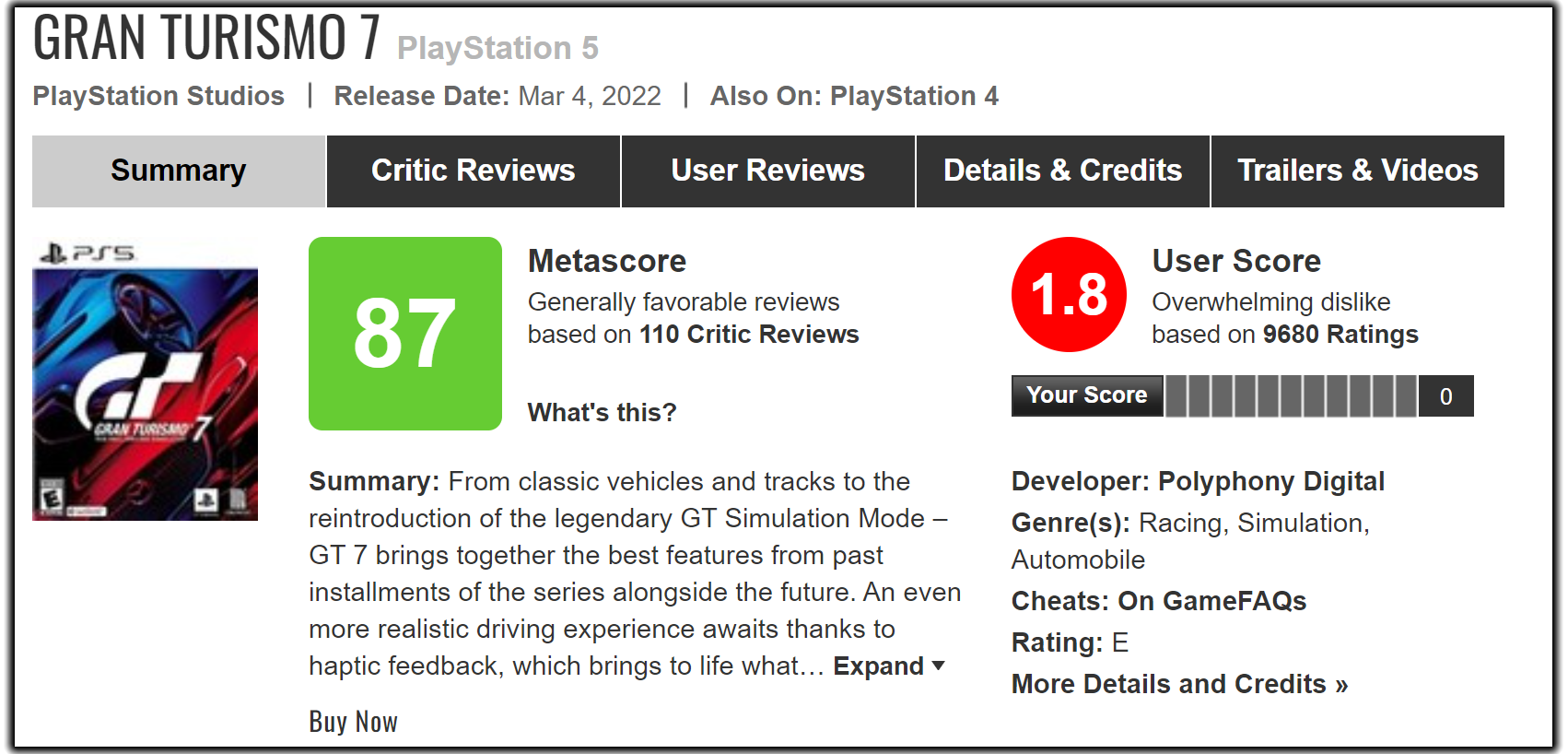
Great reviews from critics, but players are making their voices heard.
Source: Metacritic, 31.03.2022

Too many publications, websites, and even social media channels and YouTubers now work hand-in-glove with corporations like Sony. Their refusal to think too critically about the obvious microtransactions and willingness to give Gran Turismo 7 excellent reviews in spite of that is testament to that. There’s a twofold fear that many professional journalists and the outlets that employ them have – on the one hand, they fear that being late with their reviews will lead to fewer clicks and thus less money, and on the other they fear that being too critical of a company’s latest title will cost them in the long run, whether that be in terms of access to review copies in future, or just in terms of what can be a profitable business relationship.

So while I’m happy to place the blame for this on Sony and Polyphony Digital, because they are the ones who lied and misrepresented Gran Turismo 7, there are quite a few reviewers and gaming publications that need to take a long look in the mirror. They are not completely innocent parties to this either, and clearly something has got to change in terms of the working relationship between the games industry, the people who cover it, and the players themselves.

More promotional art for Gran Turismo 7.

To deliberately conceal the extent of Gran Turismo 7′s microtransactions is disgusting behaviour from Sony and Polyphony Digital – but it’s more than that. It’s an admission from the corporation that they understand how unpopular and unwarranted microtransactions are in a game of this nature. At a minimum of £65 ($70) for the price of admission, many players would quite rightly expect to be able to play the full game and unlock all of the vehicles on offer.

I can’t help make a comparison to last year’s Forza Horizon 5, a game I got via Game Pass and thoroughly enjoyed. Simply by playing Forza Horizon 5 and completing races and missions, I unlocked new vehicles and in-game currency to buy other vehicles. After around 45 hours, I’d unlocked almost 100 different vehicles from trucks and four-wheel-drive cars all the way to supercars and hypercars. In Gran Turismo 7, you’d be lucky to have acquired enough in-game currency for one single vehicle after that length of play time – and the obvious reason for that is to essentially force players to pay for microtransactions.

Forza Horizon 5– last year’s big racing title – didn’t have this problem.

For me, this is beyond the pale. Sony and Polyphony Digital owe their players an apology. Moreover, they need to strip as much of the microtransaction marketplace from Gran Turismo 7 as possible – just as Electronic Arts did when the Battlefront II debacle threatened to overwhelm them. The only way to make this right in the long-term is to abandon this microtransaction model. If the game was free-to-play, it would be a different conversation – though hiding aspects of the monetisation or the prices would still be wrong. But in a game asking £65 ($70) up front from players, there was no justification for any microtransactions to begin with, let alone ones as egregious and interfering as those present in Gran Turismo 7.

Lying to reviewers and commentators will have consequences. Many publications have been burned by this, with angry players turning up to leave comments on reviews pointing out that there are particularly aggressive microtransactions in the game that they should’ve been warned about. Hopefully that will mean some of these journalists will think more carefully about how they review games like Gran Turismo 7 in future – but the reality is that it will probably just mean that players will have an even harder time knowing which reviews can be trusted.

Box art for some of the editions of Gran Turismo 7.

There was no need for Gran Turismo 7 to spend its first few weeks embroiled in controversy. This was an own goal from Sony and Polyphony Digital; a PR calamity that did not need to happen. Microtransactions shouldn’t have been present in the game to begin with, but if they were the corporation needed to be honest and up-front about that – doing whatever possible to provide a justification for their existence. Lying and covering up the microtransactions is something I regard as a tacit admission that Sony and Polyphony Digital understand that they shouldn’t have put them in the game to begin with.

This is the worst example of microtransaction misbehaviour in several years, probably since Battlefront II. I hope that lessons are learned from it. It would be great to see some collaboration between reviewers and publications in future – refusing to review a title or award it a score until the full extent of its microtransactions are known would be one way to shut this down and prevent another corporation from trying to get away with this despicable misbehaviour.

Sony Interactive Entertainment is the publisher of Gran Turismo 7.

So that’s where we’re at. If you bought Gran Turismo 7, you have my sympathies. We’ve all bought games over the years that were disappointing for one reason or another, but it can be particularly frustrating to look at a game that had so much potential to be great, but which was ruined by some corporate-mandated nonsense that really just spoilt things.

That’s really how I see Gran Turismo 7 – it’s a game that had potential, a title with seemingly excellent racing gameplay, but one that has been soiled by the truly awful way that Sony and Polyphony Digital chose to treat players. Don’t despair, though, because there are plenty of other racing games out there!

Gran Turismo 7 is out now for PlayStation 5. Gran Turismo 7 is the copyright of Sony Interactive Entertainment and Polyphony Digital. Some images used above courtesy of IGDB. This article contains the thoughts and opinions of one person only and is not intended to cause any offence.