

Spoiler Warning: There are spoilers ahead for Star Trek: Discovery Seasons 1-5 and Star Trek: The Next Generation Season 6.
So this is it, then! Star Trek: Discovery’s fifth and final season has come and gone, and its finale really does feel like the end of a chapter for the Star Trek franchise.
Two points before we get into the meat of this review. Firstly, this full season review is taking the place of the individual episode reviews that I did for Seasons 3 and 4. I didn’t pick up Paramount+ to watch Discovery week-to-week, and I didn’t really have the energy to spend on writing ten full episode reviews like I did for the past couple of seasons. If that’s something you really wanted to see, well… sorry. I may revisit individual episodes from Season 5 in the future.
Secondly, now that Season 5 has wrapped up, I would like to do a deep dive into Discovery as a whole; a kind of “post-mortem” for the series. But that isn’t the objective of this review, and this time around I’ll try to stick to Season 5, its story, and its characters. That doesn’t mean I won’t talk about plot points from earlier seasons or other parts of Star Trek where necessary (and spoiler alert: it will be necessary to do that) but rather that this review is meant to be about Season 5 first and foremost. I will be taking a look at Discovery as a whole in a future article – so stay tuned for that!
I’d like to start with an observation that might set the tone for the rest of this review. Often when I’m binge-watching a series I can hardly wait to start the next episode. There’ll be a sense of excitement as I get ready to watch the next chapter of the story… and sometimes I even let the chores pile up because I just don’t want to wait or put the next episode on hold! When I get into a story and I’m in “the zone” I don’t want to break out. That didn’t happen for me with Discovery this time around.
Even though I could’ve binged Season 5 over the course of a couple of evenings… I didn’t want to. I took breaks of several days in between episodes, sometimes – and I was running down the clock on my single-month subscription to Paramount+ with a couple of episodes still to go. This time around, I don’t feel that Discovery grabbed me in the way it has in the past, even though there were some genuinely interesting storylines. Probably this is more an issue on my end than with the show itself – I’ve talked in recent months about how I’ve come to feel rather burned out on Star Trek as a whole, so perhaps I jumped back in before I was ready. But I think it’s worth noting that Discovery didn’t really succeed at pulling me back in.
Although I had a specific concern about the series finale, I went into Discovery’s fifth season feeling somewhat optimistic about the direction of the story as a whole. It seemed – based on the season’s marketing material – as if Discovery was finally ready to give up on the whole “the entire galaxy is in danger and only Michael Burnham, the Chosen One, can save it!!!” story outline that the show had recycled, in some form, across its first four seasons. And I was excited about that; seeing what Discovery and its characters might be able to do with a completely different style of narrative held a lot of appeal. Even if that change had come too late to save the series from cancellation, I still would’ve liked to see the writers giving Burnham and the crew a new challenge and a fundamentally different kind of adventure – one that might’ve been smaller in scale but still interesting and entertaining.
But as you probably know by now, Season 5 recycled that same story outline yet again. There was a mystery at the centre of the narrative, and an adventure to follow as Burnham and the crew followed the trail. But there was also a “catastrophic galactic threat” underpinning it all, and villains intent on wreaking havoc who had to be stopped. Discovery had one final chance to try something genuinely different – a style of storytelling that might’ve better suited the show and its cast of characters. But instead, we got a story that felt derivative. Like in every season before, Michael Burnham and the crew faced a threat that could wipe out the Federation and all life in the galaxy. Like in every season before, they had to follow a trail of clues to uncover the threat. And like in every season before, there were villainous rascals trying to stop them. If this is the only kind of story that the show’s writers wanted to tell or were capable of telling… then I think I’m glad to see the back of Discovery. One or two of these kinds of stories might’ve been okay… but five in a row? Too many.
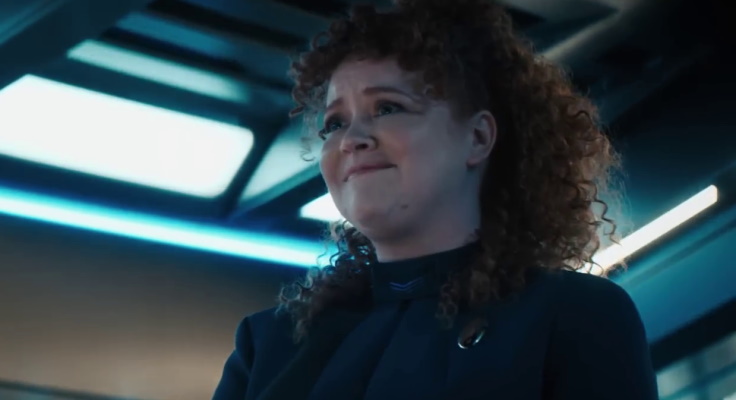
It wasn’t only the main storyline that felt recycled. Book’s story of feeling alone and looking to reach out to someone he considered “family” felt pretty repetitive, as did his interactions with Dr Culber. Tilly went back and forth with her characterisation, bouncing between caring about her cadets as she did last season and seemingly forgetting they existed a moment later. Despite being brand-new, Commander Rayner was given a typical Discovery “traumatic background” that, naturally, became critical to advancing the main story. And then we come to the dreaded Burnham Relationship Drama™.
Book and Burnham broke up in the season premiere – setting the tone for a season where one of the themes involved other characters also going their separate ways. Later, Burnham’s conflict with Book over how to approach Moll and what to do with her – giving her to the Breen to prevent a war and save lives – felt incredibly similar to the arguments the pair had about the DMA just last season. So not only did Season 5 curse us with more Burnham Relationship Drama™, but the story wasn’t even an original one.
Discovery is arguably Star Trek’s first series to have a singular protagonist instead of either a trio or an ensemble. And I would have loved it if that protagonist could have had just one season – just one out of five – in which she wasn’t at the centre of a soap opera story involving her love interest(s). We got it in Seasons 1 and 2 with her on/off relationship with Tyler. And we had it again in Seasons 3, 4, and 5 with Book. Discovery’s writers have been completely unwilling to let Burnham settle, and even as she’s developed, grown, and matured in other ways – like her relationship with Starfleet, her friendships with members of the crew, and so on – her romantic life has been a constant mess. If it served some greater narrative purpose, maybe it wouldn’t feel so repetitive and annoying. But after watching her and Book at loggerheads for much of Season 4 before belatedly reconciling, I’d hoped that we’d finally seen the last of the Burnham Relationship Drama™.
This repetitiveness was present throughout the season, both in the main story, side-stories, and moments of characterisation. The Archive that Book and Burnham visited felt no different from Season 3’s seed vault, for example, and it’s hard to view the Progenitor’s technology and the race to protect it as being much different from the Control AI battling to seize the Sphere data in Season 2. The Breen, while a returning faction from Star Trek’s past, filled a role that the Klingons had in Season 1 and the Emerald Chain did in Season 3. Moll and L’ak were the villainous duo who needed to be stopped, but who had a connection to one of the main characters – just like Book and Tarka in Season 4 or Voq in Season 1. The trail of clues that the crew followed also felt just like the ones that led them to the cause of the Burn in Season 3 and the DMA/Species 10-C in Season 4.
With Discovery’s writers unwilling or unable to write a genuinely different kind of story – one without a “massive galaxy-ending threat,” Burnham Relationship Drama™, and all of the other repetitions we’ve noted – then I come back to something I said at the beginning: it was probably the right time for the series to end. I don’t think I’d have wanted to see a sixth or seventh season if both the main story and many side-stories were just going to be recycled once again. Season 5 may not have been the strong send-off that I’d hoped for, but at least we can say that Discovery went out on its own terms. Which is something… right?
This isn’t to say the season was universally terrible. There were some highlights, both for the main story and in individual episodes, as well as some of that often-elusive sense of “Star Trek-ness” that’s made the franchise so enjoyable to me for more than thirty years. Practically all of the episodes had something that made me smile, laugh, or feel some of the emotions that the story was reaching for. I just wish that those moments hadn’t come in a repetitive story that, once again, saw all of the drama turned up to eleven. And perhaps if I were being brutally honest, I’d say that I wish those enjoyable moments hadn’t been so few and far between.
I was a little surprised that the duo of bridge characters who’ve been part of the series since Season 1 – Owosekun and Detmer – weren’t included in a big way this time around. They had a couple of lines each, mostly in a flashback sequence, but otherwise seemed to have been replaced by a couple of other characters whose names I didn’t even catch. I don’t know why this was – was there some reason why the actors couldn’t take part in the full season? It seems odd to me that these familiar faces were effectively written out of the show; there wasn’t really a reason given.
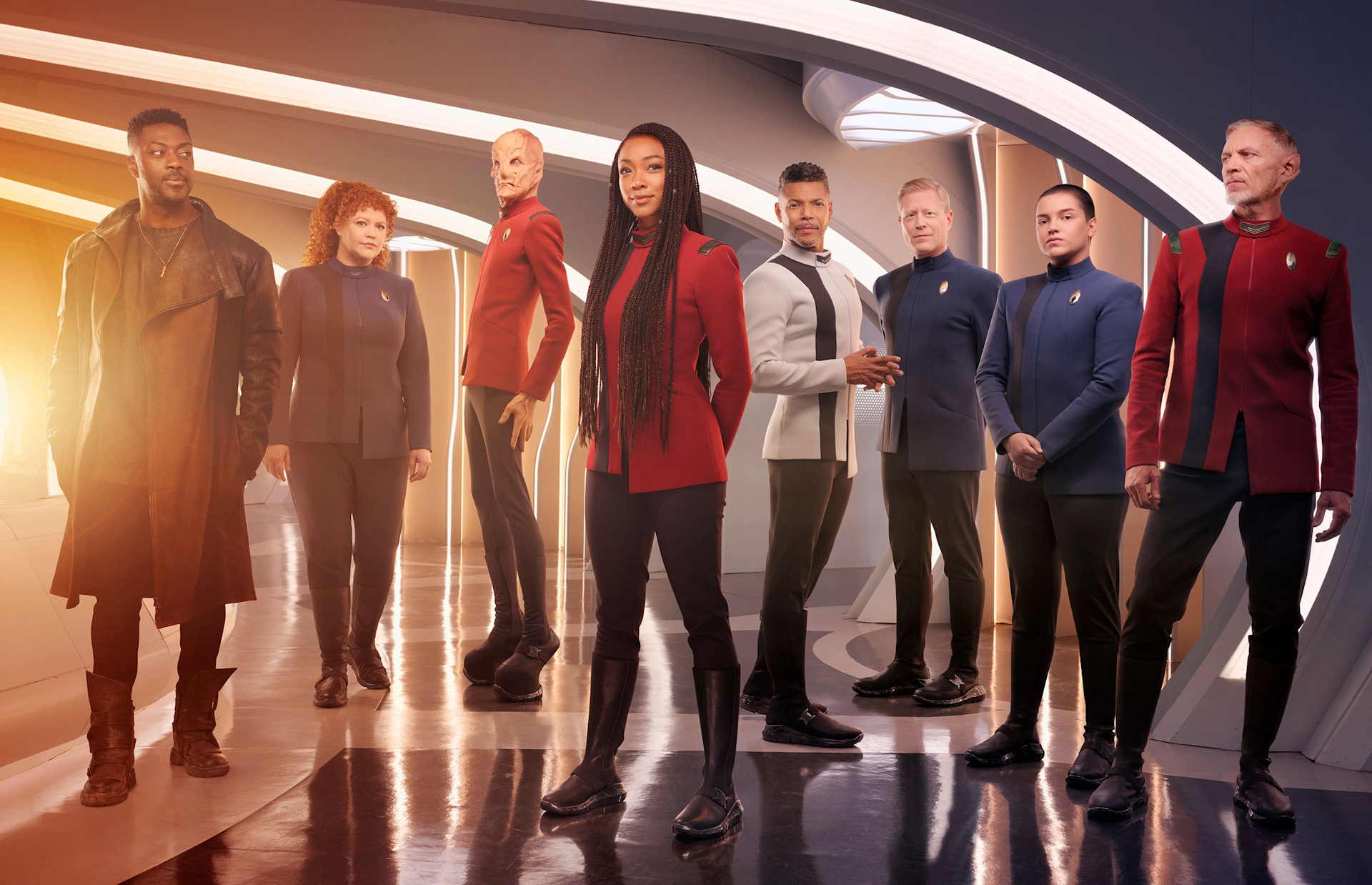
Other members of the bridge crew – Rhys, Linus, and co. – got about as much attention as they ever had. These secondary characters have never been Discovery’s focus, and while I felt that the series had the potential to expand its roster in a kind of Deep Space Nine-inspired way, utilising a broader cast of secondary characters, that never happened. At this point I wasn’t expecting it to, but at least we didn’t get any completely shallow, contrived story moments involving these characters like we had in past seasons. Giving a secondary character one scene’s worth of “development” in a single episode either to force an emotional reaction at their death or to nakedly add to the main story is something Discovery has done more than once and it seldom works well.
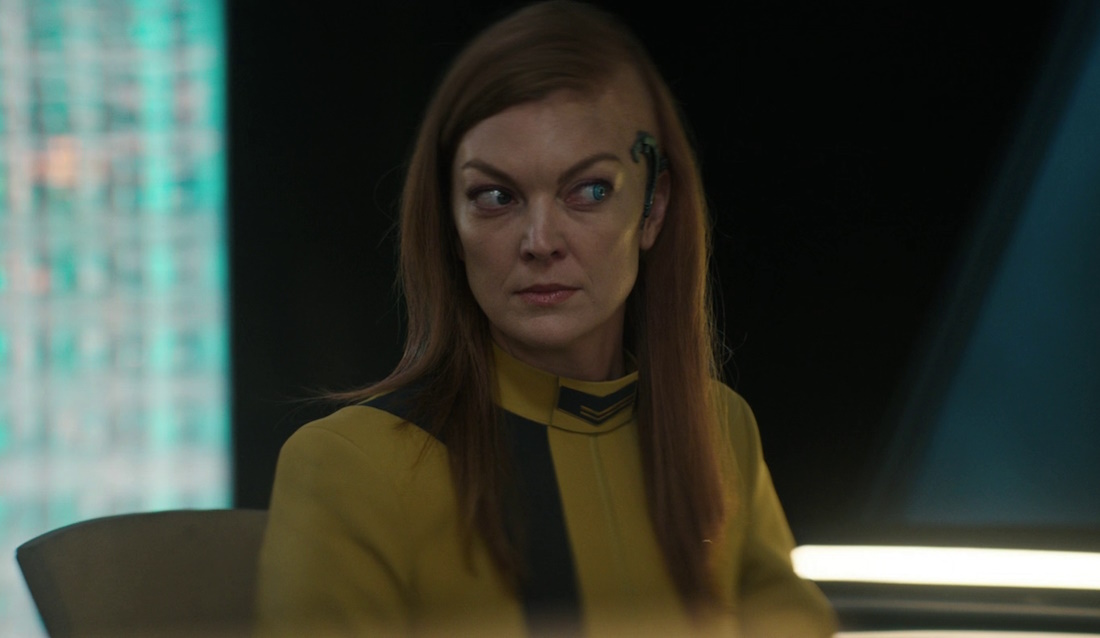
On the main character front, aside from Burnham the only two to get much screen time and proper storylines were Dr Culber and Book. Tilly seemed to abandon her post at the Academy for no reason, and her role there was only sporadically brought up. Stamets was, for me, the least-well-developed main character this season. His story of wanting to find a new scientific legacy had a poor setup, was only referenced once or twice, and then was blitzed through right at the end. It ended up being a bit of a nothing-burger, and I feel Stamets would’ve been better used in a supporting role for Culber and Adira; those moments were far and away his best of the season.
Not for the first time with Discovery, I find myself saying this: this narrative concept wasn’t bad in principle, but the writers and producers clearly had their attention elsewhere, so it didn’t get enough time on screen to fully play out. There’s potential in the story of someone coming to terms with their life’s work being shut down (and that could’ve been more than a little therapeutic for Discovery’s writers, given what happened to the series), as well as in someone desperately reaching for some kind of “legacy” as a way to find meaning in their life or metaphorical immortality. Stamets’ storyline flirted with these ideas, but the series didn’t commit to them – because its energies were, as always, being spent elsewhere. The result was that the curtain fell on yet another underwhelming season for Stamets.
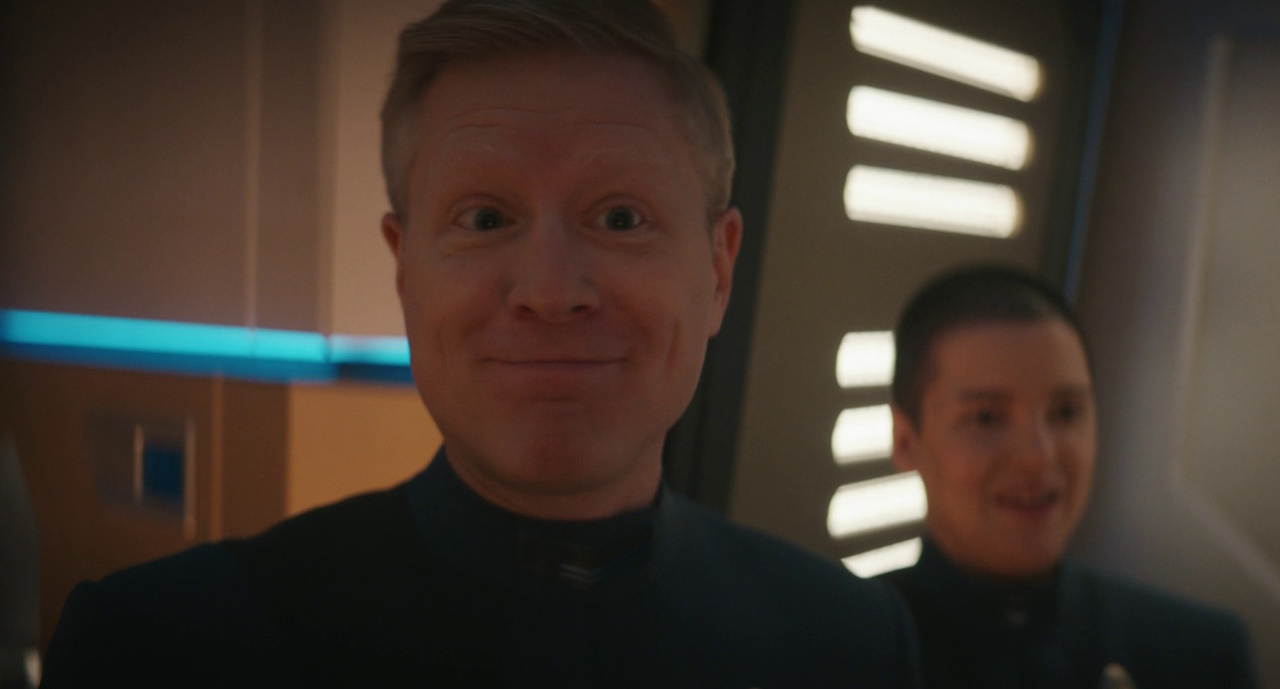
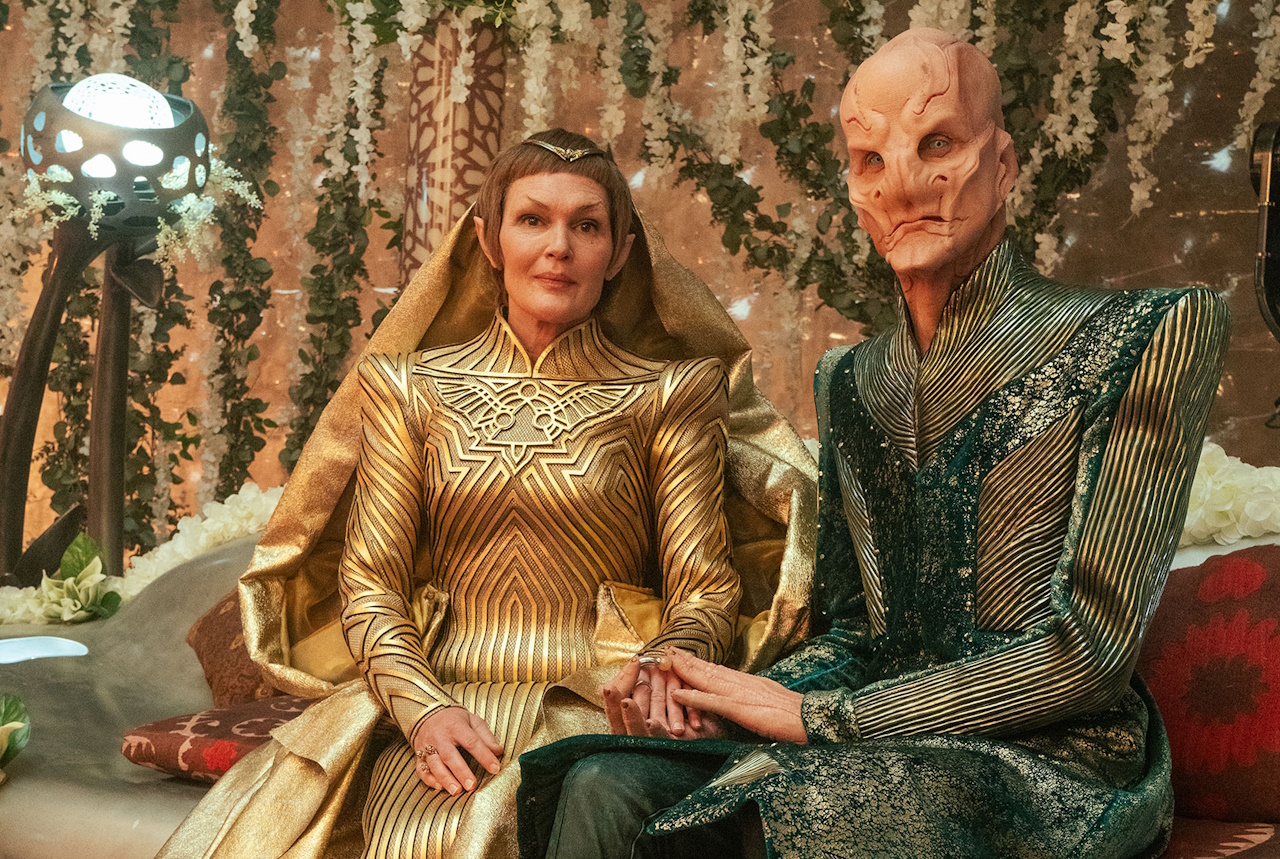
Saru got what was by far the most optimistic individual character storyline – as Discovery set up his marriage to T’Rina. There were a few sitcom-style bumps in the road, because of course Discovery is that kind of show, but by and large I liked what we got. Saru and T’Rina had an understated chemistry together, and at a time when tensions and dangers were rising, having two characters “back home” planning their wedding was a bit of a change of pace. I wish it didn’t have to happen at the expense of Saru having a major role in the show, though – his presence on the bridge was missed.
Speaking as we were of underdeveloped storylines: T’Rina’s complex political situation was mentioned once, in a single episode, then seemed to instantly disappear without her suffering any repercussions. This idea of “Vulcan purists” being upset at her engagement to a non-Vulcan was, again, interesting in theory… but went nowhere. Being generous we might say that this was something the writers hoped to explore more of in a potential sixth season, but I’m not convinced of that. It feels like a throwaway idea designed to create a bit of forced tension in Saru’s relationship, and nothing more.
“Subtlety” has never really been a word that Discovery’s writers seem familiar with, and in Season 5 we saw that trend continue. After explaining his tragic backstory, we saw Rayner go from crotchety a-hole to inspiring leader who cares about his crew almost in a heartbeat. It reminded me of the change that Saru underwent with his vahar’ai – a change that took him from cowardly to aggressive predator also in a split-second. For me, this abrupt character switch didn’t really stick the landing, and while Rayner is still an interesting character whose forceful personality left a stamp on the series, there’s something to be said for making these kinds of changes a more gradual affair.
I was disappointed that we didn’t get to see more of Admiral Vance and President Rillak – two characters who had been pretty enjoyable in Seasons 3 and 4. Both had moments on screen, but their roles felt diminished compared with the last couple of seasons. In a story with profound in-universe consequences (something we’ll talk about more in a moment), there was scope to see the Federation’s president and Starfleet’s top admiral wrangling with the fallout of Burnham’s mission and the “Red Directive.”
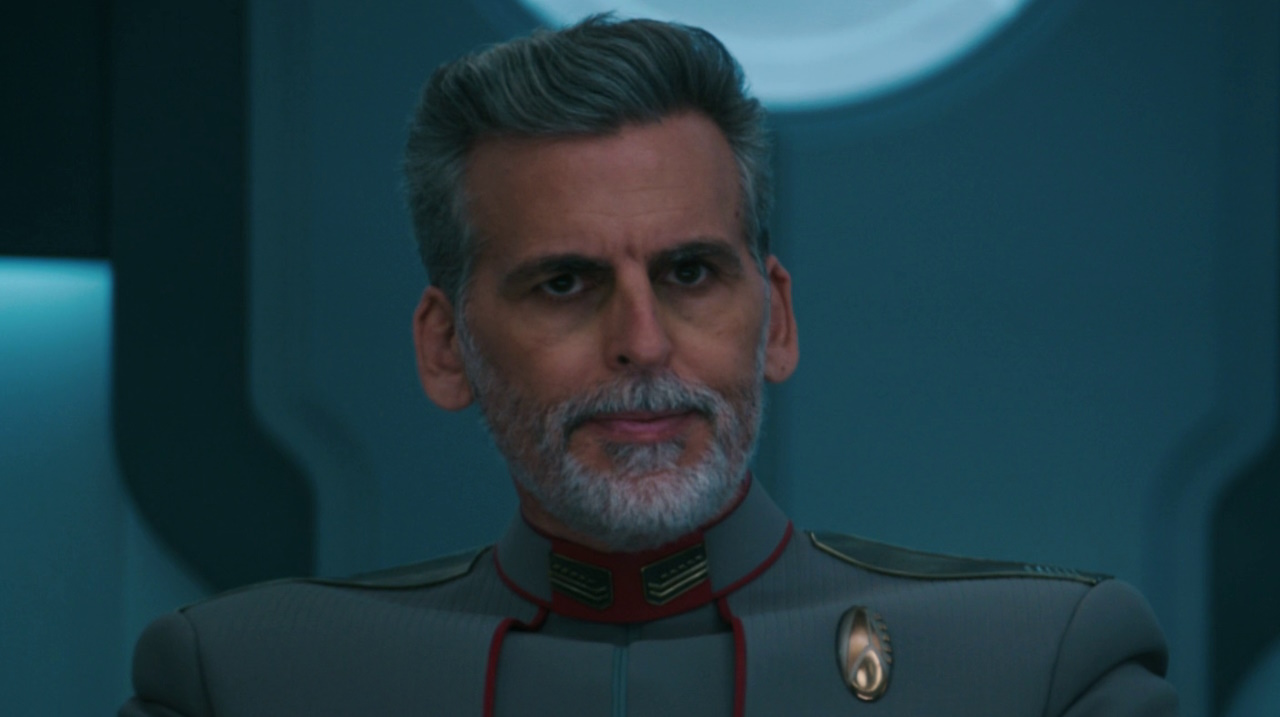
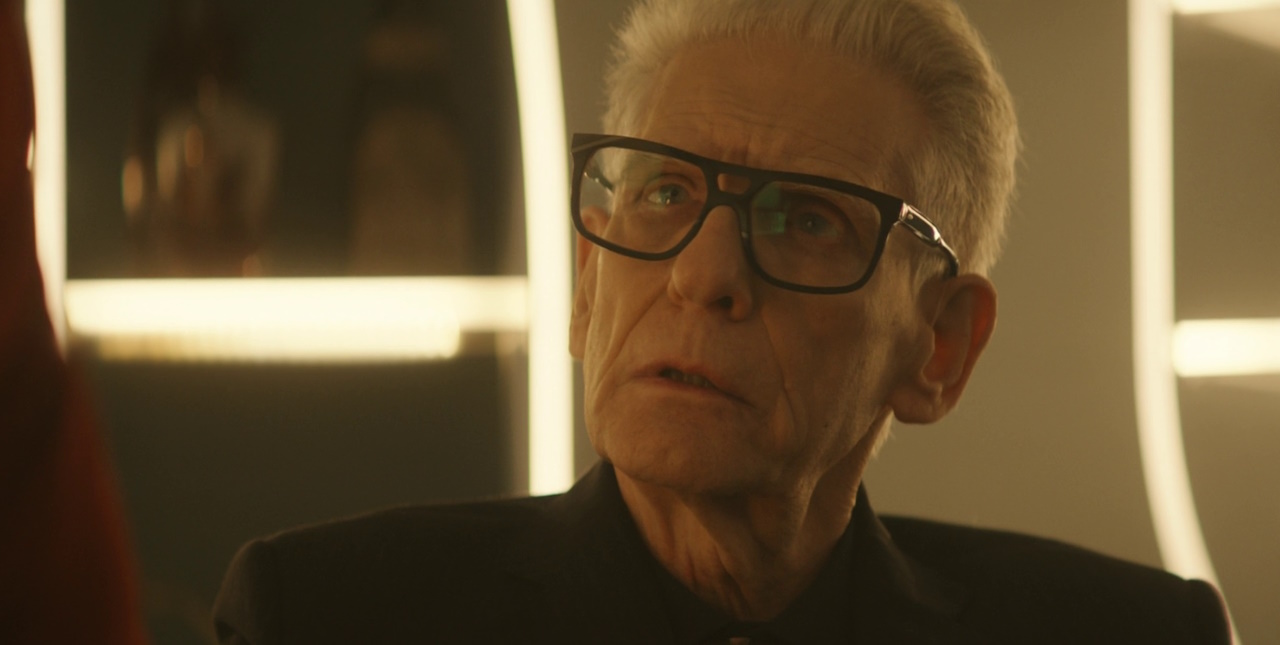
Dr Kovich is a character who has been an enigma since Discovery shot forward to this time period. I’d speculated that perhaps he was the head of this era’s Section 31, but this season we got the explanation we’d been waiting for… and it wasn’t what anyone had been expecting. The reason for that is simple: this explanation is dumb. Kovich is, somehow, an older Crewman/Agent Daniels: you know, the secondary character from Enterprise? The time-traveler who messed up Archer’s mission. Crewman Daniels.
Sorry, but this really was a stupid idea – one that was in no way set up by anything else in the series. It feels like Discovery’s writers came in late one day, weren’t really feeling like doing much work, and just threw out this idea as a cheap way to connect the series to something else in Star Trek. Why Daniels? Why not Captain Braxton – the time-traveling character from Voyager? Why not Wesley Crusher? Why not any one of a hundred other totally random characters? They’d make no less sense than Daniels. In a way, I admire the writers’ attempt to link events in Discovery’s otherwise disconnected 32nd Century to other parts of Star Trek. But this one was just so random with absolutely no setup that it fell flat on its face. I didn’t think this was possible – and it shouldn’t have been – but this revelation makes Kovich as a character feel less interesting and less important in retrospect.
The season’s villains – Moll and L’ak – had potential as a kind of “Bonnie and Clyde” outlaw couple, and there were moments where they came close to achieving that status. But the connection between Moll and Book put a downer on things, and I felt like screaming at Discovery’s producers that not everyone in the galaxy needs to know or be related to everyone else! Characters can meet for the first time and form connections; villains don’t have to be someone’s daughter, uncle-in-law, or ex-boyfriend in order to be interesting, entertaining, and impactful.
As mentioned, I liked that we got a closer look at the Breen. The Breen had been part of what is probably still my favourite Star Trek story arc: the Dominion War. And in Deep Space Nine we never got to see them or even hear their language translated. Learning more about the Breen and particularly their biology was genuinely interesting, and it didn’t tread on the toes of anything that had been set up in Deep Space Nine or elsewhere – which is a low bar, perhaps, but one that modern Star Trek has occasionally tripped over!
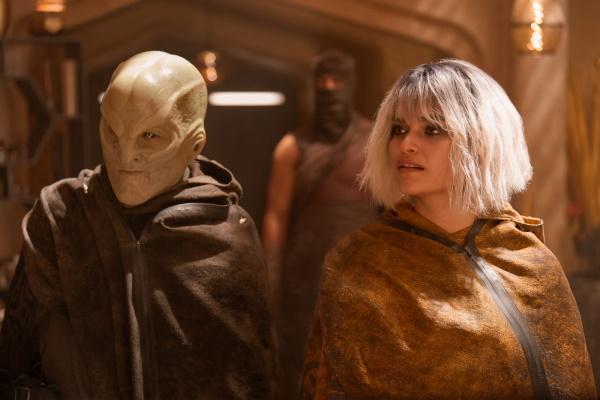
The Breen seemed more or less in line with their earlier appearances – but I would say that, in a story that aimed to be a bit more nuanced and modern, the two Breen leaders that we met both felt pretty one-dimensional. L’ak was an interesting character, and I liked the idea of the rebellious human-lover running away from his strict military upbringing and family. But the pair of Breen primarchs that we met – Ruhn and Tahal – felt like your bog-standard “evil for the sake of it” power-hungry villains. I wasn’t expecting a lot from either character, and I think they kind of work in the context of a brutal militaristic power, but neither felt especially interesting.
Discovery also came close to being written into a corner with this season’s Breen conflict. L’ak was supposedly incredibly important to Ruhn in particular, as he needed him to press his claim to the throne. But when L’ak died – in Starfleet custody, no less – Ruhn simply walked away without exacting his revenge. When it had been established that the Breen – with their Warhammer 40K-inspired massive warships – were more than capable of wiping out Starfleet… I don’t know. It didn’t feel right for this hardliner to just place his trust in Moll and walk away without retaliating.
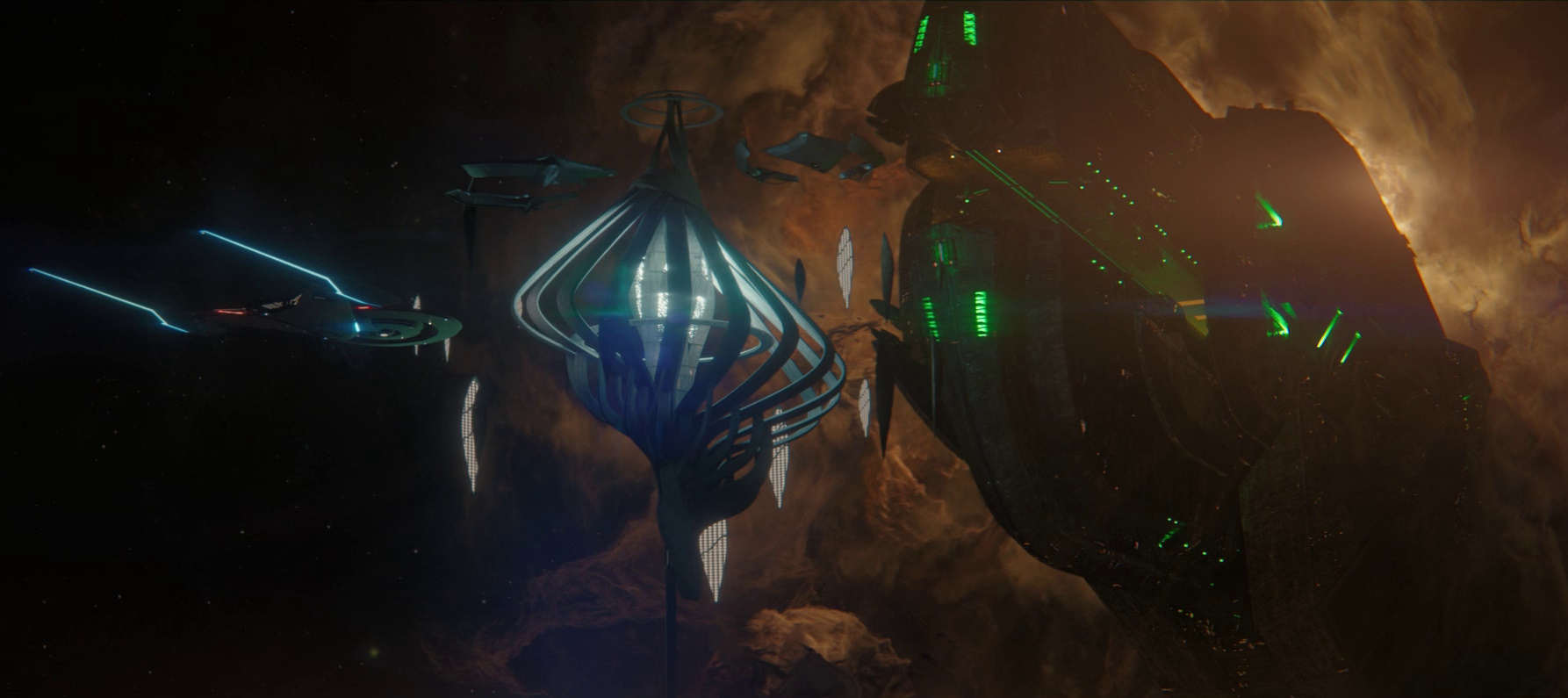
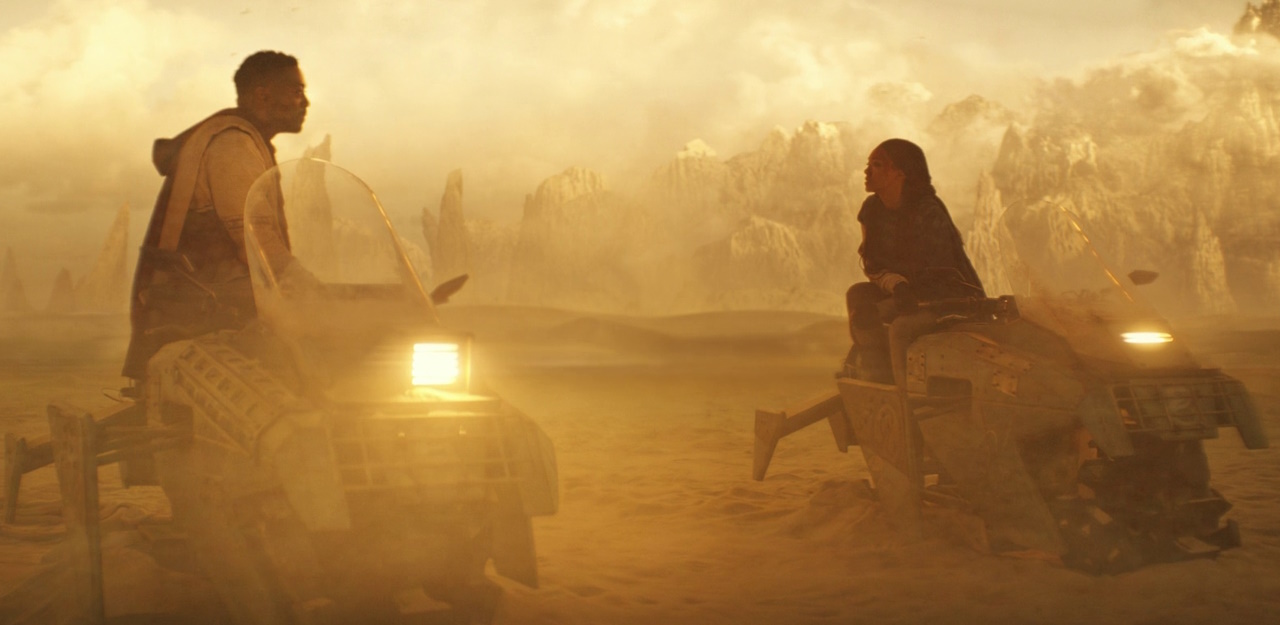
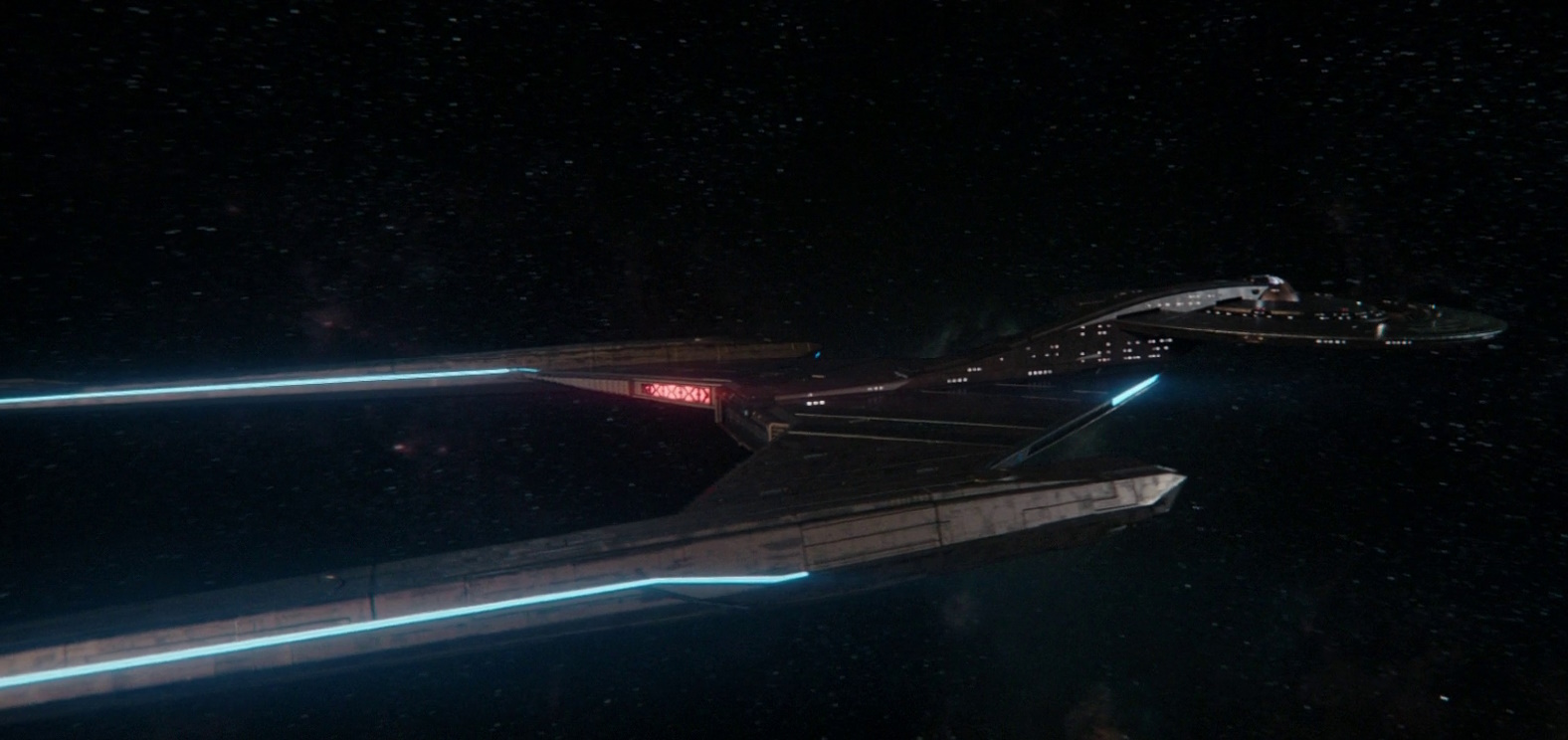
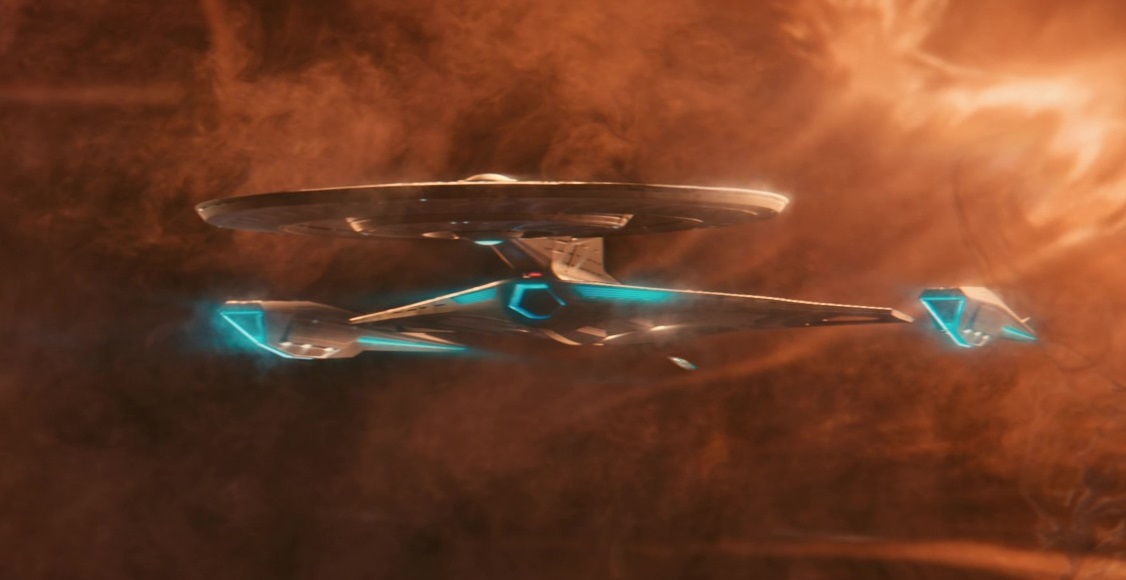
Speaking of starship designs, I liked the massive Breen warships – though, as mentioned, I noted a definite influence from Warhammer 40K and other sci-fi properties! We didn’t really see many other new ships or vehicles this time around; Rayner’s Starfleet ship was okay but nothing special. I didn’t really like the first episode’s hover-bikes, though – they seem completely superfluous in a setting where everyone has a personal transporter built into their combadges and where spore drives can hop across the entire galaxy in an instant! The sequence was pretty tense and exciting, though.
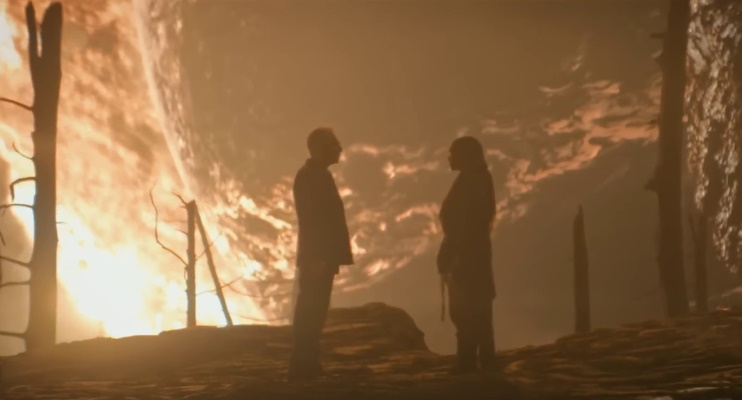
Let’s talk about the main thrust of the story. Discovery surprised me by returning to a race called the Progenitors – ancient humanoid aliens who only appeared once in The Next Generation. And… to be blunt, I think there’s a reason why this storyline hadn’t been picked up or even so much as mentioned since then.
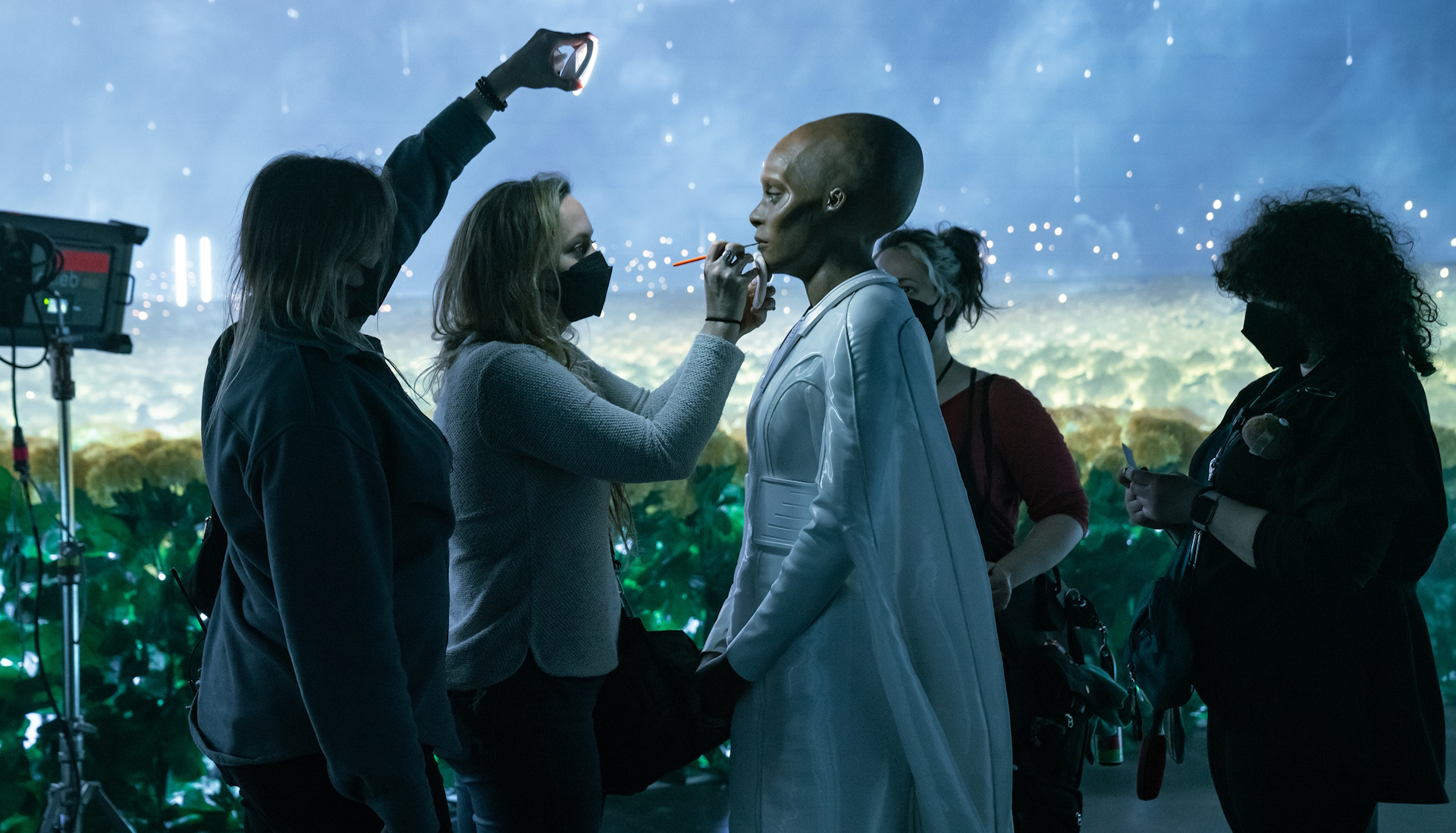
Some stories in Star Trek – even ones that seem to be transformational for our understanding of certain factions or characters – don’t work as intended or just reach a natural end point, and for me, the ancient humanoids from The Chase are in that category. Star Trek didn’t need this fundamental explanation for why many alien races are humanoid, and while The Chase wasn’t a bad episode per se, its ending and the way it wrapped up wasn’t great. For me, this kind of in-universe explanation was never needed, and as a result I was content to leave The Chase and its ancient humanoids on the back burner. They were never written into the franchise in a big way, and every subsequent story – even those focused on history – never returned to this pretty convoluted story.
So why did Discovery dig up these aliens – now named the Progenitors?
I would be genuinely curious to learn why the show’s writers and producers decided to go down this narrative path, to be honest! While the story we got expanded our knowledge of the Progenitors a little, it didn’t tell us a lot about the galaxy, the other races that the Progenitors may have seeded, and it ended with more questions unanswered than answered. We didn’t even get a technobabble explanation for how they did what they did or how their tech worked. The result was an unsatisfying feeling that was compounded by Burnham’s decision to conceal the Progenitors’ device and not even allow Stamets or someone else at Starfleet HQ to examine it.
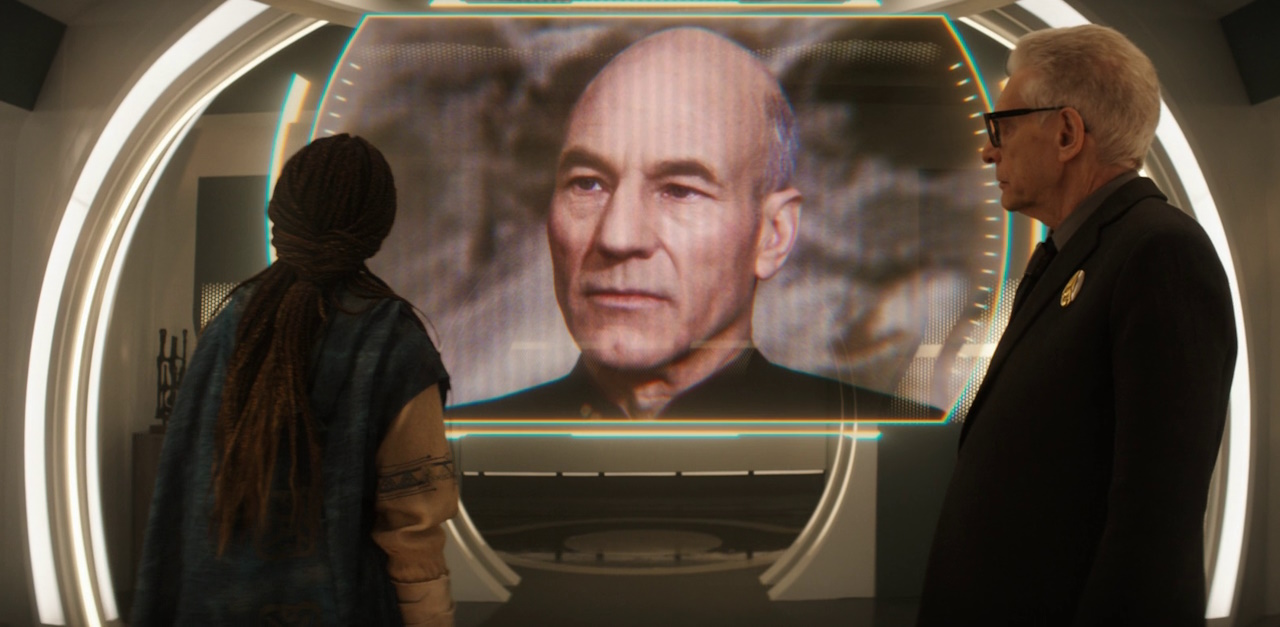
The ending of the story – with Burnham declaring that the Progenitors’ desire to create a diverse galaxy teeming with life had been accomplished – was great, and I liked the feeling that came from that. But as with many things in Discovery, it was an end point that was pretty rushed, that needed a bit more time on screen, and that came at the end of a season that spun its wheels in places and spent too long dealing with relatively minor or unimportant things.
I could have happily spent an entire episode just on the debate Burnham was having with other characters about what to do with the Progenitors’ technology. For instance, no one even suggested that it could have incredibly useful applications in a galaxy still recovering from the effects of the Burn. Discovery’s 32nd Century is still, in many ways, post-apocalyptic, and if the Federation had access to what is basically an infinitely more powerful Genesis Device, with the ability to create life from nothing… isn’t that a power worth having and using for the common good? Even if the end of the story was still the same, with the technology being deemed too powerful and ultimately unnecessary, couldn’t we have still had that conversation?
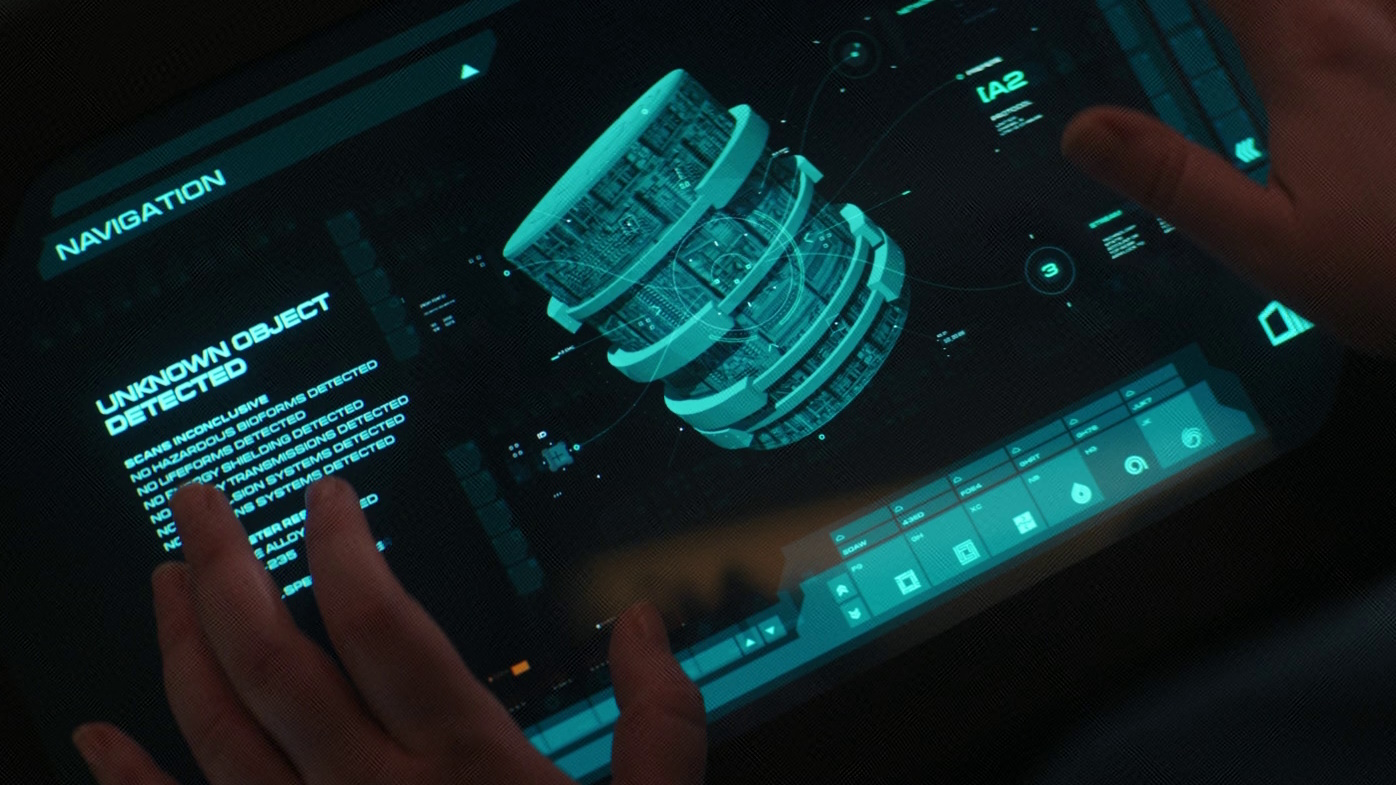
For me, this deep cut to a single episode of The Next Generation was a bold move that didn’t really pay off. I love that Discovery’s writers have tried to tie into the lore and history of Star Trek in different ways, but for me, the decision to revisit this faction of ancient aliens was a mistake. I’d rather have seen a brand-new race – like last season’s Species 10-C – that could’ve filled the role of the creators of this technology, simply because I don’t think Star Trek as a whole benefits from this kind of story.
Part of the appeal of going out into space – and thus the appeal of Star Trek and other space-based fiction – is that we don’t know all of the answers and we don’t know what’s out there. Part of the human condition is that sense of not knowing – we don’t know for a fact how or why we came to be, where consciousness came from, whether there’s a greater meaning or purpose. When a story comes along and says “well here’s exactly what happened, here’s who created you, and here’s why and how they did it…” I think we lose something from this fictional setting. The thrill of Star Trek is in the unknown, and answering too many of these questions just doesn’t sit right. That’s why I was never a fan of the end of The Chase and why I’ve been pleased that, for more than thirty years, generations of Star Trek writers have basically ignored it. Discovery revisited it in a big way… and I don’t think the payoff was worth it.
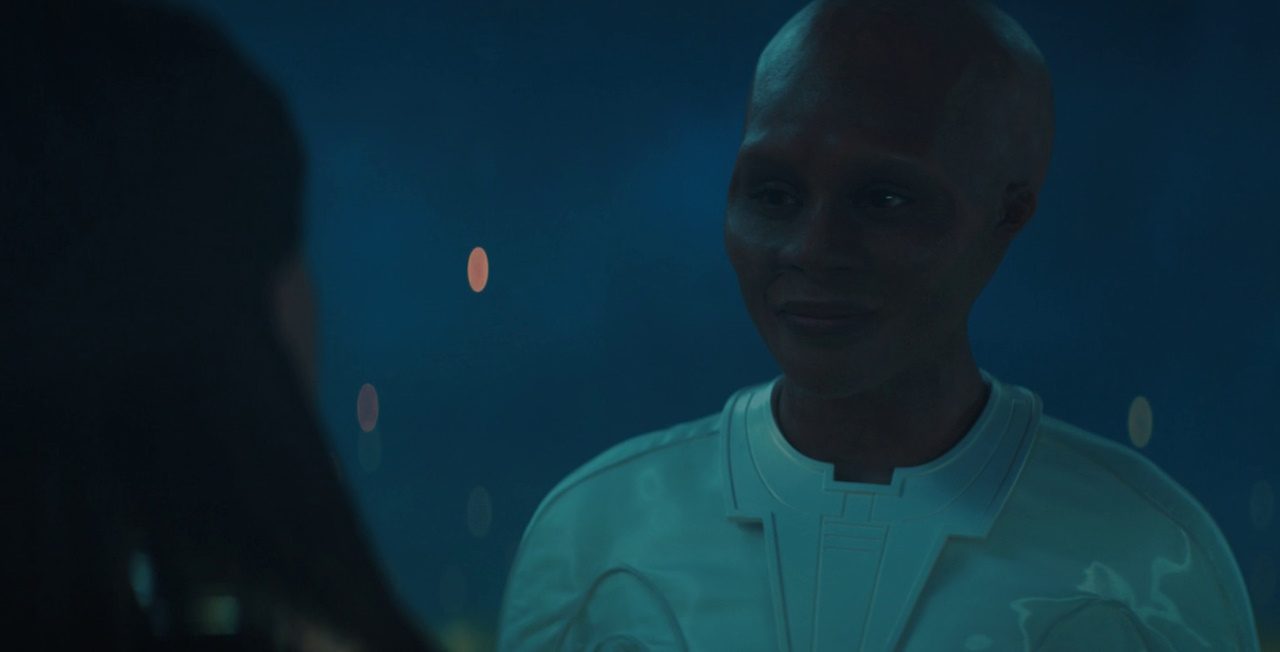
When I look at Star Trek’s history and I think of storylines and factions that I would’ve wanted to see brought back… again, I can’t find a justification for this return to The Chase – not for what was a glorified macguffin that Discovery didn’t actually do anything with. We might as well have said that the Tzenkethi or the magic-wielding aliens from that one episode of The Animated Series had created something powerful, or that Khan secretly replicated a second Genesis Device. The story could’ve unfolded in pretty much the same way without bringing up a piece of Star Trek’s past that has just… never worked.
I don’t want to go to extremes and say that the Progenitors “ruin” Star Trek. But the very concept of these ancient aliens essentially creating humans and a bunch of other races is a story point so profound that it absolutely changes everything for the characters in that world. If the entire Star Trek franchise had been built around a reveal like that, with the Progenitors being conceived from the start and every season and story slowly building up to this massive revelation, then maybe it could’ve worked. But in what was a one-off, throwaway episode we got this big reveal that Star Trek has never really known what to do with. Like other story beats that didn’t hit the mark, it should have been left alone. For Discovery’s writers to build an entire story around this faction… I’m afraid it doesn’t work for me.
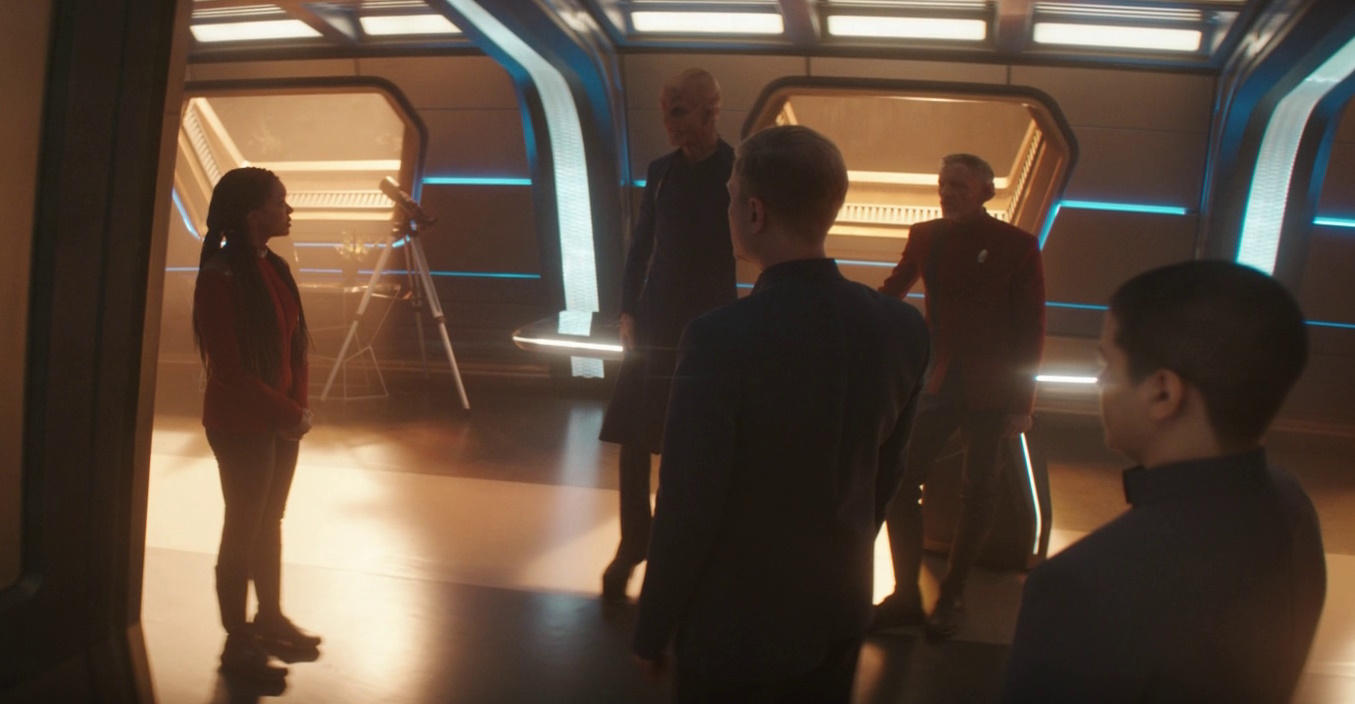
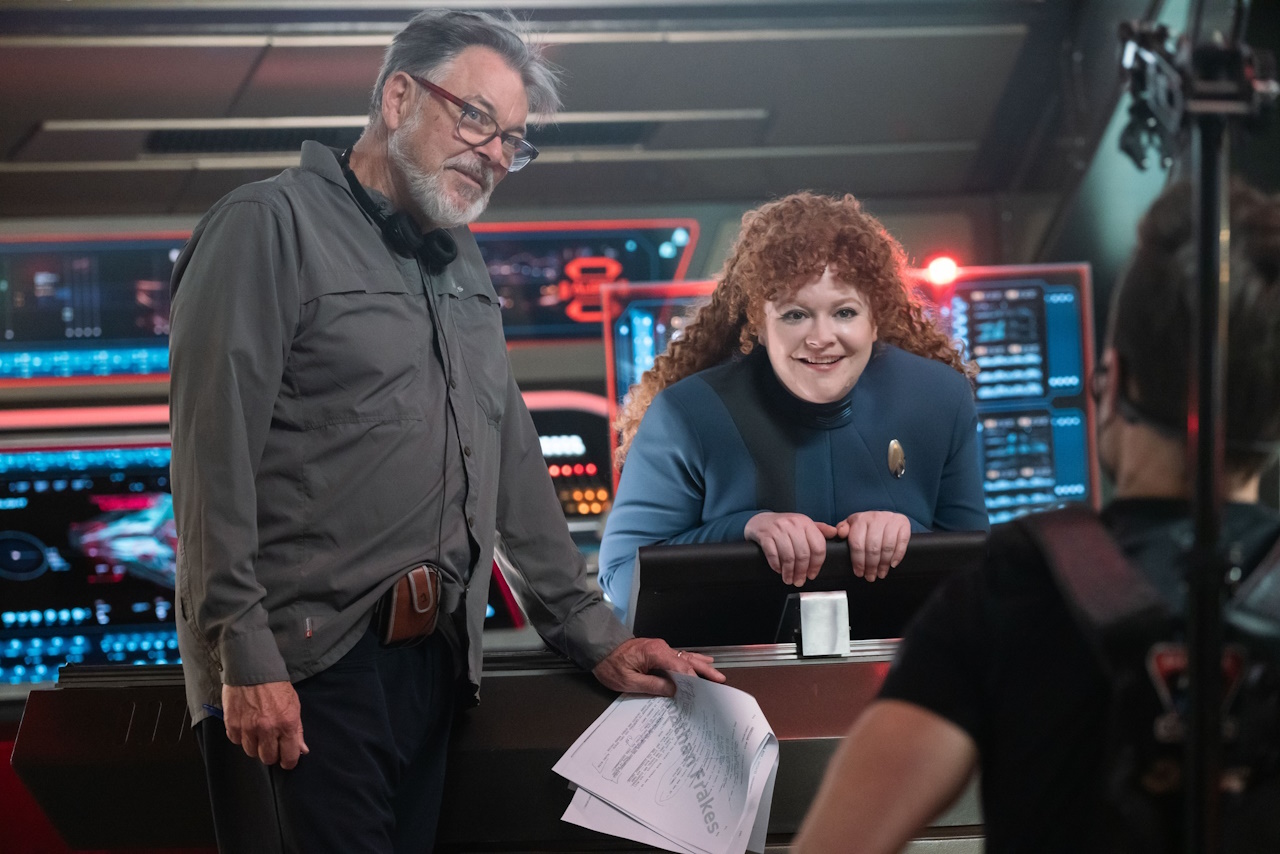
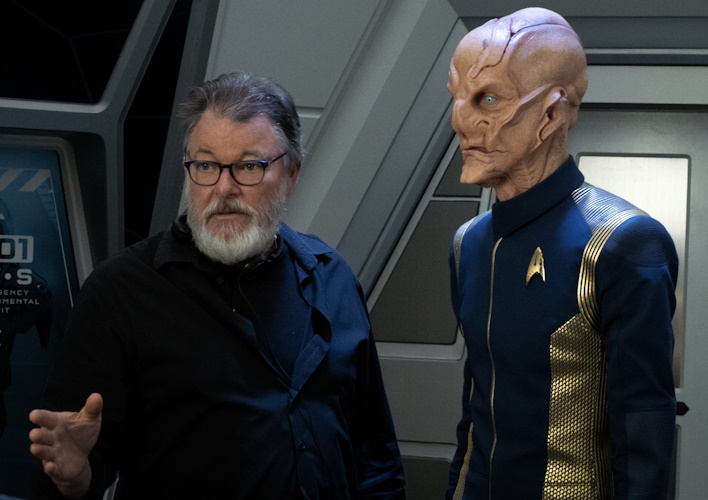
More than a year ago we learned that the decision to cancel Discovery came after Season 5 had already been written and filmed, and that work had to be done after the main production had already wrapped up in order to “make the finale into the finale,” as director Jonathan Frakes put it. Alarm bells started ringing when I heard that, as I was worried that the pick-up shots would be incredibly obvious and that the story wouldn’t be able to come to a proper end. More so than any other Star Trek series to date, Discovery – with its serialised storylines and characters who changed and developed over the course of sixty-five episodes – needed some kind of definitive end.
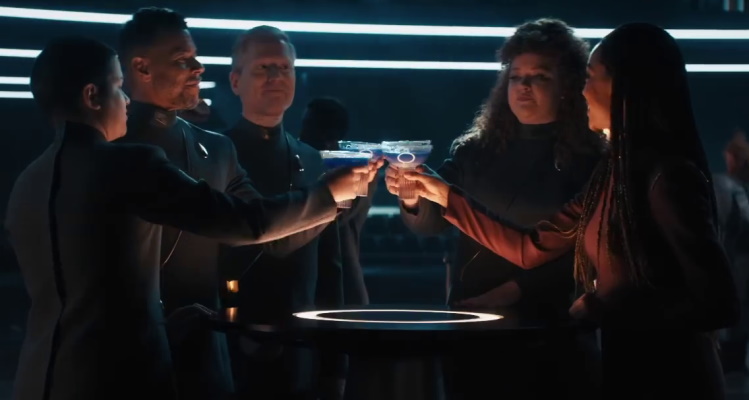
Although it was incredibly obvious where the season would have originally ended and where the last-second additions were made, I don’t think that turned out to be a problem in the end. The decision to have the epilogue set decades after the events of Season 5 was a good one – perhaps the least-bad option available, but still – and it worked well. After all the issues noted above with Burnham Relationship Drama™, it was pretty cathartic to see her settled with Book, in a home they shared, enjoying her semi-retirement.
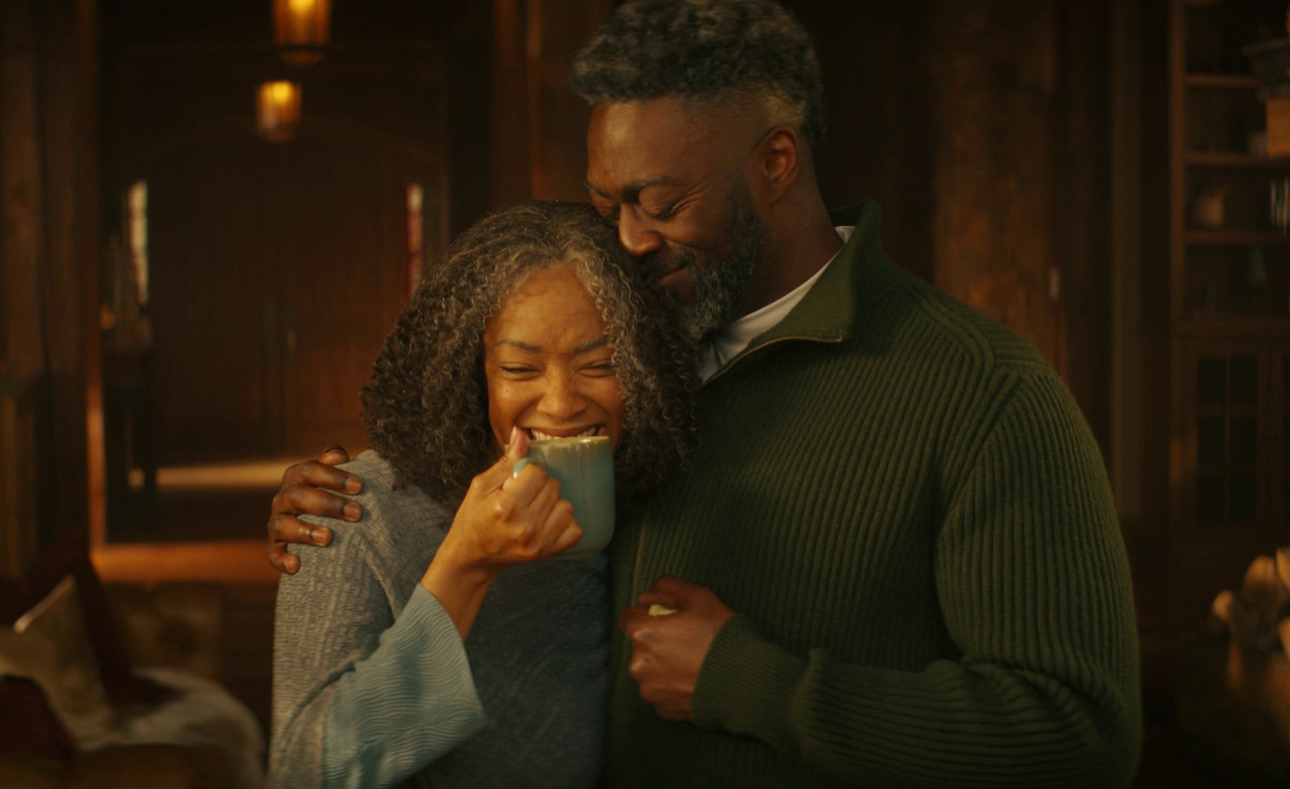
It might’ve been nice to see one or two of the show’s other principal characters in the epilogue rather than just having them be mentioned, but all things considered I think Discovery got a pretty solid send-off. It wasn’t as spectacular as it could’ve been if the entire story had been written with a definite end point in mind, perhaps… but there’s something to be said for an understated, un-dramatic epilogue to a series that has constantly tried to inject as much drama as possible into its stories. Had cancellation been known ahead of Season 5 entering production, I would’ve half-expected the season finale to end with three-quarters of the crew dead and the ship blowing up!
In terms of production values, I’m still disappointed that Paramount+ doesn’t offer Discovery in 4K. 1080p HD is fine, but it’s not spectacular, and I would’ve liked to watch the series in that higher resolution. Most other streaming platforms offer this for their flagship shows, and it’s disappointing that Paramount+ still doesn’t – at least on the standard price plan here in the UK.
Discovery’s music has always been pretty good, and that was the same in Season 5, really. My rule of thumb for any movie/TV soundtrack is “do no harm;” i.e. a good soundtrack should be unobtrusive most of the time, and Discovery happily clears that admittedly low bar. The show’s title sequence has always been fun to watch, though its title theme has always felt a little understated for my taste.
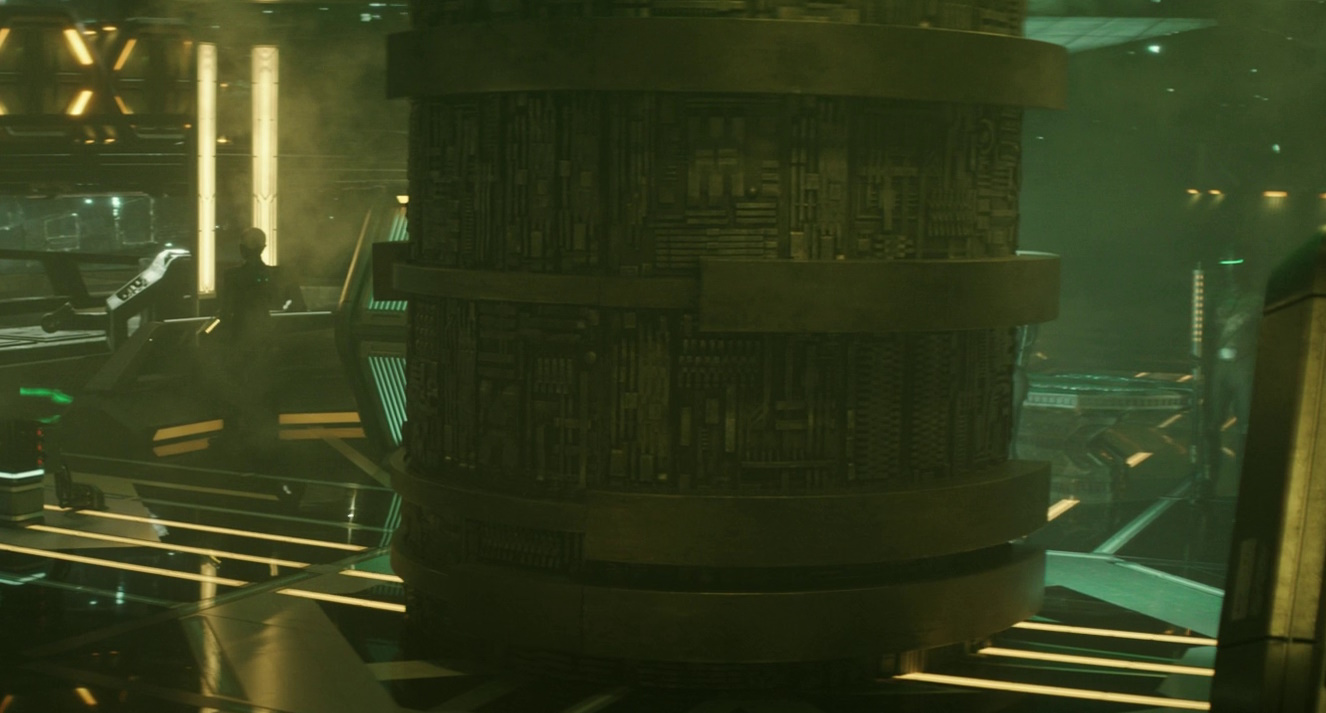
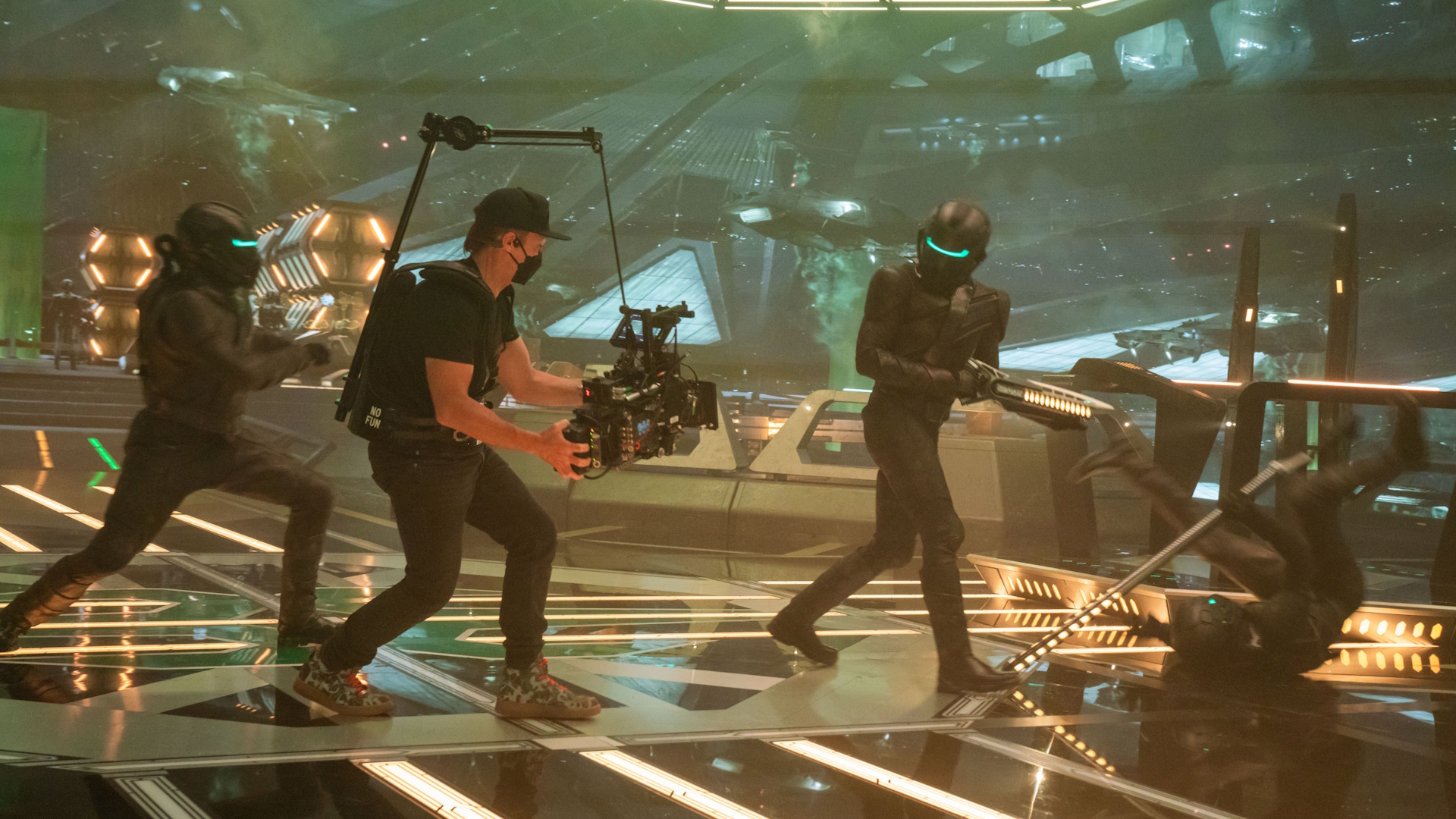
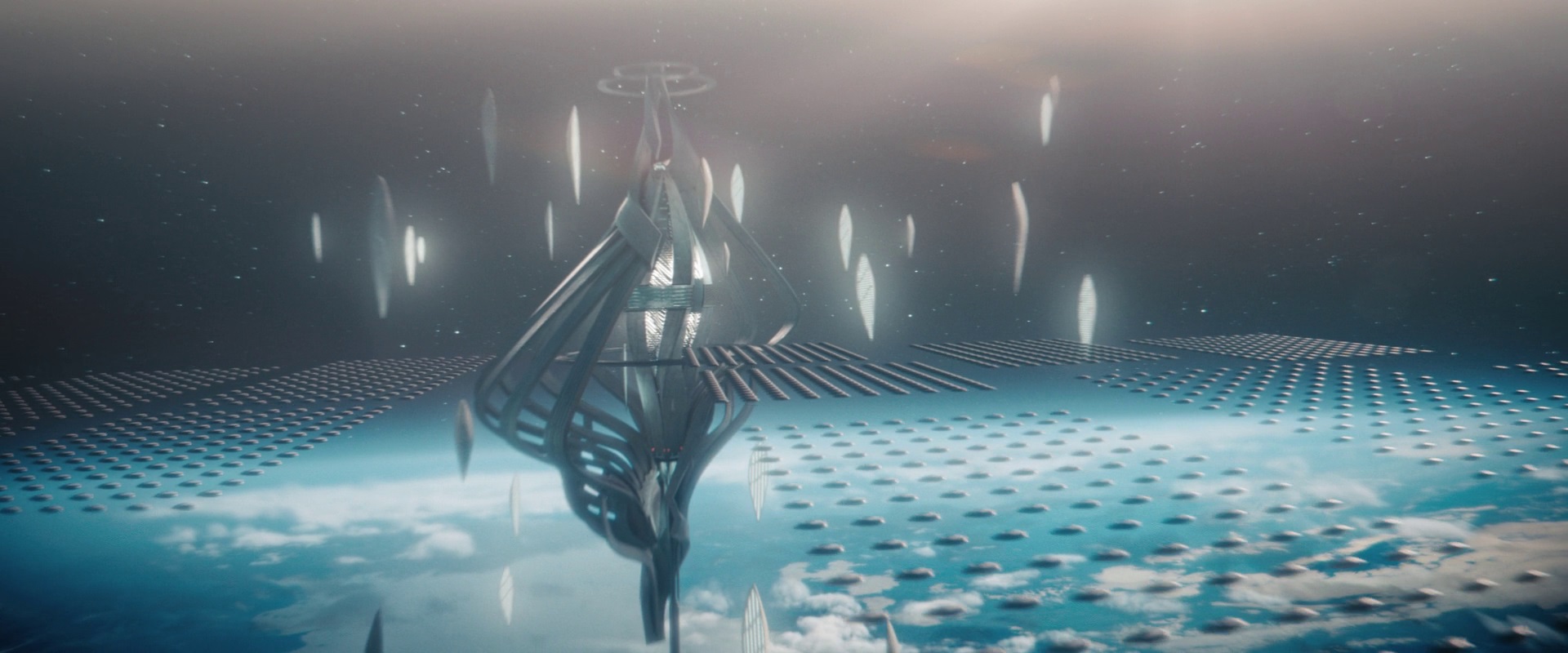
Was anyone else playing a game of “spot the AR wall?” Because I definitely was – and at too many points I felt the AR wall was noticeable. Star Trek worked hard to escape its reputation for low-budget special effects and sub-par set design, but the AR wall – and some of the camera angles used during AR-heavy scenes – are in danger of bringing it back! On both the Breen warship and the Progenitors’ pocket dimension, I felt the AR wall was not at all well-integrated with the physical sets and props around it, and the end result was that this incredibly expensive piece of kit that Paramount paid a lot of money for created a visual effect that looked… cheap.

There are good ways to use an AR wall and bad ways… and Paramount/the Star Trek franchise needs to do better. Simply having this massive screen and projecting a background onto it isn’t good enough; designers and producers need to get much more creative with how the AR wall is used and how it blends in with what’s in front of it. Discovery is over now, but with other Star Trek projects still in production… I hope more can be done in future. Some of the AR wall scenes in Season 5 felt like those in Season 3, when the AR wall was brand-new. By now, designers, producers, and cinematographers should have a better idea of what to do with it!
So that was Discovery’s swansong. The show’s final season doubled-down on many of the mistakes that have been present since the beginning, and told a cookie-cutter story that was basically the same as all the others. There was a lot of potential in the historical mystery-adventure idea, but Discovery’s writers and producers couldn’t take advantage. They retreated to the same overtrodden ground as before, and the result was a disappointment.
There was too much repetitiveness in Season 5, and that leads me to one inescapable conclusion: Discovery had run out of steam. With a production team incapable of trying something smaller-scale and genuinely different, with Burnham’s soap-opera rocky relationship, and with another “galaxy-ending threat” to defeat, Season 5 felt no different from Seasons 1 through 4, albeit with a new coat of paint and a deep cut to a random episode of The Next Generation that was better left forgotten. There were some interesting ideas in the mix, some fun new locales to visit, and some creative moments… but they came in a bland, overused, repetitive story that demonstrated to me why it was the right time for Discovery to be cancelled.
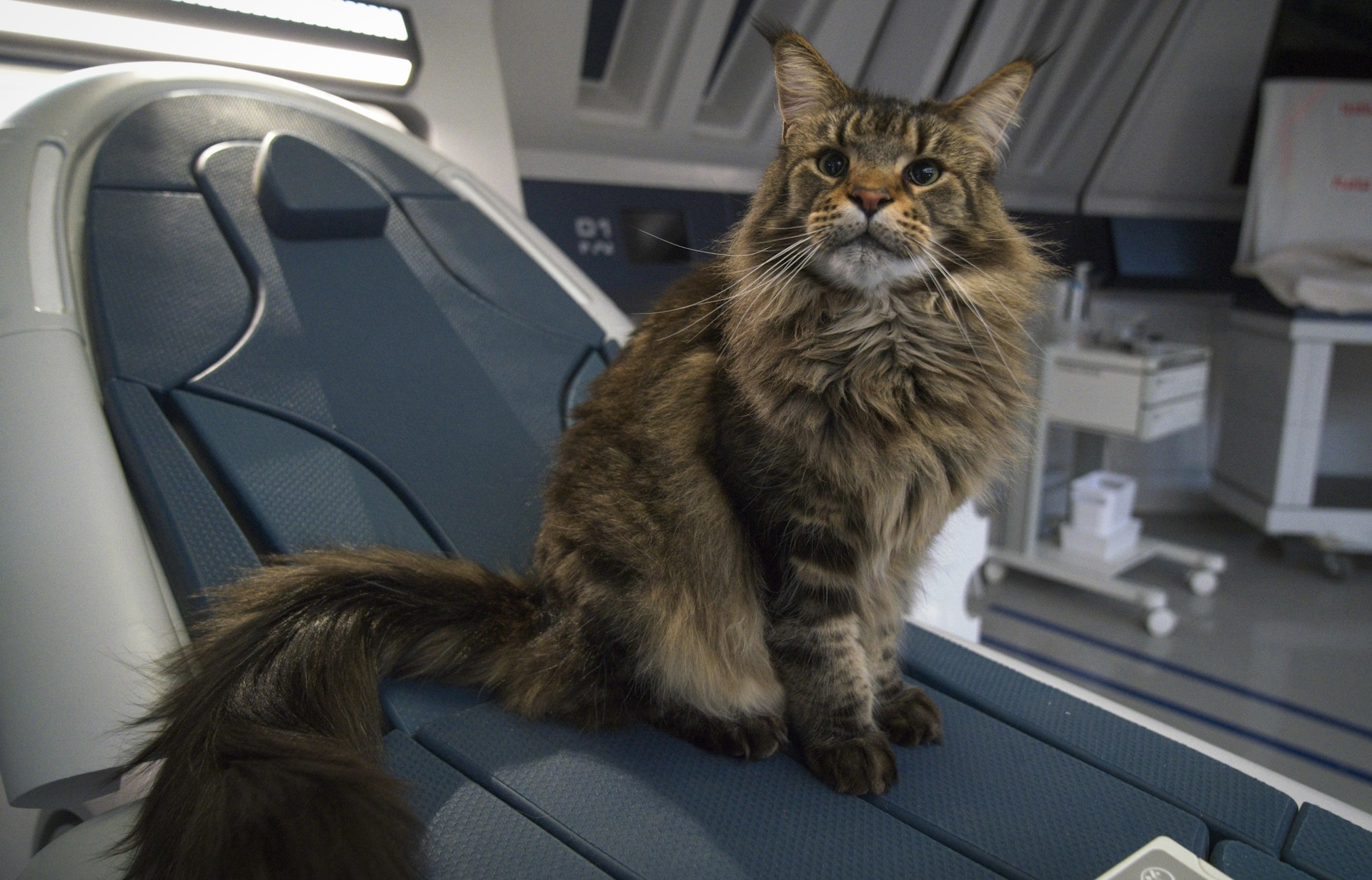
I’m pleased that Paramount allowed the show’s production team to go back and craft an epilogue – even if it wasn’t perfect. Getting some kind of closure on Burnham’s story and the series as a whole was important, and with Discovery having been part of our lives for seven years at this point, I’m glad that it got an epilogue to bring closure to her character and the story – as well as a cheeky tie-in with the Short Treks episode Calypso!
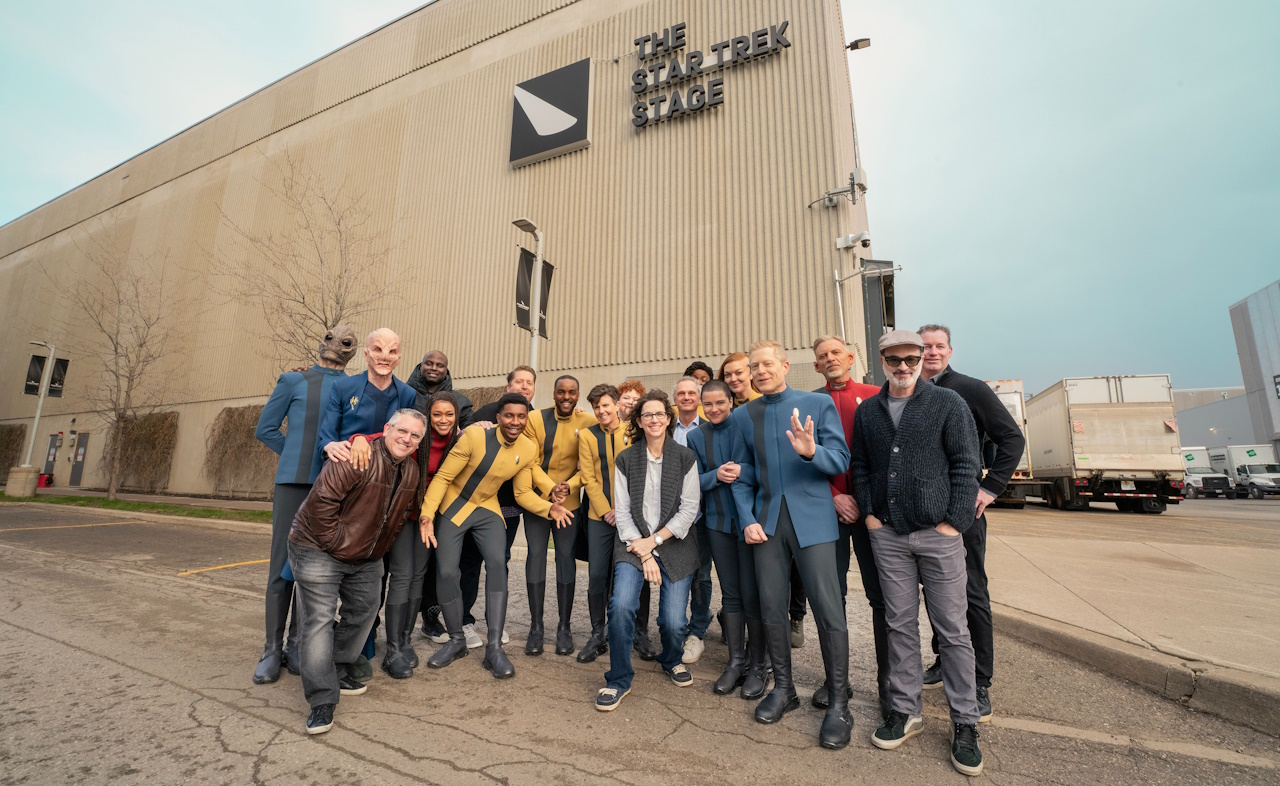
In the weeks or months ahead I will take a broader, big-picture look at Discovery as a whole. That piece will consider what the show got right, where it went wrong, and what we should consider its legacy to be as a piece of the Star Trek franchise. So I hope you’ll stay tuned for that! It’s possible that I’ll revisit Season 5, its storylines, or some of its individual episodes in the future, too.
For now, I hope this has been interesting! While I wasn’t impressed with Season 5 on the whole, there were definitely highlights in practically every episode; moments that made me crack a smile, roll my eyes, feel anxious, or just that kept me entertained and enjoying the ride. The season was nowhere near as bad as, say, Picard Season 2 – and while that may be a low bar, it’s one that Discovery cleared on this occasion! I’ll be curious to see what comes next for Admiral Vance, Tilly, and Reno – who will be jumping ship and joining the cast of Starfleet Academy. And I’ll keep my ear to the ground for any more news about upcoming Star Trek productions that could tie in with Discovery. But until then, this is the end.
Farewell, Discovery. I think we can be grateful to the series and its creative team for keeping Star Trek alive and bringing it back to its small screen home.
Star Trek: Discovery Seasons 1-5 are available to stream now on Paramount+ in countries and territories where the platform is available. The Star Trek franchise – including Discovery, The Next Generation, and all other properties discussed above – is the copyright of Paramount Global. This review contains the thoughts and opinions of one person only and is not intended to cause any offence.



 Trekking with Dennis