Xbox & Bethesda Probably Have One Chance To Save Starfield…

Spoiler Warning: There are spoilers ahead for several main story missions in Starfield.

I was excited about Starfield last year. By the time the game’s big showcase had wrapped up in June, Starfield had rocket-boosted its way to the very top of my most-anticipated games list, and it held onto that position even as Baldur’s Gate 3 diverted my attention. But despite doing my best to give the title a fair shake, sinking more than twenty-five hours into it, and really wanting to love it… I didn’t. Starfield just didn’t have that “Bethesda magic;” the “je ne sais quoi” that has made some of the studio’s previous games into all-time classics.

And I’m far from the only person who feels that way. Despite launching to generally positive reviews from both players and professional critics, the longer folks have spent with Starfield, the further the game’s ratings have slipped. Although there are multiple areas of criticism from writing and dialogue through to the game’s outdated underlying technology, the general consensus is that Starfield is disappointing, shallow, and lacking in the replayability that Bethesda desperately tried to build into it.
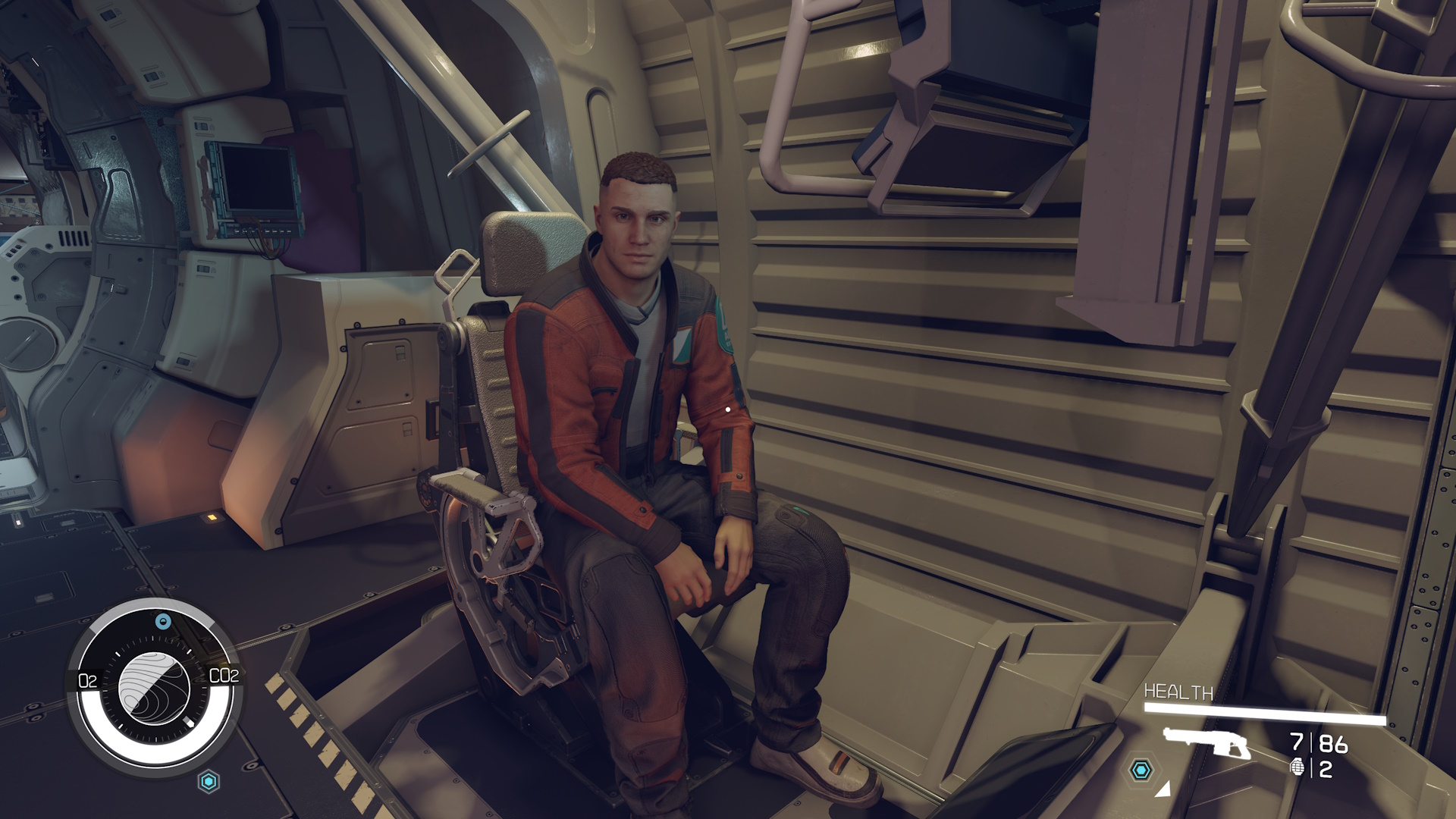
Screenshot from Starfield (2023) showing a character sitting in a chair aboard a spaceship.
An NPC aboard a spaceship in Starfield.

But it’s 2024, and if there’s one thing the games industry knows it’s this: you can launch half a game today and promise to patch out all of its issues later! The dreaded business model that I’ve dubbed “release now, fix later” has firmly embedded itself in the games industry – and Bethesda is no stranger to utilising it. The company’s most recent title before StarfieldFallout 76 – has received years’ worth of patches and updates, and even though it endured an appalling launch, it’s in a much better state today than it was five years ago. In fact, Fallout 76 is now sitting just ahead of Starfield in terms of average reviews on Steam.

There are some areas of Starfield that patches, updates, and DLC have the potential to improve or fix. In a game all about exploration, being forced to re-play the same handful of copy-and-paste structures filled with nameless, mindless enemies got old fast – so how about quadrupling the number of these structures, creating some unique ones that only appear once per playthrough, and adding new and different types of enemies and loot to fill them. Or how about making at least some of the game’s 1,000 planets genuinely empty, with no pre-built structures at all. That sense of exploration, of being the first person to set foot in a “strange, new world” is what I wanted from a game like Starfield… and it seems like something that could be implemented into the game without too much effort.
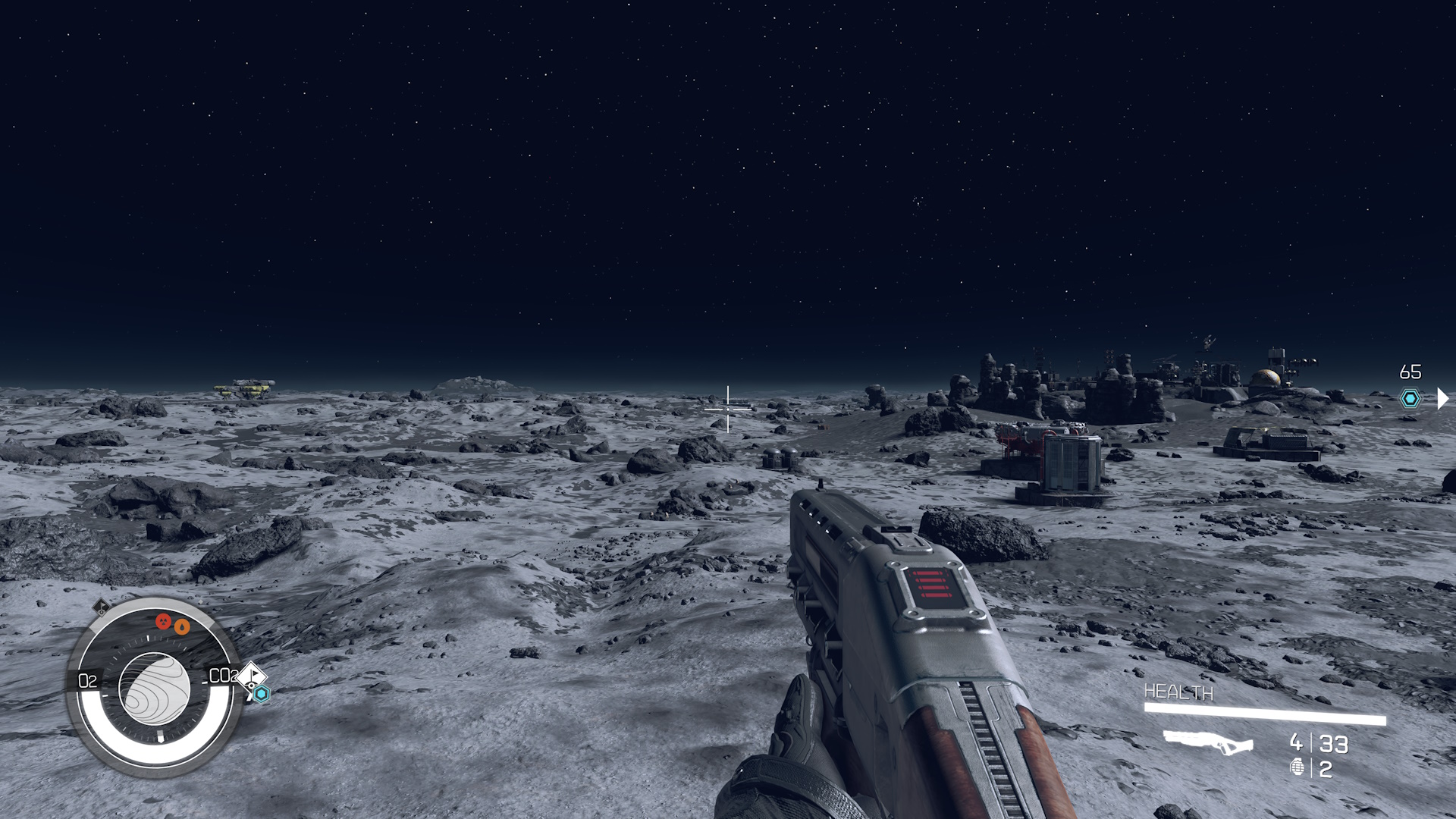
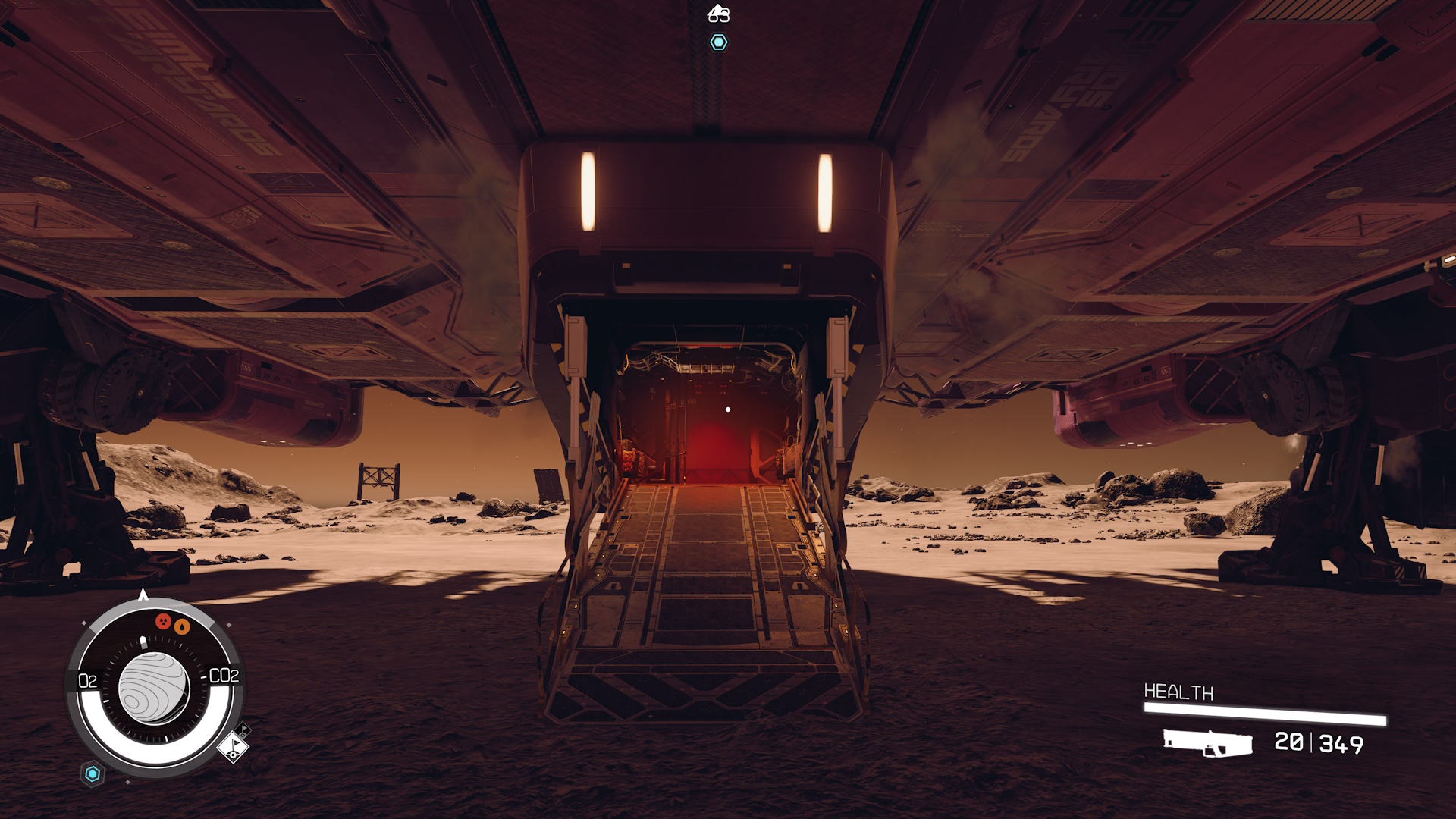
Screenshot from Starfield (2023) showing a first-person view over a procedurally-generated landscape.
It’s hard to convey how disappointing it was to land on a “deserted planet” only to find buildings and bases full of nameless, meaningless NPCs.

Then there’s the game’s main story. It was left deliberately open-ended to push players into New Game Plus – and I firmly believe this was one of the first and most important ideas conceived for Starfield during its creation – but it’s led to a fundamentally unsatisfying end to the game’s main quest. So Bethesda could write a better ending – and a more conclusive one. Who created the artefacts? What was their intention? Could the player character interact with these “Creators” somehow? Again, that seems like something that should be achievable.

Adding in new and varied paths through certain quests is also something that should be doable. A notorious mission in the main quest sees the player character travel to the “pleasure city” of Neon to acquire another artefact, but this quest is about as on-rails as it’s possible to be. No matter what choices the player makes, there’s only one way to get the artefact and complete the mission. It should be possible to tackle a quest like this in more than one way – and adding that in wouldn’t break the rest of the story or other parts of the game. For example, being able to kill the character who has the artefact, or finding another way to escape Neon after the deal goes down are things that would only impact that one quest – and being forced to play it in one specific way isn’t what a lot of folks wanted or expected from a game like Starfield.
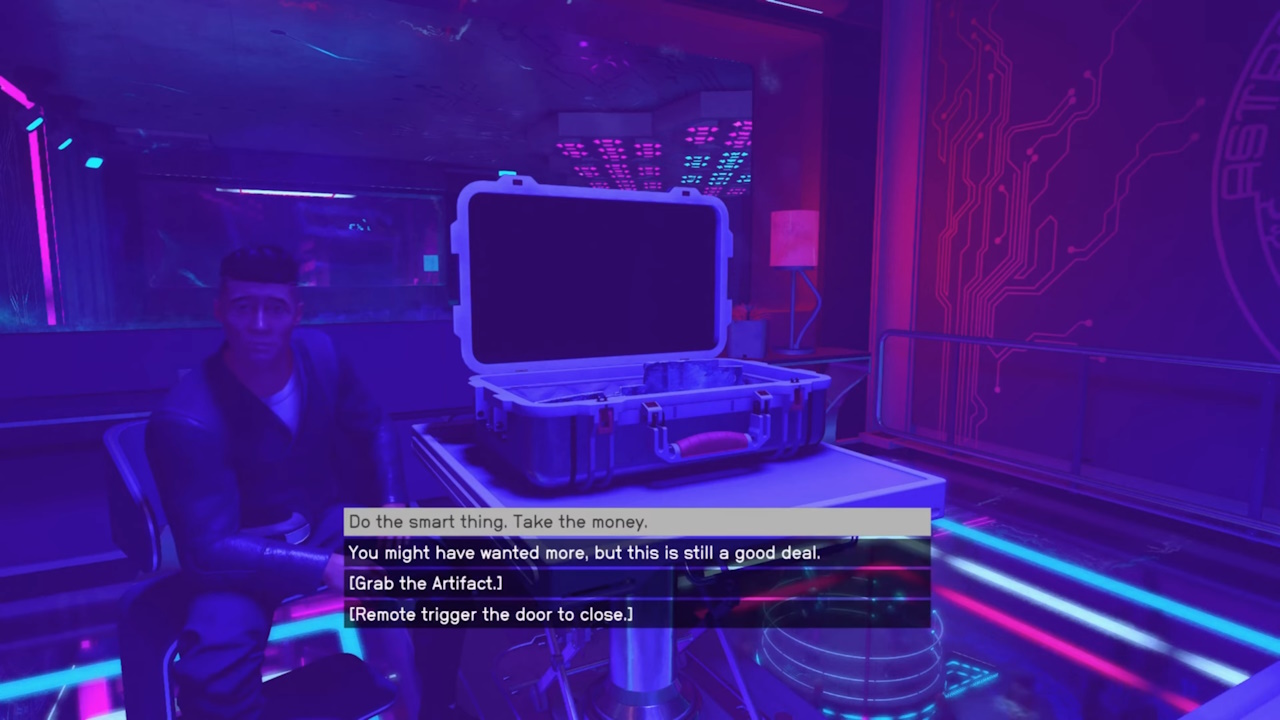
Screenshot from Starfield (2023) showing a conversation and dialogue options during a mission.
This mission offers the illusion of choice, but ultimately forces players down one very specific route.

There are, of course, some things that can’t be fixed in Starfield, no matter how much of an annoyance they seem to be! I wasn’t personally all that bothered by the game’s loading screens when opening an airlock or entering a building – but I know that the loading screens have been an area of complaint for a lot of folks. Starfield is built on the creaking, zombified remains of a twenty-five-year-old game engine, though… so I don’t see a way to remove them. Nor could the game’s fundamental spaceflight problem be fixed; Starfield is built on the player and their ship fast-travelling between locations, so any opportunity for actual piloting or flying is basically gone at this point.

So we need to be realistic about what we could reasonably see from updates and future DLC; Starfield won’t change fundamentally in terms of either gameplay mechanics or narrative. But that doesn’t mean there can’t be significant improvements that could mean the game will be worth re-installing and giving a second chance. And yes, in case you were wondering: I’ve already uninstalled Starfield.
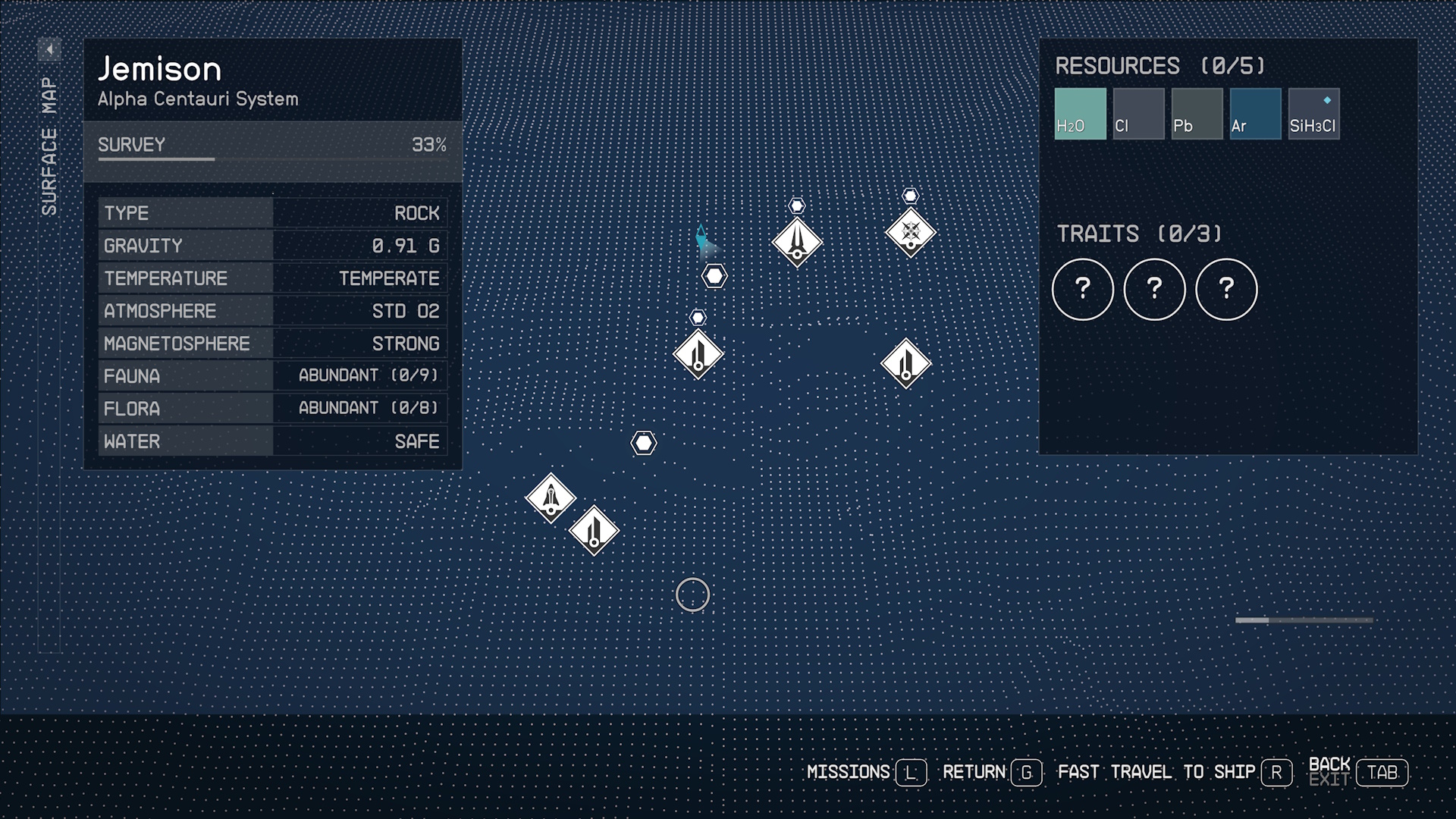
Screenshot of Starfield (2023) showing the in-game map.
Things like adding better in-game maps for towns and other locations should be achievable.

But here’s the thing: Bethesda basically has one chance to do this.

Many players who tried out Starfield are already moving on. Games like Baldur’s Gate 3 and Cyberpunk 2077′s Phantom Liberty DLC emerged around the same time and have, by comparison, highlighted many of the fundamental weaknesses in Starfield – as well as how far behind Bethesda has fallen in terms of game design and development. Bringing back players like myself who tried and gave up on Starfield – or convincing sceptics to try it for the first time in light of mediocre reviews – is not an easy task.

Phantom Liberty has done the impossible for Cyberpunk 2077, completely changing the way whole mechanics work, adding a massive new area of the map, new missions, and much more. Starfield needs its first piece of DLC to be at least as substantial and as transformative as Phantom Liberty given its shortcomings, and it needs this DLC to be well-received. If not… a lot of those players we’ve been talking about will be forever lost, with Starfield being brushed aside in favour of newer, better gaming experiences.
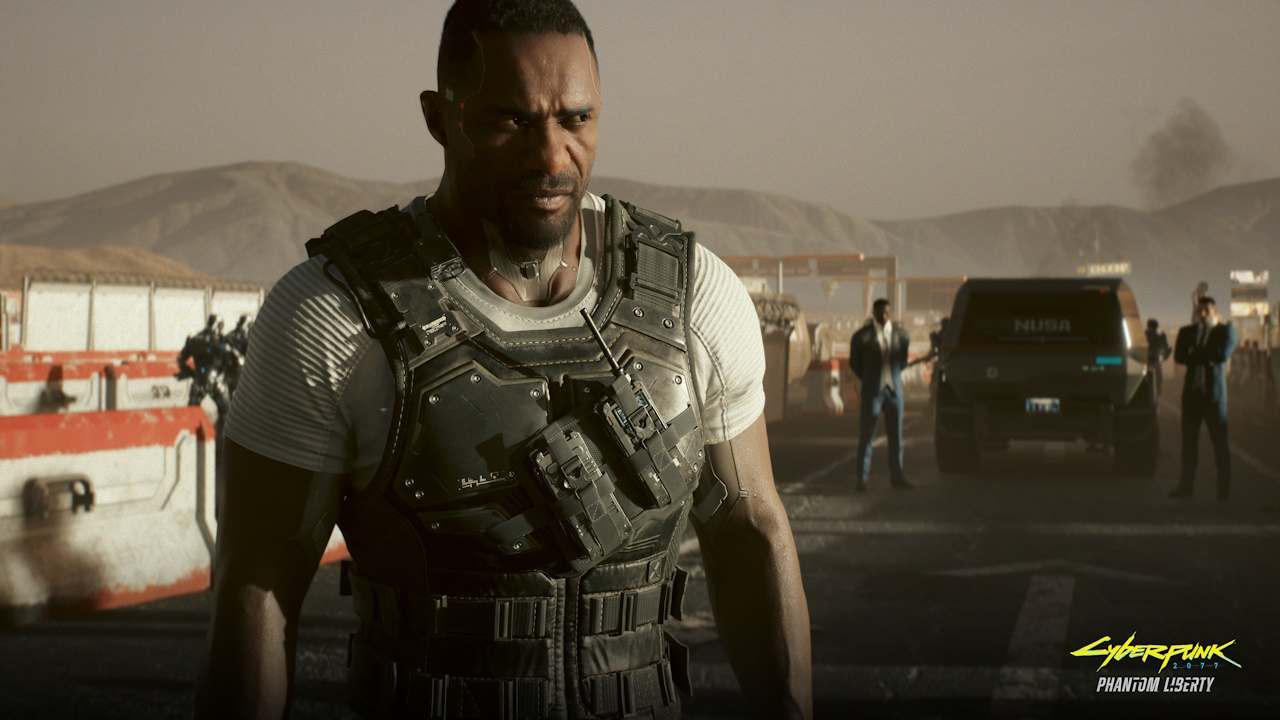
Promotional screenshot of the Phantom Liberty DLC for Cyberpunk 2077 (2020).
Phantom Liberty quite literally transformed Cyberpunk 2077.

Starfield is basically a “single-player live service” game. That’s the model Bethesda and Xbox chose to adopt, and we can see inside Starfield just where the paid skins and cosmetic items will appear when they’re ready to be pushed out. But like any live service, Starfield has to be basically good enough to build up a playerbase before anyone should be thinking about microtransactions, cosmetic loot, or paid mods. If Starfield’s first big expansion isn’t good enough, I don’t see the game retaining enough players to make that kind of “ten-year experience” anywhere close to viable.

Look at other games in the live-service space. Whether it’s Anthem, Marvel’s Avengers, or Ghost Recon: Breakpoint, it’s incredibly easy for even massive publishers with huge brands to fail. And there are relatively few titles that launch to such a mixed reception that go on to make a recovery. The jury’s still out on the likes of Halo Infinite and Suicide Squad: Kill the Justice League, but to say they’re limping along wouldn’t be unfair. Asking for a single patch or update to transform the fortunes of titles like that seems like a big ask… but it’s where they’re at. Just like Starfield, they’re in the last chance saloon.

Promo graphic showing future content for the video game Suicide Squad: Kill the Justice League (2024).
We’ll see how much of this promised content for Suicide Squad: Kill the Justice League actually gets released…

Gaming is a marketplace – and a very competitive one at that. New titles are being released all the time, and while once-in-a-generation masterpieces like Red Dead Redemption II or Baldur’s Gate 3 are comparatively rare, there are enough good games out there – even in the single-player and role-playing spaces – for players to very quickly move on from a disappointing or underwhelming experience. Most games don’t even get a second chance; by the time developers have been able to address issues and roll out updates, the damage has been done and players have left, never to return.

Starfield is lucky in that Bethesda’s pedigree and Xbox’s sky-high marketing budget will almost certainly grant it a second chance and a second look from a decent number of players. But that second look had better be substantially different and a massive improvement – with changes and fixes across the board. Because there damn well won’t be a third.
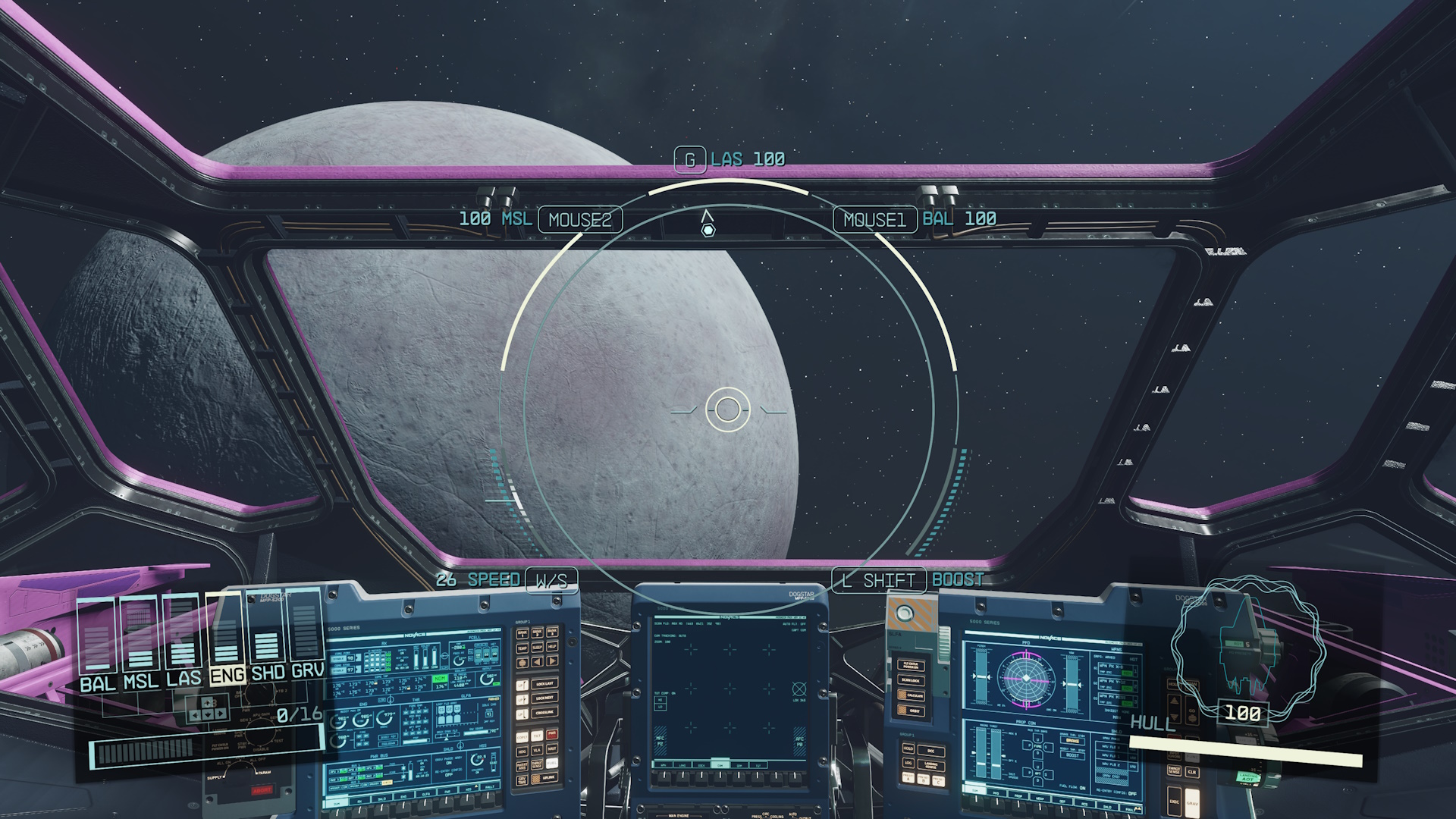
Screenshot of Starfield (2023) showing a first-person view of a spaceship cockpit and a planet in the distance.
Starfield has already had a chance to impress me.

Xbox won’t willingly burn money on Starfield if things don’t improve, just like Electronic Arts didn’t with Anthem or Square Enix didn’t with Marvel’s Avengers. Publishers pretty quickly hit their limit when it comes to supporting a failing game – so Starfield’s life-support can’t last forever. The game sold a decent number of copies at launch, and drove at least some new subscribers to Game Pass, so it’s probably bought Bethesda some time. But that time is finite, and if, at the end of it, the DLC or update isn’t good enough… I can see that being the end of the road for Starfield.

One interesting example here is No Man’s Sky. After that game was poorly-received by a lot of players upon release, Hello Games knuckled down and got back to work. Over the span of years, No Man’s Sky received dozens of updates that brought it much closer to its original vision. But those updates were all free, and players who stuck with the game were rewarded for their support and patience. Hello Games didn’t have the audacity to charge extra for completing the work that should have been done ahead of release… so perhaps there’s a lesson there for Bethesda and Xbox, too.
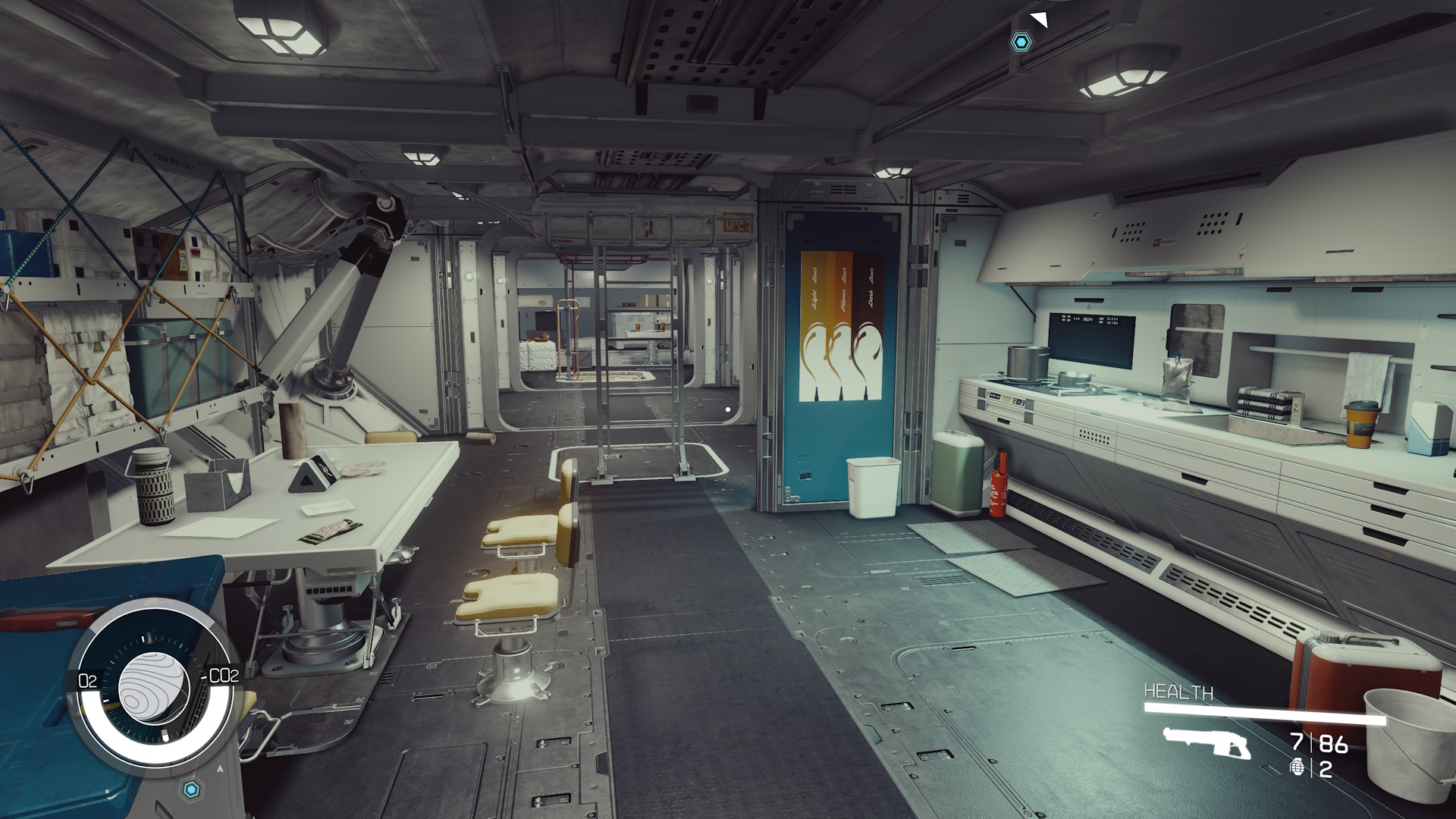
Screenshot of Starfield (2023) showing the interior of a custom spaceship.
Some big free updates wouldn’t go amiss!

At the end of the day, despite whatever positive spin the PR departments at Microsoft and Bethesda might try to put on it, Starfield is in trouble. I gave up on the game after giving it more than enough time to impress me, but what should be even more concerning for Bethesda are the reports from folks who stuck with the game to the end – only to say it isn’t worth re-playing. The game’s launch did not go to plan, and the purported “ten-year experience” seems to be disintegrating before our very eyes.

We can discuss how all of this happened, where Bethesda went wrong, or what the worst aspects of the game are. There are already plenty of articles and essays about all of those subjects – and many different answers to those questions. But there is still a glimmer of hope for Starfield, that updates and improvements could bring it closer to the game we were all hoping for. But time’s a-ticking, and there’s one last chance to get it right.

Let’s cross our fingers and hope that Xbox and Bethesda seize the opportunity.

Starfield is out now for Xbox Series S and X consoles and PC, and is also available on Game Pass. Starfield is the copyright of Bethesda Game Studios, ZeniMax Media, Xbox Game Studios, and Microsoft. This article contains the thoughts and opinions of one person only and is not intended to cause any offence.
Starfield: Further Thoughts

Spoiler Warning: There are spoilers ahead for Starfield’s main quest, including its ending.

I have to confess that I haven’t played a lot more of Starfield since I last shared my thoughts on the game, its flaws, and how Bethesda might want to respond to some of the biggest points of criticism. But as I’ve sat with the game in the month since it released, I’ve found a few more things to say that I didn’t get to mention in either of my two big post-launch pieces about Starfield. It’s these points that we’re going to talk about today – and if you ignored the spoiler warning above, please know that we’re going to discuss the ending of the main quest and Starfield’s New Game Plus mode.

I feel that Skyrim’s unprecedented success changed something at Bethesda. The company ceased viewing its games as individual stories to be created, completed, and published, and instead began seeing all of its projects as ongoing, long-running experiences. Because Skyrim remained popular for years after its release, Bethesda seems to have internalised that and expected it to become the “new normal,” deliberately taking steps to build all future games with that goal in mind. We saw that most obviously with Fallout 76, but I’d argue very strongly that it happened with Starfield as well.

Starfield has landed…

In a recent interview with Insomniac Games (creators of Marvel’s Spider-Man, among other successful projects), Bethesda executive producer Todd Howard said that Starfield was “a good base of a game to build upon,” referencing the company’s plans for future DLC and additional development for years to come. This isn’t the first time we’ve heard of talk of years-long plans for Starfield. In fact, it seems that building a kind of single-player live-service title was one of Bethesda’s main objectives when developing the game.

My question is this: was Starfield screwed over by this idea?

Find me a recent game that billed itself as having a “ten-year plan” or a “five-year roadmap” that actually went the distance. Whether we’re talking about the likes of Anthem, Marvel’s Avengers, or Halo Infinite, many titles have come along promising something like this – only to fail to deliver. Games that genuinely last a decade or more are seldom planned that way; titles like Fortnite, Grand Theft Auto V, or Skyrim are lightning in a bottle. These one-off games succeed for almost unquantifiable reasons – and a massive amount of luck. Corporate planning to replicate that kind of once-in-a-generation level of success has almost never worked. Massive developers like Rockstar have faltered, and even some of the biggest brands and properties on the planet, like Marvel, have been unable to make a “five-year experience” work.

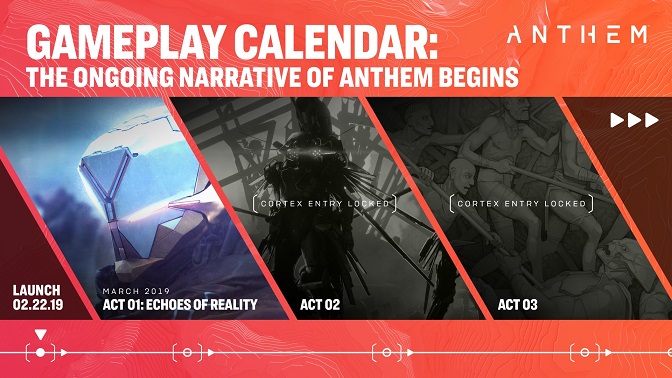
Anthem’s “roadmap” of content that was supposed to be added to the game.

And I can’t help but feel echoes of the likes of Anthem in Starfield. Parts of the game feel barebones and incomplete, as if waiting for future “content drops” and updates to round things out. There are plenty of missions and quests to get stuck into in Starfield, for example, but where are the cosmetics and skins? Why are there so few weapon styles, outfits, skins, and the like? I said when I wrote up my first impressions of Starfield that I was pleased to see the game wasn’t being excessively monetised… but looking at the lack of cosmetic variety and skins, it seems pretty clear that Bethesda plans to add these as paid-for DLC.

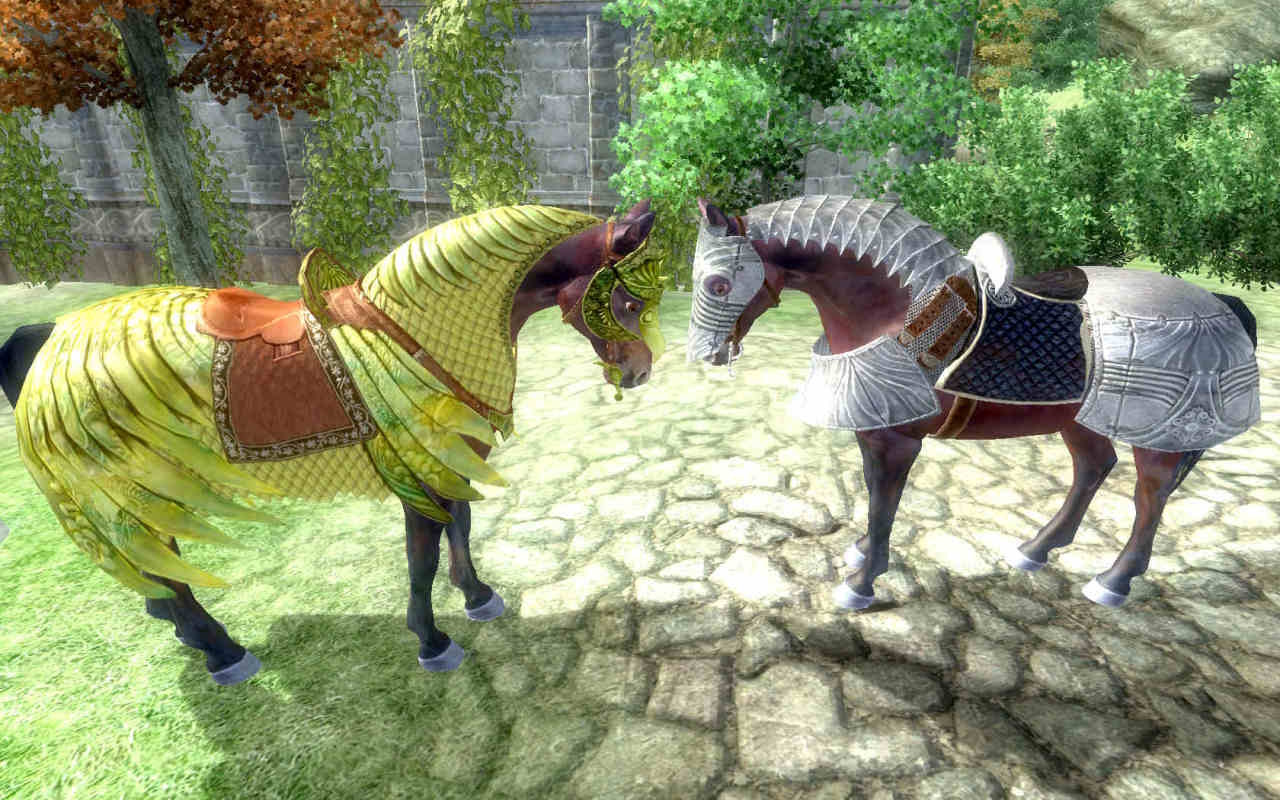
The corporation is no stranger to this. In fact, I’d argue that Bethesda is actually one of the guiltiest parties in the entire games industry when it comes to microtransactions – especially in the single-player space. Oblivion’s infamous horse armour DLC in 2006 was one of the most notorious examples of bad value cosmetic DLC in a single-player game, and one of the first to attract mainstream attention. Other companies saw Bethesda essentially getting away with it, and a truly unfortunate trend accelerated.

Oblivion’s horse armour DLC was released in 2006.

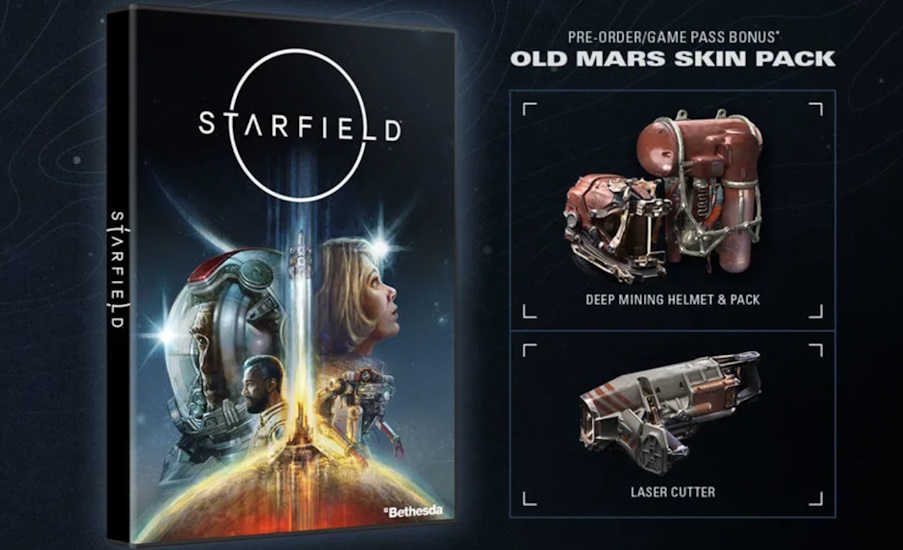
At time of writing in October 2023, the only skins available in the game come from expensive pre-order or premium editions of Starfield. That’s already a red flag, in my opinion, and it seems all but certain that future skins will also only be available as paid add-ons.

Starfield could look very different in six months or a year from now, with in-game purchases that could easily push the cost of the complete game closer to £200. Remember that in order to get the currently available skins, and pre-order Shattered Space, players are already having to fork over £100 to Bethesda for Starfield’s premium edition, so £200 when additional skins and cosmetics have been released doesn’t even seem like a stretch. By the time Bethesda finally stops working on Starfield altogether in the years ahead, the full price of the game plus all of its DLC and additional content could run to far more than that.

Skins are currently available as pre-order and special edition bonuses only.

So I’m rescinding my “doesn’t feel excessively monetised” statement from my earlier piece. Starfield feels like a game that’s being primed for additional monetisation – and rumours of paid mods have not escaped my notice, either. Paid mods will have to be the subject of a longer piece one day – but suffice to say for now that I’m not a supporter of them in any way, shape, or form.

Bethesda took a risk by turning Starfield into a single-player live-service title, and while I will say that the “base” version of the game still has a lot on offer – for people who are still interested in Bethesda games and the way they design their quests – I’m not sure it was the right decision. Building a good game with fun gameplay and an engaging story should have been priority number one – but it feels like both of these things took a back seat. Planning for a decade’s worth of add-ons and extra content became Bethesda’s main ambition. I’m not convinced all of these planned pieces of DLC will see the light of day.

This is where skins will appear – when Bethesda is ready to begin selling them.

When I really dig down, Starfield’s biggest issue for me personally isn’t actually that its gameplay feels outdated and uninspired. It’s that the game’s story just didn’t grab me and the worldbuilding was so bland and uninteresting that I didn’t care to spend any more time in it. The world of Starfield feels small, flat, and boring – and when the gameplay backing it up was lacklustre too, I couldn’t find a way to make progress. I’m someone who’ll happily play through some absolutely bog-standard gameplay if I’m enjoying a story or getting lost in a fictional world, but with Starfield offering neither an entertaining story nor an engaging world… sticking with the game lost its appeal.

I looked up spoilers online to see what happens further along Starfield’s main quest. I was bored to tears playing it, but if it picked up later on I thought I might be able to push through to get to the promised moment where the game would finally “get good.” But what I read actually surprised me – and I ended up feeling glad that I didn’t waste any more hours of my life playing through the story.

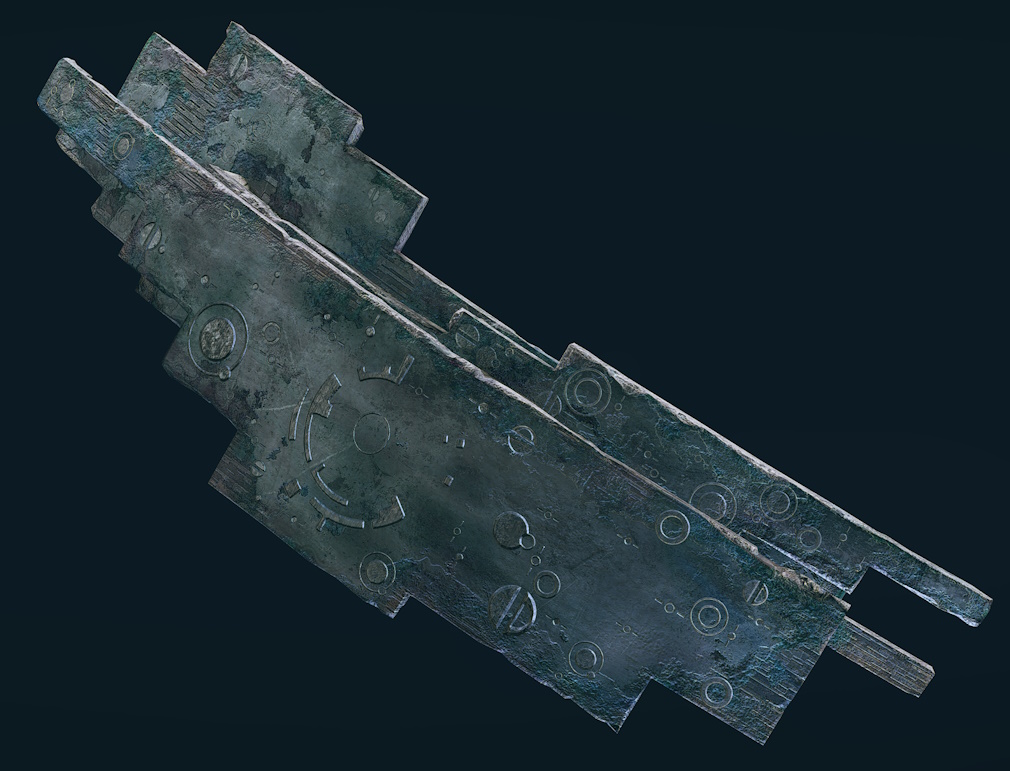
One of the artefacts at the heart of the game’s story.

What is one of the most basic pillars of storytelling? Any narrative needs a beginning, a middle, and an end. If a story revolves around a big mystery, solving that mystery is absolutely key to making it feel complete. Starfield’s writers chose to ignore this absolutely fundamental rule of narrative construction, and the result is that the game’s main story seems like it comes to a deeply unsatisfying “end.”

Starfield began by setting up a mystery: what is this artefact? What does it do? And who made it? Then the game introduces us to a team of people dedicated to figuring it all out. There are major structural weaknesses on this side of the story – like what anyone involved in Constellation actually does or has been doing for the past thirty years prior to the player character showing up – but that’s somewhat beside the point. After a series of glorified fetch quests that see us chasing different artefacts across the galaxy, Starfield introduces two antagonists and magical powers that we can learn… but then the story ends without explaining anything about what the artefacts were or who created them.

Starfield’s main story has a deeply unsatisfying ending – and the journey to get there isn’t much fun either.

Failing to solve the key mystery at the heart of the narrative, and refusing to even answer the most basic of questions about that mystery, ignores one of the fundamental tenets of storytelling. It makes the whole story – which then begins again in a weird kind of cyclical manner – feel incomplete and frustrating.

It seems to me that this aspect of the game – starting over by “travelling to an alternate reality” – is nothing more than a narrative gimmick to allow Bethesda to put a New Game Plus mode into Starfield.

And why would Bethesda want to add such a feature? None of the company’s previous titles included New Game Plus, after all. Oh, that’s right: because Starfield was built to be a “ten-year experience” rather than a complete game, and New Game Plus feels like an easy way to keep players engaged for longer.

I couldn’t even get through the game once

So we come full-circle, and I think we can reasonably make the case that Starfield has been harmed in more ways than one by Bethesda’s insistence on planning for the long-term at the expense of the short-term. Maybe Shattered Space, or some additional piece of DLC in the future, will resolve Starfield’s big mystery. And maybe, if that happens, the main story of the game will feel complete and worth experiencing. But if the best possible spin I can put on Starfield is that it’s an incomplete experience that needs additional content to actually feel like its story has a proper ending… that’s not great. It makes it feel no different from dozens of other incomplete live-service games.

I usually avoid live-service titles, and I do so for one basic reason: I don’t like to play an incomplete game. If a film or season of TV ends on a cliffhanger, with promises of a resolution to come next time, that’s one thing. But Starfield isn’t a film or a TV show, it’s a single-player game that shouldn’t depend on future DLC or updates to actually complete its main story.

Ready for boarding?

The longer I’ve sat with Starfield, the further the game has slipped down in my estimation. There are unfavourable comparisons with other recent releases that can’t be avoided, but at its core we’re stuck with a game that feels fundamentally incomplete. As Todd Howard himself admitted, Bethesda made a “base experience” that they intend to build on over the next few years – and that they also expect modders to help with. That might’ve been okay were it not for the outdated and buggy gameplay combined with an uninteresting and bland setting.

So like with other live-service titles, maybe Starfield will be worth revisiting after those promised updates, content drops, and DLC packs have been created. Maybe the “ultra deluxe anniversary edition” will be worth playing in 2030 – so if I live that long, maybe I’ll check it out. But I’ve been wasting my time on a game that, for all of its lofty promises, just isn’t what I’d been expecting. As I said last time: part of that is on me for internalising too much of the hype and excitement that built up in the months before Starfield’s launch. But a lot of the blame lies with Bethesda for creating an uninspiring setting, a bland, incomplete story, and for building a game that feels a decade out of date.

You cannot go that way.

Forget about Starfield becoming a “ten-year experience.” Bethesda needed to catch up on at least ten years worth of improvements and changes in game design and development. Those are the ten years that Bethesda should have been focused on. The company should have been looking at what comparable games in the open-world, action-adventure, and role-playing spaces have been doing since Skyrim launched and worked to incorporate some of those elements into Starfield. Instead, Bethesda took the Skyrim formula, cut out content to introduce later by way of paid DLC and add-ons, and planned for a decade’s worth of content for a game that already feels at least ten years out of date.

I wanted to love Starfield. The game’s overall aesthetic and many of its creative choices looked to create exactly the kind of sci-fi setting that appeals most to me. Blending real-world design elements with some of the sci-fi properties that I remember fondly from years past should have been exactly what I was looking for. I was worried that I was too harsh on Starfield and that I’d been treating the game unfairly or unkindly… but the longer I’ve sat with it the more I’ve seen its “ten-year plan” laid bare. I don’t care for live-services, for incomplete experiences, or for badly-written stories with cheap endings. I think I’m done with Starfield for now – though I will give the caveat that the game could be worth picking up again once its planned add-ons have been released.

Starfield is out now for PC and Xbox Series S & X consoles. Starfield is the copyright of Bethesda Game Studios, Bethesda Softworks, Xbox Game Studios, and/or Microsoft. Some promo images and screenshots used above courtesy of Bethesda. This article contains the thoughts and opinions of one person only and is not intended to cause any offence.