When the Nintendo Wii launched here in the UK in late 2006, pre-orders sold out well in advance. I was on a waiting list that was months long, and it wasn’t until almost half a year later that I managed to finally get my hands on a console. In 2017, though I wasn’t on a waiting list and didn’t buy a Switch right away, I was well aware that there were waiting lists and some folks found it difficult to get their hands on a console on launch day. That’s to say nothing of the problems Sony and Microsoft had when the PlayStation 5 and Xbox Series consoles launched a few years ago. Those machines were out of stock everywhere for basically an entire year – at least here in the UK.
Nintendo emailed me shortly after the Switch 2 was announced; a marketing circular hyping up the new console and inviting pre-orders. I didn’t actually meet Nintendo’s stringent pre-order requirements, having cancelled my Switch Online membership for lack of use a while ago! But Nintendo has been pushing hard for pre-orders, and there was even a minor controversy a few weeks ago when it seemed that Game, the UK’s only remaining chain of video game shops, had messed up some folks’ pre-orders. The Switch 2 was all set to be the hottest piece of tech of 2025 and looked like it’d be hard to find!
Which makes it feel profoundly odd that today, on launch day, consoles are available everywhere I look.
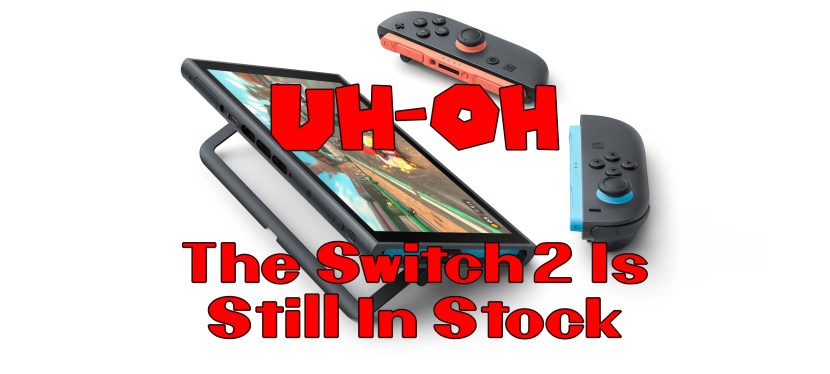
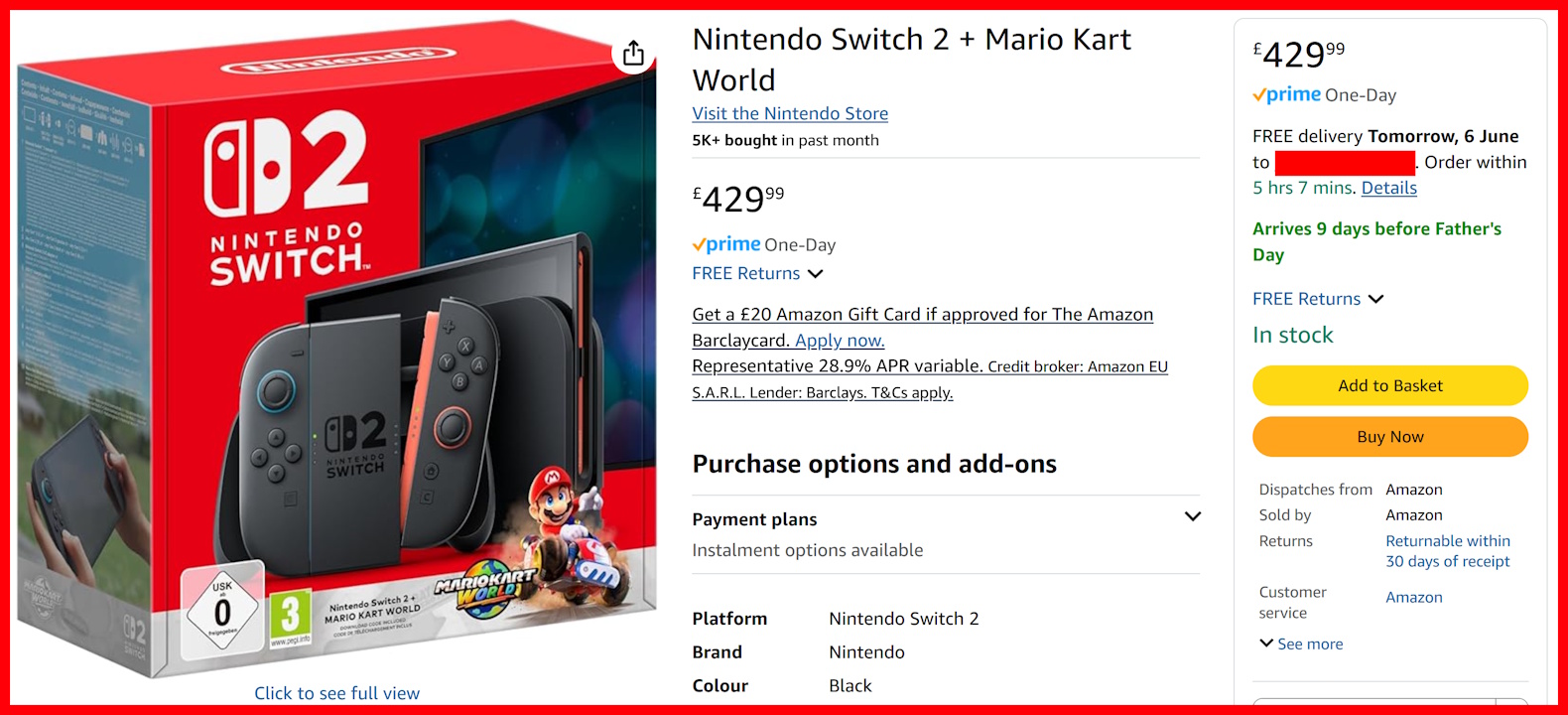
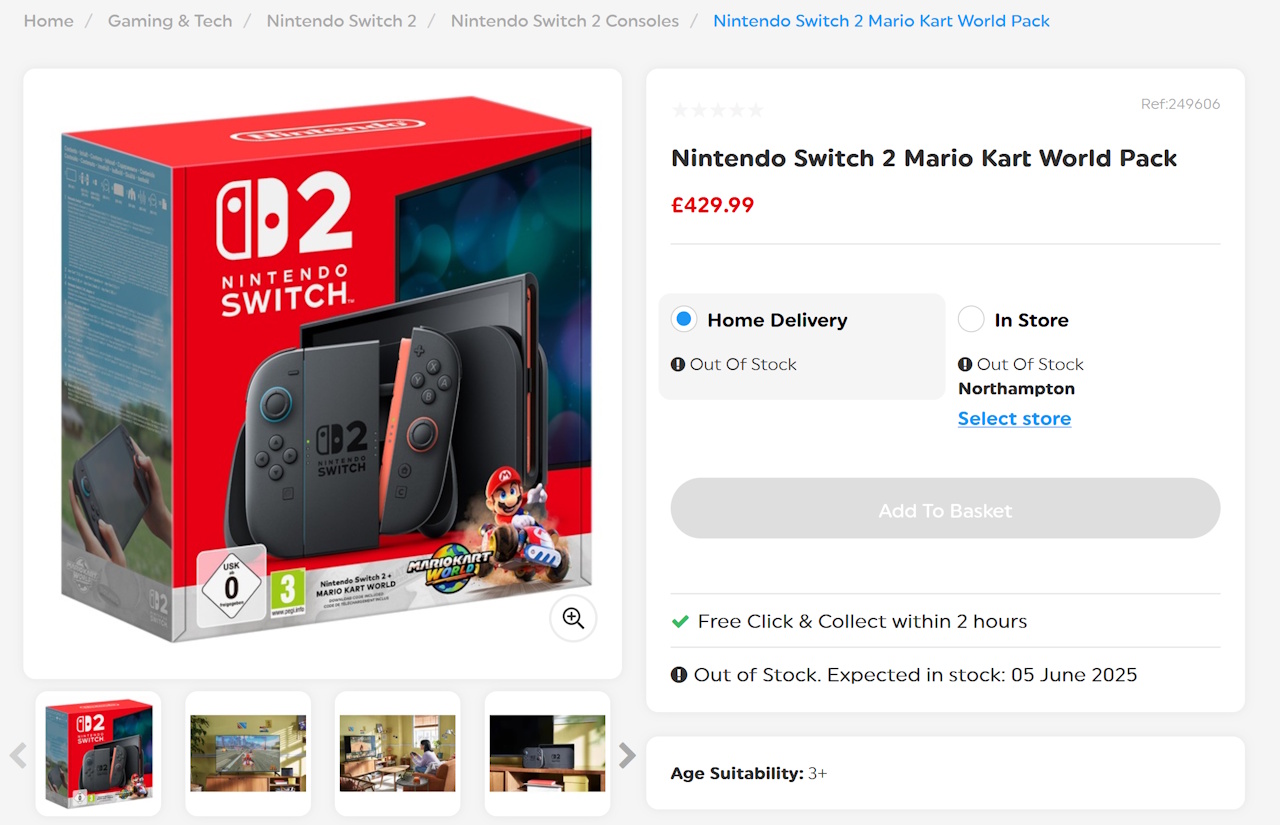
The Nintendo Switch 2 hasn’t sold out… at least here in the UK at time of writing.
I don’t think it’s necessarily a damning indictment of the Switch 2 that it hasn’t sold out. In fact, if you remember my criticisms of Microsoft and Sony back in 2020, you’ll know that I argued then that companies needed to do more to ensure they had enough stock to go around before launch. Playing into the hands of touts and scalpers was really poor from both Xbox and PlayStation, and on the one hand I’m glad that Nintendo seems to have been better-prepared.
But on the other… I can’t shake a funny feeling. Nintendo has never been well-prepared for… well, anything. Go back twenty years and you’ll find jokes and memes doing the rounds about Nintendo machines and games being unavailable or out of stock, and I think I’m right in saying that even the beleaguered Wii U had stock issues when it was released back in 2012. So… has Nintendo finally got it right? Did the company, for what could be the first time ever, manage to gauge public interest perfectly, and successfully manufacture and ship enough units all across the world?
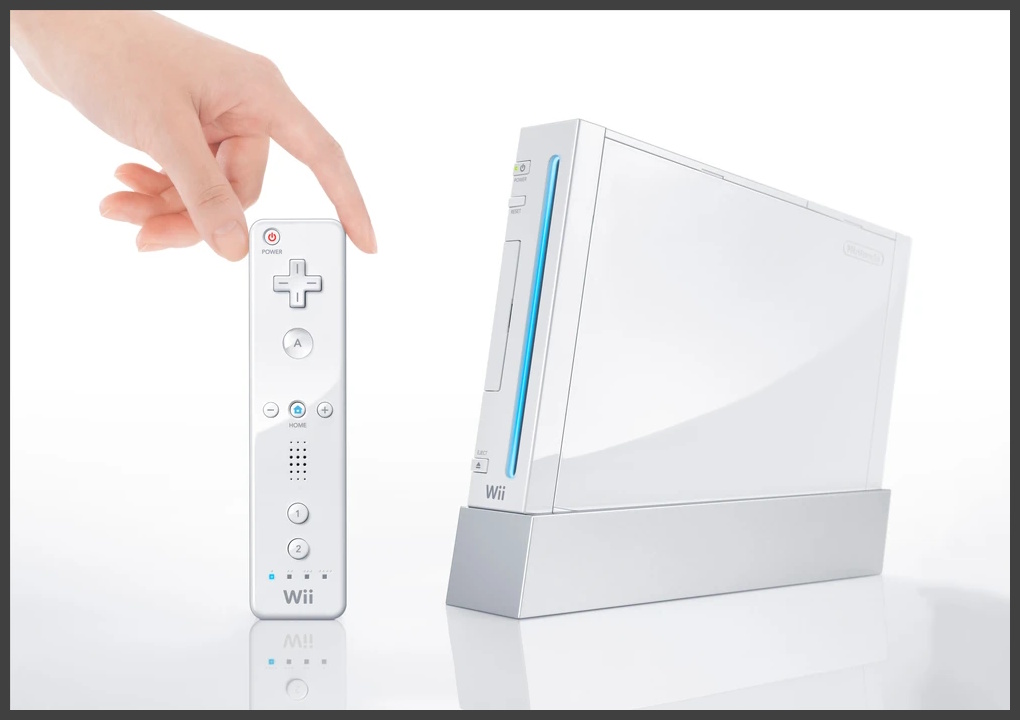
The Wii was out of stock everywhere for months after its launch.
Or could there be another explanation?
Is the Switch 2 still in stock today because… well, there just isn’t as much interest in the console as Nintendo had hoped? Even if you’re the hardest of hard-core Nintendo fanatics, you can’t deny that the Switch 2’s marketing campaign has been dominated by the high price of games, as well as the increased price of the system itself. I warned that pitching the Switch 2 at a comparable price to Xbox and PlayStation consoles would invite potentially unfavourable comparisons, and for gamers interested in a handheld, there are cheaper and more versatile handheld PCs on the market.
Then there’s the launch lineup. As I said last time, the only game I’d really call a “system seller” or “killer app” is Mario Kart World – the game which has attracted a ton of criticism for its price tag. Donkey Kong Bananza isn’t a launch title, and as a game in a second-tier franchise I doubt it would be a huge mover of Switch 2s on its own anyway. What other games are there at launch that are going to attract players? Enhanced ports of a handful of Switch 1 titles and underwhelming versions of games that look and run better on other consoles? I don’t mean to be unkind, but I doubt many folks are buying a £400 console to play Kunitsu-Gami: Path of the Goddess or the paid-for demo Welcome Tour.
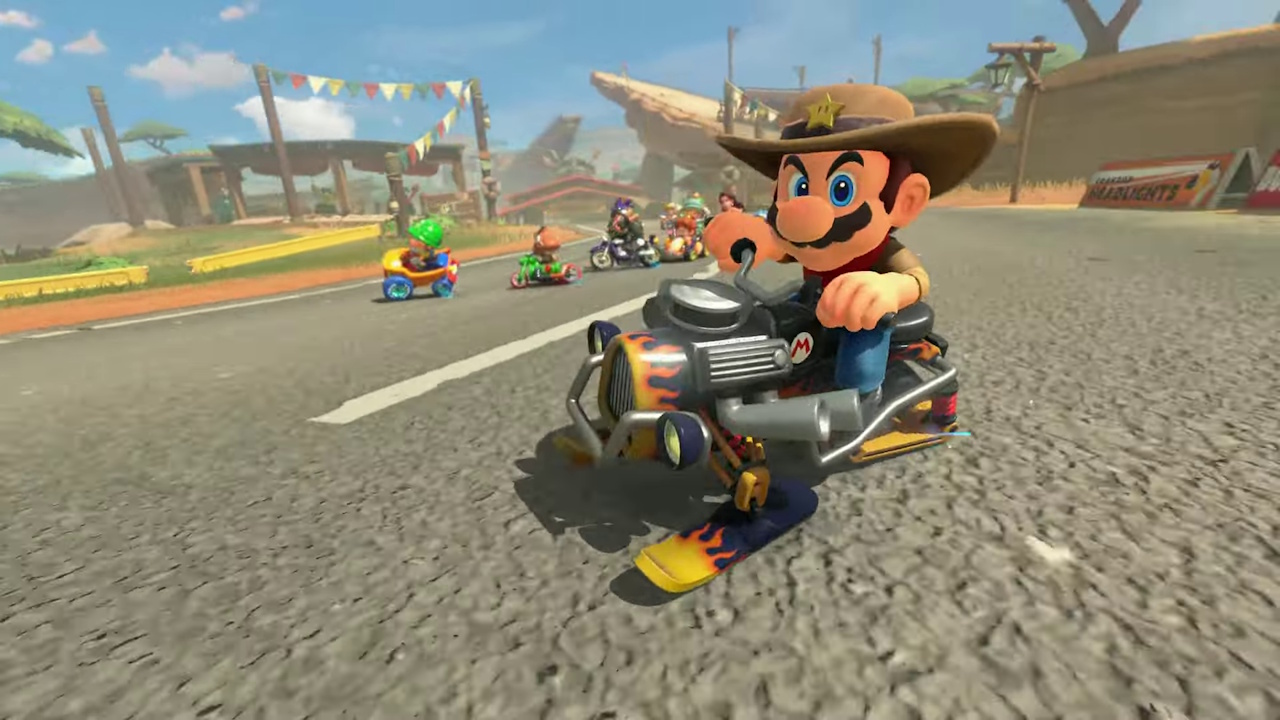
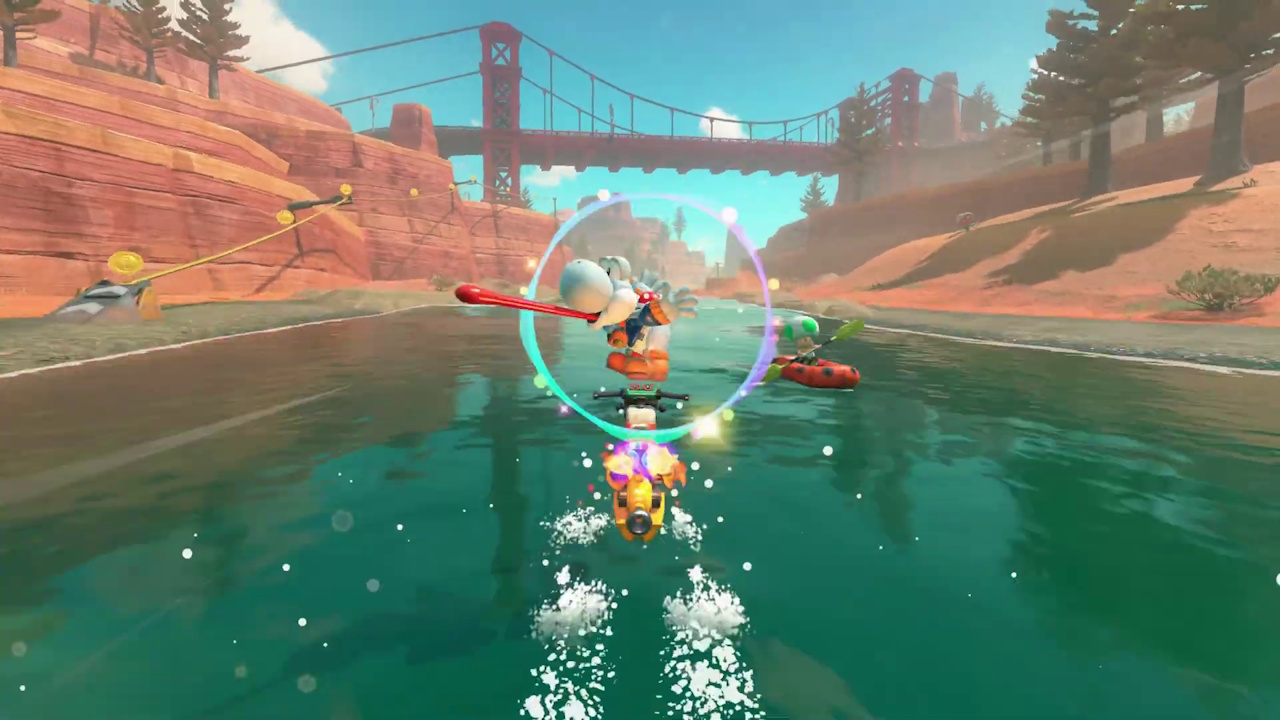
Nintendo is clearly banking on Mario Kart World to shift a lot of consoles.
Maybe this is a weird quirk of the UK market, and perhaps gamers in the United States, Europe, and Japan are going to be waiting a while to get a chance to play on Nintendo’s latest machine. But I’m not so sure, and I’ll be very curious to see the Switch 2 sales figures – if Nintendo announces them – sometime in the autumn when the company talks about the current financial quarter.
There are issues in the UK with the ongoing cost-of-living crisis, inflation, and a government that seems hell-bent on punishing the poorest and least-well off in society. So that could absolutely be a contributing factor to why people aren’t confident in investing in a brand-new, relatively expensive, luxury item like a games console. But if that were true, I’d have expected to see sales of Xbox, PlayStation, PC, smartphones, and other gadgets in decline – which is something that hasn’t happened.
Another UK retailer (Game) has Switch 2 consoles in stock.
So what’s going on? Maybe I’ll check back in a couple of days’ time and find that Switch 2 consoles are out of stock. Or maybe Nintendo finally got one right and managed to produce enough consoles to meet launch demand. There’s a first time for everything, after all. But I can’t shake the feeling at this very early stage that something isn’t quite going to plan, and that the Switch 2 might not be reaching the sales targets Nintendo and their corporate investors had in mind. But I’m not going to write the console’s obituary just yet! There’s still plenty of time for things to change; it’s literally the machine’s first day on sale. However, the simple fact that consoles haven’t already sold out has definitely caught me off guard.
If you put a gun to my head and told me to predict, right now, how well the Switch 2 would perform across its lifespan… I’d say that I still expect it to do well with Nintendo’s core fanbase, but that it might struggle to reach the same number of units sold as the original Switch. The price tag is a big part of that… but so is the console’s uninspired design. For decades, Nintendo consoles were new, innovative, and fresh. Sometimes that worked, and sometimes it didn’t work quite so well, but what you could never say about Nintendo was that they were stagnant. The company built a reputation around innovative, fun, family-friendly games. The Switch 2 is the company’s first console to feel repetitive and samey… and maybe, just maybe, that could be another contributing factor.
Or I could be totally wrong and by Saturday, it’ll be a six-month wait to get a Switch 2! Still… strange times.
The Nintendo Switch 2 is available to purchase now. The Switch, Switch 2, Super Mario, and other properties discussed above are the copyright of Nintendo. This article contains the thoughts and opinions of one person only and is not intended to cause any offence.
When I took a look at Nintendo’s Switch 2 broadcast earlier this month, I noted that the price for games has gone up – and that could be offputting for some players and families. It turns out that Nintendo’s self-inflicted price problem has blown up and quickly became one of the biggest talking points coming out of the presentation… so today I thought we could look at the issue in a bit more detail. We’re also going to answer a deceptively simple question: will it matter? Or by the time the console launches, will most people simply brush off the price hike and buy one anyway?
First of all, let’s separate the price of the Switch 2 console itself from the price of at least some of its flagship games. £400/$450 – which is the current price at time of writing, prior to any tariff-related adjustments – didn’t strike me as being terrible. It’s more or less in line with the current-gen Xbox and PlayStation consoles, sitting somewhere in between those consoles’ cheaper and more expensive variants. But is that the right price point for a Nintendo console – particularly one which is a hybrid, and far less powerful than its competitors?
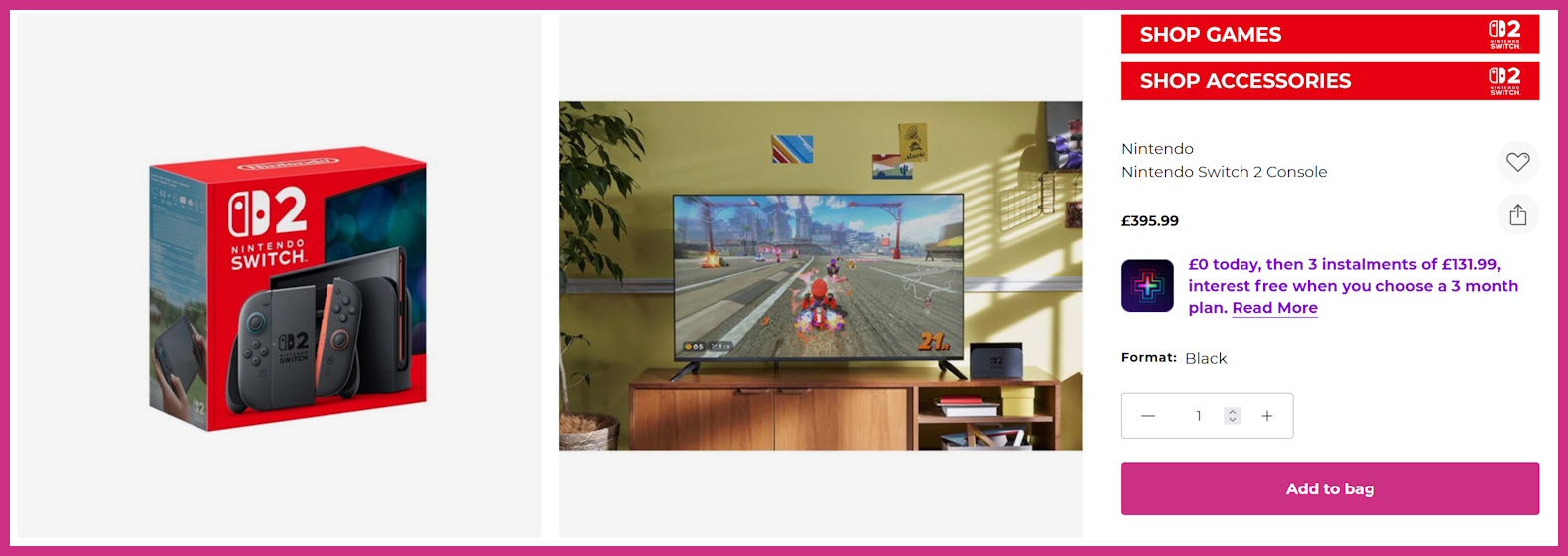
The Switch 2 will sell for £430 here in the UK. Image Credit: Smyth’s UK
In 2018, I paid £280 for my Nintendo Switch. That’s just seven years ago, yet the price of a Nintendo console has gone up by 42% in that short span of time. That doesn’t feel right the more I think about it – and going back to earlier console generations, this is Nintendo’s biggest price jump… ever. In the ’90s, the price of Nintendo’s consoles stayed at $199 in the United States, even as inflation set in. The GameCube in 2002 cost the same $199 at launch as the Super NES had in 1991. From there, Nintendo consoles jumped up an average of 22% each generation from the GameCube to the original Switch. You can check out the numbers and do the sums for yourself if you like – all this information is publically available online.
All of this leads to a reasonable question. What is the Switch 2 offering to justify a 42% price hike over its predecessor?
It isn’t innovation. As we discussed last time, Nintendo seems content to double-down on the Switch format, not doing anything radically different. The Wii U, Wii, Nintendo 64, DS, 3DS, and other Nintendo machines all offered some kind of new or innovative way to play when they launched, but the company seems to have thrown in the towel on that front – at least for this current generation.
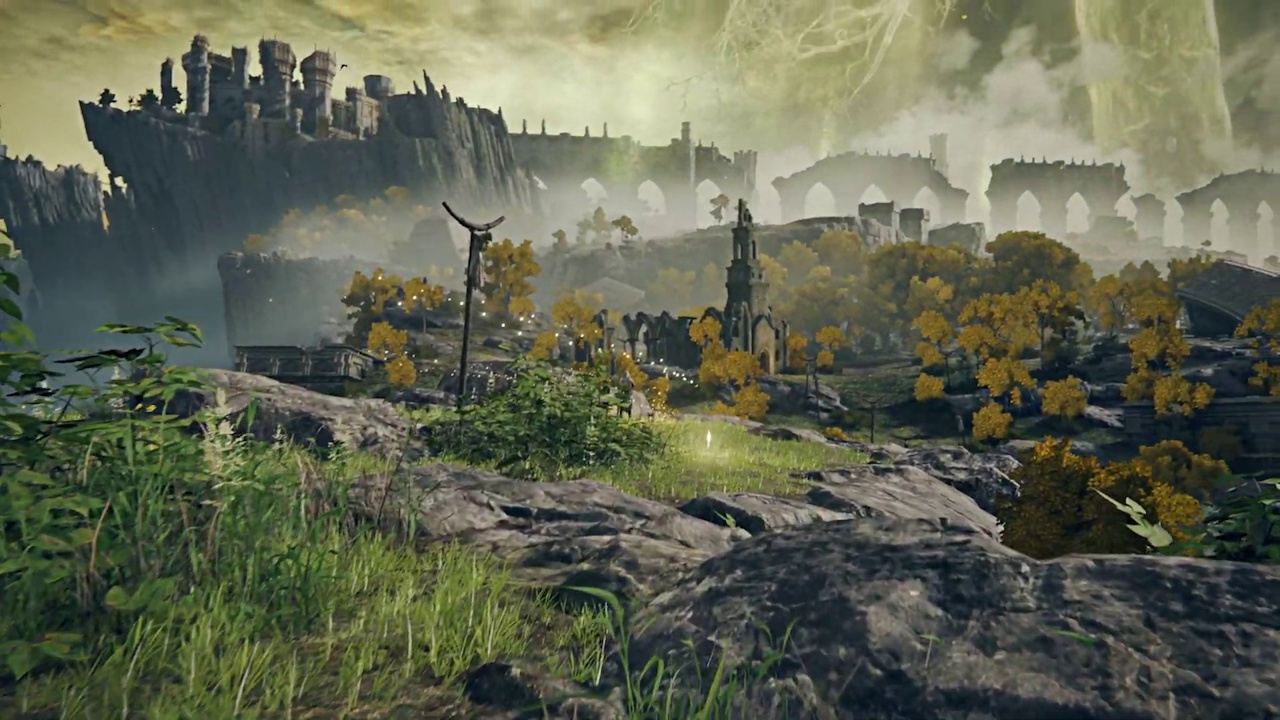
Elden Ring – as it will appear on Switch 2.
It isn’t better graphics, either. The Switch 2, as I noted in my response to the Nintendo Direct, looks okay, but nothing blew me away in graphical terms. Some titles – like Elden Ring, Cyberpunk 2077, and Hogwarts Legacy – look noticeably worse on the Switch 2 than they do on other consoles or PC. Look at the trees in the screenshot above – see how flat and two-dimensional they look? Compare that screenshot from the Switch 2 to a comparable one from Elden Ring running on a PlayStation 5 or Xbox Series console and see how there’s a significant downgrade.
So the Switch 2 is, in essence, an iterative improvement on the original Switch format. It retains the branding, the same colour scheme, the same cartridge format, the same hybrid nature, and the same controls, too. Graphically, it may be an incremental improvement – but it’s going to be running cutting-edge titles in a noticeably worse way than its two similarly-priced competitors. Some of the biggest games around – Grand Theft Auto VI most noticeably – won’t run or even attempt to run on the system, too.
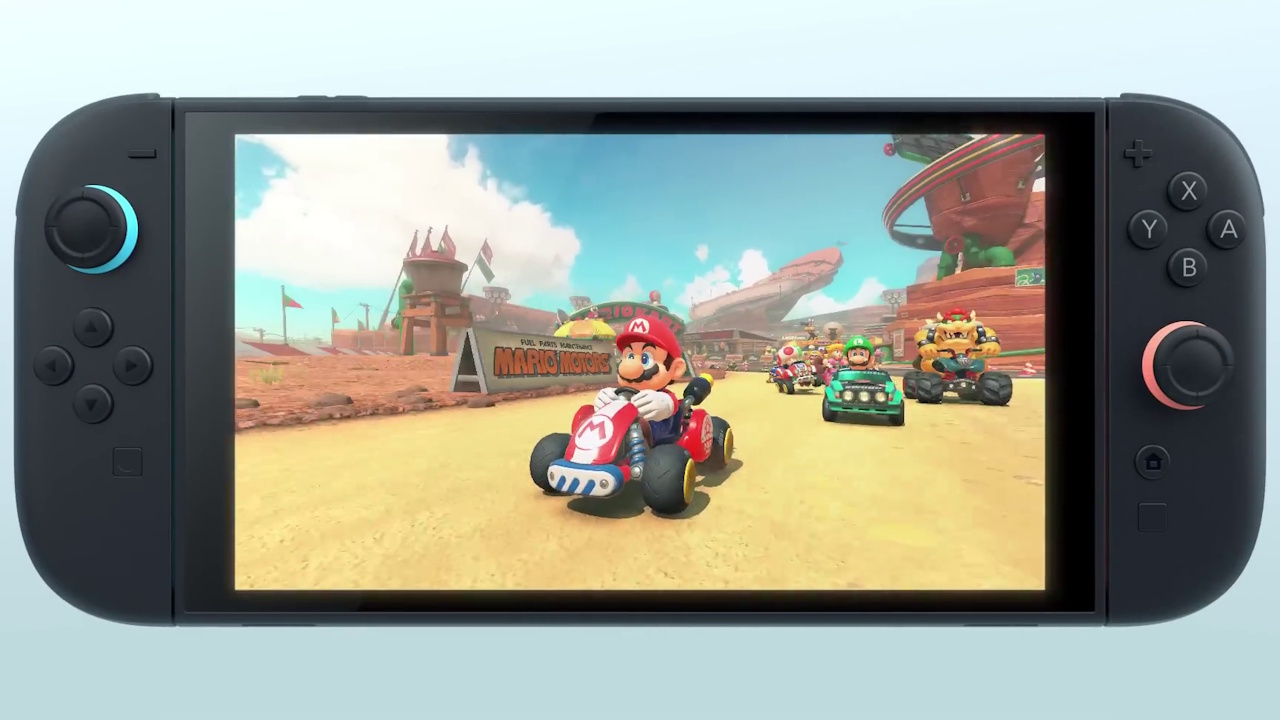
Mario Kart World running on a Switch 2 in handheld mode.
But people don’t buy a Nintendo console to play Elden Ring, right? Not as their primary console, anyway. Most folks I’ve spoken to have enjoyed the Switch’s portability, and have commented on the novelty of playing full AAA games like The Witcher 3, Monster Hunter, or Minecraft on a portable device. But those same people have, almost universally, owned a PC or another console which they’ve used as their “primary” gaming machine.
Look at the best-selling Switch games: they’re almost all Nintendo originals. Super Mario Odyssey, Animal Crossing: New Horizons, Breath of the Wild, the Pokémon series… these are the games people buy a Switch for. And in comparison to the current Switch, there’s no doubt that the likes of Mario, Luigi, Donkey Kong, and Pokémon are going to look better on the new machine. Nintendo has even shown off “enhanced editions” of some popular Switch games that will get visual upgrades on Switch 2.
Is the $450 price point too high for a console like that, though?
Is the Switch 2 overpriced?
Speaking for myself, I won’t be buying a Switch 2 this year. My original Switch felt like a good deal at under £300, but I’ve only seriously played four games on it in the seven years I’ve owned it: Luigi’s Mansion 3, Super Mario Odyssey, Animal Crossing: New Horizons, and Mario Kart 8 Deluxe. I’ve tried my hand at a few other games, but that’s it. Four games in seven years. And I won’t be the only person in that position… the reality is that Nintendo consoles have a pretty specific use, and the days of people choosing a Nintendo console instead of an Xbox or PlayStation are pretty much gone. So… who’s gonna pay $450 for a secondary console? Or a console that their kid is asking for?
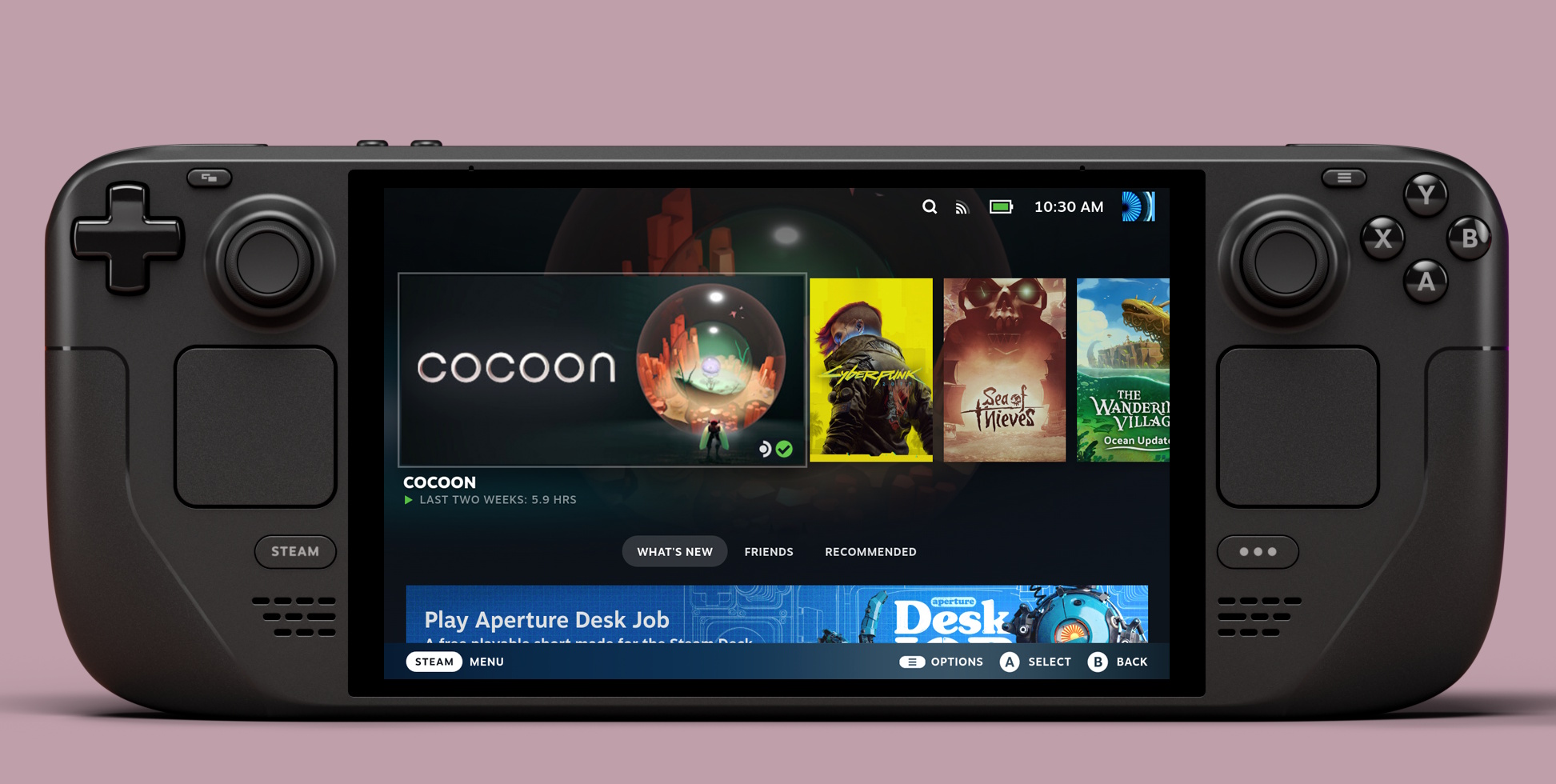
By pitching the Switch 2 at the same price point as an Xbox, a PlayStation, and more importantly, handheld PCs like the Steam Deck, Nintendo is inviting comparisons to those devices. A Steam Deck, which starts at $349 in the United States, would be a much more versatile machine in many ways, and arguably a better purchase than a Switch 2 for someone looking to play games on the go. Can Nintendo really win over players and parents at this price point?
The Switch 2 will be more expensive than a base model Steam Deck – and almost the same price as an Xbox Series X.
Really, the only thing the Switch 2 has going for it are its exclusives. And I gotta be honest here: the Nintendo Direct really only showed one which I could see being a system seller. Donkey Kong Bananza is the kind of game you buy when you’ve already got the console and you’re shopping for things to play. There’s no new Mario game or Mario spin-off. And there’s no Animal Crossing title, either, which could’ve taken advantage of the casual audience that showed up in droves for New Horizons. The Switch 2’s “killer app,” at least at launch, is Mario Kart World. That’s it. Everything else has either much more of a niche audience or just… won’t shift consoles on their own.
I don’t want to undervalue Mario Kart World. The game does look good, no question. Nintendo has always had the premiere kart-racer, and that shows no signs of changing! But as I said in my look at the Switch 2 Direct… I can’t justify £430 (which is the bundle price for the Switch 2 + Mario Kart World here in the UK) to play one game. And this is where the next problem comes in, because for a lot of people… one game might be all they can afford.
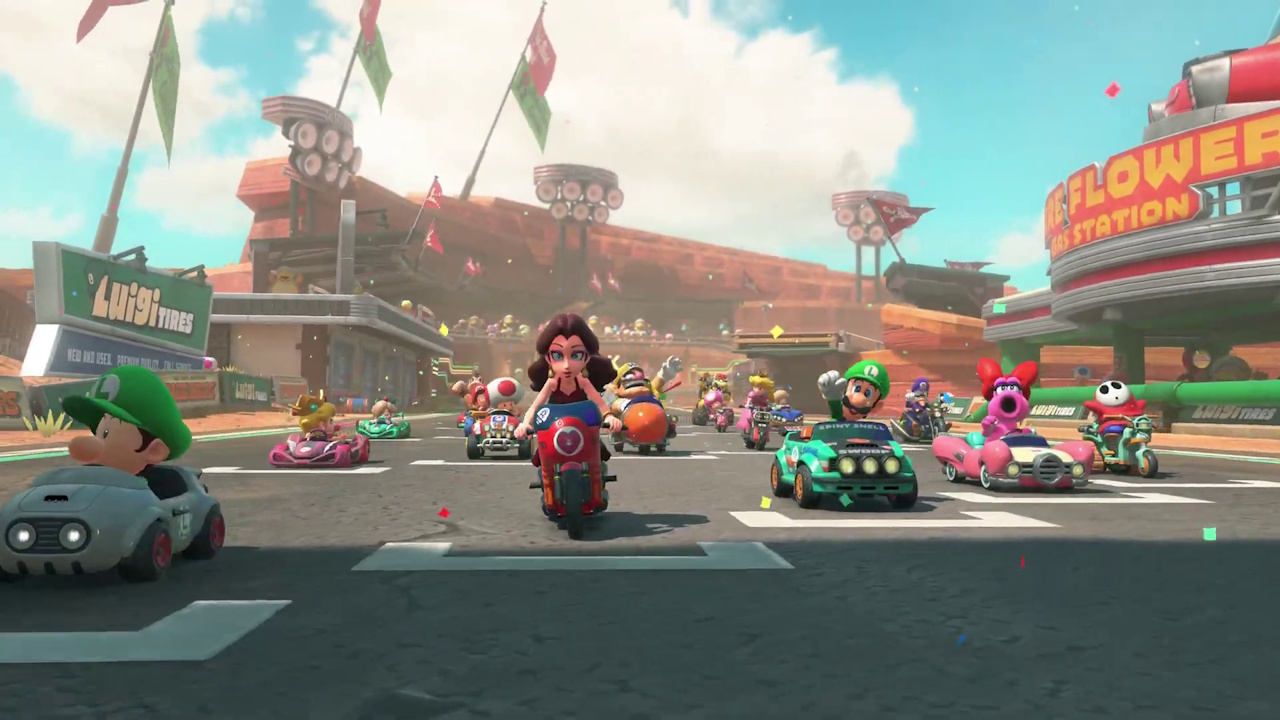
Mario Kart World.
£75 ($80 in the US) for Mario Kart World is just obscene. Not only is it a ridiculous price for a simple kart racing game, but it’s a massive jump from the price of Mario Kart 8 Deluxe – and other games on the current-gen Switch.
I paid £41 for Mario Kart 8 Deluxe on the Switch, a similar price for Mario Kart 8 when I was one of about seven people who owned a Wii U, and I paid £32 for Mario Kart Wii in early 2009. Even allowing for inflation – which has punched all of us in the face in the last few years – we’re talking about game prices almost doubling from the Switch to the Switch 2 in some cases. I don’t have receipts for every Switch game I’ve bought, but the ones I could find average out at around £45. At the high end I’d pay £50, at the lower end closer to £30 or £35 for a brand-new Switch game. Even going from £50 – the RRP for Mario Kart 8 Deluxe – to £75 is a jump of 50% from one generation to the next; if a new Animal Crossing game is similarly-priced it’ll have basically doubled. These are massive increases, there’s no two ways about it.
The next Animal Crossing game could easily be £75/$80 too.
There does seem to be some flexibility with pricing, as Donkey Kong Bananza will be less costly than Mario Kart World. So perhaps Nintendo is aiming to use the highest price only for its flagship titles, with “lesser” games in second-tier franchises coming in at the slightly lower price point. That’s not a bad idea in theory – and it’s something that the games industry has always done. But if the “lower” price for titles like Donkey Kong Bananza is still north of £60/$70… that’s not gonna feel like much of a saving.
There was talk earlier in the year of Take-Two Interactive and Rockstar potentially pricing Grand Theft Auto VI at $80, $90, or even $100 when it launches, and Nintendo’s price hike may well have cemented that – if it wasn’t guaranteed already. And this is another area where players are rightly concerned: if Nintendo gets away with jacking up its prices, what’s to stop everyone else in the industry from following suit? Gaming could be about to get a lot more expensive – less than five years after the basic price of many titles already leapt up by $10.
Take-Two and Rockstar must feel like celebrating right now!
This is not entirely Nintendo’s fault, of course. And there’s truth to the argument that these price rises were going to happen sooner or later anyway, if not with the Switch 2 then with Grand Theft Auto VI, and if not then then at the very latest by 2028 or 2029 when new Xbox and PlayStation consoles launch. But I don’t think that absolves Nintendo of blame; despite what the corporation’s mega-fans might want to tell you, it’s a greedy, money-grubbing company that will do anything to make an extra buck or two. Look at the Pokémon series as a prime example: two nearly-identical versions of most games are released. Why? To wring extra money out of Pokémon’s biggest fans. Nintendo, unlike most other gaming powerhouses, rarely puts its titles on sale – and if it does, the discounts are far less generous than those you’d see elsewhere. Despite its attempt to cultivate a family-friendly image, Nintendo is as ruthless and greedy as every other big corporation out there – something hammered home by this price hike.
So the question players will have to wrangle with is this: no matter how good a game like Mario Kart World might look, could it possibly be worth $80? Is any game worth that much? And given that at least one DLC or “season pass” seems like a guarantee, is Mario Kart World going to be worth the $110-140 that the complete version will cost? I’m a Mario Kart fan and have been for decades, but when you start talking about the next entry in the series hitting triple figures like that… I mean, it’s pretty offputting.
If Mario Kart World is getting the expected DLC or a season pass, the price could be well above the currently-stated £75/$80.
There are die-hards who turn up for every Nintendo game and every console – and the company knows it has those people in the bag. But where Nintendo has found success over the past twenty years has been with a more casual audience. People who don’t play a lot of games might pick up a Switch to play one or two party games or cozy titles like Animal Crossing. Folks who already have a PlayStation or Xbox might pick up a Switch as a secondary console to play some first-party Nintendo games or to play their favourite titles on the move. The price point of Switch 2 games really gets in the way of that casual approach. It transforms the way folks will think about the console and its games from a secondary machine or a casual multiplayer experience into a bigger investment. And that could be seriously detrimental to its prospects. If Nintendo has mis-read where the bulk of its audience is, and misunderstood the reasons for the Switch’s success, this unashamed greed could prove the Switch 2’s downfall.
With all that being said, my gut feeling at this point is that the Switch 2 will find an audience. It may not launch to the unparalleled success of its predecessor right away, and it might never catch the Switch’s incredibly impressive 150 million sales. But I don’t think we’re looking at the next Virtual Boy or even another Wii U situation; there are enough players invested in Nintendo’s core titles to make the Switch 2 at least somewhat profitable. And, despite what we’ve talked about, there’s evidence from players already that price rises are acceptable. There will be complaints, no question – but at the end of the day, there are plenty of examples of players being vocal and upset about the price of a new game, only for that game to sell really well. It happened at the start of this current generation when prices went up, it’s happened incrementally with premium special editions and the like, and I see no reason why it won’t happen for Nintendo this time.
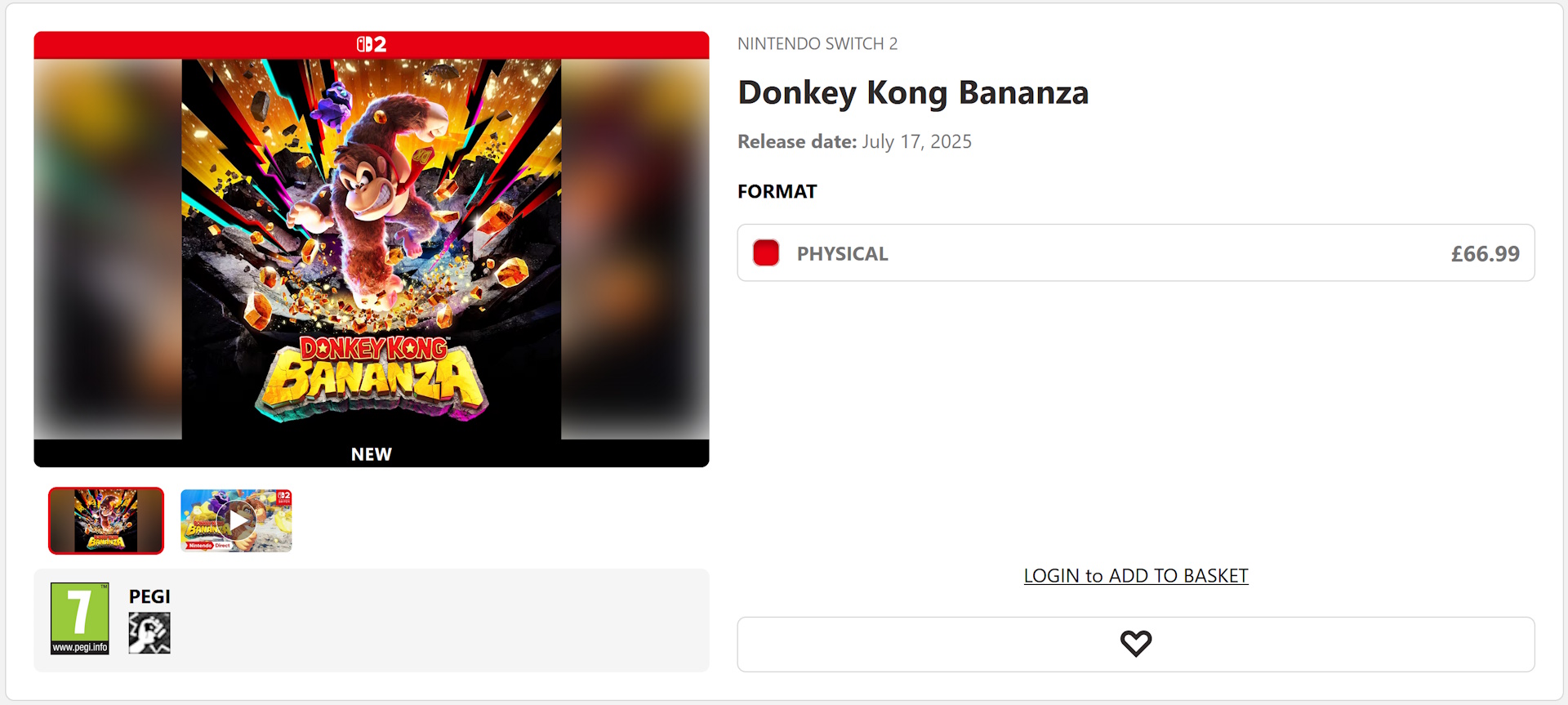
Donkey Kong Banaza will cost more than most other big releases this year, like Assassin’s Creed Shadows and Kingdom Come Deliverance II.
What all this means, then, is that gaming is about to get even more expensive. If you think PlayStation and Xbox will sit idly by and let Nintendo raise its prices while they don’t… I’m afraid you’re going to be proven wrong. It might not happen on the day the Switch 2 launches, but as we’ve already seen from Xbox and PlayStation this generation, if they can get away with it they will. And if there was any lingering fear at Take-Two headquarters about jacking up the price of Grand Theft Auto VI, I think we can safely say that’s gone, too. If GTA 6 launches later this year as scheduled, we might be looking at $90 or even $100 for AAA games across the board by this time next year.
Inflation has impacted games companies. But when they’re also making record profits… I really don’t have a lot of sympathy. Nintendo’s share price recently dropped a little due to tariff-related shenanigans that have impacted basically every publically-traded corporation, but the company made record profits across the Switch’s lifespan. “Game development is too expensive” doesn’t really fly as an excuse when Nintendo made $3.25 billion in profit last year.
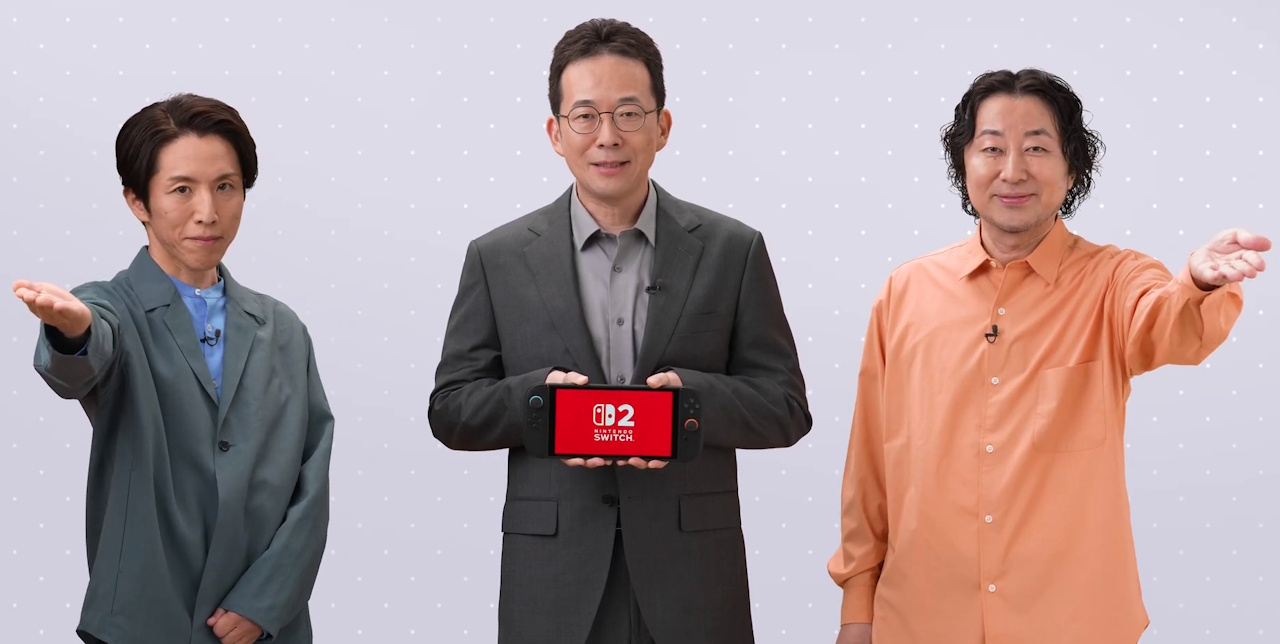
Three of Nintendo’s senior developers.
Most of us in the real world haven’t seen our incomes rise with inflation, and even in the games industry that’s true for developers and other employees. As Nintendo jacks up prices by 40% for its consoles and 33% for games, do you really think that money is going into the pockets of the folks who work there? Is anyone at Nintendo – aside from the executives, naturally – getting a 40% pay rise? I doubt it.
Food for thought, anyway, if you’re considering buying a Switch 2.
Gaming is getting more and more expensive, that’s for sure. With Nintendo pitching the Switch 2 at a comparable price point to Xbox and PlayStation consoles, as well as portable PCs, while jacking up the prices of its games beyond the current industry standard… all I can really forsee at this stage is comparable price hikes from other corporations. But maybe Nintendo’s gamble won’t pay off. Maybe we’ll look back on this decision in a couple of years’ time and say that the hefty price tag doomed the Switch 2 before it could even get out of the gate. I’m not rooting for it to fail, but I will be keeping an eye on the situation!
The Nintendo Switch 2 launches on the 5th of June. Pre-orders for the Nintendo Switch 2 are available now. The Switch 2, Super Mario, Mario Kart World, and other properties discussed above are the copyright of Nintendo. This article contains the thoughts and opinions of one person only and is not intended to cause any offence.



 Trekking with Dennis