Five Spooky TV Shows For Spooktober

A horror-themed spoiler warning graphic.

Spoiler Warning: Beware of minor spoilers for some of the entries on this list.

Happy Spooktober, friends!

To celebrate the arrival of the spookiest, scariest, most horrifying month of the year, I thought we could take a look at five horror-themed television shows that could be fun to watch as Halloween gets closer.

If you know me, you’ll know I’m not exactly a horror aficionado! I’m a big softie and a total scaredy-cat, so horror isn’t usually my genre of choice, whether we’re talking about TV shows, films, or video games. But every now and then, a horror title comes along that feels like a must-watch, or where some element of the production appeals to me.
A stock photo of a man wearing a Star Trek costume at Halloween, surrounded by Jack-o-lanterns.
The kind of Halloween costume I can get behind!

Horror is enjoying its time in the spotlight right now. When I was a kid, horror was very much a niche genre at the cinema – and there really weren’t very many television offerings. The only horror or horror-adjacent shows I can really remember from the late ’80s and early ’90s are things like The Addams Family and the Ghostbusters cartoon. When I was a teenager, the nerdy friendship groups I moved in definitely saw horror as somewhat of a rite of passage, so being able to boast about having seen a particularly scary film was definitely enough to score you some bragging rights (even if I watched from behind a pillow half of the time!)

But these days, horror is much more mainstream – and there have been some great television programmes with a horror theme, too. The genre is no longer exclusive to the cinema!
A stock photo of a skull on a dark surface.
It’s about to get spooky…

As always, a couple of caveats. Firstly, it’s been a while since I watched some of these shows! I don’t regularly watch a ton of horror, and some of these programmes I’ve only seen once, during their original run. If that makes my take less valid to you… that’s fine. But I thought I should be up front about it. Secondly, everything we’re going to talk about is the entirely subjective, not objective, opinion of just one person. If you hate all of my picks, disagree with some of what I’ve got to say, or if I miss your favourite horror television show… that’s okay! There are plenty of horror TV shows out there, and a wide range of opinions on which ones are the best.

I’ve picked five horror or horror-adjacent television shows that I enjoyed and I’m happy to recommend. I’ve tried to avoid major narrative spoilers, but minor spoilers may still be present.

With all of that out of the way, let’s take a look at my selections!

TV Show #1:
The Strain (2014)
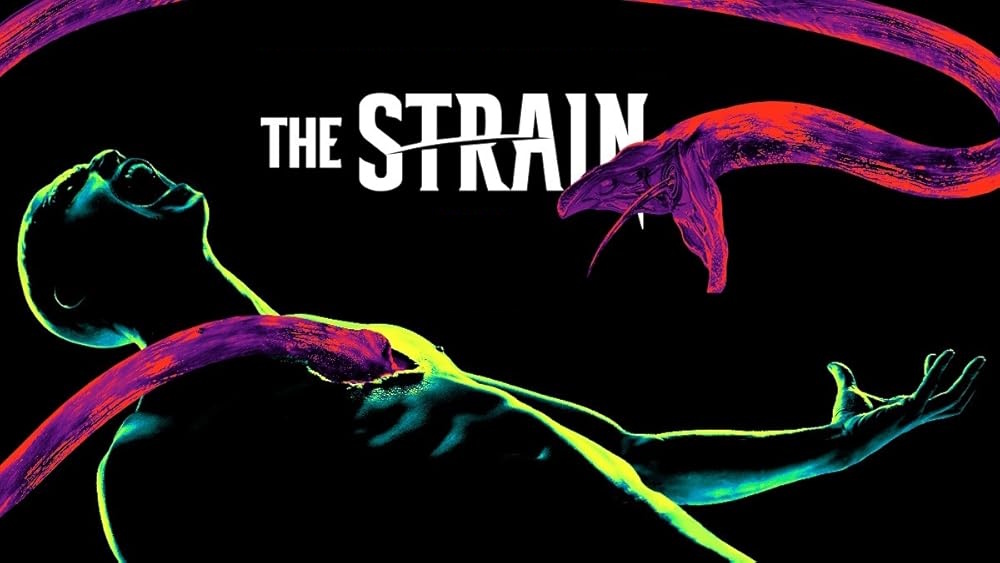
Stylised promotional poster for The Strain.
Promo poster for The Strain.

There have been a lot of shows and movies set during or after a zombie apocalypse, but The Strain is the first series I can remember in which vampires, not zombies, were the main threat. I especially enjoyed the first season of The Strain, which slowly built up to the arrival of an ancient vampire in the United States, and the actions of a team from the Centers for Disease Control (CDC) as they attempted to piece together what was happening – and fight back.

David Bradley (of Game of Thrones and Harry Potter fame) puts in an especially entertaining performance as an elderly vampire hunter, conveying his knowledge of the outbreak to the rest of the characters. And as the vampire disease propagates, there are some genuinely shocking jump-scares, as well as plenty of gut-wrenching moments.
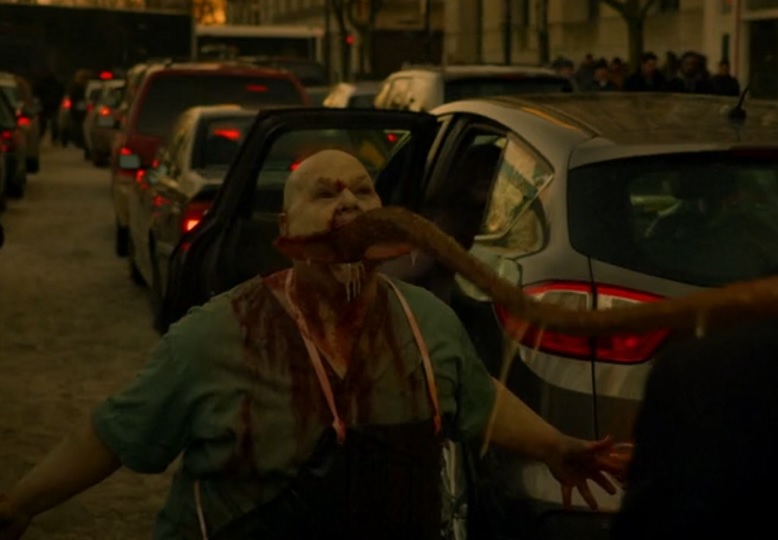
Still frame from The Strain showing a vampire.
Yikes.

The Strain was based on a book by Guillermo del Toro and Chuck Hogan, who also are credited with creating this television adaptation. Del Toro is a master of the horror genre, and his take on vampires – partially inspired by ancient European legends and folklore – really succeeds at making the blood-sucking creatures scary. After the likes of Twilight had done a lot to run vampires’ reputations into the ground, that’s no mean feat!

There are some tense moments, some very claustrophobic scenes set in safehouses, skyscrapers, and the tunnels beneath New York City, and a surprisingly emotional storyline, too, as the vampires try to stake their claim to the new world. If you missed The Strain during its original run, or you’re just looking for a different kind of monster after burning out on the same old zombies, I definitely think it’s worth a watch.

TV Show #2:
Alien: Earth (2025)
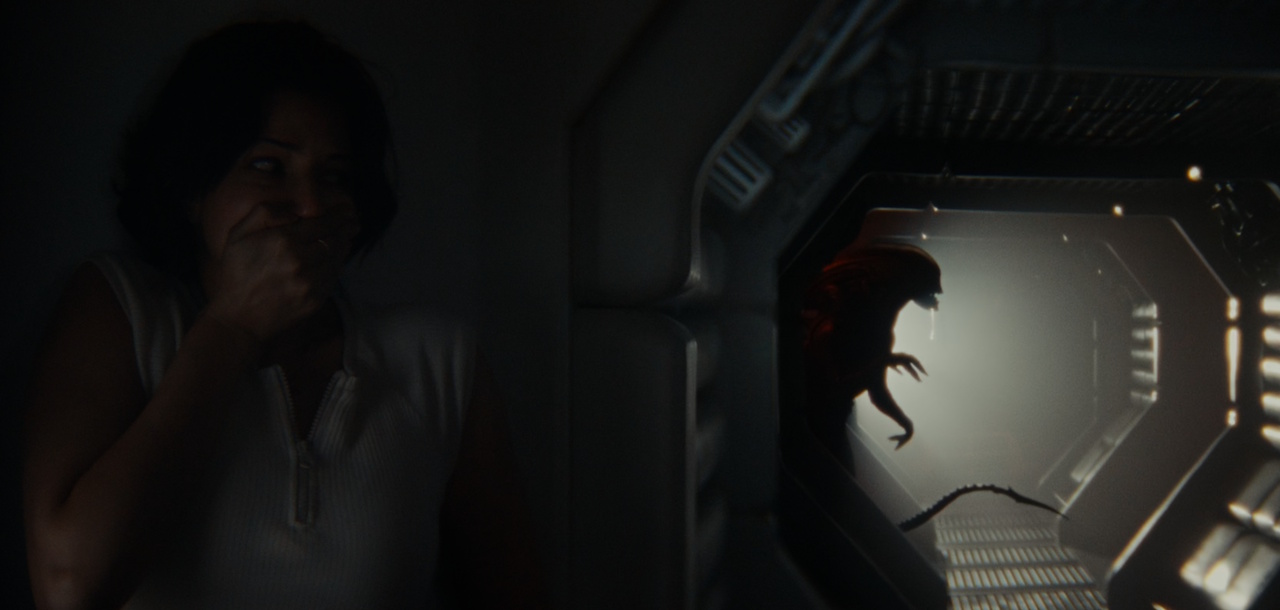
Still frame from Alien: Earth showing a woman being stalked by a Xenomorph.
In space, no one can hear you scream…

Alien: Earth premiered just this summer, and I reviewed it here on the website not too long ago. I really enjoyed Alien: Earth, which I think does a fantastic job of expanding the world of Ridley Scott’s Alien beyond just the Xenomorphs. After repeated appearances in multiple films and games, I was beginning to worry that the Xenomorphs were running out of steam. Adding new alien creatures to this world has given it a much-needed boost.

I won’t say too much lest I spoil anything, but one episode of the season in particular stands out to me as recapturing the magic of the original Alien (from 1979) in a way that none of the sequel films or spin-offs ever did. It was a slow burn, building up the tension masterfully, before reaching an explosive conclusion. The rest of the season was solid (well, mostly), but that one episode in particular really excelled.
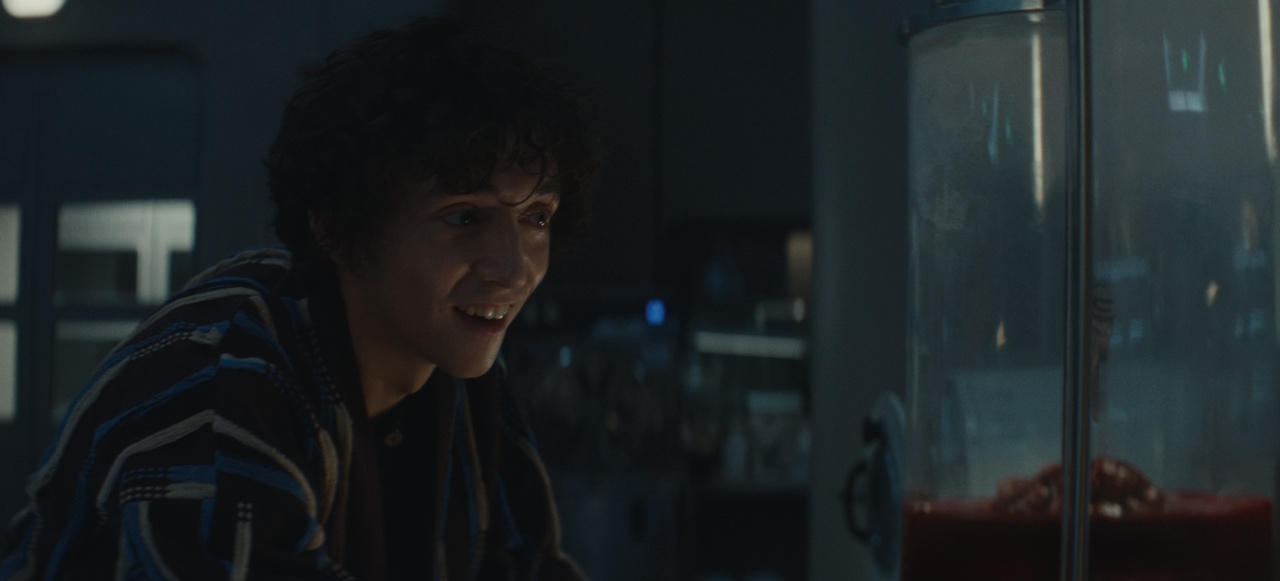
Still frame from Alien: Earth showing Boy Kavalier.
Alien: Earth expanded the lore and mythos of the franchise.

I’m surprised that, at time of writing, a second season still hasn’t been officially greenlit. It’s my hope, though, that Alien: Earth has been the expansion that the franchise has been needing for a long time, successfully re-establishing the Xenomorph as a terrifying and dangerous threat while also adding new, equally frightening creatures to the world.

Being set on Earth gave Alien: Earth a new frontier to explore. We got to learn a lot about the corporate dystopia that governs this vision of the future, as well as some rather timely commentary on artificial intelligence, too. Definitely not one to miss if you were a fan of the original Alien.

Don’t miss my review of Alien: Earth, which you can find by clicking or tapping here.

TV Show #3:
The Terror, Season 2 (2019)
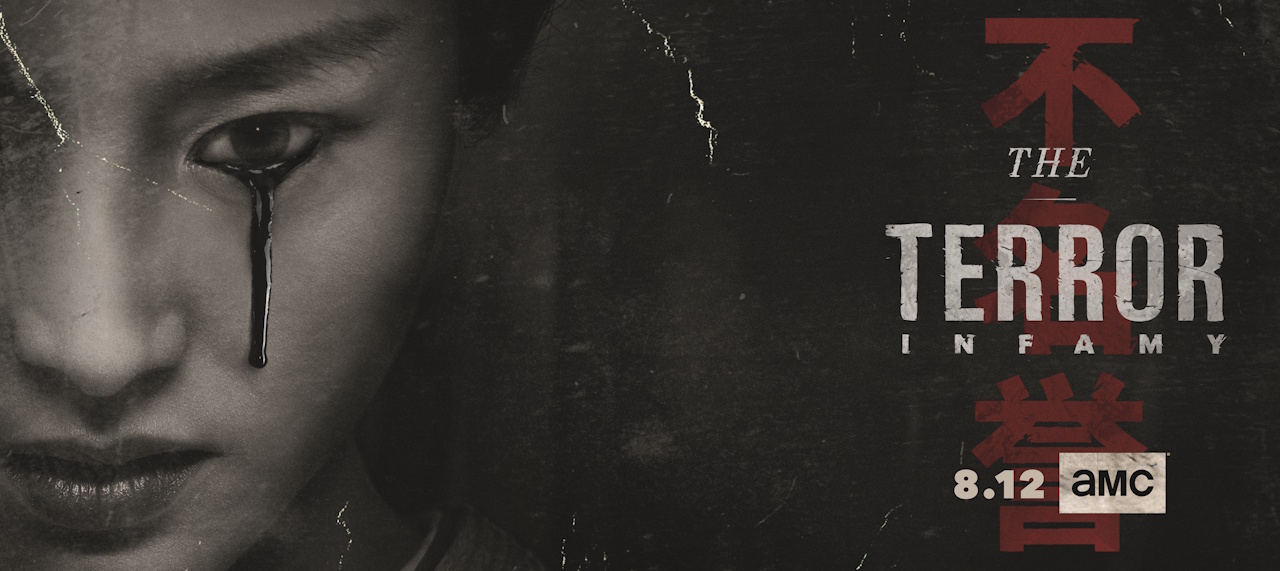
Promo poster/banner for The Terror Season 2.
Promo banner for The Terror’s second season.

The first season of The Terror is fantastic – as I’ve noted more than once here on the website. But Season 2 tends to get overlooked, which I think is a bit of a shame. Season 2 goes for much more of a supernatural “ghost story” angle, and there are a few jump-scares that genuinely caught me off-guard and are still burned into my memory six years later! There’s still the same mystery tone as in the first season, but jumping across to a whole new cast of characters gives it a completely different setup.

Season 2 of The Terror takes place during the Second World War, and focuses mainly on Japanese-Americans in an internment camp. George Takei, of Star Trek fame, plays a supporting role – and he had actually been interned as a young man in the 1940s. The setting isn’t just a backdrop, though – it’s integral to a story which takes Japanese folklore as a starting point to tell a genuinely unsettling and frightening tale.
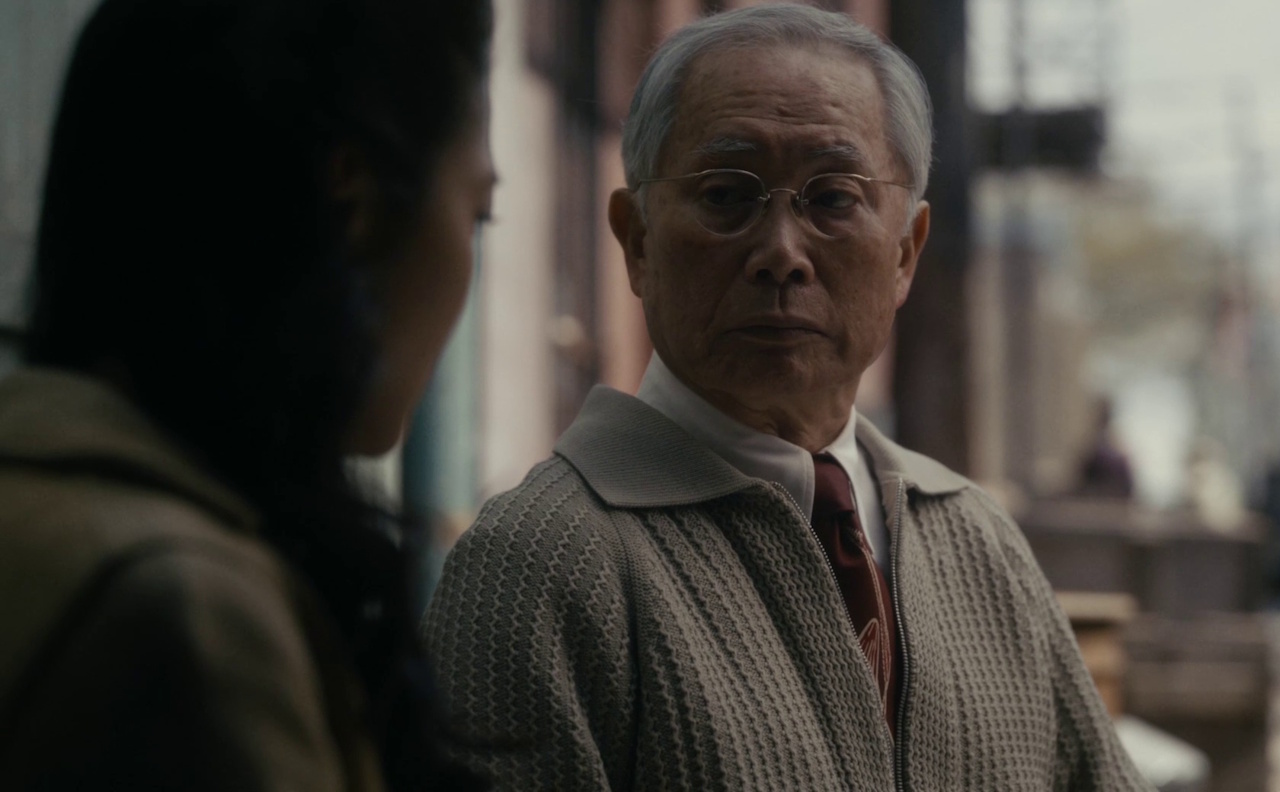
Still frame from The Terror Season 2 showing two characters in conversation.
George Takei in The Terror Season 2.

As the mystery at the heart of the story unravels, we get to learn more about the haunting and why it’s affecting the main characters. The war also comes into play in a big way, informing character decisions and motivations, as well as providing a setting that most of the cast are unable to escape from. Although the show’s first season was outstanding, and Season 2 arguably doesn’t quite reach that same high bar, I still found it entertaining and frightening.

A third season of The Terror has belatedly been greenlit. I expected to see it in 2025, but we’re already in October – prime spooky season – and there’s been no word on a release yet. Still, one to keep an eye on. Who knows, maybe it’ll be something to watch next Halloween!

TV Show #4:
The Fall of the House of Usher (2023)
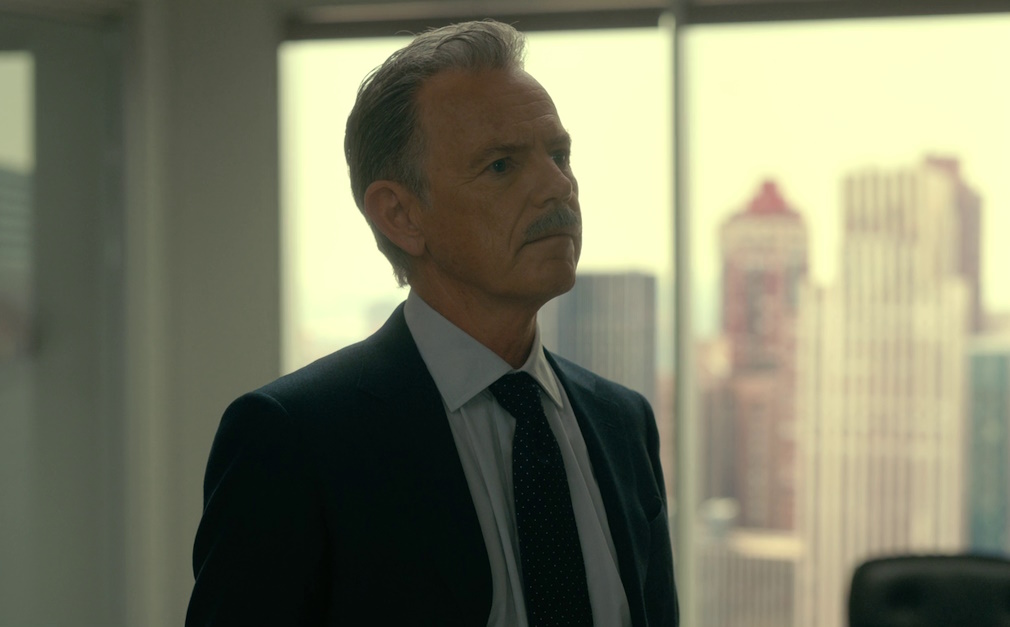
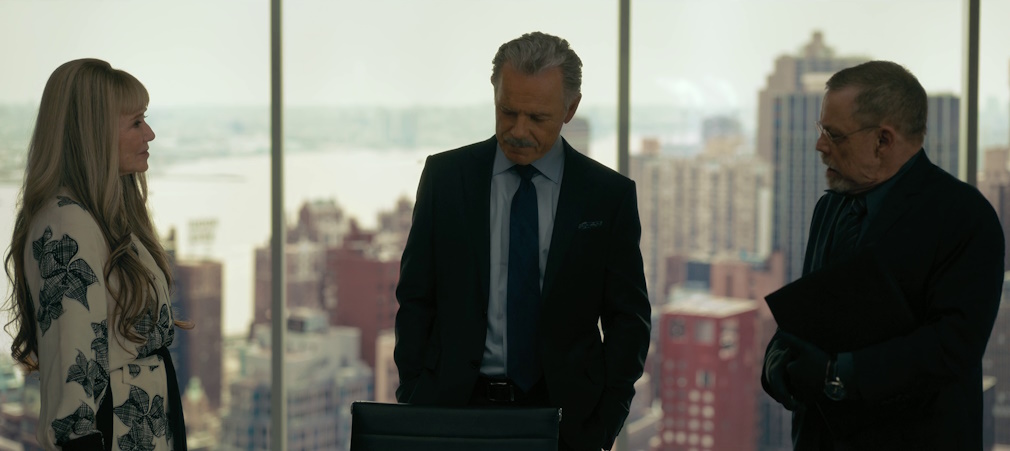
Still frame from The Fall of the House of Usher (2023) showing Bruce Greenwood's character.
Bruce Greenwood in The Fall of the House of Usher.

This miniseries is a modern-day (and fairly loose) adaptation of the gothic horror stories of Edgar Allan Poe. I found it to be genuinely riveting stuff, and a creative way to weave together a selection of unconnected stories into a single, cohesive narrative. Creator Mike Flanagan did an excellent job of bringing together many of Poe’s best-known works, while giving them a modern twist.

There are a few jump-scares, but what shook me the most with The Fall of the House of Usher were some of the show’s more brutal moments. Some of these weren’t hidden from us as the audience; there was a slow build-up to an inevitably gory or gruesome death or maiming, and that tension was really well-conveyed by the show. There were also some spectacular performances from Bruce Greenwood, Carla Gugino, and an unexpectedly dark and villainous role for Mark Hamill, too.
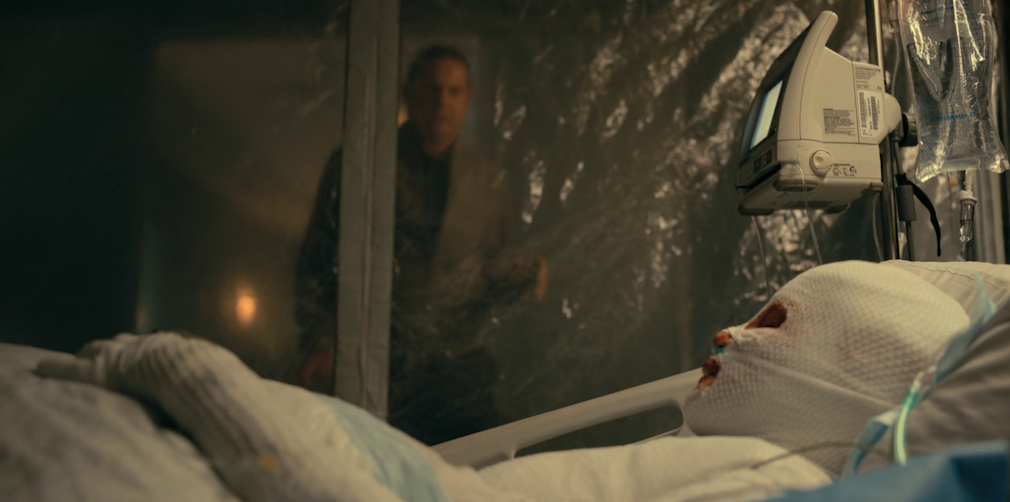
Still frame from The Fall of the House of Usher (2023) showing a woman in a hospital bed, covered in bandages.
That’s gonna leave a mark…

In my review a couple of years ago, I described The Fall of the House of Usher as akin to “Succession meets Final Destination;” effectively a slasher film taking aim at the children of a wealthy and successful business mogul. Edgar Allan Poe was a master of building up tension, and if there’s one thing I can say about The Fall of the House of Usher, it would be that it really succeeds at translating that feeling to the small screen.

With Netflix’s money behind it, The Fall of the House of Usher looks fantastic. Its storyline bounces around, encompassing different moments in the main characters’ lives, with each episode building to a grisly conclusion – and another shocking revelation, too. It’s dark, gothic, and tense – perfect for this time of year!

Be sure to check out my review of The Fall of the House of Usher, which you can find by clicking or tapping here.

TV Show #5:
Fortitude (2015)
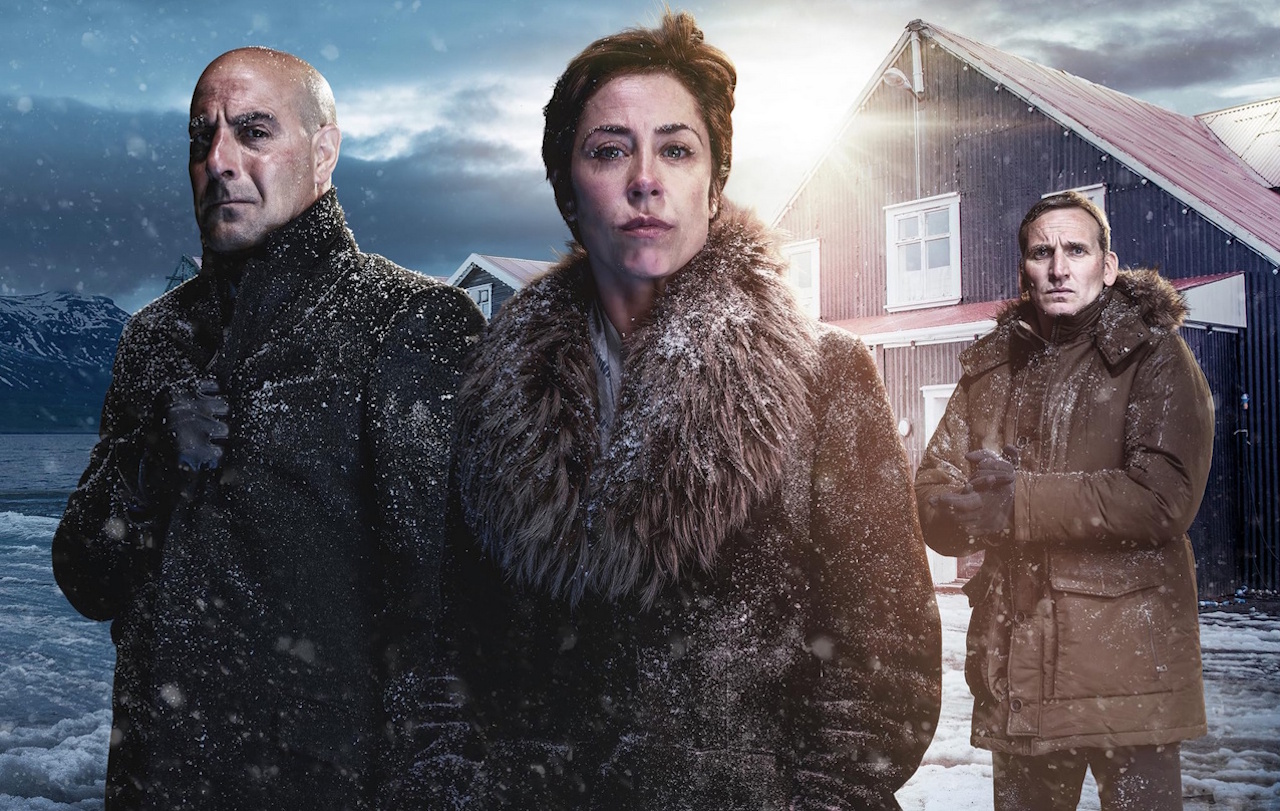
Promo photo for Fortitude.
A promotional still from Fortitude.

When I first sat down to watch Fortitude, I had absolutely no idea what I was getting into. I genuinely thought it was gonna be another crime/murder mystery type of show – but it goes in a completely different direction, despite having an opening act very similar to other crime dramas that were on TV in the mid-2010s. As the story unfolded, though, it went in much more of a thriller and then horror direction, with the end of the first season really leaning into body horror and creepiness in a big way.

Fortitude stands out for its Arctic setting, which is loosely based on the Norwegian island of Svalbard. Just a normal murder mystery in that setting would’ve been something different (and a ton of fun, probably), but Fortitude managed to have twists and turns in store to keep me on my toes throughout its run.
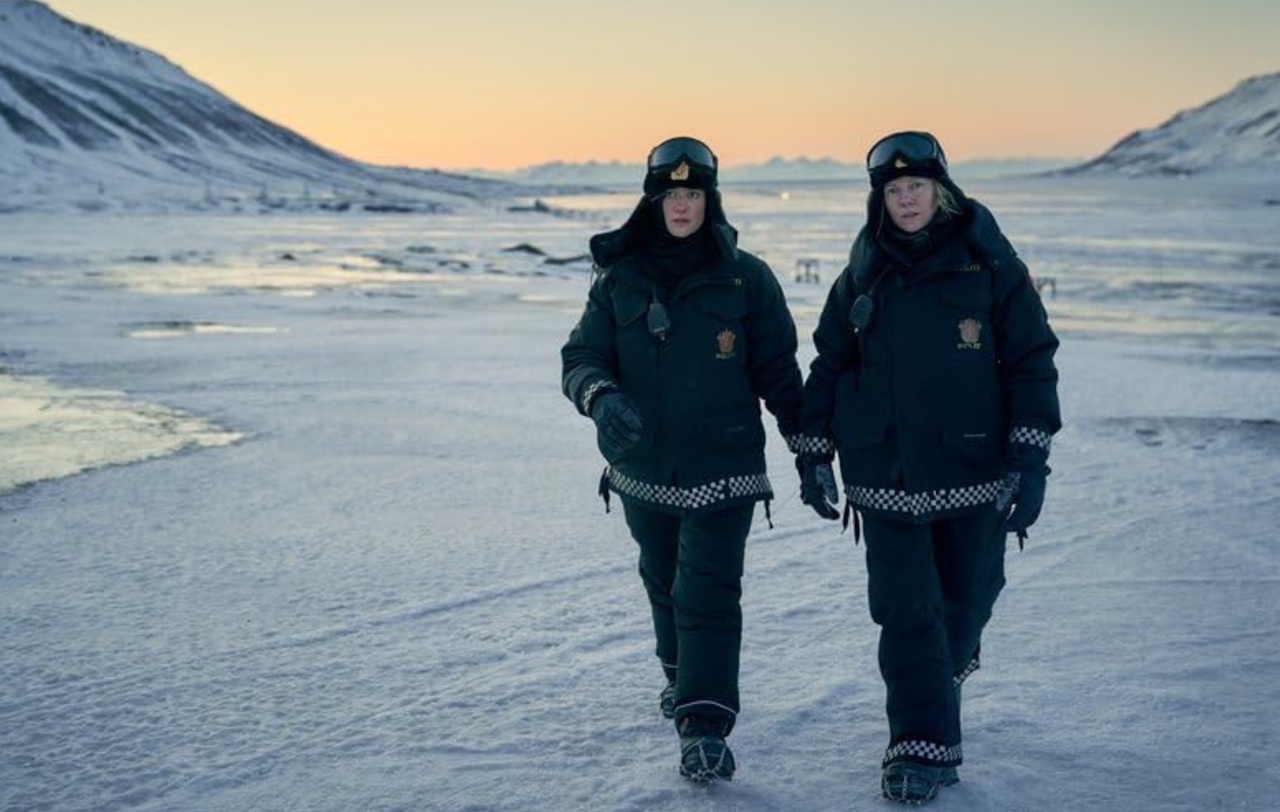
Still frame from Fortitude (2015) showing two female police officers walking across an icy landscape.
Two police officers.

It’s hard to say too much more about the story without giving away something important, so I’ll just say that Fortitude surprised me in the best way possible. I really didn’t expect the series to go the way it did – but that can be part of the fun, right? It’s not full of jump-scares, so if that’s what you’re on the lookout for, be aware that Fortitude is more mysterious and slow-going. As it builds up, though, it tells a genuinely fascinating – and occasionally gruesome – tale.

I liked the frozen setting, and there were some fantastic performances from big-name stars like Stanley Tucci, Michael Gambon, and Dennis Quaid. If you missed this one when it was new – which was, to my great shock, now a decade ago already – I really hope you’ll give it a try.

So that’s it!
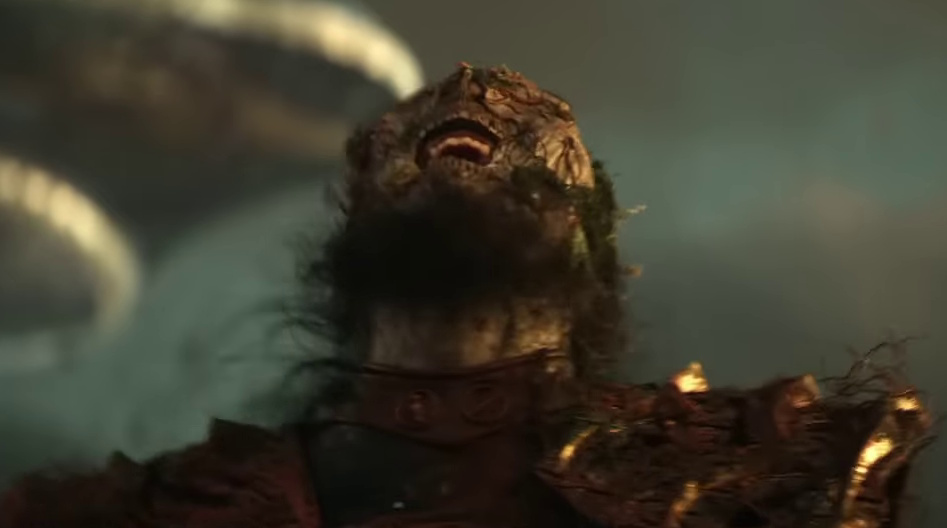
Still frame from Star Trek: Strange New Worlds Season 3 showing a zombie.
Is that… a Klingon zombie?!

We’ve taken a look at five spooky television shows to kick off the spookiest, scariest month of the year! I hope this has been a bit of fun, and that maybe I’ve chosen one or two that you might’ve overlooked when they were new, or just hadn’t considered for your Halloween binge-watching!

Earlier in 2025, I reviewed the horror film 28 Years Laterclick or tap here to check out my thoughts on that. And between now and Halloween, I have a couple of other ideas for some seasonally-appropriate content. So please check back throughout Spooktober… I’m sure I’ll have plenty more to say!

Until then… don’t have nightmares!


All of the television shows discussed above are the copyright of their respective broadcasters, studios, etc. This article contains the thoughts and opinions of one person only and is not intended to cause any offence.
Miniseries Review: The Fall of the House of Usher

Spoiler Warning: Minor spoilers are present for The Fall of the House of Usher.

Over the weekend I binge-watched Netflix’s The Fall of the House of Usher. The miniseries is based loosely on the works of American author and poet Edgar Allan Poe, and it seemed like an appropriate watch for the spookiest month of the year. Although I’m by no means a horror aficionado, I enjoyed what this new adaptation had to offer.

Edgar Allan Poe may be well-known in the United States, but he isn’t an author that I’m especially familiar with. Poe’s works aren’t on the curriculum in British schools – or at least they weren’t in the ’80s and ’90s when I was at school. The first time I became aware of anything to do with Poe, in fact, was when an adaptation of his poem The Raven made it into The Simpsons episode Treehouse of Horror! So I’m by no means an expert on the source material for The Fall of the House of Usher.

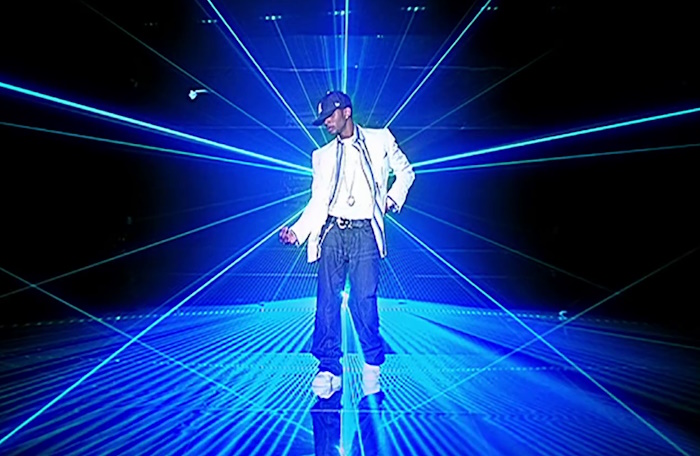
The R&B singer Usher.
No, not that Usher…

The first thing to say is that The Fall of the House of Usher is not a straight adaptation of the short story of the same name. Rather, the series is an amalgamation of several of Poe’s poems and stories, bringing different works and characters together. The miniseries also abandons the 19th Century for a modern-day setting, and incorporates modern plot points and themes along with those lifted from Poe’s work.

I’m in two minds about this kind of “not-an-adaptation.” On the one hand, as The Fall of the House of Usher proves, taking a story or body of work as the basis for something new can lead to a perfectly enjoyable and entertaining story. On the other hand, though, taking such liberties with the source material basically makes The Fall of the House of Usher its own distinct story – so why did it need to use Poe’s name and characters? It’s a strange thing, in a way – this is a story that could, under the right circumstances, have stood on its own two feet. At its core, The Fall of the House of Usher is kind of like Succession meets Final Destination – a slasher movie in which the family members of a wealthy businessman are picked off one by one.

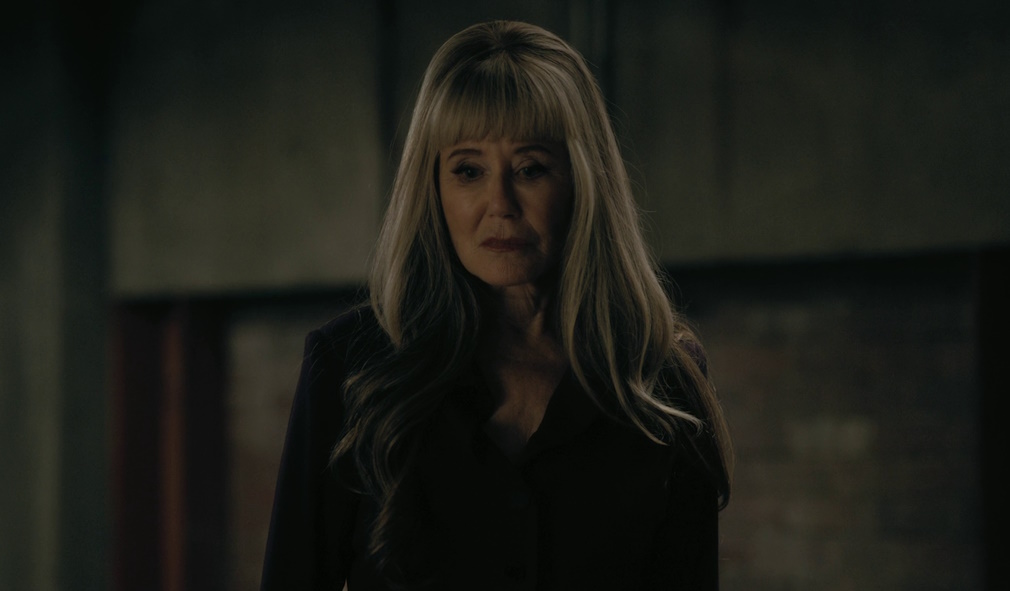
Mary McDonnell as Madeline Usher in The Fall of the House of Usher (2023).
Mary McDonnell as Madeline Usher.

Despite its modern setting taking The Fall of the House of Usher far away from Poe’s original works, I did feel a distinctly Poe-like atmosphere throughout the miniseries. Poe is renowned for creating tension, and the way in which the miniseries built towards its characters’ grisly deaths definitely hit the right notes in that regard. The downside of that is that these deaths – and even the manner in which they would happen – was telegraphed ahead of time, robbing the climax of each episode of at least some of its drama and fear factor.

The Fall of the House of Usher had a compelling main character in Roderick Usher, and Bruce Greenwood’s performance is to be commended, as is that of Zach Gilford, who played the character in flashback sequences. The Usher twins both made for entertaining characters, in fact; villains whose schemes were slowly revealed over the course of the story. The same can’t be said for all of the other characters, however, including several of the Usher children.

Bruce Greenwood as Roderick Usher in The Fall of the House of Usher (2023).
Bruce Greenwood put in a great performance as Roderick Usher.

Part of the theme of the miniseries was to show how wealth, extravagance, and privilege lead to a twisted and self-centred worldview. But with six Usher descendants to create, each of which seemed to embody a different aspect of priviliged debauchery, there wasn’t a lot of time for subtlety in all of these characters. Several of them felt pretty flat and one-dimensional, present to serve a narrative function rather than to be interesting and well-rounded characters in their own right. The characters who were snuffed out in the first couple of episodes in particular fell victim to this, in part because there really wasn’t much time to build up any sense of personality before they had to be killed off.

At the heart of the story was the idea of a “deal with the devil,” an ancient morality tale that has become a trope of the fantasy and horror genres in modern times. This part of the story was one I found a little confusing, though – and it’s quite possible that I’m just not getting it or that I missed something. But, without getting too deep into spoiler territory, by the time the main characters have made their Faustian bargain, they had already committed to going down a dark path.

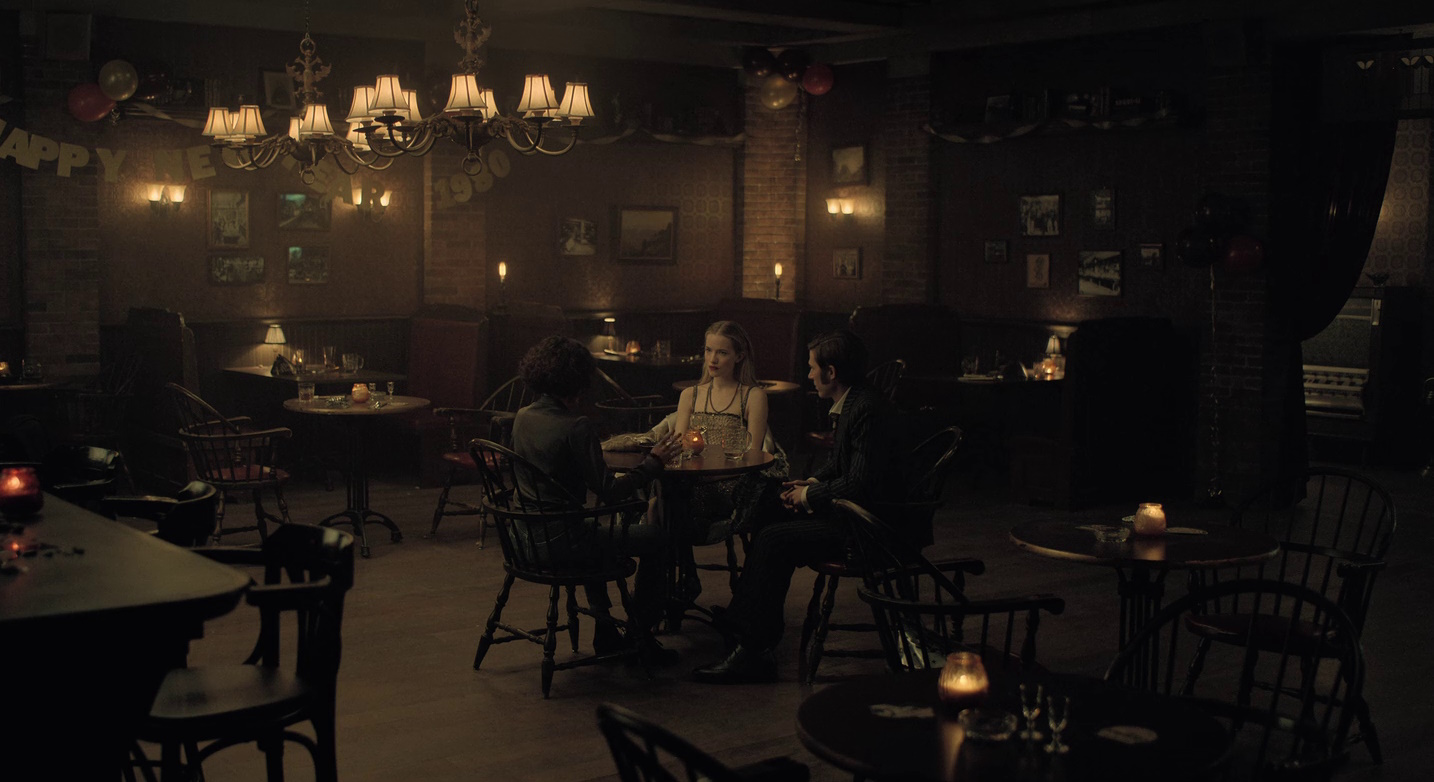
Carla Gugino, Willa Fitzgerald, and Zach Gilford in The Fall of the House of Usher (2023).
Madeline and Roderick made a “deal with the devil.”

Verna, the entity responsible for cutting the deal and coming to collect over the course of the story, spoke multiple times about an “alternate” life that the twins and their families might’ve led. But it seems to me that by the time she got to them and made her deal, they’d already betrayed a friend, committed a crime, and taken too many steps down a dark path to possibly turn back. Her bargain may have shielded them from consequences – but did it alter their paths so much?

You’ll have to see what you think after watching The Fall of the House of Usher, but for me, that point certainly left me feeling confused as the credits rolled on the final episode!

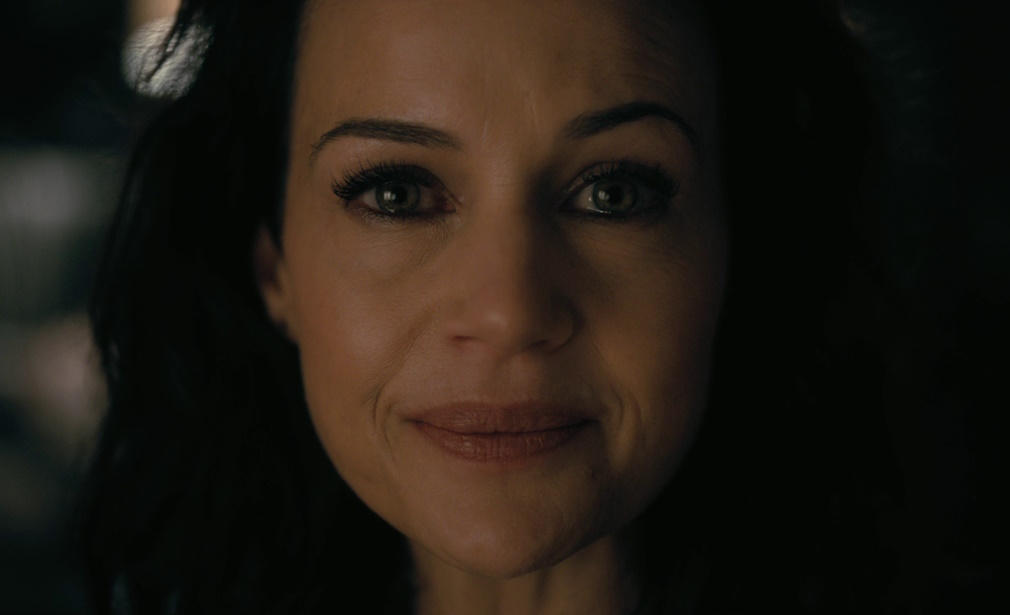
Carla Gugino as Verna in The Fall of the House of Usher (2023).
What did you think of Verna’s offer?

In terms of production values, The Fall of the House of Usher is on par with what you’d expect from a flagship streaming project in 2023. There were a handful of moments across the miniseries’ eight episodes where I felt either CGI or practical effects weren’t quite reaching the level I’d want to see, but they were few and far between. By and large, it was a good-looking series.

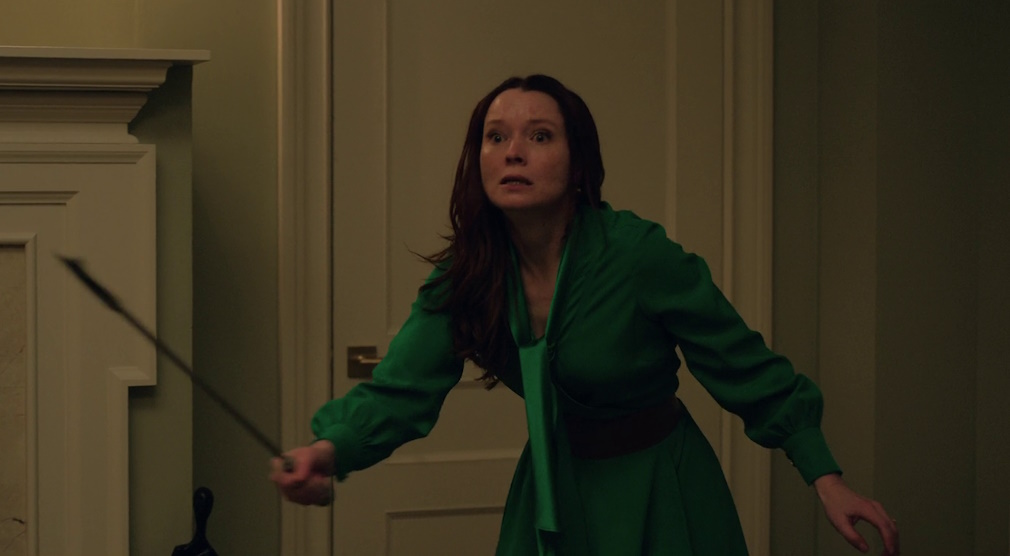
There were some digital and practical effects for gory moments and deaths that looked genuinely agonising, and with these moments tending to be the climactic points of each episode, it was important for The Fall of the House of Usher to get them right. I don’t think it’s unfair to compare the brutality of some of the deaths to a film like Final Destination, and several of them had a kind of twisted theme of poetic “justice,” as Verna used a character’s own traits, skills, or sins against them.

A character wrapped in bandages in a hospital bed from The Fall of the House of Usher (2023).
Brace yourself for some gruesome and gory moments!

I was surprised to see Mark Hamill outside of the Star Wars franchise – but he did a great job as the shadowy and dangerous lawyer Arthur Pym. Along with the twins and Verna, who was played by actress Carla Gugino, Pym was perhaps the character who felt most lifelike. Many stories – real and fictional – incorporate someone like Pym, and Hamill did a great job at breathing life into someone so fearsome and shady.

As the United States continues to wrangle with an epidemic of opioid addiction, I think we’re going to see more works of fiction that aim to have something to say about the subject. For my money, this aspect of The Fall of the House of Usher wasn’t its strongest suit. It could feel, at points, that the Usher family’s unethical pharmaceutical company and its responsibility for addictive opiate medication was a mere backdrop for other events to play out in front of. Given the severity of the issue, and its lack of prominence in the news in general, this wasn’t great.

Mary McDonnell, Bruce Greenwood, and Mark Hamill in The Fall of the House of Usher (2023).
The miniseries didn’t always seem to know what to do with its pharmaceutical story.

I didn’t feel that The Fall of the House of Usher had a point to make about opioid addiction that hasn’t already been made. People who have followed the story know that certain drug companies are absolutely responsible – and are continuing to get away with it. The miniseries brings this up, thinking itself to have made a profound statement… but doesn’t really go anywhere with it except to kill off the characters it deems most responsible. There’s something satisfying about that in a kind of anti-billionaire way, but it’s surface-level storytelling without a lot of depth.

Although Poe’s poetry was present throughout the miniseries – and was well-recited and incorporated into the story – there were a couple of places where characters spoke lines written by (or heavily adapted from) Poe’s original work. These moments stuck out to me, and I felt the lines in question were just a bit clunky. The poetic language of the 19th Century clashes with the modern American vernacular used for the majority of the script, so these handful of lines felt out-of-place.

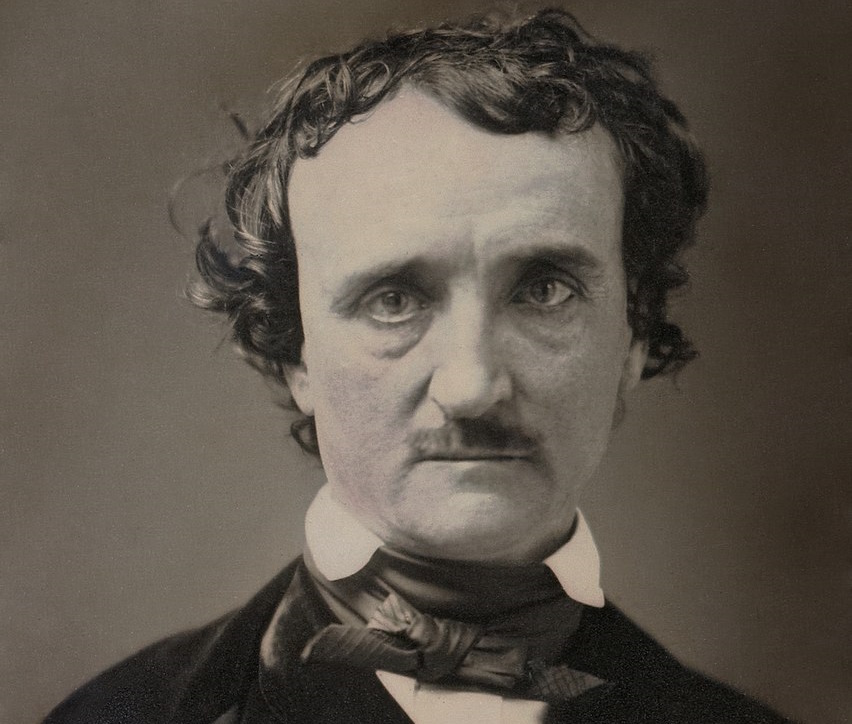
A restored 1849 daguerrotype of Edgar Allan Poe.
Restored daguerreotype of author and poet Edgar Allan Poe, c. 1849.

I’m someone who’s not a big fan of horror – and of jumpscares in particular. Jumpscares always manage to get me, even when I know they’re coming, and I’ve never enjoyed that feeling. The Fall of the House of Usher has several prominent jumpscares – but they were few enough in number across the eight episodes that I didn’t feel they got in the way of my enjoyment. The slower buildup of tension and the dramatic turns in the story were more my style, and I had a good time with that side of the miniseries.

For a fan of horror who’s seeking something fast-paced and with a lot of adrenaline rushes, maybe The Fall of the House of Usher would feel a little too slow. That’s definitely not my take – but I can absolutely see it being a fair point of criticism for someone whose tastes are different from my own.

Samantha Sloyan in The Fall of the House of Usher (2023).
Samantha Sloyan as Tamerlane “Tammy” Usher.

So let’s wrap things up!

The Fall of the House of Usher was an entertaining horror-drama well-suited to this time of year. In an era of franchises and spin-offs, I’m glad that Netflix was able to be convinced to put money into a one-and-done miniseries instead of trying to pad things out and push for a second season. For me, the pacing of the miniseries as a whole was spot-on, and trying to stretch it out too much would’ve been to its detriment.

There was a wonderful musical score backing up solid visual effects and some fine acting performances from both familiar faces and newcomers. And at its core, The Fall of the House of Usher was atmospheric, capturing the essence of Edgar Allan Poe’s work – even as it stepped away from its source material to carve its own path. It perhaps wasn’t as clever as it aimed to be, particularly with its core messages about decadence, billionaires, and the pharmaceutical industry – but not every TV show has to come with a morality play and a message. I enjoyed The Fall of the House of Usher for what it was, and I’m happy to recommend it to anyone looking for something a little bit supernatural and spooky as Halloween draws near.

The Fall of the House of Usher is available to stream now on Netflix. The Fall of the House of Usher is the copyright of Intrepid Pictures and/or Netflix, and the works of Edgar Allan Poe are now in the public domain. This article contains the thoughts and opinions of one person only and is not intended to cause any offence.