

Spoiler Warning: Beware of spoilers for The Polar Express and the book upon which it’s based.
It’s astonishing to me that the “brand-new” film The Polar Express – which I feel I’ve only just begun to incorporate into my Christmas celebrations – is turning twenty years old this year! To mark this milestone anniversary, I thought it could be fun to re-watch the film and talk about its successes and its legacy.
I’ll start by telling you up-front that I’m a fan of The Polar Express and I have been since it premiered in 2004. So this isn’t going to be a tear-down of the film; it’s become one of my festive favourites and I’ve returned to it many times during the holiday season. I’d even go so far as to call it a Christmas classic; a film that has understandably become one of the most-replayed at this time of year.
But it didn’t always seem that way. In fact, in 2004 you would’ve found many people who didn’t like The Polar Express. Film critics, fans of animation, parents… it seemed for a time as if The Polar Express was catching flak from several angles. And despite its reputation today as one of the best Christmas animated films… ever, there was a time when I felt it was going to be maligned and forgotten.
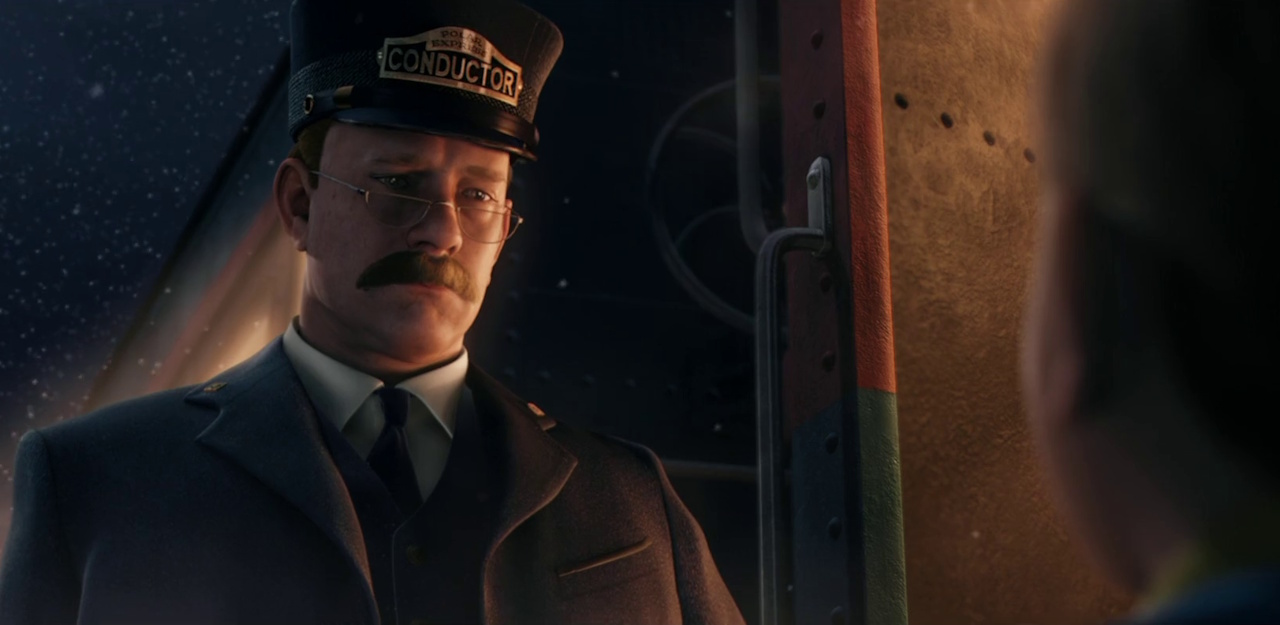
Most criticisms of The Polar Express in 2004 centred around the art and animation style. The semi-realistic CGI – particularly characters’ faces – was described as being “creepy,” and I distinctly remember a colleague of mine at the time telling me their young children were in tears and refused to watch the “frightening” film. I don’t remember the term “uncanny valley” being in use at the time, but that’s basically what critics were talking about. Faces used for human characters in the film felt not quite real enough… leading to people calling the whole aesthetic “creepy” or “weird-looking.”
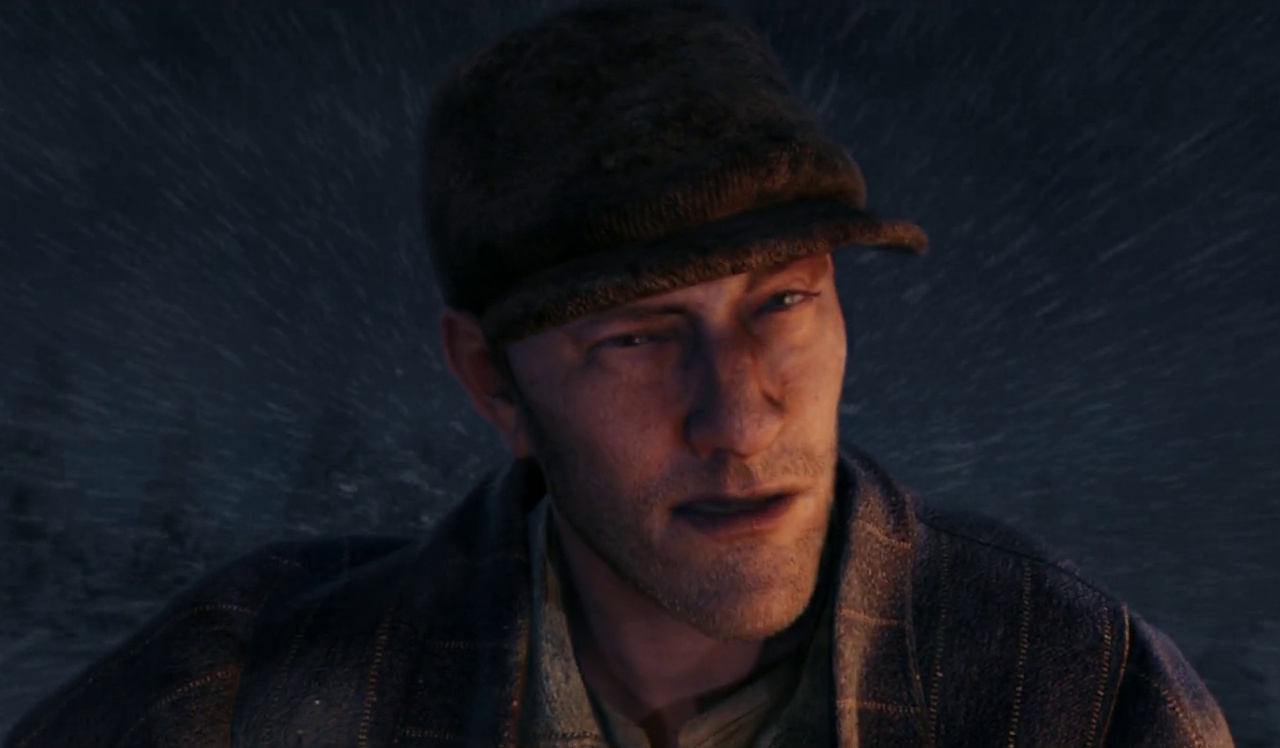
That’s one area where I think the passage of time has been kind to The Polar Express! We’ve gotten more used to 3D computer animation both in films and on TV over the last twenty years, and if the film had been released today I daresay no one would bat an eye at the way its characters and their faces look. In 2004, The Polar Express was the first film to pioneer facial capture technology, but this has become commonplace in animation in the years since.
There’s also something a little charming about the look of the world of The Polar Express. There are some undeniably beautiful shots of things like the northern lights or the central square at the North Pole. But twenty years’ worth of hindsight and improvements in animation also show, on a return to the film, where 2004’s CGI wasn’t quite realistic enough. To me at least, these things just add to the personality and unique aesthetic on display.
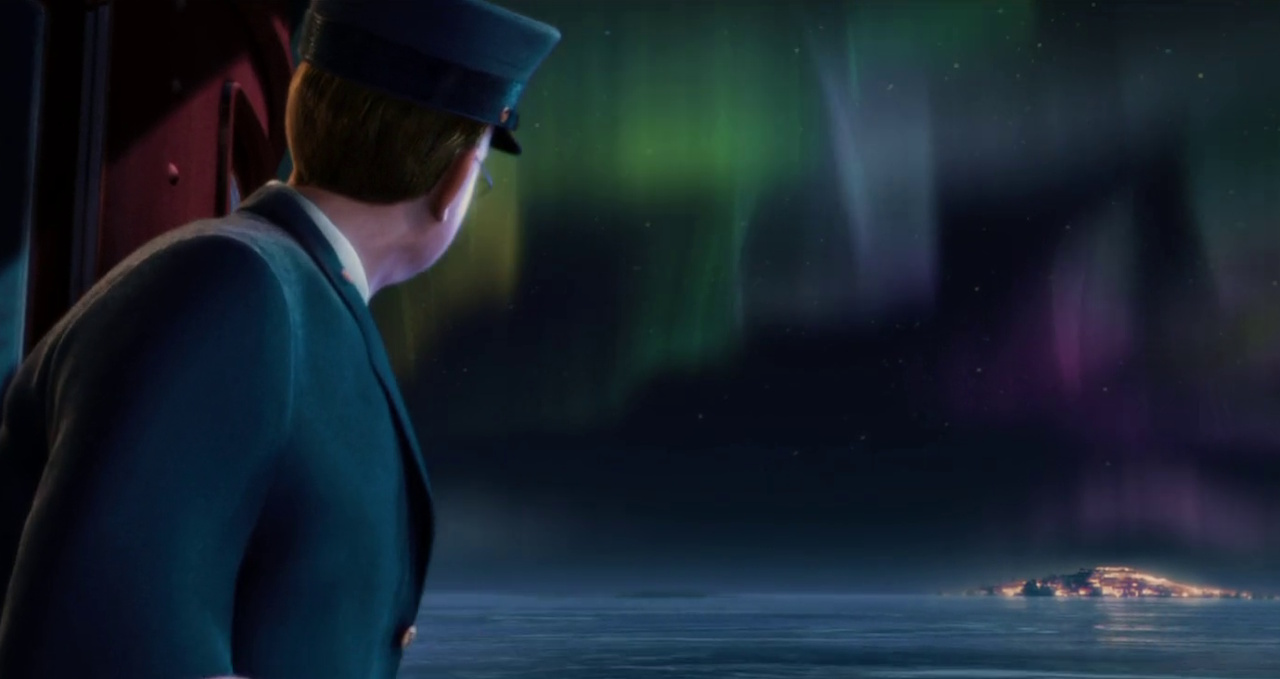
To pick on one example: for a film made twenty years ago, the snow that coats the train and the whole world around it looks fantastic! But when you compare scenes in deep snow to a title like Disney’s Frozen, you can see The Polar Express coming up short. Far from being a problem, though, I find these little weaknesses to be charming. The Polar Express wouldn’t be the same if its animation was “perfect,” after all!
It may have taken a while for some folks in 2004 to get over the film’s art style, but hiding under the surface is an incredibly sweet tale of a young boy re-discovering his belief in Santa Claus and Christmas. The Polar Express is based on a 1985 children’s book of the same name (I had no idea that was the case until researching this article; oops) but it expands on that original story to add more dimension to some of its characters and give them a bit of an extended and exciting adventure. The book is still in print, by the way, and could make a cute Christmas present for a young child (or an adult fan of the film!)

Since we’re talking about other media, it’s worth briefly commenting on the video game adaptation of The Polar Express. This phenomenon has mostly died out in the 2020s, but in 2004 it was pretty common for a big-budget film to get a video game adaptation, and The Polar Express was no exception. The game was released for GameCube, PC, and PlayStation 2 in November 2004, with a GameBoy Advance version also arriving that same month.
I confess that I haven’t played any of these games – I didn’t in 2004 and I haven’t since. But having checked out some gameplay online, I think the console and PC versions look more or less like what you’d expect. 3D adventure games with some platforming and puzzles – not uncommon for 2004. The GameBoy Advance, being a much less powerful system, naturally got the worst version of the game, which is something reflected in reviews at the time. There’s less of a focus on the core story in the game adaptations, which is a bit of a shame in some ways. But I’m sure a lot of kids enjoyed receiving a copy from Santa Claus in 2004!

When I was a kid, there may have been one or two Christmases when I was very young where I believed in Santa Claus. But my family didn’t do the whole “all of your gifts come from Santa” thing, so I guess in that sense I don’t have the same memory of learning about Santa and coming to terms with that revelation – not in the same way as it’s presented in The Polar Express, in any case. As an aside, one of my earliest Christmas-adjacent memories is being forced by my parents to write thank-you letters to family members for the gifts I’d received!
But this idea of questioning one’s belief in Santa Claus is at the core of The Polar Express, and while it’s a little outside of my own personal experience, I daresay it’s something many people can relate to. For the film’s intended audience, its core theme may resonate particularly strongly.

Though The Polar Express isn’t the only festive story or film to deal with this theme of doubt, it’s one of the only big blockbusters aimed at kids to really call into question Santa’s existence. For children of a certain age, where they’re having their own doubts about Santa Claus and what Christmas is really all about, I daresay there’s something relatable. And for adults, doubting one’s beliefs – albeit not a belief in Santa Claus specifically – is also something that many people have experience with. I know I do!
Lots of Christmas films – especially those aimed at younger children – present Santa Claus as a totally real person, with no acknowledgement made of the questions or doubts that kids can have. And that’s a good thing; I think there’s a real sense of “magic” present in the holiday season that would be lost if the legend of Santa Claus were to disappear. But for kids who have their doubts and who feel uncertain, a story like the one told in The Polar Express can be cathartic.
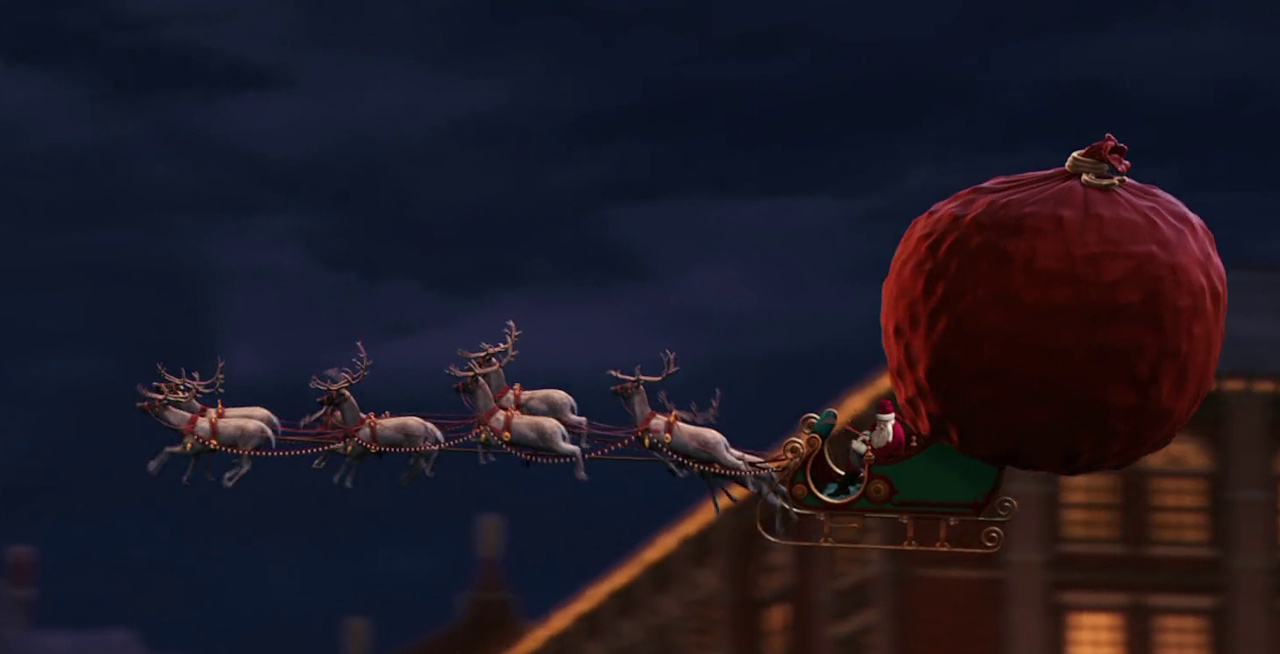
If we take belief in Santa Claus as a marker of childhood, part of the film’s message is about choosing to hang on to one’s youth – or at least to aspects of it. The Polar Express, being told from the perspective of young children, has a sense of mystery and wonder; the protagonist and his friends don’t really know how everything works. And it successfully conveys that sensation even to an adult audience – which isn’t the easiest thing to do! Making me as a viewer see things from a child’s point of view is a real challenge, but it’s one that The Polar Express tackles with ease.
Christmas is a holiday for the little ones first and foremost, so a message or metaphor about retaining at least some part of one’s youth and childhood is incredibly relevant at this time of year. And for older kids who may be wavering in their belief… I guess the film’s final act could go a long way to reinforcing the legend of Santa Claus, at least for one more Christmas!
I have a similar story to share, and perhaps that’s why I feel this side of The Polar Express hitting so strongly. When I was in my late teens, I was dating a girl who had a younger sibling. Their sibling was either ten or eleven years old – precisely the age when one’s belief in Santa Claus might start to wane. As Christmas time approached, I was excitedly talking to them about Santa, but I could tell it wasn’t really getting through. So I told them about how Norad (which I explained was the US government and air force) tracks Santa’s flight every Christmas Eve.
Norad’s Santa Tracker had just got its own website, and showing them “proof” of Santa from an official source seemed to delight them and reinforce their belief. I’m sure it only lasted for that Christmas; my girlfriend and I had broken up by the next year, so I never got to see if that had become a part of their family’s festive traditions. But I still remember how it felt a quarter of a century later to bring just a tiny fraction of that Christmas magic to someone… and that’s how The Polar Express makes me feel, too.

Sorry for the diversion, but I hope you can see why it’s related!
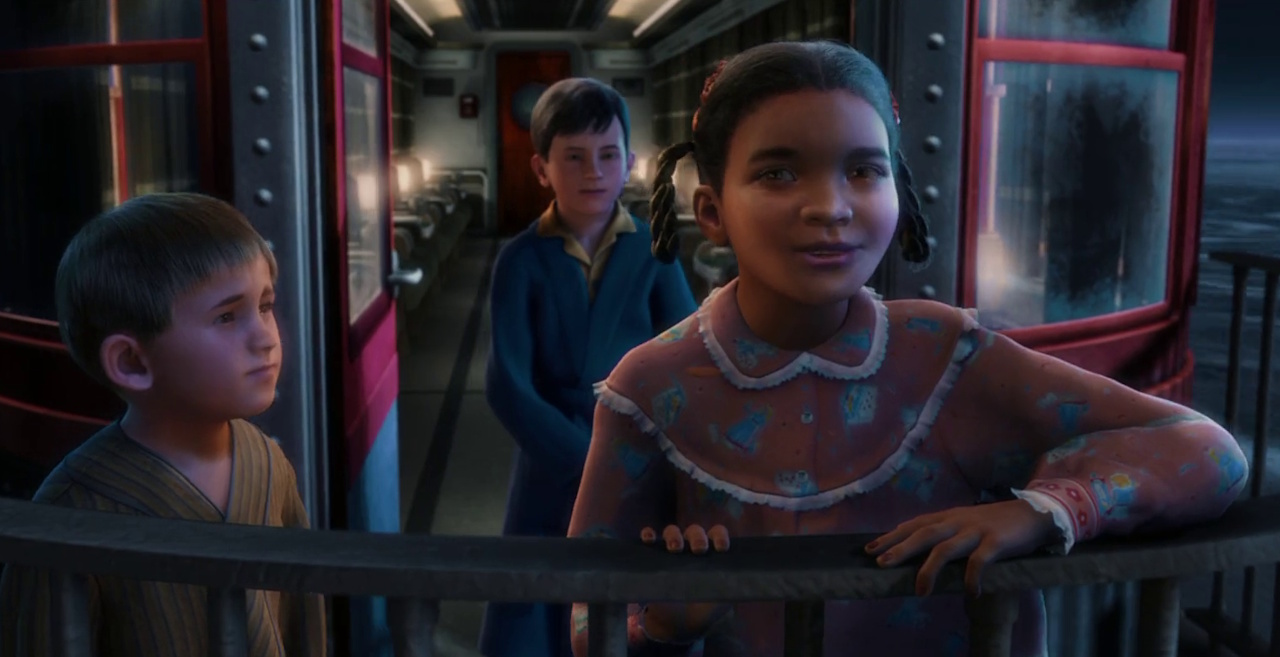
To get back on topic, The Polar Express isn’t just about one kid and their feelings about Santa Claus. It’s also a film that shows how Christmas can be different for different families, and how the magic of Christmas can mean so much to someone who has missed out on it. The character of Billy – the only named child in the whole film – represents the poorer, less well-off kids who, at this time of year, can feel especially left out.
It’s heartbreaking to hear a young child saying that Christmas “never works out” for them, but it’s also incredibly sweet to see how their friends come together to help them have a great Christmas… most likely the first really enjoyable Christmas they’ve ever had. There’s some really heartwarming stuff on this side of the story – tales of friendship between the “hero” characters and Billy intertwine with the more heavy themes of belief and the action-packed adventurous sequences set aboard the train.
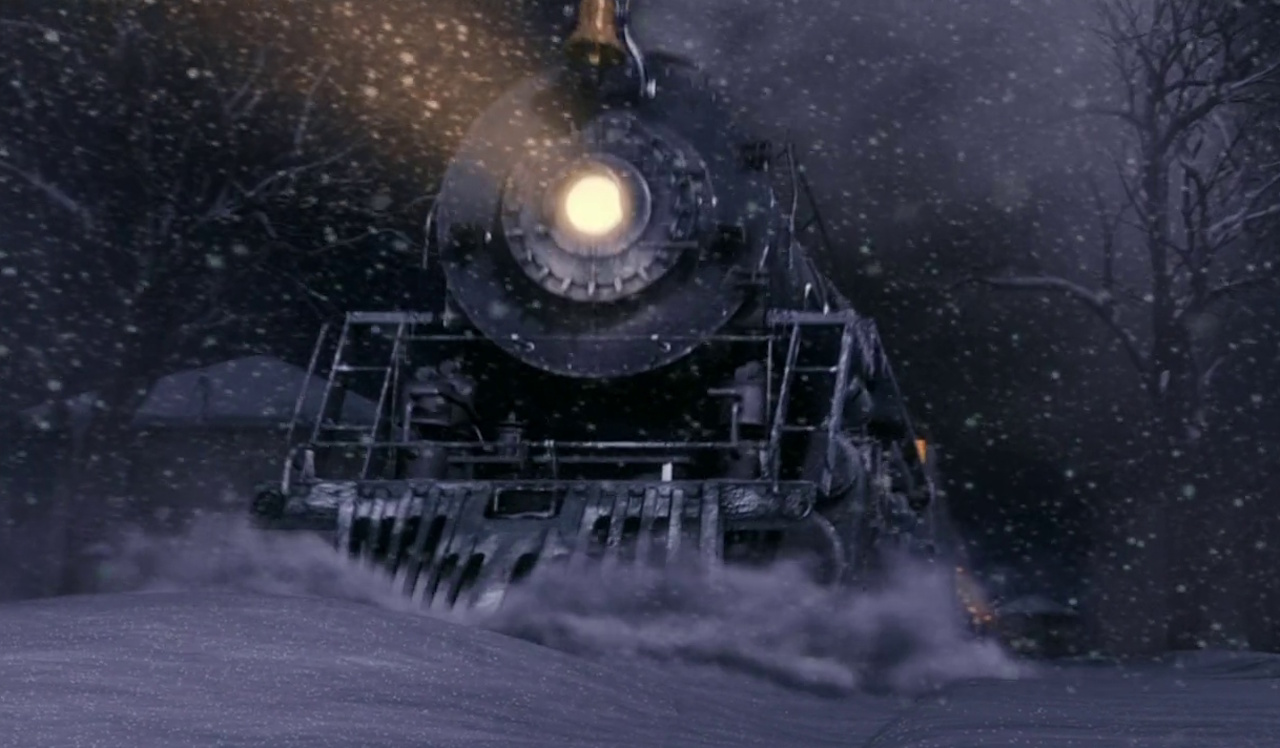
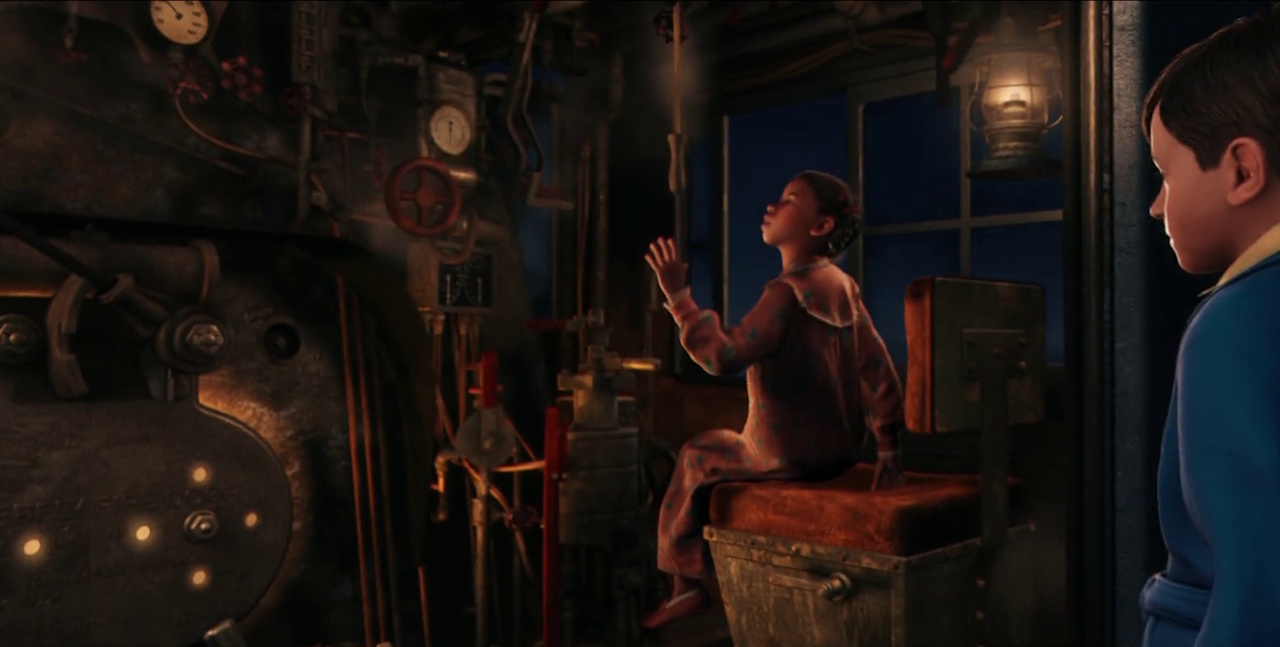
Speaking of trains, I do so love a good old-fashioned steam locomotive! The one depicted in The Polar Express is actually based on a real engine from the 1920s; one of which still survives as a museum piece. Steam trains have long had an association with Christmas time, so the choice of vehicle doesn’t come out of nowhere! But the titular train is another place where I feel the CGI really works and makes things come alive.
The detail on the train – the locomotive in particular – is fantastic, and if you’ve ever had the good fortune to step up onto the footplate of a steam locomotive, I daresay you’d recognise many of the components. The brake, the throttle, the furnace… all of it’s there and rendered in incredible detail. There was a lot of love put into animating the train, the way its wheels move, and the action taking place at the front. It’s wonderful to see as an old train fanatic!
The soundtrack to The Polar Express is fantastic, and the film’s main theme has become a recognisable piece of Christmas music in its own right. I’ve even seen other arrangements of it cropping up on set-lists around this time of year. The film also brings a couple of solid songs to the table, including the Grammy Award-winning Believe. I also quite enjoy the Hot Chocolate song – though that’s more the overall sequence with dancing and spinning seats rather than just the song on its own.
It’s also worth talking about The Polar Express in terms of the performance of one actor in particular: Tom Hanks. There are some great vocal and mo-cap performances from others, of course. Daryl Sabara (of Spy Kids fame) voiced Hero Boy, and Nona Gaye voiced Hero Girl, and both were exceptional. But The Polar Express is a Tom Hanks project first and foremost; the veteran performer plays six different roles, and manages to make each one feel distinct.

Image Credit: IMDB
So that’s all for now, I think. All that’s left to say is this: Happy Anniversary to The Polar Express! I don’t know if I have another twenty Christmases in me, but if I do I’ll be watching this film every time. It’s a sweet, heartwarming, and adventurous tale of a trip to the North Pole. There are messages for kids about keeping the Christmas magic alive and making friends, some fun action-packed scenes aboard an old steam train, and plenty of Christmas spirit! And, of course, some animation that, in my view anyway, has aged exceptionally well.
I always enjoy firing up The Polar Express at this time of year. And I thought it was particularly appropriate this year, on the occasion of its twentieth anniversary, to celebrate the film, its art style, and its place in the top tier of Christmas films.
The Polar Express is out now on DVD, Blu-Ray, and on-demand streaming platforms. The Polar Express is the copyright of Warner Bros. Entertainment, Playtone, Shangri-La Entertainment, and/or Castle Rock entertainment. This article contains the thoughts and opinions of one person only and is not intended to cause any offence.
 Trekking with Dennis