The Rig: Season 2 Review

A spoiler warning graphic.

Spoiler Warning: There are spoilers ahead for The Rig Seasons 1 and 2.

Two years ago, I reviewed Season 1 of The Rig – and I had a pretty good time with the series. I wrote at the time that I was disappointed that Amazon hadn’t greenlit a second season, and that I was hopeful that we would eventually get to see a continuation of the fun sci-fi/mystery drama. Well, Season 2 of The Rig has landed on Amazon Prime Video, so I thought I’d check it out and pick up the story!

Truth be told, The Rig fell victim to a problem that a lot of made-for-streaming shows have nowadays: curtailed seasons with long breaks in between. The two-year wait from the six-episode first season meant that I was basically going into Season 2 blind; even with a recap of the events of Season 1, it still took me a while to remember who was who and what exactly happened last time. I’ve talked about this topic before, and I’d really like to see streaming companies make more of an effort to cut down these long waits in between seasons.
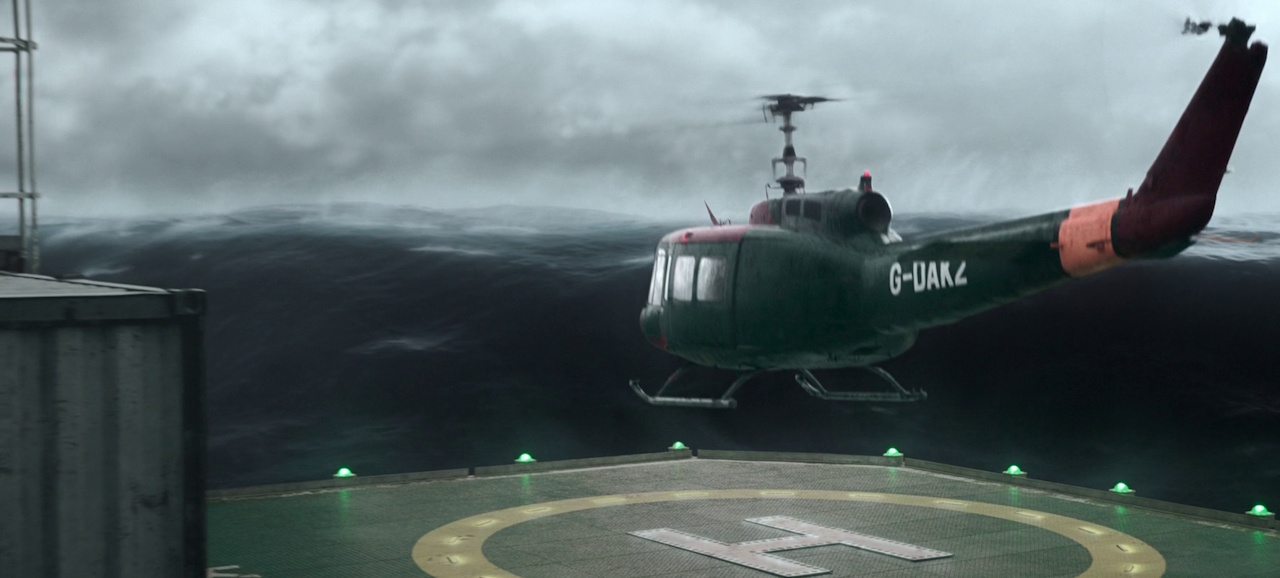
Still frame from The Rig Season 2 (2025) showing a helicopter taking off with a tsunami in the background.
It’s been two years since Season 1 of The Rig.

That being said, I had fun with The Rig Season 2. It was a great way to start the year, kicking off 2025 with a solid science-fiction series that had a good mix of character-focused storytelling, mysteries, drama, and more. As a continuation of the story from a couple of years ago, I think The Rig took its core idea and moved it along in a way that felt natural – there were no abrupt turns or subversions that risked derailing what has been a solid and enjoyable story.

In Season 1, I criticised The Rig for having some CGI and visual effects that weren’t at the level I’d hoped to see – and, unfortunately, that same issue was present this time around. As the one single element that I’d have wanted Amazon to have worked on, it was disappointing to still see too many “uncanny valley” moments, particularly in establishing shots of the titular Arctic base. When looking at the Ancestor (The Rig’s bioluminescent entity) up close, the animation work was pretty good, as were many of the underwater effects for scenes set beneath the ice. But some of those wider shots left a lot to be desired and felt pretty out-of-date.
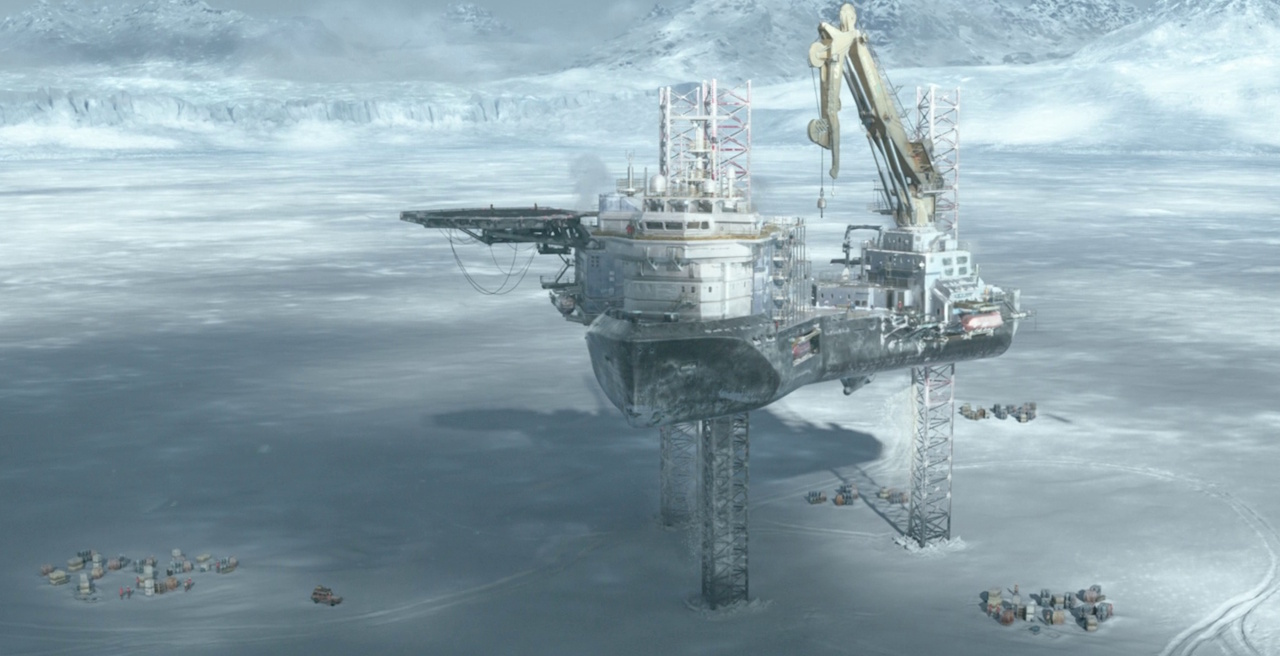
Still frame from The Rig Season 2 (2025) showing a CGI shot of the Stac.
The Stac – the setting for Season 2.

Because of the destruction of Kinloch Bravo at the end of Season 1, The Rig’s writers had to find a way to keep most of the crew together – as well as find them a new base to work from. The way this was handled felt like it was hand-waved away a little too quickly for my taste; it was awfully convenient that Pictor, the show’s fictional oil company, was content to basically hand over a large portion of the operation of its most delicate, sensitive, and top-secret base to Magnus and Rose. But in the confines of a six-episode series that needed to move the story along, I can at least understand why that happened!

If you linger too long on that idea, it’s kind of like the “Armageddon problem:” it should be easier to train astronauts to drill than to train drillers as astronauts; or in this case, oil rig workers to become scientists, explorers, and deep-sea diving technicians! The first season of the show put these characters at the heart of a sci-fi mystery because that mystery was unfolding at their place of work – this time, they had to be relocated, and while I think I can give it a pass, it’s definitely one of those “don’t think about it too hard” scenarios.
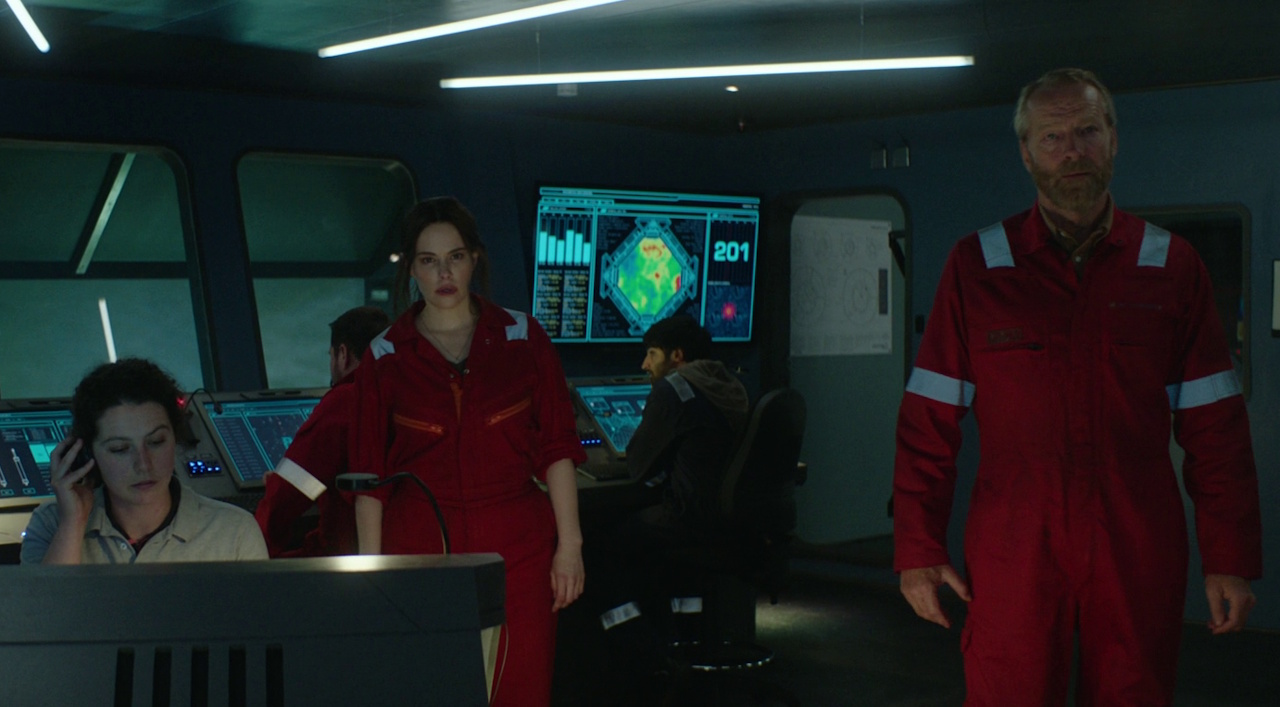
Still frame from The Rig Season 2 (2025) showing Heather, Rose, Magnus, and other characters in the Gallery.
A company with the financial resources of Pictor wouldn’t need to hire the crew of an oil rig to lead its top-secret base… right?

For me, there’s still a pretty big disconnect between The Rig’s pro-environmentalist, anti-corporatist message – which was generally well-presented – and the inescapable fact that the series is commissioned by Amazon. Amazon remains one of the world’s largest corporations and largest contributors to climate change, which does rather blunt the show’s admirable attempt to make a point on either of those fronts. Again, “try not to think about it” is the message of the day, I guess.

Iain Glen’s character of Magnus was one of my favourites last time around; there was a raw, emotional side to him that helped define the character and make him a better leader. In Season 2, we didn’t get anywhere near as much of that, with Magnus seeming to take a half-step toward becoming a kind of action hero; sneaking around with a gun trying to stop the baddies. There were still some wonderful moments as Magnus drew on his leadership experience to offer advice and support to others, but perhaps less of what made the character so engaging in Season 1.
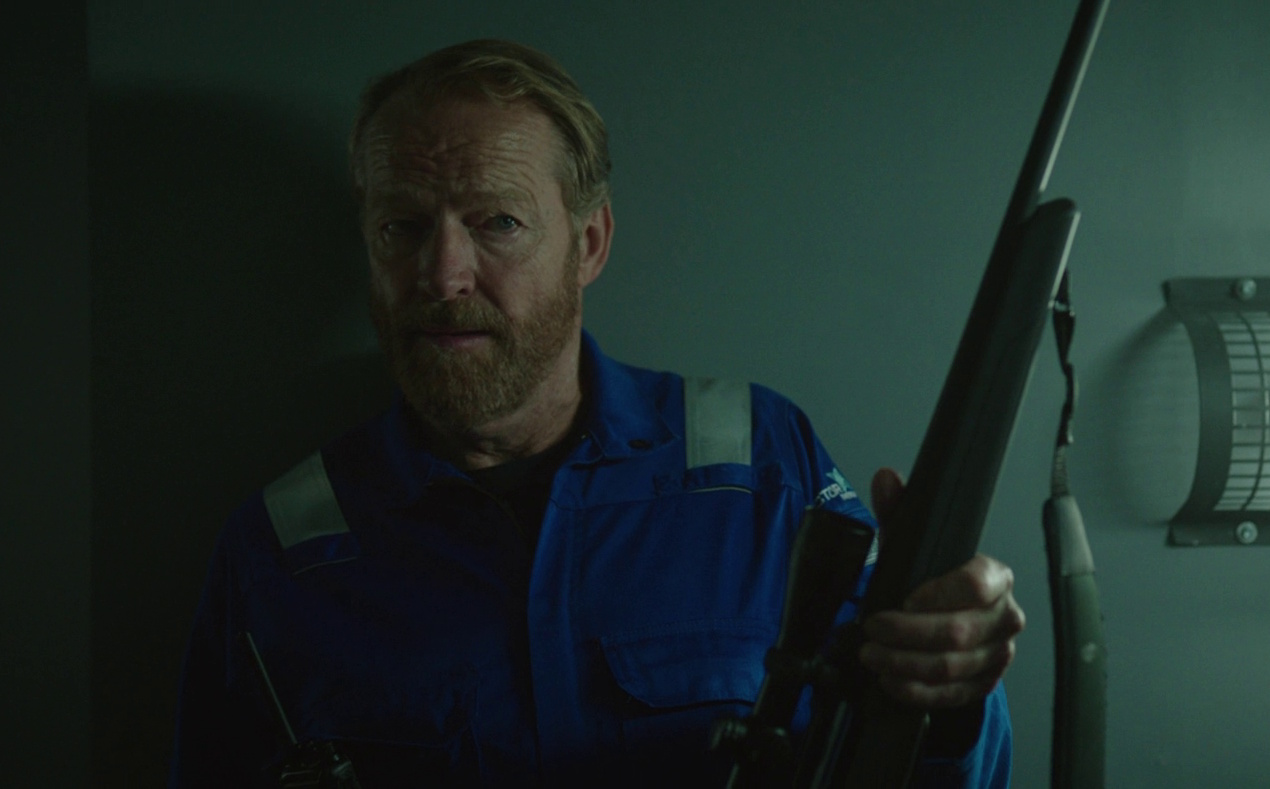
Still frame from The Rig Season 2 (2025) showing Magnus holding a rifle.
Magnus the action hero!

The addition of Alice Krige to the cast was an inspired choice; she was outstanding as the conflicted CEO of Pictor, Morgan Lennox. As a Trekkie, I’m most familiar with Krige as Star Trek: First Contact’s villain, the Borg Queen, but she took on a much more complex and nuanced role in The Rig. Lennox had to navigate the cut-throat world of corporate politics without completely losing her humanity – and Krige’s performance conveyed that exceptionally well.

I’d also like to highlight the performance of Molly Vevers as Heather. Vevers played the character with charm, intelligence, and a little vulnerability – making her a fun secondary character to get behind as this chapter of the mystery was unfolding. Her scenes with Askel, played by Norweigan actor Johannes Roaldsen Fürst, were particularly enjoyable. The two have great chemistry together.
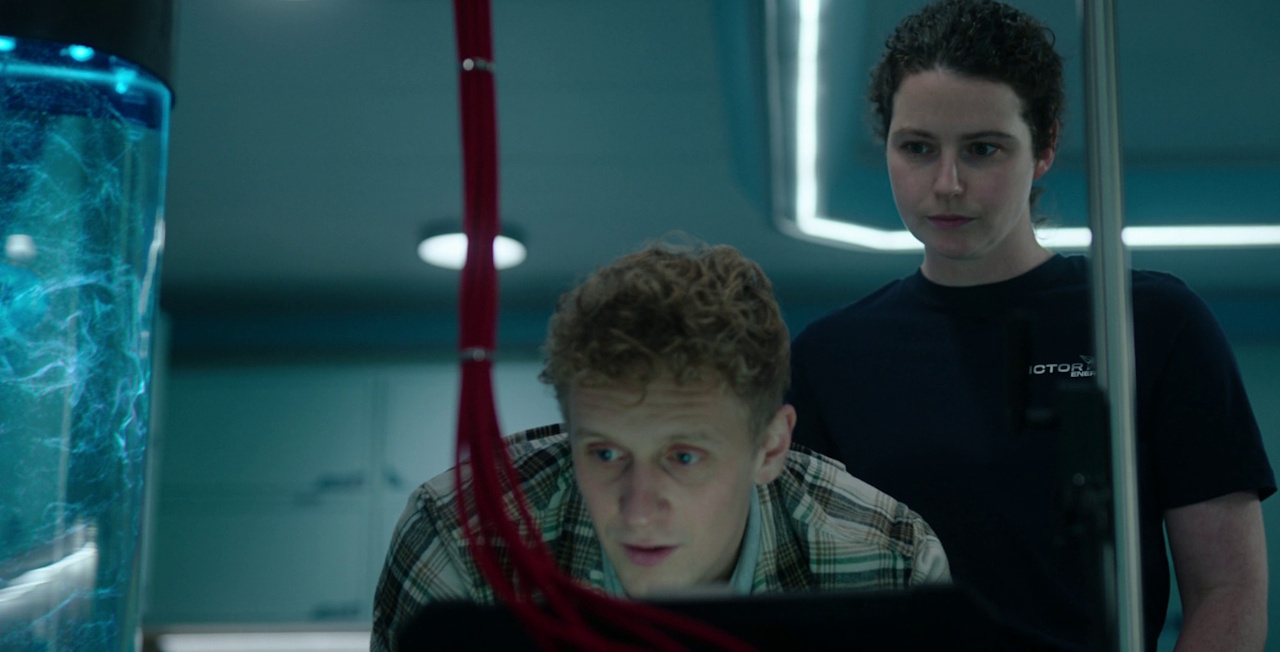
Still frame from The Rig Season 2 (2025) showing Askel and Heather.
Askel and Heather with one of their samples.

In Season 1, I criticised The Rig’s writing for going overboard with the show’s environmental message. Punching viewers in the face with lines about oil companies ruining the planet was a bit much for me – so I was pleased to see Season 2 tone this down somewhat. The show still retains a strong environmental message, but this time around the writers were content to let the metaphor of the Ancestor stand on its own, as well as tying it in to the corporation’s exploration and exploitation of natural resources in the Arctic.

This is a real-world issue – and as technology improves, we will have to confront the idea, sooner or later, of companies wanting to open up unspoiled wilderness areas for mining and drilling. It’s already happening in some regions, and several countries are keen to press their claims to the Arctic and its untapped resources. I’m not sure that The Rig added a lot to this conversation, but even the act of drawing attention to it can be a positive thing. There are still conflicts with the show’s environmentalist message and its corporate funding, but as a general point, speaking out about the potential dangers of letting corporations loose in one of the last truly unspoiled parts of the world is worth trying.
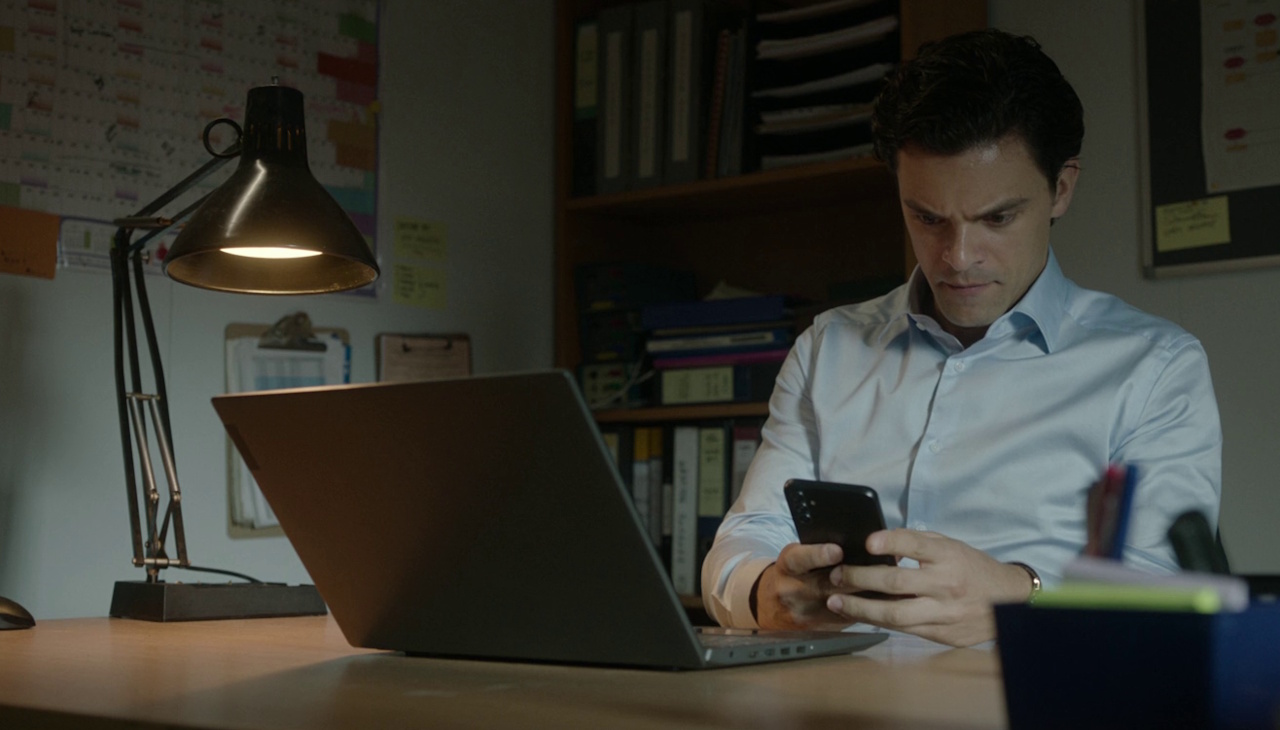
Still frame from The Rig Season 2 (2025) showing York using his smartphone.
The Rig came with a message about corporations exploiting the Arctic.

I would’ve liked to have seen a bit more of the impact of the North Sea tsunami. We got scenes with Hutton, Cat, and Lennox at a triage centre/emergency hospital, but given the severity of the disaster, seeing some of the devastation first-hand would’ve been interesting. The show portrayed this event as being at least as severe as the Boxing Day tsunami in 2004, impacting multiple countries including the UK. With a focus on the rig workers and Pictor, we just didn’t have enough time to really examine what the consequences of something like that could be in the world where the series is set.

I know the tsunami and its aftermath weren’t supposed to be The Rig’s focus, and that’s okay. We caught glimpses of it through Cat’s story at the hospital – the difficulty in getting antibiotics for her wife being the biggest example. But an event on this scale would have wide-ranging consequences, and this is definitely something I’d like to see more of if and when The Rig makes a return.
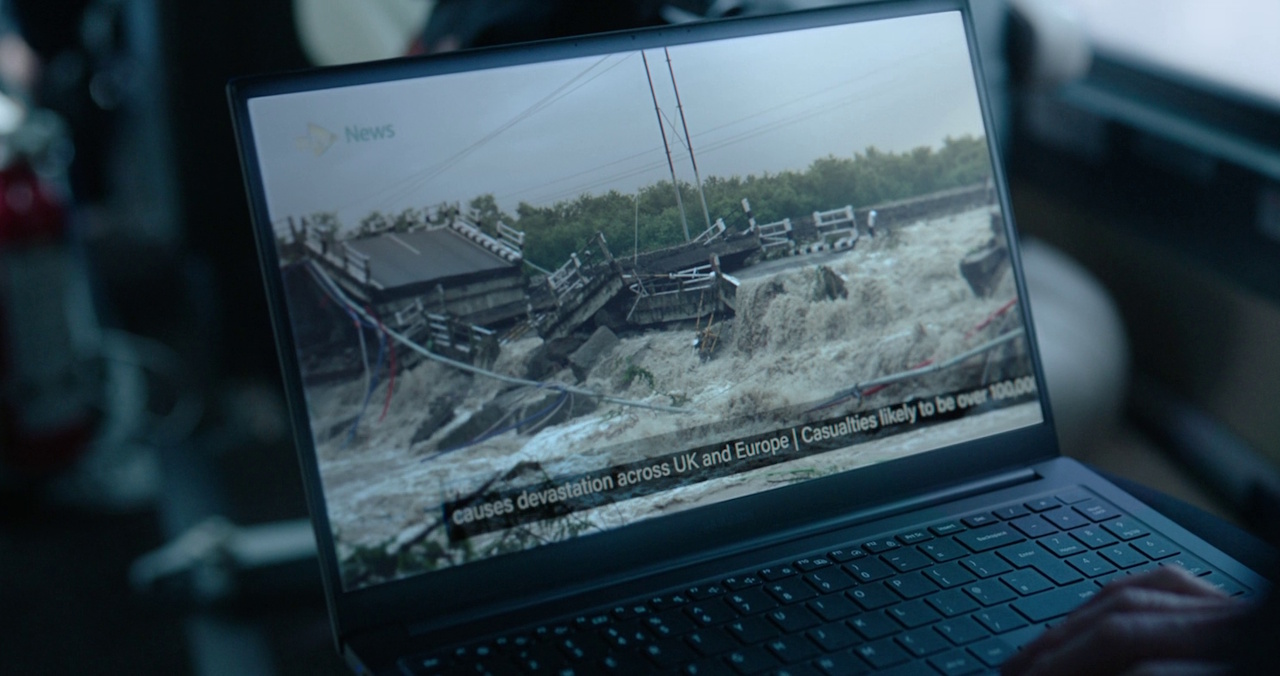
Still frame from The Rig Season 2 (2025) showing a news report about the tsunami on a laptop screen.
I’d like to see more about the tsunami and its aftermath next time.

Cat and Hutton made for a fun pair this time around, having not spent that much time together in Season 1. The story took the gruff, unlikable Hutton and gave him a genuine arc, something I wouldn’t have expected – but it worked exceptionally well. Hutton, despite his persona, is clearly on the same side as the rest of our heroes in their struggle against Pictor’s leadership, and that was a great way to take his character.

On Cat’s side of the story, her quest to track down and eventually treat her wife, Kacey, after the devastation of the tsunami was heart-wrenching. Stellar performances from Rochenda Sandall, Neshla Caplan, and Owen Teale gave this storyline the weight that it needed. The scene at the mortuary in particular was riveting stuff.
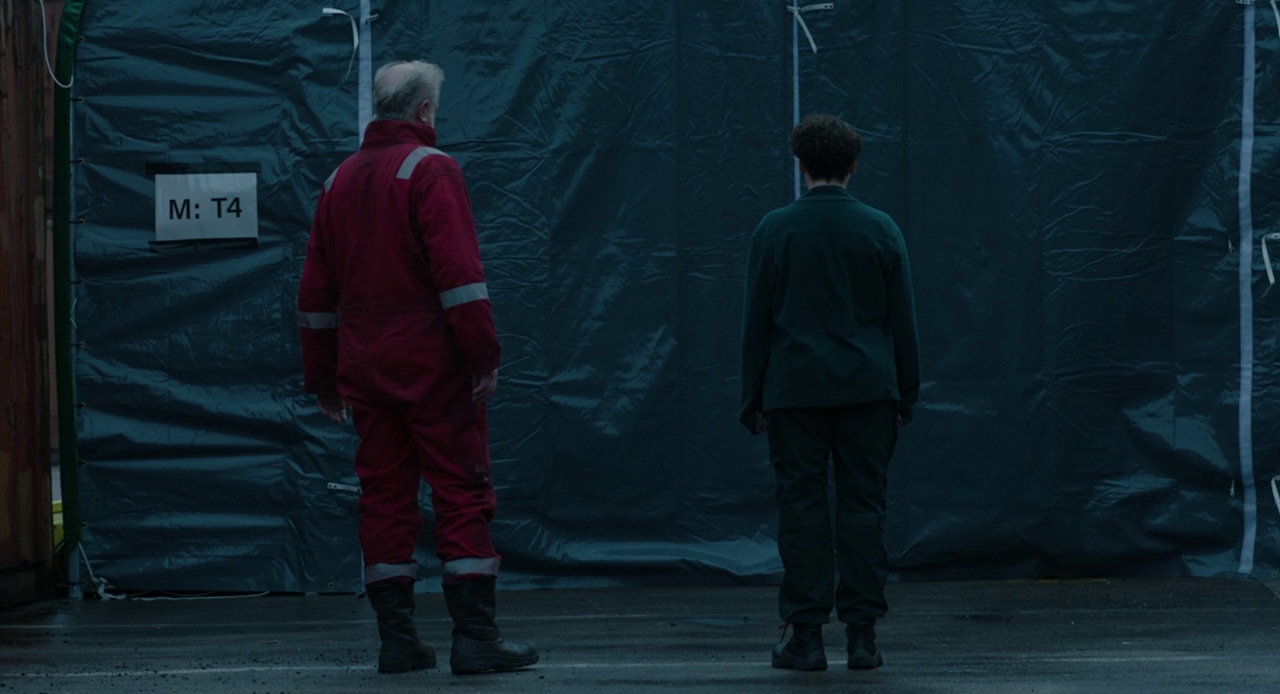
Still frame from The Rig Season 2 (2025) showing Hutton and Cat standing in front of the mortuary tent.
Hutton and Cat by the mortuary tent.

In Season 1, I noted the influence of the 1989 film The Abyss in parts of The Rig – and this is a trend that continued in Season 2. The concept of an under-sea base, the use of a rover and diving suits, and the otherworldly, mysterious, and even alien way in which the Ancestor was brought to life all reinforced that comparison for me. As a fan of The Abyss, this is a positive thing! The design of the wet dock and the under-sea base also reminded me, at least a little, of the film Deep Blue Sea.

Seeing a bully get taken down a peg is always something I love in fiction, and the ultimate fate of the villainous Coake was shocking when it happened – but it felt thoroughly deserved. At that point in the story, it wasn’t entirely clear who was on whose side, and whether Cameron – who seemed slow to warm up to the main characters from Season 1 – had another agenda. That element of uncertainty could’ve come across as confusing; it’s to The Rig’s credit that it didn’t! Excellent performances and a well-structured script kept things on track.
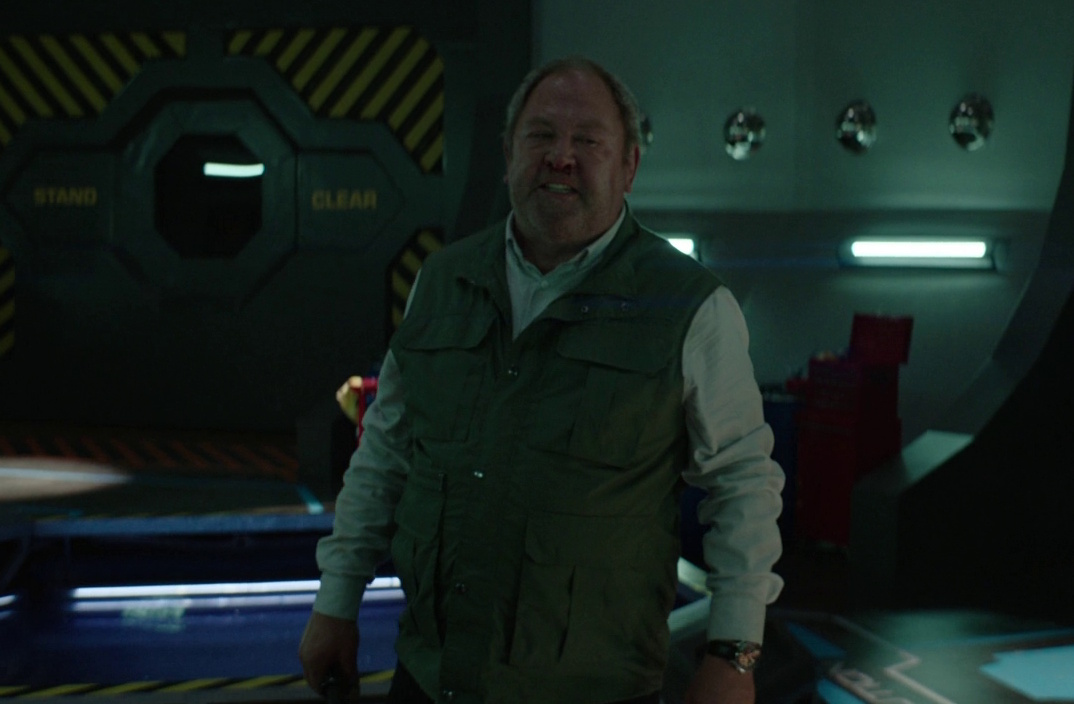
Still frame from The Rig Season 2 (2025) showing Coake.
Seeing Coake taken down was cathartic.

There were a couple of mysteries – or teases, really – that The Rig seemed to set up that ultimately didn’t get much of a narrative payoff this time around. Perhaps the writers are saving that for Season 3, so we’ll have to wait and see on that, I suppose! The first of these was the relationship between Lennox and Rose. I felt, for basically the entire season, that we were going to learn that Lennox is Rose’s mother… but that didn’t happen. They know each other and they clearly have a relationship that existed for years before the beginning of the story. But teases about the extent of this relationship didn’t go as far as I expected.

The second tease that The Rig started but didn’t finish was the injury to Magnus’ hand. Magnus hurt his hand when he had to plunge it into sub-zero water to rescue Bremner, and the injury seemed to plague him for the rest of the season. It didn’t stop him from swinging into action, but the frequent callbacks to it – and the way the injury was obvious from that point on any time his hand was in frame – meant I really expected it to serve more of a narrative function than it ultimately did.
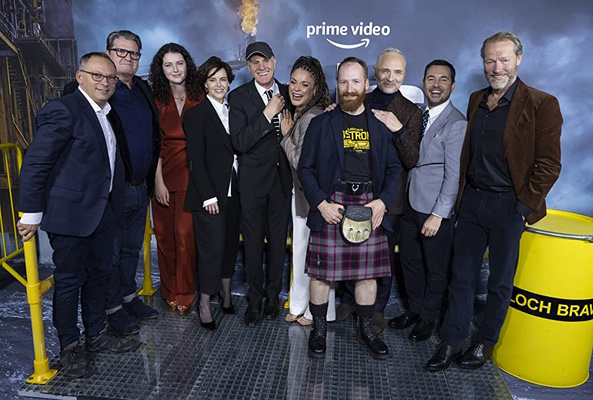
Photo of the cast of The Rig at the show's premiere in 2023.
The cast of The Rig at the Season 1 premiere in 2023.

With the exception of some of the wider CGI shots, which I felt weren’t up to scratch, everything else in The Rig Season 2 worked well. I was gripped the entire time, and binge-watched the season in just a couple of nights. Coming from me, that’s a ringing endorsement – and I had a great time with The Rig. There’s still a long way to go until we’re even thinking about dishing out some awards for the best television shows of 2025… but for me, The Rig will certainly be a contender.

At time of writing, Amazon has yet to greenlight a third season. I hope that will happen; there’s certainly scope to build upon the events of the first couple of seasons, expanding the story while also telling a new chapter. But at the same time, there wasn’t as brutal of a cliffhanger as there had been at the end of Season 1 – so if this is the end, I’ll be more willing to tolerate it than I would’ve been a couple of years ago! It’s my hope, at any rate, that the writers will have some ideas about where to take the story of the crew of Kinloch Bravo in a potential third season.
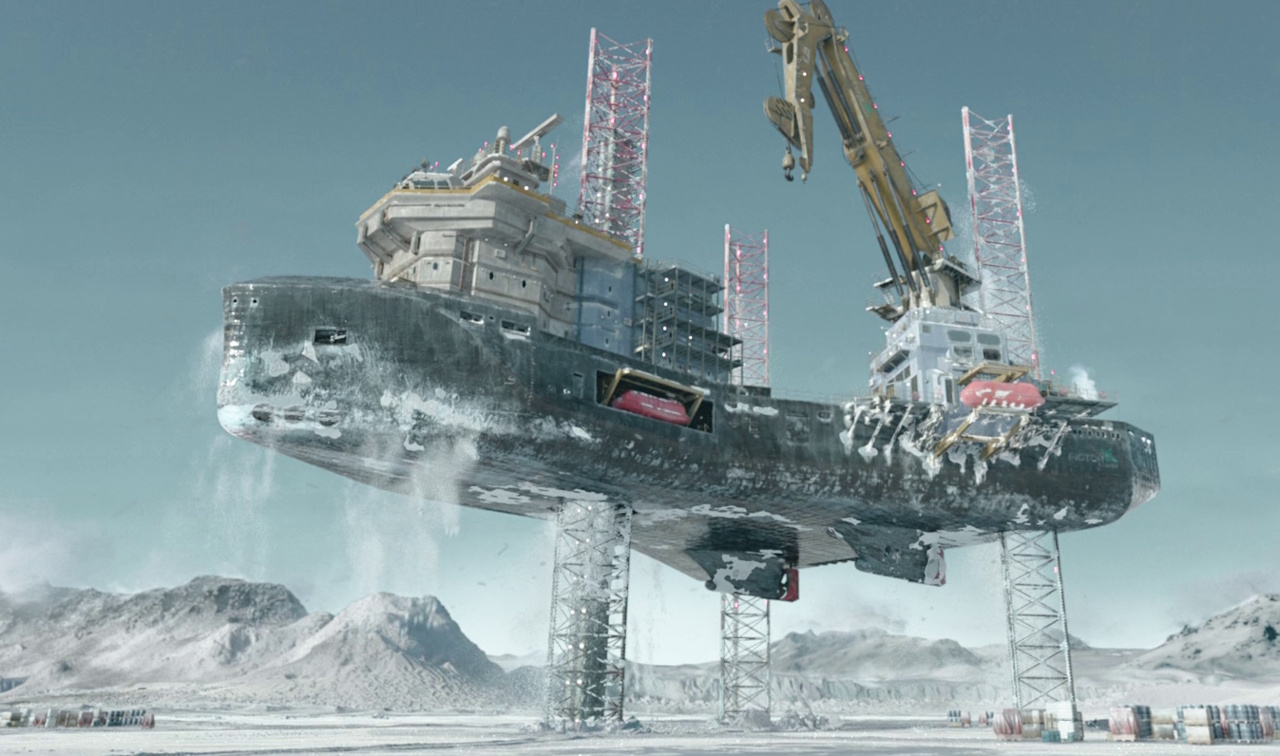
Still frame from The Rig Season 2 (2025) showing the Stac on the arctic ice.
What’s next for The Rig?

So I hope this has been interesting! I’m glad that The Rig got a second season, and I’d been looking forward to picking up this story for a while. It’s a fun, engaging sci-fi mystery, and one I’ll happily recommend to fans of the genre, fans of The Abyss, and really just to anyone looking for a modern, entertaining television series. I’d love to see a third season.

Rejoining the crew of Kinloch Bravo was a fun way to kick off 2025! I hope you’ll join me as the year rolls along for more reviews, commentary, and analysis of other streaming shows, as well as films, video games, and the Star Trek franchise.

Until next time!


The Rig Seasons 1 and 2 are available to stream now on Amazon Prime Video. The Rig is the copyright of Amazon Studios and/or Wild Mercury Productions. This review contains the thoughts and opinions of one person only and is not intended to cause any offence.
Amazon Prime Video review – The Rig

Spoiler Warning: Though there are no major plot spoilers, minor spoilers are still present for The Rig.

The title of this piece was originally going to be “Miniseries review: The Rig,” because all of the marketing that I’d seen for this six-episode Amazon production led me to believe that it would be a one-and-done miniseries or limited series. In fact, I probably wouldn’t have tuned in if I’d have known it would end on a pretty substantial cliffhanger – especially when a continuation of the story hasn’t yet been greenlit. Even going into The Rig’s final moments, I was still anticipating a climax and resolution to its ethereal enviro-mystery. When the series ended I actually wondered if I’d missed an episode, or if there was more to come – but at time of writing, the six episodes currently available on Amazon Prime Video are all there is.

I hope that The Rig will get a second season or at least some kind of conclusion, because there was promise in its story and characters that I’d certainly be happy to pick up and see resolved. But for now, I guess the biggest takeaway from The Rig for me is this: do just a little bit more research before committing to watching something!

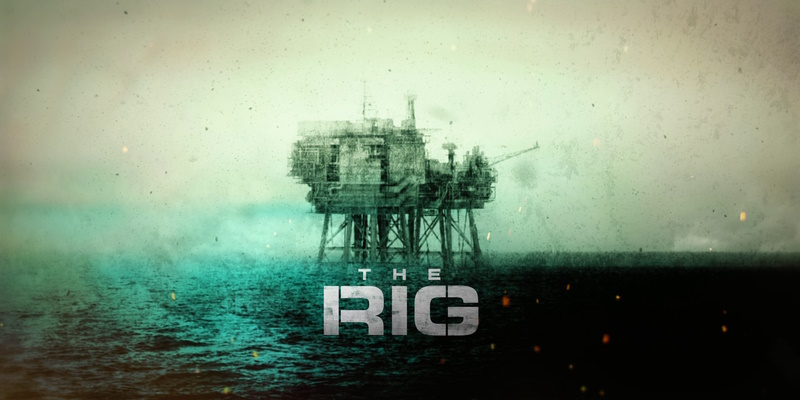
Title card for The Rig.

I’d seen advertisements for The Rig on Amazon’s homepage and plastered across social media, so at least here in the UK, it seems as though the show has had a decent marketing budget attached to it. The main splash banner on Amazon’s homepage has previously been reserved for Star Trek: Picard (in its first season, at least) and Amazon’s big productions like The Wheel of Time and The Rings of Power, so it certainly felt that the company was pushing its latest endeavour with all it could muster.

If only a few dollars from that marketing budget had been redirected to The Rig’s CGI and visual effects, though, because there were some pretty serious misfires in those departments, especially for a series that seems to be trying to compete at such a high level. Some of the CGI felt decidedly “last-gen,” as if it were something we’d have seen circa 2008. This was noticeable from literally the first second, as The Rig’s opening sequence was entirely animated, and not animated to anywhere near the high standards I’d expect from a corporation with the resources of Amazon.

The Rig’s opening CGI sequence was poor.

The opening CGI sequence left a poor first impression, and across the first couple of episodes especially, The Rig was having to work hard to overcome some low-budget visual effects. This extended beyond CGI into the physical space, too. The show’s signature “fog” effect looked decent enough when animated – nothing spectacular, but a step up from some of the other animation work, especially in those first couple of episodes. But when real actors were supposedly walking through the “fog,” I’m afraid the effect looked rather similar to what you’d get from those cheap smoke machines that became popular in discos a few years back. It looked poor – and for such an important part of the series, getting this wrong was, again, something that gave a poor impression.

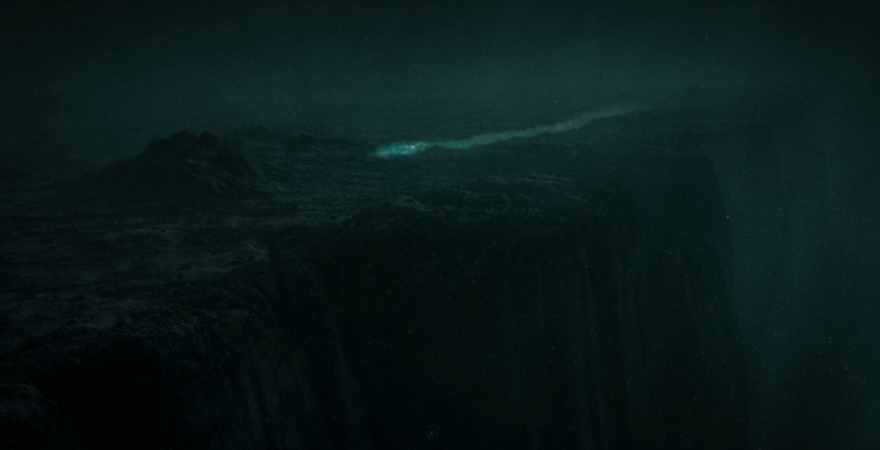
However, while some CGI sequences remained poor across the entire six episodes, the animation work for the “spore” phenomenon that the crew encountered fared a lot better, and as this element was of particular importance to the story, getting it to look right was important.

An example of how the “spores” look.

The “spores” reminded me more than a little of The Expanse’s protomolecule, if you’re familiar with that sci-fi series (and if you aren’t, you should really check it out as its fantastic!) And this ties into a broader point about The Rig – the series brought to the table a number of elements that we’ve seen in other sci-fi films and franchises. There wasn’t too much originality in the production – which isn’t to say that it was bad by any means, but as the show progressed I definitely found myself noting more and more of these inclusions.

James Cameron’s The Abyss, released in 1989, was definitely a film that I felt The Rig was drawing inspiration from, not only thematically but visually, too. There was also the introduction of a corporate officer who knows more about the phenomenon than he lets on that felt like it had been lifted straight from Alien. And the “it was only trying to communicate” trope that clearly took inspiration from Star Trek. We also have the aforementioned visual effect that was similar to The Expanse… the list goes on! The way in which The Rig pieced these elements together was decent, and the fact that a story, visuals, or other elements of a production aren’t wholly original isn’t to say it’s awful – but it is worth noting how many narrative and design choices echoed other productions in the same mystery/sci-fi/thriller space.

Some of The Rig’s story beats and visuals felt familiar.

Despite being commissioned by Amazon and made by Amazon Studios for Amazon Prime Video, The Rig felt remarkably similar to dozens or perhaps even hundreds of British television shows that I’ve seen over the years. The cinematography, acting (and some actors, too), the musical score, the aforementioned low-budget VFX… all of it came together to feel very familiar. If I hadn’t known that I was watching The Rig on Amazon Prime Video you could’ve told me this was a show made by the BBC, Sky, or ITV and I’d have believed it, no question!

Part of The Rig’s marketing stated that it’s the first Amazon show to be wholly produced in Scotland – and I guess that explains why it feels so familiar to a British viewer! The director/executive producer, John Strickland, has worked on episodes of popular British shows like Poirot and Line of Duty, and I swear I’ve seen at least half of the cast before – in bit-part roles on shows like Holby City or Doctor Who.

The main cast and crew of The Rig at the show’s premiere in Scotland.
Image Credit: IMDB

Speaking of the cast, everyone involved did a good job at selling what was an increasingly sci-fi story. The characters all felt grounded and real, and even moments of exposition were delivered in ways that felt natural, informing us about certain characters’ histories and backstories without being too obtrusive. There’s some excellent scriptwriting and characterisation there, and the cast all did well to bring it to screen convincingly. I wouldn’t single out anyone for giving a disappointing performance; everyone on The Rig did a standout job.

There were some great moments involving practical makeup – particularly in one gory moment after a character suffered a fall. The way bruises, broken bones, and gaping wounds were constructed felt visceral and realistic, and at a moment where the story was only just beginning to take off, the shock value these simple practical effects had shouldn’t be overlooked.

Some great makeup was used to create wounds and injuries.

The Rig didn’t take long to get going – and in a series that only has six episodes, I guess that’s fair enough. My only point of criticism on this side of things would be that it felt as if at least some of the characters went from normal life to “panic mode” in a heartbeat – instead of a degradation in the crew’s mood from happy to irritable to angry and depressed taking a slower course. It felt as if The Rig got started, introduced us to its big storyline, and then the members of the crew who were going to get angry just snapped immediately, largely remaining in that state for the rest of the series. There was scope, I felt, to show how the effect of a disaster and being isolated with no field of vision or communications could slowly wear people down – and while The Rig tried to pay lip service to that at a couple of points, it didn’t really work convincingly.

That being said, there were some great character moments in all of the episodes that really showed off the tension and stresses that the worsening situation was putting people under. While I would have liked this to have been built up a bit more slowly, at the same time it’s worth saying that this wasn’t really what The Rig was all about, and considering the main thrust of the narrative was elsewhere, I guess it’s fair to say that this side of things was handled about as well as it could’ve been within the show’s time constraints.

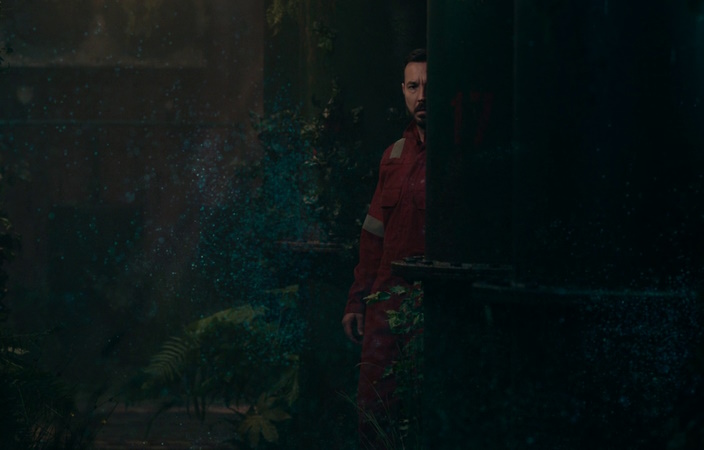
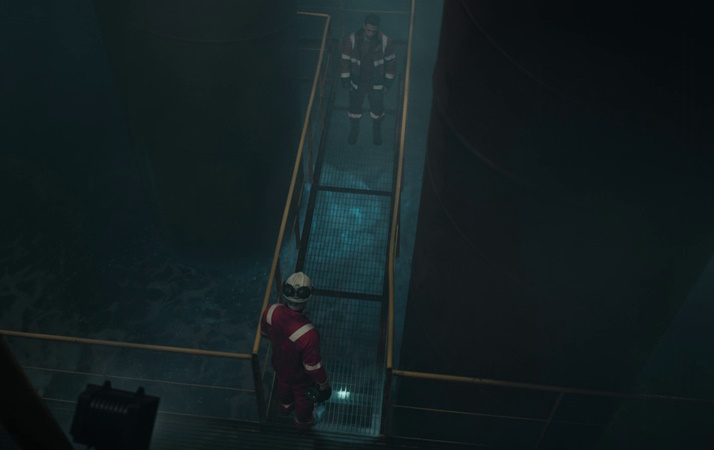
Different character conflicts came to the fore in The Rig.

The Rig had a clear environmentalist message – one about climate change, the dangers of unchecked oil exploration, and the responsibility humankind has en masse for the damage to the atmosphere and natural world. But rather than allowing its sci-fi, rather ethereal story about ancient microorganisms to stand on its own as a metaphor, someone involved in The Rig’s production clearly insisted on inserting some rather clumsy dialogue to make this environmental message incredibly obvious and in-your-face.

For me, as someone who’s a huge fan of the Star Trek franchise, I think sci-fi like this works best when subtlety is the order of the day; when the analogy is given space to speak for itself without the script punching viewers in the face with the same message over and over. The Rig comes across, in these moments, as a show that doesn’t trust the intelligence of its own audience; its producers and writers want to make their environmentalist message clear, so they keep repeating it. Rather than trusting what was a well-constructed metaphor to make that point, The Rig drops these clumsy, awkward exchanges of dialogue in a desperate attempt to make things obvious. And I just found that to be unnecessary and a little disappointing.

One of the moments where a conversation about climate and environmental issues was very obvious.

Don’t get me wrong: I love a series with a moral and a message, and The Rig clearly has one. Climate change and the environment are causes that we definitely need to care about, pay attention to, and find solutions to out here in the real world, and although The Rig was never going to be high-brow “art” or a series that would change opinions and sway huge numbers of folks to its cause, it had a point to make and its metaphor about “the earth fighting back” against humanity’s destructiveness was a good one. Not a wholly original point, perhaps, but a decent one nevertheless.

But what the series didn’t need to do was constantly hammer that message home by other means – the metaphor at its heart was strong enough on its own to get that message across. We didn’t need half the cast to spout anti-oil, anti-fossil fuels, or pro-climate lines – especially pretty clunky, hammy ones – in order to get the message. The Rig had a point – but the way in which it went overboard ended up rather detracting from it.

Someone really wanted to make sure that The Rig’s environmental message came through!

One thing I admired about The Rig’s story is the way in which it blended some very ancient-feeling legends of the sea with modern science and technology to create its core mystery. For as long as humans have been sailing, there have been legends of strange phenomena out at sea, and The Rig seemed to take some of these as a starting point, combined with our lack of knowledge of the ocean floor in general, and weave them into its sci-fi mystery. The way in which it was done was clever, and it came to screen well.

There was a strong anti-corporate message in The Rig, particularly one that went after big oil corporations. Though Pictor, the corporation in the show, is fictional, it’s clearly based on real-world corporations like Shell, BP, and others, and The Rig doesn’t hold back when it comes to criticising the way in which these massive corporations are managed and their impact on the environment. As we got into the final couple of episodes, the inclusion of a secretive character from “head office,” the fact that they were unwilling to share what they knew – and how long they’d known about some of the problems affecting the Kinloch Bravo rig – really leant into this “corporate dystopia” angle, and I think that worked pretty well.

So let’s wrap things up and I’ll share my thoughts on The Rig as a whole.

The titular rig in the fog.

Overall, I felt that The Rig was an interesting series. Its core mystery certainly captured and held my attention, and even as its story descended from something semi-plausible into outright sci-fi, I was content to go along for the ride. I wouldn’t have climbed on board, however, if I’d realised that it was going to end on such an abrupt cliffhanger – and with no second season having been greenlit at time of writing, I fear the ending to this interesting story may never be told. All we can do is watch this space and hope that Amazon decides to go ahead with the next chapter!

On the technical side of things, though, I felt The Rig was let down by some pretty poor visual effects, both animated and practical, especially in its first couple of episodes. For a series that relies heavily on these things to set up its mysteries and narratives, the way in which some of them came across on screen wasn’t spectacular, and I’ve come to expect better from Amazon Prime Video in that respect.

So that was The Rig. An interesting series that I hope gets a continuation. If a second season, a film, or some other conclusion is in the offing, I daresay I’ll check it out. The Rig hadn’t been on my radar at all until I saw advertising for it on social media and Amazon’s homepage, but I was pleasantly surprised to find an enjoyable enough six-hour series with a good cast.

The Rig is available to stream now on Amazon Prime Video. The Rig is the copyright of Amazon Studios and Amazon Prime Video. This article contains the thoughts and opinions of one person only and is not intended to cause any offence.