

Spoiler Warning: There are spoilers ahead for The Rig Seasons 1 and 2.
Two years ago, I reviewed Season 1 of The Rig – and I had a pretty good time with the series. I wrote at the time that I was disappointed that Amazon hadn’t greenlit a second season, and that I was hopeful that we would eventually get to see a continuation of the fun sci-fi/mystery drama. Well, Season 2 of The Rig has landed on Amazon Prime Video, so I thought I’d check it out and pick up the story!
Truth be told, The Rig fell victim to a problem that a lot of made-for-streaming shows have nowadays: curtailed seasons with long breaks in between. The two-year wait from the six-episode first season meant that I was basically going into Season 2 blind; even with a recap of the events of Season 1, it still took me a while to remember who was who and what exactly happened last time. I’ve talked about this topic before, and I’d really like to see streaming companies make more of an effort to cut down these long waits in between seasons.
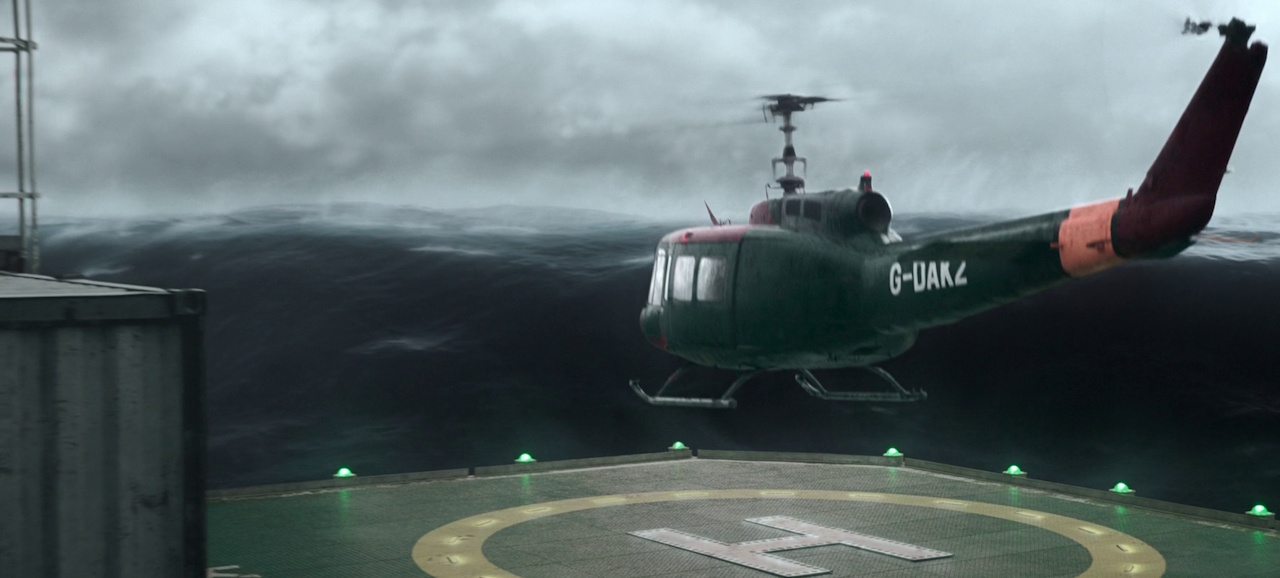
That being said, I had fun with The Rig Season 2. It was a great way to start the year, kicking off 2025 with a solid science-fiction series that had a good mix of character-focused storytelling, mysteries, drama, and more. As a continuation of the story from a couple of years ago, I think The Rig took its core idea and moved it along in a way that felt natural – there were no abrupt turns or subversions that risked derailing what has been a solid and enjoyable story.
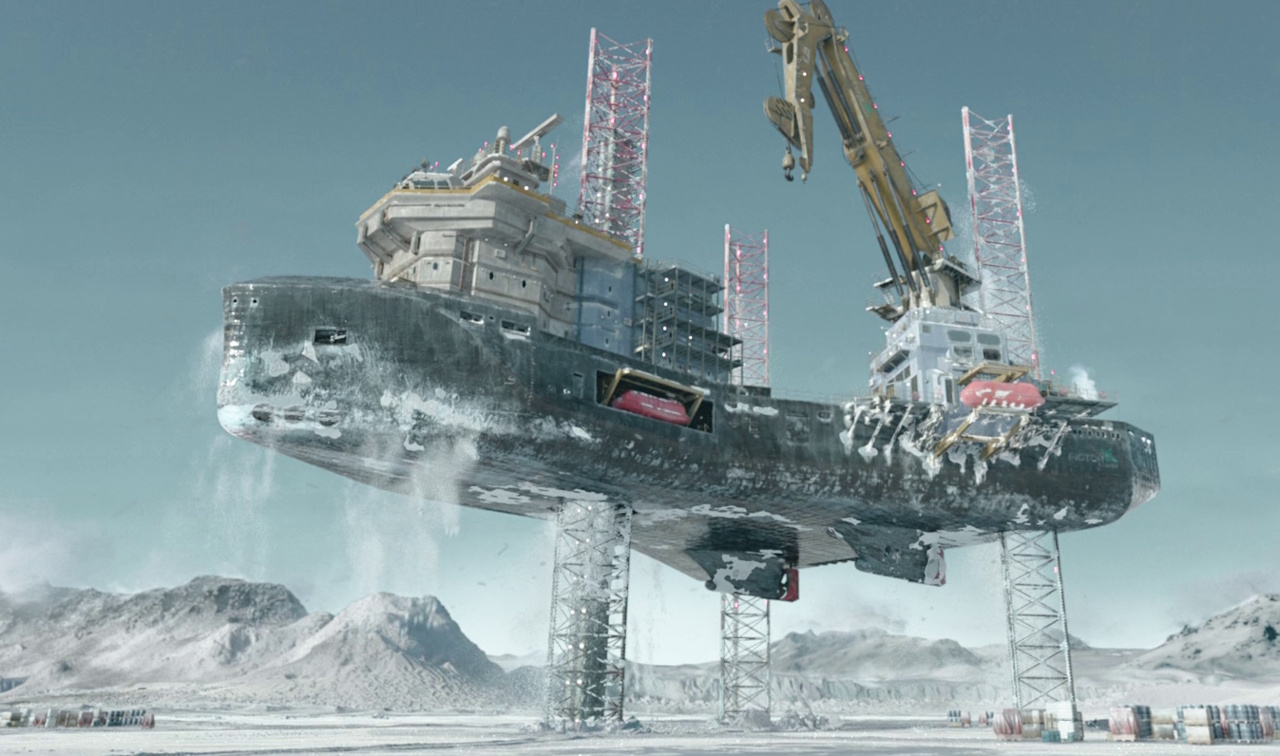
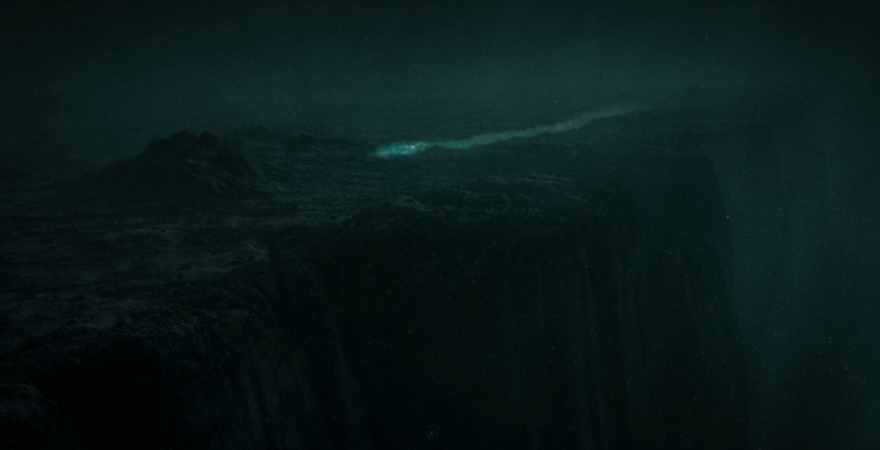
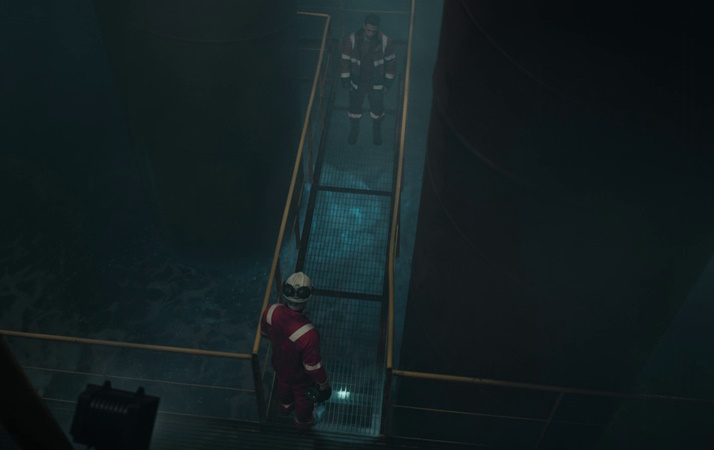
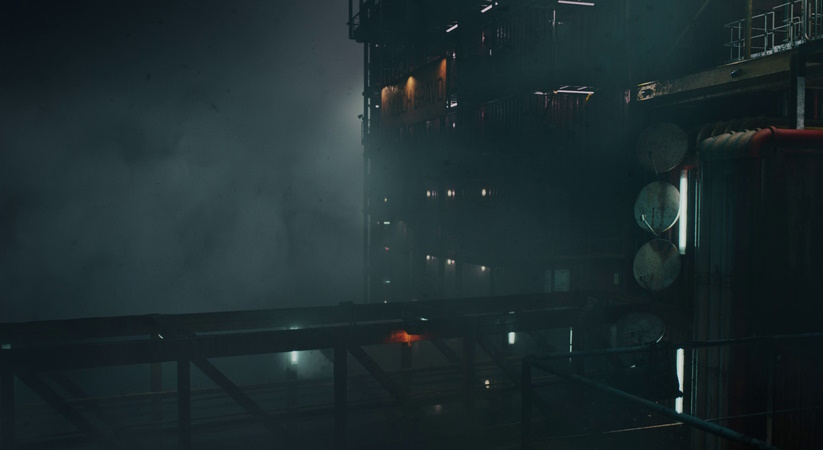
In Season 1, I criticised The Rig for having some CGI and visual effects that weren’t at the level I’d hoped to see – and, unfortunately, that same issue was present this time around. As the one single element that I’d have wanted Amazon to have worked on, it was disappointing to still see too many “uncanny valley” moments, particularly in establishing shots of the titular Arctic base. When looking at the Ancestor (The Rig’s bioluminescent entity) up close, the animation work was pretty good, as were many of the underwater effects for scenes set beneath the ice. But some of those wider shots left a lot to be desired and felt pretty out-of-date.
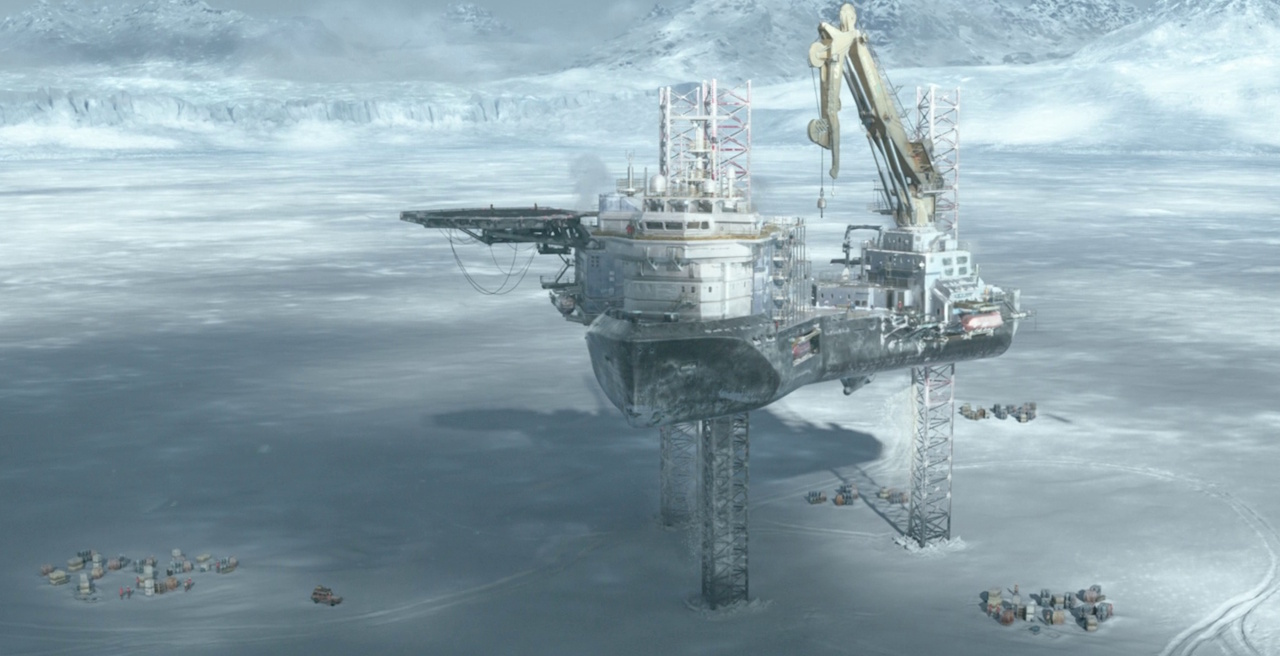
Because of the destruction of Kinloch Bravo at the end of Season 1, The Rig’s writers had to find a way to keep most of the crew together – as well as find them a new base to work from. The way this was handled felt like it was hand-waved away a little too quickly for my taste; it was awfully convenient that Pictor, the show’s fictional oil company, was content to basically hand over a large portion of the operation of its most delicate, sensitive, and top-secret base to Magnus and Rose. But in the confines of a six-episode series that needed to move the story along, I can at least understand why that happened!
If you linger too long on that idea, it’s kind of like the “Armageddon problem:” it should be easier to train astronauts to drill than to train drillers as astronauts; or in this case, oil rig workers to become scientists, explorers, and deep-sea diving technicians! The first season of the show put these characters at the heart of a sci-fi mystery because that mystery was unfolding at their place of work – this time, they had to be relocated, and while I think I can give it a pass, it’s definitely one of those “don’t think about it too hard” scenarios.
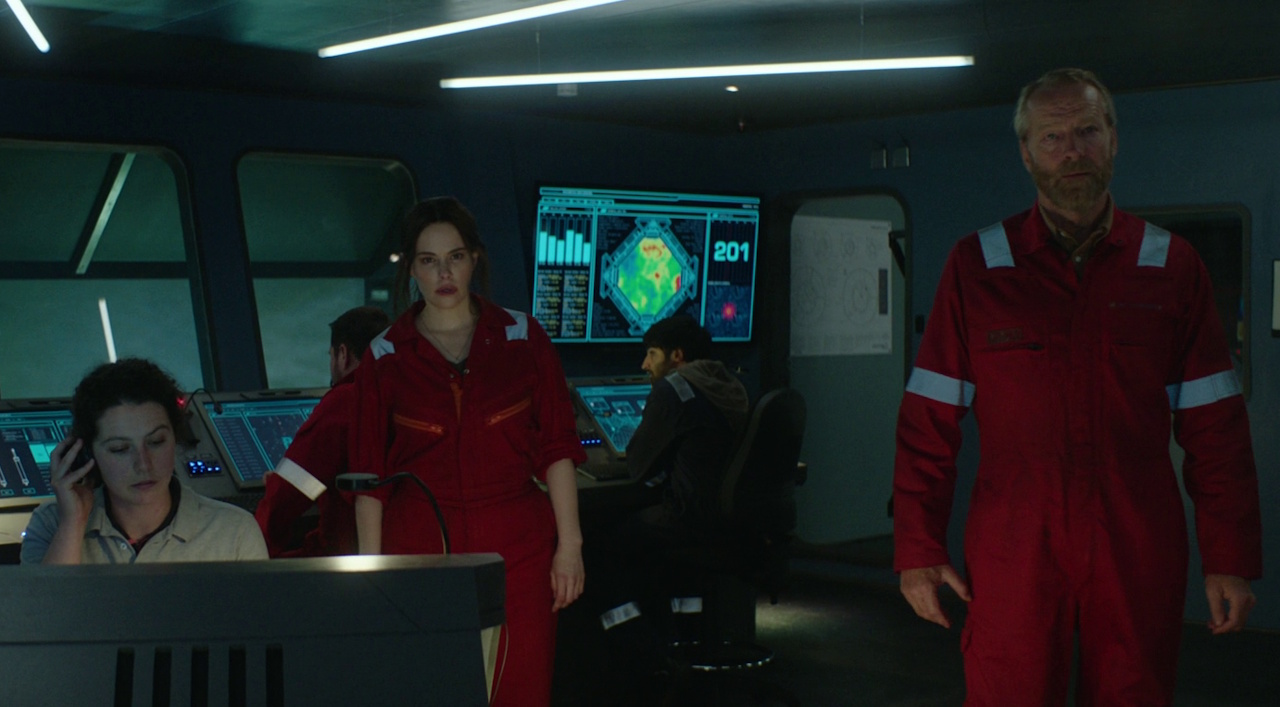
For me, there’s still a pretty big disconnect between The Rig’s pro-environmentalist, anti-corporatist message – which was generally well-presented – and the inescapable fact that the series is commissioned by Amazon. Amazon remains one of the world’s largest corporations and largest contributors to climate change, which does rather blunt the show’s admirable attempt to make a point on either of those fronts. Again, “try not to think about it” is the message of the day, I guess.
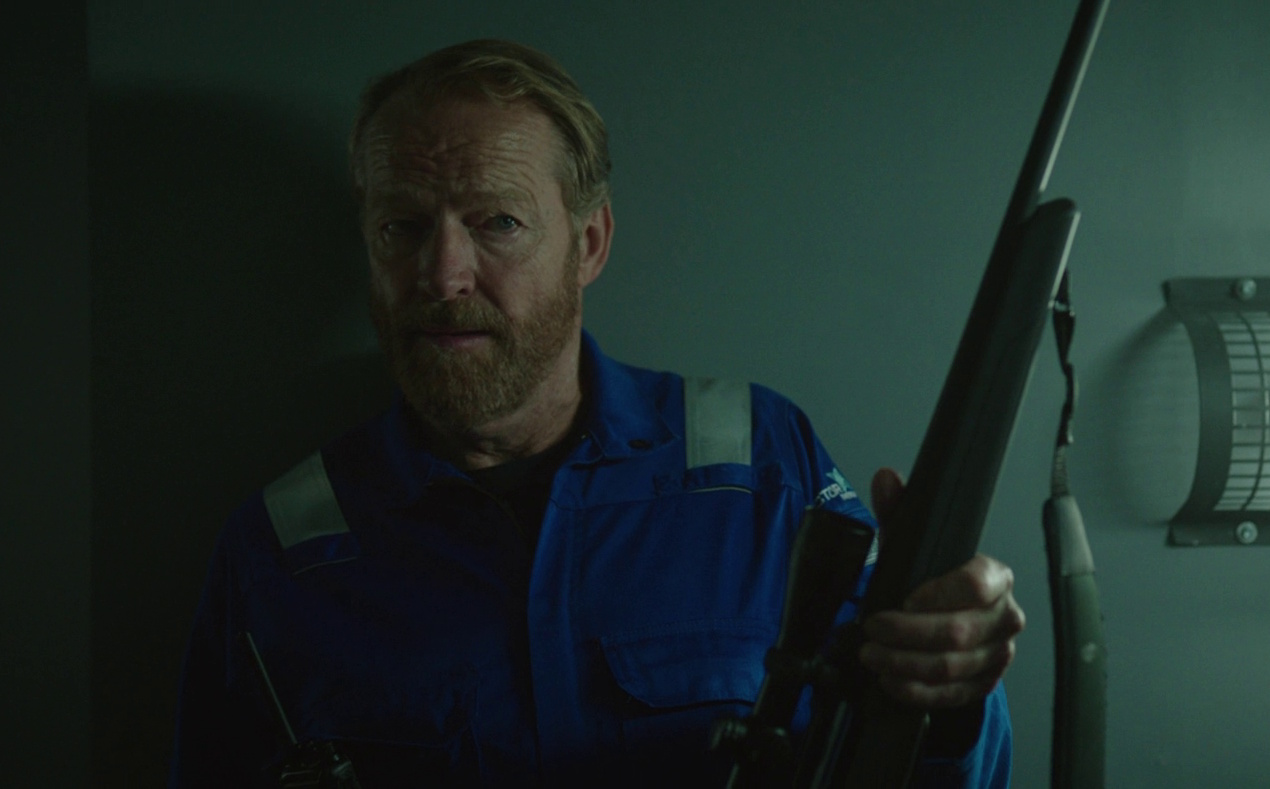
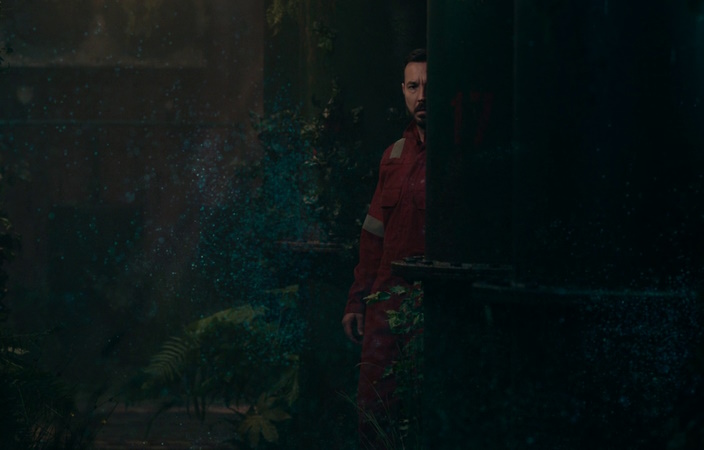
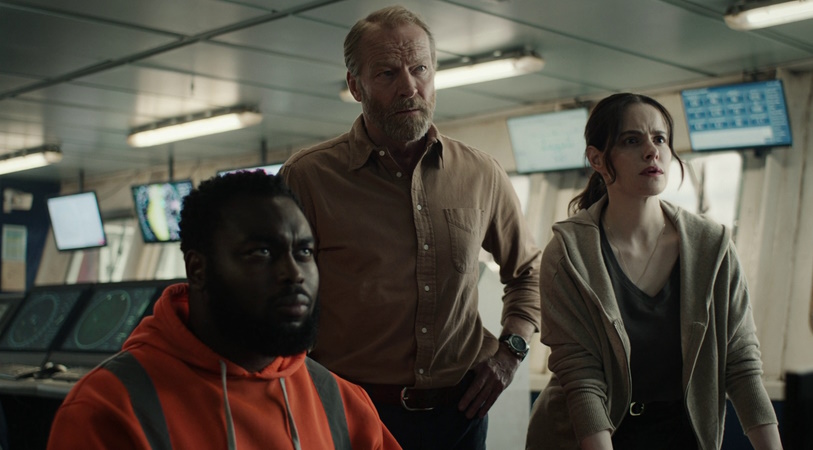
Iain Glen’s character of Magnus was one of my favourites last time around; there was a raw, emotional side to him that helped define the character and make him a better leader. In Season 2, we didn’t get anywhere near as much of that, with Magnus seeming to take a half-step toward becoming a kind of action hero; sneaking around with a gun trying to stop the baddies. There were still some wonderful moments as Magnus drew on his leadership experience to offer advice and support to others, but perhaps less of what made the character so engaging in Season 1.
The addition of Alice Krige to the cast was an inspired choice; she was outstanding as the conflicted CEO of Pictor, Morgan Lennox. As a Trekkie, I’m most familiar with Krige as Star Trek: First Contact’s villain, the Borg Queen, but she took on a much more complex and nuanced role in The Rig. Lennox had to navigate the cut-throat world of corporate politics without completely losing her humanity – and Krige’s performance conveyed that exceptionally well.
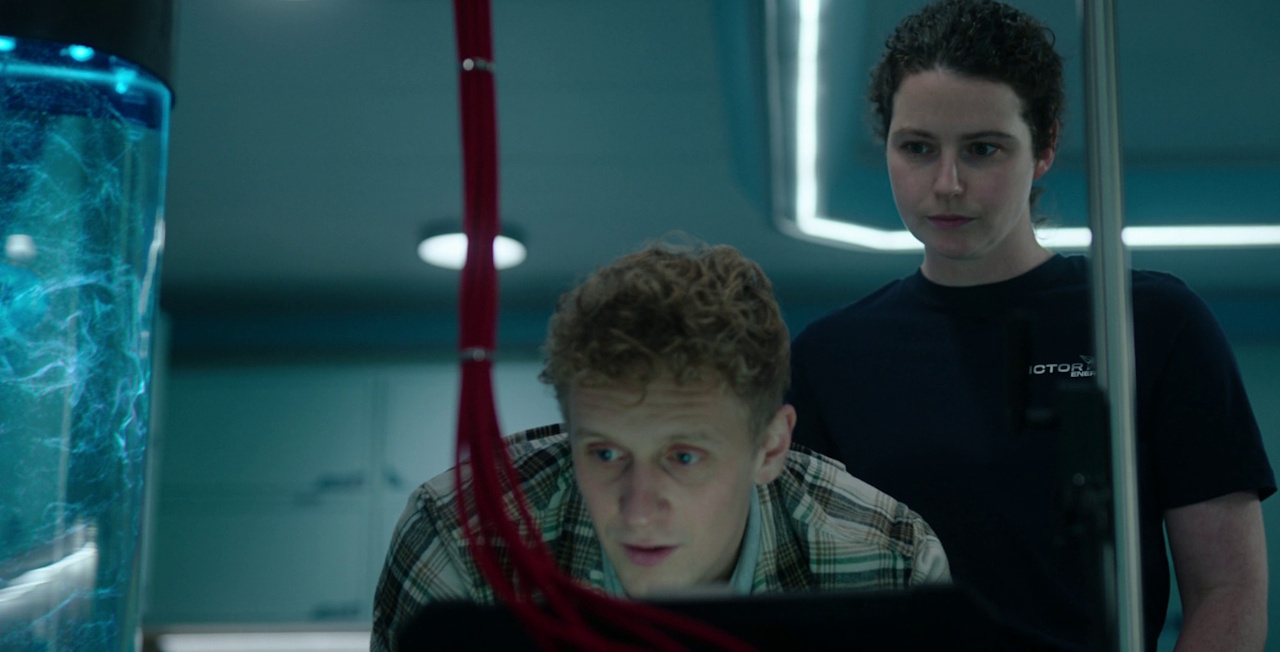
I’d also like to highlight the performance of Molly Vevers as Heather. Vevers played the character with charm, intelligence, and a little vulnerability – making her a fun secondary character to get behind as this chapter of the mystery was unfolding. Her scenes with Askel, played by Norweigan actor Johannes Roaldsen Fürst, were particularly enjoyable. The two have great chemistry together.
In Season 1, I criticised The Rig’s writing for going overboard with the show’s environmental message. Punching viewers in the face with lines about oil companies ruining the planet was a bit much for me – so I was pleased to see Season 2 tone this down somewhat. The show still retains a strong environmental message, but this time around the writers were content to let the metaphor of the Ancestor stand on its own, as well as tying it in to the corporation’s exploration and exploitation of natural resources in the Arctic.
This is a real-world issue – and as technology improves, we will have to confront the idea, sooner or later, of companies wanting to open up unspoiled wilderness areas for mining and drilling. It’s already happening in some regions, and several countries are keen to press their claims to the Arctic and its untapped resources. I’m not sure that The Rig added a lot to this conversation, but even the act of drawing attention to it can be a positive thing. There are still conflicts with the show’s environmentalist message and its corporate funding, but as a general point, speaking out about the potential dangers of letting corporations loose in one of the last truly unspoiled parts of the world is worth trying.
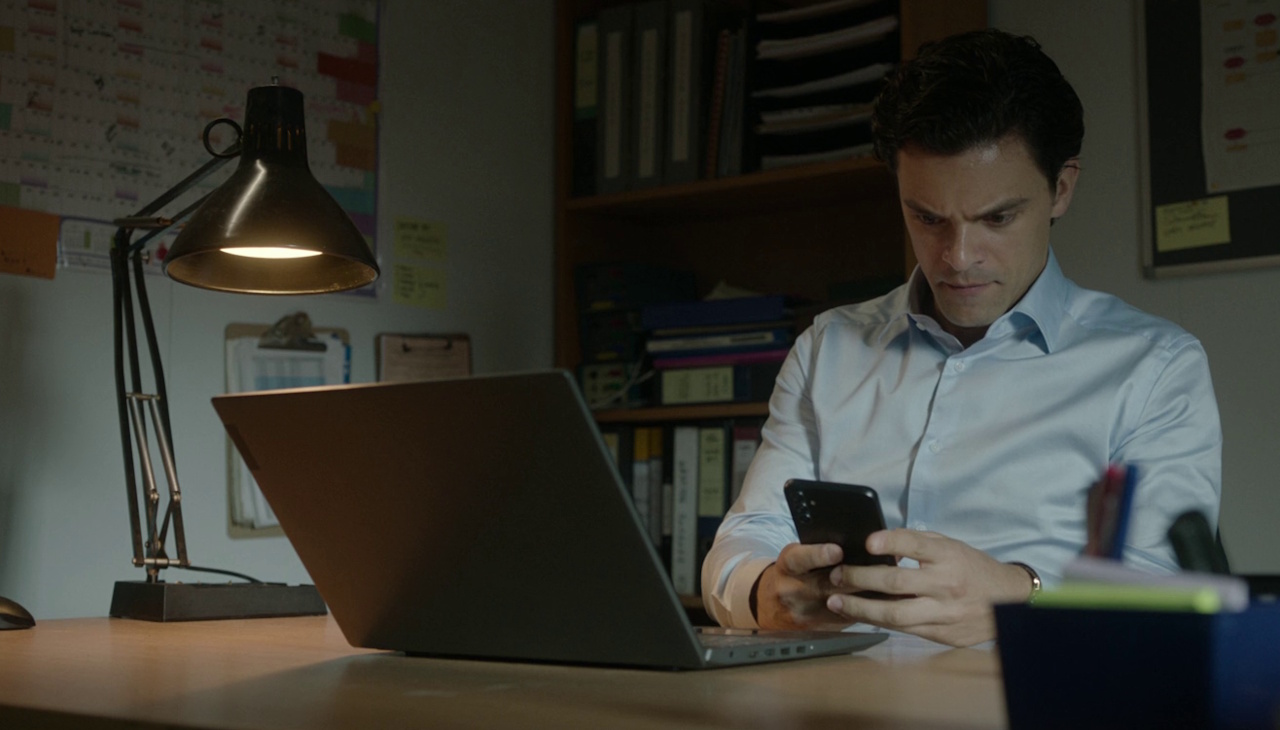
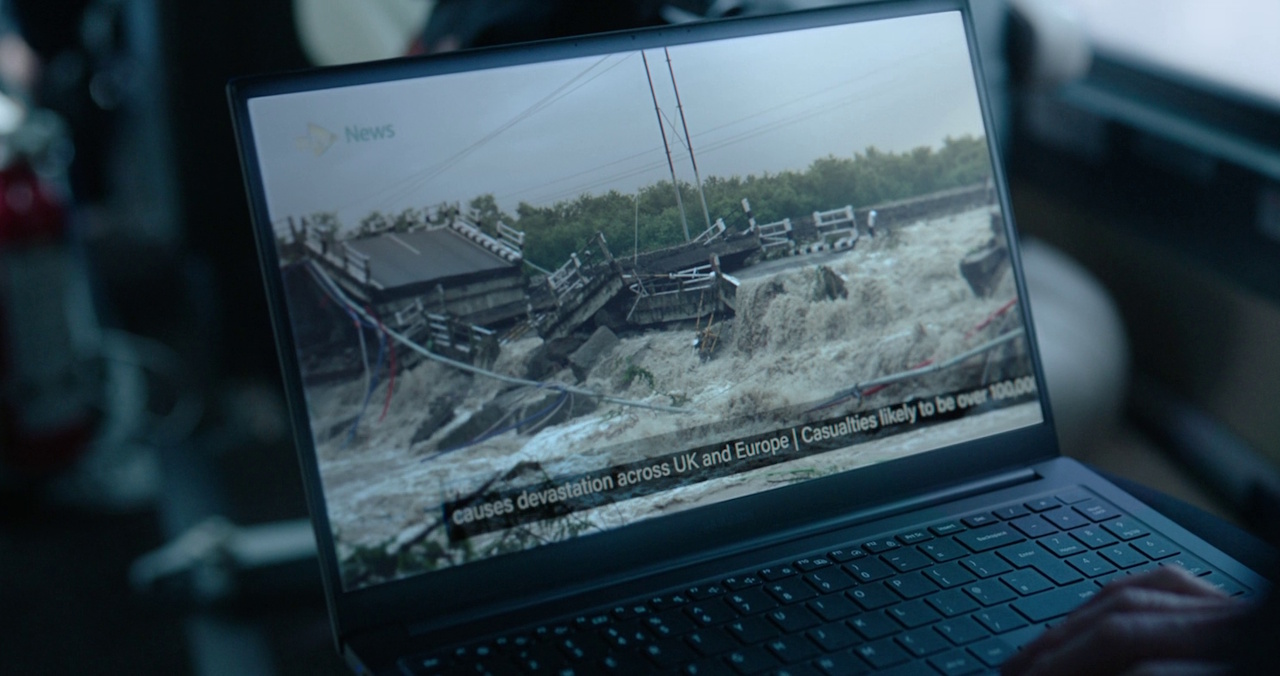
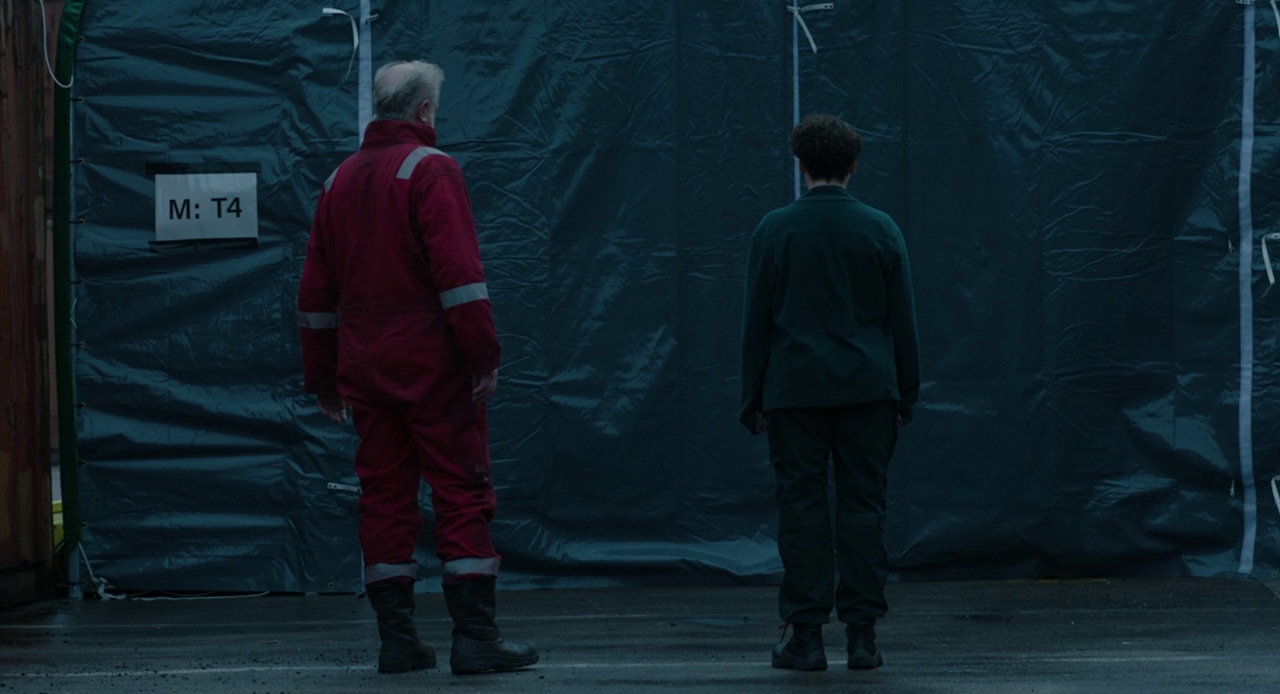
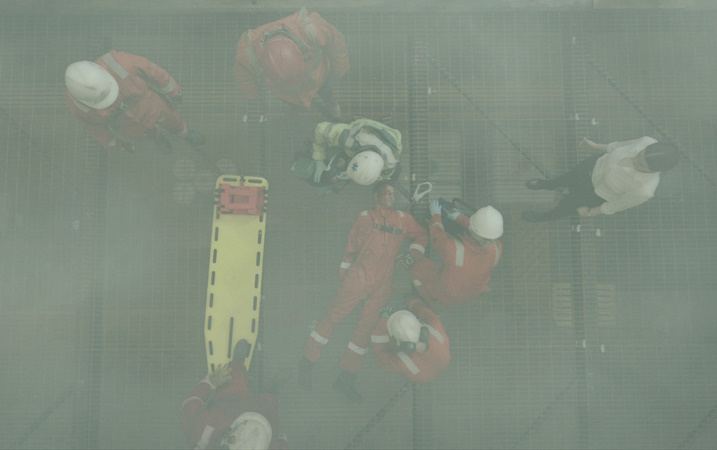
I would’ve liked to have seen a bit more of the impact of the North Sea tsunami. We got scenes with Hutton, Cat, and Lennox at a triage centre/emergency hospital, but given the severity of the disaster, seeing some of the devastation first-hand would’ve been interesting. The show portrayed this event as being at least as severe as the Boxing Day tsunami in 2004, impacting multiple countries including the UK. With a focus on the rig workers and Pictor, we just didn’t have enough time to really examine what the consequences of something like that could be in the world where the series is set.
I know the tsunami and its aftermath weren’t supposed to be The Rig’s focus, and that’s okay. We caught glimpses of it through Cat’s story at the hospital – the difficulty in getting antibiotics for her wife being the biggest example. But an event on this scale would have wide-ranging consequences, and this is definitely something I’d like to see more of if and when The Rig makes a return.
Cat and Hutton made for a fun pair this time around, having not spent that much time together in Season 1. The story took the gruff, unlikable Hutton and gave him a genuine arc, something I wouldn’t have expected – but it worked exceptionally well. Hutton, despite his persona, is clearly on the same side as the rest of our heroes in their struggle against Pictor’s leadership, and that was a great way to take his character.
On Cat’s side of the story, her quest to track down and eventually treat her wife, Kacey, after the devastation of the tsunami was heart-wrenching. Stellar performances from Rochenda Sandall, Neshla Caplan, and Owen Teale gave this storyline the weight that it needed. The scene at the mortuary in particular was riveting stuff.
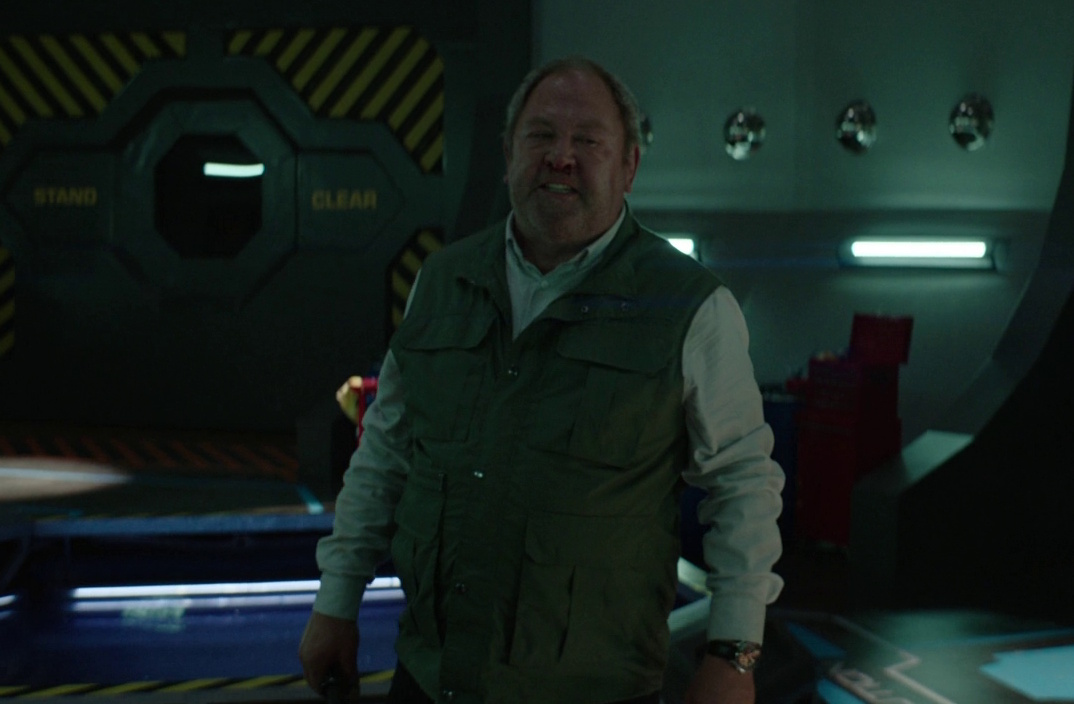
In Season 1, I noted the influence of the 1989 film The Abyss in parts of The Rig – and this is a trend that continued in Season 2. The concept of an under-sea base, the use of a rover and diving suits, and the otherworldly, mysterious, and even alien way in which the Ancestor was brought to life all reinforced that comparison for me. As a fan of The Abyss, this is a positive thing! The design of the wet dock and the under-sea base also reminded me, at least a little, of the film Deep Blue Sea.
Seeing a bully get taken down a peg is always something I love in fiction, and the ultimate fate of the villainous Coake was shocking when it happened – but it felt thoroughly deserved. At that point in the story, it wasn’t entirely clear who was on whose side, and whether Cameron – who seemed slow to warm up to the main characters from Season 1 – had another agenda. That element of uncertainty could’ve come across as confusing; it’s to The Rig’s credit that it didn’t! Excellent performances and a well-structured script kept things on track.
There were a couple of mysteries – or teases, really – that The Rig seemed to set up that ultimately didn’t get much of a narrative payoff this time around. Perhaps the writers are saving that for Season 3, so we’ll have to wait and see on that, I suppose! The first of these was the relationship between Lennox and Rose. I felt, for basically the entire season, that we were going to learn that Lennox is Rose’s mother… but that didn’t happen. They know each other and they clearly have a relationship that existed for years before the beginning of the story. But teases about the extent of this relationship didn’t go as far as I expected.
The second tease that The Rig started but didn’t finish was the injury to Magnus’ hand. Magnus hurt his hand when he had to plunge it into sub-zero water to rescue Bremner, and the injury seemed to plague him for the rest of the season. It didn’t stop him from swinging into action, but the frequent callbacks to it – and the way the injury was obvious from that point on any time his hand was in frame – meant I really expected it to serve more of a narrative function than it ultimately did.
With the exception of some of the wider CGI shots, which I felt weren’t up to scratch, everything else in The Rig Season 2 worked well. I was gripped the entire time, and binge-watched the season in just a couple of nights. Coming from me, that’s a ringing endorsement – and I had a great time with The Rig. There’s still a long way to go until we’re even thinking about dishing out some awards for the best television shows of 2025… but for me, The Rig will certainly be a contender.
At time of writing, Amazon has yet to greenlight a third season. I hope that will happen; there’s certainly scope to build upon the events of the first couple of seasons, expanding the story while also telling a new chapter. But at the same time, there wasn’t as brutal of a cliffhanger as there had been at the end of Season 1 – so if this is the end, I’ll be more willing to tolerate it than I would’ve been a couple of years ago! It’s my hope, at any rate, that the writers will have some ideas about where to take the story of the crew of Kinloch Bravo in a potential third season.
So I hope this has been interesting! I’m glad that The Rig got a second season, and I’d been looking forward to picking up this story for a while. It’s a fun, engaging sci-fi mystery, and one I’ll happily recommend to fans of the genre, fans of The Abyss, and really just to anyone looking for a modern, entertaining television series. I’d love to see a third season.
Rejoining the crew of Kinloch Bravo was a fun way to kick off 2025! I hope you’ll join me as the year rolls along for more reviews, commentary, and analysis of other streaming shows, as well as films, video games, and the Star Trek franchise.
Until next time!
The Rig Seasons 1 and 2 are available to stream now on Amazon Prime Video. The Rig is the copyright of Amazon Studios and/or Wild Mercury Productions. This review contains the thoughts and opinions of one person only and is not intended to cause any offence.


 Trekking with Dennis