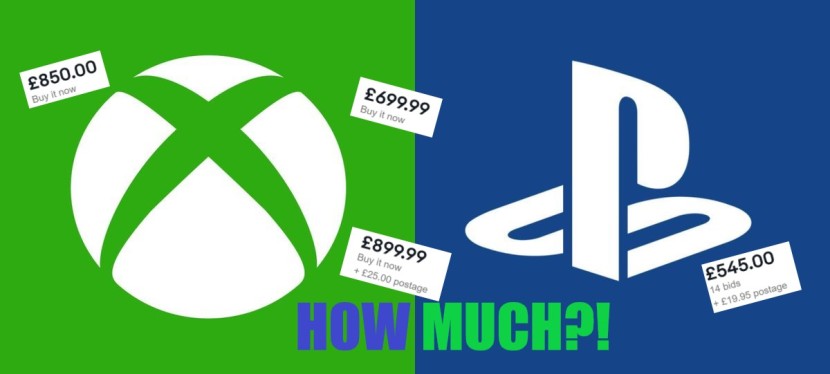
The real price of next-gen consoles

Were you lucky enough to secure a pre-order of the Xbox Series X or PlayStation 5? If so, congratulations! You’re one of the few who managed that feat. Both consoles sold out as soon as pre-orders were available, meaning a lot of people hoping to pick up one of the new machines this year were left disappointed.

A lot of factors came together to make this happen, and we’ll look at them in turn. First is the confusing way in which both Sony and Microsoft made their consoles available. Pre-orders for the PlayStation 5 “accidentally” went live hours ahead of schedule, meaning a lot of people who had planned to pre-order at the promised time missed out. There is no one place where consoles may be pre-ordered either, with retailers from big outlets like Amazon and supermarkets down to smaller specialist games or electronics shops all offering to take customers’ money. As many found out later, problems with stock availability and allocation meant that a lot of pre-orders were either cancelled, rejected, or could not be fulfilled on launch day.
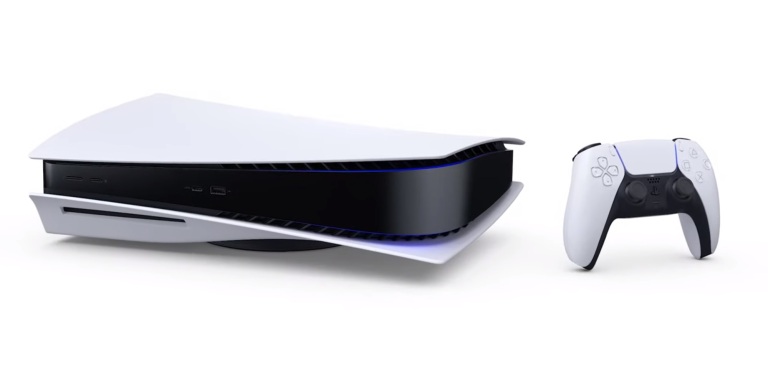
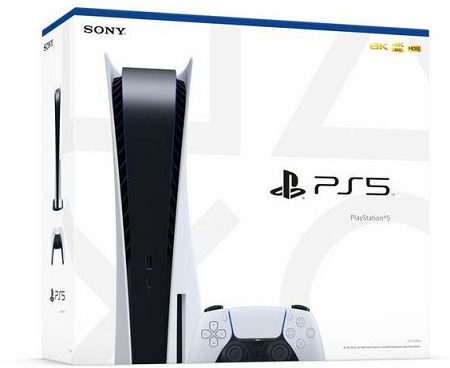
The newly-released PlayStation 5.

Then there are the “bots.” Automated computer programmes bought up a significant percentage of the available supply of new consoles, leaving many machines in the hands of touts and scalpers. These consoles are currently being re-sold for well over the asking price to disappointed gamers who missed out.

Finally there’s the question of how many machines were manufactured. When coronavirus hit China hard earlier this year, production of next-gen consoles was majorly disrupted. Some factories were closed for weeks, others cut back their output, and the consequence for both Sony and Microsoft was that far fewer next-gen consoles were available in time for launch than they expected. I noted this a few months ago when I asked the question: is now really the right time to launch these machines?

There was always going to be high demand for these machines, and both Sony and Microsoft knew that they’d sell out on launch day. In fact that’s usually part of the plan; selling out makes a machine look exciting and cool, and fear of missing out drives sales. No company wants to see images of huge numbers of unsold machines sitting on shelves in the period after launch.
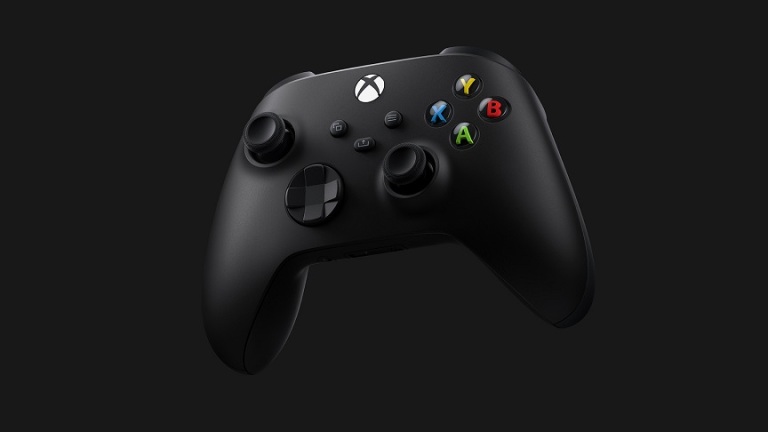
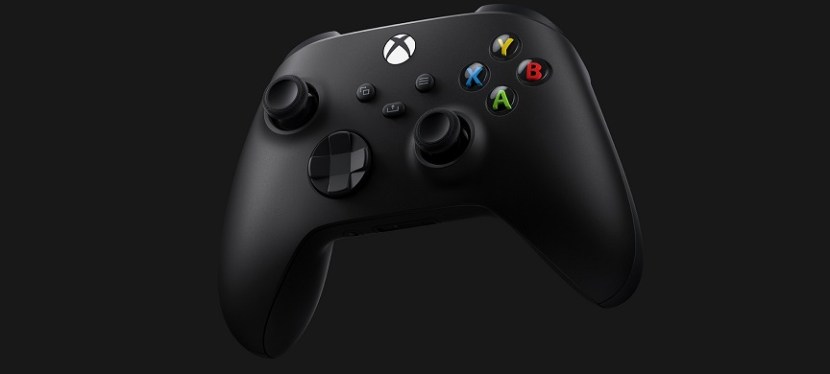
An Xbox Series S/X control pad.

But even in that environment, the reduced manufacturing capability has had a huge impact, make no mistake. The plan had been for millions more consoles to be available; Sony told us this directly when they announced a few months ago that they would have several million fewer consoles ready to go on launch day than they initially planned. When their business model was already based around artificial scarcity, the loss of several million units has made an already difficult pre-order process practically impossible when combined with the other factors listed above.

So on to the title of this article: how much does an Xbox Series X or PlayStation 5 really cost if you want to get one before the end of the year? I went to a popular auction website and compiled a short selection of listings. Take a look:
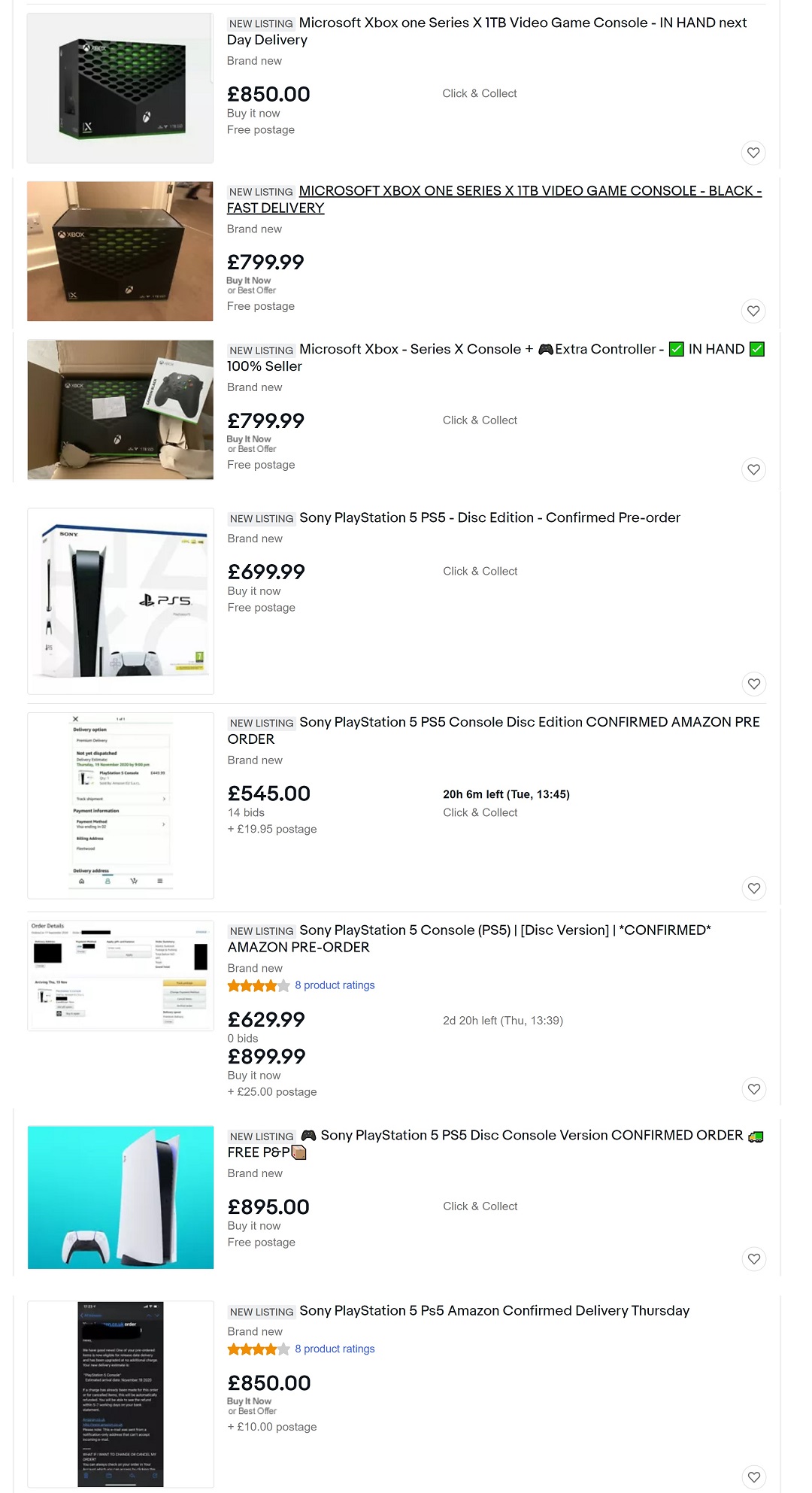
A selection of auction listings for Xbox Series X and PlayStation 5 consoles in the UK on the 17th of November 2020.

As you can see, prices are approaching double the recommended retail price here in the UK, with scalpers and touts even selling pre-ordered consoles that they don’t actually have in their possession yet. Anecdotally I’ve heard from friends in the United States of PlayStation 5 consoles being sold for upwards of $1200 – well over double the asking price.

In a way, this is “pure capitalism.” This is what happens when companies don’t have enough stock for consumers; the law of supply and demand kicks in. If someone is willing to pay £900 for a PlayStation 5, then there will be a market for that. The true price of these machines right now, in November 2020, is not the recommended retail price of £450. It’s £700, £800, or £900. And with no indication of the availability of either console improving before Christmas, those prices may yet rise further.

Companies are totally fine with this. It doesn’t matter in the slightest to Microsoft or Sony whether a genuine player buys a console or a bot picks up that console for a scalper or tout to re-sell later. They still make just as much money no matter who the buyer is, so they have absolutely no incentive to find ways to stamp out this behaviour. Likewise, retailers from game stores to supermarkets to giants like Amazon don’t care – and it’s through online retailers that the vast majority of pre-orders have been taken.
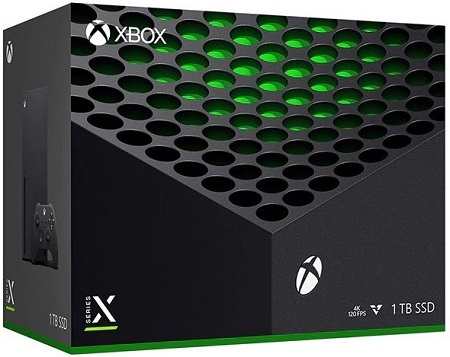
The market – that amorphous entity that economists love to talk about – determines the price and value of products. If people are willing to pay £900 for a PlayStation 5 then that’s its true value. But is it worth it? Could any video game console possibly be worth £900?

It will come as no surprise to you to learn that my answer is a resounding “no.” Not only are these machines not worth such a ridiculous amount of money, they’re probably not even worth their official price right now.

This new console generation is, at best, a minor improvement over the current one in most of the ways that matter. Add to that the fact that practically every game currently available for the PlayStation 5, and every single game currently available for the Xbox Series X, are also available on PC, PlayStation 4, and Xbox One, most players would find it hard to tell the difference between playing on a current-gen or next-gen machine. There are iterative changes, such as faster loading times, better controller battery life, and so on. But there’s nothing significant in terms of graphics or gameplay that make either console a “must-buy” in 2020. Any such improvements won’t be seen for a year or more; perhaps by 2022 you could make the case that games are getting better thanks to these machines. But not yet.
There was a lot of hype and buildup to the launch of these new consoles, as is to be expected. And a lot of players were sucked in by the hype and decided that they needed a new Xbox or PlayStation on launch day no matter what. If they paid over the odds for their machine from a scalper or tout, I bet a lot of them regret that investment today.

With the new consoles offering small improvements at best, there’s no need to get one right now. Don’t reward the scalpers and touts with their scripts and bots who bought up as many consoles as they could. Jump off the hype train and be patient, and enjoy the exact same games on current-gen hardware. Chances are you wouldn’t be able to tell the difference anyway.

The Xbox brand – including the Xbox Series X and Series S – is the copyright of Microsoft. The PlayStation brand – including the PlayStation 5 – is the copyright of Sony. This article contains the thoughts and opinions of one person only and is not intended to cause any offence.
Halo Infinite’s delay doesn’t matter at all for the Xbox Series X

The blogosphere and the gaming world have been aflame today, following the announcement that Halo Infinite has been delayed. 343 Industries – the studio which acquired the Halo brand when original developer Bungie left the series a decade ago – made the announcement earlier, and it’s significant because the new game will no longer launch alongside the Xbox Series X. Well, unless that gets delayed too!

The general consensus is that this announcement is the worst possible news for the Xbox Series X and could ruin its launch. But will it?

I don’t think the Halo Infinite delay will prove to be all that significant for one major reason: the Xbox Series X was going to have an underwhelming launch anyway. The hardest of the hardcore Xbox fanatics will buy a console, and perhaps a few well-meaning aunties and grandpas will buy one for their relatives for Christmas, but the console most gamers are interested in and excited for is the PlayStation 5. And I’m not saying that as a PlayStation fanboy – for the longest time I was an Xbox guy. It’s just the reality of where most console gamers are right now.

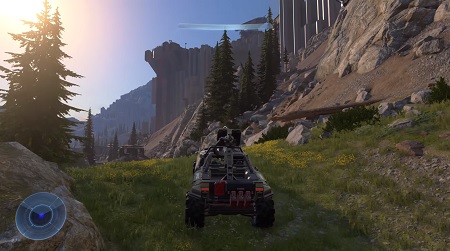
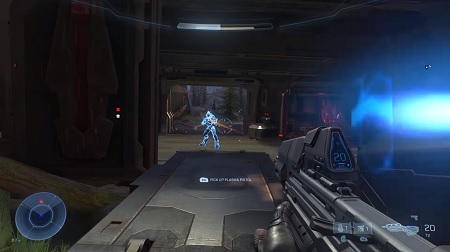
A scene from the recent Halo Infinite trailer.

Microsoft – as I’ve noted several times already – has made the incomprehensible decision to launch the Xbox Series X with literally no exclusive games. Not even one. Halo Infinite is also scheduled for a release on Xbox One and PC, as are a number of other first- and third-party titles that Microsoft has shown off. The arguments in favour of buying an Xbox Series X this year were already nonexistent, so removing one non-exclusive game from its launch lineup will have no material impact on sales. I can practically guarantee that.

With all of the issues that are stacking up right now – including those of Microsoft’s own making – I’d argue there’s a pretty solid case for delaying the console’s launch until next year. In the current economic climate, I’m already expecting that fewer people than usual will be interested in a brand-new console for the inevitable £400+ price tag, and many fans – even those who are genuinely interested to play some next-gen games – may have no choice but to wait it out.

If the Xbox Series X launches alongside the PlayStation 5, all it will do is draw unfavourable comparisons. The lack of exclusive titles is a large part of that, and it’s not inconceivable to think that there could be hundreds of thousands of unsold units sitting on shelves or in warehouses come January. It feels like it’s going to be an expensive flop, and while it may eventually build up a solid user base a few years down the line, the Xbox Series X is already lining up to be the upcoming generation’s second- or even third-tier machine.

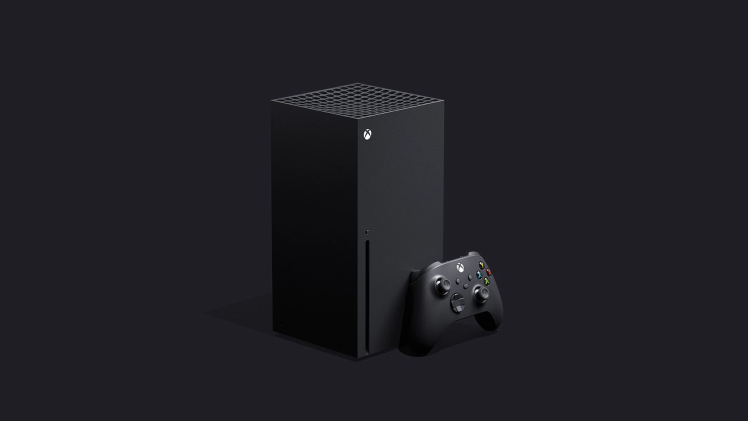
The upcoming Xbox Series X.

The Halo Infinite delay will upset some Halo diehards who were excited to see their favourite franchise get a new release for the first time in over five years. But in terms of the launch of the new console – where it wasn’t a system exclusive – it’s genuinely hard to see how it will have any impact whatsoever.

When considering the more general issue of game delays – and, incidentally, delays in other entertainment media as well – I’m all in favour of them. How many titles have been released just in the last few years that would have benefited massively from some additional development time? I can think of many, such as: Anthem, Fallout 76, Mass Effect: Andromeda, No Man’s Sky, 2013’s Star Trek, and WWE 2K20. All of these games released to negative reviews and underwhelming sales, so from that point of view, I fully support the delay to Halo Infinite – and to any other upcoming title that needs it.

I think Mass Effect: Andromeda is a good example of how to screw up a launch, and a great comparison to Halo Infinite. The Mass Effect series was already tarnished by the ending of Mass Effect 3, and was relying on Andromeda to be a semi-reboot of the series. Similarly, the Halo series has been experiencing gradually declining reviews, and while there isn’t one moment fans can point to on a par with Mass Effect 3′s ending that really upset the fanbase, there’s a sense that the series isn’t as good as it once was. Halo Infinite has billed itself as a soft reboot, aiming to return Halo to its roots and put some recent disappointments behind it.

Mass Effect: Andromeda launched in a broken, glitch-riddled state.

When Mass Effect: Andromeda launched, it was a bug-riddled mess. It was mocked online, and the mockery and memes hurt its sales far more than the mediocre reviews the game received. Halo Infinite has already seen its trailer come under heavy criticism for its visuals, which many felt look decidedly current-gen – an odd criticism for a game that literally is a current-gen game as it will be released on Xbox One, but that’s beside the point. If Halo Infinite were to release later this year in its current form, it would have undoubtedly drawn criticism on a scale similar to Mass Effect: Andromeda. And that game killed the Mass Effect series, which was “put on hiatus” in the aftermath of its disappointing launch and underwhelming sales.

It’s clear that 343 Industries and Microsoft feel that Halo Infinite needs more development time to work on the issues it currently faces. And to them I say: take all the time you need. I’d rather wait a little longer for a better, more polished game than play a rushed, broken mess.

Another moment from the Halo Infinite trailer.

But I don’t agree that it will damage the reputation or sales performance of the Xbox Series X. That’s not because the game doesn’t matter to that console – the Halo series is one of Xbox’s few strong selling points, after all – but because behind-the-scenes business decisions have already condemned the Xbox Series X to second place behind the PlayStation 5. In fact if I were advising Microsoft, I’d ask them if they wanted to take this opportunity to delay the console as well.

Flip the issue on its head, and let’s think about it this way around: would Halo Infinite have been a massive help to the Xbox Series X at launch? Because that’s the fundamental assumption people are making when they say its delay will hurt the console, and from where I’m sitting that doesn’t feel true. If I don’t own an Xbox or a PC and – for some reason – have a desperate need to play Halo Infinite, my best bet is to pick up a cheap Xbox One S or a preowned Xbox One from 2013 and play it there. I don’t need to buy an expensive Xbox Series X to play a game that I could play on a console that costs less than half the price. And if I’m already an Xbox One owner, I’m in no rush to upgrade because every Xbox Series X game is coming my way, including Halo Infinite.

So at the end of the day, Halo Infinite’s delay should be good for the quality of the finished title. I’m all in favour of that. And it won’t have any material impact on the launch of the Xbox Series X – because that console is destined for a seriously disappointing launch anyway.

Halo Infinite is the copyright of 343 Industries and Xbox Game Studios. The Xbox Series X and Xbox One consoles are the property of Microsoft. Header image and Mass Effect: Andromeda promo screenshot courtesy of press kits on IGDB. This article contains the thoughts and opinions of one person only and is not intended to cause any offence.
Xbox’s first big next-gen push falls flat

In the absence of any news at all about the PlayStation 5, Xbox has had the floor to itself when it comes to marketing for their next-generation console, the awfully-named Xbox Series X. They announced the console back in December, and its design, controller, and even its specifications have all been shown off. The next thing Microsoft had to do was show off gameplay, which they finally did in a trailer which was released alongside a scaled-down promotional event.

The trailer has not been well-received, with its like-to-dislike ratio on YouTube skewing very negative, and I think that there are a couple of reasons for this.

The first is that the trailer promised “gameplay”, and much of what was shown was not actual gameplay, but concepts and “in-engine footage”, which is industry code for pre-rendered visuals. There can be a world of difference from CGI created using a game’s engine and how a game actually looks when being played – something gamers are ever more aware of in an age of shady marketing.

Promo image of the Xbox Series X.

So for Xbox gamers who wanted to see how good games might actually look on the Xbox Series X, the trailer didn’t deliver, at least for a significant amount of its runtime. But there is another issue, a bigger issue which speaks not just to Microsoft’s current strategy but to the pace of development in the games industry overall.

Games on a current-gen console can look pretty good. Even titles that are five or six years old can still look absolutely amazing – many people cite The Witcher 3 from 2015 or 2018’s Red Dead Redemption II as being among the most beautiful games ever made, and I’d add into the mix titles like Project Cars, which was released in 2015, as being another example of a game that is still visually stunning. These titles and others were, as all big-budget titles have been this console generation, limited by the available hardware – in Microsoft’s case, the Xbox One, which was released in 2013. Any game had to be able to run on 2013 hardware efficiently, otherwise it wouldn’t be able to be sold. So all of the titles mentioned had that limitation and still managed to look fantastic.

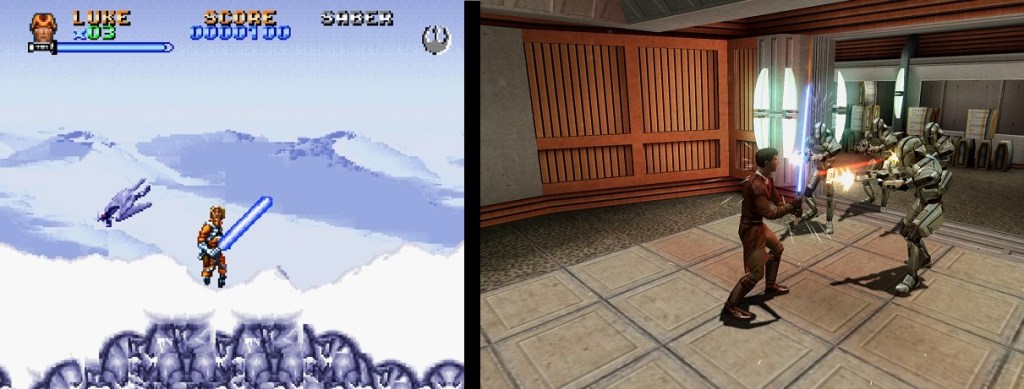
I was struck when writing an article earlier this week by two screenshots. The screenshots were from games released only a decade apart, both in the same franchise, and the difference in what was capable is truly remarkable. The first screenshot was taken from Super Star Wars: The Empire Strikes Back on the SNES, a game from 1993. The second was from Knights of the Old Republic, a 2003 title for the Xbox and PC. See the difference for yourself below:

Super Star Wars: The Empire Strikes Back (1993) and Star Wars: Knights of the Old Republic (2003). The games were released a decade apart, and the difference between them is massive.

What’s immediately apparent is how far games had come in such a short span of time. Not just the visuals, though that’s a huge part of it. But Super Star Wars was 2D, with no voices and only text. It was a fun game, but it was just a game. And this is partly my own bias showing, as Knights of the Old Republic is one of my favourite games of all time, but that game feels cinematic; it’s a beautiful 3D world which the player can explore, fully voiced by some pretty great actors, and it drags the player into the story in a way the older title just… didn’t. In short, it was leaps and bounds ahead of Super Star Wars and came a mere ten years later. Many of today’s games – even the big-budget, AAA titles – could have been made ten years ago and wouldn’t feel terribly out of place.

The change from the Xbox 360 and PlayStation 3 to the Xbox One and PlayStation 4 was probably the smallest ever, especially in graphical terms. To stick with Microsoft, as they’re the subject of this piece, games produced in the latter part of the Xbox 360’s life, like Mass Effect 2, for example, still hold up today as being perfectly acceptable in terms of how they look. In fact, if Mass Effect 2 were released today, I’d be perfectly happy with a game that looked like that even in 2020 – and herein lies Microsoft’s challenge, and the groundwork for their undoing.

For a variety of reasons, the pace of advancement in computing has slowed. Where processor speeds rocketed up through the 1980s, 90s, and early 2000s, the rate of change has slowed. Modern CPUs and GPUs are still better and offer more by way of performance than their predecessors, but the change is less noticeable with each iteration than it used to be. There’s also the general lack of a major new feature or way of playing compared to the introduction of 3D worlds, or even the creation of new genres which means that a new generation of consoles in 2020 lacks a “killer app” – something brand-new that the current generation can’t offer.

In Microsoft’s case this is compounded by a strange decision to make all Xbox Series X titles also available on the current Xbox One during the new console’s first couple of years of life. To reiterate the point I made earlier, every single title is thus limited by the system specifications of 2013’s Xbox One. In order to remain compatible with that console, a game is constrained in what it can do and how far it can push boundaries.

The Xbox Series X controller is practically identical to the Xbox One controller – which was itself very similar to the Xbox 360 controller.

That combination of factors has come together to make the Xbox Series X an underwhelming prospect. In addition, many of the games scheduled to launch alongside the console are from franchises that have been around for a long time. Halo, Assassin’s Creed, Forza, and many others are all game series that that players are familiar with, and that combination – the similar visuals and the familiar games – makes the Xbox Series X feel like nothing new. And with all of its titles supposedly available on Xbox One, I’m left wondering – as many people seem to be – just why anyone would bother buying an Xbox Series X, especially at launch.

The new console offers a barebones upgrade in terms of graphics, which is even less noticeable compared to the Xbox One X, and no unique titles or ways to play. That just doesn’t seem like good value – or offer any value at all. About the only thing that the Xbox Series X claims to offer that’s new is the ability to output 8K visuals – but there are very few 8K screens right now, and no games that run natively in 8K. While that might be great future-proofing, as of right now it represents a big dose of nothing.

The only other changes and improvements on offer are minor quality-of-life things: the battery life of the control pad, the reduced loading times thanks to switching from a hard drive to a solid-state drive, and perhaps a shinier interface are really all the Xbox Series X has to offer. In a previous console generation, if you were to stack up a Nintendo 64 against a Nintendo GameCube, or a Sega Saturn against a Dreamcast the differences are immediate and obvious. Nothing in Xbox’s “gameplay reveal trailer” looked any different to what’s already available, and while we don’t yet have the console in our hands to confirm this, I would bet good money that an awful lot of consumers would genuinely struggle to tell the difference between an Xbox One X and an Xbox Series X version of the same game. I will be really interested to see a side-by-side, frame-by-frame comparison when the new console launches!

There’s nothing inherently wrong with this image of Dirt 5, but if you told me it was an Xbox One title instead of something meant to show off the Xbox Series X I’d believe you.

I really do sympathise with Xbox fans who feel let down. And in a way, even though this console generation has dragged on to become one of the longest, if there really isn’t much to gain from creating new consoles, there’s an argument to be made that companies should wait and continue to make the most of what’s already available; trying to force what looks to be a pretty minor upgrade onto gamers seems, at least on the surface, to be rather anti-consumer. I’d wager that’s the main reason why a lot of people came away from Microsoft’s trailer unsatisfied: none of the titles on offer or the graphics shown off feel better than what’s already available – or even any different – and the end result is that people feel as though they’re being asked to buy a very similar product to what they already have to access these samey titles.

Nintendo realised a long time ago that the value of a new console is tied to innovation and doing things differently. By focusing less on graphics and raw power, two of Nintendo’s three most recent consoles (the Wii U being an exception) have been wildly successful by offering players something genuinely different to what was already on offer. Xbox doesn’t do that, and when all the Xbox Series X has to offer is an increase in power and graphical fidelity, it’s no longer good enough for its games to look “great”; they need to look significantly better than those titles that are already available. The verdict from the trailer is that they simply don’t.

The Xbox Series X and Xbox One are the copyright of Microsoft. The Xbox Series X is due for release before the end of 2020. This article contains the thoughts and opinions of one person only and is not intended to cause any offence.

Xbox is terrible with names

At last night’s Game Awards, Phil Spencer, the head of Microsoft’s Xbox brand, made the surprise announcement of their next-generation console. That the console exists wasn’t the surprise, of course; we’ve known another Xbox would come out next year for quite a while. But it was a shock to me to see it unveiled at the Game Awards.

I don’t mean to be too disrespectful, but the Game Awards are very much a second-tier event in the industry, definitely not on par with E3, and probably behind Europe’s biggest event Gamescom when it comes to the gaming calendar. While the event is somewhat unique – though practically every outlet and organisation in games media makes a list of their favourite titles of the year – it just isn’t quite on the same level as some others. Which makes it an unusual choice of venue to premiere a new console. Just in terms of raw numbers, the audience for the Game Awards is much lower than for something like E3, and with it being so close to Christmas a lot of people who don’t follow the games industry religiously have tuned out.

Promo image for the Xbox Series X.

That’s not to say that unveiling the console at a big event like E3 would be the best idea, with so many other news stories coming out of that event you might be headline news for a day, only to be overshadowed the next day by another announcement. These kind of announcements are best suited to a dedicated event, where the brand can control all aspects of the presentation. At least in my opinion (as someone who did work for a time in games marketing, I should add) that seems like the best route to go down for something this significant.

As a result of announcing the device here, the immediate reaction hasn’t been one of triumph for the Xbox brand. Instead it’s been confused. At first I wasn’t sure whether the Xbox Series X was a new console, another Xbox One variant, or a different device entirely. And a significant part of that is down to the choice of name – one which is, frankly, crap.

Xbox has struggled with names since its second generation. And it was an understandably difficult conundrum for the brand to overcome. In 2005, the original Xbox came to the end of its life and was phased out. PlayStation, having launched its brand a whole generation ahead of Xbox, was already onto the PlayStation 2 – so logically, their next console would be the PlayStation 3. From Xbox’s point of view, having the Xbox 2 compete with the PlayStation 3 wouldn’t work. In the opinion of marketing professionals, they would surely have argued that running a “2” console against a “3” would look like it was a step behind, and would cost them sales, especially among consumers who didn’t know much about gaming. So the decision was made to name the new console something with a 3 – to match PlayStation 3. And as Xbox 360 essentially won that generation’s console war, it seems like it wasn’t a terrible name after all.

The Xbox Series X control pad.

But after Xbox 360 came Xbox One, though that console’s rough launch can’t really be attributed to its odd name. Midway through this generation we’ve also seen the Xbox One S and the Xbox One X – one a lower end system, one a more advanced system. Not that you’d know the difference from the names. Xbox One X is already a complicated name, with no simple short form way to say it. PS3, PS4, PS5; those short nicknames just work well and roll off the tongue. XBX doesn’t, not that anyone’s ever called it that.

And so after the Xbox One X, we arrive at the Xbox Series X. I fear it risks making the mistake Nintendo made with the Wii and Wii U – those consoles’ names were so similar that a lot of people were confused as to what exactly a Wii U was. Was it a tablet? An accessory for the Wii? A handheld? That confusion among consumers – especially casual consumers who aren’t hardcore gamers and who don’t follow any gaming news – hurt Nintendo and contributed to Wii U’s underperformance. And Xbox Series X just sounds so similar to Xbox One X and Xbox One S that I fear they haven’t learned from Nintendo’s issues in 2012/13.

If I already own – or have just recently bought – an Xbox One X or Xbox One S, if I’ve even heard of Xbox Series X I’m going to be seriously wondering whether it’s something I need to buy. Is it a new console? Is it just another variant of what I’ve already got? A lot of people won’t know – and won’t take the time to find out, especially if PlayStation 5 comes in with slick marketing. Now that’s clearly a brand new console, and even if I’m not normally a PlayStation consumer I still know – instantly – that it’s their next generation machine.

The Xbox Series X box.

I think Xbox had a couple of good naming options – one was simple: Xbox. Just plain Xbox. Everyone would know what it is, and that would be that. Alternatively, the name I really thought they would’ve gone with was Xbox Five. Why five, if it’s only the fourth generation Xbox? Because you’d number them like this: 1) Original Xbox, 2) Xbox 360, 3) Xbox One, 4) Xbox One X, 5) Xbox Five. Then they’d have the Xbox Five up against the PlayStation 5. There’d be no confusion as consumers would know both consoles represented the same generation.

Even while writing this article I had to go back and double-check that Xbox Series X was definitely, 100%, their next-generation offering. The confusing name is a potential problem – one that the brand is all too familiar with. Time will tell whether the choice of name will be damaging, and to be fair to Xbox they have a solid ten or eleven months to get the word out and get Xbox Series X firmly locked into the minds of consumers. But even if they can overcome the confusion with their current-gen offerings, let’s be honest – the name is still crap.

Xbox, Xbox Series X, Xbox One X, and other consoles mentioned above are the copyright of Microsoft. This article contains the thoughts and opinions of one person only and is not intended to cause any offence.
Post edited (to correct an image alignment error) 23rd Nov. 2020.