


Spoiler Warning: There are spoilers ahead for Zero Day, including the final episode.
I recently binge-watched Netflix’s Zero Day, and I thought it could be good subject matter for a review here on the website. If you know me, you’ll know that I find American politics to be fascinating, and I’m also a fan of conspiracy thrillers. Zero Day ticks both of those boxes – so the miniseries had been on my radar for a while. I’m glad to have finally been able to check it out for myself!
Before we get into spoiler territory, here’s the headline: I liked Zero Day on the whole. It successfully built up tension through a complex web of storylines, its characters mostly felt real and engaging, and the core premise – a devastating cyber-attack that takes out a huge chunk of America’s connected infrastructure – feels timely. Exploring the impact of that from the political side was an interesting idea, and I felt echoes of a British series called Cobra, which looked at the political and governmental fallout from a natural disaster. Zero Day was not without its flaws, but it was a fun ride that I was happy to be swept along for.
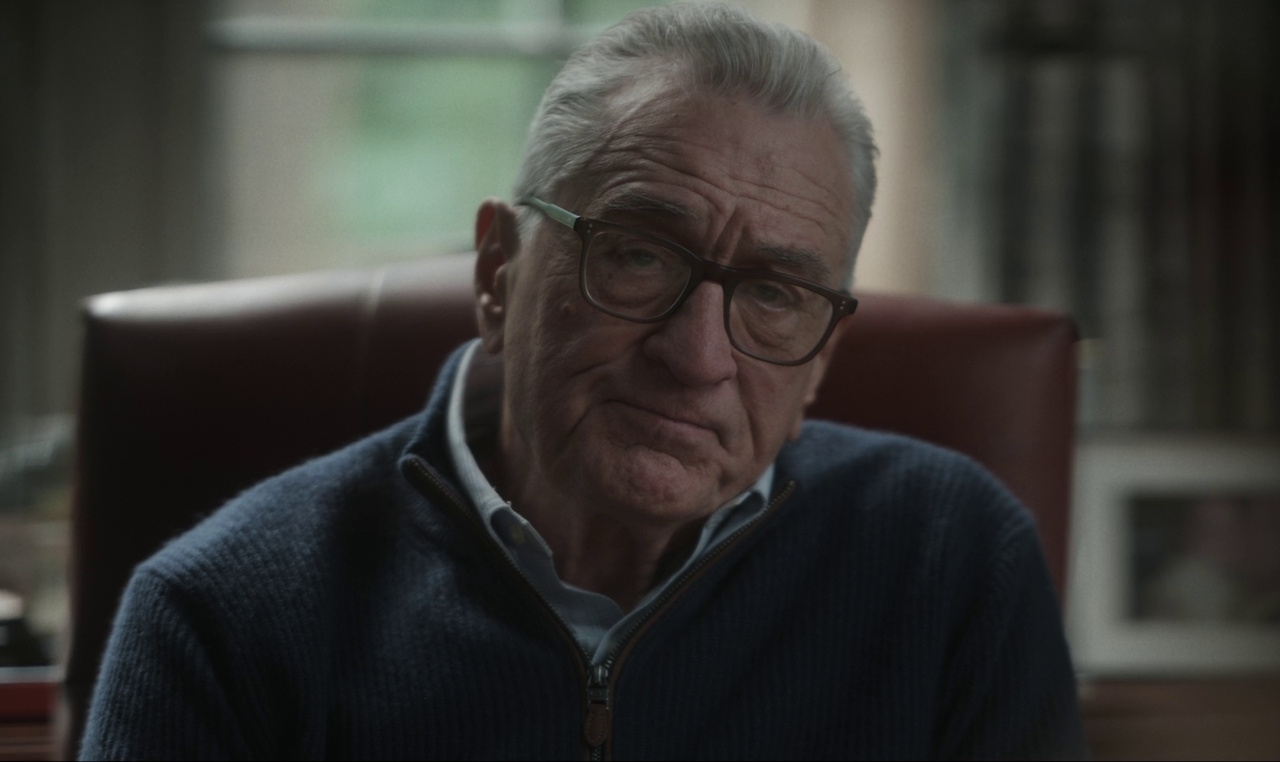
Robert de Niro is one of Hollywood’s most famous faces – but I have to confess that I’ve only ever seen a couple of his films (Taxi Driver and Stardust, if you were wondering). He’s one of those actors that seems to be absolutely everywhere… but whose work I seem to have unintentionally avoided! I’m not much of a cinephile, I guess. But I was interested to see what this legendary actor could do with a television series – only his third television role. With made-for-streaming TV’s higher budgets, shows like Zero Day can feel more cinematic than they would’ve even just a few years ago, and with more time for a story to unfold, there’s a lot to be said for the format. I’m a big supporter of TV as an entertainment medium.
So let’s get to Zero Day, where Robert de Niro’s waiting.
Sorry, that was a terrible way to shoehorn in that reference. De Niro did a solid job in Zero Day, and was probably at his best in the scenes where George’s mental health was in focus. Some fictional presidents (or ex-presidents, in this case) feel like they’re obviously based on a real person, but I didn’t get that sense this time – at least not from de Niro’s performance. You could project elements of several recent presidents and political figures onto George Mullen, but none really leapt out as being definitive.
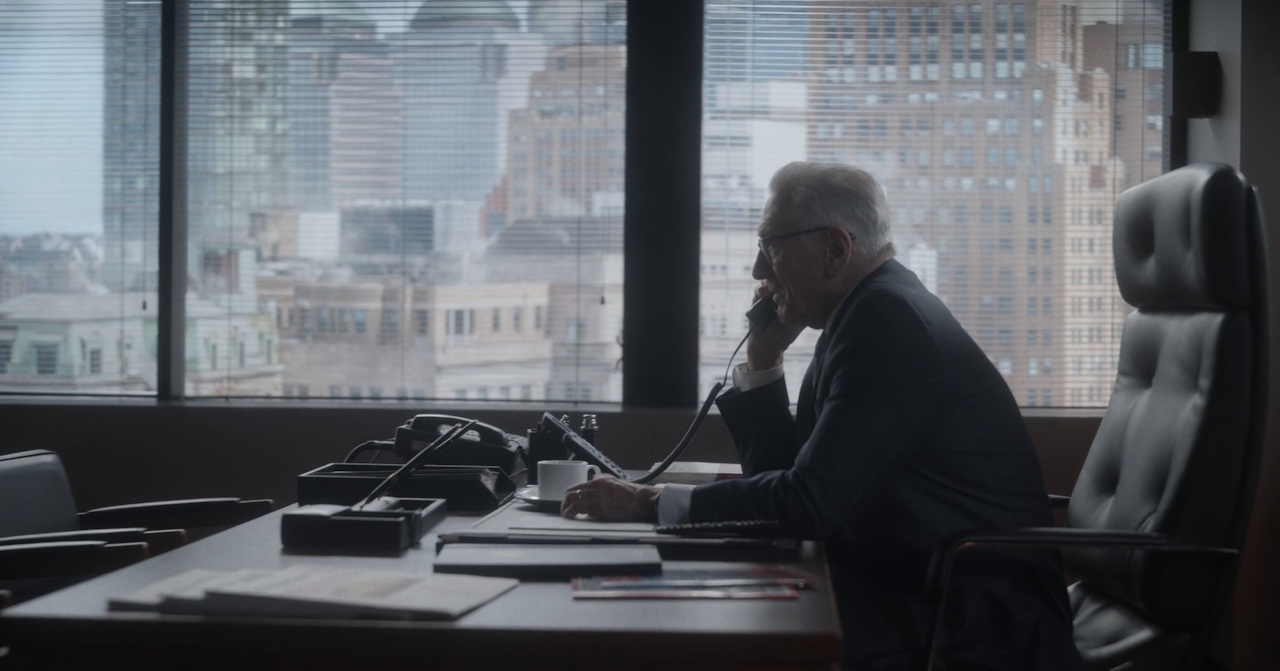
One thing I didn’t find particularly believable about Mullen was that he’d had an affair. Something about the way de Niro played the character as upstanding, trying to do the right thing, dedicated to the truth at all costs… it just didn’t gel with this part of the character’s backstory. If we’d seen part of the affair in flashback form, or even just seen George as more firey and temperamental at that point in his life, maybe I’d have been more willing to buy it. But based on what we see of the character in Zero Day, I’m not so sure it works. The thought that he might’ve betrayed his marriage vows and his family, and taken advantage of his status in a relationship with a power imbalance… it’s not so much that it feels icky, because that’s the point of the revelation. It just didn’t feel like something this character would do.
In that sense, this piece of personal history felt like a bit of a narrative contrivance. It was a way for other, villainous characters in the story to have something they could use against George and his allies rather than something that felt natural for the character. And look, I get it: people can change with age, and their temperament can mellow. Part of the story, as we’ll talk about in a moment, was to do with age and ageing and how getting older can change or limit one’s perspective. But in this case… it just didn’t feel natural to me, so when it came to the affair being used by the rather one-dimensional Monica Kidder as an attempt to blackmail George, all I could think was “oh, so that’s why they chose to include it.”
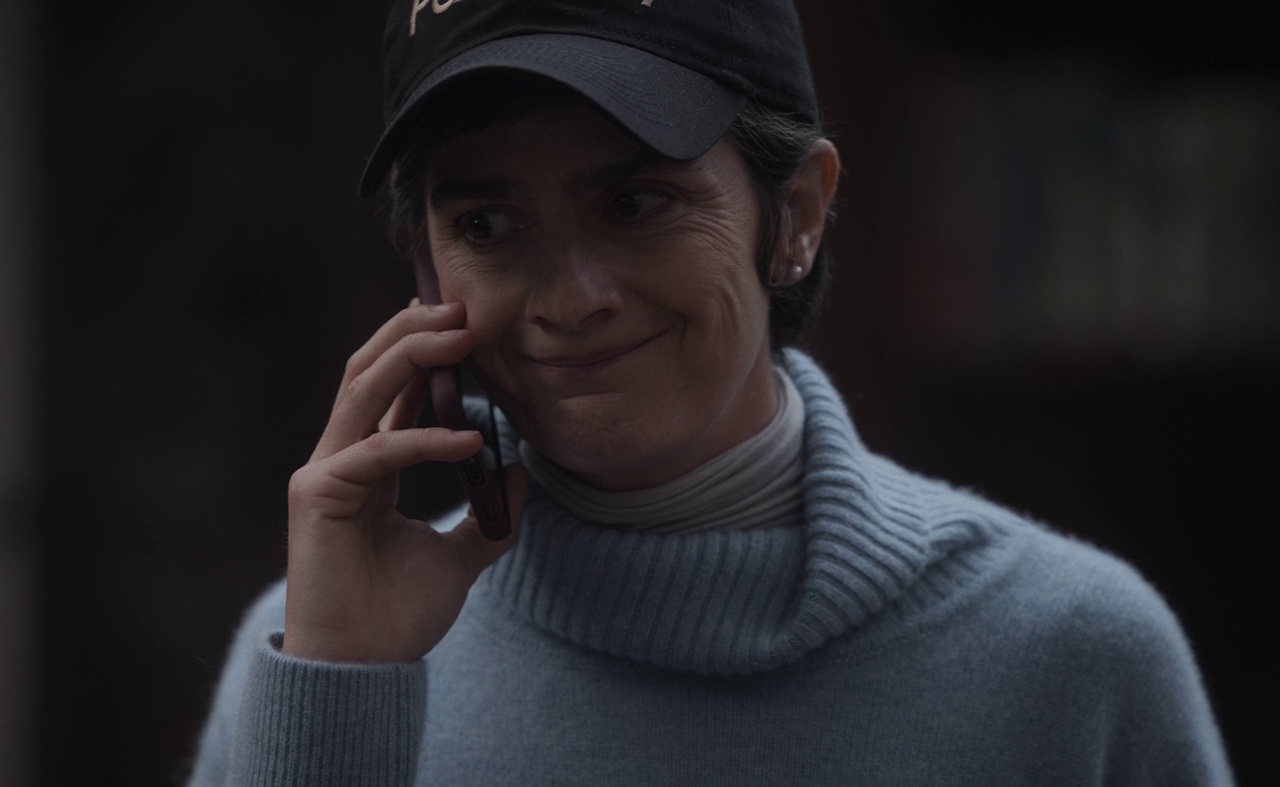
Several of Zero Day’s villains – if we can truly define “villains” and “heroes” in a show with so many deliberate shades of grey – felt pretty flat for me. Kidder might be the worst of the bunch – though Gabby Hoffman put in a solid performance with the material she had to work with – but I’d also include Clark Gregg’s Robert Lyndon in there too, as well as the various thugs, Russian spies, and others. None of them felt particularly fleshed-out as characters, and when one of the advantages of television over film has always been that you have more screen time to introduce and explore your characters… that’s just a little disappointing.
I would also say that the Russian agents in particular felt like cardboard cut-out character stereotypes. Russians as villains – or just as nefarious criminals and gangsters – has been a trope of American entertainment going back to the dawn of the Cold War, so we’ve seen duplicitous and criminal Russian spies in so many different productions over the years. Although Zero Day did, in its own way, seek to make a point about this… the main Russian character we spent time with in the first couple of episodes was just a walking trope. The same was true of Zero Day’s apparently omnipotent Mossad agent, who knew everything before the Americans did.
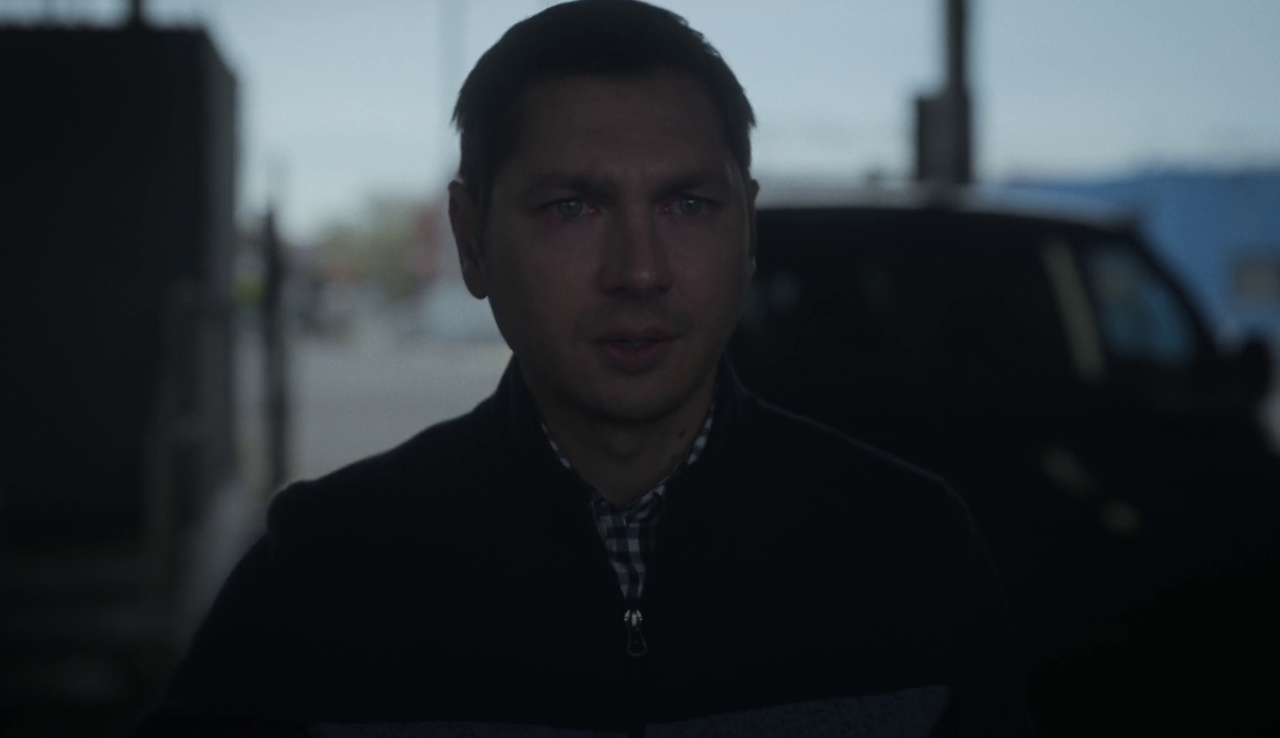
Zero Day’s governmental and congressional villains did, I would suggest, work a bit better than the one-dimensional “tech bros,” hedge fund investors, and Russian stereotypes. I will give credit to the series for trying to make a point about America’s wealthy classes and how they might see an opportunity in terror and confusion, but it wasn’t the main focus of the story and it was a point that’s been made better in countless other productions over the years. I could’ve happily spent an entire episode, for example, on the ramifications of Lyndon making money via his insider knowledge of the cyber-attack, and how that has real-world parallels. Zero Day raised this idea, but either didn’t know where to take it or was forced to drop it before the point could be hammered home.
Dreyer was a fun character, though, and his story of wanting to create an event he could take advantage of – while having convinced himself he would be the hero in that situation – was genuinely engaging. Zero Day kept Dreyer’s involvement in the attacks and attempted coup secret until near the end of the story for dramatic effect, which worked well – but also left me wanting more! Particularly because the series ended without Dreyer being arrested, I guess that could feel a little unsatisfying. As the audience, we know George and his team have the evidence – but seeing it used to arrest or convict Dreyer would’ve been the natural outcome.
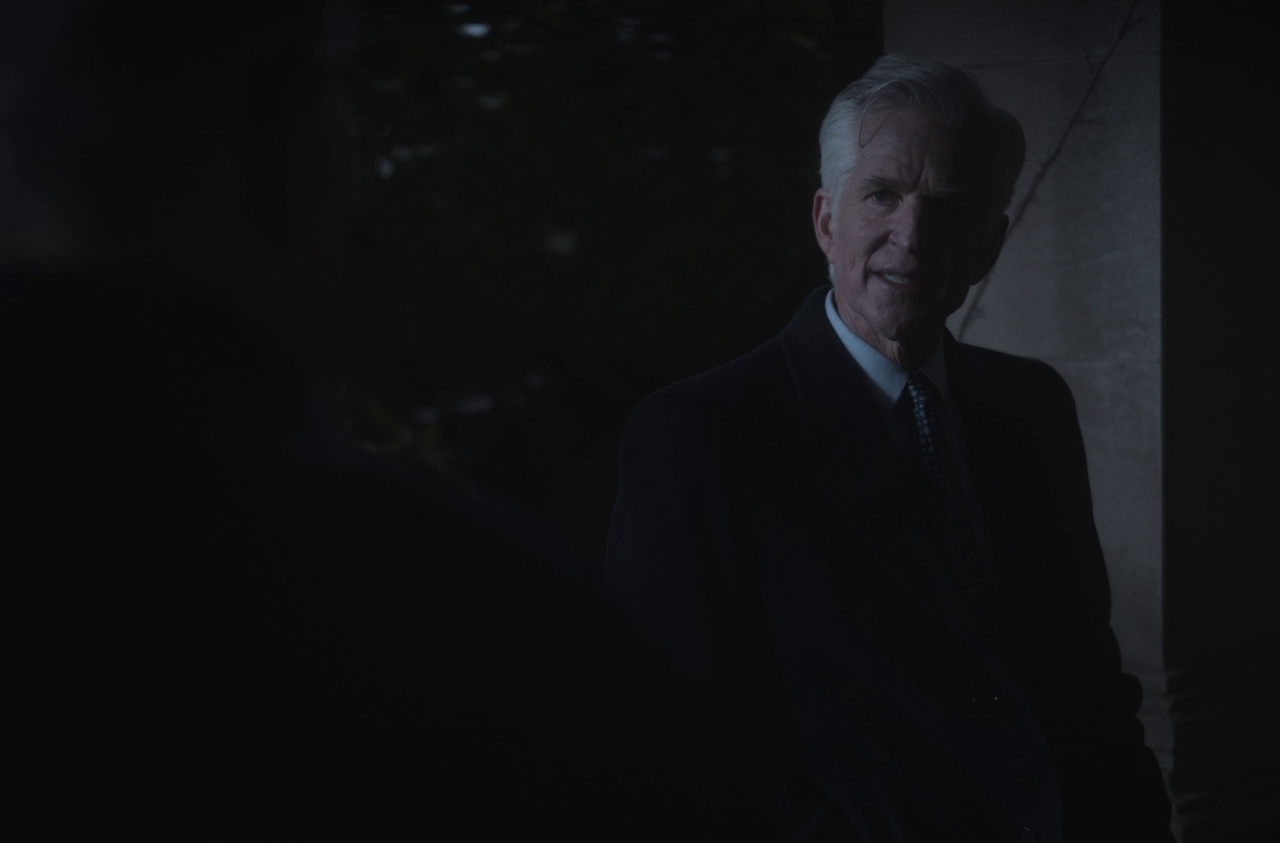
There are a couple of important ideas raised by Zero Day that I’d like to talk about next. This first one isn’t necessarily part of the story, but it’s absolutely essential to whether Zero Day will be enjoyable or even watchable for some people. In short… this is a series that, while critical of America and its government in some ways, is also implicitly supportive of many of the institutions that are in focus. At no point does Zero Day propose seriously overhauling or changing the way some of America’s three-letter acronyms operate, even when we see torture first-hand, sanctioned by George and his commission. It’s not exactly flag-waving, thin blue line right-wing populism… but its unwillingness to go further in its criticisms, and its reliance on “good people doing the right thing” is a bit… I dunno. Hypocritical, perhaps?
One fact that’s universally true in all systems and all governments is this: when you give an organisation or agency a set of powers, it’s basically impossible to take those powers away. As President Mitchell is told by Dreyer, “you can’t put that genie back in the bottle.” But Zero Day ends with George stepping down, the commission he headed being dismantled, and the attack’s perpetrators under arrest. The implication is that the “good guys” won and things will go back to normal. But when the US government developed the weapon used in the attack, and the commission designed to investigate the attack abused its extraordinary powers… how can “let’s all get back to normal” possibly be the outcome we’re rooting for?
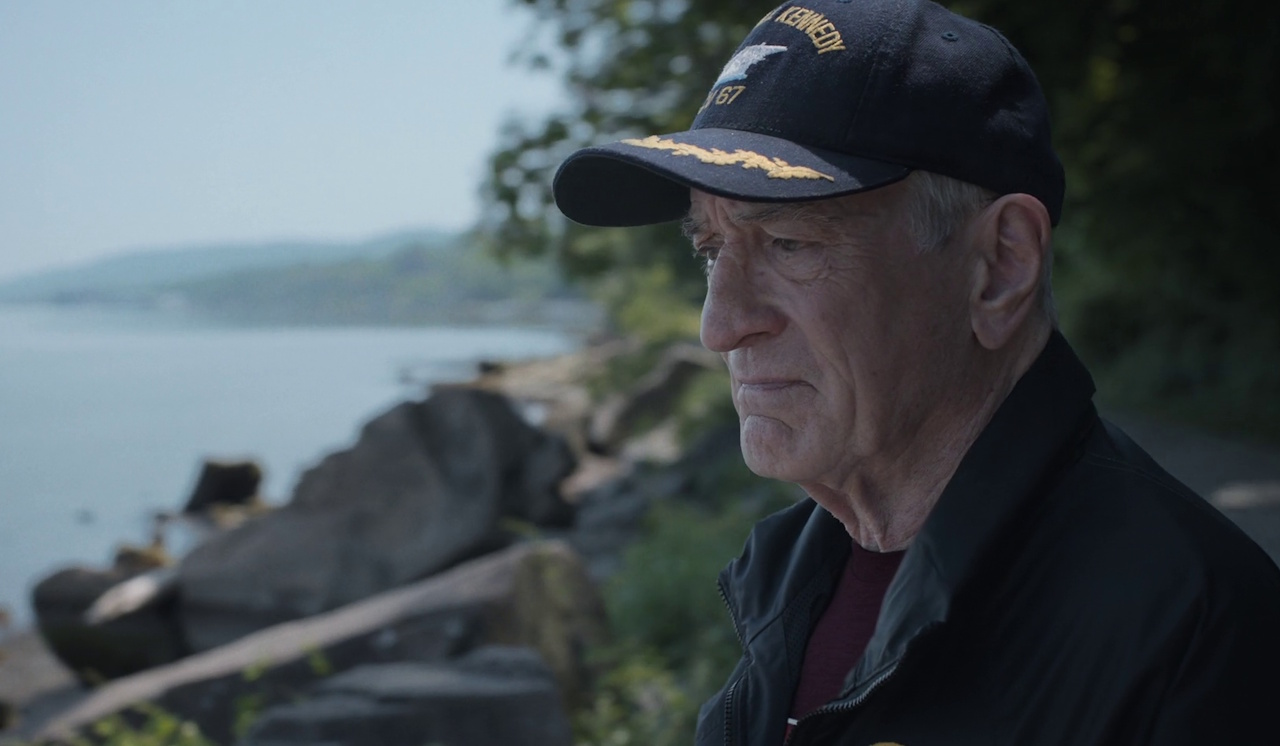
Secondly, Zero Day touched on the idea of America as a gerontocracy – albeit in a particular way. A gerontocracy, if you’re unfamiliar with the word, is a nation-state governed by elderly people. At time of writing, a full one-third of the United States Senate and nearly 20% of the House of Representatives are over the age of 70 – as are the president and four of the nine Supreme Court justices. It’s absolutely worth taking the time to talk about this and criticise it, as the baby boomer generation continues to horde wealth and power. Zero Day doesn’t tackle this directly, but I did feel at least some of this through George’s characterisation.
It was left ambiguous at the end of Zero Day whether George was suffering from some kind of mental health issue or an attack by a neurological weapon. I kind of read Zero Day as aiming for the former, not the latter, but there could be arguments both ways. But his mystery condition comes across, at least in part, as being similar to the early stages of dementia. How many times was former president Biden criticised for his age? His apparent senility forced him to drop his re-election bid just a matter of months ago. And when George seemed to pause midway through a speech as his mind wandered? That reminded me an awful lot of Senator McConnell, who – at the tender age of eighty-three – has recently announced he plans not to run for re-election.

As above, this message wasn’t the main focus – and I’m not sure that dementia is even the way Zero Day’s writers intended those scenes to be read. Instead, the series is really trying to set up this mystery of PTSD versus a neurological weapon… and leaves it deliberately open-ended, with evidence pointing both ways. While this was interesting and engaging while the series was running, it’s another story thread that doesn’t feel neatly tied up now that the credits have rolled.
And I’m assuming, based on what Netflix, de Niro, and others have said, that Zero Day won’t be returning. With its conspirators uncovered and outed, and the malware that led to the cyber-attack being patched out and rendered harmless, it’s hard to see where to take the story for a full second season. However… maybe one more episode wouldn’t have been a terrible idea. A kind of epilogue, showing the perpetrators on trial, the dismantling of the commission, and settling the question of Geroge’s mental state wouldn’t have gone amiss.
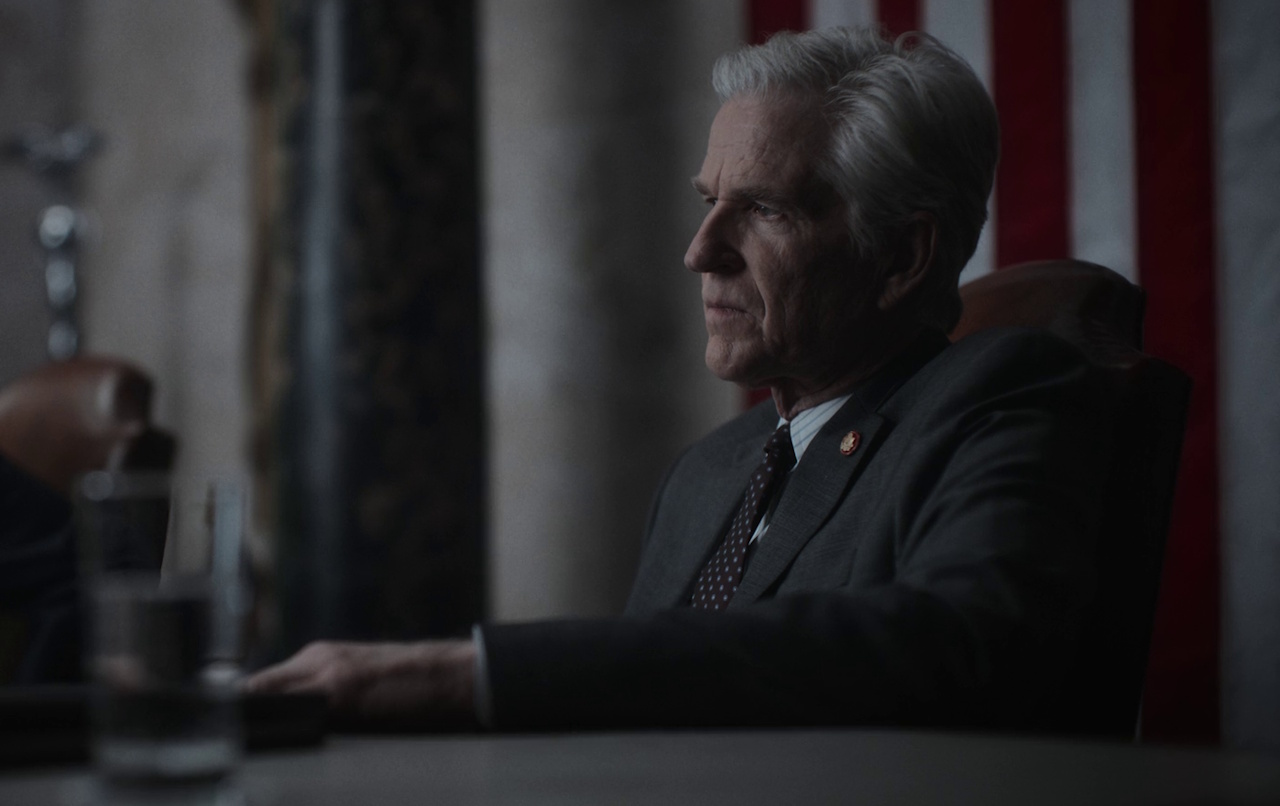
Zero Day did find a lot to say about modern society and its reliance on connected technological systems. While it’s impossible (at least based on my knowledge of computer programming) for a single, universal computer virus to take down as wide a range of systems as Zero Day depicts, the core message of these incredibly important networks being vulnerable is a timely one. It wouldn’t take much to push a critical system to the point of failure, and cyber-attacks are a legitimate concern for businesses, governments, and even individuals.
There’s also the matter of privacy, which Zero Day raises. Corporations – like the fictional Panoply – have access to huge amounts of personal information, and how they use that information is something we need to be aware of at the very least. The alliance of “big tech” with certain political figures raises a whole new set of questions about privacy and ethics – something Zero Day touches on but doesn’t really delve into in a lot of detail.
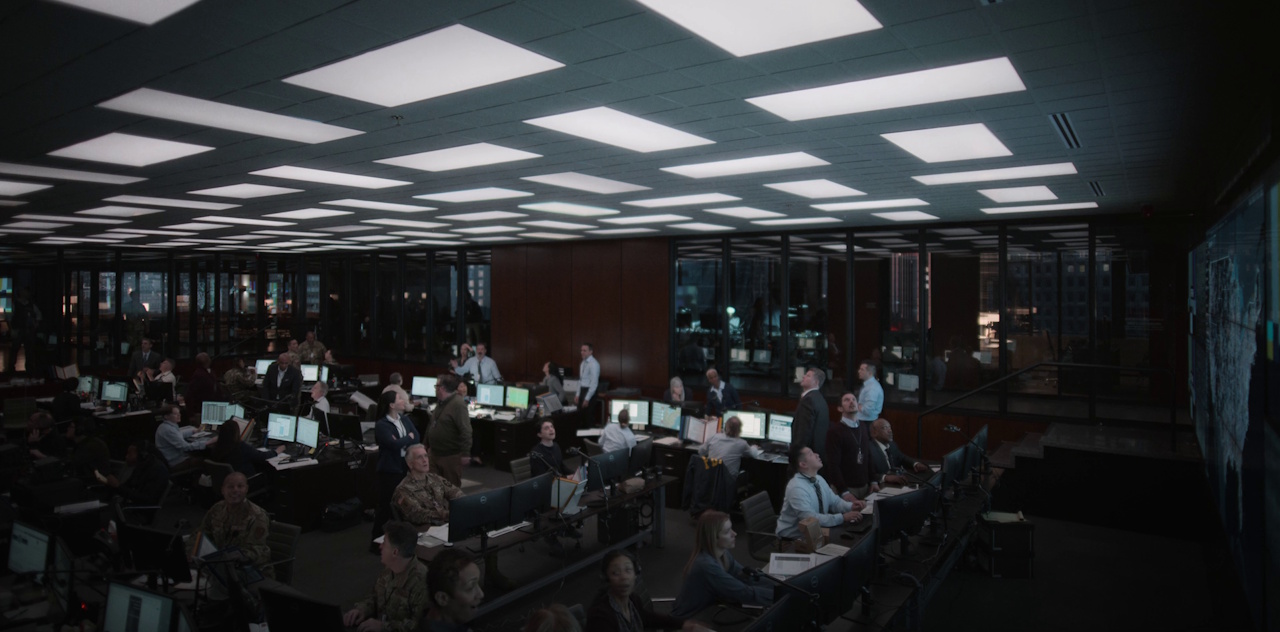
Zero Day was in development at least as far back as 2022, with filming getting underway in 2023. This was well before Joe Biden stepped down from his re-election bid, but I felt there was more than a little of former VP Kamala Harris in Angela Bassett’s portrayal of Zero Day’s President Mitchell. Something about her calm tone of voice, and perhaps choices of outfit and hairstyle, all seemed to be leaning into that presentation. Mitchell was a distinct character, and not necessarily based on Harris or anyone else, but there seemed to be deliberate choices in the way she was presented that drew inspiration from America’s first African American and female vice president.
Since 9/11, the war on terror, and America’s Patriot Act, we’ve seen a lot of films and TV shows tackle terrorist conspiracies and criticise the heavy-handed government response. Parts of Zero Day – the “enhanced interrogation” tactics, the commission’s unconstitutional powers, and nameless, masked police officers dressed all in black with guns – are all things we’ve seen before. Zero Day, as mentioned, seemed to stumble over the point it wanted to make about these things, trying to simultaneously criticise the abuses of power we’ve seen while also still wanting to present most of its protagonists as fundamentally decent people who were forced to do bad things by circumstances beyond their control. This presentation felt rather two-faced, as if the series and its producers weren’t willing to fully commit.
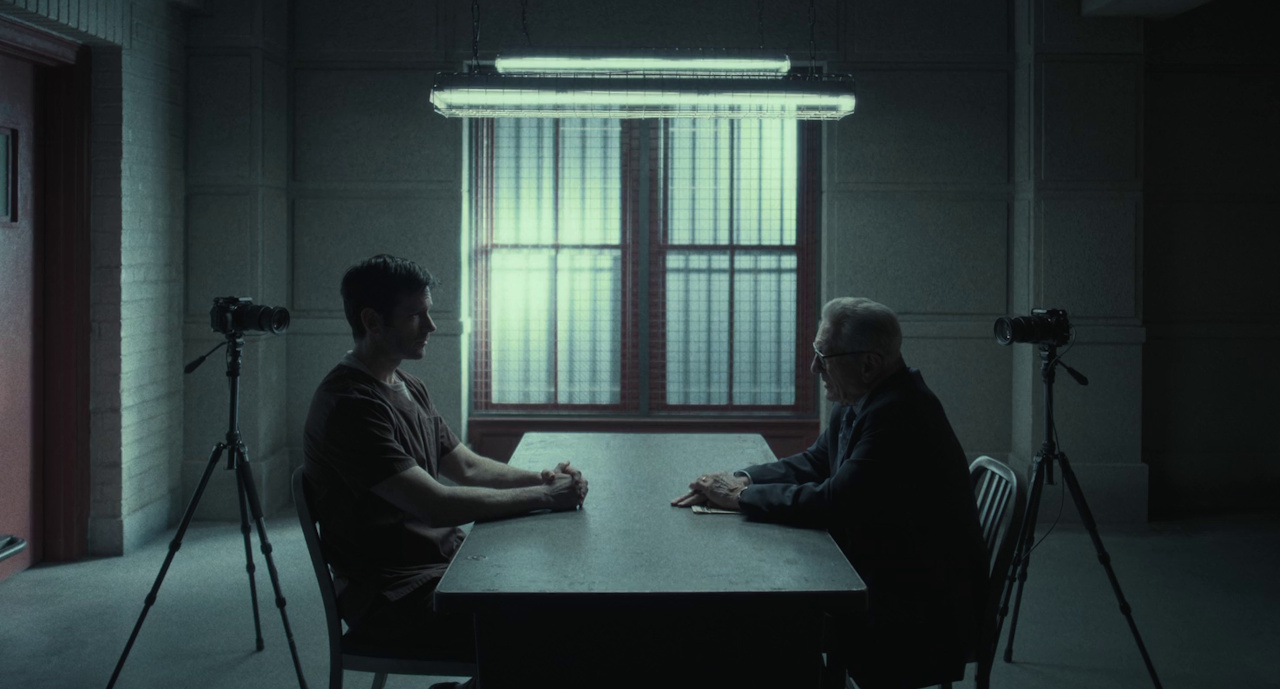
There are better depictions of America going rogue, breaking the law, and torturing people. And there are, for those interested, better flag-waving depictions of America as a virtuous land of freedom and liberty. Zero Day wanted to be the former, but its focus on an ex-president, law enforcement officials, and weirdly, the head of the CIA as its “good guys” really got in the way of that message. While the cyber-attack, the conspiracy behind it, and George’s efforts to uncover the truth were all interesting, engaging, and entertaining in their own ways, this confused message leaves the series as a whole feeling like a project that probably had a bit too much corporate meddling. It seems unsure of itself and unwilling to fully commit to exploring the consequences of some of its storylines, messages, and themes.
Zero Day raised a couple of other interesting points in a tangential way. Firstly, through the character of Alex we got to catch a glimpse of the effect politics can have on a young person. I’ve long felt that most politicians have to be narcissists – if not outright sociopaths – to put their families and young children through life in the public eye. The way some politicians almost seem to use their families as props, especially in the United States, is pretty sickening. Zero Day touched on this with the relationship between Alex and her father, and it’s one of the first productions I’ve seen to really do so. It was interesting, at any rate.
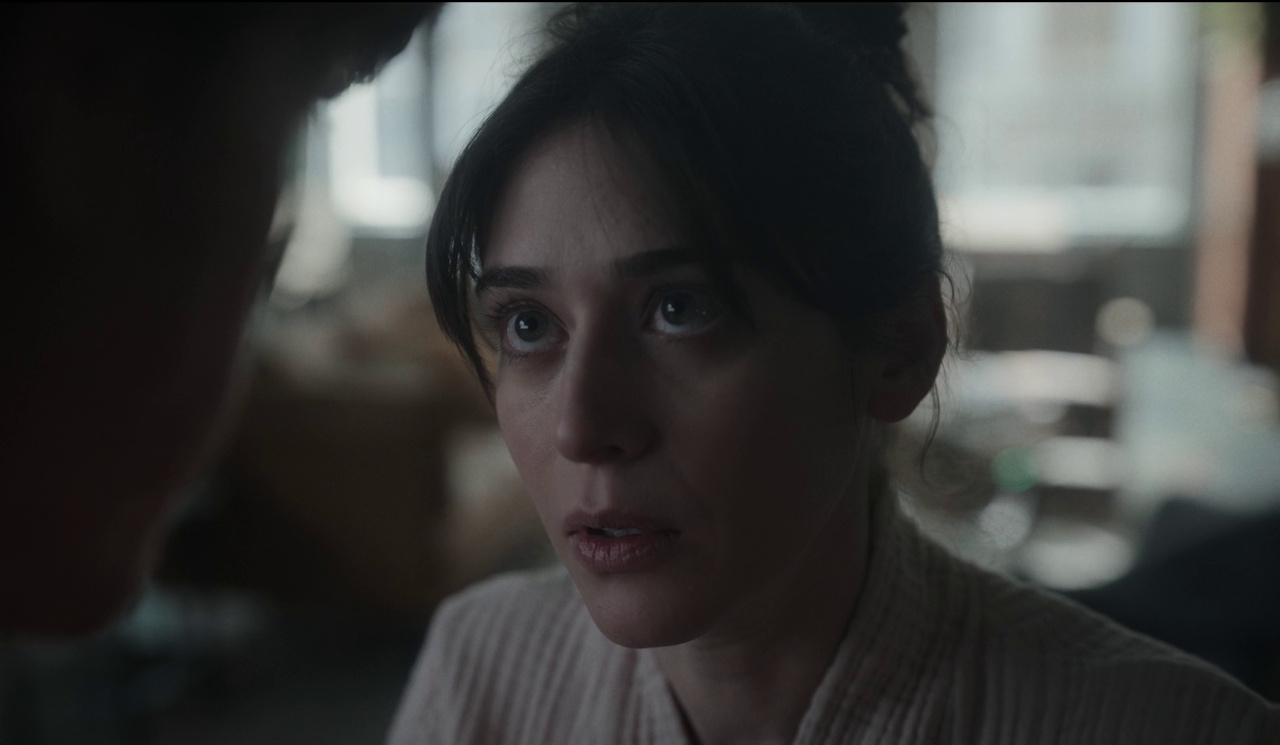
There was also the theme of addiction, which we saw in Roger’s character. Roger had seemingly overcome a heroin addiction – something that was used against him at the end – and while this was never in focus, I’m always keen to see stories about recovering addicts that are presented positively. Roger may not have been a pure and virtuous character, but he was realistic and human, and the way Zero Day handled his addiction didn’t feel tokenistic or clumsy in the way it can sometimes.
Music was used to great effect in Zero Day. Obviously the song Who Killed Bambi by the Sex Pistols was incredibly important to the plot – and I doubt I’ll be able to listen to it again without thinking of this miniseries! But throughout the show, the score was excellent – building tension to great effect. It was the quintessential thriller score, and it worked exceptionally well. Camera work was also solid; I particularly liked the West Wing-inspired “walk and talk” shots at the commission’s HQ.

So I think that was everything I had in my notes. Zero Day was an interesting and engaging political thriller – even if it wasn’t quite willing to fully commit to some of its themes and story ideas. I binged it in a couple of sittings, which is something I’ll only do if I’m really into a show, and the time seemed to fly by. It was absolutely worth re-subscribing to Netflix (a subscription I don’t keep most of the time) in order to be able to watch it. I daresay I’ll find a few other things to watch before my one-month subscription is up, too!
I had Zero Day on my radar at the beginning of the year, and I’m glad I was able to check it out. It’s unlikely to be my pick for “TV show of the year” come December, but having already seen a far worse miniseries in 2025 (Earth Abides, which I categorically do not recommend) it’s not gonna be the worst thing I’ve seen this year, either! It kept my attention well enough, but having gone back to it to put together this review and capture a few still frames… I guess I’m not gonna spend a lot more time thinking about Zero Day. It was good. Not exceptional, and not the best thing I’ve ever seen. But decent.
Zero Day is available to stream now on Netflix. Zero Day is the copyright of Netflix and/or Grand Electric Productions. This review contains the thoughts and opinions of one person only and is not intended to cause any offence.
 Trekking with Dennis