Election Year 2024: What To Watch

I am unapologetically a politics geek! And 2024 is, without a doubt, one of the biggest and most exciting political years in a long time. If you’ll permit me the indulgence – and the diversion from what I usually talk about here on the website – I thought it could be a bit of fun to talk about what’s coming up this year for both the United States and the United Kingdom, with a focus on what to watch and where I like to get my political fix.

Although politics can be fascinating in all sorts of places and all sorts of contexts, I have two real areas of interest: the US presidency and – understandably as a Brit – the upcoming UK general election. We may touch on a couple of other places tangentially, but those are the two elections I’m most interested in and will be watching most closely this year.
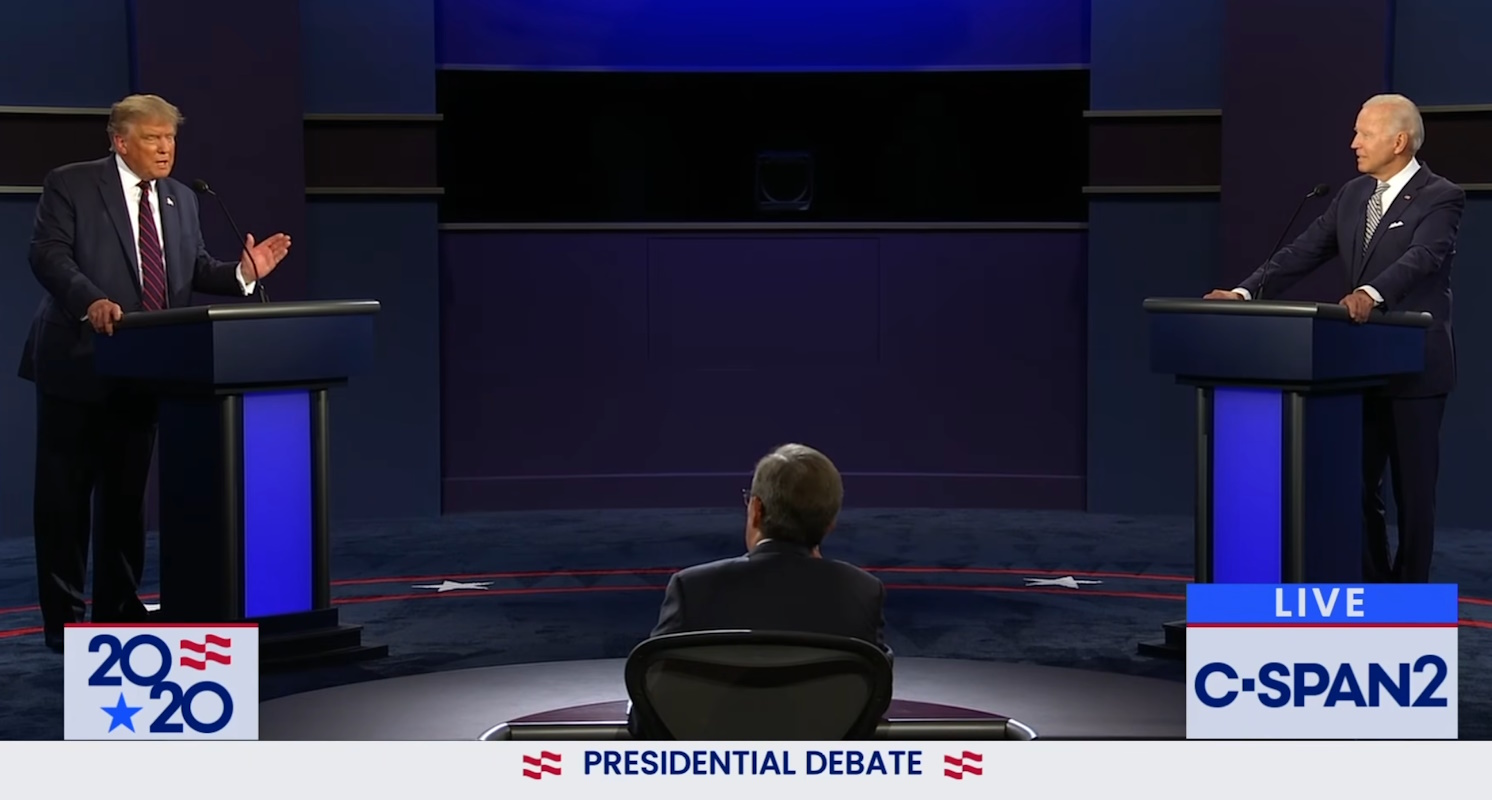
Still frame of the 2020 Presidential debate between Joe Biden and Donald Trump.
Ready for round 2?

It’s rare to get a single year in which both the United States and the United Kingdom go to the polls for big general elections. In fact, the last time this happened was in 1992 – when John Major was unexpectedly re-elected as Prime Minister in May before Bill Clinton unseated George Bush in November. With the current British government consistently behind the opposition in opinion poll after opinion poll, an autumn election could be on the cards for us this year; I’ve heard November the 14th and October the 24th bandied about as potential election days. These dates would put the UK and US elections within a few days of each other – something that hasn’t happened since 1964.

The ’92 general election is the first one that I can really remember following and being interested in as a kid – even as many of the policy issues went way over my head, I was still gripped by the democratic process and the idea that we could have another new Prime Minister. In those days I didn’t pay as much attention to the American election; my fascination with the US and its systems of government would develop later! But I was definitely following along with John Major’s “soapbox” campaign in 1992 as he faced off against a renewed Labour Party under the leadership of Neil Kinnock. Listening to election news on the radio at lunchtime at school definitely singled me out as a geek!

Former British Prime Minister John Major in 1992.

But that’s enough history for now!

As media-literate folks – which I assume you are if you’re reading an article like this one, at any rate – we want to keep on top of what’s going on in the political sphere… but we don’t want to succumb to bias along the way. With the political environments both here in the UK and over in the US being so divided and polarised, finding unbiased or at least fair sources is increasingly difficult. It’s contingent upon us to not simply accept what we’re being told, but to double-check, or to look around for other sources of news. In this piece, I want to highlight a handful of outlets that I personally follow and regularly check in with – not because they’re free from all bias, but because they can provide analysis and insight that I find interesting or useful.

News and politics can be entertaining, and a well-presented programme can go a long way to making up for “boring” things like policy details or statistics. But we have to be careful not to let flashy graphics or a charismatic presenter blow us off-course; just because a speaker is articulate or passionate doesn’t mean they’re speaking the truth. That sentence should be applied to politicians… but it’s also true of presenters, anchors, analysts, podcasters, and other folks in the news media space.
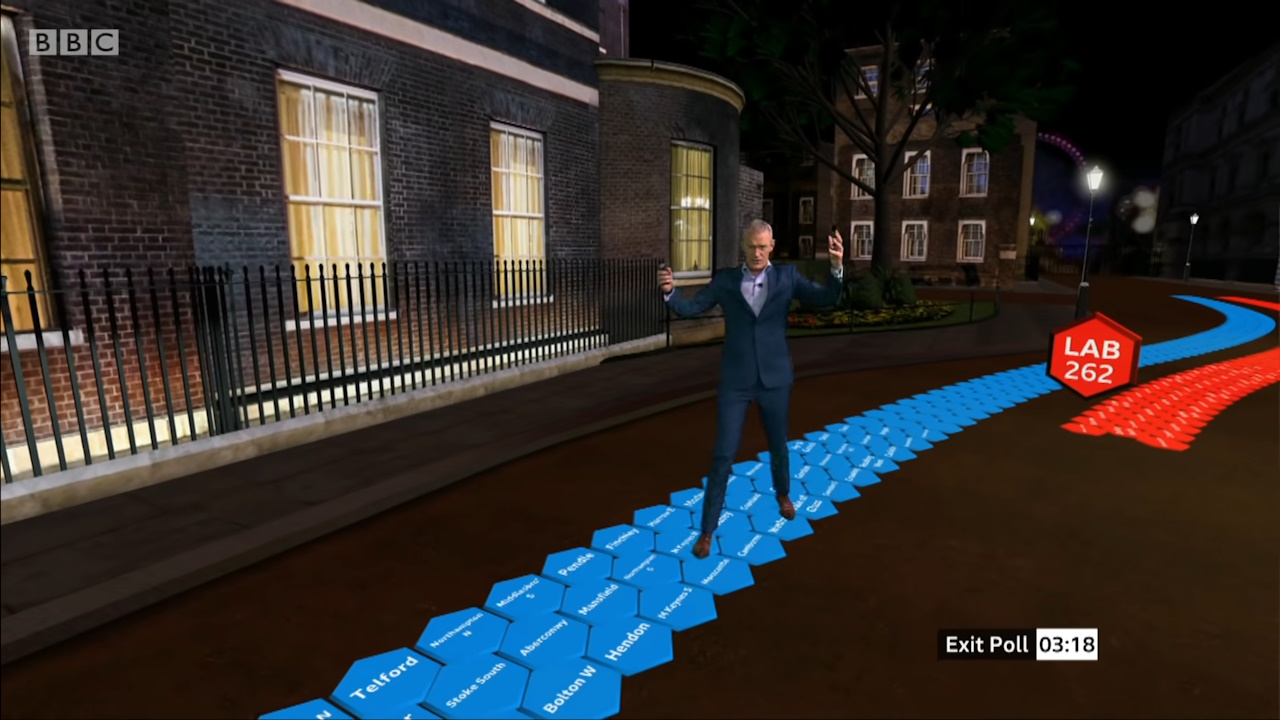
Still frame of the BBC's 2019 election night programme featuring Jeremy Vine.
BBC presenter Jeremy Vine and his “path to Downing Street” graphic in 2019.

So I guess what I’m saying is this: don’t take any individual news source as “gospel,” nor even really at face value. If you have the time to research a subject – by which I mean doing more than just a cursory Google search – then that’s great; trying to gather different sources that examine the same topic or story is just as good.

That’s what I try to do, at least. I’ve diversified my news sources in recent years, and it really is amazing how one-sided some outlets can be. Even if we don’t agree with what someone has to say, hearing another perspective can be incredibly valuable. In these increasingly polarised times, stepping outside of one’s personal media bubble can be uncomfortable, and I get that. But even if your only objective is to better understand the other side’s talking points so you can more effectively argue against their position… it’s still worth doing!

BBC News studio - behind the scenes.
The new BBC News studio.

Having seen many elections and referenda come and go over the years, I find a lot of the passion behind individual candidates and parties to be a younger person’s game. When the same pundits and talking heads hailing this election as being “the most important in our lifetime!!!” have been using that exact same line for twenty years or more… well, let’s just say the impact wears off! That doesn’t mean that there aren’t big and important issues at stake, of course. There usually are!

Donald Trump is someone who, for close to a decade now, has managed to evoke – and provoke – incredibly strong reactions from supporters and opponents alike. His presence in the election this year (assuming he survives the tangled mess of court cases he’s facing) automatically makes it a contentious and polarising race. Here in the UK, the departure of Boris Johnson from the political stage has left us – at least in theory – with two less-charismatic Prime Ministerial candidates! But there are other factors in the race, including the emergence of Reform as a new political party on the right, debates over polarising issues like immigration and the conflict in the Middle East, and the ongoing fallout from Brexit.

A red "MAGA" hat from the 2016 election campaign.
Donald Trump’s campaign slogan from 2016.

I’m not in the business of telling people who to vote for or how to vote. And this year – for the first time in a long time, really – I’m not actually certain who I’m going to be voting for here in the UK. I have my ideological leanings – as we all do, of course – and here in the UK there are more than two parties to choose from… even if only the main two seem capable of forming a government. But I won’t be “making an endorsement” nor telling anyone how I think they should exercise their right to vote. As far as I’m concerned, that’s between you and the ballot box!

What I’m going to do now is briefly highlight a handful of pundits, podcasts, content creators, and TV programmes that I think are worth checking out and following as this busy political year unfolds. There are some talented journalists and analysts out there in internet-land, and even if you just put something on in the background while you’re working or doing chores, it can still be useful and you’ll still get something out of it.

A sign indicating the way into a polling station in the UK.

Now for the caveats: this is all my own opinion, meaning nobody paid me for a spot on this list. Most of the channels discussed below can be found on YouTube – which has become one of my go-to platforms for political content – but some can be found either on their own website or on platforms like Apple Podcasts. I’ll try to summarise what it is that I like about each channel/creator – but nothing about this is in any way objective.

With all of that out of the way, let’s look at my list – which is in no particular order.

Number 1:
Political Currency
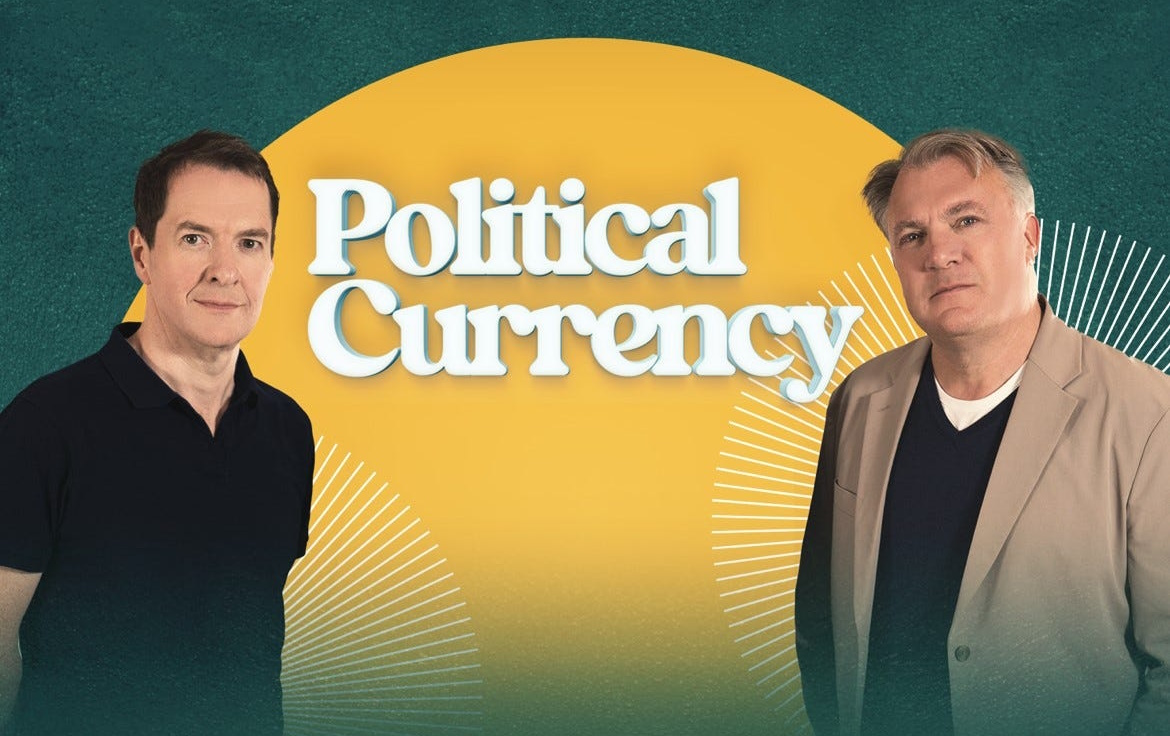
Promo image of the Political Currency podcast.

There are several podcasts in the UK at the moment in which former political opponents share a stage. I guess that kind of thing is in vogue at the moment – but it’s simultaneously interesting to hear from people with different ideological leanings and somewhat heartening, in these times of polarisation and division, to see two former adversaries working together. Political Currency features former Chancellor of the Exchequer George Osborne and his one-time rival, former Shadow Chancellor Ed Balls. The two seem to have developed a genuine rapport after being away from frontline politics for close to a decade now, and their take – particularly on matters of fiscal and economic policy – can be fascinating.

Number 2:
Brian Tyler Cohen

Promo image of Brian Tyler Cohen from his own website.

One of the biggest independent political shows on the progressive side of the aisle, Brian Tyler Cohen has been able to interview sitting members of Congress and even state governors. His show has different segments featuring a selection of recurring guests who really know their stuff when it comes to the legal and political issues of the day, and as a result it’s quickly become one of my go-to political outlets. However… I desperately wish that Cohen would stop using such awful clickbait titles for his videos and clips! There’s no need, and when every single video is presented as “the biggest breaking news story that’s just sure to torpedo Donald Trump’s entire career…” well, it wears pretty thin. In short: great content… once you look past the horrible clickbait titles.

Number 3:
PBS Washington Week
Washington Week title card/logo.

A political show that I’ve only recently come across, Washington Week is a measured, calm discussion between journalists and political commentators, and usually tackles most of the big stories of the week. Because it’s a weekly show, there isn’t as much of an opportunity to discuss breaking news or stories in progress, but that can be an advantage in some ways. PBS – an American broadcaster largely funded by donations – seems to have less of an outright bias than some of the other mainstream news outlets, and that’s reflected in Washington Week’s calmer tone and round-table format.

Number 4:
The “Mainstream Media”

Copyright-free photo of a young girl holding a newspaper.

I’m lumping all of the main broadsheets, terrestrial news bulletins, and cable news channels into one entry for this list! Practically all of them rely on the same couple of newswires for many of their stories, after all. It can be hard to differentiate between some of the cable news broadcasters, particularly in the United States, and one should be aware of the ideological leanings and biases they have – as well as which mega-corporation owns which news outlet. But there’s still something to be said for old-school journalism, and practically all of the big newspapers and mainstream news channels have stories worth reading, interviews worth listening to, and investigative reporting that can shine a light on candidates, policies, and the political situation as a whole.

Number 5:
Times Radio
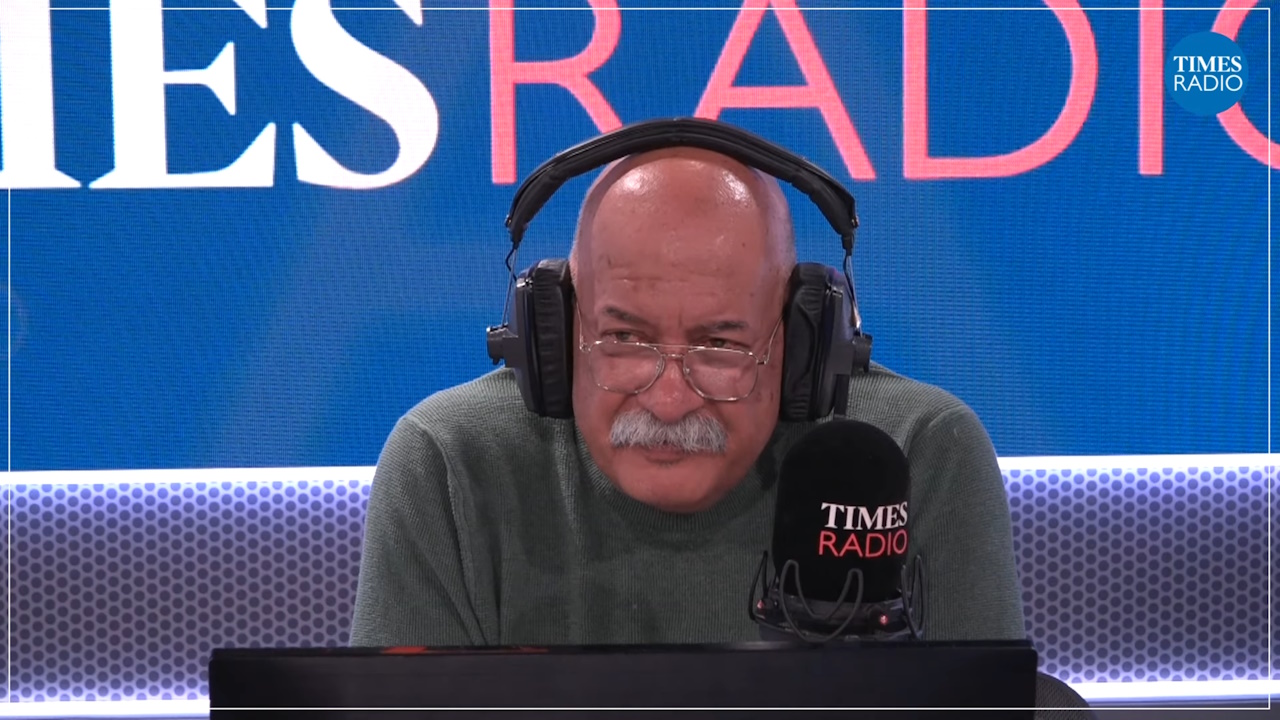
Still frame from a recent Times Radio video.

I’m in two minds about Times Radio. On the one hand, the new radio station – backed up by the long-running Times newspaper – has some well-respected political journalists, some great discussion pieces, and has started a new podcast dedicated to the upcoming election. On the other, its coverage of the Russia-Ukraine conflict is laughably poor, so much so that I don’t trust a word of it. Definitely one to pick and choose which stories to follow… and one I’m a little suspect of. When it gets its political journalism right, Times Radio can be an interesting listen. When it goes too far down the propaganda route on Ukraine… I’m switching off.

Number 6:
LegalEagle

Thumbnail of a recent Legal Eagle YouTube video featuring Donald Trump.

LegalEagle is an interesting one. The YouTube channel, which is run by a professional lawyer in the United States, began by looking at how the law and court cases are presented in works of fiction; there’s even an episode examining courtroom drama in an episode of Star Trek! But as the 2020 election unfolded, the channel started to do more videos looking at Trump’s legal cases, and this has continued as the ex-President’s legal woes have mounted. Though it’s not really about pure politics, if you want a closer examination of the law and how it could impact the election, LegalEagle is a great place to look.

Number 7:
Fox News
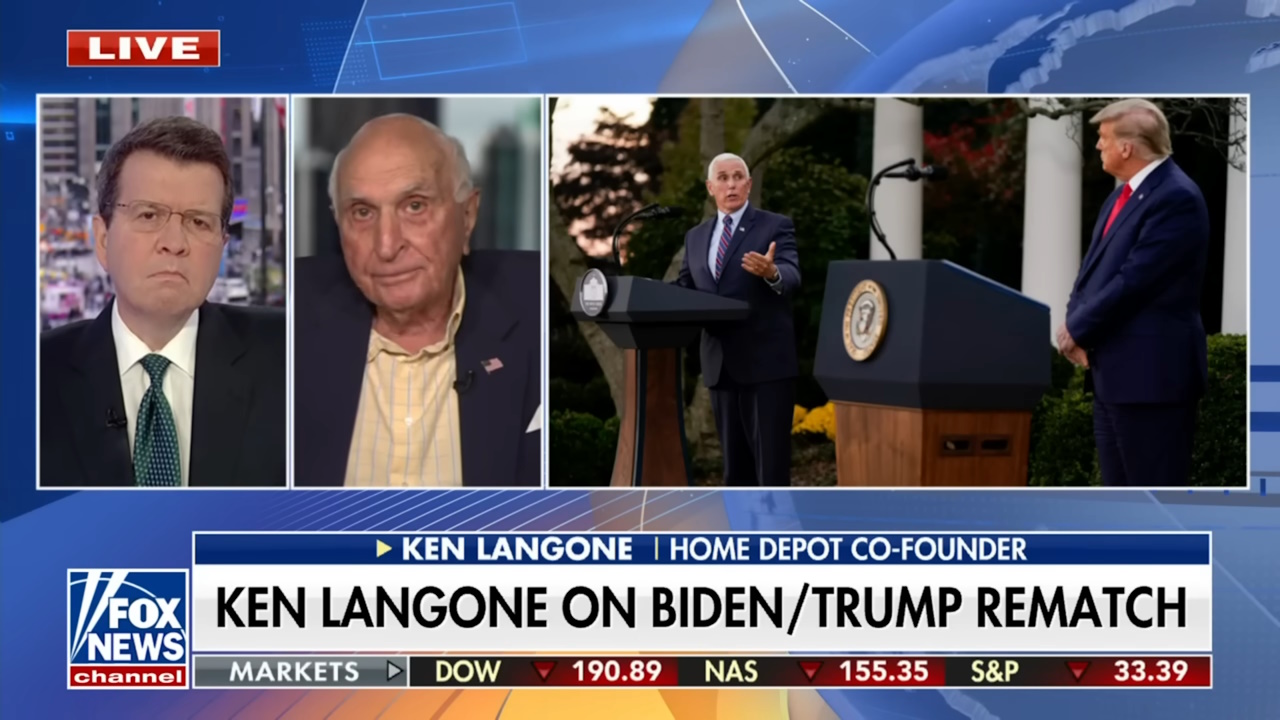
Still frame of Fox News with Neil Cavuto.

Bear with me on this one, especially if you’re to the left-of-centre politically. Fox is the single largest conservative-leaning news channel in the United States, though to its credit it wears its bias on its sleeve. If you want to know what right-wingers, Republicans, and Trump supporters are thinking – and perhaps more importantly, why they’re making certain arguments or favouring certain topics – Fox is a good place to start. And despite its reputation, there are some journalists and analysts worth listening to on Fox. Some of the big hitters, like Chris Wallace, have now departed the network, but I’d single out Neil Cavuto, Bret Baier, and John Roberts as presenters whose analysis and interviews can still be worth tuning in for.

Number 8:
The News Agents

The News Agents' YouTube banner.

A political podcast comprised of ex-BBC journalists, The News Agents is another I listen to almost every day. Unfortunately, the podcast is late with its uploads to YouTube, meaning you’ll have to listen to it at its source if you want to get that day’s episode instead of one that’s a couple of days behind schedule. No idea why the folks at Global Player can’t get their act together for that… but never mind! Because it’s hosted by bona fide journalists with years of experience covering politics, The News Agents brings a lot to the table – and there’s occasional discussion about how some of the big political stories are being covered in the media, too, which can be fascinating.

Number 9:
Robert Reich
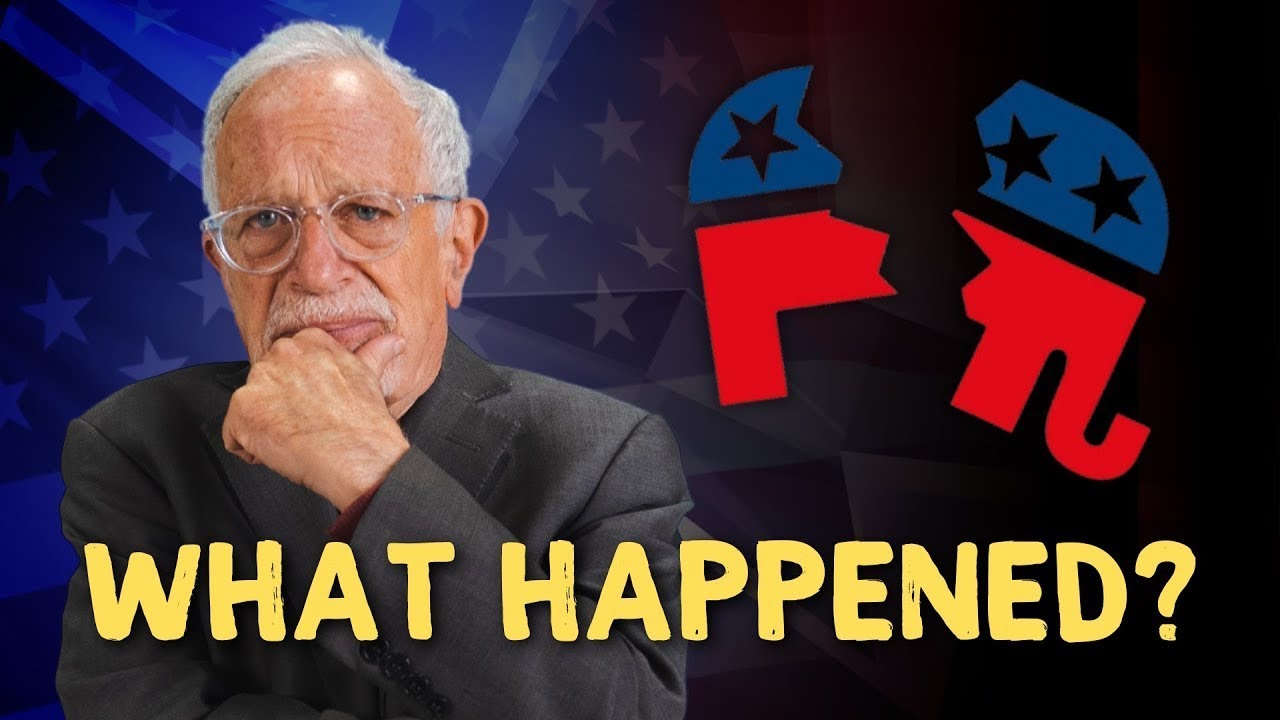
Thumbnail from a recent Robert Reich YouTube video.

Former US Secretary of Labor (and professor) Robert Reich has a YouTube channel and weekly podcast/discussion show, and while he’s very partisan his take is still interesting. As someone who’s been in the Presidential cabinet, he offers a unique “insider’s” take on presidential politics in particular, and his area of expertise is economics – something he also discusses a lot.

Number 10:
The David Pakman Show

Promo headshot of David Pakman from his own website.

David Pakman is another podcaster and broadcaster in the same vein as Bryan Tyler Cohen, and occupies a similar left-of-centre, pro-Democratic Party position. Some of his takes can veer into “vote blue, no matter who” – an idiom I wholeheartedly disagree with, as I feel it gives cover to too many politicians who end up under-delivering! But Pakman’s take on the political news stories of the day is usually interesting and entertaining, and his coverage of the media and how the media talks about politics is generally very good as well.

Number 11:
The New Statesman

The New Statesman logo (low res).

The New Statesman started out life as a magazine, but now much of its content is online. Though the website/app itself is paywalled, unfortunately, there are regular YouTube uploads – one of which features ex-BBC political editor Andrew Marr. Marr’s pieces are often thought-provoking, and free from the confines of BBC impartiality, he’s no longer afraid to share some of his political leanings and opinions while covering one or two of the week’s big stories. As the UK general election gets closer, The New Statesman is one to follow.

Number 12:
Leeja Miller
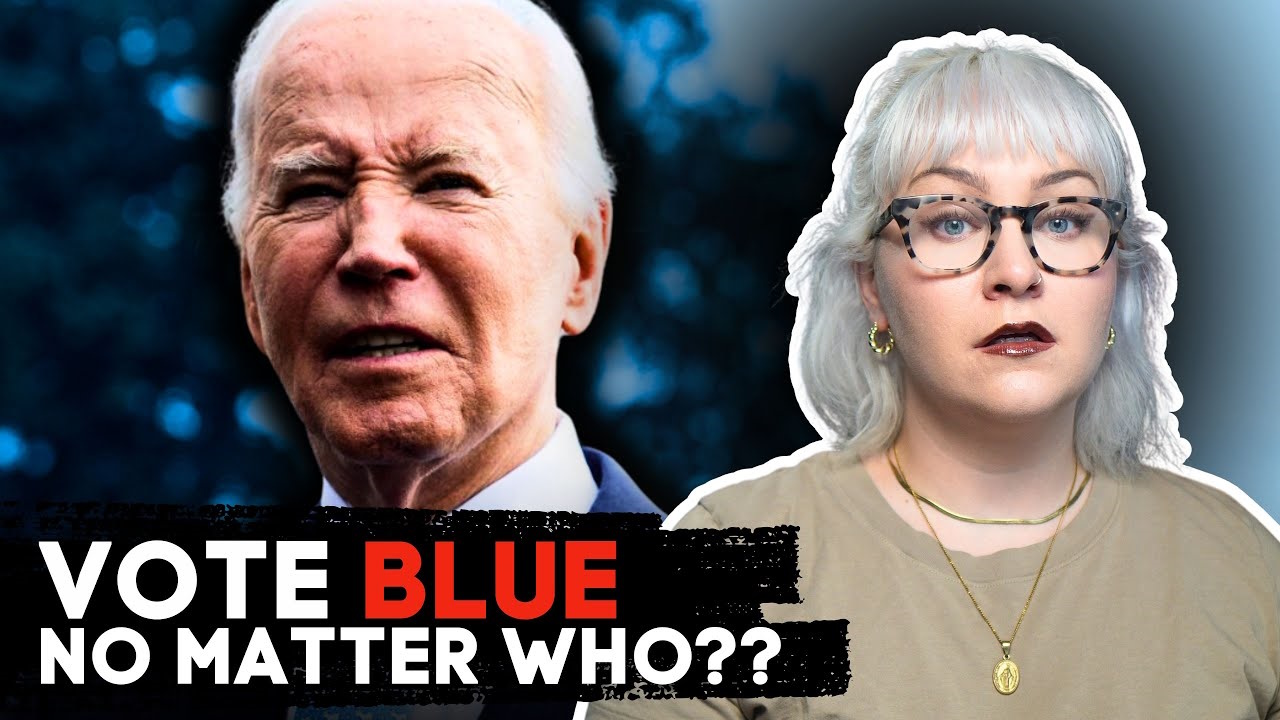
A recent Leeja Miller YouTube thumbnail showing Joe Biden.

Another lawyer-turned-YouTuber, Leeja Miller talks about politics and the upcoming election in an interesting way. Her take often focuses on the law and the Constitution, and how the law and democracy are intertwined in the United States. Her video output can be quite eclectic, with pieces on topics as diverse as Watergate and the Alec Baldwin criminal case – but always with a legal and/or political focus. Miller is a great presenter, and clearly puts a lot of effort into researching the subjects she discusses. Not every video will be directly relevant to the election – but many are, and sometimes in unexpected ways!

Number 13:
Let’s Talk Elections

Let's Talk Elections logo/banner.

For a YouTube channel run by a university student, Let’s Talk Elections is surprisingly thorough and well put-together. The slideshow format puts an emphasis on maps, data, and statistics – which, intentionally or not, makes the series feel professional and reliable. If I were to make a criticism it would be that opinion polls (upon which Let’s Talk Elections heavily relies for content) are not always reliable, and have arguably become less reliable over the past decade or so. So your mileage may vary in that regard! But Let’s Talk Elections videos are well-researched, well-presented, and informative.

Number 14:
Ring of Fire/Farron Balanced
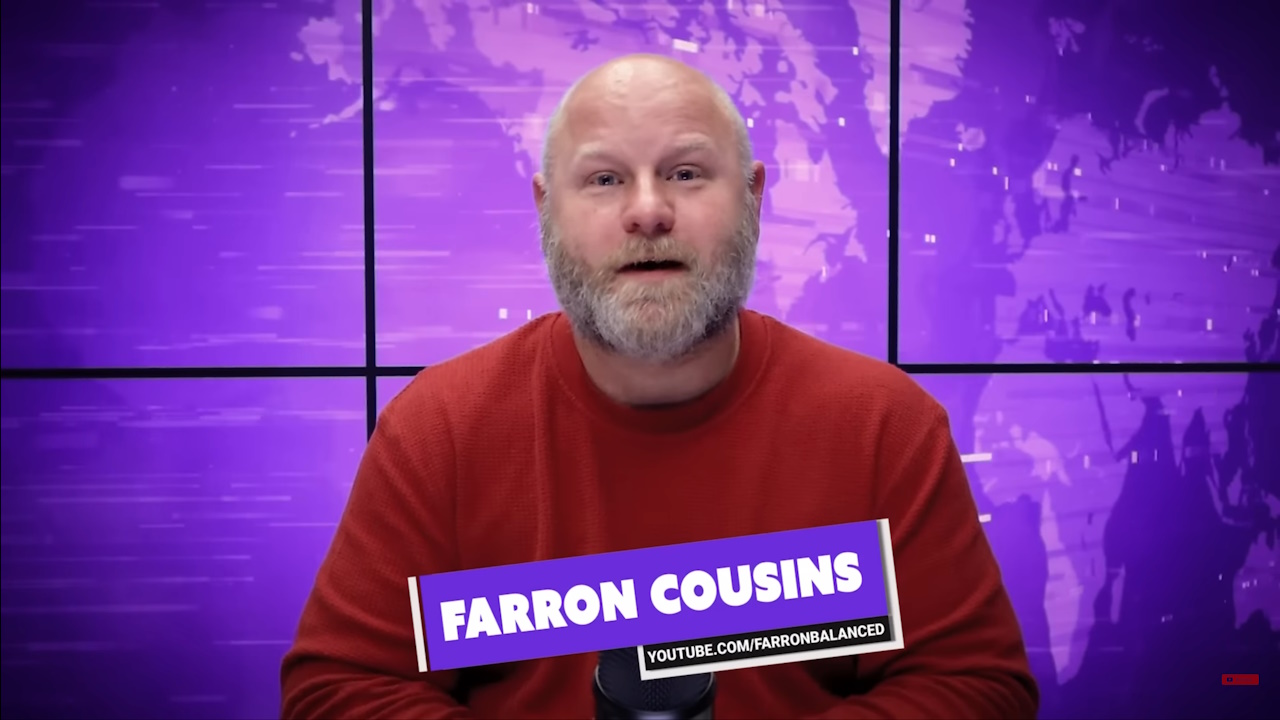
Still frame of Farron Cousins on YouTube.

I’m putting these two YouTube channels together as they’re presented by the same individual and mostly talk about the same subjects. Presenter Farron Cousins can be very energised when talking about the political stories of the day – and that makes for an entertaining look at the news! There are occasionally other guests on the Ring of Fire programme, including a lawyer who often has an interesting take on Trump’s legal issues. Although I don’t agree with every one of Cousins’ takes on the news, he’s usually an interesting one to watch – on either of his channels!

Number 15:
Election Night
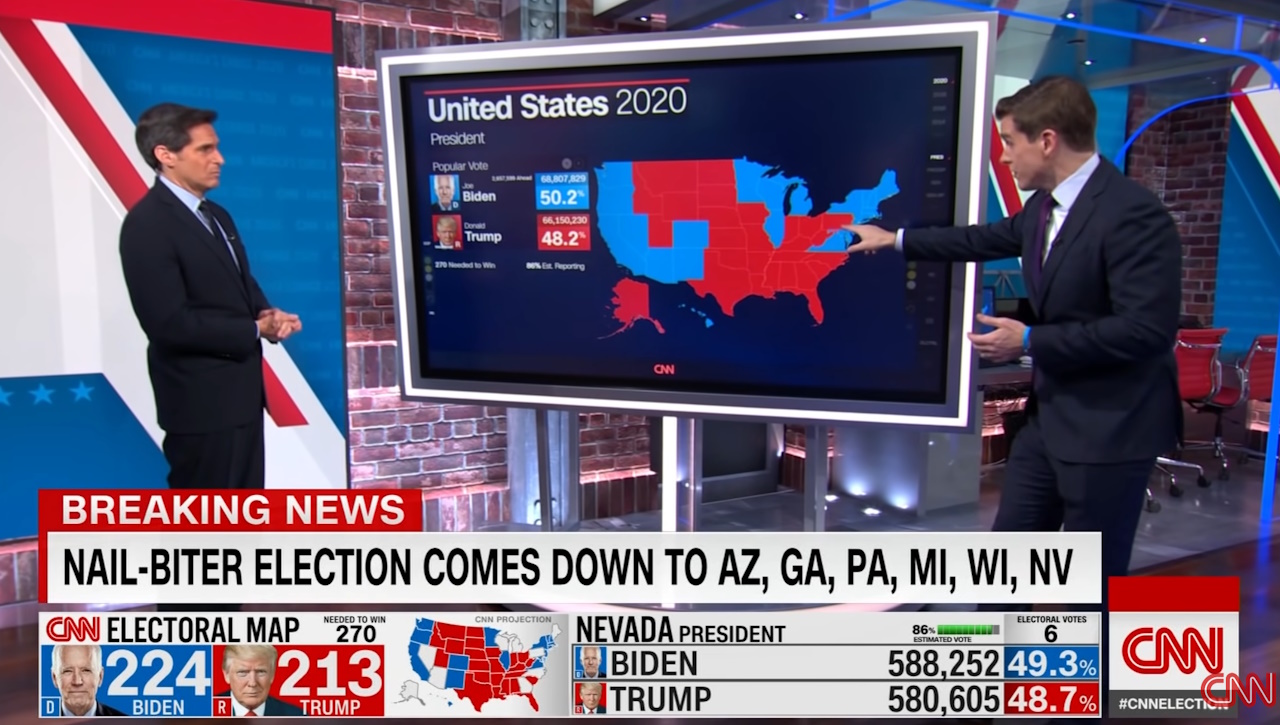
Still frame of CNN's 2020 Election Night coverage.

I’ve loved staying up late to watch the election results as they come in for a long time! Election night programming can be absolutely riveting for a political geek like me, with pundits and analysts breaking down exit polls and trying to extrapolate paths to victory for the various candidates and political parties. We only get one of these every few years – but there’ll be two in 2024! I’ll definitely be staying up into the wee hours to watch as the votes are counted here in the UK and across the pond.

So that’s it!
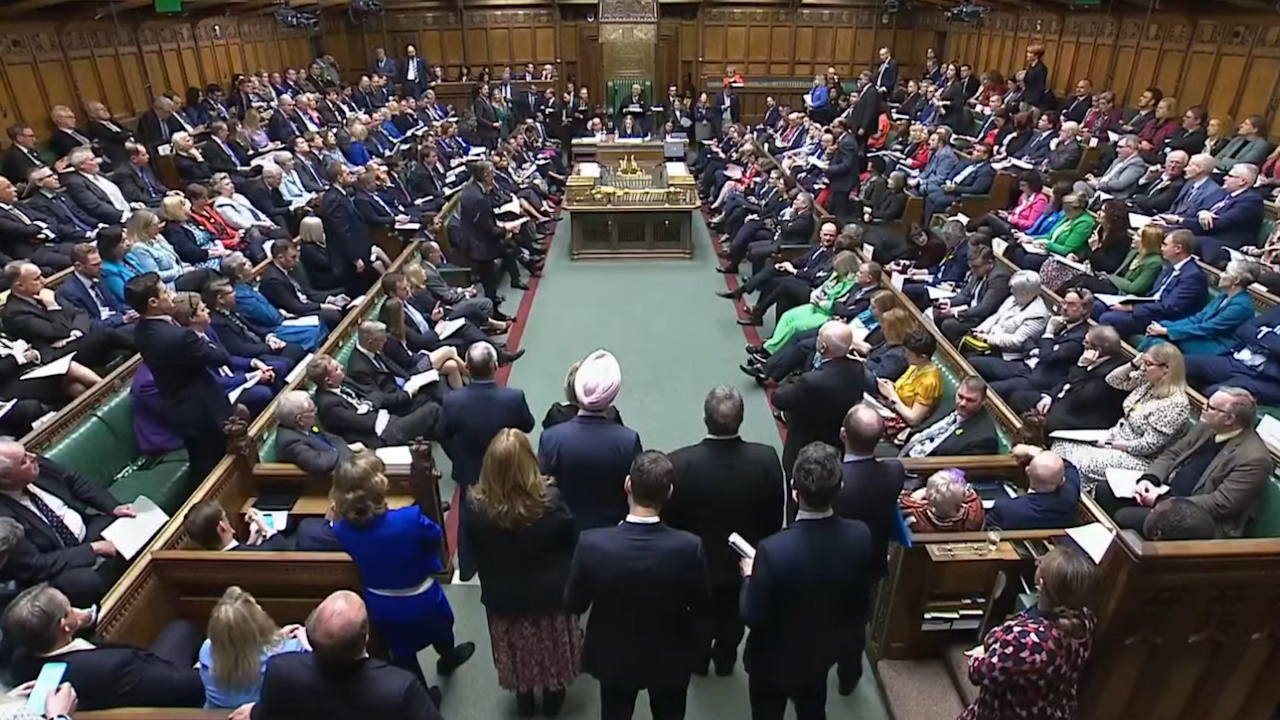
The House of Commons during a recent Prime Minister's Questions session.
The House of Commons during a recent session of Prime Minister’s Questions.

Those are my picks for what to watch in this election year. It’s far from an exhaustive list, of course; there are many other publications and content creators large and small who are well worth tuning in to see. I’m just getting started with TikTok (I’m old, I know) but there are several creators on that platform who are doing interesting things with a shorter format, and that’s just one example of another place to look.

As I said at the beginning, we all need to be aware of the biases and political leanings of the broadcasts and podcasts that we listen to – and try not to take any one source at face value. One of the nice things about platforms like YouTube is that it’s relatively easy to hop from one channel to another; to seek out different perspectives on the same story or political candidate. Many of you will already know which way you want to vote – and that’s good! But it can’t hurt to listen to what the candidates themselves have to say, as well as to hear different opinions from analysts, pundits, and podcasters as this contentious election year starts to jump into a higher gear.

I won’t tell you which way to vote. I won’t even tell you who you should listen to or trust. But I hope this list has, if nothing else, given you a place to start or suggested a new podcast or YouTube show that you might not have come across before.


Trekking with Dennis is not endorsing any political party or candidate here in the UK or in the United States. All podcasts, YouTube channels, and other content discussed above remain the copyright of their respective publisher, broadcaster, distributor, etc. This article contains the thoughts and opinions of one person only and is not intended to cause any offence.

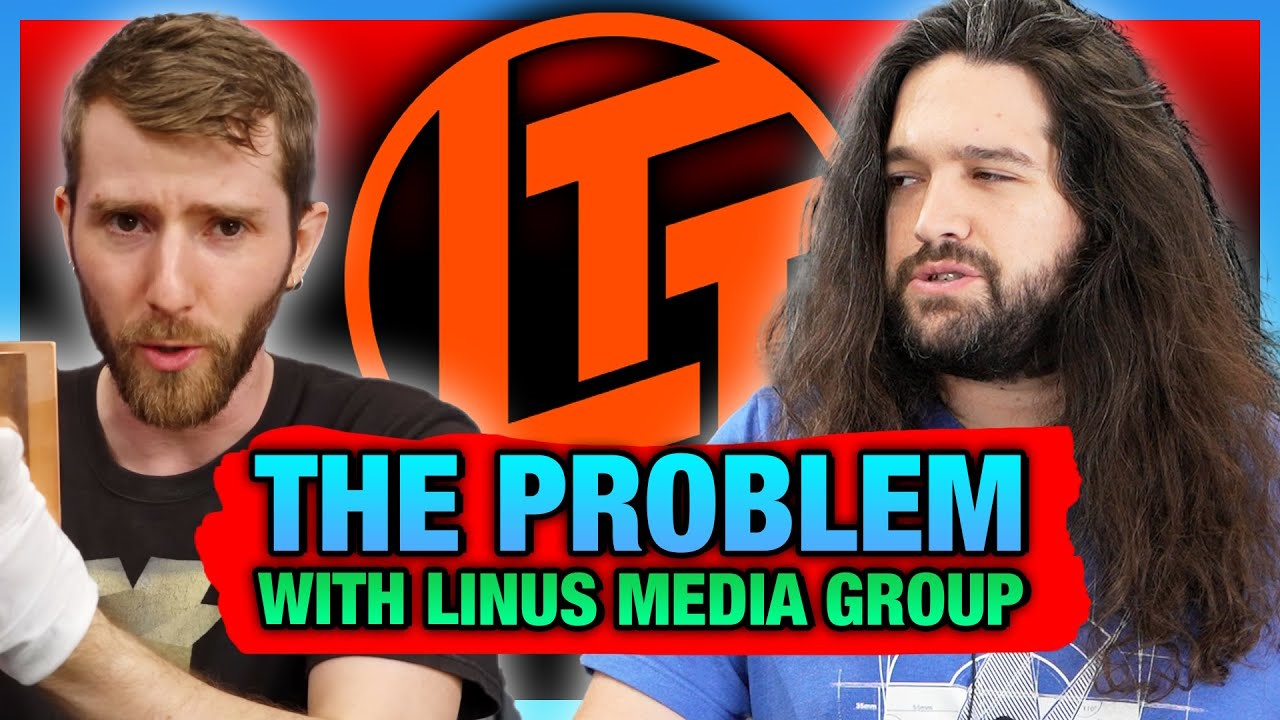
Thoughts on the Linus Tech Tips/LMG situation

I don’t usually “do drama,” especially not when that drama involves YouTubers and “influencers,” but the monumental shitstorm engulfing Linus Tech Tips has been all over my social media feeds this week and I feel compelled to add my two cents.

If you’ve missed the news somehow, popular tech-entertainment channel Linus Tech Tips – and its parent company, Linus Media Group – has been embroiled in controversy. What started with a video from another tech review channel, Gamers Nexus, has ballooned into accusations of ethical issues with LMG’s reviews, conflicts of interest, mistreatment of a small company and their prototype product, and even reports from at least one former employee of a work environment so toxic that she resulted to self-harm before being forced out.

You may have seen this video among your YouTube recommendations this week.
Image: Gamers Nexus

For some background, I’ve been a long-time viewer of Linus Tech Tips. I’ve been a nerd since, well, forever, and when I first started really getting into YouTube, visiting the platform more regularly and doing more than just looking up occasional how-to videos, Linus Tech Tips was one of the first channels that I subscribed to and would regularly tune in to watch. The hosts – Linus included – usually do a good job at making tech and computing topics accessible to the layperson, and while some of the humour isn’t my cup of tea and veers into being cringeworthy for its own sake, more often than not I’d find myself cracking a smile.

When I decided I was going to build my own PC for the first time, Linus Tech Tips was one of the main resources I consulted. I purchased at least one component for my PC – a CPU cooler, which we’ll discuss in more detail in a moment – entirely because it was highly recommended by Linus. I felt the channel and its hosts were trustworthy – and as someone who doesn’t have a ton of knowledge about tech, components, and the like, I don’t really have the ability of an organisation like Gamers Nexus when it comes to fact-checking the content that Linus Media Group has been putting out.

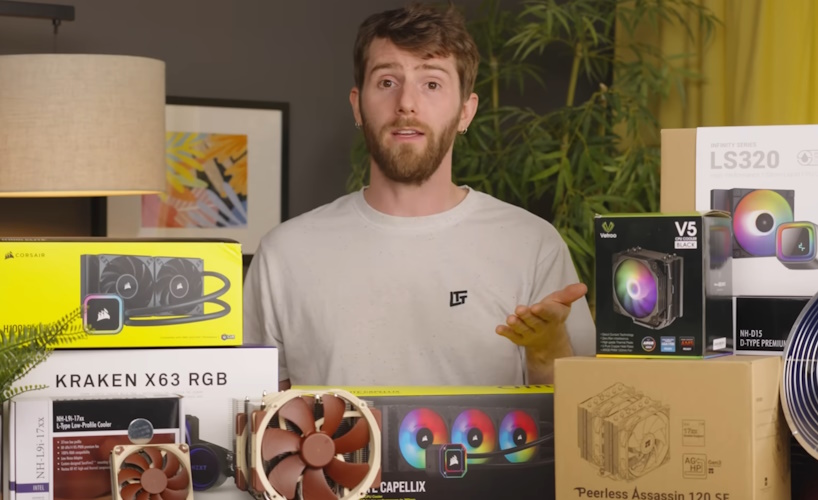
The Noctua NH-D15 as seen in a recent LTT video.

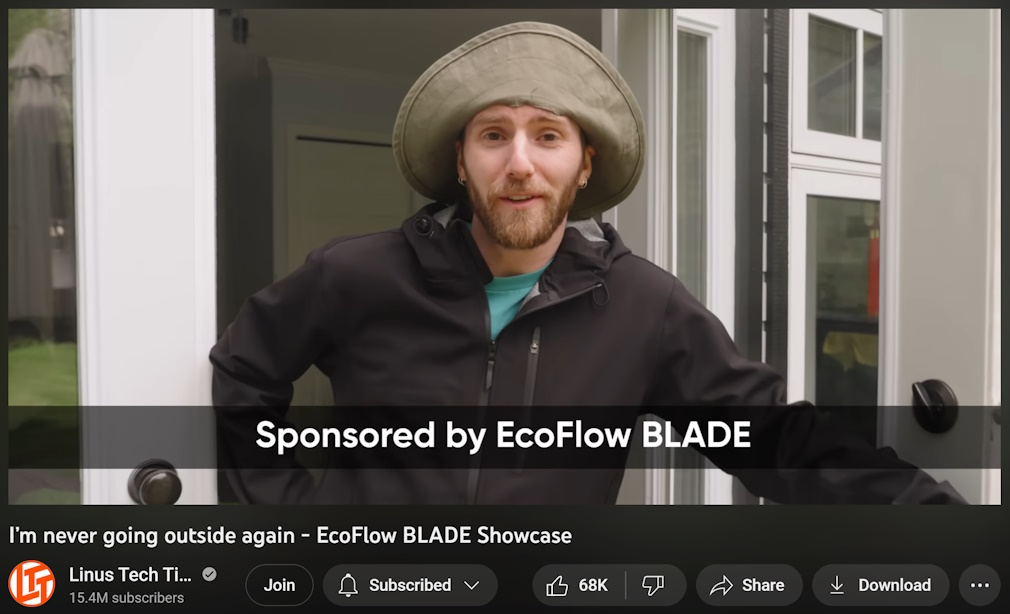
We’ve talked before about ethics among reviewers, and I’ve made clear that I don’t believe there can ever be such a thing as a “paid review.” There are reviews, in which a reviewer shares their thoughts and opinions on a product as best they can, and there are advertisements. Anything paid for is an ad, regardless of the terminology used, and Linus Media Group has, in the past, come close to skirting that line in my opinion. Taking paid sponsorships or selling ad space in a video is one thing, but dedicating an entire video to selling (sorry, “showcasing”) a product on a channel that also does supposedly-independent reviews… that kind of thing has felt uncomfortable for a long time, and is certainly absolutely useless from a consumer standpoint.

But at least those videos are flagged up as such, and even if I just skimmed a title or clicked without really paying attention, it’s usually obvious within a minute or two that a product “showcase” is, in fact, little more than an overly-long advertisement.

What’s been surprising to learn, at least for me, over the past week or so, is the extent to which LMG has become tied up with multiple big tech companies – companies whose products they subsequently review, and whose competitors products they also review.

An example of one of LTT’s sponsored “showcase” videos.

There is, as others have pointed out, a clear conflict of interest here. If Linus Tech Tips didn’t pretend to offer “reviews,” but rather stuck to product showcases, entertainment videos, and the kind of general mucking about that viewers have come to expect… I guess that would be okay. The deals between LMG and big companies like Intel and Noctua should still be stated up-front and not hidden, but at least there’d be less of an ethical minefield.

But Linus and co. seem to want to have it all.

In a small way, this has actually affected me. The PC cooler I mentioned, the one recommended so highly by Linus on his various channels, is manufactured by Noctua – a company that LMG has a financial relationship with. Now, I will state up-front that I’m not disappointed by the cooler’s performance in the PC that I built, but it’s made me stop to think. Would I have purchased that model, or even a model by that company, were it not for the strong recommendation from a tech influencer that I felt I could trust? And was Linus’ glowing praise for the Noctua cooler influenced in some way by his company’s financial ties to its manufacturer?

The Noctua cooler that I purchased was featured in a Linus Tech Tips video earlier this year.

To be clear (and because Linus himself has been quick to accuse critics of “libel” in the past) I’m not suggesting that Linus, LTT, or LMG deliberately misled me, nor that they fraudulently or dishonestly recommended me a product. I’m responsible for my own purchasing decisions, and it’s on me to seek out multiple reviews and do my own due diligence before making a financial commitment. But what I am saying is that, when there’s any semblance of a conflict of interest or any reason for a reviewer to look more kindly on a product… that’s a serious problem.

Here on my website, I mostly review films, games, television shows, and episodes of Star Trek. But if I were approached by, say, Paramount Global, and entered into a financial arrangement with that company, there’d be some degree of pressure – real, implied, or just purely imaginary – to keep that relationship going and to, for want of a better term, placate Paramount by glossing over the negatives and accentuating the positives in any future “review.” My reviews of Paramount’s films and TV shows would become suspect as a result – and even if I wasn’t making a conscious choice to look upon their content more positively, there’s a strong chance it would happen anyway.

“Shut up and take my money!” said multiple companies to Linus Media Group…

This is, for me, the crux of the Linus Tech Tips problem, and it’s one that LMG may find very difficult to overcome. Sure, the fact that some of their reviews were badly done or incompetently handled is a bad look – but that’s something that can be corrected, over time, with better quality control, enhanced video production procedures, and the like. And other tech channels, like Gamers Nexus, will be watching and will be ready to jump in and hold Linus’ feet to the fire if those kinds of mistakes and slip-ups happen again.

But the issue of trust is a much trickier and more nebulous one to resolve. Trust has been strained to breaking-point between Linus Tech Tips and many folks in its audience, and revelations of close partnerships and financial ties to big tech companies isn’t something that can be hand-waved away nor fixed in short order by internal changes at LMG. This is something that cuts to the very core of Linus Tech Tips’ content: can viewers trust what Linus and his co-hosts are saying about, well, anything?

Linus in a recent apology/explanation video.

No review is ever “entirely objective,” because that’s not how reviews work. There’s always a certain amount of one’s own thoughts, impressions, and biases present, even in reviews that promote stats and data above all else. So I don’t want to come across as asking for the impossible, because I know from my own experience that there simply isn’t such a thing as an “objective” review.

What makes a review valuable is the trust audiences have with the reviewer. I like to think that folks who come to Trekking with Dennis to read my film reviews or Star Trek episode reviews trust me to share my honest thoughts on what I’m seeing or playing, and trust that I have enough basic knowledge of the subject matter at hand to write something that’s at least worth their while. I also state in many of my pieces all over the website that I have no “insider information” or special access, and that I’m sharing my thoughts as openly as I can. That’s not to say I’m in any way free from bias, but I am independent. I don’t have financial ties to any of the companies whose films, games, or TV shows I review.

I like to think that my audience can trust my reviews of shows like Star Trek.

Linus Tech Tips can’t make that claim – and whether the hosts are “reviewing” a product from a company they work with or a product from one of that company’s competitors… there’s a very real danger of unconscious bias seeping into their content, making their reviews functionally worthless to consumers. If viewers are tuning in to watch Linus goof about, that’s fine and I guess no real harm was done. But for someone in the position I was in last year, looking for genuine product recommendations… there’s a pretty massive red flag being waved.

Linus Media Group can and should take on board the feedback provided by Gamers Nexus and their community. Slowing down their output, prioritising quality over quantity, and being willing to go back and edit videos or even re-film whole segments if mistakes were made are all pretty easy fixes; low-hanging fruit that should see significant improvements to the quality and accuracy of their videos going forward. For a company of LMG’s size and financial means, if making those kinds of commitments means either reducing their output or hiring additional staff, that won’t be an issue. The company is, quite remarkably for a YouTube outfit, worth tens of millions of dollars, in case you didn’t know.

Terren Tong, Chief Executive Officer at Linus Media Group.

But those changes are surface-level at best. The real issue of trust, and whether viewers can have faith in a review published by a company with such significant investments all over the tech space… that’s a whole different matter. And there’s no easy fix here – LMG has to decide what kind of company it wants to be and what kind of content it intends to create. If they’re going to stick to geeking out and mucking around, doing little more than playing with some of the fancy pieces of kit that they spend vast sums of money on, then I think they’ll be okay. But if they want to play at being reviewers and journalists, offering honest advice to consumers… the changes required to win back that kind of trust are much greater, and the will to make them simply may not be present.

How Linus Media Group responds to these criticisms in the days ahead will be telling, and I think it’s not unfair to say that Linus’ initial reaction to Gamers Nexus was poor – so catastrophically poor, in fact, that it fuelled the fire and made the situation noticeably worse. For me, this isn’t an issue of a simple inaccuracy, a mistake, waiting too long to correct a misstatement, or even that LMG is clearly running too hot and with the wrong priorities. My biggest takeaway from this whole sorry saga is that, at its core, LMG is too heavily involved with too many of the companies in the tech space whose products it purports to review. Whether intentional or not, those relationships are going to lead to bias, to conflicts of interest, and to making a review from LTT worthless.

An example of a graph produced for a Linus Tech Tips product review.

It goes without saying that a company should treat its employees with dignity and respect at a bare minimum, and I don’t want to ignore nor make light of the very serious accusations levelled at LMG by at least one former member of staff. Those accusations are, at time of writing, being looked into, and if they prove even close to true… LMG is going to be in for another huge wave of trouble to say the least. We’ve all had the misfortune of working for a toxic manager or boss at one time or another, and I extend my sympathies to the ex-employee in question.

Linus’ on-screen persona seems a million miles away from the accusations of sexism, ableism, and toxicity that have been levelled at managers within LMG… but if those accusations are borne out, quite frankly it could be a far worse situation for the company. Other famous YouTubers have been “cancelled” for comparably toxic behaviour, so no one, no matter how big of a fish they may be in their small pond, should consider themselves to be immune from consequences. These allegations from a former employee could prove far worse than anything Gamers Nexus presented and any of the trust issues I’ve been discussing above.

What comes next for Linus Tech Tips?

So that’s about all I have to say, really. This is a disappointing situation, but one that, if I’m being honest, I should’ve seen coming. There have been so many “showcases” and sponsored segments in LTT videos over the years that of course the company must have those deep relationships and financial entanglements. It’s on me that I didn’t really put two and two together until now.

Going forward, I’m not sure what I plan to do. Linus Tech Tips has given me a lot of enjoyment over the last few years, and even if there are conflicts of interest and financial arrangements that now make me question the usefulness of LTT’s reviews on a practical level, some of the channel’s other content – the videos focused more on entertainment and fun – may still be worth watching. However, I will be keeping my ear to the ground to see what comes of the investigation into the complaints raised by at least one ex-employee of LMG. If the accusations levied at LMG are even close to true, then I think I’ll be unsubscribing. There’s no place for such awful treatment of a fellow human being, no matter how “big” and untouchable you think you are.

This article contains the thoughts and opinions of one person only and is not intended to cause any offence.

What’s the right ratio of advert to video on YouTube?

I watch at least one video on YouTube practically every day, and there are a few channels that I regularly stay up-to-date with. There are some great, well-produced videos, mini-documentaries, and short films on almost any topic you can think of – including a growing number of Star Trek channels, which is great to see! But we’re off-topic already. YouTube itself runs adverts on most channels and many of the videos on its platform, and that’s one aspect of the question I’m going to ask today. But there’s another, and it’s one that primarily affects channels when they reach a certain size: paid sponsorships.

I’ve talked before about paid reviews on YouTube, which is a slimy practice that needs to be abolished. But this article isn’t about what specifically is being advertised or even the way in which YouTube channels handle what products and services they choose to associate with. Rather it’s a simple question: what is the right ratio of advert to video? Or to put it another way: how much of the runtime of a video can and should comprise sponsorships and other advertising?

Getting the balance right between advertising and content is difficult for some YouTube channels.

This question was prompted by a video I watched recently – and no, I’m not telling you which one as that would be unfair. This article is not intended to single out any one individual YouTube channel for criticism; it’s a common enough problem across the platform. The video I watched clocked in at just over seven minutes long, which is about average for the channel in question, and because I’m a huge nerd as you well know, it was about trains.

The channel in question runs ads, and as such I was forced to sit through a pre-roll advert before the video played. Luckily this only lasted a few seconds, and while it is somewhat outside the channel’s control, the fact that YouTube shows ads is another layer in answering my question as we’ll see in a moment. After the pre-roll ad, the video began. But of the seven-minute video, the first minute-and-a-half was entirely dedicated to the aforementioned paid sponsorship – this time for a VPN service. 90 seconds may not seem awfully long, and in the grand scheme of things it isn’t – but in a video this short, 90 seconds is already more than 20% of the total runtime.

And that wasn’t all. After the main portion of the video had concluded, I was surprised to see the timer was sitting only at the 6:15 mark. The remaining 45 seconds of the video were dedicated to the YouTuber plugging their Patreon account (where fans can pay monthly to support the channel) as well as another reminder to sign up for the crummy VPN service that was sponsoring the video. That means that, of the seven minutes of total video time, two-and-a-quarter minutes were taken up with advertising. That’s practically one-third of the total runtime of the video, without even accounting for the pre-roll ad. To me that’s just too much.

Everyone is trying to make money – understandably so.

In a way we’re spoilt by the internet offering so much ad-free content. Netflix, Paramount+, Amazon Prime Video, and other streaming services generally don’t run any ads at all, and compared to broadcast television, which takes frequent and long ad breaks, online content is pretty consumer-friendly. But that doesn’t mean we should give content creators a free pass or let things slide when they go too far.

Even in the United States, where the rules around advertising on television are lax compared to the UK, no television channel is dedicating one-third of its time to ad breaks. When I lived in the United States in the mid-2000s, prime time television shows would show around 15 minutes of ads per hour – which is, if you’re quick with the maths, one-quarter of their time.

Older, more established YouTube channels tend to have a better handle on this problem, having worked out the right balance between making money and what their audience is willing to put up with. Thus it tends to be newer YouTubers, or channels which have only recently become popular, that fall prey to excessive advertising and overly-long sponsorship slots, at least in my limited experience with the platform.

This issue seems to affect newer YouTube channels more.

I don’t want to begrudge anyone making money, especially in the current economic climate. But there are good and bad ways to go about doing so, and there are good and bad ways to handle advertising and sponsorships. I don’t think I’d be alone in saying that a video which is one-third advert is too much, and this can become costly for YouTubers. They can lose subscribers, receive dislikes, receive negative comments and feedback, etc. It’s not uncommon to see comments calling out a YouTube video for dedicating too much time to advertising, and negative comments can be hurtful and even offputting.

Some videos can make the actual topic feel secondary, as if the video and indeed the whole channel only exist for the purpose of advertising. The content underneath the ads is what viewers come to YouTube for, and when that feels unbalanced it becomes very offputting. Whatever trust may exist between a YouTube channel and its audience becomes strained. This isn’t just the case when a YouTube channel is advertising a product or service close to the subject of the video, either.

Striking the right balance and getting the right advert-to-video ratio is important for any amateur on YouTube who hopes to make money on the platform. It’s worth any aspiring YouTuber taking a look at established channels to see how they handle things rather than launching headfirst into a sponsorship agreement without thinking it through. In the case we looked at, the two-and-a-quarter minutes of advertising would have felt far less egregious on a video that was twenty minutes long, so as I alluded to it’s not the raw length of time spent on advertising that’s the issue. Instead it’s making sure to get the right balance between time spent on advertising and time spent on the actual video. How much time in seconds or minutes to spend on advertising will depend on the channel and the length of video that the YouTuber intends to produce.

Being offered a large sum of money by advertisers can be very tempting to aspiring YouTubers.

As a good rule of thumb, I would suggest no YouTube video should try to pack more than 10% of its total runtime with advertising, and I would include in that plugging Patreon, PayPal donations, YouTube channel memberships, and the like. YouTube has recently become more aggressive with its own advertising, and it’s not uncommon to see two pre-roll ads now, as well as ads that run in the middle of a video, so YouTubers should try to take that into account when adding in their own ads.

It’s not always easy to make money on YouTube, and I’m sure that sponsorships are a very tempting prospect for an up-and-coming channel. But YouTubers in that position need to be very careful that they aren’t putting off their audience and potentially seeing those subscriber numbers and total watch hours drop as a result of being too aggressive. Usually this problem corrects itself; if a YouTube channel goes too hard and too fast on the paid sponsorships, they wise up either because they lose viewers or because of the backlash it generates. But it’s something to be aware of for anyone starting a YouTube channel and intending to pursue it as a money-making endeavour.

So what’s the tl;dr? In my opinion it’s about 10% or less. 90% or more of proper video content, 10% or less of adverts and self-promotion. Shorter videos in particular need to be careful with this, as it’s on shorter videos where I’ve found that the balance has not been correctly struck more often than not.

Sorry for the rant, but this is something that was really bugging me today for some reason!

Some stock photos used here are courtesy of Pixabay and Unsplash. This article contains the thoughts and opinions of one person only and is not intended to cause any offence.
YouTube channel spotlight: Cruising the Cut

It was only a few years ago that I rarely used YouTube. I’d occasionally check out a film trailer or listen to a song I couldn’t find anywhere else, but I largely bypassed its user-generated content, figuring that the website was largely filled up with amateurish comedy, cat videos, and cringeworthy children making videos they’re bound to look back on in shame a few years down the line! But as the web has grown to become an ever-larger part of all of our lives, I’ve found myself spending more and more time on YouTube to the point where I’m pretty sure I watch at least one video on the platform every day.

There are some great channels on YouTube, and you can find different ones dealing with every topic under the sun, but this time I’d like to shine a spotlight on one which became a favourite a couple of years ago: Cruising the Cut. When I first subscribed, the channel was hovering somewhere around the 25,000-subscriber mark. That’s good, but by no means YouTube royalty! In the last couple of years, however, Cruising the Cut has grown to well over 100,000 subscribers, and hitting that mark was thoroughly deserved.

So what is Cruising the Cut? It’s primarily about travelling on England’s canal network, and the life of a “liveaboard” – i.e. someone whose permanent home is his narrowboat. The gentleman in question is named David, and the first couple of videos on Cruising the Cut explain how he decided to sell up and move aboard a canal boat permanently. David was a television journalist before starting his YouTube channel, and his background, both in terms of knowing how to use the camera and set up beautiful shots, as well as how to be interesting and informative in his presentation, shines through.

David runs the channel and produces and narrates every video.

2021 seems like a great time to get caught up with Cruising the Cut if a travelogue around England sounds like your cup of tea, because the pandemic has, unfortunately, brought a halt to David’s planned travels. The result of this has been fewer videos, and a recent announcement that there may not be much travelling being put to film at least for the next few months. So now could be a good time to binge-watch David’s travels so far!

I’ve always had an interest in canals, and their history is really fascinating. The second half of the 1700s was the heyday of canal construction in England, and a network of artificial waterways was built that spans much of the central part of the country. They were initially constructed as profitable transportation routes, often for moving natural resources like coal or iron to budding industrial centres. By the mid-20th Century, however, many canals had fallen into disrepair, and it took a lot of hard work to restore the network to its current condition – work which is still ongoing.

The invention of the railway and steam locomotives brought canal construction to a premature halt in the 19th Century, though many of the engineering and mechanical techniques pioneered during their construction did not go to waste and was used by early railway builders. It’s primarily for this reason, though, that the canal network is not larger!

A map showing the extent of the canal network in England and Wales.
Picture Credit: The Canal & River Trust

Since starting his channel in 2015, David has filmed his travels across a significant portion of the canal network, but hasn’t yet been everywhere or stopped at every point of interest! So hopefully, once the pandemic clears, there will be more to come. He manages to be informative and entertaining in equal measure in every video, and I find myself learning something new about the canals, their history, or the part of the country he’s visiting almost every time.

Gongoozling – the name for canal boat-watching – is, by its nature, a slow affair. This isn’t something fast-paced or action-packed, so set your expectations accordingly! Canal narrowboats only have a maximum cruising speed of around four miles-per-hour, so don’t expect Cruising the Cut to be zipping all across the country in each video. This is, as David says, “slow TV.”

There’s nothing wrong with that, though, and stepping out of our sometimes-hectic lives to slow down and set our watches to “canal time” is no bad thing. Sometimes we choose entertainment for its value as escapism, and perhaps that’s what you’ll find with Cruising the Cut. Life on the canals certainly seems to be at a different pace – it can feel, sometimes, like another world, one caught in a moment somewhere in England’s past.

The intro to episode 159.

When I first encountered Cruising the Cut there were a couple of other canal-related YouTube channels, but that number has grown over the last few years and there must be at least a dozen by now. It’s a niche, certainly, but apparently a growing one! I wouldn’t have expected that necessarily, but despite the fairly obscure subject matter, it just goes to show that anything can be interesting and entertaining if well-presented.

That could be the motto of many YouTube shows, actually! I’m often surprised at how channels with a fairly narrow or unusual focus can draw large audiences, but when the presenter is enjoyable to watch, the subject matter itself can almost be anything. In the case of Cruising the Cut, following David’s travels around the canal network is one half of the appeal; the second is the way in which it’s presented.

The episodes in which he travels are usually filmed from two angles – one at the front of the boat, and one at the back, where David can speak directly to the camera from the boat’s stern deck. Cruising the Cut does sometimes make use of drone shots as well, and these can be absolutely stunning! There are some beautiful vistas along the canal network, and David’s camera work is great at capturing them.

The view from the Pontcysyllte aqueduct in Wales.

So that’s about all I have to say, really. Cruising the Cut is gentle entertainment for when you need a break, as well as an interesting and informative travelogue, one that is perhaps not quite on the beaten track! You may have seen England in travel documentaries before – you might even live here – but I’d be willing to bet that most folks haven’t seen this side of the country. There are big cities, smaller towns, and rural areas all served by this canal network, and it really is a world unto itself – a world of slow-moving pleasure boats, holidaymakers, marinas, chandleries, and even the occasional floating business that has survived into the modern era.

I know this isn’t the usual kind of geekdom that I write about – and it seems a country mile away from sci-fi – but if you’re interested either in a fun travelogue or in learning more about the canals, which are a fascinating part of English history, maybe you’ll find Cruising the Cut as much fun as I do.

Cruising the Cut, and all videos posted to the channel, are the copyright of the channel owner. YouTube and associated trademarks are the copyright of Google and Alphabet. This article contains the thoughts and opinions of one person only and is not intended to cause any offence.