Sorry, Microsoft… I’m Not Coming Back To Game Pass (Yet)

Last year, when Microsoft announced that the price of PC Game Pass was going to rise for the second time in twelve months, effectively going up by more than 70% in just over a year, I cancelled my subscription. I laid out my rationale in a post here on the website (click or tap here to read it, if you’re interested!) and I said at that time that I would consider returning to the service if it was going to be priced fairly. Recently, Microsoft has announced that the price of Game Pass will fall – not back to where it was, but certainly a significant cut from last year’s excessive and unnecessary price hike, proving wrong the folks who said that “corporations don’t care what you think,” or that “voting with your wallet can’t change anything!”

Don’t get me wrong: I’m glad to see this price cut. And I still believe, despite what we’re going to discuss today, that a good, fairly-priced subscription model probably represents the future of gaming as a medium. An Xbox Series S console with a Game Pass subscription has once again become my go-to when I’m asked for the best way to get started with modern gaming, especially on a budget.

But, at least right now… I don’t feel like I personally miss Game Pass too terribly – and despite the price cut, I haven’t been tempted back.

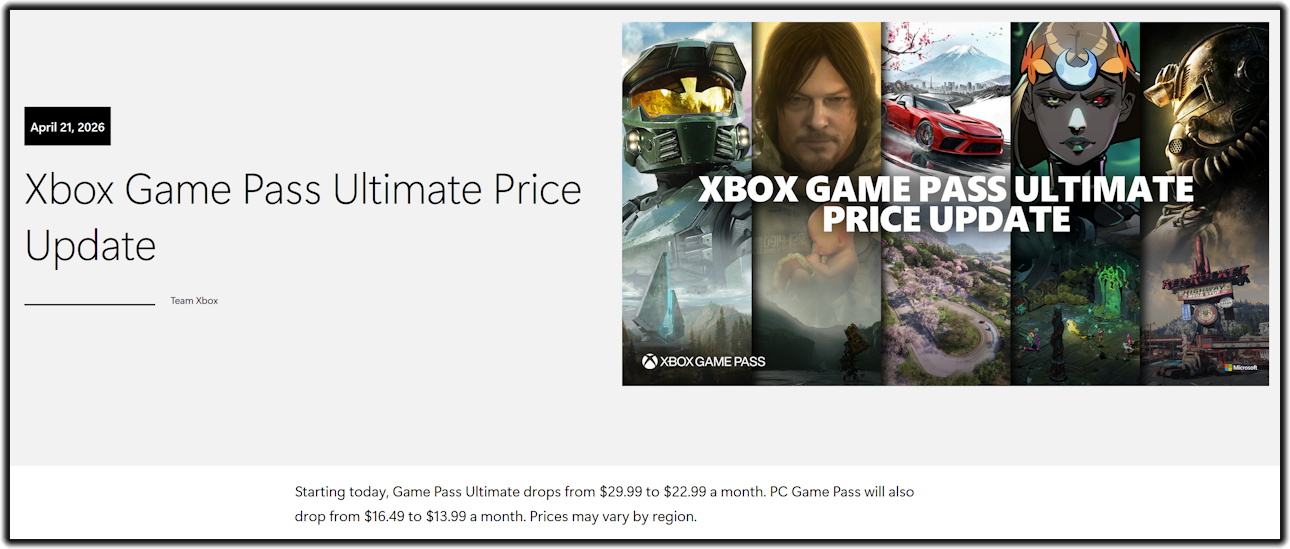
April 2026: Game Pass price cut announcement (screenshot)
Xbox recently reduced the price of its Game Pass subscription.

For some context, I became a subscriber to the PC version of Game Pass back when it was in beta, and I remained a subscriber for more than five years. In that time, Game Pass introduced me to some wonderful games, including titles I’d never have thought to try for myself if I had to pay full price. Two of those titles – Little Kitty, Big City and South of Midnight – were even named my “games of the year” in 2024 and 2025 respectively. So it’s fair to say that Game Pass had an impact on me, and gave me access to a library of titles, some of which I found to be incredibly fun.

Moreover, it was a blast to be able to *try* games without the fear of wasting a lot of money. I dabbled in a few titles I’d never have chanced spending money on… and I bounced off some of them hard! Firing up the app and scrolling through new games, newly-added games, and classics from years gone by felt like a lot of fun, too, and just choosing what to play was part of the experience. I was never a Game Pass “hater,” and it really was with a profound sense of regret that I felt the service had become unaffordable. Moreover, I wanted to make my voice heard – in whatever minuscule way I could – and tell Microsoft that that kind of exploitative price hiking just isn’t okay.

Stock photo of cash (pounds sterling)
Most of us don’t have unlimited budgets, so massive price hikes aren’t okay.

After I cancelled Game Pass, I bought a couple of titles that were either already part of Game Pass or that have been subsequently added to it. And during last winter’s Steam sale, I picked up a couple of others, too. This year, I’ve also purchased a couple of new games that are part of Game Pass – and I haven’t worked my way through all of those titles, yet!

In short, while there are games on Game Pass right now that I don’t own and would like to play – titles like Forza Horizon 6, for example, The Alters, or Indiana Jones and the Great Circle – I don’t feel a desperate need to jump in again… at least, not as things stand. I haven’t been playing as many games over the past few months, but I’ve picked up a couple of titles that I’d been really looking forward to, like Mixtape and inKonbini: One Store, Many Stories, and I still have games from last year, like Empire of the Ants, that I’m yet to get around to. Until I get some way into clearing that backlog… why do I need Game Pass, again?

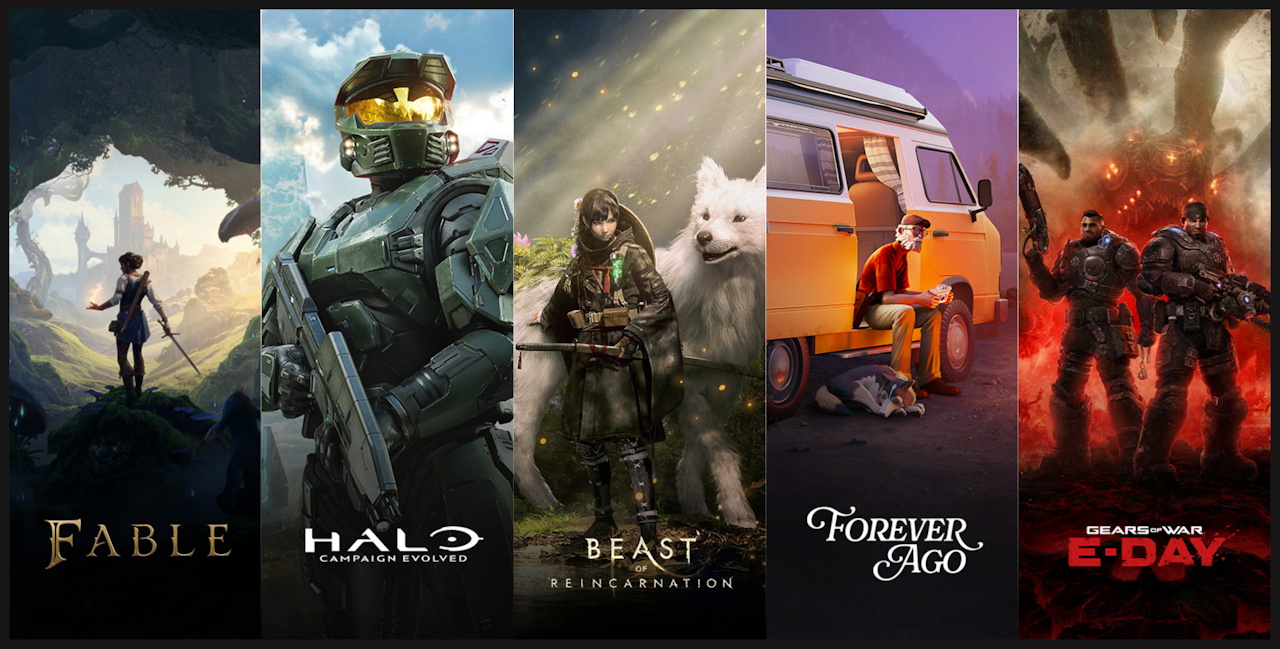
Xbox Game Pass titles coming soon (June 26)
A selection of titles coming to Game Pass over the next few months.

I took the roughly £160 that I would’ve spent on Game Pass after last year’s price hike and put some of that money towards games like Sonic Racing: CrossWorlds, which is a title I thoroughly enjoyed and still dip into. But now that the price of Game Pass has come down, well… I still own those other games. Some of them are sitting in my library, waiting to be played (and hopefully also reviewed here on the website!), and because of that, I just don’t feel like making that monthly commitment right now. If I were to buy every single game I wanted, every year, it would undoubtedly add up to more than a Game Pass subscription at the current price, which is a pretty big argument in favour of the service. But having stepped out of that “ecosystem,” to use some corpo-speak, after more than five years inside of it… I don’t really feel compelled to rejoin.

I think a lot of players – especially on PC, thanks to the abundance of discounts and cheaper titles – have a backlog of games. My Steam library has over 225 games in it at time of writing, and I haven’t played all of them by any stretch! There are games I bought on sale, intending to play later. Games I started but didn’t finish for one reason or another. And even a few brand-new titles that I want to play and review but I just haven’t found the time to do so yet. With such an extensive collection – and even more titles over on Epic Games, some of which were totally free – I guess I just feel like I’ve got most of what I want, at least for now. By pushing me away from Game Pass, Microsoft has pretty much lost me as a customer for the foreseeable future. And that’s despite my having been an active and pretty vocal supporter of the subscription in the past.

The logo for Valve's Steam brand on a blue background
I’ve got a Steam backlog to work through!

There are titles on Game Pass now, like Forza Horizon 6, and that will come to Game Pass in the near future, like Clockwork Revolution and possibly Fable, that have definitely piqued my curiosity and that I’d like to try for myself. But every game I can think in those categories has a replacement – a game I already own on Steam or Epic (or even on my Nintendo Switch) that I could play instead. And with a backlog that’s only grown over the last few years, I think I’d rather work my way through some of those rather than make an expensive commitment to Game Pass.

Because despite the recent price cut, taking it from £13.49 a month here in the UK down to £10.99 a month for the PC version, Game Pass is still more expensive than it was a year ago, a *lot* more expensive than it was a couple of years ago… and as much fun as Forza Horizon 6 might be, I can get a similar kind of racing experience elsewhere. Having paid £60 for Sonic Racing: CrossWorlds, I’d rather spend more time playing that at the moment – even though they aren’t directly comparable games in a lot of other ways!

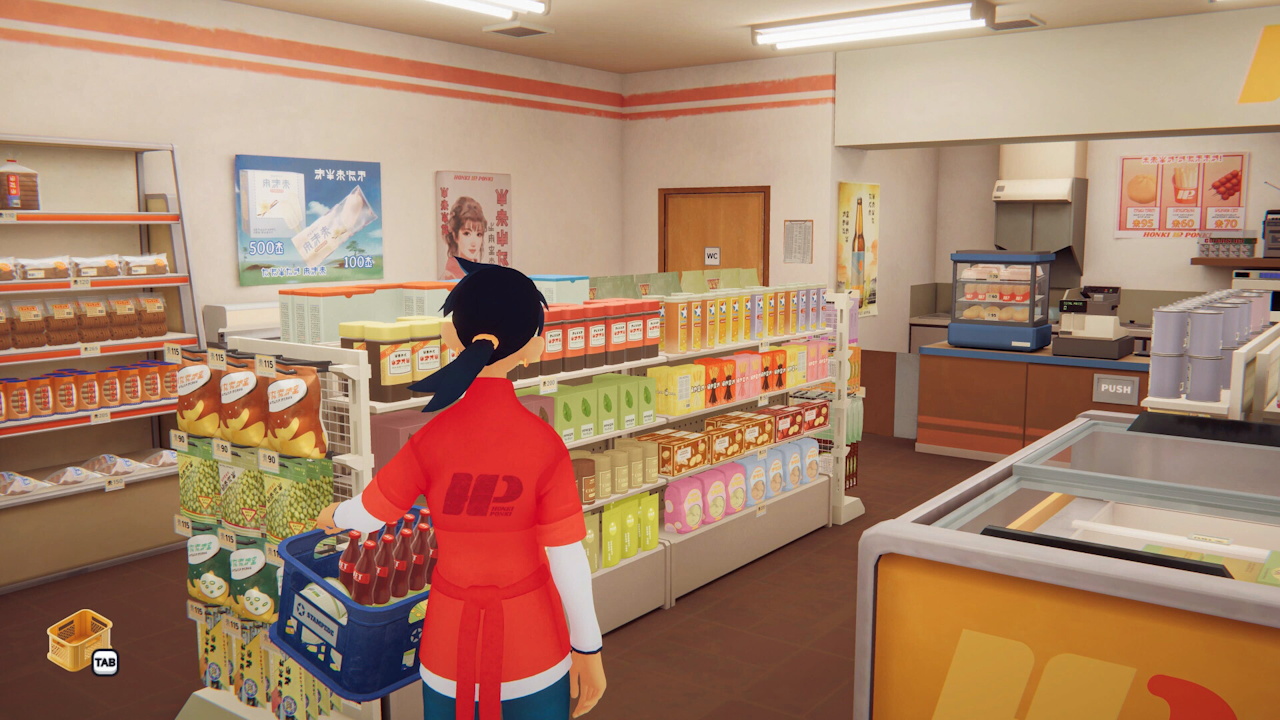
Promo screenshot for inKonbini: One Store, Many Stories showing the player character
inKonbini: One Store, Many Stories is a game I’ve recently purchased.

I thought long and hard about the title of this piece, because despite how I feel right now, I did enjoy the freedom Game Pass gave me when I was subscribing to it. And I maintain that, even at its current price, it’s a relatively good value offering, especially on the lower tiers, and an easy recommendation to anyone getting started with current-gen gaming. Since the price was cut, I’ve been less reluctant to recommend Game Pass to folks in that position.

But for me… I’ve spent years accruing a backlog of games on Steam and Epic, and I think it makes more sense right now – especially given the state of things here in the UK and around the world – not to add another subscription and monthly commitment. Without spending a penny, I could play a new-to-me game every single day from now until the first part of 2027! So… I think that’s what I’m gonna do. Not literally, of course! I don’t have that much time or energy for gaming, these days, unfortunately. But when I am in the mood to play, I’m gonna fire up a title I’ve already bought on Steam, and set Game Pass aside for the rest of 2026. Perhaps, if the service continues to improve, add new titles, and maybe even offer some kind of extra discount… I’ll reconsider at some point.

The green Xbox logo
Xbox’s current logo.

I hope this has been interesting. After Microsoft announced the price reduction, I did think about whether or not I wanted to jump back in. And I wanted to write up how I’ve been feeling as a kind of addendum to my piece last year, when I discussed my reasons for cancelling. Having specifically said, back then, that I’d reconsider if the price came down, I thought it would only be fair to lay out the reasons why I’ve opted *not* to rejoin the service at this time.

And hey, if reviews of games like Mixtape and inKonbini sound like something you’re interested in, stay tuned! I’d love to get around to one or both of those games this month or next.

Thanks for reading. I hope this made sense and didn’t come across as a silly stream-of-consciousness waffle! Have fun out there… and, whether you’re a Game Pass subscriber or not, happy gaming!


The Game Pass subscription service is available now for players on PC and Xbox game consoles. All titles discussed above are the copyright of their respective developer, publisher, and/or studio. This article contains the thoughts and opinions of one person only and is not intended to cause any offence.
Election Year 2024: What To Watch

I am unapologetically a politics geek! And 2024 is, without a doubt, one of the biggest and most exciting political years in a long time. If you’ll permit me the indulgence – and the diversion from what I usually talk about here on the website – I thought it could be a bit of fun to talk about what’s coming up this year for both the United States and the United Kingdom, with a focus on what to watch and where I like to get my political fix.

Although politics can be fascinating in all sorts of places and all sorts of contexts, I have two real areas of interest: the US presidency and – understandably as a Brit – the upcoming UK general election. We may touch on a couple of other places tangentially, but those are the two elections I’m most interested in and will be watching most closely this year.

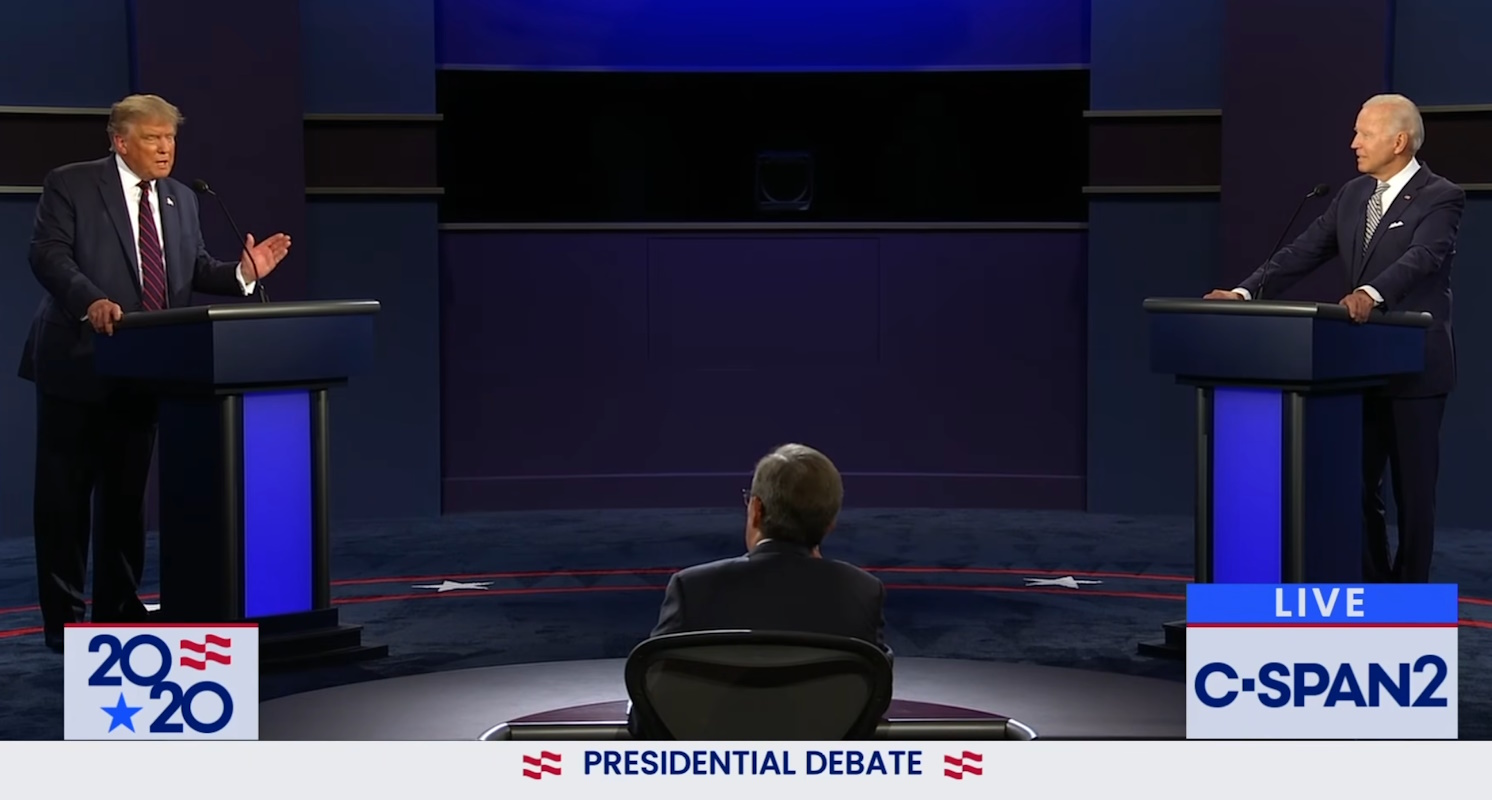
Still frame of the 2020 Presidential debate between Joe Biden and Donald Trump.
Ready for round 2?

It’s rare to get a single year in which both the United States and the United Kingdom go to the polls for big general elections. In fact, the last time this happened was in 1992 – when John Major was unexpectedly re-elected as Prime Minister in May before Bill Clinton unseated George Bush in November. With the current British government consistently behind the opposition in opinion poll after opinion poll, an autumn election could be on the cards for us this year; I’ve heard November the 14th and October the 24th bandied about as potential election days. These dates would put the UK and US elections within a few days of each other – something that hasn’t happened since 1964.

The ’92 general election is the first one that I can really remember following and being interested in as a kid – even as many of the policy issues went way over my head, I was still gripped by the democratic process and the idea that we could have another new Prime Minister. In those days I didn’t pay as much attention to the American election; my fascination with the US and its systems of government would develop later! But I was definitely following along with John Major’s “soapbox” campaign in 1992 as he faced off against a renewed Labour Party under the leadership of Neil Kinnock. Listening to election news on the radio at lunchtime at school definitely singled me out as a geek!

Former British Prime Minister John Major in 1992.

But that’s enough history for now!

As media-literate folks – which I assume you are if you’re reading an article like this one, at any rate – we want to keep on top of what’s going on in the political sphere… but we don’t want to succumb to bias along the way. With the political environments both here in the UK and over in the US being so divided and polarised, finding unbiased or at least fair sources is increasingly difficult. It’s contingent upon us to not simply accept what we’re being told, but to double-check, or to look around for other sources of news. In this piece, I want to highlight a handful of outlets that I personally follow and regularly check in with – not because they’re free from all bias, but because they can provide analysis and insight that I find interesting or useful.

News and politics can be entertaining, and a well-presented programme can go a long way to making up for “boring” things like policy details or statistics. But we have to be careful not to let flashy graphics or a charismatic presenter blow us off-course; just because a speaker is articulate or passionate doesn’t mean they’re speaking the truth. That sentence should be applied to politicians… but it’s also true of presenters, anchors, analysts, podcasters, and other folks in the news media space.

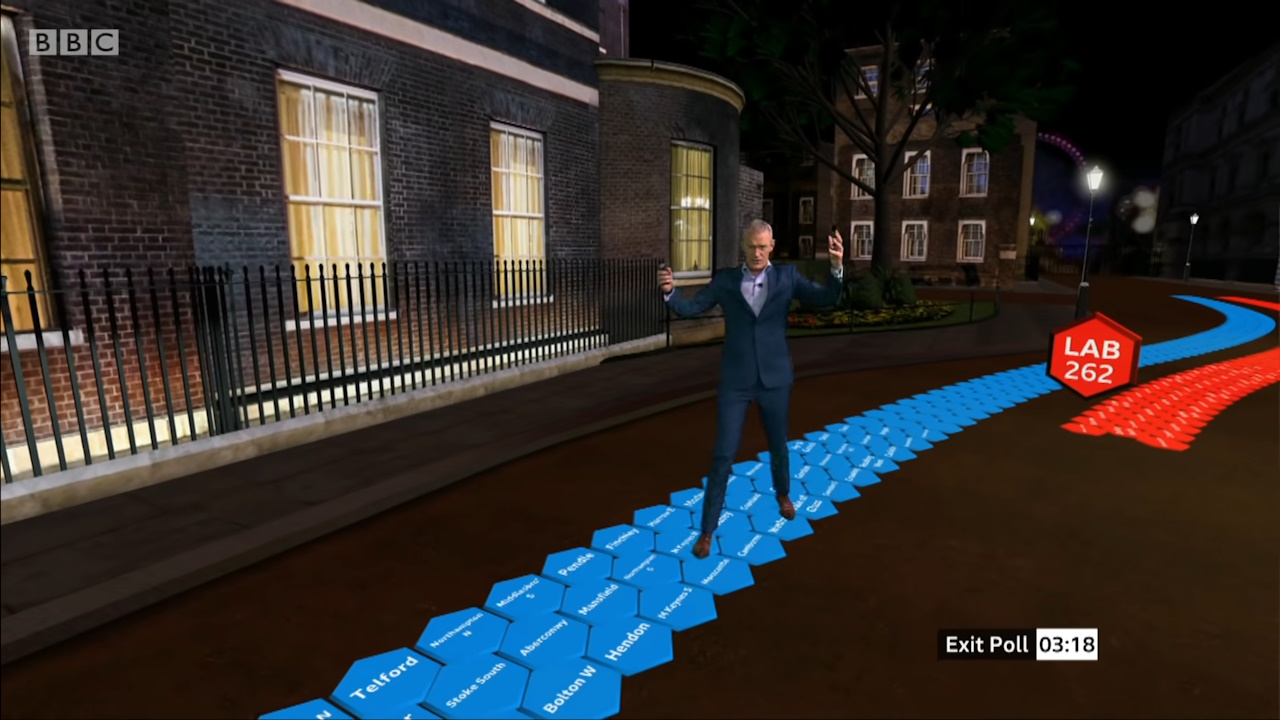
Still frame of the BBC's 2019 election night programme featuring Jeremy Vine.
BBC presenter Jeremy Vine and his “path to Downing Street” graphic in 2019.

So I guess what I’m saying is this: don’t take any individual news source as “gospel,” nor even really at face value. If you have the time to research a subject – by which I mean doing more than just a cursory Google search – then that’s great; trying to gather different sources that examine the same topic or story is just as good.

That’s what I try to do, at least. I’ve diversified my news sources in recent years, and it really is amazing how one-sided some outlets can be. Even if we don’t agree with what someone has to say, hearing another perspective can be incredibly valuable. In these increasingly polarised times, stepping outside of one’s personal media bubble can be uncomfortable, and I get that. But even if your only objective is to better understand the other side’s talking points so you can more effectively argue against their position… it’s still worth doing!

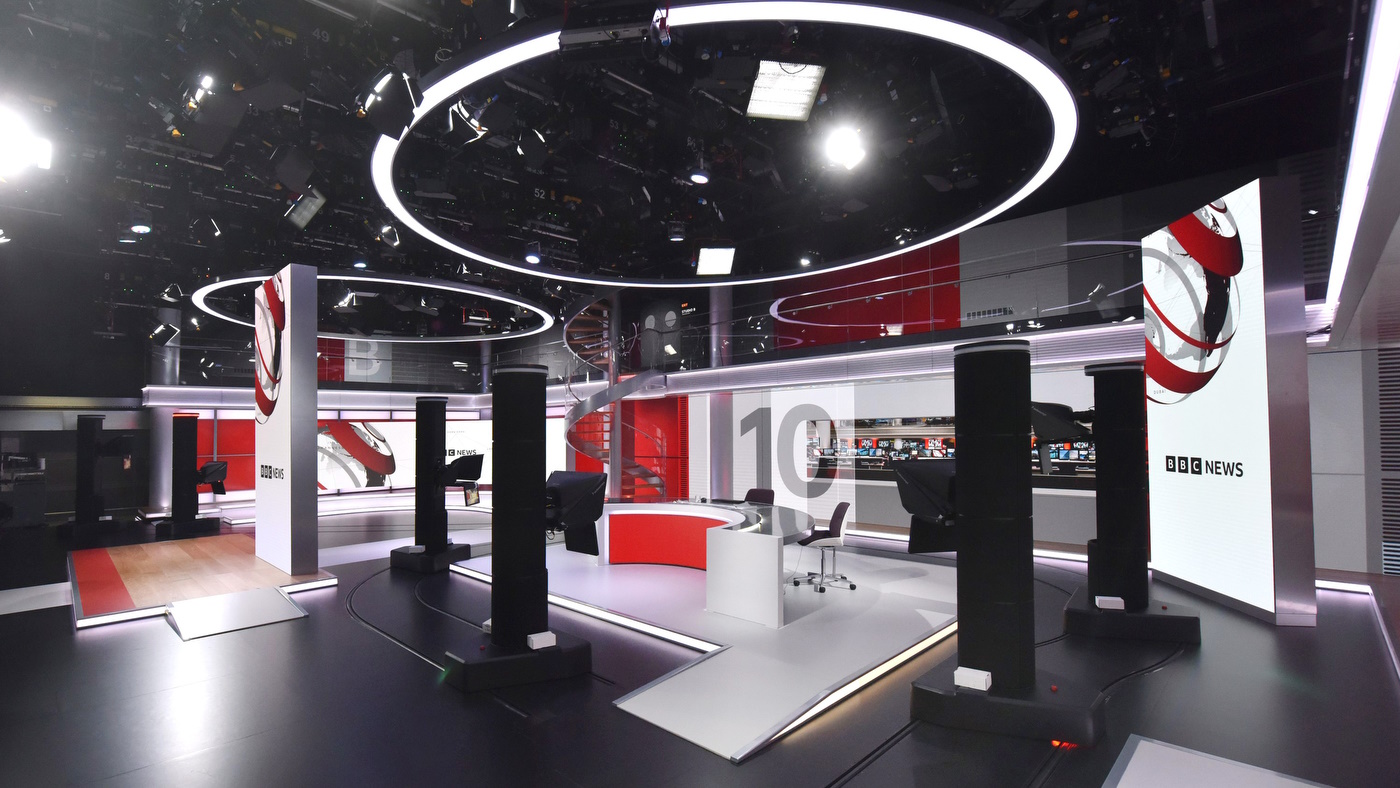
BBC News studio - behind the scenes.
The new BBC News studio.

Having seen many elections and referenda come and go over the years, I find a lot of the passion behind individual candidates and parties to be a younger person’s game. When the same pundits and talking heads hailing this election as being “the most important in our lifetime!!!” have been using that exact same line for twenty years or more… well, let’s just say the impact wears off! That doesn’t mean that there aren’t big and important issues at stake, of course. There usually are!

Donald Trump is someone who, for close to a decade now, has managed to evoke – and provoke – incredibly strong reactions from supporters and opponents alike. His presence in the election this year (assuming he survives the tangled mess of court cases he’s facing) automatically makes it a contentious and polarising race. Here in the UK, the departure of Boris Johnson from the political stage has left us – at least in theory – with two less-charismatic Prime Ministerial candidates! But there are other factors in the race, including the emergence of Reform as a new political party on the right, debates over polarising issues like immigration and the conflict in the Middle East, and the ongoing fallout from Brexit.

A red "MAGA" hat from the 2016 election campaign.
Donald Trump’s campaign slogan from 2016.

I’m not in the business of telling people who to vote for or how to vote. And this year – for the first time in a long time, really – I’m not actually certain who I’m going to be voting for here in the UK. I have my ideological leanings – as we all do, of course – and here in the UK there are more than two parties to choose from… even if only the main two seem capable of forming a government. But I won’t be “making an endorsement” nor telling anyone how I think they should exercise their right to vote. As far as I’m concerned, that’s between you and the ballot box!

What I’m going to do now is briefly highlight a handful of pundits, podcasts, content creators, and TV programmes that I think are worth checking out and following as this busy political year unfolds. There are some talented journalists and analysts out there in internet-land, and even if you just put something on in the background while you’re working or doing chores, it can still be useful and you’ll still get something out of it.

A sign indicating the way into a polling station in the UK.

Now for the caveats: this is all my own opinion, meaning nobody paid me for a spot on this list. Most of the channels discussed below can be found on YouTube – which has become one of my go-to platforms for political content – but some can be found either on their own website or on platforms like Apple Podcasts. I’ll try to summarise what it is that I like about each channel/creator – but nothing about this is in any way objective.

With all of that out of the way, let’s look at my list – which is in no particular order.

Number 1:
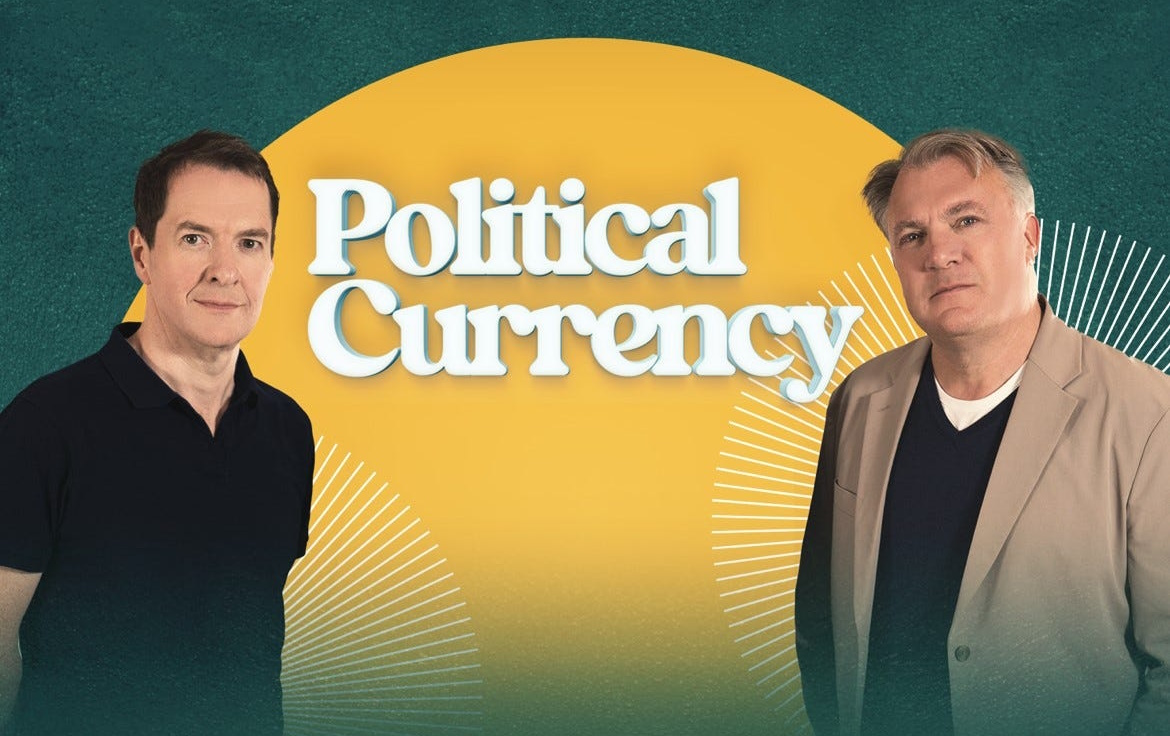
Political Currency

Promo image of the Political Currency podcast.

There are several podcasts in the UK at the moment in which former political opponents share a stage. I guess that kind of thing is in vogue at the moment – but it’s simultaneously interesting to hear from people with different ideological leanings and somewhat heartening, in these times of polarisation and division, to see two former adversaries working together. Political Currency features former Chancellor of the Exchequer George Osborne and his one-time rival, former Shadow Chancellor Ed Balls. The two seem to have developed a genuine rapport after being away from frontline politics for close to a decade now, and their take – particularly on matters of fiscal and economic policy – can be fascinating.

Number 2:
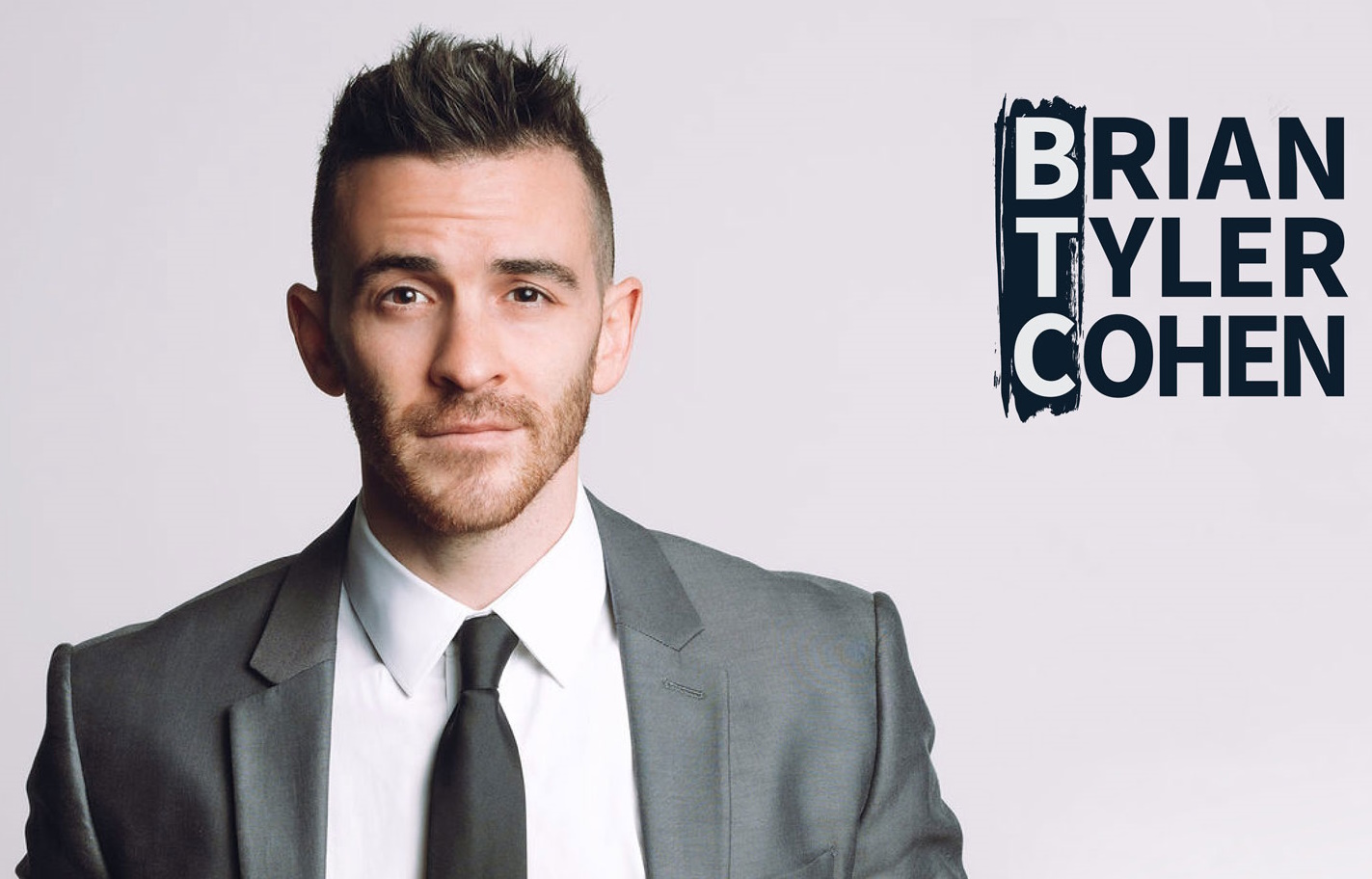
Brian Tyler Cohen

Promo image of Brian Tyler Cohen from his own website.

One of the biggest independent political shows on the progressive side of the aisle, Brian Tyler Cohen has been able to interview sitting members of Congress and even state governors. His show has different segments featuring a selection of recurring guests who really know their stuff when it comes to the legal and political issues of the day, and as a result it’s quickly become one of my go-to political outlets. However… I desperately wish that Cohen would stop using such awful clickbait titles for his videos and clips! There’s no need, and when every single video is presented as “the biggest breaking news story that’s just sure to torpedo Donald Trump’s entire career…” well, it wears pretty thin. In short: great content… once you look past the horrible clickbait titles.

Number 3:
PBS Washington Week

Washington Week title card/logo.

A political show that I’ve only recently come across, Washington Week is a measured, calm discussion between journalists and political commentators, and usually tackles most of the big stories of the week. Because it’s a weekly show, there isn’t as much of an opportunity to discuss breaking news or stories in progress, but that can be an advantage in some ways. PBS – an American broadcaster largely funded by donations – seems to have less of an outright bias than some of the other mainstream news outlets, and that’s reflected in Washington Week’s calmer tone and round-table format.

Number 4:
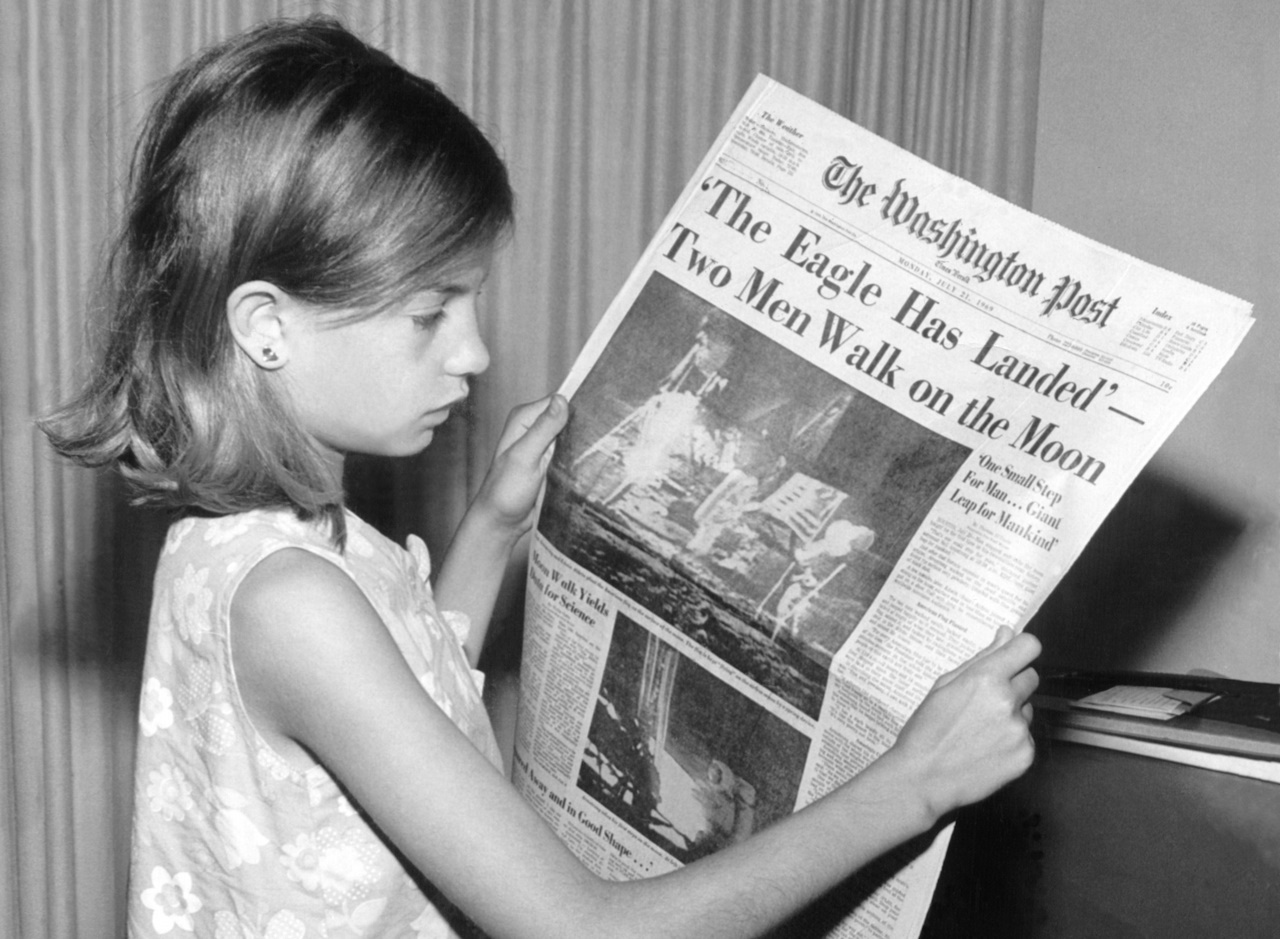
The “Mainstream Media”

Copyright-free photo of a young girl holding a newspaper.

I’m lumping all of the main broadsheets, terrestrial news bulletins, and cable news channels into one entry for this list! Practically all of them rely on the same couple of newswires for many of their stories, after all. It can be hard to differentiate between some of the cable news broadcasters, particularly in the United States, and one should be aware of the ideological leanings and biases they have – as well as which mega-corporation owns which news outlet. But there’s still something to be said for old-school journalism, and practically all of the big newspapers and mainstream news channels have stories worth reading, interviews worth listening to, and investigative reporting that can shine a light on candidates, policies, and the political situation as a whole.

Number 5:
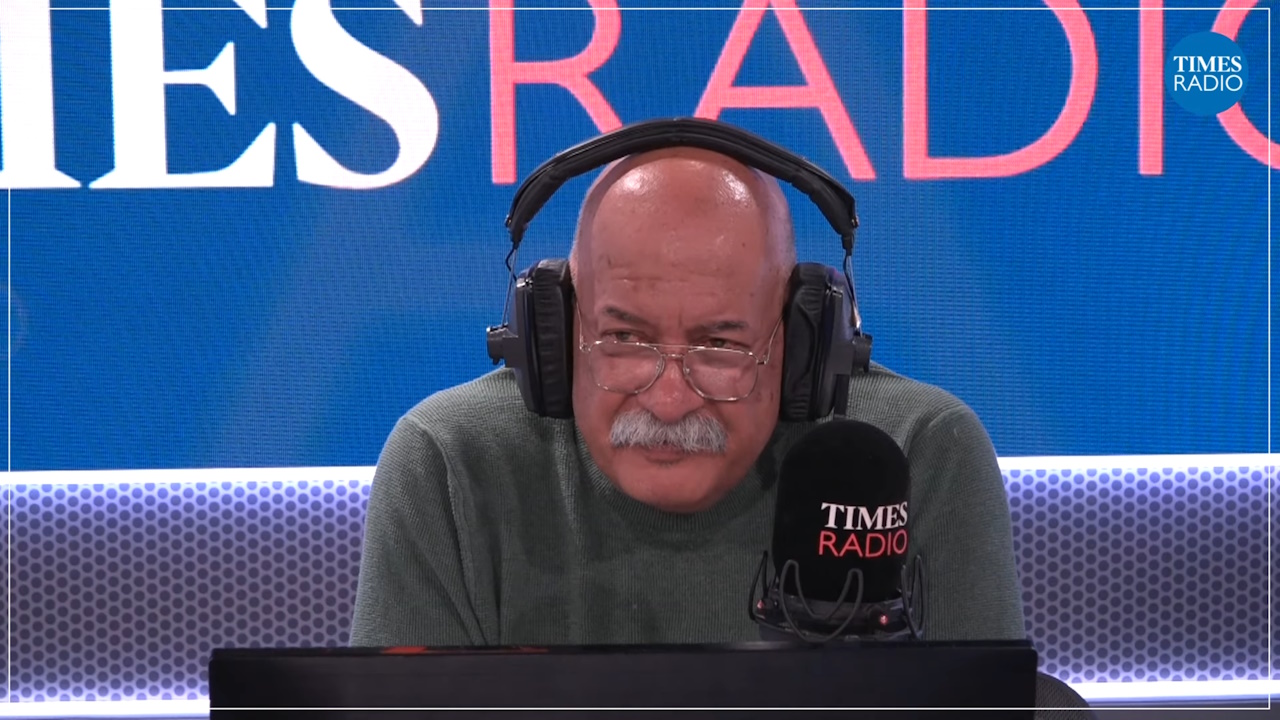
Times Radio

Still frame from a recent Times Radio video.

I’m in two minds about Times Radio. On the one hand, the new radio station – backed up by the long-running Times newspaper – has some well-respected political journalists, some great discussion pieces, and has started a new podcast dedicated to the upcoming election. On the other, its coverage of the Russia-Ukraine conflict is laughably poor, so much so that I don’t trust a word of it. Definitely one to pick and choose which stories to follow… and one I’m a little suspect of. When it gets its political journalism right, Times Radio can be an interesting listen. When it goes too far down the propaganda route on Ukraine… I’m switching off.

Number 6:
LegalEagle

Thumbnail of a recent Legal Eagle YouTube video featuring Donald Trump.

LegalEagle is an interesting one. The YouTube channel, which is run by a professional lawyer in the United States, began by looking at how the law and court cases are presented in works of fiction; there’s even an episode examining courtroom drama in an episode of Star Trek! But as the 2020 election unfolded, the channel started to do more videos looking at Trump’s legal cases, and this has continued as the ex-President’s legal woes have mounted. Though it’s not really about pure politics, if you want a closer examination of the law and how it could impact the election, LegalEagle is a great place to look.

Number 7:
Fox News

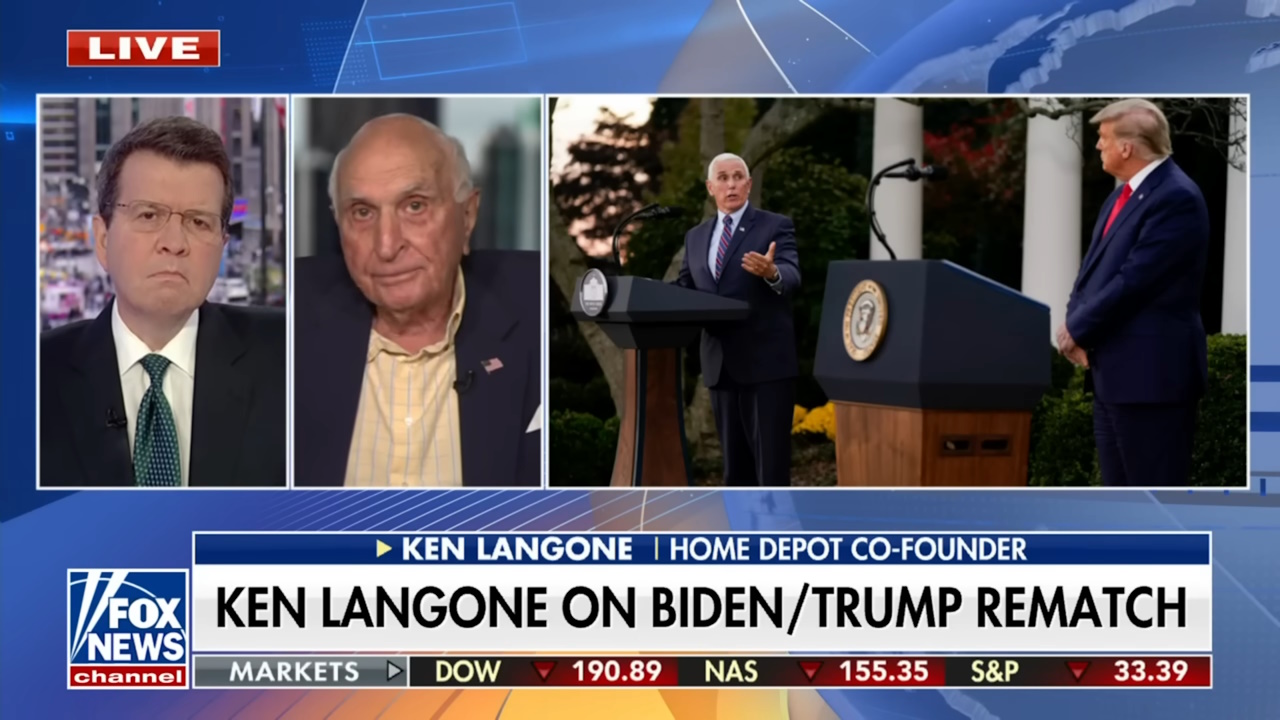
Still frame of Fox News with Neil Cavuto.

Bear with me on this one, especially if you’re to the left-of-centre politically. Fox is the single largest conservative-leaning news channel in the United States, though to its credit it wears its bias on its sleeve. If you want to know what right-wingers, Republicans, and Trump supporters are thinking – and perhaps more importantly, why they’re making certain arguments or favouring certain topics – Fox is a good place to start. And despite its reputation, there are some journalists and analysts worth listening to on Fox. Some of the big hitters, like Chris Wallace, have now departed the network, but I’d single out Neil Cavuto, Bret Baier, and John Roberts as presenters whose analysis and interviews can still be worth tuning in for.

Number 8:
The News Agents

The News Agents' YouTube banner.

A political podcast comprised of ex-BBC journalists, The News Agents is another I listen to almost every day. Unfortunately, the podcast is late with its uploads to YouTube, meaning you’ll have to listen to it at its source if you want to get that day’s episode instead of one that’s a couple of days behind schedule. No idea why the folks at Global Player can’t get their act together for that… but never mind! Because it’s hosted by bona fide journalists with years of experience covering politics, The News Agents brings a lot to the table – and there’s occasional discussion about how some of the big political stories are being covered in the media, too, which can be fascinating.

Number 9:
Robert Reich

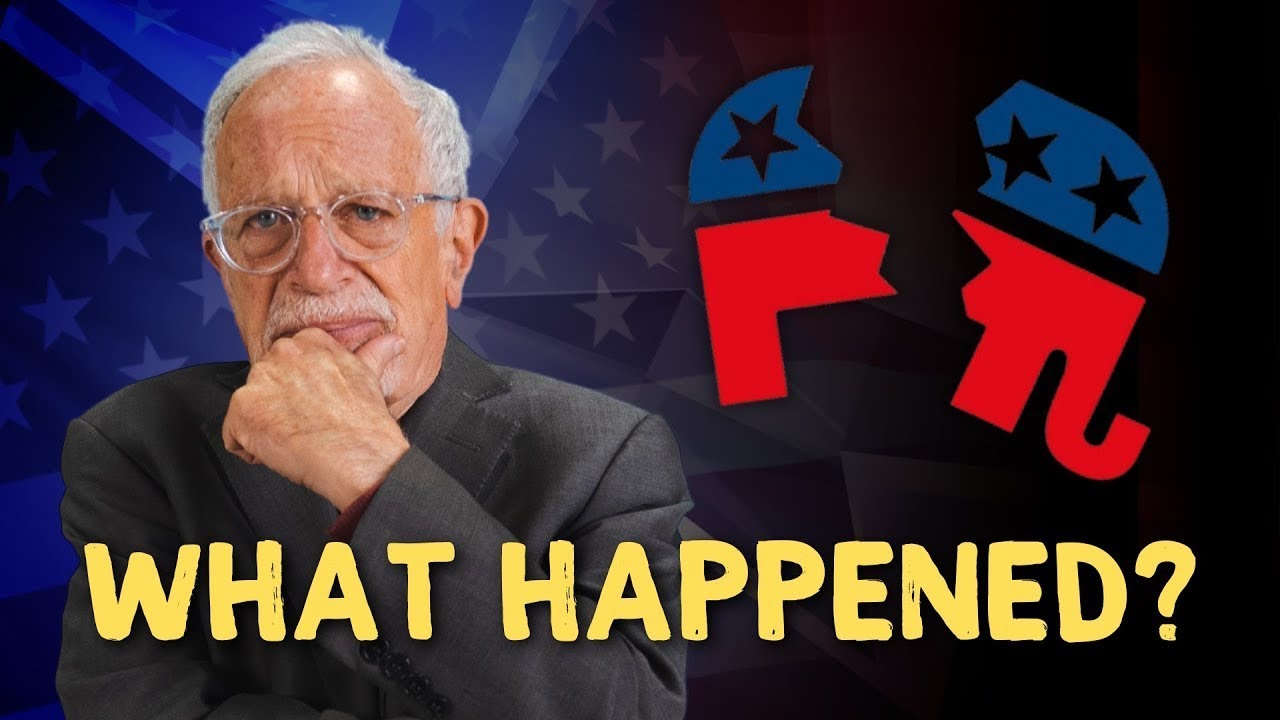
Thumbnail from a recent Robert Reich YouTube video.

Former US Secretary of Labor (and professor) Robert Reich has a YouTube channel and weekly podcast/discussion show, and while he’s very partisan his take is still interesting. As someone who’s been in the Presidential cabinet, he offers a unique “insider’s” take on presidential politics in particular, and his area of expertise is economics – something he also discusses a lot.

Number 10:
The David Pakman Show

Promo headshot of David Pakman from his own website.

David Pakman is another podcaster and broadcaster in the same vein as Bryan Tyler Cohen, and occupies a similar left-of-centre, pro-Democratic Party position. Some of his takes can veer into “vote blue, no matter who” – an idiom I wholeheartedly disagree with, as I feel it gives cover to too many politicians who end up under-delivering! But Pakman’s take on the political news stories of the day is usually interesting and entertaining, and his coverage of the media and how the media talks about politics is generally very good as well.

Number 11:
The New Statesman

The New Statesman logo (low res).

The New Statesman started out life as a magazine, but now much of its content is online. Though the website/app itself is paywalled, unfortunately, there are regular YouTube uploads – one of which features ex-BBC political editor Andrew Marr. Marr’s pieces are often thought-provoking, and free from the confines of BBC impartiality, he’s no longer afraid to share some of his political leanings and opinions while covering one or two of the week’s big stories. As the UK general election gets closer, The New Statesman is one to follow.

Number 12:
Leeja Miller

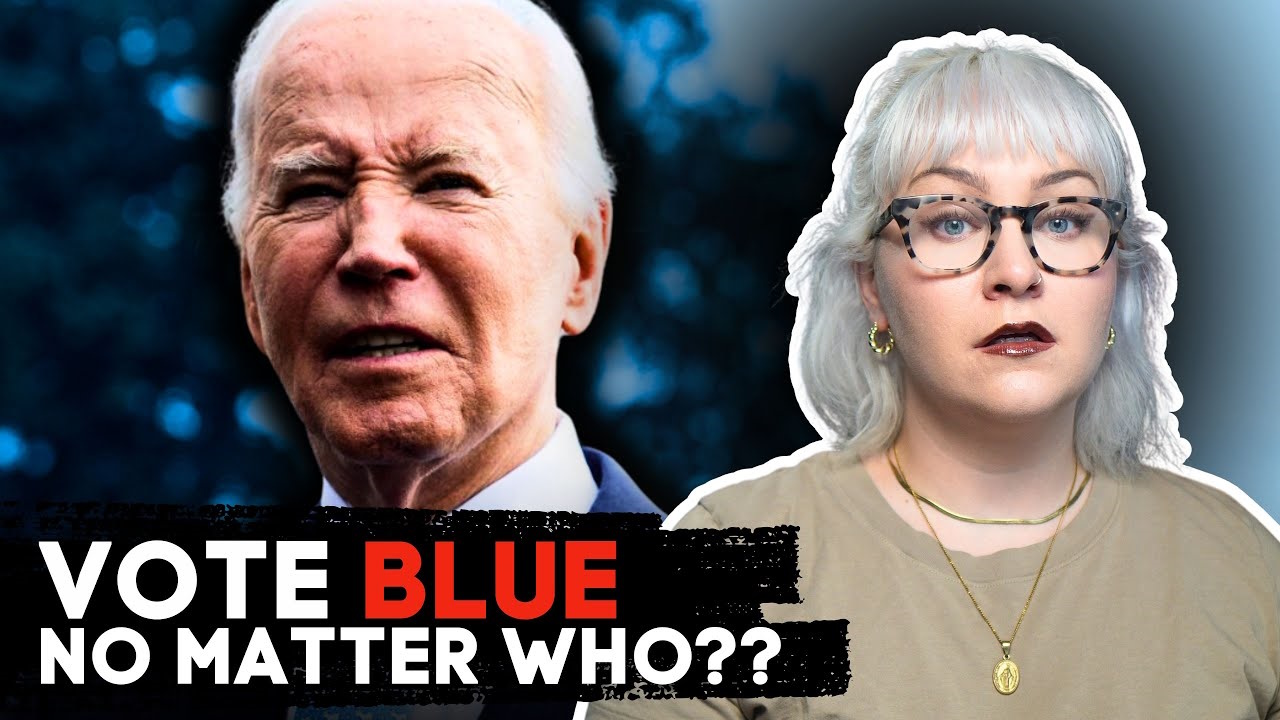
A recent Leeja Miller YouTube thumbnail showing Joe Biden.

Another lawyer-turned-YouTuber, Leeja Miller talks about politics and the upcoming election in an interesting way. Her take often focuses on the law and the Constitution, and how the law and democracy are intertwined in the United States. Her video output can be quite eclectic, with pieces on topics as diverse as Watergate and the Alec Baldwin criminal case – but always with a legal and/or political focus. Miller is a great presenter, and clearly puts a lot of effort into researching the subjects she discusses. Not every video will be directly relevant to the election – but many are, and sometimes in unexpected ways!

Number 13:
Let’s Talk Elections

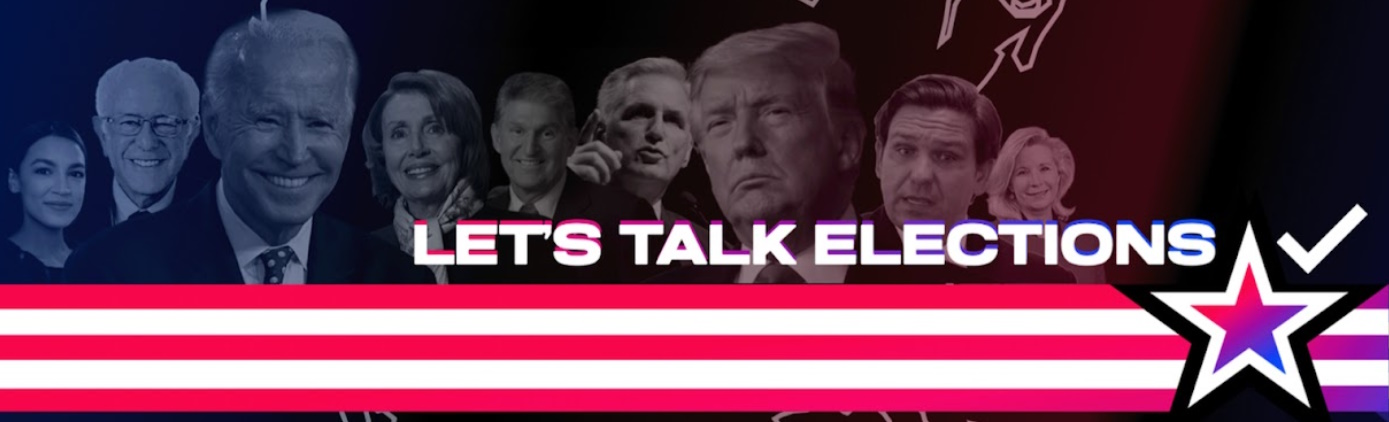
Let's Talk Elections logo/banner.

For a YouTube channel run by a university student, Let’s Talk Elections is surprisingly thorough and well put-together. The slideshow format puts an emphasis on maps, data, and statistics – which, intentionally or not, makes the series feel professional and reliable. If I were to make a criticism it would be that opinion polls (upon which Let’s Talk Elections heavily relies for content) are not always reliable, and have arguably become less reliable over the past decade or so. So your mileage may vary in that regard! But Let’s Talk Elections videos are well-researched, well-presented, and informative.

Number 14:
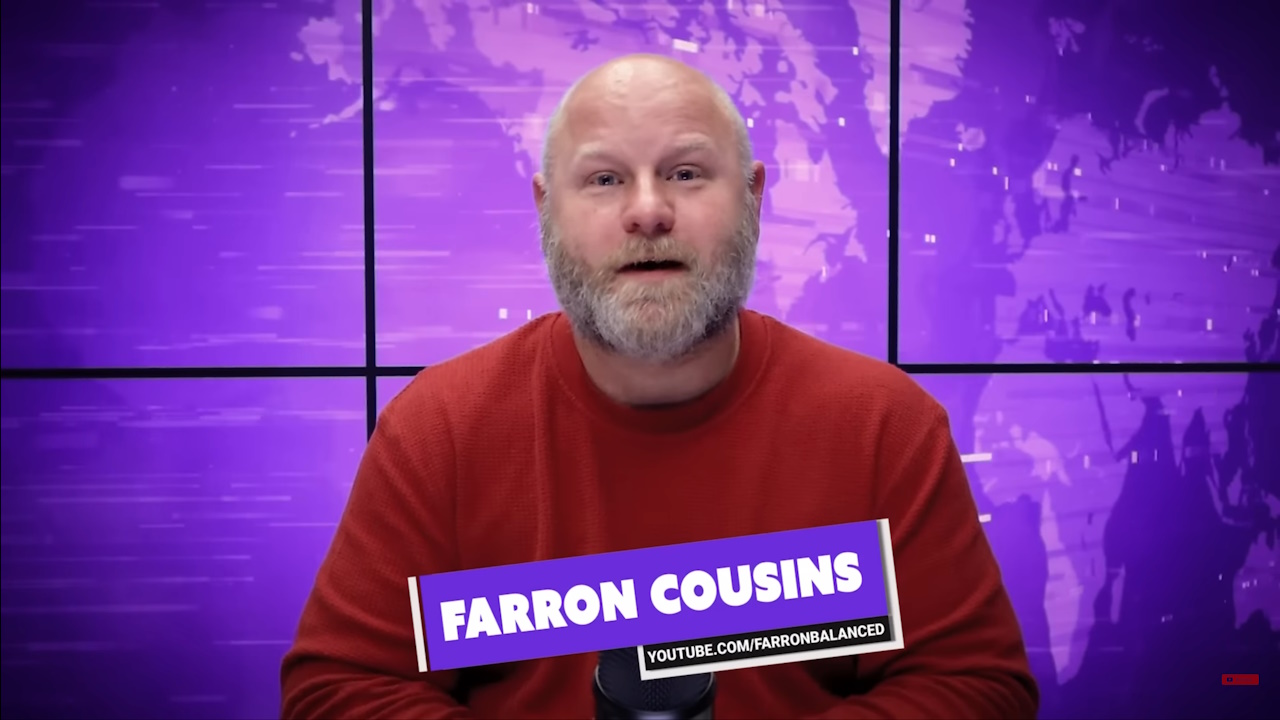
Ring of Fire/Farron Balanced

Still frame of Farron Cousins on YouTube.

I’m putting these two YouTube channels together as they’re presented by the same individual and mostly talk about the same subjects. Presenter Farron Cousins can be very energised when talking about the political stories of the day – and that makes for an entertaining look at the news! There are occasionally other guests on the Ring of Fire programme, including a lawyer who often has an interesting take on Trump’s legal issues. Although I don’t agree with every one of Cousins’ takes on the news, he’s usually an interesting one to watch – on either of his channels!

Number 15:
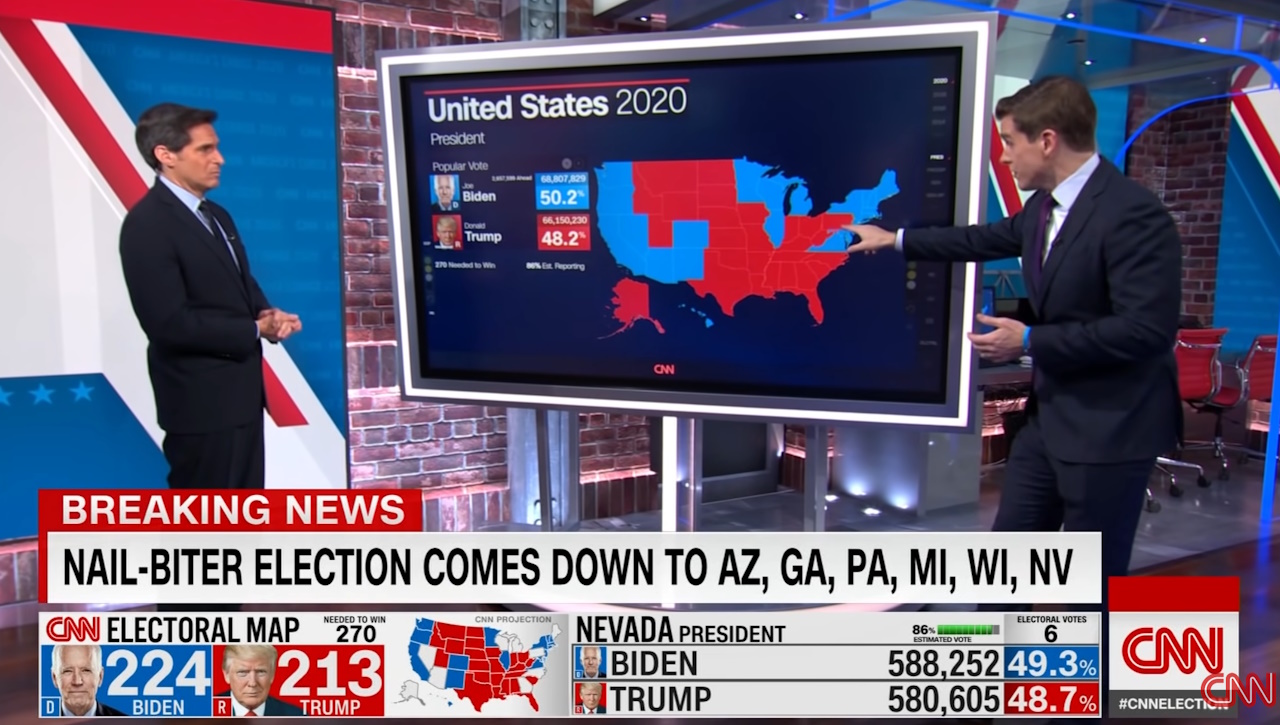
Election Night

Still frame of CNN's 2020 Election Night coverage.

I’ve loved staying up late to watch the election results as they come in for a long time! Election night programming can be absolutely riveting for a political geek like me, with pundits and analysts breaking down exit polls and trying to extrapolate paths to victory for the various candidates and political parties. We only get one of these every few years – but there’ll be two in 2024! I’ll definitely be staying up into the wee hours to watch as the votes are counted here in the UK and across the pond.

So that’s it!

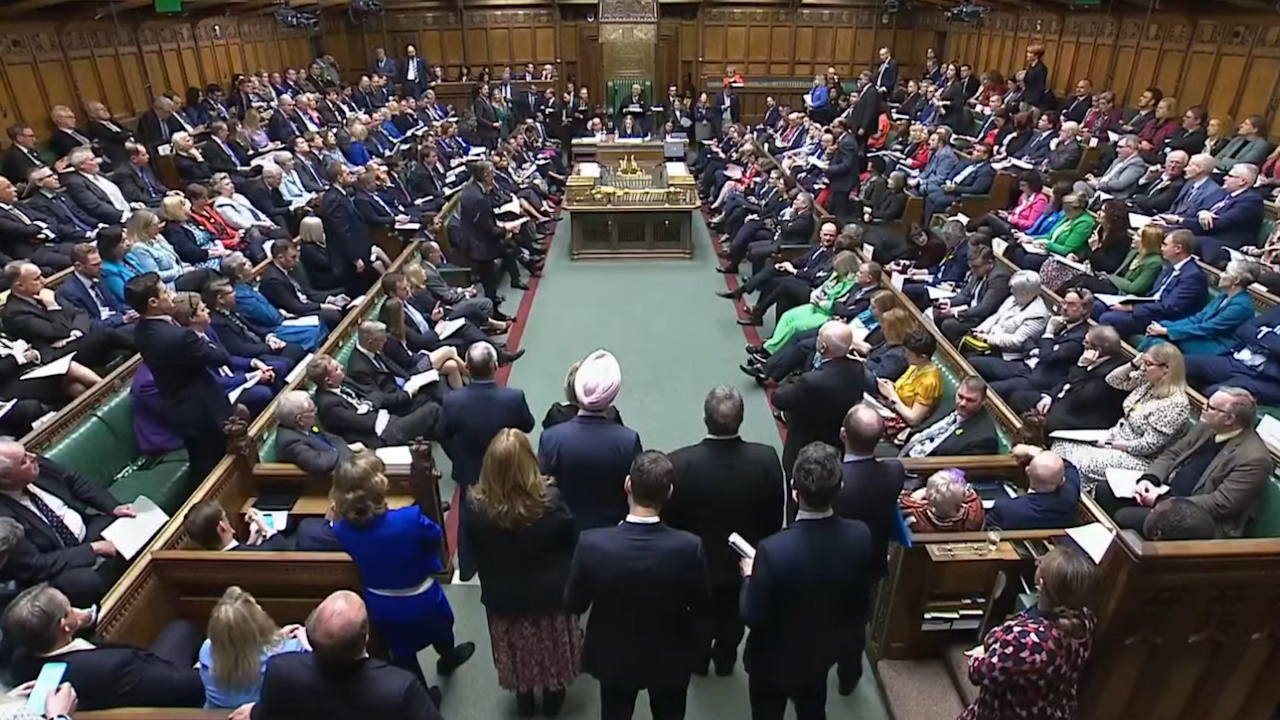
The House of Commons during a recent Prime Minister's Questions session.
The House of Commons during a recent session of Prime Minister’s Questions.

Those are my picks for what to watch in this election year. It’s far from an exhaustive list, of course; there are many other publications and content creators large and small who are well worth tuning in to see. I’m just getting started with TikTok (I’m old, I know) but there are several creators on that platform who are doing interesting things with a shorter format, and that’s just one example of another place to look.

As I said at the beginning, we all need to be aware of the biases and political leanings of the broadcasts and podcasts that we listen to – and try not to take any one source at face value. One of the nice things about platforms like YouTube is that it’s relatively easy to hop from one channel to another; to seek out different perspectives on the same story or political candidate. Many of you will already know which way you want to vote – and that’s good! But it can’t hurt to listen to what the candidates themselves have to say, as well as to hear different opinions from analysts, pundits, and podcasters as this contentious election year starts to jump into a higher gear.

I won’t tell you which way to vote. I won’t even tell you who you should listen to or trust. But I hope this list has, if nothing else, given you a place to start or suggested a new podcast or YouTube show that you might not have come across before.


Trekking with Dennis is not endorsing any political party or candidate here in the UK or in the United States. All podcasts, YouTube channels, and other content discussed above remain the copyright of their respective publisher, broadcaster, distributor, etc. This article contains the thoughts and opinions of one person only and is not intended to cause any offence.
Fighting the urge to panic-buy

The media is truly excellent at manipulation. Take the UK’s recent petrol and diesel shortages as an example. A “leak” from a private meeting between government officials and industry leaders suggested that the chronic shortage of lorry drivers – which extends far beyond Britain’s borders, afflicting much of western Europe and even the United States – could make it harder to ensure fuel deliveries to petrol stations. The inevitable and quite predictable result of the press reporting this as if it were imminent was panic-buying; a run on fuel.

It wasn’t until the media-reported “leak” that the panic-buying began, which led to the very fuel shortages that headlines screamed were coming. In short, the UK’s current fuel predicament is entirely a media-created problem, but I doubt very much that the responsible parties will ever be held accountable.

There has been a run on petrol stations in the UK over the last few days, all thanks to the media.

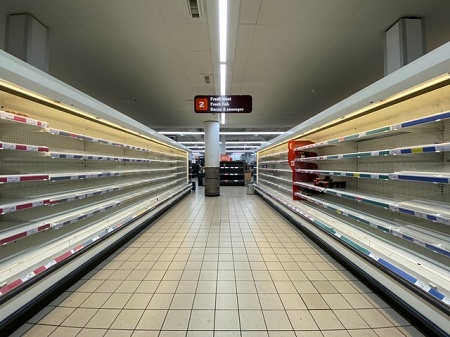
The same is true of other instances of panic-buying over the last couple of years. The infamous toilet paper shortage at the beginning of the pandemic was, once again, a media-created firestorm. And many media outlets, particularly tabloids, haven’t stopped trying to create more “shortages” to report on ever since. They prioritise sales, clickbait, and the revenue that panic-inducing headlines provide over any semblance of journalistic integrity, taking photos of supposedly “empty” shelves in supermarkets and showing them to the world under exaggerated headlines promising imminent doom.
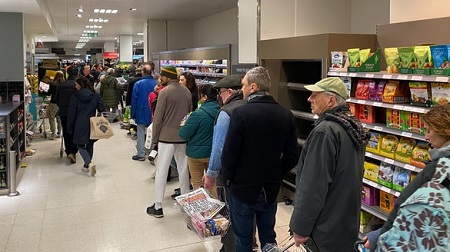
My first ever job when I was still at school was working in a convenience shop in a small town. On any day of the week it was possible to find an empty shelf – most shops and supermarkets don’t have large stockrooms any more, with the just-in-time delivery system bringing everything on a daily basis. By the time evening rolled around, some shelves could look pretty bare. It’s at these times of day that many tabloid “journalists” and their photographer allies sneak into supermarkets to snap pictures of empty shelves in a desperate quest to keep the public buying newspapers (a dying format) or clicking on headlines proclaiming that we’re all about to starve to death.

You can find scenes like this seven days a week in most supermarkets, convenience stores, and food shops.

Even if there are individual industry-specific shortages or supply chain problems, these aren’t going to be permanent. The fuel panic has already blown over in much of the country, with only the London area still fully in the grip of the crisis. And promises of additional drivers and tankers backed up by the army should see that settle within a matter of days. Likewise in food, where certain products have been out of stock. These things don’t last forever, because it’s in everyone’s interest, from the government to the shops to their suppliers, to figure out solutions as quickly as possible. The only ones who benefit in any way from these shortages – or reported “shortages” – are the media.

So why, then, am I finding it hard to resist the temptation to join in and start panic-buying?

Partly this is an anxiety thing, and folks who suffer from anxiety to a worse degree than I do must surely be feeling awful right now. Headlines are screaming of shortages in fuel, meat, fruits and vegetables, and even proclaiming that Christmas is about to be “cancelled” due to a lack of festive food and toys. For people with mental health conditions, these kinds of headlines are just awful.

“Christmas is cancelled!” scream the headlines in some failing newspapers.

The rational part of my brain is fighting the irrational side – as it always has to. Are there enough lorries to transport everything I need? Will I have enough food? Will I be able to get enough food for the cats? What about my medication? What about cat litter? What about bin liners? What about this, that, and the other things?

It’s so very tempting to say “I’ll just pick up a couple of extras.” That doesn’t feel like panic-buying, and I can even rationalise it to myself by saying that I’m not panicking, I’m just being sensible and taking precautions in case other people start panic-buying. Besides, the supermarket won’t miss a couple of extra tins of potatoes and packets of cat food, right? They’ve got loads of stuff on the shelves (despite the false pictures printed in the newspapers!)

A shortage of HGV drivers is one factor in some of these “shortages.”

The problem with that mindset is that, when everyone does the same thing, shops run out of everything more quickly. When people who have their tanks half-full stop by the petrol station for a top-up “just in case,” fuel runs out. And that’s exactly what we’ve been seeing over the past week. People who didn’t need to buy fuel, and wouldn’t have under normal circumstances, have started queueing up to top up their vehicles in case there’s a shortage caused by panic-buying… not realising or acknowledging that they themselves are part of the problem.

It’s an easy trap to fall into. And it’s easy to talk oneself into it, too. After all, if there’s even the possibility of things running out, it makes sense to jump in ahead of the panic and stock up, right? The mindset of “other people panic-buy; I’m just being sensible” is a way for all of us to rationalise what is really not rational behaviour. The fear of missing out, of sitting at home without food or toilet paper or petrol wishing we’d taken action sooner is pushing people on, spurring them to take irrational action and do the wrong thing at the wrong moment.

Other people panic-buy, but when *I* rush out to buy things I don’t need, I’m “just taking sensible precautions” or “stocking up.”

In the west, most people have never had to experience a genuine shortage of anything. In the UK, there haven’t really been any major problems or shortages since the 1970s, meaning anyone under the age of 50 can’t remember the three-day week or rolling blackouts. There hasn’t been a petrol shortage since fuel protests in the year 2000, and that was swiftly resolved. While there were supply issues for a few select products – like toilet paper – early last year that are certainly playing into people’s fears, it’s been a generation since the country last endured any major shortages.

With no experience of hard times to fall back on, people are more inclined to panic. Some genuinely fear starvation – though their girth suggests that such a fate would take a very long time indeed. But most people simply fear the unknown: what will a world without easy access to abundant supplies of food look like? Not knowing leaves folks much more inclined to panic.

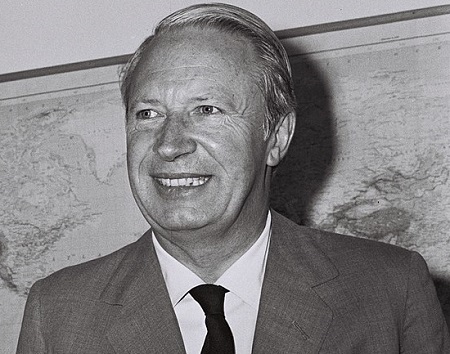
The UK hasn’t experienced problems like these since Ted Heath was Prime Minister in the mid-1970s.

The media as a whole is being phenomenally irresponsible, though certain publications are worse than others. The incompetent government isn’t helping, of course, and things like a cut to benefits (welfare), a lower-than-expected rise in pensions, tax rises, and major price rises for electricity and gas bills all pile on top of the supposed shortages, adding to a sense of unease and worry among the population. On a personal level, I’m seeing my income shrink right at the moment my bills rise. With people already worried about paying for the basics like food and heating, the threat of food supplies drying up or no fuel at the pumps was the last straw for a lot of people.

It’s understandable, then, why people feel compelled to join the queues at petrol stations or push their way into packed supermarkets to chase down the last roll of Andrex. And I can take some degree of comfort in knowing that I’m not the only one who feels that way. Fighting the urge to panic-buy isn’t easy… but it’s worth doing. In fact, it’s the only way to prevent more panic-buying in the long term. That and not buying any newspaper with a red top or clicking on a clickbait headline on a poorly-coded website.

I’m going to try hard to avoid succumbing and contributing to the panic. Hopefully the reward will be a government that pays attention and actually takes action to fix the systemic issues that got us to this point – but I won’t hold my breath for that. Until then, I think I’m going to take a break from the news and focus on happier things. Like re-watching yesterday’s episode of Star Trek: Lower Decks. Damn, that was a fine episode.

Some stock images courtesy of Unsplash and/or Pixabay. This article contains the thoughts and opinions of one person only and is not intended to cause any offence.