28 Years Later: The Bone Temple – Film Review

The first part of this review is free from major story spoilers. The end of the spoiler-free section is clearly marked.

Last year, I reviewed 28 Years Later – the long-awaited sequel to one of my favourite zombie horror films of all-time. I knew then that a second film was underway, but I’ve since learned that 28 Years Later was intended to be a trilogy. That explains a lot, and I’m glad I knew that *before* I sat down to watch what is apparently intended to be the middle instalment of this story!

I said last time that 28 Years Later felt less scary, less impactful, and just less entertaining overall than I’d hoped or expected it would be… but that there was still the potential for its sequel to re-frame some of those story beats, or pull out a creditable ending to the story. It was with that mindset that I approached The Bone Temple. I wanted this film to thrill me, but the way I felt about last year’s instalment was certainly a cause for concern.

If you missed my review of 28 Years Later in 2025, click or tap here to check it out. I think it’ll add a bit of context to a few of the things we’re going to discuss today.
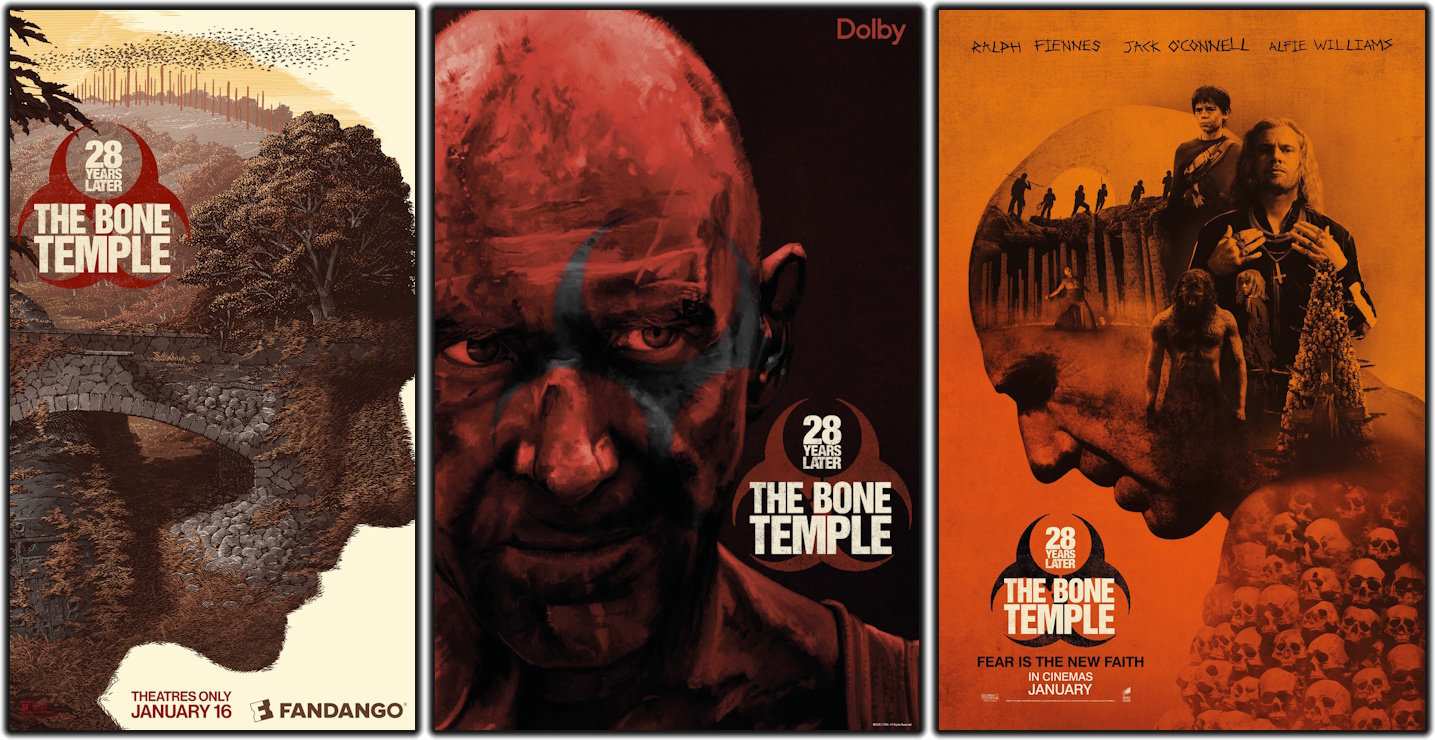
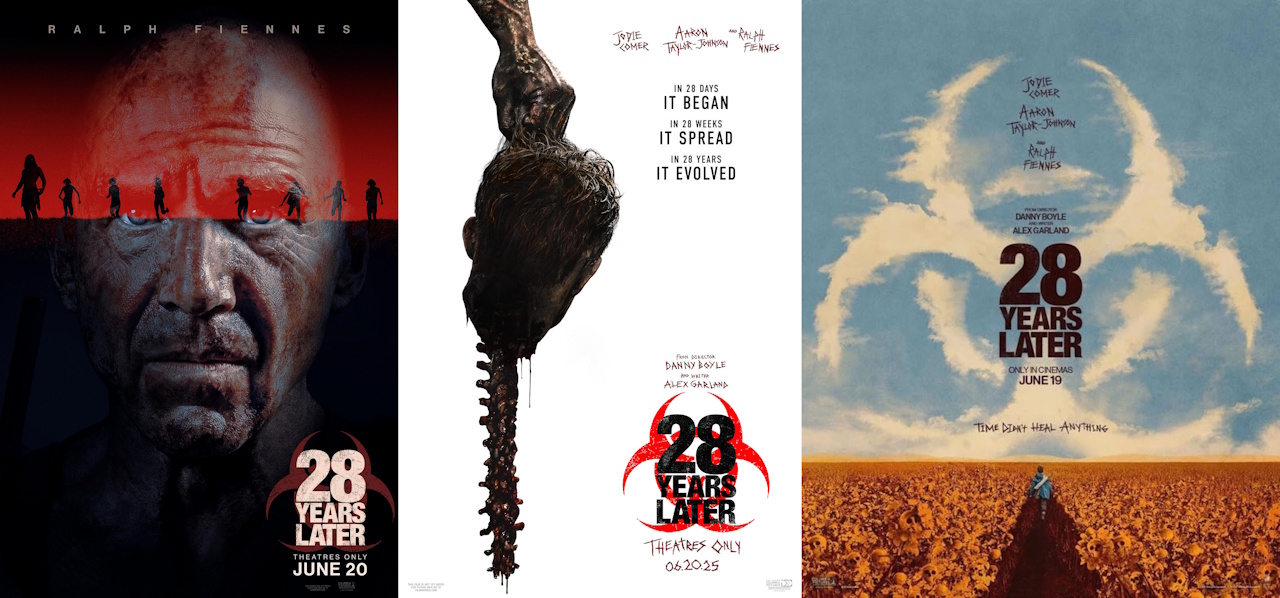
Three posters for 28 Years Later The Bone Temple
A trio of promotional posters.

One thing that I don’t think I explained very well last time was how 28 Years Later’s zombies – surely the most important part of any zombie movie – felt like they’d lost at least *some* of their fear factor. And that trend seems to have continued this time, unfortunately.

In 2002, 28 Days Later breathed new life into a horror sub-genre that had started to feel stale. Making zombies faster and more aggressive, and the virus that caused the outbreak, were a huge part of that. I can vividly remember watching 28 Days Later for the first time, practically wetting my pants at how utterly terrifying these infected monsters were, how they moved with such pace, and how they were so unlike anything I’d seen before.

I couldn’t quite put my finger on what had changed at first, when I watched 28 Years Later. Was it simply the passage of time, and the way Danny Boyle’s fast-moving “infected” have been rolled into the broader lore of zombie fiction? Probably to an extent. Was it because the zombie genre has been pretty oversaturated for pushing twenty years, with The Walking Dead and its spin-offs on TV, films like Zombieland and Train to Busan, and interactive titles from The Last Of Us to Dying Light? Again… to an extent, yeah.
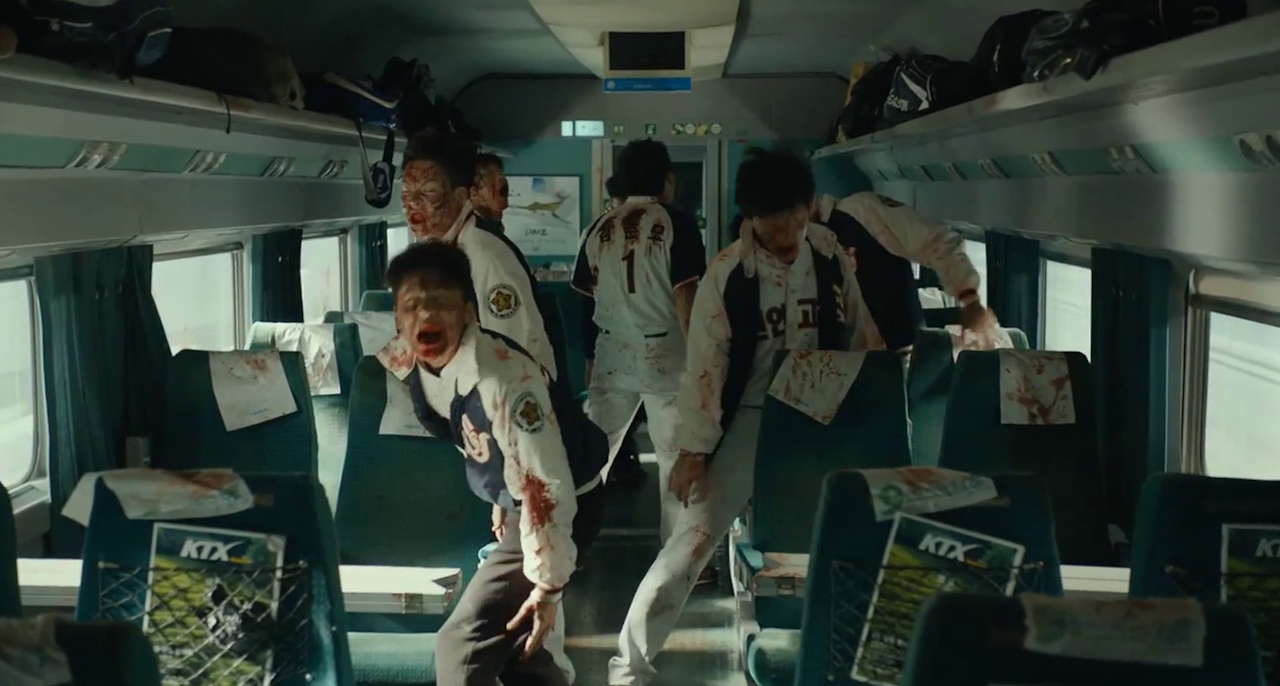
Still frame from Train to Busan showing zombies
Other zombie films, like Train to Busan, have done similar things to 28 Days Later in the years since that film’s release.

But there’s one more factor that, last time, I don’t think I really appreciated:

In 28 Years Later, and in The Bone Temple, too, many of the zombies are naked.

Naked zombies… they end up looking more *comical* than frightening, I’m afraid. And I really do believe that this costuming choice – or lack of costuming, to be specific – is a major contributing factor to these zombies not having the impact they once did. And yeah, it makes sense in-universe – almost three decades on from the apocalypse, surviving zombies have lost their clothes due to exposure to the elements. But… making sense doesn’t actually help make these zombies as scary as they need to be. And while I respect the decision to put realism first, it came at one heck of a price.
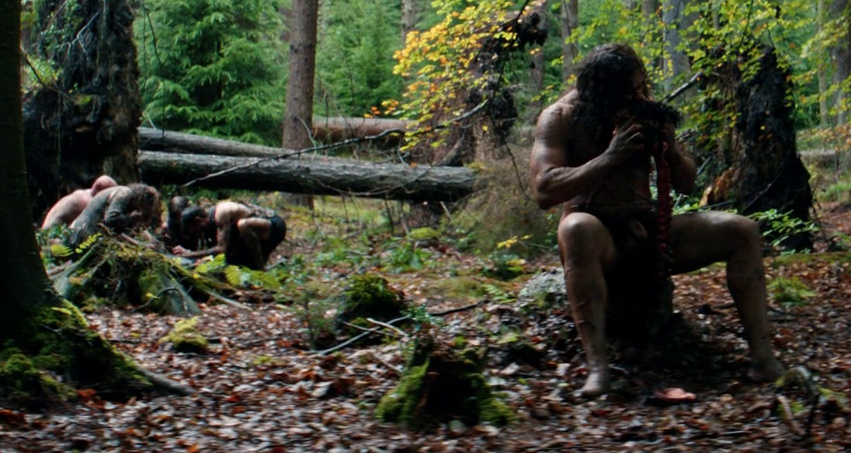
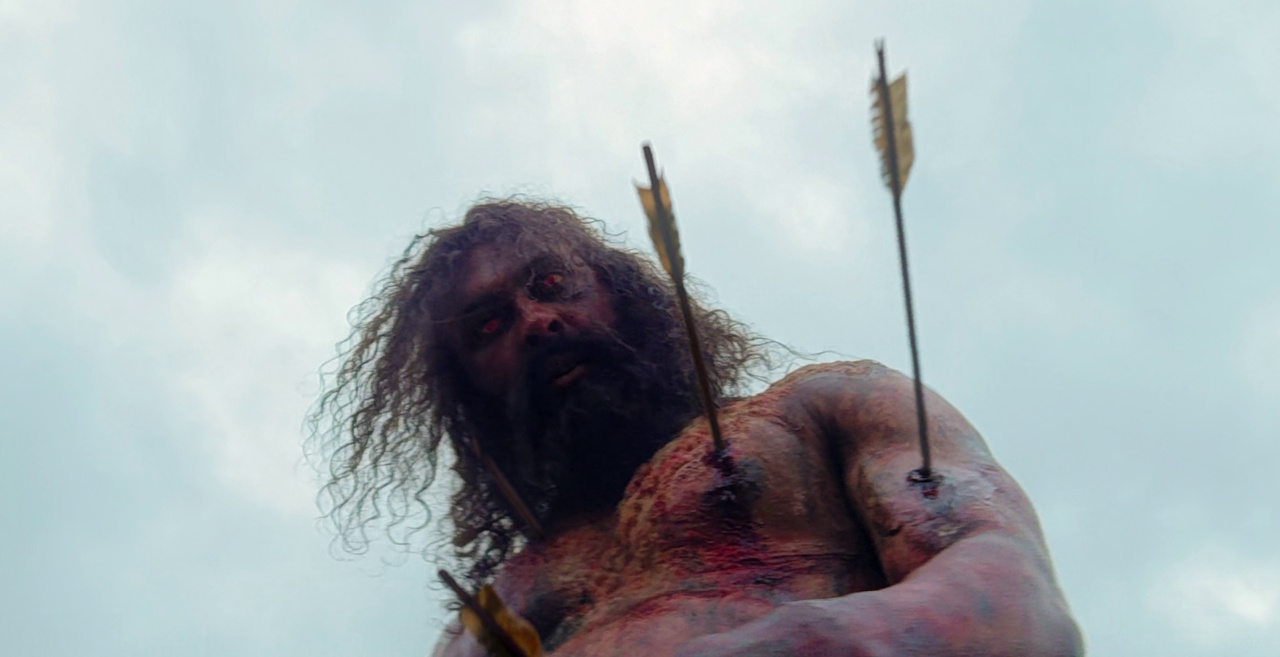
Still frame from 28 Years Later The Bone Temple showing Samson feeding
Samson and his (mostly) nude friends.

This highlights one of the dangers of filming back-to-back. I can’t be the only one to comment on the zombies and their… nudity… so if that feedback had been available to Nia DaCosta, Danny Boyle, Alex Garland, and the rest of the team, maybe some changes could’ve been made before The Bone Temple entered full production? I’m not saying that was the film’s only issue – nor am I saying that 28 Years Later or The Bone Temple were out-and-out “bad” – but sometimes, being able to receive and act on feedback in between titles is a positive thing. And unfortunately, producing two films back-to-back leaves no room for manoeuvre in that sense.

There’s another point to consider, though, and it’s one that’s much more fundamental than whether or not zombies need clothes!

28 Days Later was unapologetically a horror film – in fact, I’d call it one of the scariest films I’ve ever seen. 28 Weeks Later retained that horror tone, though it introduced other themes. But both 28 Years Later and The Bone Temple aren’t really horror films… at least, not in the same way. There’s torturous gore, there’s literal Satan worship, and, of course, there are still zombies… but at their core, these films feel much more character-driven, much more exploratory, and much more personal. Perhaps they fall closer to “psychological horror,” at least in parts, as well as films that explore the post-apocalyptic world that their predecessors created.
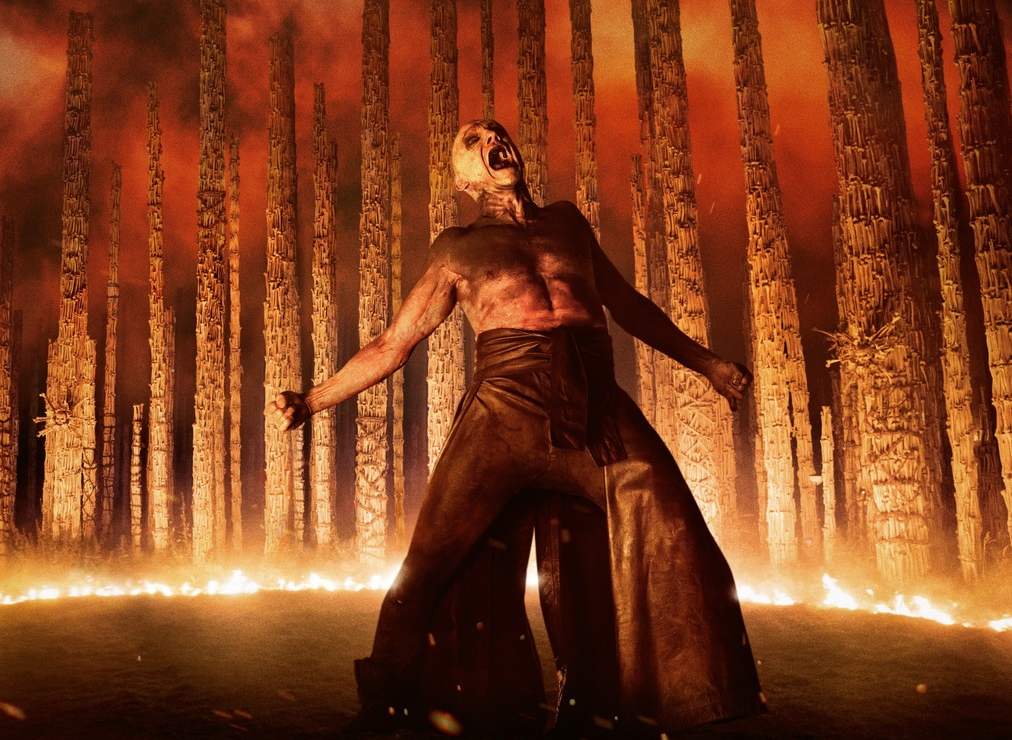
Cropped poster for 28 Years Later The Bone Temple
Crop of the film’s promo poster.

That disconnect between the genre of film I was expecting to see and the kind of film I ultimately saw… maybe that’s what’s driving some of my disappointment with The Bone Temple? And perhaps I should make a conscious effort to appreciate the film for what it is rather than what I expected or wanted it to be?

The counterpoint to that, I suppose, is that, if Alex Garland, Danny Boyle, and director Nia DaCosta wanted to create a post-apocalyptic psychological thriller, exploring things like coming of age, mental illness, trauma, religion and religious extremism, and the nature of life and death… maybe they shouldn’t have called it “28 Years Later.” These films were consciously created as sequels, picking up the post-apocalyptic setting almost three decades later. Yet the kinds of stories that have been told in that setting don’t feel like they bear much resemblance to what came before. And as we look to the future and a potential third instalment – which, rumours suggest, may have dipped into the dreaded development hell – I can’t help but wonder what could lie in store.
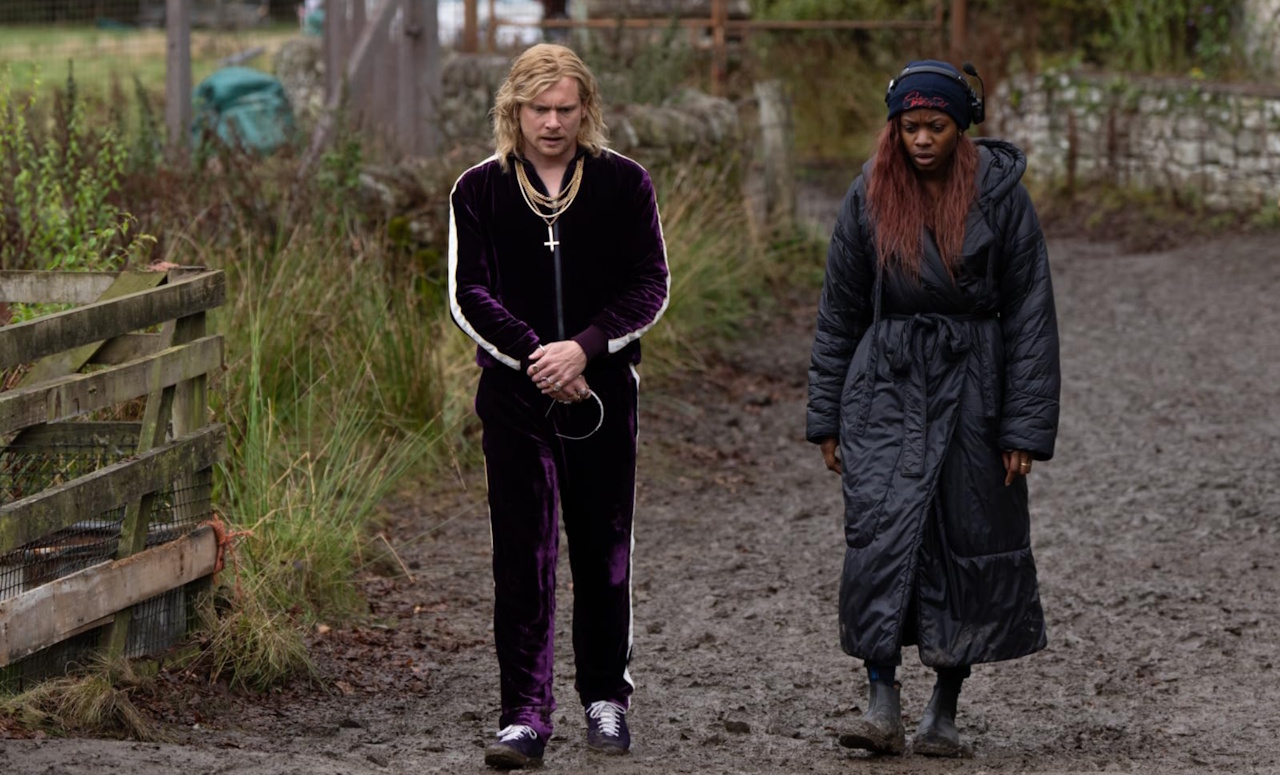
Behind-the-scenes photo from 28 Years Later The Bone Temple
Director Nia DaCosta (left) with Jack O’Connell on set.

There were some interesting and creative choices made across The Bone Temple, with close-up, shaky, focused camera shots lingering on characters to hammer home feelings of fear and confusion. In some ways, these felt like they were lifted from a low-budget, experimental, almost “arthouse horror” project – if that makes sense. I could feel the creative team’s intentions – and see, perhaps, where they lifted some of these ideas from. It could feel intense, yes, but that intensity served a purpose for the most part, and carried some of these heavy themes.

I think I’ve said all I can without crossing the line into narrative spoilers.

If you want to know whether or not I recommend The Bone Temple, here’s what I’ll say. If you enjoyed 28 Years Later, this film is the natural next step, and I think you’ll find it interesting, at the very least. If you were a fan of 28 Days Later a while back, and you didn’t really gel with the changes made in 28 Years Later last year… then The Bone Temple doesn’t redeem it, nor undo those changes. If you want an interesting and occasionally thought-provoking picture with themes of mental health, religion, and trauma, The Bone Temple might be your jam. But if you want a terrifying zombie flick that’s gonna keep you awake at night? This ain’t it.


A spoiler warning

This is the end of the spoiler-free section. There are major narrative spoilers for the 28 Days Later saga – including The Bone Temple – from here on out.

I said last time that I hoped The Bone Temple would find a way to narratively justify the “Jimmies;” the gang of Jimmy Savile impersonators who showed up right at the end of 28 Years Later. I was worried that this choice was made purely for shock value rather than because the creative team actually had something to say… and I feel like I was, unfortunately, right about that.

Jimmy Savile was one of the worst criminals in the history of this country, and it’s appalling that he was able to get away with it, with his crimes only being uncovered after his death. Any film that chooses to lean into any aspect of Savile really has to justify why it wants to do so, why it needs to bring up those memories and what it wants to say about his offending and the establishment that covered it up. And for me, The Bone Temple really didn’t have much to say about any of that.
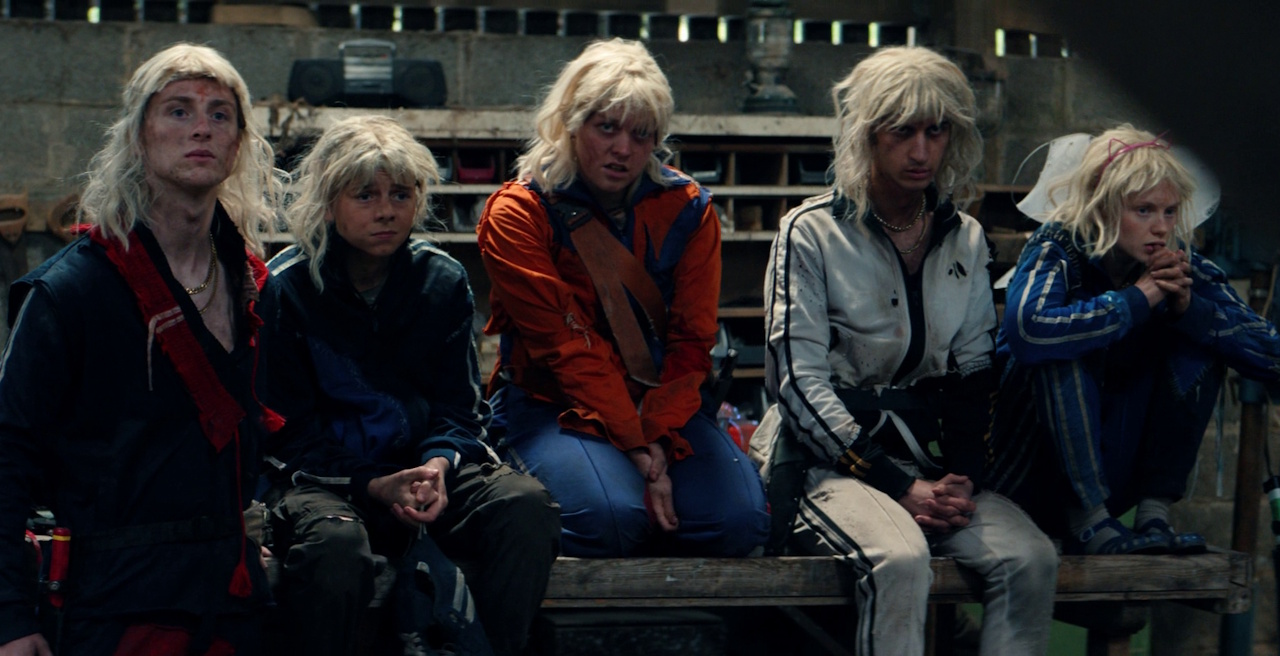
Still frame from 28 Years Later The Bone Temple showing the Jimmy gang
The Jimmies.

Was it ironic, in a sickening sort of way, that the leader of the Jimmies was a literal Satan-worshipper? I mean, sure, I guess. But Satanism is a pretty basic horror trope, and in a story that doesn’t lean on the supernatural very much, it almost feels out of place. I get it: this is a commentary on the nature of trauma, and especially how traumatic events in childhood – and a lack of support – can shape a person’s mental health and their outlook on life. Jimmy was a young boy when the rage virus outbreak occurred, and his inability to process that trauma – combined with having to scrounge for survival in a post-apocalyptic world – contributed to his mental illness. At least, that’s how I think we’re meant to read the character.

And there is something to be said about how folks who experienced traumatic events in childhood can reach for something that feels safe – a character, a TV series, a celebrity. Jimmy clearly did that, not only with Jimmy Savile, but also with the Teletubbies, a kids’ TV show that was referenced a couple of times in the film. Because 28 Days Later establishes that the viral outbreak happened circa 2002, Savile’s crimes would never have come to light in this world. Again, that makes sense narratively.
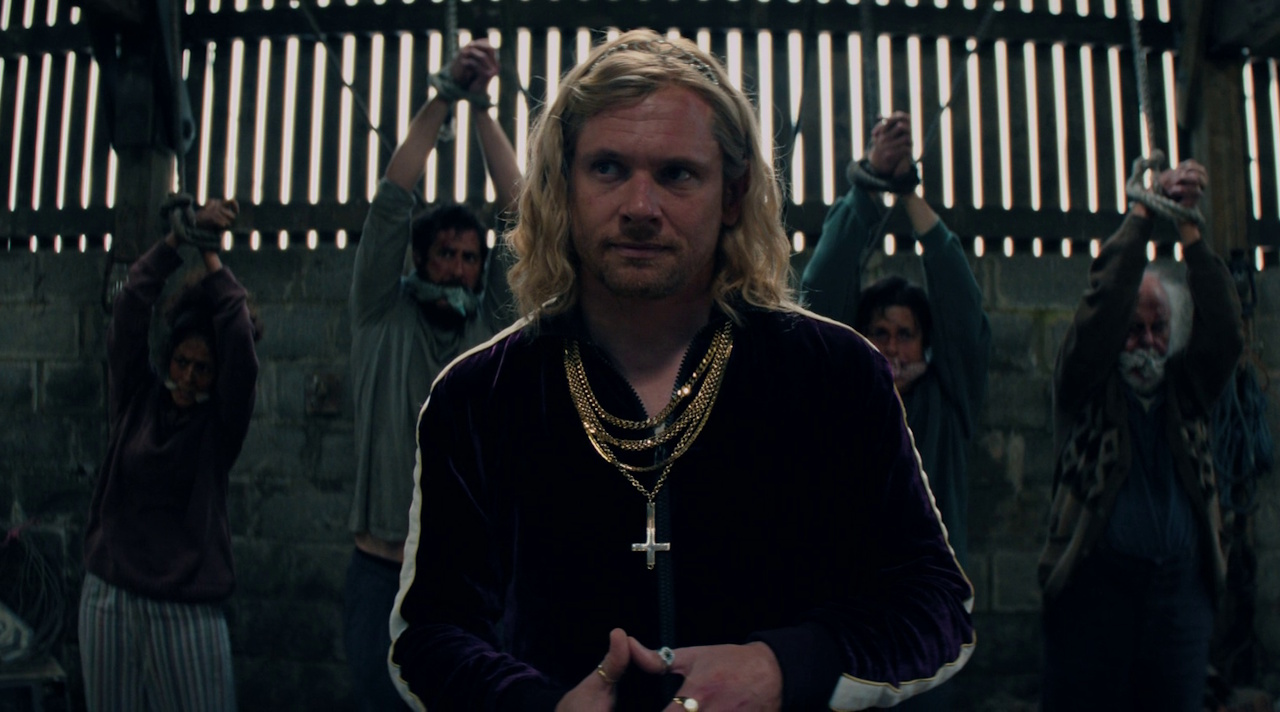
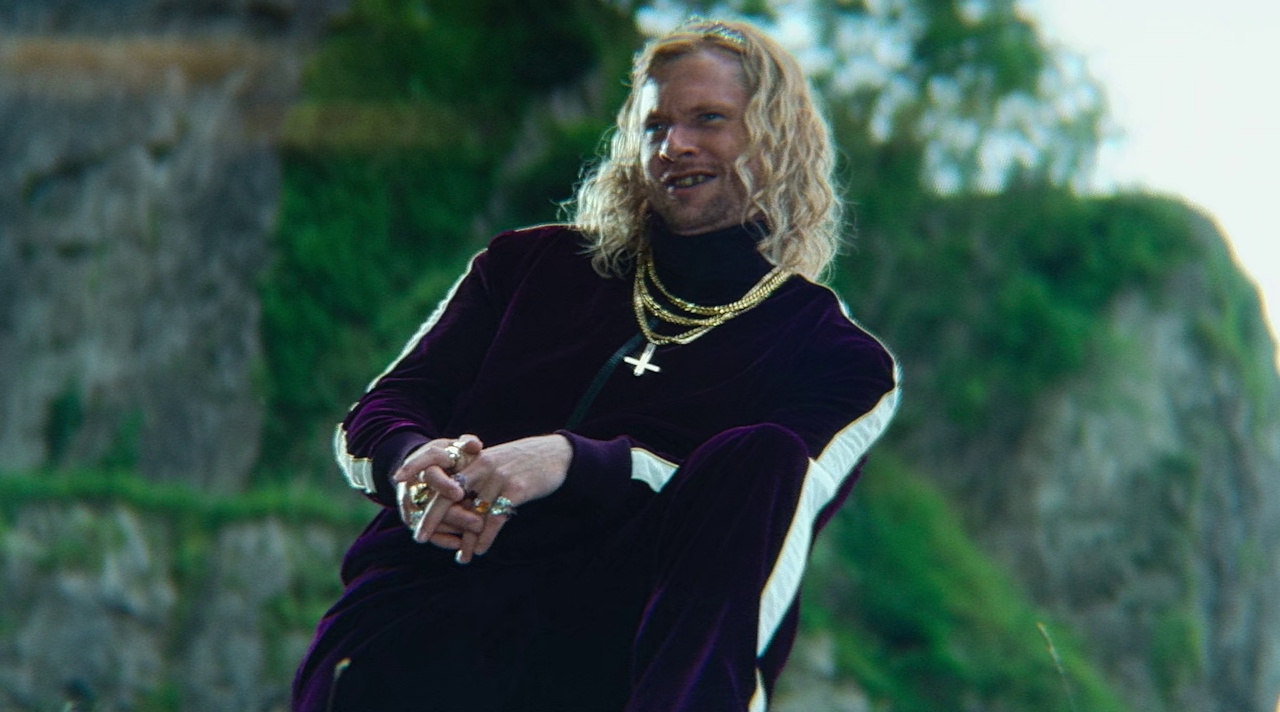
Still frame from 28 Years Later The Bone Temple showing Jimmy
Sir Lord Jimmy.

But, as with the naked zombies, it isn’t enough for something to be logical in the confines of its world – it has to have meaning to us as the audience. And yes, it’s profoundly ironic that someone would consider Jimmy Savile, of all people, a heroic figure, someone “safe,” or anything like that. And it’s a weird kind of critique, I guess, of Savile’s own offending. But does that explain and justify this presentation? Because it feels, to me, like the point was to shock, the point was to be as offensive as possible. Being offensive has decades of precedent in horror – from the rape in Rosemary’s Baby to the gore of The Human Centipede. But when it’s done purely to offend, purely to shock, and without any real narrative justification, nor for any real reason… it feels gratuitous. And that’s how the Jimmies felt to me: gratuitous.

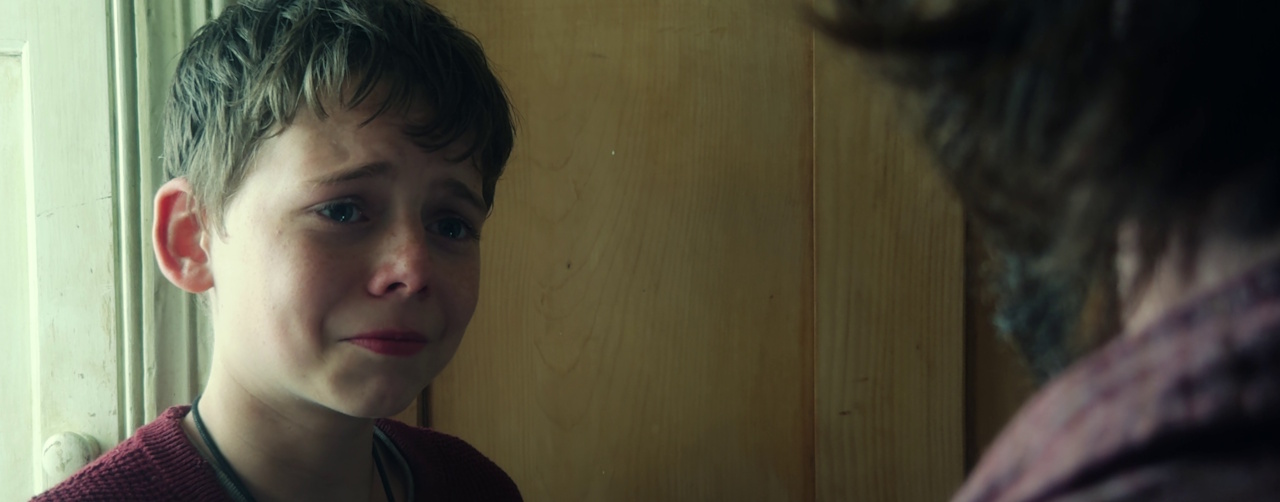
28 Years Later focused on young Spike, and his journey as he left his safe home for the first time to venture into the fallen world beyond. It wasn’t unreasonable to expect that The Bone Temple would pick up Spike’s story – and it did, for a few minutes at the beginning, but Spike felt sidelined a lot of the time; less a driving force behind events than someone swept along in the wake of other characters. We got a few moments from Spike’s perspective as he tried to escape from the gang, but the film largely had its focus elsewhere.
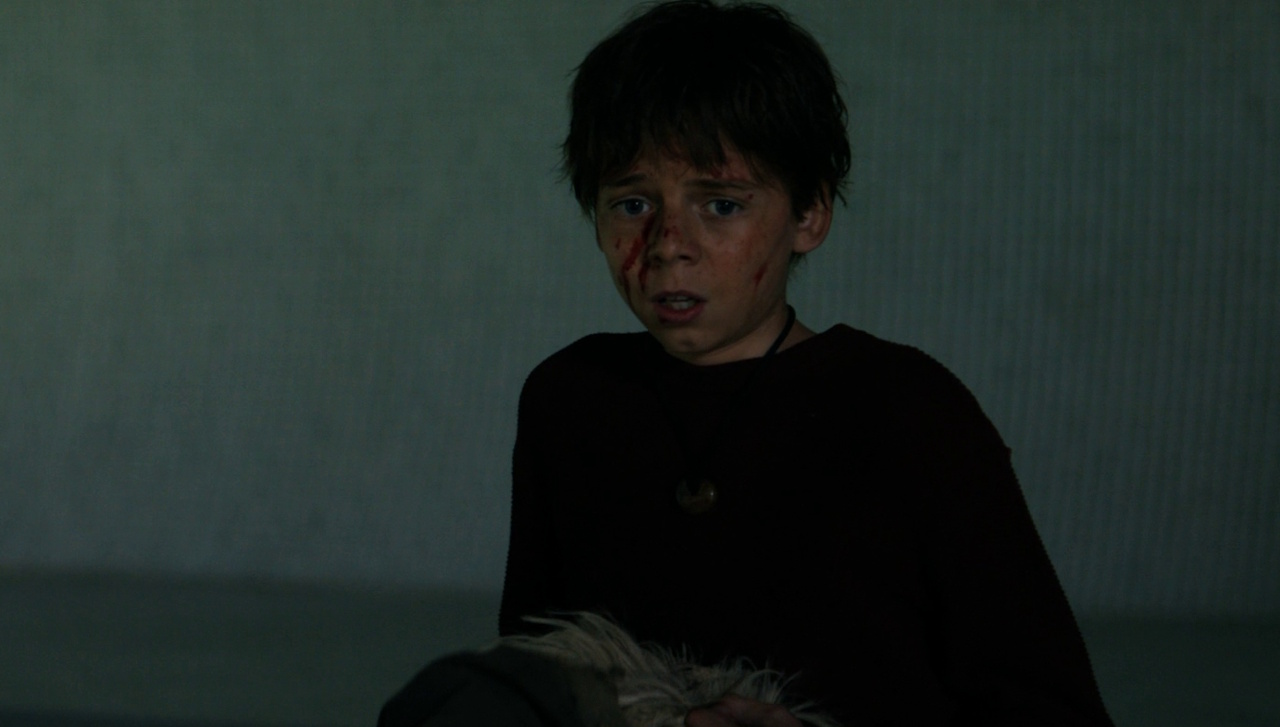
Still frame from 28 Years Later The Bone Temple showing Spike
28 Years Later had been Spike’s story. The Bone Temple was not.

The Bone Temple draws on 28 Days Later’s introduction of the rage virus, which began in an animal testing lab, suggesting that there’s a psychological component to the infection. This story, told from the perspective of Dr Kelson, was perhaps the film’s strongest element – even if I wouldn’t have expected it to be at first! We gradually saw Dr Kelson dosing Samson – the “alpha” infected – with morphine, stripping away some of the most extreme effects of the infection.

This culminated in Dr Kelson’s research into anti-psychotic drugs, which he gave to Samson, finally allowing his mind to break free of at least part of the infection for a time. As an analogy for mental illness and mental health conditions, this is interesting. I myself manage a mental health condition with medication, and I don’t object to the way Dr Kelson and Samson were presented in The Bone Temple. If anything, I find it interesting that, of all things, a zombie film would draw this kind of comparison or create this kind of metaphor for mental health. It’s something that has to be handled with care; there’s a fine line between saying “we’ll explore themes of mental health” and inadvertently leaning into harmful tropes and tired old clichés. But speaking for myself, I think The Bone Temple broadly stayed on the right side of that line.
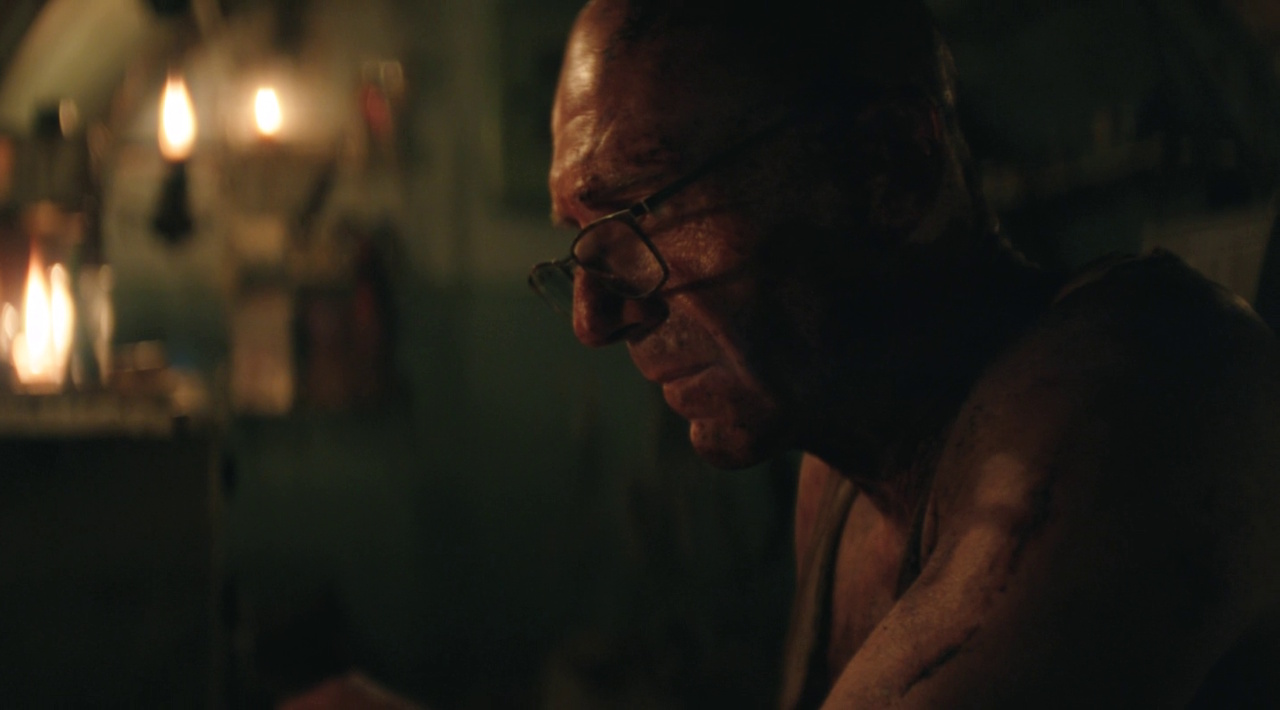
Still frame from 28 Years Later The Bone Temple showing Kelson
Dr Kelson, researching anti-psychotic drugs.

The Bone Temple underperformed at the box office, and may make either a small loss or barely break even, depending on exact figures after video-on-demand and streaming are accounted for. Because of that, it’s recently been suggested that plans for a sequel are no longer certain. With this being part two of three, ending on somewhat of a cliffhanger, and with themes and storylines unresolved… that would be a real shame. Particularly when it comes to Dr Kelson’s apparent breakthrough in terms of understanding the rage virus, and the interesting real-world parallels it draws on, I think a conclusion is pretty important. But them’s the breaks in the entertainment industry, sometimes.

I’d like to pick out a couple of performances that I felt were particularly strong in The Bone Temple.

First, we have Erin Kellyman, who played one of the Jimmies – later revealing that her character’s name was Kellie. Kellyman, who I’d seen before in The Falcon and the Winter Soldier, as well as Solo: A Star Wars Story, put in a really great performance as the conflicted member of the gang, simultaneously believing Jimmy’s claims about “Old Nick,” and remaining sceptical.
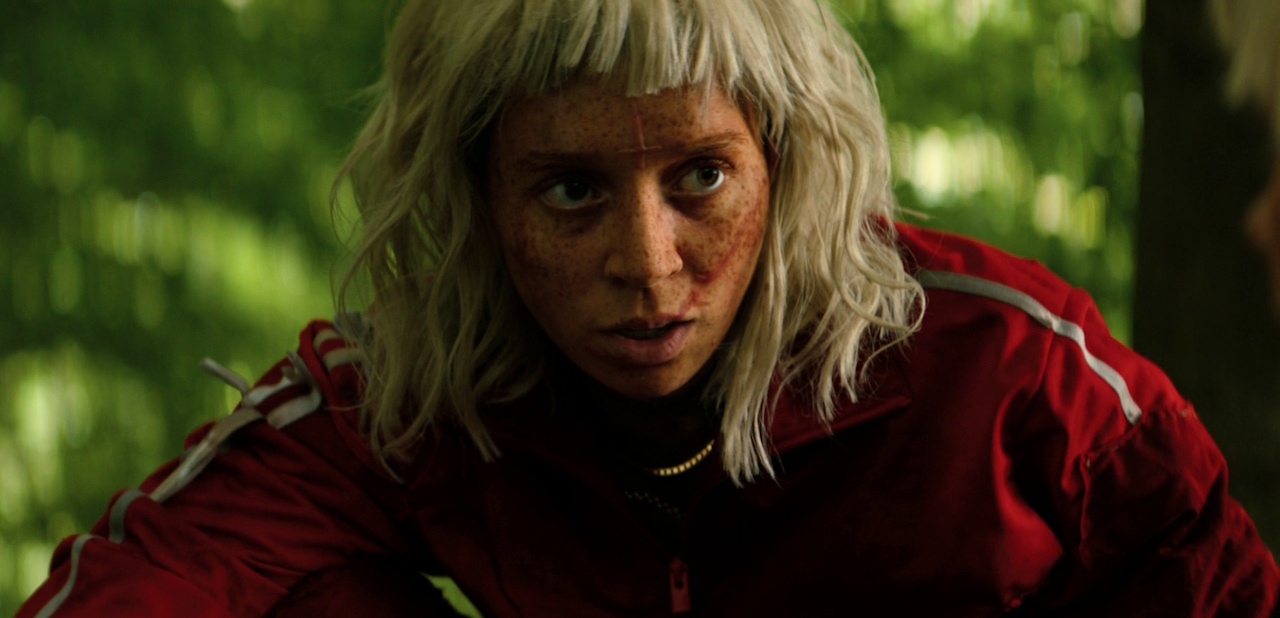
Still frame from 28 Years Later The Bone Temple showing Jimmy Ink
Kellie – a.k.a. Jimmy Ink.

Then we have Ralph Fiennes. Fiennes may be known to some of you as Voldemort, though he’s a prolific actor who’s played a lot of other roles, including in 2024’s Conclave. I found his take on Dr Kelson to be incredible – nuanced, interesting, and with flashes of history and emotion that kept a genuinely odd character feeling human and grounded. Fiennes captured Dr Kelson’s eccentricities perfectly, but also his humanity, too. The sequence where he sat and talked with Jimmy was definitely one of the highlights of the whole film.

And, of course, we can’t mention Ralph Fiennes and Dr Kelson without talking about *that* iconic Iron Maiden sequence! I went through a heavy metal phase as a teen, and I got really into bands like Judas Priest and Iron Maiden. The Number of the Beast is a classic, really leaning into the idea that heavy metal was, well, “the devil’s music,” and I felt this sequence in The Bone Temple really captured that ’80s heavy metal feel. Ralph Fiennes was absolutely exceptional through it all, and the music made the whole sequence feel otherworldly and intense in the best way possible.
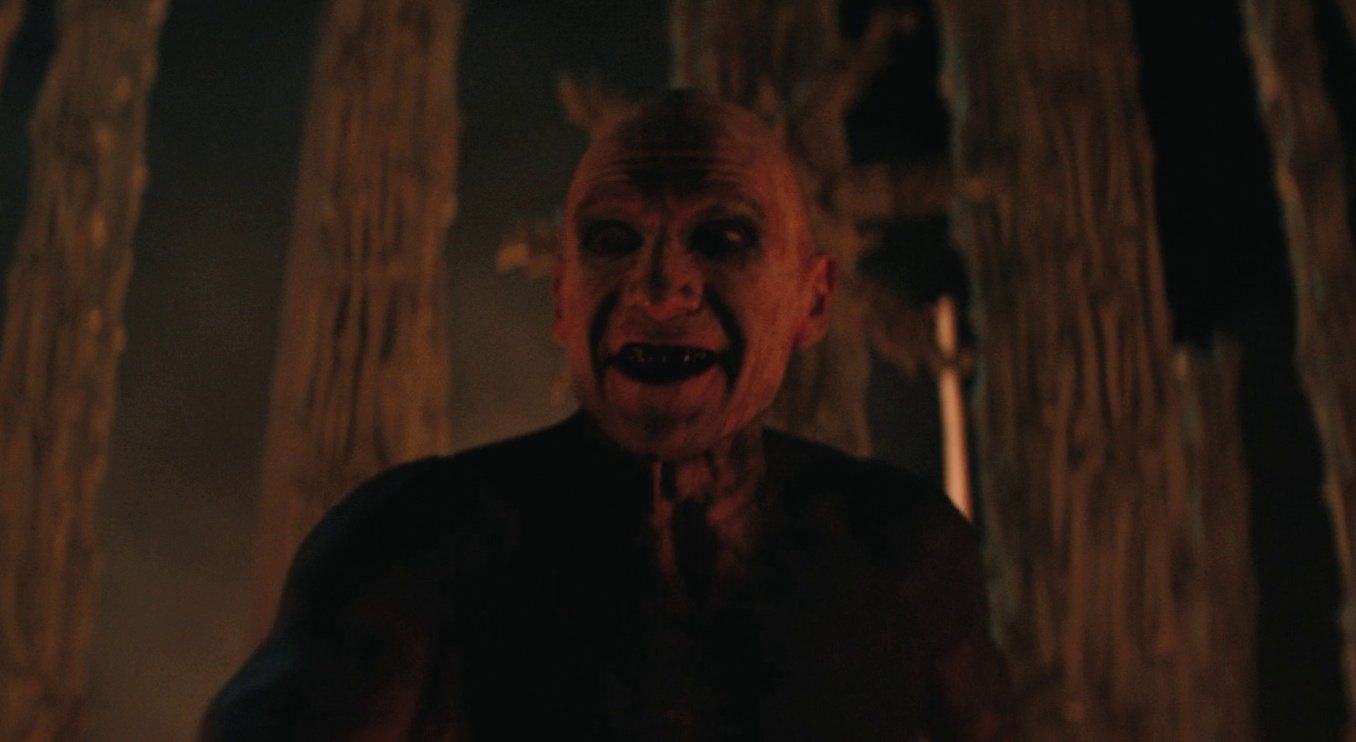
Still frame from 28 Years Later The Bone Temple showing Kelson's performance
Dr Kelson’s Iron Maiden sequence was incredible.

One thing that The Bone Temple did quite well was convey how brutal the post-apocalypse can be. We saw a few different groups and individuals, some of whom were hunters, foragers, or scavengers – but all struggling to survive. The Jimmies are kind of the embodiment of the chaos of survival in this kind of environment: lawless, brutally violent, incredibly aggressive, and dominated by the strong will of a single leader. That isn’t a unique concept; many post-apocalyptic stories feature similar gangs, from The Walking Dead’s Saviors to Fallout’s Legion. But that side of it was well-executed here.

There was an interesting contrast between how the people at the farm lived with how the Jimmies and Dr Kelson lived. The farm group – and, at the very end, Jim and his daughter, too – seemed determined to reclaim at least some elements of pre-apocalypse life, with a well-kept home, fences, padlocks, and hot food cooked in a kitchen. The contrast this presented was stark, and it shows the difference between how different groups might respond to this kind of total societal collapse. In the absence of Spike’s hometown and the folks he had to leave behind in the previous instalment, these characters stood in for the – for want of a better term – more “normal” denizens of post-apocalyptic Britain.
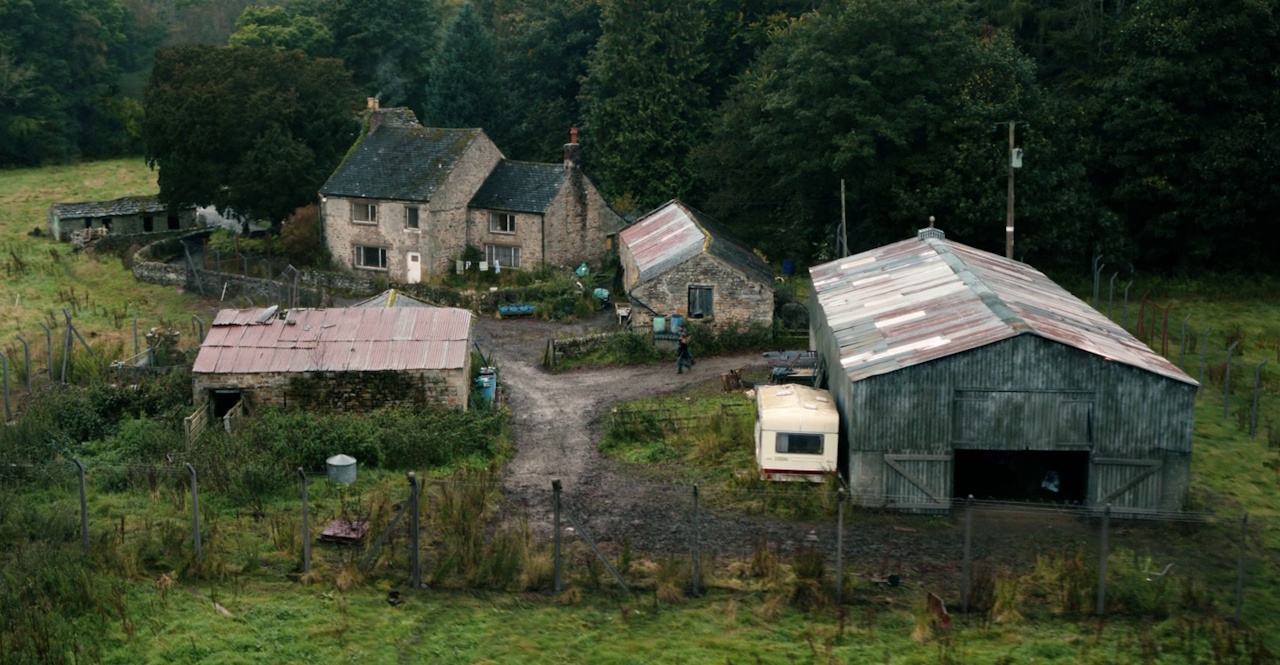
Still frame from 28 Years Later The Bone Temple showing the farm
The farm.

I mentioned Jim, so let’s talk about the film’s closing sequence. Jim was the protagonist of 28 Days Later, and it was great to welcome back Cillian Murphy to the role – albeit that Jim didn’t get a ton of screen time this time around. A zombie glimpsed in 28 Years Later bore a striking resemblance to Jim, and I wasn’t alone in speculating that the zombie’s appearance might’ve been the film’s way of conveying that Jim had finally been defeated by the rage virus. I’m glad to see that wasn’t the case!

Jim having a daughter certainly seems to imply that he and Selena continued their relationship beyond the events of the first film. I wonder if Selena is planned to be a major character if the next instalment were to get off the ground? I liked seeing Jim apparently quite settled, doing what he could to preserve a sense of pre-apocalypse normalcy for his daughter. Their appearances raise a lot of questions; I just hope that answers will, one day, arrive.
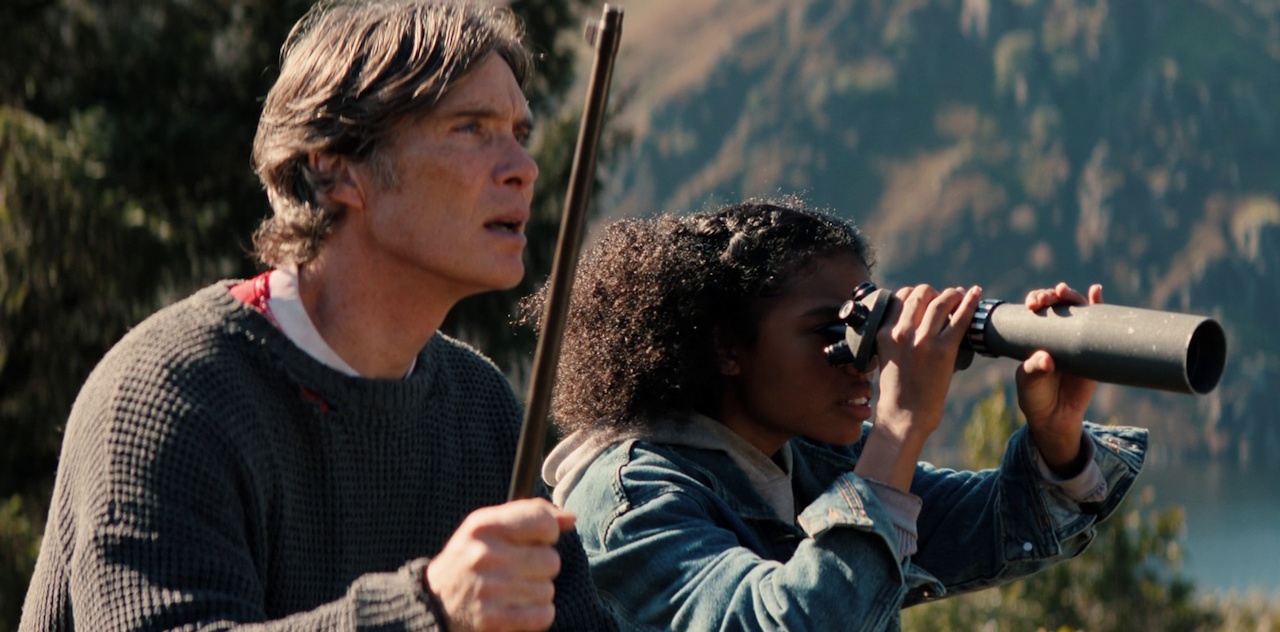
Still frame from 28 Years Later The Bone Temple showing Jim and his daughter
Jim and his daughter.

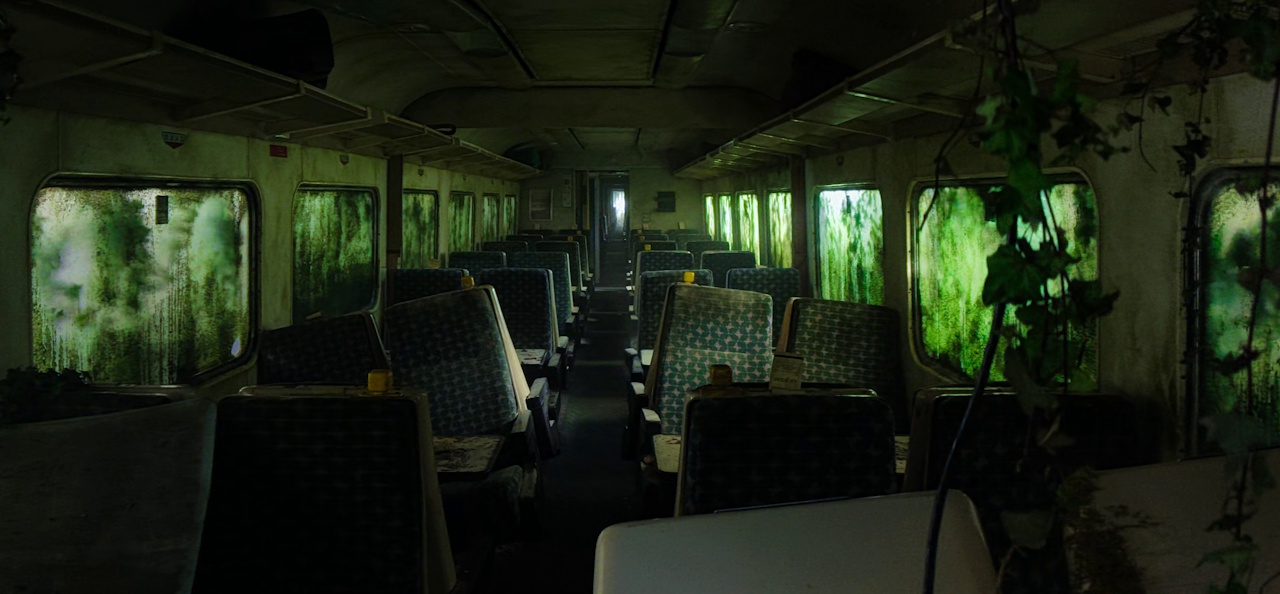
As Samson’s cocktail of drugs helped him come around from his years-long infection, we got an interesting flashback-come-coma-dream sequence of him on a train. This was especially creative, I felt, showing how memories were slowly coming to the surface. It led into one of the film’s only real jump-scares, as the conductor’s face seemed to morph into that of an infected zombie. That was probably the only moment in the film that I could say genuinely caught me off-guard.

Again, though, Samson’s story ends with unanswered questions. Without access to more drugs – both morphine and antipsychotics – will he remain free of the virus and in control of his faculties? Was his status as an “alpha” infected part of what made him susceptible to treatment? With Dr Kelson dead, is there *anyone* left in the area who could carry on his work – or even understand it? All of these points should be addressed… but only if a sequel is forthcoming, which, as mentioned, may no longer be guaranteed.
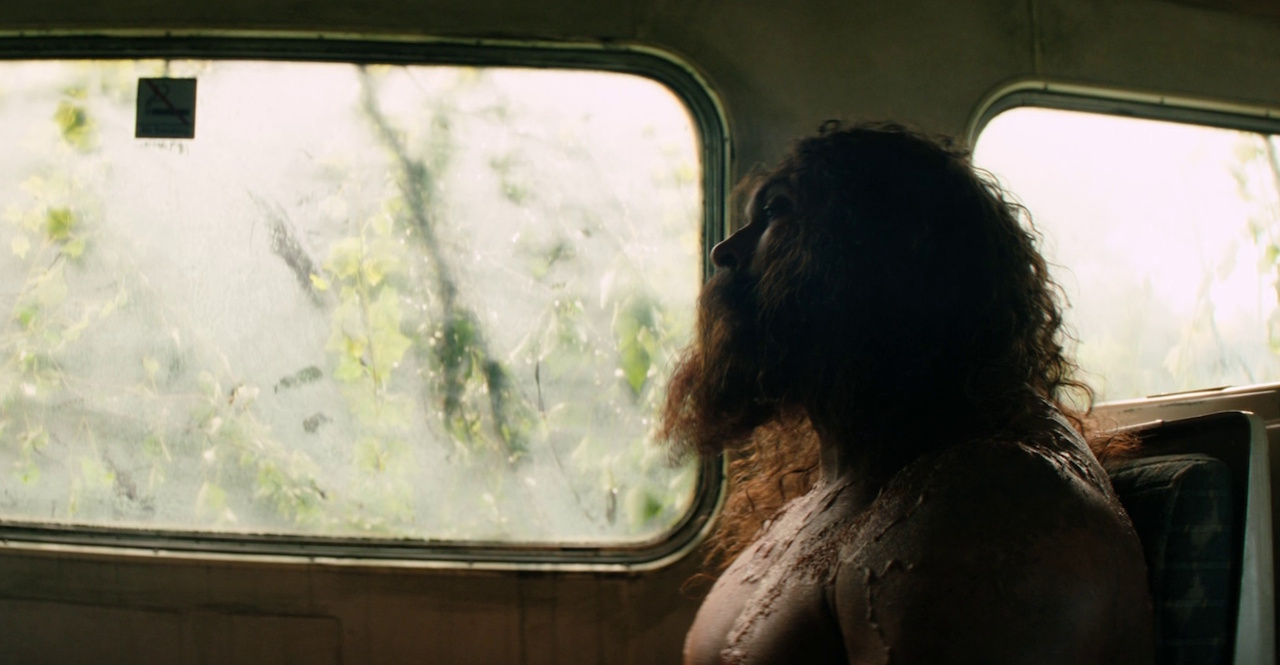
Still frame from 28 Years Later The Bone Temple showing Samson
Samson on the train.

How do we feel about Satanism as a plot point? I get where it was coming from, and I think Jack O’Connell made for a really interesting and complex antagonist. There were points where I genuinely couldn’t tell whether he believed in “Old Nick” for certain, whether he was wavering in his belief, or even if he’d been faking some of it to maintain control over his gang. That kind of presentation is not easy to get right, and O’Connell deserves a lot of credit – as does Nia DaCosta’s direction.

However… I can’t help but feel that falling back on Satanism – literally one of the oldest tropes in the horror movie or shocking story playbook – feels anything other than cheap. As a critique of religious cults and overbearing leaders, I get it. And I think the character side of it worked reasonably well… Jimmy Savile aside. But Satanism itself, while it worked with some of the imagery and the music, just feels a bit played out and clichéd for a story like this. I think part of what made the Jimmy Savile stuff feel so underwhelming and like it was being played for pure outrage bait is the Satanism angle; perhaps The Bone Temple needed to pick one or the other. The story might’ve worked better if it hadn’t tried to have the gang do both.
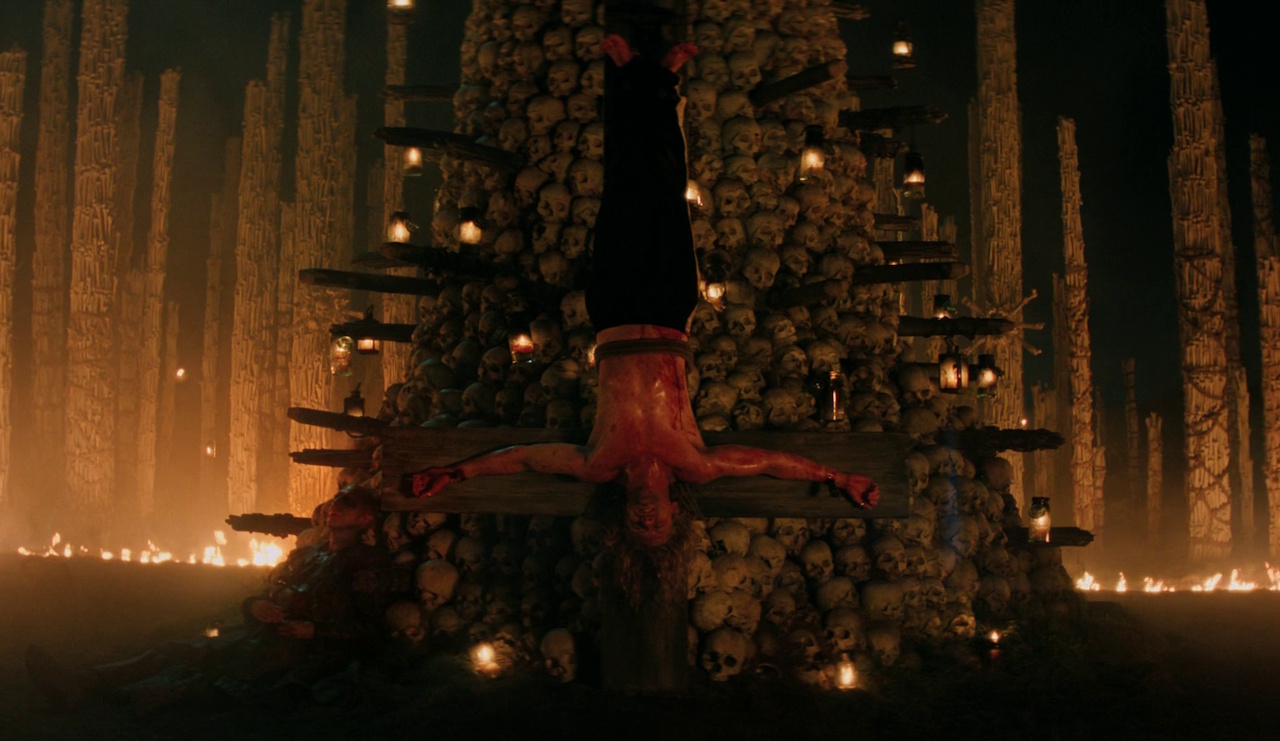
Still frame from 28 Years Later The Bone Temple showing Jimmy's crucifixion
The film used a lot of Satanic imagery.

I think that’s where we’ll start to wrap things up.

The Bone Temple was an interesting film. But it wasn’t a great film, and as the continuation of a sequel I’d been very interested in for some twenty years or so… I think I have to say that it came up short. There were creative ideas in the mix, but some of them felt tropey, others felt like they were done purely to shock and offend, and while the film’s core themes and some of its characters worked well, there are enough downsides and drawbacks to consider it an imperfect motion picture.

I would recommend The Bone Temple to fans of last year’s instalment. But for anyone else – general horror fans, zombie connoisseurs, and even fans of 28 Days Later from back in 2002 – I’m not so sure. If it comes on streaming or it’s on TV one day and you’ve got nothing to lose by checking it out, then sure. I made it to the end, it killed a couple of hours, and I didn’t need to switch off partway through. But I can’t shake the feeling that such an iconic and genre-redefining work as 28 Days Later deserved better than this. And if it’s true, as has been suggested, that no sequel will be coming? The Bone Temple ends with Spike, Kellie, and Jim’s stories all incomplete.
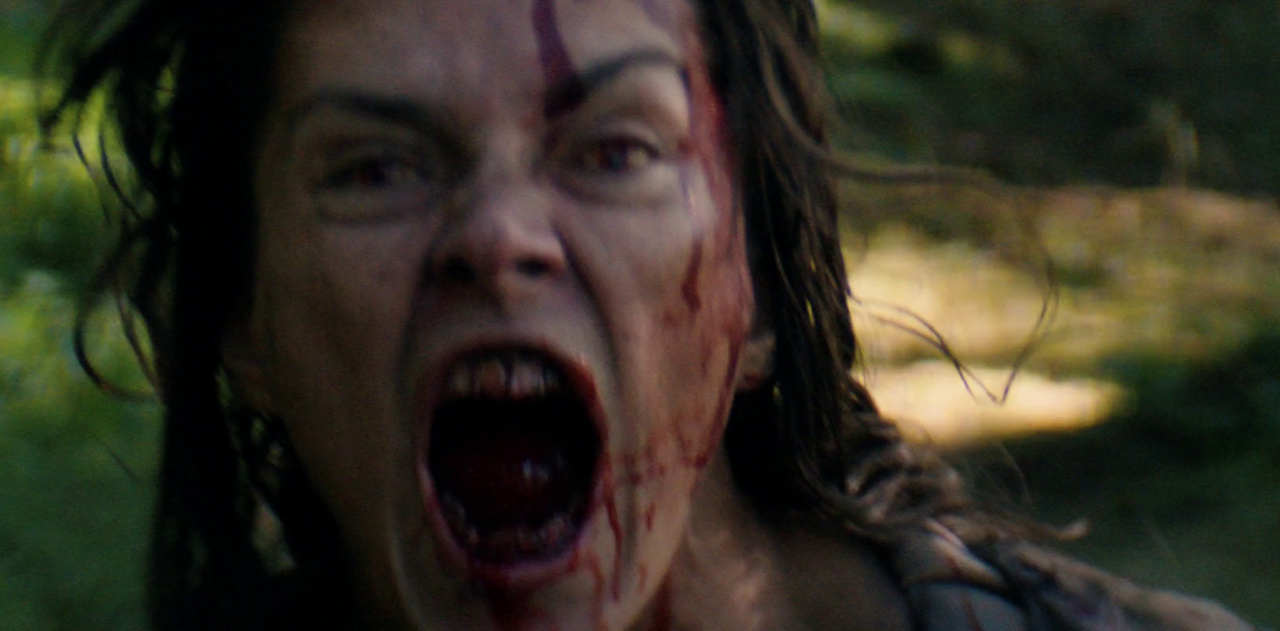
Still frame from 28 Years Later The Bone Temple showing a zombie
Will there be a sequel?

I’m a big ol’ scaredy-cat when it comes to horror. So if Trekking with Dennis, of all people, is saying that a film wasn’t all that scary… then it genuinely wasn’t all that scary. So if what you want is a horror film to give you nightmares and take you to the edge of your seat, I don’t think you get that from The Bone Temple. I certainly didn’t. But that doesn’t mean there weren’t interesting ideas in the mix, fun character moments, and a pretty epic heavy metal song sequence to cap it all off. A mixed bag.

Earlier this year I reviewed a very different film: The SpongeBob Movie: Search for SquarePants. Click or tap here to check that out if you’re interested! And if you want to see a handful of titles that are on my radar as 2026 rolls along, click or tap here to see those. I’d like to review a few more films this year, though probably not too many in the horror genre – at least, not till October! And I have plans to check out a few TV programmes and video games, too. I hope you’ll join me for some of that here on the website.

Until next time… and don’t have nightmares!


28 Years Later: The Bone Temple is available to purchase now on video-on-demand via Amazon and other platforms. 28 Years Later: The Bone Temple is the copyright of Columbia Pictures and/or Sony Pictures Releasing. This review contains the thoughts and opinions of one person only and is not intended to cause any offence.
Horror Hypothetical: Where Would You Try To Survive?

A Star Trek-themed spoiler warning.

Spoiler Warning: Beware of spoilers for the films, games, and TV shows discussed below.

With Halloween rapidly approaching, I thought we could have a bit of fun by playing one of those “hypothetical question” games that you often see doing the rounds on social media. I’m going to choose one with a seasonally-appropriate horror theme, and try to go through a few possible answers, weighing up the pros and cons of each.

So what is this horror hypothetical, you rightly ask?

If you had to spend 72 hours (that’s three days) in one fictional universe from a horror property, which one would you choose? And, perhaps more pertinently: which horror franchise/universe presents the highest chance of survival?

Stock photo of two Jack-o-lanterns.
Happy Halloween!

Let’s lay down some ground rules – because rules are always fun, right?

In this scenario, I’ll have to spend 72 hours in one fictional universe of choice – and it has to come from a recognised horror film, TV series, or video game. Scary episodes or levels of non-horror properties don’t count – so there’s no trying to wriggle out of it by picking something like Star Trek: Deep Space Nine’s Empok Nor. We’re talking full-blown horror only!

Most stories take place in a larger fictional world – but it wouldn’t be *any* fun at all to pick, say, The Texas Chain Saw Massacre and say that I’d avoid it by catching the first bus out of town, or to say that I’d survive in the Alien universe by just never going into outer space. So we’re assuming, for the purposes of the hypothetical, that I’m dropped in the middle of the danger zone. Running away is possible – but only using the equipment and technology that we’ve seen depicted on screen, *and* that I’m reasonably confident I’d be able to use. So… no hijacking a nuclear bomb or anything like that!

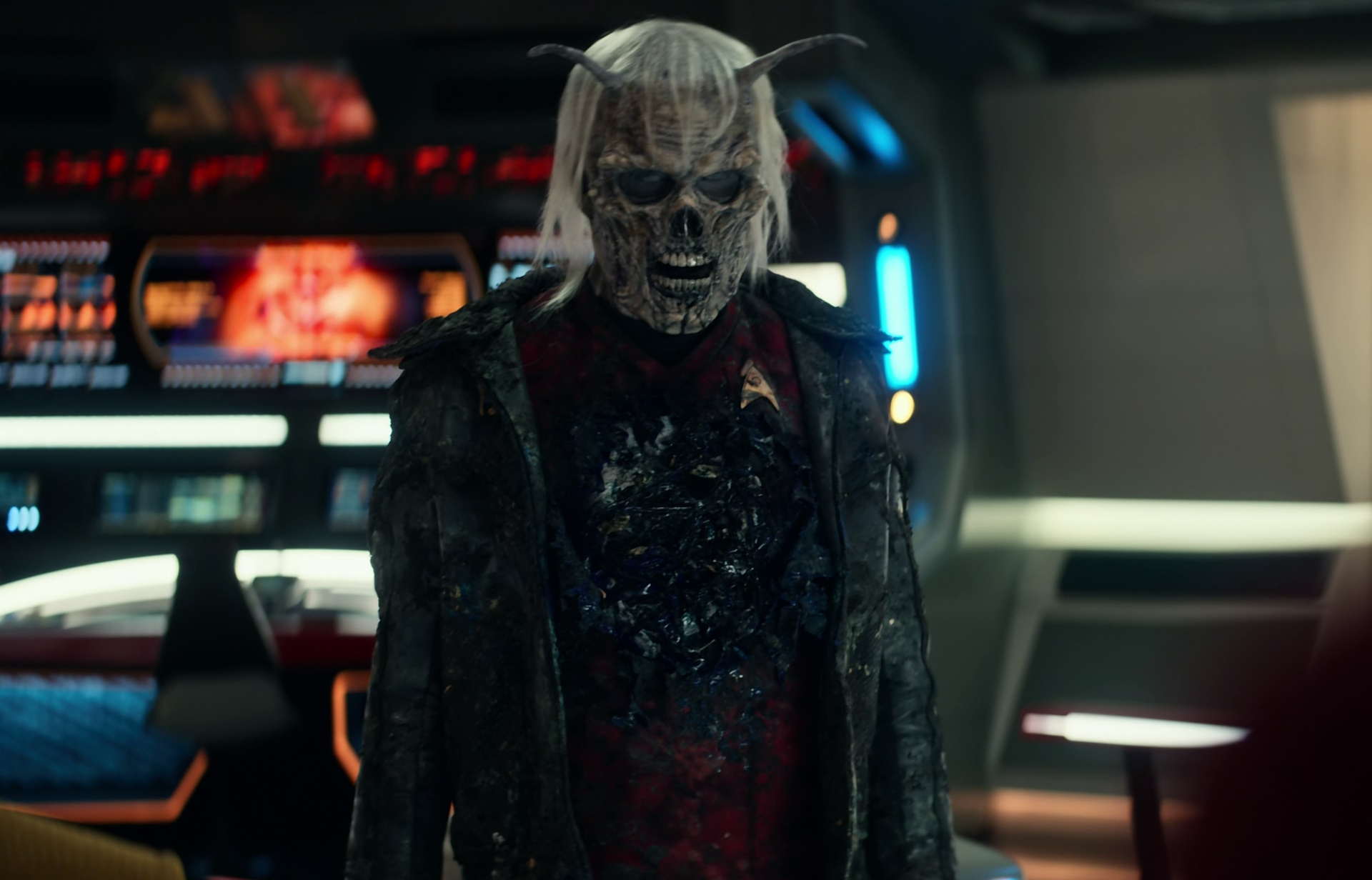
Still frame from Star Trek: Strange New Worlds showing Hemmer as a zombie.
Argh!

I’m also going to assume that I’m in reasonably good health in these hypotheticals – which is categorically *not* the case in real life, unfortunately! But, again, it doesn’t seem like it’d be a lot of fun to have to take into account my limited mobility in every scenario. So, if you’ll indulge me, I’m going to assume I’m in better health than I actually am!

Finally, as I always like to say, everything we’re going to talk about is subjective, not objective. If you hate the horror franchises I’ve chosen, think I’ve totally messed up my survival, or just feel I’ve got the wrong end of the stick somehow… that’s okay! All of this is just a bit of Halloween-themed fun, at the end of the day. And since neither of us are ever going to be actually dropped into a horror franchise (well, fingers crossed), none of this really matters! It’s just for fun – and I share it with the interweb in that spirit.

I’ll talk a little bit about each scenario, then give it a survival chance at the end using a simple 1-10 scale, with one being the lowest chance of survival, and ten being the highest.

So with all of that out of the way, let’s get started.

Option #1:
28 Days Later

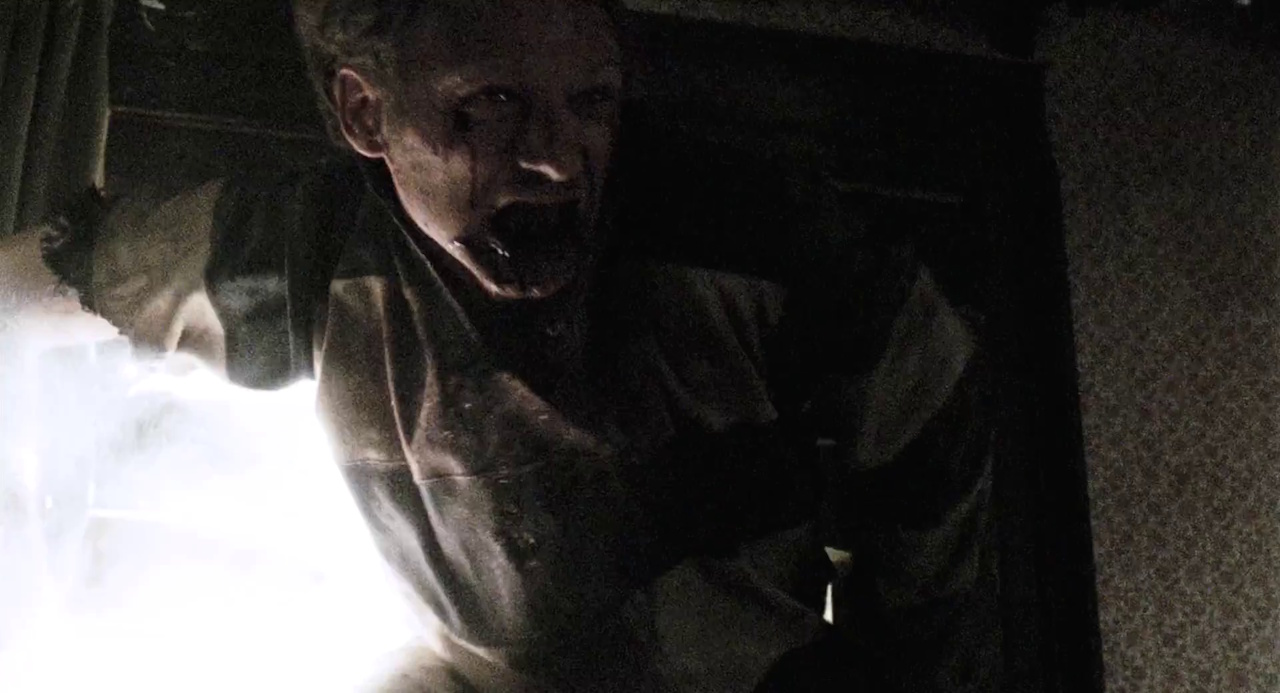
Still frame from 28 Weeks Later showing a zombie breaking in through a window.
A zombie.

28 Days Later redefined the zombie genre, and it was genuinely one of the most terrifying depictions of zombies I’d ever seen. Fast “sprinters,” able to infect people with a single drop of blood, and blinded by rage… this is gonna be a tough one!

For the purposes of our 72-hour survival challenge, the best thing to do would be to shelter in place, using whatever resources are available in the immediate surroundings. Venturing outside, especially in a large city the size of London, seems like it would be immediately fatal, so as long as I have some kind of shelter and hopefully some water or something else to drink, I’d try to hunker down, keep quiet, and stay away from any windows!

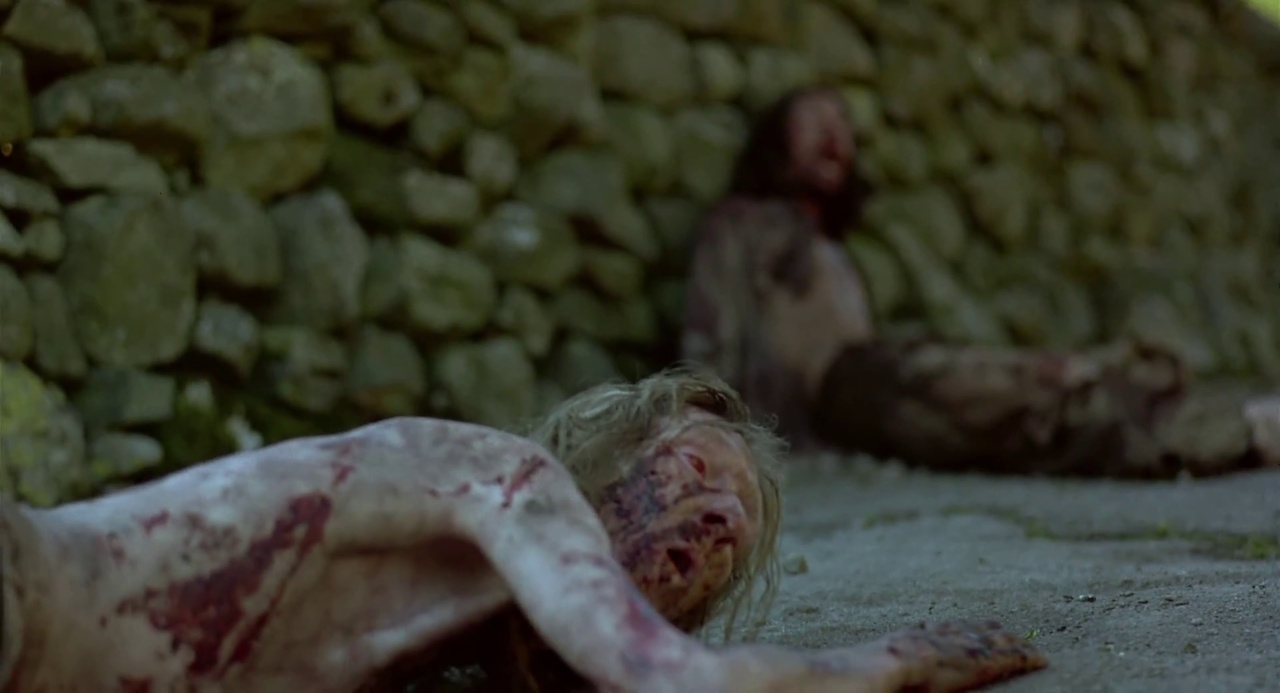
Still frame from 28 Days Later showing two zombies dying.
Dying zombies.

That being said, we’ve seen how aggressive 28 Days Later’s zombies can be, and how a small flicker of light or a seemingly innocuous sound can attract an entire horde. Assuming we’re in London or a similarly-sized urban area, and all we have for defence is the contents of the average house… I don’t think this is going to end well, to be blunt about it. One loud snore, one step too close to a window, or one candle at night would be all it’d take to send the zombies crashing through the windows and doors.

I deliberately chose 28 Days Later ahead of something like The Walking Dead because of how much more intense and powerful its zombies appear. But that could be what screws us over! If we get lucky and the hordes pass us by, I think sheltering in place for 72 hours is plausible. But if we run out of water and have to venture out, if our base is compromised, or if we make one small mistake… that’s all it’d take.

Survival Chance: 3/10

Option #2:
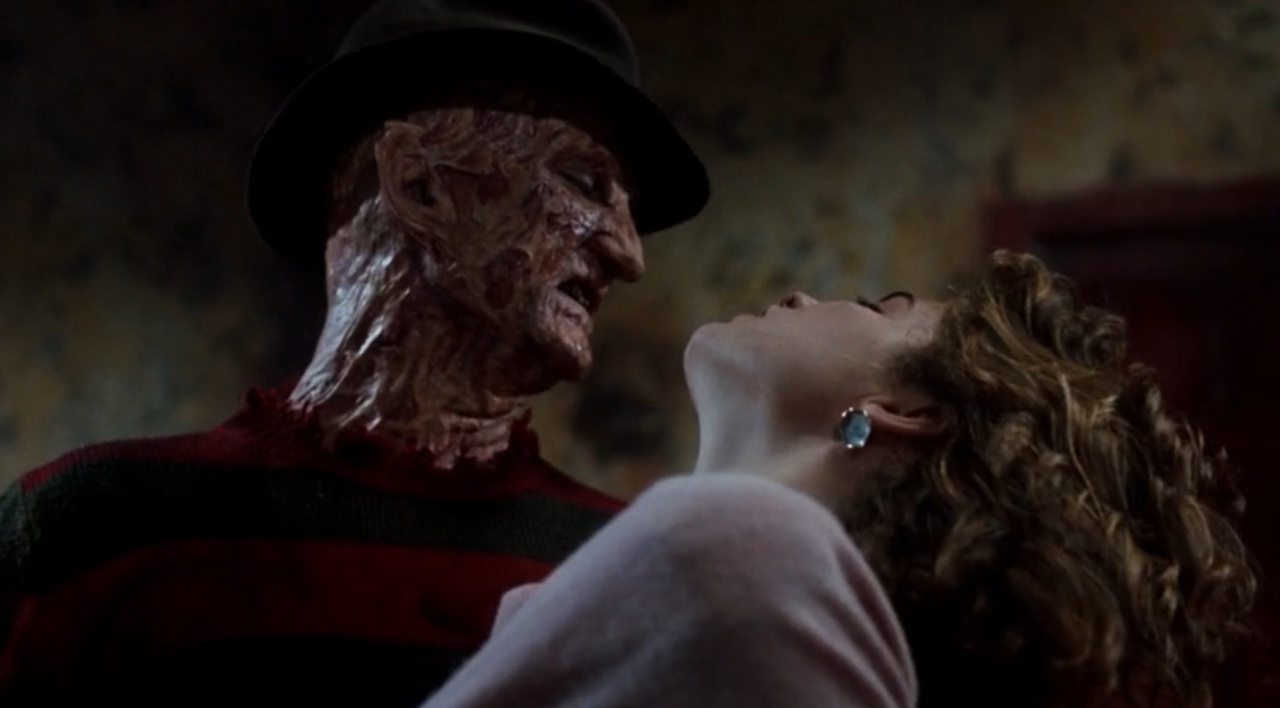
A Nightmare on Elm Street

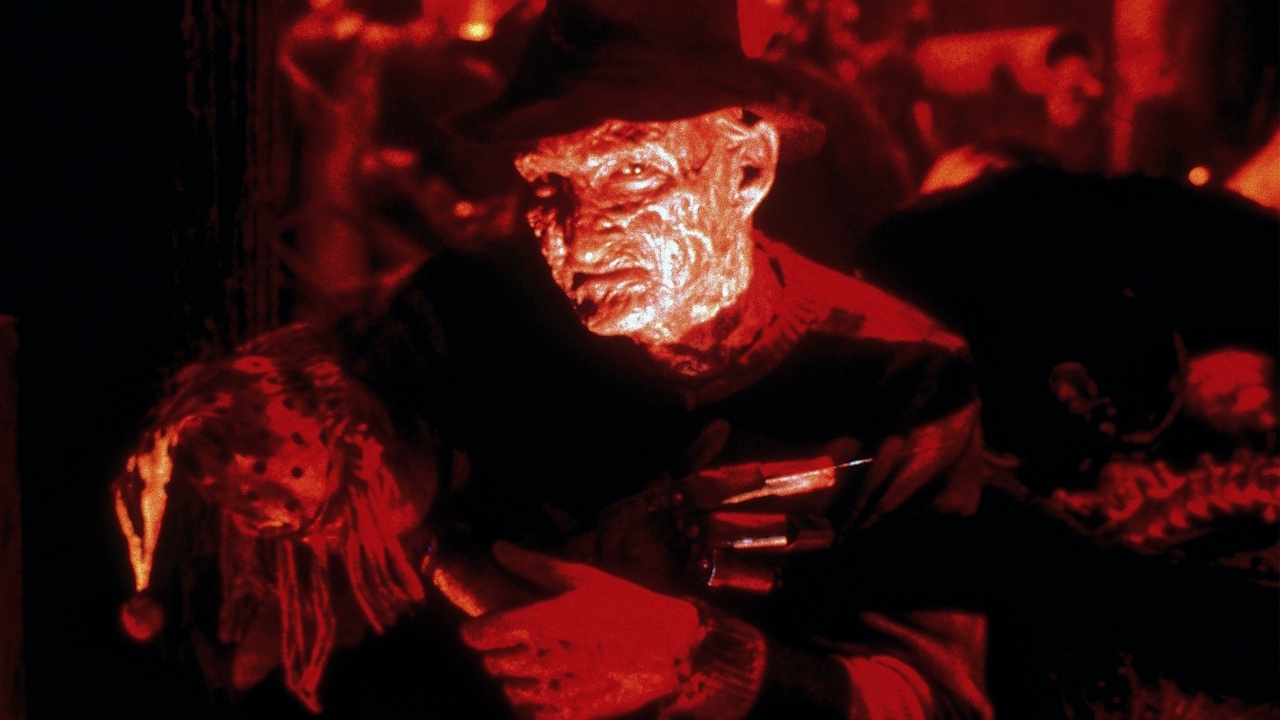
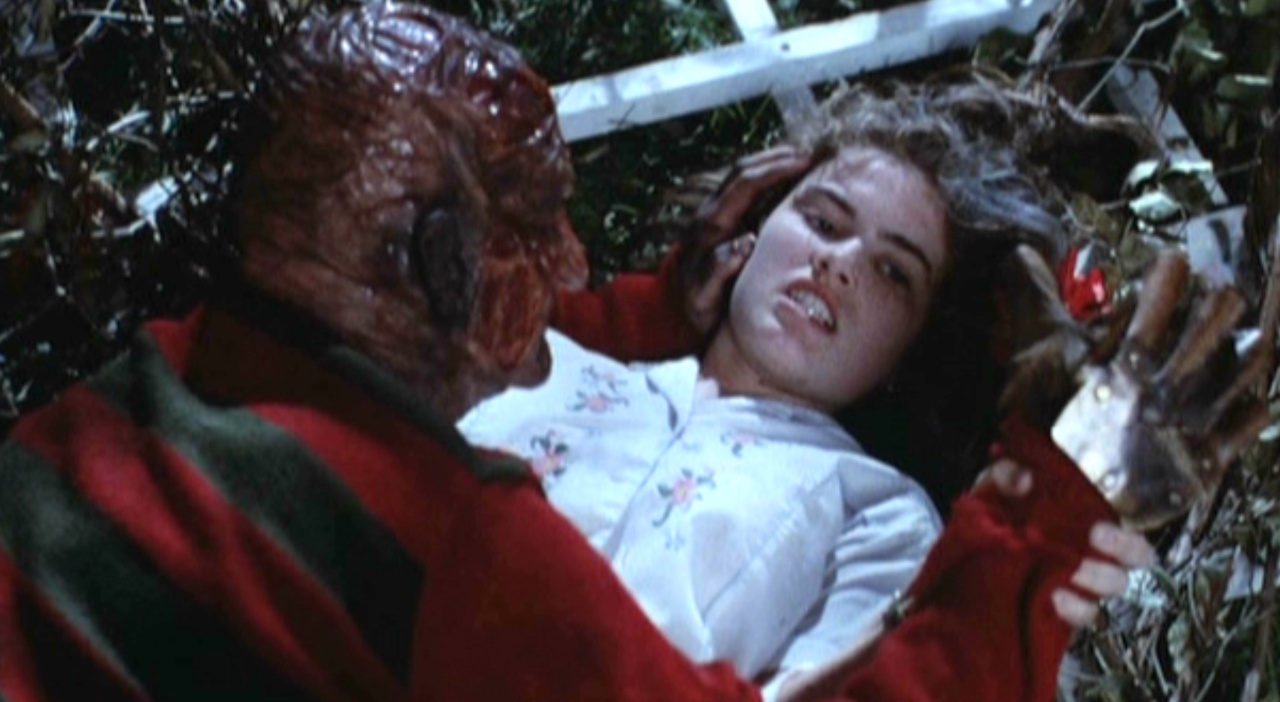
Promo photo for A Nightmare On Elm Street showing Freddy Krueger.
Freddy Krueger.

Freddy Krueger has one major weakness: he can only hurt me in my dreams. If this was a “survive indefinitely” challenge, that would be a problem! But if I have to make it 72 hours… I reckon I could manage to stay awake. A combination of caffeine pills, energy drinks, and coffee should keep the spooky lil’ guy at bay!

But okay, that’s getting dangerously close to cheating territory, I suppose. There have been more Nightmare on Elm Street films and spin-offs than I thought, and it seems as if Krueger’s backstory and the source of his powers have changed since the original. But if we assume that Krueger is fuelled by his victims’ fear, as the first film depicted, then trying to stay calm will be the biggest obstacle. And all that caffeine we just chugged? That probably won’t help with keeping calm!

Still frame from A Nightmare On Elm Street 3 showing Freddy and Nancy.
Krueger and Nancy in one of the sequels.

I don’t think I’d be able to figure out all of the other stuff depicted in the sequels: things like purifying Freddy’s bones or staging a group hypnotherapy session in order to enter his world and take the fight to him! So my plan, to be honest, would really be to try to stay awake for as long as possible. 72 hours seems like a stretch – that’s three full days – but if the alternative is a violent and painful death… well, that’s a pretty good motivator.

If possible, I’d try to meet up with anyone else who might be one of Freddy’s targets. Perhaps by working together, we could develop a more solid strategy!

Survival Chance: 6/10

Option #3:
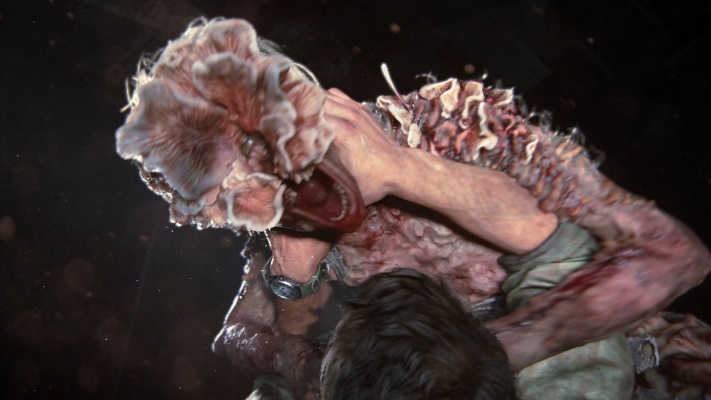
The Last Of Us
(Video game version)

Promo screenshot for The Last Of Us showing Joel fighting a clicker.
Fighting a clicker.

In this scenario, we survived the main event (or we were born after it) and we’re now a couple of decades into the post-apocalypse, as depicted in the main part of the story. For a 72-hour survival challenge, I’m torn between seeking out a safe zone, like Boston, where the first game starts, or simply finding an abandoned property and taking shelter.

In either case, I don’t want to spend much time on the road or travelling, as that seems like the time for the mushroom-zombies to strike! Finding a truly safe space outside of one of the established settlements or safe zones seems like it would be challenging, but trying to enter one of these places would also have its drawbacks. Some guards seem especially trigger-happy, so one wrong move (or sarcastic quip) could lead to a premature demise!

Promo screenshot for The Last Of Us showing a clicker on a red background.
We don’t want to run into any of these…

The video game version of The Last Of Us also showed how deadly fungal spores could be. Without proper protection, spores would quickly infect me and bring my run to an end – and I can’t rely on having access to a proper hazmat suit or gas mask! And knowing me, I’d struggle to get the damn things on in time even if I was lucky enough to have them. This side of things makes venturing anywhere pretty dangerous, not least derelict buildings which could hold clouds of cordyceps spores.

Perhaps the least-bad option would be to just… pitch a tent in a field somewhere and hope that you’re far enough away from the zombies to survive for three days? There are also scavengers and gangs to worry about, though. Being alone in this post-apocalyptic world wouldn’t be a lot of fun, that’s for sure.

Survival Chance: 4/10

Option #4:
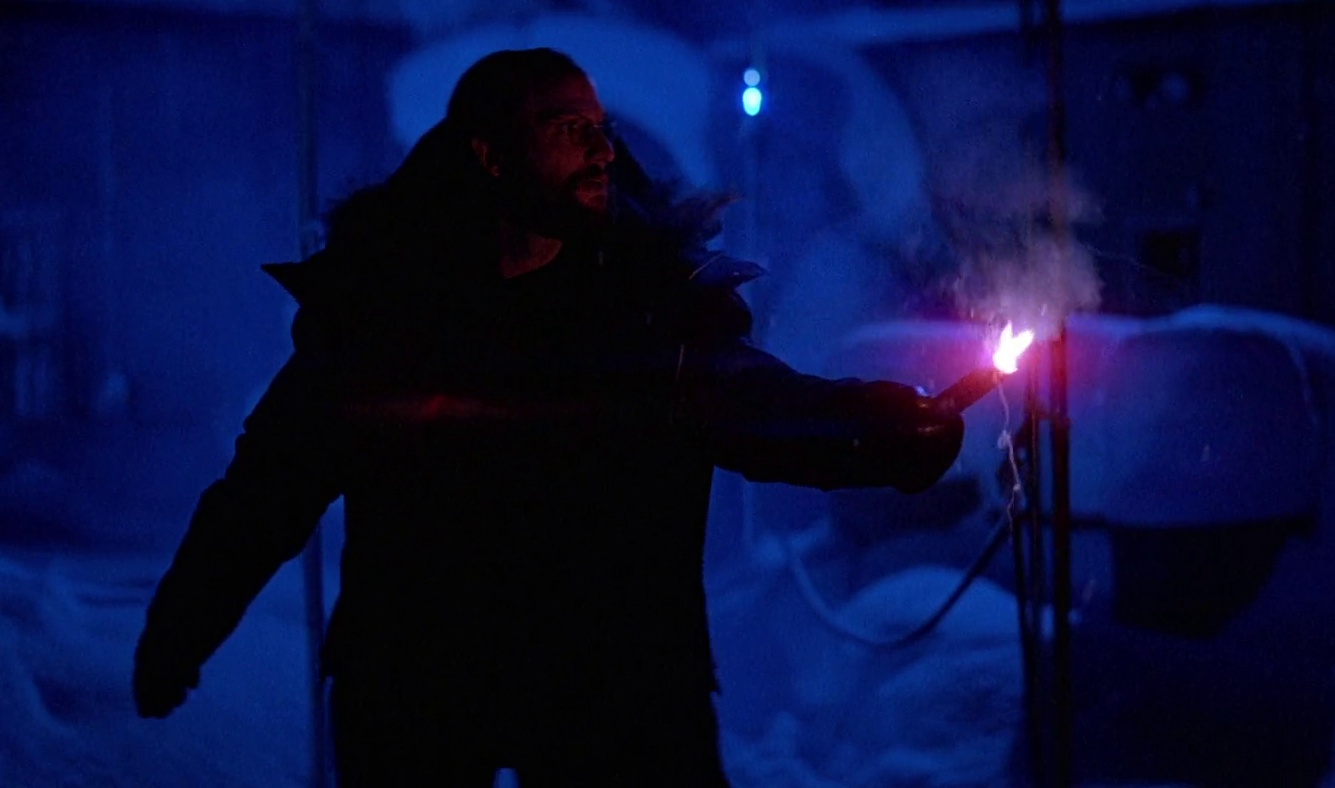
The Thing

Still frame from The Thing showing a character holding a lit flare.
The Thing.

In The Thing, you’re trapped at an isolated outpost, unable to tell your friends from the creature, and… I think it’s gonna be a bad time! Unlike in other scenarios, going off alone and trying to hunker down won’t work; the Antarctic base is relatively small, and the creature seems to have a pretty good method of navigating it. Leaving the base, even if well-equipped, means facing Antarctica in the dark in the middle of winter… so I’m not making it 72 hours that way!

If possible, I’d try to organise the survivors into one group, occupying a “safe” room with resources, like the cafeteria. Taking shifts, so at least two or three people are awake at a time, I’d try to keep the creature at bay for as long as possible. But I have no doubt that the shape-shifting abilities would be a waking nightmare; not feeling 100% confident in trusting anyone would take a toll.

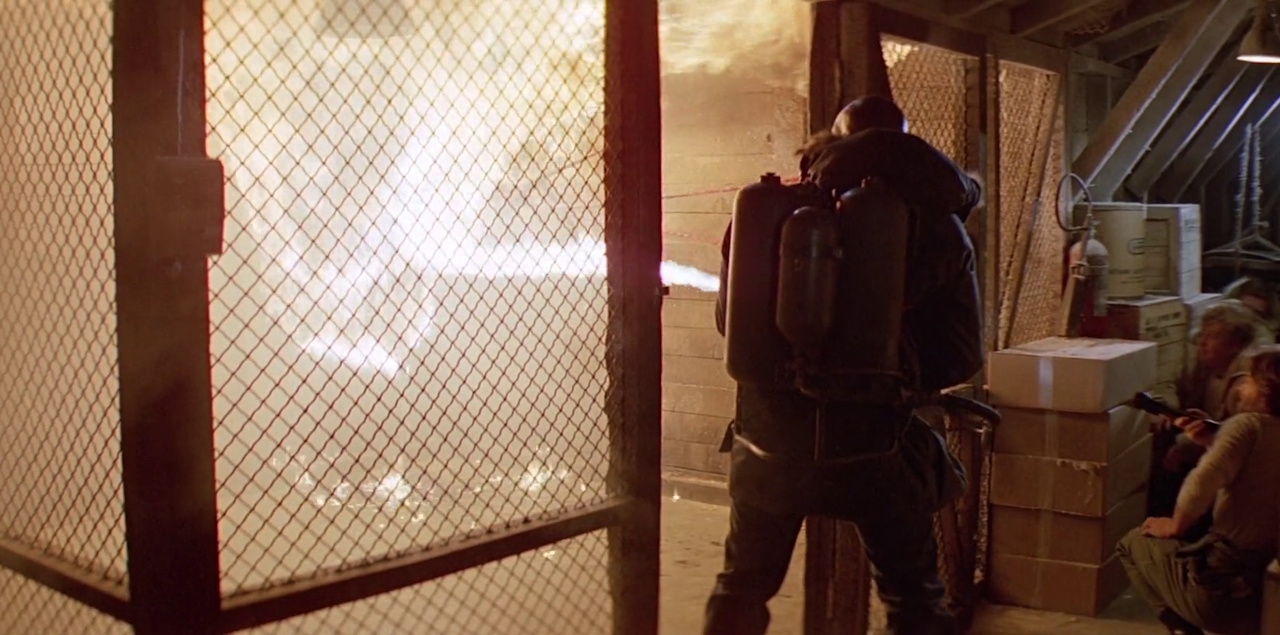
Still frame from The Thing showing a character using a flamethrower.
Kill it with fire!

With nowhere to run, the best way to survive 72 hours in this world would seem to be by befriending everyone at the facility and trying to stick together in one group. That means if there’s something to attend to outside of our safe room, the whole group goes. No one uses the bathroom alone, sleeps alone, or does anything alone. For someone who struggles with human interaction… that might not be the most fun I’ve ever had! But, as above, the fear of a violent death is a pretty good way to keep me motivated!

With all that being said, facing off against an intelligent and efficient predator like this, one with such a perfect ability to mimic animals and people… I don’t think the odds are especially high!

Survival Chance: 2/10

Option #5:
Alien

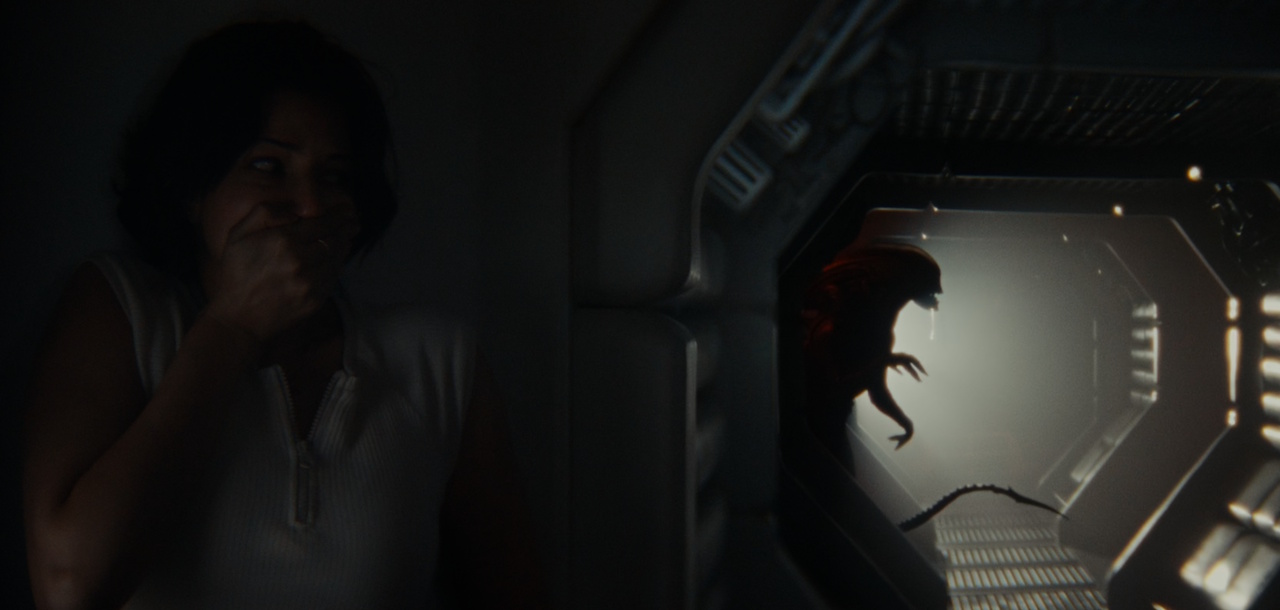
Still frame from Alien: Earth showing someone trying to hide from a Xenomorph.
Hiding from a Xenomorph.

In space, no one can hear you scream… so let’s *try* not to have to scream! I think our survival chances in the world of Alien improve significantly if we’re on the ground – a colony or settlement – rather than aboard a spaceship or space station. But either way, the Xenomorph is coming for us, driven by little more than a desire to feed and breed.

If we have enough room, I’d try to put as much distance between us and the infection site as possible. We could try to commandeer a vehicle – like one of the ground transports seen in Aliens. Or, if trapped aboard a ship, sneakily trying to use an escape pod might be a viable option. Remember, we just have to survive for 72 hours – so getting as far away from the Xenomorph as possible should be top priority!

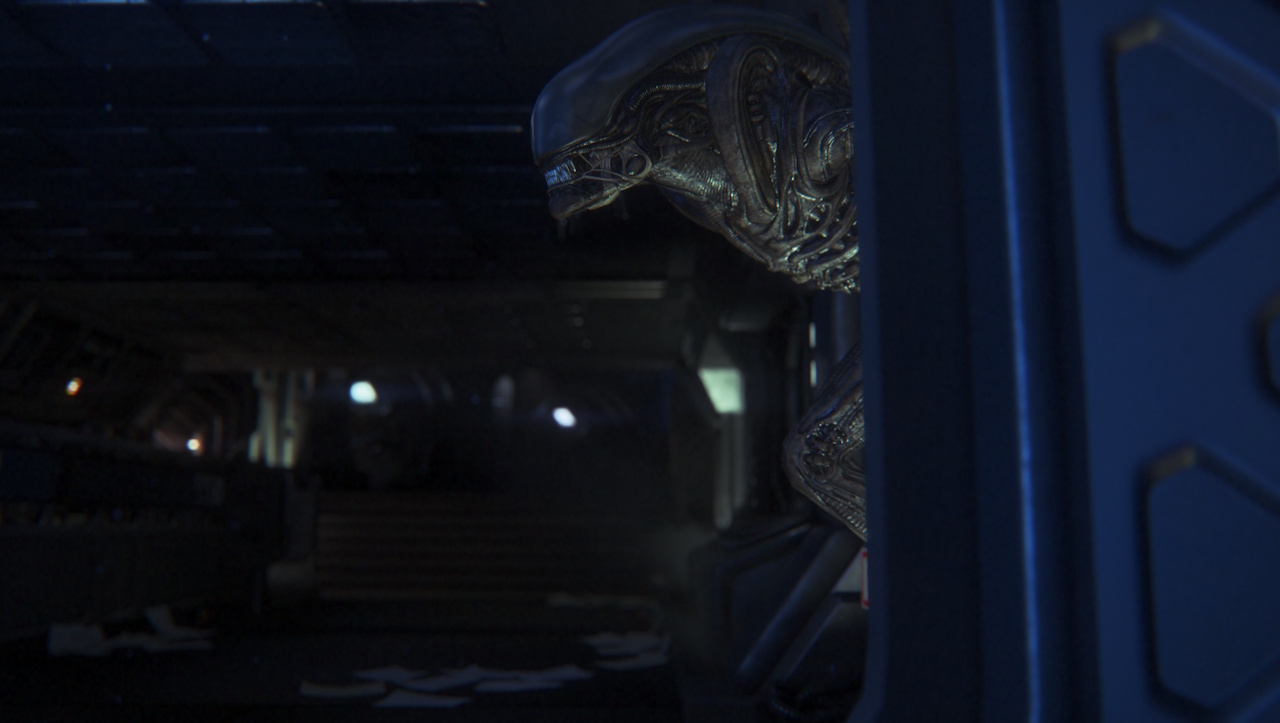
Promo screenshot for Alien: Isolation showing the Xenomorph.
Alien: Isolation.

If escape isn’t an option, though, and we’re in a worst-case scenario aboard a cramped slow-moving spaceship, then I think – as the films and series have repeatedly shown – we’re pretty much screwed! If we catch the infection really early, and can kill the facehugger or infant Xenomorph, maybe things would look a lot brighter. But by the time we’ve passed the chest-burster stage and the little bugger has disappeared, our best bet is honestly to run to the escape pods.

I’ve recently been playing Alien: Isolation, and it’s genuinely one of the scariest games I’ve ever played – and perhaps second only to the original Alien film in terms of how terrifying the Xenomorph feels. Playing it was part of the inspiration behind this piece, as I honestly struggle to survive in the world of Alien – so it made me wonder which other horror properties might be equally as unforgiving!

Survival Chance: 2/10

Option #6:
Buffy the Vampire Slayer

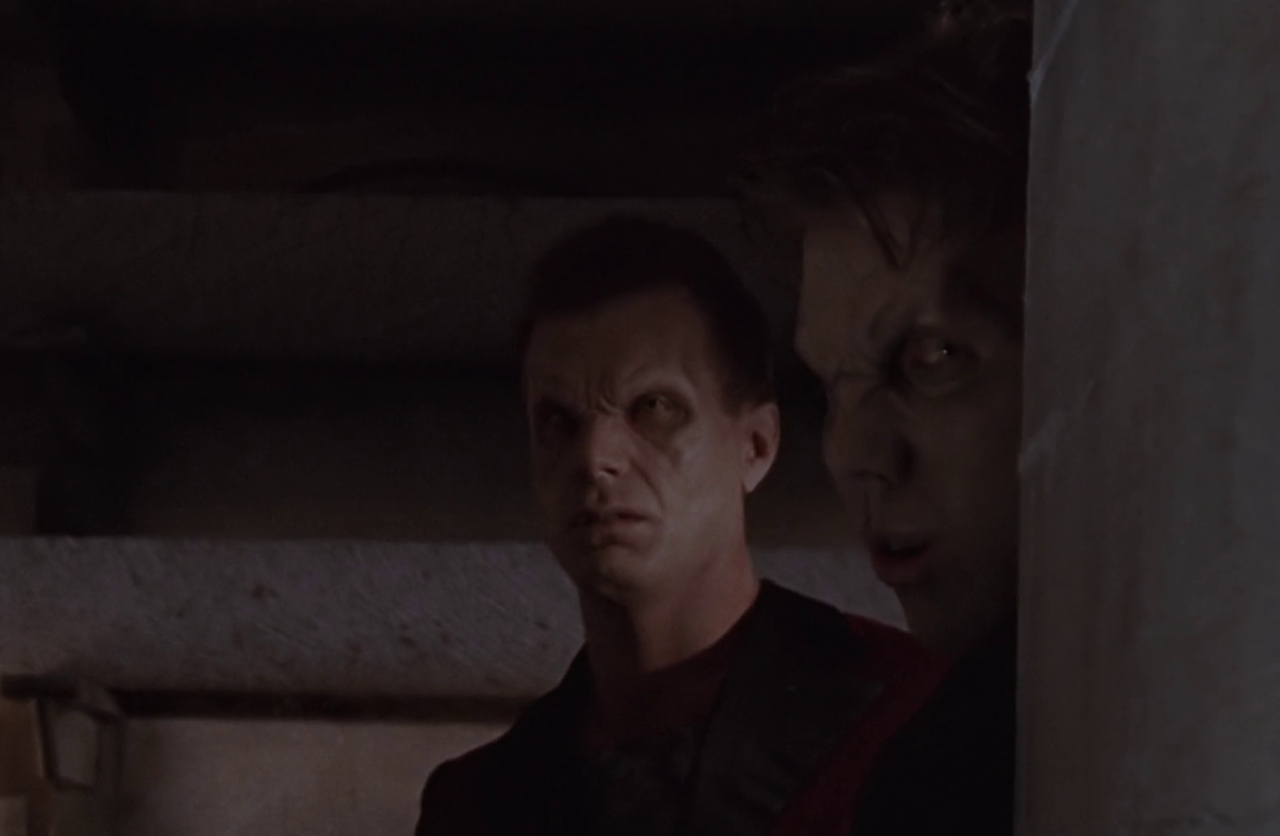
Still frame from Buffy the Vampire Slayer showing two Season 1 vampires.
Vamps!

Gosh, where do we start with this one? There’s a lot more to Buffy than just vampires – so you can expect to be contending with werewolves, witches, ancient demons, and many other supernatural baddies! Honestly, just holding your own against vampires for 72 hours would be a stretch, but if other entities also join the hunt? This could be a very short challenge!

The flip side to all of that is, unlike in every other scenario we’ve examined so far, there’s a gang of people dedicated to hunting down and stopping the vampires and other creatures of the night. We wouldn’t even need to meet or befriend Buffy, Giles, Willow, or anyone else – if supernatural shenanigans are going down in Sunnydale, they’re probably already on the case. It might be too late for us if we’re the first victim of a new monster, but what are the odds of that happening in the first 72 hours?

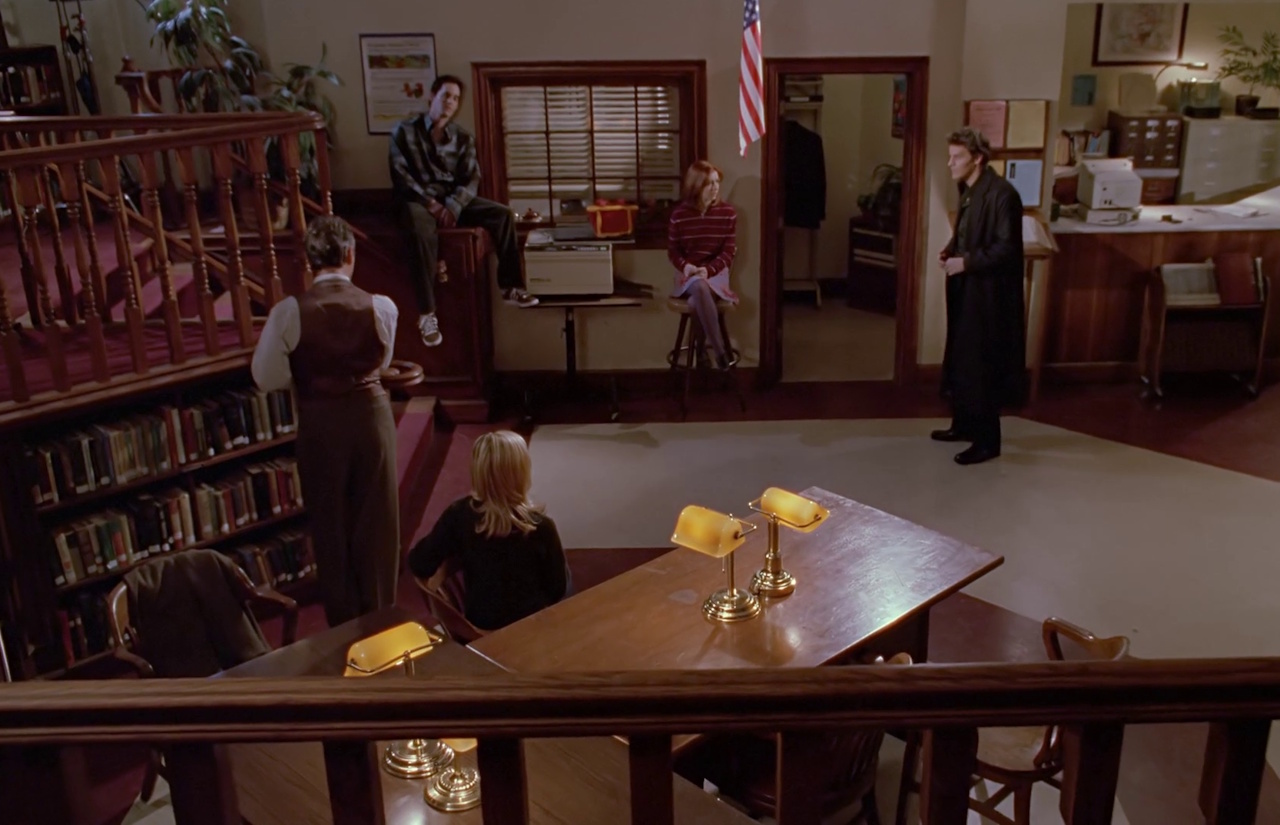
Still frame from Buffy the Vampire Slayer showing the gang in the library.
The Scooby Gang.

Okay, you’re right – I guess seeking shelter at The Magic Box might not be a terrible idea! If we could make it there in the daylight, and explain we’re in danger… all we gotta do is hang out with the gang and wait! But if there’s no slayer, no Magic Box, and just a plethora of vampires and monsters terrorising Sunnydale… I think we’re in a lot of trouble. Stay inside, lock the door, and maybe try to get some kind of really strong UV lamp!

Because Buffy ran for seven seasons, the show sank its teeth into all kinds of monsters, vampires, and ghouls. Sunnydale is a very dangerous place, it would seem. If Buffy and the gang are there and willing to help, this could be a cakewalk. But if we’re unlucky and Buffy’s gone on vacation, we might’ve accidentally stepped into one of the most dangerous, monster-infested settings out there!

Survival Chance: 4/10
(8/10 with Buffy and co., 2/10 without)

So that’s it… for now!

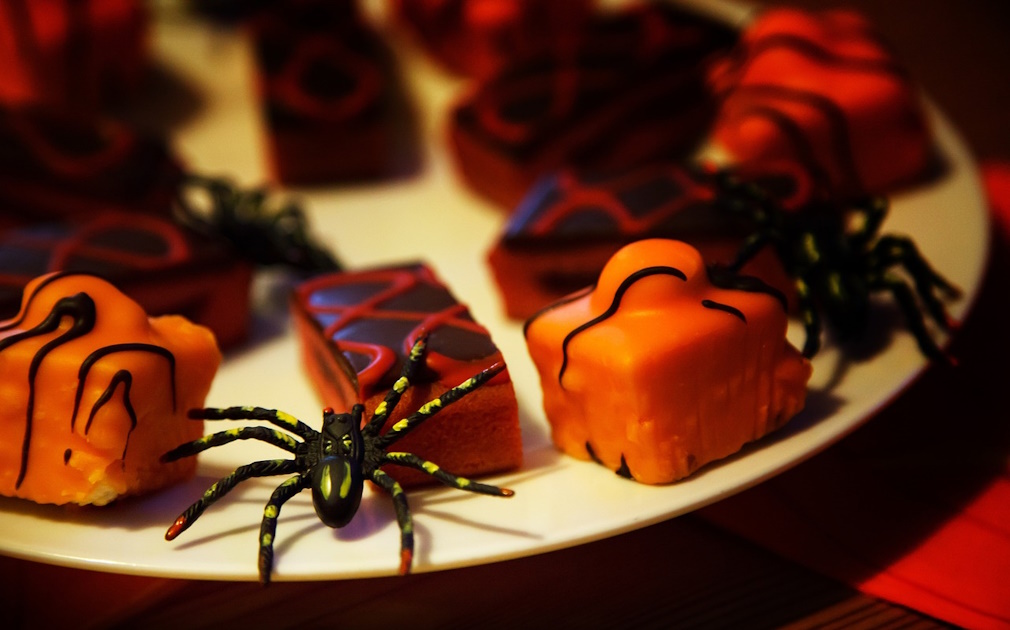
Stock photo of Halloween-themed food.
Halloween snacks!

I hope this has been a bit of Halloween-y fun! I actually really like this “hypothetical question” idea, and it’s one I’d love to revisit in the future – both in horror and non-horror contexts. I’m already brainstorming more questions and scenarios to write about, so if you enjoyed this idea… watch this space!

But I suppose we should pick one of the six options, shouldn’t we, as the answer to the hypothetical posed at the beginning?

I think I’m still leaning towards A Nightmare on Elm Street. I’m confident that I could go 72 hours without sleep, even if it was 1984 and there were no energy drinks or caffeine pills, and all I had was coffee. I know it’s a bit of a sneaky answer, but the objective was to survive 72 hours in a horror setting – not defeat every demon and monster that inhabits it!

Still frame from A Nightmare on Elm Street showing Freddy and Nancy.
I’m choosing A Nightmare On Elm Street for this hypothetical!

So that’s gonna be my pick. Buffy the Vampire Slayer was tempting, but I think it’s only really survivable if you’re able to team up with the Scooby Gang as soon as you arrive. If you get to nightfall in Sunnydale without support – and without a place to hide – you’re toast. So A Nightmare on Elm Street it is.

As I think I said last time, this year, October has turned out to be a stupidly busy month, so I haven’t had time to write all of the horror and Halloween articles and columns that I’d originally planned. Such is life, I suppose! Some will undoubtedly have to go on the back burner until next Halloween. By the way, is that the first time you’ve heard someone talk about Halloween 2026?

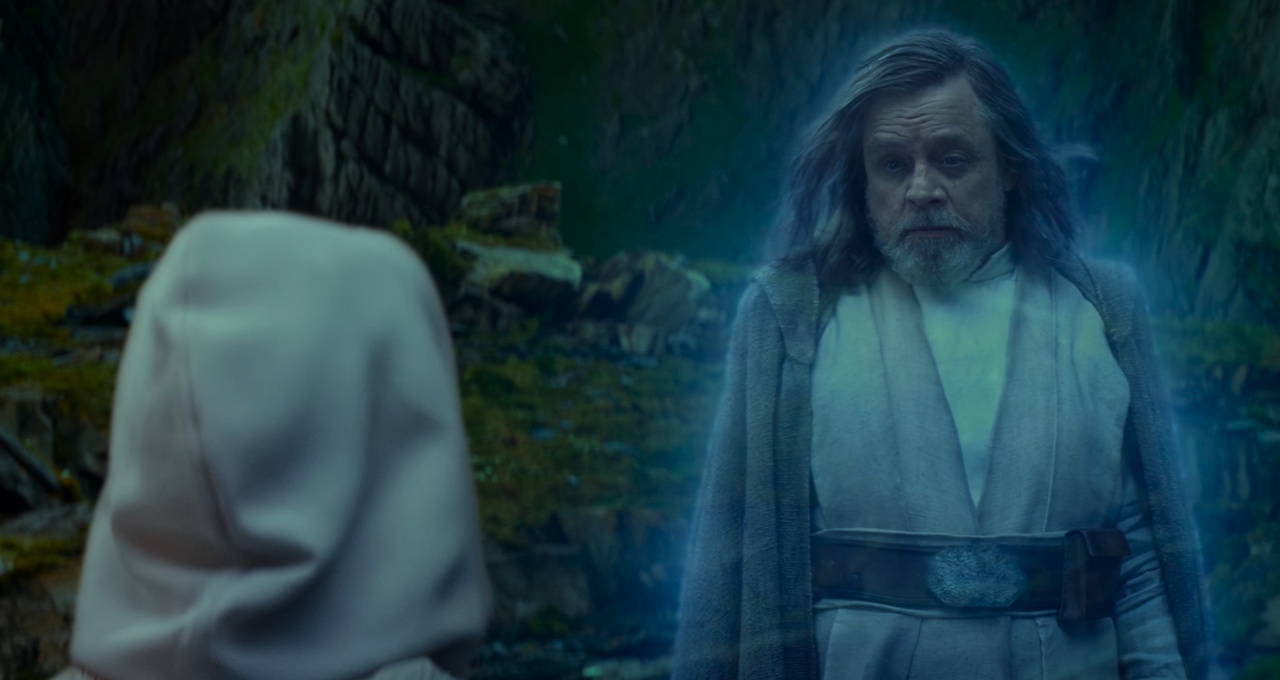
Still frame from The Rise of Skywalker showing Rey and ghost Luke.
A spooky ghost!

As I said above, this piece was partly inspired by the video game Alien: Isolation, which I’ve been slowly working my way through. Trying to survive in that world is genuinely tense and terrifying, and it got me thinking about other horror settings and how long I might last! I think the basic ground rules made for a fun thought experiment, at any rate.

So if I don’t catch you again before the 31st, I hope you have a fun and appropriately spooky Halloween! If you missed it, I wrote up a list of five seasonally-appropriate TV shows that you might want to check out before Spooktober comes to an end – you can find that piece by clicking or tapping here. And if you want a more personal look back at some of my Halloween memories, I wrote about that a couple of years ago – you can find it by clicking or tapping here.

Happy Halloween, everyone!


All films, TV shows, and video games discussed above are the copyrights of their respective studio, broadcaster, distributor, developer, publisher, etc. This article contains the thoughts and opinions of one person only and is not intended to cause any offence.

28 Years Later: Film Review

The first part of this review is free from major story spoilers. The end of the spoiler-free section is clearly marked.

I know what you’re thinking: Trekking with Dennis reviewing a horror film?! And it isn’t even October! What’s going on?

Well, I’ll let you in on a secret: 28 Days Later is one of my favourite horror films of all-time, and I enjoyed 28 Weeks Later, too. So when Danny Boyle announced there’d finally be a sequel to this genre-redefining zombie story a few years ago, I was immediately interested. Horror may not be my thing a lot of the time, but every now and then I don’t mind a good scare.

This is also my second zombie story in the span of a week! A few days ago, I watched Star Trek: Strange New Worlds’ zombie episode, so after this I think I’m gonna need a bit of a break from zombies for a while.

Three promo posters for 28 Years Later.
A trio of posters for the film.

28 Years Later was… interesting. But I’ll be honest: it wasn’t really what I expected. Less a horror film than a coming-of-age family drama with a zombie backdrop, 28 Years Later leaned on its post-apocalyptic setting to tell a story focused on a handful of characters. Spike, the main protagonist, got most of the film’s attention, and that was certainly an interesting – and potentially controversial – choice.

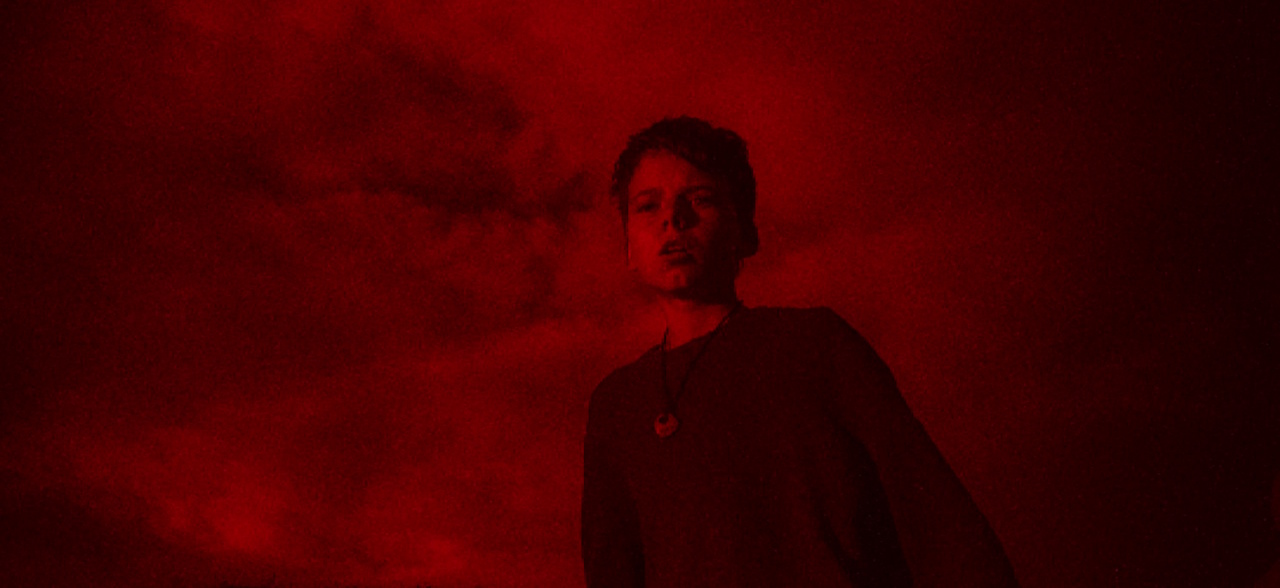
There was some fantastically creative cinematography in 28 Years Later. The film cut sequences from its post-apocalyptic present-day with imagery from war films and historical re-enactments, drawing parallels between those situations. The “Boots” refrain, heard in the trailer, surprised me by being an integral part of the film, not just a marketing stunt, and it was suitably haunting to hear that recitation atop imagery of zombies going feral. 28 Years Later was also creative with its use of colour; blood-red scenes were used for emphasis at key points in the story.

Still frame from 28 Years Later (2025) showing Spike.
An example of a blood-red sequence.

If you know me, you’ll know I’m a scaredy-cat. And 28 Days Later is up there as one of the most frightening films I’ve seen; its depiction of sprinting infected redefined what zombies could be and made them genuinely terrifying. For me, 28 Years Later just… wasn’t all that scary. It was gruesome when it wanted to be, sure; blood, guts, and other viscera are almost omnipresent in its world. But its jump-scares felt rather predictable – I could sense that something was coming, even when the film wasn’t trying to signal it. And while these sprinting zombies retain some of their fear factor, I suspect that two-plus decades of other horror films – many of which were inspired, directly or indirectly, by Danny Boyle’s work – have kind of… lessened that, a little.

I put off watching 28 Years Later until I felt I was in a good frame of mind for horror… but I really didn’t need to. There were tense moments, without a doubt. And the film is not bereft of new ideas; special categories of infected, who are bigger and stronger than your “standard” sprinting zombies added a new danger. But when I think back to that first viewing of 28 Days Later, and how I could scarcely bring myself to walk into the kitchen the next morning when it was still dark… nothing in this film really came close to recapturing that level of horror.

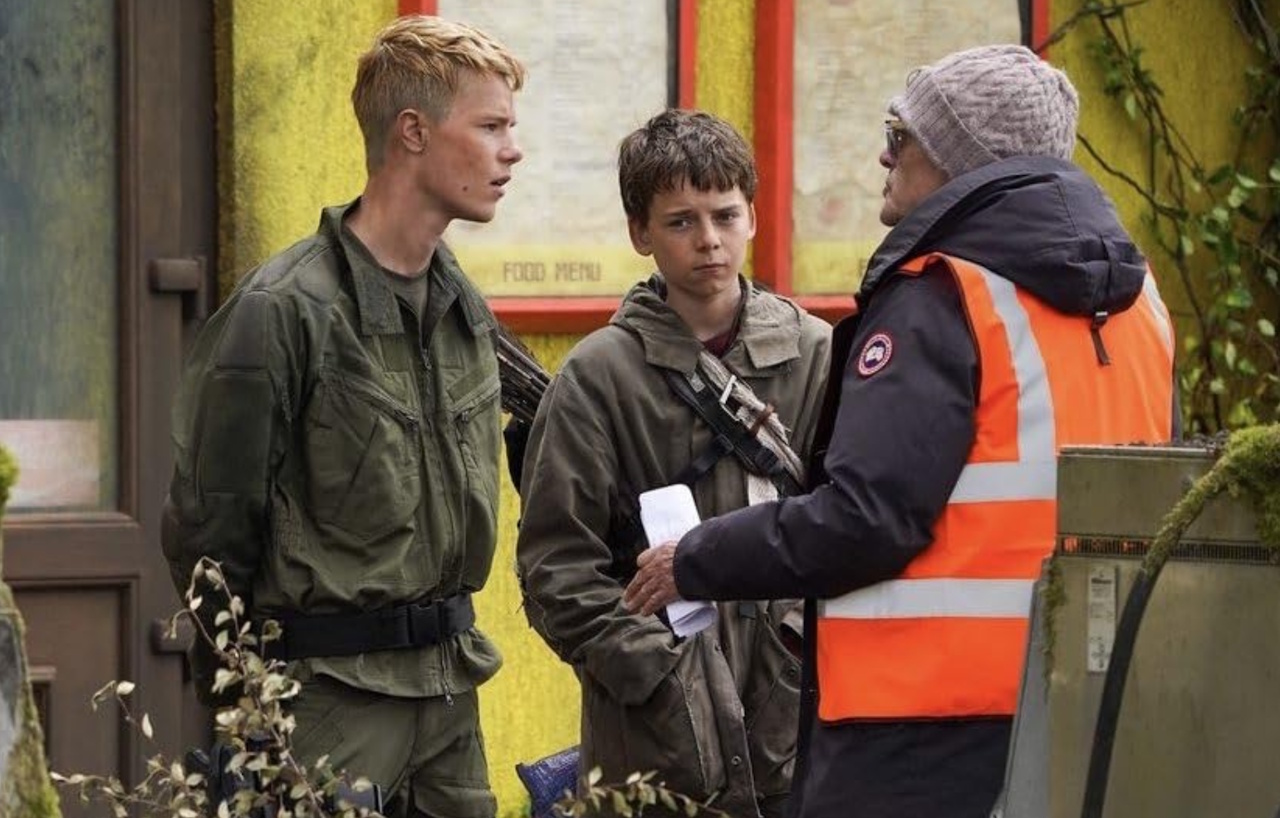
Behind-the-scenes photo from the set of 28 Years Later.
Director Danny Boyle (right) with Edvin Ryding and Alfie Williams on the set of 28 Years Later.
Photo Credit: IMDB

I don’t mind that, by the way. In fact, after the intervening years have not been too kind to my own mental health, I think I prefer a film like this! But I do think it’s worth noting that the belated follow-up to one of the most horrifying depictions of zombies ever brought to screen – and a film that had a massive impact on the zombie genre – wasn’t actually as scary as I expected. And if a big old scaredy-cat like me can make it all the way to the end without wetting their pants, then maybe some folks with a greater appetite for horror than I might even find 28 Years Later to be… tame.

All that being said, this is still a film I’d happily recommend. If you enjoyed 28 Days Later and want to know what happened next, or if you just enjoy a good zombie flick, there’s a lot to appreciate and enjoy. Some of it is a bit more artsy and a bit less gory than some of the more mindless films in the zombie genre, but whether that’s offputting or something to celebrate just boils down to personal taste! Speaking for myself, I think 28 Years Later was about right. It struck a good balance without leaning too much into gory horror, and even though some of its character moments could feel a bit clichéd, I still rooted for young Spike and wanted to see him succeed on his adventure.

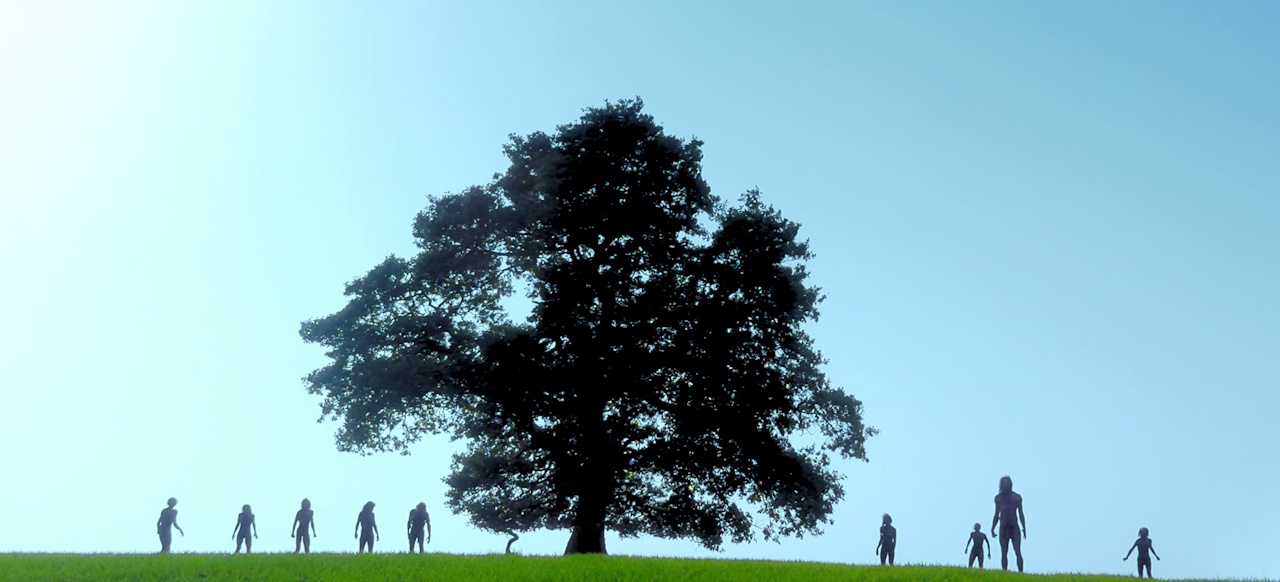
Still frame from 28 Years Later (2025) showing the infected on a hill beside a tree.
The infected are coming!

It was also interesting to catch a glimpse of post-apocalyptic life many years into the rage virus outbreak. Seeing how new communities formed, how people have to find new roles, and how some people just… seem to lose themselves. That was all interesting stuff.

So even if 28 Years Later wasn’t the scare-fest I’d been expecting, I generally enjoyed it for what it was. Up next, we’ll get into the narrative in a bit more detail – so if you don’t want to see spoilers for the film’s plot, this is your opportunity to jump ship! But I hope you’ll come back after you’ve seen 28 Years Later to get my take on the film’s story.

A spoiler warning graphic (from SpongeBob)

This is the end of the spoiler-free section. There are story spoilers for 28 Years Later (as well as 28 Days Later and 28 Weeks Later) from here on out.

I really did not expect 28 Years Later to be a coming-of-age story mixed in with family drama. Spike’s quest to help his mother was relatable and sweet, and all credit to young Alfie Williams, who took on a challenging role and rose to the occasion.

What I’d say, though, is that there were some pretty big clichés on this side of the story. Spike catching his dad cheating on his mum, and their subsequent confrontation… it played out like something from a low-budget soap, not the highly-anticipated sequel to a film that redefined a genre. It wasn’t poor, but it wasn’t great… and I don’t even think it was wholly necessary to jump-start Spike’s quest. His mother’s illness, and the knowledge of a doctor on the mainland, was enough.

Still frame from 28 Years Later (2025) showing the confrontation between Spike and Jamie.
There was a fair amount of personal drama on this side of the story.

I also struggled to buy Spike’s rapid acceptance of his mother’s death. We got a bit of protest as Dr Kelson explained that her condition was terminal, but the film went pretty quickly from that moment to Kelson giving Isla her coup de grace, and Spike just kind of… went with it. Yes, he was drugged in the beginning, but after she died – at Dr Kelson’s hand – he didn’t really react. He placed her bleached skull atop the pile and that was that. On to the next quest – to bring the baby back to the village.

This had been Spike’s driving force for basically the entire film – his mum’s ill, he wants to help. He undertakes a very dangerous and deadly quest to help her, and when she can’t be helped he goes from grief and devastation to acceptance in basically an afternoon. Maybe you could read into that, something about the harsh realities of post-apocalyptic life making people more hardy… but it didn’t come across that way for me. It just felt either rushed or underdeveloped.

Still frame from 28 Years Later (2025) showing Spike and Isla with Dr Kelson.
Isla’s death was handled pretty quickly, especially for Spike.

Many great horror films use their supernatural settings to take their characters on this kind of journey of growth, and I don’t think 28 Years Later was wrong to want to tell that kind of story. The apocalypse – zombie-related or otherwise – can make a great backdrop for character arcs, personal conflicts, and drama of all kinds. Spike had an understandable motivation, and Dr Kelson also felt like a real person – someone who’s been living in this world, figuring out how to survive for such a long time that he seems “crazy” to outsiders.

But that’s where the real characterisation seemed to stop. Erik, Jamie, the other villagers, and even Isla all felt pretty flat; less fleshed-out people than archetypes or caricatures, serving a narrative function, yes, but often in a shallow or obvious way. If you know me, you’ll know I’m always an advocate for stories that delve into themes of mental health, and Isla’s story in 28 Years Later definitely touched on that. But how she presented during her “episodes” was pretty tropey, and the way she’d snap out of it when the story demanded it – showing lucidity at key moments to have conversations or advance storylines – was pretty basic.

Still frame from 28 Years Later (2025) showing Isla.
Isla.

Can we nitpick? I like to nitpick. How did Dr Kelson – some 28 years after the collapse of civilisation in the UK – manage to maintain a stockpile of medications like morphine and iodine? I mean, he was practically bathing in the stuff, and he’d need to re-apply his iodine defence any time he ventured beyond his skull island home, so… how much iodine must that be after almost thirty years? I think Kelson was probably the film’s second-most-interesting character after Spike… but as I say, I like to nitpick!

Those questions aside, I really liked 28 Years Later’s take on a post-apocalyptic world. The abandoned train was probably one of my favourite settings – not least because I’m a bit of a train fanatic! But catching glimpses of overgrown towns, the gas-filled petrol station, and decaying buildings and infrastructure was all interesting stuff. It really felt like a world that had been left to decay and collapse for 28 years.

Still frame from 28 Years Later (2025) showing the abandoned train.
The train.

28 Years Later raised several questions that I hope next year’s sequel, The Bone Temple, can answer. How are the infected – which the first two films depicted as dying off en masse after a month or so – still alive in such great numbers this long after the virus broke out? The first two films made it pretty clear that the infected didn’t eat and would just die out, but 28 Years Later establishes that tribes of infected roam around, feeding on wildlife, and apparently breeding with one another, too. It’s a big change from the depiction of the infected in those first films, and it warrants an explanation.

There were echoes of I Am Legend in this presentation of “alpha” infected. The idea that some infected could display greater intelligence, assuming some kind of leadership role in their group, reminded me of that film. It also reminded me of the Resident Evil video games, and how there could be “special” categories of zombies – usually serving as bosses! In that sense, I didn’t feel that the alpha was a particularly original creation, but still – it’s something that should be explained. Assuming, of course, that an explanation has been written.

Still frame from 28 Years Later (2025) showing "Samson," one of the alphas.
“Samson,” one of the alpha infected.

What do we make of the “Jimmy Savile” gang? I can’t help but feel that was done purely for shock value; Jimmy Savile being such a thoroughly vile person whose high-profile crimes shocked the entire country. In the film’s universe I guess it makes sense: Savile’s crimes weren’t uncovered until 2011, whereas in the universe of 28 Years Later, society collapsed in 2002. I remember watching Jim’ll Fix It as a kid in the ’80s, and the scale of what went on at the BBC with Savile is… even all these years later, words fail me.

But in the context of 28 Years Later, I hope – truly hope – that there’ll be more to this than just a cheap stunt to end this half of the story. Jimmy – the child from the beginning of the film – seems to have grown up to lead this gang of Savile impersonators… but why? Is it some attempt to cling to part of the world that they lost? Is it just a cult? Whatever it is, I hope there’s more to it than just an attempt to shock and offend, because otherwise it’s in pretty poor taste. I will reserve judgement, though, until I’ve seen The Bone Temple.

Still frame from 28 Years Later (2025) showing the character Jimmy.
Jimmy.

So I think I’m all zombie-ed out for a while!

I hope this has been interesting. I can’t shake the feeling that a film I’d waited more than twenty years to see wasn’t as impactful as I’d expected, even though it was solid and entertaining in its own way. But I don’t dislike 28 Years Later, and I’d certainly recommend it to fans of the original films, horror fans, and even to folks like myself who aren’t horror aficionados but just want to check out some of 2025’s big releases.

I will await The Bone Temple and the continuation of this story with some trepidation. A good ending could reframe parts of 28 Years Later, making them feel better in hindsight. But equally, a poor ending or a lack of a suitable explanation for some of the film’s narrative beats could make both pictures feel… underwhelming. I guess we’ll see next year.


28 Years Later is available to stream now on Amazon Prime Video, and will be released on DVD, Blu-Ray, and other streaming platforms in the months ahead. 28 Years Later is the copyright of Columbia Pictures and/or Sony Pictures. This review contains the thoughts and opinions of one person only and is not intended to cause any offence.
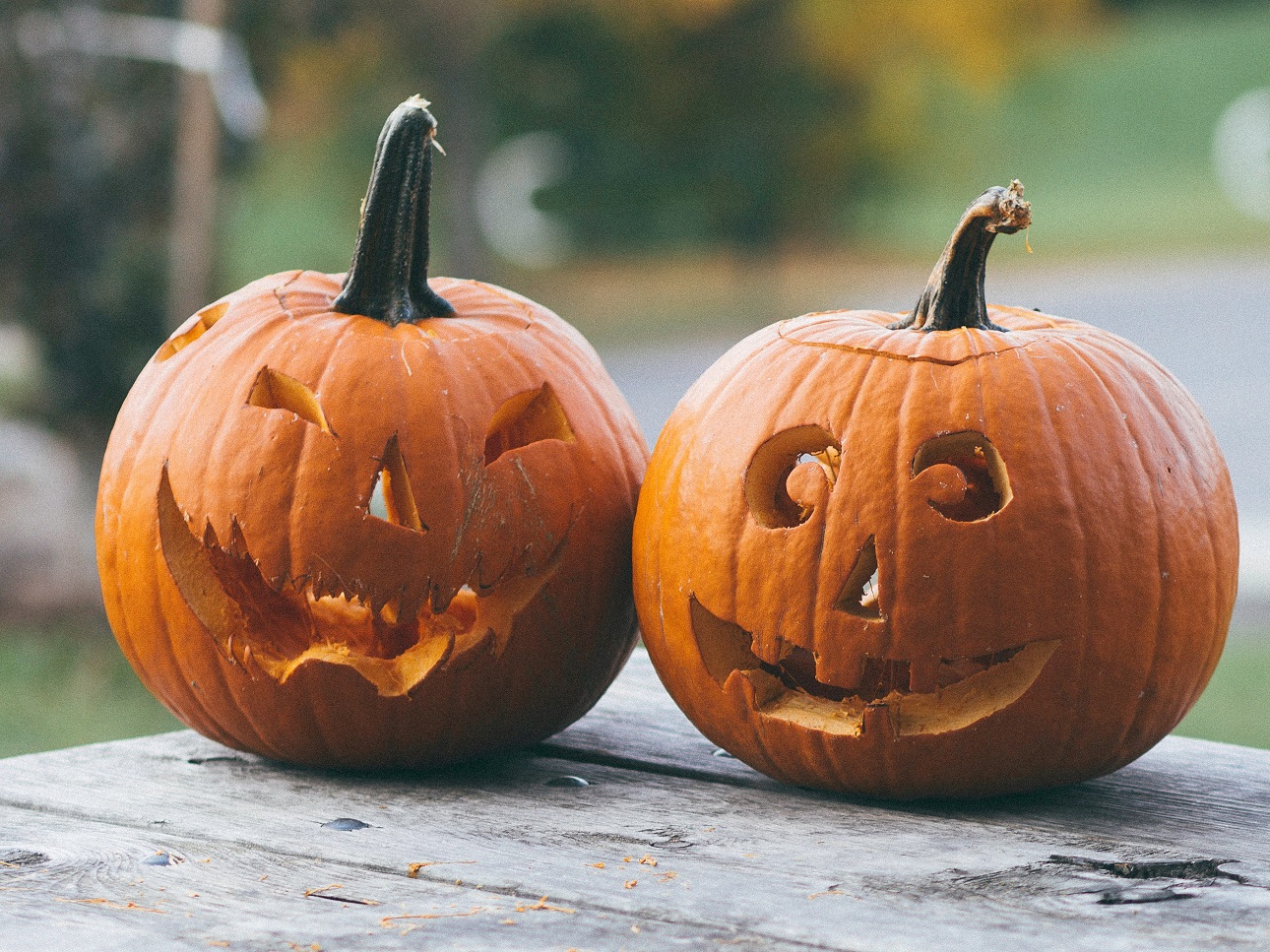
Five horror films to watch this Halloween

Spoiler Warning: There are minor spoilers ahead for the titles on this list.

With Halloween fast approaching, it seems like a good time to once again dabble in the spookier side of cinema! Horror has never been my favourite genre, but at this time of year I’m not averse to the occasional spooky film.

This short list is a follow-up to a similar list I wrote last Halloween, so if you’d like to see five more horror films that I recommend, you can do so by clicking or tapping here.
It’s about to get spooky!

Horror as a genre can be incredibly varied. From jump-scares to the psychological terror of something unseen, and with such diversity of monsters, ghouls, and creepy critters, there are a lot of different titles that put their own spin on the horror concept. Whether you’re looking for serial killers, vampires, zombies, or demons, chances are you can find an excellent horror film that successfully brings them to screen!
I confess that I’m particularly sensitive to jump-scares, and now that I don’t feel the same kind of pressure to join in with horror titles as I did in my younger years (when watching horror films was almost a rite of passage!) I tend to favour films that don’t go for that style. Despite that, I hope you’ll find a varied mix of titles on this list!

Number 1: The Birds (1963)

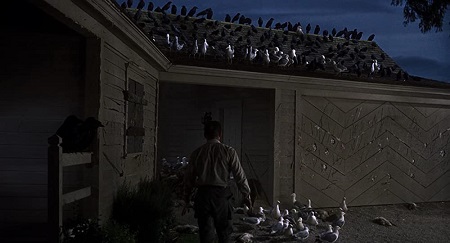
Those birds are up to something…

Alfred Hitchcock is still considered one of the greatest directors of the horror and thriller genres, and for good reason. His pioneering style put viewers right at the centre of his stories, and every shot and every sequence was meticulously planned and crafted to maximise suspense and fear. The Birds is one of Hitchcock’s later films, coming toward the end of his career and following on from the likes of Vertigo and, of course, Psycho.

As a kid, I can remember being terrified by The Birds. The slow, tense build-up that Hitchcock’s films are known for is on full display in the title, with every scene and sequence gradually ramping up the threat to a terrifying climax. But more than that, the sheer randomness of birds as the “villain” of the piece is genuinely unsettling.

Birds are generally harmless. The worst a bird might do is steal your chips at the beach, but The Birds asks a question no one ever thought to ask before: what if they were working together to a menacing and aggressive end? It’s this premise – taking something harmless that we generally pay little attention to and making it scary – that makes the film succeed.

Number 2: Sleepy Hollow (1999)

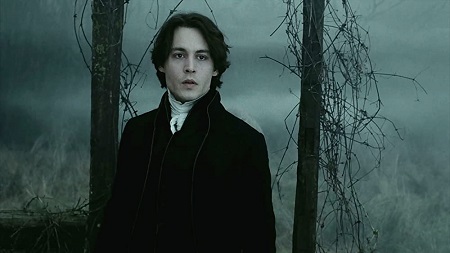
Johnny Depp as Ichabod Crane in Sleepy Hollow.

Johnny Depp stars in this adaptation of the famous Washington Irving story, and the film brings the Headless Horseman to life in genuinely frightening fashion! The story of Ichabod Crane and the Headless Horseman is an old one, dating back to the early 1800s, and Washington Irving is considered one of the first great American authors.

Unlike the earlier Disney adaptation, Sleepy Hollow takes a distinctly adult horror tone. Director Tim Burton makes a number of changes to the source material, making the film an unpredictable ride even for those familiar with the original short story. Johnny Depp puts in a wonderful dramatic performance as Ichabod, too.

There’s something inherently frightening about the undead, and the first time the Headless Horseman is seen on screen manages to capture that feeling pitch-perfectly. Johnny Depp manages to perfectly convey Ichabod’s fear as well, ramping up the tension and making Sleepy Hollow a truly scary and spooky watch!

Number 3: The Omen (1976)

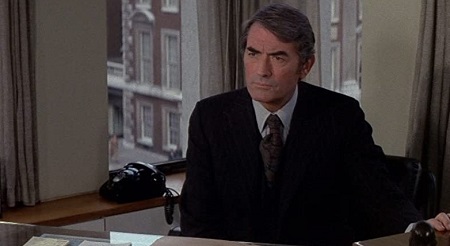
Gregory Peck as Robert Thorn in The Omen.

The Omen is an outstanding example of how to build up fear and tension without resorting to too many jump-scares or a lot of gore! It’s also a deeply disturbing film because of the implications of shadowy cults and conspiracies – and that’s before we even get to the birth of the literal anti-Christ!

When I first watched The Omen I was left unsettled for days afterwards. There’s a specific scene that I won’t spoil for you, but the build-up to a particularly shocking reveal in an Italian graveyard – and the implications it had for the film’s protagonist – left me stunned and disturbed! That particular memory is still vivid for me now, decades later.

As a film about demons, Satan, and the anti-Christ, The Omen was designed to be shocking and unsettling, especially to folks with any kind of religious convictions. And it succeeded beyond its wildest ambitions, becoming an absolute classic of the horror genre and spawning a franchise that still gets periodic updates and instalments today. Oh, and if you’re looking for a Star Trek connection, the film’s lead, Gregory Peck, was the grandfather of Ethan Peck – star of Discovery Season 2 and soon to be appearing in Strange New Worlds!

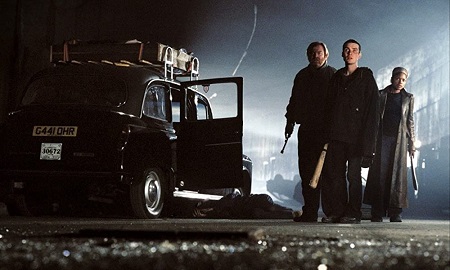
Number 4: 28 Days Later (2002)

The infected are coming!

With 28 Days Later, director Danny Boyle reinvigorated the zombie genre in a new and truly terrifying way! Prior to the film’s 2002 release, most zombies in cinema followed a pattern first popularised by George A. Romero in Night of the Living Dead – slow, shuffling, mindless creatures that were scary en masse but could be outrun by anyone fit enough. 28 Days Later introduced us to the infected – humans who were still alive but infected with a virus that turned them into killing machines… killing machines that could sprint!

Seeing the zombie horde running after the film’s protagonists was a new and incredibly shocking experience in 2002. Though a number of titles have used this more aggressive style of zombie in the years since, for me the portrayal in 28 Days Later remains one of the best and most frightening.

Technically not a “zombie” film as the infected aren’t undead, 28 Days Later nevertheless has a post-apocalyptic feel that is present in a lot of zombie fiction. Anyone who’s seen The Walking Dead (or read the original comic books) should note an eerie similarity in the way 28 Days Later opens… and remember that the film was released before the first issue of the comics!

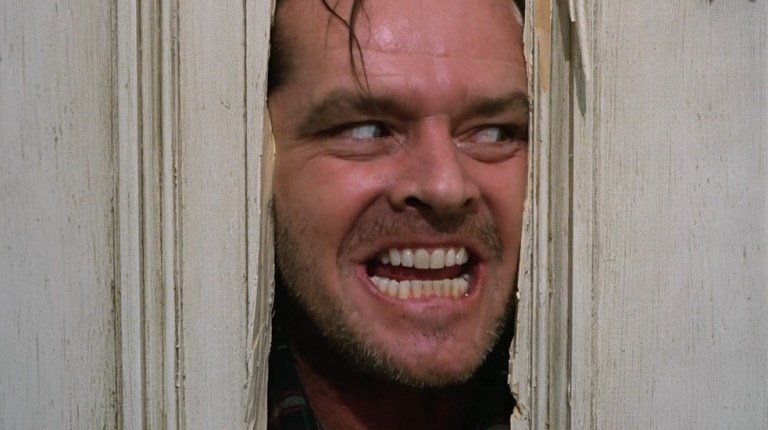
Number 5: The Shining (1980)

Here’s… a classic horror film!

The Shining is an adaptation of a Stephen King novel, and as such it’s an unpredictable and very disturbing ride. Stanley Kubrick directed one of his last films, and adapted the book in truly inspired style. Some of the best-known moments in The Shining, including the famous line referenced above, weren’t present in the original book, and the film adaptation is arguably a rare example of a film surpassing its source material.

The film features some truly outstanding special effects. The “blood flood” scene has gone on to become iconic, and was shot in miniaturised form using detailed scale models. The practical special effects give the film a unique charm that today’s CGI can’t match, and in some cases the use of incredibly realistic practical effects ramps up the fear factor.

Jack Nicholson gave the world one of cinema’s most iconic scenes. But The Shining is so much more than that, and his character’s slow descent into madness is what makes the film so tense, exciting, and frightening.

So that’s it! Five horror films to get you into the Halloween spirit.

Don’t have nightmares…

Remember to check out last year’s list for five more horror titles you might enjoy – you can find it by clicking or tapping here. And if you’re interested to see my review of last year’s television adaptation of another Stephen King work, The Stand, you can find that by clicking or tapping here.

I tried to put together a collection of films with different themes, styles, and subjects! Horror is an incredibly varied genre, and just in the five films above we have the natural world turned against us, an undead horseman, Satanism, technically-not-zombies, and finally a film with ghosts and a mad man. And we’ve barely scratched the surface!

Halloween is almost upon us, so stay tuned over the next few days – I have a couple more spooky ideas before the main event rolls around!

All titles included on the list above are the copyright of their respective studio, distributor, production company, broadcaster, etc. This article contains the thoughts and opinions of one person only and is not intended to cause any offence.