

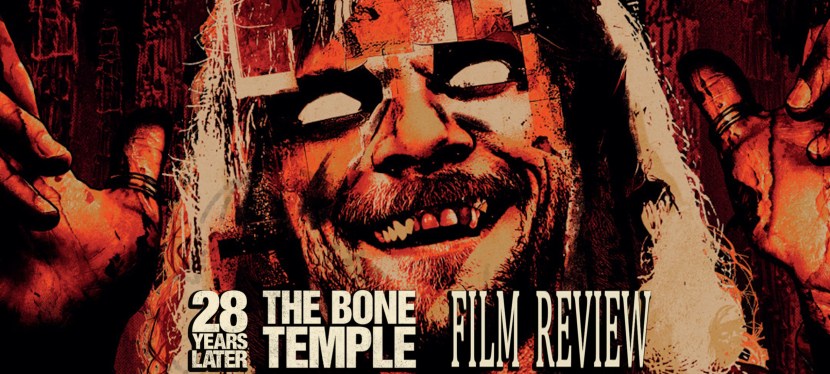
The first part of this review is free from major story spoilers. The end of the spoiler-free section is clearly marked.
Last year, I reviewed 28 Years Later – the long-awaited sequel to one of my favourite zombie horror films of all-time. I knew then that a second film was underway, but I’ve since learned that 28 Years Later was intended to be a trilogy. That explains a lot, and I’m glad I knew that *before* I sat down to watch what is apparently intended to be the middle instalment of this story!
I said last time that 28 Years Later felt less scary, less impactful, and just less entertaining overall than I’d hoped or expected it would be… but that there was still the potential for its sequel to re-frame some of those story beats, or pull out a creditable ending to the story. It was with that mindset that I approached The Bone Temple. I wanted this film to thrill me, but the way I felt about last year’s instalment was certainly a cause for concern.
If you missed my review of 28 Years Later in 2025, click or tap here to check it out. I think it’ll add a bit of context to a few of the things we’re going to discuss today.
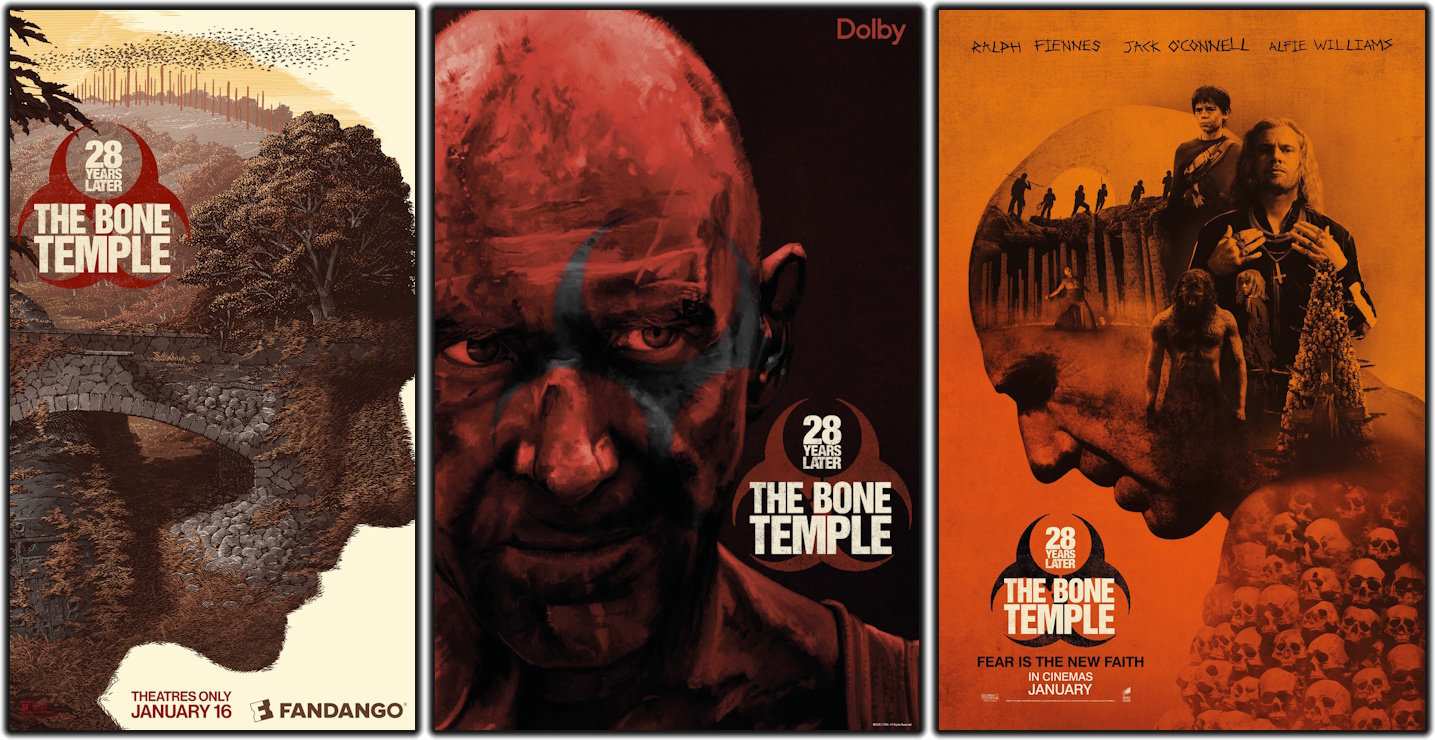
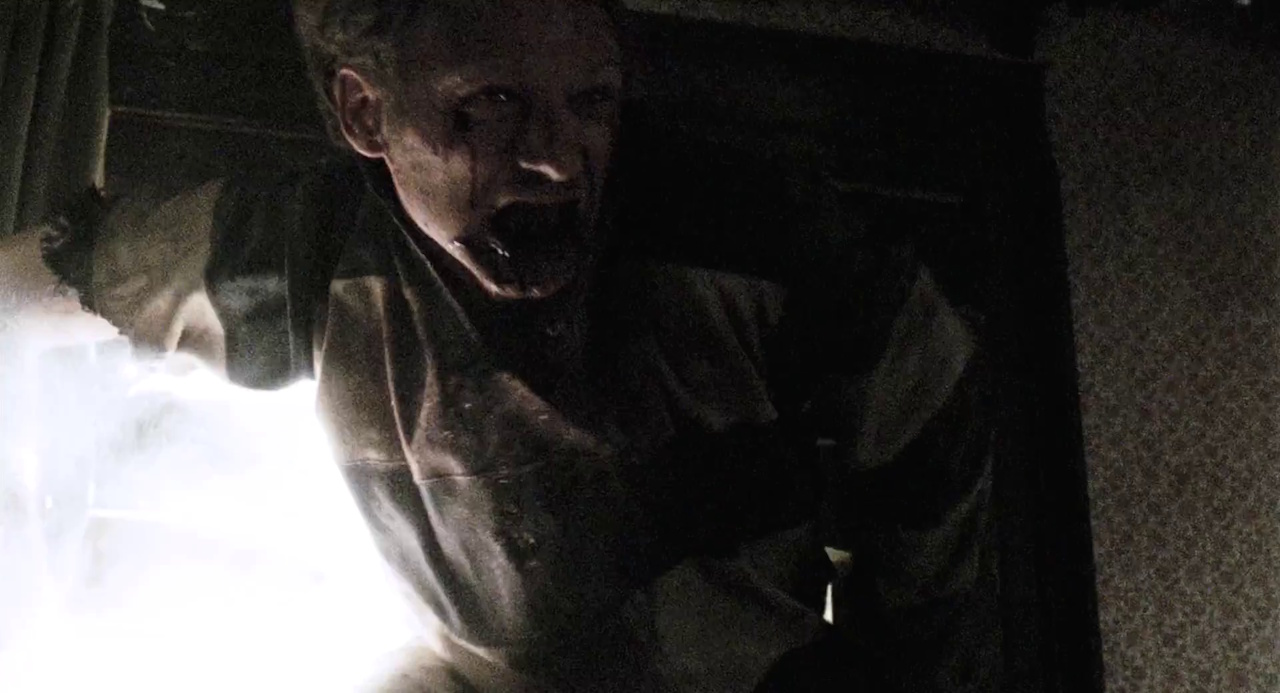
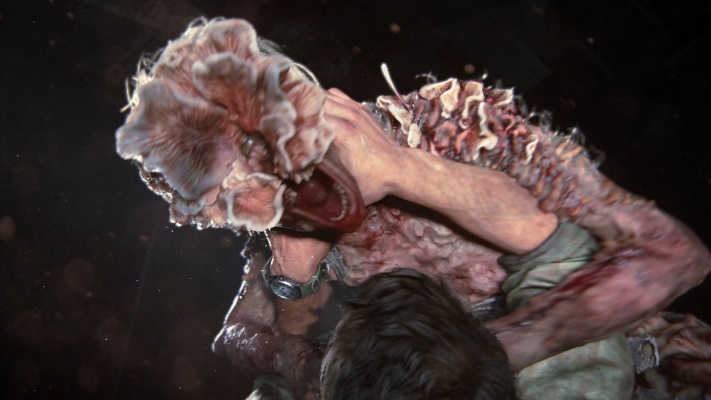
One thing that I don’t think I explained very well last time was how 28 Years Later’s zombies – surely the most important part of any zombie movie – felt like they’d lost at least *some* of their fear factor. And that trend seems to have continued this time, unfortunately.
In 2002, 28 Days Later breathed new life into a horror sub-genre that had started to feel stale. Making zombies faster and more aggressive, and the virus that caused the outbreak, were a huge part of that. I can vividly remember watching 28 Days Later for the first time, practically wetting my pants at how utterly terrifying these infected monsters were, how they moved with such pace, and how they were so unlike anything I’d seen before.
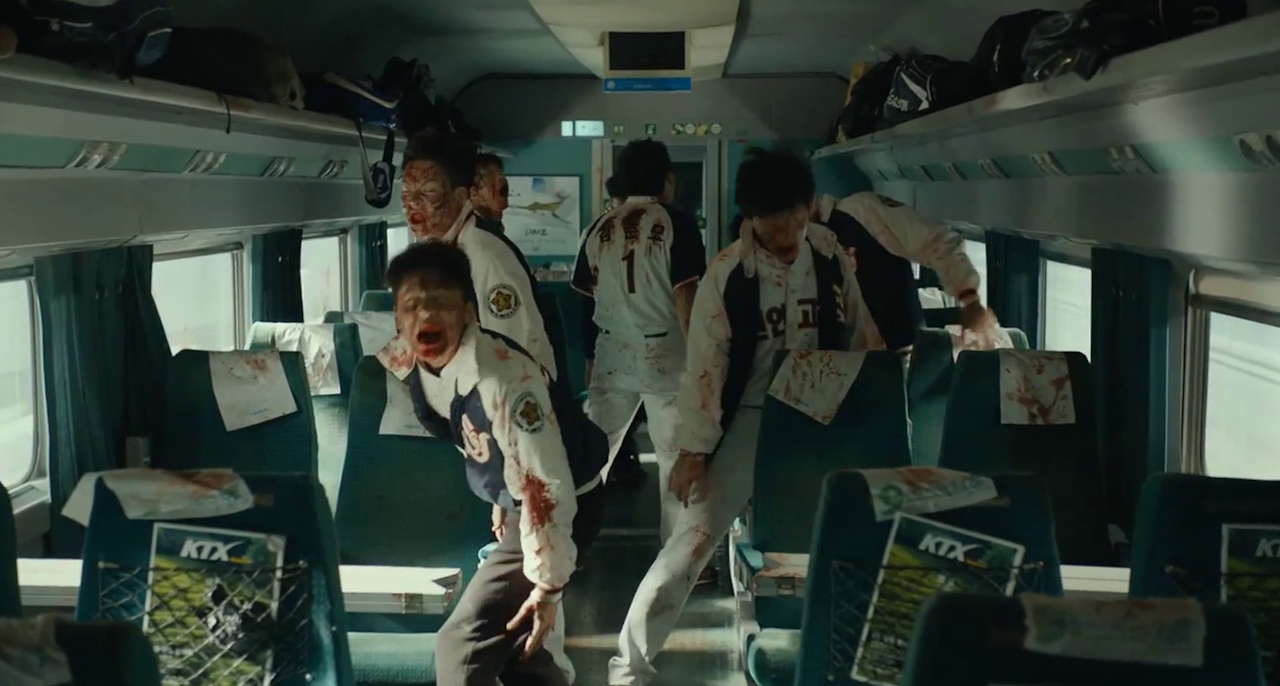
I couldn’t quite put my finger on what had changed at first, when I watched 28 Years Later. Was it simply the passage of time, and the way Danny Boyle’s fast-moving “infected” have been rolled into the broader lore of zombie fiction? Probably to an extent. Was it because the zombie genre has been pretty oversaturated for pushing twenty years, with The Walking Dead and its spin-offs on TV, films like Zombieland and Train to Busan, and interactive titles from The Last Of Us to Dying Light? Again… to an extent, yeah.
But there’s one more factor that, last time, I don’t think I really appreciated:
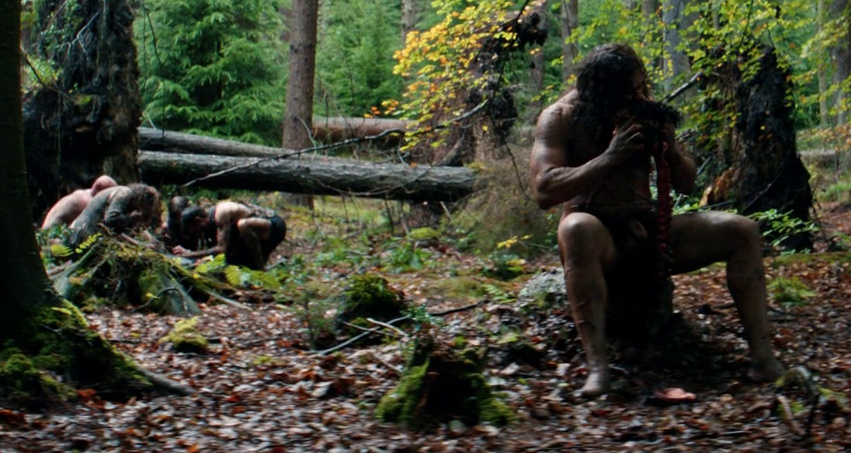
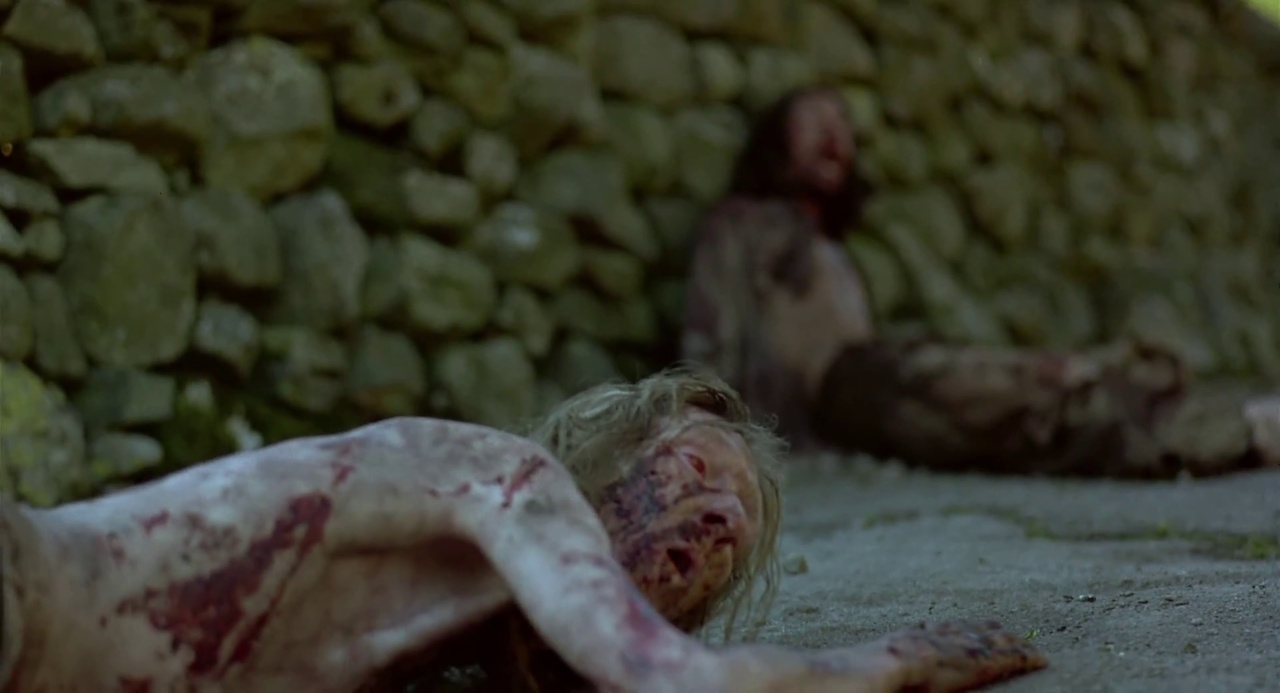
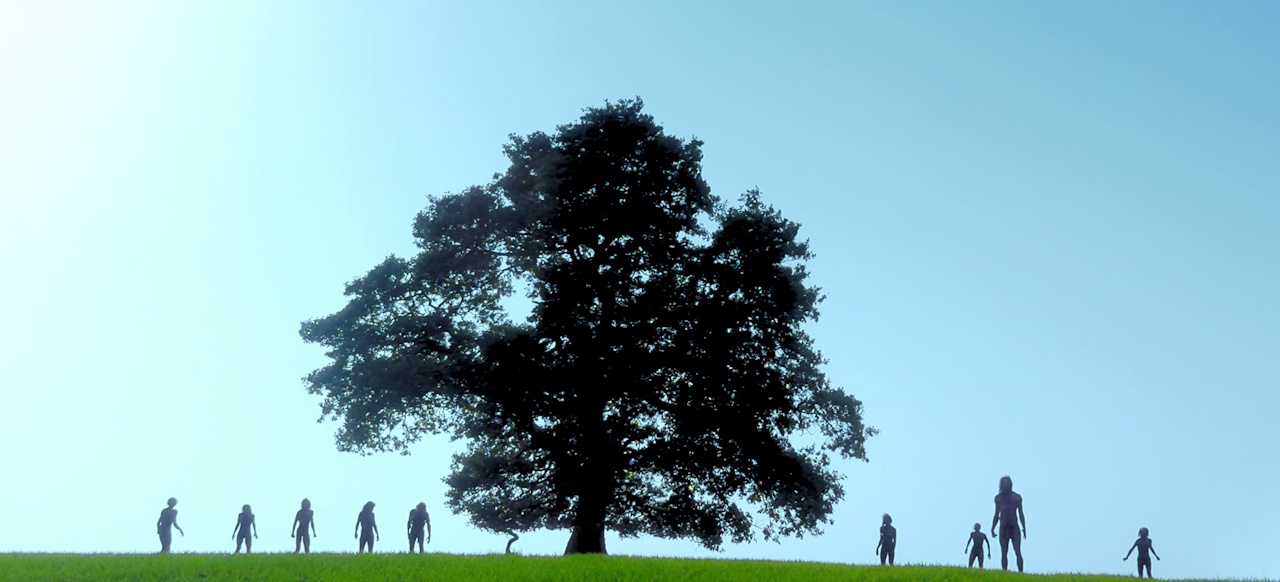
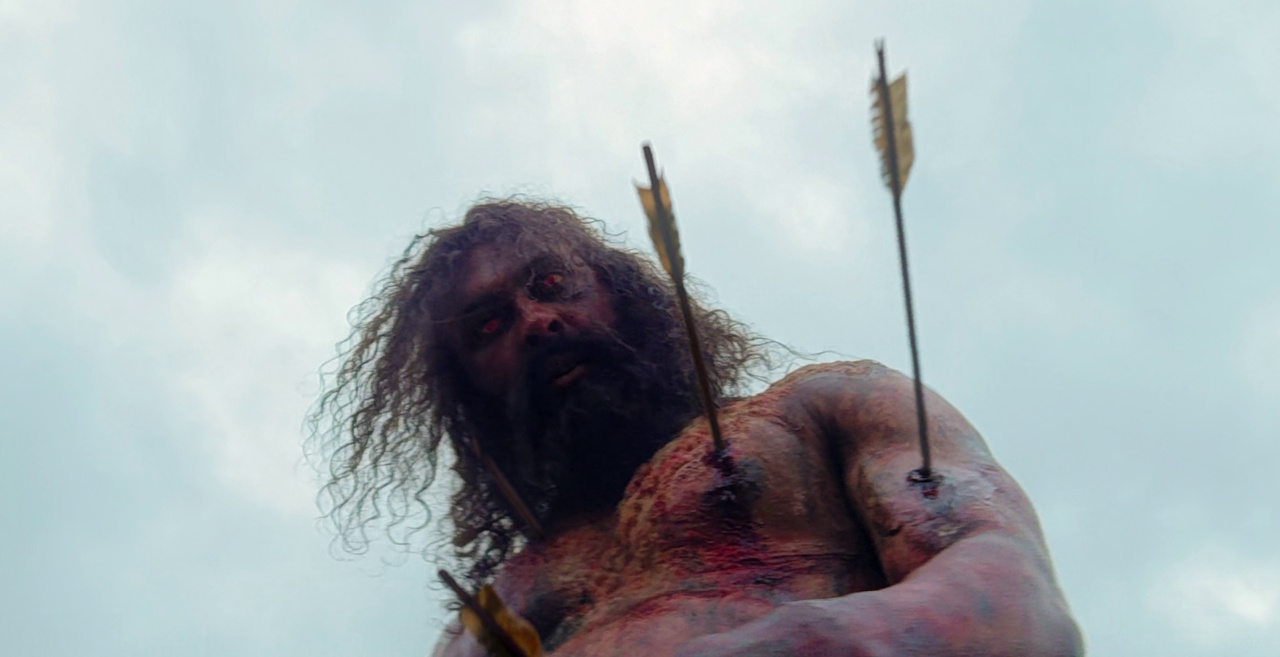
In 28 Years Later, and in The Bone Temple, too, many of the zombies are naked.
Naked zombies… they end up looking more *comical* than frightening, I’m afraid. And I really do believe that this costuming choice – or lack of costuming, to be specific – is a major contributing factor to these zombies not having the impact they once did. And yeah, it makes sense in-universe – almost three decades on from the apocalypse, surviving zombies have lost their clothes due to exposure to the elements. But… making sense doesn’t actually help make these zombies as scary as they need to be. And while I respect the decision to put realism first, it came at one heck of a price.
This highlights one of the dangers of filming back-to-back. I can’t be the only one to comment on the zombies and their… nudity… so if that feedback had been available to Nia DaCosta, Danny Boyle, Alex Garland, and the rest of the team, maybe some changes could’ve been made before The Bone Temple entered full production? I’m not saying that was the film’s only issue – nor am I saying that 28 Years Later or The Bone Temple were out-and-out “bad” – but sometimes, being able to receive and act on feedback in between titles is a positive thing. And unfortunately, producing two films back-to-back leaves no room for manoeuvre in that sense.
There’s another point to consider, though, and it’s one that’s much more fundamental than whether or not zombies need clothes!
28 Days Later was unapologetically a horror film – in fact, I’d call it one of the scariest films I’ve ever seen. 28 Weeks Later retained that horror tone, though it introduced other themes. But both 28 Years Later and The Bone Temple aren’t really horror films… at least, not in the same way. There’s torturous gore, there’s literal Satan worship, and, of course, there are still zombies… but at their core, these films feel much more character-driven, much more exploratory, and much more personal. Perhaps they fall closer to “psychological horror,” at least in parts, as well as films that explore the post-apocalyptic world that their predecessors created.
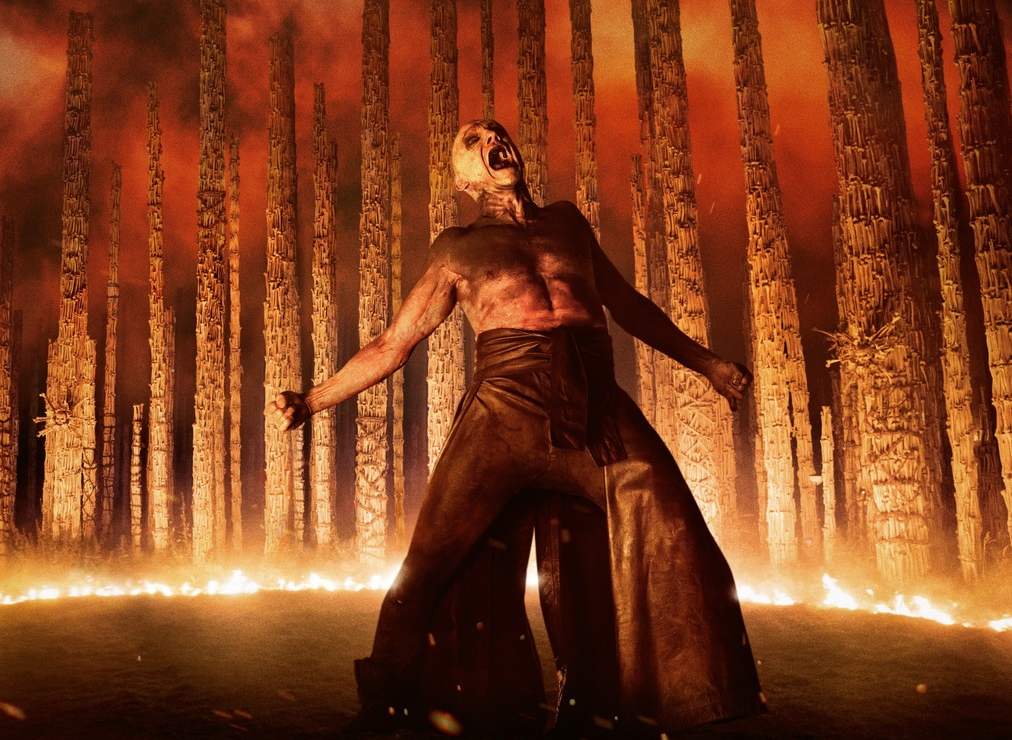
That disconnect between the genre of film I was expecting to see and the kind of film I ultimately saw… maybe that’s what’s driving some of my disappointment with The Bone Temple? And perhaps I should make a conscious effort to appreciate the film for what it is rather than what I expected or wanted it to be?
The counterpoint to that, I suppose, is that, if Alex Garland, Danny Boyle, and director Nia DaCosta wanted to create a post-apocalyptic psychological thriller, exploring things like coming of age, mental illness, trauma, religion and religious extremism, and the nature of life and death… maybe they shouldn’t have called it “28 Years Later.” These films were consciously created as sequels, picking up the post-apocalyptic setting almost three decades later. Yet the kinds of stories that have been told in that setting don’t feel like they bear much resemblance to what came before. And as we look to the future and a potential third instalment – which, rumours suggest, may have dipped into the dreaded development hell – I can’t help but wonder what could lie in store.
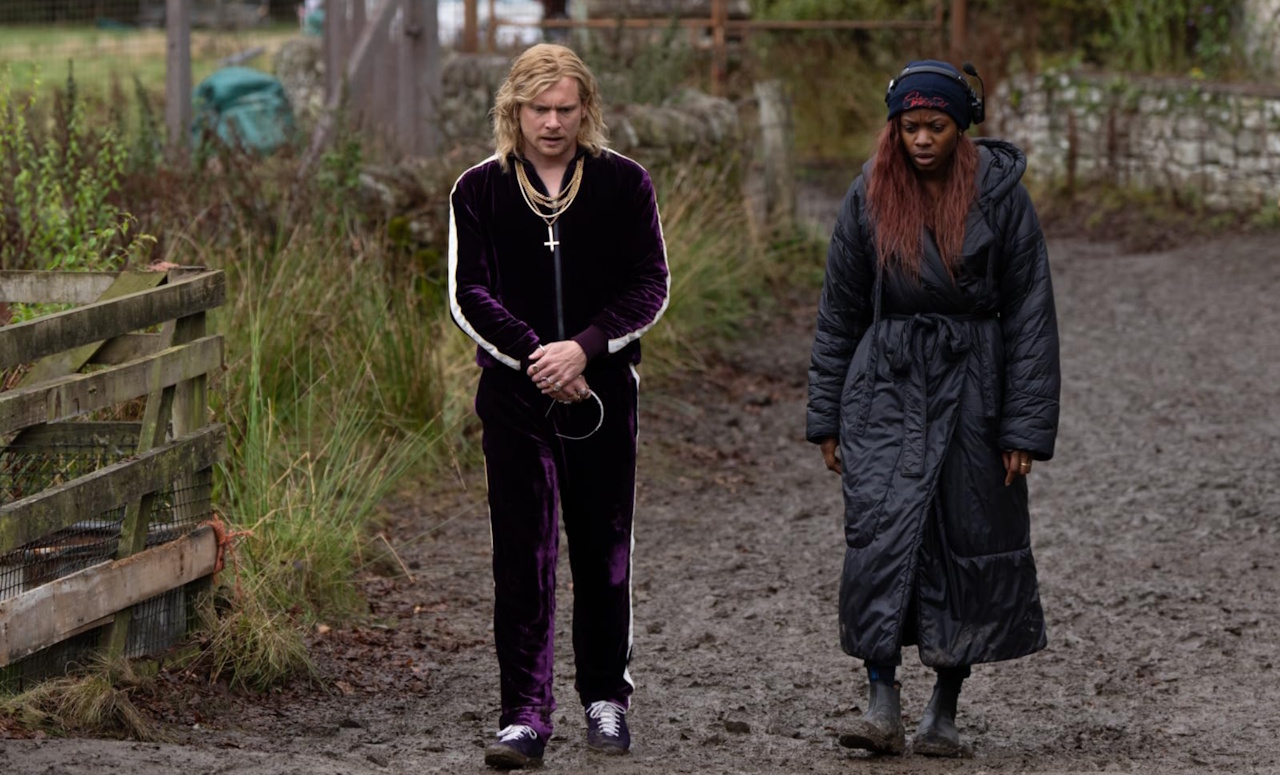
There were some interesting and creative choices made across The Bone Temple, with close-up, shaky, focused camera shots lingering on characters to hammer home feelings of fear and confusion. In some ways, these felt like they were lifted from a low-budget, experimental, almost “arthouse horror” project – if that makes sense. I could feel the creative team’s intentions – and see, perhaps, where they lifted some of these ideas from. It could feel intense, yes, but that intensity served a purpose for the most part, and carried some of these heavy themes.
I think I’ve said all I can without crossing the line into narrative spoilers.
If you want to know whether or not I recommend The Bone Temple, here’s what I’ll say. If you enjoyed 28 Years Later, this film is the natural next step, and I think you’ll find it interesting, at the very least. If you were a fan of 28 Days Later a while back, and you didn’t really gel with the changes made in 28 Years Later last year… then The Bone Temple doesn’t redeem it, nor undo those changes. If you want an interesting and occasionally thought-provoking picture with themes of mental health, religion, and trauma, The Bone Temple might be your jam. But if you want a terrifying zombie flick that’s gonna keep you awake at night? This ain’t it.

This is the end of the spoiler-free section. There are major narrative spoilers for the 28 Days Later saga – including The Bone Temple – from here on out.
I said last time that I hoped The Bone Temple would find a way to narratively justify the “Jimmies;” the gang of Jimmy Savile impersonators who showed up right at the end of 28 Years Later. I was worried that this choice was made purely for shock value rather than because the creative team actually had something to say… and I feel like I was, unfortunately, right about that.
Jimmy Savile was one of the worst criminals in the history of this country, and it’s appalling that he was able to get away with it, with his crimes only being uncovered after his death. Any film that chooses to lean into any aspect of Savile really has to justify why it wants to do so, why it needs to bring up those memories and what it wants to say about his offending and the establishment that covered it up. And for me, The Bone Temple really didn’t have much to say about any of that.
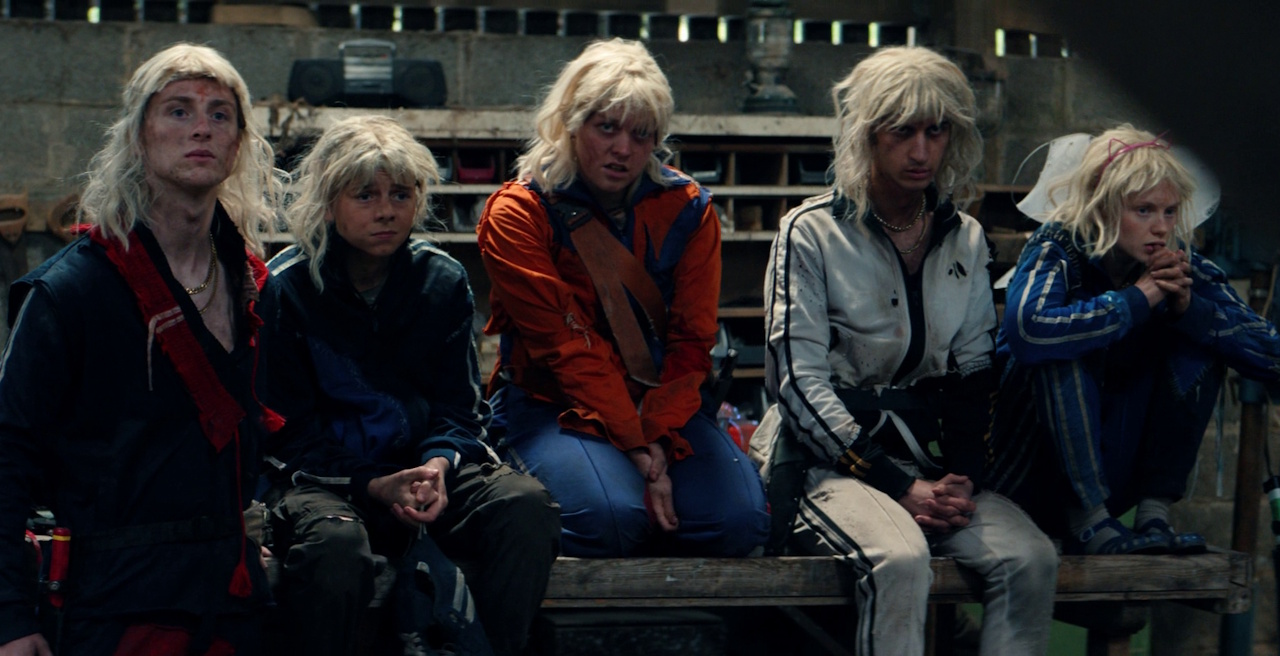
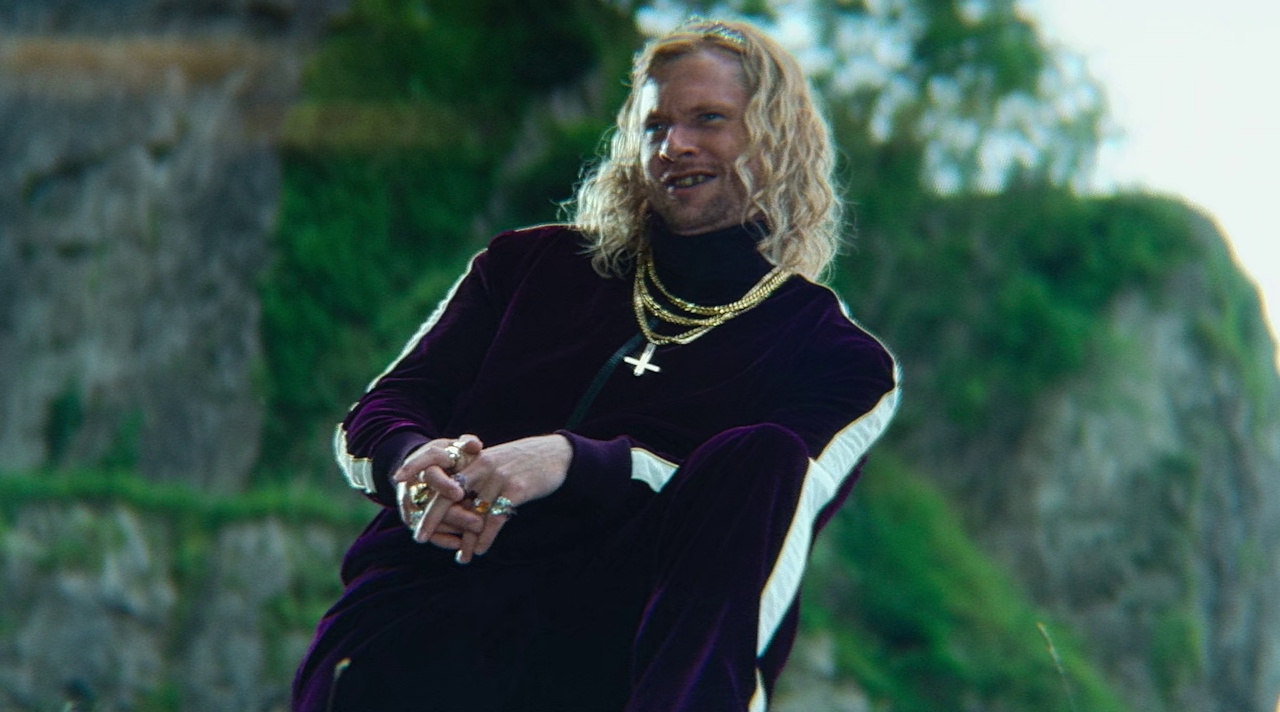
Was it ironic, in a sickening sort of way, that the leader of the Jimmies was a literal Satan-worshipper? I mean, sure, I guess. But Satanism is a pretty basic horror trope, and in a story that doesn’t lean on the supernatural very much, it almost feels out of place. I get it: this is a commentary on the nature of trauma, and especially how traumatic events in childhood – and a lack of support – can shape a person’s mental health and their outlook on life. Jimmy was a young boy when the rage virus outbreak occurred, and his inability to process that trauma – combined with having to scrounge for survival in a post-apocalyptic world – contributed to his mental illness. At least, that’s how I think we’re meant to read the character.
And there is something to be said about how folks who experienced traumatic events in childhood can reach for something that feels safe – a character, a TV series, a celebrity. Jimmy clearly did that, not only with Jimmy Savile, but also with the Teletubbies, a kids’ TV show that was referenced a couple of times in the film. Because 28 Days Later establishes that the viral outbreak happened circa 2002, Savile’s crimes would never have come to light in this world. Again, that makes sense narratively.
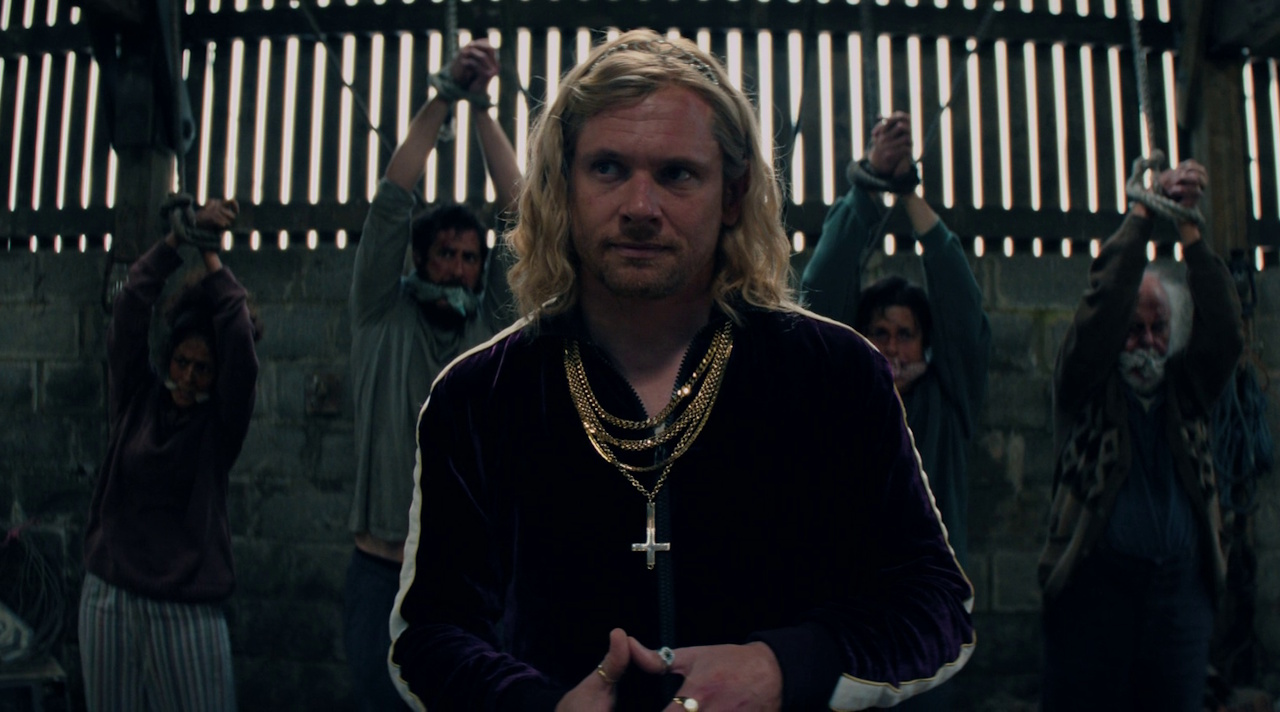
But, as with the naked zombies, it isn’t enough for something to be logical in the confines of its world – it has to have meaning to us as the audience. And yes, it’s profoundly ironic that someone would consider Jimmy Savile, of all people, a heroic figure, someone “safe,” or anything like that. And it’s a weird kind of critique, I guess, of Savile’s own offending. But does that explain and justify this presentation? Because it feels, to me, like the point was to shock, the point was to be as offensive as possible. Being offensive has decades of precedent in horror – from the rape in Rosemary’s Baby to the gore of The Human Centipede. But when it’s done purely to offend, purely to shock, and without any real narrative justification, nor for any real reason… it feels gratuitous. And that’s how the Jimmies felt to me: gratuitous.
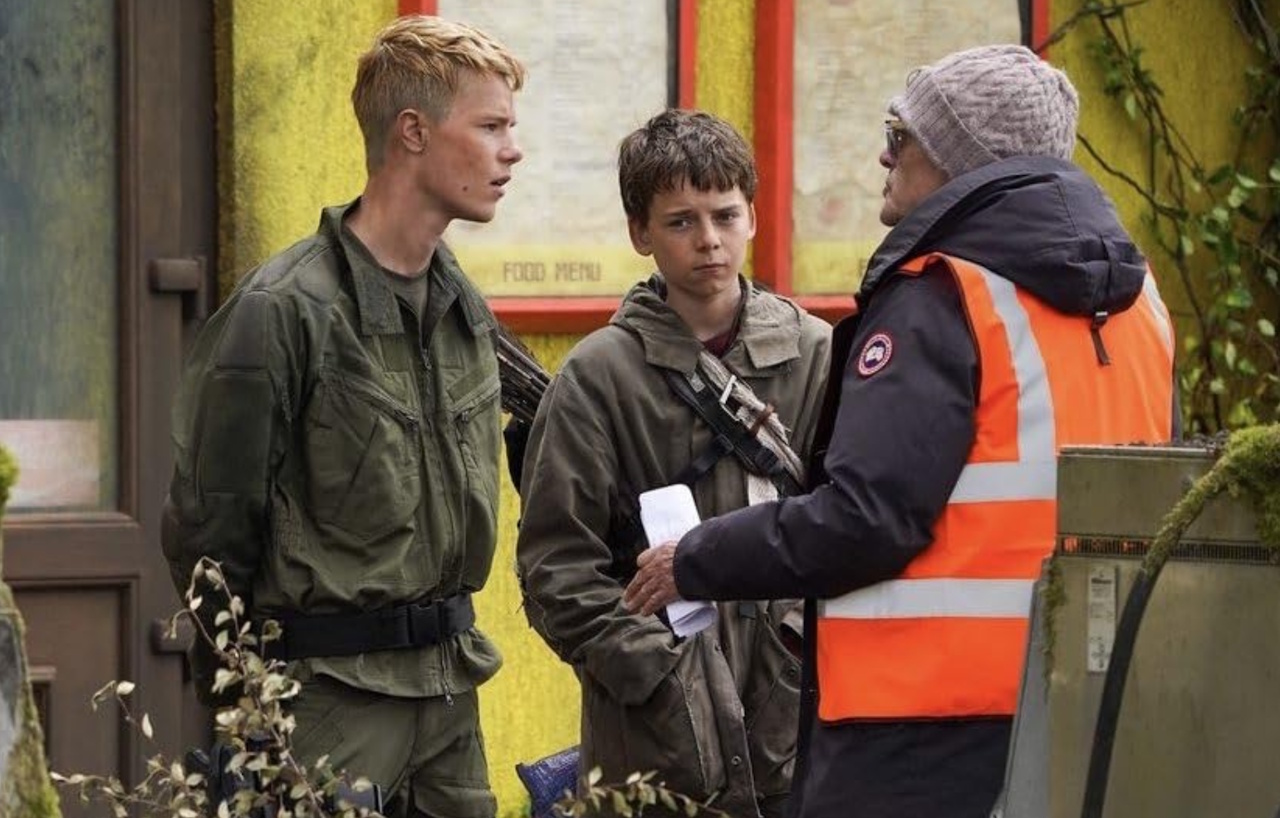
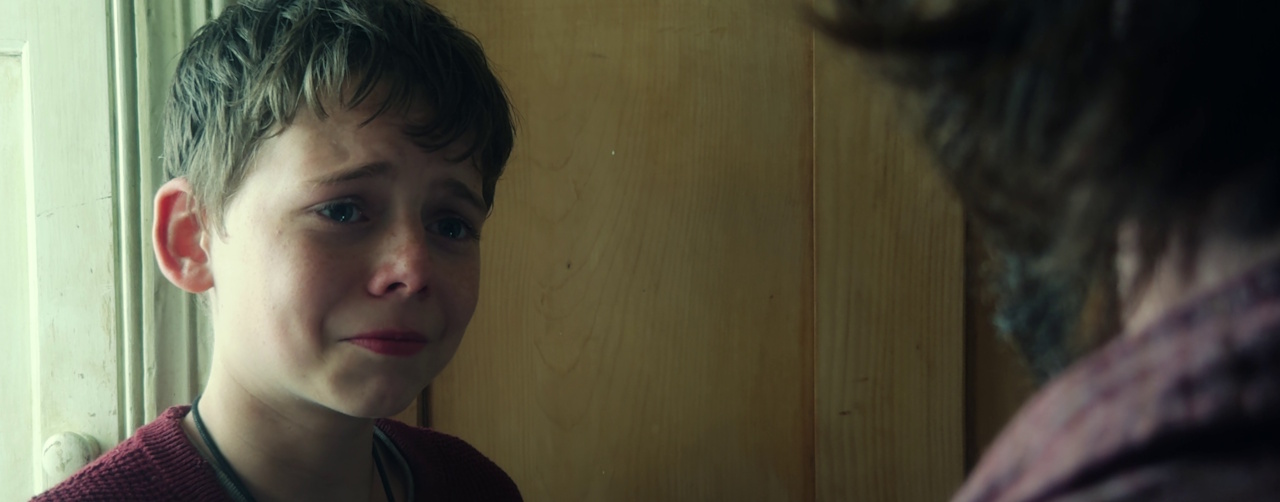
28 Years Later focused on young Spike, and his journey as he left his safe home for the first time to venture into the fallen world beyond. It wasn’t unreasonable to expect that The Bone Temple would pick up Spike’s story – and it did, for a few minutes at the beginning, but Spike felt sidelined a lot of the time; less a driving force behind events than someone swept along in the wake of other characters. We got a few moments from Spike’s perspective as he tried to escape from the gang, but the film largely had its focus elsewhere.
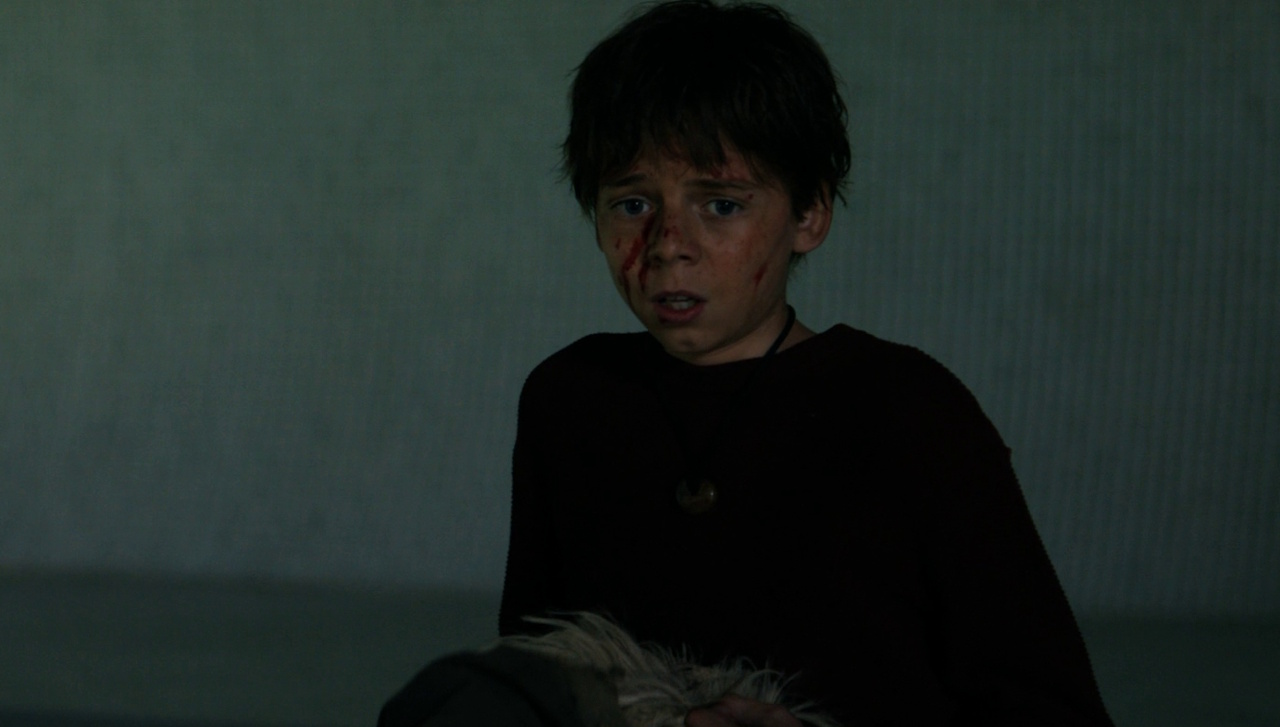
The Bone Temple draws on 28 Days Later’s introduction of the rage virus, which began in an animal testing lab, suggesting that there’s a psychological component to the infection. This story, told from the perspective of Dr Kelson, was perhaps the film’s strongest element – even if I wouldn’t have expected it to be at first! We gradually saw Dr Kelson dosing Samson – the “alpha” infected – with morphine, stripping away some of the most extreme effects of the infection.
This culminated in Dr Kelson’s research into anti-psychotic drugs, which he gave to Samson, finally allowing his mind to break free of at least part of the infection for a time. As an analogy for mental illness and mental health conditions, this is interesting. I myself manage a mental health condition with medication, and I don’t object to the way Dr Kelson and Samson were presented in The Bone Temple. If anything, I find it interesting that, of all things, a zombie film would draw this kind of comparison or create this kind of metaphor for mental health. It’s something that has to be handled with care; there’s a fine line between saying “we’ll explore themes of mental health” and inadvertently leaning into harmful tropes and tired old clichés. But speaking for myself, I think The Bone Temple broadly stayed on the right side of that line.
The Bone Temple underperformed at the box office, and may make either a small loss or barely break even, depending on exact figures after video-on-demand and streaming are accounted for. Because of that, it’s recently been suggested that plans for a sequel are no longer certain. With this being part two of three, ending on somewhat of a cliffhanger, and with themes and storylines unresolved… that would be a real shame. Particularly when it comes to Dr Kelson’s apparent breakthrough in terms of understanding the rage virus, and the interesting real-world parallels it draws on, I think a conclusion is pretty important. But them’s the breaks in the entertainment industry, sometimes.
I’d like to pick out a couple of performances that I felt were particularly strong in The Bone Temple.
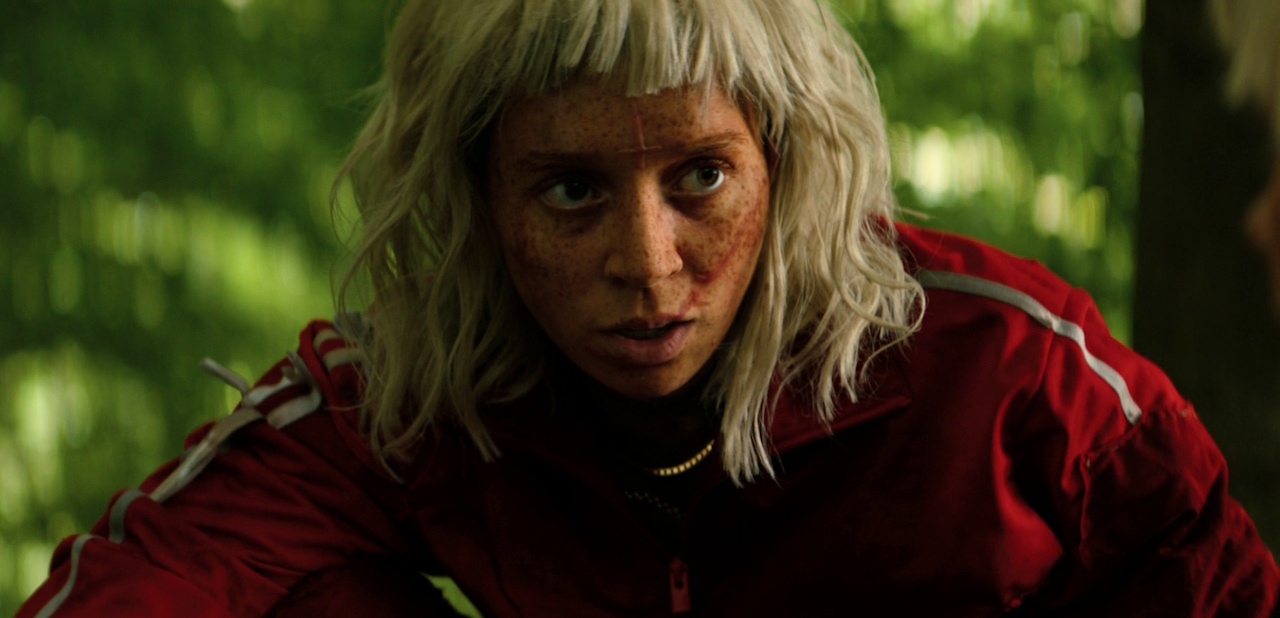
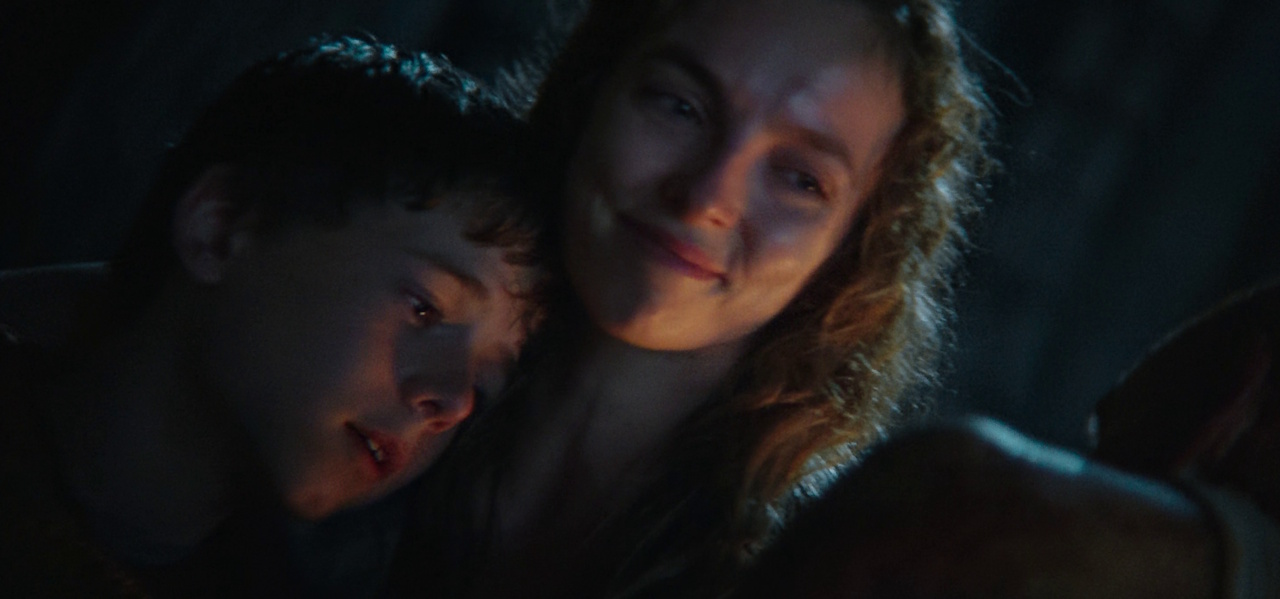
First, we have Erin Kellyman, who played one of the Jimmies – later revealing that her character’s name was Kellie. Kellyman, who I’d seen before in The Falcon and the Winter Soldier, as well as Solo: A Star Wars Story, put in a really great performance as the conflicted member of the gang, simultaneously believing Jimmy’s claims about “Old Nick,” and remaining sceptical.
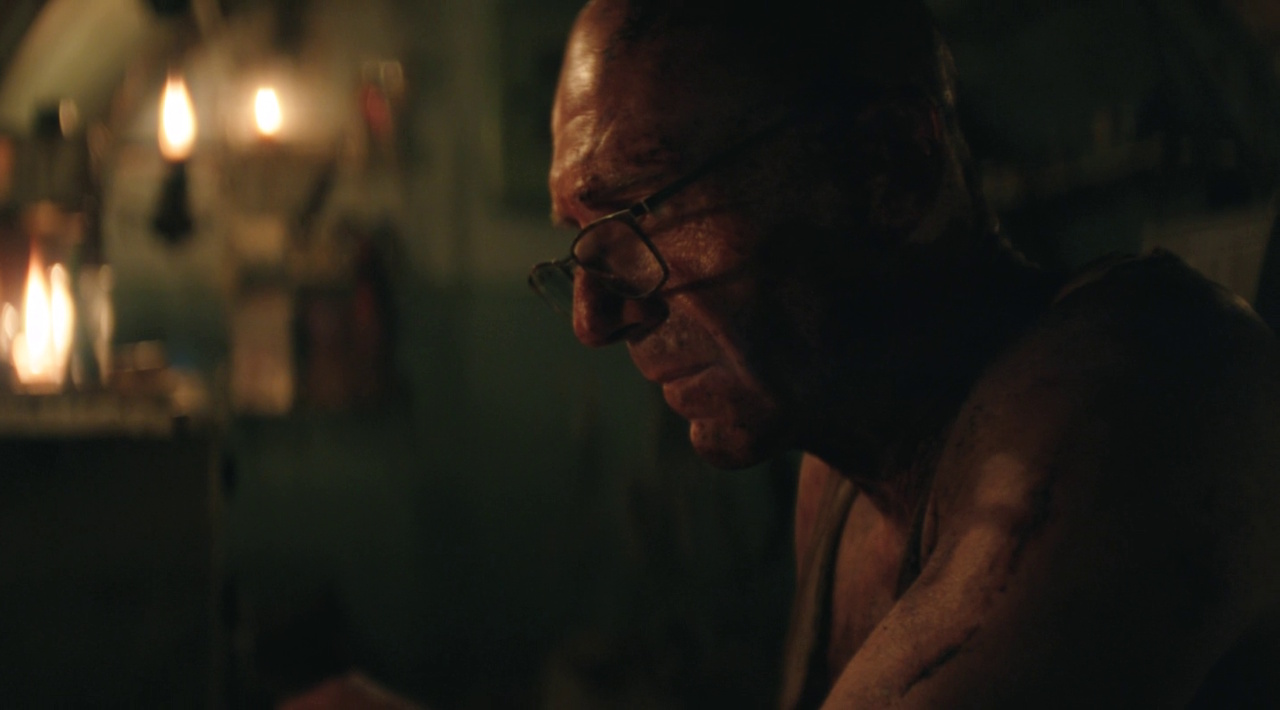
Then we have Ralph Fiennes. Fiennes may be known to some of you as Voldemort, though he’s a prolific actor who’s played a lot of other roles, including in 2024’s Conclave. I found his take on Dr Kelson to be incredible – nuanced, interesting, and with flashes of history and emotion that kept a genuinely odd character feeling human and grounded. Fiennes captured Dr Kelson’s eccentricities perfectly, but also his humanity, too. The sequence where he sat and talked with Jimmy was definitely one of the highlights of the whole film.
And, of course, we can’t mention Ralph Fiennes and Dr Kelson without talking about *that* iconic Iron Maiden sequence! I went through a heavy metal phase as a teen, and I got really into bands like Judas Priest and Iron Maiden. The Number of the Beast is a classic, really leaning into the idea that heavy metal was, well, “the devil’s music,” and I felt this sequence in The Bone Temple really captured that ’80s heavy metal feel. Ralph Fiennes was absolutely exceptional through it all, and the music made the whole sequence feel otherworldly and intense in the best way possible.
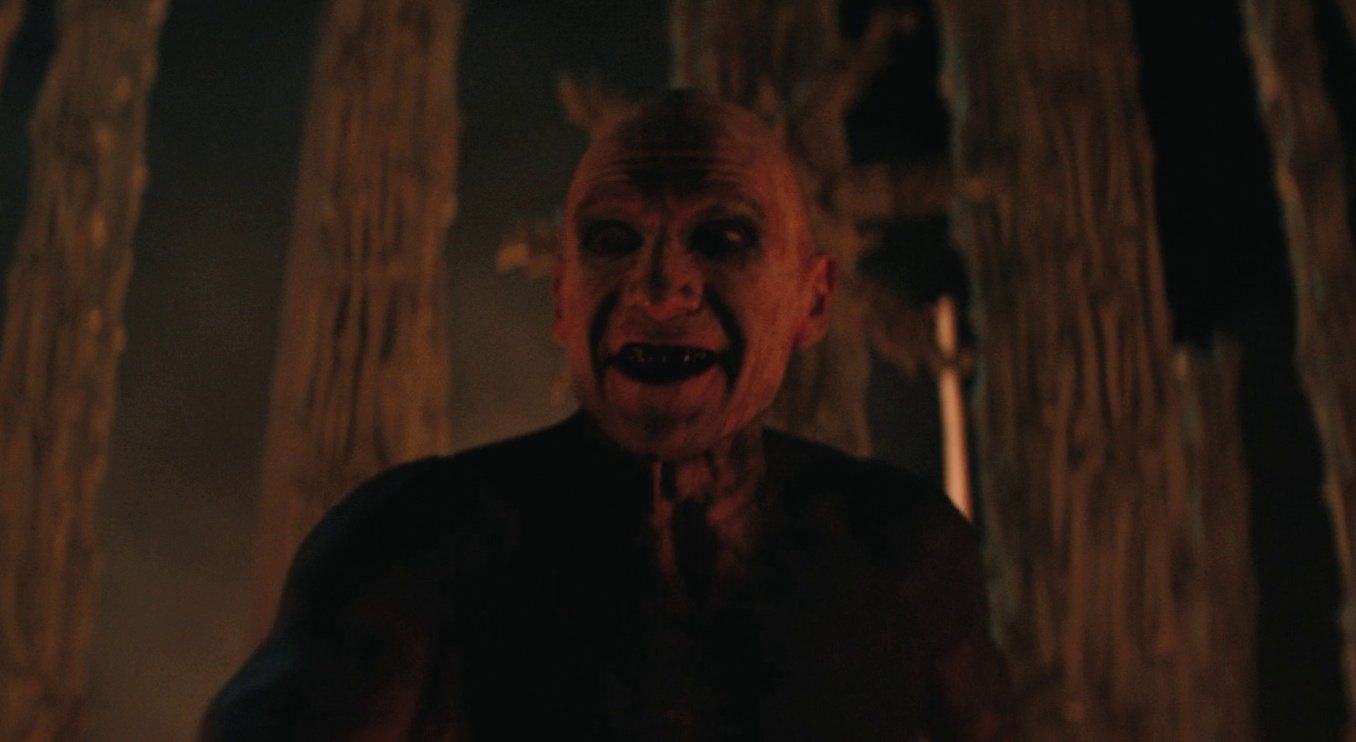
One thing that The Bone Temple did quite well was convey how brutal the post-apocalypse can be. We saw a few different groups and individuals, some of whom were hunters, foragers, or scavengers – but all struggling to survive. The Jimmies are kind of the embodiment of the chaos of survival in this kind of environment: lawless, brutally violent, incredibly aggressive, and dominated by the strong will of a single leader. That isn’t a unique concept; many post-apocalyptic stories feature similar gangs, from The Walking Dead’s Saviors to Fallout’s Legion. But that side of it was well-executed here.
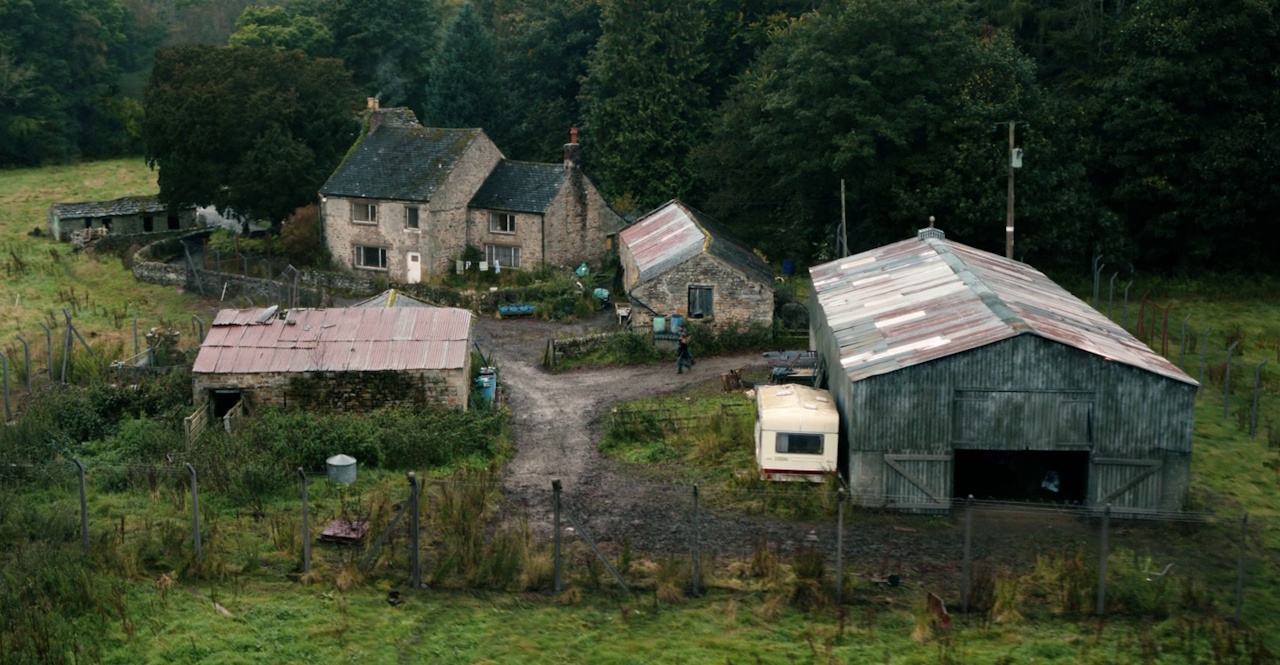
There was an interesting contrast between how the people at the farm lived with how the Jimmies and Dr Kelson lived. The farm group – and, at the very end, Jim and his daughter, too – seemed determined to reclaim at least some elements of pre-apocalypse life, with a well-kept home, fences, padlocks, and hot food cooked in a kitchen. The contrast this presented was stark, and it shows the difference between how different groups might respond to this kind of total societal collapse. In the absence of Spike’s hometown and the folks he had to leave behind in the previous instalment, these characters stood in for the – for want of a better term – more “normal” denizens of post-apocalyptic Britain.
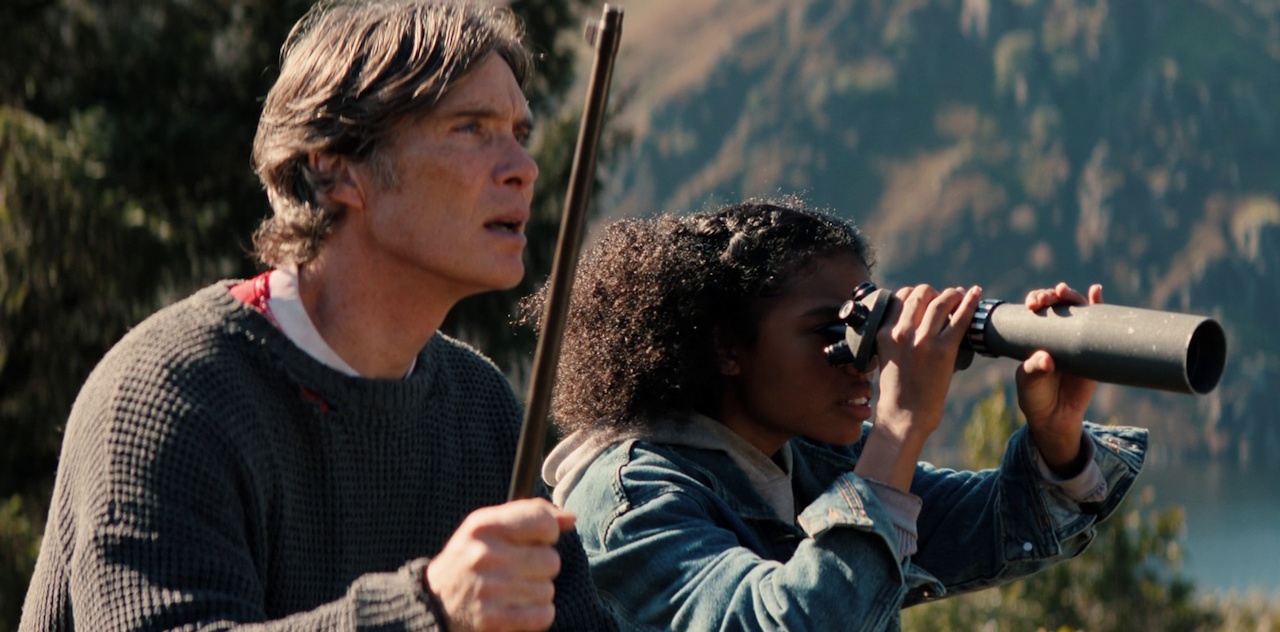
I mentioned Jim, so let’s talk about the film’s closing sequence. Jim was the protagonist of 28 Days Later, and it was great to welcome back Cillian Murphy to the role – albeit that Jim didn’t get a ton of screen time this time around. A zombie glimpsed in 28 Years Later bore a striking resemblance to Jim, and I wasn’t alone in speculating that the zombie’s appearance might’ve been the film’s way of conveying that Jim had finally been defeated by the rage virus. I’m glad to see that wasn’t the case!
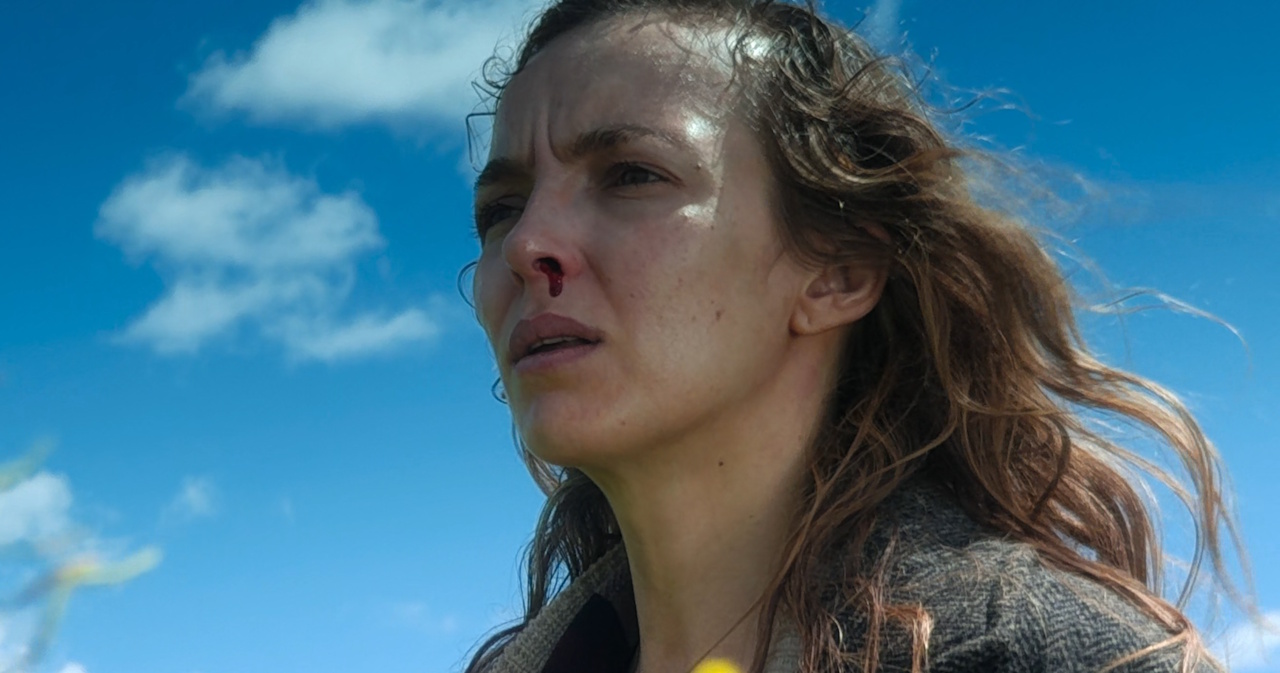
Jim having a daughter certainly seems to imply that he and Selena continued their relationship beyond the events of the first film. I wonder if Selena is planned to be a major character if the next instalment were to get off the ground? I liked seeing Jim apparently quite settled, doing what he could to preserve a sense of pre-apocalypse normalcy for his daughter. Their appearances raise a lot of questions; I just hope that answers will, one day, arrive.
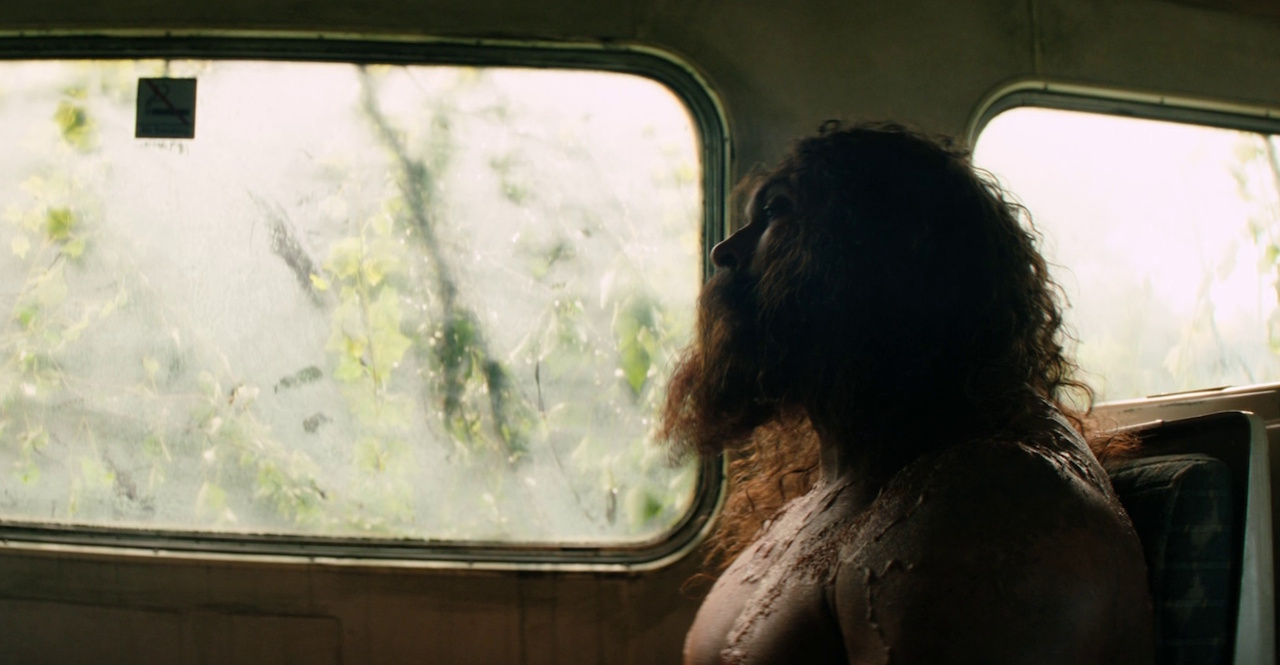
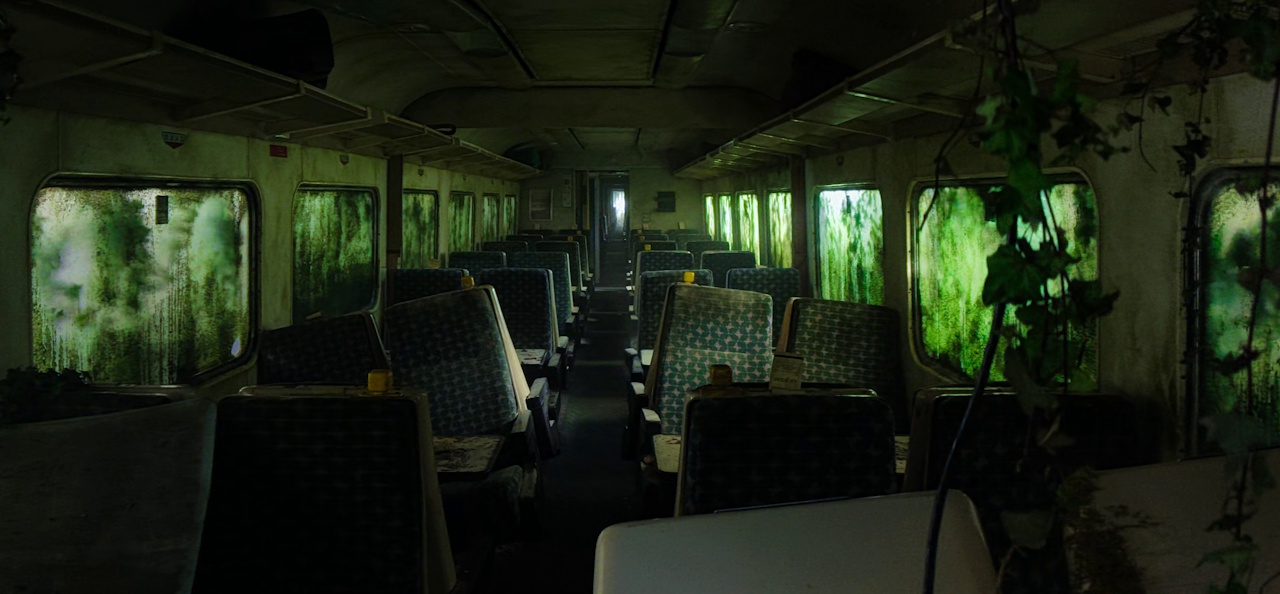
As Samson’s cocktail of drugs helped him come around from his years-long infection, we got an interesting flashback-come-coma-dream sequence of him on a train. This was especially creative, I felt, showing how memories were slowly coming to the surface. It led into one of the film’s only real jump-scares, as the conductor’s face seemed to morph into that of an infected zombie. That was probably the only moment in the film that I could say genuinely caught me off-guard.
Again, though, Samson’s story ends with unanswered questions. Without access to more drugs – both morphine and antipsychotics – will he remain free of the virus and in control of his faculties? Was his status as an “alpha” infected part of what made him susceptible to treatment? With Dr Kelson dead, is there *anyone* left in the area who could carry on his work – or even understand it? All of these points should be addressed… but only if a sequel is forthcoming, which, as mentioned, may no longer be guaranteed.
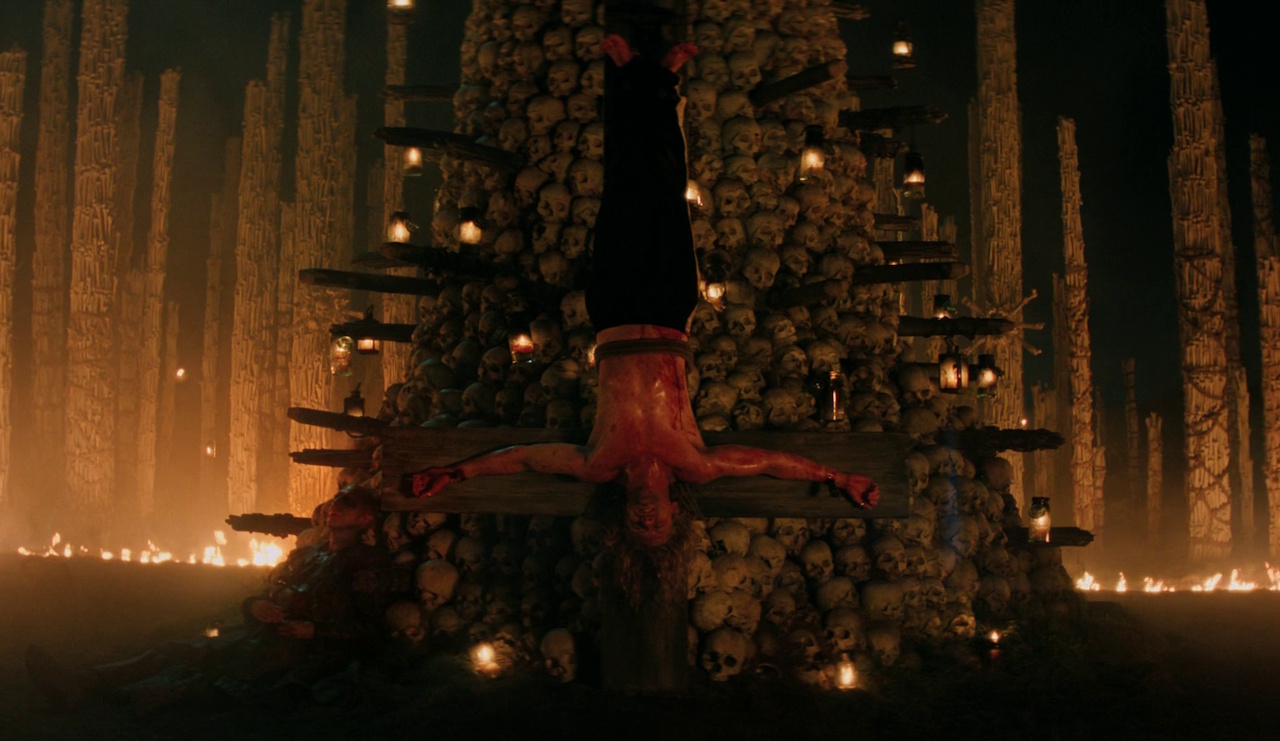
How do we feel about Satanism as a plot point? I get where it was coming from, and I think Jack O’Connell made for a really interesting and complex antagonist. There were points where I genuinely couldn’t tell whether he believed in “Old Nick” for certain, whether he was wavering in his belief, or even if he’d been faking some of it to maintain control over his gang. That kind of presentation is not easy to get right, and O’Connell deserves a lot of credit – as does Nia DaCosta’s direction.
However… I can’t help but feel that falling back on Satanism – literally one of the oldest tropes in the horror movie or shocking story playbook – feels anything other than cheap. As a critique of religious cults and overbearing leaders, I get it. And I think the character side of it worked reasonably well… Jimmy Savile aside. But Satanism itself, while it worked with some of the imagery and the music, just feels a bit played out and clichéd for a story like this. I think part of what made the Jimmy Savile stuff feel so underwhelming and like it was being played for pure outrage bait is the Satanism angle; perhaps The Bone Temple needed to pick one or the other. The story might’ve worked better if it hadn’t tried to have the gang do both.
I think that’s where we’ll start to wrap things up.
The Bone Temple was an interesting film. But it wasn’t a great film, and as the continuation of a sequel I’d been very interested in for some twenty years or so… I think I have to say that it came up short. There were creative ideas in the mix, but some of them felt tropey, others felt like they were done purely to shock and offend, and while the film’s core themes and some of its characters worked well, there are enough downsides and drawbacks to consider it an imperfect motion picture.
I would recommend The Bone Temple to fans of last year’s instalment. But for anyone else – general horror fans, zombie connoisseurs, and even fans of 28 Days Later from back in 2002 – I’m not so sure. If it comes on streaming or it’s on TV one day and you’ve got nothing to lose by checking it out, then sure. I made it to the end, it killed a couple of hours, and I didn’t need to switch off partway through. But I can’t shake the feeling that such an iconic and genre-redefining work as 28 Days Later deserved better than this. And if it’s true, as has been suggested, that no sequel will be coming? The Bone Temple ends with Spike, Kellie, and Jim’s stories all incomplete.
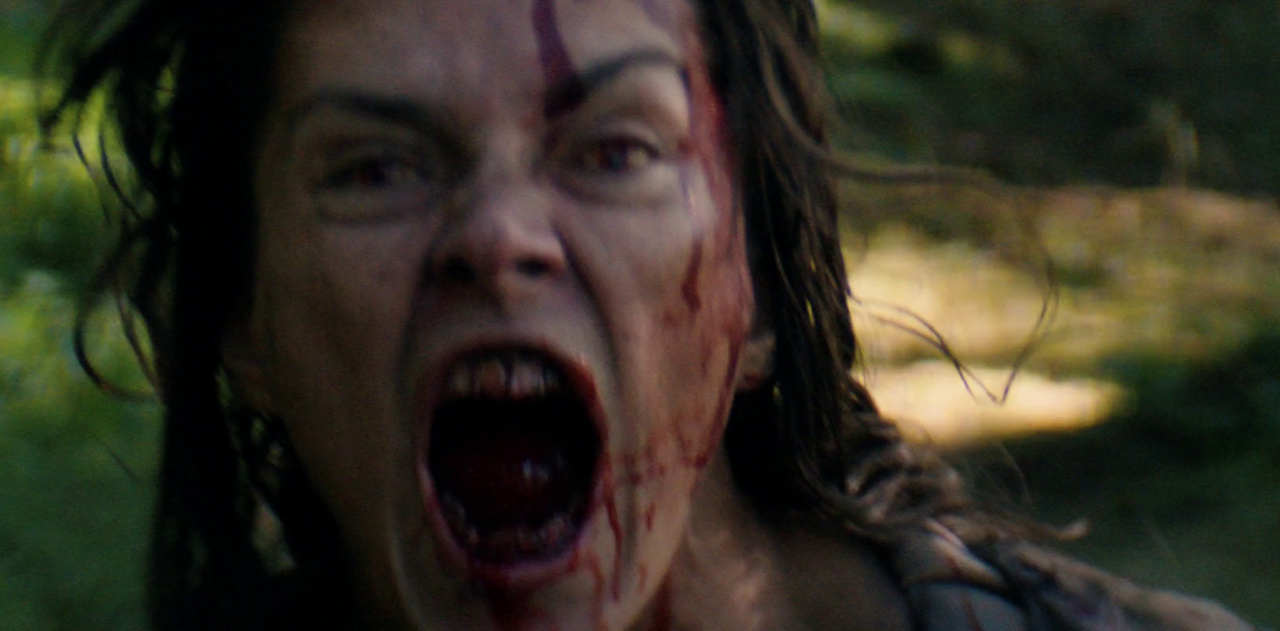
I’m a big ol’ scaredy-cat when it comes to horror. So if Trekking with Dennis, of all people, is saying that a film wasn’t all that scary… then it genuinely wasn’t all that scary. So if what you want is a horror film to give you nightmares and take you to the edge of your seat, I don’t think you get that from The Bone Temple. I certainly didn’t. But that doesn’t mean there weren’t interesting ideas in the mix, fun character moments, and a pretty epic heavy metal song sequence to cap it all off. A mixed bag.
Earlier this year I reviewed a very different film: The SpongeBob Movie: Search for SquarePants. Click or tap here to check that out if you’re interested! And if you want to see a handful of titles that are on my radar as 2026 rolls along, click or tap here to see those. I’d like to review a few more films this year, though probably not too many in the horror genre – at least, not till October! And I have plans to check out a few TV programmes and video games, too. I hope you’ll join me for some of that here on the website.
Until next time… and don’t have nightmares!
28 Years Later: The Bone Temple is available to purchase now on video-on-demand via Amazon and other platforms. 28 Years Later: The Bone Temple is the copyright of Columbia Pictures and/or Sony Pictures Releasing. This review contains the thoughts and opinions of one person only and is not intended to cause any offence.



 Trekking with Dennis