

If you’ve been a regular reader for a long time, you might remember some of my coverage in the months leading up to the launches of the PlayStation 5 and Xbox Series consoles. I argued at the time that it wasn’t the right moment to launch new hardware – the pandemic and its associated disruptions had had a massive impact on the entire world, there were shortages, factories had temporarily shut down, there were shipping and supply problems, and delays to what were supposed to be launch titles. The result of releasing new consoles in 2020 was sad but predictable: scalpers and touts bought up practically the entire supply, and for months afterwards, people were paying through the nose to get their hands on consoles that offered a relatively minor upgrade to the previous generation, and with practically no next-gen-exclusive titles.
And here we go again.
At time of writing, in mid-2026, both Xbox and PlayStation are working on new hardware. Rumours abound that next autumn could be a targeted launch date; I’ve also heard spring or autumn of 2028 being mentioned. But one thing’s clear: both hardware manufacturers are hard at work getting ready for next-gen.

But, as happened last time, there are serious problems on the hardware front. Xbox has openly admitted that the prices they’ve been paying to their component suppliers have doubled, and are likely to double again. The same will be true of PlayStation and Nintendo – and all three companies have used this as an excuse to hike prices even further.
The current hardware generation felt like the smallest-ever leap in terms of graphical fidelity and gameplay – the main things players look for in a new console generation – and this next one is likely to be very similar. I can’t always tell, at a glance, if I’m looking at gameplay from an Xbox Series or Xbox One, or a PS5 or a PS4, because there just hasn’t been as significant a jump as there had been in the past. And that’s in 2026: almost six years into the current generation of consoles. Many games are still being released cross-platform; there’s a case to be made that we’ve hardly even started this generation properly, let alone fully taken advantage of current hardware.

The same thing will happen this time. Look at the upcoming Grand Theft Auto VI – the game Rockstar and Take-Two hope will be one of this generation’s biggest hits. It promises to be a hugely interactive sandbox; an “open” world in the truest sense of the term, set in a sprawling metropolis based on Miami, and with fantastic visuals to boot. What can new hardware do for gaming that GTA 6 isn’t already doing? With changes being so incremental these days, will we even notice a significant difference between the PS5 and PS6 versions of a game like that?
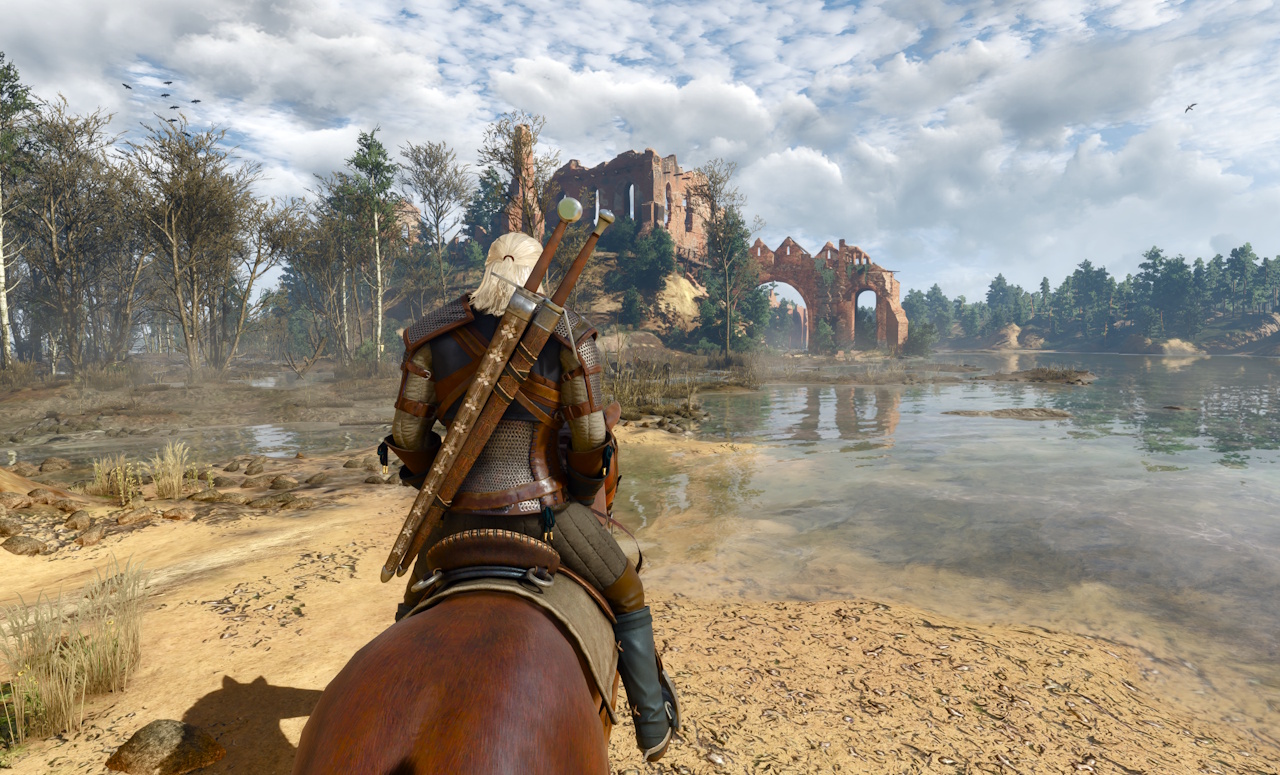
Games today are pretty darn great. They look good, play well, and while there’s always gonna be room for improvement… we’ve realistically reached a place where those improvements are smaller and smaller than ever. I’m perfectly happy to recommend games to people from fifteen or even twenty years ago; graphical fidelity and gameplay just haven’t changed all that much in all that time. That’s why folks are still perfectly happy to stick with the likes of Skyrim, Grand Theft Auto V, The Witcher 3, Mario Kart 8, and so on. New games will always appeal, and there are still plenty being created that push the boundaries. But it’s easier than ever to play a years-old game and not even really notice that it’s old!
A.I. datacentres are currently being built at large scales around the world. Near where I live in the UK, a massive new datacentre project has been given the green light relatively recently, with construction due to start either later this year or early next year. But as we know by now, the A.I. boom has resulted in an even worse shortage of components and hardware than the pandemic did, driving up prices for all kinds of hardware – but especially GPUs.
I don’t pretend to understand A.I. to any great extent, so I don’t know why GPUs – a.k.a. graphics cards – are of so much use to datacentres! But I know that it’s happening, and that RAM and GPUs are two of the most in-demand items for those projects. The results are that there’s a massive shortage of components, and sky-high prices for the ones that are available.
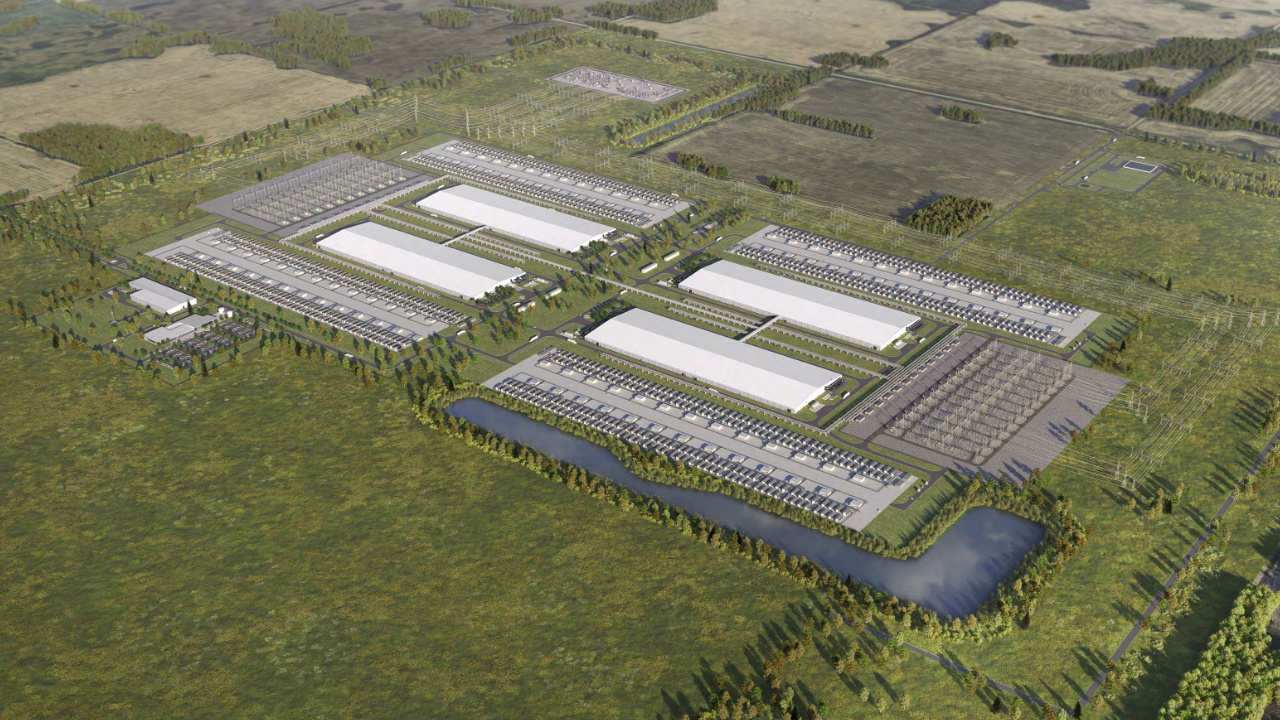
Image: Meta A.I.
PlayStation has stated, on the record, that they’re unwilling to sell their next console at a loss. Hardware has often (but not always) been a loss-leader for games companies; selling a console at a small loss still pays dividends when players buy games. But if PlayStation isn’t willing to do that anymore, and component prices are shooting up… well, you do the maths on that. I’ve heard $1,000 (or £750) genuinely suggested as the price of the next PlayStation at launch – and it could even be higher than that.
Xbox, too, has said that its next console – currently codenamed Project Helix – will be a “very premium, high-end experience.” And if that doesn’t sound like they’re *also* looking at prices north of $1,000, well… I don’t know what does! We’ve just seen Valve’s new Steam Machine launch for the same kind of money, too.
Adding those two factors together – that next-gen is likely to be a minor upgrade at best, and that current prices are already getting silly – then I think we can make a great case for a delay. Mid-2026 is probably the final opportunity that Xbox and PlayStation will have to make such a decision, before contracts have to be signed and before manufacturing really begins in earnest. With prices too high for a lot of players, and no real pressing need to launch brand-new hardware that won’t actually make a massive difference to game design or graphics… isn’t that the smart move?
It’s certainly a consumer-friendly move – which is why it won’t happen! But I would argue that it’s also a sensible business move, too, and announcing a delay today could win both Xbox and PlayStation some desperately-needed good press. Xbox is reeling from layoffs, and the unsurprising news of how bad things have gotten over there. And PlayStation recently had the double-whammy of removing purchased digital content from players and then announcing that they’re no longer going to make physical games. Both companies could use some good headlines!
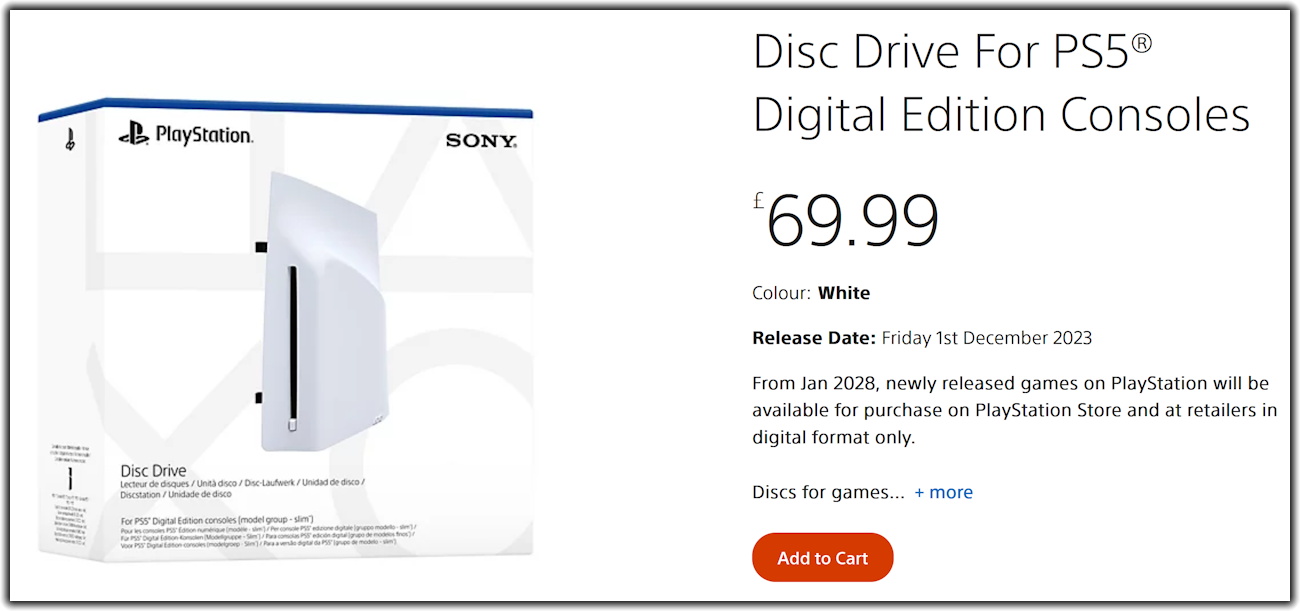
Imagine if one or both of these companies said something like this: “As a response to the impossible challenges of today’s hardware shortages and sky-high prices, we’ve taken the decision to delay our next-gen hardware by eighteen months.” I genuinely believe it’d win them some much-needed positive headlines. And, thinking about it from a corporate point of view, there could be real, genuine advantages to launching new hardware that could undercut the competition. Looking back across the history of the games industry, cheaper hardware almost always performs better than more expensive competition. The Wii against the Xbox 360 and the PS3, the N64 and PlayStation against the Sega Saturn, and of course, the PS4 against the Xbox One are all examples of this.
If Xbox announced a delay today, it would be a gamble in some ways. They’d be betting on hardware prices slowly coming back down as either datacentre excitement falls, or as manufacturing scales up to meet it. But the rewards could be incredible if the new Xbox could come in even £100 cheaper than the PS6 as a result. And the same is true for PlayStation – being able to offer a cheaper console than Xbox’s Project Helix could cement their status at the top of the industry.

Right now, it feels like both Xbox and PlayStation are locked in to a launch window *because* their competitor is also locked in. It’s like corporate mutually-assured destruction; neither company wants to be the one to delay, because they don’t want to cede any ground to the competition in a difficult marketplace. But this line of thinking isn’t gonna lead anywhere good. The current generation of home consoles is the first ever, in history, that looks set to be smaller and to have sold less hardware than its predecessor. And sky-high prices are part of that.
If next-gen hardware launches at the kinds of prices the industry is currently expecting, it will meet a similar fate. Right now, it seems to me as if the only chance Xbox and PlayStation have to even possibly mitigate that is to wait; to delay their upcoming consoles until the A.I. datacentre situation is resolved – one way or another. And it seems all but guaranteed that that’ll happen. Prices are inflated right now, and it’s a struggle for individuals and companies to keep up. Prices *have* to reach a more reasonable level, otherwise individuals will be priced out of buying anything electronic, corporations will make fewer sales, and even these A.I. behemoths won’t be able to sell their services because no one will want them, be able to afford them, or have any hardware to run them on. Something’s gotta give sooner or later.
But unless and until that happens, going ahead with a massive rollout of new video game consoles feels like a mistake. It will almost certainly be a very rough, rocky, and underwhelming launch for the PS6 and Project Helix if they’re even close to the rumoured prices. Just look at Nintendo’s Switch 2 – it’s less than half of the PS6/Helix’s $1,000 and yet it’s still considered to be overpriced by a lot of folks, which has led to it struggling to move as many units as its predecessor.
The real danger here, for us as players, is that Xbox and PlayStation will ramp up efforts to extract even more cash from a smaller playerbase. If they sell fewer consoles this time than last time, and even fewer next time because of insane prices, well… investors want to make money, and that money has to come from somewhere. They’re gonna feel the only option they’re left with is to wring out every last penny from a smaller and smaller number of players. Expect to pay more for games, expect more in-game microtransactions, and expect additional fees for things that used to be considered standard – like getting a control pad or even a basic power lead with your new console. The Steam Machine, for example, has launched without a controller in the box, and I think Xbox and PlayStation are looking at that, too.
As someone who’s enjoyed gaming for close to forty years, since I first picked up a joystick at a kids’ club in the ’80s, I feel truly saddened by the state of things. Gaming has always had a barrier to entry in terms of price; you can’t play games if you don’t have some kind of hardware capable of playing them on. But that barrier – until recently – has always appeared to be surmountable. Gaming has only been able to become such a big hobby because it’s been something that most folks are able to buy into. Sure, you might have to save up for a while to get the latest console or the newest blockbuster game, but until now, it’s been an achievable goal.
If gaming continues on this path of increasingly-expensive hardware, higher prices, more in-game transactions, and worse-value products… people are gonna stop playing. Gaming is going to end up as this “elites-only” hobby that us plebs are priced out of. It wouldn’t be the first time something like that has happened… but it’s terribly sad to think of all the kids, all the folks on lower incomes – such as myself – and all the people who just have other financial commitments who are either already priced out of the hobby, or who are about to be.

Pictured: Pragmata
The sunny side of this, as I tried to illustrate a couple of weeks ago (click or tap here for that), is that there are still ways to play even if budgets are tight. Older hardware, second-hand devices, emulators, even phones… all of these and more offer ways to get started or to keep playing even as prices for newer stuff soar ever higher. And because, as we discussed above, many older games are still perfectly playable and no less enjoyable than their modern counterparts… well, what have you got to lose by buying a second-hand PS3 instead of a $1,000 PS6? Until prices settle, that could be the only option for some folks.
Sorry if this was a big dump of negativity. But I really believe that a delay to next-gen consoles, given everything happening in the world right now, just makes a lot of sense. I don’t see what next-gen hardware really has to offer at the moment, anyway, so why not kick the can down the road by a couple of years and wait to see whether prices might start to settle down? If only one company does it, I think it’ll be to their long-term benefit. If both major hardware manufacturers do it, it could genuinely be the best news the industry has had in a long time. And right now is probably the last opportunity to delay things before it’s too late.
All titles and properties discussed above are the copyrights of their respective manufacturers, corporations, oweners, developers and/or publishers. This article contains the thoughts and opinions of one person only and is not intended to cause any offence.

