I’m Not Sure What Xbox Is Doing Any More…

I don’t usually like to cover rumours here on the website, but the growing controversy swirling around Microsoft and Xbox is proving difficult to ignore. If you haven’t heard, a number of reputable outlets have been reporting that Microsoft is planning to make some of its biggest current and upcoming console-exclusive titles available on PlayStation 5 consoles – including the likes of Indiana Jones, Starfield, and the Gears of War series.

This feels like a potentially massive shift in the gaming landscape, perhaps on a scale we haven’t seen for a long time. And I have to admit that it leaves me with pretty big questions about Microsoft’s strategy. What does the company hope to achieve in the longer-term with a move like this… especially after having spent so much money buying up companies like ZeniMax and Activision-Blizzard?
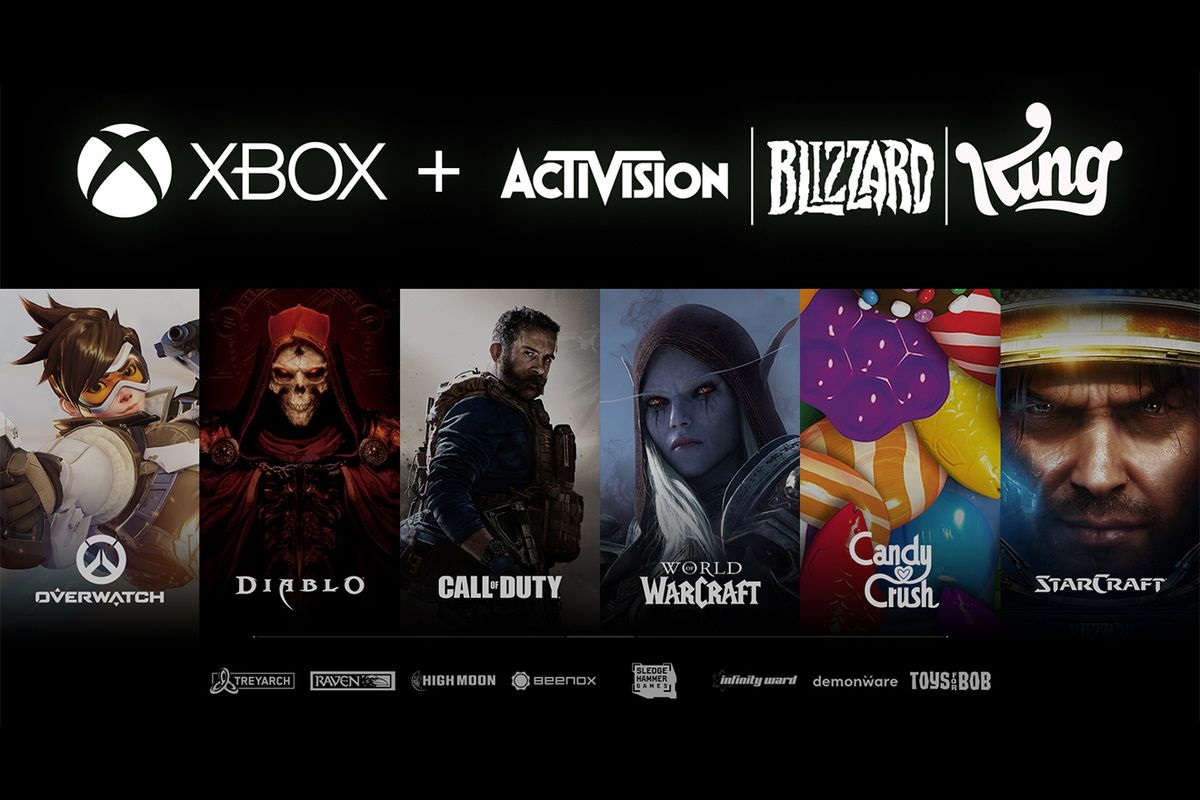
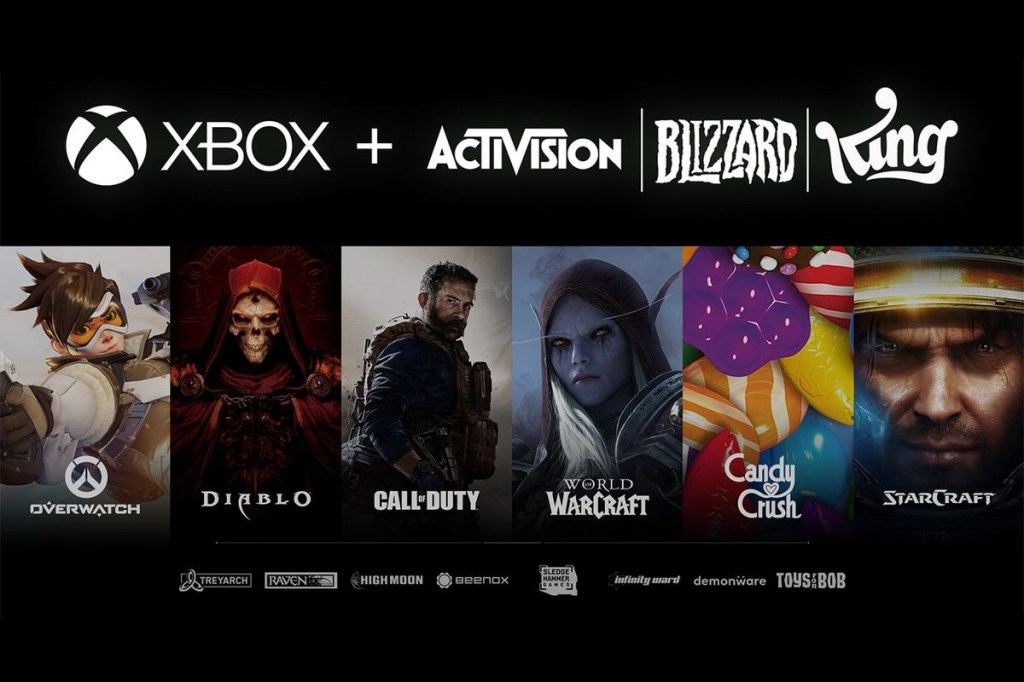
A graphic promoting Microsoft's acquisition of Activision-Blizzard.
Microsoft spent a lot of money to purchase Activision-Blizzard recently.

Console exclusives suck. Let’s make that clear right off the bat. It would be better for players if every game could be available on every current-gen system with no limits… but that isn’t the world we live in. Nintendo games are exclusive to the Switch, and that’s gone a long way to helping the company shift well over 100 million consoles. PlayStation exclusives have likewise helped Sony dominate two console generations in a row. And Microsoft has been lagging behind since the end of the Xbox 360 era in that department.

But the company has seemed determined to course-correct. Microsoft has spent lavishly over the last few years, buying up the likes of Obsidian, Bethesda, and of course Activision, and using those long-established companies to create new exclusive titles. After launching Game Pass and bringing in tens of millions of subscribers in a few short years, Xbox’s plans seemed pretty clear: develop more and more exclusive games for consoles and PC, and turn the brand back into the powerhouse it was in the 2000s.
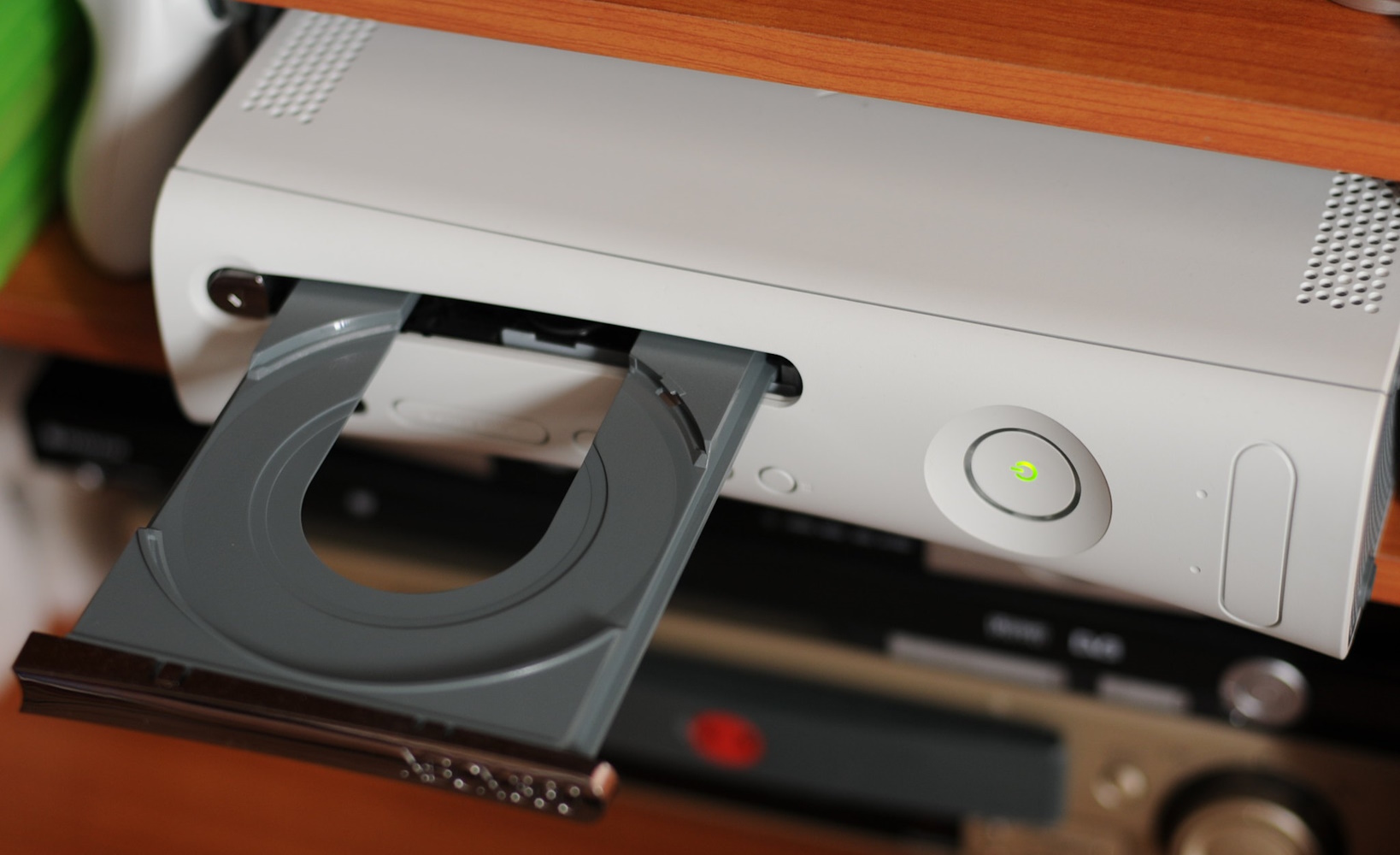
An Xbox 360 console with an open disc tray.
Xbox dominated the console market in the mid/late 2000s with the Xbox 360.
Image Credit: Mario A.P. via Flickr, CC BY-SA 2.0

If these rumours of exclusive games going to PlayStation are even close to being true, that corporate strategy is no longer one that Microsoft is pursuing. And to me, it feels short-sighted almost to the point of desperation. Putting a game like Starfield on PlayStation might bring in some cash in the short-term as players who had previously been locked out will be able to pick it up. But in the longer-term… why would anyone buy an Xbox or even consider subscribing to Game Pass?

If Microsoft is willing to put games that it owns on a competing platform, but that competitor isn’t reciprocating, that’s tantamount to admitting defeat and throwing in the towel. Players will quickly realise that PlayStation is the place to be, because it allows them to play almost every title going – whereas Xbox doesn’t. PlayStation exclusives like God of War, Horizon: Zero Dawn, and The Last Of Us have been hugely influential in Sony’s success over the past decade or so, and if games that had previously been only available on Xbox also join the PlayStation lineup… that’s a great deal for PlayStation gamers.

A graphic promoting Xbox Game Pass.
Will we soon see Game Pass available on PlayStation consoles?

So what’s Microsoft’s move here? Are Xbox consoles to be discontinued, going the way of the Atari Jaguar and Sega Dreamcast? Have sales of the Xbox Series S and X been so poor over the past three years that Microsoft is considering getting out of the hardware market? If so… where would that leave the gaming landscape? If PlayStation and Nintendo are the only ones left, that might not be good for gaming and competition in the marketplace.

Sony learned a lot of harsh lessons during the PlayStation 3 era when the Xbox 360 sold more than 80 million units and gave the PS3 a real run for its money. That competition spurred Sony on and led to better things a few years later. With Nintendo effectively off to one side doing its own thing, Xbox has been PlayStation’s main competitor for the past twenty years – and having competition is necessary for a healthy marketplace. I don’t want to jump the gun and write Xbox’s eulogy, but if previously exclusive games start appearing on PlayStation… it feels like a harbinger of worse news to come.
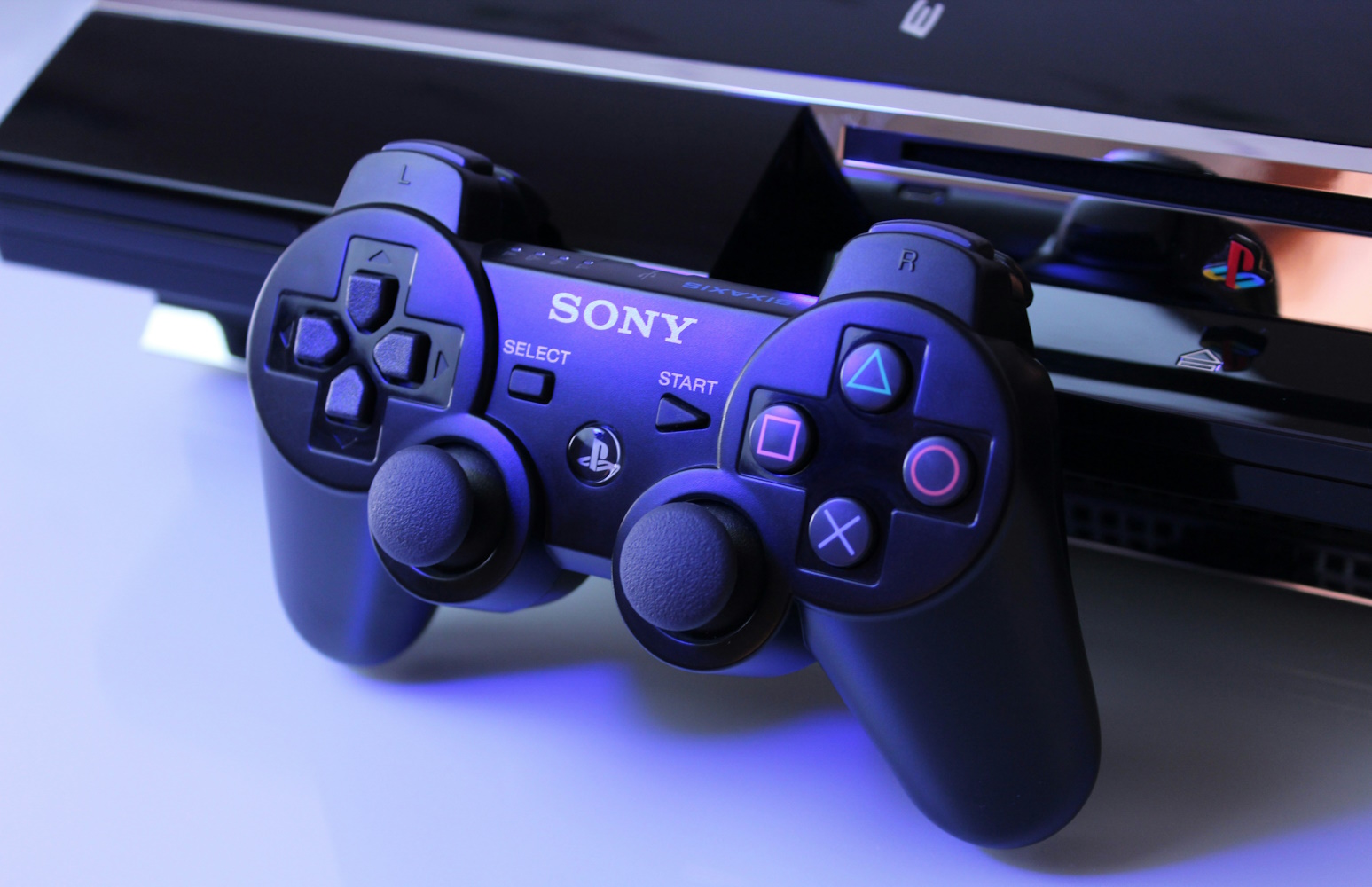
A PlayStation 3 controller.
PlayStation had to play catch-up during the PS3 era.

If Microsoft is finding that their current-gen machines aren’t selling as well as they’d hoped, there are other options besides a total surrender or abandoning hardware production. Nintendo ditched the Wii U well ahead of schedule, launching a brand-new machine less than five years later. That could be one route for Xbox to follow. If the Xbox Series S is proving troublesome from a development perspective, retiring that console in favour of the Series X could also be possible. Even just waiting, treading water in anticipation of bigger exclusives in the next few years might be better than abandoning exclusivity altogether for the sake of some short-term cash.

Microsoft has some upcoming games that have the potential to be console-movers. Indiana Jones is one – albeit one that I personally wasn’t taken with when it was shown off a few weeks ago! The sequel to Skyrim is also bound to be a big deal when it’s ready in a few years’ time, and that’s before we’ve looked at some of the franchises and games that Microsoft owns the rights to after its recent acquisition of Activision.
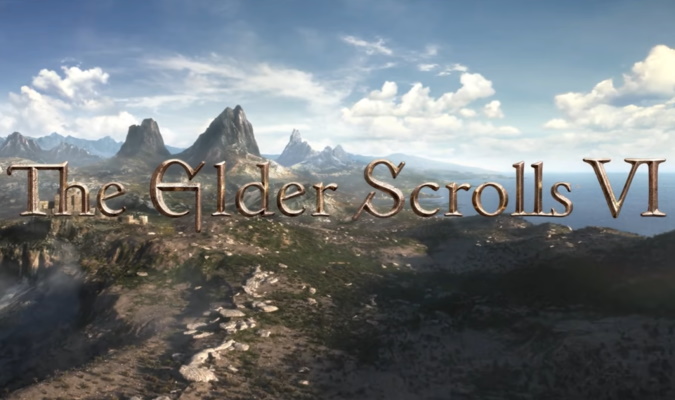
CGI render of The Elder Scrolls VI from Bethesda's E3 announcement.
The Elder Scrolls VI could be a console-seller if it’s an Xbox exclusive.

With so many studios coming “in-house,” Microsoft’s future in the gaming marketplace looked to be getting brighter. Game Pass continues to add subscribers, and with subscriptions being the current direction of travel across various forms of media, Microsoft is actually ahead of the curve in the gaming realm; Game Pass is streets ahead of any comparable offering from any other company. Game Pass’ current success could pave the way for a subscription-based future for the Xbox brand. But Game Pass – and Xbox consoles in general – need exclusive titles to make it work.

I don’t really have a dog in this fight; the only current-gen console I own is a Nintendo Switch. But even as PC player, what happens on console has an impact. Microsoft’s seemingly abrupt change in strategy could have implications down the line for Game Pass, for ongoing and upcoming titles, and more.
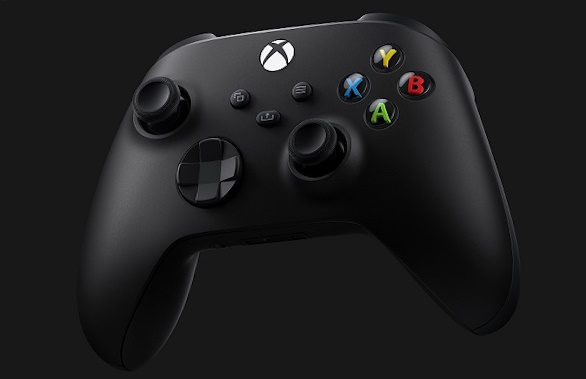
An Xbox Series X control pad.
What will this mean for Xbox?

I’m all in favour of shaking things up in the games industry, but Xbox seemingly surrendering its already mediocre lineup of exclusive games isn’t how I’d have expected – or wanted – things to go in the first part of 2024! And as I said at the beginning, I really don’t understand what it’s supposed to achieve beyond a short-term injection of cash. If Microsoft’s gaming division is so short of money that it needs a few hundred thousand sales of Starfield on PlayStation 5… then something’s gone very wrong indeed.

This is great news for PlayStation owners – assuming that these rumours turn out to be correct, that is. For people who’ve invested into the Xbox brand, though, I can understand why there will be some degree of upset. There’s tribalism, of course, with some Xbox die-hards determined to cheer for “their” console, but that isn’t really what I mean. Stepping back and trying to look at things as reasonably and objectively as possible… PlayStation is looking like a way better deal. If Microsoft’s biggest exclusives join its already impressive lineup, I can absolutely understand why players who shelled out for an Xbox Series X would feel hard done by.
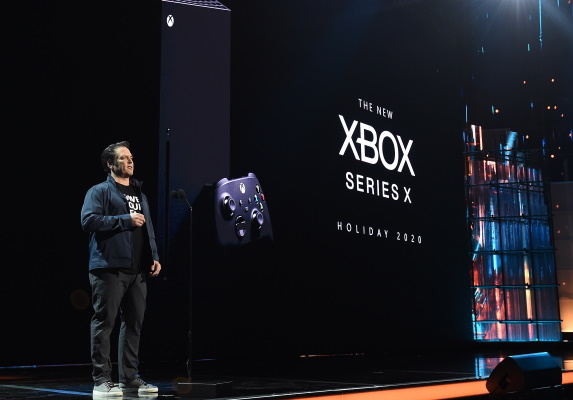
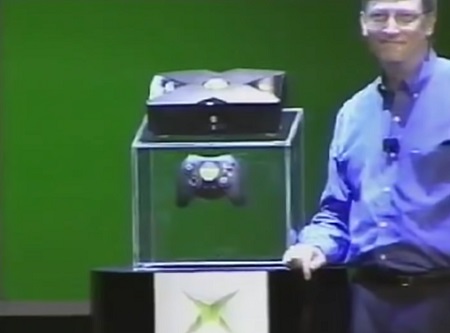
Still frame of Phil Spencer at the Xbox Series X announcement event.
The Xbox Series S and X consoles are still relatively new.

It’s that sense of regret, of having made the wrong decision. By sending their games to PlayStation, Microsoft will be giving that platform a boost and making it the better deal for players – leaving current Xbox gamers and supporters feeling understandably upset. If they’d known this was going to happen when purchasing a new console, PlayStation 5 would have been the logical choice.

We’ve all experienced that kind of regret or envy, even if just on a small scale. How many times have you chosen the wrong line at the supermarket, only to see the other lines moving faster? Or ordered a dish at a restaurant only to see your friend or partner’s plate look way better? It’s those kinds of feelings that I think we can all relate to; this is something that goes beyond merely “Team Green versus Team Blue.”
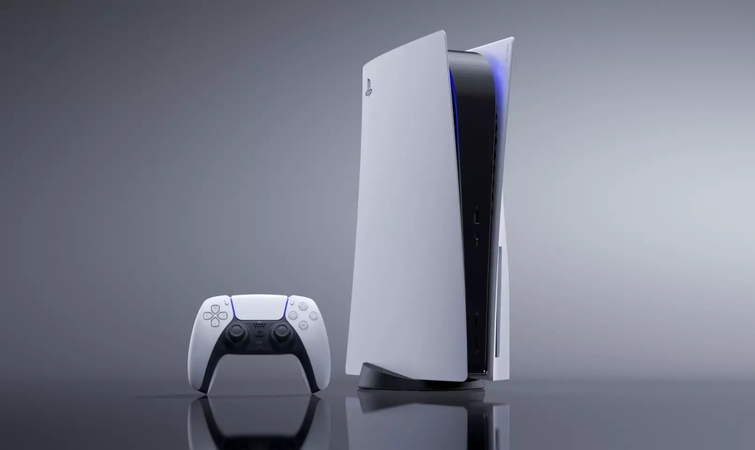
Promo artwork of the PlayStation 5 console.
It could be a good time to consider buying a PlayStation 5…

So we’ll have to watch and wait for official news from Microsoft – as well as an explanation, if this does end up going ahead. I wanted to share my two cents on the subject, at any rate. Console exclusivity isn’t great, but what’s worse is seemingly promising players exclusive titles, using exclusivity as a major selling-point, and then U-turning on it midway through a console generation. Some players will feel that they’ve been left high and dry by Microsoft and Xbox… and the damage that could do to the brand, with some of its biggest fans and supporters potentially souring and turning away, should not be underestimated.

Is a bigger shake-up of the gaming landscape imminent? Will Xbox drop out of the hardware market altogether? Will a reciprocal deal be struck to bring titles like Spider-Man 2 and God of War Ragnarök to Xbox and PC? Is this the end of console exclusivity?

There are some big questions floating around… and all we can do is watch this space. Be sure to check back in the days and weeks ahead, though, because if there really is massive news from Xbox, I’m sure I’ll have more to say.

Xbox Series S/X and PlayStation 5 consoles are available for purchase now. All titles discussed above are the copyright of their respective developer, publisher, and/or studio. This article contains the thoughts and opinions of one person only and is not intended to cause any offence.
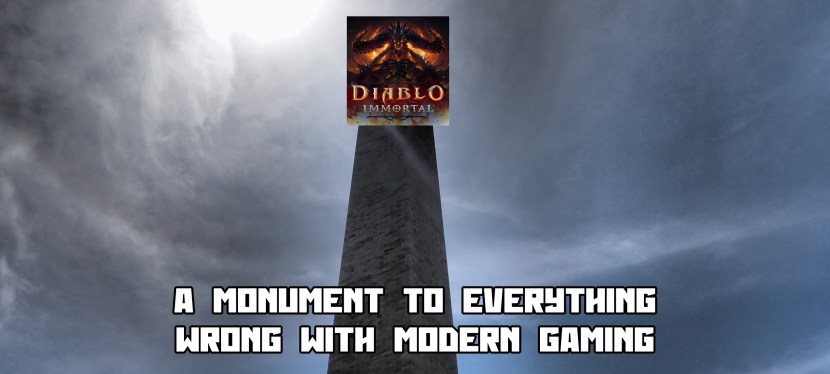
Diablo Immortal is a monument to everything wrong with modern gaming

Because the controversy surrounding Diablo Immortal’s notorious announcement was so long ago – four years ago, in fact – I guess I’d just assumed that the crappy mobile game had already been released sometime in the last few years. I was surprised when I began seeing ads for the game all over my social media pages, and even more surprised to learn that Activision Blizzard has only just finished pushing this absolute turd of a game out of its corporate anus.

Diablo Immortal could stand as a monument to everything that’s wrong about modern gaming and the state of the video games industry. It seems to be desperately chasing every cash-grabbing trend going, degrading a brand that has been part of the gaming landscape for more than a quarter of a century. It’s a contemptible title, one whose inevitable failure I will genuinely be celebrating.

What a piece of shit.

You may have heard this figure floating around during conversations about Diablo Immortal: $110,000. For those of us in the UK, that equates to over £90,000, and according to analysis done by Bellular News it’s the total cost of fully upgrading a player’s in-game character. This figure is based on the fact that many of the game’s upgrades aren’t able to be unlocked by gameplay and are only available via lootboxes.

There are some games out there that take the piss when it comes to how much they cost. Strategy games from developer Paradox Interactive are notorious for their expansions, DLC, and add-ons, the combined cost of which can push some of their biggest titles to well in excess of £300. Look at the likes of Europa Universalis IV or Cities Skylines as examples of what I’m talking about.

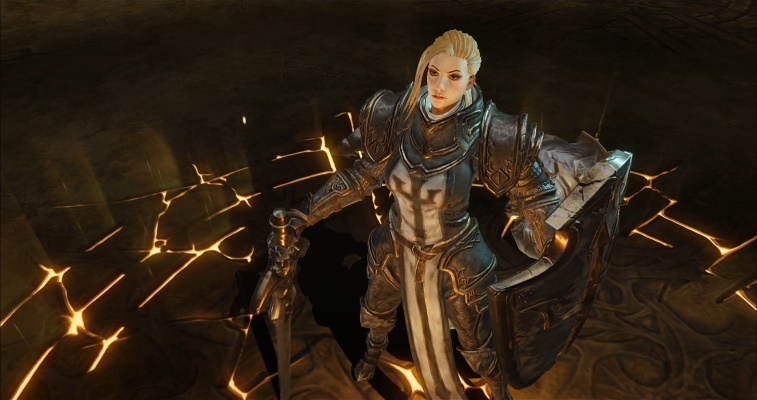
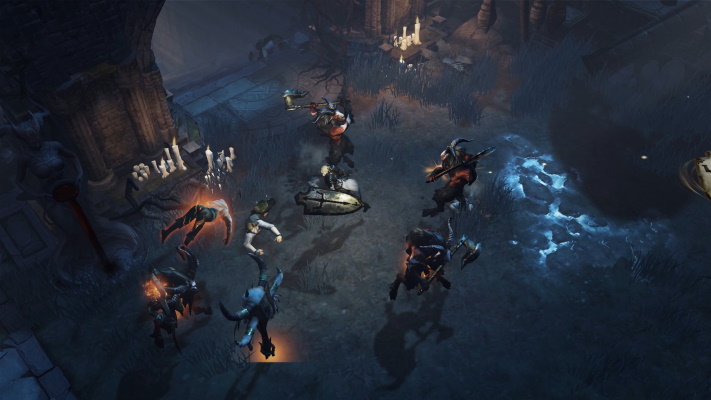
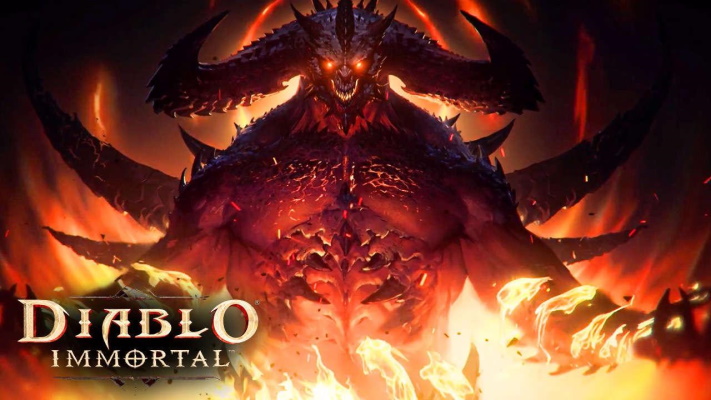
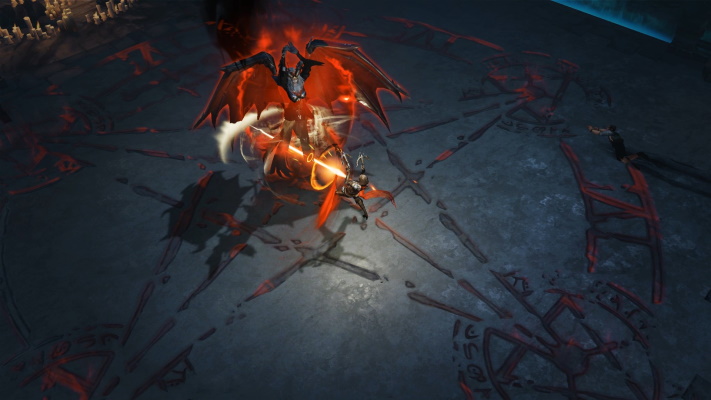
Promo screenshot of Diablo Immortal.

And then there are multiplayer titles that try to coax players who the games industry dehumanisingly and offensively refers to as “whales” into spending massive amounts of money on one-time-use items like ammo, power-ups, and other such fluff. Often the excuse is that players have the option to pay to “skip the grind,” as if the grind hadn’t been deliberately and intentionally built into the game in the first place in order to force as many players as possible into paying more and more money just to be able to play.

Diablo Immortal has taken on all of these money-grubbing trends, seeming to see it as a challenge to get away with as much egregious bullshit as possible. The result is that the game is completely drowning in monetisation to the point that simply playing and enjoying it on its own merit is impossible – something that, sadly, too many publications and self-proclaimed “journalists” and “reviewers” have refused to discuss in any depth. Many purported “reviews” of video games nowadays end up being little more than puff pieces; marketing material that may not have been bought and paid for, but that’s worth about as much as if it had been. The threat of revocation of access and a loss of freebies serves as an incentive for some publications to set their ethics aside – as some of the reviews for Diablo Immortal demonstrate. But I guess that’s something we need to talk about in more depth on another occasion.

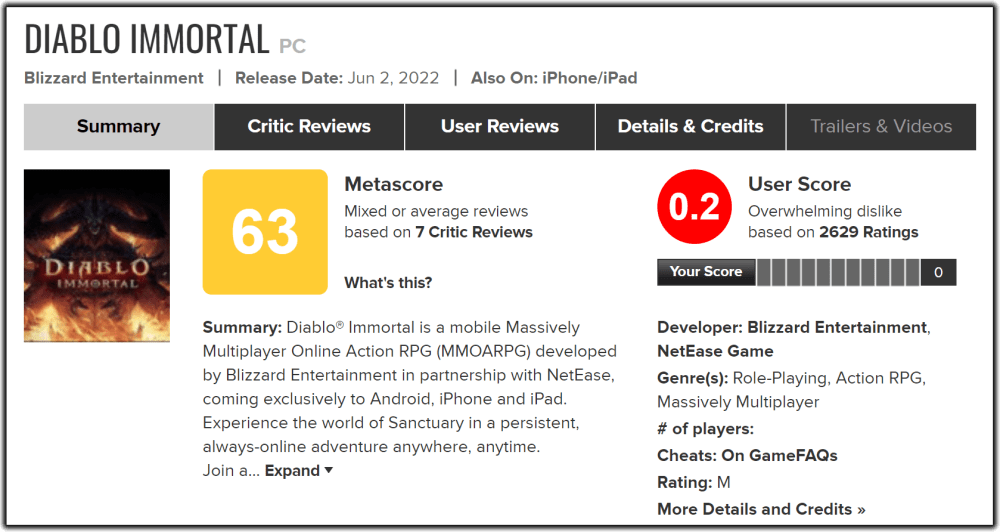
There’s disagreement between professional reviewers and players about Diablo Immortal.

In the late 2000s and early 2010s, corporations suddenly realised the potential that mobile gaming had as a platform. With the explosion in popularity of smartphones came a massive growth in gaming – though many players didn’t necessarily realise that they had been converted to become “gamers” for the first time! But it’s off the back of this particular trend that Diablo Immortal was belatedly conceived; the idea being to take an established brand with good name recognition and a solid reputation and shart it into a typical, done-before mobile game mould.

That’s what Diablo Immortal is. It isn’t a Diablo game like the previous entries in the series. It’s a mobile game with a Diablo veneer; a festering, rotting puddle of raw sewage that Activision Blizzard has attempted to cover up with Diablo branding. But everyone could smell the stink coming. From as far back as its announcement in 2018, the fact that Diablo Immortal was going to be nothing more than a trend-chasing cash grab was readily apparent to everyone from fans to industry watchers. The extent of Activision Blizzard’s piss-taking, and the absolute lack of shame that the corporation seems to have about it, may have caught some folks off-guard, but make no mistake: this was the inevitable, predictable outcome.

For the low price of just $110,000 you can fully upgrade this character!

Some folks have taken to calling the game Diablo Immoral, dropping the T, and honestly I wish I’d thought of that first because it’s so clever! It perfectly embodies the disgusting corporate approach to every aspect of this game, and the state it’s in as a result. Not only that, but it captures the sense that many Diablo fans have that this cash-grab is a corruption of the franchise they love.

The danger here is that Activision Blizzard’s plan will backfire. Rather than the Diablo branding for this shitty mobile title bringing in boatloads of cash, the appalling, predatory nature of its in-game lootboxes and microtransactions may actually end up harming the franchise and its reputation. With Diablo IV in the works, that could be disastrous.

How badly will Diablo Immortal hurt Diablo IV?

The acquisition of Activision Blizzard by Microsoft – which is still in the works and hasn’t been completed at time of writing – may mean that there’s less of a financial risk, but reputational damage on this scale can take time to recover from and can be a weight around the neck of brands and franchises for years. Look at Bethesda or BioWare as examples – recent titles that have been extremely underwhelming have led at least some fans and reviewers (myself included) to begin placing a caveat on any potential hype for new titles. So it will be with Diablo IV – sure, the game could be good, but do you remember how shitty Diablo Immortal was and how scummy its in-game marketplace was? That could well be the narrative going into the next major game in the series.

Perhaps Diablo Immortal was too far along in its development to have been extensively reworked or cancelled, but honestly, it may have been to Microsoft and Activision Blizzard’s benefit to at least put the project on pause. After being hit by a major scandal recently, the last thing Activision Blizzard needs as this Microsoft acquisition goes through is more bad press. Yet here we are.

Activision Blizzard is facing a major sexual harassment lawsuit.

So that’s Diablo Immortal, I guess. A typical mobile cash-grab with the Diablo logo haphazardly affixed to it. Don’t be fooled by the branding or the expensive marketing campaign that’s seen ads for the game pop up all over social media: Diablo Immortal is a piece of shit. It’s garbage that doesn’t deserve to be associated with a franchise that has delivered a lot of enjoyment to folks through the past twenty-five years.

Do yourself a favour and wait for Diablo IV. I really wish this had been an out-of-season April Fools’ joke.

Diablo Immortal is, regrettably, out now for PC, iOS, and Android. Diablo Immortal is the copyright and unending shame of Activision Blizzard. This article contains the thoughts and opinions of one person only and is not intended to cause any offence.
Microsoft buys Activision Blizzard

Well that certainly came out of nowhere! Microsoft has opened its wallet once again, this time buying up massive video games publisher Activision Blizzard for a whopping $69 billion. Nice.

After receiving criticism during the previous console generation for the lack of exclusive games on its Xbox One system, Microsoft has stepped up in a big way in the last few years. Early moves brought on board companies like Obsidian and Rare, and then last year came another shock announcement: the acquisition of ZeniMax – the parent company of Bethesda. All of those laid the groundwork for something big, and Microsoft has now added Activision Blizzard to its lineup, bringing on board hugely popular games and franchises like Call of Duty, Overwatch, World of Warcraft, and even popular mobile game Candy Crush.

Microsoft will soon own Candy Crush!

At almost ten times the price of its Bethesda purchase, Microsoft clearly has big plans for Activision Blizzard and its games. Even by the standards of other corporate takeovers, $69 billion is a lot of money – an almost unfathomable amount. As Microsoft looks to expand its Xbox and PC gaming platforms, though, it makes a lot of sense to bring on board a company like Activision Blizzard.

Keep in mind that Microsoft is currently pushing hard to take gaming as a whole in a new direction, pioneering a subscription model based on the likes of Netflix – indeed, Game Pass was originally pitched as the video game equivalent of Netflix. Though on the surface the company seems to be taking a two-pronged approach, with its Xbox home console family and PC gaming being separate, in many ways that isn’t really the case any more. Microsoft’s goal is to bring these two platforms as close together as possible, offering most games to players regardless of their chosen platform. One need only look to two of the biggest releases of the past year as an example: both Halo Infinite and Forza Horizon 5 came to both Xbox and PC, despite originally being franchises that were exclusive to consoles.

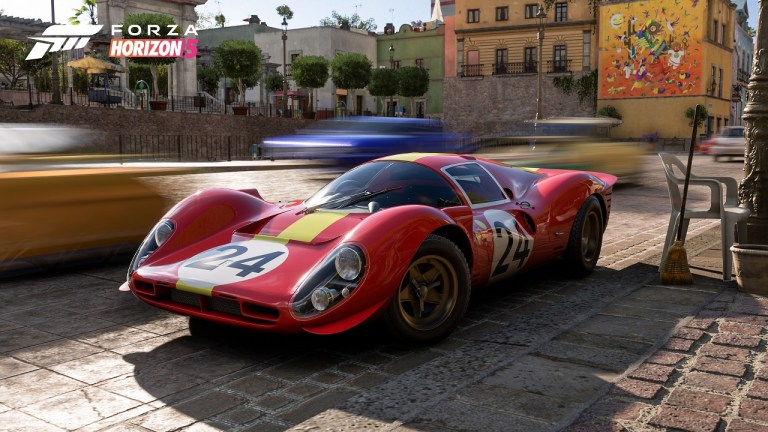
Forza Horizon 5 was a massive title for both Xbox and PC – and came to Game Pass on release day.

Let’s step back for a moment. My initial reaction to this news was disbelief! But after double-checking my sources and confirming that this was, in fact, not some kind of elaborate prank, my next thoughts were of the Activision Blizzard scandal, and how from Microsoft’s point of view this may not have been the best time to announce this acquisition.

There’s no denying that Activision Blizzard is a tainted brand in the eyes of many players, with the severity of the sexual abuse scandal cutting through to make the news in mainstream outlets when it broke last year. Perhaps somewhat counter-intuitively, the scandal is part of the reason why Microsoft may have felt that the timing was right – Activision Blizzard shares had lost basically a third of their value over the last few months (down from almost $100 per share to below $65 prior to the acquisition announcement). Microsoft arguably made a savvy deal in some respects.

Activision Blizzard is a company embroiled in scandal right now.

There also seems to be a sense from at least some quarters of the gaming press and gaming community that Microsoft is “swooping in” to save Activision Blizzard from the scandal, perhaps even preserving the jobs of some employees or protecting games and franchises from cancellation. I didn’t really expect this reaction, and while it’s safe to say there’s been plenty of criticism to balance out some of the positivity, overall the mood of players seems to be more in favour of this acquisition than opposed to it.

We should talk about exclusivity before we go any further. Despite the hopeful – almost desperate – claims being made in some quarters, Microsoft isn’t going to publish Activision Blizzard titles on PlayStation forever. Once the deal has gone through and existing contracts have been fulfilled, expect to see all of Activision Blizzard’s new titles and big franchises become Xbox, PC, and Game Pass exclusives.

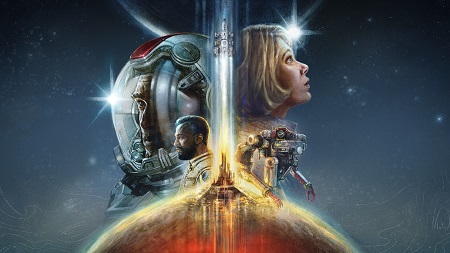
Starfield is a highly-anticipated Bethesda title – and it will be an Xbox and PC exclusive following Microsoft’s acquisition of Bethesda.

This is exactly what happened with Bethesda. Some players clung to the argument that Microsoft somehow wouldn’t want to limit the sales of some of these games to Xbox and PC players only, with some even going so far as to claim that we were witnessing the “death of console exclusives.” That hasn’t happened (to put it mildly) and we’re now expecting massive games like Starfield to become Xbox, PC, and Game Pass exclusives.

When Microsoft first jumped into the home console market in 2001 with the original Xbox, a lot of games industry critics and commentators argued that the company would open its wallet and spend, spend, spend in order to compete with the likes of Sega, Nintendo, and Sony. Microsoft certainly made some sound investments in games early on, but it’s really taken almost twenty years for some of those concerns to be borne out – and by now, the gaming landscape has so thoroughly shifted that it doesn’t feel like a bad thing any more.

It’s been more than two decades since Microsoft jumped into the home console market.

When Microsoft announced the acquisitions of the likes of Oblivion, Rare, and even Bethesda, there was still a sense that the games industry was pursuing its longstanding business model: develop games, release them, sell them, turn a profit, repeat. But now I believe we’re actually in the midst of a major realignment in the way the entire games industry operates – a realignment that’s shaping up to be as disruptive as Netflix’s emergence as a streaming powerhouse in the early 2010s.

Microsoft isn’t making all of these big purchases just to make games and sell them individually. That approach will remain for the foreseeable future, of course, but it isn’t the company’s primary objective. In my view, this is all about Game Pass – Microsoft’s subscription service. Microsoft has seen how successful the subscription model has been for the likes of Netflix – but more importantly for the likes of Disney with Disney+.

Disney+ is both an inspiration and a warning for Microsoft and Game Pass.

As streaming has become bigger and bigger in the film and television sphere, more companies have tried to set up their own competing platforms. In doing so, they pulled their titles from Netflix – something we saw very recently with Star Trek: Discovery, for example, which will now be exclusively available on Paramount+. Microsoft is not content to simply license titles from other companies – like Activision Blizzard – because they fear that a day is coming soon when other companies try to become direct competitors with their own platforms – muscling in on what Microsoft sees as its turf. If Sony gets its act together and finally manages to launch a Game Pass competitor on its PlayStation consoles, Microsoft will be in an out-and-out scrap, and pre-empting that fight is what acquisitions like this one are all about.

If Netflix had had the foresight to use a portion of the money it had been making in the early 2010s to buy up film studios or television production companies, it would have lost far fewer titles over the last few years, and wouldn’t have needed to pivot so heavily into creating its own content from scratch. I think that the Activision Blizzard deal is one way for Microsoft to shore up its own subscription service ahead of a potential repeat of the “streaming wars” in the video game realm.

The official announcement image.

So it isn’t just about “more games for Game Pass” – this deal is about Microsoft’s vision for the future of gaming as a medium, and also their concerns about other companies trying to elbow their way in and become serious competitors. Spending $69 billion may be a huge financial hit up front, but if it pays off it will mean that Game Pass will remain competitive and profitable for years – or even decades – to come. That’s the attitude that I see through this move.

And I don’t believe for a moment that Microsoft is done. Activision Blizzard may be the company’s biggest acquisition to date, but it won’t be the last. When the deal is done and has officially gone through – something that most likely won’t happen for at least twelve months – expect to see Microsoft lining up its next big purchase, and it could be yet another games industry heavyweight. There have been rumours in the past that Microsoft had considered making a move for Electronic Arts, for example… so watch this space!

Could another big purchase be on the cards in the next couple of years?

As a player, these are exciting times – but also turbulent times. I increasingly feel that it’s hardly worth purchasing brand-new games, because several massive titles that I’ve spent money on have ended up coming to Game Pass. In the last few days the Hitman trilogy has arrived on the platform, Doom Eternal landed on Game Pass last year, and even Mass Effect: Legendary Edition is now on the platform less than a year after its release. What’s the point in buying any new games any more? Let’s just wait and it seems Microsoft will eventually bring them to Game Pass!

This is, of course, an attitude Microsoft wants to foster. If Game Pass is an appealing prospect, players will stop buying games. Once they’re “locked in” to the Game Pass ecosystem, Microsoft thinks it’s got them for the long haul. This is how Netflix, Disney+, and other streaming platforms view their audiences, too: once someone has been hooked in, they tend to stay hooked in. That’s why they put the majority of their time and energy into recruiting new subscribers rather than ensuring current subscribers stay signed up.

This is all about Game Pass.

So it’s an interesting moment in gaming, and one that has the potential to herald an entirely new chapter in the medium’s history. People who decry the death of buying individual titles increasingly feel like they’re on the losing side; relics of an era that’s rapidly drawing to a close. Subscriptions have basically become the norm in film and television, with sales of DVDs, Blu-rays, and the like in what seems to be terminal decline. Television viewership, along with cable and satellite subscriptions, are likewise declining.

And who really feels that the death of broadcast television is something to mourn? Subscription platforms offered viewers a better deal – so they snapped it up. If Game Pass can do the same for gaming, more and more players will jump on board.

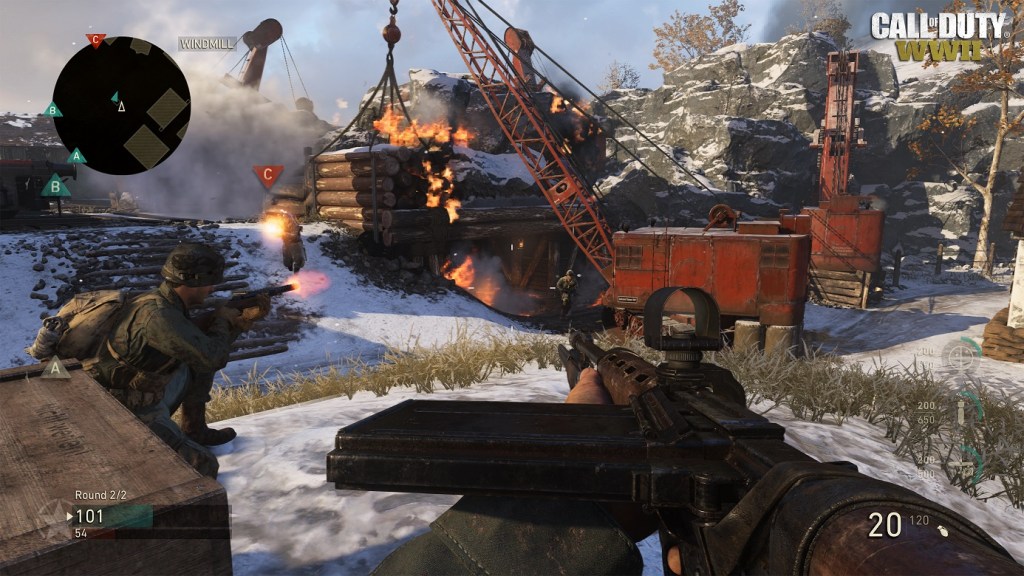
The Call of Duty series will soon join Game Pass.

Speaking for myself, I’ve been a subscriber to the PC version of Game Pass for almost a year-and-a-half. In that time, my subscription has cost me £8 per month ($10 in the US, I think). Call it eighteen months, and that’s £144 – or roughly the same amount of money as three brand-new full-price video games. In that time I’ve played more than three games, meaning Game Pass feels like a pretty good deal. If Microsoft continues to splash its cash on the likes of Activision Blizzard, bringing even more titles to the platform without asking me to pay substantially more for my subscription, then as a consumer I gotta say it’s worth it.

One corporate acquisition on its own does not irreversibly shift the gaming landscape. But we’re on a trajectory now that I believe will see gaming move away from the old way of doing business into a new era where subscriptions will be a dominant force. There will be advantages and disadvantages to this, but I don’t see it slowing down. As the likes of Sony and even Nintendo try to compete with Game Pass, if anything we’re likely to see this trend speed up.

Watch this space – because this certainly won’t be Microsoft’s last big move.

All titles mentioned above are the copyright of their respective studio, developer, and/or publisher. Some promotional screenshots courtesy of IGDB. This article contains the thoughts and opinions of one person only and is not intended to cause any offence.
Wrangling with the Activision Blizzard scandal

I’ve found it difficult to know what to say about the Activision Blizzard scandal, and how to cover the story in a way that’s appropriate in style and tone. It goes without saying that what happened at Activision Blizzard, as well as the company’s pathetic reaction to it, is incredibly serious, but I feel that a lot of the commentary and discussion around the scandal, even from well-established critics and publications, missed the mark.

To briefly recap what’s been going on in case you didn’t know, Activision Blizzard has been sued by the state of California in the United States for violating the rights of female (and other) employees. Activision Blizzard is accused of fostering a culture of sexual harassment and discrimination that is so intense that at least one employee is believed to have committed suicide following an extended period of harassment. The lawsuit is ongoing and unresolved at time of writing, but Activision Blizzard has acknowledged that there are “issues” with its corporate culture, and at least one senior executive has now resigned. Activision Blizzard employees also staged a walkout in response to the company’s handling of the scandal.

Some outlets have referred to this as a “frat boy” culture (a reference to the loutish, sexually aggressive behaviour of some college fraternities in the United States), but I don’t think that term comes close to describing what’s alleged to have happened at Activision Blizzard. Nor does it do justice to the severity of the accusations.

Sexual harassment is said to be rife at Activision Blizzard.

Other reports have suggested that this kind of sexual harassment is a problem that plagues the games industry as a whole. I agree, though I’d also add that this kind of behaviour can happen at any kind of company in any industry; it’s an industry problem, not specifically a games industry one. Tackling institutional or systemic misogyny and sexual harassment in the workplace is clearly an ongoing struggle, particularly in the United States and other parts of the world where workers’ rights are not as well-protected as they are in parts of Europe, for example.

I used to work in the games industry. I spent several years with a large games company based in Germany, and as a freelancer I worked with about a dozen small and large games companies in the years after I left my position at that company. I was fortunate that, in the decade or so I spent working in the industry, I never saw or experienced harassment or bullying of that nature. But as I often say, one person’s experience is not a complete worldview, and the fact that I didn’t see sexual harassment first-hand during the years I worked in the industry doesn’t mean it wasn’t happening.

Activision Blizzard has this statement on their website – quite unironically, it seems.

In recent years we’ve learned a lot more than ever before about abusive management practices and “corporate cultures” at large video games companies. Rockstar is just one of many companies that have been called out for their awful practices during “crunch” times – and crunch is something I definitely saw and experienced first-hand during my time working in the industry. Other companies like CD Projekt Red and even the sainted Nintendo have been criticised for this as well. Then there was Ubisoft, a company which faced comparable accusations of sexual harassment – and worse – to Activision Blizzard.

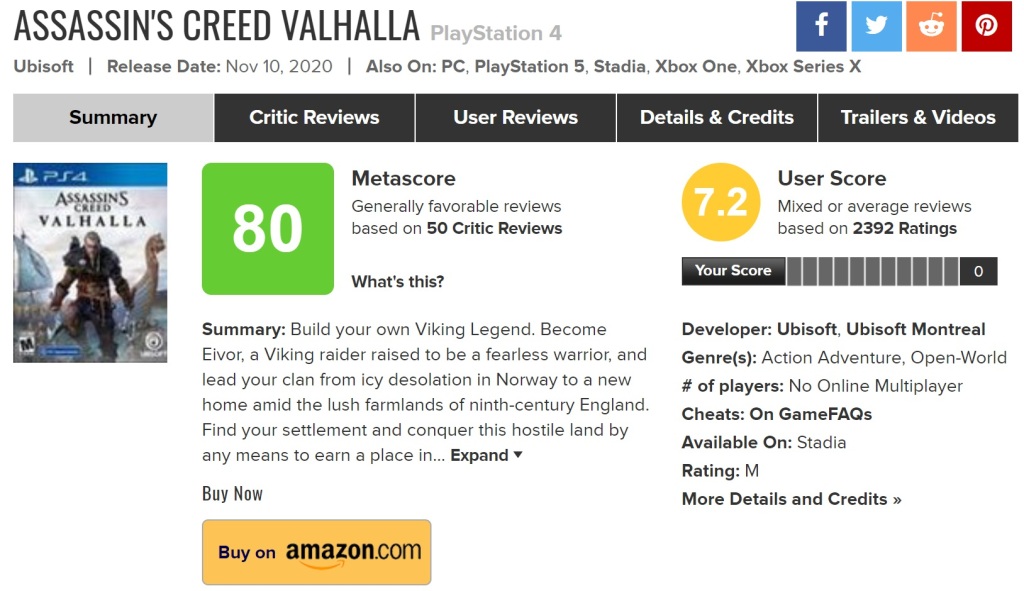
All of these cases – and many more besides – follow a pattern which is all too familiar in the days of 24/7 rolling news and social media outrage mobs: the story blows up, has its five minutes in the spotlight, then disappears. News of the Ubisoft scandal broke barely a year ago, yet practically no outlets, publications, or even independent commentators have so much as mentioned it for months. New Ubisoft games like Watch Dogs: Legion, Immortals Fenyx Rising, and Assassin’s Creed Valhalla have all been released since the scandal, and what happened? Practically all of the outlets and critics who went hell-for-leather against Ubisoft for all of five minutes forgot the scandal and reviewed their latest games – often giving them glowing recommendations. Assassin’s Creed Valhalla has an average score from professional critics of 80/100 on Metacritic, for example.

A similar scandal involving Ubisoft doesn’t appear to have harmed its recent games.

So we come to the Activision Blizzard scandal itself. The reaction from amateur and professional commentators alike was unanimous – the company is to be condemned for not only allowing this behaviour, but rewarding those involved and covering for senior managers and executives. And that is a sentiment I wholeheartedly agree with, not that it should even need to be said. Practically everyone who hears about what’s been going on at Activision Blizzard will have felt that such behaviour is unacceptable – and potentially criminal, as the lawsuit alleges. Those instincts are spot on, and I don’t disagree in the slightest.

But then I started to hear some very familiar statements and promises, accompanied by the same semi-hysterical language and, in some cases, blatant over-acting on podcasts and videos by folks trying to channel their original instinctive outrage into clicks, views, and advertising revenue. Critics and publications began inserting themselves into the story. Articles and columns weren’t about Activision Blizzard so much as they were about the writers and critics themselves, and how the scandal made them feel.

Some of this is unavoidable; when people are paid to discuss a big news story, how they feel about the story often creeps into even the most well-intentioned journalism. But in this case a lot of folks seemed to go way beyond that, promising their audiences that they will “boycott” future Activision Blizzard releases and discussing at length their own feelings and opinions on the subject. Many of these stories ceased to be about Activision Blizzard and became a “look at me” kind of thing, with publications and critics using the backdrop of the scandal to score attention, clicks, and money for themselves.

A visual metaphor.

This happens a lot on social media, where scandals and news stories are often less about the events themselves and more about the people discussing them. The term “virtue signalling” is often used to derisively critique people who feign outrage or interest in a story while it’s popular, and there seemed to be an awful lot of virtue signalling coming from professional and amateur commentators as news of the Activision Blizzard scandal was breaking.

Having been down this road before, both with companies that saw comparable scandals and with other companies that received justified or unjustified criticism, let me say this: the vast majority of the folks promising to “boycott” future Activision Blizzard titles will do nothing of the sort. A small minority may stick to their guns beyond the next few weeks and months, but eventually critics and publications will return to the company. Activision Blizzard has big releases planned, including the next Call of Duty title, a remaster of Diablo II, and the long-awaited Diablo IV. Not to mention that the company manages hugely popular online titles like Overwatch and World of Warcraft. I simply don’t believe that most of the people who’ve jumped on this story and criticised the company in such a public way will be able to resist the temptation of talking about some of these titles – particularly if hype and excitement grows, as it may for the likes of Diablo IV.

I’m pretty sure that a lot of critics and commentators will be back for Diablo IV, regardless of what they may have said about Activision Blizzard in the last few days.

We’ve been here too many times for me to have any confidence in people sticking to any promises or commitments that they may have made in the heat of a (scripted and well-planned) rant to camera about Activision Blizzard. Not only that, but the backlash a publication or critic can expect to receive for reneging on such a promise is basically non-existent. They might get a few comments calling them out for going back on their word, but that’s all. If history is any guide, most readers or viewers won’t even remember the Activision Blizzard scandal in a few weeks’ time, let alone be willing to hold a publication or critic to account for failing to live up to a commitment not to cover their future releases.

As the news of the scandal was breaking and I saw the increasingly manufactured outrage from professionals and amateurs unfolding, I felt there was no way to cover the story without getting sucked into all of this. I don’t like my website to be a space for negativity, so I haven’t talked about the Activision Blizzard scandal until now.

Trying to step back from the quagmire surrounding the story and address it head-on is a challenge, but here we go. There needs to be a complete overhaul of Activision Blizzard from the top down. Senior executives and managers need to be investigated to see what they knew and whether or to what extent they were complicit in the behaviour or in covering it up. The company needs to make real changes to the way it deals with its employees, and there needs to be some way of enforcing that and holding the company to that commitment. If those things can’t happen, the only other option is for the company to disband and be shut down.

Activision Blizzard CEO Bobby Kotick.

In 2021 it’s so incredibly depressing that we’re still dealing with sexual harassment of women in the workplace. It feels like the kind of story that should’ve been dealt with fifty years ago or more, and the fact that this kind of behaviour can still happen, and happen so openly at a large company, is unacceptable and deserves all of the criticism it gets – and more.

But at the same time, much of the criticism that I’ve seen smacked of the kind of soft-touch, blink-and-you’ll-miss-it coverage that has been all too common in recent years. And I note echoes of similar scandals at other large companies in the video games industry that have all but disappeared despite no senior managers or executives even being fired, let alone prosecuted for their actions.

The even more depressing truth is that I expect the vast majority of critics and players to drift back to Activision Blizzard in the weeks and months ahead, regardless of the outcome of the lawsuit and regardless of whether any substantial changes are actually made at the company. Activision Blizzard will try to get away with doing the bare minimum, making superficial changes and perhaps finding a scapegoat or two to fire in public. The company will then likely spend a lot of money on a marketing blitz for upcoming titles, wooing critics with everything they can muster.

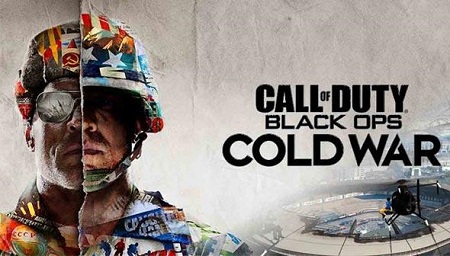
A new Call of Duty game is scheduled to be released this year.

I could be wrong, and this could be the first time a company actually sees long-lasting consequences from its customers. But I doubt it. The sad truth is that most people don’t care. They want to be left alone to play Overwatch or Call of Duty, and even if they joined in the discussion and said they’d never buy another Activision Blizzard game again, chances are it’s only a matter of months before they go back on that and quietly pick up Diablo IV or whatever game they get excited about after seeing a slick, expensive marketing campaign. The same goes for publications and professional critics. Having made hay with their righteous indignation at the company’s behaviour, they’ll go right back to reviewing their games and publishing lists of “the ten worst Call of Duty levels ever!!!” because they know hardly anyone will remember or even notice their empty words and hollow promises.

As for me, I’m not making any such commitment. I don’t play games like Call of Duty, and I can count on one finger the number of Activision Blizzard’s upcoming games I was even vaguely interested in. I’ll do my best to keep tabs on this story as the lawsuit and the fallout from it rumbles on, but I think the ending will be depressingly familiar. Activision Blizzard will bring in people to manage the “optics” of the scandal, they’ll do the bare minimum to convince people they’re taking it seriously, and sooner rather than later it’ll drop off the radar entirely. The company will lay low for a while, then return with their latest game – and most folks will have forgotten all about it. That’s what happened with Ubisoft, with Rockstar’s crunch scandal, and many, many others. Despite the way people have reacted to Activision Blizzard in recent days, I’ve seen nothing that makes me think this scandal will play out any differently.

This is why it’s been so difficult to know what to say about the Activision Blizzard scandal. It’s such a serious story that it deserves to be covered extensively, but at the same time the manufactured outrage and over-acting has been cringeworthy to watch and listen to in some quarters. I’m not calling out any one individual critic or commentator for their coverage, but as a general point this is how I feel about it. It’s been interesting to see the story hit the mainstream press, but even then it barely lasted a day before dropping out of the headlines. Activision Blizzard will try to ride this out, and for my two cents, I think most players and publications are going to let them, just as they let other companies survive their respective scandals.

All titles mentioned above are the copyright of their respective publisher, developer, etc. Some stock images courtesy of Pixabay. This article contains the thoughts and opinions of one person only and is not intended to cause any offence.