Are Xbox’s Big Moves the Beginning of the End?

I’ve swung back and forth on Xbox’s prospects over the years. As Microsoft’s gaming division seemed to be finding its feet with a new subscription-based model, I thought that had huge potential to be a new frontier in gaming. I was even a Game Pass subscriber myself for several years – until excessive price hikes convinced me to pull the plug. But at the same time, Xbox’s hardware has been losing the home console race for well over a decade – and that trend has not only not been reversed, but has accelerated since 2020.

Across 2026, Xbox has been laying off staff amidst a big restructuring of the entire business. And, if reporting is to be believed, that restructuring may have been necessary to keep Xbox alive. As harsh as these layoffs seem – especially for a corporation like Microsoft, with near-limitless resources – the Xbox division of the corporation has been burning through money. Xbox has been run so inefficiently that there were multiple superflous layers of management in between the developers doing the work and the studio heads making decisions. Some titles were given way too high a budget for the amount of money they would’ve ever realistically made. And, despite my personal belief that a subscription model is the perfect fit for gaming, Xbox seems not to have known how to handle what had been its biggest asset.
(Cropped) Xbox 25th anniversary logo
2026 is Xbox’s 25th anniversary.

Before we go any further, I want to give an important caveat. Everything we’re going to get into today with Microsoft, Xbox, and their various subsidiaries and studios is the *entirely subjective, not objective, opinion* of just one person. I don’t have any “insider information,” I’m not a “leaker,” and I’m not trying to claim that all of this is rock-solid fact. This is my analysis and my opinion based on my read of a complex and evolving situation – and based on news reports and publicly-available data.

I worked in the games industry for close to a decade, so I like to think I have *some* credibility when it comes to how the industry works! But that was a long time ago, and I only worked in junior roles on the marketing side of things – so it’s entirely possible I’m way off base with my analysis of the Xbox situation! I give these caveats because I don’t want to mislead anyone, to seem like I’m claiming to be 100% right, or to have knowledge of the situation that no one else does. I think everything we’re going to discuss is credible, if not plausible… but things change, and I’ve been wrong before!

Stock photo of people in a meeting room at an office.
I worked in the games industry for almost ten years.

The recently-announced changes at Xbox – combined with other issues facing Xbox and Microsoft – have led me to a conclusion that I haven’t seen anyone else draw: this could signal the beginning of the end for Xbox in the gaming realm. At the very least, this feels like Microsoft giving its gaming wing one very last chance to prove its worth to the corporation at large. Failure to do so… well, it could mean Xbox is about to disappear.

Xbox Game Studios – a.k.a. the flagship game development and publishing part of Xbox – is basically a shell company right now. Under its broader umbrella, Xbox has the likes of Activision-Blizzard, Bethesda, Mojang, and a couple of smaller teams that mainly focus on individual titles or series. But most of their other brands are gone: either sold off, shut down, spun off as independent studios, or incorporated into one of Xbox’s other brands.

Which begs the question: why?
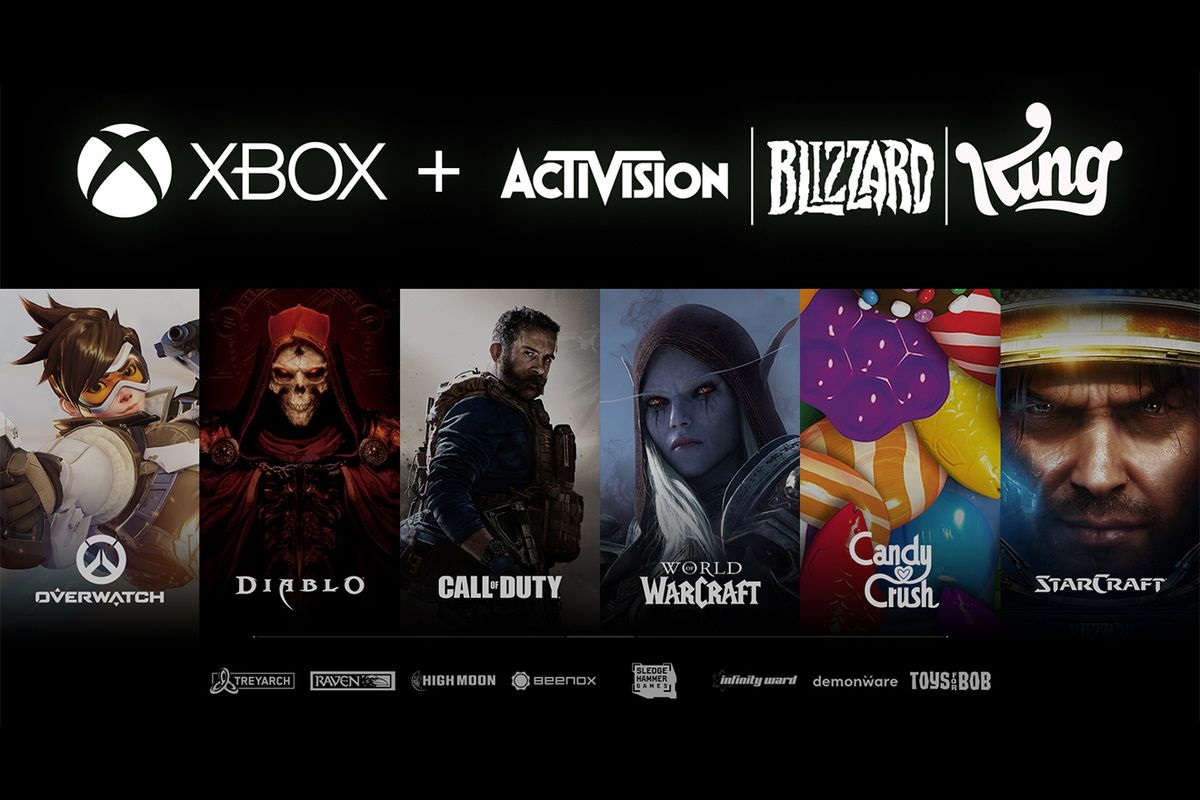
Promo image of Microsoft's Activision acquisition
This acquisition wasn’t that long ago…

I get why a studio like Compulsion Games would be spun off and regain its independence. A smaller team focused on narrative experiences… but whose latest game wasn’t a commercial hit. Xbox hasn’t lost a lot, to be blunt about it, by parting ways with Compulsion.

But closing Halo Studios/343 Industries – Xbox’s in-house development team for what is arguably the brand’s flagship franchise – only to give that franchise to Activision? That’s weird. That’s *very* weird. The same for moving RPG legend Obsidian over to Bethesda.

Unless… Xbox is planning a potential sale of Activision and ZeniMax (Bethesda’s parent company) in the near future. Building up those subsidiaries, giving them access to more franchises and IP… well, it suddenly starts to make a bit more sense. Activision is more valuable an asset with Halo than without, and Obsidian is probably worth more to Xbox as a ZeniMax subsidiary than it would’ve been alone.
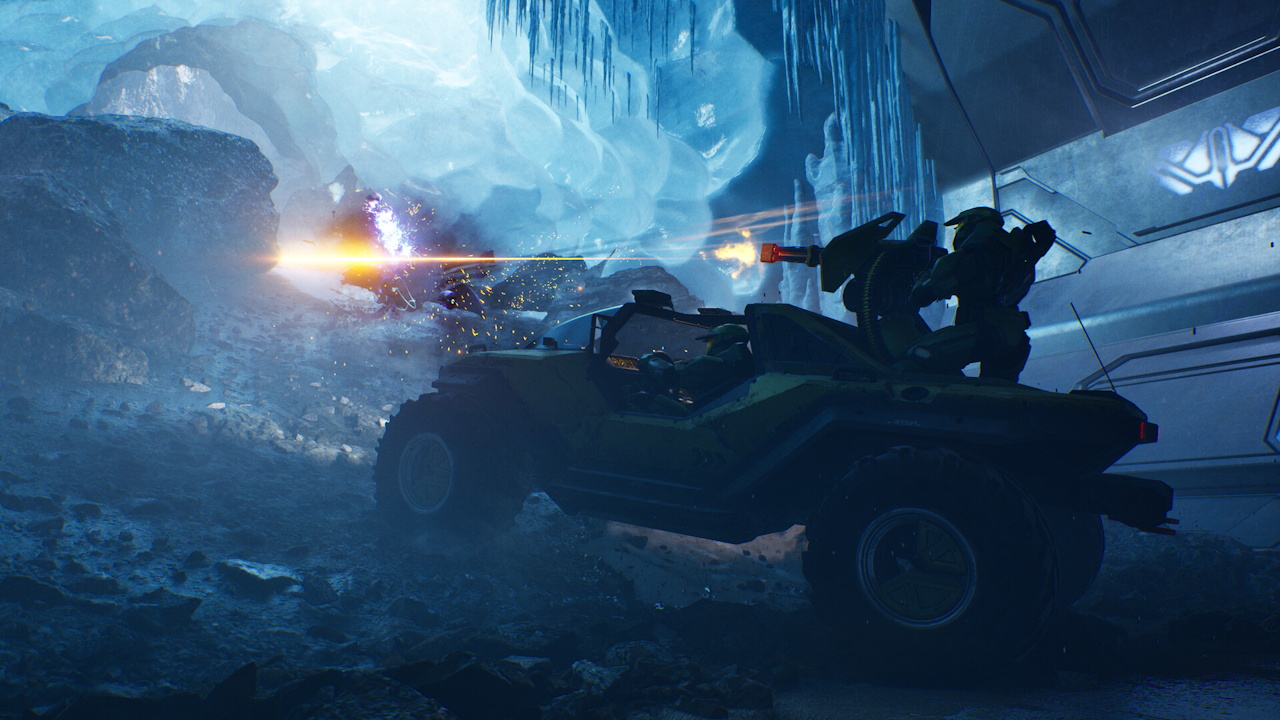
Promo for Halo Campaign Evolved showing the warthog
Halo Studios has been effectively closed, and the franchise has moved over to Activision.

Let’s take a diversion and talk hardware. Trust me, it’s related!

Earlier this year, I tried to make the case for a delay in the announcement and release of next-gen hardware. Why? Because component prices are *insane*, and hardly anyone is going to want a $1,300 PlayStation 6 or an Xbox Project Helix for $1,450. But both Sony and Microsoft seem intent on rushing ahead with unnecessary and expensive next-gen consoles.

But is Project Helix a commercially viable product at prices north of $1,000? And if it isn’t… why are we bothering? Literally what is the point in launching new hardware that’s out of reach of most players? Waiting another year or two could mean prices will start to come back down as the A.I. situation begins to settle, but rushing in too soon could make new hardware a complete and total failure.
Logo for Xbox Project Helix
Project Helix is the code-name for Xbox’s next console.

And if Project Helix fails… I think we all realise that’s gonna be curtains for Xbox.

In January 2001, Sega announced that production of its Dreamcast console was going to cease after low sales. That came after the Sega Saturn had also been a flop – and as a result, Sega got out of the hardware industry altogether, refocused its efforts, and became a games publisher. Microsoft has now had two consoles in a row that were, at best, underwhelming – a third will surely tank the brand’s hardware division, at the very least.

But there was also news earlier this year that Microsoft had considered going even further – spinning off Xbox altogether and effectively getting out of the games industry. Xbox does not have the financial stability to survive on its own, without the backing of its parent corporation, so that would effectively mean no more Xbox, no matter how that news might’ve been reported at first.

Stock photo of a Sega Dreamcast
Could Xbox go the way of Sega?

That original plan doesn’t seem to be going ahead, but executive changes within Microsoft and Xbox have definitely shaken things up – and seem to have put Xbox on a ticking timer to either turn things around… or disappear.

The upcoming launch of Grand Theft Auto VI – one of the games industry’s most-anticipated releases in years – could move the needle for Xbox. Xbox still has the cheapest home console on the market in the form of the Series S, so it’s not a lie to say that the least-expensive way to play GTA 6 for folks who don’t already have a console will be on Xbox. And just as a general rule, games like that have a tendency to shift consoles. Launching in the holiday season is also a big plus!

But if the only bright spot for an entire console and publisher is one third-party game… I mean, you can see why Microsoft is concerned. Several recent Xbox games that the company invested a lot of money in haven’t performed as well as Microsoft wanted or expected. Starfield, Call of Duty: Black Ops 7, Halo: Campaign Evolved, Forza Motorsport, Hellblade II, and The Outer Worlds 2 are just a few examples. A company can survive one or two high-profile flops… but not this many, and not all at once.
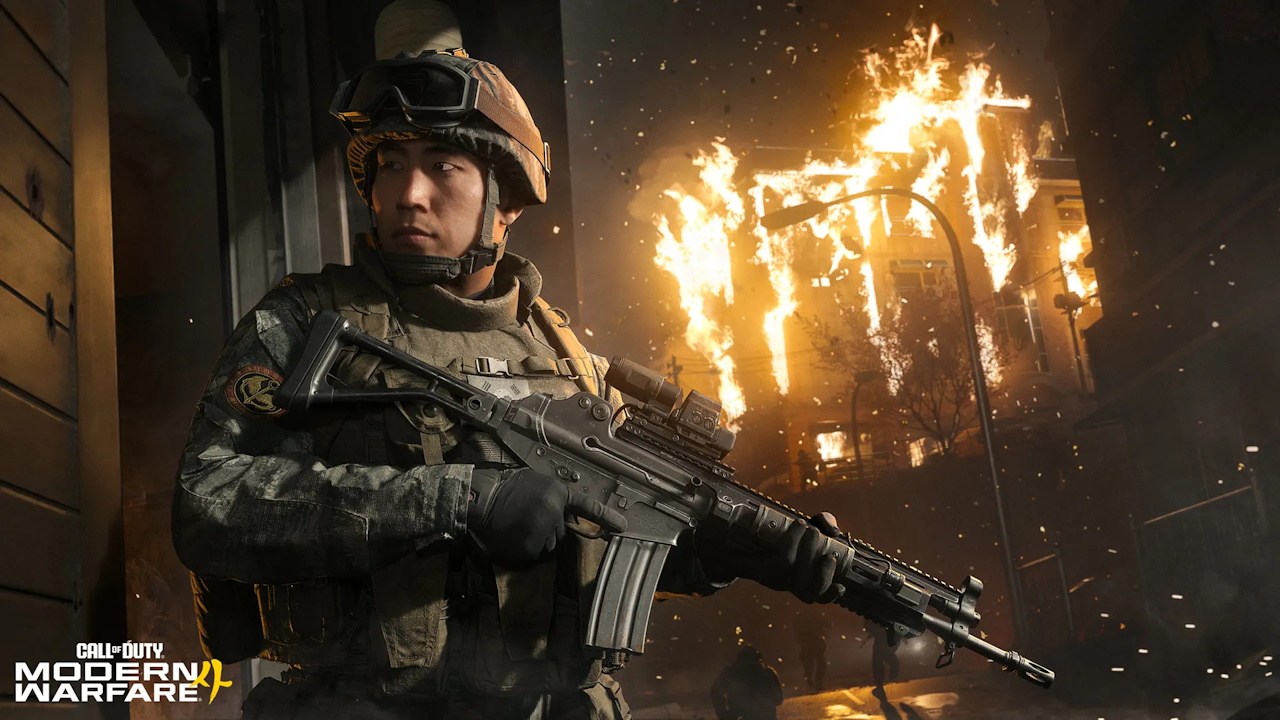
Promo image for Call of Duty Modern Warfare 4
Last year’s Call of Duty was a flop. This year’s game is due for release next month…

My gut feeling is that Xbox is panicking, and in doing so, they’ve squandered their biggest asset: Game Pass.

Game Pass was growing, but it was taking longer than Microsoft may have been initially promised for the service to become as profitable as they’d hoped. And hitting the panic button meant massive price hikes… and the predictable massive wave of cancellations that followed. Current Xbox leaders seem to want to return to the digital sales model, with the high-profile Call of Duty series the first to be taken away from Game Pass on day one. I expect to see more of that to come… before the service is presumably shut down entirely.

When you make a subscription service, you’re naturally going to see fewer sales or individual rentals. That’s not a bug, that’s a feature! You want to rope people in and get them to stay signed up, and that obviously means that they aren’t gonna *buy* a game like Starfield if they can play it as part of their subscription. But platforms like these take time to develop, grow, and become sustainable – and Microsoft, it seems to me, didn’t give Game Pass the time it would’ve needed to get there. A game like South of Midnight was never gonna be a system-seller, but it’s exactly the kind of smaller, mid-sized, AA-type of game that made Game Pass feel like a worthwhile subscription to stick with.
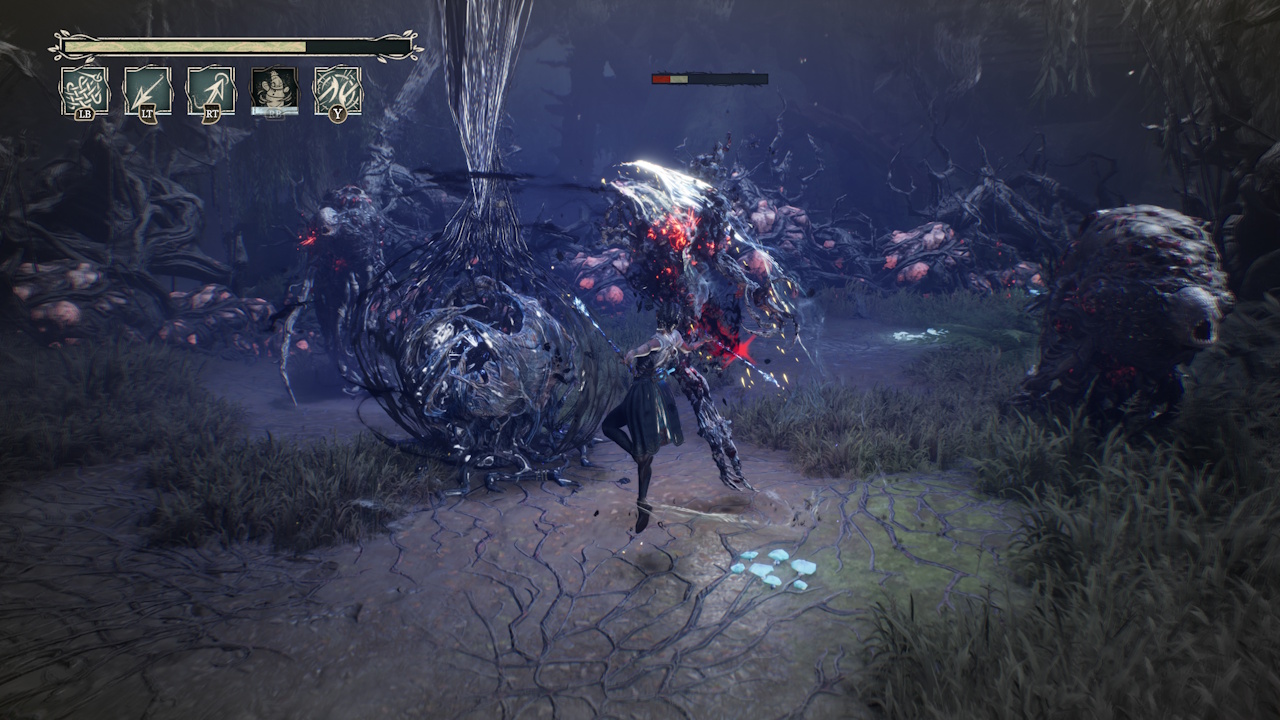
Screenshot of South of Midnight showing combat
I picked South of Midnight as my “Game of the Year” last year.

But if that’s not the approach any more, you can see why studios like Compulsion Games and even the venerable Obsidian no longer hold much appeal to a crop of Xbox executives who, in their own words, want the brand to focus on big, tent-pole franchises at the expense of smaller titles.

So that’s how I see it right now. Xbox has been losing money, or not making enough profit – which are the same thing to a corporate overlord, sadly – and rather than stick with what could’ve worked if it had been allowed more time, Microsoft is panicking and pushing for immediate, large-scale changes in the hopes that such changes will lead to faster growth and profitability.

My instinct is that it ain’t gonna work, and while Xbox may get a short-term boost as a result of getting rid of so many members of staff (as well as the bounce that a massive game’s launch this November will provide), the fundamental problem the company has is that… no one wants an Xbox. Most folks would rather play on PlayStation 6 or PC… or Nintendo Switch 2. And given where prices for components are right now, a new console that could easily cost $1,200, 1,300, or even 1,400 won’t sell anywhere near enough units for us to be able to say “Xbox is back!”

A stock photo of a person with empty pockets
Most of us don’t have that kind of money right now…

Moving and merging several major studios and developers leaves Xbox with very little of its own any more; its biggest brands and franchises are owned by its subsidiaries. And any one of these – even the biggest, like Activision-Blizzard – could be spun off or sold off almost at any moment. With Sony potentially losing the likes of Bungie in the near future, they might be interested in a developer with first-person shooters like Halo and Call of Duty. And despite recent failures and disappointments, there’ll always be someone who has faith that Bethesda can still succeed with the sequel to Skyrim. Those companies just got a lot more enticing… if the goal is to increase their value and sales appeal.

I still think Xbox has one last chance. But it increasingly feels like the *absolutely final* chance that the brand’s gonna get. Microsoft has been impatient, and wasn’t willing to wait for the Game Pass model to grow and develop. And fair enough, you may say! But I wonder if, a few years from now, we’ll come to see that impatience as a mistake and wonder what might have been if Xbox had instead doubled-down on Game Pass, perhaps even beginning not to sell games on day one – or at all – in favour of bringing them to its subscription platform.
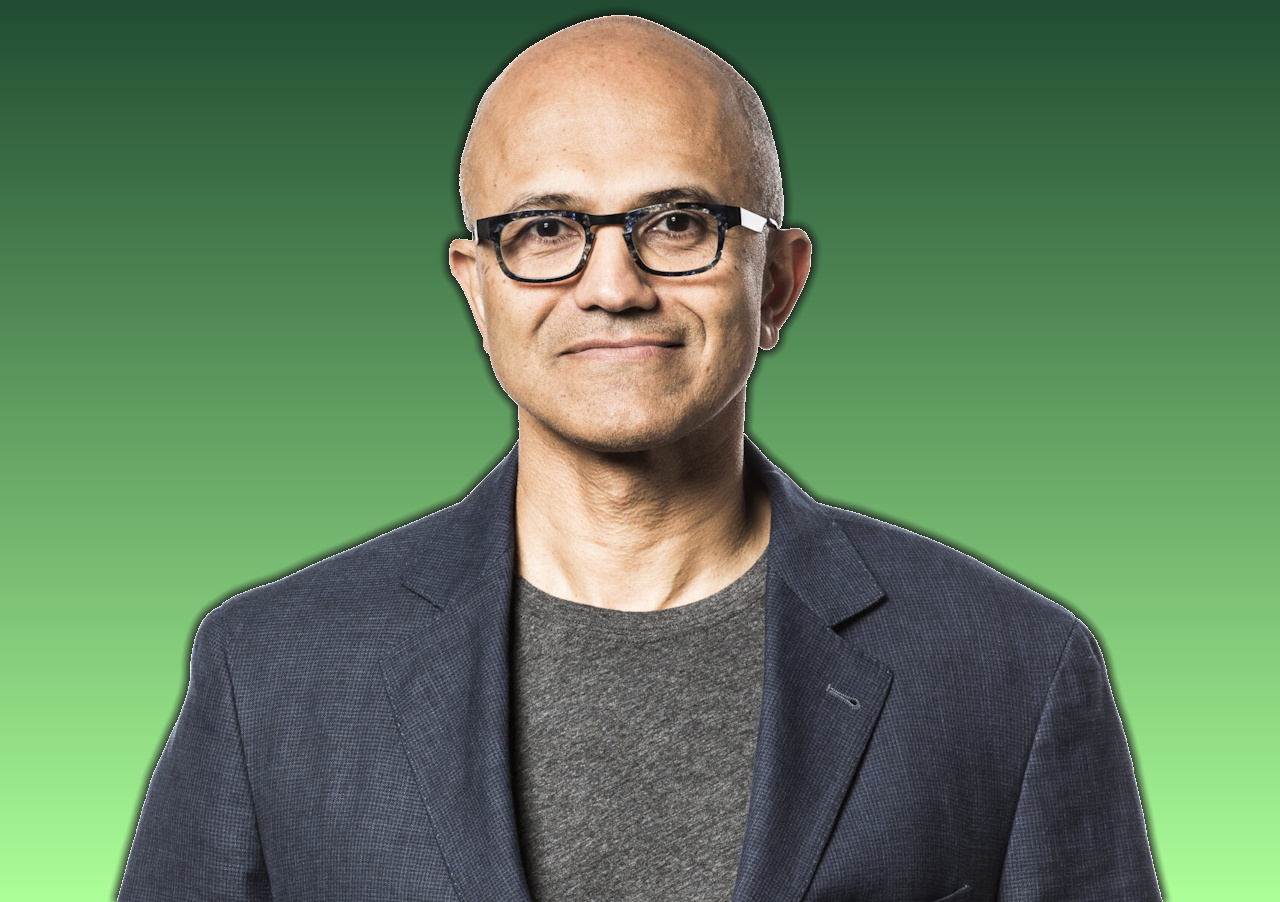
Satya Nadella, CEO of Microsoft.

If Xbox does end up getting out of the home console space, though… I don’t think that’ll be something to celebrate. It’ll give Sony an effective monopoly on cutting-edge games on home consoles, because Nintendo remains off to one side doing its own thing. There’ll be less choice for players, no one to counterbalance PlayStation or offer genuine competition, and monopolies are no good for anyone. PC will remain an option, of course, but PC is still, for many folks, not an adequate or like-for-like replacement for a home console that can be plugged into a TV and played on the couch.

These moves, though… they don’t feel like a typical restructuring to me. It seems to me as if Xbox is fattening up Activision-Blizzard and ZeniMax ahead of a potential sale, and that could indicate that Microsoft is planning to jump out of the home console space – if not gaming altogether – before the end of the decade.

This really could be the beginning of the end.


All titles discussed above are the copyrights of their respective developers, studios, and/or publishers. Xbox and Xbox Game Pass are the copyright of Microsoft. This article contains the thoughts and opinions of one person only and is not intended to cause any offence.

Microsoft buys Activision Blizzard

Well that certainly came out of nowhere! Microsoft has opened its wallet once again, this time buying up massive video games publisher Activision Blizzard for a whopping $69 billion. Nice.

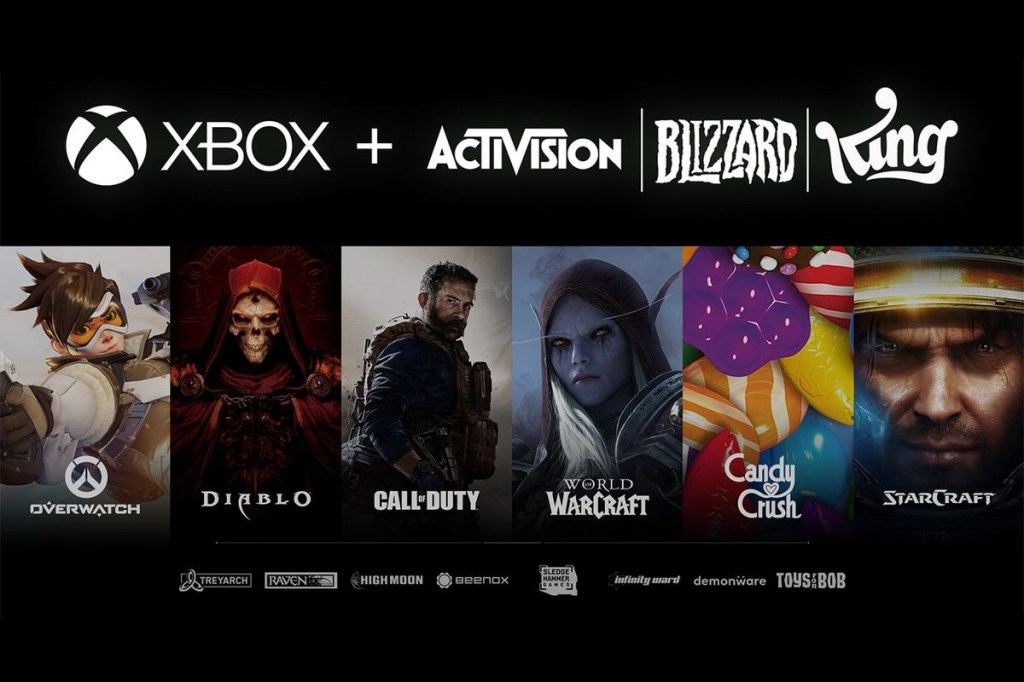
After receiving criticism during the previous console generation for the lack of exclusive games on its Xbox One system, Microsoft has stepped up in a big way in the last few years. Early moves brought on board companies like Obsidian and Rare, and then last year came another shock announcement: the acquisition of ZeniMax – the parent company of Bethesda. All of those laid the groundwork for something big, and Microsoft has now added Activision Blizzard to its lineup, bringing on board hugely popular games and franchises like Call of Duty, Overwatch, World of Warcraft, and even popular mobile game Candy Crush.

Microsoft will soon own Candy Crush!

At almost ten times the price of its Bethesda purchase, Microsoft clearly has big plans for Activision Blizzard and its games. Even by the standards of other corporate takeovers, $69 billion is a lot of money – an almost unfathomable amount. As Microsoft looks to expand its Xbox and PC gaming platforms, though, it makes a lot of sense to bring on board a company like Activision Blizzard.

Keep in mind that Microsoft is currently pushing hard to take gaming as a whole in a new direction, pioneering a subscription model based on the likes of Netflix – indeed, Game Pass was originally pitched as the video game equivalent of Netflix. Though on the surface the company seems to be taking a two-pronged approach, with its Xbox home console family and PC gaming being separate, in many ways that isn’t really the case any more. Microsoft’s goal is to bring these two platforms as close together as possible, offering most games to players regardless of their chosen platform. One need only look to two of the biggest releases of the past year as an example: both Halo Infinite and Forza Horizon 5 came to both Xbox and PC, despite originally being franchises that were exclusive to consoles.

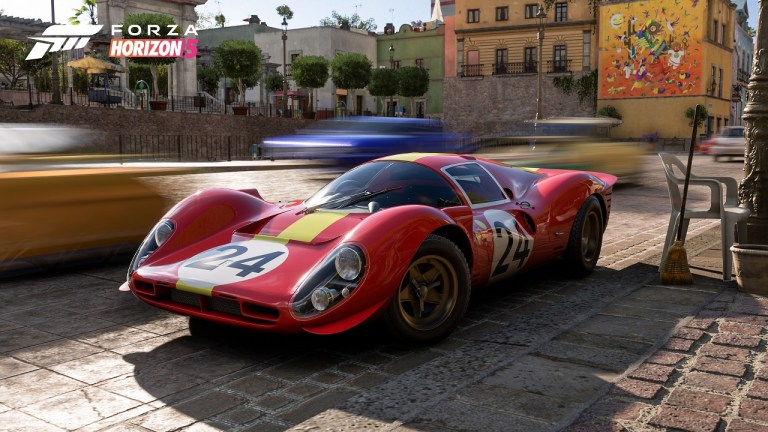
Forza Horizon 5 was a massive title for both Xbox and PC – and came to Game Pass on release day.

Let’s step back for a moment. My initial reaction to this news was disbelief! But after double-checking my sources and confirming that this was, in fact, not some kind of elaborate prank, my next thoughts were of the Activision Blizzard scandal, and how from Microsoft’s point of view this may not have been the best time to announce this acquisition.

There’s no denying that Activision Blizzard is a tainted brand in the eyes of many players, with the severity of the sexual abuse scandal cutting through to make the news in mainstream outlets when it broke last year. Perhaps somewhat counter-intuitively, the scandal is part of the reason why Microsoft may have felt that the timing was right – Activision Blizzard shares had lost basically a third of their value over the last few months (down from almost $100 per share to below $65 prior to the acquisition announcement). Microsoft arguably made a savvy deal in some respects.

Activision Blizzard is a company embroiled in scandal right now.

There also seems to be a sense from at least some quarters of the gaming press and gaming community that Microsoft is “swooping in” to save Activision Blizzard from the scandal, perhaps even preserving the jobs of some employees or protecting games and franchises from cancellation. I didn’t really expect this reaction, and while it’s safe to say there’s been plenty of criticism to balance out some of the positivity, overall the mood of players seems to be more in favour of this acquisition than opposed to it.

We should talk about exclusivity before we go any further. Despite the hopeful – almost desperate – claims being made in some quarters, Microsoft isn’t going to publish Activision Blizzard titles on PlayStation forever. Once the deal has gone through and existing contracts have been fulfilled, expect to see all of Activision Blizzard’s new titles and big franchises become Xbox, PC, and Game Pass exclusives.

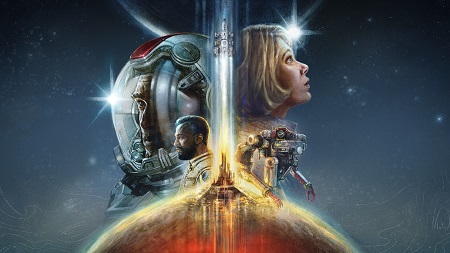
Starfield is a highly-anticipated Bethesda title – and it will be an Xbox and PC exclusive following Microsoft’s acquisition of Bethesda.

This is exactly what happened with Bethesda. Some players clung to the argument that Microsoft somehow wouldn’t want to limit the sales of some of these games to Xbox and PC players only, with some even going so far as to claim that we were witnessing the “death of console exclusives.” That hasn’t happened (to put it mildly) and we’re now expecting massive games like Starfield to become Xbox, PC, and Game Pass exclusives.

When Microsoft first jumped into the home console market in 2001 with the original Xbox, a lot of games industry critics and commentators argued that the company would open its wallet and spend, spend, spend in order to compete with the likes of Sega, Nintendo, and Sony. Microsoft certainly made some sound investments in games early on, but it’s really taken almost twenty years for some of those concerns to be borne out – and by now, the gaming landscape has so thoroughly shifted that it doesn’t feel like a bad thing any more.

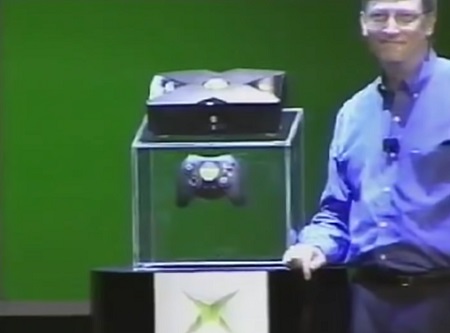
It’s been more than two decades since Microsoft jumped into the home console market.

When Microsoft announced the acquisitions of the likes of Oblivion, Rare, and even Bethesda, there was still a sense that the games industry was pursuing its longstanding business model: develop games, release them, sell them, turn a profit, repeat. But now I believe we’re actually in the midst of a major realignment in the way the entire games industry operates – a realignment that’s shaping up to be as disruptive as Netflix’s emergence as a streaming powerhouse in the early 2010s.

Microsoft isn’t making all of these big purchases just to make games and sell them individually. That approach will remain for the foreseeable future, of course, but it isn’t the company’s primary objective. In my view, this is all about Game Pass – Microsoft’s subscription service. Microsoft has seen how successful the subscription model has been for the likes of Netflix – but more importantly for the likes of Disney with Disney+.

Disney+ is both an inspiration and a warning for Microsoft and Game Pass.

As streaming has become bigger and bigger in the film and television sphere, more companies have tried to set up their own competing platforms. In doing so, they pulled their titles from Netflix – something we saw very recently with Star Trek: Discovery, for example, which will now be exclusively available on Paramount+. Microsoft is not content to simply license titles from other companies – like Activision Blizzard – because they fear that a day is coming soon when other companies try to become direct competitors with their own platforms – muscling in on what Microsoft sees as its turf. If Sony gets its act together and finally manages to launch a Game Pass competitor on its PlayStation consoles, Microsoft will be in an out-and-out scrap, and pre-empting that fight is what acquisitions like this one are all about.

If Netflix had had the foresight to use a portion of the money it had been making in the early 2010s to buy up film studios or television production companies, it would have lost far fewer titles over the last few years, and wouldn’t have needed to pivot so heavily into creating its own content from scratch. I think that the Activision Blizzard deal is one way for Microsoft to shore up its own subscription service ahead of a potential repeat of the “streaming wars” in the video game realm.

The official announcement image.

So it isn’t just about “more games for Game Pass” – this deal is about Microsoft’s vision for the future of gaming as a medium, and also their concerns about other companies trying to elbow their way in and become serious competitors. Spending $69 billion may be a huge financial hit up front, but if it pays off it will mean that Game Pass will remain competitive and profitable for years – or even decades – to come. That’s the attitude that I see through this move.

And I don’t believe for a moment that Microsoft is done. Activision Blizzard may be the company’s biggest acquisition to date, but it won’t be the last. When the deal is done and has officially gone through – something that most likely won’t happen for at least twelve months – expect to see Microsoft lining up its next big purchase, and it could be yet another games industry heavyweight. There have been rumours in the past that Microsoft had considered making a move for Electronic Arts, for example… so watch this space!

Could another big purchase be on the cards in the next couple of years?

As a player, these are exciting times – but also turbulent times. I increasingly feel that it’s hardly worth purchasing brand-new games, because several massive titles that I’ve spent money on have ended up coming to Game Pass. In the last few days the Hitman trilogy has arrived on the platform, Doom Eternal landed on Game Pass last year, and even Mass Effect: Legendary Edition is now on the platform less than a year after its release. What’s the point in buying any new games any more? Let’s just wait and it seems Microsoft will eventually bring them to Game Pass!

This is, of course, an attitude Microsoft wants to foster. If Game Pass is an appealing prospect, players will stop buying games. Once they’re “locked in” to the Game Pass ecosystem, Microsoft thinks it’s got them for the long haul. This is how Netflix, Disney+, and other streaming platforms view their audiences, too: once someone has been hooked in, they tend to stay hooked in. That’s why they put the majority of their time and energy into recruiting new subscribers rather than ensuring current subscribers stay signed up.

This is all about Game Pass.

So it’s an interesting moment in gaming, and one that has the potential to herald an entirely new chapter in the medium’s history. People who decry the death of buying individual titles increasingly feel like they’re on the losing side; relics of an era that’s rapidly drawing to a close. Subscriptions have basically become the norm in film and television, with sales of DVDs, Blu-rays, and the like in what seems to be terminal decline. Television viewership, along with cable and satellite subscriptions, are likewise declining.

And who really feels that the death of broadcast television is something to mourn? Subscription platforms offered viewers a better deal – so they snapped it up. If Game Pass can do the same for gaming, more and more players will jump on board.

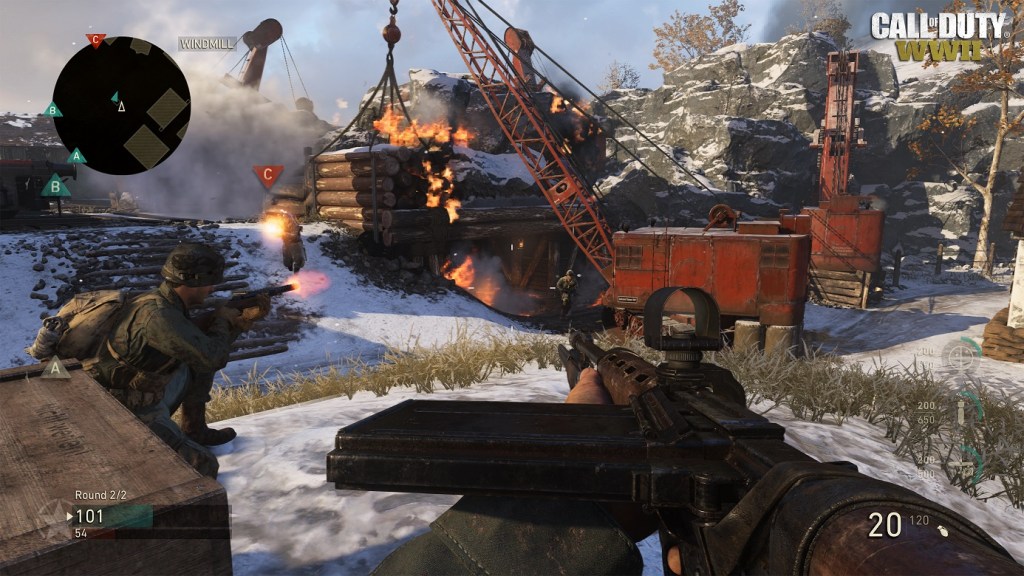
The Call of Duty series will soon join Game Pass.

Speaking for myself, I’ve been a subscriber to the PC version of Game Pass for almost a year-and-a-half. In that time, my subscription has cost me £8 per month ($10 in the US, I think). Call it eighteen months, and that’s £144 – or roughly the same amount of money as three brand-new full-price video games. In that time I’ve played more than three games, meaning Game Pass feels like a pretty good deal. If Microsoft continues to splash its cash on the likes of Activision Blizzard, bringing even more titles to the platform without asking me to pay substantially more for my subscription, then as a consumer I gotta say it’s worth it.

One corporate acquisition on its own does not irreversibly shift the gaming landscape. But we’re on a trajectory now that I believe will see gaming move away from the old way of doing business into a new era where subscriptions will be a dominant force. There will be advantages and disadvantages to this, but I don’t see it slowing down. As the likes of Sony and even Nintendo try to compete with Game Pass, if anything we’re likely to see this trend speed up.

Watch this space – because this certainly won’t be Microsoft’s last big move.

All titles mentioned above are the copyright of their respective studio, developer, and/or publisher. Some promotional screenshots courtesy of IGDB. This article contains the thoughts and opinions of one person only and is not intended to cause any offence.