The Harry Potter TV series won’t succeed. Here’s why.

This article touches on the sensitive subject of transphobia and may be uncomfortable for some readers.

Forgive me the indulgence, but before we get started I really have to claim a victory! In the second half of the 2010s, with the Fantastic Beasts films faltering and Harry Potter’s audience ageing out of the fandom and drifting away, I began to feel it was a sure thing that the stories would be rebooted for a Game of Thrones-inspired big-budget television series. I said so here on the website all the way back in 2019 – so I get to say “I called it!” in response to the announcement of a Harry Potter TV series.

Only a few months ago, in the run-up to the underwhelming Hogwarts Legacy (a game that seems to have dropped off the face of the earth) I also said that I hoped I would never again be compelled to comment on Harry Potter, as I feel I can no longer support the series or its creator. But the announcement of a re-telling of the stories on HBO Max was an opportunity not only to take a victory lap for my correct prediction, but also to consider why it actually feels like a pretty terrible idea – and a bad business decision.

A replica of the Hogwarts Express.

For the most part, this isn’t going to go the way you think. The release of Hogwarts Legacy proved pretty conclusively that a significant portion of the Harry Potter fanbase doesn’t give a shit about transphobia and will cling to their nostalgia and still support the franchise. So this won’t be me claiming that Rowling’s descent down a far-right slope is going to be the deciding factor in why audiences won’t show up for the new show. Quite the opposite, in fact.

Ironically, those two factors – nostalgia and “anti-woke” politics – have already set the stage for the TV series’ undoing. The very things that Rowling and HBO are banking on are going to be the reasons why Harry Potter will fail in this new iteration. And don’t get me wrong… I’m thrilled about that. This show deserves to fail. It’s just bitterly ironic that it will fail in this particular way.
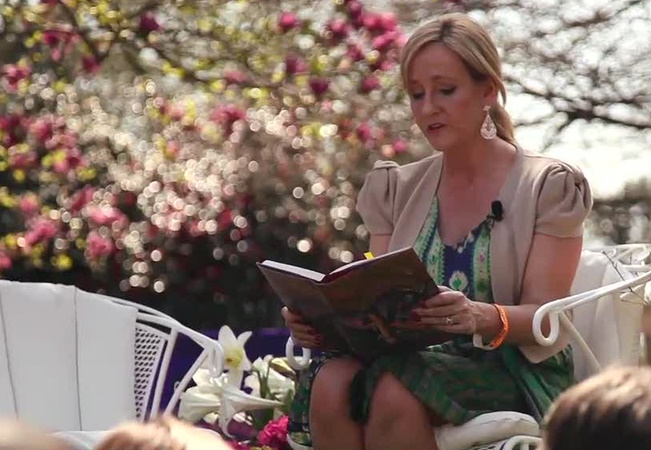
Harry Potter author JK Rowling.

So let’s take a step back. It’s been a few short years since the final Harry Potter film was released, and when we’re talking about reboots, that means one thing: it’s too soon to do this. The Harry Potter films that were released from the 2000s to the early 2010s are, for those still inclined to support the franchise, still perfectly watchable, with decent visual effects, acting performances, and everything else. Rebooting the series now won’t actually add anything of substance.

The series will be live-action, just like the films, and if it has a snowball’s chance in hell of successfully plucking the right nostalgic chords for long-term fans, it will have to re-use a very similar aesthetic. Many elements created for the films – like the sets used for Hogwarts castle, for example – have become inseparable from Harry Potter. Trying to shake things up, even just a little, won’t work and will be offputting for fans.
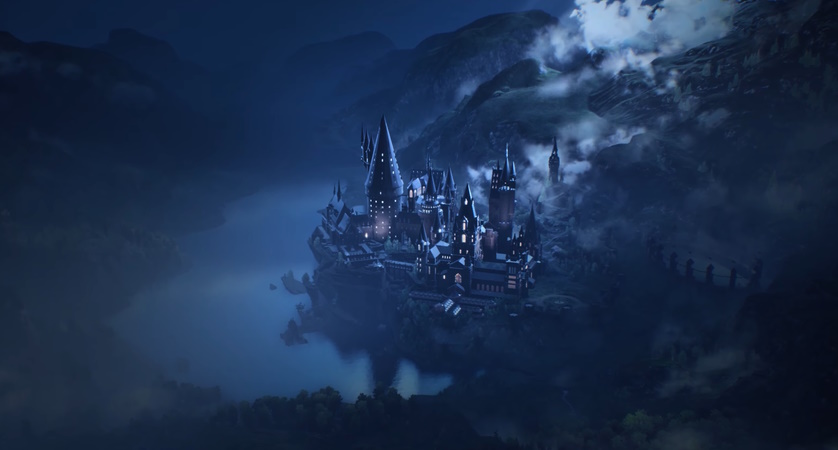
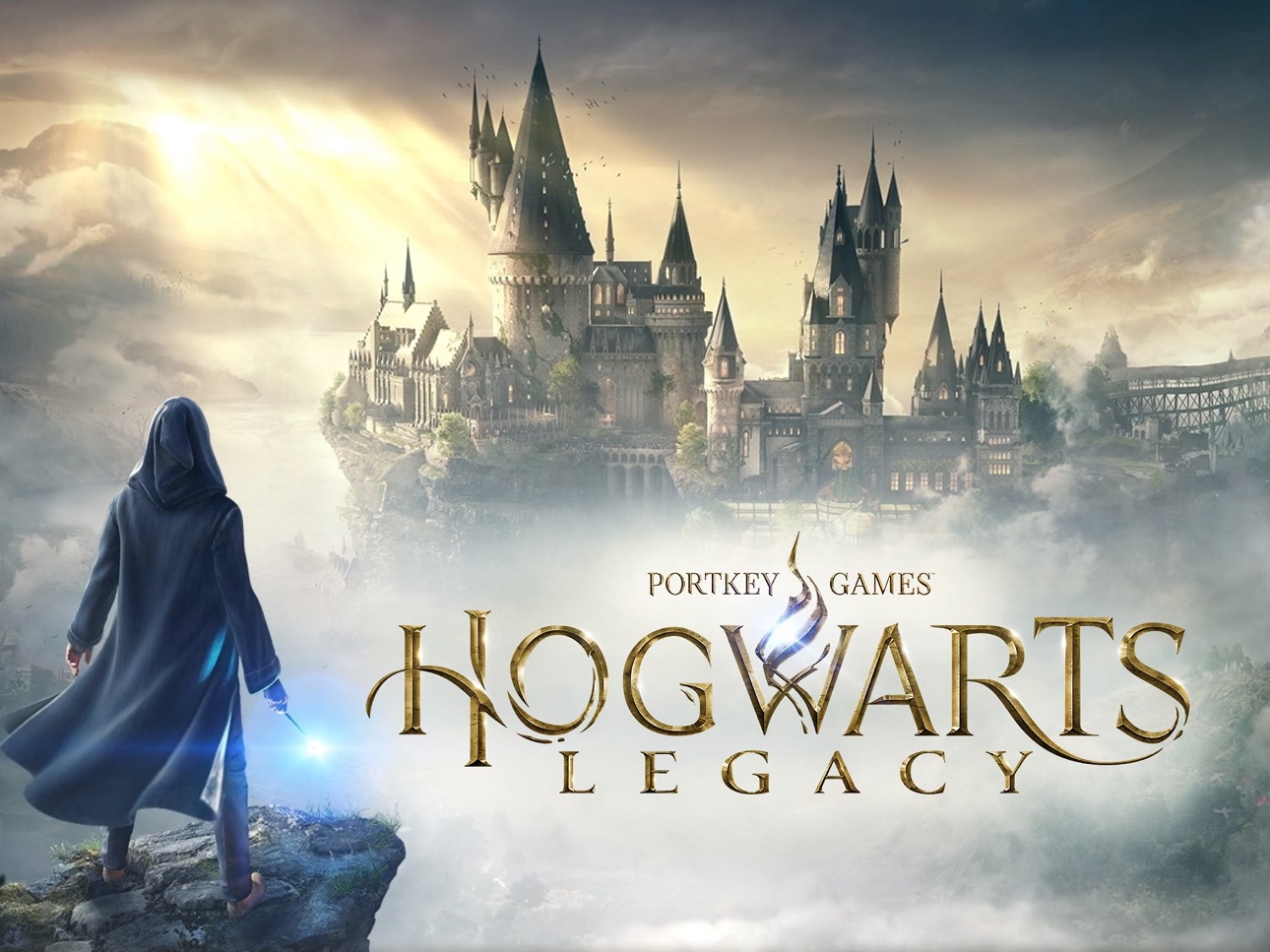
Concept art for the game Hogwarts Legacy showing the titular Hogwarts castle.

Harry Potter is also a growing, connected franchise. Theme park attractions, video games, and more all rely heavily on the designs created for the films back in the early 2000s. The television series will be forced to recycle these designs, stifling any chance at creativity that its team might’ve had.

But if a new television show will have to retain the look, feel, sound, etc. of the films… how can it differentiate itself? And if it can’t do that, what’s the point? How can this project convince either long-term fans or newcomers to show up for what will be a very similar re-telling of a story that was only told a few short years ago? That’s the first hurdle for the series to overcome – and it’s already a massive one.
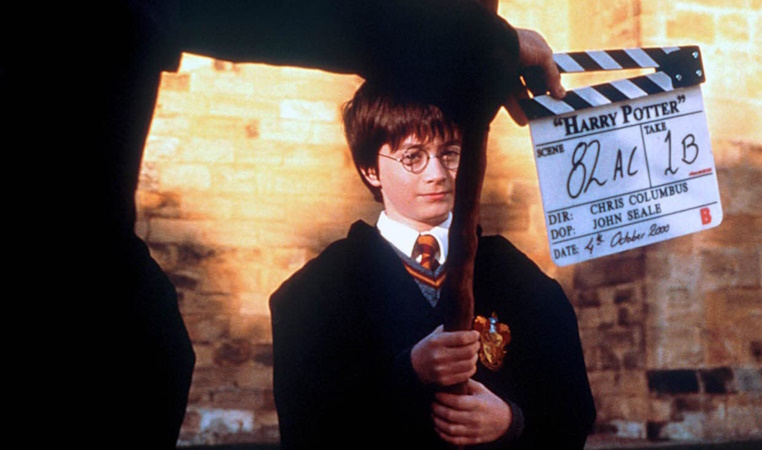
Behind the scenes during production of the first Harry Potter film.
Image Credit: IMDB

This speaks to a broader question: who, exactly, is this series being made for? From my admittedly limited engagement with the hard-core Potter fandom, I can’t think of anyone who’s been advocating for a project like this or asking for it to be created. Harry Potter fans, by and large, have been content with the books, films, video games, theme park attraction, and other spin-off media. There just isn’t any kind of grassroots movement asking Rowling, Warner Bros., or HBO to reboot it at this point in time.

So if the show isn’t being made “for the fans,” who are the folks that Warner Bros. and HBO hope will show up? The series isn’t being marketed at children, in spite of the source material, so it doesn’t seem as if this is being planned as a typical kids’ show or child-friendly adaptation. If anything, it feels like it’s being pitched at an adult audience; younger members of Gen X and millennials who remember the original films and the Harry Potter craze of the early 2000s. People who will be in their 20s, 30s, and 40s.
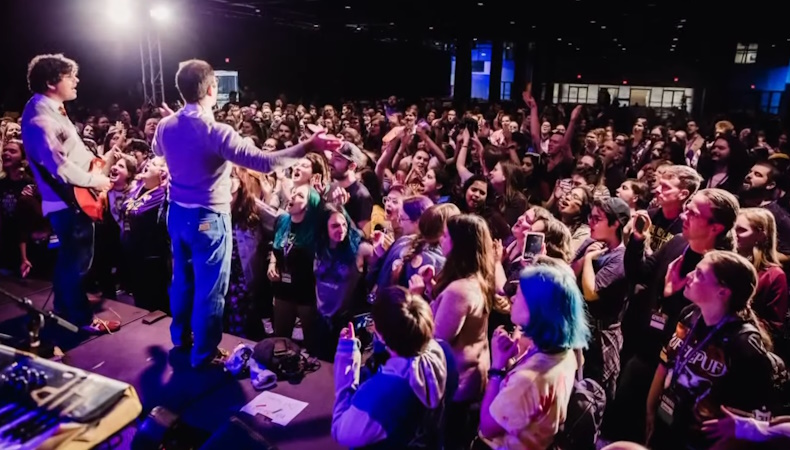
A crowd of Harry Potter fans at a convention.
Image Credit: 9News via YouTube

Already, this new Harry Potter TV series feels incredibly cynical and calculated. As the “streaming wars” continue to rage, corporations are desperately scrounging around for intellectual properties to turn into “the next Game of Thrones” and give a boost to their failing, unprofitable platforms. The decision to reboot Harry Potter can absolutely be seen through that lens – a cheap, creatively bankrupt decision taken by business executives who are out of their depth.

But there’s more to it than that. As JK Rowling has seen her reputation collapse, this is her latest scheme to try to recapture some of the magic and attention that she hasn’t seen in over a decade. It’s an attempt by Rowling – a cynical, sociopathic attempt – to whitewash her image after the toxicity of the last few years. Rowling will undoubtedly try to shoehorn in gay characters, LGB themes, and more black and ethnic minority characters into the story to attempt to rehabilitate her reputation and the reputation of Harry Potter – as well as to deliberately and maliciously conceal the fact that none of those characters or themes were ever present in the original work.

Richard Harris as Dumbledore in a promotional photo.

But that’s the second hurdle that will trip up the Harry Potter series. As Rowling has progressed with her transphobia, she’s found herself attracting more and more support from the “anti-woke” brigade – a loose affiliation of far-right internet trolls, paleoconservative reactionaries, and religious nutters. These people have become Rowling’s biggest fans in recent years – but how do you think they’re going to react when they see an openly gay Professor Dumbledore or the race-bending of a major character like Hermione Granger?

If you said “they’ll hate it and whine about it,” you get a sticker! Because that’s exactly what’s going to happen. Rowling has lost much of the progressive audience that once turned up for Harry Potter in droves, and this audience has been slowly but surely replaced by the “anti-wokers.” In the run-up to the release of Hogwarts Legacy, I saw many of these people promising to buy the game for no other reason than to support Rowling and her transphobic positions. They are going to detest what they will decry as the unnecessary insertion of “woke” into the Harry Potter television series.
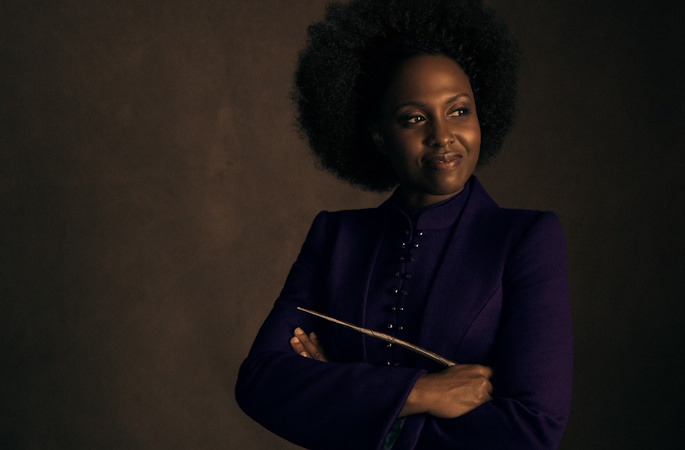
How well do you think a recast Hermione Granger will land with JK Rowling’s new “anti-woke” fans?
Image Credit: Harry Potter and the Cursed Child

So if this show fails on the nostalgic front and will also fail to connect with Rowling’s new “anti-woke” audience, who’s left? Sure, some die-hard Potter fans will turn up, as they will for anything that has the franchise’s label slapped on it. But are there enough of those people any more, in 2023, for a series with a sky-high budget to bank on?

There’s a casual television audience, people who tune in to see shows that are on the major networks if they’ve gotten a significant marketing push. But HBO Max isn’t a big network – it’s very much a second-tier streaming platform, and one with limited name recognition outside of the United States. So how are people who don’t even know what HBO Max is going to be persuaded to tune in?
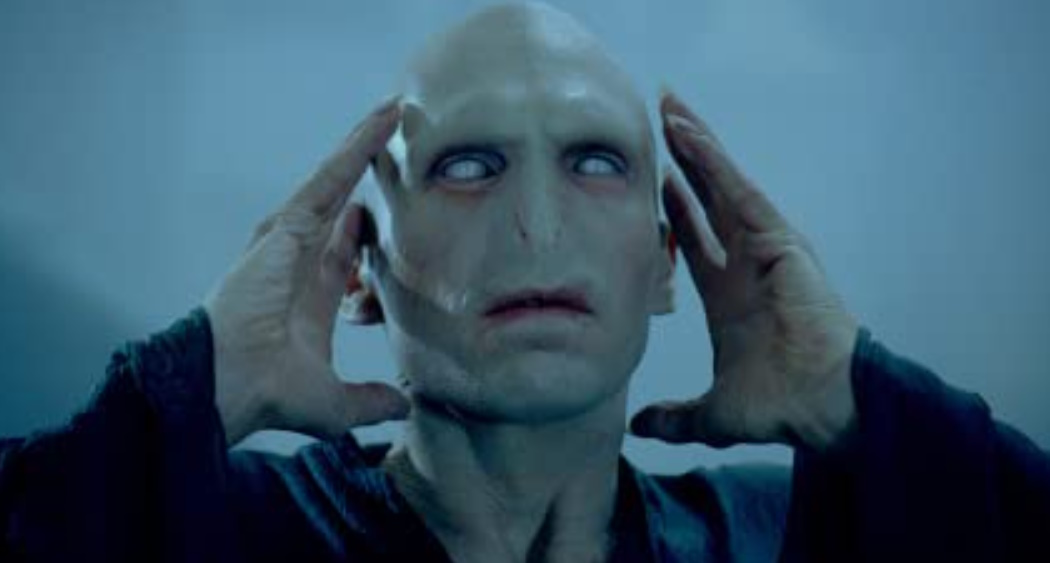
Voldemort.

HBO Max doesn’t even exist here in the UK – the Harry Potter series’ native land. At least some of the cast will be British, and if the show is to recycle sets and filming locations, at least some scenes and sequences will be shot here. But how are British fans of Harry Potter meant to tune in? It’s one thing for fans to decide whether they want to watch the show or not – but it’s quite another for a big-budget production to be broadcast exclusively on a platform that isn’t available in 99% of the world.

I’ve talked about this before with the Star Trek franchise, when parent company Paramount likewise made the truly awful decision to broadcast some of its shows in the United States and nowhere else. Taking this “America First” approach harms a series immeasurably – and it harms it in the United States, too. The internet is one massive, worldwide audience – and if the vast majority of that audience is cut off and unable to join in with the hype for a show, the conversation dies down. Hashtags don’t trend, posts get fewer likes, ads don’t get seen, and the bubble deflates.
The Harry Potter series will stream on HBO Max.

It remains to be seen how Warner Bros. and HBO will resolve that particular situation – but it won’t be easy. There are no plans to launch HBO Max here in the UK, for example, and fans won’t stand for being cut off from their favourite franchise… assuming they still consider Harry Potter to be among their favourites.

It’s worth looking at the reception of other big-budget television productions to see what may lie in store for the new Harry Potter series. The main example that springs to mind is Amazon Prime’s The Lord of the Rings: The Rings of Power. Despite getting solid critical reviews – including from yours truly, I should say – The Rings of Power hasn’t hit the highs that Amazon was surely hoping to see.

The negative response to The Rings of Power in some quarters feels like a bellwether for this kind of reboot or reimagining.

By some estimates, only about a third of viewers who watched the premiere episode of The Rings of Power made it to the end of Season 1, which is an absolutely huge drop-off for a series of this type. There was a lot of attention given to that show for years before its first season arrived – and the Harry Potter series will be in a similar boat.

Both The Lord of the Rings and Harry Potter were huge fantasy properties in the 2000s thanks to their cinematic adaptations – and both are now being rebooted in a completely different entertainment landscape. Many of the criticisms of The Rings of Power at least made mention of things like the race or body type of certain actors, and other criticisms from hard-core fans focused on their nostalgic feelings for the earlier adaptations and a sense that there was “no need” to revisit them. These points will also apply to the Harry Potter series.
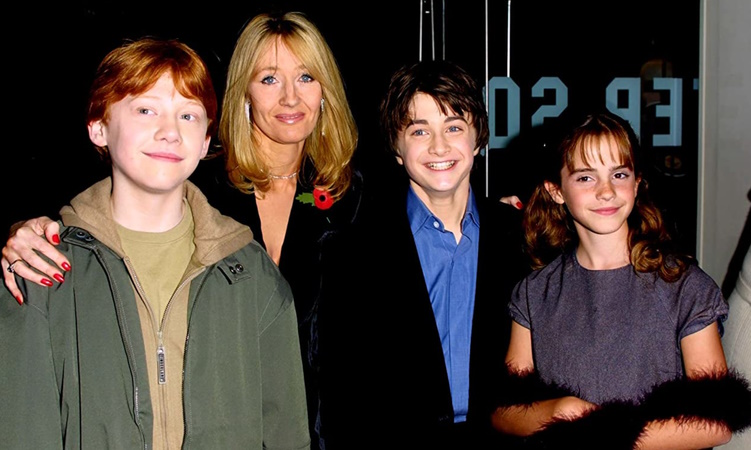
JK Rowling with Rupert Grint, Daniel Radcliffe, and Emma Watson circa 2001.
Image Credit: IMDB

If I were an actor, director, or other entertainment industry professional, I wouldn’t touch Harry Potter with a barge pole. The fact that JK Rowling is a transphobe is almost incidental to that at this point; it feels like a catastrophic career move from which many folks will struggle to recover. At best, the new adaptation will be received well by die-hard Potter fanatics… but only with the caveat that “the films were better.” At worst, it’ll be cancelled before it gets anywhere near its purported tenth season, and its legacy of failure will taint all who jumped aboard.

Harry Potter had its moment in the 2000s, but as we’ve seen from the failure of attempted sequels and revivals, the public at large has lost interest in the “Wizarding World.” The Fantastic Beasts films failed to recapture the magic for Warner Bros., and while Hogwarts Legacy sold pretty well, it was an overhyped, pretty average game that didn’t make a lasting impression on the video games industry as a whole.
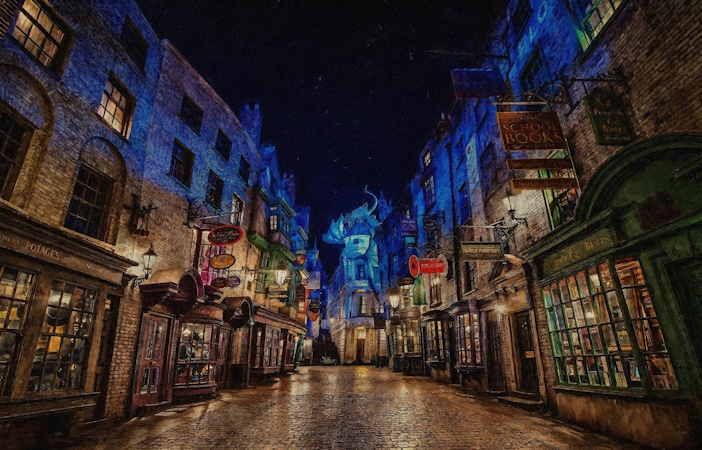
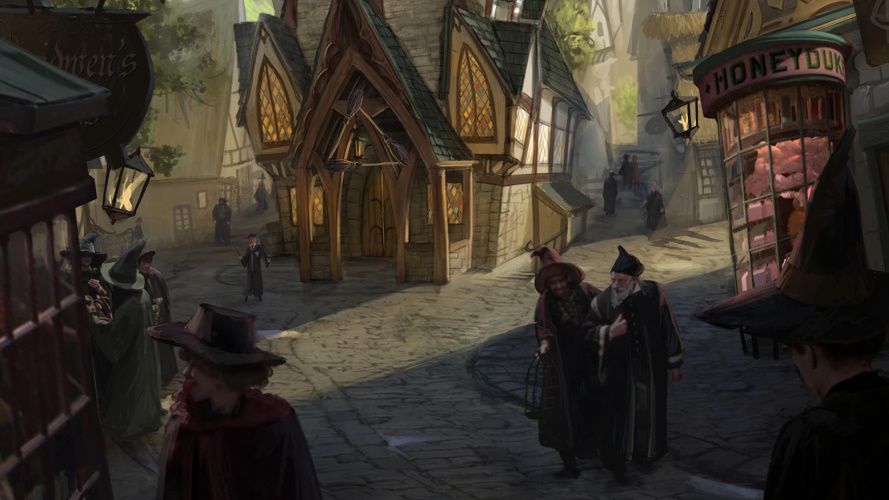
Diagon Alley is looking empty…

The toxicity that has swirled around JK Rowling and Harry Potter in recent years isn’t dying down or going away, meaning any Harry Potter project that goes ahead right now will be controversial. Controversy can be a selling point – to an extent – as an audience will sometimes turn up for no other reason than to see what’s causing all the fuss and bother. But will that be enough to overcome the massive hurdles in the path of this new Harry Potter series? I doubt it.

There’s no pathway to success for a television show like this right now. On its best day, the new Harry Potter series will still be overshadowed by the films, but on its worst it’ll be hounded by “anti-woke” whiners, overly nostalgic Potter fanatics, and bloody-minded folks who love to see big corporations and franchises fail. And, of course, it’ll be completely ignored by people like me who don’t want to see Harry Potter succeed as long as Rowling continues to spew her bile.

I doubt that anyone involved in the entertainment industry reads what I write here on the website, but just in case: take my advice and stay as far away from this ticking time bomb as possible. It won’t end well.

The Harry Potter television series may premiere on HBO Max in the next few years. Or not, if we’re lucky. This article contains the thoughts and opinions of one person only and is not intended to cause any offence.

Why I can’t support Hogwarts Legacy or the Harry Potter series

This article deals with the sensitive subject of transphobia and may be uncomfortable for some readers.

When the Harry Potter books emerged in the late 1990s, I missed out on the craze at first. It was only around the time of the third book in the series that I was convinced to check them out; it had become an unavoidable phenomenon by then, and even though I was outside of the nominal target age range and had long since moved beyond kids’ stories, I felt that the Harry Potter stories were good fun and had a lot to offer. I even went as far as to pre-order a couple of the remaining titles, reading them as soon as they were available.

Although I was never “in” the Harry Potter fan community, I definitely held the books in high regard, and when the films came along I enjoyed those as well. Harry Potter became a point of pride, in a way, as a British person; in an entertainment landscape so utterly dominated by the United States, Hollywood, and American films and television shows, here was a distinctly British entertainment property that was taking the world by storm.

Harry Potter author JK Rowling.

When the Harry Potter film series came to an end at the beginning of the last decade, so too did my involvement with the franchise. I found the first Fantastic Beasts film to be poor, I wasn’t in a position to be able to see the Cursed Child stage play, and although I’d still have said that the films and books were decent, I was in no rush to go back and re-read or re-watch any of them. Harry Potter had come and gone for me – as indeed it had for most of its audience outside of the hard-core fandom.

The recent conversations around JK Rowling, prompted in large part by the upcoming video game Hogwarts Legacy, have dragged up the Harry Potter series for me, though, and it’s fair to say that my feelings have changed a lot since I first sat down to read the books more than twenty years ago. JK Rowling has leveraged the fame and money that Harry Potter brought her to go to some pretty dark places, and as a result I’m one of a growing number of people who can’t support, enjoy, or take part in the Harry Potter series, Hogwarts Legacy, or anything else related to it any longer. In this piece I want to explain, as best I can, why I feel that way.

Upcoming video game Hogwarts Legacy prompted this conversation.

First of all, I believe that each of us has an inalienable right not to be compelled, forced, or shamed into supporting a company, product, or public figure when what they say and do conflicts with our values and beliefs. This applies to conservatives who say they won’t support “woke” corporations and it applies equally to anyone who doesn’t want to lend their support to companies and individuals who express homophobic, transphobic, and other kinds of bigoted views. Whether we agree or disagree with someone about the importance of an issue, the fact remains that we all have the right to determine what’s important to us, where our values lie, and to try – insofar as possible in a corporate capitalist system – to avoid companies and entities that don’t share those beliefs and values.

This is the very definition of “voting with your wallet.”

It doesn’t have to be explained in such lofty philosophical terms, but this is basically what it boils down to. For some folks, JK Rowling’s transphobic public statements, her continued financial support for transphobic organisations, campaigns, and causes, as well as other decisions she’s taken and statements she’s made mean we don’t want to support Harry Potter, Hogwarts Legacy, or anything else in the franchise.

JK Rowling at the White House circa 2010.

Now I’d like to get into some of the reasons why I came to the decision to undertake what essentially amounts to a boycott of Hogwarts Legacy and Harry Potter.

I first started to feel uncomfortable with the way JK Rowling was treating the franchise when she began going back to the books and clumsily tried to insert characterisations and narrative elements that were simply not present – nor even implied to be present – in the original work. She seemed to be doing this for “internet points;” for the clout of being able to claim that she had actually created a series that was more progressive than it truly was.

What Rowling was attempting to accomplish with an unsubstantiated claim that, for instance, the character of Dumbledore was gay, was to award the Harry Potter series – and herself as its author – further prestige and recognition that was unearned. At a time when Rowling’s other endeavours were failing to come anywhere close to recapturing the magic (no pun intended) of Harry Potter, making very public statements about her only genuinely successful work was a way for her to retain a level of attention and relevance – and by keeping a spotlight on Harry Potter at a time when many of the series’ more casual readers and viewers were drifting away, it was a way to try to keep the cash flowing.

JK Rowling went back to the Harry Potter series and tried to arbitrarily insert character traits that didn’t exist.

Long before JK Rowling started down a path that would lead to overt transphobia, I think it was pretty obvious that she was someone who was struggling to let go of Harry Potter. By returning to the series to put out a sequel in the form of a stage play, signing another deal with Warner Bros. to make films based on the book Fantastic Beasts and Where To Find Them, and having the online forum/community Pottermore created, Rowling signalled both a desperation to stay in the spotlight and a cold-hearted greed as she sought to keep the money coming in.

But during this period, Rowling was more a figure of fun than anything harmful. Sure, it wasn’t great to see her trying to almost arbitrarily assign new sexualities and other traits to characters in the Harry Potter books, but it came across more as pathetic attention-seeking than anything malicious. Rowling saw that the LGBT+ movement was advancing, felt that the lack of open or even implicit LGBT+ characters in Harry Potter was hampering its ongoing success, and tried to remedy that in a pretty shameless way. It was sad, almost pitiable… but something I felt was, at most, worthy of being joked about.

JK Rowling with Rupert Grint, Daniel Radcliffe, and Emma Watson in the early 2000s.
Image Credit: IMDB

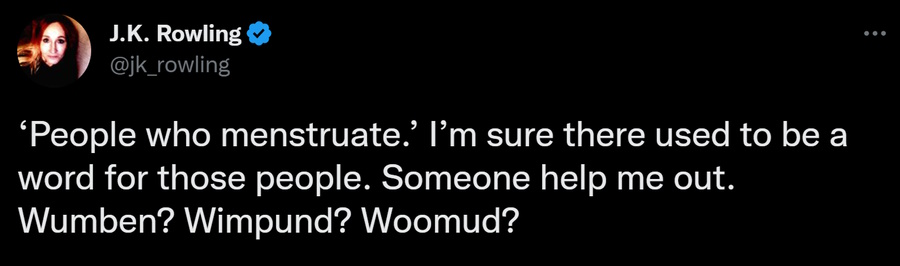
JK Rowling’s very first public step down what we now know to be a transphobic path seemed pretty innocuous at first. I actually interpreted her Twitter post – in which she responded to an article by Devex that used the phrase “people who menstruate” – to be harmless wordplay. People who write a lot often like to play with words, as I can attest, and by sarcastically responding to the post it seemed, for a moment at least, that what she was doing wasn’t anything serious.

But over the following months and years, Rowling has clearly become increasingly transphobic.

Let’s define what we mean by “transphobia” so there are no misunderstandings. Someone who is transphobic has an irrational hatred toward transgender and gender non-conforming people. In this context we aren’t using “phobia” to refer to a fear, but to refer to dislike, disapproval, prejudice, discrimination, and/or hatred. And to be especially clear: if someone says they believe that transgender people, and trans women in particular, should be “treated with dignity,” but then refuse to even accept that transitioning is possible or oppose laws that would affirm someone’s true identity, they are transphobic. Saying they believe in treating people with “dignity” has become a buzzword in some right-wing circles, but if they can’t back up that word with any meaningful action, then it’s nothing but cover for something overtly harmful.

I hope we’re clear on our definitions now.

One half-serious Twitter post that may have been tone-deaf does not constitute transphobia, although it clearly hinted at a deeper dislike or disapproval of transgender and gender non-conforming people. But if that had been Rowling’s sole contribution to the debate, or if she had walked it back, apologised, or even simply ignored transgender issues thereafter, we wouldn’t be having this conversation. But she didn’t – when faced with pushback, she doubled-down.

Although JK Rowling had begun to lose her status as the Harry Potter series slipped out of the mainstream cultural conversation, she was still someone who was held in high regard. She’d become far less important as Harry Potter began to be eclipsed by other, newer franchises, but if you had asked almost anyone throughout the 2010s about JK Rowling, chances are you’d have heard them say something positive about her – or at least about the Harry Potter series. This pushback that she got for her initial transphobic post was the first time since becoming a household name that she’d gotten any kind of major criticism in public – and it clearly had a huge psychological impact on her.

JK Rowling’s Twitter post from June 2020.

Rowling’s initial beliefs about sex, gender, and gender identity may be understandable, to an extent, because of the era in which she was born and the society in which she was raised. Even when I was at school in the ’90s, “sex education” lessons entirely excluded any mention of homosexuality, and the idea that someone could transition from one gender to another was never even discussed in any health or even biology lesson. If transgender people were mentioned at all, it was for the sake of mockery; “trannies” were the butts of jokes and figures of fun, and nothing more.

Some people of my generation still cling to those beliefs even as science and society have moved on in leaps and bounds – but thankfully, better education, increased awareness, and more scientific and sociological research into sex, gender, and gender identity have already changed minds. Unfortunately, though, people are using JK Rowling’s public and vocal transphobia to try to push back against the societal acceptance of trans people – and even to attack legislation that protects trans rights.

A protest in the UK in January 2023.
Image Credit: Sky News

Rowling herself has become the figurehead of this movement, and the current Conservative government in the UK has been able to turn the question of trans rights into what is insultingly termed the “trans debate,” in part using Rowling and others like her as cover for some seriously harmful legislation that either seeks to block the advance of trans rights in the UK, or in some cases, actively rolls back pre-existing trans rights.

This is the real crux of the JK Rowling problem: her status and wealth have allowed her free rein to spearhead one of the worst and most aggressive anti-trans campaigns anywhere in the western world, lending undue legitimacy and standing to a point of view that is mostly shared by a bizarre coalition of religious fundamentalists, paleoconservative reactionaries, and internet trolls. At a time when LGBT+ rights were advancing across the board, Rowling stepped in and has actively worked to push back against those rights, scoring some successes as the current Conservative government and its allies use her and the people who support her as a shield.

The current Conservative government in the UK is keen to oppose and roll back trans rights.

This is why I can’t “separate the art from the artist,” as some folks have suggested. Because what JK Rowling is doing is still happening and is continuing to actively cause harm to trans people, I find myself in a position where I can’t support the Harry Potter franchise. Moreover, with Rowling retaining ownership of the franchise, any purchase of books, films, video games, and other merchandise gets her a cut of the proceeds – and as we’ve just been discussing, Rowling uses some of her money to provide financial support to transphobic campaigns, causes, and organisations. I feel that making any new purchase of Harry Potter merchandise, at this time, is akin to donating to such causes myself – something I would categorically never do.

Last time we talked about JK Rowling we touched on this concept, which is referred to in some academic circles as “the death of the author.” Taken from the title of an essay by French critic Roland Barthes, “death of the author” is primarily about discovering one’s own interpretation of a published work independent from the original intent of the author and who they are or were – but I would very strongly argue that it doesn’t apply in this case, and that separating JK Rowling from Harry Potter is impossible as long as she remains in control of the franchise and continues to monetise it.

It isn’t possible to separate JK Rowling from Harry Potter.

There are plenty of authors and other creators whose work I would also choose not to support under similar circumstances – but they’re either long dead, no longer actively involved in their franchise, or their franchise has been taken over and moved on. This is the key difference, and while there are many, many creative people who were unpleasant or even harmful during their careers and lifetimes, JK Rowling is continuing to cause harm to her targets right now.

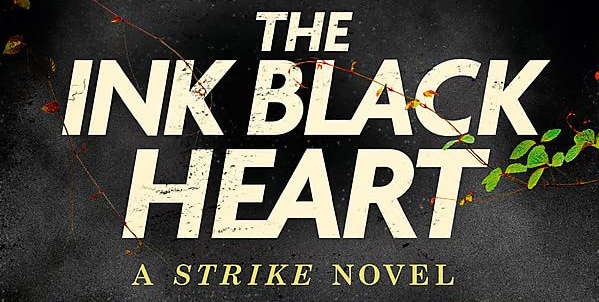
I also found some of JK Rowling’s recent attacks on the Harry Potter fan community to be pretty distasteful, showing how little respect or appreciation she has for the people who quite literally gave her the position and power that she’s wielding. In her recent book The Ink Black Heart, Rowling clumsily inserts a character as a stand-in for herself, then makes that character the target of an angry and murderous mob stemming from an online fan community. The book, much like everything else Rowling has tried outside of Harry Potter, got mixed reviews and didn’t sell especially well. But the intent was there – and Rowling has shown her true colours, sneering at and judging the very people who made her who she is.

The Ink Black Heart got mixed reviews.

One interesting thing that has come out of this whole unfortunate mess that is to the overall good, I feel, is a reevaluation of JK Rowling’s work and the Harry Potter series in particular. While the setting of Harry Potter captured the attention of a worldwide audience, there’s a reason why it’s always still referred to as “Harry Potter” instead of its official title: “the Wizarding World.” The world of Harry Potter doesn’t stand up to scrutiny, and without its titular characters and the admittedly engaging story that they were part of, it doesn’t feel as though there’s anything else of substance there.

Look at franchises like Star Trek or Star Wars – deep world-building created rich, lived-in settings in which characters could get lost, where their skills and talents mattered and could be applied to any number of roles in those universes. Harry Potter, in contrast, is both shallow and inconsistent; a cobbled-together mix of English folklore, tropes of the fantasy setting, and even elements and narrative beats directly plagiarised from other literary works. It invented practically nothing new, and its few original elements are actually its weakest points. As a setting and a fictional world, it doesn’t survive more than a cursory glance.

The “Wizarding World” is not a well-constructed setting.

And that’s totally fine. Not every author can be brilliant, not every fictional setting can be wonderfully rich and deep, and for its intended purpose and target audience, there’s nothing wrong at all with the setting of the Harry Potter books. But it does raise a wry smile when I hear people leaping to its defence, claiming it’s a unique and brilliant fictional setting comparable with the likes of Tolkien’s Middle-earth. It isn’t… and it was never meant to be. JK Rowling simply doesn’t possess the talent to create something anywhere close to that level.

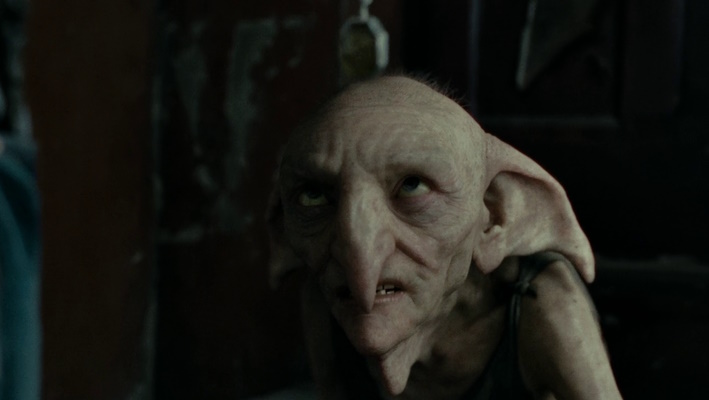
There are some deeply troubling and problematic depictions within the Harry Potter books, too. Goblins who run the Wizarding World’s banks – and who are set to be a major villainous faction in Hogwarts Legacy – clearly and obviously draw on anti-semitic tropes and stereotypes. The Wizarding World practices slavery, enslaving “inferior” house elves to do the bidding of witches and wizards. And when, in the books, a character tries to point this out and campaign against it, she’s ridiculed not only by her friends, but really by the narrative itself. Harry even takes ownership of a house elf at one point, sending him to complete tasks for him; his own personal slave.

Kreacher, Harry’s personal house elf.

JK Rowling also seems to delight in making fun of people with different body types, using “ugliness” and fatness as indicators of maliciousness and evil. And, of course, Harry Potter falls into the trap of racial stereotyping, with its tiny number of minority characters being deeply problematic.

It’s actually been good to see more and more folks taking a critical eye to the Harry Potter series in light of the issues surrounding JK Rowling. Some criticisms of the books at the time of their publication and in the years since had been written off or just ignored – and for folks who always felt uncomfortable with certain aspects of the stories or the ways in which they treated marginalised and minority groups, it must be cathartic to find more support.

Katie Leung as Cho Chang in The Goblet of Fire.

I won’t ask anyone to boycott or refuse to purchase Harry Potter merchandise or Hogwarts Legacy, because I don’t think it’s my place to do that. This piece wasn’t intended to change minds or convince people on the fence to adopt a certain point of view. It was more a way for me to get my thoughts in order and share why, as someone who talks a fair amount about the video games industry here on the website, I won’t be covering Hogwarts Legacy this year. Hogwarts Legacy could end up being a bust, at the end of the day – an overhyped, mediocre video game not worth all of this fuss and bother.

As I said at the beginning, we all have the right to decide for ourselves which products, companies, and public figures we want to support – and which ones we don’t or can’t support. For me, Hogwarts Legacy and the entire Harry Potter series now fall firmly into the latter category, and unless there’s a massively compelling reason to discuss the franchise in future, I hope that this will be the last time I have to comment on it.

A replica of the Hogwarts Express steam locomotive.

I would love to see greater acceptance of transgender and gender non-conforming people. I myself am non-binary, and it isn’t always easy in the UK in 2023 to be open about that. People like JK Rowling have caused and are continuing to cause harm to trans women in particular, and unfortunately her very public attacks on trans folks have been seized upon by people and organisations with pre-existing anti-trans views and agendas to halt and reverse trans rights.

Hogwarts Legacy and the Harry Potter series may not be openly transphobic in terms of narrative, but because a cut of the proceeds go to someone who is, and who uses the wealth, fame, and status she has to contribute to these causes, I’m now in a position where I can’t support them. As a consumer in a capitalist marketplace, all I can do is vote with my wallet – so that’s what I’m choosing to do.

I’m done with Harry Potter.

This is not an easy subject, and for people who are much greater fans of Harry Potter than I ever was, all I can really say is that I empathise with you. I keep thinking how I might feel if this kind of controversy were engulfing something I deeply care about, like Star Trek, and whether I could realistically cut off the entire Star Trek franchise as a point of principle. I genuinely don’t know what I’d do in that situation – so I sympathise with any Harry Potter fan who feels that way.

I also don’t think that many of the “hot takes” floating around on social media on this subject are doing anyone any favours. Viral videos proclaiming that anyone who purchases Hogwarts Legacy must be transphobic and is automatically a “bad person” don’t help the discourse around this complex and sensitive subject, and such polarising language arguably pushes away just as many people as it converts to this cause. So I feel that, while passions are understandably high, we need to try to approach these conversations, and our interlocutors on the other side of the debate, with as much calmness as possible.

So that’s it. I hope you now have a better understanding of why I can’t support Hogwarts Legacy and the Harry Potter series.

This article contains the thoughts and opinions of one person only and is not intended to cause any offence.
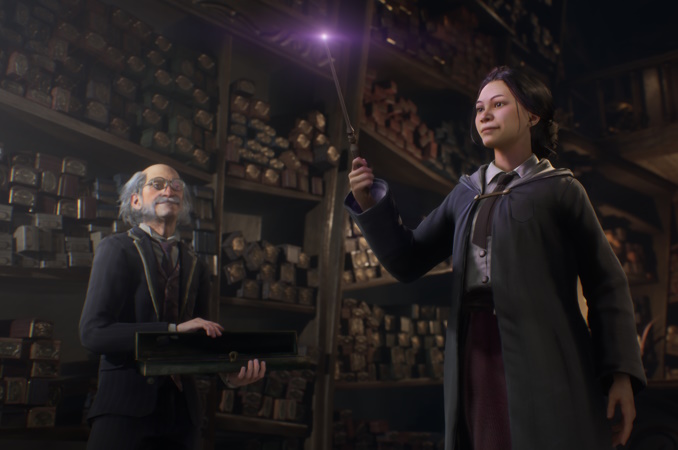
Ten games to play instead of Hogwarts Legacy

Spoiler Warning: There may be minor spoilers present for some of the entries on this list.

I confess that I was excited for Hogwarts Legacy when it was announced a couple of years ago. I wasn’t aware, at that time, of J.K. Rowling’s harmful and hurtful transphobic stance, and when the game was announced I felt that it had potential. Fast-forward a couple of years and a recent gameplay reveal video has got a lot of fans excited. I would probably have been among them a few years ago; while I was never really “in” the Harry Potter fandom, I enjoyed the books and films generally speaking. But I can’t support Hogwarts Legacy – nor anything else in the Harry Potter series any longer.

J.K. Rowling doesn’t have anything besides Harry Potter. She’s had limited success with the other titles she’s tried her hand at, so it’s the Harry Potter series that keeps her relevant – and it continues to be a major revenue stream for someone who’s already a billionaire. Any time the Harry Potter series gets attention, it amplifies J.K. Rowling, increasing her platform, her reach, and ensuring her harmful transphobic views are amplified, spread worldwide, and discussed at length. Moreover, it brings in money for her, some of which she donates to anti-trans activists and groups. I don’t know exactly what cut of the proceeds she’d get for Hogwarts Legacy – but it’ll be significant. If the game sells millions of copies she could easily rake in several million pounds from it.

Harry Potter author J.K. Rowling.

For some folks, Harry Potter is their biggest fandom and a huge part of their life. If you’re in that category, I hope you won’t consider this a personal attack. I know that J.K. Rowling’s statements have upset a lot of people, many of whom continue to consider themselves fans of the series. If Harry Potter meant a lot to you and you can’t abandon it, that’s your decision and I’m not interested in trying to change your mind.

I’m not going to re-hash all of the arguments surrounding J.K. Rowling and her transphobia here. I don’t have the time nor am I in the right emotional headspace for that. You already know what she’s said, why people like me find it incomprehensible and harmful, and reiterating all of those points would just lead to all of us getting upset all over again. Instead what I want to do today is offer up a few alternative games, titles that are just as interesting and exciting as Hogwarts Legacy but with hopefully less bigotry.

So without further ado, here are a few games you could substitute Hogwarts Legacy with if you’re looking for something fun to play but feel unable to support J.K. Rowling. Let’s jump into the list, shall we?

Game #1:
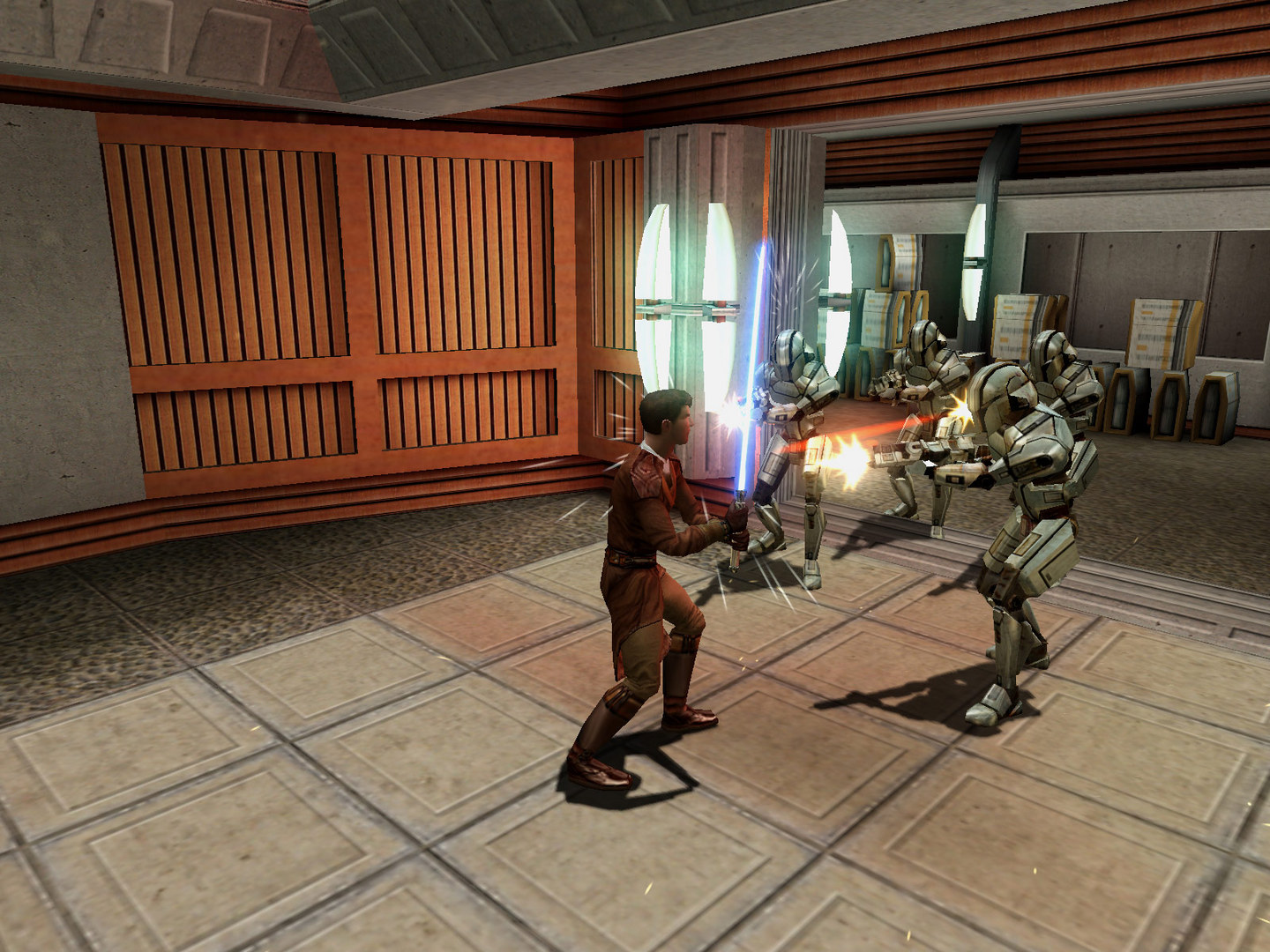
Star Wars: Knights of the Old Republic

A game set in an established fictional world, but taking place hundreds of years prior to the events we know and love? That sounds an awful lot like Knights of the Old Republic! I can never fully put into words how much this game blew me away when it was released in 2003. After feeling disappointed with The Phantom Menace and Attack of the Clones, Knights of the Old Republic went a long way to restoring my faith in Star Wars in general – and one of its story twists is perhaps the greatest that I’ve ever played through in any video game.

Knights of the Old Republic sent me off on my very own Star Wars adventure, and included all of the elements that a story needs to feel truly authentic. Whether it was Jedi Knights, beeping droids, or visiting familiar worlds like Tatooine or Kashyyyk, it was an incredible ride from beginning to end.

If you don’t mind waiting a year or two, a full remake of the game is in the works!

Game #2:
Red Dead Redemption II

It took me a while to get around to trying Red Dead Redemption II, but when I played through it last year I finally understood why everyone considers it to be a masterpiece. It’s a dark, bleak, yet incredibly beautiful experience, one which recreates late 19th Century America in a way that feels incredibly real. Characters feel like actual people with thoughts, desires, and motivations, and the narrative contains some incredibly emotional sequences that left me in tears.

Red Dead Redemption II is also one of the most visually stunning games I’ve ever played. Its open world has been crafted to perfection, and is packed full of minor details that make the experience an incredibly immersive one. I literally had dreams about Red Dead Redemption II while I was in the middle of the story, and there were times last year where I would want to just drop everything I was doing to get back to playing it!

Game #3:
Kena: Bridge of Spirits

Kena: Bridge of Spirits is another visually beautiful game, so much so that at one point I had to put down the control pad and just stare at the amazing scenery! It’s also an incredibly fun adventure game that I felt recaptured the feel of older 3D platformers. It wasn’t always an easy experience, as there was relatively little hand-holding, but it was incredibly fun and incredibly rewarding.

Considering that Kena: Bridge of Spirits was the debut game from brand-new developer Ember Lab, I’m even more impressed! I crowned it my “game of the year” for 2021, and with good reason. It was one of the best gaming experiences that I had last year, and even though I have a growing list of unplayed games… I’m sorely tempted to go back and revisit it!

Game #4:
Control

If a supernatural adventure is what you’re after, look no further than Control. I found the game to be incredibly atmospheric as protagonist Jesse explores a hauntingly bleak world. I definitely got sucked into the spooky world of Control, and this could make for a really fun game to play around the Halloween season thanks to the supernatural tone and some spectacular level design.

Control is also an incredibly accessible game, with lots of different options to customise and tweak the experience. One of my favourite parts of Control were the full-motion video sequences, presented in-game as recordings and clips to collect as Jesse explores deeper into the heart of the ancient and deeply unsettling building. These little snippets of lore, presented in a fun way, added so much to the experience.

Game #5:
Dragon’s Dogma: Dark Arisen

It’s been a few years since I played Dragon’s Dogma, but if I recall correctly the game has a surprisingly deep and rich magic system – something you might be looking for in an alternative to Hogwarts Legacy. Dragon’s Dogma always felt like a second-tier game; the kind of title that didn’t quite break into the uppermost echelons of gaming. But it was a fun time nevertheless, and a fun adventure to play through.

The Dark Arisen version – which is available for PC, Switch, Xbox One, and PlayStation 4 – combined the base game and all of its DLC into a single package, and as a slightly older game (Dragon’s Dogma was originally released in 2012) it can be picked up quite inexpensively either second-hand or during Steam sales.

Game #6:
Elden Ring

Elden Ring is categorically not “my thing.” These kinds of difficult-for-the-sake-of-it games are simply unenjoyable for me, and as a result I have skipped Elden Ring. But I’d be remiss not to include one of the biggest releases of the year on a list like this, and many fans of the Souls-like genre have hailed it as an instant classic and the new benchmark for future titles to live up to.

Elden Ring uses an open world, it has magic, fantasy elements, and monsters to fight. It was originally billed as a game with input from A Song of Ice and Fire author George R.R. Martin, though he appears to have made a limited impact on what seems to me to be another Dark Souls-inspired title. If you’re into games with punishing levels of difficulty, Elden Ring could be the one for you.

Game #7:
The Elder Scrolls IV: Skyrim

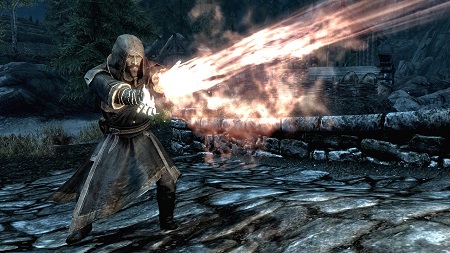
So you want to enrol in a special school to learn how to wield magic while at the same time exploring the world and going on adventures? Then why not join the Mage’s Guild in Skyrim? Or, come to that, why not do the same in Oblivion or join House Telvanni Morrowind as well? The entire Elder Scrolls series is set up perfectly for players who want to create mages, witches, necromancers, and all other kinds of magic-using characters!

Skyrim is certainly showing its age by now, even if you pick up one of the special enhanced deluxe anniversary editions that have been released endlessly over the past decade. But it’s still a beautiful game that’s fun to play, and many of its questlines and stories have a magical side that might just make up for skipping over Hogwarts Legacy.

Game #8:
Jade Empire

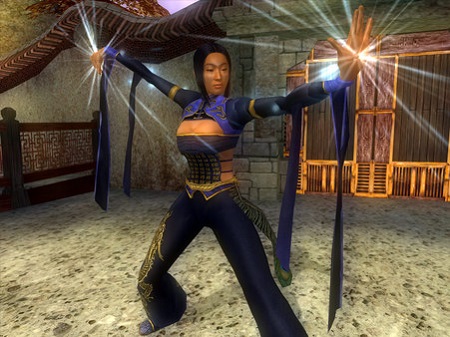
Jade Empire is a fun BioWare adventure game that I feel doesn’t get the credit it deserves. Released in between Knights of the Old Republic and Mass Effect, it tends to be overlooked. Its Chinese-inspired setting is really interesting, though, and the game is populated with fun characters. There are magical elements to the game, too, although there’s a pretty big focus on martial arts-inspired combat.

Jade Empire tells a fun story, and I found it easy to get lost in its world when I first picked up the game on the original Xbox. If you’ve played other BioWare titles before then the format will be familiar – but the setting and the story are unique. I’ve always hoped that BioWare would revisit the world of Jade Empire… maybe one day!

Game #9:
GreedFall

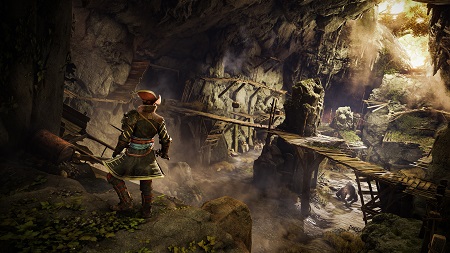
GreedFall is another game that can feel overlooked, perhaps a game that didn’t quite break into the top tier when it was released a couple of years ago. It can feel like a title with some heavy-handed themes as it looks at the issue of colonialism – not always perfectly, I should say – but laying atop some of those deeper themes is a fun adventure in a well-constructed, lived-in world.

There are magic spells in GreedFall, with an entire character class built around the use of magic. The game’s character creator is pretty basic, but if you can look past that limitation the actual customisation options are quite extensive. It’s a fun game, and well worth a play especially considering that it doesn’t ask full price.

Game #10:
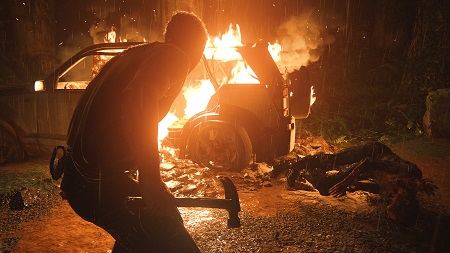
The Last Of Us Part II

I honestly didn’t expect to be putting The Last Of Us Part II on any list… ever! I didn’t enjoy the game’s story at all, as I felt it tried to be too smug, too clever, and the way in which it hacked away at some of the most basic fundamentals of storytelling – the need to have a clear protagonist and antagonist – meant the whole narrative collapsed. But if you’re really looking for a game to throw up a middle finger to a transphobe, The Last Of Us Part II could be right for you!

Despite my story complaints, the gameplay in The Last Of Us Part II is excellent. Its third-person stealth/action style is an iterative improvement over its predecessor, but it’s well-executed and feels very smooth to play. There’s also a sense of scarcity, with ammunition and supplies being hard to come by. This makes for an experience that requires a lot of thoughtful planning; rushing in guns-blazing usually doesn’t work.

As one of the few games I can recall to feature a transgender character in a major role (voiced by Star Trek: Discovery’s Ian Alexander) I felt it was worth including The Last Of Us Part II on this list.

So that’s it!

Those are ten games that I think could be worth playing if, like me, you plan to skip Hogwarts Legacy when it’s released later this year. I tried to look at titles that are in the third-person action or action/adventure space, as well as titles with magic or supernatural elements. There were plenty of other games that I could’ve included if we broadened those criteria, though, so this is by no means an exhaustive list!

I had a conversation with a friend recently, and they expressed the opinion that they would play Hogwarts Legacy as there aren’t a lot of games that would give them a similar experience. While it’s true that Harry Potter and the Wizarding World are somewhat unique, there are plenty of games – as well as novels, films, television shows, and other entertainment experiences – that draw on many of the same themes and use the same kinds of storytelling elements. Hogwarts Legacy, just like the rest of the fictional setting that J.K. Rowling created, is not irreplaceable.

That being said, I’m not here to try to force anyone to play or not play a particular game. I just wanted to contribute something positive to the overall conversation surrounding Hogwarts Legacy, and perhaps show off a few titles in a similar genre or similar space that players who are weighing up their options could consider as alternatives. If that applies to you, I hope you at least found my suggestions interesting! And if you still plan to go ahead and play Hogwarts Legacy, I genuinely hope you have a good time with the game.

Hogwarts Legacy is the copyright of Portkey Games and Warner Bros. Interactive Entertainment. Harry Potter and the Wizarding World are trademarks of Warner Bros. Entertainment. All titles on the list above are the copyright of their respective studio, developer, and/or publisher. This article contains the thoughts and opinions of one person only and is not intended to cause any offence.