

I wanted to expand a little on something I said yesterday, when I made some predictions for the year ahead. If you haven’t read it yet, don’t miss my predictions, by the way! I had a bit of fun talking about some likely (and some not-so-likely) things that we might see in 2026. You can find that piece by clicking or tapping here.
In the “not-so-likely” category, one of my predictions involved Grand Theft Auto VI, the upcoming open-world crime game from Take-Two and Rockstar. I said that there’s a possibility – however remote it may seem right now – that GTA 6 fails to meet its sales targets, which are surely pretty high given the amount of money that’s been dumped into its development, and will end the year being considered an expensive failure. I only dedicated a couple of paragraphs to the idea last time, but I thought it was interesting enough to warrant a longer article.
So let’s talk about that!
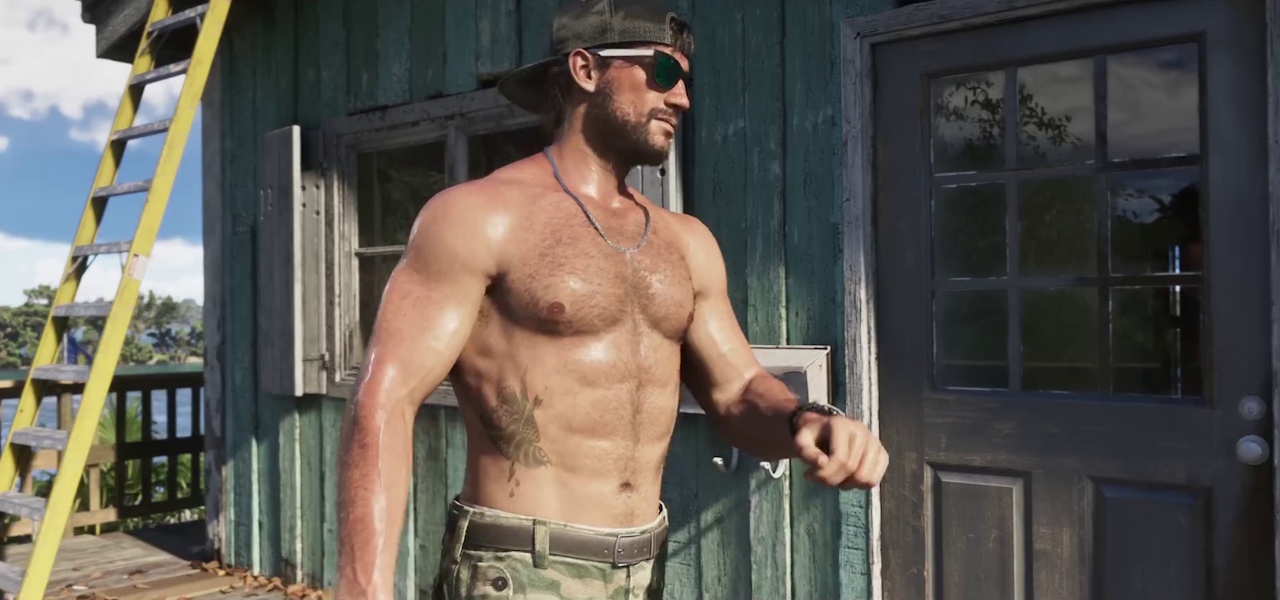
To get the most obvious point out of the way, no video game – nor film, TV show, novel, etc. – is a *guaranteed* hit. It doesn’t matter if it’s a sequel to one of the best, most universally-praised titles of all-time. It doesn’t matter if it’s part of a decades-long franchise with a huge fanbase. It doesn’t matter if it’s the most-hyped, most-highly-anticipated title of the year, the decade, or the century! There are *no* sure things in the entertainment industry, and anyone who’s convinced that “it’ll be a success because it’s Grand Theft Auto VI” is working from a faulty assumption.
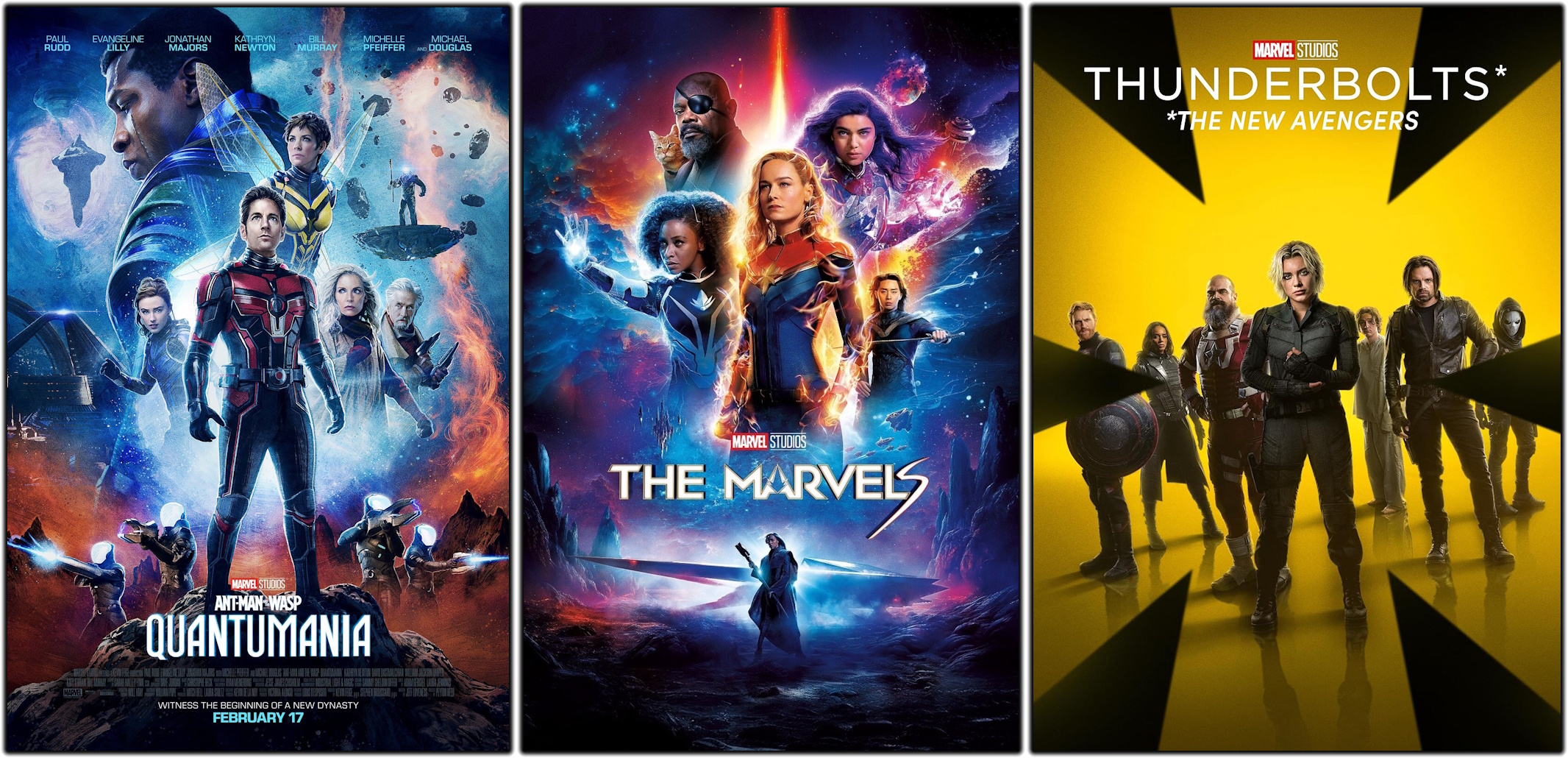
Want proof? Look at the Star Wars franchise, beginning really with The Last Jedi, and especially with Solo: A Star Wars Story. Look at how viewership for Star Wars has gradually fallen away on streaming. Or take a look at Marvel, and how audience numbers, critic scores, and box office receipts have shrunk since Avengers: Endgame. Neither of these massive franchises has been able to successfully reach the heights they once did. And because of the way the industry (and capitalism in general) operates, it’s not good enough to make “a profit.” You have to make a bigger profit more quickly every time.
In the games industry, too, there are countless examples. The long-running Halo series has been floundering since, to be realistic, Halo: Reach’s release fifteen years ago, back in the Xbox 360 era. Suicide Squad: Kill the Justice League was not only a superhero game set in the DC Comics universe, but it was also developed by the established Rocksteady Studios, tapped into the live-service trend, and had a ton of money poured into it by Warner Bros. Games. And it lost $200 million. Star Wars Outlaws failed to break even for Disney and Ubisoft. The once-lauded BioWare has endured a decade-plus of failure, with Mass Effect: Andromeda, Anthem, and Dragon Age: The Veilguard. And dare we mention Sony’s Concord?
Have I made my point?
It doesn’t matter that the series or franchise is beloved and has been a hit in the past. It doesn’t matter who the developers are, or if their earlier works have been popular and well-received. It doesn’t matter if you’re a literal games industry institution. Gaming shifts and changes over time, with players’ expectations evolving, too. Name recognition and hype can only take you so far, and *especially* for a title that makes most of its money from an online mode which relies on long-term play and recurring spending, they aren’t enough to get you over the line.
The video games industry is not a static, stagnant thing. It’s been almost *thirteen years* since the launch of Grand Theft Auto V, and the way the gaming landscape looks today is pretty different from how it was back then. There’s been a pandemic, which saw loads of people stuck at home with little to do, there’s been the massive growth of a handful of online live-service titles, and there have been some pretty serious price hikes, too. Gaming has grown, but it’s also become more expensive, struggled to retain some of its new audience since the end of lockdown, and many younger players today stick with a handful of games – or literally just *one* – for years at a time.
Grand Theft Auto V has been at the forefront of some of the biggest trends in the industry in recent years. But being an industry leader is not a guarantee of success. Just ask Atari, Sega, or any of the developers of the games I just mentioned. Rockstar and Take-Two have been riding high thanks to Grand Theft Auto V’s online mode. But in 2013, I don’t think it’s unfair to say that Grand Theft Auto V was a single-player title with an online mode tacked on. Because of the way the industry has shifted – and because of how successful that online mode became – Grand Theft Auto VI is a fundamentally different kind of title. It’s an online game first, with a single-player campaign being tacked on. A total 180° shift.
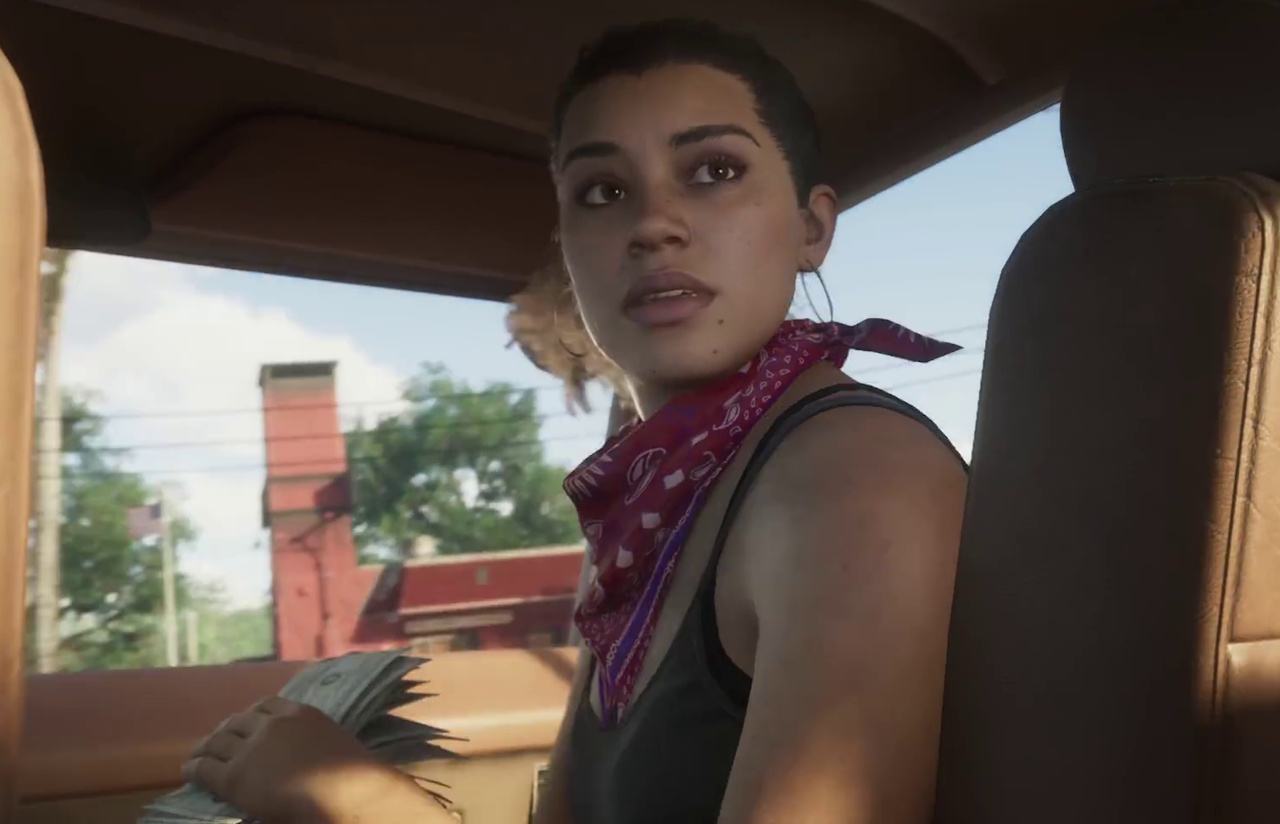
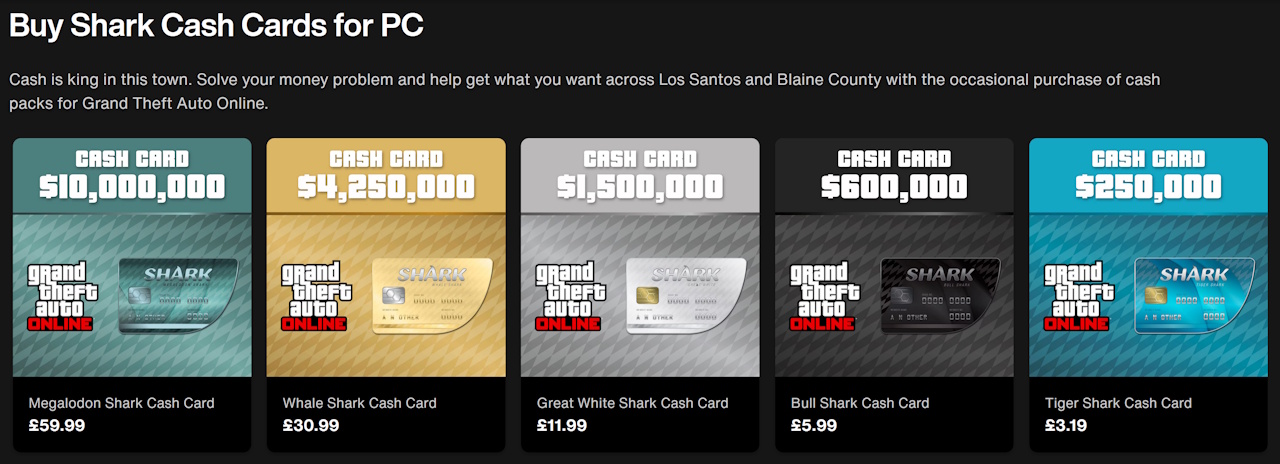
GTA 6 is, according to reliable reporting, going to be the most expensive video game… ever. With a budget, when accounting for its extensive marketing campaign, that could come close to, or even top, $2 billion… that’s a *lot* of Shark Cards that Rockstar will have to sell for the game to merely break even, let alone begin to turn a profit.
To be clear: that money has been invested with the expectation that there’ll be a huge profit to be made. But the higher the budget, and the longer the game takes to develop, the more sales and the more microtransactions are needed in order for the game to simply make its money back. This is a trap that has tripped up *many* titles over the years; plenty of games could have been profitable if they’d just… toned it down. Star Citizen – one of the few games to have burned through almost as much money as Grand Theft Auto VI – is a case in point: so much money has been spent on development that actually turning a profit when (or if) the game actually launches feels basically impossible at this point.

There are really three main problems that I can see which could potentially cause Grand Theft Auto VI to stumble, beyond what we’ve already discussed.
The first is that a game with a bigger budget needs to sell more units, and convince more players to pay for microtransactions. But… Grand Theft Auto VI already hits a problem here. There’s a smaller potential audience for the game than there is for its predecessor – or even than there was in 2013 when GTA 5 launched.
At time of writing, there are approximately 120 million PlayStation 5 and Xbox Series consoles out in the wild. Most of those are PS5s, but if you add the combined sales totals together, that’s what you get. That’s compared with close to 190 million PlayStation 4 and Xbox One consoles that have been sold. And on top of that, recent data from the second half of 2025 shows a serious slowdown in the home console market.
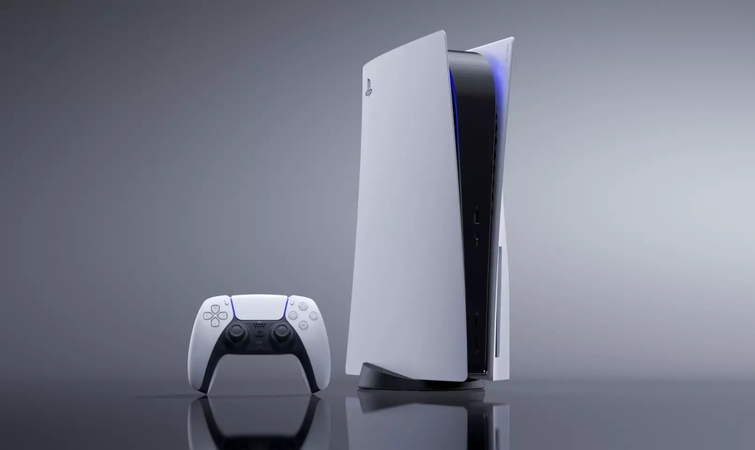
In 2013, when Grand Theft Auto V launched for Xbox 360 and PlayStation 3, there were around 155-160 million of those consoles in homes. And across the lifetime of GTA 5, it’s had access to the 190 million last-gen systems, as well as at least tens of millions of PCs, too. And that massive audience, across three home console generations and PC, is what’s led to it becoming the second-best-selling game of all-time.
With a smaller potential audience at launch than GTA 5 had in 2013, by an order of some forty-ish million, and without the simultaneous PC release that Take-Two and Rockstar decided to cheap out on, will Grand Theft Auto VI have a comparable launch to its predecessor? GTA 5 earned a billion dollars in just three days… will GTA 6 do the same? Or will it take longer to reach that number? If it does take longer, will Take-Two and Rockstar *already* begin to panic?
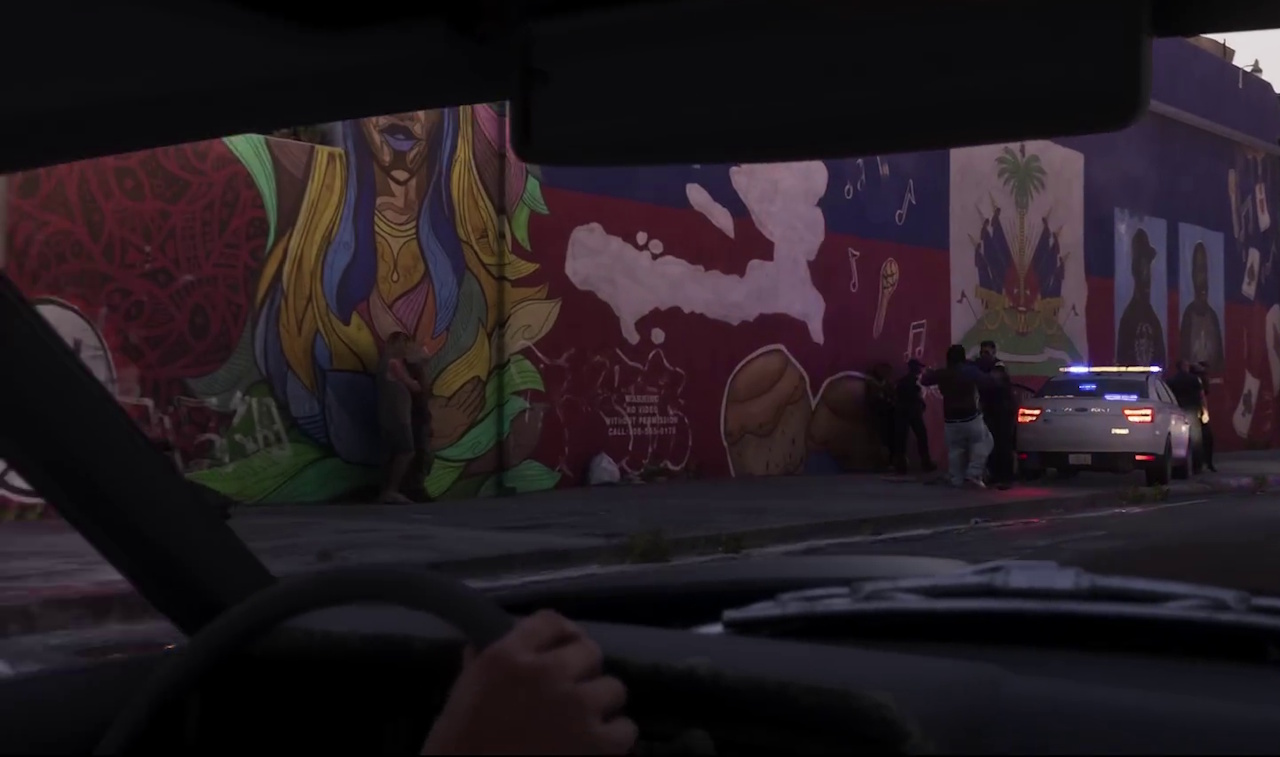
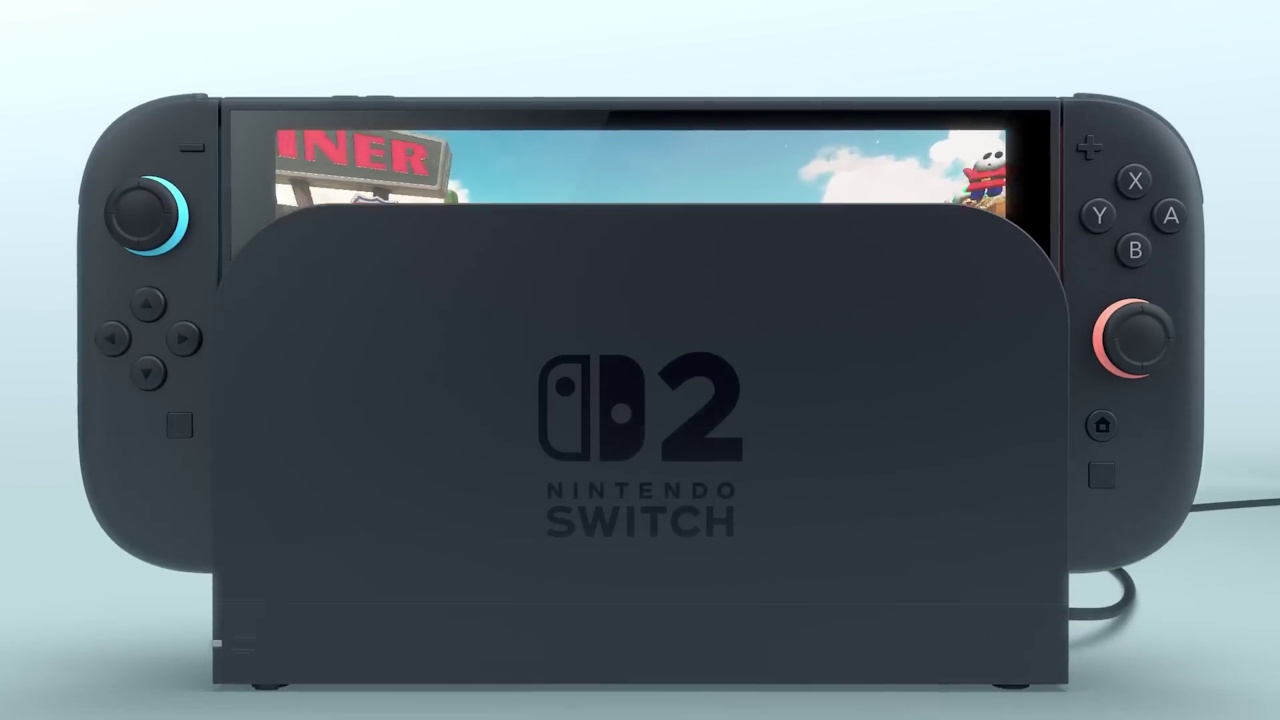
This leads into my next point: home consoles are expensive right now, and in a difficult economy in which ordinary people are struggling, that’s being reflected in a serious decline in sales. It now seems beyond unlikely that the PlayStation 5 will *ever* reach, let alone eclipse, the total lifetime sales of the PS4, and even the Nintendo Switch 2, which only launched a few months ago, has just endured a very rocky holiday season everywhere except for Japan. In October and November 2025, home console sales were the lowest they’d been for thirty years. *Thirty years.*
Not since the days of the Super Nintendo, Sega Saturn, and first PlayStation have home console sales been this low. Think of all the consoles to have been and gone since then: the N64, the Dreamcast, every single Xbox ever… that’s how rough things are in the home console market right now. Even the newly-launched Switch 2 hasn’t been able to drive sales to any great extent.

There’s not even a question as to why, either. The tail end of the Xbox One/PS4 generation, as well as the middle of the Switch’s life, saw the Covid pandemic, lockdowns, and a lot of folks stuck at home with little to do… and furlough money or a stimulus cheque to spend. Console sales went up, naturally, as people needed to find ways to stay connected with friends, and things to do that didn’t require going outdoors!
But that’s not even the half of it. The real reason why consoles are struggling right now is simple: price hikes. Xbox consoles have gone up in price. PlayStation consoles have gone up in price. And the Switch 2 is significantly more expensive than its predecessor. Even if the economy was working properly for everyday folks, these price hikes would be hard to stomach. But when people are *already* struggling to make ends meet? Luxuries like home consoles, especially overpriced ones, are the first things to be cut from budgets and Christmas wishlists.
This is directly connected to my next point.
I don’t know whether the reports are true, and whether Rockstar and Take-Two genuinely plan to launch Grand Theft Auto VI at a ridiculously inflated price. But $100 is out there, being widely discussed, and it’s not a hot take to say that that could be the target right now. But we’ve already seen the backlash to that kind of pricing.
Mario Kart World, the first game to launch for $80, would probably have been subject to less criticism were it not for the inflated price. And Xbox had to walk back plans to raise some of their prices to $80 after very low pre-order numbers and a massive wave of criticism. So GTA 6 retailing for $100 or even “just” $80 would unquestionably generate a similar backlash, in my view.
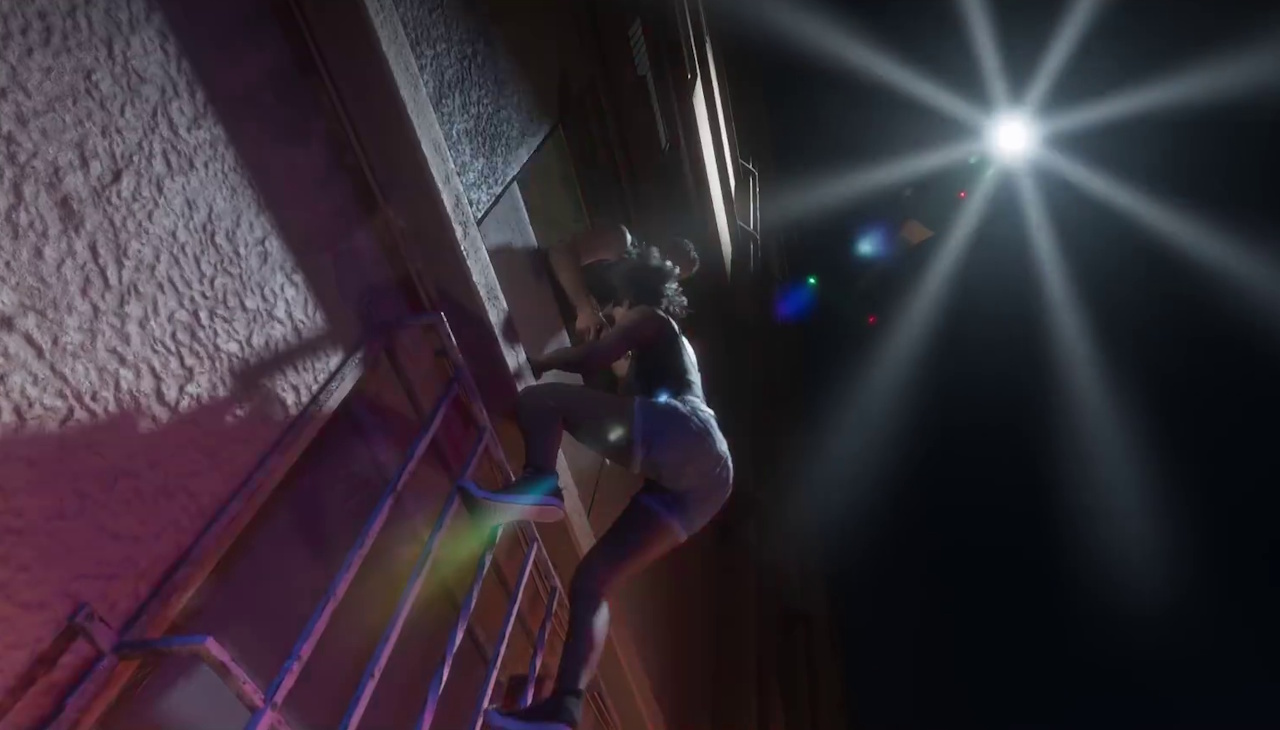
Combine an unprecedented and unpopular price for the game with the already sky-high price of home consoles – and the fact that a lot of folks would need to pick up a new machine if they want to play the game – and you’ve got the perfect storm. In this economy, can players really afford to pay $750 to pick up a new PlayStation 5 or Xbox Series X and Grand Theft Auto VI? And if they can… is it worth it for just one new title? How many players, who’ve already made it this far into the current generation without picking up a new console, are going to be convinced to shell out that much money to play one new game? Because that’s what Rockstar and Take-Two will be asking: it’s not just the price of the game, but also the inflated console prices that players have to take into account.
Finally, Grand Theft Auto VI will potentially run into the same problem that has knocked down many live-service titles: will players feel the need to switch?
Suppose I’m a big GTA fan, and I’ve been playing Grand Theft Auto V for years. I have a group of buddies that I play with regularly, I have my in-game money, a base I’ve spent ages perfecting, and a character I’ve levelled up. I know the map, I know the heists, I know the vehicles and the weapons. I’m settled and happy in my GTA 5 server with my friends and my way of playing the game. Why do I need a new game? Why do *I* need to spend potentially hundreds of dollars or pounds on new hardware and a new title when I’m perfectly content with what I already have?
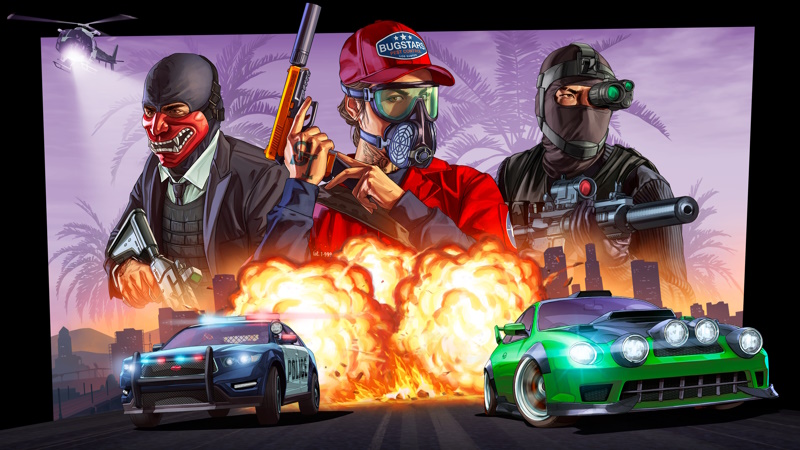
This is “the Concord problem.”
Why did no one buy Concord in 2024? It was a well-made hero shooter. Sure, it was a bit generic… but so are a lot of those games, let’s be honest! But what did Concord do to convince fans of Overwatch or Apex Legends that they needed to switch? Fans of those titles, and others, are already settled. And many players nowadays only play one game – they find an online experience they enjoy, be it Roblox, Fortnite, Helldivers II, or the venerable Grand Theft Auto V, and they stick with it.
Even sequels, like Overwatch 2, have struggled. And in the more competitive scene, some recent titles – like Call of Duty: Black Ops 7 – have struggled to convince fans of the series or last year’s entry that they need the upgrade. We’re in a new era of gaming, where players often feel a strong sense of loyalty to a single title, and stick with it. And games companies have recognised that, adding new maps, new challenges, new weapons, and new content to existing games instead of making new ones. Why has Grand Theft Auto VI taken thirteen-plus years to be ready for release? Because Rockstar and Take-Two did exactly that with GTA 5 and its online mode.
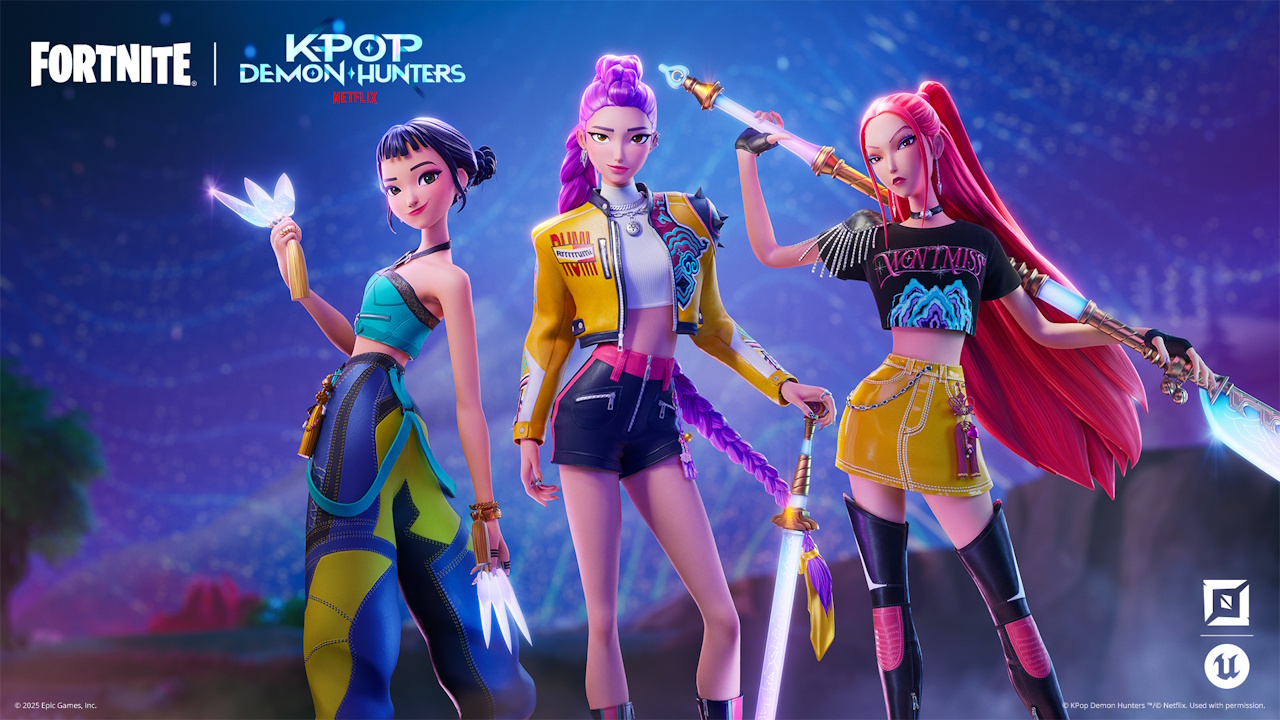
Will Grand Theft Auto V turn out to be VI’s biggest competitor? That’s one of my big unanswerable questions right now. Fans of GTA 5, many of whom have been playing for literally more than a decade, may not be as inclined to buy a new game as Rockstar and Take-Two are hoping. And unless Rockstar instantly drops support for Grand Theft Auto V the same day VI launches… there’ll still be a reason to stick with the game they know and love.
Suppose Epic Games announced “Fortnite II” tomorrow. Would Fortnite’s players all switch over to the new game? Would Roblox players migrate en masse to a sequel, if one were ever created? Grand Theft Auto V’s player base – especially in the online mode – behaves more like players of other massively-multiplayer live-service games. Folks like myself, who grew up on single-player titles, happily hop from one game to another. But that’s not the way the industry at large is trending in the 2020s. Many gamers stick with the same game for years, and convincing players of a beloved, well-known, and perfectly functional game that they need to buy a new, expensive title – and perhaps new hardware, too – is going to be more of a task than a lot of people appreciate.
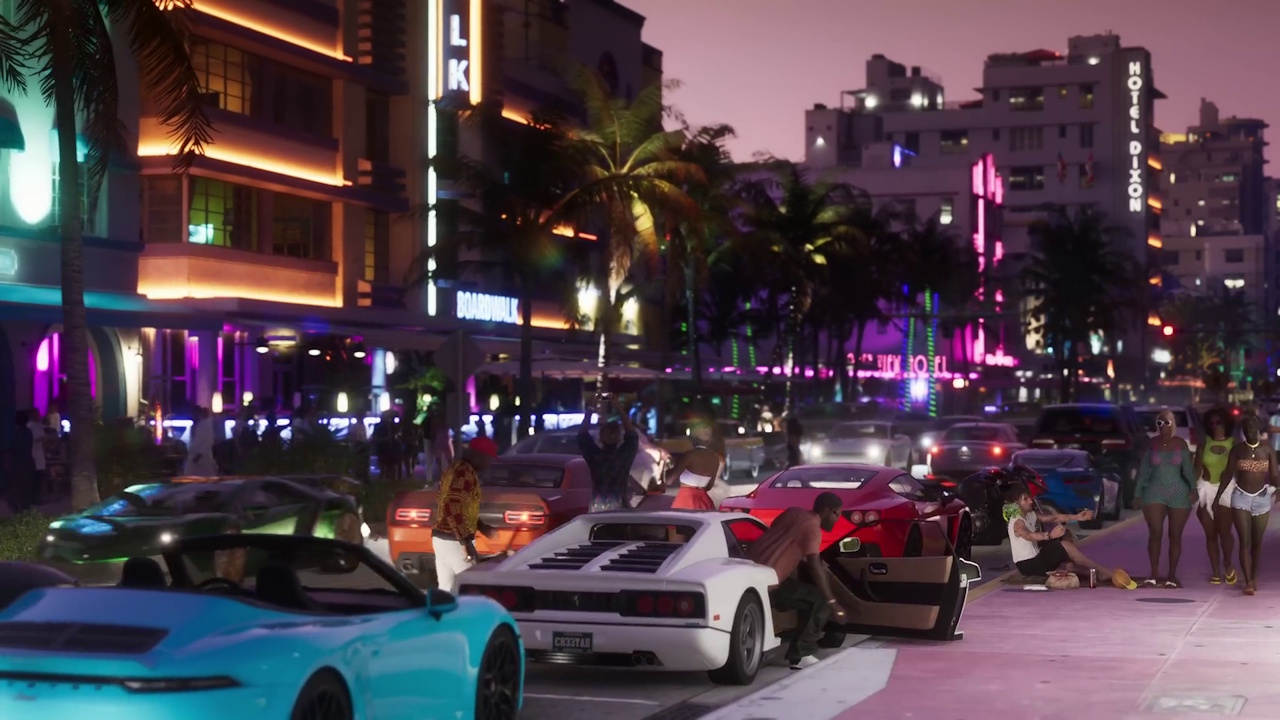
You see this phenomenon in basically every genre, and establishing a new title – even in a long-running series – is more difficult in 2026 than it’s ever been before. When Civilization VII launched last year, many players opted to stick with Civ VI instead of jump ship to the new game – and some of those who tried it out drifted back. This happens in strategy games, in shooters, in party and puzzle games… and a title like Grand Theft Auto V, which has been at the top of the charts for over a decade? It could happen here, too.
So those are, as I see it, GTA 6′s three biggest potential issues.
To recap, they are: the smaller install base of current-gen systems, with fewer consoles (and no PC release) meaning the potential audience for Grand Theft Auto VI is smaller even than GTA 5 had in 2013. Then there’s the price of the game itself, combined with the price of buying a brand-new console in 2026 after all of the price hikes, with the general state of the economy being reflected in declining home console sales. And finally, there’s the difficult launch many live-service titles have when the live-service market is already saturated. Convincing GTA 5 players that they need to invest hundreds of dollars in a new system and a new title, when the one they have is still perfectly fun… that’s not an easy task, and it’s one that has tripped up many comparable games in recent years.
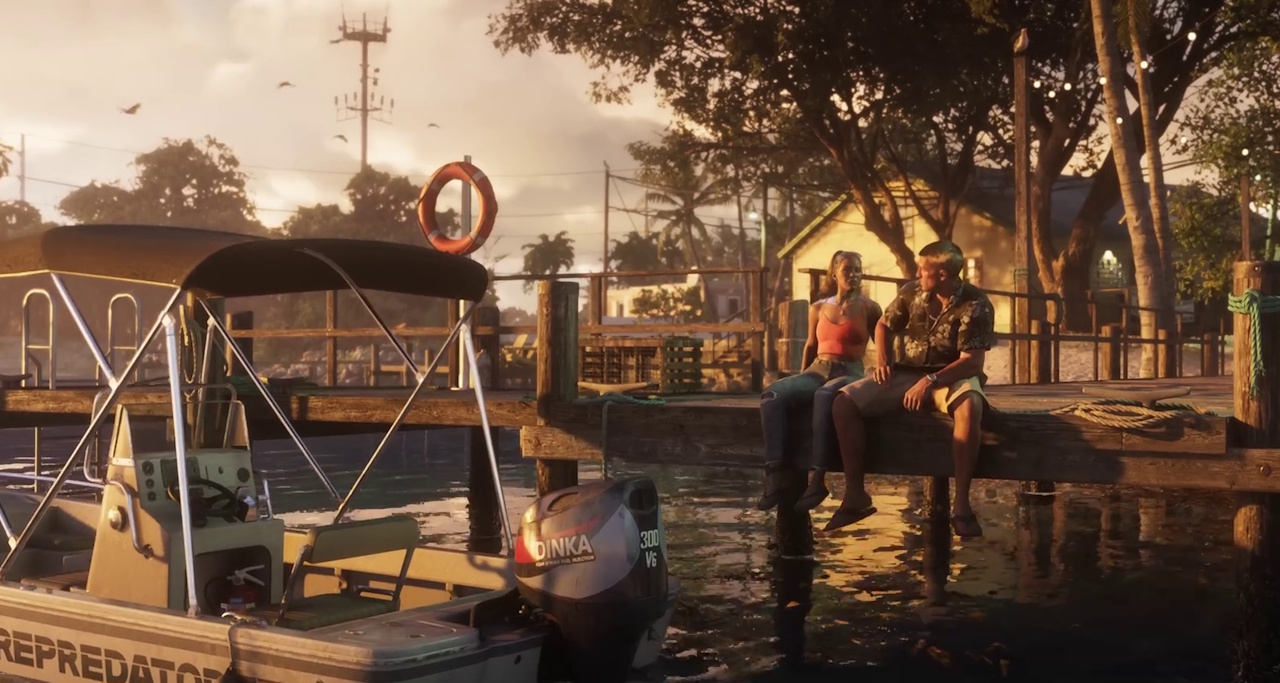
To be clear, I don’t necessarily believe that Grand Theft Auto VI will be “a flop.” I think there’s a lot of hype, a lot of excitement, and even just a lot of interest and curiosity surrounding the game. But there are valid questions about the game’s price in the current economy, and whether players who are convinced to check it out will stick with it if their friends remain on last-gen hardware playing GTA 5.
In 2019, Rockstar and Take-Two hoped that Red Dead Redemption II’s online mode would rival that of Grand Theft Auto V, and they poured a lot of money into it… at first. But when RDR2 didn’t take off in the same way as GTA 5, they pretty quickly abandoned it. Red Dead Redemption II is still playable online, but it hasn’t received major new updates or content since 2021. Could Grand Theft Auto VI end up in the same boat if players don’t jump into the online mode with the enthusiasm Rockstar and Take-Two are hoping for? Even if the game breaks even and begins to turn a profit… how long do the content updates and new missions keep coming for if most players are sticking with GTA 5?

As we look ahead to 2026, which is supposedly the year Grand Theft Auto VI will launch, there may be causes for concern in the Take-Two boardroom. I don’t think it’s a five-alarm fire or anything, but there are a lot of eggs in this particular basket, and a lot of money has been invested in a title which, despite its name, hype, and status, cannot be seen as a sure thing. Though I still consider this an outside possibility, less “likely” than “plausible,” we shouldn’t write off the idea that Grand Theft Auto VI won’t meet its sales targets this year, and might even end up being considered a disappointment.
So I hope this has been interesting, at least! Grand Theft Auto VI was one of the first subjects I ever wrote about here on the website, all the way back in December 2019, and if you’d told me then that we’d be into 2026 with the game still not out… I don’t think I’d have believed it! But here we are, and at time of writing, a November 2026 launch is still on the cards for those of you lucky enough to have bought a PS5 or Xbox Series console before prices got silly. As for me… well, I play on PC. So if Rockstar and Take-Two can ever be bothered to release a port, that’s when I’d consider picking up Grand Theft Auto VI. But not for $100, though!
If and when we get more news on GTA 6, its price, a new trailer… or anything like that, I hope you’ll check in. I daresay I’ll have more to say on this game at some point soon.
Grand Theft Auto VI is scheduled to be released in November 2026 for Xbox Series S/X and PlayStation 5. A PC release has not been confirmed. The Grand Theft Auto series – including GTA 6 and other titles discussed above – is the copyright of Rockstar and Take-Two Interactive. This article contains the thoughts and opinions of one person only and is not intended to cause any offence.



 Trekking with Dennis