

Spoiler Warning: There are spoilers ahead for the following Star Trek productions: The Original Series Season 1, The Voyage Home, The Next Generation Season 1, Deep Space Nine, Voyager, Picard Season 3, and Strange New Worlds Season 1.
It’s Spooktober – the spookiest month of the year! So I thought we could have a bit of fun and talk about some of the scariest aliens and villains that the Star Trek franchise has brought to screen.
Star Trek isn’t a franchise that’s well-known for being all that frightening. I don’t think that’s a controversial statement at all – in fact, I’d wager that most TV viewers would consider it pretty tame, especially when thinking about the horror genre and alien monsters! But that doesn’t mean Star Trek is never scary. There are some wonderfully atmospheric episodes and stories scattered throughout the franchise’s fifty-eight-year history that have some of those more frightening elements.

Today, rather than talking about individual stories or episodes, what I’d like to do is pick out some of the franchise’s scariest aliens, monsters, and villains – and talk about why they work so well, why they’re so intimidating, and perhaps even just the potential they have to be frightening or scary in future stories.
My usual caveat applies: everything we’re going to talk about is the entirely subjective opinion of one person only. If I miss something you think is blindingly obvious or if I include a “scary” alien that you think isn’t frightening in the least… that’s okay! There’s plenty of room in the Star Trek fan community for disagreement and differences of opinion.
With that out of the way, let’s talk about some of Star Trek’s scariest aliens and villains!
Number 1:
Q and the Q Continuum

The Q are on the list less for their out-and-out fear factor and more for their potential. I don’t think there have been many terrifying or bone-chilling Q appearances – though I will entertain the argument that Q’s penchant for randomness can have an unsettling or unnerving quality. Things like conjuring up aliens in Napoleonic uniforms or a post-atomic courtroom would be incredibly frightening in real life, even if they’re portrayed more as chaotic and wacky when we see them unfold on screen.
The Q Continuum’s real fear factor comes from their apparently unlimited power. No other alien race in Star Trek is as powerful as the Q, and they could quite literally wipe out humanity, the Federation, or even the entire galaxy with a wave of the hand. Although we always see Q as humanoid, their true form is a mystery, and their power seems to be without limit – and without a reliance on technology. No war against the Q seems possible, and if they ever chose to move against the Federation (which they could do for reasons beyond our comprehension, or to prevent some kind of conflict in the far future that we have no inkling of right now) they could be far more destructive than even the Borg.
Number 2:
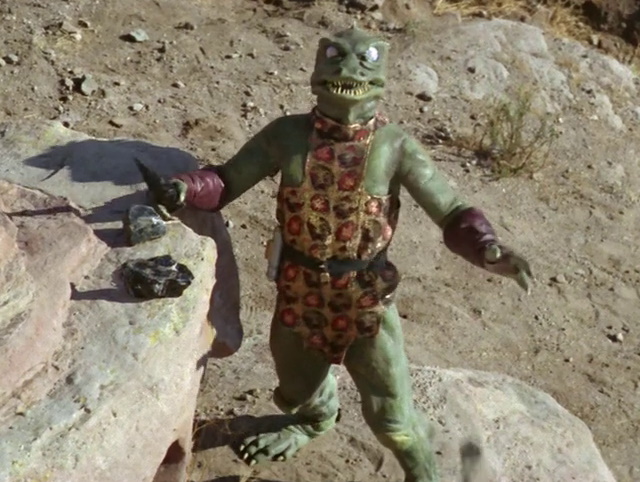
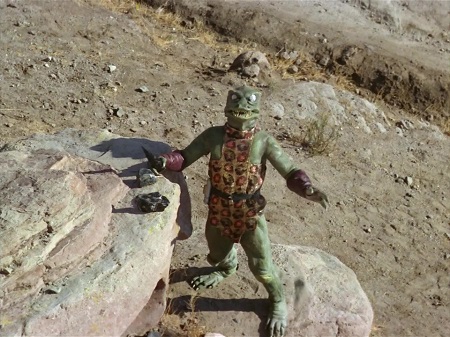
The Gorn
(As they appear in Strange New Worlds)
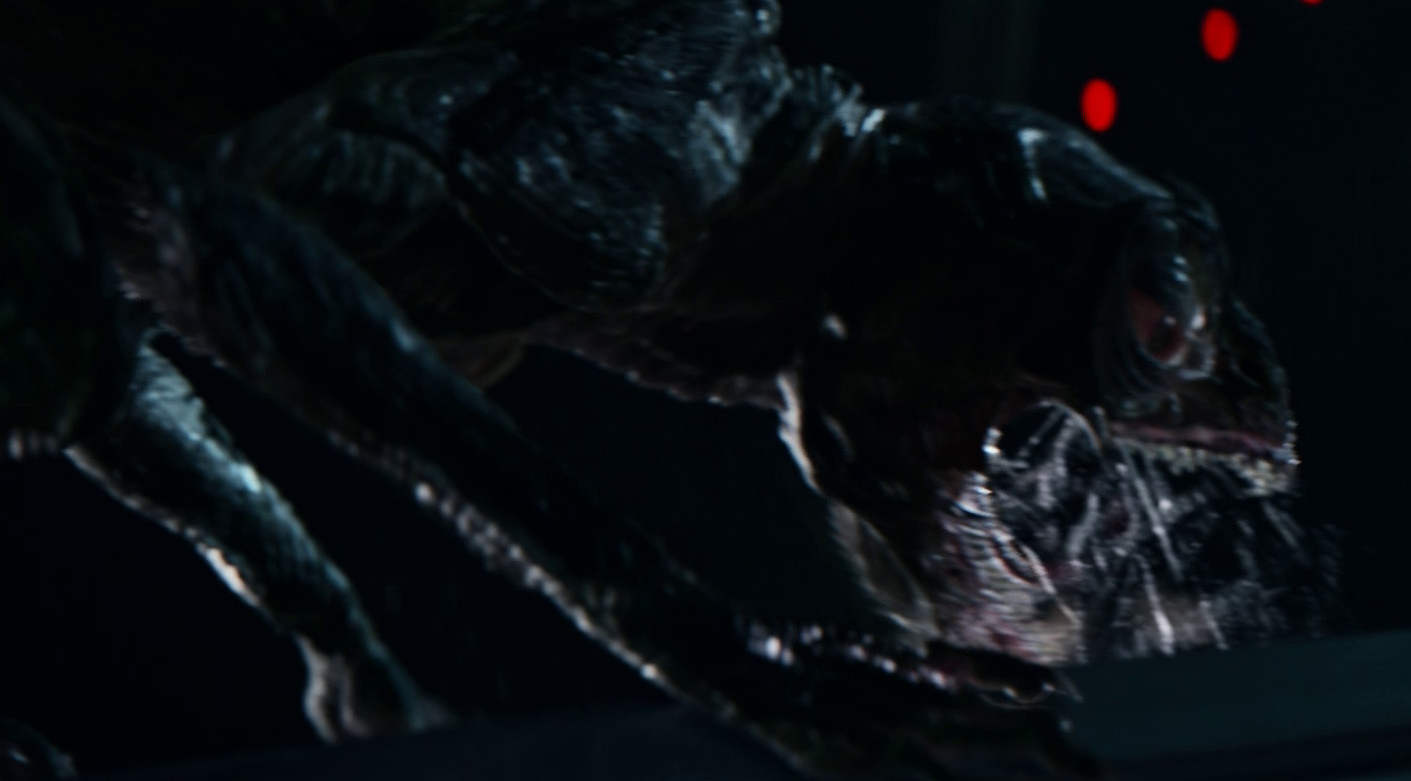
The Gorn are one of Star Trek’s oldest alien races, appearing in the first season of The Original Series. But after that initial appearance and a few scattered mentions through The Next Generation era, they didn’t show up on screen again until Enterprise. That depiction wasn’t great, in my view – it relied too heavily on CGI that didn’t look great at the time and hasn’t aged well. But the return of the Gorn in Strange New Worlds has been a triumph.
After several episodes built up the terror of Gorn raids on the Federation, it was the episode All Those Who Wander that really showed us what this new depiction of the Gorn can do. Strange New Worlds’ writers unleashed the Gorn in an episode that, more than any other in the franchise, leans into the horror genre. The Gorn are depicted almost like the Xenomorphs from the Alien film series, possessing strength and stealth abilities that left the away team cornered.
Number 3:
The Founders/Changelings

Maybe this one is a little controversial, but after the way Changelings were depicted in Picard’s third season I think we have a pretty good case to include them as a frightening bunch! The idea that shape-shifters could infiltrate Starfleet and the Federation was addressed in a fantastic Deep Space Nine two-parter: Homefront and Paradise Lost. These episodes took more of a political thriller/drama approach to the topic, but the core idea is a deeply unsettling one.
With the Dominion playing a growing role in Deep Space Nine, the idea of Changeling infiltrators was scaled back and only used sparingly – probably because it’s not an easy story to write or pull off successfully. But Picard Season 3 brought the idea back in a creative way, showing how deadly Changelings could be and how a Changeling plot could be an existential threat to the Federation.
Number 4:
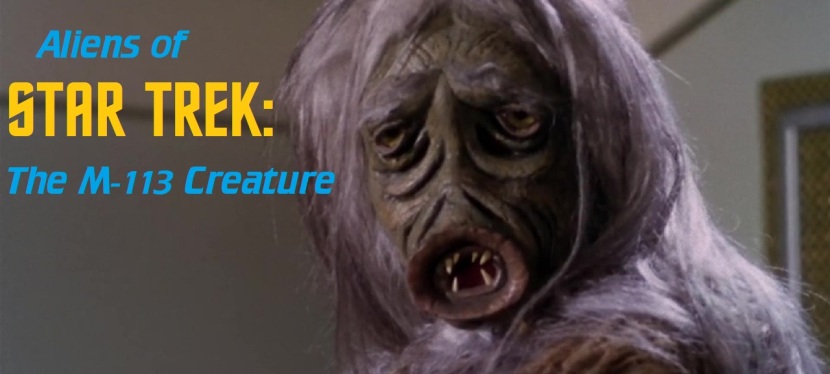
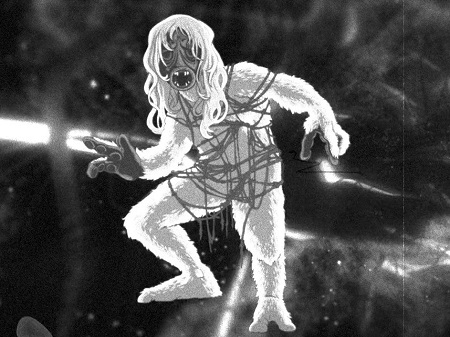
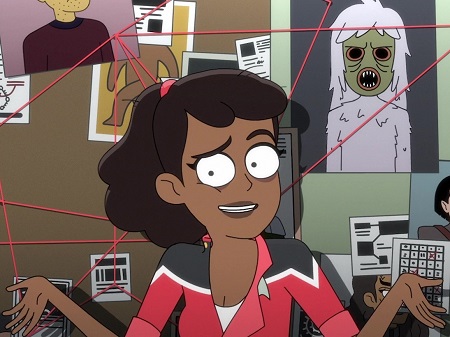
The M-113 Creature
(a.k.a. The Salt Vampire)
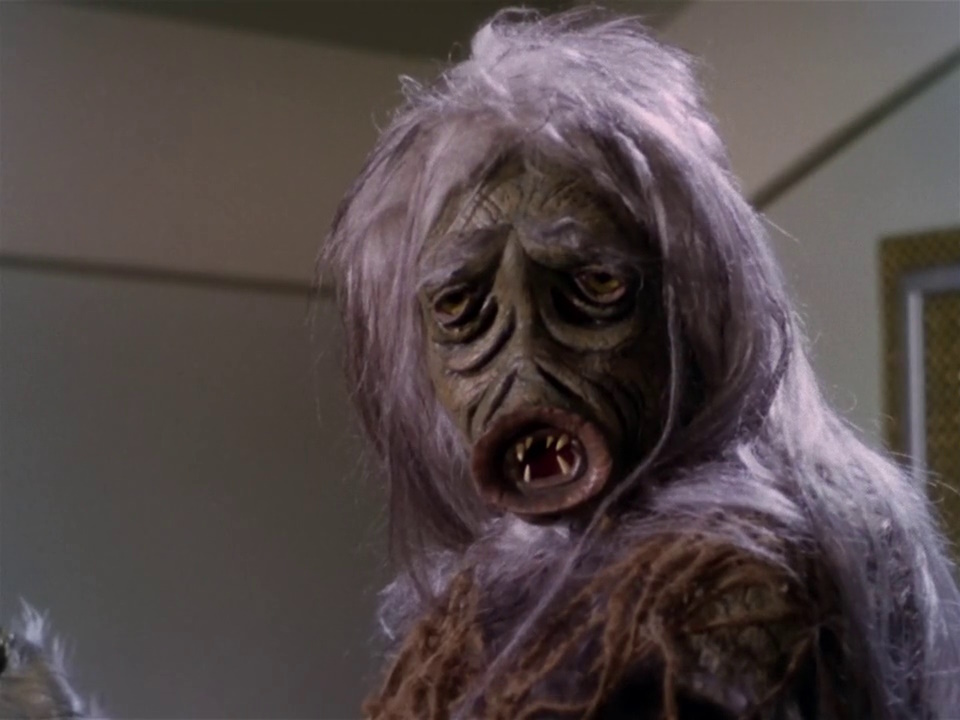
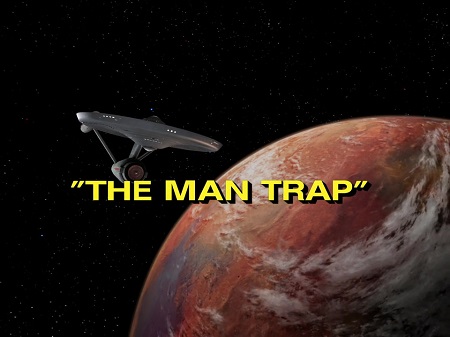
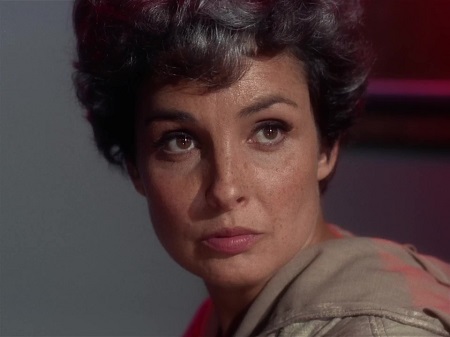
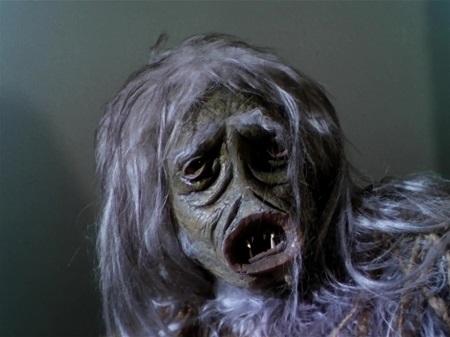
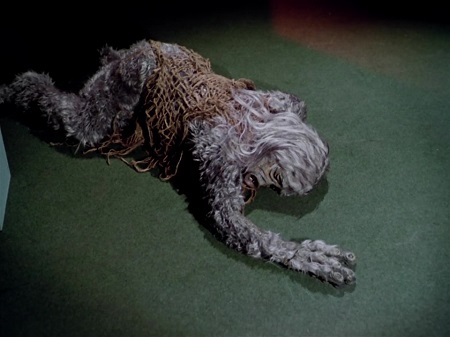
The first ever alien to appear on The Original Series remains one of the franchise’s most frightening! The episode The Man Trap kick-started the Star Trek franchise back in 1966, and the Salt Vampire was the first alien that audiences saw Kirk and the crew wrangling with. As discussed above with the Changelings, the alien’s ability to change shape and blend in added to its fear factor – but moreover, its true appearance is pretty unsettling even today. There’s something to be said for those old rubber suits, eh?
The Salt Vampire is a sci-fi take on ancient legends and creatures from folklore, and that gives it a uniquely frightening feel. Preying on some of these old primordial fears lends the creature a genuinely intimidating vibe, and its grotesque appearance just adds to that. The Salt Vampire is, however, a tragic figure, as it appears to be the last of its kind; more akin to an animal acting out of instinct than a truly nefarious villain.
Number 5:
The Borg
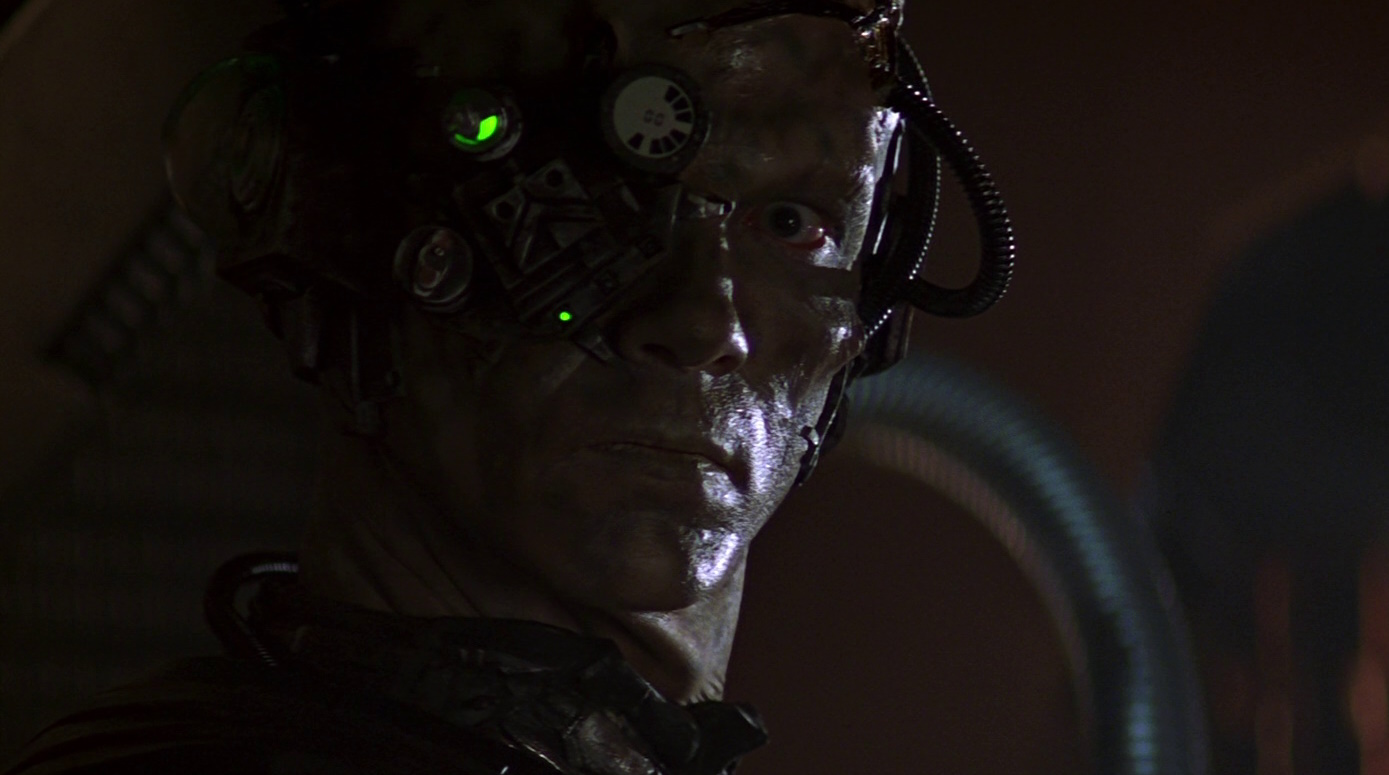
In my essay The Borg: Space Zombies, I go into a lot more detail on this topic, but the condensed version is this: the Borg fill a similar role to zombies in horror fiction, while also picking up on both Cold War-era fears of brainwashing and concerns about technology getting out of control. The idea of assimilation is incredibly clever, as it turns every ally the heroes lose into a new enemy to fight, making the Borg grow in strength at the exact same rate as Starfleet weakens.
The idea of being assimilated and losing one’s mind and identity is arguably a fate worse than death – and we’ve got several examples in Star Trek of ex-Borg wrangling with the consequences of what the Collective forced them to do. I would note that the Borg’s fear factor has declined over the years, particularly during the latter part of Voyager’s run. Seeing Starfleet triumph over the same adversary again and again – no matter how intimidating it may be on paper – does start to take the shine off things.
Number 6:
Armus
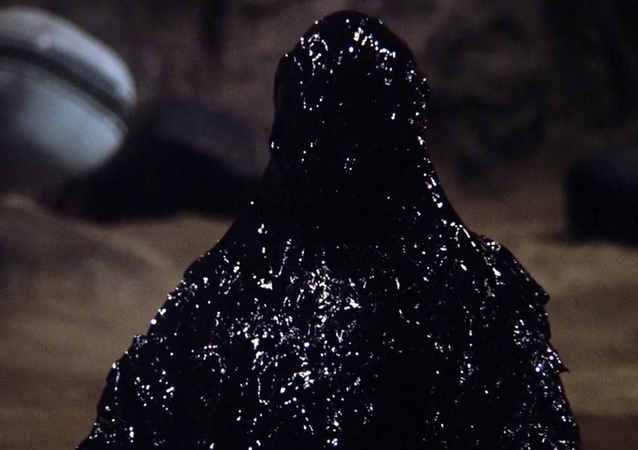
Armus has the distinction of being the first alien monster to kill a main character on a Star Trek TV series. There were many ways The Next Generation’s writers could have written out Tasha Yar when Denise Crosby opted to quit the show, but killing her off was a bold move. And doing so in such a brutal way, with Armus not even batting an eye at her death… it was quite something to see.
If you have the DVD or Blu-ray of The Next Generation it’s worth watching the actors and producers talk about working on the episode Skin of Evil, because creating Armus and performing around the inky-black oil slick was incredibly difficult for everyone involved to say the least! Jonathan Frakes in particular had a very tough time with Riker’s scene when he was pulled under the surface. Armus is a scary-looking villain, and also one that had a profound, long-lasting impact on The Next Generation.
Number 7:
The “Whale Probe”
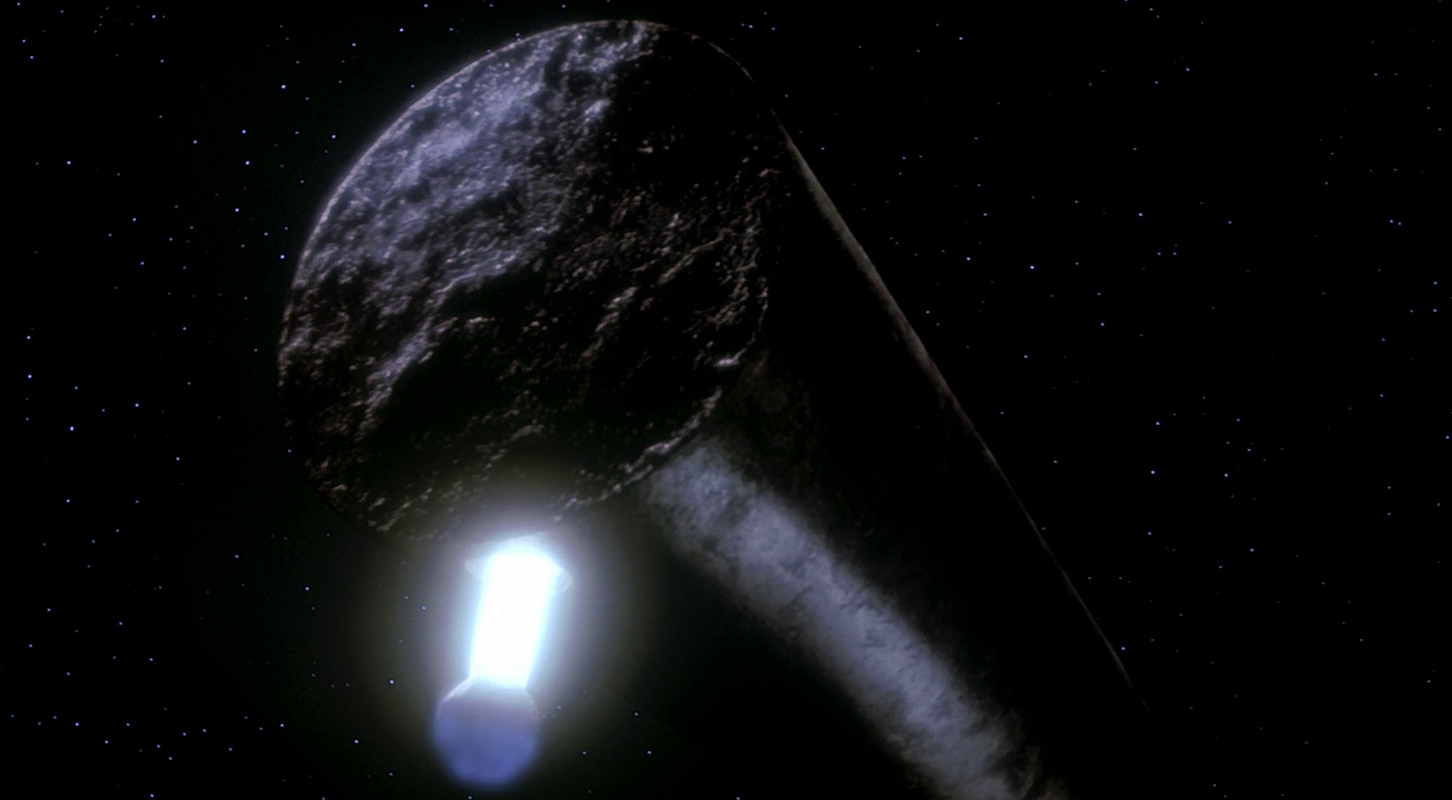
Although the tone of The Voyage Home is pretty light-hearted and comedic, the so-called “whale probe” that kicks off the plot is an incredibly terrifying adversary, when you think about it. The probe disables Starfleet vessels with incredible ease, and is resistant to weapons and all attempts at communication. The people of Earth have no idea what it wants, what its purpose is, or how to reason with it.
This monolith simply arrives unannounced, doesn’t declare its intentions, and seems to wreak havoc on Earth and Starfleet. That’s a pretty scary concept, in my view, as it could’ve gone pretty badly for everyone involved if Kirk and the crew hadn’t intervened!
Number 8:
The Pah-Wraiths
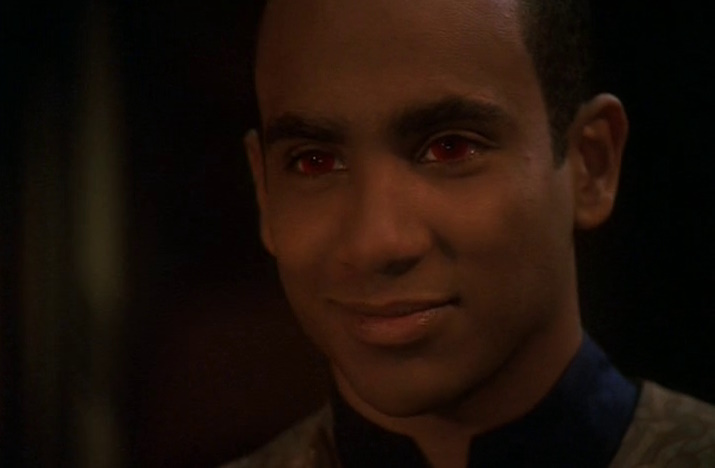
As with Armus, there’s something distinctly “evil” about the non-corporeal Pah-Wraiths. The way they’re presented in multiple Deep Space Nine episodes, where they’re deeply entwined with Bajoran religion, makes them out to be akin to demons or dark spirits – and we even see them “possess” several different characters. Their banishment to Bajor’s fire caves also ties into this demonic analogy.
In later seasons, Gul Dukat gets involved with the Pah-Wraiths, leading a cult on Empok Nor that’s genuinely unsettling in its depiction. The Pah-Wraiths have magical books, the power to turn people blind, and the desire to conquer the Prophets’ domain in the Wormhole; a truly frightening group!
Number 9:
The Conspiracy Parasite-Aliens

The end of The Next Generation’s first season introduced a race of parasitic aliens that infiltrated Starfleet. Allegedly, the parasite-aliens were supposed to be connected to the Borg in some way, but this angle was later dropped. Still, they’re more than frightening enough on their own terms, and the idea that Picard and the crew wouldn’t be able to tell who was infected and who to trust made for an entertaining story.
Here in the UK, one scene toward the end of Conspiracy was cut from the original broadcast because of how gruesome it was! You know the one: where the “mother” parasite is killed and violently explodes. There’s something just unsettling about earwig-like alien parasites… just like the Ceti Alpha eel from The Wrath of Khan. Star Trek hasn’t revisited the parasite idea for a long time – maybe it could make for a fun and horrifying future episode?
Number 10:
The Krenim
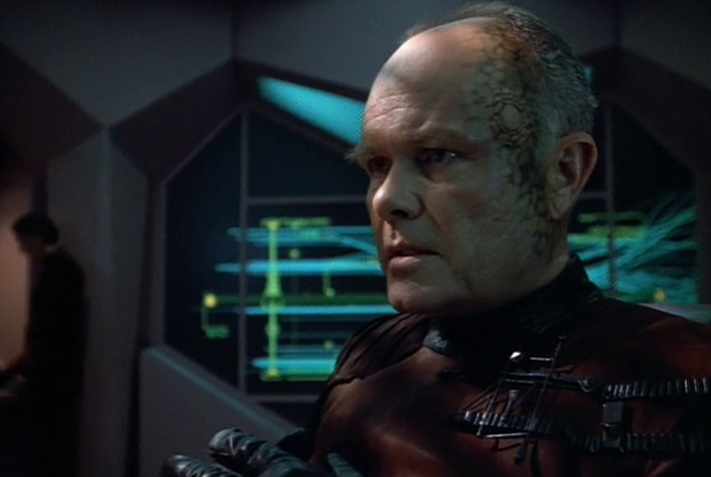
The Krenim appeared in the Voyager two-parter Year of Hell, using their time-manipulation technology as a weapon. Repeated Krenim attacks against the USS Voyager left the ship in ruins, running on fumes, and many members of the crew dead or maimed. The captain of the Krenim time-ship, Annorax, was Khan-like in his single-minded obsession with restoring the Krenim colony that housed his wife and family, making him a frightening adversary.
Year of Hell is a pretty shocking episode, particularly in its second half. Seeing Voyager badly damaged, with whole parts of the ship uninhabitable, really hammers home how dangerous the Krenim and Annorax are as villains, and for a time their technology really does seem to be more than a match for Janeway and the crew.
So that’s it!
We’ve picked out what I consider to be a selection of Star Trek’s most frightening aliens, monsters, and villains to celebrate the spooky season.
There are plenty of others that we could’ve included – either for their fully-blown fear factor or for their potential to do serious harm to our Starfleet heroes. And there are quite a few Star Trek episodes – a surprising number, really – that either lean fully into the horror genre or that have jump-scares or other frightening or unsettling moments. Last year, I put together a list of a few of them, which you can check out by clicking or tapping here if you’re interested!
So I hope this has been a bit of fun! I hope you’re having a fun and spooky October – and stay tuned, because I have a couple of other Halloween-themed ideas that may (or may not, time depending) make their way onto the website before the 31st. Don’t have nightmares!
Most of the films and episodes discussed above are available to stream on Paramount+ in countries and territories where the platform is available. They’re also available for purchase on DVD, Blu-ray, and video-on-demand. The Star Trek franchise – including all films, episodes, and other properties discussed above – is the copyright of Paramount Global. This article contains the thoughts and opinions of one person only and is not intended to cause any offence.
 Trekking with Dennis