One of the biggest news stories of the week (and one of the biggest gaming news stories of the last few years) is the sale of Electronic Arts to a private investment consortium. EA, which had previously been a publicly-traded company, is being taken into private ownership, and there’s a lot of debate about what that might mean for titles like The Sims 4, the very lucrative EA Sports franchise, and the likes of EA’s Star Wars games. We’ll touch on those subjects as we go along, but I have a big-picture question, given who’s about to own Electronic Arts: regardless of what happens to the games… is it possible to support this company, given its new owners? Or to put it another way: should we buy any EA games in the future?
Electronic Arts will soon be owned in full by Saudi Arabia’s Public Investment Fund, private investment firm Silver Lake, and Affinity Partners – a company co-owned by Donald Trump’s son-in-law, Jared Kushner, (and which also takes a lot of money from Saudi Arabia).
Saudia Arabia’s Public Investment Fund will soon own Electronic Arts.
It is not easy, given our current economic model, to be an “ethical consumer,” and some folks argue that any form of ethical consumerism isn’t possible; there’s just too many bad actors, too much corporate cross-contamination, and it’s not always easy to tell, at a glance, who owns what and where your money goes when you make a purchase. Buying something as simple as a box of chocolates might contribute to modern-day slavery on a cocoa plantation, buying cheap clothes online almost certainly means they’re made in a sweatshop in the Far East, and even something like an electric car – great for the environment and to fight climate change – may not have sourced materials like cobalt and lithium ethically.
Then there are brands. I didn’t know, until talk of the EA buyout was happening, that Saudi Arabia’s PIF already owned 10% of the shares in Electronic Arts. And the same problem happens time and again. When you go to the supermarket and you choose, for example, a brand of cat food… would you know, off the top of your head, which mega-corporation owns which brand? Did you even know that there really are only a handful of these mega-corporations, and that in some cases, the “choice” between different brands is irrelevant because they’re all ultimately owned by the same people anyway?
EA’s original logo.
If you’re at the supermarket trying to decide between Felix, GoCat, Gourmet Perle, and Purina One… that’s not actually a choice, because they’re all owned by Nestlé. Trying to choose an ice cream? It doesn’t matter if you get a Cornetto, a Magnum, Carte d’Or, or even Ben & Jerrys: Unilever owns all of those brands.
The point is this: we don’t always know who owns the businesses we buy from. The consumer marketplace is complex and opaque – deliberately so. The illusion of choice means we feel in control, but all of our money flows into the pockets of a tiny number of people at the very top. That’s late-stage capitalism, I guess.
But in some cases, where something *is* relatively clear-cut, and where a corporation or investment firm clearly is not aligned with our values and beliefs… don’t we have an obligation not to buy from them?
It isn’t always easy to tell which brand is owned by whom.
Here on the website, I’ve talked about a couple of things that I think are relevant. In 2022, I decided that – for the first time ever – I wasn’t going to watch any football matches at the World Cup. Why? Because the World Cup that year was hosted by Qatar, a country where being homosexual or transgender is illegal, and where hundreds of underpaid workers died building the stadia that Qatar wanted to use to sportswash its image.
And in 2023, I talked about why I couldn’t play or support Hogwarts Legacy and the Harry Potter franchise in general. The owner of that franchise, into whose pockets money flows from all purchases, is incredibly transphobic, and spends money on advocating for and elevating anti-trans causes and legislation in the UK. She’s also stated that any purchases of books or merchandise will be interpreted as support for her views and positions.
In both cases, I chose not to participate, not to purchase, not to watch, and not to support organisations and individuals whose views and behaviour I felt I could not condone.
I chose not to play Hogwarts Legacy in 2023.
Saudia Arabia, as recently as 2019, executed people for being gay. At the very least, being gay can result in imprisonment and corporal punishment. Women in Saudi Arabia don’t have the same rights as men, and are effectively second-class citizens. The country has executed journalists critical of its regime, routinely executes, maims, and physically punishes people for relatively minor offences and non-crimes, and just has an appalling record on human rights overall.
In recent years, prompted by the world’s painfully slow move away from oil, Saudi Arabia has begun to make investments in other industries. They’ve spent heavily in football and sport, buying teams, promoting their domestic league, establishing a new golf tournament, and successfully bidding to host the 2034 World Cup. This move to purchase Electronic Arts – the biggest sports game publisher in the world – should be seen through that lens. There’s a degree of sportswashing here, of course, but the main objective is to make money and diversify the Saudi economy beyond oil.
The PIF hopes to make a lot of money out of this transaction.
I’ve seen people worried about what this might mean for the future of some of their favourite Electronic Arts games. And that is a fair concern: an investment consortium like this is concerned exclusively with making money, so I think you can expect to see EA’s already heavily-monetised games getting even worse on that front. It’s also quite possible that the new corporate entity will be less likely to invest in new IP, seeing it as too much of a risk. Single-player games could also be on the chopping block.
I get that these are valid concerns. If you’re really looking forward to a game like the next Mass Effect, the sequel to Jedi: Survivor, or another EA single-player title, yeah… you should be worried, because the new owners may not have any interest in games that can’t be monetised long-term. If you’re a big Sims 4 or Madden NFL player, already disappointed in the state of those games with their microtransactions… at the very least, things aren’t gonna get better on that front. But my question is more fundamental: should we be buying these games at all, given who is about to take full ownership of EA?
One of many expansion packs for The Sims 4.
I can’t speak for you, nor for anyone but myself. We all have the freedom to decide what’s important to us and what isn’t, where our ethical red lines are, and how and where to spend our money. We’re all free to prioritise and determine what matters most. So this piece isn’t supposed to come across like me “demanding” other people change their behavior or stop supporting a certain company. I’m trying to get my thoughts in order, lay out my own “red lines,” and explain why, going forward, I’m not going to buy any more games developed or published by Electronic Arts.
If I couldn’t support Hogwarts Legacy or the Qatar World Cup, how could I, in good conscience, buy from a company owned by Saudi Arabia? How could I give money to an organisation that supports an authoritarian dictatorship where basic human rights are regularly suppressed? And for what… a video game? Even if it was the best video game of all-time… the ethical and moral cost is now too high.
I’m afraid this means no Mass Effect 4 for me, assuming it actually gets released…
And yes, I concede the point that it isn’t possible to be 100% ethical in a corporate-capitalist system. Saudi oil accounts for a significant portion of what we use here in the UK, British companies export to and work in Saudi Arabia, and the PIF has stakes in many companies and brands that trade here in the UK. It probably isn’t possible to entirely avoid Saudi Arabia and its PIF. But that doesn’t mean I shouldn’t try, if this is something I feel strongly about, and it doesn’t mean I should make it easy for them to grab money out of my wallet.
That means that some games I’ve honestly been looking forward to or just interested in… they’re now off the table. The third and final chapter in Respawn’s Fallen Order trilogy. The next Mass Effect game. Future sports titles in franchises like PGA Tour and EA FC. I’m going to leave them on the shelf and walk away… because it feels like the right thing to do.
…and no more golfing.
What’s more, this buyout has opened my eyes to some of my personal blind spots when it comes to the games industry. I was totally unaware that 10% of EA was already owned by Saudi Arabia’s PIF, so… what else have I missed? I spent a bit of time looking into some of the other big investors in the games industry.
BlackRock, a large investment firm tied to things like weapons dealing, is a large investor in both Sony and Microsoft, for example. And much controversy already surrounds TenCent – a Chinese firm which has made major investments in western games companies, including Epic Games, Ubisoft, and Paradox Interactive. The Vanguard Group – a massive investment firm confirmed by the UN to be one of the largest arms suppliers to Israel during the ongoing war in Gaza, as well as purchasing Israeli government bonds – is also a big investor in video games companies, owning parts of Sega, Nvidia, Microsoft, and Meta, to name but a few.
Do you know who all the major investors are in your favourite gaming companies? I don’t.
I think we’re all aware of how corporate capitalism works. But most of the time, we don’t think about it too much. Big companies get richer by the day, and billionaires make more money than they’ll ever be able to use in a thousand lifetimes… but if they make reasonably-priced, decent products… so what, right? We pick and choose what we want and get on with it. Given how completely integrated into the system these corporations are, and how diversified the biggest ones have become, pushing back against all of it seems impossible – because, frankly, it is.
But we can still draw our own red lines, and we can still say “I can’t support this” when a corporation goes too far. In the case of the EA buyout, because the new ownership is so clear-cut… I think it’s worth trying, at least, to take a stand and make my voice heard.
I think it’s worth trying to be as ethical a consumer as possible.
As a final point: any attempt to be an ethical consumer only really matters if it means making a sacrifice. If I announce that I’m never going to play any Madden NFL games, or that I’m going to stage a one-person boycott of Harrods… that’s functionally irrelevant if I had no plans to buy those games or patronise that shop. Avoiding a brand or product that I was never going to be interested in isn’t the point. What makes this meaningful is that I did genuinely want to try the next Mass Effect game, I was interested in the next EA Sports golf game, and – until now, anyway – I’ve been looking forward to the sequel to Jedi: Survivor. Missing out on those experiences wouldn’t have been my first choice – but because of EA’s new ownership, I feel I have to take action.
And in this late-stage capitalist system, pretty much the only freedom we have, as consumers, is how we spend our money. I can’t guarantee that I’ll never fund Saudi Arabia’s PIF – they have so many investments in so many places, and as evidenced by my ignorance of their earlier investment in Electronic Arts, I’m not even aware of many of these. But when this is clear-cut and obvious, I can choose to draw my own line in the sand and say that I can’t support this company and its holding in the video game space.
The third game in the Fallen Order series is another I won’t be buying in future.
I’m not saying I’m “boycotting” EA, nor am I encouraging you or anyone else to do the same. It won’t make a difference to Electronic Arts or the PIF at the end of the day anyway; I’m just one person, and the lost sales on a handful of games over the next few years won’t make a dent in the bottom line. But it isn’t about “ruining” EA and the PIF, or trying to cause the PIF’s big investment in Electronic Arts to lose value. This is for me: I’m making a determination about what I can and can’t support or endorse when it comes to spending my money. This is an attempt to be an ethical consumer; to ensure that I’m not openly and in full knowledge supporting a corporate entity that funds a government so diametrically opposed to my own personal values on important things like women’s rights, LGBT+ rights, and human rights in general.
So that’s all for today, I guess. If you were looking forward to my coverage of the next Mass Effect game… sorry, but I don’t think I can, in good conscience, support it any longer. Likewise for the Jedi: Survivor sequel. That’s a shame – but that’s the price of trying to be an ethical consumer. I won’t always get it right, I have a lot of blind spots that I need to work on, and frankly, none of us have time to meticulously research every company and all of its investors to make sure we aren’t giving money to those we wouldn’t want to support. But when a case is as clear-cut as this… I think it’s important to speak out, and to vote with my wallet.
All titles discussed above are the copyrights of their respective developer, studio, and/or publisher. The buyout of Electronic Arts is expected to conclude by early 2027. This article contains the thoughts and opinions of one person only and is not intended to cause any offence.
Spoiler Warning: Beware spoilers for the following games: Batman: Arkham Knight, Mass Effect 3, Halo Infinite, and The Last of Us Part II.
Microsoft’s latest round of layoffs has really hammered home how shaky some parts of the games industry feel as the 2020s roll along. Big games – like the remake of Perfect Dark, Rare’s long-awaited Everwild, and an unnamed title from ZeniMax Online – have all been canned as Microsoft “restructures” its gaming division… despite making literally more money than it ever has in its corporate existence. And all of this comes after some ridiculous studio closures barely twelve months ago. But the Xbox situation got me thinking… which other games and studios could be in danger?
So that rather depressing topic is what we’re going to tackle today. To be clear: I don’t think the entire games industry is heading for some kind of repeat of the 1983 “crash.” Gaming is too big nowadays, and there are so many people playing games, that the idea of gaming as a whole ever disappearing or experiencing that kind of huge slowdown just doesn’t seem feasible anymore. So to reiterate that last point: I am not predicting an industry-wide “crash.” But there are multiple publishers and developers that I believe are in danger – and one badly-received game could, in some cases, lead to their exit from the industry altogether.
This piece was prompted by the Microsoft and Xbox news, but it’s not only Microsoft-owned studios that could be on the chopping block. There are issues at outfits owned by Sony, too, as well as third-party publishers and developers.
Xbox just announced another round of layoffs.
A few caveats before we go any further. Firstly, if you or someone you know works at one of these companies, please know that I don’t mean this as any kind of attack or slight against you or the quality of your work. This industry can be brutal, and as a commentator/critic, what I’m doing is sharing my view on the situation. What I’m categorically *not* doing is saying any of these companies “should” be shut down. I really don’t want to see more people in the industry put out of work. I spent a decade working in the games industry, and I worked for companies that went through tough times. I know what it’s like to feel like your job is on the line… and the last thing I want to do is rub salt in the wound or make things worse.
Secondly, I have no “insider information” from any of these developers or publishers. I’m looking in from the outside as someone who hasn’t worked in the industry for more than a decade at this point. Finally, all of this is the entirely subjective, not objective, opinion of just one person. If you disagree with my take, think I’ve got it wrong, or you’re just convinced that a company’s next game is sure to be an absolute banger… that’s totally okay. Gamers can be an argumentative lot sometimes, but I like to believe there’s enough room in the wider community for polite discussion and differences of opinion.
With all of that out of the way, let’s get started.
Endangered Studio #1: Halo Studios
Is the long-running Halo series in trouble?
Halo Studios, formerly known as 343 Industries, is Microsoft’s in-house development team working on the Halo franchise. But… well, it wouldn’t be a stretch to say that 343/Halo Studios has never released a *big* hit. The closest they’ve come, in more than a decade, was remastering the original Halo games… and even then, we have to give the huge caveat of the bugs and performance issues that plagued early versions of the remasters.
Whether we look at Halo 4, Halo 5, Halo Infinite, the Halo Wars spin-off, or the mobile games… Halo Studios hasn’t exactly taken the gaming world by storm. Infinite was supposed to be the Xbox Series X’s “killer app;” a launch title to really sell people on the new console and make it a must-buy, just as the original Halo: Combat Evolved had done some twenty years earlier. That didn’t happen, and the reception to that game – including from yours truly – was pretty mixed.
The cancellation of the TV adaptation won’t help.
Although Halo Studios has been hit by Microsoft’s layoffs in recent weeks, and a recent leak suggested that “no one at the studio is happy” with the state of their next title right now, I still think Xbox will give them another chance. The Halo series and Xbox are inseparable, at least in the minds of some players, and the name recognition and series reputation still count for something. But I don’t think those things will count indefinitely, so if the next Halo game isn’t a smash hit, Halo Studios will be in trouble.
This also comes after the failure of the Halo TV series. I happened to think the show was decent for what it was, but I understand where a lot of the criticism was coming from. That hasn’t helped Halo Studios’ case, though, and one of the best opportunities to grow the brand was squandered.
As a final note: every story has a natural end. I would suggest, perhaps, that Halo – or at least the Master Chief’s story – has pushed past that point. Recent narratives felt overly complicated, and I felt that Halo Studios was having to invent increasingly silly reasons for why the Master Chief was still fighting the Covenant and the Flood. Maybe the franchise just needs a break?
Endangered Studio #2: Ubisoft
Ubisoft publishes the Assassin’s Creed series, among others.
Ubisoft hasn’t been in great shape for quite some time. I think it’s fair to say that Ubisoft’s open world level design has stagnated, and a lot of players have kind of hit the wall when it comes to that style of game. But because the studio has doubled-down on that formula and that way of making games… it might be hard to find a way back.
Ubisoft has slapped its open world style on franchises like Assassin’s Creed, Far Cry, Avatar, and even Star Wars… but many recent games have felt pretty repetitive; the same thing every time, just with a different coat of paint. I’m on the record saying that the open world formula doesn’t work for a lot of games, and although I don’t play a ton of Ubisoft titles… I think the repetitiveness of their games is a contributing factor, at least. Open worlds can be fun, but they can also be bloated and uninspired.
Star Wars: Outlaws wasn’t particularly well-received.
Earlier in 2025, a lot of folks seemed to be saying that Ubisoft’s financial situation basically meant that Assassin’s Creed: Shadows was the company’s “last chance.” I’m not sure I’d have gone that far myself; there are clearly other projects in the pipeline that at least have some potential. But Shadows seems to have been a modest success, at least, which has probably bought the company some time. A remake of the popular Assassin’s Creed: Black Flag could be a much-needed boost, too, if it succeeds at grabbing a new audience.
But in the longer-term, Ubisoft needs to try new things. Its open world formula worked for a while, but repetitiveness and stagnation seem to have crept in. There are only so many open world “collect-a-thons” that anyone can be bothered to play, and if it feels like the same game is just being given a new skin every time… that’s not a lot of fun, in the end. Just Dance can’t keep the company afloat forever, so something’s gotta change, and soon.
I’m still crossing my fingers for that Splinter Cell remake, though!
Endangered Studio #3: Nintendo
Nintendo recently launched the Switch 2 console.
Bear with me on this. Nintendo is a titan of the games industry… but it’s also a more vulnerable company than folks realise. I don’t think people fully appreciate how big of a risk the Switch 2 has been with its high price, sole exclusive launch title, and repetitive design and branding. The console may have sold well in its first couple of weeks on sale – though, as I noted, it didn’t seem to have sold out everywhere – but that’s to be expected from a company with a well-trained legion of super-fans! The real question is still whether casual players, families, and people less connected to the gaming world will be willing to shell out for a console that’s now competing with the PlayStation 5 and Xbox Series X in terms of price.
I don’t know anyone – not one single person – who only owned a Nintendo Switch as their sole gaming device. I’m sure some people do, but most folks I spoke to bought a Switch for one of three reasons: to play a handful of Nintendo exclusives, like Mario Kart 8 and Animal Crossing: New Horizons, to play some of their favourite games in a handheld format, or for their children to play some kid-friendly titles. The Switch was well-positioned for any of those use cases… the Switch 2, at its higher price point, is less so.
The Switch 2 and its games are expensive.
In 2013/14, when the Wii U was clearly faltering, Nintendo still had the 3DS to turn a profit and keep its corporate head above water. But now, the company is all-in on the Switch 2… meaning there’s less room for manoeuvre if things don’t go to plan. Because of Nintendo’s unique position in the industry, if its hardware falters it’s gonna be in big trouble, and the Switch 2 represents a departure from a successful business model. The Wii, the Switch, and Nintendo’s handhelds have all been well-positioned and well-priced to attract casual players… I’m not so sure the Switch 2 is. The company has some cash in reserve to keep going for a short while… but not indefinitely.
For those of you screaming that “it’ll never happen!!1!” I would remind you of Sega’s unceremonious exit from the console market just after the turn of the millennium. If you’d asked any gamer in the late ’90s what the future held for Sega, no one would’ve predicted that the Dreamcast’s failure would lead to the company shutting down its hardware division altogether. Nintendo is at the tippy-top of the games industry, and the Switch has been a phenomenally successful console. But its position is more precarious than people realise, and it would only take one console failure to throw the company into chaos. To be clear: I don’t necessarily think that Nintendo would just shut down and that would be that… but a Sega-style exit from the hardware market, and far fewer Nintendo games being produced, could happen. Never say never.
Endangered Studio #4: Naughty Dog
A gaming “Easter egg” in Uncharted 4.
Naughty Dog developed Crash Bandicoot for the first PlayStation, the Jak and Daxter games, the Uncharted series, and The Last of Us. Although The Last of Us Part II proved controversial (I once said a 3/10 seemed like a fair score for that game), it seems to have sold pretty well, and the first title has been remastered… twice. But when Naughty Dog premiered a trailer for Intergalactic: The Heretic Prophet, the reception was less than glowing.
That game seems like it’s still a way off, too, and it might realistically launch as one of the final titles of the PlayStation 5 generation. But with the Uncharted series seemingly on the back burner, and after the controversy surrounding The Last of Us Part II… can the studio survive if Intergalactic underwhelms? I think there’s a very real possibility that Sony would be swift and brutal in that event.
Will Intergalactic be well-receieved by players when it’s ready?
It’s silly to pre-judge any title based on a single trailer that didn’t show so much as a frame of actual gameplay. Intergalactic: The Heretic Prophet might have a silly, clunky name… but we really don’t know much about its story or what it’ll feel like to play. Naughty Dog has pedigree (get it?) so I think there are reasons to be optimistic about their next game. But I can also see a world in which Intergalactic doesn’t succeed in the way Sony is surely demanding.
There are some upcoming games that are generating a ton of buzz and excitement. So far, Intergalactic isn’t amongst them. Maybe that will change as we get closer to the game’s launch and the marketing campaign kicks off. But maybe it’ll always be one of those games that just… didn’t do much for a lot of people. If that’s the case, Naughty Dog could be in trouble.
Endangered Studio #5: Turn 10
It’s already the end of the road for Forza Motorsport.
Turn 10 are the folks behind Forza Motorsport. Or they were. As of July 2025, the Motorsport series seems to be going on hiatus, with Turn 10 suffering significant layoffs. The spin-off Forza Horizon series had been developed by another Microsoft subsidiary: Playground Games. But with Playground working on the new Fable title, it seems as if Turn 10 might be working on Forza Horizon 6 in the months ahead.
The Forza Horizon games are a ton of fun… but they’re also more arcadey, and the open world design isn’t Turn 10’s style. I can’t help but feel the studio only still exists after Forza Motorsport’s disappointment because Microsoft needs someone to take over the Horizon brief now that Playground Games is busy with Fable. After Forza Horizon 6 launches, if the main Motorsport brand is still on the back burner… what could Turn 10 realistically do?
Forza Horizon 5 was great, though…
If Xbox is going to persevere with its home consoles in the future – and I suspect that it will – then those consoles will need at least one proper racing game. Turn 10 had been providing that for the brand since 2005, back when the first Forza Motorsport launched on the original Xbox. There are third-party racing games, of course, and Microsoft has several on Game Pass, including rally titles, Formula 1 games, and more. But Forza should be a genuine competitor to Sony’s Gran Turismo series, and again, it should be giving players an incentive to consider picking up an Xbox console.
With Turn 10’s main series seemingly shut down, at least for the foreseeable future, and after having already suffered with layoffs, I’m not sure where the studio finds a successful future. Maybe if Forza Horizon 6 knocks it out of the park… but even then, I could see Microsoft returning that series to Playground Games.
Endangered Studio #6: Bethesda Game Studios
Hi, Todd…
To be clear: we’re talking about Bethesda the developer, not all of the studios under Bethesda’s publishing umbrella. There are several factors here, so let’s go over all of them. Starfield was a disappointment and its DLC didn’t salvage the project. Fallout 4 and Fallout 76, despite achieving success in recent years, launched to controversy. The Elder Scrolls VI is still a ways off, which has pushed a potential Fallout 5 to the mid-2030s or beyond. Fallout 4 and Fallout 76 are thus the only Fallout titles that Microsoft can push to players enamoured with the Fallout TV series.
For me, this boils down to the success or failure of The Elder Scrolls VI. If that game truly lives up to the hype and reaches the high bar set by Skyrim, then Bethesda will be okay and will continue developing games for years to come. If it doesn’t, and it ends up closer in reputation and sales to Starfield… that could be it. Curtains. Microsoft will retain the studio’s various IP, but could conceivably distribute the ones that still have potential to other development teams. Speaking of which…
Can The Elder Scrolls VI save Bethesda?
With the Fallout TV show proving to be a hit, it’s pretty clear that Microsoft is hankering for a new game. There have been all kinds of rumours, with a Fallout 3 remaster seemingly the only one that’s guaranteed at this stage. But could Microsoft tap one of its other developers to make another Fallout spin-off, or perhaps something like a New Vegas remaster? If that were to happen, and if that hypothetical game were to eclipse Bethesda’s entries in the long-running series, that could be another nail in Bethesda’s coffin. Bethesda only has two well-known franchises under its belt, so if one of those were taken away – even on an alleged “temporary” basis – that could be hugely symbolic.
Here’s my take: Bethesda made some great games in the 2000s, but has shown absolutely no ability to move with the times in the almost fifteen years since Skyrim. The studio’s leaders seem to have bought into their own hype, believing that every game they develop will automatically be as well-received as Skyrim… and can be heavily-monetised without repercussions. There is still merit in the original Bethesda formula; an open-world game that turns players loose and opens up factions, questlines, and exploration. But other studios are doing similar things… and doing them way better. Bethesda feels like a bit of an outdated dinosaur, still clinging to Skyrim’s success more than a decade later. One more poorly-received game could be the end of the line.
Endangered Studio #7: Bungie
Promo art for Bungie’s Destiny 2.
We talked about the Halo series a moment ago, but that franchise’s new developer isn’t the only one in trouble. The originators of the Halo franchise, Bungie, are in dire straits right now, and could be only a year or so away from closure. The Destiny games may have sold reasonably well, but I don’t think it’s unfair to say that the whole “live service” thing didn’t exactly go to plan for Bungie. Then came the development of Marathon… something I talked about a few weeks ago.
Marathon was in a world of trouble after a seriously underwhelming closed playtest left critics and fans feeling like the game needed a lot of work. Then came the news that Bungie had – not for the first time – plagiarised a whole bunch of art assets for the game without payment or credit to the artist. These pieces quite literally define Marathon’s “quirky” visual style… which was pretty much the only thing the game had going for it.
Marathon is in a huge amount of trouble.
Sony recently acquired Bungie for what many have argued was an overly inflated price. A delay to Marathon has recently been announced, but any goodwill or positive buzz that the game could’ve had has entirely evaporated at this point. It’s at a point where even a total overhaul won’t be enough; Marathon is pretty much dead on arrival, even after the delay. So… what happens to Bungie if that’s the case?
Sony can be just as brutal as everyone else when it comes to killing off underperforming studios. Just ask Firewalk, Pixelopus, Bigbig Studios, or London Studio. Bungie should not consider itself safe simply by virtue of its name or its high price tag… if Marathon fails, which it inevitably will, there are gonna be some tough questions asked by Sony. If Bungie can’t prove that they have something big lined up… that could be it.
Endangered Studio #8: BioWare
Taash from Dragon Age: The Veilguard.
Mass Effect: Andromeda. Anthem. Dragon Age: The Veilguard. BioWare has endured basically a decade of failures since the launch of Dragon Age: Inquisition, and it’s difficult to see Electronic Arts being willing to put up with another title that doesn’t live up to expectations. And I’m afraid there are serious questions about the studio’s next project: a sequel to the beloved Mass Effect trilogy.
I have a longer piece in the pipeline that I’ve been working on for a while about the importance of endings – and how, in the modern entertainment industry, very few stories are allowed to come to a dignified, natural end. The Mass Effect trilogy, with its buildup to the defeat of the Reapers, is an example of that… and it’s hard to see how telling another story in that universe won’t feel tacked-on, repetitive, or underwhelming in comparison to what’s come before. That was a big part of the Andromeda problem, in my opinion: after literally saving the galaxy, there’s basically nowhere for Mass Effect to go.
Where does Mass Effect go after literally saving the galaxy?
I don’t buy the criticisms of Dragon Age: The Veilguard failing because it was “too woke.” I think a lot of armchair critics seized on a single line from one character and tried to make the game all about that. But there were clearly issues with The Veilguard, not least its stop-start development, multiple changes in focus, and deviation from the art style of the earlier games. I hope BioWare has learned something from that experience… but, to be blunt, they should’ve learned those lessons already from Andromeda and Anthem.
I will almost certainly play Mass Effect 4. So BioWare can take comfort in the fact that they have at least one guaranteed sale right here! But… am I optimistic? I’m curious, sure, and I want the game to be good. But I also can’t shake the feeling that it’s going to be a story that’s just going to struggle to make the case for itself. Why, after Shepard beat the Reapers, do I need to see this new story? What’s going to be the hook? And without that… will it be worth playing? This is surely BioWare’s absolutely final chance, and with EA notorious for shutting down underperforming studios, everything is now riding on Mass Effect.
Endangered Studio #9: Firaxis Games
Are the barbarians at the gates?
Like BioWare above, Firaxis is on a bit of a weak run right now. XCOM: Chimera Squad underperformed on PC, leading to its console port being cancelled. And Marvel’s Midnight Suns was also considered a disappointment by parent company Take-Two Interactive. Then we come to this year’s Civilization VII, which is struggling right now. Civ VII is currently underperforming, with players seemingly preferring to stick with Civ VI or even Civ V, and there’s criticism of various aspects of the game – not least its three-era structure.
I believe Civilization VII has potential, but there’s clearly a limited window of time to really showcase that potential before panic sets in. At time of writing, there have only been a couple of significant updates to the base game, which launched almost six months ago. Players are still calling on Firaxis to patch bugs, rebalance key features, and add more to the game… and many of those players seem to have drifted back to Civ VI while they wait.
A lot of players tried Civ VII but have already drifted back to Civ VI.
Other “digital board games” inspired by the venerable Civilization series have been eating Firaxis’ lunch, too. They don’t have the genre all to themselves any more, and I think we’re seeing the limitations of releasing a partial game, then hoping to sell expensive DLC to patch the holes. Civ VI did that, too, but there was arguably a stronger foundation to build upon and a fun base game to get players interested in the DLC in the first place.
I suspect Firaxis will get another chance. Even if work on Civilization VII were to end sooner than expected, 2K still recognises the strength of the series and its name recognition. But if a hypothetical Civ VIII or some other sequel or spin-off were to flop, too? That’s when Firaxis could be in real trouble.
Endangered Studio #10: Rocksteady Studios
Batman and a villain in Arkham Asylum.
No, not Grand Theft Auto developers Rockstar, we’re talking about Rocksteady – the team behind the Batman: Arkham series and last year’s critically panned Suicide Squad: Kill the Justice League. In 2015, Arkham Knight suffered horribly with a ridicululously poor PC port, but the Arkham series has been otherwise popular and well-received, especially by Batman fans. But in 2024, Suicide Squad: Kill the Justice League was not, and left many players wondering how such a bad game could’ve taken Rocksteady such a long time to craft.
The bottom line is this: Kill the Justice League has lost parent company Warner Bros. Games more than $200 million. That’s… well, that’s not exactly great news when you’re trying to keep the lights on! These live service types of games are notorious for being expensive flops in a lot of cases, and what often follows an expensive, poorly-reviewed title is a studio closure.
Suicide Squad: Killed Its Studio…
There are rumours that Rocksteady has already been laying off staff, first in the QA department, and later in other technical fields, too. The studio also has no new game on its schedule at time of writing; it seems some staff are still working on Kill the Justice League in supporting roles, while others may be working to assist Portkey Games with a new version of Hogwarts Legacy. Again, that doesn’t bode well for the studio.
Practically all of the studios we’ve talked about today were once well-regarded and had at least some popular and successful titles in their back catalogues. But with the Arkham series having wrapped up a decade ago, I don’t think its lingering goodwill will be enough to save Rocksteady. Kill the Justice League was a game outside of the studio’s area of expertise, seemingly forced on them by Warner Bros. Games, and it sucks that they couldn’t stick to making the kinds of single-player titles at which they excelled.
So that’s it.
Xbox prompted me to think about this topic…
We’ve talked about a few developers and publishers that *could* be in danger in the months and years ahead.
As I said at the beginning: I’m never rooting for anyone to fail. Well, except really low-quality shovelware or games with abusive gambling baked in! But those obvious exceptions aside, I don’t want to see games fail or studios closed down, and I especially don’t want to see hard-working developers and other industry insiders losing their jobs. There’s more than enough of that going around without adding to it.
But as a critic and commentator who talks about gaming, I wanted to share my opinion on these studios in light of what’s been going on in the games industry. There are plenty of examples of high-profile failures, collapses, and shutdowns. Whether we’re talking about Atari, Interplay, most of Maxis, Sega, THQ, Lionhead, Acclaim, or Neversoft, one thing is clear: being a well-known brand with a good reputation isn’t enough. The games industry is cutthroat, and not all companies – not even those that seem to have scaled the heights and reached the very top of the gaming realm – can be considered safe.
Maybe I’m wrong about some or all of these companies – and in a way, I hope that I am. But at the same time, gaming is like any other industry and it needs innovation. If the same companies dominate the gaming landscape forever, things will quickly stagnate. What gives me hope is that there are plenty of smaller studios producing new and innovative titles, and some of them will go on to be the “big beasts” of tomorrow.
So I hope this has been… well, not “fun,” but interesting, at any rate. And please check back here on Trekking with Dennis, because there’s more gaming content and coverage to come!
All titles discussed above are the copyright of their respective developer, studio, and/or publisher. Some screenshots and promotional artwork courtesy of IGDB. This article contains the thoughts and opinions of one person only and is not intended to cause any offence.
Spoiler Warning: Beware of spoilers for the Mass Effect trilogy.
I think it was back in 2020 or 2021 when I first covered the news that Amazon’s television studio had picked up the rights to Mass Effect. Since then we’ve heard next to nothing about the project, even as the triolgy’s Legendary Edition came and went, and I kind of assumed that it was either stuck in development hell or that Amazon’s executives had passed on whatever had been pitched. Not so, it seems!
Although details are still pretty sparse, we’ve recently heard from Amazon and game developer BioWare that the Mass Effect TV series is still happening, so today I wanted to talk a little about it and consider what the show might eventually look like. We’re going to talk spoilers for all three mainline Mass Effect games, so if you haven’t played the trilogy and want to go into it un-spoiled, this is your last chance to jump ship!
Jumping ship… get it?
A couple of caveats before we get started. Firstly, I have no “insider information” from BioWare, Amazon, or any of the other studios that may or may not be attached to this project. I’m speculating based on publicly available information and sharing my own thoughts and opinions on the potential series – which may never even see the light of day given how early in its pre-production it seems to be!
Secondly, this is just the subjective opinion of one Mass Effect fan. If you don’t agree with my take on where the TV series could or might go, or if I ignore some aspect of the games that seems important to you… that’s okay! There ought to be enough room in the Mass Effect fan community for differences of opinion and polite discussion. Nothing we’re going to talk about today is in any way official or confirmed in any case.
With all of that out of the way, let’s talk about what a Mass Effect television series could look like.
Concept art of the main characters from Mass Effect 1.
The first thing to say is this: Amazon has a crap ton of money! And as we’ve seen from the corporation’s investment in titles like The Expanse, Fallout, The Boys, and The Rings of Power… Amazon doesn’t mind splashing the cash when it comes to making scripted TV shows. On the surface, this bodes well for a Mass Effect series, as Amazon has the resources to give the show a decently high budget.
This matters because creating a sci-fi galaxy from scratch is going to be expensive. Sets will have to be built for spaceships, location shoots will be necessary to capture the look and feel of visiting wildly different planets, and the combination of practical and digital effects necessary to create some of Mass Effect’s non-humanoid aliens will take a lot of time and money.
Part of the Citadel – the capital of the Mass Effect galaxy.
On that last point, one of the things I like about the Mass Effect games is how they introduce several very “alien-feeling” alien races. The likes of the Krogan, Hanar, and Volus all feel much less human and much more extraterrestrial than many races from comparable sci-fi stories. BioWare was initially able to create these non-humanoid aliens because the world of Mass Effect was created for a video game; there were no constraints in terms of prosthetics or make-up that have forced the likes of Star Trek and Star Wars to rely primarily on humanoid life-forms.
Transitioning some of these races to the small screen will be a challenge, but it’s one that should be surmountable. I’d love to see a combination of practical special effects and prosthetic makeup with CGI, instead of relying entirely on animation to breathe life into the likes of the Krogan and Turians. In recent years we’ve seen this from other sci-fi franchises like Star Trek, so I really think it’s achievable to use a combination of puppets, prosthetics, and practical special effects alongside CGI.
Bringing non-humanoid races like the Hanar to the small screen may prove challenging!
I don’t want to get into the minutia of things like filming locations or casting; there’s plenty of time to think about who should play some of the franchise’s iconic roles! It would be great if the likes of Jennifer Hale and Mark Meer could be involved in some way – the duo voiced the female and male versions of Commander Shepard respectively, and could at the very least be offered cameo roles in the show.
But that leads into my next point: is this (and should this be) a direct adaptation of the story of the Mass Effect games?
Concept art for Mass Effect 1.
My inclination at this stage is that re-telling the Mass Effect story in a new format is a great idea, so I’d be happy to see the trilogy’s story adapted as a TV show. I think it’s a strong story with a great cast of characters, and while it would be an adjustment to get used to some different portrayals in those key roles… I think the story of the Mass Effect trilogy offers the show the best chance of success when compared to trying to tell a brand-new story set in the same world.
We have a couple of examples to point to. The TV adaptation of The Last of Us was a more or less straight adaptation of the video game it was based on. The Halo TV series took the barest bones of the Halo story but made significant changes. One was critically and commercially successful, the other was recently cancelled after just two seasons. There are counter-examples: Amazon’s own Fallout adaptation is a new story set in the same world, for example. But for my money, the story of the Mass Effect trilogy was so strong, so powerful, and such a singular event in its setting that trying to re-make it from the ground up or stepping away from it to do something completely different just doesn’t seem like a good idea. Why go to all the trouble of licensing a successful story if you aren’t going to adapt that story, after all?
The Fall of Reach played out very differently in the Halo TV series compared to the games.
Is it possible that a Mass Effect TV show will start somewhere else, like humanity’s first encounter with a Mass Relay or the war between humans and Turians? Sure. It’s possible. But would that be the strongest foundation to take this rich and wonderful sci-fi universe to a new audience and a new medium? I’m not convinced – and I think the struggles of the likes of not only the Halo series but also Amazon’s The Rings of Power (which has diverged from its source material in a way that has upset some fans of Tolkien’s Middle-earth) show the pitfalls in that approach.
Every writer and producer wants to put their own unique stamp on the projects they work on – and I get that. But when you’re taking a successful, much-loved story and adapting it, fans have certain expectations for what they want to see. I’m sure there are some Mass Effect fans who’d love to see a story about humanity’s first forays into space or how humans came to be accepted by the other Citadel races. But I’m not sure that such a story would be strong enough to carry Mass Effect to a wider audience – and when there’s a fantastic, deep, and emotional story populated by a stellar cast of characters just sitting there, it almost seems like malpractice to ignore it or make radical changes to it.
Commander Shepard with Javik in Mass Effect 3.
If we assume, then, that the Mass Effect TV series will be a straight adaptation of the original Mass Effect trilogy, that raises some questions of its own! Firstly, a big part of the Mass Effect games – the first two, anyway – was that players had a lot of freedom to make narrative-altering choices. In the first game, for example, whole companions could be ignored and never recruited, and in Mass Effect 2 practically everyone on Shepard’s squad could die in the game’s climactic final act. Mass Effect 3 arguably failed to do enough to give many of these choices the impact they should’ve had, but even in that game there were hugely consequential choices that players could make.
So if the Mass Effect TV show is going to adapt the story of the Mass Effect trilogy, here’s my question: which story, exactly? There are dozens of inflection points in the games, places where the story can branch in different directions. Helping one character could lead to conflict with another, main characters can die, new characters can appear to take over their roles, and even Shepard can be a radically different person depending on the choices players make. No TV show could reasonably take into account all of these choices – producers would have to pick one route through the story and follow it to its conclusion.
All three games have moments where players have to make decisions.
It seems pretty obvious to me that for the TV series to be entertaining, Shepard will have to mostly fall on the paragon side of things. Nuanced and complex characters are great, and there’s still scope for a paragon Shepard to make renegade-leaning decisions from time to time. But setting up the character to be quick to anger, rude, and excessively violent… it would make Shepard into a difficult protagonist to root for. So a paragon Shepard who occasionally makes renegade decisions seems like the least-bad option here.
But would Commander Shepard be a man or woman? When writing about Mass Effect I usually use “they/them” when referring to Shepard; the character can be male or female depending on the player’s choice. Given that a Mass Effect TV series would only have room for one Commander Shepard, a decision will have to be taken as to which option to go with. And no, I don’t think a non-binary or genderfluid Shepard is on the cards… as much as some people might want that!
Should the Mass Effect TV show cast a male or female performer as Commander Shepard?
I genuinely don’t know which way the show’s writers and producers would go. There are pros and cons whichever way you look at it, and I can see the casting choice for Commander Shepard being controversial no matter how it’s handled. I don’t think it would really be possible to split the role in two, either – having twin Shepards (like the Ryder twins from Andromeda) or even giving Shepard a second-in-command. A huge part of what made Mass Effect work was Commander Shepard, so if the TV show adapts this story, getting the right performer in the lead role will be incredibly important.
Unfortunately, I see this as a likely point of contention. If Commander Shepard is cast as a woman or person of colour, I can see the “anti-woke” crowd attacking the series and trying to get it cancelled before a single episode has aired. Look at the reaction to “black dwarves” in The Rings of Power or the triggering power the mere presence of a non-binary character had in Dragon Age: The Veilguard. It’s a shame that discussion of media and entertainment online so quickly descends into these dark places… but it’s something that the producers of the Mass Effect TV show will have to contend with one way or another. The original games featured a pretty diverse cast, but cries of race- or gender-bending will be hurled at the series if any of these characters’ fundamentals are altered.
Commander Shepard on the bridge of her ship.
I think most fans would accept a female Commander Shepard. Female-led shows and films from Alien and Star Trek: Voyager to Fallout and Everything Everywhere All At Once have been well-received, and with “femShep” having been a part of Mass Effect since the beginning, critics would really have very little to complain about. Adding a new female-led sci-fi show to the lineup would, in my view, be a positive thing. The casting needs to be right first and foremost, and I’m not saying Mass Effect needs a woman in its lead role. But why not? It could be great to see a female Commander Shepard taking the fight to the Reapers!
Let’s try to set that aside for now! I hope that whoever is cast in the lead role will do a great job, and will end up making any criticisms from the “anti-woke” crowd seem even sillier than usual.
A male Commander Shepard taking cover.
I’d like to talk next about the potential structure of a Mass Effect television series – because there really are interesting ways to adapt the games’ side-missions and secondary storylines.
One thing I love about television compared to film is how much more time there is to spend with characters, and how much richer and deeper their stories can be as a result. The same is true of video games, and the Mass Effect trilogy is a fantastic example of interactive storytelling. Characters grow and change over the course of their adventures, and the bonds between them strengthen as they get to know and trust each other. There are themes of bridging racial and social divides that could be incredibly relevant, and character arcs and pairings that are just beautiful to watch unfold. All of these things could – and should – be part of a Mass Effect TV series, as its the characters that make the story into something special.
Most of the main companions from Mass Effect 2.
As someone who loved shows like Star Trek: The Next Generation, Space Precinct, and Buffy the Vampire Slayer in the ’90s, believe me when I say that I love episodic storytelling. Any Mass Effect TV series would be a wholly serialised affair, in the mold of recent hits like Game of Thrones. But that doesn’t mean there isn’t room for some degree of episodic storytelling – and that’s where the aforementioned side-missions and quests come in.
Again, for the purposes of this argument we’re assuming that the TV show will be based on the original Mass Effect trilogy. Those games all had side-quests, lower-priority missions, and storylines focusing on individual companion characters. It would be tempting for a serialised show to skip all of that and focus on Shepard and the Reapers… but I think that would be a mistake. Not only do these missions have some of the best storytelling and most emotional moments in the entire series, but they add so much to the world of Mass Effect and to Shepard as a leader.
The Normandy.
There are ways to mix episodic storytelling with multi-season narrative arcs. Look at Star Trek: Strange New Worlds as a great example of this; the show follows its characters as they take part in a wide range of missions and stories, but they retain their growth and development from one episode to the next, even when those episodes are completely different in story, structure, and tone. There are season-long storylines running in the background, too, even when the focus of one episode is mostly elsewhere.
In short, a Mass Effect TV show wouldn’t need to skip over the likes of the Rogue VI mission from Mass Effect 1, or the character loyalty missions from Mass Effect 2 – these could be integral parts of the show, while also breaking up the main plot to take Shepard and their companions to different places. Some of the side-missions cement Shepard’s relationships with characters who will be among their closest friends for the entire story, and without including missions like “Find Dr Saleon” or “Family Armor” from Mass Effect 1 Shepard’s relationships with Garrus and Wrex might feel… less impactful.
Garrus Vakarian: Shepard’s BFF.
I’m not saying that the Mass Effect TV show should recreate every single side-mission. But there’s something to be said for a series that doesn’t always do the same thing, and changes in style, tone, and which characters are in focus can break things up and make for a more interesting presentation. Not only that, but some of the missions that are nominally optional in the games can have a big impact on other storylines.
Take the “Rogue VI” mission from Mass Effect 1 as an example. I hated playing through this; it’s a boring slog of a mission which involves using the Mako (barf) to visit four identical outposts at which Shepard and co. have to fight through generic enemies and push a button to shut down an advanced computer that’s gotten out of control. But you later learn, in Mass Effect 3, that the out-of-control VI was the source of EDI’s programming and personality – completely reframing the mission and tying it into one of the game’s main characters. It was a great bit of storytelling that made re-playing an otherwise bland side-mission feel a lot better on repeat playthroughs.
The “Rogue VI” mission.
There are also some great moments of characterisation in the Mass Effect 2 loyalty missions. Jack uncovers the truth behind her shocking childhood at the facility she escaped from. Jacob reunites with his estranged father – but in the worst possible way. And Shepard ends up in serious danger while helping Samara track down her daugher… who’s a serial killer. These missions vary in terms of location, but they also vary wildly in tone, with some being light-hearted and even fun while others are intense and violent. There’s a lot to be said for finding ways to include as many as possible.
According to the website HowLongToBeat, playthroughs of the Mass Effect trilogy can take anywhere from 60-140 hours. This varies a lot depending on things like the difficulty setting and how much of the side-content players engage with. My own estimate would be somewhere around 90 hours; that’s how long my most recent playthrough of the trilogy took. So this is a long story – and one that’s going to take multiple seasons of television in order to tell.
The Citadel Council.
There are things from the games that can be cut out. Some levels are deliberately padded out with generic enemies to stomp just to give the player something to do; a mission that might’ve taken an hour to play doesn’t necessarily need to be an entire episode of TV on its own. But we’re still talking about a show that would need to be at least five seasons – assuming eight to ten episodes per season, as is common nowadays. I don’t think three seasons (one per game) would be enough to really get to grips with how deep the world of Mass Effect really is, especially when you consider that a new audience is going to need an introduction to this brand-new universe.
In 2012, Mass Effect 3 came in for a lot of criticism, particularly of its ending. I wasn’t wild about the “pick a colour” ending, but I felt that wasn’t actually the worst part. Where I felt most let down by the game was how different choices – or combinations of multiple choices across the trilogy – just didn’t seem to matter and weren’t even mentioned as the story reached its crescendo. The example I’ve given before is this: through careful choices across all three games, it’s possible at a crucial moment in Mass Effect 3 to save the Quarians and Geth when it looks like it should only be possible to save one. This is not easy to pull off… but after the mission is over, there’s basically no impact at all apart from a few static images in the war assets menu.
The final third of Mass Effect 3 needed work.
Long story short, I think a Mass Effect television series could do more with some of these storylines than the games did – and by choosing a single outcome to include in the series, there’d be more freedom to tailor the story to fit. If the TV show kills off Wrex, for instance, there’d be no need to have Urdnot Wreav behave quite the same as he does in the games where he’s basically a stand-in for the missing Wrex; he could be his own character. And much more could be made of the Quarians and Geth coming together to achieve peace. By cutting out different narrative outcomes, we could get a much more detailed look at some of the choices that I felt weren’t properly acknowledged in the original games.
Finally, there’s the elephant in the room: Mass Effect 4… or whatever we’re calling the next game in the series. At time of writing, BioWare is working on a new Mass Effect game, and based on the very brief tease that was shown off a couple of years ago, it will feature at least one main character from the original trilogy. Would BioWare, EA, and Amazon want to create a TV show that’s based on or directly connected to the new game? Given how early in development both projects are, could there be an attempt to get them to release at more or less the same time?
Will the TV show tie in with Mass Effect 4 in some way?
If so, does that mean that a re-telling of the original trilogy is off the cards? While I can understand the temptation of making a game and TV show that are connected, I wonder if that’s the right approach. If Mass Effect 4 is going to be a direct sequel to the original trilogy, not a spin-off or prequel, having the TV show re-tell that story could actually work really well. It could give fans who might be turned off by playing older games an easy route into the story just in time to pick up the newest entry in the series.
Of course, that might not be the route BioWare and Amazon want to go down. And there are points in favour of setting the TV series in the same timeline as the new game. Doing so could draw a line under the original Mass Effect story, setting the stage for something brand-new. The concern I’ll have, if that’s the way things go, is whether the new story will be as good as the original one, or whether this iteration of Mass Effect can live up to what came before.
Hacking a locked door.
So I think that’s everything I had in my notes. It goes without saying that the Mass Effect television series is several years away at least – and that it could be delayed again or even cancelled outright. The show seems to be in a very early stage of development, and while I welcome Amazon’s re-commitment to it, until we get more concrete information, part of me will remain sceptical about whether I’ll ever get to see it! I’m not getting any younger (or healthier) after all!
The Mass Effect games built up a rich, detailed, lived-in world that feels ripe for exploration in a different way. As much fun as it was to play through those games, I’m genuinely thrilled at the prospect of being able to enjoy the story all over again in a different way. It won’t be the same – and it will be an adjustment getting used to different performers in key roles and perhaps slightly different designs and aesthetic choices. But I don’t think it’s an exaggeration to call Mass Effect one of my favourite sci-fi stories… ever. If and when it makes it to the small screen, I’m really hopeful that it will be an exciting and enjoyable ride.
Here’s hoping we’ll get an excellent adaptaion!
I hope this has been interesting. I know we got into wildly speculative territory, but there was a surprising amount to say about a TV series that’s still in early production! I could be wrong about re-telling the story of the original games, and I’ll try not to be too disappointed if the show ultimately tells a story that ties in with Mass Effect 4 or shoots off to the Andromeda galaxy!
I haven’t played Mass Effect in a while, so maybe it’s time to re-install Legendary Edition and go round again!
The Mass Effect video games – including Legendary Edition – are the copyright of BioWare and Electronic Arts. The Mass Effect television series (currently untitled) may be the copyright of Amazon Studios, Amazon Prime Video, and/or Electronic Arts. This article contains the thoughts and opinions of one person only and is not intended to cause any offence.
Spoiler Warning: There are spoilers ahead for the Mass Effect trilogy (including Legendary Edition).
It’s been a while since we last talked about the next entry in the Mass Effect series, but to celebrate my dedicated Mass Effect webpage finally going live here on the website, I thought it could be interesting to consider a handful of big questions that the team at BioWare will need to answer before a new story can be written. If you missed it, I now have a brand-new webpage dedicated to the Mass Effect series, and you can find all of my Mass Effect commentary, theories, and articles there. You can find this page by using the drop-down menu at the top of every page or post here on the website – or you can click or tap here to head there directly!
There hasn’t been much by way of news about the next Mass Effect game for a couple of years. BioWare released a brief CGI teaser all the way back in December 2020 confirming that the game is in pre-production, but since then, updates have been few and far between. BioWare provided a brief update in November 2022, saying that pre-production is “proceeding very well,” which sounded positive. In August 2023, however, BioWare announced that there were going to be job losses at the company. With production currently focused on Dragon Age: Dreadwolf, and with these cuts taking place, the next Mass Effect game is unlikely to see the light of day before 2026 or 2027 at the earliest.
Commander Shepard in the Normandy’s cockpit.
But that doesn’t mean there aren’t things to talk about! We may not see the game I’m tentatively calling Mass Effect 4 for a long time, but the studio will have already taken a number of big decisions about the game, its setting, its characters, and its key storylines. Today, I’m giving my two cents on what some of those decisions may be – and there are some absolutely massive ones that have serious implications for the state of the Mass Effect galaxy.
As I’ve said before, there are questions about the Mass Effect galaxy that BioWare simply can’t ignore forever. Maybe a single game with a focused story could sidestep one or two of these questions, but if Mass Effect is to survive long-term with new games (and perhaps even a TV series) being produced… sooner or later answers will have to come. What that means is that some of the biggest decisions open to players in the original Mass Effect trilogy will need to be given a canon outcome, one that Mass Effect 4 can build upon. To players who were adamantly opposed to playing the game a certain way, that could lead to hurt feelings and disappointment – but I see no way around it. Some of these points are too big, and the implications too diverse, for a new story to be written that could take so many different outcomes into account.
Bypassing a locked door in Mass Effect 3.
Some Commander Shepards died at the end of Mass Effect 2. That game’s suicide mission could, under the right (or should that be wrong?) circumstances lead to Shepard’s death, and that meant that players had to either restart from an earlier save or start a new campaign in order to play Mass Effect 3. The third entry in the trilogy was able to take into account a lot of decisions from earlier games – but Shepard’s death was a bridge too far.
I bring this up because the Mass Effect series has taken big decisions like this in the past. Mass Effect 3 couldn’t happen without Shepard being alive, meaning players whose characters died at the end of Mass Effect 2 didn’t get to see their decisions carried forward. The same will have to happen in Mass Effect 4 – albeit on a grander scale.
So let’s try to look ahead to Mass Effect 4, and – assuming the game will be the sequel we’re all hoping for – pick out some of the biggest questions that will need to be answered.
Question #1: What colour were the explosions?
An exploding Mass Relay.
This is a deliberately facetious way of asking the biggest question that any sequel to Mass Effect 3 cannot ignore: which ending was chosen? It simply isn’t going to be possible for the game to try to account for all three possibilities; the differences between them are too vast for a single story to encompass wildly divergent states of the galaxy. So one ending will have to be declared “official” – and if I had to place a bet, I’d say that the “destroy” ending is going to be the one that’s picked.
All of the endings of Mass Effect 3 have points in their favour from a narrative standpoint, but “destroy” was the one that Shepard had been working towards across the entire trilogy. Not only that, but it’s the only ending in which it’s even remotely possible – based on what we saw on screen – that Shepard could have survived. “Destroy” is, according to stats about Mass Effect: Legendary Edition that were released by BioWare, also the most popular choice that players made. So there are a lot of points in favour of making “destroy” the canonical ending to Mass Effect 3.
The damaged Citadel in orbit of Earth.
The state of the galaxy is going to be profoundly altered by whichever ending to Mass Effect 3 was chosen, and I just don’t see how a new game could possibly take that diversity and variety into account. Mass Effect 4 would essentially need to be three games in one in order to accomplish that – and that just doesn’t seem likely. If Mass Effect 4 is to continue the series, perhaps laying the groundwork for a new trilogy or series of games, that divergence will only grow over the course of its story. So there has to be a single starting point chosen – even if that means disappointing some players who were particularly attached to one of the other ending variants.
I felt that Mass Effect 3′s final chapter was trying to present “synthesis” as the better option. That was the one that was hardest to unlock, and in the epilogue, EDI seems to suggest that “synthesis” led to a kind of technological paradise, with the galaxy’s races living in harmony… but I always took umbrage with that idea. Not only was it literally the goal of the Reapers as stated by the AI that controls them, it was a completely different outcome to what Shepard had been fighting for. It was also not Shepard’s place to inflict such a radical change on the entire galaxy without anyone’s consent – and without even listening to a single other opinion on the matter! But more than that, “synthesis” doesn’t seem like it would lead to an interesting or relatable narrative. With human characters merged with AI, and with everyone living in a utopia… how could we as the audience get invested in the people or the world?
Question #2: Did Shepard side with the Geth or the Quarians – or find a route to make peace?
Tali, Shepard, and Legion in Mass Effect 2.
The Geth-Quarian conflict was one of the most interesting in Mass Effect, and the way in which it came to a head in the final chapter was incredible. It was disappointing, however, that after the mission to Rannoch, the Geth and Quarians weren’t really mentioned much, and that all of the hard work involved in getting one or both of them to join the war effort was relegated to a couple of JPEG images in the war assets menu! But enough about the rushed end to Mass Effect 3!
There are galactic repercussions that will reverberate from the Geth-Quarian conflict, and how it was resolved will have a huge impact on the state of the galaxy in Mass Effect 4. If Shepard chose to side with the Geth, then chose the “destroy” ending… both races could be extinct. Or if Shepard found the pathway to peace and then chose either “synthesis” or “control,” both races could still be around and working together. Whichever outcome it is, whether the Geth, Quarians, or both are present in the galaxy is going to be a big deal.
Quarians in the Mass Effect 3 epilogue.
Here’s my pet theory: one way or another, BioWare will include both the Geth and Quarians in Mass Effect 4 – even if that means ignoring one of the consequences of the “destroy” ending. Depending on how much time may have passed in-universe, the new game could claim that the Quarians rebuilt the Geth after they were destroyed – or perhaps the Catalyst either lied about the Crucible destroying all synthetic life or simply got it wrong.
I think that given the popularity of both the Quarians and Geth – thanks in large part to their squadmate representatives, Tali and Legion – BioWare won’t want to throw either away. If we stick to a literal interpretation of the Catalyst’s warning in Mass Effect 3 and assume that “destroy” will be chosen as the canon ending, then perhaps the Geth will be absent. But I wouldn’t bet on that, and I think a technobabble explanation for their survival or resurrection is plausible and could be made to fit.
Question #3: Did Shepard survive?
Does this moment represent Shepard’s survival?
This is the big one! While not as galaxy-altering as the way in which the Crucible was used or the literal survival of entire races… from a character point of view, Commander Shepard is the player’s avatar in the Mass Effect world. If there’s even a slim chance that they might’ve survived, at the very least we should find out!
I can’t decide right now whether Mass Effect 4 will go down the route of making Shepard the player character once again. After the disappointment of Andromeda, there will surely be a temptation to “stick with what works” in the Mass Effect universe – and Shepard is clearly a big part of that. That being said, I think there’s absolutely scope to create a new player character and to expand Mass Effect beyond Shepard and the crew of the Normandy. If the franchise is to continue long-term, that will have to happen sooner or later.
A male Commander Shepard aboard the Normandy.
But regardless, news of Shepard’s fate should reach us at some point during the game – even if it’s only to confirm that they died centuries earlier. One thing that a lot of folks found frustrating about Andromeda was that the outcome of the Reaper War was left entirely unresolved, and I don’t think that the next Mass Effect game could get away with repeating that mistake.
After everything Shepard went through to defeat the Reapers, they have definitely earned their retirement! But if the galaxy is in danger once more – and surely, somehow, it will be – they could be the person that has to step up once again and lead a new fight.
Question #4: What became of the Rachni?
The Rachni in one possible epilogue scene.
Depending on choices made in both Mass Effect 1 and Mass Effect 3, it’s possible that the Rachni may have survived. The Rachni were an insectoid race that threatened to overwhelm the galaxy centuries before the events of the games – and were believed to be extinct. Shepard was given the option to save the last known Rachni queen on two occasions – and the presence or absence of the Rachni could have wider implications for the state of the galaxy.
If the Rachni queen was saved, Rachni workers join up with Admiral Hackett’s fleet and contribute to the Crucible project. Given the scale of the Crucible, I don’t think the Rachni’s survival could be hidden in the aftermath of the war, so any hope for a return to hiding away on an obscure planet seems to be out of the question.
The last surviving Rachni queen.
But not everyone would be thrilled about the Rachni’s return. The Krogan still view the Rachni as a kind of ancient ancestral enemy, and there may be Krogan and Asari who still remember the aftermath of the Rachni Wars. Even if the Rachni’s contribution to the success of the Crucible was public knowledge, there are many in the galaxy who would be wary – and some who might view them as a threat. Could an attack on the Rachni be the first sign of the Reaper War alliances breaking down?
Alternatively, it’s possible that the Rachni were never saved by Shepard and thus went extinct with the defeat of the Reapers. This would preclude their presence in the story as either a friend or foe – unless they could be revived, once again, by technobabble!
Question #5: Did the Leviathans join the war effort?
The Leviathans were eventually tracked to their base.
Another pet theory of mine is that the Leviathans – who were originally DLC for Mass Effect 3 – will return as the “big bad” in a new story, seeking to reclaim a galaxy that they view as “theirs.” You can read more on that by clicking or tapping here, by the way. But for our purposes today, the question is whether they joined the war at all – or whether they were able to remain hidden.
Following the Leviathan story to its conclusion is not an essential part of Mass Effect 3, but it’s one that has far-reaching implications. The discovery of the Leviathans explains the origin of the Reapers, but it also introduces us to a very alien race – one that ruled the galaxy and enthralled other races aeons ago. Despite their defeat at the hands of the Reapers and the passage of tens of millions of years, the Leviathans seem to have lost none of their arrogant sense of superiority – so how they could possibly be integrated into a multi-racial galaxy is an open question.
Commander Shepard inspecting a Leviathan cave painting.
Regardless of whether they end up as the new game’s villains, though, I don’t think Mass Effect 4 could just ignore the Leviathans. Their numbers may be small, but with the Reaper threat gone it’s not inconceivable that the Leviathans would want to expand, leaving behind their watery planet. The consequences of this for the rest of the galaxy could be extreme – or not! But either way, the Leviathans will be a presence.
Players will want to know what happened after the Reaper War – and realistically Mass Effect 4 will have to at least pay lip service to all of the races and factions that were involved, telling us what became of them… or where they were last spotted. The Leviathans also have a lot to answer for, in a way, as the original creators of the Reapers!
Question #6: Which of Shepard’s companions survived?
Concept art featuring Shepard’s crew from Mass Effect 2.
Across the Mass Effect trilogy, Shepard teamed up with nineteen main crewmates – and there were also a handful of others who served in that role on a temporary basis. Even if Mass Effect 4 doesn’t feature all of them, it would still be nice to get news of their fates. During the final battle of the Reaper War, it’s possible that not all of them would have survived, and Shepard had the opportunity to say goodbye to many of them before the final act of Mass Effect 3 got underway.
As of right now, we can safely assume that Liara survived! She was shown in the CGI teaser for Mass Effect 4 back in 2020, so it seems all but certain that she’ll make an appearance – somehow – in the new game. That doesn’t mean she’ll be a squadmate or playable character, but she could play a significant role. She could even be a kind of narrator for the game.
Liara as glimpsed in the 2020 teaser trailer.
Characters who were aboard the Normandy at the end of Mass Effect 3 seem to survive the end of the game – or at least most of them do, depending on the choices players made and how strong their war assets were going into the final clash. We can safely assume that the likes of Joker, Garrus, and Javik survived the immediate aftermath of the war, at least.
But that still leaves us with most of the folks from Mass Effect 2 – characters like Miranda, Samara, and Jack. All of them could have died before the endgame, but assuming they were alive going into the final fight… we don’t know what happened to them. If Mass Effect 4 is set many years later, discovering their fates could be spread across the game, and players could learn what happened to them without necessarily having them all make an appearance.
Question #7: Was the Genophage cured?
A vision of Tuchanka if the Genophage cure was sabotaged.
Commander Shepard has the opportunity in Mass Effect 3 to cure the Genophage – or sabotage the cure. The Genophage was an artificial sterility plague that had been inflicted upon the Krogan by the Turians and Salarians, and there will be galactic-scale consequences depending on Shepard’s actions here.
One day we’ll have to talk about this storyline in more detail – because I find it one of the most interesting and morally dubious storylines in the entire Mass Effect trilogy! But for today, suffice to say that curing the Genophage, or refusing to cure it, will have major ramifications for the whole galaxy.
Happy Krogan families – if the Genophage was cured.
If the Genophage was cured, there will be a lot more Krogan around – but they should be friendly, right? I mean, Shepard cured the Krogan people, and if Wrex and Eve survived to lead the Krogan, that knowledge will be passed down and celebrated. But there are some potential issues here! Even Wrex seemed to suggest that Krogan expansion was on the agenda – and centuries ago, Krogan expansionism led to war.
On the other hand, if the Genophage cure was sabotaged, the remaining Krogan will likely feel betrayed and could launch a new rebellion. At the very least, Krogan will be hostile and unfriendly if the Genophage wasn’t cured. Having spent a lot of time with Krogan characters across the trilogy, I think it would be hard to pull off turning them into villains next time around, even if there’s a narrative pathway that makes sense in-universe. But a story could be crafted in which, no matter what decision Shepard made, the cure was ultimately sabotaged and doomed to failure.
Question #8: Who gets to be on the Council?
The Council in Mass Effect 1.
More broadly, we can even ask whether there’s a Council at all in the aftermath of the Reaper War – but somehow, I suspect there will be. In the Mass Effect trilogy, humanity’s rapid ascent from newly-encountered species to full Council membership was a contentious issue with some of the other races, and after everything that happened with the Reapers, a shake-up of the galactic order could be on the agenda.
From our own history, we can point to how World War II led to the creation of the United Nations, and how the pre-war order was transformed in the aftermath of the conflict. Something similar could happen in the Mass Effect galaxy, with races like the Krogan, Quarians, Batarians, or even the Rachni and Geth all being potential members of a broader, more diverse and democratic Council.
A Vorcha, Salarian, and Volus served on the Council… in the movie Blasto!
If several races were invited to join, those who were snubbed might feel particularly stung! And others, like the Leviathans, for example, may not wish to join a power-sharing arrangement – they might prefer to seek conquest and total power for themselves. But there are many who’d happily join the Council.
The pre-war order of the Salarians, Turians, and Asari being the dominant forces in galactic politics could be at an end – but will they be okay with that? Will the Salarians genuinely listen to Krogan input, and will the Asari really be willing to see the Quarians as equals? Will there be arguments about how to direct the resources necessary to rebuild? There could be a lot of points of tension!
So that’s it!
Shepard, Javik, and Tali.
We’ve looked at a few questions that the next Mass Effect game – or a future sequel to Mass Effect 3 if that game turns out to be something different – will have to address. Some of these points could be bigger and more important than others depending on what kind of story the new game aims to tell, but sooner or later there are big questions about the state of the galaxy that will have to be tackled.
Andromeda tried to sidestep these questions and do its own thing – which was probably not a bad idea in 2017, coming so soon after the trilogy had wrapped up. But there were other problems with Andromeda that meant the game didn’t stick the landing – and when it was already feeling like an overblown side-quest, some fans were left disappointed when it didn’t address any of the big questions facing the Mass Effect galaxy.
Take cover!
There’s an opportunity for the next game in the series to not only answer some of these big questions, but to use the answers to set the stage for a brand-new adventure. Taking what happened with the Leviathans, for example, and expanding on that story to create a new villain is one possibility that I think is worth keeping an eye on!
So I hope this has been a bit of fun, or at least interesting. There are definitely other story points that a new game could address that I didn’t include here; it’s by no means an exhaustive list. And we may return to some of these questions and ideas in the future to talk more about them or give them a longer write-up. I had fun thinking about where the next Mass Effect game could go, at any rate!
Earlier this summer I replayed the Mass Effect trilogy, and that was part of what prompted me to create a proper webpage for the franchise here on the website. Although I don’t talk about Mass Effect all the time, it’s a series I’ve enjoyed and I am certainly looking forward to seeing what comes next.
The next Mass Effect game is in early development and most likely won’t be released for several years. Mass Effect: Legendary Edition is out now for PC, PlayStation 4, PlayStation 5, Xbox One, and Xbox Series S/X. The Mass Effect series – including all properties mentioned above – is the copyright of BioWare and Electronic Arts. This article contains the thoughts and opinions of one person only and is not intended to cause any offence.
Spoiler Warning: There may be minor spoilers ahead for some of the titles on this list.
Are you as excited for Starfield as I am? Bethesda’s upcoming sci-fi role-playing game had been on my radar, of course, but the recent showcase has absolutely got me hyped up! Although I’m trying to restrain myself and not get overexcited, especially with Bethesda’s track record and 2023 having already seen some truly awful game launches, I just can’t help myself! I want to play the game now now NOW!
So what’s a wannabe Starfield-er to do? With three months to wait until the game’s launch – assuming it won’t be delayed again – what should we play? Today I thought it could be a bit of fun to pick ten games that might scratch part of that Starfield itch!
I can’t wait to build and pilot my very own spaceship!
I’ve picked games for this list that are either in the sci-fi realm, the space-sim or space-adventure genre, the role-playing genre, or that have expansive open worlds. Those are the key traits that Starfield has, so it seems logical to look for games that exist in a similar space – even if they won’t be on the same scale!
As always, a few caveats. Hype can be a dangerous thing, and as I said in my recent look at Starfield, it’s a game that has firmly earned its place in the “wait for the reviews” category! I shan’t be pre-ordering it, and while I’d never want to tell anyone else what to do, I think it’s sensible in most cases to avoid pre-ordering games in order to see what state they’re in when they arrive. Such is the nature of the video games industry in 2023!
Ship customisation in Starfield. I cannot wait to get stuck into this!
Everything we’re going to talk about today is the subjective opinion of one person. If you don’t care about Starfield, if you hate all of the games on this list, or if I don’t include a title that seems blindingly obvious to you… that’s okay! There are myriad opinions on Starfield and video games in general, and all I’m trying to do is offer my personal suggestions for games to play while we wait.
I have no “insider information,” and I’m basing my list on information that has been publicly revealed about Starfield.
With all of that out of the way, let’s get started!
Game #1: X4: Foundations
Promo screenshot featuring a spaceship.
I have to confess that I’m not terribly familiar with either X4: Foundations or the X series as a whole. But looking in from the outside, X4: Foundations seems to have many of the space-based elements that players might be looking for in Starfield. It’s possible to become the captain of a ship, to trade with a variety of factions, and to participate in combat, piracy, and more. There are dozens of ships to control with different specialities, from small mining craft to large freighters.
X4: Foundations is the kind of game that looks quite complex, but could be a blast to really get stuck into. The X series has a dedicated community, and X4: Foundations has received four DLC expansions since its initial 2018 release, with more supposedly in the pipeline.
Game #2: The Outer Worlds
Box art for The Outer Worlds.
The Outer Worlds is smaller in scale than Starfield will be, but it brings many of the same elements to the table. Players have their own ship, can recruit companions for their quest, and can create a custom character. The game’s developers Obsidian once worked alongside Bethesda to develop Fallout: New Vegas, and some commentators hailed The Outer Worlds as Obsidian’s “spiritual successor” to that game.
Though The Outer Worlds is much more linear than Starfield aims to be, it’s still a ton of fun. Gunplay and combat are exciting, there’s an engaging main storyline, and some memorable characters to meet and interact with. A sequel is also in the works – but with Obsidian currently working on Avowed, it might not be coming any time soon!
Game #3: The Elder Scrolls III: Morrowind
The city of Vivec in Morrowind.
If you have a PC and can play with mods, Morrowind can almost feel like a brand-new experience even more than twenty years on from its release. It’s a fantastic role-playing game, one that actually has a lot more to do than either of its sequels. There are some fantastically diverse locations to visit across its open world, a multitude of factions to join, and more side-quests than you can shake a stick at!
I played and adored Morrowind when it was first released in 2002, but to this day there are still quests I haven’t completed and skills I’ve yet to master – that’s how overstuffed with content this game is! Whether you want to be a sneaky assassin, a powerful wizard, a brawling brute, or anyone else you can imagine, you can do it in Morrowind’s fantasy world.
Game #4: Fallout 4
Promo art for Fallout 4.
Fallout 4 may not be Bethesda’s best-ever game, but it’s plenty of fun for what it is! Many of the in-game mechanics and systems that Starfield will employ are present in some form in Fallout 4, such as settlement-building. The game has an engaging main questline, and its post-apocalyptic setting has a unique Americana charm thanks to its ’50s inspiration.
There are several pieces of DLC for Fallout 4, too, two of which are major expansions that add new areas to the game world. For PC players there are also a ton of mods to get stuck into – including some absolutely massive ones that completely change the game and add new features. For my money, Fallout 3 is probably superior… but Fallout 4 is still fun to get stuck into.
Game #5: No Man’s Sky
Starships, a space station, and a suspiciously red sky!
I’ve seen a lot of commentators and analysts comparing Starfield with No Man’s Sky, and there are some superficial similarities. Both are space-adventures, both use procedural generation to create planets, and both have exploration, mining, resource collecting, and crafting elements. No Man’s Sky is a different kind of game, though, with a focus on exploration rather than factions, questing, and storylines.
This may be a bit of a “hot take,” but I felt that No Man’s Sky was decent when it launched. It wasn’t buggy or broken in the way some titles are, and the problem really was that expectations weren’t appropriately managed due to some poor marketing decisions. There’s definitely an element of dishonesty in the way the game was sold, too. But to the credit of Hello Games, No Man’s Sky has received a lot of ongoing support and free updates – and it’s now much closer to that original vision.
Game #6: Cyberpunk 2077
A combat encounter in Cyberpunk 2077.
Another game that suffered a rough launch was Cyberpunk 2077. Though I’d absolutely argue that its core gameplay is nothing special, Cyberpunk 2077 has a visually beautiful open world set in a sprawling dystopian city, and an engaging main story to follow. Non-player characters can be fantastic, brought to life with some great voice acting and motion-capture, and there’s fun to be had here.
By the time I got around to fully playing through Cyberpunk 2077, most of the worst bugs and glitches had been patched out. The game is in a much more stable and playable state today than it was when it launched, and it’s well worth a second look for anyone who hasn’t picked it up since then. An expansion pack, titled Phantom Liberty, is due for release the same month as Starfield.
Game #7: Star Wars Jedi: Fallen Order (and Jedi: Survivor if it ever gets fixed)
Cal Kestis takes on the Empire.
I cannot in good conscience recommend Jedi: Survivor right now. At least on PC the game is in poor shape, with serious performance issues even on higher-end machines, and one questline that’s so utterly broken that it literally cannot even be played at time of writing. EA has been slow to respond to these issues, too. Once Jedi: Survivor is eventually fixed, however, I daresay I’ll get stuck into it! I just hope that the fix comes before September!
In the meantime, though, Jedi: Fallen Order is an exciting adventure game. Set in a galaxy far, far away, players get to take on the role of Cal Kestis, a former Jedi padawan, and join the crew of the Stinger Mantis on an adventure that spans several planets. It’s a great game with an incredibly fun story.
Game #8: The Mass Effect trilogy
Garrus!
The Mass Effect games are a blast – though the first entry in the series is beginning to show its age gameplay-wise. If only there’d been some kind of remaster that could have addressed those concerns… oh well! The original Mass Effect trilogy tells a phenomenal and engaging sci-fi story, and if you haven’t experienced it for yourself – or if it’s been a while since you last played – it’s definitely a great way to get ready for Starfield.
Some commentators have noted what they perceived to be similarities with Mass Effect in some parts of Starfield’s design. I confess that I don’t really see that, at least not in terms of the game’s visual style. But as another role-playing game in the sci-fi space, it’s not hard to see how Mass Effect may have been an influence on Bethesda.
Game #9: Star Trek Online
Promo art featuring Seven of Nine and Michael Burnham.
Oh, how I wish I could find a way to enjoy Star Trek Online! As a huge Star Trek fan, I really wanted to like this game and I gave it my best shot… but I just can’t get on with massively-multiplayer games for the most part. But if you can, or if the MMO scene is your jam, Star Trek Online could be worth a look. It has plenty of story missions to play, starships to buy and customise, and crew members that can be recruited. Quests can take place both in space and on the ground – and so can combat.
Bethesda once held the license to make Star Trek games, and I can’t help but feel that in another world we might be about to play Starfield Trek… or Star Trekfield! At the very least, I think it wouldn’t be totally unfair to say that there’s been some kind of Star Trek influence on Starfield, particularly with the exploration-focused Constellation organisation.
Game #10: Red Dead Redemption II
The great train robbery…
Bethesda executive producer (and Starfield’s director) Todd Howard compared Starfield to Red Dead Redemption II in a recent interview, suggesting that the depth of the game’s open world is comparable to Rockstar’s wild west masterpiece. If that’s even close to being true, we’re in for a whale of a time – because Red Dead Redemption II is one of the best games I’ve ever played.
Red Dead Redemption II has an incredible open world, packed with characters and locations that truly succeed at capturing the look and feel of the United States at the end of the 19th Century. It has some fun customisation, too, with weapons and outfits befitting the time period. The game’s story also packs an emotional punch!
So that’s it!
Swordfights on Pluto will have to wait…
I hope I’ve given you some ideas or inspiration for games to play over the next three months while we wait for Starfield with bated breath!
As I said at the beginning, this is a title that has rocketed up my list of most-anticipated games… and try as I might to slam on the brakes, the hype train has already left the station! Bethesda has a reputation for rough launches, and we’ve seen some recent disappointments from Xbox, too. There are reasons for scepticism – and I will certainly be checking out reviews and technical breakdowns before I commit to Starfield in September.
Firing a laser in Starfield.
I’d also like to take this opportunity to once again encourage Bethesda and Microsoft to consider delaying the game if it needs more time in the oven. Sure, it will be disappointing in some ways if Starfield can’t be ready for September… but I’d rather play it six months later in a better state than struggle to enjoy it because it was released prematurely.
So there really isn’t much more to say! I’m really excited to play Starfield, and I’ve been considering my options for games to play in the meantime while I wait. Though I included one title each from Bethesda’s Fallout and Elder Scrolls series, I tried to avoid making this list too lop-sided and too heavily-dominated by one company and one genre.
I had fun, anyway, and if even one person comes away from this list thinking to themselves “oh, I’d never have thought of that!” or “yeah, that seems like a good game to try,” then I’ll have done my job!
All titles discussed above are the copyright of their respective developer, studio, and/or publisher. Starfield will be released on the 6th of September 2023 for PC and Xbox Series S/X consoles. Some screenshots used above courtesy of Bethesda and/or IGDB. This article contains the thoughts and opinions of one person only and is not intended to cause any offence.
Spoiler Warning: There are spoilers ahead for Star Trek: Picard Seasons 1-2 and the teasers, trailers, and announcements for Season 3. Spoilers are also present for the following Star Trek productions: The Next Generation and Voyager.
Today I’m updating one of my big Star Trek: Picard Season 3 theories and adding a second part to it! This addition is based on what we saw in the recent New York Comic-Con trailer, and if you’re a regular reader you may have seen me allude to it in my recent articles about who Captain Vadic could be and who else might be joining her on the villainous side of the season!
First of all, a recap. A few months ago I put together a theory that, if it were to pan out, would tie together all three seasons of Star Trek: Picard – which is something that hasn’t really happened so far. Seasons 1 and 2 told largely standalone stories, and it’s a distinct possibility that Season 3 will also go in its own direction – the likelihood of which was arguably raised when most of the main cast members from Seasons 1 and 2 were dumped.
The crew of La Sirena at the end of Season 1.
But the theory that I came up with tied together Seasons 1 and 2 in a big way, and potentially set the stage for Season 3 as well.
In brief, my theory says that the super-synths from Season 1 (the faction who left the beacon on Aia and who Soji and Sutra attempted to open a portal for in the season finale) are also responsible for the anomaly that the Borg Queen and Picard joined forces to stop at the end of Season 2. After being unable to arrive at Coppelius, the super-synths used the anomaly to try to attack the Federation and/or the Romulans, perhaps in retaliation or perhaps as some kind of preemptive strike prior to an invasion.
Nothing that we saw on screen in either season would rule out the super-synths as being responsible for both attacks, and as we know so little about this faction and their objectives and motivations, it feels plausible to me that they might have left the beacon on Aia as a trap – that their real intent was not to help synthetics, but to use the presence of synthetic life as an indicator that a quadrant or galaxy was ripe for the conquering!
The super-synths’ portal.
Enter Captain Vadic and her “rogues’ gallery.” After what we saw of synthetic life in Seasons 1 and 2, I don’t think we can entirely rule out an artificial background for Captain Vadic, even though she appears to be organic at a glance. But that’s neither here nor there, really. One thing that I find absolutely fascinating about the characters we saw joining her crew is this: they’re both artificial life forms. Professor Moriarty is a sentient hologram and Lore is, of course, an android.
I had speculated back when I made my original theory that the villain Picard and the crew would have to face in Season 3 would be the super-synths; tying together all three seasons of the show and giving Picard a truly powerful adversary to defeat. This theory now expands to include Captain Vadic – she could be their pawn, she could be a synth, or she could be someone who experienced the beacon on Aia and became obsessed with the arrival of the super-synths.
Who is Captain Vadic?
We’ve spoken before about some of the similarities between Picard Season 1 and the Mass Effect video game series, in particular the first game, and I think we can draw upon Mass Effect once again to add to this theory. In the world of Mass Effect, the Reapers – a race of sentient machines from far beyond the Milky Way galaxy – could exert influence over organic minds through a process called “indoctrination.” Indoctrinated servants of the Reapers could work on their behalf, but would eventually begin to worship the Reapers themselves before going mad.
Captain Vadic could be someone who has been indoctrinated – or brainwashed, if you prefer that term – by the super-synths. Perhaps this happened when she encountered their beacon, or maybe it happened on some other occasion – possibly during the standoff over Coppelius. Either way, Captain Vadic came to worship the super-synths and wants them to arrive in the Milky Way galaxy. Picard prevented that from happening – at least once and maybe twice – so that could explain why Captain Vadic has such a personal grudge against him and his crew.
Could Captain Vadic be “indoctrinated” like some characters in the Mass Effect video game series?
This could also set the stage for the story of the season. Season 1 ended with Picard preventing the arrival of the super-synths, and Season 2 ended with Picard and the Borg Queen stopping the anomaly – which, as we’ve discussed, could be a super-synth weapon. Season 3 may begin with Captain Vadic on a quest for revenge against Picard, but it could also see her – and her gallery of rogues – planning to build a new portal to allow the super-synths to invade. This could be what Picard and the crew have to stop, it could even be what Dr Crusher was doing on her mission in space when she had to send a distress signal.
If I’m right, the super-synths could be behind the attack on Starfleet Command that we saw in the most recent trailer, too. We saw some kind of beam coming from above completely destroy one of the main Starfleet buildings, and that beam was superficially similar (in colour, at least) to the Season 2 anomaly. Could that be another piece of the jigsaw puzzle?
Who did this… and why?
So there are really two additional components to my super-synths theory! And the story could go in either direction. It seems possible that Captain Vadic has been driven mad by the beacon on Aia, like the Zhat Vash were, but redirected her madness into some kind of devotion to or worship of the super-synths, perhaps through a process not dissimilar to Mass Effect’s indoctrination. That could explain why she wants to attack Picard and the Federation – they were responsible for preventing the super-synths’ arrival.
Alternatively, Captain Vadic could be seeking to build her own portal to allow the super-synths to travel to the Milky Way, and this could be what Picard and the crew have to prevent. Captain Vadic could be a synth herself, or she could be an organic under their thrall who’s doing their bidding.
The Shrike – Captain Vadic’s ship.
With Professor Moriarty and Lore on her side – both of whom are malevolent artificial life-forms – Captain Vadic could be attempting to bring about a full-scale assault on organic life in the Milky Way galaxy, or seeking revenge for an arrival that was thwarted by Picard and the Federation. I could quite see Lore and Moriarty supporting this kind of “synthetic supremacy” crusade, and who knows – maybe the ultimate twist will be that the super-synths never intended to help artificial life-forms, but rather intended to destroy, conquer, or assimilate them.
So that’s my addendum to my earlier theory!
What I liked about the super-synth idea in the first place was that it would tie together all three seasons of the show in a big way, connecting everything from the attack on Mars and the Zhat Vash plot through to the Season 2 anomaly, Dr Jurati becoming a Borg Queen, and beyond into Season 3. Star Trek: Picard would be transformed from a disjointed sequence of standalone stories into one continuous story – albeit one that got sidetracked!
The strange anomaly in Season 2.
And at the very least, what we’ve seen of Captain Vadic and her “rogues’ gallery” – at least so far – hasn’t ruled any of that out. It’s still a viable theory, and it still seems at least possible to me that Season 3 will pan out this way. The decision to show Captain Vadic seemingly working with two artificial life-forms could even be a hint toward the idea of her working for the super-synths in some capacity.
There are other possibilities, of course, and as has happened in recent seasons of Star Trek, the show could go in wildly unpredictable directions! But I think it’s possible to tell this kind of story in a way that would still keep Season 3 approachable for newcomers and casual viewers. Because the super-synths and the Season 2 anomaly were only on screen for such a short time, and because so little was revealed about them in the first two seasons, Season 3 has a near-blank slate on which to build. The connection back to Seasons 1 and 2 would be fun for returning viewers, but wouldn’t necessarily hamper the enjoyment of anyone who missed those seasons or for casual viewers who may not remember every event that unfolded.
Professor Moriarty.
But as I always say: I have no “insider information,” and all of this is just for fun! I like writing, I like Star Trek, and writing up these Star Trek theories is fun for me – and that’s the spirit in which I hope you’ll take this theory. No fan theory, no matter how fun or plausible it may seem, is worth getting upset about, and it’s highly likely that Star Trek: Picard Season 3 won’t include anything that we’ve talked about today. I’m totally okay with that, and I hope that the new season will tell a fun and exciting story regardless of whether any of my fan theories come to pass!
So that’s all for today. After thinking about Captain Vadic a lot over the last couple of weeks I thought it was worth adding this addendum to my earlier super-synths theory. I’m really looking forward to Picard Season 3, which is now less than three months away from being broadcast! If we get any major news or new trailers between now and then I hope you’ll check in as I’ll be sure to provide some analysis.
Star Trek: Picard Season 3 will be broadcast on Paramount+ in the United States and on Amazon Prime Video in the United Kingdom and around the world beginning on the 17th of February 2023. The Star Trek franchise – including Picard and all other properties discussed above – is the copyright of Paramount Global. This article contains the thoughts and opinions of one person only and is not intended to cause any offence.
Spoiler Warning: There are minor spoilers present for the Mass Effect trilogy.
Have you heard the latest rumour? Amazon is apparently very close to securing a deal to make a television series based on the Mass Effect video game franchise. I thought it could be fun to discuss this rumour – given that it seems to be close to being officially confirmed – as well as the merits of big-budget television shows in general.
Many film adaptations of video game properties have proven to be disappointing. There are a number of reasons why that’s the case, and it varies from project to project, but one thing absolutely worth considering is the fundamental, irreconcilable difference between how long the average film lasts and how long the average video game lasts.
1993’s Super Mario Bros. is an… interesting film.
Many video games – especially those with strong stories, like the Mass Effect series has – can require many, many hours of playtime. Despite what I said a moment ago, there really isn’t such a thing as an “average” video game length; it can vary from a couple of hours all the way to dozens or even more than a hundred. But most video games that have seen disappointing film adaptations in recent years have been these kinds of long, story-driven titles – and condensing a whole video game’s worth of story into a two-hour film is difficult to get right.
This is also the problem a lot of novel adaptations face, so much so that “the book was better than the film” has become an overused cliché! Even adaptations that have been widely praised overall – like the Harry Potter series, for instance – had to make significant story cuts to squeeze an entire book’s worth of plot into a standard cinematic runtime. Exceptions exist, of course, and the Lord of the Rings films from a few years ago are an example. But in that case, the extended editions of the films are widely considered to be superior to the shorter theatrical cuts, and the extended edition of the trilogy clocks in at well over eleven hours long.
The Lord of the Rings films are an exception to the rule!
What I’m trying to say is that a story like Mass Effect will be far better served by a television series adaptation than it would’ve been by a film adaptation. If it’s true that this is the route Amazon wants to go down, I’ll be very interested to see what will become of the project in the months and years ahead.
In the aftermath of big serialised shows like Lost and Game of Thrones, audiences have become used to story arcs that run across multiple seasons, something that would be a perfect fit for a long story like the one seen in the Mass Effect games. Even just the original story of Mass Effect 1 could itself be two seasons’ worth of television without feeling padded or bloated, so there’s potential in this project to really bring the Mass Effect galaxy to life.
Saren, the main villain of Mass Effect 1.
Amazon is still a relative newcomer to the television series game, but the company has already got an impressive track record. Shows like The Man in the High Castle and Jack Ryan were great, The Wheel of Time, which debuted just last week, is off to a fabulous start, and the company also picked up The Expanse following its cancellation, putting out two amazing seasons of the show so far. Amazon has also played host to Star Trek: Picard and Star Trek: Lower Decks, giving Prime Video a solid lineup in the sci-fi and fantasy genres. And we haven’t even mentioned the upcoming Lord of the Rings series!
Projects like The Lord of the Rings have demonstrated Amazon’s willingness to spend vast sums of money on their television shows, and if they do pursue a Mass Effect series, I would hope they’d be willing to invest there too. One of the great things about the Mass Effect galaxy is how “alien-feeling” some of its non-human races are. Races like the volus, hanar, and krogan were able to be created for the video game series because the animators weren’t limited by the need to use human actors – and recreating those races for the small screen will be a challenge.
Bringing a hanar to the screen in a live-action series will be a challenge!
I don’t like to speak ill of Star Trek, but in that respect I think Mass Effect actually gives the franchise a run for its money! Many alien races in Star Trek – and other live-action sci-fi shows and films too – are naturally limited by using human actors. There have been some very different-looking aliens, of course, but the majority of the main cast are humanoid, something that’s also true of Star Wars. Mass Effect shook that up with races like the krogan being part of the player’s crew from the very first game, and I’d be curious to see how well that would work in a live-action production.
The story of the Mass Effect trilogy, with Commander Shepard on a quest to save the galaxy from the Reapers, would be absolutely fascinating to see retold as a television show! It would definitely need multiple seasons to do justice to such a long story (my playthrough earlier in the year of Mass Effect: Legendary Edition clocked in at almost 80 hours) but I think it could be done exceptionally well.
I recently replayed the Mass Effect trilogy.
Some fans have expressed concern about retelling the story of the Mass Effect trilogy. Not only would doing so mean recasting characters that fans have come to know and love, but it would also mean setting in stone a number of key decisions which form the core of the games’ role-playing and branching storylines.
On the first point, I think that we’ve seen so many franchises recast key characters over the years that I’m not particularly worried. In Star Trek we’ve had characters like Spock go through three iterations at this point, and while many fans have a favourite portrayal, I don’t think anyone disagrees that all three versions of the character work as intended in their various stories. Just like many actors have played roles like Hamlet or Richard III over the years, there’s room for more than one actor to play Commander Shepard. Heck, the original Mass Effect games already have two Commander Shepards – a male and female version of the character!
There are already different Commander Shepards…
On the second point, the Mass Effect galaxy absolutely feels like a vast setting in which different stories could be told. The story of the Reaper War is exciting and I think would make for engrossing television, but equally a Mass Effect television show could tell an original story in the same setting. Amazon is doing precisely this with its Lord of the Rings adaptation – the new show won’t be a retelling of the books nor a remake of the films, but a prequel set millennia earlier.
There’s huge potential in a Mass Effect television series, and there are many different ways to jump into the setting and tell stories. It wouldn’t have to be a straight adaptation of the video games and Commander Shepard’s story, because there are so many other stories out there in the Mass Effect galaxy. But at the same time, why not? The Reaper War is one of the best sci-fi stories I’ve seen in many years, and even though its rushed and imperfect final act did put a downer on things, that’s something that a television series could actually fix. An adaptation doesn’t have to be a like-for-like copy, so there’s scope to go back into the story and fix things that didn’t go to plan in the original games.
So watch this space! The rumour mill suggests that an announcement may be imminent, and while I don’t have “sources” of my own, I’m picking up this story from a number of different outlets – some of which are more reliable than others! For my two cents, I think a series like Mass Effect would work far better as a television series than a film, so I’m keeping my fingers crossed. If and when we get any major news be sure to check back as I may have more to say.
The Mass Effect series is the copyright of Electronic Arts and BioWare. This article contains the thoughts and opinions of one person only and is not intended to cause any offence.
Spoiler Warning: There are spoilers ahead for the ending of the Mass Effect trilogy, including Mass Effect: Legendary Edition.
Mass Effect 4 has a choice to make – at least it does if, as we’re all assuming, the game is planned as a sequel to the Mass Effect trilogy. The choice the developers will have to make will have knock-on effects for the entire plot of the game, and unfortunately will impact some players more than others. In short, BioWare will need to choose one of Mass Effect 3′s ending options as the foundation on which to build their new story.
We talked a little while ago about the ending options from a narrative point of view, and I came to the cop-out conclusion that all three have points in their favour as well as drawbacks. Though the “destroy” ending is seemingly favoured by a majority of players, there are still sizeable minorities who chose either “synthesis” or “control” at the climax of the story.
Which ending did you choose?
Each of the three endings are very different from one another, and each would leave the Mass Effect galaxy in a very different place. I don’t see how it would be possible for BioWare to make one game that allowed players to choose which ending to canonise; the narrative consequences are simply too different in each case to allow a single story, even a very adaptable one, to be created. Unless BioWare is prepared to essentially make three games, trying to incorporate all three endings seems like a non-starter.
There’s also the question of Commander Shepard’s fate. The teaser trailer for the next Mass Effect game that was shown off earlier in the year appeared to show Liara on a quest to either find Shepard or find their remains, and if we can infer from that that Commander Shepard will have some role to play in the game’s story – whether that’s as a playable character or not – then there needs to be some realistic way that Shepard could’ve survived the events of Mass Effect 3. As far as we know based on what we saw in the game, the only way Shepard even possibly survives is to choose the “destroy” ending.
Shepard’s possible survival was teased in Mass Effect 3.
Mass Effect 3′s ending – and really the final third of the game – was undeniably rushed, and as a result we only got a very brief epilogue showing off some of the possible consequences for each scenario. But even just in those few minutes of voiceover atop static images, we can tell that the Mass Effect galaxy ends up in a very different place depending on Shepard’s choice.
I’ve always felt that Mass Effect 3 wanted to push players toward the “synthesis” ending. That’s the one that was most difficult to unlock, and if EDI’s epilogue is to be believed it seems to lead to a technological utopia of sorts, with the rebuilding of the galaxy happening much more quickly and easily, and with the possibility of life extension for organic beings.
Turians in the aftermath of the “synthesis” ending.
But paradise doesn’t really make for an interesting story! Not only that, but synthesis was never Shepard’s goal; it was only introduced as an option right at the very end of the game with limited explanation courtesy of the Catalyst. The Catalyst would claim that synthesis – i.e. fusion of organic and synthetic life – had been its end goal since the beginning, which in effect makes it the Reapers’ objective too, as the Catalyst was the force controlling the Reapers. Shepard didn’t get the opportunity to hear anyone else’s perspective on synthesis before making their choice.
Setting aside that making such a monumental decision for every living being is not Shepard’s choice to make, “synthesis” also has some pretty disturbing implications. The way in which newly-synthesised denizens of the galaxy appear to go along with everything that’s happened, combined with the Reapers’ survival and the Catalyst’s comments about this being its own endgame, could be taken to mean that this isn’t really a victory at all for Shepard and their allies.
Did the Reapers win if Shepard chose “synthesis?”
“Control” is likewise not a strong basis for building a new story. With Shepard seizing control of the Reapers and simply directing them to leave the galaxy, the Reaper threat has not ended. Shepard may be in control for now – but how long will that control last? Can Shepard keep the Reapers under their sway indefinitely, or will millennia of isolation drive them mad?
In order for Mass Effect 4 to put the Reaper War in the rear-view mirror and move on to a new story, a decision has to be taken as to which ending is the “official” one. The popularity of “destroy”, combined with the negative consequences present in the “synthesis” and “control” options, seem to make it the only practical choice.
What will the state of the galaxy be by the time of Mass Effect 4?
My concern is that Mass Effect 4 might try to tell the same story in all three settings with a few cosmetic differences to pay lip-service to the ending choices but without really exploring in any detail what the consequences of those endings might be. Take, for example, my theory regarding the Leviathans. If BioWare wanted to make the Leviathans the main villain for Mass Effect 4, that only really works with the “destroy” ending. Consider that the Leviathans have remained hidden for millions of years following the Reapers’ first harvest. If a new force (Shepard) seized the Reapers in the “control” ending, from their point of view the Reaper threat still exists. Would they emerge from hiding? And in the case of “synthesis,” the Leviathans would be affected too. It was strongly implied in the “synthesis” epilogue that every species was now working together, so in such a case they couldn’t be villains.
That’s just one hypothetical example of how one story couldn’t be forced into three very different moulds for a new game in the series. We’ve seen smaller-scale examples of this within the Mass Effect trilogy itself, and Mass Effect 3 in particular seemed to have difficulty respecting players’ choices in previous games. To give two examples: regardless of what players did in Mass Effect 1 and Mass Effect 2, Liara will always be the Shadow Broker in Mass Effect 3, and Udina will always be Earth’s Councillor.
Udina is always the Councillor by Mass Effect 3, no matter what players choose.
These stories were relatively minor, though, at least in comparison to the things we’re considering today! Mass Effect 2 and Mass Effect 3 did respect players’ choices and the consequences of those choices in some ways, though, making each playthrough unique. In fact it’s this aspect of the trilogy that makes it so appealing to me and to many other players – Commander Shepard feels like a different person on each playthrough and the story is tweaked to recognise that.
But the differences in Mass Effect 2 and Mass Effect 3 were minor. Certain characters would be missing if they’d died in previous games, for example, but there was usually someone else to take their place. Urdnot Wreav (voiced by Star Trek: The Next Generation’s Michael Dorn) would take Wrex’s place as the clan leader if Wrex died. Ashley and Kaidan were basically interchangeable in Mass Effect 2 and Mass Effect 3. And even characters like Thane, who played an important role in Mass Effect 3 when it came to the Cerberus attack on the Citadel, were replaced by a like-for-like stand-in if they’d died during the suicide mission.
If Wrex died, Wreav takes his place and the story proceeds in a very similar way.
It would be impossible, though, for BioWare to successfully repeat this on a larger scale. The three ending options for Mass Effect 3 simply can’t lead to the same story because of how radically different everything about the galaxy necessarily must be in each scenario. Add into the mix that Mass Effect 4 may be picking up a story some years or even decades after the end of Mass Effect 3 and there’s been time for those changes to multiply. In short: one single story cannot be made to work in all three scenarios, and trying to do so will all but guarantee a disappointing experience for players.
Mass Effect 4 has a difficult task. Whatever BioWare chooses to do with the game’s story, some players who were very attached to the way they played the original trilogy are bound to be left upset. Because those games offered players different routes leading to different endings, there really isn’t any escaping that. The only glimmer of hope is that one ending choice is substantially more popular than others – and BioWare has been keeping tabs on that! The fact that the “synthesis” ending was not a big part of the game at all, only appearing right at the very end, and that “control” had been the preference of Mass Effect 3′s villains also seems to set up a situation in which the choice should be acceptable to a majority of fans of the Mass Effect trilogy. I’d wager that most players chose “destroy” on at least one of their playthroughs anyway.
So that’s it for today. Mass Effect 4 has a choice to make – and it’s a big one. As I see it, any sequel has to choose one ending over the others simply because the state of the galaxy is so radically different in each case that one single story couldn’t possibly fit all three scenarios. Despite my feelings about Mass Effect: Legendary Edition, I’m curious to see what BioWare has in store for the next part of the franchise – even though it’s still a few years away!
The next Mass Effect game is in early development and most likely won’t be released for several years. Mass Effect: Legendary Edition is out now for PC, PlayStation 4, PlayStation 5, Xbox One, and Xbox Series S/X. The Mass Effect series – including all properties mentioned above – is the copyright of BioWare and Electronic Arts. This article contains the thoughts and opinions of one person only and is not intended to cause any offence.
Spoiler Warning: There are spoilers ahead for Mass Effect: Legendary Edition and its ending.
Though the release of the underwhelming Mass Effect: Legendary Edition earlier this year was partly a money-making ploy on the part of BioWare and Electronic Arts, there is another significant factor in the development of what we’ll generously call a “remaster.” Legendary Edition had the task of rehabilitating the series’ reputation following the disappointment of Mass Effect: Andromeda, and was also tasked with bringing in new fans – as well as getting existing fans hyped up – in time for the upcoming release of Mass Effect 4. In that sense, Legendary Edition does seem to have largely succeeded, as excitement for the next entry in the series is higher than it’s ever been.
No details have yet been announced for Mass Effect 4, and we’ve only had the tiniest of teases in the form of a CGI teaser trailer, so any details of the game’s story are complete unknowns. But based on what we know about the Mass Effect galaxy, perhaps it isn’t too early to speculate about what might come next for Commander Shepard and their crew… assuming Shepard is coming back, of course!
Mass Effect 4 is coming!
One of the key things Mass Effect 4 will have to balance is the scale of its story. Whether we get to play as Shepard or not, Mass Effect 4 will almost certainly be picking up the story in the aftermath of the Reaper War. This conflict saw the whole galaxy – led by Shepard – fighting for its very survival against a seemingly unstoppable foe, so from a narrative point of view that kind of epic tale can be hard to top.
This was the fundamental problem that befell Mass Effect: Andromeda. Even if that game had been launched in a better condition, without the bugs and visual glitches that would go on to define it for many players, the underlying story still felt anticlimactic. I’ve described Andromeda in the past as a game that feels like an overblown side-quest, and partly this is because of the story that came immediately before it. Andromeda was an attempt to branch out, to take Mass Effect away from Commander Shepard and spin it out into a larger franchise. But it failed not because of its bugs and other technical issues – though those were catastrophic in their own right – but because it told a story that many players simply weren’t interested in.
My face is tired.
Coming on the heels of the Reaper War, Mass Effect 4 has to avoid feeling anticlimactic in the way Andromeda did. But it has to balance that against telling a story that’s too derivative or repetitive; another galactic-scale threat caused by invaders from beyond the galaxy would feel like a cheap knock-off of what came before. Look to Star Wars’ old Expanded Universe for countless examples of this, as fan-fiction versions of Luke Skywalker, Han Solo, and Princess Leia battled clone after clone of Palpatine and fought dozens of bland, derivative Sith Lords and Imperial wannabes.
What comes next for the Mass Effect galaxy has to feel consistent, too, with what we already know about the setting. After Shepard succeeded at uniting the forces of practically every major faction in the galaxy, having one of them turn on the others and become an antagonist wouldn’t only be difficult to pull off narratively, it would risk upsetting fans and coming across as annoying.
The next Mass Effect game has to tell a story that follows on from the Reaper War.
So I think we can rule out stories like a krogan or turian uprising, or the sudden return of the long-dead Protheans looking to conquer the galaxy! Those kinds of stories might seem interesting – and perhaps the game will ultimately try to go down a similar path – but for the reasons mentioned I think they’d be too difficult to execute in a satisfying way.
Instead I want to focus on a faction from Mass Effect 3′s DLC – the Leviathans. The Leviathan DLC is integrated into Mass Effect: Legendary Edition (albeit not especially well; there are some issues which arise from the timing of its insertion into the story) so I think we can safely assume that it’s fully canon and that most Mass Effect fans will have played it. Leviathan introduced Commander Shepard to the titular Leviathans – ancient lifeforms with the power to control minds.
Commander Shepard meets with one of the surviving Leviathans in Mass Effect 3.
The Leviathans revealed to Commander Shepard that their species created the Reapers; much like the way the quarians created the geth, the Reapers were artificial intelligences designed to aid the Leviathans. Of course, they soon betrayed their masters, having interpreted their directive to “preserve” all life in an apocalyptic manner.
Commander Shepard encountered a handful of Leviathans hiding deep below the surface of an uncharted ocean world. These were the survivors – or more likely the descendants of survivors – of a race whose empire once spanned the entire galaxy. The Leviathans were unapologetic for their dominance of other “lesser” races, who they forced to worship them as gods. The survivor who spoke with Commander Shepard had little regard for humans or other races, and seemed only willing to act in the Reaper War out of self-interest.
The Leviathans wanted other races to worship them and pay tribute to them.
Despite being in hiding for millions of years – perhaps longer – the Leviathans’ sense of self-importance was undimmed. They regard themselves as the galaxy’s “apex race,” and used their mind control powers to attack or kill anyone they perceived as even a minor threat.
The Leviathans seem to regard the entire Milky Way galaxy as their own personal fiefdom; their domain. Sharing power or joining a broader galactic community is simply not on their agenda, and with the destruction or removal of the Reapers, it seems at least plausible that they might seize the opportunity to emerge from hiding to reclaim the empire they had lost in the distant past.
The planet 2181 Despoina was the Leviathans’ hiding place.
On a much smaller scale, this was the Protheans’ idea. At least two Prothean facilities – on Eden Prime and Ilos – were designed to host hundreds of thousands of Protheans in hibernation, to emerge after the Reaper threat had passed. The Protheans failed in their goal – though a single individual did survive – but the Leviathans didn’t. They managed to sustain a viable population at the bottom of the ocean on an uncharted world, and although we only saw a few individuals it’s possible that there are hundreds, thousands, or even more Leviathans. They may even have populations on other worlds.
Of the three endings offered to the player at the conclusion of Mass Effect 3, a Leviathan return works best with the “destroy” ending. If Shepard opted to take control of the Reapers, it stands to reason that the Leviathans would still consider them to be a threat, whereas if Shepard chose the “synthesis” ending then presumably the fusing of organic and synthetic DNA across the galaxy would also have affected the Leviathans.
The “synthesis” ending would surely have affected the Leviathans as well as everyone else.
But if the Reapers were destroyed – the most popular ending choice – suddenly the Leviathans could find themselves in a galaxy where their biggest foe has been vanquished. Not only that, but with the Mass Relay network critically damaged and the combined fleets and forces of the galaxy all massed around Earth (and feeling a lot worse for wear after months of conflict, no doubt), the Milky Way might appear to them to be practically undefended – and ripe for the taking.
Striking out from their hidden undersea base, the Leviathans could use similar tactics to the Reapers to gain control of key worlds – using their mind control abilities to sway military and political leaders and bring them into the fold. From there, Leviathans could abandon their base, taking up residence at key locations around the galaxy before the survivors of the battle for Earth even realise what’s happened.
Amidst the wreckage of the Citadel and the ruins of Earth, it might be a long time before anyone realised the Leviathans were attacking.
Repairing the Mass Relays will take time – if the assembled scientific minds can even figure out how to do so – and with communications and travel disrupted across the galaxy on account of the long war, the Leviathans could establish a commanding position even if they didn’t make their move immediately.
A power vacuum on this scale is chaotic – and many war-weary citizens and refugees might even welcome Leviathan rule if it were accompanied by stability, and if the Leviathans could provide them with basic supplies like food and shelter. By the time the Council races realise what’s happened, large swathes of the galaxy could already be under Leviathan control – perhaps even including three of the four Council homeworlds.
The Leviathans could be the next threat for Commander Shepard and the rest of the galaxy.
Fighting the Leviathans would be similar, in some ways, to fighting the Reapers – their armies would largely consist of enthralled mind controlled victims of the galaxy’s races. The difference might be that taking on an actual Leviathan would be comparatively rare – unlike the Reapers, the Leviathans don’t seem like they’d want to get involved on the front lines, preferring instead to sit back (or hide) and let their enthralled victims do their dirty work.
So that’s the extent of this theory, really. To summarise it in a single sentence: with the Reapers defeated, the Leviathans finally emerge from hiding, intent on reclaiming a galaxy they’ve always considered to be “theirs.” Commander Shepard may be pressed back into action to save the galaxy all over again, or maybe we’ll take on the role of a new character when Mass Effect 4 is ready. Please keep in mind that, as always, I don’t have any “insider information.” This is nothing more than a fan theory – and it may very well be completely wrong!
Despite how I felt about Legendary Edition, I do like the Mass Effect series. In fact, the reason I was upset at BioWare for the sloppy work and unimpressive upgrades that Legendary Edition offered was because the games are so enjoyable – the series has the potential to be so much more than Legendary Edition made of it. I’m hopeful that Mass Effect 4 will be a game worth getting excited about – but there’s no rush. If BioWare and Electronic Arts have learned anything from recent releases, it should be to take their time!
Mass Effect: Legendary Edition is out now for PC, PlayStation 4, PlayStation 5, Xbox One, and Xbox Series S/X. A new Mass Effect game – referred to above as Mass Effect 4 – is currently in development, but no release date has been announced. The Mass Effect series – including all properties mentioned above – is the copyright of BioWare and Electronic Arts. This article contains the thoughts and opinions of one person only and is not intended to cause any offence.
Spoiler Warning: There are spoilers present for the Mass Effect games, including Legendary Edition and Andromeda.
When rumours of a Mass Effect trilogy remaster were swirling last year, I felt sure that one of the big reasons for working on an updated version of those games would be in anticipation of a sequel. We’ve had the tiniest of teases from EA and BioWare that a new Mass Effect project is in the works, and I’m tentatively calling the game Mass Effect 4.
There’s certainly an argument to be made that the original Mass Effect trilogy was unique, and we can point to the failure of the overblown side-mission Mass Effect: Andromeda to say that other projects set in this fictional world haven’t succeeded. Perhaps the Mass Effect trilogy doesn’t need a sequel; it’s very hard to top saving the entire galaxy from a narrative standpoint, after all, so any sequel risks feeling anticlimactic.
A new Mass Effect game is coming!
Regardless of any misgivings we may have, a sequel is coming. And while it may yet be several years away – the next Dragon Age game seems likely to be BioWare’s next project – barring any major problems we will eventually see it. So this is a preliminary wishlist from a Mass Effect fan, detailing a few things that I think the next entry should and shouldn’t include.
As always, please keep in mind that I have no “insider information.” This isn’t a list of things that definitely will be part of Mass Effect 4 or any future game in the series. It’s just a fan’s wishlist, nothing more. If I include something you don’t want to see, or exclude something you think the next game needs, please keep in mind that this is just one person’s subjective opinion! With all that out of the way, let’s jump into the list.
Number 1: A sequel not a prequel.
It’s Mass Effect 4, not Mass Effect 1¾.
I’ve heard some suggestions that the next Mass Effect title could be a prequel, perhaps focusing on humanity’s first contact with the turians. Over the course of the first three Mass Effect titles we’d learn that first contact did not go smoothly and led to a brief conflict. While that could be an interesting story to see, at least in theory, I don’t think now is the right moment for a backwards look.
After the disappointment of Mass Effect 3′s ending and the failure of Andromeda, the franchise needs to re-establish itself. There is absolutely scope for a Mass Effect prequel at some point in the future, but every fan I’ve spoken to would rather see the story move forward than look backwards, at least right now.
The ending of Mass Effect 3 didn’t sit right with many fans.
It took the Star Trek franchise decades before the idea of a prequel was taken seriously, and it feels to me like Mass Effect could do more to build on what the trilogy accomplished in terms of setting, characters, and story. If Mass Effect 4 can guide the wayward franchise back to solid ground, maybe then we can reconsider the idea of making another attempt to expand beyond Commander Shepard and other familiar characters.
Though Mass Effect 3 did provide a definitive ending to Shepard’s story, and to the story of the Reaper War, all three variant endings teased that there was more to come for the denizens of the Mass Effect galaxy. Fans want to see that; we want to know what happens next.
Number 2: Bring back Commander Shepard.
*Inhales*
Some stories feel very narrow, as though the world they’re set in doesn’t exist much beyond their protagonist. Mass Effect is not one of those, and the world-building done across the trilogy has created a setting that feels truly lived-in, inhabited by billions or perhaps trillions of unique individuals. So it may seem odd to return the series’ focus to its original protagonist, but in light of the failure of Andromeda, I think that’s what needs to happen.
Although the story of the war against the Reapers was decisively concluded – one way or another – by the end of Mass Effect 3, the story of the Mass Effect galaxy and of most of our crewmates and familiar characters was not. In that sense, the trilogy ended on a cliffhanger; we got a tease of what might come next, but nothing conclusive.
Mass Effect 4 should bring back Commander Shepard.
That’s part of the reason why Andromeda was unsuccessful. It was a good idea – in theory – to try to expand Mass Effect beyond Commander Shepard, and I think that’s something we need to see more of in future. But because of the way the trilogy ended, fans wanted to know what came next for their favourite characters and races. Andromeda made absolutely no attempt to address any of that, instead trying to ignore the potential consequences of the Reaper War and tell its own story.
What BioWare and EA should have learned from the underwhelmed reaction fans had to Andromeda – aside from the need to actually finish their games before releasing them – is that sidestepping the Reaper War and its repercussions is not an option. We want to see familiar characters return, and follow the next chapter of their story.
Number 3: Significant visual and gameplay improvements over Legendary Edition.
Many textures and visual elements of Legendary Edition had not been noticeably improved and look outdated in 2021.
Legendary Edition was a disappointment. The three games themselves were fine, but they hadn’t been upgraded or worked on anywhere near as much as they could’ve been, and overall I felt that the so-called “remaster” was not worth the price. Mass Effect 4 can’t repeat that mistake. The new game needs a brand-new game engine, one suitable for a third-person role-playing shooter in the Xbox Series X and PlayStation 5 era.
The Mass Effect trilogy as presented in Legendary Edition was in a weird place both visually and in terms of gameplay. Some aspects aged well and felt good in 2021 – the basic cover-based shooting being a good example. But many other parts of the trilogy felt really outdated when compared to genuinely modern titles. Lip-synching is a good example – characters’ mouths in Legendary Edition seemed to flap open with the scantest connection to the dialogue supposedly being spoken. There are dozens more examples of things like that; areas where the gameplay was fine in 2007 but not 2021.
Improving things like lip-synching will make the next game feel more immersive than Legendary Edition.
Mass Effect 4 needs to address those issues and make sure they aren’t present. Nobody wants the visuals of Mass Effect 3 again – not even the Legendary Edition version. Games in 2021 can look significantly better as well as feel more expansive – look at games like Jedi: Fallen Order or Control as just a couple of examples, or even how titles like Subnautica and No Man’s Sky pushed for different gameplay mechanics and visuals.
The cinematic teaser that BioWare showed off a few months ago looked good, but any idiot can make a pretty CGI trailer. The actual game engine is where the real work needs to be done, and the adapted engine used for Legendary Edition is out of date and won’t cut it.
Number 4: Don’t re-use the same basic narrative.
Let’s not bring back the Reapers… or a stand-in for them!
Narrative is difficult to get right in any project, not least one which is taking place after a story has already been completed. Mass Effect 3 was a definitive end to the trilogy, and that leaves Mass Effect 4 with a problem. What comes next after the end of the Reaper War? Not only that, but how will players interact with a post-Reaper galaxy?
There will be a huge temptation to basically recreate the original trilogy, substituting the Reapers for some other nefarious, galaxy-threatening faction. But that would be far too derivative, and as the Star Wars franchise has learned to its cost, there is a line between paying homage to what came before and outright copying – and fans can tell the difference.
There’s a line between respectful homage and overreliance on the past. Star Wars crossed it – hopefully Mass Effect won’t.
At the same time as avoiding a simple retelling of the Reaper War, Mass Effect 4 has to manage not to feel anticlimactic. That will be very difficult, because if Commander Shepard comes back from the dead and is tasked with apprehending a minor criminal or helping Aria keep the peace on Omega, the story will feel too small in comparison to what came before.
Once again, there’s a balance to be struck. The new game needs a new story – one that doesn’t rip off the original games or try to retell the same basic “galactic threat” narrative. It also needs to have a story that can match the epic feel of the original without leaving players feeling underwhelmed. It’s a difficult path to navigate – and as we know from Star Wars, even highly accomplished storytellers can get it utterly wrong.
Number 5: Pick one ending from Mass Effect 3 and stick with it.
Whether it’s “synthesis,” “destroy,” or “control,” Mass Effect 4 needs to stick with one ending from the trilogy instead of trying to incorporate all three.
It isn’t going to be possible for one game to incorporate three totally different narratives based on the three endings of Mass Effect 3. The ending options are too different from one another for each to be the jumping-off point for the same basic story. The “destroy” ending killed off all synthetic life; “control” saw Shepard seize control of the Reapers and simply make them fly away; and “synthesis” fused synthetics and organics together. Even if the basic storyline of the game is based around something that would impact the galaxy no matter which ending were chosen, the galaxy is going to be a very different place when that narrative kicks off.
I’m all for ambitious games, but trying to incorporate all three ending choices into Mass Effect 4 would either mean BioWare would have to make three very different games in one package, or it would mean that one story would have to be forced to fit three very different settings – and that almost certainly wouldn’t work in two out of three cases.
The “control” ending is the one I feel works least well.
If Mass Effect 4 intends to bring back Commander Shepard, there’s only one option based on what we’ve seen on screen: the “destroy” ending. That ending is, according to information I could find, at any rate, the most popular among players – and I would argue that it probably best represents Shepard achieving their goal!
But Mass Effect 3 appeared to present “synthesis” in the most positive light, both during Shepard’s conversation with the Catalyst and based on EDI’s epilogue. Choosing “synthesis” as a starting point for a new game would be incredibly controversial, I think, and the changes made to everyone in the galaxy by that ending may make it hard to craft a story. It’s also an ending in which Shepard is unequivocally dead. Regardless, I think those are the two most likely choices.
Number 6: Resolve dangling story threads from Andromeda.
My face is tired… of waiting for a proper ending to Mass Effect: Andromeda.
This doesn’t need to be a big part of the game. It could literally be a collection of codex entries or other random bits of information picked up over the course of the game. In short, Andromeda’s story was left unresolved due to the decision to cancel its planned story DLC. All Mass Effect 4 would need to do is somehow acknowledge what happened with the final arks that were heading to Andromeda.
The quarian ark was the main one that I can recall being missing, and if Commander Shepard were to pick up a datapad in Mass Effect 4 that showed the quarian ark departing for Andromeda a few weeks behind schedule, we could consider the mystery resolved. The characters from Andromeda could thus continue to exist and we could assume that they all lived happily ever after.
What happened next?
There will never be a sequel to Andromeda, I think. The game was memed to death due to its bugs and glitches when it launched, and its reputation never recovered. EA’s decision to abandon the failing game meant that there was no chance of a No Man’s Sky-style rehabilitation, and the game is an overlooked part of the franchise. If people remember it at all, they remember the bugs and the memes.
Even I can’t remember every detail of Andromeda’s story. I just know that there was a sense that it ended somewhat abruptly, and if Mass Effect 4 could do something to mitigate that, even just by way of an “easter egg” for longstanding fans of the series, I think that would be great. It really wouldn’t take a lot of effort.
Number 7: A story that genuinely reflects player choices.
There are many different ways that the story could go. The game should reflect those choices properly.
The worst part of Mass Effect 3 wasn’t the “pick a colour” ending. It was the fact that, across at least the final third of the game, myriad choices that players made across the entire trilogy received no meaningful payoff. Even the War Assets that Shepard collected on the path to defeating the Reapers were only ever shown as text on a screen, and many War Assets even reused the same stock image.
Things like saving both the quarians and geth, which required players to navigate a specific path across all three games and multiple optional missions, should have been more impactful in the final push to defeat the Reapers. The fact is that Mass Effect 3 was rushed, and whatever intentions BioWare may have had ended up being cut or curtailed as a result.
The recycled War Asset image.
Mass Effect 4 simply cannot repeat this failing. The game will almost certainly follow a non-linear narrative – as is the Mass Effect tradition – with paragon and renegade options, a branching storyline, and optional side-missions. Those choices have to feel like they matter to players; if everyone gets the same basic ending regardless of how they played the game, Mass Effect 4 will receive one heck of a backlash.
It’s possible that Mass Effect 4 will be the jumping-off point for a new trilogy of games, and if that’s the case its ending may need to be simplified in order to ensure the next game in the series works as intended. But if that is the plan, the story still needs to offer a good degree of choice – and reflect those choices properly while the game is progressing.
Number 8: The return of all surviving squadmates.
Garrus needs to come back!
Mass Effect 3 picked up some criticism at the time of its release for cutting back on the number of squadmates, with very few members of Shepard’s team from the Suicide Mission in Mass Effect 2 returning in squadmate form. Practically everyone had something to do in the game – but many fan-favourite squadmates were no longer part of the team, with their appearances relegated to a mission or two at most.
Depending on many different choices across the trilogy, it’s possible for a number of squadmates from all three games to have survived – or at least to have still been alive as of the final act of the game. I would love to see Mass Effect 4 bring them all back as proper squadmates. It would take some creative writing in certain cases – Wrex, for example, appears to have a leadership role on Tuchanka in one possible version of the story – but it would absolutely be worth doing. In the Star Trek franchise, Worf, who was a character on Deep Space Nine, was able to be included in three films with the crew of The Next Generation despite having a different posting. If Star Trek can do it, Mass Effect can do it!
Wrex could be a problem, but I think it’s possible to get around that and bring him back anyway.
Not every squadmate resonated with every player, and giving fans the freedom to pick and choose from every past member of Shepard’s crew instead of being constrained to a few hand-picked ones would make the roleplaying experience so much better and more immersive. I mentioned this during my review of Legendary Edition, but “my” Commander Shepard is a different character to other Shepards. They had different friendships, different relationships, and the game is a different experience as a result. Mass Effect 4 will do its best to reflect that, no doubt, and one way to do so is to bring back every surviving squadmate.
This doesn’t mean that there can’t be one or two new characters, and indeed I’d welcome a new couple of squadmates in addition to returning favourites. The franchise needs to grow, after all!
Number 9: Allow players to carry over characters from Legendary Edition.
Players should be able to import their Legendary Edition characters to Mass Effect 4.
Mass Effect 2 and Mass Effect 3 allowed players to take their Commander Shepard from the previous game and import them. This worked really well, and meant that players could complete the entire story without having to begin from scratch with each new game. Though Legendary Edition has some problems and inconsistencies with the way this save importer works, I think it’s absolutely worth allowing players to take their version of Commander Shepard into the next game.
There are a couple of roadblocks that I can see – the first being the ending choices. If Mass Effect 4 does what I suggest and picks one ending, players who made a different choice would have to either reload their save and re-do the ending, or the importer would have to simply ignore this choice.
All decisions and all surviving squadmates should be imported as well.
However, if Mass Effect 4 is to reflect other choices, like which characters survived, which factions players chose to help and ignore, etc. then an import facility is really the only way that could happen. Mass Effect 2 and Mass Effect 3 originally came with an “interactive comic” to allow new players to make certain key decisions, but that really isn’t a great option.
Part of the reason Legendary Edition was made was to bring the Mass Effect series back into contention so that Mass Effect 4 will generate hype, excitement, and sales. It succeeded in that regard, bringing back old players, picking up many new ones, and wiping away most of the stink left over from Andromeda and, to a lesser extent, Anthem. People are looking forward to Mass Effect 4. Having played through the trilogy with our own custom characters, though, and made many decisions which impacted the Mass Effect galaxy, those characters and choices need to carry over to the next game in the series. Even if Commander Shepard isn’t coming back, Mass Effect 4 needs to have the facility for players to import their choices from the original trilogy.
So that’s it.
What happened after the Reaper War? I can’t wait to find out!
Mass Effect 4 is several years away from release, and we’re unlikely to get any more details any time soon. I don’t even want to guess at when we could see the game – it could be 2023, 2024, or even later still depending on all manner of development-side factors.
Despite that, it was a bit of fun to look ahead and consider what I’d like to see from the title. Although I felt Legendary Edition was underwhelming and not all it could’ve been for a remaster, the Mass Effect games are great fun, and the world-building is exquisite. The Mass Effect galaxy feels genuinely lived-in in a way few sci-fi or fantasy worlds ever really achieve, and I’m not alone in looking forward to finding out what happens next!
If we get any significant Mass Effect 4 news, such as casting information, a new trailer, or anything else, be sure to check back as I’ll do my best to analyse it all here on the website.
Mass Effect: Legendary Edition is out now for PC, PlayStation 4, PlayStation 5, Xbox One, and Xbox Series S/X. The Mass Effect series – including Legendary Edition and all other titles mentioned above – is the copyright of Electronic Arts and BioWare. This article contains the thoughts and opinions of one person only and is not intended to cause any offence.
Spoiler Warning: There are spoilers ahead for the Mass Effect trilogy, including Mass Effect: Legendary Edition.
After several weeks of working my way through Mass Effect: Legendary Edition following its launch last month, I’m now in a position to put pen to paper and actually deliver a final verdict. This hasn’t been an easy process, because what I want to do is separate my thoughts and feelings about the Mass Effect trilogy from the way the games have been tweaked and presented in Legendary Edition specifically.
I adore the Mass Effect trilogy. I even stuck with Andromeda, despite its issues, and was disappointed in 2017-18 when it seemed as though that game’s failure had led to the franchise as a whole being put on the back burner by Electronic Arts. So I can hold my hands up and say I had a great time with Legendary Edition. Replaying these games that I hadn’t touched in five or six years (when I played through the trilogy several times on the Xbox 360) was a fun time.
But it was nowhere near as fun as it could’ve been. Legendary Edition represents a phenomenal missed opportunity to take these games and do more with them. For its current asking price of £55 ($60) it’s not worth it, not by a country mile. If you already own the Mass Effect games some other way, there’s very little to be gained by purchasing Legendary Edition, and while I could tentatively recommend it if it goes on sale, even that has to come with the caveat that the three games are not all that they could be. BioWare and Electronic Arts took the path of least resistance and churned out a passable but severely underwhelming upgrade.
The reason I’m headlining this review “death by a thousand cuts” is because there isn’t one single overwhelming issue I can point to that encapsulates Legendary Edition’s undoing. Instead, what we have are a collection of smaller issues and faults which work in tandem to drag the experience down and ensure that the trilogy is not all it could have been. Now that we’ve got this introduction out of the way, let’s look at as many of them as we reasonably can.
I’ve divided the individual points of criticism into four sections, then I’ll bring this review to a conclusion at the end.
Graphics/display issues:
When it comes to visuals, even in the run-up to Legendary Edition’s launch I was decidedly unimpressed, as I wrote when we got our first look at the game earlier in the year. Because the Mass Effect trilogy wasn’t made that long ago – only during the Xbox 360 era – I felt it wasn’t always possible to tell which screenshots were supposed to be from which version of the games, especially when dealing with Mass Effect 2 and Mass Effect 3. There just didn’t seem to be a particularly significant upgrade. However, we were promised sharper textures, higher resolutions, and that the games would look better than ever.
Obviously it’s easier to tell the difference when playing the games than it is when looking at compressed jpeg images and YouTube videos, and Mass Effect 1 in particular has seen some moderate upgrades. But even so, the trilogy is in a strange place visually. It feels like a half-step, with Legendary Edition looking sharper than one might expect of a game from 2007, but absolutely failing to feel like a modern game in so many respects. Some visuals look absolutely stunning. Other textures are pathetically low-res and look awful on a 4K display. The nicest thing I could say is that Legendary Edition is a mixed bag from a visual perspective, but considering a visual overhaul is basically the main objective of a remaster of this nature, that in itself is damning. Let’s look at some specific visual issues.
1: There’s a screen tearing issue on PC.
The PC version – at least in my experience – suffered greatly with screen tearing. This happens when the game and the refresh rate of a monitor are not properly synched, but it’s difficult to fix and incredibly annoying. I don’t have an unusual monitor with an obscure resolution or refresh rate; I played Legendary Edition on a 4K, 60Hz decent-quality PC monitor. This issue was also present on a 4K television which I use as an alternative display, so it’s not specific to one monitor. For reference, my PC has an Nvidia Geforce GTX 1660 6GB graphics card, which is a modern mid-range graphics card.
Mass Effect 1 suffered basically no significant screen tearing issues, but Mass Effect 2 and Mass Effect 3 both did, and it was only after wasting a lot of time messing about with display settings that I was able to lessen the issue. I couldn’t get rid of it entirely.
2:Mass Effect 2 and Mass Effect 3 have a graphics bug which reset the screen resolution multiple times.
This may be connected to the issue above, but for some reason both Mass Effect 2 and Mass Effect 3 reset my screen resolution even after I changed it manually – and it was reset to a stupid low resolution that isn’t my PC’s standard nor properly supported by my monitor. Where I had asked the games to display in either 1920×1080 or 3840×2160, several times both games reset to the lowest possible resolution that Legendary Edition supports. This was random and seemed to happen for no reason on booting up the game.
3: Textures which could have been improved further don’t look great, and some that have been improved are in meaningless areas like backgrounds.
Look at Shepard’s hand in the image above. That texture has clearly not been touched from the original version, meaning it looks pretty crappy on a 4K display. Because some textures have been improved, those that haven’t been look even worse by comparison. They stick out like (low-res) sore thumbs.
The biggest visual improvements appear to be in the background – quite literally. While exploring or on a mission, pausing to admire the scenery is actually worth doing as there are some beautiful vistas and backgrounds to see. But then Shepard will continue the mission and encounter a crappy-looking NPC whose visuals and textures haven’t been upgraded or who received only a minor upgrade, and it’ll yank you right out of the immersion.
4: Despite the upgrade, some textures are still remarkably low-res.
As above, there are a number of incredibly obvious low-resolution textures across all three games. Some appear not to have been touched or improved at all from the original versions of the games, which doesn’t make sense to me. The point of Legendary Edition was to make the Mass Effect trilogy look as good as it could; to look comparable to a modern game. If that was its objective, the fact that there are so many individual visual elements that weren’t improved should automatically give it a failing grade.
5: There are major clipping issues, even in cut-scenes.
“Clipping” is where supposedly-solid objects appear to pass through one another. Legendary Edition is quite literally full of low-level clipping issues. Though we’re not talking about anything game-breaking like falling through the floor or getting stuck in a wall, these issues are prevalent through all three games, and it can be very distracting to see Shepard’s hand pass through their gun like it was a ghost, or for a character’s arm to disappear into a solid object.
This even happens in cut-scenes, for heaven’s sake! In the image above, we can see an example of this, as Garrus’ shoulder clips through the armour around his neck. I can kind of understand how, during dynamic gameplay, occasional clipping could happen. It would still be frustrating given that the games are old and the remaster was an opportunity to fix these kinds of issues, but I could forgive it in open gameplay to an extent. But for cut-scenes to be similarly bugged is just plain ridiculous. Most characters have two or three outfits at most – it wouldn’t have been difficult or particularly time-consuming to make sure both (or all three) outfits don’t have these issues.
6: Lip-synching doesn’t work and looks pretty crappy.
As I mentioned in my initial look at Legendary Edition, lip-synching hasn’t been improved from the original games. Characters’ mouths flap open and shut all willy-nilly, with the barest connection to the words they’re supposedly speaking. Though this is something you get used to, when you compare lip-synching in Legendary Edition to modern games like Control or Jedi: Fallen Order, the difference becomes patently obvious. Is it immersion-breaking? Not really, because it’s something I found I got used to, and on alien characters like salarians or krogan it isn’t as obvious as it is on humans. But nevertheless it’s something that could have been worked on when the games were being upgraded.
Differences between the three games:
This next cluster of issues are all to do with consistency between the three games. This is something BioWare said they were working on numerous times in the run-up to the game’s release, yet there are so many examples of petty, stupid inconsistencies that make going from one game to the next an unnecessarily complicated experience. These minor things are precisely the kind of issues that a remaster or tweak of this nature is meant to address – yet BioWare wholly failed to do so.
Here are just a few examples of things working differently between all three games:
1: The pause menu.
Different menus are in different places on the pause wheel, and different buttons do different things – in Mass Effect 3, for example, there’s no “exit game” menu option, with this task being assigned to a button instead. Mass Effect 1 and Mass Effect 2 have a separate codex and journal, yet these two menus are amalgamated in Mass Effect 3. How hard would it have been to standardise the pause menus and which items are where, for heaven’s sake?
2: Some biotic and tech powers behave differently from game to game despite having the same name.
Powers – also known as talents, because Legendary Edition can’t even standardise its naming conventions – don’t always behave the same way in all three games, which is incredibly counterintuitive. Standardising this from a gameplay perspective may have been a more difficult task, but it would have been worthwhile. Notable examples are hacking, damping, and electronics, but we could also add the way weapons in Mass Effect 1 work into this category as well.
3: Hacking, bypassing, and unlocking doors.
I know for a fact this is something BioWare said they were working on! Did I miss something? Is there some hidden menu option to standardise this that I just didn’t see? Mass Effect 1 and Mass Effect 2 have mini-games to pick locks, hack computers, and so on, and Mass Effect 1 has the option to use a generic item called “omni-gel” to perform these tasks. Mass Effect 3 has no such mini-games, with a single button press and an animation accomplishing these tasks. If BioWare hadn’t said this was going to be worked on I would still think the lack of consistency was silly, but having explicitly said it would be addressed I just don’t understand what happened here.
4: Armour.
Mass Effect 1 uses a completely different system of armour for Shepard and their squad compared to Mass Effect 2 and Mass Effect 3, which use a broadly similar system. This was a prime candidate for standardising, yet BioWare ignored it and left the original system in place in Mass Effect 1, even though that system allows far less customisation and is generally worse. How hard would it have been to replace the armour in the first game with the system present in the second two games?
5: Armour at the beginning of Mass Effect 3 specifically.
Mass Effect 3 uses the same basic armour system as Mass Effect 2, as already mentioned. Yet when Shepard picks up their armour at the beginning of the third game, all customisations from Mass Effect 2 are gone and Shepard’s generic black armour is back. Considering that Mass Effect 3 doesn’t allow any customisation until well over two hours and three missions have passed, why couldn’t Mass Effect 3 have retained at least the basic colour scheme present in Shepard’s armour at the end of Mass Effect 2? This may seem petty, but customisation like this is what makes role-playing games feel immersive for many players. “My” Commander Shepard doesn’t feel right in boring black N7 armour – they need colour!
6: Maps and mini-maps.
Mass Effect 1 had a fairly comprehensive map and mini-map. Mass Effect 2 ditched this in favour of a button-press pointing Shepard in one direction using an arrow. Mass Effect 3 uses maps in peaceful areas but no maps in missions. This is a prime candidate for a feature to standardise; doing so would make the three games easier to play and would make Legendary Edition a more consistent and seamless experience.
7: Levelling.
Shepard retains their level at the beginning of Mass Effect 3 from Mass Effect 2 – but this doesn’t work when going from Mass Effect 1 to Mass Effect 2! Either have standardised levelling across Legendary Edition – so that Shepard’s level grows from the first game to the second to the third – or make Shepard start from level 1 again in each game! One or the other – not both. Again, this is something that could have been changed for Legendary Edition, as this is exactly what a remaster is supposed to do. BioWare is selling the trilogy as a single package, yet levelling is not the same across all three games. This is a ridiculous oversight.
8: Difficulty options.
Mass Effect 3 introduces a “narrative” (i.e. ultra-easy) mode that isn’t present in Mass Effect 1 and Mass Effect 2. Again, this makes the three games an inconsistent experience. Either have this ultra-easy mode present in all three games – considering that it’s arguably an accessibility feature it should be present – or don’t have it in Mass Effect 3. A remaster of this nature should aim to make its constituent parts as seamless as possible; inconsistent difficulty settings undermine that.
Bugs and glitches:
In this section we’re going to cover bugs, glitches, and other errors that shouldn’t be present in a released game. While it’s certainly true that Legendary Edition avoided the trap Andromeda fell into when it comes to being overly buggy, the trilogy as presented in June 2021 is not the perfect experience it ought to be.
If we were talking about a brand-new game, perhaps I’d be a little more lenient. But the Mass Effect trilogy is not new, and Legendary Edition is built on top of the existing games – they weren’t remade from scratch from the ground up. So there should be fewer bugs to begin with, and those that came up during the remastering process should have been fixed before release. Some of these are what I’d consider major – bugs which actively hamper the experience and get in the way of gameplay and/or narrative progression. In a game of this nature, that shouldn’t happen.
1: Shepard is often holding the wrong gun in cut-scenes, especially in Mass Effect 3.
This bug was present in the original version of Mass Effect 3. It’s a bug that’s now nine years old, yet BioWare still hasn’t fucking fixed it. That’s beyond pathetic, it’s atrocious and testament to how sloppily and lazily Legendary Edition was put together.
In short, in cut-scenes in Mass Effect 3 Shepard is often seen holding a “default” assault rifle weapon instead of the weapon they were equipped with by the player. This damages immersion, and as with issues above with the “wrong” armour, makes the role-play of stepping into Shepard’s shoes feel less impressive and less immersive.
On its own it would be an annoying issue, but considering it was present in Mass Effect 3 in 2012, I can’t forgive the appalling lack of care to let it slip through once again without being corrected.
2: Another lingering bug from the original Mass Effect 3 deselects all of Shepard’s weapons at the beginning of the mission to Rannoch.
When starting the mission Priority: Rannoch, all of Shepard’s weapons are de-selected, leaving them with only the basic starting pistol. This is easily overlooked, especially if you’re like me and tend to keep the same loadout for multiple missions. This bug was present in Mass Effect 3 when it launched, as I remember it from the Xbox 360 version, and forum comments can be found online from 2012-13 making note of this.
The inability of BioWare to fix pretty basic bugs that were present in the original game when releasing a so-called “remaster” is atrocious and pathetic. In this case you could argue that the bug is not particularly egregious; in my case I had to restart a mission but that’s all. But the principle remains – and the lack of care and lack of attention to detail is the point.
3: Shepard’s ability to use weapon types is still restricted in Mass Effect 2 despite promises to the contrary.
In Mass Effect 2, Shepard can only use certain weapon types depending on their character class. This is despite a promise by BioWare during development of Legendary Edition that this limitation would be removed. It’s been addressed in Mass Effect 1, allowing Shepard to use any weapon regardless of their character class. But it remains in Mass Effect 2, as highlighted in the image above (an Engineer can only use pistols and submachine guns for much of the game). This is not just a bug, but an inconsistency between the different games, something which, as noted above, makes Legendary Edition far from seamless.
4: Some cut-scenes are bugged or don’t play properly at all.
I encountered several bugged cut-scenes, including one during the first mission of the game (on Eden Prime) which sets up the entire storyline of Mass Effect 1. In that case the cut-scene didn’t render at all, with dialogue being heard over the top of a grey fog-like texture. No characters could be seen, nor any backgrounds or actions, but dialogue could still be heard. In other cases, cut-scenes didn’t trigger at the right moment, such as during the mission to Omega in Mass Effect 3. In many cut-scenes there are issues with clipping, as mentioned above, particularly characters’ outfits, armour, or weapons clipping through the environment.
5: A bug in Mass Effect 3 depicts Shepard with their helmet on in some cut-scenes even if the option to have it off is selected.
All three games have Shepard wearing a helmet, with more armour customisation and thus more helmet types present in the second two games. There is an option in all three games for Shepard to be shown in cut-scenes without their helmet on, which is a nice touch that allows players to see the face they worked hard to customise! But in some cut-scenes in Mass Effect 3, including a significant one right at the end of the game as Shepard arrives at Earth for the climactic final battle, Shepard’s helmet is on, obscuring all or part of their face.
As with the weapon bugs above, I believe this was an issue present in the original version of the game that has just not been fixed. I won’t keep repeating myself, or this review will contain far more uses of the word “pathetic” than I intended.
6: Squadmates sometimes wear the wrong outfit in cut-scenes, particularly in Mass Effect 3.
In Mass Effect 3, squadmates have four outfits at most. Is it really that hard to ensure they’re wearing the right one in cut-scenes? Again, this can be immersion-breaking, particularly if you like one outfit more than the others or feel it fits the character best.
7: The launcher is useless and serves no purpose on PC.
When booting up Legendary Edition, at least on PC, before you can play a game you’re hit with a launcher. This launcher, as stated, is useless and serves absolutely no purpose. Each game has independent settings menus for subtitles and graphics options, and literally the only thing the launcher does is get in the way by putting an unnecessary hurdle in between players and the games.
I think the launcher represents a vision of Legendary Edition that was originally broader in scope. The vestigial options menu present in the launcher hints at this – perhaps there was a time early in development where more effort was going to be put into standardising the three games such that only one single set of options would be necessary to configure all three games. I wish we’d seen that version of Legendary Edition.
8: The PC version suffers from occasional hard crashes.
Though this doesn’t happen all the time, and hard crashes don’t always have an easily-identifiable cause, it’s still a pain in the backside when they happen. Legendary Edition crashed to the desktop during my playthrough on about a dozen occasions. That’s not a huge number in 80+ hours of gameplay, but it’s not nothing either. I haven’t heard a lot of complaints about crashing, either on console or PC, but you should be aware that it can and does happen. Saving often is a good habit to develop in any game – especially Legendary Edition.
9: There is a bug where subtitles will appear but no dialogue can be heard.
This one is present in all three games, and usually happens during play rather than during a cut-scene. In short, Shepard will pass by an NPC who should be saying something, including making comments that set up side-missions and quests, but while there are subtitles and sometimes an update to the journal, the dialogue that should be heard doesn’t trigger.
I noticed this on Ilium and Omega in Mass Effect 2 in particular, but it happened on a few other occasions as well.
10: There are a handful of typos in the codex.
The codex is a repository of the lore of Mass Effect, able to be accessed via the pause menu. Some entries, however, contain typos, and in entries where audio is provided, the audio occasionally differs from the written entry. Not a major bug, admittedly, but another example of the lack of care and attention afforded to Legendary Edition during development.
11: A bug shows Legion’s name in their first appearance – before they are given their name aboard the Normandy.
This is a bug from Mass Effect 2 – now over eleven years old – that is still present in Legendary Edition. During the mission to the derelict reaper, in which Legion is encountered for the first time, their name appears in subtitles calling out Shepard’s name. This is before Legion is officially “named” when aboard the Normandy after the mission. Again, not the worst bug in the world, but an example of how little care was taken during the remastering process to fix incredibly basic issues that BioWare has known about for over a decade.
12: A bug prevents interaction with certain mission-critical items forcing a reload.
This is one bug that I noticed during the Leviathan missions in Mass Effect 3 in particular (as shown above) but also appeared randomly throughout all three games. I would estimate it happened 15-20 times in total, which again isn’t a huge amount, but is more than enough to be considered an annoying bug. In short, Shepard would be unable to select or interact with mission-critical items, such as the diving mech in the final Leviathan mission or the asteroid engine controls in the Bring Down The Sky mission in Mass Effect 1. The only way to resolve this was to save, exit, and reload the game.
13: The PC desktop icon is low-res and looks shit on a 4K display.
This isn’t an issue unique to Legendary Edition, and it’s something I find annoying in many different games. In short, some games – like Legendary Edition – use low-res PC desktop icons. It’s 2021 for fuck’s sake, 4K displays are commonplace – and Legendary Edition was explicitly made to run in 4K! It would take no effort at all to make a desktop icon that doesn’t look like a blurry mess, yet the one that appears when the game is installed looks awful.
14: There’s a bug with Origin and EA Desktop that prevents the game from launching.
This bug won’t apply to everyone. As you may know, I’m a subscriber to Xbox Game Pass for PC. I also use Steam as my other main PC gaming platform, which is where I bought Legendary Edition. When trying to boot up Legendary Edition from Steam, the above error message appears if the Xbox app has been opened on my PC.
Because EA Play on Game Pass uses a different launcher, something called EA Desktop, and the Steam version of Legendary Edition uses Origin, the two platforms are incompatible with each other (despite both being made by EA) and if the Xbox app has been opened before trying to launch Legendary Edition, this clash of programmes means the game will fail to launch. The only fix I’ve found for this is to open Task Manager and force-close EA Desktop.
No significant changes made:
In this final section we’re going to cover a number of areas where BioWare changed nothing. In each case there was absolutely a need to shake things up, and Legendary Edition provided the perfect opportunity to do so. Yet for some reason, these things were left unchanged.
I know BioWare stated that they weren’t going to go back to the drawing board, bring voice actors back, and radically change the entire trilogy. This was never going to be a Resident Evil 2-style remake. It could have been, and that decision is in itself a mistake on BioWare’s part, but that’s a different matter. I’m viewing Legendary Edition through that lens – based on the limitations BioWare set for themselves. Even when I do so, however, I find Legendary Edition lacking. There are many areas where minor tweaks and changes – in some cases literally changing static images – would have improved the game massively, yet those changes never happened.
1: Certain missions which were originally DLC are not well-integrated.
Here’s one example from Mass Effect 3: during the Leviathan missions, Shepard and the crew will encounter Banshees – Reaper-corrupted asari. However, it’s possible to play Leviathan before playing the mission to the asari colony – the mission which brings back Samara and introduces Banshees for the first time. Thus Shepard and the crew will react with shock and surprise at seeing their “first ever” Banshee – despite having already fought and defeated a number of Banshees previously.
This is also noticeable with the Citadel DLC in Mass Effect 3, which is designed to be one of the last things played before the endgame missions, as well as the Arrival DLC in Mass Effect 2, which was designed to be played at or near the end of the game. In both cases, the stories make less sense because these DLC missions are poorly-integrated into the games.
2: The final third of Mass Effect 3 was not even tweaked to better reflect players’ choices across the trilogy.
Without making fundamental changes to the ending of Mass Effect 3 – a major point of criticism in 2012 – it would still have been possible for Legendary Edition to make some tweaks that would have shown off players’ unique choices across all three games as the trilogy drew to a close. The example I’ve picked on in the past is this: it’s possible to save both the geth and quarians at a key moment when it looks like it should only be possible to save one. Having both powerful fleets should matter as the war against the Reapers approaches its climax – but it doesn’t.
Despite the path to geth-quarian peace being a difficult one across all three games, the only difference it makes is a tiny scene as the combined galactic fleet arrives at Earth. That’s all. No geth or quarians are ever seen in combat, the final battles in space and on the ground don’t change one iota even if this difficult feat is pulled off. And it’s just one example among literally hundreds. It’s possible, depending on many different narrative decisions across the trilogy, for very different combinations of races and fleets to be present during the final mission to Earth, yet none of that actually transpires in-game.
In a broader sense, across the final third or so of Mass Effect 3, as the war ramps up and afflicts more planets, we should really see the pay-off from numerous decisions across the trilogy. BioWare ignored this aspect in 2012, because Mass Effect 3 was rushed. Legendary Edition presented them the chance to right this wrong – and they didn’t take it.
3: The Mako in Mass Effect 1 is still shit.
Ah, the Mako. What a horrible vehicle, and what a crap element of Mass Effect 1. Given the scope of Legendary Edition, it’s obvious that removing the Mako missions entirely, or changing them to make the vehicle less prominent, wasn’t on the cards. It could have been if Legendary Edition were given a broader scope, but that’s beside the point. Although the Mako received an additional forward booster that wasn’t present in the original version, it’s still a poor element of Mass Effect 1 and a chore to drive.
The Mako doesn’t handle well, twisting and flopping around as if it has no weight to it at all. Though its new forward boost can be helpful in some circumstances, it doesn’t come close to making up for the vehicle’s limitations.
If it wasn’t possible to cut the Mako – or to give players the option to use it far less – surely something else could have been done to make these sessions less of a chore. There’s a reason why, in the real world, a tank-like armoured vehicle has a separate driver and gunner; trying to perform both roles is tricky, especially in timed sections like the race to the Conduit! Having the option to automate the Mako’s driving, with players operating the gun only, or having automated firing with players only having to worry about driving would go some way to lessening the unpleasantness of these sections.
4:Mass Effect 1 side-missions still use copy-and-paste environments.
Mass Effect 1 has some great levels for its main story missions, with clever layouts, distinct visual styles, and generally great world-building making each location feel unique and exciting. The same cannot be said of side-missions.
Practically every side-mission features a base, ship, or facility that uses an identical map – an entryway, a large room, and two side-rooms. These levels use one of a handful of visual styles for all of their textures, meaning the walls, floors, and everything looks the same from one side-mission to the next. They even feature recycled enemies from other side-missions or even story missions, which not only makes no sense but can actively detract from the experience.
At the very least, BioWare could have introduced new visuals for each of these identical maps, meaning that even if the layout was the same, each base or facility would at least look slightly different. The stories which set up some of these side-missions – like an artificial intelligence on the moon going rogue, or geth planning an attack on a major system – seem interesting on the surface, but the boring gameplay, repetitive enemies, and literally copy-and-paste maps and textures make them incredibly dull to play through. In 2007, when limitations like this were just part of gaming, it didn’t feel so bad. But in 2021 this is incredibly noticeable.
5: War assets in Mass Effect 3 re-use the same image multiple times.
This one I just do not get. Mass Effect 3′s war asset system is already pretty poor, with only text to read to explain each aspect of the coalition Shepard builds for the war effort. But many of the entries in this menu use the exact same static image to represent wholly different fleets, units, and even cultures. How hard would it have been to add in another couple of dozen jpeg images to give each war asset its own picture? This is honestly – sorry to keep repeating myself – pathetic.
6: Many NPCs can be seen wearing the same outfit.
Remember how games a few years ago would have like three or four NPC outfits, and every minor NPC would wear one of them? Legendary Edition’s NPCs are in this category, despite the fact that remastering the games presented the opportunity to add new outfits. Even significant characters like Admiral Anderson and Councillor Udina can be seen in a generic NPC costume, and once you’ve seen several dozen supposedly different characters all sporting the same outfit it really wears thin and damages the sense of immersion that games like this should be aiming for.
This doesn’t apply to uniforms in the same way, as obviously uniforms are designed to look the same. But when dealing with civilians, too many of them look like they’ve been copied and pasted. Unless the Mass Effect galaxy’s fashion sense works in a different way, some more variety in costumes is called for.
7: Some supposedly “busy” areas have far fewer NPCs than they should.
Some levels manage to get the right number of NPCs to achieve the goal of feeling like a lived-in world. But others, including levels on worlds that are supposedly densely-packed, just feel too light, as if there aren’t enough people. Look at the “bustling spaceport” of Nos Astra on Illium in the image above as one example. This was, in part, a limitation inflicted by older hardware – older systems couldn’t handle densely-packed environments or large numbers of NPCs. But this is a remaster, and those limitations should be long gone.
Doubling or tripling the number of people in locations like Omega or the Citadel wards would bring Legendary Edition closer to that sci-fi dystopia, futuristic underworld feeling that some of these locations are clearly intended to represent. It wouldn’t have been that difficult to add more NPCs in some of these areas.
Conclusion:
Legendary Edition is a difficult one to review. On the one hand, the Mass Effect trilogy remains one of my favourite experiences in gaming… ever. And this version does update some aspects of it and give it a bit of polish. On the other hand, there are so many missed opportunities to take it one step further and make it significantly better that I simply can’t overlook them.
For someone who’s never played the Mass Effect trilogy, I would recommend Legendary Edition for its simplicity. Instead of having to track down older hardware and get each individual piece of DLC one by one, having it all in one package is by far the easier option. These games are worth playing for anyone who likes sci-fi and role-playing games.
But for someone who’s already played Mass Effect, and particularly someone who still owns all three games in an easily-accessible format, it’s a hard sell. I couldn’t recommend Legendary Edition to someone in that situation, especially not at full price. The few upgrades that are present simply aren’t worth it, and it’s actively frustrating to keep stumbling on more and more aspects of the games that either haven’t been upgraded at all or where the upgrades are so minor as to make no functional difference to the overall experience.
I’d conclude by saying this: the Mass Effect trilogy is great, despite its controversial and somewhat disappointing ending, and well worth playing for any sci-fi fan. But Legendary Edition specifically is poor and misses the mark as a remaster. Too much is left on the table unchanged from more than a decade ago, there are literally bugs which were present in the original versions of these games that haven’t been fixed and have reappeared in Legendary Edition, and the experience as a whole is a long way away from where it could be – and from what I would have expected from a full-price package billed as a “remaster.” Mass Effect may be fantastic, but considering the hype Legendary Edition built up, this version of the trilogy is nothing short of a burning disappointment.
So that’s it. It was great fun to go back and replay the Mass Effect games after a long break, but at every step I couldn’t help feeling that Legendary Edition was so much less than it could – and should – have been. I came away in two minds: happy to have replayed these fun games, but deeply disappointed that this remaster did not improve them in any meaningful way and did not succeed at updating them for 2021. By all means buy this when it’s on sale if you want, but there’s no way it’s worth £55.
Legendary Edition presents three fantastic games in a package that’s mediocre at best, barely deserving of the word “remaster,” and plagued by basic issues that have not been addressed from the original games, including the rushed Mass Effect 3. The reason it fails is not because of one overwhelming issue, nor are the games buggy, unplayable messes. There are simply a lot of small issues which are individually disappointing that add up to making the entire remaster an underwhelming one, particularly from a visual standpoint. It really is death by a thousand cuts.
Mass Effect: Legendary Edition is out now for PC, PlayStation 4, PlayStation 5, Xbox One, and Xbox Series S/X. The Mass Effect series – including Legendary Edition, its three constituent games, and all other properties mentioned above – is the copyright of BioWare and Electronic Arts. This article contains the thoughts and opinions of one person only and is not intended to cause any offence.
Spoiler Warning: There are spoilers ahead for the Mass Effect trilogy – including Mass Effect: Legendary Edition – and its ending.
Like it or hate it (and my god do some people hate it) Mass Effect: Legendary Edition retains the three-and-a-half possible endings present in the Mass Effect 3 Extended Edition DLC from 2012. In this article I’m not going to spend too much time critiquing the ending of the games from a narrative perspective, but rather try to answer a question I haven’t really seen many fans asking: which is the “best” ending? And no, this isn’t a guide as to how to achieve a specific ending or outcome; it’s a consideration of the pros and cons of the various ending options.
Just to recap if it’s been a while since you played Mass Effect 3, Commander Shepard and their crew spend much of the game putting together fleets and forces to defeat the Reapers. The key to victory in the Reaper War seems to be the Crucible – an ancient superweapon that the races of the galaxy come together to build across the game. After an intense battle in space and on Earth, the Crucible docks at the Citadel, ready to be armed and fired, bringing the war to an end.
How should Commander Shepard bring about an end to the Reaper War?
After arriving at the control room for the Crucible, Shepard is able to interact with the Catalyst – an artificial intelligence in control of the Reapers. The Catalyst tells Shepard that the reason for all of this death and destruction is to “preserve” organic life by harvesting it; otherwise organic life would inevitably be exterminated by synthetic life. The Catalyst then presents Shepard with three very different ways to use the Crucible, and it’s these three options we’re going to look at in a bit more detail today.
I’m going to exclude the option to not use the Crucible. Continuing to fight a doomed conventional war when the superweapon was available seems like a bad option, and players who go down this route ultimately learn that the Reapers were successful in their harvest of humanity and everyone else – duh, right? So that option is clearly not a good one in terms of outcome, though I guess you could argue that there’s a certain satisfaction in saying “I choose not to choose” and continuing to fight.
It’s possible to “fight back” against the Catalyst – but doing so dooms every race in the galaxy.
Assuming players have accrued enough war assets and done as much as possible to get ready for the final confrontation, the Catalyst will present Shepard with three options for using the Crucible: destroy the Reapers, control the Reapers, or fuse all organic and synthetic life together by rewriting everyone’s DNA. These options are substantially different from one another, and while many players have a gut reaction as to which is the “right” decision, each has points in its favour as well as major drawbacks.
Let’s begin with the most popular choice by far: using the Crucible to destroy the Reapers. I can’t remember where or when I read this, I think it must’ve been circa 2012-13 when Mass Effect 3 was new, but a survey was conducted asking players which ending they chose, and “destroy” received almost 75% of the votes. That’s what I’m basing my claim that it’s the “most popular” ending on, at any rate!
The “destroy” ending may be the most popular with fans and players.
The biggest point in favour of this ending is that, if you have a high enough war score, it’s at least implied that Shepard might’ve survived. In a very brief scene lasting only a few seconds, amidst the ruins of what could be either the Citadel or London, a figure wearing burnt armour with an N7 dog tag sharply inhales right before the credits roll. Though Shepard’s survival has never been officially confirmed, many players – myself included! – subscribe to the notion that this figure simply must be Shepard. If there is to be a continuation of their story in Mass Effect 4, this is the only way it could happen based on what we see on screen.
Though on some level we all want our hero to survive, in many ways Shepard’s survival could be argued not to fit with the tone of the story. Both with the Citadel DLC (which is now incorporated into Legendary Edition) and with the sequence immediately prior to the assault on the Citadel beam, Shepard said their goodbyes to their friends and crewmates. There was a finality to Shepard’s story; the person who saved the galaxy. Having them survive might feel great, but it doesn’t necessarily make a fitting end to their story. Some narratives are destined to end with the death of the protagonist, and I’d argue that the Mass Effect trilogy probably fits that mould.
This moment appears to show Shepard surviving.
Setting aside their possible survival, the “destroy” ending best represents Shepard achieving what they set out to do. Destroying the Reapers has been Shepard’s mission since they first learned of their existence in the first game, and though there were hints at possibly being able to co-opt or control the Reapers, especially during later missions in Mass Effect 3, Shepard and their allies had argued against this at every opportunity. Destroying the Reapers, or defeating them militarily, appeared to be the only option; Shepard’s only goal.
But the “destroy” ending comes at a price, especially for players who’ve managed to navigate the tricky path across all three games to achieving peace between the geth and quarians or who have befriended EDI. Using the Crucible to destroy the Reapers also results in the destruction of other synthetic life forms, including EDI and the geth. This makes the price paid for destroying the Reapers very high indeed, as it’s possible to befriend the geth and EDI – and of course Legion was a big part of Mass Effect 2 in particular.
The “destroy” ending condemns Legion’s entire race to death.
I really like Legion, both as a squadmate and as a character. Doing the mission Rannoch: Geth Fighter Squadrons also lets Shepard find out a great deal about the geth’s initial war against the quarians, and to say that they were wronged would be an understatement! Destroying EDI could be argued to be a sacrifice worth making; she is, after all, a single individual. But destroying every geth, especially if peace has been achieved and the geth have begun to adopt individual personalities, is tantamount to genocide.
So is exterminating the Reapers. Though in that case it’s arguably “kill or be killed,” the Reapers are nevertheless a sentient race, one far older than any other in the galaxy and with motivations and goals that humanity simply does not understand. The Reapers’ ruthless and relentless war may condemn them to death, especially since diplomacy and negotiation are not options, but the decision to wipe out the entire race, even for the sake of survival, should not be taken lightly. The Catalyst doesn’t give Shepard an option of talking the Reapers down, though.
The Reapers need to be stopped or defeated, but eradicating all of them is ethically problematic!
So Shepard has the option to go ahead with their plan and destroy the Reapers, perhaps on the understanding that the loss of the geth and EDI is a price worth paying for the survival of humans, turians, asari, and all the other galactic races. This is an extreme example of the calculus of war – sacrificing some so that others can survive. But despite Shepard’s initial goal of destroying the Reapers being in sight, the Catalyst offers alternatives – alternatives that Shepard (and us as players) are right to consider.
Throughout Mass Effect 3, a frequently-heard line from many characters is that nobody is sure precisely what the Crucible will do when activated. It’s only Shepard who learns what options are available, and although their intention was to defeat the Reapers, if a better option is available then it makes sense for Shepard to take advantage of that – especially considering the drawbacks of using the Crucible to destroy the Reapers.
Liara is one of many characters who tells Shepard that she isn’t sure what the Crucible will do when activated.
The first of the two other options presented – assuming players have a high enough war score – is to control the Reapers. This was the Illusive Man’s goal, though he was indoctrinated and thus unable to take advantage of the Reapers as he hoped. By choosing the “control” ending, Shepard will replace the Catalyst as the force in command of the Reapers – sacrificing their own body in the process. Shepard is thus able to make the Reapers leave, ending the war without further loss of life.
On the surface that seems like a reasonable option – it would save the lives of EDI and the geth while ending the war. But I have concerns! The Reapers, despite being coordinated by the Catalyst, appear to be sentient beings. Seizing control of them may be possible, but how long would Shepard remain in control? Is their personality forceful enough to permanently overcome the likes of Harbinger? By taking control of the Reapers and directing them to leave the galaxy, the Reapers aren’t defeated or destroyed and will continue to exist – meaning the threat hasn’t gone away.
Shepard has the option to take control of the Reapers, but will that be a good long-term solution?
Even if Shepard were able to remain in control of the Reapers in the short term, we’re potentially talking about an indefinite amount of time, at which point all bets are off. Perhaps Harbinger or other Reapers are able to change Shepard’s mind, convincing them that a new harvest is necessary after all. Perhaps Shepard goes crazy after millennia of isolation from their own people, or loses control of the Reapers. There appear to be too many variables and unknowns to make this feel like a safe and permanent end to the Reaper threat.
So that brings us to option number 3: synthesis. Shepard is given the option to add their energy to the Crucible, forcibly changing all organic and synthetic DNA at a molecular level, creating a galaxy full of organic-synthetic hybrids. All races, whether krogan, salarian, human, or geth would be altered, presumably being augmented with a combination of synthetic and organic components.
Is the “synthesis” ending the right choice, or even a choice Shepard has the right to make?
The Catalyst seems to present this outcome as not only the best option, but as something inevitable; an end goal it has been trying to reach. By fusing organic and synthetic life together, it argues, both will benefit and come to fully understand and appreciate each other. This is obviously a monumental decision for Shepard, with a lot of information – and opinion – being thrown at them mere moments before the decision has to be made.
My issue with the “synthesis” ending is that it shouldn’t be Shepard’s decision alone. A decision of this magnitude, even if it’s “correct” according to some, can’t be made for every sentient being in the galaxy by one individual; doing so is a grotesque over-reach of power, something no leader should ever be able to do. Not only that, but Shepard only hears a single opinion on this subject – the opinion of the Catalyst. Even if the Catalyst has been studying the idea of organic-synthetic synthesis for millions of years, can Shepard really trust it?
Is “synthesis” really the best outcome? The Catalyst argues it is…
We’re dealing with the force behind the Reapers. All of the death and destruction that Shepard has seen, from Sovereign’s rise and the war against the Collectors through to the Reaper invasion itself is all caused by the Catalyst; an artificial intelligence which, according to its creators, the Leviathans, betrayed them and rebelled. Even if the Catalyst is 100% sincere in its belief that synthesis is the best possible outcome for everyone, can Shepard trust its judgement?
This is a being which decided that the best way to “save” organic civilisations is mass murder, co-opting and indoctrinating the few survivors into working for its purposes and goals. Its judgement has to be questionable at best; perhaps it’s simply a very sophisticated computer with a programming error! The fact that the quarian-geth conflict can be peacefully resolved, and that EDI is accepted by members of the Normandy’s crew suggest that peace between organics and synthetics is not as impossible as the Catalyst believes, and rather than simply accepting its judgement and view of the galaxy, surely it’s worth Shepard considering the possibility that the Catalyst is wrong. Machines, even very clever ones, can malfunction, and perhaps the Catalyst is experiencing something like that.
“Synthesis” comes along as an option right at the last moment, and hasn’t really been explained or built up across the trilogy.
If Shepard does accept the Catalyst’s version of events, and accepts that synthesis is the best – and perhaps only – way to prevent future conflict, it means fundamental change for every sentient being in the galaxy. The consequences of this decision are almost unfathomable; it’s very difficult to wrap one’s head around the scale of the change Shepard is being asked to make. The positives – assuming the Catalyst can be trusted – are monumental: an end to conflict and war, unlimited knowledge, and perhaps even immortality are all on the table.
The game seems like it wants to present “synthesis” as the best ending, the one with the most upsides. But even if we take the Catalyst at its word and trust EDI’s epilogue seeming to show the galaxy on course for a new golden age, the question remains: was this Shepard’s decision to make? By changing everyone at a fundamental level, is that not similar to the Reapers’ own goals of harvesting organics and forcing survivors to become synthetic? In the short epilogue scene, everyone involved seems to just go along with what’s happened, perhaps suggesting their ways of thinking and even personalities have been altered. Is this truly a win, then, or just a galaxy-wide case of indoctrination?
“Synthesis” would allow synthetics like EDI to fully understand organics – according to the Catalyst – and prevent future wars.
I’m not sure that there is a “best” ending to the game! Despite the justifiable criticisms of Mass Effect 3′s ending in 2012, the options on the table are varied and nuanced, with each presenting pros and cons. On my first playthrough of Mass Effect 3 I chose the “destroy” ending, because it seemed in keeping with what Shepard had been fighting for. But it comes at a high price, and the options to control the Reapers or go for synthesis both hold appeal, especially because it means saving the geth and EDI.
To answer the question I posed at the beginning: I don’t know. Each ending has points in its favour and each has drawbacks. “Control” seems to offer the greatest potential for something to go wrong, “destroy” means killing friends and allies, as well as condemning two races to extinction, and “synthesis” not only means Shepard deciding something monumental for everyone in the galaxy, but is also questionable at best because of who advocates for it, and the fact that it only appears as an option right at the very end of the game.
Which ending should you choose? I don’t know!
I don’t blame anyone who has a difficult time deciding which option to choose! The fact that there are three complex choices may not be to every player’s taste, especially considering the myriad choices and options available across the trilogy, but the fact that each ending represents a radically different vision of the future of the galaxy is, at the very least, interesting.
One of the great things about a series like Mass Effect is replayability. It’s possible, then, for different versions of Commander Shepard to make different choices, choices which best fit their personality and the way that individual would handle this moment. Shepards who weren’t able to make peace between the geth and quarians might have no qualms about destroying the Reapers and other synthetics, whereas those who were very attached to Legion and his people may desperately look for another option – and that’s just one example. So maybe the true answer to the question I asked at the beginning is: “whichever one you think is best.”
Was that a cop-out? Maybe! But I stand by it. I have a hard time making this choice – it’s by far the most difficult in the entire trio of games, even though the short epilogue that follows is anticlimactic at best. The fact that the writers of the Mass Effect series succeeded at getting players so invested in the world they created that the choices posed at the very end feel like they matter is testament to how amazing these stories are. Because of how different the endings are, though, it does raise an interesting question: which one will BioWare choose as “canon” when they come to make Mass Effect 4?
Mass Effect: Legendary Edition is out now for PC, PlayStation 4, PlayStation 5, Xbox One, and Xbox Series S/X. The Mass Effect series – including all titles and properties mentioned above – is the copyright of Electronic Arts and BioWare. This article contains the thoughts and opinions of one person only and is not intended to cause any offence.
Spoiler Warning: There are spoilers ahead for the Mass Effect trilogy – including Mass Effect: Legendary Edition.
I’ve recently been playing through Mass Effect: Legendary Edition, having picked it up on release day. It had been five or six years since I last played through this outstanding sci-fi trilogy, and it’s been great fun getting stuck into the Mass Effect galaxy all over again. The writers of the Mass Effect series put in a lot of effort to build a world that’s easy to get lost in, and having spent so much time over the last week playing through the games, I’ve come up with a theory based on some of the things that Commander Shepard and their crew have learned. This time I thought it could be fun to run through that theory!
Here’s the short version: humans in the Mass Effect trilogy were incredibly unlucky. Humanity discovered mass relay technology only about forty years prior to the events of Mass Effect, joining the galactic community a few years later. By the time of the Reapers’ arrival in the Milky Way galaxy, humanity had only been a major spacefaring race for a few years, whereas the salarians, asari, turians, and others had been established across the galaxy for millennia. If the Reapers had arrived a few decades sooner, or if humanity’s progress toward spaceflight and exploration had been slower, perhaps humans could have avoided the Reaper War altogether, and arrived to find the galaxy devoid of spacefaring races ripe for colonisation. If the Council had left behind detailed records of the Reaper War, perhaps humanity could have had literally millennia to prepare a defence for the next Reaper attack.
Though the Citadel Council were not exactly helpful when Shepard warned about the Reapers, perhaps the Council races would have left clues and information behind that could have helped humanity if they had been wiped out.
That’s a basic overview of the theory. So let’s start by looking at some of the evidence we have that could be argued to support it. We should start at the beginning: Sovereign’s attempt to open the Citadel mass relay and bring the Reapers back. We don’t know exactly when Sovereign awakened, or even whether the ancient machine ever slept; it may have been observing the galaxy for millennia. But we do know that its original plan to open the Citadel mass relay to the Reapers was thwarted by the Prothean survivors from Ilos. These Prothean scientists travelled to the Citadel and ensured that Sovereign’s signal would fail, and it’s for this reason alone that the Reapers did not invade earlier.
Across Mass Effect 1, several characters speculate that Sovereign may have been working to build alliances slowly over the course of several centuries – perhaps even as far back as the Rachni Wars 2,000 years before the events of the games. If we take a timeframe of “centuries” plural, we can make the case that Sovereign originally planned for this cycle’s harvest to begin in the 1700s or 1800s – but its attempts to start the cycle failed due to the actions of the Ilos Protheans millennia earlier.
It may have taken centuries for Sovereign to figure out what went wrong and find allies in Saren and the geth.
Given that the Reapers’ motivations appear to be to “save” organic life from what they consider to be the inevitable betrayal by synthetic life, one event that may have prompted Sovereign’s initial plan to open the Citadel mass relay is the creation of the geth. If Sovereign was alert and scanning the galaxy, it may have concluded that the geth were on a path to becoming sentient and enacted its plan to open the relay. This once again places Sovereign’s first attempt to bring back the Reapers in the 18th or 19th Centuries.
Next we’re going to jump ahead to Mass Effect 3 and latch onto something Liara told Shepard. Based on her calculations, the Reaper harvest would take somewhere in the region of 100 years. Assuming that would still be the case if the Reapers had arrived in the 1700s or 1800s as mentioned above, it seems reasonable to conclude that the Reapers could have arrived in the galaxy, harvested all advanced organic life, and departed back into dark space before humanity was even in a position to realise what had happened, or that there had ever been a galactic community and Citadel Council.
Would the Reapers have chosen to harvest humanity if they had arrived in the 19th Century? I doubt it!
But surely the Reapers would have gone for humanity as well? That would be the counter-argument to this theory in general. And while we can’t be sure, one point I would make against this counter-argument is that the Reapers, at least according to Admiral Hackett in Mass Effect 3, were ignoring the yahg. The only yahg we met in the Mass Effect series was the original Shadow Broker, but his species were a pre-spaceflight civilisation. Crucially, however, they were described as being an industrial civilisation with technology akin to 20th Century Earth.
If the Reapers were ignoring the yahg because their level of technology was not sufficiently advanced to “qualify” them for harvesting – and not because of some other reason, like their aggressive nature – then we can absolutely make the case that a Reaper invasion in the 1700s, 1800s, or even 1900s would have overlooked Earth entirely.
The Reapers did not target the pre-spaceflight yahg during their invasion – which could mean humanity would have been safe if the Reapers had arrived earlier.
In some ways we can argue that the number of humans in the galaxy – and how widespread humanity is – doesn’t seem to gel completely with the idea that Earth only joined the galactic community within the last few decades. But that’s just down to production-side reasons – human characters are easier for us as players to relate to, as well as probably being easier to create and animate! Dr Bryson in Mass Effect 3 tells us that first contact with aliens happened in his lifetime, so even if we disregard everything above regarding Sovereign and Ilos, I still can’t help but feel that if the Reapers had arrived only a few years earlier, humanity might still have been overlooked!
If humanity didn’t have faster-than-light travel, hadn’t discovered the Prothean ruins on Mars, and were unaware of the Charon mass relay, perhaps the Reapers would have focused their efforts on other races even if humans had already achieved limited spaceflight. This is much more speculative, but I would argue that nothing we see of the Reapers’ behaviour in the games rules it out.
The discovery of the Mars archive propelled humanity onto the galactic stage. If it had remained hidden, perhaps the Reapers would have overlooked humans – at least during this cycle.
Assuming that this theory is accurate, and that the Reapers arrived either centuries or decades before humanity would have encountered the galactic community, what happens next? If humans emerged as a spacefaring race within a few years of the Reapers concluding their harvest of the asari, turians, salarians, etc. what would happen? In all three games, the Reapers’ 50,000-year cycle of harvests appears to be a fairly rigid thing, with Liara and others noting that the cycle of extinctions appears to repeat on that basis. But is that set in stone?
I would suggest that the presence of Sovereign could be taken to mean that it isn’t. Sovereign’s purpose, as speculated by several characters in Mass Effect 1, was to scan the galaxy and wait for species to reach the appropriate level of development – perhaps beginning to work on their own AIs – before summoning the Reapers. It may just be coincidence that this happens roughly every 50,000 years – or it may not be!
Liara, an archaeologist, seemed to be sure that Reaper harvests occur roughly every 50,000 years – which might mean they happen on a set timeframe regardless of what’s happening in the galaxy.
But Sovereign wouldn’t summon the Reapers if there was no one to reap, right? If no species had developed to the point where the Reapers would harvest them, they would surely wait instead of just showing up to meet an arbitrary schedule; they seem cleverer and more adaptable than that! So presumably this works in reverse, too – if humanity had emerged in the years after a harvest, discovered the Citadel and began to expand, presumably the Reapers wouldn’t just ignore that for 50,000 years!
The Prothean Empire, though, could be taken as a counterpoint to this argument. The Protheans were more advanced than any of the Citadel Council races, and their Empire appears to have endured for millennia. Not only that, but Liara explained that because the Prothean Empire was so far-reaching – occupying more worlds and systems than the extant races – it took the Reapers several centuries to harvest them fully. The length of time that the Protheans were left alone to develop and build thus suggests that the Reapers don’t necessarily have a set criteria of expansion or size for determining when to strike. I would suggest, based on the possibility that Sovereign became active around the time of the geth rebellion, that the development of AI may be one of the Reapers’ criteria when deciding to begin an invasion.
The Protheans seem to have thrived in the galaxy for millennia before the Reapers came.
So we’re left with two possibilities: either the Reapers would wait out the next 50,000 years as humanity built its own galactic civilisation – perhaps contending with the likes of the yahg – or they’d pounce when they felt humanity was ready to be harvested regardless of how recent the prior harvest was. Both arguments are equally valid, I feel.
Either way, though, it seems clear to me that humanity drew the short straw! The asari, salarians, and turians all enjoyed millennia or centuries as spacefaring races, and in that time were able to expand and explore further than humanity could in a few short decades on the galactic stage. If humanity hadn’t encountered the Mars archive when they did, or if the Ilos scientists hadn’t prevented Sovereign from contacting the Reapers in dark space when it originally intended to, it seems plausible to think that humanity might have been overlooked by the Reapers – at least in this cycle!
Humans may have had very unfortunate timing in joining the galactic community only a few years before a Reaper invasion!
With a 50,000-year head-start to explore the galaxy, investigate the ruins, and so on, there’s no telling what humanity could have accomplished. With the Citadel and mass relays at their disposal, and no other spacefaring races to get in the way, human development could have been unlimited, and given the Mars archives held information about the Reapers and the Crucible, humans would have potentially had millennia to prepare for the next Reaper invasion.
That’s my theory, at any rate! Fans of the Mass Effect games have put together various theories since the first game was released in 2007, including the famous indoctrination theory which proposed that Commander Shepard had become indoctrinated by the Reapers. This is just my small contribution to the discussion! With the recent launch of Mass Effect: Legendary Edition I’ve been playing through the trilogy again, and it reignited this theory which I’d originally considered a few years ago. It was fun to write it up!
As I always say, no fan theory is worth getting upset or worked up over. At the end of the day, this was just an excuse to talk about the Mass Effect series and take a closer look at one aspect of these fun games. I have some further thoughts on Legendary Edition which I hope to write up in the coming days or weeks, but for now I hope you enjoyed this theory. I think it seems plausible!
Mass Effect: Legendary Edition is out now for PC, PlayStation 4, PlayStation 5, Xbox One, and Xbox Series S/X. The Mass Effect series – including Legendary Edition and all properties mentioned above – is the copyright of BioWare and Electronic Arts. This article contains the thoughts and opinions of one person only and is not intended to cause any offence.
For the second time in less than a year, I’ve spent a whack of money on an updated version of an older trio of games that I enjoyed playing in years gone by. Super Mario 3D All-Stars, which I bought in September, left me seriously underwhelmed, and despite adoring the Mass Effect series, I didn’t see much in the run-up to the launch of Legendary Edition that I felt justified the upgrade. In that sense, picking up the game was a risk, but as I only own the games on the Xbox 360 and haven’t played them in at least five years, it was a risk worth taking. Best case, I get to play a massively enhanced version of all three games and I’ll have a fantastic time. Worst case, I’ll play a disappointing fake “remake” – but still three great games meaning I’ll likely have a decent time.
So which is it? I’m about two hours into Mass Effect 1, and I’ve taken a very brief look at Mass Effect 2 and Mass Effect 3 as well. This isn’t a full review – it’ll take me weeks to fully play through all three games! But I’ve spent enough time to share my first impressions, especially considering that Mass Effect 1 was the title which supposedly received the most attention from BioWare. And I have to say, it’s a mixed bag. In some areas there have been significant improvements, but in others – especially the visuals – I’m underwhelmed.
It’s time to replay the Mass Effect trilogy!
It’s worth mentioning, before we go any further, just how large the game’s file size is. At well over 100GB (and more than 90GB of data to download via Steam) Mass Effect: Legendary Edition is huge. If you’re on fibre broadband or otherwise have a decent internet connection, that’s probably okay. If your data is capped or your connection is slow, however, it’s worth being aware of that. My download speed is dire, so if it wasn’t for Steam allowing me to pre-load the game I’d have been waiting, well…
a long time, as you can see! Thank goodness for Steam allowing pre-loading of certain titles. Large file sizes like this are increasingly common, but as I hope to upgrade my internet connection in the months ahead, hopefully it won’t be too much of a problem for me in future! But we’re off-topic.
Upon booting up Legendary Edition after waiting for it to download, unlock on Steam, and then install, the game’s launcher left me confused and deeply unimpressed. I wanted to look through all of the options and tweak things like graphics, subtitles, and so on, but there were practically no customisation options. I was ready to write a couple of paragraphs complaining about how threadbare this makes Legendary Edition, but after checking the three games individually, the expected graphics, audio, and gameplay options are all present. The three-game launcher – at least on PC – feels like a bit of a waste; why even have a page for options if you’re meant to configure things in each game individually? The launcher also serves as another hurdle in the way of actually playing a game, taking up a few seconds of loading time each time you want to play. So in that sense, my very first impressions were poor!
If each of the three games have individual options, why have this options menu on the launcher at all?
After getting into the actual game, the first thing to do is use the character creator. Many players seem to be happy with the “default” look of Commander Shepard, and if that’s you then power to you, friend. But I love customisation aspects in games, and I’ve been known to spend ages just getting my character to look exactly the way I want them to! The original Mass Effect’s character creator was limited, but BioWare had promised it had been upgraded for Legendary Edition – and that the character creator was now standardised across all three games. So I had reasonably high hopes.
However, the character creator feels scarcely changed from where it was in Mass Effect 3. There are more options than Mass Effect 1 and 2 had, but not many more, and in terms of things like hairstyles, I’m not seeing many that I didn’t see in Mass Effect 3 almost a decade ago. The character creator is thus a bit of a let-down – it’s adequate, and perfectly usable, but also very dated and nothing special. There was scope for BioWare to have added dozens more hairstyles, facial hair styles, tattoos, and the like, as well as giving more options for tweaking and personalising Shepard’s appearance. This opportunity was missed, and Legendary Edition essentially has the character creator from Mass Effect 3. That isn’t awful – as I said it’s adequate. But it was one of the features I heard BioWare talk up in the run-up to the game’s launch, and considering it’s the first step toward playing Legendary Edition, I don’t think it serves as the game’s best feature nor a great advertisement.
The character creator is okay, but it’s basically the same one Mass Effect 3 had in 2012.
Regardless, decisions abound! There are nine possible combinations of options for Shepard’s background, each of which have a minor effect on the game. There are also six classes to choose from. And then, of course, there’s deciding whether to play as male or female Shepard! At this point I want to mention that there are no options for trans or non-binary characters, and things like makeup are exclusive to a female Commander Shepard. An increasing number of games offer some kind of options in this area, and considering the character creator has received some attention, it’s worth noting that it’s lacking these options.
Some options, like makeup, are still gender-specific in the character creator.
So let’s talk visuals. I mentioned at the beginning this is one aspect of Legendary Edition that I don’t feel is as good as it could be, and I want to briefly explain why. Legendary Edition is not a full remake. In order to put the game together, BioWare built on top of the existing games’ assets, adding what they could where they could, and the limitations of this approach are evident in the final game. In cut-scenes, characters mouths flap wildly, with basically no attempt made to make their lips mimic real speech. This was a limitation in 2007 that we don’t have to the same degree in 2021, and the difference between Legendary Edition and a brand-new game (such as Jedi: Fallen Order which I played through last year) is incredibly obvious in this regard – and many others.
Legendary Edition is thus in a strange place from a visual point of view. Despite the fact that the textures look sharper, draw distance is better, framerates have been improved, and so on, the games don’t feel brand-new. Yet because they’re not that old – having been released from 2007 to 2012 – they don’t feel too out-of-date either. Visually, Legendary Edition is a very polished version of those original games… but under a very thin coat of paint the original games are still there. The upgrade, while nice to look at, is not as impressive as it could be.
Despite some visual improvements, the games don’t look significantly different from their original versions.
In the run-up to Legendary Edition’s launch, I stated on more than one occasion that I couldn’t always tell, from the screenshots and videos BioWare put out for the game’s marketing campaign, which were from the original games and which were from the remasters. As expected, that isn’t quite true when playing the actual game versus looking at screenshots – but I stand by what I’ve said in the past: games from the past couple of console generations, like the Mass Effect trilogy, are difficult to improve from a visual point of view with the technology we currently have. In areas where there could have been improvement – like with better lip syncing – the improvements aren’t there. And in areas where it doesn’t matter so much – like backgrounds and random textures – they’re often difficult to spot.
Playing through Mass Effect 1 feels familiar – almost too familiar for a game billed as a remaster. I don’t want a different experience, but BioWare promised a better experience, and when considering the game’s visuals, that improvement is simply not present to any meaningful degree. That doesn’t make Legendary Edition bad – but if you already own all three games in an easily-accessible format, you don’t gain much from a purely visual standpoint by buying them all over again.
Lip-syncing in conversations could have been improved.
However, when it comes to gameplay I do feel that there’s a noticeable improvement, at least as far as Mass Effect 1 is concerned. Gunplay and movement both feel more fluid and energetic, bringing the game’s action closer to what we got from Mass Effect 2 and Mass Effect 3. Those two titles dropped some of the first game’s roleplaying elements in favour of a more streamlined action-shooter approach, and while Legendary Edition doesn’t fully commit to that with its interpretation of Mass Effect 1, what we get is a decent compromise; a halfway house between the original game and the gameplay from Mass Effect 2 and 3.
There are areas where further improvements or changes could’ve been attempted. For example, weapon overheating is back in Mass Effect 1, having been replaced with “thermal clips” (i.e. ammo) in Mass Effect 2 and 3. This can be annoying, and although BioWare claim to have made changes to the way it works, it’s still an issue that could have been switched out.
Weapons in Mass Effect 1 have been improved, but more could’ve been done.
I haven’t encountered any bugs or glitches in my couple of hours with the game so far, which is good. That should be expected, but given the state Mass Effect: Andromeda launched in a few years ago, and even some of the issues players found with Anthem, it’s no longer a given in this era of “release now, fix later” games! However, as far as I can see there are no major bugs, glitches, or graphical issues – at least on PC – and although that should be expected from a product that costs £55, it’s worth paying a compliment to developers and publishers who manage to put out a game in a playable condition!
I was pleased to see that Legendary Edition has a photo mode, which is a nice addition and something I may well take advantage of! It’s always nice to have this feature in modern games, and there seem to be a decent number of options for players who want to capture the perfect screenshots for their collection!
The addition of a photo mode is neat.
Although not every change is substantial, everything in Legendary Edition that I’ve seen so far works well. And at the end of the day, the Mass Effect trilogy is a great series, well worth playing for anyone who hasn’t and well worth replaying for someone like me, who hasn’t touched it in five or six years. Even though I have the nagging feeling that this remaster could have done more, the games themselves are great and I have no doubt it’ll be fun to replay them.
So that’s where things sit, in my opinion, based on a short amount of time with Legendary Edition. In terms of making a recommendation, I guess what I’d say is this: if you’ve never played the Mass Effect trilogy, go for it. This is certainly the easiest way to get started with all three games, rather than messing about with older hardware and DLC. If you haven’t played the games in a while, like I haven’t, but you want to get stuck in all over again, it might be worth it if you have £55 burning a hole in your pocket. However, there are other new games on the horizon, and with Steam’s summer sale coming up, that £55 could go a long way and pick up half a dozen or more other titles to play while you wait for Legendary Edition to drop in price or go on sale next year. If you’ve replayed the games recently, or own the trilogy plus its DLC on a console that you still have easy access to, there’s still some benefit to Legendary Edition – but it’s definitely nothing major. The original games in their original form are still playable, and considering that this is not a full-blown remake, I could absolutely entertain the idea that someone in that position should save their money. There just isn’t enough in Legendary Edition to justify re-buying, at full price, something you already own in a decent, playable state.
Since my Xbox 360 is packed away in a box somewhere, and I haven’t replayed the trilogy in several years, I felt it worth a shot. I’m not disappointed, because I know I’m going to have a fun time with Commander Shepard and the crew all over again. But having spent some time with Legendary Edition today, I have to say that I’m not ecstatic or thrilled with it either.
Update:
After continuing to play Mass Effect 1, I’ve now encountered a handful of bugs and errors. One or two wouldn’t be worth noting, but there have been enough over the first few hours of the game that I thought I would come back and rescind my claim that there are “no” bugs or glitches in Legendary Edition. In the worst case, an entire cut-scene was obscured in a grey fog, making it impossible to see anything going on. There have also been missing weapons, leaving characters looking like they’re holding nothing, as well as clipping, with characters’ feet and limbs passing through supposedly-solid objects. I’ve also seen enemy NPCs “taking cover” in mid-air.
The cut-scene that didn’t play. This one introduced the main villain of the game, so it’s a big problem if this is recurring for everyone!
Wrex holding an air-gun during a cut-scene.
Those are just a couple of examples that I was able to capture screenshots of. These issues have afflicted the PC version, and given the praise that Legendary Edition has received overall, I daresay it hasn’t been a huge problem for everyone. Regardless, it’s worth being aware that there are some bugs and glitches present in the game.
End of update.
Mass Effect: Legendary Edition is out now for PC, PlayStation 4, PlayStation 5, Xbox One, and Xbox Series X. The Mass Effect series – including Legendary Edition and all other properties mentioned above – is the copyright of BioWare and Electronic Arts. This article contains the thoughts and opinions of one person only and is not intended to cause any offence.
Spoiler Warning: There are spoilers ahead for the Mass Effect trilogy.
With Mass Effect: Legendary Edition on the horizon I thought it could be fun to go back to the Mass Effect trilogy and look at Commander Shepard’s comrades. Though I have no immediate plans to buy Legendary Edition – it looks like a pretty unimpressive upgrade, in my opinion – its existence has nevertheless prompted me to look back at its three constituent games. There were some absolutely wonderful characters who were well-written in all three parts of the Mass Effect trilogy. Without these characters to interact with, the world of Mass Effect would feel smaller and far less immersive.
However, there were also a handful of major characters who were less interesting, bland, useless in combat, or who got too little screen time for us to really get to know them. So there’s plenty of ammunition to put them into an internet-friendly numbered list! I’m excluding the squadmates from Andromeda, because that game was less fun across the board, and I’m also excluding the two characters who were only playable for a short time during the Omega DLC for Mass Effect 3. Otherwise all characters from the first three games are here – including those who were only available as DLC when the games were new. Legendary Edition will have all of them, so I’m happy to feature them all here.
Legendary Edition is coming soon.
As I always say, these things are subjective. If you don’t agree with how I regard a certain character, that’s okay! One of the great things about games like the Mass Effect trilogy is that they allow for player choice and different ways to play. We don’t need to fight or argue over which character is best!
With that out of the way, let’s jump into the list!
Number 19: Zaeed Massani
Somebody has to be in last place, and unfortunately for me it’s Zaeed. There are a couple of reasons why that’s the case, but it boils down to him feeling like an afterthought for most of Mass Effect 2. He doesn’t have any especially interesting dialogue or banter, either with Shepard or with anyone else on the team. When you approach him in the cargo hold of the Normandy (where he spends his down time) the “conversations” you can trigger with him aren’t even full cut-scenes, they’re just lines of dialogue heard over the top of gameplay.
Zaeed’s loyalty mission was okay, but it almost always required players to take the renegade path in order to be sure of winning his loyalty. There is a possible way to get through it with a 100% paragon outcome, but the required conversation check is so high that I’ve never been able to manage it. This cuts into the short mission’s replay value and leaves it feeling pretty bland. Like everything else involving Zaeed, the loyalty mission feels like it was thrown together as an afterthought.
For a DLC character, Zaeed is not well-integrated into the main game. Other DLC characters and missions flow naturally into the games they’re part of, but Zaeed and his loyalty mission feel tacked-on. He had the potential to be a fun character; a gruff mercenary veteran who’s seen it all. But that potential feels rather wasted.
Number 18: Liara T’Soni
Sacrilegious though it may be to some Liara superfans, I’ve never really liked the Mass Effect trilogy’s main asari character. In Mass Effect 1 she was perhaps at her best, but even then managed to feel less interesting and less relevant to the mission at hand than other squadmates. But her strange turnaround in Mass Effect 2 from mild-mannered student of history to hard-nosed information dealer just felt out of place. And as much as I enjoyed the Lair of the Shadow Broker DLC from a gameplay perspective, making Liara the new Shadow Broker is something which again felt wrong for her character.
There’s such a disconnect between the Liara we get to know and the shady world of information broking that she inhabits beginning in Mass Effect 2, and while I admire the creative decision to try to do something consequential with a character who otherwise felt like unnecessary fluff, for me it didn’t work and actually made matters worse.
As a biotic squadmate, Liara was most useful in Mass Effect 1, where only Kaidan was also able to use some biotic powers. By the second two games, though, her biotics felt less impressive – especially having seen what Jack and Samara can do! I don’t hate Liara, but a combination of some odd character decisions and the existence of other, more interesting squadmates means she ranks pretty low down on my list.
Number 17: Grunt
If we’re talking about Grunt’s overall story, perhaps I could rank him higher on the list. His role in Mass Effect 3 was certainly more interesting, as he led a team of krogan warriors to hunt for the rachni. But looking at him purely as a squadmate in Mass Effect 2, which is his only appearance in that capacity, he’s just not the most interesting character.
His backstory is certainly different, and perhaps was a way for the writers to try to differentiate him from Wrex. But there’s no getting around the fact that, for me at least, Grunt never manages to step out of that shadow; he always feels like a generic stand-in for Wrex. That said, I enjoyed Grunt’s loyalty mission in Mass Effect 2, as battling against a giant worm-monster was a ton of fun!
Number 16: James Vega
I feel a little bad for James Vega, who was voiced by established actor Freddie Prinze Jr. Vega came late to the party, and I think part of the reason for the negative reaction some fans had to him in Mass Effect 3 is that they were hoping for the return of more characters from Mass Effect 2 instead of someone new.
Despite that, however, James Vega was okay. For new players picking up the series for the first time, his newness may have helped them find their footing in an established, ongoing story, and characters playing that kind of role do serve a purpose. The Citadel DLC fleshed James out more and gave him a bit more to do than the base game, which was certainly to his overall benefit, but despite that he still isn’t an especially memorable character.
Most other characters in the trilogy elicit some kind of reaction from me, even though it’s been probably five years or so since I last played the games. But James Vega really doesn’t. He’s just… there. A background character. And there’s nothing wrong with him at all, unlike those lower down this list he isn’t bad. He’s just… forgettable.
Number 15: Ashley Williams
I don’t particularly dislike Ashley – though I would usually choose Kaidan at that moment in Mass Effect 1 – and on my first playthrough as male Shepard I think I chose her for Shepard’s romance option. She’s fine as a character, but is a bit limited as a squadmate because she can’t really do much beyond shoot.
Most squadmates have some kind of truly useful ability beyond their weapons that can make a difference in combat. Late in Mass Effect 1 Ashley can unlock “First Aid,” which, as you might expect, allows her to heal Shepard. But this uses medi-gel, which is a consumable item that isn’t unlimited in supply, rendering a potentially-interesting ability far less useful. This skill is also gone if Ashley survives to Mass Effect 3, where she can just shoot and throw grenades. If you’re going up against a heavily-armoured boss she can be useful – but most of the time I’m looking for a squad with a broader range of talents.
That’s more to do with the way I play the games than a criticism of Ashley herself, I suppose!
Number 14: Miranda Lawson
Though I have nothing against Miranda, it really isn’t until Mass Effect 3 where her story truly pays off – and by then she’s no longer a squadmate. She fills an interesting story role in Mass Effect 2, overseeing Shepard’s mission on behalf of the Illusive Man and Cerberus, but because of both her station on the Normandy and her natural disposition, she and Shepard tend to keep one another at arm’s length – even after her loyalty mission to save her sister.
The loyalty mission is one of the better ones, I think, and Miranda is a multitalented squadmate, capable of using both tech and biotic powers. During the Suicide Mission, Miranda is one of the possible candidates to lead the second squad at the beginning of the assault on the Collector base (assuming she remains loyal) and thus she’s a versatile all-rounder as a squadmate.
Miranda is at her best in Mass Effect 3, though, and that game goes a long way to paying off her character arc – both with her family and with Shepard.
Number 13: Samara
I love Samara’s “Reave” ability, which can be unlocked after securing her loyalty. It’s one of the most powerful biotic powers in the entire game, and can be incredibly useful when on the back foot. Samara also has one of the more interesting loyalty missions in Mass Effect 2, one which is largely nonviolent. In an action-RPG that may seem odd, but these quieter, story-driven moments make the Mass Effect series what it is, at least in my opinion.
Samara also proves invaluable during the Suicide Mission, as one of only two biotics (the other being a fully-upgraded Jack) capable of safely escorting Shepard’s squad through a dangerous part of the base. The only reason I wouldn’t put her higher up the list is because she’s a character recruited well into the second half of Mass Effect 2, and thus has fewer options to join Shepard on missions.
Her story of chasing down her rebellious daughter, and then trying desperately to save her other daughters during the Reaper war, is one of the trilogy’s most interesting – and tragic.
Number 12: EDI
The Normandy’s AI is able to acquire a body and thus becomes a potential squadmate early into Mass Effect 3. EDI was already fun thanks to her dynamic with Joker, the Normandy’s pilot, but being able to take her on missions added an extra dimension to her – as did her dialogue during downtime on the Citadel.
As with Samara’s “Reave,” EDI’s “Defense Matrix” ability can be a lifesaver when the chips are down and you’re facing a difficult battle! The “best” possible ending to Mass Effect 3 sees the destruction of the Reapers – but along with them all other forms of artificial life. EDI almost certainly doesn’t survive in such a scenario, and that adds an extra level of complexity to the endgame given that players have spent two full games with her by that point.
Number 11: Jacob Taylor
Jacob is all business during his time on the Normandy, and I think some fans were put off by that in Mass Effect 2. Unlike other main squadmates, large parts of Jacob’s backstory are told not in the main trilogy but in Mass Effect Galaxy (a mobile game released in between the first and second titles) as well as in comic books. Perhaps that’s part of why he can feel a little barebones in the main game.
However, Jacob provides Mass Effect 2 with one of the best loyalty missions, tracking his father’s crashed starship to a remote planet. Not only is the setting beautiful and the wreck of the ship fun to explore, but the story of a man who kept the safe food for himself while allowing others to suffer is shocking. The Mass Effect series doesn’t shy away from grotesque characters like Jacob’s dad, and these kinds of characters give the story a dose of realism.
Jacob is also a proficient squadmate in his own right, and the “Incendiary Ammo” ability that he brings can be very useful in combat.
Number 10: Jack
We’re into the top ten now, and up first is Jack. The “psychotic biotic” has a truly satisfying character arc across Mass Effect 2 and Mass Effect 3, genuinely growing and taking on responsibilities after being a violent loner when Shepard first encounters her.
Jack’s backstory is one of the most tragic in the series, as she was experimented upon mercilessly for her powerful biotic abilities by Cerberus. She’s also headstrong and one of the few characters who doesn’t worship the ground Shepard walks on – slapping them and telling them they were an idiot for trusting Cerberus in Mass Effect 3.
During the Suicide Mission, Jack is the only other character besides Samara capable of putting up a powerful enough biotic barrier to safely escort Shepard and his team through a dangerous part of the base.
Number 9: Kasumi Goto
When it came to Zaeed, I mentioned that he felt entirely tacked-on and separate from the other characters in Mass Effect 2. Kasumi, despite being another DLC character, doesn’t feel that way at all – perhaps because her entire persona is constructed around being someone who works in the shadows.
Her loyalty mission is one which requires a fair amount of nonviolent stealth, and putting Shepard in a fancy suit at a high society party was fun to see! In combat she is one of the weaker squadmates – but her “Shadow Strike” ability, when fully upgraded, is unstoppable and incredibly powerful. Her appearance in Mass Effect 3 also potentially saves the hanar from a Reaper attack – and the hanar are one of my favourite Mass Effect races!
Number 8: Urdnot Wrex
Wrex is the first krogan squadmate Shepard can recruit, and after being playable for Mass Effect 1 also rejoins Shepard during the Citadel DLC. I adore Wrex – he’s plenty of fun and great in a fight. Wrex has so much more personality than Grunt, which makes sense as he’s much older. But that personality makes him a more complex and enjoyable character, and someone who can usually be relied upon for some fun banter with both Shepard and other members of the team.
Wrex’s big moment came during the mission to Virmire, where Shepard intended to destroy a cure for the genophage – a disease which sterilised most krogan. Despite being a rough-and-ready mercenary, Wrex genuinely cares about his tribe and his race, something which comes through in Mass Effect 2 and 3. The krogan are, in some ways, comparable to the Klingons, and there’s room in every sci-fi series for that kind of violent warrior race!
Number 7: Thane Krios
Despite being an assassin for hire, Thane is remarkably sweet. As he comes to the end of his life he’s clearly spent a lot of time thinking about some of the things he did wrong, and at the top of his list is patching up his relationship with his son – which ultimately becomes the focus of his loyalty mission in Mass Effect 2.
The loyalty mission is another one that involves a fair amount of sneaking around, and trying to successfully trail a target atop the Citadel’s catwalks can be confusing – and a tad frustrating at points. But it’s a unique experience in the game! As a sniper, Thane can be useful in combat, though his abilities are fairly run-of-the-mill and don’t help him stand out. His sacrifice in Mass Effect 3 packs a real emotional punch, and is one of the few major character deaths in the entire trilogy that can’t be avoided.
Number 6: Tali’Zorah
Tali is very cute. The first time I played through Mass Effect 2 as male Shepard she was my romance option of choice! She’s a competent fighter, and when she first joins the mission that may come as a bit of a surprise. The quarian storyline is one of the series’ most interesting, and as the main quarian character we get to know, Tali is front-and-centre in helping us understand their plight.
The quarians created a race of AI – the geth – to serve as their servants. But when the geth became fully sentient the quarians attempted to shut them down, resulting in the loss of their homeworld. Ever since, quarians like Tali have been looked down on and mistreated – an analogy for many different minority groups in modern times.
Tali is a squadmate in all three games, and her combat drone – an ability she gains beginning with Mass Effect 2 – is one of the most useful powers any squadmate can have, as it provides an extra target for enemies to shoot at as well as an additional semi-squadmate, able to perform limited attacks of its own for a short period.
Number 5: Kaidan Alenko
When it comes to Kaidan, comparisons with Ashley are inescapable! As mentioned above, she’s okay. A by-the-book soldier who’s good at shooting but not much else. Kaidan, in comparison, oozes personality, and the experiences he has with Shepard take an emotional toll on him. If allowed to survive across the trilogy, Kaidan’s character arc is one of my favourites to see play out.
Raphael Sbarge, who voices the character, had previously voiced Carth Onasi in an earlier BioWare game – Star Wars: Knights of the Old Republic. As I’d played that game at least four or five times before Mass Effect 1 that was odd for me at first, but Sbarge brings a raw emotional tone to the character of Kaidan that I quickly came to love.
In Mass Effect 3 Kaidan can be a romance option for male Shepard – one of only two same-sex romance options for male Shepard in the entire trilogy (both in Mass Effect 3, by the way). Kaidan’s vulnerability and the emotional portrayal won me over, but as a squadmate he’s a perfectly capable biotic with the usual biotic abilities.
Number 4: Mordin Solus
Mordin singing Gilbert and Sullivan – twice – has to be one of the most random things in the entire series! He’s a fun character, in some respects a somewhat stereotypical “mad scientist,” but as he proves on many occasions, he has heart. The complexity in his story comes from regretting his actions on repairing the genophage – the disease which prevents most krogan from having children.
Though he remains proud of his work from a technical point of view, he comes to see what he did as morally wrong, and would ultimately die putting it right – a death which can only be avoided under very specific (and rare) circumstances, meaning it’s an inevitability in most playthroughs. His death hits hard in Mass Effect 3, but he did what he believed to be right.
As a squadmate he’s surprisingly strong and good with a gun, which characters like this typically aren’t! He also has plenty of fun dialogue throughout Mass Effect 2, both with Shepard and others, and is another great character with real personality.
Number 3: Javik
It was an absolute crime to make Javik only accessible via paid DLC. The series’ first and only prothean character had a huge impact on Mass Effect 3, and it was patently obvious that the game and story were built with his presence in mind. He’s seamlessly integrated into the plot – which, coupled with the fact that he was launch-day DLC, seems to confirm that he was cut from the main game to be sold for more money.
Scummy business practices aside, Javik is awesome. He brings a totally different perspective to the Reaper war, and his very existence is proof that there are ways to defeat and outmanoeuvre what seems to be an unstoppable foe – something Shepard points out to him in a very moving moment on the Citadel.
Javik is a strong, decent fighter, and while his “Dark Channel” ability wasn’t unique (Shepard could also use it) it was very useful in a fight.
Number 2: Legion
I adore Legion. Having spent much of Mass Effect 1 and parts of Mass Effect 2 fighting the geth, Legion wanting to form an alliance could have felt like too much of a stretch – but the way it was written, and the performance by voice actor DC Douglas that brought Legion to life, were fantastic. Legion’s story of an internal geth conflict elevated the synthetic race from one-dimensional bad guys to something more complex, a theme that carried over to Mass Effect 3 where we’d learn more about their origin and goals.
Resolving the quarian-geth conflict is one of my absolute favourite moments in the entire series, and Legion plays a key role in it. Their death is the only other inevitable squadmate death in the series (along with Thane’s) and as such packs a serious emotional punch. Though we don’t usually get to spend as much time with Legion as I’d want (due to when they’re able to join the squad) he made an immediate and lasting impact on the story.
Legion is also a solid fighter, useful during the Suicide Mission, and both their shield and “AI Hacking” abilities can be incredibly useful.
Number 1: Garrus Vakarian
How could it possibly be anyone else at the top of this list?! Garrus is Commander Shepard’s BFF whether they’re male or female, and that relationship is one of the core storylines across the entire trilogy. Seeing Garrus and Shepard’s friendship play out across the games is what makes them worth playing, and even if all of the other squadmates and characters were boring one-dimensional cardboard cut-outs, Garrus alone would save the Mass Effect trilogy!
He has plenty of fun banter with both Shepard and everyone else on the various teams that come together across the three titles, and his storyline takes him from frustrated cop to anti-mercenary vigilante – learning from Shepard that sometimes you have to go around the rules! Almost every playthrough I would end up picking Garrus for the majority of missions, because he’s just such great fun.
It helps, of course, that Garrus is a competent fighter, able to use powerful weapons and with different ammo at his disposal. If you’re heading into a heavy firefight or about to stare down an imposing boss, Garrus should be at the top of the list for squadmates to join you.
So that’s it! We’ve put all of Commander Shepard’s squadmates in ranked order.
One good thing about the upcoming Legendary Edition is that all three games, plus all of their DLC, will be available in one place. I don’t think that alone justifies the price – especially if you own the games and DLC already – but having everything in one package is good, and means that there will be none of the nonsense of DLC-only characters and missions any more. I was lucky at the time the Mass Effect trilogy was out to be able to afford to pick up the DLC, but I know of people who missed out on some of these characters and missions because they only had the base game, and that’s awfully sad. I hope this practice of cutting content to sell later – or even on day one – goes away soon.
A scene from the Legendary Edition trailer.
Even the characters that I ranked at the lower end of this list have their moments and were generally well-written. There are very few characters across the Mass Effect trilogy that I felt were actually written badly or served no real purpose, even when considering NPCs who aren’t able to join the squad. Some are perhaps rather barebones, but all serve a purpose in the story and pad out the world of Mass Effect – making it feel real and immersive. In fact I’d say that Mass Effect is one of the best and most interesting sci-fi settings that I’ve had the opportunity to get to know, and while some aspects of it are certainly unoriginal it’s a well-constructed world populated with a diverse, fun set of characters.
I hope this was a bit of fun, and for me it was a chance to jump back into Mass Effect for the first time in a while. Though I’ve written on a couple of occasions about the impending Legendary Edition it’s been several years since I last played through the trilogy. Perhaps I’ll have to dust off my Xbox 360 and go around again.
Mass Effect: Legendary Edition will be released in May 2021 for Xbox One, PlayStation 4, and PC. The Mass Effect series – including all titles and characters listed above – is the copyright of Electronic Arts and BioWare. This article contains the thoughts and opinions of one person only and is not intended to cause any offence.
Spoiler Warning: There are spoilers ahead for the Mass Effect series.
Rumours swirled for much of 2020 that the Mass Effect trilogy was to be remastered. The project was confirmed a couple of months ago – Mass Effect: Legendary Edition will be coming to PC, Xbox, and PlayStation in May. I didn’t cover the initial announcement, though, because there really wasn’t much to say. Electronic Arts and BioWare saw fit to publish only a brief teaser, and from that there was very little to gleam.
After a couple of months of waiting, however, we now finally have some details about Mass Effect: Legendary Edition, so I wanted to take a look at some of them and give my thoughts. Some games journalists were invited to a digital event for Mass Effect: Legendary Edition in which they were able to speak with developers and managers at BioWare, so in addition to the official trailer and announcement we also have some more details to look at. My invitation to that event must’ve got lost in the post!
The logo for Legendary Edition.
Prior to the official announcement of Mass Effect: Legendary Edition, I wrote up a wishlist of things I’d like a remaster of the trilogy to include. Obviously not everything I hoped to see has been included, but some key things will be. I would reiterate a point I made in that article, though: it’s only been a few years since the trilogy wrapped up. The Mass Effect trilogy was released during the Xbox 360/PlayStation 3 era, and, like many games from that generation, they still look pretty good today. I questioned the need for a remaster so soon, given that there hasn’t been that much of an increase in computing power and graphics technology in the intervening nine years.
And on that point, which is arguably the single biggest reason to remaster any game, I have to say that I’m not especially impressed with what I’ve seen of Mass Effect: Legendary Edition so far. There are some improvements, of course, and it can be hard to properly convey the scale of the changes made when dealing with compressed digital video on platforms like YouTube. But I have a decent 4K monitor, and when I looked at a number of scenes from the official trailer as well as high-resolution screenshots provided by BioWare, it was hard to see a significant improvement, especially when looking at scenes from Mass Effect 2 and Mass Effect 3.
When Capcom remastered Resident Evil 2 and Resident Evil 3 over the last couple of years, both games saw a colossal improvement from a visual standpoint. In fact I think it’s arguable that the remade versions of those games told their stories in a much better and more immersive way – except, of course, for the cut content from Resident Evil 3. Both titles were beloved by gamers of a certain age, but bringing them up-to-date allowed a whole new generation of players to experience the horror and excitement of Raccoon City. That won’t be the case with Mass Effect: Legendary Edition. Aside from the fact that the games have all been available on Xbox One, PlayStation 4, and even the Wii U, there just isn’t such a noticeable change in the way the games look, and while there have been tweaks and adjustments to gameplay, none of the games have seen a huge overhaul in the way the Resident Evil titles did.
Resident Evil 2 was in need of an update. The Mass Effect series? Not so much.
So I come back to my original question from my first piece on the subject: is now the right time to remaster the Mass Effect trilogy? Although it seems mad to think ahead to the PlayStation 6 when we’ve literally just had the PlayStation 5’s launch, I would argue that waiting another five to ten years and another console generation would have allowed the Mass Effect trilogy to see much more of an improvement. The original games are good enough – especially the second and third titles – to stand on their own two feet. A re-release or a repackaging of all three titles would have been sufficient, and I don’t really see a significant advantage to what EA and BioWare are billing as a “remaster.”
This is not, by the way, a problem unique to the Mass Effect series. Call of Duty 4: Modern Warfare was remastered in 2016, less than a decade after its release, and was similarly underwhelming. Partly this is psychological – we have a tendency to remember games looking better than they actually did. But in the case of many modern titles it’s also due to the fact that visuals and graphics have not improved in a huge way over the last decade when compared to earlier decades. So while Mass Effect: Legendary Edition looks decent, it’s not always easy to see – at least from the footage shown so far – that it’s substantially better than the original versions of its three constituent games.
Debatable.
The second point of criticism I have is that no action has been taken to change the story. As I wrote last time, I didn’t expect the ending of Mass Effect 3 to fundamentally change. That would require far too much effort for a project of this nature. The “pick-a-colour” ending of Mass Effect 3 is arguably the weakest part of the entire trilogy, and while it would be great to have seen that changed I knew it wouldn’t happen. So that isn’t what’s disappointing!
What is disappointing, though, is that the final third of Mass Effect 3 appears to be left unchanged. For me, the “pick-a-colour” ending was only one part of what let the game down; countless smaller decisions taken across the whole trilogy that should have mattered were either entirely ignored or only given the barest lip service in the story’s climactic final act. The most egregious example is that of the Quarians and Geth. To make a long story short, if players follow a specific path across all three games, it’s possible to save both the Geth and Quarians at a decisive moment where it looks as though it should only be possible to save one. This choice should matter; having both powerful fleets on side should be hugely impactful in the final battle against the Reapers. Yet it isn’t. Aside from a couple of seconds of cut-scene where both fleets warp in, and one line of dialogue, this massive choice fails to make any impact.
That may be the worst example; it’s certainly the one which stuck with me. But there are dozens of others, and the final third or so of Mass Effect 3 was undeniably rushed. Revisiting the project should have been an opportunity to right some of these wrongs, and to at the very least make a conscious effort to pay off, in a meaningful way, more of the player’s choices and efforts as the story reaches its conclusion.
The Quarian-Geth conflict can be peacefully resolved… but that never really felt like it mattered as the game entered its final act.
The lack of payoff to some of these choices will be even more noticeable in Mass Effect: Legendary Edition than it was when we played Mass Effect 3 back in 2012. This is for the simple reason that Legendary Edition is actively inviting players to play all three titles back-to-back as one continuous story – a story whose lacklustre ending and underwhelming acknowledgement of significant moments will be all the more recognisable for it.
I do understand the argument that there wasn’t enough material left on the cutting room floor to reincorporate into the game. But unlike in cinema, video games use voice acting and with practically all of the principal voice actors from across the trilogy still alive, there’s no reason I can see why bringing some of them back into the studio to record new dialogue should have been impossible. The final act of Mass Effect 3 would be massively improved by as little as fifteen minutes’ worth of extra dialogue and cut-scenes, and while the Extended Edition DLC will be included in Legendary Edition, even that could stand to be improved.
Omega as seen in the trailer.
So I think that covers my main criticisms of the project based on what I’ve seen and read. Now let’s get into the good points!
We’ll look at specific overhauls and changes in a moment, but first I wanted to acknowledge that, despite their reputation as a money-grubbing company, Electronic Arts is releasing Mass Effect: Legendary Edition as a single package. All three games, plus all of their DLC, are included. It doesn’t look like there are any pre-order exclusives, special editions, or anything of the sort, and while some critics will say that such behaviour should be the bare minimum, the reality is in this industry that it isn’t – so it is worthy of praise when companies do behave themselves! EA could have easily tried to split the project up and sell different parts of it, so the fact that the entire trilogy and all its DLC are part of one package for one price is great. I would argue that perhaps full price (£55 here in the UK, at least on PC) is a bit steep for games from 2007, 2010, and 2012, but I guess for the remastered version of all three I can’t really complain about that too much.
If you recall, Mass Effect 2 and Mass Effect 3 were early pioneers of cut-content DLC. Mass Effect 2 had a couple of its characters peeled off to be sold separately, and Mass Effect 3 had Javik, the series’ only Prothean character, sold as day-one DLC. So the series is no stranger to courting controversy with the way its games are sold, which is another reason to heap praise upon the decision not to do so with this version!
Javik was originally only available to players who paid extra.
Now into some specifics. The character creator has been overhauled, and while we don’t know exactly what’s changed, BioWare have promised new hairstyles, faces, and customisation options for Commander Shepard. Even by Mass Effect 2, the limitations of the original character creator were becoming apparent, so this is one area that needed work. I’m glad to hear that changes have been made in this area, as a role-playing game needs a decent amount of customisation. Making Commander Shepard feel like a unique and personal character is part of the appeal of games like the Mass Effect series.
Mass Effect 1 is seeing a number of gameplay changes and tweaks in order to bring the experience more in line with the second and third entries. Of the three games, Mass Effect 1 is the only one which felt even close to being “outdated” in 2021, and considering the substantial gameplay improvements which debuted in Mass Effect 2, I’m glad to see EA and BioWare updating it.
The Normandy approaches the Citadel.
Specifically BioWare mentioned changes to the heads-up display, the way the Mako vehicle handled, the hacking/slicing mini-games, the removal of class-based weapon loadouts (i.e. players will be allowed to use any of the game’s guns regardless of their character’s stats), changes to aiming to make lock-on better, the ability to skip the lift (elevator) scenes, as these were only in the game to begin with to hide loading times when transitioning between areas, and a higher level cap.
All of these sound good, and will update Mass Effect 1. However, BioWare has not mentioned weapon overheating, which was a difficult mechanic to get the hang of in the first game. Overheating was dropped in Mass Effect 2 in favour of “thermal clips,” which was just technobabble for ammo, and I’m surprised in a way that ammo isn’t coming to Mass Effect 1. Also unchanged is the game’s inventory system, which could be complicated and would quickly fill up with dozens of different tiers and categories of weapon upgrades and ammo options.
There will be other tweaks and rebalances across the three games, including to enemy and boss AI. The games will all run in 4K at 60fps, which is really the bare minimum that we should have expected from any AAA remaster in 2021! Finally, there are some PC-specific changes, including keyboard and mouse options and support for ultrawide monitors.
The Reapers are coming!
So that’s it. Mass Effect: Legendary Edition will bring some aesthetic changes to the table and some gameplay tweaks that will hopefully make the experience smoother and more enjoyable… but I’m still left with a sense best summed up thus: “what’s the point?” The second and third games are perfectly playable in their current form without being upgraded, and the offered upgrades seem minor, even from a visual standpoint.
Packaging all three titles together, along with their DLC, is admirable, but it would have been just as easy to re-release the trilogy with its DLC and spare the effort of “remastering” some of these already-decent looking scenes. It isn’t like any of the three Mass Effect games looked bad by today’s standards, and I can think of a lot of recent games that have been less impressive.
There was an opportunity to expand Mass Effect: Legendary Edition. By bringing back some of the original voice actors and adding a few extra scenes, particularly toward the end of Mass Effect 3, the remaster could have taken the story to new heights and genuinely improved the worst part of all three games. Even without a major rewrite of the ending, by adding more context and better paying off more choices and combinations of choices, Legendary Edition would have at least felt worthwhile. At the moment, it kind of doesn’t.
This fire effect from the remaster doesn’t look like it’s been improved much.
Bringing games from 2007-12 “up to date” is unnecessary. Maybe in another ten years we could argue that enough time had passed and enough technological improvements had been made that the games would feel new again, but everything I saw in the trailers has left me with the belief that they won’t feel new. A shiny coat of paint and throwing the entire story together in one package is really all you’ll get.
If you’ve never played the Mass Effect trilogy, go for it. Wait for Legendary Edition, which is due out in three months or so, and give it a try. The games are great, and while the ending is a bit of a let-down, if you go into the games with your expectations set you will at least know what you’re letting yourself in for. But if you’ve already played all three games, I feel like this is a hard sell. I was genuinely interested in Legendary Edition when it was announced, but having heard what’s included and seen the minor changes for myself, I’m probably going to give it a pass, especially for £55. Maybe if it goes on sale in a couple of years I’ll pick it up then.
Mass Effect: Legendary Edition will be released in May for PC, Xbox One, Xbox Series S/X, PlayStation 4, and PlayStation 5. The Mass Effect series is the copyright of Electronic Arts and BioWare. This article contains the thoughts and opinions of one person only and is not intended to cause any offence.
Spoiler Warning: There are spoilers ahead for the Mass Effect series.
It’s been eight-and-a-half years since Mass Effect 3 was released, rounding out the original trilogy of Mass Effect games. Since then, the franchise has put out a single new title – Mass Effect: Andromeda – which was underwhelming to say the least. For the last six months or more, rumours have been floating around of an impending Mass Effect remaster, and while I was disappointed not to hear any official mention of it at June’s EA Play event, the rumours haven’t subsided. Is something going on with the Mass Effect series?
I have absolutely no idea. But that doesn’t make it any less fun to speculate and fantasise!
Promo artwork for Mass Effect 2.
After Andromeda’s weak launch led to mediocre reviews, memes, and poor sales, EA put the franchise “on hiatus” and Bioware moved on, focusing on the ultimately unsuccessful Anthem. To many of us that sounded ominous – especially given EA’s history of shutting down game studios and killing brands – but if it’s true that a remaster really is in the works, I have a wishlist of things I’d like to see included.
For the record, because I know people like to get excited: I have no idea if a Mass Effect remaster is even being worked on, let alone if any of these ideas or concepts will be included. This is a wishlist from a fan, not “insider information”. If anyone tells you they know something for sure about an unannounced or unreleased project, take it with a grain of salt. With that caveat out of the way, let’s look at my wishlist, which is in no particular order.
Number 1: Delay the project if necessary.
“My face is tired…”
This may seem like an odd one – why talk about a delay to a game that hasn’t even been announced? Well there are two reasons: Anthem and Mass Effect: Andromeda. Bioware’s two most recent titles launched before they were properly finished and polished, resulting in lacklustre sales, mediocre review scores, and online mockery. I’ve said it before, but the memes hurt Mass Effect: Andromeda’s sales far more than review scores. It’s a shame, because the most egregious visual bugs and glitches were fixed in a patch within days, but by then it was too late – the damage had been done.
Andomeda’s development was difficult, and the final build of the game was – at least according to reports – put together in mere months, despite the game having been in development for five years. The reason why I’m saying to EA and Bioware that one of the things I want from any potential Mass Effect remaster is a delay, if necessary, is because I want them to learn from that mistake. The “release now, fix later” concept doesn’t work, and if the game launches to mockery, memes, and mediocrity as Andromeda did, there’ll be no salvaging it – or the franchise, quite frankly.
Number 2: 4K resolution and 60 frames-per-second.
The whole point of remastering a game is to improve its graphics and the way it looks using newer and better technology than was available to the original development team. But the second and third Mass Effect titles in particular still look decent today, and as I keep saying, graphical improvements get smaller and smaller with each new generation.
One thing that has improved in the last few years, however, is the frame rate games can run at. 30fps was commonplace in the Xbox 360 era, when Mass Effect debuted, but now we have 60fps as standard, and on higher-end machines we can push frame rates way further. The bare minimum for a big-budget game in 2020 is 4K resolution at 60fps. If the Mass Effect remaster can’t manage that, a lot of people will wonder what the point of it is.
Number 3: Rework Mass Effect 1 to use Mass Effect 2 and 3′s gameplay.
Mass Effect 2 offered massive gameplay improvements over its predecessor. Gunplay was faster and more fluid, the complicated inventory system was streamlined, and many more quality-of-life improvements made the second game way better than the first. If a Mass Effect remaster is going back to the drawing board to rebuild the games from the ground up, it would be a great opportunity to update the first game to be in line with the second and third.
Aside from making the first game more enjoyable to play, this would also standardise the remastered trilogy, making it an easier experience to go from one game to the next, especially for new players. Mass Effect 2 and 3 don’t really need much improving from a gameplay point of view, but the first title could do with an update.
Number 4: Include all three games – plus all of their DLC – in one package.
No special editions. No deluxe editions. No console exclusive characters or missions. No paid DLC for a thirteen-year-old game. All of the content for all three games should be available in one package. While I’d prefer to see the full trilogy released all at once, one possible option is to follow the trail blazed by Halo: The Master Chief Collection on PC and release the first game, then the second, then the third. But regardless, one price should get players all three games plus all of the DLC.
The Mass Effect series has been poor in this regard. Both Mass Effect 2 and Mass Effect 3 had day-one DLC – which is industry slang for cut content that they could sell separately for more money. Some of the expansions were great, but others added what felt like content that should have been part of the main game, or felt like small additions for the asking price – like adding a single character. Javik, the series’ first Prothean character, was only available as DLC – despite the fact that he played a pivotal role in Mass Effect 3. It’s a good opportunity for the series to put all of that behind it and release the entire story in one package.
Number 5: If the game needs microtransactions, save them for multiplayer.
Mass Effect 3 and Mass Effect: Andromeda had multiplayer modes. I only knew about Mass Effect 3′s multiplayer because failure to participate had an impact on your “war score” or “galactic readiness” during the single-player campaign, which was incredibly annoying. But both games enjoyed moderate success with their multiplayer modes, so I wouldn’t be surprised if EA crams multiplayer in to a Mass Effect remaster too.
If there is a multiplayer mode, this is the place to dump DLC and microtransactions, not in the already-complete single-player story. As someone who doesn’t play a lot of multiplayer, having DLC and microtransactions here will have no impact on my enjoyment of the campaign. If EA has to include in-game monetisation, the least they could do is keep it away from the story.
Number 6: Tweak Mass Effect 3 to at least pay lip service to more player choices.
This was a huge moment in Mass Effect 3 that seemed to go unrecognised afterwards.
I’m not asking for Mass Effect 3′s ending to be fundamentally rewritten; that will never happen. What I think could be done to massively improve the final third of that game is to add in some more cut-scenes, animations, and lines of dialogue recognising the choices players made across all three titles. One of the most disappointing things about Mass Effect 3 for me was that during the climactic final act, many accomplishments from earlier in the game and in the series went completely unacknowledged.
To give an example I’ve used before: if players followed a specific path across all three titles, it’s possible to save both the Geth and Quarian species when it looks like it would only be possible to save one or the other. Having both powerful fleets instead of just one feels like it should have a huge impact on the war against the Reapers… but it didn’t. A few extra “war score points” and two words of dialogue confirming that both fleets had arrived for the final battle was literally all you got for all that effort, and it just felt so hollow and disappointing. That was almost worse than the actual pick-a-colour ending.
Bringing back a few of the voice actors to record a few extra lines, creating some new animations to represent different combinations of fleets, soldiers, and survivors, and overall just tweaking and adjusting the final portion of Mass Effect 3 would go a long way to negating this issue, and if the game is being massively overhauled anyway, why not put in the extra effort? Fans may still be disappointed in the ultimate finale, but if the journey there were improved, it would be a better experience as a whole.
Number 7: Set the stage for a potential Mass Effect 4?
One of the possible endings to the trilogy.
I don’t know if this is really something I want – hence the question mark. But I can only assume that a Mass Effect remaster would be seen by EA and Bioware as a stepping stone to a potential new entry in the franchise, and after the disappointment of Andromeda, surely the only way that could happen would be a fourth mainline entry in the series.
Andromeda’s fundamental problem, beyond the animations and glitches and bland characters, was that it felt like an overblown side-quest. The entire game felt like the B-plot of a better story, and I think that feeling would have persisted regardless of how well-built it might have been. So how could a fourth Mass Effect game work? That’s a huge question, because the ending of Mass Effect 3 was simultaneously so final yet so transformative.
An idea I’ve been kicking around for a while is this: in the aftermath of the Reapers being defeated, a past race that had survived a Reaper harvest re-emerges or returns to the galaxy, looking to reclaim what they see as “theirs”. Shepard comes out of retirement, perhaps fifteen or twenty years after the end of Mass Effect 3 (which would allow time for the galaxy to have rebuilt). The new enemy would be tough and would be just as much an existential threat as the Reapers had been – keeping the stakes high and avoiding the sense of the new fight being anticlimactic.
The Leviathans featured in DLC for Mass Effect 3 and are exactly the kind of faction I’m thinking about with this concept.
But that’s just one fan concept, and there are myriad ideas for how a fourth mainline game could work. However it may happen, the Mass Effect remaster will have to set the stage for a potential fourth game – perhaps by adding an epilogue.
As we’ve recently seen with The Last of Us Part II, some stories don’t need sequels, and when a decision is made to make one anyway, what results can be disappointing to fans. There’s definitely an argument to be made that the Mass Effect trilogy was so special and unique that a sequel is unnecessary – or even unwanted.
Number 8: More customisation options and a better character creator.
The character creation screen in Mass Effect 1.
For a game that released in 2007, Mass Effect’s character creator was okay. But even by the time Mass Effect 2 and 3 were released, the limitations of the original game’s character creator were apparent. Games today can offer so much more in terms of building a unique face for a player character – from hairstyles to tattoos to beards and so much more. The Mass Effect trilogy is jam-packed with cut-scenes which show off Shepard, so making him or her look good is important! The default faces are fine, but a roleplaying game needs some degree of customisation, and the outdated character creator definitely needs an overhaul.
And while we’re at it, let’s have more cosmetic options for armour and weapons. The first game was noticeably lacking in this department, but the second and third titles did have pretty solid armour and weapon customisation. I’d like to see this expanded with a variety of cosmetic options for customising Shepard’s appearance and outfits, including his uniform when not in armour as well as individual weapons. While it may be tempting to turn this feature into a microtransaction marketplace, as mentioned above let’s try to keep that just for multiplayer!
So that’s it. A few things I’d like to see from a potential – but still unconfirmed – Mass Effect remaster.
Fans of Star Trek: Picard who haven’t played through this fun sci-fi game series will note some similarities in the broad strokes of the plot: an ancient race left behind a beacon, warning of the dangers of a race of synthetics who will come to wipe out all sentient life in the galaxy. Sounds familiar, right? While Star Trek: Picard took a very different approach to this story outline, the similarity in premise is something I thought at the time was noteworthy – I even referred to the unnamed faction of super-synths in that show as the “Mass Effect Reapers”.
Remember this faction from Star Trek: Picard?
Is it the right time for a Mass Effect remaster? That’s a good question. The stink of Andromeda is still pretty fresh for a lot of gamers, and the trilogy only ended in 2012. I could absolutely entertain the argument that it’s something best saved for five or ten years’ time rather than something the gaming world needs in 2020 – but I’m not the one making those decisions! If there is a remaster this year or next, I have no doubt I’ll take a look to see what it has to offer. I’ll be curious to stack up a remastered version of Mass Effect 2 or Mass Effect 3 against the original to see how much better it could really look. As I’ve said before, in a lot of ways I’d be happy with a game that has Mass Effect 2′s visual effects even if it were released today, so any remaster will have to go above and beyond to wow me with the way it looks.
Still, I’ll take any excuse to revisit a beloved series. In December I put Mass Effect 3′s ending on my list of entertainment disappointments of the decade, and I stand by that. It was a let-down then. But time is a great healer! Although I’ve replayed the trilogy several times I haven’t touched it in five or six years, so it will definitely be nice to jump back in – assuming the rumours are true and there really is a remaster in the works!
I hope you’ll check back soon for more sci-fi and gaming articles!
The Mass Effect series – including all titles discussed above, as well as potential new titles – is the copyright of Electronic Arts and Bioware. Some screenshots and promotional artwork courtesy of press kits on IGDB. This article contains the thoughts and opinions of one person only and is not intended to cause any offence.





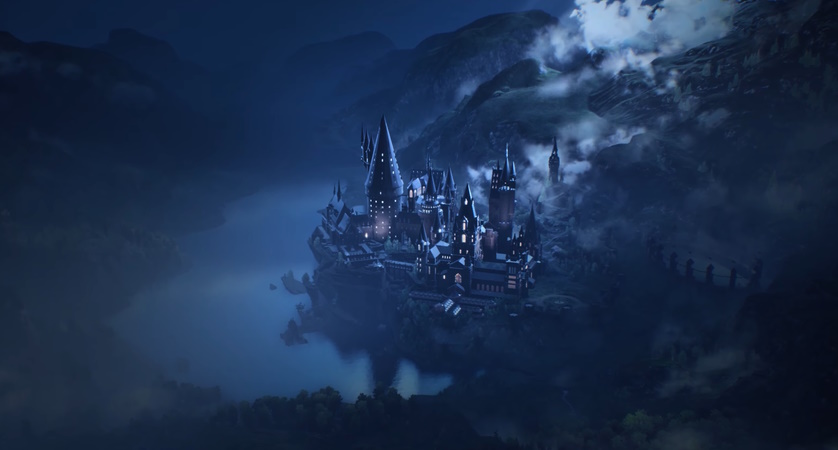







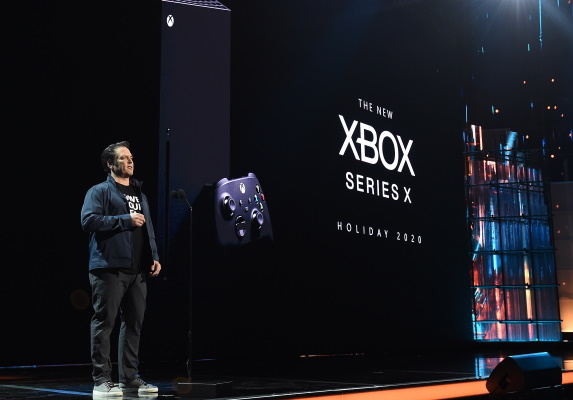
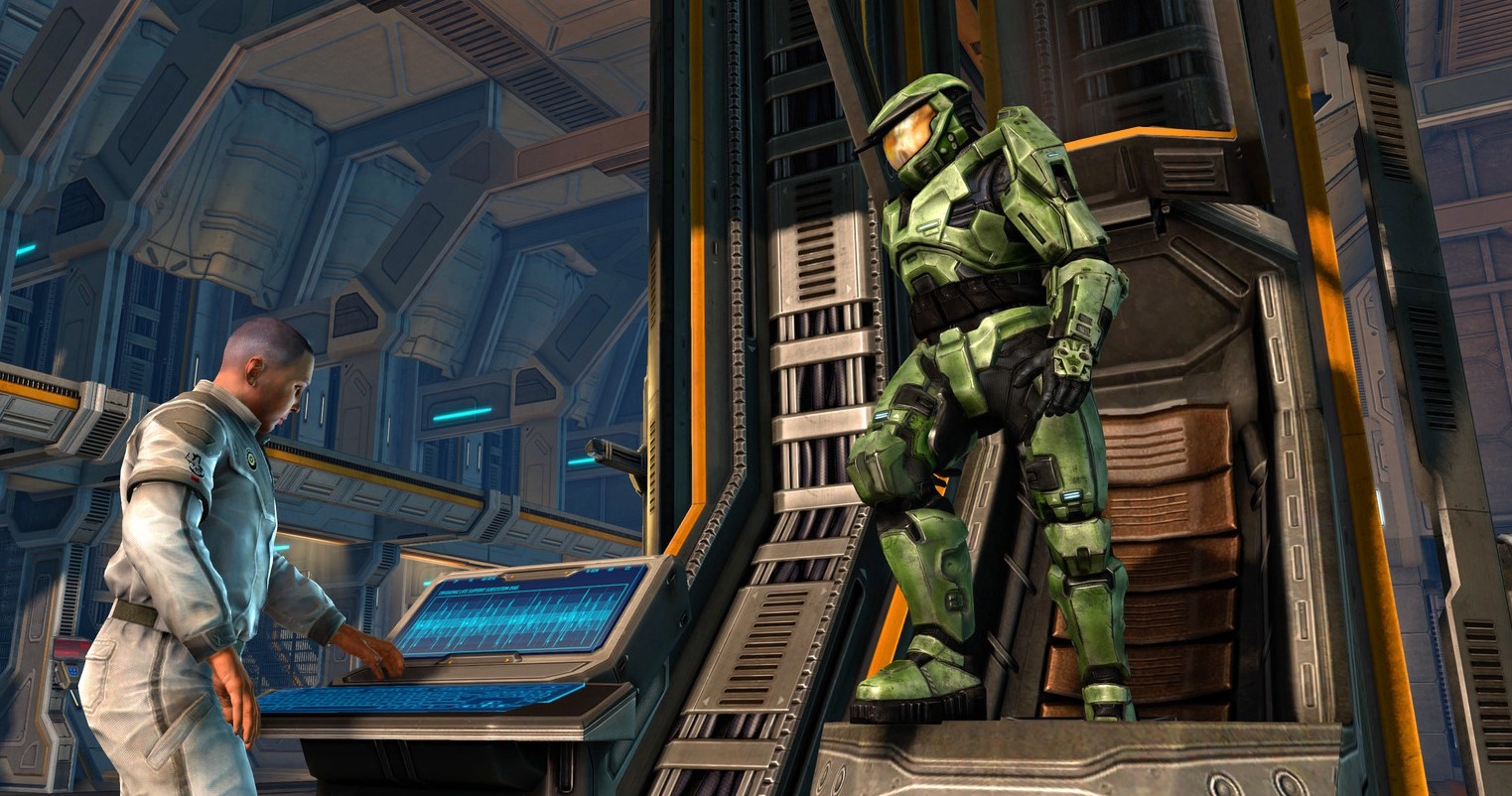
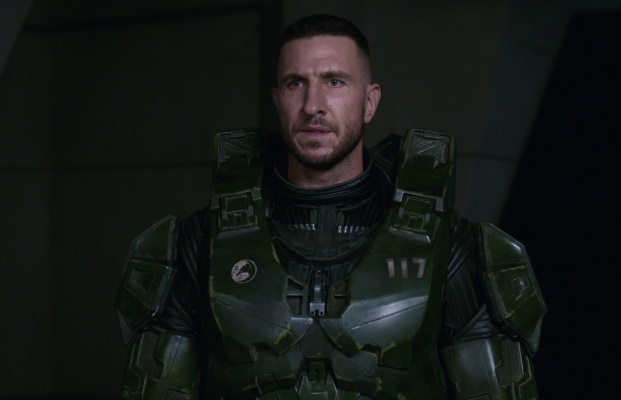
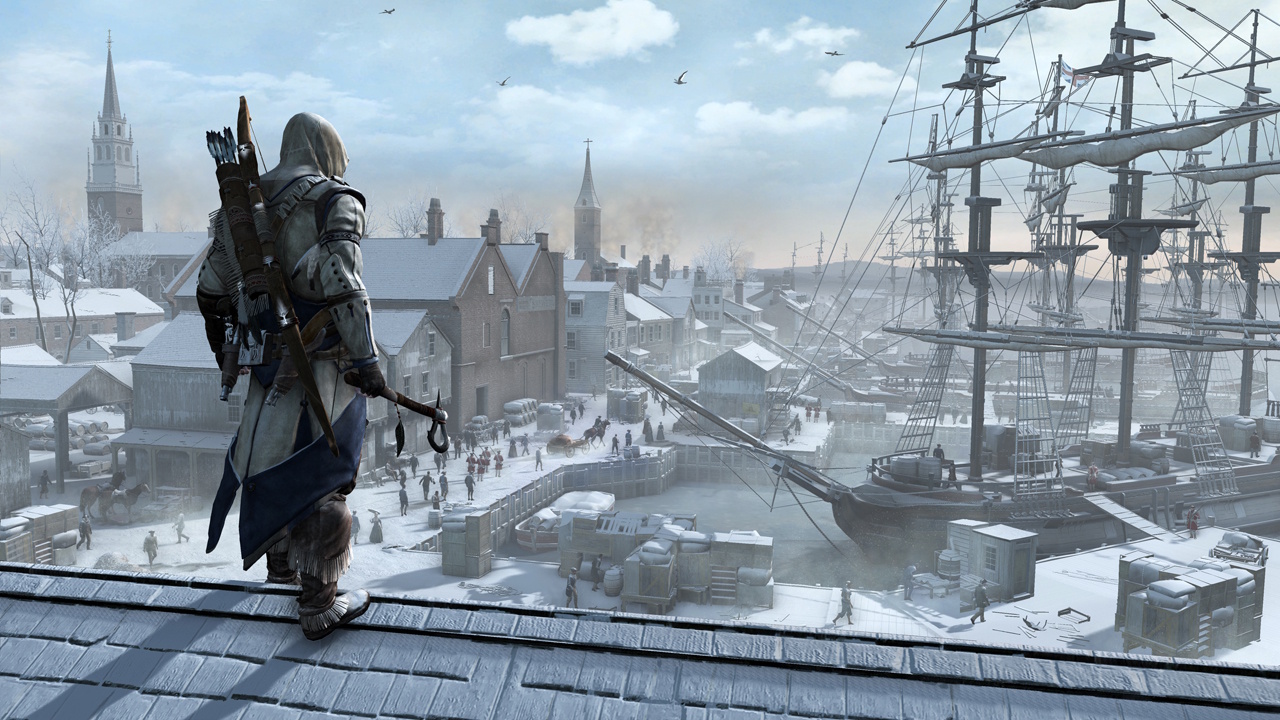
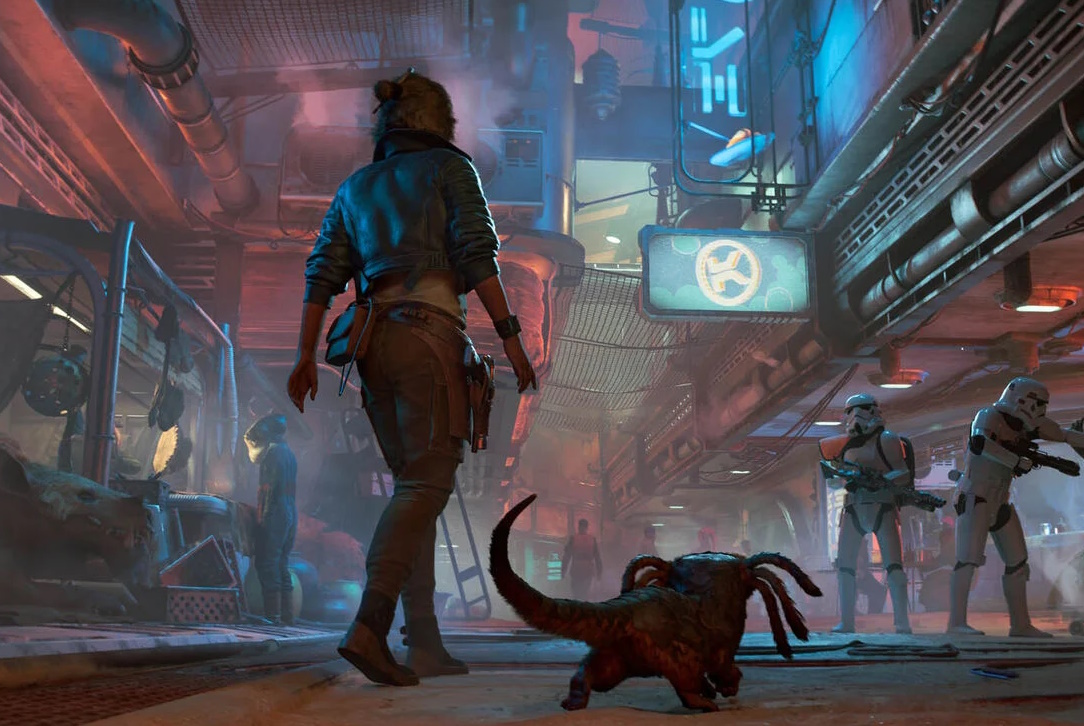
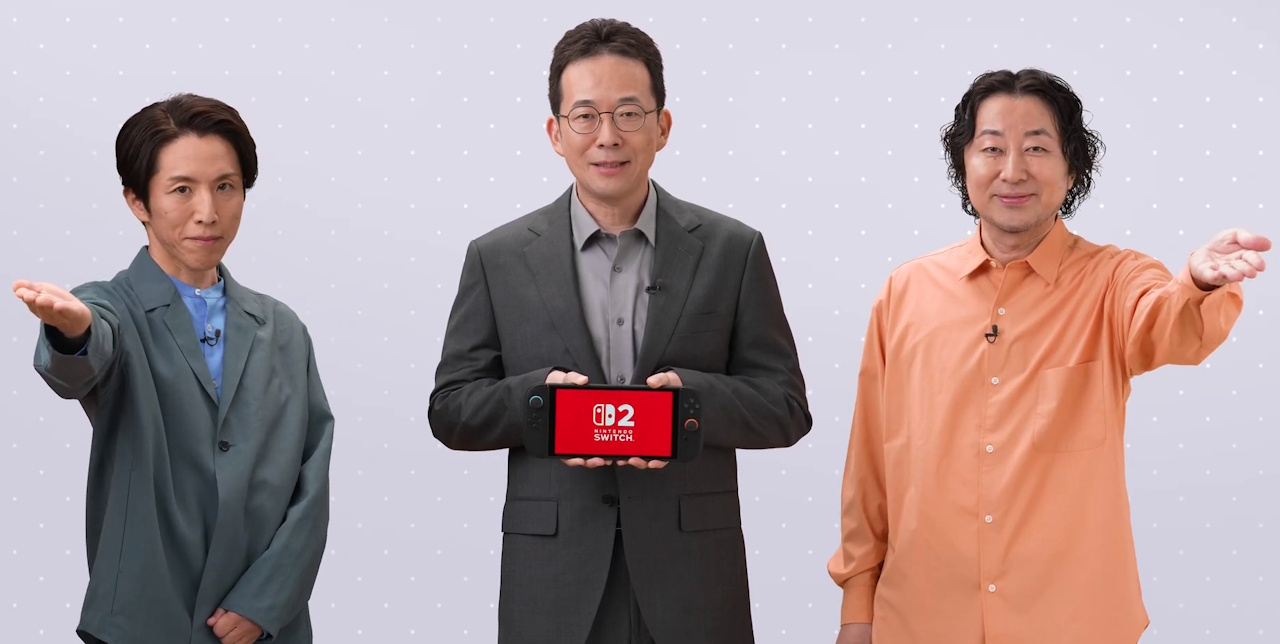
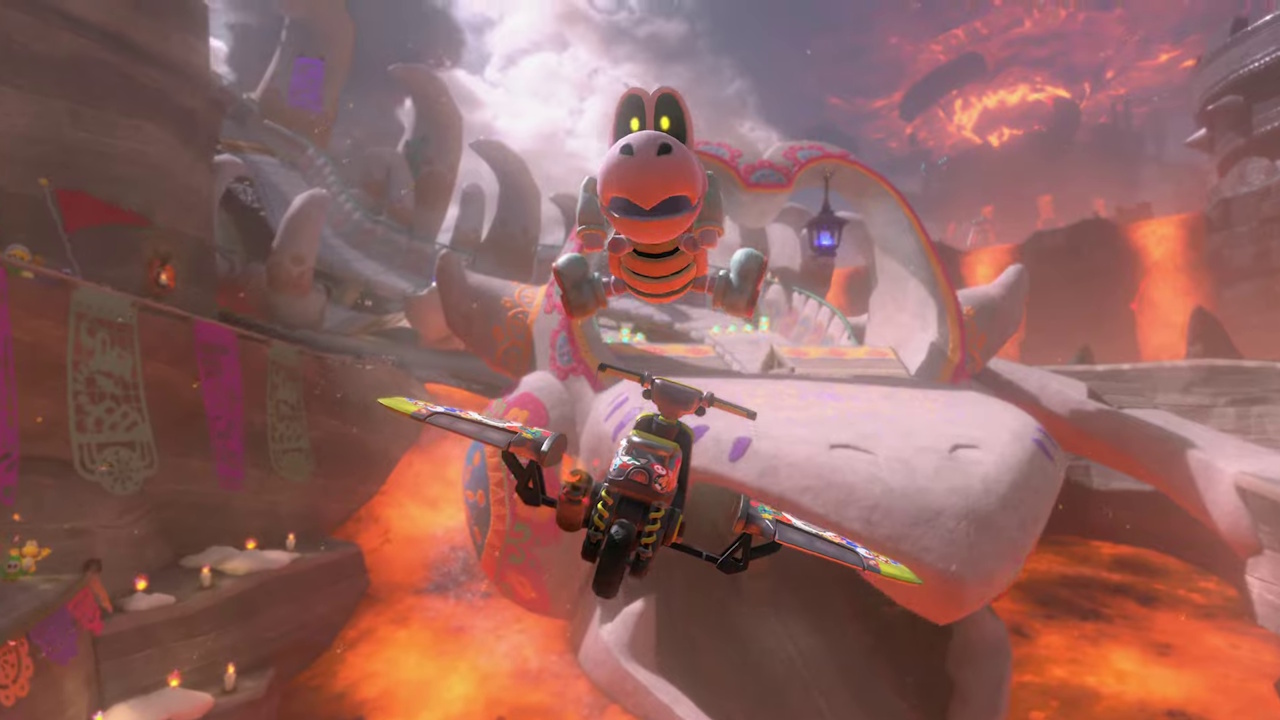
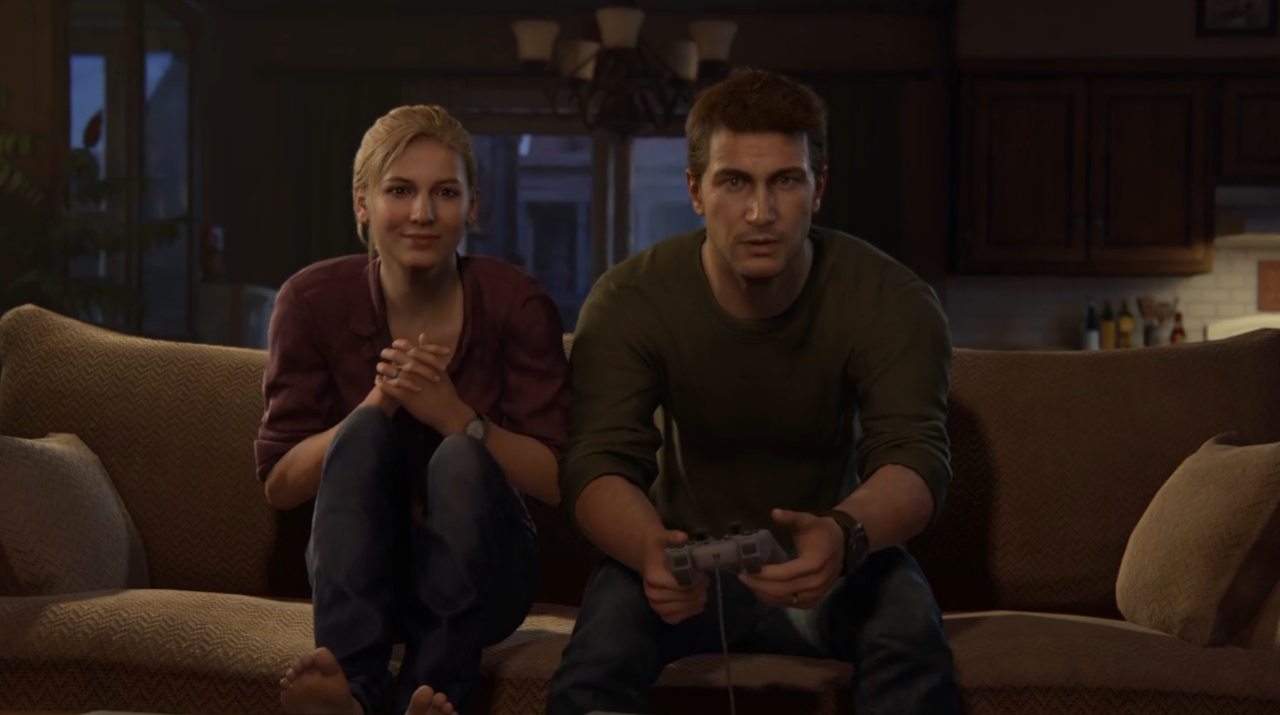
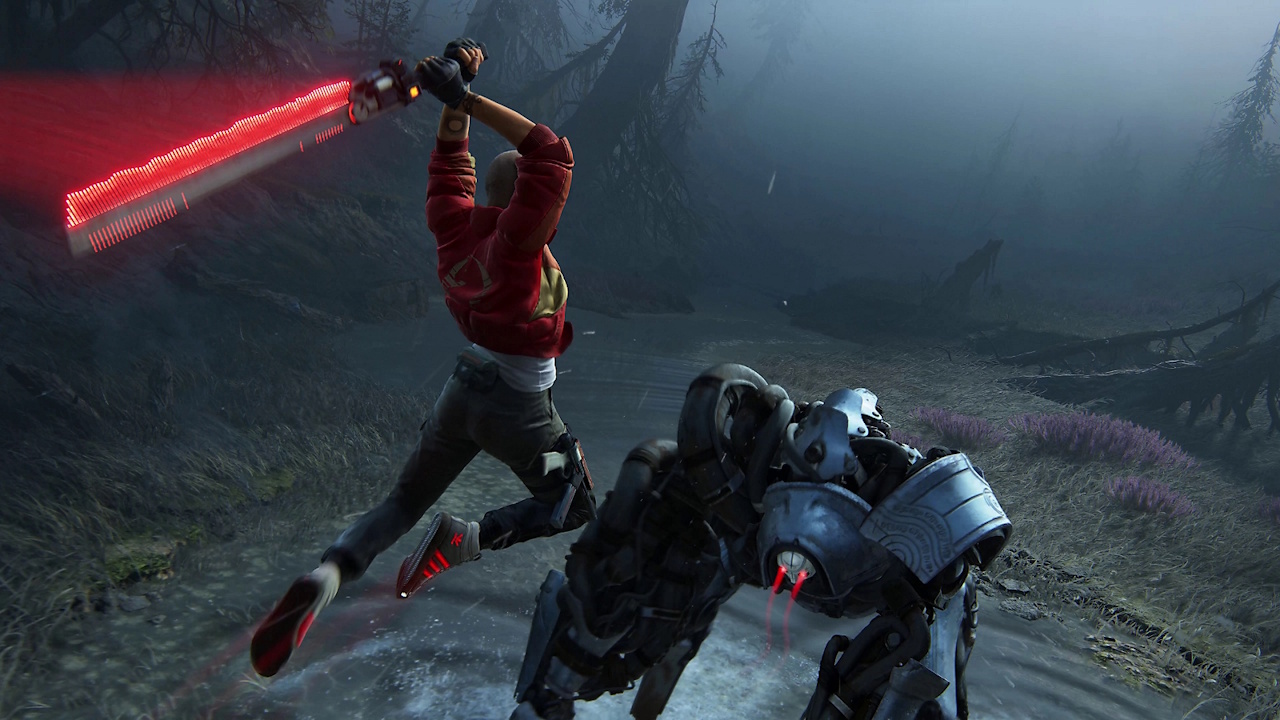


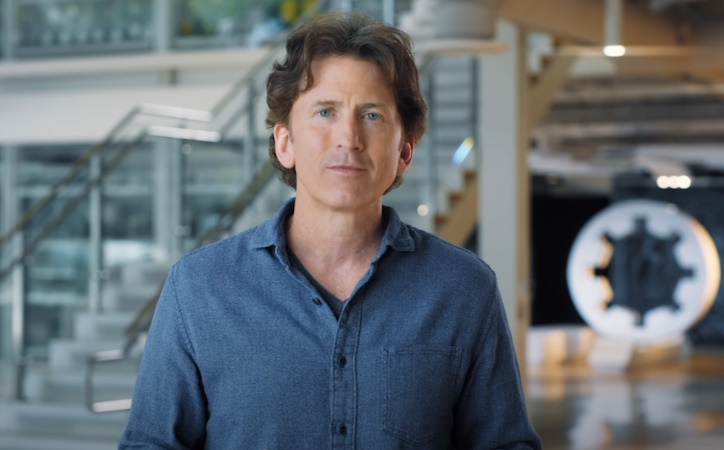
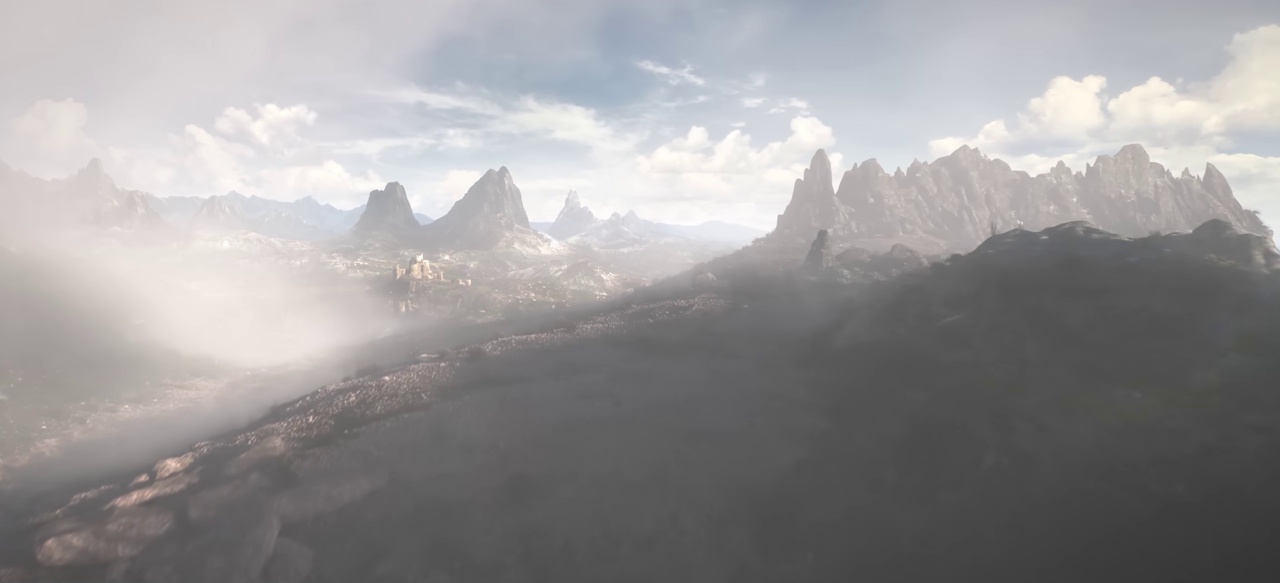
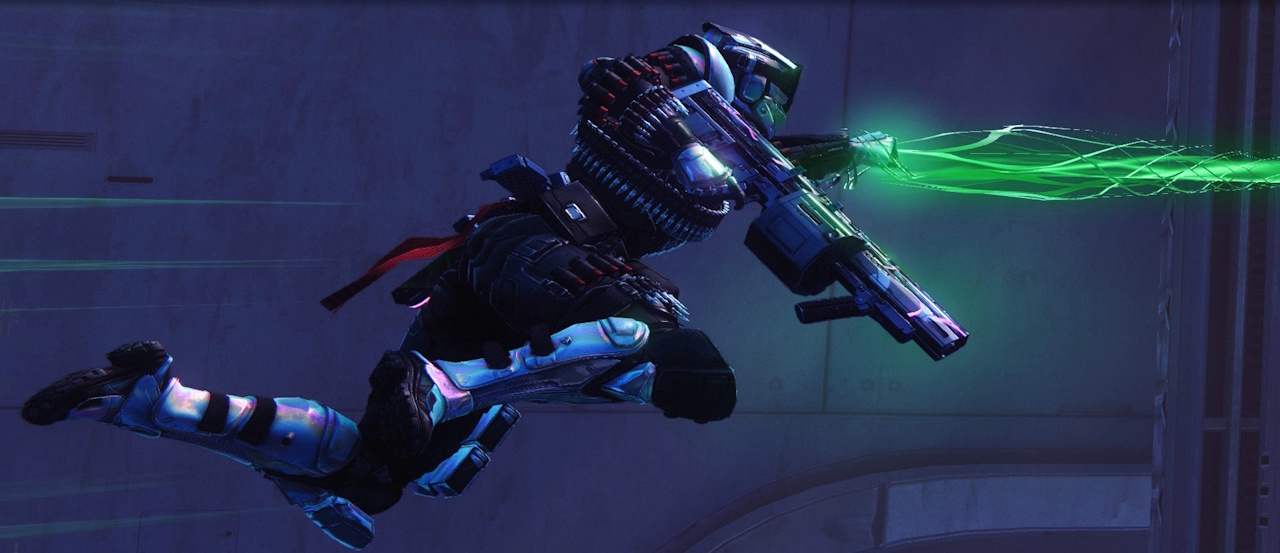
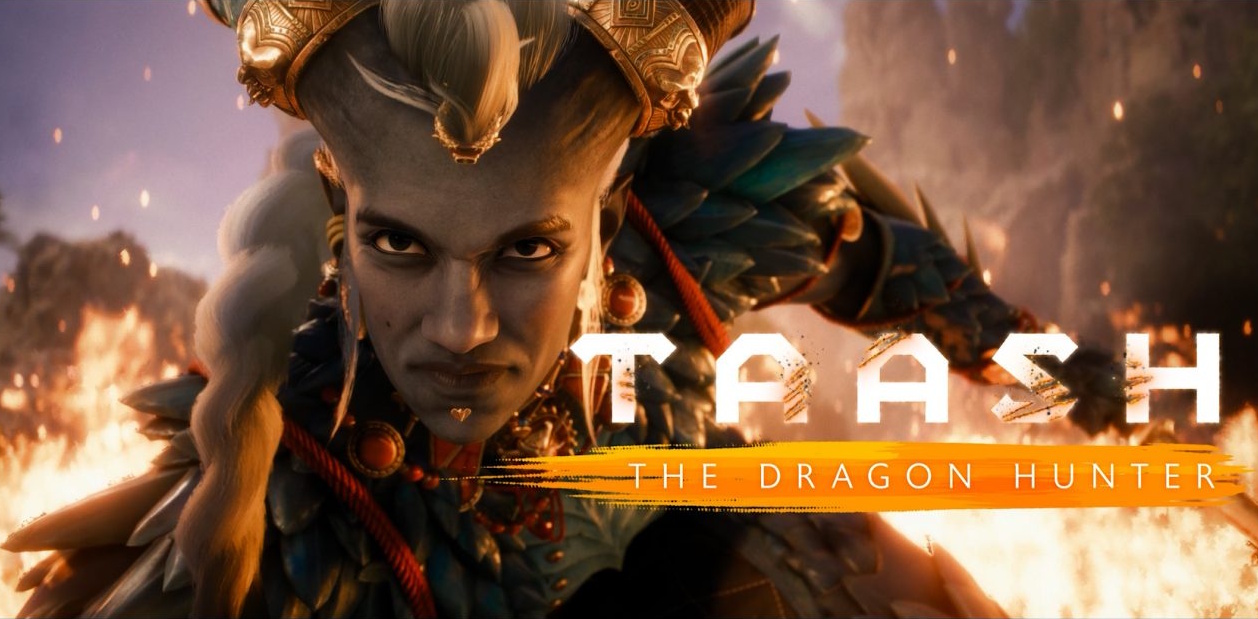
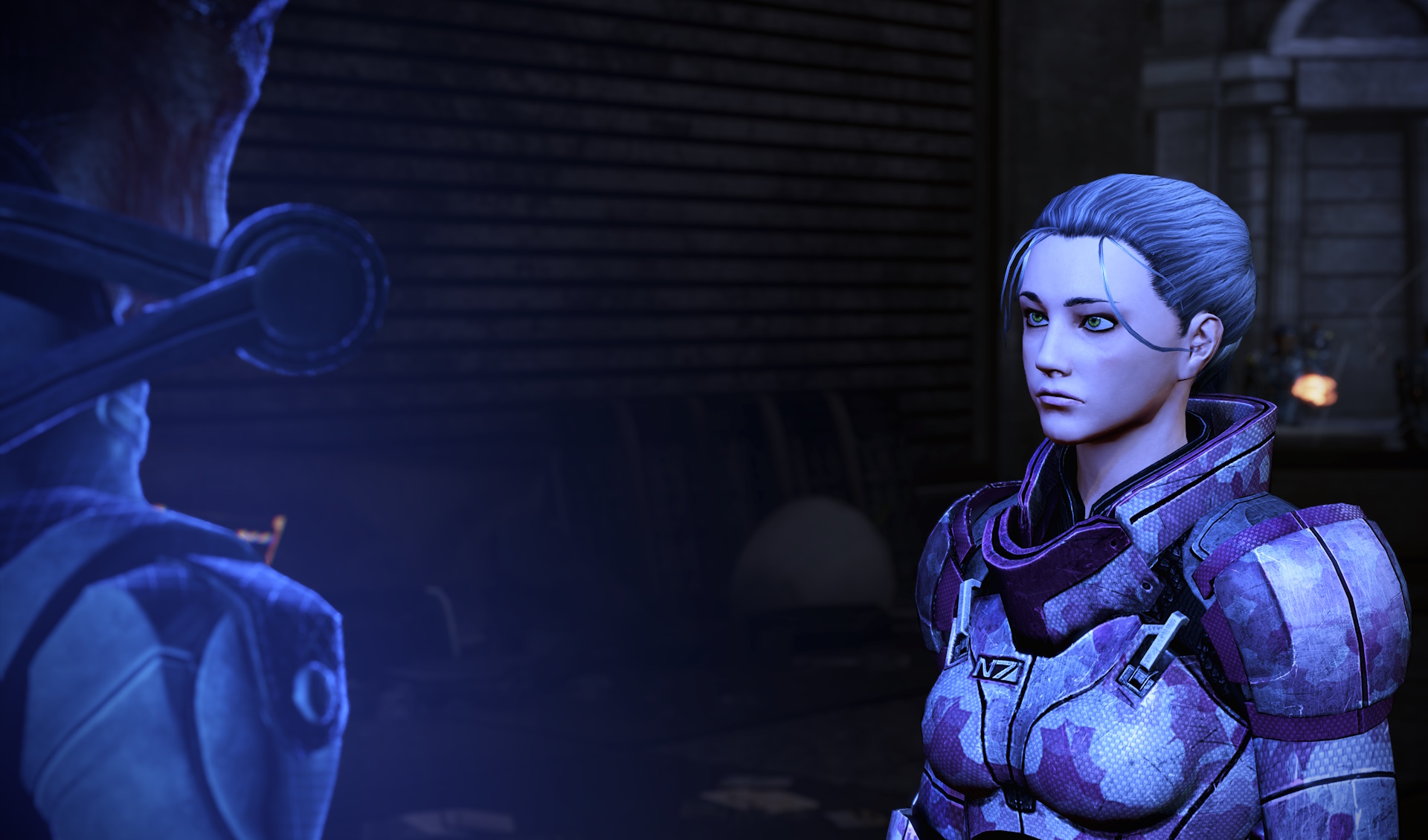
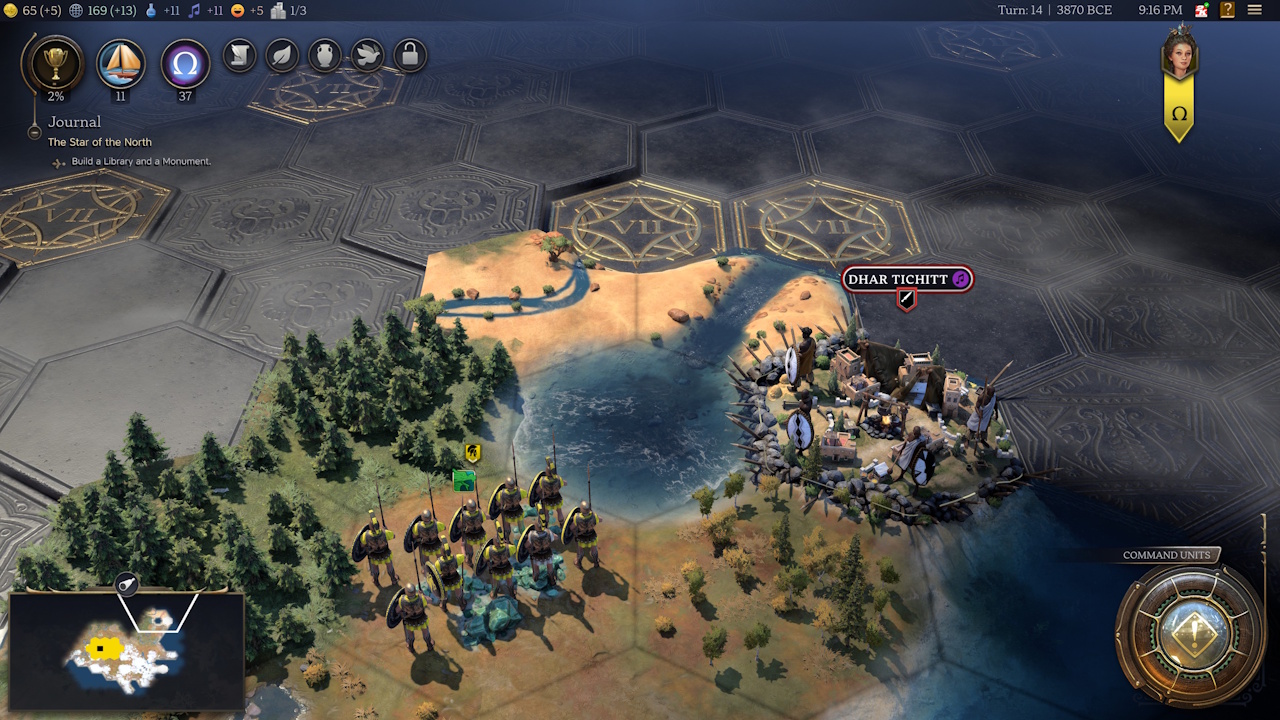
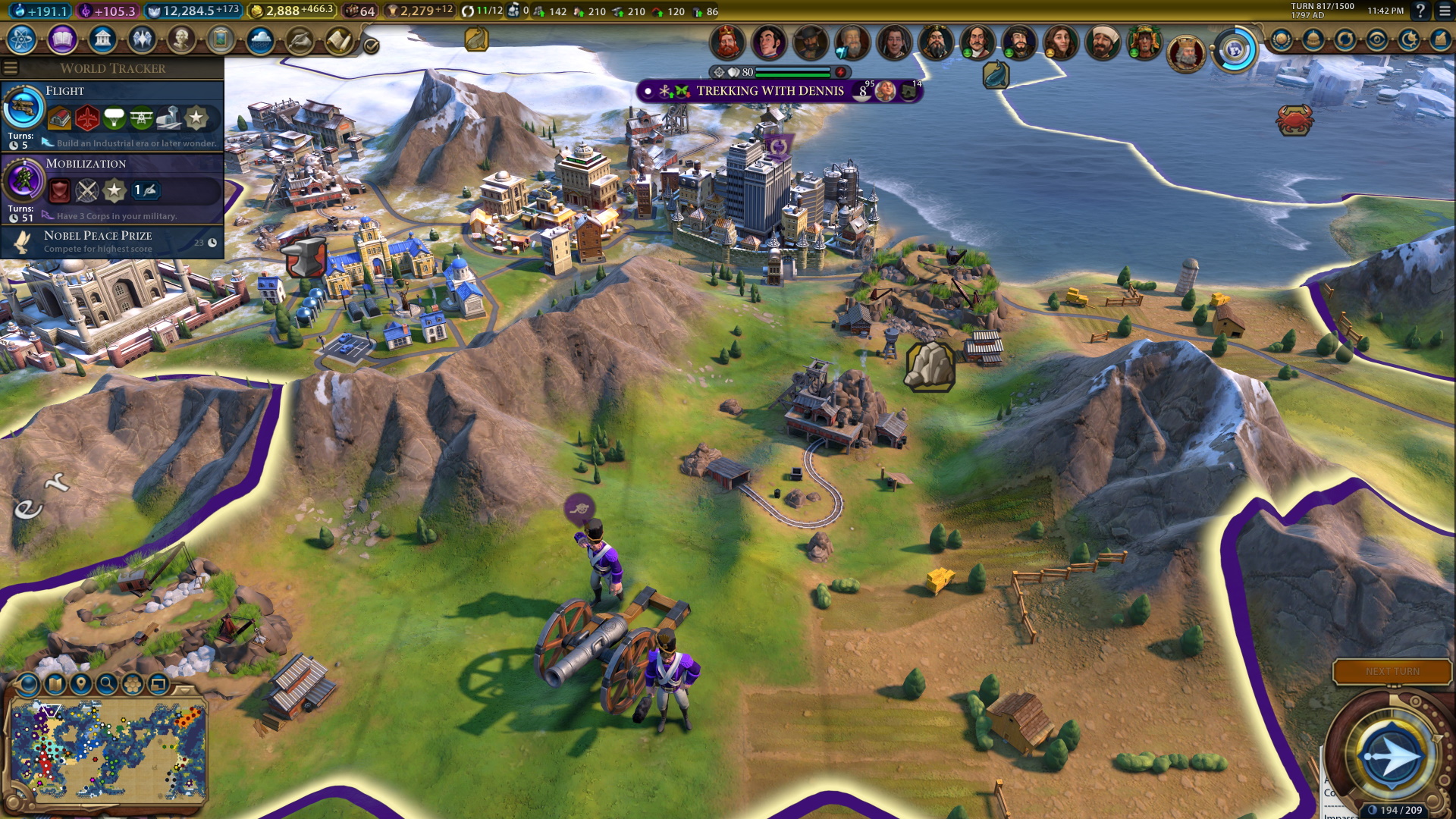
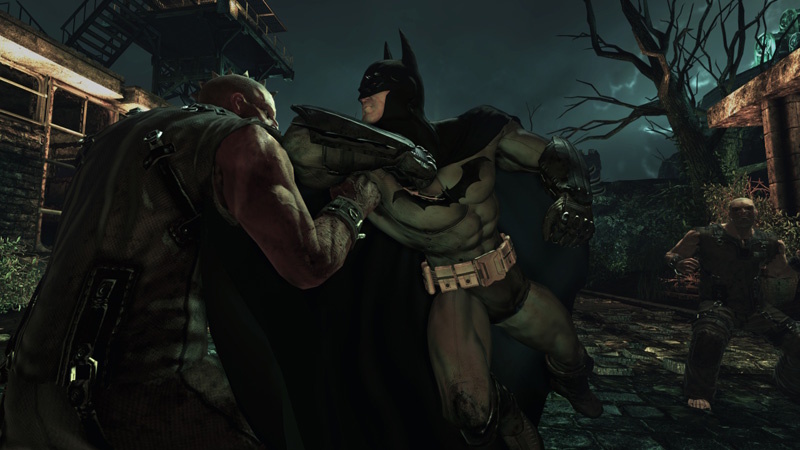
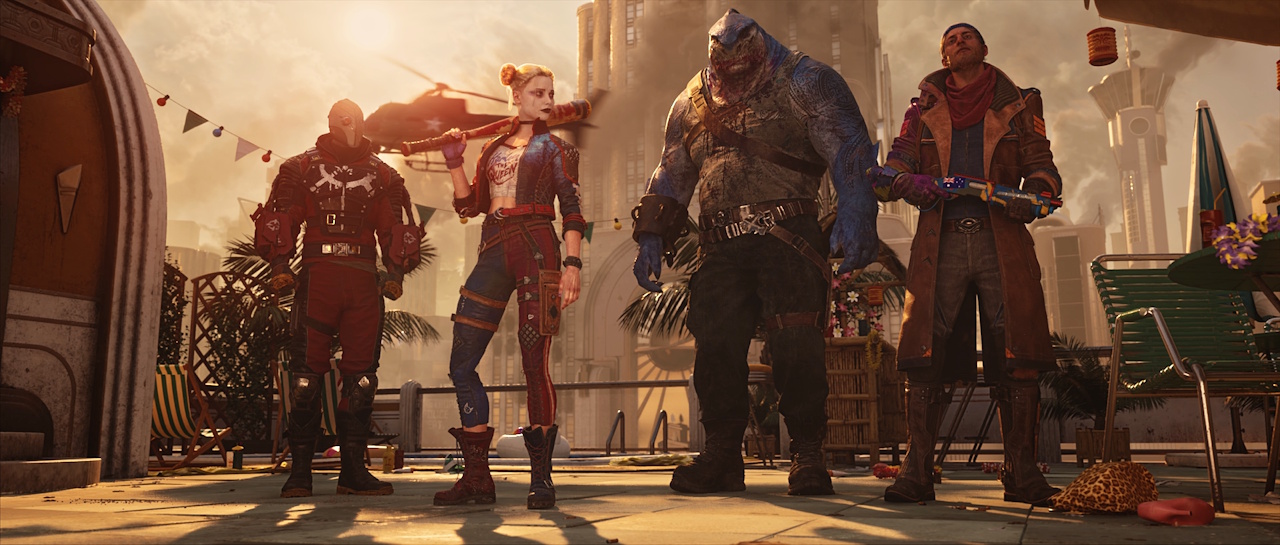
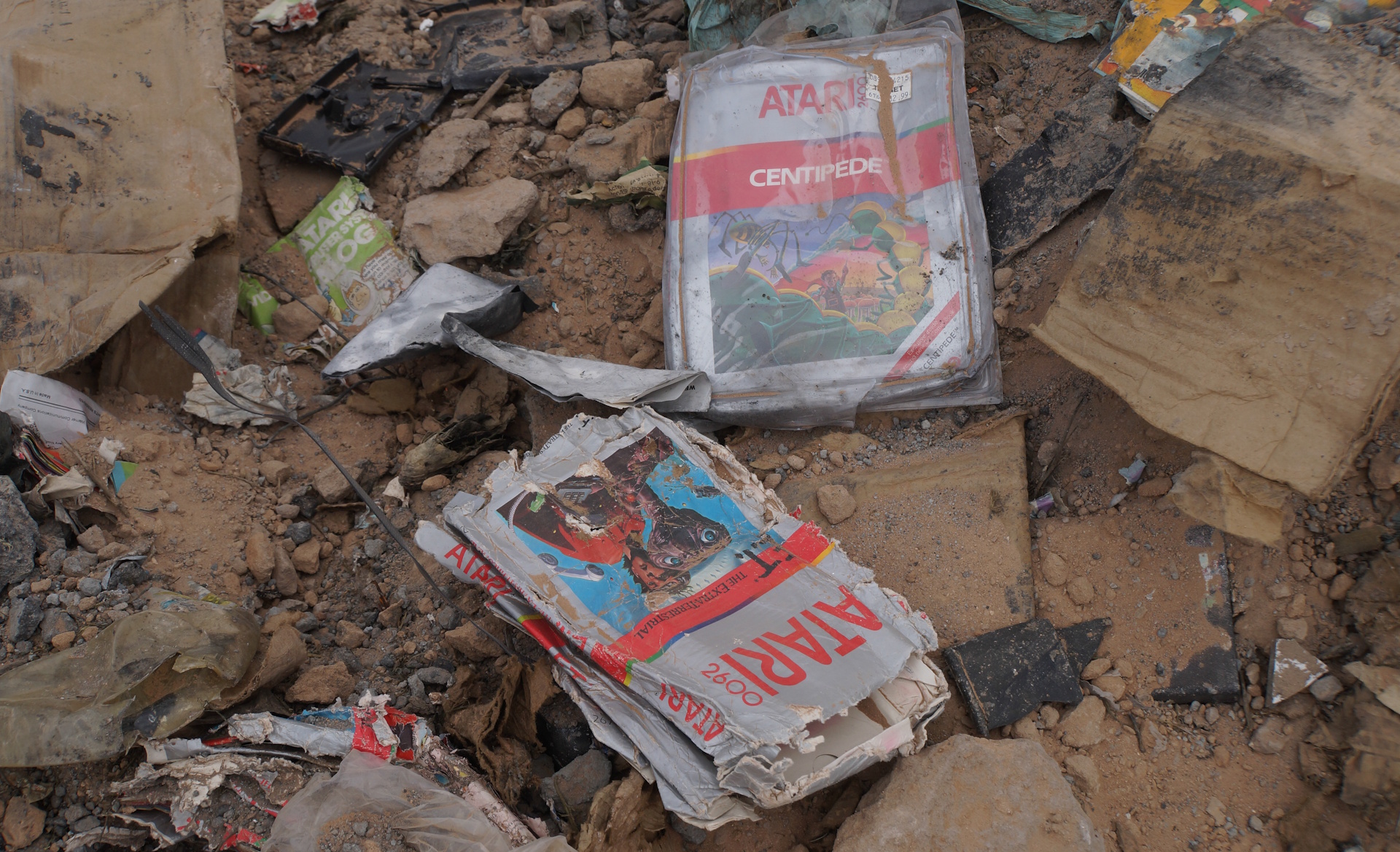

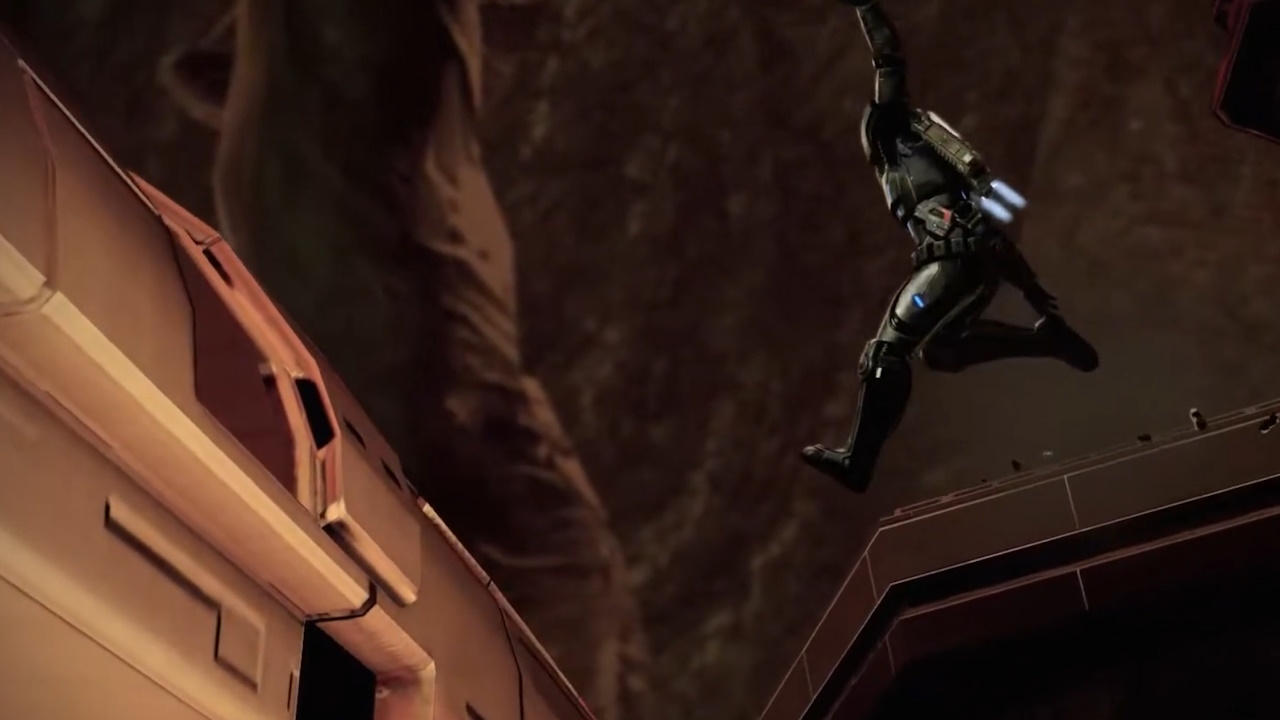
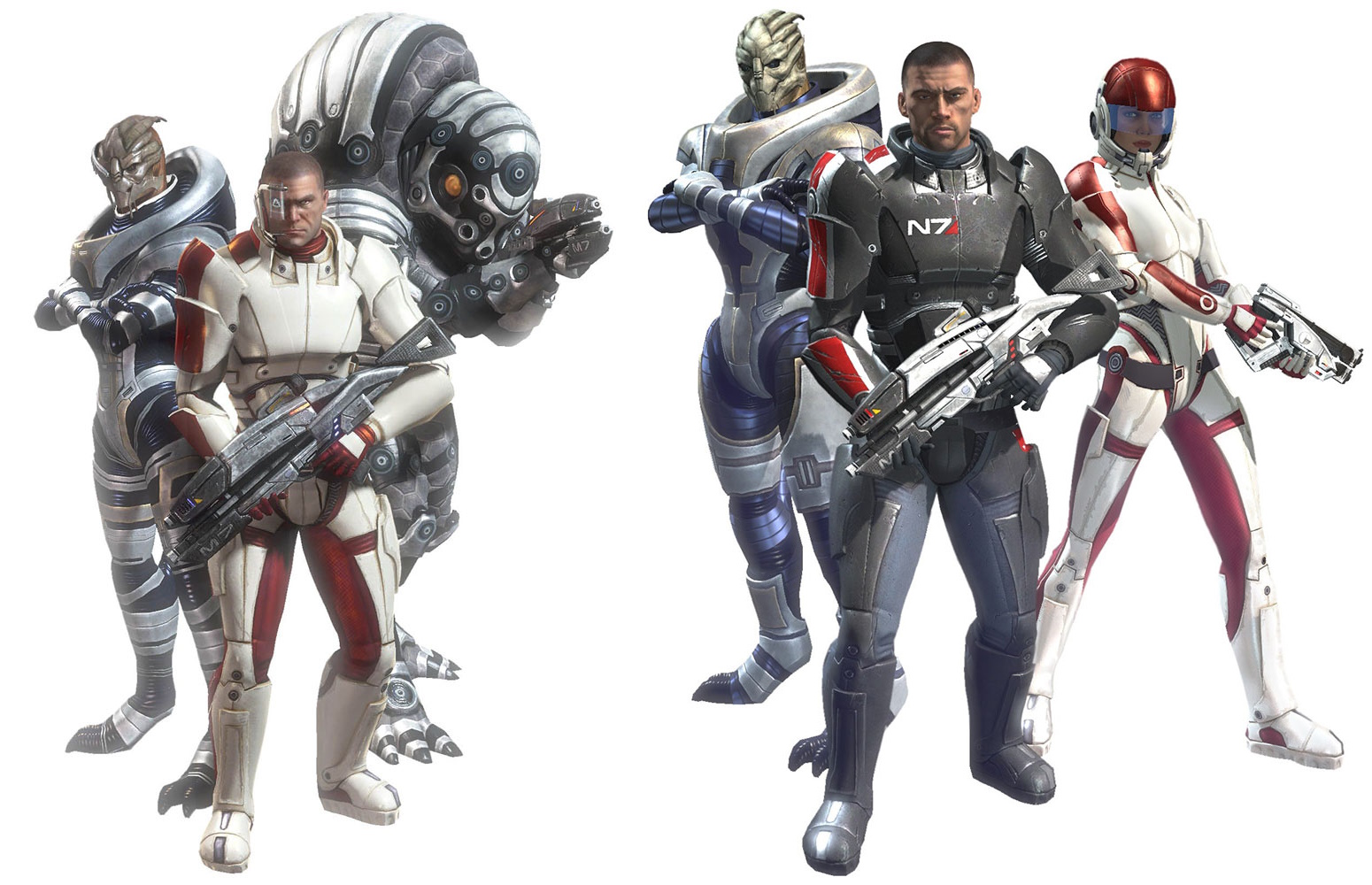
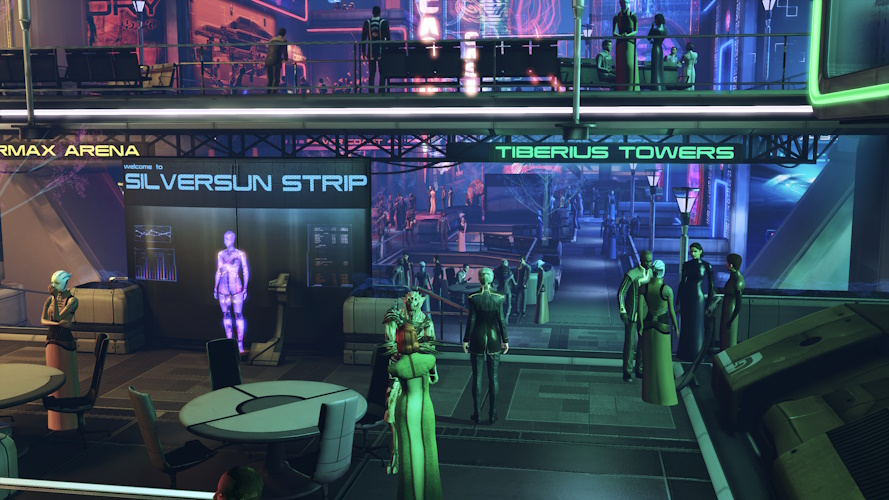
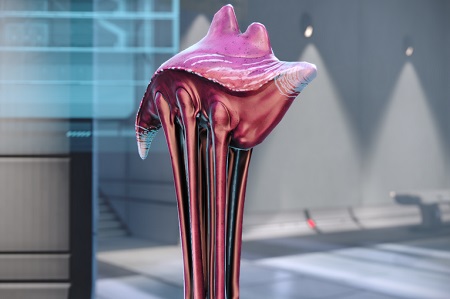
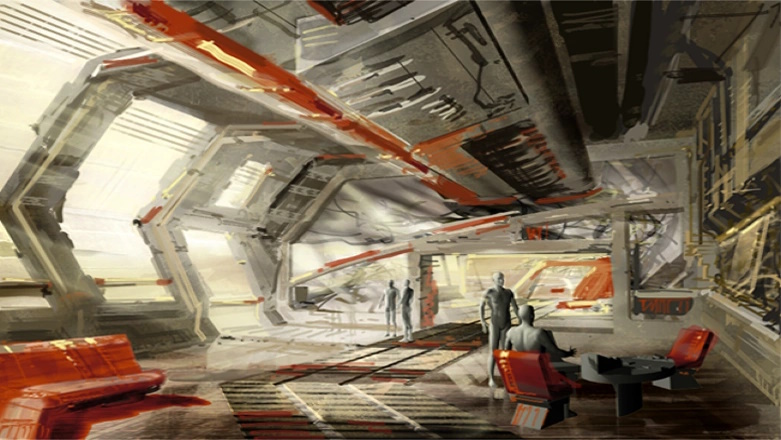
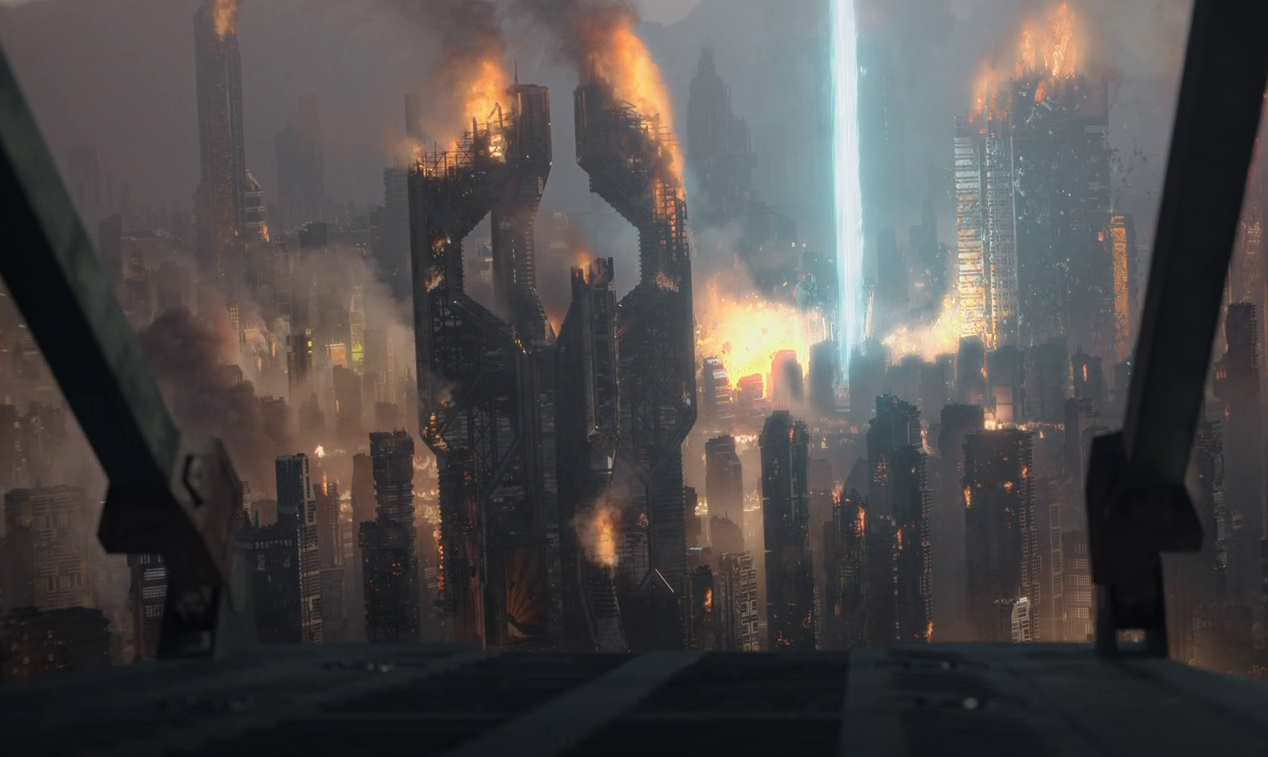
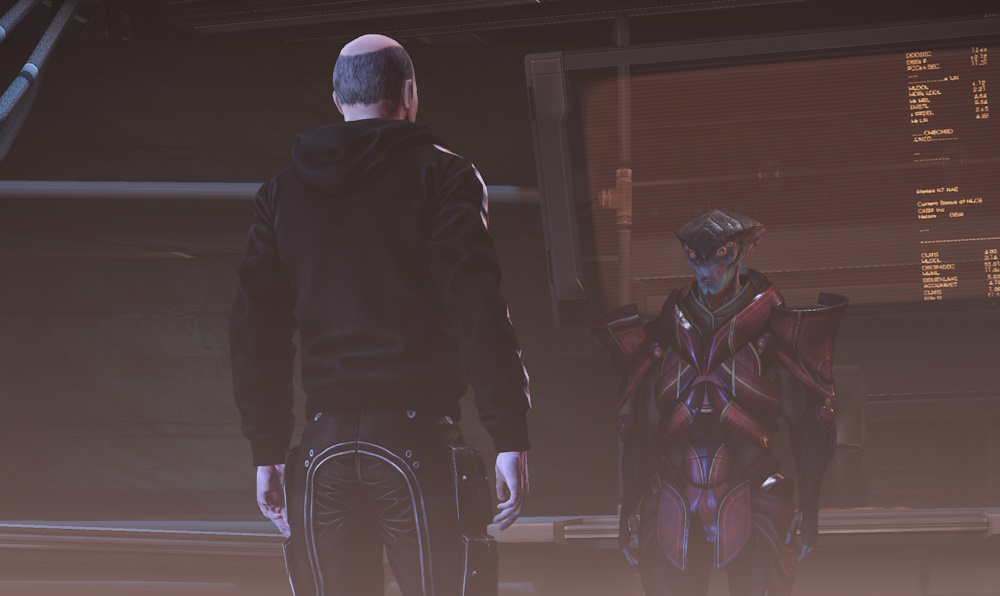
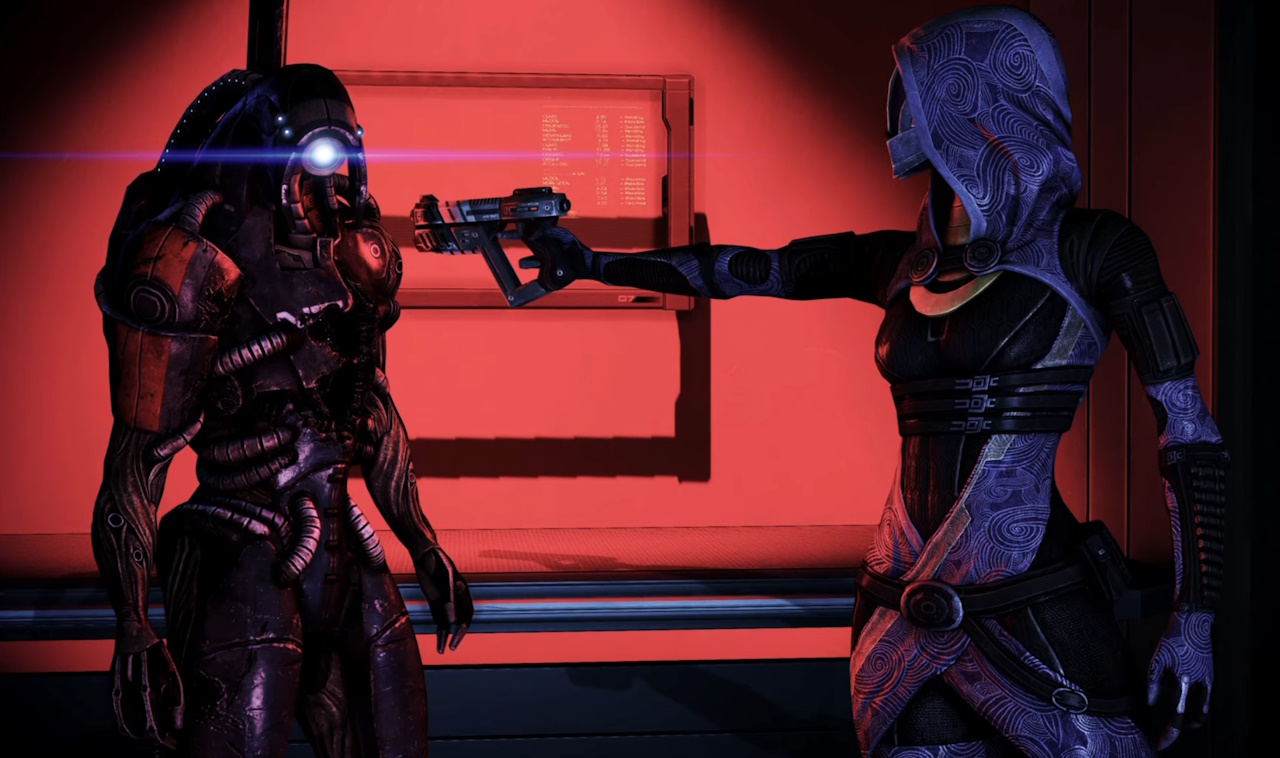
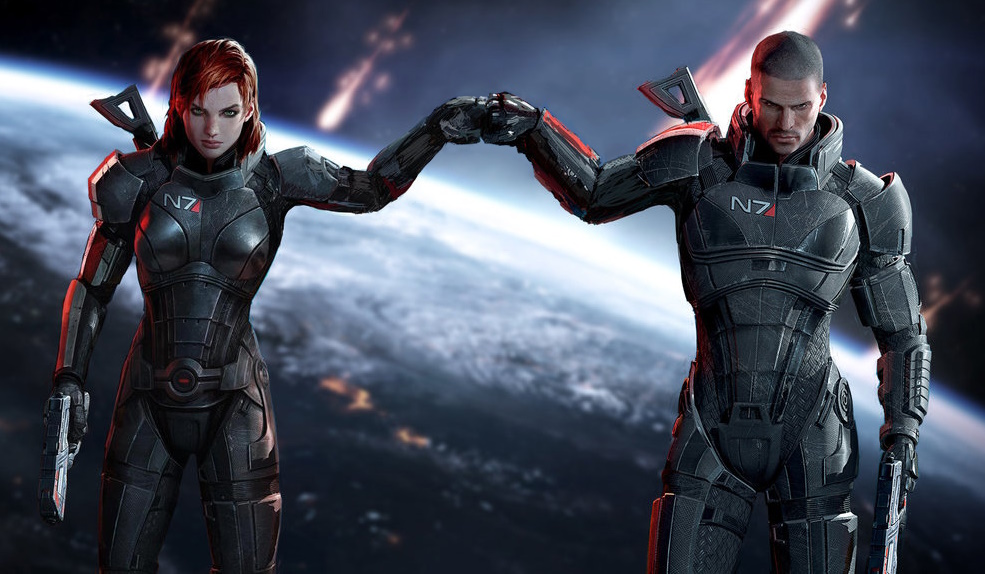
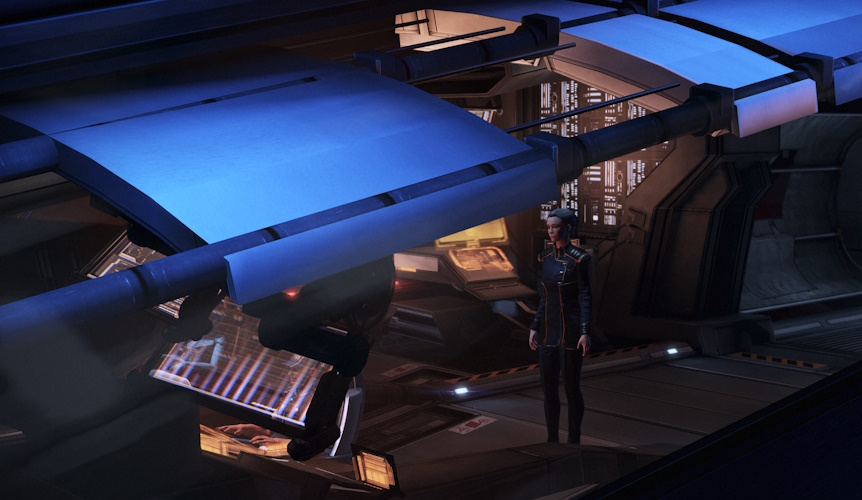
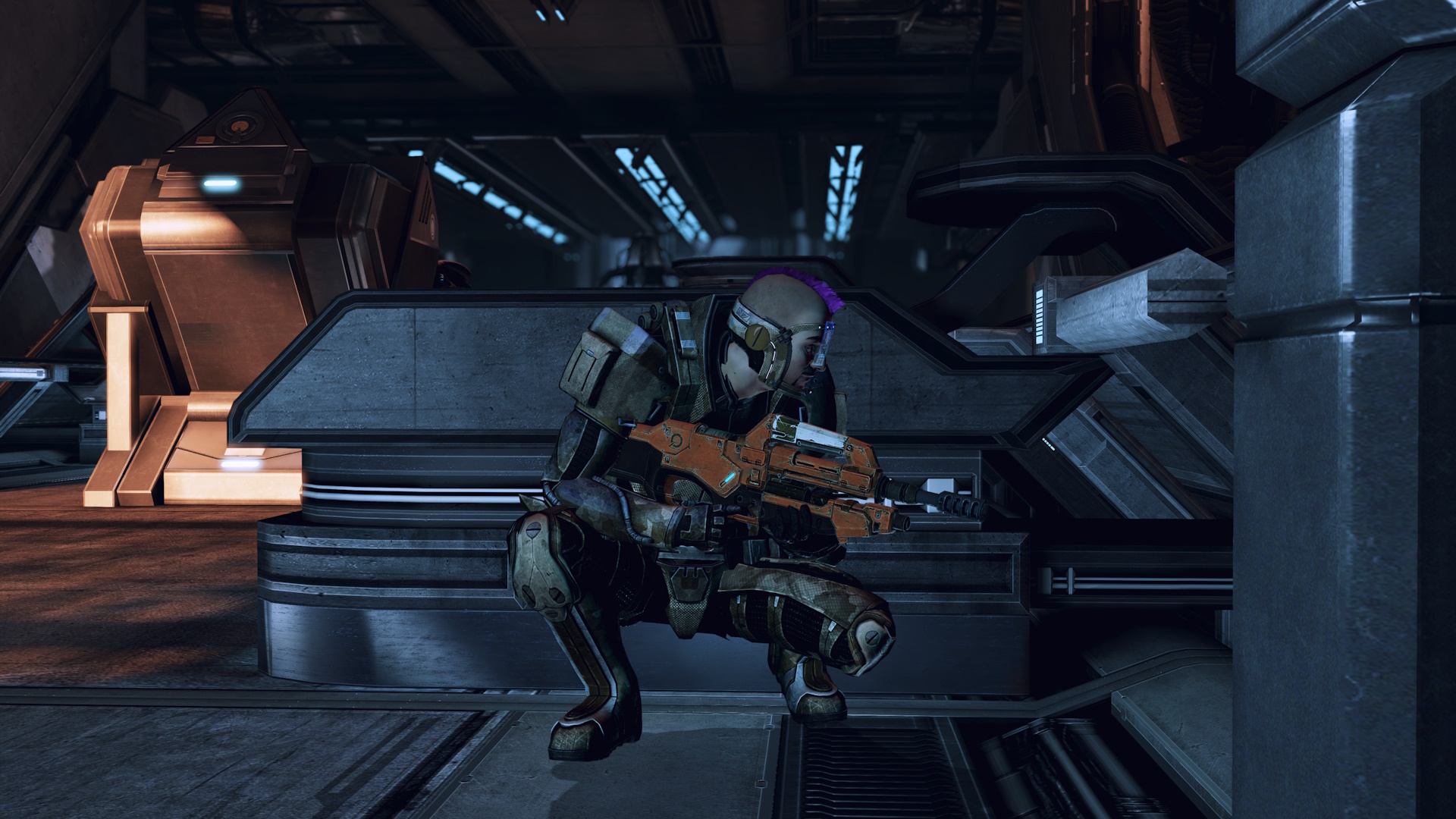
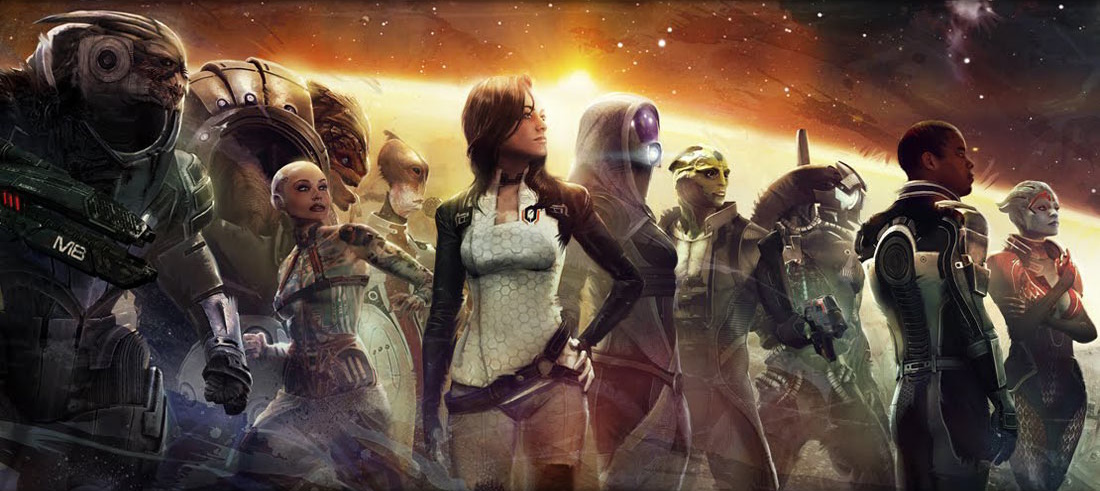
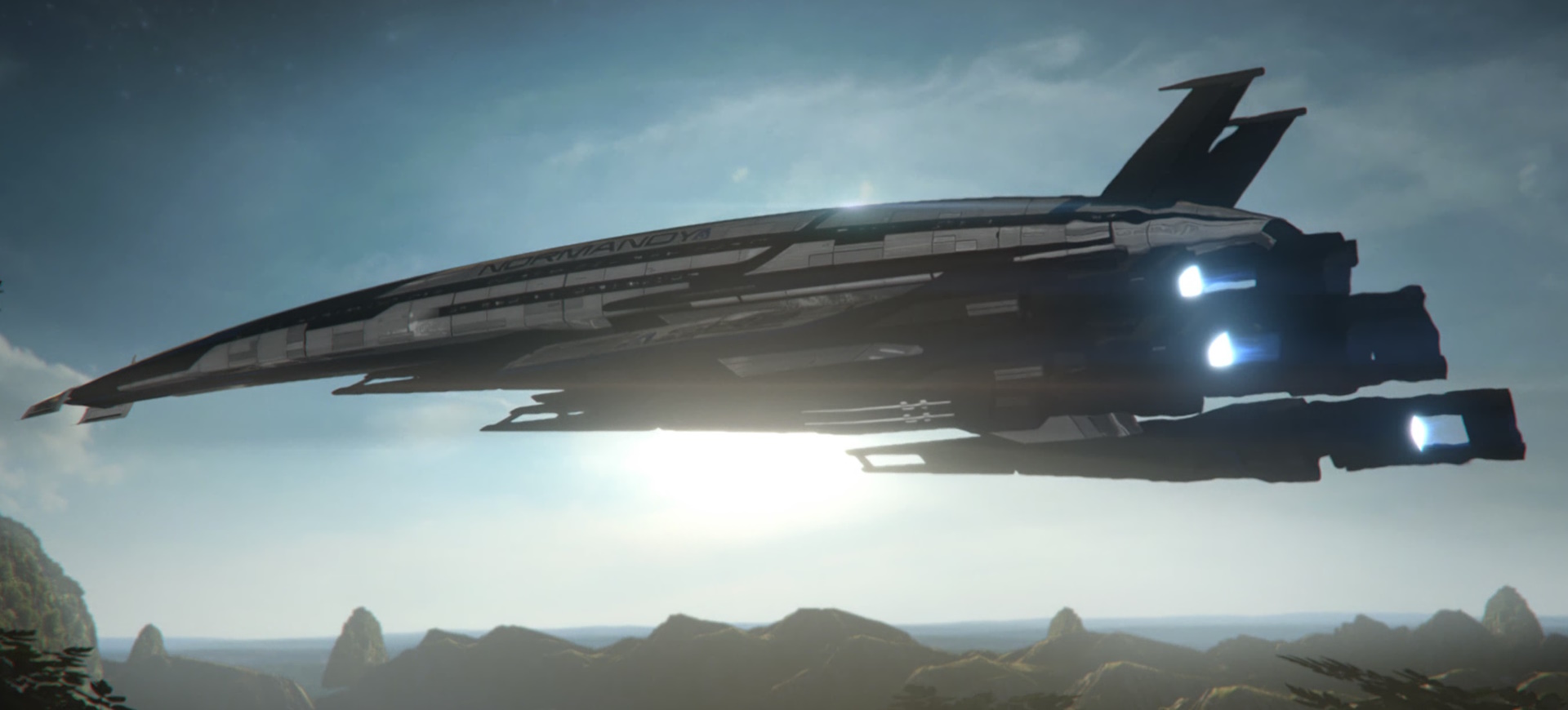
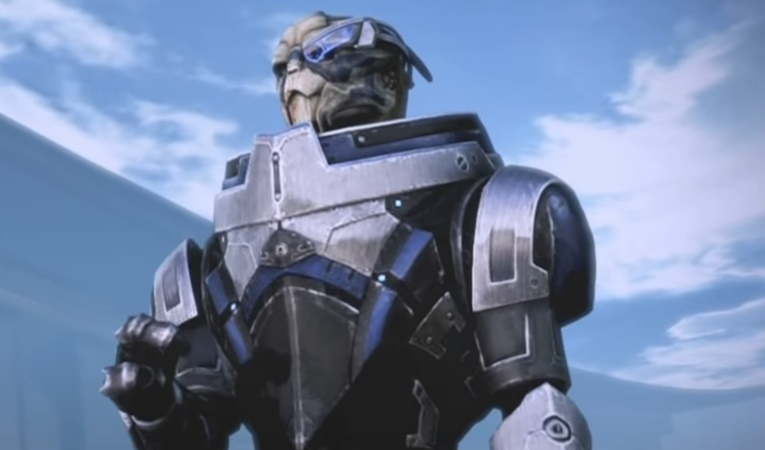
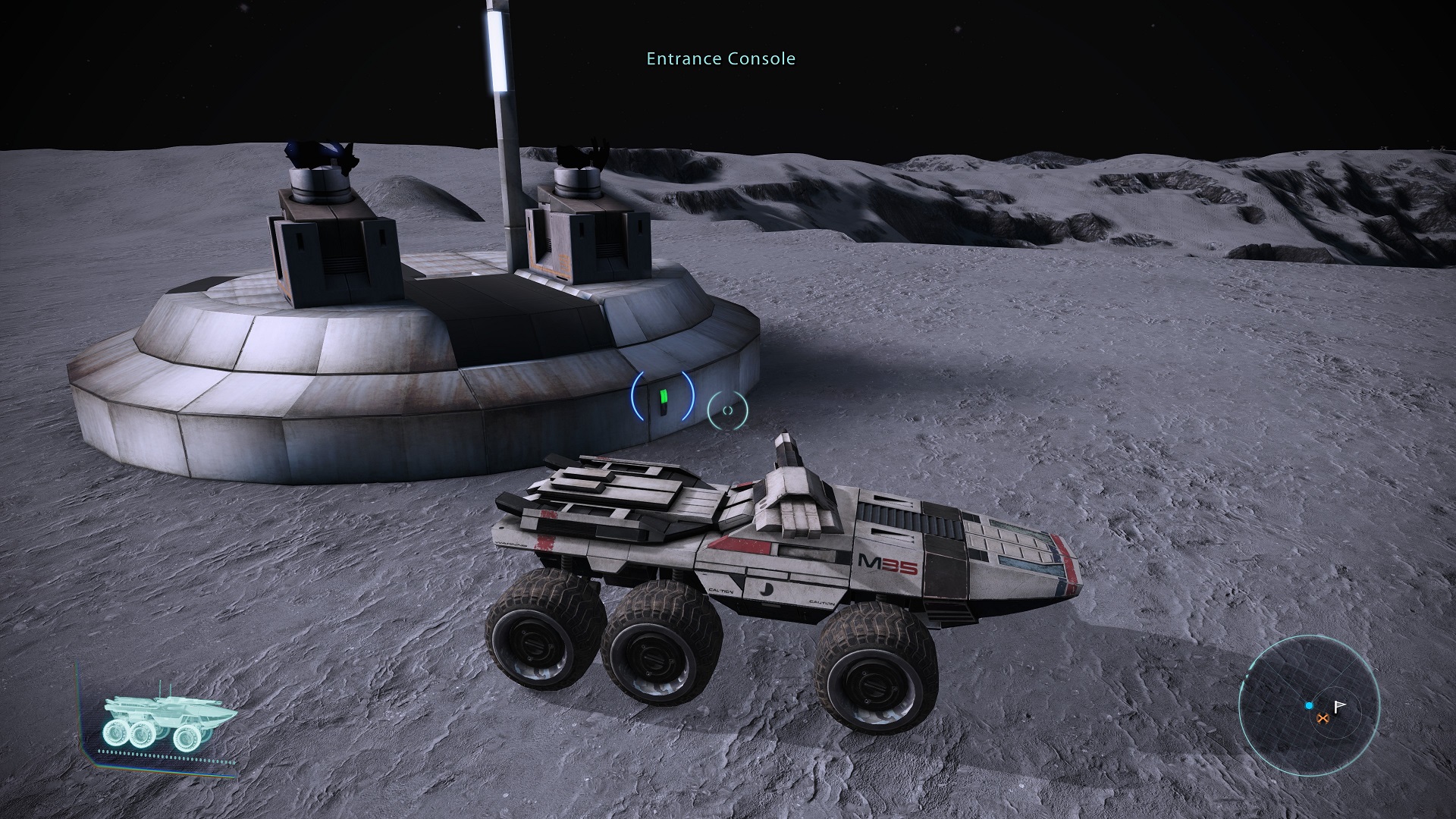
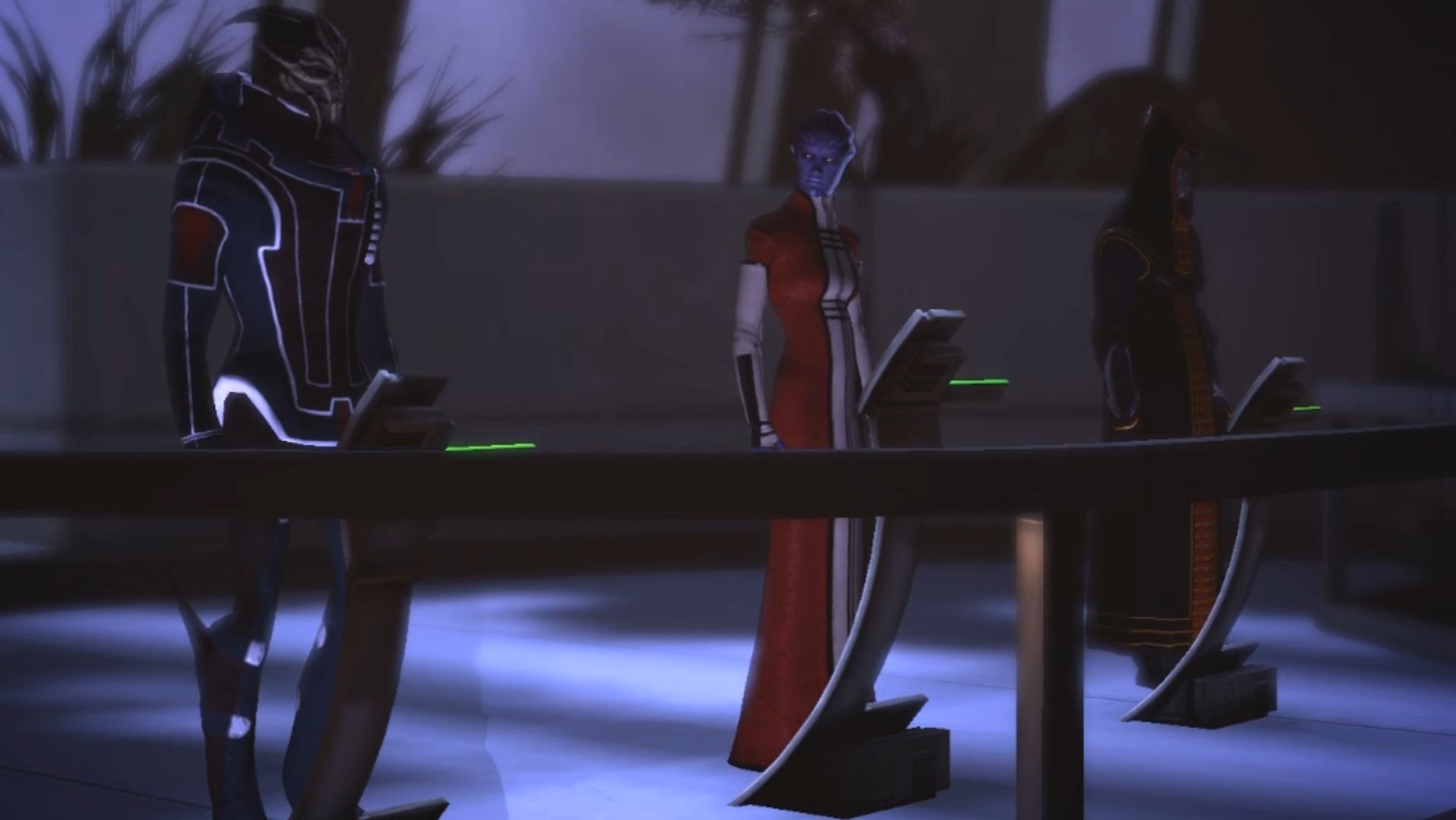
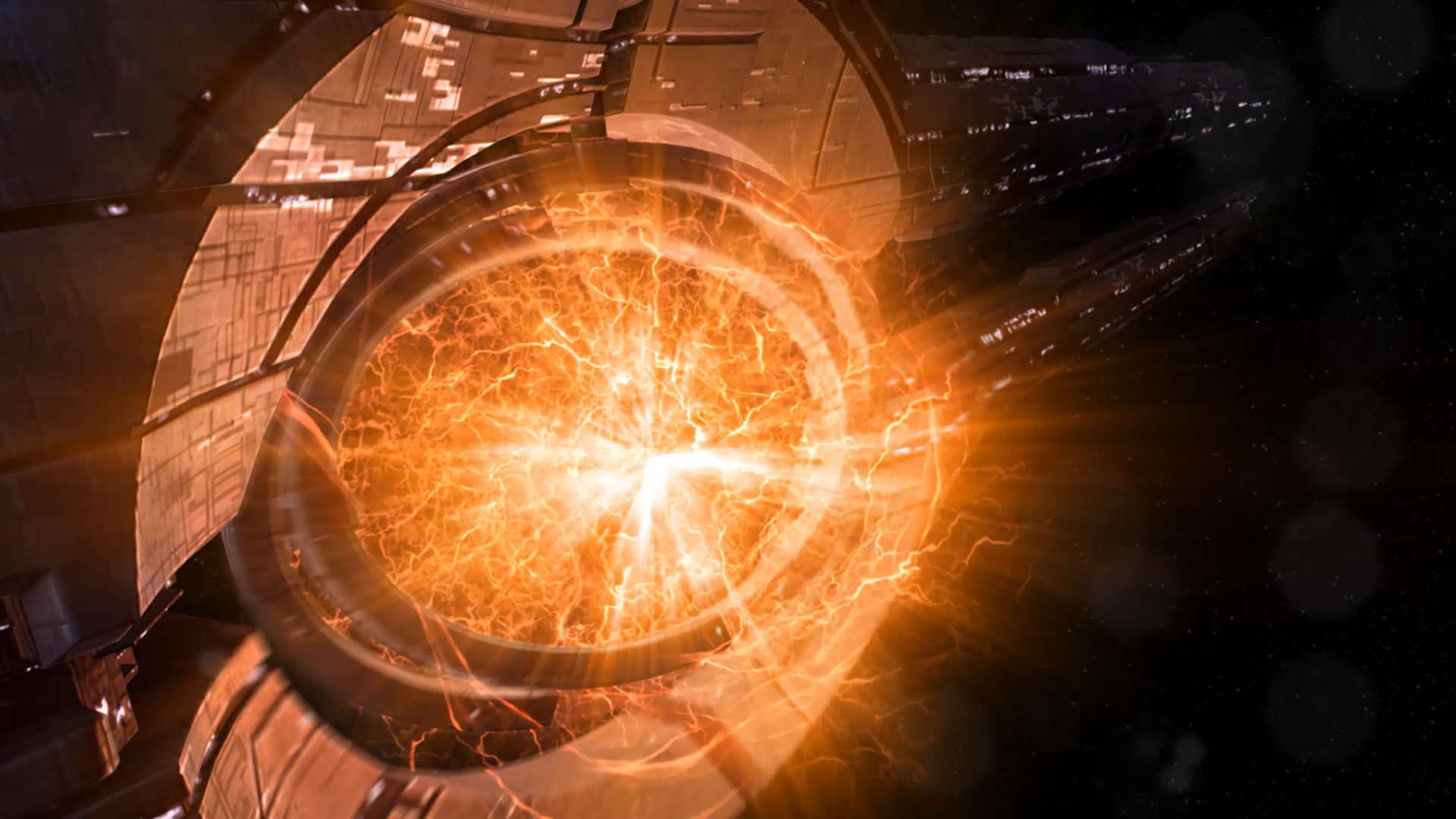
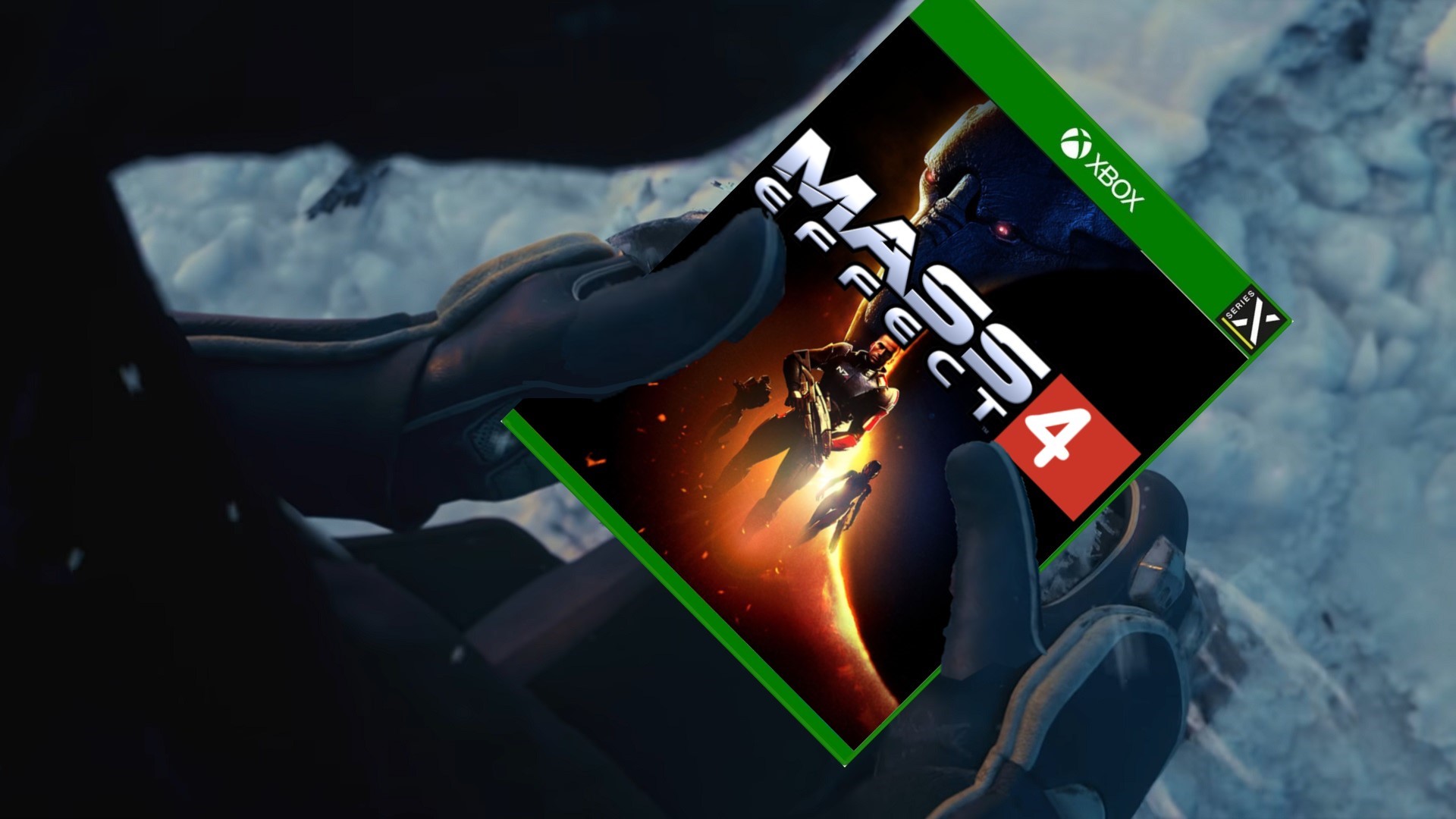
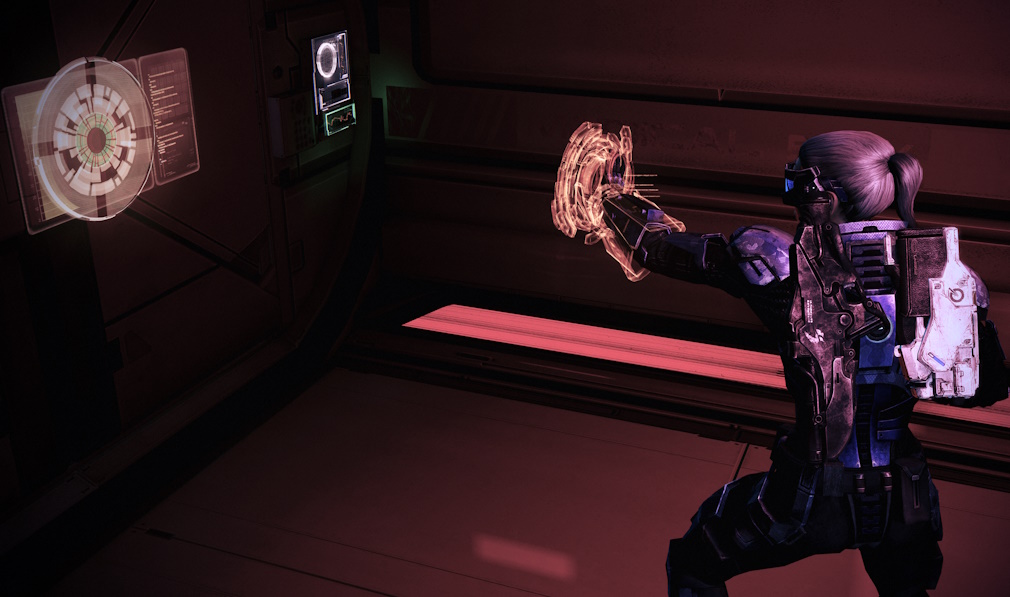
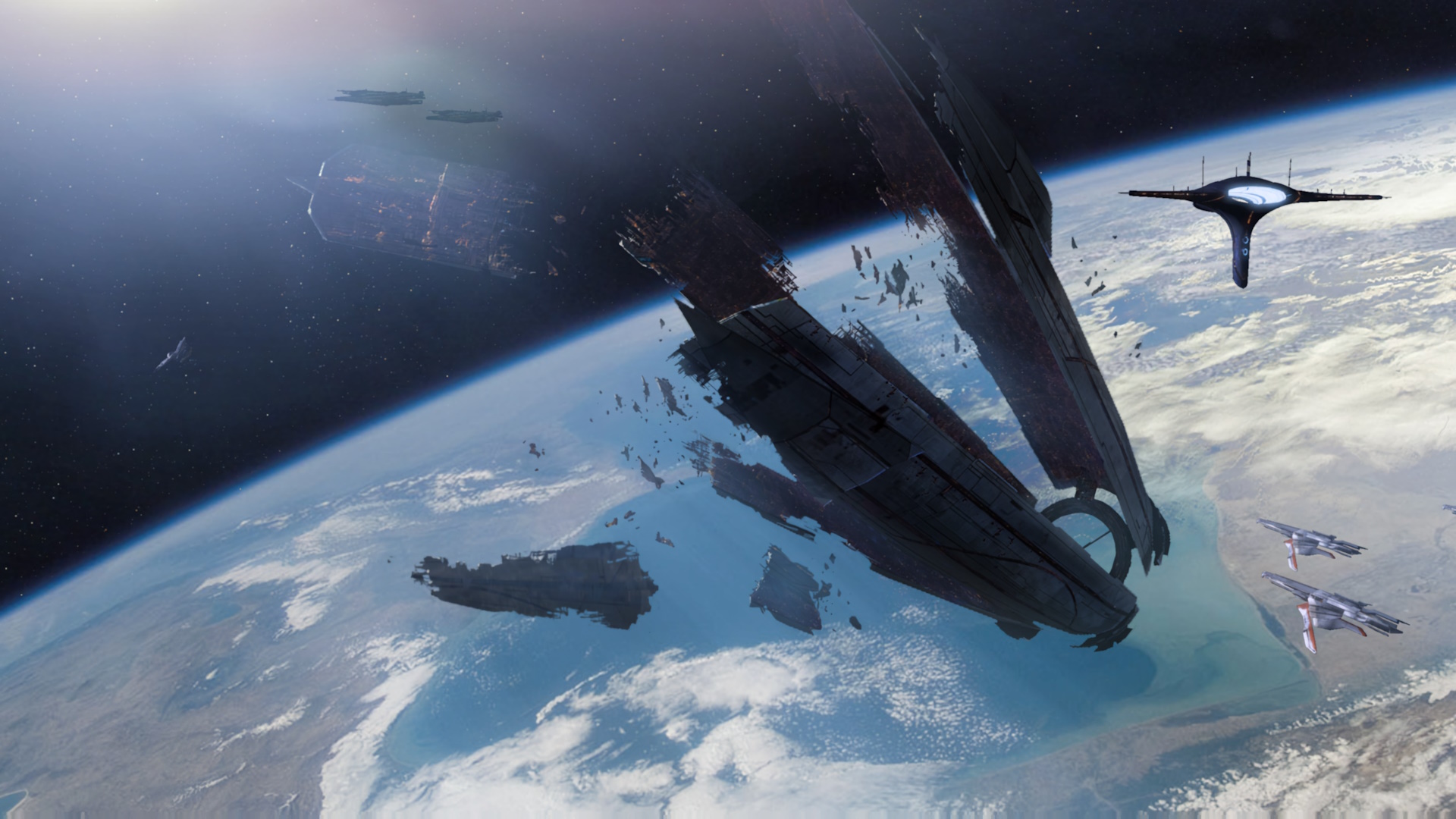
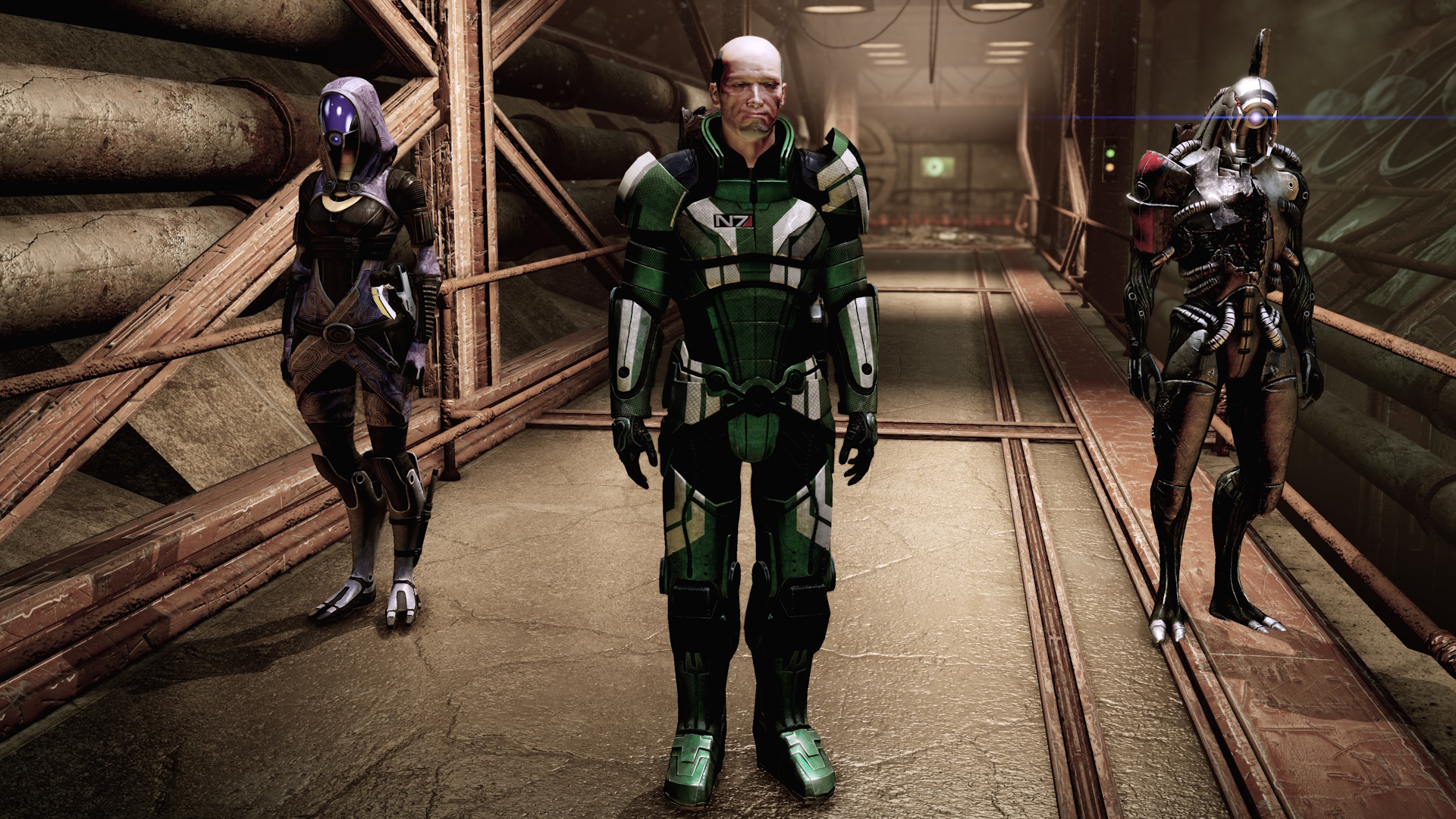
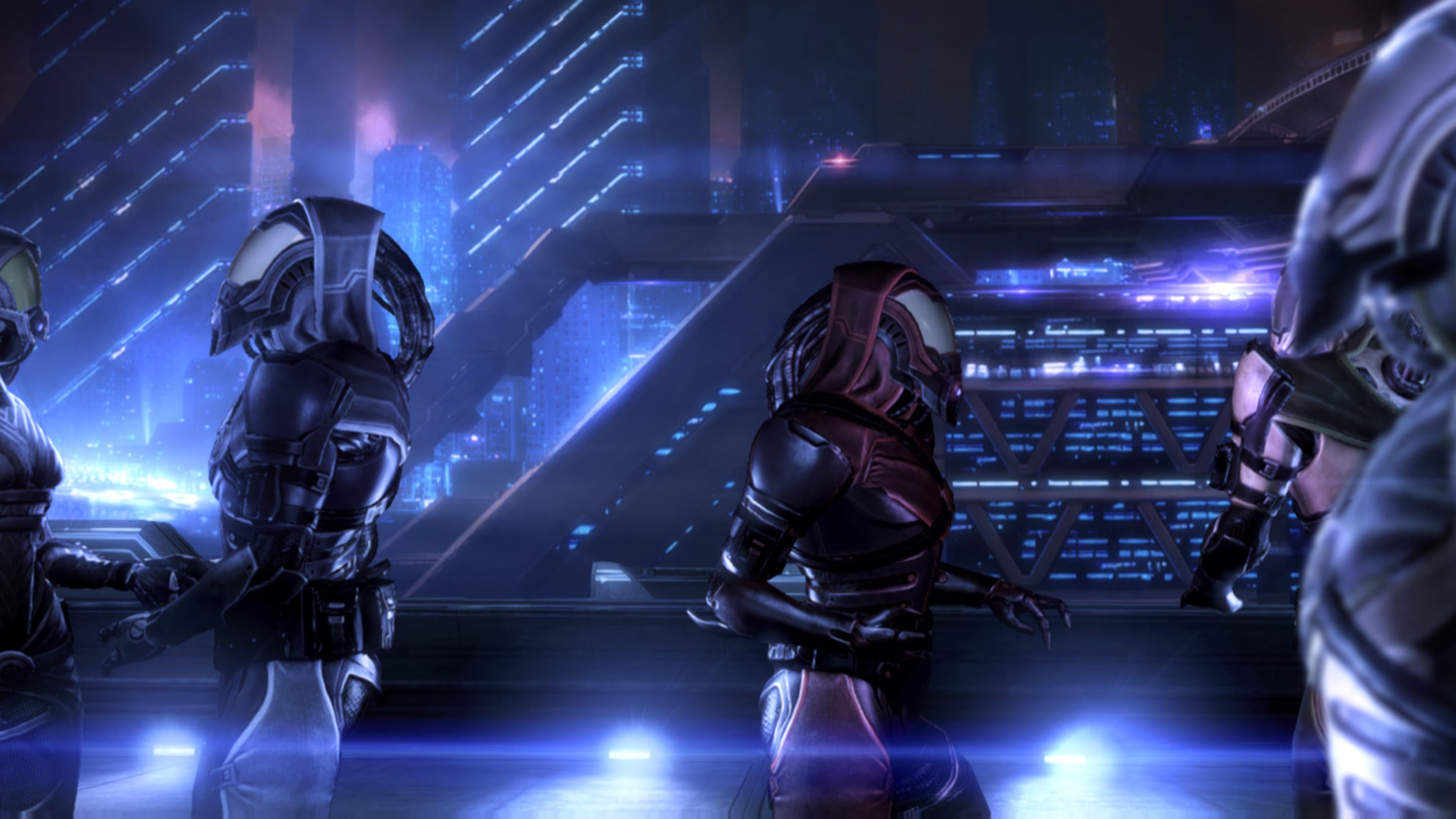
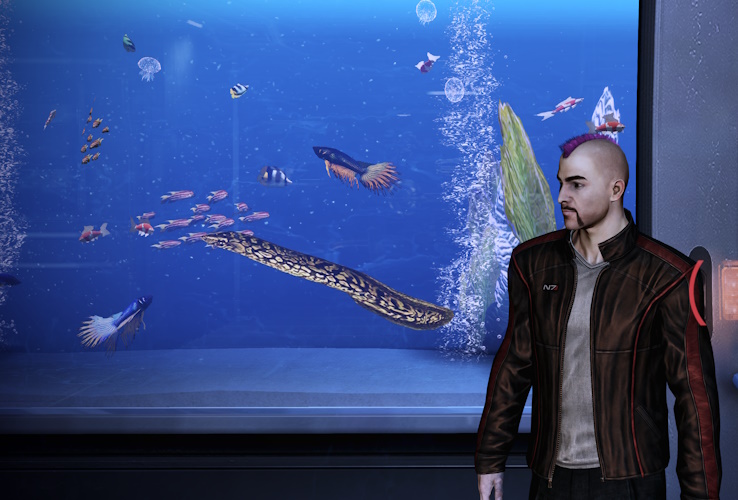
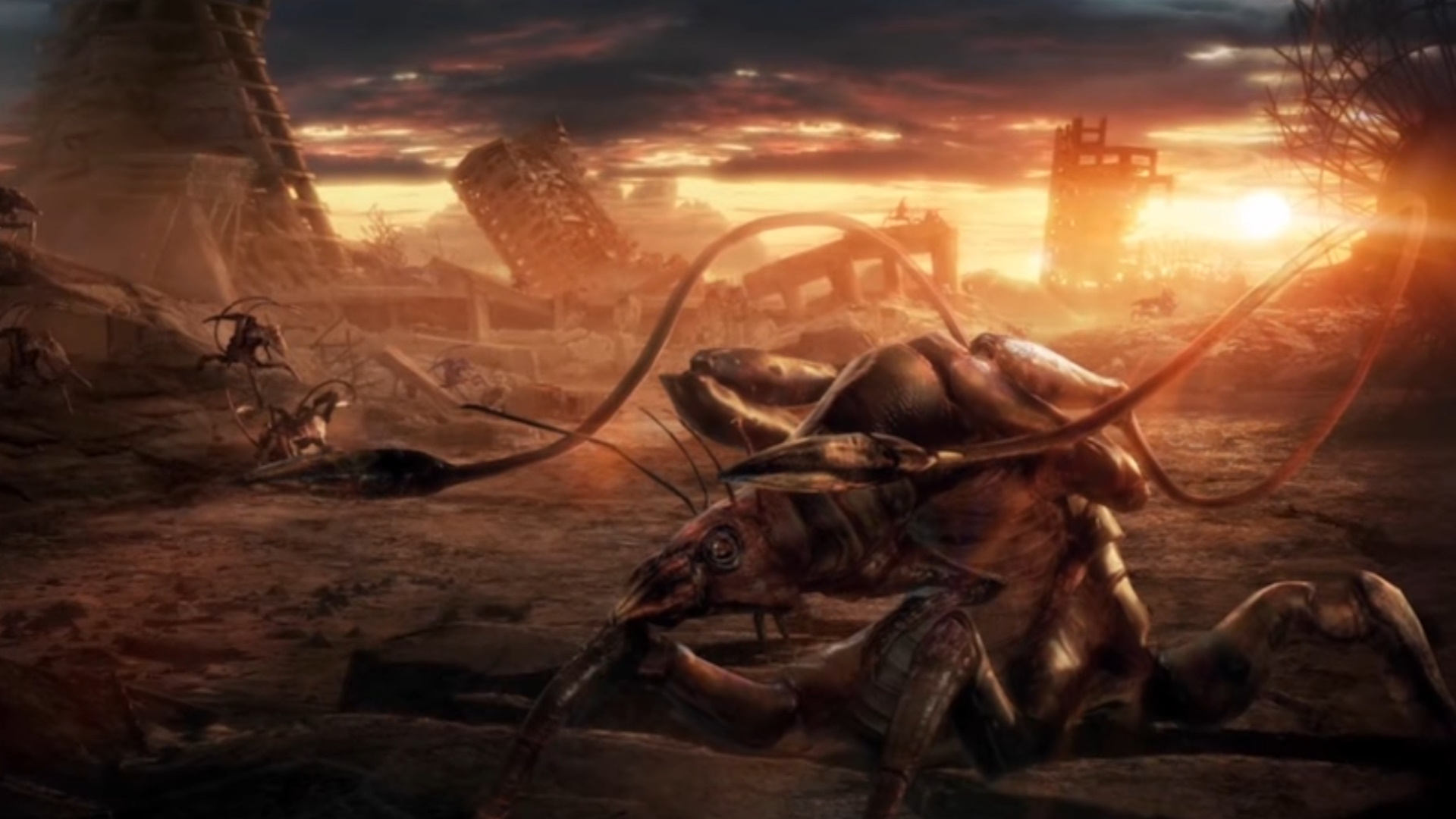
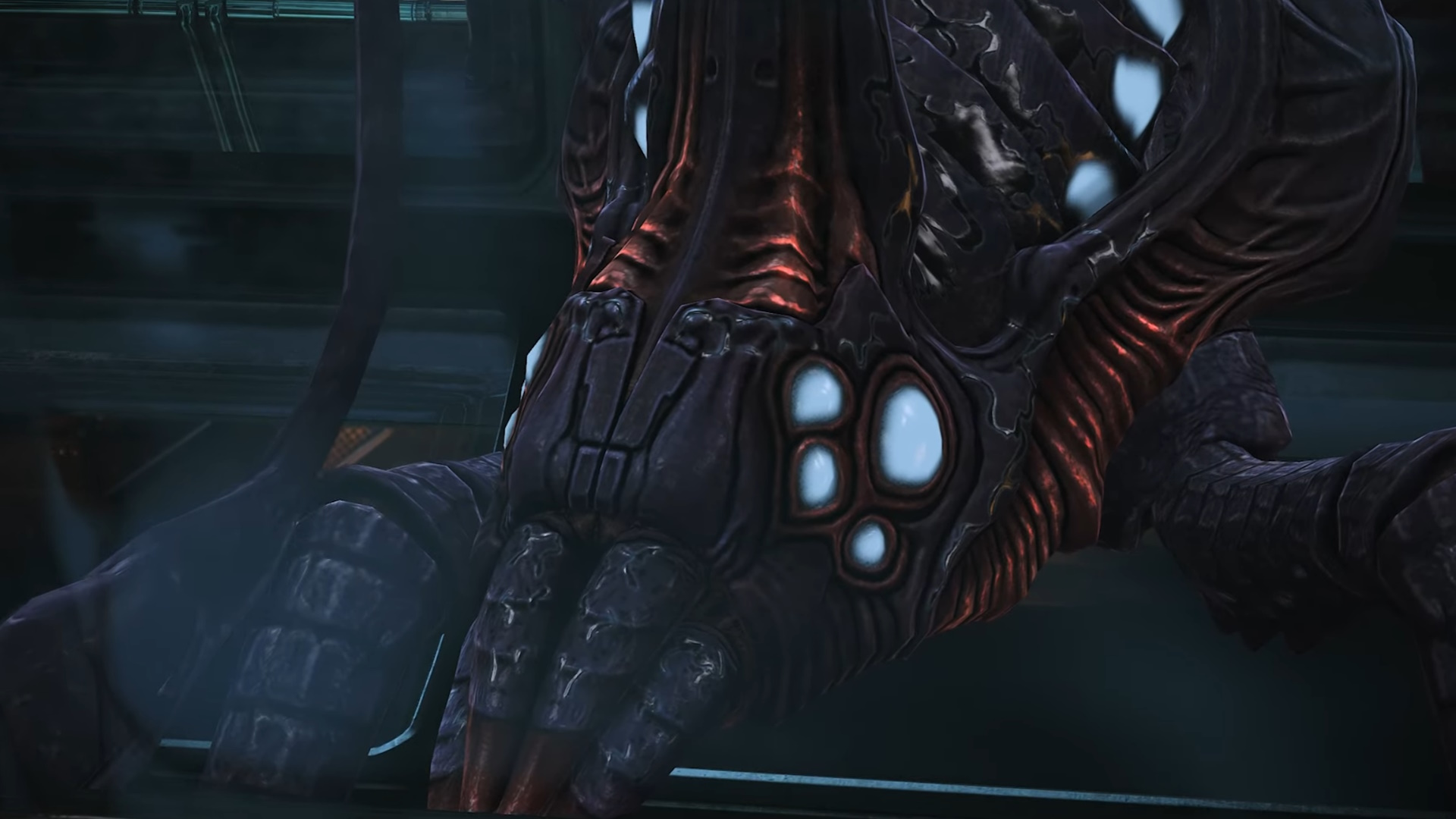
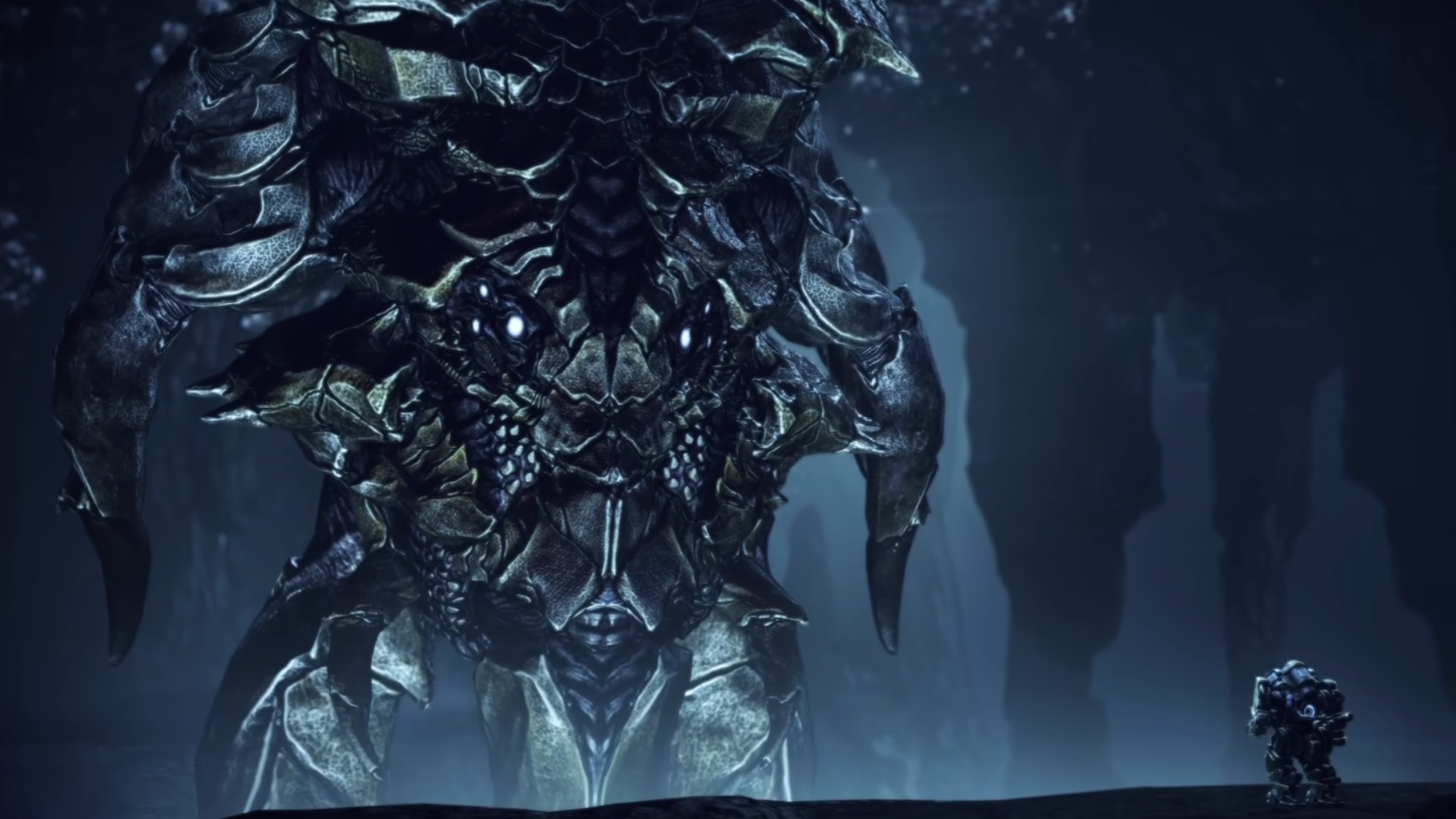
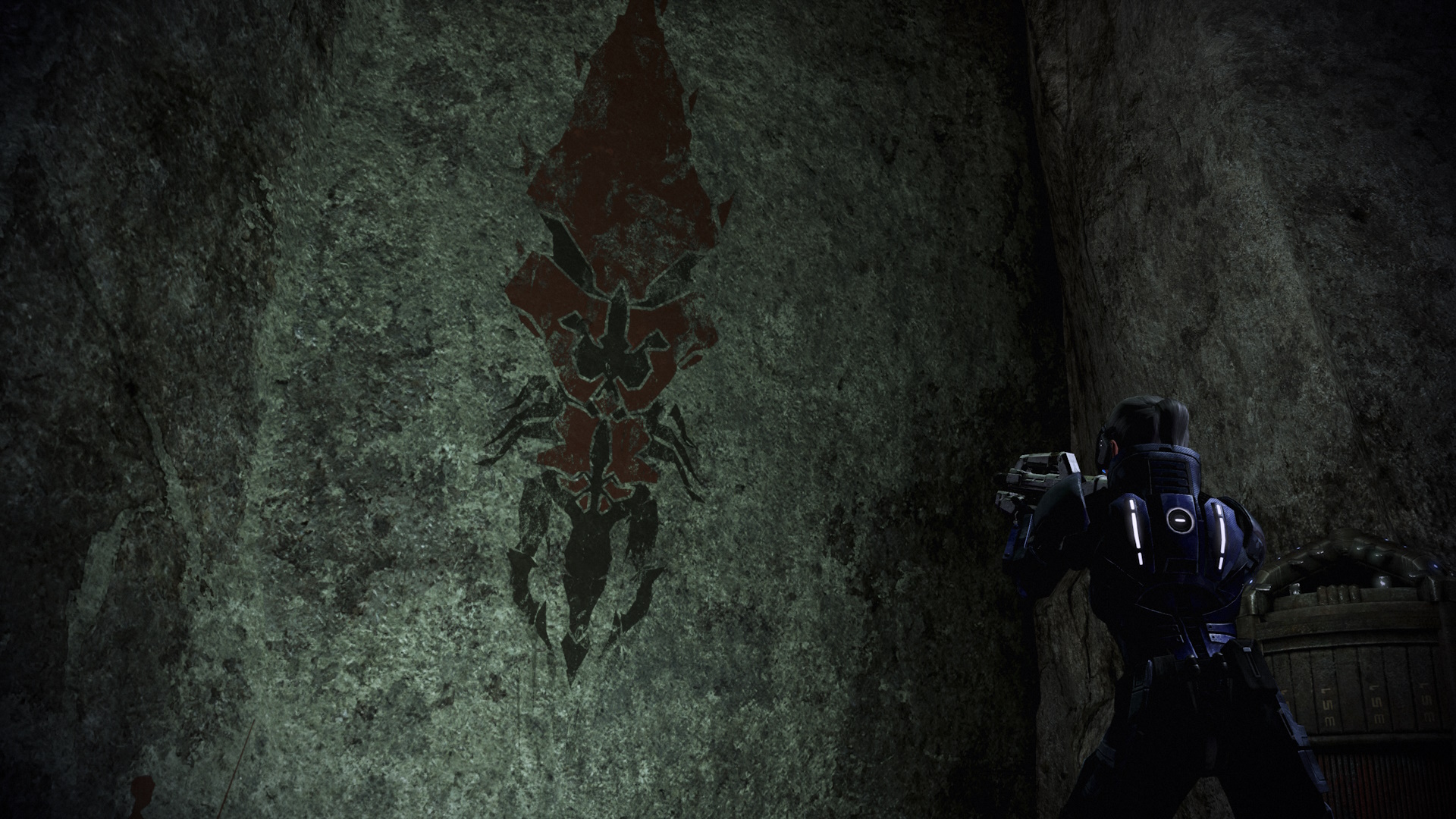
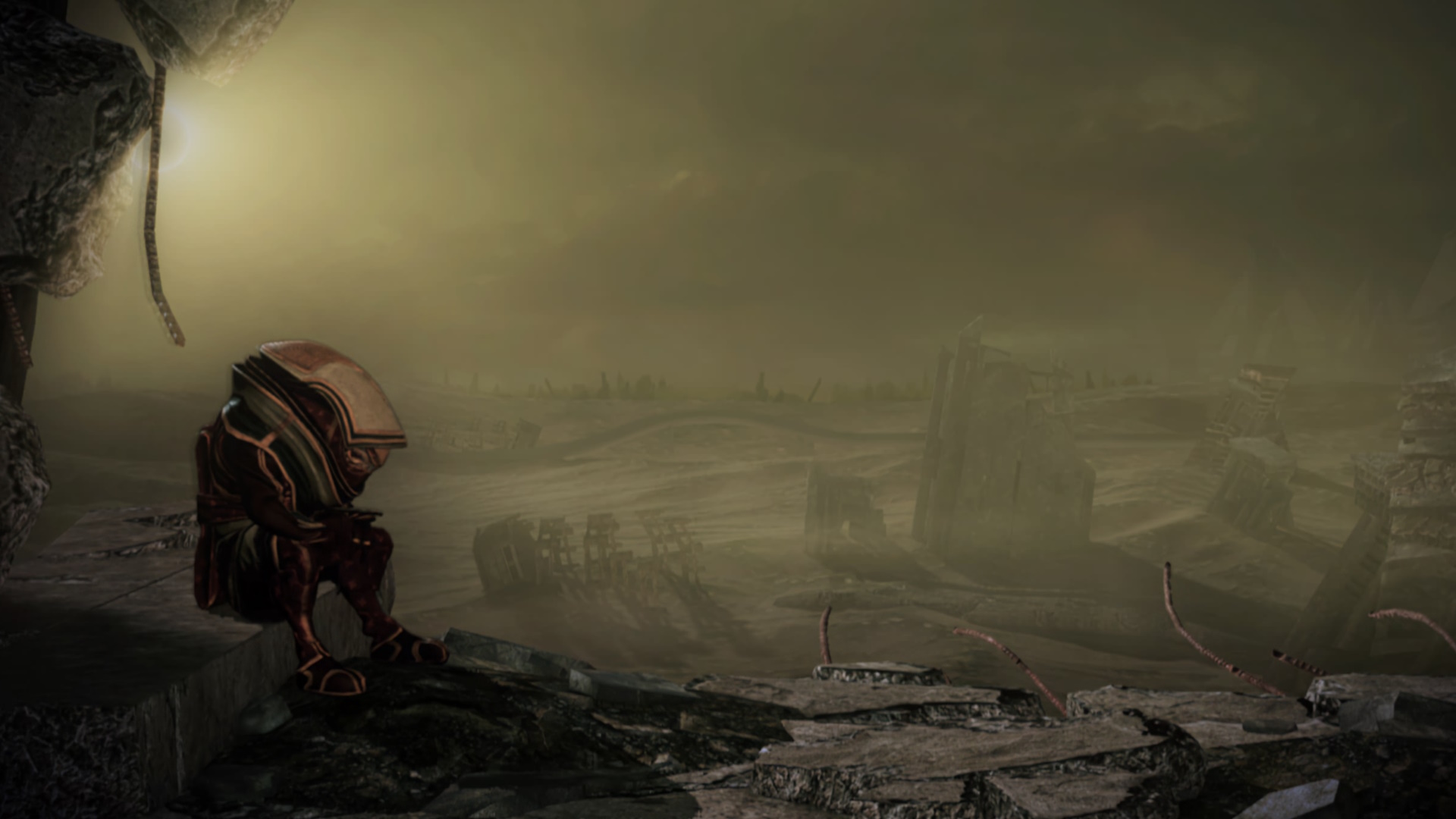
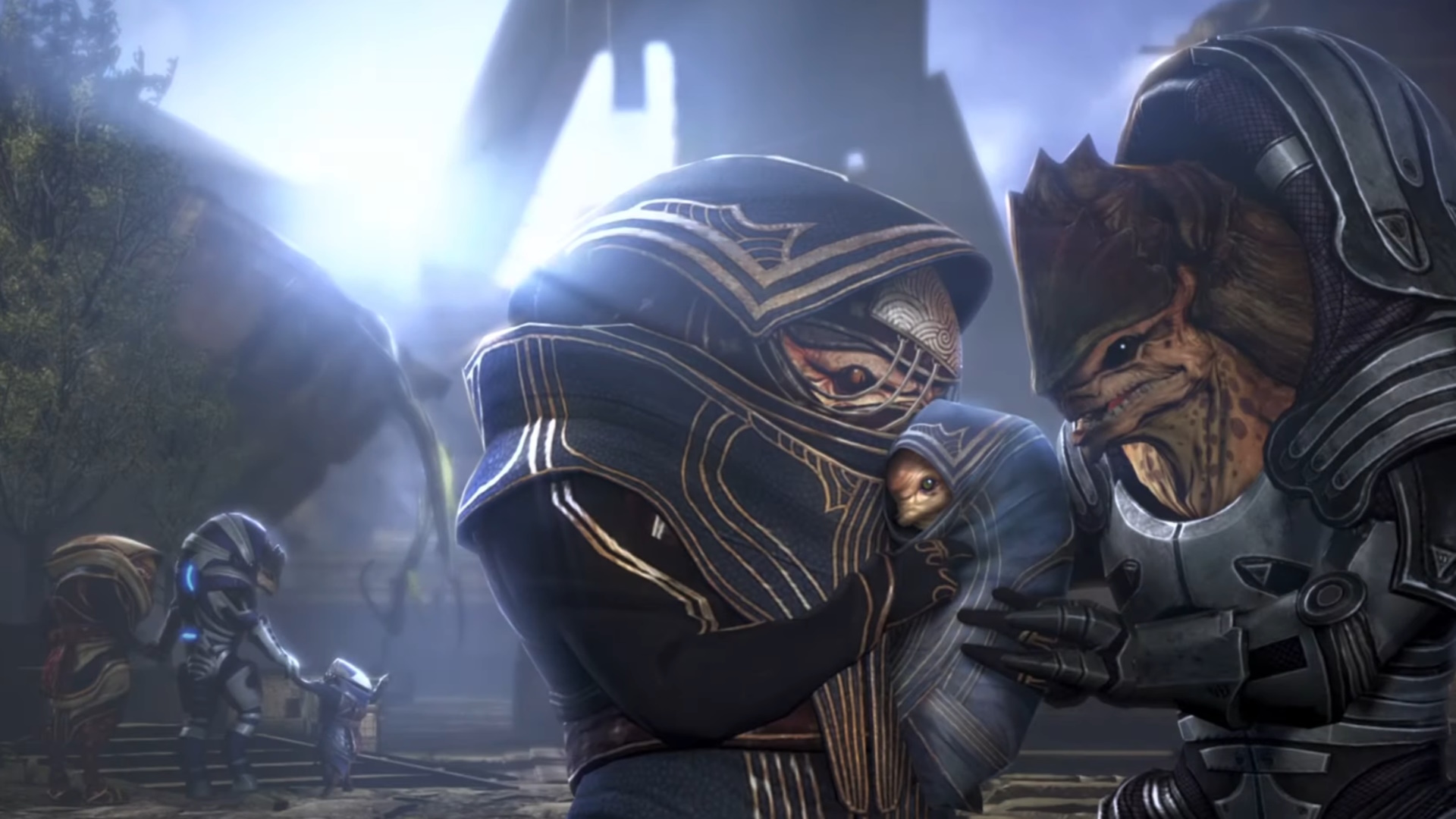
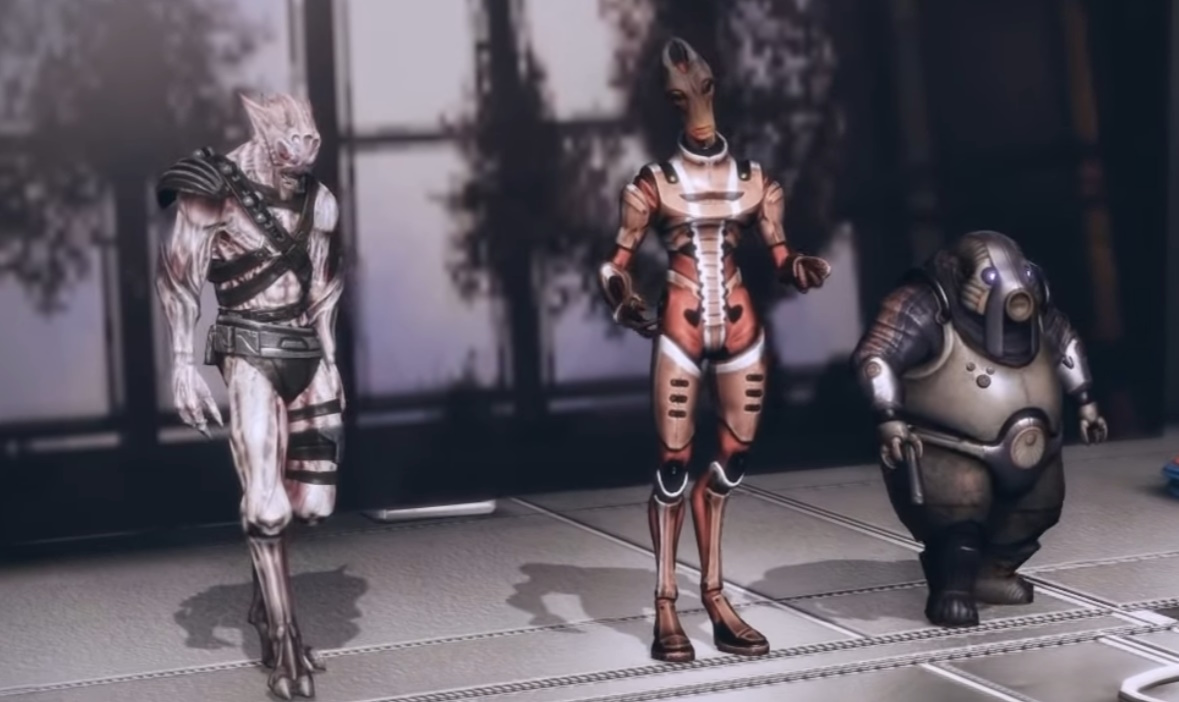
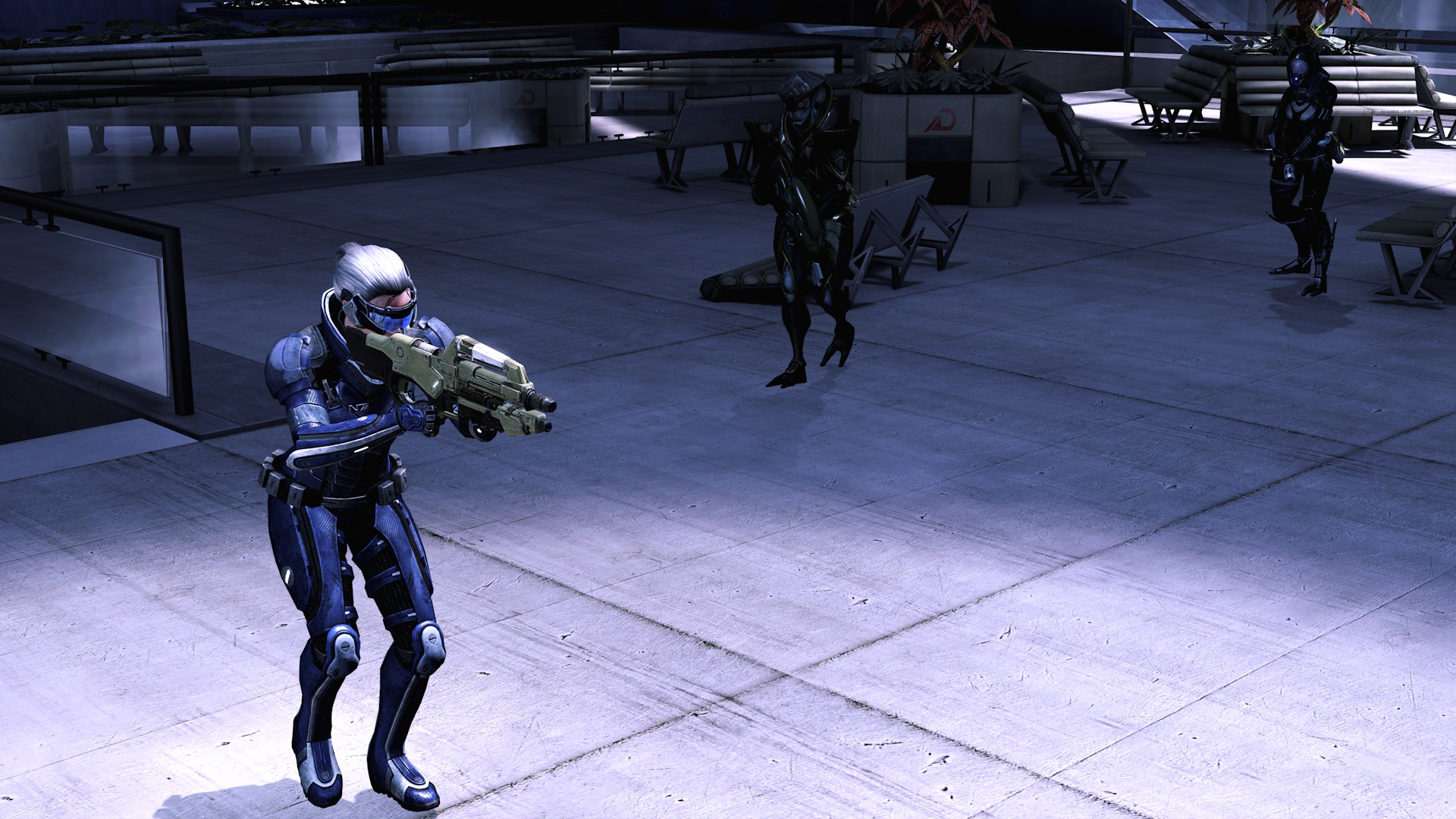

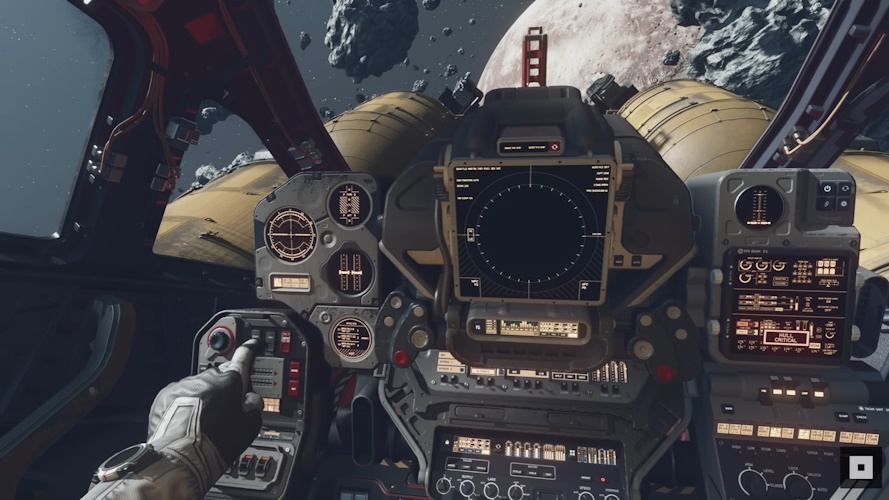


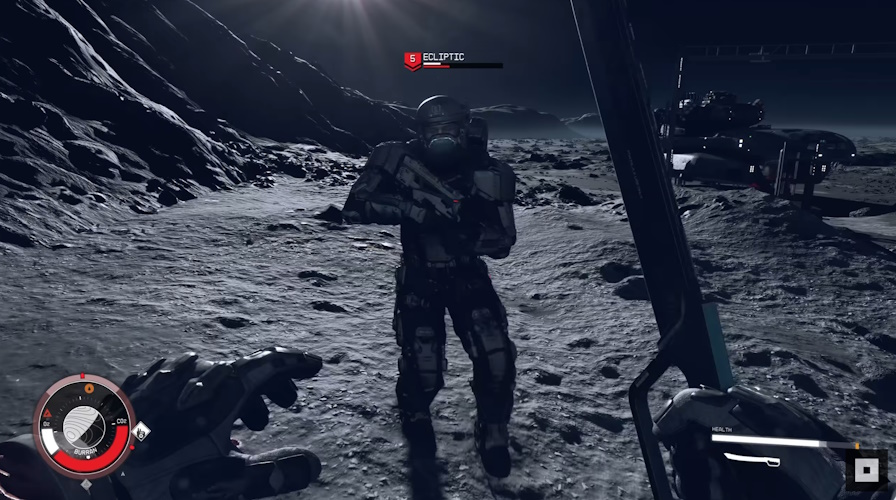


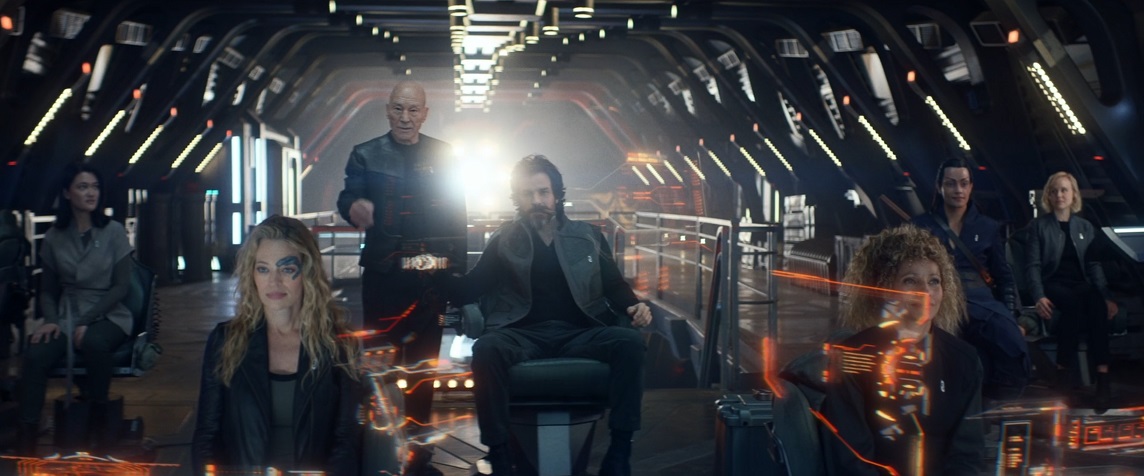


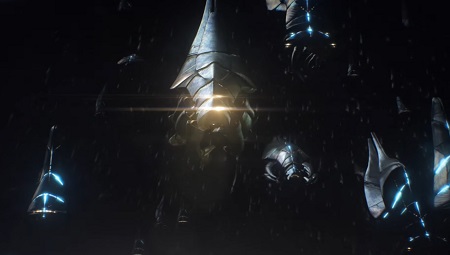
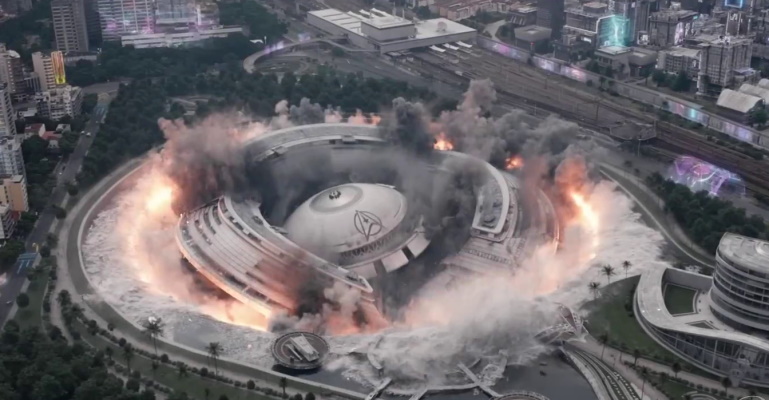

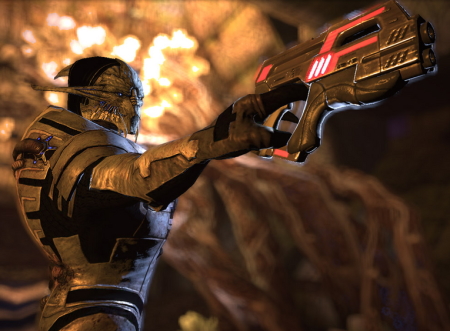
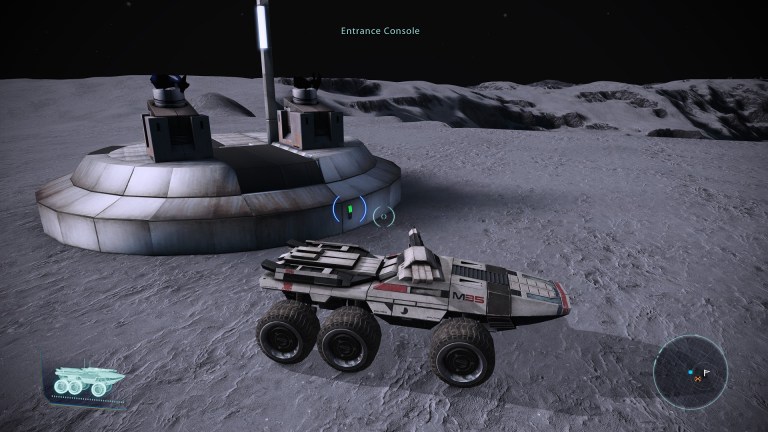
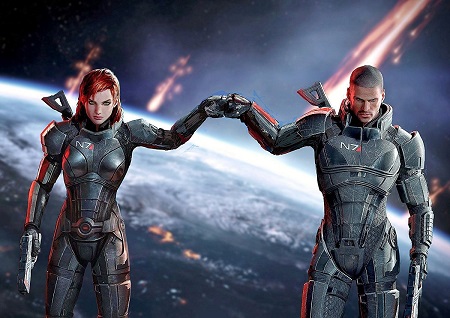
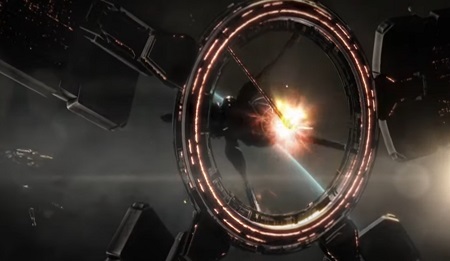
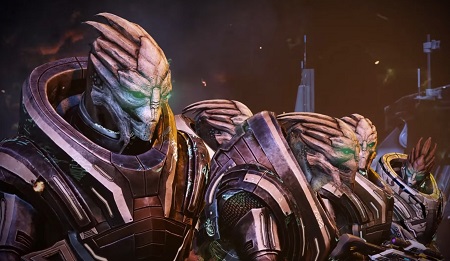
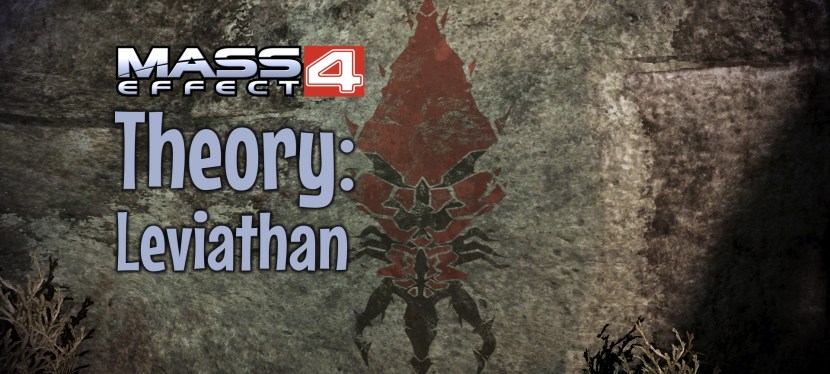
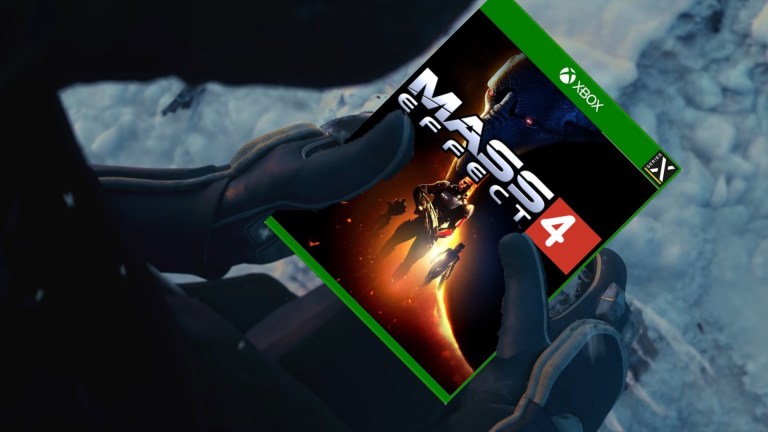
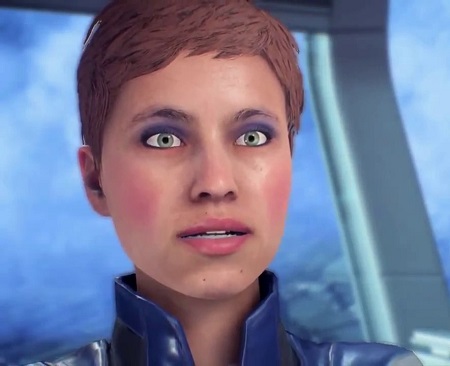
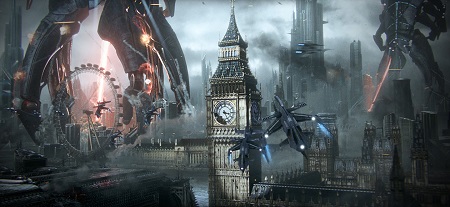
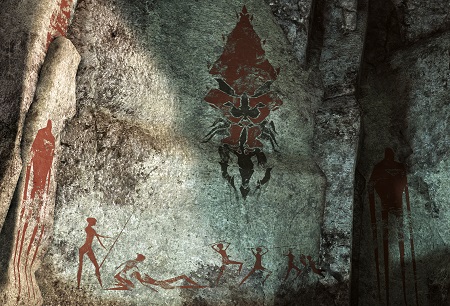
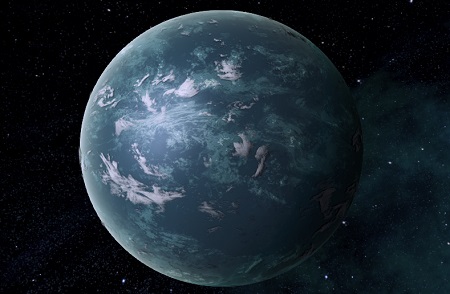
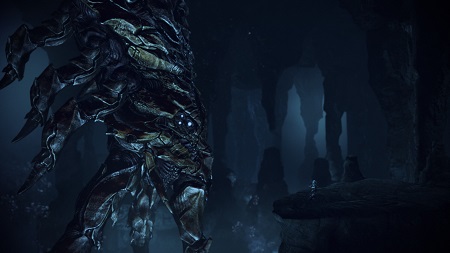
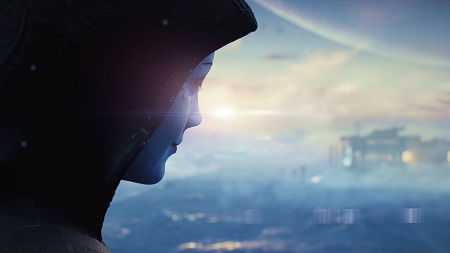

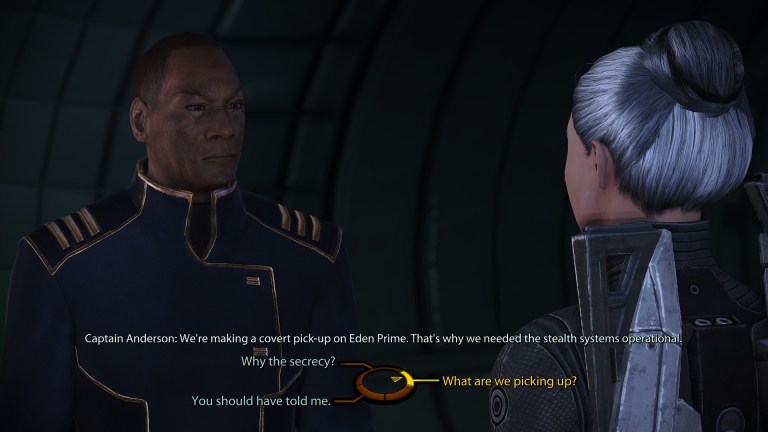
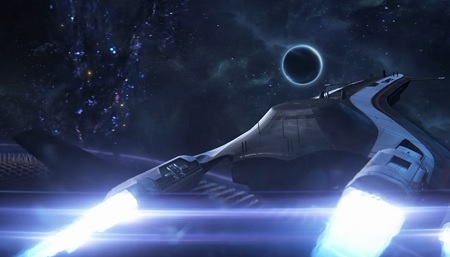
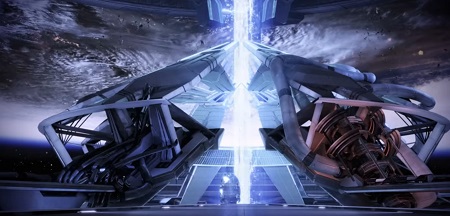
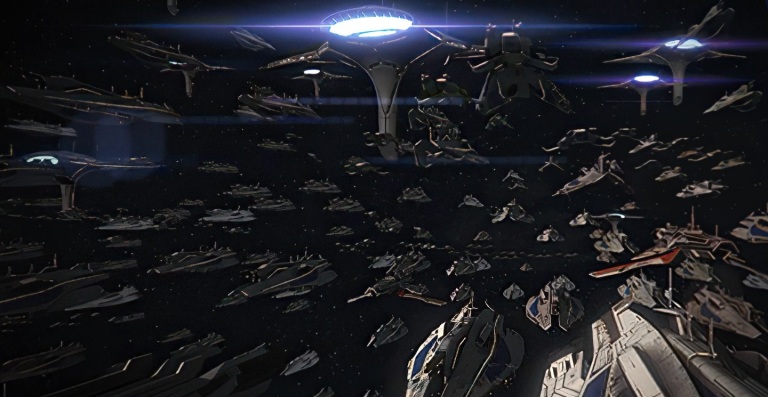

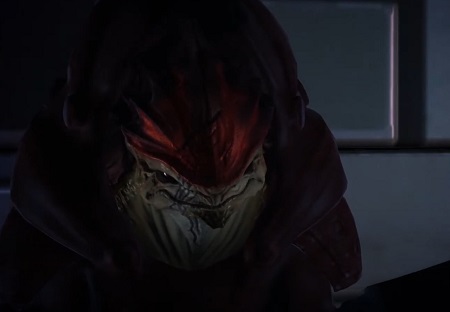
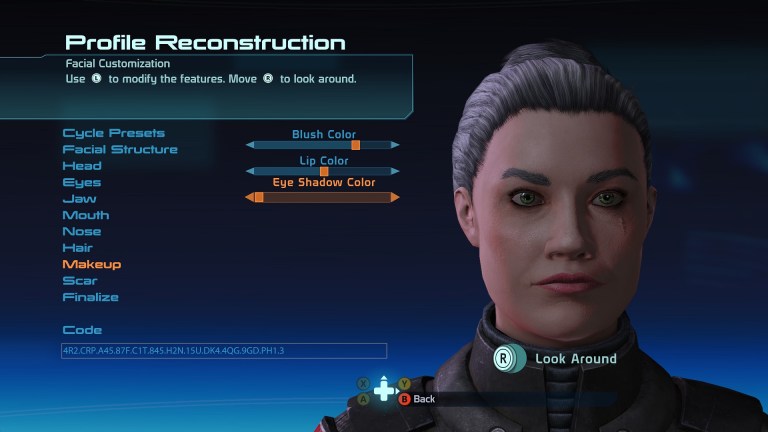
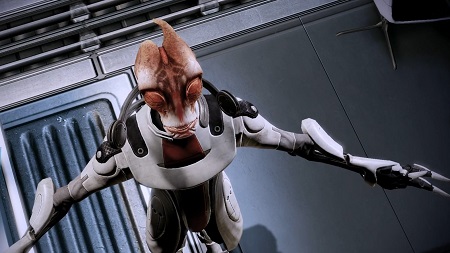

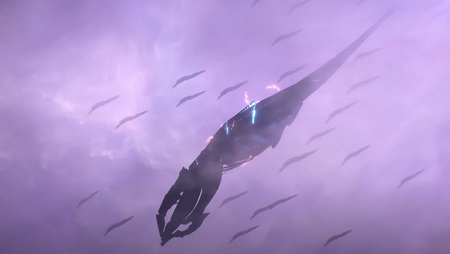
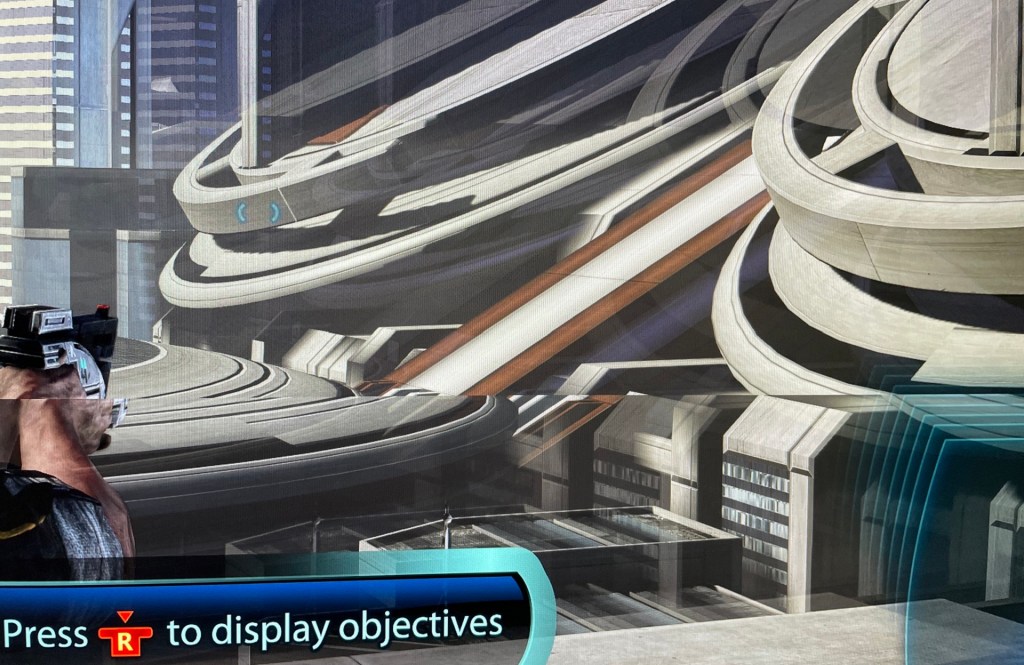
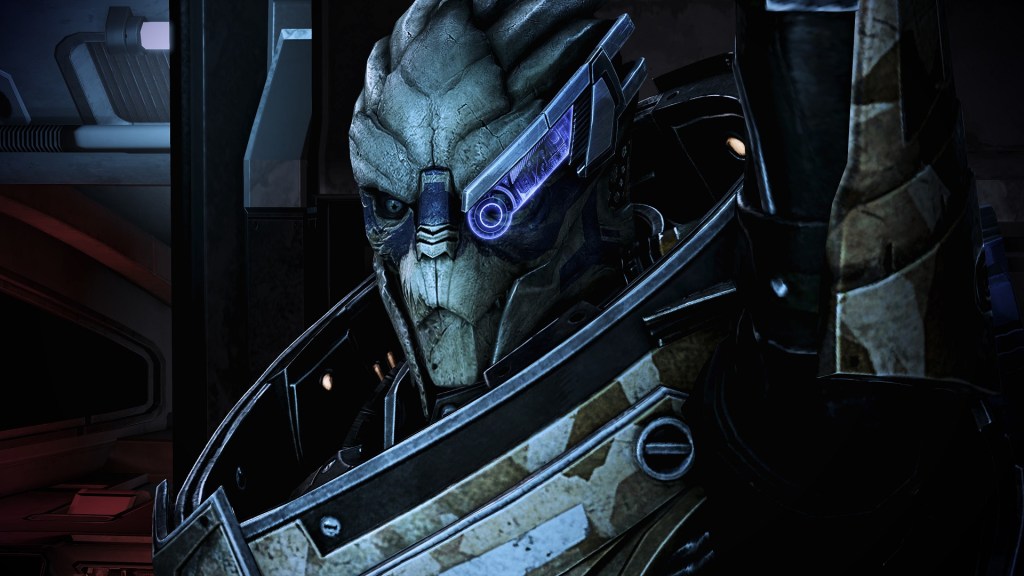
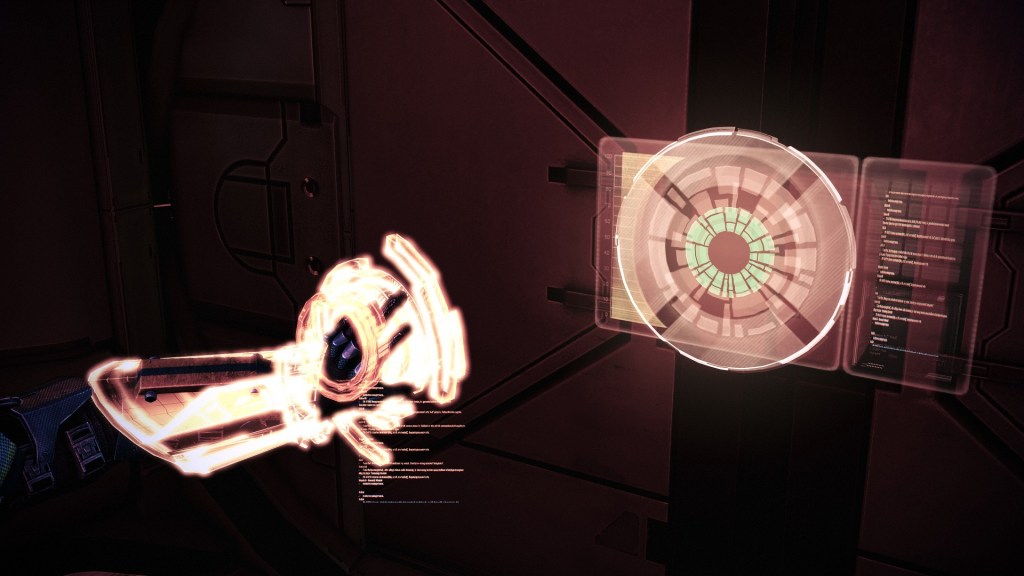

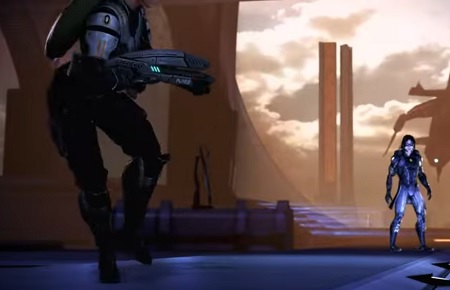
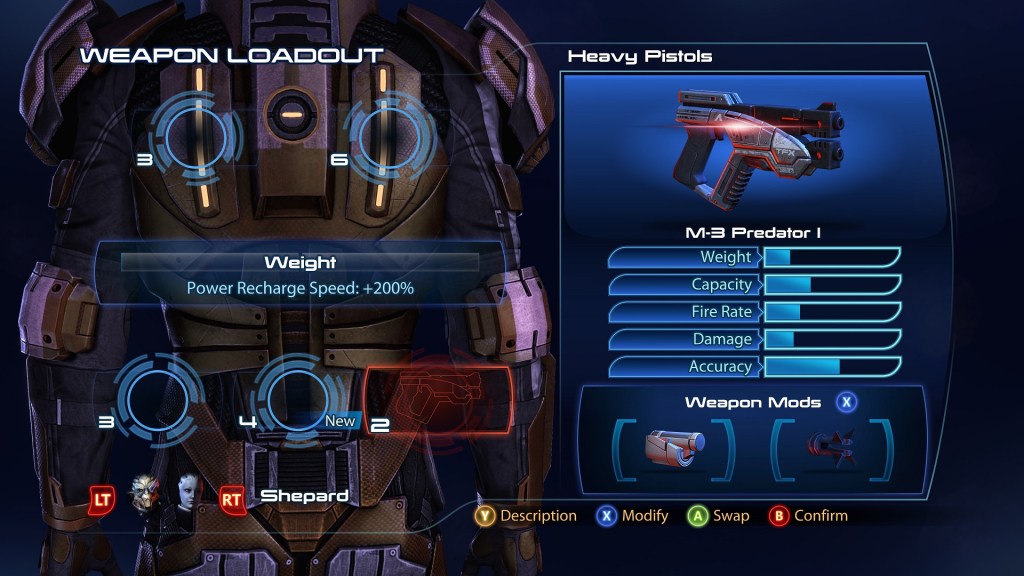
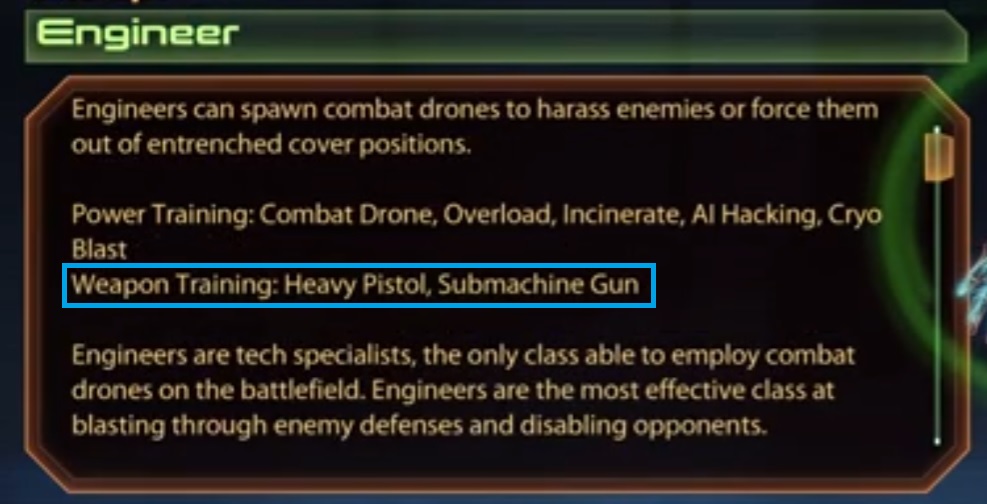


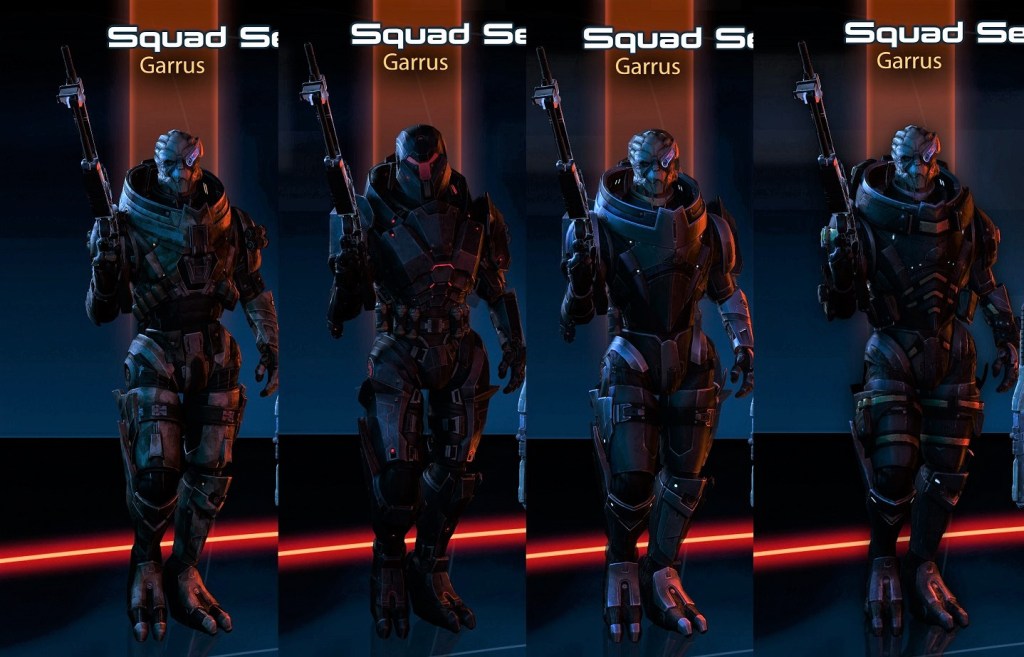
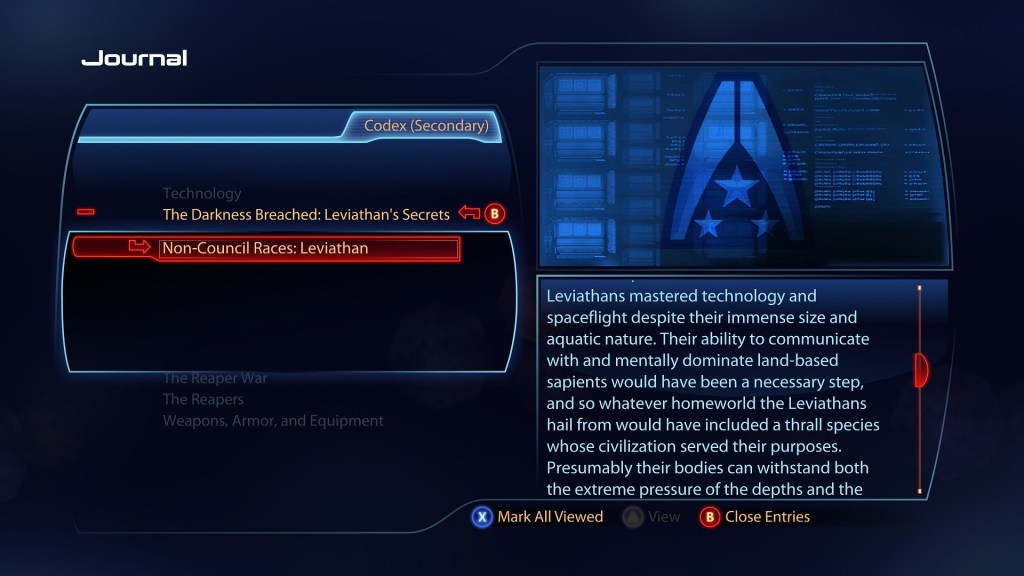
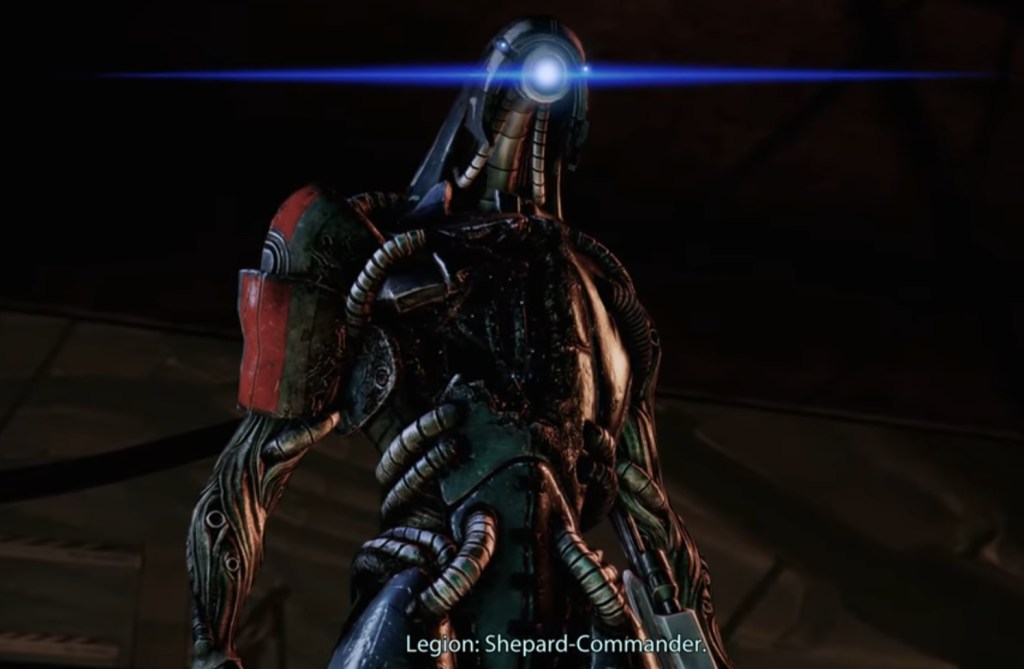
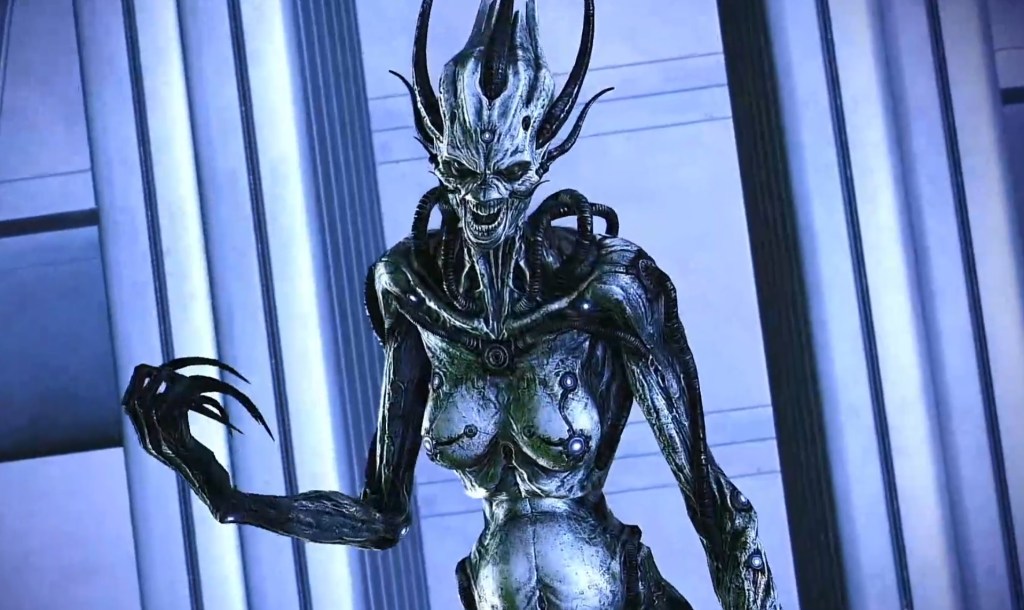
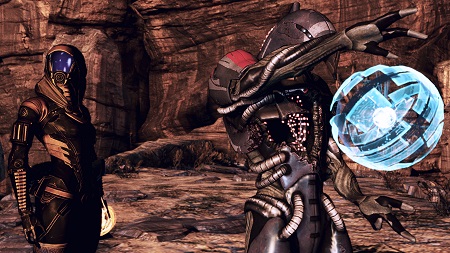
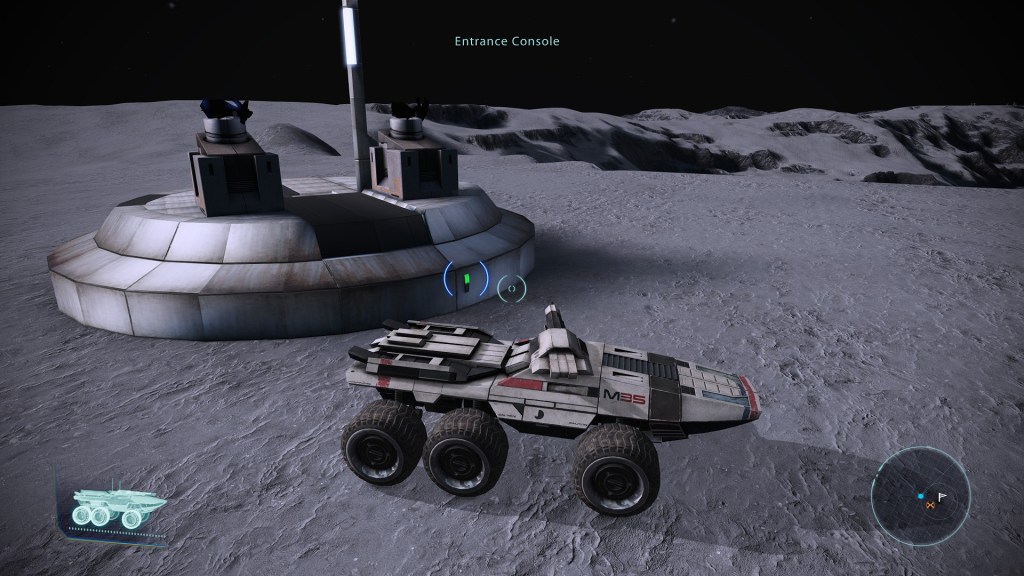
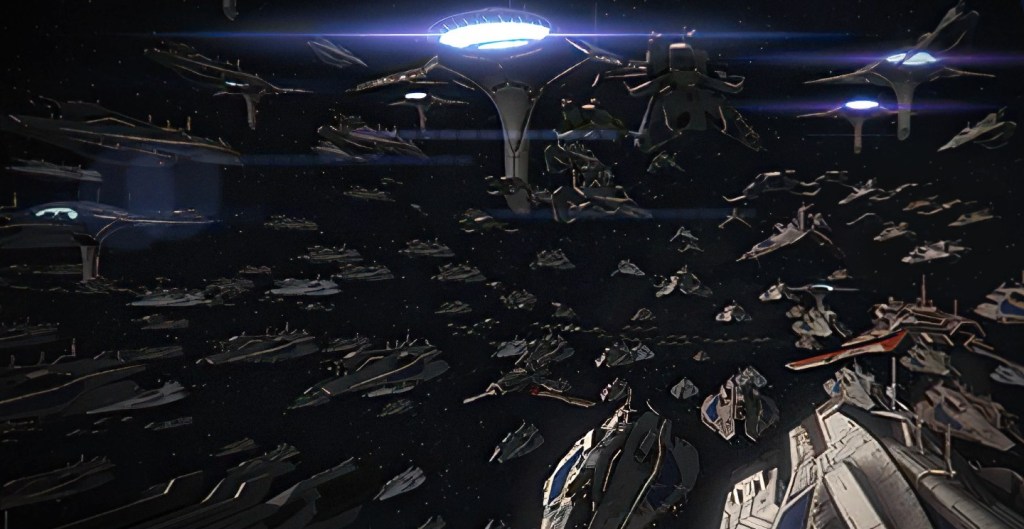
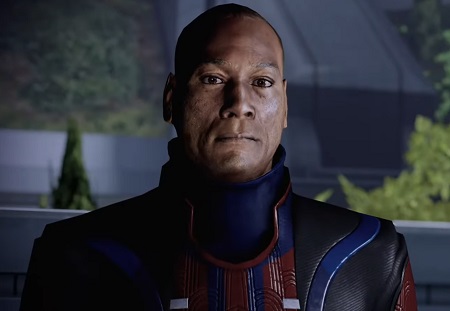
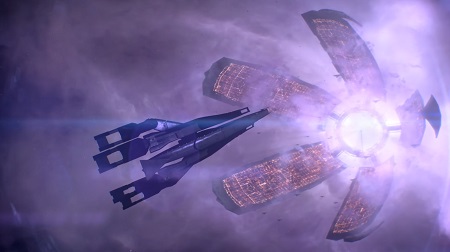
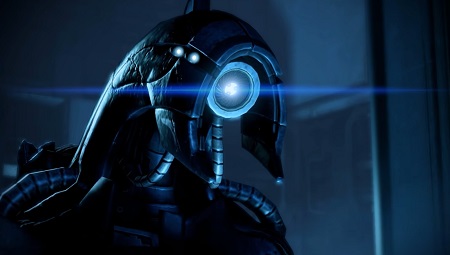
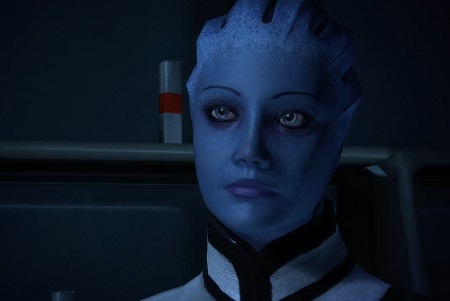
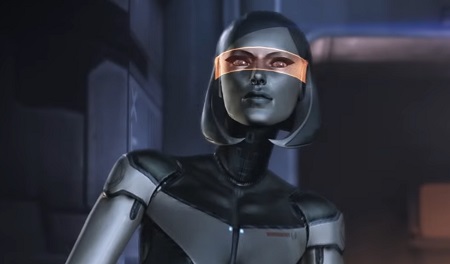
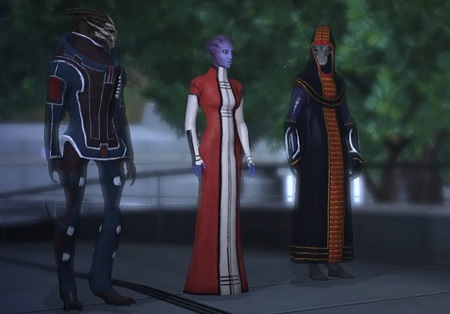

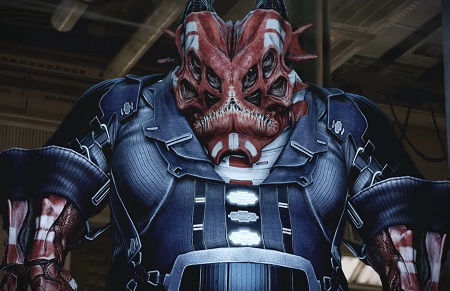
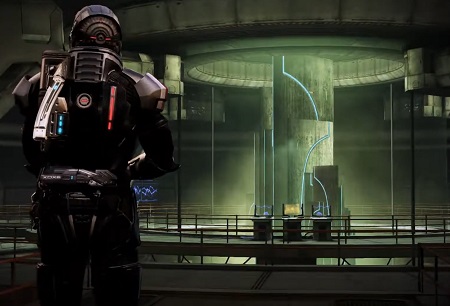
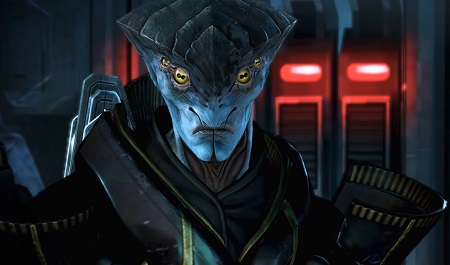

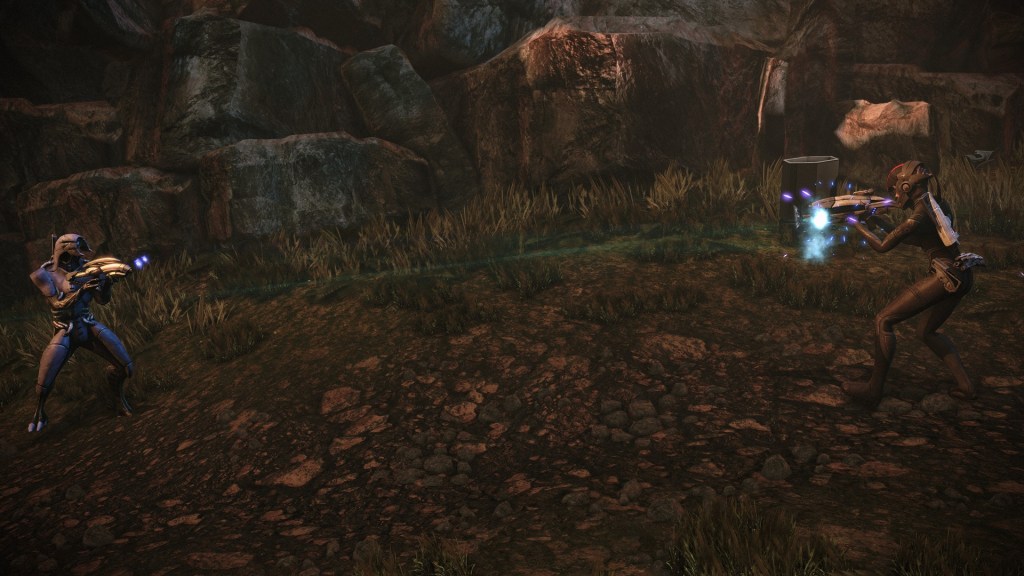

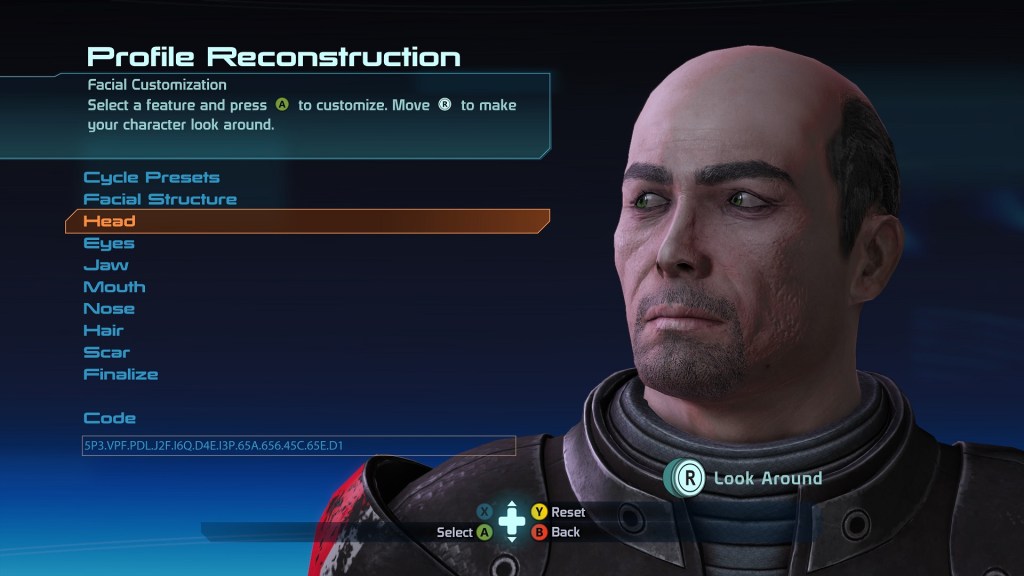
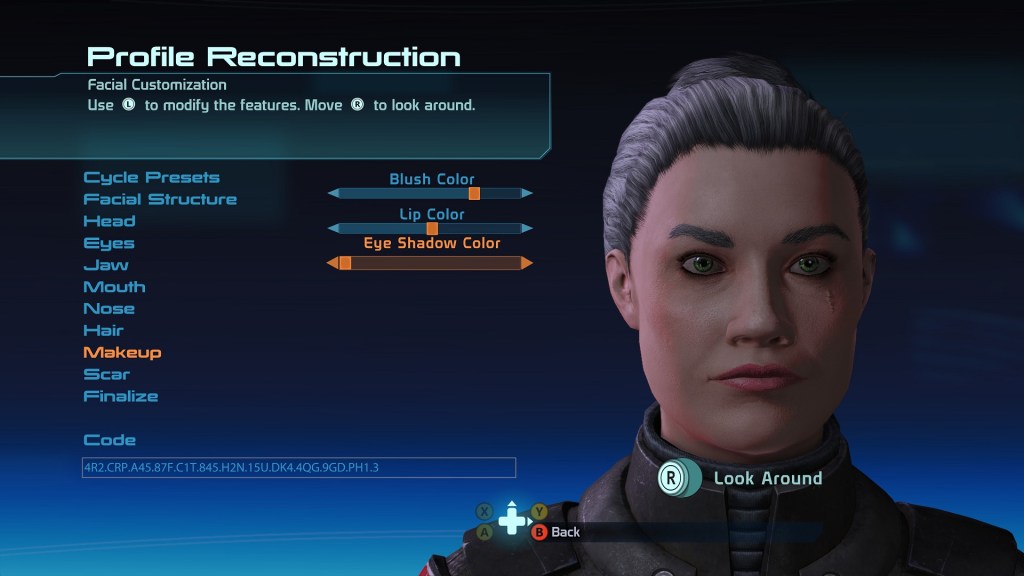
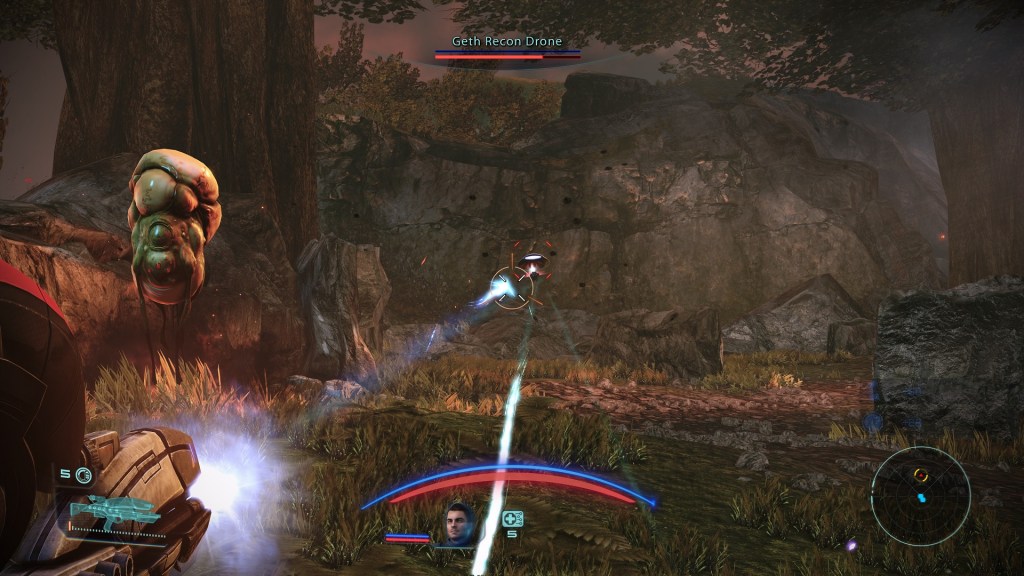
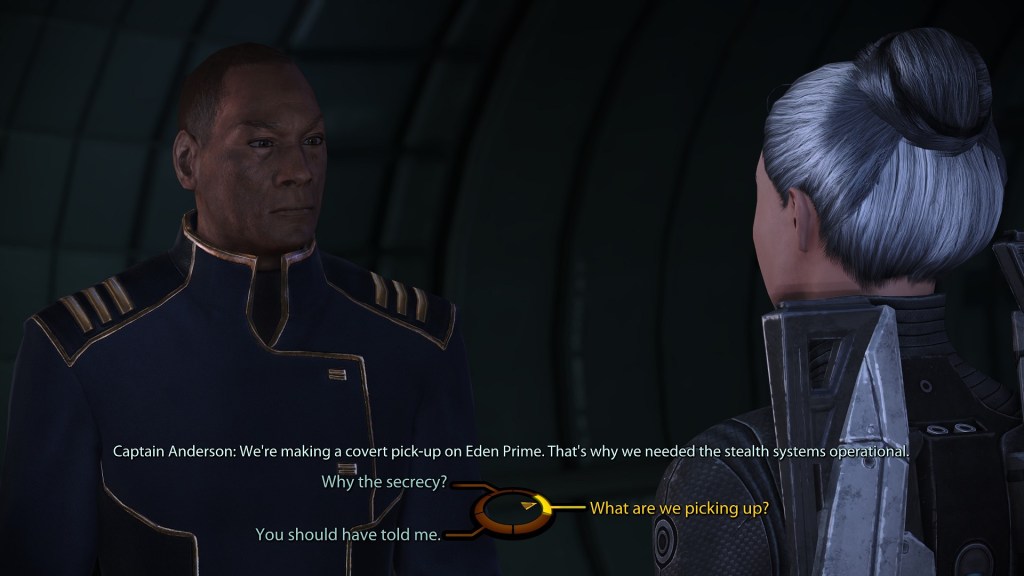
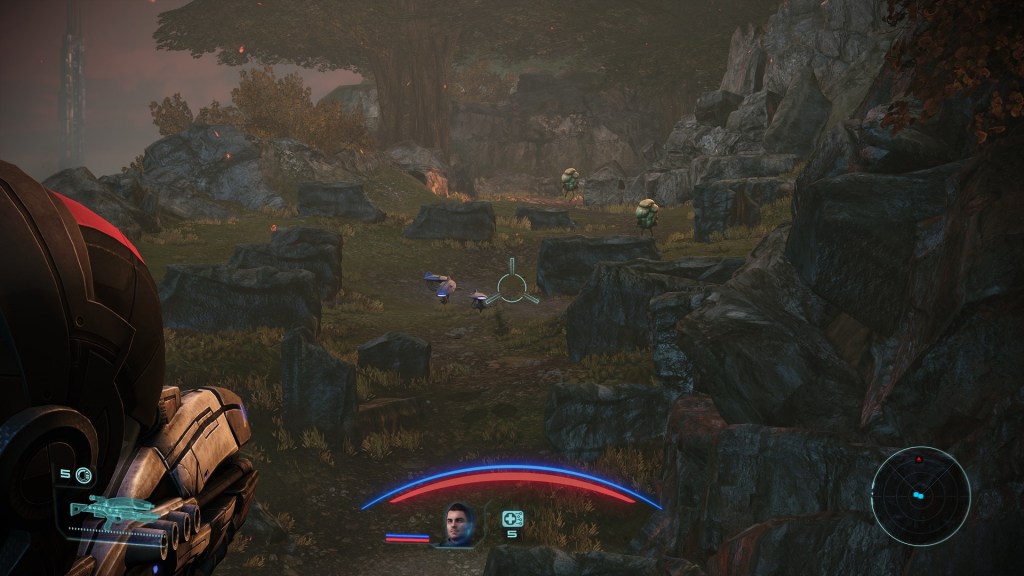
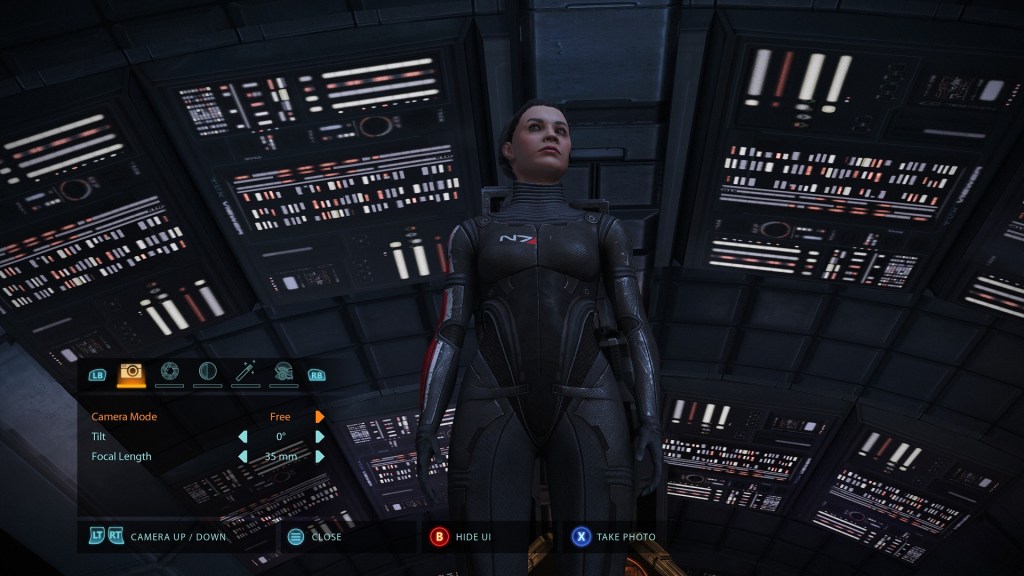

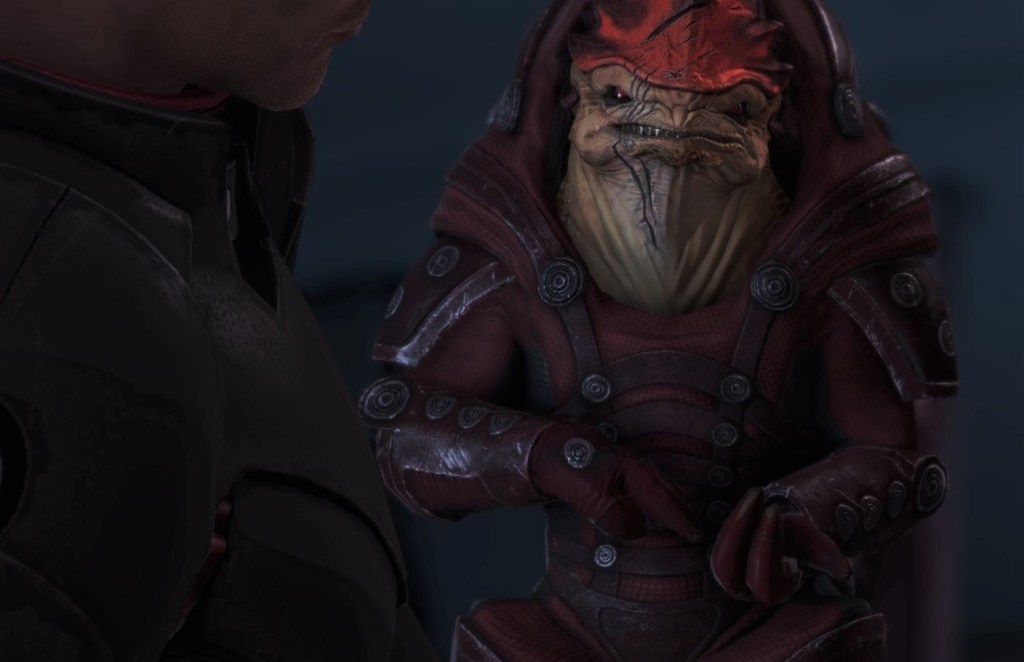

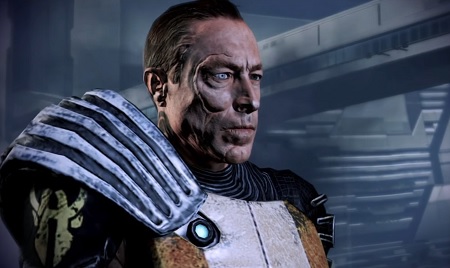
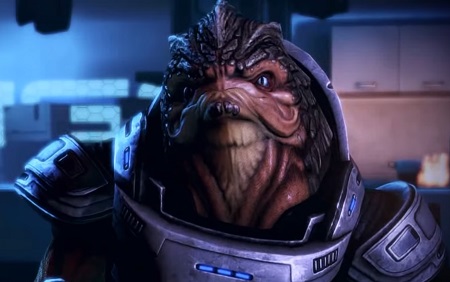
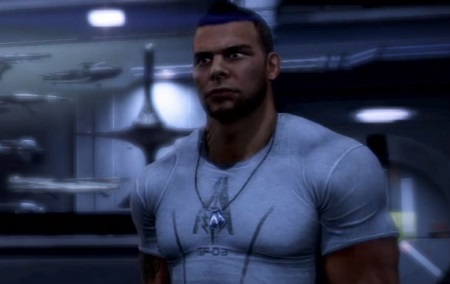
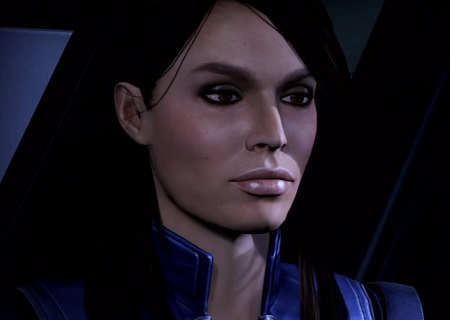
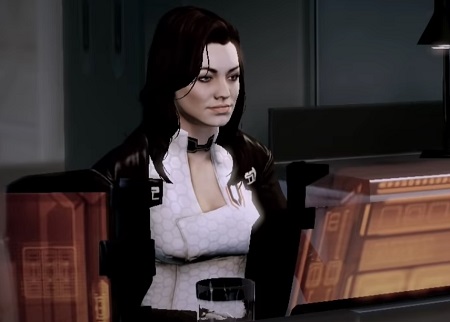
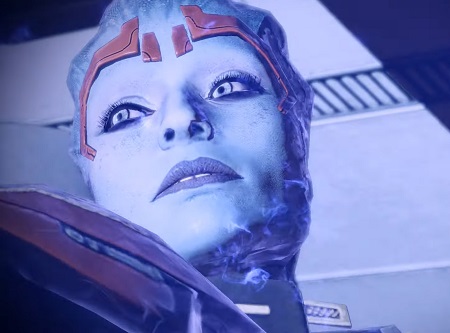
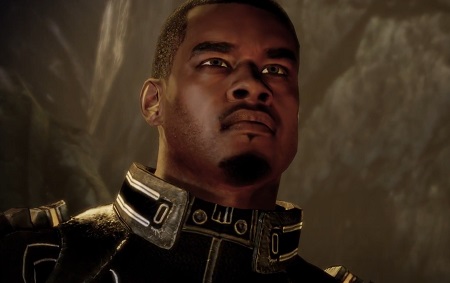
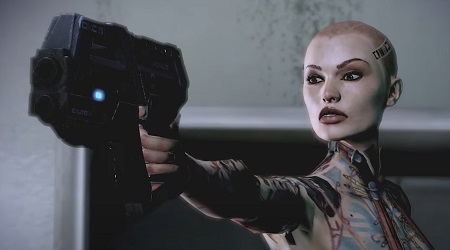
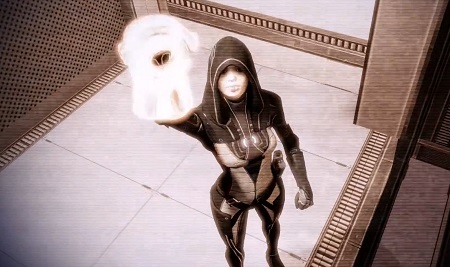
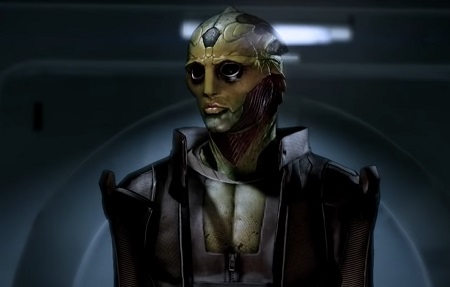
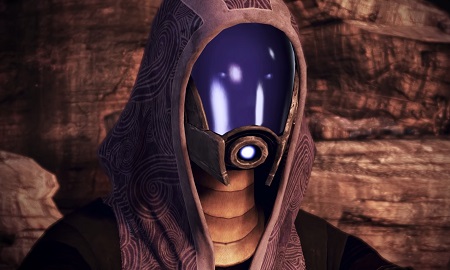
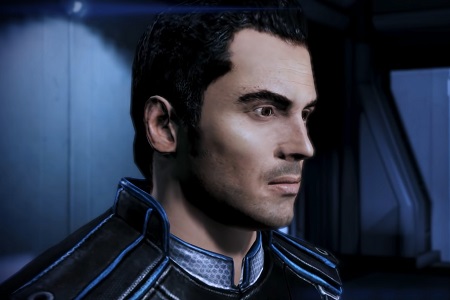
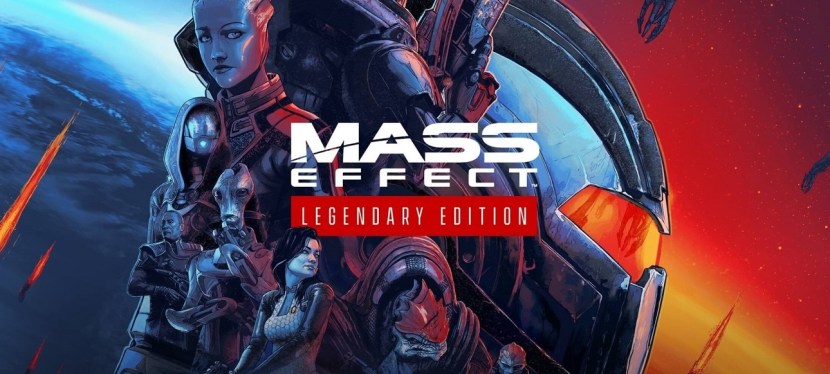
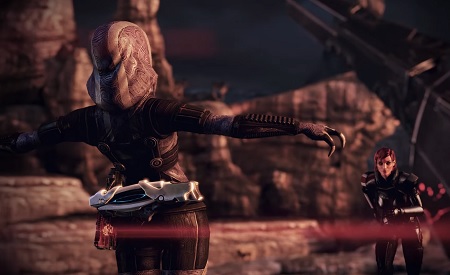
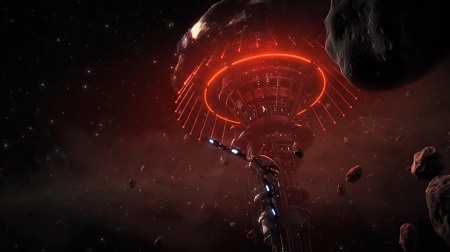
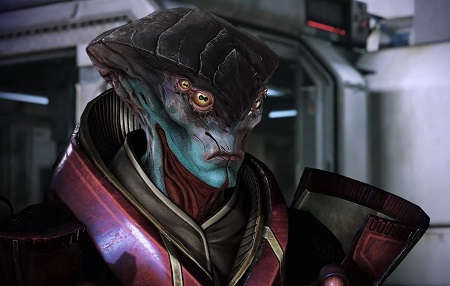

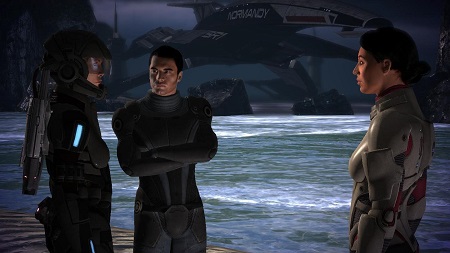

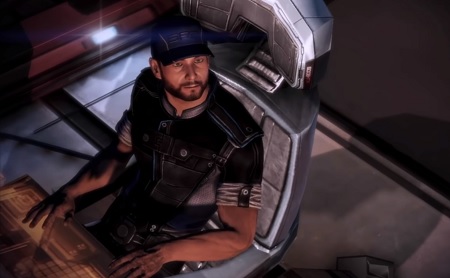
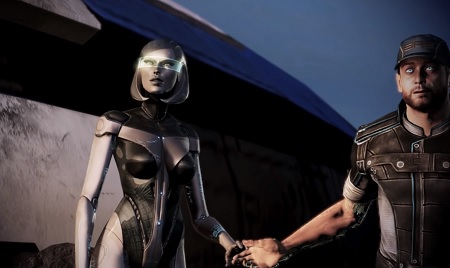
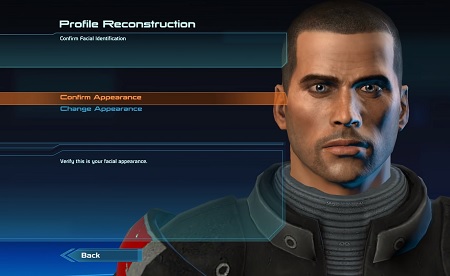

 Trekking with Dennis