The End of the Kelvin Timeline?

A Star Trek-themed spoiler warning.

Spoiler Warning: Beware of minor spoilers for the Kelvine timeline films and Strange New Worlds.

In a little over six months from now, it’ll be ten years – an entire decade – since Star Trek Beyond hit cinemas. Beyond is the most recent film in the Kelvin timeline – the Star Trek spin-off films set in an alternate reality. There have been multiple attempts in the nine-plus years since its release to get a sequel off the ground, including a couple of years ago when Paramount announced – and then had to rapidly un-announce – a film that wasn’t ready. That was a clusterfuck, eh?

Every so often, if you follow some of the big Star Trek fansites and social media pages, an interview will pop up with a member of the Kelvin cast, and they always make the right noises, sounding positive and hopeful about one day returning and making another film. But if recent reports are to be believed, the newly-merged Skydance/Paramount corporation is ready to “move on” from the Kelvin timeline. While a new Star Trek film is supposedly being planned, it won’t involve the Kelvin timeline or the cast of the rebooted series. I thought we could discuss that today.
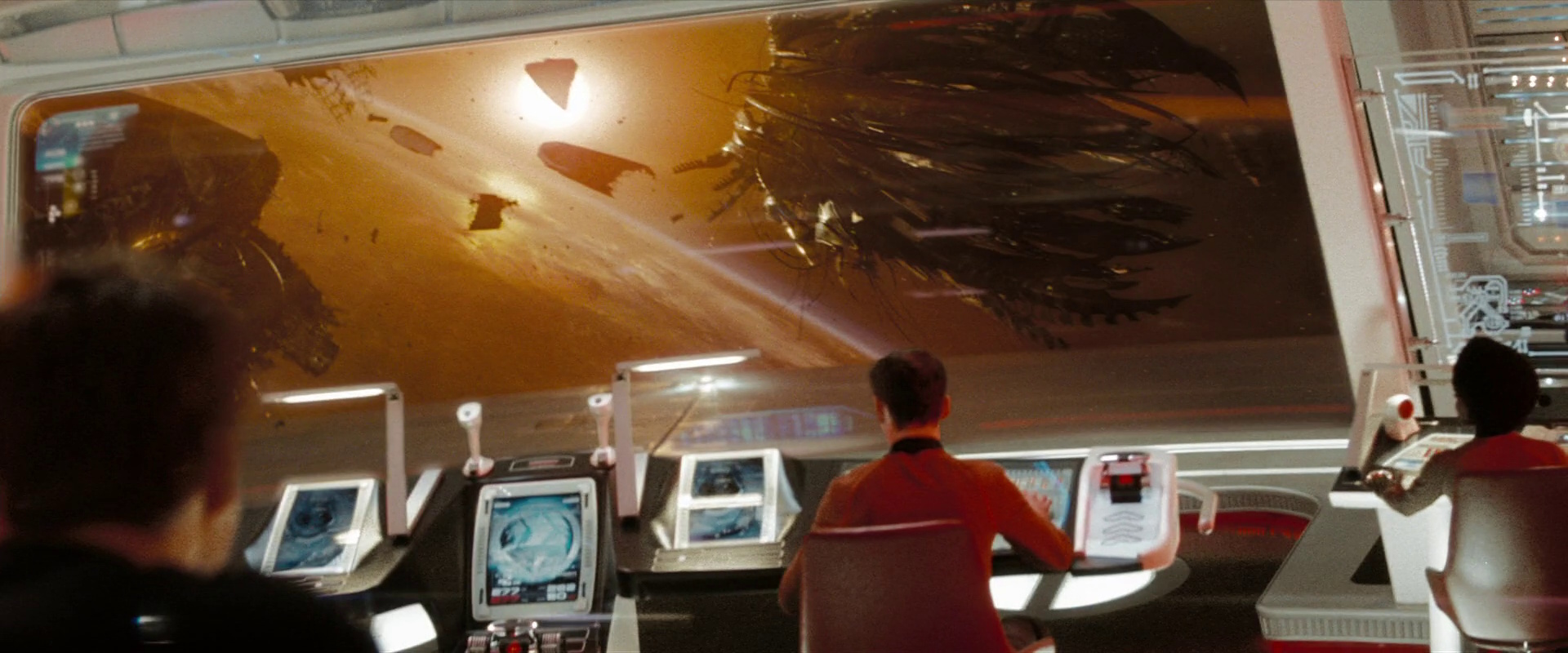
Still frame from Star Trek 2009 showing the main viewscreen on the bridge.
The bridge in Star Trek ’09.

I know the Kelvin films weren’t every Trekkie’s favourite part of the franchise – to put it mildly! Heck, I *still* know people who refuse to even watch them because of how upset they were at both the recasting of classic characters and the more action-heavy storytelling. But we should all be able to acknowledge what the films – and the 2009 reboot in particular – did for Star Trek at a time when the franchise had been cancelled after more than fifteen years on the small screen.

We wouldn’t have seen Discovery, Picard, Lower Decks, Strange New Worlds or really any of the Star Trek productions we’ve enjoyed over the last decade were it not for the success of the Kelvin timeline films. Star Trek ’09 demonstrated to investors that, despite declining viewership on TV in the 2000s, there was still life in the Star Trek franchise, and still new stories to be told. These films carried the torch for Star Trek during what could’ve been its darkest hour, and they set the stage for the franchise’s revival.
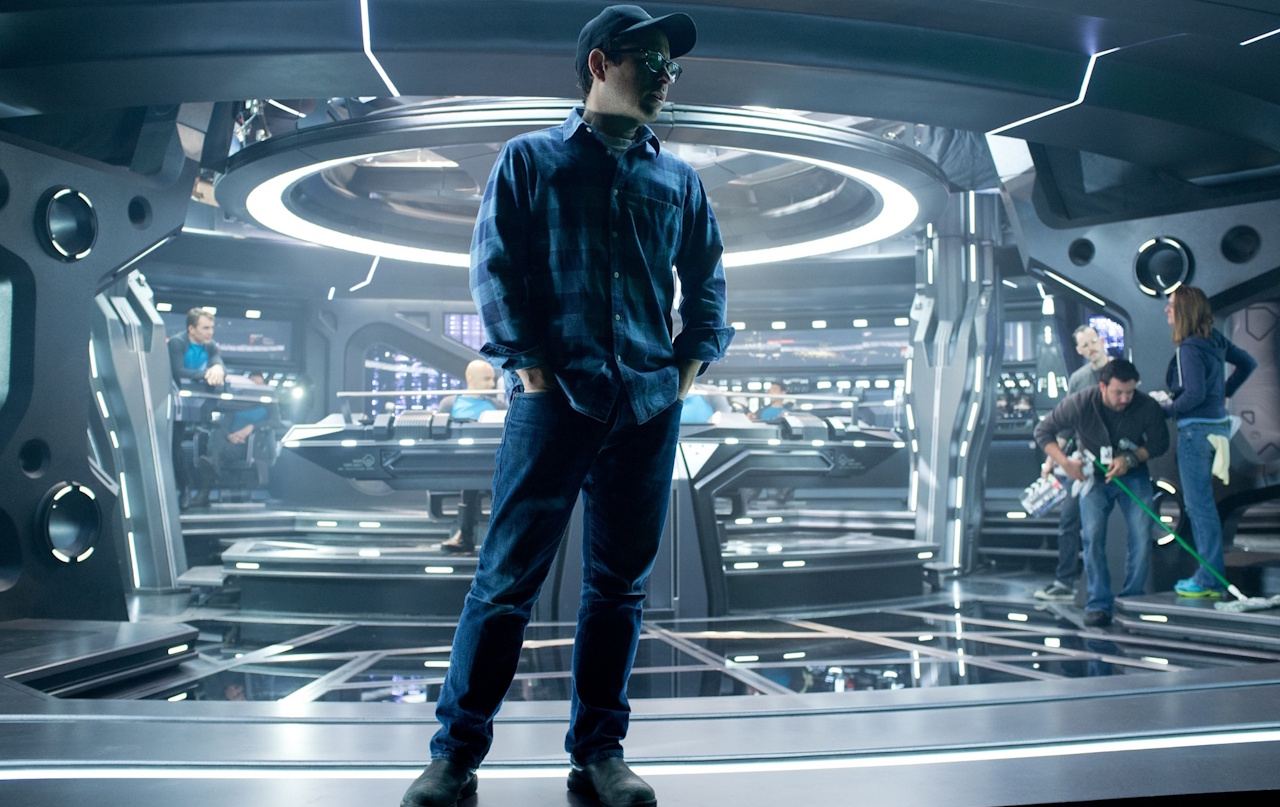
Behind-the-scenes photo from the set of Star Trek Into Darkness showing director JJ Abrams.
Director J.J. Abrams on the set of Star Trek Into Darkness.

With all that being said, regular readers will undoubtedly remember me saying that I don’t believe there’s a place for a new Kelvin timeline film. I wrote about this in 2020 and 2021, and while my original reasons for saying that have now shifted in light of the spate of cancellations this year… I stand by the original point. I know Beyond seemed to tease a sequel in its closing moments, and there will always be a part of me that wants to see reboot Kirk’s adventures aboard the Enterprise-A. But given the changes not just to Star Trek over the past ten years, but the entertainment landscape as a whole… I’m not sure a 2009-style film is the right fit any more. After almost a decade, audiences have moved on and expectations have changed.

Then there’s Strange New Worlds. What was the original idea behind Star Trek ’09? It was to show “young Kirk” and “young Spock” at Starfleet Academy, then undertaking their first missions together. Well… we’ve seen that. And thanks to Strange New Worlds, we’ve also seen the prime timeline version of that, too. Strange New Worlds has introduced several other legacy characters, and thanks to being able to develop those characters a lot more because of the extended runtime a television show permits, I’d argue it’s done a lot more with some of those characters than the entire Kelvin trilogy did.
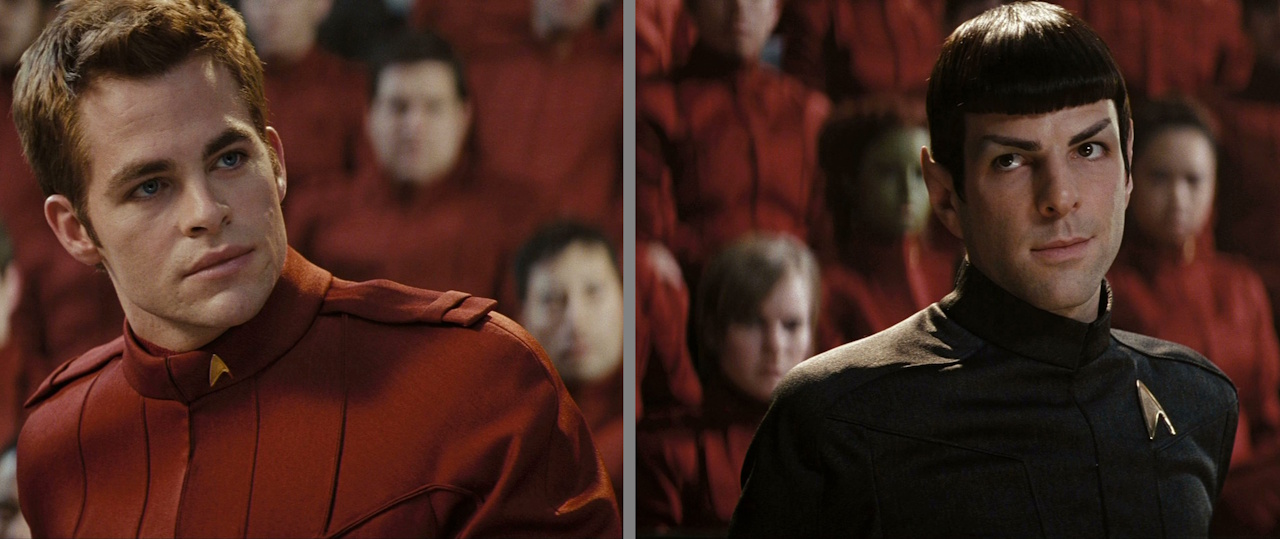
Two still frames from Star Trek 2009 stitched together, with Cadet Kirk on the left and Commander Spock on the right.
Kirk and Spock at the Academy in Star Trek ’09.

At this point, if we returned to the Kelvin timeline a decade after Beyond, we wouldn’t be seeing “young Kirk” and “young Spock” on one of their first missions. We’d be seeing Kirk and Spock on their five-year mission – or perhaps even *after* that, in the latter part of the 23rd Century. There are things that the Kelvin timeline could do with that idea, sure… but we’ve already seen plenty of Kirk and Spock at this point, haven’t we? Between TOS, the Kelvin films, Strange New Worlds, and the rest of Star Trek, we’ve spent a lot of time with these characters already. So… what could a new Kelvin film do that we haven’t already seen?

This leads me to my most fundamental point: Star Trek needs to move on. Not just from the Kelvin timeline, but from the 23rd and 24th Centuries in general. Since the turn of the millennium, we’ve had Enterprise, Discovery, Strange New Worlds, and the Kelvin timeline – all of which were prequels. Then we had Prodigy and Picard, which were direct sequels to Voyager and The Next Generation. The closest Star Trek came to originality was Lower Decks, ironically enough! And that show called back to The Next Generation era over and over again, and brought in numerous guest-stars.

Still frame from Star Trek: Picard Season 3 showing the Titan/Enterprise-G in orbit of a star.
What *new* adventures might lie ahead for the Star Trek franchise?

A new film at this point should have the freedom to go in a totally different direction, and shouldn’t be too tied up with what came before. That doesn’t mean it can go breaking all of the rules of canon, of course, but after so many sequels, prequels, and spin-offs, it’ll be nice to get something truly original for once. Won’t it?

If Star Trek continues to look backwards at its own history, and keeps trying to bring back characters from the past, that limits the franchise’s potential to grow and expand. I became a Trekkie in the early 1990s not because of Kirk, Spock, and Dr McCoy, but because of Picard, Riker, and Data. If Star Trek, in the ’80s, had doubled-down on The Original Series and those classic characters, we’d have missed out on so much – not only The Next Generation, but Deep Space Nine, Voyager, and more. After such a long time, and with so much having happened since Beyond was in cinemas… a new film taking a new approach just feels like the best option.
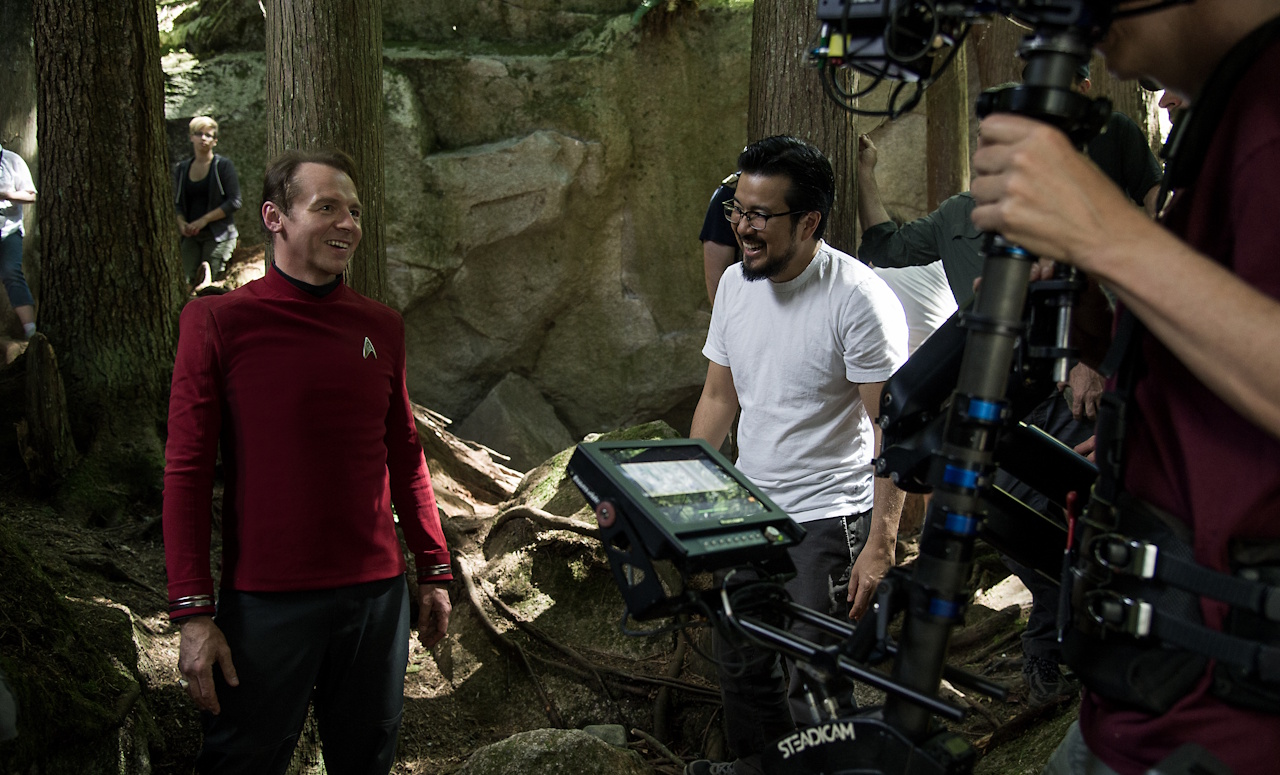
Behind-the-scenes photo from Star Trek Beyond showing Simon Pegg, Justin Lin, and others.
Simon Pegg (Scotty) and director Justin Lin on the set of Star Trek Beyond.

There are risks, of course. Into Darkness remains the cinematic Star Trek franchise’s high-water mark in terms of financial success, and all three of the Kelvin films turned a profit. Creating something brand-new, with a new director and a new cast of characters, might not achieve the same level of success as a Beyond sequel. Figuring out how to attract audiences who turned out for Into Darkness – but who may have skipped *everything* Star Trek has done since – will be the biggest challenge Skydance faces when it comes to pitching the new film.

And there’s kind of limited room for manoeuvre here. In 2009, a lot of people who hadn’t watched the likes of DS9 and Enterprise showed up specifically because Star Trek was billed as a reboot. The universe was going to be reset, you didn’t have to have followed any of the increasingly convoluted storylines from the previous fifteen-plus years… this film was its own thing. But can you re-reboot a franchise and achieve the same level of success a couple of decades later? Does the name “Star Trek” carry the same weight it did in 2009, after not really managing to reach out to a big new audience on streaming? I think those are valid questions as this new film may be getting underway.

Cropped promo image for Star Trek 2009 showing the USS Enterprise in sillhouette.
A silhouette of the Enterprise was one of the first teaser images released for Star Trek ’09.

I don’t lament the demise of the Kelvin timeline. It laid the groundwork for Star Trek’s return to its small screen home in 2017, which I truly appreciate, but then it kind of lost its place – at least for me as a Trekkie. By the time Pike and Spock joined Discovery a couple of years later, and we were getting news of new projects featuring Picard, Section 31, and a new animated series, it really seemed like Star Trek was back. Strange New Worlds, with its focus on many of the same characters as those in the Kelvin films, occupies a very similar space, and I’m just struggling to see what a new Kelvin film could really have to say after five seasons of Strange New Worlds and everything else Star Trek has done over the past nine-plus years.

At the same time, there’s a sense that Star Trek’s executives never took *full* advantage of the alternate reality that the Kelvin films presented. We could’ve seen, just as one example, Captain Kirk taking on the Borg – something that would be impossible to do in the prime timeline. Or we could’ve done more with the idea of a crossover from the prime timeline, bringing in William Shatner and George Takei alongside Leonard Nimoy. That can’t happen now.
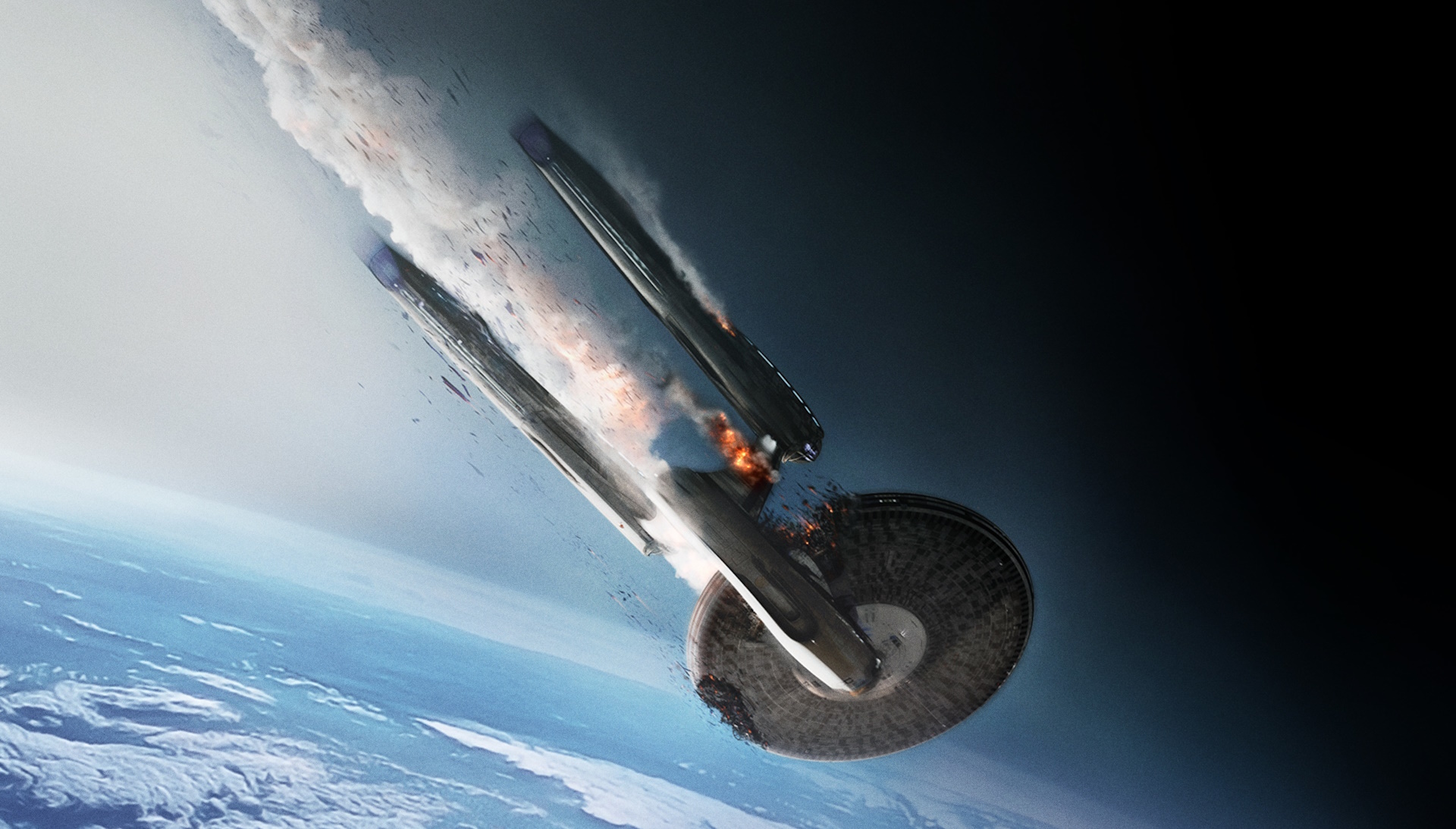
Cropped promo poster for Star Trek Into Darkness showing the USS Enterprise crashing into the atmosphere of a planet.
The Enterprise.

But the Kelvin films – or perhaps we should start saying “the Kelvin trilogy” – have a place in the history of Star Trek. They carried a torch for the franchise at a time when total cancellation and annihilation seemed not only likely, but were actively happening, and they set the stage for several great streaming shows that expanded the franchise in new ways. That isn’t a bad legacy by any means.

And as we look to the future? Star Trek seems set to enter a fallow period as the 2020s come to a close. After Strange New Worlds finishes its run, all we know for sure is that Starfleet Academy is getting a second season – and then there’s this potential new film. Star Trek XV – or whatever we’re going to end up calling it – has a lot to live up to in some ways, as it may have to pick up the mantle from the Kelvin timeline and keep Star Trek alive at a time when there might not be anything else going on. But this new film, thanks to being its own thing, has almost limitless storytelling possibilities, and won’t be constrained by what came before. That worked well in 2009, and it set the stage for bigger and better things. I’m going to keep my fingers crossed that this new film, in whatever form it ultimately takes, will be much more like Star Trek ’09 and less like the unfortunate Section 31.

So I hope this has been interesting. Part of me wonders if, in another ten or fifteen years, we may yet get a belated Kelvin timeline revival. Who knows! But nostalgia can be a big deal in entertainment, and if there are enough Kelvin fans clamouring for it… never say never, right? I will keep my ear to the ground and if there’s any news about a new Star Trek film in the weeks and months ahead, I daresay I’ll have more to add, so be sure to check back from time to time. And if you want to see what else I’ve had to say about the Kelvin timeline over the years, you can check out my dedicated Kelvin timeline page by clicking or tapping here. Until next time, friends!


Star Trek ’09, Star Trek Into Darkness, and Star Trek Beyond are available to stream now on Paramount+ in countries and territories where the platform is available. All three films are also available on DVD and Blu-ray. The Star Trek franchise – including all films and other properties discussed above – is the copyright of Skydance/Paramount. This article contains the thoughts and opinions of one person only and is not intended to cause any offence.

Another Star Trek Film Announcement?

Paramount has tried and failed multiple times to get a sequel to 2016’s Star Trek Beyond into production… so it was a surprise to learn that the corporation has tapped yet another writer and director to work on a script. I’m beginning to lose count, but if we don’t include the Section 31 TV movie and disregard – for now – Sir Patrick Stewart’s Picard movie concept/pitch that I talked about the other day… is this the fifth time Paramount has announced a new Star Trek film in just the last couple of years? Or is it the sixth?

At this point, I’m a die-hard sceptic, unfortunately. There have been so many false starts, premature announcements, and just straight-up failures with this project that even when I’m halfway through watching the film I’ll still be doubting its existence! Paramount’s commitment to making a new Star Trek film may be rock solid, but the corporation’s basic competence is in serious question. So I guess what I’ll say is this: I’ll believe it when I see it!

A behind-the-scenes photo from Star Trek Into Darkness showing an explosion.
An explosive moment during filming on Star Trek Into Darkness.

It feels odd to be covering two separate Star Trek films just days apart. I’m loathe to call Sir Patrick Stewart’s comments about a hypothetical Picard film an “announcement,” because the more I’ve watched his interview, the less convinced I am that the script he was hyping up is anything more than a speculative pitch. But even so, 2024 has been kick-started with some interesting Star Trek news!

One thing that seems clear from Paramount is that neither of the two Star Trek films currently in development are connected to Picard. One is the repeatedly-failed Beyond sequel, and the latest announcement sounds like it could be a prequel – or perhaps a film set in between Enterprise and 2009’s Star Trek whose place in the timeline will undoubtedly prove controversial! But are either of those concepts worth pursuing? And with Paramount’s dire financial situation and a potential takeover of the company happening later this year… will any of these hypothetical films ever make it to screen?

Director JJ Abrams and actor Chris Pine in a behind-the-scenes photo from Star Trek (2009).
Director JJ Abrams and Kirk actor Chris Pine during work on 2009’s Star Trek.

The last time we talked about a potential Beyond sequel, I had this to say:

“I don’t think we still need the Kelvin timeline. And if I were in the room, I’d argue that there are better ways for Paramount to spend money on Star Trek than greenlighting a new film starring this cast…”

That was almost a year ago… and honestly, I don’t think much has changed since then – at least not in terms of my attitude to a new Kelvin timeline film, be it a sequel or prequel.

Concept art of the USS Enterprise from production on Star Trek (2009).
Concept art of the Kelvin timeline’s USS Enterprise.

Midway through 2023 I began to feel burned out on Star Trek. Part of the reason for that is the complicated, downright convoluted nature of the franchise, with different shows all being set in different periods along the timeline. There has been a lot of Star Trek over the past couple of years, and franchise fatigue is definitely in danger of setting in. Given all of that, there’s even less space for another new film with new characters – or different variants of current characters – than there was before.

What Star Trek needs more than anything else is space to cool off. The past few years have been frenzied, with Paramount seemingly greenlighting any idea that came along with little regard for how oversaturated the franchise has gotten, nor for how well the different shows work together. If Star Trek is to survive much longer, then producing fewer shows and films – perhaps with a tighter focus on a single setting and time period – is what’s needed. This scattershot approach of different parallel realities and eras just adds to the confusion of Star Trek as a whole and makes it difficult – if not impossible – to bring new fans on board. And as I’ve said countless times before: that’s vital to the franchise’s future prospects.

The logo of the Paramount corporation.
Paramount has arguably mishandled Star Trek over the past few years.

The Kelvin timeline served a purpose in the late 2000s and early 2010s. Star Trek and Into Darkness proved definitively that audiences hadn’t entirely fallen out of love with Star Trek – and that the franchise could still do new things even after decades in production. Without the Kelvin timeline films it’s hard to see how Discovery and the rest of modern Star Trek would have been possible. So I don’t want to diminish or disregard the Kelvin films and their place in the history of Star Trek.

However, that’s not the question before us right now. Instead, we need to seriously evaluate whether or not there’s a place for a new Kelvin film in 2024. When considering everything that Star Trek has done since 2016 – which is almost 200 episodes of television across five-and-a-half different shows, lest we forget – what role could a new Kelvin film play? I’m not sure there’s a place for one film in that timeline, let alone two.

Cropped still frame from Star Trek (2009) highlighting the name of the USS Kelvin.
The Kelvin timeline is named for the USS Kelvin.

The Kelvin timeline’s big selling point – from a corporate point of view, at least – is its profitability. Although Beyond was considered a disappointment, it still brought in money at the box office, and Into Darkness is the Star Trek franchise’s highest-grossing film. If Paramount is worried about Star Trek paying its way, I can see the appeal a new Kelvin film might have to a faceless suit in a boardroom.

As well-received as Strange New Worlds and Picard have been, they haven’t been able to drag Paramount Plus across the line and into profitable territory. A lot of Trekkies and viewers liked what they saw, but that hasn’t translated into Paramount Plus becoming a must-have subscription. If a new film were to prove successful and bring in millions at the box office, it could shore up Paramount’s finances in the short-term… as well as the corporation’s commitment to Star Trek. That might be the single biggest point in its favour from my point of view!

Promo photo of Anson Mount as Captain Pike in Star Trek: Strange New Worlds.
Strange New Worlds has been well-received by many Star Trek fans.

But when I think about what I’d like to see most of all from Star Trek, a new Kelvin film doesn’t even break into the top ten… or top twenty. There have been some interesting pitches and ideas over the past few years, from Discovery spin-offs to animated shorts. Right now, I’m more interested to see Star Trek explore more of the Picard era – the early 25th Century. That feels like something that has huge potential and could really drive the franchise forward – comparable, in some respects, to what The Next Generation and the other Star Trek shows of the ’90s did.

With the fan campaign for Legacy still doing the rounds and still being talked about almost a year after Picard ended, that’s where I’d choose to focus my energy if I had a foot in the door of the Paramount boardroom! But even if Legacy couldn’t go ahead as currently envisioned, the Picard era is still ripe for further exploration and feels like the right setting for future Star Trek projects.

Still frame from Star Trek: Picard showing the USS Titan.
A new series or TV movie set in the Picard era is very appealing.

So I guess that’s where I’m at. In a perfect world – one where the Star Trek franchise had limitless budgets and creative freedom – I’d say go for it. But when budgets are constrained and there isn’t the time or money to do everything, priorities have to be set – and speaking for myself, as a Trekkie, the Kelvin timeline just doesn’t feel necessary. There’s no compelling reason to return there, and with several prominent characters also taking part in Strange New Worlds – a series that I sincerely hope will continue beyond its third season for several more years – there’s also a narrative risk. Competing versions of the same character could trip over one another, or come across as repetitive and having nothing new to say.

On the practical side of things, after so many false starts and cock-ups I have absolutely no faith in Paramount any more. The corporation has screwed up these announcements multiple times, including in 2022 when a humiliating un-announcement had to be made just days after one of the aborted Beyond sequel ideas had been officially put on the schedule. I’m not convinced at this stage that either of the two films allegedly in development will see a release – or even start filming.

Fool me once, shame on you. Fool me six times in a row with the same announcement? I’m not even sure there’s an expression for that!

Zachary Quinto (Spock) and Chris Pine (Kirk) in a promo photo for Star Trek (2009).
Spock and Kirk in a promo photo for 2009’s Star Trek.

If you want to get excited and hyped at the idea of Star Trek returning to the big screen after the longest-ever gap in between films, I feel ya. I’d love to be able to jump on board the hype train and ride it all the way to Starfleet Headquarters! But Paramount has sapped my faith over the past couple of years, and I’m at a point where I don’t have any confidence in the corporation or any announcements it makes. I genuinely don’t know whether this latest Star Trek film will even come close to entering production.

Despite my reservations about both Paramount as a whole and a Beyond sequel or prequel as narrative concepts, I will do my best to talk about them here on the website. If there’s big news, casting details, or a trailer, I hope you’ll join me for my thoughts and analysis. Just because a new film set in the Kelvin timeline wouldn’t be my first choice doesn’t mean I won’t treat it fairly and give it a chance to impress me.

Still crossing my fingers for that Legacy announcement, though!

The Star Trek films should be available to stream on Paramount+ in countries and territories where the service is available, and are also available on DVD and Blu-ray. The Star Trek franchise – including all films and properties discussed above – is the copyright of Paramount Global. This article contains the thoughts and opinions of one person only and is not intended to cause any offence.

Do we still need the Kelvin timeline?

Spoiler Warning: There are spoilers ahead for the Kelvin timeline films: Star Trek, Star Trek Into Darkness, and Star Trek Beyond. Spoilers are also present for Star Trek: Strange New Worlds.

One of the worst things to happen to the Star Trek franchise last year was the disastrous announcement and rapid un-announcement of a sequel to 2016’s Star Trek Beyond. The film quickly fell apart as it became clear that Paramount had done nothing to secure the main cast, director, or even schedule filming dates and plan location shoots.

But it wasn’t bad for the Star Trek franchise because I desperately wanted to see a new Kelvin timeline film. In fact, I don’t know of any Trekkies in my immediate circle who would say that they’re desperate to get back to the Kelvin timeline! The reason why it was such a disaster is how damaging a mess like this is for Star Trek as a brand.

Promo art for 2009’s Star Trek.

From the point of view of fans and the franchise’s broader audience, this kind of situation might not seem like a big deal, and I get that. But for folks who work in the entertainment industry, seeing how poorly Paramount handled this is going to have longer-term implications.

A sequel to Star Trek Beyond has failed to get off the ground for basically seven years at this point. More than one script that would have brought back the Kelvin crew has been considered, and pre-production has begun at least twice, yet the film hasn’t materialised. The chaos last year, with the film being pulled from schedules just a few weeks after its announcement, is just the latest in a long line of blunders from Paramount – and anyone working in Hollywood, whether they’re a lowly production assistant or a talented, well-known director, is now going to be thinking twice about attaching themselves to a disorganised corporation that’s repeatedly failed to make this film.

Paramount really screwed this up.

Matt Shakman, who had previously worked on WandaVision for Marvel and has also directed episodes of Game of Thrones, had been tapped by Paramount to sit in the director’s chair, but he exited the project when things fell apart last year. Recent comments that Shakman made have seemed to suggest that a Star Trek Beyond sequel may still be in the works, and several outlets have seized upon this news to begin speculating about what may or may not be happening behind the scenes.

But as you might’ve guessed from the title of this article, I’m not convinced that there’s a place for the Kelvin timeline any more. Maybe it’s time to leave it behind, and put the considerable money that would’ve been thrown its way into other projects.

Is it time to bid farewell to these versions of the characters?

More Star Trek is always a good thing, and that’s the caveat I will always give whenever we have discussions like this! If there is to be a new Kelvin film, I’ll definitely tune in when it comes to streaming or Blu-ray (my health prevents me from taking trips to the cinema any more, regrettably). It’s also worth noting that when Star Trek goes to the cinema it tends to pick up a much bigger audience than it does on television or streaming – and reaching out beyond the existing fandom and viewer base has to be considered a priority for Paramount in the months and years ahead.

With those points in mind, though, if I were in charge of the franchise for Paramount, a fourth Kelvin timeline film is categorically not the project I would choose to give the green light to.

Sorry, captain.

Since Beyond premiered in 2016, we’ve had 144 episodes of Star Trek across six different productions – if you count Short Treks, that is. The Star Trek universe has massively expanded to include a huge variety of new shows set in different eras, appealing to diverse audiences, and with varying styles. I’m just not sure where the Kelvin timeline fits in with everything else Star Trek is currently doing – and in addition, adding an alternate timeline into the mix when the franchise is already playing in so many different time periods risks making Star Trek look even more complicated and convoluted than it already does.

Strange New Worlds has picked up several characters who are also present in the Kelvin timeline, and there’s a real risk that these two projects would trip over one another – or at least tread on each other’s toes. If I had to choose only one set of these recast or reimagined characters to stick with, I’d definitely choose the Strange New Worlds versions; Season 1 was absolutely outstanding, and seeing where Captain Pike and the crew will go next is one of my most-anticipated entertainment experiences of the year.

Strange New Worlds is a fantastic series; the high-water mark of modern Star Trek.

The Kelvin timeline served a purpose in 2009 when its first instalment premiered. It rebooted things, reimagined Star Trek for a new century, and stripped away some of the more niche and convoluted aspects of a more than forty-year-old franchise to ensure it would appeal to the widest possible audience. And it succeeded in that regard, with all three films turning a healthy profit and proving definitively that there was still life in a franchise that many had written off.

Without the Kelvin timeline, it’s hard to see how we’d have gotten Discovery, Picard, and the modern Star Trek productions that we’re continuing to enjoy, so we absolutely owe it a debt of gratitude for what it accomplished. But its original purpose has long since evaporated, with the idea of seeing “young” Kirk and Spock in their Academy days having been replaced by taking a look at their five-year mission. With Strange New Worlds also including Spock, Uhura, and even Kirk himself in some capacity, I just don’t see where their Kelvin counterparts fit any more.

Seeing Kirk and co. at the Academy was one of the original concepts present in the Kelvin timeline.

As we can infer from Paramount’s failure to negotiate contracts with the Kelvin stars, several of them are probably beyond the reach of the corporation’s current budget. Zoë Saldaña has found fame in Avatar and the Marvel Cinematic Universe, Chris Pine has been in Wonder Woman for DC, among other roles, and Karl Urban has received praise for his role in The Boys on Amazon Prime Video. While these people weren’t “unknowns” in 2009 by any means, their star power has risen, and with it, the money they’d expect to receive for a film like this has also increased.

A new Kelvin timeline film would be an expensive undertaking – far more expensive even than Into Darkness, which holds the franchise record with an approximate $190 million budget.

The Kelvin cast with JJ Abrams at the Star Trek Beyond premiere in 2016.
Image Credit: StarTrek.com

As a comparison, Season 3 of Picard is estimated to have cost Paramount somewhere in the region of $9 million per episode, and Discovery is also somewhere in the $8-9 million per episode range. Some quick maths tells us that, even if the new Kelvin timeline film were to cost the same as Into Darkness and not a penny more, it would still be more expensive than producing two ten-episode seasons of modern Star Trek shows.

Paramount does not have unlimited funds! And even when compared to the likes of Disney, Amazon, and Netflix, Paramount has to be a lot more careful with where it spends its money. I’d very much rather have two seasons of modern Star Trek than one new Kelvin timeline film – especially if those seasons are going to be anywhere near as good as Strange New Worlds Season 1 was!

Paramount doesn’t have money to burn…

It feels like the abandoned film helmed by Matt Shakman was the Kelvin timeline’s last realistic chance at a revival. Its collapse has caused all sorts of problems for the Star Trek franchise, especially with ambitions to return to the cinema still being held by Paramount, and those issues shouldn’t be overlooked. But it may be for the best in the long run.

It’s true that Beyond teased a sequel in its final moments, with Kirk and his crew looking out as the Enterprise-A was being constructed. There will be some fans who truly wanted to see where those versions of the characters might go next. But with Star Trek seemingly finding its feet again on the small screen, and having firmly returned to the prime timeline, I just don’t think there’s a place for it any more.

Beyond definitely teased a continuation of the Kelvin story.

When the Beyond sequel was announced last year, it didn’t exactly light up the board, even within the Star Trek fan community. There was chatter and interest, of course, but there wasn’t the kind of hype bubble that there was in 2007-08, for example, when the first film was in production. Partly that’s because Star Trek as a whole is right on the cusp of oversaturation and franchise fatigue, with 51 episodes being broadcast in 2022 alone. But partly, it must be said, it’s because there was just never a whole lot of excitement for the Kelvin timeline to begin with.

I’d watch a new Kelvin timeline film… but I wouldn’t be wildly excited about in the way I am for Strange New Worlds Season 2, for example. And even if the film managed to pull in a decent audience at the box office, these versions of the characters are tried and tested by now. The chances of Star Trek 4 bringing in scores of new viewers to the franchise for the first time is slim.

What kind of audience numbers would a new Kelvin film bring in?

The Kelvin timeline served a purpose in the 2000s and 2010s. The trilogy did a lot of good, and paved the way for the success Star Trek is currently enjoying. But it’s also difficult to see how to integrate it into the franchise as it currently exists – it’s off to one side in its own little narrative box. And because several of its characters are now part of Strange New Worlds, there’s even a danger that it could feel repetitive to bring back the likes of Spock and Uhura.

So to answer the question I posed at the beginning: no. I don’t think we still need the Kelvin timeline. And if I were in the room, I’d argue that there are better ways for Paramount to spend money on Star Trek than greenlighting a new film starring this cast – whether that means new seasons of television or alternative pitches for feature films.

The crew in Beyond.

The damage done to Star Trek as a whole by the film’s collapse last year can’t be overstated, and may take time to fully appear. Paramount needs to get a grip, because mistakes like that can’t afford to happen again. But maybe it will be for the best. The money that could have been spent on a sequel to Beyond can be reallocated… and with no new live-action Star Trek projects currently announced, that could mean that the likes of Discovery and Strange New Worlds will be able to continue for an extra season apiece.

There are reportedly other feature film pitches that Paramount is working on, and the Beyond sequel was one of two that were supposedly announced over the last couple of years. Whether the other film, written by Discovery and Short Treks writer and producer Kalinda Vazquez, is still going ahead… who can say? Paramount’s disorganisation and chaos is boundless, it seems!

Regardless, if there’s news about a Beyond sequel or any other Star Trek feature films in the months ahead, I’ll be sure to take a look at it here on the website. So I hope you’ll stay tuned!

The Star Trek films should be available to stream on Paramount+ in countries and territories where the service is available, and are also available on DVD and Blu-ray. The Star Trek franchise – including all films and properties discussed above – is the copyright of Paramount Global. This article contains the thoughts and opinions of one person only and is not intended to cause any offence.

Star Trek 2023: Back to the Kelvin Timeline

Spoiler Warning: There are minor spoilers ahead for the Kelvin timeline films, Star Trek: Discovery Season 3, and Star Trek: Picard Season 1.

Though the news got lost due to yet more corporate nonsense from ViacomCBS/Paramount dominating the conversation online, one of the more interesting announcements from yesterday’s investor event was the news that Star Trek 2023 is going to involve a return to the Kelvin timeline. Details are still sparse, with some outlets suggesting that “most” of the main cast will return, but it’s definitely an interesting move for the franchise at this time.

The Kelvin films were what Star Trek needed in the late 2000s and early 2010s. After close to two decades of continuous production, the Star Trek franchise had been losing viewers and fans, something that finally came to a head with the cancellation of Enterprise in 2005. The Kelvin films came along a few years later, and for all of the criticism some levelled at them, they succeeded at completely rebooting – and in some ways reinventing – Star Trek for a whole new audience. Some of the folks whose first contact with the franchise came at the cinema with one of these films have since gone on to become huge Trekkies, and the films’ influence continues today in some respects.

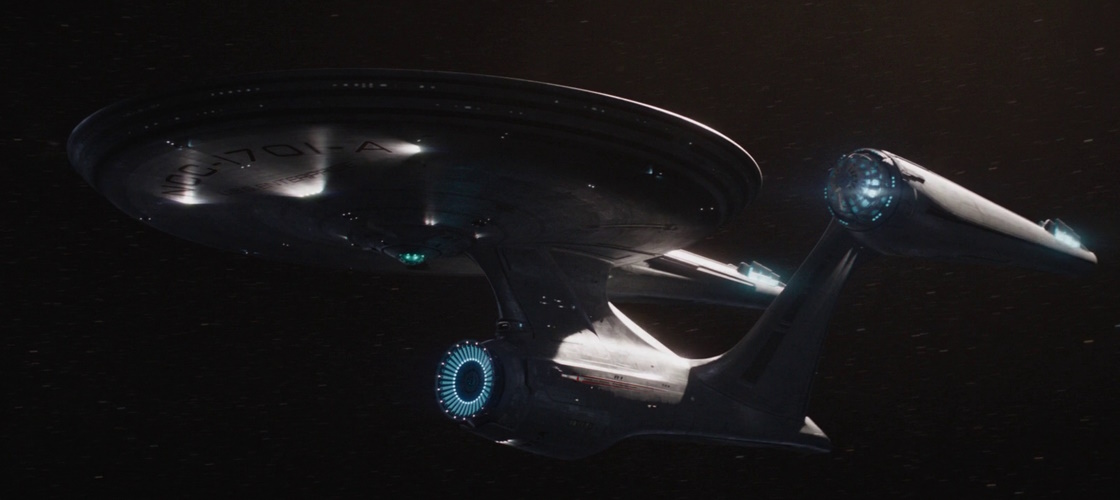
The USS Enterprise as it appeared in the Kelvin timeline films.

Without the Kelvin films, it’s unlikely that Star Trek would’ve been revived on the small screen in 2017. I regard their legacy as being a bridge between the faltering years of the early 2000s and the new beginning that Discovery gave the franchise, one which ultimately led to Picard, Lower Decks, Prodigy, Strange New Worlds, and everything else that we’ve got coming our way over the next few years. Without the Kelvin films carrying a torch for Star Trek and bringing fresh eyes to the franchise for the first time, it seems likely that Star Trek would’ve stayed dead after 2005.

Practically every Star Trek production has built on the successes of the iterations that came before, and Discovery in particular adopted noticeable visual elements from the Kelvin films. Picard Season 1 expanded on one part of the plot from 2009’s Star Trek, too, giving us much more information about what happened to the Romulans. The Kelvin films’ cinematography was streets ahead of anything Star Trek had done before on the big or small screens, and Into Darkness became the franchise’s highest-grossing film by a country mile. In fact, all three Kelvin films were profitable and made decent money for Paramount Pictures, albeit with the caveat that Beyond was somewhat less successful than its predecessor had been.

Star Trek: Picard Season 1 greatly expanded the Romulus storyline from 2009’s Star Trek.

We’re lucky that, right now, we’re living through a renaissance for Star Trek. There are different shows catering to wildly different audiences, occupying very different genres and telling very different stories. For the first time, it feels like Star Trek has something to offer to almost everyone, whether they want a tense serialised drama or light-hearted animated comedy. There is a place in that diverse array of content for a new Kelvin film, and hopefully it will succeed in the same way as the first three.

If fans discover Star Trek for the first time thanks to this new film – and some surely will – they will find a much richer, deeper, and more interesting franchise today than they would’ve in 2009. With a plethora of new shows being produced, and Star Trek’s future feeling (fairly) secure, at least in the short-term, there will be plenty of new episodes and series for newbies to jump head-first into.

The titular USS Kelvin.

New fans are the lifeblood of any fan community, and we should welcome the opportunities that a new blockbuster film presents to the Star Trek franchise. With Star Trek continuing to be a major pillar of Paramount+ as the “streaming wars” rumble on, the new film could be important, bringing in new viewers in big numbers for the first time in several years. Shoring up the Star Trek franchise and giving it solid ground going forward are all good reasons to support a project like this one.

That isn’t to say that there aren’t things to criticise with the Kelvin timeline films, of course. I know some Trekkies who have ardently refused to watch any of them for more than a decade now, having been so upset at the decision to re-cast the crew of The Original Series. When I started having these conversations in 2008-09, I tried to put myself in the shoes of a big fan of The Original Series, and ask how I would’ve felt if it were The Next Generation that was being re-cast… ultimately I think I’d be fine with it, but I know not everyone feels the same way!

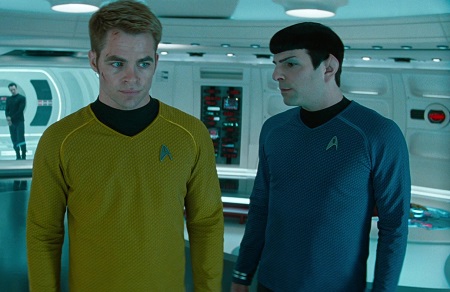
Kirk and Spock in Star Trek Into Darkness.

With the two former companies that came together to form ViacomCBS now working together, presumably there’s one big money pot from which films, television shows, and everything else are bankrolled. I know entertainment finance is way more complex than that, but at a basic level that’s how these big entertainment corporations work. With that in mind, my most significant complaint is that the budget of a feature film could have easily been spent instead on a season or two of television – perhaps even a brand-new show or a couple of miniseries.

Star Trek’s home, for me, will always be the small screen. And with the technological leaps that have been made in recent years, television shows can be just as good – better, in some cases – as anything the world of cinema could ever produce. The undoubtedly vast sum of money being spent on Star Trek 2023 could have been put to better use elsewhere in the franchise, and if it were up to me I’d definitely be arguing for a focus on television shows over films.

Spock, Kirk, and Dr McCoy (with Uhura in the background).

There are also some issues with the Kelvin timeline itself, and I looked at some of these in my “pros and cons” list a few months ago. For me, I think the biggest drawback – or potential drawback, at least – to making a new Kelvin timeline film is that it overcomplicates an already convoluted franchise that can be difficult for newbies to get to grips with.

Try to put yourself in the shoes of someone brand-new to Star Trek. Just of the shows currently in production, we have five different time periods on the go. Strange New Worlds is a spin-off to Discovery, but Discovery’s massive time-jump means they no longer share a setting. Picard is a sequel to The Next Generation, which was set almost 100 years after Discovery – or 800 years before where Discovery is now. And Prodigy and Lower Decks are both set in the late 24th Century too… but not at the same time as Picard. Throw an alternate reality into the mix and the timeline situation becomes so convoluted that it’s borderline offputting.

The Star Trek franchise is complicated, especially for newcomers.

Then there’s the fact that the basic premise underlying the Kelvin films, which was a big part of the original appeal in 2009, no longer exists. A new Kelvin film, arriving fourteen years after the first one, is no longer going to be looking at “young” Kirk and Spock in their early years at Starfleet Academy. With Strange New Worlds following the adventures of the USS Enterprise on its mission of exploration, there’s a risk that a new Kelvin timeline film will seem repetitive or just unnecessary.

Discovery and Strange New Worlds have successfully brought back characters like Spock and Captain Pike, and between now and 2023 we’ll also spend time with the likes of Uhura, too. Different versions of these characters are present in the Kelvin timeline; this adds to both the problem of repetitiveness, with the new film potentially overtreading the same ground in terms of character stories, and also the issue of an unnecessarily complicated franchise. Having to try to explain to a newbie that Kelvin Spock is different from Discovery Spock, who’s also a young version of old Spock who crossed over to the Kelvin timeline… well, let’s just say it isn’t the easiest story to follow!

How many Spocks is too many?

There’s also a hole in the Kelvin timeline’s cast. The tragic death of Anton Yelchin in 2016, and the promise that the character of Chekov won’t be recast, is a sensitive topic, but from a storytelling point of view it’s absolutely fair to point out that Chekov brought a different perspective and a dash of humour to the three films he appeared in. Of course it’s going to be possible to create a new character to fill that role, but it won’t be the same and his absence will be felt.

There are some advantages to a new Kelvin timeline film, though! For me, the biggest one is the creative freedom that the setting provides, and the opportunity to put Captain Kirk and his crew in very different situations. For example, if fans want to see Captain Kirk versus the Borg, the Kelvin timeline is the place to do it! Free from the constraints of fifty years of canon (well, except for Enterprise) the Kelvin timeline is an open-ended setting. The more it diverges from the prime timeline, the greater the opportunities become to tell radically different stories.

Could Captain Kirk soon take on the Borg? Maybe!

That’s by far the biggest and most significant ace in the hole that the Kelvin timeline has. Its unburdened creative freedom allows it to go in very different directions without treading on the toes of any of the ongoing shows and other projects. In that sense, it’s a self-contained setting perfect for telling one-off stories. My “what if” scenario of Captain Kirk versus the Borg is just one of countless examples that fans have concocted over the years!

So that’s where things sit right now. Star Trek 2023 is planning to bring back the Kelvin timeline for a new adventure, a sequel to 2016’s Beyond. And although it wouldn’t have been my first choice if I was in charge of making the investment in the next Star Trek project, it has merit and it has a lot of potential. I’ll certainly be happy to check it out when it releases in December next year… or rather, a couple of months later when it arrives on a streaming platform! My health, sadly, precludes things like trips to the cinema these days.

Star Trek Beyond clearly teased fans with a sequel in 2016, as the film drew to a close in a very open-ended fashion! It felt for a long time as though we would never get that sequel; that Star Trek had moved on to other projects that were taking the franchise in a different direction. The expanded Star Trek franchise in 2022 feels like it has space for a new Kelvin film, though, so I’ll end by saying that I wish it the best of luck!

The Star Trek franchise – including all films and series mentioned above – is the copyright of ViacomCBS/Paramount. This article contains the thoughts and opinions of one person only and is not intended to cause any offence.

The pros and cons of a fourth Kelvin timeline film

Spoiler Warning: There are spoilers ahead for the three Kelvin timeline films and for other iterations of the Star Trek franchise.

A couple of weeks ago it was reported that a fourth Kelvin timeline film, which has supposedly been worked on since at least 2019, was “paused”. That’s usually Hollywood-speak for “cancelled” and “never going to happen”, but there are other potential Star Trek film projects in the works, so the Kelvin timeline may yet be granted a reprieve. While rumours can be all over the place when looking at the production side of Star Trek, two things came up often in discussions around the potential film: the return of Chris Hemsworth’s character of George Kirk being a story point, and the salaries of some of the main cast – including Kirk actor Chris Pine – being a stumbling block. I have no idea whether there’s even a grain of truth to any of these rumours, but the potential for a fourth Kelvin timeline film got me thinking.

What would be the pros and cons of a new film in the alternate reality – especially now that we have prime timeline Star Trek back on the small screen? It’s a big question, and I’ve broken it down into a short list of points for and against making a new film in this series. Let’s look at them in turn.

Pro:
Star Trek Beyond clearly teased a sequel.

The Enterprise-A was seen at the end of Star Trek Beyond.

The Kelvin timeline story hasn’t ended. The crew are back together, and despite the loss of the original USS Enterprise, at the end of Beyond we saw the christening of a new Enterprise-A – the clear implication being that Kirk would assume command and bring his crew with him.

Something similar happened in the prime timeline at the end of Star Trek IV: The Voyage Home. In 1986, when that film premiered, Star Trek: The Next Generation was in early production, and some may have argued that Star Trek was moving on and didn’t need another Kirk-led film. While the next film in the series, The Final Frontier, was hardly a great success, The Undiscovered Country was – and it was a far better send-off for the original crew. If the Star Trek films had ended with The Voyage Home we’d have missed out on a great story and a more fitting end to Kirk and the crew’s adventures.

If the film series were to end now, it would arguably feel incomplete. The tease at the end of Beyond would still be there, taunting fans with a never-realised continuation to the story.

Con:
And which fans are those?

Look, it’s all of the Kelvin timeline’s hardcore fans.

Despite their popularity with a wider audience – something which we’ll look at in a moment – I’ve never really found that the Kelvin timeline films had much of a following of their own. They’re summer blockbusters in the vein of something like the Transformers series; popcorn flicks that people will happily watch – and then immediately forget about.

Within the Star Trek fan community, the Kelvin timeline films haven’t picked up a following of their own. I’m not even counting the many Trekkies who didn’t see the films because they didn’t like the premise; the Kelvin timeline just doesn’t have its own fandom. People have other iterations of the franchise that they prefer – the Kelvin timeline films are, at best, someone’s second choice.

There are sub-groups of Trekkies – some may like The Original Series, others favour The Next Generation or Deep Space Nine, etc. And the new Star Trek shows since 2017 have fans of their own too. But the Kelvin timeline films don’t seem to have that kind of following; there’s no group of dedicated Trekkies who favour them above everything else in the franchise. People I’ve spoken with are in two camps: they either detest the Kelvin timeline films or they think they’re just okay.

With all that in mind – who would a fourth film even be made for?

Pro:
The films brought in huge numbers of non-Trekkies.

The Kelvin timeline films appealed to a wider audience than any prior Star Trek production.

Though they may lack a hardcore following, the Kelvin timeline films succeeded beyond any other Star Trek project at bringing in huge audiences. 2009’s Star Trek was an overwhelming box office success, bringing in more than double the money of any other film in the series – and Into Darkness did even better, becoming the high-water mark of the entire Star Trek film franchise’s financial success. Beyond was considered a “disappointment” – but it still raked in over $340 million on a $180 million budget, making it hugely profitable for Paramount Pictures. 2009’s Star Trek also won an Academy Award – the only Star Trek film to ever achieve that feat.

So there’s clearly an audience for another film set in the Kelvin timeline, and any such project should be a guaranteed money-maker for Paramount and ViacomCBS. Bringing the crew back together and putting a seasoned director in charge – as they did in 2009 – would generate plenty of buzz, and the aforementioned wider audience that saw and enjoyed the first three films will surely show up for the next entry.

Star Trek isn’t made for Trekkies. That may sound odd, but it’s true. Hardcore fans will only ever be a small portion of any franchise’s audience, and I’ve said countless times that the Star Trek franchise needs to reach out far beyond this small pond if it’s to survive long-term. The new animated series Star Trek: Lower Decks has potential to help in that regard, but so does a new Kelvin timeline film.

Con:
The unique premise of the films no longer exists.

Cadet Kirk.

In 2008-09, during the buildup to the release of Star Trek, one angle that was really interesting was the idea that the films would show “young” Kirk and Spock in their Starfleet Academy years. We’d get to see how all of the characters came to meet one another, and although the films would be recasting the classic characters, we’d see them in their younger days, before Kirk assumed command of the Enterprise and set out on his five-year mission.

That premise no longer exists. The end of Star Trek saw the characters graduate from the Academy, and Beyond explained that Kirk and his crew were engaged in their five-year mission of exploration. That premise is exactly the same as The Original Series, and the unique aspect of the films is gone, replaced by a copy of what came before.

With Strange New Worlds looking to pick up the exploration angle of Star Trek, do we really need a Kelvin timeline film to do the same thing? It’s certainly arguable that we don’t.

Pro:
There’s the possibility for crossovers.

A Pike-Pike story? Heck yes, sign me up!

I mentioned this as one concept that could be fun to see in Strange New Worlds – but how about a crossover? Pike and Spock from the Kelvin timeline and Pike and Spock from the prime timeline working together to achieve some goal or defeat a nefarious villain could be a fascinating story and a great piece of cinema or television.

This concept doesn’t just have to be limited to Pike and Spock either; we could see crossovers with literally any group of characters. The idea of a ship and crew from one side of the divide between parallel realities having to work with others to make it home again is something that could be really fun to watch.

Con:
The Kelvin timeline will be retreading too much ground.

Spock, Kirk, and McCoy during their five-year mission.

Pike and Spock are the leads in their own upcoming series – Strange New Worlds. Do we really need two “young Spocks” in Star Trek? There’s a risk that the two productions will trip over one another, and that the Kelvin timeline film will do nothing for Spock’s character in particular that hasn’t been done in Discovery or Strange New Worlds.

That’s in addition to the point mentioned above – that we’ll be seeing Kirk, Spock, McCoy, and the rest of the crew undertaking the same five-year mission that was depicted in The Original Series. Some fans have argued for a return to Star Trek’s spirit of exploration, but with at least one television show focusing on precisely that, where would a Kelvin timeline film fit in?

Fundamentally this comes down to a couple of characters – most notably Spock. Ethan Peck’s version of the character has gone down very well with fans of Discovery, and I’m just not convinced the franchise has room for two identical characters. If I had to choose only one… I’m sorry to Zachary Quinto but I’d rather keep Ethan Peck’s take on the character.

Pro:
Quentin Tarantino may be working on a script.

Renowned director Quentin Tarantino has supposedly pitched a Star Trek film.
Photo credit: Georges Biard via Wikimedia Commons

Quentin Tarantino has written and directed some of cinema’s recent classics. Titles like Reservoir Dogs, Pulp Fiction, the Kill Bill duology, Inglorious Basterds, and Once Upon A Time In Hollywood are all hailed as phenomenal works of cinema. His violent style can be controversial – and some may argue a bad fit for Star Trek – but he’s an incredibly talented filmmaker, one that any franchise would love to bring on board.

It’s worth pointing out that there’s no guarantee his pitch – if it even exists and is still being considered – would involve the Kelvin timeline crew. But the timing of the rumour coincided with the Kelvin timeline’s production, so it’s at least a possibility.

I know some people dislike Tarantino’s style. But even they would have to admit that he does what he does very well, and any film that has his name attached draws a lot of attention – which translates into big numbers at the box office.

An R-rated Star Trek film just for the sake of it wouldn’t be my first choice. But if the story works well, I’m not opposed to it either. Recent Star Trek projects have not been shy about trying new things, so Tarantino could be a good fit for an expanded franchise.

Con:
Anton Yelchin’s tragic death means that a major character will be absent.

Anton Yelchin in 2015.
Photo credit: GabboT on Flickr via Wikimedia Commons
Image used under the Creative Commons Attribution-ShareAlike 2.0 license.

Anton Yelchin died tragically in 2016, shortly before the premiere of Star Trek Beyond. This is a sensitive topic, and I thought long and hard about including it here, but I think it’s important because it’s hard to imagine another film without him.

Yelchin had taken over the role of Pavel Chekov in 2009’s Star Trek, and while Chekov is arguably less of a “main” character than Kirk, Spock, or McCoy, he was still a big part of all three of the Kelvin timeline films. In 2016, the producers of Star Trek Beyond stated that the role would not be recast for any future films, and it would be very difficult for a new creative team to go back on that promise without the support of Yelchin’s family, the other cast members, and the wider fan community.

Chekov’s absence would be hugely significant and very noticeable; a hole at the heart of the crew. While it’s possible to work around that, as other films have done under similar circumstances, I’m not sure how well it would succeed. Chekov filled a unique role in the crew as its youngest member, and without his occasionally comedic presence, there will be a key element missing from any future story.

Pro:
The alternate reality setting allows for a huge amount of creative license.

Could we see Kirk face off against the Borg? Maybe… but only in the Kelvin timeline.

Now we come to perhaps the biggest point in favour of the alternate reality: nothing after Enterprise happened. Canon is nonexistent – aside from that established by the first three films – so writers and producers have a blank slate to tell any kind of story they want without worrying about treading on the toes of established canon.

Have you always wanted to know how Kirk would fare against the Borg? The Kelvin timeline could do that, as bringing the Borg into a story doesn’t affect prime canon. How about the Dominion War breaking out more than a century earlier? The Kelvin timeline could do that too. Or what if William Shater finally got his wish to reprise the role of Kirk? He mentioned it as recently as a few weeks ago, and the best way to bring back Shatner’s Kirk – who of course died in the prime timeline – could be in the alternate reality.

When considering 2009’s Star Trek as a reboot, one of the best things it did was use an alternate reality setting, because that has opened up endless possibilities for the film franchise going forward. The examples above are just a few options off the top of my head, but there are so many more, including stories that could never work in the prime timeline.

Con:
The Star Trek franchise will be more convoluted than it already is.

The official Star Trek website posted this guide to the franchise’s timeline(s) a few months ago.

It’s only fair to follow the biggest pro with the biggest con, and in my opinion the biggest drawback to continuing the Kelvin timeline films now is that the Star Trek universe is already incredibly complicated. It’s difficult for casual viewers to get the hang of which show is taking place in which time period, but if you throw an alternate reality into the mix as well, the whole thing just becomes convoluted.

Bringing in and retaining new fans is the key challenge for the Star Trek franchise going forward, and one thing that has to be avoided is putting people off. Star Trek has been running for so long and has so many different iterations that it can already feel overwhelming for newcomers; the Kelvin timeline films may draw large crowds, but if those crowds don’t stick around and jump over to other parts of the franchise because it’s too complicated, it’s almost not worth the trouble.

So that’s it.

Some of the pros and cons of making a fourth Kelvin timeline film. As always, the caveat applies that this is just my opinion; I don’t know whether a film will be made or is even under consideration.

Kirk and Spock (with John Harrison in the background) in Star Trek Into Darkness.

If it were left up to me, I think what I’d say is that the Kelvin timeline films have run their course. They achieved what they set out to: rebooting a Star Trek franchise which had become stale after decades in production, and set the stage for a resurgence in the franchise’s wider popularity, which culminated in Discovery, Picard, and Star Trek’s return to the small screen.

While there is certainly scope to use the alternate reality setting to tell more stories, I don’t feel that it’s necessary right now. There are so many other Star Trek projects in various stages of production that the franchise is hardly going to be lacking in content at least through the first half of the 2020s. A Kelvin timeline film would be a complete outlier when compared to the rest of the franchise, simply because of its setting. That’s not to say that there’s no place for a new film and never will be, just that it would be superfluous at the moment.

The Enterprise goes to warp.

Hopefully the Star Trek franchise, having found a new home on CBS All Access, will remain in production for a long time to come. Branching out into different genres, and telling stories in a more modern way has certainly helped build a foundation for future success. I’ll always be grateful for what the Kelvin timeline films did. They took Star Trek from a run-down franchise that was losing fans and viewership and turned it around. Not only that, they modernised the franchise and proved that it still had a huge potential audience. Star Trek’s current success is built on the shoulders of what these three films did. But despite that, I don’t think there’s a need to return to the same setting and the same cast to make another film.

One thing we’ve seen Star Trek attempt to do with Short Treks is tell one-off stories. Take a one-off story and make it last two-and-a-half hours and you’ve got a feature film – and there are so many possibilities within the franchise to tell such stories. With CBS All Access being Star Trek’s new home, the franchise could even experiment with direct-to-streaming films (something that may have to happen if this pandemic drags on), and there are countless possibilities for what kind of films could be made and what kind of stories could be told. There’s no reason why a Kelvin timeline film can’t be part of that… but there’s also no compelling reason that I can see why it needs to be either.

The Star Trek film franchise – including all titles mentioned above – is the copyright of Paramount Pictures and ViacomCBS. Photos and stock images courtesy of Unsplash and Wikimedia Commons. This article contains the thoughts and opinions of one person only and is not intended to cause any offence.