The Elder Scrolls VI Is “Still A Long Way Off.” No Shit.

A spoiler warning graphic.

Spoiler Warning: Beware of minor spoilers for Morrowind, Skyrim, Fallout 4, and Starfield.

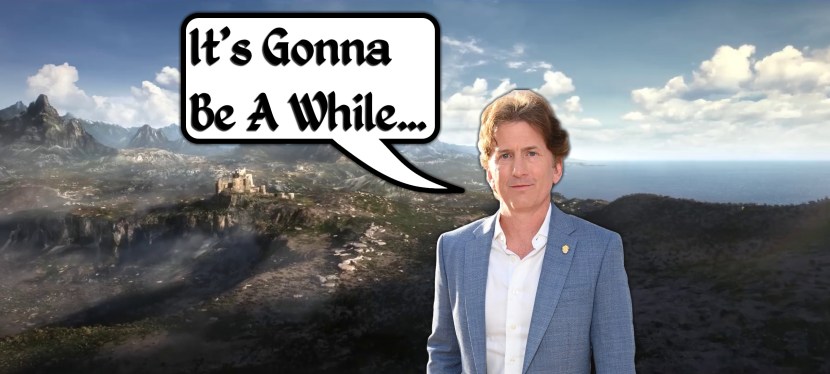
There seem to have been some pretty explosive outbursts from Bethesda fans online following a recent interview with studio head Todd Howard. Howard, who is also the director of the upcoming sequel to Skyrim, was quoted as saying that The Elder Scrolls VI is “still a long way off.” But we knew that already. Didn’t we?

I’m sorry, but if *anyone* genuinely believed that the next Elder Scrolls game was going to be launched next year… that’s on them. They set themselves up for disappointment by buying into a clearly and demonstrably false narrative about the game. This quote from Todd Howard shouldn’t come as a surprise, and to be honest, the only surprising thing about it for me is how genuinely hurt and upset some folks seem to be as a result. I guess that just proves that Todd Howard was right, for once, to try to tamp down some of the rumours and “cope” from die-hard fans about a release being imminent.
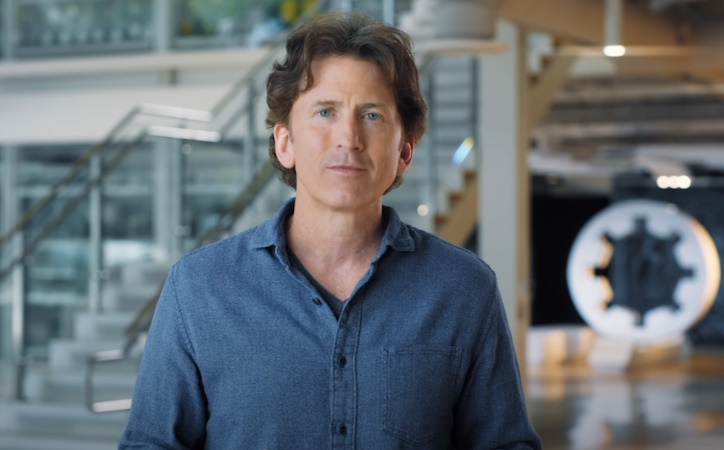
Still frame from the Starfield promo event showing Todd Howard.
Todd Howard, director of The Elder Scrolls VI.

Starfield, Bethesda’s most recent game, took five years to make, with development lasting from 2018 to 2023. It launched in September 2023, and, to be realistic, much of Bethesda’s team was still dedicated to patching, updating, and preparing DLC for Starfield for at least a few months afterwards. We also know that Bethesda only works on one game at a time. We’ll get into that in a moment (because it’s an idiotic mistake for a studio this size at this point in time), but it’s also a known fact that fans should have accounted for. Knowing those two things – Starfield’s long development and Bethesda’s commitment to only working on one game at a time – how could *anyone* believe that The Elder Scrolls VI would be ready in just a couple of years? It’s going to take at least as long as Starfield; there’s no chance it’ll be ready in half the time. And if someone convinced themselves it would be… this is a rare case where I’ll defend Bethesda, to an extent, and say that that disappointment is on them.

There are plenty of things to criticise Bethesda and Todd Howard for. Fallout 4 is broken, and its “Anniversary Edition” is really just an excuse to shove paid mods and microtransactions into a decade-old game. Starfield and Shattered Space just… weren’t very good, and are also riddled with microtransactions that Bethesda deliberately hid during the game’s first few weeks on sale. The studio has failed to modernise or keep up with the competition, relying on the creaking, zombified remains of a three-decade-old game engine that is no longer fit for purpose. And, of course, The Elder Scrolls VI was announced years too early, contributing to the disappointment fans feel today.
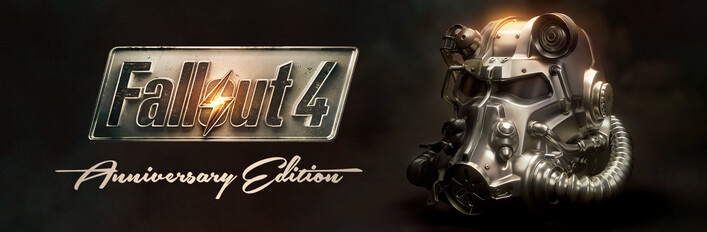
Promo art for the Fallout 4 Anniversary Edition.
Fallout 4′s “Anniversary Edition” has not been well-received.

I look at studios like Obsidian – once a Bethesda collaborator – as an example of how Bethesda could do so much better. Obsidian released not one but *two* massive role-playing games this year: Avowed and The Outer Worlds 2. How did they manage such a task? Well, isn’t it obvious? As they’ve gotten bigger and become more successful, they’ve been able to build up their studio a lot more, allowing them to have separate teams of developers for different projects. Bethesda could – and I would argue *should* – be looking to do the same thing.

Because it isn’t only Elder Scrolls fans who are upset. It’s now been a decade since the last single-player Fallout title, and at the current rate Bethesda is going, it’s gonna be close to *another* decade before we’ll see their version of Fallout 5. Fallout fans, already burned by the disappointments of 76 and now the “Anniversary Edition,” have every right to be upset about that – just as Elder Scrolls fans do about the long wait for their next game.
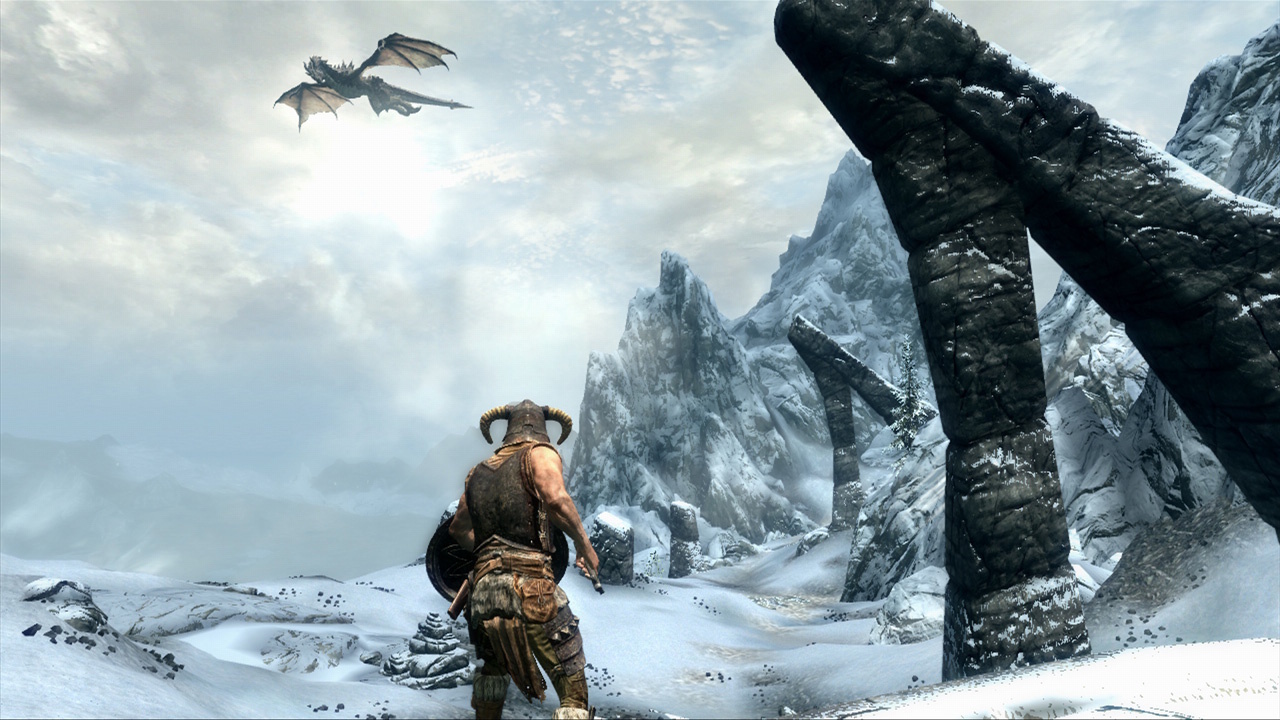
Promo screenshot for The Elder Scrolls V: Skyrim showing a dragon.
It’s been almost fifteen years since Skyrim

So while I stand by what I said a moment ago, that any disappointment Elder Scrolls fans may feel about learning the game won’t be coming out any time soon is on them… that’s not the whole story. Bethesda has spent close to fifteen years repeatedly porting, remastering, re-releasing, and adding microtransactions to Skyrim, and the games they’ve released since then, beginning really with Fallout 4, haven’t been as well-received as they were in the 2000s. Bethesda should, after the Microsoft acquisition, have created a second development wing, and given either Starfield or The Elder Scrolls VI to them, allowing them to have both games ready in a more reasonable time frame.

Skyrim launched in November 2011. And by the time The Elder Scrolls VI launches in 2028 or 2029 (or beyond, perhaps), it’ll be closer to Skyrim’s twentieth anniversary than its fifteenth. In the intervening years, fans of role-playing games have been treated to the likes of The Witcher 3, Baldur’s Gate 3, and Elden Ring, and open-world adventures like Grand Theft Auto V (and VI), Red Dead Redemption II, and Cyberpunk 2077. And yeah, you read that right – in spite of all the memes and jokes, there’ll have been *two* Grand Theft Auto games released in between Skyrim’s 2011 launch and the eventual release of The Elder Scrolls VI.

Still frame from the GTA VI trailer showing Lucia.
There’ll have been two GTA games – V and VI – since Skyrim launched…

Given what happened with Starfield, with its lacklustre world-building, characters, and stories, I can’t be the only one thinking that The Elder Scrolls VI is going to struggle… can I? Bethesda seems content to double-down on the same basic approach, employing the same writing team, and using the same game engine. But isn’t that going to lead to the same kind of outcome? After all this time, is The Elder Scrolls VI going to end up as little more than a microtransaction-riddled disappointment? I hope not, but I confess that I’m sceptical. As I wrote last year, The Elder Scrolls VI is no longer a “must-buy on day one” title for me, but rather a “wait six months and see” kinda game.

There is clearly still a Bethesda fanbase, and at least some of those folks won’t care if the game feels a generation or two out-of-date, or the writing and voice acting aren’t up to par, because that “jankiness” is just part of what makes the Bethesda experience. So I’m not arguing that there’ll be no audience for The Elder Scrolls VI, but I think it’s interesting to note that, even among hard-core Bethesda fans, there’s discontent and disappointment – albeit that some of that disappointment, when it comes to the game’s release window, is rather self-inflicted!
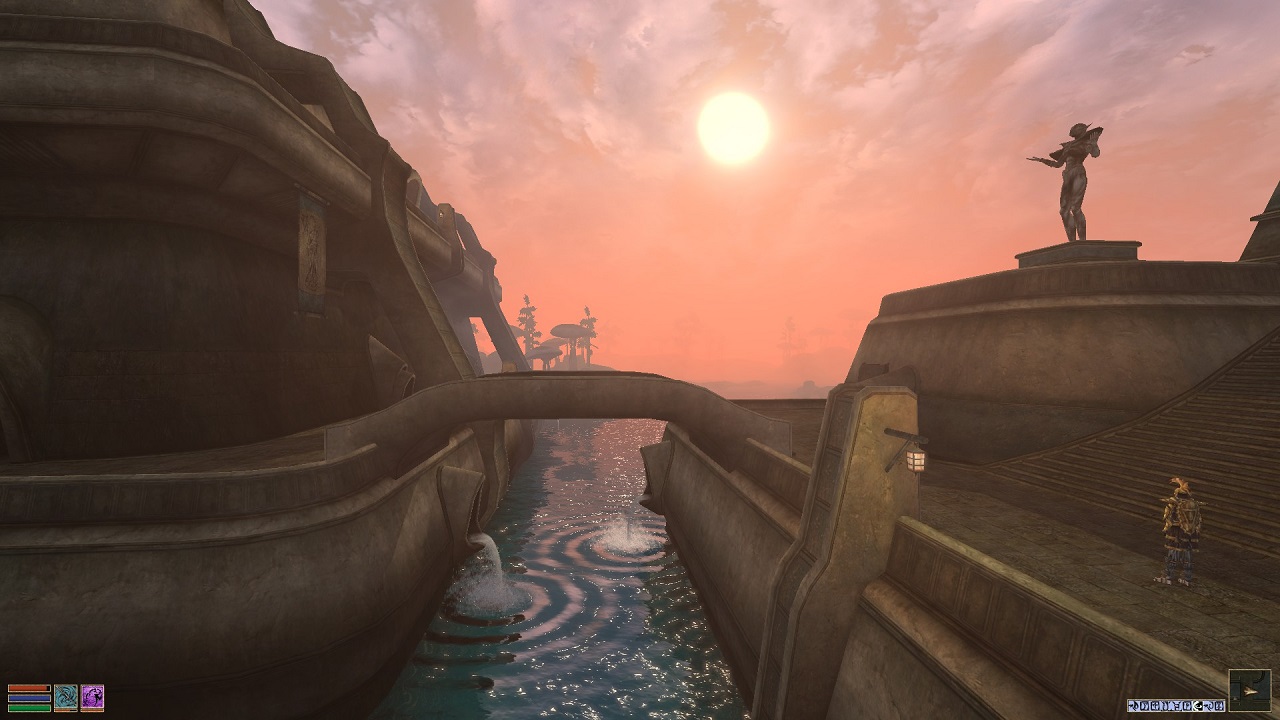
Promo screenshot for The Elder Scrolls III: Morrowind.
The Elder Scrolls III: Morrowind.

In 2002, I absolutely adored Morrowind, and it remains one of my favourite games to this day. But I’m struggling to get excited for another Bethesda game right now, even in a series I have a genuine fondness for, after a decade-plus of the studio focusing more on wringing money out of players than keeping up with the competition. Now that I no longer use PC Game Pass, I really don’t expect to pick up The Elder Scrolls VI until it’s been out for a while and I can assess to what extent it’s being monetised. If it looks anything like Starfield, which has a microtransaction marketplace that resembles something out of a free-to-play mobile game… I might not even pick it up at all.

So this has been an odd one. I will reluctantly defend Bethesda and Todd Howard on the timing of The Elder Scrolls VI, simply because anyone with a brain cell should have been able to understand that the game wasn’t going to be released in just a few months’ time. But at the same time, it’s still a problem of Bethesda’s own making: a massively premature announcement in 2018 led fans to believe that the game was being actively worked on, and the studio’s unwillingness to change and adapt the way it creates games means they’re *still* only working on one game at a time, despite having the resources to do more. After all, what else are they gonna spend all the money from Microsoft and those paid mods on?

In any case, The Elder Scrolls VI is – as I have repeatedly said here on the website, going back several years – a 2028 or 2029 game. It isn’t coming out any time soon. No shit.


All titles discussed above are the copyright of Bethesda Game Studios, Bethesda Softworks, Xbox Game Studios, and/or Microsoft. Some screenshots and promo art courtesy of Steam and IGDB. This article contains the thoughts and opinions of one person only and is not intended to cause any offence.
The Elder Scrolls VI: A Game In Peril?

It seems silly to be talking about a game this far out from its potential launch – and I can appreciate that. However, I find myself with things to say about The Elder Scrolls VI, in part to expand upon something I touched on earlier in the year when discussing Starfield’s absolutely disgusting microtransaction marketplace, and with news breaking in 2024 that Bethesda Game Studios is ramping up development on The Elder Scrolls VI… well, it can’t hurt to share my thoughts at this early stage, right?

Let’s briefly re-tread some ground so we’re all on the same page. The Elder Scrolls III: Morrowind is one of my favourite games of all-time, and I also enjoyed Oblivion, Skyrim, and Bethesda’s entries in the Fallout series. In 2023, I got swept up in the hype for Starfield… only to crash and burn on that game pretty quickly when I found it to be last-gen, small, and basically just boring. I am not any kind of “hater” of Bethesda or their games – and I’m definitely not trying to pick on any individual developers, producers, or creative folks. I approach this subject as someone who desperately wants to enjoy The Elder Scrolls VI… but I feel so incredibly turned off the game at this early stage that it would take a miracle to even convince me to play it.

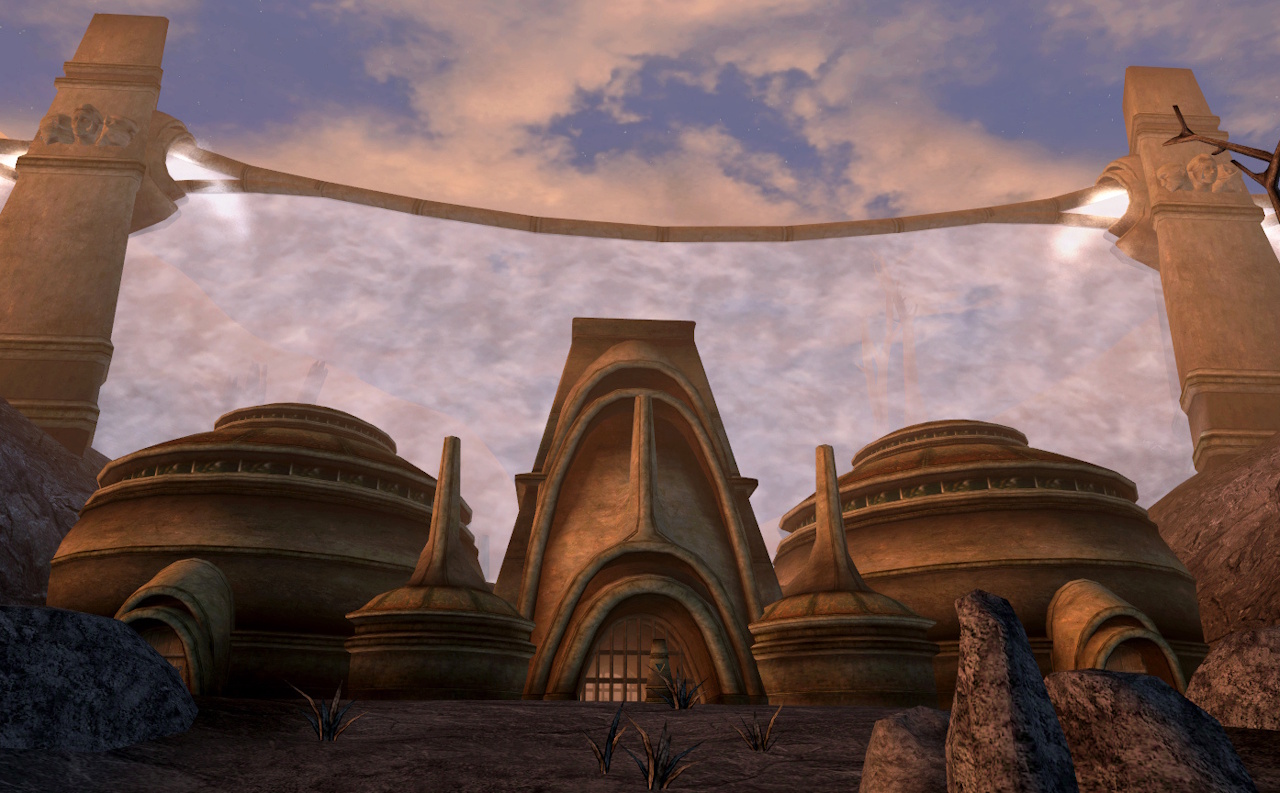
Screenshot of Morrowind showing the settlement of Ghostgate (two buildings, a gateway, and a magical fence).
Morrowind is one of my favourite games of all-time.

The Elder Scrolls VI feels vulnerable right now. Bethesda is, to be frank, coming off not just one poorly-received game… but a decade’s worth. Fallout 4, while enjoyable enough, is generally considered to be less impressive than its predecessor, with fans proclaiming Obsidian’s spin-off Fallout New Vegas as the “best” entry in that series since Bethesda acquired the license. Fallout 76 has, to my surprise I will admit, clawed back some players and gone some way to rehabilitating its reputation as a multiplayer title… but it launched in such a shockingly poor state that there was a very low bar. And then we come to Starfield and its Shattered Space expansion.

Starfield was the game that, for me, hammered home how little Bethesda has learned and how unwilling the company is to adapt and evolve. Starfield was built on the creaking reanimated corpse of a twenty-five-year-old game engine… and it showed. Massively outdated gameplay was compounded by weak world-building and an uninspired and incomplete main quest – leading me to uninstall the game after a meagre thirty hours of gameplay. I was then massively disappointed to see Bethesda add paid mods and microtransactions to this single-player title.

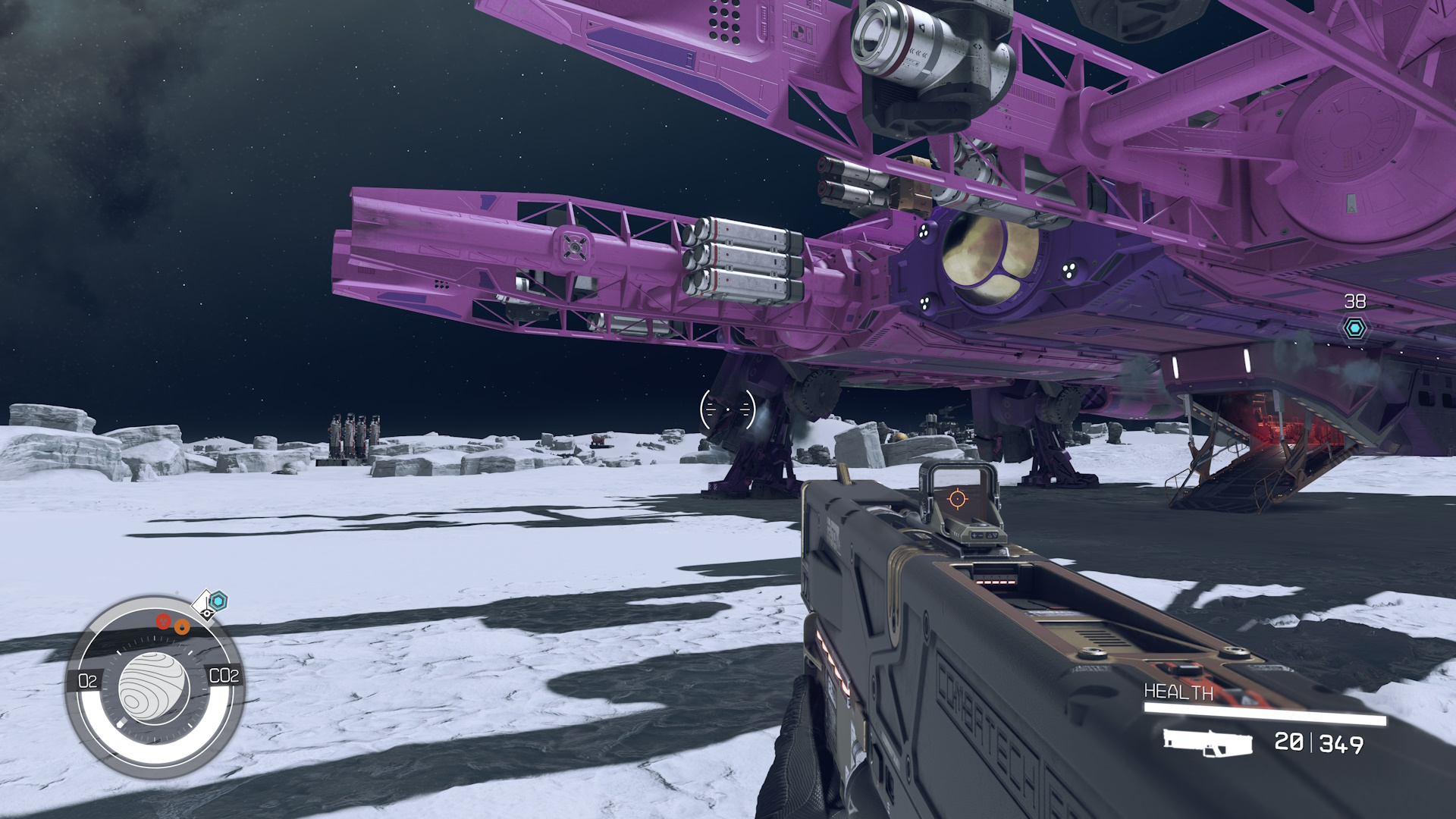
Screenshot of Starfield showing a first-person perspective, a rifle, and a custom spaceship.
Starfield has led to me feeling sceptical about Bethesda’s next game.

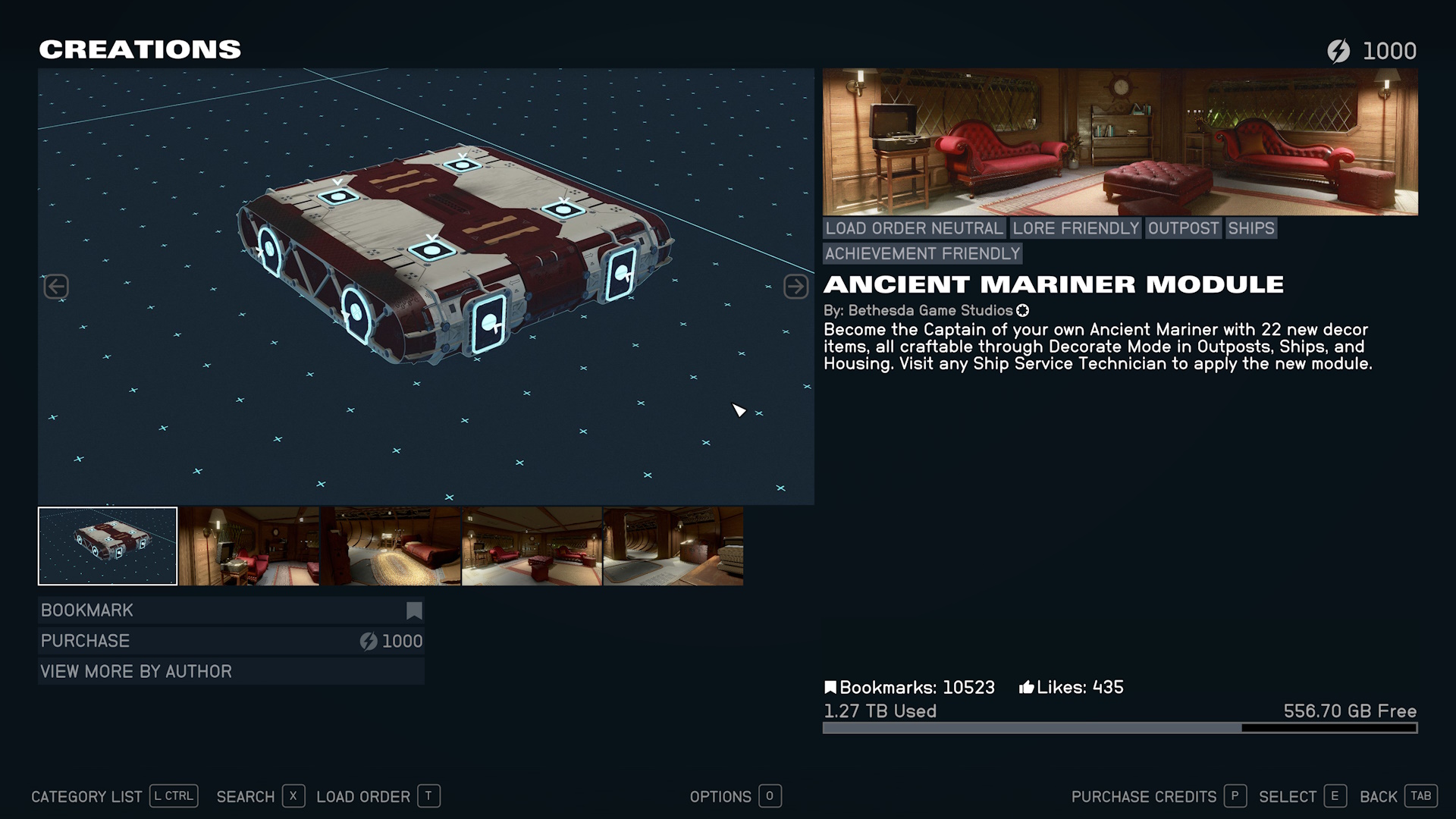
The microtransactions really stand out to me. They reveal how Bethesda sees Starfield – and by extension, how the company will presumably treat The Elder Scrolls VI, too. Instead of making a complete game with an expansion or two – like they used to do in the Morrowind days – Bethesda sees its games as platforms for every shitty monetisation trend going. Starfield’s in-game marketplace looks like something out of a free-to-play mobile game, complete with an in-game currency that has an awkward exchange rate, tiny packs of massively overpriced skins and cosmetic items, and even whole missions locked behind a paywall. I was disgusted to see the game descend so quickly into this overly-monetised mess – even more so because Bethesda hid the extent of microtransactions during Starfield’s important first few months on sale.

Paid mods will have to be the subject of a longer piece one day, but for now it’s sufficient to say that I’m not a supporter of the idea and never have been. But to see Bethesda greedily trying to grab even more money for something they didn’t even make… it makes me sick to my stomach to see how ridiculous Starfield’s in-game marketplace is.

Screenshot of the Starfield in-game shop showing one of the items available for purchase (a pack of cosmetic items).
One of Starfield’s many microtransactions.

And that, I’m afraid, has completely changed how I feel about The Elder Scrolls VI.

I could have written off Starfield as an unsuccessful experiment; a game with some good ideas but that was let down by an overreliance on outdated tech and poor world-building that never succeeded at generating that sense of scale that a game set in space needs to have. I would have been content to put Starfield back on the digital shelf and see what Bethesda could do with the next entry in a series that I have a genuine fondness for.

There would still have been concerns, of course. The Creation Engine is so outdated that using it for yet another game feels like a seriously bad idea, one that could harm The Elder Scrolls VI immeasurably. But I would have looked past that if the story and world-building were good enough – just as I can look past the jankiness of titles like Morrowind.

The logo of Bethesda's Creation Engine 2.
Bethesda’s insistence on retaining the outdated Creation Engine was always going to be a cause for concern.

But having seen the microtransaction hell-hole that Bethesda created, paywalling off little packages of content left, right, and centre in a game that – let’s be blunt – wasn’t exactly brimming with content to begin with… I feel increasingly sure that that’s how the company plans to make games from now on. The Elder Scrolls VI may launch with no microtransactions, but if it follows the Starfield pattern they’ll be added in within the game’s first few months – and you can expect to pay extra for anything from a shiny new pair of boots to an entire questline or faction.

I loathe this approach to single-player games, and I really don’t think it’s too much to ask for to be able to buy and play a complete game. Look at other titles in the single-player action/RPG space: Cyberpunk 2077, Elden Ring, Kingdom Come: Deliverance, Baldur’s Gate 3… what do they all have in common? They might have an expansion pack or two, but they don’t paywall fan-made mods, they don’t make you pay for in-game currency, and they don’t try to sell you skins, cosmetic items, and missions.

Promo image for Baldur's Gate 3 showing the game's box art, logo, and main characters.
If Baldur’s Gate 3 can succeed and turn a profit without microtransactions, why can’t Bethesda’s games?

But that’s just my personal take on Bethesda, Starfield, and how I feel about The Elder Scrolls VI. There’s more to say – and I think there are legitimate reasons for Microsoft and Bethesda to worry about the prospects of this game as it’s currently envisioned.

Starfield was in development for a long time – and Bethesda, over the past few years, has taken anywhere from four to six years on development. Rumours abound that Starfield was forcibly delayed by Microsoft in order to quash as many bugs as possible, with perhaps as much as a year of “polish” and bug-fixing after the game’s primary development was complete. It doesn’t seem unreasonable to me to think a similar five- or six-year timeframe is likely for The Elder Scrolls VI.

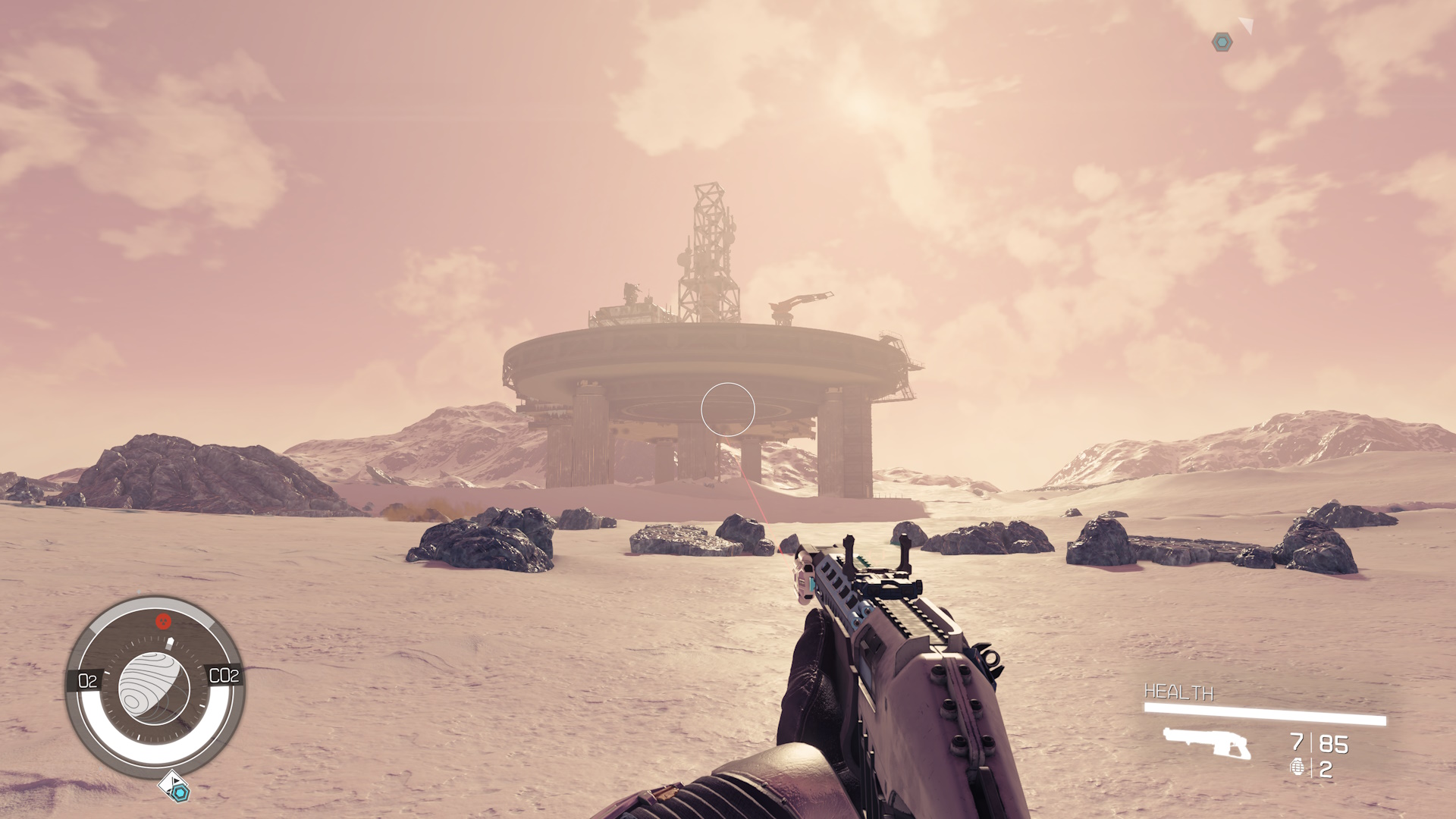
Screenshot of Starfield showing a first-person perspective and a circular building in the distance.
Starfield took Bethesda years to create.

If we generously assume that Bethesda jump-started full development on The Elder Scrolls VI the second Starfield was out the door in September 2023, that puts the game’s potential launch in late 2028 or even 2029. Forget these so-called “rumours” of a 2026 launch… that seems like a total fantasy to me. It will take time to develop a game like this… and if I dare to hope, Bethesda may be taking on board feedback from Starfield and perhaps making some changes – like reducing the need for loading screens in between areas – which may make things take even longer.

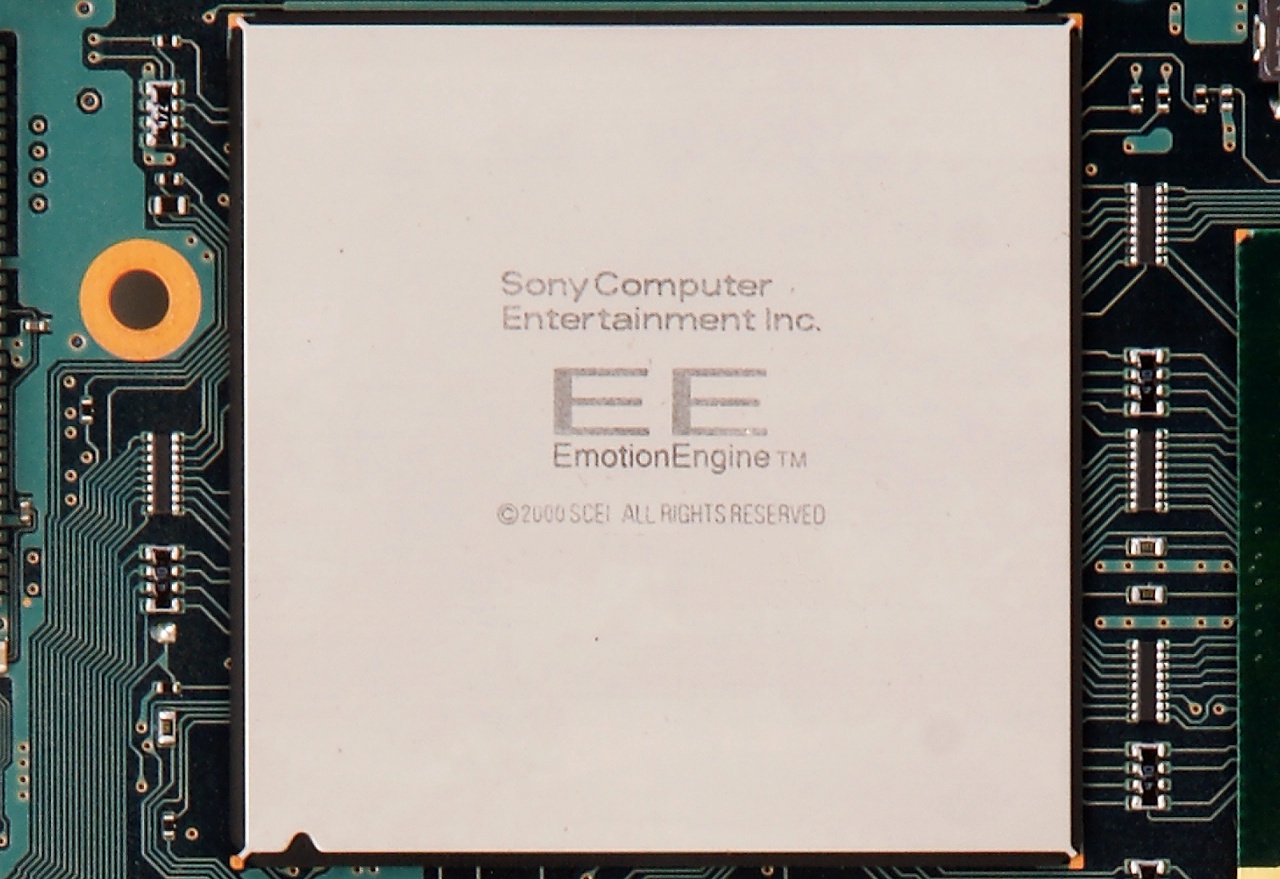
So what else might be happening in 2028 or 2029? Well… in 2024 we’re about halfway through the current generation of home consoles, right? It doesn’t seem impossible to me that the PlayStation 6 and perhaps a new Xbox console could be targeting a 2028 or 2029 launch; I’d be surprised if we don’t see the next generation of home consoles before the end of the decade. With a new console generation there will be new games – and new improvements to graphical fidelity and gameplay. That doesn’t bode well for a game that’s being created on underlying technology that will be thirty years out of date by the time it launches.

A PlayStation 2 Emotion Engine chip; a silver chip mounted to a green circuit board.
By the time The Elders Scrolls VI is ready, a new generation of home consoles could already be on the way.
Pictured: A PlayStation 2 Emotion Engine chip.

I’m not saying that The Elder Scrolls VI will be exclusive to next-gen hardware; I think it’s almost guaranteed that it’ll launch on the Xbox Series S and X – with the possibility, perhaps, of a deal to bring it to PlayStation 5 further down the line. But what I am saying is that, if the game arrives in 2028 or 2029 as predicted above, it’ll be landing in a very competitive marketplace, one where people are beginning to get hyped for new consoles – or where new consoles may even have launched.

That isn’t to say being late to the party in a console generation is always a bad thing. The Last Of Us was one of the final PlayStation 3 exclusives, for example, and it launched to critical and commercial acclaim. Microsoft could well be hoping that The Elder Scrolls VI will net Xbox a late consolation goal – ending a troubled console generation on a high note. That’s a good aspiration to have, I guess.

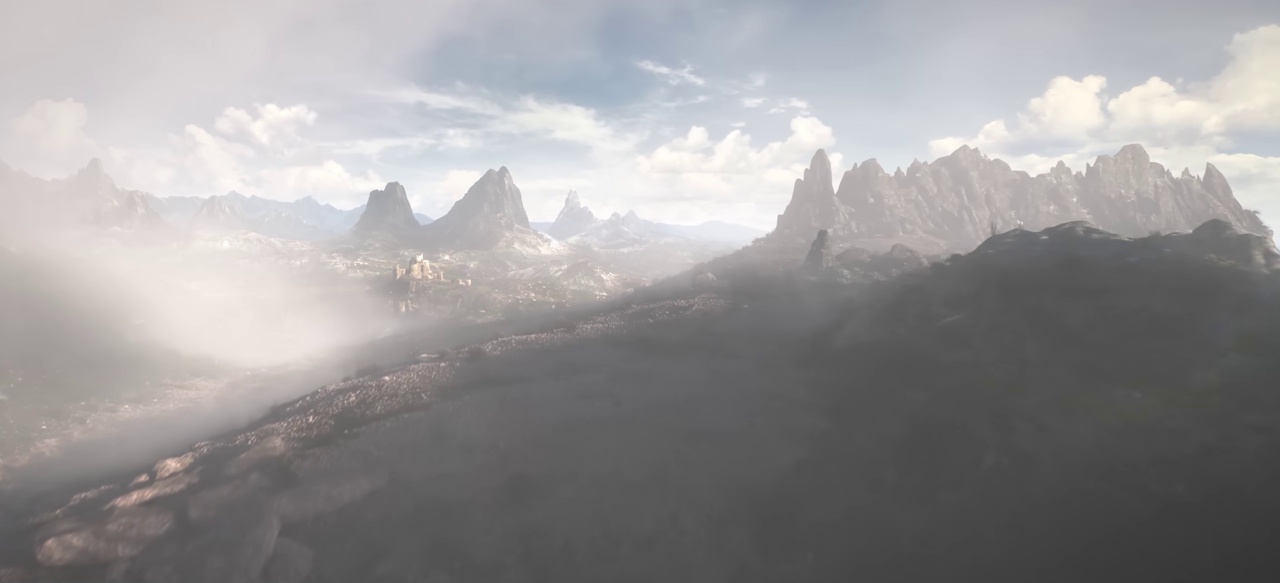
Still frame from the 2018 teaser trailer for The Elder Scrolls VI showing mountains in the mist.
Is Microsoft banking on The Elder Scrolls VI to see out this generation with a bang?

But even if the PlayStation 6 and the next Xbox aren’t out by the time The Elder Scrolls VI launches, it’s quite possible that players will already be seeing trailers and teasers for those consoles’ launch titles – and those games could look bigger, better, and much more visually impressive than anything Bethesda is capable of. The Elder Scrolls VI could seem underwhelming or disappointing to an audience already preparing to move on from this console generation.

There’s also a perception – an incorrect one, but one that Bethesda inflicted upon itself – that The Elder Scrolls VI has been in development since 2018. While it’s true that early pre-production was going on during Starfield’s development, it simply won’t be true in 2028 that this game “took ten years to make.” But I already see this idea taking root, and even some commentators and critics who should know better have been talking about The Elder Scrolls VI as a game that’s been in development since 2018.

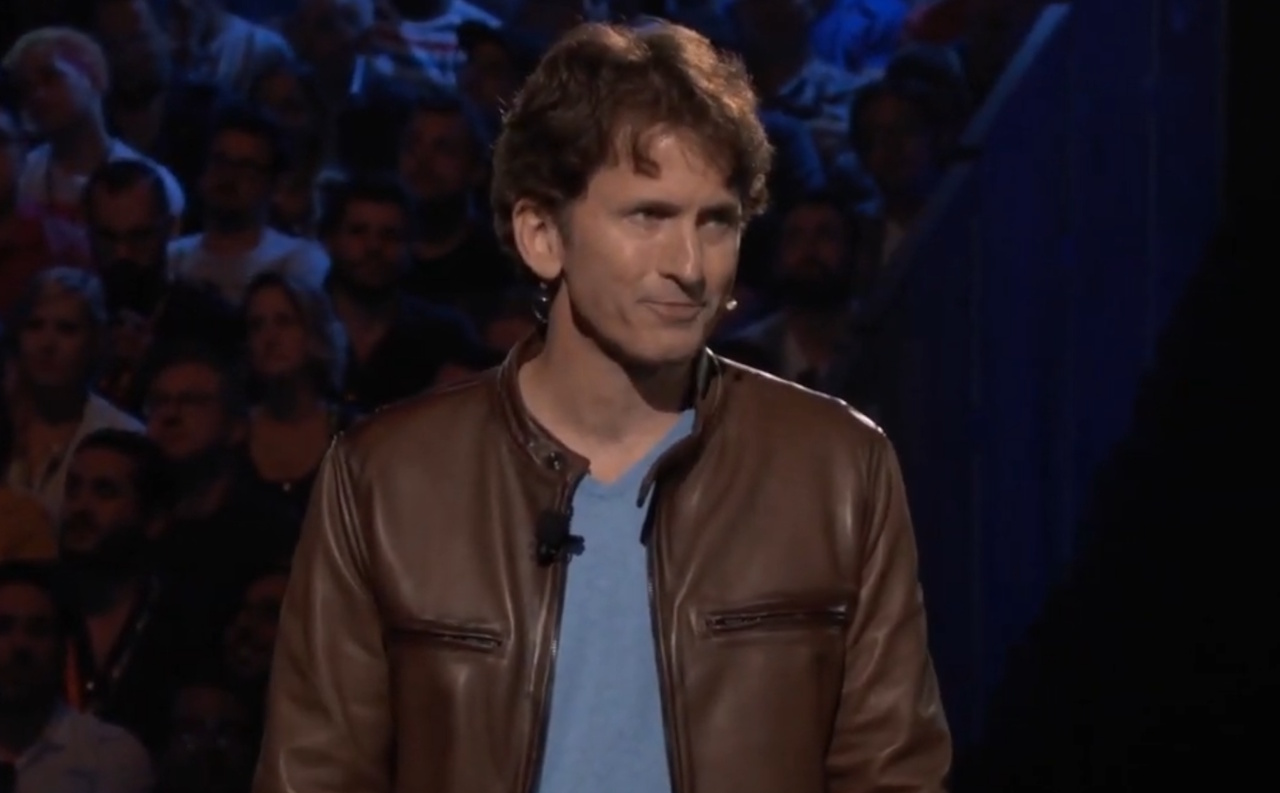
Still frame from Bethesda's 2018 E3 presentation showing producer Todd Howard.
The Elder Scrolls VI was announced in 2018.

By announcing The Elder Scrolls VI so early, before any major work had been done on the game, Bethesda has set some dangerously wrong expectations. If the game is bad – or even if it’s good but not great – people will ask “what did you waste ten years doing?” or “how did a game this mid take a decade to make?” There’s nothing that can be done about that now; the 2018 announcement is out there and has been part of the gaming landscape for six years at this point. But it was an own goal from Bethesda; the company shouldn’t have rushed to announce a game that they weren’t actively working on and that they knew wouldn’t be ready any time soon.

Skyrim is, for many folks, Bethesda’s high-water mark. It was a landmark title that did a lot for the fantasy genre in gaming as well as action/RPGs. There hasn’t been a new mainline Elder Scrolls game since 2011; by 2028 we’ll be closing in on Skyrim’s 20th anniversary. Such a huge gap in between games brings with it its own expectations, and players will expect to see genuine improvements in everything from combat and exploration to world-building and voice acting. Failing to live up to those expectations will cause the game to suffer – and if there’s a gulf in between player expectations and reality, that could be catastrophic.

Screenshot of Starfield showing the player reaching an invisible wall at the edge of the map.
“Walk on, brave explorer.”

Bethesda is also a company that I would argue massively over-promises – to the point where some statements in the run-up to Starfield’s launch felt borderline deceptive. Remember “walk on, brave explorer?” Well, it turned out you could “walk on” for about ten minutes before hitting an invisible wall… which wasn’t exactly a great look. You can shout at me till you’re blue in the face that technically nothing they said was an out-and-out lie, but there’s no doubt in my mind that Starfield’s marketing was mishandled and that Bethesda deliberately encouraged excessive hype – hype that ultimately ended up harming many players’ enjoyment of the game.

The Elder Scrolls VI needs to be marketed fairly and honestly – even if it’s not actually that good! The basic job of marketing is to show a product in the best possible light, but it’s also incumbent upon a good marketing department not to set incorrect expectations nor allow hype to get out of control. That happened with Starfield, and the result was that too many players crashed down to earth pretty quickly when they hit the game’s limitations – and loading screens.

Screenshot of Starfield showing an NPC on a medical bed.
It must be some kind of visual metaphor…

For me, The Elder Scrolls VI is – at best – a game I’m going to wait a year to decide on after it launches. Bethesda was duplicitous with Starfield’s microtransactions and paid mods, concealing them as best they could during the game’s first few months on sale – and while reviews were being written – before adding them in later. If Bethesda won’t explicitly commit to having no such marketplace in The Elder Scrolls VI, then I’m going to wait at least a year to see if they add one in and how bad it is. If it’s anything like Starfield, I really don’t think anyone will be able to convince me to play it.

But there are other reasons to be sceptical of this game. Bethesda’s refusal to modernise – in terms of the underlying game engine as well as in both writing and game design – left Starfield feeling decidedly out of date; a game surpassed in so many ways not only by its contemporaries, but by games that were several years old by 2023. Without major changes internally, I worry that The Elder Scrolls VI will be in the same boat. If that’s what fans want – and some fans will clearly be satisfied with “just” another Bethesda game that’s no different from all the others – then that’s okay, I guess. But when I look ahead to the second half of the 2020s and beyond, I hope and expect to see improvements in game design… improvements that Bethesda has shown absolutely no signs of making.

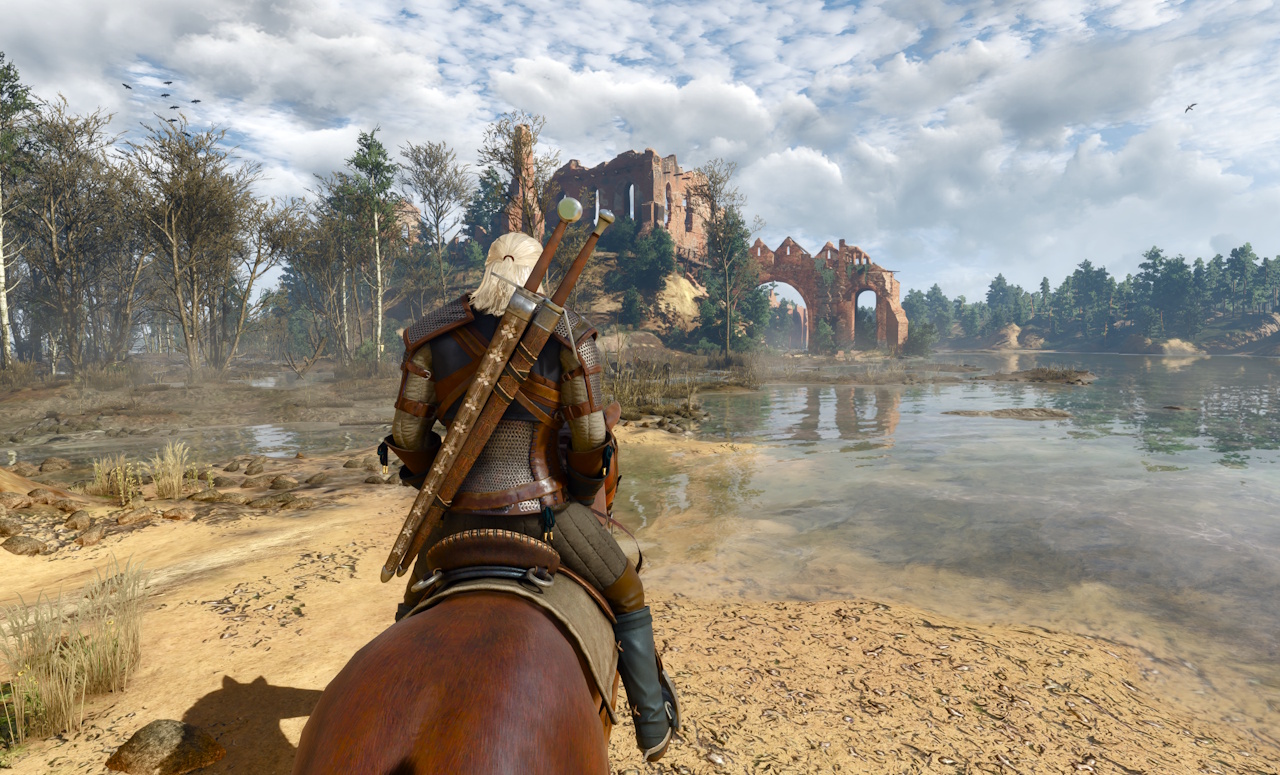
Promotional screenshot of The Witcher 3 showing Geralt on his horse.
Bethesda doesn’t seem to have learned anything from its competitors in the action/RPG space.
Pictured: The Witcher 3 from CD Projekt Red

So that’s where I am when it comes to The Elder Scrolls VI… at least at this early stage. There are red flags galore and plenty of reasons to leave this game on the shelf, even if it launches to positive reviews. And after a difficult few years for Bethesda – a decade, basically, in which their least-bad title is arguably Fallout 76 – there is a lot riding on the success of The Elder Scrolls VI. Despite Starfield’s issues, its mediocre reviews, and a player base that seems to have largely deserted the game, Microsoft seems content at this stage to let Bethesda do its thing and push ahead with The Elder Scrolls VI. I find it impossible to think that Microsoft and Xbox will tolerate another disappointment on that scale, though.

Bethesda may have earned some goodwill through publishing titles like Doom Eternal and Indiana Jones and the Great Circle – the latter having become a surprise hit just this month. But the company’s development arm is struggling, and Microsoft has shown it can be brutal when it comes to shutting down studios that fail to deliver. It’s incredibly important for Bethesda that they get this right.


The Elder Scrolls VI is currently in development and will release on PC and Xbox Series consoles at an unknown future date. The Elder Scroll series, Starfield, and other properties discussed above are the copyright of Bethesda Softworks, ZeniMax Media, Inc., and/or Microsoft. This article contains the thoughts and opinions of one person only and is not intended to cause any offence.